
What is a Keyword Outline and How to Make One (Examples)

Are you struggling to find the right keywords for your blog posts?

Do you find it challenging to organize your content around these keywords? If yes, then a keyword outline is what you need.

In this blog post, we will cover everything there is to know about keyword outlines. We will start by discussing what keywords are and their different types. Then we will move on to explain what a keyword outline is and how it can help boost your blog’s SEO rankings.

We will also provide step-by-step instructions on how to create a keyword outline, along with examples and templates that you can use.

Additionally, we will discuss the benefits and drawbacks of using a keyword outline, as well as whether it can be used for other types of writing. So let’s dive in and learn all about keyword outlines!

What Are Keywords?

What Are Keywords?

Keywords are important words or phrases that describe the content of a website, document, or other piece of writing. Choosing the right keywords helps make your content more findable in search engines like Google. Keywords should be relevant to your topic and what users may search for.

Keywords are like the secret codes that help search engines like Google find your stuff. So, when you’re working on your SaaS company’s content, it’s crucial to pick the right keywords. That’s where VH-Info, the link-building agency, comes in. We help you by making sure your SaaS company’s website shows up when people are searching for things related to what you offer using backlinks. It’s like having a secret weapon for getting noticed on your keywords on the internet!

What Are Keyword Types?

The main types of keywords are

  1. Short-Tail Keywords
  2. Long-Tail Keywords
  3. Brand Keywords.

Short tail keywords are more general, broad terms.

Long tail keywords are more specific and targeted phrases.

Brand keywords include your company or product name. Using a mix of these types helps optimize content for search and relevance.

Types of Keyword on a Page Level:

There are two main types of keywords when we talk on a page level. The first are primary keywords. These are the most important words that describe the main focus of your content.

The second type is secondary keywords. These are extra words and phrases that also relate to your content but are less critical. Using both primary and secondary keywords helps make your content easy to find and understand.

What Is A Keyword Outline?

What Is A Keyword Outline?

A keyword outline is a short list of the most important points, main ideas, and topics you want to cover in your blog post, speech or presentation.

It uses key words and phrases instead of full sentences to summarize the key points and flow of your content.

Creating this type of outline forces you to boil down your message to the essential ideas and keywords. It acts as a roadmap to stay on track and hit your main points during the speech. The keyword outline does not include all the details or actual words you will say.

It simply outlines the major ideas and topics in short form. This allows you to communicate the core message clearly and effectively to your audience (or to the writer as the case may be). A keyword outline is a useful tool for organizing your thoughts and delivering a focused speech or a blog post.

How Do I Find the Keywords?
How Do I Find the Keywords?

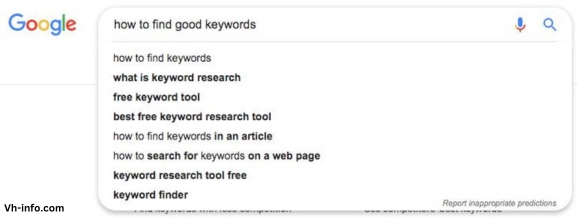
To find strong keywords, first identify your core topics and main ideas. Brainstorm words and short phrases that summarize those key points. Focus on using nouns, verbs, and adjectives that get to the essence of each idea. Avoid filler words. Look for words your audience may search for related to your content. The most impactful keywords will be specific, relevant, and concise. Use these terms to build your keyword outline.

How Does A Keyword Outline Help?

A keyword outline helps organize your speech or presentation. It ensures you cover your main points and ideas. Using key terms rather than full sentences keeps the outline concise. This allows you to see the logical flow and progression of your content at a glance. Overall, a keyword outline provides focus, structure, and brevity when planning your message.

Why is Key Word Outlining so important?

Keyword outlining is important because it distills your speech down to the most essential ideas and terms. This forces you to clarify your main points and structure.

Using keywords instead of full sentences keeps the outline focused and concise. This allows you to logically organize your content and speaking points at a glance.

Overall, keyword outlining helps craft and deliver a clear, structured, and effective speech in your own words, while also ensuring accuracy by referring back to the original source.

How Do I Create A Keyword Outline?

To make a keyword outline:

  1. Write down the main points of your speech or presentation in sentences.
  2. Pick 3-5 important words for each main point.
  3. Arrange these keywords into a short and clear outline.

Keyword Outline Examples

Here are some examples of keyword outlines with actual topics:

Example 1:

  • I. Causes of the American Civil War
    • A. Economic disputes
      • 1. Northern industrial economy vs Southern agrarian economy
      • 2. Disagreements over tariffs and taxes
    • B. States’ rights
      • 1. Federal power vs states’ rights
      • 2. Expansion of slavery into new territories
  • II. Key Events of World War II
    • A. Start of the War
      • 1. Germany invades Poland in 1939
      • 2. Battle of Britain in 1940
    • B. Turning Points
      • 1. Attack on Pearl Harbor in 1941
      • 2. Battle of Midway in 1942
      • 3. D-Day landings in 1944
  • III. Characteristics of Renaissance Art
    • A. Realism/Humanism
      • 1. Detailed portraits and landscapes
      • 2. Focus on nature, human anatomy
    • B. Perspective
      • 1. Depth and dimension
      • 2. Mathematical approach

Example 2:

  • I. Introduction
    • A. Definition of Healthy Morning Habits
    • B. Importance of Starting the Day Right
    • C. Overview of the Blog Post
  • II. Benefits of Establishing Healthy Morning Habits
    • A. Improved Physical Health
      • 1. Increased Energy Levels
      • 2. Boosted Metabolism
    • B. Enhanced Mental Well-being
      • 1. Reduced Stress and Anxiety
      • 2. Improved Concentration
  • III. Key Healthy Morning Habits
    • A. Early Wake-Up Time
      • 1. Benefits of Waking Up Early
      • 2. Tips for Establishing an Early Morning Routine
    • B. Hydration
      • 1. Importance of Drinking Water in the Morning
      • 2. Creative Ways to Stay Hydrated
    • C. Nutritious Breakfast
      • 1. Impact of a Healthy Breakfast on the Day
      • 2. Quick and Nutritious Breakfast Ideas
    • D. Physical Exercise
      • 1. Benefits of Morning Exercise
      • 2. Simple Morning Workouts
  • IV. Incorporating Mindfulness into Your Morning
    • A. Mindful Breathing
      • 1. Techniques for Mindful Breathing
      • 2. Connection to Mental Well-being
    • B. Gratitude Practice
      • 1. Expressing Gratitude in the Morning
      • 2. Positive Effects on Outlook
  • V. Overcoming Challenges
    • A. Common Obstacles to Establishing Healthy Morning Habits
      • 1. Lack of Time
      • 2. Initial Discomfort
    • B. Strategies for Overcoming Challenges
      • 1. Gradual Changes
      • 2. Accountability Partners
  • VI. Conclusion
    • A. Recap of the Importance of Healthy Morning Habits
    • B. Encouragement for Readers to Start Implementing Changes

As you can see, the format helps the writer organize important subtopics, details, events, characteristics and examples under the key overarching topics. This provides a structured overview that can then be turned into paragraphs, blog post or a full essay.

This outline shows the key ideas for a speech about introducing a problem and suggesting a solution. It doesn’t have the exact words to say but gives the main points to talk about.

Keyword Outline Template

Here is a keyword outline template you can use:

  • I. [First main topic
    • A. [First subtopic
      • 1. [First detail
      • 2. [Second detail
    • B. [Second subtopic
  • II. [Second main topic
    • A. [First subtopic
    • B. [Second subtopic
      • 1. [First detail
      • 2. [Second detail
  • III. [Third main topic
    • A. [First subtopic
      • 1. [First detail
      • 2. [Second detail
    • B. [Second subtopic
      • 1. [First detail
      • 2. [Second detail

To use it:

  • Replace the bracketed text with your actual topics/subtopics/details
  • Use the indentation and numbering to show the hierarchy of ideas
  • Expand to as many levels of subtopics and details as needed
  • Remove sections if you don’t need that many main topics

The outline format helps organize your ideas and seeing the label format (I, A, 1, etc.) allows you to quickly build out the structure. You can then use this organized information to write your full paper or essay.

Can I Use A Keyword Outline For Other Types Of Writing?

Yes, you can use a keyword outline for other types of writing besides speeches.

Here are some examples:

A keyword outline can provide quick structure and focus when planning any piece of writing. For essays or articles, it helps map out the main points to cover. In creative writing, it allows organizing plot points or sequencing key events.

Even for business writing, keyword outlines help define critical information to convey. The technique is flexible enough to outline prose, reports, stories, papers, letters, and more.

How Do I Revise My Keyword Outline?

Here are some tips for revising a keyword outline:

To revise a keyword outline, read through it to check logical flow from start to finish. Make sure your main points transition smoothly. Expand keywords with more detail if needed.

Condense bloated points into concise keywords. Adjust organization or sequence as necessary. Verify if the keywords selected are specific, accurate, and impactful.

Finally, read the outline aloud to catch gaps or awkward phrasing. Refining your keyword outline will strengthen its structure and clarity.

Are There Any Other Benefits To Using A Keyword Outline?

Here are a few additional benefits of using a keyword outline when writing:

  • Helps ensure you cover all the main points and topics you want to discuss. The keyword outline acts as a checklist to make sure you don’t miss or forget anything important.
  • Makes organizing and structuring your writing easier. The keywords and hierarchy of the outline provide a logical flow for your writing.
  • Saves time. The keyword outline gives you a clear direction before you start drafting, so you don’t waste time writing aimlessly.
  • Keeps you focused. Referring back to the outline keeps you on track and prevents you from going off on tangents.
  • Serves as a reference. You can easily refer back to your outline while writing or editing to maintain consistency and check if you covered all the key points.
  • Makes editing simpler. You can reorganize and revise your writing more efficiently by moving sections around in your outline first.
  • Allows collaboration. An outline makes it easier for multiple people to work on and review a document together.
  • Provides a basis for presentations. Your outline can form the basis for developing slides, notes, or speeches if you need to present your writing.

Are There Any Disadvantages To Using A Keyword Outline?

There are a few potential disadvantages or challenges to using a keyword outline:

  • Rigidity. An outline can sometimes make writing feel too rigid or constraining if you focus too much on sticking to the exact outline order. Outlines require flexibility as ideas evolve.
  • Time consuming initially. Creating a thorough, well-organized outline takes time upfront before you can start writing. However, it often saves time in the end.
  • Difficulty balancing detail. Determining how much detail to include in the outline can be tricky. Too much can make it tedious; too little can make it vague.
  • Not suited for all writing. Highly creative or narrative writing may not benefit as much from structured outlining. The outline could interrupt the creative flow.
  • Can limit spontaneity. Strict outlining leaves less room for spontaneity or inspiration while writing the full draft. New ideas may not fit the outline.
  • Creates writer’s block. Over-dependence on the outline as a starting point can inhibit some writers and result in writer’s block.
  • Oversimplification. Reducing complex ideas down to short phrases or single words may oversimplify concepts. Nuance can be lost.
  • Difficult to update. Updating a complex outline as your ideas change can be challenging compared to revising a draft.

Boost Your Content’s Strategic Optimization With Keyword Outlines

A keyword outline is a critical content optimization tool that summarizes the main topics and subtopics using key phrases instead of full sentences. This allows writers to strategically plan and structure content around target keywords, like types of positioning, to appeal to user search intent.

Keyword outlines help content align with specific SEO elements like marketing positioning and buyer persona differences between TOFU and BOFU.

For example, financial services content requires optimization for concepts like financial services marketing and segmentation strategies. The key foundations of strategic keyword outlining tie back to core marketing fundamentals like the 5 P’s of marketing and metrics like paid acquisition. This allows writers to optimize for search intent around narrow strategic approaches like focused differentiation.

Overall, keyword outlines enhance SEO content optimization by aligning writing with both user search intent and strategic marketing approaches like qualitative research.

FAQ’s:

How does a keyword outline differ from a traditional outline?

A keyword outline uses single words or short phrases to summarize each section, while a traditional outline uses full sentences. A keyword outline is less detailed but allows you to see the overall structure more clearly. A traditional outline provides more detail and elaboration on each section.

Are there any software programs that can help with creating a keyword outline?

Yes, programs like Microsoft Word, Scrivener, Inspiration Maps, OmniOutliner, and Workflowy can help create keyword outlines. Their interfaces let you easily arrange, reorganize, and view keyword points in an outline format instead of full sentences. This allows flexibility in structuring ideas.

How can using a keyword outline improve the organization and clarity of your writing?

Using a keyword outline makes writing, such as essays or research papers, more organized and clear. It helps you arrange your thoughts in a logical order before you start writing. When you use key terms to summarize sections, it aids comprehension and makes you think about the main points and how they connect. This comprehension makes a good foundation that you can later build on to create well-structured paragraphs. In the end, your writing, including research papers, will be clear, focused, and easy to understand.

What is keyword research, and how do you use keywords?

Keyword research is the process of identifying words and phrases that people type into search engines to find information online. It provides the critical keywords to target when creating content.

Here are some key ways to use keywords:

  • Place relevant keywords in headlines, subheadings, image names, URLs, etc. This helps search engines understand the topic.
  • Use keywords naturally in the body content as well. The content should provide useful information focused on the targeted terms.
  • Include keywords in meta descriptions so search engines know what the page is about.
  • Use keyword research to know which terms and topics to create content around. Tailor outlines and articles to the words people are searching for.
  • Focus on long-tail keywords (more specific phrases) as well as short popular terms. This provides more value.

The goal is to align content closely to search intent through strategic keyword placement and valuable information for readers. The outcome is higher rankings and better engagement.

What do you use to create SEO content outlines?

To create SEO content outlines, you can use tools like MindMeister, Workflowy, or Google Docs.

Here are some tips to help you:

  1. Choose a target keyword: Make sure your topic connects with your SEO strategy.
  2. Add relevant keywords: Figure out what your target audience is searching for using keyword research. Use those words in your outline.
  3. Use secondary keywords: Include other important keywords, longer phrases, and related terms in your main points and subheadings.
  4. Use a conversational tone: Speak the way your audience talks. Use the words and phrases they use, which are also keywords.
  5. Use internal links: Connect different pages on your website. This helps your pages rank better in search engines.
  6. Optimize meta descriptions: Make sure your meta descriptions have keywords. Design them so people want to click and read more about your webpage.
  7. Use an AI text generator: Utilize AI tools to discover relevant keywords and include them in your content. This can enhance the effectiveness of your SEO strategy.

How can a keyword outline be used to improve writing efficiency?

When you use a keyword outline while writing, it helps you work faster. It gives you a clear plan with only the most important ideas, so you don’t have to worry about perfecting each sentence right away.

Instead of getting stuck on small details, you can quickly organize the main points and logic of your writing. After that, you can take those keywords and turn them into full paragraphs, making it easier to create a draft quickly.

Conclusion

In conclusion, a keyword outline is an essential tool for effective content creation and SEO optimization. It helps you understand the different types of keywords and their relevance to your target audience.

By using a keyword outline, you can strategically plan and structure your content to align with user search intent and improve your search engine rankings.

Creating a keyword outline allows you to identify gaps in your content and discover new keyword opportunities. It helps you organize your ideas and ensure that your content is comprehensive and well-optimized.

Additionally, a keyword outline can be used for various types of writing beyond blogs, including articles, website pages, and social media posts.

Overall, incorporating a keyword outline into your content creation process can greatly enhance your SEO efforts and drive more organic traffic to your website.

So, start implementing this powerful strategy and watch your online visibility and engagement flourish.

How to Make Links Clickable: A Step-by-Step Guide

In today’s digital age, hyperlinks are everywhere. They take you from one website to the next, they link to other pages on the same site, and even within a document. But have you ever wondered how to make links clickable?

In this blog post, we’ll be exploring the step-by-step process of making hyperlinks clickable.

We’ll cover everything from hyperlink basics to reasons why you should make a link clickable.

Additionally, we’ll walk you through four different methods for creating a clickable hyperlink including using WordPress Classic Editor, WordPress Block Editor (Gutenberg), HTML, and any Graphical User Interface (GUI).

We’ll also provide you with tips for making hyperlinks in various platforms like email, Instagram stories, YouTube video descriptions, and Google Docs using both a computer and a mobile app.

So let’s dive in and learn how to make links clickable!

Hyperlink Basics

Here is a brief overview of some hyperlink basics:

  • A hyperlink is a text or image that you can click on to jump to a new document or a new section within the current document. Hyperlinks are what make the web a web – they connect web pages and allow you to move from one page to another seamlessly.
  • Hyperlinks are defined using HTML tags. The main tag is the anchor tag . You designate the start of a hyperlink with an opening  tag and the end of the hyperlink with a closing  tag.
  • Between the opening and closing anchor tags goes the hyperlinked text or image that the user clicks on. For example: Click here
  • The destination of the hyperlink is specified in the href attribute of the opening  tag. For example: Click here to go to example.com
  • Hyperlinks can link to other web pages, files, locations within the same page, email addresses, and more. The target doesn’t have to be online – it can link to local files too.
  • You can customize links to open in a new browser tab, change colors when visited, and more using other HTML attributes like target, title, style, etc.

Content

You can make links that can be clicked in two ways: using words or using pictures. So, if the program or app you’re using lets you use links, you can select any written sentence or picture and make it a link that people can click on.

Hyperlinked Text

When you want to create links that can be clicked, you can use written words as one option.

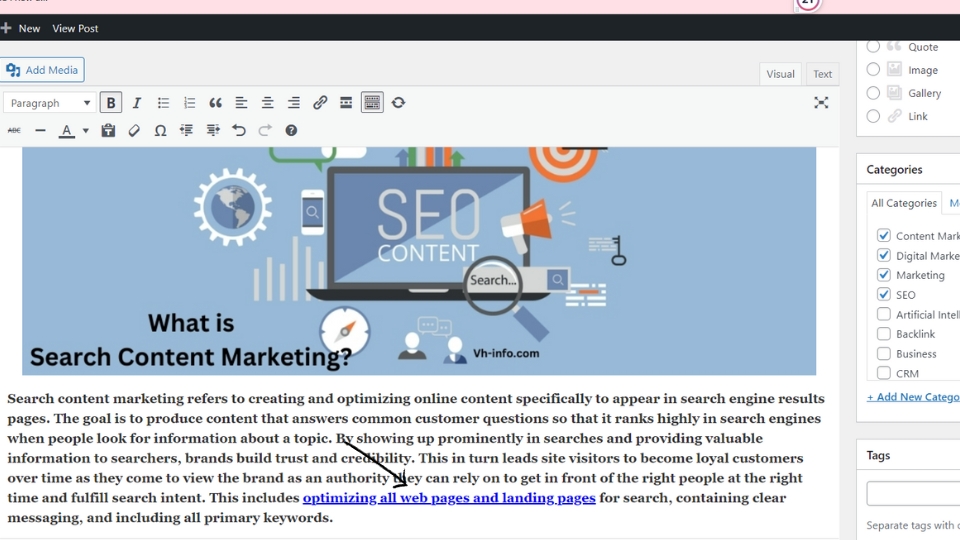
For example, in editors like WordPress, you can choose the words you want to turn into a link. After selecting those words, you can click on a button called “Link.”

This makes the chosen words on the website look different, usually with color and a line underneath.

Sometimes, when you move your mouse over a linked word, its appearance might change. It could change color or remove the line underneath to show it’s a link you can click.

Also, when you hover your mouse over a linked word, most browsers will display a small preview showing the web address it leads to. This helps you know where the link goes before you click it.

Hyperlinked Images

Lots of programs, such as WordPress, allow you to make links using pictures instead of just words.

Here’s how it works: you pick an image on the editing part of the website and attach a web address to it using a Link function.

After you’ve published it, when people move their mouse over the picture, the arrow cursor changes into a hand cursor. They’ll also see a sneak peek of the web address the picture leads to.

Whether it’s a picture or words you click on, both will do something when you click them, like taking you to another website.

nofollow, noreferrer, and noopener

You can add extra things to a link that help with security or hide it from search engines:

  • nofollow: This stops some “SEO link juice” from going to the linked website. It helps protect your site and might hide the link from search engines.
  • noopener: If you make a link in WordPress that opens in a new tab, this bit of code automatically comes with it. It helps with certain security problems.
  • noreferrer: Often used with noopener, this code stops the target site from getting information about where the link came from. It adds more security and might stop tracking sites and affiliate earnings sites from collecting data.

You can’t see these things just by looking at a link on the website. You have to check the HTML code to find them.

Reasons You Might Want To Make a Link Clickable

As a leader in SaaS link building, White label Link Building company and SEO for Startups VH-info understands the importance of making links clickable. When we build high-quality backlinks for clients, we always properly hyperlink citations to optimize citation flow and redirect maximum link equity.

Hyperlinked mentions create a smoother user journey for readers. Instead of needing to manually input URLs, readers can seamlessly access cited resources with one click. This convenience encourages better engagement.

Beyond user experience, clickable links also allow VH-info and our clients to easily track traffic sources and metrics. We rely on these data points for monitoring link building KPIs and identifying optimization opportunities. Unclickable URL mentions lead to incomplete analytics.

We advise all our clients to make links clickable on their sites as well. This best practice enhances technical SEO while also showcasing relevance and building user trust. The improved citation flow also redirects more link equity to boost search rankings.

Our link building experts can help implement clickable links across your website. When you’re learning how to make a link clickable, it’s helpful to know why we use links. This helps you understand what they can do and how to use them better later on.

Here are the main reasons why you might want to make a link clickable:

  1. Linking to other websites or pages: You can create links that take people away from your site (like when citing sources) or direct them to other pages on your site (great for guiding readers to related content).
  2. Linking images: You can make pictures clickable on WordPress or other website builders. This helps link them to web pages or other media.
  3. Linking buttons: Using CSS buttons, you can make visually appealing clickable links instead of plain text.
  4. Phone numbers: Links to phone numbers allow users to directly call through apps like their phone’s dialer or Skype.
  5. Addresses: Links to map coordinates can open map apps like Google or Apple Maps for directions.
  6. Email addresses: Clicking these links starts composing emails using the default email app with the recipient’s email already filled in.
  7. Anchor links: These are links that jump to specific parts of the same page, often used for creating a table of contents in long blog posts.
  8. Downloadable files: You can link files like PDFs or images for users to download directly to their devices from your website.

Understanding these different types of links and why they’re useful will help you learn how to create and use them effectively.

How To Make Links Clickable?

How To Make Links Clickable?

The way you make a link can depend on how familiar you are with it. You can go for an easier way where you see things visually or use HTML code if you’re more experienced.

Here are the four main ways to make a link clickable:

  1. Using the WordPress Classic Editor
  2. Using the WordPress Block Editor (Gutenberg)
  3. Using HTML
  4. Using any Graphical User Interface (GUI)

Remember, these methods work similarly for both posts and pages on WordPress. They can also be helpful for other apps or website builders, but there might be some differences in how things are named or how they work.

Method 1: Using the WordPress Classic Editor

When you’re using the WordPress Classic Editor, the simplest way to create a link that people can click on a post or page is by using the Visual editor tab.

Here’s what you do: First, head to the Posts or Pages part of your WordPress dashboard. Then, choose the specific page or post you want to change, and make sure you’re using the Visual tab.

Step 1: Highlight the Text You’d Like to Make Clickable

Highlight the Text You’d Like to Make Clickable

If you want to create a link using text, start by typing the text in the Visual editor. Then, use your mouse to select or highlight the text you want to turn into a link.

If you want to make an image clickable:

If you want to make an image clickable

Click on the image to select it. You’ll know it’s selected when you see a toolbar and a border around the image in the editor.

Step 2: Click the Insert/Edit Link Button

Click the Insert/Edit Link Button

If you’ve highlighted the text, move your cursor to the button in the Visual Editor that looks like a chainlink. It’s called the Insert/Edit Link button.

If you’ve selected the image, click on the Insert/Edit Link button (the one that looks like a chainlink) while the image is still chosen.

Click the Insert/Edit Link Button in image

Step 3: Paste in a URL

Paste in a URL

When you click the Insert/Edit Link button, a box will pop up with a blank space for the web address (URL). Copy the link you want to use (you can do this by pressing Command + C on Mac or Ctrl + C on Windows) from another website or your own.

Then, paste that link (by pressing Command + V on Mac or Ctrl + V on Windows) into the blank space provided.

If you’re turning an image into a clickable link, paste the link into the box that appears and click the Apply button to make the link active.

Step 4: Apply the Link

Apply the Link

Press the Apply button to make the text a clickable link.

After doing this, your text with the link will look different. It might be underlined and could even be a different color.

The Resulting Link

If you click on the link in your editor, you’ll see the actual link and get options to edit it if you want to make changes.

Method 2: Using the WordPress Block Editor (Gutenberg)

Links work similarly in both posts and pages when using the WordPress Block Editor.

First, go to the Posts or Pages part in your WordPress dashboard. Choose the specific post or page you want to edit, then follow the steps below.

Step 1: Highlight Some Text

Highlight text and click the Link button

Write some words in the editor. Use your mouse to select the part of those words you want to turn into a link. Click on the Link button in the toolbar that pops up.

If you want to make an image clickable in the WordPress Block Editor:

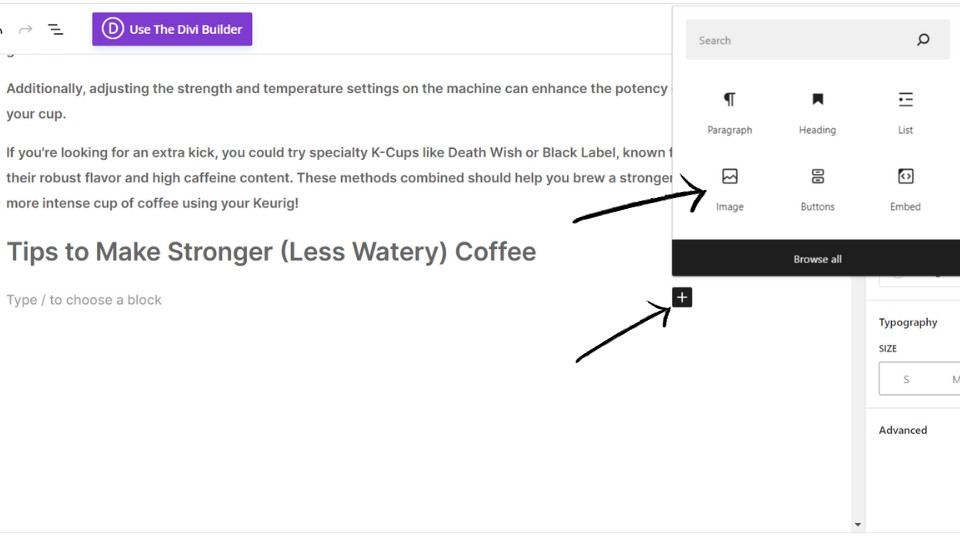
First, add an image to the editor by clicking the Add Block button. Then select the Image block and upload the image you want to use.

Add an image block

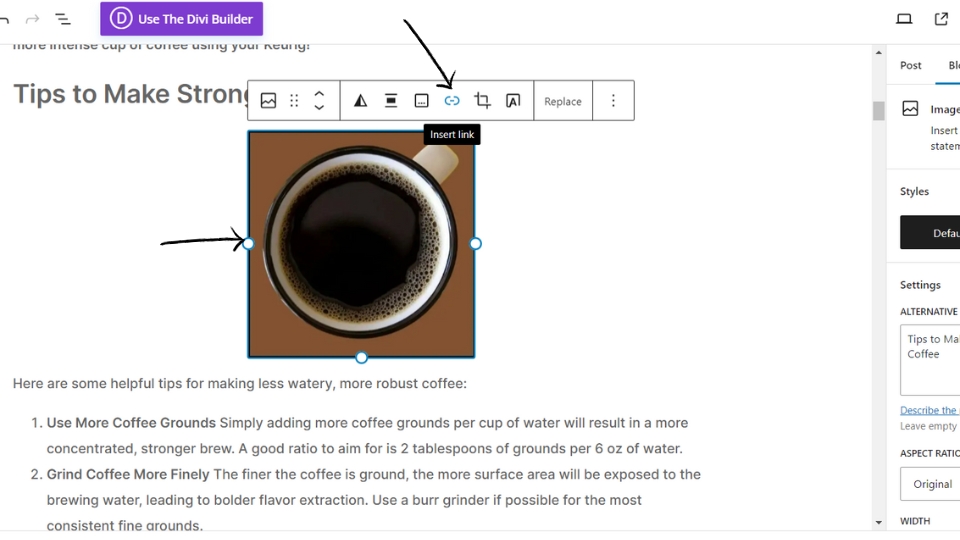
Click on the image to select it, then click the Insert Link button in the toolbar that appears.

Select image and insert link

Step 2: Paste in the URL and Submit the Link

Insert a URL and click Submit

A box will pop up with a space for a web address (URL). Paste the link you want to use and then press Enter on your keyboard or click the Submit button. This will make the link clickable.

Once you do this, the linked text might change color. Clicking on the link allows you to preview the linked content and access more advanced linking settings.

View a preview and more advanced link settings

If you want to make an image clickable:

You can link it to media files or attachment pages if you want. Otherwise, paste the URL into the empty link box. Click the Apply button to activate the link. After publishing, anyone who clicks on the image will go to the link you added.

For more options, click the down arrow (v) button to:

  1. Open the link in a new tab
  2. Add Link Rel
  3. Add Link CSS Class

Method 3: Using HTML

To make a clickable link in HTML, follow these steps:

Wrap the text or image you want to be clickable inside an anchor () tag.

For example: Click Here

Add the href attribute to specify the destination URL.

For example: Click Here

The text between the opening and closing tags will now be clickable to take the user to the URL specified in the href attribute.

Method 4: Using any Graphical User Interface (GUI)

Most user interfaces provide a way to insert hyperlinks without writing HTML code.

Here is the general process:

  1. Highlight the text or image you want to make clickable.
  2. Click the “Insert Link” or “Hyperlink” button (location varies by application).
  3. In the dialog box that opens, enter the desired destination URL.
  4. Configure any other link settings like whether to open in a new tab.
  5. Click “Insert” or “Apply” to make the selection clickable.
  6. Visually confirm the link formatting has been applied to know it worked.

So, GUIs provide an interface to add links without touching code. The process involves selecting text, opening the hyperlink dialog, entering the target URL, and finalizing formatting changes.

How To Make a Hyperlink?

Links are really important for moving around the internet, and most people use them without even thinking about it.

You see links in blog posts, Word documents, PDFs, and emails.

We only really think about links when we want to put one into some text.

There are two main ways to put links into things:

  1. Using a visual editor
  2. Using HTML code

How Do I Make a Clickable Link in WordPress?

Here are the steps to make a clickable link in WordPress:

  1. When editing your page or post content in the WordPress editor, highlight the text you want to make clickable.
  2. Click the “Insert/edit link” button in the editor toolbar (it looks like a chain link).
  3. In the dialog box that opens, enter the destination URL you want the text to link to in the “URL” field.
  4. Open the “Target” dropdown and choose whether you want the link to open in a new tab or the same tab when clicked. Selecting “Open link in a new tab” is generally recommended.
  5. Add a “Title” for the link if desired. This will display a tooltip when users hover over the link.
  6. Click “Add Link” to make the selected text clickable to the URL you specified.
  7. Visually confirm in the editor that the text is now formatted as a clickable blue link.
  8. Update or publish your WordPress page/post for the link to go live on your site.

And that’s it! These same steps can make both text links or image links in WordPress site content. The editor makes adding clickable links user-friendly.

How to Make a Link Clickable in Email?

Here are the steps to make a clickable link in an email:

  1. Type out the text you want to be linked. This text will be clickable for the recipient. For example: “Check out my website
  2. Highlight the text and click the link icon or hyperlink button in your email client. In Gmail, this looks like two chain links. In Outlook, this is an icon that looks like a globe and chain link.
  3. In the pop-up box, paste in the destination URL you want the text to link to. For a website link, this would be the full web address, like “https://www.mywebsite.com“.
  4. Configure any other link settings offered in the pop-up box:
    • Open in new window/tab
    • Add a title tooltip
    • Change the display text
  5. Save the link. The text should now appear as blue, underlined, and clickable.
  6. You can repeat steps 1-5 to add additional links by highlighting other text and assigning it a URL.
  7. When your email is sent, the recipient will be able to click the link to navigate directly to the destination web page or file you linked to.

Be sure to test your links before sending your email to check they work correctly! Adding clickable links enhances emails and connects information.

How To Create a Hyperlink in Word?

Here are the steps to create a hyperlink in Microsoft Word:

  1. Highlight the text in your Word document that you want to turn into a clickable link. You can also right-click an image and select “Hyperlink” to make an image clickable instead of text.
  2. Under the “Insert” tab in the top navigation bar, click the “Links” dropdown and select “Hyperlink“.
  3. In the “Insert Hyperlink” dialog box that appears, paste or enter the destination URL for the link in the “Address” field.
  4. (Optional) Fill out other link options like ScreenTip text, email subject line, or bookmark in your document to link to.
  5. Click “OK” to apply the link formatting and close out of the hyperlink dialog box.
  6. The text or image selected should now appear with blue, underlined formatting indicating it is now a clickable link. Hover over the link to test that the cursor changes to the hand icon.
  7. Click the link to open the linked web page or jump to the designated bookmark destination within your Word document.

To edit or remove a hyperlink in Word, right-click the link and choose “Edit Hyperlink” or “Remove Hyperlink“. Then updating the URL or unlinking your text or image is straightforward.

How Do You Make a Clickable Link with HTML?

Here are the steps to make a clickable link using HTML:

  1. Place the text or image you want to be clickable inside an anchor tag like this: Click Here
  2. Add the href attribute to the opening tag and specify the destination URL: Click Here
  3. The text between the opening and closing anchor tags will now be hyperlinked to the URL you added to the href attribute.

For example, a full HTML clickable link could look like:

Visit my website to learn more.

Some things to note:

  1. You can use an image or any other HTML element instead of text inside the anchor tag.
  2. You can add a target=”_blank” attribute to open the link in a new browser tab.
  3. Links will appear blue and underlined by default. You can customize appearance with CSS.

So, the anchor tag plus href attribute are used in HTML to define clickable links pointing to other web pages or files online!

How to Add a Link to an Instagram Story?

Here are the steps to add a clickable link to an Instagram Story:

  1. Create your Instagram Story as usual by tapping the camera icon or uploading a photo/video.
  2. As you add text boxes, stickers, or graphics to the Story, select the element you want to be clickable.
  3. In the toolbar at the top, tap the chain link icon to open the “Add Link” menu.
  4. Paste or enter the URL you want viewers of your Story to go to when they click/tap the element.
  5. You can also customize what happens when people click by choosing “Website” vs “Fundraiser” vs other options.
  6. Tap “Done” in the top right corner to apply the link.
  7. Now when viewers see that Story element, they will be able tap it go directly to the website or fundraiser page you linked to.
  8. Don’t forget to actually publish your Story once finalized so it goes live for your followers!

And that’s all it takes to make shoppable, educational, or interactive Instagram Stories using clickable links or swipe up links. Get creative in connecting your digital content!

How to Add a Link to a YouTube Video Description?

Here are the steps to add a clickable link to a YouTube video’s description:

  1. Go to YouTube Studio and select the video you want to edit. Click on the “Edit” button.
  2. Under the section labeled “Video description“, type out the text you want viewers to click on, like “Check out my website for more”.
  3. Highlight the text you just typed that you want to become a link.
  4. Click the chain link icon above the description box, this will open the “Insert link” dialog box.
  5. In the URL field, paste in the webpage URL you want the text to link to when clicked.
  6. Configure additional options like whether the link should open in a new tab. Then click “Apply”.
  7. The highlighted text should now appear blue and underlined, indicating it is now a clickable link.
  8. Click “Save Changes” at the bottom and view your video to test the live link.

Now when users read your video description, they will be able to seamlessly click for more information! Adding links provides great opportunities to engage viewers long after the video ends.

How to Hyperlink in Google Docs using a Computer?

Here are the steps to add a link in Google Docs:

  1. Open the document using Google Docs in a web browser.
  2. Choose the text you want to turn into a link.
  3. Click the Insert link button in the toolbar. It looks like a chain link. A box will appear.
  4. In the box that shows up, type or paste the web address (URL) you want to link to. You don’t always need to include “http://” at the start of the web address. For example, you can just type “Vh-info.com.” But it’s better to copy the URL from your web browser’s address bar to avoid errors.
  5. Click Apply to finish.
You can also turn text into a link by highlighting it and pressing Command + K on a Mac or Control + K on a PC. Then, follow the same steps to add your link.

If you need to change the link later, just click on it, and a menu will pop up. You can then copy the link, edit it, or remove it completely.

How to Hyperlink in Google Docs using the Mobile App?

  1. Open a document in the Google Docs app on your iPhone or Android phone.
  2. Pick the words you want to link. A toolbar will show up below those words.
  3. Tap “Insert Link.”
  4. Type or paste the web address (URL) you want to link to on the page that appears.
  5. When you finish, tap the checkmark at the top right corner of the screen.

Conclusion

In conclusion, creating clickable links is essential for enhancing the user experience and improving website navigation.

By making your links easily clickable, you can increase engagement and encourage visitors to explore more of your content.

Whether you are using the WordPress Classic Editor, the Block Editor, HTML, or any GUI, the process of making links clickable is straightforward and can be done in just a few simple steps.

Remember to consider the purpose of your links and ensure they add value to your content.

So, start implementing clickable links today and make it easier for your audience to navigate your website and access the information they need.

Types of Social Media Marketing: A Comprehensive Guide

Social media marketing is a powerful tool for businesses aiming to connect with their audience.

However, navigating the vast array of strategies and platforms available can feel overwhelming.

In this comprehensive guide crafted in collaboration with VH-Info, a leading SaaS link-building agency, we’ll explore the diverse landscape of social media marketing.

Covering platforms, content types, and effective strategies, we aim to equip you with everything necessary to bolster your online presence.

Our guide includes insights on choosing the right platforms for your business and showcases successful marketing campaigns.

Whether you’re new to social media marketing or seeking advanced strategies, our guide ensures you’re well-equipped to elevate your approach.

What is Social Media Marketing (SMM)?

What is Social Media Marketing (SMM)?

Social Media Marketing (SMM) is a vital aspect of digital marketing that leverages the influence of various social media platforms, such as popular social media networks, to meet branding and marketing objectives effectively. It is like using the power of social media sites to help businesses grow. It’s not just about making profiles and posting stuff whenever. It’s more strategic. SMM involves making your profiles look good, sharing cool pictures, videos, and stuff that show off what your brand is about, and talking with people who follow you. It’s also about using ads to reach specific groups of people. Overall, SMM panel services is about using social media networks to get more people interested in your business, talk with them, and keep up with all the new things happening online.

Why Is Social Media Marketing (SMM) so Powerful?

Here are a few reasons why social media marketing (SMM) is so powerful:

  1. Large reach – Social platforms have millions of daily active users. This allows marketers to instantly reach a large targeted audience.
  2. Engagement – Unlike traditional ads, social content has the ability to be shared and liked. This drives higher engagement and brand interaction.
  3. Real-time communication – Social platforms facilitate two-way communication between brands and consumers for faster, more personal interactions.
  4. Data and insights – The analytics from social platforms provide deep data and insights to help target audiences and shape content strategy.
  5. Cost-effective – Getting started with social media marketing has a very low barrier to entry compared to other marketing mediums. The ability to organically reach a large audience makes it extremely cost-efficient.

Types of Social Media Marketing

Types of Social Media Marketing

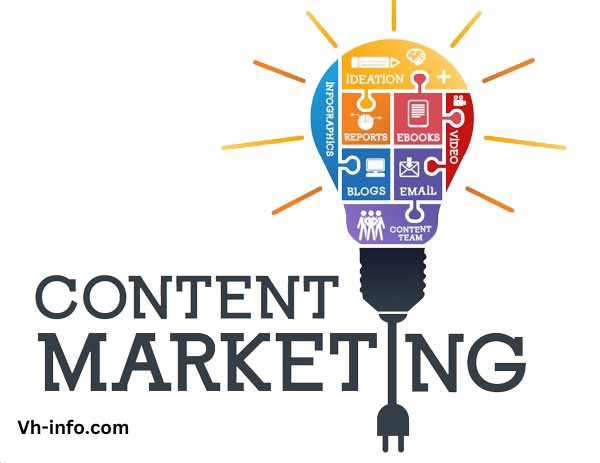
Content Marketing

Content Marketing

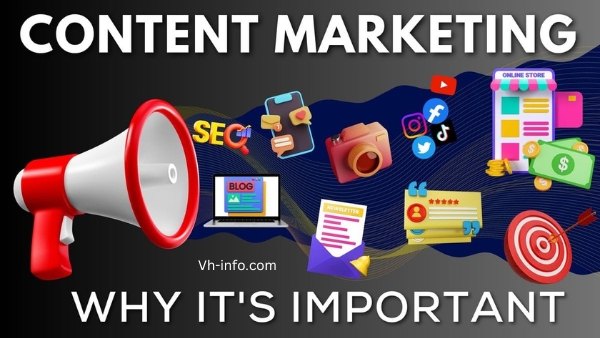
Content marketing means making useful things and showing them to the people you want to reach. You want these things to be interesting and catch their attention.

The goal of content marketing is to make the people who see your stuff trust you more. When they trust you, they might buy things from you later on.

To do content marketing well, you have to make really good blog posts, cool pictures with information, videos, and other things that the people you’re trying to talk to will like. Content marketing is a powerful strategy that involves creating and sharing valuable content to attract and engage an audience. This can include blog posts, infographics, and videos. Utilizing video templates can streamline the process of producing high-quality video content, ensuring consistency and saving time.

You should also share your stuff a lot, like on social media and through email. That way, more people will see it.

Social Media Advertising

Social Media Advertising

Social media advertising is when you pay to show more people the things you want to sell or tell them about on social media.

On Facebook, you can use something called “Facebook Ads” to choose who sees your ads based on things like their age, what they like, and what they do. This makes it a powerful tool for advertisers, and it’s no surprise that 62.5% of social media users trust Facebook the most when it comes to ads, according to Actionsprout.

Other places like Twitter, LinkedIn, and Instagram also let you pay to show your ads to specific groups of people. If you do it the right way, these ads can work really well.

Influencer Marketing

Influencer Marketing

Influencer marketing is when companies team up with popular people on social media.

These popular folks are called influencers. They have lots of followers and are seen as experts in certain things.

To make influencer marketing work, you need to find influencers that fit your audience. Then, you can ask them to talk about your stuff in their posts, videos, or blogs.

To streamline discovery on TikTok, Instagram, and YouTube, use influencer search filters to narrow by location, niche, follower range, and audience demographics. These filters help you find creators in specific cities, vet audience authenticity, and compare engagement so you can build outreach lists fast.

Social Media Engagement

Social Media Engagement

Social media engagement means talking and connecting with the people you want to reach on social media. It’s like making friends and keeping them interested in what you’re sharing.

The idea is to make a group of people who like your brand and trust you. To do this, you have to post things that catch their attention and make them want to join in the conversation.

It’s also important to reply when they say something or ask questions. This shows you care about what they think.

Running fun contests or giving away prizes on social media can also make more people get involved and become closer to your brand.

Paid Media Marketing

Paid Media Marketing

Paid media marketing is like renting space to advertise online. It means paying to show your ads or content on the internet, including pay-per-click ads, sponsored posts, or banners on websites. This could be through platforms like Google Ads. It’s super important for online businesses because it helps more people know about the brand and can bring in more money.

Read More : How to Pin a Tweet 2024 Complete Guide

Social Media Marketing Examples

Here are some real-world examples of impactful social media marketing from top brands:

  1. Nike – Nike uses compelling visual storytelling across social platforms. Their creative and inspirational video ads inspire audiences, like their uplifting messages celebrating women in sports.
  2. Starbucks – Starbucks leverages seasonal and specialty beverage launches through hashtags, videos, shoppable Instagram reels and posts, and contests. This hooks viewers and inspires them to try the flavors.
  3. Wendy’s – Wendy’s made a name for itself in social with their witty, viral, and sassy tweets. Their edgy personality shows brands can take risks on social while entertaining.
  4. Taco Bell – Taco Bell combines humor and seasonality with content like showcasing unique taco shells shaped like hearts for Valentine’s Day or trees for Christmas, generating interest and buzz.
  5. GoPro – GoPro shares viewer-generated content of their products in action through video compilations and regrams. This gives potential customers social proof of how GoPro is used.
  6. Sephora – Across their social channels, Sephora showcases new products with bright, captivating imagery while highlighting their makeup artists’ tips and tricks through IGTV tutorials.

These examples demonstrate the power of fusing creativity, value, and engagement across social content!

As a link building agency skilled in generating more brand visibility, VH-Info would be a powerful ally for any of these brands’ social media campaigns. By fostering more awareness through savvy outreach resulting in earned links and embeds, VH-Info can dramatically boost engagement and conversions across diverse platforms and creative content. The opportunities to collaborate are extensive!

Types of Social Media Marketing Platforms

Traditional Social Networking Sites

Here are some examples of traditional social networking sites: Facebook, LinkedIn, X (previously known as Twitter), and Threads.

They’re used to talk to customers in specific areas or groups where they share common interests.

Your business can use these sites to make your voice louder and connect with your audience. They let you share words and pictures with whoever you want. You can use features like making connections, setting up events, and advertising.

These platforms learn a lot about their users. This helps you show ads to specific groups and connect with the right people. You can share helpful stuff, talk about local events, or even hold contests.

Also, you can use messaging tools to talk directly to customers. It’s helpful for quick answers to simple questions they might have.

Image-Based Social Media

These apps like Instagram, Pinterest, Snapchat, and TikTok (with the photo mode) focus on images.

They’re great for telling stories with pictures, building your brand, and selling stuff.

For businesses, these apps are perfect for social commerce. They let you sell things without sending customers to another website.

Here’s how each one helps:

  • Instagram Shopping: You can make a shop on your profile, tag products in your pictures, and mention them in your bio.
  • Pinterest Shopping: Connect your store and add links so people can buy from search results. You’ll get a badge showing you’re a trusted seller.
  • Snapchat Store (in beta): Verified business profiles can upload catalogs and add a shop tab.
  • TikTok Photo Mode: It’s like Instagram’s picture slideshows. You can add music and use it to show products, announce sales, or share stories.

These apps are super useful, especially if your customers are younger, as Snapchat is popular among 13-24-year-olds in many countries.

Short-Form Video Social Media

Here are places like Instagram Reels, TikTok, and YouTube Shorts. They’re all about sharing short videos, usually between 5 to 90 seconds long.

Businesses can use these platforms to make short videos that show off their brand and products.

Short videos are quick to make and are great for businesses with small social media teams. There are always new trends on these short video platforms, so you can easily find ideas for your next video.

Remember, your videos should be fun, teach something, or inspire your viewers. Avoid making videos that feel like you’re trying to sell something. Those won’t interest people much.

Livestream Social Media

These are places like Facebook Live, Instagram Live, TikTok Live, Twitch, and YouTube. They’re all about showing live videos to lots of people at the same time.

Businesses can use these platforms to do live shows. During the pandemic, a lot of people started watching these kinds of videos. By late 2022, almost 30% of internet users aged 16-64 were watching live videos every week.

You can use live videos to launch new products, interview famous guests, or have Q&A sessions.

Live videos let people chat and vote while watching. They also let viewers talk directly with the hosts. So, it’s important to pay attention and talk back to the comments while the video is happening.

Discussion Forums

These are places like Reddit and Quora. People use them to ask questions, give answers, and connect with others who share their interests.

Businesses can join these platforms by giving helpful answers related to their industry. But it’s important not to sound too much like advertising.

The trick is to provide useful information and solutions to people’s questions. If you talk about your products, make sure it fits naturally in the conversation. But the main goal should be helping, not selling.

Redditors don’t like when businesses only promote themselves. They might push those posts down in the feed by downvoting them.

If your business joins a discussion, focus on answering the question first. Only share links to your products if it genuinely helps. Also, check the rules of the forum before sharing links about your business.

For instance, Microsoft joined Reddit’s /r/XboxOne to chat with gamers and give tech support. They didn’t create the subreddit, but they saw its popularity and started engaging with users.

Private Community Platforms

These are places like Discord, Facebook Groups, Patreon, and Slack. People use them to build communities and sometimes need permission to join.

Businesses can use these private groups to bring people together who share common interests. Members can help each other, and businesses can engage with them.

In these groups, businesses can:

  • Connect with customers
  • Ask for user-created content
  • Organize contests and special offers

For example:

  • The Sorry Girls made a course with access to a private Discord server for their biggest fans.
  • Instant Pot’s Facebook Group has over 3 million fans sharing recipes and tips.
  • To join, users answer a few questions, which helps Instant Pot understand their users better and make content that helps them.

Decentralized Social Networks

These are platforms like Bluesky and Mastodon. People use them to make their brand known, talk with their community, and see what people are talking about.

Businesses can use these platforms to:

  • Connect with users and do community work Professionals with an MSW degree can leverage these opportunities to enhance their outreach and impact in social work.
  • Run campaigns where users create content
  • Do research by listening to what people are saying

Mastodon and Bluesky are different from usual social media. Regular platforms keep all the information on one server controlled by a company. But decentralized ones, like Mastodon, spread data across many servers. This means no single company controls all the data, and users can chat across servers without worries about data control or censorship.

For businesses, these platforms may not allow ads. However, businesses are still using them to build communities, learn about the market, and grow their brands.

Types of Social Media Content

Types of Social Media Content

Here are some of the most popular types of social media content that brands create:

  1. Blog Posts – In-depth articles published to your website that you can promote on social media. They help establish your brand as an authority and thought leader.
  2. Infographics – Visual representations of data, stats or processes. They simplify complex information into easy-to-digest graphical formats.
  3. Videos – From quick video posts to longer YouTube tutorials and demonstrations, video engages audiences through sight, sound and motion.
  4. Images – Photos, illustrations, memes and more that catch the viewer’s eye and convey emotions and ideas quickly. Images tend to get high engagement. You can easily create your own visual content with meme creator solutions in no time and instantly boost visual engagement.
  5. Stories – Temporary posts like those on Instagram and Facebook Stories that give followers a behind-the-scenes, authentic look at your brand. They feel more raw and real.
  6. Live Videos – Streaming real-time footage to followers allows them to interact and engage with you and other viewers through comments and reactions.
  7. Contests/Giveaways – Offering free products/services makes fans excited about your brand and incentivizes shares and engagement.
  8. Quizzes/Polls – Interactive content that allows followers to express opinions and compare thoughts. This can collect valuable data for your brand.

Benefits of Social Media Marketing

Social media management and marketing offers great ways to boost your business.

Here are some benefits:

  1. Build relationships: Connect directly with people, get feedback, and chat with followers. It helps create a friendly image for your business.
  2. Increase brand awareness: Use images to make your brand familiar to many people. The more they know you, the better your ads and other marketing will work.
  3. Drive traffic: Share links to your website in posts and ads. More visitors mean more potential customers.
  4. Humanize your business: Make your business feel like a person. Interact with users and build trust.
  5. Generate leads and customers: Use features like shops, messaging, and call-to-action buttons to get more sales.

The more people engage with you on social media, the easier it becomes to achieve your marketing goals.

The Essentials of a Successful Social Media Marketing Strategy

The Essentials of a Successful Social Media Marketing Strategy

A good plan for social media marketing can vary for each business, but here are some key things they all share:

  1. Knowing your audience: Understand who your audience is, what they like, and where they spend time online.
  2. Brand identity: Decide what message you want to send and how you want people to feel when they see your posts.
  3. Content plan: Even though social media can be spontaneous, having a plan helps to keep a consistent voice and share good content regularly.
  4. Using analytics: Numbers and data help you understand who you’re reaching, what content works, and the best times to post.
  5. Being active: Posting regularly, engaging with people, keeping up with trends, and making sure your profiles are accurate are important.
  6. Helping, not just selling: Instead of just advertising, focus on providing helpful and interesting content. This builds your reputation, and others might promote you too.

How to choose the best types of social media for your business?

  1. Know your audience – Take time to research and analyze who your target customers are, what demographics they represent, what content and platforms they engage with, and what motivates them. This will allow you to make informed decisions about which social platforms your branding and messaging will resonate on.
  2. Align to your key business goals – Be very clear about what your priorities are through social media. Is it brand awareness, sales conversions, customer support? Connect your goals to metrics so you can track performance and choose platforms that will optimize desired outcomes.
  3. Create content tailored to the platform – Every social media platform has unique formats, expectations, and norms. The same content may flop on TikTok but take off on Twitter. Craft content – whether video, visual, textual – that aligns to each platform’s style and voice for best results.
  4. Keep up to date with social media statistics – Social platforms rapidly introduce new features while usage and trends constantly evolve. Stay knowledgeable by regularly checking each network’s user statistics to spot opportunities to leverage emerging functions or double down on the most engaging networks.

Read more: How to choose the right social media marketing tool for your business

The Best Social Media Marketing Platforms for Business

The Best Social Media Marketing Platforms for Business

These are the best social media channels you should be on. Whether it is just for your personal brand or getting in website traffic, these are the top social media platforms with maximum social media users that can help you achieve your business goals and reaching out to a wider audience:

Facebook

facebook

Facebook is a huge place where lots of people hang out every day—nearly 1.9 billion!

It’s popular among both Generation X and Millennials, and it’s great for businesses that sell to customers (B2C).

It’s perfect for making more people know about your brand, showing ads, and building a community. Facebook has lots of tools for advertising and also chances to get noticed without paying.

YouTube

Youtube

YouTube is a huge website with more than 315 million people visiting every day!

Mostly, it’s used by Millennials, but people of different ages and genders like it too. Both businesses that sell to other businesses (B2B) and those that sell to customers (B2C) benefit from it.

It’s amazing for making more people know about your brand, sharing longer videos for entertainment and teaching, and also for getting noticed in online searches. People spend a lot of time on YouTube because there are lots of educational videos there. It’s a great place to build a community too!

Instagram

Instagram

Instagram has about 1 billion people using it every month!

Mostly, it’s used by Millennials. Businesses that sell to customers (B2C) find it really helpful.

People love sharing great pictures and videos here, and businesses can advertise too. What’s cool is that Instagram has tools that let you buy things you see without leaving the app. It’s a really popular place for brands!

LinkedIn

Linkedln

LinkedIn is a bit like Facebook, but it’s more for professionals.

About 774 million people use it, mostly Baby Boomers, Generation X, and Millennials who are working.

It’s really good for businesses that sell to other businesses (B2B). People here are looking to make connections and find job opportunities. For B2B companies, it’s great to find important people in their industry and make a community.

X

X

X is a place where about 211 million people chat every day!

Mostly, it’s used by Millennials. Both businesses that sell to other businesses (B2B) and those that sell to customers (B2C) use it.

It’s really good for talking with the public, helping customers, and making a community. Twitter started with short messages but now has more features like spaces for audio, communities for groups, and moments to share cool stuff with your followers.

Snapchat

Snapchat

Snapchat is used by about 306 million people every day!

Mostly, it’s used by Generation Z. Businesses that sell to customers (B2C) find it helpful.

Snapchat started the trend of sharing content that disappears after 24 hours. It became really popular when it launched in 2011 and even though Instagram has a similar feature called Stories, Snapchat is still loved by many young adults.

TikTok

Tiktok

TikTok is a place where about 2 billion people visit every month according to Celebian!

It’s mostly used by Generation Z, followed by Millennials. Both businesses that sell to other businesses (B2B) and those that sell to customers (B2C) can benefit here.

TikTok is awesome for making short and fun videos, getting people to create content, and making more people know about your brand. It’s really good for building a community, and marketers think it’s just as cool as YouTube for that!

Pinterest

Pinterest

Pinterest is like a place where about 444 million people go each month!

Mostly, it’s used by Millennials, but folks from Gen Z, Gen X, and Baby Boomers also like it. It’s perfect for businesses that sell to customers (B2C).

Imagine it as a place where you can collect pictures for ideas, like for fashion or home decorations.

85% of Pinners say Pinterest is where they go to start a new project. And 80% of those who use it weekly find new brands or things to buy. Brands can tell their stories using pictures here, which helps people discover them. It’s a cool way to show off visually!

Clubhouse

Clubhouse

Clubhouse is making a comback as a social place where about 10 million people used to chat each week!

Mostly, it’s used by Millennials. It’s good for businesses that sell to other businesses (B2B) and those that sell to customers (B2C).

It’s different because it’s all about talking—no pictures, just voices. People can have cool talks with friends or even people they don’t know.

When it started, it was only for some people, but now everyone worldwide can join, whether they have an iPhone or an Android. It’s cool because audio is becoming popular again, and this platform uses that well for both types of businesses.

How to Use Social Media to Grow Your Business?

How to Use Social Media to Grow Your Business?

Now that you know about the various ways of using social media for marketing, let’s discuss how you can use social media to make your business bigger.

Use social media to create valuable content

Good content is super important in social media marketing.

To get people interested and involved, make awesome blog posts, cool infographics, videos, and stuff that your audience likes.

Also, share your cool content a lot on social media and through emails. This helps more people see it!

Use social media to connect with potential and current customers

Social media is like making friends for your business.

To make your business bigger, talk to people who might buy your stuff. Share helpful things, answer their comments and questions, and have fun contests or giveaways on social media.

Use social media to stay up-to-date with industry trends

Social media helps you keep in touch with what’s new in your field.

You can use it to see the latest news, find out about new things that might help your business, and even connect with experts in your field. That way, you can stay updated on the newest trends.

Use social media to generate leads and sales

Lastly, social media can help social media marketers and businesses find people who might buy from their business.

You do this by sharing useful things and showing your products to the people who might like them. Also, by talking to possible customers and making friends with them on social media.

Social Media Marketing Tips

Social Media Marketing Tips

Here are some quick tips to start your social media marketing with a good social media presence:

  1. Create different types of content: Share useful things like tips, local news, polls, and updates. Use various formats like images, videos, stories, and more.
  2. Stay consistent with your brand: Keep your identity the same across different social media sites. Be friendly, fun, or reliable, but stay consistent.
  3. Engage, don’t just post: Social media is about chatting. Reply to comments, like, share, and run live sessions to connect with your audience.
  4. Use tools for creating content: Make attractive visuals for your posts using tools like Freepik and Canva Make sure they look professional and match your brand.
  5. Reuse and repost content: Recycle good content in different ways. Turn reviews into Facebook posts, share your best blog posts monthly, and post your videos on various platforms.
  6. Follow others for inspiration: Follow competitors, influencers, and brands with good strategies. Learn from them and get ideas for your own social media plan.
  7. Measure your success: Use tools like Google Analytics to track what’s working. It helps you know which strategies are successful and which ones to change.
  8. Try paid advertising: Use platforms like Facebook, Pinterest, and Instagram for cost-effective ads. They can help your content reach a bigger audience that’s interested in your business.

That’s a quick way to start marketing on social media!

Conclusion

In conclusion, social media marketing offers a wide range of opportunities for businesses to connect with their target audience and drive results.

Whether it’s through content marketing, social media advertising, influencer marketing, or social media engagement, there are various types of strategies that can be implemented.

Understanding the different types of social media platforms and knowing how to tailor your content to each platform is key to success.

Additionally, it’s important to have a well-defined social media marketing strategy that aligns with your business goals and target audience.

Remember to keep these tips in mind and leverage the power of social media to grow your business.

High Ticket Digital Marketing: Is it Worth it or Not?

Are you wondering whether investing in high-ticket digital marketing is worth it?

High-ticket digital marketing refers to the promotion of high-value products and services that require significant investment.

In this blog, we will explore what high-ticket digital marketing is, how it can benefit your business, and the channels you can utilize to market these products.

We will also dive into the essentials of high-ticket digital marketing, including email marketing, paid search, retargeting, personalized marketing, and more.

Additionally, we will discuss the future of high-ticket digital marketing with a focus on personalization, artificial intelligence, automation, customer experience, and augmented and virtual reality.

Lastly, we will answer a question that’s on everyone’s mind – what is the salary of high-ticket digital marketers?

Read on to find out if investing in high-ticket digital marketing is worth it for your business.

What is High Ticket Digital Marketing?

What is High Ticket Digital Marketing

High-ticket digital marketing refers to online marketing strategies focused on promoting high-priced products or services, typically over $1,000. The goal is to generate leads and sales through digital channels like social media ads, influencer collaborations, webinars, and email marketing. Since the products are more expensive, the focus is on providing a lot of value upfront and building trust to encourage potential customers to make a large purchase. High-ticket digital marketers create funnels that educate prospects on solving complex problems or improving their lives with personalized attention and offers. The backend sales and customer service teams closely guide qualified leads to finalize large transactions. These high-priced products can include luxury items, enterprise software, specialized services, marketing campaigns, and more.

What are High-Ticket Digital Marketing Products?

High-ticket digital products typically refer to online courses, coaching programs, software, or other digital information products that are priced at over $1,000.

Some common examples of high ticket items in the digital marketing industry include luxury cars, yachts, high-end jewelry, real estate, enterprise software, consulting services, and more. These high-ticket items are known for their relatively high price point compared to similar items in the market. They provide a lot of value and highly personalized service to justify the $1,000+ price tags.

High-Ticket Digital Marketing Examples

A high-ticket item is something that costs a lot more money compared to similar things you might find for sale.

These items usually have a higher price tag than most other things you can buy, and they need a big investment, meaning you have to spend a lot of money on them.

The exact price that makes something a high-ticket item changes depending on what it is and the place where you’re buying it.

For example, if most things in a store cost about $100, something that costs $500 would be seen as a high-ticket item. But in a fancy shop where expensive things are normal, $500 might not seem that expensive.

Some examples of high-ticket items are:

  • Fancy cars, yachts, and private jets
  • Expensive jewelry or watches
  • Big machines or equipment
  • Houses or property
  • Fancy clothes made by famous designers
  • Expensive electronics like top-notch cameras or audio gear
  • Services like professional advice, coaching, or therapy
  • Complex computer programs used by big companies

High-ticket items aren’t always things you can touch; they can also be online stuff like courses, coaching sessions, or software that you buy and use on the internet. For making coaching sessions successful, you can leverage coaching software and ensure seamless scheduling, progress tracking, and client communication.

High Ticket Digital Marketing Channels

When you’re trying to sell expensive things, it’s really helpful to use all the different ways you have available to you.

Here are some of the best methods that lots of companies have used before to make more money from their sales.

The Essentials

Selling expensive things really well means using lots of different ways to do it.

Here are some important methods and ideas to help you do that:

  1. Email Marketing: When you make really good emails about your expensive stuff, it helps you talk to people more directly. This makes it more likely that someone who’s interested will actually buy something from you.
  2. Paid Search: Putting money into ads that show up when people search online can bring the right folks to your website. These ads help attract the kind of people who might be interested in buying expensive things. Websites like Google Ads let you make ads with words or pictures that show up at the top when someone looks for stuff online.
  3. Retargeting: Retargeting is a clever way to remind people about your stuff. It uses special tools to find people who visited your website before but didn’t buy anything. Then, it shows them ads about your products when they visit other websites. This helps bring them back to your website and makes it more likely they might buy something this time. Utilizing a website builder can enhance the effectiveness of retargeting strategies.
  4. Paid Advertising: Putting money into ads on websites like Google, Facebook, or LinkedIn is a good way to get more people to visit your site and be interested in buying expensive things. These websites have tools that help you show your ads to certain groups of people based on things like their age, interests, or what they like.
  5. Personalized Marketing: Making things personal is really important when you’re trying to sell expensive stuff. If you use information about the people you’re trying to sell to, you can make ads or messages that really speak to them. This helps create a special bond and makes it more likely they might buy something from you.
  6. Virtual & In-person Events: Events where you meet people face-to-face or online are great chances to show off your expensive things and talk to people who might want to buy them. It could be hosting a real event like a trade show or setting up a webinar online. These events let you share lots of details, answer questions, and make friends with the people who come To capture these moments professionally, consider hiring an event photographer to document the experience and create lasting memories.
  7. Account-Based Marketing: Account-based marketing (ABM) means concentrating on certain important customers or people who really want to buy. By making ads or messages that are just right for these individuals, you can make it more likely they’ll buy something. This also helps you make better connections with the important people who decide to buy things.

Optimizing Your Website

To make your online marketing for expensive items work better, it’s important to make your website really good for getting people to buy things and to make sure it’s easy for them to use.

Here are some important things to think about:

  1. Chatbot Marketing: Adding chatbots to your website helps you talk to people right away and suggest things they might like to buy. Chatbots can answer common questions, help visitors buy stuff, and give them help if they need it. A LangChain chatbot example shows how AI-powered chatbots can deliver more natural and context-aware interactions, improving customer engagement and overall experience.
  2. Conversion Rate Optimization: Making your website work better so more people buy things is really important. You can do this by trying different things like testing different versions of your site, seeing where people click the most, asking people what they think, and adding things that make visitors want to buy more.
  3. Social Proof & Case Studies: Telling stories about how your expensive items have helped other businesses or people can be a really strong way to show how good they are and make people trust you more. When you put comments from customers, stories about how your stuff was useful, and proof from social media on your website or in your ads, it makes people believe more in what you’re selling.

Focus on Engaging Content

Making interesting and helpful stuff is really important when you’re trying to sell expensive things.

Here are some ideas for making that kind of content:

  1. Interactive Product Demos: Making cool ways for people to see and try out products online, like showing products in 360 degrees, letting people try things on virtually, or giving virtual tours, helps them imagine and experience the product before buying it. These fun experiences make people more excited about the product and feel more sure about buying it.
  2. Live Streaming: Going live on video is a strong way to tell people about your expensive items and make more sales. When you show live videos like answering questions, demonstrating products, or showing behind-the-scenes stuff, it helps you talk to your audience right then and there. It also makes them feel like they’re part of something special and urgent.
  3. Webinars: When you run live online sessions called webinars, you can show your expensive items in detail and answer any questions people have. By giving helpful info and showing how good your stuff is, you can make people trust you more and make it more likely they’ll buy something.

Content Marketing with Sales in Mind

Making stuff that matches how you sell expensive things is really important.

Here are some ideas for making that kind of content:

  1. SEO-Focused Content: Making helpful content that teaches people about why your expensive items are great can bring the right people to your site and make them trust you more. By using tricks to make sure your content shows up well when people search online, you can get more people to visit your website without paying for ads.
  2. Harnessing the Power of Community: Making a group of people who are interested in your brand online can be a really good way to talk about and sell your expensive things. You can do this on social media like Facebook or Instagram, in forums, or in special online groups just for your customers. It’s a place where people can chat, share their experiences, and suggest things to others.
  3. Partner Marketing: Teaming up with other businesses that go well with yours can help you talk to new people and sell your expensive stuff together. When you work with brands that have the same kinds of customers, you can use their popularity and trust to sell more of your things.
  4. Referral Marketing: Asking your current customers to tell others about your business can help you get more sales and find new customers. When you give rewards or bonuses to customers who bring in new people, you’re using the good things they say about your business to get more customers.

The Future of High Ticket Digital Marketing

The Future of High Ticket Digital Marketing

As new technology keeps growing, the way we sell expensive things online keeps changing too.

Here are some things that might change how we do it in the future:

Personalization

Making things personal will be even more crucial in selling expensive stuff online. Companies will use information and tech to create special experiences just for each person. This will make people more interested and more likely to buy things.

Artificial Intelligence and Automation

Smart computers and automatic systems will be really important in selling expensive things online. These computer tools will quickly understand how customers act and what they like, making it easier to give them what they want. This will make customers happier and more likely to buy things.

Customer Experience

Making customers feel really happy with their shopping experience will become even more important. Companies will spend more time and money making sure everything goes smoothly, feels personal, and is easy for customers. This will help customers trust the business more, come back again, and tell others about it. Also, companies invest in cloud contact center to enhance customer support, ensuring seamless interactions, personalized assistance.

Augmented and Virtual Reality

We’ll see more of those cool virtual reality and augmented reality things in selling expensive stuff online. These technologies will let customers see and feel the expensive items almost like they’re real, helping them decide if they want to buy before actually buying.

What is the Salary of a High Ticket Digital Marketer?

Professionals in high ticket digital marketing can earn a significant amount of money as commission rates tend to be large.

A talented digital marketer who sells high-priced products with large payouts can expect to earn an average commission of at least $500 per sale and potentially reach five figures.

For example, if they were to sell a $2,000 online course, they could make a commission of $1,000 per sale. Closing just 10 sales per month would therefore bring in $120,000 annually. Top performers at leading high ticket firms often exceed $300,000 in annual income from both commissions and salary.

However, results take time to build at first. Overall incomes are uncapped so six figure earnings are common with consistent high ticket sales.

FAQ’s:

Is High Ticket Digital Marketing Legit?

Is High Ticket Digital Marketing Legit?

Yes, high ticket digital marketing is a legitimate business model. It involves selling premium-priced digital products like online courses, software, and coaching programs that provide high value.

The $1000+ products cater to business owners, executives, and entrepreneurs rather than the mass market. Providers can deliver personalized services, attention, and results at these price points.

One key reason why people start selling high-ticket items in the first place is because they know they need fewer sales in order to meet their financial goals.

One effective strategy for selling high ticket digital products is through the use of sales funnels. Sales funnels are a proven method for guiding potential customers through a series of steps that ultimately lead to a purchase.

By implementing a well-designed sales funnel, businesses can effectively showcase the value of their high ticket digital products and convert leads into paying customers.

As with any industry, some products and sellers are better than others. But overall high ticket digital marketing is a valid approach for experts to monetize their knowledge at premium rates. The key is ensuring transparency and delivering on the promised quality and outcomes to buyers.

Can you make money from high ticket affiliate marketing?

Yes, there is certainly good money to be made with high ticket affiliate marketing. You promote high priced digital products like courses, software, or coaching programs and earn handsome commissions. Commissions for products priced at over $1000 can exceed $200-1000 per sale.

The key to creating a passive income through high ticket affiliate marketing is finding reputable high ticket offers with good conversion rates and recruiting an engaged audience of business owners or entrepreneurs. Delivering value first before promoting is crucial in this process. Though sales volumes may be lower, the high dollar commissions per client can become a lucrative income stream in high ticket affiliate marketing.

Overall, high ticket affiliate marketing is a viable business model that requires some upfront effort to earn higher commissions and make money online. Lastly, leveraging affiliate tracking software Trackdesk can help monitor and optimize performance, ensuring effective management of high ticket affiliate marketing efforts.

Can high ticket digital marketing be used for all types of businesses?

No, high ticket digital marketing works best for businesses that provide high value services or products to other businesses or wealthy clients. For example, IT software, executive coaching software, and business consulting firms can utilize high ticket strategies well.

But regular consumer goods companies or low-cost service providers are probably not a good fit for high ticket digital marketing as average customers won’t pay over $1,000 for this type of product. The best match is having an expensive offering that brings transformational results to a niche business or elite clientele.

So high ticket should be selectively used based on one’s business and target audience rather than universally applied.

What qualifies as a high ticket item?

High-ticket items are usually things that cost a lot more compared to what most other things in the market cost. They might be different depending on what they are, but they usually need you to spend a lot of money on them.

Why is high ticket digital marketing essential?

Selling expensive stuff online needs a special way because it’s a big deal for people to spend a lot of money. To do it right, you need to make people trust you, believe in what you’re selling, and give them lots of info about it.

How can businesses effectively market high-ticket items online?

Good ways to sell expensive things involve using different ways like sending emails, paying for ads that show up in searches, reminding people who visited your site before, showing ads on different websites, making ads just for certain people, doing events online or in person, and concentrating on important customers.

Also, making your website work better for getting people to buy things, making interesting stuff, and making customers happy is an effective way to ensure success in marketing high-ticket items online.

Investing in paid advertising platforms like Google Ads, Facebook Ads, or LinkedIn Ads can be another effective strategy to drive traffic and generate leads for high-ticket items. These platforms offer sophisticated targeting options, allowing you to reach specific demographics or individuals with relevant interests.

What role does content play in high ticket digital marketing?

Good content is really important when you’re trying to sell expensive things online because it helps get people interested. Some great content ideas are showing how products work with cool demos, doing live videos, holding online classes, making sure your content shows up in online searches, and making a group of people interested in your stuff online.

These things help show why expensive items are worth it and can attract the right target audience and create a sense of trust and credibility.

By utilizing search engine optimization techniques, you can ensure your content ranks well in search engine results and drives organic traffic to your website.

How can businesses stay ahead in high ticket digital marketing?

To stay ahead, it’s important to keep up with new things and changes. In the future, selling expensive stuff online will include making things personal, using smart computers, making customers even happier, and using cool virtual and augmented reality stuff.

What are the foundational elements for successfully marketing high-ticket items?

Doing well in selling expensive things starts with some important basics. You need to believe in your product, really know why it’s important, and be sure it’s valuable. Also, having a good plan for selling online that focuses on who you’re selling to, getting people’s attention, learning about them, and making good connections is really important.

Why is audience targeting crucial in high ticket digital marketing?

Finding the right people to sell to is really important. When businesses know who might buy their stuff and make special ads just for them, it makes it more likely those people will actually buy something.

How does research and relationships contribute to successful high ticket digital marketing?

Putting effort into learning about what problems customers have and showing how your product can solve those problems is important. Doing this helps connect your product with customers and makes a relationship that lasts even after they buy it.

Conclusion

In conclusion, high ticket digital marketing can be a worthwhile investment for businesses looking to target a specific audience and generate higher revenue.

By implementing effective strategies such as email marketing, paid search, retargeting, and personalized marketing, businesses can reach their target customers and drive conversions.

Additionally, staying ahead of the curve by embracing new technologies like artificial intelligence, automation, augmented reality, and virtual reality can provide a competitive edge in the digital marketing landscape.

The future of high ticket digital marketing lies in personalization, enhancing customer experience, and utilizing innovative technologies.

So, if you’re ready to take your marketing efforts to the next level and maximize your ROI, investing in high ticket digital marketing may be the right choice for your business.

Drop Servicing Business: Step-by-Step Guide

Hey there! Ready to explore a cool way to make money outside the usual 9-5 routine?

Let’s talk about drop servicing. Imagine being the link between folks needing services and those skilled at providing them.

You offer services to clients but hire experts to do the job at great rates. This means you can give top-notch services without doing the work yourself.

In our blog, we’ll dive into drop servicing: how it works, its perks, how to kickstart your own, success stories, costs, services you can offer, and more! Whether you’re keen on starting a business or just curious, keep reading!

By the way, have you checked out vh-info? They’re a savvy link-building agency for SaaS companies, and they can help you kickstart your drop-servicing journey too!

What is Drop Servicing?

What is Drop Servicing?

Drop servicing is a business model where you offer services to clients without actually providing the services yourself. Instead, you outsource the services to freelancers and take a percentage of what the clients pay.

So essentially you find clients who need a service, connect them to freelancers who can provide it, handle payments and communication, but don’t do the work. It allows you to sell services you can’t do yourself by leveraging freelancers. It’s a way to make money with minimal work through outsourcing.

How does Drop Servicing Work?

How does Drop Servicing Work?

Drop servicing is a business model that allows entrepreneurs to provide services to clients without actually owning a service-based business themselves.

Here are the key aspects of how drop servicing works:

  • The drop servicer acts as a middleman between clients who need a particular service, and freelancers or companies who can provide that service. For example, a client may need web development services.
  • The drop servicer does not actually provide the services themselves. Instead, they find and vet freelancers or agencies that can provide the specific services the client requests. The freelancers or agencies provide the actual services.
  • The client pays the drop servicer for arranging and coordinating the services. The drop servicer then pays the freelancer or agency for actually doing the work, typically keeping some percentage as profit.
  • Common services offered through drop servicing include graphic design, web development, digital marketing, SEO, writing, business consulting and more. However, almost any service business can potentially work with this model.
  • The value that drop servicers provide is by finding and vetting quality freelancers, managing the process and communication between clients and freelancers, and handling client acquisition – allowing clients to get services and freelancers to get work more easily.

So, drop servicing allows entrepreneurs to run a service business without actually providing the services themselves – they play a coordinating role between client needs and external service providers. It provides more flexibility than owning a full agency.

Benefits Of Drop Servicing

Here are 5 key benefits of drop servicing:

  1. Low Startup Costs – You don’t need much investment, just a laptop and internet to get started. Leverage freelancers for minimal upfront costs.
  2. Easy to Scale – You can take on more clients without hiring more staff by leveraging more freelancers. Grow your business faster.
  3. No Expertise Needed – You don’t need to be an expert in the services yourself. Freelancers handle delivering the actual services.
  4. Flexible – You can work when you want from anywhere with an internet connection. It’s a location-independent business.
  5. Higher Profit Margins – You keep the difference between what clients pay and the lower rates paid to freelancers. This model allows healthy margins.

Challenges And Limitations Of Drop Servicing

Here are 5 main challenges and limitations of drop servicing:

  1. Finding Good Freelancers – It can be difficult to find skilled and reliable freelancers who provide consistent quality work. Extensive vetting is required.
  2. Managing Communication – As the middleman between clients and freelancers, managing communication and expectations on both sides can be tricky.
  3. Tight Profit Margins – After paying freelancers, profit margins can sometimes become too tight to justify the effort. Pricing has to be set appropriately.
  4. Lack of Control – You have little control over the actual delivery of the services compared to other business models. Quality control is imperative.
  5. Building Trust and Reputation – As a new business, establishing a professional reputation, reliability and trust with both clients and freelancers poses challenges initially.

How to Start a Drop Servicing Business?

How to Start a Drop Servicing Business?

Starting a drop-servicing business isn’t super complicated. It doesn’t need a lot of money or a big investment. You can begin your own drop servicing business by getting freelancers or virtual helpers to manage the work while you concentrate on advertising and making sales.

But before anything else, you have to pick what area you want to focus on.

Choose your Niche

Picking what you specialize in is a big deal when you start a drop servicing business.

It’s tricky because you have to find out who might want to buy what you offer. To do this, you can use tools like Google Trends and Google Keyword Planner for market research. These tools help you see what services potential customers look for the most. After making a list, you can check places like Reddit and Quora to see if people are interested in those specific areas.

Let’s start with the service your business will offer. Remember, there are many options available. Your imagination is key here!

If you’re not sure which drop servicing area to pick, think about these things:

  1. Do I know a lot about any particular idea already?
  2. If not, which idea looks doable or interesting to learn about?
  3. Which ideas seem easy to start and do?
  4. Which ideas do people really need or want?
  5. Which ideas could make the most money for my business?

Choosing a niche can be tricky. Think about what matters most to you and build your business based on that.

Find and Train your Team of Service Providers

Picking your team is a crucial step in your drop servicing business. They’re the heart of your business, so choose wisely.

Here’s a checklist for when you’re picking people for your team:

  1. Do they know a lot about the service you want? Ask for examples.
  2. How much training will they need to meet your standards?
  3. Will they finish their work on time and be dependable?
  4. Are they good at communicating and working together?
  5. Do they live in a different time zone? Will that cause problems?

You can find team members on sites like Fiverr, Upwork, and others. Once you find some good options, give them a small test project to see how well they do.

Build your Brand and Bring it to Life

Once you’ve got your plan and a great team, it’s time to set up your company! If you’re looking to find clients online, having a good online presence is super important.

Your website is the most crucial part. Also, think about making social media profiles.

There are lots of tools to build websites like Shopify, Wix, WordPress, and Squarespace. Many let you try for free before you decide.

Make sure your website and other things related to your brand have:

  1. A unique logo that shows what your brand is about
  2. Info about your brand, why you do what you do, and what makes you special
  3. Details about your services and what clients can expect (you can share prices or talk about them during sales)
  4. If you’re selling stuff online, put your prices and choose a website tool that lets you take payments online
  5. If you’re aiming to build a website for your no-code app on all platforms without diving into complex coding, consider seeking assistance from Squarespace experts to optimize your online presence for maximum visibility and engagement.

Attract Customers with Marketing

Marketing is super important for any business. It’s no good having a great brand and website if no one sees it, right?

There are many ways to make your business known, get new clients, and keep the ones you have.

Here are a few:

  1. Referral marketing. It’s a way to get more customers without spending a lot. You can start a program that rewards current customers for bringing in new ones.
  2. Content marketing. This means using different kinds of content like blogs, videos, emails, pictures, books, and even podcasts. It helps teach, entertain, and make more people aware of your brand.
  3. Social media marketing. If your customers are on social media, you can make special plans to talk to them there. Just find out where they are and make content for those places.

Make your First Sale … and keep going!

They say your first sale is a special moment. Sometimes it happens quickly, other times it’s tough. But the important thing is to keep going and not give up.

When you talk to more potential clients, you’ll learn what works and what doesn’t.

Listen carefully to what these potential clients are saying. Is your price too high? Are you forgetting something important? Maybe your competition is doing something that you should also think about doing.

Drop Servicing Business Examples

  1. Website Building – Find clients who need a website. Outsource their website building projects to freelance web developers at a lower price. Handle client relations yourself.
  2. Graphic Design – Get clients who need graphics work like logos, brochures etc. Pass on the work to graphic designers at cheaper rates. Manage project deliverables. Or you can create by yourself by using a logo maker, or brochure maker app.
  3. Digital Marketing – Offer search engine optimization, social media marketing, email marketing to local businesses. Hire online marketing freelancers to actually execute campaigns at affordable costs.
  4. Business Consulting – Provide consulting to startups or small businesses on their operations, processes etc. Leverage freelance business consultants to advise them over calls/emails.
  5. Transcription Services – Provide transcription services for videos, podcasts, interviews etc. Hire freelancers to transcribe the audio/video content.
  6. Animation Video Creation – Offer animated explainer video services for businesses. Outsource video creation to animation specialists and designers.
  7. Bookkeeping – Offer bookkeeping and accounting services to small businesses. Leverage bookkeepers to handle tasks like reconciliations, financial reporting.
  8. Tech Support – Provide ongoing tech/IT support for consumers and small businesses. Use freelance computer technicians to troubleshoot.
  9. Logo Animation – Sell animated logo reveal services for brands. Pass these video projects to animation studios.
  10. Product Listing – Offer product listing optimization for eCommerce stores. Hire freelancers to create SEO-optimized listings.

How much does it cost to start a drop servicing business?

The great thing about drop servicing is that you can start with minimal capital and a low budget.

Here is a quick breakdown of the approximate costs to get a basic drop servicing business up and running:

  1. Website & Domain – $100-300 depending on options This would cover building a simple informational website to promote your services and allow prospects to contact you.
  2. Branding – $50-200 for a logo and branding Even a basic logo design and color palette helps lend legitimacy early on.
  3. Admin Tools – $50-100/month Includes email service, productivity software, CRM, project management tools etc. Automation helps.
  4. Marketing – $100-300 initially Could include things like business cards, listings, online directories submission to get the word out.

Total: Approximately $500-1200 to cover the basics

The largest recurring costs then become any paid ads for client acquisition. But otherwise, it’s possible to start a basic drop servicing operation for under $1500 if you manage costs diligently. Let the profits help fuel further growth.

So, extremely lean compared to other small business models that require office space, inventory, equipment etc. The outsourced nature of drop servicing keeps overheads very low in these early stages.

What Products or Services Can You Drop Service?

What Products or Services Can You Drop Service?

The various products or services you can offer in a drop servicing business are as follows:

  1. Design: Every business needs designs. This could be for things like making their brand look good, packaging products, or advertising. Lots of businesses know that hiring freelancers or agencies for designs can cost a lot of money. But with drop servicing, businesses might save more money by asking other companies to do their graphic design work for them.
  2. Writing: In the online world, people believe that content is really important. This is still true today. Every business that wants to be noticed online needs people who write well, like copywriters and content writers. It’s something to think about in drop servicing. You can hire different freelance writers to do the writing work for you. Also, there are services specifically for writing content that you can try. These services can help with different types of writing, like blogs, and writing for websites, ads, and emails. A paraphrase tool can also assist in rephrasing sentences and paragraphs.
  3. Video Creation and Production: This has three parts. First, if a YouTuber asks you for help with making or editing videos, they’ll need someone like an editor or producer. Second, some businesses might need videos for their brand or products. Lastly, businesses might want videos for marketing their products or services.
  4. Data Entry and Analytics: Some businesses like real estate, shipping, and banking need assistance with entering data. If your clients work in industries that rely a lot on entering data, your drop servicing business can make good money. The people who are best at this job are either beginners or those who work part-time entering data. Besides data entry, your clients might also want data analysis. For this, they’ll need an experienced freelancer in that field. Moreover, banks and other financial institutions should adopt IDP in fintech in fintech to streamline operations and manage documents efficiently.
  5. Marketing: Another area you can think about in drop servicing is marketing. Some businesses think that hiring marketing agencies costs a lot. Businesses won’t search for marketers directly on freelance platforms if they choose drop servicing. You might need to find freelancers who are experts in different types of marketing, like social media, inbound, email, and content.
  6. SEO: Lots of businesses want to be at the top of search engines, so SEO (search engine optimization) is really important. Many freelancers know a lot about SEO and can help different clients. By adding SEO experts to your drop servicing business, you can make your online presence stronger and make more people know about your brand.
  7. Advertising: Another service you can offer is advertising. There are many parts to it like making ads, videos, social media ads, and ads for publications. Doing this needs special skills because they might work on writing, design, and making videos all together.
  8. Web Development: If a business wants to be seen online, it needs a drop servicing website. Site builders can make it quickly, but web developers help keep the website working well. You can find skilled web developers like front-end, back-end, and full-stack developers on freelance websites for your drop servicing business.
  9. Programming: Another thing you might think about for your drop servicing business is programming. Lots of brands want special apps for their stuff, like online stores or shipping services. Programmers are the ones who can make these apps, so you might want to have them on your team too.
  10. Social Media: Businesses often hire a drop servicing reseller for social media help. Some businesses need someone to manage their social media accounts. They might want freelancers who are good at managing communities and designing posts, especially if they prefer just one person to handle their social media.
  11. Translation: Big companies that operate worldwide might need help translating things they use internally or for their brand. Sometimes a business wants to start selling in other countries. If you have a drop servicing business, you can easily find freelancers who specialize in translation. They can help these businesses with their needs.
  12. Audio and Music: This area might seem not so popular, but people making podcasts and videos need help with sounds and music. For instance, a business might want someone to speak over their videos for marketing. Or they might need special music or tracks for their brand.
  13. Transcription: People who make podcasts or videos might need help writing down everything that’s said in them. This is called transcription. Sometimes they’re too busy to listen to their episodes or videos and write it all down themselves. If you offer this service, lots of people might want to hire you for it.
  14. Accounting: Small businesses sometimes need help managing their money and keeping track of their sales and expenses. They can ask a drop servicing reseller for help with accounting. This is important for them because it gives them time to focus on growing their business. Offering accounting services could be a good idea for your drop servicing business.
  15. Interior Design: Shops that want to open more stores in different places might need an interior designer’s help. But if they don’t have enough money to hire an experienced interior designer, they might ask your drop service business for help. Even though they can’t be there in person to design the store, they can share ideas for the design and give pictures and plans to start the work.
  16. Animation: Making animations is a part of creating videos. But it’s not just for videos – animations can also be used in making pictures and designing characters. Also, businesses making gaming apps and online games will need people who can create animations. If you’re working with different clients who have these needs, you might need different animators to help you out.

How to get Clients for Drop Servicing?

How to get Clients for Drop Servicing?

Here’s on how to get clients for your drop servicing business:

  1. Research Market Demand: Look into what services people want the most and are willing to pay for. Websites like freelance job boards and tools like Google Trends can help you identify trending services.
  2. Promote Your Business: Spread the word about your drop servicing business. Use social media, create a website, or advertise on platforms where potential clients hang out. The goal is to make them aware of your services.
  3. Send Proposals: Reach out to suppliers and let clients know upfront about cost-saving options like supplier location. Being transparent can help attract more customers.
  4. Utilize LinkedIn: Connect with potential partners and leverage word-of-mouth marketing through referrals. Networking on LinkedIn can help you find clients and build partnerships.
  5. Try Facebook Ads: Facebook advertising can be a potent tool for attracting clients to your drop servicing business. Create targeted ads to reach your desired audience.

Other strategies that can help you get clients for drop servicing include:

  1. Undercutting Competitors: Offering competitive pricing or additional value can make your services more appealing.
  2. Using GetResponse: Utilize email marketing tools like GetResponse to reach out to potential clients and maintain communication.
  3. SEO Strategies: Optimize your website and content for search engines to improve visibility and attract organic traffic.
  4. Focus on Evergreen Services: Offer services that are always in demand, like website development, ensuring a consistent flow of potential clients.

By combining these strategies and adapting them to your business, you can effectively attract clients for your drop servicing venture. Remember, building a strong reputation and delivering quality service are key to retaining clients and growing your business in the long run.

Where can you promote Drop Servicing?

Where can you promote Drop Servicing?

You can tell people about your business on different places online, like:

  1. Social media sites (like Facebook, Instagram, Twitter, LinkedIn)
  2. Freelance websites (like Upwork, Fiverr, Freelancer)
  3. Online stores (like Amazon, Etsy, eBay)
  4. Business listings (like Yelp, Google My Business)
  5. Your own website or blog

Drop Servicing Blueprint

Here are simple steps to start this business:

  1. Pick what you’ll specialize in.
  2. Find people who can do the work.
  3. Make a website or page to get clients.
  4. Decide how much you’ll charge.
  5. Tell people about your services.
  6. Get orders and talk to the people doing the work.
  7. Give the finished work to your clients.

The Difference Between Drop Servicing and Dropshipping

The Difference Between Drop Servicing and Dropshipping

Here is the key differences between dropshipping and drop servicing:

Basis for Comparison Dropshipping Drop Servicing
What is sold Physical products Services
Role of middleman Sells products, handles marketing/sales Sells and delivers services, handles marketing/sales
Inventory Supplier holds inventory No inventory involved
Logistics Handled by supplier Handled by service provider
Effort required Lower, focus on sales/marketing Higher, consult with service providers
Profit margin Retail price – wholesale price Retail price – wholesale service rate
Risks Inventory issues, shipping delays Quality control, dependability of providers
Examples Selling supplements, apparel, electronics Web design, writing services, marketing services

FAQ’s:

Is Drop Servicing Legal?

Is Drop Servicing Legal?

Yes, drop servicing is completely legal.

As long as you run your business honestly and transparently, there are no legal issues with this model. You provide real services to clients by outsourcing the work to freelancers that you pay fairly for their work. There is no fraud or deception involved when done right.

You do still need to follow all standard business compliance rules and tax laws like any other company. But the core concept of acting as a middleman, finding clients, managing the services, without actually doing the work yourself is not illegal at all.

As long as both your customers and freelancers clearly understand your value proposition and terms, are willing participants, and services are delivered satisfactorily, drop servicing operates well within legal bounds. You provide legitimate value to both sides.

Is Drop Servicing Profitable?

Yes, drop servicing can certainly be a very profitable business model.

By acting as the middleman between clients and freelance talent, you get to charge a rate to customers that covers both the cost of freelancer fees plus your own profit margin. So after paying out freelancers at lower price points, you pocket the difference.

Margins in drop servicing are often healthy since freelance services come at affordable costs compared to final prices charged to customers.

And because you can scale drop servicing through technology without too many overheads, higher volumes bring the ability to compound profits.

However, just like any business, appropriate pricing strategy, cost control and customer service is key to long term returns. Offshore customer service can play a crucial role in maintaining cost control while delivering excellent customer support. By outsourcing customer service operations to offshore teams, businesses can benefit from lower operational costs without compromising on service quality. This strategic approach allows companies to allocate resources efficiently, ensuring sustainable profitability and long-term success.

But executed well with some persistence, drop servicing provides the foundation and leverage needed for substantial profit generation over time through well-managed client projects. The outsourced nature of delivery keeps risk low too.

Is Drop Servicing The Same As Reselling?

No, drop servicing isn’t reselling. It’s more like a kind of trade where you buy something at a lower price and then sell it for a higher price. In this case, the price is decided by the partner who provides the service.

Can you start Drop Servicing with no Budget?

Yes, it is possible to launch a drop servicing business without any substantial startup capital through sweat equity and strict cost control initially.

By minimizing expenses, ensuring at least 50% client payment upfront, establishing clear written expectations, and leveraging free tools and unpaid reach opportunities in the beginning, you can start with essentially zero budget.

It will take hustle and financial discipline but the flexible outsourced structure of drop servicing enables ultra lean bootstrap starts.

What Skills do you need for Drop Servicing?

The most important skills for drop servicing are sales and client acquisition abilities, project and freelancer management competencies, and basic admin, finance and accounting knowledge.

As the middleman between customers and service fulfillment, you need marketing aptitude to locate clients, operational skills to oversee freelancers, and organizational skills to manage the business.

Technical expertise in the actual services isn’t as necessary since freelancers handle delivery. The core skills involve generating demand, managing outsourced capacity, and running the back-end logistics of the operation.

Can I make Good Money with a Drop Servicing Business?

Some folks may ask how much money you can make with drop servicing. It’s important to understand that while some drop servicing businesses can be profitable, you need to put in effort and work hard.

The service business isn’t a way to get rich quickly. But if you look online, you’ll see that drop shipping has been making good money for some time. It might be a good idea to start with a dropshipping business first to see how it goes.

Is Dropservicing easy?

Yes, drop servicing is easy and anyone with a computer and internet can do it. But before starting, you need to understand the market and how it all works.

Remember, it won’t happen quickly. Building a successful drop servicing business takes time. It won’t make big profits right away.

Conclusion

In conclusion, drop servicing is a lucrative business model that allows you to leverage the skills and expertise of others to provide valuable services to clients.

By following the step-by-step guide outlined in this blog, you can start your own drop servicing business and achieve success.

Remember to choose a niche, find and train your team of service providers, build your brand, attract customers through marketing, and make your first sale.

Keep in mind that drop servicing comes with its own set of challenges and limitations, but with determination and strategic planning, you can overcome them.

At VH Info, we specialize in helping SaaS companies navigate the complex world of SaaS link building Services, SEO for Startups and white label Link building service.

Whether you’re interested in design, writing, video production, or any other service, there are endless opportunities to offer and promote your drop servicing business.

So, take action and embark on your entrepreneurial journey today!

Search Content Marketing: A Complete Guide

Search Content Marketing is like creating valuable information online to attract people interested in what you offer. This helps get more visitors to your website.

In our guide, we’ll explore this method deeply and why it’s essential today.

We’ll talk about different types of content like blogs, videos, podcasts, and more. These can help you reach people at different stages when they’re figuring out what to buy. Plus, we’ll show real campaigns that worked well to give you ideas.

If you’re looking to boost your SaaS company’s online presence through effective link-building strategies, VH-Info, a specialized agency in this field, can assist you. They understand how to utilize content marketing to enhance your website’s visibility and attract your target audience effectively.

What Is Search Content Marketing?

What Is Search Content Marketing?

Search content marketing refers to creating and optimizing online content specifically to appear in search engine results pages. The goal is to produce content that answers common customer questions so that it ranks highly in search engines when people look for information about a topic. By showing up prominently in searches and providing valuable information to searchers, brands build trust and credibility. This in turn leads site visitors to become loyal customers over time as they come to view the brand as an authority they can rely on to get in front of the right people at the right time and fulfill search intent. This includes optimizing all web pages and landing pages for search, containing clear messaging, and including all primary keywords.

Why is Search content marketing important?

Here are the key reasons why search content marketing is important:

  1. It helps brands get discovered by people already actively searching for related information, products, or services – this means capturing an audience at the precise moment they are looking to engage.
  2. Optimized, useful content that answers search queries can drive qualified organic website traffic, reducing the need for expensive outbound marketing. Partnering with an affiliate recruitment agency can further amplify this effect by leveraging their networks to enhance visibility and reach.
  3. Ranking well in searches builds credibility and trust, positioning the brand as a reliable industry resource.
  4. Informative content answers questions and solves problems for searchers at no cost to them, fostering goodwill towards the brand.
  5. Strong search presence indicates relevancy and authority around keywords and topics, influencing searchers’ perceptions positively.
  6. Allows brands to reach customers during critical decision-making and research moments where they are more receptive to messaging.
  7. More cost effective than traditional interruptive advertising for gaining an interested audience.

Types of Search content marketing

Here are the main types of search content marketing:

  • Blog articles – In-depth, long-form articles and blog posts designed to appear for informational search queries. They educate readers on topics and answer common questions.
  • FAQ pages – Comprehensive lists of frequently asked questions and detailed answers on a topic. Helpful for customer research questions.
  • How-to guides – Step-by-step tutorials for users looking for help completing tasks or learning processes.
  • List posts/Roundups – Listicle-style posts that aggregate and compare products or tips around a topic. Useful for comparison shoppers.
  • Video content – From snappy 60-second video FAQs to YouTube tutorials, video content can rank highly and inform searchers.
  • Podcasts – Podcast episodes focused on searcher questions or industry topics can rank for terms prospects use.
  • Case studies – Demonstrate expertise by showing how your product or service solved problems for real-life uses cases.

How does search content marketing works?

How does search content marketing works

Once you know what kind of content your business will make, it’s time to plan how you’ll do it. Content marketing is about making connections and solving problems.

So, every strategy for content marketing should think about how to handle the three stages of content marketing.

1. Awareness

The awareness stage is the start of the customer journey. This is when people realize they have a problem. During this stage, content should talk about what customers need and what’s hard for them, without pushing too much about your solutions or products. The best types of content for this stage are blogs that answer common questions, helpful how-to videos, or detailed eBooks that give an overview.

2. Consideration

During the consideration stage, your audience is aware of their issue and starts searching for ways to fix it. At this point, businesses should keep providing useful information through content, but they can also include some promotions within the content. Good types of content for this stage are helpful infographics and how-to blogs.

3. Decision

In the decision stage, your audience makes up their mind about picking your solution or not. This is when your content should focus more on selling. Things like comparison lists, stories from happy customers, videos showing how the product works, and guides for buyers work best now. Businesses can also use paid ads that target people who showed interest before but didn’t continue, allowing you to choose a tone of voice that aligns with your brand and guide them through the buyer’s journey.

Search Content Marketing Examples

Here are some excellent content marketing examples from various companies:

  1. Netflix’s Blog: Netflix publishes an extremely popular blog sharing insights into user behavior, new releases, company culture, and more. It builds brand awareness and trust.
  2. Dollar Shave Club’s Video Content: Dollar Shave Club went viral with its funny video campaigns, driving massive growth. The videos entertained while educating people about its razors.
  3. REI’s #OptOutside Campaign: On Black Friday, REI closes its stores and pays employees to enjoy nature. This campaign aligns with REI’s brand and values on sustainability and the outdoors.
  4. Sedona Resort’s E-Book: Sedona Resort created an e-book positioning its resort as a luxury wedding destination. The informative e-book establishes Sedona’s expertise.
  5. Home Depot’s DIY Workshop Videos: Home Depot creates useful, engaging DIY video tutorials related to home improvement projects, attracting diy-ers to its brand and product offerings.
  6. Starbucks’ Blog and Social Content: From its “Idea in Action” blog to fun social content on seasonal drink flavors, Starbucks creates branded lifestyle content customers love sharing.

These are just a few stellar examples of how leading brands leverage the power of content to connect with customers in a genuine and strategic way. The content provides value while building affinity for brands.

What Is Content Marketing?

What Is Content Marketing?

Content marketing is about sharing helpful and interesting stuff with your audience, like articles, videos, or social media posts. It’s not just about advertising your products; it’s about giving your audience information they find valuable. This content could be anything that solves their problems or gives them more knowledge about things they care about. By doing this, you become an expert in their eyes, and when they need something you offer, they’re more likely to choose you. It’s all about building trust and relationships by providing useful and effective content marketing campaigns that people actually want.

Content Marketing Examples

Content Marketing Examples

Here are some great content marketing examples from various companies and industries:

  1. Shopify: Shopify creates tons of valuable content focused on ecommerce, entrepreneurship, and running an online business. From blog posts and guides to webinars and podcasts, they consistently publish useful content that establishes them as thought leaders.
  2. HubSpot: Known for inbound marketing, HubSpot offers a wealth of blog posts, ebooks, courses, and more on topics like marketing, sales, customer service, and business growth. Their content is very educational and helpful for their target audience.
  3. Neil Patel: As an influential online marketer, Neil Patel frequently publishes in-depth, data-backed articles and guides on his blog. His content showcases his expertise and has helped him become a sought-after industry voice.
  4. Slack: With their brand focused on business collaboration, Slack publishes helpful blog posts and videos all about improving workflow, communication, and productivity in the remote work era. Their content fills a key need for their audience.
  5. Mailchimp: From guides to webinars and podcasts, Mailchimp creates useful content centered on email marketing, small business growth, and e-commerce. This positions them as a go-to resource for their customers.
  6. REI: With their outdoor enthusiast customer base, REI creates robust blogs and videos providing tips on outdoor sports, camping, hiking, biking, and more. This drives brand loyalty and sales.

The key is to consistently publish relevant, valuable content tailored to your audience like these leading brands do. Educational, inspiring, or entertaining content that fills a specific need or interest for your target customers.

Types of Content Marketing

Lots of people who sell things use different ways to share information with others on different websites or apps. The kind of information they share depends on how they want to do business and who they want to talk to. It’s a good idea to include these types of sharing information in your plans for how you’ll sell things in 2024.

Blogs

Blogs are like stories that businesses write to talk about their products or share their knowledge. They use words, pictures, and sometimes videos. Blogs are really popular because they help businesses get noticed by people and search engines. They’re great for marketing because they’re affordable and easier to make than videos. To write a good blog, focus on one topic per article and use different lengths—short, medium, and long. But remember, longer doesn’t always mean better. Keep it interesting and helpful to keep people reading and provide a next step to move the visitor through the buyer journey and eventually convert them into a customer. Original research can also be a valuable addition to blog content, providing thought leadership and unique insights.

Video

Videos are super important for businesses to share things online, whether on their website or platforms like TikTok and YouTube. They help companies explain stuff quickly using pictures, music, and talking. Making videos has become easier and cheaper because of phones. Businesses use videos to show how things work, share thoughts from customers, talk about their team, or show new stuff they’re doing. Even though some might feel unsure about making videos, it’s a good idea for every company in 2023 because people really like watching them and want to see more from their favorite brands. Videos can also be changed into other things like blogs or social media posts, which helps companies make different content faster. Fortunately, AI video editors like Vidscale Pro simplify the video creation and editing process, making it easier for businesses to harness the power of video.

Podcasts

Podcast content marketing helps businesses talk to specific groups using audio content. They can make their own podcast collaborate with podcast promotion companies or be guests on others’ podcasts related to their business. In podcasts, businesses talk about solving problems for their audience, share customer stories, industry updates, and examples that connect with listeners’ feelings, and they can use free podcast transcription to make their content more accessible and engaging. Some businesses don’t realize the power of podcasts, but they’re becoming popular for connecting with customers, as more people are listening to podcasts nowadays.

Social Media

Social media marketing is when businesses share content like words, pictures, and videos on platforms like Instagram, Facebook, TikTok, and others. It’s a way for businesses to chat with customers in a more relaxed way than emails or websites. When people like the content, they might share it with others, helping the business reach more people. Plus, it brings more visitors to a business’s website regularly.

Infographics

Infographics are cool pictures showing interesting facts and numbers in a fun way, mainly used for business purposes. They simplify big ideas into easy-to-read visuals, often created from existing content like blogs. These pictures are great because they’re easy to understand quickly, and businesses can share them in smaller parts on social media. Tools like Adobe Express make creating these visuals quicker and simpler.

Ebooks

Ebooks are special books that businesses use to teach other businesses or shoppers about important things. They’re popular mostly for B2B businesses but sometimes used by B2C brands too. Companies make these books to get people’s emails and stay connected. To be effective, ebooks should offer valuable and unique information, like research or industry insights. Done well, they help businesses get more interest and look knowledgeable.

Paid Advertising

Paid advertising is when businesses use money to show their ads on search engines, social media, and other websites. These ads use words, pictures, or videos to catch people’s interest and make them want to learn more. It costs money each time someone sees or clicks on the ad. Even though it’s more expensive than other ways of marketing, it can bring quicker results and helps reach more people who might not have known about the business otherwise.

Why is Content Marketing Important?

Why is Content Marketing Important?

Imagine when you see lots of advertisements everywhere, like on TV or the internet. Sometimes there are so many ads that it’s hard to pay attention to all of them. Content marketing is like a different way for companies to talk about what they offer without just showing ads.

Here’s why it’s important:

  1. Helps people learn: Content marketing tells people about a company’s products or services in a helpful way. It’s like teaching them something interesting while also talking about what the company does.
  2. Makes more people interested: When a company shares useful information, more people notice and become interested in what they offer. This can help the company become more popular.
  3. Encourages people to buy: When a company shows it understands what people need, it makes them more likely to buy something from that company.
  4. Shows how it solves problems: Content marketing explains how a product or service can help solve a problem someone might have. This helps people understand how useful it can be.
  5. Helps a company become more known: By sharing good content regularly, more people get to know about the company. This makes the company more popular and easier to find online.
  6. Builds trust: When a company shares helpful and good-quality content, people start to trust it more. This makes them more likely to stay loyal to that brand.
  7. Content marketing is becoming more popular: Especially after the pandemic, more and more people are using content online. Companies are planning to create even better and more useful content to catch people’s attention.

So, content marketing is about making people interested in a company by sharing helpful and interesting information without just showing lots of ads. It helps companies to become popular, build trust, and show how their products or services can help people in different ways.

FAQ’s:

How Often Should I Update My Content For SEO Purposes?

Keeping your website content up-to-date is super important for how well it shows up on search engines like Google.

When you regularly update your site with new stuff that people are searching for, it helps your site appear higher in search results. This is because search engines really like to show the most recent and helpful content to people looking for information.

So, by adding new blog posts or making changes to your website, using words that people search for (keywords), you can improve where your site shows up in search results.

It’s not a strict rule, but updating every few weeks or months can make a big difference in how well your site does on search engines.

What Types Of Content Have The Most Success With SEO?

In the world of making your website stand out on the internet, using search engine optimization (SEO) is super important. It’s all about understanding what people search for and making your website’s content match that.

To do well, your content needs to have lots of keywords related to what people are looking for. Things like blog posts, videos, cool images, informative articles, and other helpful stuff can make your website more popular if you do them right.

Making sure your content is interesting to people and also looks good to search engines is key. That means having good titles, clear descriptions, and links inside your website that all help your website show up higher when people search for things.

So, the types of content that work best for SEO are the ones that people find helpful and that include the right words to match what they’re searching for.

What Is The Best Way To Track The Performance Of My SEO and Content Marketing Efforts?

Keeping an eye on how well your SEO and content marketing are doing takes some work, but it’s really important to know if your plans are working.

To do this, you can use special tools called analytics tools.

These tools help you see lots of details about how people are using your website, like how many visit your pages, how long they stay, and if they do what you want them to do, like buying something or signing up. This info helps you figure out what’s going well and what needs fixing.

Also, checking how each page is doing separately is a good idea. It helps you understand which pages are popular and which ones need a little help. This way, you can change things up to make them better or create new stuff that people will like more.

By using these tools and keeping an eye on your pages, you can make sure your hard work gets the best results possible.

How Can I Increase My Website Visibility With SEO and Content Marketing?

Want more people to notice your website? SEO and content marketing work together to make your site more visible. But how do they actually help your website get seen?

SEO, short for search engine optimization, is about making your web pages show up higher in search engines like Google. This involves using specific words (keywords), getting other websites to link to yours, and making sure your site loads fast.

On the other hand, content marketing focuses on making content that interests people and brings them to your website. This content can be articles, videos, cool pictures, or anything that’s helpful for readers.

When you use both SEO and content marketing, they’re like a super team for boosting your website’s visibility. By creating awesome content that’s also great for search engines, you make sure your website gets noticed by more people.

This means more folks finding your website through search engines or links from other sites. And when you improve your current content, it can climb higher in search results and bring in more potential customers for your business.

Mixing SEO with content marketing brings more visitors to your website and makes it easier for people to find what they need. So, with this cool strategy, you’ll reach more folks and give them the useful info they’re searching for!

Is There a Way To Automate SEO and Content Marketing Tasks?

there are ways to make SEO and content marketing tasks automatic. It’s totally possible! Using automation can make things easier by doing some of the repetitive work, so businesses can concentrate on more important stuff.

Loads of tools are out there that help automate SEO and content marketing jobs.

For instance, there are tools for finding new keywords without you having to search manually. Others can check your website for any technical issues that might stop people from finding it. Some tools even help share your content on social media automatically, bringing more visitors to your site.

These tools are awesome because they let businesses handle their SEO and content marketing tasks without spending heaps of time on them. With a smart plan, companies can save time and cash while still getting the results they want.

Conclusion

In conclusion, search content marketing plays a crucial role in reaching and engaging your target audience.

It allows you to create valuable and relevant content that aligns with their needs and interests, ultimately driving traffic, leads, and conversions.

By utilizing various forms of content such as blogs, videos, podcasts, social media posts, infographics, ebooks, and more, you can cater to different preferences and consumption habits.

Additionally, optimizing your content for local, voice, and visual search ensures that your brand is discoverable across different platforms and devices.

Incorporating search content marketing into your overall marketing strategy can help you establish your brand as an authoritative source and build strong relationships with your audience.

Digital Marketing Process: A Step-by-Step Guide

In today’s digital world, having a strong digital marketing process is crucial for businesses to thrive.

If you’re wondering where to begin, look no further!

In this blog, we’ll guide you through every step of the digital marketing process, from initial research to optimization.

We’ll delve into various types of digital marketing like SEO, PPC, and social media marketing, explaining why a solid digital strategy matters for your business’s success.

We’ll explore whether this approach fits all businesses or not and share real-life success stories of impactful digital marketing campaigns.

As a link-building agency, VH-Info understands the significance of effective digital strategies. We’ll even provide insights into FAQs about digital marketing strategies.

So, let’s start this journey together!

What is the Digital Marketing Process?

What is the Digital Marketing Process?

Digital marketing, also known as online marketing, is like showcasing things online, such as products, services, or brands, to get attention, make sales, or spread the word. It involves using the internet and digital platforms to reach people in today’s digital landscape. The digital marketing process includes various strategies and techniques, including marketing techniques, used by digital marketers to meet business goals, like boosting sales or increasing brand awareness. It’s basically how businesses use online tools to connect with customers and achieve their marketing aims.

Digital Marketing Process Steps

Step 1: Research

The first thing in digital marketing is doing research, including keyword research. This means gathering info about the product, the people who might want it, and the market it’s in. We also look at other similar stuff out there.

This helps make a smart plan for advertising and standing out from others. The info we collect includes things like details about the business, who might be interested, what’s being sold, and what the competition is up to.

Identifying the target audience and understanding their pain points, including crafting detailed buyer personas, is imperative for every content strategy if you want users to find you on search engines.

Additionally, it is important to consider different options for marketing communications in the online marketplace, including video ads. For businesses looking to make a significant impact, utilizing creative video solutions in Australia can offer customized approaches that enhance visibility and audience engagement.

Step 2: Create

The next step in digital marketing is being creative. We take all the info we gathered earlier and use it to make a cool plan for advertising, including a ppc campaign. This plan focuses on goals we want to reach and things we want to achieve, including marketing goals.

We come up with ways to show off the brand and decide what kind of content strategy to use, including reaching new audiences. The main goal is to achieve your business objectives, whether it’s making more money or getting the attention of lots of customers, or maybe both!

Step 3: Promote

This is when the digital marketing teams begin showing off the products or services. They do this on lots of online places like search engines, social media, emails, and other websites where people buy things or see ads.

Step 4: Analyze

The last part of digital marketing is checking how everything went. They gather all the results from the campaigns and look at them closely to see if they made good money or not. This helps figure out what worked well and what didn’t, so they can make even better campaigns later. They use tools like Google Analytics, which is from Google, to analyze the performance of their landing page and other assets and channels using key performance indicators (KPIs).

Different Types of Digital Marketing Processes

Different Types of Digital Marketing Processes

Now that we know what digital marketing is, let’s check out the different ways marketers use to show off, advertise, and sell their stuff.

E-Mail Marketing

E-Mail Marketing

Email marketing is when you send emails to people who might be interested in your stuff to tell them about your products or services.

But it’s not as simple as it sounds.

To start, you need to make sure your emails don’t end up in the spam folder. You do this by making a list of people who want to get your emails.

Here’s what you need to do to create an effective email marketing campaign:

  • Personalize the content for each person in both the email body and the subject line.
  • Clearly explain what kind of emails the person will get.
  • Don’t add fluff, and try to be brief – a Editpad summarizer can be a quick solution to achieve email brevity.
  • Send different types of emails – some for promotions, some for transactions.
  • Make it easy for people to unsubscribe if they want to stop getting your emails.

The goal is to make sure your customers see your emails as helpful, not just ads.

Email marketing is a great way to get leads. If you use marketing tools that automate tasks, it becomes even better. These tools help you organize and schedule your emails based on what your customers want, making things easier for you.

Marketing Automation

Marketing Automation

Marketing automation is a way of doing digital marketing smarter.

It uses special software to help with campaigns, making things work better and faster. This software gathers info about customers and uses it to plan specific campaigns. It uses special software for digital marketing to help with campaigns, making things work better and faster.

By studying this info, it sorts out and plans when to send marketing messages to the right people at the right time.

Search Engine Optimization (SEO)

Search Engine Optimization (SEO)

Search Engine Optimization (SEO) is a digital way to make sure your website shows up higher when people search for things on search engines like Google, Bing, or others. It’s a big deal in digital marketing and can lead to good job opportunities.

To make your web pages rank better in search results, you need to focus on a few important things: have really good content, keep people interested in your site, make sure it works well on mobiles, and get good quality websites to link to yours. To make your web pages rank better in search results, you need to focus on a few important things: have really good content, keep people interested in your site, make sure it works well on mobiles, or, even better, create an app, and get good quality websites to link to yours.

Since Google changes how it ranks pages often, it’s important to keep up with these changes when planning your SEO strategy to increase the amount of organic search traffic to your site. Also, keep an eye on your web pages regularly and make changes if needed.

Content Marketing

Content Marketing

Content marketing is a way to get people interested in things by sharing really good content. This content can be in different forms like written stuff such as blogs or articles, audio things like podcasts, or video content like vlogs shown on websites or online channels. Some even use YouTube video production services to create high-quality content that will captivate their audience.

The key is to make content that’s original, fun, and interesting for the people who see it, so they like it and maybe tell others about it too. Implementing a content marketing strategy, including content creation, is crucial for businesses to effectively reach their target audience and engage them with valuable content, including social media posts that drive website traffic.

Search Engine Marketing (SEM)

Search Engine Marketing (SEM)

Search engine marketing is a way to get noticed more on search engines by paying for ads. People who want their stuff to show up when others search for specific words pay search engines to boost their visibility.

To make this work well, it’s important to have good ads, pick the right words related to what you’re selling, make sure the page people land on is good, and decide how much to pay for the words and ads you use.

Pay Per Click (PPC)

Pay Per Click (PPC)

PPC marketing is a type of online advertising where companies pay whenever someone clicks on their ad and goes to their website. Usually, these ads are on Google and Microsoft Ads.

There are different kinds of campaigns within these platforms, depending on what the advertiser wants to achieve.

These can be:

  1. Ads that show up in searches.
  2. Ads that appear on websites.
  3. Ads specifically for shopping.
  4. Ads on YouTube.
  5. Ads for apps.
  6. Ads on Discover.
  7. Performance Max ads.

These ads can be aimed at specific groups of people or for everyone, based on what the company wants. If you’re running a PPC campaign for a SaaS business, consider reading about PPC for SaaS to optimize your approach. Whatever ad you are running it’s important to monitor it, so if you’re running Google ads, consider using a Google ads reporting tool to understand what meets your wants and what doesn’t. Overall, PPC helps companies get more traffic, make more sales, and get more people to take action on their website.

Affiliate Marketing

Affiliate Marketing

Affiliate marketing is when you team up with a company, like an online store, to send people to their website or buy their stuff.

When people you send over make a purchase or just visit, you get a commission. You can do this by writing about their products on your site or by running ads that lead people to their product pages on search engines.

Influencer marketing, like affiliate marketing, relies on working with an influencer–an individual with a large following, such as a celebrity, industry expert, or content creator–in exchange for exposure.

In many cases, these influencers will endorse your products or services to their followers on several social media channels.

Instant Message Marketing

Instant Message Marketing

Instant message marketing is when companies use messaging apps to either advertise their products or give customers a good experience. Lots of businesses do this by using their official chat accounts and using automated tools or chatbots to talk with people.

Social Media Marketing (SMM)

Social Media Marketing (SMM)

Social media marketing means using social media sites, such as Facebook, YouTube, Twitter, Instagram, and other social platforms, to advertise and sell things.

It’s all about getting people interested in products and services by talking about them on these platforms. Social media presence also uses famous people on these sites to promote things to specific groups of people who follow them.

For example, an older celebrity might promote anti-aging products, while a younger influencer might show off trendy clothes.

Native Advertising

Native Advertising

Native advertising is when ads blend in with entertaining content. The idea is to make the ad look interesting, so people don’t ignore it and actually watch or read it. But it’s important not to trick or annoy people.

The ad should say things like “sponsored” or “promoted” to show it’s an ad. It needs to be clear it’s an ad but also fun and interesting so people like it and feel good about the product without feeling like they’re just being sold something.

Mobile Marketing

Mobile Marketing

Mobile marketing refers to advertising and marketing efforts that target users on their smartphones and tablets. It involves customized messaging and content designed for the small screen, delivered through SMS mass texting using a text length counter to ensure concise and effective campaigns, mobile apps, mobile sites, and mobile ads. The goal is to effectively promote brands, engage customers, and drive conversions on mobile devices.

Why having a Digital Marketing Process is important?

Why having a Digital Marketing Process is important?

Here are a few key reasons why having a defined digital marketing process is important:

  1. It provides strategic direction – A documented process acts as a roadmap and guides your digital marketing efforts. It ensures you have clear goals and a plan to work towards them in a methodical way.
  2. Improves efficiency – A defined workflow means your team knows exactly what needs to be done, by whom, and when. This eliminates guesswork, confusion about responsibilities, and duplications of effort.
  3. Aids collaboration – Different digital marketing activities often involve multiple teams and stakeholders. A set process facilitates better communication and collaboration between them.
  4. Measures progress – Milestones and metrics built into the process help you track progress. You can monitor what stage a campaign is at and if goals are being achieved at each step.
  5. Identifies optimization areas – Analytics insights gained at each process stage can reveal issues and opportunities for optimization to improve future campaign performance.
  6. Institutionalizes expertise – Documenting the process captures the knowledge and expertise of top performers. This can help develop a mentorship program to train new hires and build organizational capability over time.

Does having a proper digital marketing process work for all businesses?

Digital marketing can help any kind of business, no matter what they sell. It’s about understanding who your customers are and making useful stuff online for them.

But it doesn’t mean every business should use digital marketing tactics, like social media, content marketing, and email marketing, in the exact same way.

Different businesses might need specific goals and strategies for a proper digital marketing plan and digital media marketing tactics to work best.

B2B Digital Marketing

B2B Digital Marketing

If your business sells to other businesses (B2B), your digital marketing probably aims to get new leads online, leading to a chat with a salesperson. Your strategy might focus on bringing in the best possible leads for your sales team through your website and other online ways.

Apart from your website, you might spend more time on places like LinkedIn, where other businesses hang out online. That’s where you’re likely to find the people interested in what you offer.

B2C Digital Marketing

B2C Digital Marketing

If your business sells directly to people (B2C), your digital marketing is probably about getting folks to visit your website and buy things without needing to talk to a salesperson.

You might not focus as much on traditional ‘leads‘ and instead aim to speed up how quickly someone goes from visiting your site to making a purchase. This might mean highlighting your product features early on and using more powerful messages to get people to buy.

B2C companies often find Instagram and Pinterest more helpful than LinkedIn because these platforms are where regular people spend more time online. To make the most of Pinterest, many businesses opt to schedule Pinterest posts, ensuring a steady flow of content without constant manual updates.

Digital Marketing Examples

Digital Marketing Examples

Lego’s Rebuild the World Campaign

This digital marketing campaign by Lego is awesome because it shows what the brand stands for. Lego talks about important world problems in this campaign to connect with its audience.

These days, it’s more and more important for companies to talk about big world problems and show they care about the same things as their customers. This campaign is a big way for Lego to tell its story and message.

Because 82% of customers like buying from brands that care about the same things they do, this was a smart move for the toy company.

Dove’s Reverse Selfie Campaign

Dove wanted to talk about how social media affects young girls, so they did something cool.

Their Reverse Selfie campaign shows what a teenage girl does before taking a selfie and then how she changes the picture with editing. They did this to show how social media can make people feel bad about themselves.

This is a great example of marketing that really connects with its audience. Dove knows their audience well – they’re mostly real women, some of them parents. That’s why Dove could talk about something important that many people might not think about when using social media.

Jennifer Lopez’s #InTheMorningChallenge

In this social media thing, Jennifer Lopez made a dance challenge to tell people about her new song. Fans could do the dance in their pajamas or dressed up.

It worked really well! Lots of people watched the video more than 16 million times, and over 5,000 folks posted about it.

Using social media is a cool way to get people involved with your brand and make them a part of what you’re doing.

Always’ #DayoftheGirl Campaign

Here’s another digital campaign that focuses on feelings. Always, a brand, asked their own workers for advice they’d give to girls. These women shared their thoughts to inspire everyone for International Day of the Girl, which happens every October.

They didn’t talk a lot about their product in this campaign. Instead, the goal was to inspire people. By doing that, they reached more folks, made more people know about their brand, and showed that they care about the same things as their audience.

Now let’s check out different ways digital marketing works!

Topicals – Email Marketing

Topicals, a company that sells skincare stuff, uses email marketing in its digital plan. They sent an email (shown below) promoting a deal: if you subscribe, you get 20% off when you buy refills.

Ashley White – Affiliate Marketing

Ashley White is an esthetician who does affiliate marketing. On her Twitter profile, she has a Linktree page with links and codes for discounts. When people shop using her links, she gets credit or perks.

She presents herself as a supporter of these companies, which helps these brands get noticed. When someone checks out her Linktree, they might want to try a new brand. And if an influencer like Ashley recommends it, that suggestion can be even more convincing.

Samsonite – Search Engine Marketing

Search engine marketing is a cool part of digital marketing. Brands bid on words and show ads when someone looks up those words online.

The picture below shows an example from Samsonite. When someone searches for “luggage,” ads for different luggage options pop up from well-known brands. These brands made ads to show their products first when people search for luggage.

Yes Williamsburg – Sponsored Ad

Yes Williamsburg uses native advertising on its Instagram. They share a paid partnership with a local Brooklyn business. Even though it’s labeled as a paid partnership, it looks like a regular post in a user’s feed. This ad fits in well with Yes Williamsburg’s usual content, where they talk about cool local businesses for people to explore.

FAQ’s:

What is a Digital Marketing Strategy?

What is a Digital Marketing Strategy?

A digital marketing strategy is a planned, integrated approach to reaching a company’s target audience through digital channels like search, social media, email, and websites.

It leverages data and marketing automation to understand customers and personalize engagement across platforms. This data-driven approach forms the foundation of any effective marketing project, enabling businesses to tailor their messaging and offerings to specific audience segments. An effective strategy sets goals and tactics for digital activities to attract customers, drive sales, and deliver ROI.

Essentially, a digital strategy brings a business’ messages and offerings to relevant online spaces to achieve marketing and business growth objectives. It requires understanding your audience, marketplace, competitive landscape and how to break through the digital noise.

How does Digital Marketing help Businesses reach their target audience?

Digital marketing allows businesses to use online platforms and tools to connect with their ideal customers.

By analyzing data, they can tailor content and ads to specific groups based on interests and browsing habits. This level of personalization helps grab the attention of potential customers.

Overall, digital marketing gives companies a more focused, measurable way to promote products and services to relevant audiences online.

Why is Digital Marketing more Cost-Effective than Traditional Marketing?

Digital marketing platforms like social media and search engines allow businesses to reach large audiences with very little spend. Tools are available to target specific groups based on data like interests and demographics.

Companies only pay when users actively engage with the content, like clicking on an ad. With print or TV ads, you pay upfront without guarantee anyone sees or acts on it.

Overall, digital marketing provides more accountable, optimized, and affordable options to connect with potential customers.

What Type of Business need Digital Marketing?

Digital marketing is crucial for any business that wants to reach modern audiences online.

This includes companies that sell products or services to consumers via ecommerce sites or apps. It’s also important for B2B companies that want to connect with other businesses through content marketing and social media.

Essentially any organization that wants to find new customers, connect with stakeholders, promote their brand, and grow revenue would benefit from some form of digital marketing strategy. This allows key messages and value propositions to be distributed on critical digital channels.

Is Digital Marketing Better for the Future?

Yes, digital marketing is essential for the future as more consumers shift their time and attention to online platforms and mobile devices.

Companies must have an online presence and strategy to connect with target audiences. Digital channels also allow for better tracking of engagement and sales data in order to optimize spending and results.

While traditional formats like TV, print and radio still have value, digital tactics continue to see rapid innovation and rising importance. Businesses that fail to keep up digitally will get left behind competitors who leverage these smarter tools and insights.

Overall, emerging digital marketing approaches are critical for brands to remain visible and successful.

Conclusion

To sum up, a well-defined and structured digital marketing process is crucial for businesses to achieve their goals and maximize their online presence.

By conducting thorough research, creating compelling content, promoting effectively, analyzing data, and optimizing strategies, businesses can drive targeted traffic, engage customers, and achieve higher conversions.

While having a digital marketing process is essential for all businesses, it is important to tailor the approach based on the specific needs of B2B and B2C markets.

Each market requires unique strategies to effectively reach and engage their target audience.

Furthermore, several successful digital marketing examples, such as Lego’s Rebuild the World campaign, Dove’s Reverse Selfie campaign, and Jennifer Lopez’s #InTheMorningChallenge, highlight the effectiveness of well-executed digital marketing strategies.

If you have any more questions about digital marketing or want to explore how it can benefit your business, feel free to check out our FAQ section or contact our team for personalized guidance.

Overcoming Digital Marketing Challenges: Expert Tips + Guide

In the ever-growing world of digital marketing, challenges often come along.

At VH-Info, a link-building agency specializing in SaaS companies, we understand these hurdles well.

In our blog post, we’ll dive into the top challenges faced by businesses today in digital marketing and strategies to conquer them.

Moreover, we’ve gathered insights from industry experts, providing valuable solutions.

Stay tuned as we not only cover the obstacles but also unveil forthcoming opportunities in digital marketing by 2024 and how your business can seize them.

Whether you’re an entrepreneur or a marketer at a major brand, our post has all you need to stay updated and succeed in the fast-paced realm of digital marketing.

Digital Marketing Challenges: Three Key Areas

People who work in marketing are looking at three main things: engagement, budget optimization, and artificial intelligence.

In this article, we’ll talk about the biggest problems that digital marketers have and share some ideas about the tools and methods they can use to solve these problems.

1) Engagement: the importance of data analysis

Engagement is a big deal for marketers, no matter what kind of business they’re in. It’s tough because people’s interests and habits change a lot.

There’s a ton of stuff out there—lots of ads and information. This makes it hard to grab people’s attention because they switch between different websites and apps a lot, looking for quick and helpful answers.

To tackle these marketing challenges, marketers need to use lots of different platforms and share a consistent message about their brand. This means being everywhere the customers are.

Even though it’s getting trickier to reach people, there are new ways to connect with them. Working with influencers can help reach diverse audiences and build genuine relationships. Also, interactive tools like apps and videos give people more control and make interactions more engaging than before.

2) Budget optimization: investing in digital marketing is always a good idea

Managing budgets while meeting goals is a big problem in digital marketing that companies will keep dealing with. Economic changes might make businesses think about cutting their spending on marketing, especially when people focus on buying essential things like food and utilities.

But cutting marketing costs might not help in the long term. Some studies suggest that companies doing well in the long run are the ones still investing in marketing during uncertain times. This is because marketing helps understand what customers care about and how they decide what to buy. For example, understanding trends in surplus food can guide campaigns in the food industry.

To solve this budget challenge, using data analysis helps see how well marketing is working. Also, using technology and tools can make marketing tasks easier, saving time and making things work better. By testing ideas and focusing on what gives the best results, marketers can use their resources smarter.

3) Latest updates on the AI front

Artificial intelligence (AI) has been a big help for businesses, but keeping up with its changes and using it in marketing can be tricky. The key is finding a balance between human creativity and AI automation.

Marketers should use AI tools to boost their work instead of replacing it, like using AI for data analysis, chatbots for customer service, and personalized suggestions. Additionally, marketers can capitalize on AI technologies, such as AI music creation and video generation tools, to produce multimedia content for marketing campaigns.

But to make this work, marketers need to learn how to use AI well and fit it into their daily tasks. They also must make sure to handle customer data responsibly and protect privacy by following trusted procedures. Utilizing insider threat tools can will further enhance security by detecting potential internal risks, ensuring customer data remains protected.

Another challenge is keeping data accurate, as mistakes can happen. Using AI can help with this by finding and fixing problems, but it’s a continuous effort because new issues can always pop up.

Top 18 Digital Marketing Challenges for 2024

Top 18 Digital Marketing Challenges for 2024

As things in digital marketing keep changing, marketers have some big problems to deal with which i mentioned below:

Learning About Your Customers

Understanding customer demographics, needs, behaviors and motivations will be crucial but also difficult with rapid digital adoption. Marketers need more comprehensive data and insights to craft relevant messaging.

Managing your Marketing Budget

In the busy world of online marketing today, handling how much money to spend can be hard for businesses, no matter their size.

Figuring out how much cash to use for each place online can be tricky because it’s not easy to know which ones will bring back the most money.

Sometimes, having not enough money can stop a company from using all the good things each place online offers, so they have to pick the most important ones.

To handle the money for online marketing well, businesses need to really know what they want, who they want to reach, and how much they have to spend.

Getting Lost in the Crowd

Lots of companies are trying hard to get people to notice them online. It’s super important for brands to be different from others.

But making something special that makes your brand stand out can be hard.

To reach your goals, you need a plan to get past this challenge.

Generating Traffic and Leads

If not many people visit your business online or show interest, it might be hard to make money and expand.

Having too few visitors can also make your business less popular online. Before picking where to promote your business, it’s really important to know who you want to reach.

Why? Because each way you advertise needs a different plan to work well.

Optimising ROI

Checking if the money you put into your online ads makes more money for your business is really important. It’s called return on investment (ROI).

But figuring out if your ads are working well needs a special plan. You have to look at different goals, measures of success, and how well each ad does.

The hard part is finding the right things to look at and knowing the problems with each way you advertise.

Complying With Privacy and Data-Sharing Regulations

Only a small number of people really know how businesses use their personal info, and most want to know more about it.

Those who do digital marketing are dealing with new rules about privacy and stopping certain ways of tracking online.

When lots of people come to a website from different places, the people in charge need to make sure they follow the rules about privacy for each place those people are from.

To navigate these privacy rules effectively, businesses must identify the information source for each visitor to ensure they comply with local regulations.

Making Websites Accessible

Ensuring website content and functionality meets ADA and other accessibility standards will be an ethical and legal imperative to serve all audience groups.

Strategizing Mobile-First

Catering creatively optimized experiences for smartphones and tablets will be non-negotiable as mobile further dominates consumer interactions with brands.

Omnichannel Marketing Strategies

If you want all the places where you talk to customers to feel the same and work well together, you need a plan that covers all these places. It’s called an omnichannel strategy.

But one big problem is gathering all the information from different channels to understand each customer.

Also, making sure everything looks and sounds the same in all these places can be hard.

Utilisation of Tools and Technologies

Good marketing needs good tools and tech to work well and reach its goals. Picking and using the right tools can make marketing better for your business and the people you want to reach.

Sometimes, it’s tricky to put together information from the internet and things not online, but when you mix both, you learn important stuff to make marketing plans that fit certain people better.

One popular tool for tracking and reporting website traffic is Google Analytics, a free web analytics service. It helps businesses understand their audience, track their website’s performance, and identify areas for improvement.

Lack of Goal Clarity

When clients and marketers clash, it’s often because they see and set goals differently.

Clients need clear goals that can be measured with specific targets. These are known as SMART goals. Smart marketing goals have numbers that can be checked to see if you’re making progress or not.

So, if your goals aren’t clear, you’ll still struggle with a big digital marketing problem even in 2024.

For example, saying you want an easy-to-use mobile app isn’t a goal you can measure. Smart digital marketing goals you can measure include getting good leads, making more people know your brand, getting more visitors from social media, increasing how much customers spend, and making ads more profitable.

Increased Workload and Stress

As technology gets better and business changes, it can be hard to manage everything.

You might try to solve this by working more or having fewer clients. But both of these ways stop you from growing.

The real answer isn’t to work too much but to work smarter. Using a new digital system for leadership can help save time – up to 10 hours a week!

Building and Maintaining Brand Visibility

In today’s online world, businesses find it hard to make people notice their brand because of things like changing rules online, different groups of people, and when people ignore ads.

Some marketers have a tough time making their brand special and getting people interested.

This makes competition harder and needs new, clever plans. Making sure people see your brand can make your reputation better, get new customers, and help you succeed for a long time, even when it’s really competitive.

Understanding your Audience

People expect personalized experiences online, so marketers need to understand what different people want.

Things like age, gender, where someone lives, and what they like affect what they want. Businesses must keep up with how people change their habits and needs.

Lots of things like trends, new technology, and money situations can change what people want to buy. Different industries might be affected in unique ways.

When money is unsure, some industries might sell more cheaper stuff or things people need. But others, selling luxury items, might see fewer people buying because they feel unsure about spending money.

Analysing Customer Journeys

Mapping out how customers interact with a business helps understand them better.

This can make it easier to make plans that get more people to buy things and make special marketing plans that keep customers coming back.

Using fancy tech like AI can make this easier, but it’s also important for people to use their feelings and understanding when looking at real data from customers.

When both tech and people work together, businesses can understand customers better and make plans that work well. So make sure to use the PI cognitive test during the hiring process to select candidates with the cognitive abilities and traits necessary to meet your team’s requirements and drive business success.

Keeping Up To Date with Algorithm Updates

Search engines and social media regularly change how they work to make things better for users. This can cause trouble for marketers, but it also gives businesses a chance to make their plans better than others.

One big problem with these changes is that a website might suddenly get way fewer people visiting from search results.

This makes the website less visible online and gets fewer people clicking on it. For businesses, this drop in visitors can mean losing sales and potential customers.

Exploring Attribution Models

Attribution models help figure out which parts of how customers interact make them buy things.

But knowing exactly which parts matter most is really hard.

Businesses use lots of different info sources like website stats, ads, and customer info to see how people interact.

But sometimes, this info isn’t complete or isn’t right, which can make it hard to know exactly what makes customers buy.

Competitiveness to Win Clients

When lots of companies are already doing the same thing, it’s hard to be different.

In a busy market, you need to find ways to help people quickly and effectively. To do this, you have to keep asking questions until you find the real problem behind what they’re saying.

The way to beat tough competition is by being curious and asking lots of questions until you find the main problem. Then, you can offer something really great that they won’t want to say no to.

Top 10 Solutions for Digital Marketing Challenges

Top 10 Solutions for Digital Marketing Challenges

Digital marketing has lots of chances and difficulties. Are you thinking about how to manage these problems in digital marketing?

Here below I mentioned solutions to overcome Digital Marketing Challenges:

Customer Needs

Helping customers through emails or chatbots is a good way to save time and energy. Sending automatic emails and replying to their questions using bots will also show them that you care about what they have to say.

Make Use of Online Tools

Using online tools for digital marketing can make things easier for you. Tools like Hootsuite and Buffer have dashboards where you can manage how people see your business online. You can also plan when to post things easily using these tools.

Keep updated with Trends

It’s really important to watch for new things happening and what’s popular. Using these new things in digital marketing and updates on different websites will help you stay in front. It’s also smart to think about the good and bad sides of a new update.

Using popular hashtags on social media is a good way for more people to find you, and it’s good for making your website easier to find on search engines too.

Media Planning

It’s really important to use your money wisely. Digital marketers often struggle because they don’t have enough money to spend. To make a great campaign, you need to plan how you’ll use your money for ads. Showing your client a report with numbers about how well the ads worked can be a cost-effective way to promote your business. It’s also important to put in information from analyzing data in that report.

Efficient Delegation

It’s tough to do everything for a website: keeping it new, making it show up well in search engines, and making it load fast. Handling all these things at once can be hard. The secret is to hire a good team who are really good at their job and manage their work in a smart way, focusing on customer experience. A digital marketing consultant can be a valuable addition to your team, bringing expertise in areas such as SEO and social media strategy to further enhance your website’s performance Once you have such a team, make sure employees feel appreciated by providing a positive working environment, competitive employee benefits, and timely, accurate salary pay stubs.

Find Your Niche

Discovering your specialty will fix everything for you. When you find your niche, it will assist you in creating a plan for your content, selecting the perfect people you want to reach, and deciding how much money to spend on it.

Omnichannel

When you’re beginning, concentrate on one online marketing platform like YouTube, Instagram, Google, etc. When you’ve got lots of people following you there, it’s simpler to do marketing on many platforms for your brand.

Flexible Marketing Strategy

Staying updated with ever-changing digital trends is tough, but you can handle it with a flexible marketing plan. Avoid planning too much for your content and paid ads, leaving some space to make changes and improvements.

Research Competitive Content

Some marketers say digital marketing is good because everyone, big or small, advertises on the same platform. But it’s tough for small businesses to compete with big ones. To solve this, check what your competitors are doing and get ideas from them.

How can these Challenges be Overcome?

Doing well in digital marketing means keeping up with new trends and tech. It’s important to have a strong online presence and a good reputation for your brand.

Using data to understand things helps make smart choices in marketing. It’s also crucial to change strategies based on how people behave and when the market changes.

Digital marketing is always changing, so it’s vital for businesses to adapt to these changes to do well. In the future, staying updated with new tech and how people act online will be really important.

This will help companies tackle problems and make the most out of digital marketing opportunities.

Strategies to Stay Ahead of Digital Marketing Challenges

Strategies to Stay Ahead of Digital Marketing Challenges

To tackle the digital marketing challenges in 2024, it’s important to keep up with the newest trends and technologies.

Making great online content using digital ads and interacting with your audience is really important. Using data and insights helps make smart choices and improve marketing plans.

Working with experts and partners can help you reach more people and have more resources.

Also, always changing and updating your marketing strategies will help you stay on top of things. Doing all these things will set you up for success in digital marketing.

Three Significant Opportunities in Digital Marketing for 2024

Three Significant Opportunities in Digital Marketing for 2024

Looking at 2024, there are three big chances in digital marketing that companies should use.

First, making sure your online stuff works well with voice search is important because lots of people use assistants like Siri and Alexa. Making your digital plans good for voice search can help your business stand out.

Second, personalizing things is really important now because people want experiences made just for them. Using data and tech to make special content and offers can make a big difference in how well your digital marketing works.

Lastly, videos are still super popular, so using videos in your plans can get more people interested and make them more likely to do what you want. Trying new video things like live streams and interactive videos can make your digital marketing even better.

Opportunity 1: Leveraging AI for Personalization

Using AI in digital marketing can create really cool chances to personalize things. AI can look at a lot of data and make super specific and personal marketing plans. This helps make customers feel more connected, gets them more involved, and makes them more likely to buy stuff. With AI, marketers can be better at aiming for the right people at the right moment. When things feel personal, customers like it more and stick with the brand. Also, using AI for personalizing things can make marketing work better and cost less.

Opportunity 2: Exploiting Data Analytics for Customer Insights

Using data analytics is really important for businesses. It helps them understand how customers act and what they like. This way, companies can make special marketing plans that fit each customer. When things feel personal, more people buy stuff. Also, looking at customer data helps find new groups of people to sell to and new ways to make the business grow. Using data analytics also helps spend money smartly on marketing and make more from it. By using data to decide how to market, businesses can stay ahead of others and identify new opportunities.

Opportunity 3: Embracing Omni-channel Marketing

When businesses use omnichannel marketing, it means they give customers a smooth experience on different places like websites or phones. They connect all these places together, so it’s easier to reach customers and make them more involved. Doing this makes customers happier and more likely to stick with the brand and enhances customer engagement. Also, using omnichannel marketing helps businesses see how customers act and make special messages for them. Making sure everything looks and sounds the same across all places is really important for this kind of marketing to work well.

How can these Opportunities be Maximized?

To make the most of digital marketing chances, it’s really important to keep up with new digital marketing trends and tech. Look at your data often and make your plans better using what you learn. Use social media and work with influencers to reach more people. Also, team up with other brands to help each other out and reach more customers together.

Are Businesses Ready for the 2023 Digital Marketing Revolution?

Lots of companies know that digital stuff is important and are spending money on it. But some still need to do more to keep up. Changing to fit new tech, websites, and how people act is really important to stay in the game. Doing this can help businesses grow more in the digital world. With good plans, companies can use the problems and chances in digital marketing to do better than others.

FAQ’s:

What Is a Digital Marketing Agency?

What Is a Digital Marketing Agency?

A digital marketing agency is a business that helps other companies market their products or services online.

They offer services like search engine optimization, pay-per-click ads, email marketing, social media marketing, and content creation.

The goal of a digital marketing agency is to help companies get more traffic to their website, convert visitors to leads or customers, and grow their overall online presence.

Vh-info is the Best Link Building Agency for SaaS Company, providing specialized link building services to help SaaS companies improve website authority and search engine rankings so their content and offerings can be discovered by the right audience.

What is the Role of Social Media in solving Digital Marketing Challenges?

Social media allows brands to directly engage with target audiences and build relationships.

It provides real-time customer insights that can identity marketing challenges and opportunities on different social media platforms such as Facebook, Twitter, LinkedIn, Pinterest etc.

Whether the issues are brand awareness, lead generation, community building or customer retention, social platforms help craft targeted content and campaigns to counter them. The data and connections made possible by social make it a versatile, indispensable tool for tackling the diverse challenges faced in effective digital marketing.

How Important is SEO in overcoming Digital Marketing Challenges for your Business?

SEO (search engine optimization) is extremely important for tackling core digital marketing problems like poor website visibility.

By optimizing pages and content for relevant search queries, SEO helps draw more organic traffic to your site. It assists in lead generation efforts by putting your brand in front of the right people actively searching for your products or services.

As an inbound channel, SEO delivers results over long-term by building authority and generating steady growth in qualified web visits. With majority starting research online, focusing on SEO is key to digital marketing success.

Conclusion

In conclusion, digital marketing challenges are inevitable in this ever-evolving landscape, but with the right strategies and solutions, you can overcome them and thrive.

It is crucial to stay updated with the latest trends, understand your customers, and utilize online tools to optimize your marketing efforts.

Embracing AI for personalization, leveraging data analytics for customer insights, and embracing omni-channel marketing are significant opportunities that can maximize your success in the digital marketing realm.

The key is to adapt, be flexible, and continuously learn and improve your strategies.

As we move towards the 2024 digital marketing revolution, businesses that are prepared and proactive will have a competitive edge and be well-positioned for success.

What Does a Marketing Consultant Do: A Comprehensive Guide

In today’s digital era, as businesses strive to stand out and thrive, the role of marketing consultants has gained immense significance.

But what exactly does a marketing consultant do?

This comprehensive guide sheds light on their responsibilities, essential skills required, and the digital expertise vital in today’s market landscape. It explores the typical tasks involved in this profession and outlines the path to becoming a successful marketing consultant.

Moreover, it highlights the advantages of enlisting a marketing consultant for your business, their work settings, and the average salary they command. Packed with answers to common queries, this article is an invaluable resource for anyone looking to enter or enhance their understanding of the marketing consultancy field.

For your link-building agency, VH-Info, understanding the ins and outs of a marketing consultant’s role and the value they bring to businesses can greatly enhance your services, providing insights and strategies to better assist SaaS companies in their marketing endeavors.

What Does a Marketing Consultant Do?

What Does a Marketing Consultant Do?

A marketing consultant typically performs a few key functions:

  1. Strategic Planning – Marketing consultants help companies develop comprehensive marketing strategies and plans. This can involve analyzing the company’s products/services, customers, competition, and market trends to identify growth opportunities and challenges. Consultants then outline a strategy for positioning the company to capitalize on opportunities and address challenges.
  2. Market Research – Consultants often conduct primary and secondary market research on behalf of clients. This helps provide data-driven insights and recommendations. It can involve focus groups, surveys, interviews, analyzing industry reports, etc.
  3. Campaign Development – Based on the overarching strategy, consultants help craft and execute specific marketing campaigns across channels like digital marketing, print/TV ads, events, etc. This includes concepting creative ideas, project management, and tracking performance.
  4. Analysis and Reporting – Marketing consultants use data and analytics to measure campaign/initiative performance and identify optimization opportunities. This allows them to provide key insights and recommendations in reports to clients.
  5. Capability Building – Consultants help build clients’ internal marketing capabilities through training programs, workshops, guidelines, and frameworks. This enables the client organization to eventually manage core marketing functions on their own.

The day-to-day role varies by client, but focuses heavily on strategic advising, campaign execution, analytics, and enabling internal teams – all with the goal of driving business growth.

What Skills do you need to work as a Marketing Consultant?

What Skills do you need to work as a Marketing Consultant?

Here are the key skills needed to succeed as a marketing consultant:

  1. Strategic Thinking – Ability to analyze market drivers and synthesize data-backed marketing strategies and programs. Being able to connect business goals to marketing tactics is crucial.
  2. Communication Skills – Excellent written and verbal communication skills to succinctly convey complex ideas to clients. This includes presentation abilities to sell ideas to leadership.
  3. Project Management – Strong organizational skills to develop marketing plans, manage deliverable timelines, budgets, resources efficiently even when scope changes. A structured project management course can help refine these skills with best practices and methodologies.
  4. Analytical Skills – Quantitatively savvy to derive insights from market data, build models, track KPIs and identify optimization opportunities from marketing analytics reporting.
  5. Leadership – Skills to direct client teams, provide counsel, manage stakeholders, align groups to goals and make tough decisions that drive outcomes.
  6. Business Acumen – Deep understanding of how businesses operate, how value gets created and evaluating marketing ideas in the context of overall company objectives.
  7. Creativity – Ability to come up with innovative positioning, messaging and campaign ideas that break through the clutter and achieve cut-through in the marketplace.

What Digital Skills are Required for a Marketing Consultant?

What Digital Skills are Required for a Marketing Consultant?

Here are the key digital skills required to succeed as a modern marketing consultant:

  1. Website Analytics: Expertise in using tools like Google Analytics to analyze traffic, identify customer segments, attribute conversions, understand funnels and quantify marketing ROI.
  2. Social Media Management: Knowledge of platforms like Facebook, Instagram and LinkedIn advertising capabilities to amplify campaigns. Staying updated as networks and offerings evolve quickly.
  3. Digital Marketing Strategy: Develop integrated strategies across SEO, SEM, content marketing, email marketing, affiliate programs and digital partnerships.
  4. Campaign Automation: Using tools like Pardot, Marketo or HubSpot to automate digital campaign workflows, manage complex lead nurturing tracks and analyze large datasets.
  5. Marketing Attribution: Implementing attribution modeling to quantify the business impact generated by each digital marketing channel and campaign to optimize the mix.
  6. Marketing Analytics: Using BI tools like Tableau and Google Data Studio to process CRM and marketing data to spot trends and derive databacked decisions through reporting and dashboards.
  7. Data Management: Implementing marketing data architecture, ETL processes and governance to manage the large volumes of incoming customer data from diverse digital sources reliably.

Combined together, these skills empower consultants to optimize the digital marketing capabilities of their clients in a rapidly evolving landscape and pinpoint opportunities to maximize ROI efficiency from these high potential tools and channels.

What are the Typical Responsibilities of a Marketing Consultant?

Typical day-to-day responsibilities of a marketing consultant include:

  • Meeting with clients to understand their business goals, challenges, and current marketing efforts
  • Conducting market research through methods like interviews, surveys, focus groups, and data analysis
  • Performing analysis such as segmentation, targeting, positioning, and competitive analysis to inform strategy
  • Developing comprehensive marketing plans and guiding strategy across key areas like pricing, product marketing, marketing communications, distribution, and more
  • Creating specific campaign plans and programs for areas like digital marketing, events, content marketing, etc.
  • Supporting tactical execution of campaigns end-to-end, including managing projects, agencies, budgets, and timelines
  • Designing key performance indicators and reports to track progress across campaigns and plans
  • Identifying issues and opportunities for optimization based on campaign analysis and reporting
  • Presenting recommendations, findings, and deliverables to key client stakeholders
  • Building capabilities within client organizations by providing marketing toolkits, customized training, workshops, and frameworks
  • Becoming a strategic advisor to guide major marketing decisions and provide counsel to senior client leadership
  • Managing relationships with agencies, vendors, and other external partners

The job requires strong strategizing, analytical, project management and communication skills to understand business needs, deliver solutions, and drive growth. And also, a marketing consultant should leverage virtual assistant tools to make his team’s workflow coordinated and effective.

How to Become a Marketing Consultant?

How to Become a Marketing Consultant?

Here are the typical steps to become a marketing consultant:

  1. Obtain a Relevant Degree – Most marketing consultants have a bachelor’s degree and some even pursue an MBA. All business-related degrees work – marketing, communications or advertising. Quantitative degrees also provide good support to be a data-driven marketer.
  2. Gain Industry Experience – You need to build real-world marketing experience before you start consulting. Aim for 3-5 years at minimum. Working as an in-house marketer or at an advertising/marketing agency builds well-rounded experience.
  3. Consider Getting Certified – Certifications like CPM (Certified Professional Marketer) or MCIP (Member of Chartered Institute of Marketing Professionals) can provide you additional credibility and capabilities.
  4. Develop Specialized Skills – Hone skills in areas like brand strategy, digital marketing, analytics, product marketing and promotions. Build expertise in serving industry verticals like healthcare or technology as well. You’ll need to showcase depth.
  5. Start Consulting – Begin consulting work at an established firm or independent consultancy to develop your skills under an experienced consultant. After gaining know-how for some years, you can start your own consultancy.
  6. Build a Strong Network – Consciously nurture relationships within the marketing & business community since client leads & partnerships grow out of your network. Conferences and content creation aid in visibility.

What Are The Benefits Of Using a Marketing Consultant?

Here are some of the key benefits a business can get from using a marketing consultant:

  1. Gain an Outside, Unbiased Perspective – An experienced consultant brings a high level of objectivity to the table since they are not immersed in the company’s day-to-day activities. This outside viewpoint often leads to innovative and breakthrough strategies.
  2. Access Specialized Expertise – Marketing consultants are “full-time marketers” with expertise across many areas like branding, segmentation, digital marketing, etc. Small businesses often cannot afford to hire this level of specialized expertise in-house.
  3. Accelerate Implementation and Results – Marketing projects can stall within client companies due to other priorities and resource constraints. A consultant can concentrate exclusively on strategizing and executing the marketing program to accelerate results.
  4. Mitigate Risk – Seasoned consultants plan marketing initiatives based on proven frameworks and best practices learnings across other clients. This helps mitigate the risk of strategies not working and investments going waste.
  5. Impart Capabilities – Over the course of the engagement, consultants train and impart marketing capabilities to the client’s staff through knowledge sharing. This builds self-sufficiency over time.

Where do Marketing Consultants Work?

Where do Marketing Consultants Work?

The good thing is, if you’re a marketing consultant, you can help lots of different types of businesses.

They might need help with marketing in areas like:

  1. Technology
  2. Education
  3. Healthcare
  4. Media
  5. Finance
  6. Hospitality

That means you can pick the type of business you want to work with. Just like a digital marketing expert, you’ll need to decide which kind of industry and marketing methods you want to specialize in. After that, you can start searching for jobs where you can be a marketing consultant in those specific fields with marketing needs.

What is the Average Marketing Consultant Salary?

What is the Average Marketing Consultant Salary?

The average marketing consultant makes a lucrative annual salary, typically ranging between $80,000 to $150,000. Many factors impact their pay – experience level, firm type & size, client industry, and geographic location.

While entry level consultants may start nearer the lower end of this scale, those with over 10 years experience at top global consulting firms often command pay packages approaching $200,000 to $300,000.

The career offers the flexibility and compensation upside of running your own practice also.

Overall, marketing consulting pays very well for strategic thinkers who become trusted advisors guiding impactful business growth initiatives.

Steps to Becoming a Marketing Consultant

Steps to Becoming a Marketing Consultant

Becoming a successful marketing consultant takes time and effort.

Here are steps to guide you through the process:

  1. Get the Right Education: To become a good marketing consultant, it’s important to learn proper marketing strategies. You can do this by getting a marketing or business degree from a college or by taking online courses and certifications. These programs teach you essential marketing techniques and keep you updated with the latest industry trends.
  2. Gain Work Experience: Education is essential, but real-life work experience is invaluable. Consider internships or work programs while studying. After getting your degree, start working as a marketing, social media, or digital marketing coordinator. This allows you to learn while focusing on specific aspects of marketing.
  3. Keep Learning: Marketing is always changing. Stay updated by following reputable organizations that share marketing news. Consider getting additional certifications to enhance your expertise and stay competitive in the field.
  4. Specialize: Think about specializing in a particular area of marketing that interests you. This could be a specific industry or particular marketing services like social media or market analysis. Specializing can make you more appealing to clients looking for your expertise.
  5. Choose Your Path: Decide if you want to work for a marketing firm or be an independent consultant. Working for a firm offers stability and resources, but you might have to follow set guidelines. Being independent gives you freedom but requires you to manage everything on your own.

By following these steps and staying dedicated, you can build a successful career as a marketing consultant.

Why do Companies Hire a Marketing Consultant?

Why do Companies Hire a Marketing Consultant?

If a company is having trouble with online marketing or growing their audience online, they might look for a digital marketing consultant. These consultants help by creating plans to grow the company both in the short and long term.

Companies hire marketing consultants for a few reasons. One is to help track important numbers like website visits or social media likes to see if their marketing plan is working well. They might also need training for their staff to understand digital marketing better.

Some companies hire consultants because they want to get better at connecting with their current customers and also want to reach new customers in different places.

These consultants bring special skills and experience that the company might not have. They also give a fresh view of the company’s problems and can help them improve and grow in new directions.

What Can a Marketing Consultant Do For Your Business?

What Can a Marketing Consultant Do For Your Business?

A consultant can help your small business in two main ways:

  1. They can do marketing work for your business.
  2. They can teach you how to do it yourself or give you advice regularly.

A Marketing Consultant assists in creating marketing campaigns regularly or for specific tasks. They’ll discuss plans and strategies with you while they’re happening to suggest ways to improve your tactics.

Some marketing consultants also do market research. This means they check out other companies selling similar things. They might look at prices, check company profiles online, or even ask customers about what they need.

FAQ’s:

Who is a Marketing Consultant?

A marketing consultant is like a helpful guide for companies who wants to do better in their marketing.

They’re experts in different parts of marketing, like figuring out what customers want, making the company look good, and using data to make smart decisions.

These consultants look at a company from the outside and make plans to make it better. They help with online stuff, events, making content, and more.

By using their special skills, they make the company’s marketing work better and teach the company how to do it themselves.

Basically, they’re like a supercharger for a company’s marketing, making it way more effective because they know a lot of different things about how to do it right.

How a Marketing Consultant Can Help?

Here are some key ways a marketing consultant can help a business:

  1. Identify Opportunities – By analyzing the market context, company offering and customer needs, the consultant can identify new opportunities to reach and better serve target customer groups. This outside-in perspective provides fresh insights into growth possibilities.
  2. Create Strategic Marketing Plans – The consultant formulates structured marketing strategies spanning key areas including positioning, product mix, pricing, promotion and place backed by market research. This blueprint aligns marketing with wider business goals.
  3. Execute Campaigns – The consultant takes end-to-end ownership across brainstorming compelling ideas, copywriting, project planning, budgeting as well as tactically managing agencies or internal teams to execute integrated marketing campaigns across multiple channels.
  4. Setup Tracking – They institute processes leveraging analytics tools to continually measure campaign effectiveness through defined metrics. This allows for optimization and accountability for return on marketing investment.
  5. Build Marketing Assets – The consultant creates marketing deliverables like brand guidelines, content templates, email workflows, data models and dashboard reporting structures that continue enabling the team over time even after consulting engagement ends.

Is a Marketing Consultant a Good Job?

Yes, marketing consultant can be a highly rewarding career choice. It pays well to start, with average salaries ranging from $80k to $150k, going up to $200k+ for experienced consultants.

More so, it provides the flexibility to specialize, work across interesting industries, take on entrepreneurial projects and progress quickly to leadership roles.

For strategic thinkers who become trusted advisors guiding business success, the constantly evolving nature of marketing also makes it an engaging career full of continuous learning. The ability to see ideas impact growth and empower organizations provides great job satisfaction.

Do You Need Assistance With Marketing Consultancy?

Yes, an experienced marketing consultant can be very helpful for taking your business growth to the next level.

They bring a fresh viewpoint and know-how from different industries, which helps them find new chances and make smart plans using data.

Their work leads to better outcomes from your marketing spending by reaching more people, getting them involved, and turning them into customers.

When you bring in a consultant, it’s like adding rocket fuel to your marketing efforts because they have special skills, concentrate only on marketing tasks, and share their knowledge.

If your business is looking to expand in the market or your team is stretched thin, a consultant can give that extra push for better results.

Conclusion

In conclusion, a marketing consultant plays a crucial role in helping businesses achieve their marketing goals and drive growth.

With a combination of marketing expertise, digital skills, and a deep understanding of consumer behavior, they are able to develop effective strategies and campaigns that resonate with the target audience.

Whether it’s optimizing websites for search engines, creating compelling content, analyzing campaign data, or providing valuable insights and recommendations, a marketing consultant brings a wealth of knowledge and experience to the table.

If you’re looking to take your business to the next level and need guidance from a marketing expert, consider hiring a marketing consultant. They can help you navigate the ever-evolving digital landscape, reach your target audience, and achieve measurable results.

Whether you’re a small business owner or a marketing professional looking to enhance your skills, a marketing consultant can provide valuable assistance and support. Don’t hesitate to reach out and explore the benefits of working with a marketing consultant.

The Ultimate Guide to SaaS Content Marketing

Are you a SaaS business owner or marketer aiming to enhance your content marketing efforts? Great news!

We’ve crafted the ultimate guide to SaaS content marketing just for you.

In this blog, we’ll delve into what SaaS content marketing involves and why it’s essential for your business. You’ll discover its advantages compared to traditional marketing approaches.

Plus, we’ll share successful examples and expert tips to help you create your own effective strategy.

We’ll even address common questions about SaaS content marketing’s impact on customer journeys and suggest top-notch tools for organizing your strategy. Don’t miss out on this comprehensive guide to elevate your SaaS business with powerful content marketing!

If you’re interested in link-building strategies specifically tailored for SaaS companies, VH-Info, a reputable agency in this field, can provide valuable assistance and expertise to further enhance your content marketing initiatives.

What Is SaaS Content Marketing?

What Is SaaS Content Marketing?

SaaS content marketing refers to creating and sharing valuable content to attract and retain users for your software-as-a-service (SaaS) product. It involves publishing blogs, ebooks, videos, and other type of content that educates your target audience on using your SaaS platform to solve their problems. The ultimate goal is to position your micro SaaS as an authority in your space and encourage sign-ups, retention, and effective content distribution for content marketers.

Why Is SaaS Content Marketing Important?

Why Is SaaS Content Marketing Important?

SaaS content marketing is important for several key reasons:

  1. Attracts qualified leads. High-quality, valuable content demonstrates your SaaS company’s expertise and helps attract leads that are more likely to convert to paying customers. Useful content earns trust and establishes credibility.
  2. Drives traffic and conversions. Well-executed content marketing increases website traffic, which provides more opportunities to convert visitors into leads and customers. Things like blogs, ebooks, and webinars give people content they find useful and want to share or link to from other sites.
  3. Enhances SEO and discoverability. Search engines like unique, fresh content. An ongoing stream of blogs, articles, and other content assets makes it more likely your pages will be indexed and ranked well in search engines. This improves visibility and makes it easier for ideal potential buyers to find your SaaS.
  4. Educates the buyer’s journey. From awareness to consideration to decision, good content offers education tailored to each phase of the buyer’s journey. Early on it establishes thought leadership and later helps guide buyers to choosing your SaaS and seeing the value it provides. Good content for a GCSE English tutor aligns with the buyer’s journey, guiding students from awareness to decision and showcasing the value of the tutoring service.
  5. Builds customer retention and loyalty. Existing customers also need ongoing education and communication. A content strategy provides this while demonstrating commitment to the industries and use cases you serve. This strengthens retention and loyalty.

Why Is Content Marketing for SaaS Companies Different?

SaaS content marketing is different from content marketing for non-SaaS companies in a few key ways:

  1. Highly educational focus – SaaS buyers need more education during the evaluation process as they are often buying something technical, intricate, and cannot hold in their hands. So SaaS content must walk through product functionality, integration needs, use cases, etc.
  2. Explaining value over time – The SaaS subscription model is paid for on an ongoing basis, so content must justify ongoing spend and long-term return on investment. This means demonstrating not just immediate value but continually evolving value.
  3. Comparing complex products – SaaS buyers tend to do more product research and compare complex products more rigorously before committing. So SaaS content frequently needs to differentiate against alternatives and directly compare product capabilities.
  4. Guide configuration/setup – Because SaaS solutions can often be complex to implement, content frequently is needed to guide customers on configuration, data migration, integration with other systems, and getting users rolled out successfully.
  5. High adoption focus – Since SaaS solutions rely on ongoing renewals for revenue, there is a heavy focus in content on driving user adoption, training, and guiding customers to get maximal value from the platform.

Benefits of SaaS Content Marketing

Here are some of the key benefits of SaaS content marketing:

  1. Lead generation – Content like blog posts, eBooks, and whitepapers, especially when sourced through a content marketplace, allow you to demonstrate expertise and value to potential customers. This helps convert website visitors into leads.
  2. Lower customer acquisition costs – Quality content attracts and converts leads more cost-effectively than relying solely on paid ads or a sales team. The content does some of the heavy lifting.
  3. Brand building – Consistent, useful content allows you to build awareness and trust in your SaaS product and company. You establish thought leadership in your niche.
  4. SEO value – Search engines reward websites with fresh, updated content. This content can help improve rankings and organic traffic to your site over time.
  5. Customer retention – Existing customers benefit from continued education through your various content assets. This strengthens the relationship and improves customer lifetime value.
  6. Upsells/expansion revenue – Good content helps customers continually see the value in your SaaS, making them more likely to upgrade plans or add on additional capabilities as they’re released.
  7. Competitive differentiation – Your educational content and messaging sets you apart from competitors and demonstrates why customers should choose your solution over alternatives.

Why is content marketing important for SaaS companies?

Content marketing is crucial for SaaS companies for a few key reasons:

  1. Lead generation and nurturing – The SaaS buying process often has a long sales cycle and requires building awareness and trust before a purchase. Ongoing useful content that offers value helps capture, nurture, and qualify leads over time.
  2. Product education – SaaS products tend to be relatively complex or technical compared to some other offerings. Quality content helps educate prospective customers on how the product works, what problems it addresses, proper configuration, use cases, integration requirements etc. This level of education is usually required before a SaaS purchase.
  3. Driving adoption and renewals – Since SaaS relies on ongoing renewals for long-term revenue, content plays a big role in driving user adoption, helping customers gain increasing value from the product over time, and building loyalty – leading to retention and expansion revenue.
  4. SEO visibility – Content marketing gives SaaS companies an opportunity to strengthen SEO and organic visibility. This can be a key channel driving awareness and leads. Ranking well for relevant buyer keywords can pay dividends.
  5. Competitive differentiation – The right content strategy helps SaaS companies stand out from competitors by demonstrating deeper expertise around customer pain points and industry-specific use cases. Becoming a true thought leader via content is powerful.

Partnering with a link building agency such as VH-Info can make a big difference in how well a SaaS company’s content strategy works.

VH-Info helps by getting important links from trusted industry websites to the SaaS company’s top-notch content. This boosts the content’s ranking in search results and helps more people find it.

As a result, the SaaS company attracts more of the right customers to their helpful content, showing expertise and credibility in their field. Combining VH-Info’s services with content marketing can supercharge the benefits, making it even more impactful for SaaS brands.

How to distribute your SaaS content?

How to distribute your SaaS content?

Making sure lots of people see your content is just as important as making the content itself. You should plan how to share your content even before making it.

There are three main ways to share content:

  1. Your own places: These are places that belong to you, like your podcast, blog, email list, and social media accounts. You can post whatever you want there because they’re yours!
  2. Other people’s places: These are places owned by others, like blogs, news sites, forums, and review sites. You can post things there for free, but you don’t own the content.
  3. Paying for places: These are places or people who will share your stuff for money. Sometimes, this can be really good for reaching lots of people, but it’s important to be careful about who you work with so you reach the right audience.

Remember, each place where you share stuff has its own rules and ways of doing things. This means you need to adjust your content to fit each place.

If you do it well, lots of people will see and like your content. But if you don’t think about what each place needs, your content might not get noticed. For instance, long articles won’t work well on Instagram or Twitter, but you can turn them into shorter, easier-to-read graphics. It’s really important to change your content to fit each place’s style and the people who use it, ensuring a great user experience.

How does content marketing help SaaS businesses?

How does content marketing help SaaS businesses?

Here’s a deeper look at how content marketing helps SaaS businesses in 3 key areas – brand, ROI, and customer connection – especially when combined with the services of a link building agency like VH-Info:

Increased Brand Awareness & Authority

Creating a steady stream of educational blogs, ebooks, webinars, and other content establishes a SaaS company as a thought leader in their space. It demonstrates deep understanding of customer pain points. Over time, this builds significant brand awareness and trust in the company’s expertise. However, partnering with VH-Info takes it a big step further by getting existing content placed on and linked from major industry media sites. This massively amplifies reach and cements perception as a top authority.

A Higher ROI Without a Massive Budget

Great content attracts and nurtures leads more cost-effectively than traditional sales and marketing methods alone. Then VH-Info maximizes ROI further through higher-converting organic traffic from SEO rankings and backlinks. The compounding effect is a higher volume of customers without linearly scaling budgets and teams. Execution with precision trumps excessive spend.

A Powerful Connection With Customers

Truly helpful, empathetic content builds an emotional connection and community around a SaaS brand. When customers feel their problems are understood and automated solutions carefully considered, it fosters loyalty. This effect becomes even more scalable when VH-Info pushes SaaS content out to broader, engaged industry audiences through securing backlinks. It grows connection beyond existing channels.

Best SaaS Content Marketing Examples

Best SaaS Content Marketing Examples

Here are some excellent examples of effective content marketing from leading SaaS companies:

  1. HubSpot – Produces a vast amount of marketing, sales, and service content like blogs, ebooks, courses, and videos. Their content strategy fuels their growth and they educate on implementing inbound marketing.
  2. Moz – Well known for data-driven content all about SEO, inbound marketing, and analytics. Moz shares optimization best practices and also uses content to position their software tools as go-to solutions.
  3. Drift – Leverages blogs, videos, podcasts and more on conversational marketing, sales, and business leadership. Their regular streaming and audio content has allowed them to rapidly become a thought leader.
  4. Mailchimp – Email marketing focused content helps attract their target SMB customers. Their blog and guides demonstrate expertise on optimizing campaigns while humanizing their brand.
  5. Slack – Slack uses their blog and social channels to produce bite-sized, engaging content that highlights use cases, tips, and learnings around improving workplace productivity and communication.

Each of these SaaS leaders produce regular, high-quality content that aligns closely with their product solutions and buyer needs.

This is where a link building agency like VH-Info can help take content performance to the next level. By pursuing strategic backlink placements from industry authority sites to this compelling SaaS content, VH-Info makes this content more visible in organic search.

Higher authority backlinks result in improved search rankings and increased qualified organic traffic – amplifying the lead generation and branding power of the content tenfold. VH-Info’s link building specialists essentially get these SaaS companies’ amazing content in front of a lot more of their target audience.

What makes a SaaS content marketing strategy successful?

What makes a SaaS content marketing strategy successful?

Here are the key ingredients for a successful SaaS content marketing strategy, made even more impactful when combined with the services of a link building agency like VH-Info:

  1. Customer-centric – The content should focus squarely on target customer pain points, challenges, and the ways the SaaS solution helps address those specific issues. All content stems from a deep understanding of the ideal buyer.
  2. Educational over promotional – While some content will necessarily discuss product capabilities, the content should aim to truly teach, inform, entertain or inspire. Pure product pitches alone don’t build relationships.
  3. Thought leadership – Position subject matter experts and company leaders as trusted advisors that prospects can rely on. Demonstrate expertise around industry trends and customer needs.
  4. Varied formats – Leverage diverse content types like long-form guides, brief visual content, videos, podcasts, webcasts, one-pagers, blogs, and more. You can even work with a 2D animation studio to make your video content more engaging and dynamic. So, try to integrate different formats in your content marketing. Different formats appeal in different contexts.
  5. Promoted across channels – Make sure content gets visibility. Promote it via email nurturing streams, social media, paid ads, contributor networks, website banners, sales enablement tools and anywhere else it will reach customers.
  6. Aligned to buyer’s journey – Early stage content should build awareness, while later stage content helps guide detailed product evaluation and purchase decisions. Map content to each buyer stage.
  7. Results measured – Analytics should track content engagement across formats and stages of the funnel. Continually optimize based on performance data.

So, VH-Info supercharges a SaaS content marketing strategy by securing high quality backlink placements and dramatically improving search visibility – this compounds all the existing benefits of strategic, customer-focused content creation. The awareness building and lead generation scale massively.

A Step-by-Step Guide to Creating a Killer SaaS Content Marketing Strategy

A Step-by-Step Guide to Creating a Killer SaaS Content Marketing Strategy

Here is a step-by-step guide to creating a killer SaaS content marketing strategy:

  1. Identify Your Target Audience: Start by getting crystal clear on who your ideal customers are. Define their demographics, challenges, and goals. Create detailed buyer personas and user stories to help you really understand what your target audience is looking for. This will inform the types of content you create.
  2. Set Your Content Marketing Goals: Now determine what the goals of your content marketing program will be. Do you want to increase signups? Boost renewals or upsells? Reduce customer churn? Increase search engine traffic? Get more inbound links? Set specific, measurable goals that tie to your revenue objectives.
  3. Audit Your Existing Content: Take a close look at your existing content. Identify strengths and weaknesses. Look for areas to improve and opportunities to repurpose or promote additional content. Use Google Analytics and internal search data to see what content performs best. Something like a content audit is essential.
  4. Map Out Your Content By Buyer Journey Stage: Map out your content to the typical buyer journey from awareness to consideration to decision. Identify gaps in your content where prospects may likely seek information. Determine what types of content will resonate best at each stage and will help move prospects to the next stage.
  5. Develop Compelling Content Pillars & Topics: Determine your core content pillars and topics that align to your business goals and buyer needs. Consider trending topics, commonly asked questions, search volume and competitors. Leverage tools like BuzzSumo and AnswerThePublic to find gaps and opportunities. Develop document types like blogs, ebooks, guides around these topics.
  6. Create a Content Production Schedule: Plan your editorial calendar for the next 12 months. Choose key themes, topics and content types for each month or quarter. Maintain a healthy mix of new thought leadership and repurposed, evergreen content. Aim for a regular cadence, at least 4x new content per month.
  7. Promote and Repurpose Your Content: Amplify your content reach by promoting it across your website, email, social media, and more. Repurpose your content by turning a blog post into a video, podcast, or infographic. For instance, you can use tools like AI text to video to easily transform written content into engaging videos. Additionally, continue optimizing and updating evergreen content to boost its lifespan and effectiveness.
  8. Analyze and Refine Your Efforts: Use Google Analytics, social media statistics, subscriber growth, and sales data to determine your most effective pieces of content. See what converts and engages your audience best. Keep experimenting with new content formats and ideas informed by the data. Continually optimize your content marketing strategy over time.

FAQ’s:

Why does SaaS content marketing work?

Using SaaS content marketing is a great way to steadily promote and sell your SaaS product without relying on paid ads. It helps grow your audience naturally through different marketing channels, including search engine optimization. This strategy focuses on creating content that stays valuable for a long time, making it more popular as days go by. If you’re curious about how a content marketing plan can benefit your SaaS company, let’s talk today with vh-info, the top link-building agency for SaaS businesses specializing in saas marketing, product updates, and the sales funnel.

Can SaaS content marketing affect the customer buyer journey?

SaaS content marketing plays a big role at every stage of the funnel, how customers decide to buy. It helps from the start when people are just looking (TOFU), all the way to when they’re about to decide (MOFU), and even after they’ve chosen (BOFU). By optimizing marketing content for each stage of the marketing funnel, including top, middle, and bottom of the funnel content, it creates a better and more tailored journey for customers, making their experience more personal and complete.

Best tools for SaaS content marketing?

Some of the most helpful tools for executing effective content marketing for SaaS companies include:

  • HubSpot – An all-in-one inbound marketing platform that covers content creation, optimization, analytics, landing pages, social media, email, and more. Very useful for integrated SaaS content strategies.
  • Mailchimp – Great email marketing and automation tool for sending content like guides, blogs, or webinar promos to targeted subscriber lists. Helps turn content into leads.
  • Buffer – Makes scheduling and publishing content across different social channels much easier through one centralized platform.
  • BuzzSumo – Analyze what specific blog content and broader topics within an industry are resonating most across social media. Provides content inspiration.
  • Canva – Easy to use graphic design tool for building infographics, presentations, ebook layouts, social media graphics, and any other visual content, but if you’re looking for more options, there are several best alternatives to Canva that might better suit your specific needs.
  • Semrush – For in-depth keyword research and digging into SEO and content gaps versus competitors. Helps refine content creation.
  • ScreamingFrog – On-page SEO spidering tool that helps analyze technical SEO issues that could limit organic reach and engagement for published content.
  • Google Analytics – Essential for tracking all website content performance data including traffic sources, engagement metrics, funnel conversion rates, etc.

How to organize a content marketing strategy?

To set up a content marketing plan, create a hub where you keep all important info. Use a tool like Slite to store links, guidelines, and research about customers and competitors. This central place helps organize everything crucial for your piece of content strategy, including customer service, online communities, in one spot, making it easier to manage and plan your marketing efforts effectively.

Are you looking to hyper scale and validate your SaaS SEO channel?

Yes, search engine optimization can provide a major leverage point for rapidly scaling a SaaS business. The key is mapping out a data-driven SEO strategy focused on ranking your best content assets for commercial keywords that attract qualified organic traffic. This approach allows you to continually expand visibility and leads through search engines in a scalable, targeted way over time.

I’d highly recommend exploring how VH-Info, a top link building agency, can accelerate your SEO strategy. By securing authoritative backlinks from industry publications to your targeted SaaS content, VH-Info can massively strengthen domain authority signals and accelerate those pages’ rankings for your core SaaS keywords. This compounds organic visibility and lead gen exponentially faster than content creation alone.

I’m happy to audit your site’s technical SEO foundations, analyze content gaps, benchmark against competitors and structure an airtight optimization roadmap that integrates VH-Info’s link building firepower. My goal, whether executed internally or with an agency, is validating SEO/organic search as a high-ROI channel that delivers tangible business impact for SaaS brands. VH-Info can get you there faster.

Conclusion

In conclusion, SaaS content marketing is a powerful approach that can help your business grow and succeed in the competitive market.

By creating valuable and relevant content, you can establish your brand as an authority in your industry, increase brand awareness, and connect with your customers on a deeper level.

Additionally, SaaS content marketing allows you to achieve a higher return on investment without the need for a massive budget.

To create a successful SaaS content marketing strategy, it’s important to understand the unique challenges and opportunities that come with marketing for SaaS companies.

By following a step-by-step guide and using the right tools, you can create a killer content marketing strategy that drives results for your business.