
Independent Women Quotes

At VH Info, we operate in the world of SaaS link-building services, an industry built on forging connections and establishing authority. 

We see the same spirit of building something strong and resilient in the journey of empowered women everywhere. This post is a celebration of that spirit.

Being an independent woman is a powerful declaration of self-worth. It’s about charting your own course, celebrating your financial autonomy, and building a life on your own terms. Whether you’re a leader, an entrepreneur, a creative, or navigating your unique path, the journey of independence is one of strength and resilience.

To inspire you on that journey, we’ve curated a comprehensive collection of independent women’s quotes. 

From short and powerful sayings perfect for an Instagram caption to deep reflections on self-reliance from historical icons, these words are here to uplift and motivate.

So, grab your favorite drink and find the words that speak to you. Let these quotes on strength, self-love, and success be a reminder of the incredible power that lies within you.

The Best Independent Women Quotes

The Best Independent Women Quotes

Financially Independent Women Quotes

Financially Independent Women Quotes

Here are some empowering quotes about financially independent women:

  1. “A woman’s best protection is a little money of her own.” – Clare Boothe Luce
  2. “The surest way to the top is to be yourself. With an education and financial independence, you have the freedom to pursue your dreams.” – Michelle Obama
  3. “The question isn’t who’s going to let me; it’s who is going to stop me.” – Ayn Rand
  4. “I have learned that as long as I hold fast to my beliefs and values – and follow my own moral compass – then the only expectations I need to live up to are my own.” – Michelle Obama
  5. “If particular care and attention is not paid to the ladies, we are determined to foment a rebellion, and will not hold ourselves bound by any laws in which we have no voice or representation.” – Abigail Adams
  6. “Depend too much on others and you will end up feeble and old before your time. That, in its essence, is the danger of relying on men. Independence for women is not simply an external lack of reliance or submission. It is an internal state: the freedom and power to decide.” – Anita Diamant
  7. “A budget tells us what we can’t afford, but it doesn’t keep us from buying it.” – William Feather
  8. “Financial freedom is available to those who learn about it and work for it.” – Robert Kiyosaki
  9. “The surest protection against poverty is enough income.” – Frances Perkins
  10. “For women, financial independence is a matter of necessity.” — Carrie Schwab-Pomerantz
  11. “I wanted to be an independent woman, a woman who could pay for her bills, a woman who could run her own life — and I became that woman.” — Diane von Furstenberg

Single Independent Women Quotes

Single Independent Women Quotes

Here are some empowering quotes about single independent women:

  1. “Single doesn’t mean alone. Single means no one owns me.” – Unknown
  2. “The best thing a girl can be in this world is to be independent.” – Beyonce
  3. “Independence makes room for surprises and the emotional process of opening yourself up to contributions inspired by new people in your life.” – Connie Schultz
  4. “I am independent. I enjoy life alone and with others.” – Greta Garbo
  5. “Stand tall, walk proud. Be confident and independent.” – Unknown
  6. “She needs no one, she relies on herself, and she walks the path alone. To most, she is strange. But I wish I had her kind of strange. She is not like me at all. But still, I admire her in every way.” – Akriti
  7. “Just believe in yourself. Even if you don’t, pretend that you do and, at some point, you will.” – Venus Williams
  8. “I am awfully glad that I am dependent on God alone and not upon the wealth of the world or the gifts and needs of others.” – Helen Keller
  9. “There came a time when the risk to remain tight in the bud was more painful than the risk it took to blossom.” – Anaïs Nin
  10. “You were born with wings. Don’t crawl through life.” – Jalaluddin Rumi

Independent Women Quotes for Instagram

Independent Women Quotes for Instagram

Empowering and confident, independent women pave their own paths, inspiring others with their strength, resilience, and determination. These quotes celebrate the spirit and essence of independent women, perfect for sharing on Instagram to uplift and motivate.

Here are some independent women quotes for instagram:

  1. “She remembered who she was and the game changed.” – Lalah Delia
  2. “A strong woman stands up for herself. A stronger woman stands up for everyone else.” – Unknown
  3. “The most courageous act is still to think for yourself. Aloud.” – Coco Chanel
  4. “She’s a badass with a good heart, soft but strong. Unapologetic and honest. She’s the type of woman you go to war beside, the type of woman you marry.” – R.H. Sin
  5. “I am mine before I am ever anyone else’s.” – Nayyirah Waheed
  6. “She wasn’t looking for a knight, she was looking for a sword.” – Atticus
  7. “I am not afraid of storms, for I am learning how to sail my ship.” – Louisa May Alcott
  8. “The question isn’t who’s going to let me; it’s who is going to stop me.” – Ayn Rand
  9. “Be a first-rate version of yourself, not a second-rate version of someone else.” – Judy Garland
  10. “She believed she could, so she did.” – R.S. Grey

Married Independent Woman Quotes

Married Independent Woman Quotes

Here are some quotes that celebrate the strength and empowerment of married independent women:

  1. “A marriage doesn’t limit a woman’s independence; it’s a partnership that amplifies her strength and potential.” – Unknown
  2. “Being a married, independent woman means having a teammate in life who respects and supports your individuality.” – Anonymous
  3. “I’m a happily married woman, fiercely independent, and stronger because of the love and partnership I’ve found.” – Unknown
  4. “Marriage doesn’t define my independence; it complements it, making me even more formidable.” – Anonymous
  5. “In marriage, independence isn’t lost; it’s embraced and celebrated alongside the partnership.” – Unknown
  6. “I’m a married woman, but my independence remains intact. It’s the foundation upon which our marriage thrives.” – Anonymous
  7. “A strong marriage doesn’t restrict freedom; it enhances it, allowing both partners to grow independently and together.” – Unknown
  8. “Being married doesn’t mean giving up independence; it means having a supportive companion on your independent journey.” – Anonymous
  9. “An independent woman in marriage is a force to be reckoned with — strong, confident, and equal in partnership.” – Unknown
  10. “My marriage is where my independence finds unwavering support and understanding, making me stronger in every way.” – Anonymous

Classy and Attitude Independent Women Quotes

Classy and Attitude Independent Women Quotes

Here are some classy yet attitude-filled quotes celebrating independent women:

  1. “She’s a mix of elegance and strength, a cocktail of class with a dash of attitude.” – Unknown
  2. “Classy with a hint of badassery, that’s how an independent woman rules her world.” – Unknown
  3. “Her attitude is as sharp as her heels, as classy as her pearls, and as fierce as her stilettos.” – Unknown
  4. “She’s not just a pretty face; she’s the epitome of elegance wrapped in an attitude that commands respect.” – Unknown
  5. “With her grace, she conquers; with her attitude, she rules; a true emblem of a classy independent woman.” – Unknown
  6. “A woman of class doesn’t simply have style; she defines it with her attitude and independence.” – Unknown
  7. “She wears her independence like stilettos, strong and unapologetically classy.” – Unknown
  8. “Classy enough to handle herself, sassy enough to rock her world – that’s the attitude of an independent woman.” – Unknown
  9. “Her independence exudes an aura of sophistication and an attitude that demands admiration.” – Unknown
  10. “She’s a portrait of elegance with an attitude that signifies power – the embodiment of a truly independent woman.” – Unknown

Successful Independent Women Quotes

Successful Independent Women Quotes

Eleanor Roosevelt

Eleanor Roosevelt

Eleanor Roosevelt, the longest-serving First Lady of the United States from 1933 to 1945, was an outspoken figure who embodied confidence, independence, and courage. Married to President Franklin D. Roosevelt served admirably throughout his four terms in office, earning her the distinguished title of the “World’s Most Admired Woman.”

Here are some inspirational quotes about being a strong woman:

  1. “No one can make you feel inferior without your consent.”
  2. “Strong women do not play the victim, make themselves appear pitiful, or point fingers. They take a stand and make a deal.”
  3. “With the new day comes new strength and new thoughts.”
  4. “A woman with a voice is a powerful woman. She has the confidence to realize her full potential and will be able to contribute significantly to the improvement of the planet.”
  5. “You gain strength, courage, and confidence by every experience in which you really stop to look fear in the face. Do the things you think you cannot do.”
  6. “People grow through experience if they meet life honestly and courageously. This is how character is built.”
  7. “Do what you feel in your heart to be right – for you’ll be criticized anyway.”
  8. “A woman is like a tea bag – you never know how strong she is until she gets in hot water.”
  9. “I could not, at any age, be content to take my place by the fireside and simply look on.”
  10. “You must do the thing you think you cannot do.”
  11. “The future belongs to those who believe in the beauty of their dreams.”

Oprah Winfrey

Oprah Winfrey

Oprah Winfrey is a famous person from the United States who does lots of things like being on TV, acting, and helping others. When she was just 19, she started working as a news reporter. Later, she got her own TV talk show which made her really famous. Oprah is a powerful woman who says lots of things that inspire people.

  1. “Think like a queen. A queen is not afraid to fail. Failure is another stepping stone to greatness.”
  2. “As a strong, independent woman, you should not let anyone speak for you or depend on someone else to fight for you.”
  3. “A strong woman is soft and powerful, practical and spiritual, and, at her core, she is a gift to the world.”
  4. “Your real job in life is to figure out as soon as possible who you are meant to be and begin to honor your calling in the best way possible.”
  5. “Do you want to meet your life’s love?” “Take a look in the mirror.” You will fall in love and have your heart broken, but you will always have yourself.”
  6. “I trust that everything happens for a reason, even when we’re not wise enough to see it.”
  7. “Women are leaders everywhere you look, from CEO positions to housewives who raise their children and run their households.”
  8. “The more you praise and celebrate your life, the more there is in life to celebrate.”
  9. “Strong women built our country and will continue to overcome barriers and overrule prejudices.”
  10. “If you look at what you have in life, you’ll always have more. If you look at what you don’t have in life, you’ll never have enough.”

Sheryl Sandberg

Sheryl Sandberg

Sandberg works at Facebook as the Chief Operating Officer and started LeanIn.org. She’s a smart and powerful woman who has great quotes that can inspire you, especially if you’re searching for independent and inspirational quotes for women.

  1. “Leadership is about making others better as a result of your presence and making sure that impact lasts in your absence.”
  2. “In the future, there will be no female leaders. There will just be leaders.”
  3. “I want every little girl who’s told she’s bossy to be told instead that she has leadership skills.”
  4. “Don’t worry about being liked and respected. Be concerned instead about being fair and kind. What you do matters more than what others think.”
  5. “The most important career choice you’ll make is who your life partner is. I could not do what I do today without Mark walking beside me every step of the way.”
  6. “Nothing has made me less confident of my own ability than working side by side with Mark Zuckerberg for the last six years.”
  7. “A strong, independent woman has the confidence to be her best self. Yes, it requires courage and strength, but it is well worth it.
  8. “If you’re offered a seat on a rocket ship, don’t ask what seat! Just get on.”
  9. “Nothing can overpower the light that shines from the inside. Forget about taking the fast lane. If you truly want to fly, channel your energy into your passion.
  10. “Don’t leave before you leave. Stay in the workforce until the day you need to leave to take care of a child or elderly family member.”

Sonia Sotomayor

Sonia Sotomayor

Sotomayor faced really tough times but managed to become one of the few women on the US Supreme Court. Her smart words show how she’s independent, clever, and believes in freedom. 

Check out some of her quotes that show how strong and confident she is as a woman.

  1. “A true and strong woman is graceful, talented, fearless, brave, and modest, and she embraces the war she went through and is deified by her scars.”
  2. “Do something, anything of leadership. Step up to any problem that comes your way and try your best to solve it.”
  3. “While we all wish we had been perfect, my family and the world see only the work that came from my efforts.”
  4. “Make no judgments where you have no compassion.”
  5. “While you can’t change society overnight, you can be a small drop of hope to others.”
  6. “A strong woman can stand up for herself, not one who plays the victim and makes herself look pitiful.”
  7. “I am an ordinary person who has been blessed with extraordinary opportunities and experiences.”
  8. “I strive never to forget my family and community that created and shaped me.”
  9. “Have enough courage to trust love one more time and always one more time.”
  10. “Until we get equality in education, we won’t have an equal society.”
  11. “I am forever changed, forever grateful, forever experiencing new insights from old lessons, forever seeing the world differently.”
  12. “While we all wish we had been perfect, our family and the world sees only the work that came from our efforts.

Helen Keller

Helen Keller

Helen Keller was someone who talked to people, worked for causes, and wrote books. She taught everyone that even if someone has difficulties with hearing or seeing, they can still do things on their own and do well in a world where most people can hear and see. 

Here are some things she said about women being independent:

  1. “True beauty comes from within, specifically from your ability to be yourself without fear.”
  2. “You are not defined as an independent woman by your partners or parents. You define yourself. Be brave and confident in yourself.”
  3. “Alone we can do so little; together we can do so much.”
  4. “Optimism is the faith that leads to achievement.”
  5. “Life is either a daring adventure or nothing at all.”
  6. “Never bend your head. Always hold it high. Look the world straight in the eye.”
  7. “The only thing worse than being blind is having sight but no vision.”
  8. “Keep your face to the sunshine and you cannot see a shadow.”
  9. “Although the world is full of suffering, it is also full of overcoming it.”
  10. “The most pathetic person in the world is someone who has sight but no vision.”
  11. “Self-pity is our worst enemy and if we yield to it, we can never do anything wise in this world.”
  12. “Once I knew only darkness and stillness… my life was without past or future… but a little word from the fingers of another fell into my hand that clutched at emptiness, and my heart leaped to the rapture of living.”

Conclusion

These independent women quotes celebrate the strength, resilience, and determination of women who have paved their own paths and broken through barriers. 

From influential figures like Eleanor Roosevelt, Oprah Winfrey, Sheryl Sandberg, Sonia Sotomayor, to inspirational individuals like Helen Keller, these quotes remind us of the power and potential within every woman. 

Whether you’re single or married, financially independent or striving for success, these quotes serve as a reminder that you are capable of achieving anything you set your mind to. 

So embrace your independence, cultivate your confidence, and let these quotes inspire you to chase your dreams and make a difference in the world. 

Share these empowering quotes on Instagram and spread the message of strength and empowerment to others.
How to pin a Tweet on Twitter – 2024 ( 3 Simple Steps )

What is a pinned Tweet ?

how to pin a tweet

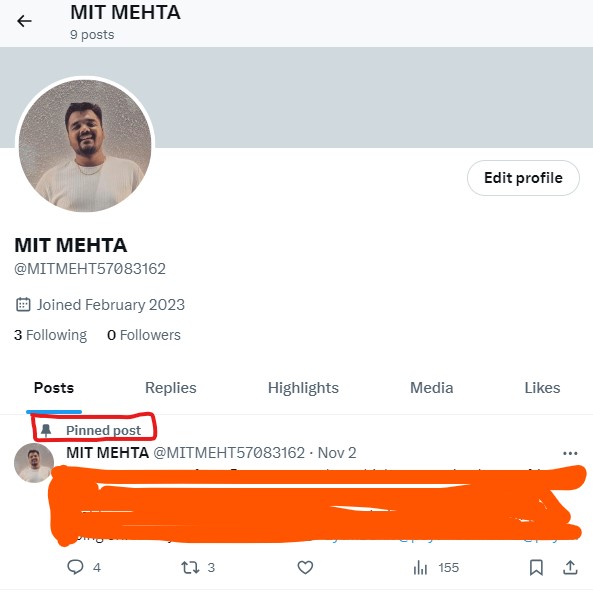
Pin a tweet is one that is permanently posted on top of your twitter profile. It’s completely similar to WhatsApp, where you can pin up to 3 Chat on your WhatsApp. Doing this activity, the person wants to announce that everyone can see their tweets on top, otherwise tweets going continually down after posting new tweets.

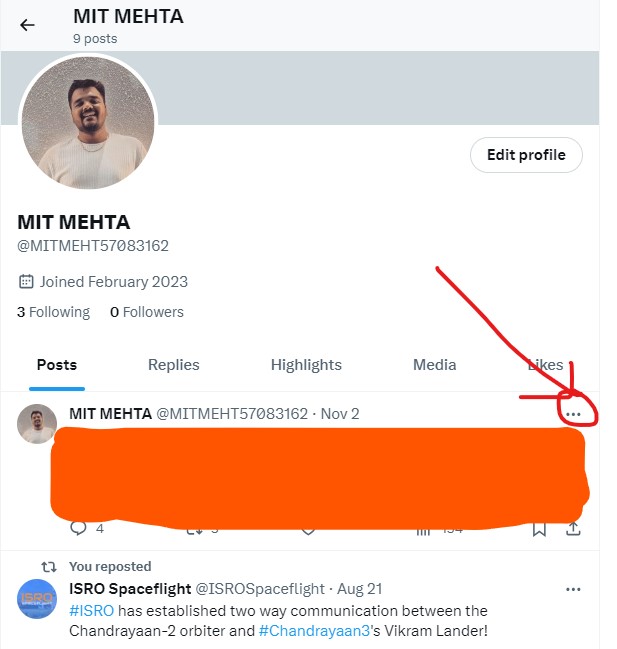
You can see in the author ‘s twitter profile where you can see I have posted tweets in the past but pinned top tweets for maximum exposure.

How to pin a Tweet on Twitter in 2023 ?

It is important to know how to pin a tweet step by step guide.

how pin a tweet

Step 1 : Open your twitter Account

Step 2 : post a tweet or find a tweet which you want to pin.

Step 3 : Click on the right side on three dots and you will get three options: “pin to profile”, “delete post”, “Change who can reply”. You have to click on the pin to profile.

Through this process you can see pin tweets on your profile.

how pin a tweet

This 1 minute Video Tutorial can guide you how to pin tweet :

https://www.youtube.com/watch?v=Q2OLksYxj7M&pp=ygUQaG93IHRvIHBpbiB0d2VldA%3D%3D

How to unpin tweets ?

How to unpinned tweet

You can easily unpin tweets from your profile. Simply you need to unpin from three dots available from the right side of your pinned tweets. You will get four options: “unpin your profile”, “delete the tweet”, “mute this conversion” and “View Hidden replies”. Simply you need to click on unpin your profile and your pinned tweets simply convert to unpin.


This Video Tutorial can guide you how to unpin tweet

https://www.youtube.com/watch?v=htyOX8YNEU8

Why is pin tweeting the most important ?

Pin your tweets is most important because when someone visits your twitter account they can see your most viral tweet and also this process also looks to have a positive impact on your profile. It’s also a strategy to increase your twitter followers. For example, pairing your pinned tweet with a CTA linking to affordable options to buy YouTube likes from GoreAd can amplify your reach across platforms, driving more traffic and interaction.

Most Important Factor to pin a tweet : 

  • To increase followers
  • Sell your product or service via providing affiliate links of others products or sell your own product or service.
  • A strong CTA reflects your more visits in your twitter profile.
  • Pin Tweets with visual elements like images, videos, or GIFs tend to attract more attention. 
  • Regularly update your pinned tweet to reflect your latest priorities.

How to pin a tweet ? FAQs

Q1. How long will a pinned tweet stay at the top of my profile?

A1. A pinned tweet will remain at the top of your profile until you decide to unpin it or replace it with a different tweet. You have the flexibility to update your pinned tweet as often as you like.

Q2. Can I pin a tweet from my mobile device?

A2. Yes, you can pin a tweet from both the Twitter website and the mobile app. Simply navigate to your profile, find the tweet you want to pin, click on the three dots (…), and select the “Pin to your profile” option.

Q3. Can I pin someone else’s tweet to my profile?

A3. No, you can only pin tweets that you have posted. The option to pin a tweet is only available for your own tweets and not for tweets from other users.
Q4. Is there a limit to the number of tweets I can pin on my profile?

A4. Yes, you can only have one pinned tweet at a time. When you pin a new tweet, it automatically replaces the previously pinned tweet.

What is Reach in Marketing? : An Expert Guide

As a marketer, you know that one of the biggest challenges is to reach your target audience. That’s where reach marketing comes in.

Reach can be defined as the total number of people who have seen your message or content – whether it is an ad, a post, or an email.

Understanding how to calculate and use market reach strategically can help you create effective campaigns and maximize your ROI, ultimately reaching a broader audience.

In this blog from VH-info, we will provide a comprehensive guide on what is reach in marketing, why it is important, how to calculate it, and how to use it strategically in your social media marketing strategy.

We will also discuss impressions in marketing and the difference between reach vs impressions on different social networks like Facebook, Instagram, TikTok, LinkedIn, Twitter, YouTube, Pinterest, and Snapchat.

Plus, we’ll give some examples of successful social media reach marketing campaigns that can provide valuable insights for businesses to improve their targeting and engagement levels.

What is Reach in Marketing?

Reach refers to the number of people who are exposed to a marketing message or ad campaign. It measures the audience size and indicates how many people had the opportunity to see an ad or content. The greater the reach, the more people a marketing campaign can potentially influence. Marketers aim to maximize reach to get their message and brand in front of as large an audience as possible.

However, high reach alone does not guarantee that the campaign will be effective. The target audience and their level of engagement also play a key role. Overall, reach gives marketers a sense of the potential scale and exposure of their efforts.

What is Reach in Social Media?

In social media, reach refers to the number of unique users who see a particular post or piece of content. It measures the size of the audience exposed to a post. A post’s reach indicates how many different accounts had that content delivered to their feed, showing the potential number of users that saw the post.

A high reach suggests content is being shown to a wide range of users and a high number of unique people. However, it does not account for how many people actually engaged with the post. Reach gives social media users and marketers a sense of the potential scale and dissemination of their content across the social platform. The higher the reach, the more users are being exposed to the messaging.

Why is Market Reach important?

Why-is-Market-Reach-important

Here are a few reasons why market reach is important for businesses:

  • Wider reach expands customer base – A broader reach allows businesses to get their product or service in front of more potential customers. This increases the chances of gaining new customers.
  • Creates brand awareness – High market reach helps create awareness about the brand and its products to a larger audience. This can help with brand recognition and recall.
  • Drives growth – More reach typically means more sales and revenue. The more people that are aware of and can buy your product, the more opportunities for growth.
  • Achieves marketing goals – Reach enables businesses to achieve key marketing goals like engagement and conversions at a bigger scale. The wider the reach, the more impact marketing campaigns can have.
  • Enhances competitiveness – Good reach helps businesses compete with others in their market. It prevents losing customers to competitors who may be reaching a wider audience.
  • Provides useful data – The reach metrics also give useful insights into audience interest and marketing effectiveness that can inform strategy.
  • Cost-effective – Getting in front of target customers at scale in a cost-efficient manner is critical for successful marketing. Broad reach allows just that.

How to calculate Reach Marketing?

How-to-Calculate-Reach-Marketing

To calculate Reach Marketing follow the steps below:

Find your impressions

Impressions refer to the number of times your ads were seen or served.

To calculate reach, you first need to know the impressions for your ad campaign, also known as Facebook impressions. This data is available in your marketing analytics platforms like Google Analytics or Facebook Ads Manager. Total impressions simply means the total number of times your ads were displayed, which is an important factor in determining your Facebook reach.

The formula for calculating impressions is:

(Ad spend / CPM) x 1000 = Impressions

Determine your ad campaign’s frequency

Frequency tells you how many times on average a person saw your ad. It is calculated by total impressions divided by reach.

For example, if your campaign had 1 million impressions and reached 100,000 people, the frequency is 1 million/100,000 = 10. This means each person saw your ad 10 times on average. Higher frequency may indicate excessive ad displays.

The formula for determining frequency is:

Impressions / Unique users = Frequency

Calculate market reach

Once you have impressions and frequency, you can calculate the campaign’s reach. This is done by dividing total impressions by the frequency.

For example, if you had 1 million impressions at a frequency of 10, then reach is 1 million/10 = 100,000. This means your campaign reached 100,000 unique users, even though it had 1 million impressions. Reach is a key metric as it indicates the size of the audience exposed to your marketing message and helps to avoid ad fatigue.

The formula for calculating reach marketing is:

Impressions / Frequency = Market reach

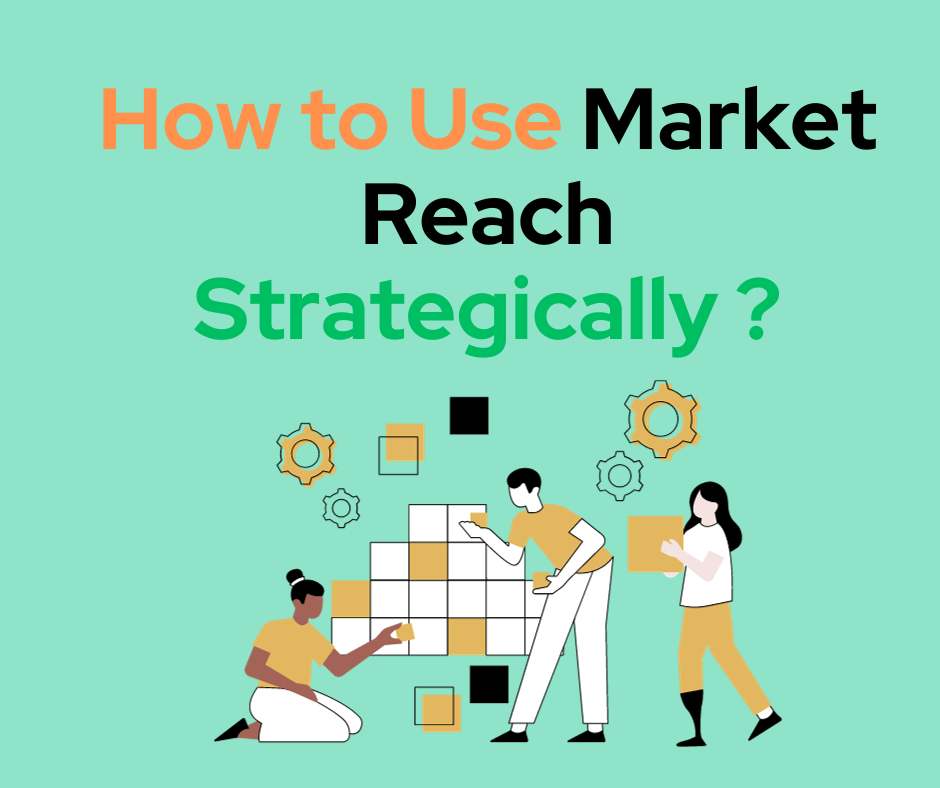
How to Use Market Reach Strategically?

How-to-Use-Market-Reach-Strategically

  • Determine your target audience: Clearly define who your ideal customers are. Gather demographic, geographic, behavioral, and psychographic data on them. This will allow you to optimize reach to the audiences most likely to convert.
  • Learn how your potential customers interact with media: Research where and how your target audience engages with marketing content. This could be through TV, radio, emails, social media, etc. Then focus your efforts on those high-value channels.
  • Use multichannel marketing strategies: Employ a cross-channel approach across digital, print, social media, events, etc. This allows you to maximize reach by tapping into multiple touchpoints. Omnichannel coordination also helps boost engagement.
  • Identify your ideal frequency: Figure out the optimal ad frequency through testing. Balance reach against excessive frequency that may irritate audiences. Adjust campaigns to hit the ideal frequency that drives responses.
  • Track market reach alongside other relevant metrics: While reach is important, combine it with metrics like engagement rate, conversions, costs, etc. to get a complete picture. This enables data-driven decisions to refine strategies.

How to use Market Reach Strategically in response to link building?

Here are some tips for using Market Reach strategically in response to link building:

  1. Focus on high-quality sites in your target market: When building links, prioritize getting links from authoritative, relevant sites in your industry. These links will be seen as more valuable by Google and can improve your domain authority.
  2. Leverage existing brand awareness and content: If you already have good brand recognition and high-quality content assets, use those as hooks to earn links from industry sites. For example, offer guest posts from your executives, infographics on market data, or data from an annual report.
  3. Get creative with link opportunities: Look beyond traditional link building like guest posts and influencer outreach. Sponsor industry events, run social campaigns that link back to your content, or see if any local organizations want to link to your community resources.
  4. Build relationships over time: Don’t just spam sites asking for a link. Develop connections with authors, influencers, and site owners in your market. Provide value to them through content sharing and social promotion. Links will develop naturally over time.
  5. Monitor new sites in your market: Keep an eye out for new sites, magazines, blogs popping up in your space. Reach out early to see if they are open to partnerships and links. Become recognized as a trusted resource.
  6. Use PR and outreach boost links: PR efforts like press releases, news coverage and brand mentions can all lead to a halo effect of new links as the content spreads. Proactive outreach to sites mentioning competitors but not you also works.
  7. Balance with organic internal linking: Don’t go overboard chasing links. Focus also on naturally growing your internal link structure between pages and building quality content that attracts links over time.

What Are Impressions in Marketing?

In marketing, impressions refer to the number of times an ad or other piece of content is displayed to viewers. Each time an ad loads on a web page, each time a TV commercial airs or a radio spot plays, these count as impressions. The total impressions for a marketing campaign indicate how many exposures the content received overall.

Marketers aim to maximize impressions to increase the chances that consumers will see the ad and engage with the brand. More impressions signal that the content is being broadly disseminated and has a greater opportunity to influence audience members. Impressions provide marketers with metrics to gauge the reach and frequency of their marketing efforts.

What Are Impressions in Digital Marketing?

In digital marketing, impressions refer to the number of times a piece of content is displayed to users.

For example, each time an ad banner loads on a website or search result page, or a promoted social media post appears in someone’s feed, these count as impressions metrics. The total impressions for a digital marketing campaign indicate how often online users were served the content.

Digital marketers aim to increase impressions metrics to get their ads and messaging seen by more of their target audience across various digital channels and inform their social media marketing efforts. The impression count helps gauge the reach and frequency of digital marketing efforts. More impressions metrics signal that an ad or post is being widely disseminated online.

How to Evaluate Impressions in Online Marketing?

Evaluating impressions in online marketing is about understanding how many times your content is potentially seen by users. It’s not about measuring clicks or interactions; it’s just the chance that someone might see it.

Sometimes people confuse impressions with reach. Reach counts the unique users who see your content, but impressions keep track of every time your content appears, even if it’s shown multiple times to the same user.

For instance, if you share a blog post with your 100 Facebook followers, your reach is at most 100, even if one of your followers sees the post again through a friend sharing it. However, your impression numbers will go up every time someone sees your post, even if they’ve seen it before. So, when evaluating impressions, remember it’s about the potential views, not the actual interactions, for a single piece of shareable content.

Why do Impressions in Marketing Still Matter?

Why-do-Impressions-in-Marketing-Still-Matter

Here are some reasons why impressions still matter in marketing:

  • Reach – Impressions indicate the total number of individuals exposed to your message or ad. High impressions translate to greater reach among your target audience.
  • Brand awareness – More impressions mean more people see your brand and become aware of your products/services. This boosts brand recognition.
  • Mindshare – Frequently impressing audiences, keeps your brand top-of-mind. This drives recall when they are ready to make a purchase.
  • Competitive visibility – Impressions help ensure your brand gets viewed alongside competitors in a crowded marketplace. This keeps you in the consumer consideration set.
  • Chance of conversions – The more people that see your ads or content, the higher the chances of driving conversions and sales. Wide reach fuels growth.
  • Optimizing spending – Impression volume indicates how far your marketing budget is going. You can assess cost per impression for return on investment.
  • Testing impact – Comparing impressions for different campaigns or ad variations allows you to determine the highest-performing content.
  • Omnichannel integration – Impressions can be tracked across channels like social, search, display, etc. for integrated insights.

While engagement and conversions matter, scale and visibility driven by impressions are still important for successful marketing. The metrics remain a valuable indicator of awareness and reach.

Reach vs. impressions: what’s the difference on different social networks

Reach-vs.-impressions

Not all social media websites use the same words to explain them. So, let’s understand what “reach” and “impressions” mean on various social networks.

Facebook

Facebook’s “Reach” is like a measure of how many folks saw things related to your Facebook Page, like posts you’re mentioned in.

Impressions” mean how many times stuff from or related to your Page showed up on someone’s screen. This could be in their news feed when they search for it, or if they go to your Page on purpose.

If you’re advertising on Facebook, you can also see the number of Impressions that came from paid ads versus the ones that came naturally.

Instagram

Instagram describes “Accounts Reached” as the count of different accounts that glanced at your content at least one time.

Instagram impressions are quite straightforward; they tally up how many times your content was viewed, even if it’s by the same person more than once.

Inside the Instagram app, you can check out the reach and impressions for various time frames like the past 7 days, 30 days, previous month, or last 90 days. You can also break it down by the characteristics of your audience, such as their gender, location, and age.

TikTok

When it comes to TikTok, the “Reached audience” shows you how many different people have checked out your videos.

Now, on TikTok, they don’t use “Impressions,” but instead, they call it “Total video views.” This number tells you how many times each of your TikToks was watched.

LinkedIn

When you’re on LinkedIn, you can check out the number of times people saw your posts, known as “impressions.” However, LinkedIn doesn’t have a specific “reach” measurement.

But, there’s a way to find out who has looked at your profile in the past 28 days.

Additionally, LinkedIn provides some basic info about the folks who viewed your posts, like their company, location, and job title.

Twitter

Whenever you post something on Twitter, the platform tells you the total impressions, which is basically how many times your tweet shows up on people’s feeds or in search results.

If you activate Twitter’s built-in analytics, you can check your total impressions for the past week, month, or specific months.

But, just to note, Twitter doesn’t give you a specific “reach” number. If you’re managing your Twitter presence and looking to refine your follower list, tools like mass unfollow twitter can help streamline the process. 

Bonus Read : How to Pin a Tweet 2024 Complete Guide

YouTube

YouTube Analytics doesn’t provide a “Reach” measurement.

But, it does show you the number of times your video’s thumbnail popped up in people’s feeds, which they call “Impressions.” You can also see how many clicks and how much time people spent watching your video after seeing those impressions.

And, you can keep tabs on the total number of views your content got.

Pinterest

Over on Pinterest, “Impressions” tells you how often your Pin shows up on someone’s homepage, on their boards, or in a search.

Now, if you’re looking for something like “reach” on Pinterest, it’s called the “Total Audience.” You can check the Total Audience for each Pin, or for all your stuff, either on a monthly or all-time basis.

Snapchat

Inside Snapchat’s own data, “Reach” lets you know how many of your followers checked out your Snapchat stuff in the past week.

And if you’re using paid ads on Snapchat, you can also see how many impressions came from paid ads compared to the ones that came naturally.

Examples of Reach Marketing

Here are some examples of reach marketing:

  • A social media post that gets 1000 views has a reach of 1000 people. This means that 1000 individuals have seen your post on social media.
  • A television commercial that’s shown during prime time has a reach of millions of viewers. When your ad airs during a popular TV show, it can potentially reach millions of people watching the program.
  • A billboard placed along a busy highway has a reach of all the drivers who pass by it daily. Every driver who goes by that billboard has the potential to see the message you’ve put up there.

In reach marketing, the goal is to get your message in front of as many eyes as possible, whether it’s through social media, TV, or physical billboards, so that your content reaches a wide audience.

Conclusion

To effectively reach your target audience, you need to have a clear understanding of what reach marketing is and how to use it strategically. Reach refers to the total number of unique individuals who have been exposed to your marketing message or content. It is an important metric to measure the effectiveness of your marketing campaigns and brand awareness.

Calculating reach involves analyzing data from various sources such as social media platforms, website analytics, and advertising platforms.

In conclusion, reach marketing is essential for businesses to expand their customer base and increase brand awareness. By understanding the concept of reach, calculating it accurately, and using it strategically, you can optimize your marketing efforts and achieve greater success in reaching your target audience.

What is Strategic Marketing: A Comprehensive Guide

Strategic marketing is a vital component of any business plan, as it sets the foundation for all other marketing activities.

In this comprehensive guide by VH-Info, we will explore what strategic marketing is and its importance in building a successful business. We will also delve into the five steps of the strategic marketing process and the phases that make up this process.

Additionally, we will examine factors that can make or break your strategic marketing efforts and provide definitions of strategic marketing from renowned authors.

To illustrate how strategic marketing works in practice, we have included some examples of companies that have successfully implemented it. Finally, we will answer some frequently asked questions about strategic marketing to help you gain a better understanding of this critical business function.


Read More: Digital Marketing Checklist 2024


What is Strategic Marketing?

Strategic marketing is the process of creating long-term plans to help a business grow and expand its customer base through strategic thinking. It involves figuring out who your target customers are, understanding their needs, and developing products, pricing, promotion, and distribution strategies that will meet those needs.

The goal of strategic marketing is to give your company an advantage over competitors by tailoring your business offerings to your chosen target market segments.

Strategic marketing helps guide a company’s decisions on where to focus its efforts and resources to maximize sales, profitability, and market share over time. The strategies are flexible to adapt as customer preferences and the competitive landscape evolve.

What is Strategic Marketing Planning?

Strategic marketing planning is the process of defining a company’s marketing goals and strategies. It involves analyzing the current market situation, understanding customer needs, setting objectives, and developing a strategic plan to meet those goals and achieve greater visibility for the company.

The plan includes decisions on product, price, promotion, and distribution strategies, all of which are aligned with the company’s goals. The goal is to develop a coordinated marketing program that will help the company achieve its goals and fulfill its vision for the future. In this stage, partner with a strategy consulting company to refine your marketing plan and achieve your company’s goals effectively.

What is the Strategic Marketing Process?

What-is-the-Strategic-Marketing-Process

The strategic marketing process typically involves four key steps:

  1. Analyzing the current situation by looking at the company’s internal strengths/weaknesses and external opportunities/threats.
  2. Setting marketing objectives and goals based on this analysis.
  3. Develop specific strategies and plans to meet these goals – such as product development, pricing, promotion, and distribution.
  4. Implementing the strategies across the marketing mix, while continually monitoring progress and adjusting as needed to stay on track.

What is Strategic Marketing Management?

Strategic marketing management is the practice of using marketing opportunity analysis, planning, and control techniques to achieve business goals. It starts with a thorough analysis of the company’s internal strengths and weaknesses, customer needs, competitor actions, and the broader market environment.

Based on this analysis, specific marketing objectives are established that align with the company’s overall mission. Detailed marketing strategies are then developed and implemented across product development, pricing, promotion, distribution, and more.

Through ongoing monitoring and adjustment, the company makes sure all marketing activities collectively build customer relationships, competitive advantage, and sales growth in line with strategic business objectives, including the use of a SWOT analysis. The goal is to manage marketing as an integrated strategic function rather than a set of isolated tactics.

Importance Of Strategic Marketing

Importance-Of-Strategic-Marketing

Here are a few key reasons why strategic marketing is important for businesses:

  1. Helps align business activities to meet core objectives and goals: Having a defined strategy provides direction and focus for marketing efforts and resource allocation.
  2. Aids in understanding customers and targeting segments effectively: Strategic marketing involves researching target demographics and buyer personas to tailor offerings to their needs and preferences.
  3. Provides competitive advantage: Performing strategic analysis of the competitive landscape using some of the best startup tools, allows businesses to identify areas of weakness, strength, and opportunities to differentiate.
  4. Enables proactive responses to market changes: Ongoing analysis of emerging trends, disruptions, and growth opportunities allows strategic marketing to adapt plans over time.
  5. Optimizes resource utilization: A documented strategy allows for focused, coordinated efforts across departments to work towards common goals.
  6. Builds brand awareness and loyalty: Strategic product branding and messaging create emotional connections with customers and establish credibility.
  7. Drives growth and profits: Aligning tactics to strategic goals fosters innovation and helps capture additional market share to boost revenues.
  8. Reduces risk: Methodical research, planning, and analysis help anticipate risks and challenges and mitigate them proactively.

Read More About : Best 11 Digital Marketing Books 2024


What Are the Five Steps of the Strategic Marketing Process?

  1. Create mission, goals, and objectives – Craft a mission statement defining the overall purpose and vision. Set specific measurable marketing goals and objectives aligned with the mission.
  2. Situation analysis – Thoroughly research the market and competitive landscape using SWOT, PESTLE, Porter’s 5 Forces, and other models to analyze internal strengths/weaknesses, and external opportunities/threats.
  3. Marketing strategies – Based on situation analysis, develop integrated strategies for product, pricing, distribution models, and promotional mix to achieve goals and objectives.
  4. Implementation – Create comprehensive marketing plans detailing precise actions, budgets, timelines, metrics, and responsibilities needed to execute strategies.
  5. Control – Put in place systems to monitor implementation using key performance indicators. Identify issues and make adjustments to get back on track.

Following this structured strategic marketing process ensures alignment of marketing with overarching business goals.

Strategic Marketing Process Phases

Strategic-Marketing-Process-Phases

The strategic marketing process involves four distinct phases:

  1. Planning Phase: This is the first and most important step in strategic marketing. In this phase, you figure out why you’re doing marketing, what your business needs, and what goals you want to achieve. Having a clear plan is like having a map before you go on a trip – it guides your marketing efforts and makes them more effective.
  2. Analysis Phase: During this stage, you look at the outside world, like your competitors and the market you’re in. You do research to understand what’s going on, like what’s popular, who your competition is, and what your target customers want. This information helps you see if your goals are realistic and if there’s demand for what you’re offering.
  3. Development Phase: Once you know your industry and where you stand, you start creating your marketing plan. This phase is more about the practical stuff, like deciding what product or service you’ll offer, setting a price, choosing where to sell it (online or in-store), and planning how to promote it. It’s like putting all the pieces together to make your marketing strategy work.
  4. Implementation Phase: This is when you put your plan into action. You start doing the marketing activities you’ve planned, like launching your product and trying to make sales. After you’ve started, it’s crucial to keep an eye on how things are going and be ready to adjust if needed because the market is always changing.

Factors That Can Make and Break Strategic Marketing?

You can figure out things like finding new ways for your business to grow, understanding who your real customers are (even if they’re different from what you originally thought), learning how to get more customers, and deciding where to invest your money for future marketing with a good marketing plan.

Your Knowledge of Your Intended Market

Understanding your intended market and their pain points and expectations is crucial for effective marketing strategy. It’s like knowing who your potential clients are and what they like. This helps you create the right messages and products they’ll love.

Without this info, your marketing might not work well. So, learn about your ideal customer and use that knowledge to make your content marketing strategy better.

Communicating The Value To Your Customers

Telling your customers why your product is great is a big deal. Even if you have fantastic marketing, it won’t work if people don’t understand why they need your product. So, make sure you explain the benefits clearly, and your message should match what makes people want to buy. It’s like saying, “Here’s why you should get this, and it’s what you want.”

Data Monitoring

Keeping an eye on your data is crucial, especially with free tools like Google Analytics. It helps companies see which web pages are popular, how long people stay on their site, where visitors come from, and more. If you don’t pay attention to this data, you might lose track of your whole marketing plan. So, regularly checking your data and understanding things like website traffic, sales, and customer info is like using a compass to navigate – it keeps you on the right path and helps your strategy get better. Additionally, using the best web scraping API can provide further insights from external sources, enhancing your understanding of market trends and customer behavior. You can even refer to an XPath cheat sheet to streamline your data extraction process and improve accuracy.

Focus

Successful businesses make their customers happy before making a lot of money. It might sound strange, but it actually works. When you focus on giving people what they need and want, your business can grow in amazing ways.

Including your marketing team in research and development meetings and finding new ways to help people can make this happen.

By staying committed to making customers happy, you build trust and loyalty, which is much better in the long run than just trying to make quick profits. So, focusing on customers and providing ongoing value is the key to lasting success.

Strategic Marketing Definition by Authors

Strategic marketing is defined differently by various authors.

Marketing Strategy Definition From Philip Kotler

Philip Kotler states, “A market consists of all the possible consumers sharing a certain need or want who would be ready and able to participate in trade to fulfill that need or desire.”

Marketing Strategy Definition From Omer Farkash

Omer Farkash defines a marketing strategy as a long-term plan for any organization or business. The main aim of this plan is to gain a lasting competitive edge by understanding what customers need and want, ultimately achieving a sustainable competitive advantage. 

In simpler terms, it’s a smart, forward-thinking plan to make a business stand out by giving customers what they desire.

Marketing Strategy Definition From Adam Barone

“A marketing strategy refers to a business’s overall game plan for reaching prospective consumers and turning them into customers of their products or services. A marketing strategy contains the company’s value proposition, key brand messaging, data on target customer demographics, and other high-level elements.”

Adam Barone defines a marketing strategy as the big plan a business uses to find potential customers and convince them to buy their products or services.

This plan includes things like what makes the company special, the important messages they want to send about their brand, information about the kinds of customers they’re aiming for, and other important details at a high level.

In simpler words, it’s the strategy a company uses to attract and convert customers through inbound marketing, including what they say about their brand and who they’re trying to reach through marketing techniques, customer engagement, and search engine optimization.

Marketing Strategy Definition From Noah Kagan

Noah Kagan’s marketing strategy definition focuses on the fundamental importance of having a product or legal services that meets people’s wants and needs. In his view, without a desirable product or service, all other aspects of marketing become irrelevant.

In simpler terms, a successful marketing strategy begins with offering something people genuinely want, and without that, nothing else in your marketing efforts really counts.

What Are Strategic Marketing Examples?

What-Are-Strategic-Marketing-Examples

Here are some examples of effective strategic marketing by major brands:

  1. Spotify pioneered music streaming by offering an intuitive user experience. Instead of downloading, Spotify allowed instant access to millions of songs. Personalized playlists and sharing features catered to user listening preferences. This innovative model disrupted the music industry.
  2. Coca-Cola has long associated itself with inclusive causes like diversity, environmentalism, and community service. Its “Open Happiness” campaign connected its products to values like optimism and unity. This emotional branding resonates across generations.
  3. Apple established itself as a premium brand via sleek, user-friendly product design. IT made complex tech easily accessible. Apple cultivated brand loyalty by positioning its devices as status symbols for innovators. Its minimalist stores further its branding.
  4. Tesla captured the luxury electric vehicle market by targeting tech-savvy, eco-conscious early adopters. Its focus on automation, connectivity, and superior performance appealed to these buyers. Tesla’s branding emphasizes sustainability and innovation see, for example, OCPP Gateways for EV charging stations.
  5. Nike built its brand identity around champion athletes and inspirational messaging like “Just Do It.” Sponsoring sports stars and targeted marketing portray Nike as a performance-driven brand for competitive athletes at all levels.

Marketing Strategy Vs Strategic Marketing Vs Marketing Plans

Here is a table comparing marketing strategy, strategic marketing, and marketing plans:

Term

Definition Purpose Scope
Marketing Strategy An integrated set of choices that determine how a brand will engage with customers Outlines high-level approach to achieve marketing objectives

Broader vision and direction

Strategic Marketing

Process of analyzing markets and designing strategies to attain competitive advantage Systematic framework to guide marketing decisions

Ongoing cycles of analysis, planning, and optimization

Marketing Plans

Detailed action plans to execute strategies through marketing mix tactics Brings marketing strategies to life through concrete activities

Specific programs, budgets, metrics, timelines


FAQ’s:

What is the strategic role of marketing?

The strategic role of marketing is to use research-based insights to identify target customers and develop integrated strategies that deliver value. This provides a competitive advantage and helps achieve organizational goals. Marketing acts as a strategic bridge between the company and its external environment, including public relations and direct marketing.

It translates business strategy into tactics that influence consumer behavior and build customer relationships. When treated as a strategic function, marketing guides activities ranging from product development to communications and customer service across departments.

Why is having a marketing strategy important?

A strong marketing strategy is essential for many reasons.

Firstly, it helps to concentrate marketing efforts in the best areas of digital marketing. This means that focus and direction are provided, rather than scattering resources.

Secondly, it ensures that marketing aligns with the business goals and creates unified messaging.

Thirdly, a strategy guides resource allocation and coordinated tactics across departments.

Fourthly, progress can be measured with a defined strategy. This enables agility to continuously optimize efforts.

Finally, a marketing strategy is crucial for prioritizing investments that enhance competitiveness and drive growth. It keeps marketing targeted, integrated, adaptable, and accountable.

Is strategic marketing management right for your team?

Strategic marketing management means aligning marketing with business goals and strategy. It works when teams take an integrated, research-driven approach instead of working separately.

This approach focuses on planning, execution, and agile optimization that work for dynamic environments. The organization needs staff and systems to track progress versus objectives.

The top benefit is coordinated programs that achieve growth and competitive advantage. If there’s a lack of vision or harmony, strategic management brings the necessary structure and cohesion to the department. Moreover, companies can leverage tools for IT professionals to improve business operations and achieve better results. 

What role does research play in developing a strategic marketing plan?

Strategic marketing involves market research for a good plan business plan. This research gives insight into customers and markets to identify segments and growth. Strategies align with needs, preferences, positioning, and messaging. Regular research helps adjust as markets change. Research reduces risk and boosts productivity by allocating resources well.

It minimizes guesswork during planning and ensures goals are more likely achieved by anchoring in market research and understanding market position. This makes marketing efforts focused and effective in achieving organizational goals and maintaining a strong market position. Be it in a traditional sector like the potato market, or a digital field such as SaaS services, conducting thorough market research is essential.

Conclusion

Strategic marketing is a comprehensive and dynamic process that involves careful planning, analysis, development, implementation, and control. It plays a crucial role in the success of any business by aligning marketing efforts with overall business goals and objectives.

Throughout this blog, we have explored various aspects of strategic marketing, including its definition, importance, process phases, factors that can make or break it, and examples from successful companies.

Whether you are a marketing professional or a business owner, it is essential to invest time and resources into developing a well-defined strategic marketing plan to achieve long-term success and growth.

Remember, strategic marketing is not just about creating marketing plans; it is about integrating marketing into your overall business strategy to drive sustainable results.

What is Sports Marketing: An Insider’s Guide

Sports Marketing is a dynamic and growing field that uses marketing principles to promote sports events, organizations, and products. With the ever-increasing popularity of sports among people globally, it has become an essential aspect of the sports industry.

In this blog, VH-info will cover everything you need to know about Sports Marketing – from defining what it is, why it matters, and how it works in a digital age to exploring different types of Sports Marketing Strategies.

We will also take a look at some of the best Sports Marketing Campaign Examples that have made an impact on audiences worldwide and how they affect the success of sports business.

So whether you are a marketer looking for new ways to reach your target audience or just an avid fan interested in learning more about this fascinating field, keep reading!

What Is Sports Marketing?

Sports marketing involves the promotion of sports events, activities, people, sporting events, or team products and services through advertising, sponsorships, merchandise sales, and PR. Its goal is to increase attendance, viewership, sales, and fandom by generating interest and excitement.

Sports marketers connect teams and athletes with fans and consumers, including those in professional sports. They help build brands, sell tickets/merchandise, secure sponsorships, and promote games/events. Effective sports marketing creates a fanbase and grows revenues while building a brand reputation.

What is a Sports Marketing Mix?

The sports marketing mix refers to the set of controllable marketing tools that sports organizations use to promote their teams, athletes, and events to fans and generate revenue. It consists of the 4 Ps of marketing adapted to the sports industry – Product, Price, Place, and Promotion:

  • The product is the sports entertainment experience itself that fans consume. For example, innovative products like a fitness trampoline are increasingly being integrated into promotional strategies to attract fitness enthusiasts.
  • Price covers things like ticket sales, merchandise, concessions, and broadcasting rights.
  • Place refers to how fans access sports content through live games, broadcasts, websites, and more.
  • Promotion includes advertising, social media, PR, partnerships, signage, and other communication tools.

In the first case, an effective sports marketing mix blends these elements to attract fans, drive ticket sales and merchandise purchases, secure sponsorships, grow television audiences, and maximize revenues from sports properties and athletes.

Why Does Sports Marketing Matter?

Sports marketing matters because it is critical for sports teams, professional leagues, and athletes to connect with fans and generate revenue. Effective sports marketing creates awareness, interest, and demand for sports entertainment.

It helps build fanbases, sell tickets and merchandise, secure sponsor partners, attract advertisers, drive TV viewership, and fuel overall revenues.

Sports marketing enables teams and athletes to build strong brands that fans are passionate about. This generates fan loyalty, high attendance, prime media deals, and lucrative sponsorships. In addition, sports marketing promotes fitness and an active lifestyle to the general public.

It provides entertainment and a sense of cultural identity for fans. Overall, sports marketing matters because it allows the massive sports industry to thrive and grow commercially while providing entertainment that captivates millions of people globally.

Importance of sports marketing in the digital age

Importance-of-sports-marketing-in-the-digital-age

Here are some key points on the importance of sports marketing in the digital age:

  1. Allows direct engagement with fans through social media and digital platforms
  2. Enables data-driven targeted marketing based on detailed analytics and fan preferences
  3. Provides new revenue streams through media rights deals with streaming services
  4. Creates personalized, enhanced game-day experiences using mobile apps and technology
  5. Builds loyal fan communities and brand advocacy through digital engagement
  6. Measures marketing effectiveness using digital metrics and analytics
  7. Serves fans with on-demand sports highlight and analysis content
  8. Redistributes sports content globally through digital channels
  9. Keeps brands relevant through constant digital interaction and campaigns
  10. Allows smaller sports leagues and teams to build profiles and monetize content

Digital trends in sports marketing

Now, organizations have a chance to do some really cool stuff to make fans like them more and like their athletes more. They can use things like social media, making their websites work better on phones, and using videos to make this happen. This is all about the new and fun things happening in the future of sports marketing on the internet.

Social media marketing

Social media has become a critical platform for sports teams and athletes to directly engage with fans. Platforms like Facebook, Instagram, Twitter, and TikTok allow brands to share content, run campaigns, organize contests, and enable fans to connect as online communities on social media platforms.

Sports brands leverage these platforms to give fans behind-the-scenes access, promote merchandise and tickets, conduct Q&As, and capture user-generated content. The real-time, two-way nature of social media provides sports marketers with an effective channel to build lasting relationships with fans through their social channels.

Mobile Optimization

With the significant growth in mobile usage, sports brands are optimizing their marketing and content delivery for mobile platforms. This includes developing feature-rich mobile apps and mobile-friendly websites that allow fans to access content, buy tickets, play games, receive notifications, and more.

Sports teams are also creating mobile-first video content that is designed for on-the-go viewers. Location-based tools like maps and GPS further enhance engagement. Overall, mobile optimization enables sports brands to tap into always-connected fan bases and drive revenue through mobile commerce.

Video Marketing

Video has emerged as a highly engaging sports marketing tool given its ability to capture emotions and provide immersive experiences for fans. Sports teams are actively promoting video content across social media, websites, and OTT platforms.

This includes highlights, behind-the-scenes footage, interviews, live streaming, and user-generated videos. Sports video marketing is focused on storytelling by combining analytics and creativity. Short-form vertical videos cater perfectly to mobile users. Overall, video provides interactive and shareable experiences between fans and sports brands.

How Is A Sports Marketing Plan Developed?

How-Is-A-Sports-Marketing-Plan-Developed

Creating a sports marketing plan is a crucial step in making sure that marketing efforts are successful.

Here’s how it’s done:

  1. Start with Key Questions: The first step is to answer some important questions, like how much money you can spend and what resources you have. This is because sports marketing can be expensive, so you need to use your resources wisely. You also need to decide how long your marketing campaign will run – for a short time, a whole season, or several years.
  2. Understand Your Product and Audience: You need to analyze your product and understand your target audience. This means knowing what your customers want and need. The sports marketing world is always changing, so you need to do market research to find the best opportunities.
  3. Deploying Marketing Managers for Business Growth: Once you have a plan, you’ll need a team of creative sports marketing professionals, a marketing manager, and an event coordinator. They will work on creating ads to promote your products, which can be on TV, social media, billboards, or radio. These ads should reflect the goals you set in your plan and use sports-related elements like team colors, slogans, and sports imagery.
  4. Measure Effectiveness: Once your marketing campaign starts, it’s essential to monitor its effectiveness. You can look at metrics like increased sales, gain more Twitter followers, and higher brand awareness to see how well your campaign is doing. If these numbers match the goals you set in your plan, you can continue and even strengthen your campaign. But if the numbers fall short, it may be time to revise your marketing strategy.

Types of Sport Marketing

Types-of-Sport-Marketing

Marketing of Sports

This involves the promotion and commercialization of sports leagues, teams, and events to generate interest and revenues. Sports entities market themselves through advertising, merchandising, public relations, ticket sales, and brand partnerships. The goal is to build fanbases, maximize viewership of games, increase merch sales, drive ticket purchases, and leverage the sports brand. Marketing campaigns, partnerships, digital content, urban elements, and fan engagement initiatives help establish an emotional connection with fans and promote the success of sports associations.

Marketing Through Sports

This refers to brands leveraging sports leagues, athletes, and events as a marketing channel to reach audiences. Companies sponsor major sports leagues/teams to gain visibility for their brand. Athlete endorsements are used to establish credibility and increase brand awareness. The use of sporting events and stadium advertising also offer exposure to captive audiences. The massive reach and influence of sports provide brands with an effective platform to engage consumers without interruptions, in a high-emotion environment with different products. Additionally, incorporating a body stretching app into these sponsorships can create further engagement opportunities. By promoting the app alongside athlete endorsements, brands can encourage fans to improve their physical well-being while connecting them to the athletes they admire, fostering a holistic approach to health and fitness Moreover, capturing these events with an event photographer near you can help preserve these unique moments and provide content for future marketing efforts.

Grassroots Sports Marketing

This targets promotion at the local community level to boost participation and support for youth sports, amateur leagues, college athletics, and minor leagues. It focuses on community-based platforms like local media, promotional events, partnerships with recreation centers, endorsements by local athletes/coaches, and outreach initiatives.

The goal is to nurture local talent, increase grassroots participation, deliver positive health outcomes for the community, and establish strong emotional connections with local fans by emphasizing that there is no right way to get active.

Sports Marketing Strategies

Sports-Marketing-Strategies

Develop a Target Audience

Sports teams need to deeply understand their fans to create relevant messaging and experiences. Conducting market research to analyze the demographics, psychographics, interests, motivations, and pain points of fans is crucial.

This knowledge helps segment audiences and tailor promotions. It also enables personalized engagement through social media, email, etc. Defining clear audience personas is the foundation of an impactful strategy.

Create Engaging Content

Sports brands need a content strategy that leverages video, social media, influencers, and storytelling. The content should educate, entertain, and inspire fans through content marketing. Behind-the-scenes footage, player interviews, and user-generated content on social media create a unique experience. Video series, podcasts, and blogs that provide analysis also keep fans engaged. Content platforms like team apps and OTT further distribution. The key is creating engaging content that resonates with target audiences.

Create Brand Partnerships

Strategic brand sponsorships extend the reach and exposure of sports organizations. Partnerships with non-competing brands that align values and objectives can unlock shared value.

Co-branded promotions, licensing merchandise, integrated advertising, and hospitality opportunities provide additional revenue streams. Partnerships add credibility and allow brands to leverage each other’s customer bases.

Select the Right Distribution Tools

Sports entities need to identify the right mix of digital platforms, traditional media and physical venues to effectively engage fans. Digital tools like social media, streaming, emails and apps provide targeted distribution, while TV, radio and print offer broader reach. Distribution in stadiums through signage and activations also connect with captive audiences. Optimizing across channels is vital.

Challenges for sports marketing campaigns in a digital age

Challenges-for-sports-marketing-campaigns-in-a-digital-age

Here is an overview of some key challenges for sports marketing campaigns in the digital age:

  1. Difficult to cut through the noise and capture consumer attention
  2. Social media breeds comparisons between sports brands vying for fans
  3. Need for constant content creation and real-time interaction
  4. Expectations for exclusivity and behind-the-scenes access
  5. Privacy concerns around data collection and targeted advertising
  6. Rapidly changing trends and consumer preferences
  7. Pressure to demonstrate clear ROI on digital spends
  8. Piracy threats impacting broadcast rights and sponsorship revenue
  9. Globalization resulting in varying cultural nuances and languages
  10. Regulatory issues around copyright, ambush marketing, etc.
  11. Rising costs of leveraging new technologies like VR and AR
  12. Shorter consumer attention spans fueled by always-connected devices
  13. Athlete controversies getting amplified through viral effect
  14. Authenticity and transparency becoming imperative in messaging
  15. Balancing traditional and digital marketing strategies and budgets

Marketing products through sports

Marketing-products-through-sports

Sponsorship of events

Brands can sponsor major sporting events like the FIFA World Cup, Olympics, Wimbledon, Super Bowl, and other global events such as the Football World Cup and the Olympic Games, to gain mass awareness. Stadium advertising and logo placement on uniforms/equipment and supplies enable brand visibility to live and broadcast audiences.

On-site activations and exclusivity in categories like beverages, electronics, etc. allow deeper exposure. It delivers a share of voice and provides hospitality opportunities for brand building.

Sponsorship of Teams

In sports marketing, brands are associated with the excitement of sports by sponsoring leagues, teams, or venues. Effective venue selection is crucial here, as it ensures that sponsorships are aligned with the brand’s target audience and maximizes visibility. They can use jersey sponsorships, stadium signage, and partnerships to help visibility and build brand loyalty. This also gives them clout and an exclusive partnership advantage. Brands can leverage fan affinity using supply partnerships and merchandise branding.

Additionally, hospitality helps to build connections with fans while enabling year-long visibility aligned with team brands.

Sponsorship of Athletes

In sports marketing, brands use athletes as ambassadors to influence consumers. Famous athletes are role models for youth and have traits like dedication, integrity, and perseverance that transfer to brands. Partnerships can be enhanced by customized equipment, experiential activations, and licensing athlete image/footage. This inspirational factor of favorite athletes cuts through the marketing clutter.

The Best Sports Marketing Campaign Examples

The-Best-Sports-Marketing-Campaign

  1. Puma: Pelé and the Pause – In 1970, Puma created an iconic photo of soccer legend Pelé stopping a ball in mid-air, showcasing their shoe. This innovative creative highlighted Puma’s pivot to performance sportswear.
  2. Sport England: This Girl Can – Empowering campaign targeting women with inclusive images and messages to get active and shift exercise perceptions.
  3. Procter & Gamble: Thank You, Mom – Emotional campaigns for multiple Olympics showing moms supporting athletes through heartfelt stories.
  4. Seattle Seahawks and Starbucks – Local partnership promoted community pride and engagement through co-branded stores, products, and merchandise.
  5. Chicago Blackhawks: What’s Your Goal? – Digital campaign inviting fans to submit personal goal videos for motivation, driving engagement.
  6. Nike x Serena Williams: Dream Crazier – This inspiring ad narrated by Serena is about breaking barriers and accomplishing the impossible.
  7. Adidas – Impossible Is Nothing – Campaign with celebrities and athletes overcoming challenges aligned with Adidas’ brand attitude.
  8. Reebok: Subway Pump Battle – Guerrilla marketing through impromptu dance battle on a subway highlighting their shoe.
  9. Red Bull – Stratos – Epic content event of Felix Baumgartner’s record space jump watched by millions worldwide.
  10. Star Sports: Mauka Mauka – Rivalry ads before India-Pakistan cricket matches with humor, emotion, and local insight.
  11. Under Armour: Rule Yourself – Showcasing underdog athletes defying limitations to emphasize their ‘fight‘ mentality.
  12. Gatorade: Be Like Mike – Popular ads leveraging Michael Jordan’s superstardom to fuel aspiration and sales.
  13. Unibet – Value Stats – Real-time social media content reacting to matches for engagement before betting.
  14. Paddy Power and social media – Increased brand interaction through irreverent, humorous social media reels & posts true to the brand.
  15. World Cup 2010: “Waka Waka” by Shakira x Freshlyground – A hugely popular anthem that drove visibility and local collaboration.

FAQ’s:

How is the economy impacted by sports marketing?

Sports marketing is important in many ways. It helps generate money, create jobs, and promote tourism. Brands use sports to reach a large audience and sell more products. This makes the sports industry very valuable for local, national, and global economies. The sports economy is worth billions of dollars and marketing plays a big part in making it successful.

How has technology impacted the field of sports marketing?

Sports marketing has changed with technology. Fans can now interact through social media and mobile devices. Advertisements can target specific consumers using data analytics. Broadcasting rights and streaming have made revenue while expanding global reach. Augmented reality gives an immersive in-venue experience, including the ability to virtually try on team merchandise and bolster the fan experience. Technology allows for personalized and measurable sports marketing across digital channels.

Conclusion

In conclusion, sports marketing plays a crucial role in promoting and growing businesses in the sports industry.

With the rise of digitalization, it has become essential for sports marketers to adapt to new trends and technologies to effectively reach their target audience.

However, there are challenges that come with the digital age, and marketers must navigate them to ensure successful campaigns. Overall, sports marketing offers immense opportunities for brands to connect with consumers and create memorable experiences.

What is Freelance Digital Marketing? Explained

Looking for a career that offers flexibility and the opportunity to work from home? Have you considered freelance digital marketing?

In this blog post, we will explain what freelance digital marketing is all about, how it differs from traditional freelancing, and what a freelance digital marketer does. We’ll also cover the essential skills you need to succeed in this field and how to start your own freelance digital marketing business.

Additionally, we will discuss some tips and tricks to make your freelancing journey more successful. Lastly, we will answer some frequently asked questions about becoming a freelance digital marketer. So let’s dive in and see if this career path is right for you!

What is Freelance Marketing?

Freelance marketing refers to marketing work done independently by a self-employed person, rather than by an employee of a company. Freelance marketers offer services to businesses on a project or contract basis.

They may help with things like creating marketing plans, managing social media accounts, designing promotional materials, writing website content, doing search engine optimization, running Google Ads campaigns, and more. Freelancers find clients and projects on their own rather than working for one set company.

They enjoy flexibility in their schedules and variety in their work. The “freelance” aspect means freedom and flexibility to pick their own clients and projects.

What is Freelance Digital Marketing?

Freelance digital marketing refers to digital marketing services provided by self-employed individuals, rather than digital marketing employees of a company. Freelance digital marketers, also known as Freelance digital marketing consultants, are independent contractors who offer their expertise in various digital marketing activities like search engine optimization, pay-per-click advertising, email marketing, social media marketing, content creation, and more.

Companies often opt for freelance digital marketing services when they have budget constraints or want a more specialized workforce for a limited period. Freelance digital marketers find their own clients and work on a project basis, giving them the freedom to choose when, where, and how they work.

They also get to experience variety by working with different types of clients and businesses. Freelance digital marketing, also known as online marketing, allows skilled digital marketers to monetize their expertise via independent contracting rather than traditional employment.

The difference between Freelancing and Digital Marketing

The-difference-between-Freelancing-and-Digital-Marketing

Here is a comparison of freelancing and digital marketing:

Category

Freelancing

Digital Marketing

Definition

Independent self-employment, working on short-term contracts and projects for various clients. Using online and digital channels and platforms to promote and market a business, product, or service to reach and engage with target audiences.

Work Arrangement

Flexible, work-from-home, set your own hours.

Often a standard full-time job but can also be freelance work.

Income Inconsistent, depends on acquiring clients and projects. Need to estimate costs and set rates.

Steady income from an employer or clients. Salary/fees can vary greatly.

Skills

Diverse skill set based on freelance niche (writing, design, programming etc.) Soft skills like communication and time management.

Digital marketing skills like SEO, social media marketing, PPC, web analytics, email marketing etc.

Clients

Constantly finding and pitching to new clients is required. Juggling multiple clients at once.

Typically working for one brand, business, or agency at a time.

Career Progression

Very self-driven. Need to market yourself and build a reputation over time.

More structured. Can progress to managerial/leadership positions in companies.

Pros

Freedom, flexibility, be your own boss. Broad skill development.

Specialized skill set. Company benefits like insurance. Room for advancement.

Cons

Unpredictable income. Lack of structure or guidance. Need to handle all admin tasks.

Less control over schedule. Office politics. Dependent on employer.


What does a Freelance Digital Marketer do?

Here is a brief overview of what a freelance digital marketer typically does:

  • Works independently and finds their own clients, rather than being employed by one company
  • Offers digital marketing services to businesses on a project or contract basis
  • Helps create and implement digital marketing strategies across platforms like social media, email, SEO, PPC ads, PPC analytics, content marketing, etc.
  • Manages and optimizes digital marketing campaigns to increase brand awareness, traffic, leads and sales
  • Designs and produces engaging social media posts, emails, online ads, website content, etc.
  • Analyzes campaign performance using metrics and analytics to identify improvements
  • Stays up-to-date on digital marketing best practices and emerging trends
  • Maintains strong communication with clients to understand their business and goals
  • Manages own schedule and workload, being self-motivated and organized
  • Handles the business aspects of freelancing, like marketing services, billing, etc.

Why I Chose Digital Marketing As a Career Path?

In this part, I’ll share why I started my journey as a freelance digital marketer.

As a freelance digital marketing freelancer, I chose digital marketing as my career path because I found it exciting and fast-paced.

Well you see, Digital marketing is constantly evolving with new trends and technologies, so it provides me with lots of opportunities to continuously learn and expand my skills. I enjoy the creative, analytical, and strategic aspects of digital marketing, from designing engaging social media posts to analyzing data and metrics.

Digital marketing roles also allow me to leverage my strengths in communication, project management, and problem-solving. Whether working independently or collaborating with teams, I can utilize my skills in a role with variety, challenges, and impact.

I’m drawn to how digital marketing allows me to creatively engage audiences and quantitatively drive real business results. I see lots of career growth potential in the digital space and look forward to continually growing as a digital marketing professional.

Freelance Digital Marketing From Home

Freelance digital marketing from home involves providing digital marketing services to clients as an independent contractor rather than as an employee of one company.

It allows skilled digital marketers to leverage their expertise in a flexible remote setting. Key tasks include collaborating with clients to create and optimize digital campaigns across platforms like search, social media, email, and websites.

Freelance digital marketers manage the strategy, content creation, ad management, and analytics of digital marketing initiatives for various clients while working comfortably from home. They enjoy setting their own schedules and hand-picking interesting projects.

While freelancing from home, digital marketers must be disciplined, motivated, and skilled at communicating virtually. With the right mix of digital marketing expertise, business savvy, and passion for remote work, freelancing from home can be an ideal path that allows for a productive and profitable digital marketing career.

What skills do you need to become a Freelance Digital Marketer?

What-skills-do-you-need-to-become-a-Freelance-Digital-Marketer

To become a Freelance Digital Marketer, you need to acquire skills which are mentioned below:

Content writing and Copywriting

To be a freelancer, you should have excellent writing skills to create good content for websites, social media posts, ads, emails, etc. Great writing involves crafting messages that interest audiences and encourage them to act.

When creating content, think about your target audience’s likes and make your message easy to understand by using simple words. Avoid using jargon or technical terms unfamiliar to your audience. Check your content for errors before publishing it so that it conveys your intended message clearly.

Graphic Designing + Video Editing

Visual content is an essential component of branding and engagement. The ability to design graphics, such as social media graphics, ads, and presentations, through graphic design skills can be a game-changer for your brand.

Video editing also plays a significant role in producing engaging marketing videos that capture the attention of your target audience. By leveraging these skills, you can create visually appealing content that resonates with your audience and enhances their overall experience with your brand.

Search engine marketing (SEM) [SEO+PPC

Search engine marketing (SEM) refers to strategies and techniques for promoting a website in search engine results pages through both paid and unpaid methods.

The two main SEM components are search engine optimization (SEO), which involves optimizing websites to rank highly in organic search results, and pay-per-click (PPC) advertising, which places ads on search engine results pages and charges when users click them. SEM aims to boost a website’s visibility and traffic from target search queries through both SEO and PPC.

Having a strong understanding of search engine optimization (SEO) and pay-per-click (PPC) advertising can significantly improve your brand’s visibility and drive traffic to your website via search engines such as Google.

The main thing is optimizing your website for relevant keywords, creating high-quality content, building quality backlinks (contact us if you need help with this!), and improving user experience, you can improve your organic search rankings.

Additionally, running targeted PPC campaigns can help you reach your target audience more effectively by displaying ads to users who are actively searching for products or services like yours.

Combining both SEO and PPC strategies, you can create a comprehensive search engine marketing plan that includes keyword research, delivers results, and helps you achieve your business goals.

Social media Marketing & Management

To run effective social media campaigns, you must understand the different platforms. It’s important to create content that resonates with your audience, engage with them, and analyze your performance.

Each platform has its own unique features, audience demographic, and communication style. LinkedIn is for professional networking, while Instagram targets younger audiences with visual content.

Understanding these differences helps tailor your strategies for each platform. Analyzing your performance provides insights to refine and improve your social media efforts.

Marketing Analytics

Data and analytics play a vital role in optimizing marketing campaigns. Understanding web analytics, A/B testing, and metrics to measure marketing ROI is crucial.

Just by analyzing data, you can derive insights that help tailor your marketing strategy to achieve the desired results. Web analytics provide valuable information about website traffic, user behavior, and engagement levels. A/B testing helps determine which version of an ad or landing page performs better.

Metrics like click-through rates, conversion rates, and cost per acquisition allow you to quantify the success of your campaign and make data-driven decisions for future optimizations. Incorporating data and analytics into your marketing strategy can lead to more effective campaigns and increased ROI.

Business skills

Being a freelancer requires more than just excellent skills in your field. You also need business acumen to market your services, estimate costs, and bill clients appropriately. Good financial management skills and effective rate negotiation are essential.

Self-discipline is crucial when working remotely without the structure of an office environment. Establishing a consistent routine is important for staying focused and productive.

Strong communication skills are necessary for building client relationships and understanding their needs. Effective communication helps prevent misunderstandings and ensures projects are completed on time and within budget. Building a network of industry contacts can also help you find new clients and grow your business. Success as a freelancer requires technical expertise, business acumen, self-discipline, and communication skills.

How to start Freelance Digital Marketing?

6-Steps-to-start-Freelance-Digital-Marketing

To start freelance digital marketing, follow the steps mentioned below:

  • Step 1: Establish your niche – Determine the specific areas of digital marketing you want to specialize in as a freelancer. This could be social media marketing, SEM, email marketing, etc. Having a defined niche makes it easier to market yourself and attract ideal clients.
  • Step 2: Build a portfolio – Create a portfolio showcasing your digital marketing work and skills. Include case studies, client testimonials, sample reports, campaign results, creative examples, etc. A strong portfolio shows proof of your abilities.
  • Step 3: Find a network – Network both online and locally to make contacts that could become future clients. Attend marketing events, join LinkedIn groups, and connect with agencies and other freelancers.
  • Step 4: Promote your business – Actively promote your freelance services through channels like social media, blogging, speaking events, writing guest posts, etc. Consistent self-promotion is critical for finding new clients.
  • Step 5: Make it legal – Set up the necessary legal and financial aspects of your freelance business like registering as a sole proprietorship, getting business insurance, setting up billing systems, and more. You can use a reputable business formation service like Inc Authority review by GovDocFiling, which has a free formation package. This makes your business legitimate.
  • Step 6: Continuously develop your skills – Being a successful freelancer means constantly learning new marketing tactics, tools, and trends to expand your offerings over time. Make learning a daily habit.

Freelance Digital Marketing Tips

Freelance-Digital-Marketing-Tips

When it comes to freelance digital marketing, there are several tips that can help you succeed in this unique field.

  • Set boundaries – Establish boundaries regarding when and how clients can contact you, how much you work per week, taking time off, etc. Clear boundaries help avoid burnout and maintain a healthy work-life balance as a freelancer.
  • Keep learning – Proactively learn new skills, tools, and digital marketing trends. Reading blogs, taking courses, attending events, etc will help you expand your expertise. This will make you more competitive and allow you to offer new services.
  • Take breaks frequently – Make sure to take short breaks during work to recharge. Take a walk, grab a snack, and respond to personal messages. Breaks boost productivity and creativity needed for digital marketing work.
  • Raise your rates regularly – As you gain more experience and expertise, raise your fees periodically. Research rates other freelancers charge. Higher earnings allow you to work less and be more selective with projects.
  • Automate where possible – Automate repetitive tasks like reporting, follow-ups, publishing, etc. This saves time and gives you space to focus on big-picture strategy and creative work.
  • Collaborate – Partner with other freelancers to jointly offer services and tackle bigger projects. Collaborating expands capabilities and allows each freelancer to play to their strengths.

Pros and Cons of Becoming a Freelance Digital Marketer

Pros-and-Cons-of-Becoming-a-Freelance-Digital-Marketer.

Here are some of the key pros and cons of becoming a freelance digital marketer:

Pros

  • Flexible schedule and location – You choose when, where, and how much you work.
  • Freedom and independence – You pick your own clients and projects. No boss to report to.
  • Variety of work – Projects and clients change often to keep things fresh.
  • Skill development – Continuous learning to keep skills sharp and offer new services.
  • Unlimited earning potential – No income ceilings as a freelancer. Earnings based on work acquired.
  • Low overhead costs – Typically low start-up and operational costs.
  • Creative freedom – Freelancers have lots of room for creativity in their work.

Cons

  • Inconsistent income – Income can fluctuate month-to-month depending on projects.
  • Benefits and stability – No company-sponsored benefits like insurance, paid vacation, etc.
  • Isolation – Working alone from home can be socially isolating for some.
  • Self-motivation – Success requires discipline without a boss overseeing work.
  • Administrative tasks – Time spent looking for clients and on billing/paperwork.
  • Competition – Competing against many other freelance marketers for projects.
  • Long Hours – Tendency to overwork when self-employed. Harder to disconnect.

Is Freelance Digital Marketing legit?

Yes, freelance digital marketing is absolutely a legitimate career path. It involves providing digital marketing services as an independent contractor. Skilled professionals offer in-demand skills like social media marketing, search optimization, paid ads, and web analytics to clients on a project basis. They find clients through networking and digital platforms and earn income by billing for their services.

With hard work, skill, and professionalism, freelance digital marketers can build successful careers serving various businesses. Some even grow from freelancing to building full marketing agencies. It’s a legitimate path for qualified professionals. For those seeking guidance in establishing their own agency, they can visit Sortlist, an online platform connecting businesses with marketing agencies tailored to their needs.

Is Freelance Digital Marketing for you?

Is-Freelance-Digital-Marketing-for-you

Freelance digital marketing is a great career if you like marketing, working alone, and looking for clients in the expanding digital marketing industry. It needs self-motivation, control, and openness to learn new skills.

To succeed, you need good communication and time management skills and the ability to be your own boss. While earnings can change, freelancing allows freedom and flexibility in your work.

To know if freelance digital marketing is right for you, think about your skills, work style, and business sense.

VH-info’s Top 10 Tips For Avoiding Online Scams as a Freelance Digital Marketer

Here are some of our best tips for freelance digital marketers to avoid online scams:

  1. Vet new clients thoroughly – Check their website, reviews, and social media, and look for red flags. Ask for references from past freelancers they’ve worked with.
  2. Never pay upfront fees – Avoid “job offers” that ask for payment for training or software. Get paid only after providing services.
  3. Use escrow payments for large projects – Escrow services hold payment until work is complete, adding protection.
  4. Avoid overpayment scams – Reject payments in excess that ask you to wire back the difference.
  5. Don’t click suspicious links/attachments – Use caution opening links and files from unknown senders.
  6. Video call new clients – It’s harder to fake identity over video chat compared to email only.
  7. Get all agreements in writing – Have contracts, scope of work, and payment terms detailed in writing.
  8. Trust your instincts – If an offer seems too good to be true or makes you uneasy, walk away.
  9. Use secure payment methods – Avoid shady methods. Use services like PayPal that offer fraud protection.
  10. Monitor payments closely – Watch for clients reversing payments or unauthorized charges.

Staying vigilant and trusting your gut instinct will help you avoid falling victim to scams as a freelance digital marketer. Do your due diligence on all clients and opportunities.

How much does a Freelance Digital Marketer make?

Freelance digital marketers make $30-$100 per hour, and top earners make over $150 per hour. Incomes range from $50,000 to $100,000 per year. Income depends on niche skill sets, demand, experience level, portfolio strength, business skills, and rates charged.

Skilled freelancers in conversion rate optimization or influencer marketing can charge more. Income may fluctuate due to project-based work, but digital marketers can earn good wages independently by setting their own hourly rate. Hard work and persistence can lead to six-figure incomes.

FAQ’s:

What does a freelance digital marketer actually do?

A freelance digital marketer works independently to provide various digital marketing services to clients on a project basis. Their work includes activities like managing social media accounts, running search and display ads through platforms like Facebook Ads, doing SEO, analyzing campaign metrics, creating content, email marketing through personalized emails, and optimizing websites.

Freelancers find their own clients and handle the business aspects of self-employment, including building a personal website to showcase their skills and attract potential clients.

How much could you earn as a freelance digital marketer?

As a freelance digital marketer, you could potentially earn $50,000 to $100,000 or more per year, depending on your niche skills, experience level, portfolio, business acumen, and rates charged. Top freelance digital marketers can command over $100 per hour, allowing you to potentially earn a high income while dedicating less time to work in the United States. With diligence, expertise, and effective self-promotion, six-figure freelance incomes are certainly possible in this field of digital marketing skills.

Can I do freelancing with digital marketing?

Yes, you can definitely do freelancing in the field of digital marketing. Many skilled digital marketers choose to work independently as freelancers, offering services like social media marketing, search engine optimization, pay-per-click ads, web analytics, content creation, email marketing, and more to clients on a project basis.

With expertise in one or more digital marketing areas and strong business skills, freelancing can be a rewarding career path.

How do digital freelancers make money?

Digital freelancers make money by charging clients for services like social media management, search engine optimization, pay-per-click advertising, content creation, web analytics, and more. Freelancers set their own rates based on factors like skill level, demand, and experience.

They earn income by billing clients on an hourly or project basis for the digital marketing services provided. Freelancers find clients through networking, marketing their services, and digital platforms connecting independent talent with companies, building a loyal client base through referrals and testimonials.

The best way for freelancers to determine their rates is by dividing what they want to earn in a month by the number of hours they are willing to work per month. As a freelancer, it is important to also consider the cost of health insurance and retirement accounts, as these benefits are not provided by an employer.

How do I become a digital marketer with no experience?

Here are a few tips to become a digital marketer with no experience:

  • Take online courses and certifications to build skills in areas like social media marketing, SEO, PPC, analytics, etc.
  • Create marketing content and campaigns for fictional or personal brands to build a portfolio.
  • Look for internship opportunities at digital marketing agencies to gain hands-on experience.
  • Enhance your resume by leveraging volunteer marketing roles for nonprofits, utilizing tools like resume maker for professional presentation.
  • Consider starting as an assistant at a digital marketing agency to learn on the job.
  • Network consistently and pursue entry-level digital marketing roles to get your foot in the door.

What skills are required for freelance digital marketing?

The key skills required for freelance digital marketing include content writing, graphic design, search engine optimization (SEO), pay-per-click (PPC) ads, social media marketing, data analytics, project management, communication, and business/entrepreneurial abilities.

A mix of creative, analytical, and business skills is needed to succeed as a freelance digital marketer.

Conclusion

In conclusion, freelancing in digital marketing offers flexibility, independence, and the opportunity to work on a diverse range of projects. It allows you to showcase your skills and build a strong portfolio while earning a competitive income. However, it’s important to set boundaries, continuously improve your skills, and take breaks to avoid burnout.

Before diving into freelance digital marketing, make sure to establish your niche, build a portfolio, find a network, promote your business, and ensure legal compliance. While there are scams to be aware of, freelancing in digital marketing is a legitimate career path that can lead to financial success and personal fulfillment. If you have any queries or want to share your experience, please leave a comment below.

Side Hustles for Women that Make Real Money

In today’s fast-paced world, many women are looking for ways to earn extra income and take control of their financial future. 

Whether you’re a stay-at-home mom, a full-time employee looking for a side gig, or just someone who wants to explore new opportunities, side hustles can be a game-changer.

In this VH-info’s blog post, we’ll explore some of the best side hustles for women that can help you make money on your own terms. 

From freelance writing to starting an online store, there are endless possibilities out there.

So grab a cup of coffee and get ready to discover your next hustle!

Side Hustles for Women

Side hustles for women can be a great way to earn extra income, gain financial independence, and explore your passions.

Here are some side hustle ideas that are particularly suitable for women:

  1. Freelance Writing: If you have strong writing skills, consider freelance writing for blogs, websites, or magazines. Content creation is in high demand, and you can find opportunities in various niches.
  2. Virtual Assistance: Many businesses need virtual assistants to help with tasks like email management, scheduling, and data entry. This side hustle offers flexibility and can be done from home.
  3. Proofread for businesses: Proofreading documents is an easy, flexible side gig for someone with strong writing skills. You can make extra money offering proofreading services to businesses to check and correct documents for spelling, grammar, and formatting errors before publication.
  4. Handmade Crafts and Etsy Shop: If you enjoy crafting, you can create and sell handmade jewelry, home decor, or other crafts on platforms like Etsy. It’s a great way to turn your hobbies into a profitable venture.
  5. Blogging: Start a blog in a niche you’re passionate about and monetize it through affiliate marketing, sponsored posts, or selling digital products. It may take time to build an audience, but it can be a rewarding long-term side hustle.
  6. Pet Sitting or Dog Walking: If you love animals, consider offering pet sitting or dog walking services in your local area. Many pet owners are willing to pay for someone they trust to care for their pets.
  7. Photography: If you have photography skills and equipment, offer your services for events like weddings, family portraits, or real estate photography. You can also sell your photos on stock photography websites.
  8. Freelance Graphic Design: Graphic design is a skill in high demand, and many businesses and individuals are looking for talented designers to create logos, social media graphics, and more.
  9. Meal Prep and Catering: If you’re a great cook, you can start a small catering business or offer meal prep services. Many people are willing to pay for convenient, home-cooked meals.
  10. Consulting or Coaching: If you have expertise in a particular field, such as career coaching, fitness, nutrition, or personal finance, consider offering your services as a consultant or coach.
  11. Social Media Management: Many businesses need help with their social media presence. If you’re skilled in social media marketing, you can offer your services to manage and grow their online profiles.
  12. Etsy Printables: Create and sell digital printables on Etsy, such as planners, calendars, or wall art. It’s a low-overhead business that can generate passive income.
  13. Virtual Yoga or Fitness Classes: If you’re a certified yoga or fitness instructor, offer virtual classes to a global audience. You can use platforms like Zoom or offer pre-recorded sessions.
  14. Become a bookkeeper: Bookkeeping is an easy side hustle for someone who enjoys working with numbers and finances. You can make extra money keeping the financial records of small businesses – tracking income, expenses, invoices, payroll and more. Bookkeeping services are always in demand if you have the skills.

Easy side hustles for Females

Easy-side-hustles-for-Females

Any female can find simple side hustles that work for her situation.

Here are some relatively easy side hustle ideas for females to consider:

  1. Resell on Amazon – You can make extra cash buying discounted or clearance items from local stores, then reselling them for a profit on Amazon. It’s an easy way to earn money if you have an eye for spotting valuable products to flip online.
  2. Rideshare driving – Driving for Uber or Lyft allows you to work when you want and earn decent income.
  3. Food/grocery delivery – With apps like DoorDash, GrubHub or Instacart you can deliver food or groceries on your own flexible schedule.
  4. Tutoring – If you have knowledge in academic subjects, tutoring students can be an easy side gig. Can be done locally or online.
  5. House/apartment cleaning – Offer general cleaning services for homes and apartments. Flexible hours and steady demand.
  6. Babysitting/nannying – Caring for kids is something many women inherently enjoy. Set your own hours.
  7. Direct sales companies – Sell products for companies like Avon, Tupperware, Rodan + Fields. Flexible schedule.
  8. Transcription services – Transcribe audio files to text documents with just a computer and headphones.

Ways for Females to make Money Online

12 Ways-for-Females-to-make-Money-Online

There are numerous ways for females to make money online, offering flexibility and the opportunity to pursue various interests and skills. 

Here are some options:

  1. Content Creation: Create and share content on platforms like YouTube or TikTok. You can make money through ads, sponsorships, and affiliate marketing once you build an audience.
  2. Affiliate Marketing: Promote products or services through affiliate marketing on your blog, social media, or YouTube channel. You earn a commission for each sale made through your referral links.
  3. E-commerce: Start an online store selling physical products through platforms like Shopify, WooCommerce, or Etsy. You can create your own products, dropship, or source from wholesalers.
  4. Dropshipping: Set up an e-commerce store without keeping inventory. With dropshipping, you partner with suppliers who handle the product fulfillment.
  5. Online Surveys and Market Research: Participate in online surveys and market research studies on websites like Swagbucks, Survey Junkie, and Pinecone Research to earn rewards or cash.
  6. Remote Customer Service: Work as a remote customer service representative, helping customers with inquiries or issues via phone, chat, or email.
  7. Remote Data Entry: Many companies hire remote data entry workers to input and manage data, which can often be done from home.
  8. Transcription Services: Transcribe audio or video content into text. There are various transcription platforms and freelance opportunities available.
  9. Online Language Tutoring: If you’re fluent in a second language, offer online language tutoring services to individuals or groups.
  10. Social Media Management: Help businesses or individuals manage their social media presence by creating and scheduling posts, engaging with followers, and growing their following.
  11. E-book or Online Course Creation: Create and sell e-books or online courses on platforms like Amazon Kindle, Udemy, or Teachable.
  12. Purchase or rent out real estate: Investing in real estate can generate ongoing income through rental payments and property value appreciation. You can start small by renting out a single property, or build a larger portfolio over time for greater earnings.

Unique Side Hustle Ideas for Women

Unique-Side-Hustle-Ideas-for-Women

Here are some unique and creative side hustle ideas for women:


  1. Rent out formal dresses – Many women have expensive formal gowns that just sit in the closet. Rent them out for proms, weddings, etc.
  2. Floral arranging – Leverage your design skills and sell floral arrangements for parties, weddings, etc. Or teach floral design classes.
  3. Calligraphy – Offer custom calligraphy services for wedding invitations, place cards, chalkboards, etc.
  4. Become a virtual assistant – Help clients with administrative tasks, email management, scheduling, etc.
  5. Jewelry making – Make and sell custom jewelry and accessories on sites like Etsy.
  6. Organizing consultant – Declutter and organize spaces for clients – from closets to garages.
  7. Makeup artist – Provide makeup services for weddings, proms, parties as a side business.
  8. Personal stylist – Offer your fashion eye to help clients overhaul their wardrobe and style.
  9. Interior decorating – Help people design and decorate homes if you have an eye for interior design.
  10. Flipping furniture – Source used furniture, refinish and reupholster, then resell for a profit.
  11. Pet treat baker – Bake and sell custom, healthy pet treats.
  12. Rent out parking space – Earn cash renting out an unused parking space near busy areas/events.
  13. Rent Out Your Car – Car owners can earn more money by putting their cars on Turo. It’s a good way for moms who don’t drive their cars much to make some extra cash.
  14. Rent Out Kids Toys Or Equipment – If you don’t want to sell your children’s old toys, you can let other kids use them at the Toy Library. It’s a cool way for moms to earn money by sharing their kids’ old stuff with other families.

Side Hustles for Moms

10 Side-Hustles-for-Moms

Here are some side hustle ideas for moms:


  1. Freelance writing – Moms can leverage their writing skills for freelance gigs, writing blogs, articles, web content, etc. Flexible schedule and can work from home.
  2. Virtual assisting – Help other businesses with admin tasks like email management, calendar management, data entry etc. Can make $15-$50/hour.
  3. Tutoring – Moms can tutor kids of all ages in academic subjects they are knowledgeable in. Can be done locally or online.
  4. Childcare – Provide babysitting or nannying services for other families. Schedule is flexible.
  5. Direct sales companies – Sell products for companies like Rodan + Fields, Scentsy, Tupperware. Earn commissions and you can work hours that fit your schedule.
  6. Rental hosting – Rent out a spare room or your whole house when traveling as an Airbnb host.
  7. Pet sitting/dog walking – Great side gig for moms who love animals. Walk dogs or host pets when owners are away.
  8. Bookkeeping – Offer bookkeeping services for small businesses if you have accounting skills/experience. Can be done remotely.
  9. Social media management – Help businesses grow their social media presence and engage with customers online.
  10. Handmade crafts – Sell handmade jewelry, soaps, candles, artwork on sites like Etsy.

The key is finding something that fits with your existing skills and schedule. Having a side hustle gives moms extra income potential!

FAQ’s:

How can I make an extra $2000 a month?

Pick up a part-time job working 20 hours a week at $15 per hour. That’s $600 extra dollars a month working just a few hours a week. Spend 10 hours a week doing food delivery with DoorDash or UberEats and make around $500 per month in fares and tips. Tutor students in your free time for $20 per hour – just 5 hours a week equals $400 more dollars. Sell handmade crafts or other items on Etsy to bring in $200-500 per month working on your own schedule. Driving for rideshares, freelance writing, and pet sitting can all add a few hundred more. With just a few consistent side hustles, making an extra $2000 is very achievable.

How to make an extra $1,000 a month side hustle ?

Here’s a simple way to make an extra $1,000 a month from a side hustle:

Pick up some weekend or evening shifts driving for Uber or Lyft. Working just 15-20 hours over the month giving rides can bring in around $1,000 extra dollars. Or you can deliver food orders with DoorDash or UberEats – you can make $15-20 per hour working a few hours a week. If you’re good with pets, offer dog walking or pet sitting services in your neighborhood for $15-20 per walk – just taking 2-3 dogs regularly can make $1,000 per month. Tutoring students in math, science or other subjects can also generate over $1,000 monthly tutoring 5-10 hours a week. The key is finding a flexible gig that works with your schedule – driving, delivery, pet care or tutoring are all easy options to earn an extra $1,000 monthly as a side hustle.

Conclusion

There are countless side hustle opportunities available for women looking to make some extra money. 

Whether you’re a mom looking to earn income from home or a female entrepreneur wanting to explore new avenues, there is a side hustle out there for you. 

From freelance writing and virtual assisting to starting an online store or becoming a social media manager, the possibilities are endless. 

With determination and hard work, you can easily earn an extra $2000 or even $1000 a month through your side hustle. 

So don’t wait any longer – choose a side hustle that aligns with your skills and interests, and start making money today!

How to Start an ATM Business: A Step-by-Step Guide

Are you looking for a business opportunity that is easy to set up, low maintenance, and profitable? Starting an ATM business might be the perfect fit for you!

In this step-by-step guide, we will cover everything you need to know about starting your own atm business  From researching the market and choosing your location to obtaining licenses & permits and purchasing equipment, including tools for routine maintenance. VH-info has done all the hard work for you.

We will also provide useful tips on finding suppliers & vendors, setting up your business structure, creating a business plan, securing financing, marketing your business, training employees & installing equipment, and monitoring performance & adjusting as needed.

Additionally, we will answer FAQs such as how much it costs to start an ATM business, how much money you can make owning an ATM machine, which type of ATMs you should invest in, and where you should place them.

So, if you’re wondering whether it’s worth it to get an ATM in your business, how to get an ATM business license, or any other questions that ATM business owners may have – read on!

How to Start an ATM Business?

14-Steps-to-Start-an-ATM-Business

Getting into the ATM business can be a good way to earn money and help people. But, it’s essential to know the steps to make it work.

Here are 14 steps to start your ATM business:

Step 1: Market research

Before launching your ATM business, it’s crucial to explore the market and assess your competition. Check out what other ATM businesses are providing in terms of services, charges, and locations. This research will enable you to gauge the demand in your area and identify your target market and any distinctive offerings that can make your business stand out from the rest in the ATM industry. Additionally, analyzing foot traffic in potential locations, understanding banking and processing fees, and being aware of ATM regulations will all contribute to shaping your business plan.

Step 2: Location Selection

Picking the perfect spot for your ATM business is a key ingredient for success. Think about things like how many people pass by, how easy it is to see your ATM, and how safe and accessible the location, specifically the ATM location, is. Be mindful of any local rules that might affect your business. It’s wise to go for busy, accessible places like gas stations, convenience stores, malls, and restaurants. Don’t forget to work out agreements with the owners of these places to set up your ATMs there.

Step 3: Acquire the necessary licenses and permits

To start an ATM business, register your business name and legal structure with the Secretary of State in each state of operation. The process varies by state but can be found on the secretary of state’s website. Pay the necessary fees and file the required paperwork. Choose the appropriate legal structure from five common options for your ATM business.

Before launching your ATM business, it’s crucial to get all the necessary licenses and permits from local authorities. This could mean getting a business license, a sales tax permit, or other permits required by your area’s laws. Make sure you secure these permits from federal, state, and local authorities. Depending on your setup, you might even need additional licenses like liquor licenses if you plan to install ATMs in bars.

Step 4: Buying Equipment

When buying ATM machines for your business, it’s important to do some research. Look into different models and check prices from various sellers to find the best deal. You can choose between new or refurbished machines and decide on features like cash dispensing, deposit-taking, or card reading. Don’t forget to buy supplies like paper for receipts, signs, and cleaning stuff. 

VH-info would also recommend to make sure to carefully consider your options when it comes to atm equipment, including the type, manufacturer, and model.

Step 5: Finding Suppliers & Vendors

To run your ATM business smoothly, it’s important to find trustworthy suppliers and vendors who can give you the cash you need for your ATMs and other supplies like receipt paper. It’s a good idea to research different suppliers to get the best prices. You might also need to partner with ATM processors, who handle ATM processing, to link your ATMs to an electronic funds transfer network and collaborate with cash providers, armored car services, and maintenance technicians.

Step 6: Structuring the Business

Before you start your ATM business, it’s crucial to establish a legal structure like an LLC (limited liability company), corporation, or sole proprietor. This helps protect you from personal liability if any legal problems or disputes with customers or vendors arise. It’s a good idea to consult with a lawyer or an accountant who specializes in setting up businesses to help you with this process. Additionally, get a tax ID, open business bank accounts, and consider obtaining insurance. If needed, hire staff like technicians or cash handlers to assist in your operations.

Step 7: Business Plan Creation

Starting an ATM business can be a great opportunity for small business owners to generate additional income. To start, small business owners should research the ATM business and understand the legal requirements. They should also determine their target market and identify potential locations for their ATMs. Once they have identified their target market and location, small business owners can purchase or lease ATMs and install them in their desired locations.

Additionally, small business owners should consider creating a website to promote their business and attract potential customers. You can contact VH-info if you want high quality backlinks for your ATM business.

Having a solid business plan is a must for a successful ATM business. Your plan should cover details like who your customers are (for example: retail stores, office spaces), how you’ll set your prices, and how you’ll get the word out about your ATMs. It should also include financial predictions and more, including a well-planned business strategy. This plan will be like a guide for your business and should be updated as things change. Make sure to outline your strengths compared to your competitors and set goals for things like making a profit.

Step 8: Secure Financing

Getting the right financing is a big deal when you’re starting an ATM business because it affects how much money you have to cover things like buying equipment or promoting your business. You can look into loans from banks, get investors, use business credit cards for separating personal and business expenses, or use your savings. Make sure to figure out how much money you’ll need to start and run your business, including expenses for handling cash.

Step 9: Market Your Business

Promote your ATM business with a comprehensive marketing plan. Utilize online and offline methods to inform people about your services and locations. Advertise through online ads, printed materials, and partnerships. Make your ATMs easily accessible and appealing, highlighting convenience and low fees. Connect with customers and industry professionals through social media accounts.

Starting an ATM business can be profitable. On average, independently owned ATMs in the US have 222,000 deployments with an average fee of $2.77. Keep in mind that the average ATM holds up to $200K, but typically keeps less than $10K at any time. Depending on the manufacturer and bills in the machine, you will have one to four dispensing cassettes holding 1,000 to 4,000 bills each. It’s recommended to offer a competitive surcharge fee, around $2.50 on average, which can be adjusted based on local competition.

Step 10: Train Employees & Install Equipment

After you’ve handled all the paperwork and secured your financing, it’s important to train your employees in how to use the equipment correctly so they can provide great service to customers using ATMs. Also, ensure that all the equipment is set up properly following the manufacturer’s instructions before you open for business. Make sure your ATMs are loaded with cash and have all the necessary supplies ready for operation, including managing cash withdrawals and deposits.

Step 11: Open For Business!

Before opening your ATM business, ensure everything is in order. Clean and fill your ATMs, and make sure they are functioning well. Be prepared to handle any initial issues for a positive customer experience.

To maximize profits, choose high-traffic locations with limited access to other ATMs. Consider providing $2000-$3000 per location, per week for vault cash. Select an ATM machine that fits the location and business needs. Thru the wall machines are more expensive and should only be considered for high-volume locations with high foot traffic and higher cash payments needed.

Step 12: Monitor Performance & Adjust As Needed

After setting everything up, it’s vital to keep an eye on how things are going to make sure everything is working well. Also, be ready to make changes based on what your customers say or how the market is doing, so you can stay competitive. Keep an eye on how much your ATMs are being used and how much cash they’re making.

If necessary, adjust where you place them, the fees you charge, and your marketing efforts. If some locations are not doing well, consider removing the ATMs or expanding in busy spots. This way, you can keep your ATM business on track and successful.

Step 13: Expand Services & Locations As Needed

When you see that more people want your services, think about growing your business. You can do this by adding more machines in new places, exploring new markets, or providing extra services like check cashing or bill payments in specific locations. This way, you can make even more money and meet the growing demand for your services.

Step 14: Stay Up To Date On Regulations & Trends In The Industry

To stay competitive in the ATM business, it’s important to keep yourself informed about the rules and trends in the industry. This means knowing the latest regulations, security standards, and best practices for ATMs. Make sure your machines meet all the requirements for compliance and functionality. You can also consider going to industry-related conferences to stay ahead of the competition and be in the know about the latest developments in the ATM world.

Is It Worth It To Get An ATM in Your Business?

When deciding to get an ATM for your business, consider these key factors. An ATM provides convenient access to cash, encouraging customers to spend more in your establishment. However, the costs of purchasing, maintaining, and operating an ATM can be high. Location is crucial as high-traffic areas yield more usage. Analyze customer base, foot traffic, and costs before deciding if the convenience of an ATM outweighs the expenses. With research and planning, an ATM can be a wise investment for many businesses.

How to get an ATM License?

How-to-get-an-ATM-License

Here are the key steps to getting an ATM license:

  1. Research regulations – ATM licensing requirements vary by state, so research the specific rules in your area. Some states require licenses, while others don’t.
  2. Choose a business structure – Most operators create an LLC or corporation to run their ATM business. You’ll need a registered business entity to apply for a license.
  3. Apply for tax IDs – Get a federal EIN and state tax ID number for your ATM business so you can pay taxes properly.
  4. Complete license application – Fill out the required ATM license application for your state. This usually involves submitting business documents, personal info, fees, etc.
  5. Pass background checks – Operators typically have to pass criminal background checks as part of the licensing process.
  6. Acquire bonds – Some states require ATM companies to obtain bonds to cover potential losses or damages.
  7. Get insurance – You’ll need proper business insurance to protect your ATM investment and operations.
  8. Open a bank account – Set up a business checking account to manage ATM cash flow separately.
  9. Pay licensing fees – Most states charge annual licensing fees in the $200-$500 range. Stay current on renewals.
  10. Display license – Make sure to visibly post your ATM license to show customers you are properly licensed.

Following state requirements and submitting the necessary documentation can help ensure you get approved for an ATM license. The process takes some time but it’s important for legal compliance.

What are the legal and regulatory requirements for operating ATMs?

Legal-and-regulatory-requirements-for-operating-ATMs

Here are some of the key legal and regulatory requirements for operating ATMs in the United States:

  1. State licensing – Many states require a specific license or registration to own and operate ATMs. Requirements vary but often include application forms, fees, bonds, background checks, etc.
  2. Banking regulations – ATM operators must comply with federal banking laws and regulations like the Electronic Fund Transfer Act, Bank Secrecy Act, USA PATRIOT Act, etc. These cover security, fraud prevention, customer fee disclosure, and more.
  3. ADA compliance – The Americans with Disabilities Act requires ATMs to be accessible to those with disabilities. This includes specifications like braille keypads, headset jacks, voice guidance, etc.
  4. PCI compliance – ATM owners must adhere to Payment Card Industry standards for protecting cardholder data. This includes encryption, physical security, network security, and data access controls.
  5. Cash reporting – Federal law requires reporting cash transactions over $10,000 deposited into ATMs to prevent money laundering. Suspicious activity must also be reported.
  6. Local zoning laws – Placement of ATMs may be subject to municipal zoning regulations, noise ordinances, signage rules, etc.
  7. Ongoing maintenance – Proper servicing, cash management, and updates to meet evolving standards are critical for regulatory compliance.

Staying current on all federal, state, and local legal requirements is essential for ATM operators. Non-compliance can result in significant penalties and business disruptions. Working closely with legal counsel and regulators is advised.

What Are the Pros and Cons of An ATM Business?

Pros-and-Cons-of-An-ATM-Business

Here are some of the main pros and cons of owning an ATM business:

Pros:

  1. Steady demand – People always need access to cash, creating a reliable customer base.
  2. Passive income potential – ATMs can operate 24/7 with minimal supervision.
  3. Low overhead – Operational costs are relatively low after the initial machine purchase.
  4. High ROI potential – Well-placed machines can deliver excellent returns on investment.
  5. Scalable model – The business can grow gradually by adding more machines.
  6. Flexible locations – ATMs can be placed in diverse settings like stores, malls, gas stations, etc.

Cons:

  1. High start-up costs – Purchasing or leasing ATMs requires significant upfront capital.
  2. Security risks – Machines can attract theft and vandalism if not properly secured.
  3. Liability concerns – Business owners must manage risks and obtain adequate insurance.
  4. Processing fees – Transaction fees charged by banks impact net profits.
  5. Regulation – Licensing, legal compliance, and reporting requirements.
  6. Site commissions – Revenue may be shared with businesses hosting the ATMs.
  7. Technical issues – Mechanical or network problems can disrupt operations.

FAQ’s:

How much does it cost to start an ATM business?

The cost of starting an ATM business can vary depending on several factors.

Typically, a new indoor ATM machine costs around $2,000 to $3,000, while outdoor machines are pricier at approximately $10,000 due to the need for weather-proofing and security. You may also incur monthly expenses, including space rental for the machine ($100), an internet line  and phone line for connectivity ($30), receipt paper replacement ($50), and possibly around $500 for armored cash delivery. However, with the rise of new atms and advancements in technology, the cost of starting an ATM business may vary.

Maintenance costs, especially for outdoor machines, can also add to the expenses. Keep in mind that the exact cost can vary based on factors like the type of machine and whether it’s new or refurbished. Having a well-defined budget and financial plan is essential for starting your ATM business.

How To Start An ATM Business With No Money?

Starting an ATM business without upfront capital requires creativity and smart partnerships. You can work with banks or large ATM providers who supply the machines in exchange for a share of the profits. Another option is crowdfunding loans through online platforms. Exploring grants from government or private organizations is also a possibility.

To keep costs low, begin with just a couple of machines in high-traffic areas and focus on providing excellent service to build your customer base. It’s possible to slowly grow your ATM business without much initial money by starting with your first machine and scaling up as your earnings increase. The key is to begin with a solid business plan and expand as your profits allow by adding new locations and minimizing operating costs.

How much Money can you make owning an ATM Machine?

The amount of money you can make owning an ATM varies quite a bit based on the location, fees charged, and how often it gets used. But generally, after expenses, profits can range from $1,000 to $5,000 per year per machine.

High-traffic areas like convenience stores, malls, and tourist spots bring in more transactions and surcharge revenue, with an average surcharge fee of $3.00 per transaction. Less busy locations earn much less, making it important to consider startup costs and monthly fees when starting an ATM business.

The key is placing your ATM in an optimal spot where it gets plenty of customers needing quick cash. With enough volume, owning just 1-2 machines can produce a stable, worthwhile income. But profits ultimately depend on smart placement and promoting your ATM to drive more usage.

Which type of ATMs should I invest in, and where should I place them?

When starting an ATM business, it’s best to invest in new and modern machines with user-friendly interfaces and security features. Top brands like Hyosung and Genmega are reliable options. Place them in high-traffic spots like gas stations, convenience stores, malls, public events, and busy retail shops.

The most profitable locations will have consistent customer demand for cash transactions. Aim for well-lit indoor spots close to entrances and checkouts for convenience and security. Also consider installing in entertainment areas like bars, restaurants, and casinos where people tend to spend cash. With strategic placement in busy consumer areas, newer ATMs can deliver solid returns on investment.

Is An ATM Business Profitable?

Yes, owning an ATM machine business can be profitable. There is a consistent demand for ATMs, both for personal transactions and for businesses. What makes it lucrative is that the cost of maintaining an ATM is relatively low, which allows for higher profits.

With each transaction, where people withdraw money or check their balance, you can earn a transaction fee, usually around $3 per transaction, and an interchange fee of about $0.10 to $0.20.

You can charge a surcharge fee, averaging around $3.08 per withdrawal.

On average, one ATM can see around 180 transactions per month, which can amount to an income potential of about $540 per month. If you have multiple ATMs or they are located in high-traffic areas, your profits can be even higher. So, the ATM business can indeed be profitable.

Is The ATM Business Dying?

No, the ATM business is not dying. Despite the rise of digital payments, ATM transactions are on the upswing, and mobile banking is growing. This industry continues to offer opportunities for both businesses and customers.

While there is a trend towards digital payments, cash is still widely used, especially in areas with limited internet access or for those who prefer its simplicity and accessibility.

ATMs are evolving to meet the demands of the digital world, and recent events have increased their usefulness, with banks limiting in-person interactions and ATMs serving as platforms for advertising and driving foot traffic to businesses. So, the ATM business is far from dying and continues to adapt to changing needs.

Conclusion

Starting an ATM business can be a lucrative venture if done right. It requires thorough research, planning, and understanding of the market and industry. With our guide & the right mindset, you can set up and operate a successful ATM business.

But is it worth it to get an ATM in your business? The answer depends on several factors such as foot traffic, location, and potential revenue. Assessing these factors will help you determine if having an ATM is a viable option for your business.

Additionally, it’s important to understand the legal and regulatory requirements for operating ATMs. Obtaining the necessary licenses and permits, as well as staying up to date on regulations and trends in the industry, ensures that your business operates within the legal framework.

Like any business, there are pros and cons to consider. While the potential for profit is high, there are also costs involved in purchasing equipment, securing financing, and marketing your business. Conducting a cost-benefit analysis will help you make an informed decision.

To further address any questions or concerns you may have, we have compiled a list of frequently asked questions. Whether it’s about the initial cost, profitability, or the types of ATMs to invest in, we’ve got you covered.

Starting an ATM business requires careful planning and execution, but with the right strategy and dedication, it can be a rewarding and profitable venture.

Is Marketing Hard? Unveiling the Reality

Marketing is a field that is often romanticized, with images of catchy slogans and innovative campaigns. However, as with any career path, there are pros and cons to consider. Is marketing hard? We’ll unveil the reality for you in this blog post.

First, we’ll cover what a marketing major entails and why it can be challenging. Then, we’ll delve into whether a marketing degree is worth pursuing, as well as the different career paths available in the industry. We’ll provide you with insights on what to expect from a marketing major and some frequently asked questions regarding the field.

So if you’re considering a future in marketing or just curious about what it takes to succeed in this field, VH-info is here to help. Read on!

Is Marketing a Hard or Easy Major?

Is-Marketing-a-Hard-or-Easy

Marketing as a major falls somewhere in the middle when it comes to difficulty. It’s not the easiest, nor the hardest. Marketing students often work with data and require some math skills, but you don’t need to be a math genius.

Different programs vary in quality, so it’s important to research them. The key challenge in marketing is data analysis, and you’ll encounter courses like global marketing, research, and product management.

The good news is that you can choose complementary minors to enhance your skills. So, while it’s not a walk in the park, marketing is manageable with the right effort and the right minor to suit your goals. There are tons of fields to choose from.

For example, at VH-info, we do link building, which is a part of SEO (Search Engine Optimization), which is a part of Search marketing, which too is a part of digital marketing, again a part of marketing. The list goes on and on.

Why do some people find Marketing Major hard?

Marketing can be challenging because it’s always changing with new ideas and technology. You need both technical and creative skills to create things people like and use data to see if it’s working. To be good at marketing, you also have to understand how people behave and that takes careful research and paying attention to details.

What do you learn in the Marketing Major?

In a marketing major, you’ll learn the basics of management theory and practical industry knowledge. This program can start in high school with introductory marketing classes. In college, you can pursue a Bachelor of Science (BS) or Bachelor of Arts (BA) in Marketing, and some schools even offer a Bachelor of Business Administration (BBA) with a marketing focus. If you want to go further, there are graduate-level options like a Master of Science (MS) or a Master of Business Administration (MBA) with a specialization in Marketing. These programs provide a well-rounded education to prepare you for the marketing field.

Is Marketing a Hard Class in High School?

Compared to subjects like math and science, marketing in high school is not the hardest, but it’s not the easiest either. It needs both creative and analytical skills, which can be challenging for some students. Marketing involves making choices without a single right answer, blending art and science. Group work and presentations might be scary, but if you’re into business, design, writing, psychology, or communication, it can be interesting. With curiosity and a willingness to think creatively, most high school students can learn valuable things from marketing classes, even if they’re not the simplest. The key is being interested in the subject.

What’s the Difference Between a Marketing Major and a Business Major?

Whats-the-Difference-Between-a-Marketing-Major-and-a-Business-Major

The difference between a marketing major and a business major can vary by university. In some schools, marketing is a subset of business, so marketing students start with core business classes, like finance. As they progress, they specialize in topics like consumer behavior and digital marketing. In other schools, business and marketing are separate majors.

Business majors often focus on entrepreneurship, finance, budgeting, and management, while marketing majors emphasize psychology, writing, research, and data analysis. So, the choice depends on your interests: marketing for those who like psychology and creativity, and business for those with an entrepreneurial spirit.

Is a Marketing Degree Worth It?

A marketing degree opens doors to various career paths such as advertising, market research, and public relations. It provides a strong foundation in key business principles like consumer behavior, market analysis, and communication. Pursuing a marketing degree can lead to higher salaries and job opportunities compared to non-degree holders.

However, the marketing industry is competitive and constantly evolving, making continued education and staying updated on industry trends important for success. At the end of the day, a marketing degree can take your career to the next level and set you up to become a successful marketer in a variety of fields.

Many marketing graduates find jobs in various industries like sales, advertising, manufacturing, and healthcare. Given the popularity of marketing majors, competition can be fierce, so it’s essential to stand out with strong networking, good grades, and valuable skills gained through minors. Take your time deciding if marketing is the right fit for you to ensure a fulfilling college experience and a rewarding career after graduation.

Is Marketing Harder than Finance?

Marketing and finance are different but equally hard in the business world. In marketing, you use creativity, psychology, and data to shape how people see things. In finance, it’s about numbers, modeling, and managing money. Marketing needs artistic and analytical skills, while finance is more about being precise with numbers.

The difficulty depends on what you like and what you’re good at. Both need passion, hard work, and thinking carefully. It’s not about one being harder than the other, but about picking what’s right for you based on your skills and career goals.

Is Marketing Harder than Accounting?

It’s not easy to say which is harder, marketing or accounting, because they need different skills. Marketing needs creativity and thinking about how people behave to create ads and campaigns. Accounting is more about being precise with numbers to manage money. Both need hard work and solving problems, but the one you should pick depends on what you’re good at and what you like. With determination, you can do well in either marketing or accounting, even though they have their own special challenges.

Is Marketing a Good Major for Me?

If you’re someone who is business-minded, has strong communication skills, and enjoys solving complex problems while building relationships, then marketing could be a great major for you. Marketing is all about creating and nurturing connections, whether it’s in the online world or through in-person interactions.

What Can I Do With a Marketing Major?

With a marketing major, you can pursue various career paths. These include marketing research analysis, marketing management, brand management, public relations, social media management, digital marketing, market research, product development, and marketing campaigns.

What To Expect In A Marketing Major

What-To-Expect-In-A-Marketing-Major

I was a little unsure when I began my marketing major, but I soon realized it was the right fit for me. To stay motivated, I learned to manage my expectations and explore the different job options for marketing majors. It was tough, but it brought many opportunities, and I’m really happy I chose to study marketing. I wouldn’t change it for anything!

Managing Expectations

Let’s face it, a marketing degree isn’t easy, but it’s worth it. As a marketing student, you’ll get hands-on experience working on real projects, which can be intense with long hours and tight deadlines. Expect to learn a lot – from understanding how people behave to analyzing data and being creative. It won’t happen overnight, but with dedication, you’ll gain valuable skills and a deeper understanding of how businesses work. Stay curious and open-minded, and remember that the hard work pays off in the end.

Career Paths in Marketing

I often wondered about the job options for marketing grads, and I discovered there are many. You can work in advertising, public relations, market research, social media, or digital marketing. Some even start their own businesses or work freelance. As a marketer, having an entrepreneurial spirit and being creative helps a lot. But remember, success in marketing needs more than just a degree – it requires dedication and learning about the latest trends. Don’t worry, with hard work and determination, you can do well in this field, whether in a corporate job or by charting your own path.

Top Marketing Major Jobs & the Job Profile:

  •     Market research analyst – Studies market conditions to help companies understand their customers and make better business decisions. Analyzes data on competitors, sales, and industry trends.
  •     Account executive – Manages relationships between advertising agencies and their clients. Serves as main contact person and ensures client needs are met.
  •     Copywriter – Writes advertising copy for various media like websites, brochures, and commercials to promote products/services. Uses words to inform and persuade consumers.
  •     Public Relations Specialist – Manages publicity for individuals, companies, or organizations. Builds and maintains a positive public image through media outlets.
  •     Sales Manager – Leads a sales team. Sets sales goals, trains sales reps, and develops strategies to boost sales. Analyzes sales metrics.
  •     Sales Representative – Sells products or services to new and existing customers. Builds relationships with clients and persuades them to purchase offerings.
  •     Event Planner – Plans promotional events like conferences, galas, and trade shows. Coordinates event details like venue, catering, speakers, and activities.
  •     Fundraiser – Develops strategies and organizes activities to raise money for causes or non-profit organizations. Identifies and secures donations.
  •     Social Media Planner – Creates social media strategy to build brand awareness and engage online audiences. Manages social media accounts and creates content.
  •     SEO Manager – Oversees search engine optimization to boost website visibility and traffic. Researches keywords and implements SEO best practices. Monitors search rankings. (If this is your point of interest, maybe talk to us too?)

FAQ’s:

Can You Learn Marketing on Your Own?

Yes, it is absolutely possible to learn marketing on your own through self-study. Marketing is a broad field with many facets, but the core concepts can be grasped through reading books, taking online courses, following marketing thought leaders on blogs/podcasts, and gaining hands-on experience such as running campaigns on social media.

With discipline and persistence, an individual can gain a well-rounded education in marketing topics like positioning, branding, advertising, content marketing, and analytics. Practical experience is important too, so doing projects for real brands or products can accelerate learning. Overall, marketing lends itself well to self-directed learning if you are motivated to put in the work.

How Do I Know if Marketing Is for Me?

The best way to find out if a career in marketing is a good fit is to honestly assess your interests, skills, and personality traits. Marketing combines creativity and analytical thinking, so you need a mix of right-brain and left-brain strengths. It requires verbal skills for copywriting, visual skills for design, technical aptitude for data analysis, and strategic thinking for positioning brands. An outgoing nature helps when interfacing with clients and doing public speaking.

If you’re curious, imaginative, communicative, analytical, strategic, and comfortable with ambiguity, marketing could be a satisfying career path. Try taking marketing courses or internships to experience real-world projects and see if you enjoy the day-to-day work. Marketing roles are diverse, so focus on finding your niche within the field.

Is Marketing Hard To Get Into?

Getting into marketing is not as difficult as breaking into some other competitive fields, but that doesn’t mean it’s easy. The field is quite broad, so there are many entry-level opportunities, but you still need the right skills and experience to be a strong candidate. Having a marketing or business degree helps get your resume noticed, along with any internships, volunteer work, or extracurricular leadership roles. Soft skills like communication, creativity, analytical thinking, and project management are key.

Digital marketing skills like Google Analytics, social media marketing, and content creation are in high demand. Networking and informational interviews can help you find openings and referrals. The field is a balance of art and science, so be prepared to showcase both your logical and creative abilities. Persistence and continually developing your skills will be important for launching a marketing career.

How Long Does It Typically Take To Complete A Marketing Degree Program?

A marketing degree program usually takes about four years to finish, and you need at least 120 credits, but the credit requirements can vary between schools. It’s important to plan your classes carefully because some required courses may have limited availability or need to be taken in a specific order. This might mean it takes longer than four years to complete the program if you encounter scheduling challenges.

Do Marketing Majors Typically Earn A High Salary Upon Graduation?

Marketing majors can earn a decent salary straight out of college, but generally not as high as graduates from some other business or STEM majors. According to surveys, the average starting salary for graduates with a bachelor’s degree in marketing is around $45,000-$55,000 annually. However, there is quite a bit of range based on factors like geographic location, specific job role, company size, and industry. Marketing roles in tech or finance tend to pay higher initially.

Students who supplemented their education with internships, freelancing gigs, extracurricular leadership activities, or skills in demand areas like analytics tend to earn towards the higher end. Marketing salaries can also rise relatively quickly with experience and as graduates move into more senior positions and specialized niches. But overall, marketing majors don’t command the highest pay immediately after graduation

How Important Is Networking In The Field Of Marketing?

Networking plays a crucial role in the marketing industry. It helps build connections, increase job opportunities, and advance careers. Attending industry events, joining professional organizations, and engaging on social media platforms are key ways to network. Networking also provides valuable insights, industry knowledge, and mentorship opportunities to stay updated on best practices and industry trends.

What Kind Of Internships Or Practical Experience Should Marketing Students Seek Out During Their Studies?

Marketing students should pursue internships that provide hands-on experience with real marketing campaigns and strategies. Look for opportunities to assist with marketing plan development, market research, content creation, analytics, ad campaigns, email marketing, social media marketing, and event planning. Media, PR, advertising, FMCG, hospitality, and tech companies often have strong marketing internship programs. Seek a mix of startups and big established brands to get different perspectives.

Look for chances to manage projects and budgets, work cross-functionally, and present to clients to build hard skills. Develop writing, design, data analysis, and communication skills. Seek mentorship from full-time marketers. Look to student clubs, freelancing, and pro-bono work for added experience. The more diverse real-world marketing experience you can gain, the better prepared you’ll be for full-time roles.

Conclusion

In conclusion, marketing may have its challenges, but it also offers numerous opportunities for growth and success. Whether you choose to major in marketing or pursue a career in the field, it is important to understand that hard work, dedication, and continuous learning are key factors to thrive in this industry. With a marketing degree, you can explore various career paths such as market research analyst, copywriter, sales manager, and more.

Networking and gaining practical experience through internships can also greatly enhance your chances of success. So, if you have a passion for creativity, strategy, and connecting with people, marketing could be the perfect fit for you. Don’t be discouraged by the hard work – the rewards and satisfaction are worth it in the end!

Best Marketing Campaigns of All Time: & Strategies for 2024

Marketing campaigns are one of the most effective ways to promote your brand and increase sales. A well-executed campaign can not only boost brand awareness but can also attract new customers and create a buzz around your product or service.

In this blog post, we will take a deep dive into the world of marketing campaigns. We’ll start by defining what a marketing campaign is, why they are so important, and highlighting some of the best marketing campaigns in history. We will then share some examples of successful marketing campaigns that you know and love, analyzing each one’s unique strategies that made them stand out from the rest.

Finally, we’ll provide some tips for running a successful campaign of your own. Get ready to learn how to create an effective marketing campaign that will help you achieve your business goals.

What Is a Marketing Campaign?

What Is a Marketing Campaign?

A marketing campaign is a planned set of activities to promote a product, service, or company. The goal is to raise awareness and interest so more people will buy what you are selling. To do this effectively, understanding a range of marketing topics is essential as it helps you grasp your target audience and what matters to them. Then you create advertising, emails, social media posts, reels, and other materials such as flyer design, printable poster design, brochures to catch their attention and implement an effective advertising strategy. You select places to run ads and post content where your audience will see it. During the campaign, you watch how people respond and make changes to get better results. A marketing campaign is a great way to promote your business and incentive your audience to check out your business.

For example, you may test different messages or offers. The key is coordinating your efforts across different marketing channels to efficiently get the right message to the right people so they are more likely to buy your product.

Why Are Marketing Campaigns So Important ?

Why-Are-Marketing-Campaigns-So-Important

Marketing campaigns are like puzzle pieces that fit into a company’s overall plan. They come in different shapes and sizes, but when done right, they all bring similar good results.

They Boost Brand Awareness

When you share your message using any form of advertising, you’re introducing your brand to your audience. Over time, people will get to know your company and what you sell.

If your sales go up and customers like what you offer, they’ll tell their friends and family about it, spreading the word even more.

A successful campaign gets people talking about your brand. Once you measure brand awareness after such campaigns you’ll see these results yourself. If they’re saying positive things, take advantage of the extra attention to support your campaign without extra cost. Advertising is the art of communicating a brand’s message to a target audience through various channels, aiming to create awareness, generate interest, and drive sales. If you’re looking to improve the effectiveness of your efforts, it’s helpful to understand how to run targeted advertising to reach the right audience more efficiently. To manage multiple campaigns efficiently and ensure seamless collaboration, many agencies rely on ad agency project management software to keep tasks organized and deadlines on track

They’re Budget-Friendly

Unless you’re thinking of showing a new ad on the big screen at Yankee Stadium, you can keep your campaign costs down.

The digital things, like pictures and words, that you use to create your message can be used in different campaigns and shared on different platforms. This way, you save money because you don’t have to make the same content, images, and much more than once.

They Attract New Customers

A fantastic marketing campaign that connects with people on different platforms will get a lot of positive attention.

Imagine if you saw a commercial while doing the dishes, you might not remember it. But if you later see another ad from the same campaign on your Instagram, you’ll start to recognize the brand.

If you see it again and the product interests you, you might want to check it out. Then, you might end up making a purchase.

Online marketing allows you to reach a bigger group of customers, and the right campaign will bring them in.

Best Marketing Campaigns of All time :  26 Examples You Know and Love

Best-Marketing-Campaigns-of-All-time-_-Examples

Over the years, there have been a lot of marketing campaigns in the world. Not all of them did great, but some were so successful that they’re still around.

Let’s take a look at some of our favorite marketing campaigns of all time.

1. Nike: The “Just Do It” Campaign

Nike’s “Just Do It” campaign, launched in 1988, is a shining example of effective marketing. The bold and straightforward slogan has become synonymous with the Nike brand worldwide, gracing their products along with the famous Swoosh logo. The power of this slogan lies in its broad appeal, allowing people to connect it with their own lives.

This inclusivity contributed to the campaign’s success over three decades ago and continues to resonate with a wide audience. In just a decade, Nike’s sales more than doubled from $800 million to over $2 billion, demonstrating the enduring impact of the “Just Do It” message.

2. Apple: The “Get a Mac” Campaign

Apple’s “Get a Mac” campaign, which ran from 2006 to 2009, is regarded as one of the most iconic brand development marketing efforts in the United States. With a total of 66 spots, this campaign was both straightforward and impactful, thanks to the creative minds at TBWAMedia Arts Lab, the advertising agency responsible for all of Apple’s advertising. It managed to be entertaining and informative, and it played a significant role in shaping Apple’s Mac into the renowned brand it is today.

3. L’Oréal: Because You’re Worth It

The famous L’Oréal “Because You’re Worth It” campaign, initially created to do more than promote the brand, aimed to support women. For over 50 years, it has been promoting women’s health and beauty, achieving its mission of celebrating and empowering women.

This campaign, introduced in 1971, was one of the first to emphasize self-confidence and women’s strength. Its heartfelt message has been shared in 40 languages worldwide, ensuring empowerment for everyone. Notably, various celebrities like Kate Winslet, Eva Longoria, Helen Mirren, and Camilla Cabello have represented this empowering message over the years.

4. Pepsi: The “Is Pepsi OK?” Campaign

Pepsi’s 2019 campaign, featuring Steve Carell, Lil Jon, and Cardi B during the Super Bowl, brought together some big celebrity names to settle the age-old debate of whether Pepsi is a good choice.

In the ad, when a customer orders a Coke, and the waiter asks, “Is Pepsi OK?” These famous faces step in to assert that Pepsi is not just okay, it’s great. The ad highlighted the frustration of Pepsi lovers constantly being asked if it’s okay and emphasized that millions of people genuinely enjoy Pepsi.

5. Oreo: Dunk In The Dark Campaign

In 2013, during the Super Bowl, there was a big power outage in the Mercedes-Benz Superdome. Oreo, the cookie company, took advantage of this situation with a clever social media campaign. They tweeted a picture of an Oreo in the dark with the words “You can still dunk in the dark.” The caption said, “No power? No problem.”

This simple tweet became a huge hit with thousands of likes and retweets. What’s interesting is that this campaign didn’t involve expensive ads or a big marketing plan; it was a low-cost, spontaneous idea that worked really well in recent years, proving that you don’t always need to spend a lot to be successful.

6. IHOP: The “IHOb” Campaign

In 2018, IHOP (International House of Pancakes) launched a controversial marketing campaign called “IHOb” where they temporarily changed their name and claimed it stood for “International House of Burgers.” This new campaign was intended to promote their line of burgers and reposition the IHOP brand as more than just pancakes. They heavily teased the name change on social media before announcing it with ads showcasing their burgers.

The campaign generated a lot of buzz and discussion, with some praising the bold tactic but others criticizing it as confusing. After just a few weeks, IHOP changed its name back to IHOP, having achieved its goal of awareness and publicity for the new burgers. Though short-lived, the “IHOb” campaign exemplified a creative, risk-taking approach to shake up brand perception.

7. Absolut Vodka: The “Bottle” Campaign

Absolut Vodka’s “Bottle” campaign, which started in 1980 and ran for 25 years, turned their distinct bottle shape into a worldwide symbol of sophistication and culture. Through 1,500 creative and wordless ads, it showcased the bottle in various imaginative settings, representing themes like infinity and nature.

This brilliant visual storytelling helped Absolut grow from a 2.5 percent market share to importing 4.5 million cases annually, capturing half of the vodka market and establishing its bottle as one of the most recognized in the world. This remarkable and long-lasting campaign, known as the “Bottle” campaign, is celebrated for its innovative style and use of print ads, making it a standout example in marketing history that evokes an emotional response from its audience.

8. California Milk Processor Board: The “Got Milk?” Campaign

The “Got Milk?” campaign, which began in 1993, is celebrated as one of the most successful marketing efforts ever. It used a catchy “Got Milk?” slogan and ads with famous people sporting milk mustaches to make people think about milk when they ran out.

This campaign not only made milk part of everyday life but also united California’s milk companies to promote milk together. “Got Milk?” reversed the decline in milk consumption, won many awards, and ran for over 20 years with updates to keep it interesting. It showed how a simple, unifying idea and clever execution can work wonders.

9. Red Bull: The “Stratos” Campaign

The Red Bull Stratos campaign is a modern marketing marvel! A skydiver named Felix Baumgartner took a daring leap from 24 miles above the Earth’s surface in New Mexico. He free-fell for over six minutes and then used his parachute to come back down.

This adventure was not only thrilling but also incredibly smart marketing because it became one of the most-watched live events on the internet. Red Bull used this incredible feat to capture the world’s attention and show their brand’s adventurous spirit.

10. McDonald’s: I’m Lovin’ It

Although McDonald’s has been around since 1955, their famous “I’m Lovin’ It” slogan didn’t appear until 2003. The message behind it is all about making delicious and feel-good moments easy for everyone. This catchy slogan was a great fit because it made people feel that McDonald’s was a part of their daily lives.

Its simplicity and easy adaptability to different languages also helped boost global brand recognition. McDonald’s iconic golden arches logo, the big M, is known all over the world, and it’s featured prominently in many of their marketing campaigns, including the one from 2021. Many high-performing campaigns also extend beyond messaging into the physical customer experience, where elements like packaging play a role, brands like McDonald’s in memorable custom boxes help reinforce consistency and recognition from first impression through delivery. These are simple yet effective brand symbols that stick in people’s minds.

11. Marlboro: The “Marlboro Man” Campaign

The Marlboro Man ads began in 1955 and were a very strong but also controversial marketing campaign in the 20th century. These ads portrayed the rugged, independent spirit of the American cowboy, and they helped make Marlboro one of the best-selling cigarette brands worldwide.

12. Dos Equis: The “Most Interesting Man in the World” Campaign

Before the “Most Interesting Man in the World” campaign in 2006, beer ads often focused on getting the right beer to impress women. But Dos Equis changed the game by portraying their beer as the choice for the sophisticated drinker.

The famous line, “I don’t always drink beer, but when I do, I prefer Dos Equis,” drove home the message that Dos Equis was the beer for those who appreciated quality and had played a game online in the last month with their real-life friends.

13. Just Eat: Did Somebody Say Just Eat

This year, Just Eat partnered with Katy Perry to create a memorable ad. They came up with a catchy song featuring the line, “Did somebody say Just Eat,” which is like saying, “Did someone mention getting a takeaway?

It’s a clever play on words since Just Eat is known for providing takeaway orders and delivery. Despite probably having a big marketing budget, this campaign shows that a catchy tune and a clever twist on words can make sure people won’t forget Just Eat.

14. Progressive Insurance: The “Flo” Campaign

Before 2008, insurance ads were often dull or overly sentimental. Then came Progressive’s Flo.” With over 100 commercials, she became a pop culture icon and transformed how insurance is advertised, making it much more engaging and memorable.

15. Cadbury’s: Gorilla

The Cadbury’s gorilla commercial from 2007 is quite memorable. It featured a gorilla playing the drums to Phil Collins’ song ‘In the Air Tonight.’ The ad ended with the message “a glass and a half full of joy,” suggesting that eating Cadbury’s chocolate brought happiness. Even though it was a bit unusual, it became the UK’s favorite ad according to Marketing Magazine.

Surprisingly, the director initially faced rejection but later got approval from the team, showing that an unconventional, emotionally resonant campaign can be highly effective. This ad’s combination of creativity, a catchy song, and a realistic gorilla made it a hit and boosted Cadbury’s profits.

16. Dove: The “Campaign for Real Beauty” Campaign

In 2004, Dove launched its “Campaign for Real Beauty” to change the way we think about beauty and celebrate women’s natural bodies.

The campaign used various forms of media, including viral videos and ads, featuring diverse and non-stereotypical models. It aimed to challenge the unrealistic beauty standards set by the fashion industry and promote natural beauty and body acceptance, ultimately leading to a huge success for the brand.

While some people criticized Dove for not fully living up to their message, most saw it as a positive response to traditional beauty advertising. The campaign created a lot of attention for the brand and established Dove as a champion of body positivity and women’s empowerment. It’s still remembered as one of the most significant cause-related marketing campaigns.

17. Kay Jewelers: The “Every Kiss Begins with Kay” Campaign

In 1985, Kay Jewelers introduced the famous slogan “Every Kiss Begins with Kay,” which has become one of the most recognizable taglines in advertising. This slogan suggests that if you buy from Kay, love will follow. With a 98% brand awareness rating and over $1.5 billion in annual sales, Kay Jewelers is the leading retail jewelry chain in North America.

The “Every Kiss Begins with Kay” campaign, which ran in the early 2000s, was heavily promoted through TV commercials and print advertisements and helped to solidify Kay Jewelers as the go-to destination for engagement and wedding rings.

They’ve come a long way since their first store in 1916, where they offered a variety of items alongside jewelry gifts. This slogan has made Kay Jewelers a go-to destination for romance and diamonds, and it’s widely recognized and quoted when talking about jewelry.

18. Chipotle: The “Back to the Start” Campaign

Chipotle’s “Back to the Start” campaign is a 2012 animated film that takes a critical look at factory farming. It’s part of their “Cultivate A Better World” effort and tells the story of a farmer who shifts from running a family farm to turning it into an industrial one, only to realize there must be a better way.

The film features Willie Nelson singing Coldplay’s “The Scientist” and was created by CAA Marketing and Nexus Studios. It received awards and recognition, including the Grand Clio in Film and being named the best TV campaign at Cannes. This campaign underscores the importance of building a sustainable food system, aligning with Chipotle’s commitment to serving fast food made from high-quality, ethically sourced ingredients.

It began as an introduction to their loyalty program but became a widely celebrated national advertisement during the 2012 Grammy Awards, marking a shift in the era of “branded content.”

19. Domino’s: Domin-oh-hoo-hoo

In 2021, Domino’s in the UK and ROI launched an ad campaign aimed at their main customer base – friend groups. Since many people order Domino’s together to take advantage of deals, this approach is a smart way to attract more customers.

The campaign introduced a group ordering feature on their app, letting friends pick their order individually and send it to the person placing the order, saving time and avoiding menu-scrolling delays. It’s a practical and customer-focused move by Domino’s to enhance the group ordering experience.

20. Budweiser: The “Wassup?” Campaign

Budweiser’s “Wassup?” campaign, which ran from 1999 to 2002, made a huge impact with just one word. It started with a short film called “True” and featured a group of friends calling each other while watching sports and playfully saying “Wassup?

The campaign turned into a pop culture sensation and set the stage for viral ad hits. It all began with a simple, funny inside joke and became a widely recognized catchphrase, making “Wassup?” one of the most memorable ads of the early 21st century.

21. Red Bull: Red Bull Gives You Wings

Red Bull’s famous slogan, “Red Bull gives you wings,” delivers a clear message that their energy drink provides the vitality needed to tackle tasks or make it through the day. Over the years, this slogan has become synonymous with the brand and is frequently used in their marketing.

It’s typically linked to commercials showing individuals taking on intense challenges, like skydiving, with the underlying idea that Red Bull gives them the energy and confidence to handle those situations. Their consistent use of this micro marketing strategy has been effective for over 30 years, helping to establish and maintain their brand’s prominence.

22. BMW: The “The Hire” Campaign

BMW’s “The Hire” campaign, launched in 2001 and 2002, was a groundbreaking online marketing effort. It featured eight short films created by well-known filmmakers and starring famous actors. BMW aimed to attract the right online audience, particularly those who appreciate art films, as part of their digital marketing campaign.

The campaign was a major success, highly sought after by fans, and precisely reached BMW’s target audience – BMW owners and Luxury Intenders. It set a benchmark for branded content marketing and showcased the power of online promotion through the use of a search engine.

23. We Buy Any Car: Just Sold My Car

We Buy Any Car’s advertising campaigns have a knack for catchy tunes that become associated with the brand.

The “Just Sold My Car” commercial, featuring a remake of the song ‘Friday‘ by Riton & the Nightcrawlers, cleverly rode the wave of the original song’s viral popularity to make their brand go viral too.

It’s fun, memorable, and aligns with their goal of creating lighthearted and distinctive advertising. Their approach, which aims to put a smile on people’s faces, certainly seems to have hit the mark with this commercial.

24. Snickers: You’re Not You When You’re Hungry

The Snickers “You’re Not You When You’re Hungry” campaign cleverly conveys that hunger can make people act out of character and not fit into a specific group. The solution presented in their ads, including their latest ad showcasing their limited-edition product, is to eat a Snickers bar, which helps you return to your normal self and fit in with the group.

These commercials, featuring celebrities like Betty White and Willem Dafoe, achieved remarkable success. Sales increased by 15.9% in the first year and soared by $376 million over two years, showcasing the effectiveness of this humorous and relatable marketing approach.

25. Coca-Cola: Holidays Are Coming

Coca-Cola’s “Holidays Are Coming” commercial, introduced in 1995, is a classic that has stood the test of time. With a memorable holiday tune, festive trucks, and a simple message about family and togetherness, this ad has marked the beginning of the holiday season for over 25 years. Its enduring appeal lies in its ability to evoke the spirit of the holidays and create a sense of joy and unity.

26. M&M’s: Bedroom Affair

In 2018, M&M’s created an ad called “Bedroom Affair” that took a cheeky approach. In the ad, a man comes home and hears laughter from his closed bedroom. 

When he opens the door, he discovers his wife in bed with someone else, and the ad playfully blames the red M&M for the “cheating.” M&M’s has a history of producing ads with a hint of naughtiness, including ones about arguments over eating chocolate in bed and the popular “Tainted Love” ad from 2008. These ads use humor and playful situations to create memorable and entertaining marketing. Poetry can be as effective as storytelling for promoting brands. You can use an AI poem generator to create unique poems based on your ideas, making your brand message fun and engaging. This will enhance your content’s value and strengthen your connection with the audience.

How Do You Run a Successful Marketing Campaign?

To have a good marketing campaign, follow these simple steps:

  • Figure out what you want to achieve.
  • Decide how much money you can spend.
  •  Know who you want to reach with your message.
  • Make your marketing materials.
  • Pick where you want to show your campaign.
  • Start the campaign and watch how it’s doing.

 Look at the results and remember what you learned for next time.

FAQ’s:

What Made These Marketing Campaigns Successful?

To make a marketing campaign work well, you need various things, such as:

            Targeted the right audience: The campaigns focused on understanding and reaching a specific target audience that would be most receptive.

            Increased brand awareness: Memorable messaging and creative content significantly boosted brand familiarity and associations.

            Engaged consumers emotionally: Rather than just listing product features, the campaigns connected with consumers’ emotions and desires.

            Consistent core message: All marketing elements aligned around a unifying concept, slogan, or story that stuck in people’s minds.

            Stood out from competitors: The campaigns were bold and unique enough to grab attention in crowded marketing environments.

            Told compelling stories: They focused on storytelling and relatable narratives that made audiences engaged and care.

            Memorable content: Creative, catchy, and entertaining ads and content made the campaigns “unforgettable” and buzzworthy.

            Provided motivation to buy: Messaging gave target audiences good reasons to purchase, rather than just raising general awareness.

            Coordinated strategy across channels: Campaigns utilized combinations of print, TV, online, and other channels to reach audiences effectively.

            Flexibility to optimize: Marketers continually fine-tuned messaging and strategies based on data to improve results.

How do you measure the success of a marketing campaign?

There are several key metrics used to measure the success of a marketing campaign:

            Sales/Revenue Growth – The ultimate goal is to drive sales and revenue. Tracking sales numbers during and after the campaign determines its impact on the bottom line.

            Return on Investment (ROI) – Calculating the ROI of the campaign based on the results achieved versus the costs invested. A positive ROI means the campaign was profitable.

            Traffic Growth – Monitoring increases in website traffic, app usage, phone inquiries, and other relevant traffic sources. Higher traffic indicates the campaign’s ability to drive engagement.

            Lead Generation – Measuring the number of new leads captured through campaign landing pages, sign-up forms, etc. More leads indicate greater consumer interest.

            Brand Awareness – Surveying target audiences before and after the campaign to assess increases in brand familiarity, perceptions, and associations.

            Social Media Engagement – Analyzing growth in followers, shares, mentions, engagement rate, and other social metrics. This demonstrates audience reach and resonance.

            Campaign Elements Performance – Individual metrics for specific campaign elements like click-through rates on ads, open/click rates on emails, referral traffic from various channels, etc.

What are some examples of marketing campaigns that failed and why did they fail?

Several marketing campaigns have faced failure for various reasons.

Examples include Pepsi’s commercial featuring Kendall Jenner during a protest, Dove’s controversial Facebook video, Airbnb’s ill-timed “floating world” campaign during a hurricane, Huggies making fun of fathers, Bing’s attempt to turn itself into a verb, Audi’s insensitive comparison of women to used cars, and more.

The common factors contributing to these failures often include unclear objectives, unrealistic expectations, budget constraints, poor strategy development, external factors, and poorly designed program and behavioral objectives. These campaigns highlight the importance of careful planning and sensitivity to cultural and social issues in marketing.

What are some key elements to consider when creating a successful marketing campaign?

To make a successful marketing campaign, think about these important things:

            Who You’re Talking To: Know the kind of people you want to reach, what they like, and what they need.

            What You Want to Achieve: Set clear goals that match your business plan, like getting more people to know your brand or visit your website.

            What You Say: Make sure your message fits with your goal and stands out.

            How Much You Can Spend: Decide how much money you can use for online ads, professionals, and tools.

            A Plan: Make a plan that says what you want to do, when you’ll do it, how much it’ll cost, and what you need.

            Checking How Well It Works: Keep an eye on how your campaign is doing and be ready to change things if they’re not working.

Other important things include having a unique value that makes you different, using the right ways to talk to people, having a clear brand identity, and being ready to change your plan if you need to.

Conclusion

In conclusion, the success of a marketing campaign lies in capturing the attention and interest of the target audience.

By implementing strategies that boost brand awareness, attract new customers, and maintain a budget-friendly approach, companies can create impactful campaigns that leave a lasting impression. The best marketing campaigns of all time, such as Nike’s Just Do It” and Apple’s Get a Mac,” have proven the power of storytelling and emotional connection.

By studying these successful examples, businesses can learn valuable lessons and apply them to their own campaigns. So, whether you’re a small startup or an established brand, remember that a well-executed marketing campaign can make a significant difference in achieving your business goals.