Healthline SEO: The Best Strategy For Top Google Search Results

Have you ever looked for health answers online? If you have, you likely clicked on a link from Healthline. They are everywhere in the search results. At VH-info, we study big winners to help our clients succeed. Healthline is one of the biggest winners in the history of the internet.

They get millions of visitors every month. This is not luck. It is a smart plan. They use the best SEO strategies to stay at the top of search results. Whether you run a medical practice or a SaaS company, you can learn from them.

In this guide, we will look at how Healthline became the king of health information. We will explain it simply. As a SaaS Link Building Agency, VH-info knows that building trust is hard. Healthline shows us exactly how to do it.

What is Healthline SEO?

What is Healthline SEO?

Healthline SEO is a strategic approach to ranking on search engines like Google. It is not just about using keywords. It is about building total trust. When you search for medical information, Google wants to show you safe and correct answers.

Healthline focuses on high-quality content that is reviewed by doctors. They care about user experience. This means their site is fast, easy to read, and answers questions right away. They combine great writing with smart technical choices.

This mix helps them dominate Google search results.

Why Healthline SEO is the Gold Standard For Content Websites?

Why Healthline SEO is the Gold Standard For Content Websites?

Many websites try to get organic traffic, but few do it like Healthline. They set the bar high. Other sites look at them to see the best ways to grow.

The History of Healthline’s Organic Traffic Growth

Healthline was not always this big. Years ago, they decided to change their strategy. They focused on being the most helpful place on the internet. They bought other sites like Medical News Today. This helped them grow their online presence.

They stopped writing short, thin posts. They started creating deep, helpful guides. Slowly, their search rankings went up. Now, they get traffic from the United States and all over the world. It is a great way to see how patience pays off.

Understanding the “YMYL” (Your Money Your Life) impact

Google has a special rule for some websites. It is called “Your Money Your Life” (YMYL). This applies to sites that talk about money or health.

If a website gives bad advice on heart disease or blood sugar, it could hurt someone. Because of this, search engines are very strict. Healthline knows this. They make sure every piece of content is safe and true. This focus on safety helps them win in organic search visibility.

The Core Pillars of the Healthline SEO Strategy

The Core Pillars of the Healthline SEO Strategy

Healthline stands on four strong legs. Let’s look closer at what makes their marketing strategy work.

Mastering E-E-A-T: Medical Review Boards and Expert Authors

E-E-A-T stands for Experience, Expertise, Authoritativeness, and Trustworthiness. This is the most important part of Healthline SEO.

Healthline does not just hire random writers. They hire experts. Then, medical doctors and healthcare professionals review the work. You will see a “Medically Reviewed By” tag on their pages. This tells the reader and Google that the info is correct.

At VH-info, we tell our SaaS clients that authority is key. You cannot fake trust. Healthline proves that expert review is the best content strategy.

The “Content Refresh” Cycle: Keeping Articles Current

Health information changes fast. New studies come out all the time. Healthline does not let old articles gather dust. They have a system to update them. They look at old pieces of content and make them new again. They fix facts and add new data. This keeps their content fresh.

Search engines love fresh content. This cycle keeps them ahead of the competition.

User Intent Optimization: Answering Questions Quickly

When you have a headache, you want an answer now. You do not want to read a long story. Healthline understands user intent and search intent. They put the answer at the top. They use clear headings. They make it easy to skim. This improves user engagement.

If people find what they need fast, they stay on the site. This sends good signals to Google.

Internal Linking Structure and Topic Clusters

Healthline organizes their site very well. They use internal links to connect related topics.

For example, if you read about weight loss, they will link to articles about diet and exercise.

This creates a “cluster” of information. It helps Google understand that Healthline is an expert on that topic. As a link building agency, VH-info knows that links are powerful. Both internal links and external links help build a strong site structure.

Technical SEO Factors Behind Healthline’s Success

Technical SEO Factors Behind Healthline's Success

Great writing is not enough. The website must work well, too. Let’s look at the technical side.

  1. Site Speed and Core Web Vitals Performance: Healthline’s website loads very fast. If a page is slow, people leave. Google measures this with Core Web Vitals. Healthline passes these tests. They optimize images and code. This ensures a smooth user experience. Fast pages rank higher in search engine results.
  2. Mobile-First Indexing and Responsive Design: Most people look up health symptoms on their phones. Healthline is built for mobile. Their text is easy to read on small screens. The buttons are easy to click. Google uses “mobile-first indexing.” This means they look at the mobile version of a site first. Healthline’s great mobile design helps its SEO success.
  3. Clean URL Structures and Hierarchy: Look at a Healthline address bar. The URL is short and clean. It usually looks like healthline.com/health/topic. This helps search engines understand what the page is about. It helps users, too. A clean structure is a basic part of good digital marketing.

How to Apply Healthline SEO Tactics to Your Own Niche?

How to Apply Healthline SEO Tactics to Your Own Niche?

You do not need to be a huge hospital to use these tips. Even a small medical practice or a SaaS blog can do this.

  1. Building Trust with Author Bios and Credentials: Show who writes your content. Add bios for your authors. If you are a doctor, show your degrees. If you are a SaaS expert, show your experience. This builds brand awareness. It tells Google that a real person wrote the article. This is a vital content strategy.
  2. Auditing and Pruning Old Content: Do you have old blog posts that no one reads? Fix them or delete them. This is called pruning. Go through your site. Update old facts. Improve the writing. This content creation tactic tells Google your site is alive and cared for.
  3. Focusing on Brand Authority Over Keyword Stuffing: Don’t just repeat keywords like healthcare SEO over and over. That does not work anymore. Focus on being helpful. Write for humans first. Use valuable insights that help your readers. When people trust your brand, they will come back. This builds real authority in the digital landscape.

Is the Healthline SEO Model Sustainable?

Is the Healthline SEO Model Sustainable?

Yes, it is. Healthline focuses on quality. Quality never goes out of style.

Algorithms change. Google Ads prices go up. Social media trends fade. But people always need good answers. By focusing on helping people, Healthline builds a wall around its business. At VH-info, we believe this long-term view is the only way to win.

FAQ’s:

How Can A Healthcare Website Build E-E-A-T Like Healthline?

To build E-E-A-T, you must show that real experts are behind your website. You should hire healthcare professionals and medical doctors to check every article to make sure the medical information is safe. Always put the author’s name and their photo on the page so readers know who wrote it. This helps search engines trust you, which is key to getting better search rankings for your medical practice.

What Makes Healthline’s SEO Strategy Different From Other Health Sites?

Healthline treats every article like a product that must be perfect for the reader. They focus deeply on user experience, making sure their site is faster and easier to read than anyone else’s. While other sites might just want quick clicks, Healthline uses a smart digital marketing strategy to build long-term trust. They combine great content with strong internal links to keep people reading and learning for a long time.

How Often Does Healthline Update Its Content For SEO?

Healthline updates its articles all the time because health facts change often. They look at their pieces of content regularly to add new studies or fix old data. This constant refreshing tells Google that its site offers the most current help available.

This habit is a huge part of their SEO success and keeps them visible in organic search year after year.

Can Small Blogs Replicate the Healthline SEO Strategy?

Yes, small blogs can do this by focusing on a very specific topic instead of trying to cover everything.

If you write the best content about just one thing, like mental health or weight loss, you can win. You need to do good keyword research and answer questions better than the big sites do.

By providing valuable insights in a small niche, you can slowly build up your own organic traffic.

Did the “Medic Update” Help Or Hurt Healthline?

The “Medic Update” actually helped Healthline grow much bigger. This Google update punished websites that had low-quality advice, but it rewarded sites with high trust. Since Healthline uses real experts and safe health information, they moved to the top of search results.

It showed that their focus on quality and safety was the right strategic approach for the long run.

What CMS Does Healthline Use For SEO?

Healthline likely uses a very advanced, custom system to manage their huge library of articles.

This helps them load pages very fast, which is vital for passing Core Web Vitals tests. A good system makes it easy for their team to manage content creation and update meta descriptions quickly. This technical strength supports their entire digital landscape and keeps users happy.

What Are the Best technical SEO Practices For Healthcare Websites?

The best practices include making your site very fast and ensuring it works perfectly on mobile phones. You should also use schema markup, which is code that helps Google understand your content is about health. It is also important to have clear title tags and clean URLs.

These technical steps help you match user intent so patients can find your health content easily in local search.

Conclusion

Healthline shows us that being helpful and honest is the best way to win online.

They do not use tricks; they just give the best answers to people who need them. By using experts and keeping their site fast, they have built a massive amount of trust with readers and search engines.

Whether you run a small blog or a large business, you can learn from their focus on quality and user experience.

At VH-info, we believe that any brand can grow by following a similar path. You need to build trust, create great content, and get strong links from other good sites. It takes time and a systematic approach, but the results are worth it.

When you focus on helping your audience first, you build a strong foundation that lasts for years.

In-House SEO: The Complete Guide to Building Your Internal Team

Every business wants to show up at the top of a search engine. You want people to find your website when they look for answers.

To make this happen, you need a strong plan. This is where search engine optimization (SEO) comes in. But here is the big question: should you hire an outside group, or should you build your own in house SEO team?

At VH-info, we help many SaaS companies with their link building. We see businesses try both ways. Some hire SEO agencies, while others build a dedicated team inside their company. Both choices have good points.

But building an internal team gives you full attention to your own website.

In this guide, we will talk about what in-house SEO really is. We will look at the costs, the work involved, and how to build a great team. We will also see how VH-info can support your SEO efforts by handling specific tasks like link building while your team handles the rest.

Let’s get started.

What is In-House SEO?

What is In-House SEO?

In-house SEO means you hire people to work directly for your company. These team members are your employees. They do not work for other clients. Their only job is to grow your online presence.

When you have an in house SEO setup, the SEO work happens inside your office (or remote team). You do not pay an external agency to manage your strategy. Instead, you have an SEO manager or an SEO specialist who sits with your marketing and sales teams.

This person or team takes care of everything. They do keyword research to find what your target audience is looking for. They fix technical SEO problems on your site. They also handle content creation and on-page SEO.

Because they work only for you, they learn your brand very well. They know your business goals better than anyone else.

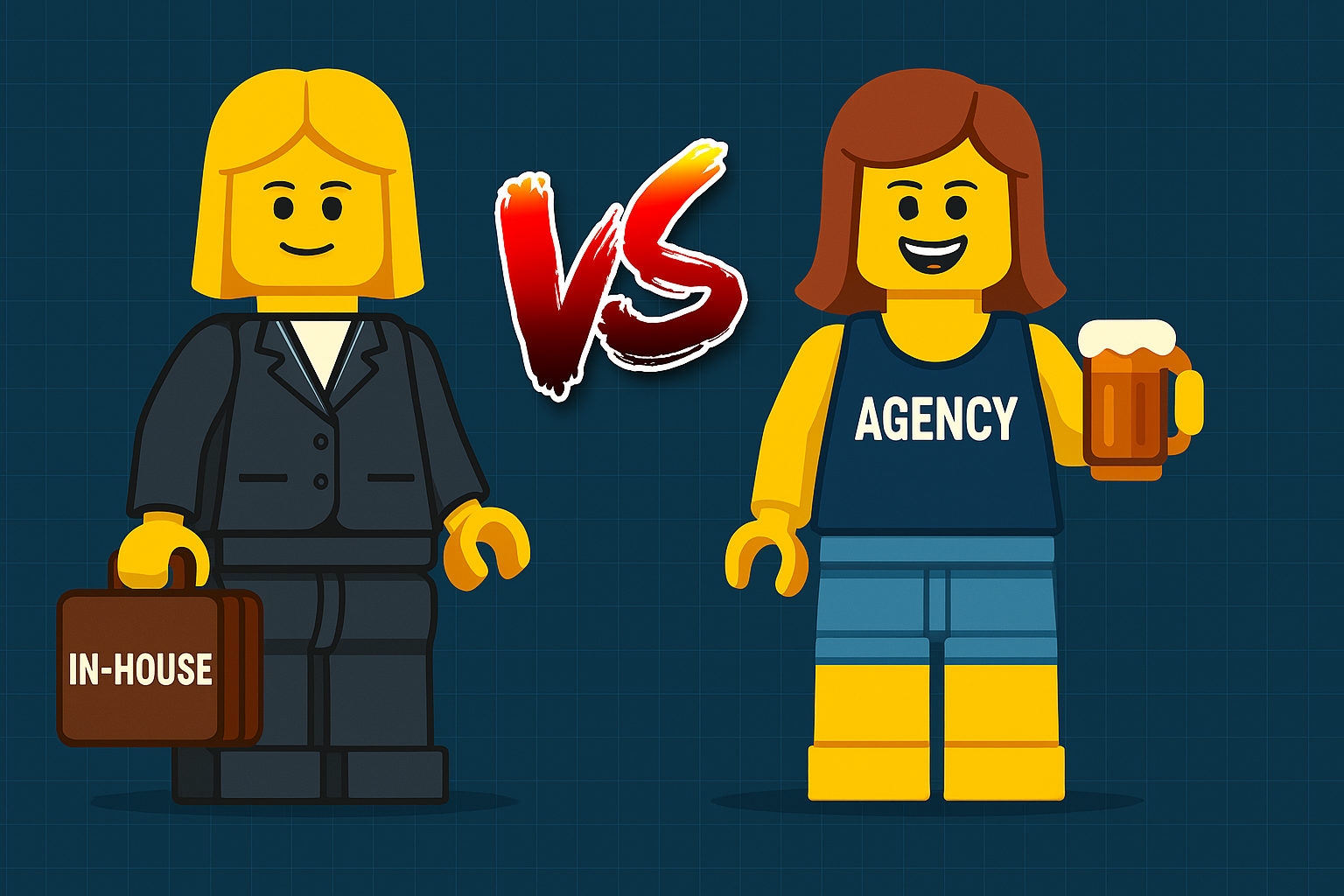
In-House SEO Vs. Agency: Which Approach Is Right For You?

In-House SEO Vs. Agency: Which Approach Is Right For You?

Choosing between an internal team and SEO agencies is a big decision. Both can get you organic traffic. But they work in different ways.

Let’s look at the differences so you can make the right choice.

Comparing Costs and Budget Flexibility

Money is always important. When you hire an agency, you usually pay a monthly fee.

You get a team of experts for that price. You do not have to pay for their insurance, vacation days, or computers. Building an in house SEO team costs differently. You have to pay salaries to your SEO professionals. You also pay for SEO tools, training, and benefits.

For small businesses, an agency might look cheaper at first. But as you grow, paying an agency for more and more hours can get expensive.

If you have a big website and need a lot of work, paying a salary to an SEO specialist might save money in the long run. Plus, you have control over the budget. You can decide where to spend money, like putting more into link-building services with VH-info while your team writes content.

Control, Communication, and Agility

When you have an in house SEO team, you have full control. You can walk over to their desk or send a quick message. You get answers fast.

If you want to change your marketing strategy, you can tell them immediately.

With agency work, things can take longer. You might have to wait for a weekly meeting to talk to them. An agency has other clients, too. They cannot always drop everything for you. Your internal team works only for you. This makes communication much easier.

Depth of Brand Knowledge

An external agency works with various industries. They know a lot about SEO, but they might not know your specific product perfectly.

Your in house SEO team lives and breathes your brand. They talk to your product team. They know your customers. They understand exactly what makes your business special. This helps them create content strategies that really speak to your target audience.

They can align SEO strategies with your company’s big vision because they are part of the company.

Key Benefits of Adopting an In-House SEO Strategy

Key Benefits of Adopting an In-House SEO Strategy

Why do many companies switch to in-house SEO? There are some very clear benefits.

Complete Focus on One Website

An SEO specialist at an agency might manage five or ten different accounts. Their time is split.

They cannot spend all day thinking about your site. When you hire an in-house SEO expert, you get 100% of their time. They focus completely on your online visibility. They can dig deep into your data. They can find small opportunities that an agency might miss.

This dedicated team cares about your success because it is their success too.

Better Collaboration With Other Departments

SEO touches many parts of a business. It needs web development to fix the code. It needs the marketing team for social shares. It needs the sales team to know what customers ask. An in-house SEO person is part of the entire team. They can join meetings with developers.

They can work with writers on content marketing. This teamwork helps things move smoothly. For example, if you are launching a new product, your SEO manager can work with the product team from day one. This makes sure the launch gets good search results.

Faster Implementation of Changes

The internet changes fast. Google Search Console might show a sudden drop in traffic.

Or maybe a competitor launches a new page. You need to act fast. With in-house SEO, you can make changes quickly. You do not need to send an email to an agency and wait for approval. Your SEO specialist can fix technical issues or update content right away.

This speed is a huge advantage. It helps you stay ahead in search engine rankings.

Is In-House SEO Right For Your Business?

Is In-House SEO Right For Your Business?

Is building a team a good idea for you? Not every company needs a full team right away.

Factors to Consider Before Making the Switch

Think about your specific needs. Do you have a lot of content to manage? Is your website very large? If your site is small, you might not need a full-time person yet. Also, think about link building. This is a hard part of SEO.

Even with an in house SEO team, many companies still partner with experts like VH-info. Why?

Because link building needs many relationships and time. Your internal team can focus on content strategy and on-page SEO, while we handle the heavy lifting of getting links. This is a smart hybrid way to work.

Assessing Your Company’s Readiness For an Internal SEO Team

Are you ready to manage an SEO career path for someone? Hiring an expert is just the start. You need to lead them.

Ask yourself:

  • Do we have the budget for a full-time salary?
  • Do we have the SEO tools they need?
  • Can we give them support from web development and writers?

If you can answer yes, then you might be ready. You need to be prepared for the hiring process. Finding the right people with the right skill set takes time.

Steps to Build A High-Performing In-House SEO Team

Steps to Build A High-Performing In-House SEO Team

If you decide to go ahead, you need a plan. Here is how to build a great team.

Defining Your Goals and KPIs

First, what do you want to achieve? “More traffic” is too simple. You need specific business goals.

Maybe you want to rank for specific keywords. Maybe you want more sign-ups for your SaaS product. You need measurable results.

Set clear Key Performance Indicators (KPIs). These could be the number of organic traffic visitors, the number of leads, or your position in search engine results pages. When the team knows the goals, they can build effective SEO strategies.

Identifying the Key Roles to Hire

Who should you hire first? Usually, you start with an SEO manager or a general SEO specialist. This person should know a little bit of everything—technical SEO, content, and strategy.

As you grow, you can hire more SEO professionals. You might need a writer for content creation. You might need a technical expert. Remember, you don’t have to hire for every single task. Link building is often best outsourced to a specialist agency like VH-info.

This lets your SEO team focus on your website while we build your authority off-site.

Creating an Upskilling and Training Plan

SEO changes all the time. Algorithm updates happen often. Your team needs to keep learning. You must have a plan for ongoing training.

Let them go to conferences. Buy them courses. Encourage them to read about SEO trends. An SEO expert who stops learning will fall behind. Investing in their skills helps your business grow. It also keeps your team members happy and motivated.

Essential Tools For Managing In-House SEO

Essential Tools For Managing In-House SEO

You cannot do SEO work without tools. Your team needs software to see what is happening.

First, you need Google Search Console and Google Analytics. These are free and very important. They tell you how people find your site.

Next, you need paid SEO tools. You need tools for keyword research to find what people search for. You need tools to crawl your site and find broken links. You also need tools to track your search engine rankings.

Common tools help with:

Your SEO manager will know which tools are best. You must provide a budget for these. Without them, your team is flying blind.

Common Challenges of In-House SEO and How to Solve Them?

Common Challenges of In-House SEO and How to Solve Them?

Building an in house SEO team is not always easy. There are challenges.

  1. Finding Talent: It is hard to find good SEO experts. The best ones are in high demand. Solution: Be patient with the hiring process. Look for people with good soft skills, not just technical knowledge. You can teach skills, but you cannot teach attitude.
  2. Tunnel Vision: Your team might get too focused on your own site. They might miss what is happening in the wider industry. Solution: encourage them to network. Also, working with partners like VH-info brings fresh ideas. We see what works across many SaaS companies and can share that knowledge.
  3. Being Lonely: An SEO specialist might be the only one in the company who knows SEO. They can feel isolated. Solution: Connect them with other marketing groups. Ensure the entire team understands the value of SEO so they feel supported.
  4. Too Much Work: SEO has many parts: content, technical, links, social. One person cannot do it all perfectly. Solution: Prioritize. Let your in-house SEO person handle the site and content. Outsource specific, time-consuming tasks like link building to VH-info. This keeps the workload manageable and ensures high quality in all areas.

FAQ’s:

Is In-House SEO Cheaper Than Hiring an Agency?

It depends. An agency has a fixed fee. In-house SEO involves salaries, taxes, and tools. For small needs, an agency is often cheaper. For large operations requiring full-time attention, an internal team can be more cost-effective over time.

What is the First Role I Should Hire For My In-House SEO Team?

You should usually hire an SEO manager or a well-rounded SEO specialist. This person acts as a generalist. They can handle strategy, some technical fixes, and content planning.

How Do I Decide If My Company Should Bring SEO In-House Or Use an Agency?

Look at your size and budget.

If you need someone to work on your site every single day and know your brand deeply, go in-house. If you need a team of experts instantly without training them, an agency might be better. Many companies do both: an in-house manager who works with agencies for specific tasks.

Do I Still Need External Consultants If I Have an In-House Team?

Yes, often. You might need a consultant for a deeper technical audit.

Or, you might need a specialized agency like VH-info for link building. Link building requires a huge network that is hard to build in-house. Using external help for specific needs makes your SEO campaign stronger.

What Are the Typical Costs Involved In Running In-House SEO?

You have salaries (which vary by location), costs for SEO tools (can be hundreds of dollars a month), training budgets, and overhead like computers and office space.

How Long Does It Take For an In-House SEO Team to Show Results?

SEO is a long game. Whether it is an agency or an internal team, it usually takes 3 to 6 months to see real movement in search results. But an in-house team might implement changes faster, which can speed things up slightly.

What Tools Are Essential For an In-House SEO Specialist?

They need Google Search Console, Google Analytics, a crawler tool (to find errors), and a keyword research tool. They might also need project management software to work with the content marketing team.

Conclusion

Building an in house SEO team is a big step. It gives you full control and a dedicated team that knows your brand perfectly. It allows for faster implementation of changes and better teamwork. However, it also requires time, money, and management.

You have to find the right people, buy the right tools, and keep them trained on best practices.

For many SaaS businesses, the best path is a mix. You build a core in house SEO team to handle strategy, content, and on-page work.

Then, you partner with trusted experts for specialized tasks. This is where VH-info fits in. We support your internal team by handling the difficult and time-consuming work of link building. We provide the actionable insights and authority your site needs to rank.

At the end of the day, the goal is business growth. Whether you choose an agency, an in-house team, or a mix of both, the most important thing is to start. SEO is the best way to build a long-term online presence and get customers to come to you.

Mastering Anchor Text Ratio: A Guide to Safe Link Building

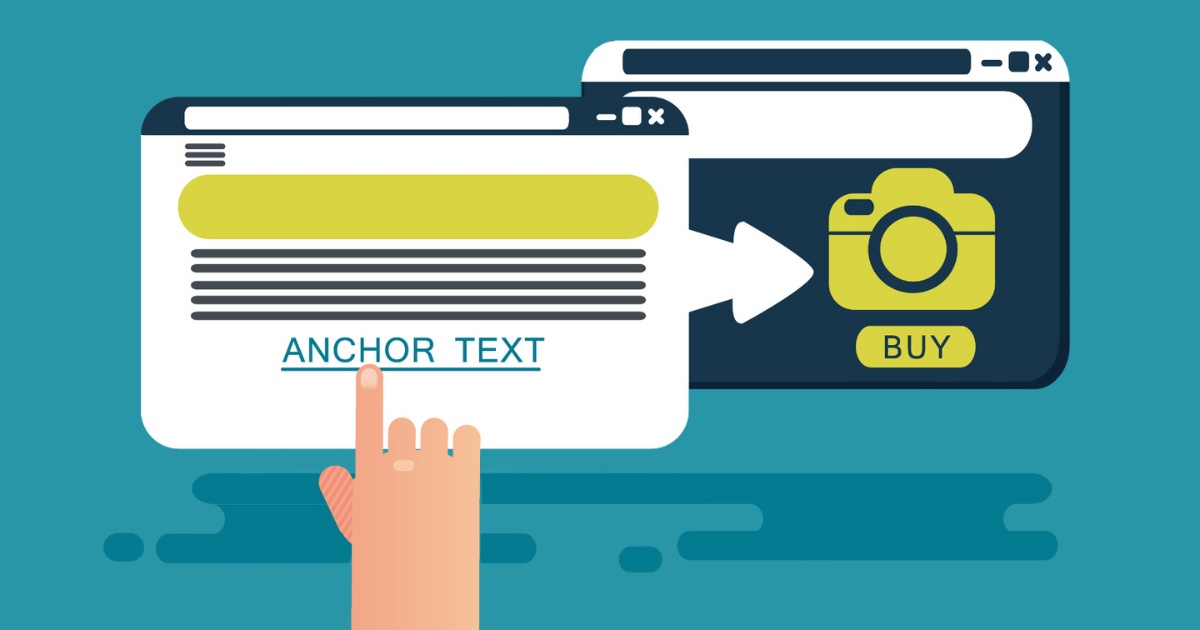
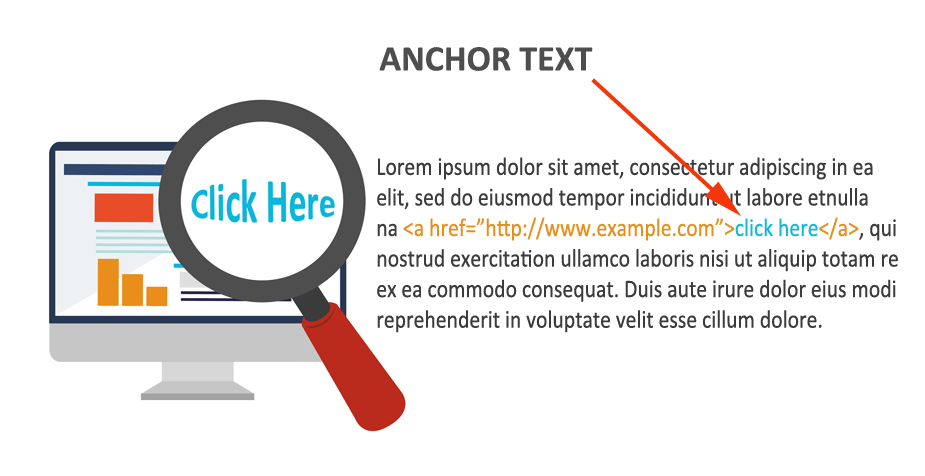
Have you ever been reading a webpage and seen a word colored blue? When you click that blue word, it takes you to a new page. That clickable text is called anchor text.

In the world of digital marketing, this little piece of text is very important. It helps search engines like Google understand what the new page is about. But there is a trick. You cannot just use the same words every time. You need a mix. This mix is called the anchor text ratio.

If you use the wrong mix, Google might think you are trying to cheat. This can hurt your search engine rankings.

At VH-Info, we are experts in SaaS link building. We help companies build a natural link profile so they can rank higher without getting in trouble. We know that understanding anchor texts can be confusing.

In this guide, we will explain everything you need to know about anchor text ratio. We will show you how to manage your backlink profile and why getting help from a trusted agency like VH-Info is a smart move for your SEO efforts.

What Is Anchor Text Ratio and Why Does It Matter?

What Is Anchor Text Ratio and Why Does It Matter?

Think of a pizza. A pizza has different toppings like cheese, pepperoni, and veggies.

If you only put pepperoni on it, it might not taste right to everyone. Your anchor text profile is like that pizza. It needs different types of anchor texts to be healthy. The anchor text ratio is just the percentage of different types of links pointing to your website.

For example, if 50% of your links use your brand name and 10% use your main keyword, that is your ratio.

The Role of Anchor Text in Search Engine Algorithms

Search engines use anchor links as clues. When a website links to you using the words “best email software,” Google thinks, “Okay, this page must be about email software.” The clickable text acts like a label. It tells the search engine what the linked page is about.

This helps the search engine decide where to put your page in the search results. This is a big ranking factor.

How the Penguin Update Changed the Game?

Years ago, people tried to trick Google. They would build thousands of links using the same keyword, like “cheap shoes.” This is called keyword stuffing. Then, Google released the Penguin update. This was a change to their rules, or the Penguin algorithm.

It punished websites that used too many exact match anchors. Google wants to see a natural anchor text distribution. If you try to fake it, you might get a Google penalty. This means your website disappears from the results.

At VH-Info, we keep your site safe by making sure your link-building strategies follow these rules.

The Different Types of Anchor Text Explained

The Different Types of Anchor Text Explained

To get the perfect anchor text ratio, you first need to know the different types. Here is a simple list of the different types of anchor text.

Branded Anchors

This type uses your company’s unique brand name as the clickable text for the link. It is the safest and most natural way to link because it shows search engines that people are talking about you specifically. For example, linking with the word “VH-Info” is a branded anchor that builds heavy trust. We recommend using this type most often to keep your link profile healthy and safe.

Generic Anchor Text (AKA CTA Anchor)

These anchors use common words that tell the reader to take an action, like “Click here” or “Read more.”

They do not describe the topic, but they appear very frequently in a natural link profile. Because real people often write like this, having generic anchors helps you avoid looking like you are trying to trick the system. They act as a good filler to balance out your text ratios.

Page Title Anchor Text

This happens when someone links to you using the exact headline of your article or web page. For instance, if a blog links to us using “Master Anchor Text Ratio: A Guide for SaaS SEO,” that is a page title anchor. It is excellent for SEO efforts because it naturally includes keywords without looking spammy. It tells Google exactly what the linked page is about in a very human way.

Naked Anchors Or Full URL

Naked anchors or naked URLs are simply the web address itself, like “https://vh-info.com/“.

These are very common because many people just copy and paste the address bar when sharing a link. They are great for trust because the user can see exactly where they are going before they click. Including naked links is a smart way to diversify your backlink profile.

Brand + Keyword Anchors

This type mixes your brand name with a specific topic you want to rank for.

An example would be “VH-Info link building services” or “SEO tools by VH-Info.”

It is a safe way to tell search engines what you do while still looking like a legitimate business mention. This helps you rank for a target keyword without triggering a penalty for over-optimization.

Exact Match Anchors

Exact match anchors use the specific keyword you want to rank for, with no other words.

If you want to rank for “SaaS link building,” the link text would be just “SaaS link building.” While this is very powerful for search engine rankings, you must use it very carefully. If you use it too much, the Penguin algorithm might penalize your site for looking fake.

Partial Match Anchor Text

A partial match anchor includes your main keyword along with other words to make a sentence.

For example, “check out this guide on SaaS link building” uses the keyword naturally. This is much safer than an exact match because it reads like normal human speech. It helps with topical relevance while keeping your anchor text profile looking organic.

Invisible Anchors

This happens when a link is placed on an image, but the image has no description, called alt text.

To a search engine, it looks like a link is there, but there are no words attached to it. This is a missed opportunity for anchor text optimization and should be fixed. You want every link to have clear text so Google understands the connection.

Empty Anchor

An empty anchor is a link in the website code that has no text or image inside it at all. It is basically a broken spot that users cannot see or click, which is bad for user experience. It confuses bots crawling your site and adds no value to your SEO strategies.

You should always check your site to remove these useless links.

Home URL

This refers to links that point directly to your homepage, usually using the brand name or naked anchor text. These are the foundation of any website’s authority because they point to your main “front door.”

A strong home URL profile helps pass power to all the other pages on your site. It is normal for most of your links to point here.

URL With No HTTP

This is a variation of the naked link where the “http://” or “https://” part is removed.

For example, it would just look like “vh-info.com” instead of the full address. It functions the same way as a standard naked url and helps add variety to your list of links. It looks very natural, as many people type web addresses this way.

Generic and Miscellaneous Anchors

These are random or long phrases that get turned into links, which don’t fit into other categories.

Sometimes a whole sentence becomes the anchor link, which adds great diversity to your profile. Having these miscellaneous links proves that your backlinks are coming from real people, not robots. It helps make your anchor text ratio look completely unstructured and real.

What is the Ideal Anchor Text Ratio For SEO?

What is the Ideal Anchor Text Ratio For SEO?

Many people ask us at VH-Info, “What is the magic number?” The truth is, there is no single magic number. However, there are best practices to keep you safe.

Recommended Percentages For Homepage Links

For your homepage, you want trust.

  • Branded anchors: 50% to 80%
  • Naked anchors: 10% to 20%
  • Generic anchors: 5% to 10%
  • Exact match: Less than 5%

Your homepage represents your brand. So, most links should use your brand name.

Best Ratio Structure For Inner Pages and Blog Posts

For specific pages like blog posts or service pages, you can be a little more specific.

  • Partial match anchor: 25%
  • Title tags: 30%
  • Generic/Naked: 20%
  • Exact match: 5% to 10%
  • Brand + Keyword: 10%

Even on inner pages, exact match keywords should be low.

Analyzing Competitor Ratios For Your Niche

Every industry is different. What works for a toy store might not work for a software company.

To find the right balance, you must look at the top websites in your niche. If the top result on Google has 10% exact match anchors, you might be able to do the same. If they only have 1%, you should stay low too.

VH-Info specializes in this research. We check what is working for your competitors so we can build a strategy that wins.

How to Audit Your Current Anchor Text Ratio?

How to Audit Your Current Anchor Text Ratio?

You cannot fix what you do not measure. You need to look at your current backlink profile.

  • Tools to Analyze Your Backlink Profile: Since VH-Info is an agency, we use professional SEO tools like Ahrefs or Semrush to look at your data. These tools list every website linking to you and what anchor text they used. You can see a list of your anchor types and how many of each you have.
  • Identifying Signs of Over-Optimization: Look at your report. Do you see your main target keyword showing up 40% or 50% of the time? If yes, this is a sign of over-optimization. This looks fake to the search engine. It puts you at risk of the Penguin algorithm penalty.
  • Steps to Dilute an Aggressive Anchor Profile: If you have too many exact match anchors, don’t panic. You need to “dilute” them. Imagine a glass of strong juice. To make it less strong, you add water. In SEO efforts, “water” means adding more branded anchors, naked URLs, and generic anchor text. By building new, safe links, the percentage of dangerous links goes down. This is part of the service VH-Info provides to help clients recover.

Common Mistakes in Anchor Text Ratio Strategy

Common Mistakes in Anchor Text Ratio Strategy

We see many companies make the same mistakes with their anchor text strategy. Here are the big ones.

  1. Overusing Exact Match Keywords: We mentioned this before, but it is very important. Do not force the exact keyword every time. It feels robotic. Google prefers a natural anchor text flow.
  2. Ignoring Internal Link Anchors: Internal linking is when you link from one page on your site to another page on your site. Some people think anchor text ratio only matters for links from other websites. That is wrong. Your internal links also tell Google what a page is about. However, you can use more exact match words with internal links than you can with external ones.
  3. Lack of Link Diversity: If all your links come from the same type of website using the same words, it looks bad. You need links from blogs, news sites, and industry sites. You need different anchor types. Diversity makes your link profile strong.

SEO Strategies For Optimizing Anchor Text

SEO Strategies For Optimizing Anchor Text

Now that we know the rules, how do we win? Here are the SEO strategies we use at VH-Info to help our clients grow their organic traffic.

  1. Choose the Right Keywords: Before building links, you must research which words your customers actually type into the search bar. Using tools to find the best target keyword ensures you aren’t wasting time on topics nobody cares about. We focus on finding terms that will bring valuable visitors to your site.
  2. Develop Rich, High-Value Content: When you write amazing blog posts or guides, other websites will naturally want to link to you. This “earned” media often comes with safe page title anchors or generic text that boosts your trust. High-quality content is the easiest way to get a natural link profile without forcing it.
  3. Find Relevant Websites In Your Industry: A link from a site in your own niche is worth much more than a random link. We look for partners that share topical relevance with your business to send strong signals to Google. This context helps search engines understand exactly what your business does.
  4. Track Your Anchor Text: You need to regularly check your backlink profile to see what words people are using to link to you. If you see too many exact match anchors, you know it is time to stop and change your plan. Monitoring this helps you avoid a sudden drop in search engine rankings.
  5. Keep the Anchor Text Natural: Always make sure the link text fits smoothly into the sentence so it is easy for people to read. If a link feels forced or robotic, it hurts the user experience and looks suspicious to Google. We prioritize writing that sounds human first and technical second.
  6. Avoid Empty Anchor Text Variations: Make sure every single link on your site has words or alt text attached to it. Links with no text are invisible to search engines and waste a chance to improve your ranking. Fixing these small errors is a quick win for your anchor text optimization.
  7. Avoid Over-Optimization: Don’t try to cram your main keyword into every single link, or you will get caught. It is better to use a variety of brand anchors and natural phrases than to look perfect. Search engine optimization works best when you don’t look like you are trying too hard.
  8. Start Guest Posting: Writing articles for other sites allows you to control exactly which type of anchor is used. This is a powerful way to fill in the gaps in your ratio, like adding more partial match anchors. VH-Info uses this strategy to carefully balance our clients’ profiles.
  9. Avoid Linking to Spammy Websites: Never build links on low-quality sites that have tons of ads or bad content. Associating with these “bad neighborhoods” can hurt your reputation and search results. We only work with reputable sites to protect your link profile.
  10. Keep Your Ratios Consistent: Once you find a balance that works, stick to it so Google sees a steady pattern. Erratic changes in your anchor text strategy can confuse the algorithm and cause instability. Consistency builds long-term trust and higher rankings.
  11. Only Commit Anchors to Top-Level Pages: Focus your best, most descriptive anchor texts on your main sales pages or popular articles. Don’t waste powerful links on boring pages like “Terms of Service” or “Privacy Policy.” You want the link power to flow where it helps your business the most.
  12. Place Anchor Texts Where Readers Pay the Most Attention: Put your most important links high up in the article where people are most likely to see and click them. Search engines value links in the main body of the text more than links in the footer. This ensures your target page gets the maximum benefit.
  13. Audit Your SEO to Find Broken Anchor Text Links: Regularly scan your site to find links that stop working or lead to error pages. A broken link is a waste of link-building effort and frustrates your visitors. Fixing these keeps your site running smoothly and preserves your authority.

FAQ’s:

What is the Safest Anchor Text Ratio For Exact Match Keywords?

There is no single magic number, but we usually recommend keeping exact match anchors below 5% of your total links. Going higher can look spammy to the search engine and might trigger a Google penalty. It is safer to rely more on branded anchors to keep your profile secure.

Does the Ideal Anchor Text Ratio Change Depending on the Niche?

Yes, the right ratio depends heavily on what your competitors are doing in the search engine results. Some industries naturally use more keyword anchors, while others stick to brand names. You must analyze the anchor text profile of top-ranking sites in your specific field to know for sure.

Should My Internal Links Follow the Same Anchor Text Ratio As External Backlinks?

No, you can be much more aggressive with keywords in your internal links compared to links from other sites. Google expects you to use descriptive anchor texts to help organize your own website structure. Using an exact match here helps bots understand the topic of the linked page.

What Are “Naked URL” Anchors and Why Are They Important?

Naked URL anchors display the full web address, like “https://vh-info.com/,” which looks very trustworthy. They are important because they signal a natural link profile created by real users sharing content.

Including naked links helps balance out your ratio so you don’t look over-optimized.

Can I Change the Anchor Text of Existing Backlinks to Fix My Ratio?

It is very difficult to ask other website owners to edit their old anchor links, so we don’t rely on it. Instead, we focus on building links that use the new text you need to balance things out. This method dilutes the bad links and improves your text ratios over time.

Are There Any Tools For Managing Anchor Text Ratios Effectively?

Yes, professional SEO tools like Ahrefs and Semrush are great for tracking your backlink profile. They show you exactly which anchor types point to your site so you can spot problems early.

However, you often need an expert agency like VH-Info to interpret the data and plan your anchor text strategy.

Conclusion

Understanding the anchor text ratio might seem like a small detail, but it makes a huge difference in digital marketing. It is the language that tells search engines what your website is about.

If you rely too much on exact match anchors, you risk a penalty. If you use too many generic words, you might not rank for your keywords. The secret is finding the balance. You need a mix of branded anchors, naked links, partial match anchors, and a sprinkle of exact keywords.

Building this natural link profile takes time and effort. It requires looking at data, writing great content, and finding the right partners. This is where VH-Info comes in. We are a dedicated SaaS Link Building Agency. We don’t just build links; we build a strategy.

We ensure your backlink profile is safe, strong, and effective.

If you want to improve your search engine rankings and drive more organic traffic without the headache of tracking every single percentage yourself, let us help. We are the guide you can trust to handle your SEO services the right way.

How Important Are Backlinks For SEO Success in 2026?

If you have a website, you probably want people to visit it. You want them to find you when they use search engines like Google. But how does Google decide which websites to show at the top of the search results? There are many reasons, but one of the biggest ones is backlinks.

You might be asking, How important are backlinks really? The short answer is: very important. They are like the fuel that powers your website to the top. Without them, even the best articles might stay hidden. At VH-info, we help SaaS companies grow.

We know that getting organic traffic is not luck. It is about having a smart plan.

A big part of that plan is link building. In this guide, we will break down why links matter, how they work, and why you need a strong backlink profile to win. We will speak plainly so that everything is easy to understand.

What Are Backlinks? (A Brief Overview)

What Are Backlinks?

Before we talk about how important backlinks are, we need to know what they are. A backlink is simply a link from one website to another. Think of it as a bridge. When a user clicks a link on Website A and lands on Website B, that is a backlink for Website B.

In the world of search engine optimization (SEO), these are also called inbound links or incoming links. They tell search engines that your content is good. If other people are linking to you, your information must be useful.

The Difference Between Inbound and Outbound Links

It is easy to mix these up.

  • Inbound links: These come into your site from other web pages. These are the types of backlinks that help you rank higher.
  • Outbound links: These are links that go out from your site to other places. You might link to a news report or a tool.

Both are good for the web, but for your search rankings, inbound links are the ones that matter most. They are the ranking signals Google looks for.

Understanding the Concept of “Link Juice” Or “PageRank”

Google uses a system called the PageRank algorithm. It is named after Larry Page, one of Google’s founders. Think of link equity (often called “link juice) like water flowing through pipes.

When a big, popular website links to you, they pass some of that “water” or value to your site. This helps your domain authority grow.

If a site with no authority links to you, you get a little bit of value, but not as much. The more quality links you have pointing to your site, the more “juice” you have. This helps your pages float to the top of Google search.

Exactly How Important Are Backlinks For Google Rankings?

Exactly How Important Are Backlinks For Google Rankings?

So, how important are backlinks when it comes to winning the top spot? They are essential. For a long time, backlinks have been one of the top three factors Google uses to rank pages.

Backlinks As A Vote of Confidence and Trust

Imagine you are running for class president. If nobody votes for you, you cannot win. In digital marketing, a backlink is like a vote of confidence. When a website links to you, they are saying, “I trust this source.” Google counts these votes.

If many reputable websites vote for you, Google trusts you, too. This trust turns into higher rankings.

At VH-info, we focus on getting these votes for our clients. We know that a vote from a trusted expert is worth more than a vote from a stranger. That is why building relationships in your industry is key.

The Impact of Backlinks on Website Authority (DA/DR)

You might hear terms like “Domain Authority” (DA) or “Domain Rating” (DR). These are scores that guess how strong a website is. While Google does not use DA or DR directly, these scores help us guess how well a site will rank.

High authority sites have lots of quality backlinks. When you get links from authoritative sites, your own authority goes up. This makes it easier for all your pages to rank, not just the one that got the link. It boosts your whole backlink profile.

How Backlinks Help Search Engines Find Your Content Faster?

The internet is huge. Google uses bots (spiders) to crawl the web. They follow links to find new pages.

If your new post has no links pointing to it, the bots might not find it for a long time.

Backlinks act like signposts. They tell the bots, “Hey, look over here!” When you get relevant backlinks from news sites or popular blogs, the bots find your content fast. This leads to faster indexing and quicker results in search engine results.

Quality Vs. Quantity: How Important Are Backlinks From High-Authority Sites?

How Important Are Backlinks From High-Authority Sites?

Is it better to have 1,000 bad links or 10 good ones? This is a common question in SEO strategy.

Why Relevance Matters More Than Volume?

Relevance is key. If you sell software (SaaS), a link from a dog food blog does not help much. It might even look weird to Google. You want relevant backlinks from relevant sites in your industry.

For example, if VH-info gets a link from a big marketing blog, that is perfect.

It tells Google we are experts in link building. Relevant content linking to you carries more weight. A huge number of backlinks from random sites is not as good as a few links from sites that talk about what you do.

Dofollow Vs. Nofollow Links: Which Ones Move the Needle?

Not all links are the same.

  • Dofollow links: These tell Google to pass authority (link juice) to your site. These are the best for higher rankings.
  • Nofollow links: These have a small tag that tells Google, “Do not count this as a vote.” You often see these on social media or blog comments.

While dofollow links are the main goal for SEO success, nofollow links can still bring referral traffic (real people clicking the link). A natural link profile has a mix of both.

The Risks of Buying Cheap Or “Toxic” Backlinks

Be careful. Some people sell 500 links for $5. These are usually spammy links from link farms.

Link farms are fake websites made just to sell links. Google is smart. If they see you buying these, they might punish your site. Your search rankings could drop to zero. Always focus on the quality of backlinks over the sheer number of links. Toxic links can hurt your business.

At VH-info, we always advise staying away from cheap shortcuts.

How Important Are Backlinks Compared to High-Quality Content?

How Important Are Backlinks Compared to High-Quality Content?

You have heard the saying “Content is King.” So, do you really need links if your writing is great?

Can You Rank With Content Alone?

It is possible to rank for very specific, small topics without many links. But for big, competitive keywords, it is very hard. You can have the most valuable content in the world, but if nobody sees it, Google might not know it is there. Search engines need proof that your content is good. Backlinks provide that proof. Without inbound links, your quality content is like a great store built in the middle of a desert.

The Synergy Between Great Content and Link Building

The best strategy is to use both. Create quality content that helps people. Then, use link building to tell the world about it. When you have great content, people want to link to it. This makes getting quality backlinks easier. This mix of content quality and a strong backlink profile is the secret sauce. VH-info helps bridge this gap. We help get your great content in front of the right people on authoritative websites.

Proven Strategies to Acquire High-Quality Backlinks

Proven Strategies to Acquire High-Quality Backlinks

Now that we know how important backlinks are, how do you get them? You cannot just wait and hope. You need to be active.

Guest Posting and Digital PR

Guest posting (or guest blogging) is a classic method. You write a helpful blog post for another website in your niche.

In return, they let you put a link back to your site.

This is great because you get a link, and you also show your expertise to a new audience. Digital PR is similar, but involves getting into news stories or big publications. Both rely on valuable content and building relationships with editors.

The Skyscraper Technique

The Skyscraper method involves finding a popular article in your field. Then, you write something even better. You make it longer, more up-to-date, and add better images.

Once your original research or guide is ready, you reach out to the people who linked to the old article. You tell them, “Hey, I have a better version of this.” Many will swap the link to your high authority piece. This improves the user experience for their readers too.

Fixing Broken Links (Broken Link Building)

The web changes. Pages get deleted. This leaves broken links on many websites. You can find relevant sites that have broken links. You email the owner and say, “Hi, I saw a broken link on your page. I have an article that fits there perfectly.”

This is helpful for them because they fix a bad link. It is good for you because you get a quality link. It is a win-win best practices strategy.

Is It Possible to Achieve SEO Success Without Backlinks?

Is It Possible to Achieve SEO Success Without Backlinks?

This is a tricky question. Can you succeed with zero links?

Are Backlinks Still A Top Ranking Factor?

Yes. Even Google employees like Gary Illyes have said that while things change, links are still very important. They are a core part of how the web works. Search engine rankings rely heavily on the connections between sites.

Quality Content Versus the Need For Linking Domains

Some people think if they just write more, they will win.

But if your competitor has good content and 50 referring domains (websites linking to them), they will likely beat you. You need authoritative sources vouching for you. The number of backlinks does not have to be huge, but you need some support from quality websites.

Practical Scenarios: Ranking With and Without Backlinks

In local SEO, you might rank for “pizza near me” without many global backlinks. But if you want to rank for “best project management software” (a SaaS term), you are fighting giants. You need a serious SEO strategy that includes backlink building.

For SaaS companies, which VH-info specializes in, skipping links is not really an option. The competition is too high. You need every advantage, including high-quality references.

FAQ’s:

Can I Rank on the First Page of Google Without Any Backlinks?

It is very rare for competitive terms. For small, obscure questions, maybe. But for main keywords, you almost always need backlinks. Search engines need to see trust signals.

How Many Backlinks Do I Need to Rank Higher in Google?

There is no magic number. It depends on what your competitors have. If they have 100 quality links, you might need a similar amount of quality backlinks to compete. Focus on quality over the number of links.

Are 100 Bad Backlinks Better Than 1 Good Backlink?

No. One high-quality backlink from a reputable source is worth much more than 100 spammy links. Bad links can actually hurt your search rankings.

How Long Does It Take For Backlinks to Impact My Rankings?

It takes time. It can take anywhere from a few weeks to a few months. Google needs to crawl the web pages and update its index. SEO success is a long game.

What Makes A Backlink “High Quality”?

A high-quality link comes from a site that is relevant to yours and has high authority. It should use natural anchor text (the clickable words). It should be a dofollow link.

Should I Pay For Backlinks?

Google says you should not buy links that pass PageRank. However, many companies pay for link-building services like VH-info. We do the hard work of outreach and guest posting to earn links naturally. Avoid buying from cheap lists or link farms.

Should I Still Focus on Building Backlinks As Part Of My SEO Strategy?

Absolutely. Link building is still one of the most powerful tools in digital marketing. It drives organic traffic and builds your brand’s authority.

Has the Importance of Backlinks Changed With Recent Search Engine Updates?

Google gets smarter every day. They are better at ignoring bad links. But good, relevant backlinks are still a huge ranking factor. The focus has just shifted more to quality of backlinks rather than just quantity.

Conclusion

So, back to the main question: how important are backlinks? They are critical. They are the votes that tell Google your website matters. They help you build domain authority, drive referral traffic, and climb the search engine results.

While quality content is the foundation, quality backlinks are the structure that holds your house up. You need both to win in organic search.

Building a strong backlink profile takes time and effort. It involves guest posting, building relationships, and creating valuable content. It is hard work, but the results are worth it. If you are a SaaS company looking to boost your search rankings, you don’t have to do it alone.

VH-info is here to guide you. We act as your partner, helping you get placements on authoritative websites and reputable sources. We handle the outreach so you can focus on your product.

Start looking at your link profile today. Are you getting the votes you need? If not, it is time to start building. Remember, in the eyes of search engines, a site with no friends is a site that is hard to trust. Get connected, get linked, and watch your traffic grow.

Do Affiliate Links Count As Backlinks? The Definitive Guide For SEO

Everyone who runs a website wants two things: more visitors and more money.

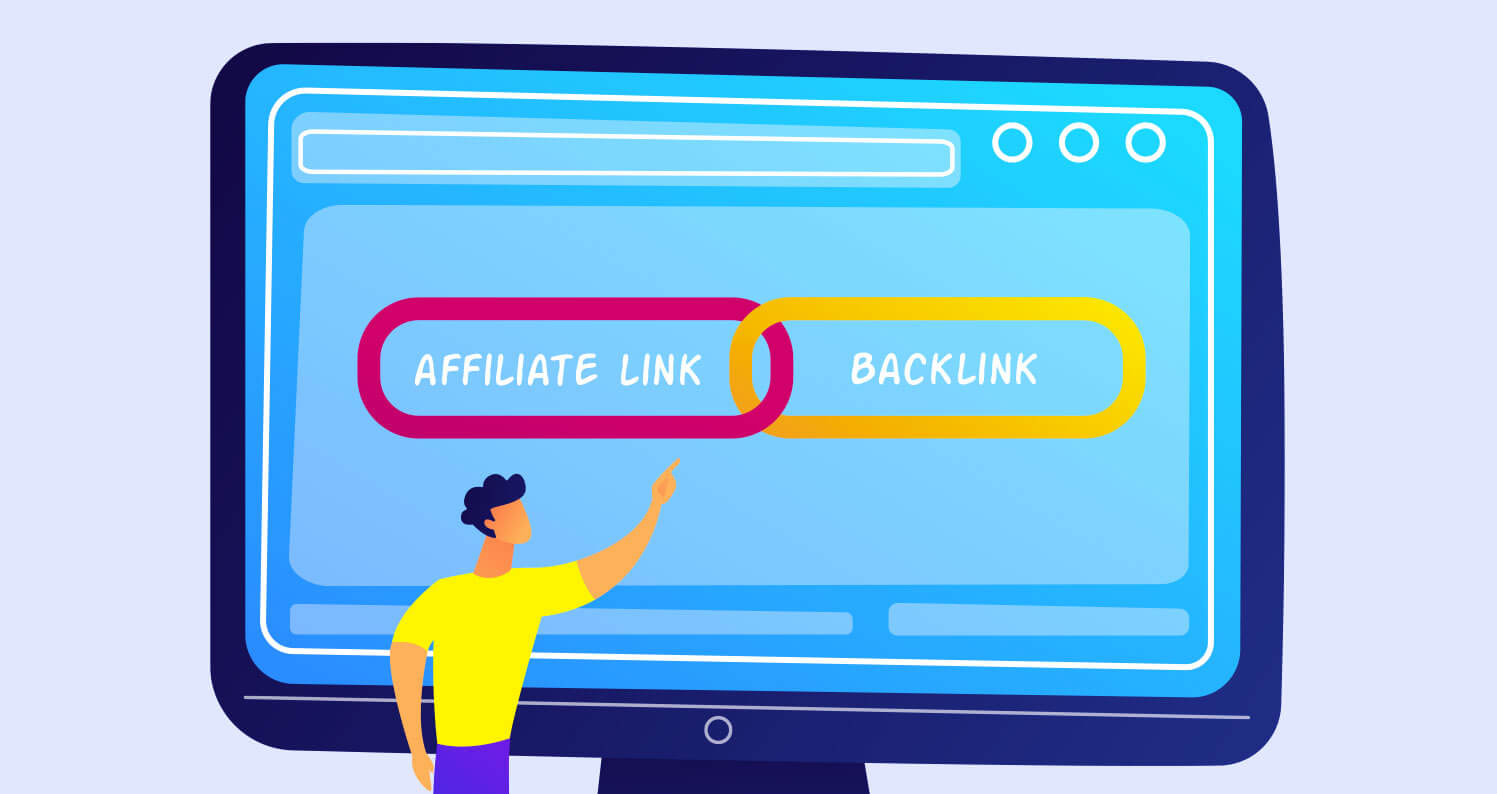
Affiliate marketing is a great way to make money. It allows you to earn passive income by recommending products. But there is a big question that confuses many website owners. That question is: do affiliate links count as backlinks?

This is a tricky topic. You want to rank high in Google search. You know that link building is important for SEO rankings. But you might worry that using affiliate links could hurt your site. You might wonder if search engines see them as spam.

At VH-info, we help SaaS companies grow through real, high-quality strategies.

We know that mixing money-making links with an SEO strategy takes care. We want to clear up the confusion. We want to show you exactly how these links work. This guide will explain how Google search treats these links and how to use them safely on your own website.

What Are Affiliate Links?

What Are Affiliate Links?

Let’s start with the basics. What exactly are these links?

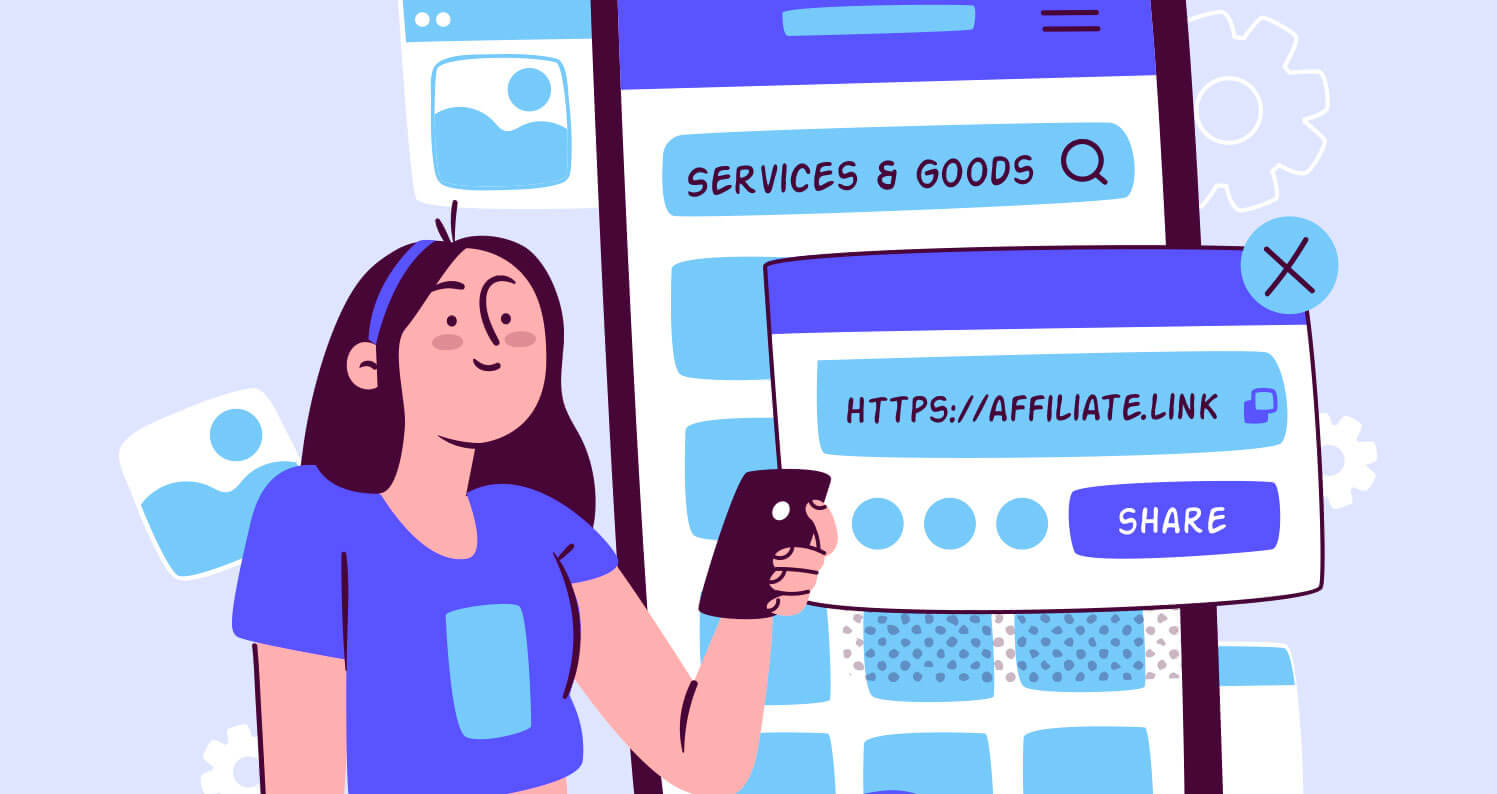
An affiliate link is a special URL. It contains a unique ID or username. This ID belongs to the affiliate marketer. When a visitor clicks this link and buys something, the marketer gets a commission.

Think of it like a salesperson in a store. When they help you find a shirt, they might scan a barcode on their badge at the register. That scan tells the store, “Hey, this person made the sale!

On the internet, affiliate links do the same thing. They track where the traffic came from. They are used in affiliate programs and generally point to a product page on another site.

These links look a little different from normal links. A normal link might look like mysite.com/product. An affiliate link might look like mysite.com/product?ref=123. That extra part at the end is the tracker.

Why Are Affiliate Links Important In SEO?

Why Are Affiliate Links Important In SEO?

You might ask, “Why do we care about these links for SEO performance?

Search engine optimization (SEO) is about getting your site to the top of the search results. To do this, you need good content and good links.

Affiliate links are important because they are everywhere. Many blog posts and product reviews use them. If you look at top-ranking sites, you will see they use affiliate links often. They are a core part of digital marketing.

However, simply having them is not enough to rank. In fact, if you do it wrong, it can be bad. Search engines like Google want to show the best results. They want useful content, not just a page full of ads.

Understanding how these links fit into the bigger picture of search engine rankings is vital. You want to make money, but you do not want to lose your traffic. It is a balance.

How Affiliate Links Affect SEO?

How Affiliate Links Affect SEO?

So, do these links help or hurt? The answer depends on how you use them.

If you have a piece of content that is thin and only exists to sell something, Google might not like it. Google calls this “thin affiliate content.” This type of content does not add genuine value to the reader.

But, if you write a detailed review that helps the user, that is different.

If your content is great, the links are just a tool to help the user take the desired action.

Here is how they affect things:

  • User Experience: If you have too many ads and links, it annoys people. A bad user experience can lower your rankings.
  • Trust: If you are honest about your links, people trust you.
  • Crawl Budget: If you have thousands of affiliate links, the Google bot might spend a lot of time checking those instead of your good articles.

At VH-info, we believe that quality of your content always comes first. The links should fit naturally.

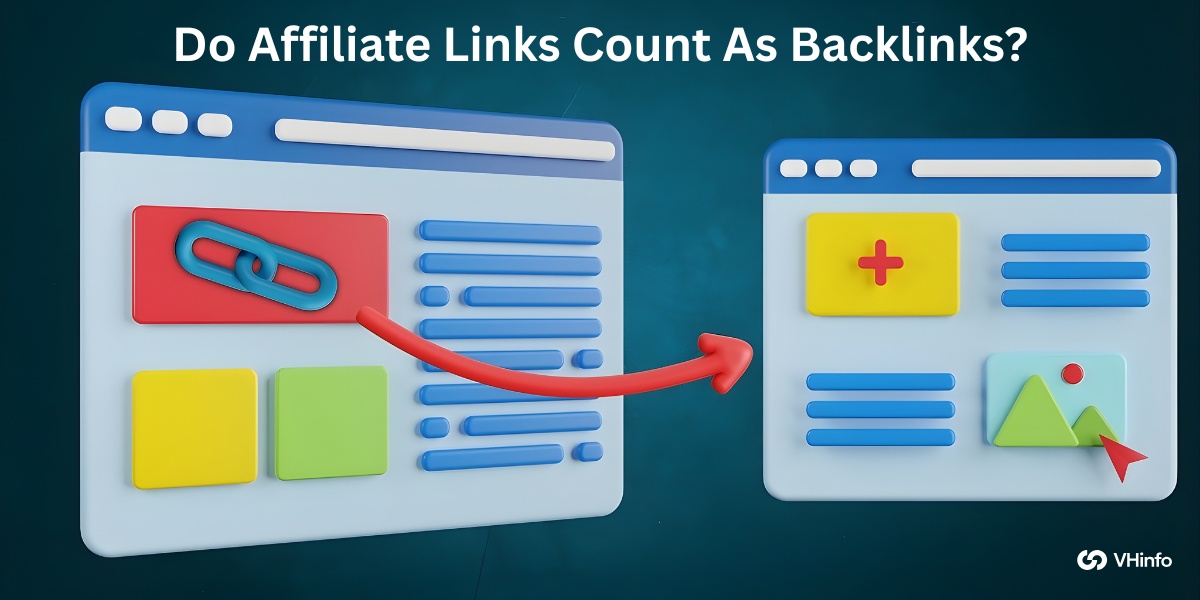
Do Affiliate Links Count As Backlinks? The Short Answer

Do Affiliate Links Count As Backlinks?

Here is the main answer you are looking for regarding the keyword: do affiliate links count as backlinks?

Technically, yes. They are hyperlinks pointing from one site to another. So, strictly speaking, they are links. However, do they count as “votes” for your website? Do they pass authority like a normal backlink? Usually, no.

Most affiliate programs and affiliate networks ask you to tag these links in a specific way. Google also is very smart. It can usually tell when a link is for sales. Because it is a paid relationship, Google does not view it as a natural “vote” of confidence. So, while they are links, they do not give you the same boost as a guest post or an editorial link that VH-info might build for you. They serve a different purpose.

How Search Engines Treat Affiliate Links?

How Search Engines Treat Affiliate Links?

Search engines have specific rules for these links. They want to keep the web fair. They do not want people buying their way to the top of search rankings.

The Role of rel=”nofollow” and rel=”sponsored” Attributes

To tell Google “this is a paid link,” we use HTML tags. These are little codes hidden in the link.

  • Nofollow tags: This tells the search engine, “Don’t follow this link and don’t pass any authority.” For a long time, this was the standard for affiliate links.
  • Sponsored tags: A few years ago, Google introduced rel=”sponsored”. This is now the best practice for any link that involves money or compensation.

When you use Nofollow links or sponsored links, you are playing by the rules. You are telling Google, “I am an affiliate marketer, and this is an ad.” This protects your site from search engine penalties.

Google’s Official Guidelines on Paid Links

Google has strict rules about “link schemes.” Buying links to trick the algorithm is against the rules. It can lead to manual actions.

This is when a real person at Google bans or penalizes your site. John Mueller from Google has said many times that affiliate links should have rel=”sponsored” or rel=”nofollow”. If you hide them or try to make them look like normal links, you might get in trouble.

Affiliate Links Vs. Regular Backlinks: What is the Difference?

Affiliate Links Vs. Regular Backlinks

It is important to know the difference between an affiliate link and the links we build at VH-info.

Understanding Link Equity (Link Juice)

In the SEO world, we talk about “link juice.” Imagine a cup of juice. When a big site links to you, they pour some of their juice into your cup.

This makes your site stronger.

  • Regular Backlinks: These usually pass link juice. They tell Google your site is good.
  • Affiliate Links: These usually have a “stopper” on them (the nofollow tag). No link juice flows through them.

The Impact on Domain Authority

Domain Authority (DA) is a score that predicts how well a site will rank.

Real backlinks increase your authority. They show you are a leader in your field.

Affiliate links do not increase your authority directly. You can have a million affiliate links pointing to your site, but if they are all nofollow, your authority might not move much. This is why you need a separate link-building strategy.

You cannot rely on affiliate partners to build your SEO power. You need marketing strategies that focus on getting real, editorial links.

Can Affiliate Links Actually Help Your SEO?

Can Affiliate Links Actually Help Your SEO?

Even though they don’t pass link juice, can they still help? Yes, in indirect ways.

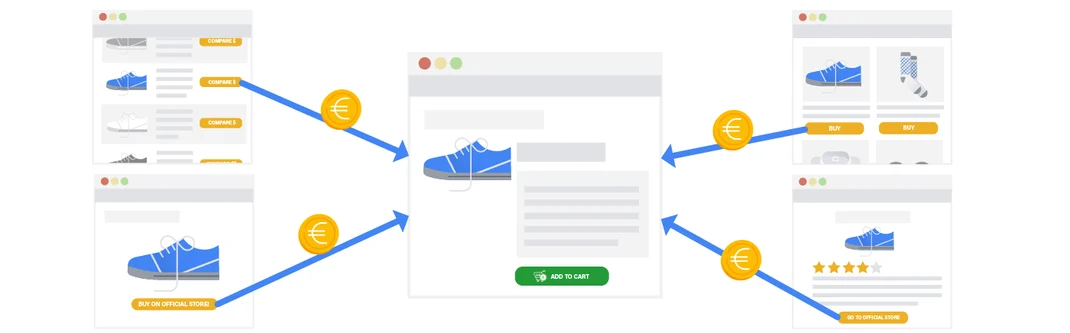
  1. Indirect Benefits of Affiliate Traffic: When people click your links, you get referral traffic. Traffic is good. If people stay on your site, read your blog posts, and share them on social media, that sends positive signals to Google. High traffic can eventually lead to better SEO rankings because it shows your site is popular.
  2. Building Brand Awareness and Citations: The more people see your brand, the better. Even if a link is “nofollow,” it is still a mention of your brand. If you are a SaaS company and you run an affiliate program, thousands of affiliate sites might write about you. This creates a buzz. This “brand awareness” helps people recognize you in search results.

Affiliate Link Building: Is It Possible?

Affiliate Link Building: Is It Possible?

Can you use affiliate marketing efforts to build real backlinks? It is hard, but possible.

Building Backlinks Through Affiliate Partnerships

Sometimes, you can ask your affiliate partners for a favor.

If they write a review, you can ask them to include a link to your home page or a helpful resource, not just the tracking link. If that extra link is a standard dofollow” link, then it counts as a real backlink! This is a smart SEO strategy. It turns a sales relationship into an SEO win.

Are Links From Affiliate Sites Considered Low Quality?

Many people think affiliate sites are low quality. This is sometimes true. Some sites are just spammy lists of products. However, many affiliate marketers put in hard work. They build amazing sites with useful content. A link from a high-quality review site is valuable.

At VH-info, we analyze the quality of every site. We know that a link from a respected blogger is worth a lot, even if they also use affiliate links.

Diversifying Your Affiliate Link Sources

You should not get all your links from one place. You need different types of links.

A healthy link profile has a mix. This looks natural to search engines.

Best Practices For Managing Affiliate Links on Your Site

Best Practices For Managing Affiliate Links on Your Site

If you are going to use these links, you must do it right. Here are the best practices to keep your site safe and ranking high.

  1. Using the rel=”sponsored” Attribute: This is the most important technical rule. Whenever you add an affiliate link, go into the HTML code. Add rel=”sponsored”. If you use a plugin or marketing tools, check the settings. Make sure it adds this tag automatically. It protects your SEO value.
  2. Unique and Original Content: Do not just copy the product description from the seller. That is “duplicate content.” Google hates that. Write your own thoughts. Share your personal experience. Take your own photos. Content creation requires effort. The quality of your content is what makes people click. If you provide genuine value, Google will reward you.
  3. Disclosing Affiliate Relationships: In the United States, the Federal Trade Commission (FTC) requires you to tell people about your links. You must have a clear disclosure. It should say something like, “If you buy through my links, I may earn a commission.” Put this at the top of your post. This is not just a law; it builds trust. If you hide it, you look shady.
  4. Using Link Cloaking Responsibly: Link cloaking means making a long, ugly link look short and clean. Instead of site.com/product?id=4857485, it looks like yoursite.com/go/product. This is fine to do. It looks better for the user. But do not use it to trick people. The user should know they are going to a product page.

FAQ’s:

What is SEO Affiliate Marketing?

SEO affiliate marketing is the practice of optimizing your website to rank in Google, specifically to drive traffic to affiliate links. The goal is to get organic traffic so you can earn commissions without paying for ads.

Do Affiliate Links Pass Link Equity (Link Juice)?

Generally, no. Because they should have a nofollow or sponsored tag, they do not pass link juice. They do not act as a “vote” for authority in the eyes of Google.

Will Google Penalize Me For Having Too Many Affiliate Links?

This brings us to a key question: how many affiliate links is too many? There is no exact number.

However, if your page is 90% links and 10% text, that is too many. If every other sentence has a link, it looks spammy. The number of affiliate links should not overwhelm the content. If the user feels like they are in a minefield of ads, Google will likely lower your rankings.

Should I Use the “sponsored” Attribute For Affiliate Links?

Yes. This is the correct way to tag them. It tells Google you are being honest about the paid relationship.

Do Dofollow Affiliate Links Help Rankings?

They might help temporarily, but they are risky. If Google catches you using dofollow tags on paid links, you could get a penalty. It is not worth the risk. Stick to the rules.

What is the Difference Between A Cloaked Link and A Raw Affiliate Link?

A raw link shows the full, ugly URL with all the tracking numbers.

A cloaked link is a redirect on your own domain (like yoursite.com/out/product) that sends the user to the destination. Cloaking is used for tracking and neatness, but the SEO value is the same for both (which is neutral).

Conclusion

So, do affiliate links count as backlinks? They are links, but they don’t count as the “votes” you need to build high authority. They are great for money, but you cannot rely on them to build your SEO reputation alone.

To succeed, you need a balanced approach. You need marketing strategies that include creating valuable content and earning real, high-quality backlinks from other sites. This is where hard work pays off.

Don’t let the fear of number of affiliate links stop you. Just use them wisely. Focus on the user. Be honest with disclosures. Use the right tags.

If you are a SaaS business looking to build real authority and climb the search engine rankings, you need more than just affiliate programs. You need a dedicated partner.

VH-info is here to help you. We specialize in building the high-quality links that actually move the needle for your SEO. We handle the hard parts so you can focus on your product.

Ready to boost your site’s authority? Check out our strategies at VH-info today. It is the best way to ensure long-term growth for your business.

Backlinks History: How to Track Important Changes to Your Link Profile

Imagine the internet is a giant library. In this library, there are billions of books. These books are websites. Now, how do you find the best book? In a normal library, you might ask a librarian. On the internet, you use a search engine like Google.

But how does the search engine know which book is the best? It looks for clues. The biggest clue is a link. When one website connects to another, it is called a link. These are also known as backlinks.

If many people point to a specific book and say, “This is great,” you will trust that book more. This is how the history began. It is a story about how the internet learned to organize information.

At VH-info, we know a lot about this. We are a SaaS link-building agency. We help companies get good links to their websites. We do not use software to trick the system. We use our brains and hard work. To be good at link building today, we must look at the past.

In this article, we will look at the full backlinks history. We will see how links started as simple connectors and became the most important ranking factor for Google search. We will look at the digital landscape and how it has changed.

The Dawn of Search: Where Backlinks History Begins

The Dawn of Search: Where Backlinks History Begins

Long before Google was famous, the internet was very different. It was smaller and quieter. There were no complex search engine results. People just wanted to connect pages. This is where the story of backlinks’ history starts.

The Concept of Hyperlinks Before Search Engines

In the early days, a link was just a bridge. It was called a hyperlink. The creator of the World Wide Web, Tim Berners-Lee, wanted a way to connect documents. Think of it like a tunnel. You are reading a paper on one computer. You click a blue underlined word.

Suddenly, you travel through a tunnel to another paper on a different computer. This was magic. At this time, nobody cared about search engine optimization (SEO). There were no SEO professionals. A site owner would add external links just to be helpful.

If a scientist wrote a paper, they would link to another scientist’s research. It was honest. It was about sharing knowledge. The types of links were simple. They were mostly internal links (connecting pages on the same site) or links to friends. The digital space was built on trust.

RankDex and the Initial Idea of Link Analysis

Most people think Google invented the idea of using links to rank pages.

But in backlinks history, another man had the idea first. His name was Robin Li. In 1996, Robin Li created a system called RankDex. He looked at the linking site and the page it pointed to. He thought, “If a page has many links pointing to it, it must be good.

He also looked at something called anchor text. This is the clickable text in a link. For example, if the blue text says “best pizza,” the page it links to is probably about pizza. This was a huge step in backlink analysis. RankDex was the grandfather of modern search.

It showed that backlink data could tell us what a webpage was about. This was the seed that grew into the world of SEO.

Why Links Were Originally Created?

Why did we start linking? It was not for Google’s algorithm. It was for people.

  • Navigation: Links helped people move around the web. Without links, you would have to type a long address for every page.
  • Citations: Just like in a school report, you need to show where you got your facts. Incoming link sources proved you were telling the truth.
  • Recommendations: A linking website was saying, “Hey, go look at this. It is cool.”

In the early backlinks history, links were pure. They were votes of confidence. Today at VH-info, we still believe this. A link should be helpful. It should lead to valuable content. When we build links for our clients, we focus on this original purpose.

The PageRank Revolution in Backlinks History

The PageRank Revolution in Backlinks History

Then, everything changed. Two students at Stanford University had a big idea. This part of backlinks history is where the modern search engine was born.

How Larry Page and Sergey Brin Changed the Game

Larry Page and Sergey Brin were the founders of Google. They looked at the web and saw a mess. Early search engines like Yahoo or AltaVista were not very smart. They only looked at the words on the page. If you wrote “cat” 100 times, you would show up first for “cat.”

Larry and Sergey built a new system. They called it BackRub at first. Later, it became Google. They used a math formula called the PageRank algorithm. This algorithm looked at the importance of backlinks. It treated the web like a popularity contest.

But it was a smart contest. It did not just count the number of links. It looked at who was linking.

The “Vote of Confidence” Methodology

Imagine you are running for class president. You need votes.

  • If a random stranger votes for you, that is nice.
  • If the school principal votes for you, that is amazing.

The PageRank algorithm worked the same way. A link from a small blog was a small vote. A link from a big newspaper was a big vote.

These were votes of confidence. When a high-quality site links to you, it passes page authority to your site. This made your search engine rankings go up. This was the core of backlinks’ history. It made Google the best place to find things. At VH-info, we explain this to our clients often. You do not need a million bad links. You need links from authoritative sites. That is what moves the needle.

Quantity Vs. Quality in the Early 2000s

In the beginning, Google was smart, but not perfect. It still cared a lot about the total number of backlinks.

If Site A had 10 links and Site B had 100 links, Site B usually won. It did not matter if the links were great. It just mattered that there were many of them. This created a rush. Every site owner wanted more links. They did not care about link quality.

They just wanted to boost their number of backlinks. This led to a crazy time in backlinks’ history. We call it the Wild West.

The “Wild West” Era of Backlinks History (2000–2011)

The "Wild West" Era of Backlinks History (2000–2011)

From the year 2000 to 2011, the internet was like a town with no police. SEO professionals found ways to trick Google. They knew that backlinks history showed links were powerful. So, they made fake ones.

The Rise of Link Farms and Directory Spam

People created websites that had no good reading material. These were called link farms. A link farm is a group of websites that all link to each other. Imagine a group of people in a circle. Each person points to the person next to them and says, “He is famous.

But nobody outside the circle knows them. This is how link farms worked. They also used directories. A directory is a list of websites. People would submit their site to thousands of directories. These were spammy links. They provided no SEO value to a real human.

But for a while, they tricked the search engine.

Buying Links and Black Hat Tactics

Some people did not want to work hard. They used “Black Hat” tactics. This means breaking the rules.

They would pay other websites to link to them. They would hide links in the background where you could not see them. They would use software to leave comments on thousands of blog post pages. The comments would say things like, “Great post! Visit my site.

These were inbound link strategies that were very bad. It made the backlink profile of a site look messy.

The Abuse of Exact Match Anchor Text

Do you remember anchor text? That is the clickable word.

In this era, people abused it. If they wanted to rank for “cheap shoes,” they would make thousands of links that said exactly “cheap shoes.” This looked very fake. Normal people do not write like that. Normal people write “click here” or “check this website.”

But the search engine results rewarded this behavior. At VH-info, we look back at this time and shake our heads. It was a time of quantity over quality. But we know that shortcuts do not last forever.

The Turning Point: Algorithm Updates in Backlinks History

Algorithm Updates in Backlinks History

Google realized that people were cheating. The search results were getting bad. You would search for a dog trainer and get a spam site. Google had to fix this. This is the most dramatic part of backlinks’ history.

The Google Penguin Update (2012) Explained

In April 2012, Google launched a major update. They named it Penguin.

Penguin was like a strict teacher. It looked at the backlink profile of websites. It looked for those link farms and paid links.

If Penguin saw that you had bad links, it punished you. Your website would disappear from the google search results. Overnight, businesses lost all their visitors. It was a huge shock to the digital marketing world.

This update proved that link quality was more important than the number of links. It killed the link farms.

The Introduction of Manual Penalties

Robots are smart, but humans are smarter. Google hired real people to look at websites. These were manual reviewers.

If a reviewer saw that you were buying links, they would give you a manual penalty. You would get a message in google search console. It would say, “We found bad links. Fix them, or you stay hidden.

This forced SEO professionals to clean up their act. They had to look at their historical data. They had to remove bad links.

How the “Nofollow” Attribute Changed the Landscape?

Google also gave webmasters a tool called “Nofollow.”

Sometimes, you link to a site, but you do not want to give it a “vote.” Maybe it is a paid ad. Maybe it is a comment section.

You can add a tag to the link code: rel=”nofollow”. This tells Google, “I am linking to this page, but I do not vouch for it.

This changed backlinks history. It allowed sites to link freely without worrying about passing bad votes. It helped clean up the link metrics. Now, we have other tags too, like “sponsored” or “UGC” (user generated content).

Modern Link Building Vs. Backlinks History

Modern Link Building Vs. Backlinks History

Today, things are very different. The tricks from 2010 do not work. At VH-info, we practice modern link building. We focus on what works now.

The Shift from Quantity to Relevance and Authority

Now, you cannot just get a link from anywhere. It must be relevant. If you sell car parts, a link from a cooking blog does not help much. Google knows that cooking and cars are not related. You need a link from a car blog or a mechanic’s website.

Relevance is key. Also, authority matters. A link from a big news site is worth 1,000 links from small blogs. The SEO performance of your site depends on these high-quality connections.

We use SEO tools like Majestic SEO, Ahrefs, or Link Explorer to check these metrics. We look at page authority and trust flow.

The Role of E-E-A-T (Experience, Expertise, Authoritativeness, Trustworthiness)

Google has a new guide called E-E-A-T. It stands for Experience, Expertise, Authoritativeness, and Trustworthiness.

Your content must show these things. And your backlink profile must support it.

  • Do experts link to you?
  • Do trustworthy sites mention you?

This is why digital pr is so popular now. It is about getting real news sites to talk about you. It builds trust. VH-info helps SaaS companies build this trust by getting natural backlinks from real, working websites.

Predicting the Future: AI and Linkless Mentions

What comes next in backlinks history?

Artificial intelligence is changing everything. Search engines are getting smarter. They might not always need a clickable link to know you are popular. If a famous person mentions your brand name in a video or a text, Google might count that. This is called a “linkless mention.”

Also, AI can read content better. It can tell if a link is truly helpful or just placed there for SEO. The future of SEO is about being genuinely useful. Content marketing must focus on answering questions, not just stuffing keywords.

FAQ’s:

When Did the History of Backlinks Actually Start?

The backlinks history started with the invention of the World Wide Web in 1989 by Tim Berners-Lee. However, using links as a vote for ranking started with RankDex in 1996 and became famous with Google in 1998.

Why Has the Value of Backlinks Changed Throughout History?

The value changed because people tried to cheat. At first, any link was good. Then, bad actors made spammy links. So, search engines had to change to value quality over quantity. Now, SEO value comes from trust and relevance.

What Was the Most Significant Update in Backlinks History?

The Google Penguin update in 2012 was likely the most important. It stopped the “Wild West” era. It forced everyone to stop using black hat tactics and focus on valuable content. It shaped the modern digital landscape.

Are Backlinks Still As Important Today As They Were In History?

Yes, they are still one of the top ranking factors. However, the kind of link matters more. You need new backlinks from authoritative and relevant sites. A bad link can actually hurt you now.

How Does the “Nofollow” Tag Fit Into Backlinks History?

The Nofollow tag was introduced to fight spam. It allowed site owners to link without passing page authority. It helps keep the link profile clean and natural. It is a key part of best practices today.

Conclusion

The story of backlinks history is a story of evolution.

We went from simple blue lines connecting papers to a complex system of votes of confidence. We saw the rise of Google and Larry Page and Sergey Brin. We saw the crazy days of link farms and the strict rules of the Penguin update.

Today, we live in a world where quality, relevance, and trust are king.

Links are the streets of the internet. They guide us to the information we need. For any site owner, understanding this history is vital. It helps you avoid mistakes. It shows you that there are no shortcuts.

At VH-info, we love this history. It teaches us how to do our job better. As a SaaS Link Building Agency, we help you navigate this complex world. We build natural backlinks that stand the test of time. We use safe best practices to help your site grow.

The world of SEO will keep changing. Artificial intelligence will bring new challenges. But one thing will remain true: good connections matter. If you create great things, and people link to you, you will win.

If you need help building these connections, remember us. We are here to help you build a strong backlink profile that drives real results.

Top Guide to Link Building Blogs: Strategies, Tools, Sites For 2026

Getting your website to show up on the first page of search engines like Google can feel like a hard puzzle. But there is a key piece to this puzzle called link building. If you want your website to get more visitors, you need to understand how link-building blogs work.

At VH-info, we help SaaS companies grow every day.

We know that building quality links is the best way to get traffic without paying for ads. This is called organic traffic. As a SaaS Link Building Agency, we do not use magic buttons. We use hard work and smart plans. We want to share our knowledge with you.

In this guide, we will talk about link-building blogs. These are special websites where you can get backlinks. A backlink is when another website connects to your site. We will show you how to find these blogs, how to talk to the owners, and how to get high-quality links.

What Are Link Building Blogs and Why Are They Important For SEO?

What Are Link Building Blogs and Why Are They Important For SEO?

Link-building blogs are websites that publish articles about different topics. They are important because they can link back to your website. When a good blog links to you, it tells Google that your site is good too. This is a big part of digital marketing.

Think of the internet like a big popularity contest. Search engines count links as votes. The more votes you have from popular and trusted places, the more popular you look. This helps you climb up the search results.

Understanding the Value of High-Quality Backlinks

Not all links are the same. You want quality backlinks.

A link from a very famous news site is worth much more than a link from a site nobody visits. High-quality links act like a strong recommendation. If a trusted doctor tells you to eat an apple, you believe them.

If a stranger says it, you might not. Google works the same way. It looks for high authority websites. When these sites link to you, it boosts your own authority. This makes your link profile look strong and healthy.

The Difference Between Guest Posting and Link Insertions

There are two main ways to get a link from a blog. The first is guest posting. This is when you write a new piece of content for someone else’s blog. You write a helpful article, and inside that article, you put a link to your site. This is a very popular link-building tactic.

The second way is link insertions. This is when you find an old blog post that is already published. You ask the owner to add your link to that existing page. This is a great way to get a link on a page that already has authority. Both methods are useful for your SEO strategy.

How Authority Blogs Boost Your Domain Rating?

Domain Authority (DA) and Domain Rating (DR) are scores that predict how well a website will rank.

Tools like Moz and Ahrefs make these scores. When you get links from authority blogs, your own score goes up. A higher score means it is easier for you to rank for hard keywords. At VH-info, we focus on getting links from blogs with good scores. This helps our clients grow faster.

It is not just about the number of links. It is about how strong those links are. A strong backlink profile is the foundation of success.

How to Find the Best Link Building Blogs in Your Niche?

How to Find the Best Link Building Blogs in Your Niche?

Finding the right blogs is the first step. You cannot just ask anyone for a link. You need relevant websites. If you sell dog food, a link from a car blog does not make sense. You need to find blogs that match your topic.

Using Advanced Google Search Operators to Find Opportunities

Google is the best tool to find link-building opportunities. You can use special search words to find blogs that want guest posts. These are called search operators.

For example, you can search for:

  • “Your Niche” + “write for us”
  • “Your Niche” + “guest post”
  • “Your Niche” + “submit an article”

This is a simple but effective link-building method. It shows you pages that are looking for writers. You can make a list of these sites. This is the start of your link-building strategy.

Analyzing Competitor Backlinks to Uncover Hidden Gems

Your competitors can teach you a lot. Look at the websites ranking above you. Who is linking to them?

If a blog links to your competitor, they might link to you, too.

You can use a site explorer tool to see their links. Look for high-quality blogs in their list. This takes the guessing out of the game. You simply look at what works for them and try to do it better. This is a smart way to find relevant links.

Utilizing SEO Tools Like Ahrefs, SEMrush, and Moz

To do this work fast, people use tools like Ahrefs, SEMrush, or Moz. These tools have a huge database of web pages.

Even though VH-info is an agency and not a tool, we know how to use these programs well. They help us check keyword research and see where links come from. You can use them to find broken link opportunities or see which blogs get the most organic traffic.

These tools are like a map for link builders.

Using Social Media to Find Bloggers Accepting Guest Posts

Social media is not just for fun. It is a powerful place for business. Many bloggers post on Twitter (X) or LinkedIn when they need content.

You can search Twitter for terms like “looking for guest posts” or “#journorequest“. This is a part of digital pr. It helps you connect with real people. Building a connection on social media can make it easier to get a link later.

It is a good fit for anyone who likes talking to people.

Proven Outreach Strategies For Link Building Blogs

Proven Outreach Strategies For Link Building Blogs

Once you have a list of blogs, you need to contact them. This is called outreach. Many people get this wrong. They send boring emails. At VH-info, we send emails that get answers.

Crafting the Perfect Guest Post Pitch

Your email needs to be short and sweet. Blog owners are busy. They do not want to read a long story.

Here is a simple plan:

  • Find the right email address.
  • Use their name.
  • Say something nice about their blog.
  • Suggest 2 or 3 topics for a guest post.
  • Show them examples of your content creation.

Focus on quality content. Tell them how your article will help their readers. If you provide valuable content, they are more likely to say yes.

The Broken Link Building Method

This is a classic trick. You look for links on a blog that do not work anymore. These are called broken links. When you find one, you email the blog owner. You tell them, “Hey, I found a broken link on your page. I have a resource that is similar. You can use my link to fix it.” This is helpful for them because broken links are bad for SEO. It is a win-win situation. Broken link building has a good success rate if you do it right.

Resource Page Link Building

Some websites have pages that just list helpful links. These are called resource pages.

For example, a page titled “Best Tools for Marketing.” You can reach out to these sites and ask to be added to the list. You need to explain why your tool or article is a good link for their list. This is an easy way to get a link from a page that Google trusts.

Building Relationships Before Asking For A Link

Don’t be a stranger. Before you ask for a favor, try to be friends. Comment on their blog post. Share their articles on social media.

When they see your name, they will remember you. Building links is really about building relationships. If they like you, they will help you. This is how we build lots of links at VH-info. We treat people with respect.

Evaluating the Quality of Link Building Blogs Before You Pitch

Evaluating the Quality of Link Building Blogs Before You Pitch

Not every blog is good for you. Some can actually hurt your site. You need to check the quality before you spend time writing.

Checking Domain Authority (DA) and Domain Rating (DR)

Check the numbers first. A high DA or DR usually means the site is strong. We suggest looking for sites with a DA over 30 or 40. However, numbers are not everything. A new site might have a low score but great content. Use the score as a guide, but look closer too.

Analyzing Organic Traffic Trends and Keywords

This is the most important check. Does the blog get real visitors? You can check this with SEO tools.

If a site has a high DR but zero traffic, that is suspicious. You want links from sites where real people go. Organic traffic proves that Google likes the site. Also, check if they rank for keywords related to your industry. This ensures relevant content.

Spotting “Link Farms” and Spammy Networks to Avoid

Some sites exist only to sell links. These are called “link farms.” Google hates them. If you get links from here, you might get in trouble.

How to spot them?

  • They write about everything (casino, dogs, crypto, health) all on one page.
  • The content is poorly written.
  • They have no “About Us” page.
  • They sell links openly.

Stay away from these. Stick to white hat methods. At VH-info, we only build safe, long-term links. We avoid black hat risks.

A Curated List of Popular Link Building Blogs and Communities

A Curated List of Popular Link Building Blogs and Communities

There are many places to learn and get links. Here are some categories to look at.

Top SEO and Digital Marketing Blogs Accepting Guest Posts

Blogs about marketing are great for case studies and expert advice. Sites like Search Engine Journal, Moz, or HubSpot sometimes take guest posts. These are very hard to get into. You need amazing original research or a very unique story.

But if you get a link here, it is very powerful. It drives referral traffic and boosts your reputation.

Business and Technology Blogs For Link Building

If you are a SaaS company like our clients, tech blogs are perfect. Sites like TechCrunch or smaller business blogs work well. The target audience here is looking for software and tools. A mention here can bring you new customers.

Make sure your anchor text (the clickable words) looks natural.

Lifestyle and General Interest Blogs

Sometimes, you can find a good fit in lifestyle blogs. For example, if you sell a time-saving tool, a “productivity” blog is a match. Always look for relevant pages. Do not force a link where it does not belong. The context must be right.

FAQ’s:

Does Guest Blogging Still Work Effectively For Link Building?

Yes, absolutely. Guest blogging is one of the best ways to build links. But the content must be good. You cannot just write low-quality text. It must be a helpful piece of content that people want to read.

Should I Pay For Links on Link Building Blogs?

Google says you should not pay for links that pass authority. This is against their rules. However, many people do it. At VH-info, we focus on earning links through content marketing and relationships. Buying links on bad sites is risky.

What is the Difference Between Dofollow and Nofollow Links?

A dofollow link tells Google to count the vote. It helps your SEO. A nofollow link tells Google, “I am linking to this, but I do not vouch for it.” Nofollow links are still good for traffic, but they do not help your rankings as much. A natural link profile has both types.

How Can I Build Organic Links Without Risking SEO Penalties?

The best way is to create content that people want to link to. This is called the skyscraper technique.

You find a good article, write a better one, and ask people to link to yours. Also, create data studies or cool images. This attracts links naturally. Stick to white hat rules, and you will be safe.

How Many Links Should I Try to Build Per Month?

There is no magic number. For some, 5 links are enough. For others, 50 is the goal. Focus on quality. One link from a huge site is better than 100 links from tiny sites. Consistency is key in your link-building efforts.

How Do I Verify If A Blog Is A “Link Farm”?

Look at the articles. Do they make sense? Do they have real authors? Check the traffic trend. If the traffic dropped to zero suddenly, it might have been punished by Google. Avoid these sites.

Where Can I Find Free Resources to Learn About Link Building?

There are many great blogs. You can read the VH-info blog. You can also follow experts on LinkedIn. Google Alerts can tell you when new articles come out. There is a lot of free information online to help you become a pro.

Conclusion

Building links is a journey. It takes time, patience, and effort. Link-building blogs are a huge part of this world. They help you share your knowledge, reach new people, and tell Google that your site is trustworthy.

Remember to focus on quality backlinks and relevant content. Don’t try to cheat the system with black hat tricks. Use the outreach strategies we talked about. Be polite, be helpful, and provide value.

If you are a SaaS company and this sounds like too much work, VH-info is here to help.

We are experts in technical SEO and relationship building. We can handle the hard work while you focus on your business. Start your link-building strategy today. Check your link profile, find some different pages to pitch to, and start writing. The results will come. Good luck!

How to Create A High-Performance Linkbuilding Plan For 2026

Imagine you have built a fantastic store, but it is located in the middle of a desert where no one can see it. You have great products, but no customers. In the world of the internet, a website without links is just like that store in the desert.

To get people to visit, you need a map that leads them to you. This is where a link-building plan comes in.

At VH-info, we help SaaS companies build these maps every day. We know that getting other websites to link to your site is the best way to tell search engines like Google that your website is important. When authoritative websites point to you, it is like a vote of confidence.

It tells Google, “Hey, this website is good. You should show it to more people.” But you cannot just wish for links. You need a strategy. You need a guide. You need a solid linkbuilding plan. Without a plan, you might spend money and time on things that do not work.

In this guide, we will walk you through exactly how to build a plan that brings you quality backlinks, higher search rankings, and more organic traffic. We will keep it simple and clear, just like the advice we give our clients here at VH-info.

Why You Need A Dedicated Linkbuilding Plan For SEO Success?

Why You Need A Dedicated Linkbuilding Plan For SEO Success?

Many website owners think they can just write content and wait. They hope that links will come naturally.

While this is a nice thought, it rarely happens fast enough. To win in digital marketing, you need to be active. You need a dedicated linkbuilding plan. A plan keeps you focused. It helps you see what steps you need to take next. It stops you from guessing.

Let’s look at why this is so important for your SEO strategy.

Understanding the Role of Backlinks in Search Algorithms

Think of search engines (like Google) as a giant popularity contest.

But instead of counting friends, Google counts links. When another website links to your site, it is called a backlink. Google’s computer systems, called algorithms, look at these links to decide who wins the top spot in search results. If a website has many links from other strong websites, Google thinks, “This must be a trusted source.” This concept is often called link juice.

Imagine a cup of juice. When a big site links to you, it pours some of its “juice” or power into your cup. The more juice you have, the higher your search engine rankings will go. A good linkbuilding plan helps you get more of this juice safely and steadily.

The Difference Between Quality Vs. Quantity in Link Building

Here is a big secret: not all links are the same.

Having 100 links from bad, spammy websites is worse than having one link from a great, famous website. Quality links come from sites that people trust. These are sites that have high domain authority and write great content. Quantity just means having a lot of links, even if they are from junk sites. If your link-building strategy only focuses on getting many links, you might get in trouble.

Google is smart. It knows if you are trying to cheat with bad links. At VH-info, we always tell our clients to focus on quality backlinks. One amazing link from a big news site or a popular industry blog is worth gold. It brings real people to your site, not just bots.

Risks of Operating Without A Strategic Plan

If you try building links without a plan, things can get messy.

  • Wasted Money: You might pay for guest posts on sites that give you zero results.
  • Getting Lost: You might forget which link-building tactics you used last month.
  • Google Penalties: If you accidentally get bad links, Google can hide your website from search results completely.

Operating without a linkbuilding plan is like cooking without a recipe. You might end up with something that tastes terrible. A plan keeps your link-building efforts safe, organized, and effective.

Essential Steps Before Launching Your Linkbuilding Plan

Essential Steps Before Launching Your Linkbuilding Plan

Before you send a single email or ask for a link, you need to get your own house in order. You cannot invite guests over if your house is messy. The same is true for your website.

Conducting A Technical SEO and Content Audit

First, check your website’s health. This is called a technical SEO audit. You need to make sure your website loads fast and works well on mobile phones. User experience is very important. If a user clicks a link to your site and it is broken, they will leave immediately.

Next, look at your content. Do you have valuable content that people actually want to read? Is it better than what is already out there?

At VH-info, we review our clients’ blogs to make sure they are ready for links. If you have quality content, people will want to link to it. If your content is thin or boring, no linkbuilding plan can save it.

Analyzing Competitor Backlink Profiles

You do not have to reinvent the wheel. You can look at what your winners are doing. This is called competitor analysis.

Look at the top websites in your niche. Where are they getting their links from?

  • Are they getting links from news sites?
  • Do they have many guest posts?
  • Are they on resource pages?

By looking at their link profile, you can find link opportunities for yourself. If a website is linked to your competitor, there is a good chance they might link to you too, especially if your content is better. This is a huge part of a successful link-building campaign.

Defining Your Target Audience and High-Priority Pages

Who do you want to visit your website? This is your target audience. If you sell software for dentists, you do not need links from a cooking blog. You need links from dental blogs. You also need to pick which pages on your site are most important. You cannot build links to every single page at once. Pick your “money pages” (where you sell things) or your best blog posts. These are your high-priority pages.

Your linkbuilding plan should focus on getting links to these specific pages first. This helps you see results faster.

Core Strategies to Include in Your Linkbuilding Plan

Core Strategies to Include in Your Linkbuilding Plan

Now that you are ready, what specific actions should you take? There are many ways to get links, but some work better than others.

Here are the core strategies we recommend at VH-info for a SaaS link building strategy.

The Skyscraper Technique: Upgrading Existing Content

The Skyscraper Technique is a fancy name for a simple idea: find something good and make it better.

  • Find a popular topic: Look for a piece of content in your industry that has many links.
  • Make it better: Write a new article on the same topic but make it longer, more up-to-date, and better designed. Add original research or better images.
  • Tell people: Reach out to the people who linked to the old article. Tell them, “Hey, I saw you linked to this guide. I just wrote one that is new and has more info. It might be better for your readers.”

This is a great way to get high quality links because you are helping website owners keep their content fresh.

Guest Posting and Thought Leadership Outreach

Guest posting (or guest blogging) is when you write an article for someone else’s website.

In exchange, they let you put a link back to your site. This is one of the most reliable link building tactics. But you have to be careful. Do not write for low-quality sites just to get a link. Write for authoritative websites in your niche.

When you write guest posts, you show that you are an expert. This is called thought leadership. It builds brand awareness and trust.

At VH-info, we help our clients find the best blogs to write for so they get relevant links that drive traffic.

Using Digital PR For High-Authority Links

Digital PR is about getting your brand into the news. It is not just for big companies. Even a small business can use it.

You can do this by:

  • Sharing an interesting story about your company.
  • Releasing data or a study you did.
  • Giving an expert quote for a journalist’s story.

When a news site writes about you, they usually give you a backlink. These are often high domain authority links that are very powerful for search engine rankings.

Broken Link Building Opportunities

The web is full of broken links. These are links that lead to “404 Error” pages because the old page was deleted.

Broken link building is a smart strategy. You find a broken link on a website that is relevant to you. You write an email to the website owner saying, “Hi, I was reading your article and noticed this link is broken. I have a similar article on my site that works. You could swap it if you like.” This is helpful for the website owner because broken links are bad for their SEO. It is a win-win situation.

It is a key part of many successful link-building plans.

Executing Your Linkbuilding Plan: Outreach and Relationship Building

Executing Your Linkbuilding Plan: Outreach and Relationship Building

You have a plan. You have content. Now you need to talk to people. This is the outreach phase. This is where many people fail, but with the right linkbuilding plan, you can succeed.

How to Find and Vet Link Prospects?

You need a list of people to contact. These are your link prospects. You can use social media or Google search to find bloggers, journalists, and website owners in your industry.

Before you contact them, you must “vet” them. This means checking if they are good. Ask these questions:

  • Does this site post new content regularly?
  • Do they have real comments and engagement?
  • Is the content related to my niche?

If the answer is yes, they are a good prospect. Don’t waste time on dead sites.

Creating Personalized Outreach Emails That Convert

Nobody likes spam. If you send the same boring email to 100 people, mostly no one will reply. You need to write outreach emails that are personal.

  • Use their name.
  • Mention something specific about their article.
  • Be polite and short.
  • Explain clearly why your link is valuable to their readers.

At VH-info, we focus on building relationships, not just begging for links. When you treat people like humans, they are more likely to help you.

Negotiating Link Placements and Anchor Text

Sometimes, a website owner will say yes, but you need to agree on details.

One detail is the anchor text. Anchor text is the clickable text in a hyperlink.

For example, in the sentence “Check out our SEO tools,” the words “SEO tools” are the anchor text. You want your anchor text to look natural. Do not always use the exact keyword you want to rank for. Mix it up with your brand name or generic words like “click here.”

Also, discuss where the link will go. A link inside the main body of a blog post is much better than a link in the footer. Sometimes you can ask for niche edits, which means adding your link to an older, already popular post. This gives you link juice very quickly.

Tools to Automate and Scale Your Linkbuilding Plan

Tools to Automate and Scale Your Linkbuilding Plan

Doing everything by hand is hard. To scale your link building campaign, you should use tools. At VH-info, we use professional tools to manage campaigns for our clients, but you can use them too.

Best Tools For Prospecting (Ahrefs, Semrush, Moz)

Tools like Ahrefs, Semrush, and Moz are the heavy lifters. They help you check domain authority (DA) or Domain Rating (DR).

They let you spy on your competitors. They show you where new pages are and where link opportunities exist. These tools are not free, but they are necessary for serious SEO experts. They save you hundreds of hours of manual searching on Google.

Outreach Management Software (Pitchbox, BuzzStream)

If you are sending five emails a week, you can use Gmail. If you are sending 500, you need software.

Tools like Pitchbox or BuzzStream help you organize your emails. They remind you to follow up if someone does not reply. They keep track of who said “yes” and who said “no.” This automation makes your marketing strategy much more efficient.

Tracking Backlink Health and Status

Getting a link is great, but you need to keep it. Sometimes links get removed or changed to “NoFollow” (which passes less juice). You need tools to monitor your valuable links. If a great link disappears, you can politely email the owner to ask what happened.

This helps maintain the health of your link profile.

How to Measure the ROI of Your Linkbuilding Plan?

How to Measure the ROI of Your Linkbuilding Plan?

You are doing the work, but is it working? You need to measure the Return on Investment (ROI). This tells you if your linkbuilding plan is making money or just costing money.

Tracking Domain Authority (DA) and Domain Rating (DR) Improvements

DA (from Moz) and DR (from Ahrefs) are scores that predict how well a website will rank.

While these scores are not used directly by Google, they are good indicators. If your link building efforts are working, you should see your DA or DR go up over time. A higher score means your site is becoming more authoritative.

Monitoring Organic Traffic and Keyword Rankings

The main goal is to get more people to your site. Use Google Analytics to check your organic traffic. This counts visitors who come from search engines. Also, track your keyword rankings. Are you moving from page 5 to page 1 for your main terms?

If your rankings are going up, your link building plan is successful.

Analyzing Referral Traffic From New Backlinks

Sometimes, the link itself brings visitors directly. This is called referral traffic.

If you get a link on a popular site, people will click it. Check which links send the most visitors. These visitors are often very interested in what you do. This data helps you decide where to get more links in the future.

FAQ’s:

How Long Does A Linkbuilding Plan Take to Show Results?

SEO is a marathon, not a sprint. A linkbuilding plan usually takes 3 to 6 months to show real changes in search engine results. It depends on how competitive your industry is and the quality of your new content. Patience is key.

Should I Include Buying Links in my Linkbuilding Plan?

Google tells you not to buy links. It is risky.

However, many companies pay for sponsored posts or guest posting fees. If you do this, you must be very careful. It is safer to focus on earning links through great content and digital pr. At VH-info, we focus on safe strategies that build long-term value.

How Many Backlinks Should I Aim For Per Month?

There is no magic number. For a new website, 5 to 10 quality links a month is a great start. It is better to have 5 amazing links than 50 bad ones. Consistency is what matters most for your SEO campaign.

What is the Most Difficult Part of a Linkbuilding Plan?

The hardest part is the rejection. You will send many emails and get many “no” answers or no reply at all. It takes time to build relationships. Creating valuable content that attracts links naturally also takes a lot of effort.

Does My Linkbuilding Plan Need to Change For Different Industries?

Yes. A local bakery needs different links than a global software company. A local business needs links from local news and directories. A SaaS company needs links from tech blogs and business sites. Your linkbuilding plan must fit your specific niche and target audience.

Conclusion

Creating a linkbuilding plan might seem like a lot of work, but it is the only way to truly grow your website in the long run.

By understanding how backlinks work, focusing on quality content, and building real relationships, you can climb the search rankings and beat your competitors. Remember, you are not just building links; you are building pathways for customers to find you.

You are building trust. You are building a brand. If this sounds overwhelming, or if you simply do not have the time to manage a full link-building campaign yourself, that is okay. You don’t have to do it alone.

Would you like VH-info to create a custom link-building strategy for your SaaS business? We are ready to help you get the authority and traffic you deserve. Reach out to us today, and let’s start building!

Proven Backlink Ideas to Skyrocket Your SEO Rankings in 2026

Do you want more people to visit your website? One of the best ways to do this is by getting other websites to link to yours.

These are called backlinks. Think of a backlink as a vote of confidence. When a website links to you, they are telling search engines like Google that your content is good. This helps you rank higher in search results.

However, finding good backlink ideas can be hard. You cannot just ask anyone for a link. You need a plan. You need to know which websites are safe and which ones will help you grow. At VH Info, we help companies get better rankings every day. We are experts in link building.

We know that getting high-quality links takes time and effort. But don’t worry. We are here to guide you.

In this article, we will share simple and effective backlink opportunities that you can use right now. We will explain everything in simple words so you can start building backlinks today.

Why You Need Fresh Backlink Ideas For Sustainable Growth?

Why You Need Fresh Backlink Ideas For Sustainable Growth?

To grow your website, you need new links. Old links are good, but search engines like to see that people are still talking about you. Fresh links show that your information is current and useful.

The Impact of High-Quality Links on Domain Authority

Domain authority is a score that predicts how well a website will rank. Websites with high scores rank better.

Quality backlinks are the main thing that boosts this score. When a popular website links to you, it shares some of its power with you. This is very important for your SEO strategy. If you get links from weak or bad sites, your score might not go up. It might even go down.

At VH Info, we focus on getting links from sites with high authority to make sure our clients see real results.

Quality Vs. Quantity: Which Strategy Wins?

Is it better to have 100 bad links or 1 good link? The answer is 1 good link.

In the past, people tried to get as many links as possible. They used link farms, which are fake sites made just for links.

This does not work anymore. Google is smart. It ignores low-quality links. You should focus on quality backlinks. One link from a trusted news site or a famous blog is worth more than hundreds of spammy links. It brings you organic traffic and keeps your site safe.

Understanding White Hat Vs. Black Hat Techniques

There are two ways to build links: white hat and black hat.

  • White hat: This means following the rules. You create great content and earn links naturally. This is what VH Info does. It is safe and lasts a long time.
  • Black hat: This means trying to trick google search. People might buy links or use software to spam comments. This is dangerous. Google can ban your site if you do this.

Always choose white hat strategies. It takes more work, but it protects your business.

Content-Based Backlink Ideas That Earn Links Naturally

Content-Based Backlink Ideas That Earn Links Naturally

The best way to get a link is to give people a reason to link to you. You need valuable content. If your content is amazing, people will want to share it.

The Skyscraper Technique: Upgrading Existing Content

The skyscraper technique is a popular method. Here is how it works:

  • Find a piece of content in your industry that has many links.
  • Write something even better. Make it longer, more up-to-date, or better designed.
  • Show your new content to the people who linked to the old one.

This is a great way to steal links from your competitors. You are simply offering a better resource. Since people are already linked to the topic, they will likely link to your better version.

Publishing Original Research and Data Studies

People love data. Writers and bloggers consistently seek facts to support their arguments. If you can provide new data, they will link to you as the source. You can run a survey or analyze trends in your industry. Publish your findings in a blog post. Make sure to use charts and graphs.

This type of high-quality content attracts links from major news sites and educational blogs. It establishes you as an authority.

Creating Shareable Infographics and Visual Assets

Some people learn better by looking at pictures. Infographics are long images that explain a topic with text and graphics. They are very easy to share on social media and other websites.

If you create a helpful infographic, other site owners might put it on their page. When they do, they usually give you a link as credit. This is an easy way to get inbound links. You can also make simple charts or diagrams that explain hard concepts.

Writing Ultimate Guides and “What Is” Articles

A comprehensive guide covers everything about a topic. For example, “The Ultimate Guide to Link Building.”

These guides are very long and detailed. They answer every question a user might have. Because they are so useful, people link to them as a reference. This is a classic content marketing strategy. It helps you rank for many keywords and brings in steady traffic.

Relationship-Driven Backlink Ideas For Authority Building

Relationship-Driven Backlink Ideas For Authority Building

Building links is also about building relationships. You need to talk to other people in your industry. VH Info specializes in this. We have spent years building trust with many website owners.

Guest Blogging on Niche-Relevant Websites

Guest blogging is when you write an article for someone else’s website. In the article, you can usually put a link back to your own site.

This is one of the best ways to get high-quality links. But you must be careful. Only write for relevant websites. If you sell shoes, do not write for a cooking blog. It must make sense.

Follow these steps:

  • Find blogs in your niche that accept guest posts.
  • Send them an email with good content ideas.
  • Write a high-quality article for their audience.
  • This helps you reach a new target audience and builds your authority.

Utilizing HARO (Help A Reporter Out) For Press Links

HARO is a platform where journalists ask for expert quotes. If you answer their questions, they might mention you in their article.

This is a great way to get links from big news sites like Forbes or The New York Times. These are very high authority links. It takes patience, but the results are worth it. You just need to check the emails they send and reply quickly with helpful advice.

Getting Featured on Industry Podcasts and Interviews

Podcasts are very popular right now. Being a guest on a podcast is good for brand awareness.

When the podcast episode is published, the host usually puts a link to your site in the show notes. This is a natural and easy backlink. It also lets you speak directly to potential customers. You can share your story and expertise, which builds trust.

Reclaiming Unlinked Brand Mentions

Sometimes, people mention your brand name but do not link to you. This is called an unlinked mention.

You can use SEO tools to find these mentions. When you find one, send a polite email to the site owner. Thank them for mentioning you and ask if they can turn the mention into a link. Most people are happy to do this. It is a quick win for your link profile.

Technical and Competitor Backlink Ideas to Find Quick Wins

Technical and Competitor Backlink Ideas to Find Quick Wins

Sometimes you can find backlink opportunities by looking at technical issues or what your rivals are doing.

Broken Link Building: Fixing the Web For Links

Broken link building is a clever strategy. You look for links on other websites that do not work anymore. These are called broken links.

When you find one, you tell the site owner about it. Then, you suggest your own relevant content as a replacement. You are helping them fix their site, so they are often willing to link to you in return. It improves their user experience and gets you a new link.

Conducting A Competitor Link Gap Analysis

Your competitors likely have links that you do not have. You can use tools to spy on their backlink profile.

Look for websites that link to multiple competitors but not to you. These sites are likely to link to you, too, if you ask them. This is called a link gap analysis. It helps you find the most obvious places to get links.

Getting Listed on High-Value Resource Pages

Resource pages are pages that list helpful links and tools for a specific topic. For example, a page called “Best SEO Tools for 2026.”

If you have a helpful tool or article, you can ask to be added to these lists. These pages exist just to link out to other sites, so the owners are usually looking for great content to add. It is a simple email outreach task.

Finding Expired Domains with Existing Authority

Some websites shut down, but they still have many backlinks pointing to them. These are expired domains.

Some advanced SEOs buy these domains and redirect them to their own site using a 301 redirect. This passes the link power to your site. However, you must be careful. This is a technical strategy. If you do it wrong, it can look spammy.

It is better to ask an expert like VH Info before trying this.

Local SEO Backlink Ideas For Small Businesses

Local SEO Backlink Ideas For Small Businesses

If you are a small business, you need local SEO. You want people in your city to find you. Local backlinks help with this.

Sponsoring Local Events and Charities

Sponsoring a local event or charity is a good thing to do. It also helps your SEO.

Most events have a website where they list their sponsors. This gives you a link from a local site. These links are very relevant to your location. It tells Google that you are active in your community.

Using Local Business Directories and Citations

There are many online directories like Yelp, Yellow Pages, and local business chambers. You should list your business on these sites.

These listings are called citations. They usually include your name, address, phone number, and a link to your website. Make sure your information is the same on all of them. This helps you rank in the local map pack in search engine results.

Collaborating with Local Influencers and Bloggers

Every city has its own bloggers and social media stars. You can work with them.

Invite them to try your service or product. If they like it, they might write a blog post about it. This gets you a link from a local source. It also puts your business in front of local customers.

FAQ’s:

What Are the Most Effective Backlink Ideas For Beginners?

The best ideas for beginners are guest blogging and broken link building. They are safe and free. You just need to write good emails and quality content.

Are All Backlink Ideas Safe to Use For SEO?

No. You should avoid link farms and buying links. These are risky. Stick to white hat methods like creating valuable content and outreach.

How Long Does It Take to See Results From New Backlinks?

It can take a few weeks to a few months. Search engine optimization is a long-term game. You need to be patient. Consistent effort yields the best results.

How Can I Find Unique Backlink Ideas My Competitors Haven’t Used?

You can try creating unique data studies or doing something creative like a contest. Also, look for broken links that they missed.

How Many Backlinks Do I Need to Rank on the First Page?

There is no magic number. It depends on how competitive your keywords are. It is better to focus on the quality of your links rather than the number of backlinks.

Conclusion

Finding the right backlink ideas is key to growing your website. Whether you use guest posts, content marketing, or broken link building, the goal is the same: to show Google your site is trusted. Remember to focus on high-quality links that are relevant to your niche.

\Avoid shortcuts that promise fast results but might hurt you later. Building links takes time and patience.

If you find this work hard or time-consuming, you are not alone. Many businesses struggle with it. That is why VH Info exists. As a dedicated link-building agency, we handle the hard work for you. We build real relationships and earn natural links that help your organic traffic grow.

Start with one or two ideas from this list. Create a piece of content that you are proud of. Reach out to other website owners. Step by step, you will see your search engine rankings climb. Good luck!

The Ultimate Guide to Building High DR Backlinks For SEO Success

If you want your website to show up at the top of Google, you need to understand how search engines work. It acts like a giant popularity contest. In this contest, inbound links (links from other websites to yours) are like votes. But not all votes are the same. A vote from a famous person counts more than a vote from a stranger. In the world of digital marketing, this is where high DR backlinks come in.

At VH-info, we specialize in helping SaaS companies win this contest.

We know that getting search rankings to go up is hard work. It requires a smart plan. Many people try to do link building on their own, but they get confused by all the terms and rules. We are here to make it simple. We want to be your guide.

This article will explain exactly what high DR backlinks are and why they are the secret weapon for your online presence. We will look at how to get them, how to check if they are good, and the mistakes you must avoid.

By the end, you will know how to build a strong backlink profile that helps your business grow.
What Are High DR Backlinks and Why Are They Important?

What Are High DR Backlinks and Why Are They Important?

To understand high DR backlinks, we first need to talk about domain rating (DR). Think of DR as a score for a website. This score tells you how strong the website’s backlink profile is.

Understanding Domain Rating (DR) Vs. Domain Authority (DA)

You might hear people talk about domain rating and domain authority like they are the same thing. They are very similar, but they come from different companies.

  • Domain Rating (DR) comes from a tool called Ahrefs. It measures the strength of a website’s backlink profile on a scale from 0 to 100. A higher number means the website is stronger.
  • Domain Authority (DA) comes from a company called Moz. It also predicts how well a website will rank on search engine result pages. It also uses a 0 to 100 scale.

At VH-info, we look at both, but we focus a lot on DR because Ahrefs is very good at finding live links.

When we talk about high DR, we usually mean a website with a score of 50, 60, 70, or higher. Getting a link from these high authority sites is much better than getting a link from a new, small blog.

The Impact of Authority Links on Search Rankings

Why do we care so much about these numbers?

Because Google cares. Search engine optimization (SEO) is about proving to Google that your site is trustworthy. When authoritative sites link to your web pages, they pass on some of their power. This power is often called link equity.

Think of it like a recommendation. If a famous scientist says your science project is great, everyone believes it. That is what happens when a high DR site links to you. It tells search engines that your content is quality content.

When you get these authority backlinks, your organic traffic starts to grow. Organic traffic is the free visitors who come from search engines. The more high-authority backlinks you have, the higher your search engine rankings will climb.

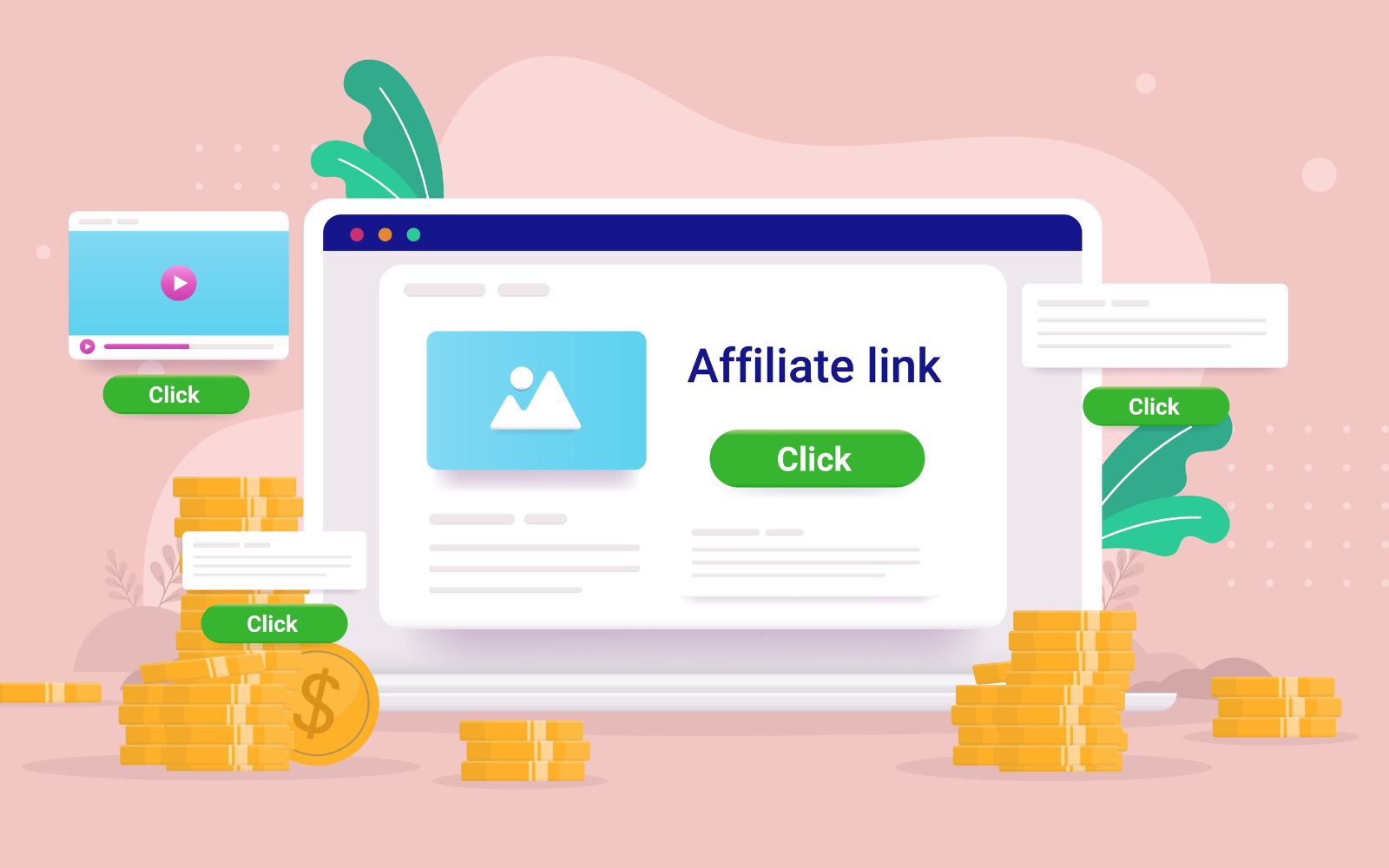
Quality Vs. Quantity: Why One High DR Link Beats 100 Low-Quality Ones

A long time ago, people thought getting thousands of links was the key to SEO success. They would get links from anywhere. This does not work anymore. In fact, it can hurt your SEO efforts.

One link from a site like The New York Times or a big software company (High DR) is worth more than 100 links from tiny, unknown blogs. This is because quality backlinks carry more trust.

Low-quality links can look like spam to Google. If you have too many bad links, Google might ignore your site.

At VH-info, we always tell our clients to focus on quality content and high DR backlinks instead of just trying to get a high number of links. A clean link profile with a few strong connections gives you a better competitive edge than a messy profile with thousands of weak ones.

Top Strategies to Acquire High DR Backlinks in 2026

Top Strategies to Acquire High DR Backlinks

Now that you know why you need them, how do you get them? Acquiring high DR backlinks takes work. You cannot just ask for them; you have to earn them. Here are the best link building strategies we use at VH-info.

Using Digital PR and HARO (Connectively)

Digital PR is a fancy way of saying “getting into the news.” You want journalists and bloggers to talk about your brand.

When they mention you, they usually give you a backlink.

One of the best ways to do this is using a platform called HARO (now called Connectively). Reporters use this to find experts for their stories. You can sign up as an expert. If a reporter asks a question about SaaS or business, you can answer it.

If they like your answer, they will put it in their article and link to your site. These are often high-authority backlinks from big news sites. This builds your brand awareness and brand authority at the same time. It puts your name on authoritative sources that millions of people read.

The Skyscraper Technique: Creating Link-Worthy Content

Skyscraper technique is about looking at what is already popular and making something better.

  • Find a blog post or article in your niche that has a lot of links.
  • Read it and see what is missing. Is it old? clear? Does it lack pictures?
  • Write a new piece of content that is 10 times better. This is your “skyscraper.”
  • Reach out to the people who linked to the old article. Tell them, “Hey, I saw you linked to this guide. I made one that is newer and has more valuable content. You might want to link to mine instead.”

This works because people want to link to the best resource. By focusing on content creation that is top-tier, you attract contextual backlinks naturally.

Strategic Guest Posting on Niche-Relevant Authority Sites

Guest posting is a classic strategy. It means writing an article for someone else’s website. In exchange, they let you put a link back to your site.

However, you must be careful. Do not just guest post anywhere. You need strategic guest posting. This means finding sites that are relevant to your industry. If you sell software, do not write for a cooking blog. It won’t bring you relevant traffic.

At VH-info, we help our clients find the perfect partners for guest blogging. We look for sites with good organic search numbers and real readers. We write helpful articles for them. This gets you a high DR link and introduces your brand to a new audience.

Broken Link Building on High-Authority Domains

The internet is full of broken links. These are links that lead to a “404 Error” page because the content was deleted. Broken link building is a smart way to help website owners and help yourself.

Here is how it works:

  • Use SEO tools or Google search operators to find broken links on high DR sites in your niche.
  • Create content on your site that can replace the missing content.
  • Email the owner of the site. Say, “Hi, I was reading your article and noticed this link is broken. It is frustrating for users. I have an article that covers the same topic if you want to swap it out.

Website owners like this because broken links are bad for user experience. You are helping them fix their site, and you get a quality backlink in return. It is a win-win for your SEO strategy.

How to Vet Sites For Genuine High DR Backlinks?

How to Vet Sites For Genuine High DR Backlinks?

Just because a tool says a site has high DR does not always mean it is good. Some people try to trick the system. You need to know how to check the strength of a website for real.

Spotting “Farmed” Sites and Link Schemes

Some websites exist only to sell links. We call these “link farms.” They publish hundreds of articles a day on random topics just to make money. Google hates these sites. Getting a link from here can actually hurt your SEO performance.

How do you spot them?

  • The content covers every topic imaginable (casinos, pets, software, loans).
  • The articles are poorly written.
  • They have no “About Us” page or real authors.
  • The outbound links (links going out) are huge in number compared to links coming in.

At VH-info, we check every site manually. we make sure it is a real business or blog, not a link farm.

Analyzing Organic Traffic Trends Alongside DR

A high DR score means nothing if nobody visits the website. A real high authority site should have organic traffic.

If a site has a DR of 70 but zero traffic, that is a red flag. It means Google does not trust the site enough to rank its content. A link from a site with no traffic will not send any relevant traffic to you and has very little SEO value. Always look at the traffic trend. Is it going up or steady?

If it just crashed to zero, the site might have been penalized by Google. You want links from sites that are healthy and growing.

Checking the Spam Score and Outbound Link Ratio

We also look at the “Spam Score.” This is a metric (usually from Moz) that guesses if a site is spammy. A high spam score is bad.

Also, look at the outbound links. If a single page links to 50 different product pages with weird words, stay away. A good site links out naturally to helpful resources. The link profile should look natural. If it looks fake to you, it probably looks fake to search engines.

Common Mistakes When Building High DR Backlinks

Common Mistakes When Building High DR Backlinks

Even smart SEO professionals make mistakes. Here are common traps to avoid to protect your website’s SEO.

Ignoring Niche Relevance For High Metrics

Do not chase the number. Getting a DR 90 link from a site about tractors when you sell beauty products is not very helpful.

Relevant links are key. Google looks at the context. If the topics are related, the link makes sense. If they are not, Google might ignore it. Always prioritize relevance. A DR 40 link from a highly relevant blog is often better than a DR 80 link from a random, unrelated site.

Over-Optimizing Anchor Text

Anchor text is the clickable text in a hyperlink. For example, if the link says “click here,” the anchor text is “click here.” Years ago, people would use keywords like “best cheap shoes” as the anchor text every single time. This is called over-optimization. It looks unnatural.

You want your anchor text to vary. Use your brand name, the URL, or natural phrases like “this article” or “read more.” At VH-info, we ensure the anchor text profile looks natural so Google does not suspect you are trying to cheat the search results.

Buying Links From Low-Quality PBNs

A PBN (Private Blog Network) is a group of sites owned by one person just to link to each other. This is against Google’s rules.

If you buy links from inexpensive PBNs, you may see a brief boost, but it will not last. Google will catch you.

When they do, your search engine rankings will drop hard. It is never worth the risk. Stick to white-hat strategies like guest posts and content marketing to build a strong backlink profile safely.

Tools to Monitor and Analyze Your High DR Backlinks

Tools to Monitor and Analyze Your High DR Backlinks

You cannot do this work without the right tools. SEO tools help you find opportunities and track your progress.

  1. Ahrefs (The Originator of DR): Ahrefs is the tool that created the domain rating metric. It is one of the best tools for analyzing backlinks. You can see who links to you, who links to your competitors, and find broken links. It is essential to check Ahrefs’ domain rating and monitor the website’s strength.
  2. Moz Link Explorer: Moz is famous for domain authority (DA) and page authority (PA). Their Link Explorer tool is great for checking the Spam Score of a site. It helps you see if a site is safe to get a link from.
  3. Semrush Backlink Analytics: Semrush is another giant in the industry. They use a metric called authority score. Their backlink analytics tool is very fast and detailed. It helps you compare your backlink profile with your competitors to see where you can improve your SEO strategy.

FAQ’s:

What Is Considered A “High” DR Score For A Backlink?

Generally, a DR of 50 or above is considered high. A DR of 70+ is excellent. However, even a DR 30 link can be good if it comes from a very relevant, local niche site.

Can I Buy High DR Backlinks Safely?

You should not buy links directly. However, you can pay an agency like VH-info to manage the process of guest posting and content creation that leads to links. This is paying for the service and effort, not just buying a link placement.

How Long Does It Take For High DR Backlinks to Impact Rankings?

It is not instant. It can take anywhere from a few weeks to a few months for search engines to recognize the new links and adjust your search rankings. SEO is a long-term game.

Is High DR the Only Metric That Matters For Link Building?

No. Relevance, organic traffic, and content quality are just as important. A high DR link from a spammy site is useless. You need a mix of all these factors for SEO benefits.

Can High DR Backlinks Alone Guarantee SEO Success?

No. You also need quality content, a fast website, and good technical SEO. Links are a huge part of the puzzle, but they are not the only piece.

Should I Focus on DR, DA, Or Both When Choosing Backlink Sources?

Both are useful. They are just different ways of measuring the same thing. If a site has high DR and high DA, it is likely a very strong site.

What is the Difference Between Ahrefs DR and Moz DA?

Ahrefs DR measures the strength of the backlink profile. Moz DA predicts ranking ability based on several factors. They use different calculations, so the scores might differ for the same site.

Conclusion

Building high DR backlinks is one of the most powerful things you can do for your business. It boosts your search engine rankings, drives organic traffic, and builds your reputation.

It is not about tricking Google; it is about proving your value. By creating quality content, using strategies like digital pr and guest posting, and avoiding spammy shortcuts, you can build a link profile that lasts. We know this can seem complicated. That is why VH-info exists.

We act as your partner in link building. We handle the hard work of finding authoritative sites, writing relevant content, and securing those valuable inbound links for you. We want you to focus on your business while we handle your website’s authority.

Start looking at your SEO strategy today. Are you focusing on quality? Are you building real relationships? With the right approach and high domain authority links, your website can reach the top of the search results in 2026 and beyond.