Best Tier 2 Backlinks: How to Boost Your SEO in 2026

Building a strong online presence is like building a house. You need a solid foundation. In the world of search engine optimization (SEO), backlinks are the foundation. Most people focus on getting links directly to their main website. These are called first-tier links.

But there is a secret strategy that many top link builders use to get even better results. It is called tiered link building.

At VH Info, we help SaaS companies grow by building high-quality, manual primary backlinks. We know that getting a link from a big site is hard work. Once you have that link, you want to make sure it gives you as much power as possible. This is where tier 2 backlinks come in.

Think of it this way: A Tier 1 link is like a vote for your website. A tier 2 link is a vote for that vote. It tells search engines like Google that the article linking to you is important and trusted.

This article will guide you through the best tier 2 backlinks and how to use them to improve your search engine rankings. We will explain everything in simple words so you can easily understand how to boost your SEO efforts without confusion.

What Are Tier 2 Backlinks and Why Do They Matter?

What Are Tier 2 Backlinks and Why Do They Matter?

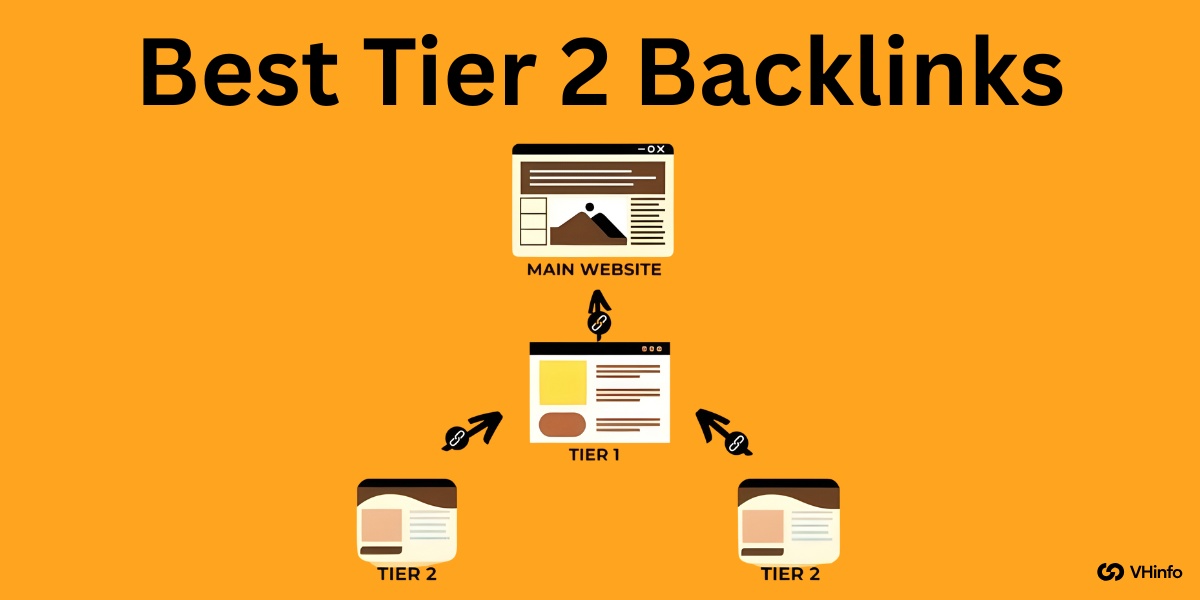
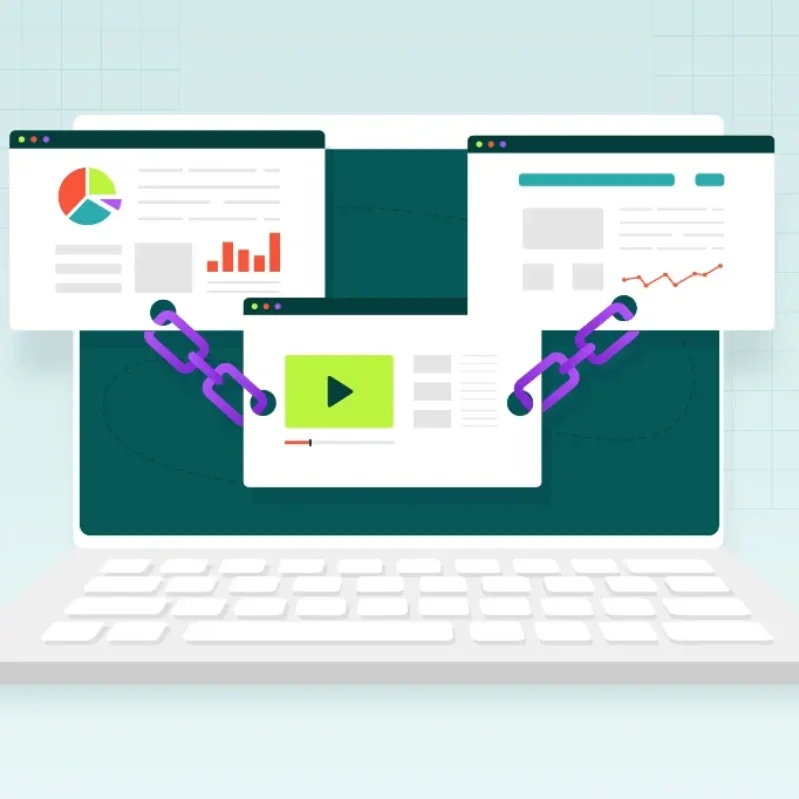
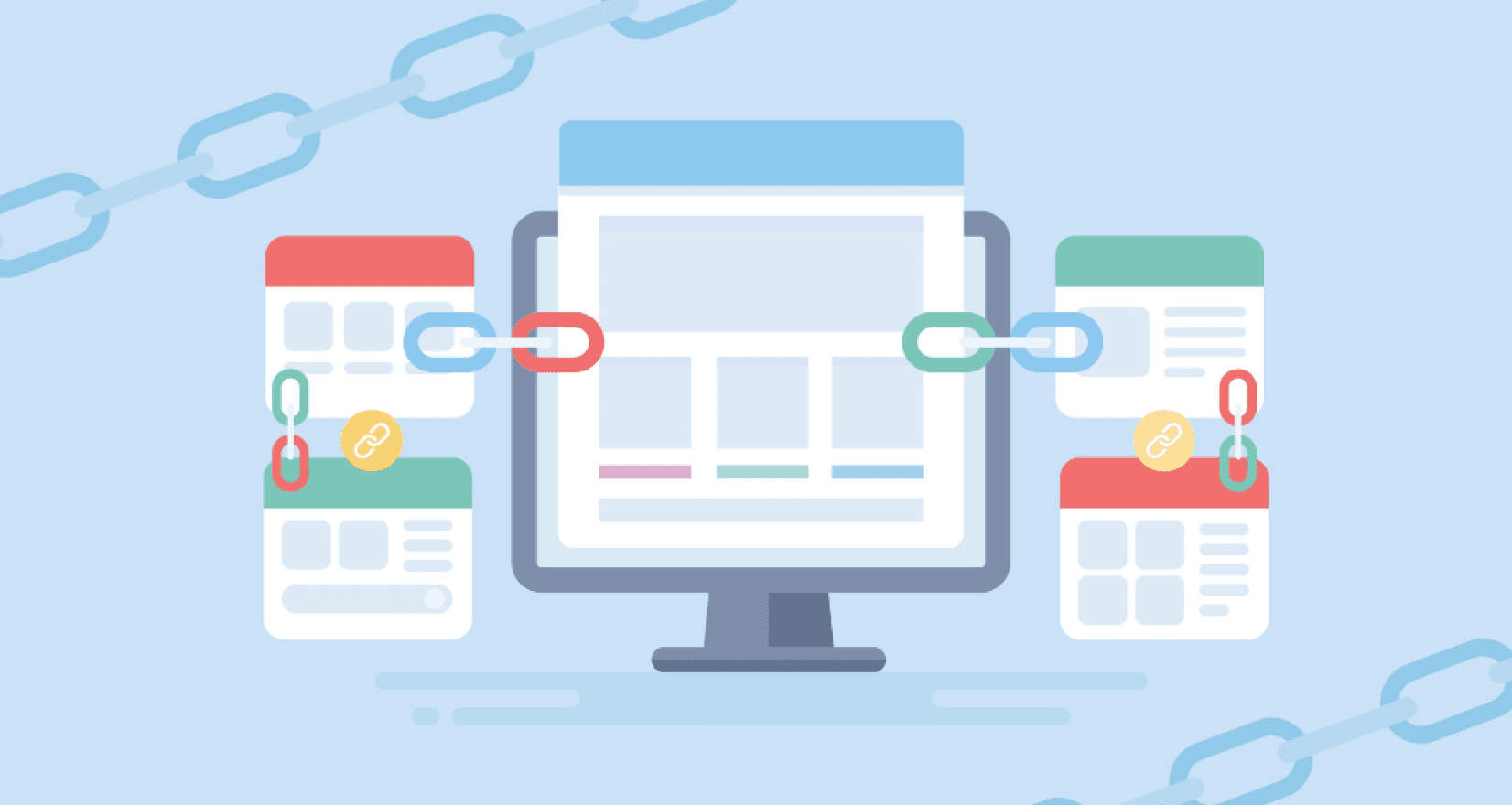
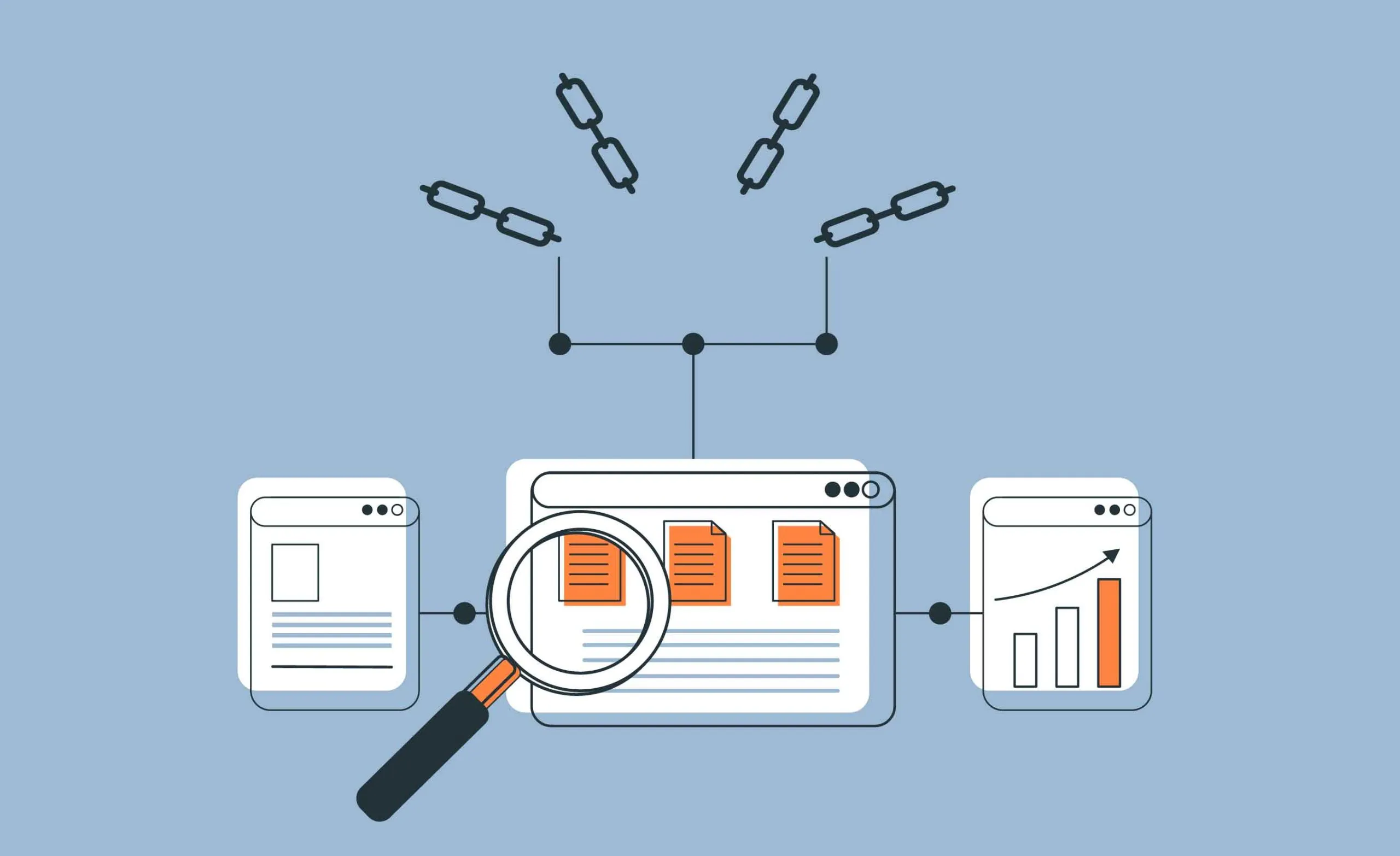
Tier 2 backlinks are links that point to your tier 1 backlinks, not your main site. When you get a guest post on a popular blog that links to your website, that guest post is a Tier 1 link. If you then build links to that guest post, those are tier 2 links.

Why do they matter? Sometimes, a new page that links to you might not have much authority yet. By building tier links to it, you increase its power. This power then flows down to your website. It is a great way to get more value from the links you already have.

The Difference Between Tier 1, Tier 2, and Tier 3 Links

To understand tiered link building strategy, you need to know the layers.

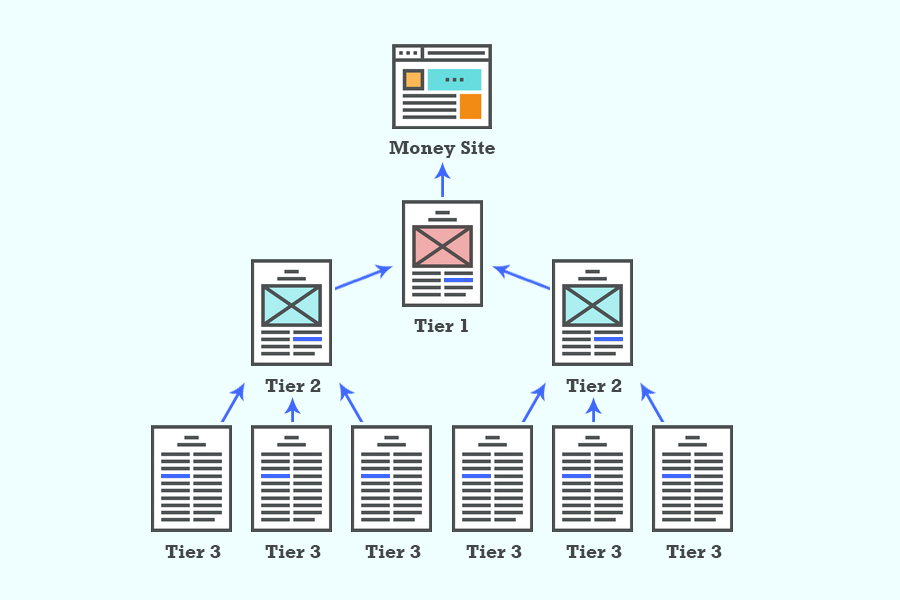
  • Tier 1 Links: These are direct links to your money site (your main website). Examples include guest posts, editorial links, or niche edits. These are your most quality backlinks. At VH Info, we specialize in getting these high-authority links for you.
  • Tier 2 Links: These links point to your Tier 1 pages. They do not touch your website directly. Their job is to boost the authority of the Tier 1 page.
  • Tier 3 Links: These are links that point to your tier 2 pages. They are often lower quality or generated in bulk just to help the tier 2 links get indexed.

This system creates a chain of authority. The further away from your site, the lower the quality can be, but the quantity usually goes up.

How Tier 2 Links Pass “Link Juice” to Your Money Site?

Imagine a system of water pipes. The water is what SEO experts call link juice or link equity. Your main site is the bucket at the bottom.

The Tier 1 sites are big pipes pouring water into your bucket. But sometimes, those pipes are empty.

Tier 2 links are smaller pipes that pour water into the Tier 1 pipes. When you add tier 2 backlinks, you fill up the Tier 1 pipe with more link juice.

This “juice” then flows through the Tier 1 link and lands in your bucket (your website). By increasing the amount of link juice a Tier 1 page has, you increase the SEO value it passes to you. This helps your website rank higher in search results.

The Benefits Of A Tiered Link Building Strategy

Using a tiered backlink structure has many plus points:

  • Increases Page Authority: It makes your Tier 1 links stronger.
  • Faster Indexing: Sometimes, Google takes a lot of time to find new links. Tier 2 links help Google bots find your Tier 1 links faster.
  • Risk Management: You are not blasting spammy links to your website. You are sending them to other pages. This lowers the risk of penalties for your main website.
  • Cost-Effective: You can use various sources for second-tier links that might be too risky for your main site but are fine for buffering.

How to Build the Best Tier 2 Backlinks in 2026?

How to Build the Best Tier 2 Backlinks in 2026?

Now that we know what they are, let’s talk about how to build them. Not all links are good. You want the best tier 2 backlinks that actually move the needle. Here are five top strategies.

Strategy 1: High-Quality Web 2.0 Properties (Medium, Blogger, etc.)

Web 2.0 sites are platforms where you can create your own free mini-website. Examples are Medium, Blogger, WordPress.com, and Wix.

These are excellent sources for second-tier links.

To do this right, you create a new blog on one of these sites. Then, you write valuable content relevant to your niche. Inside that content, you place a link to your Tier 1 guest post. Important: Do not just paste a link. Write a real article. Google likes content.

If you make these look like real blog posts, they will pass more link equity and stick around longer.

Strategy 2: Niche-Relevant Guest Posts

Yes, you can use guest posting for Tier 2 as well! This is a very powerful method. If you have a very strong Tier 1 link (like a mention on a huge news site), you might want to write a guest post on a smaller niche blog. In this guest post, you link to that news article.

This shows Google that the news article is very popular. Since the niche blogs are relevant to your topic, the link juice is very strong. This is a manual process and takes time, but it builds a very solid backlink profile.

Strategy 3: Social Signals and Social Bookmarking

Social media is a huge part of the internet. While links from social media platforms (like Facebook, Twitter/X, LinkedIn) are usually “nofollow” (they don’t pass direct SEO power), they act as social signals.

Sharing your Tier 1 links on social media helps get them indexed. It also brings real traffic to those pages. You can also use social bookmarking sites like Reddit, Pinterest, or Scoop.it. These are considered social media links.

They create noise around your Tier 1 links, making them look popular and natural to search engine algorithms.

Strategy 4: Document Sharing and PDF Submissions

Another great way to build tier 2 links is by sharing documents. You can turn an article into a PDF or a PowerPoint presentation. Then, upload these files to sites like SlideShare, Scribd, or Issuu.

Inside the PDF, you include links to your Tier 1 pages. Google reads these files. These are often high domain authority sites, so a link from them counts. It diversifies your link profile and adds another layer of legitimacy.

Strategy 5: Press Releases As Tier 2 Sources

Press releases are official announcements sent to news sites. They can generate a large number of links quickly. Using a press release as a direct link to your site can sometimes be risky if done too much. However, using press releases as tier 2 sources is safer.

You can write a press release about a topic related to your industry and link it to your Tier 1 articles. This pushes a lot of authority to your Tier 1 links. It is a good way to improve the page authority of your guest posts quickly.

Evaluating the Quality of Your Tier 2 Sources

Evaluating the Quality of Your Tier 2 Sources

Just because these are second tier links does not mean you should use spammy links. Quality still matters. If you use trashy links, they won’t pass any power.

Checking Domain Authority (DA/DR) and Trust Flow

You should look at metrics like Domain Authority (DA) or Domain Rating (DR). These scores predict how well a website will rank.

For tier 2, you don’t need DA 90 sites, but you should aim for decent scores (like DA 30-50). Also, check Trust Flow. This tells you if the site has trustworthy links pointing to it. A site with good metrics will pass more link juice to your first tier links.

Ensuring Topical Relevance to Your Tier 1 Links

Relevance is key in digital marketing. If your Tier 1 link is about “SaaS Software,” your tier 2 backlinks should also be from tech or business sites. Linking from a cooking blog to a software article looks weird. Google’s search engine algorithms are smart. They look for context.

Niche blogs that match your topic are always better than random general directories.

Avoiding Spammy Footprints and Toxic Neighborhoods

Be careful of “bad neighborhoods.” These are groups of sites that link to gambling, adult content, or scams.

If you build tier 2 links on these sites, you risk hurting your Tier 1 link. Eventually, the SEO value stops flowing. Avoid private blog networks (PBNs) that look cheap or have duplicated content. A clean backlink profile at every tier ensures long-term safety.

Tools and Software For Automating Best Tier 2 Backlinks

Tools and Software For Automating Best Tier 2 Backlinks

At VH Info, we believe in manual work for the best results. However, we know that building tier 2 links can take a lot of time. Many people use automation tools for lower tiers.

Using GSA Search Engine Ranker (GSA SER) Effectively

GSA SER is a famous tool. It builds links automatically 24/7. It can create blog comments, directory links, and forum posts.

Warning: This tool creates lower-quality links. It is best used for Tier 2 or Tier 3, never Tier 1. You must set it up carefully to avoid spam. Use it to build a high number of backlinks to your Web 2.0s, not your main guest posts.

RankerX and SEO Autopilot For Web 2.0s

RankerX and SEO Autopilot are better tools for Web 2.0s. They can automatically create accounts on sites like Tumblr or WordPress and post content with your links. These tools allow more control than GSA. You can schedule posts and manage anchor text.

They are popular for creating the layers of links needed in a tiered link-building strategy.

Manual Outreach Tools For High-Quality Tiers

If you want high-quality Tier 2s (like niche-relevant guest posts), automation won’t work.

You need manual outreach tools like Pitchbox or BuzzStream. These help you contact real bloggers. Manual link insertions are always stronger than automated ones. At VH Info, we use manual strategies because they last longer and bring better SEO performance.

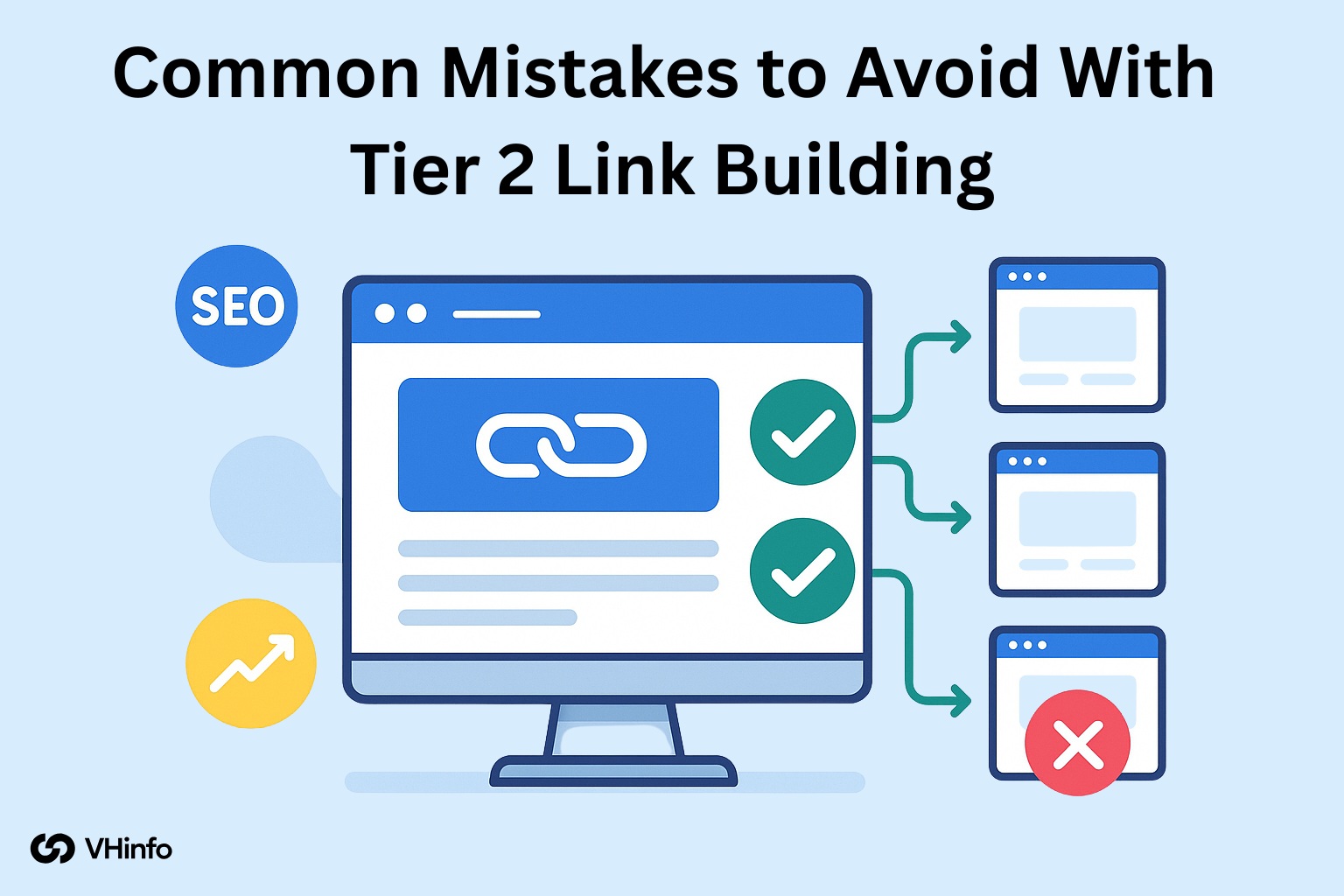
Common Mistakes to Avoid With Tier 2 Link Building

Common Mistakes to Avoid With Tier 2 Link Building

Even smart link builders make mistakes. Here are common traps.

Over-Optimizing Anchor Text Profiles

Anchor text is the clickable text in a link. If you use the same keyword for every single tier 2 link, it looks fake.

For example, if you keep using “best email software” 100 times, Google will get suspicious. For tier 2, use natural text like “read more,” “click here,” or the full title of the article. Varied anchor text keeps your backlink profile safe.

Building Links to Non-Indexed Tier 1 Pages

First things first: Check if your Tier 1 link is indexed. If Google doesn’t see the Tier 1 page, building tier 2 links to it is a waste of time. Search for the URL in Google. If it shows up, great. If not, wait or try to get it indexed before adding tier links.

Ignoring Indexing Rates For Tier 2 Links

You build 100 tier 2 backlinks, but only 10 show up in Google. This is a common problem.

Low quality links often don’t get indexed. If they are not indexed, they don’t count. You might need to use an indexing service or build social media links to your Tier 2s to help Google find them. Focusing on the effectiveness of your links is better than just the number of links.

FAQ’s:

Are Tier 2 Backlinks Safe For My Website?

Yes, they are generally safe because they do not link directly to your website. They act as a buffer. If a Tier 2 link is bad, it usually hurts the Tier 1 site, not your main website directly.

Can Buying Tier 2 Backlinks Outperform Manual Linking For SEO?

Buying bulk links can work for lower tiers, but manual linking is always superior. A few high-quality manual links often beat thousands of spammy ones. For the best SEO strategy, focus on quality.

How Many Tier 2 Backlinks Should I Build For Each Tier 1 Link?

There is no magic number. It depends on the competition. Usually, 5 to 10 good Tier 2 links are enough to boost a Tier 1 page. Don’t go crazy with the number of backlinks unless you are using lower-quality automated sources.

What Risks Should I Consider Before Building Tier 2 Backlinks?

The main risk is wasting money on links that don’t get indexed. Also, if you use very bad spam, it could theoretically devalue your Tier 1 link, making your primary backlinks less effective.

Do I Need to Index My Tier 2 Backlinks?

Yes. If a link is not in Google’s index, it passes zero link equity. You need them to be seen by search engines.

Can I Use Automated Software For Tier 2 Backlinks?

You can, but be careful. Tools like GSA or RankerX are common for this. However, for the very best tier 2 backlinks, manual placement or high-quality Web 2.0s are safer and more effective.

What is the Best Anchor Text Strategy For Tier 2 Links?

Keep it random and natural. Use naked URLs (like www.example.com), generic terms (like “visit this site”), and long phrases. Avoid using your main “money keywords” too much.

Conclusion

Mastering tier 2 links is a powerful skill. It helps you squeeze every drop of value from your backlink profile. By building a strong support structure, you ensure that your primary backlinks have the power they need to push your website to the top of the rankings.

Remember, a tiered link building strategy is about quality and relevance, not just spamming the web. Whether you use social media, guest posts, or web 2.0 sites, the goal is to pass authority safely to your money site.

At VH Info, we understand that this can sound like a lot of work. We focus on building the perfect first tier links so you have a solid starting point. If you want to see your organic traffic grow without the headache of managing layers of links yourself, we are here to guide you.

We build the relationships and the high-quality links that drive real results for SaaS businesses.

Focus on building a great foundation, and use tier 2 backlinks wisely to support it. This is the path to long-term SEO success in 2026.

Fastest Guide to Referring Links: How They Impact SEO In 2026?

Have you ever wondered how some websites get to the top of Google while others stay hidden?

The answer often lies in something called referring links. Think of the internet as a giant voting system. When one website links to another, it is like casting a vote. These votes tell search engines that your content is good and worth showing to people.

At VH-info, we know that getting these links can seem hard.

But it is a key part of link building for any SaaS business. We want to help you make sense of it all.

In this guide, we will break down exactly what referring links are, why they matter, and how you can get more of them. We will stick to simple explanations so you can take action right away. Whether you want to boost your organic traffic or find new customers, this guide is for you.

What Are Referring Links?

What Are Referring Links?

Definition and Core Concepts

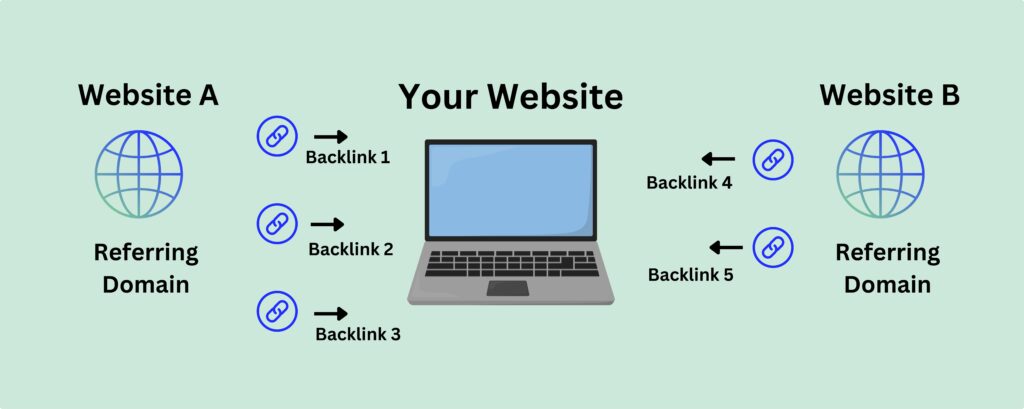
A referring link is simply a link from one website that points to another website. You might also hear people call this a “backlink.” When a user clicks on a link on a web page and lands on your site, that link is a referring link.

Think of it like a referral. If a friend tells you to try a new pizza place, that is a referral. In the digital world, when a website tells its readers to visit your landing pages, that is a referral link. These links are the specific link connectors that hold the web together.

For VH-info, helping clients get these links is our main job. We know that a referring link is not just a path for users; it is a sign of trust. It tells Google that other people find your information useful.

The Anatomy Of A Referring Link

To understand how this works, we need to look at the parts of a link. A standard link has a referring URL (where the link comes from) and a target URL (where the link goes).

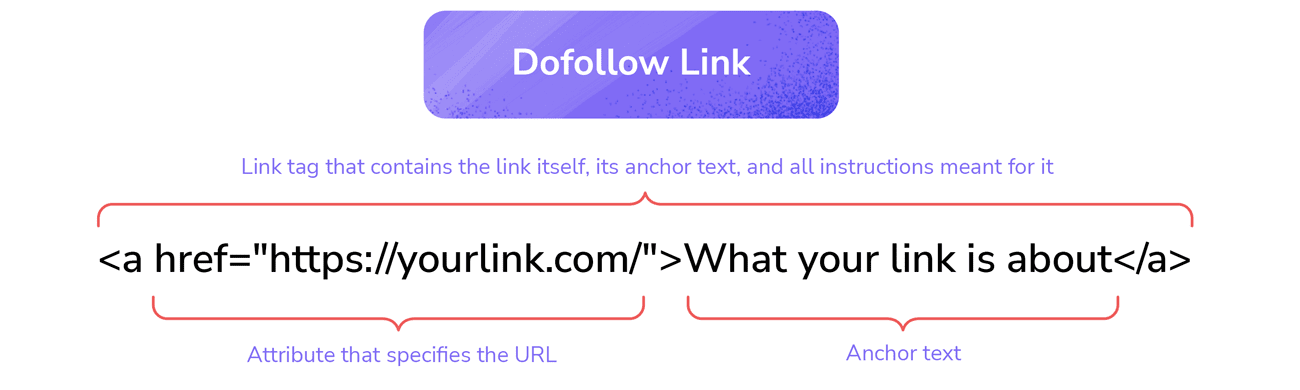
Inside the code, there is often an anchor text. This is the clickable text you see, usually in blue. For example, if a blogger writes about “best marketing tips” and links those words to your site, “best marketing tips” is the anchor text.

Sometimes, links have a unique identifier or a unique code attached to them. This happens a lot in affiliate marketing.

An affiliate program might give a partner a unique referral link. This helps with referral tracking to see which partner sent the traffic. While this is common in a referral program, for SEO, we mostly care about the link itself pointing to your domain.

Dofollow Vs. Nofollow Referring Links

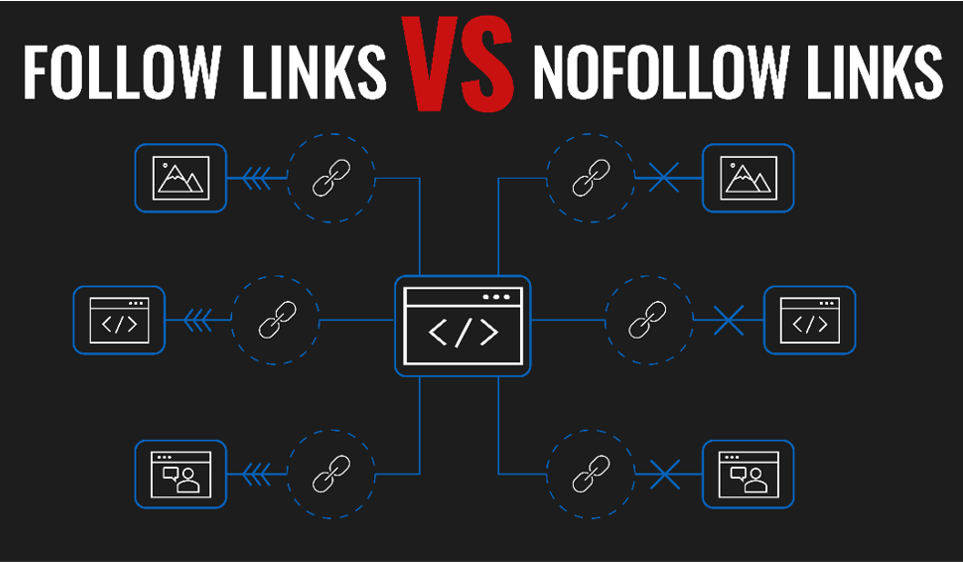
Not all links are the same. There are two main types you need to know: Dofollow and Nofollow.

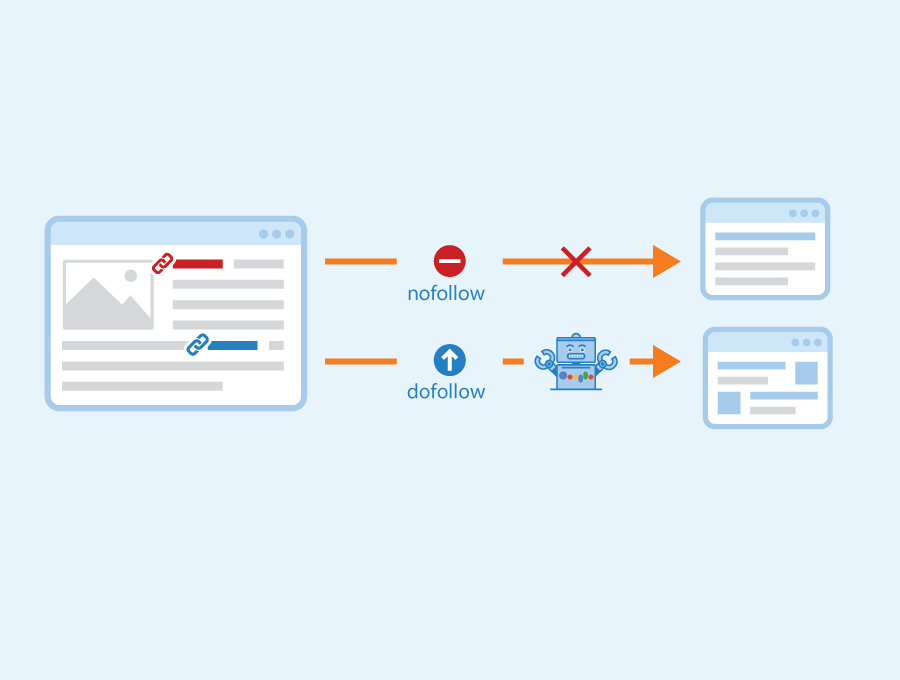
A Dofollow link is the standard type. It tells search engines like Google, “I trust this website, and you should too.” These are the best links for search engine optimization (SEO) because they pass authority to your site.

A Nofollow link has a small tag in the code that tells Google, “I am linking to this site, but do not count it as a vote.” You often see these in social media posts, blog post comments, or paid marketing campaigns.

Even though Nofollow links might not boost your rank as much, they are still great for bringing in referral traffic.

Why Referring Links Are Important For Your Website?

Why Referring Links Are Important For Your Website?

Boosting Domain Authority (DA)

Domain Authority (DA) is a score that predicts how well a website will rank. Think of it as your website’s reputation score. The more high-quality referring links you have, the higher your DA goes.

When big, trusted websites link to you, some of their reputation rubs off on you.

It is a powerful tool for growth. If you have a low DA, it is hard to compete. But as you get more referring domains pointing to your site, your score goes up. This helps you show up higher in search results for your main keywords.

Increasing Organic Referral Traffic

Links are not just for robots; they are for people, too. A good link on a popular site can send a lot of potential customers your way. This is called referral traffic. Imagine a popular industry blog mentions your software as a great way to solve a problem.

Readers who trust that blog will click the link to check you out. These visitors are often ready to buy because a trusted source recommended you. This can lead to higher conversion rates compared to random visitors.

Getting this traffic reduces your need to spend money on ads. It creates a steady stream of new leads who are interested in what you offer.

How Search Engines Use Referring Links As Trust Signals?

Search engines want to give users the best results. They use referring links as trust signals. If many websites link to your product page, Google assumes your product must be good. It is like a popularity contest, but for websites. However, quality matters more than quantity.

One link from a giant news site is worth more than 100 links from tiny, unknown blogs. At VH-info, we focus on getting these high-trust links for our SaaS clients. We know that when Google trusts your site, you get more organic traffic, and your business grows.

Referring Links Vs. Referring Domains: Understanding the Difference

Referring Links Vs. Referring Domains: Understanding the Difference

Why You Need Both Quality Links and Unique Domains?

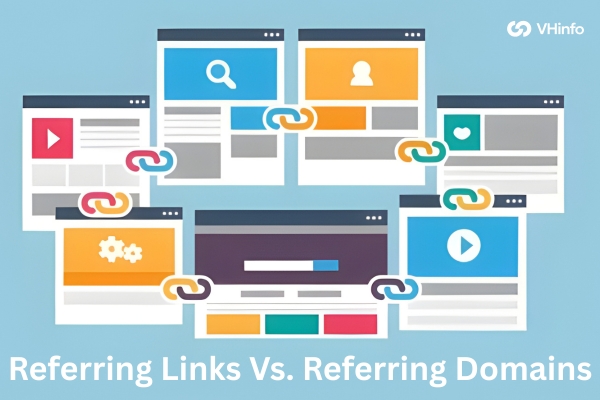
It is easy to mix up “referring links” and “referring domains,” but they are different.

A referring domain is the website the link comes from. A referring link is the actual link. For example, if the New York Times links to your site in three different articles, you have three referring links, but only one referring domain.

You need links from many different domains. If you get 1,000 links from the same website, Google might stop counting them after a while. It looks more natural to have votes from many different places. This shows that your brand awareness is spreading across the web.

Interpreting the Link-to-Domain Ratio

You should look at your link-to-domain ratio. This is the number of links divided by the number of domains. If you have 10,000 links from just 5 domains, that looks suspicious. It might look like spam or a bad marketing strategy.

A healthy profile has a balanced ratio. You want a steady flow of new customers finding you from many different sources. This diversity makes your website look strong and safe to search engines.

How to Analyze and Check Your Referring Links?

How to Analyze and Check Your Referring Links?

Using Google Search Console to Track Links

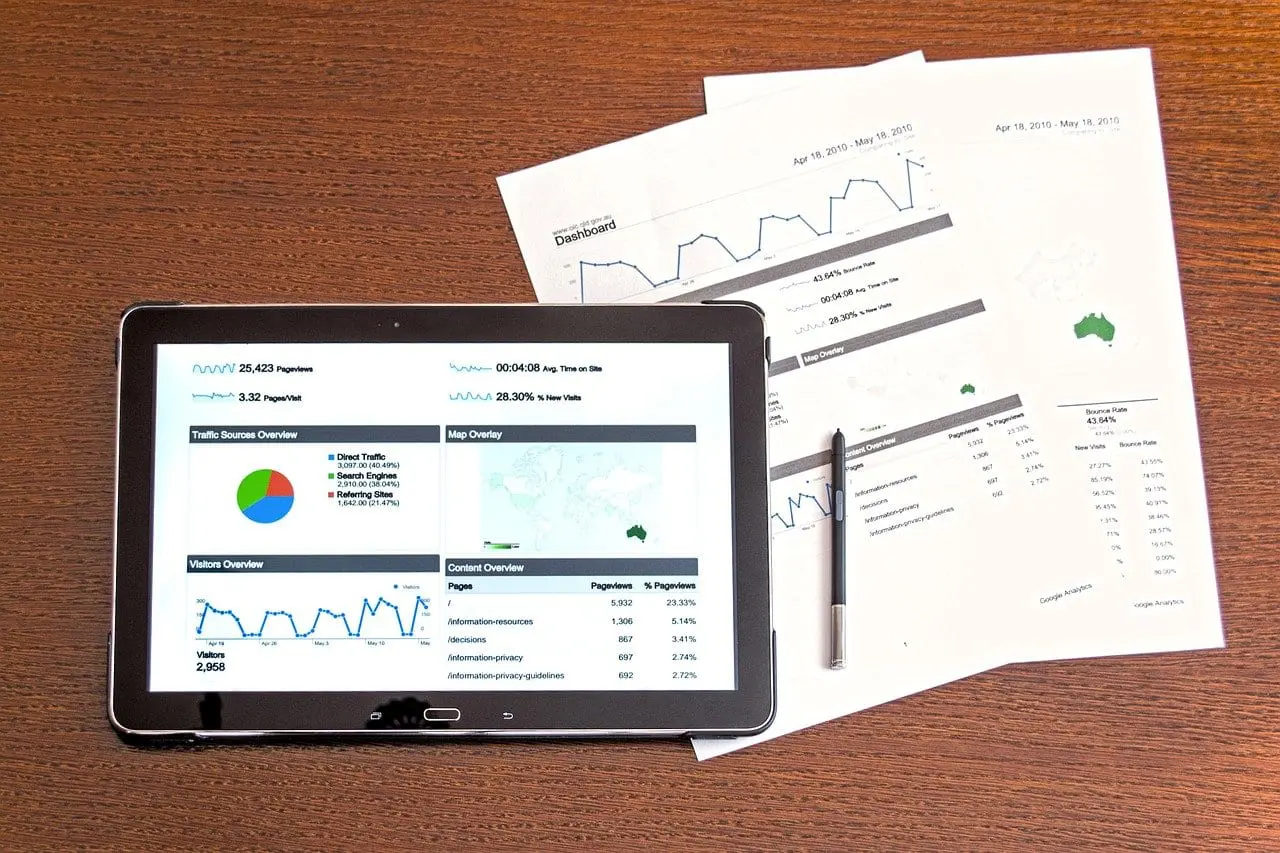
You don’t need fancy tools to start. Google Analytics and Google Search Console are free. Search Console has a section specifically for links. It shows you which sites link to you and what text they use.

This is a seamless experience for beginners. You can see your top linking sites and check if your link-building efforts are working. It is an effective way to keep an eye on your progress without spending money.

Top Third-Party Tools For Link Analysis (Ahrefs, SEMrush, Moz)

While free tools are good, professionals often use tools like Ahrefs, SEMrush, or Moz. These tools give you deeper data. They can show you the authority of the linking site and if the link is Dofollow or Nofollow.

At VH-info, we use advanced data to plan our strategies. These tools help us spy on competitors and find new opportunities. They can even track affiliate links if you are running an affiliate program.

Identifying Toxic Or Spammy Referring Links

Not all links are good. Some can hurt you. These are called toxic links. They come from spammy, dangerous, or low-quality sites.

If you have too many toxic links, Google might punish you. You need to check your list regularly. If you see links from weird sites that have nothing to do with your industry, they might be bad. You want links from real brand advocates, not spam bots.

Proven Strategies to Acquire High-Quality Referring Links

Proven Strategies to Acquire High-Quality Referring Links

Creating Link-Worthy Content (The Skyscraper Technique)

The best way to get links is to write content that is so good, people want to link to it. This is often called the Skyscraper Technique. You find a popular topic, read the top articles, and then write something much better. You can add new data, better images, or simplify complex ideas.

When you create a useful resource, other webmasters will link to it as a reference. This supports your marketing efforts naturally.

Guest Blogging and Digital PR

Guest blogging is when you write an article for another website. In exchange, they usually let you put a link back to your site in the bio or the text. This is a classic marketing strategy.

Digital PR is about getting mentioned in the news or by influencers. Influencer marketing can be very powerful here. If an influencer shares your unique URL or story on their social media platforms, their followers might write about it too.

Broken Link Building Strategies

This is a clever trick. You look for links on other websites that are broken (they lead to a 404 error page). Then, you email the website owner. You tell them, “Hey, I saw this link is broken. I have a similar article that works. You can link to me instead.”

It is helpful for them because they fix a broken link, and it is good for you because you get a new link. It is a win-win referral process.

Competitor Backlink Analysis

If you don’t know where to get links, look at your competitors.

Use a tool to see who links to them. If a blog links to your competitor, they might link to you too. This takes the guesswork out of customer acquisition through SEO. You can see exactly what is working for others and try to do it better.

Common Mistakes to Avoid When Building Referring Links

Common Mistakes to Avoid When Building Referring Links

Buying Low-Quality Links

Never buy 500 links for $5. These are always low quality. Google is smart. It knows when links are bought in bulk. This can lead to a penalty where your site disappears from search results.

Focus on organic traffic growth. It is slower but safer. At VH-info, we only use safe, white-hat methods. We build relationships, not spam.

Ignoring Link Relevance and Context

A link from a cooking blog to a car repair site makes no sense. Context is key. You want links from websites that are in your industry.

Relevant links bring better referral traffic. People reading a cooking blog are not looking for car repair. But people reading a car blog might be. Keeping things relevant ensures a better user experience and keeps satisfied customers on your site.

Over-Optimizing Anchor Text

If every single link to your site says “best SEO agency,” it looks fake. Natural links use different words. Some might use your brand name, some might say “click here,” and some might use the full URL.

Mix it up. Search engines prefer a natural pattern. If you try to trick the system with perfect keywords every time, it can backfire.

FAQ’s:

What is the Difference Between A Backlink and A Referring Link?

They are the same thing! SEO experts use both terms. A backlink is a link coming back to your site. A referring link is the link referring a user to your site. Both help with search engine optimization.

Are All Referring Links Good For SEO?

No. Links from spammy sites can hurt you. You want links from trusted, relevant sites. Quality is more important than quantity. A successful referral from a bad site is not worth much.

How Do I Get More Referring Links For Free?

Create amazing content. Share it on social media. Ask friends and partners to link to you. You can also fix broken links on other sites. Building brand ambassadors who love your product is also a great way to get free links.

Can I Remove Bad Referring Links Pointing to My Site?

You cannot delete a link on someone else’s site. But you can ask them to remove it. If they don’t, you can use a tool called “Disavow” in Google Search Console. This tells Google to ignore those specific links.

How Many Referring Links Do I Need to Rank on Page 1?

There is no magic number. It depends on your competition. If your competitors have 100 links, you might need 110. But remember, one great link is better than ten weak ones. Focus on getting the right links to move the needle.

Conclusion

Building referring links is one of the most important things you can do for your website. It helps you rank higher, get more organic traffic, and build trust with your audience. It connects you with new customers who are looking for exactly what you offer.

Remember, this is a long-term game. It takes time to build a strong profile. You need a solid marketing strategy and patience. Don’t fall for shortcuts like buying bad links. Stick to creating value, building relationships, and sharing great content.

Whether you are running referral campaigns, using referral software, or just writing a blog, links are the bridges that bring people to you. They turn strangers into referred customers and help you build a loyal customer base. If you need help navigating this, VH-info is here.

As a dedicated SaaS Link Building Agency, we understand the hard work it takes. We don’t use automated tools; we use real expertise to get you real results. We help you build the kind of links that drive customer loyalty and real growth. Start checking your links today.

Look for opportunities. Fix broken ones. Write that guest post. Every link you earn is a step closer to the top of the search results.

#1 Guide to Link Building For Lawyers: Boost Authority and Traffic

Getting new clients is the hardest part of running a legal practice. Most people looking for a lawyer start their journey on Google search. If your website does not show up at the top, you lose business to competitors. This is where link building for lawyers becomes very important.

At VH-info, we are a SaaS Link Building Agency. We spend every day helping companies rank higher. We know that the rules for search engine optimization (SEO) change often. However, one thing stays the same: you need quality backlinks to win.

Think of the internet as a high school popularity contest. If the cool kids (reputable websites) point at you and say, “Trust this person,” everyone else listens. When other websites link to your law firm’s website, Google sees this as a vote of confidence.

In this guide, we will explain exactly how building links works. We will keep it simple. We will show you how to improve your online visibility, get more organic traffic, and sign new clients. Whether you are a personal injury lawyer or handle family law, this guide is for you.

What Is Link Building For Lawyers?

What Is Link Building For Lawyers?

Link building is the process of getting other websites to link back to your web pages. These are called backlinks.

For a law firm, this means getting a link from a news site, a legal directory, or a business blog that points to your site. When search engines like Google crawl the web, they look at these links. They are looking for connections.

If a reputable website links to you, it passes “juice” or authority to your site. This is often called link equity. The more high-quality votes you have, the more Google trusts you. When Google trusts you, your search rankings go up.

For legal professionals, this is not just about vanity metrics. It is about getting your phone to ring. A strong link profile tells Google that your firm is a leader in the legal industry.

Why Link Building For Lawyers Is Essential For Law Firm SEO?

Why Link Building For Lawyers Is Essential For Law Firm SEO?

You might have a beautiful website. You might have great blog posts. But if you have no links, it is like having a billboard in the middle of the ocean. No one will see it. Here is why linking is vital for law firm SEO.

The Role of Backlinks in Google’s Ranking Algorithm

Google wants to show the best results to its users. To do this, it uses a complex system. Backlinks are one of the top three factors in Google search. When a site links to you, it tells Google two things:

  • Your content is valuable.
  • Your site is real and active.

Without links, search engines struggle to find your content. A solid SEO strategy must include a plan to get links. If you ignore this, your search engine rankings will stay flat.

Building Trust and Authority (E-E-A-T) in the Legal Niche

In the legal world, trust is everything. Google uses a concept called E-E-A-T. This stands for Experience, Expertise, Authoritativeness, and Trustworthiness. Because legal advice affects people’s lives (money, freedom, safety), Google treats legal websites strictly.

They call these “Your Money or Your Life” (YMYL) pages. You need to prove you are an expert.

When authoritative websites link to your legal content, it boosts your E-E-A-T. It shows you have years of experience.

For example, if a major city newspaper quotes you as a car accident expert and links to your site, Google sees you as an authority. This helps you rank for difficult terms like “personal injury attorney.”

How Quality Links Drive Referral Traffic to Your Firm?

SEO is great, but links do something else too. They bring people directly to your site. This is called referral traffic.

If you write a guest post on a popular legal blog, people reading that blog might click your link. These are people already interested in legal topics. They are highly likely to become potential clients.

A good link does double duty. It boosts your domain authority (helps you rank) and sends real people to your site (helps you sell).

How to Identify High-Quality Backlinks For Your Law Firm Website?

How to Identify High-Quality Backlinks For Your Law Firm Website?

Not all links are good. Some links can actually hurt your law firm’s ranking. At VH-info, we focus on quality over quantity.

Here is how to spot a winner.

Topical Relevance

This is the most important rule. You want links from sites that talk about law, business, or your local area.

If you are a divorce lawyer, a link from a fishing blog does not make sense. It has no topical relevance. However, a link from a “Family Advice” blog or a “local business news” site is perfect. Search engines look at the context of the link.

Organic Traffic

A link is only valuable if the website giving it has visitors. If a website has zero organic traffic, Google likely does not trust it. We use tools to check if a site gets visitors from Google. If real people visit the site, it is a safe place to get a link.

Positive Traffic and Keyword Trends

You want to link to winners, not losers. Look at the history of the website. is their traffic going up? Or is it crashing? If a site lost 90% of its traffic recently, it might have been punished by Google. You do not want a link from a sinking ship.

We look for positive traffic and keyword trends to ensure stability.

Domain Rating (DR)

Domain Rating (DR) or Domain Authority (DA) are scores given by SEO tools. They measure the strength of a website’s backlink profile on a scale of 0 to 100. A DR of 90 is huge (like the New York Times). A DR of 0 is a brand new site.

Generally, you want links from sites with a decent DR. However, relevance is more important than just a high number.

Growing Backlink Profile

A healthy website gains new links naturally over time. If a site has not gained a new link in two years, it might be dead. We check to see if the site has a growing backlink profile. This shows it is active and respected in the legal community.

Outbound Link Quality and Linking Patterns

Who else does this website link to? This is a big clue.

If you see a site linking to gambling sites, shady pill sellers, or adult content, run away. This is a “bad neighborhood.” You do not want your law firm website associated with them. A good site links to other reputable sources.

Permanent Link

You want links that stay. Some shady sellers offer links that disappear after a month. This is a waste of money. You need a permanent link that will provide value for years.

Dofollow Backlinks

There are two main types of links: Dofollow and Nofollow.

  • Dofollow links: These tell Google “Count this vote.” They pass link equity.
  • Nofollow links: These tell Google “I am linking here, but don’t count it as a vote.”

For ranking power, you want dofollow backlinks. Nofollow links (like from social media) are good for traffic, but they don’t help your SEO as much.

Relevant Anchor Text

Anchor text is the clickable blue text of a link.

If the text says “click here,” it is weak. If the text says “personal injury lawyer in Chicago,” it tells Google exactly what the linked page is about. However, be careful. If you force too many keywords into the anchor text, it looks fake. It should look natural.

Relation Attributes

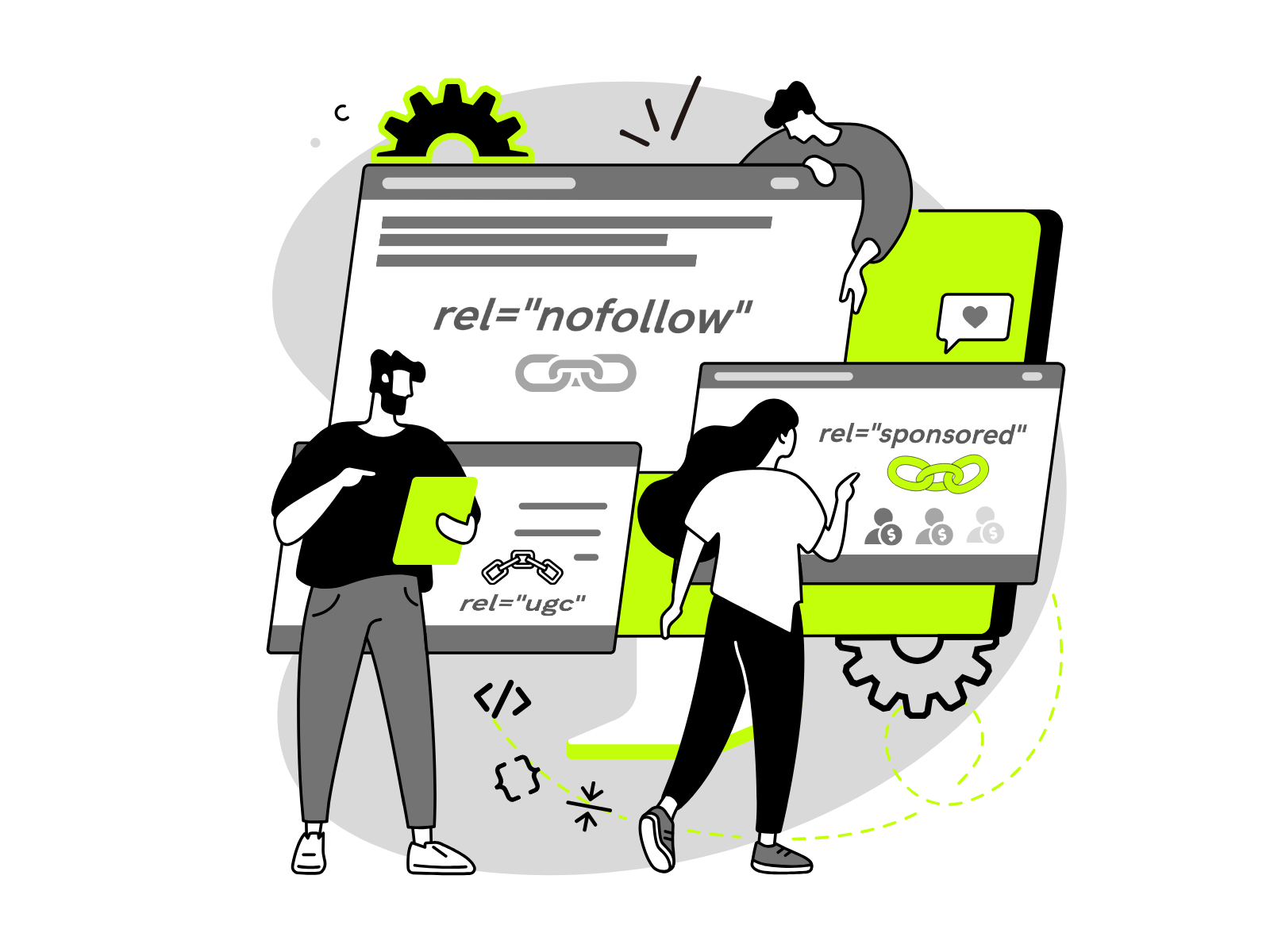
This is technical, but simple. Codes like “rel=sponsored” tell Google if a link was paid for. Google prefers natural links without these tags for organic ranking, but if you sponsor an event, a “sponsored” tag is the honest way to do it.

Proven Strategies For Effective Link Building For Lawyers

Proven Strategies For Effective Link Building For Lawyers

Now you know what a good link is. How do you get them? Here are the best methods we recommend at VH-info.

Using Legal Directories and Citations (Avvo, Justia, FindLaw)

This is step one. Legal directories are huge websites listing lawyers.

Sites like Avvo, Justia, and FindLaw are very powerful. You must claim your profile on these. They provide a high-quality backlink and help potential clients find you. Make sure your name, address, and phone number are correct on all of them. This helps your local SEO.

Guest Posting on Reputable Legal Blogs and News Sites

Guest posting is a classic strategy. You write an article for another website, and they let you put a link back to your site.

You can write for legal blogs, business magazines, or local news sites.

For example, you could write an article about “Safety Tips for Winter Driving” for a local news station. In the bio, you link to your car accident practice page. This positions you as an expert and gets you a link.

Using HARO (Connectively) to Gain High-Authority Media Mentions

HARO stands for Help A Reporter Out (now called Connectively). Journalists use it to find experts.

A reporter might ask, “I need a lawyer to explain the new tax law.” You answer their question. If they like your answer, they quote you in their article and link to your firm’s website. This is a great way to get links from massive news sites like Forbes or CNN.

Creating Linkable Assets: Legal Guides, Infographics, and Statistics

People love data. If you create valuable content that is better than everyone else’s, people will link to it naturally.

  • Infographics: Make a visual chart of “Car Accident Statistics in 2026.”
  • Legal Guides: Write a massive guide on “What to Do After a DUI.”
  • Statistics: Gather data on local crime rates.

When other bloggers write about these topics, they will link to your data as the source. These are called linkable assets.

Local Link Building For Lawyers: Dominating Your Market

Local Link Building For Lawyers: Dominating Your Market

Most lawyers only need to find clients in their city or state. This means local link building is your secret weapon.

  1. Getting Listed in the Local Chamber of Commerce and Business Associations: Join your local Chamber of Commerce. They almost always have a member directory on their website. This link is very authoritative for local SEO. It tells Google you are a real business in that specific city.
  2. Sponsoring Local Events and Charities For Community Links: Sponsor a 5K run, a Little League team, or a charity food drive. Usually, the event website will put your logo and a link on its sponsor page. These links show you are part of the local community. They are trusted by Google because they are hard to fake. Plus, it is good PR for your firm.
  3. Alumni Directories and Law School Features: Reach out to the law school you attended. Reach out to your college. Many universities have “Alumni in the News” sections or directories. Since universities (.edu sites) have very high domain authority, these links are gold. It is an easy win for legal professionals.

Common Mistakes in Link Building For Lawyers to Avoid

Common Mistakes in Link Building For Lawyers to Avoid

Link building can be dangerous if done wrong. You do not want to get a penalty from Google. Avoid these traps.

  1. The Dangers of Buying Low-Quality Links: Do not go to sites like Fiverr and buy “500 backlinks for $10.” These are spam. They come from fake sites. Google is smart. They will ignore these links, or worse, they will punish you. Buying low-quality links is a waste of money.
  2. Use of Black Hat Tactics: Black Hat” means breaking the rules. This includes hacking sites to insert links or using software to spam comments on blogs. At VH-info, we only use white-hat strategies. Search engine optimization is a long game. Cheating might work for a week, but it will kill your site for years.
  3. Avoiding Private Blog Networks (PBNs): A PBN is a network of fake websites created just to link to other sites. They look like real blogs, but they are hollow. Google hates PBNs. If they catch you using one, they can de-index your site (remove you from search results entirely). Stick to real website owners and real blogs.
  4. Over-Optimizing Anchor Text: We mentioned anchor text earlier. If every single link to your site says “Best Personal Injury Lawyer,” it looks suspicious. Real people use different words. They might use your brand name, “click here,” or the article title. Keep your anchor text diverse.

Law Firm SEO Best Practices For Building A Backlink Portfolio

Law Firm SEO Best Practices For Building A Backlink Portfolio

A good portfolio has a mix of different link types. Here is how to balance it.

  1. Guest Posting: Do this consistently. Aim for one or two high-quality guest posts a month on relevant websites. Focus on sharing knowledge, not just getting the link.
  2. Social Media: While social links are usually “nofollow,” they are still vital. Share your blog posts on LinkedIn, Twitter, and Facebook. It increases visibility. If the right person sees your post on social media, they might link to it from their own website later.
  3. Directories: Get the big ones (Avvo, FindLaw) and then stop. You do not need to be in thousands of low-quality directories. Focus on the ones that rank in search engines.
  4. Help A Reporter Out (HARO): Make this a weekly habit. Check the requests for legal services or legal commentary. It takes time, but one big media link is worth ten small ones.
  5. Broken Link Building Practices: This is a clever trick. You look for relevant websites that have broken links (links that go to 404 error pages). You email the website owner: “Hey, I saw you have a broken link on your resource page. I have a similar article on my site that works. You can replace the broken one with mine.” This helps them fix their site and gets you a good link.
  6. Link Reclamation: Sometimes people mention your law firm but forget to link to you. You can use tools to find these “unlinked brand mentions.” Then, you send a polite email: “Thanks for mentioning us! Could you please add a link to our site so readers can find us?” This has a high success rate.
  7. Finally – Create Quality Content: None of this works if your content is bad. You need quality content that answers questions. If your page is helpful, people will want to link to it. Content marketing and link building go hand-in-hand.

How to Measure the Success of Link Building For Lawyers?

How to Measure the Success of Link Building For Lawyers?

How do you know if your money is well spent?

  1. Tracking Domain Authority (DA) and Domain Rating (DR) Increases: Check your DR score every month. It should slowly go up. Remember, it moves slowly. Do not panic if it stays the same for a few weeks. Consistency leads to SEO results.
  2. Monitoring Referral Traffic and Keyword Rankings: Look at your Google Analytics. Are you getting traffic from the sites that link to you? Also, check your search rankings. Are you moving from page 2 to page 1 for keywords like “law firm SEO” or “lawyer near me“? If rankings and website traffic go up, the strategy is working.

FAQ’s:

Is Link Building Safe For Law Firms?

Yes, if done correctly. White-hat link building (earning links through merit and relationships) is safe and encouraged by Google. Buying spam links is not safe.

Is Link Building Still Important For Law Firm SEO In 2026?

Absolutely. Links remain a primary ranking factor. Without them, it is very hard to compete in the legal industry.

Which Types of Websites Are Best For Lawyers to Build Backlinks From?

The best sites are relevant and authoritative. Think of legal blogs, news outlets, universities (.edu), and government sites (.gov). Also, local business chambers are great.

Do Directory Listings Help Law Firms With Link Building?

Yes. Top-tier legal directories like Avvo and Justia provide strong links and send potential clients to you.

How Long Does It Take to See Results From Link Building?

SEO is slow. It usually takes 3 to 6 months to see significant movement in search engine rankings after starting a campaign.

Should Lawyers Buy Backlinks to Rank Faster?

No. Buying links is risky. It violates Google’s guidelines. It is better to invest in digital marketing strategies like content and PR.

How Much Does Professional Link Building For Lawyers Cost?

It varies. High-quality services are not cheap because they require manual work and outreach. Expect to pay for the expertise and the time it takes to secure reputable websites.

Are There Free Tools Lawyers Can Use to Find Backlink Opportunities?

Yes. You can use Google Search Console to see your current links. You can also use Google search operators to find guest posting opportunities. However, professional tools usually offer better data.

Conclusion

Link building for lawyers is not magic. It is hard work. It requires creating valuable content, building relationships, and proving to Google that you are a trusted authority.

When you build a strong backlink profile, you insulate your business. You stop relying on luck and start relying on data. You gain higher domain authority, better search results, and most importantly, more new clients.

The competition for legal services is fierce. The firms that invest in their online presence today will be the leaders tomorrow.

At VH-info, we understand the complexities of SaaS and high-stakes SEO. We know that being direct and knowledgeable is the only way to win. If you focus on quality, relevance, and persistence, your law firm’s website will become your best asset.

Start building links today, and watch your practice grow.

Link Building For Healthcare: The Best Guide to Medical SEO Success

Imagine you are the best doctor in your city. You have great skills and a clean clinic.

But if your clinic is hidden in a dark alley where no one goes, you cannot help people. In the digital world, your website is your clinic. If it does not show up on search engines like Google, potential patients cannot find you. This is where link building helps.

Link building is the process of getting other websites to link to your website. Think of a link as a vote of confidence. When a trusted website links to you, it tells Google that you are trustworthy, too. For the healthcare industry, trust is everything.

At VH-info, we are a SaaS Link Building Agency. We help companies get these important links. We know that healthcare link building is different from other types of marketing. It requires care, accuracy, and safety. You cannot just get any link; you need the right ones.

In this guide, we will talk about how healthcare providers can improve their online visibility. We will look at how to get organic traffic and why quality backlinks matter. We will write this in simple steps so you can learn how to grow your medical practice using smart SEO strategies.

Link Building For Healthcare Providers: Why Is It So Important?

Link Building For Healthcare Providers: Why Is It So Important?

You might ask, “I am a doctor, not a computer expert. Why do I need links?” The answer is simple. The internet is a very big place. Without seo efforts, your website is just a drop in the ocean. Here is why links matter for you.

Boost Your Search Engine Rankings

When people feel sick, they go to Google first. They type in things like “best dentist near me” or “symptoms of flu.” Google wants to show them the best answers. To decide which healthcare website is the best, Google looks at links.

If many websites link to you, Google thinks you are popular and important. This helps you climb the search engine rankings. The higher you are, the more people click on your name. At VH-info, we focus on getting you to the top spots because that is where the patients are.

Increase Organic Traffic

Organic traffic means visitors who come to your site for free from a search engine. You do not pay for ads to get them. When you have good search rankings, more people visit your site.

For a healthcare practice, this means more people reading your blogs, checking your service pages, and finding your phone number. High organic traffic usually leads to more patient inquiries.

Referring Domain

A referring domain is the website that gives you a link.

If a news site links to you, the news site is the referring domain. You want links from many different referring domains. It is better to have 10 links from 10 different sites than 100 links from just one site. This shows search engines that many different people trust you.

It builds a strong backlink profile for your business.

Establish Website Authority

Website’s authority is a score that predicts how well a website will rank. Tools like Moz call this Domain Authority. High authority means your site is strong. In the healthcare sector, authority is vital. Patients want to know they can trust the medical advice they read.
When you get links from reputable sources like universities or big medical journals, your authority goes up.
Enhance User Experience

Link building is not just for robots. It helps people too. Good links help users find more information. If you write an article about heart health and link to a study, the reader can click it to learn more.

This improves the user experience. When users are happy, they stay on your site longer. This tells Google that you provide quality content. As experts at VH-info, we believe that helping the user is the best way to do SEO.

Why Link Building For Healthcare Requires A Specialized Approach?

Why Link Building For Healthcare Requires A Specialized Approach?

You cannot treat a healthcare website the same way you treat a toy store website. Medical topics are serious. Google is very strict about them.

Understanding YMYL (Your Money Your Life) and E-E-A-T

Google has a special name for websites that affect a person’s health, happiness, or money. It calls them “Your Money or Your Life” or YMYL. Healthcare providers fall into this group. Because bad medical advice can hurt people, Google uses a standard called E-E-A-T.

This stands for Experience, Expertise, Authoritativeness, and Trustworthiness.

  • Experience: Do you know what you are talking about?
  • Expertise: Are you a trained professional?
  • Authoritativeness: Do others see you as a leader?
  • Trustworthiness: Is your site safe?

Link building helps with the “Authority” part. When authoritative sources link to you, it proves you are an expert.

The Impact of Backlinks on Medical Website Authority

For a medical site, a link from a generic blog is not very strong.

But a link from a hospital or a government health site is very powerful. These are authoritative backlinks. These links tell Google that other medical professionals trust you. This makes your whole website look better. It helps you rank for hard keywords.

Navigating HIPAA and Ethical Marketing Guidelines

Doctors must follow strict rules, like HIPAA, in the United States. This law protects patient privacy. When you do digital marketing, you must be careful. You cannot share patient names or stories without permission.

Also, you cannot make false promises. You cannot say “We cure cancer” if you cannot prove it. Your content marketing must be honest. When we build links, we make sure the content is ethical and safe. We never put our clients at risk.

Top Strategies For Effective Link Building For Healthcare Websites

Top Strategies For Effective Link Building For Healthcare Websites

Now you know why it is important. Let’s look at how to do it. Here are the best link-building strategies for the healthcare industry.

Using HARO (Help A Reporter Out) For Expert Commentary

HARO is a service where reporters ask for help. They might need a quote from a doctor for a story. You can sign up as a source.

When a reporter asks a health question, you send a good answer. If they use your quote, they will usually mention your name and give you a link. This gets you on big news outlets. It is a great way to get quality backlinks and show your expertise.

Creating Linkable Assets: Studies, Infographics, and Health Statistics

People love to share data. If you create educational content like a chart showing “Flu Trends in 2024,” other sites will want to show it too. When they put your chart on their site, they must link back to you as the source.

These are called linkable assets. You can make:

  • Infographics explaining a disease.
  • Original studies or surveys.
  • Lists of health statistics.

This attracts quality links naturally because you are providing value.

Guest Posting on Authoritative Medical Journals and Blogs

Guest posting means writing an article for another website. You write a helpful piece of content for a medical blog, and in return, they let you put a link back to your site. This works well if you choose reputable websites. Do not write for low-quality sites. Write for sites that potential patients or other doctors read. This puts your brand in front of a new target audience. Guest blogging establishes you as a thought leader.

Local SEO: Building Citations in Healthcare Directories

For doctors, local SEO is key. You want patients in your city to find you. You can get links by listing your practice in healthcare directories.

Sites like Healthgrades, Vitals, and even Yelp are important. These listings are called citations. They usually include your name, address, and phone number. Many also give you a link. These local backlinks help you show up in local searches and on map results.

Mistakes to Avoid in Link Building For Healthcare

Mistakes to Avoid in Link Building For Healthcare

Not all links are good. Some can hurt you. Here is what you should not do.

Buying Low-Quality Links and PBNs

Some people try to cheat. They buy hundreds of cheap links from spammy sites or use Private Blog Networks (PBNs). These are fake sites made just to sell links. Google is smart. It will catch you. If you use these bad tactics, Google might punish your site. Your search rankings will drop, and you will lose traffic. Always choose quality links over quantity. At VH-info, we only use safe, white-hat methods.

Ignoring Relevance: Why Niche Edits Matter?

A link from a website about cars does not help a doctor. It is not relevant. You need links from sites related to health, wellness, or your local area. Relevance is key. If a health blog adds your link to an old article, this is called a niche edit.

This is good because the topic matches your work. Always check if the referring domain fits your industry.

Over-Optimizing Anchor Text with Medical Terms

Anchor text is the clickable words in a link. For example, if the blue text says “click here,” that is the anchor text.

You might think it is good to make the anchor text “best heart surgeon” every time. But this looks fake to Google. It looks like you are trying to trick the system. It is better to use natural words like your brand name or “read more.” Do not stuff keywords into the anchor text.

How to Vet A Service Provider For Link Building For Healthcare?

How to Vet A Service Provider For Link Building For Healthcare?

Link building is hard work. Many healthcare organizations hire an agency to help. But how do you pick the right one?

Checking For Experience in the Medical Industry

Ask the agency if they have worked with doctors before. The healthcare sector has special rules. A general agency might not know about HIPAA or YMYL. You need a partner who understands medical information.

At VH-info, we specialize in this. We know how to talk to medical professionals and how to get links on health sites.

Analyzing Case Studies and Previous Campaign Results

Ask to see proof. A good agency will show you case studies. Look at their SEO performance.

  • Did their client get more traffic?
  • Did they rank higher for healthcare services?
  • Were the links from good sites?

If they cannot show you results, do not hire them. You need to see clear success stories.

Measuring the ROI of Your Healthcare Link Building Campaign

Measuring the ROI of Your Healthcare Link Building Campaign

Marketing costs money. You want to know if it is worth it. This is called Return on Investment (ROI).

Tracking Referral Traffic and Domain Authority

Use tools like Google Analytics to see where your visitors come from. Are people clicking the links you built? This is referral traffic. Also, watch your domain authority. It should go up over time. This shows your website’s authority is growing. These are key metrics to track.

Monitoring Keyword Rankings For High-Value Services

Check your search engine rankings for important words. If you are a dentist, are you ranking for “dental implants“? These are high-value services because they bring in revenue. If your link-building strategies work, you should see your site moving up to page one for these terms.

This leads to more patient appointments.

FAQ’s:

What Are the Best Types of Backlinks For A Healthcare Website?

The best links come from reputable websites in the health field. This includes medical journals, university health pages, hospital news, and popular health blogs. Local backlinks from city directories are also very good for local SEO.

Why Is Link Building Harder For Healthcare Websites Compared to Other Industries?

It is harder because of the YMYL rules. Google holds healthcare information to a higher standard. You cannot just write anything; it must be accurate. Also, finding authoritative medical sites to link to you takes more effort than finding a link for a hobby blog.

Is It Safe to Buy Backlinks For My Medical Practice?

Buying links directly is against Google’s rules.

However, paying an agency like VH-info to do outreach and create content that earns links is safe. You are paying for the service and the work, not just buying a link placement. Avoid services that promise instant links for $5. Those are dangerous.

How Do Multi-Location Healthcare Organizations Approach Link Building?

If you have clinics in many cities, you need a strategy for each one. You should build local backlinks for each location. Create separate pages for each clinic and get listed in local healthcare directories for each specific city.

Can Link Building Increase Patient Appointments For My Medical Practice?

Yes. Link building improves your search results. When you rank higher, more people find you. This brings more organic traffic. If your website is good, these visitors will call you or book online. It directly helps your business grow.

How Long Does It Take to See Results From Healthcare Link Building?

SEO is a long game. It is not instant. It usually takes 3 to 6 months to see a big change in your search rankings. But the results last a long time. It is an investment in your future online presence.

Can I Use Local Directories For Link Building?

Yes, absolutely. For healthcare providers, local directories are essential. They confirm your address and phone number to Google. This helps you show up when someone searches on their phone for a doctor nearby.

What is the Most Effective Link-Building Tactic For Doctors?

Creating quality content that answers patient questions is very effective. When you write helpful articles, other sites want to link to you. Combining this with guest posting and local citations is a strong strategy.

Conclusion

Link building for healthcare is a powerful way to grow your practice. It helps you stand out in a crowded market.

By getting quality backlinks, you improve your search engine rankings, increase organic traffic, and build trust with potential patients. It requires a careful plan. You must follow the rules, focus on quality content, and earn links from authoritative sources.

It takes time, but the reward is a steady stream of new patients.

At VH-info, we understand the unique challenges of the healthcare industry. We are a SaaS Link Building Agency dedicated to helping you succeed. We handle the hard work of link acquisition so you can focus on caring for your patients.

Do not let your beautiful website sit unseen. Start your healthcare link building journey today. With the right SEO strategies, you can become the top choice for patients in your area. Contact VH-info to learn how we can help you build a stronger online presence.

Best Way to Do Link Building For Dentists: Grow Your Practice Online

Running a dental practice is hard work. You spend your days taking care of patients, fixing teeth, and making sure everyone leaves with a smile. But there is another part of the job that is just as important: finding new patients. In the past, word of mouth was enough. Today, most people use the internet to find a dental clinic. If your dental website does not show up at the top of search results, you might be missing out.

This is where link building comes in. It is a big part of dental SEO.

At VH-info, we know that the world of SEO can seem confusing. We are experts in link building. We usually help software companies, but the rules for building trust online are very similar for dentists. We want to help you understand how to get your website to rank higher.

When other websites link to yours, it tells search engines like Google that you are trusted. It is like a vote of confidence. The more high-quality votes you have, the higher your search rankings will be. In this guide, we will break down exactly how link building for dentists works.

We will show you simple ways to get more links, improve your online presence, and get more potential patients to call your office.

What is Link Building in Dental SEO?

What is Link Building in Dental SEO?

Link building is the process of getting other websites to link back to your website. These links are called backlinks. Think of the internet as a giant popularity contest. When a website links to you, they are telling their readers, “This is a good place to go for information.”

For dental SEO, this is very important. If a popular health blog or a local news site links to your service pages, Google sees this. It thinks, “Wow, this dental practice must be good because other people are talking about it.”

However, not all links are the same. A link from a respected medical site is worth much more than a link from a random, low-quality site.

At VH-info, we focus on getting the right kind of links. We believe that quality links are the key to growing your organic traffic. It is not just about having the most links; it is about having links from places that matter.

Why Link Building For Dentists Is Critical For SEO Success?

Why Link Building For Dentists Is Critical For SEO Success?

You might wonder why you need to worry about links at all. Can’t you just have a nice website? A nice website is great, but links are the fuel that powers your search engine optimization. Without them, it is very hard to compete in the dental industry.

Understanding How Backlinks Impact Dental Search Rankings

Search engines use complex systems to decide which websites to show first. One of the top factors they look at is your backlink profile. If your competitors have 50 good backlinks and you have zero, Google will likely rank them higher.

When you have strong backlinks, your domain authority goes up. This is a score that predicts how well a website will rank.

A higher score means you are more likely to appear in the top local search results. This means when someone types “dentist near me” or “cosmetic dentistry,” they find you first. At VH-info, we have seen how improving a site’s authority directly leads to more visitors.

The Difference Between Quality and Quantity in Medical SEO

In medical SEO, quality is everything. Because you deal with people’s health, Google is very strict. They want to make sure they are sending users to safe, reliable places. Getting 100 links from spammy websites can actually hurt your dental SEO. It looks suspicious.

Instead, getting 5 links from trusted sources—like a dental association or a local business bureau—is much better. These are quality backlinks. They tell Google you are a legitimate dental health provider. We always tell our clients to focus on trust, not just numbers.

How Authority Links Build Trust with Potential Patients?

Links do not just help with robots and algorithms; they help real people, too. Imagine a potential patient is reading a blog about oral hygiene on a popular health site. They see a link to your article about dental implants. They click it and land on your site.

Because they came from a trusted source, they already trust you a little bit more. This is called referral traffic. These visitors are more likely to book an appointment. High-authority links build your online reputation. They show that you are a leader in dental care.

Proven Strategies For Effective Link Building For Dentists

Proven Strategies For Effective Link Building For Dentists

Now that you know why you need links, let’s talk about how to get them. You do not need to be a computer wizard. Many link-building strategies fit perfectly with running a local business.

Using Local Partnerships and Community Sponsorships

As a dentist, you are a big part of your local community. You can use this for SEO. Do you sponsor a Little League baseball team? Do you help with a charity run? Often, these organizations have websites.

Ask them to put a link to your dental website on their sponsor page. This is a great way to get a relevant, local link. It shows Google that you are active in the area. Local businesses supporting each other is a natural way to build links. It also puts your name in front of local patients.

Guest Posting on Reputable Health and Dental Blogs

Guest posts are when you write an article for someone else’s website.

In exchange, they let you put a link back to your site. This is a classic strategy that VH-info often uses. You can look for blogs that talk about dental health, parenting, or healthy living. You could write an article about “How to help kids brush their teeth” or “The benefits of cosmetic dentistry.” When you share your knowledge through content creation, you earn quality links. It positions you as an expert.

Utilizing HARO (Help A Reporter Out) For Expert Quotes

HARO is a service where reporters ask for help with their stories. Often, they need a quote from a medical professional. If you sign up, you might see a reporter asking, “What are the best tips for oral health?

You can send a short answer. If they use your quote, they will usually link to your website. This is a fantastic way to get links from big news sites. It improves your website’s authority quickly. It takes a little time to write the answers, but the result is worth it.

Claiming Unlinked Brand Mentions and Directory Citations

Sometimes, people talk about your dental practice online but forget to add a link. They might mention your name in a news article or a blog post. You can find these mentions using SEO tools or a simple Google search.

When you find one, send a polite email to the writer.

Thank them for mentioning you and ask if they can add a link. This is one of the easiest ways to get a link because they already like your business. Also, make sure your phone number, name, and address are correct on all local directories. These local citations count as links too.

Local SEO and Link Building For Dentists: A Winning Combination

Local SEO and Link Building For Dentists

For dentists, local SEO is the most important game in town. You want patients who live near you. Local search is how they find you. Linking building and local SEO work together like a toothbrush and toothpaste.

Getting Listed in Local Chambers of Commerce

Joining your local Chamber of Commerce is a smart move. Not only is it good for networking, but you also get a valuable link from their website. These websites usually have high trust.

A link from a Chamber of Commerce tells Google, “This is a real business located right here.” It boosts your local rankings. It is a simple step that many dentists forget. It helps solidify your place in the local community.

The Role of Google Business Profile in Acquiring Local Links

Your Google Business Profile (formerly Google My Business) is your home base on Google. It is what shows up in Google Maps and the local “pack” of three businesses.

While the profile itself isn’t a “backlink” in the traditional sense, it drives everything. You can add posts to your profile linking to your blog posts. Also, when you rank high on Google Maps, other local businesses are more likely to find you and link to you.

It increases your search visibility. Make sure your profile is 100% complete with photos of your dental clinic and hours.

Collaborating with Other Local Medical Professionals

Think about other doctors in your area who are not dentists.

Orthodontists (if you don’t do that), pediatricians, or general doctors. You can refer patients to each other. You can also trade links.

Maybe you write a post for a pediatrician’s website about “Dental care for babies,” and they write one for you about “General health and teeth.” This exchange benefits both parties. It helps you reach new patients who trust their other doctors.

Common Mistakes to Avoid in Link Building For Dentists

Common Mistakes to Avoid in Link Building For Dentists

At VH-info, we fix a lot of bad SEO. There are some mistakes that can get you in trouble with Google. You want to avoid these to keep your online presence safe.

The Dangers of Buying Cheap, Low-Quality Backlinks

You might see ads saying, “Buy 500 links for $10!” Do not do it. These are almost always spam. Google is smart. It knows these links are fake. If you buy these, Google might penalize your site.

This means your search rankings could drop overnight, or you could disappear from results entirely. It is a waste of money. Focus on earning quality backlinks the right way, or hire an agency like VH-info to help you do it safely.

Over-Optimizing Anchor Text with Commercial Keywords

Anchor text is the clickable word in a link. If every link to your site says “best dentist,” it looks fake. This is called over-optimization.

It is better to have natural anchor text. Things like your brand name (e.g., “Smith Dental Care”), or phrases like “click here” or “visit their website.” A natural backlink profile has a mix of different words.

Ignoring the Relevance of Referring Domains

A link from a website about car repair does not help a dentist very much. It is not relevant. Google looks at the context.

You want links from sites related to health, medicine, local news, or dental services. Relevance is key. If the link doesn’t make sense for a human reader, it probably won’t help your SEO. Always aim for links that fit within the dental industry or your local area.

Measuring the ROI of Link Building For Dentists

Measuring the ROI of Link Building For Dentists

How do you know if all this work is paying off? You need to measure your results. Digital marketing is great because you can track almost everything.

Tracking Referral Traffic and Keyword Rankings

Use Google Analytics to see where your visitors are coming from. Look for referral traffic.

This shows you how many people clicked a link on another site to get to yours. Also, track your keyword research rankings. Are you moving up for terms like “dental implants” or “checkup“? If you are climbing the search engine results, your link building strategies are working.

Monitoring Domain Authority and Trust Flow

There are SEO tools that give you a score for your website’s authority. Common ones are Ahrefs or Moz (we use tools like these at VH-info to analyze data). You want to see your domain authority score go up over time.

As this score rises, you will find it easier to rank for new blog posts and service pages. It is a long-term game, but watching these numbers grow is a sign of success stories in the making.

FAQ’s:

How Long Does It Take For Link Building to Improve Dental SEO?

SEO is a marathon, not a sprint. It usually takes 3 to 6 months to see big changes in your search rankings after starting a campaign. It depends on how competitive your area is.

Is It Better to Buy Links Or Earn Them Organically?

It is always better to earn them organically. Buying links is risky and against Google’s rules. Earning quality links through great content and partnerships builds long-lasting results.

How Many Backlinks Does A Dental Website Need to Rank on Page One?

There is no magic number. It depends on what your competitors have. If they have 10, you might need 15 good ones. Focus on quality over quantity.

Can I Do Link Building Myself, Or Do I Need an Agency?

You can do it yourself, especially local things like sponsorships. However, it takes a lot of time. Many dentists prefer to hire an agency like VH-info so they can focus on dental care while we handle the SEO efforts.

Can Dentists Utilize Guest Posting For Link Building, and If So, How Do They Get Started?

Yes! Start by listing local blogs or health websites. Reach out to them with a few topic ideas about oral health. If they say yes, write a helpful article and include a link to your site.

What is the Most Valuable Type of Link For A Dental Practice?

A link from a high-authority local source, like a local newspaper or a Chamber of Commerce, is very valuable. It helps with both local SEO strategies and general authority.

Conclusion

Link building for dentists is a powerful way to grow your practice. It helps you climb the search results, beat local competitors, and reach more potential patients. By focusing on quality backlinks, being active in your local community, and sharing helpful content marketing, you can build a strong online presence. It might seem like a lot of work, but you do not have to do it all at once.

Start with the basics. Claim your local citations, update your Google Business Profile, and maybe write a guest post or two.

If you find that you need help, remember that VH-info is here.

We are a SaaS Link Building Agency, but our expertise in building authority applies to everyone who wants to win online. We understand the best practices to get you seen. We can help guide your SEO services strategy so you can focus on what you do best: creating healthy smiles.

Improving your search engine optimization is an investment in the future of your clinic. With the right link-building strategies, your dental website can become a steady source of new patients for years to come.

Start building those connections today and watch your dental marketing efforts succeed.

The Ultimate Guide to Building High-Quality Real Estate Backlinks

The real estate market is very crowded today. Every agent and real estate business wants to be number one on Google. But how do you get there? You need a strong online presence. One of the best ways to build this is through real estate backlinks.

At VH-info, we know that getting to the top of search results is hard work. We help companies grow their search engine rankings every day. We know that links are like votes. When a good website links to your real estate website, it tells Google you are trustworthy.

This guide will teach you how to get these links. We want to be your guide in the world of real estate SEO. Whether you are a real estate investor or an agent, this information is for you. Let’s look at how you can get more organic traffic and find potential clients.

What Are Real Estate Backlinks?

What Are Real Estate Backlinks?

Real estate backlinks are links from other websites that point to your website. Think of it like a recommendation. If a popular news site mentions your name and links to your blog, that is a backlink.

In the real estate industry, these links are very important. They tell search engines that your content is good. When you have many quality backlinks, your website looks strong. This strength is often called domain authority.

Not all links are the same. A link from a famous real estate blog is better than a link from a random, small site. You want links from places that have high domain authority. This helps your backlink profile look clean and powerful.

Why Are Real Estate Backlinks Important?

Why Are Real Estate Backlinks Important?

Why should you care about real estate links? The answer is simple: they help you get found. When people look for homes, they go to Google.

They usually click on the first few results. Real estate backlinks help push your site up in those search rankings.

When you rank higher, you get more website traffic. More traffic means more home buyers and sellers see your name. This leads to better lead generation. Also, links build trust. If a chamber of commerce or a local news station links to you, people trust you more.

They see you as an expert. This is great for brand awareness. At VH-info, we believe that trust is the key to winning online. High quality links are the best way to prove you are a leader in the real estate niche.

Top Strategies to Acquire Powerful Real Estate Backlinks

Top Strategies to Acquire Powerful Real Estate Backlinks

Getting links takes work. You cannot just sit and wait. You need a plan.

Here are the best ways to get quality backlinks for your real estate business.

Guest Posting on Niche-Relevant Property Blogs

Guest posting is a classic method. It works very well. You write an article for someone else’s blog. In that article, you put a link back to your site.

First, find real estate blogs that accept guest posts. Look for blogs that talk about home tips, selling houses, or interior design. Then, ask them if you can write for them. When you write, make sure you share valuable insights. Do not just brag about your business.

Write something that helps their readers. For example, write about “How to Stage a Home.” In the article, you can add a link to your own blog posts. This is a great way to get referral traffic. Guest blogging helps you reach a new target audience.

It shows you know your stuff. Just remember to use relevant keywords in your writing so Google understands what the link is about.

Using HARO (Help A Reporter Out) For Authority Links

HARO stands for “Help A Reporter Out.” It is a service where reporters ask for quotes for their stories.

Often, these reporters work for big news outlets. You can sign up as a source. If a reporter asks a question about the housing market, you can answer it. If they like your answer, they will use it in their article.

They will usually link back to your site. This is a powerful way to get high domain authority links. These links are very hard to get any other way. It puts your name in front of many people. It establishes you among the top real estate professionals.

Building Local Citations and Directory Listings

For local real estate agents, local SEO is key. You want to show up when people search for “agents near me.” To do this, you need to be in the local directories. These are sites like Yelp, Yellow Pages, and Google My Business. When you create a profile, you get a link.

Make sure your name, address, and phone number are the same on every site. This helps Google trust your location. These links might not pass a lot of “link juice,” but they are vital for local market visibility. They help you dominate local SEO rankings.

Partnering with Local Businesses, Lenders, and Contractors

You work with many people. You know lenders, movers, and builders. These are local businesses too. You can help each other.

Ask a lender if they want to swap links. You can write a review for a contractor, and they can link to your site. You can sponsor local events and get a link on the event page. This builds strong connections in your town. It helps with real estate link building in a natural way.

It shows you are active in the community.

Creating Link-Worthy Content (Infographics & Market Reports)

People love data. They love pictures. If you create valuable content, people will link to it without you asking. Try making market reports. Show data about how fast homes are selling in your city. Or create infographics that show “10 Steps to Buy a House.”

Other real estate websites and bloggers love to share this kind of info. When they share your picture or data, they must link to you as the source. This is a smart content strategy. It attracts real estate backlinks naturally.

How to Analyze Competitors’ Real Estate Backlinks?

How to Analyze Competitors’ Real Estate Backlinks?

You do not have to guess where to get links. You can look at what your competitors are doing.

If they are ranking higher than you, they probably have good links.

Using SEO Tools to Spy on Competitor Link Profiles

There are many SEO tools you can use. Tools like Ahrefs, Moz, or Semrush are popular.

At VH-info, we use tools to understand the landscape, though we focus on manual outreach.

You can put your competitor’s website into these tools. They will show you a list of all their backlinks. Look at the list. Do they have a link from a local news site? Try to get one too. Do they have a guest post on a specific blog? You should pitch that blog too.

This is called competitor analysis. It gives you a roadmap for your real estate SEO.

Identifying Broken Link Building Opportunities

This is a clever trick. Sometimes, websites have links that do not work. These are called broken links.

You can use tools to find broken links on real estate blogs. Maybe a blog linked to an article about “Mortgage Rates” that no longer exists. You can write a better article about mortgage rates. Then, email the blog owner.

Tell them, “Hey, I saw you have a broken link. I wrote a great article on that topic. You can link to mine instead.”

Most people will say yes because they want to fix their broken links. It is a win-win. You get a real estate link and they fix their site.

The Major Benefits of Investing in Real Estate Backlinks

The Major Benefits of Investing in Real Estate Backlinks

Building links takes time. Is it worth it? Yes. Here are the big benefits.

Improving Domain Authority (DA) and Trust Flow

We mentioned domain authority before. It is a score that predicts how well you will rank. Quality backlinks boost this score.

When your DA goes up, it is easier to rank for hard keywords. It improves your trust flow. Google trusts big sites. If big sites trust you, Google trusts you. This is the core of search engine optimization.

Boosting Organic Traffic and Lead Generation

The main goal is to get people to your site. Real estate backlinks help you rank for terms like “homes for sale” or “best realtor.” When you rank high, you get free traffic. This is organic traffic. You do not have to pay for ads. These visitors are looking for help right now. They are likely to become potential buyers or sellers. This improves your lead generation. More eyes on your site means more calls and emails.

Enhancing Local SEO Rankings For Realtors

Most real estate is local. You want to sell homes in your city. Real estate links from local sources help you rank in your specific area.

If you have links from local schools, churches, or newspapers, Google knows you are a local expert. This helps you show up in the “Map Pack” (the map part of search results).

This is vital for real estate agents. It helps you beat the big national sites like Zillow in your local area.

Common Mistakes to Avoid When Building Real Estate Backlinks

Common Mistakes to Avoid When Building Real Estate Backlinks

There are right ways and wrong ways to build links. If you do it wrong, Google might punish you. Here is what to avoid.

Buying Cheap Or Spammy Links

Never buy 1000 links for $5. These are spammy links. They come from bad websites.

Google is smart. If it sees you buying links, it will drop your rankings. This can hurt your online visibility for a long time. At VH-info, we always warn against this. Focus on high quality instead. One good link is worth more than 100 bad ones.

Ignoring Anchor Text Diversity

Anchor text is the clickable text in a link. For example, if the link says “click here,” that is the anchor text.

You do not want every link to say “best real estate agent.” That looks fake. You want a mix. Some links should use your brand name. Some should use the topic. Some should just be the URL. Keep your anchor text natural.

This helps your backlink profile look real to search engines.

Getting Links From Irrelevant Niches

You are in the real estate industry. You want links from related sites. A link from a dog grooming site does not help you much. It is not relevant. Google looks for context. If a finance blog links to you, that makes sense because buying a home involves money.

If a video game site links to you, it is weird. Stick to the real estate niche or local sites.

FAQ’s:

What Types of Real Estate Content Attract High-Quality Backlinks?

Content that helps people is best.

Market reports, neighborhood guides, and “How-To” articles work well. People like to link to facts and data. If you share market insights that no one else has, people will link to you. Infographics are also very good because they are easy to share on social media platforms.

Which Websites Offer the Best Guest Posting Opportunities For Real Estate?

Look for sites with high domain authority. Look for blogs about home improvement, investing, or finance. Also, look for local news sites. You can search Google for “real estate + write for us” to find guest posting spots. Avoid sites that look messy or have too many ads.

What Should Real Estate Agents Avoid When Building Backlinks?

Avoid buying links. Avoid trading too many links (I link to you, you link to me). Avoid using the same anchor text every time. Do not get links from sites that have nothing to do with real estate or your local area. Stay away from “link farms.”

How Long Does It Take to See Results From Real Estate Backlinks?

SEO is not fast. It can take 3 to 6 months to see big changes. It takes time for search engines to find the links and update your rankings. Be patient. Consistent work yields the best results.

Are Local Citations Considered Real Estate Backlinks?

Yes, they are a type of backlink. A listing on Yelp or a chamber of commerce site is a citation. They are very important for local seo. They confirm your address and phone number. They help you rank locally.

Should I Buy Real Estate Backlinks to Save Time?

No. Buying links is risky. It is against Google’s rules. You could lose all your traffic. It is better to earn links through quality content and relationships. At VH-info, we believe in doing things the safe, right way to protect your business.

Can I Do Real Estate Link Building By Myself?

Yes, you can. You can write emails, create content, and talk to local partners. It takes a lot of time, but it is possible. Many real estate professionals start by themselves. Later, they might hire an agency like VH-info to help scale up because it is a lot of work.

Conclusion

Building real estate backlinks is a must for any real estate business. It is the best way to improve your SEO rankings and get more traffic.

Remember to focus on quality. Write valuable content that people want to read. Build relationships with local businesses and bloggers. Use strategies like guest posting and digital marketing to get your name out there. Do not try to cheat the system with bad links.

Be patient and consistent. Use google analytics to track your progress. Over time, you will see your domain authority grow.

At VH-info, we are passionate about helping SaaS and tech companies succeed, but the principles of good link building apply to everyone. We hope this guide helps you understand how to boost your online presence.

Start today. Look at your content strategy. Reach out to a local partner. Check your internal links. Every step you take helps you climb the search engine rankings. The real estate market is waiting for you. Go get those links and grow your business!

What Is A Do Follow Link Example and Why Does It Matter For SEO?

Have you ever wondered why some websites appear at the top of Google search results while others stay at the bottom? It is not magic. It is mostly because of links. Specifically, it is about a type of link known as a “do follow link.”

If you own a website, you want more people to visit it.

To get more visitors, your site needs to be popular in the eyes of search engines. Think of the internet like a high school election. The more votes you get, the more popular you become. In the world of the internet, a do-follow link is a vote.

At VH Info, we help SaaS companies get these votes every day. We know that understanding SEO (Search Engine Optimization) can feel hard. But do not worry. We are here to break it down into simple pieces. By the end of this guide, you will know exactly what a dofollow link is, see a dofollow link example, and learn how to get them for your own website.

What Is A Dofollow Link?

What Is A Dofollow Link?

A dofollow link is a standard hyperlink. When one website links to another, it tells search engines, “I trust this site. You should check it out.” When a search engine crawler (like a robot from Google) visits a web page, it looks for links. If it finds a dofollow link, it follows that link to the next page. More importantly, it passes something called “link juice” or “link equity.”

Think of link juice as power. When a big, famous website links to you, it shares some of its power with your site. This helps your domain authority grow. A higher domain authority means you have a better chance of ranking high in search engine results.

By default, every link you create is a dofollow link. You do not have to do anything special to make it one. You only have to add extra code if you don’t want it to be a dofollow link.

Understanding the Basics: A Simple Do Follow Link Example

A Simple Do Follow Link Example

Let us look at what this looks like in the real world. We will look at the code and what the user sees.

The HTML Code Structure

Computers read a language called HTML. Here is a simple do follow link example in HTML code:

<a href="https://vh-info.com/">Visit VH Info</a>

Let us break this code down:

  • <a>: This tag starts the link.
  • href: This stands for “hypertext reference.” It tells the browser where the link goes.
  • "https://vh-info.com/": This is the linked website (the destination).
  • Visit VH Info: This is the text you see on the screen. It is called anchor text.
  • </a>: This closes the link.

Notice there is no extra code inside the tag. Because there is no “nofollow” attribute, Google treats this as a dofollow link automatically.

How Does the Link Appear to Users?

To a regular person reading a blog post, a dofollow link looks like any other clickable text. It is usually blue and underlined.

When you click the words “Visit VH Info,” your browser takes you to our homepage. The user experience is smooth. You do not know if a link is dofollow or not just by looking at it. You have to check the code to be sure.

How Search Engines Interpret the Link?

This is where the magic happens. When search engine crawlers see that code, they do two things:

  • They Follow It: The crawler moves from the first page to the linked page. This helps Google find new content.
  • They Count It as a Vote: The crawler notes that the first website voted for the second website. It passes link equity (value) to the destination.

If you have many of these votes from reputable sites, Google thinks, “This website must be good. I will show it to more people.”

Importance of Dofollow Backlinks in SEO

Importance of Dofollow Backlinks in SEO

You might ask, “Why do I need these links?” The answer is simple: growth. Here is why they are important for your website’s SEO.

Enhanced Search Engine Rankings

The main goal of SEO strategy is to rank high. Search rankings decide if people find you or your competitors.

Google has said many times that external links are one of the top ranking factors. If you have zero links, it is very hard to rank for competitive keywords. A strong backlink profile tells Google that your content is valuable. This leads to better spots in the search results.

Building Domain Authority

Domain authority is a score that predicts how well a website will rank. It is not an official Google score, but it is a useful way to measure your site’s strength. When authoritative sites (like big news sites or popular industry blogs) link to you, your authority goes up.

It is like getting a recommendation from a famous expert. This “vote of confidence” boosts your reputation.

Referrals and Traffic Influx

SEO is not just about robots. It is about people.

When you get a link on a popular site, real people click it. This is called referral traffic. These are visitors who come to your site because they clicked a link on another page. This traffic is often very good because the user is already interested in your topic.

For example, if you read an article about “Best SaaS Tools” and see a link to a tool, you are likely to click it and maybe buy it.

How to Get Do-Follow Backlinks?

How to Get Do-Follow Backlinks?

Now that you know the do follow link meaning, you probably want to know how to get do follow backlinks. This is the hard part of SEO. It takes work, time, and patience. At VH Info, we specialize in this. We do the heavy lifting so website owners can focus on their business.

Here are the most effective ways to get these links.

Create High-Quality Content

Nobody wants to link to a boring page. To get links, you must create high-quality content.

This could be:

  • Original research: Studies or data that no one else has.
  • In-depth guides: Articles that teach people how to do something step-by-step.
  • Infographics: Pictures that explain complex ideas simply.

When you write relevant content that helps people, other website owners will naturally want to share it. They will link to your page so their readers can learn more. This is the easiest way to get links naturally over time.

Guest Blogging

Guest blogging is when you write an article for someone else’s website. In exchange for your hard work, the site owner usually lets you include a link back to your own website.

Here is how it works:

  • Find relevant websites in your industry.
  • Ask them if you can write a post for their blog.
  • Write a great article that fits their audience.
  • Include a helpful link to your site within the content.

This is a win-win. They get free content, and you get a valuable dofollow backlink. VH Info uses this strategy often because it builds relationships and authority at the same time.

Broken Link Building

The web is full of broken links. These are links that lead to pages that do not exist anymore (often showing a 404 error).

You can use this to your advantage:

  • Find a page that has many links.
  • Use tools to check for broken links on that page.
  • Contact the site owner and say, “Hey, you have a broken link here.”
  • Suggest your own relevant content as a replacement.

Most people are happy to fix their site, and they will likely give you the link as a thank you.

Use Social Media and Communities

While links from social media platforms (like Facebook or Twitter) are usually “nofollow” (we will explain this soon), they are still useful. Sharing your content on social media gets it in front of people. If a blogger or journalist sees your post on Twitter, they might read it and decide to link to it in their next article. It increases your chances of being seen by people who can give you a dofollow link.

Build Relationships with Influencers

People link to people they know and like. Networking is a big part of link building. Connect with other experts in your field. Comment on their blog posts. Share their work. If you build a real friendship, they are more likely to support you with a link later.

Do Follow Links Vs. No Follow Links: What’s the Difference?

Do Follow Links Vs. No Follow Links

Not all links are the same. We need to talk about the “nofollow” link.

A nofollow link includes a special code that tells search engines, “Do not follow this link. Do not pass any authority.”

Code Comparison: rel=”dofollow” vs. rel=”nofollow”

Let us look at the code difference.

  • Standard Link (Dofollow): <a href=”https://example.com”>Click Here</a> Note: You do not need to type rel=”dofollow”. It is the default.
  • Nofollow Link: <a href=”https://example.com” rel=”nofollow”>Click Here</a>

The attribute rel=”nofollow” is the stop sign for search engine crawlers. It tells them to stay on the current page and not to pass link juice to the new page.

When to Use Do Follow Links?

You should use dofollow links when:

  • You are linking to a trusted source.
  • You are linking to internal links (other pages on your own site).
  • You want to pass authority to the linked site.

When to Use No Follow Links?

You should use the nofollow attribute when:

  • The link is a paid advertisement (Google requires this).
  • You are linking to a site you do not fully trust.
  • It is a link in blog comments (to prevent comment spam).
  • It is a link on a forum or social media profile.

Real-World Scenarios and a Practical Do Follow Link Example

Real-World Scenarios and a Practical Do Follow Link Example

Let us see how these links appear in real life.

Editorial Links in Blog Posts

Imagine you are reading a news article about “Top Marketing Trends.”

In the middle of the article, the writer mentions a study by VH Info. They highlight the words “recent study” and link it to our site. This is an editorial link. It was placed there because the writer thought it was useful.

It is the best type of dofollow link example because it is natural and earned.

Guest Posting Backlinks

If VH Info writes a guide for a popular tech magazine, we might include a link in the author bio at the bottom. It might say, “VH Info is a SaaS Link Building Agency.” The name “VH Info” would be the anchor text linking to our homepage.

This helps readers find us after reading our advice.

Resource Page Links

Many sites have a “Resources” page where they list helpful tools. If you have a great tool or guide, you can ask to be added to this list. If they add your link without the nofollow tag, you have gained a powerful dofollow backlink.

Best Practices For Acquiring Do Follow Links

Best Practices For Acquiring Do Follow Links

Getting links is good, but getting them the right way is better. Google is smart. If you try to trick the system, you can get in trouble.

  1. Creating High-Quality Content: We cannot say this enough. Content is king. If your content is bad, no one will want to link to it. Focus on making your web pages the best resource on the internet for your topic.
  2. Create A Strategic Outreach Plan: You cannot just sit and wait for links. You have to ask for them. But you must be polite. Do not send spammy emails. At VH Info, we research the person we are contacting. We send personal messages explaining why our content is valuable for their readers. This personal touch works much better than sending the same email to 100 people.
  3. Engage in Social Media and Communities: Be active online. Answer questions on sites like Quora or Reddit. Even if the links there are nofollow, you are building your online presence. People will start to recognize your brand.
  4. Diversify Your Anchor Text: When people link to you, they use different words. Sometimes they use your brand name (VH Info). Sometimes they use keywords (SaaS link building). Sometimes they use generic words (click here). This variety is natural. If 100 websites all link to you using the exact same keyword, it looks suspicious to Google. A healthy link profile has a mix of anchor text.
  5. Avoiding Black Hat Techniques: Black hat” SEO uses deceptive tactics to trick search engines, such as buying links on spammy sites, auto-generating blog comments, or hiding links on a page. Avoid these methods—they may work briefly, but Google will eventually penalize you and remove your site from search results. Instead, use white hat strategies like those recommended by VH Info.
  6. Monitoring Your Backlink Profile: You should keep an eye on who links to you. Sometimes, bad sites might link to you, and you do not want that. Watching your profile helps you understand what is working and what is not.

Tools For Finding Do Follow Links

Tools For Finding Do Follow Links

You do not have to guess if a link is dofollow. You can use tools to check.

  1. Browser Extensions: There are free plugins for Chrome and Firefox. They highlight dofollow links in green and nofollow links in red. This is a simple do follow link checker.
  2. SEO Software: Tools like Ahrefs, Moz, and Semrush are powerful. They can show you every backlink pointing to your site. They tell you if the links are dofollow or nofollow.
  3. View Source: You can always right-click on a page and select “Inspect” or “View Page Source” to look at the HTML code yourself.

At VH Info, we use advanced SEO tools to analyze millions of links. This helps us find the best opportunities for our clients.

Examples of Do Follow Links in Action

Examples of Do Follow Links in Action

Here are three clear examples of where you might find these links.

  1. Example From A Blog Post: A food blogger writes a recipe for apple pie. In the ingredients list, she writes, “I use this specific apple peeler.” The words “apple peeler” link to a kitchen supply store. This is a dofollow link that passes authority to the store.
  2. Example From A News Article: A local newspaper writes about a new charity event. They mention the “City Food Bank” and link to the food bank’s website. This link helps the charity rank higher when people search for local help.
  3. Example From A Directory: There are high-quality business directories (like Yelp or Yellow Pages). When you create a profile for your business and add your website URL, that link is often a dofollow link. It helps search engines verify that your business is real.

FAQ’s:

What is a Simple Example of a Dofollow Link in HTML?

A simple example is <a href=”https://vh-info.com”>VH Info</a>. It has a destination URL and text, with no extra “nofollow” attributes.

Is Every Standard Link A Dofollow Link?

Yes. Unless a website owner specifically adds rel=”nofollow”, the link is dofollow by default.

How Do I Check If A Link Is Dofollow?

You can right-click the link and choose “Inspect.” Look for rel=”nofollow”. If you do not see it, the link is dofollow. You can also use a do follow link checker extension for your browser.

Do Dofollow Links Help My Website Rank Higher?

Yes. They act as votes of confidence. Quality Dofollow links from reputable sites are one of the most important factors for higher SEO rankings.

Can I Change A Nofollow Link to A Dofollow Link?

You cannot change a link on someone else’s website yourself. You would have to ask the website owner politely if they would be willing to remove the “nofollow” tag.

Is It Safe to Buy Dofollow Backlinks For SEO Purposes?

It is risky to buy cheap links from spammy sites. Google does not like this. However, hiring a professional agency like VH Info to perform manual outreach and earn placements through content marketing is safe and effective.

Should All My Backlinks Be Dofollow?

No. A natural backlink profile has a mix of dofollow and nofollow links. If 100% of your links are dofollow, it might look unnatural to Google.

Are There Tools to Help Find Dofollow Links On My Site?

Yes. Tools like Ahrefs, Moz, and Google Search Console can show you which websites are linking to you and whether those links are dofollow.

Conclusion

Understanding the do follow link example is the first step to mastering SEO. These links are the roads that connect the internet.

They guide users to helpful information and tell search engines which websites are trustworthy. Remember, a dofollow link is a vote for your site. The more high-quality votes you get, the higher your domain authority climbs, and the more organic traffic you will receive.

Getting these links takes effort. You need original research, quality content, and a smart outreach strategy. You have to build relationships with reputable sources and avoid shortcuts.

If this sounds like a lot of work, you are right. It is. That is why VH Info exists.

We are a SaaS Link Building Agency that handles the hard work for you. We use ethical, white hat strategies to build a strong backlink profile for your brand. We focus on getting you the SEO value you need so you can focus on running your business.

Whether you decide to build links yourself or partner with us, the most important thing is to start. Every link is a step toward better SEO performance and a stronger online presence. Start building those connections today.

Sponsored Tag: How to Qualify Outbound Links For SEO?

In the world of digital marketing, being honest is very important.

Whether you are a site owner running a blog or a brand looking for more potential customers, you need to play by the rules. One of the biggest rules involves how we handle links and paid content. This is where the sponsored tag comes into play.

If you look at search results on Google or scroll through social media, you have likely seen posts labeled “Sponsored” or “#ad.” But do you know what that really means for search rankings and link building?

At VH-info, we specialize in SaaS link building. We help companies get the right audience to their site through high-quality strategies. We know that getting links is good, but getting the wrong kind of links—or not labeling them correctly—can hurt your website.

This guide will take a closer look at the sponsored tag. We will explain why it is a key role in your SEO strategy and how to use it to keep search engines happy. We will keep things simple so you can understand exactly how to manage your backlink profile without confusion.

What is a Sponsored Tag and Why Does It Matter?

What is a Sponsored Tag and Why Does It Matter?

When we talk about links on the internet, not all links are the same.

A particular link might be there because the writer truly loves a product. Another link might0 be there because a company paid for it. To help search engines like Google understand the difference, we use a link attribute known as the sponsored tag.

Defining the Sponsored Tag in Influencer Marketing

In simple terms, a sponsored tag is a label. It tells Google and your readers that money, free products, or services were exchanged for that link or post. It is an HTML attribute added to the code of a link, or a visual label on a social post.

When a link is part of a paid promotion, it is not an organic vote for that website. It is an ad. If you do not mark these links, search engines might think you are trying to trick them to get better search engine rankings.

For example, if you are doing affiliate marketing, you earn money when someone clicks your link and buys something. Because this is a business relationship, these are affiliate links. Google requires you to mark these with a sponsored attribute.

This keeps the organic search results fair for everyone.

The Difference Between A Sponsored Tag and A Standard Ad

You might see Google Ads at the top of a search page. Those are standard ads.

Everyone knows they are paid for because they have a big “Ad” sticker on them. A sponsored tag is different because it often appears in blog posts, social media stories, or guest post content. It looks like regular content.

Without the tag, a reader might think a blogger is recommending a shoe just because they like it, not because they were paid.

Using the sponsored tag makes sure that part of the advertisements inside the content is clear. It helps distinguish between a natural editorial link (which is earned freely) and a link that was bought.

At VH-info, we always advise our clients to be transparent. It helps build brand recognition the right way.

Why Brands and Creators Must Use the Sponsored Tag?

Why Brands and Creators Must Use the Sponsored Tag?

Using this tag isn’t just a suggestion; it is necessary. Whether you are a big brand or a solo creator, using the sponsored link attribute protects you and helps your marketing goals.

Complying with FTC Guidelines and Legal Requirements

In many countries, there are strict laws about advertising. In the United States, the Federal Trade Commission (FTC) watches over this. They say you must tell people if you are part of sponsorships.

If you hide the fact that a post is part of an advertisement, you can get in legal trouble. The sponsored tag acts as a clear signal. It tells the eyes of search engines and the law that you are following the rules.

Building Trust and Transparency with Your Audience

Think about your friends. You trust them because they are honest with you. The same is true for the target audience of a website.

If you recommend a product to your readers but don’t tell them you were paid to do it, they might feel tricked later. When you use the sponsored tag or state clearly that a post is a sponsored link, your audience respects you more.

They know that even though it is an ad, you are being honest. Transparency puts you in front of potential customers as a trustworthy source. This improves user experience because readers know exactly what they are looking at.

Avoiding Penalties and Account Bans

Search engines like Google want to show the best results. They do not want people buying their way to the top.

If Google sees that you have many external links that are paid for but not marked as sponsored links, they might punish your site. This is called a “Manual Action” or a penalty. It can cause your search engine rankings to drop significantly.

In social media, platforms like Instagram, your account if you can hide paid partnerships.

At VH-info, we help website owners build a clean backlink profile. We ensure that when we build links, we focus on quality and relevance, keeping your site safe from these penalties.

Sponsored Tag Vs. Nofollow and UGC Tags

Sponsored Tag Vs. Nofollow and UGC Tags

In the world of SEO, there are different ways to tag a link. These are called rel values. The most common ones are rel=”sponsored”, rel=”nofollow”, and rel=”ugc“. It can be confusing, but let’s break it down.

Key Differences Between Sponsored, Nofollow, and UGC Attributes

Here is how these types of links differ:

  • Sponsored Attribute (rel=”sponsored”): You use this for any link that involves money or compensation. This includes affiliate links, paid reviews, and sponsorships. It tells Google, “I was paid for this link.”
  • UGC Attribute (rel=”ugc”): UGC stands for User Generated Content. You use this for blog comments and forum posts. Since the site owner didn’t write this content (a visitor did), you use this tag. It helps stop comment spam from hurting your rankings.
  • Nofollow Attribute (rel=”nofollow”): This is the old way to handle these links. It tells Google, “Do not follow this link or give it credit.” Before the new attributes came out in 2019, everyone used nofollow links for ads. You can still use it, but the sponsored attribute is more specific.

When Should You Use Each Tag For Links and Content?

Knowing the right time to use each tag is a key part of best practices.

  • Use Sponsored: When you are posting a guest post that you paid for, or using affiliate links. If money or gifts changed hands, use rel=”sponsored”.
  • Use UGC: If you have a comments section on your blog. UGC links tell Google that the linked page was shared by a user, not necessarily endorsed by you.
  • Use Nofollow: If you link to a page, but you don’t want to support it or pass link juice. Link juice is a term for the value or authority a link passes from one site to another.

At VH-info, when we create a link-building plan, we look at the nature of the link. If it is a true editorial link (earned because the content is great), it shouldn’t have these tags. But if it is paid, it must be marked to protect your SEO strategy.

How to Correctly Use the Sponsored Tag on Instagram and TikTok?

The sponsored tag isn’t just for websites. It is very important on social media apps too. This helps you reach the right people without breaking platform rules.

Step-by-Step: Adding the “Paid Partnership” Label on Instagram

Instagram has a built-in tool for this. When you create a post:

  • Go to your “Advanced Settings” before you post.
  • Look for “Branded Content.”
  • Turn on “Add Paid Partnership Label.”
  • Tag the brand partner.

This puts a clear label at the top of your post that says “Paid Partnership.” This is much better than just hiding a hashtag. It ensures brand awareness is clear and legal.

Enabling the Content Disclosure Setting on TikTok

TikTok also has a specific setting.

  • Create your video.
  • On the post screen, tap “More Options.”
  • Tap “Content Disclosure and Ads.”
  • Toggle on “Disclose video content.”
  • Select “Brand Content.”

This puts a “Paid Partnership” badge on your video. It helps you keep your organic content separate from your ads.

Using Text Overlays and Hashtags (e.g., #ad, #sponsored)

Sometimes the built-in tools aren’t enough, or you want to be extra safe. You should also use text on the screen or hashtags.

Common tags are #ad, #sponsored, or #partner. These should be easy to see. Do not hide them. Put them at the beginning of your caption so the specific audience sees them immediately. This transparency is vital for maintaining organic endorsements from your true fans.

Common Mistakes to Avoid When Using A Sponsored Tag

Even smart marketers make mistakes. Here are common errors we see at VH-info that you should avoid.

  1. Burying the Tag in a Sea of Hashtags: Some people try to hide the #ad tag. They put it after 30 other hashtags like #summer #fun #happy. This is bad. When you hide the disclosure, it looks like you are trying to trick the right audience. The disclosure needs to be distinct. It should be one of the first things people see.
  2. Using Vague Language (e.g., “Thanks to [Brand]” Vs. “Sponsored”): Saying “Thanks to Nike for the shoes” is not enough. It does not clearly say you were paid or that this is an ad. It is too vague. You must use clear language like “Ad,” “Sponsored,” or “Paid Partner.” Vague language confuses potential customers and can lead to issues with the FTC. The specific purpose of the tag is clarity.
  3. Failing to Tag Gifted Products: Many influencers think they only need a sponsored tag if they got cash. This is wrong. If a brand sends you a free dress, free makeup, or a free trip, that has value. It is a payment. You must disclose it. If you link to that product, that particular link should be treated as a sponsored link. This ensures that the nature of the link is honest.

FAQ’s:

Does Using the Sponsored Tag Affect SEO Performance?

Yes and no. A sponsored tag tells Google not to pass link juice through that link. This means the link won’t directly boost the ranking of the other site in the same way a normal link does. However, it keeps your site safe from penalties.

If you don’t use it on paid links, your site can get punished, which hurts your SEO strategy severely.

Is It Necessary to Use the Sponsored Tag For Affiliate Programs Or Paid Partnerships?

Yes, absolutely. Affiliate links are commercial. You earn money from them. Therefore, they fall under the category of paid links. Search engines require you to mark them. It is a fundamental part of best practices.

Can Incorrect Use of the Sponsored Tag Lead to Issues with Google?

Yes. Google considers unmarked paid links as a link scheme. A link scheme is when you try to manipulate search engine results. This can lead to a drop in rankings or even removal from search results. Using the sponsored link attribute prevents this.

Do I Need to Use A Sponsored Tag If I Wasn’t Paid Money But Received Free Products?

Yes. As mentioned before, free products count as compensation. In the eyes of search engines and the law, a gift is a form of payment. You must disclose it to your target audience.

Does Using the Sponsored Tag Lower My Engagement Rates?

Data shows that users appreciate honesty. While some worry that an “Ad” label scares people away, it actually builds trust. When you have high-quality content, your specific audience will engage with it, whether it is sponsored or not. Trust leads to better long-term engagement.

Is Writing “#ad” Enough, Or Do I Need the Official Platform Tag?

On platforms like Instagram and TikTok, you should use the official tag (like “Paid Partnership”) and #ad in the caption. The official tag is what the algorithms look for. The #ad hashtag is for the user experience of your readers.

Can I Add the Sponsored Tag After I Have Already Posted?

Yes, most platforms let you edit your post to add the tag. For blog posts, you can go into your HTML and add the rel=”sponsored” HTML attribute to the link at any time. It is better to fix it late than never.

Who is Responsible For the Sponsored Tag: The Brand Or The Influencer?

Both are responsible. The brand should tell the influencer to use it. The influencer should know to use it. However, the FTC often goes after the brand if the rules are broken. At VH-info, we advise our clients to make this a clear requirement in any partnership.

Conclusion

The sponsored tag is a small piece of code or text, but it plays a massive role in digital marketing. It keeps the internet honest. It helps search engines separate paid ads from organic content. And it helps website owners and brands build real trust with their potential customers.

Whether you are dealing with affiliate links, guest post opportunities, or social media campaigns, using the correct link attribute is vital. It protects your search rankings and keeps your backlink profile healthy.

Remember, the goal is to get your content in front of the right audience without breaking the rules. If you are ever confused about link building, inbound links, or how to grow your authority safely, VH-info is here to guide you.

We are your partners in SaaS link building. We focus on getting you high-quality, editorial links that move the needle. We handle the technical details—like knowing when to use a sponsored attribute versus a nofollow links attribute—so you can focus on your business.

By following these best practices, you ensure your SEO strategy is built on a solid foundation, ready for long-term success in the google search results. Using the sponsored tag correctly isn’t just about following rules; it’s about being a good citizen of the web. It ensures that when you get a particular link, it adds value without risk. So, check your links, be transparent, and build your brand with confidence.

Best Newsjacking Examples: How to Leveraging Trends For Growth

Have you ever seen a brand talk about a breaking news story and thought, “Wow, that was smart“? That is called newsjacking. It is when a company jumps on a trending topic to get attention. When done right, it can bring tons of media coverage.

But if done wrong, it can upset people. At VH-info, we know how important it is to get people talking about your brand.

We help SaaS companies get high-quality links from big websites. While we focus on steady, long-term growth, looking at a successful newsjacking campaign can teach us a lot about catching attention. In this article, we will look at the best newsjacking examples, learn from the bad ones, and see how you can use this marketing strategy for your business.

What is Newsjacking?

What is Newsjacking?

The Definition of Newsjacking

David Meerman Scott wrote a book called Newsjacking.

He says it is the art of newsjacking: injecting your ideas into a breaking news story. Think of it like a surfer catching a wave. The wave is the news. You want to ride it while it is high to get your brand seen by a wider audience. You do not need a huge budget. Sometimes, a simple tweet at the right time is enough. The goal is to get your brand into the conversation before the news stops being popular.

Why Newsjacking Works For Brands?

Newsjacking works because people are already looking at the news. When you add your unique perspective, you get noticed. It creates brand awareness very fast.

  • Free Attention: You do not have to pay for ads if your post goes viral.
  • Links and Traffic: Media outlets might write about your funny or smart post. This gives you backlinks, which are great for SEO.
  • Shows Personality: It shows that your brand has a voice and knows what is happening in the world.

Top Newsjacking Examples That Went Viral

Top Newsjacking Examples That Went Viral

Let’s look at some brands that did a great job. These are excellent examples of how to use current events to grow.

Oreo’s “Dunk in the Dark” (Super Bowl 2013)

This is the most famous example of newsjacking. During Super Bowl XLVII, the power went out. The stadium went dark for 34 minutes.

This was the Super Bowl blackout. Oreo acted fast. They posted a picture on Twitter (now X) with a cookie in the dark. The caption said, “You can still dunk in the dark.” It was a simple tweet, but it was perfect. Everyone was waiting for the game to start and checking social media. Oreo got massive media attention for free. It showed that being fast is better than having a big marketing campaign.

Burger King’s “Women Belong in the Kitchen” Tweet

This one is tricky. Burger King UK wanted to support female chefs on International Women’s Day. They posted a tweet saying, “Women belong in the kitchen.” Wait, what?

People were angry. But if you read the next tweet, they explained that only 20% of chefs are women, and they were launching a scholarship to help them. It got tons of media coverage. Many people thought it was a bad idea at first. However, it did get everyone talking.

It is a lesson that you must be careful with careful thought. If people only see the headline, they might get the wrong idea.

Aviation Gin and the Peloton Wife

You might remember the Peloton ad where a woman looked scared while riding her exercise bike.

People made fun of it online. It became a huge trending story. Ryan Reynolds owns Aviation Gin. He hired the same actress, Monica Ruiz, for his ad. In the Aviation Gin video, she is drinking gin with friends, looking safe and happy.

Reynolds tweeted it with, “Exercise bike not included.” It was funny and timely. It showed expert commentary on pop culture without being mean. It was a successful newsjacking strategy because it solved a tension people felt about the original ad.

Calm App During the 2020 US Election

The Presidential Election in 2020 was very stressful. Everyone was watching the results on TV.

The meditation app Calm decided to sponsor the coverage on CNN. Between all the loud news and stress, a Calm ad would play. It just showed rain falling on leaves or a quiet scene. It reminded people to breathe. This was a great example of knowing your target audience.

People were anxious, and Calm gave them relief. It was a smart way to use a major event.

IKEA’s Response to Balenciaga’s Towel Skirt

Fashion brand Balenciaga released a “towel skirt” that cost $925. It looked just like a regular towel.

The internet thought it was crazy. IKEA saw this hot topic. They took a photo of a staff member wearing a regular IKEA towel like a skirt. They said their version cost only $10. It was an Instagram post that went viral. It was funny and showed IKEA’s value.

This fits humorous marketing campaigns perfectly. It was a low-risk, high-reward move.

Failed Newsjacking Examples: What Not to Do

Failed Newsjacking Examples

Not every attempt works. Some brands try too hard or pick the wrong topic.

Pepsi’s Kendall Jenner Ad

Pepsi made an ad with Kendall Jenner. In it, she joins a protest and gives a policeman a Pepsi. The problem? It looked like they were using serious social issues to sell soda. People were very upset. It felt fake. They had to pull the ad.

This shows you must respect tragic events or serious movements. Do not use them just to sell products.

Cinnabon’s Carrie Fisher Tribute

When actress Carrie Fisher (Princess Leia) passed away, Cinnabon tweeted a picture of a cinnamon bun with the caption about her having the “best buns in the galaxy.” They meant her hair, but people thought it was disrespectful to use her death to sell buns.

They deleted it and apologized.

Key Lessons From Failed Campaigns

  • Avoid Tragedy: Never use death, disasters like Hurricane Sandy, or sad news to sell things.
  • Check the Tone: Ask, “Is this offensive?” before you post.
  • Don’t Force It: If the connection to your brand is weak, do not do it.

How to Create Your Own Newsjacking Examples?

How to Create Your Own Newsjacking Examples?

You want to try it? Here is how you can start.

Monitoring Trends and Real-Time Data

You cannot jack the news if you do not know the news. You need to watch internet trends.

  • Use Google Alerts for terms in your industry.
  • Check Twitter (X) Trending Topics daily.
  • Look at what people are sharing on social media platforms.

Aligning Trends With Brand Voice

Does the story fit your brand? If you sell serious software, maybe do not joke about a silly celebrity meme. But if you are a fun brand, go for it by using a meme maker to turn your ideas into engaging, shareable content. At VH-info, we keep our voice helpful and direct. If we Newsjack, we would probably talk about a big Google update or a shift in the tech world.

Speed Vs. Sensitivity: Finding the Balance

You must be fast. The news cycle moves quickly. If you wait three days, the viral story is over. But do not rush so much that you make a mistake. Take 10 minutes to think: “Could this hurt anyone’s feelings?” Careful thought saves you from a PR disaster.

Tools to Find Opportunities For Newsjacking

Tools to Find Opportunities For Newsjacking

You do not need expensive software. Free tools work well.

  1. Google Trends: Google Trends shows you what the world is searching for right now. You can see if a topic is going up or down. If a term is spiking, it might be a good idea to write about it.
  2. Twitter (X) Trending Topics: This is the fastest place to see breaking news stories. Look at the sidebar to see what hashtags are popular. Often, sporting events like the World Cup or shows like The Walking Dead trend here first.
  3. BuzzSumo: BuzzSumo helps you see what articles are getting the most shares. It helps you find content marketing ideas that people already like.

Newsjacking and SEO: A Perfect Match

Newsjacking and SEO: A Perfect Match

Newsjacking is great for SEO (Search Engine Optimization). When you write a blog post about a trending topic, you can rank high on Google quickly because there is not much competition yet. Also, if your story is good, media outlets might link to you.

As a link-building agency, VH-info knows the power of a good link. Getting a link from a big news site because of a smart newsjacking effort can boost your brand’s visibility immensely. It brings in potential customers who click that link. Even if you are not a news site, you can use these news stories to get traffic. Just make sure you add value. Do not just repeat the news; explain what it means for your target audience.

FAQ’s:

What is Newsjacking in Digital Marketing?

It is using breaking news to promote your brand. You talk about a hot topic to get media attention and sales.

What Are the Most Famous Newsjacking Examples?

Oreo’s Super Bowl tweet and the Aviation Gin ad with Monica Ruiz are very famous. They are cited often as management lessons in marketing.

Is Newsjacking Always Effective For Marketing?

No. If you are too slow or insensitive, it can fail. It works best when it is funny or helpful.

How Quickly Do Brands Need to React For Newsjacking to Work?

Very quickly. Usually within a few hours. After 24 hours, the news story is often old.

How Do Brands Choose Which News Stories to Hijack For Marketing Purposes?

They look for stories that their customers care about. They also look for topics that allow them to show their unique perspective.

Can Small Businesses Use Newsjacking Strategies?

Yes! A local pizza shop could name a pizza after a trending topic. Urban Outfitters famously used Hurricane Sandy for a sale, but that was seen as bad taste. Small businesses must be careful, but can have great success.

What is the Difference Between Newsjacking and Real-Time Marketing?

They are very similar. Real-time marketing is reacting to anything in the moment (like a customer question). Newsjacking is specifically about news stories.

Conclusion

Newsjacking is a powerful way to grow your brand. By keeping an eye on social media and current events, you can find chances to speak to a wider audience. Remember the lessons from Super Bowl XLVII and the meditation app Calm. Be fast, be smart, and be relevant.

At VH-info, we believe that staying relevant is key to building authority.

Whether you are building links or building buzz, the goal is the same: to be a trusted resource for your users. Start watching the trends today, and maybe your brand will be the next great example of effective newsjacking.

If you need help building long-term authority through high-quality backlinks, VH-info is here to guide you. We help you build the trust that makes your marketing work better.

How to Find Your Page Ranking on Google: #1 Guide For Beginners

Have you ever wondered if people can see your website when they look for things online?

Every website owner wants to be on the first page of Google. It is the best place to be because that is where most traffic comes from. But how do you know where you stand? This is a question we hear often at VH-info.

We know that checking your spot on search engines can feel like a big mystery. But it does not have to be hard. Knowing your position helps you see what is working and what needs to be fixed.

As a SaaS Link Building Agency, VH-info helps many businesses grow their online presence. We want to help you do the same.

In this guide, we will show you exactly how to find your page ranking on Google. We will share the best tools and simple tips to help you climb higher. Let’s get started and find out where your website ranks today.

What Is Google Ranking and How Does It Work?

What Is Google Ranking and How Does It Work?

Google ranking is the spot where your website appears when someone types a search query into Google. Think of Google as a giant library. When you ask a question, the librarian (Google) looks through billions of books (websites) to find the best answer for you.

Google uses a special system, often referred to as an algorithm, to determine which pages are the most relevant.

It looks at many things. It checks if your page has the right keywords. It looks at how fast your site loads. It also checks if other trusted websites link to you. This is where our team at VH-info spends a lot of time, helping sites get those important links.

When your page is good and helpful, Google puts it at the top of the search results. This is called a high ranking. If your page is not helpful or hard to read, it might end up on page 10, where no one looks. Understanding this simple process is the first step to doing better.

Why Is It Important to Check Your Google Rankings?

Why Is It Important to Check Your Google Rankings?

You might ask, “Why should I care about my number?” The answer is simple. If you do not know where you are, you cannot get where you want to go. Checking your Google rankings gives you valuable insights into your business.

Understanding Organic Traffic Sources

Organic traffic is the people who come to your site without you paying for ads.

These are visitors who found you because you answered their questions. When you track your rankings, you can see which pages bring in the most people. If you are number one for a popular search term, you will get a lot of visitors.

If you drop to number five, you might lose half of them. By watching your ranking position, you can protect your traffic. It helps you know if your SEO efforts are paying off or if you are losing ground to others.

Identifying Keywords That Need Improvement

Sometimes, you might rank on the second page for a really good keyword. This is actually good news. It means you are close to the top.

You just need a little push. When you check your rankings, you can find these “almost there” keywords. Maybe you need to add more information to that page. Maybe you need a few more backlinks. At VH-info, we love finding these opportunities. It is easier to move from page two to page one than to start from zero. Tracking helps you spot these wins so you can focus your work on the right things.

How to Find Your Page Ranking on Google?

How to Find Your Page Ranking on Google?

The most basic way to check your rank is to search for yourself. But you have to be careful. Google is smart. It remembers your search history. If you visit your own site often, Google will show it higher for you than for everyone else.

To see what real users see, you must use Incognito mode or a private window in your browser.

Here is how you do it manually:

  • Open your browser (like Chrome or Safari).
  • Open a new Incognito or Private window.
  • Go to https://www.google.com/search?q=Google.com.
  • Type in your target keywords.
  • Scroll down and look for your website in the organic results.

This method is free, but it takes a long time.

If you have a list of keywords with 100 terms, it will take hours. Also, results change based on where you are. A person in New York sees different results than a person in London. This manual way gives you a quick look, but for a real strategy, you need better tools.

The Smarter Way: Use Google Rank Tracking Tools

The Smarter Way: Use Google Rank Tracking Tools

Checking one by one is slow. A better way is to use rank tracker tools. These are special software programs that check your Google rank for you automatically. These tools are like having a helper who watches Google 24 hours a day. They can track hundreds of different keywords at once. They can tell you if you went up or down. They can even show you what your competitors are doing.

Using a tool saves you time. It also gives you more accurate data. It can show you your average position over weeks or months. This helps you see trends. Are you growing or shrinking? With the right data, you can make smart choices.

At VH-info, we always recommend using data to guide your plan.

12 Rank Tracker Tools to Check Google Rankings Easily

Rank Tracker Tools to Check Google Rankings Easily

There are many tools out there. Some are free, and some cost money. Here is a list of 12 great tools to help you track your success.

Google Search Console (GSC)

Google Search Console

Google Search Console is a must-have for every website owner. It is a completely free tool provided by Google itself.

Because the data comes straight from Google, it is very accurate. It shows you the exact search terms people used to find your site.

You can see how many times your site appeared in search results and how many people clicked on it. It also shows your “average position” for specific keywords. This tells you where you rank generally. However, it does not show you the exact rank for every single search in real-time. The data is usually a few days old. But for seeing your overall visibility and performance, it is the best place to start.

It also alerts you if there are technical problems with your site that might hurt your rankings.

Ubersuggest

Ubersuggest

Ubersuggest is a very popular tool created by Neil Patel. It is made to be very simple and easy to use.

This makes it perfect for beginners who are just starting with SEO. You can type in your domain, and it will show you a list of keywords you rank for. It also gives you a “keyword difficulty” score, which tells you how hard it is to rank for a term.

One great thing about Ubersuggest is that it gives you ideas for new keywords.

It shows you what is working for your competitors so you can try to do the same. The interface is colorful and easy to read. It offers a free version with daily limits, and the paid version is quite affordable compared to other big tools. It is a great first step for small businesses.

Ahrefs

Ahrefs

Ahrefs is a powerhouse in the SEO world. It is known for having the best backlink data, but its rank tracker is also amazing.

Professionals and agencies, like us at VH-info, respect Ahrefs for its depth. You can track your keywords across many different countries and languages. It shows you exactly how much search volume each keyword has.

Ahrefs also has a feature called “SERP features.” This tells you if a search result page has ads, maps, or featured snippets.

This is helpful to know because these features can steal clicks from your website. The tool updates regularly, so you always know your current standing. It is a premium tool with a higher price, but the valuable insights it provides are worth it for serious marketers.

SEMRush

SEMRush

SEMRush is an all-in-one marketing toolkit.

It is very famous and used by big companies. Its position tracking tool is very fast and accurate. You can track your daily rankings for any keyword. It also lets you track rankings on mobile devices separately from desktop computers, which is very important today.

One of the best features of SEMRush is the “Volatility Sensor.” This tells you if Google is changing its algorithm. If you see high volatility, it means rankings are jumping around a lot for everyone, not just you. This helps you stay calm if your rank drops suddenly. SEMRush also helps you see your competitors’ best keywords. It is a big, powerful tool that gives you a complete picture of your online presence.

SERanking

SERanking

SERanking is a great tool that balances price and power.

It offers pro-level features but costs less than the big names like Ahrefs or SEMRush. It is very flexible. You can choose how often you want it to check your rankings—daily, every 3 days, or weekly. Checking less often can save you money on your subscription.

The tool provides very detailed reports. You can see how your rankings change over time with clear graphs. It also has a “Marketing Plan” feature that gives you a checklist of things to do to improve your site. This is great for website owners who need a little guidance.

It tracks Google, Bing, and other engines. For its price, it offers a lot of value and is very reliable for tracking keyword rank.

AccuRanker

AccuRanker

AccuRanker calls itself the world’s fastest rank tracker. It is built for speed and accuracy. If you need to know your rank right this second, AccuRanker is the best choice. It has a button you can click to refresh your data instantly. Most other tools make you wait for a daily update.

It is designed for larger businesses and agencies who need to track thousands of keywords. The dashboard is clean and lets you filter data easily. You can see your “Share of Voice,” which tells you how much of the market you own compared to competitors. It focuses purely on rank tracking, so it does it very well. It does not have as many other SEO features as SEMRush, but for pure ranking data, it is top-tier.

SERPWatcher (by Mangools)

SERPWatcher

SERPWatcher is part of the Mangools suite. It is famous for being incredibly beautiful and easy to look at.

The design is simple, modern, and friendly. It focuses on one main metric called the “Dominance Index.” This simple number tells you how much traffic you are getting based on your current ranks. It makes it easy to understand your progress at a glance.

You can set it up in seconds. Just enter your website and keywords, and it starts working. It shows you daily ranking updates and alerts you if there are big changes. It is great for people who get a headache from looking at complex spreadsheets.

If you want a tool that is pleasant to use and gives you the “good news” or “bad news” quickly, this is a strong option.

Advanced Web Ranking (AWR)

Advanced Web Ranking

Advanced Web Ranking, or AWR, is a classic tool that has been around for a long time. It is very popular with agencies because it allows for “white label” reporting. This means an agency can put its own logo on the reports and send them to clients. It looks very professional.

AWR is very accurate and can track rankings on any search engine, including local versions of Google. You can track rankings for any location in the world, down to the city level. This is perfect for local businesses. It is a web-based tool now, but it is known for being able to handle a huge amount of data without crashing. If you need detailed reports to show a boss or a client, AWR is a solid choice.

MozPro

MozPro

Moz is one of the oldest and most respected names in the SEO industry. Their tool, Moz Pro, is excellent for tracking your search performance. They invented the “Domain Authority” score that many people use to judge a website’s strength.

Their rank tracker is reliable and easy to understand.

Moz Pro tells you not just where you rank, but how difficult it is to rank higher. It gives you a “Priority Score” for keywords, helping you decide which ones to target first. The tool also crawls your site to find broken links or errors that might hurt your rank.

The community and help guides around Moz are also fantastic. If you want a tool that teaches you while you use it, Moz is a great partner.

Nightwatch

Nightwatch is a modern tool that is very good at visualizing data.

It is designed to help you see patterns that you might miss in other tools. It is especially strong for local SEO. It allows you to track rankings in very specific locations, like a specific zip code. This is amazing for businesses that only serve a small area.

Nightwatch also lets you segment your keywords in smart ways. You can group them to see how different parts of your site are performing. The graphs are dark and sleek (hence the name Nightwatch) and look very cool. It is also very accurate and updates frequently.

If you are a visual person who loves data charts, you will enjoy using Nightwatch to monitor your search results.

SEO PowerSuite (Rank Tracker component)

SEO PowerSuite

SEO PowerSuite is a bit different because it is software you download to your computer, not a website you log into.

The Rank Tracker part of this suite is very powerful. Because it runs on your own computer, you can track an unlimited number of keywords without paying extra fees for volume. This is a huge benefit for budget-conscious users.

It lets you check rankings in hundreds of search engines, not just Google. You can customize the reports to look exactly how you want. It also has a nice feature to record your ranking history forever. The downside is that you need your computer running to check the ranks.

But for the power and unlimited tracking it offers, many SEO professionals love it. It is a robust tool for deep analysis.

Wincher

Wincher

Wincher is a simple, clean, and affordable tool made specifically for rank tracking. It does not try to do everything; it just tracks ranks and does it well. It is very easy to set up. You can start tracking your keywords in minutes. It updates your rankings daily so you always have fresh data. Wincher is great for keeping an eye on competitors. You can add their websites and see how they move compared to you.

It also has a great feature to help you find new keywords that you are already ranking for but did not know about. The pricing is very fair, making it a top choice for bloggers and small website owners. If you want a no-fuss tool that just works, Wincher is a great pick.

Common Mistakes When You Try to Find Your Page Ranking on Google

Common Mistakes When You Try to Find Your Page Ranking on Google

Checking ranks seems easy, but many people make small errors. These mistakes can make you think you are doing worse (or better) than you really are.

Ignoring Mobile Vs. Desktop Differences

Did you know Google treats mobile phones and computers differently? A site might rank #1 on a desktop but #5 on a phone.

This happens because Google looks at how mobile-friendly your page is. If your text is too small to read on a phone, Google will not show it high up for mobile users. Always check both rankings. Most traffic comes from mobile devices now, so do not ignore it.

Forgetting About Local Search Context

If you run a pizza shop in Chicago, you want to rank for “best pizza” in Chicago. You do not care if you rank in London. Google knows where a user is. It shows local results first. If you check your rank from a different city, you might see the wrong data.

Make sure your tool is set to track the correct location. This is vital for local SEO success.

Obsessing Over Daily Fluctuations

Google rankings change every day. It is normal to be #3 today and #4 tomorrow. This is often just a “Google Dance.” Do not panic if you drop a spot for one day. Look at the long-term trend. Are you going up over the last month? That is what matters.

Obsessing over daily changes will only stress you out. Stay calm and stick to your strategy.

Tips For Improving Your Website’s Google Ranking

Tips For Improving Your Website’s Google Ranking

Once you know your rank, you will want to improve it. Here are some actionable tips from the VH-info team.

  1. Master Your On-Page SEO: On-page SEO means fixing the things on your website. Make sure your target keywords are in your title, your headings, and your first paragraph. But be natural. Write for humans, not robots. Also, use good descriptions for your images. This helps Google understand what your page is about.
  2. Speed Up Your Website: No one likes a slow website. If your page takes too long to load, people will leave. Google sees this and will drop your rank. Use tools to check your speed. Make your images smaller so they load faster. A fast site makes users happy, and Google loves happy users.
  3. Make Sure Your Site Is Mobile-Friendly: As we mentioned, mobile is huge. Your website must look good on a small screen. Buttons should be easy to tap. Text should be big enough to read without zooming. If your site is hard to use on a phone, you will struggle to rank on the first page.
  4. Build High-Quality Backlinks: This is our specialty at VH-info. A backlink is when another website links to yours. It is like a vote of confidence. If a big, famous site links to you, Google thinks you are important. Focus on getting links from real, relevant sites. One good link is better than 100 bad ones. This is the most powerful way to boost your authority.
  5. Optimize For Local SEO (If You’re A Local Business): If you have a physical store, claim your Google Business Profile. Fill it out completely with your address, hours, and photos. Ask happy customers to leave reviews. This helps you show up in the “map pack” at the top of search results.
  6. Keep Content Fresh: Google loves new information. Do not let your website gather dust. Update your old articles with new facts. Write new blog posts regularly. This shows Google that your business is active and alive. Fresh content gives you more chances to rank for different keywords.
  7. Monitor, Test, and Adjust: SEO is not a one-time job. It is a process. Use your tools to watch what happens. If a change you made helped your rank, do it again on another page. If something hurts your rank, fix it. You must always be testing and learning.

FAQ’s:

How Often Should I Check My Google Rankings?

You should check your rankings once a week. Checking every day can be stressful because ranks bounce around a lot. A weekly check helps you see the real trends and progress without worrying about small daily changes.

Can I Check My Google Ranking For Free?

Yes, you can use Google Search Console for free. It gives you accurate data directly from Google. You can also manually search in Incognito mode, though that takes more time and effort.

How Can Beginners Quickly Check Their Website’s Google Ranking?

Beginners should start with Ubersuggest or Wincher. These tools are very simple and easy to understand. They do not have complex charts, so you can see your position quickly without confusion.

Why Does My Google Ranking Look Different On Different Devices Or Locations?

Google personalizes results based on where you are and what device you use. A phone search prioritizes mobile-friendly sites. A search from New York prioritizes New York businesses. This ensures the user gets the most helpful result.

Are There Reliable Ways to See Keyword Rankings For Every Page?

Yes, using a paid rank tracker like Ahrefs or SEMRush is the most reliable way. These tools scan millions of pages and give you exact data for every specific page on your website.

Can I Automate Google Rank Tracking?

Absolutely. All the tools we listed, like SERanking and AccuRanker, automate the process. They check your ranks while you sleep and send you reports via email so you do not have to do the work.

Is It Better to Track Local Or National Keywords?

It depends on your business. If you are a local plumber, track local keywords like “plumber in Dallas.” If you sell software online to everyone, track national keywords. Match your tracking to your target audience.

What Should I Do If My Rankings Suddenly Drop?

First, do not panic. Check if you accidentally changed a page or if your site is down. Then, check if Google updated its algorithm. Often, rankings bounce back after a few days. If they stay down, audit your content.

Does Checking My Own Ranking Affect My SEO?

Searching for yourself too often can hurt your accuracy, but not your SEO directly. If you search and do not click your site, Google might think your site is not relevant. Always use a tool or Incognito mode to be safe.

Conclusion

Finding your page ranking on google is the first step to online success. It tells you where you are and helps you plan where to go. Whether you use a free tool like Google Search Console or a powerful one like Ahrefs, the important thing is to start tracking.

At VH-info, we believe that with the right data and a solid strategy, anyone can improve their search performance. Remember to focus on quality content, technical health, and building those valuable backlinks.

Do not get discouraged by small drops. SEO is a long game. Keep monitoring, keep improving, and you will see your website climb the charts.