
How to Choose the Right Social Media Marketing Tool for Your Business

Introduction

Social media has become essential to any modern business’s marketing strategy. But managing multiple social media accounts can be overwhelming and time-consuming. This is where social media marketing tools come in.

Numerous tools are available in the market, each with unique features and benefits. However, choosing the right social media marketing tool for your collaboration business can be challenging.

You need to consider various factors, such as the social media platforms you use, your budget, and the size of your business. In this article, we will explore some essential factors to consider when choosing a social media marketing tool to help you make an informed decision.

Understanding Your Social Media Marketing Goals and Needs

Before choosing a social media marketing tool for your business, it’s essential to understand your goals and needs.

What are you trying to achieve through social media marketing? Are you looking to increase brand awareness, drive traffic to your website, or generate leads and sales? Your goals will dictate the type of tool you need and the features you should look for.

You should also consider the size of your business and the resources you have available. Are you a small business with limited time and budget, or a larger company with a dedicated marketing team? This will help you determine the level of automation and support you require from a social media marketing tool.

It’s also important to assess your current social media presence and the platforms you use. Do you focus primarily on one platform, such as Facebook, or do you have a presence on multiple platforms? Different tools specialize in different platforms, so you’ll want to choose one that aligns with your current social media strategy.

By understanding your goals, needs, and current social media presence, you can choose a social media marketing tool that will help you achieve your objectives efficiently and effectively.

Researching the Available Social Media Marketing Tools

Once you have a clear understanding of your social media marketing goals and needs, it’s time to research the available social media marketing tools. There are countless options on the market, ranging from all-in-one platforms to specialized tools for specific social media platforms.

Start by researching the most popular tools in the industry and read reviews from other collaboration business in your industry. This will help you get a sense of the features and benefits of each tool and how they have helped other businesses achieve their social media marketing goals.

Pay attention to the features and capabilities of each tool, such as scheduling, analytics, and automation. Consider the pricing structure and whether it aligns with your budget and the size of your business.

It’s also important to evaluate the level of customer support offered by each tool. Will you have access to a dedicated account manager or customer support team? Is there a knowledge base or community forum for troubleshooting issues?

By thoroughly researching the available social media marketing tools, you can narrow down your options and choose the one that best aligns with your goals, needs, and resources.

Considering the User-Friendliness of Social Media Marketing Tools

When selecting a social media marketing tool for your business, it’s important to consider the user-friendliness of the tool.  A user-friendly tool can save you time and frustration, allowing you to focus on creating and sharing content rather than struggling to navigate a complex platform.

Consider the ease of use of the tool’s dashboard and user interface. Are the menus and navigation intuitive and easy to understand? Is it easy to create and schedule posts, track analytics, and manage multiple social media accounts from a single dashboard?

Also, evaluate the level of training and support offered by the tool. Are there tutorials and guides available to help you get started? Is there a customer support team available to answer questions and provide assistance if needed?

A user-friendly social media marketing tool like SocialPilot. can help you streamline your social media marketing efforts and improve the efficiency of your team. By taking the time to evaluate the user-friendliness of each tool you’re considering, you can choose a platform that will be easy to use and integrate seamlessly into your existing workflow.

Analyzing the Social Media Marketing Tool Integrations

Analyzing the social media marketing tool integrations is a critical step in choosing the right platform for your business. Your social media marketing tool should be able to seamlessly integrate with other tools and platforms you use, such as your customer relationship management (CRM) system or email marketing software.

Integrations can help you automate tasks, streamline workflows, and improve efficiency. For example, if your social media marketing tool integrates with your CRM system, you can use social media data to inform your customer segmentation and targeting.

Evaluate the available integrations of each social media marketing tool you’re considering. Are there integrations available for the platforms and tools you use regularly? How easy is it to set up and manage integrations?

It’s also important to consider any additional costs associated with integrations. Some social media marketing tools may charge additional fees for integrations with third-party tools.

By analyzing the social media analytics tool integrations, you can choose a platform that seamlessly integrates with your existing marketing technology stack, allowing you to achieve your marketing goals more efficiently and effectively.

Read More:The Top 5 Benefits of Email Marketing Automation and How It Can Boost Your ROI

Evaluating the Social Media Analytics and Reporting Capabilities

Evaluating social media analytics and reporting capabilities is a crucial step in selecting a social media marketing tool for your business.

Analytics and reporting tools can help you measure the success of your social media marketing efforts, track key performance indicators (KPIs), and adjust your strategy based on data-driven insights.

When evaluating the social media analytics and reporting capabilities of a tool, consider the types of metrics and data available. Does the tool offer a comprehensive range of KPIs, such as engagement rates, reach, and impressions? Are you able to track the performance of individual posts and campaigns?

Consider the ease of use of the reporting and analytics features. Is it easy to generate reports and customize dashboards? Are there automated reporting features available to save you time and effort?

It’s also important to evaluate the level of detail and granularity of the data provided. Does the tool offer insights into audience demographics and behavior? Can you drill down into specific data points to gain a deeper understanding of your social media performance?

By evaluating the social media analytics and reporting capabilities of each tool, you can choose a platform that provides you with the data-driven insights you need to optimize your social media marketing strategy and achieve your business goals.

Reviewing Social Media Marketing Tool Security and Privacy Features

Reviewing the security and privacy features of a social media marketing tool is an essential step in choosing the right platform for your business. Social media marketing tools typically require access to your social media accounts and personal data, so it’s important to ensure that the platform is secure and protects your privacy.

Consider the security features offered by each tool, such as two-factor authentication, password management, and data encryption. Is there a system in place to prevent unauthorized access to your social media accounts and data?

Evaluate the privacy features of each tool. Does the platform have a privacy policy that clearly outlines how your data will be used and protected? Is there an option to control the level of data access granted to the tool?

It’s also important to consider the compliance of the tool with relevant data protection regulations, such as GDPR and CCPA.

By reviewing the security and privacy features of each social media marketing tool, you can choose a platform that protects your data and ensures the security of your social media accounts.

Read More:The Pros and Cons of Social Media for Business and Marketing

Comparing Social Media Marketing Tool Pricing and Packages

Comparing the pricing and packages of different social media marketing tools is an important step in choosing the right platform for your business.

Social media marketing tools offer a range of pricing models, from monthly subscriptions to pay-per-use plans, and it’s important to choose a plan that fits your budget and meets your needs.

When comparing pricing and packages, consider the features included in each plan. Do the plans offer the features and capabilities you need to achieve your marketing goals? Are there any limitations on the number of social media accounts, users, or posts?

Evaluate the scalability of each plan. Will the plan be able to accommodate your future growth and expansion?

Consider any additional costs associated with each plan, such as fees for additional users, integrations, or analytics tools.

It’s also important to consider the level of customer support offered by each tool. Does the tool offer a dedicated support team and resources to help you get the most out of the platform?

By comparing the pricing and packages of different social media marketing tools, you can choose a platform that fits your budget and provides you with the features and support you need to achieve your marketing goals.

Evaluating the Social Media Marketing Tool Support and Customer Service

Evaluating the support and customer service offered by a social media marketing tool is an important step in choosing the right platform for your business. Social media marketing can be complex and technical, and it’s important to have access to reliable support and resources to help you use the tool effectively.

Consider the level of customer support offered by each tool. Is there a dedicated support team available to answer your questions and address any issues? Is there an option to book a screen-sharing call with a manager to easily resolve all technical issues in real time? Are there resources available, such as documentation, tutorials, and user forums? If you don’t have any documentation available you may want to consider a pitch deck consultant or create a pitch deck of your own.

Evaluate the quality of the customer support. Are response times reasonable, and are the support team knowledgeable and helpful? Is there a robust knowledge base available to help you troubleshoot issues? Additionally, effective knowledge base software can serve as a great way to resolve these problems, providing comprehensive self-help resources and improving overall support efficiency.

Consider the level of customer service offered by the tool. Does the platform offer training and onboarding resources to help you get up to speed quickly? Are there account managers available to provide personalized support and guidance?

By evaluating the support and customer service offered by each social media marketing tool, you can choose a platform that provides you with the resources and support you need to achieve your marketing goals and overcome any challenges that arise along the way.

Considering Social Media Marketing Tool Reputation and Reviews

Considering the reputation and reviews of a social media marketing tool is an important step in selecting a platform for your business. Reviews and ratings from other users can provide valuable insights into the strengths and weaknesses of a tool and can help you make an informed decision.

Consider the overall reputation of the tool. Has the tool won any awards or industry recognition? Is the tool widely used and trusted by other businesses in your industry?

Evaluate the reviews and ratings of the tool. Are there any common themes or issues mentioned in the reviews? Are the reviews positive or negative overall, and are there any trends over time?

Consider the transparency and authenticity of the reviews. Are the reviews from verified users, or are they potentially fake or biased? Are there any red flags or warning signs to be aware of?

By considering the reputation and reviews of each social media marketing tool, you can gain a better understanding of the platform’s strengths and weaknesses and can make an informed decision about whether it’s the right tool for your business.

Making the Final Decision and Implementation Plan

Making the final decision and implementation plan for a social media marketing tool involves evaluating all the factors discussed previously and choosing the platform that best fits your business needs, goals, and budget.

Once you have selected the tool, it’s important to create an implementation plan to ensure a smooth and successful transition.

The plan should outline the steps involved in integrating the tool with your social media accounts, training your team on how to use the tool, and developing a strategy for using the tool effectively.

Consider any potential challenges or roadblocks that may arise during implementation, and develop a plan to overcome them. Ensure that all team members are aware of the implementation plan and that everyone understands their roles and responsibilities.

It’s also important to monitor the results of using the tool and make any necessary adjustments to your social media marketing strategy. Use the analytics and reporting capabilities of the tool to measure the success of your campaigns and identify areas for improvement.

By making the final decision and creating an implementation plan, you can successfully integrate a social media marketing tool into your business and achieve your marketing goals.

                                              Bonus Read : How to pin a Tweet 2024 Complete Guide

Rohit Ambani

Rohit is a SEO expert, Ninja link builder and Rockstar of vh-info. He loves to talk about SEO, Link building. In his free time, he likes to watch reels on instagram. You can always reach out to Rohit on linkedin.

HARO Link Building: A Comprehensive Guide to Building Backlinks with HARO

Introduction: What is HARO Link Building and Why is it Important for SEO?

HARO Link Building is an effective strategy that involves obtaining backlinks from reputable websites using the HARO platform. Help A Reporter Out, or HARO is a platform that links reporters with sources for their stories.

Businesses can get a link back to their website in the ensuing article by providing journalists with answers to their questions that are related to their expertise or insights.

Due to the fact that it can considerably raise a website’s search engine ranks, HARO Link Building is crucial for SEO. Search engines receive signals from respectable backlinks that a website is reliable and authoritative, which can increase its exposure in search results.

A larger audience can be reached and firms can become recognized as thought leaders in their fields by using HARO Link Building.

Overall, HARO Link Building is a cost-effective and efficient way for businesses to earn high-quality backlinks and improve their SEO performance.

By incorporating HARO into their link-building strategy, businesses can stay ahead of the competition and establish a strong online presence.

How to Sign Up for HARO and Navigate the Platform

Signing up for HARO is a simple process that can be completed in a matter of minutes. To get started, visit the HARO website and click on the “Sign Up” button in the top right-hand corner.

Fill out the registration form with your name, email address, and other required information. Once you have completed the form, click on the “Register” button to create your account.

After you have signed up for HARO, the next step is to navigate the platform and find relevant link building opportunities.

To do this, log in to your account and browse through the various categories of queries. You can also use the search bar to find specific keywords or topics that are relevant to your business.

When you find a query that matches your expertise or industry, click on the “Pitch” button to submit your response. Make sure to read the query carefully and tailor your pitch to the journalist’s specific needs.

By following these steps, you can sign up for HARO and start building high-quality backlinks to your website.Bonus Read: Instagram Marketing Guide: 10 Tips That Actually Work

Tips for Writing Winning HARO Pitches

Crafting a winning HARO pitch is essential for securing backlinks and building relationships with journalists. Here are some tips for writing pitches that stand out from the competition:

  1. Be concise: Keep your pitch short and to the point. Journalists are busy and don’t have time to read lengthy emails.
  2. Offer value: Provide valuable insights or expertise that the journalist can use in their story. Make sure to explain why you are uniquely qualified to comment on the topic.
  3. Be relevant: Make sure your pitch aligns with the journalist’s query and is relevant to their audience.
  4. Customize your pitch: Avoid using generic templates or boilerplate language. Tailor your pitch to the specific journalist and their needs.
  5. Show your personality: Use a friendly, conversational tone and inject some personality into your pitch. This can help you stand out from other pitches and establish a personal connection with the journalist.
  6. Be professional: Double-check your grammar and spelling, and make sure your pitch is polished and professional.

By following these tips, you can increase your chances of success in HARO link building and establish yourself as a reliable source for journalists.

Finding Relevant HARO Opportunities

Finding relevant HARO opportunities is essential for successful link building. Here are some strategies for identifying and responding to HARO queries that align with your industry and expertise:

  1. Set up alerts: Set up keyword alerts for relevant topics or industries. This will ensure you receive notifications whenever a relevant query is posted.
  2. Check the deadlines: Make sure to check the deadlines for each query to ensure you have enough time to craft a strong pitch.
  3. Look for specific requests: Pay attention to specific requests in the query, such as quotes or case studies. If you have relevant data or experience, highlight it in your pitch.
  4. Analyze the outlet: Take a look at the outlet requesting the query. If it’s a reputable and relevant outlet, it’s worth investing time in crafting a pitch.
  5. Use filters: Use filters to narrow down the queries based on relevance, media type, and publication outlet. This will help you find the queries that are most relevant to your expertise.

By following these strategies, you can identify and respond to the most relevant HARO queries and increase your chances of securing high-quality backlinks for your website.

Best Practices for Building Relationships with Journalists

Building relationships with journalists is an important aspect of HARO link building. Here are some best practices for establishing and nurturing relationships with journalists:

  1. Be professional and courteous: Treat journalists with respect and professionalism, and respond to their queries promptly.
  2. Provide value: Offer valuable insights and expertise that are relevant to the journalist’s needs and audience.
  3. Follow up: Follow up with journalists after your initial pitch to see if they need any further information or assistance.
  4. Share their content: Share the journalist’s content on social media and tag them to show your support and appreciation.
  5. Be authentic: Be authentic and genuine in your interactions with journalists. Avoid overly promotional language and focus on building a personal connection.
  6. Be reliable: Deliver on your promises and provide high-quality content or quotes when requested. This will help establish you as a reliable source for future queries.

By following these best practices, you can establish strong relationships with journalists and increase your chances of securing high-quality backlinks through HARO link building.

Measuring the Success of Your HARO Link Building Campaign

Measuring the success of your HARO link building campaign is crucial for evaluating its effectiveness and making necessary adjustments. Here are some metrics you can use to track the success of your HARO campaign:

  1. Backlinks: Monitor the number and quality of backlinks you have earned through HARO. High-quality backlinks from reputable publications can improve your website’s search engine ranking and drive traffic to your site.
  2. Traffic: Use website analytics tools to track the traffic driven to your site from the backlinks earned through HARO. This will help you evaluate the effectiveness of your link building efforts in driving traffic.
  3. Brand mentions: Keep track of any brand mentions or media coverage you receive through HARO. These can improve brand awareness and credibility.
  4. Relationships: Monitor the relationships you have built with journalists through HARO. Strong relationships can lead to future opportunities and collaborations.

By tracking these metrics, you can evaluate the success of your HARO link building campaign and make necessary adjustments to optimize your results.

Common Mistakes to Avoid in HARO Link Building

While HARO link building can be a valuable tactic for building backlinks and relationships with journalists, there are some common mistakes to avoid. Here are a few:

  1. Pitching irrelevant topics: Make sure your pitch is relevant to the journalist’s query and audience. Avoid pitching topics that are not a good fit.
  2. Failing to follow instructions: Carefully read and follow the journalist’s instructions for responding to their query. Failure to do so can result in your pitch being disregarded.
  3. Being too promotional: Avoid using overly promotional language in your pitch. Focus on providing valuable insights and expertise instead.
  4. Ignoring deadlines: Make sure to submit your pitch before the deadline specified in the query. Failing to do so can result in missed opportunities.
  5. Neglecting to build relationships: HARO link building is about more than just securing backlinks. Building relationships with journalists can lead to future opportunities and collaborations.

By avoiding these common mistakes, you can increase your chances of success in HARO link building and establish yourself as a reliable source for journalists.

Advanced Strategies for HARO Link Building

Once you have a solid understanding of the basics of HARO link building, you may want to explore advanced strategies to further optimize your results. Here are a few advanced strategies to consider:

  1. Focus on high-authority publications: Aim to secure backlinks from high-authority publications in your industry. These can have a greater impact on your search engine ranking and brand credibility.
  2. Create custom content: Consider creating custom content, such as infographics or videos, to offer as part of your pitch. This can increase the likelihood of your pitch being selected and increase the value of the resulting backlink.
  3. Use HARO as a networking tool: Use HARO to connect with other industry professionals and build relationships. This can lead to future collaborations and opportunities.
  4. Use HARO for content inspiration: Use HARO queries as inspiration for your own content. This can help you identify trending topics and create content that is relevant and timely.

By implementing these advanced strategies, you can further optimize your HARO link building efforts and achieve even greater results.

Real-Life HARO Link Building Success Stories

There are many real-life success stories when it comes to HARO link building. Here are a few examples:

  1. Digital marketing agency, Ignite Digital, used HARO to secure a backlink from Forbes for a client. This backlink helped increase the client’s domain authority and search engine ranking, resulting in increased traffic and leads.
  2. Financial technology startup, Stash, used HARO to secure a backlink from The New York Times. This backlink helped improve their brand visibility and credibility, leading to increased user acquisition and investor interest.
  3. Social media management company, Buffer, used HARO to secure a backlink from Inc.com. This backlink helped improve their search engine ranking and drove traffic to their website, resulting in increased sign-ups and revenue.

These success stories demonstrate the power of HARO link building and its ability to drive tangible results for businesses.

By using HARO strategically and effectively, businesses can secure high-quality backlinks from reputable publications, improve their search engine ranking, and drive traffic to their website.

Conclusion: Why HARO Link Building is a Must-Try SEO Tactic

In conclusion, HARO link building is a must-try SEO tactic for businesses looking to improve their search engine ranking, drive traffic to their website, and establish themselves as experts in their industry.

By using HARO to secure high-quality backlinks from reputable publications, businesses can improve their domain authority, increase brand credibility, and drive traffic to their website.

Additionally, HARO link building can help businesses build relationships with journalists and other industry professionals, leading to future collaborations and opportunities.

However, it is important to approach HARO link building strategically and avoid common mistakes such as pitching irrelevant topics or being too promotional.

By following best practices for HARO link building, businesses can increase their chances of success and achieve tangible results.

Overall, HARO link building is a valuable tactic for businesses of all sizes and industries. By incorporating it into their SEO strategy, businesses can improve their online visibility and achieve their marketing goals.

Raj Panchotiya

Raj panchotiya is a Link builder at vh-info. He likes to talk about Link building. In his free time, he likes to watch videos on youtube on the latest link building trends!

You can always reach out to Raj on LinkedIn

How to Find Competitor Backlinks to Improve Your Link-Building Strategy in 2023

Introduction to Competitor Backlinks for Link-Building Strategy

Competitor backlinks refer to the links that point to your competitors’ websites from other websites on the internet. Analyzing competitor backlinks is an essential aspect of any link-building strategy as it provides valuable insights into the link profiles of successful competitors.

Understanding what types of backlinks your competitors have and where they are coming from can help you to identify new link-building opportunities, develop a more effective link-building strategy, and improve your overall search engine rankings.

By statistically analyzing your competitor’s backlinks, you can identify which websites and types of content are most likely to generate high-quality backlinks.

You can also find broken or lost backlinks that you can reclaim and redirect to your website. Furthermore, you can evaluate your competitors’ link-building tactics and adapt your own strategy accordingly.

In conclusion, conducting competitor backlink research is essential to any successful link-building strategy.

It provides valuable insights into what works and what doesn’t and allows you to develop a more effective approach to building high-quality backlinks that will improve your search engine rankings and overall online visibility.

Using Google Search for Competitor Backlink Research

Google search is a powerful link-building tool for conducting competitor backlink research. By using specific search operators, you can identify the websites linking to your competitors, and gain insights into the types of content attracting backlinks in your industry.

To begin your research, enter your competitor’s domain into Google search and the “link:” operator. This will display all the websites linking to your competitor’s website.

You can also use other search operators to refine your search, such as “site:” to limit your search to a specific website or “in title:” to search for specific keywords in the title of a page.

Once you have identified the websites linking to your competitors, you can evaluate the quality and relevance of those links, and identify opportunities to build similar links for your website.

You can also use third-party tools such as Ahrefs or SEMrush to supplement your Google search and gain more detailed insights into your competitor’s backlink profile.

In conclusion, using Google search for competitor backlink research is a cost-effective and powerful way to gain valuable insights into your competitors’ link-building tactics and identify new opportunities for your own website.Bonus Read: What Does NFS Mean On Instagram?

Analyzing Competitor Backlinks with Ahrefs

Ahrefs is a comprehensive tool for conducting competitor backlink analysis, providing users with detailed insights into their competitors’ backlink profiles.

Its backlink database is one of the largest and most up-to-date available, allowing users to quickly and easily identify their competitors’ backlinks.

With Ahrefs, users can obtain a wealth of information about their competitors’ backlinks, including the number of backlinks, the quality of those backlinks, and the domains linking to their sites.

This information is critical for developing effective SEO strategies that can help businesses improve their search engine rankings and drive more organic traffic to their website.

Ahrefs also offers a range of other features that can be useful for competitor backlink analysis, including detailed reports on backlink history, anchor text analysis, and link quality metrics.

It’s a user-friendly interface and intuitive navigation make it easy for even novice users to quickly find and analyze the backlinks of their competitors.

Overall, Ahrefs is an essential tool for anyone looking to gain a competitive edge in their industry and improve their SEO. With its comprehensive backlink analysis capabilities and range of other features, it is an indispensable asset for any business looking to succeed online.

Read More:The Ultimate Guide to Link Building Campaigns: How to Boost Your SEO and Grow Your Website’s Authority

Finding Competitor Backlinks with SEMrush

SEMrush is another popular tool for finding competitor backlinks. It provides a range of features that can help you to analyze your competitors‘ backlink profiles and develop new link-building strategies for your own website.

To begin your analysis in SEMrush, enter your competitor’s domain into the search bar and select the “Backlinks” option from the menu.

This will display a comprehensive overview of your competitor’s backlink profile, including the total number of backlinks, referring domains, and anchor text.

You can also use SEMrush to identify the specific pages on your competitor’s website that are attracting the most backlinks, as well as the types of content that are generating the most links.

This can help you to identify content gaps on your own website and develop new link-building strategies to attract similar backlinks.

SEMrush also provides detailed insights into the quality of the backlinks pointing to your competitor’s website, allowing you to evaluate the authority and relevance of each linking domain.

This information can help you to identify high-quality websites for your own link-building efforts.

In conclusion, using SEMrush to find competitor backlinks is a powerful way to gain valuable insights into your competitors’ link-building tactics and identify new opportunities for your own website.

Utilizing Majestic for Competitor Backlink Analysis

Majestic is a powerful tool for conducting competitor backlink analysis and is widely regarded as one of the best in the industry.

Its backlink database is one of the largest and most comprehensive available, allowing users to quickly and easily identify the backlinks of their competitors.

With Majestic, users can obtain valuable insights into their competitors’ backlink profiles, including the number of backlinks, the quality of those backlinks, and the domains that are linking to their sites.

This information is critical for creating effective SEO strategies that can help businesses improve their search engine rankings and drive more organic traffic to their website.

Majestic also offers a range of other features that can be useful for competitor backlink analysis, including detailed reports on backlink history, anchor text analysis, and link quality metrics. It’s user-friendly interface and intuitive navigation make it easy for even novice users to quickly find and analyze the backlinks of their competitors.

Overall, Majestic is an essential tool for anyone looking to improve their SEO and gain a competitive edge in their industry.Bonus Read: ChatGPT: What Is It and How Does It Work

Identifying Competitor Backlinks with Moz

Moz is an excellent tool for analyzing competitor backlinks and improving your link-building strategy. With Moz, you can evaluate the quality and relevance of the backlinks pointing to your competitor’s websites and identify new opportunities for your own link-building efforts.

To begin your analysis in Moz, enter your competitor’s domain into the search bar and select the “Link Explorer” option from the menu.

This will show you a comprehensive overview of your competitor’s backlink profile, including the total number of backlinks, referring domains, and anchor text.

Moz can also help you identify the specific pages on your competitor’s website that are attracting the most backlinks, as well as the types of content that are generating the most links. This information can help you identify content gaps on your own website and develop new link-building strategies to attract similar backlinks.

Moz also provides detailed insights into the quality of the backlinks pointing to your competitor’s website, allowing you to evaluate the authority and relevance of each linking domain. This information can help you identify high-quality websites for your own link-building efforts.

Overall, Moz is a powerful tool for analyzing competitor backlinks and improving your link-building strategy.

Read More:The Only 8 Link-Building Tools You Need (Free & Paid)

Using SpyFu for Competitor Backlink Analysis

SpyFu is a comprehensive tool that can be used for competitor backlink analysis. It offers various features that enable you to evaluate the quality and relevance of the backlinks pointing to your competitor’s websites, as well as identify new opportunities for your own link-building efforts.

To start your analysis in SpyFu, enter your competitor’s domain into the search bar and select the “Backlinks” option from the menu.

This will display an overview of your competitor’s backlink profile, including the total number of backlinks, referring domains, and anchor text.

One of the key features of SpyFu is its ability to show you the specific pages on your competitor’s website that attract the most backlinks. This information can help you to identify content gaps on your own website and develop new link-building strategies to attract similar backlinks.

Additionally, SpyFu provides detailed insights into the quality of the backlinks pointing to your competitor’s website. You can evaluate the authority and relevance of each linking domain, which can help you to identify high-quality websites for your own link-building efforts.

Overall, SpyFu is a powerful tool for competitor backlink analysis, allowing you to gain valuable insights into your competitors’ link-building tactics and find new opportunities for your own website.

Manual Competitor Backlink Research Techniques

Manual competitor backlink research techniques involve using a combination of tools and manual analysis to gain insights into a competitor’s backlink profile.

While there are many tools available for conducting competitor backlink analysis, manual research can provide a more in-depth understanding of the competitor’s link-building strategy.

One manual research technique is to examine a competitor’s backlinks one by one to identify patterns and themes in the types of sites linking to them. This can provide insights into the types of content that are most effective for link-building in that industry.

Another manual research technique is to examine the anchor text used in a competitor’s backlinks. This can reveal which keywords the competitor is targeting and help businesses to develop their own keyword research strategy.

Finally, manually researching a competitor’s backlinks can also help to identify new link-building opportunities for a business. By analyzing the types of sites linking to a competitor, businesses can identify sites that may be willing to link to their site as well.

Overall, manual competitor backlink research techniques can be time-consuming but are essential for gaining a deep understanding of a competitor’s link-building strategy and identifying new opportunities for link-building.

Read More:The Ultimate Guide to Long Tail Keyword Research in 2023

Analyzing Competitor Backlinks for Link-Building Opportunities

Analyzing competitor backlinks can be a valuable technique for identifying link-building opportunities.

By examining the backlinks of competitors, businesses can identify sites that are likely to link to their own websites and use this information to develop an effective link-building strategy.

One technique for analyzing competitor backlinks is to identify high-quality sites that are linking to a competitor but not to your own site.

These sites may be willing to link to your site if you can offer them high-quality content or other incentives.

Another technique is to examine the anchor text used in a competitor’s backlinks to identify the keywords they are targeting. This can help businesses to develop their own keyword strategy and target the same or similar keywords in their own link-building efforts.

Finally, analyzing competitor backlinks can also reveal broken links on high-quality sites that may be willing to replace them with links to your own site.

This can be an effective way to acquire high-quality backlinks quickly.

Overall, analyzing competitor backlinks for link-building opportunities can be a powerful technique for improving a website’s search engine rankings and driving more organic traffic.

By understanding the link-building strategies of competitors, businesses can develop their own strategies that are more effective and successful.

Read More:HARO Link Building: A Comprehensive Guide to Building Backlinks with HARO

Incorporating Competitor Backlink Research into Your Link-Building Strategy

Incorporating competitor backlink research into your link-building strategy can be a powerful way to improve the effectiveness of your link-building efforts.

By understanding the backlink profile of your competitors, you can identify high-quality sites that are likely to link to your own site and develop a strategy for acquiring these links.

One way to incorporate competitor backlink research into your link-building strategy is to identify high-quality sites that are linking to your competitors but not to your own site. By creating high-quality content or offering other incentives, you can approach these sites and request that they link to your own site as well.

Another approach is to target the same or similar keywords as your competitors in your link-building efforts. By targeting the same keywords, you can increase the relevance and authority of your site, making it more likely that you will attract high-quality backlinks.

Finally, analyzing competitor backlinks can also reveal broken links on high-quality sites that may be willing to replace them with links to your own site. This can be an effective way to acquire high-quality backlinks quickly and efficiently.

Overall, incorporating competitor backlink research into your link-building strategy can help you to identify new opportunities for acquiring high-quality backlinks and improve the effectiveness of your link-building efforts.

Conclusion

In conclusion, finding competitor backlinks is an essential part of developing a successful link-building strategy in 2023.

By analyzing the backlink profile of competitors, businesses can identify high-quality sites that are likely to link to their own sites and develop a strategy for acquiring these links.

There are several tools and techniques available for finding competitor backlinks. These include using specialized tools such as Ahrefs or Majestic, as well as manually analyzing competitor backlinks to identify patterns and opportunities.

Once competitor backlinks have been identified, businesses can use this information to develop a targeted link-building strategy that is more effective and successful.

This may involve creating high-quality content, targeting the same or similar keywords as competitors, and approaching high-quality sites that are linking to competitors but not to their own sites.

Overall, finding competitor backlinks is an ongoing process that requires continuous monitoring and analysis.

By staying up-to-date with the latest trends and techniques in competitor backlink analysis, businesses can improve their link-building strategy and drive more organic traffic to their website.

Rohit Ambani

Rohit is a SEO expert, Ninja link builder and Rockstar of vh-info. He loves to talk about SEO, Link building. In his free time, he likes to watch reels on instagram. You can always reach out to Rohit on linkedin.
The Only 8 Link-Building Tools You Need (Free & Paid)

Introduction

Link building is an essential aspect of search engine optimization (SEO) that involves acquiring hyperlinks from other websites to your own website. Search engines use these links to evaluate the relevance and credibility of your website, which affects your website’s ranking in search engine results pages (SERPs).

To effectively implement link building, you need to use the right tools. With so many link-building tools available, it can be overwhelming to determine which ones are worth investing in. That’s why we’ve put together this guide to highlight the only 8 link-building tools you need, both free and paid.

In this blog post, we will cover the top 8 link-building tools that have proven to be effective in achieving better search engine rankings and increasing website traffic. These tools include Google Search Console, Ahrefs, SEMrush, Moz, BuzzStream, Pitchbox, Hunter.io, and Broken Link Checker. 

We will provide a detailed explanation of the link building benefits of each tool, a step-by-step guide on how to use them, and why you should consider using them for your link building strategy.

By the end of this post, you will have a clear understanding of the tools you need to implement effective link-building for your website.

What is link building and its Importance?

Link building is the process of acquiring hyperlinks from other websites to your own website. These hyperlinks, also known as backlinks, are essentially votes of confidence that signal to search engines that your website is a trustworthy and authoritative source of information. 

Link building is an important component of search engine optimization (SEO) because search engines use backlinks as a way to measure the credibility and relevance of a website.

Link building involves a variety of tactics, including guest blogging, broken link building, and resource link building. Guest blogging involves writing high-quality content for other websites in exchange for a backlink to your own website. 

Broken link building involves finding broken links on other websites and offering to replace them with a working link to your own website. Resource link building involves creating high-quality resources, such as infographics or whitepapers, that other websites will want to link to.

The importance of link building in SEO cannot be overstated. Backlinks are one of the most important ranking factors that search engines use to determine where a website should appear in search engine results pages (SERPs). 

A website with a large number of high-quality backlinks is more likely to rank higher in SERPs than a website with few or low-quality backlinks. In addition to improving search engine rankings, link building can also drive referral traffic to your website and increase brand awareness.

Top 8 Link-Building Tools You Need To Have in 2023

1. Google Search Console

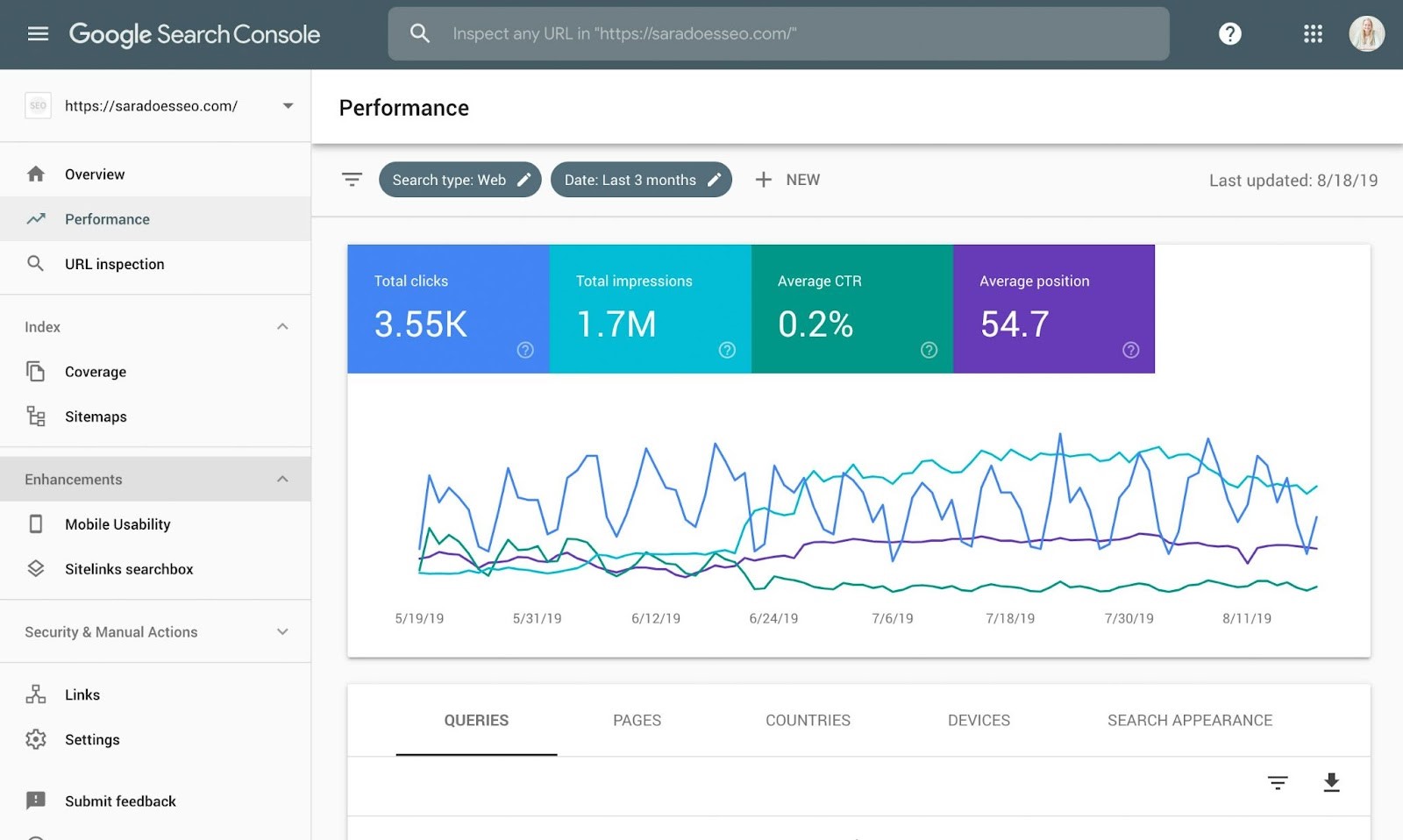
Google Search Console

Google Search Console is a free web service provided by Google that allows website owners and webmasters to monitor and maintain their website’s presence in Google search results. It offers a wide range of tools and features that enable website owners to optimize their website’s visibility in Google searches.

One of the key features of Google Search Console is its ability to help website owners with their link-building strategy. It provides information on the links that point to your website, which can help you identify opportunities for building new links or fixing broken ones. Additionally, it allows you to monitor the performance of your website’s backlinks, track the number of linking domains, and check the quality of those links.

With Google Search Console, you can also submit sitemaps, check for crawl errors, and monitor your website’s indexing status. By using this tool, you can ensure that your website is optimized for search engines and is easily discoverable by your target audience.

Overall, Google Search Console is a powerful tool that can help website owners improve their website’s visibility in Google search results, and it’s a must-have for any successful link-building strategy.

2. Ahrefs

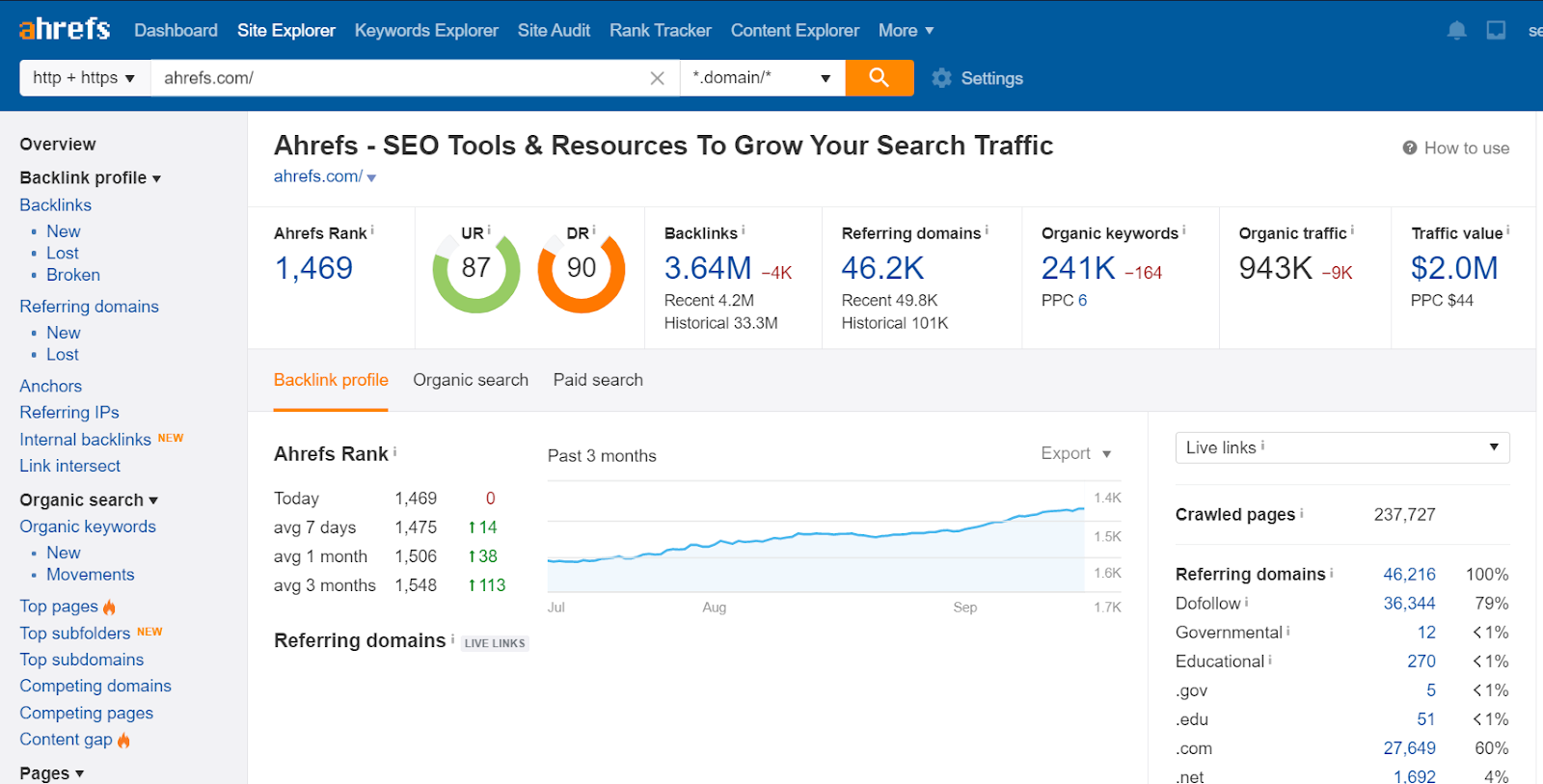
Ahrefs

Ahrefs is a comprehensive SEO tool that provides website owners with a wide range of features and tools to improve their website’s ranking in search engines. It’s known for its extensive database of backlinks and its ability to analyze and track competitor backlinks.

One of the key features of Ahrefs is its Site Explorer tool, which provides website owners with a detailed analysis of their website’s backlinks. It allows users to see the quality and quantity of their backlinks, as well as identify any toxic links that may be harming their website’s SEO.

In addition to backlink analysis, Ahrefs also provides keyword research, content analysis, and rank-tracking tools. It allows users to see which keywords their competitors are ranking for and provides suggestions for new keywords to target.

Overall, Ahrefs is a powerful tool for link building and SEO. Its extensive database of backlinks, competitor analysis, and keyword research features make it an essential tool for any website owner looking to improve their website’s visibility in search engine results.

3. SEMrush

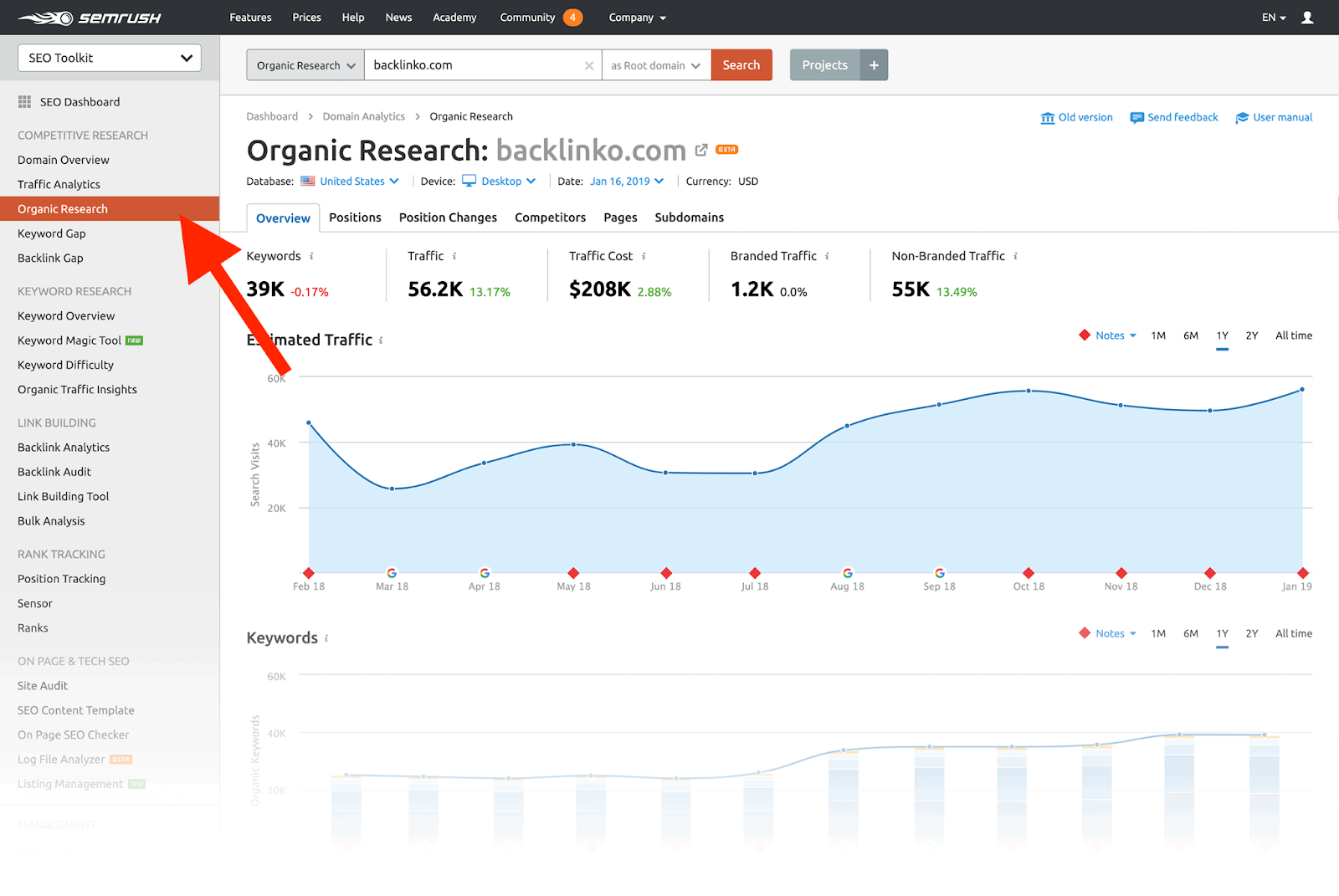
SEMrush

SEMrush is a popular all-in-one SEO tool that provides website owners with a wide range of features and tools to improve their website’s ranking in search engines. It’s known for its comprehensive keyword research, competitor analysis, and backlink analysis features.

One of the key features of SEMrush is its ability to help website owners identify new keyword opportunities and track their website’s ranking for those keywords. It allows users to see which keywords their competitors are ranking for, as well as provide keyword suggestions based on their website’s content.

In addition to keyword research, SEMrush also provides backlink analysis, site audit, and content analysis tools. It allows users to identify toxic backlinks, monitor their website’s backlink profile, and track the performance of their website’s content.

Overall, SEMrush is a powerful tool for link building and SEO. Its extensive keyword research, competitor analysis, and backlink analysis features make it an essential tool for any website owner looking to improve their website’s visibility in search engine results.

4. Moz

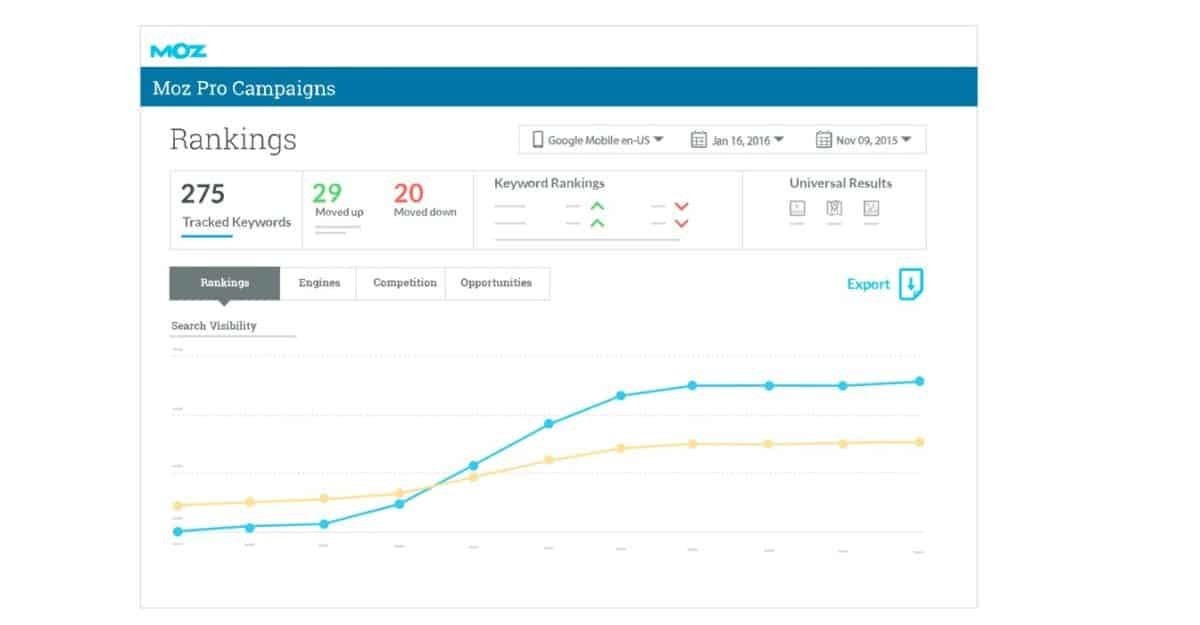
Moz

Moz is a well-known SEO tool that provides website owners with a wide range of features and tools to improve their website’s ranking in search engines. It’s known for its comprehensive backlink analysis and domain authority scoring system.

One of the key features of Moz is its Link Explorer tool, which provides users with a detailed analysis of their website’s backlinks. It allows users to see the quality and quantity of their backlinks, as well as identify any toxic links that may be harming their website’s SEO.

In addition to backlink analysis, Moz provides keyword research, site audit, and rank-tracking tools. It allows users to see which keywords their competitors are ranking for and provides suggestions for new keywords to target.

Moz also offers a domain authority (DA) scoring system, which predicts how well a website will rank on search engine results pages (SERPs). This score is based on a website’s backlink profile, content quality, and other factors.

Overall, Moz is a powerful tool for link building and SEO. Its extensive backlink analysis, keyword research, and domain authority scoring system make it an essential tool for any website owner looking to improve their website’s visibility in search engine results.

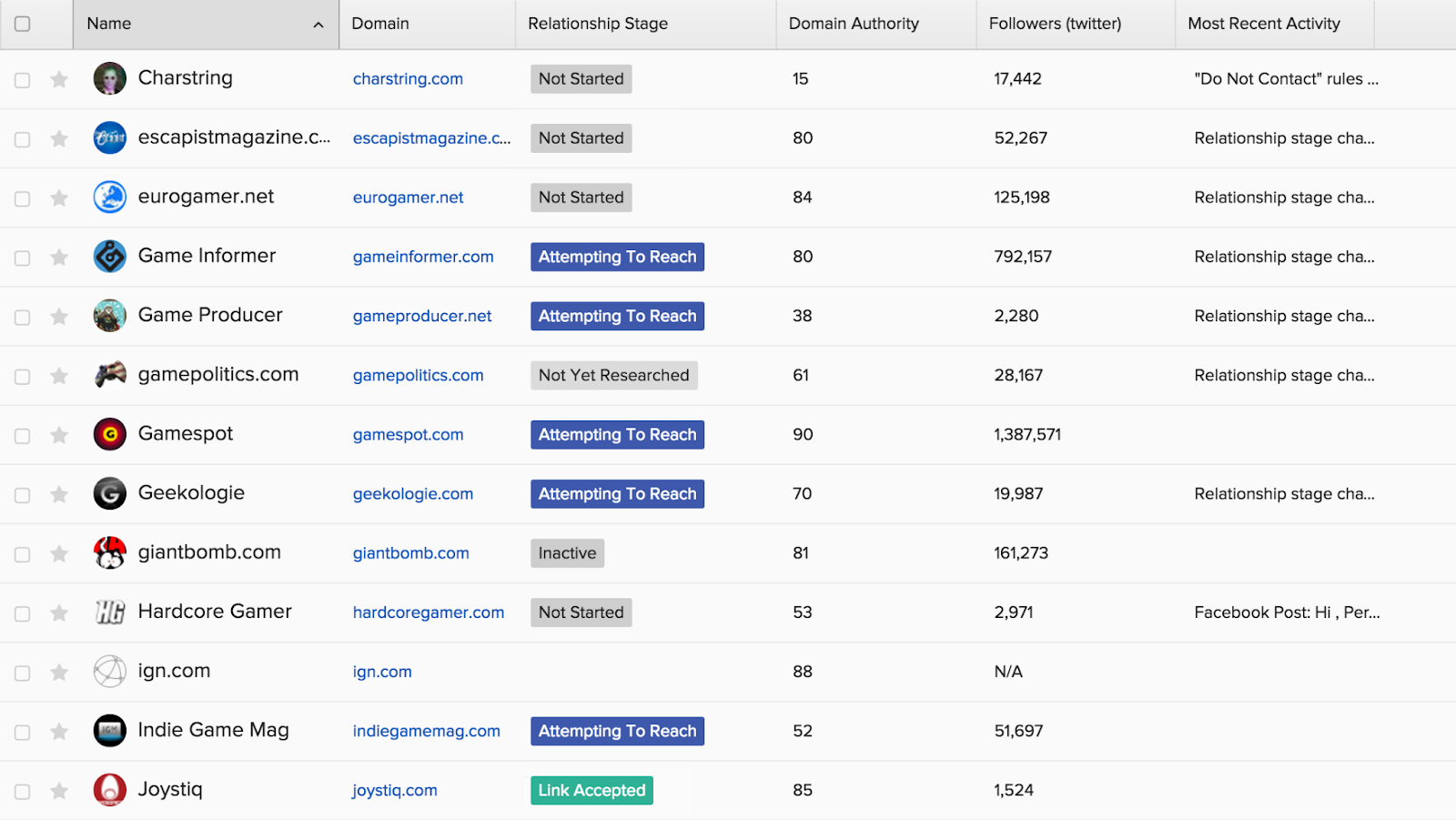
5. BuzzStream

BuzzStream

BuzzStream is a powerful outreach and link-building tool that provides website owners with a wide range of features and tools to improve their website’s ranking in search engines. It’s known for its comprehensive outreach management, link prospecting, and email tracking features.

One of the key features of BuzzStream is its outreach management tool, which allows users to track and manage their outreach campaigns. It provides users with a comprehensive dashboard that shows the progress of their outreach campaigns, including the number of links acquired and the status of each outreach email.

In addition to outreach management, BuzzStream also provides link prospecting and email tracking tools. It allows users to find high-quality link prospects based on specific criteria and track the performance of their outreach emails.

Overall, BuzzStream is a powerful tool for link-building and outreach. Its comprehensive outreach management, link prospecting, and email tracking features make it an essential tool for any website owner looking to improve their website’s visibility in search engine results.

6. Pitchbox

Pitchbox is a comprehensive outreach and link-building tool that provides website owners with a wide range of features and tools to improve their website’s ranking in search engines. It’s known for its advanced outreach automation, link prospecting, and email tracking features.

One of the key features of Pitchbox is its advanced outreach automation tool, which allows users to create highly personalized outreach campaigns. It provides users with a comprehensive dashboard that shows the progress of their outreach campaigns, including the number of links acquired and the status of each outreach email.

In addition to outreach automation, Pitchbox also provides link prospecting and email tracking tools. It allows users to find high-quality link prospects based on specific criteria and track the performance of their outreach emails.

Overall, Pitchbox is a powerful tool for link-building and outreach. Its advanced outreach automation, link prospecting, and email tracking features make it an essential tool for any website owner looking to improve their website’s visibility in search engine results.

7. Hunter.io

Hunter

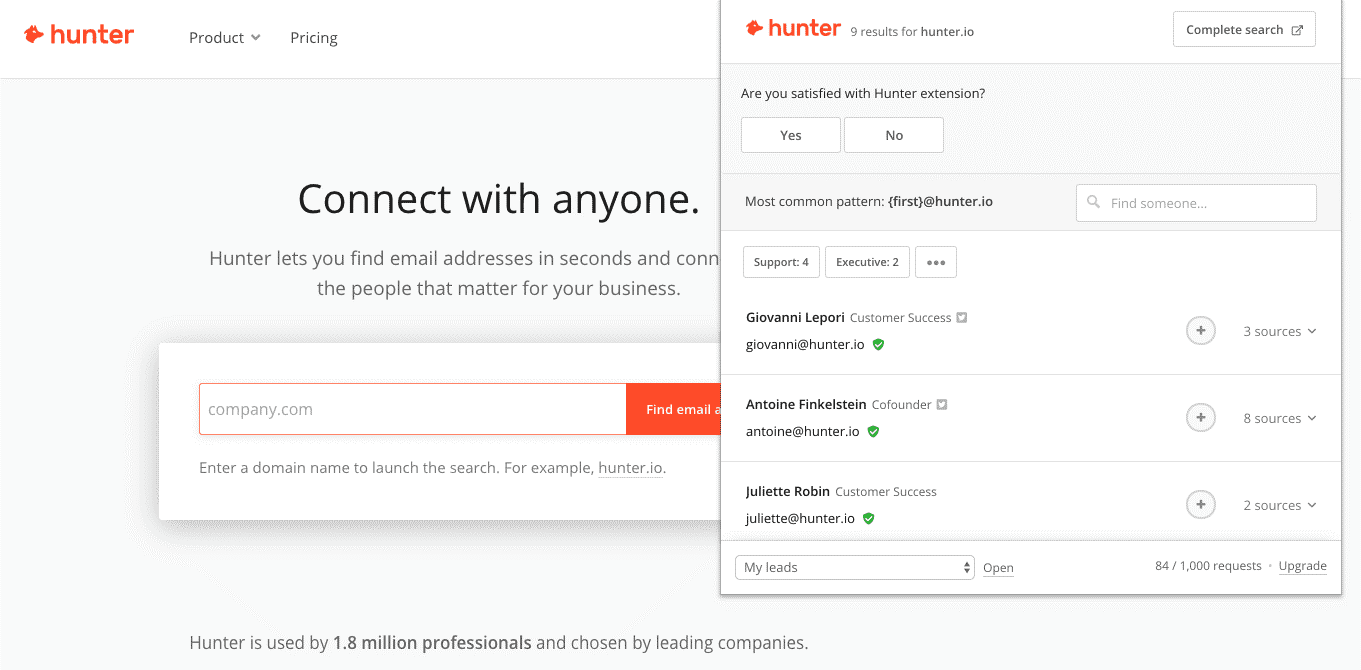
Hunter.io is a powerful email finder and verification tool that provides website owners with a wide range of features and tools to improve their email outreach campaigns. It’s known for its comprehensive email database and email verification features.

One of the key features of Hunter.io is its email finder tool, which allows users to find the email addresses of potential link prospects. It provides users with a comprehensive database of verified email addresses that can be filtered based on specific criteria.

In addition to email findings, Hunter.io also provides email verification tools. It allows users to verify the validity of email addresses, reducing the likelihood of sending outreach emails to invalid addresses.

Overall, Hunter.io is a powerful tool for email outreach campaigns. Its comprehensive email database and email verification features make it an essential tool for any website owner looking to improve their website’s visibility in search engine results through link building and outreach.

8. Broken Link Checker

Broken

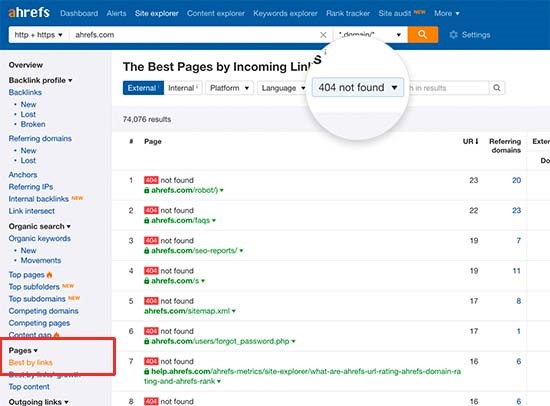
Broken Link Checker is a useful tool for website owners looking to improve their website’s SEO by fixing broken links. It’s a free WordPress plugin crawling a website and identifies any broken links, including internal and external ones.

One of the key benefits of Broken Link Checker is its ability to identify broken links in real time. It notifies users immediately when a broken link is found, allowing them to quickly fix the issue before it affects their website’s SEO.

In addition to identifying broken links, Broken Link Checker also provides users with options to fix the links. It allows users to edit the URL, remove the link, or mark it as not broken.

Overall, Broken Link Checker is a valuable tool for website owners looking to improve their website’s SEO by fixing broken links. Its ability to identify broken links in real-time and provide options to fix the links make it an essential tool for any website owner looking to improve their website’s visibility in search engine results.

Conclusion

In conclusion, link building is a critical aspect of search engine optimization, and it requires the right tools to achieve success. In this blog, we’ve discussed the only eight link-building tools that website owners need to improve their website’s ranking in search engine results.

Google Search Console is a free tool that provides users with valuable insights into their website’s performance, including backlinks. Ahrefs, SEMrush, and Moz are powerful paid tools that offer comprehensive features for link building and SEO.

BuzzStream, Pitchbox, Hunter.io, and Broken Link Checker are also valuable tools for outreach, link prospecting, and email management. These tools offer a range of features, from advanced outreach automation to email finding and verification.

By using these tools, website owners can streamline their link-building efforts, identify broken links, find high-quality link prospects, and improve their website’s visibility in search engine results. Whether you’re a beginner or an experienced website owner, these eight tools are essential for any successful link-building strategy.

In summary, the only eight link-building tools you need are Google Search Console, Ahrefs, SEMrush, Moz, BuzzStream, Pitchbox, Hunter.io, and Broken Link Checker. With these tools in your arsenal, you can take your website’s SEO to the next level and drive more traffic to your site.

Author Bio

Kashish Mehta is a Digital Marketing Expert and an Outreach Specialist at Brandveda. She loves to talk about SEO, content marketing & digital marketing strategies. In her free time, she likes to read & stay updated on the latest digital marketing trends!

You can always reach out to kashish on LinkedIn

How to Choose a Content Management System (CMS) That Feeds your Website?

Are you struggling to choose the right Content Management System (CMS) for your website? With so many options available on the market, it’s easy to feel overwhelmed and unsure which one will meet your specific needs. But fear not! In this post, we’ll guide you through a step-by-step process to help you select a CMS that will nourish your website and keep your visitors engaged. By the end of this post, you’ll have the knowledge you need to choose the right CMS for your website, so let’s dive in!

There isn’t actually an ideal CMS or a system that works in every circumstance. Additionally, selecting and adopting a content management system is just the start of a process that could ultimately pay off for you or wind up costing you dearly. Choosing a CMS that requires extra oversight and support. It severely limits how well teams can manage content, which ultimately creates a bad user experience on websites. For businesses that run many websites and other digital domains, the issue gets worse. A solution that is supposed to help your team and website can paradoxically end up being a major barrier. Partnering with a professional CMS development services provider can ensure your content management system is tailored to your specific needs, allowing for greater flexibility, scalability, and ease of use

When choosing a content management system, it’s important to avoid the mistake of opting for a cheap solution without considering the long-term expenses. It’s also essential to recognize the effort needed to maintain a high-quality CMS and ensure that the system aligns with the team’s requirements. Failing to take these factors into account can result in an inadequate CMS and ultimately hinder the organization’s content management efforts.

Core Functionalities of CMS

A CMS allows you to create, edit, and publish content on your website without requiring any coding knowledge. With a CMS, you can create and manage web pages, blog posts, images, and other types of content. Additionally, a CMS provides administrative features such as user management, permissions, and access contrIf you’ve ever tried to manage website content manually, you know how overwhelming it can be to navigate through complex code and multiple pages. A CMS solves this problem by providing a centralised location for all website content. With a ol.

Easy Content Creation and Editing

For people without technological expertise, creating and managing website content can be a time-consuming and difficult endeavour. However, content creation and editing are a breeze with a content management system (CMS). Its user-friendly interface makes adding and formatting text, images, and videos simple, enabling the creation of high-quality material in a short amount of time.

Centralised Content Management

CMS, you can easily create, edit, and publish content across multiple pages, ensuring consistency and saving time.

Collaboration

Collaboration is an essential part of website management, particularly for larger organizations with multiple teams. A CMS intranet makes collaboration easier by providing users with specific roles and permissions, allowing for effective teamwork. This feature ensures that everyone is on the same page and working towards the same goal, resulting in a more productive and efficient work environment.

Search Engine Optimization (SEO) Integration

SEO is critical to the success of any website, as it helps improve visibility and drive traffic. A CMS offers built-in SEO tools that make it easy to optimise your website’s content for search engines. With features such as keyword analysis, meta-tag optimization, and content analysis, a CMS ensures that your website is easily searchable and optimised for your target audience.

Extensibility

As your business grows, so will your website’s needs. A CMS provides the flexibility to extend and customize your website’s features and functionality. Whether it’s adding a new blog, an e-commerce store, or a newsletter, a CMS can help you scale your website to fit your business’s unique requirements.

Define your needs from a CMS

The first step in selecting a CMS is to define your website’s requirements. Consider the type of website you want to create and the type of content you want to publish. 

  • Do you need e-commerce capabilities, a blog, or a multimedia gallery?
  • Do you require multiple language support or mobile responsiveness? 
  • Will you be making sales on the website?
  • Is integration of a payment gateway necessary?
  • Do you need a CMS that you can migrate quickly into if a site already exists?
  • Do redundancy and uptime matter a lot?

Starting to narrow down your choices can help you determine the website’s requirements. For instance, a website without an e-commerce component would not be a good fit for the CMS Magento.

As soon as you have a clear understanding of your needs, you can proceed your research for CMS options that line up with your requirements. 

Limit your choices

Once you are certain of the many use cases and what the final objective of your website will be. Then you must begin learning about several CMSs and determining which one best suits your needs.

You will be required to pay a monthly fee that may increase over time for some CMSs that have ongoing fees. If you want to do it yourself, several CMSs are fantastic. even if you don’t mind very little customization and don’t know how to code.

Several CMS could need pricey developers to make updates. Others might have access to a large developer workforce who possesses the required expertise to upgrade things.

Let’s take an instance of one of the best CMS platforms – WordPress. Being a free and open source CMS and blogging tool powered by PHP and MySQL, it’s the perfect choice for many use cases. Updating your website is made easier with WordPress. If your website calls for customization and scalability, then there’s no better option than WordPress. 

Factors to consider before selecting Content Management System

For any organization, choosing the appropriate Content Management System (CMS) is a crucial choice. Since it has a big impact on how successful their digital strategy is. Before deciding on any CMS, you should take into account the following:

Permission and Access

Determining the user roles and permissions necessary for your organization’s content management requirements is important. Controlling who may access, modify, and publish content on your website should be possible with a CMS. Take into account how simple it is to handle user rights and roles, as doing so might be time-consuming. While some content management systems (CMSs) offer deep control over user roles, others might just offer the most fundamental ones, such admin, editor, etc.

The extent of customization.

The level of customization needed will vary depending on the unique requirements of your organisation. Think about options like the capacity to add custom fields, develop unique Jira templates, or incorporate third-party applications. You could require a CMS with more extensive customization possibilities if your website is complicated. While a straightforward website might simply need the most basic modification possibilities.

User-developed customization

A CMS that supports user-developed customization may be more suitable if you have a technical team that can create customizations or plugins. It might be preferable to choose one that offers more out-of-the-box capabilities. Nevertheless, it may happen due to lack of technical expertise or the time to create customizations. Choosing the best CMS for Next.js can significantly enhance your eCommerce operations. By leveraging the right CMS, you can benefit from seamless integration, superior performance, and a highly customizable platform that caters to your unique business needs.

SEO optimization Feature

For your website to rank higher in search engines, SEO optimization is of vital importance. Consider tools that let you edit sitemaps, friendly URLs, and meta tags. While some CMSs might necessitate the use of third-party plugins, some CMSs have built-in Best SEO Company.

Technical Support

Particularly if you are not a website development expert, the quality of technical support provided by the CMS vendor is essential. Analyze the availability of online forums and documentation, as well as the amount of support provided, including whether it is available via phone, email, or live chat. The speed with which the vendor answers the requests for technical help is also very important to take into account.

Budget

The quality of technical assistance offered by the CMS vendor is essential, especially if you are not an expert in web development. Having access to the best WeWeb developers can significantly ease the process, ensuring your website runs smoothly and efficiently. Examine the availability of online discussion boards and documentation, the amount of help offered, and whether phone, email, or live chat support is offered. Another crucial factor to consider is how quickly the vendor responds to requests for technical assistance.

User-friendly nature

A Content Management System’s usability to the user is another sign of its value and might affect the user’s choice to utilize it or not. Before opting for any CMS, the intuitiveness of the features should be taken into account.

Confirm In-house capabilities or Potential Agencies

Now that we have noted the factors before deciding on a CMS, there’s something more to be added. Bear in mind, whether you have the in-house capabilities to manage and maintain it. If you lack the technical expertise or the resources to manage a CMS, you might want to hire an agency or a developer to do it for you. On the other hand, if you have an in-house IT team or professional web developer, you might want to select a CMS that aligns with their expertise and capabilities.

Let’s introspect this in detail!

Different CMSs have different coding needs and expertise specifications. The hourly rate for developers of some coding languages is typically higher. S omething to take into account when selecting a CMS. Because websites are dynamic, they will eventually require technical support.

Consult the dedicated development team if you plan to build the website internally. Get the assurance that your developers have the expertise to handle a design and make it a reality. Do they have faith in their ability to accommodate various use cases, maintain the site’s security, and keep up with the most recent trends?

Building a website involves more than just writing code to match a design. It’s important to consider SEO and marketing funnels. Your team might technically be able to build a website if the focus of your business isn’t on website development or digital marketing company, but they might lack the perspective that an outside agency would bring to the table.

Certain considerations must be made when looking into an outside agency to expand a CMS. Reassure the developer’s level of expertise with CMS. Enquire the team if they employ developers who keep of SEO and UX in mind. The CMS implementation process can be improved by choosing the right group of development experts. Even, you would want to get a website that converts visitors into business rather than just a nice website for your company. 

Conclusion

To put it briefly, making sure that your website is efficient and interesting for your target audience requires careful consideration of the Content Management System (CMS) you choose. You can select a CMS that offers the capabilities and flexibility required to suit your requirements by carefully evaluating the unique needs of your website and your business objectives.

DianApps are aware of the importance of selecting the ideal CMS for your website. Their team of professionals has years of experience in website building and can guide you through the selection process to find the best option for your company.

DinaApps is the ideal option if you’re looking for a reputable and experienced website development company that can offer a top-notch CMS and assist you in developing a compelling online presence for your business. Contact them today to learn more about how they can assist you in achieving success online!

The 10+ Best Copy AI Alternative Tools in 2023

Introduction

In recent years, copywriting has become an essential skill for marketers, entrepreneurs, and content creators. However, crafting compelling and effective copy can be a daunting task, requiring a lot of time and effort.

This is where copy AI tools come in handy, offering users the ability to generate high-quality copy quickly and easily. As AI technology continues to advance, so does the number of copy AI tools available in the market.

In 2023, there will be a plethora of copy AI alternatives to choose from, each with unique features and capabilities.

In this blog, we will take a closer look at the top 10 copy AI tools in 2023 and explore their strengths, weaknesses, and potential applications in content creation.

Overview of the top 10 copy AI tools in 2023

As copy AI tools become more prevalent in content creation, it can be overwhelming to choose the right one. In 2023, the market will be filled with a variety of options, each with different strengths and capabilities.

The top 10 copy AI tools in 2023 are GPT-3, Jarvis.ai, Copy.ai, Writesonic, CopySmith, Article Forge, Frase.io, NeuralText, Textio, and ContentBot.

Each tool has its own unique features that set it apart from the others.

Some excel at generating long-form content, while others specialize in SEO optimization or language translation. In this blog, we will dive into the specifics of each tool to help you determine which one is best suited for your needs.

Tool 1: GPT-3: What it is and how it works

GPT-3 (Generative Pre-trained Transformer 3) is a state-of-the-art natural language processing model developed by OpenAI.

It is one of the most powerful and advanced AI language models available on the market, capable of generating high-quality text that is difficult to distinguish from text written by humans.

GPT-3 uses a deep neural network with 175 billion parameters that have been pre-trained on a large corpus of text data, including books, articles, and websites.

This pre-training allows the model to understand the nuances of language and generate text that is coherent and grammatically correct.

The way GPT-3 works is by using unsupervised learning to generate text based on a given prompt or context.

The model generates text by predicting the next word in a sequence of words, using its understanding of language patterns and grammar rules.

GPT-3 is capable of completing a variety of tasks, such as generating articles, answering questions, summarizing text, and even writing code.

Its capabilities make it a popular choice for content creators and businesses looking to streamline their content creation process.

Tool 2: Jarvis.ai: A comprehensive overview and tutorial

Jarvis.ai is an AI-powered writing assistant that helps users generate high-quality content quickly and easily.

The tool uses natural language processing and machine learning to understand the context and intent of the content, enabling it to generate text that is both accurate and engaging.

Jarvis.ai offers a variety of features, including blog post and article writing, social media content creation, and email marketing copy.

To use Jarvis.ai, users simply need to input a topic or brief and choose the type of content they want to generate.

The tool then uses its AI algorithms to generate a draft, which users can edit and refine as needed.

Jarvis.ai offers several templates and frameworks to guide users through the content creation process, ensuring that the resulting text is well-structured and optimized for search engines.

One of the unique features of Jarvis.ai is its ability to generate content in multiple languages, making it a valuable tool for businesses with an international presence.

The tool also offers a content brief builder that helps users create comprehensive briefs for their content projects, ensuring that the resulting text meets their specific needs and requirements.

Overall, Jarvis.ai is a powerful and versatile tool that can help content creators streamline their content creation workflow and produce high-quality content with ease.

Tool 3: Copy.ai: A deep dive into its features and benefits

Copy.ai is an AI-powered writing tool that helps users create high-quality and engaging content quickly and easily.

The tool uses natural language processing and machine learning to generate content based on a given prompt or topic. Copy.ai offers a variety of features, including ad copy, product descriptions, blog post titles, and even poetry.

One of the key benefits of Copy.ai is its speed and efficiency. With the tool, users can generate content in a matter of seconds, significantly reducing the time and effort required to produce high-quality text.

The tool also offers a variety of templates and frameworks that can be customized to suit specific needs and requirements.

Another benefit of Copy.ai is its versatility. The tool can generate content for a wide range of industries and niches, making it a valuable asset for businesses of all sizes.

Additionally, Copy.ai offers a feature called “tone adjustment,” which allows users to adjust the tone and style of the generated content to match their brand voice and personality.

Overall, Copy.ai is a powerful and user-friendly tool that can help content creators and businesses produce high-quality and engaging content quickly and efficiently.

Its ease of use, versatility, and customization options make it a valuable asset for any content marketing strategy.

Tool 4: Writesonic: How it can help with long-form content creation

Writesonic is an AI-powered writing tool that helps users generate high-quality and engaging long-form content.

The tool uses natural language processing and machine learning to understand the context and intent of the content, enabling it to generate text that is both accurate and engaging.

Writesonic offers a variety of features, including blog post and article writing, product descriptions, social media content creation, and even video scripts.

One of the key benefits of Writesonic is its ability to generate long-form content quickly and easily. With the tool, users can input a topic or brief and generate an entire article or blog post in a matter of minutes.

The tool also offers a variety of templates and frameworks to guide users through the content creation process, ensuring that the resulting text is well-structured and optimized for search engines.

Another benefit of Writesonic is its ability to generate content that is personalized and engaging. The tool uses natural language generation to create text that is unique and tailored to the specific needs of the user.

This can help businesses create content that resonates with their target audience and drives engagement and conversions.

Overall, Writesonic is a powerful and versatile tool that can help content creators and businesses streamline their workflow and produce high-quality long-form content with ease.

Tool 5: CopySmith: An analysis of its language capabilities and limitations

CopySmith is an AI-powered writing tool that helps users create high-quality and engaging content quickly and easily.

The tool uses natural language processing and machine learning to generate content based on a given prompt or topic.

CopySmith offers a variety of features, including ad copy, product descriptions, and blog post titles.

One of the key language capabilities of CopySmith is its ability to generate text that is both grammatically correct and stylistically sound. The tool uses advanced algorithms to understand the nuances of language and generate text that is coherent and easy to read.

Additionally, CopySmith offers a variety of tone and style options, allowing users to customize the generated text to match their brand voice and personality.

However, like any AI-powered tool, CopySmith has its limitations. One of the main limitations is its inability to fully understand the context and intent of the content.

While the tool can generate text based on a given prompt, it may not always capture the full meaning or purpose of the content.

Additionally, the tool may struggle with more complex or technical topics, as it is primarily designed to generate marketing and promotional content.

Overall, while CopySmith has its limitations, it is a powerful tool that can help businesses and content creators produce high-quality and engaging content quickly and efficiently.

Tool 6: Article Forge: Its pros and cons for content marketers and bloggers

Article Forge is an AI-powered content creation tool that helps users generate high-quality and unique articles.

The tool uses advanced algorithms to analyze existing content and generate new articles based on the topic and keywords provided by the user.

Article Forge offers a variety of features, including the ability to generate articles in multiple languages and the option to include images and videos.

One of the main benefits of Article Forge is its speed and efficiency. The tool can generate articles in a matter of minutes, significantly reducing the time and effort required to produce high-quality content.

Additionally, the tool can generate articles on a wide range of topics and niches, making it a valuable asset for content marketers and bloggers.

However, there are also some drawbacks to using Article Forge. One of the main limitations is its lack of creativity and originality.

While the tool can generate unique articles, the content may lack the depth and nuance of human-written content. Additionally, the tool may struggle with more technical or specialized topics, as it is primarily designed for general content creation.

Overall, Article Forge can be a useful tool for content marketers and bloggers who need to produce a high volume of content quickly and efficiently.

However, it is important to weigh the pros and cons before deciding whether to use this tool or invest in human-written content.

Tool 7: Frase.io: How it can assist with SEO and content optimization

Frase.io is an AI-powered tool that helps users optimize their content for search engines and improve their overall SEO strategy.

The tool uses natural language processing and machine learning to analyze content and identify opportunities for improvement. Frase.io offers a variety of features, including keyword research, content optimization, and competitor analysis.

One of the main benefits of Frase.io is its ability to help users identify and target high-impact keywords.

The tool uses advanced algorithms to analyze search queries and identify the most relevant and valuable keywords for a given topic.

Additionally, Frase.io can help users optimize their content by providing suggestions for improving title tags, meta descriptions, and other on-page elements.

Overall, Frase.io can be a valuable tool for businesses and content creators looking to improve their SEO and content optimization strategies.

By using the tool to identify high-impact keywords and optimize their content, users can improve their search engine rankings and drive more traffic to their website.

Tool 8: NeuralText: A look at its natural language generation and summarization capabilities

NeuralText is an AI-powered content creation and optimization tool that offers a range of features, including natural language generation and summarization.

The tool uses advanced algorithms to analyze content and generate new text based on a given prompt or topic.

NeuralText’s natural language generation capabilities enable users to quickly and easily produce high-quality content that is grammatically correct and stylistically sound.

In addition to its natural language generation capabilities, NeuralText also offers powerful summarization features. The tool can analyze large amounts of text and generate concise summaries that capture the most important information and key takeaways.

This can be particularly useful for content creators and marketers who need to quickly distill complex information into easy-to-understand summaries for their audiences.

Overall, NeuralText’s natural language generation and summarization capabilities make it a powerful tool for businesses and content creators looking to produce high-quality content quickly and efficiently.

Tool 9: Textio: How it can help improve job postings and recruitment content

Textio is an AI-powered tool that helps businesses and recruiters write more effective job postings and recruitment content.

The tool uses natural language processing and machine learning to analyze and improve the language used in job postings, making them more engaging and inclusive.

Textio offers a variety of features, including gender-neutral language suggestions, tone analysis, and performance analytics.

One of the main benefits of Textio is its ability to help businesses write more inclusive job postings that appeal to a wider range of candidates.

The tool can identify and suggest alternative language that is more inclusive and neutral, reducing the risk of unintentional bias in the recruitment process.

Additionally, Textio can help businesses improve the performance of their job postings by analyzing language and identifying opportunities for improvement.

Overall, Textio can be a valuable tool for businesses and recruiters looking to improve their recruitment content and attract a more diverse range of candidates.

By using the tool to analyze and improve the language used in job postings, businesses can improve their recruitment outcomes and build a more diverse and inclusive workforce.

Tool 10: ContentBot: An in-depth review of its features and pricing

ContentBot is an AI-powered content creation tool that helps users generate high-quality and engaging content quickly and efficiently.

The tool uses advanced algorithms to analyze existing content and generate new articles based on the topic and keywords provided by the user.

ContentBot offers a variety of features, including the ability to generate articles in multiple languages, plagiarism checking, and the option to include images and videos.

One of the main benefits of ContentBot is its ease of use and affordability. The tool is user-friendly and offers competitive pricing plans that are affordable for businesses of all sizes.

Additionally, the tool can generate high-quality content in a matter of minutes, significantly reducing the time and effort required to produce content.

Overall, ContentBot can be a valuable tool for businesses and content creators looking to produce a high volume of quality content quickly and affordably. By using the tool to generate content, businesses can save time and resources, while still producing engaging and informative content for their audiences.

Tool 11: Narrato 

Narrato is a fantastic alternative to Copy AI that comes with great features to supercharge your content operations. This platform boasts over 100 AI tools and templates designed for content creation, planning, optimization, and repurposing. Whether you’re looking to craft compelling blog posts, build customer case studies, or write engaging landing page copy, Narrato has you covered with its versatile AI templates. Plus, if you have a unique content need, Narrato allows you to create custom AI templates by setting your own prompts!

Using Narrato is a breeze. Simply pick the right template, select your marketing channels, and input your preferences for tone, language, and product details.

One standout feature of Narrato is its AI Content Genie, a content autopilot tool that can whip up social media posts and blog content weekly from just your website URL and a few themes, saving you time and effort.

Narrato doesn’t just stop there; it’s a comprehensive social media management suite, enabling you to craft and schedule posts for platforms like Facebook, Instagram, and LinkedIn. Plus, you can seamlessly publish content directly to WordPress, Webflow, and other CMS platforms.

Narrato’s groundbreaking AI tools, coupled with robust project management and collaboration features, make it an all-in-one solution for managing your entire content process and team from start to finish. It’s a game-changer for anyone looking to enhance their content workflow and output.

Conclusion: The future of copy AI tools and how they can revolutionize content creation

The future of copy AI tools is exciting, and they have the potential to revolutionize content creation.

As AI technology continues to evolve and improve, we can expect copy AI tools to become even more sophisticated, enabling them to produce high-quality and engaging content more efficiently than ever before. tools like the Canva summarizer are already helping users condense long-form content quickly, making information more digestible and actionable.

In the future, we can expect copy AI tools to become more versatile, with the ability to generate content for a wider range of formats, including audio and video. Platforms such as Canva Docs are leading this evolution by combining design flexibility with AI-powered writing features, enabling users to create visually compelling documents effortlessly.

We can also expect these tools to become more intelligent, with the ability to analyze user behavior and tailor content to specific audiences.

Overall, the future of copy AI tools is bright, and they have the potential to significantly improve content creation for businesses and content creators.

By using these tools to generate high-quality content more efficiently, businesses can stay competitive and engage their audiences in new and innovative ways.

Author Bio

Kashish Mehta is a Digital Marketing Expert and an Outreach Specialist. She loves to talk about SEO, content marketing & digital marketing strategies. In her free time, she likes to read & stay updated on the latest digital marketing trends!

You can

always reach out to kashish on LinkedIn

The Complete Guide to Sponsorship Marketing in 2023

Introduction

Sponsorship marketing is a powerful tool for brands to increase visibility, engage with target audiences, and establish themselves as industry leaders. However, creating successful sponsorship partnerships requires a well-planned and executed strategy. 

The Complete Guide to Sponsorship Marketing covers all aspects of sponsorship marketing, from finding the right opportunities to measuring ROI and maintaining relationships with sponsors.

This guide provides a comprehensive understanding of sponsorship marketing, including the different types of sponsorships available, their benefits, and strategies for finding the right opportunities.

Additionally, this guide offers insights into building successful sponsorship activations, negotiating deals, and measuring ROI, all with the aim of helping brands create meaningful and mutually beneficial sponsorship partnerships.

1. Types of Sponsorship: Different types of sponsorship marketing, including event sponsorship, athlete sponsorship, and cause-related sponsorship.

Sponsorship marketing can take many forms, and understanding the different types of sponsorships available is essential for creating effective partnerships that align with a brand’s goals and values.

One type of sponsorship is event sponsorship, where a brand sponsors an event such as a music festival, sporting event, or trade show. Event sponsorship can offer brands significant exposure to a targeted audience and provides opportunities to showcase products or services.

Another type of sponsorship is athlete sponsorship, where brands partner with athletes to promote their products or services. This type of sponsorship is particularly effective in the sports industry, where athletes have large and loyal followings.

Cause-related sponsorship is another type of sponsorship that involves partnering with a non-profit or charity organization to support a cause. This type of sponsorship can help to enhance a brand’s reputation and increase brand loyalty among consumers who share similar values.

Other types of sponsorships include team sponsorships, product sponsorships, and media sponsorships. Each type of sponsorship offers unique opportunities and benefits, and understanding these differences is crucial for creating successful partnerships that deliver results.

2. Benefits of Sponsorship Marketing: The benefits of sponsorship marketing, such as increased brand awareness, brand loyalty, and customer engagement.

Sponsorship marketing offers many benefits to brands looking to increase their visibility, reach new audiences, and build meaningful relationships with customers. One of the primary benefits of sponsorship marketing is increased brand awareness.

By sponsoring an event, athlete, or cause, brands can reach a targeted audience that is interested in their products or services. This exposure can help to boost brand recognition and increase recall among consumers.

Sponsorship marketing can also help to build brand loyalty. When brand partners with an event, athlete, or cause that aligns with their values, consumers are more likely to develop a positive association with the brand.

Additionally, sponsorship marketing can create opportunities for customer engagement. Brands can interact with customers at sponsored events or through social media campaigns, which can help to build stronger relationships and create brand advocates.

Overall, sponsorship marketing is a powerful tool for brands that want to increase brand awareness, build brand loyalty, and engage with customers in meaningful ways.

By selecting the right sponsorships and creating engaging campaigns, brands can achieve their marketing goals and establish themselves as leaders in their industry.

3. Finding the Right Sponsorship Opportunities: Tips and strategies for finding the right sponsorship opportunities that align with your brand’s values and goals.

Sponsorship opportunities can be an effective way to increase brand visibility, build credibility, and reach a wider audience. However, finding the right sponsorship opportunities that align with your brand’s values and goals can be challenging. Here are some tips and strategies to help you find the right sponsorship opportunities:

  1. Identify your target audience: Understanding your target audience is critical in finding sponsorship opportunities that will resonate with them. Look for events or organizations that your target audience is likely to attend or engage with.
  2. Define your goals: Determine what you want to achieve through sponsorship, such as increasing brand awareness or driving sales. This will help you focus on opportunities that will help you achieve your goals.
  3. Research potential partners: Look for organizations or events that align with your brand’s values and mission. Conduct thorough research to ensure that the partnership will be mutually beneficial.
  4. Attend events and network: Attend events related to your industry and network with potential partners. This can help you identify new opportunities and build relationships with potential sponsors.
  5. Negotiate terms: Once you’ve identified a potential sponsorship opportunity, negotiate the terms of the partnership to ensure that it aligns with your goals and budget.

By following these tips and strategies, you can find the right sponsorship opportunities that will help you achieve your business objectives while also supporting organizations that align with your brand’s values.

4. Negotiating Sponsorship Deals: How to negotiate sponsorship deals, including the key terms to consider, and best practices for ensuring a mutually beneficial partnership.

Negotiating sponsorship deals can be a complex process, but it’s essential to ensure that both parties benefit from the partnership. Here are some key terms to consider and best practices for negotiating successful sponsorship deals:

  1. Define the scope of the partnership: Clearly define the scope of the sponsorship, including the specific events or activities that the sponsorship will cover, the level of involvement, and the duration of the partnership.
  2. Determine sponsorship benefits: Define what benefits the sponsor will receive, such as brand visibility, logo placement, or access to event attendees.
  3. Negotiate financial terms: Determine the financial commitment of both parties, including the sponsorship fee and any additional costs associated with the partnership.
  4. Define exclusivity: Determine if the sponsor will have exclusive rights to a particular product or service category.
  5. Create a written agreement: Once terms have been agreed upon, create a written agreement that outlines the details of the sponsorship.

Best practices for ensuring a mutually beneficial partnership include maintaining open communication, being flexible and willing to compromise, and focusing on building a long-term relationship rather than just a one-time sponsorship deal.

By following these key terms and best practices, both parties can negotiate successful sponsorship deals that will benefit their respective organizations.

5. Measuring the ROI of Sponsorship Marketing: How to measure the ROI of sponsorship marketing, including metrics to track and tools to use.

Measuring the return on investment (ROI) of sponsorship marketing is essential to determine the effectiveness of your efforts and justify your investment. Here are some metrics to track and tools to use to measure the ROI of sponsorship marketing:

  1. Brand awareness: Track the increase in brand awareness through metrics such as website traffic, social media mentions, and media coverage. You can also achieve this by advertising a business online.
  2. Lead generation: Measure the number of leads generated from sponsorship marketing efforts, such as sign-ups, email subscriptions, or event registrations.
  3. Sales: Track the increase in sales revenue attributed to the sponsorship partnership.
  4. Audience Engagement: Measure the engagement levels of your target audience during the sponsored event, such as the number of social media mentions or interactions.
  5. Return on objectives (ROO): Evaluate the success of the partnership in achieving specific objectives set at the start of the sponsorship.
  6. Tools to use for measuring the ROI of sponsorship marketing include social media monitoring tools, website analytics, lead generation software, and surveys to gather feedback from attendees.

By tracking these metrics and using these tools, you can accurately measure the ROI of your sponsorship marketing efforts and adjust your strategy accordingly for future partnerships.

6. Building Successful Sponsorship Activations: How to build successful sponsorship activations, including examples of successful campaigns and best practices to follow.

Building successful sponsorship activations is crucial to engage audiences, increase brand awareness, and drive revenue. Here are some best practices to follow and examples of successful sponsorship activations:

  1. Be creative: Think outside the box and come up with unique and engaging ways to showcase your brand and connect with your audience.
  2. Align with your audience: Ensure that your activation aligns with the interests and values of your target audience.
  3. Use technology: Incorporate technology to enhance the experience and create shareable content, such as augmented reality or virtual reality experiences.
  4. Provide value: Offer valuable experiences or incentives to attendees, such as exclusive access or discounts.
  5. Measure success: Define clear metrics to measure the success of your activation and track them throughout the campaign.
  6. Examples of successful sponsorship activations include Nike’s activation at the New York City Marathon, where they created a personalized digital billboard for each participant, and Red Bull’s Stratos jump, which broke records and generated global media attention.

By following these best practices and taking inspiration from successful campaigns, you can build successful sponsorship activations that engage your audience and achieve your business objectives.

7. Maintaining Sponsorship Relationships: How to maintain sponsorship relationships, including tips for ongoing communication, providing value, and keeping your sponsor happy.

Maintaining sponsorship relationships is critical to ensure a successful, long-term partnership with your sponsor. Here are some tips to help you maintain sponsorship relationships:

  1. Ongoing communication: Maintain regular communication with your sponsor to keep them updated on the status of the partnership and any upcoming events.
  2. Provide value: Continuously provide value to your sponsor by offering opportunities for brand exposure and engagement with your audience.
  3. Keep your sponsor happy: Keep your sponsor happy by fulfilling any promises made in the sponsorship agreement, providing excellent customer service, and going above and beyond their expectations.
  4. Show appreciation: Show your appreciation for your sponsor by thanking them for their support and recognizing their contributions to your success.
  5. Measure success: Track and report on the success of the partnership to demonstrate the impact of their investment and identify areas for improvement.
  6. Maintaining a strong and positive relationship with your sponsor is essential to ensure ongoing support and long-term success. By following these tips, you can build a successful and mutually beneficial partnership with your sponsor.

8. Common Mistakes to Avoid in Sponsorship Marketing: Common mistakes to avoid in sponsorship marketing, including examples of sponsorship fails and how to prevent them.

Sponsorship marketing is a powerful tool for businesses to build brand awareness, engage with audiences, and drive revenue. However, there are common mistakes that can hinder the success of sponsorship campaigns. 

Here are some examples of sponsorship fails and tips on how to avoid them:

  1. Poor alignment: Failing to align your brand with the values and interests of your target audience can result in a lack of engagement and missed opportunities. To avoid this, research your audience and ensure that the sponsorship aligns with their interests.
  2. Lack of planning: Poor planning can lead to ineffective sponsorship activations and missed opportunities. To avoid this, plan and execute campaigns well in advance with clear objectives and metrics.
  3. Over-promising: Promising more than you can deliver can damage your reputation and the trust of your sponsor. To avoid this, be realistic with what you can provide and communicate clearly with your sponsor throughout the partnership.
  4. Failing to measure success: Not measuring the success of your sponsorship can result in missed opportunities and the inability to adjust your strategy. To avoid this, define clear metrics and track them throughout the campaign.
  5. By avoiding these common mistakes, you can ensure the success of your sponsorship marketing campaigns and build strong, long-lasting partnerships with your sponsors.

9. Future of Sponsorship Marketing: Trends and predictions for the future of sponsorship marketing, including new technologies, evolving consumer preferences, and emerging opportunities.

The world of sponsorship marketing is evolving rapidly as consumers become more savvy and new technologies emerge. In the future, we can expect to see an even greater emphasis on digital sponsorship marketing, as brands look to leverage the power of social media, virtual reality, and other new technologies to reach consumers.

One key trend is the shift towards experiential sponsorship marketing, which emphasizes the creation of immersive experiences that engage consumers on a deep emotional level.

This might involve the use of augmented reality or virtual reality to create immersive brand experiences, or the integration of social media and other digital platforms to create interactive campaigns that encourage participation and engagement.

Another important trend is the increasing focus on sustainability and social responsibility in sponsorship marketing.

Consumers are becoming more aware of the impact that brands have on the environment and society, and they are demanding that companies take action to address these issues.

Finally, we can expect to see continued growth in the use of influencer marketing and brand partnerships.

As social media and other digital platforms continue to dominate the marketing landscape, brands will increasingly turn to influencers and other partners to help them reach and engage with their target audiences.

Overall, the future of sponsorship marketing is bright, with new technologies, evolving consumer preferences, and emerging opportunities all creating exciting possibilities for brands to connect with consumers in innovative and impactful ways.

Conclusion

In conclusion, sponsorship marketing is a powerful tool for brands looking to build brand awareness, reach new audiences, and create engaging experiences for consumers.

A successful sponsorship marketing campaign requires careful planning, strategic partnerships, and a deep understanding of the target audience.

By staying up-to-date with the latest trends and technologies, and by focusing on creating meaningful experiences that resonate with consumers, brands can achieve significant ROI from their sponsorship marketing efforts.

Whether it’s through experiential activations, influencer partnerships, or social responsibility initiatives, sponsorship marketing offers a wealth of opportunities for brands to connect with their target audience and drive business results.

Author Bio

Raj panchotiya is a Link builder at vh-info. He likes to talk about Link building. In his free time, he likes to watch videos on youtube on the latest link building trends!

You can always reach out to Raj on LinkedIn

Bard vs. ChatGPT: What’s the difference?

Introduction to Bard vs. ChatGPT: What’s the difference?

Two of the more sophisticated language models currently accessible are Bard and ChatGPT. They both use distinct architectures and training methods, but they are both designed to produce human-like language in response to commands.

EleutherAI, an open-source artificial intelligence research company, developed the language model Bard. Based on the GPT-2 architecture, it has been modified to enhance performance and lower computational demands. 

Bard can produce excellent, coherent text because it has been trained in a wide variety of texts, including literature, news stories, and academic papers.

On the other hand, OpenAI, one of the top research organizations in the field of artificial intelligence, developed the language model ChatGPT. The GPT-3 architecture, which is substantially bigger and more intricate than the design employed by Bard, is the foundation of ChatGPT. 

ChatGPT, which may produce extremely engaging and conversational prose, is trained on an even wider variety of texts than Bard, including internet forums, social media, and webpages.

While Bard and ChatGPT have certain similarities, they also differ significantly in terms of application cases, performance, and training data. We will go into more detail about the distinctions between Bard and ChatGPT in this blog post.

Bard vs. ChatGPT: Differences in Performance

When comparing Bard and ChatGPT, it is important to consider their differences in performance. While both models are capable of generating human-like text, they differ in their accuracy, coherence, and fluency.

Bard is known for its ability to produce high-quality, coherent text with a distinct style. It is particularly well-suited for generating creative writing, such as poetry or fiction. However, Bard may struggle with generating long, complex sentences or with staying on topic when generating longer pieces of text.

ChatGPT, on the other hand, is known for its fluency and ability to generate engaging and conversational text. It is particularly well-suited for chatbot applications, where it can simulate human-like conversation. 

ChatGPT is also better at generating longer, more complex sentences and can maintain coherence over longer pieces of text.

Overall, while both models are impressive in their own right, their performance differences make them better suited for different use cases. Bard may be better for creative writing applications, while ChatGPT may be better for a chatbot or natural language processing applications.

Bard vs. ChatGPT: Similarities

Although Bard and ChatGPT have some differences in their architecture, training data, and performance, they also share some similarities in terms of their capabilities.

One major similarity between the two models is their ability to generate high-quality, human-like text. Both Bard and ChatGPT are trained on large datasets of written text and are designed to mimic the way humans use language. 

As a result, both models are capable of producing coherent, grammatically correct text in response to prompts.

Another similarity is their ability to generate text in a variety of styles and tones. Both models can produce text that is formal or informal, humorous or serious, and in a variety of genres, such as news articles, poetry, or fiction.

Finally, both models have the potential to be used in a variety of applications, such as chatbots, content creation, and language translation. 

Their ability to generate high-quality text quickly and accurately makes them a valuable tool for many industries.

Overall, while there are some differences between Bard and ChatGPT, their similarities in terms of their language generation capabilities make them both powerful tools for natural language processing.

Comparison of the training data used to train Bard and ChatGPT

The training data used to train Bard and ChatGPT differs in several key ways.

Bard was trained in a diverse range of texts, including literature, news articles, and scientific papers. The training data for Bard was sourced from publicly available datasets, such as Project Gutenberg and the Common Crawl. However, Bard’s training dataset is relatively smaller than that of ChatGPT, which affects its ability to generate a wide range of text.

ChatGPT, on the other hand, was trained on a significantly larger and more diverse dataset. The training data for ChatGPT included internet forums, social media, and websites. This allowed ChatGPT to be trained in a wider variety of writing styles, including colloquial and informal language.

As a result, ChatGPT has a larger training dataset than Bard, which makes it better suited for a wider range of natural language processing applications.

In terms of the quality of the training data, both Bard and ChatGPT were trained on text that is representative of the real world. This means that they are both able to generate text that is similar to what a human might write or say. However, the types of text included in their training datasets affect their ability to generate specific types of text. 

For example, Bard’s focus on literature and scientific papers makes it better suited for creative writing applications, while ChatGPT’s focus on social media and forums makes it better suited for chatbots and conversational applications.

Explanation of how training data affects language model performance

Training data is a crucial factor that affects the performance of a language model. The quality, quantity, and diversity of the training data can significantly impact the model’s ability to generate high-quality text.

The size of the training data is an essential factor. A larger dataset generally leads to better performance, as the model has more data to learn from

However, having too much training data can also be detrimental, as it can lead to overfitting, where the model becomes too specialized in the training data and fails to generalize well to new data.

The quality of the training data is equally important. Training data that is biased, noisy, or contains errors can negatively impact the model’s performance. Additionally, the type of data can also affect performance. 

For example, a model trained on news articles may struggle to generate text that is appropriate for social media, where the writing style is more informal.

The diversity of the training data is also crucial. A diverse training dataset that includes a wide range of writing styles, genres, and topics can improve the model’s ability to generalize to new text. A model trained on a narrow dataset may struggle to generate text that is relevant to new contexts or topics.

In conclusion, training data plays a critical role in the performance of a language model. A large, diverse, and high-quality dataset is essential for developing a robust and versatile model that can generate high-quality text for a wide range of applications. 

As the availability and quality of training data continue to improve, we can expect to see further advancements in language model performance.

Discussion of the use cases for Bard and ChatGPT

Bard and ChatGPT have different strengths and weaknesses, which makes them better suited for different use cases.

Bard is particularly well-suited for creative writing applications. Its ability to generate high-quality, coherent text with a distinct style makes it a valuable tool for writers and poets. Bard could be used to generate content for websites, blogs, or social media channels, or to help writers overcome writer’s block by generating new ideas or prompts. 

Bard could also be used to assist with writing tasks in educational settings, such as generating prompts for essay assignments. ard could also be used to assist with writing tasks in educational settings, such as generating prompts for essay assignments, which helps to create accurate essays

ChatGPT, on the other hand, is better suited for chatbots and conversational applications. Its ability to generate engaging and conversational text makes it ideal for applications such as customer service chatbots, personal assistants, or chatbots for mental health support. 

ChatGPT could also be used to assist with language translation or summarization tasks, where it could generate summaries of longer texts or translate text between different languages. It is sometimes even used in business, as it can assist in writing various documents, such as pitch decks.

Overall, both Bard and ChatGPT have the potential to be used in a variety of applications. Their ability to generate high-quality text quickly and accurately makes them valuable tools for industries such as content creation, education, customer service, and mental health support. 

As these models continue to develop and improve, their potential use cases will likely continue to expand.

Explanation of the types of tasks each model is best suited for

Google Bard AI and ChatGPT are two of the most advanced language models available today. While they share some similarities in their architecture and capabilities, they are best suited for different types of tasks.

Google Bard AI is particularly well-suited for creative writing applications. Its ability to generate high-quality, coherent text with a distinct style makes it a valuable tool for writers and poets. 

Bard can be used to generate content for websites, blogs, or social media channels, or to help writers overcome writer’s block by generating new ideas or prompts. Additionally, Bard can be used to assist with writing tasks in educational settings, such as generating prompts for essay assignments.

ChatGPT, on the other hand, is better suited for chatbot and conversational applications. Its ability to generate engaging and conversational text makes it ideal for applications such as customer service chatbots, personal assistants, or chatbots for mental health support. 

ChatGPT can also be used to assist with language translation or summarization tasks, where it can generate summaries of longer texts or translate text between different languages.

Both Bard and ChatGPT can be used in a variety of applications, but their strengths make them best suited for specific types of tasks. As these models continue to develop and improve, their potential use cases will likely continue to expand, and we can expect to see them used in even more diverse applications in the future.

How Bard and ChatGPT fit into the history of language models

Bard and ChatGPT are part of a long history of language models, which dates back several decades. The earliest language models were rule-based, which involved manually encoding linguistic rules to generate text. 

However, these models had limited capabilities and struggled to produce coherent and fluent text.

The development of machine learning algorithms and the availability of large datasets of written text led to the development of statistical language models in the 1990s. These models were trained on large datasets of text and used statistical techniques to generate text that was similar to the training data.

In recent years, advancements in deep learning and natural language processing have led to the development of neural language models such as Bard and ChatGPT. 

These models use deep learning algorithms to learn patterns in large datasets of text and generate human-like text in response to prompts.

Bard and ChatGPT are among the most advanced language models to date, thanks to their ability to generate high-quality, coherent, and fluent text. They have the potential to revolutionize the way we interact with language, from creating content to communicating with chatbots and virtual assistants.

Overall, Bard and ChatGPT represent a significant milestone in the development of language models. As technology continues to advance, it is likely that we will see further improvements and new applications for these powerful tools.

Conclusion

In conclusion, Bard and ChatGPT are two powerful language models that have revolutionized the field of natural language processing. While they share some similarities, including their use of neural networks and their ability to generate high-quality text, they are best suited for different types of tasks from professional content generation, such as a pitch deck to conducting research and supporting day-to-day activities..

Bard’s strength lies in its ability to generate creative and imaginative text, making it an excellent tool for writers, poets, and creative professionals. On the other hand, ChatGPT is better suited for conversational applications, such as chatbots, virtual assistants, or customer service applications.

The training data used to develop these models is also an essential factor that affects their performance. 

A large, diverse, and high-quality training dataset is essential for developing a robust and versatile language model that can generate high-quality text for a wide range of applications.

As these models continue to evolve and improve, their potential use cases will likely continue to expand, and we can expect to see them used in even more diverse applications in the future.

However, it is important to be mindful of the potential ethical implications of these powerful language models and to use them responsibly to ensure that they benefit society as a whole.

Author Bio

Chirag Padaliya is an Outreach & Link Building Specialist at VH-Info. He likes to talk about digital marketing strategies, Link building & Off-page SEO. Right now, He’s learning more about SEO & content creation, too. In his free time he loves to watch Films & Sports and to listen music. Also likes to do exercise and yoga.

You can always reach out to Chirag on Linkedin

How to Boost SEO with Link Insertion Strategies

Search engine optimization (SEO) is in responsible of your domain authority, search engine ranking, and driving your content toward your targeted goals of brand exposure, thought leadership, and new opportunities.

The problem with SEO is that a desire to discover a quick road to success can bring you to the wrong side of Google rankings, and once there, it’s extremely tough to go back. So, from the start, you must select pros who know the good from the bad.

Although link insertion has had a poor rap over the years (due to reckless techniques that resulted in penalties), it is still one of the most effective ways to market your content as an authoritative resource. There is a method to make it right and work for your organization, which this post will discuss.

What Is Link Insertion?

Link insertion is a step in the link building process that involves inserting a link into pre-existing content on a relevant website. This is usually accomplished by making direct contact with the right resource in order to improve the reader’s experience.

Let’s assume an article on current trends in sales development covers outbound email marketing or data segmentation—this may be an excellent spot to include a backlink to guidelines on these topics. These guides can provide more in-depth information on the concepts presented, as well as direct traffic and potential prospects into the sales funnel. That is precisely how link insertion should function.

The link between topically relevant websites provides value to the reader while also opening doors for the company linked from there. It is a white-hat SEO approach and an important component of the link-building process.

Link building is a larger phrase that covers guest posting and internal linking, whereas link insertion is in charge of link exchange and administration (since the content is not static, some links may disappear over time and an SEO team should keep track of that).

What Is the Importance of Link Insertion in SEO?

Link insertion, as part of link building outsource , fulfills the aim of bringing in traffic, forming partnerships, disseminating thought leadership, and improving brand awareness. But why is it such a valuable method?

It works well. Link insertion offers fewer steps and a faster return on page metrics than guest articles, which need a team to discover an acceptable resource, come up with a topic, and develop (write, edit, and design) a piece of content.

It’s not illegal. Using black-hat SEO might harm your reputation and anger Google. Searching for collaborations and exchanging pertinent links is perfectly appropriate and white hat.

It’s exact. A competent link builder will look for material that is as particular as you want for your link (based on region, topic, market segment, domain authority, etc.) and will be receptive to feedback and changes to the current plan.

Effective Link Insertion Implementation Techniques

Implementation Techniques

Link insertion goes like this: You locate a resource, get in touch with them, offer your value, discuss the terms, and wait for the link to be placed. But what is required for it to function in reality?

1. Locate the appropriate source

The first thing you should do is specify which website factors—their writing themes, authority, and terms of cooperation—matter most to your link-insertion activities. Look into the best resources available; although they may be challenging to access, they are worthwhile. Additionally, search for sectors that are close to your own, i.e., those that are relevant and either make reference to or utilize your services.

2. Use all available tools

Although link building and link insertion are crucial, they function best when a supporting factor is present: Continue to provide high-quality content on a regular basis through your blog, social media accounts with a sizable readership, a podcast that offers thought leadership on current trends, newsletters, etc. You should make advantage of every available instrument to maximize your authority and rating through all of these marketing initiatives.

3. Keep moving

You can always do more; there is no magic number of links that guarantees success. This does not suggest you should slow down once you start seeing results from link insertions. In fact, this shows you are headed in the right direction. Keep an eye on current links, replace them if necessary, and continue looking for new ones.

Advantages of link building in SEO

The following are some major advantages of link building for search engine optimization:

Improves authority

Having a consistent link-building strategy is the ultimate goal of link building in order to stand out from the competition. In order for your target audience to view you as a reliable brand or business, ecommerce link building contributes to credibility.

Continuous Referral Traffic

A link on a reputable website can guarantee you long-term, consistent referral traffic. Having high-quality backlinks is more significant than having a lot of them. One backlink from a reputable website is preferable than ten links from low-quality sites.

Social media visibility

After a certain point, many brands criticize their stagnation. You can guide traffic to your social media platforms by sharing links to them through link building. Visibility on social media will rise as a result.

Increases Search Engine Visibility

The Google web crawlers favor links with both quality and quantity. It can really help to boost rankings when your website has quality external links, which will increase your visibility.

Help increase website traffic

Your rankings are boosted by backlinks, which increase your website’s visibility. Your website will receive more traffic as it rises in the rankings. It will assist in bringing you targeted visitors, which is a fantastic measure of how well your website is performing.

Increased conversions

Your website traffic will rise with increased visibility, which may result in more possible conversions

Better site performance

Building links will have a favorable effect on your SEO, DA metrics. With quality backlinks, your domain ranking, page ranks, etc. will rise. Additionally, it reduces bounce rates.

Developing relationships with a specific audience

Link building also enables users to establish a connection with a certain target market. You can establish a long-lasting relationship with this narrow target group, for instance, if you create links on a website for specialty automobiles and point the audience there to your website for niche car repair services.

Builds credibility

Links are crucial since they assess the legitimacy of your website because external links serve as independent indicators of your domain’s authority power. Google wants to deliver the top and most relevant search engine results to its users. Your website’s credibility will increase with the amount of high-quality connections it receives.

Improves Google ranks

Backlinks are crucial for ranking on a SERP (search engine result page). Even though the website may have quality material, it is actually quite difficult to rank on Google without backlinks. It is crucial to have more backlinks overall and high-quality ones in order to outperform your rivals.

Link Insertion Practices: Do’s and Don’ts

There are some practices you should be aware of whether you are developing a new strategy internally or outsourcing link-building services:

Remember to consider the user experience

A link builder considers location, keywords, and the link’s value to the business while placing links. A link should seem natural and fit within the article’s narrative. It need to be original and offer insightful data about the subject.

Expert Tip: Don’t forget about the person reading your article when you’re inserting manual links; make an effort to be as personalized as you can. 

Do focus on topical relevance

Domain authority (DA) should not be your primary criterion while searching for potential link insertion collaborations, even though it is a good indicator of where the page will appear on the search engine result page (SERP). Pay close attention to how applicable the website and its content are to your company. You’ll be able to build a wider and more robust network of relationships this way, just as in real life.

Don’t buy links

Despite being highly effective and prominent in the past, this approach is now more prevalent on the illicit market. It’s alluring to just contact a source and purchase a link, but there are several things that could go wrong:

  • It may be regarded as a link scheme and goes against Google’s policies.
  • By providing money in exchange for links rather than value, you risk losing your authority.
  • Your link might be placed with low-quality content, which would be undesirable.

Don’t invest in quantity over quality. 

Don’t get us wrong: we understand that quantity is also crucial. However, it is more about consistency and predictability than volume. A link that is spammy or inserted at random without regard for content relevancy may not only be penalized by Google, but it may also harm your link insertion efforts.

In our essay on why you should outsource link building, we discuss what makes a link good.

Link Insertion FAQs

Are link placements secure? 

Link insertions have earned a bad rap in recent years due to merchants operating on spammy sites; yet, if done appropriately, they are completely safe and useful for link building.

How long till I can view the results? 

If you outsource these services to a professional vendor, your link profile should begin to appear three to four weeks after you begin, but this will depend on the volume of material and links required.

How many links do I require?

The quantity of links is determined by the health of your SEO, the content on your website at the time, and your rivals. A link-building expert can assist you in determining what your website need and how to get it.

How long will the placements be in effect? 

Most content remains in place for an extended period of time, but a good link builder will do a regular audit to determine whether links are still in place or need to be removed or updated.

Where are links placed in the content? 

Although some links should be placed near the beginning of the article, in general, a good link should be positioned where it is important so that it does not disrupt the flow of reading.

Advance Your SEO With Link Insertions 

Link insertion is not a new way of link creation, but it is far from obsolete. It takes time and requires close supervision, but it is ideal for obtaining link placement on respectable and related websites. It brings up new opportunities, and a wise marketer should not pass it up.

Author Bio

How to Become a Content Writer in 2023

Introduction

Becoming a content writer is an exciting and rewarding career path that offers endless opportunities to learn and grow. With the rise of digital marketing and the growing need for quality content, the demand for skilled content writers has never been higher.

Whether you are looking to start a freelance writing business, work for a company, or simply improve your writing skills, there are a variety of paths to becoming a successful content writer.

To get started on this journey, it is important to first understand the basics of content writing, including the different types of content, writing styles, and best practices for creating engaging and effective content.

From there, you can begin to develop your writing skills and identify your niche, whether it be in a specific industry or type of content.

Building an online presence and portfolio is also key to finding clients and showcasing your skills, as is staying up-to-date with industry trends and marketing yourself effectively. 

With dedication and hard work, anyone can become a successful content writer and enjoy a fulfilling and lucrative career in this exciting field.

Understanding the basics of content writing: A beginner’s guide

Content writing is the process of creating written material, such as articles, blog posts, website copy, and social media posts, that is designed to inform, educate, and engage an audience. 

As a beginner in content writing, it is important to understand the basics of the craft, including the different types of content and writing styles, as well as the key elements of effective content.

One of the most important aspects of content writing is understanding your audience and tailoring your writing to their needs and interests. 

This involves researching and understanding your target audience’s demographics, interests, and pain points. Another key element of effective content writing is having a clear and concise writing style, with well-structured sentences and paragraphs.

Other essential skills for a beginner content writer include strong grammar and spelling, the ability to write with authority on a topic, and an understanding of how to use different writing formats, such as lists, how-tos, and opinion pieces. By mastering these basics, you can set yourself on the path to becoming a skilled and successful content writer.

Developing your writing skills: Tips and tricks for aspiring content writers

Developing your writing skills is crucial for becoming a successful content writer. There are several tips and tricks that can help you improve your writing, such as reading widely, practicing regularly, and seeking feedback from others. Additionally, you can work on refining your grammar and spelling, using active voice, and avoiding cliches and jargon.  Even experienced writers can struggle with spelling at times—check out some common spelling mistakes millennials often make for a lighthearted reminder to pay attention to detail.

It’s also important to understand the importance of a strong narrative structure and the use of storytelling techniques to keep readers engaged. 

Finally, learning how to write for different audiences and mediums, and adapting your writing style accordingly, is a key skill for content writers. 

With practice and dedication, anyone can improve their writing skills and become a successful content writer. astly, leveraging a skill assessment platform can provide valuable insights and metrics to track your progress and identify areas for further improvement in your journey to becoming a successful content writer.

Identifying your niche: How to choose the right content writing specialization

Choosing a content writing specialization is an important decision that can impact your success as a writer. Identifying your niche involves assessing your skills, interests, and expertise to determine what type of content you are best suited to write. If you focus on educational content, you can leverage Caktus essay maker for making your writing process more efficient and effective.

Some common niches in content writing include blogging, copywriting, technical writing, and social media content creation. It’s important to consider the demand for your chosen niche and whether there is potential for growth and development.

Additionally, researching your competition and understanding your target audience can help you identify gaps in the market and carve out a unique niche for yourself. 

By finding the right content writing specialization, you can establish yourself as an expert in your field and attract clients who value your skills and knowledge.

Building your online presence: Creating a portfolio and finding clients

Building a strong online presence is crucial for content writers, as it allows them to showcase their skills and attract potential clients. Creating a portfolio that showcases your best work is a great way to demonstrate your expertise and highlight your writing style And, when you build a resume, it should reflect your most impressive achievements and relevant experience, complementing your portfolio.

Additionally, utilizing social media platforms and networking with other writers and professionals in your field can help you build your reputation and connect with potential clients.

When looking for clients, it’s important to understand your value and set reasonable rates based on your experience and skill level.

By building a strong online presence and establishing a professional reputation, you can position yourself as a sought-after content writer and attract high-quality clients.

Crafting compelling headlines and engaging content: Techniques to keep readers hooked

Crafting compelling headlines and engaging content is crucial for capturing the attention of your readers and keeping them hooked. A strong headline should be attention-grabbing, concise, and accurately reflect the content of the piece.

Once you’ve captured your reader’s attention, it’s important to maintain their interest by delivering high-quality, well-written content that is informative, engaging, and easy to read.

Using storytelling techniques, humor, and personal anecdotes can also help to make your content more relatable and interesting to your readers.

Additionally, breaking up your content with subheadings, bullet points, and images can make it easier to read and keep your readers engaged. By using these techniques, you can create content that captivates your readers and keeps them coming back for more.

Utilizing SEO techniques: How to optimize your content for search engines

Search Engine Optimization (SEO) is an essential part of content writing, as it helps your content to rank higher in search engine results pages. 

To optimize your content for SEO, it’s important to conduct keyword research and identify relevant keywords and phrases that your target audience is searching for.

Once you’ve identified your keywords, you can use them strategically in your content, including in your headlines, subheadings, and body text. 

Additionally, incorporating internal and external links, using descriptive alt tags for images, and optimizing your meta descriptions can also improve your SEO.

However, it’s important to balance your use of keywords with the readability and flow of your content. Keyword stuffing and other black hat SEO techniques can actually harm your ranking and turn off your readers.

Therefore, it is important to focus on creating high-quality, informative content that is valuable to your readers and meets their needs. By optimizing your content for SEO and working with vh-info you can improve your visibility and attract more traffic to your website.

Collaborating with others: Working with editors, designers, and other professionals

Collaborating with others is an important part of content writing, as it allows you to produce high-quality content that meets the needs of your audience. Working with editors can help you refine your writing and improve the structure, flow, and grammar of your content.

Designers can help you create visually appealing graphics and images that complement your writing and enhance the user experience.

Additionally, collaborating with other professionals such as subject matter experts, marketers, and social media managers can help you create a cohesive and effective content strategy.

Effective collaboration involves clear communication, mutual respect, and a shared commitment to producing high-quality content. It’s important to establish clear expectations and timelines and to communicate openly and honestly throughout the process.

Additionally, being open to feedback and willing to make revisions can help you create content that truly resonates with your audience. By collaborating with other professionals, you can create content that is informative, engaging, and visually appealing, and that meets the needs of your audience.

Staying up-to-date with industry trends: Ways to continue learning and growing as a content writer

Staying up-to-date with industry trends is essential for content writers, as it allows you to create content that is relevant and engaging to your audience. 

One way to continue learning and growing as a content writer is to read industry publications and blogs, attend webinars and conferences, and participate in online forums and communities.

Following thought leaders and influencers on social media can also help you stay up-to-date with the latest trends and best practices in content writing.

Additionally, it’s important to continue to develop your skills and expand your knowledge through ongoing training certificates and education. Taking courses, enrolling in workshops, and seeking out mentorship opportunities can help you develop new skills and refine your existing ones.

It’s also important to experiment with new formats, styles, and topics to keep your writing fresh and interesting.

By staying up-to-date with industry trends and continuing to learn and grow, you can position yourself as a skilled and knowledgeable content writer who delivers high-quality content that meets the needs of your audience.

Balancing creativity with SEO: How to write compelling content that also ranks well in search results

Balancing creativity with SEO is a common challenge for content writers. On one hand, you want to create content that is engaging, informative, and compelling for your audience. On the other hand, you want to ensure that your content ranks well in search results and is optimized for SEO.

To strike this balance, it’s important to identify your target audience and understand their needs and interests. Then, you can create content that speaks directly to them while incorporating relevant keywords and phrases.

It’s also important to focus on creating high-quality, informative content that provides value to your audience.

In addition to incorporating keywords, you can also optimize your content by using header tags, creating meta descriptions, and including internal and external links

However, it’s important to avoid keyword stuffing and other black hat SEO techniques, which can harm your ranking and turn off your readers.

By balancing creativity with SEO, you can create content that is both engaging and optimized for search engines, helping you attract and retain a larger audience.

Marketing yourself as a content writer: Tips for building your personal brand and attracting new clients.

Marketing yourself as a content writer is essential for building your personal brand and attracting new clients. One way to do this is by creating a professional website or blog that showcases your writing skills, your portfolio, and your areas of expertise.

You can also create a social media presence on platforms like LinkedIn, Twitter, and Instagram to connect with other professionals in your industry and share your work.

Networking is another important aspect of marketing yourself as a content writer. Attending industry events, joining professional organizations, and participating in online communities can help you build relationships with other professionals and potentially lead to new client opportunities.

It’s also important to have a clear and compelling value proposition that sets you apart from other content writers. This can be achieved by identifying your unique skills and strengths and highlighting them in your marketing materials.

Finally, it’s important to provide excellent customer service and deliver high-quality work that meets or exceeds your client’s expectations. Positive word-of-mouth referrals and testimonials from satisfied clients can help you build your reputation and attract new business.

Conclusion

In conclusion, becoming a content writer in 2023 requires a combination of writing skills, marketing know-how, and a commitment to continuous learning and growth.

By understanding the basics of content writing, developing your writing skills, identifying your niche, building your online presence, crafting compelling content, utilizing SEO techniques, collaborating with others, staying up-to-date with industry trends, and marketing yourself effectively, you can position yourself as a skilled and knowledgeable content writer who delivers high-quality content that meets the needs of your audience.

With dedication and hard work, you can build a successful career as a content writer and contribute to the growth and success of your clients and your own personal brand.

Author Bio

Kashish Mehta is a Digital Marketing Expert and an Outreach Specialist at Brandveda. She loves to talk about SEO, content marketing & digital marketing strategies. In her free time, she likes to read & stay updated on the latest digital marketing trends!

You can always reach out to kashish on LinkedIn