Push Yourself Quotes

Are you feeling stuck, searching for that extra spark to break through your limits? 

The journey to achieving your most ambitious goals—whether in your career, fitness, or personal growth—often requires a powerful dose of daily inspiration. 

When motivation wanes and self-doubt creeps in, the right words can completely reframe your mindset and reignite your inner drive.

That is the core purpose of this collection. We’ve curated the most potent Push Yourself Quotes to serve as your go-to source for encouragement. 

These are not just phrases; they are powerful reminders from leaders, thinkers, and achievers who mastered the art of perseverance.

This page provides a toolkit for your ambition, helping you to:

  • Overcome the fear of failure and start taking action.
  • Find the courage to step outside your comfort zone.
  • Maintain momentum and turn small efforts into great success.

Dive into this selection of motivational quotes and find the message that will push you beyond mediocrity and closer to the best version of yourself.

Pushing Yourself Quotes

Pushing Yourself Quotes

  1. “Don’t say you don’t have enough time or enough money to change the world. You have exactly the same number of hours per day that were given to Helen Keller, Gandhi, Michelangelo, Mother Teresa, Leonardo da Vinci and Jesus Christ.” ― Shannon L. Alder
  2. “Pushing ourselves to do too much despite the pain will not result in gain but may cause additional injury. However, sometimes we do need to push ourselves to get up and move around to avoid becoming stiff and actually increasing our pain.” ― Karen Lee Richards
  3. “A kite can’t soar without some kind of force against it.” ― Dakota Kirk
  4. “Extravagance chases you when you push a little extra each time.” ― Hiral Nagda
  5. “Let your dreams push you…instead of your fears.” ― Zara Hairston
  6. “When you push yourself beyond limits, you discover inner reserves, which you never thought existed earlier.” ― Manoj Arora
  7. “The only person I’m in a race with is myself. Pushing myself to new and challenging finish lines each and every day.” ― Christine E. Szymanski
  8. “In music, push yourself but not too hard; if you play too many sharps you may cut your fingers.” ― Sneha Abraham
  9. “Pushing ourselves to do too much despite the pain will not result in gain but may cause additional injury. However, sometimes we do need to push ourselves to get up and move around to avoid becoming stiff and actually increasing our pain.” ― Karen Lee Richards
  10. “You have no idea what I have been through or how hard I have tried to wait out, overcome, and make the best of a devastating illness that has slowly made all of my dreams more and more difficult to achieve.” ― Whitney Dafoe

Best Quotes To Push Yourself

  1. “Believe in yourself. Push to your highest limit.” – Marsai Martin
  2. “Continually push yourself out of your comfort zone. Push yourself to stretch as you try new things each day.” – Brian Tracy
  3. “Limitlessness is important for me; I want to be able to use every opportunity to push me forward onto the next thing.” – Laura Mvula
  4. “My attitude is that if you push me towards something that you think is a weakness, then I will turn that perceived weakness into a strength.” – Michael Jordan
  5. “Your passion is waiting for your courage to catch up.” – Isabelle Lafleche
  6. “The difference between try and triumph is a little umph.” – Marvin Phillips
  7. “When you fall, get right back up. Just keep going, keep pushing it.” – Lindsey Vonn
  8. “Commit yourself to do something innovative which average people are afraid to do. Aim high and push yourself to achieve everything you wished.” – Anil Sinha
  9. “If you push yourself to stay hungry, you’re always working towards at least taking steps forward. If you’re taking steps forward, then you’re making progress.” – G-Eazy
  10. “Let your dreams push you… instead of your fears.” – Zara Hairston

Keep Pushing Quotes So You Can Move Forward

Keep Pushing Quotes So You Can Move Forward

  1. “It is hard to fail, but it is worse never to have tried to succeed.” – Theodore Roosevelt
  2. “When we push ourselves, we come back stronger.” – Unknown
  3. “Failure is only the opportunity to begin again, only this time more wisely.” – Henry Ford
  4. “The way to get started is to quit talking and begin doing.” – Walt Disney
  5. “Push, persist until something happens.” – Unknown
  6. “Action may not always bring happiness, but there is no happiness without action.” – William James
  7. “I have not failed. I’ve just found 10,000 ways that won’t work.” – Thomas Edison
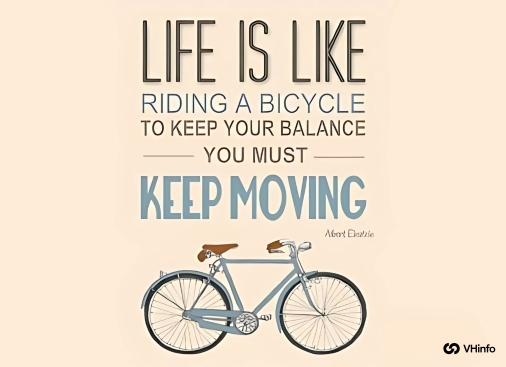
  8. “Life is like riding a bicycle, to keep your balance, you must keep moving.” – Albert Einstein
  9. “You can’t expect to move forward if your emergency break is on.” – Angela Cecilia
  10. “Motivation is the fuel necessary to keep the human engine running.” – Zig Ziglar

Self Motivation Push Yourself Quotes

  1. “The only person you are destined to become is the person you decide to be.” – Ralph Waldo Emerson
  2. “Believe you can and you’re halfway there.” – Theodore Roosevelt
  3. “Believe in yourself and all that you are. Know that there is something inside you that is greater than any obstacle.” – Christian D. Larson
  4. “You miss 100% of the shots you don’t take.” – Wayne Gretzky
  5. “Don’t let yesterday take up too much of today.” – Will Rogers
  6. “Success is not the key to happiness. Happiness is the key to success. If you love what you are doing, you will be successful.” – Albert Schweitzer
  7. “I never dreamed about success, I worked for it.” – Estée Lauder
  8. “The only limit to our realization of tomorrow will be our doubts of today.” – Franklin D. Roosevelt
  9. “The only way to do great work is to love what you do.” – Steve Jobs
  10. “Success is not final, failure is not fatal: it is the courage to continue that counts.” – Winston Churchill

Push Yourself to the Limit Quotes

  1. “You don’t have to be great to start, but you have to start to be great.” – Zig Ziglar
  2. “The secret of getting ahead is getting started.” – Mark Twain
  3. “The best way to predict the future is to create it.” – Peter Drucker
  4. “You must be the change you wish to see in the world.” – Mahatma Gandhi
  5. “Action is the foundational key to all success.” – Pablo Picasso
  6. “The only person you should try to be better than is the person you were yesterday.” – Unknown
  7. “The more we do, the more we can do.” – William Hazlitt
  8. “Believe and act as if it were impossible to fail.” – Charles Kettering
  9. “If you’re not willing to risk the unusual, you’ll have to settle for the ordinary.” – Jim Rohn
  10. “The most effective way to do it, is to do it.” – Amelia Earhart

Quotes about Pushing Yourself to Success in Business

Quotes about Pushing Yourself to Success in Business

  1. “Success is not about how much money you make, it’s about the difference you make in people’s lives.” – Michelle Obama
  2. “Success is the sum of small efforts, repeated day in and day out.” – Robert Collier
  3. “The future belongs to those who believe in the beauty of their dreams.” – Eleanor Roosevelt
  4. “The only place where success comes before work is in the dictionary.” – Vidal Sassoon
  5. “Success is no accident. It is hard work, perseverance, learning, studying, sacrifice, and most of all, love of what you are doing or learning to do.” – Pele
  6. “If you want to be happy, set a goal that commands your thoughts, liberates your energy and inspires your hopes.” – Andrew Carnegie
  7. “The journey of a thousand miles begins with one step.” – Lao Tzu
  8. “Success is not how high you have climbed, but how you make a positive difference to the world.” – Roy T. Bennett

Quotes That Will Push You Closer to Your Best Self

Quotes That Will Push You Closer to Your Best Self

  1. When we strive to become better than we are, everything around us becomes better too. – Paulo Coelho
  2. Change equals self-improvement. Push yourself to places you haven’t been before. – Pat Summitt
  3. Incredible change happens in your life when you decide to take control of what you do have power over instead of craving control over what you don’t. – Steve Mariboli
  4. Never too old, never too bad, never too late, never too sick to start from scratch once again. – Bikram Choudhury
  5. Every time you are tempted to react in the same old way, ask if you want to be a prisoner of the past or a pioneer of the future. – Deepak Chopra
  6. Nurture your mind with great thoughts, for you will never go any higher than you think. – Benjamin Disraeli
  7. Work on yourself more than you do on your job. – Jim Rohn
  8. I’m competitive with myself. I always try to push past my own borders. – Tyra Banks
  9. The goal is not to be better than the other man, but your previous self. – The Dalai Lama
  10. There is only one corner of the universe you can be certain of improving, and that’s your own self. – Aldous Huxley

Push Beyond Your Limits: Finding the Strength to Persevere When You Want to Give Up

Pushing yourself beyond your comfort zone is not easy, but it is necessary for growth. As the i am the storm quotes say, you must be willing to weather the storm if you want to reach the sunlight. Listen to your trust your gut quotes and take the leap, even when self-doubt creeps in. The path may be unclear now, but with consistency, you will reach your goals. It’s during the difficult times that you must dig deep and push yourself further than you thought possible. You are strong enough to handle this – be the boss lady you were meant to be. Though it may feel like time to give up, push through the pain and discomfort. Stay determined and committed, and you will get to where you need to be. You have what it takes to succeed.

Conclusion

Pushing yourself to your limits is essential for personal growth and success. 

The quotes shared in this blog are a powerful reminder of the importance of self-motivation and perseverance. 

Whether you’re striving for success in business, fitness, or personal goals, these quotes can inspire you to keep pushing forward. 

Remember that your potential is limitless, and with determination and a positive mindset, you can achieve anything you set your mind to. 

So embrace the challenges, push yourself beyond your comfort zone, and watch yourself grow into the best version of yourself.

Consistency Quotes

Consistency is the secret ingredient to achieving any meaningful goal. It’s the steady, unwavering commitment that transforms aspirations into reality, separating the truly successful from the perpetual dreamers. 

Whether you’re aiming for personal growth, building a thriving business, or advancing in your career, the power of showing up every day cannot be overstated.

If you’re looking for a surge of motivation, this collection of powerful consistency quotes is designed to inspire and refocus your energy. 

We’ve gathered timeless wisdom that highlights the importance of persistent effort.

In this collection, you’ll discover a wide range of quotes that celebrate the power of showing up every day.

We’ve gathered wisdom for every part of your journey—from motivational words to help you reach your goals faster, to key insights on leadership and the impact of small, steady changes. 

Whether you’re in business, sports, or just focused on personal growth, these quotes from famous figures will inspire you to stay dedicated and true to yourself. These themes are woven throughout our extensive compilation, designed to remind you of the profound impact of staying consistent.

So, if you need a boost of inspiration to fuel your drive, let these words from some of the world’s most accomplished figures remind you of the profound impact of staying consistent. Keep reading to find the perfect quote to ignite your dedication today.

Quotes on Consistency

Quotes on Consistency

Finding reasons inside ourselves to do something is better than relying on outside reasons like rewards or punishments. 

It’s like feeling good about doing things because we enjoy them, not just because we get something for it or fear getting punished.

Research suggests that students do better in school and in other parts of life when they have this inner motivation. It helps them keep going, be kind, and feel happy.

When we understand ourselves better, it becomes easier to make a habit of doing what we love without too much difficulty. 

So, keep going and stay strong while you read these quotes about being consistent.

  1. “Success isn’t always about greatness. It’s about consistency. Consistent hard work leads to success. Greatness will come.” – Dwayne Johnson
  2. “Consistency is the hallmark of the unimaginative.” – Oscar Wilde
  3. “We are what we repeatedly do. Excellence, then, is not an act, but a habit.” – Aristotle
  4. “Small disciplines repeated with consistency every day lead to great achievements gained slowly over time.” – John C. Maxwell
  5. “In any team sport, the best teams have consistency and chemistry.” – Roger Staubach
  6. “We are what we repeatedly do. Excellence, then, is not an act, but a habit.” – Will Durant
  7. “Without consistency there is no moral strength.” -Owen
  8. “Success is neither magical nor mysterious. Success is the natural consequence of consistently applying basic fundamentals.” – E. James Rohn
  9. “Part of courage is simple consistency.” – Peggy Noonan
  10. “A foolish consistency is the hobgoblin of little minds.” – Ralph Waldo Emerson

Motivational Consistency Quotes To Reach Success Fast

Motivational Consistency Quotes To Reach Success Fast

Even if we don’t realize it, we all have some patterns in what we do regularly, but often these habits don’t help us achieve our big goals. Getting rid of bad habits can be just as hard, or even harder, than building good ones. That’s why it’s important to study how habits work.

In a popular book called “The Power of Habit” by Charles Duhigg, he explains that habits have three parts: cue, routine, and reward.

First, a cue is something that signals you to make a habit. It could be something you see, the time of day, certain thoughts, or how you’re feeling. Then comes the routine, which is the habit itself. Finally, the reward is what makes you want to keep doing that habit, like feeling good or accomplished.

Understanding this process helps us break bad habits and create good ones. This way, we can be more consistent in our daily actions and get closer to reaching our big life goals faster. So, let’s start our journey toward success by reading quotes about consistency.

  1. “If you are aiming at the top, consistency is the name of the game.” – Olawale Daniel
  2. “The only way you see results is if you stay consistent” – Unknown
  3. “Ambition is the path to success. Persistence is the vehicle you arrive in.” – Bill Bradley
  4. “I accumulated small but consistent habits that ultimately led to results that were unimaginable when I started.” – James Clear
  5. “Consistency is the fruit of the tree of success. The more you do something effectively and with a goal in mind, the better you will get at it and the more you will feel fulfilled.” – Dan O’Brien
  6. “First forget inspiration. Habit is more dependable. Habit will sustain you whether you’re inspired or not. Habit will help you finish and polish your stories. Inspiration won’t. Habit is persistence in practice.” – Octavia Butler
  7. “You cannot be a winner without maturity and consistency.” – Marco Silva
  8. “Consistency is one of the biggest factors to accomplishment and success.” – Byron Pulsifer
  9. “A consistent man believes in destiny, a capricious man in chance.” – Benjamin Disraeli
  10. “Consistency and discipline births successful outcomes.” – Robin S. Baker

Quotes About Consistency And Its Importance In Life

Quotes About Consistency And Its Importance In Life

Consistency isn’t only important for doing well in our jobs; it’s also really important in our personal lives, especially in our relationships. When we’re consistent, it helps to create trust and shows that we’re committed.

By acting consistently, talking openly, and having clear expectations, our relationships become strong and steady.

  1. “Relationships feed on credibility, honesty, and consistency.” – Scott Borchetta
  2. “Courage is the most important of all the virtues because without courage, you can’t practice any other virtue consistently.” – Maya Angelou
  3. “Paralyze resistance with persistence.” – Woody Hayes
  4. “It’s not what we do once in a while that shapes our lives. It’s what we do consistently.” – Tony Robbins
  5. “Part of courage is simple consistency.” – Peggy Noonan
  6. “Consistency is an under-appreciated inspirational quality. It’s that ability to conduct yourself in a consistent, reliable manner that others will respect and appreciate.” – Del Suggs
  7. “When people see commitments are met with consistency, they tend to develop trust. Trust is the key to persuasion.” – Khalid Imran
  8. “For changes to be of any true value, they’ve got to be lasting and consistent.” – Tony Robbins
  9. “Daily, consistent, focused, faithful expectation raises the miracle power of achieving your dreams.” – John Di Lemme
  10. “I don’t have a formula to pass on. I always did it my own way. Even today, I hold my independence close. It’s what’s most precious to me. Passion. Risk. Tenacity. Consistency. This is my professional history.” – Giorgio Armani

Consistency Quotes For People In Business And Sports

Consistency Quotes For People In Business And Sports

Let’s talk about how being consistent is super important in everyday things. Like in business, leaders who are consistent and keep at it make sure their team stays loyal and works well together for a long time.

And in sports, training every day and eating right turns someone into a really great athlete. It’s not just about having a lot of energy at one time; it’s about sticking with it and being determined, whether it’s in the business world or on the sports field.

If you’re in charge of a company or love playing sports, these quotes about being consistent might give you a boost of inspiration.

  1. “Consistency is a key element, without which a leader is incapable of getting respect, success or even developing confidence in others.” – Daniel Transon
  2. “Across professions, consistency is a direct product of work ethic.” – Harsha Bhogle
  3. “In any team sport, the best teams have consistency and chemistry.” – Roger Staubach
  4. “Champions keep playing until they get it right.” – Billy Jean King
  5. “The secret to winning is constant, consistent management.” – Tom Landry
  6. “Successful innovation requires commitment, consistency, and collaboration.” -Monique Beedles.

Noteworthy Quotes About Consistency From Famous People

Noteworthy Quotes About Consistency From Famous People

How can we know if we’re not being consistent? Well, one clue is when what we do doesn’t match what we say. When our thoughts, beliefs, or actions don’t line up, it creates something called cognitive dissonance. This can make us feel uneasy and confused because our thoughts and actions are pulling in different directions.

For example, if we say we’re into being healthy, we should stick to our workout plan. Or if we’re aiming for a job promotion, we should finish our work early and try to improve our skills. And if we want to retire early, we should save money for the future. What’s your goal? The next time we notice that what we’re doing doesn’t match what we’re saying, let’s pause and try to be more consistent with our efforts.

We can learn a lot about why consistency matters from famous people who are experts in their fields. Let’s dive into their thoughts and wisdom about consistency by checking out their quotes.

  1. “Energy and persistence conquer all things.” – Benjamin Franklin
  2. “Long-term consistency trumps short-term intensity.” – Bruce Lee
  3. “Patience, persistence, and perspiration make an unbeatable combination for success.” – Napoleon Hill
  4. “Consistency of effort over the long run is everything.” – Angela Duckworth
  5. “Small disciplines repeated with consistency every day lead to great achievements gained slowly over time.” – John C. Maxwell
  6. “Success is all about consistency around the fundamentals.” – Robin Sharma
  7. “Consistency is contrary to nature, contrary to life the only completely consistent people are the dead.” – Aldous Huxley
  8. “You cannot consistently perform in a manner which is inconsistent with the way you see yourself.” – Zig Ziglar
  9. “I’ve learned from experience that if you work harder at it, and apply more energy and time to it, and more consistency, you get a better result. It comes from the work.” – Louis C. K.
  10. “I hate every minute of training. But I always remain consistent at it. Suffer now and live the rest of your life as a champion.” – Muhammad Ali

Consistency Quotes to Help you Reach your Goals

A study by the University of Sheffield discovered that regularly talking to yourself in a positive way and using affirmations can make you feel better about yourself and boost your mood. This happens even if you haven’t seen any big changes or results yet.

The study confirms that if you keep up the habit of using positive self-talk and affirmations, it could help increase how much you value yourself and feel good about who you are as time goes on.

  1. “But I’ve also found that consistency has always been the major setback in my being able to successfully reach my goal within an ideal amount of time – the more inconsistent I was, the longer it would take for me to get that check mark on my task list.” – Eric Thomas
  2. “Muhammad Ali was a boxing phenomenon born in Louisville Kentucky under the name “Cassius Clay” who famously referred to himself as “The Greatest” with enough consistency and purpose that it really stuck.” – Darrin Wiggins
  3. “Daily, consistent, focused, faithful expectation raises the miracle power of achieving your dreams.” – John Di Lemme
  4. “First forget inspiration. Habit is more dependable. Habit will sustain you whether you’re inspired or not. Habit will help you finish and polish your stories. Inspiration won’t. Habit is persistence in practice.” ― Octavia Butler
  5. “All winning teams are goal-oriented. Teams like these win consistently because everyone connected with them concentrates on specific objectives. They go about their business with blinders on; nothing will distract them from achieving their aims.” – Lou Holtz
  6. “If your determination is fixed, I do not counsel you to despair. Few things are impossible to diligence and skill. Great works are performed not by strength, but perseverance.” – Samuel Johnson
  7. “It’s not that I’m so smart, it’s just that I stay with problems longer.” – Albert Einstein

Consistency Quotes on the Key to Leadership

Consistency Quotes on the Key to Leadership

  1. “When people see commitments are met with consistency, they tend to develop trust. Trust is the key to persuasion.” – Khalid Imran
  2. “Consistency is a key element, without which a leader is incapable of getting respect, success or even developing confidence in others.” – Daniel Transon
  3.  “Trust is built with consistency.” – Lincoln Chafee
  4. “You have to perform at a consistently higher level than others. That’s the mark of a true professional.” – Joe Paterno
  5. “Our children are counting on us to provide two things: consistency and structure. Children need parents who say what they mean, mean what they say, and do what they say they are going to do.” – Barbara Coloroso

Consistency Quotes on Why Small Changes Make a Difference

  1. “Small disciplines repeated with consistency every day lead to great achievements gained slowly over time.” – John C. Maxwell
  2. “By being consistent with your efforts, you will find that things will start to change in what will appear to be subtle ways because we are less likely to take notice of things when they no longer challenge us.” – Jenny Stanley-Matthews
  3. “For changes to be of any true value, they’ve got to be lasting and consistent.” – Anthony Robbins
  4. “If you are aiming at the top, consistency is the name of the game.” ― Olawale Daniel
  5. “In baseball, my theory is to strive for consistency, not to worry about the numbers. If you dwell on statistics you get shortsighted, if you aim for consistency, the numbers will be there at  the end.” – Tom Seaver
  6. “Having a story is what people connect with, but the story alone doesn’t allow you to achieve greatness and results. It’s the day-to-day consistency of providing value to your audience.” – Lewis Howes
  7. “When you have a great and difficult task, something perhaps almost impossible, if you only work a little at a time, every day a little, suddenly the work will finish itself.” – Isak Dinesen
  8. “Look at a stone cutter hammering away at his rock, perhaps a hundred times without as much as a crack showing in it. Yet at the hundred-and-first blow it will split in two, and I know it was not the last blow that did it, but all that had gone before.” – Jacob A. Riis.
  9. “I will persist until I succeed. I will always take another step. If that is of no avail I will take another, and yet another. In truth, one step at a time is not too difficult. I know that small attempts, repeated, will complete any undertaking.” – Og Mandino
  10. “We all have to start somewhere, and doing something is better than nothing at all. Start small so you don’t get discouraged and give up. Remember it is all about consistency.” – Khloe Kardashian

Consistency Quotes to Impact your True Self

Consistency Quotes to Impact your True Self

  1. “Part of courage is simple consistency.” – Peggy Noonan
  2. “Consistency is the belt that fastens excellence in position. If you don’t do it repeatedly, you’ll not excel in it.” – Israelmore Ayivor
  3. “The consistency in your person from home to work is vitally important so that you are in total balance at all times. Being out of balance means that your true self will start to be confused with what you pretend to be.” – Catherine Pulsifer
  4. “I pray to be like the ocean, with soft currents, maybe waves at times. More and more, I want consistency rather than the highs and lows.” – Drew Barrymore
  5. “It’s not all about talent. It’s about dependability, consistency, and being able to improve. If you work hard and you’re coachable, and you understand what you need to do, you can improve.” – Bill Belichick

Achieve Your Goals Through Consistency, Intuition, and Perseverance

Consistency is key to achieving our goals and building trust with others.

As the saying goes, “I am the storm” quotes remind us that we have the power to create the change we seek through persistent effort.

However, knowing when to pivot is also important. “Trust your gut” quotes emphasize listening to our intuition to guide us. There may be times when “Maybe it’s time to give up” quotes ring true, signaling we need to change course.

Despite setbacks, “Boss lady” quotes can inspire us to pick ourselves up and continue on. With consistency fueled by self-belief, we can silence our “Self-doubt” quotes and achieve great things. Consistency, intuition, and perseverance are key.

Conclusion

Consistency is key when it comes to achieving success in any aspect of life. 

These quotes on consistency serve as a reminder of the importance of staying committed and dedicated to your goals. 

Whether you’re striving for success in business, sports, or personal development, maintaining consistency is essential. 

As these quotes from famous individuals highlight, even small changes made consistently can make a significant difference over time. 

So, keep pushing forward, stay focused, and let these powerful words inspire you on your journey towards reaching your goals.

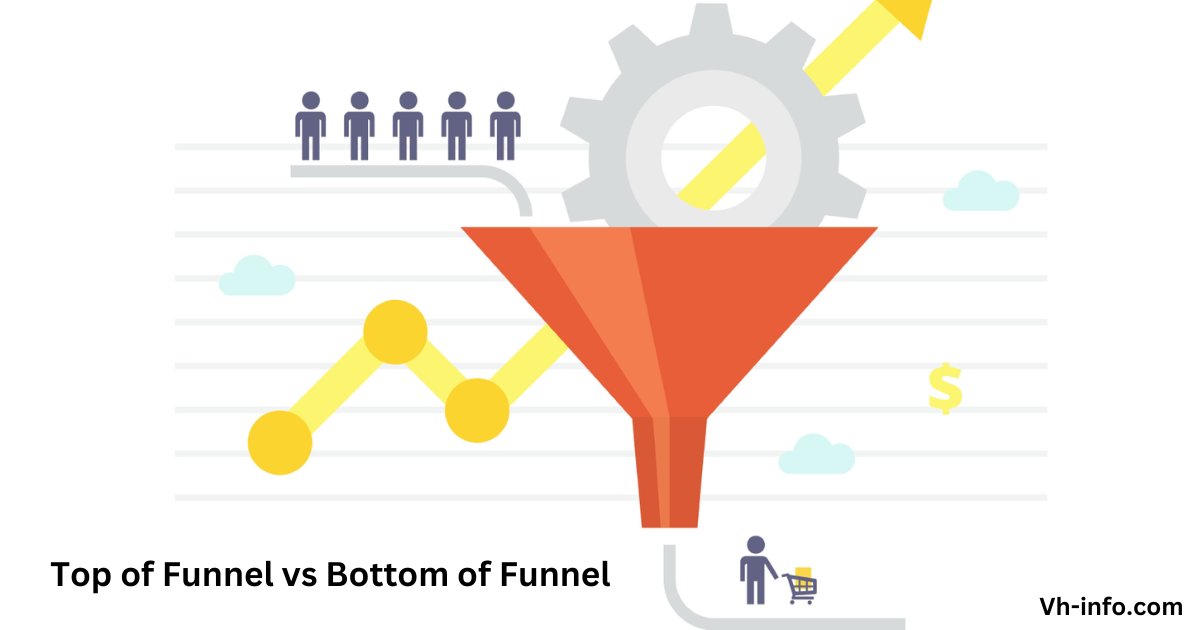
Top of Funnel vs Bottom of Funnel: Understanding User Intent

Understanding user intent is crucial to creating a successful marketing strategy. And the first step in doing that is understanding the marketing funnel.

In this blog, we will delve deeper into what a marketing funnel is and how it has evolved. We will discuss the different stages of the funnel- ToFu, MoFu, and BoFu– and how you can utilize them for your business.

We will also explore upper-funnel marketing vs lower-funnel marketing, their importance, and strategies to implement them successfully.

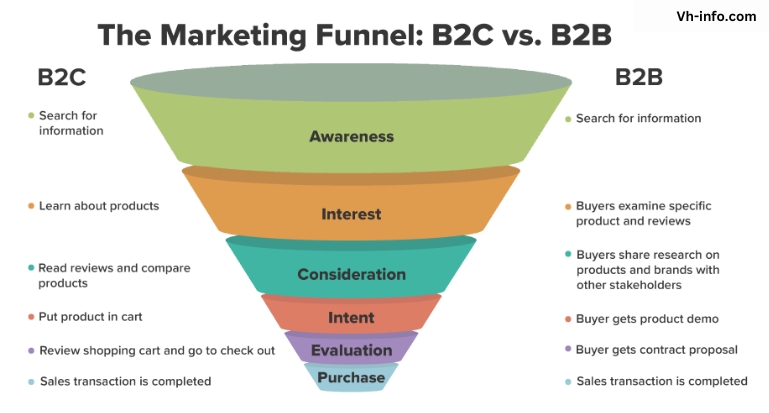
Additionally, we will compare top-of-funnel vs. bottom-of-funnel approaches and how they differ for B2C and B2B brands.

Finally, we will provide examples of companies that have implemented successful marketing funnels to help you better understand how you can use them to grow your business.

What is a Marketing Funnel?

What is a Marketing Funnel?

The marketing funnel guides potential customers into making a purchase. It has stages like awareness and decision-making where leads ultimately become customers. However, not all leads turn into customers. Every business’s funnel is unique with different terms and actions. The goal is to gradually lead prospects through each stage, narrowing down the candidates for purchasing.

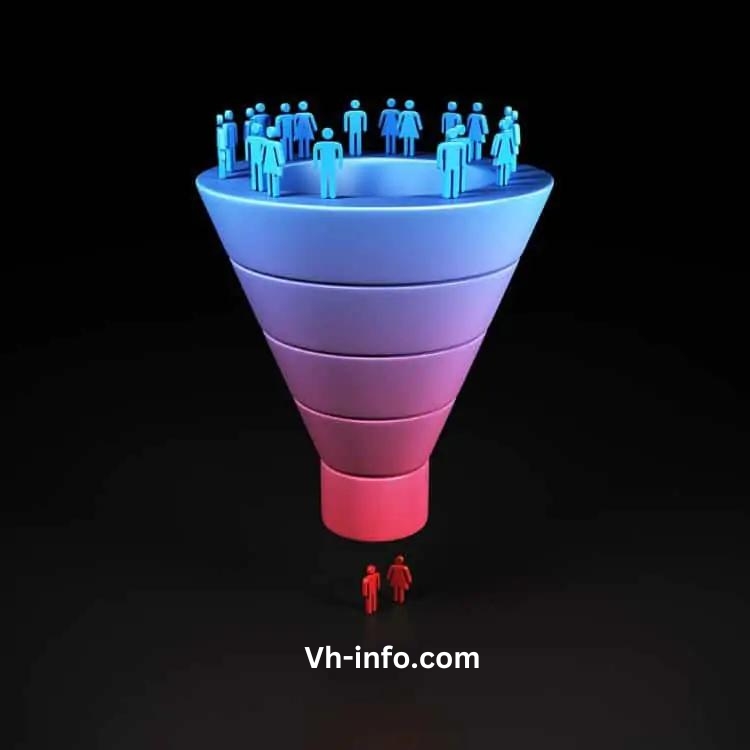
Think of the marketing funnel as a journey from getting people interested in a product or service to turning them into happy customers. Picture it as a funnel because, at the beginning, you try to attract a lot of people, just like pouring water into a wide funnel. As these people learn more and move through the process, some will drop off, and that’s okay. The goal is to guide them smoothly through stages like awareness, interest, decision, and action, where they finally become customers.

Ideally, we’d want a perfect cylinder, turning all leads into customers, but in reality, it’s about making the funnel as cylindrical as possible by converting as many leads into customers as we can. Remember, the specifics of the funnel may vary depending on the type of business, but the main idea is to guide people from curiosity to making a purchase and understanding a customer’s journey.

The History of the Marketing Funnel

In the early 1900s, a savvy advertising pro named Elias St. Elmo Lewis came up with the AIDA model, outlining the steps in a customer’s journey: Awareness, Interest, Desire or Decision, and finally, Action.

This model highlighted how people become aware of a problem, show interest in solutions, decide on a brand, and then take action to become customers. Fast forward to 1924, William H. Townsend merged this AIDA model with the concept of a funnel.

Now, imagine the ‘awareness‘ stage as a big pool of potential customers seeking solutions. Some get to the ‘interest‘ stage, while others explore other options.

Those in ‘interest‘ start comparing products, slipping into the ‘desire‘ or ‘decision‘ stage, and finally, some take action and become customers.

A smart marketing strategy pulls in lots of promising prospects, guiding them through each stage until they become happy customers.

The Evolution of the Marketing Funnel

The Evolution of the Marketing Funnel

The marketing funnel has changed a lot since it was first created in 1924. Nowadays, there are many different versions of it that people use.

ToFu, MoFu and BoFu

ToFu, MoFu and BoFu

Marketers love their acronyms, and here are a few:

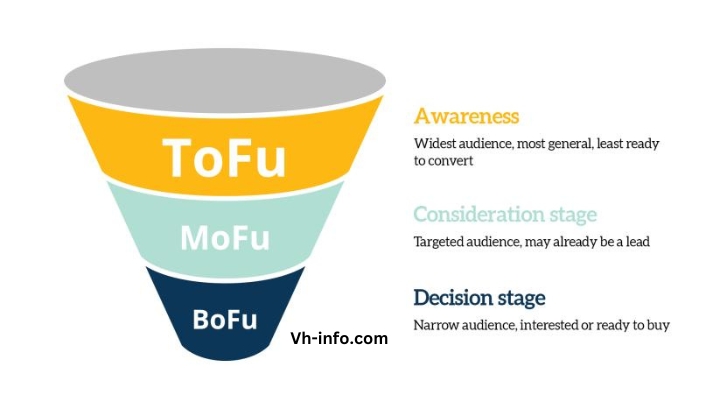
TOFU” means the Awareness Stage, where people are getting to know your brand and the issues you can help with.

Then comes “MOFU,” which stands for the Consideration Stage. Here, customers know their problem and are searching for a solution. They might know about you but need a little convincing that your brand is the perfect match.

Finally, there’s “BOFU,” the Decision Stage. This is the last step where your brand needs to persuade potential customers to make the final move and become buyers.

The Buyer’s Journey

The Buyer’s Journey

In this simple three-step model, they’ve combined the ‘interest‘ and ‘desire‘ stages into something called the ‘consideration stage.’ The ‘awareness‘ stage stays the same, just like in most models, and the ‘action‘ stage is exactly like the ‘decision’ stage, just with a different name.

The Customer Experience Funnel

The Customer Experience Funnel

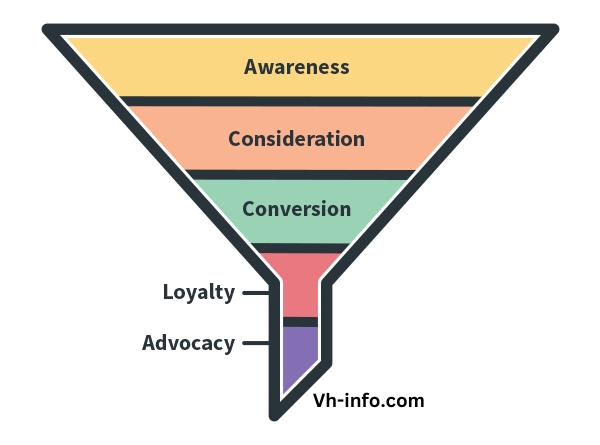
If you take a closer look at how customers go through the process, you’ll see that the funnel has more parts than Elias St. Elmo Lewis initially talked about.

In this version, they’ve added ‘loyalty‘ and ‘advocacy‘ stages because businesses now understand how important it is to have customers who stick around and speak highly of them.

A good experience after someone becomes a customer doesn’t just mean they buy again; it often leads to them saying great things about the business.

Considering that lots of people (about 92% of B2B buyers) are more likely to buy if they read a positive review, these added stages help bring in more potential customers at the top of the funnel.

That’s why many businesses are connecting an inverse funnel to the bottom of the regular one.

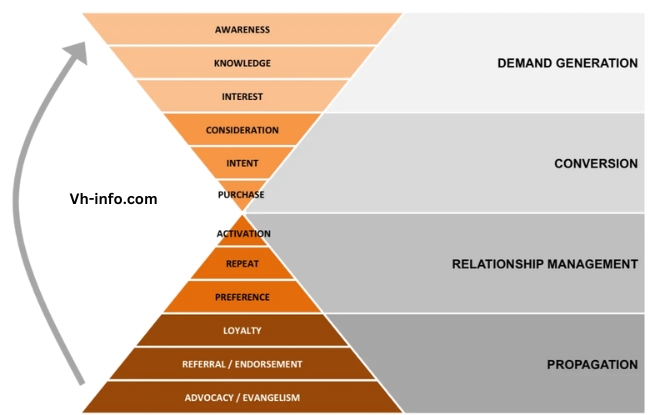
The Hourglass

The Hourglass

When you mix the usual funnel with this flipped-over ‘customer experience‘ funnel, it’s called the ‘hourglass.’

After the sales and marketing part ends, the customer support part starts, giving your customers an all-around experience.

After making a sale, the next step is turning your customers into fans, and these happy customers can bring in even more customers.

How to Utilize the Marketing Funnel for your Business?

How to Utilize the Marketing Funnel for your Business?

Think of the marketing funnel like a musical orchestra where every musician has to play their role right. The funnel’s success relies on each stage leading to the next.

If they don’t work well together, the ultimate goal of turning potential customers into actual customers and then into advocates is hard to achieve.

Here’s what you need to know to guide your customer through each stage:

The Awareness Stage

This is when your potential customer first realizes they have a problem and begins searching for a solution. Their aim is to name their problem and explore possible fixes.

For instance, if they’re puzzled by taxes, they might be thinking about hiring a CPA or using tax software. Your goal is to position yourself as a good solution with a clear unique selling point (USP) and show your expertise through educational content.

This starts by getting people to visit your website and turning them into email subscribers.

The best content to offer includes blog posts, website content, webinars, guides, social media posts, and email newsletters.

Keep an eye on metrics like website traffic, social reach, email subscribers, inbound links, and referrals.

The Consideration Stage

Understanding User Intent: Top of Funnel vs Bottom of Funnel

The marketing funnel has different stages, and the first stage changes depending on the model used. Some models call it ‘interest‘ and ‘desire,’ while others use ‘like‘ and ‘trust.’ The reason for these differences is where it fits in the funnel.

The consideration stage is more significant than the others since it takes weeks or months for potential customers to decide if a business can solve their problem. During this time, it’s essential to guide them with helpful content.

Customers look for products or services that can solve their problem and start checking out businesses in that category.

You need to nurture leads with emails, blog posts, and lead magnets to show that your business is an expert at solving their problem. This stage is where the marketing team hands off leads to the sales team, so define a sales-qualified lead (SQL) clearly.

Offer ebooks, case studies, free tools, whitepapers, and webinars as your best content. Keep an eye on metrics like email open rates, landing page conversion rates, lead source, cost per lead, and lead quality.

The Purchase Stage

At this stage, leads choose a product or service to solve their problem. It follows the collaborative efforts of the sales and marketing teams to educate and nurture the lead.

In traditional marketing models, this stage marked the end of the funnel. However, for modern businesses, the “action” or “purchase” stage is just the beginning. It can lead to exponential growth by progressing into the “loyalty” and “advocacy” stages.

The lead’s goal is to select a business and specific solution that can address their problem. For instance, if someone is seeking DIY tax software, this is when they decide on both the brand and the specific version (e.g., basic or deluxe).

Your objective here is to demonstrate how your offering can solve their particular problem and assist them in choosing the best product. While the consideration stage establishes your authority and capability, this stage focuses on providing detailed solutions. If your product is software, offering free trials and demos allows leads to try before they make a purchase.

For service-based businesses, a one-on-one consultation can show you can solve a unique problem. If you have a physical product, detailed testimonials and case studies can persuade leads to click “buy.”

The best content includes testimonials, detailed case studies, product comparisons, whitepapers, demos, free trials, and consultations. Keep an eye on metrics like customers, lead-to-sale conversion rate, revenue, and the cost of customer acquisition.

The Loyalty Stage

At the start of a customer relationship, it’s like a honeymoon. They’re excited to have their problem solved, but they need ongoing support. If you don’t give them help, they might leave for another business. This step in the marketing funnel varies across businesses. Providing education and support in your sales funnel as a part of your customer journey can make customers loyal and more valuable to you. This approach is particularly effective in an eCommerce sales funnel, where well-timed information and assistance can guide customers smoothly from product discovery to purchase.

Understanding user intent is key when it comes to the top and bottom of funnel. You want your customer to experience your product’s value and learn new ways to use it during this stage. It’s also a time for them to decide if they’re satisfied enough to try any other products you offer.

Your job is to provide continuous support, such as FAQs, tutorials, blog posts, chat, and social media content. Metrics like recurring revenue, customer lifetime value, active customers, and churn rate should be monitored for success for customer’s journey. If this stage is too short, it may impact their decision-making process and loyalty.

The Advocacy Stage

Understanding the user intent is crucial for marketing funnel success. The ‘advocacy‘ stage rewards your effort by making your funnel bigger and it’s less time-consuming.

Happy customers stay loyal and recommend you to others with similar problems. They talk about your great product and service, giving you an edge over competitors.

With a friend’s recommendation, your business becomes top of mind when they start looking for a solution. In the ‘advocacy‘ stage, your customers become like spokespeople for your brand. They guide their friends from the “awareness” stage straight to “consideration” in your funnel.

Your goal is to make your funnel grow by turning your customers into advocates.

For your customer, the goal is to help their friends overcome problems like they did.

The best content includes surveys, referral incentives, and loyalty discounts. Keep an eye on metrics like Net Promoter Score, referrals, and reviews.

What Is Upper-Funnel Marketing?

Upper funnel marketing, also known as top of the marketing funnel, focuses on building awareness, interest, and desire among potential customers, including new visitors.

It’s like introducing your brand to people who just realized they have a problem and need a solution but don’t know about your brand yet. The goal here is to teach them about your brand and show that you’re the best solution for their needs.

In simpler terms, it’s about making people aware of your brand and capturing their interest when they are in the early stages of discovering solutions to their problems.

Importance of Top-of-Funnel Marketing

Top-of-funnel marketing, including marketing tactics like content marketing and social media, is super important because it lets you reach a lot of different people and make the middle and lower parts of your digital marketing plan work better.

When you connect with buyers just starting their journey, it’s like building your brand and making your reputation strong.

Using strategies like content marketing and social media in the top-of-funnel stage helps you connect with potential customers, and sometimes, you might even turn them into customers without moving them further down the digital marketing process.

Strategies for Top-of-Funnel Marketing

In the top-of-funnel marketing stage, the main goal is to get people interested in your brand and learn more about it.

To do this, you can use strategies like:

  1. Search Engine Optimization (SEO): This helps people find you when they search online.
  2. Pay-Per-Click (PPC) Ads: These are online ads that you pay for when people click on them.
  3. Paid Social Media Posts: Ads on social media platforms that you pay for to reach a larger audience.
  4. Content Marketing: This includes creating blogs and videos that provide useful information.
  5. Connected TV Advertising: Ads that appear on streaming services.

When making ads for these strategies, use language that encourages people to take action.

For example, in a social media marketing campaign, you might offer a webinar or special content to those who sign up for your newsletter. The social media posts would highlight the benefits of the webinar to encourage sign-ups for your social media ads.

If people sign up, they can learn more about your brand through newsletters or by following you on social media. It’s all about making people curious and interested in what you have to offer.

What Is Lower-Funnel Marketing?

Lower-funnel marketing, also known as bottom-of-the-funnel marketing, is all about talking to potential customers who know they have a problem, are familiar with your brand, and are figuring out whether to buy from you or someone else.

If you’ve done a good job with top-of-funnel marketing, you’ve got more leads here who are almost ready to make a decision. In lower funnel marketing, you’re trying to get those customers to buy.

At this stage, your main goal is to close the deal. You’re addressing their questions, overcoming objections, and showing why they should pick you over the competition. It’s the final step before turning a potential customer into a happy customer.

Importance of Bottom-of-Funnel Marketing

Bottom-of-funnel marketing, also known as the conversion funnel, is the part where you aim to seal the deal with a potential customer.

By this stage, the prospect already knows about your company and is thinking about making a purchase. They just need that little push to go from “add to cart” to “check out.”

This stage, known as the action stage, is crucial because it’s where prospects become customers. Doing well with your marketing strategy here not only helps you make sales but also builds customer loyalty.

It’s a way to turn people you’ve guided through the process into customers who come back and generate more revenue for your business. Share social proof, like customer reviews and testimonies, to build even more trust.

Strategies for Bottom-of-Funnel Marketing

During the bottom-of-funnel marketing stage, your messages should be short and prompt action.

Instead of talking broadly about how your brand helps customers, focus on why someone should choose you over others.

Strategies here involve standing out and proving you’re the best.

This can include:

  1. Case Studies: Real examples of how your product or service helped others.
  2. Product Comparisons: Showcasing why your offering is better.
  3. Promo Codes and Special Discounts: Incentives to encourage a purchase.
  4. Product Demonstrations: Showing how your product works.
  5. Client Testimonials: Positive reviews from satisfied customers.

Ads and campaigns at this stage should be convincing. Instead of giving an overview of your company, a good campaign will zoom in on your product or service, answering customer questions and guiding them to make a purchase.

Like in the top-of-funnel stage, you can use content and video marketing, but now it should specifically highlight what makes your product unique and why a potential customer should choose yours. It’s all about making a compelling case for your brand.

Top of Funnel vs Bottom of Funnel

Top of Funnel (TOFU) Bottom of Funnel (BOFU)
Goal Awareness and education Lead nurturing and conversion
Audience Broad, new prospects Qualified leads closer to purchasing
Tactics Content marketing, social media, SEO, advertising Email marketing, sales calls, demos, discounts
Metrics Impressions, reach, clicks Leads, demos, trials, sales
Content Focus Educates and attracts Persuades and converts
Activities Casts a wide net Reels leads in
Buyer’s Journey Early stages Later stages nearing purchase

How does the Marketing Funnel differ for B2C and B2B Brands?

How does the Marketing Funnel differ for B2C and B2B Brands?

The marketing funnel is a bit different for B2C (business-to-consumer) and B2B (business-to-business) brands.

For B2C, people usually go through the funnel on their own or with advice from friends and family. In B2B, there’s often a bigger buying group involving different departments, around 5.4 people on average.

Also, B2C customers might not directly talk to a company representative, especially online. But in B2B, customers usually interact with a sales rep, especially towards the end of the funnel.

So, B2C is more individual-focused, while B2B involves a group decision with more interactions.

Examples of Marketing Funnels

Netflix

Netflix

Netflix has changed how TV works. They use social media and sneaky marketing to make people aware of their new shows. On platforms like TikTok and Instagram, they give a sneak peek of the shows with interesting summaries and short clips. They also share behind-the-scenes stuff and interviews with the characters, keeping fans excited.

Crazy Egg

Crazy Egg

This famous tool helps businesses understand what people do on their websites. When it started, the company gave talks and offered $99 memberships to popular blogs for reviews.

But what really brought people to their site was the awesome content—informative, helpful, and relevant. They shared it on social media, emails, and through influencers, guiding people to think about using their tool.

Once you subscribe, you find a simple website with convincing words, a great user experience, and proof that others like it, all making you more likely to become a customer.

Basecamp

Basecamp

Basecamp is a tool for teams to work together and manage projects. They make customers happy, and those happy customers talk about Basecamp to others, giving it free advertising. They also have a podcast called “Rework” where the founder and friends share their views on work and business.

On the Basecamp website, they quickly explain what they do and how it helps, guiding potential customers through the process. Their invitation to try is appealing with a clear “no credit card necessary” tagline, making it easy for people to join.

After that, they show off good reviews in a big, attention-grabbing way.

If you click to join, you’ll find a simple and quick form, making it easy for you. Once you sign up, the CEO sends a welcome message with a brief guide on how to use the platform.

Driving Leads Through the Marketing Funnel with Top and Bottom Strategies

When designing your marketing strategy, it’s important to utilize both top of funnel and bottom of funnel tactics to attract and convert leads.

The top of the funnel focuses on positioning your brand, generating awareness, and acquiring net new leads through content marketing, paid advertising, and segmented messaging.

As leads progress down the funnel and show increased intent, bottom of funnel strategies like specialized offers, focused value propositions, and direct customer research convert them into delighted customers.

By balancing broad, awareness-building techniques at the top with targeted, conversion-focused tactics on the bottom, brands can optimize their entire funnel for revenue growth.

Conclusion

To use the marketing funnel well, know its stages and adjust strategies accordingly.

The top of the funnel (ToFu) makes people aware of your brand and brings in many viewers. Spread the word about your company to potential customers.

At the bottom of the funnel (BoFu), turn leads into buyers and maximize sales. Use various methods at each stage, like social media ads or personalized offers.

Knowing what users want is vital for good marketing.

Whether you’re targeting other businesses or regular people, help them through their buying process and offer value they’ll appreciate. Using strategies from both ends of the funnel creates brand awareness, gets leads, and turns them into loyal buyers.

Understand different stages of the marketing funnel to create a successful plan for your company. Map out your strategy, try new things, and see growth!

Financial Services Marketing: Meaning, Examples & Strategy

Financial services marketing is a unique field that requires specific strategies to be effective. It caters to individuals and businesses seeking financial products and services like loans, insurance, investments, and more.

In this blog post, we will explore the benefits of financial services marketing, who uses it, and its role in the finance industry.

We will also delve into some of the major techniques used in financial services marketing.

Additionally, we have listed 10 strategies you could use for marketing your financial services effectively. With the rise of digitization and data analysis in recent years, we will also look into some trends that are reshaping financial services marketing.

Lastly, we will answer frequently asked questions about financial services marketing to help you understand why it is important for your business’s success.

What is Financial Services Marketing?

What is Financial Services Marketing?

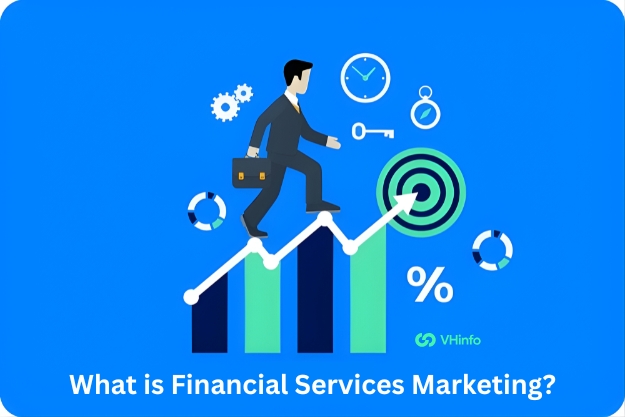
Financial services marketing involves promoting the products and services offered by banks, financial institutions, and related companies in the financial industry. The main aim is to make people aware of these offerings, attract potential customers, and ultimately drive sales and revenue through ongoing marketing campaigns.

Marketers use a mix of traditional methods like TV and print, as well as digital strategies such as blogs, PPC ads, and social media, or even services of professionals who handle Google Ads management for financial services businesses, to connect with a diverse audience. As the world increasingly goes digital, financial organizations are recognizing the importance of online marketing in building relationships with customers and staying competitive in the industry.

Role Of Marketing In Financial Services

Financial marketing is essential for banks and financial institutions. It helps create awareness, attract new customers, and satisfy existing ones. By segmenting and targeting their audience, institutions can tailor their marketing to meet customer needs. Financial marketing also aids in building and maintaining brand reputation through smart branding strategies.

Furthermore, it enables banks to measure and evaluate the effectiveness of their marketing efforts using metrics such as customer acquisition cost and retention. renowned tools such as Morning Download often underscore how strategically interwoven methodologies advance current marketing practices within the finance industry.

By continuously improving their marketing strategies, banks can achieve better outcomes over time.

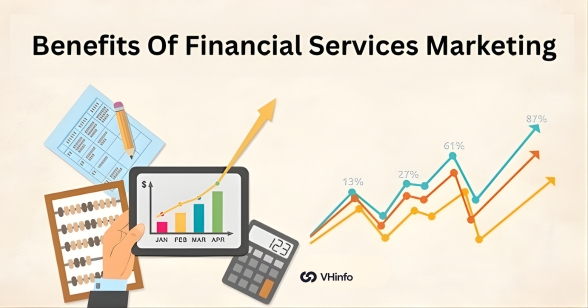
What Are The Benefits Of Financial Services Marketing?

Benefits Of Financial Services Marketing

Here are some of the key benefits of financial services marketing:

  1. Attracting new customers – Marketing raises awareness of your financial products and services, and persuades prospects to consider you over competitors. Effective marketing brings in new business, especially for a cryptocurrency wallet development company that must build credibility, showcase security expertise, and highlight innovative blockchain solutions to stand out in a competitive digital finance landscape. Businesses in this space often also leverage tools like bitcoin profit calculators to help users understand potential returns and increase engagement through data-driven financial insights.
  2. Retaining existing customers – Marketing reinforces the value proposition to current customers so they continue using your services. Things like newsletters, special offers, and loyalty programs help with customer retention.
  3. Building trust and credibility – Financial services depend heavily on trust. Marketing that provides helpful education such as insights into business valuation, and positions your brand as an authority or thought leader can build credibility and trustworthiness.
  4. Supporting sales efforts – Marketing provides sales teams with more opportunities by putting your brand and offerings on prospects’ radar and driving interest. The sales process is smoother with marketing’s support.
  5. Generating referrals – Satisfied, happy customers are apt to refer friends and colleagues when your marketing has built engagement and loyalty. Referrals are a powerful growth driver.
  6. Providing value to customers – Content marketing in particular, such as financial advice, planning tips, explanatory videos, etc. provides value to prospects and customers beyond just promoting your services. It builds goodwill.

Strategies For Financial Service Marketing

Strategies For Financial Service Marketing

Promoting financial services is not like other types of advertising. To come up with the best plans for these services, think about what the organization wants to achieve, who they want to reach, and what resources they have.

Here are 10 ways to run successful marketing campaigns for financial services:

1. Digitization

If you offer digital products, it can be a great way to tell more people about your financial services and get new customers.

For instance, you could make a mobile app that lets customers check their accounts, see their money situation, get help, set up services, or buy things using their phones or tablets. Partnering with a financial software development company can streamline this process, ensuring that your app is secure, user-friendly, and compliant with industry regulations.

Going digital not only makes things easier for customers and staff but also keeps important financial info safe.

2. User experience

Making the user experience better means making it simple for people to use a business’s digital stuff. It’s super important to make sure the company’s website, app, and other things online don’t have mistakes.

When you give users a great experience, it helps them see that your financial products and services are top-notch.

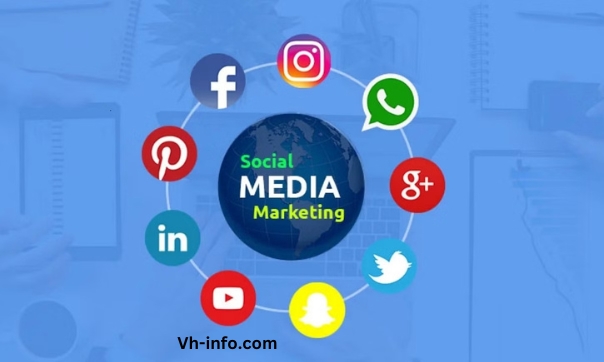
3. Social media marketing

Social media marketing

Lots of people use social media every day. If you promote your finance services on different social platforms, you can connect with a bunch of people and get them to check out your website, learn more about your business, and maybe even buy something.

Don’t forget to put simple links to email lists, apps, and other money-related tools so customers can easily move from social media to your business.

4. Education

Sharing helpful information with customers is a good way to tell them about your services and make them aware of your brand.

You can write articles, make easy-to-understand pictures (infographics), and create ebooks about common money topics.

This helps customers learn about finance and get to know your business. Answering their questions and giving information can show them why your services are important.

5. Customer support

Find ways to help customers and support them with any problems they might have. Some companies hire people just for this – they answer calls and messages from customers.

If you’re really good at helping customers and fixing technical issues, it shows them that you care about what they need, and they might keep using your services.

6. Data Analysis

Data analysis means looking at a lot of information to learn useful things for the business, especially when leveraging ai financial software to uncover patterns and insights that improve decision-making.

Financial companies can keep an eye on customer data to understand what customers do, what they need, and how they feel.

After that, the marketing team can work with the folks who create the products to fix problems, make services better, and give more value to customers.

7. Customer outreach

Customer outreach means talking to customers and trying to get them more involved. Building a relationship with customers can make more people know about the business, make customers want to stick around, and keep them coming back.

Financial service companies can reach out by offering things like free advice, online sessions, or programs for managing money. They can also stay connected with customers through strategies like email newsletters.

To centralize insights and improve engagement, businesses can develop a custom financial app for comprehensive data monitoring by hiring expert fintech developers, ensuring secure access, personalized experiences, and smarter financial decision-making.

8. Relationship-Building

Besides talking online, financial businesses can also build personal connections with customers.

In industries where compliance and trust are critical, tools like age verification software can ensure legal standards are met, especially when dealing with sensitive financial products. This builds confidence with customers and helps protect the business from potential liabilities.

If you’re in marketing, sales, or managing accounts, think about reaching out to customers directly to set up meetings. These meetings could be to answer questions, talk about sales, or just chat about business.

Building a relationship with clients can happen during lunch or dinner meetings, at sports games, or other social activities. Additionally, sharing thought leadership through interviews, white papers, and articles from senior employees can also help establish a strong connection with the audience.

9. Customer Feedback

Getting feedback from customers is really important to know if they’re happy with what a company offers. You can ask them questions through social media, email, or by talking to them directly. This way, you get both opinions and numbers that can help you make ads and other stuff that really matters to customers and grow your customer base, ultimately increasing customer satisfaction.

10. Creative Marketing

Being creative is super important to make your marketing different from other companies.

Think about sharing what your business stands for and showing its personality through a specific social goal. Then, tell stories that are full of feelings and power to show how your company is working towards this goal.

Major Finance Marketing Techniques For Financial Services

Major Finance Marketing Techniques For Financial Services

A marketing agency for financial services helps banks and other money-related companies create and carry out good marketing plans that match their business goals.

Here are some things a financial agency might help with:

Digital Marketing

Digital Marketing

For financial services, fintech marketing strategies leverage, digital marketing means using online tools like social media, email, and SEO to connect with and get the attention of possible customers on the internet.

Content Marketing

Content Marketing

A money agency might use content marketing to teach and tell people about financial stuff. They can do this through blog posts, videos, and pictures with information (infographics).

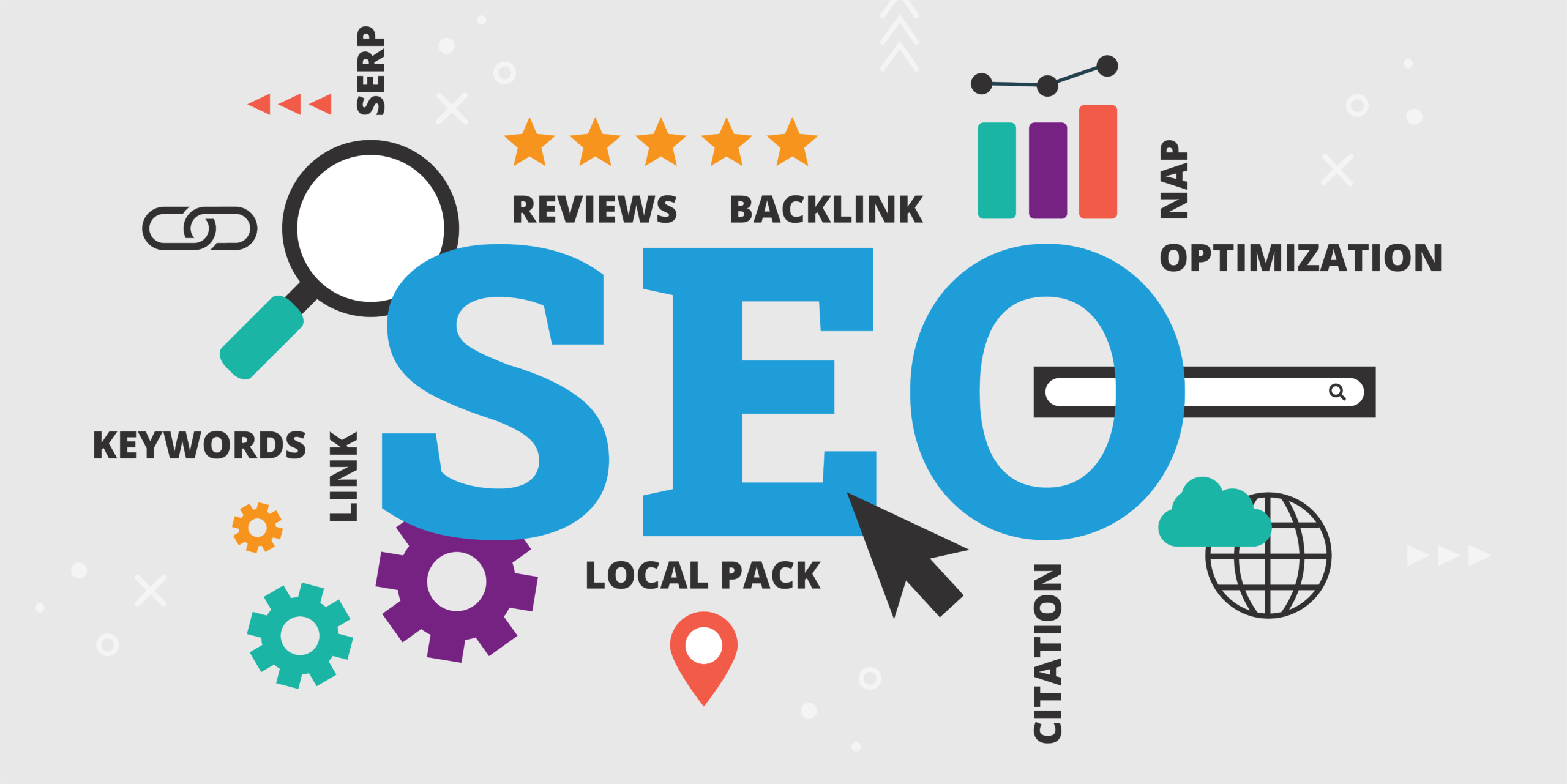
Search engine optimization

Search engine optimization

SEO (Search Engine Optimization) helps your financial services company stand out online.

By choosing the right words, customers can easily find your website without ads. With a good SEO strategy, your website will appear at the top of search results.

To achieve this, monitor customer behavior, stay updated on finance trends, and analyze competitors’ SEO practices.

Start by selecting relevant keywords using tools like Ahrefs and Semrush. Then, incorporate these keywords into your website’s title, descriptions, and tags for effective marketing.

To improve your website’s visibility on Google, follow these steps:

  1. Create a sitemap to help search engines navigate your site.
  2. Sign up for Google Search Console to monitor your website’s performance and identify any issues.
  3. Consider your website’s domain authority, which is influenced by factors like longevity, popularity, and quality backlinks.

By implementing these strategies, you can enhance your website’s presence in search results.

Event Marketing

Event Marketing

In the financial services industry, digital marketing can help connect with potential customers and build strong relationships through events like talks, webinars, and conferences. This fosters customer loyalty.

Email Marketing

Email Marketing

Email marketing is a powerful tool for digital marketing. Improve your website and collect email addresses from interested individuals to stay connected. Use tools like Automizy to send personalized emails that integrate with your client database.

Start with welcome emails to make a great first impression and attract new customers. Then, send newsletters periodically to provide updates and behind-the-scenes insights about your financial services company.

Share special deals on products like life insurance or mortgages, and inform them about new offerings through email. Make your emails engaging with animated pictures, emojis, and simple language to keep readers interested in learning about budgeting and saving.

Referral Marketing

Referral Marketing

Marketing agencies for financial services might use referral strategies to get current customers to recommend their friends and family to banks or other financial companies.

PPC Advertising

PPC Advertising

PPC advertising is an effective way to generate leads and increase visibility in search results. There are various types of ads available, including retargeting, search, display, and social media ads.

Regardless of the ad type, having a solid plan is important. Create dedicated pages with clear goals to demonstrate how your financial services can benefit customers.

Conduct research on keywords used by people seeking money solutions, prioritizing those that reflect their needs. Additionally, establish a budget and set clear goals to maximize the effectiveness of your ads.

Once you understand the best marketing strategies for financial services, you can implement them on your own.

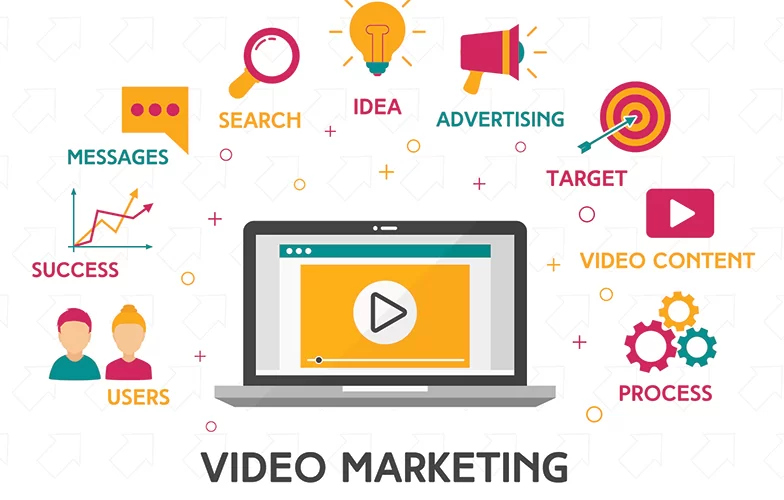
Video Marketing

Video Marketing

To explain complex money topics, consider creating educational webinars and videos. These resources can teach customers about budgeting, obtaining loans, and investing. Webinars humanize your company and attract new customers by providing valuable information.

Additionally, webinars allow you to engage with interested individuals and learn more about their needs. Collaborating with other reputable companies during webinars can help establish connections and expand your brand’s reach.

Influencer Marketing

Influencer Marketing

A money agency might team up with important people in finance to tell more people about a bank’s products and services.

Financial Services Marketing Strategies Currently Used In The Finance Industry

Financial Services Marketing Strategies Currently Used In The Finance Industry

Machine Learning

Machine learning is like a helper that does marketing for banks and other money services. It uses information from social media, internet browsers, and when someone first signs up to make special marketing plans, products, and solutions for people interested in money services.

Financial Institution’s Use of Mobile Marketing

Definitely, mobile marketing is growing and becoming a big deal in advertising for money services that you shouldn’t ignore.

This includes using apps and websites that work well on phones, knowing where people are (geo-location), giving alerts and rewards in apps, and supporting things like talking to your phone to search for stuff via social media platforms and digital channels.

Market Financial Products and Services with Detailed Demographic Information

Using micro-targeting is getting more popular in all kinds of marketing, and it’s especially helpful in finance. When banks and money companies know more about their customers, they can make really good and personalized marketing plans. These plans can be automated, which means they are sent out automatically, based on what each customer needs. Many institutions achieve this level of personalization by working with open banking API providers, which allow secure access to user data and insights for more targeted engagement.

Financial Marketing Requires Human Interactions

While automation and machine learning are increasingly prevalent, they cannot replace the personal touch of humans. Customers today desire individualized communication and human interaction in marketing.

This can be achieved by assigning dedicated support specialists to each customer and conducting live meetings with potential customers.

To create a positive experience in banking or financial services, as well as personalized digital experiences, it is important to have a friendly and customer-focused team.

The Ever-Evolving Marketing Trend Of Customer Outreach In The Finance Industry

More and more, marketers in finance are reaching out to customers to make their brand known and help their local communities.

Teaching people about financial matters can happen in different ways, like short talks or longer classes. The goal is to help with a problem or meet a need without selling anything. This usually builds trust and makes people more aware.

After these sessions, you can ask people to learn more or offer discounts to those who join a program related to what they learned. It’s a way to encourage new customers to use what they learned. The success depends on how you plan your outreach.

Trends for Financial Services Marketing

Trends for Financial Services Marketing

Let’s check out seven important marketing trends in the financial services industry.

We’ll also figure out what kinds of technology can help you stand out in this competitive market.

1. Increasing Demand for Cross-Departmental Integration

In the financial services industry, companies often struggle with scattered data. This can occur due to mergers, varying control levels, and data collection methods. However, it’s important for effective marketing campaigns and customer experience to analyze all data accurately.

CMOs play a vital role in connecting different company parts and consolidating marketing information. A centralized platform for data analysis allows teams to store important marketing data in one place.

This facilitates linking data from all business areas, enabling better decision-making for overall success.

2. Digital Efforts

Financial services use marketing mainly to gain trust from people who might become customers. Using social media helps these services talk directly to possible clients and answer their questions online.

In fact, almost half of customers can expect to get an answer within an hour. This also gives the company a chance to have more control over how people see them.

When a company creates a digital space where customers can connect and get useful content, it makes sure that customers will choose them over other competing brands.

3. Measuring Campaigns & Marketing ROI

Because digital marketing creates lots of data, CMOs and CFOs expect marketing teams to be more responsible. When choosing a platform for marketing analytics, there are a few important things to consider:

  1. ROI Analysis & Reporting: Connect your analytics platform with financial reporting systems to accurately find out if your marketing is giving good returns. This helps show the real value of your marketing investments to the finance team.
  2. Online & Offline Optimization: Make sure your chosen platform can track and make better all kinds of media placements and messages, whether they are online or offline.
  3. Brand Tracking: Keep an eye on things like how many people know about your brand, how likely they are to buy, and how involved they are. The right marketing analytics platform helps you track your brand’s image over time through regular surveys, helping you get the most value in the long run.
  4. Brand & Behavior Linkage: The best marketing analytics platform can show how your brand investments connect to sales data. It tells you which branding tactics are doing well and which ones aren’t.

4. Answering Consumer Micro-Moments

Micro-moments occur when people use their devices to quickly find what they need.

With 96% of people using smartphones for quick information, it’s essential for marketers to connect with this large group. To be prepared for these moments, marketers should have content that meets these immediate needs.

Finding a platform that can anticipate search queries during micro-moments is beneficial. This allows you to adapt your campaigns in real-time, providing customers with the information they need without excessive spending.

5. Creating Valuable Content for Customers

Creating content is a key marketing strategy for financial service marketers, as it drives website traffic and builds customer relationships. However, instead of relying on assumptions, marketers should use data to inform their content creation decisions.

By analyzing survey data and sales data, marketers can determine the type of content that resonates with their audience. This approach not only increases brand awareness but also maintains customer interest in the company’s offerings.

Using data-driven insights, marketers can create the most effective content.

6. Leveraging Predictive Analytics & Machine Learning

Big players in the financial services industry are recognizing the power of predictive analytics and machine learning. While these technologies are already widely used for security, automation, and trading algorithms, their potential in marketing is still untapped.

By using predictive analytics and machine learning, marketers can effectively target markets & customers with relevant messages.

To achieve this, marketers should utilize advanced analytics platforms that can predict the most effective messages.

Smart learning frameworks like Bayesian learning and forgetting enable marketers to make data-driven decisions based on market changes. These tools prevent wasting money on ineffective ads and identify valuable opportunities.

Effectively Positioning Your Financial Services with Strategic Marketing

Effectively Positioning Your Financial Services with Strategic Marketing

When developing a financial services marketing strategy, it is important to consider your positioning and differentiation to stand out in a competitive landscape.

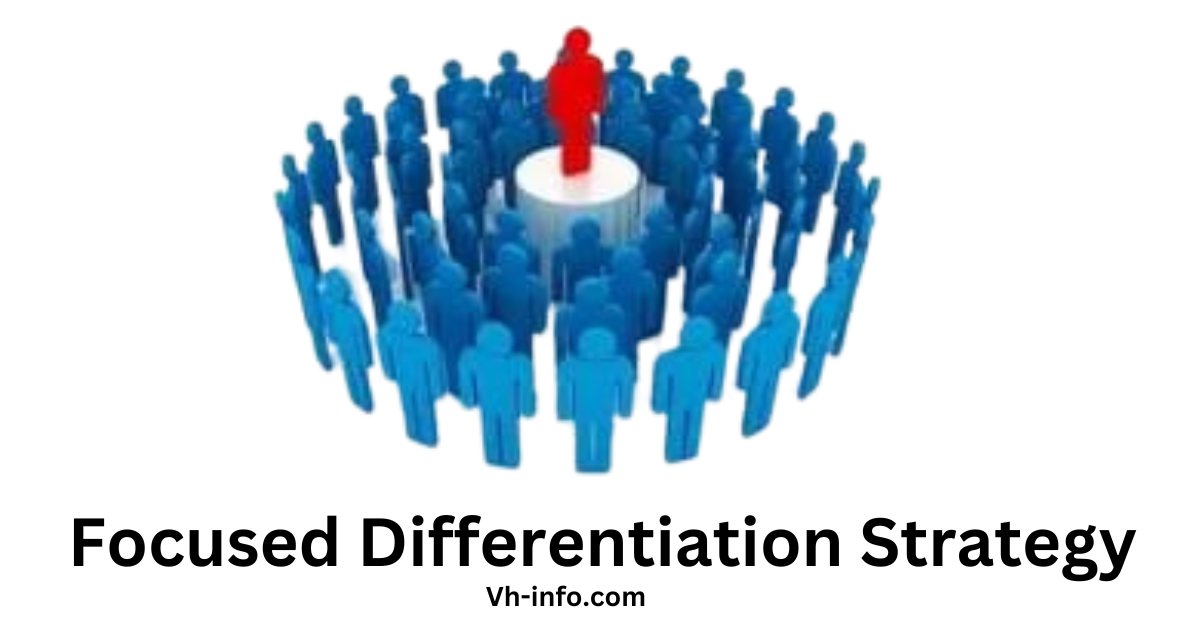
By identifying your target audience and their needs through qualitative research, you can tailor messaging and offerings using focused differentiation to provide unique value.

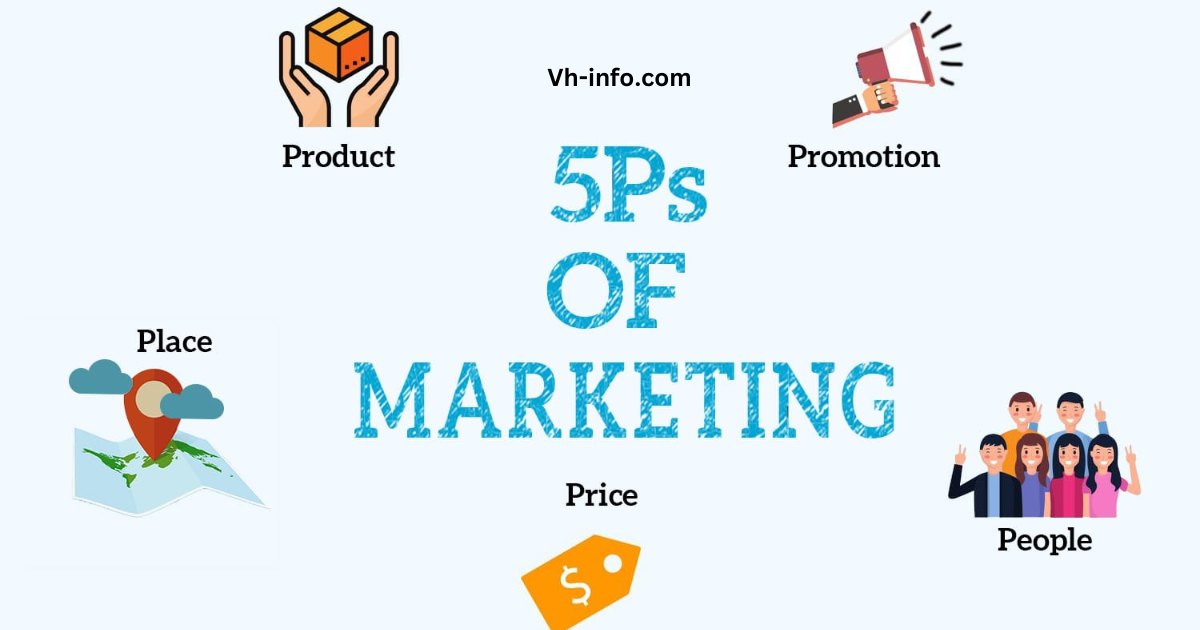
An effective marketing positioning strategy revolves around the 5 Ps of marketing and focuses on driving paid acquisition with relevant content optimized for search. This requires extensive keyword research to reach customers during key micro-moments.

Understanding your customers’ journey from TOFU to BOFU stages is also important to nurture relationships over time through personalized experiences across channels.

With strategic positioning and differentiation, financial institutions can maximize marketing performance.

FAQ’s:

How does Financial Services Marketing differ from other Marketing?

Financial services marketing has some unique characteristics and challenges compared to marketing for other industries:

  • Financial marketing operates in a highly regulated industry with complex restrictions on advertising, data usage, and offers. Marketers have limited flexibility.
  • Financial products require extensive research and consideration before purchase. Marketing must educate and build trust early in the buyer’s journey.
  • Developing personalized relationships over time is important. Marketing supports ongoing nurturing and retention.
  • Marketers often target older, wealthier, more educated demographics with conservative values and higher financial service needs.
  • Strict data protection and info security regulations apply to collecting and managing customer data for marketing. Maintaining compliance adds complexity.
  • Financial marketing focuses on advisory services rather than transactions. Positioning expertise and guidance is important.
  • Maintaining reputation through careful branding and marketing is important in this highly trusted field.
  • Smaller financial marketers face challenges in standing out from major incumbent brands with large budgets. Differentiation is essential.

Why do Financial Institutions need Marketing?

Financial institutions need marketing for a few key reasons:

  • To build awareness and interest in their financial products and services among potential new customers. Marketing gets more people to consider using their company.
  • To educate consumers on how their offerings work and their benefits compared to competitors. Marketing provides the information consumers need.
  • To develop trust, credibility, and a positive reputation as a knowledgeable and dependable provider. Good marketing establishes expertise.
  • To retain existing customers by reinforcing the value they get from the relationship. Ongoing marketing nurtures loyalty.

What are the Functions of Financial Marketing?

Here are the main functions of financial marketing:

  • Research – Understanding customer needs, market conditions, competitor offerings, and industry trends to inform marketing strategy.
  • Product development – Creating or modifying financial products and services based on market research.
  • Pricing – Setting optimal pricing for financial products and services considering market factors, customer willingness to pay, and profit goals.
  • Promotion – Advertising, social media, PR, direct marketing, and other channels to promote the brand to new and existing customers.
  • Distribution – Managing how financial products reach customers through physical branches, online platforms, advisors/brokers, etc.
  • Customer service – Providing support and helping customers use financial products to encourage retention and loyalty.
  • Branding – Crafting and managing the brand identity to differentiate the financial institution in the marketplace.
  • Analytics – Measuring marketing performance through metrics like lead generation, sales conversion, campaign ROI, customer lifetime value, etc.
  • Digital marketing – Leveraging online channels like SEO, content marketing, and social media to attract prospects.
  • Customer experience – Ensuring every customer touchpoint provides a positive experience that builds satisfaction.

Why Does the Financial Services Industry Need Financial Services Marketing?

The financial services industry needs financial services marketing because the old way of just waiting for customers to come is not enough anymore.

Now, there’s more competition, and people expect different things. Financial companies have to actively reach out to people to get their attention and interest.

This change happened because financial products are more similar, new FinTech companies are shaking things up, there’s a lack of trust in the industry, stricter rules, and the way people use technology has changed.

To succeed, financial companies have to use new and creative marketing strategies to attract new customers in this evolving landscape.

Conclusion

In conclusion, financial services marketing is essential for maximizing the potential of your business in the finance industry.

With the increasing demand for cross-departmental integration, digital efforts, and personalized experiences, it is important to stay up-to-date with the latest trends in financial services marketing.

By leveraging strategies such as digitization, content marketing, SEO, and customer outreach, you can effectively promote your financial products and services to your target audience.

Additionally, measuring campaign success and ROI, answering consumer micro-moments, and creating valuable content are vital for staying ahead in the competitive finance industry.

So, whether you are a financial institution or a fintech startup, investing in financial services marketing is key to driving growth and building long-lasting relationships with your customers.

The 5 Ps of Marketing: Your Roadmap to Success

Are you tired of your marketing campaigns not delivering the results you want?

Do you want to create a successful roadmap for your business?

The answer lies in the 5 Ps of Marketing. These five pillars of marketing, also known as the marketing mix, encompass all the elements that go into creating and promoting a product or service.

In this blog, we will dive deep into these five Ps – Product, Place, Price, Promotion, and People – and explore why they are crucial for any successful marketing campaign.

We will also discuss how to apply them effectively to your digital strategy and provide real-life examples from top brands like Apple, Nike, and Amazon.

So, let’s get started on creating a winning marketing plan using the 5 Ps of Marketing!

What Are the 5 Ps of Marketing?

What Are the 5 Ps of Marketing?

The 5 Ps of marketing is super important for making marketing work well. It’s like a recipe that helps businesses sell their stuff better.

The recipe has 5 key ingredients: product, place, price, promotion, and people. These have been important for a long time, since the 1940s. But now, we also include “people” to make it even better. So, we call it the 5 Ps of marketing.

Let’s check out each of these ingredients more closely:

1. Product

Product

The product part is about what a company sells to its customers. It’s not just the physical thing, but also how it looks, its brand, design, quality, features, and what benefits it gives. For startups, a no code MVP lets them build a product quickly without coding, making it easier to test ideas and gather feedback.

The aim is to make a product that satisfies what the customers want and need. It should also have something special that makes it better than what other companies are selling. For example, the Finntray product line by Kometos incorporates a dosing system that provides comprehensive dosing and packaging solutions tailored for the food industry. The system, designed to meet strict hygiene standards and minimize waste. So focusing on product prioritization will ensure that a company allocates resources efficiently to enhance its unique selling proposition and meet customer demands effectively.

For instance, a company might make its product stand out by focusing on high quality, having a unique design, or giving customers a really good experience. The brand (like the logo and name) is also super important in this part of marketing. Also, companies can invest in mockups to visually showcase their product’s quality, design, and brand identity.

2. Place

Place

The “place” part is all about where customers can buy the product and how they get it. It includes things like where it’s sold, how it’s delivered, and the service level. such as same-day delivery options that can enhance customer satisfaction.

The idea is to make sure the product is easy for people to get, at the right time and place. This is really important to think about.

For example, a company might sell its product in different ways, like in physical stores, online shops, or directly to customers through distribution channels.

They also have to think about stuff like keeping enough products in stock, getting orders ready, and choosing good shipping options so that customers can get the product when and where they want, ensuring accessibility.

This includes utilizing various promotional activities such as social media ads, content strategies, and local craft fair events to build awareness around the business.

3. Price

Price

The “price” part is all about how much customers have to pay for the product. It includes things like the cost of making the product, how much profit the company wants, and any special deals or discounts. To streamline and optimize this process, many companies leverage SAP CPQ solutions to automate pricing configurations, ensuring accuracy and efficiency in their pricing strategies.

The marketing plan should choose a price that is fair, competitive, and shows how valuable the product is. It also needs to help the business make the right amount of money. The price can affect how people see the product – whether it’s seen as affordable or fancy. So, it’s essential to also gather product feedback to see if there’s a need to lower the prices.

For example, a company might set a high price if they want to attract customers who are willing to pay more for something special. Or, they might set a low price to get more people to buy and try their product.

4. Shipping

Shipping is the bridge between your product and your customer’s hands. It covers how fast orders arrive, which carriers you use, packaging quality, and how transparent your tracking is. When shipping is smooth and predictable, it builds trust and increases the chance that shoppers return.

From a marketing point of view, shipping also shapes the promise you make on your website. Clear delivery times, options like express or eco-friendly shipping, and upfront costs reduce friction at checkout. Being transparent about factors like how long does customs clearance take for international orders also helps manage expectations. When brands align their shipping strategy with customer expectations, they turn logistics into a competitive advantage.

5. Promotion

Promotion

Promotion” is all about how a company tells people about its products or services. This includes things like ads, sales deals, talking to the media, personal selling, and using the internet. For example, crafting the right direct mail message can significantly improve response rates and boost engagement.

The aim is to make more people know about the product and get them interested enough to buy it. It’s like taking an extra step to convince people to choose and buy what you’re selling.

For instance, a company might use social media to make more people recognize its brand, give out discount codes to boost sales, or team up with a famous person or influencer to talk about and recommend the product.

6. People

People

Last but very important, the “people” part is all about the individuals who are part of making, selling, and using the product or service. This includes the workers, customers, suppliers, and partners.

A business needs good relationships with these people. It’s important to make sure everyone’s needs and wants are taken care of.

For instance, a company might spend on training and developing its employees to make its product or service better. It could also listen to what customers have to say to make improvements and fix any problems.

From making sure the employees are happy to looking at what customers think, people are at the heart of every business.

Other Marketing Mix Ps

The 5 Ps of marketing give a strong base for a good marketing plan. But, depending on the type of business, marketers might want to think about a few more Ps to make sure they cover everything.

Here are some extra Ps that can make your marketing plan even better:

Process

Process

How you get your products or services to customers is really important for your marketing plan. The process is about how you make and deliver what you’re offering to customers. This includes not only choosing the right channels but also tracking operational expenses to ensure that your delivery methods remain efficient and cost-effective.

This part can help you figure out the best way to give your products or services to the people you want to reach.

Physical Evidence

Physical Evidence

This part is about the real things in your products or services that customers can touch or have.

It could be something like an actual item, for example, a car, or something digital, like software. The physical evidence is like proof that the customer got what you offered.

Partners

Partners

If you work with friends like distributors or other marketing buddies, adding them to your marketing plan is really important.

This part helps you find and make partnerships that can help you reach more people, make your customer service better, and bring in more money overall.

Payment

Payment

Payment is about how you handle and deal with buying and paying for things. It’s like figuring out how customers can pay you.

This can be through cash, credit cards, or online payment platforms. Finding the best ways for customers to pay can make their experience better and make your business run smoother.

Packaging

Packaging

Packaging is how your products or services look on the outside.

If it looks good, it can make your brand better, make your products stand out from others, and even make more people want to buy them.

Perception

Perception

How people see and think about your brand is really important in today’s digital marketing.

This part helps you figure out what people think about your brand and make changes to make it better and give customers a good experience.

Why are the 5Ps of Marketing important?

The 5 Ps of marketing are like a guide to help business owners know their customers and sell things better. They help in figuring out who the best customers are and how to reach them using time and money wisely. If any of these parts doesn’t match what the customer wants, the product or service might not do well. These principles can be used for the whole business or for specific things like ads or launching a new product.

Who invented the 5 Ps of marketing?

The person who came up with the 5 Ps of marketing is Philip Kotler. He’s a smart professor of international marketing at Northwestern University. He’s famous for making the idea of the marketing mix popular.

Why are the 5 Ps of Marketing Important to Your Digital Strategy?

The 5 Ps of marketing are super important for your digital strategy because they help you stay focused on what you want to achieve. They create a plan that guides all your efforts.

When you have these pillars in place, it’s easier to see where your business might need some extra help. For instance, if you’re having trouble selling things, you might want to check the prices or the people handling sales.

And, if your new products or services aren’t getting good reviews, it’s time to dig into your product lines and see if they’re reaching the right people.

No matter what challenges your business is facing, having these core values is like a compass that helps everyone stay on track and work towards the same goals.

How to Use 5 Ps of Marketing Effectively?

Now that you know about the 5 Ps of Marketing, let’s talk about how to make them work well for your business:

  1. Create a Buyer Persona: Start by figuring out who your customers are. Make a “buyer persona” to understand what they need. This will help you use the 5 Ps to give them what they want.
  2. Define a Strategy: Use the 5 Ps to plan how to meet your customer’s needs and reach your business goals. Remember, all your 5 Ps of Marketing are connected.
  3. Mind Your 5 Ps in Content: When making things like blog posts, Facebook ads, or Instagram reels & stories, think about your 5 Ps. Ask yourself, “How does this help my customers, and how does it connect to my 5 Ps?
  4. Watch How Your Ps Affect Each Other: Pay attention to how one P can affect another. If you change the price, it might change how many people want it. Think about this to adjust your 5 Ps of Marketing plan.
  5. Use Analytics and Data: Look at data like website visits, sales, and other numbers to guide your 5 Ps. This will help you know what changes will work best for your 5 Ps of Marketing. Additionally, by transferring data from Amazon RDS to BigQuery, you can gain deeper insights into your business performance, analyze large datasets efficiently, uncover trends, and make data-driven decisions that optimize your marketing strategies.

Examples From Real Brands of the 5 Ps of Marketing

Let’s check out some examples of the 5 Ps of marketing to learn more about them.

Canva

Canva

Canva is a cool and different platform. It lets people who aren’t experts in design make marketing stuff easily. When Canva started, it was free. Once people liked it, Canva added special paid versions with extra features for businesses. It lets people who aren’t experts in design make marketing stuff easily as it offers various pre-made customizable templates such as flyer templates, brochure templates, and many more.

They were careful about when to add these features so that people still felt the price was fair and worth it.

Mercaris

Mercaris

Mercaris is a financial tech company that saw something missing in how it sold its product. They decided to focus on organic, non-GMO, and sustainable agriculture. This made their brand stand out because there weren’t as many companies doing the same thing.

By making a product in a niche area with less competition, Mercaris found its own spot in the market. They kind of created their own special place where they could be the best.

Tesla

Tesla

Tesla is changing how cars work with its electric vehicles. It’s not just about cars; it’s also about making the future better.

The ‘Price‘ for Tesla cars might be higher, but that’s because they use really advanced tech and give a luxury experience.

For ‘Place,’ Tesla does things differently by selling directly to customers online or in their showrooms, not through regular car dealerships.

In ‘Promotion,’ Tesla relies a lot on public relations, spearheaded by CEO Elon Musk’s influential presence on social media.

Lastly, the ‘People‘ at Tesla, from the engineers to the salespeople, all believe in making the world greener, giving a personal touch to the brand.

Warby Parker

Warby Parker

Warby Parker, the online glasses company, sells frames for only $95. This is way less than what many other companies charge.

They decided on this price by thinking about what people see as both cheap and good quality. So, Warby Parker found a price that works well for their product.

By paying attention to what people think and setting the right price, Warby Parker reached its goals of being affordable but still seeming like a high-quality brand.

Apple

Apple

Apple is really smart in how they use the 5 Ps of marketing to build brand awareness known for innovation and luxury.

They put a lot of emphasis on the ‘Product.’ All Apple devices are made to be easy to use, stylish, and give users a great experience.

For ‘Price,’ Apple charges a bit more than other brands, but people think it’s worth it for the quality they get.

Their ‘Place‘ is in cool and modern stores that match their brand look.

In ‘Promotion,’ Apple focuses on emotions, showing how their products make life better.

The ‘People‘ at Apple, from the leaders to the store staff, play a big part in making and keeping Apple as a top brand.

Hu

Hu

Hu is a dessert brand that makes organic treats without lots of extra stuff you find in regular candy and chocolate.

But instead of being a special brand that you can only find online, Hu put its products in big stores like Whole Foods, Target, and Walmart.

By doing that, more people could easily buy their products. Hu became more known, and more people bought their treats.

The Lip Bar
The Lip Bar

The Lip Bar is a famous vegan beauty brand that works with popular people on social media to tell more people about its products.

They focus on women of color in their marketing and carefully pick partners who believe in what they stand for.

By promoting the brand on social media and through influencers, The Lip Bar reaches the people they want to connect with, right where those people hang out.

Walmart

Walmart

Walmart’s plan with the 5 Ps is all about giving you good value for your money. They have a huge range of stuff (‘Product‘) for pretty much everything you might need. Walmart keeps prices low every day (‘Price‘) to attract people who are careful with their money.

They have lots of stores and a website (‘Place‘) so you can easily get their products. Walmart tells you about their deals and discounts through flyers and special campaigns (‘Promotion‘).

The people who work at Walmart (‘People‘) are important in making sure you get friendly service and are happy with what you buy. They play a big part in keeping the promise of good customer service.

Nike

Nike

Nike’s plan in the 5 Ps is all about inspiring people and making things that work well. They offer more than just shoes (‘Product‘); they have clothes and accessories too, all made to make sports better and look good.

The prices are a bit high (‘Price‘) because their stuff is really well designed and made with top-quality materials. You can get Nike things in their stores, online, and in certain sports shops (‘Place‘).

To get people excited, Nike uses famous people and cool stories (‘Promotion‘). The people who work at Nike, from those who design to those in the stores (‘People‘), are all about what Nike stands for, making the brand even more appealing.

Starbucks

Starbucks

Starbucks uses the 5 Ps to make a special coffee experience. They offer more than just coffee (‘Product‘); they have lots of drinks, food, and even things with their brand on them.

Starbucks prices are often a bit higher than other places (‘Price‘), but people are okay with it because they like the unique atmosphere and good quality.

Starbucks picks where to put their stores carefully for lots of people to see (‘Place‘). They do promotions with special drinks, loyalty programs, and are active on social media (‘Promotion‘). The people who work at Starbucks, called ‘partners,’ are friendly and make sure customers feel at home (‘People‘). This makes Starbucks like a second home between work and home, attracting and keeping loyal customers.

Amazon
Amazon

Amazon uses the 5 Ps to stay the biggest online marketplace. They sell almost everything you can think of (‘Product‘). Amazon keeps prices competitive and changes them based on what’s happening, and if you’re a Prime member, you might get free shipping (‘Price‘).

Shopping on Amazon is easy online, and they have a big network to deliver things fast (‘Place‘). They suggest things you might like and show you ads (‘Promotion‘). You can leverage Amazon FBA Prep as well to manage your inventory better and ship products efficiently.

The people at Amazon, from those in the warehouse to those working on fancy tech like AI, all work to make Amazon the most customer-friendly company on Earth (‘People‘). Their vast logistics network ensures quick delivery and efficient operations. When considering selling products on Amazon, it’s essential to factor in Amazon RDS pricing to optimize costs and enhance profitability.

YouTube

YouTube

YouTube, the online platform, does things a bit different with the 5 Ps.

The ‘Product‘ is the platform where people can share and watch videos.

Price‘ is not for viewers; they can watch for free. But advertisers pay to show their ads to the right people. It’s online, so you can use it anywhere with internet (‘Place‘). ‘Promotion‘ includes features like showing videos they think you’ll like.

People‘ include everyone – from the people making videos to those who keep the tech working well, including influencers on LinkedIn.

Netflix
Netflix

Netflix changed how we have fun by using the 5 Ps. They have a bunch of stuff to watch (‘Product‘), including lots of their own shows and movies. You can choose how much you want to pay with different plans (‘Price‘).

You can watch Netflix online anytime, anywhere (‘Place‘). They tell you about what to watch with personalized suggestions, social media, and exciting trailers (‘Promotion‘).

People at Netflix, like those who make shows, look at data, and fix tech stuff, all work together to give you an amazing time with entertainment (‘People‘).

FAQ’s:

Which P is the most important?

It’s difficult to say that any one P is definitively the most important, as the 5 Ps are interrelated and depend on each other.

However, Product functionality and People are often seen as the most critical key features. A strong, differentiated product that solves customer needs is the foundation. And having the right people and talent to execute the Product, Pricing, Promotion, and Place is vital for success.

While the importance of each P varies by company, Product functionality and People are essential for any marketing strategy. But ideally all 5 Ps work together to create an integrated, customer-focused marketing mix.

Is the 5 P’s necessary to develop a good marketing plan?

The 5 P’s – Product, Price, Place, Promotion, and People – provide a useful framework for developing a strong marketing plan.

Considering each P helps you thoroughly think through your strategy and tactics. While not strictly necessary, the 5 P’s cover the key elements of a good marketing plan.

How the 5 Ps of marketing can be used to create successful marketing strategies?

The 5 Ps of marketing – Product, Price, Place, Promotion, People, and Target Market – provide a framework to develop strategies that align your product/service, pricing, distribution, messaging, and staffing.

Carefully considering each P, including product decisions, allows you to create an integrated strategy that meets customer needs, delivers value, reaches your target audience, and leverages your team’s skills.

This comprehensive approach, including market coverage, is key to creating marketing strategies that connect with customers and drive success.

Can the 5 Ps of marketing be applied to all types of businesses?

Yes, the 5 Ps of marketing – Product, Price, Place, Promotion, and People – provide a versatile framework that can be applied to all types of businesses.

The key elements of product, pricing, distribution, marketing communications, and staffing are relevant for any company selling products or services.

While the specifics will differ, considering each P allows any business to develop an integrated marketing strategy.

The 5 Ps framework, introduced by E. Jerome McCarthy, is flexible enough to help small startups or large corporations create strategies for success.

Does the importance of each P vary across different industries or sectors?

Yes, the importance of each of the 5 Ps – Product, Price, Place, Promotion, and People – does vary depending on the industry or sector.

For example, Price may be a critical factor for low-cost airlines, while Promotion is more important in building luxury brands. Place or distribution, or the right place, is a key P for consumer packaged goods.

The flexibility of the 5 Ps framework allows marketers to emphasize the most relevant elements for their specific company and market dynamics. While all 5 Ps matter, businesses can leverage the framework to focus on their most vital marketing mix ingredients.

Can a business still succeed without incorporating all 5 Ps in their marketing strategy?

A business needs to consider all 5 Ps, including the people element, for marketing success. Each P is important, but their relevance may vary for different businesses.

By thoroughly addressing the most relevant Ps for your market, product, and business model, you can succeed with a focused marketing mix.

However, incorporating all 5 Ps provides the best opportunity to connect with customers and outperform competitors.

Leverage the 5 Ps of Marketing Framework to Develop an Integrated Strategy

The 5 Ps of Marketing – Product, Price, Place, Promotion, and People provide a comprehensive framework for marketing success.

Carefully researching your target audience using qualitative methods and segmentation strategies allows you to differentiate your offering and market positioning.

You can then reach both TOFU and BOFU prospects through appropriate channels. Financial services in particular depend on effective positioning to attract clients.

Using keyword outlines further helps refine messaging. With careful attention to each P, an integrated marketing strategy can be developed.

Conclusion

In conclusion, the 5 Ps of marketing provide a comprehensive roadmap to success in your marketing efforts. Each P plays a vital role in shaping your marketing strategy and ensuring its effectiveness.

From developing a compelling product to identifying the right target audience, setting the right price, promoting effectively, and creating a positive customer experience, all these elements work together to drive your marketing success.

It’s important to remember that the 5 Ps are not static; they require continuous evaluation and adaptation to meet the changing needs of your business and the market.

By understanding and effectively applying the 5 Ps, you can create a strong foundation for your marketing efforts and achieve your business goals.


Paid Acquisition: Meaning, Benefits & Drawbacks (Don’t Miss this!)

Are you looking to scale your business and reach new audiences?

Paid acquisition could be the key to unlocking your growth potential.

In this blog, we will cover everything from what paid acquisition is and its benefits and drawbacks to the types of paid acquisition channels available.

We will also offer tips on how to create effective marketing strategies for your business, including optimization, retargeting, and accurate budgeting.

Additionally, we will answer frequently asked questions about paid user acquisition such as how much budget should be allocated, when is the right time to hire an agency, and whether there are any free user acquisition methods.

Don’t miss out on this opportunity to take your business to the next level with paid acquisition marketing.

What is Paid Acquisition?

What is Paid Acquisition?

Paid acquisition means buying new customers or users by paying for advertising and promotions. Companies do this to get more customers faster than just waiting for word-of-mouth or search traffic.

Some common ways are search ads, social media ads, paying for referrals, and TV or radio ads. The goal is to quickly and strategically grow your customer base by investing money upfront on targeted ads, including search engine results and landing pages, to acquire website visitors through marketing efforts.

Benefits of Paid User Acquisition

Here are some key benefits of paid user acquisition:

  • Faster growth – Paid channels allow you to scale user acquisition more quickly than organic channels. You can ramp up spend to acquire users rapidly.
  • Targeting capabilities – Many paid channels like Facebook ads allow you to precisely target your ideal user demographics and interests. This improves conversion rates.
  • Measurability – You can track acquisition costs, conversions, ROI, etc. for your paid campaigns and optimize them. This is harder with organic channels.
  • Wider reach – Paid ads help you reach a much larger audience beyond just your current organic reach. This is especially useful for new products or brands.
  • Brand awareness – Paid ads can get your brand and product in front of more potential users, increasing awareness. Retargeting helps reinforce the brand.
  • Competition – In competitive spaces, paid acquisition is table stakes. Relying only on organic means falling behind rivals using paid channels.
  • Scale existing organic channels – Paid ads can complement and scale channels like SEO and content marketing.

Drawbacks of Paid User Acquisition

Here are some potential drawbacks to consider with paid user acquisition:

  • Costs can add up quickly – Paid ads and marketing can get expensive, especially for competitive keywords/placements. Budgets need to be managed actively.
  • Lower organic reach – Overreliance on paid acquisition can result in fewer organic search visits and followers over time.
  • Lower retention – Users acquired through paid ads may not be as loyal or engaged as organic users. Retention rates could suffer.
  • Ad fatigue – Too many ads from a brand can annoy users and lead to negative perceptions or losses in conversion rates.
  • Risk of poor targeting – Targeting the wrong users or overpaying for customer acquisition due to poor targeting settings or bidding.
  • Platform dependencies – Changes to ad platforms’ algorithms or costs can disadvantage brands reliant on paid ads only.
  • Click fraud – Fake clicks and bot traffic eating away at ad budget, with minimal real users acquired.
  • Short-term mindset – Focusing solely on paid channels leads to a mindset of acquiring users cheaply vs. building lasting brand value.

Do you want to leverage paid acquisition and grow your business?

Paid acquisition can be a powerful way to grow your business if done right. Focus on driving quality traffic that converts and has a positive ROI. Continuously test and optimize your campaigns to maximize results over time.

What Are The Types of Paid Acquisition?

Lots of ways exist for businesses to get new customers by paying for them.

Let’s talk a bit about some of the most common ways:

Social Media (Facebook, LinkedIn, Instagram and TikTok ads)

Social Media (Facebook, LinkedIn, Instagram and TikTok ads)

Every day, billions of people use social media like Facebook, Twitter, Instagram, TikTok, and LinkedIn. This gives a chance for businesses to find potential customers. Businesses can put ads on these social media platforms to promote their products or services.

On platforms like Facebook, businesses can show their ads to specific groups of people, like certain ages or locations. This helps the ads reach the right audience.

Paid ads on social media platforms, such as Facebook and Twitter, are a good way to showcase your company to the people you want to reach. This can make more people aware of your brand, get you better leads, and increase sales. In recent years, Facebook ads have become very popular and effective in reaching a wide audience.

Search Engines (Search campaigns such as Google AdWords)

Search engines (Search campaigns such as Google AdWords)

Search engines, like Google, Bing, Baidu, Yandex, or Duck Duck Go, are great places for businesses to advertise and get customers. Many people use these search engines every day to find products and services they want to buy.

Often, the process of buying something starts with a simple online search.

The cool thing about ads on search engines, also called PPC ads or paid search marketing, is that you show them to people who are already looking for solutions to their problems or want to buy something. The people who click on these ads are usually very interested, and they might end up buying.

This type of advertising on PPC platforms, such as Google Ads, is more focused, and the chances of getting customers are higher compared to other ways of advertising.

In Google Ads, businesses can pay to put their ads on the search results page. They pay for each click on the ad, and it’s called pay per click (PPC) advertising.

Display Ads

Display Ads

Different types of display ads can show off different things you can buy or use. For instance, if you want to buy something specific, you might see an ad. If you click on it, you can go to the company’s website or the app that makes that product.

List building advertising (Cost per thousand impressions)

List building advertising is a type of online paid advertising where brands pay for ad impressions with the goal of getting people to sign up to receive emails, rather than trying to get immediate sales. Brands create interesting ads and landing pages that convince visitors to give their contact info to get discounts, content recommendations, or other lead magnets.

By optimizing ads to maximize email list signups rather than clicks or sales, brands can build a valuable owned audience. They pay per thousand impressions (CPM), instead of per click. This list asset enables further marketing like email newsletters and social media retargeting. So list building ads, which capture new leads, are a key customer acquisition strategy focused on lead generation rather than direct response.

Geotagged Ads (Geo-targeted)

Geotagged Ads (Geo-targeted)

Geo-targeted ads are a newer kind of ads used more and more to promote stuff. These ads can figure out where people are by looking at their IP address.

But be careful! Geotargeting is not the same as geofencing. Many business people and marketers get mixed up about these two.

A geo-targeted ad is shown only to the person whose location is known. For instance, a travel agency can advertise different vacation spots to people in certain cities, and only those people will see the ads.

Paid Acquisition Marketing Strategies & Channels

Paid Acquisition Marketing Strategies and Channels

Optimization

Firstly, it’s about making things work the best they can – having smart and well-planned strategies is a great way for paid acquisition. Unlike natural searches, paid marketing campaigns use cookies. Google and Facebook ads, for example, use cookies to follow where visitors go on your site and where they’re from, among other various methods.

This helps you show ads to people who are more likely to buy from you. So, you need to be clever about how you set up your bids and pick your keywords for search marketing. Additionally, incorporating live chat and chatbots can help with the critical step of converting visitors into paying customers.

Retargeting customers

Retargeting means showing ads to people who have been to your website or looked at your products before. Ad networks like Google ads and Facebook ads use cookies to collect info about users. As an advertiser, you can set up retargeting. This means you show ads only to people whose physical location is known and have checked out a product on your site before.

For example, let’s say someone visits an online store and wants to buy a laptop. The store owner can remember the customer’s details like name and email. Later, when the customer goes to other websites, they see ads from that store.

It’s also called remarketing because it lets you show ads to people who have been to your website or spent time checking out specific products. Google Ads and other networks like Facebook ads have good tools for retargeting.

Define your advertising budget accurately

Before figuring out how much money to put into an ad campaign, it’s important to know what you want to achieve with the campaign. Successful ad campaigns usually need a decent budget because many ad platforms use a bidding system. This means that advertisers with bigger budgets often get more visibility on the ad networks.

To make the most of your money, you also need to adjust your ad for the best results without spending too much on bids that won’t get any clicks. It’s smart to do careful research on keywords and find the ones that can give you the best return on investment for every dollar you spend on advertising.

Tracking

To make your paid ads work well, you must have good data analytics. Tracking is crucial for any ad campaign because you need to know how well it’s doing. It helps you understand what’s working and what’s not, making your campaign more successful.

Use tools like Google Analytics and Webmaster tools to track how people come to your website, what they like on your site, and which keywords bring them to you. Pay attention to the content that gets the most attention and keep giving similar content to your audience. People’s interests can change, so trust what you know about your audience and keep sharing things they are likely to be interested in, driving organic acquisition traffic and building an email list.

When, Where, and How to Start with Paid Acquisition?

When, Where, and How to Start with Paid Acquisition?

Here are some simple tips on when, where, and how to start with paid acquisition:

When:

  • After making sure your product or service is good and people want it. Don’t spend money on advertising if your product isn’t good.
  • Once you have a group of people interested in your stuff through things like SEO and content marketing. Paid ads can boost this.
  • When it gets too expensive to get customers without paying. Paid ads help you grow faster.
  • When you’re ready to reach new places and people. Paid ads are good for entering new markets.

Where:

  • Use Google Ads and SEO when people are actively searching to buy something.
  • Use Facebook/Instagram for making your brand look good and reaching more people.
  • Use content sites, influencers, and affiliates to let people know about your brand.
  • Use retargeting to remind people about your brand and encourage them to buy.

How:

  • Start with small tests for ads, pages, and measuring results. Change things quickly if needed.
  • Care more about getting people to buy rather than just looking at your ads.
  • Aim your ads at people who are similar to your existing customers.
  • Bid competitively but let the system learn before changing a lot.
  • Keep an eye on how much you’re spending and set a target for how much you want to spend to get a new customer.
  • If a campaign works well, use more money for it. If it’s not working, stop and fix it. Always try to make ads more efficient.

The main thing is to start with paid ads in a smart way, using data and working with your other ways of getting customers. Grow carefully based on how much you’re getting back for what you’re spending. Keep testing and making things better for success with paid ads.

How to manage your paid acquisition efforts?

You can make special ads and choose words that you want to be known for. This depends on what you’re selling and what you want to achieve, but pick words that people already search a lot. After starting with Google ads, it’s important to make sure your ads catch the attention of the people you want to reach. Experienced marketers suggest testing different versions of ads to see which one works best.

Your ad should be short and clear, explaining what your product or service is about. Use words that make people interested in what you’re selling. Adding a picture or a link to your product can attract customers who want to see more. Make sure your website looks good and is up to date.

There are also other ways to get noticed online, like search engine optimization, social media marketing, content marketing, and PR. All these methods can help you get more customers in a smart way.

Leveraging Paid Acquisition for Targeted Growth

As you develop your paid acquisition strategy, it’s important to have clear positioning and segmentation.

Define your target customer profiles utilizing both qualitative and quantitative research to identify the right messaging and channels.

A focused differentiation strategy centered around your customers’ needs will enable you to acquire users more efficiently.

Continue optimizing based on performance data to enhance your marketing positioning over time, especially in competitive financial services.

FAQ’s:

How much budget should I allocate for paid user acquisition?

Deciding how much money to spend on getting new users depends on what your app wants to achieve and how many other similar apps are out there. Begin with a budget you can handle, and if you see good results, you can increase it later on. It’s like testing the waters and adjusting as you go to make sure you’re spending wisely and following best practices.

When is the right time to hire an agency for user acquisition?

Think about hiring an agency when your sales team inside the company doesn’t have enough knowledge or tools to run user acquisition campaigns well. It’s also a good idea if you want to use the special skills and knowledge an agency can offer. Basically, get an agency when you need extra help to do it right.

Can I use the same strategy for both iOS and Android apps?

Even though there might be some similar ideas that work for both iOS and Android apps, it’s important to customize your plan for each one. They have different groups of people using them and specific needs, so it’s best to adjust your strategy accordingly.

Are there any free user acquisition methods?

You can get users without spending money through things like ASO (App Store Optimization), social media marketing, and content marketing. However, keep in mind that these methods might take more time and effort compared to paid options.

What are some examples of paid acquisition channels?

Paid acquisition channels include things like putting up ads on Instagram or LinkedIn, creating video ads on YouTube, or showing text ads in Google when people search. Also, events and programs where you reward people for bringing in new users are other ways you can pay to get more customers.

How do you measure the success of a paid acquisition campaign?

The main ways to measure success are looking at the cost per lead or customer acquired, conversions generated, and return on ad spend. A good paid campaign will keep acquisition costs low while getting a high number of conversions from its target audience.

Always track these metrics and make optimization decisions based on them, especially when focusing on one or two paid user acquisition channels.

It is recommended to keep the costs of paid acquisition, also known as customer acquisition cost, under 30% of customer lifetime value. This is crucial for building a financially stable business.

What are some common mistakes to avoid when running a paid acquisition campaign?

Don’t just focus on impressions or vanity metrics. Judge success by conversions and ROI. Avoid vague targeting or bidding too high – monitor costs per conversion closely. Don’t let the campaign run too long unchecked – pause bad performers quickly. And don’t completely rely on paid channels only – have a mix with organic outreach.

Is paid acquisition better than organic growth for businesses?

Even though getting customers without spending money (organic growth) is good, using paid methods can make your business grow faster, especially when you’re in a market with a lot of competition.

Conclusion

Paid acquisition can be a game-changer for your business, offering numerous benefits such as increased brand visibility, targeted audience reach, and faster growth.

However, it’s important to be aware of the drawbacks, such as cost and competition. If you are ready to take your business to the next level, paid acquisition can be a powerful tool in your marketing arsenal.

There are various types of paid acquisition channels, including social media ads, search engine campaigns, display ads, PPC, list building advertising, and geotagged ads. Each channel has its own advantages and can be tailored to suit your business goals.

To make the most out of paid acquisition, it’s essential to implement effective marketing strategies and tactics, such as optimization, retargeting, accurate budget allocation, and tracking. These strategies will help you maximize your ROI and achieve better results.

If you’re considering paid acquisition but unsure of where or how to start, seek guidance from experts in the field. They can help you navigate the complexities and ensure you make informed decisions that align with your business objectives.

In conclusion, paid acquisition can be the key to scaling your business. With the right strategies and channels, you can reach your target audience, increase conversions, and achieve significant business growth.

Focused Differentiation Strategy: What it is, How to Use, Examples

In today’s era of cut-throat competition, it is no longer sufficient to be good at what you do. You need to stand out from the crowd and be different to gain a competitive edge.

This is where differentiation comes into play. Differentiation strategy is all about creating unique products or services that stand out among competitors. There are two types of differentiation strategies: Broad Differentiation Strategy and Focused Differentiation Strategy.

In this blog, we will delve deeper into Focused Differentiation Strategy – what it is, how it differs from broad differentiation strategy, and how you can create and implement one for your business.

We will also take a look at some successful examples of Focused Differentiation Strategies in action.

Lastly, we will cover the advantages and disadvantages of using this strategy so that you can make an informed decision on whether it is right for your business or not.

What is a Differentiation Strategy?

What is a Differentiation Strategy?

Imagine a differentiation strategy as a plan that businesses make to stand out from their competition. Instead of offering the same things as others, they aim to provide something special, something that makes their products or services different and unique.

The goal here is to get ahead in the competition. To do this, a business looks at what it’s good at, what it’s not so good at, what its customers want, and how it can give more value than others.

There are two types of differentiation strategies. One is a broad strategy, where a business tries to be unique in the entire market. The other is a focused strategy, where it aims to be special in a specific part of the market.

What is a Focused Differentiation Strategy?

What is a Focused Differentiation Strategy?

A focused differentiation strategy is when a business aims to stand out by offering distinct features in a product or service tailored to a specific, narrow market or niche.

It involves concentrating efforts on a small group of consumers with unique needs, striving to provide more innovative, superior, or valuable offerings than competitors.

This strategy, also known as niche marketing or product specialization, is implemented when a company wants to cater to the specific demands of a well-defined customer segment within a broader market.

The key is to address the unique needs of this niche effectively.

What is a Broad Differentiation Strategy?

What is a Broad Differentiation Strategy?

A Broad Differentiation Strategy is when a brand or business creates a distinct identity that sets it apart from competitors across an entire industry, appealing to a wide range of consumers. This strategy aims to find advantages that make the product or service unique on an industry scale.

To make it work, the market must be extensive, with many potential customers and various unresolved issues. For a product following a broad differentiation strategy to succeed, it must be widely appreciated by customers, and its uniqueness in a large market allows it to be priced higher than competing products.

An example of this is Morton Salt, which stood out by adding iodine to their salt in the 1920s, addressing a simple need and differentiating itself in a vast market.

How To Create A Focused Differentiation Strategy?

Creating a Focused Differentiation Strategy is like crafting a special plan to make your business stand out in a specific group of people. Let’s break down the steps in an easy way:

  1. Market Segmentation: Find a specific group of people (market) that fits well with what your business is good at. Understand who they are, what they like, and what they need.
  2. Market Research: Learn a lot about this chosen group. Figure out how they behave, what they like or don’t like, and what’s trending. Look for gaps or opportunities where your business can be different.
  3. Know Your Strengths: Identify what your business is really good at. Understand your strengths and weaknesses, both overall and for specific products.
  4. Identify Unique Value Proposition: Think about what makes your products or services special for this group. Understand how your stuff can be better or solve problems that others might miss.
  5. Product Development: Create products or services that match what this group really needs. Be innovative and design things that they will love.
  6. Tailored Marketing: Make marketing messages and ads that talk directly to this chosen group. Show how your stuff meets their specific needs.
  7. Personalized Customer Experience: Make sure the entire experience, from buying to getting help, feels just right for this group. Think about how they want to be treated.
  8. Communicate Through Bio and Social Media: Use your company website’s bio section to communicate your story. Engage with your audience on social media platforms. Share your products and services in a personal and relatable way.
  9. Create a Memorable Brand Image: Implement your strategy by delivering better quality. Be creative and consider rebranding if needed. Aim to capture new clients within your target audience.
  10. Build Relationships: Connect with the people in this group. Engage with them, maybe through special programs or building a community.
  11. Continuous Improvement: Always look for ways to make things better. Listen to what this group says and use their feedback to improve your products or services.
  12. Monitor Competitors: Keep an eye on other businesses that are also trying to be special in the same group. Understand what they’re doing so you can stay ahead.
  13. Measure Success: Decide on things that show if your plan is working well. Regularly check these things to see how you’re doing.
  14. Feedback Loop: Keep talking to the people in this group. Ask them for feedback and use it to make things even better.
  15. Flexibility: Be ready to change things if needed. Stay flexible and adjust your plan as the needs of the group or the market change.

By following these steps, your business can create a plan that makes it special and really connects with the people you want to reach.

How to Implement a Focused Differentiation Strategy?

The main goal of a focused differentiation strategy is to make people think that a company’s stuff is special and different from other things out there, like in how good it is, how it looks, how reliable it is, and what people think about it.

Now, let’s see how to do that with easy steps.

Identify your business objectives

The first thing to do when using a focused differentiation strategy is to set goals. Decide what you want to achieve with your business plan.
Goals could be things like making more money by selling more, getting more profits by charging higher prices, telling people about new product features through different ways, offering extra services, or building a community of loyal customers.

When planning future goals, think about the 4Ps of the Innovation framework: paradigm, process, position, and product innovation. Paradigm innovation means making existing products better or finding new ways to do things faster, cheaper, or simpler.

Process innovation is about changing how things work inside the business to make it more efficient and profitable. Positioning innovation is entering new markets or showing a product or service in a new way. And product innovation is creating new goods or services.

Conduct the research

Take a good look at what your company is good at and where it can improve. Think about the size and condition of the small market where your product or service is.

Then, check out what your competitors are doing and what their customers are saying. Also, think about the money and things you have to work with.

Now, find out more about the group of people you want to sell to. Ask your current customers what they think about your brand, products, and services through a survey.

Pay attention to what people are saying about products in general to know what they really want. This helps you understand what customers are looking for in a product.

Develop key differentiators

Your company needs to figure out what makes your products or services special compared to others. Instead of just looking at one thing, like quality or innovation, you can highlight different aspects such as quality, innovation, great service, or how you get your products out there.

You can choose to focus on any different differentiators such as

  1. being really good to your customers,
  2. creating unique products,
  3. running memorable marketing campaigns,
  4. implementing effective marketing strategies,
  5. utilizing product differentiation,
  6. offering high prices,
  7. developing an effective differentiation strategy,
  8. or following the principles outlined by Michael Porter, including focus strategies and generic strategies such as differentiation focus and competitive strategy.

Companies like Apple, Nike, and Starbucks are often considered examples of firms employing a broad differentiation strategy. Both groups try to be attractive to customers in general, which is an important characteristic shared by companies that use a cost leadership strategy and those that use a differentiation strategy share.

By creating a unique selling point that fulfills the demands of a narrow market, a company can charge a premium price and increase revenue in the case of focus differentiation, offering the essence of a focused differentiation strategy and the potential for great riches, important advantages, such as higher profit margins.

Create a value proposition

After you figure out what makes your product special, the next step is to create a value proposition. This is a statement that talks about the unique things your product does and why it’s valuable for customers.

In the value proposition, you should mention the good things about your product, how it solves problems for customers, and why it’s better than other similar products.

This statement then guides how you talk about your brand in ads and other marketing stuff. A handy tool for creating a value proposition is called a value proposition canvas.

Consider what matters to the people who might buy your product.

For example, if they care about the environment, you can talk about using recyclable materials in your messaging. But if they care more about how well the product works, focus on all the good things it does and how easy it is to use or how great it looks.

Build your Brand Image

The simplest way to make your company different from others is to create a brand image. This includes the ideas, feelings, or concepts connected to your company. Think about how you want your brand to be seen, what your team believes in, and your future plans.

The name of your brand is super important. It’s what people will remember and connect with your brand. A good name can make your company look trustworthy and show its values. So, make sure the name is short, easy to remember, and tells people what makes your business special.

Another important part of your brand image is how it looks. This means having a simple color palette, logos, fonts, patterns, and images used in your materials. These visuals create a consistent look for your brand.

Lastly, how you talk about your brand is crucial. This includes the language and tone you use in your ads, social media, and other content. The goal is to show your uniqueness so that people can tell your company apart from others.

We’ve covered the basic steps for making your company stand out. Next, we’ll look at examples of companies that did this well by focusing on specific groups of customers.

Advantages and Disadvantages of Focused Differentiation Strategy

Advantages and Disadvantages of Focused Differentiation Strategy

Advantages:

  1. Strong Market Position: By using a Focused Differentiation Strategy with strategic planning, businesses can carve out a strong position within a specific market segment.
  2. Customer Loyalty: Creating tailored products or services fosters strong customer loyalty within the chosen niche.
  3. Premium Pricing: Businesses can charge higher prices with hefty premium because of the unique value they offer with their products or services.
  4. Reduced Competition: This strategy creates barriers that make it harder for new competitors to enter, reducing competitive pressure.
  5. Deep Customer Understanding: Focusing on a narrow segment enables a better understanding of customer needs.

Disadvantages:

  1. Limited Market Size: The strategy’s narrow focus may limit growth potential due to a restricted customer base.
  2. Intensified Competition: As the strategy gains attention, more competitors might enter the same niche, increasing rivalry.
  3. High Costs: Meeting the unique demands of the niche market can lead to higher production and operational costs.
  4. Vulnerability to Market Changes: Changes in the market or customer preferences might impact the viability of the chosen niche.
  5. Lack of Diversity: Relying too much on one niche can make the business vulnerable to economic fluctuations within that specific segment.

Before choosing a Focused Differentiation Strategy, businesses should carefully consider these pros and cons based on their goals, available resources, and willingness to take on risks.

Focused Differentiation Strategy Examples

Rolls-Royce Focused Differentiation Strategy

Rolls-Royce

Rolls-Royce is a great example of a company that uses a focused differentiation strategy to be really special in the market.

Here’s how they do it:

  1. Niche Market Targeting: Rolls-Royce aims at super-rich people who want the very best in luxury and exclusivity. They focus on making things just right for this small group of elite customers.
  2. Unparalleled Luxury: Rolls-Royce is all about providing the absolute best in luxury and craftsmanship. Their cars are carefully made by hand using top-notch materials, making them super fancy.
  3. Customization: Customers can make their cars really unique, not just in looks but also in features. This means each car becomes extra special and exclusive.
  4. Unique Experience: Rolls-Royce makes sure that every step, from visiting their showroom to getting the car, feels personal and exclusive. This creates a special feeling for the customers.
  5. Differentiation from Mass Market: Unlike regular car companies that target a lot of people, Rolls-Royce focuses only on a small, special group. This lets them make cars that are exactly what their unique customers want.

By doing all this, Rolls-Royce stands out from the usual car companies. They’ve made a brand that’s all about being the best for a small, exclusive group of people who love luxury and individuality.

Rolex Focused Differentiation Strategy

Rolex

Rolex is known for making fancy watches that are not just for telling time but are symbols of luxury and excellence.

They’ve become really special in the watch world by doing a few things right:

  1. Iconic Brand Identity: Rolex is a big name that everyone links with fancy watches. People see it as a symbol of luxury and top-notch quality.
  2. Prestige and Precision: Rolex watches aren’t just for telling time; they’re symbols of being prestigious. By making really accurate watches that also look timeless, Rolex attracts people who want both function and status.
  3. Leader in Horology: Rolex is a top player in the watch world because they never compromise on quality, craftsmanship, and new ideas. They keep making watches that stay ahead in the industry.
  4. Limited Production: Rolex doesn’t make a ton of watches on purpose. This makes them rare and more desirable for collectors and fans.
  5. Timeless Design: Rolex designs never go out of style. They skip the trendy stuff and focus on making watches that will always look good, making them valuable for a long time.
  6. Craftsmanship and Innovation: Rolex puts a lot of effort into making watches perfectly. They use new technology and pay super close attention to details to make sure every watch is amazing.
  7. Exclusivity: Because Rolex doesn’t make a ton of watches, and they are always in style, owning one makes you part of an exclusive group. It’s not just a watch; it’s like being in a special club.
  8. Enduring Legacy: Rolex’s plan to be special has worked for a long time. People often pass down Rolex watches through generations, making them timeless treasures.
  9. Global Recognition: Rolex is known and loved all around the world. People from different cultures see Rolex as a symbol of quality and luxury.
  10. Community and Culture: Rolex is not just about watches; it’s part of bigger conversations about achievement and success. It’s connected with a commitment to being the best.

What is a Focused Cost Leadership Strategy?

What is a Focused Cost Leadership Strategy?

A focused cost leadership strategy is like a plan where a company tries to be the most affordable option in a small market. This doesn’t mean they have the cheapest prices overall. Instead, they aim to have lower prices compared to other companies in that specific market they’re focusing on.

Focus Cost Leadership Strategy Examples

Here are some examples of companies using a focused cost leadership strategy:

  1. IKEA – Furniture retailer offering low prices by cutting costs on transportation, packaging, and having customers assemble products. Focuses on young adults furnishing their homes.
  2. Spirit Airlines – Budget airline serving price-sensitive leisure travelers by removing frills and extras to keep fares extremely low.
  3. Aldi – No-frills grocery chain keeping costs down via store brands, limited selection, and minimal staffing to offer discounts to value-conscious shoppers.
  4. Motel 6 – Provides clean, basic hotel rooms at the lowest rates for budget-minded travelers not needing amenities. Minimizes operating costs.
  5. Costco – Offers bulk-sized products at wholesale prices to small business owners and large families seeking deals. Requires membership fees.
  6. Dollar General – Neighborhood general store targeting low-income consumers with discounts on everyday essentials and closeout merchandise.

The key is these companies concentrate their low-cost position on a particular buyer segment rather than the market as a whole. This focused strategy allows them to effectively compete on price within their niche.

Using Market Research to Craft a Focused Brand Positioning Strategy

An effective focused differentiation strategy relies on thorough market research to identify a niche target audience and their specialized needs. Businesses can then develop a unique brand positioning with messaging tailored to industry verticals like financial services.

Marketers utilize segmentation to determine whether to adopt a TOFU or BOFU approach and optimize the 5 Ps of marketing. This drives paid acquisition while conveying differentiation. With consistent brand building, businesses can stand out via focused differentiation.

FAQ’s:

How can a company use market research to determine if a focused differentiation strategy is right for them?

A company can conduct market research to identify a niche segment with specialized needs in different settings. They can then survey potential customers in that segment to see if they would value a uniquely tailored offering with unique features that fulfill the desires of a narrow market and a single sales channel.

If the research shows customers want and will pay for differentiation, then a focused differentiation strategy, including a single sales channel, may be suitable.

How does a company implement a focused differentiation strategy in their operations and marketing efforts?

To implement a focused strategy, a company designs unique product features for the niche. They promote these differentiating features in marketing to the target segment. Operations are streamlined to efficiently deliver the specialized offering. Pricing and distribution channels also focus on the niche segment.

What role does branding play in a company’s focused differentiation strategy?

Branding is key for a focused strategy. A company must build a brand tailored to the niche target segment. This highlights the specialized offering and establishes an emotional bond with niche customers. The branding supports premium pricing of the differentiated offering.

Can a company switch from another business strategy to a focused differentiation strategy? If so, how?

Yes, a company can switch to a focused differentiation strategy. They would need to research and select a niche target segment, then develop unique capabilities and branding for that segment. The company would promote differentiation features over low cost or volume. Operations would also be reoriented around the niche.

Conclusion

To conclude, a focused differentiation strategy allows businesses to stand out from their competitors by offering unique and tailored products or services to a specific target market.

This strategy requires thorough research, identification of key differentiators, and the development of a strong brand image.

While this approach offers advantages such as customer loyalty and premium pricing, it also has its drawbacks, including higher costs and potential limitations in market reach.

However, successful examples like Rolls-Royce and Rolex demonstrate the effectiveness of a focused differentiation strategy in creating a strong competitive advantage.

By implementing this strategy thoughtfully and consistently, businesses can differentiate themselves in the market and achieve long-term success.

What is a Keyword Outline and How to Make One (Examples)

Are you struggling to find the right keywords for your blog posts?

Do you find it challenging to organize your content around these keywords? If yes, then a keyword outline is what you need.

In this blog post, we will cover everything there is to know about keyword outlines. We will start by discussing what keywords are and their different types. Then we will move on to explain what a keyword outline is and how it can help boost your blog’s SEO rankings.

We will also provide step-by-step instructions on how to create a keyword outline, along with examples and templates that you can use.

Additionally, we will discuss the benefits and drawbacks of using a keyword outline, as well as whether it can be used for other types of writing. So let’s dive in and learn all about keyword outlines!

What Are Keywords?

What Are Keywords?

Keywords are important words or phrases that describe the content of a website, document, or other piece of writing. Choosing the right keywords helps make your content more findable in search engines like Google. Keywords should be relevant to your topic and what users may search for.

Keywords are like the secret codes that help search engines like Google find your stuff. So, when you’re working on your SaaS company’s content, it’s crucial to pick the right keywords. That’s where VH-Info, the link-building agency, comes in. We help you by making sure your SaaS company’s website shows up when people are searching for things related to what you offer using backlinks. It’s like having a secret weapon for getting noticed on your keywords on the internet!

What Are Keyword Types?

What Are Keyword Types?

The main types of keywords are

  1. Short-Tail Keywords
  2. Long-Tail Keywords
  3. Brand Keywords.

Short tail keywords are more general, broad terms.

Long tail keywords are more specific and targeted phrases.

Brand keywords include your company or product name. Using a mix of these types helps optimize content for search and relevance.

Types of Keyword on a Page Level:

There are two main types of keywords when we talk on a page level. The first are primary keywords. These are the most important words that describe the main focus of your content.

The second type is secondary keywords. These are extra words and phrases that also relate to your content but are less critical. Using both primary and secondary keywords helps make your content easy to find and understand.

What Is A Keyword Outline?

What is a Keyword Outline?

A keyword outline is a short list of the most important points, main ideas, and topics you want to cover in your blog post, speech or presentation.

It uses key words and phrases instead of full sentences to summarize the key points and flow of your content.

Creating this type of outline forces you to boil down your message to the essential ideas and keywords. It acts as a roadmap to stay on track and hit your main points during the speech. The keyword outline does not include all the details or actual words you will say.

It simply outlines the major ideas and topics in short form. This allows you to communicate the core message clearly and effectively to your audience (or to the writer as the case may be). A keyword outline is a useful tool for organizing your thoughts and delivering a focused speech or a blog post.

How Do I Find the Keywords?

How Do I Find the Keywords?

To find strong keywords, first identify your core topics and main ideas. Brainstorm words and short phrases that summarize those key points. Focus on using nouns, verbs, and adjectives that get to the essence of each idea. Avoid filler words. Look for words your audience may search for related to your content. The most impactful keywords will be specific, relevant, and concise. Use these terms to build your keyword outline.

How Does A Keyword Outline Help?

A keyword outline helps organize your speech or presentation. It ensures you cover your main points and ideas. Using key terms rather than full sentences keeps the outline concise. This allows you to see the logical flow and progression of your content at a glance.

Overall, a keyword outline provides focus, structure, and brevity when planning your message.

Why is Key Word Outlining so important?

Keyword outlining is important because it distills your speech down to the most essential ideas and terms. This forces you to clarify your main points and structure.

Using keywords instead of full sentences keeps the outline focused and concise. This allows you to logically organize your content and speaking points at a glance.

Overall, keyword outlining helps craft and deliver a clear, structured, and effective speech in your own words, while also ensuring accuracy by referring back to the original source.

How Do I Create A Keyword Outline?

How Do I Create A Keyword Outline?

To make a keyword outline:

  1. Write down the main points of your speech or presentation in sentences.
  2. Pick 3-5 important words for each main point.
  3. Arrange these keywords into a short and clear outline.

Keyword Outline Examples

Here are some examples of keyword outlines with actual topics:

Example 1:

  • I. Causes of the American Civil War
    • A. Economic disputes
      • 1. Northern industrial economy vs Southern agrarian economy
      • 2. Disagreements over tariffs and taxes
    • B. States’ rights
      • 1. Federal power vs states’ rights
      • 2. Expansion of slavery into new territories
  • II. Key Events of World War II
    • A. Start of the War
      • 1. Germany invades Poland in 1939
      • 2. Battle of Britain in 1940
    • B. Turning Points
      • 1. Attack on Pearl Harbor in 1941
      • 2. Battle of Midway in 1942
      • 3. D-Day landings in 1944
  • III. Characteristics of Renaissance Art
    • A. Realism/Humanism
      • 1. Detailed portraits and landscapes
      • 2. Focus on nature, human anatomy
    • B. Perspective
      • 1. Depth and dimension
      • 2. Mathematical approach

Example 2:

  • I. Introduction
    • A. Definition of Healthy Morning Habits
    • B. Importance of Starting the Day Right
    • C. Overview of the Blog Post
  • II. Benefits of Establishing Healthy Morning Habits
    • A. Improved Physical Health
      • 1. Increased Energy Levels
      • 2. Boosted Metabolism
    • B. Enhanced Mental Well-being
      • 1. Reduced Stress and Anxiety
      • 2. Improved Concentration
  • III. Key Healthy Morning Habits
    • A. Early Wake-Up Time
      • 1. Benefits of Waking Up Early
      • 2. Tips for Establishing an Early Morning Routine
    • B. Hydration
      • 1. Importance of Drinking Water in the Morning
      • 2. Creative Ways to Stay Hydrated
    • C. Nutritious Breakfast
      • 1. Impact of a Healthy Breakfast on the Day
      • 2. Quick and Nutritious Breakfast Ideas
    • D. Physical Exercise
      • 1. Benefits of Morning Exercise
      • 2. Simple Morning Workouts
  • IV. Incorporating Mindfulness into Your Morning
    • A. Mindful Breathing
      • 1. Techniques for Mindful Breathing
      • 2. Connection to Mental Well-being
    • B. Gratitude Practice
      • 1. Expressing Gratitude in the Morning
      • 2. Positive Effects on Outlook
  • V. Overcoming Challenges
    • A. Common Obstacles to Establishing Healthy Morning Habits
      • 1. Lack of Time
      • 2. Initial Discomfort
    • B. Strategies for Overcoming Challenges
      • 1. Gradual Changes
      • 2. Accountability Partners
  • VI. Conclusion
    • A. Recap of the Importance of Healthy Morning Habits
    • B. Encouragement for Readers to Start Implementing Changes

As you can see, the format helps the writer organize important subtopics, details, events, characteristics and examples under the key overarching topics. This provides a structured overview that can then be turned into paragraphs, blog post or a full essay.

This outline shows the key ideas for a speech about introducing a problem and suggesting a solution. It doesn’t have the exact words to say but gives the main points to talk about.

Keyword Outline Template

Here is a keyword outline template you can use:

  • I. [First main topic
    • A. [First subtopic
      • 1. [First detail
      • 2. [Second detail
    • B. [Second subtopic
  • II. [Second main topic
    • A. [First subtopic
    • B. [Second subtopic
      • 1. [First detail
      • 2. [Second detail
  • III. [Third main topic
    • A. [First subtopic
      • 1. [First detail
      • 2. [Second detail
    • B. [Second subtopic
      • 1. [First detail
      • 2. [Second detail

To use it:

  • Replace the bracketed text with your actual topics/subtopics/details
  • Use the indentation and numbering to show the hierarchy of ideas
  • Expand to as many levels of subtopics and details as needed
  • Remove sections if you don’t need that many main topics

The outline format helps organize your ideas and seeing the label format (I, A, 1, etc.) allows you to quickly build out the structure. You can then use this organized information to write your full paper or essay.

Can I Use A Keyword Outline For Other Types Of Writing?

Yes, you can use a keyword outline for other types of writing besides speeches.

Here are some examples:

A keyword outline can provide quick structure and focus when planning any piece of writing. For essays or articles, it helps map out the main points to cover. In creative writing, it allows organizing plot points or sequencing key events.

Even for business writing, keyword outlines help define critical information to convey. The technique is flexible enough to outline prose, reports, stories, papers, letters, and more.

How Do I Revise My Keyword Outline?

Here are some tips for revising a keyword outline:

To revise a keyword outline, read through it to check logical flow from start to finish. Make sure your main points transition smoothly. Expand keywords with more detail if needed.

Condense bloated points into concise keywords. Adjust organization or sequence as necessary. Verify if the keywords selected are specific, accurate, and impactful.

Finally, read the outline aloud to catch gaps or awkward phrasing. Refining your keyword outline will strengthen its structure and clarity.

Are There Any Other Benefits To Using A Keyword Outline?

Here are a few additional benefits of using a keyword outline when writing:

  • Helps ensure you cover all the main points and topics you want to discuss. The keyword outline acts as a checklist to make sure you don’t miss or forget anything important.
  • Makes organizing and structuring your writing easier. The keywords and hierarchy of the outline provide a logical flow for your writing.
  • Saves time. The keyword outline gives you a clear direction before you start drafting, so you don’t waste time writing aimlessly.
  • Keeps you focused. Referring back to the outline keeps you on track and prevents you from going off on tangents.
  • Serves as a reference. You can easily refer back to your outline while writing or editing to maintain consistency and check if you covered all the key points.
  • Makes editing simpler. You can reorganize and revise your writing more efficiently by moving sections around in your outline first.
  • Allows collaboration. An outline makes it easier for multiple people to work on and review a document together.
  • Provides a basis for presentations. Your outline can form the basis for developing slides, notes, or speeches if you need to present your writing.

Are There Any Disadvantages To Using A Keyword Outline?

There are a few potential disadvantages or challenges to using a keyword outline:

  • Rigidity. An outline can sometimes make writing feel too rigid or constraining if you focus too much on sticking to the exact outline order. Outlines require flexibility as ideas evolve.
  • Time consuming initially. Creating a thorough, well-organized outline takes time upfront before you can start writing. However, it often saves time in the end.
  • Difficulty balancing detail. Determining how much detail to include in the outline can be tricky. Too much can make it tedious; too little can make it vague.
  • Not suited for all writing. Highly creative or narrative writing may not benefit as much from structured outlining. The outline could interrupt the creative flow.
  • Can limit spontaneity. Strict outlining leaves less room for spontaneity or inspiration while writing the full draft. New ideas may not fit the outline.
  • Creates writer’s block. Over-dependence on the outline as a starting point can inhibit some writers and result in writer’s block.
  • Oversimplification. Reducing complex ideas down to short phrases or single words may oversimplify concepts. Nuance can be lost.
  • Difficult to update. Updating a complex outline as your ideas change can be challenging compared to revising a draft.

Boost Your Content’s Strategic Optimization With Keyword Outlines

A keyword outline is a critical content optimization tool that summarizes the main topics and subtopics using key phrases instead of full sentences. This allows writers to strategically plan and structure content around target keywords, like types of positioning, to appeal to user search intent.

Keyword outlines help content align with specific SEO elements like marketing positioning and buyer persona differences between TOFU and BOFU.

For example, financial services content requires optimization for concepts like financial services marketing and segmentation strategies. The key foundations of strategic keyword outlining tie back to core marketing fundamentals like the 5 P’s of marketing and metrics like paid acquisition. This allows writers to optimize for search intent around narrow strategic approaches like focused differentiation.

Overall, keyword outlines enhance SEO content optimization by aligning writing with both user search intent and strategic marketing approaches like qualitative research.

FAQ’s:

How does a keyword outline differ from a traditional outline?

A keyword outline uses single words or short phrases to summarize each section, while a traditional outline uses full sentences. A keyword outline is less detailed but allows you to see the overall structure more clearly. A traditional outline provides more detail and elaboration on each section.

Are there any software programs that can help with creating a keyword outline?

Yes, programs like Microsoft Word, Scrivener, Inspiration Maps, OmniOutliner, and Workflowy can help create keyword outlines. Their interfaces let you easily arrange, reorganize, and view keyword points in an outline format instead of full sentences. This allows flexibility in structuring ideas.

How can using a keyword outline improve the organization and clarity of your writing?

Using a keyword outline makes writing, such as essays or research papers, more organized and clear. It helps you arrange your thoughts in a logical order before you start writing. When you use key terms to summarize sections, it aids comprehension and makes you think about the main points and how they connect. This comprehension makes a good foundation that you can later build on to create well-structured paragraphs. In the end, your writing, including research papers, will be clear, focused, and easy to understand.

What is keyword research, and how do you use keywords?

Keyword research is the process of identifying words and phrases that people type into search engines to find information online. It provides the critical keywords to target when creating content.

Here are some key ways to use keywords:

  • Place relevant keywords in headlines, subheadings, image names, URLs, etc. This helps search engines understand the topic.
  • Use keywords naturally in the body content as well. The content should provide useful information focused on the targeted terms.
  • Include keywords in meta descriptions so search engines know what the page is about.
  • Use keyword research to know which terms and topics to create content around. Tailor outlines and articles to the words people are searching for.
  • Focus on long-tail keywords (more specific phrases) as well as short popular terms. This provides more value.

The goal is to align content closely to search intent through strategic keyword placement and valuable information for readers. The outcome is higher rankings and better engagement.

What do you use to create SEO content outlines?

To create SEO content outlines, you can use tools like MindMeister, Workflowy, or Google Docs.

Here are some tips to help you:

  1. Choose a target keyword: Make sure your topic connects with your SEO strategy.
  2. Add relevant keywords: Figure out what your target audience is searching for using keyword research. Use those words in your outline.
  3. Use secondary keywords: Include other important keywords, longer phrases, and related terms in your main points and subheadings.
  4. Use a conversational tone: Speak the way your audience talks. Use the words and phrases they use, which are also keywords.
  5. Use internal links: Connect different pages on your website. This helps your pages rank better in search engines.
  6. Optimize meta descriptions: Make sure your meta descriptions have keywords. Design them so people want to click and read more about your webpage.
  7. Use an AI text generator: Utilize AI tools to discover relevant keywords and include them in your content. This can enhance the effectiveness of your SEO strategy.

How can a keyword outline be used to improve writing efficiency?

When you use a keyword outline while writing, it helps you work faster. It gives you a clear plan with only the most important ideas, so you don’t have to worry about perfecting each sentence right away.

Instead of getting stuck on small details, you can quickly organize the main points and logic of your writing. After that, you can take those keywords and turn them into full paragraphs, making it easier to create a draft quickly.

Conclusion

In conclusion, a keyword outline is an essential tool for effective content creation and SEO optimization. It helps you understand the different types of keywords and their relevance to your target audience.

By using a keyword outline, you can strategically plan and structure your content to align with user search intent and improve your search engine rankings.

Creating a keyword outline allows you to identify gaps in your content and discover new keyword opportunities. It helps you organize your ideas and ensure that your content is comprehensive and well-optimized.

Additionally, a keyword outline can be used for various types of writing beyond blogs, including articles, website pages, and social media posts.

Overall, incorporating a keyword outline into your content creation process can greatly enhance your SEO efforts and drive more organic traffic to your website.

So, start implementing this powerful strategy and watch your online visibility and engagement flourish.

How to Make Links Clickable: A Step-by-Step Guide

In today’s digital age, hyperlinks are everywhere. They take you from one website to the next, they link to other pages on the same site, and even within a document. But have you ever wondered how to make links clickable?

In this blog post, we’ll be exploring the step-by-step process of making hyperlinks clickable.

We’ll cover everything from hyperlink basics to reasons why you should make a link clickable.

Additionally, we’ll walk you through four different methods for creating a clickable hyperlink including using WordPress Classic Editor, WordPress Block Editor (Gutenberg), HTML, and any Graphical User Interface (GUI).

We’ll also provide you with tips for making hyperlinks in various platforms like email, Instagram stories, YouTube video descriptions, and Google Docs using both a computer and a mobile app.

So let’s dive in and learn how to make links clickable!

Hyperlink Basics

Here is a brief overview of some hyperlink basics:

  • A hyperlink is a text or image that you can click on to jump to a new document or a new section within the current document. Hyperlinks are what make the web a web – they connect web pages and allow you to move from one page to another seamlessly.
  • Hyperlinks are defined using HTML tags. The main tag is the anchor tag . You designate the start of a hyperlink with an opening  tag and the end of the hyperlink with a closing  tag.
  • Between the opening and closing anchor tags goes the hyperlinked text or image that the user clicks on. For example: Click here
  • The destination of the hyperlink is specified in the href attribute of the opening  tag. For example: Click here to go to example.com
  • Hyperlinks can link to other web pages, files, locations within the same page, email addresses, and more. The target doesn’t have to be online – it can link to local files too.
  • You can customize links to open in a new browser tab, change colors when visited, and more using other HTML attributes like target, title, style, etc.

Content

You can make links that can be clicked in two ways: using words or using pictures. So, if the program or app you’re using lets you use links, you can select any written sentence or picture and make it a link that people can click on.

Hyperlinked Text

When you want to create links that can be clicked, you can use written words as one option.

For example, in editors like WordPress, you can choose the words you want to turn into a link. After selecting those words, you can click on a button called “Link.”

This makes the chosen words on the website look different, usually with color and a line underneath.

Sometimes, when you move your mouse over a linked word, its appearance might change. It could change color or remove the line underneath to show it’s a link you can click.

Also, when you hover your mouse over a linked word, most browsers will display a small preview showing the web address it leads to. This helps you know where the link goes before you click it.

Hyperlinked Images

Lots of programs, such as WordPress, allow you to make links using pictures instead of just words.

Here’s how it works: you pick an image on the editing part of the website and attach a web address to it using a Link function.

After you’ve published it, when people move their mouse over the picture, the arrow cursor changes into a hand cursor. They’ll also see a sneak peek of the web address the picture leads to.

Whether it’s a picture or words you click on, both will do something when you click them, like taking you to another website.

nofollow, noreferrer, and noopener

You can add extra things to a link that help with security or hide it from search engines:

  • nofollow: This stops some “SEO link juice” from going to the linked website. It helps protect your site and might hide the link from search engines.
  • noopener: If you make a link in WordPress that opens in a new tab, this bit of code automatically comes with it. It helps with certain security problems.
  • noreferrer: Often used with noopener, this code stops the target site from getting information about where the link came from. It adds more security and might stop tracking sites and affiliate earnings sites from collecting data.

You can’t see these things just by looking at a link on the website. You have to check the HTML code to find them.

Reasons You Might Want To Make a Link Clickable

As a leader in SaaS link building, White label Link Building company and SEO for Startups VH-info understands the importance of making links clickable. When we build high-quality backlinks for clients, we always properly hyperlink citations to optimize citation flow and redirect maximum link equity.

Hyperlinked mentions create a smoother user journey for readers. Instead of needing to manually input URLs, readers can seamlessly access cited resources with one click. This convenience encourages better engagement.

Beyond user experience, clickable links also allow VH-info and our clients to easily track traffic sources and metrics. We rely on these data points for monitoring link building KPIs and identifying optimization opportunities. Unclickable URL mentions lead to incomplete analytics.

We advise all our clients to make links clickable on their sites as well. This best practice enhances technical SEO while also showcasing relevance and building user trust. The improved citation flow also redirects more link equity to boost search rankings.

Our link building experts can help implement clickable links across your website. When you’re learning how to make a link clickable, it’s helpful to know why we use links. This helps you understand what they can do and how to use them better later on.

Here are the main reasons why you might want to make a link clickable:

  1. Linking to other websites or pages: You can create links that take people away from your site (like when citing sources) or direct them to other pages on your site (great for guiding readers to related content).
  2. Linking images: You can make pictures clickable on WordPress or other website builders. This helps link them to web pages or other media.
  3. Linking buttons: Using CSS buttons, you can make visually appealing clickable links instead of plain text.
  4. Phone numbers: Links to phone numbers allow users to directly call through apps like their phone’s dialer or Skype.
  5. Addresses: Links to map coordinates can open map apps like Google or Apple Maps for directions.
  6. Email addresses: Clicking these links starts composing emails using the default email app with the recipient’s email already filled in.
  7. Anchor links: These are links that jump to specific parts of the same page, often used for creating a table of contents in long blog posts.
  8. Downloadable files: You can link files like PDFs or images for users to download directly to their devices from your website.

Understanding these different types of links and why they’re useful will help you learn how to create and use them effectively.

How To Make Links Clickable?

How To Make Links Clickable?

The way you make a link can depend on how familiar you are with it. You can go for an easier way where you see things visually or use HTML code if you’re more experienced.

Here are the four main ways to make a link clickable:

  1. Using the WordPress Classic Editor
  2. Using the WordPress Block Editor (Gutenberg)
  3. Using HTML
  4. Using any Graphical User Interface (GUI)

Remember, these methods work similarly for both posts and pages on WordPress. They can also be helpful for other apps or website builders, but there might be some differences in how things are named or how they work.

Method 1: Using the WordPress Classic Editor

When you’re using the WordPress Classic Editor, the simplest way to create a link that people can click on a post or page is by using the Visual editor tab.

Here’s what you do: First, head to the Posts or Pages part of your WordPress dashboard. Then, choose the specific page or post you want to change, and make sure you’re using the Visual tab.

Step 1: Highlight the Text You’d Like to Make Clickable

Highlight the Text You’d Like to Make Clickable

If you want to create a link using text, start by typing the text in the Visual editor. Then, use your mouse to select or highlight the text you want to turn into a link.

If you want to make an image clickable:

If you want to make an image clickable

Click on the image to select it. You’ll know it’s selected when you see a toolbar and a border around the image in the editor.

Step 2: Click the Insert/Edit Link Button

Click the Insert/Edit Link Button

If you’ve highlighted the text, move your cursor to the button in the Visual Editor that looks like a chainlink. It’s called the Insert/Edit Link button.

If you’ve selected the image, click on the Insert/Edit Link button (the one that looks like a chainlink) while the image is still chosen.

Click the Insert/Edit Link Button in image

Step 3: Paste in a URL

Paste in a URL

When you click the Insert/Edit Link button, a box will pop up with a blank space for the web address (URL). Copy the link you want to use (you can do this by pressing Command + C on Mac or Ctrl + C on Windows) from another website or your own.

Then, paste that link (by pressing Command + V on Mac or Ctrl + V on Windows) into the blank space provided.

If you’re turning an image into a clickable link, paste the link into the box that appears and click the Apply button to make the link active.

Step 4: Apply the Link

Apply the Link

Press the Apply button to make the text a clickable link.

After doing this, your text with the link will look different. It might be underlined and could even be a different color.

The Resulting Link

If you click on the link in your editor, you’ll see the actual link and get options to edit it if you want to make changes.

Method 2: Using the WordPress Block Editor (Gutenberg)

Links work similarly in both posts and pages when using the WordPress Block Editor.

First, go to the Posts or Pages part in your WordPress dashboard. Choose the specific post or page you want to edit, then follow the steps below.

Step 1: Highlight Some Text

Highlight text and click the Link button

Write some words in the editor. Use your mouse to select the part of those words you want to turn into a link. Click on the Link button in the toolbar that pops up.

If you want to make an image clickable in the WordPress Block Editor:

First, add an image to the editor by clicking the Add Block button. Then select the Image block and upload the image you want to use.

Add an image block

Click on the image to select it, then click the Insert Link button in the toolbar that appears.

Select image and insert link

Step 2: Paste in the URL and Submit the Link

Insert a URL and click Submit

A box will pop up with a space for a web address (URL). Paste the link you want to use and then press Enter on your keyboard or click the Submit button. This will make the link clickable.

Once you do this, the linked text might change color. Clicking on the link allows you to preview the linked content and access more advanced linking settings.

View a preview and more advanced link settings

If you want to make an image clickable:

You can link it to media files or attachment pages if you want. Otherwise, paste the URL into the empty link box. Click the Apply button to activate the link. After publishing, anyone who clicks on the image will go to the link you added.

For more options, click the down arrow (v) button to:

  1. Open the link in a new tab
  2. Add Link Rel
  3. Add Link CSS Class

Method 3: Using HTML

To make a clickable link in HTML, follow these steps:

Wrap the text or image you want to be clickable inside an anchor () tag.

For example: Click Here

Add the href attribute to specify the destination URL.

For example: Click Here

The text between the opening and closing tags will now be clickable to take the user to the URL specified in the href attribute.

Method 4: Using any Graphical User Interface (GUI)

Most user interfaces provide a way to insert hyperlinks without writing HTML code.

Here is the general process:

  1. Highlight the text or image you want to make clickable.
  2. Click the “Insert Link” or “Hyperlink” button (location varies by application).
  3. In the dialog box that opens, enter the desired destination URL.
  4. Configure any other link settings like whether to open in a new tab.
  5. Click “Insert” or “Apply” to make the selection clickable.
  6. Visually confirm the link formatting has been applied to know it worked.

So, GUIs provide an interface to add links without touching code. The process involves selecting text, opening the hyperlink dialog, entering the target URL, and finalizing formatting changes.

How To Make a Hyperlink?

Links are really important for moving around the internet, and most people use them without even thinking about it.

You see links in blog posts, Word documents, PDFs, and emails.

We only really think about links when we want to put one into some text.

There are two main ways to put links into things:

  1. Using a visual editor
  2. Using HTML code

How Do I Make a Clickable Link in WordPress?

Here are the steps to make a clickable link in WordPress:

  1. When editing your page or post content in the WordPress editor, highlight the text you want to make clickable.
  2. Click the “Insert/edit link” button in the editor toolbar (it looks like a chain link).
  3. In the dialog box that opens, enter the destination URL you want the text to link to in the “URL” field.
  4. Open the “Target” dropdown and choose whether you want the link to open in a new tab or the same tab when clicked. Selecting “Open link in a new tab” is generally recommended.
  5. Add a “Title” for the link if desired. This will display a tooltip when users hover over the link.
  6. Click “Add Link” to make the selected text clickable to the URL you specified.
  7. Visually confirm in the editor that the text is now formatted as a clickable blue link.
  8. Update or publish your WordPress page/post for the link to go live on your site.

And that’s it! These same steps can make both text links or image links in WordPress site content. The editor makes adding clickable links user-friendly.

How to Make a Link Clickable in Email?

Here are the steps to make a clickable link in an email:

  1. Type out the text you want to be linked. This text will be clickable for the recipient. For example: “Check out my website
  2. Highlight the text and click the link icon or hyperlink button in your email client. In Gmail, this looks like two chain links. In Outlook, this is an icon that looks like a globe and chain link.
  3. In the pop-up box, paste in the destination URL you want the text to link to. For a website link, this would be the full web address, like “https://www.mywebsite.com“.
  4. Configure any other link settings offered in the pop-up box:
    • Open in new window/tab
    • Add a title tooltip
    • Change the display text
  5. Save the link. The text should now appear as blue, underlined, and clickable.
  6. You can repeat steps 1-5 to add additional links by highlighting other text and assigning it a URL.
  7. When your email is sent, the recipient will be able to click the link to navigate directly to the destination web page or file you linked to.

Be sure to test your links before sending your email to check they work correctly! Adding clickable links enhances emails and connects information.

How To Create a Hyperlink in Word?

Here are the steps to create a hyperlink in Microsoft Word:

  1. Highlight the text in your Word document that you want to turn into a clickable link. You can also right-click an image and select “Hyperlink” to make an image clickable instead of text.
  2. Under the “Insert” tab in the top navigation bar, click the “Links” dropdown and select “Hyperlink“.
  3. In the “Insert Hyperlink” dialog box that appears, paste or enter the destination URL for the link in the “Address” field.
  4. (Optional) Fill out other link options like ScreenTip text, email subject line, or bookmark in your document to link to.
  5. Click “OK” to apply the link formatting and close out of the hyperlink dialog box.
  6. The text or image selected should now appear with blue, underlined formatting indicating it is now a clickable link. Hover over the link to test that the cursor changes to the hand icon.
  7. Click the link to open the linked web page or jump to the designated bookmark destination within your Word document.

To edit or remove a hyperlink in Word, right-click the link and choose “Edit Hyperlink” or “Remove Hyperlink“. Then updating the URL or unlinking your text or image is straightforward.

How Do You Make a Clickable Link with HTML?

Here are the steps to make a clickable link using HTML:

  1. Place the text or image you want to be clickable inside an anchor tag like this: Click Here
  2. Add the href attribute to the opening tag and specify the destination URL: Click Here
  3. The text between the opening and closing anchor tags will now be hyperlinked to the URL you added to the href attribute.

For example, a full HTML clickable link could look like:

Visit my website to learn more.

Some things to note:

  1. You can use an image or any other HTML element instead of text inside the anchor tag.
  2. You can add a target=”_blank” attribute to open the link in a new browser tab.
  3. Links will appear blue and underlined by default. You can customize appearance with CSS.

So, the anchor tag plus href attribute are used in HTML to define clickable links pointing to other web pages or files online!

How to Add a Link to an Instagram Story?

Here are the steps to add a clickable link to an Instagram Story:

  1. Create your Instagram Story as usual by tapping the camera icon or uploading a photo/video.
  2. As you add text boxes, stickers, or graphics to the Story, select the element you want to be clickable.
  3. In the toolbar at the top, tap the chain link icon to open the “Add Link” menu.
  4. Paste or enter the URL you want viewers of your Story to go to when they click/tap the element.
  5. You can also customize what happens when people click by choosing “Website” vs “Fundraiser” vs other options.
  6. Tap “Done” in the top right corner to apply the link.
  7. Now when viewers see that Story element, they will be able tap it go directly to the website or fundraiser page you linked to.
  8. Don’t forget to actually publish your Story once finalized so it goes live for your followers!

And that’s all it takes to make shoppable, educational, or interactive Instagram Stories using clickable links or swipe up links. Get creative in connecting your digital content!

How to Add a Link to a YouTube Video Description?

Here are the steps to add a clickable link to a YouTube video’s description:

  1. Go to YouTube Studio and select the video you want to edit. Click on the “Edit” button.
  2. Under the section labeled “Video description“, type out the text you want viewers to click on, like “Check out my website for more”.
  3. Highlight the text you just typed that you want to become a link.
  4. Click the chain link icon above the description box, this will open the “Insert link” dialog box.
  5. In the URL field, paste in the webpage URL you want the text to link to when clicked.
  6. Configure additional options like whether the link should open in a new tab. Then click “Apply”.
  7. The highlighted text should now appear blue and underlined, indicating it is now a clickable link.
  8. Click “Save Changes” at the bottom and view your video to test the live link.

Now when users read your video description, they will be able to seamlessly click for more information! Adding links provides great opportunities to engage viewers long after the video ends.

How to Hyperlink in Google Docs using a Computer?

Here are the steps to add a link in Google Docs:

  1. Open the document using Google Docs in a web browser.
  2. Choose the text you want to turn into a link.
  3. Click the Insert link button in the toolbar. It looks like a chain link. A box will appear.
  4. In the box that shows up, type or paste the web address (URL) you want to link to. You don’t always need to include “http://” at the start of the web address. For example, you can just type “Vh-info.com.” But it’s better to copy the URL from your web browser’s address bar to avoid errors.
  5. Click Apply to finish.

You can also turn text into a link by highlighting it and pressing Command + K on a Mac or Control + K on a PC. Then, follow the same steps to add your link.

If you need to change the link later, just click on it, and a menu will pop up. You can then copy the link, edit it, or remove it completely.

How to Hyperlink in Google Docs using the Mobile App?

  1. Open a document in the Google Docs app on your iPhone or Android phone.
  2. Pick the words you want to link. A toolbar will show up below those words.
  3. Tap “Insert Link.”
  4. Type or paste the web address (URL) you want to link to on the page that appears.
  5. When you finish, tap the checkmark at the top right corner of the screen.

Conclusion

In conclusion, creating clickable links is essential for enhancing the user experience and improving website navigation.

By making your links easily clickable, you can increase engagement and encourage visitors to explore more of your content.

Whether you are using the WordPress Classic Editor, the Block Editor, HTML, or any GUI, the process of making links clickable is straightforward and can be done in just a few simple steps.

Remember to consider the purpose of your links and ensure they add value to your content.

So, start implementing clickable links today and make it easier for your audience to navigate your website and access the information they need.

Types of Social Media Marketing: A Comprehensive Guide

Social media marketing is a powerful tool for businesses aiming to connect with their audience.

However, navigating the vast array of strategies and platforms available can feel overwhelming.

In this comprehensive guide crafted in collaboration with VH-Info, a leading SaaS link-building agency, we’ll explore the diverse landscape of social media marketing.

Covering platforms, content types, and effective strategies, we aim to equip you with everything necessary to bolster your online presence.

Our guide includes insights on choosing the right platforms for your business and showcases successful marketing campaigns.

Whether you’re new to social media marketing or seeking advanced strategies, our guide ensures you’re well-equipped to elevate your approach.

What is Social Media Marketing (SMM)?

What is Social Media Marketing (SMM)?

Social Media Marketing (SMM) is a vital aspect of digital marketing that leverages the influence of various social media platforms, such as popular social media networks, to meet branding and marketing objectives effectively. It is like using the power of social media sites to help businesses grow. It’s not just about making profiles and posting stuff whenever. It’s more strategic. SMM involves making your profiles look good, sharing cool pictures, videos, and stuff that show off what your brand is about, and talking with people who follow you. It’s also about using ads to reach specific groups of people. Overall, SMM panel services is about using social media networks to get more people interested in your business, talk with them, and keep up with all the new things happening online.

Why Is Social Media Marketing (SMM) so Powerful?

Here are a few reasons why social media marketing (SMM) is so powerful:

  1. Large reach – Social platforms have millions of daily active users. This allows marketers to instantly reach a large targeted audience.
  2. Engagement – Unlike traditional ads, social content has the ability to be shared and liked. This drives higher engagement and brand interaction.
  3. Real-time communication – Social platforms facilitate two-way communication between brands and consumers for faster, more personal interactions.
  4. Data and insights – The analytics from social platforms provide deep data and insights to help target audiences and shape content strategy.
  5. Cost-effective – Getting started with social media marketing has a very low barrier to entry compared to other marketing mediums. The ability to organically reach a large audience makes it extremely cost-efficient.

Types of Social Media Marketing

Types of Social Media Marketing

Content Marketing

Content Marketing

Content marketing means making useful things and showing them to the people you want to reach. You want these things to be interesting and catch their attention.

The goal of content marketing is to make the people who see your stuff trust you more. When they trust you, they might buy things from you later on.

To do content marketing well, you have to make really good blog posts, cool pictures with information, videos, and other things that the people you’re trying to talk to will like. Content marketing is a powerful strategy that involves creating and sharing valuable content to attract and engage an audience. This can include blog posts, infographics, and videos. Utilizing video templates can streamline the process of producing high-quality video content, ensuring consistency and saving time.

You should also share your stuff a lot, like on social media and through email. That way, more people will see it.

Social Media Advertising

Social Media Advertising

Social media advertising is when you pay to show more people the things you want to sell or tell them about on social media.

On Facebook, you can use something called “Facebook Ads” to choose who sees your ads based on things like their age, what they like, and what they do. This makes it a powerful tool for advertisers, and it’s no surprise that 62.5% of social media users trust Facebook the most when it comes to ads, according to Actionsprout.

Other places like Twitter, LinkedIn, and Instagram also let you pay to show your ads to specific groups of people. If you do it the right way, these ads can work really well.

Influencer Marketing

Influencer Marketing

Influencer marketing is when companies team up with popular people on social media.

These popular folks are called influencers. They have lots of followers and are seen as experts in certain things.

To make influencer marketing work, you need to find influencers that fit your audience. Then, you can ask them to talk about your stuff in their posts, videos, or blogs.

To streamline discovery on TikTok, Instagram, and YouTube, use influencer search filters to narrow by location, niche, follower range, and audience demographics. These filters help you find creators in specific cities, vet audience authenticity, and compare engagement so you can build outreach lists fast.

Social Media Engagement

Social Media Engagement

Social media engagement means talking and connecting with the people you want to reach on social media. It’s like making friends and keeping them interested in what you’re sharing.

The idea is to make a group of people who like your brand and trust you. To do this, you have to post things that catch their attention and make them want to join in the conversation.

It’s also important to reply when they say something or ask questions. This shows you care about what they think.

Running fun contests or giving away prizes on social media can also make more people get involved and become closer to your brand.

Paid Media Marketing

Paid Media Marketing

Paid media marketing is like renting space to advertise online. It means paying to show your ads or content on the internet, including pay-per-click ads, sponsored posts, or banners on websites. This could be through platforms like Google Ads. It’s super important for online businesses because it helps more people know about the brand and can bring in more money.

Read More : How to Pin a Tweet 2024 Complete Guide

Social Media Marketing Examples

Here are some real-world examples of impactful social media marketing from top brands:

  1. Nike – Nike uses compelling visual storytelling across social platforms. Their creative and inspirational video ads inspire audiences, like their uplifting messages celebrating women in sports.
  2. Starbucks – Starbucks leverages seasonal and specialty beverage launches through hashtags, videos, shoppable Instagram reels and posts, and contests. This hooks viewers and inspires them to try the flavors.
  3. Wendy’s – Wendy’s made a name for itself in social with their witty, viral, and sassy tweets. Their edgy personality shows brands can take risks on social while entertaining.
  4. Taco Bell – Taco Bell combines humor and seasonality with content like showcasing unique taco shells shaped like hearts for Valentine’s Day or trees for Christmas, generating interest and buzz.
  5. GoPro – GoPro shares viewer-generated content of their products in action through video compilations and regrams. This gives potential customers social proof of how GoPro is used.
  6. Sephora – Across their social channels, Sephora showcases new products with bright, captivating imagery while highlighting their makeup artists’ tips and tricks through IGTV tutorials.

These examples demonstrate the power of fusing creativity, value, and engagement across social content!

As a link building agency skilled in generating more brand visibility, VH-Info would be a powerful ally for any of these brands’ social media campaigns. By fostering more awareness through savvy outreach resulting in earned links and embeds, VH-Info can dramatically boost engagement and conversions across diverse platforms and creative content. The opportunities to collaborate are extensive!

Types of Social Media Marketing Platforms

Traditional Social Networking Sites

Here are some examples of traditional social networking sites: Facebook, LinkedIn, X (previously known as Twitter), and Threads.

They’re used to talk to customers in specific areas or groups where they share common interests.

Your business can use these sites to make your voice louder and connect with your audience. They let you share words and pictures with whoever you want. You can use features like making connections, setting up events, and advertising.

These platforms learn a lot about their users. This helps you show ads to specific groups and connect with the right people. You can share helpful stuff, talk about local events, or even hold contests.

Also, you can use messaging tools to talk directly to customers. It’s helpful for quick answers to simple questions they might have.

Image-Based Social Media

These apps like Instagram, Pinterest, Snapchat, and TikTok (with the photo mode) focus on images.

They’re great for telling stories with pictures, building your brand, and selling stuff.

For businesses, these apps are perfect for social commerce. They let you sell things without sending customers to another website.

Here’s how each one helps:

  • Instagram Shopping: You can make a shop on your profile, tag products in your pictures, and mention them in your bio.
  • Pinterest Shopping: Connect your store and add links so people can buy from search results. You’ll get a badge showing you’re a trusted seller.
  • Snapchat Store (in beta): Verified business profiles can upload catalogs and add a shop tab.
  • TikTok Photo Mode: It’s like Instagram’s picture slideshows. You can add music and use it to show products, announce sales, or share stories.

These apps are super useful, especially if your customers are younger, as Snapchat is popular among 13-24-year-olds in many countries.

Short-Form Video Social Media

Here are places like Instagram Reels, TikTok, and YouTube Shorts. They’re all about sharing short videos, usually between 5 to 90 seconds long.

Businesses can use these platforms to make short videos that show off their brand and products.

Short videos are quick to make and are great for businesses with small social media teams. There are always new trends on these short video platforms, so you can easily find ideas for your next video.

Remember, your videos should be fun, teach something, or inspire your viewers. Avoid making videos that feel like you’re trying to sell something. Those won’t interest people much.

Livestream Social Media

These are places like Facebook Live, Instagram Live, TikTok Live, Twitch, and YouTube. They’re all about showing live videos to lots of people at the same time.

Businesses can use these platforms to do live shows. During the pandemic, a lot of people started watching these kinds of videos. By late 2022, almost 30% of internet users aged 16-64 were watching live videos every week.

You can use live videos to launch new products, interview famous guests, or have Q&A sessions.

Live videos let people chat and vote while watching. They also let viewers talk directly with the hosts. So, it’s important to pay attention and talk back to the comments while the video is happening.

Discussion Forums

These are places like Reddit and Quora. People use them to ask questions, give answers, and connect with others who share their interests.

Businesses can join these platforms by giving helpful answers related to their industry. But it’s important not to sound too much like advertising.

The trick is to provide useful information and solutions to people’s questions. If you talk about your products, make sure it fits naturally in the conversation. But the main goal should be helping, not selling.

Redditors don’t like when businesses only promote themselves. They might push those posts down in the feed by downvoting them.

If your business joins a discussion, focus on answering the question first. Only share links to your products if it genuinely helps. Also, check the rules of the forum before sharing links about your business.

For instance, Microsoft joined Reddit’s /r/XboxOne to chat with gamers and give tech support. They didn’t create the subreddit, but they saw its popularity and started engaging with users.

Private Community Platforms

These are places like Discord, Facebook Groups, Patreon, and Slack. People use them to build communities and sometimes need permission to join.

Businesses can use these private groups to bring people together who share common interests. Members can help each other, and businesses can engage with them.

In these groups, businesses can:

  • Connect with customers
  • Ask for user-created content
  • Organize contests and special offers

For example:

  • The Sorry Girls made a course with access to a private Discord server for their biggest fans.
  • Instant Pot’s Facebook Group has over 3 million fans sharing recipes and tips.
  • To join, users answer a few questions, which helps Instant Pot understand their users better and make content that helps them.

Decentralized Social Networks

These are platforms like Bluesky and Mastodon. People use them to make their brand known, talk with their community, and see what people are talking about.

Businesses can use these platforms to:

  • Connect with users and do community work Professionals with an MSW degree can leverage these opportunities to enhance their outreach and impact in social work.
  • Run campaigns where users create content
  • Do research by listening to what people are saying

Mastodon and Bluesky are different from usual social media. Regular platforms keep all the information on one server controlled by a company. But decentralized ones, like Mastodon, spread data across many servers. This means no single company controls all the data, and users can chat across servers without worries about data control or censorship.

For businesses, these platforms may not allow ads. However, businesses are still using them to build communities, learn about the market, and grow their brands.

Types of Social Media Content

Types of Social Media Content

Here are some of the most popular types of social media content that brands create:

  1. Blog Posts – In-depth articles published to your website that you can promote on social media. They help establish your brand as an authority and thought leader.
  2. Infographics – Visual representations of data, stats or processes. They simplify complex information into easy-to-digest graphical formats.
  3. Videos – From quick video posts to longer YouTube tutorials and demonstrations, video engages audiences through sight, sound and motion.
  4. Images – Photos, illustrations, memes and more that catch the viewer’s eye and convey emotions and ideas quickly. Images tend to get high engagement. You can easily create your own visual content with meme creator solutions in no time and instantly boost visual engagement.
  5. Stories – Temporary posts like those on Instagram and Facebook Stories that give followers a behind-the-scenes, authentic look at your brand. They feel more raw and real.
  6. Live Videos – Streaming real-time footage to followers allows them to interact and engage with you and other viewers through comments and reactions.
  7. Contests/Giveaways – Offering free products/services makes fans excited about your brand and incentivizes shares and engagement.
  8. Quizzes/Polls – Interactive content that allows followers to express opinions and compare thoughts. This can collect valuable data for your brand.

Benefits of Social Media Marketing

Social media management and marketing offers great ways to boost your business.

Here are some benefits:

  1. Build relationships: Connect directly with people, get feedback, and chat with followers. It helps create a friendly image for your business.
  2. Increase brand awareness: Use images to make your brand familiar to many people. The more they know you, the better your ads and other marketing will work.
  3. Drive traffic: Share links to your website in posts and ads. More visitors mean more potential customers.
  4. Humanize your business: Make your business feel like a person. Interact with users and build trust.
  5. Generate leads and customers: Use features like shops, messaging, and call-to-action buttons to get more sales.

The more people engage with you on social media, the easier it becomes to achieve your marketing goals.
The Essentials of a Successful Social Media Marketing Strategy

The Essentials of a Successful Social Media Marketing Strategy

A good plan for social media marketing can vary for each business, but here are some key things they all share:

  1. Knowing your audience: Understand who your audience is, what they like, and where they spend time online.
  2. Brand identity: Decide what message you want to send and how you want people to feel when they see your posts.
  3. Content plan: Even though social media can be spontaneous, having a plan helps to keep a consistent voice and share good content regularly.
  4. Using analytics: Numbers and data help you understand who you’re reaching, what content works, and the best times to post.
  5. Being active: Posting regularly, engaging with people, keeping up with trends, and making sure your profiles are accurate are important.
  6. Helping, not just selling: Instead of just advertising, focus on providing helpful and interesting content. This builds your reputation, and others might promote you too.

How to choose the best types of social media for your business?

  1. Know your audience – Take time to research and analyze who your target customers are, what demographics they represent, what content and platforms they engage with, and what motivates them. This will allow you to make informed decisions about which social platforms your branding and messaging will resonate on.
  2. Align to your key business goals – Be very clear about what your priorities are through social media. Is it brand awareness, sales conversions, customer support? Connect your goals to metrics so you can track performance and choose platforms that will optimize desired outcomes.
  3. Create content tailored to the platform – Every social media platform has unique formats, expectations, and norms. The same content may flop on TikTok but take off on Twitter. Craft content – whether video, visual, textual – that aligns to each platform’s style and voice for best results.
  4. Keep up to date with social media statistics – Social platforms rapidly introduce new features while usage and trends constantly evolve. Stay knowledgeable by regularly checking each network’s user statistics to spot opportunities to leverage emerging functions or double down on the most engaging networks.

Read more: How to choose the right social media marketing tool for your business

The Best Social Media Marketing Platforms for Business

The Best Social Media Marketing Platforms for Business

These are the best social media channels you should be on. Whether it is just for your personal brand or getting in website traffic, these are the top social media platforms with maximum social media users that can help you achieve your business goals and reaching out to a wider audience:

Facebook


Facebook is a huge place where lots of people hang out every day—nearly 1.9 billion!

It’s popular among both Generation X and Millennials, and it’s great for businesses that sell to customers (B2C).

It’s perfect for making more people know about your brand, showing ads, and building a community. Facebook has lots of tools for advertising and also chances to get noticed without paying.

YouTube


YouTube is a huge website with more than 315 million people visiting every day!

Mostly, it’s used by Millennials, but people of different ages and genders like it too. Both businesses that sell to other businesses (B2B) and those that sell to customers (B2C) benefit from it.

It’s amazing for making more people know about your brand, sharing longer videos for entertainment and teaching, and also for getting noticed in online searches. People spend a lot of time on YouTube because there are lots of educational videos there. It’s a great place to build a community too!

Instagram


Instagram has about 1 billion people using it every month!

Mostly, it’s used by Millennials. Businesses that sell to customers (B2C) find it really helpful.
People love sharing great pictures and videos here, and businesses can advertise too. What’s cool is that Instagram has tools that let you buy things you see without leaving the app. It’s a really popular place for brands!

LinkedIn


LinkedIn is a bit like Facebook, but it’s more for professionals.
About 774 million people use it, mostly Baby Boomers, Generation X, and Millennials who are working.

It’s really good for businesses that sell to other businesses (B2B). People here are looking to make connections and find job opportunities. For B2B companies, it’s great to find important people in their industry and make a community.

X


X is a place where about 211 million people chat every day!

Mostly, it’s used by Millennials. Both businesses that sell to other businesses (B2B) and those that sell to customers (B2C) use it.

It’s really good for talking with the public, helping customers, and making a community. Twitter started with short messages but now has more features like spaces for audio, communities for groups, and moments to share cool stuff with your followers.

Snapchat


Snapchat is used by about 306 million people every day!

Mostly, it’s used by Generation Z. Businesses that sell to customers (B2C) find it helpful.

Snapchat started the trend of sharing content that disappears after 24 hours. It became really popular when it launched in 2011 and even though Instagram has a similar feature called Stories, Snapchat is still loved by many young adults.

TikTok


TikTok is a place where about 2 billion people visit every month according to Celebian!

It’s mostly used by Generation Z, followed by Millennials. Both businesses that sell to other businesses (B2B) and those that sell to customers (B2C) can benefit here.

TikTok is awesome for making short and fun videos, getting people to create content, and making more people know about your brand. It’s really good for building a community, and marketers think it’s just as cool as YouTube for that!

Pinterest


Pinterest is like a place where about 444 million people go each month!

Mostly, it’s used by Millennials, but folks from Gen Z, Gen X, and Baby Boomers also like it. It’s perfect for businesses that sell to customers (B2C).

Imagine it as a place where you can collect pictures for ideas, like for fashion or home decorations.

85% of Pinners say Pinterest is where they go to start a new project. And 80% of those who use it weekly find new brands or things to buy. Brands can tell their stories using pictures here, which helps people discover them. It’s a cool way to show off visually!

Clubhouse


Clubhouse is making a comback as a social place where about 10 million people used to chat each week!

Mostly, it’s used by Millennials. It’s good for businesses that sell to other businesses (B2B) and those that sell to customers (B2C).

It’s different because it’s all about talking—no pictures, just voices. People can have cool talks with friends or even people they don’t know.

When it started, it was only for some people, but now everyone worldwide can join, whether they have an iPhone or an Android. It’s cool because audio is becoming popular again, and this platform uses that well for both types of businesses.

How to Use Social Media to Grow Your Business?

How to Use Social Media to Grow Your Business?

Now that you know about the various ways of using social media for marketing, let’s discuss how you can use social media to make your business bigger.

Use social media to create valuable content

Good content is super important in social media marketing.

To get people interested and involved, make awesome blog posts, cool infographics, videos, and stuff that your audience likes.

Also, share your cool content a lot on social media and through emails. This helps more people see it!

Use social media to connect with potential and current customers

Social media is like making friends for your business.

To make your business bigger, talk to people who might buy your stuff. Share helpful things, answer their comments and questions, and have fun contests or giveaways on social media.

Use social media to stay up-to-date with industry trends

Social media helps you keep in touch with what’s new in your field.

You can use it to see the latest news, find out about new things that might help your business, and even connect with experts in your field. That way, you can stay updated on the newest trends.

Use social media to generate leads and sales

Lastly, social media can help social media marketers and businesses find people who might buy from their business.

You do this by sharing useful things and showing your products to the people who might like them. Also, by talking to possible customers and making friends with them on social media.

Social Media Marketing Tips

Social Media Marketing Tips

Here are some quick tips to start your social media marketing with a good social media presence:

  1. Create different types of content: Share useful things like tips, local news, polls, and updates. Use various formats like images, videos, stories, and more.
  2. Stay consistent with your brand: Keep your identity the same across different social media sites. Be friendly, fun, or reliable, but stay consistent.
  3. Engage, don’t just post: Social media is about chatting. Reply to comments, like, share, and run live sessions to connect with your audience.
  4. Use tools for creating content: Make attractive visuals for your posts using tools like Freepik and Canva Make sure they look professional and match your brand.
  5. Reuse and repost content: Recycle good content in different ways. Turn reviews into Facebook posts, share your best blog posts monthly, and post your videos on various platforms.
  6. Follow others for inspiration: Follow competitors, influencers, and brands with good strategies. Learn from them and get ideas for your own social media plan.
  7. Measure your success: Use tools like Google Analytics to track what’s working. It helps you know which strategies are successful and which ones to change.
  8. Try paid advertising: Use platforms like Facebook, Pinterest, and Instagram for cost-effective ads. They can help your content reach a bigger audience that’s interested in your business.

That’s a quick way to start marketing on social media!

Conclusion

In conclusion, social media marketing offers a wide range of opportunities for businesses to connect with their target audience and drive results.

Whether it’s through content marketing, social media advertising, influencer marketing, or social media engagement, there are various types of strategies that can be implemented.

Understanding the different types of social media platforms and knowing how to tailor your content to each platform is key to success.

Additionally, it’s important to have a well-defined social media marketing strategy that aligns with your business goals and target audience.

Remember to keep these tips in mind and leverage the power of social media to grow your business.