Unnatural Links: How to Identify and Remove Them for Better SEO

In the world of search engine optimization (SEO), building a strong backlink profile is crucial for improving your website’s visibility and organic traffic.

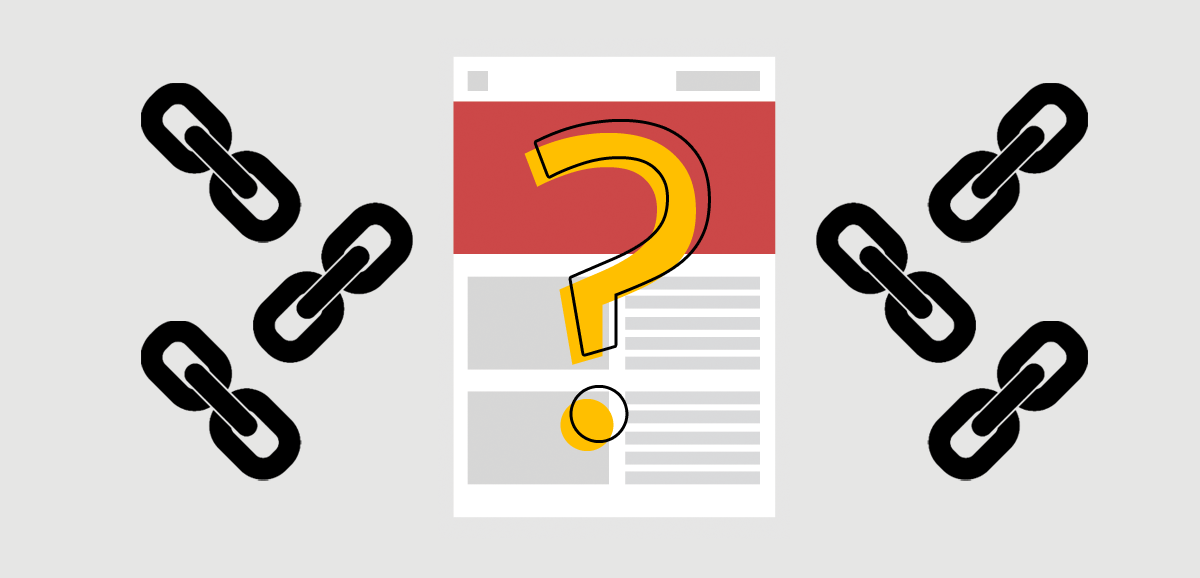
However, not all links are created equal. Some links, known as “unnatural links,” can actually harm your site’s ranking and lead to penalties from Google.

In this comprehensive guide, we’ll dive into what unnatural links are, how they impact your SEO, and the steps you can take to identify and remove them from your link profile.

What Are Backlinks?

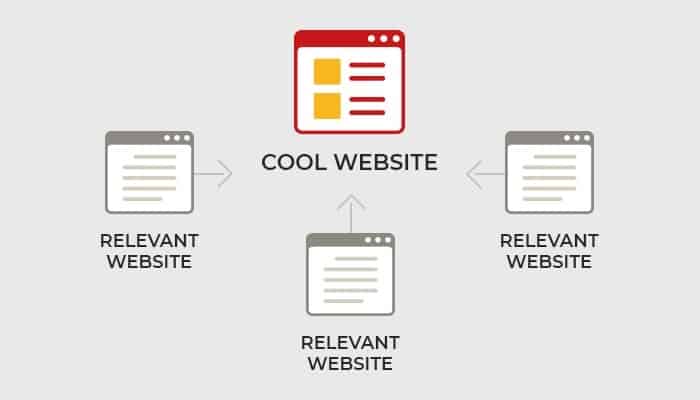
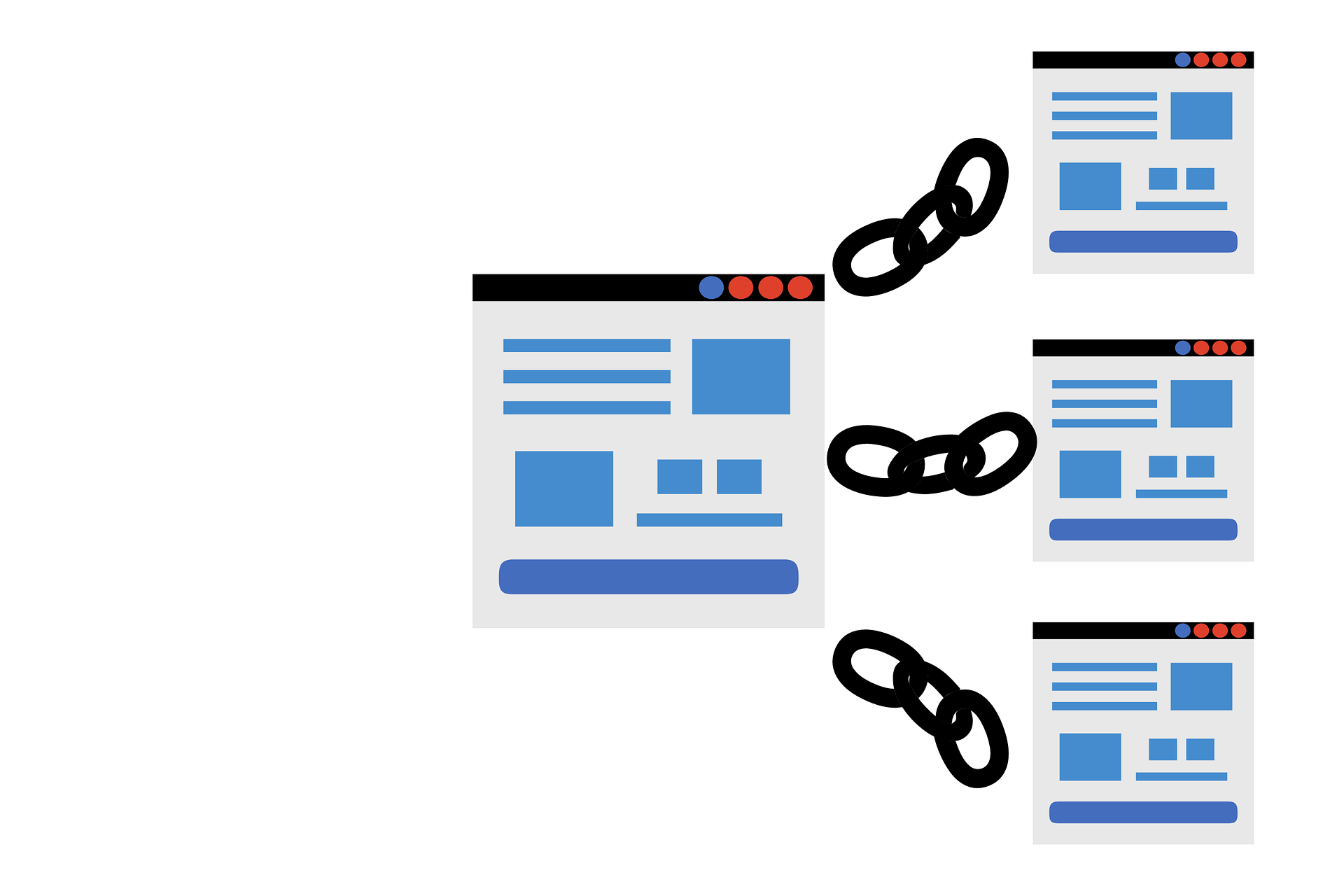
Before we dive into unnatural links, let’s start with the basics. A backlink is simply a link from one website to another. When another site links to your content, it’s essentially giving your site a “vote of confidence,” signaling to search engines that your content is valuable and relevant. As a link-building agency ourselves, we know more than anyone else that building a good backlink profile is important for boosting your site’s authority and rankings. 

What Are Unnatural Links?
What Are Unnatural Links?

Unnatural links are links that have been artificially created or obtained, often through manipulative tactics, with the sole purpose of boosting a website’s ranking in Google search results. These links typically come from low-quality, irrelevant websites and do not provide any real value to users.

Why does Google care about Unnatural Links?

Google’s primary goal is to provide users with the most relevant and high-quality search results possible. When websites engage in link schemes or other manipulative practices to gain an unfair advantage in the search rankings, it undermines the integrity of Google’s search results and negatively impacts the user experience.

How Unnatural Links Impact SEO?

Unnatural links, also known as bad links, can have a detrimental effect on your website’s SEO. When Google detects a significant number of unnatural links pointing to your site, it may issue a manual action or an algorithmic penalty.

These penalties can result in a dramatic drop in your website’s ranking, leading to a decrease in organic traffic and potential loss of revenue. It is important to regularly monitor and remove any unnatural links to maintain your site’s ranking and avoid penalties from search engines.

To find out how many backlinks you need to rank, first check the search results for your keyword. Study the top pages’ backlink profiles for guidance on what you’ll need.

Google’s Stance on Unnatural Links
Google’s Stance on Unnatural Links

Google’s Definition of Unnatural Links

According to Google’s Webmaster Guidelines, unnatural links are defined as links that are not editorially placed or vouched for by the site’s owner on a page. These links are often part of a link scheme, which is an attempt to manipulate a site’s ranking in Google search results.

Google’s Response to Unnatural Links

When Google detects unnatural links pointing to a website, it may take action in the form of a manual penalty or an algorithmic adjustment. Manual penalties are issued by Google’s web spam team and can result in a site being removed from the search results entirely. Algorithmic adjustments, such as the Penguin update, are automated and can cause a site’s ranking to drop significantly.

How can you Align with Google’s Guidelines?

To avoid penalties and maintain a healthy backlink profile, it’s essential to follow Google’s guidelines for link building. Focus on creating high-quality, relevant content that naturally attracts links from authoritative websites in your niche. Avoid participating in link schemes, buying links, or engaging in excessive link exchanges.

Google Penalties for Unnatural Links
Google Penalties for Unnatural Links

Google has a variety of penalties it can impose on websites with unnatural links. These penalties can range from a slight decrease in ranking to complete removal from the search results. Some common penalties include:

  1. Manual Actions: These are penalties issued by Google’s web spam team and can result in a site being removed from the search results until the issue is resolved.
  2. Algorithmic Penalties: These are automated penalties, such as the Penguin update, that can cause a site’s ranking to drop significantly.
  3. Link-Based Penalties: These penalties specifically target websites with unnatural or spammy backlink profiles.

Why Unnatural Links Are Harming Small Businesses?

Why Unnatural Links Are Harming Small Businesses?

Small businesses are particularly vulnerable to the negative effects of unnatural links. Often, these businesses lack the resources and expertise to properly monitor and maintain their backlink profiles. As a result, they may unknowingly participate in link schemes or fall victim to negative SEO attacks, which can lead to severe penalties and a significant loss of organic traffic and revenue. It is important for small businesses to regularly review and remove any spammy links from their user profiles to avoid these harmful consequences.

Common Types of Unnatural Links
Common Types of Unnatural Links

There are several types of unnatural links that can harm your website’s SEO. Some of the most common include:

1. Blog Comments or Forum Posts

Leaving spammy comments or posts on blogs and forums with the sole purpose of building links is considered an unnatural linking practice.

2. Spam Listings

Links from low-quality directories or listings that exist solely for the purpose of link building are considered unnatural.

3. Low-Quality Directories

Submitting your website to low-quality, irrelevant directories can result in unnatural links.

4. Link Exchanges

Engaging in excessive link exchanges, where websites agree to link to each other solely for the purpose of boosting their link profiles, is considered a manipulative practice.

5. Poor Quality PBNs

Private Blog Networks (PBNs) that consist of low-quality, irrelevant websites created solely for the purpose of building links are a common source of unnatural links.

6. Sitewide Links

Having a large number of links from the same website, especially in the footer or sidebar, can be seen as an unnatural linking practice.

7. Automatically Generated Links

Links created by automated software or scripts, without any editorial control or oversight, are considered unnatural.

5 Easy Steps to Finding Unnatural Links
Easy Steps to Finding Unnatural Links

Identifying unnatural links in your backlink profile is crucial for maintaining your website’s SEO health.

Here are five steps to help you find and address these harmful links:

Step 1: Use a Tool Like SEMrush, Ahrefs, Majestic, Etc.

Utilize a backlink analysis tool to gather a comprehensive list of all the links pointing to your website. These tools provide valuable insights into your backlink profile, including the quality and relevance of each link.

Step 2: Perform a Backlink Audit

Conduct a thorough audit of your backlink profile, looking for any suspicious or low-quality links. Pay attention to factors such as the linking website’s domain authority, relevance to your niche, and the anchor text used in the link.

Step 3: Sort Through the Backlinks

Organize your backlinks based on their quality and relevance. Separate the natural, high-quality links from the potentially unnatural ones.

Step 4: Manually Review the Sites

Take the time to manually review each website that is linking to your site. Look for signs of low quality, such as thin content, excessive ads, or a lack of editorial control.

Step 5: Upload Your Disavow File

If you identify any unnatural links that you cannot remove through outreach, create a disavow file and submit it to Google Search Console. This file tells Google to ignore these links when evaluating your site’s ranking.

How to Remove Unnatural Links From Your Link Profile?

Once you’ve identified the unnatural links in your backlink profile, it’s time to take action to remove them.

Here are some steps you can take:

  1. Reach Out to Webmasters: Contact the owners of the websites linking to you and request that they remove the unnatural links.
  2. Use Google’s Disavow Tool: If you’re unable to have the links removed, you can use Google’s Disavow Tool to tell Google to ignore these links when evaluating your site.
  3. Monitor Your Backlink Profile: Regularly monitor your backlink profile to ensure that no new unnatural links appear.

Examples of Unnatural Links

Examples of Unnatural Links

To help you better understand what unnatural links look like, here are some common examples:

1. Link Schemes

Participating in link schemes, such as link farms or link networks, where the sole purpose is to manipulate search rankings.

2. Low-Quality Directories and Bookmarking Sites

Submitting your website to low-quality directories or bookmarking sites that have no editorial control or relevance to your niche.

3. Link Exchanges

Engaging in excessive link exchanges with other websites solely for the purpose of boosting link profiles.

4. Injected Links

Having links injected into your website’s content without your knowledge or consent, often as a result of a hacking attempt.

5. Sitewide Links

Having a large number of links from the same website, especially in the footer or sidebar, which can appear unnatural to search engines.

6. Widgets

Using widgets or infographics that contain embedded links and distributing them across multiple websites.

7. Press Releases and Syndicated Content

Distributing press releases or syndicated content with optimized anchor text links across multiple low-quality websites.

8. Paid Links

Buying links from other websites or participating in link-selling schemes.

9. Blog Comments

Leaving spammy comments on blog posts with the sole purpose of building links back to your website.

10. Forums

Participating in forum discussions and including links to your website in your forum signature or posts without providing any real value to the conversation.

11. Redirected Domains

Purchasing expired domains with strong backlink profiles and redirecting them to your website to inherit their link equity.

FAQ’s:

What defines a link as “unnatural” in Google’s eyes?

Unnatural links are links that have been artificially created or obtained, often through manipulative tactics, with the sole purpose of boosting a website’s ranking in Google search results. These links typically come from low-quality, irrelevant websites and do not provide any real value to users.

What do you mean by unnatural links to the website?

Unnatural links to a website are links that have been created through manipulative practices, such as link schemes, paid links, or low-quality directory submissions. These links are not naturally earned and do not reflect the true popularity or relevance of the website.

Can unnatural backlinks hurt the SEO of the website?

Yes, unnatural backlinks can significantly hurt a website’s SEO. When Google detects a large number of unnatural links pointing to a site, it may issue a manual action or an algorithmic penalty, resulting in a dramatic drop in the site’s ranking and organic traffic.

How can website owners detect unnatural links?

Website owners can detect unnatural links by using backlink analysis tools like SEMrush, Ahrefs, or Majestic to gather a comprehensive list of links pointing to their site. They should then conduct a thorough backlink audit, looking for suspicious or low-quality links, which is the first step in identifying and removing them for better SEO. These may include links from link farms, link directories, or those generated by automated software or automatic backlink services. Additionally, website owners can use Google Analytics and Google Search Console to track their search performance and identify any potential issues with their backlinks.

Can I remove unnatural links myself, or do I need professional help?

In many cases, website owners can remove unnatural links themselves by reaching out to webmasters and requesting link removal or by using Google’s Disavow Tool. However, if the situation is complex or the website has received a manual penalty, it may be beneficial to seek the help of an experienced SEO professional to improve the website’s SEO practices and ensure long-term success and sustained growth.

How long does it take to recover from a penalty for unnatural links?

The time it takes to recover from a penalty for unnatural links varies depending on the severity of the issue and the steps taken to resolve it.

In some cases, recovery can take a few weeks, while in others, it may take several months. The key is to act quickly, thoroughly address the unnatural links, and follow Google’s guidelines for reconsideration.

Is it possible to prevent all unnatural links?

While it’s not possible to prevent all unnatural links from ever pointing to your website, there are steps you can take to minimize the risk. These include regularly monitoring your backlink profile, avoiding participation in link schemes, and focusing on creating high-quality, valuable content that naturally attracts links from reputable websites as the best way to maintain a healthy DR and promote your own site.

Why is it important to take care of unnatural links as soon as possible?

It’s crucial to address unnatural links as soon as they are detected because the longer they remain in your backlink profile, the more damage they can cause to your website’s SEO. Prompt action can help minimize the impact of a potential penalty and make the recovery process faster and easier.

Should I do anything about unnatural links?

Yes, if you discover unnatural links pointing to your website, it’s essential to take action to remove them. Ignoring unnatural links can lead to severe consequences for your site’s ranking and organic traffic. By proactively addressing these links, you can maintain a healthy backlink profile and avoid potential penalties from Google.

Conclusion

Unnatural links pose a significant threat to your website’s SEO and can result in harsh penalties from Google.

By understanding what unnatural links are, how to identify them, and the steps you can take to remove them, you can protect your site’s ranking and maintain a healthy, natural backlink profile.

Remember to focus on creating high-quality, valuable content that attracts links naturally, and regularly monitor your backlink profile for any suspicious or low-quality links. If you do discover unnatural links, act quickly to address them, either by reaching out to webmasters for removal or by using Google’s Disavow Tool.

By staying vigilant and following best practices for link building, you can ensure that your website continues to thrive in Google search results and provide value to your audience.

9 Best Super CRM Tool For Startup – To Use Anyway in 2024

What is CRM for a Startup?

For a startup, a CRM (Customer Relationship Management) system is a digital toolbox that centralizes all your interactions and data related to your customers and potential customers. It’s essentially a command center for nurturing leads, managing sales opportunities, and providing stellar customer service.

Why do you need CRM for Startup Business?

Why do you need CRM for startup Why do you need CRM for startup
  • Organize customer data and streamline workflows
  • Improve sales pipeline management and close more deals
  • Build stronger customer relationships that drive loyalty
  • Make data-driven decisions for future growth

By investing in a CRM, startups gain a powerful tool offered by Dynamic CRM Consultants to compete effectively, build lasting customer relationships, and make smarter decisions based on data.

#8 Best CRM for Startup Business

#1 HubSpot CRM

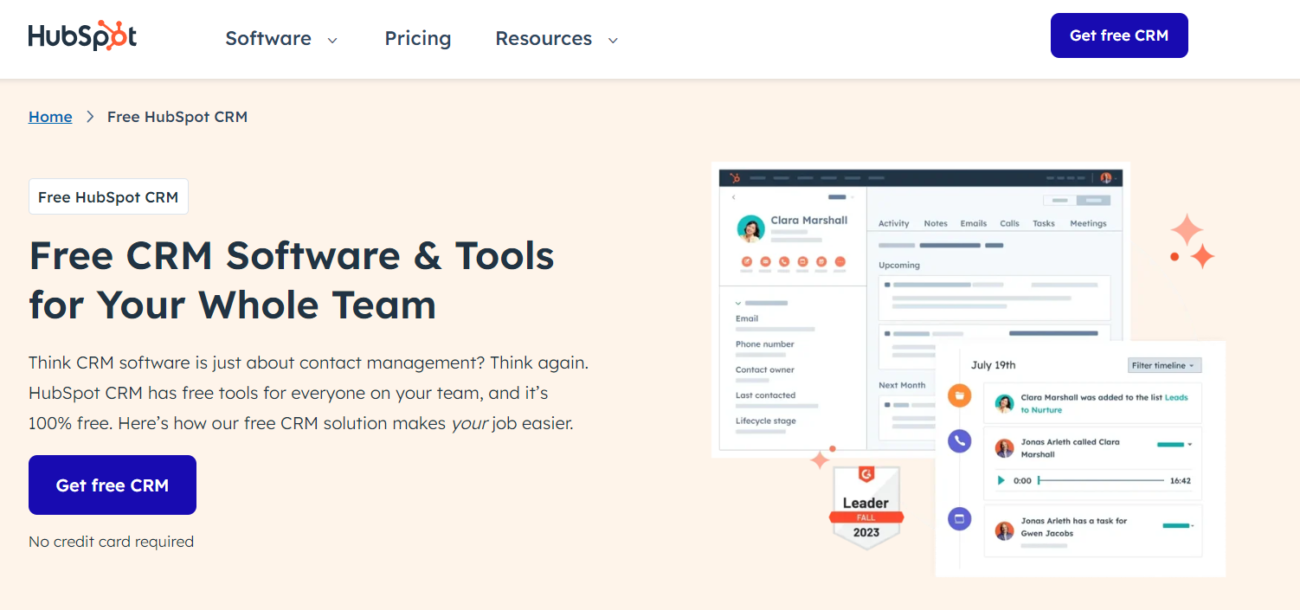
HubSpot CRM is a customer relationship management (CRM) platform designed to be easy to use and accessible to businesses of all sizes. Unlike traditional CRMs that can be complex and expensive, HubSpot CRM offers a free tier with core features like contact management, lead capture, and deal tracking.

Hubspot-CRM HubSpot CRM

Feature

  • Sales Automation
  • Email Management (Lead Capture)
  • Pipeline Management
  • Customer Service 
  • Integration
  • Reporting Dashboard & Analytics

Pricing for Startups

  • Use free tools upto 5 Users with Limited Features
  • Starter Customer Platform – $20/month/seat
  • Professional Customer Platform – $1200/month/5 user with all feature

#2 Zendesk CRM

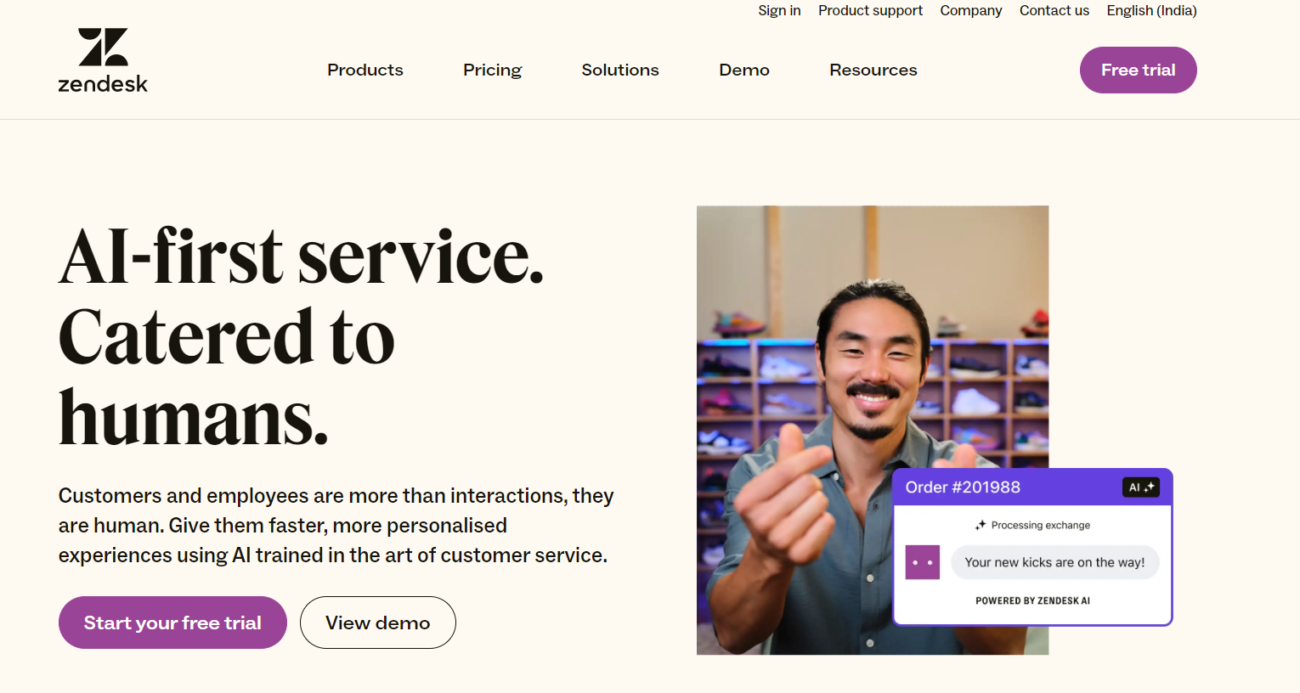
Zendesk doesn’t offer a traditional CRM product on its own, but its customer service platform Zendesk Sell acts as a CRM solution with features designed to improve your sales pipeline and team productivity.

Zendesk CRM Zendesk CRM

Feature

  • Contact & Lead Management
  • Sales & Pipeline Management
  • Email Automation
  • Sales tracking & collaboration
  • Integration
  • Live Chat

Pricing

  • Free Trial Available
  • Basic Plan starts from $19 / month
  • Suite Team : $55 Per User / Month
  • Suite Growth Team : $89 Per User / Month
  • Suite Professional : $115 Per User / Month
  • Contact to sales for Enterprise Plan

#3 Streak CRM

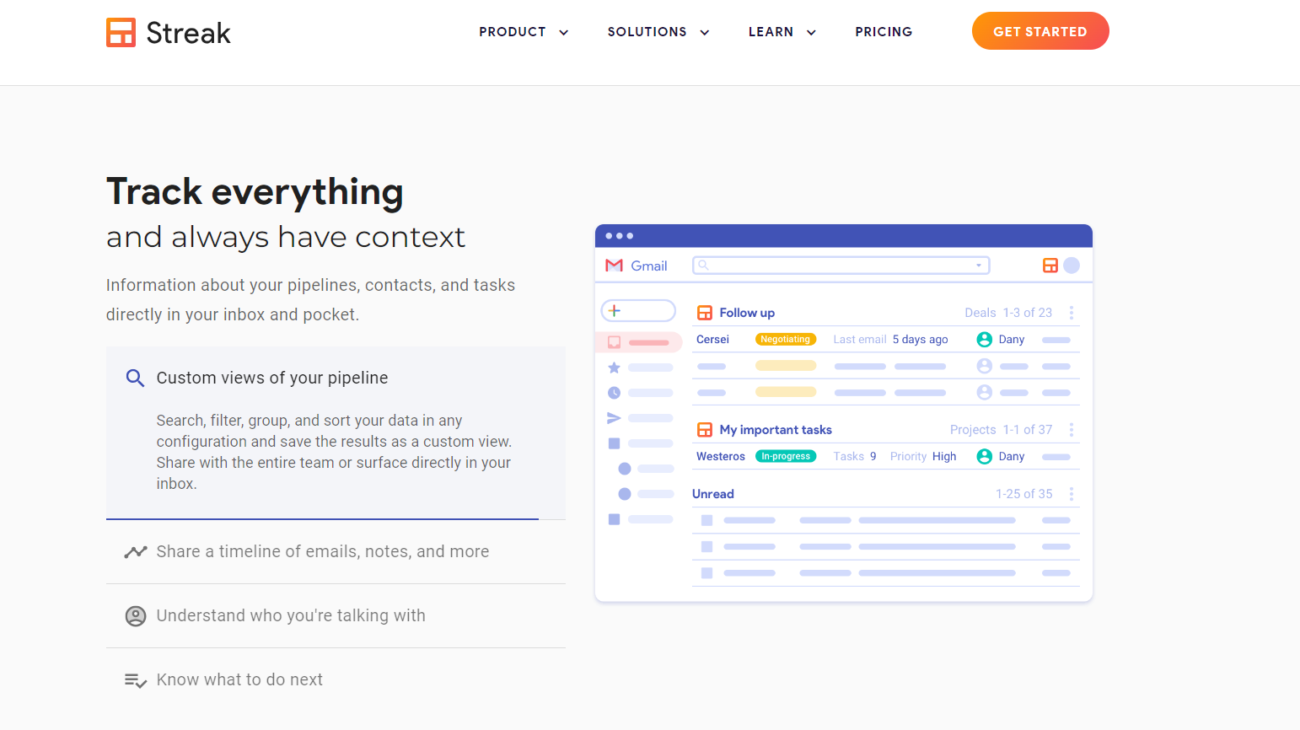
Streak isn’t a standalone software, but rather a Gmail add-on that transforms your inbox into a CRM system. This makes it ideal for users who are already comfortable working within Gmail and want a CRM solution that integrates seamlessly with their email workflow. If you’re looking for a streak alternative, there are several other options that might better suit your needs.

Streak CRM Streak CRM

Feature

  • Task Management
  • Email tracking & Automation & Templates
  • Customization & Collaboration
  • Social Media Integration

Pricing

  • Pro Plan : $59 / Per user / per month
  • Pro + Plan : $89 / Per User / Per Month
  • Enterprise  Plan : $159 / Per user / Per month

#4 Agile CRM

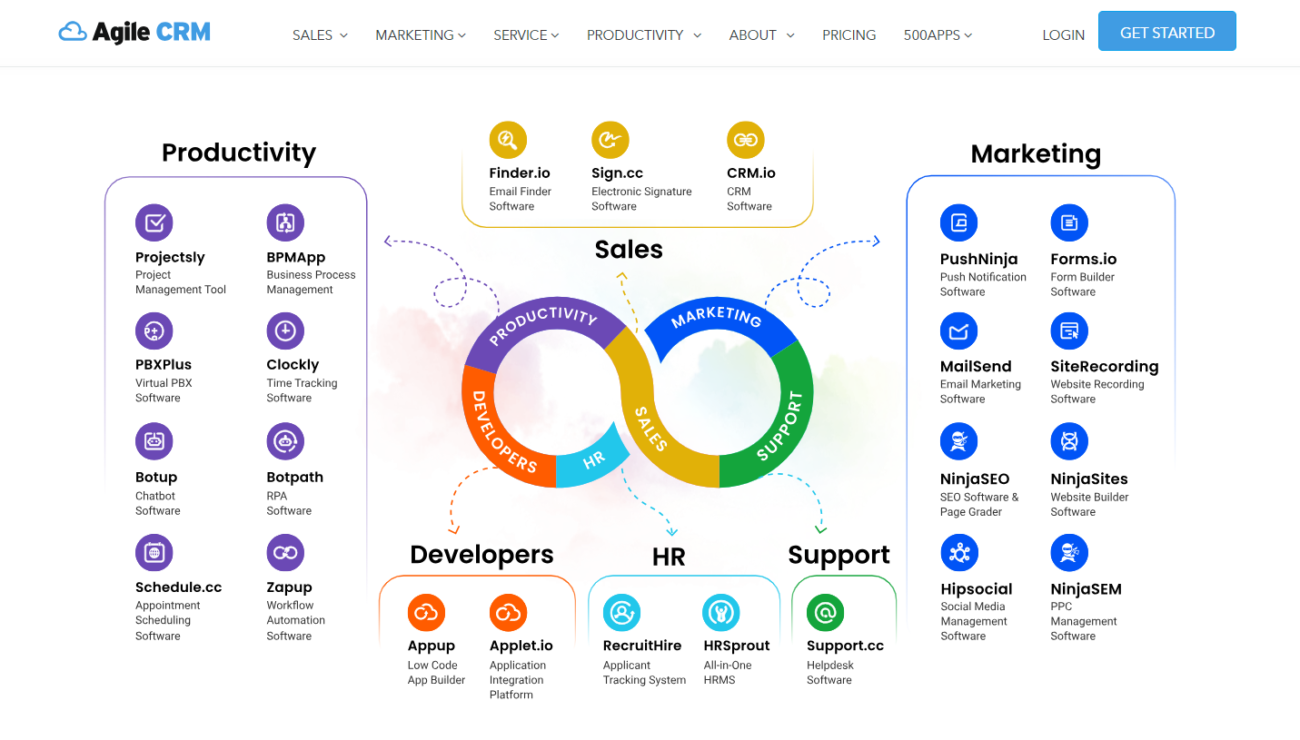
Agile CRM positions itself as an all-in-one CRM designed specifically for the needs of small and medium-sized businesses (SMBs). It offers a comprehensive suite of features for sales, marketing, and customer service, all within a single platform.

Agile CRM Agile CRM

Feature

  • Real Time Chat
  • Performance Tracking
  • Contact Management 
  • Sales Automation
  • Telephone Integration
  • Reporting and Analytics

Pricing

  • Free up to 10 users
  • Starter Plan : $15 / month / per user
  • Regular Plan : $50 / month / per user
  • Enterprise Plan  : $80 / month / per user

#5 Sugar CRM

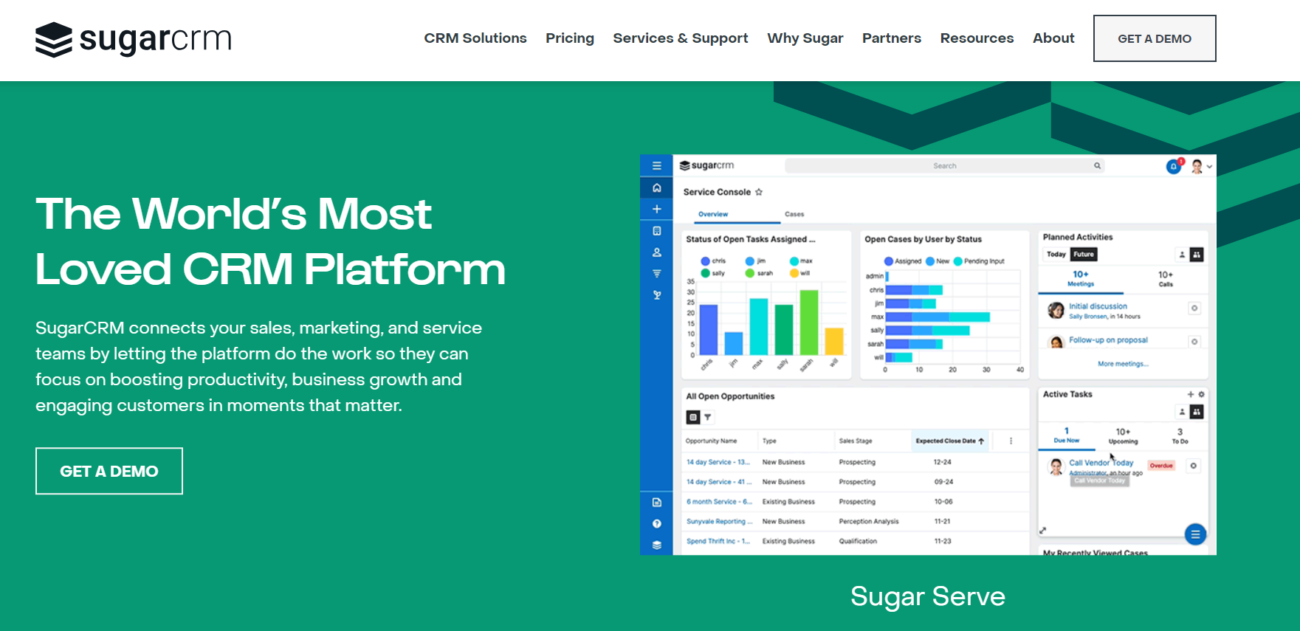
Sugar CRM is a customer relationship management (CRM) platform known for its flexibility and customizability. It caters to businesses of all sizes, from startups to large enterprises, offering a variety of deployment options (cloud-based or on-premises) and feature sets to suit specific needs.

Sugar CRM Sugar CRM

Feature

  • Multiple Scoring Model
  • Source Tracking
  • Sales & Workflow Automation
  • Mobile CRM
  • Dashboard & Reporting
  • Integration 
  • Mobile CRM

Pricing

  • Essentials Plan : $19 / per user / month (minimum 3 user & Maximum 5 user )
  • Advanced Plan : $85 / Per User / month (minimum 3 user)
  • Premier Plan : $135 / per user / month (minimum 10 user)

#6 NetHunt CRM

NetHunt CRM is a Google CRM that natively integrates with Google Workspace applications that most startups already use and love. The solution has won the hearts of thousands of users with its simplicity, which doesn’t compromise on robust functionality and ultra-customizability, allowing the tool to scale as your business grows. 

With NetHunt’s native Gmail integration, you can manage customer interactions, track sales, and automate tasks right where you already work — forget about switching tabs or entering data manually into customer records.

Screenshot 2024 10 18 170211

Feature

  • Native Google Workspace integration
  • Automatic lead capture from various sources (websites, calls, social media, emails)
  • Built-in email marketing (bulk campaigns, ultracustomizable templates, drip sequences)
  • Sales pipeline automation
  • Multiple integrations (messengers, social media channels, Google Workspace, and VoIP services)
  • Multi-channel lead nurturing
  • Actionable sales reporting

Pricing

Offers a 14-day free trial with no credit card required (free trial is available for all plans)

  • Basic. Core CRM functions at $24 per user/month, billed annually.
  • Basic Plus. Includes Basic features and mass email campaigns at $34 per user/month, billed annually. 
  • Business. Ideal for businesses with diverse lead generation channels at $48 per user/month, billed annually.
  • Business Plus. Advanced features for larger companies at $68 per user/month, billed annually. 
  • Advanced. Comprehensive CRM features at $96 per user/month, billed annually.

NetHunt also offers a two-year long program for startups with comprehensive assistance. Startups that are 3 years old or younger may apply for the program.

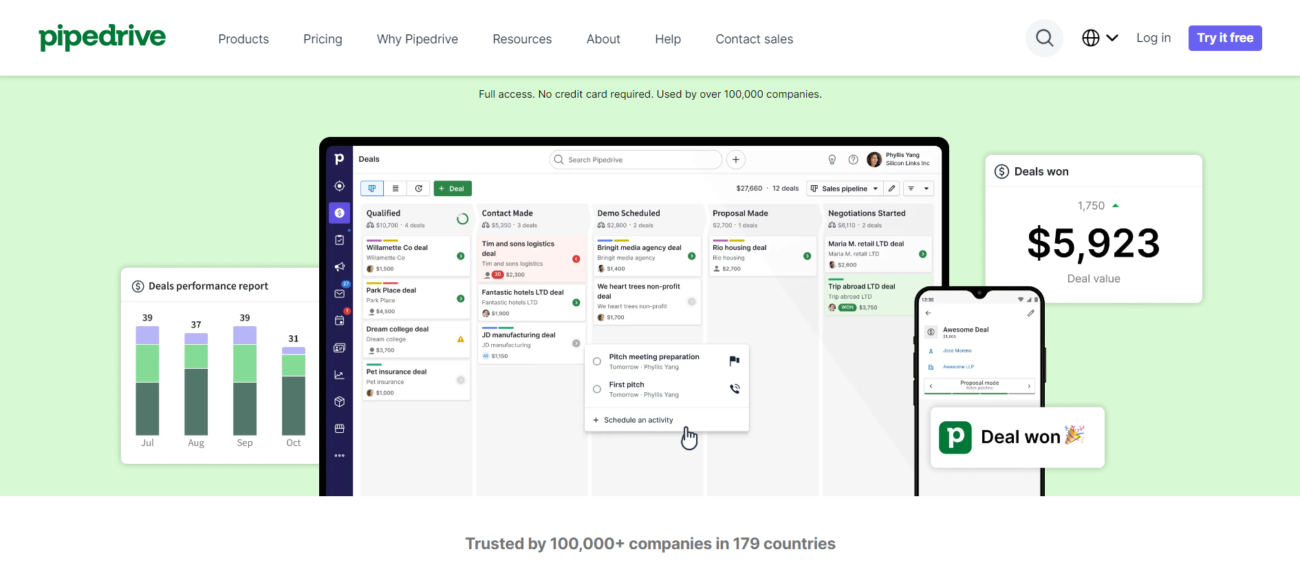
#7 Pipedrive CRM

Pipedrive is a sales-focused CRM platform designed to simplify and visualize your sales pipeline. It caters primarily to small and mid-sized businesses (SMBs) with a user-friendly interface and features that streamline the sales process.

Pipedrive CRM Pipedrive CRM

Feature

  • Analytics Dashboard
  • Tracking & Reporting
  • Lead Management
  • Customer Segmentation
  • Performance Metrics 

Pricing

  • Essential Plan : $14 / month / per user
  • Advanced Plan : $29 / month / per user
  • Professional Plan : $59 / month / per user
  • Power Plan : $69 / month / per user
  • Enterprise Plan : $99 / month / per user

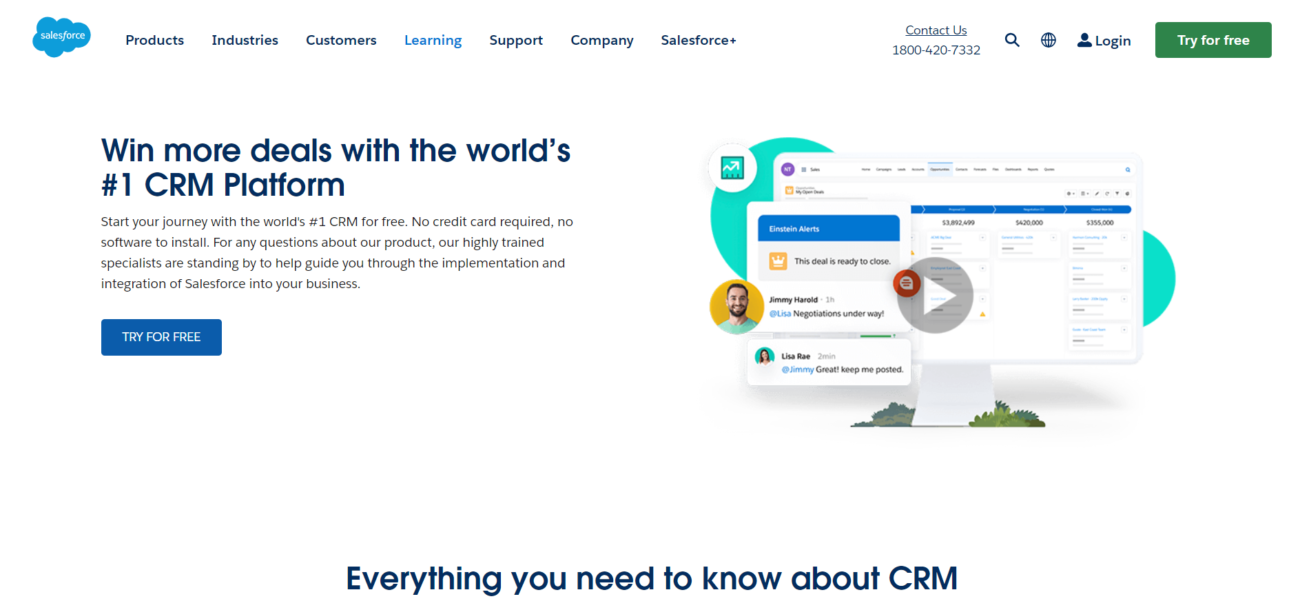
#8 Salesforce CRM

Salesforce CRM is a cloud-based CRM platform designed to manage all your customer interactions and relationships in one place. It offers a comprehensive suite of features catering to various departments like sales, marketing, customer service, and IT. Due to its extensive functionalities and scalability, Salesforce is a popular choice for businesses of all sizes, from startups to large enterprises.

Sales force CRM Sales force CRM

Feature

  • Pipeline Management
  • Social Media Integration
  • Task Management
  • Marketing Automation
  • Security & Reliability
  • Mobile App
  • Customization and Scalability 

Pricing

  • Starter Suite : $25 / user / month
  • Pro Suite : $100 / user / month

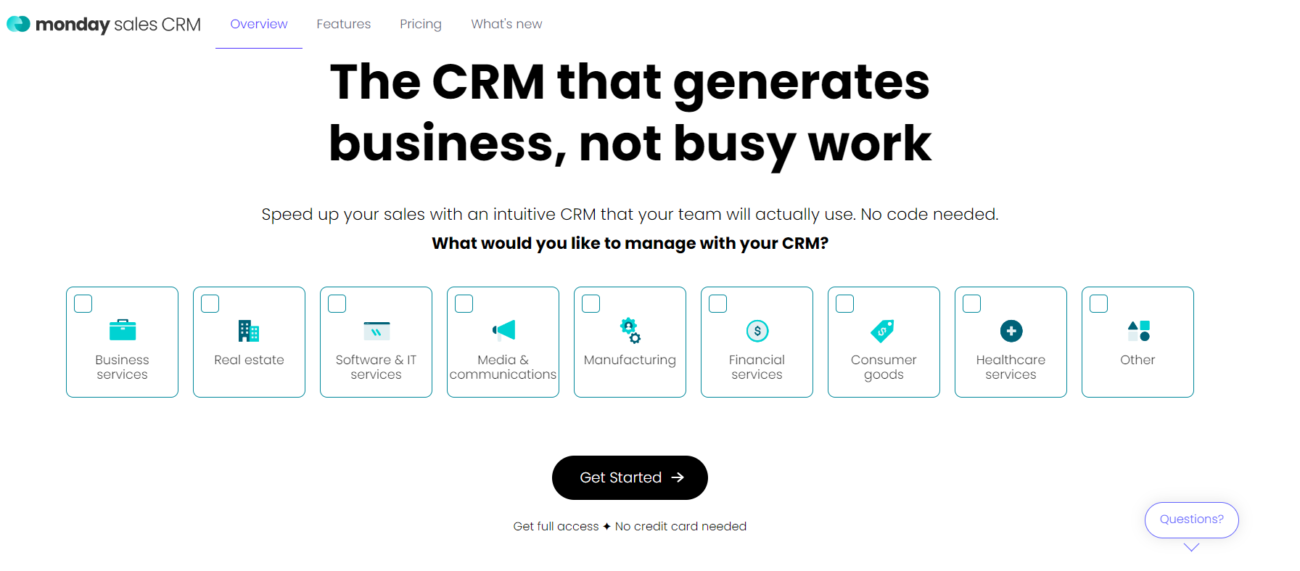
#9 Monday.com CRM

Monday.com CRM offers a unique approach to customer relationship management (CRM), focusing on simplicity, flexibility, and visual organization. Unlike traditional CRMs that can be complex and rigid, product management Monday CRM leverages their popular work operating system to create a CRM solution that is easy to use and highly customizable.

Monday Sales-CRM Monday Sales-CRM

Feature

  • Customizable sales pipeline 
  • Kanban board view
  • Reporting and Analytics
  • Affordable & Easy to use

Pricing

  • Basic CRM Plan : $12 / per user / month
  • Standard CRM Plan : $17 / per user / month
  • Pro CRM Plan : $28 / per user / month
  • Enterprise Plan : Contact to sales

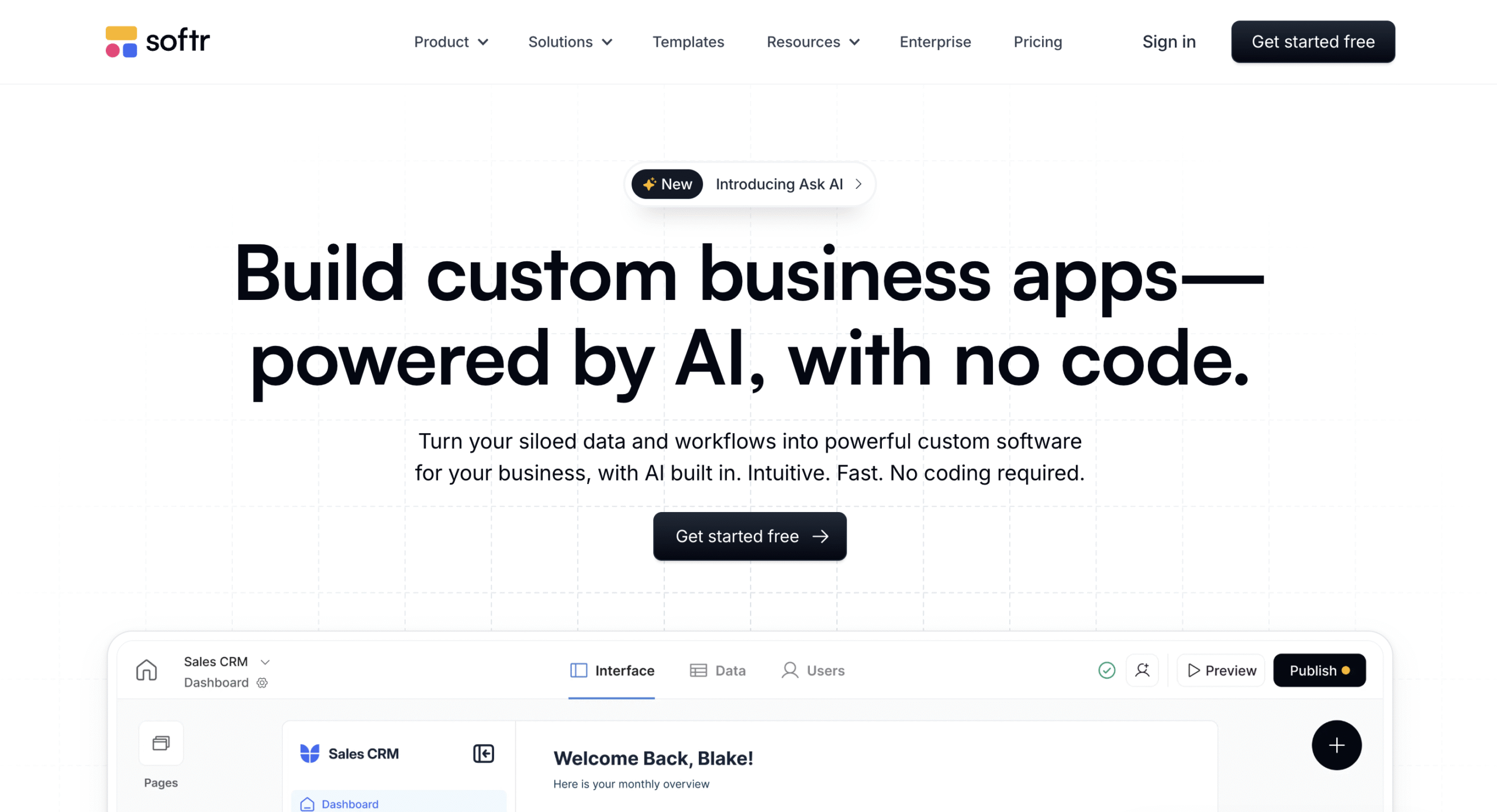
#10 Softr

Softr is a no-code platform that lets startups build custom CRMs quickly — without developers. Instead of forcing you into rigid pipelines or fixed workflows, Softr gives drag-and-drop building blocks, flexible data sources, and the ability to add only what you need now.

Screenshot 2025 09 15 at 4.33.28 PM scaled

Feature

  • Lead tracking via web forms and integrations with tools like Airtable, Google Sheets, Notion, or SQL databases. Using a Postgres GUI can further enhance this process by allowing teams to visually manage and analyze captured leads directly within their PostgreSQL database for faster insights and decision-making.
  • Contact & account management, including interaction history, deal stages, document and invoice tracking.
  • Custom dashboards & reporting with real-time data sources.
  • Permissions & user roles so different team members see only what’s relevant.
  • Automation & workflows via integrations (Zapier, etc.) plus the ability to build portals (client/vendor/employee) and even mobile-friendly apps.

Pricing:

  • Free: $0/mo – 1 published app, up to 10 app users, 2 user groups, basic features & standard data sources.
  • Basic: ~$49/mo – 3 apps, ~20 users, custom domains, basic custom code/embed/email sender, more standard data sources.
  • Professional: ~$139/mo – unlimited apps, around 100 users, more user groups, richer integrations, remove branding, advanced actions (APIs, conditional forms etc.).
  • Business: ~$269/mo – built for scale: higher user limits (2,500), unlimited apps and user groups, advanced data sources, domain-restricted signups, global data/security controls.
  • Enterprise: Custom pricing – tailored for large orgs, includes added security (SSO etc.), dedicated onboarding/support/training, custom user & data limits.

ConclusionWhy Every Startup Needs a CRM

According to vh-info In the huge competition of startup, customer relationships are paramount. A CRM (Customer Relationship Management) system isn’t just a nice-to-have for established businesses but it is a powerful tool that can  empower your startup to thrive.

Investing in a CRM is an investment in the future of your startup. By  streamlining operations, strengthening customer relationships, and providing valuable data insights, a CRM can be a game-changer for any startup  looking to gain a competitive edge and achieve long-term success.

Is Social Sales Rep Legit? Unveiling the Truth

Many people are looking for ways to make money online. The idea of remote work is very popular. You might have heard about a platform called Social Sales Rep. It promises to help you find online jobs, especially chat jobs on social media.

But a big question pops up: is social sales rep legit? It is smart to ask this question before you join any online platform.

This social sale rep review will give you a clear look at the social sale rep platform. We will look at how it works, what it costs, and what real users say. We want to give you all the interesting info you need to decide if this is the right choice for you.

Finding good online job opportunities can be tricky, so let’s check out what Social Sale Rep stands for.

What is a Social Sales Rep?

What is a Social Sales Rep?

A Social Sales Rep is a person who works online, often helping businesses on social media platforms.

The name suggests a role in social selling, which means using social media to connect with potential customers and make sales. The Social Sales Rep platform says it connects people with these types of job opportunities. The main job is often being a live chat assistant.

This means you talk to website visitors or people on social media sites through a chat box. Your goal is to help them with questions, offer customer support, or guide them to buy something. It is a form of digital marketing and customer service combined.

How Does the Platform Work?

The Social Sale Rep platform works as a middleman. It is not a direct employer.

Instead, it is a job platform with a jobs database. When you join, you get access to this job database. It is filled with job listings and job postings from different business owners. The idea is that these businesses need people for live chat support or social media management.

Instead of hiring a full-time employee, they post chat jobs on platforms like this.

As a member, you can apply for these online jobs. The platform also offers training courses to teach you the social media skills needed for the role. The whole application process is done online, making it a simple process for anyone looking for a remote job.

The Company Behind Social Sales Rep

Finding information about the exact company behind Social Sales Rep can be a bit hard.

This is common with some online platforms. They often focus more on the product than the people who made it. The platform presents itself as an online business that provides a job database and training program. When a company is not fully transparent, it is wise to be careful.

For any online business, trust is very important. At VH-info, we believe in being open and clear with our partners.

We help SaaS businesses grow by building high-quality links, and our clients always know what we are doing. A good business relationship starts with trust. The lack of clear company details for Social Sales Rep is something to keep in mind as we look deeper.

Is Social Sales Rep Legit Or A Scam?

Is Social Sales Rep Legit Or A Scam?

This is the main question for our social sale rep review.

To find the answer, we need to look at how the business works, check for any warning signs, and also see the good things. No online platform is perfect, but we want to know if Social Sales Rep is a real way to earn an online income.

Many people worry about scams when looking for a remote job. A scam often promises a lot of money for little work or asks for a large fee upfront without providing real value. Let’s see where Social Sales Rep falls on this scale.

Investigating the Business Model

The business model for Social Sales Rep has a few parts. First, it charges a fee to access its job database and online training courses. This is sometimes in the form of a VIP lifetime membership. The fee gives you access to the member’s area, where you can find job listings.

Second, it seems to use affiliate marketing. This means some of the jobs or products it promotes might earn the platform a commission.

For example, when you work as a sales rep for a company, Social Sales Rep might get a small fee. You might also be encouraged to share affiliate links. This model is not a scam by itself, but it depends on the quality of the job opportunities provided.

Red Flags to Watch Out For

There are a few things to be careful about with the social sale rep platform. One major red flag is paying for access to a job database. Most legit job sites do not charge job seekers to see job postings. They make money from the companies posting the jobs.

Another point to watch is the income claims. If a platform suggests you can easily make a full-time income right away, be cautious.

Earning a good online income takes time and effort. Also, check the refund policy carefully. If it is hard to get your money back after a trial period, that is not a good sign. Look at app reviews from many sources, not just the ones on their website.

Positive Signs of Legitimacy

On the other hand, there are some positive signs. The platform offers a training program. Providing comprehensive training, like an effective communication course or live chat training, shows they want to help members succeed. A good training module can be valuable.

The idea of connecting people to live chat job openings is also real. Many businesses do hire for these remote work roles.

The platform acts as a specialized job platform for this specific field. If the job listings are real and members are getting hired, then the service has value. Some users report finding their perfect job through the platform, which suggests it works for some people.

How to Make Money With Social Sales Rep?

How can one make Money with Social Sale Rep?

If you decide to join, your main goal is to make money. The primary way to earn is by working as a live chat agent or social sales rep.

You will interact with potential customers on social media or websites. You might also earn money through other tasks, like helping social media influencers with their accounts or doing social media management for small business owners.

Some listings might even ask you to write app reviews. The platform aims to provide different types of online jobs that you can do from home.

Understanding the Commission Structure

How you get paid can vary. For some chat jobs, you might get paid per hour. For others, it could be based on performance. For example, in a social sales role, you might earn a commission for every sale you help make. This is common in social selling.

Some roles might involve sharing affiliate links, where you earn a percentage of sales made through your link. It is important to read the details of each live chat job posting carefully. The pay structure for a customer support role will be different from a pure sales rep job.

Potential Earnings: A Realistic Look

The platform may show stories of people earning a full time income. While possible, it is not guaranteed for everyone. Your earnings will depend on the hours you work, the type of live chat job you get, and your skills.

For most people, it is more realistic to view this as a way to earn extra online income, not as a replacement for a full-time job right away. Building up to a higher income takes time. Do not expect to get one of the best jobs on your first day.

You need to complete the application process for multiple job postings and show you are a good live chat assistant.

Payment Methods and Schedule

Payment details usually depend on the company that hires you, not Social Sales Rep itself. Remember, Social Sales Rep is the job board, not the employer. The company you work for will have its own payment schedule and methods, like PayPal or direct bank transfer.

Before you accept any of the job opportunities, make sure you have this information. Ask the employer about the payment schedule. You should get this information in writing, maybe in an email or contract. This is a key part of any professional remote job.

Pros and Cons of Being A Social Sales Rep

Pros and Cons of Being A Social Sales Rep

Like any opportunity, working through the Social Sale Rep platform has its good and bad sides. It is important to weigh them both before you decide to sign up.

The Benefits of Joining

  • Flexibility: The biggest benefit is the ability to do remote work. You can work from home and often choose your own hours.
  • Access to Jobs: The platform gives you a job database focused on a specific field: chat jobs. This can save you time searching on general job sites.
  • Training: The online training courses can be helpful. You can learn new social media skills and get live chat training. A good training program is a plus.
  • Variety: You can find different online job opportunities, from customer service to social selling. This lets you find a perfect job that fits your skills.

The Drawbacks to Consider

  • Cost: You have to pay a fee to join. This is a big drawback, as most job sites are free for job seekers.
  • Income Is Not Guaranteed: There is no promise of a steady income. Your earnings depend on finding a live chat job and performing well. It might not be a stable full time income.
  • Competition: You will be competing with many other members for the best jobs. There might be more workers than available job opportunities.
  • Quality of Jobs: The quality of the job listings can vary. Some may be low-paying or not very interesting.

Social Sales Rep Reviews From Real Users

What do people who have actually used the platform say? Looking at real app reviews and user feedback gives us a better picture. A good social sale rep review should include both positive and negative points of view.

Positive Experiences and Success Stories

Some users report having a good experience.

They praise the comprehensive training and say the main courses, like the effective communication course, helped them land a live chat job. These users found real job opportunities in the job database and were happy with their remote work.

Success stories often come from people who put in the effort, completed the training module, and applied to many jobs. They see the membership fee as an investment in their new career as a live chat agent.

Common Complaints and Criticisms

On the other side, there are many complaints. A common criticism is about the quality of the job listings. Some users say the job database is full of low-paying jobs or that there are not enough new job postings. Other complaints focus on the refund policy.

People who were unhappy with the service sometimes found it hard to get their money back. Some felt that the training courses were too basic and not worth the cost of the VIP lifetime membership. They expected more support from a team leader or the platform itself.

Ratings On Trustpilot and BBB

Checking sites like the Better Business Bureau (BBB) and Trustpilot is a good action step. These sites often have honest app reviews from a wide range of users. The ratings for Social Sales Rep are often mixed.

You will find some very positive reviews and some very negative ones. This pattern suggests that the platform works well for some people but not for others. Read through the reviews to see what issues people face and what they like.

This can give you a feel for whether it aligns with your expectations for online job opportunities.

Final Verdict: Is Social Sales Rep Legit For You?

So, back to our big question: is Social Sales Rep legit? The answer is not a simple yes or no. It seems to be a legitimate online platform in that it provides a service—a job database and training—for a fee. It is not an outright scam that takes your money and gives you nothing.

However, its value depends on you. If you are new to online jobs, need a training program to get started, and are okay with paying a fee for a curated list of chat jobs, it might be a helpful starting point. It can guide you through the simple process of finding your first remote job.

But if you are an experienced professional or do not want to pay for job listings, you are likely better off using free job sites. The risk is that you might pay the fee and not find a perfect job that meets your income needs.

Before you invest in any platform, it is important to check if they are a trusted partner.

Just as you research a job platform, smart SaaS companies research partners to help them grow. At VH-info, we build that trust with a performance-based model. We focus on getting real results with high-quality backlinks, so our clients only pay for success.

FAQ’s:

Is There A Startup Cost For Social Sales Rep?

Yes, there is a cost to join. The platform charges a fee for access to its members’ area, which includes the jobs database and online training courses. This is often sold as a VIP lifetime membership. There may be a trial period, but you will need to pay to get full access.

What Kind Of Training Is Provided?

Social Sales Rep provides a training program focused on skills for chat jobs.

This includes main courses like an effective communication course, live chat training, and tips for social selling. The goal of the comprehensive training is to prepare you to be a successful live chat assistant or sales rep.

How to Land A Job With the Help Of Social Rep?

To get a job, you first need to complete the training module.

Then, you can browse the job database for job postings that fit your skills. The application process is done online. You will apply directly to the business owners who posted the job opportunities. Having good social media skills and a strong profile will help.

Who is the Ideal Candidate For A Social Sales Rep Role?

The ideal candidate is someone looking for flexible remote work. They should be comfortable with social media platforms and have good communication skills. It is great for people who want to start earning an online income and are willing to learn through a training program.

Social sales representatives need to be self-motivated.

How Does Social Sales Rep Compare To Other Remote Job Platforms?

Social Sales Rep is different from general job sites like LinkedIn or Indeed because it focuses on a specific field: live chat and social media jobs. It is also a paid platform, while many others are free for job seekers.

It combines a job board with online training courses, which is a unique model.

Should You Consider Joining Social Sale Rep?

You should consider it if you are new to the world of online jobs and want guidance and training. If the idea of a curated job database for chat jobs appeals to you and you are willing to pay the fee, it could be a useful tool.

However, if you prefer to use free resources or are already experienced, you might not need it.

Conclusion

The Social Sales Rep platform offers a path to remote work for those interested in social media and live chat jobs. It provides a job database and a training program to help you get started. Our social sale rep review shows that it has both good and bad points.

It seems to work for some people, but it is not a guaranteed way to make a full-time income. The most important thing is to do your research.

Read many app reviews, check the refund policy, and be realistic about potential earnings. Finding good online job opportunities requires care. Similarly, businesses need to be careful when choosing a partner for growth. Finding a trustworthy agency is key.

If you run a SaaS business and need to boost your rankings, VH-info offers transparent and effective link-building services. We focus on high-quality links and only charge for results, taking the risk out of your SEO investment.

Is Kroll Monitoring Service Legit? Uncover the Truth

In today’s digital age, where data breaches and identity theft are becoming more prevalent, it is crucial to protect your personal information. One effective way to do so is by utilizing identity monitoring services.

Kroll Monitoring Service is one such service that claims to safeguard your identity and provide peace of mind. But is it truly worth the investment? In this comprehensive review, we will delve into the features, benefits, and drawbacks of Kroll Monitoring Service to help you make an informed decision.

Understanding Kroll Monitoring Service

First, let’s start with some background on Kroll as a company. Kroll was founded in 1972 and is headquartered in New York City. It has grown into a global leader in risk management, with over 5,000 employees in 30 countries around the world. Some of Kroll’s key services include investigations, due diligence, cyber risk management, corporate finance, and identity monitoring.

The company serves a wide range of clients, from individuals to major corporations and government entities. Over 90% of the Fortune 500 and 80% of the Am Law 100 use Kroll’s services, with locations in both the United States and Canada.

This extensive experience and client base speaks to Kroll’s credibility as an established, reputable firm. The company has a long track record and is regularly trusted by major organizations to handle sensitive matters. This provides some assurance that Kroll is a legitimate provider and not a fly-by-night operation.

What is Kroll Monitoring Service?

What is Kroll Monitoring Service?

Kroll Monitoring Service is an identity theft protection service offered by Kroll, a leading provider of risk management solutions. Identity theft is a serious concern in today’s digital age, with criminals constantly finding new ways to steal personal information and commit fraud.

Kroll Monitoring Service aims to detect and prevent identity theft by actively monitoring various sources, including credit bureaus, public records, and online platforms. By monitoring these sources, Kroll can identify any unauthorized use of personal information and alert individuals in real-time. This early detection allows individuals to take immediate action to minimize the potential damage caused by identity theft.

Kroll Monitoring Service goes beyond traditional credit monitoring by also monitoring non-credit-based personally identifiable information (PII). This can include information found in public records or instances of PII found on the internet, particularly on sites known for illegal sales of personal information.

How Kroll’s Identity Monitoring Works?

How Kroll's Identity Monitoring Works?

Now let’s examine how Kroll’s identity monitoring service actually works. When you sign up, Kroll will monitor your personal information across various databases, websites, and other sources. This includes:

  1. Your Social Security Number
  2. Medical ID numbers
  3. Email addresses
  4. Phone numbers
  5. Bank account numbers
  6. Driver’s license and passport numbers

Kroll uses advanced technology to continuously scan for any signs that this information is being misused or that your identity has been compromised. If any red flags are detected, such as your SSN showing up on a suspicious website, you will receive an immediate alert via email or text message.

This allows you to quickly take action, such as contacting the credit bureaus, banks, or law enforcement if needed. Kroll’s licensed private investigators are also available 24/7 to provide support and guidance if you suspect you’ve become a victim of identity theft.

One advantage of Kroll’s service is that it goes beyond just credit monitoring. While checking for new accounts or inquiries on your credit report is important, identity thieves may also use your personal information in other ways that wouldn’t show up on your credit. By monitoring a wider range of personal data across multiple sources, Kroll can potentially catch identity theft attempts earlier.

Is Kroll Monitoring Service Legit?

Is Kroll Monitoring Service Legit?

So far Kroll’s identity monitoring service sounds comprehensive and useful. But is the company itself trustworthy and reliable? Let’s look at some key factors:

  1. Kroll has an A+ rating and accreditation from the Better Business Bureau. The BBB evaluates companies based on factors like time in business, volume of transactions, transparency, user experience, and complaint history. An A+ is the highest possible rating and indicates a company is reputable and responsive to customers.
  2. Kroll also has mostly positive reviews from users on sites like Gartner Peer Insights and G2. Customers praise the service for providing peace of mind and excellent support. Any number of complaints seem to be addressed by the company.
  3. Major organizations and government agencies regularly use Kroll for identity monitoring after data breaches. For example, Kroll was recently hired by Shields Health Care Group and Patelco Credit Union to provide free monitoring for millions of affected individuals. The fact that these entities trust Kroll in high-stakes situations is a vote of confidence in their legitimacy and capabilities.
  4. As a large, established company, Kroll has the resources and expertise to provide a robust monitoring service. With its global presence and thousands of employees, Kroll is not some small, unproven startup that could disappear overnight.

All of this paints a picture of Kroll as a legitimate, credible provider of identity monitoring services. The company has a strong reputation, positive user feedback, and is trusted by major clients. While no service is perfect, Kroll appears to be the real deal when it comes to identity protection.

Features and Benefits

Kroll Monitoring Service offers a range of features and benefits to help individuals protect their personal information and detect potential threats of identity theft.

  1. One of the key features of Kroll Monitoring Service is its comprehensive monitoring system. The service actively scans millions of data points, including credit reports, public records, social media platforms, and black market websites where stolen information often circulates. This extensive coverage ensures that no stone is left unturned in identifying potential threats to your identity.
  2. Another notable benefit of Kroll Monitoring Service is its robust alert system. In the event that any suspicious activity or potential breach occurs, you will receive immediate notifications via email or text message. These alerts allow you to take swift action in order to minimize any potential damage.
  3. Kroll Monitoring Service also offers a dedicated team of experts who are available 24/7 to assist you in case of an identity theft incident. Their experienced professionals can guide you through the process of resolving any issues that may arise as a result of identity theft. This personalized support can provide individuals with peace of mind and confidence in dealing with the aftermath of identity theft.
  4. Additionally, Kroll Monitoring Service provides access to educational resources and tips for protecting your identity online. These resources can help individuals stay informed and take proactive measures to safeguard their personal information.

Drawbacks and Limitations

That said, there are a few potential drawbacks to consider with Kroll’s identity monitoring:

  1. Cost – Kroll’s service is on the pricier end compared to some competitors. It may be worth it for the comprehensive features and support, but it’s not the cheapest option. However, many people receive Kroll’s service for free after a data breach, so cost may not be a factor.
  2. No credit monitoring – Kroll’s service does not include direct credit monitoring or credit scores/reports. You would need to check your credit separately. Some other services bundle identity and credit monitoring together.
  3. Lack of public info – There is limited information on Kroll’s website about the specifics of how its monitoring technology works. The company likely keeps the details private for security reasons. But some people may prefer a service that is more transparent.
  4. Giving up personal data – To use Kroll’s service, you do need to provide sensitive personal information to the company. While Kroll has strong security measures, some people may be hesitant to hand over this data to any third party.

How to Get the Most Out of Kroll Monitoring Service?

How to Get the Most Out of Kroll Monitoring Service?

To get the most out of Kroll Monitoring Service, it is important to actively engage with the service and utilize its features effectively. Regularly review the alerts and notifications provided by Kroll, and take immediate action if any suspicious activity is detected.

Stay informed by accessing the educational resources and tips provided by Kroll to protect your identity online. Additionally, keep your personal information updated and secure to ensure the accuracy and effectiveness of the monitoring service.

Tips for Protecting Your Identity Online

  • Be cautious when sharing personal information online
  • Use strong, unique passwords for all your online accounts
  • Regularly monitor your financial statements and credit reports for any unauthorized activity
  • Keep your devices and software up to date with the latest security patches
  • Avoid clicking on suspicious links or downloading unknown attachments
  • Be aware of phishing scams and do not provide personal information in response to unsolicited requests
  • Use secure Wi-Fi networks when accessing sensitive information online
  • Enable two-factor authentication whenever possible
  • Limit the amount of personal information you share on social media platforms
  • Be mindful of the privacy settings on your online accounts

Steps to Enroll in Kroll Monitoring Service

Enrolling in Kroll Monitoring Service is a straightforward process. Follow these steps to get started:

  1. Visit the Kroll Monitoring Service website.
  2. Provide your personal information, including your name, address, phone number, and email.
  3. Select the desired monitoring plan that best suits your needs.
  4. Review and accept the terms and conditions of the service.
  5. Make the necessary payment to complete the enrollment process.

FAQ’s:

How Does Kroll Protect Against Identity Theft?

Kroll protects against identity theft by actively monitoring various sources, including credit bureaus, public records, and online platforms, for any potential threats to personal information. If any suspicious activity is detected, Kroll provides real-time alerts to individuals, allowing them to take immediate action to protect their identity.

Can I Monitor My Entire Family With Kroll’s Services?

Yes, Kroll offers family plans that allow you to monitor the personal information of multiple family members. This can provide added protection and peace of mind for your entire family.

What Information Is Needed To Enroll In Kroll Monitoring Service?

To enroll in Kroll Monitoring Service, you will need to provide your phone number, email address, and other personal information required for identity monitoring. This information is necessary for Kroll to effectively monitor and protect your identity.

Is Kroll ID Monitoring Worth The Investment?

The worth of Kroll ID Monitoring depends on individual needs and circumstances. It offers comprehensive monitoring, real-time alerts, and expert support. However, the cost and the lack of credit monitoring may be factors to consider when evaluating the investment.

How Does Kroll Monitoring Service Ensure The Security Of Personal Information?

Kroll Monitoring Service takes cybersecurity and risk management seriously to ensure the security of personal information. They utilize advanced technologies and expertise to protect against data breaches and unauthorized access. According to additional information we have received, they have strict policies and protocols in place to safeguard personal information.

How Does Kroll Monitoring Service Compare To Other Similar Tools In The Market?

Kroll Monitoring Service is a reputable provider of identity theft protection services. While each service may have its own unique features, Kroll stands out with its comprehensive monitoring, real-time alerts, and expert support. It is important to compare the features, benefits, accuracy of information, customer reviews and costs of different services, especially those located in the United States, to determine which one best suits your needs.

What Measures Does Kroll Monitoring Service Take To Prevent Fraud And Cyber Attacks?

Kroll Monitoring Service takes various measures to prevent fraud and cyber attacks. They employ advanced technologies and expertise in cybersecurity and risk management to identify and mitigate risks. Additionally, they have strict security protocols and policies in place to protect personal information from unauthorized access.

Can Individuals Trust The Accuracy And Reliability Of The Information Provided By Kroll Monitoring Service?

Kroll Monitoring Service strives to provide accurate and reliable information to individuals. However, as with any service, there may be limitations and the possibility of occasional errors. It is important to research the methods and processes used by Kroll to ensure the accuracy and reliability of the information they provide.

Conclusion

In conclusion, understanding the legitimacy and effectiveness of Kroll Monitoring Service is crucial for safeguarding your online identity and overall online experience.

By enrolling in their services and following proactive steps to protect your information, you can mitigate the risks associated with cyber threats and identity theft. Evaluating the features, benefits, drawbacks, and comparisons with other similar services will help you make an informed decision about the security of your personal data.

The article is written to the best of belief and VH info wont be responsible for accuracy of any information, matter of policy, nature of complaints, BBB business profile and the website performance from your browser. Use your own best judgment to perform any financial or business transaction or even gain any anonymous information.

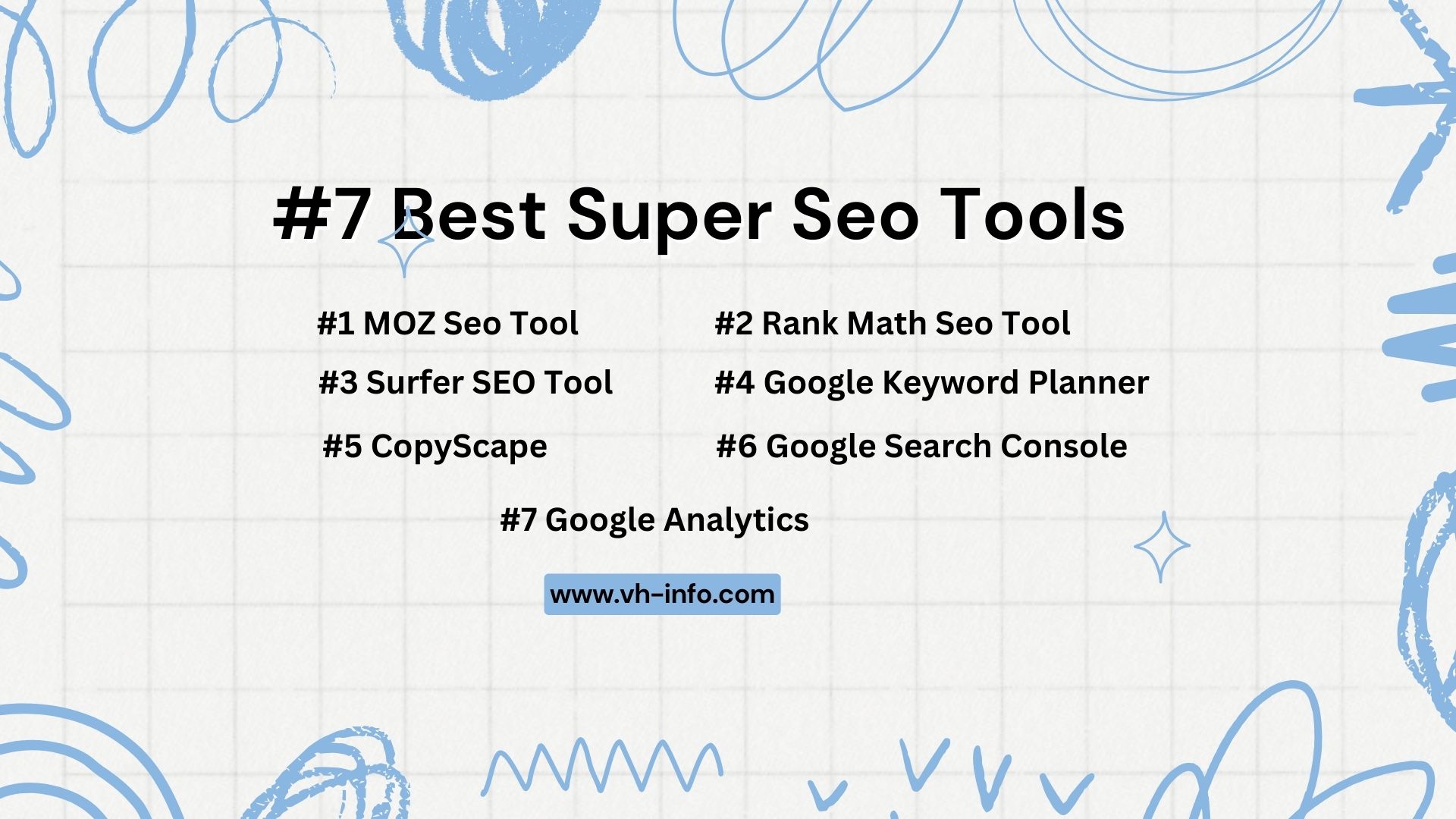
Top #7 Best Free Super SEO Tools in 2024

Based on our research well-designed website is no longer enough. To run your business online smoothly, you need your website to be visible on search engine results pages (SERPs) particularly Google, which processes over 90% on global searches. This is where SEO comes in.

SEO is the practice of optimizing your website and its content to rank higher in search results for relevant keywords. Here’s where SEO tools become essential allies.

  • The use of SEO tools has become widespread as businesses recognize the increasing importance of organic search traffic. A recent study indicated that 61% of B2B marketers consider SEO and content marketing to be very or somewhat effective in generating leads.

  • The global SEO tools market is expected to reach a value of USD 13.7 Billion: by 2027, reflecting the growing demand for these powerful resources.


Also Look on: Top 5 Marketing Analytics Tools 2024


#7 Best Super Free Seo Tools to run your business in world Landscape

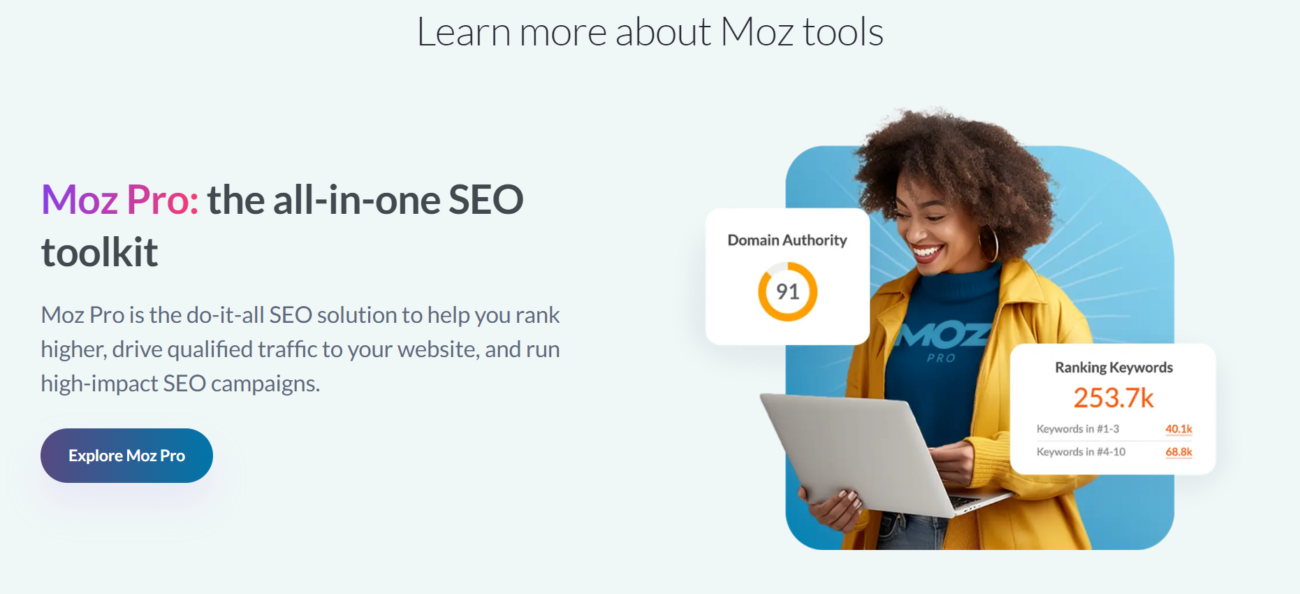
#1. MOZ Seo Tool

MOZ Seo Tool

MOZ, most likely referring to the SEO software company, offers a suite of tools for improving your website’s search engine optimization (SEO).

Feature

  • Keyword Research
  • On Page Seo
  • Link Building Data Analysis, Tracking & Reports
  • Rank Tracking & Competition Analysis
  • Technical Seo
  • Domain Analysis & Link Explore 
  • Competitive Research

Limitation

  • It is expensive for small business and Individual bloggers
  • Need Some Seo Knowledge to use Moz
  • Limitation to do depts backlinks analysis 

Alternative to MozAhref, Semrush, Ubersuggest

Moz Pro Pricing

  • Standard Plan – $99
  • Medium – $179
  • Large – $299
  • Premium Plan – $599

MOZ is a powerful SEO toolset, but it’s important to consider its cost and learning curve before subscribing. If you’re a beginner or on a tight budget, you might want to explore free SEO tools or start with MOZ’s free trial to see if it meets your needs.  

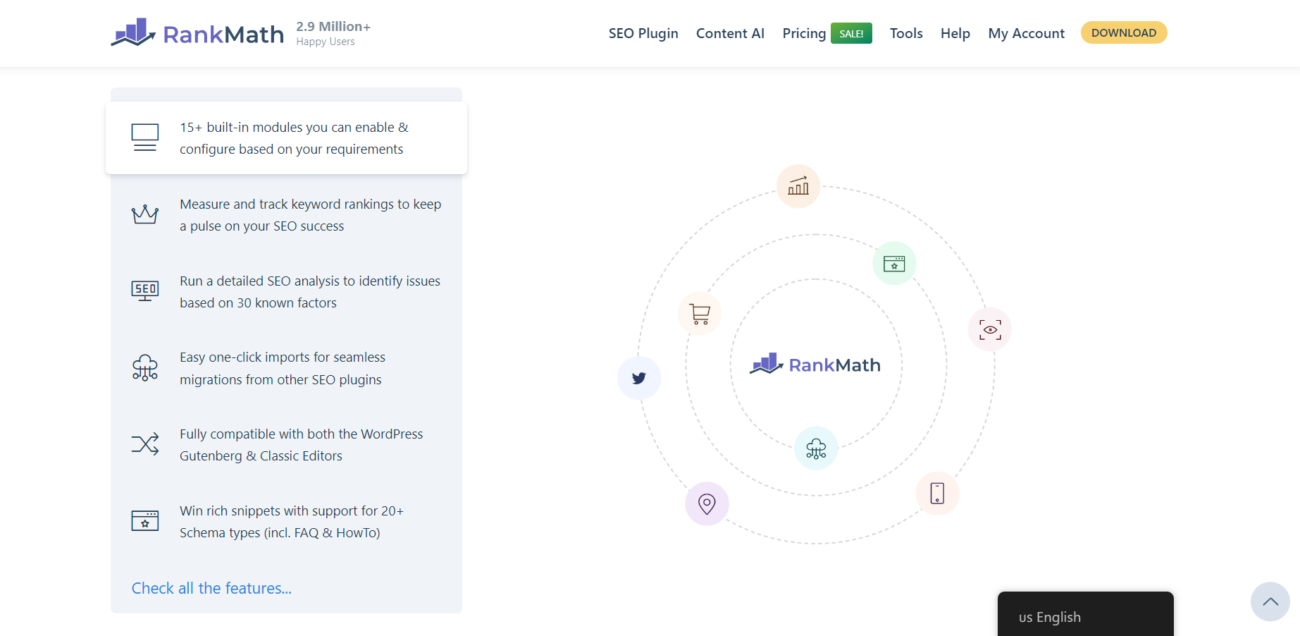
#2. Rank Math Seo Tool – For WordPress Plugin

[caption id=”attachment_11447″ align=”alignnone” width=”1300″Rank Math Seo Tool - For WordPress Plugin Rank Math Seo Tool – For WordPress Plugin[/caption
Rank Math, a popular WordPress plugin, is designed to help you optimize your website’s SEO directly within your WordPress dashboard. 

Feature

  • Easy to Use
  • Content AI Assistant ( New Feature )
  • On Page Seo Optimization
  • Technical Seo Audits
  • Schema Markup Assistant
  • Social Media Optimization

Limitation

  • Limited Feature with Free Version available
  • Keyword Research Focus on Google Search Console

AlternativeYoast SEO

Rankmath Pricing

  • Pro Plan : $7 / month
  • Business Plan : $21 / month
  • Agency Plan : $50 / month

Rank Math is a powerful and user-friendly SEO plugin for WordPress users. The free version is a good starting point, especially for beginners. Upgrading to paid plans unlocks advanced features for more comprehensive SEO management.

#3. SURFER SEO Tool – Simplify your SEO

[caption id=”attachment_11448″ align=”alignnone” width=”1300″SURFER SEO Tool - Simplify your SEO SURFER SEO Tool – Simplify your SEO[/caption
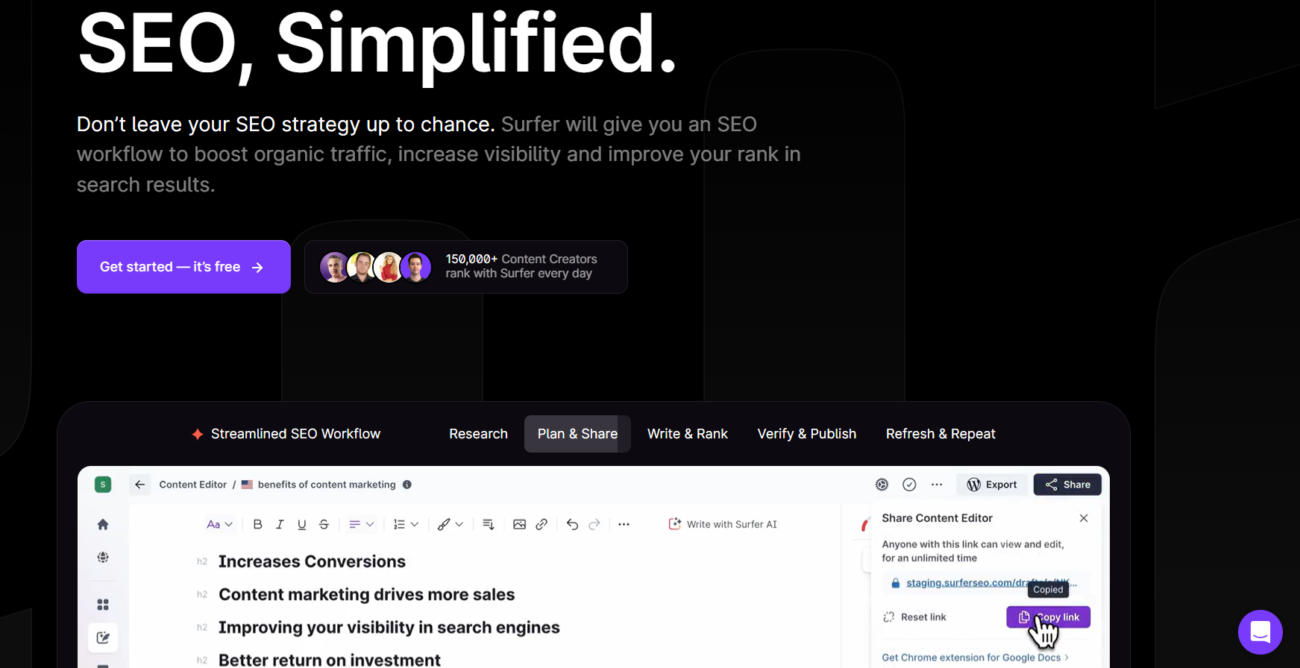
Surfer SEO is a cloud-based tool designed to help you optimize your website content for search engines, with a particular focus on on-page SEO.

Feature

  • Free Keyword Surfer Extension
  • AI Content Outline Generator
  • Optimize Existing Article based on you niche
  • Create SEO Content Strategy
  • To Rank and Optimize your article in one click
  • Seo Blog Writing

Limitation

  • Search Volume Data not always accurate compare to google keyword planner
  • Limited Long-Tail Keyword Research
  • Only Focus on On page optimization and Content Creation
  • Pricing and Limites : Sometimes buy additional purchase

AlternativeWMS Everywhere, Neuronwriter 

Surfer Seo Pricing

  • Essential Plan : $89
  • Scale Plan : $129
  • Scale AI Plan : $219
  • Enterprise Plan : Contact to Sales
  • Free Trial Avail for 7 Days

Surfer SEO is a valuable tool for on-page SEO and content creation, particularly for those who want data-driven insights and AI-powered assistance.

#4. Google Keyword Planner – To Get Keyword Budget for Google Ads

[caption id=”attachment_11450″ align=”aligncenter” width=”1300″Google Keyword Planner - To Get Keyword Budget for Google Ads Google Keyword Planner – To Get Keyword Budget for Google Ads[/caption
Feature

  • Free Keyword Research
  • Free volume Estimates
  • Niche wise Keyword Research
  • Country or City wise Research

Limitation

  • Limited Data & Accuracy
  • No Exact Search Volume, Search Intent, Difficulty Score

Alternative – Bing Keyword Planner

Pricing – It’s Free

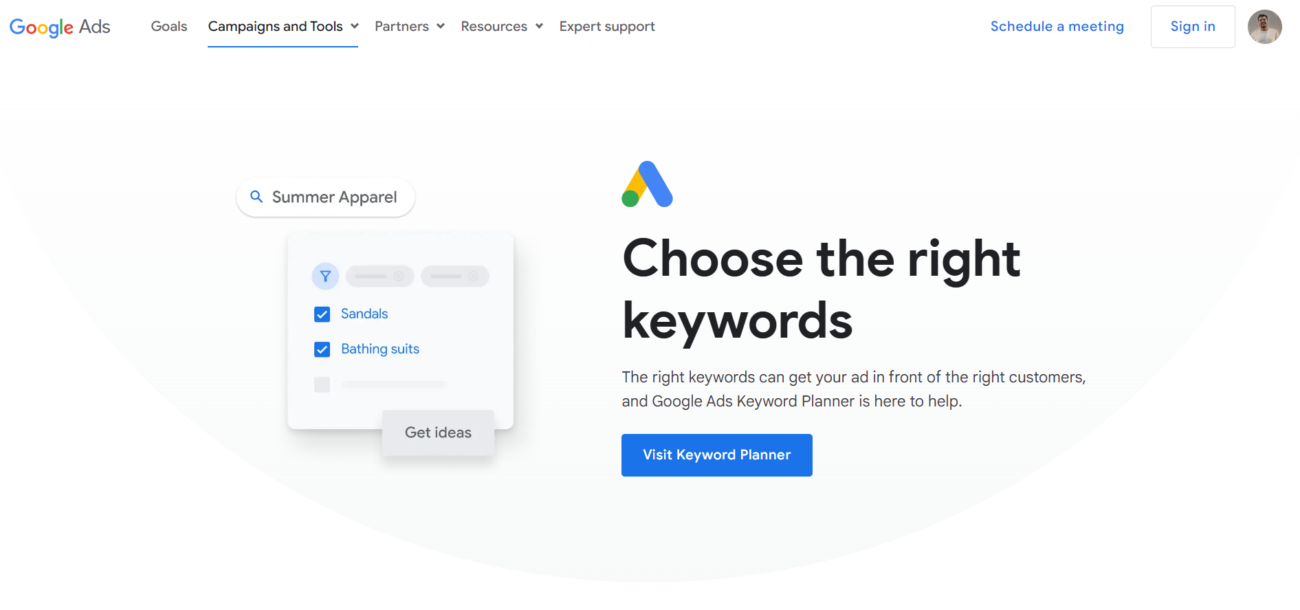
Google Keyword Planner is a good starting point for free keyword research, especially for beginners. It helps you discover new keywords and estimate search volume.

#5. CopyScape – To Check Duplicate Content

[caption id=”attachment_11444″ align=”aligncenter” width=”1300″CopyScape - To Check Duplicate Content CopyScape – To Check Duplicate Content[/caption
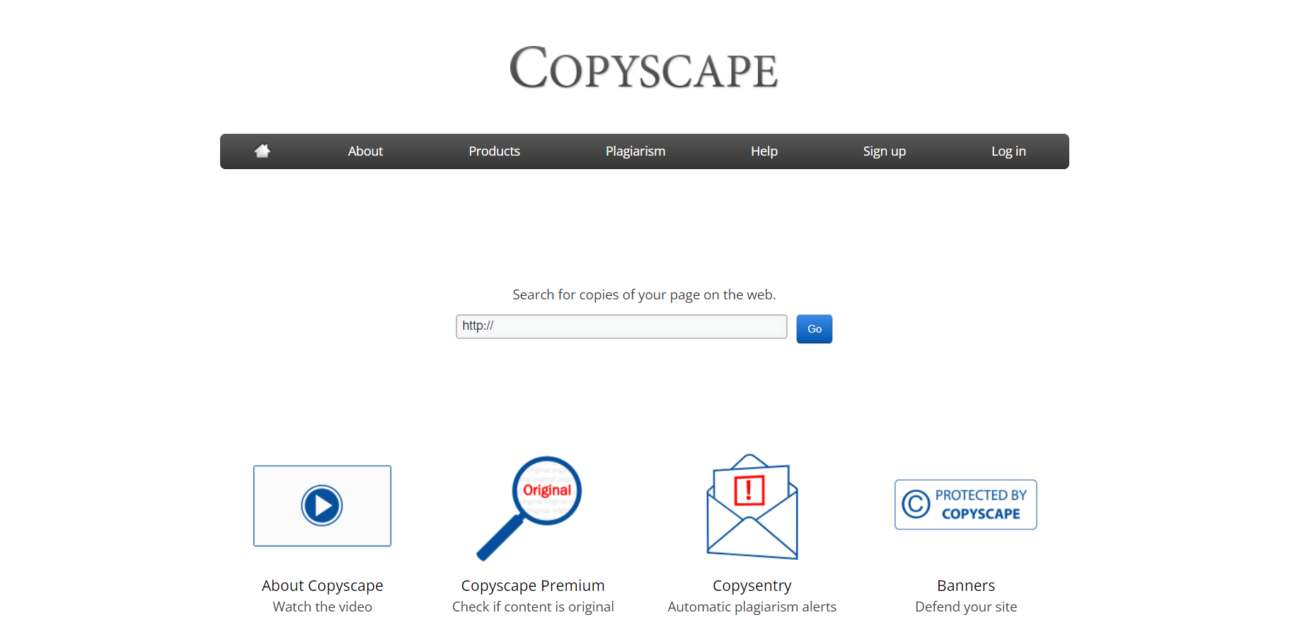
CopyScape is a popular plagiarism checker that helps identify duplicate content online.

Feature

  • Plagiarism Detection
  • Multiple Content Comparison
  • Different Checking Options
  • Content Fraud Protection
  • Content Theft Protection

Limitation

  • Limited Free Version
  • Sometimes Incomplete Detection
  • Focus on online Source

AlternativeCopyleaks

CopyScape Premium Pricing 

  •  It’s minimal price – 3 cent per search

CopyScape is a valuable tool for writers and content creators to identify potential plagiarism issues.

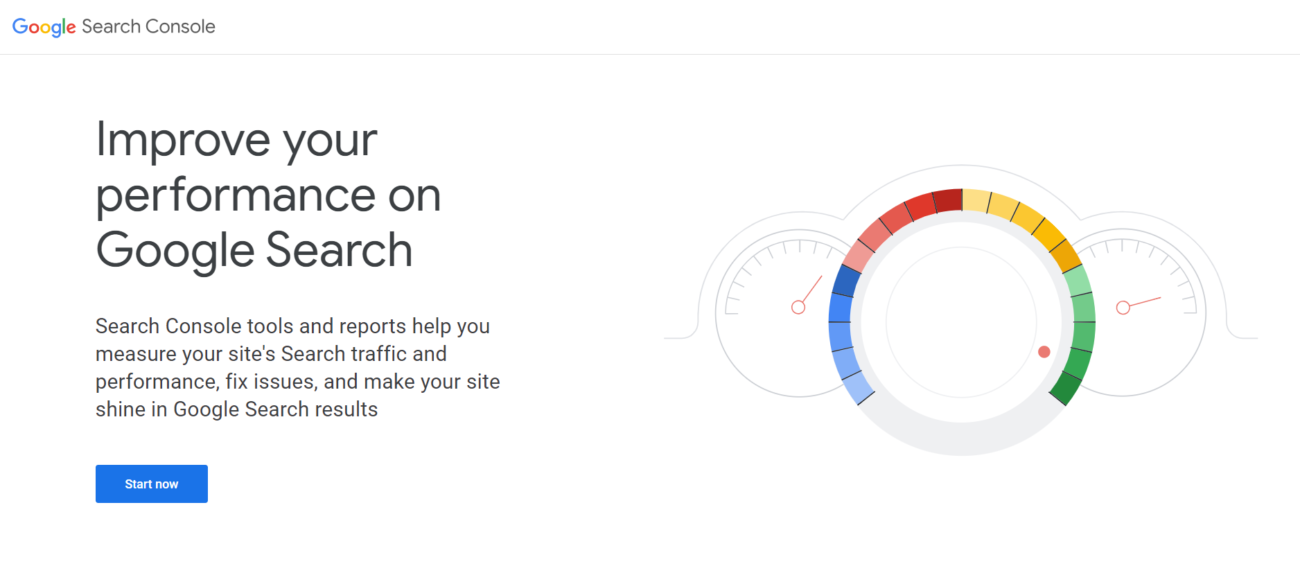
#6. Google Search Console – For Website Analysis & Reports

[caption id=”attachment_11445″ align=”aligncenter” width=”1300″Google Search Console - For Website Analysis & Reports Google Search Console – For Website Analysis & Reports[/caption
Google Search Console (GSC) is a free web service offered by Google specifically for website owners and SEO professionals. It provides a wealth of valuable insights to help you understand and improve your website’s search engine visibility and performance.

Feature

  • GSE Performance Tracking
  • Technical Seo Audits
  • Manual Actions & Security Issues
  • Index Coverage Monitoring
  • Rich Result Monitoring

Limitation

  • Limited GSE Data Source
  • Data Sampling
  • Limited Keyword Data
  • Focus on Google Search

Alternative – Yandex, Bing

Pricing – Free

Google Search Console is an essential free tool for anyone who wants to improve their website’s search engine performance. It helps you identify technical issues, monitor your ranking progress, and understand how users are finding your website through Google Search.

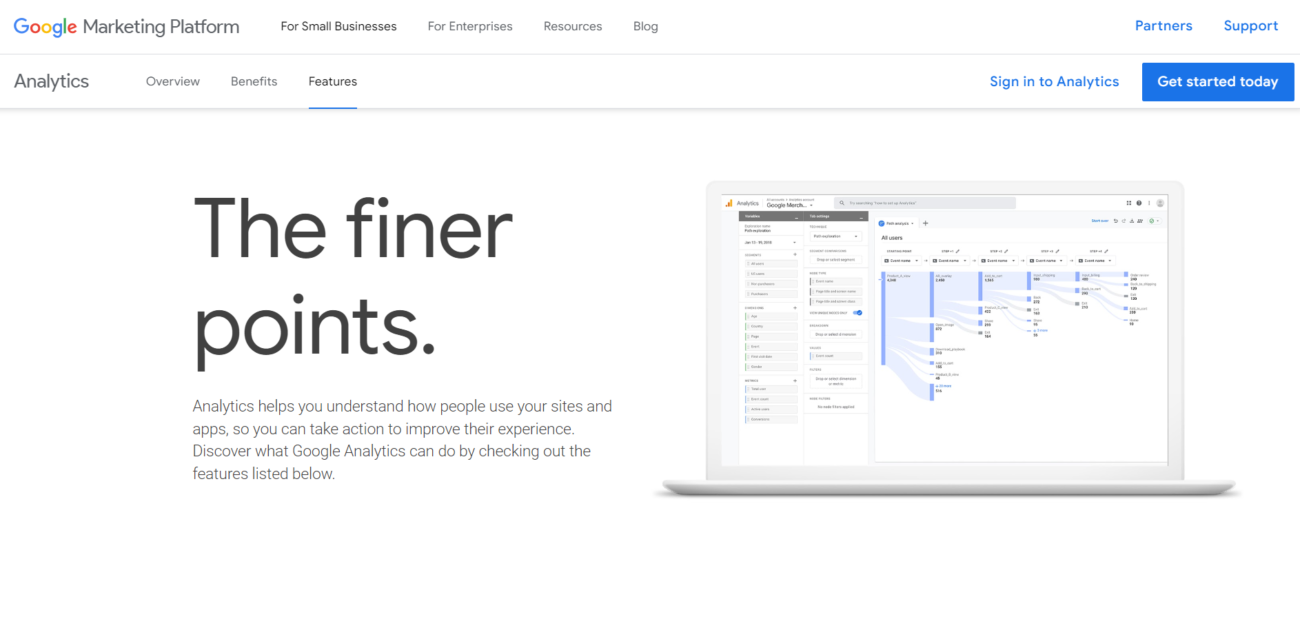
#7. Google Analytics – Complete Web Stats and Search Insights

[caption id=”attachment_11449″ align=”aligncenter” width=”1300″Google Analytics - Complete Web Stats and Search Insights Google Analytics – Complete Web Stats and Search Insights[/caption
Google Analytics is a powerful web analytics platform offered by Google, providing website owners and marketers with a comprehensive understanding of their website traffic and user behavior. It comes in two main flavors: a free version with robust features and a paid premium service called Google Analytics 360.

Feature

  • Website Traffic Analysis
  • Goal Tracking
  • Audience Insights
  • Customizable Reports
  • Integrations

Limitation

  • Limited Data Storage 
  • Limited Customization
  • Sampling Large Data sets

Alternative – Open Web Analytics, Clicky

Pricing 

  • Free Google Analytics is a robust and free solution for most website owners and businesses to gain valuable insights into website traffic and user behavior.
  • Google Analytics 360 is best suited for large enterprises with complex websites, high traffic volumes, and the budget and technical expertise to utilize its advanced features.

Must Read : Top 22 Technical Seo Tools


Conclusion – which tool is Better for your Business 

Focus on Free Tools and If your business at Beginner level and low funds

  • Starting a Website or New to SEO: If you’re just starting out, Google Search Console and Google Keyword Planner are free options to get started with basic SEO and keyword research.
  • Content Creation and On-Page SEO: Consider the free version of Rank Math for a user-friendly WordPress plugin that offers basic on-page SEO suggestions and technical SEO checks.

Looking for More Advanced Features (Paid Options):

  • Comprehensive On-Page SEO and Content Optimization: Explore Surfer SEO for data-driven content optimization and AI-powered suggestions, but be aware of limitations in long-tail keyword research and creative control.
  • In-Depth Keyword Research and Competitor Analysis: Consider paid plans for MOZ to access a wider range of SEO tools, including keyword research, competitor analysis, and technical SEO audits.
  • Large Enterprise with Complex Needs: If you have a large website with high traffic and a dedicated marketing team, Google Analytics 360 offers advanced features for deep data analysis and customization, but be prepared for the significant cost.

Tool is based on the overall needs of your business. Here is vh-info writer recommendation is 

  • Start with free tools like Google Search Console and Google Analytics (Free Version) to gain basic SEO insights and website traffic data.
  • As your needs grow, explore paid SEO tools like MOZ, Rank Math, or Surfer SEO based on your specific requirements (on-page focus, content creation assistance, etc.) and budget.

Link Exchange: What is it, Importance, Types, Tools & Many More..

Link exchanges have been a popular strategy for boosting SEO.

In this blog, we’ll explore how they work and their legitimacy. Link exchanges involve websites linking to each other to increase trust and authority.

Quality matters more than quantity in backlinks. Partner with relevant and trusted sites for effective link exchanges.

When done right, link exchanges can benefit SEO. Let’s see it in more detail now!

What is a Link Exchange?

What is a Link Exchange?

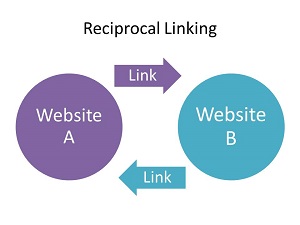
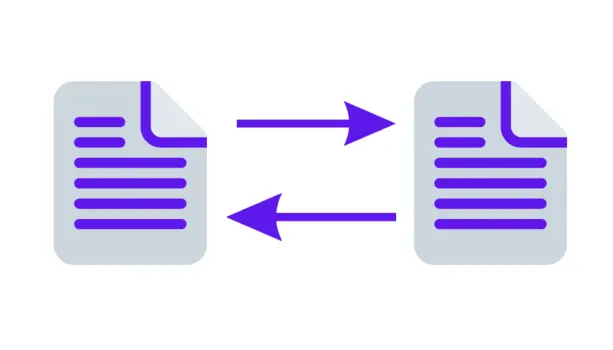
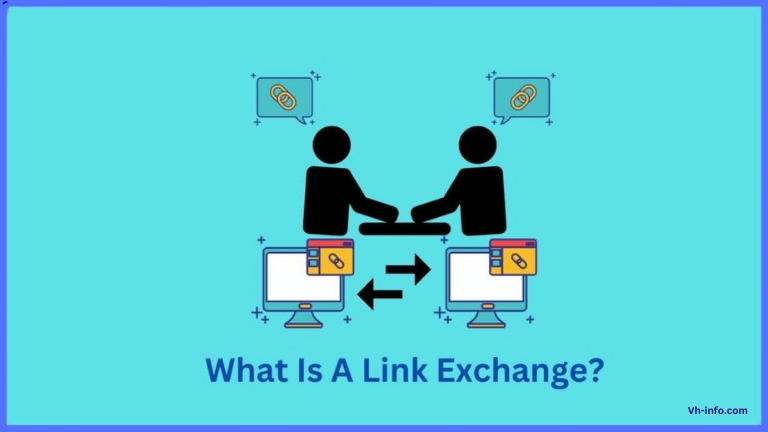
A link exchange also called a link swap or reciprocal linking, is when two or more websites agree to link to each other. This builds trust and authority with search engines. When a site links to another, it shows confidence and tells search engines the linked site is reliable and important. This can boost its ranking in search results and get more visibility. Exchanging links is part of SEO.

Getting good backlinks from trusted sites helps a site rank higher in searches and attract more visitors. But, do it carefully with relevant sites to avoid penalties from search engines. These backlinks, or “link juice,” greatly affect a site’s SEO and growth.

How Do Link Exchanges Work?

How Do Link Exchanges Work?

Link exchanges work by website owners contacting each other through various channels like email or social media.

Once contact is established, they agree to exchange links in different ways:

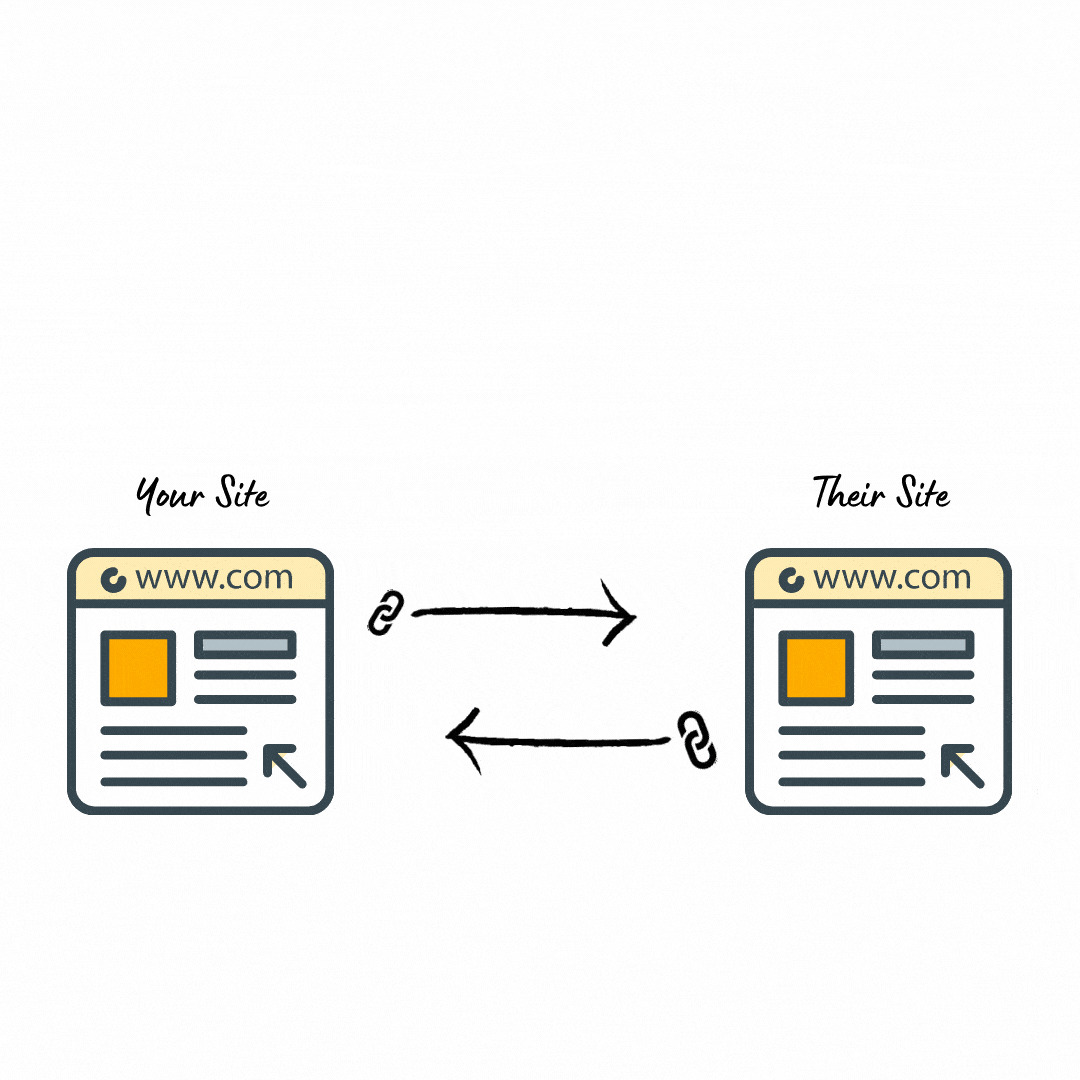
  1. 2-Way Link Exchange: One site links to the other, and vice versa, creating a mutual linking arrangement.
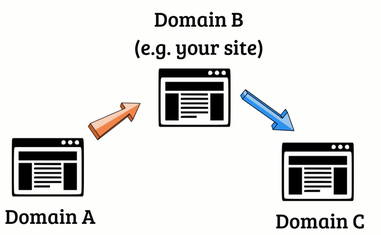
  2. 3-Way Link Exchange: Involves a third party where each site links to a different site in a triangular linking pattern.
  3. Guest Post Swap: Bloggers agree to write posts for each other’s sites, including links back to their own pages.

These practices aim to boost a site’s ranking by gaining backlinks, but they come with varying degrees of safety and effectiveness.

Why Would Someone Want to Exchange Links?

Exchanging links is valuable because it builds trust and authority online, which is crucial for SEO (Search Engine Optimization). Websites that rank well on Google attract more visitors, leads, and revenue. However, the online competition is intense, with numerous websites vying for top positions. Link exchanges offer a shortcut to gaining backlinks and improving SEO standing, making them a popular strategy for businesses looking to grow and monetize quickly in a competitive digital landscape.

Is Exchanging Links a Legitimate Strategy?

Is Exchanging Links a Legitimate Strategy?

Link exchanges used to be a legitimate strategy in the early days of the internet to improve a website’s search engine rankings. However, search engines like Google have become much smarter and stricter over time. These days, link exchanges are generally seen as an attempt to manipulate search results unfairly.

While an occasional reciprocal link between relevant, high-quality sites is fine, large-scale link exchanges are now considered a black hat SEO tactic that puts your website at a high risk of violating Google’s spam policies.

Instead of link exchanges, it’s better to focus on creating great content that earns high-quality, editorial links naturally from other reputable websites in your niche. You can learn more about unnatural links and how to identify and remove them.

Are Link Exchanges Good For SEO?

Are Link Exchanges Good For SEO?

Link exchanges are generally not recommended for SEO anymore. Search engines can easily identify exchanged links and tend to devalue or ignore them. Instead of link exchanges, it’s better to focus on creating high-quality content that naturally earns backlinks from other authoritative sites in your industry.

Building a strong backlink profile through white hat link building tactics is more effective for improving search rankings in the long run.

Are Link Exchanges Safe?

Are Link Exchanges Safe?

Link exchanges can be safe in moderation.

Risks exist, so follow guidelines to prevent penalties from search engines. Google’s rules state excessive exchanges or cross-linking are violations and spam.

If done manipulatively, it’s seen as a scheme leading to penalties. Exchange links cautiously to avoid issues with Google.

Swapping links is safe moderately with quality sites. Avoid mass link exchanges or low-quality sites to prevent penalties affecting your SEO rankings. Focus on natural backlink building by creating and promoting great content instead.

Link Exchange SEO Benefits

Here are some potential SEO benefits of link exchanges:

  1. Increase in backlinks – Link exchanges can help build more backlinks pointing to your site, which is a ranking factor for search engines.
  2. Referral traffic – Well-chosen link exchanges with relevant sites can drive targeted visitors to your website.
  3. Initial link building – Link exchanges can help kickstart your backlink profile when your site is brand new.
  4. Potential anchor text leverage – You may be able to control the anchor text of exchanged links to some degree.
  5. Reciprocal linking still carries some weight – While not as valuable as one-way editorial links, reciprocal links from moderated exchanges still signal relevance to search engines.

Disadvantages of Link Exchange

While link exchanges can provide several benefits, there are also some disadvantages to consider.

  1. Search engine penalties – Search engines like Google can easily identify large-scale link exchange schemes and may penalize sites participating in them as an attempt to manipulate rankings unfairly.
  2. Irrelevant links – Many link exchanges happen between unrelated sites simply to trade links, which provides little to no value to users.
  3. Low-quality links – Link exchanges often involve links from low-quality, spammy sites which can actually harm your site’s reputation and rankings.
  4. Time and effort required – Maintaining a large network of active link exchange partners requires significant ongoing time and effort.
  5. Devaluation over time – As search engine algorithms get smarter, they are putting less and less weight on reciprocal links exchanged for SEO purposes versus natural editorial links.

The Importance of Link Exchange for SaaS Businesses

The Importance of Link Exchange for SaaS Businesses

Link exchanges can be particularly important for SaaS (Software as a Service) businesses.

For SaaS companies, Vh-info understands the unique challenges and opportunities in the industry. Their link exchange strategies are designed to boost brand visibility, drive referral traffic, and establish valuable industry connections for long-term growth.

Here are a few points on the importance of link exchanges for SaaS (Software as a Service) businesses:

  1. Referral Traffic – Link exchanges with other relevant SaaS companies or websites in complementary industries can drive targeted traffic to your platform from audiences that may be interested in your service.
  2. Brand Exposure – Getting your SaaS brand listed and linked on authoritative industry sites through exchanges can increase brand visibility and recognition.
  3. Initial Link Building – When launching a new SaaS product, link exchanges can help kickstart your backlink portfolio before you’ve had a chance to earn many editorial links.
  4. Relationships – Exchanging links allows you to build relationships with other businesses that may lead to partnership opportunities, cross-promotions, or other collaborative efforts down the line.
  5. Competitive Advantage – If your SaaS competitors are actively doing link exchanges, participating as well prevents them from outranking you solely based on this tactic.

What to Look At When Considering a Link Exchange?

When considering a link exchange, it’s important to carefully evaluate potential partners and consider several factors.

  1. When you want to do a link exchange, it’s vital to pick partners carefully and think about some things. First, see if the partner’s website is related to yours. Find sites in the same field to make sure both benefit.
  2. Next, check if the partner’s site is good quality. Choose reputable sites with great content and many good links.
  3. Lastly, be smart about it. Don’t exchange links with bad sites that use tricky tactics or spammy methods.

Link Exchanges for Referral Traffic & Brand Building

When you think about growing your business, the right link exchange can be really valuable, even if it’s not just for improving your SEO.

For instance, getting a link from a sponsored post or guest post on a relevant website can give you a good return on your investment of time or money. So, before you agree to a link exchange, think about how it can help your business.

For example, if you have a dog grooming business in Nashville and a local vet asks to swap links with you, it makes sense because you’re both in the same area with similar audiences. It’s like leaving your flyer at their office and vice versa. This kind of link exchange can benefit your business beyond just SEO.

SEO Link Exchange

SEO link exchanges mean exchanging links for better search rankings. By getting good links from trusted sites, SEO swaps enhance a site’s ranking. These links show search engines your site is trustworthy and important, boosting visibility and rankings.

When swapping links, focus on relevant partners in your field. Relevance affects backlink value and effectiveness. Partnering with niche-related sites ensures valuable, relevant backlinks for your visitors, crucial for better SEO and relevance in searches.

Where To Find Link Exchanges?

Where To Find Link Exchanges?

Finding websites for link exchanges can be easy. You can contact sites directly to suggest a link swap. Reach out via email or social media. Another way is to use link exchange networks that match website owners. These platforms have lists of sites open to exchanges, simplifying the search.

Also, engage in forums related to your field to meet potential partners. Look into private groups where members trade links. Guest posts and content sharing help find industry-relevant link buddies too. Join online groups like Slack or Facebook for connecting with similar websites.

Create a network of influencers for swapping links or recommendations. LinkedIn is useful for reaching out to content specialists regarding linking possibilities. Always make sure both sides benefit from the link exchange and offer value to your audience.

Types of Link Exchanges

There are four main types of link exchanges that people use to get more links to their websites.

Even though these strategies are different, they all help websites become more trustworthy, relevant, or authoritative. However, some of these methods carry more risks than others.

One-Way Links

One-Way Links

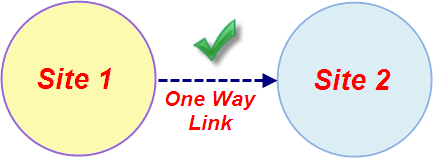
One-way links are links from one website to another without getting a link back. They’re valuable. You can get them through guest posting. When you contribute good content to other sites, you can include a link to your site. This gives you a backlink.

Anchor text is the clickable text of a link. It should describe the linked page well. Relevant anchor text helps SEO.

Getting one-way links is good for SEO and backlinks. Creating quality content and relationships is key. Owners benefit from them.

Reciprocal Links

Reciprocal Links

Reciprocal links, or link exchanges, happen when two websites agree to link to each other. This helps get quality backlinks and boost search rankings. Exchanging links with good sites increases visibility and authority for both. But too many reciprocal links can break Google’s rules. Follow guidelines for natural and relevant link exchanges. Check if the partner site’s outbound links are high-quality too to enhance SEO value.

Three-Way Link Exchanges (ABC Linking)

Three-Way Link Exchanges

Three-way link exchanges, also called ABC Linking, involve three websites linking to each other in a triangle. Each site links to another, creating a backlink network. This method can help get backlinks naturally, avoiding direct reciprocal links.

Such exchanges diversify backlinks and boost SEO. Getting backlinks from relevant sites enhances visibility and authority with search engines. However, excess three-way exchanges can be penalized as a scheme, so follow guidelines for natural linking.

Private Influencer Networks (PIN)

Private Influencer Networks

Private Influencer Networks (PIN) are a type of link exchange. It involves partnering with influencers or industry leaders to get backlinks from their websites. By connecting with influencers, you can use their reputation to get quality backlinks. This helps boost brand visibility and attract more visitors naturally.

PINs are a good way to get backlinks from important sites. Partnering with influencers who are popular online can help you reach a wider audience. However, it’s crucial to be honest and ethical in these partnerships. Building real connections and offering value through your content is key for successful collaborations that benefit everyone.

How to Implement Link Exchange in SaaS Businesses?

How to Implement Link Exchange in SaaS Businesses?

Implementing link exchanges in SaaS (Software as a Service) businesses can be a valuable strategy for increasing online visibility and improving search engine rankings.

Vh-info offers comprehensive guidance and execution for SaaS companies looking to implement effective link exchange strategies. Our team follows a structured approach, ensuring relevance, quality, and adherence to best practices.

Here are the steps to implement link exchange in SaaS businesses:

  1. Identify Potential Partners: Look for SaaS businesses that complement your offerings without competing directly.
  2. Reach Out: Craft personalized emails explaining the mutual benefits of the link exchange.
  3. Ensure Relevance: Make sure the content surrounding the exchanged link is relevant to add value for users.
  4. Track Performance: Monitor metrics like referral traffic to gauge the success of the link exchange.

How to Perform a Link Exchange: Best Practices

How to Perform a Link Exchange: Best Practices

Before reaching out to potential link exchange partners, evaluate the quality of your own content. Ask yourself if it’s valuable enough for others to link to.

Also, check if your website looks professional and authoritative. Self-assessment is crucial before starting link exchanges to build a healthy backlink profile.

To ensure successful link exchanges, make sure your content matches or exceeds the quality of your potential partners’.

This way, your content can be as beneficial to their readers as their links are to yours. Once you’ve done this self-assessment, you can follow these steps for safe and effective link exchanges.

Find Relevant Websites/Link Exchange Partners

SEO involves both competition and collaboration. Identify competitors with higher domain authority and potential partners whose content relates closely to yours. Use Google’s related operator for this, but manual searching may be needed if your site is low-ranking. Analyze their content quality, backlink strategies, and SEO tactics to create a shortlist of potential partners and competitors for link outreach.

Perform Link Exchange Outreach

You can usually find a website’s contact information on its About/About Us page, which often includes email addresses, phone numbers, or a contact form. However, manually searching each page can be tiresome. Tools like Uplead can help you gather all contact details efficiently.

Craft a Personalized Approach to Outreach for Link Exchange

When reaching out for link exchanges, your approach is crucial. Be professional and respectful while highlighting mutual benefits. Avoid using generic templates; personalize each message based on your potential partner’s writing style. Email is often the best outreach method as it allows you to track success rates.

Hire Someone Else to Do It

If managing link exchanges feels overwhelming, consider hiring a specialized agency to do it for you. They already have relationships with high-authority sites, saving you time and effort. These agencies offer more than just backlink exchanges, often providing full SEO services like content analysis and ongoing performance tracking.

Placing Your Link Exchanges

After securing a link exchange, it’s important to integrate the links naturally into your content. Avoid using naked URLs unless it fits naturally. Anchor text is a better choice, but vary it using secondary keywords or key information from the linked content. Place links within the body of your content for a more organic feel and to avoid triggering Google’s spam detection.

How Many Backlinks Should There Be on a Page?

How Many Backlinks Should There Be on a Page?

The number of backlinks on a page isn’t strictly limited by Google’s guidelines anymore.

While older advice suggested fewer than 100 links per page, Google has since removed this suggestion. Quality matters more than quantity; it’s better to have one high-quality backlink than many low-quality ones.

For readability and user experience, it’s still good to limit outbound links to 3-4 per piece of long-form content. Avoiding excessive links helps maintain reader focus and improves website usability, especially for screen reader users.

Tools to Analyze Potential Link Exchanges

Tools to Analyze Potential Link Exchanges

There are several tools available to analyze potential link exchanges and evaluate the quality of websites. These tools can help you make informed decisions when considering link exchange partnerships.

At Vh-info, they leverage industry-leading tools like Ahrefs, SEMrush, and Moz to thoroughly analyze potential link exchange partners, ensuring their clients receive maximum value from every partnership.

Here are some tools to consider for analyzing potential link exchanges:

Ahrefs

Ahrefs

Ahrefs helps analyze backlinks and monitor your site’s backlink profile. It shows linking websites, backlink quality, and SEO impact.

The tool gives details on domain authority, anchor text in backlinks, and overall backlink profile health.

By studying this data, you spot bad backlinks affecting SEO. Ahrefs lets you compare with competitors for insights.

It’s useful for managing and enhancing your website’s backlink profile and SEO ranking.

SEMrush BAcklink Audit

SEMrush

Semrush Backlink Audit helps check your website’s backlinks. It finds harmful links affecting SEO. The tool analyzes backlinks, showing numbers, domains, and anchor text. It rates backlinks as toxic to help removal decisions.

Regular audits with Semrush ensure quality backlinks for better SEO. It also reveals competitor backlinks for link building ideas.

Moz Domain Authority Checker

Moz

The tool, Moz Domain Authority Checker, helps you measure your website’s authority and credibility. It predicts rankings on search engines by considering backlinks, content relevance, and trustworthiness.

You can assess your website’s domain authority quickly and compare it with competitors using this tool. A higher score means a stronger site that ranks better on search engines.

To boost your site’s visibility and attract more visitors, work on enhancing domain authority through link building and SEO tactics.

FAQ’s:

Are Excessive Link Exchanges Risky?

Yes, excessive link exchanges can be risky as they may lead to a disproportionate link profile and raise red flags to search engines. It’s important to diversify your link building strategies and include other tactics like guest posting to maintain a natural and healthy link profile. Each tactic offers different benefits, so using a variety of methods can be the best way to achieve long-term success in your SEO ranking.

Are Link Exchanges Legal?

Link exchanges are legal as long as they adhere to search engine guidelines. However, excessive or manipulative link exchanges can lead to penalties. It’s important to engage in authentic and relevant link exchanges for SEO benefits without violating regulations.

Is it Better to Exchange Links than Ask for Reciprocal Links?

Yes, a 3-way link exchange is often better than a reciprocal link because it avoids creating a direct link between the same two websites, making it look more natural to search engines. This strategy helps prevent footprints and can be a more effective approach to link building.

What Should Be Included In Link Exchange Requests?

In a link exchange request, include reasons for the swap like mutual benefit from quality backlinks, explain how your link is useful to their readers, and offer ideas for where you could place backlinks for them, showing your understanding of their site’s value.

What Types of Sites Should I Exchange Links With?

When choosing sites for link exchanges, prioritize quality and use common sense to avoid Google penalties. Look for reputable sites with good SEO, relevant outbound links, and rankings for related keywords. Consider influencer networks cautiously, balancing the potential for high-traffic links with the risks. If unsure about link exchanges, explore other effective link building tactics or seek professional help from a link building agency.

Conclusion

In SEO, strategic link exchanges are essential for enhancing website visibility and credibility. By exchanging links with relevant sites, you can boost SEO rankings, drive referral traffic, and establish a strong online presence.

It’s crucial to follow Google’s guidelines and align exchanges with your business goals. For expert link building services, partner with VH-info Best Link Building Services. Their knowledgeable team ensures that every link exchange enhances your SEO success sustainably. Quality backlinks matter more than quantity for lasting SEO results.

Is Survey World Legit? The Truth Revealed

Do you want to earn some money by completing surveys?

If so, then there is one such website that is becoming popular nowadays, and it’s Survey World. But before you start, you must know an important thing: whether SurveyWorld is legit or not.

In this article, we are going to address everything about SurveyWorld, from its legitimacy to how it works and how you can earn money from this survey site.

In the digital age, many people are looking for ways to make extra money online, and taking online surveys has become a popular option.

However, with so many survey platforms available, it’s natural to question the legitimacy of a website like Survey World.

In this article, we will delve into the world of online surveys and uncover whether Survey World is a legitimate platform for earning money.

What is Survey World?

What is Survey World?

Survey World is a paid online survey platform that serves as an aggregator of surveys. It connects users to a variety of other survey platforms where they can participate in surveys and earn money by sharing their opinions. As a platform, Survey World offers users a wide range of survey opportunities by endorsing research firms and survey panels rather than creating its own surveys.

By partnering with various survey panels from different countries, Survey World provides users with a diverse range of survey options that match their interests and demographics. This increases users’ earning potential by allowing them to choose surveys that are relevant to them, increasing their chances of qualifying for and getting paid for their participation.

Survey World acts as a middleman between users and survey opportunities, providing a convenient platform for users to access multiple survey panels in one place.

How to Sign Up for Survey World?

How to Sign Up for Survey World?

Signing up for Survey World is a simple process. To get started, you will need to visit the Survey World website and navigate to the sign-up page.

On the landing page, provide basic personal information like your name, email, and demographics. Survey World matches you with relevant surveys but doesn’t offer them directly. Provide accurate info during sign-up to get surveys matching your interests. Create an account with a username and password. Confirm your email before participating in surveys for security purposes.

How Survey World Works?

Survey World works by connecting users to a variety of survey opportunities through its platform. As an aggregator, Survey World does not directly offer surveys but instead compiles surveys from different sources. Users can browse the available survey opportunities on the Survey World website and choose to participate in surveys that interest them. By providing their opinions and completing surveys, users can earn money and rewards.

Sign-Up & How to avoid Scam

To join Survey World, go to their website and find the sign-up page. There, enter your basic details like name, email, and demographics. This helps Survey World match you with relevant surveys.

To sign up for Survey World, you will need to visit the website and navigate to the sign-up page. On this page, you will be prompted to provide some basic personal information, such as your name, email address, and demographic details. This information is necessary for Survey World to match you with relevant survey opportunities.

Another way to join is through their Facebook page. Message them showing interest, and they will guide you on signing up.
Once you’re in, ensure a steady internet connection for accessing surveys and earning from home.

You can also sign up for Survey World through their official Facebook page. By visiting their Facebook page, you can send them a message expressing your interest in joining their survey site. They will provide you with further instructions on how to proceed with the sign-up process.

Survey World is free to join; avoid sites asking for payment during sign-up as they might be scams.

Surveys

Once you join Survey World, you can take various surveys. The platform links users to different survey groups and companies. These surveys cover topics like market research, consumer opinions, product feedback, and demographics.

Surveys on Survey World come in different types based on partners. They may include multiple-choice questions, product ratings, written feedback, and online discussions. The goal is to offer diverse surveys that match user interests and backgrounds.

Once you have signed up for Survey World, you will have access to a variety of survey opportunities. Survey World connects users to different survey panels and research firms, allowing them to participate in surveys on various topics.

Survey World collaborates with trusted companies for legitimate surveys. Each company may have unique rules and rewards for participants. Users can choose surveys they prefer and earn money by sharing their thoughts.

The types of surveys available on Survey World can vary depending on the survey panels and research firms that the platform partners with. Common types of surveys include market research surveys, consumer opinion surveys, product feedback surveys, and demographic surveys.

These surveys may involve answering multiple-choice questions, rating products or services, providing written feedback, or participating in online discussions.

Survey World aims to provide a diverse range of survey opportunities to cater to the interests and demographics of its users. By offering a wide variety of survey types, users can choose the surveys that align with their preferences and earn money by sharing their opinions.

Some surveys may offer cash rewards, while others may provide gift cards or other incentives. The specific details of each survey, including the reward amount and payment method, will be provided on the survey page.

Payments

When you take surveys on Survey World, you can earn money. The payment ways vary based on partners. Ways to get paid include PayPal, direct deposit, and gift cards.

PayPal is liked for its ease to transfer money to bank accounts. Direct deposit sends money straight to banks. Some partners offer gift cards usable in stores or online.

The specific payout options and minimum payout thresholds can vary between survey panels and research firms. It’s important to familiarize yourself with the payment details provided by each survey opportunity to ensure that you understand the payment process and requirements.

Here is an example of a text table that outlines the different payment methods available on Survey World:

Payment Method

Minimum Payout Threshold

PayPal cash

$10

Direct deposit

$20

Gift cards

$5

How You Get Paid on Survey World?

Survey World offers different ways for users to get their earnings. Users can choose PayPal, Amazon gift cards, or direct deposit.

PayPal is a safe online payment platform for sending and receiving money. Users can select PayPal to get their earnings from Survey World. When users reach the minimum payout amount, they can ask for a payment to PayPal, which will be transferred in a few days.

Another choice is Amazon gift cards that allow flexibility to redeem earnings for various products and services on Amazon.

Some firms may also give direct deposit as a way to pay. This option deposits earnings right into the user’s bank account, suitable for those who like cash.

The available payment options differ based on the survey panels and firms partnering with Survey World.

It’s important to review the payment details provided by each survey opportunity to ensure that you select the payment method that best suits your needs.

Are Paid Surveys Worth It?

Are Paid Surveys Worth It?

Paid surveys are a good way to make extra money. They offer flexibility and convenience. You can do surveys online anytime, anywhere. The earnings depend on how many surveys you qualify for and their lengths.

Some pay more than others. It’s not a quick way to get rich. In fact surveys can help you earn extra cash and share your opinions for market research purposes.

However, it’s important to approach paid surveys with realistic expectations and understand that they may not be a consistent or substantial source of income.

Is SurveyWorld Legit?

Yes, SurveyWorld is a legitimate platform for earning money through paid surveys. While there may be mixed reviews and opinions about SurveyWorld, it is important to consider the following factors when determining its legitimacy.

SurveyWorld has a strong reputation for providing users access to legitimate survey opportunities through partnerships with reputable survey panels and research firms. It is recognized by platforms like Better Business Bureau and Trustpilot.

However, not all surveys may be suitable for every user due to varying qualification criteria based on demographics and interests. While negative experiences exist, it’s advisable to research and read reviews before signing up for any survey site.


Can You Earn Money with Survey World?

Can You Earn Money with Survey World?

Yes, you can earn money with Survey World. When you participate in surveys through Survey World, you have the opportunity to earn money for sharing your opinions and completing surveys. While the amount you can earn may vary depending on factors such as the number of surveys you qualify for and the length of the surveys, participating in paid surveys can provide a way to earn some extra cash.

Survey World helps you find surveys matching your interests. Completing relevant surveys increases earning opportunities. Paid surveys offer extra cash, not quick riches. It’s suitable for earning spare cash. Your income depends on completed surveys and their payment terms. Consistent survey participation yields extra cash. View paid surveys as additional income, not a full-time job.

How Much Can You Actually Make on Survey World?

How Much Can You Actually Make on Survey World?

The money you make on Survey World depends on different factors like how many surveys you qualify for and their length. The pay for surveys varies – some offer more, others less. Your earnings also rely on the time and effort you put into completing surveys.

Typically, survey takers earn a few dollars per survey. Surveys differ in length; some are quick, while others take more time. Longer and detailed surveys offer higher payouts. To earn more on Survey World, actively look for surveys and complete as many as you can consistently. This dedication boosts your chances of making more money.

It’s also worth mentioning that Survey World is not the only platform that offers paid surveys. There are other legitimate survey sites like Survey Junkie and Swagbucks that you can join to increase your earning potential. By diversifying your survey participation across different platforms, you can maximize your overall earnings.

How Much Does Survey World Pay?

How Much Does Survey World Pay?

The payment structure on Survey World can vary depending on the survey opportunities available and the survey panels that the platform partners with. The specific payment details, including the pay rate and the number of surveys available, will be provided on each survey’s page.

The pay rate for surveys can vary depending on factors such as the length of the survey, the complexity of the questions, and the specific requirements of the survey panel. Some surveys may offer higher payouts, while others may provide smaller rewards.

The number of surveys available on Survey World can also vary. The availability of surveys depends on the survey panels that the platform partners with and the specific demographics and interests of each user. It’s important to regularly check for new survey opportunities on Survey World to maximize your earning potential.

Survey World is just one of many legitimate survey sites available. By diversifying your survey participation across different platforms, you can increase your overall earning potential. Different survey sites may offer different payment rates and a variety of survey opportunities, allowing you to earn money from multiple sources.

It’s important to note that paid surveys are not a guaranteed source of income. The amount of money you can make will depend on factors such as the number of surveys you qualify for and the time and effort you are willing to invest in completing surveys.

SurveyWorld Pros and Cons

SurveyWorld, like any other platform, has its advantages and disadvantages.

Here are the pros and cons of using SurveyWorld:

Pros

  • Ease of use: SurveyWorld provides a user-friendly platform that makes it easy to navigate and access survey opportunities.
  • Access to popular survey sites: SurveyWorld connects users to well-known and reputable survey panels and research firms, increasing the chances of participating in legitimate surveys.
  • Social media presence: SurveyWorld has an active presence on social media platforms, allowing users to stay updated on the latest survey opportunities and platform updates.
  • Variety of survey opportunities: SurveyWorld offers a wide range of survey opportunities, allowing users to choose surveys that align with their interests and demographics.
  • Flexibility: Users can participate in surveys at their own convenience, making it a flexible way to earn money.

Cons

  • Technical issues: Like any online platform, SurveyWorld may experience technical issues from time to time, which can affect the user experience.
  • Limited customer service: Some users have reported difficulties in reaching customer service for support or assistance.
  • Reliance on external survey sites: SurveyWorld does not directly offer surveys but relies on external survey panels and research firms. This means that the availability of surveys and the payment structure may vary depending on these external sites.
  • Qualification requirements: Users may not qualify for every survey opportunity, as survey panels often have specific demographics and criteria.
  • Limited earning potential: The amount of money that can be earned through SurveyWorld is limited, and it may not be a substantial source of income.

Alternatives to Survey World

If you are looking for alternative survey sites to Survey World, there are several options available.

Here are a few popular alternatives:

Branded Surveys

Branded Surveys

Branded Surveys is a reputable survey site that offers a variety of survey opportunities. It connects users with market research companies and provides a user-friendly platform for participating in surveys. Branded Surveys compensates users for sharing their opinions and completing surveys, and users can cash out their earnings through PayPal or redeem gift cards once they reach a minimum balance.

InboxDollars

InboxDollars

InboxDollars is another popular survey site that offers multiple ways to earn money online. Along with surveys, users can also earn money by watching videos, playing games, and reading promotional emails. InboxDollars has been around for a while and has a good reputation in the industry. Users can cash out their earnings through PayPal or redeem gift cards once they reach a minimum balance.

Survey Junkie

Survey Junkie

Survey Junkie is widely recognized as one of the leading survey platforms. It connects users with legitimate survey sites and offers a user-friendly platform for participating in surveys. Survey Junkie operates on a point-based system, where users earn points for completing surveys. These points can be redeemed for cash through PayPal or gift cards once users reach a minimum threshold.

Swagbucks

Swagbucks

Swagbucks is a popular survey site that offers a variety of ways to earn money online. Along with surveys, users can also earn money by watching videos, shopping online, and playing games. Swagbucks offers a wide range of gift card options for users to redeem their earnings, providing them with flexibility in choosing their rewards.

Pinecone Research

Pinecone Research

Pinecone Research is a reputable survey site that focuses on market research. It connects users with surveys from various industries and pays a fixed amount per survey. Users can cash out their earnings through PayPal or choose from a variety of gift card options once they reach a minimum balance.

AttaPoll

AttaPoll

AttaPoll is a survey app that provides users with a convenient way to earn money through surveys. The app offers a user-friendly interface and allows users to participate in surveys on their mobile devices. Users can cash out their earnings through PayPal or choose from various gift card options.

FAQs:

Who Can Use SurveyWorld?

SurveyWorld is available to users around the world, but eligibility may vary depending on the specific survey opportunities and the survey panels that the platform partners with. Users must typically be at least 18 years old and have access to the internet to participate in surveys.

How Do I Contact SurveyWorld Support?

To contact SurveyWorld support, you can fill out a contact form on their website or reach out to them through their official Facebook page. They typically respond to inquiries and support requests within a reasonable time frame.

Is SurveyWorld Fake or Real?

SurveyWorld is a legitimate platform for earning money through paid surveys. While there may be mixed reviews and opinions about SurveyWorld, it has been recognized by reputable review platforms such as Trustpilot. It’s always a good idea to read reviews and do your own research before signing up for any survey site.

Are there any Legitimate Survey Sites that Pay?

Yes, there are several legitimate survey sites that pay users for participating in surveys. Some popular options include Opinion Outpost, Survey Junkie, and Swagbucks. These sites connect users with legitimate survey opportunities and offer various payment options for users to receive their earnings.

Are Paid Surveys Legit and Safe?

Paid surveys can be a legitimate and safe way to earn money online. However, it’s important to use legitimate survey sites and exercise caution when sharing personal information. Legitimate survey sites prioritize user privacy and offer secure payment options. It’s always a good idea to research and read reviews before participating in any online activity.

How Do You Get Paid For Surveys?

Payment methods for surveys can vary depending on the survey site and the specific survey opportunity. Common payment methods include PayPal, gift cards, and direct deposit. Users typically receive their earnings once they reach the minimum payout threshold set by the survey site.

Which Survey App Pays The Most?

While survey apps may have different payment rates, it’s important to note that the earning potential of surveys can vary depending on factors such as the length of the survey and the specific survey opportunity. Survey Junkie and Swagbucks are popular survey sites that offer a variety of ways to earn money online.

How Do I Maximize My Earnings with Survey World?

To maximize your earnings with Survey World, it’s important to actively seek out survey opportunities and complete as many surveys as possible. Developing a strategy for managing your time and prioritizing surveys can help you increase your earnings.

Are Survey Sites Like Survey World Safe to Use?

Yes, survey sites like Survey World are generally safe to use. However, it’s always important to exercise caution when sharing personal information and to use legitimate survey sites. Legitimate survey sites prioritize user safety and data protection.

Can Anyone Sign Up for Survey World?

Anyone can sign up for Survey World, but eligibility for specific survey opportunities may vary depending on factors such as age and location. Users typically need to be at least 18 years old to participate in surveys.

How Often Are New Surveys Available?

The availability of new surveys can vary depending on factors such as the survey panel and the specific survey opportunities. While there may not always be surveys available, there are usually enough survey opportunities to participate in regularly.

What Types of Payments Can I Expect?

The types of payments you can expect will depend on the survey site and the specific survey opportunity. Common payment options include PayPal cash, Amazon gift cards, and direct deposit. The specific payment options will be outlined on each survey’s page.

Is There a Limit to How Many Surveys I Can Take?

There may be a limit to the number of surveys you can take, depending on the survey site and the specific survey opportunity. Some survey sites may have a daily cap on the number of surveys you can participate in. The earning potential will depend on the number of surveys you qualify for and complete.

How Does Survey World Compare to Other Survey Sites?

Survey World is just one of many legitimate survey sites available. Each survey site may have its own unique features and offerings. It’s a good idea to compare different survey sites to find the ones that best suit your preferences and earning goals. Survey Junkie, for example, is another popular survey site that you can consider.

Conclusion

Survey World offers a platform for earning money through paid surveys. While it provides an opportunity to make extra income, it’s important to assess if the time invested aligns with the rewards.

Understanding Survey World’s workings, payment methods, and legitimacy can help you navigate its offerings better. Considering alternatives like Branded Surveys, InboxDollars, and Survey Junkie can offer diverse options for survey takers.

Ultimately, identifying your goals and expectations is key to determining the value of engaging with Survey World or similar platforms.

Explore the FAQs to gain insights into maximizing earnings and ensuring safety while participating in paid surveys.

Relevant Backlinks: A Key Strategy for SEO Optimization

Want to take your SEO game to the next level? It’s time to talk about the unsung hero of optimization: relevant backlinks. These little gems are like the secret handshake of the internet, telling search engines that your content is the real deal.

But what exactly are relevant backlinks?

They’re like the cool kids linking to your website because you’re in the same clique. In other words, they come from websites in your niche that are closely related to your content. It’s like having your BFF vouch for you – instant street cred!

When search engines see these relevant backlinks pointing to your site, they give you a virtual high-five and bump you up in the search results. It’s their way of saying, “Hey, this content is legit and people in the know are talking about it!”

Let’s talk more about this in this blog post.

What Are Relevant Backlinks?

What Are Relevant Backlinks?

Relevant backlinks, also known as inbound links, refer to backlinks that are closely related to the content on the websites that link to them. They are an important aspect of link building for SEO, which is the process of acquiring hyperlinks from other websites to your own. Link building is an essential strategy for improving your website’s visibility in search results. When search engines analyze your backlink profile, they consider the relevance of the websites linking to you.

What Are Niche Relevant Backlinks?

What Are Niche Relevant Backlinks?

Niche relevant backlinks are highly valuable for SEO because they come from websites in the same industry as yours. When search engines see these backlinks, they recognize your content as relevant, trustworthy, and tailored to a specific audience within your niche.

Compared to generic backlinks, niche relevant ones provide more context and relevance to your site. Links from other websites in your niche signal to search engines that you have authority and expertise in your field. This can significantly boost your rankings in search results and drive targeted organic traffic to your website.

Acquiring niche relevant backlinks along side keyword research is a key strategy for successful SEO and content marketing for a said piece of content. They are considered more valuable than generic links because they establish your site as a trusted resource within your specific industry.

How To Get Niche Relevant Backlinks?

How To Get Niche Relevant Backlinks?

Acquiring niche relevant backlinks requires a strategic approach and careful planning.

Here are a few effective methods for obtaining niche relevant backlinks:

Use Pitching Tools Like HARO

Pitching tools like HARO help connect experts with websites and blogs that need their insights.

They’re free and offer many chances to get backlinks from relevant sites. Quality matters more than quantity, so focus on providing valuable contributions for better backlink opportunities.

Some recommended platforms include Connectively (formerly HARO), Help a B2B Reporter, Featured, Sourcebottle, and Qwoted.

Find Guest Posting Opportunities

Guest posting is a way to write for other websites and get a link back to your own site. It’s a great way to share your expertise, reach new audiences, and improve your website’s SEO.

To find guest posting opportunities, search Google using phrases like “write for us” along with your industry. You can also use terms like “contribute to” or “submit article” to find relevant websites.

Make sure the sites you choose are trustworthy and have a good domain authority along with a good number of links for better visibility and link benefits. Make sure this site is unique, has high quality backlinks and not just a link farm (a site made just for selling guest posts).

Create Innovative, High-Quality Content

Creating innovative and high-quality content is an effective way to attract niche relevant backlinks.

When you produce unique and valuable content, other websites within your niche are more likely to link to it. This can happen naturally as other content creators discover your content and find it valuable for their own audience.

To create good content, follow these tips:

  1. research well,
  2. give accurate data.
  3. Add visuals like pictures, graphs, videos for better user experience.
  4. Make content easy to share on social media for more views and backlinks.
  5. Keep updating your content to stay relevant and precise.

Pay Attention To Trends

Staying up-to-date with the latest trends in your niche can help you identify new opportunities for niche relevant backlinks.

Continuously monitor industry news, social media conversations, and search engine trends, you can discover topics that are currently in demand and create content around them. This can attract the attention of other websites within your niche, leading to valuable backlinks.

When creating content around trends, it is important to provide unique insights and perspectives in the type of content you are working on. This can help your content stand out and increase its chances of being linked to by other websites.

Use White Hat Link Building Techniques

When building niche relevant backlinks, it is important to use white hat link building techniques. White hat techniques focus on building high-quality, relevant backlinks that comply with search engine guidelines.

Here are some simple strategies to improve your website’s visibility and attract more visitors:

  1. Reach out to similar websites with good content for potential links.
  2. Write posts for respected sites in your industry, adding links back to your site.
  3. Create top-notch content that others will want to link to naturally.
  4. Work together with other creators to make valuable content as a team.

Why Is Link Relevance Important For Ranking On Search Engines?

Why Is Link Relevance Important For Ranking On Search Engines?

Link relevance is crucial for ranking on search engines because it helps search engines like Google understand the context and content of your website.

When your site has relevant backlinks from other sites in a similar niche or industry, it signals to search engines that your content is trustworthy, credible, and authoritative.

Here’s why link relevance is important for ranking on search engines:

  1. Contextual Understanding: Link relevance helps search engines comprehend the theme and focus of your website. When your site receives backlinks from relevant sources, it reinforces the context of your content and the services/products you offer.
  2. User Intent: Relevant backlinks indicate to search engines that your site is providing valuable information that aligns with what users are searching for. This enhances user experience and satisfaction, which are key factors in search engine rankings.
  3. Credibility and Trust: Backlinks from relevant sites act as votes of confidence in your content. When reputable and related websites link to your pages, it enhances your site’s credibility and trustworthiness in the eyes of search engines and users.
  4. Quality Signals: Link relevance is a quality signal for search engines. Having links from relevant sites demonstrates that your content is valuable and authoritative within your niche, which can positively impact your rankings.
  5. Avoiding Penalties: Search engines penalize sites that engage in irrelevant or manipulative link-building practices. By focusing on link relevance, you can avoid penalties and ensure that your site maintains a strong and sustainable presence in search engine results.

How Do You Find a Niche-Relevant Backlink?

How Do You Find a Niche-Relevant Backlink?

Google is a go-to for finding relevant websites in your industry. However, finding niche-specific links involves more than just a Google search.

Here are three effective strategies we recommend for discovering niche link opportunities:

Use Search Operators To Find Relevant Websites

One effective way to find niche-relevant backlinks is by using search operators in Google. Search operators are specific queries that refine your search and help you find relevant results more efficiently.

Here’s how you can use search operators to find relevant websites within your niche:

  • Use the “intitle:[keyword” operator to find web pages with your keyword in the title.
  • Use the “site:[website [keyword” operator to search a specific website for relevant content.
  • Use the “inurl:[keyword” operator to find websites related to a specific keyword in the URL.

For example, if you have a blog about gaming pc cost, you can search for something like intitle:gaming pc.

Use The Competing Domains Feature On Ahrefs

Ahrefs is a popular tool for SEO and digital marketing tasks. It helps both experts and business owners track SEO progress, find keywords, and study competitors. A handy feature is Competing Domains, where you enter a competitor’s site and get a list of their linking sites, often related to your industry. Review their content for ideas and quality. While direct competitors might pose conflicts, exploring related sites for backlinks from your competitor’s website can boost your website’s authority.

Do a Backlink Intersect To See What Links Your Competitors Have That You Don’t

If your competitors are getting links from sites in your industry, you can probably do the same. Ahrefs has a tool called Link Intersect that helps us find industry-related websites linking to our rivals but not to us. After finding these sites, you can reach out to their owners and suggest linking to your content or create something helpful for them to link to.

What Makes a Link Relevant?

Link relevance is determined by several factors that contribute to the context and quality of the link.

Here are some key elements that make a link relevant:

Keywords

Keywords are crucial for link relevance to search engines. Choose anchor text with relevant keywords describing linked content.

Incorporating these keywords in anchor text and surrounding text helps search engines understand link context.

Search engines display most relevant results for users searching these keywords. Using relevant keywords in link building boosts link relevance and search result visibility.

Location

Location is vital for relevant backlinks, especially for local businesses. Operating in a specific area? Geo-relevant backlinks boost local SEO. These backlinks are from local sites or those related to your location, making them one of the most important types of links for businesses targeting a specific geographic audience. Search engines use these signals to assess relevance locally. Acquiring such backlinks enhances visibility in local searches and attracts targeted local traffic.

Backlink Profile

A website’s backlink profile is an important factor in determining the relevance of a link.

A strong backlink profile consists of high-quality, relevant backlinks from authoritative websites within the same niche or industry. Search engines analyze a website’s backlink profile to evaluate the website’s credibility and authority within its niche.

When a website receives backlinks from other relevant and authoritative websites, search engines interpret these links as valuable endorsements of the website’s content. This, in turn, positively affects the website’s rankings in search engine results pages (SERPs).

Anchor Text And Surrounding Context

Both the anchor text and surrounding context of a link are essential in determining its relevance. The anchor text is the clickable text that users see, while the surrounding context refers to the text surrounding the link, both on the linking page and the linked page.

The anchor text and surrounding context provide valuable context to search engines, allowing them to understand the relevance of the link to the content on both ends.

The Best Tools For Finding Relevant Backlinks

Finding relevant backlinks can be made easier with the help of various tools that provide valuable insights and data.

Here are some of the best tools for finding relevant backlinks:

  1. Ahrefs: Helps identify potential websites for backlinks and analyze a site’s authority.
  2. Moz Pro: Provides spam score metrics for safe linking and offers tools for broken link building.
  3. Semrush: Offers a backlink gap tool to compare backlink profiles with competitors.
  4. Google Search Console: Free tool for monitoring backlink profiles and website performance.

Which Backlinking Tool Is Right For You?

We suggest adding Google Search Console to your website because it helps improve your SEO and find any problems. You can also try Ahrefs, Moz, and Semrush for free to see which one works best for you.

Do Niche Edit Backlinks Work in Link Building?

Yes, niche edit backlinks can work in improving your SEO if they’re added naturally and are relevant to the existing content of a website. However, it’s important to remember that quality is more important than quantity in link building. Focus on getting links from trustworthy sources, and avoid using black hat link building techniques, to ensure the best results for your SEO efforts.

How Many Relevant Backlinks Do You Need For SEO?

The number of backlinks you need for SEO depends on various things. It’s not a set number because each niche and keyword competition is different.

Here are key points to consider:

  1. Competition: If your niche has tough competition, you’ll likely need more backlinks to rank well for popular keywords.
  2. Relevance: Backlinks from sites related to your niche are crucial. They show search engines that your content is connected to the topic, boosting your ranking potential.
  3. Authority: Links from high-authority sites are more valuable. They carry more weight with search engines, so fewer quality links can have a bigger impact than many low-quality ones.
  4. Quality over Quantity: Focus on quality over quantity. A few top-notch links can be more effective than many mediocre ones. Avoid low-quality links as they can harm your SEO efforts.

Example Of A Relevant Backlink

An example of a relevant backlink can be seen in a scenario where a fashion e-commerce website, Shein, receives a backlink from an authoritative website in the fashion industry, Elle magazine. If Elle magazine publishes an article featuring a specific fashion trend and includes links to the products on Shein’s website, this would be considered a relevant backlink.

In this example, the backlink is highly relevant because it comes from a well-known and respected fashion magazine, which is an authoritative source in the fashion industry. The article specifically talks about products available on Shein’s website, making the backlink contextually relevant to the linked content.

This relevant backlink can have a positive impact on Shein’s SEO efforts. Search engines, such as Google, consider backlinks from high-authority and relevant websites as endorsements of a website’s credibility and authority. When search engines see that Shein has relevant backlinks from a reputable fashion magazine like Elle, it increases the likelihood of Shein’s website ranking higher in search engine results pages (SERPs) for relevant fashion-related queries.

Example Of A Not-So-Relevant Backlink

An example of a not-so-relevant backlink can be seen in a scenario where a fashion e-commerce website, Shein, receives a backlink from a support forum for a code hosting and collaboration platform like GitHub. On the forum page, a user from Shein has posted a comment with a link to the company’s website.

In this example, the backlink is not-so-relevant because it comes from a support forum that is not related to the fashion industry. The forum’s purpose and subject matter have no connection to Shein’s expertise or products. As a result, this backlink is unlikely to contribute significantly to Shein’s rankings in search engine results pages (SERPs) for fashion-related queries.

It’s important to note that not-so-relevant backlinks may not have a negative impact on a website’s SEO, depending on the overall backlink profile and the authority of the linking website. However, relevant backlinks from high-authority and industry-specific websites tend to carry more weight and contribute to improved search engine rankings.

Should Every Backlink Be Relevant?

Not every backlink needs to be relevant, but having a majority of relevant backlinks is beneficial for SEO. Relevant backlinks can help boost a website’s authority and ranking, attract the right customers, and avoid search engine penalties.

However, it’s also important to have a diverse backlink profile, as links from a variety of sources can provide additional benefits.

How To Get Relevant Backlinks For Your Website?

To get relevant backlinks for your website, you can follow these strategies:

  1. Create high-quality, linkable assets like data-driven studies, guides, and infographics.
  2. Get featured on relevant resource pages by pitching your website.
  3. Find and replace broken links on pages within your niche.
  4. Use Google Search Console to analyze backlinks and find opportunities.
  5. Focus on getting links from high-authority pages and websites.
  6. Write relevant, competitive content that’s worth linking to.
  7. Use the Skyscraper Technique to create better content than competitors.
  8. Respond to HARO queries to earn links from reporters.
  9. Participate in online communities and share your expertise.
  10. Share content on social media to encourage natural linking.
  11. Reach out to influencers to share your content.
  12. Monitor brand mentions and request links when appropriate.

Types Of Relevant Backlinks

Types Of Relevant Backlinks

The types of relevant backlinks that can impact your SEO include:

  1. Organic Backlinks: These are natural links placed by real people on websites because they find the content valuable and beneficial for their audience.
  2. Editorial Backlinks: These are links placed within relevant, high-quality content that refer to your site. They are considered ideal backlinks as they are earned based on the quality and relevance of your content.
  3. Niche-Relevant Backlinks: Links from pages topically relevant to your site, especially from niche-specific websites, are crucial for establishing authority within your industry.
  4. Followed Links: Followed links are from high authority websites are highly valuable as they distribute link equity to your site’s target url and promote trust signals with search engines. These links do not have attributes like nofollow, sponsored, or ugc.
  5. Backlinks from Pages with Strong Backlink Profiles: Acquiring links from pages with strong backlink profiles can pass more link equity to your site, potentially improving your rankings.
  6. Guest Blogging Backlinks: By providing guest posts to well-established sites, you can include editorial backlinks to your own site, enhancing your site’s visibility and authority.
  7. Backlinks in Business Profiles: Creating digital profiles for your brand on business listing sites, social media platforms, and industry directories can provide opportunities to post backlinks, indicating that your site is well-established.
  8. Backlinks from Webinars: Webinars and their recordings offer valuable content for sites to link to, often embedding them in their pages along with a mention and link to your brand.
  9. Free-Tool Backlinks: Offering valuable tools for free can attract attention and backlinks, especially if the tool is useful to your target audience.
  10. Acknowledgment Backlinks: Brands often receive acknowledgments when making donations, sponsoring events, or having representatives speak at industry events, leading to backlinks from these mentions.

These types of backlinks play a crucial role in improving your website’s SEO performance by enhancing its authority, relevance, and visibility across search engines.

Best Practices for Trying to Get Relevant Links

When trying to get relevant links for your website, it is important to follow best practices to ensure the success of your link building efforts.

Here are some best practices to consider:

  1. Plan Your Link Building Strategy: Know what you want to achieve, how many links you need, and what kind of content you should create.
  2. Research Link Sources: Look for authoritative sites that fit your niche and check their metrics using tools like Ahrefs.
  3. Personalize Your Outreach: Reach out to websites with personalized emails and offer something valuable in return.
  4. Create Unique and Valuable Content: Focus on creating content that stands out and adds value to your audience.
  5. Build Relationships: Engage with websites in your niche through social media and online discussions to build lasting relationships.
  6. Avoid Competitors: Instead of targeting direct competitors, focus on blogs, publications, and related businesses in your niche.

FAQ’s:

Do Niche Backlinks Hold More Weight Than Generic Backlinks?

While niche backlinks are ideal for relevance and targeted traffic, generic backlinks from high-authority sites can still carry weight due to their domain authority and potential for broader exposure. However, the best approach is a blend: prioritize niche links for relevance and direct traffic, but don’t dismiss generic links, especially from reputable sources, as they can boost overall domain authority and credibility. Additionally, it is important to focus on the number of referring domains rather than just the number of backlinks, as this shows a wider range of sources linking to your website.

Can I Mix Niche Relevant Backlinks With Other Types?

Yes, it’s okay to mix niche-relevant backlinks with other types as long as they are from high-quality websites. Having a few links slightly outside your niche won’t hurt, but ensure that the majority are relevant to your industry to maintain a balanced and effective link profile.

How Can Local Businesses Focus On Acquiring Geo-Relevant Backlinks?

Local businesses can focus on acquiring geo-relevant backlinks by reaching out to other local websites, directories, and publications. By creating valuable content that showcases their local expertise and community involvement, they can attract links from relevant sources within their geographic area, such as news sites. This helps search engines understand the local relevance of their business and improves their visibility in local search results.

How Many Relevant Backlinks Do I Need To Improve My SEO?

The number of backlinks needed to improve SEO varies based on factors like the competitiveness of your niche, the authority of your website, the quality of your content, and the authoritativeness of your backlinks. There is no one-size-fits-all answer, but generally, you need more backlinks for competitive keywords and fewer backlinks for less competitive keywords. Quality outweighs quantity in backlinks, and a few highly authoritative backlinks can outweigh many low-quality links. Be cautious with the rate of backlink acquisition, as too many too quickly can be risky.

Can I Use Automated Tools For Finding Relevant Backlinks?

Yes, you can use automated tools to find relevant backlinks easily. These tools help identify quality websites to link to your site, monitor your backlink profile, and even analyze your competitors’ strategies for new link-building opportunities. Automated tools streamline the process, making it efficient and effective for improving your website’s search rankings.

Conclusion

To summarize it all, Relevant backlinks boost SEO. Niche links show expertise. Combined together, they help you rank higher and bring more visitors.

Focus on quality links. Use good methods. Write well and try HARO for good backlinks.

Get diverse relevant links for website success.

If you are on the look out for some top level SaaS links, Vh-info helps SaaS companies with link building goals effectively. Contact for personalized strategies and results.

Link Outreach: What is it, Importance, Tactics, Tips & Many More..

Link outreach is crucial for SEO success in the digital world. Quality backlinks boost online presence and search rankings.

For SaaS companies like us, it’s vital to get valuable links for our clients via cold email. Backlinks are key to a website’s authority and relevance. Building links can be time-consuming but effective with proper strategies.

Learn about link outreach benefits, best practices, creating content, finding partners, pitching, and managing outreach efforts. Gain insight into successful link building and tools for your campaigns, or partner with VH-Info agency.

Read more now!

What is Link Building Outreach?

What is Link Building Outreach?

Link-building outreach is the process of reaching out to other websites, bloggers, journalists, or influencers to request that they include a link to your website or specific content. The goal of outreach link building is to generate high-quality backlinks, which are links from reputable and relevant websites that point back to your site. These backlinks are valuable because they not only drive traffic to your website but also signal to search engines that your website is credible and authoritative, helping you reach your target audience and boost your online presence.

The outreach starts by finding possible link partners with similar audiences. Contact them with a personalized message explaining the benefit of linking to your content. Stress the value of your content and how it can help their audience or website.

Good backlinks are vital for SEO because search engines see them as trust signals from other sites. When a reliable site links to yours, it shows search engines that your content is valuable. This leads to higher search result rankings and more organic traffic.

Why is Link Building Outreach Important?

Why is Link Building Outreach Important?

Link building outreach is super important for your website because it helps it get noticed more on search engines.

Imagine each link to your site as a vote saying, “Hey, this website has cool stuff!” When you get links from other respected sites in your field, it tells search engines that your content is trustworthy and helpful.

Why does this matter? Well, when search engines see that other good websites are linking to yours, they think, “Wow, this site must be really useful!” This boosts your website’s ranking in search results, making it easier for people to find you when they search for things related to your site. This is known as domain authority, and it is an important factor in search engine rankings.

That’s why link building outreach is crucial for improving your online presence and increasing your domain authority.

So, link building outreach isn’t just about collecting links randomly. It’s about getting the right links from the right places to show that your website is awesome and worth visiting.

How Link Building Outreach Works?

How Link Building Outreach Works?

So, you understand that link building outreach is about getting other websites to link to your stuff.

But how do you make it happen?

Here are the three main steps:

1. Create High-Quality Content People Will Be Interested in

The first thing you do is make stuff that people find really helpful, interesting, and related to what they care about.

This could be a blog post, a video, a picture chart, or anything else that gives good info or solves a problem.

What’s important is that your stuff:

  • Is Original: Make sure it’s your own ideas and not copied from others.
  • Is Complete: Cover everything about the topic so there are no unanswered questions.
  • Gives Actions: Tell people what to do next after reading or watching.
  • Looks Good: Use pictures, graphs, and things like that to make it easy to understand and nice to look at.

2. Identify Websites, Journalists, or Influencers Who May Want Your Content

Next, you need to find websites that might want to link to your stuff. They should be interested in your topic and have a similar audience to yours.

Here are some ways to do this:

  • Use Google: Search for words related to your content and see which websites show up. You can also use special search tricks like “inurl:”, “intitle:”, and “intext:” to make your search more specific.
  • Use social media: Look for popular posts, hashtags, and accounts that talk about the same things as your content on platforms like Twitter, Facebook, LinkedIn, and Instagram. See who’s talking about them.
  • Use tools: Try using tools like our Link Building Tool to find websites that might be interested in linking to you. Or use Backlink Analytics to see who’s linking to websites like yours and what kind of content gets the most links.

3. Pitch Your Content in a Personalized Way

The last step is to reach out to the websites you found and ask them to link to your stuff.

But don’t just send a basic email that says, “Hey, check out my awesome content and link to it.”

That won’t work.

Here’s what you should do:

  • Personalize: Use their name and mention something about their website or content to show you did your homework and aren’t just sending out spam.
  • Explain: Tell them why your content is helpful and relevant to them and their audience. Explain what makes your content special and how it can benefit them or solve their problems.
  • Ask: Politely ask for a link and provide a clear way for them to do it. Don’t be pushy or demanding. Just make it easy for them to say yes.

The Role Of Email Outreach in Link Building

The Role Of Email Outreach in Link Building

When you want other sites to link to yours, use email for outreach in link building. Email outreach helps build relationships and get backlinks from new connections. By emailing, you can form partnerships to increase backlink chances.

The advantage of email outreach is forming relationships that lead to future opportunities. Connecting with content creators may result in them sharing your content, boosting visibility and backlink potential. Email outreach enhances online presence, SEO, sales, and marketing efforts effectively.

Creating a list of people for social media outreach is crucial for successful link building strategies. In your outreach emails, you might ask for links directly. Before doing so, check the competition and their backlinks to focus your efforts better. When asking for links, explain in the first email why your content is valuable and high quality to the recipient.

How To Do Link Outreach?

How To Do Link Outreach?

Link Outreach involves several key steps:

Find Prospects

Finding people interested in your content is the first step for successful link outreach. Search for websites or individuals on search engines, social media, and guest posts.

Find those who have shared similar content before; this shows potential interest. Target those with a similar audience for effective results.

Research thoroughly to find prospects aligned with your audience to get valuable backlinks and build relationships.

Find Their Contact Details

Once you find potential link partners, look for their contact information like email or other details.

You can find these details on their website’s “Contact Us” or “About Us” section.

Another way is to check the website owner’s social media profiles for contact info.

Tools are also available to help find email addresses related to a website or person.

Getting these details helps you start communicating and present your content directly and personally.

Send a Personalized Pitch

Once you find your prospects’ contact details, send them a personalized pitch. Use their first name for a friendly tone. Write a short, engaging email explaining the value of your content and why it would be beneficial for their website.

Avoid generic templates; personalize each pitch with details about the recipient’s website or work. Personalizing increases your chance of getting their attention and a valuable backlink.

Don’t forget to include a professional email signature to add a personal touch and let the recipient know the email is from a real person. Identify specific ways to improve the prospective site’s content around a topic to make your pitch even more compelling.

Follow Up, Once

Link outreach involves following up to increase responses and secure backlinks. After your initial pitch, follow up once for a reminder. Timing matters; wait before following up to be considerate. The right time to follow up depends on the situation. A polite email can capture attention and secure backlinks effectively.

How To Approach Outreach The Right Way?

When you’re reaching out to someone, imagine you’re an expert who loves making useful stuff related to their interests.

Creators care most about making content that helps their readers.

So, your goal is to show you’re an expert by:

  • Researching them: Learn about what they create.
  • Understanding them: Know what they know and what they’re missing.
  • Proving yourself: Show that trusted sources like your work or your company.

When you write your email, use your expertise to be helpful to them and their audience.

How To Craft An Email So It Gets Opened And Read?

How To Craft An Email So It Gets Opened And Read?

Here are some tips for crafting emails that are more likely to get opened and read:

  1. Subject Line: The subject line is crucial. Keep it clear, concise, and compelling. Use action words and make it relevant to the recipient. Avoid vague subject lines or ones that sound like spam.
  2. Personalization: Personalize the email with the recipient’s name and any other relevant details you have. People are more likely to open emails that seem tailored to them specifically.
  3. Preview Text: Most email clients show preview text after the subject line. Use this space to expand on the subject and create a hook that entices the reader to open.
  4. Timing: Pay attention to the best times and days to send emails for your audience. Generally, mid-morning or mid-afternoon on weekdays works well.
  5. Brevity: Keep your email concise and scannable. Use short paragraphs, bullet points, and clear formatting. Avoid dense blocks of text.
  6. Call-to-Action: Have a clear call-to-action telling the recipient what you’d like them to do (reply, click a link, attend an event, etc.).
  7. Relevance: Make sure the content is relevant and valuable to the recipient. Don’t send irrelevant messages that may be seen as spam.
  8. Testing: A/B test different subject lines, send times, and email content to see what works best for your audience.

How And When To Follow Up Your Email?

When you’re following up on an email, it’s important to think about why the person didn’t reply and focus on building a good relationship with them.

Link building emails can face challenges like trust issues or bad timing. Recognizing these challenges and addressing them step by step can help you get more responses.

Here are some common obstacles and a plan to overcome them:

  1. Trust: If they don’t know you, work on building trust by showing you’re genuine and helpful.
  2. Busy People: People are busy, so your email might have been overlooked. Follow-ups can remind them.
  3. Wrong Time: Make sure your topic fits with their current interests or content schedule.
  4. Wrong Person: You might have contacted someone who isn’t the right person. Find the right contact.
  5. Relevancy: Your topic should be relevant and valuable to their audience.

Here’s a simple plan for following up:

  • Email 1 (Day 1): Talk about how your content can help them.
  • Email 2 (+3 days): If no reply, gently follow up and suggest different content angles.
  • Engage on Social (+1 week): Like or comment on their social posts.
  • Email 3 (+1 week): Offer a new perspective or angle on your topic.
  • Email 4 (+1 month): Talk about a current trend in their industry.
  • Email 5 (+1 month): Suggest another trending topic.

Optional: Make a call to show you’re serious about working together.

How To Manage Your Link Building Outreach With Spreadsheets?

How To Manage Your Link Building Outreach With Spreadsheets?

Managing link building with spreadsheets helps organize tasks and track progress effectively. Spreadsheets store information, track efforts, and evaluate success conveniently.

You can use Google Sheets for this task.

It’s a free tool to create, edit, and collaborate on spreadsheets in real-time.

By creating a spreadsheet for link outreach, you can keep crucial data like prospect details, contacts, email templates, and progress tracked systematically. Google Sheets allows automation through formulas to calculate response rates and success metrics accurately.

Here is an example of a text table that you can include in your Google Sheet to track your link building outreach:

Prospects

Contact Details

Email Template

Outreach Progress

Website A

Email: [email protected

Template: [link to template

Date sent: [date

Website B

Email: [email protected

Template: [link to template

Date sent: [date

Website C

Email: [email protected

Template: [link to template

Date sent: [date

Website D

Email: [email protected

Template: [link to template

Date sent: [date

Types Of Spreadsheets For Effective Outreach

When you’re doing outreach, it’s helpful to use different types of spreadsheets to stay organized and effective:

  1. Owned asset library: It’s a catalog of your articles, videos, or infographics. Share assets quickly when reaching out.
  2. SOPs and process library: Documents with procedures for outreach. They guide practices and training for consistency.
  3. Pitch tracking and mapping: A tool to track contacts, responses, and actions. Avoid duplicates and improve based on feedback.
  4. Outreach manager/tracker: Organize campaigns, targets, timelines, and results for a clear view of efforts.
  5. Email template builder: Store email templates here for various outreach situations. Speed up the process and send effective emails.

As you use these templates, the email template builder tab can generate outreach emails based on your analysis of a site’s content.

Once you’ve established a solid process using these spreadsheets, you can consider transitioning to specialized software to further streamline and improve your outreach efforts.

Tools For Email Outreach

Tools For Email Outreach

Here are some useful tools that can help streamline and improve your email outreach efforts for content marketing and link building campaign:

Email Outreach Platforms:

These platforms allow you to automate email sequences, track opens/clicks, integrate with your CRM, and more.

Email Verification Tools:

These tools help you verify email addresses and remove invalid ones from your lists before sending.

Email Finding Tools:

These tools help you find email addresses of prospects when you only have their name and company domain.

Email Tracking:

These tools provide open and click tracking for your emails even if you don’t use an outreach platform.

Email Template Builders:

These tools help you build professional, responsive HTML email templates.

Email Warmup Services:

These services gradually warm up new IP addresses/domains to improve deliverability.

Email Personalization Tools:

These mail merge tools allow personalization at scale for email outreach campaigns.

Using a combination of these tools can help you build better targeted lists, create professional emails, automate sequences, and improve deliverability for more successful outreach.

How NOT To Do Email Outreach?

When reaching out via email, it’s crucial to avoid certain mistakes that can hurt your chances of getting a response.

Here are some common errors to steer clear of:

  1. Generic Praise: Saying things like “I read your article” without mentioning specific details about the topic or what you liked can make your email seem insincere.
  2. Lack of Analysis: Failing to analyze the content on the recipient’s site can result in a lack of meaningful conversation about potential content gaps or opportunities.
  3. Over-Personalization: Using overly templated email templates with minimal customization can make your outreach feel robotic and impersonal.
  4. Sending Mass Emails: While it might seem efficient, sending the same email to many people without considering individual interests or needs can decrease your response rates.
  5. Always Keeping it Short: While concise emails are good, overly short emails can come across as rushed or insincere. Make sure your emails are scannable and easy to understand without sacrificing important details.

Just avoiding these pitfalls can help you improve the effectiveness of your email outreach and increase your chances of getting a positive response.

Link Building Outreach Tactics

Link Building Outreach Tactics

Link building outreach requires a strategic approach. Simply asking for a link rarely works anymore; you need to use proven tactics that offer mutual value.

Here are five highly effective link building outreach tactics you can implement today:

1. The Skyscraper Technique Pioneered by SEO experts, this tactic relies on creating the absolute best content on a specific topic.

  • How it works: Find a piece of content in your niche that has generated a massive amount of backlinks. Create a newly updated, more comprehensive, and better-designed version of that content.

  • The Outreach: Use an SEO tool to find all the websites linking to the original, outdated piece. Reach out to those site owners, compliment their article, and gently suggest your newer, more thorough guide as a better resource for their readers.

2. Broken Link Building This is a classic “value-first” approach. You are doing webmasters a favor by helping them clean up their site.

  • How it works: Use a Chrome extension or backlink tool to find broken outbound links (404 errors) on websites relevant to your niche.

  • The Outreach: Email the site owner to notify them of the dead link. Once you have their attention, pitch your own highly relevant article as the perfect, working replacement.

3. Resource Page Link Building Resource pages exist for one reason: to link out to helpful content. This makes them prime targets for outreach.

  • How it works: Use Google search operators like intitle:"resources" + "your keyword" or inurl:links + "your keyword" to find curated lists of industry resources.

  • The Outreach: Review their page to ensure your content is a genuine fit. Send a personalized pitch explaining why your guide, tool, or article would be a valuable addition to their specific list.

4. Claiming Unlinked Brand Mentions If someone is already mentioning your brand online but hasn’t linked to you, they already like you! Converting these mentions is often the easiest win in link building.

  • How it works: Set up Google Alerts or use a brand monitoring tool to track mentions of “VH-Info” (or your clients’ brands) across the web.

  • The Outreach: When you spot a mention without a link, send a quick, friendly email thanking the author for the shout-out and politely asking if they wouldn’t mind making the mention clickable so their readers can easily find you.

5. Strategic Guest Posting & Digital PR Guest posting isn’t dead; it just requires a higher standard of quality. Digital PR takes this a step further by creating data-driven content that journalists want to cite.

  • How it works: Identify authoritative blogs or news outlets in your industry. Instead of offering a generic post, pitch original research, a unique case study, or expert commentary.

  • The Outreach: Pitch the editor with three highly tailored headlines. Focus on how your expertise solves a problem for their specific audience, naturally embedding a link back to your site within the author bio or contextually within the data.

Link Outreach Tips

Link Outreach Tips

Successfully conducting link building outreach requires a strategic approach and the use of effective tactics.

Here are some effective tips for successful link building outreach:

  1. Personalization: Personalize each outreach email as much as possible. Reference something specific about the website or person you’re contacting to show you’ve done your research.
  2. Provide Value: Don’t just ask for a link. Offer something of value like a free resource, data, or guest post idea that would genuinely interest the recipient.
  3. Use The Right Contact: Find the most appropriate contact person for link outreach, whether it’s the website owner, editor, or someone managing the blog/resources section.
  4. Perfect The Subject Line: Your subject line can make or break whether your email gets opened. Keep it clear, concise, and enticing.
  5. Follow Up: Don’t get discouraged by no response. Most successful link builders follow up 2-3 times with different value propositions.
  6. Be Persistent (But Not Pushy): Persistence pays off, but know when to move on gracefully if someone isn’t interested.
  7. Use Tools Strategically: Leverage tools like BuzzStream, Pitchbox, or Mailshake to streamline your outreach process and track engagement.
  8. Quality Over Quantity: Focus on quality, targeted outreach rather than blasting hundreds of generic emails.
  9. Build Relationships: View link outreach as relationship building. Connect with influencers on social media and engage before pitching.
  10. Split Test: Experiment with different subject lines, pitch angles, and follow-up sequences to see what resonates best.

Why You Should Outsource Your Link Building Outreach?

Why You Should Outsource Your Link Building Outreach?

Here are some key reasons why you should consider outsourcing your link building outreach:

  1. Save time and resources: Link outreach takes a lot of time and effort. Outsourcing can help you use resources more efficiently.
  2. Access expertise: Agencies specialize in building links. They have the knowledge, tools, and processes you may not have.
  3. Scale and consistency: Keeping up with regular outreach is hard. Agencies can consistently handle large outreach volumes.
  4. Maintain objectivity: Internal teams might miss things. Agencies offer a fresh, unbiased view on outreach opportunities.
  5. Expand talent pool: It’s tough to find skilled in-house link builders. Agencies provide access to diverse outreach talent.

FAQ’s:

What Are The Stages Link Building Outreach Passes Through?

Link building outreach typically goes through these stages:

  1. Identify: Figure out who you want to contact and why.
  2. Find contact info: Gather the email addresses or other contact details.
  3. Write email: Write an effective email that encourages a response.
  4. Follow-up: Send a friendly follow-up email if you don’t hear back after some time.

What Are The Pitfalls Of Link Building Outreach?

The main pitfalls in link building outreach include getting caught in spam filters, sending lengthy and unrelated emails, not following up consistently, lacking clear goals, and making offers that aren’t relevant to the recipient.

When Should I Start Link Building?

You should start link building as soon as your website goes live. Backlinks are crucial for search engine rankings, so the earlier you start building them, the better your website’s chances of ranking higher.

What Is The Ideal Frequency For Sending Outreach Emails?

There is no one-size-fits-all frequency for sending outreach emails. Generally, you should aim to send around 2-3 emails per week, spread out over different days. Any more than that may be seen as spamming and turn people off.

How Long Should I Wait Before Following Up?

When it comes to following up on an outreach email, wait around 3-5 business days before sending the first follow-up. If there’s still no response after that, you can try one more follow-up email around 7-10 days after the initial email.

Can Link Outreach Be Automated?

Link outreach can be partially automated, but not fully. You can use tools to find prospects, send initial outreach emails at scale, and track engagement. However, personalized follow-ups and relationship building still require human effort for best results.

Conclusion

Link building outreach is a strategic approach to boost your online presence. As a team at VH Info, we’re passionate about helping businesses thrive through effective SaaS Link building ServiceWhite lable Link building service and SEO for Startups.

By creating valuable content, identifying potential targets, and personalizing your pitch, you can increase your website’s visibility.

Remember to research, personalize, and track your outreach efforts to maximize success. Avoid common mistakes like using generic templates and spamming emails. Utilize tools like Pitchbox and Ninja Outreach for efficient outreach campaigns.

Outsourcing link building outreach can also streamline your efforts. Understanding the stages and pitfalls of link building outreach is crucial for success. Start implementing these tactics today to enhance your link building strategy.

Resources Page Link Building: What is it, Benefits & Examples

Since the introduction of Google’s PageRank algorithm, link building has been an important aspect of SEO. However, traditional outreach can sometimes feel like a shot in the dark.

When it comes to building links for your website’s resources page, the strategy differs slightly—and often yields much higher success rates—compared to traditional link-building techniques.

In this guide, we’ll delve deeply into the world of resource page link building and explore why it is essential for your website’s SEO strategy. We’ll provide actionable tips on how to effectively build links on resource pages, what types of websites to target, and how to create valuable content that acts as a magnet for high-quality backlinks.

By the end of this blog post, you’ll have a comprehensive understanding of how resource page link building can boost your website’s authority, drive targeted organic traffic, and improve your bottom line. Let’s dive in!

What is Resource Page Link Building?

What is Resource Page Link Building?

Resource page link building refers to getting backlinks from web pages that compile lists of useful industry resources, helping your website gain visibility and authority online.

For businesses like Vh-info, resource page link building is a key strategy to improve their online presence and attract more potential clients.

Why is Resource Page Link Building Important?

Why is Resource Page Link Building Important?

Resource page link building is important because it helps your website gain credibility and authority in your niche by being listed on reputable pages. These pages are regularly updated, keeping your website current with industry trends. 

Additionally, since resource pages are linked to other high-quality pages, obtaining backlinks from them improves your website’s search engine rankings.

For a company like Vh-info, being featured on authoritative resource pages in the SEO and digital marketing space can establish them as a trusted service provider and attract more SaaS businesses seeking link building services.

Why Does Resource Page Link Building Work So Well?

Why Does Resource Page Link Building Work So Well?

Resource page link building is an effective strategy for several reasons:

  1. Relevance: Resource pages are topically relevant pages that curate useful links and resources on a particular subject or industry. When you get a link from such a page, it signals to search engines that your website is a valuable and relevant resource for that topic.
  2. Authority: Many resource pages are created and maintained by authoritative websites, organizations, or influencers in a particular niche. A link from an authoritative resource page can pass along some of that authority and credibility to your site.
  3. Editorial Links: Links on resource pages are typically editorial links, meaning they are manually curated and approved by a human editor. Editorial links are highly valued by search engines as they are seen as genuine endorsements of quality content.
  4. Targeted Traffic: Resource pages often attract targeted visitors interested in the specific topic or industry. A link from such a page can drive relevant, quality traffic to your website.
  5. Link Diversity: Resource page links can help diversify your backlink profile, which is beneficial for SEO. Search engines prefer websites with a natural and varied link profile, rather than an over-optimized one.
  6. Evergreen Value: Well-maintained resource pages tend to be evergreen, meaning they remain relevant and useful over long periods. This longevity can translate into a long-lasting SEO benefit for your site.

Why is Resource Page Link Building Worth Trying?

Why is Resource Page Link Building Worth Trying?

Trying resource page link building is worth it for several reasons:

  1. It boosts your website’s credibility and authority in your field.
  2. These pages stay current, keeping your website in the loop with the latest trends.
  3. Resource pages are usually top-notch, providing high-quality backlinks that improve your website’s search engine rankings.

Benefits of Resource Pages

Benefits of Resource Pages

Resource pages offer several benefits for your website:

  1. Building High-Quality Backlinks: Resource pages provide an opportunity to earn valuable backlinks from reputable websites, which can improve your search engine ranking.
  2. Establishing Credibility and Authority: Being featured on resource pages enhances your website’s credibility and authority within your industry or niche.
  3. Showing Expertise to Visitors: It showcases your expertise and knowledge to visitors, making them more likely to trust your content and offerings.
  4. Providing Visitors with a One-Stop-Shop: Resource pages act as a convenient hub for visitors, offering them a comprehensive collection of valuable information and resources related to their interests.

How to Build Resource Page Backlinks?

How to Build Resource Page Backlinks?

Now that you know the basics of resource page link building, let’s go through each step one by one.

Find Lists Of Links

First, you need to find many good resource pages that are relevant to your topic. Use Google to search for the type of list you want. Try different ways of wording your search. Look beyond the first page of results, check pages 5 and 6 too. Also, use search terms like “resource(s)” and “list” for different results.

Find Other Types Of Resource Pages 

You can also search for pages that are like resource pages but aren’t called that exactly. These are like the detailed, ultimate guides we talked about earlier.

Start by searching on Google again. Look for big topics that your page could be part of. Then, narrow down to more specific topics related to your page.

Think creatively. For example, if your page is about pancakes, it could fit in lists about pancake recipes, breakfast ideas, cooking with kids, easy Sunday meals, and so on.

Cast a wide net in your search. Later, you can organize your findings in a spreadsheet and review them after finishing your research.

Check Out Your Competitors’ Resource Page Backlinks

When searching for places to build links, it’s smart to see what your competitors are up to.

Tools like Ahrefs or SEMRush can be really useful. Get a list of your competitors’ backlinks and look for pages with titles similar to resource pages. This is also a chance to see their other backlinks.

Check For Broken Links

This isn’t a trick for making better resource page backlinks, but it’s a useful thing to keep in mind.

As you’re browsing different resource pages, keep an eye out for broken links. You can use a Chrome extension like Check My Links to help with this. If you find a broken link, you can mention it in your outreach email as a conversation starter.

Carefully Vet Sites Before Reaching Out

Once you’ve got a list of resource pages, it’s time to decide which ones to contact.

Start by checking the domain rating (DR) of each website. If a site’s DR is too low, it might not be worth reaching out to. You can also consider the website’s traffic.

Next, look at the links already on the page. Are they leading to trustworthy, relevant websites? Or are they linking to spammy sites just to boost their credibility?

Some resource pages only link to top-quality websites, which might be hard to get on. Others have a mix, giving you a better chance.

Don’t be afraid to contact high-quality sites, especially if your content is great. With a strong pitch, you might land a valuable backlink.

Is Resource Page Link Building A Good Way to Build Backlinks?

Is Resource Page Link Building A Good Way to Build Backlinks?

Resource page link building is a great way to get backlinks if your industry allows it. It can be more effective than reaching out to bloggers or using other methods. 

However, some niches have fewer opportunities for this, so you might need to get creative and try getting featured by related websites instead.

How You Can Build Links From Resource Pages On Other Websites?

How You Can Build Links From Resource Pages On Other Websites?

Building links from resource pages on other websites involves several steps:

  1. Find Relevant Resource Pages: Use Google search or industry-specific blogs to find resource pages related to your business.
  2. Reach Out to Website Owners: Contact the owners of these resource pages and ask them to link to your site. Focus on websites that are authoritative or relevant in your industry.
  3. Follow Up: If necessary, follow up with potential link partners multiple times. Be persistent but polite.
  4. Be Professional: When requesting a link, be courteous and professional. Remember that you’re asking for a favor, so approach the conversation respectfully.

How To Find Resource Page Opportunities?

How To Find Resource Page Opportunities?

Here are two ways we suggest finding resource page opportunities:

  • Using specific Google searches.
  • Using a tool called Ninja Outreach.

Both methods can help you find strong resource pages that are more likely to add a link to your website.

We’ll explain each method in detail below.

Method #1: Resource Link Building With Google Footprints

Search for phrases like “keyword + links” or “keyword + resources” on Google. These searches reveal websites that have resource pages related to your niche. Analyze the quality of the sites and pages before pursuing a link opportunity. 

Look for contact information or a resource submission form to pitch your website as a valuable addition to their resource page.

Method #2: Resource Link Building With Ninja Outreach (or any other outreach tool)

Ninja Outreach is a popular link-building tool that can streamline the process of finding and acquiring resource page links. It allows you to search for relevant resource pages based on specific keywords or phrases. 

Once potential opportunities are identified, Ninja Outreach provides contact information and outreach templates to connect with website owners and request a link placement.

While these methods can be effective, it’s important to approach resource page link building ethically. Avoid spammy tactics and focus on offering genuine value to the resource page owners and their audiences.

Personalized outreach, high-quality content, and a genuine willingness to contribute to the community are essential for success.

What is an Example of Resource Page Link Building?

What is an Example of Resource Page Link Building?

Here’s an example of how resource page link building works:

Let’s say you run a website called “BestHikingGear.com” that reviews and recommends hiking equipment. 

One way to build links through resource pages would be to find websites that have curated lists of resources related to hiking, camping, or outdoor activities.

You might search Google for phrases like:

“hiking resources”

“camping resources links”

“outdoor adventure links”

This could surface results like:

  • AllTrails.com/resources – A popular hiking trail app/website with a resources page
  • REI.com/camp-learn/camping-resources – An outdoors retailer with a camping resources section
  • OutdoorProject.com/resources – A site about outdoor adventures with a resources page

You would then analyze each of those pages to see if they are a good fit for your hiking gear site in terms of relevance, authority, and audience alignment.

If a page seems promising, you would try to find contact information for the website owner or an editor. 

You could then pitch them on adding your BestHikingGear.com site as a valuable resource for their audience of hikers/campers looking for gear recommendations.

If accepted, you’d get a new backlink from a topically relevant, authoritative resource page – which can help boost your own site’s visibility in search engines for hiking/camping-related searches.

The key is providing genuine value to the resource page’s audience rather than just trying to get a link. Quality always wins over quantity in link building.

How to Get Featured On a Resource Page?

How to Get Featured On a Resource Page?

To get featured on a resource page, follow these steps:

  1. Contact the Right Person: Find the right contact, preferably the author or the editorial team. Personalize your email and mention the specific page you’re interested in.
  2. Make it Easy for Them: Clearly show where your resource fits in their article and provide any necessary content. Save them time and effort.
  3. Be Polite: Write a polite and respectful email in line with the tone of their article. Express gratitude for their time.
  4. Be Convincing: Give them a good reason to feature your resource. Highlight what makes it unique and valuable.
  5. Make it Personal: Personalize each message to some extent. Use the author’s name and mention something you appreciate about their work.
  6. Offer Something in Return: Consider offering something of value, like sharing their post on social media or collaborating on future projects, but avoid offering money or making it seem like a transaction.

For a company like Vh-info, offering their expertise or insights on link building for SaaS businesses could be a valuable addition to relevant resource pages.

How to Analyze a Resource Page?

To analyze a resource page, follow these steps:

  1. Relevancy: Check if your product or service fits well with the website. Make sure it’s a good match for both you and the website owner.
  2. Types of Links: Look at the other links on the page. Are they similar to what you offer, or are they different?
  3. Page Type: Decide if a specific page on your website would be a better fit for the resource page or if your homepage is more suitable.
  4. Special Offers: Consider offering a free trial or a discount to entice users and increase your chances of getting featured.

Make sure your product/service aligns with the website’s theme, check the types of links already present, choose the right page to promote, and offer something special to stand out.

More Tips and Tricks to Make Your Resource Page Link Building More Effective

More Tips and Tricks to Make Your Resource Page Link Building More Effective

Here are some tips to make your resource page link building more effective:

  1. Respect Preferred Contact Methods: Be considerate of the website owner’s preferred method of contact. This shows respect and increases the likelihood of a positive response.
  2. Find the Actual Owner: Reach out directly to the owner of the website instead of going through intermediaries. This can streamline the process and improve your chances of success.
  3. Specify Link Placement: Clearly state where you want the link to be placed on their site to ensure visibility and effectiveness.
  4. Identify Broken Links: Use tools to find broken links on resource pages. Pointing out these issues can create an opportunity for you to get a link in return.
  5. Avoid Paying for Links: Never pay for links as it violates SEO guidelines and can lead to penalties. Focus on earning links through valuable content and relationship-building instead.

FAQ’s:

What is Resource Link Building in SEO?

Resource link building in SEO is a strategy where you earn good backlinks by getting your useful content featured on other websites’ resource pages. It’s a legitimate and effective way to improve your website’s visibility and authority online.

Why Should I Focus on Resource Page Link Building in 2024?

Focusing on resource page link building in 2024 is important because it boosts your website’s authority, helps you rank better in search engines, and makes your website more visible online. Plus, it allows you to build relationships with others in your industry or niche.

How Can I Find Relevant Resource Pages?

You can find relevant resource pages by using search engine queries with specific keywords related to your niche, such as “resources,” “links,” or industry-specific terms. 

Additionally, you can explore popular websites or use SEO tools like Ahrefs and SEMrush to identify potential resource pages.

What’s the Best Approach to Contact Website Owners?

The best way to contact website owners is to be polite, professional, and personal. Introduce yourself, your content, and explain how it benefits their audience. If you have any mutual connections or shared interests, mention them to build rapport.

How Can I Make My Content More Appealing For Link Building?

To make your content more appealing for link building, focus on creating high-quality, informative, and visually attractive content. 

Include unique insights, case studies, or expert opinions to add value. Keep your content updated and relevant to maintain its appeal over time.

Conclusion

Resource page link building is a powerful strategy that can significantly boost your website’s SEO and authority. 

The benefits of this approach are numerous, from improving your search engine rankings to driving more organic traffic to your site. Utilizing tools like Google Footprints or Ninja Outreach can help streamline the process of finding resource page opportunities and securing valuable backlinks. 

If you’re looking to elevate your link building efforts and strengthen your online presence, diving into resource page link building is definitely worth a try. 

Don’t miss out on this effective way to enhance your website’s SEO performance and domain authority.