Event Link Building: What Is It, Benefits & Ways To Do It

As a SaaS company, building high-quality backlinks is essential for improving your search engine rankings and driving targeted traffic to your website.

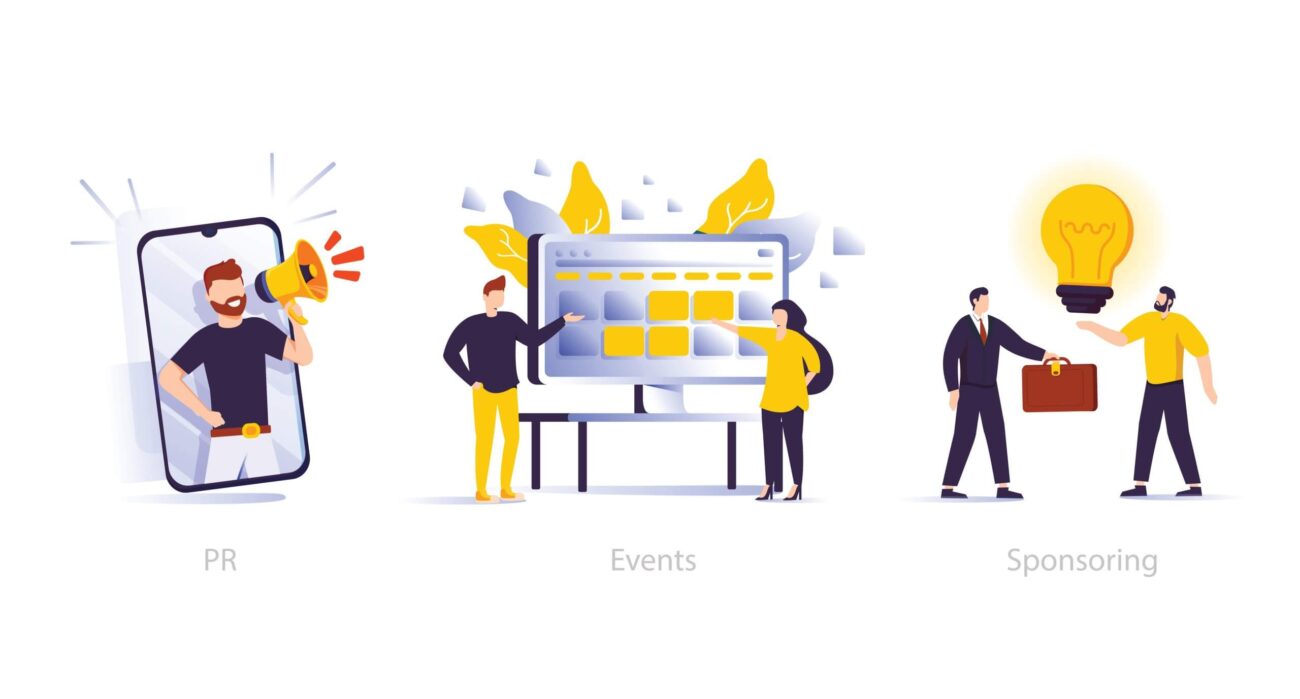
One effective link building strategy that often gets overlooked is event link building. By sponsoring or hosting events, you can gain valuable backlinks from authoritative websites while also increasing brand awareness and generating leads.

In this guide, we’ll dive into the benefits of event link building and share actionable tips for successfully executing this tactic.

What is Event Link Building?

What is Event Link Building?

Event link building involves acquiring quality links by either sponsoring or hosting events related to your industry. When you sponsor an event, the event organizers typically include a link to your website on the event page or website. Similarly, when you host your own event, you can create an event website and encourage other sites to link to it when promoting the event, making it a powerful digital marketing strategy for boosting your online presence and SEO rankings through content creation and driving organic traffic.

Benefits Of Event Link Building

There are several key benefits to including event link building into your overall SEO strategy:

  1. Acquire high-quality, relevant backlinks from authoritative websites in your industry
  2. Increase brand awareness and exposure to your target audience
  3. Drive referral traffic from event pages and websites
  4. Establish thought leadership by aligning your brand with respected events and experts
  5. Generate leads and build relationships with potential customers and partners

Event Link Building – 2 Ways To Do It

There are two primary ways to approach event link building: sponsoring an event or hosting your own event.

Let’s explore each option in more detail.

1. Sponsoring An Event

Sponsoring an industry event, conference, or webinar is a great way to gain quality links and exposure. When evaluating sponsorship opportunities, look for events that align with your target audience and have a strong online presence.

2. Hosting An Event

Hosting your own event gives you more control over the link building process. By creating a dedicated event website and promoting it through various channels, you can attract backlinks from multiple sources.

Sponsoring an Event – How To Find Relevant Events To Sponsor And Get Links?

Sponsoring an Event

To find the right events to sponsor for maximum link building impact, consider these event types:

1. Conferences And Trade Shows

Industry conferences and trade shows often have high domain authority websites and attract a targeted audience. Sponsoring these events can yield valuable backlinks and exposure.

2. Community Events

Supporting local community events can help you build relationships and earn backlinks from local business websites and news outlets.

3. Webinars And Online Events

Sponsoring webinars or online events hosted by industry thought leaders can associate your brand with respected experts and provide link building opportunities.

4. Industry Awards Or Competitions

Aligning your brand with prestigious industry awards or competitions can lead to backlinks from the award website and press releases about the winners.

5. Charity Events

Supporting a charitable cause not only earns goodwill but can also result in backlinks from the charity’s website and event pages.

6. Educational Workshops

Sponsoring workshops or educational events related to your industry niche can attract links from event listings and attendee blogs.

How To Host An Event And Garner Backlinks?

Here are some tips for successfully hosting an event that attracts backlinks:

  1. Choose a content marketing theme or topic that aligns with your brand and appeals to your target audience
  2. Secure an attractive venue or online platform
  3. Invite industry experts, influencers, and thought leaders as speakers or panelists
  4. Promote the event through google search, email, social media, paid ads, and outreach to relevant websites
  5. Create a dedicated event website with informative content and clear calls-to-action
  6. Encourage attendees and partners to share and get relevant links to the event website

Hosting An Event And Getting Links Is Possible If You Know These Strategies…

To maximize the link building potential of your hosted event, implement these proven strategies:

1. Create A Dedicated Site For The Event

Develop an event-specific website with its own domain name. This site will serve as the hub for all event information and a target for backlinks.

2. Add Event Schema To Your Site

Include event schema markup on your event website to help search engines understand and display your event details in search results.

3. List Your Event to Prominent Third-Party Event Sharing Sites

Submit your event to popular event listing websites and directories to gain additional exposure and backlinks.

4. Invite Industry Experts

Reach out to industry experts, influencers, and thought leaders, inviting them to participate in your event as speakers or panelists. Their involvement can attract links from their websites and social media profiles.

5. Create Social Media Buzz

Promote your event heavily on social media platforms, encouraging shares and engagement. This can lead to increased visibility and potential backlinks.

6. If You Have A Budget, Run Ads

Invest in targeted online advertising to reach a wider audience and drive more traffic to your event website.

7. Other Promotional Strategies

Explore additional promotional tactics such as email marketing, press releases, guest posting, and outreach to relevant websites and bloggers.

FAQ’s:

How Often Should I Host or Sponsor Events for Link Building?

The frequency of your event link building efforts will depend on your resources and goals. Aim to sponsor or host at least one event per quarter, scaling up as your budget and team capacity allow.

Can Small Businesses Benefit from Event Link Building?

Yes, even small businesses can use event link building by sponsoring or hosting local events, webinars, or workshops. Focus on events that target your specific niche and audience.

Can I Get Penalized by Google for Building Links Through Events?

As long as you sponsor or host legitimate events and acquire links naturally, you shouldn’t face any penalties. Avoid buying event links or engaging in manipulative practices.

How Long Does it Take to See SEO Results From Event Link Building?

The timeline for seeing SEO results varies, but you can typically expect to see some impact within 3-6 months of consistently implementing event link building tactics.

How Do I Measure the ROI of Event Link Building?

Track metrics such as referral traffic, leads, and conversions generated from your event website. Use Google Analytics to monitor backlinks and domain authority improvements over time.

Are There Any Risks Associated with Event Link Building?

The main risk is investing time and resources into an event that fails to generate the desired backlinks or ROI. Mitigate this by carefully selecting events and promoting them effectively.

Conclusion

Event link building is a powerful strategy for SaaS companies looking to acquire high-quality backlinks, increase brand awareness, and drive targeted traffic to their websites. By sponsoring relevant industry events or hosting your own events, you can boost your search engine rankings and establish your brand as a thought leader.

Remember to choose events that align with your target audience, promote your event effectively, and implement strategies to maximize link building opportunities. With a consistent event link building approach and the right tactics, you can take your SaaS SEO to new heights.

At VH Info, we specialize in helping SaaS brands build great content, guest post on authoritative websites, and fix broken links to improve search engine optimization. Contact us today to learn more about how we can support your link building efforts and drive sustainable growth for your business.

Link Building for Software Industry: What is it, Strategies & Examples

As a SaaS company, you know that organic traffic is important for sustainable growth. One of the most effective ways to boost your search engine rankings and drive targeted traffic is through strategic link building.

At VH-info, we specialize in helping SaaS brands like yours build high-quality backlinks that make a real impact on your online visibility and bottom line.

In this comprehensive guide, we’ll dive deep into the world of link building for SaaS companies. We’ll cover why it’s important, the step-by-step process, common mistakes to avoid, and proven strategies to implement.

By the end, you’ll have a clear roadmap for creating a successful SaaS link building campaign that drives results.

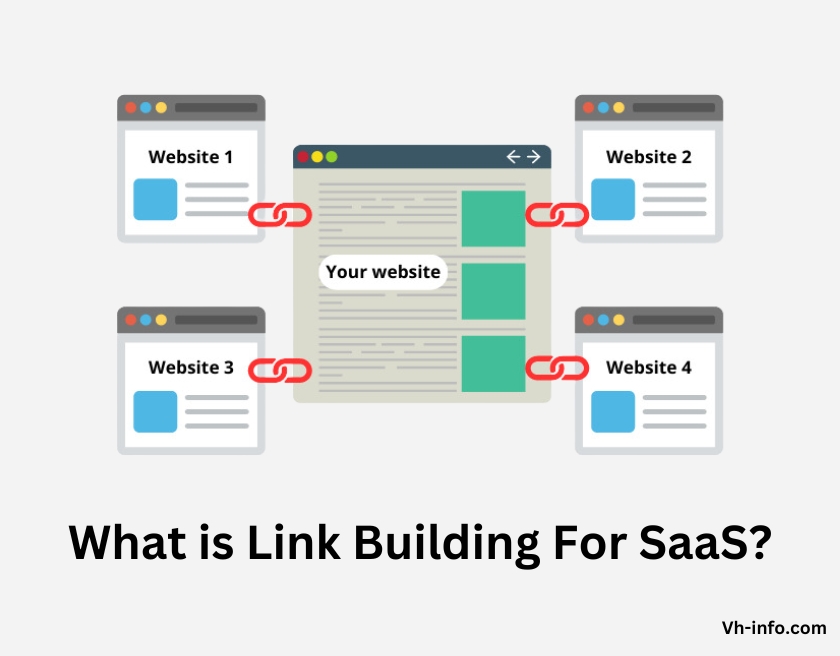
What is Link Building For SaaS?

What is Link Building For SaaS?

Link building is the process of acquiring hyperlinks from other websites back to your own. For SaaS companies, this means building links to your website, blog posts, case studies, and other valuable content assets or web pages. The goal is to improve your site’s authority, relevance, and search engine rankings for target keywords related to your SaaS product or service.

Why is Link Building Important for SaaS Companies?

Backlinks are one of the top-ranking factors used by Google and other search engines. They act as “votes of confidence” from other websites, signaling that your content is valuable and trustworthy. The more high-quality links pointing to your SaaS website, the higher you’ll rank in search results for relevant queries.

But link building isn’t just about SEO. It also helps drive referral traffic, build brand awareness, and establish your SaaS company as a thought leader in your industry. By creating high quality and linkable assets and building relationships with other websites in your niche, you can tap into new audiences and generate more qualified leads for your business.

SAAS Link Building Process: Step-by-Step

At VH-info, we follow a proven, step-by-step process for building high-quality links for our SaaS clients. Here’s a look at our approach:

1. Identify Client Ideal Customer Profile

The first step is to gain a deep understanding of your target audience. Who are your ideal customers? What are their pain points, goals, and online behaviors? This insight will inform the types of content and websites we target for link building.

2. Analyze Competitor Links

Next, we conduct a thorough analysis of your competitors’ backlink profiles. We use tools like Ahrefs to identify the websites linking to them, the types of content earning links, and any gaps or opportunities for your SaaS brand.

3. Develop Linkworthy Assets

Based on our research, we develop a content strategy focused on creating linkable assets. This could include in-depth blog posts, industry reports, free tools, or other valuable resources that other websites will want to link to.

4. Identify Revenue Driving Sites

We then identify the websites and pages that are most likely to drive revenue for your SaaS business. These are typically sites that rank for bottom-of-funnel keywords and have a high Domain Authority.

5. Create Personalized Pitches

For each target site, we craft a personalized pitch highlighting the value of your content and why it would be a great fit for their audience. We focus on building genuine relationships rather than using generic, spammy outreach tactics.

6. Prioritize Highest Potential Sites

We prioritize outreach to the sites with the highest potential to drive traffic and conversions for your SaaS product. This ensures we’re making the most impact with our link building efforts.

7. Promote New Links

Once we’ve secured a new link, we amplify its impact by promoting it on social media and other channels. This drives more referral traffic and helps the link “stick” over time.

8. Track Conversions

Using Google Analytics and other tools, we track the conversions and revenue generated from each new link. This allows us to continually optimize our strategy and focus on the tactics driving the best ROI.

9. Refine and Expand Outreach

Finally, we use our learnings to refine and expand our outreach efforts over time. As we build momentum and establish your SaaS brand as a valuable resource, it becomes easier to secure even more high-quality links.

Impact Of Link Building On SaaS Companies

When done right, link building can have a massive impact on your SaaS company’s growth.

Here are just a few of the benefits our clients have seen:

  1. Higher search engine rankings for target keywords
  2. Increased organic traffic to key product and landing pages
  3. More referral traffic from relevant, high-authority websites
  4. Improved brand awareness and thought leadership in their industry
  5. Higher conversion rates and revenue from organic search
  6. A more diverse and resilient backlink profile

In short, link building is one of the most effective ways to fuel sustainable growth for your SaaS business. By investing in a strategic, white hat approach, you can build an enduring competitive advantage and drive long-term success.

When is Link Building Not a Good Idea for SaaS Businesses?

While link building is a powerful strategy for most SaaS companies, there are some situations where it may not be the best fit.

For example:

  1. If your product is still in beta or not yet fully developed, it may be premature to invest heavily in link building. Focus first on creating a great user experience and ironing out any kinks.
  2. If you’re in a very niche or emerging market, there may not be many relevant websites to target for link building. In this case, you may need to focus more on creating your own thought leadership content and building links organically over time.
  3. If you’ve recently been hit with a manual penalty from Google for spammy link building tactics, you’ll need to prioritize link cleanup before investing in new link acquisition.

That said, for the vast majority of established SaaS companies, link building should be a core part of your marketing strategy. The key is to approach it with a long-term, quality-over-quantity mindset and to continually measure and optimize your efforts.

Common Mistakes in SaaS Link Building

Common Mistakes in SaaS Link Building

To get the most out of your link building efforts, it’s important to avoid these common mistakes:

Black Hat Link Tactics

Avoid using spammy, black hat tactics like link farms, private blog networks (PBNs), or buying links. These may give you a short-term boost but will ultimately hurt your search rankings and reputation.

Sending Traffic to the Home Page Only

Don’t just focus on building links to your home page. Create content assets around specific topics and build links to those pages to drive more targeted traffic and conversions.

Anchor Text Over-Optimization

Using the same exact match anchor text in every link is a red flag for Google. Mix up your anchor text with natural variations and branded phrases to avoid over-optimization.

Authority Over Relevancy

Don’t just chase links from high Domain Authority sites. Relevance is just as important, so focus on building links from websites and pages that are closely related to your SaaS product or industry.

Low-Quality Content

Thin, low-quality content won’t earn you links or engage your target audience. Invest in creating truly valuable, in-depth resources that other sites will want to link to and share.

Not Leveraging Internal Links

Don’t neglect the power of internal linking. Use strategic internal links to distribute link equity throughout your site and guide visitors to your most important pages.

Proven Effective Link Building Strategies for SaaS

Proven Effective Link Building Strategies for SaaS

At VH-info, we’ve tested and refined a wide range of link building strategies for our SaaS clients. Here are some of the most effective tactics we recommend:

1. Guest Posting

Contribute high-quality guest posts to relevant blogs and publications in your industry. This is a great way to build relationships, reach new audiences, and earn contextual links back to your site.

2. Industry Benchmark Data & Trends

Publish original research, surveys, or industry benchmark reports. Data-driven content is highly linkable and can help establish your SaaS brand as a thought leader.

3. Unlinked Brand Mentions

Use tools like Ahrefs Content Explorer to find unlinked mentions of your brand name across the web. Reach out and ask for a link to be added where relevant.

4. Broken Links

Identify broken links on relevant websites and offer your own content as a replacement. This is a win-win strategy that provides value to the site owner while earning you a high-quality link.

5. Press Releases

Distribute newsworthy press releases about product launches, funding rounds, or other company milestones. This can earn you links from high-authority news sites and industry publications.

6. Free Tools

Create free tools, calculators, or templates related to your SaaS product. These are highly linkable assets that can drive targeted referral traffic and conversions.

7. Product Embed

Offer an embeddable version of your SaaS product or widget that other sites can use in their content. This can earn you links and exposure from a wide range of relevant websites.

8. Shareable Links

Create shareable content assets like infographics, videos, or interactive quizzes. These are more likely to be linked to and shared on social media, expanding your reach and link potential.

9. Give Testimonials

Offer to provide testimonials or case studies for the tools and services you use as a SaaS company. Many sites will link back to your website in exchange for your feedback.

10. Podcasting

Launch a podcast related to your SaaS industry or be a guest on other relevant podcasts. This can earn you links from the podcast website and show notes.

11. Thought-Leadership Content

Publish in-depth, thought-provoking content on your blog and promote it to influencers and journalists in your space. This can lead to earned media coverage and high-quality links.

12. Journalist Outreach/Interviews

Build relationships with journalists and offer your expertise as a source for their stories. This can result in mentions and links from top-tier publications.

13. Product Reviews

Reach out to bloggers and influencers in your niche and offer them a free trial of your SaaS product in exchange for an honest review. This can earn you links and social proof.

14. Integration Partners

Partner with other SaaS tools that integrate with your product and cross-promote each other’s content. This can lead to valuable co-marketing opportunities and links.

15. Conferences

Attend or speak at industry conferences and events. This can help you build relationships with other thought leaders and earn links from the event website or press coverage.

The key is to focus on tactics that align with your unique SaaS brand and audience. By consistently executing on a diverse mix of these strategies, you can build a strong and sustainable link profile over time.

Great Examples of SaaS Link Building

To help illustrate these strategies in action, here are a few examples of successful SaaS link building campaigns:

  1. HubSpot’s State of Inbound report is a great example of data-driven content that earns links from a wide range of industry publications and blogs.
  2. Moz’s Domain Authority metric is often cited and linked to in articles about SEO and link building, establishing Moz as a thought leader in the space.
  3. Ahrefs’ free backlink checker tool has earned them links from thousands of websites in the marketing and SEO niche.
  4. Intercom’s blog is a masterclass in thought-leadership content, with in-depth posts that are frequently linked to and shared by other SaaS companies and influencers.

FAQ’s:

What is a SaaS Link Building Agency?

A SaaS link building agency is a company that specializes in helping software-as-a-service businesses acquire high-quality backlinks to improve their search engine rankings and drive organic traffic.

How is SaaS Link Building Different than Other Industries?

SaaS link building often focuses more on creating linkable assets around product features, use cases, and customer success stories. The goal is to drive bottom-of-funnel traffic and conversions, not just top-of-funnel awareness.

What Kind of Results Can I Expect From a Top SaaS Link Building Agency?

A top SaaS link building agency can help you significantly improve your search engine rankings, organic traffic, and lead generation over time. However, it’s important to have realistic expectations and understand that link building is a long-term strategy.

How Long Does it Take to See Results From a Link Building Service?

The timeline for seeing results from link building can vary depending on factors like the competitiveness of your industry and the current state of your backlink profile. In general, it can take several months to start seeing significant improvements in your search rankings and organic traffic.

How Can I Track The ROI Of My Link-Building Efforts?

Use tools like Google Analytics to track the referral traffic and conversions generated from each new link. You can also monitor improvements in your search rankings and organic traffic over time to measure the overall impact of your link building efforts.

How Often Should I Be Building Links For a SaaS Business?

Link building should be an ongoing process for SaaS businesses. Aim to consistently acquire new, high-quality links each month to maintain and improve your search engine rankings over time.

Conclusion

Link building is a critical component of any successful SaaS marketing strategy. By focusing on creating valuable content, building relationships with other websites, and leveraging white hat tactics, you can significantly improve your search engine rankings, organic traffic, and lead generation over time.

At VH-info, we specialize in helping SaaS companies like yours achieve sustainable growth through strategic link building. Our proven process and expertise have delivered measurable results for countless SaaS brands across a wide range of industries.

If you’re ready to take your SaaS link building to the next level, we’d love to chat. Contact us today to learn more about how we can help you achieve your growth goals and dominate your market.

The Top 11 SEO Software Tools Every Agency Needs in 2024

As a digital marketing agency, staying ahead of the competition means equipping your team with the best SEO software available.

The right tools can supercharge your SEO campaigns, provide valuable insights to guide your strategies, and ultimately deliver better results for your clients.

At VH Info, we understand the unique challenges agencies face when it comes to selecting and implementing SEO software. That’s why we’ve put together this comprehensive guide to the top 11 SEO tools every agency should consider adding to their tech stack in 2024.

From keyword research and rank tracking to technical SEO and content optimization, these powerful platforms will help you streamline your workflows, impress your clients, and drive more organic traffic and revenue.

Why Investing in SEO Software Is Crucial for Your Agency’s Success?

Why Investing in SEO Software Is Crucial for Your Agency’s Success?

SEO is a complex and constantly evolving field. To succeed, agencies need to stay on top of the latest trends, algorithm updates, and best practices. Trying to do this manually is time-consuming and inefficient. That’s where investing in the best SEO tools comes in. Agencies can utilize specialized tools for keyword research, site audits, backlink analysis, and more to achieve their goals.

  1. Identify new opportunities to drive organic traffic
  2. Uncover technical SEO issues holding back a site’s performance
  3. Analyze competitors’ strategies and find ways to outrank them
  4. Create higher-quality, better-optimized content
  5. Track keyword rankings and measure the ROI of SEO efforts
  6. Automate repetitive tasks and free up time for higher-impact work
  7. Generate professional reports to keep clients informed and engaged

Investing in the right SEO software gives agencies a major competitive advantage. It allows you to work smarter, not harder, and deliver better results in less time. For agencies looking to go beyond SEO and streamline overall operations, leveraging agency software for advertising companies can further enhance project management, collaboration, and client delivery. Plus, by offering a wider range of data-driven SEO services, you can attract more clients and command higher rates, especially when partnering with a software development company aiming to improve its online visibility.

How To Choose the Right SEO Agency Software?

How To Choose the Right SEO Agency Software?

With so many SEO tools on the market, how do you know which ones are worth the investment? Here are a few key factors to consider:

  1. Features: Look for tools that offer a comprehensive suite of features to cover all aspects of SEO, from keyword research and on-page optimization to link building and rank tracking.
  2. Ease of use: The best SEO software strikes a balance between powerful functionality and user-friendliness. Avoid tools with a steep learning curve that will frustrate your team.
  3. Integrations: Choose software that integrates seamlessly with the other tools your agency uses, like Google Analytics, Google Search Console, and your CMS.
  4. Scalability: As your agency grows, your SEO software should be able to grow with you. Look for tools with flexible pricing plans that accommodate teams of different sizes.
  5. Support: When issues arise, you’ll want to be able to get help quickly. Opt for SEO software with responsive customer support and extensive documentation.
  6. Data accuracy: The insights you get from your SEO tools are only as good as the data behind them. Research each tool’s data sources and accuracy before committing.
  7. Reporting: Client reporting is a critical part of agency life. The best SEO software includes customizable, white-label reporting features to streamline your processes.

What’s The Best SEO Software For Agencies?

Now that you know what to look for in SEO agency software, let’s dive into our top 11 picks for 2024:

1. Semrush

Semrush

Semrush is an all-in-one SEO platform that offers a wide range of tools for keyword research, competitor analysis, site audits, rank tracking, and more. Its intuitive interface and robust feature set make it a popular choice among agencies.

Key features:

  • Extensive keyword data, including search volume, difficulty, and CPC
  • Detailed organic research and traffic analytics
  • Technical SEO audits and recommendations
  • Backlink analysis and toxic link monitoring
  • Content optimization and topic research tools
  • White-label reporting and API access

Pricing: Plans start at $119.95/month, with custom agency pricing available

2. Google Search Console

Google Search Console

Google Search Console is one of the best free keyword research tools and is provided by Google that helps you monitor and optimize your site’s presence in Google search results. While it lacks some of the advanced features of paid tools, it’s an essential part of any agency’s SEO toolkit.

Key features:

  • Detailed search traffic and performance data straight from Google
  • Alerts for manual actions and other critical issues
  • Sitemaps submission and management
  • Mobile usability and Core Web Vitals reporting
  • URL inspection tool to diagnose indexing and crawling problems

Pricing: Free

3. Ahrefs

Ahrefs

Ahrefs is best known for its massive index of backlinks, but it also offers powerful tools for keyword research, content exploration, rank tracking, and site audits. Its clean, modern interface makes it a joy to use.

Key features:

  • Largest backlink database with over 30 trillion links
  • Advanced link building and analysis features
  • Accurate, clickstream-based keyword data
  • Content gap analysis and top pages reports
  • Rank tracking for desktop and mobile SERPs
  • Robust site audit tool with 100+ SEO checks

Pricing: Plans start at $99/month, with higher tiers for growing agencies

4. Screaming Frog SEO Spider

Screaming Frog SEO Spider

Screaming Frog is a desktop-based site crawler that helps you quickly identify technical SEO issues and on-page optimization opportunities. Its flexibility and advanced configuration options make it a must-have for agencies serious about technical SEO.

Key features:

  • Crawls up to 500 URLs for free, with unlimited crawling on paid plans
  • Extracts key on-page elements like titles, meta descriptions, and header tags
  • Identifies broken links, redirects, and duplicate content
  • Generates XML sitemaps and analyzes robots.txt files
  • Integrates with Google Analytics, Search Console, and PageSpeed Insights

Pricing: Free for up to 500 URLs, £149/year for unlimited crawling

5. BrightLocal

BrightLocal

BrightLocal is a specialized local SEO tool that helps agencies manage and optimize their clients’ local search presence. Its combination of powerful features and affordable pricing make it a great value for agencies focused on local SEO.

Key features:

  • Accurate local rank tracking for Google Maps and organic results
  • Citation building and management tools
  • Review monitoring and management platform
  • White-label reporting and lead generation widgets
  • Google My Business and social media integrations

Pricing: Plans start at $29/month, with custom agency plans available

6. Google Analytics

Google Analytics

Google Analytics is the most widely used web analytics platform, and for good reason. Its robust data and reporting features give agencies invaluable insights into their clients’ website traffic and user behavior.

Key features:

  • Detailed traffic source and user acquisition reporting
  • User behavior analysis, including bounce rates, time on site, and conversion tracking
  • Custom dashboards and segments for deeper insights
  • Integration with Google Ads for PPC campaign analysis
  • Free to use, with an enterprise version (GA360) available for larger sites

Pricing: Free, with Google Analytics 360 starting at $150,000/year

7. ChatGPT

ChatGPT

ChatGPT is an AI-powered writing assistant that can help agencies create high-quality, SEO-friendly content at scale. Its ability to understand context and generate human-like text makes it a valuable tool for content creation and optimization.

Key features:

  • Generates articles, blog posts, product descriptions, and more based on simple prompts
  • Optimizes content for target keywords and readability
  • Supports multiple languages and tones
  • Integrates with popular content management systems
  • Offers a free trial and affordable monthly pricing

Pricing: Plans start at $25/month for 50,000 words

8. Respona

Respona

Respona is an all-in-one link building and digital PR platform that helps agencies streamline their outreach efforts and secure high-quality backlinks at scale. Its combination of automation and personalization features make it a standout tool in the link building space.

Key features:

  • Automated, AI-powered email outreach campaigns
  • Built-in prospecting and contact finding tools
  • Customizable email templates and follow-up sequences
  • Detailed link building reports and analytics
  • Integrates with popular SEO tools like Ahrefs and Moz

Pricing: Plans start at $195/month, with custom enterprise pricing available

9. Agency Analytics

Agency Analytics

Agency Analytics is an all-in-one reporting platform that helps agencies consolidate data from multiple sources and create beautiful, white-label reports for their clients. Its wide range of integrations and customization options make it a top choice for agencies looking to streamline their reporting processes.

Key features:

  • Integrates with 70+ marketing platforms, including Google Analytics, Search Console, and social media networks
  • Drag-and-drop report builder with 50+ pre-built templates
  • Automated report scheduling and white-label branding
  • SEO audits and keyword rank tracking
  • Dedicated account manager and unlimited client accounts

Pricing: Plans start at $49/month, with custom enterprise plans available

10. Frase

Frase

Frase is an AI-powered content optimization tool that helps agencies create SEO-friendly, reader-focused content. Its combination of keyword research, content briefs, and optimization scoring make it a valuable addition to any agency’s content workflow.

Key features:

  • Generates SEO-optimized content briefs based on target keywords and competitor analysis
  • Scores content based on topic coverage, readability, and keyword usage
  • Suggests internal linking opportunities and semantically related keywords
  • Integrates with Google Search Console and WordPress
  • Offers a free trial and affordable monthly pricing

Pricing: Plans start at $44.99/month, with custom agency pricing available

11. Notion

Notion

Notion is an all-in-one workspace that helps agencies organize their SEO projects, collaborate with team members, and streamline their workflows. While not strictly an SEO tool, its flexibility and wide range of templates make it a valuable addition to any agency’s tech stack.

Key features:

  • Customizable templates for SEO projects, content calendars, and more
  • Real-time collaboration and commenting features
  • Integrates with popular tools like Slack, Google Drive, and Trello
  • Mobile apps for iOS and Android
  • Offers a free plan and affordable team pricing

Pricing: Free for individuals, with team plans starting at $8/user/month

FAQ’s:

What is SEO software?

SEO software refers to tools and platforms that help businesses and agencies optimize their websites for search engines. These tools provide data, insights, and recommendations to improve a site’s visibility, traffic, and search engine rankings.

How can SEO software improve my agency’s service offerings?

By leveraging SEO software, agencies can offer a wider range of data-driven services to their clients, including keyword research, on-page optimization, technical SEO audits, link building, local SEO, and more. These tools help agencies work more efficiently, deliver better results, and differentiate themselves in a crowded market.

Can Small Agencies Benefit From High-End SEO Tools?

Absolutely! While enterprise-level SEO platforms can be expensive, many tools offer affordable plans for small agencies. By investing in the right software, even small teams can punch above their weight and compete with larger agencies.

What is the Average Cost of SEO Software For Agencies?

The cost of SEO software varies widely depending on the features, data, and scale provided. Entry-level tools can cost as little as $50-$100/month, while enterprise platforms can run into the thousands. On average, agencies can expect to spend a few hundred dollars per month on a comprehensive SEO toolkit.

Are There any SEO Tools That Specialize in Specific Industries or Niches?

Yes, there are many SEO tools that cater to specific verticals, such as local SEO, e-commerce, or enterprise. For example, BrightLocal is designed specifically for agencies managing local SEO campaigns, while Shogun is built for optimizing large-scale e-commerce sites on Shopify.

Are There Any Free or Open-Source SEO Tools Recommended For Agencies?

While paid tools tend to offer more advanced features and data, there are many excellent free SEO tools available. Google Search Console, Google Analytics, and Bing Webmaster Tools are essential for any agency. Other popular free tools include Screaming Frog SEO Spider, Answer The Public, and Ubersuggest.

How Important is it for Agencies to Invest in SEO Software For Long-Term Success?

Investing in SEO software is crucial for agencies that want to stay competitive and deliver consistent results for their clients. As search algorithms become more complex and the digital landscape evolves, having the right tools and data, such as SEO analysis software, is essential for making informed decisions and executing effective strategies. By allocating a portion of their budget to SEO software, agencies can future-proof their business and set themselves up for long-term success.

Conclusion

Choosing the right SEO software is one of the most important decisions an agency can make. The tools you use will have a direct impact on your team’s efficiency, the quality of your work, and ultimately, your ability to drive results for your clients.

By investing in a combination of the powerful SEO tools on this list, your agency can:

  • Streamline your keyword research and content optimization processes
  • Identify and fix technical SEO issues before they impact your clients’ rankings
  • Analyze competitors’ strategies and find new opportunities to drive organic traffic
  • Monitor your clients’ keyword rankings and measure the ROI of your SEO efforts
  • Create beautiful, data-driven reports to keep your clients informed and engaged

Of course, no tool is a magic bullet. To truly succeed with SEO, agencies need to combine powerful software with experienced professionals, proven processes, and a commitment to staying on the cutting edge.

At VH Info, we’re passionate about helping agencies take their SEO game to the next level. Whether you’re looking for advice on choosing the right tools, developing an effective SEO strategy, or staying up-to-date on the latest trends and best practices, we’re here to help.

So what are you waiting for? Start exploring the SEO tools on this list and see how they can help your agency drive better results for your clients. And if you ever need a trusted partner to help you navigate the ever-changing world of SEO, remember that VH Info is always here to help.

13 Best SERP Tracking Tools

In the competitive world of digital marketing, staying on top of your website’s search engine rankings is crucial.

That’s where SERP (Search Engine Results Page) tracking tools come into play. These powerful tools help you monitor your keyword rankings, analyze your SEO performance, and keep tabs on your competitors.

In this comprehensive guide, we’ll explore the 13 best SERP tracking tools available in 2024, helping you make an informed decision for your business.

What is SERP Tracking?

What is SERP Tracking?

SERP tracking involves monitoring your website’s position in search engine results for specific keywords. It allows you to see how your pages rank for targeted queries, track ranking changes over time and identify opportunities for improvement. Regularly monitoring your SERP rankings enables you to enhance your SEO tactics and outperform your competitors.

Why Do You Need SERP Tracking Tools?

Why Do You Need SERP Tracking Tools?

SERP tracking tools offer numerous benefits for businesses and SEO professionals:

  1. Monitor keyword rankings: Keep a close eye on your website’s performance for specific keywords.
  2. Identify ranking fluctuations: Detect sudden changes in rankings and take prompt action.
  3. Analyze competitors: Gain insights into your competitors’ rankings and strategies.
  4. Measure SEO effectiveness: Evaluate the impact of your SEO efforts on search engine rankings.
  5. Identify opportunities: Discover new keyword opportunities and areas for improvement.

How To Choose The Right SERP Tracking Tools For Your Business?

How To Choose The Right SERP Tracking Tools For Your Business?

When selecting a SERP tracking tool, consider the following factors:

  1. Accuracy: Ensure the tool provides reliable and accurate ranking data.
  2. Check frequency: Look for a tool that offers frequent ranking updates.
  3. Search engine support: Choose a tool that covers the search engines relevant to your target audience.
  4. Location support: Opt for a tool that allows tracking rankings in specific locations.
  5. Device support: Consider a tool that tracks rankings across different devices (desktop, mobile).
  6. Pricing: Evaluate the tool’s pricing plans and features to find the best fit for your budget.

Best SERP Tracking Tools

Best SERP Tracking Tools

SERPWoo

SERPWoo

SERPWoo is a comprehensive rank tracker tool that offers accurate and reliable data. It supports multiple search engines, locations, and devices, making it suitable for businesses of all sizes.

SE Ranking

SE Ranking

SE Ranking provides a user-friendly interface and a wide range of features, including keyword tracking, competitor analysis, and site audits. It offers affordable pricing plans for small teams and agencies.

AccuRanker

AccuRanker

AccuRanker is known for its fast and accurate ranking updates. It supports multiple search engines and locations, making it a popular choice among SEO professionals.

Google Search Console

Google Search Console

While not a dedicated SERP tracking tool, Google Search Console provides valuable insights into your website’s search performance. It offers data on impressions, clicks, and average rankings for your keywords.

Ahrefs

Ahrefs

Ahrefs is an all-in-one SEO tool that includes a powerful rank tracker. It offers extensive data on keyword rankings, competitor analysis, and backlink monitoring.

Serpwatch

Serpwatch

Serpwatch is a user-friendly SERP checker tool that provides accurate ranking data and intuitive reports. It supports multiple search engines and locations, making it suitable for businesses targeting different markets.

Serpstat

Serpstat

Serpstat is a comprehensive SEO platform that includes a rank tracker. It offers keyword research, competitor analysis, and site audit features, making it a versatile tool for SEO professionals.

SEMRush

SEMRush

SEMRush is a popular digital marketing tool that includes a robust rank tracking feature. It provides insights into your keyword rankings, competitor analysis, and organic traffic trends.

SEOmonitor

SEOmonitor

SEOmonitor is a specialized rank tracking tool designed for agencies and in-house teams. It offers accurate ranking data, white-label reporting, and integration with Google Analytics.

Mangools: SERPChecker and SERPWatcher

Mangools

Mangools offers a suite of SEO tools, including SERPChecker for ad-hoc keyword research and SERPWatcher for continuous rank tracking. These tools provide a user-friendly interface and affordable pricing plans.

Sitechecker.pro

sitechecker

Sitechecker.pro is an all-in-one SEO tool that includes a rank tracker. It offers keyword tracking, competitor analysis, and site audit features, making it a comprehensive solution for website owners.

ProRankTracker

ProRankTracker

ProRankTracker is a dedicated rank tracking tool that supports multiple search engines, locations, and devices. It offers accurate ranking data and customizable reports, making it suitable for agencies and businesses of all sizes.

Advanced Web Ranking

Advanced Web Ranking

Advanced Web Ranking is a powerful rank tracking tool that offers extensive customization options. It supports multiple search engines, locations, and devices, making it a flexible solution for SEO professionals.

How to use a SERP Tracking Tool Effectively?

To get the most out of your SERP tracking tool, follow these best practices:

  1. Track relevant keywords: Focus on tracking keywords that are most important to your business and have the potential to drive targeted traffic.
  2. Monitor competitors: Keep an eye on your competitors’ rankings to identify their strategies and find opportunities for improvement.
  3. Analyze ranking changes: Regularly review your ranking data to identify trends, fluctuations, and areas that require attention.
  4. Integrate with other tools: Combine your SERP tracking data with insights from other SEO tools, such as Google Analytics, to gain a comprehensive understanding of your website’s performance.
  5. Take action based on insights: Use the insights gained from SERP tracking to optimize your content, improve your website’s user experience, and refine your overall SEO strategy.

FAQ’s:

Can SERP Tracking Improve My SEO Strategy?

Yes, SERP tracking provides valuable insights into your keyword rankings, allowing you to identify areas for improvement and optimize your SEO efforts accordingly.

How Do SERP Tracking Tools Help in Analyzing Keyword Performance?

SERP tracking tools allow you to monitor your rankings for specific keywords, track changes over time, and analyze the effectiveness of your keyword targeting strategies.

How Often Should One Track SERP Rankings Using These Tools?

The frequency of tracking depends on your business needs and the competitiveness of your industry. Most experts recommend tracking rankings at least once a week, if not daily.

How Accurate are SERP Tracking Tools in Reporting Search Engine Results?

The accuracy of SERP tracking tools varies, but reputable tools generally provide reliable data. It’s essential to choose a tool that uses robust data collection methods and offers transparent reporting.

What Are The Primary Things to Look For in a SERP Tracker?

When choosing a SERP tracker, consider factors such as accuracy, check frequency, search engine support, location support, device support, and pricing.

Are There any Free or Budget-Friendly Options Available for SERP Tracking Tools?

While most comprehensive SERP tracking tools come with a price tag, some offer free plans with limited features. Tools like Google Search Console provide basic ranking insights at no cost.

Which SERP Tool Offers Excellent Features in the Free Trial?

Many SERP tracking tools offer free trials with access to their key features. Tools like SE Ranking, AccuRanker, and Serpstat provide robust free trials that allow you to test their functionality before committing to a paid plan.

Do SERP Tracking Tools Provide Insights into Competitors’ Rankings as Well?

Yes, most SERP tracking tools offer competitor analysis features that allow you to monitor your competitors’ rankings and compare them with your own.

Can These Tools Help in Determining the Effectiveness of SEO Strategies Over Time?

Absolutely. By regularly tracking your SERP rankings and analyzing the data over time, you can evaluate the impact of your SEO efforts and make data-driven decisions to improve your strategies.

Why is Rank Tracking So Expensive?

Rank tracking can be expensive due to the complex infrastructure and data collection methods required to provide accurate and reliable ranking data. The cost also reflects the value these tools offer in terms of insights and competitive advantage.

Conclusion

SERP tracking is an essential aspect of any successful SEO strategy. By monitoring your keyword rankings, analyzing competitor performance, and identifying opportunities for improvement, you can optimize your website’s visibility in search results.

The 13 best SERP tracking tools highlighted in this article offer a range of features and pricing options to suit businesses of all sizes.

Whether you’re a small team or an enterprise-level organization, investing in a reliable SERP tracking tool can help you stay ahead of the competition and drive organic traffic to your website.

At VH-info, we understand the importance of effective link building for SaaS companies. Our team of experts specializes in creating high-quality content, securing guest posts on authoritative websites, and implementing strategic link building techniques to improve your search engine rankings.

By partnering with VH-info, you can focus on growing your business while we handle the complex world of SEO and link building. Visit our website to learn more about how we can help you achieve your SEO goals and drive sustainable growth for your SaaS company.

Best Digital Marketing Tool 2024

Digital marketing tools are the backbone of all successful online marketing strategies. They help businesses automate tasks, gain valuable insights, and reach their target audience more effectively.

The digital marketing landscape is constantly evolving, with new tools and platforms emerging all the time. However, some core functionalities remain essential for any marketer’s toolkit. Here’s a breakdown of some of the most important digital marketing tools.

  • 3.96 billion people around the world use social media as of 2023 Statista research company, making it an unbeatable marketing powerhouse. These social media help you schedule and publish content across multiple platforms, track engagement metrics, and respond to comments, messages, and many more things.
  • Based on Search Engine Journal Organic search drives over 53% of all website traffic, highlighting the importance of SEO. Seo tools help you research relevant keywords, optimize your website content, and track your search engine ranking.
  • According to Campaign Monitor email marketing boasts an average ROI of 4200%, making it one of the most useable email marketing in every industry like fashion, SAAS, digital marketing, tech, etc.  Email marketing can help you create, send, and track email campaigns, manage your subscriber list, and personalize your messages for better engagement.
  • 62% of digital marketers say visual content is very important or extremely important to their content strategy. It’s easy to create high-quality images, infographics, videos, and other visual assets to enhance your content and convert it into leads.
  • Data-driven marketing is crucial for measuring success and making informed decisions. These tools help you track website traffic, social media engagement, campaign performance, and other key metrics to gain valuable insights into your audience and marketing efforts.

Best 7 Digital Marketing Tools 2024

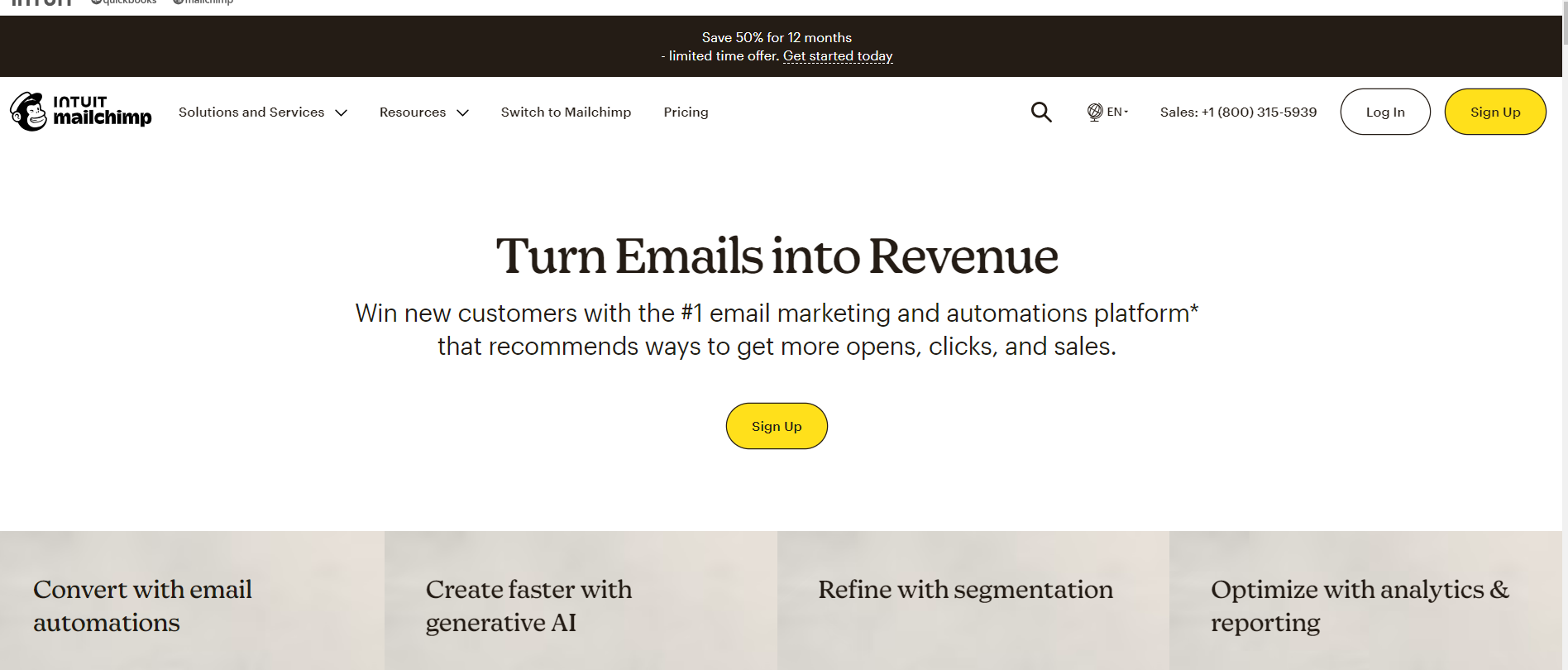
1. MailChimp – For Email Marketing

Mailchimp For Email Marketing Mailchimp For Email Marketing

Overview

Mailchimp is a popular email marketing platform that allows you to create, send, and track email campaigns. It offers user-friendly tools for designing emails, managing subscribers, and automating email sequences.

Feature

  • Drag-and-drop email builder
  • Subscriber segmentation and targeting
  • Email automation workflows
  • A/B testing
  • Reporting and analytics

Pricing

  • Free Plan Available with 500 Contacts
  • Standard Plan : $31 for 12 months with 1500 contacts / Upto 18000 Emails (Currently 50% off)
  • Premium Plan : $275 for 12 Months with 10000 Contacts / Upto 150000 Emails (Currently 50% off)

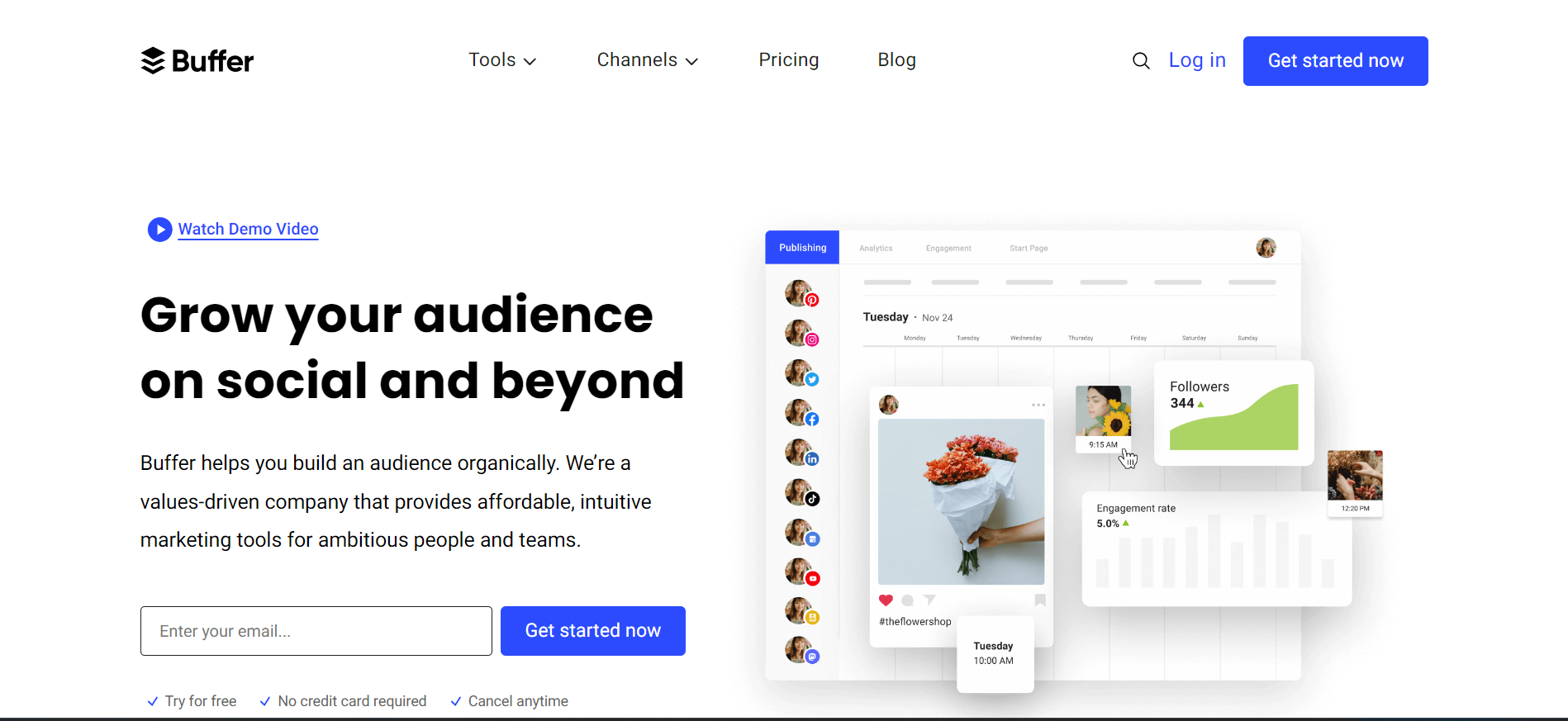
2. Buffer – For Social Media Scheduling

Buffer For Social Media Scheduling Buffer For Social Media Scheduling

Overview

Buffer is a social media management tool that helps you schedule and publish posts across various social media platforms like Facebook, Twitter, Instagram, and Pinterest. It also provides analytics to track the performance of your social media content.

Feature

  • Bulk scheduling and publishing of social media posts
  • Social media analytics
  • Team collaboration features
  • Engagement tools 

Pricing

  • Free Plan with 3 Channels
  • 14 days free trial available on paid plans
  • Essentials Plan : $5 Monthly with 1 Channel
  • Team Plan : $10 Monthly with 1 Channel
  • Agency Plan : $100 Monthly with 10 Channels

3. Google Analytics – To Track your Data

Google Analytics - Complete Web Stats and Search Insights Google Analytics – Complete Web Stats and Search Insights

Overview

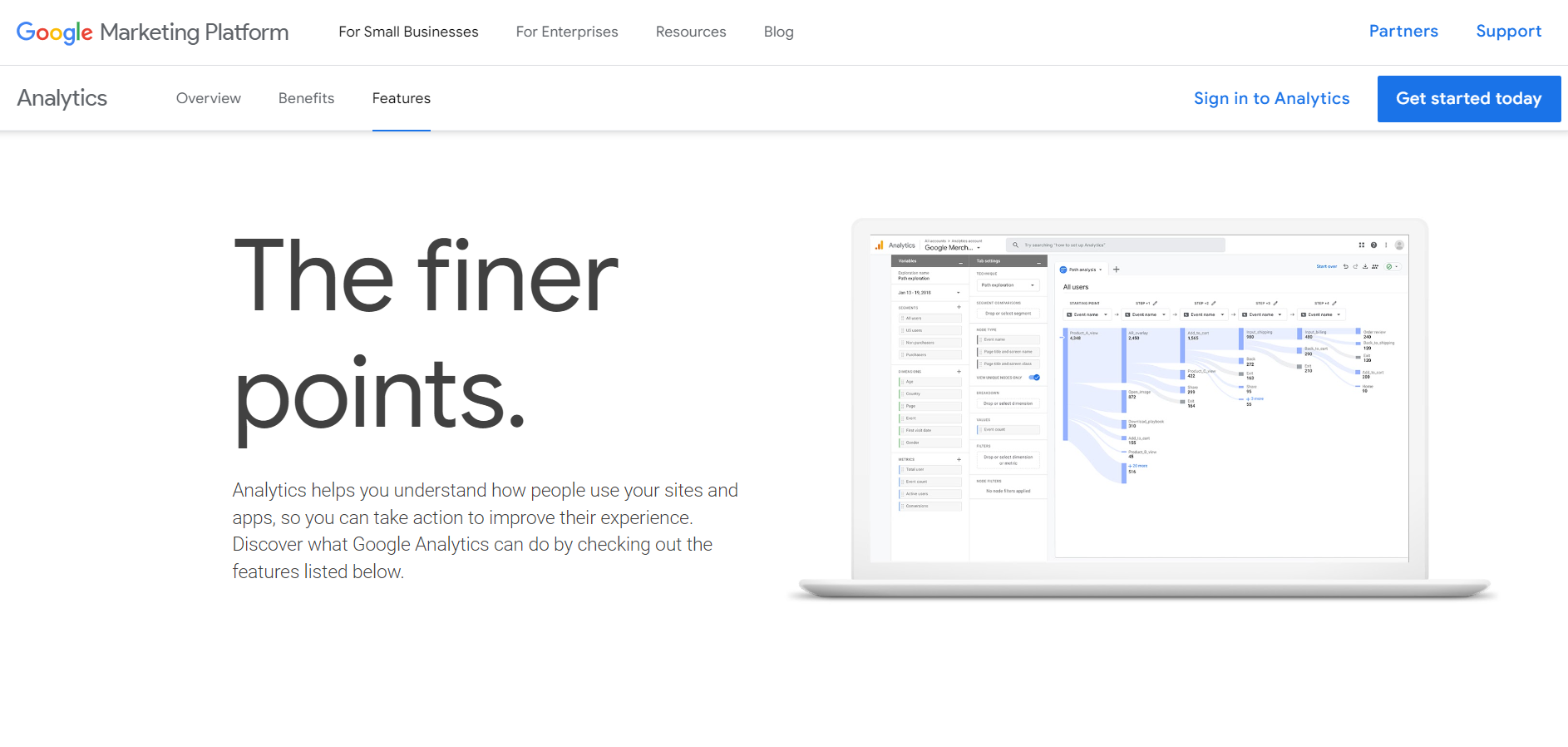
Google Analytics is a free web analytics service offered by Google that allows you to track website traffic, user behavior, and marketing campaign performance. It provides a wealth of data and insights to help you understand how users interact with your website.

Feature

  • Website traffic tracking
  • User behavior analysis
  • Conversion tracking
  • Goal setting and reporting
  • Integration with other Google products

4. Stackby – To Manage your database and Team Management

stackby-project-management-software Stackby Database Management Tool

Overview

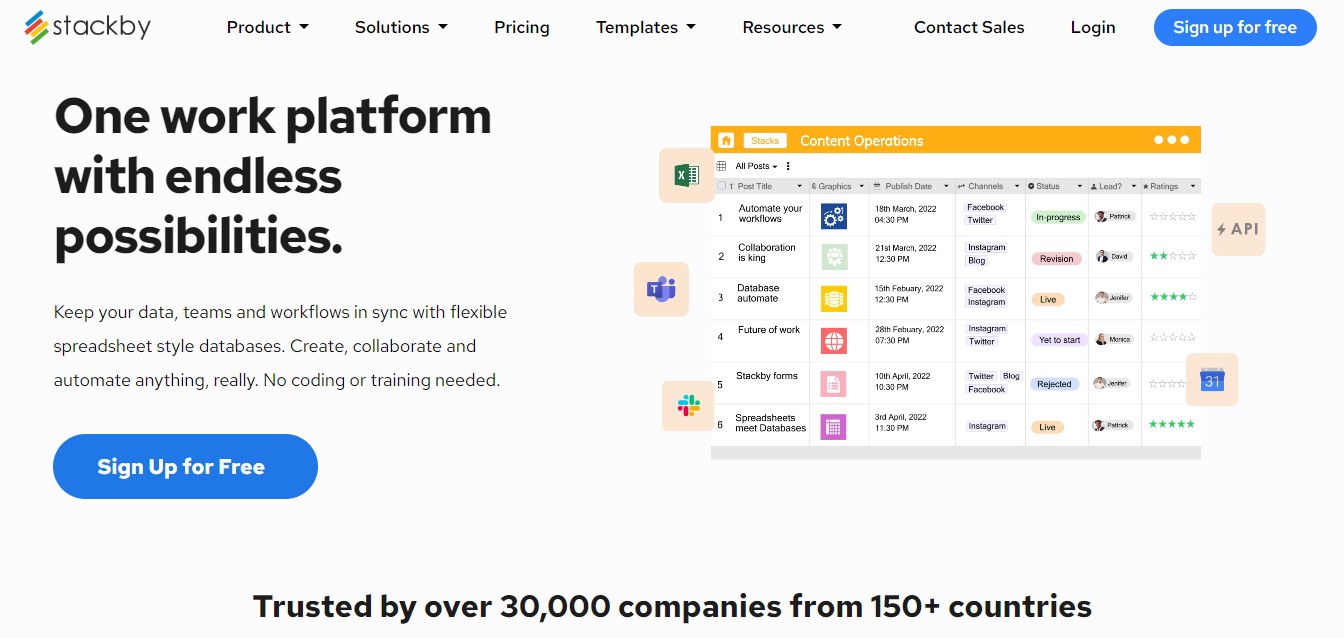
Stackby is a project management and collaboration tool that combines database functionality with team communication features. It allows you to create and manage databases, track tasks, and collaborate with your team in one central platform.

Feature

  • Customizable databases
  • Kanban boards for task management
  • Team communication features (chat, file sharing)
  • Reporting and automation
  • 300+ Database Templates

Pricing

  • Lifetime Free Plan Available with Limited Feature
  • Forever Free Plan Available
  • Personal Plan: $5 / Per Month / Per Seat
  • Economy Plan: $9 / Per Month / Per Sear
  • Business Plan: $18 / Per Month / Per Seat
  • Enterprise Plan: Contact for custom enterprise plans

5. Invideo – For Video Editor 

Invideo for Video Editing Invideo for Video Editing

Overview

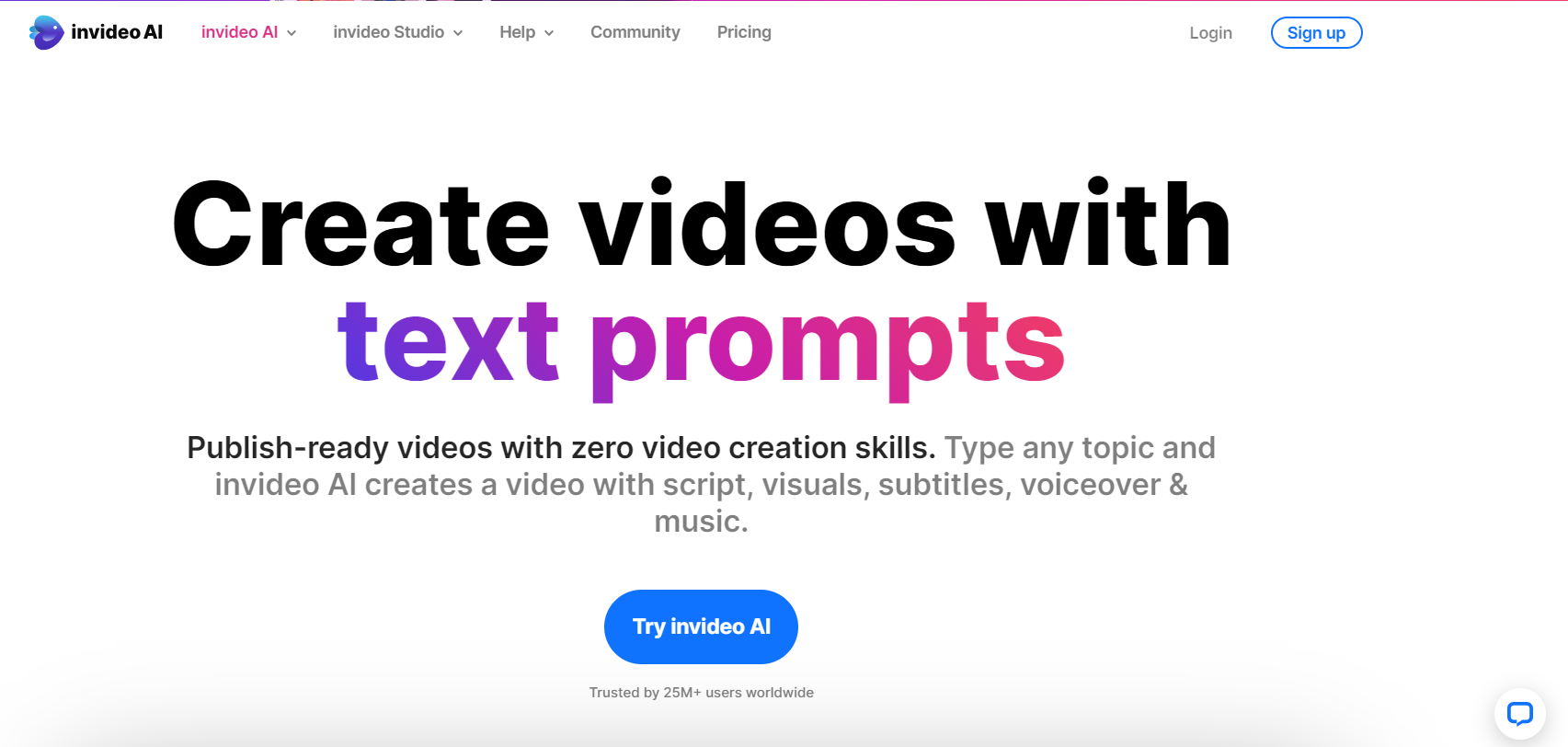
InVideo is a cloud-based video editing platform that allows you to create professional-looking videos with ease. It offers a library of templates, stock footage, and effects to help you get started quickly.

Feature

  • Drag-and-drop video editing interface
  • Stock video and image library
  • Text overlays, animations, and effects
  • Social media video templates

Pricing

  • Free Plan available with Limitation
  • Plus Plan : Starting $25 / Month 
  • Max Plan : Starting $60 / Month

6. Uniqode – For QR Code Marketing and Solutions

Screenshot 2024 08 23 105917

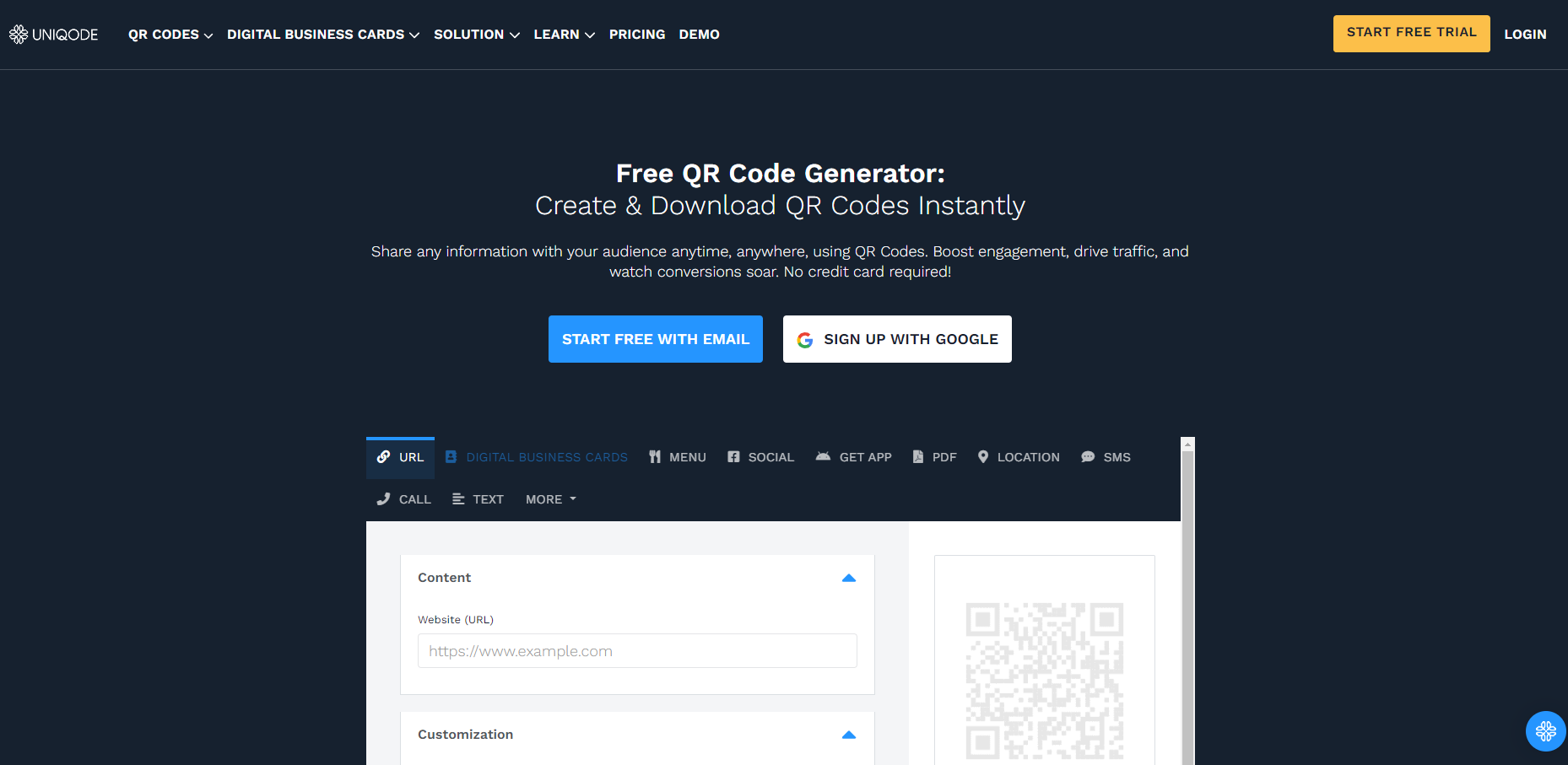
Uniqode is a QR Code generator platform that allows businesses to engage with their audience in interactive and measurable ways. Uniqode’s QR Code solution is an excellent choice for brands looking to enhance their marketing campaigns and achieve their social media objectives.

These QR Codes can be utilized for various digital marketing activities, such as driving traffic to your website, promoting specific social media campaigns as landing pages, encouraging social media sharing, and running contests and giveaways.

With Uniqode, you can customize these QR Codes, incorporating your brand logo and colors to strengthen your brand identity and connect with your audience on social media.

Features:

  • Uniqode ensures strong data security with GDPR and SOC 2 Type compliance.
  • Increase conversion rates by using Facebook Pixel and Google retargeting to engage customers.
  • Track social media profile clicks for valuable insights and informed campaign adjustments.
  • Easily integrate social media QR Codes with your preferred marketing tools for a seamless workflow.
  • Update social links in real-time with the same dynamic QR Code, avoiding the need for reprints.

Pricing: 

  • Starts at $5 per month with the Starter plan.

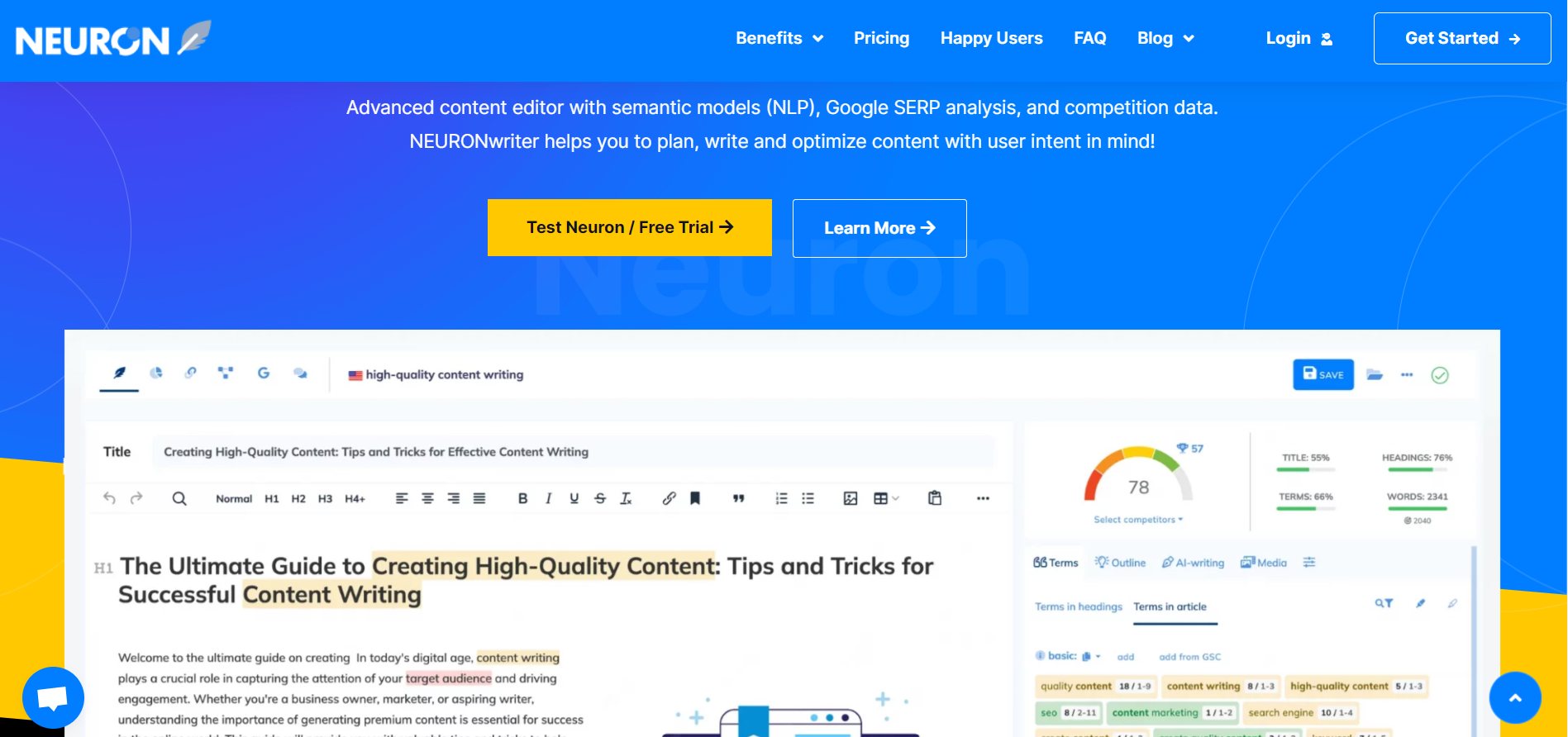
7. Neuronwriter – To Generate Content & SERP Analysis

Neuwriter - Seo Content Neuwriter – Seo Content

Overview

Neuronwriter is a content marketing tool that combines AI-powered content generation with search engine results page (SERP) analysis. It helps you generate content ideas, write blog posts, and optimize your content for search engines.

Feature

Pricing

  • Bronze Plan : $23 – Monthly
  • Silver Plan : $45 – Monthly
  • Gold Plan : $69 – Monthly
  • Platinum Plan : $93 – Monthly
  • Diamond Plan : $117 – Monthly

8. Ahref – Website Analysis

Ahref - Seo - Keyword Research Tool Ahref – SEO – Keyword Research Tool

Overview

Ahrefs is a comprehensive SEO (Search Engine Optimization) tool that helps you analyze your website’s backlink profile, keyword rankings, and overall SEO health. It offers advanced features for competitor research, content planning, and technical SEO audits.

Feature

  • Backlink analysis and competitor research
  • Keyword research and ranking tracking
  • On-page SEO analysis
  • Content explorer for finding high-performing content

Pricing

  • Lite : $129 / Monthly
  • Standard : $249 / Monthly
  • Advanced : $449 / Monthly
  • Enterprise : $14990 / Based on Annual Contract Only

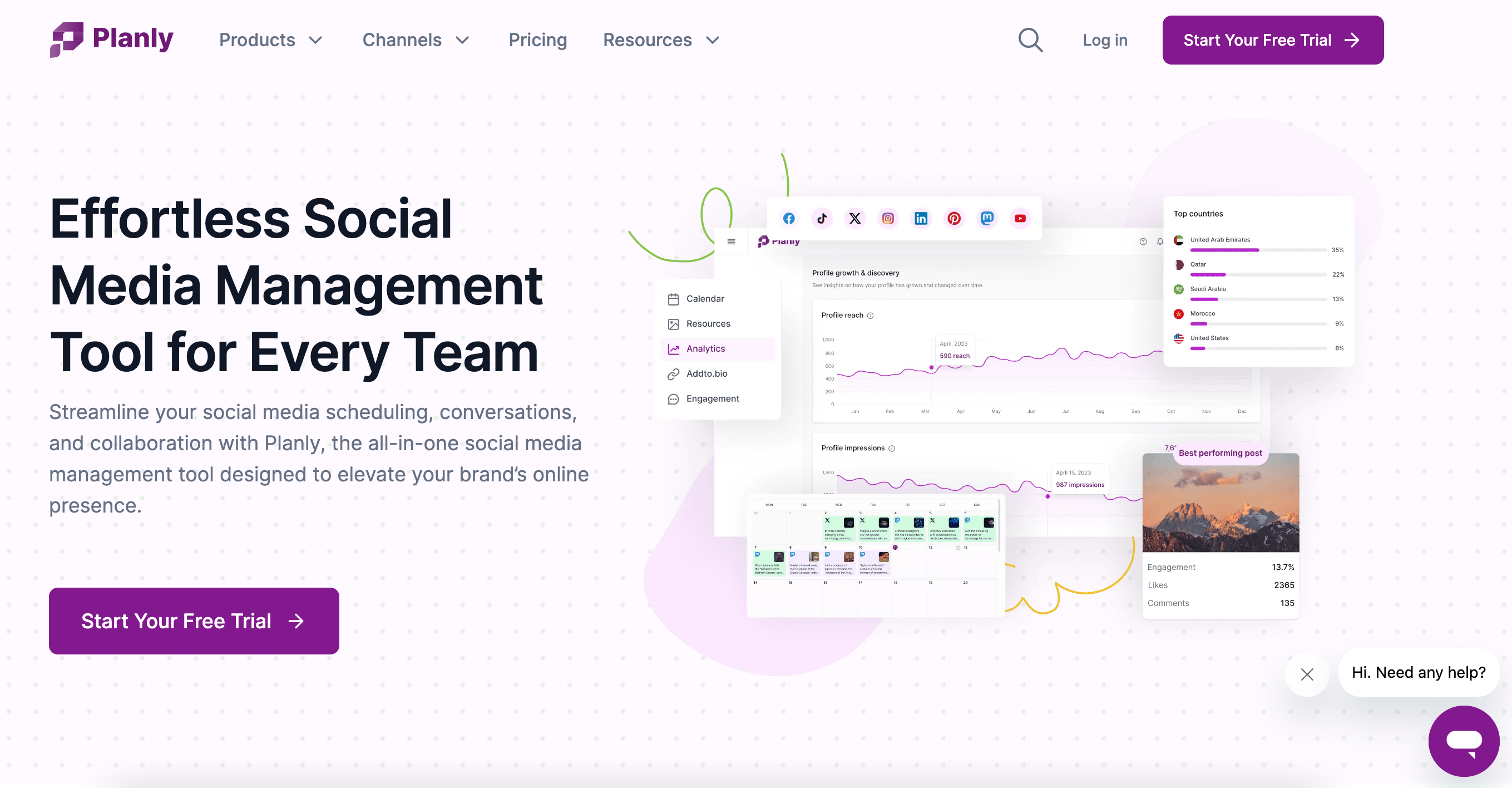
9. PlanlyFor Effortless Social Media Scheduling

Planly

Overview

Planly is an innovative social media scheduling tool that simplifies the process of planning and publishing content across various social media platforms such as Instagram, Facebook, LinkedIn, TikTok, Twitter, Pinterest, and YouTube.

Features:

  • Powerful team collaboration features
  • Comprehensive social media analytics
  • User-friendly interface
  • Exceptional customer support
  • AI-powered content creation
  • HD video upload

Pricing:

  • 14-Day Free Trial
  • Individual: $15/month
  • Team: $40/month
  • Agency: $80/month

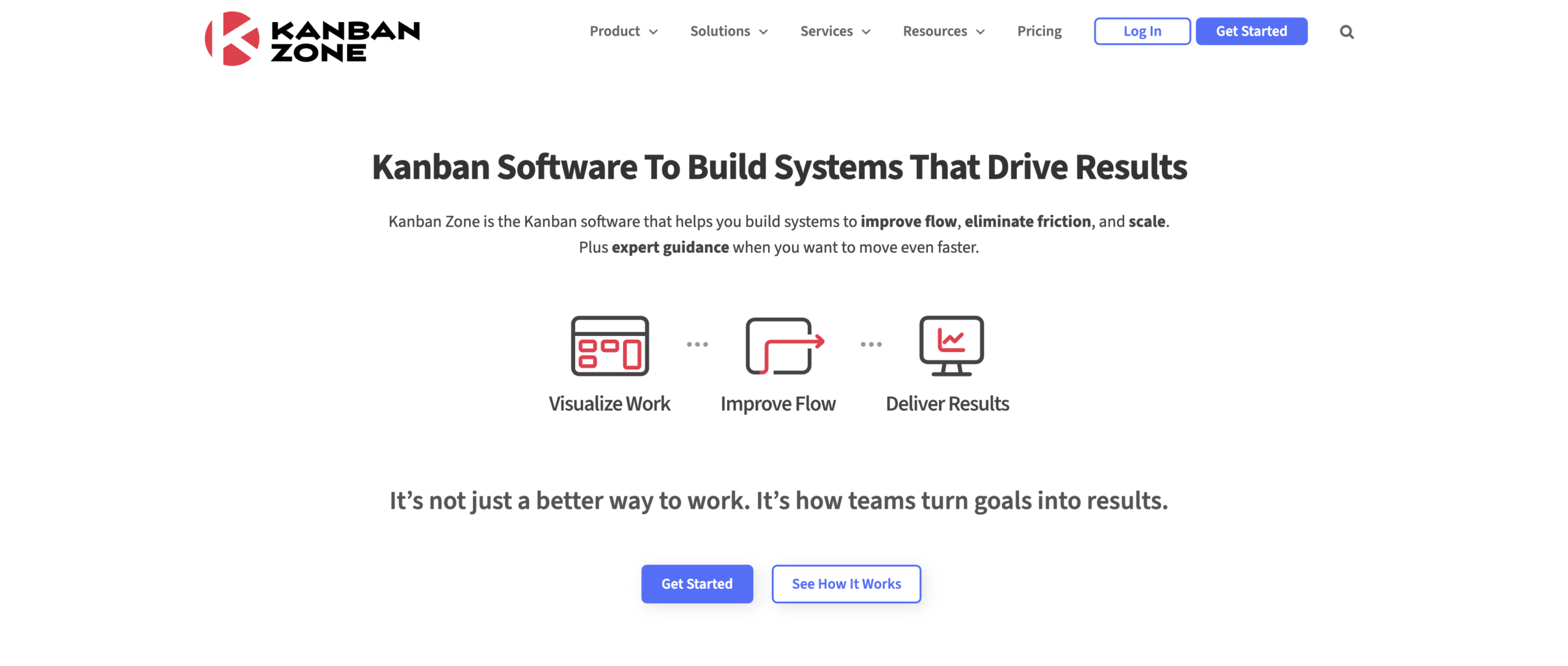
10. Kanban Zone

Screenshot 2026 03 05 at 10.34.48 AM scaled

Kanban Zone offers a straightforward visual management platform for teams that prioritize simplicity. This tool features adjustable Kanban lanes, WIP (work-in-progress) limits, and easy drag-and-drop functionality, making it perfect for startups looking to quickly visualize their workflow. New teams can easily get started, while expanding teams gain valuable insights into inefficiencies in their processes. Kanban Zone can be particularly useful for teams engaged in Lean development or continuous delivery.

Key features

  • Customizable Kanban boards with unlimited swimlanes and WIP limits
  • Real-time updates, task assignment, and visual indicators of blocked work
  • Analytics and metrics (cycle time, throughput, cumulative flow diagrams)
  • Linked cards, connected boards, workflow automations, and API access

Pricing : A free trial is available, with paid plans including Personal at $6 per user per month, Professional at $12 per user per month, and Portfolio at $18 per user per month.

11 Design.com – For Branding and Marketing Assets

Screenshot 2026 03 28 104904

Digital marketing wouldn’t be successful if you don’t have a strong brand foundation, and Design.com understands that.

Design.com is an online platform for small businesses, solopreneurs, or any individuals looking for an easy way to create branded assets like logos, websites, social media graphics, and more. It offers a huge library of templates and AI design tools that users can use to streamline their editing instead of creating everything from scratch. 

They also have a Brand Kit feature, where once you have your logo on the site, its styling will automatically apply to other templates you create for a more cohesive look. It’s an easy way to create branded graphics for your digital marketing campaigns. 

Feature

  • Over 400k+ logo templates
  • Over 1 million templates total across websites, business cards, social media graphics, and more
  • Other branding tools like business name generator and domain name generator
  • Option for AI chat editing, where AI can do changes for you instead of editing manually
  • Brand Kit feature for an easy way to create matching marketing graphics

Pricing

  • Free templates available for download
  • Starter Plan – $9/ per month
  • Value Plan – $14/ per month
  • Premium Plan – $19/ per month

12 BrandCrowd – For Social Media Graphics

Screenshot 2026 03 28 105025

BrandCrowd is a design platform that offers thousands of beautiful social media templates, spanning across posts, profile pictures, videos, ads, banners, and more. Users can browse templates that range across different styles, industries, niches, or events, ensuring that you can find the right social media graphic in any occasion. 

Feature

  • Social media templates for posts, ads, banners, profile pics, and videos
  • Great variety of design and styles
  • Beginner-friendly interface and controls
  • Full customization for every template
  • Huge library of design assets to jazz up the templates

Pricing

  • Free templates available
  • Premium templates pricing starts at $9 

Conclusion

As per vh-info digital marketing landscape offers a wealth of powerful tools to streamline your marketing efforts and achieve your goals. From crafting engaging email campaigns with Mailchimp to scheduling social media content with Buffer, these tools can save you time and resources. 

Remember, data is king in marketing. Google Analytics provides invaluable insights into your website traffic and user behavior, allowing you to optimize your strategy.

For content creation and SEO, services like link building, tools like Neuronwriter and Ahrefs can help you generate content ideas, research keywords, and optimize your content for search engines. Vh-info is also one of the best saas link building services in the US, they provide high quality saas links.

Finally, don’t forget about team collaboration. Stackby offers a combined database and project management solution to keep your team organized and on the same page.

By choosing the right tools and using them effectively, you can create a comprehensive digital marketing strategy that delivers real results for your business.

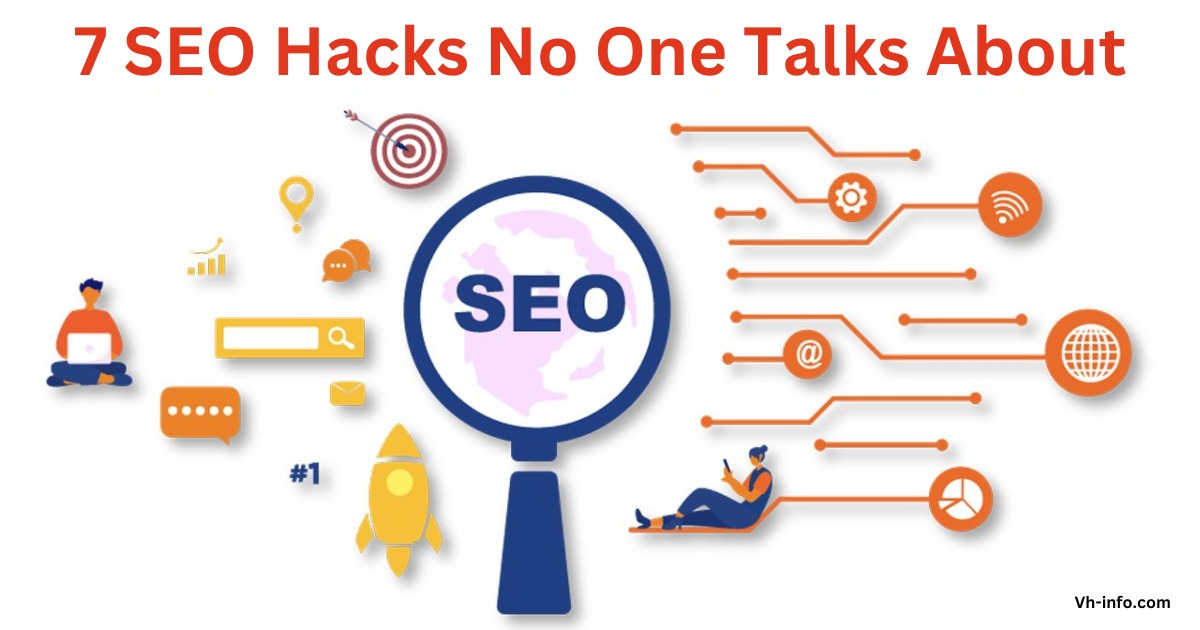
7 SEO Hacks No One Talks About

Search engine optimization (SEO) is a critical aspect of digital marketing that helps businesses improve their visibility on search engine results pages (SERPs).

While many SEO strategies are widely known, some lesser-known SEO hacks can significantly impact your website’s search engine rankings.

In this article, we’ll explore seven SEO hacks that are rarely discussed but can help you outrank your competitors on Google search.

7 SEO Hacks You’ve Probably Never Heard Of

7 SEO Hacks You've Probably Never Heard Of

SEO Hack #1 – Create SEO Cornerstone Content

One of the best ways to boost your SEO is by creating high-quality, comprehensive content that covers a broad topic in depth. This type of content, known as cornerstone content or SEO content, can help establish your website as an authority in your industry.

Through on-page SEO, you can enhance your search engine rankings and increase organic traffic by focusing on pertinent keywords and delivering valuable content.

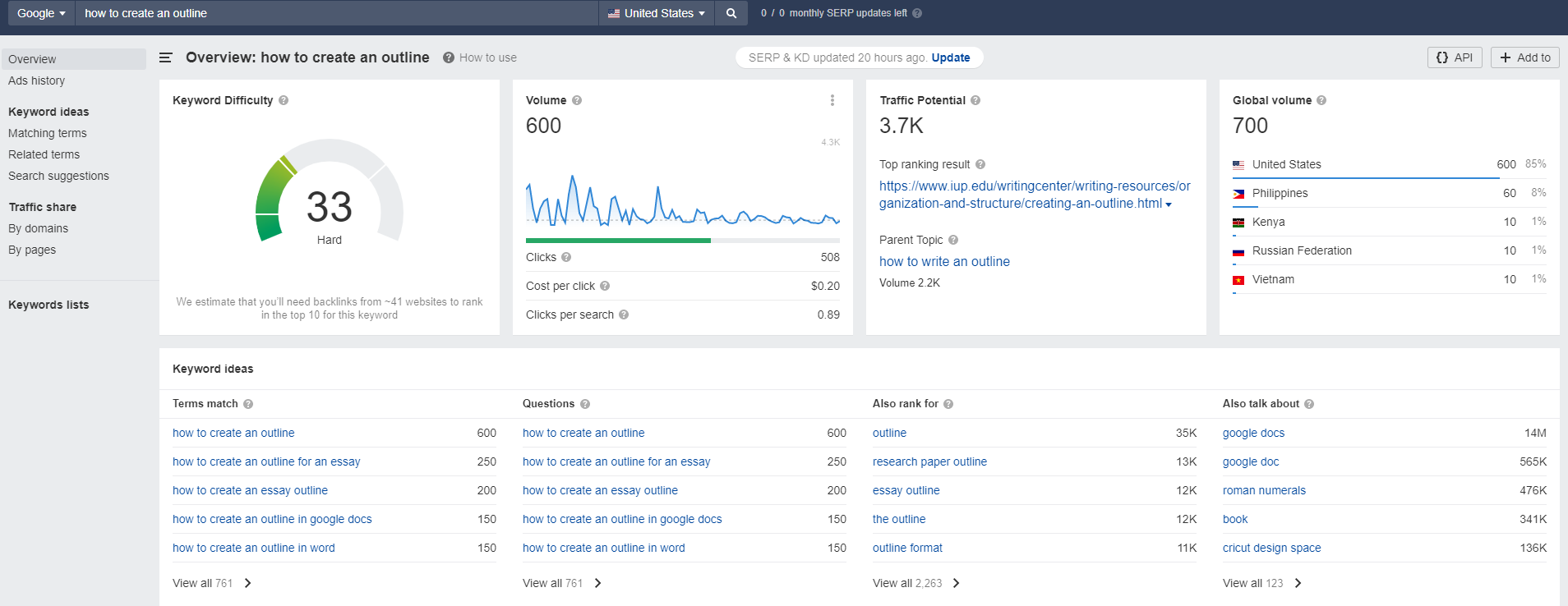
SEO Hack #2 – Must Use Best Keyword Research Tool

Keyword research is the foundation of any successful SEO strategy. Using the best keyword research tools, free tools such as Google Keyword Planner, or paid tools such as SEMrush or Ahrefs can help you identify high-volume, low-competition primary keywords to target in your content. Optimizing your content for primary keywords with high search volume and relevant secondary keywords can enhance your likelihood of ranking your piece of content on the first page of Google search results for your desired search term.

nother helpful tip is to utilize the search bar and type in your primary keyword to see common organic search terms related to it. These can be used in your content to attract more traffic.

SEO Hack #3 – Do Not Forget About Website Footer

Your website’s footer may seem like an insignificant part of your site, but it can actually play a crucial role in your SEO efforts. By including relevant keywords, internal links, and a clear hierarchy in your footer, you can help search engines better understand your site’s structure and content. This can lead to improved search engine rankings and more organic traffic, as the footer acts as a source of “link juice” that boosts the authority and relevance of your pages and enhances the user experience.

SEO Hack #4 – Using Viral Words in Your Title

Your article’s title tag is one of the first things potential readers will see in the search engine results pages. By incorporating viral words or phrases that evoke curiosity or emotion, you can increase your click-through rates and drive more traffic to your site.

Some examples of viral words include “secret,” “shocking,” or “you won’t believe.”

SEO Hack #5 – Set Up Dwell Time on Your Website

Dwell time, or the amount of time a user spends on your website after clicking through from the search results, is an important factor in SEO. Google interprets longer dwell times as a sign that your content is valuable and relevant to users. To increase dwell time and achieve a low bounce rate, focus on creating engaging, informative content that keeps readers on your site longer, such as a well-written and informative blog post.

SEO Hack #6 – Eliminate Zombie Pages

Zombie pages are old, outdated, or low-quality pages on your website that provide little value to users. These pages can hurt your SEO by diluting your site’s overall quality and authority. By identifying and eliminating zombie pages, you can improve your site’s structure, focus on your best content, and ultimately achieve higher rankings and more Google traffic. In fact, one ecommerce site saw a 31% boost in search engine traffic and a 28% increase in revenue when they “pruned” 11k product pages.

SEO Hack #7 – Create FAQ Page Strategy

An FAQ page is a valuable asset for both users and search engines. By creating a comprehensive FAQ page that addresses common questions related to your industry, products, or services, you can provide quick answers to user queries and improve your site’s relevance for long-tail keywords. Additionally, FAQ pages can help you earn featured snippets, which appear at the top of Google search results and keep up with the latest changes in your industry.

Other Tips to Consider For SEO

In addition to the seven SEO hacks mentioned above, there are several other tips you should consider when optimizing your website for search engines:

  1. Optimize your images with descriptive file names and alt text
  2. Build high-quality backlinks from authoritative websites
  3. Ensure your website is mobile-friendly and has a fast loading speed
  4. Use schema markup to help search engines better understand your content
  5. Monitor your SEO performance using tools like Google Analytics and Google Search Console

Benefits of Using a Killer SEO Strategy

Benefits of Using a Killer SEO Strategy

Implementing a strong SEO strategy, including the hacks mentioned in this article, can provide numerous benefits for your business:

It Boosts Your Credibility:

By ranking higher in search engine results, your website will be perceived as more credible and trustworthy by potential customers.

It Supports Content Marketing:

SEO and content marketing go hand in hand. By creating high-quality, keyword-optimized content, you can attract more organic traffic and build a loyal audience.

It Maximizes PPC Campaigns:

While SEO focuses on organic traffic, it can also complement your pay-per-click (PPC) advertising efforts. By targeting the same keywords in both your SEO and PPC campaigns, you can dominate the search results and maximize your visibility.

It Can Help You Reach More People:

Higher search engine rankings mean more visibility for your website, allowing you to reach a wider audience and attract more potential customers.

It Improves User Engagement Rates:

By providing relevant, valuable content that matches user search intent, you can improve engagement metrics such as time on site, pages per session, and bounce rate.

It Gives You a Competitive Advantage:

Outranking your competitors in search results can give you a significant advantage in attracting more traffic, leads, and customers.

8 Top-Of-The-Line Google Ranking SEO Hacks

Here are eight more advanced SEO hacks to help you rank higher on Google:

1. Target Long-Tail Keywords

Long-tail keywords are more specific, less competitive phrases that can help you attract targeted traffic to your site.

2. Write Evergreen Content and Update Old Pieces

Evergreen content remains relevant and valuable over time. Regularly updating your old content can help maintain its freshness and authority.

3. Focus On User Search Intent

Understanding and addressing the intent behind user searches can help you create more relevant, valuable content.

4. Optimize Images

Compress images, use descriptive file names, and include alt text to help search engines better understand your visual content. Focus on techniques that can also enhance image quality to make them visually appealing and SEO-friendly.

5. Earn High-Quality Backlinks

Focus on earning backlinks from authoritative, relevant websites to improve your site’s authority and search engine rankings.

6. Craft Compelling Titles and Meta Descriptions

Write click-worthy titles and meta descriptions that accurately reflect your content and entice users to click through from the search results.

7. Practice Responsive Design

Ensure your website is mobile-friendly and adapts seamlessly to different screen sizes and devices.

8. Set Up Google Business Profile

For local businesses, creating a Google Business Profile can help improve visibility in local search results and on Google Maps.

FAQ’s:

What Makes These SEO Hacks Unique?

These SEO hacks are unique because they focus on lesser-known strategies that can significantly impact your search engine rankings. While many SEO guides cover the basics, these hacks delve into more advanced tactics that can give you a competitive edge.

How Often Should I Update My SEO Tactics?

SEO is an ever-evolving field, with search engines like Google constantly updating their algorithms. It’s essential to stay up-to-date with the latest SEO trends and best practices and adjust your strategies accordingly. VH Info provides regular updates and insights to help you stay ahead of the curve.

Can Small Businesses Benefit from These SEO Strategies?

Absolutely! These SEO hacks can be implemented by businesses of all sizes, from small local shops to large enterprises. By focusing on creating high-quality content, optimizing your website structure, and building authoritative backlinks, any business can improve their search engine rankings and attract more organic traffic.

Are These SEO Hacks Compatible With All Website Platforms?

Yes, these SEO strategies can be applied to websites built on various platforms, such as WordPress, Shopify, or custom-built sites. The fundamental principles of SEO remain the same regardless of the platform, although the specific implementation may vary slightly.

How Can I Measure the Impact of Implementing These Hacks?

To measure the success of your SEO efforts, use tools like Google Analytics and Google Search Console to track your website’s traffic, rankings, and user engagement metrics. Monitor your progress over time and make data-driven decisions to refine your strategy.

What’s the First Step to Take When Optimizing My Site with These Hacks?

The first step is to conduct a thorough audit of your website to identify areas for improvement. Analyze your content, site structure, backlink profile, and technical SEO factors to determine which hacks will have the most significant impact on your search engine rankings.

How Do These Hacks Fit into an Overall SEO Strategy?

These SEO hacks should be incorporated into a comprehensive SEO strategy that includes keyword research, on-page optimization, technical SEO, content creation, and link building. By combining these tactics with the lesser-known hacks mentioned in this article, you can create a powerful, well-rounded SEO approach.

Is It Necessary to Use All These SEO Hacks Together?

While using all these SEO hacks together can provide the best results, it’s not always necessary or feasible. Start by implementing the hacks that align best with your website’s current needs and resources, and gradually incorporate additional tactics over time.

How Long Before I See Results From These SEO Hacks?

SEO is a long-term strategy, and the results of implementing these hacks may not be immediate. Depending on factors such as your website’s age, authority, and competition, it can take several weeks to several months to see significant improvements in your search engine rankings.

Where Can I Find More Advanced SEO Techniques?

VH Info is a great resource for discovering advanced SEO techniques and staying up-to-date with the latest industry trends. Our blog, guides, and tools provide actionable insights and strategies to help you take your SEO efforts to the next level.

Conclusion

Implementing these lesser-known SEO hacks can help you outrank your competitors and drive more organic traffic to your website.

Emphasizing the creation of top-notch content, optimizing website structure, and establishing authoritative backlinks can enhance search engine rankings and position your business as an industry leader.

Remember that SEO is a continual process involving continuous learning and adaptation. Stay updated on the most recent SEO trends and best practices, and be willing to test out new strategies to identify the most efficient approach for your website.

For more expert advice and cutting-edge SEO tools, visit VH Info – your trusted partner in SaaS link building and search engine optimization.

Dofollow Backlinks: What is it, How it Works, Tools & Examples

As a SaaS company, building a strong backlink profile is important for improving your search engine rankings and driving organic traffic to your website. One of the most effective ways to achieve this is by acquiring dofollow backlinks from high-authority websites.

In this comprehensive guide, we’ll dive deep into the world of dofollow links, explaining what they are, why they matter, and how you can leverage them to take your SaaS SEO to the next level.

What are Dofollow Backlinks?

What are Dofollow Backlinks?

A dofollow backlink is a type of link that passes “link juice” or link equity from one website to another. When a website links to your site using a dofollow link, it’s essentially telling search engines that it trusts and endorses your content and the linked website. This vote of trust can significantly boost your website’s authority and improve its search rankings.

When Should You Use A Dofollow Link?

Dofollow links are the default type of link on the web. Unless otherwise specified in the HTML code, all links are considered dofollow. As a general rule, you should use dofollow links when linking to high-quality, relevant content that adds value to your users.

Why Dofollow Backlinks Matter?

Dofollow backlinks are a key factor in determining your website’s SEO value. Search engines like Google use backlinks as a primary ranking signal, interpreting them as a vote of confidence from one site to another. The more high-quality dofollow backlinks you have pointing to your site, the more likely you are to rank well in search results and improve your search engine optimization.

Advantages of Dofollow Links

  • Improved search rankings: Dofollow links from authoritative sites can significantly boost your search engine rankings.
  • Increased referral traffic: When users click on a dofollow link to your site, you’ll receive valuable referral traffic.
  • Enhanced credibility: Earning dofollow links from reputable sites establishes your website as a trusted resource in your industry.

Dofollow Links Challenges and Considerations

While dofollow links offer numerous benefits, there are some challenges and considerations to keep in mind:

  • Quality over quantity: Focus on acquiring high-quality dofollow links from relevant, authoritative sites rather than chasing after a large number of low-quality links.
  • Avoid link schemes: Engaging in manipulative link building practices, such as buying links or participating in link farms, can result in penalties from search engines.
  • Maintain a natural backlink profile: Strive for a diverse mix of dofollow and nofollow links to ensure your backlink profile appears natural to search engines.

How Dofollow Links Works?

How Dofollow Links Works?

When a website links to your site using a dofollow link, it passes a portion of its own authority, or “link juice,” to your site. Search engines interpret this as a signal that the linking site trusts and endorses your content, which can positively impact your search rankings.

The more high-quality dofollow links you have pointing to your site, the more authority your site will accumulate over time, ultimately boosting your website’s authority and credibility in the eyes of search engines.

Additionally, you can also boost your site’s authority by including dofollow links to other reputable sites within your own content, allowing search engines to follow these links and further increase your PageRank.

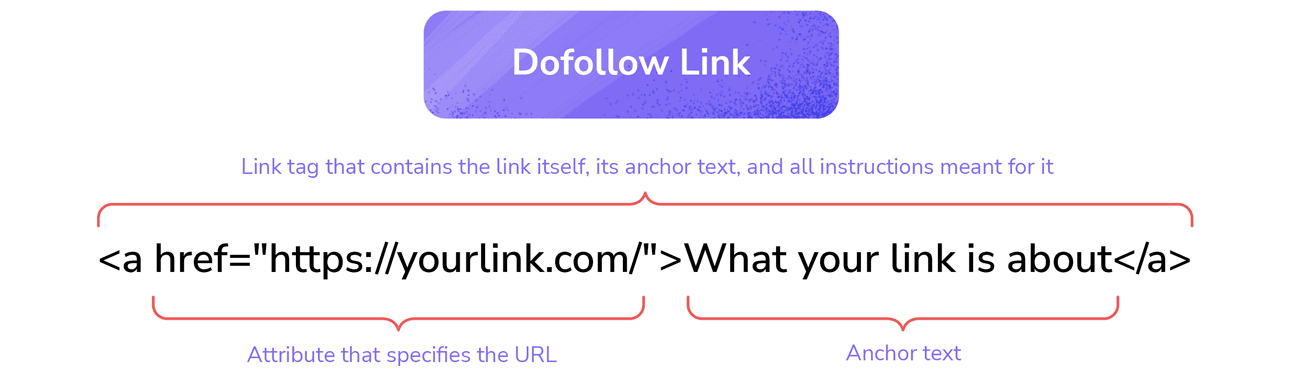
How to Add a Dofollow Link in HTML?

How to Add a Dofollow Link in HTML?

To create a dofollow link in HTML, simply use the standard link tag without the “rel=nofollow” attribute.

Here’s an example:

Anchor Text

The Effects of Dofollow Links on SEO

Dofollow links can have a significant impact on your website’s SEO performance.

Some of the key effects include:

  • Improved search rankings: Dofollow links from high-authority sites can help boost your search engine rankings for targeted keywords.
  • Increased domain authority: As you acquire more dofollow links, your website’s overall domain authority will increase, making it easier to rank for competitive keywords.
  • Greater visibility: Higher search rankings lead to increased visibility in search results, driving more organic traffic to your site.

How Quickly will Google Recognize Dofollow Links?

The speed at which Google recognizes and indexes dofollow links can vary depending on several factors, such as the authority of the linking site and the frequency of its crawl rate. In general, it can take anywhere from a few days to several weeks for Google to fully process and credit a new dofollow link to your site, as search engine spiders crawl through a significant volume of pages each day.

How to Check Dofollow Backlinks on a Website?

To check for dofollow backlinks on a website, you can use various SEO tools like Ahrefs, SEMrush, or Moz. These tools allow you to analyze a site’s backlink profile and identify which links are dofollow or nofollow. Alternatively, you can manually inspect a link’s HTML code to determine if it has the “rel=nofollow” attribute.

Techniques For Getting Dofollow Backlinks

Here are some proven techniques for acquiring high-quality dofollow backlinks:

1. Profile Creation or Linking

Create profiles on high-authority websites and include a dofollow link back to your site in your profile description or website field.

2. Write Guest Posts on Other Blogs

Reach out to popular blogs in your industry and offer to write high-quality guest posts, including a dofollow link back to your site in your author bio.

3. Email Outreach

Identify websites that have mentioned your brand or linked to your competitors, and reach out to them, requesting a dofollow link to your site.

4. Create High-Quality Content That’s Link-Worthy

Invest in creating exceptional content, such as in-depth guides, original research, or interactive tools, that other websites will naturally want to link to.

5. Social Networking

Engage with influencers and thought leaders in your industry on social media platforms, sharing your content and building relationships that can lead to dofollow link opportunities.

6. Use H.A.R.O. to Create Dofollow Backlinks

Sign up for Help a Reporter Out (H.A.R.O.) and respond to relevant journalist queries, offering your expertise in exchange for a dofollow link.

7. Business Listing

Submit your website to reputable business directories and industry-specific listings, ensuring your profile includes a dofollow link back to your site.

8. Write Testimonials

Offer to write testimonials for products or services you use and love, requesting a dofollow link back to your site in exchange.

9. Replicate Your competitors’ Genuine Dofollow Backlinks

Analyze your competitors’ backlink profiles and identify high-quality dofollow links you can potentially replicate for your own site.

10. Add Your Website to Resource Pages

Reach out to websites that curate resource pages in your industry, suggesting your site as a valuable addition to their list.

Best Tools For Checking Dofollow Links

Some of the best tools for checking dofollow links include:

  • Ahrefs: A comprehensive SEO tool that allows you to analyze a website’s backlink profile and identify dofollow and nofollow links.
  • SEMrush: Another powerful SEO tool that offers backlink analysis and dofollow/nofollow link identification.
  • Moz Link Explorer: A user-friendly tool that provides insights into a site’s backlink profile, including dofollow and nofollow links.

Dofollow Backlinks Examples

Here are a few examples of dofollow backlinks in action:

  • A guest post on a high-authority blog in your industry, with a dofollow link back to your site in the author bio.
  • A resource page on a relevant website that includes a dofollow link to your site as a recommended resource.
  • A testimonial you’ve written for a product or service, with a dofollow link back to your site.

Should You Buy Dofollow Backlinks for SEO in 2024?

While buying dofollow backlinks may seem like a quick and easy way to boost your SEO, it’s generally not recommended.

Purchasing links violates Google’s Webmaster Guidelines and can result in penalties or even a complete ban from search results. Instead, focus on building high-quality, natural dofollow links through ethical, white-hat SEO practices, including content marketing strategies and digital marketing techniques.

FAQ’s:

What Makes a Backlink ‘Dofollow’?

A backlink is considered dofollow when it does not have the “rel=nofollow” attribute in its HTML code. By default, all links are dofollow unless otherwise specified.

Should I Dofollow an External Link?

Whether or not to make an external link dofollow depends on the context and the quality of the linked content. If you’re linking to a high-quality, relevant resource that adds value to your users, a dofollow link is a good idea. However, if you’re unsure about the linked site’s quality or reputation, using a nofollow link may be a safer choice.

How Long will it take Google to Recognize a Dofollow Link?

The time it takes for Google to recognize and credit a new dofollow link can vary, typically ranging from a few days to several weeks. Factors such as the linking site’s authority and crawl frequency can impact this timeline.

Do Dofollow Links Guarantee Better Rankings?

While dofollow links from high-quality, relevant sites can certainly improve your search rankings, they don’t guarantee better rankings on their own. SEO is a complex, multifaceted discipline that involves many factors beyond just backlinks.

How Many Dofollow Links Should a Site Aim For?

There’s no magic number of dofollow links a site should aim for. Instead, focus on building a diverse, high-quality backlink profile that includes a mix of dofollow and nofollow links from reputable sources.

Should You Provide Dofollow Links From Your Own Site?

Yes, providing dofollow links from your own site to other high-quality, relevant resources can be beneficial. It helps establish your site as a valuable resource and can even lead to reciprocal linking opportunities.

What is the Best Method to Get Cheap Dofollow Backlinks for a Website?

The best method to acquire affordable dofollow backlinks is to focus on creating high-quality, link-worthy content that naturally attracts links from other websites. Tactics like guest blogging, broken link building, and resource page link building can also be effective and cost-efficient.

Why are Contextual Dofollow Backlinks Important for Link Building?

Contextual dofollow backlinks, or links embedded within the main content of a page, are important because they carry more weight in the eyes of search engines. These links are seen as more valuable and trustworthy than links in less prominent places, such as footers or sidebars.

Conclusion

Dofollow backlinks are a powerful tool for boosting your SaaS website’s search engine rankings and driving organic traffic. By focusing on acquiring high-quality dofollow links from reputable sources, you can significantly improve your site’s authority and visibility in search results.

At VH-info, we specialize in helping SaaS companies build strong backlink profiles through proven, white-hat link building strategies, SEO for startups. Our team of experts can guide you through the process of identifying and acquiring valuable dofollow links that will take your SEO to the next level.

Ready to start building dofollow links that drive results? Contact VH-info today to learn more about our SaaS link building services and how we can help you achieve your SEO goals in 2024 and beyond.

Domain Authority: What is it & How to Increase Domain Authority?

Domain authority (DA) is a key metric that digital marketers and SEO professionals use to gauge a website’s overall authority and ability to rank in search engine results.

Developed by Moz, domain authority scores range from 1 to 100, with higher scores indicating greater authority. Boosting your DA score can lead to better keyword rankings, more organic traffic, and SEO success.

In this comprehensive guide, we’ll explain what domain authority is, why it matters, and share actionable tips to increase your site’s DA fast.

What is Domain Authority?

What is Domain Authority?

Domain authority is a search engine ranking score that predicts how likely a website is to rank in search engine result pages (SERPs). It’s a comparative metric, meaning your domain authority score is relative to other sites. DA is calculated by evaluating multiple factors, including the quantity and quality of inbound links, or backlinks, pointing to a website. The domain authority scale ranges from 1 to 100, with higher scores corresponding to a greater ability to rank.

What Supports Domain Authority as a Metric?

While domain authority is not an official Google ranking factor, studies have found a strong positive correlation between DA and SERP rankings. Websites with a high DA tend to rank better and get more organic traffic than those with a low DA score. Domain authority provides a quick way to assess the strength of a website’s backlink profile and overall SEO performance. It’s a useful metric for benchmarking your site against competitors and tracking the impact of your SEO efforts over time.

What is a Good Domain Authority Score?

What is a Good Domain Authority Score?

Generally, sites with a domain authority of 50+ are considered good, while 60+ is excellent. However, what constitutes a “good” DA varies by industry and competitive landscape. A new website will always start with a domain authority score of 1 and will increase over time as it gains quality backlinks.

How is Domain Authority Calculated?

Domain authority is calculated using a machine learning algorithm that evaluates the quantity and quality of a site’s entire backlink profile. Moz’s domain authority metric takes into account many factors, including the domain authorities of linking sites, the number of linking root domains, the total number of links, and more. The algorithm also identifies patterns that best correlate with rankings so that the DA score closely aligns with actual Google search results.

How Can I Check My Site’s Domain Authority? How Much Should I Track it?

You can easily check your website’s domain authority for free using Moz’s Link Explorer tool. Simply enter your URL, and the tool will display your current domain authority score along with other link metrics like page authority (PA) and the number of linking domains. Many other SEO tools like Ahrefs, SEMrush, and Majestic also provide their own versions of domain authority or domain rating scores. Using domain name tools can also help you analyze domain strength, availability, and overall SEO potential when managing or acquiring new websites.

Since domain authority is a comparative, logarithmic metric, it’s best to check your score about once per month. Moz updates DA scores on a monthly basis. Checking too frequently won’t be as insightful since your score is unlikely to change drastically in a short period.

However, checking each month can help you track your progress and see how your link building and other SEO efforts are impacting your site authority over time.

Why Should I Care About Domain Authority?

Why Should I Care About Domain Authority?

Improving your domain authority should be a key goal of your SEO strategy for several important reasons:

Domain Authority Correlates With Higher Rankings

While not a direct Google ranking factor, DA has been shown to have a strong positive correlation with higher keyword rankings and organic search traffic. Sites with high DA tend to outrank those with lower scores.

Domain Authority Provides a Quick Insight into a Site’s Backlinks Profile

Your domain authority score offers a fast way to gauge the overall quantity and quality of your website’s inbound links. A strong backlink profile from high DA sites will boost your own site’s authority.

Domain Authority Can Help Assess Your Competition

You can use DA to analyze the link profiles of your search competitors and find opportunities to gain an edge. Comparing your site’s DA to similar sites in your niche helps determine where you stand and how much work is needed to outpace the competition.

Domain Authority Can Track Your SEO Progress And Efforts Over Time

Measuring your domain authority score on a monthly basis is an effective way to monitor the impact of your link building campaigns and overall SEO initiatives. Watching your DA increase over time shows your hard work is paying off.

How To Increase Domain Authority?

How To Increase Domain Authority?

Improving your domain authority requires a comprehensive, long-term SEO approach that focuses on both on-page and off-page optimization. Here are some of the most effective ways to boost your DA score:

Improve The Off-Page SEO of Your Website

Off-page SEO refers to activities done outside of your own website to impact your rankings, primarily link building. Acquiring high-quality backlinks from authoritative, relevant websites is the best way to increase domain authority. Focus on tactics like guest blogging, broken link building, and creating linkable assets to earn inbound links naturally.

Optimizing On-Page SEO

On-page SEO involves optimizing individual web pages to rank higher in search results for target keywords. Best practices include crafting compelling title tags and meta descriptions, using header tags appropriately, optimizing images, and improving the page’s overall content quality and relevance.

Ensure Your Website is Mobile-Friendly

With Google’s mobile-first index, having a mobile-responsive site is non-negotiable. Use Google’s Mobile-Friendly Test tool to check your pages and get specific recommendations for improvement. Delivering a seamless mobile user experience will help boost your DA.

Increase Page Speed

Page speed is known Google ranking factor, so faster loading times can indirectly improve your DA by helping your pages rank higher. Compress images, minify code, leverage browser caching, and consider using a content delivery network (CDN) to improve site speed.

Publish High-Quality Content

Creating in-depth, valuable content that matches search intent is key for earning quality links and boosting authority. Conduct keyword research to find topics your audience is searching for, then craft comprehensive resource guides, blog posts, infographics, and other linkable assets that will naturally attract inbound links.

Social Media Engagement

While social signals don’t directly impact domain authority, they can indirectly influence DA by increasing visibility and making your content more likely to earn backlinks. Share your content across social media channels and engage with your audience to amplify reach.

Increase Your Social Signals

Social signals refer to the likes, shares, and overall visibility your content receives on social media platforms. While not a direct ranking factor, generating social signals can indirectly boost DA by driving more traffic and increasing the likelihood of earning natural links from your content being shared.

How To Increase Your Domain Authority Score in 30 Days?

How To Increase Your Domain Authority Score in 30 Days?

Want to give your DA score a relatively quick boost? Follow these steps to increase your domain authority in as little as one month:

Step1: Create High-Quality Engaging Content

Publish several pieces of in-depth, keyword-optimized content that align with your target audience’s search intent. Make these resource guides, ultimate lists, or long-form blog posts comprehensive and valuable enough to serve as linkable assets.

Step 2: Link Audit

Use a backlink analysis tool to conduct a thorough link audit of your site’s current backlink profile. Identify any low-quality or spammy links that could be dragging down your DA score.

Step 3: Spammy Backlink Removal

Reach out to the owners of any spammy or low-quality sites linking to you and request removal of the links. This helps clean up your link profile and improve your overall domain authority.

Step 4: Disavow Toxic Backlinks

For any remaining toxic backlinks you couldn’t get removed, use Google’s Disavow Tool to disavow them. This tells Google to ignore these links so they don’t negatively impact your site’s authority.

Step 5: On-page SEO Audit

Conduct a comprehensive on-page SEO audit of your website using a tool like Screaming Frog. Identify any issues with title tags, meta descriptions, header tags, image optimization, keyword usage, and other on-page elements.

Step 6: Technical SEO Audit

Assess your site’s technical SEO health by checking for issues like crawl errors, duplicate content, broken links, redirect chains, and site speed. Use Google Search Console and other webmaster tools to uncover any technical problems.

Step 7: Fix On-page and Technical Issues

Resolve all the on-page and technical SEO issues uncovered in your audits. Optimize your title tags, meta data, header tags, and content. Fix any broken links, redirects, or other technical problems. Improving the optimization and usability of your site will give your DA score a boost.

Step 8: Start Link Building Activities

Kick off link building campaigns to secure high-quality, relevant inbound links. Focus on tactics like guest blogging, broken link building, and promoting your linkable assets to acquire links naturally. VH Info’s premium link building services can help you develop an effective strategy.

Step 9: Create Outreach Content

Develop valuable content designed for outreach, such as infographics, original research, ultimate guides, and useful templates. Promote these assets to relevant sites in your niche to earn quality backlinks and increase your domain’s authority.

Step 10: Share Content Via Social Media

Amplify your content’s reach by sharing it across your social media channels. Encourage engagement and shares to generate more visibility and drive traffic back to your site, increasing the likelihood of earning natural inbound links.

Step 11: Repeat Link Building and Content Strategy

To keep your domain authority trending upward, repeat your link building and content creation efforts. Publishing great content and acquiring quality links should be an ongoing process for continual gains in authority.

How Do You Integrate Your Domain Authority into Your SEO Strategy?

Improving your domain authority should be a central goal of your overall SEO strategy.

Integrate DA into your SEO approach by:

  1. Regularly checking your domain authority score each month to track progress
  2. Analyzing competitors’ DA to find opportunities to outperform them by acquiring more quality links
  3. Focusing content creation efforts on developing linkable assets that will attract inbound links
  4. Prioritizing link building tactics to earn links from high DA sites in your niche
  5. Monitoring your backlink profile to ensure it remains natural and high-quality
  6. Conducting periodic link audits and disavowing any toxic links to maintain a strong profile
  7. Continuing to publish great content and acquire quality links to trend your DA score upward over time

Page Authority vs. Domain Authority

When looking at authority metrics, it’s important to understand the difference between Page Authority (PA) and Domain Authority (DA):

Page Authority (PA)

Page Authority predicts an individual page’s ability to rank in search results. PA scores also range from 1 to 100, with higher scores meaning greater ability to rank. Page Authority is based on data from the Mozscape web index and includes link counts, MozRank, MozTrust, and other factors. It’s a useful metric for determining the ranking strength of a single page.

Domain Authority (DA)

Domain Authority predicts a website’s overall ability to rank in search results. DA scores range from 1 to 100, with higher scores corresponding to greater ranking ability. Domain Authority is calculated by evaluating multiple factors, including linking root domains and the total number of links, into a single score. DA is a useful metric for comparing the ranking strength of entire websites or domains against each other.

FAQ’s:

How Can I Raise My Domain Authority?

You can increase your domain authority by acquiring high-quality inbound links from authoritative websites, improving your on-page and technical SEO, creating valuable content that attracts links naturally, and using social media to amplify your content’s reach.

What Types Of Websites Have The Highest Domain Authority?

Websites with the highest domain authorities tend to be well-established, reputable sites that have acquired many quality inbound links over time. Examples include major publications, government and educational websites, and popular industry blogs.

Does Google Look At Domain Authority?

Google does not use domain authority as a ranking factor, as DA is a metric developed by Moz, not Google. However, DA can be used to predict how well a site will perform in search results, as it encompasses many of the factors Google does consider important, like inbound links and site authority.

How Fast Can You Increase Domain Authority?

How quickly you can increase your domain authority depends on factors like your site’s current authority, the competitiveness of your niche, and the aggressiveness of your SEO efforts. By implementing the steps outlined above, you may start to see DA gains in as little as a month, with more substantial increases accruing over time.

How Do You Lose Domain Authority?

A website’s domain authority can drop for several reasons, including losing inbound links, acquiring toxic backlinks from spammy sites, or getting outpaced by competitors who are acquiring links faster. Significant drops in DA may also occur if a site is impacted by a Google penalty or algorithm update.

Are There Other Measures Of Domain Authority?

Yes, other SEO tools have their own versions of domain authority. For example, Ahrefs uses Domain Rating (DR), and Majestic has Citation Flow and Trust Flow. Each of these metrics evaluates a website’s backlink profile and predicts ranking ability in a slightly different way.

Conclusion

Improving your domain authority is essential for SEO success. By focusing on acquiring high-quality inbound links, optimizing your on-page and technical SEO, creating linkable content assets, and leveraging social media, you can boost your DA score and secure higher keyword rankings.

Use tools like Moz’s Link Explorer to track your progress and evaluate your competition. With consistent effort and the right strategy, you can increase your site’s authority and organic traffic.

VH Info’s premium link building services can help you develop a customized plan to improve your DA fast.

How Many Backlinks Does My Website Have: The Ultimate Guide

As a SaaS company, you know the importance of link building and how it can impact your search engine optimization (SEO) strategy.

Backlinks are a crucial ranking factor that can help boost your website’s visibility and drive more organic traffic. But how do you determine the number of backlinks your website has?

In this comprehensive guide, we’ll explore the factors that affect your backlink count, how to check your backlink profile using various tools, and what to do with this valuable information to improve your online presence.

How Many Backlinks Does My Website Have?

How Many Backlinks Does My Website Have?

The number of backlinks pointing to your website can vary greatly depending on factors such as the age of your domain, the quality of your content, and your overall digital marketing efforts. While there’s no magic number of backlinks that guarantees top rankings, generally, the more high-quality, relevant backlinks you have, the better your chances of achieving higher rankings in search engine results.

To get an accurate count of your website’s backlinks, you can use various backlink checker tools, both free and paid. These tools crawl the web and provide detailed information about your link profile, including the total number of backlinks, referring domains, anchor text, and more. Two popular tools for backlink analysis are SE Ranking and SEMrush, which offer comprehensive features to help you understand your link profile and identify opportunities for improvement.

Factors That Affect the Number of Backlinks Your Website Needs

Factors That Affect the Number of Backlinks Your Website Needs

Several factors can influence the number of backlinks your website needs to rank well in search engines:

  1. Domain Authority: Websites with higher domain authority typically require fewer backlinks to rank well compared to those with lower authority.
  2. Competition: The number of backlinks needed to rank for a particular keyword depends on the competition level. Highly competitive keywords may require a more extensive backlink profile.
  3. Content Quality: High-quality, valuable content naturally attracts more backlinks over time. Focus on creating link-worthy content that others will want to reference and share.
  4. Industry: Some industries, such as technology and finance, tend to have more online competition and may require a higher number of backlinks to stand out.

How to Find Backlinks to a Website?

How to Find Backlinks to a Website?

There are several ways to find backlinks to a website.

Let’s explore some of the most effective methods:

Way #1: SE Ranking

SE Ranking

SE Ranking offers a comprehensive backlink checker tool that provides valuable insights into your website’s link profile. Simply enter your domain name and let the tool do the work. You’ll receive a detailed report showing the total number of backlinks, referring domains, anchor text distribution, and more. SE Ranking also allows you to analyze your competitors’ backlinks, giving you a better understanding of your industry’s linking landscape.

Way #2: Ahrefs Site Explorer

Ahrefs Site Explorer

Ahrefs is a popular SEO tool that offers a robust backlink analysis feature called Site Explorer. Enter your website’s URL, and you’ll receive an overview of your backlink profile, including the total number of external backlinks, referring domains, and new links acquired over time. Ahrefs also provides information on the link type (dofollow or nofollow), referring domain authority, and more. While Ahrefs is a paid tool, it offers a free trial for those looking to test its features.

Way #3: Google Search Console

Google Search Console

Google Search Console is a free tool provided by Google that offers valuable insights into your website’s performance, including backlink data. To access this information, navigate to the “Links” section within Search Console. Here, you’ll find a list of your website’s top linking sites, anchor text, and target pages. While Google Search Console doesn’t provide as much detail as other backlink checker tools, it’s a great starting point for understanding your link profile.

Way #4: Bing Webmaster Tools

Bing Webmaster Tools

Similar to Google Search Console, Bing Webmaster Tools offers a free backlink checker feature for websites. After verifying your site, navigate to the “Reports & Data” section and click on “Backlinks.” You’ll see a list of referring domains, anchor text, and target pages. While Bing may not have as much market share as Google, understanding your backlink profile across multiple search engines can provide a more comprehensive view of your website’s link building efforts.

How Do I Check My Backlinks on Google?

How Do I Check My Backlinks on Google?

Checking your backlinks on Google is a straightforward process using Google Search Console. Follow these steps:

Step 1: Select the Correct Google Profile

Ensure you’re logged into the correct Google Search Console account and have selected the appropriate property (website) you want to analyze.

Step 2: Drop-Down Acquisition Reports Drop-Down Menu: All Traffic > Referrals

Navigate to the “Acquisition” section in the left-hand menu, then click on “All Traffic.” From the dropdown menu, select “Referrals.”

Step 3: Utilize the Referral Report to Examine your Backlinks

The Referral Report provides an overview of your website’s backlinks, including the referring domains, landing pages, and the amount of referral traffic generated. Use this information to identify valuable backlink opportunities and monitor your link building progress.

What to do once you’ve found all your Backlinks?

Once you’ve gathered data on your website’s backlinks, it’s time to put that information to use:

Analyze your backlinks to build a strategy around them

Examine the quality and relevance of your backlinks. Identify patterns in the types of backlinks and websites that frequently link to your site. Use this information to refine your content strategy and focus on creating more of the content that naturally attracts valuable backlinks.

Analyze top linked pages

Determine which pages on your website have the most backlinks. These are your “link magnets.” Analyze what makes these pages attractive to other websites and use those insights to optimize other pages on your site.

Add backlinks that you want to monitor

Use backlink monitoring tools to keep track of your most valuable backlinks. Set up alerts to notify you of any changes, such as broken links or lost links, so you can take action quickly.

Track Rankings

Monitor your website’s search engine rankings for your target keywords. As you acquire more high-quality backlinks, you should see improvements in your rankings over time. Use this data to refine your SEO strategy and prioritize your link building efforts.

Best Backlink Checker Tools

There are numerous backlink checker tools available, both free and paid. Some of the best options include:

  1. Ahrefs: A comprehensive SEO tool with robust backlink analysis features.
  2. SEMrush: Offers a backlink audit tool and competitor analysis.
  3. Moz Link Explorer: Provides detailed backlink data and insights.
  4. Majestic: Known for its extensive backlink database and trust flow metrics.
  5. SE Ranking: An all-in-one SEO platform with a powerful backlink checker.

When choosing a backlink checker tool, consider factors such as the size of their backlink database, the frequency of updates, and the level of detail provided in their reports.

FAQ’s:

What Is a Good Backlink Count?

There’s no definitive answer to what constitutes a “good” backlink count, as it varies depending on factors such as your industry, competition, and the quality of your backlinks. Generally, it’s better to focus on acquiring high-quality, relevant backlinks rather than chasing a specific number.

How Many Backlinks Do I Need Per Month?

The number of backlinks you need per month depends on your website’s goals and current backlink profile. A general rule of thumb is to aim for a steady, natural growth in backlinks over time, rather than attempting to acquire a large number of links quickly, which can be seen as spammy by search engines. This approach can help increase your search traffic in a sustainable way over time.

How often should I check my backlink profile?

It’s a good idea to check your backlink profile at least once a month to monitor your progress, identify any potential issues, and discover new link building opportunities. However, if you’re actively engaged in link building campaigns, you may want to check more frequently.

Can I increase my website’s SEO ranking by acquiring more backlinks?

Yes, acquiring high-quality, relevant backlinks can help improve your website’s SEO rankings. However, it’s important to focus on quality over quantity and ensure that your link building efforts align with search engine guidelines to avoid potential penalties.

How can I identify if a backlink is toxic or beneficial?

To determine if a backlink is toxic or beneficial, consider factors such as the referring domain’s authority, relevance to your industry, and the context in which the link is placed. Unnatural links often come from spammy or low-quality websites and can harm your SEO efforts. Beneficial backlinks, on the other hand, come from reputable, relevant websites and are naturally placed within the content.

Is it possible to have too many backlinks?

While it’s rare to have “too many” backlinks, it is possible to have an unnatural or spammy backlink profile that could trigger search engine penalties. Focus on acquiring backlinks naturally through the creation of high-quality content and genuine outreach efforts, rather than engaging in manipulative link schemes like link farming or link exchanges.

What are the best practices for reaching out for backlinks?

When reaching out for backlinks, prioritize relevance and value. Identify websites and content creators in your industry that align with your brand and offer genuine value to their audience. Craft personalized outreach messages that highlight the benefits of linking to your content and provide a clear call-to-action. Avoid generic, spammy outreach tactics that can damage your reputation and hinder your link building efforts.

Conclusion

Understanding how many backlinks your website has is crucial for developing an effective SEO strategy and improving your online visibility. By using the right backlink checker tools and analyzing your link profile, you can gain valuable insights into your website’s performance and identify new opportunities for growth.

Remember, the key to successful link building is focusing on quality over quantity. Prioritize acquiring relevant, high-authority backlinks through the creation of valuable content and genuine outreach efforts. By consistently monitoring your backlink profile and adapting your strategy as needed, you can steadily improve your website’s search engine rankings and drive more organic traffic to your site.

At VH-info, we specialize in helping SaaS companies build strong backlink profiles through our comprehensive natural link building services. Our team of experts can guide you through the process of identifying valuable link opportunities, creating link-worthy content, and implementing effective outreach strategies to boost your website’s authority and visibility. Contact us today to learn more about how we can help you take your SaaS link building efforts to the next level.

20 Types of Backlinks to Boost Your SaaS SEO in 2024

In the competitive world of SaaS, building a strong backlink profile is crucial for improving your search engine rankings and driving organic traffic to your website. But with so many different types of backlinks out there, it can be challenging to know which ones are most effective for your SEO strategy.

At VH-info, we specialize in helping SaaS companies create high-quality backlinks that deliver real results. Check out our guide on Natural Link Building Service to learn more.

In this comprehensive guide, we’ll break down the 20 most valuable types of backlinks for SaaS SEO in 2024, and share our expert tips for building a diverse, authoritative link profile that will help your brand stand out in the crowded online marketplace.

What Are Backlinks?

Before we dive into the different types of backlinks, let’s start with the basics.

A backlink is simply a link from one website to another. When another site links to your content, it’s essentially giving your site a “vote of confidence,” signaling to search engines that your content is valuable and relevant.

Why Are Backlinks Important?

Backlinks are one of the most important ranking factors for search engines like Google. The more high-quality, relevant backlinks you have pointing to your site, the more likely you are to rank well for your target keywords. Backlinks also help drive referral traffic to your site and can increase your brand awareness and credibility in your industry.

What Types of Backlinks Are Valuable?

Not all backlinks are created equal. To get the most SEO value from your link building efforts, you should focus on acquiring Relevant Backlinks from high-authority, relevant websites in your niche. Look for opportunities to earn editorial links within quality content, rather than relying on spammy tactics like link schemes or private blog networks.

What Kinds of Backlinks Should You Avoid?

On the flip side, there are certain types of backlinks that can actually harm your SEO if you’re not careful. Avoid link farming, paid links, and links from low-quality or irrelevant sites. These types of links can trigger Google penalties and tank your search rankings.

20 Types of SEO Backlinks
Types of SEO Backlinks

Now that we’ve covered the basics, let’s take a closer look at the 20 most effective types of backlinks for SaaS SEO:

1. Editorial Backlinks
Editorial Backlinks

Editorial backlinks are earned naturally when other websites choose to link to your content because they find it valuable and relevant to their audience. These are some of the most powerful backlinks you can earn, as they signal to search engines that your content is high-quality and trustworthy.

To earn more editorial backlinks, focus on creating linkable assets like in-depth blog posts, original research, and helpful resources that other sites will want to reference and link to. You can also reach out to other site owners and editors in your niche to let them know about your content and suggest ways they could link to it.

2. Guest Post Backlinks
Guest Post Backlinks

Guest posting involves writing content for other relevant websites in your industry, with a link back to your own site in the author bio or body of the post. This is a great way to build relationships with other thought leaders in your space while also earning high-quality backlinks.

When guest posting, be sure to choose reputable sites that are relevant to your niche and have a engaged audience. Focus on creating valuable, informative content that will resonate with their readers and encourage them to click through to your site.

3. Mend Broken Backlinks

Mend Broken Backlinks

Broken link building is a tactic where you find broken links on other websites in your niche, then reach out to the site owner to let them know about the issue and suggest your own content as a replacement. This can be an effective way to earn high-quality backlinks while also providing value to other sites in your industry.

To find broken links, you can use SEO tools like Ahrefs or SEMrush to run a backlink analysis on your competitors’ sites. Look for any links that are returning 404 errors, then check to see if you have any content that could serve as a suitable replacement.

4. Dofollow Backlinks
Dofollow Backlinks

Dofollow backlinks are links that pass “link juice” or authority from one site to another. These are the most valuable type of backlinks for SEO, as they directly impact your search rankings.

To earn more dofollow backlinks, focus on creating high-quality, linkable content and building relationships with other authoritative sites in your niche. You can also use tools like Ahrefs to analyze your competitors’ backlink profiles and identify opportunities to earn similar links.

5. Nofollow Backlinks
Nofollow Backlinks

Nofollow backlinks are links that have a “nofollow” tag, which tells search engines not to pass any link equity or authority to the linked site. While these links don’t directly impact your search rankings, they can still be valuable for driving referral traffic and increasing your brand visibility.

Some common sources of nofollow backlinks include social media sites, blog comments, and press release links. While you shouldn’t focus all your efforts on earning nofollow links, they can still be a useful part of a well-rounded link building strategy.

6. Comment and Forum Backlinks
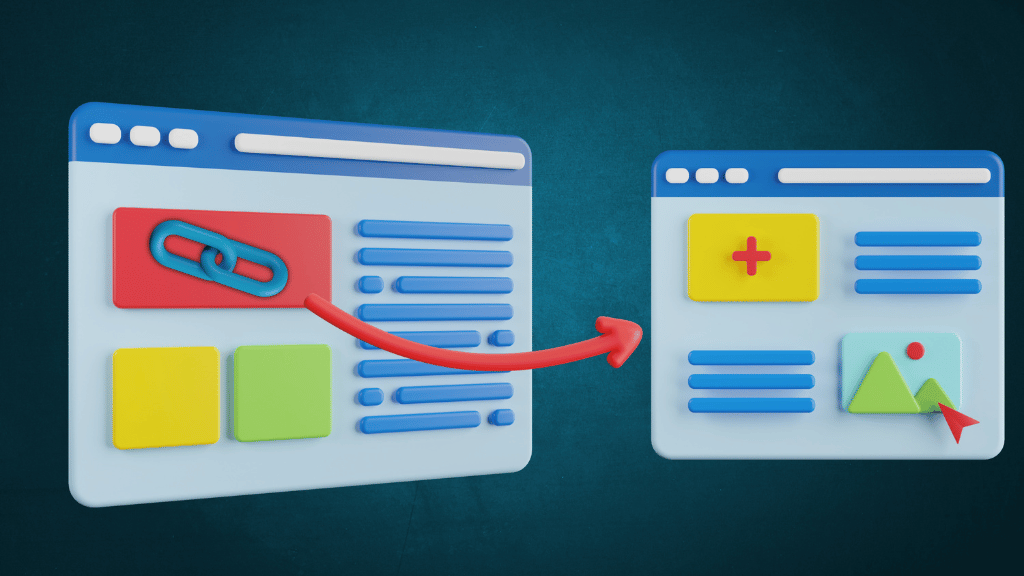
Comment and Forum Backlinks

Leaving comments on relevant blog posts and participating in online forums can be a way to earn backlinks to your site, but it’s important to approach this tactic carefully. Avoid leaving spammy or irrelevant comments just for the sake of getting a link – instead, focus on providing genuine value and contributing to the conversation.

When leaving comments or forum posts, be sure to use your real name and link to a relevant page on your site, rather than just dropping a generic homepage link. And always follow the community guidelines and best practices for each platform you participate on.

7. Niche Edits Backlinks
Niche Edits Backlinks

Niche edits involve finding existing articles on other websites in your niche and suggesting edits or additions that include a link back to your own content. This can be an effective way to earn contextual links from relevant, high-authority sites.

To find niche edit opportunities, use search operators like “keyword+ write for us” or “keyword+ become a contributor” to find sites that accept guest posts or article submissions. Then, pitch ideas for how you could improve or expand on their existing content while naturally incorporating a link to your own site.

8. Press Release Backlinks
Press Release Backlinks

Distributing press releases can be a way to earn backlinks from news sites and other high-authority domains. However, it’s important to approach press release link building carefully, as overusing this tactic or including too many self-serving links can come across as spammy.

To maximize the SEO value of your press release links, focus on crafting newsworthy, informative releases that provide genuine value to readers. Use anchor text sparingly and naturally, and only include links to your most relevant and valuable content.

9. Social Media Backlinks
Social Media Backlinks

While social media links are typically nofollow, they can still be valuable for driving traffic and increasing your brand visibility. Regularly sharing your content on social media platforms like Twitter, LinkedIn, and Facebook can help you reach new audiences and encourage more people to link to your site.

To get the most value from your social media efforts, be sure to optimize your profiles with relevant keywords and information about your brand. Engage with other users in your industry, share their content as well as your own, and participate in relevant conversations and discussions.

10. Directory Backlinks
Directory Backlinks

Online directories can be a source of backlinks, but it’s important to be selective about which directories you submit your site to. Focus on reputable, well-established directories that are relevant to your niche, rather than submitting to every directory you can find.

When creating your directory listings, be sure to fill out your profile completely and accurately, using relevant keywords in your title and description. And avoid using exact-match anchor text in your links, as this can come across as spammy to search engines.

11. Image Backlinks

Whenever you use images in your content, you have an opportunity to earn backlinks by making those images available for others to use and share. By creating high-quality, informative images like infographics, charts, and diagrams, you can encourage other sites to use your images in their own content and link back to your site as the source.

To maximize the link building potential of your images, be sure to optimize them with relevant file names and alt text. You can also create an “Image Credits” or “Image Licensing” page on your site that outlines how others can use and credit your images.

12. Video Backlinks

Similar to images, videos can also be a valuable source of backlinks for your site. By creating informative, engaging videos and hosting them on platforms like YouTube and Vimeo, you can encourage other sites to embed your videos in their content and link back to your site.

To get the most SEO value from your video backlinks, be sure to optimize your video titles, descriptions, and tags with relevant keywords. You can also include a link to your site in the video description or comments, and use annotations or cards to drive traffic back to your site.

13. Paid Backlinks
Paid Backlinks

While buying backlinks is generally considered a black hat SEO tactic, there are some legitimate ways to use paid link building to boost your search rankings. For example, you could sponsor a relevant industry event or conference in exchange for a link on their website, or pay to have your content featured in a reputable industry publication.

The key to using paid backlinks effectively is to focus on quality over quantity, and to make sure any paid links you acquire are from reputable, relevant sources. Avoid link schemes or low-quality link farms, as these can actually harm your SEO in the long run.

14. Edu and Gov Backlinks
Edu and Gov Backlinks

Backlinks from educational (.edu) and government (.gov) websites are considered some of the most authoritative and valuable links you can earn. These sites are typically seen as highly trustworthy and credible, so a link from one of these domains can give your site a significant SEO boost.

To earn .edu and .gov backlinks, look for opportunities to partner with educational institutions or government organizations on research projects, events, or other initiatives. You can also create valuable resources like case studies or whitepapers that these organizations may want to link to and reference.

15. Unlinked Brand Mentions

Sometimes, other websites may mention your brand or products without actually linking to your site. These unlinked brand mentions represent an opportunity to reach out and request a link.

To find unlinked brand mentions, you can use tools like Google Alerts or Mention.com to track online mentions of your brand name or key products. Then, reach out to the site owner or author and politely request that they add a link to your site.

16. Podcast Backlinks
Podcast Backlinks

Appearing as a guest on relevant industry podcasts can be a great way to earn high-quality backlinks to your site. Most podcasts have a website where they post show notes and links to resources mentioned in each episode, so by being featured on a podcast, you can often earn a backlink from their site.

To find podcast guest opportunities, research popular podcasts in your niche and reach out to the hosts with a pitch for why you would be a valuable guest. Be sure to have a compelling topic or story to share that will be of interest to their audience.

17. Testimonial Backlinks
Testimonial-Backlinks

If you’re a satisfied customer of a particular product or service, consider leaving a testimonial on their website in exchange for a link back to your own site. Many companies are happy to feature customer testimonials on their site, and will often include a link to the customer’s website as a way of saying thanks.

To maximize the SEO value of your testimonial backlinks, be sure to write a genuine, detailed review that highlights the specific benefits and features of the product or service. And if possible, try to include a relevant keyword or two in your anchor text.

18. Footer links

Footer links are links that appear in the footer section of a website, often alongside copyright information or other legal disclaimers. While footer links are not as valuable as contextual links within the body of a page, they can still be a useful part of a well-rounded link building strategy.

To earn footer links, look for opportunities to partner with other businesses or organizations in your industry on co-branded content, events, or other initiatives. You can also consider sponsoring a relevant charity or non-profit organization in exchange for a footer link on their site.

19. Badge Backlinks

Badge backlinks are links that come from displaying a badge or icon on your site that links back to another website.

For example, you might display a badge indicating that your site is “Google Analytics Certified” or “BBB Accredited“, with a link back to the respective organization’s site.

To earn badge backlinks, look for reputable organizations or programs in your industry that offer badges or certifications. Then, follow their guidelines for displaying the badge on your site and linking back to their site.

20. Influencer-Generated Backlinks

Influencer-Generated Backlinks

Partnering with influencers in your industry can be a powerful way to earn high-quality backlinks and drive traffic to your site. By collaborating with influencers on content, product reviews, or other initiatives, you can tap into their engaged audience and earn valuable links back to your site.

To find influencer partnership opportunities, research popular influencers in your niche and reach out with a proposal for how you could work together. Be sure to offer something of value to the influencer, such as free products, exclusive content, or compensation for their time and effort.

FAQ’s:

What is an Example of a Backlink?

A backlink is any link from another website that points back to your own site. For example, if a popular industry blog writes a post about your latest product launch and includes a link to your website, that would be considered a backlink.

What Type of SEO Are Backlinks?

Backlinks are a key component of off-page SEO, which refers to optimization techniques that take place outside of your own website. By earning high-quality backlinks from other reputable sites, you can improve your search engine rankings and drive more organic traffic to your site.

What Type of Backlinks Can Be Built to Your Website?

There are many different types of backlinks you can build to your website, including editorial links, guest post links, broken link replacements, directory links, social media links, and more. The key is to focus on earning high-quality, relevant links from authoritative sites in your industry.

How Many Backlinks Per Month are Good for SEO?

There’s no magic number of backlinks you need to earn each month for SEO success. The quality and relevance of your backlinks are much more important than the quantity. That said, a good goal to aim for is earning a few high-quality backlinks each month from reputable sites in your niche.

Which is the Most Powerful Type of Backlink?

The most powerful type of backlink is an editorial link from a high-authority, relevant website in your industry. These links are earned naturally when other sites choose to link to your content because they find it valuable and informative, and they can give your search rankings a significant boost.

Which Backlink is the Least Important in SEO?

The least important type of backlink for SEO is a low-quality, irrelevant link from a spammy or untrustworthy site. These types of links can actually harm your search rankings and should be avoided at all costs.

What Makes a Backlink High-Quality?

A high-quality backlink is one that comes from a reputable, authoritative website that is relevant to your industry or niche. The link should be contextual, meaning it appears within the body of a relevant piece of content, rather than in a footer or sidebar. And the anchor text should be natural and descriptive, rather than stuffed with keywords.

How Often Should I Audit My Backlink Profile?

It’s a good idea to audit your backlink profile at least once a quarter to ensure that you’re not being penalized for any low-quality or spammy links. Use tools like Ahrefs or SEMrush to analyze your backlink profile and identify any links that may be harming your SEO. Then, take steps to have those links removed or disavowed.

Can Backlinks from New Websites Benefit My SEO?

Backlinks from new websites can benefit your SEO by diversifying your link profile, increasing domain authority, and driving traffic. They add credibility and authority to your site, signaling its relevance to search engines.

Are Backlinks from Social Media Effective?

Backlinks from social media can be effective for driving traffic and enhancing brand visibility. While they may not directly impact SEO rankings, they contribute to a diverse backlink profile. Maintaining an active social presence can foster engagement and potentially attract natural backlinks.

How to Recover from a Penalty Due to Toxic Backlinks?

To recover from a penalty due to toxic backlinks, start by identifying and removing the harmful links. Submit a disavow file to Google, requesting the removal of these links. Focus on building high-quality, relevant backlinks to restore your site’s credibility.

Conclusion

Building a high-quality backlink profile is crucial for SaaS companies to improve search rankings and drive organic traffic.

By focusing on the 20 types of backlinks outlined in this guide, you can create a well-rounded link building strategy that earns valuable links from authoritative sites. Prioritize quality over quantity, and regularly audit your backlink profile to avoid penalties.

At VH-info, our team of experts specializes in helping SaaS companies build high-quality, authoritative backlink profiles that deliver results. Contact us today to create a customized plan that drives traffic, boosts rankings, and helps you stand out in the competitive online marketplace.