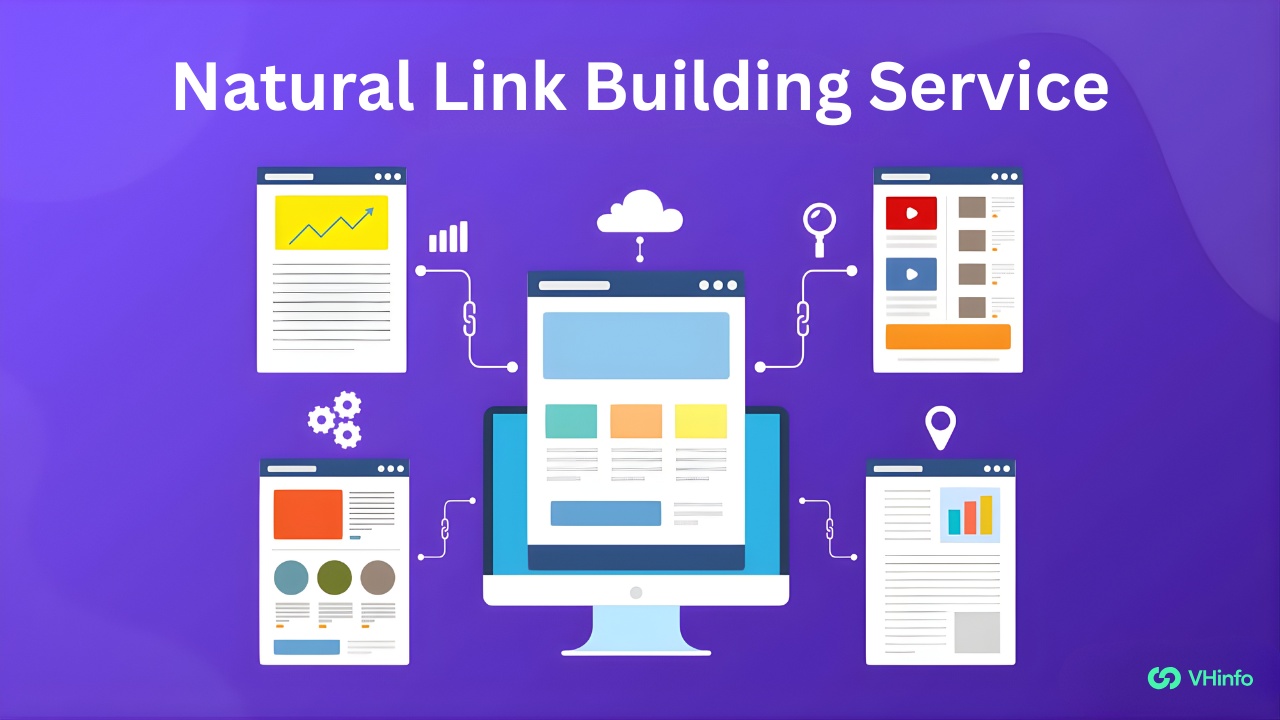
How to Get Backlinks: Essential Tips and Techniques

As a link-building agency ourselves, we know more than anyone else that building a good backlink profile is important for boosting your site’s authority and rankings.

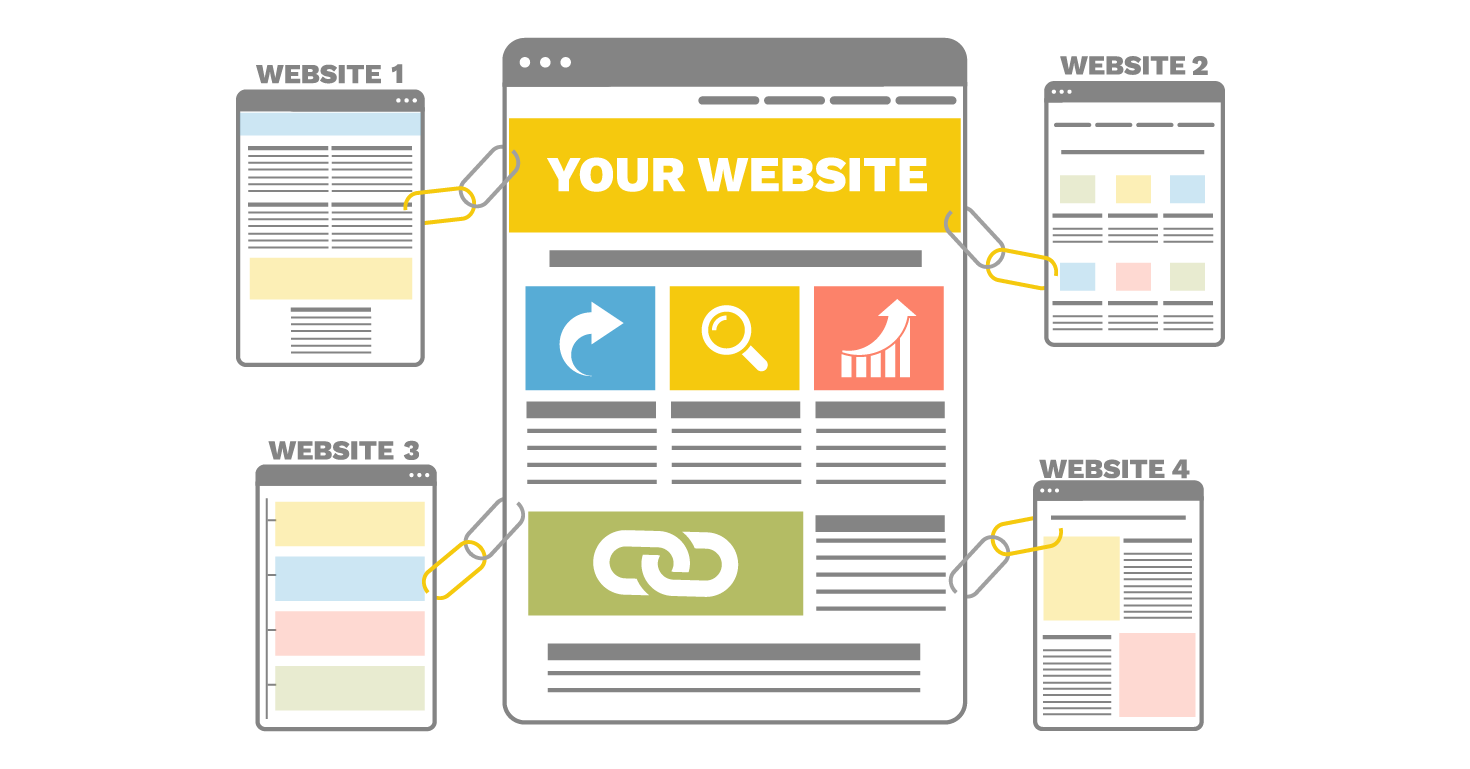
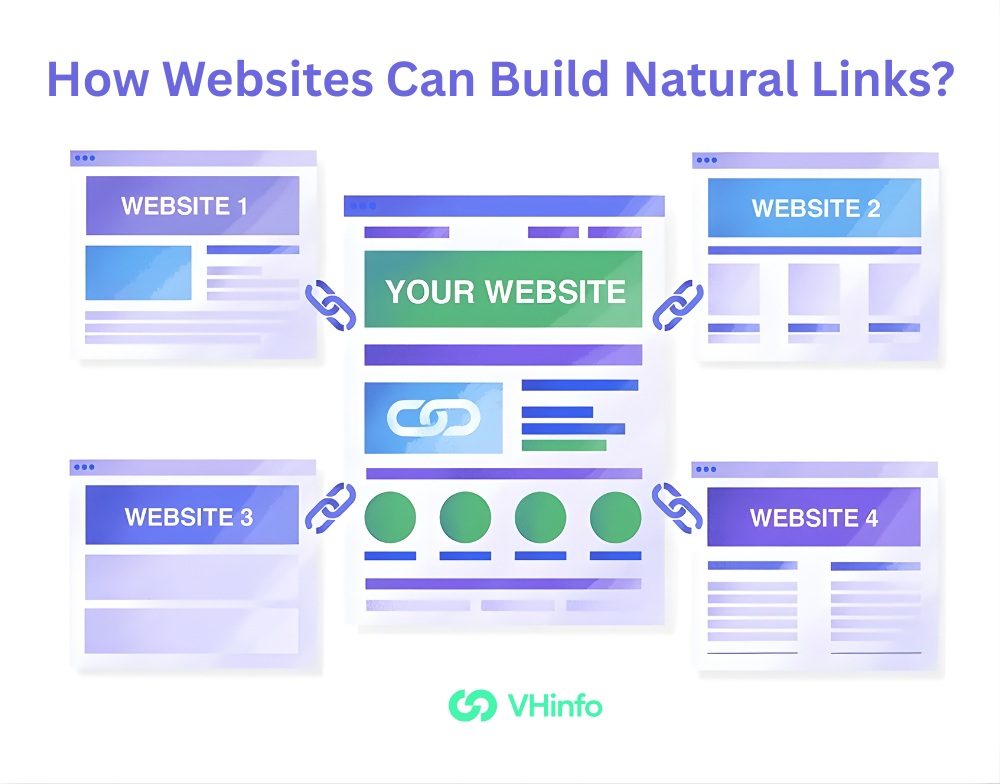
Backlinks, or links from other websites to yours, act as votes of confidence for your content. They show search engines that your site is trustworthy and relevant.

A strong backlink profile includes factors like link quality and quantity, linking sites’ authority, and content relevance. The more quality backlinks you have, the better your site will rank in searches and attract more visitors. Knowing how to get backlinks is crucial for enhancing your site’s SEO and visibility. Companies like Vh-info for SaaS Company can help with this process.

In this blog, we will look at tips for getting backlinks to your website. We’ll talk about guest blogging, content marketing, and using brands and influencers. Creating quality content, doing original research, and using tools are crucial for building backlinks effectively.

How to Get Backlinks?
How to Get Backlinks?

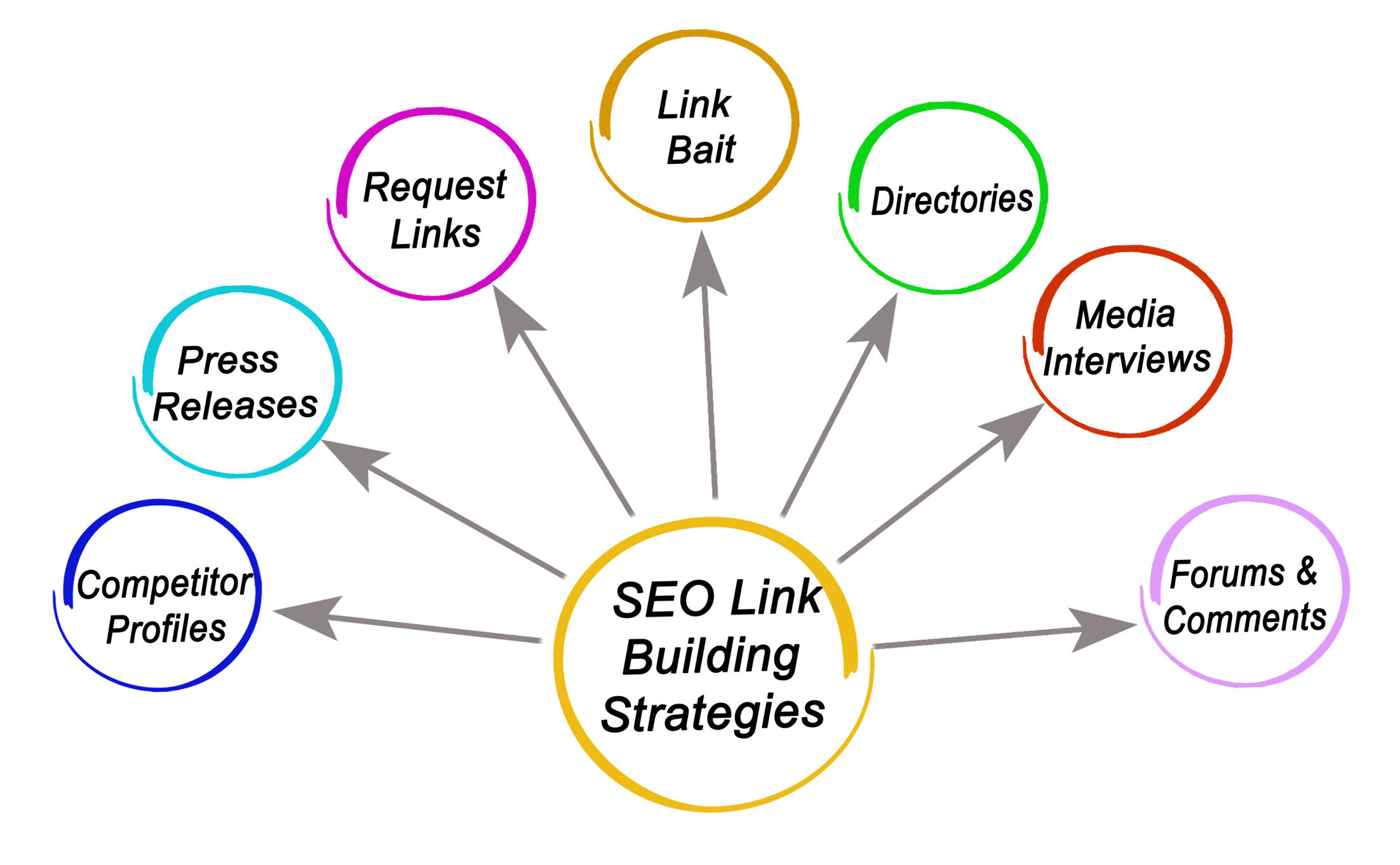
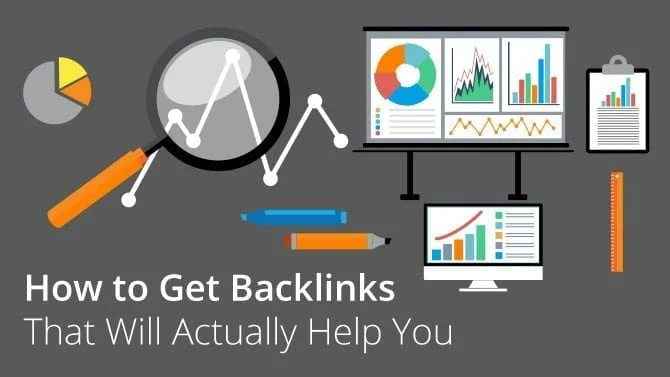
To get backlinks to your website, you can employ various link building strategies. Services like Vh-info specialize in these techniques.

Ask To Guest Blog

A great way to get good backlinks is by doing guest blogging. This means writing posts for other websites and putting links back to your own content when it makes sense.

Guest blogging is good because it helps you get backlinks naturally. It’s also good for the websites you write for because they get new ideas for their blog and more content without much work.

To do guest blogging well, look for websites that accept guest posts and are related to what you do. Also, try to publish on sites that have a good reputation online, as this will make your backlinks more valuable. Websites with a higher domain authority are better because they have a higher chance of showing up in search engine results.

Another simple way to build backlinks is by asking to guest blog on relevant websites. This allows you to share your content with a new audience and gain valuable backlinks in the process.

Ask Your Partners/Distributors/Suppliers

If you work closely with a business or are a trusted supplier, you can ask them to link to your website.

Because you already have a good relationship with them and offer valuable services, they’ll likely be happy to link back to your site.

Many businesses have a partner page where they list their connections. If your link isn’t there yet, it’s a simple request that can quickly get you a trustworthy backlink.

Ask For Credit Where Credit Is Due

If someone uses your work or mentions your brand without linking back to your site, don’t hesitate to reach out and politely ask for the credit you deserve. This is a simple yet effective way to gain backlinks without extensive outreach campaigns. When you notice that someone has referenced your content or products, a friendly email requesting acknowledgment can often result in a new backlink.

Leverage Brands And Influencers To Share Your Products Or Services

To get more people interested in your product or service, work with bloggers or influencers in your industry.

You can ask them to review what you offer. If they like it, they’ll talk about it and link back to your website.

You might need to give them your product for free or pay them, depending on their level of influence.

You can also set up affiliate links with them. This means they’ll get a commission whenever someone clicks on their link and buys from you.

It takes more effort to do this, but the people who come to your site through these links are usually more interested in what you offer, so they’re more likely to buy from you.

Create High-Quality Content That’s Link-Worthy

Creating good content that people want to link to is important for SEO and getting backlinks.

Your content should be interesting, helpful, and valuable so others will link to it naturally. Make sure your content connects with your audience, encouraging them to share it on social media and other sites.

To do this well, focus on making well-researched pieces that offer new ideas or solutions. Use pictures and videos to make it more appealing. By using the right keywords and knowing what your audience likes, you can create content that meets their needs.

Also, adding links within your content can show how much you know. Consistently sharing good content helps you get backlinks, increase site traffic, and become a trusted source in your field.

Having quality content that people want to link to is crucial for building a strong backlink profile and improving your site’s visibility in search results.

Create Engaging Visual Content

Visuals like images and videos attract backlinks. People prefer images, so they engage and share more. Create appealing graphics to get other sites to link to yours. Visuals can go viral on social media, boosting your links.

Use simple terms like ‘social shares‘ in visuals for SEO. ALT text with keywords helps in search ranking. Good visuals improve user experience and boost backlinks. Make visuals informative, engaging, and unique for better results.

Publish Original Research

Publishing new studies helps get more backlinks and boost your website’s authority. Creating unique research establishes you as an expert, attracting good backlinks. This also boosts your site’s visibility in searches, drawing more organic visitors.

Using terms like “organic traffic” and “domain authority” can improve your research’s impact. Monitoring your study’s performance with tools like Google Analytics gives useful feedback on link-building efforts.

To succeed in building links through research, focus on making engaging content that connects with your audience. This will establish your site as a top resource in your field, bringing in quality backlinks consistently.

Publish a Skyscraper Content

Publish a Skyscraper Content

To boost your backlinks, try the Skyscraper Technique.

This means creating top-notch content that surpasses similar ones. Check social media, backlinks, and search results to find improvement areas. Great content with extra info attracts backlinks, boosting site authority.

Use tools like Site Explorer to find linking domains and competitors’ tactics. Focus on high-authority sites and create linkable content for better links. Highlight your content’s value in outreach to get backlinks from reputable sources.

The Skyscraper Technique improves backlinks, organic traffic, and SEO performance by creating a superior type of content that stands out among competitors. Being consistent with quality content establishes your site as an industry leader.

Prove Your Site Is Legitimate

Prove Your Site Is Legitimate

Successful link building involves proving your site’s trustworthiness to potential link providers. A trustworthy website builds credibility, making it appealing for others to link back.

To do this, ensure your site looks professional, is easy to navigate, and has contact information visible. Use trust signals like security badges and customer feedback to show visitors your site is genuine. Showing awards or certifications can also boost your site’s credibility in your field.

Another way to prove your site’s credibility is by sharing social proof like user reviews and case studies. Positive feedback can increase confidence in your brand and encourage more links.

Updating content regularly, staying active on social media, and interacting with your audience can further establish your site’s legitimacy online. Being transparent, knowledgeable, and dependable will improve your backlink profile and attract quality links from trusted sources.

Build A Useful Free Tool

Creating a helpful tool can get you backlinks. The tool should offer value to users, so websites link to it. Tools like calculators or widgets attract links and showcase your site as an expert. Making a free tool also boosts social media shares and mentions, increasing visibility and links.

Promote the tool on social platforms to maximize exposure and earn quality backlinks. Using free tools in link building enhances your website’s authority and organic traffic growth.

Use Citations

By adding references to your content, you boost credibility. References back up the info you share.

Using reputable sources signals to search engines that your content is trustworthy, boosting your website’s authority and backlinks. These references also improve the reader’s experience by providing more information for them to explore further.

Including citations in your content is an SEO practice that attracts quality backlinks naturally. Referencing other websites’ work may encourage them to link back to yours. Use relevant citations to enhance your SEO efforts.

Strategic citation implementation strengthens link building and boosts visibility in search results.

Use Help a Reporter Out (HARO)

Use Help a Reporter Out (HARO)

One way to get backlinks is by using Help a Reporter Out (HARO).

HARO lets journalists ask for expert opinions. You can sign up on HARO, answer queries, and get valuable backlinks from published articles. This helps you get good links and shows you as an expert in your field, boosting your credibility online.

HARO helps you connect with writers looking for content, making it a smart way to build links. Through HARO, you can feature in many publications and reach new audiences, getting backlinks from top sites that improve your SEO.

Make Your Pitches Short

Crafting clear and strong messages is essential for building links. Short pitches increase success chances. Distilling your message concisely helps site owners understand quickly.

Short messages show respect for time and attention, encouraging engagement. Using simple terms improves communication effectiveness.

In the digital age, being brief is crucial for capturing interest and getting backlinks. Embrace simplicity in outreach to boost link building efforts.

Leverage Public Relations

Leverage public relations to get more backlinks. Use press releases, outreach, and media relationships to boost your backlink profile. PR helps gain visibility and credibility, attracting others to link to your content. Create interesting stories to catch journalists’ eyes. Show expertise in your field for more backlink chances. Share valuable content that connects with your audience and online community.

Do an Original Study

Making a new study can help you get backlinks. Do keyword research and find a high-volume keyword that is relevant to your niche.

Use this keyword to create a unique and data-driven study on a current topic. Share your study on social media to reach more people and attract backlinks from journalists and bloggers.

Create an Infographic or Original Image

Create an Infographic or Original Image

Making a fun image attracts backlinks. Visual content resonates on social media, increasing visibility and backlink chances.

Make appealing content that shares niche info, showing value. Infographics can be linkable assets for other sites. Eye-catching images draw traffic and attention. Use platforms like Pinterest or Instagram to expand reach.

Ensure visuals are valuable for sharing, and don’t forget to include them in your email marketing campaigns.

Once you have created an infographic or original image, post it on your own website and share it on social media platforms to reach a broader audience and increase your chances of getting backlinks.

Create A Roundup Or “Ask the Experts” Blog Post

Featuring a blog post with insights from experts helps attract backlinks. Gather opinions from industry experts on a topic to create valuable content.

This diverse perspective is likely shared widely, establishing your website as a go-to resource. Collaboration with niche experts expands your network and audience reach. Their contributions encourage sharing, increasing visibility and credibility for your brand.

This approach strengthens industry relationships and enhances your website’s authority. It signals to search engines the value of your content through quality backlinks, aiding in efficient link acquisition.

Mine For Broken Links

Mine For Broken Links

To get backlinks, search for broken links on other websites. Find sites with broken links and suggest your content as a replacement. This helps the site owner while giving you a valuable backlink. This method uses broken link building, a proven tactic to gain backlinks.

By offering solutions, you show expertise and connect with site owners. Improving their content increases chances of them linking back to your site. This benefits both sites, enhancing credibility and link profiles.

Finding broken links is a good way to build relationships and boost your site’s authority and visibility in search results. Tools like Moz’s Site Explorer can help find broken link opportunities for outreach campaigns.

Write Testimonials for Other Websites

One way to get backlinks is by writing testimonials for other websites. Giving positive feedback can lead to a link to your site.

Testimonials help create backlinks and credibility while building relationships in your industry. They also bring more visitors to your site. Writing genuine testimonials for similar websites can create new link opportunities.

Link Externally and Then Reach Out
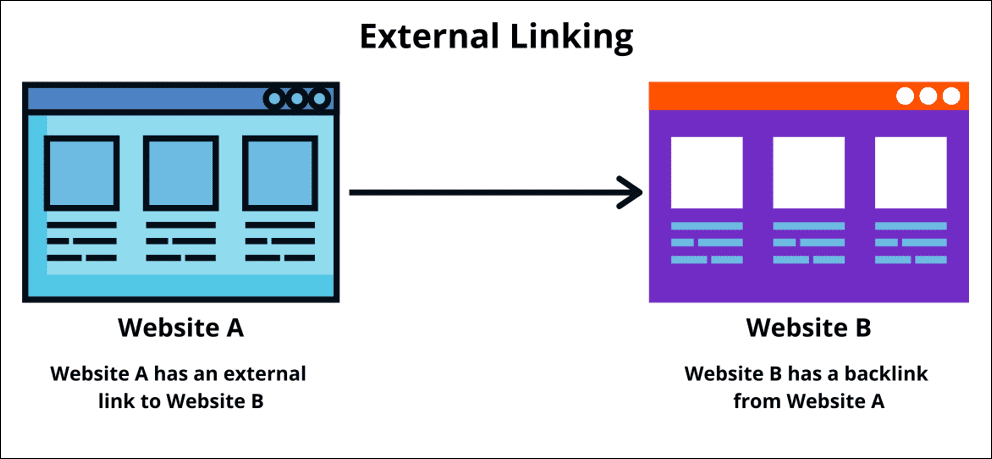
Link Externally and Then Reach Out

When building links, one way is to link to other websites and then contact them. Start by finding relevant websites where you can naturally connect your content to theirs. Adding links to trusted sources benefits readers and shows search engines your content is well-supported.

After adding these links, reach out to the site owners or webmasters you linked to. Let them know you mentioned their content and ask if they would link back to your site. This outreach can help you get valuable backlinks from sites already aware of your content.

Developing relationships like this can create chances for future collaboration and improve your link building strategy.

Comment On Other Relevant Blog Posts

Engage with relevant blog posts by commenting to build relationships and potentially earn backlinks. Provide valuable insights in comments to showcase expertise, attracting site owner and reader attention.

By participating, you demonstrate knowledge and establish credibility. Leaving thoughtful comments on blogs can drive traffic back to your website if readers find them interesting. This increases visibility and helps create industry connections.

Add value to conversations, avoid spam or irrelevant comments, and engage consistently for maximum benefits. Actively participate, offer meaningful input to enhance online presence, and create backlink opportunities.

Align Social Signals

Aligning social signals is important for improving backlinks. Social media shows your content’s relevance and popularity.

Sharing on social media boosts website visibility and credibility. Social signals attract more traffic and engagement to your content. Recognition on social platforms leads to more shares and links from other sites, expanding your reach.

To optimize social signals, create shareable content that connects with your audience. Add social media buttons to encourage sharing. Engage with your audience to build a community and attract quality links. Using social signals can enhance your online presence and drive valuable traffic to your site.

Why Should You Know How to Get Backlinks?

Backlinks can help your website rank better on Google. Having more backlinks means Google sees your site as more trustworthy and important.

To get on the first page of Google, you usually need a lot of backlinks. Even the websites in the ninth and tenth positions have thousands of backlinks.

That’s why it’s important to start getting backlinks as soon as possible.

Drive More Traffic to Your Website

Drive More Traffic to Your Website

Backlinks help increase website traffic. Other sites linking to yours can bring more visitors. Quality backlinks mean more referral traffic, visitors from external sources like backlinks.

Use tools like Google Analytics to monitor website traffic. Track how backlinks affect visitor count. Analyze data to see which sources bring most visits and conversions.

More backlink traffic boosts brand visibility, expands customer base, and leads to increased conversions for business success.

Increase Your Domain Authority

Increase Your Domain Authority

Domain strength indicates how strong and trusted your website is based on good backlinks.

Trustworthy sites’ backlinks enhance domain strength, gaining search engines’ trust and improving rankings. To boost domain strength, seek diverse natural links, avoiding harmful spammy links.

Monitor progress and identify areas for improvement using tools like Moz’s Site Explorer or Ahrefs.

Enhancing domain strength can increase online visibility and attract more visitors organically.

Build Relationships with Other Websites

Build Relationships with Other Websites

It is crucial to establish connections with other websites and bloggers to gain backlinks and grow your online network. Developing meaningful relationships with website owners can improve the chances of obtaining valuable backlinks.

Engaging with industry peers and participating in online communities can help you discover potential opportunities for link building. Interact with other websites through comments, shares, and discussions to create connections and foster trust. Guest posting is a valuable strategy for forming relationships and securing backlinks.

Boost Brand Awareness

Boost Brand Awareness

Backlinks help make your brand more visible online. When sites link to your content, they show their audience your brand. Getting backlinks from trustworthy sources expands your reach and boosts brand visibility.

Backlinks are like votes of confidence in your content. To increase brand awareness through backlinks, connect with respected sites and influencers. Make valuable content that others want to share.

Use tools like Google Alerts to track mentions of your brand online. Engage with sites mentioning you without linking. Ask for a backlink to improve visibility and attract customers.

Writing the Pitch to Get Your Backlink

A crucial aspect of link building is crafting a personalized pitch for backlinks. Include the site owner’s name, email address, and refer to their content in your emails. Use basic SEO terms like anchor text and propose a mutual partnership.

Offer to promote their content as well and follow up politely. Remember, quality is more important than quantity for building backlinks. Enhance your backlink profile and increase website traffic by mastering persuasive pitches.

FAQ’s:

What Makes a Good Quality Backlink?

A good quality backlink originates from a reputable and relevant source, has anchor text that reflects the linked content, and is embedded within contextual content. It adds value to the linked page and comes from a site with high domain authority.

How Long Does It Take to See the Impact of New Backlinks?

Typically, the impact of new backlinks on search engine rankings can be seen within a few weeks to a few months. Factors like the quality of backlinks, website authority, and search engine algorithms influence the timeline. Patience is key when waiting for the effects to materialize.

Can I Buy Backlinks Safely?

To improve your website’s credibility, it’s best to earn backlinks organically through creating valuable content and fostering genuine relationships with other websites. Buying backlinks can lead to penalties from search engines, affecting your site’s ranking. It’s safer to focus on ethical methods for obtaining backlinks. Working with a reputable link building service like Vh-info can ensure you follow best practices.

Conclusion

In summary, learning how to get backlinks is important for improving your website’s visibility and reputation.

By using specific methods, you can attract good backlinks that boost traffic, increase domain authority, build partnerships, and raise brand awareness.

Understanding how to get backlinks strategically gives you an advantage online, ensuring a solid presence and wider reach.

Craft interesting pitches, make shareable content, and use different strategies to get those valuable backlinks that push your website forward. Begin applying these methods now and see your online impact expand greatly.
Link Building For SEO: What is it, Why is it Important & Strategies

Link building is a crucial aspect of SEO that can significantly impact your SaaS company’s online visibility and search rankings.

At Vh-info, we understand the unique challenges faced by SaaS businesses in the competitive digital landscape. Our experienced team specializes in developing customized link-building strategies tailored to your specific needs, helping you acquire high-quality backlinks from authoritative websites within your industry.

By partnering with Vh-info, you can leverage our expertise to improve your website’s authority, drive organic traffic, and attract more potential customers. We focus on creating valuable content and building relationships with relevant websites to earn natural, high-quality backlinks that search engines like Google value.

Our holistic approach to link building, combined with other SEO best practices, can help boost your website’s search rankings and establish your SaaS company as a trusted authority in your niche.

If you’re here just to learn link building for SEO, by all means – let’s get started!

What is Link Building in SEO?

What is Link Building in SEO?

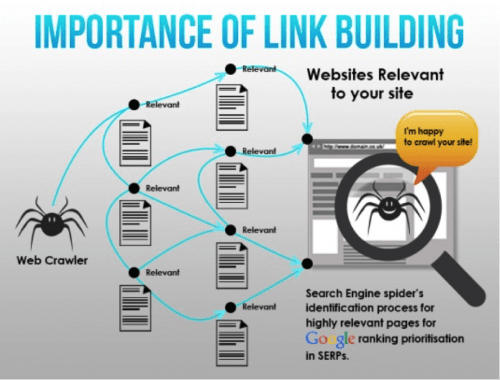
Link building is important for SEO. It means getting links from other sites to yours. Backlinks, or these links, show your site’s credibility and affect search rankings positively. They are like votes for your site’s trustworthiness. When a website links to yours, search engines consider it reliable and relevant. Accumulating many high-quality backlinks increases your site’s chances of ranking higher on search results pages.

Anchor text is the clickable text in a link that indicates the linked page’s content. Using relevant keywords in anchor text can boost linked pages’ visibility and rankings. Backlink quality counts. Search engines assess the value of a backlink by checking the linking page’s authority and relevance. A backlink from a trustworthy site holds more weight than one from a low-quality site. Quality backlinks come naturally from reputable sources instead of manipulative methods.

A successful link strategy involves locating relevant sites that might link to your content using tactics like outreach, creating content, and building relationships. The goal is to obtain quality backlinks from respected sites in your industry.

Remember, link building is continuous work. Creating a varied and natural link profile requires time and dedication. Getting good backlinks consistently can boost a site’s authority, visibility, and search traffic.

To stay visible online, consider Vh-info’s Link Building Services for SaaS Companies. Contact us now to enhance your online presence and SEO rankings.

Why Link Building is Important for SEO?

Why Link Building is Important for SEO?

Link building is crucial for SEO because it directly impacts a website’s search rankings, domain authority, and organic traffic.

Here are some reasons why link building is important for SEO:

  1. Search Rankings: Backlinks are one of the top-ranking factors for search engines like Google. Websites with a strong and diverse backlink profile tend to rank higher in search engine results pages (SERPs). Quality backlinks signal to search engines that your website is reputable and relevant, leading to improved visibility and higher search rankings.
  2. Domain Authority: Domain authority is a metric that predicts how well a website will rank in search engine results. It is influenced by various factors, including the quality and quantity of backlinks. Websites with a high domain authority are more likely to rank higher in SERPs and attract more organic traffic.
  3. Organic Traffic: High-quality backlinks from authoritative websites can drive significant organic traffic to your website. When other websites link to your content, it increases your website’s visibility and exposure to a wider audience. Increased visibility can result in higher click-through rates and ultimately drive more organic traffic to your website.
  4. Referral Traffic: Backlinks not only contribute to better search engine rankings but also generate referral traffic. When users click on a backlink from another website, they are directed to your website, resulting in referral traffic. Referral traffic from relevant and authoritative websites can lead to increased brand exposure, conversions, and potential customers.
  5. Brand Mentions: Along with direct backlinks, brand mentions can also contribute to a website’s SEO and online reputation. When other websites mention your brand without linking to it, it still creates brand awareness and signals to search engines that your brand is being recognized and discussed in your industry.

How to do Link Building?

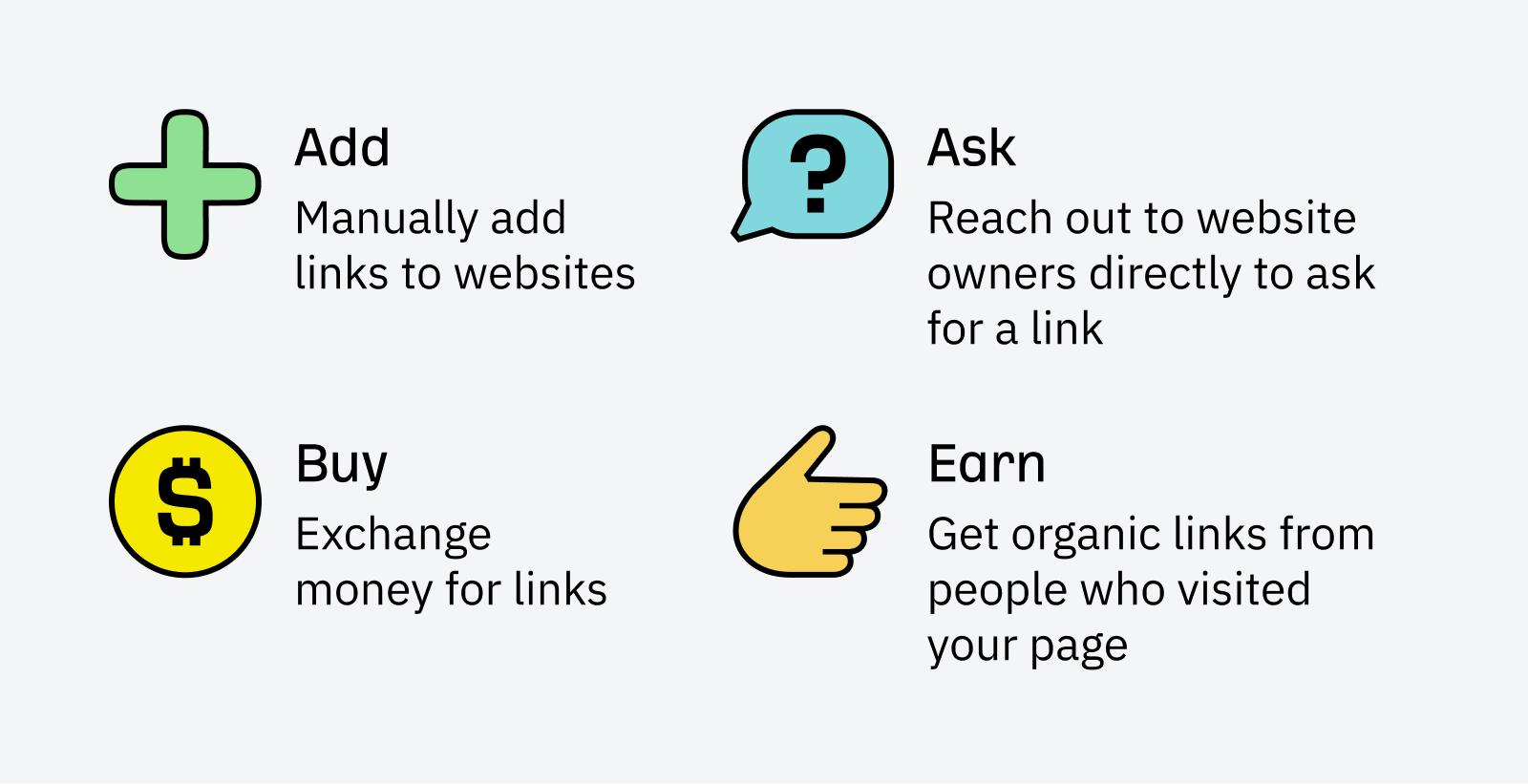
Link building can be done through various strategies and techniques. Some common approaches include asking for links, adding links to your own content, and earning links through valuable content.

Asking for links involves reaching out to website owners and asking them to link to your content. This can be done through email outreach and building relationships with relevant websites.

Adding links involves internally linking within your own content, as well as adding external links, both of which are important kinds of links for SEO, to authoritative sources.

Earning links is achieved by creating valuable content, such as infographics, original research and data studies, calculators, and free tools, that naturally attracts links from other websites.

How To Build Links?

How To Build Links?

Most ways to get links for a website fit into one of three categories.

Ask for Links

When you ask for links, you reach out to a website and request them to link back to your site.

You can ask them to link to various things like blog posts, detailed guides, ebooks, visual materials such as infographics, case studies, original research, and more.

To help you find potential websites to ask for links, you can use Semrush’s Link Building Tool.

Add Links

Adding links means going to another website and putting your link there by yourself.

For example, you can put your links in:

  • Your social media profiles
  • Business directories
  • Forums, communities, and sites where people ask and answer questions (like Quora)
  • Comments on blogs
  • Your user profile pages on websites

And more.

But note: Adding links like this is one of the simplest ways to build links, but it might not be very effective.

These links often come from not-so-good sources. These are the kinds of sources that Google doesn’t give much importance to.

Why? Because you put these links yourself, sort of promoting yourself.

That’s not what Google likes when it decides which websites should rank higher.

Also, because you put these links yourself (you didn’t ask someone else to link to you), they don’t have as much value as other types of links.

While these links won’t really help you much, they won’t harm you either.

The best thing is to earn your links instead of adding them yourself.

Earn Links

When you earn links, other websites link to yours without you asking them to.

The best way to earn links is by making really good content that people want to link to.

Links happen naturally when someone finds something helpful or wants to share it as a useful resource.

Here are some types of content that people often link to:

  • Visual Stuff like Infographics, Charts and Diagrams.
  • Research and Data that you made yourself, like industry studies or surveys.
  • Online Tools and Calculators.
  • Detailed Guides and Tutorials.

And More.

You can get ideas for what content to make by looking at the links your competitors have.

How Else Can Link Building Benefit My Business?

How Else Can Link Building Benefit My Business?

Link building can benefit your business in several ways beyond just improving your website’s ranking and getting more organic traffic.

  1. Firstly, when you create something new and exciting, like a revolutionary product or an exceptional piece of content, you naturally attract links to your website. This happens because people want to share or reference what you’ve done, not because you were aiming to get links. These kinds of activities, like creating great products or content, indirectly lead to more links.
  2. Secondly, link building involves building relationships with other websites and blogs in your industry. This outreach helps you connect with key influencers and experts, which can boost your business’s reputation and trustworthiness. These relationships can turn into advocates for your brand, which is valuable beyond just getting links.
  3. Thirdly, links from popular websites can also bring in referral traffic, meaning more people visit your site through those links. If these visitors are interested in what you offer, they could become potential customers, leading to more leads and sales.
  4. Lastly, good link building can help establish your brand as an authority in your niche. Techniques like creating valuable content can showcase your expertise, making your brand more recognizable and respected. Tools like Brand Authority™ can help you understand your brand’s strength and guide your link building strategy effectively.

So, link building isn’t just about SEO; it’s about building relationships, driving traffic, and strengthening your brand’s reputation and authority in the industry.

Best Link Building Strategies

Best Link Building Strategies

Link building is an important aspect of search engine optimization (SEO) that involves acquiring hyperlinks from other websites to your own website.

Here are some effective link building strategies that can help improve your website’s search engine rankings:

  1. Create High-Quality Content: Producing valuable, informative, and engaging content is the foundation of a successful link building strategy. When you create outstanding content, other websites will naturally want to link to it as a reference.
  2. Guest Posting: Contributing guest posts to reputable and relevant blogs or websites in your industry can help you earn high-quality backlinks. Look for opportunities to write guest posts and include a link back to your website within the content.
  3. Broken Link Building: This technique involves finding broken links on other websites and reaching out to the website owners, suggesting your relevant content as a replacement for the broken link.
  4. Resource Link Building: Create valuable resources, such as infographics, guides, or tools, and reach out to relevant websites, offering them the resource in exchange for a link back to your site.
  5. Influencer Outreach: Identify influential individuals or websites within your industry and reach out to them, offering to collaborate or contribute content in exchange for a link back to your website.
  6. Directory Submissions: Submit your website to relevant and high-quality online directories, which can provide credible backlinks.
  7. Local Citations: If you have a local business, create listings on local business directories, online maps, and other relevant websites, which can provide valuable local citations and backlinks.
  8. Social Media Promotion: Share your content on social media platforms and engage with your audience. This can help increase the visibility of your content and potentially earn links from others sharing or referencing your content.
  9. Competitor Analysis: Analyze your competitors’ backlink profiles to identify potential link opportunities and target websites that have linked to them.
  10. Unlinked Brand Mentions: Use tools or manual searches to find instances where your brand or website has been mentioned without a link, and reach out to the website owners to request a backlink.

How Does Link Building Help Your SEO Strategy?

How Does Link Building Help Your SEO Strategy?

Link building is crucial for your SEO strategy because it helps search engines understand that your website is trustworthy and valuable.

When high-quality websites link to your site, it acts as a vote of confidence, signaling to search engines that your content is worth ranking higher.

The more authoritative backlinks you have, the better your chances of improving your search engine rankings and driving more organic traffic to your website.

However, it’s essential to focus on earning links naturally through great content and outreach rather than engaging in any manipulative tactics.

Link Building Tools

Link Building Tools

Here are some popular and useful link building tools:

  1. AhrefsProvides detailed backlink analysis, competitor research, and site audits to identify link building opportunities.
  2. Semrush Offers backlink analysis, competitor tracking, and a useful link building tool to find prospects.
  3. Moz Link ExplorerHelps discover new link opportunities, track your links, and monitor competitor backlinks.
  4. MajesticProvides comprehensive backlink data and tools for link analysis and prospecting.
  5. LinkResearchTools Offers a suite of tools for backlink monitoring, prospecting, and outreach management.
  6. BuzzStream A popular outreach and link building tool that helps streamline the process of finding prospects and managing campaigns.
  7. Hunter.io A powerful tool to find email addresses of website owners and influencers for outreach.
  8. Check My Links A browser extension that helps find broken links on websites, which can be used for broken link building.

These tools can assist you in various link building tasks, such as finding link prospects, analyzing competitors’ backlinks, conducting site audits, managing outreach campaigns, and monitoring your link profile.

Link Building in SEO Examples

Here are some examples of effective link building tactics in SEO:

  1. Guest Posting: Example: A travel blogger reaches out to popular travel websites and offers to write high-quality guest posts related to their niche. In exchange, they request a contextual link back to their blog within the author bio or the content itself.
  2. Broken Link Building: Example: A website selling eco-friendly products identifies relevant websites that have broken links to resources about sustainability. They create a comprehensive guide on the topic and reach out to the website owners, suggesting their guide as a replacement for the broken link.
  3. Resource Link Building: Example: A web design agency creates an interactive infographic detailing the latest web design trends and best practices. They then reach out to relevant blogs and websites in the design industry, offering the infographic as a valuable resource in exchange for a link back to their site.
  4. Local Citations: Example: A local plumbing company ensures its business is listed on popular online directories like Google My Business, Yelp, and Angie’s List. These citations often include a backlink to the company’s website, helping with local SEO.
  5. Competitor Analysis: Example: A marketing agency analyzes the backlink profiles of their top competitors using tools like Ahrefs or Semrush. They identify websites that have linked to their competitors and reach out to those sites, pitching their own relevant content or services as a potential link source.
  6. Unlinked Brand Mentions: Example: A software company uses a tool like Mention or BuzzSumo to find instances where their brand or product has been mentioned on other websites without a link. They then contact the website owners, politely requesting that they add a link back to the company’s site.

These examples illustrate how link building can be implemented in various niches and industries, leveraging different tactics to earn high-quality backlinks that can improve a website’s search engine rankings and organic traffic.

FAQ’s:

Is Link Building Good For SEO?

Yes, link building is extremely good for SEO. When high-quality websites link to your site, it signals to search engines that your content is valuable and trustworthy. This helps improve your website’s search engine rankings, driving more organic traffic to your pages.

How Many Links Do You Actually Need?

There’s no definitive number of links you need, as it depends on various factors like your industry, competition, and website age. However, a general rule of thumb is to focus on acquiring a consistent stream of high-quality links from relevant and authoritative websites rather than chasing a specific link count.

What Should You Do To Get Links?

To get links, create high-quality content that naturally attracts links, reach out to relevant websites for guest posting opportunities, and build relationships with influencers in your industry. Additionally, monitor your brand mentions and look for chances to get backlinks from websites that have already referenced your business.

Can Link Building Improve Website Traffic?

Yes, effective link building can significantly improve website traffic. When your site earns high-quality backlinks from authoritative sources, it helps boost your search engine rankings. This increased visibility means more people are likely to find and visit your website through search results.

When Should a Business Pursue Link Building as Part of its Online Marketing Strategy?

A business should pursue link building as part of its online marketing strategy right from the start. Building quality backlinks is an ongoing process that takes time, and the sooner a business starts, the sooner it can reap the benefits of improved search engine visibility and increased website traffic.

What Are Some Common Mistakes To Avoid When Engaging In Link Building For SEO?

Some common mistakes to avoid when engaging in link building for SEO are purchasing low-quality links, participating in link schemes or networks, and using manipulative tactics like excessive link exchanges or comment spam. These practices can lead to search engine penalties and harm your site’s rankings.

How Can Social Media Platforms Be Utilized For Effective Link Building In SEO?

Social media platforms can be effectively utilized for link building in SEO by actively sharing valuable content, engaging with your audience, and building relationships with influencers in your industry. When your content gets shared and referenced by others, it can naturally lead to earning high-quality backlinks.

Are There Any Ethical Concerns To Consider When Implementing A Link Building Strategy For SEO?

Yes, there are ethical concerns to consider when implementing a link building strategy for SEO. Avoid any deceptive or manipulative tactics like buying links or participating in link schemes, as these violate search engine guidelines and can lead to penalties. Focus on earning links naturally through high-quality content and outreach.

Is Link Building Becoming Dead For SEO?

No, link building is not becoming dead for SEO. While search engines are cracking down on spammy and manipulative link building tactics, earning high-quality backlinks from authoritative and relevant websites is still a crucial ranking factor that can improve user experience.

As long as you focus on building links through ethical means like creating great content and building relationships, link building will remain an important part of SEO.

Conclusion

Link building plays a crucial role in boosting your website’s authority and SEO rankings.

By strategically acquiring backlinks from reputable sources, you can enhance your site’s credibility and visibility. It is essential to focus on quality over quantity when building links and follow ethical practices to avoid penalties from search engines.

Implementing effective link building strategies can drive organic traffic to your site and improve your overall online presence. Utilizing link building tools and staying updated on best practices in the industry can help you leverage this powerful SEO technique to its full potential.

Link Building Tactics: Tried and Tested Strategies

Link building is an integral part of any successful SEO strategy. It involves acquiring hyperlinks from other websites to your own, with the aim of improving search engine rankings and driving organic traffic.

In this blog, we will explore tried and tested link-building tactics that can help you build high-quality backlinks and boost your online presence. These strategies have been proven to be effective in increasing visibility, driving more organic traffic, and improving search engine rankings.

What Is a Link Building Strategy?

What Is a Link Building Strategy?

Link building strategies are methods used by marketers and SEOs to encourage other websites to create links back to their own website.

For Example: Imagine you have a store that sells camping stuff online. You write a helpful article about staying safe while camping.

Other websites that talk about safety might put a link to your article on their site so their readers can learn more about camping safety from you. This helps your website show up better in search engines and increasing the good chance of gaining more customers.

Why Are Link Building Strategies So Important?

Why Are Link Building Strategies So Important?

Link building helps websites rank higher in search results by getting other sites to link to yours. When someone searches online, search engines like Google consider various factors to determine which sites to display first.

One crucial factor is the number of links pointing to your site. If reputable camping sites link to your gear store, Google views your site as trustworthy and important, boosting its visibility in search results. Quality links also enhance user accessibility.

When respected sites link to yours, it indicates trust in your content, which builds user trust and increases site visits and product purchases.

How To Create Your Link Building Strategy?

How To Create Your Link Building Strategy?

Creating a link building strategy starts with understanding your website and audience.

  1. Analyze Your Site: Figure out what your site is good at and where it needs improvement. Decide if you need more backlinks or better keyword research.
  2. Know Your Audience: Learn about the people who visit your site. What are they interested in? How do they search for things?
  3. Audit Your Content: Find pages that other sites might want to link to. Focus on informative content, not just product pages.
  4. Identify Target Sites: Make a list of sites that match your content and audience. Prioritize them based on relevance and authority.

Remember, link building takes time, so set long-term goals for your strategy to see results.

Best Backlink Building Strategies

Best Backlink Building Strategies

There are numerous ways to build links, but here are a few of the most successful methods.

Outreach

Outreach

Outreach is a good strategy for getting links. It involves contacting website owners or bloggers to ask for a backlink. To succeed, research well and personalize your messages.

Here are some tips for successful outreach:

  1. Identify your target audience and find relevant sites or blogs in your industry.
  2. Write a convincing email explaining why your content fits their audience.
  3. Personalize each email to show you understand their site.
  4. If you don’t get a reply, send a friendly reminder.
  5. Be patient as link building through outreach takes time.

Broken Link Building

Broken Link Building

Broken link building is a great tactic. Find broken links on other sites. Replace with your link. The strategy helps both site owners. Broken links hurt user experience and SEO.

Start broken link building by:

  1. Find relevant sites in your industry.
  2. Use tools to find broken links on them.
  3. Create good content to replace the link.

Reach out politely to site owners. Offer value and explain benefits. Monitor progress and follow up as needed. It takes time but yields quality backlinks and boosts visibility. Help site owners while gaining backlinks for yourself.

Create Linkable Assets

Create Linkable Assets

Creating content that attracts backlinks is a powerful link building tactic. A linkable asset is valuable content that other sites want to link to.

To make linkable assets:

  1. Pick topics your audience finds valuable.
  2. Create detailed, well-researched content with solutions.
  3. Use visuals like infographics or videos for engagement.
  4. Share on social media and reach out via email. You can also use a link shortener to make URLs more manageable and track clicks effectively.
  5. Track performance and update as necessary.
  6. Though time-consuming, creating linkable assets can boost backlinks and enhance your website’s authority in the industry.

Find Unlinked Brand Mentions

Find Unlinked Brand Mentions

Unlinked mentions happen when other sites talk about you but don’t link back. This is a chance to get valuable links.

To find unlinked mentions:

  1. Search for your brand using tools or search engines.
  2. Find sites that mentioned you without linking back.
  3. Ask them nicely to add a link to your site.
  4. Explain how the link benefits readers.
  5. Keep track of your requests and follow up if needed.

Examine Competitor Backlinks

Examine Competitor Backlinks

Analyzing your rivals’ backlinks helps find link building chances.

To check competitor backlinks:

  1. Find main industry competitors.
  2. Use tools to study their backlinks.
  3. Check if links are relevant and good.
  4. Contact linking sites offering your content.
  5. Explain your content’s value.

This process finds link opportunities, boosting visibility, SEO rankings, and online presence.

Make Your Website More Visible

Make Your Website More Visible

Creating good content is key to making your website more visible and a good fit for other websites to link to. Make engaging posts regularly for users and search engines. Use keywords well in your posts to be found easily. Share posts on social media for more views and visitors. Have a strong SEO plan with link building strategies. Quality backlinks from trusted sites raise site credibility, leading to better visibility and traffic.

Keep Track Of Your Links

Keep Track Of Your Links

By monitoring your links, you can assess the effectiveness of your link building efforts and identify areas for improvement.

Utilize tools like Google Search Console or third-party software to track the performance of your backlinks. Keep an eye on the quality and relevance of the sites linking to you, as well as the anchor text used. Regularly check for any broken links or lost backlinks that need attention.

Monitoring your links allows you to adapt your strategy based on what is working and what isn’t. This proactive approach ensures that your link building campaign is always optimized for the best possible results.

Share Your Content on Forums

Share Your Content on Forums

Engage in forums to improve link building. Share valuable content in relevant forums to attract the right audience.

Participate actively and offer insightful comments to establish authority and boost brand awareness. Share valuable content with a link back to your website for added value. Forums allow direct interaction for building organic links effectively.

Be consistent in forum engagement for industry visibility and credibility.

Try Link Reclamation

Try Link Reclamation

Link Reclamation is fixing broken links pointing to your website. Identify broken links using tools like Google Search Console or backlink analysis tools. Contact referring websites to update the links. This tactic recovers lost backlinks and strengthens your website’s backlink profile.

Managing links proactively boosts your website’s SEO performance. Implementing link reclamation helps regain backlinks, enhancing your site’s authority and credibility with search engines. Don’t ignore this strategy; it quickly improves your link building efforts.

Backlink Gap Analysis

Backlink Gap Analysis

A backlink gap analysis involves comparing the backlink profiles of your website and your competitors’ websites to identify opportunities for acquiring high-quality backlinks.

Steps to do a backlink check:

  1. Find main competitors.
  2. Use tools to compare links.
  3. Check number and quality of links.
  4. Find sites linking to rivals but not you.
  5. Contact these sites with your content.
  6. Show value and benefits of your content.

This check helps find link gaps, improves visibility, and boosts search rankings for your site.

Consider Guest Blogging

Consider Guest Blogging

Guest blogging is a valuable link building tactic where you write content for another website in your niche, often in exchange for a backlink to your site. It helps in establishing your authority, expanding your reach to a new audience, and gaining valuable backlinks.

When considering guest blogging, ensure the platform is relevant to your niche and has a good domain authority. Write high-quality content with relevant anchor text to maximize the SEO benefits.

Guest posting on reputable sites can significantly boost your website’s credibility and organic traffic. It’s essential to follow Google’s guidelines and focus on creating value for the readers rather than just link building.

Guest blogging remains a popular and effective strategy in building quality backlinks and enhancing your online presence.

Focus on Passive Links

Focus on Passive Links

One good way to build links is by focusing on passive links.

Passive links are created naturally without active outreach. Producing valuable content for your audience can help you get passive backlinks.

These links are seen as more natural and can boost your site’s authority and search rankings. Keep creating engaging content to attract links naturally.

Passive links demonstrate your content’s value, enhancing your link building efforts. Monitor these links regularly to ensure they come from reliable sources and benefit your backlink profile.

Include Infographics

Include Infographics

Infographics are a powerful tool in link building strategies. They visually represent data or information in an engaging way, making complex ideas easier to understand and share.

By including infographics in your content, you increase the likelihood of earning quality backlinks from other websites. Infographics are highly shareable on social media platforms, driving traffic back to your site and improving your link building campaign’s success.

When creating infographics, ensure they are relevant to your target audience and provide valuable insights. Including your website’s logo or URL on the infographic can also help with brand awareness and generating more referral traffic.

Infographics can be a great way to attract links naturally, as other websites may use them to enrich their own content, thus creating more opportunities for link building.

Target Resource Pages

When you create informative and original content, you attract pages seeking valuable resources to share your post.

This approach is particularly effective for content focused on beginner-level “how-to” and “what is” subjects.

Such posts are typically comprehensive, covering all essential aspects of a topic.

Once you’ve made your resourceful post, you can begin searching for websites with resource pages that might link to it.

Create Roundup Posts

Roundup posts offer valuable inspiration to readers, covering topics from money-saving tips to hair styling ideas. What makes them even more appealing is their shareability, much like many other link building strategies.

When crafting a roundup post, it’s beneficial to move beyond just linking to your own content and include links to other reputable websites. This approach can lead to those websites sharing your article with their audience, especially if your content is of high quality.

Consider Newsjacking

Consider Newsjacking

Newsjacking is a digital PR strategy used for link building. It involves spotting opportunities in the news and creating relevant content with your own insights, while also promoting your or your client’s work.

This tactic is effective because more people are likely searching for topics related to current news, which helps establish your expertise and trustworthiness, especially if credible sources are involved.

However, staying updated with industry news, podcasts, and roundups is crucial, as news stories typically have a short lifespan of 24-72 hours.

Newsjacking can be applied across various industries, such as finance and lifestyle. The key is to stay informed about current events and connect them to your content.

For instance, if your client sells mattresses and there’s news about the importance of quality sleep for mental health, you can create a post highlighting how their mattress impacts sleep quality.

To enhance your chances of earning links to your newsjacking content, outreach efforts can be directed towards news websites that would be interested in covering your story.

Create Surveys

Have you ever wondered how a small company’s survey goes viral? Surveys can be tricky because they take time and may not always yield relevant results. However, when they succeed, the rewards can be substantial.

Survey content is effective for several reasons:

  1. It provides genuinely unique and organic data.
  2. You can ensure that your questions directly relate to your brand’s offerings.
  3. Data can be segmented by demographics for more targeted insights.

Journalists are interested in covering stories that captivate their audience. Therefore, the main takeaway from your survey should be attention-grabbing.

Collaborate With Opinion Leaders

To improve link building, collaborating with opinion leaders, also known as link builders, is key. They have influence in different fields and can help get quality backlinks. Being linked with respected people not only boosts credibility but also increases visibility among your audience. Involving them in your content draws organic traffic and builds industry relationships.

Their support can introduce your site to new users and secure valuable backlinks. Partnering with influencers enhances link building and boosts brand reputation online. This strategy offers lasting benefits for link building efforts.

Release Data Studies

Releasing data studies is a powerful link building tactic. Conduct original research, present findings in a study to establish yourself as a thought leader. Promote studies on social media and reach out to relevant websites and influencers for quality backlinks.

Conduct City Studies

City studies in link building mean looking at link opportunities in different places. By researching cities online, you can find insights to make location-based content strategies. Knowing each city well helps customize link campaigns for local audiences. These studies show how to get links based on what people in various cities like.

Link Building Strategies To Avoid

Link Building Strategies To Avoid

Link building is an important part of search engine optimization (SEO), but it’s essential to use ethical and white-hat strategies to avoid penalties from search engines like Google.

Here are some link building strategies that you should avoid:

  1. Buying Links: Purchasing links or participating in link schemes where you exchange money for links is considered a violation of search engine guidelines and can result in severe penalties.
  2. Link Farms and Link Networks: These are networks of websites created solely for the purpose of exchanging links or selling links. Links from these sources are considered low-quality and can harm your website’s rankings.
  3. Automated Link Building Software: Using software or services that automatically create links on various websites or leave comments with links is considered spammy and can lead to penalties.
  4. Low-Quality Directory Submissions: Submitting your website to low-quality, spammy directories that accept any website without editorial review is generally a waste of time and can potentially harm your rankings.
  5. Comment Spam: Leaving comments on blogs or forums solely for the purpose of including a link back to your website is considered comment spam and should be avoided.
  6. Excessive Link Exchanges: Exchanging links with other websites excessively or participating in excessive link exchange programs can be seen as an attempt to manipulate rankings and should be avoided.
  7. Hidden Links: Hiding links on your website using techniques like tiny font sizes, positioning links off-screen, or using CSS to hide links is considered deceptive and can result in penalties.
  8. Cloaking and Redirects: Cloaking involves showing different content to search engines than what users see, while redirects can be used to send search engines and users to different pages. Both practices are considered deceptive and should be avoided.

FAQ’s:

Is Link Building Hard?

Link building can be challenging, as it requires a well-planned strategy, significant effort, and time investment.

However, with the right approach and consistent effort, link building can lead to significant success in terms of improved organic traffic, search engine rankings, and brand visibility.

Is Link Building Dead?

Link building is not dead. While search engines like Google continuously update their algorithms, high-quality backlinks remain an important ranking factor. However, link building strategies must adapt to changing SEO guidelines and focus on relevance, quality, and ethical practices.

How Do You Run a Link Building Strategy?

To run an effective link building strategy, focus on creating high-quality content that other websites will naturally want to link to. Reach out to relevant websites and bloggers in your industry, offering to write guest posts or suggesting partnership opportunities.

Building relationships and providing value is key to earning high-quality backlinks over time. Don’t forget to regularly analyze your competitors’ backlinks and use their strategies as inspiration for your own new content. After you create new content, refer to the Link Building Tool outreach process as needed to continue building links organically.

How Often Should You Review Your Link Building Strategy?

You should review your link building strategy every 3-6 months. This allows you to analyze what’s working, what’s not, and make adjustments based on the latest search engine updates and industry best practices.

How To Identify High-Quality Sites for Backlinking?

To identify high-quality sites for backlinking, look for websites with a strong domain authority, relevant content, and an active audience in your industry. Check for sites that are regularly updated, have a good reputation, and align with your brand values.

Are Guest Posts Still a Viable Link Building Strategy?

Yes, guest posting on relevant, high-authority websites is still a viable link building strategy. However, the focus should be on providing valuable, well-researched content rather than just trying to acquire backlinks. Quality over quantity is key for successful guest posting.

What Are The Most Effective Link Building Tactics For Improving SEO?

Some of the most effective link building tactics for improving SEO are creating high-quality content that naturally attracts links, guest posting on authoritative sites in your industry, and building relationships with influencers and other relevant websites for collaboration opportunities. The key is to focus on earning links through genuine, valuable efforts rather than manipulative tactics.

How Do You Create High-Quality Backlinks Through Link Building Tactics?

To create high-quality backlinks through link building tactics, focus on producing outstanding content that naturally attracts links from authoritative sites. Engage with other websites and influencers in your industry to build relationships and explore opportunities for guest posts, content collaborations, or other link-worthy partnerships.

Are There Any Ethical Concerns Associated With Certain Link Building Tactics?

Yes, there can be ethical concerns with certain link building tactics. Buying links, participating in link schemes, or using automated software to generate links is considered unethical according to Google’s webmaster guidelines and can lead to search engine penalties. It’s important to focus on earning high-quality links through legitimate means like creating valuable content and building relationships.

How To Avoid Penalties In Link Building Campaigns?

Here are some key strategies to avoid penalties in your link building campaigns:

  1. Focus on quality over quantity: Build links gradually and naturally from high-quality, relevant websites. Avoid link schemes or buying large quantities of low-quality links, as this can trigger penalties.
  2. Diversify your link profile: Aim for a natural mix of different types of links, like editorial links, mentions, and directory listings. Having too many links of one type, especially exact-match keyword anchor text links, looks unnatural.
  3. Prioritize relevance: Links from websites and pages that are topically related to yours are seen as higher quality in Google’s eyes. Irrelevant links from spammy or off-topic sites are more likely to be penalized.
  4. Use branded anchor text: Using your brand name, URL, and natural phrases as anchor text is safer than repeatedly using exact-match keywords. Over-optimized anchor text is a common spam signal.
  5. Avoid link exchanges and private blog networks (PBNs): Excessive reciprocal linking or using a network of sites to cross-link is seen as a link scheme and against Google’s guidelines. Stick to one-way links.
  6. Earn links with great content: Creating link-worthy content that naturally attracts editorial links is the safest long-term strategy. Avoid self-generated links in guest posts, forums, blog comments, etc. Use content marketing strategies and do outreach emails to the right people.
  7. Monitor your backlink profile: Use tools to regularly audit your link profile and look for any suspicious or low-quality links. Disavow spammy links to avoid “guilt by association.”
  8. Stay within Google’s guidelines: Familiarize yourself with Google’s Webmaster Guidelines and avoid any manipulative tactics like cloaking, sneaky redirects, or automatically generated content.

The key is to focus on gradually earning relevant, natural links from quality sites, rather than taking shortcuts or using schemes to quickly inflate your link profile. Prioritizing quality, relevance and diversity over quantity is the best way to build links that improve your rankings without risking penalties. Staying within Google’s guidelines and periodically auditing your links will help you maintain a clean, penalty-free link profile.

How Can Social Media Be Leveraged In Link Building Tactics?

Here are some ways social media can be leveraged in link building:

Firstly, sharing valuable content on social media can attract attention and engagement from your target audience. By creating and sharing informative and engaging content, you can increase the chances of others linking to it. When your content is shared on social media, it increases its reach and visibility, which can lead to more backlinks.

Secondly, engaging with your audience on social media can help build relationships and generate backlinks. By responding to comments, answering questions, and participating in conversations, you can establish yourself as an authority in your industry and increase the chances of others linking to your content.

Thirdly, social media platforms offer the opportunity to connect with influencers and industry leaders. By building relationships with influencers, you can increase the chances of them sharing and linking to your content. Collaborating with influencers on social media can also help increase your brand visibility and generate backlinks.

Conclusion

In conclusion, implementing effective link building strategies is crucial for enhancing your website’s visibility and authority.

By focusing on outreach, creating linkable assets, and leveraging guest blogging opportunities, you can significantly improve your backlink profile.

It’s essential to avoid unethical practices and prioritize quality over quantity when pursuing backlinks to mitigate the risk of penalties. Regularly reviewing and adjusting your link building strategy ensures its continued effectiveness in improving your SEO rankings.

To stay ahead in the digital landscape, consider collaborating with industry opinion leaders, producing data studies, and engaging in newsjacking to attract valuable links to your site.

How Many Backlinks Do I Need to Rank: A Complete Guide

Backlinks are one of the cornerstones of search engine optimization (SEO).

They act as endorsements from other websites, indicating to search engines that your content is valuable and should be ranked higher in search engine results pages. Google, in particular, places significant emphasis on the quality of backlinks, considering them as one of the top ranking factors in its algorithm.

While backlinks are important, determining the exact number of backlinks needed for effective ranking is not an exact science.

It depends on various factors that are unique to each website, such as the competitiveness of the niche, the authority of the website, the quality of the content, and the authority of the backlinks.

At Vh-info, we understand the importance of backlinks and have a team of experts who conduct research to help our clients find the right solutions for their websites.

In this complete guide, we will explore the factors that influence the number of backlinks needed to rank, as well as strategies to acquire high-quality backlinks.

Do You Need Links To Rank?

Do You Need Links To Rank?

Yes, backlinks are still crucial for ranking in search engines. While there is some debate about the exact importance of backlinks in Google’s algorithm, they remain one of the top ranking factors. Google uses complex algorithms to evaluate the quality and relevance of backlinks.

How Many Backlinks Do I Need to Rank?

To rank well, aim for around 40-50 backlinks to your homepage and up to 100 backlinks for each page. Remember, quality beats quantity; one strong PR9 backlink is more valuable than ten weaker PR1 links. So focus on getting high-quality backlinks to improve your SEO performance.

How Many Backlinks Do You Need to Build?

The number of backlinks you need to build depends on your goals. For brand awareness and PR, focus on getting many quality, relevant links. If your goal is ranking, aim to build more links than your competitors. However, tools like SEMRush or Ahrefs may show inflated metrics, so it’s crucial to analyze link quality rather than just quantity for effective SEO.

How Many Backlinks Does a Website Need To Rank On The First Page Of The Google Search Results?

How Many Backlinks Does a Website Need To Rank On The First Page Of The Google Search Results?

Ranking on the first page of Google’s search results requires a combination of factors, including the number and quality of backlinks. While there is no specific number of backlinks that guarantees first-page rankings, studies have shown that top-ranking pages tend to have more backlinks than lower-ranking pages.

According to a study by Ahrefs, pages that rank in the top 10 search results have an average of over 35,000 backlinks. However, it’s important to note that this is just an average and the number of backlinks needed can vary depending on the competitiveness of the keyword and the authority of the website.

5 Steps to Determine the Number (and Quality) of Backlinks You Need to Rank

Steps to Determine the Number (and Quality) of Backlinks You Need to Rank

I’ll guide you through the process of choosing backlink targets and figuring out the quantity and quality of links required for immediate ranking and ongoing competitiveness in search engine results.

Step 1. Identify Your Highest Priority Backlink Targets

To figure out the backlinks needed, begin by identifying top sites in your niche that attract your audience. Look for popular blogs or news websites where your audience frequents.

Select sites with high trustworthiness (domain authority) to improve your site’s ranking. Quality backlinks are crucial; prioritize them over quantity.

Make a list of these key sites and their contact details for future link-building efforts. Focus on a few strong backlinks rather than numerous weak ones.

Identify important backlink sources that align with your niche, have high domain authority, and appeal to your target audience.

Step 2. Review SERP Data

To find out how many backlinks you need to rank, first check the search results for your keyword. Study the top pages’ backlink profiles for guidance on what you’ll need. Search your keyword on Google to see the top pages and study their backlinks. Note how many they have, their quality, and where they come from.

Here is an example of a text table to help you analyze the backlink profiles of the top-ranking pages:

Ranking Position

Page URL

Number of Backlinks

Quality of Backlinks

1

www.example.com/page1

100

High

2

www.example.com/page2

80

Medium

3

www.example.com/page3

50

Low

By analyzing the SERP data, you can get a better understanding of the number and quality of backlinks you will need to rank effectively. This information can help you set realistic goals for your link building efforts.

Step 3. Review Competitor Backlink Profile

The next step to know how many good backlinks you need is studying your top competitors’ backlinks.

Find who competes with you online and sees what links they have. This helps set your targets.

Look at the number, quality, and variety of websites linking to them to understand what you need.

Also, see if these links are from blogs, news sites, or specific niche platforms to plan your strategy.

Step 4. Assess Domain Rating Distributions

To figure out how many backlinks you need, consider the domain rating (DR) breakdown in your niche. Domain rating gauges website credibility and power. Sites with higher ratings positively impact your website’s ranking.

Use Ahrefs or Moz tools to identify good sites for backlinks based on their domain ratings. Seek out highly rated websites since search engines trust them, boosting your site’s ranking.

Assessing domain ratings helps target suitable sites for backlinks, focusing on high-rated ones to boost your site’s authority. This process is crucial in determining your required quality backlinks.

Evaluating domain ratings in your niche is essential to grasp the necessary backlink quantity. High-rated sites hold authority, enhancing your rankings when linked from them.

Step 5. Determine Link Velocity Targets

To figure out how many links you need, look at your link growth rate. This means how quickly you get new links. It’s crucial to grow your links steadily and naturally to keep your website ranking well.

Think about your website’s situation and what you can manage when setting link goals. Slowly building links is safer. Try to keep a stable pace of link growth to prevent sudden changes.

Have practical goals for continuous link building success. The quality and regularity of links are vital. Decide on achievable aims according to your site and capabilities for better outcomes. Slowly increasing links is most effective for success.

Proven Strategies to Acquire Backlinks

Proven Strategies to Acquire Backlinks

Acquiring high-quality backlinks is an essential part of any successful SEO strategy.

Here are some proven strategies to help you acquire backlinks:

  1. Blogger Outreach: Engage with influential bloggers in your industry and offer them valuable, unique content that would resonate with their audience. This can lead to backlinks and expose your brand to a wider audience.
  2. Creating High-Quality Content: Produce exceptional, insightful, and easily shareable content that provides value to your target audience. High-quality content tends to attract organic backlinks naturally.
  3. Leveraging Guest Posts: Contribute guest posts to reputable blogs or websites in your industry. This not only secures valuable backlinks but also showcases your expertise and extends your brand’s reach.
  4. Competitor Link Building: Analyze the backlink profiles of your top competitors and identify potential backlink opportunities. Target websites that are linking to your competitors and offer them valuable content or partnership opportunities.
  5. Niche Edits: Insert backlinks into existing, high-quality articles on other websites. This strategy capitalizes on the SEO value of content that search engines have already indexed and ranked favorably.

These strategies have proven to be effective in acquiring high-quality backlinks. Remember to focus on building backlinks from reputable and authoritative websites in your niche. Quality outweighs quantity when it comes to backlinks.

How Many Backlinks Per Month Are Safe?

For a safe and effective backlink strategy, focus on quality over quantity, aiming for around 10 high-quality backlinks per month for new websites and 40-50 for established ones. Avoid manipulative practices and build rapport with industry experts to earn backlinks. Monitor your backlink growth rate and ensure backlinks are indexed for optimal results.

How Does My Overall Strategy Impact How Many Backlinks I Need?

Your overall SEO strategy significantly impacts the number of backlinks you need. A focused approach, targeting three to five keywords per page with low difficulty scores and aligning content with user search intent, can help you rank well with fewer backlinks. Additionally, strategically placing internal links, especially from the homepage, and gradually adding more quality internal links over time, can further boost your SEO performance without relying solely on external backlinks.

How Do I Get Backlinks to My Website?

How Do I Get Backlinks to My Website?

The number of backlinks you need can change based on your project. Aim for a few powerful links for your most relevant pages.

There are several strategies you can use to get backlinks to your website:

Create High-Quality, Original Content

Creating high-quality and original content is one of the most effective ways to attract backlinks to your website. Valuable and shareable content naturally captures the attention of other websites and encourages them to link back to your content.

When creating content, focus on providing unique insights, solving specific problems, or offering comprehensive guides in your niche. This type of content is more likely to be shared and linked to by other websites, increasing the chances of acquiring high-quality backlinks.

In addition to attracting backlinks, high-quality content also improves the overall user experience on your website and establishes your brand as an authority in your industry. This can lead to increased organic traffic and improved search engine rankings.

Get Rid of Broken Links

Broken links can harm your Google ranking. Regularly check your website for broken links using a tool. Additionally, look for broken links on other websites. Politely reach out to the website owner with a well-structured email. Compliment their content, point out the broken links, and suggest linking to your relevant content instead. This approach can help you secure valuable backlinks and improve your website’s SEO performance.

Is It Possible To Rank Without Backlinks?

Yes, it is possible to rank on Google without backlinks, especially for long-tail and less competitive keywords. The key is to create valuable, high-quality content that matches the search intent of the keyword.

Optimizing your content with tools like Clearscope and building research reports can also help improve your rankings without relying on backlinks.

However, for highly competitive keywords, backlinks might still be necessary to outrank high-authority sites. Always analyze the competition and assess whether backlinks are required for your target keywords

How Many Links are Necessary for a New Website to Rank?

For a new website to rank effectively, it is safe to start with around 10 high-quality backlinks per month, gradually increasing to 40-50 as the website becomes more established. Quality backlinks from authoritative sites are crucial, and focusing on link quality over quantity is key to improving rankings and avoiding penalties from search engines.

How Many Backlinks Each Page on Your Website Should Have?

Each page on your website should aim for around 40-50 backlinks to the homepage and 0-100 backlinks to individual blog posts for an effective backlink profile. Quality over quantity is crucial, focusing on natural, relevant, and authoritative links to avoid penalties and improve search engine rankings.

How to Create a Quality Backlink Profile?

To create a quality backlink profile, focus on developing linkable content, such as industry research, in-depth how-to guides, statistics, and local guides. Utilize the skyscraper technique by improving on top-ranking content and reaching out to websites linking to the original piece. Turn mentions into links by reaching out to websites that have mentioned your business without linking. Guest blog for relevant sites, connect with your community, and optimize anchor text naturally. Partnering with a digital marketing agency can amplify your results

Variables that Make Backlinks More Effective

It’s important to focus on quality rather than quantity and aim to maximize these variables or follow guidelines and principles that emphasize this approach.

Several variables can make backlinks more effective in improving your website’s ranking.

These include:

Trust & Authority

Trust and authority are crucial factors that make backlinks more effective in improving your website’s ranking. Backlinks from trusted and authoritative websites carry more weight and credibility in the eyes of search engines.

When good websites link to your site, search engines see your content as valuable and trustworthy. This boosts your website’s ranking. Domain authority (DA) score measures a site’s trust and authority. High DA sites positively affect your backlinks. Getting links from trusted sources boosts your backlink profile and improves search engine rankings. Aim for reputable sources to enhance trust and authority.

Content

The quality of content around a backlink matters. It makes backlinks work better. Backlinks in good, related content add value and authority to your site.

Search engines like valuable, informative, engaging content. It helps your site rank well. Create top-notch content for your audience.

Related content is key too. Backlinks from similar sites with targeted content work best. When content and backlinks match, it boosts your site’s relevance and authority.

Focus on good, relevant content to boost backlink effectiveness and improve search ranking for your website.

The Niche Your Site is In and It’s Competition

The type of site you have and how many other similar sites exist can affect backlinks. Links from related sites in your field can boost your ranking.

When search engines notice that sites like yours link to yours, it shows your site’s importance. This connection can help raise your site’s visibility.

Also, the level of competition in your field impacts backlink effectiveness. In tough markets, more quality links are needed for ranking. In easier ones, fewer may suffice.

By focusing on niche websites and competition levels, you can make backlinks work better and increase your site’s rank.

How Specific to that Niche Your Site Is

The specificity of your website to a particular niche can greatly influence the effectiveness of backlinks. Backlinks from websites that are closely related to your niche and offer targeted content tend to be more effective.

When other relevant websites link to yours, search engines notice and view your site as important. This boosts ranking and visibility in search results. To get such backlinks, create content related to your industry, attracting more credible and influential links.

Tailor your content to meet the needs of your niche audience. This approach helps draw valuable backlinks and boosts your site’s search engine ranking.

On-Page Optimization

On-Page Optimization

On-page optimization plays a crucial role in making backlinks more effective.

When your webpages are well-optimized for search engines and provide a great user experience, it enhances the impact of your backlinks.

Ensure your webpages have good on-page SEO with keyword optimization. Research and use relevant keywords naturally.

Optimize webpage structure, headings, subheadings, and internal links for better visibility. Use clear anchor text for links.

This helps search engines crawl and understand your content easily. On-page optimization boosts backlink effectiveness and website visibility in search results when paired with quality backlinks.

Anchor Text and How Natural Your Link Profile Is

Anchor Text and How Natural Your Link Profile Is

The anchor text of your backlinks and the naturalness of your link profile are important factors in making backlinks more effective.

Anchor text is the clickable text of a hyperlink. It’s crucial to use relevant and varied anchor text. Avoid overloading with keywords, as this may seem manipulative. Instead, be descriptive with your anchor text.

A good link profile has various backlinks and anchor text types. This mix shows natural link building. Make sure search engines see your links as natural, not forced.

Link Diversity

Link Diversity

Link diversity means having a good mix of different types of natural backlinks.

For example, you’d want links from guest posts, editorials, authority sites, and social bookmarks, mostly Dofollow. It’s also good to get links from educational, government, news, blogs, Web 2.0, and directories. This mix makes your link profile look natural and trustworthy to search engines.

Besides external links, internal links from powerful pages to your target page are beneficial. Also, having links to both your target page and homepage is essential for a strong link profile, so aim to boost both if you can.

FAQ’s:

Are Too Many Backlinks Bad?

Yes, too many backlinks can be bad if they are of low quality or spammy. This can lead to sudden drops in rankings, especially if they use exact-match anchor text, are from toxic or irrelevant sources, or are part of a bad-link neighborhood. Quality and relevance are crucial for backlinks; earning powerful and relevant ones from high-traffic pages is key for a successful SEO strategy.

How Many Backlinks Do Search Engines Need To Rank My Content?

There is no specific number of backlinks that search engines require to rank your content. The number of backlinks needed depends on various factors such as the competitiveness of your niche, the authority of your website, and the quality of your backlinks. It is important to focus on acquiring high-quality backlinks from relevant sources that can positively impact your website’s ranking.

How Many Backlinks Do I Need To Start Seeing Results?

The number of backlinks needed to start seeing results varies and can depend on factors like industry, keyword difficulty, and content quality. It can take at least 10 weeks for a backlink to have an effect, with the full impact potentially taking several months or even over a year

The quality of backlinks is crucial, with high PageRank scores and links from authoritative sites being more beneficialIt’s important to focus on acquiring high-quality backlinks rather than just aiming for a specific number.

Can Too Many Backlinks Hurt My Site?

Yes, having too many backlinks can potentially harm your site, especially if they are of poor quality or acquired too quickly. Search engines like Google prioritize quality and relevance over sheer quantity. A sudden surge in backlinks or links from low-quality sources can raise suspicions of manipulative tactics, potentially leading to penalties and a drop in search rankings. It’s crucial to focus on gradual, organic growth with high-quality, relevant backlinks for long-term success.

How Do I Know If a Backlink Is Of High Quality?

A high-quality backlink typically comes from a relevant and authoritative website, with the link organically placed within the content, rather than in the footer or sidebar. The anchor text should be topically relevant, and the link should provide value to the reader.

Additionally, the linking website’s backlink profile should be strong, with a diverse range of high-quality links. Tools like Ahrefs can help you analyze the quality of a backlink by assessing factors such as Domain Rating, URL Rating, and the number of referring domains

What Should I Do If I Get a Bad Backlink?

If you discover a bad backlink pointing to your website, it is recommended to take action to address it. Use Google Search Console to identify and monitor your backlinks. If you find a bad backlink, you can request its removal or use the disavow tool to tell search engines to ignore it. Removing or disavowing bad backlinks can help maintain the quality of your backlink profile and improve your website’s ranking.

Conclusion

In conclusion, understanding the significance of backlinks for your website’s ranking is crucial. The quality, quantity, and relevance of backlinks play a significant role in boosting your site’s authority and visibility on search engines.

By following a strategic approach to acquiring backlinks, focusing on high-quality content creation, and maintaining a natural link profile, you can enhance your website’s credibility and improve its search engine rankings.

Remember, a well-rounded backlink profile is key to achieving long-term success in SEO. Stay informed, stay consistent, and watch your website climb the ranks!

What Are Backlinks? 20 Types & How To Check Backlinks?

Backlinks play a crucial role in search engine optimization (SEO).

They are an essential part of building a website’s authority, improving its search engine rankings, and driving organic traffic. In this comprehensive guide, we will explore what backlinks are, why they are important for SEO, and how to get high-quality backlinks to your site.

Backlinks are essentially links that one website receives from another. When a website links to another site, it is seen as a recommendation or a vote of confidence by search engines like Google. The more backlinks a website has from reputable sources, the more trustworthy and authoritative it is considered.

Backlinks not only benefit your website’s SEO performance but also help in driving referral traffic. When another website includes a link to your site, it opens up the opportunity for users to click on that link and visit your website. This can lead to increased visibility, brand awareness, and potential conversions.

In addition, backlinks can also contribute to improving your website’s domain authority. Domain authority is a metric developed by Moz that predicts how well a website will rank on search engine results pages (SERPs). Websites with a higher domain authority are more likely to rank higher in search results.

Overall, backlinks are an essential component of any SEO strategy, and understanding how to acquire high-quality backlinks can greatly benefit your website’s visibility and organic traffic. Next, let’s dive into what exactly backlinks are and how they work in the world of SEO.

What Are Backlinks?

What Are Backlinks?

Backlinks are links from other websites that point to your website. They serve as votes of confidence or endorsements, signaling to search engines that your content is valuable and trustworthy.

Search engines like Google view backlinks as one of the top ranking factors, using them to determine a website’s authority, relevance, and prominence. Pages with more high-quality backlinks tend to rank higher in search engine results. However, not all backlinks are created equal. High-quality backlinks come from authoritative, relevant websites and are placed naturally within the content. Factors that determine a backlink’s value include the linking site’s domain authority, relevance to your niche, placement on the page, and anchor text.

Low-quality or spammy backlinks from irrelevant or untrustworthy sites can actually harm your SEO efforts and lead to penalties from search engines. It’s important to focus on earning natural, high-quality links rather than engaging in manipulative link schemes

Some effective strategies for building quality backlinks include creating valuable, linkable content, guest blogging on relevant sites, broken link building, leveraging partnerships and relationships, and earning links through PR and brand mentions

Consistently acquiring diverse, high-quality backlinks from unique domains is key to improving your website’s search engine rankings, driving referral traffic, and establishing your brand as an authority in your industry

Are All Backlinks Valuable for SEO?

Are All Backlinks Valuable for SEO?

No, not all backlinks are valuable for SEO (Search Engine Optimization). The quality and relevance of backlinks matter more than the quantity.

Here’s a brief explanation:

  1. High-quality backlinks from reputable, relevant websites carry more weight and are more valuable for SEO.
  2. Low-quality or spammy backlinks from irrelevant or suspicious websites can actually harm your website’s search engine rankings.
  3. Search engines like Google can identify natural, earned backlinks versus artificially created or purchased backlinks, and they devalue the latter.
  4. Backlinks from websites in a related niche or industry are considered more relevant and valuable than random, unrelated backlinks.

So, while having more backlinks is generally better, it’s crucial to focus on earning high-quality, relevant backlinks through tactics like creating valuable content, building relationships with other websites, and engaging in legitimate link-building practices.

For SaaS companies, Vh-info’s link building services can help acquire valuable backlinks from authoritative sources.

What Are the Best Backlinks in SEO?

In SEO, the best backlinks are those that come from reputable sources and contribute to a website’s authority and visibility.

Here are some characteristics of the best backlinks:

  • Domain authority: Backlinks from websites with high domain authority are considered more valuable and can have a significant impact on improving a website’s own domain authority.
  • Follow links: Follow links, also known as dofollow links, pass link equity from the linking website to the linked website. These types of backlinks are valuable for SEO as they contribute to a website’s authority and search engine rankings.
  • Relevance: Backlinks that come from websites or pages that are topically related to your own website are considered more valuable. Relevance helps search engines understand the context and relevance of the linked content, which can positively impact search engine rankings.

It’s important to note that while the characteristics mentioned above contribute to the value of a backlink, a diverse backlink profile with a mix of different types of backlinks is also important for SEO. Vh-info focus on acquiring high-quality, relevant backlinks that meet these criteria.

Does Linking Out Hurt Your Site’s SEO?

Does Linking Out Hurt Your Site’s SEO?

No, linking out to other relevant and high-quality websites does not hurt your site’s SEO. In fact, it can actually help by showing search engines that your content is well-researched and providing value to users. However, linking to spammy or low-quality sites can have a negative impact. The key is to link out judiciously to authoritative and trustworthy sources related to your content.

What Types of Backlinks are Valuable?

What Types of Backlinks are Valuable?

All backlinks are not of equal value. To improve your search engine rankings, prioritize acquiring high-quality backlinks.

In simpler terms, one high-quality backlink can hold more weight than a thousand low-quality ones. Interestingly, top-notch backlinks often exhibit similar key characteristics.

Trait #1: They Come From Trusted, Authoritative Websites

Backlinks that come from trusted, authoritative websites hold significant weight in the realm of SEO.

These high-quality backlinks are considered valuable due to the credibility and reputation of the originating source. Search engines view such backlinks positively as they signal to the algorithms that your content is associated with reputable sources.

Backlinks from these trusted sites can enhance your website’s domain authority and improve your rankings in search engine results pages.

They act as a vote of confidence for your content, indicating to search engines that your website is a reliable source of information within your particular niche. Acquiring backlinks from such esteemed websites is a crucial aspect of a successful link building strategy.

Trait #2: They Include Your Target Keyword In The Link’s Anchor Text

Having your target keyword embedded in the anchor text is a vital trait for backlinks. This practice not only reinforces the relevance of the link to the content but also contributes significantly to your site’s SEO efforts.

When the anchor text matches your target keyword, it signals to search engines the content’s subject matter. Such alignment enhances the link’s credibility and authority, positively impacting your search engine rankings.

Furthermore, incorporating your keyword in the anchor text helps users understand what to expect when they click on the link, leading to improved user experience and higher chances of engagement.

Trait #3: The Site (and Page) Linking to You Is Topically Related To Your Site

The relevance of the linking site and page to your content is crucial for the credibility and effectiveness of backlinks.

When external sites linking to yours are topically related, it signals to search engines that your content is trustworthy and relevant within its niche. This relevance enhances the user experience, as visitors are more likely to find value in exploring related topics across different sites.

Moreover, topically related backlinks contribute to establishing your website as an authority in a particular subject area, potentially boosting your search engine rankings and attracting a relevant audience that aligns with your content offerings.

Trait #4: The Link Is a “Dofollow” Link

Dofollow links pass on link equity and help improve a website’s authority in the eyes of search engines. Unlike nofollow links, dofollow links allow search engine crawlers to follow the link to its destination.

This type of link can positively impact a website’s search engine rankings by passing on ranking power. It’s crucial to have a healthy mix of dofollow links in your backlink profile to signal to search engines that your website is reputable and valuable.

Trait #5: The Link Is From a Domain That Hasn’t Linked to You Before

When considering the quality of backlinks, an essential trait is that the link originates from a domain that has not previously linked to your website.

These unique links from new domains add diversity to your backlink profile, indicating to search engines that your content is valued by a wider online audience. Such diversity can positively impact your site’s authority and credibility, therefore enhancing your search engine rankings.

20 Types of SEO Backlinks

20 Types of SEO Backlinks

Here are 20 different types of backlinks that can be valuable for SEO:

  1. Editorial backlinks from high-authority websites or publications
  2. Guest post backlinks from relevant industry blogs
  3. Directory listings and citation backlinks
  4. Backlinks from trusted resource pages
  5. Backlinks from educational sites (e.g., .edu domains)
  6. Backlinks from government or nonprofit websites
  7. Backlinks from industry influencers or thought leaders
  8. Backlinks from forums and online communities
  9. Backlinks from social media platforms
  10. Backlinks from business partner or supplier websites
  11. Backlinks from customer testimonial pages
  12. Backlinks from product or service review sites
  13. Backlinks from research studies or surveys
  14. Backlinks from infographic promotions
  15. Backlinks from branded image sharing
  16. Backlinks from blog comments (on high-quality sites)
  17. Backlinks from interview features or expert roundups
  18. Backlinks from local business listings and directories
  19. Backlinks from online media coverage or press releases
  20. Backlinks from repurposed or syndicated content

The quality, relevance, and authority of the linking website play a crucial role in determining the value of these backlink types for SEO.

How To Check Backlinks?

How To Check Backlinks?

Checking Backlinks To Your Website

To check backlinks pointing to your own website, you can use tools like Google Search Console or paid SEO tools like Ahrefs, Semrush, or Moz. These tools provide detailed reports showing the websites linking to your site, the anchor text used, and valuable metrics about each backlink.

Checking Backlinks To Another Website

To analyze the backlink profile of another website, most SEO tools offer a “Site Explorer” or “Backlink Checker” feature.

Simply enter the competitor’s URL, and the tool will fetch and display all the backlinks it has discovered pointing to that site. This data can reveal link-building opportunities for your own site, allowing you to reach out to the site owner and potentially earn backlinks.

How to Get Backlinks to Your Site?

How to Get Backlinks to Your Site?

There exist numerous strategies for creating top-notch backlinks for your website, all geared toward enhancing brand visibility, driving referral traffic, and boosting search engine rankings.

Create Great Content

One great way to get SEO backlinks is by making really good content that people naturally want to share links to. This content could be informative, interesting, or even funny—just something people find valuable enough to share.

For instance, if you make a video or write a blog post that teaches people how to do something useful, others might link to it as a helpful resource in your industry.

Use HARO To Respond To Journalists’ Requests

HARO, or Help a Reporter Out, is a great way to start building links that benefit both you and journalists. It connects journalists with sources, and if they use your content, they might link back to you. You can sign up for free or choose paid options for more features.

After signing up, you’ll get emails with source requests relevant to your industry. Respond with a detailed pitch, including answers, relevant links, and contact info. Journalists across different fields need good sources, so providing helpful information can lead to valuable backlinks, boosting your site’s credibility and search engine ranking.

Write Press Releases

Press releases are documents that share important news with journalists so they can write their own stories about it.

For instance, you might do a study, create a press release about what you found, and offer it to industry publications. This is a big part of digital PR.

Prowly’s Media Pitching Tool helps by suggesting publications, offering contacts, and letting you import your own contact list. It’s a simple and powerful way to find email addresses for the right people.

Recover Broken Backlinks

Broken backlinks are links that lead to pages that no longer exist on your website, such as deleted URLs.

It’s important to fix these links for a better user experience and improved SEO. You can start by using Semrush’s Backlink Analytics tool to analyze your domain.

Then, go to the “Indexed Pages” tab and check for “Broken Pages.” If you have suitable replacement pages, use a 301 redirect to direct the broken link to the new page.

Otherwise, reach out to the website that has the broken link and ask them to update it.

Try Broken Link Building

Broken link building involves identifying broken backlinks on competitors’ websites and persuading the website owner to replace them with links to your site. You can use Semrush’s Backlink Analytics tool to spot these chances easily.

Just study a competitor’s domain and look for “Broken Pages” in the “Indexed Pages” tab.

Find a broken link you can replace, then check its backlinks by clicking the number in the “Backlinks” column. Use features like follow links and high Authority Scores to target the best opportunities.

Analyze Your Competitors’ Backlink Profiles

You can target different types of backlinks that your competitors already have by using strategies like the skyscraper technique or seeking inclusion in product comparison roundups.

To start, use the Backlink Gap tool and add your domain along with up to four competitor domains. Click “Find prospects” to see backlinks your competitors have but you don’t. Filter results by Authority Score for high-quality prospects.

Save potential backlinks in the Link Building Tool, which provides contact info and lets you send personalized outreach emails. Monitor progress and track earned backlinks in the “In Progress” tab of the Link Building results page.

FAQ’s:

How Do Backlinks Improve SEO?

Backlinks enhance SEO by increasing your website’s authority and improving its rankings for targeted keywords in search engine results. Quality backlinks from reputable websites are more impactful than simply having a high quantity of backlinks.

Are Backlinks Legal?

Backlinks are not only legal but also crucial ranking factors for search engines like Google. However, not all backlinks or linking strategies are beneficial; Google and others discourage unnatural linking practices such as paying for links.

How Many Backlinks Should a Website Have?

The ideal number of backlinks for a website varies based on its niche and competitors. Beyond quantity, the quality of backlinks matters significantly; having fewer but high-quality links is more beneficial than numerous low-quality ones.

How Many Backlinks Per Month Are Good For SEO?

Typically, a grade of 60 to 100 is outstanding, 40 to 50 is decent, and below 40 is less favorable. For top-quality backlinks, focus on obtaining links from websites with good domain authority that are relevant to your topic and trusted by global search engines.

How Do I Get Backlinks From High-Authority Sites?

To get backlinks from high-authority sites, the best way is to focus on creating exceptional content that provides value to their audience. Then, reach out and build relationships with editors, influencers, or website owners in your niche. Offer to contribute guest posts, get featured in expert roundups, or collaborate on relevant content that naturally earns high-quality backlinks from authoritative sources.

Can Buying Backlinks Help Improve My Website’s Search Engine Ranking?

No, purchasing backlinks from websites won’t boost your rankings. Paid backlinks need a sponsored tag to be ignored by search engines; websites with paid links lacking this tag are often penalized.

How Can I Check The Quality Of My Backlinks?

To check the quality of your backlinks, use SEO tools like Ahrefs or Semrush to analyze metrics like the Domain Authority and Page Authority of the linking websites. Additionally, manually review the backlinks to ensure they are coming from topically relevant and trustworthy sources that search engines would consider valuable.

Are Backlinks Still Relevant in Today’s SEO?

Yes, backlinks are still highly relevant and important for SEO today. Although search engines have evolved, high-quality backlinks from authoritative and relevant websites continue to be a major ranking factor. They signal to search engines that your content is valuable, trustworthy, and endorsed by other credible sources.

Conclusion

In conclusion, backlinks play a crucial role in boosting SEO rankings by demonstrating credibility and authority to search engines. Not all backlinks are valuable, as quality matters more than quantity. Valuable backlinks come from trusted, authoritative sites relevant to your content.

To improve your backlink profile, focus on creating high-quality content, utilizing tools like HARO, writing press releases, and analyzing competitors’ backlinks. Remember, quality over quantity is key when it comes to backlinks for effective SEO strategies.

Backlink Monitoring: Best Practices & Tools

Backlink monitoring is an essential practice in search engine optimization (SEO) to ensure the quality and relevance of a website’s link profile. Backlinks, also known as inbound links or incoming links, play a crucial role in determining the credibility and authority of a website. They are links from other websites that direct visitors back to your site.

Monitoring backlinks involves tracking and analyzing the links generated for a website’s backlink profile. This process helps ensure that the website is attracting healthy and high-quality links that are relevant to its content and industry. It also helps identify and disavow spammy or toxic links that can negatively impact the website’s SEO rankings.

Continuously monitoring a website’s backlink profile can help website owners detect lost or broken links, assess the impact of their link-building efforts, and remain vigilant against potential negative SEO tactics. This ensures that the website remains credible in the eyes of search engines, leading to higher search rankings, increased organic traffic, and a stronger online presence.

In this blog, we will explore the best practices and tools for backlink monitoring. We will discuss the key highlights of backlink monitoring, the importance of monitoring backlinks, how to use backlink monitoring tools effectively, and the best tools available for backlink monitoring.

Let’s dive in!

What are Backlink Monitoring Tools?

What are Backlink Monitoring Tools?

Backlink monitoring tools are software programs designed to track and analyze the backlinks of a website. These tools crawl and scan a website periodically to find all the links pointing to your website. They provide detailed insights into the website’s link profile, including information about individual links, such as the source, anchor text, domain authority, and spam score.

Backlink monitoring tools are essential for keeping your backlink profile steady and clean. They help you identify new backlinks, track the status of existing links, and analyze the quality of the links pointing to your website. By monitoring your backlinks, you can ensure that your website is associated with high-authority, relevant sources and identify and disavow any low-quality or spammy links.

One of the key features of backlink monitoring tools is their ability to provide data on your competitor’s backlink profiles. This allows you to compare your website’s link profile with those of your competitors and identify opportunities for improvement.

How Does Backlink Monitoring Work?

Backlink checking involves regularly scanning a website for its links. It checks for broken or poor-quality links. Next, the tool continuously examines the backlinks, tracking new ones and changes in anchor text. It assesses each linking domain’s health, including spam score and harmful links. The tool also monitors keyword rankings and changes in search engine rankings over time. This helps website owners evaluate the effectiveness of their link-building efforts and adjust their strategies accordingly.

Why is Backlinks Monitoring Necessary?

Backlinks monitoring is crucial for several reasons:

  1. Avoiding Broken Links: Sometimes links can break due to changes on your site or on the referring domain. This could lead to lost link juice and missed opportunities. Monitoring helps you quickly address any broken links and maintain a healthy backlink profile.
  2. Ownership Changes: Websites with your backlinks might change ownership. If the new owner alters the content drastically, it can affect how Google perceives your link. Monitoring helps you catch such changes early to prevent potential penalties.
  3. Competitor Analysis: Monitoring your competitors’ backlinks can provide valuable insights. You can identify broken links on their sites and approach the website owners to replace them with links to your site. Additionally, you can discover new link-building opportunities by analyzing where your competitors are getting their backlinks from.

How Should I Use Backlink Monitor?

How Should I Use Backlink Monitor?

To effectively use a backlink monitoring tool, there are a few key steps to follow:

  1. Set Up Your Backlink Monitoring Tool: Choose a backlink monitoring tool that suits your needs and set it up by providing the necessary information, such as the website URL and any additional settings or preferences. Once set up, the tool will start monitoring your backlinks.
  2. Monitor New and Lost Backlinks: Regularly check the backlink monitoring tool for any new or lost backlinks. This will help you stay updated on the changes in your backlink profile and take necessary actions, such as disavowing spammy links or reaching out to websites for link-building opportunities.
  3. Analyze Anchor Text Distribution: Pay attention to the anchor text used in your backlinks. Ensure that there is a diverse and natural mix of anchor text, including branded, generic, and long-tail phrases. Avoid overusing exact-match keywords, as this can raise red flags to search engines.
  4. Use Google Analytics: Integrate your backlink monitoring tool with Google Analytics to gather additional insights into your backlink performance. Google Analytics provides valuable data on traffic sources, referral traffic, and user behavior, which can help you assess the effectiveness of your backlinks in driving traffic and conversions.
  5. Monitor Inbound Links and Referral Traffic: Use the backlink monitoring tool to track the inbound links pointing to your website and monitor the referral traffic generated from these links. This will help you identify the sources of high-quality traffic and prioritize your link-building efforts accordingly.
  6. Assess Spam Score: Monitor the spam score of each linking domain in your backlink profile. A high spam score indicates a potentially harmful or low-quality link. Regularly check the spam score and disavow any links with a high score to protect your website’s SEO rankings.

Backlink Monitoring Tools Features & Benefits

Backlink monitoring tools are essential for any website looking to maintain a healthy backlink profile. They help by actively tracking new and lost backlinks, analyzing anchor text distribution, integrating with Google Analytics, monitoring inbound links and referral traffic, and assessing spam scores. All of this can help website owners effectively manage their link-building strategies and protect their SEO rankings.

These tools offer a range of features and benefits that streamline the process of backlink management and empower users to make data-driven decisions for optimizing their website’s search engine performance.

Best Backlink Monitoring Tools

Best Backlink Monitoring Tools

You might already use some SEO tools for your marketing. If those tools don’t do enough for backlink monitoring, you can try new ones.

Here’s a handy list of tools for keeping an eye on your backlinks.

Google Search Console

Google Search Console

Google Search Console is a helpful tool for checking your backlinks and improving your website’s performance. It gives insights on your site’s visibility in Google search, like inbound links, search traffic, and keyword rankings.

You can see referring domains, anchor text distribution, and harmful links that impact your SEO. Using this tool helps you monitor changes in your backlinks over time to manage them better. It can boost your link building and SEO strategies if used correctly.
Ahrefs

Ahrefs

Ahrefs is a really popular SEO tool that’s great for keeping an eye on your backlinks, but it’s also useful for researching keywords and understanding your website’s performance.

With Ahrefs, you can check how strong a page is, get rid of bad links, and see how much traffic other websites send to yours. You can also use their Rank Tracker to keep tabs on your important keywords and see how your backlinks are doing. It shows if you gained or lost any new links.

The basic Ahrefs plan costs $99 per month, which is usually plenty for tracking your backlinks effectively.
Semrush

Semrush

Semrush is another great SEO tool you can use to look at your backlinks.

The least expensive Semrush plan is $129.95 per month. With it, you can quickly check how your backlinks are doing. Plus, there’s a special section just for building links. You can do a backlink checkup to find any bad links that might hurt your SEO.

One handy thing about Semrush is that you can make a list of spammy links and then use Google’s disavow tool to get rid of them. This feature saves you time and effort.

SE Ranking

SE Ranking

SE Ranking is a comprehensive backlink monitoring tool that offers a range of SEO functionalities. It allows users to track their backlink profiles, monitor referring domains, and analyze anchor text distribution. Additionally, SE Ranking provides insights into domain authority, page authority, and domain rating. This tool enables users to identify spammy links and optimize their link building efforts effectively.
With SE Ranking, users can conduct website audits, track keyword rankings, and monitor backlink changes. The platform also offers features such as email alerts and competitor analysis to stay ahead in the digital marketing landscape. SE Ranking is a valuable tool for enhancing SEO strategies and improving online visibility.
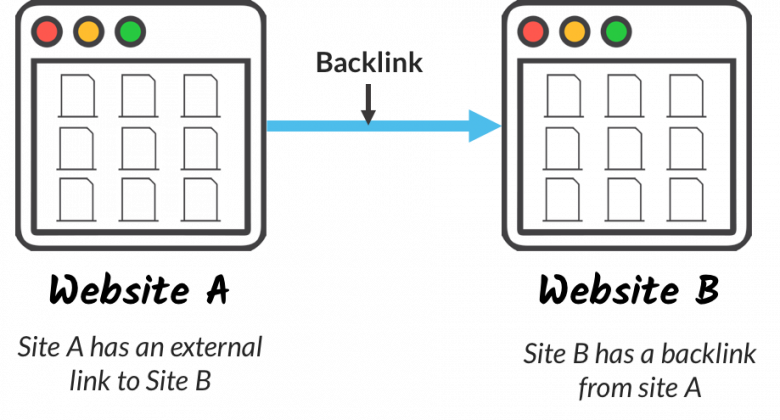
Monitor Backlinks

Monitor Backlinks

Monitor Backlinks is a versatile tool that provides in-depth insights into your backlink profile. It enables you to track new and lost backlinks, analyze anchor text distribution, and monitor referring domains.

By keeping a close eye on your link profile, you can identify and disavow any spammy links, ensuring the health of your website. Additionally, Monitor Backlinks offers email alerts for any changes in your backlink profile, keeping you informed in real-time.

With its user-friendly interface and comprehensive features like competitor analysis and keyword rankings, Monitor Backlinks is a valuable asset for any link building campaign. Enhance your SEO efforts by harnessing the power of Monitor Backlinks.

Open Link Profiler

Open Link Profiler

Open Link Profiler is a helpful tool for checking backlinks. It shows data on a site’s link profile, like anchor text and referring domains. This tool helps monitor link building and spot bad links. By using Open Link Profiler for a website check, you can improve your link strategy and boost domain authority. It also tracks new and lost links, checks page strength, and identifies do-follow vs. no-follow links. Using Open Link Profiler can enhance backlink monitoring and aid in SEO efforts.

Linkio

Linkio

Linkio is a tool for monitoring backlinks. It helps manage your backlink profile effectively. With Linkio, track link building, find opportunities, and check backlink quality. The tool gives insights on anchor text, referring domains, and overall link health. It also finds new link chances to boost SEO. Using Linkio streamlines link building and boosts search rankings. Its interface is user-friendly, making it valuable for marketers optimizing their strategy.

LinkBox

LinkBox

LinkBox is a tool for monitoring backlinks. It checks anchor text, link profiles, and referring domains. You can track link building progress and find harmful spammy links. LinkBox shows backlink quality and new opportunities. It sends email alerts for changes and tracks external links. Use LinkBox to boost link building and SEO ranking improvement.

BuzzSumo

BuzzSumo

BuzzSumo is a very well-known tool for checking backlinks. It helps you keep track of the links pointing to your website and to your competitors’ sites.

You can use it to monitor keywords, domain names, and even see which pages are ranking the highest and who is linking to them. When you use this tool, you’ll receive notifications about new links, which can help you build good relationships with those websites.

Mention

Mention

Mention is a useful tool to monitor backlinks and brand mentions online. It helps track where your brand is talked about, analyzes backlinks, and finds link building chances. By watching brand mentions, you can seize opportunities to get important backlinks quickly. Mention gives insights into your online presence and keeps you updated on your brand’s reputation. It has an easy interface and strong features, making it great for improving backlinks and SEO strategy.

Key Metrics to Monitor

Key Metrics to Monitor

When monitoring backlink profile, there are several key metrics to keep an eye on. These metrics provide valuable insights into the health and quality of your backlinks.

Here are the key metrics to monitor:

Total Number of Backlinks

The total number of backlinks refers to the overall quantity of links pointing to your website. Monitoring this metric helps you understand the growth and development of your backlink profile over time. It is important to keep track of both the number of external links and their quality to ensure that your backlink profile remains strong and diverse.

Referring domains

Referring domains are the websites that link to your website. Monitoring the number of referring domains helps you assess the diversity and authority of your backlink profile. A higher number of unique referring domains indicates a strong and well-rounded link profile, which can positively impact your search engine rankings.

Domain Authority / Domain Rating

Domain authority (DA) or Domain Rating (DR) is a metric that predicts how well a website will rank on search engine result pages (SERPs). Monitoring the domain authority of the websites linking to your site helps you gauge the quality and authority of your backlinks. Focus on acquiring backlinks from websites with higher domain authority to boost your own site’s authority and improve search engine rankings.

Page Authority

Page authority is a metric that predicts how well a specific page on your website will rank on search engine result pages (SERPs). Monitoring the page authority of your backlink sources helps you assess the overall quality and relevance of the links pointing to your site. Higher page authority indicates stronger and more valuable backlinks, which can have a positive impact on your search engine rankings.

Anchor Text Distribution

Anchor text is the clickable text that appears in a hyperlink. Monitoring the anchor text distribution of your backlinks helps you ensure a diverse and natural link profile. It is important to have a mix of branded, generic, and long-tail anchor text, as overuse of exact-match keywords can be seen as spammy by search engines.

Do-Follow Vs No-Follow

Do-follow links are backlinks that pass along authority to your website, while no-follow links don’t pass any authority.

Backlinks with do-follow tags are more beneficial for your site compared to those with no-follow tags.

It’s important to track both the number of do-follow and no-follow links your website gets.

New and Lost Links

Monitoring new and lost links is crucial for understanding the growth and development of your backlink profile. New links signify successful link-building efforts, while lost links may indicate issues with the relevance or quality of your backlinks.

When you look at how many new links you’ve earned and how many you’ve lost, you can make better choices about building links in the future.

Competition

Monitoring your competitors’ backlinks is a valuable strategy for gaining insights into their link-building efforts and identifying new link opportunities.

Doing this will show you where you might face challenges and where you could find chances to improve. This way, you can make smart choices and stay ahead of your competition.

FAQ’s:

How Do I Manually Check Backlinks?

To manually check backlinks, you can use tools like Google Search Console, Ahrefs, or Moz to gather a list of websites linking to your site.

Then, review each linking website to assess its quality, relevance, and authority. This process helps you understand your backlink profile and make necessary improvements.

Are There Any Free Backlink Monitoring Tools Available?

You can find some free tools online for monitoring links, like Google Search Console and Google Data Studio.

How Do I Find My Competitors’ Backlinks For Free?

You can find your competitors’ backlinks for free by using tools like Google Search Console, Ahrefs’ backlink checker, or Moz’s Link Explorer. These tools allow you to analyze the backlink profiles of your competitors and gain insights into their link-building strategies.

How Often Should I Check My Backlink Profile?

It is recommended to check your backlink profile regularly to stay updated on any changes and make necessary adjustments to your SEO strategy. The frequency of checking your backlink profile depends on the size of your website and the intensity of your link-building efforts. However, checking your profile at least once a month is a good starting point.

How Do I Check Quality Backlinks?

To check the quality of backlinks, you can consider metrics such as domain authority, spam score, and relevance of the linking website.

High domain authority indicates a reputable and authoritative website, while a low spam score indicates a low level of spammy content. Additionally, ensure that the backlinks are relevant to your website’s niche and content.

Conclusion

In conclusion, monitoring your backlinks is crucial for maintaining a strong online presence.

By utilizing reliable backlink monitoring tools like Google Search Console, Ahrefs, and Semrush, you can track key metrics such as total backlinks, referring domains, and anchor text distribution to stay ahead of the competition.

Regularly assessing your backlink profile ensures that your website continues to rank well and attracts organic traffic.

Remember to stay proactive in identifying new link opportunities and maintaining the quality of your backlinks to boost your SEO efforts effectively.

Natural Link Building Service: What is it, Benefits & Strategies

Natural link building is a fundamental aspect of search engine optimization (SEO) that plays a vital role in improving the organic traffic and search engine rankings of a website.

In a competitive online world, using good strategies to get quality backlinks is important. Natural link building is ethical and follows search engine rules, unlike paid links or shady methods.

Using natural link building helps websites improve their search rankings, brand visibility, and backlink quality. These advantages lead to better digital marketing outcomes and increased organic website traffic.

In this ultimate guide, we will explore the concept of natural link building in depth, discuss the benefits it brings, and provide effective strategies to implement in your link building efforts.

Whether you are a website owner, an SEO agency, or a digital marketer, this guide will equip you with the knowledge and tools to harness the power of natural link building for success in the digital landscape.

What is Natural Link Building?

What is Natural Link Building?

Natural link building is a process of acquiring high-quality backlinks from authoritative websites in a genuine and organic way.

It is a fundamental aspect of search engine optimization (SEO) that helps improve search engine rankings, increase organic traffic, and enhance the overall online presence of a website. Quality backlinks plays an important role in search engine rankings. Search engines, like Google, consider the quantity and quality of backlinks when determining the relevance and credibility of a website. Websites with a strong backlink profile are more likely to rank higher in search engine results, leading to increased visibility and organic traffic.

The Benefits of Natural Link Building Services

The Benefits of Natural Link Building Services

Natural link building services offer several benefits that can positively impact your website over time.

  1. Increased Site Traffic: Link building can attract more visitors to your website from other sites, not just relying on your current loyal audience.
  2. Enhanced Visibility: With more websites linking to yours, you can rank higher in search engine results, making it easier for people to find you when they search for topics related to your industry.
  3. Building Relationships: Links can lead people to discover your content and services, potentially turning them into newsletter subscribers, social media followers, or regular blog readers.
  4. Boosting Brand Awareness: When more people know about your business, they are more likely to become customers in the future.
  5. Increased Credibility: Getting links from reputable sources can improve your brand’s credibility and authority, leading to higher conversion rates and better search engine rankings.

These benefits highlight the importance of natural link building in growing your online presence and achieving long-term success for your website.

Strategies for Effective Natural Link Building

Strategies for Effective Natural Link Building

Building natural links can greatly benefit your website, and there are smart strategies to make it happen:

  1. Creating Valuable Content: Make content that people love to read and share. Understand what your audience wants and offer them useful information in an engaging way.
  2. Using Social Media: Share your content on social media platforms to reach a wider audience, including influencers and potential customers who might link back to your site.
  3. Guest Blogging and Collaborations: Write guest posts for other websites and collaborate with industry experts. This helps you reach new audiences and gain natural backlinks.
  4. Influencer Partnerships: Partner with influencers who can promote your content to their followers, increasing visibility and earning more links.
  5. Local SEO: Optimize your website for local search to attract targeted traffic and gain credibility in your local market, leading to more natural backlinks.
  6. Create Statistics Pages: Publish pages with valuable data and statistics, attracting links from other sites looking for credible information.
  7. Use Ego Bait: Craft content that appeals to influencers’ interests or opinions, encouraging them to share your content and generate natural backlinks.

These strategies help you build valuable connections, increase your website’s visibility, and ultimately improve your SEO performance.

The Role of Digital PR in Natural Link Building

The Role of Digital PR in Natural Link Building

Digital PR plays an important role in natural link building as it helps in acquiring backlinks from authoritative sites and generating referral traffic. Digital PR professionals use various strategies to create and distribute newsworthy content that attracts attention from media outlets and online publications.

One of the key benefits of digital PR is the opportunity to get featured on media outlets that have a wide audience base. When your business gets mentioned or featured in an article or news story, it can lead to high-quality backlinks from reputable sources.

These backlinks not only improve your search engine rankings but also drive referral traffic to your website.

Digital PR also helps in establishing relationships with authoritative sites in your industry. By reaching out to these sites and offering valuable content or insights, you can secure natural backlinks that contribute to the overall strength of your backlink profile.

Is Natural Link Building Hard?

Is Natural Link Building Hard?

Natural link building can be challenging and requires consistent effort and dedication.

It involves the process of building links from other websites to your own without resorting to manipulative tactics or spammy practices. The goal is to earn backlinks naturally by creating high-quality content and establishing relationships with relevant websites.

While it may be challenging, natural link building is essential for long-term SEO success. Search engines like Google value organic growth and reward websites that have a strong backlink profile. By building links naturally, you are more likely to attract high-quality backlinks from reputable sources, which can have a positive impact on your search engine rankings and overall online visibility.

Many SaaS SEO agencies like VH-Info offer link building services and SEO for startups to help businesses with their natural link building efforts. These agencies have the expertise and resources to find relevant websites, reach out to them, and secure valuable backlinks.

However, it is important to choose a reputable agency that follows ethical practices and focuses on building quality links through content creation and relationship building.

How To Get High-Quality Natural Backlinks?

How To Get High-Quality Natural Backlinks?

Building high-quality natural backlinks is a great way to improve your website’s link profile and achieve better search engine results.

Here are some effective strategies to get high-quality natural backlinks:

  1. Create high-quality content: Producing valuable and engaging content is one of the most effective ways to attract natural backlinks. When your content is informative, well-researched, and provides unique insights, other websites are more likely to link back to it as a reliable source of information. Focus on creating content that fills a gap in your industry and provides value to your target audience.
  2. Guest blogging: Writing guest blog posts for authoritative websites in your industry is an excellent method to secure high-quality backlinks. Look for reputable websites that accept guest posts and offer to contribute valuable content. Ensure that your guest posts are well-written, relevant, and provide unique insights. Include a link back to your website within the content or author bio section.
  3. Engage in digital PR: Digital PR activities, such as press releases, can help you gain exposure and attract natural backlinks from media outlets and industry publications. Create compelling press releases that highlight newsworthy events or achievements related to your business. Distribute them to relevant media outlets and online publications to increase the chances of getting backlinks from these sources.
  4. Build relationships with influencers and industry experts: Connect with influencers and industry experts in your niche through social media, events, or email outreach. Building genuine relationships with these individuals can lead to opportunities for collaboration, guest posting, or mentions on their websites or social media channels.

How Websites Can Build Natural Links?

How Websites Can Build Natural Links?

When people have websites, they don’t just put links to other sites without a good reason. They only link to sites that offer something really interesting or helpful.

So, if you want others to link to your website, you need to make sure it has something unique, new, clever, and fascinating. This isn’t simple to achieve, but here are three main ways you can make it happen.

Create High-Quality Content

Content means anything you make on your website. One of the best ways to get new links is by making really good content that other website owners can’t ignore.

You can make cool infographics, which are fun pictures showing data that people like.

You can also write long ebooks or detailed articles about your industry.

Making how-to videos is another good way to get other sites to link to you when they share what you made.

Good content helps you get links from other sites, showing that you know a lot and are a trusted source in your field.

The more content you make, the more links you can get!

Write Guest Blog Posts

Having a blog is really helpful for your business, but you can also get links from other companies’ blogs.

The best way to do this is by offering to write a guest blog post for another website. Explain how it will help their readers and then write the post. At the end of your post, share a little about yourself and include a link back to your website.

This is good for both sides because the other website gets new content, which they like, and you get a link, which you want. It also helps you meet new people in your industry.

Build Awareness on Social Media

Using social media is a great way to let everyone know about new things on your website.

When you share about your website on social media, your followers learn what you’re up to. They might then share your posts with their friends, spreading the word even more. This can help you get new links.

But remember, when people share your posts on social media, those don’t count as official links. It’s the people themselves who can help you by sharing your content, not just the social media platform.

So, when you write posts on social media, make them interesting so that people want to join in and share. If all goes well, others will see your posts, like them, and maybe even link to your website from their own sites.

What Are 3 Awesome Natural Link Building Strategies?

What Are 3 Awesome Natural Link Building Strategies?

Craft great content and use guest posts and infographics for natural link building. These tactics boost site visibility and trust naturally. Using them well can improve SEO outcomes.

Skyscraper Strategy:

Skyscraper Strategy

The Skyscraper Strategy is a technique where you create content that outperforms existing resources by offering something better. It involves finding top-performing content in your niche, creating something even more valuable, then reaching out to those linking to the original content to introduce them to your improved version.

This strategy leverages the concept of content improvement and enhancement to attract more backlinks naturally, contributing to your website’s authority in search engine rankings. Harnessing the Skyscraper Strategy can significantly enhance your link building efforts.

Long-Form Content:

Long-Form Content

Long content helps get good links naturally.

It gives valuable info, gets noticed by search engines, and ranks higher. Using key words well and making content SEO-friendly improves link building success. Engaging long articles show expertise, bring traffic, and raise brand awareness, important for link building projects.

Infographics:

Infographics

Infographics are a powerful storytelling tool, visually representing complex information in an easily digestible format.

They can be highly shareable, making them ideal for natural link building. By creating informative and engaging infographics related to your industry, you can attract backlinks from other websites seeking quality content to enrich their own.

Infographics not only enhance user engagement but also contribute to building a diverse backlink profile, ultimately boosting your search engine rankings and organic traffic. Utilize infographics as a strategic element in your link building efforts.

What Are Unnatural Backlinks?

What Are Unnatural Backlinks?

Unnatural backlinks are links that violate search engine guidelines by being obtained through manipulative or deceptive practices. These can harm your site’s ranking and reputation. Understanding what constitutes unnatural backlinks is important for maintaining a healthy link profile.

What Backlinks Are Unnatural?

Unnatural backlinks are those obtained through manipulative tactics violating search engine guidelines. These include paid links, link exchanges, and irrelevant links from low-quality sites. These can harm your site’s SEO performance.

Is There Such a Thing as a Semi-Natural Link?

Yes, semi-natural links are a mix of organic and manual link building efforts. These links are acquired through genuine relationships but may involve some level of outreach or collaboration. They aren’t fully organic but maintain authenticity in their acquisition process.

Good vs. Bad Backlinks

Good backlinks come from authoritative sites, boosting your search engine rankings. They are relevant to your content and drive organic traffic. In contrast, bad backlinks are from low-quality or spammy sites, harming your SEO efforts.

They can lead to penalties from search engines and a drop in your site’s rankings. It’s crucial to focus on acquiring quality backlinks to enhance your backlink profile and improve your overall search engine optimization strategy. Choose wisely to ensure your website’s success.

The Ideal Natural Backlink

An ideal natural backlink is a contextual link from a relevant, authoritative site within your niche. It should come from a site with high domain authority and a clean backlink profile. The anchor text should be natural and seamlessly integrated into the content.

This type of backlink drives organic traffic, boosts search engine rankings, and enhances your site’s credibility. Choosing quality over quantity is crucial for establishing the ideal natural backlink.

What Are Link Building Services?

What Are Link Building Services?

Link-building services are professional services offered by experts in the field of SEO to help businesses acquire high-quality backlinks for their websites. They focus on developing and executing effective strategies to build a strong link profile for their clients.

These services involve various techniques and methods to attract relevant and authoritative websites to link back to a client’s website. The process typically begins with thorough research and analysis to identify potential link-building opportunities within a specific industry or niche.

Once potential opportunities are identified, link-building services may involve content creation, outreach efforts, and relationship building to secure valuable backlinks. Content creation may include writing guest blog posts, creating informative articles, or producing other types of engaging content that can attract backlinks.

Outreach efforts involve reaching out to website owners, bloggers, influencers, and other relevant parties to request backlinks or collaboration opportunities. Relationship building is an important aspect of link building services, as it involves establishing trust and credibility within the industry to secure valuable backlinks.

The ultimate goal of link-building services is to increase a website’s visibility, improve search engine rankings, and drive targeted organic traffic.

Why Do Companies Use These Services?

Because building links on your own can be really hard and time-consuming.

But getting good backlinks is important. It’s like getting a thumbs up from important websites, showing search engines that your website is good and should be ranked higher in search results.

Who Needs a Link Building Service?

To boost online visibility and enhance SEO, businesses of all sizes benefit from link building services. Whether a startup or an established company, engaging in link building improves search engine rankings and drives organic traffic, making it essential for any entity aiming for digital success.

What to Expect from Backlink Services?

Link building services typically offer a range of features, including analysis of your current backlink profile, identifying high-quality link building opportunities, and creating a customized link building strategy tailored to your website. You can expect regular reports on the progress of your link building campaign, transparency in the links acquired, and an increase in the number of quality backlinks pointing to your site.

Why You Need SEO Link Building Services?

SEO link building services are essential for improving your website’s visibility in search engine results.

Use these services, you can enhance your site’s search rankings and drive organic traffic.

Quality links from authoritative sites are crucial for boosting your backlink profile and establishing domain authority. SEO link building services help you implement effective strategies to attract relevant links, ultimately leading to higher rankings and increased online presence.

In today’s competitive digital landscape, investing in professional link building services is a smart decision for sustainable SEO success.

How VH-Info Can Meet Your Needs as a Link Building Company?

VH-Info excels in meeting diverse link building needs with tailored solutions.

As a seasoned SaaS link building company, VH-Info can help you boost your website’s online visibility and search engine rankings by acquiring high-quality backlinks from reputable and relevant websites.

Our approach aligns with best practices, making us a reliable choice for sustainable link building success.

Our team of experts can craft a tailored link building strategy that aligns with your business goals, ensuring you receive authoritative and natural-looking links that drive targeted traffic to your site.

With our expertise and industry knowledge, we can effectively navigate the complexities of link building, saving you time and effort while delivering measurable results.

Which Countries Can Your Link Building Services Secure Backlinks From?

As a reputable link building company, VH-Info has the capability to secure high-quality backlinks from websites across the globe, including major countries like the United States, United Kingdom, Canada, Australia, and many more.

Our extensive network and outreach strategies allow them to target relevant websites in virtually any country or language that aligns with your target audience and marketing goals.

Whether you need to build backlinks locally or internationally, VH-Info’s services can be tailored to meet your specific requirements.

Link Building Services To Avoid

Link Building Services To Avoid

These link building services are not good and can even get your website in trouble with Google.

When Google penalizes a website, it means they’ve done something wrong with their SEO, like using shady tactics. This can result in less people finding your site through Google and it might even disappear from search results completely.

So, let’s talk about some link building services you should stay away from.

Private Blog Networks (PBNs)

Private Blog Networks

A private blog group, called a PBN, is owned by one person. These sites are connected to seem separate.

PBN sites appear independent with unique names, addresses, and content. Old domain names are commonly used for PBNs.

People use PBNs to link to their main website for control. Links can also be purchased from other PBNs for ranking improvement.

However, using PBNs violates Google’s rules and risks removal from search results. It’s seen as cheating for higher rankings.

Paid Guest Posting

Paid Guest Posting

A helpful guide about natural link building services, explains how paying for guest posts on other websites can harm SEO. Guest posting can help with backlinks if done correctly, but paying for it could lead to lower quality links and potential penalties from Google.

To improve SEO, it’s recommended to prioritize creating valuable content and forming relationships with key websites in your industry.

Authority-Boosting Services

Our Authority Score indicates a website’s SEO quality based on backlinks and traffic. People seek to improve it by hiring services from companies or freelancers found on platforms like Fiverr. Google disregards such scores. Be cautious of services that create links from spam sites just to inflate your score, which doesn’t benefit your site’s ranking or visibility in search results.

Low-Quality Press Releases

A press release is like an official announcement sent to the media. It shares a company’s achievements.

When you send one, it may appear on news sites with a link to your website.

Some firms sell press releases for SEO, but many sites mark these links as low-value.

Sending non-newsworthy press releases wastes resources and harms reputation.

However, announcing significant events like awards or new hires boosts brand credibility.

What Do You Get With a Link Building Services by Natural Links?

What Do You Get With a Link Building Services by Natural Links?

With a natural link building service, you can expect to receive a tailored approach to building quality backlinks that improve your search engine rankings. These services often include in-depth analysis of your backlink profile, competitor research, and the creation of high-quality content. Additionally, you will benefit from link building strategies that focus on organic traffic growth and enhancing your website’s authority in the digital landscape. Overall, natural link building services aim to boost your online presence and drive sustainable results.

FAQ’s:

What is Natural Link Building in SEO?

Natural link building is a way to improve SEO where you get backlinks from other sites naturally. This usually happens when you make really good content that others like and want to link to.

Can Natural Link Building Improve My Site’s SEO Performance?

Yes, natural link building helps your website’s SEO by making it more visible and trustworthy, which can lead to better rankings on search engines.

How Can I Encourage Natural Link Building For My Website?

By creating shareable content, engaging with influencers in your industry, and participating in online communities related to your niche, you can encourage natural link building for your website. Remember, quality content attracts quality backlinks.

What is the Difference Between Natural Link Building and Paid Link Building?

Natural link building gets backlinks by creating valuable content, while paid link building purchases backlinks from other sites. Paid links can boost the number of backlinks fast, but they might not be as good in the long run as organic links.

How Long Does it Take to See Results From Natural Link Building?

The outcomes of natural link building can differ depending on how good your content is, how competitive your industry is, and how people see your website online. It’s a strategy that takes time, usually several months to a year, to see big changes.

How Much Should I Pay For Natural Link Building?

The cost for natural link building services can vary depending on the scope of work and quality of links desired. Generally, you can expect to pay anywhere from a few hundred dollars per month for basic link building to thousands of dollars per month for a comprehensive, high-quality campaign. Reputable link building companies will provide transparent pricing based on the strategies and tactics they employ.

Conclusion

In conclusion, Natural link building is an essential and ethical SEO strategy that significantly enhances a website’s search engine rankings and organic traffic.

By focusing on creating high-quality, valuable content, engaging in digital PR, and forming partnerships with influencers and industry experts, websites can attract high-quality, authoritative backlinks.

Although natural link building can be challenging and time-consuming, it is a sustainable approach that yields long-term benefits, as opposed to the risks associated with unnatural link-building practices that can lead to penalties from search engines.

Therefore, businesses often turn to professional link-building services like VH-Info to navigate the complexities of acquiring natural backlinks effectively.

Link Building Specialist: Main Responsibilities, Pros & Cons

A Link Building Specialist is a pivotal figure in the realm of Search Engine Optimization (SEO), dedicated to enhancing a website’s visibility and authority on search engines through strategic acquisition of high-quality backlinks.

These specialists employ a variety of techniques to secure valuable backlinks from reputable sources, thereby signaling to search engines the credibility and worthiness of the content for favorable rankings.

Their role encompasses researching link opportunities, engaging in outreach to potential link partners, and analyzing competitors’ link profiles to devise effective strategies.

By collaborating with content creators and employing outreach activities, Link Building Specialists aim to boost the organic search performance of clients’ websites, significantly elevating their presence and authority within their respective industries.

Who is a Link Building Specialist?

Who is a Link Building Specialist?

A link building specialist is a professional skilled in acquiring quality backlinks to improve a website’s search engine ranking. They strategize, execute outreach campaigns, and analyze link profiles to enhance online visibility for businesses.

Is There a Special Name For Link Building Specialists?

Yes, there is a special name for link building specialists, and they are commonly referred to as link builders (often interchanged with SEO specialists). These professionals specialize in the field of search engine optimization and focus specifically on the strategy and execution of link building campaigns.

SEO specialists have a broad skill set that includes keyword research, content optimization, technical SEO, and link building. However, link building is a specific area of expertise within the broader field of SEO.

Link builders are dedicated professionals who focus solely on acquiring high-quality backlinks for websites. They understand the importance of link building in improving search engine rankings and website visibility. Link builders use various strategies such as guest blogging, broken link building, and outreach to secure valuable backlinks from relevant and authoritative websites.

Both SEO specialists and link builders play a critical role in driving organic traffic to websites and improving their search engine rankings. They work together to create and execute comprehensive SEO strategies that encompass all aspects of website optimization, including content creation, technical SEO, and link building.

What Are Link-Building Services?

What Are Link Building Services?

Link-building services are professional services offered by experts in the field of SEO to help businesses acquire high-quality backlinks for their websites. They focus on developing and executing effective strategies to build a strong link profile for their clients.

These services involve various techniques and methods to attract relevant and authoritative websites to link back to a client’s website. The process typically begins with thorough research and analysis to identify potential link-building opportunities within a specific industry or niche.

Once potential opportunities are identified, link-building services may involve content creation, outreach efforts, and relationship building to secure valuable backlinks. Content creation may include writing guest blog posts, creating informative articles, or producing other types of engaging content that can attract backlinks.

Outreach efforts involve reaching out to website owners, bloggers, influencers, and other relevant parties to request backlinks or collaboration opportunities. Relationship building is an important aspect of link building services, as it involves establishing trust and credibility within the industry to secure valuable backlinks.

The ultimate goal of link-building services is to increase a website’s visibility, improve search engine rankings, and drive targeted organic traffic.

What Does a Link Building Specialist Do?

What Does a Link Building Specialist Do?

A Link Building Specialist is like a detective for websites. They work on getting other websites to put a link that leads back to your website. This is important because it tells search engines like Google that your website is trustworthy and important.

Here’s what they do:

  1. Finding Link Partners: They look for websites that might want to link to your site, like related blogs or businesses.
  2. Negotiating Links: They talk to these websites and convince them to add a link to your site.
  3. Monitoring Performance: They keep an eye on how well these links are working to boost your website’s visibility.
  4. Using Different Strategies: They use tricks like writing guest posts for other sites, fixing broken links, or creating great content that naturally attracts links.

Why Use a Link Building Specialist?

Why Use a Link Building Specialist?

Using a Link Building Specialist is like having a secret weapon for your website’s success.

Here’s why it’s important:

  1. Expert Strategies: These specialists know all the tricks to get other websites to link to yours, which boosts your site’s visibility and trustworthiness to search engines like Google.
  2. Improved Ranking: When more reputable sites link to yours, search engines think your site must be important and rank it higher in search results. This means more people can find your website easily.
  3. Business Growth: With better visibility and more visitors coming to your site, you have more chances to turn those visitors into customers. This can lead to increased sales and business growth.
  4. Professional Approach: Link Building Specialists are dedicated to this specific task, so they have the skills and experience to get the best results for your website.

Overall, using a Link Building Specialist is a smart move for anyone who wants their website to stand out and succeed online.

Why Hire a Link Building Specialist?

  • Helps you gain online reputation, trust
  • Makes your brand reachable to audience of other websites
  • Helps in securing partnerships with other sites to increase potential business
  • improved search rankings

Main Responsibilities of a Link Building Specialist

Main Responsibilities of a Link Building Specialist

A link building specialist has important tasks to handle to build strong backlinks for a website.

Here are the main responsibilities they have:

  1. Communication: They need to talk clearly and effectively with contacts and partners to build good relationships.
  2. Research: They look for websites that are good fits for backlinks, checking if they’re trustworthy and relevant.
  3. Outreach: They write personalized emails asking for backlinks and send them out.
  4. Placement: They find the best spots for links so that the link exchange goes smoothly.
  5. Tracking: They use spreadsheets to keep track of their requests and contacts.
  6. Audit: They review and update their contact lists regularly.
  7. Finding Opportunities: They’re always looking for new ways to get backlinks.
  8. Online Presence: They stay active on platforms like Slack, LinkedIn, and Email to find more link-building chances.

To be great at this job, they need skills like clear communication, research abilities, organization, and a knack for finding new opportunities.

Pros and Cons of Hiring a Specialist in Link Building

Pros and Cons of Hiring a Specialist in Link Building

Pros:

  1. Better search engine rankings: They can help your website rank higher on search engines by getting good backlinks.
  2. More website visitors: Improved rankings mean more people can find and visit your site.
  3. Expertise and time-saving: They know the best ways to get backlinks, saving you time and effort.

Cons:

  1. Cost: Hiring a specialist can be expensive, especially for high-quality backlinks.
  2. Risk of penalties: If not done right, linking strategies can hurt your site’s rankings.
  3. Dependence on others: Your success might rely on other website owners, which isn’t always reliable.

How To Find High Quality Link Building Specialists?

How To Find High Quality Link Building Specialists?

Look for link building specialists with a proven track record of successful link building campaigns and satisfied clients:

  1. Check their expertise in white hat strategies for building quality links that align with search engine guidelines.
  2. Ask about their methods for acquiring high-quality backlinks and improving website traffic.
  3. Consider specialists who focus on ethical practices and have experience in various types of links like guest posting and broken link building.
  4. Prioritize those who can demonstrate measurable results and have a good link profile from authoritative websites.

How to Write an Engaging Job Description for the Link Building Specialist Role?

When looking for a Link Building Specialist, write a job description that clearly explains what they’ll do, like finding link opportunities and working with other websites. Mention any needed skills, like knowing about SEO and how to reach out to others, to attract the right candidates. Keep it simple and clear so everyone understands what the job is about.

How Can I Ensure the Specialist is Right for my Project?

Evaluate the specialist’s experience, portfolio, and references. Discuss project specifics and ensure alignment with their expertise. Set clear expectations and communication channels upfront. Ultimately, choose based on proven track record and mutual understanding.

Check their past work, request examples, talk about costs, and make sure they’re available and dedicated to your project.

Average Rates For a Link Building Specialist

When hiring a link building specialist, their rates can vary based on different factors. Ideally, they might charge per link they get for your website. This rate could depend on the authority of the website or how much traffic it gets.

Here’s an example of rates a link building specialist might charge based on the authority (DR) of a website:

  1. For a website with DR 0: $25 per link
  2. For a website with DR 10-40: $50 per link
  3. For a website with DR 40-70: $100 per link
  4. And so on, with rates increasing as the website’s authority (DR) increases.

Similarly, they might also charge based on the website’s traffic:

  1. For a website with 0-999 pageviews per month: $25 per link
  2. For a website with 1,000-4,999 pageviews per month: $75 per link
  3. And so on, with rates increasing as the website’s traffic increases.

These rates are just examples and can vary depending on the link building specialist and the specific details of the project. It’s important to discuss rates and expectations clearly before hiring a specialist.

How Do You Become a Link Builder?

If you want to be a link builder, learn basic SEO and how backlinks function. Get experience through internships or freelancing. Network with pros and keep up with trends. Create great content for natural link attraction.

Who Does a Link Building Specialist Work With on Daily Basis?

A Link Building Specialist usually works in the marketing or digital marketing part of a company. They team up with content creators, SEO experts, and website managers to make link building strategies work well. They usually report to an SEO Manager, Digital Marketing Manager, or a top-level marketing person like the Chief Marketing Officer or Director of Digital Marketing. They also work closely with PR and social media teams every day to make sure everyone’s efforts help the company get noticed online.

How Do I Build a Personal Brand as a Link Building Professional?

To become an expert, share successful projects, insights on LinkedIn, and connect with influencers. Building credibility through branding is important. Sharing knowledge and networking with like-minded individuals is valuable for link builders, especially on LinkedIn.

How Long Does it Take to Become a Proficient Link Builder?

Becoming a proficient link builder can vary based on dedication and learning speed. Generally, it takes around 6 months to 1 year of consistent practice to master link building techniques and strategies effectively. Continuous learning and hands-on experience play crucial roles in becoming proficient.

Best Strategies Used By Link Building Specialists

If you’re thinking about hiring a link building specialist, it’s good to know what methods they use to get you good links. Here are some great strategies they might use that are honest and work well.

If your specialist is using these strategies, they probably know their stuff and can get you good, honest links.

HARO Link Building

HARO Link Building

At VH Info, we use a platform called HARO (Help a Reporter Out) to get good links from journalists and media. HARO connects journalists with people who can help with their stories. It’s a great way to get mentioned in important publications, which makes your website look more trustworthy and boosts its visibility on search engines. The links usually go to your homepage, spreading the benefits to your whole site.

Skyscraper Technique

Skyscraper Technique

The Skyscraper technique is about finding really good content in your field that has already gotten lots of links. It is an advanced link-building method where professionals aim to create content better than existing pieces online to attract quality backlinks naturally.

This approach involves thorough research, you make something even better and outreach to websites linking to inferior content for potential replacements.

A link building specialist uses this better content to get links from websites that linked to the original content from your competitors.

Broken Link Building

Broken Link Building

Broken link building is when we find links on other websites that don’t work anymore. We suggest replacing these broken links with links to helpful content from your site.

This not only helps the website owners fix their broken links but also gives your site a good link, making your website’s link profile stronger.

Journalist Stories

Journalist Stories

Crafting link-building strategies through journalist stories involves leveraging media outlets or journalist contacts to secure backlinks. The idea is to offer newsworthy content or data to journalists, using which link building specialists can earn high-quality links from authoritative sources.

This approach aligns with white hat practices, benefiting both website visibility and organic growth. Integrating journalist narratives into link-building campaigns can significantly enhance the link profile and organic traffic, elevating search engine rankings and overall digital presence.

Using journalist stories is similar to HARO link building. We look for chances to add our expert insights, reports, or stories to news articles and stories.

This can get us good links from news websites. News stories often get shared by many news outlets, which can boost our visibility. Roxhill media is a great tool for doing this kind of link building.

Product or SaaS Reviews

Product or SaaS Reviews

Product or SaaS reviews are potent tools for link building specialists. Especially for SaaS brands that work with VH Info. If we use products, software, or tools on our website, we can write a great review or mention them. Then we contact the owners and share the review with them.

By collaborating with influencers or bloggers to review products or services, specialists can secure quality backlinks.

These reviews not only enhance visibility but also drive organic traffic, positively impacting search engine rankings. This approach aligns with white hat practices and contributes to sustainable backlink building efforts.

Guest Blogging

Guest Blogging

Guest blogging is a valuable link building strategy where specialists create content for other websites to include backlinks.

It helps in reaching new audiences and building authority in the industry. To improve a website’s visibility and SEO ranking, specialists share quality posts on related trusted websites. These articles have links that lead back to your website.

Collaborating with popular blogs or online platforms through guest blogging can drive organic traffic and improve the overall link profile. This strategy requires thoughtful content creation tailored to the host site’s audience and guidelines.

Parasite SEO

Parasite SEO

Parasite SEO refers to the strategy of leveraging high-authority websites to boost your own site’s visibility.

Creating content on platforms like Medium, LinkedIn or other high authority websites, you can capitalize on their strong domain authority to rank higher on search engines. This approach can drive significant traffic and improve your site’s SEO metrics without investing heavily in your website’s authority.

Parasite SEO utilizes established platforms to elevate your online presence strategically.

Tiered Link Building

Tiered Link Building

Tiered link building is a fancy strategy that many link building specialists use. It’s about making different layers of backlinks.

Tiered link building involves creating a network of interconnected links where higher-quality authoritative sites link to your target page. These links, in turn, are supported by secondary links from other reputable sources.

This technique helps boost the overall authority and credibility of your website, improving its search engine rankings. Tiered link building is a powerful strategy used by link building specialists to maximize SEO results.

What Skills Should You Look For In Specialist Link Builders?

What Skills Should You Look For In Specialist Link Builders?

Look for specialist link builders with expertise in SEO, content marketing, and outreach. They should have strong communication skills, be detail-oriented, and understand the importance of quality backlinks. Additionally, look for creativity, analytical thinking, and a track record of successful link-building campaigns.

When hiring a link builder, we focus on a few important skills. First, we want someone who’s good at researching. We should find good link opportunities in our industry. This means finding places where our website could get links from.

Next, we look at how they get these links. Do they reach out to people, use social media, or write guest posts?

Each method has its benefits, so we consider which one they’re good at.

For example, our strategy is technical outreach. This means we convince websites that link to a similar article to switch their link to ours. This makes our content look more valuable to search engines.

Here are the skills we prioritize at VH-Info:

  1. Research: Finding good link opportunities.
  2. Writing: Creating content that attracts links.
  3. Promotion: Getting our content out there.
  4. Strategy: Knowing how to get links effectively.
  5. Creativity: Thinking outside the box for link opportunities.
  6. Persistence: Not giving up easily.
  7. SEO Knowledge: Understanding how links affect search rankings.
  8. Analytical: Using data to improve link building.
  9. Communication: Talking to people to get links.
  10. Adaptability: Changing strategies as needed for success.

Considerations Before Hiring a Link-Building Specialist

Considerations Before Hiring a Link-Building Specialist

Before hiring a Link Building Specialist, consider these important points:

  1. Look for Experience: Check if they have worked on similar projects before and ask for examples of their work to see if they match your needs.
  2. Budget: Discuss their fees and charges to ensure they fit within your budget while providing quality services.
  3. Timeline and Availability: Make sure they can meet your project deadlines and have enough time to dedicate to your project.
  4. Communication: Agree on how you will communicate and set expectations for reporting to stay updated on progress.
  5. References and Reviews: Ask for references and check online reviews to learn about their reliability and reputation.

FAQ’s:

How Can I Measure the Success of My Link Building Efforts?

To measure the success of your link building efforts, track key metrics like organic traffic growth, keyword rankings, and backlink quality. Analyze conversion rates and monitor changes in search engine visibility over time for a comprehensive assessment.

Keep an eye on how much traffic and sales come from those pages where backlinks were made.

What Are Some Ethical Practices in Link Building I Should Adhere To?

To maintain ethical practices in link building, always prioritize relevance, quality, and transparency. Avoid buying links, participating in link schemes, or using deceptive techniques. Disclose sponsored content and focus on building natural, high-quality links for long-term success.

Focus more on getting good links instead of many links in link building.

Use honest methods like making useful content, getting links naturally, and staying away from tricks.

Building real relationships is key, not just getting links.

How Can I Maintain the Quality of My Backlinks Over Time?

To keep your backlinks good, check them often and remove any bad or spammy ones.

Regularly monitor for broken links, update outdated content, diversify anchor text, conduct link audits, disavow toxic links, and focus on relevant and authoritative sources.

Implement a robust backlink maintenance strategy to ensure long-term link quality.

How Does the Recent Google Algorithm Update Affect Link Building Strategies?

Recent Google algorithm updates impact link building strategies by emphasizing quality over quantity. Techniques like natural link acquisition and relevance are now vital. Adapting to new guidelines ensures sustainable link-building success in the evolving digital landscape.

Avoid old methods like spammy links because they can hurt your website’s ranking on search engines.

Can I Track the Progress of the Link-Building Project?

To monitor progress effectively, utilize tools like Google Analytics, Ahrefs, or SEMrush. Track key metrics such as backlink quantity and quality, referral traffic, and keyword rankings. Regularly review reports to adjust strategies for optimal results.

Conclusion

The role of a Link Building Specialist is crucial for any business aiming to secure a prominent online presence and achieve higher search engine rankings.

Through their expertise in building high-quality backlinks, these specialists not only enhance website visibility but also contribute to the overall growth and success of the business.

By staying abreast of the latest search engine updates and employing ethical, search engine-approved methods, Link Building Specialists ensure that their link-building efforts yield positive, long-lasting results.

Their ability to navigate the complexities of SEO and link building makes them invaluable assets to any digital marketing team, driving organic traffic and establishing a strong, authoritative online presence for their clients.

As a team at VH Info, we’re passionate about helping businesses thrive through effective SaaS Link building ServiceWhite lable Link building service and SEO for Startups.

White Hat Link Building: What is it, Techniques, It’s Services

White hat link building is an essential aspect of search engine optimization (SEO) that can greatly impact the success of your online presence.

It involves ethical and reputable strategies to obtain high-quality backlinks from trusted and authoritative websites. Unlike black hat and grey hat techniques, white hat link building focuses on creating valuable content and establishing genuine connections with other websites.

In this ultimate guide, we will explore the ins and outs of white hat link building. We will discuss what it is, why it is important, and how it differs from black hat and grey hat methods.

We will also delve into the various white hat link-building techniques and strategies that can generate effective results for your website.

Whether you are a website owner, a digital marketer, or an SEO expert, this guide will provide you with the knowledge and tools you need to engage in successful white hat link-building.

What is White Hat Link Building?

What is White Hat Link Building?

White hat link building is an approach to creating backlinks that uses ethical and legitimate methods in accordance with search engine guidelines. It is a key aspect of search engine optimization (SEO) that focuses on obtaining high-quality backlinks from reputable and authoritative websites.

Unlike black hat and grey hat link building, which involve manipulative and spammy tactics, white hat link building aims to provide value to readers and establish genuine connections with other websites. It prioritizes quality over quantity, focusing on creating valuable content that naturally attracts backlinks.

White hat link building involves various techniques and strategies, such as guest posting, digital PR, and creating linkable assets. These methods require time, effort, and expertise, but they provide long-term benefits and avoid the risks associated with black hat and grey hat techniques.

What Makes a Link White Hat?

A white hat link is a backlink acquired ethically and legitimately, following search engine rules. It’s a natural and valuable link connecting websites. White hat links differ from black hat and grey hat links in how they’re obtained. They come from trusted sites related to your industry, focusing on quality and value. These links endorse your website naturally and are gained through methods like guest posting and creating linkable content. Building relationships, sharing valuable content, and earning backlinks through merit are key methods used.

What is the White Hat Approach to Link Building?

What is the White Hat Approach to Link Building?

The white hat approach to link building is all about getting high-quality links to your website the right way, without any shady tactics or tricks. It means creating really awesome content that other relevant sites genuinely want to link to because it provides great value to their audience.

Or it could involve building real relationships with influencers and bloggers in your industry so they’re eager to share and link to your stuff.

Basically, you earn links naturally over time by doing good work and promoting it properly, rather than trying to game the system with any spammy link schemes. While it takes more effort, this ethical approach keeps you safe from search engine penalties and helps build sustainable authority for long-term SEO success.

Why Should You Engage Only in White-Hat Link Building?

Engaging only in white-hat link building means using honest and approved methods to get other websites to link to yours. This includes creating valuable content that people naturally want to link to.

Here’s why you should stick to white-hat strategies:

  1. Avoid Penalties: Using shady tactics like paying for links or using software to manipulate links can get your website penalized by search engines like Google. This means your site might drop in search rankings or even get banned.
  2. Build Trust and Authority: White-hat link building shows search engines that your site is trustworthy and authoritative. This helps your site rank better over time, naturally.
  3. Long-term Sustainability: White-hat strategies are safe and sustainable. They don’t involve risky shortcuts that could harm your website’s reputation in the long run.

What Can You Get From White Hat Link Building?

What Can You Get From White Hat Link Building?

White hat link building can provide your website with high-quality backlinks from authoritative sources, improving your site’s credibility and search engine rankings. It can also enhance brand visibility, drive organic traffic, and establish long-term relationships within your industry.

The Dangers of Black Hat Link Building

The primary dangers of black hat link building include:

  1. Search engines have smart systems that find bad link methods. Getting caught means penalties like lower visibility or removal. Bad tactics break rules, harm reputation, and trust with customers if discovered.
  2. The gains are short-lived. Search engines will detect these tactics, undoing your work. You’ll need to restart using ethical strategies.
  3. Black hat techniques can harm user experience by using misleading tactics like cloaking or irrelevant links. This frustrates visitors, harming your website’s performance and conversions.
  4. Extreme black hat actions like hacking can result in legal trouble, fines, or lawsuits.

The Dangers of Grey Hat Link Building

While not as blatantly deceptive as black hat techniques, grey hat link building still carries significant risks and potential dangers:

  1. Potential Search Engine Penalties: Search engines change rules to find and punish unfair tactics. They penalize grey hat methods too. If caught, your site may drop in rankings or face other penalties that hurt visibility.
  2. Loss of Ranking and Traffic: Grey hat tricks can temporarily boost rankings but won’t last. When search engines catch on, rankings and traffic can plummet.
  3. Wasted Resources: Time and money on grey hat links bring little lasting value. These links may lose worth over time.
  4. Damaged Reputation: Public exposure of grey hat tactics harms credibility with the audience and industry peers.
  5. Algorithm Volatility: Grey hat methods risk sudden ranking drops when search algorithms detect new deceitful patterns.
  6. Limited Scalability: Grey hat techniques struggle to keep up as link numbers increase, making them unsustainable long-term.

Gray Hat vs. Black Hat vs. White Hat Links

Gray Hat vs. Black Hat vs. White Hat Links

Here’s a table comparing white hat, gray hat, and black hat link building tactics:


Category

White Hat

Gray Hat

Black Hat

Definition

Legitimate, ethical tactics that follow search engine guidelines

Tactics that exploit loopholes or operate in a gray area of guidelines

Blatantly deceptive, manipulative tactics that violate guidelines

Examples

Creating high-quality content, authentic digital PR, influencer outreach for editorial links

Paid guest posting without nofollow, using private blog networks, article spinning/syndication

Buying links that pass PageRank, automated blog comment spam, hacking sites to place links

Intent

Build true authority and earn natural links

Acquire links through semi-deceptive means for ranking boost

Solely intended to game and deceive search engine algorithms

Risk Level

Safe and sustainable long-term strategy, no risk of penalties

Potential risk of penalties if search engines crack down on the tactic

Very high risk of severe manual penalties and ranking drops

Longevity of Gains

Permanent gains that compound over time

Temporary gains that can be reversed if detected

Any gains will be completely reversed when tactics are inevitably discovered

Search Engine View

Trusted and rewarded by search engines

Gray area, may get penalized in future

Strictly against guidelines, actively penalize


Who Can Benefit From White Hat Link Building?

White hat link building can benefit anyone who wants to increase their online visibility and credibility. Whether you’re an entrepreneur, digital marketer, startup, or established business, building links from trustworthy websites can help boost your brand recognition and authority in your industry. Whether you’re a small local business, blogger, e-commerce store, or big company, earning links the right way through white hat practices is really the only smart path for improving SEO.

Even if you have great content, getting recognized by industry leaders and search engines as trustworthy is crucial for building a strong brand.

Earning links from reputable sources can help you not only improve your website’s ranking but also gain exposure to potential customers and clients, making white hat link building a valuable strategy for everyone.

White Hat Link Building Techniques That Generate Results

Here are four great ways to get good links from trustworthy websites, which are called white hat techniques. These methods work well for us and can help your website too.

While there are other white hat strategies like unlinked mentions and broken link building, these four have been our most successful.

HARO – High-Quality Backlinks on Authoritative Sites

HARO (Help a Reporter Out) is a powerful platform for securing high-quality backlinks from authoritative sites. It provides valuable insights to journalists’ queries, using which can help you earn links that boost your site’s credibility and organic traffic. HARO is a proven white hat link building technique that enhances search engine rankings, online presence, and brand awareness for website owners.

Digital PR

Digital PR

Digital PR is a method for building links by connecting with journalists, bloggers, and influencers.

Key points include:

  1. Reaching out to them with relevant stories or ideas.
  2. Getting coverage on respected sites brings quality backlinks.

This strategy boosts brand awareness and authority. Content marketing is vital, offering shareable content for backlinks from top sites.

Guest Posts

Guest Posts

Guest posts are a white hat link building method. You write for other sites to get backlinks.

Benefits of guest posts:

  • Show your expertise and reach new audiences.
  • Get good backlinks from respected sites.
  • Your content must match the host’s audience.
  • Boost online presence, traffic, and search rankings.

Guest posting is a good technique. Be careful to avoid mistakes. Some important points are: Stay away from bad networks and farms. Choose reputable sites with good content. Provide value in your posts. Avoid being too promotional or spammy.

Linkable Assets

Linkable Assets

Linkable assets are valuable and shareable content attracting backlinks from other websites, enhancing authority and visibility. They include infographics, research studies, guides, and valuable content forms. Creating them offers resources for others to link to easily. They need to be well-researched, visually attractive, and offer unique insights. Linkable assets improve domain authority, attract quality backlinks, and boost organic traffic flow.

White Hat Link Building Services and Companies

White Hat Link Building Services and Companies

Getting good quality links from respected websites can take a lot of time and effort if you do it all by yourself.

You’ll have to spend money on:

  • Finding topics that your website can rank well for.
  • Planning, writing, editing, and publishing content.
  • Making custom images, videos, and data.
  • Searching for websites that can link back to your content.
  • Finding the right people to contact and sending them emails.
  • Doing all of this repeatedly on a big scale.

Because of this, it might take months or even longer before you start getting new backlinks. Since link building is very competitive, it’s often faster to hire experts who specialize in white hat link building services. Companies like ours can deliver results in just a few days.

VH-Info, Premium SaaS Link Building Agency

VH-Info is a premium SaaS link building agency that specializes in providing high-quality white hat link building services.

VH-Info has a team of highly skilled and experienced SEO experts who are well-versed in white hat link building strategies. The company focuses on building high-quality and relevant links for SaaS businesses to improve their search engine rankings and drive organic traffic. VH-Info has established relationships with reputable and authoritative websites in the SaaS industry, ensuring the quality of the backlinks obtained.

The agency prioritizes ethical and legitimate link building techniques, such as guest posting, digital PR, and creating linkable assets. VH-Info provides transparent and effective communication, keeping clients informed throughout the link building process.

Codeless – Content Production That Earns Links

Codeless is a content production agency that specializes in creating high-quality content that earns valuable backlinks.

Here are some key points about Codeless:

  • Codeless focuses on producing engaging and informative content that naturally attracts high-quality backlinks.
  • The agency specializes in white hat SEO techniques that prioritize quality content and genuine connections with other websites.
  • Codeless provides content production services that are tailored to the specific needs and objectives of each client.
  • The agency has a proven track record of success in earning valuable backlinks and improving search engine rankings.
  • Codeless follows ethical and legitimate link building practices, ensuring long-term success and sustainability for their clients.

Smash Digital – Great SEOs

Smash Digital is a leading SEO agency that specializes in white hat link building techniques.

Here are some key points about Smash Digital:

  • Smash Digital has skilled SEOs who help businesses boost search rankings and domain authority.
  • They use white hat techniques like guest posting, digital PR, and creating linkable content.
  • The agency partners with respected sites for high-quality backlinks.
  • They offer customized strategies to match each client’s goals.
  • Smash Digital follows ethical practices for lasting client success.

Necessary Link Building Tools

Necessary Link Building Tools

There are several link building tools that can greatly assist in implementing effective white hat link building strategies. These tools provide insights, analysis, and automation to streamline the link building process.

Some necessary link building tools include:

Ahrefs

Ahrefs

Ahrefs is a powerful SEO tool for link building and optimization. Its site explorer feature enables analysis of websites for backlink opportunities, providing data on backlinks, referring domains, and organic search traffic. The tool also offers keyword research functionality to optimize content for improved rankings. Ahrefs tracks search rankings to help businesses refine their strategies effectively.

PitchBox

PitchBox

PitchBox is a popular tool for email outreach and link building. It simplifies finding contact information, crafting pitches, and tracking outreach. Businesses can easily find contacts and create personalized templates with PitchBox. The tool also offers analytics to track success metrics like open rates and response rates, helping optimize link building strategies. Overall, PitchBox streamlines outreach efforts and improves link building strategies.

Hunter.io

hunter.io

Hunter.io is a tool that simplifies finding and verifying email addresses for link building and digital marketing. It helps locate contact information for website owners, bloggers, and influencers in specific industries. By providing accurate email addresses, businesses can conduct targeted outreach and increase response rates. The tool also offers additional details like the contact person’s name and job title to personalize messages. Hunter.io streamlines email outreach and link building campaigns effectively.

LSIGraph

LSIGraph

LSIGraph helps businesses improve their search engine rankings by suggesting related keywords and phrases. Using these words in content makes it more attractive to search engines, boosting visibility and organic traffic.

The tool is beneficial for content marketing and link building, aiding in attracting relevant links from other sites. It also suggests new keywords for creating diverse content, expanding a website’s reach and audience.

AnswerThePublic

AnswerThePublic

AnswerThePublic is a tool that gives content ideas from search queries. It shows what people look for on a topic.

Businesses use it to know their audience better. This helps in making useful content related to what people search for.

The tool is good for making content and getting links. By answering questions from AnswerThePublic, more website visits and backlinks can come.

Also, it shows search trends for topics. This helps in making up-to-date content that fits the audience’s interests.

FAQ’s:

Is Link Building Illegal?

Link building is not illegal. White hat and black hat techniques are different. White hat follows Google’s rules, creating valuable content for links naturally. Black hat uses unethical tactics like buying links, against Google’s rules, leading to penalties. Stick to white hat methods for legal SEO efforts.

How Does Content Quality and User Experience impact White Hat Link Building?

Content quality and user experience are crucial for effective White Hat Link Building. Great content attracts natural backlinks from reputable sites by offering value. Positive user experiences like fast loading times and valuable content encourage users to stay longer, share, and come back. This boosts the website’s credibility and value in the eyes of search engines, leading to better search rankings.

Do You Need White Hat Link Building Services?

If you need white hat backlinks but lack time or expertise, consider white hat link building services. These services access authoritative sites quickly and provide more high-quality backlinks than you could alone. Using services like VH-Info saves time, ensures ethical practices, and boosts search engine rankings.

SEO experts at VH-Info help identify link sources, conduct outreach campaigns, and optimize your content for better rankings. They have networks with website owners and bloggers to secure valuable backlinks tailored to your SaaS business needs.

Conclusion

In summary, using white hat methods is vital for SEO success. Focus on good practices and valuable content to boost your site’s credibility and ranking.

Stay away from unethical tactics for steady growth and protection from penalties. Quality links from trusted sources can boost visibility and traffic.

Use suggested tools to create a strong link profile benefiting users and search engines alike. Embrace white hat strategies for a trustworthy online image.

10 Simple Steps: How To Effectively Implement AI In Business

Driven by artificial intelligence (AI), the business landscape is changing. From automating tasks to gaining insights from large datasets, AI is poised to revolutionize every aspect of how employees work.

  • AI could contribute about $12 trillion to the global economy by 2030, estimates a McKinsey Global Institute report.
  • Accenture’s research shows that 84% of executives believe AI will dramatically change the way their businesses compete.

While the potential is there, effectively harnessing AI can be a difficult endeavor. This guide will provide you with the knowledge and steps to successfully integrate AI into your business. We’ll go deeper into defining your goals, assessing readiness, identifying valuable use cases, and building robust data infrastructure. By following this roadmap, you can unlock the true potential of AI and propel your business into a future of efficiency, innovation, and growth.

Benefits of AI in business?

Benefits-of-AI-in-business

Increased Efficiency and Productivity: AI productivity tools can automate routine tasks, freeing employees to focus on more strategic tasks. For example, AI can be used to automate data entry, schedule appointments, take notes and generate reports.

Improved Decision Making: AI can analyze vast amounts of data and identify patterns and trends that humans might miss. AI video summarizers allow businesses to condense lengthy video meetings or training sessions, saving time and improving information retention. This can help companies make better decisions on everything from marketing and sales to manufacturing and operations.

Enhanced Customer Experience: AI can be used to customize the customer experience, for example by providing chatbots for customer service or product recommendations based on a customer’s previous purchases. In industries like pipe fabrication, AI can further enhance customer interaction by automating product selection based on project requirements, providing real-time updates on orders, and streamlining support for technical inquiries related to custom pipe designs and fabrication processes.

Reduced Costs: AI can help businesses save money by automating tasks and improving efficiency. Tools like AI recruitment software, such as Skima AI, not only streamline hiring but also reduce administrative overhead. In addition, AI can be used to detect fraud and prevent theft.

New Products and Services: AI enables companies to create new products and services that were previously impossible. To effectively manage technological innovation, businesses must combine AI advancements with strategic oversight. For instance, integrating advanced hardware like H200 GPUs can significantly enhance the computational power needed for developing self-driving cars and personal assistants. For example, AI is being used to develop self-driving cars and personal assistants. While self-driving cars represent a significant technological advancement, human oversight remains essential. Drivers must still attend driving lessons to understand how to operate and supervise these vehicles safely. This ensures that even with advanced AI, the knowledge and skills of human drivers are indispensable for navigating real-world scenarios and maintaining safety.

Innovation and Creativity: AI can help brainstorm new ideas and solutions. AI is able to analyze vast amounts of data to identify unexpected combinations and patterns, leading to impressive breakthroughs. For example, an AI search engine can efficiently gather the latest information, providing you with fresh inspiration. Learning from an AI leadership course can also provide the strategic insights needed to effectively integrate AI-driven innovations into your business. Whenever AI is used for creative tasks like gathering data or generating visuals such as images, it’s worth taking a moment to verify the output. Using tools like an AI generated image detector ensures that visual content aligns with authenticity standards—especially when originality, ownership, or public trust is at stake.

Risk Management: AI can be used to assess and mitigate risks by analyzing complex data and identifying potential problems before they occur.

Scalability and Agility: AI systems can process increasing amounts of data and adapt to changing circumstances, enabling companies to scale their operations effectively, especially when supported by intelligent platforms like pickl ai.

24/7 Operations: One of the most powerful advantages of AI is its ability to work around the clock. In business, this means offering uninterrupted service and support. But, AI in healthcare offers continuous monitoring and early intervention. AI systems can analyze Electronic Health Records (EHRs), genetic data, and lifestyle information in real time, even while patients sleep.

Personalized Learning and Training: AI can automate employee training based on individual needs and learning styles, improving knowledge retention and skill development.

How do you Implement Ai in business ?

How-do-you-Implement-Ai-in-business

Define Your Goals and Needs: 

First matters first, identify what you want AI development services to achieve in your enterprise. Is it streamlining customer support, improving advertising and marketing campaigns, or optimizing logistics? Having clear goals helps pick the proper AI for the activity.

  • Identify areas for improvement: Where can your business be more efficient, productive, or insightful?
  • Specify desired outcomes: What do you want AI to achieve? (e.g. reduce costs, personalize marketing, improve customer service)
  • Focus on specific tasks: Don’t try to automate everything at once. Pick a well-defined starting point.
  • Align with business strategy: Ensure your AI goals contribute to your overall business objectives.

Assess Readiness and Resources: 

AI isn’t always magic.  Evaluate your enterprise’s preparedness for AI.  This consists of elements like information infrastructure, skills with AI knowledge, and price range allocation.

  • Data Infrastructure: Does your business have the storage capacity and processing power to handle the data AI systems require?
  • Talent: Do you have employees with the skills to manage, maintain, and interpret AI models? Or will you need to hire or train personnel?
  • Budget: AI implementation can be costly. Consider the cost of acquiring AI tools, data storage, potential personnel needs, and ongoing maintenance.

  • Culture: Is your organization open to adopting new technologies and adapting workflows? A culture of innovation is key for successful AI integration.

Educate Yourself and Your Team: 

AI is a powerful device, but it is no longer foolproof.  Educate yourself and your crew on AI’s talents and limitations. This fosters trust and guarantees every person is at the equal web page.

  • Identify Knowledge Gaps:  Pinpoint areas where you and your team need to learn more about AI. This could be understanding core AI concepts, the specific AI application you’re considering, or the ethical implications of AI.
  • Explore Learning Resources:  There are numerous resources available for AI education, including online courses, workshops, conferences, AI certificate programs, and books. Choose resources that fit your learning style and the specific knowledge you need. 
  • Involve Everyone:  Don’t limit AI education to technical teams. Educate everyone on the basics of AI and its potential impact on their roles and the business as a whole. This fosters broader understanding and buy-in.
  • Encourage Continuous Learning:  AI is a rapidly evolving field.  Make sure you and your team stay updated on the latest developments by attending industry events, subscribing to AI publications, or setting aside time for self-directed learning.

Identify AI Use Cases: 

Not every issue of your business desires AI.  Pinpoint particular obligations or workflows wherein AI can upload great cost. There are various examples of how AI can enhance business functions, such as through advanced scheduling, improved route management, or enhanced customer services. For lawn care businesses specifically, the implementation of software for lawn care can streamline operations by optimizing task scheduling and offering tailored customer relationship management solutions. This type of software effectively utilizes AI to increase both productivity and efficiency in the office and out in the field. For example, AI can automate repetitive responsibilities in HR or examine customer facts for focused advertising and marketing.

  • Focus on Pain Points: Identify areas in your business that are inefficient, time-consuming, or prone to errors. These are prime candidates for AI intervention.
  • Consider Repetitive Tasks: Look for repetitive tasks that can be automated by AI, freeing up employees for higher-value activities. Many software programs are available for this, such as Ollie, which automates brewery tasks, and Schneider Electric USA, which automates industrial tasks.
  • Document Digitization and Data Entry Automation: Another key AI use case is automating manual data entry by extracting text from scanned documents, forms, receipts, or handwritten notes using an image to text converter. Powered by OCR technology, it transforms images into editable, searchable text, reducing errors and saving time. This is especially useful in finance, legal, healthcare, and logistics where document processing is frequent.
  • Data-Driven Decisions: If you have a wealth of data but struggle to translate it into actionable insights, AI can analyze it and identify trends or patterns to inform better decision-making.
  • Customer Experience Enhancement: Explore how AI can personalize customer interactions, improve lead generation, or provide 24/7 customer support. For businesses seeking a more tailored solution, building a custom AI assistant can address unique challenges and integrate seamlessly with existing workflows, empowering teams to resolve requests or automate complex processes.
  • Predictive Maintenance: In sectors with machinery, AI can analyze sensor data to predict equipment failures and prevent downtime.
  • Idea Generation and Innovation: Consider using AI to assist with brainstorming or analyzing vast datasets to find hidden connections that might lead to new products or services.

Build a Data Strategy: 

AI prospers on facts.  Ensure you have a plan for collecting, storing, and coping with wonderful statistics that fuels your AI models.

  • Identify data needs: Determine the specific data required to train and run your AI models.
  • Source your data: Locate high-quality data, both internal (company records) and external (public datasets).
  • Ensure data quality: Clean and organize your data to minimize errors and biases.
  • Implement data governance: Establish protocols for data access, security, and compliance.
  • Develop data infrastructure: Choose a secure and scalable storage solution for your data.
  • Plan for data maintenance: Establish processes for ongoing data updates and quality checks.

Choose the Right AI Tools and Technologies: 

There’s a significant array of AI gear to be had, from pre-built solutions to custom development.  Consider elements like price range, technical understanding, and scalability when selecting the maximum appropriate option.

  • Consider your goals and needs: Align AI tools with what you want to achieve (e.g., pre-built chatbots for customer service, custom image recognition for product inspection).
  • Evaluate budget and resources: Assess affordability and technical expertise required for different AI options (e.g., pre-built solutions vs. custom development).
  • Think about scalability: Choose tools that can grow with your business demands as your AI use cases expand.
  • Research compatibility: Ensure the AI tools integrate seamlessly with your existing software and data infrastructure.
  • Explore user-friendliness: If you don’t have a data science team, prioritize user-friendly AI tools with clear interfaces and minimal coding requirements.

Develop and Train AI Models: 

If you are building a custom AI solution, this degree involves developing and education the model using your facts. However you need a experienced workflow automation services provider like Aloa to make sure you develop a well engineered and secure AI solution.. This may additionally require professionals like records scientists, Generative AI or device getting to know engineers.

  • Data Preparation: Clean, label, and format your data for the AI model. This ensures the model learns from accurate and relevant information.
  • Model Selection: Choose a pre-built AI model or develop a custom one based on your needs and technical expertise. Consider factors like problem type, data format, and desired outcomes.
  • Model Training: Train the model on your prepared data. This involves feeding the data into the model and iteratively adjusting its internal parameters to improve accuracy.
  • Evaluation and Refinement: Assess the model’s performance through testing and validation. Analyze errors and fine-tune the model by adjusting parameters or acquiring more data if needed.
  • Iteration: The development and training process is often iterative. You may need to go back and forth between data preparation, model selection, training, and evaluation to achieve optimal performance.

Pilot Test and Evaluate: 

Don’t unharness a complete-scale AI implementation properly.  Run a pilot check on a smaller scale to assess its effectiveness and become aware of any troubles.
  • Pilot Test: Run a small-scale version of your AI implementation.
  • Evaluate: Assess the effectiveness of the AI in achieving your goals.
  • Identify Issues: Look for problems with the AI’s performance or integration.
  • Refine and Improve: Make adjustments based on the pilot test before full deployment.

Deploy and Integrate: 

Once you are satisfied with the pilot take a look at, integrate the AI solution into your present workflows. This would possibly contain device adjustments and employee training.

  • Launch the AI solution after successful pilot testing.
  • Integrate the AI with existing business workflows.
  • This may involve system adjustments for smooth operation.
  • Train employees on using the AI tool effectively.

Optimize and Improve: 

AI is an ongoing procedure.  Monitor your AI implementation and make modifications as needed to optimize performance and preserve pace with evolving commercial enterprise needs.

  • Track and Monitor Performance: Regularly assess the AI’s performance against your goals. Monitor key metrics to identify digital marketing areas for improvement.
  • Refine Data and Training: Continuously improve the AI’s accuracy by feeding it new, high-quality data and retraining models as needed.
  • Gather Feedback and Iterate: Actively solicit feedback from users and stakeholders. Use their insights to identify areas for improvement and iterate on the AI solution.
  • Stay Updated with AI Advancements: The field of AI is constantly evolving. Stay up-to-date with new developments and explore their potential to further optimize your AI implementation.

Conclusion

AI holds monstrous capability to convert your commercial enterprise, but navigating its implementation can appear complex. By following a structured method, you could harness the energy of AI successfully. 

By following those steps and fostering a culture of innovation, you may embark on a successful AI adventure that unlocks a new generation of performance, productivity, and increase to your commercial enterprise.