How Important Are Backlinks For SEO Success in 2026?

If you have a website, you probably want people to visit it. You want them to find you when they use search engines like Google. But how does Google decide which websites to show at the top of the search results? There are many reasons, but one of the biggest ones is backlinks.

You might be asking, How important are backlinks really? The short answer is: very important. They are like the fuel that powers your website to the top. Without them, even the best articles might stay hidden. At VH-info, we help SaaS companies grow.

We know that getting organic traffic is not luck. It is about having a smart plan.

A big part of that plan is link building. In this guide, we will break down why links matter, how they work, and why you need a strong backlink profile to win. We will speak plainly so that everything is easy to understand.

What Are Backlinks? (A Brief Overview)
What Are Backlinks?

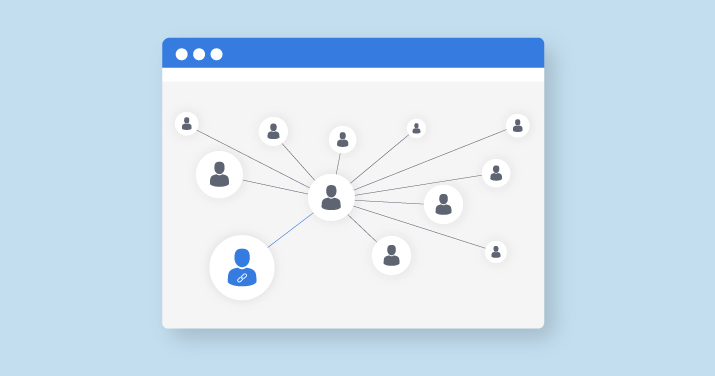
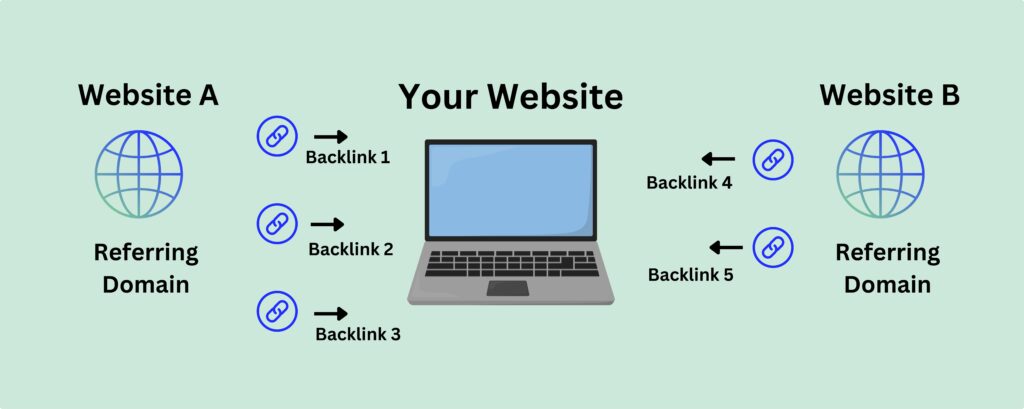
Before we talk about how important backlinks are, we need to know what they are. A backlink is simply a link from one website to another. Think of it as a bridge. When a user clicks a link on Website A and lands on Website B, that is a backlink for Website B.

In the world of search engine optimization (SEO), these are also called inbound links or incoming links. They tell search engines that your content is good. If other people are linking to you, your information must be useful.

The Difference Between Inbound and Outbound Links

It is easy to mix these up.

  • Inbound links: These come into your site from other web pages. These are the types of backlinks that help you rank higher.
  • Outbound links: These are links that go out from your site to other places. You might link to a news report or a tool.

Both are good for the web, but for your search rankings, inbound links are the ones that matter most. They are the ranking signals Google looks for.

Understanding the Concept of “Link Juice” Or “PageRank”

Google uses a system called the PageRank algorithm. It is named after Larry Page, one of Google’s founders. Think of link equity (often called “link juice) like water flowing through pipes.

When a big, popular website links to you, they pass some of that “water” or value to your site. This helps your domain authority grow.

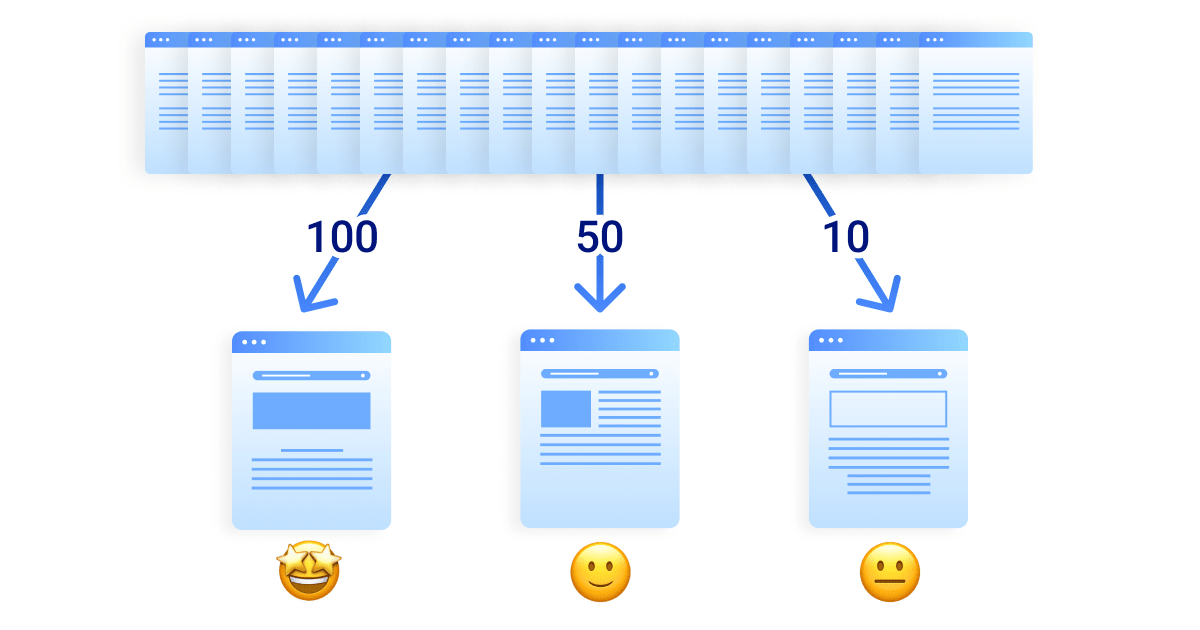
If a site with no authority links to you, you get a little bit of value, but not as much. The more quality links you have pointing to your site, the more “juice” you have. This helps your pages float to the top of Google search.

Exactly How Important Are Backlinks For Google Rankings?
Exactly How Important Are Backlinks For Google Rankings?

So, how important are backlinks when it comes to winning the top spot? They are essential. For a long time, backlinks have been one of the top three factors Google uses to rank pages.

Backlinks As A Vote of Confidence and Trust

Imagine you are running for class president. If nobody votes for you, you cannot win. In digital marketing, a backlink is like a vote of confidence. When a website links to you, they are saying, “I trust this source.” Google counts these votes.

If many reputable websites vote for you, Google trusts you, too. This trust turns into higher rankings.

At VH-info, we focus on getting these votes for our clients. We know that a vote from a trusted expert is worth more than a vote from a stranger. That is why building relationships in your industry is key.

The Impact of Backlinks on Website Authority (DA/DR)

You might hear terms like “Domain Authority” (DA) or “Domain Rating” (DR). These are scores that guess how strong a website is. While Google does not use DA or DR directly, these scores help us guess how well a site will rank.

High authority sites have lots of quality backlinks. When you get links from authoritative sites, your own authority goes up. This makes it easier for all your pages to rank, not just the one that got the link. It boosts your whole backlink profile.

How Backlinks Help Search Engines Find Your Content Faster?

The internet is huge. Google uses bots (spiders) to crawl the web. They follow links to find new pages.

If your new post has no links pointing to it, the bots might not find it for a long time.

Backlinks act like signposts. They tell the bots, “Hey, look over here!” When you get relevant backlinks from news sites or popular blogs, the bots find your content fast. This leads to faster indexing and quicker results in search engine results.

Quality Vs. Quantity: How Important Are Backlinks From High-Authority Sites?
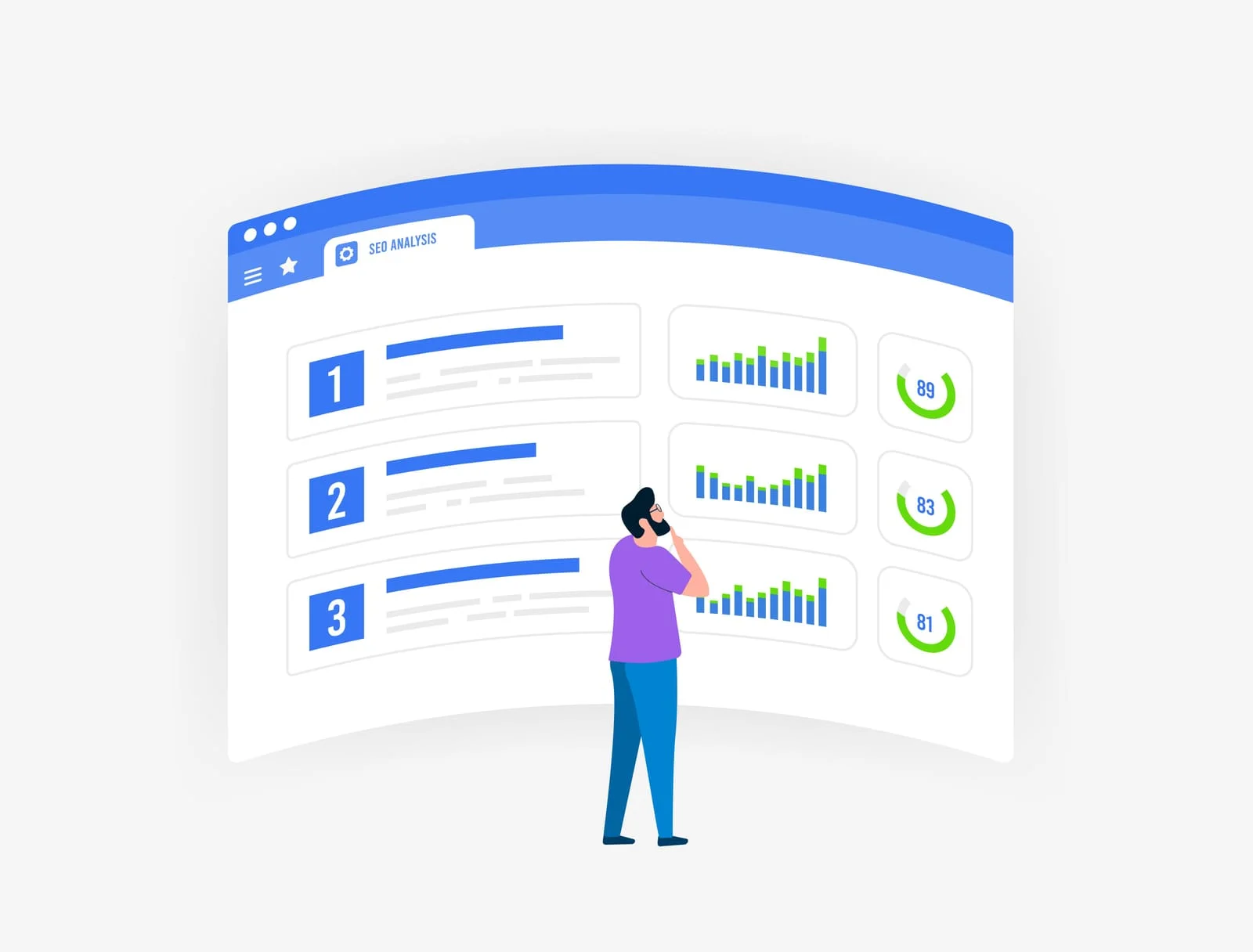
How Important Are Backlinks From High-Authority Sites?

Is it better to have 1,000 bad links or 10 good ones? This is a common question in SEO strategy.

Why Relevance Matters More Than Volume?

Relevance is key. If you sell software (SaaS), a link from a dog food blog does not help much. It might even look weird to Google. You want relevant backlinks from relevant sites in your industry.

For example, if VH-info gets a link from a big marketing blog, that is perfect.

It tells Google we are experts in link building. Relevant content linking to you carries more weight. A huge number of backlinks from random sites is not as good as a few links from sites that talk about what you do.

Dofollow Vs. Nofollow Links: Which Ones Move the Needle?

Not all links are the same.

  • Dofollow links: These tell Google to pass authority (link juice) to your site. These are the best for higher rankings.
  • Nofollow links: These have a small tag that tells Google, “Do not count this as a vote.” You often see these on social media or blog comments.

While dofollow links are the main goal for SEO success, nofollow links can still bring referral traffic (real people clicking the link). A natural link profile has a mix of both.

The Risks of Buying Cheap Or “Toxic” Backlinks

Be careful. Some people sell 500 links for $5. These are usually spammy links from link farms.

Link farms are fake websites made just to sell links. Google is smart. If they see you buying these, they might punish your site. Your search rankings could drop to zero. Always focus on the quality of backlinks over the sheer number of links. Toxic links can hurt your business.

At VH-info, we always advise staying away from cheap shortcuts.

How Important Are Backlinks Compared to High-Quality Content?
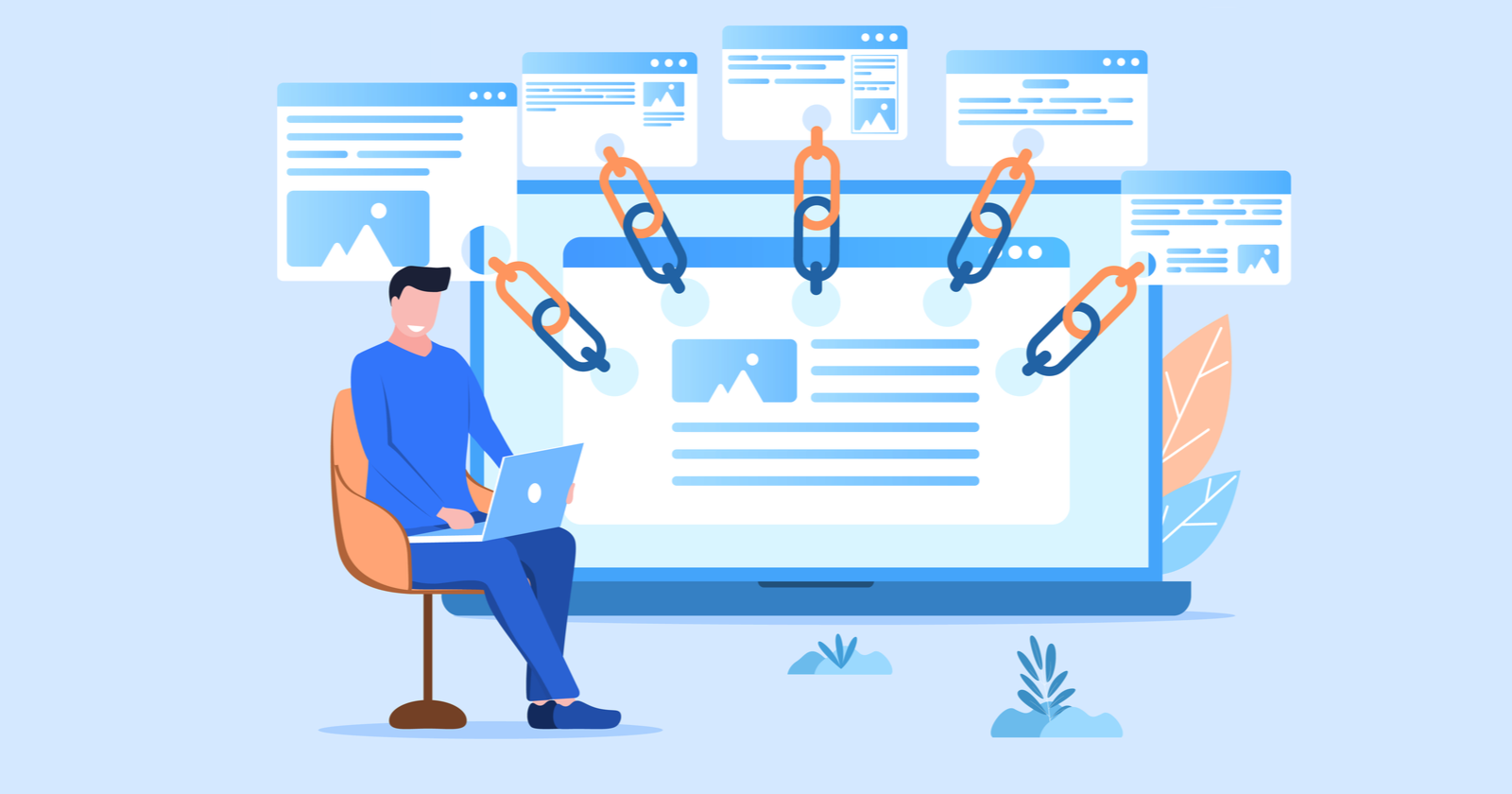
How Important Are Backlinks Compared to High-Quality Content?

You have heard the saying “Content is King.” So, do you really need links if your writing is great?

Can You Rank With Content Alone?

It is possible to rank for very specific, small topics without many links. But for big, competitive keywords, it is very hard. You can have the most valuable content in the world, but if nobody sees it, Google might not know it is there. Search engines need proof that your content is good. Backlinks provide that proof. Without inbound links, your quality content is like a great store built in the middle of a desert.

The Synergy Between Great Content and Link Building

The best strategy is to use both. Create quality content that helps people. Then, use link building to tell the world about it. When you have great content, people want to link to it. This makes getting quality backlinks easier. This mix of content quality and a strong backlink profile is the secret sauce. VH-info helps bridge this gap. We help get your great content in front of the right people on authoritative websites.

Proven Strategies to Acquire High-Quality Backlinks
Proven Strategies to Acquire High-Quality Backlinks

Now that we know how important backlinks are, how do you get them? You cannot just wait and hope. You need to be active.

Guest Posting and Digital PR

Guest posting (or guest blogging) is a classic method. You write a helpful blog post for another website in your niche.

In return, they let you put a link back to your site.

This is great because you get a link, and you also show your expertise to a new audience. Digital PR is similar, but involves getting into news stories or big publications. Both rely on valuable content and building relationships with editors.

The Skyscraper Technique

The Skyscraper method involves finding a popular article in your field. Then, you write something even better. You make it longer, more up-to-date, and add better images.

Once your original research or guide is ready, you reach out to the people who linked to the old article. You tell them, “Hey, I have a better version of this.” Many will swap the link to your high authority piece. This improves the user experience for their readers too.

Fixing Broken Links (Broken Link Building)

The web changes. Pages get deleted. This leaves broken links on many websites. You can find relevant sites that have broken links. You email the owner and say, “Hi, I saw a broken link on your page. I have an article that fits there perfectly.”

This is helpful for them because they fix a bad link. It is good for you because you get a quality link. It is a win-win best practices strategy.

Is It Possible to Achieve SEO Success Without Backlinks?
Is It Possible to Achieve SEO Success Without Backlinks?

This is a tricky question. Can you succeed with zero links?

Are Backlinks Still A Top Ranking Factor?

Yes. Even Google employees like Gary Illyes have said that while things change, links are still very important. They are a core part of how the web works. Search engine rankings rely heavily on the connections between sites.

Quality Content Versus the Need For Linking Domains

Some people think if they just write more, they will win.

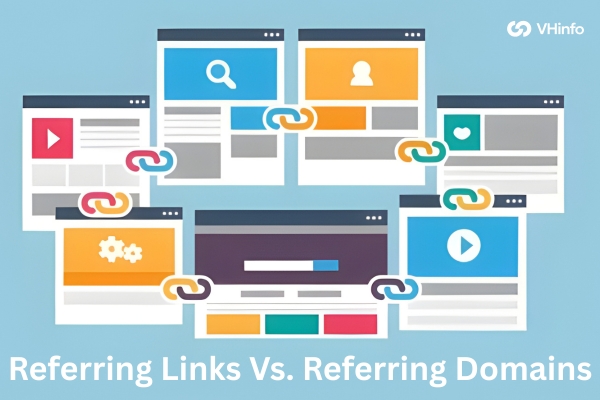
But if your competitor has good content and 50 referring domains (websites linking to them), they will likely beat you. You need authoritative sources vouching for you. The number of backlinks does not have to be huge, but you need some support from quality websites.

Practical Scenarios: Ranking With and Without Backlinks

In local SEO, you might rank for “pizza near me” without many global backlinks. But if you want to rank for “best project management software” (a SaaS term), you are fighting giants. You need a serious SEO strategy that includes backlink building.

For SaaS companies, which VH-info specializes in, skipping links is not really an option. The competition is too high. You need every advantage, including high-quality references.

FAQ’s:

Can I Rank on the First Page of Google Without Any Backlinks?

It is very rare for competitive terms. For small, obscure questions, maybe. But for main keywords, you almost always need backlinks. Search engines need to see trust signals.

How Many Backlinks Do I Need to Rank Higher in Google?

There is no magic number. It depends on what your competitors have. If they have 100 quality links, you might need a similar amount of quality backlinks to compete. Focus on quality over the number of links.

Are 100 Bad Backlinks Better Than 1 Good Backlink?

No. One high-quality backlink from a reputable source is worth much more than 100 spammy links. Bad links can actually hurt your search rankings.

How Long Does It Take For Backlinks to Impact My Rankings?

It takes time. It can take anywhere from a few weeks to a few months. Google needs to crawl the web pages and update its index. SEO success is a long game.

What Makes A Backlink “High Quality”?

A high-quality link comes from a site that is relevant to yours and has high authority. It should use natural anchor text (the clickable words). It should be a dofollow link.

Should I Pay For Backlinks?

Google says you should not buy links that pass PageRank. However, many companies pay for link-building services like VH-info. We do the hard work of outreach and guest posting to earn links naturally. Avoid buying from cheap lists or link farms.

Should I Still Focus on Building Backlinks As Part Of My SEO Strategy?

Absolutely. Link building is still one of the most powerful tools in digital marketing. It drives organic traffic and builds your brand’s authority.

Has the Importance of Backlinks Changed With Recent Search Engine Updates?

Google gets smarter every day. They are better at ignoring bad links. But good, relevant backlinks are still a huge ranking factor. The focus has just shifted more to quality of backlinks rather than just quantity.

Conclusion

So, back to the main question: how important are backlinks? They are critical. They are the votes that tell Google your website matters. They help you build domain authority, drive referral traffic, and climb the search engine results.

While quality content is the foundation, quality backlinks are the structure that holds your house up. You need both to win in organic search.

Building a strong backlink profile takes time and effort. It involves guest posting, building relationships, and creating valuable content. It is hard work, but the results are worth it. If you are a SaaS company looking to boost your search rankings, you don’t have to do it alone.

VH-info is here to guide you. We act as your partner, helping you get placements on authoritative websites and reputable sources. We handle the outreach so you can focus on your product.

Start looking at your link profile today. Are you getting the votes you need? If not, it is time to start building. Remember, in the eyes of search engines, a site with no friends is a site that is hard to trust. Get connected, get linked, and watch your traffic grow.
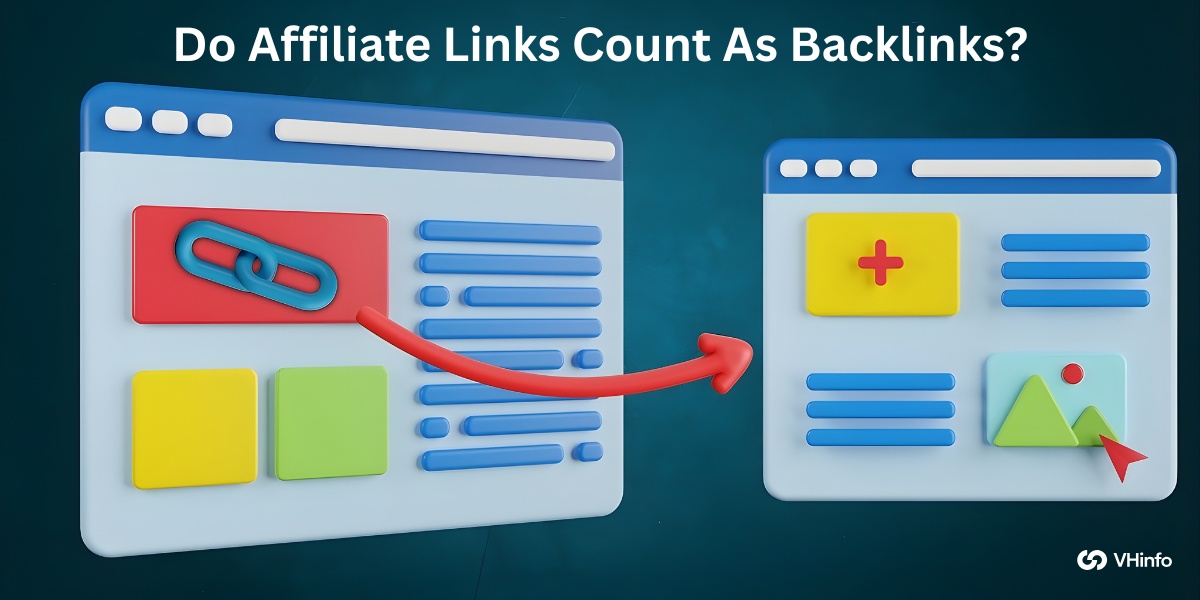
Do Affiliate Links Count As Backlinks? The Definitive Guide For SEO

Everyone who runs a website wants two things: more visitors and more money.

Affiliate marketing is a great way to make money. It allows you to earn passive income by recommending products. But there is a big question that confuses many website owners. That question is: do affiliate links count as backlinks?

This is a tricky topic. You want to rank high in Google search. You know that link building is important for SEO rankings. But you might worry that using affiliate links could hurt your site. You might wonder if search engines see them as spam.

At VH-info, we help SaaS companies grow through real, high-quality strategies.

We know that mixing money-making links with an SEO strategy takes care. We want to clear up the confusion. We want to show you exactly how these links work. This guide will explain how Google search treats these links and how to use them safely on your own website.

What Are Affiliate Links?

What Are Affiliate Links?

Let’s start with the basics. What exactly are these links?

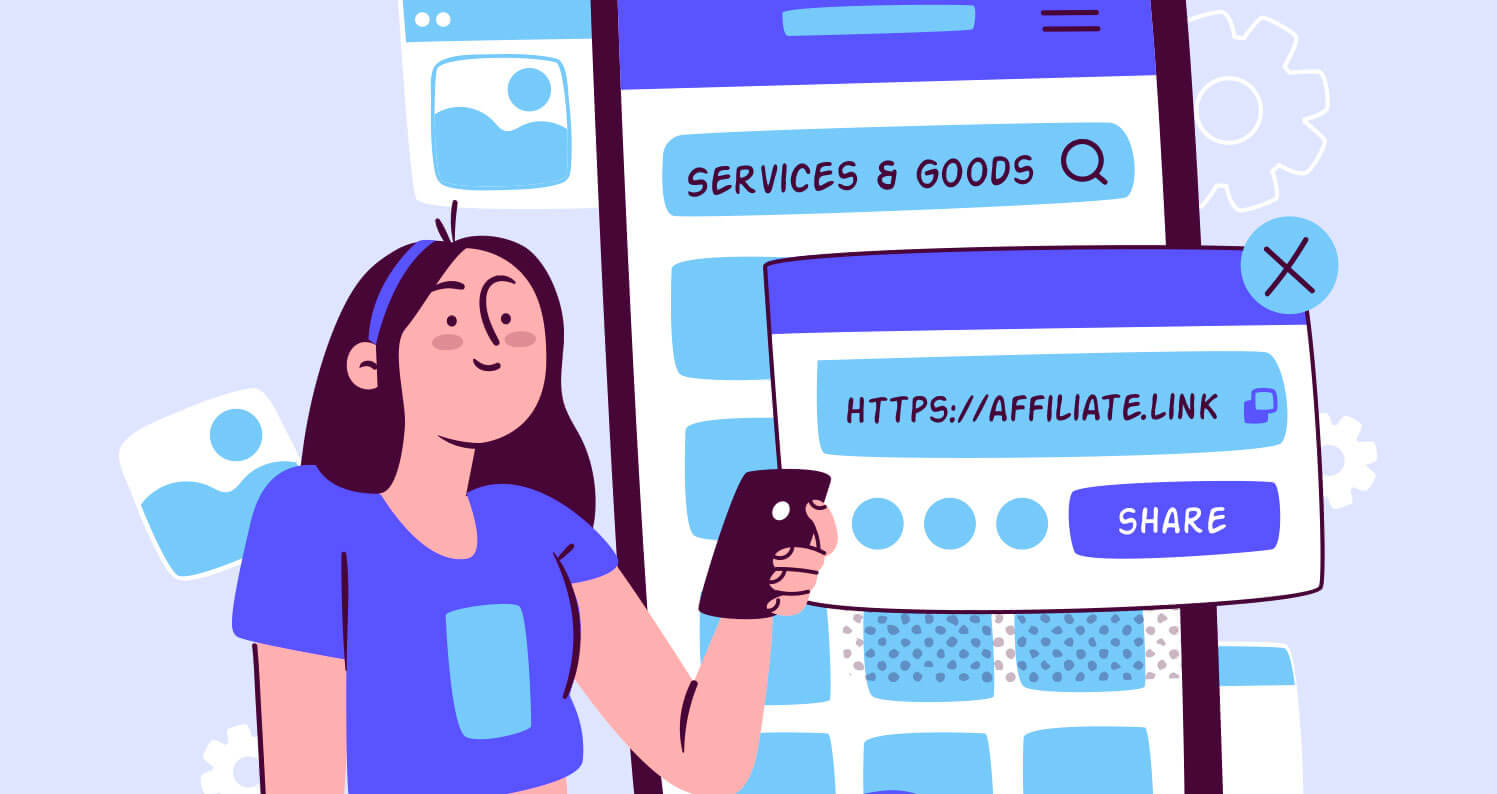
An affiliate link is a special URL. It contains a unique ID or username. This ID belongs to the affiliate marketer. When a visitor clicks this link and buys something, the marketer gets a commission.

Think of it like a salesperson in a store. When they help you find a shirt, they might scan a barcode on their badge at the register. That scan tells the store, “Hey, this person made the sale!

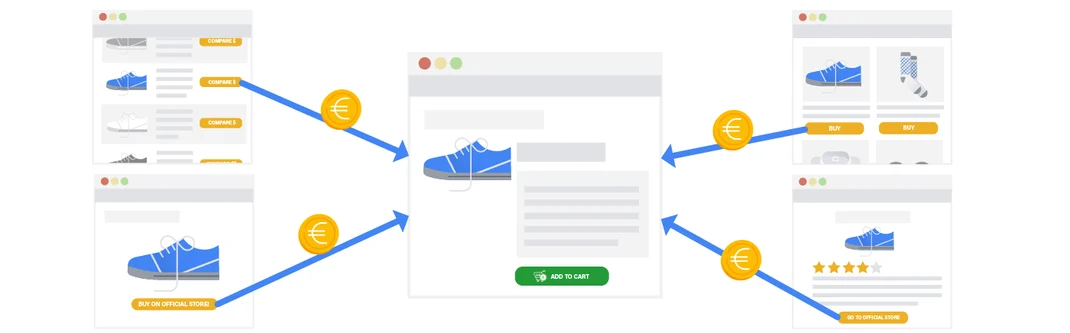
On the internet, affiliate links do the same thing. They track where the traffic came from. They are used in affiliate programs and generally point to a product page on another site.

These links look a little different from normal links. A normal link might look like mysite.com/product. An affiliate link might look like mysite.com/product?ref=123. That extra part at the end is the tracker.

Why Are Affiliate Links Important In SEO?

Why Are Affiliate Links Important In SEO?

You might ask, “Why do we care about these links for SEO performance?

Search engine optimization (SEO) is about getting your site to the top of the search results. To do this, you need good content and good links.

Affiliate links are important because they are everywhere. Many blog posts and product reviews use them. If you look at top-ranking sites, you will see they use affiliate links often. They are a core part of digital marketing.

However, simply having them is not enough to rank. In fact, if you do it wrong, it can be bad. Search engines like Google want to show the best results. They want useful content, not just a page full of ads.

Understanding how these links fit into the bigger picture of search engine rankings is vital. You want to make money, but you do not want to lose your traffic. It is a balance.

How Affiliate Links Affect SEO?

How Affiliate Links Affect SEO?

So, do these links help or hurt? The answer depends on how you use them.

If you have a piece of content that is thin and only exists to sell something, Google might not like it. Google calls this “thin affiliate content.” This type of content does not add genuine value to the reader.

But, if you write a detailed review that helps the user, that is different.

If your content is great, the links are just a tool to help the user take the desired action.

Here is how they affect things:

  • User Experience: If you have too many ads and links, it annoys people. A bad user experience can lower your rankings.
  • Trust: If you are honest about your links, people trust you.
  • Crawl Budget: If you have thousands of affiliate links, the Google bot might spend a lot of time checking those instead of your good articles.

At VH-info, we believe that quality of your content always comes first. The links should fit naturally.

Do Affiliate Links Count As Backlinks? The Short Answer

Do Affiliate Links Count As Backlinks?

Here is the main answer you are looking for regarding the keyword: do affiliate links count as backlinks?

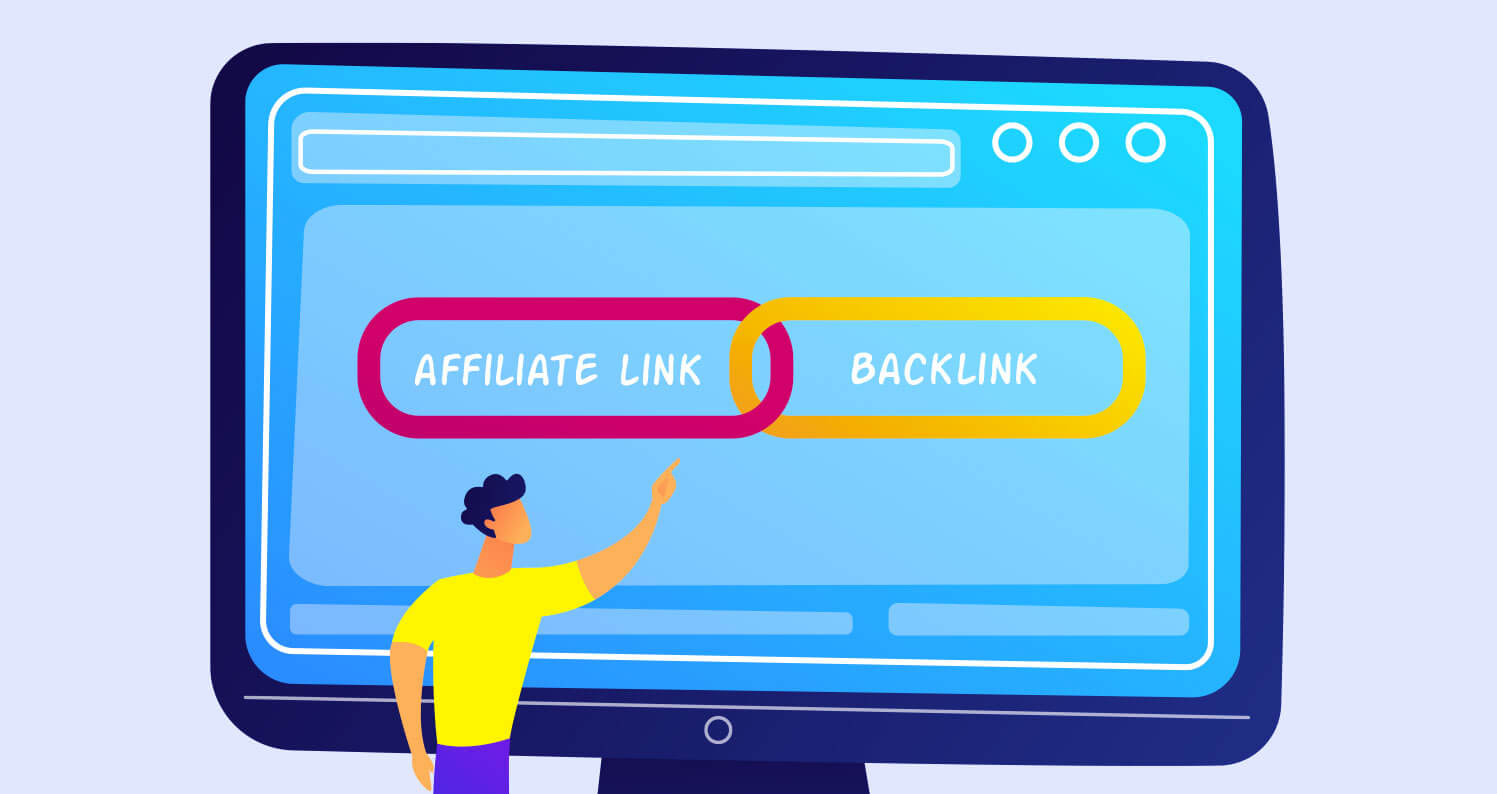
Technically, yes. They are hyperlinks pointing from one site to another. So, strictly speaking, they are links. However, do they count as “votes” for your website? Do they pass authority like a normal backlink? Usually, no.

Most affiliate programs and affiliate networks ask you to tag these links in a specific way. Google also is very smart. It can usually tell when a link is for sales. Because it is a paid relationship, Google does not view it as a natural “vote” of confidence. So, while they are links, they do not give you the same boost as a guest post or an editorial link that VH-info might build for you. They serve a different purpose.

How Search Engines Treat Affiliate Links?

How Search Engines Treat Affiliate Links?

Search engines have specific rules for these links. They want to keep the web fair. They do not want people buying their way to the top of search rankings.

The Role of rel=”nofollow” and rel=”sponsored” Attributes

To tell Google “this is a paid link,” we use HTML tags. These are little codes hidden in the link.

  • Nofollow tags: This tells the search engine, “Don’t follow this link and don’t pass any authority.” For a long time, this was the standard for affiliate links.
  • Sponsored tags: A few years ago, Google introduced rel=”sponsored”. This is now the best practice for any link that involves money or compensation.

When you use Nofollow links or sponsored links, you are playing by the rules. You are telling Google, “I am an affiliate marketer, and this is an ad.” This protects your site from search engine penalties.

Google’s Official Guidelines on Paid Links

Google has strict rules about “link schemes.” Buying links to trick the algorithm is against the rules. It can lead to manual actions.

This is when a real person at Google bans or penalizes your site. John Mueller from Google has said many times that affiliate links should have rel=”sponsored” or rel=”nofollow”. If you hide them or try to make them look like normal links, you might get in trouble.

Affiliate Links Vs. Regular Backlinks: What is the Difference?

Affiliate Links Vs. Regular Backlinks

It is important to know the difference between an affiliate link and the links we build at VH-info.

Understanding Link Equity (Link Juice)

In the SEO world, we talk about “link juice.” Imagine a cup of juice. When a big site links to you, they pour some of their juice into your cup.

This makes your site stronger.

  • Regular Backlinks: These usually pass link juice. They tell Google your site is good.
  • Affiliate Links: These usually have a “stopper” on them (the nofollow tag). No link juice flows through them.

The Impact on Domain Authority

Domain Authority (DA) is a score that predicts how well a site will rank.

Real backlinks increase your authority. They show you are a leader in your field.

Affiliate links do not increase your authority directly. You can have a million affiliate links pointing to your site, but if they are all nofollow, your authority might not move much. This is why you need a separate link-building strategy.

You cannot rely on affiliate partners to build your SEO power. You need marketing strategies that focus on getting real, editorial links.

Can Affiliate Links Actually Help Your SEO?

Can Affiliate Links Actually Help Your SEO?

Even though they don’t pass link juice, can they still help? Yes, in indirect ways.

  1. Indirect Benefits of Affiliate Traffic: When people click your links, you get referral traffic. Traffic is good. If people stay on your site, read your blog posts, and share them on social media, that sends positive signals to Google. High traffic can eventually lead to better SEO rankings because it shows your site is popular.
  2. Building Brand Awareness and Citations: The more people see your brand, the better. Even if a link is “nofollow,” it is still a mention of your brand. If you are a SaaS company and you run an affiliate program, thousands of affiliate sites might write about you. This creates a buzz. This “brand awareness” helps people recognize you in search results.

Affiliate Link Building: Is It Possible?

Affiliate Link Building: Is It Possible?

Can you use affiliate marketing efforts to build real backlinks? It is hard, but possible.

Building Backlinks Through Affiliate Partnerships

Sometimes, you can ask your affiliate partners for a favor.

If they write a review, you can ask them to include a link to your home page or a helpful resource, not just the tracking link. If that extra link is a standard dofollow” link, then it counts as a real backlink! This is a smart SEO strategy. It turns a sales relationship into an SEO win.

Are Links From Affiliate Sites Considered Low Quality?

Many people think affiliate sites are low quality. This is sometimes true. Some sites are just spammy lists of products. However, many affiliate marketers put in hard work. They build amazing sites with useful content. A link from a high-quality review site is valuable.

At VH-info, we analyze the quality of every site. We know that a link from a respected blogger is worth a lot, even if they also use affiliate links.

Diversifying Your Affiliate Link Sources

You should not get all your links from one place. You need different types of links.

A healthy link profile has a mix. This looks natural to search engines.

Best Practices For Managing Affiliate Links on Your Site

Best Practices For Managing Affiliate Links on Your Site

If you are going to use these links, you must do it right. Here are the best practices to keep your site safe and ranking high.

  1. Using the rel=”sponsored” Attribute: This is the most important technical rule. Whenever you add an affiliate link, go into the HTML code. Add rel=”sponsored”. If you use a plugin or marketing tools, check the settings. Make sure it adds this tag automatically. It protects your SEO value.
  2. Unique and Original Content: Do not just copy the product description from the seller. That is “duplicate content.” Google hates that. Write your own thoughts. Share your personal experience. Take your own photos. Content creation requires effort. The quality of your content is what makes people click. If you provide genuine value, Google will reward you.
  3. Disclosing Affiliate Relationships: In the United States, the Federal Trade Commission (FTC) requires you to tell people about your links. You must have a clear disclosure. It should say something like, “If you buy through my links, I may earn a commission.” Put this at the top of your post. This is not just a law; it builds trust. If you hide it, you look shady.
  4. Using Link Cloaking Responsibly: Link cloaking means making a long, ugly link look short and clean. Instead of site.com/product?id=4857485, it looks like yoursite.com/go/product. This is fine to do. It looks better for the user. But do not use it to trick people. The user should know they are going to a product page.

FAQ’s:

What is SEO Affiliate Marketing?

SEO affiliate marketing is the practice of optimizing your website to rank in Google, specifically to drive traffic to affiliate links. The goal is to get organic traffic so you can earn commissions without paying for ads.

Do Affiliate Links Pass Link Equity (Link Juice)?

Generally, no. Because they should have a nofollow or sponsored tag, they do not pass link juice. They do not act as a “vote” for authority in the eyes of Google.

Will Google Penalize Me For Having Too Many Affiliate Links?

This brings us to a key question: how many affiliate links is too many? There is no exact number.

However, if your page is 90% links and 10% text, that is too many. If every other sentence has a link, it looks spammy. The number of affiliate links should not overwhelm the content. If the user feels like they are in a minefield of ads, Google will likely lower your rankings.

Should I Use the “sponsored” Attribute For Affiliate Links?

Yes. This is the correct way to tag them. It tells Google you are being honest about the paid relationship.

Do Dofollow Affiliate Links Help Rankings?

They might help temporarily, but they are risky. If Google catches you using dofollow tags on paid links, you could get a penalty. It is not worth the risk. Stick to the rules.

What is the Difference Between A Cloaked Link and A Raw Affiliate Link?

A raw link shows the full, ugly URL with all the tracking numbers.

A cloaked link is a redirect on your own domain (like yoursite.com/out/product) that sends the user to the destination. Cloaking is used for tracking and neatness, but the SEO value is the same for both (which is neutral).

Conclusion

So, do affiliate links count as backlinks? They are links, but they don’t count as the “votes” you need to build high authority. They are great for money, but you cannot rely on them to build your SEO reputation alone.

To succeed, you need a balanced approach. You need marketing strategies that include creating valuable content and earning real, high-quality backlinks from other sites. This is where hard work pays off.

Don’t let the fear of number of affiliate links stop you. Just use them wisely. Focus on the user. Be honest with disclosures. Use the right tags.

If you are a SaaS business looking to build real authority and climb the search engine rankings, you need more than just affiliate programs. You need a dedicated partner.

VH-info is here to help you. We specialize in building the high-quality links that actually move the needle for your SEO. We handle the hard parts so you can focus on your product.

Ready to boost your site’s authority? Check out our strategies at VH-info today. It is the best way to ensure long-term growth for your business.

Backlinks History: How to Track Important Changes to Your Link Profile

Imagine the internet is a giant library. In this library, there are billions of books. These books are websites. Now, how do you find the best book? In a normal library, you might ask a librarian. On the internet, you use a search engine like Google.

But how does the search engine know which book is the best? It looks for clues. The biggest clue is a link. When one website connects to another, it is called a link. These are also known as backlinks.

If many people point to a specific book and say, “This is great,” you will trust that book more. This is how the history began. It is a story about how the internet learned to organize information.

At VH-info, we know a lot about this. We are a SaaS link-building agency. We help companies get good links to their websites. We do not use software to trick the system. We use our brains and hard work. To be good at link building today, we must look at the past.

In this article, we will look at the full backlinks history. We will see how links started as simple connectors and became the most important ranking factor for Google search. We will look at the digital landscape and how it has changed.

The Dawn of Search: Where Backlinks History Begins

The Dawn of Search: Where Backlinks History Begins

Long before Google was famous, the internet was very different. It was smaller and quieter. There were no complex search engine results. People just wanted to connect pages. This is where the story of backlinks’ history starts.

The Concept of Hyperlinks Before Search Engines

In the early days, a link was just a bridge. It was called a hyperlink. The creator of the World Wide Web, Tim Berners-Lee, wanted a way to connect documents. Think of it like a tunnel. You are reading a paper on one computer. You click a blue underlined word.

Suddenly, you travel through a tunnel to another paper on a different computer. This was magic. At this time, nobody cared about search engine optimization (SEO). There were no SEO professionals. A site owner would add external links just to be helpful.

If a scientist wrote a paper, they would link to another scientist’s research. It was honest. It was about sharing knowledge. The types of links were simple. They were mostly internal links (connecting pages on the same site) or links to friends. The digital space was built on trust.

RankDex and the Initial Idea of Link Analysis

Most people think Google invented the idea of using links to rank pages.

But in backlinks history, another man had the idea first. His name was Robin Li. In 1996, Robin Li created a system called RankDex. He looked at the linking site and the page it pointed to. He thought, “If a page has many links pointing to it, it must be good.

He also looked at something called anchor text. This is the clickable text in a link. For example, if the blue text says “best pizza,” the page it links to is probably about pizza. This was a huge step in backlink analysis. RankDex was the grandfather of modern search.

It showed that backlink data could tell us what a webpage was about. This was the seed that grew into the world of SEO.

Why Links Were Originally Created?

Why did we start linking? It was not for Google’s algorithm. It was for people.

  • Navigation: Links helped people move around the web. Without links, you would have to type a long address for every page.
  • Citations: Just like in a school report, you need to show where you got your facts. Incoming link sources proved you were telling the truth.
  • Recommendations: A linking website was saying, “Hey, go look at this. It is cool.”

In the early backlinks history, links were pure. They were votes of confidence. Today at VH-info, we still believe this. A link should be helpful. It should lead to valuable content. When we build links for our clients, we focus on this original purpose.

The PageRank Revolution in Backlinks History

The PageRank Revolution in Backlinks History

Then, everything changed. Two students at Stanford University had a big idea. This part of backlinks history is where the modern search engine was born.

How Larry Page and Sergey Brin Changed the Game

Larry Page and Sergey Brin were the founders of Google. They looked at the web and saw a mess. Early search engines like Yahoo or AltaVista were not very smart. They only looked at the words on the page. If you wrote “cat” 100 times, you would show up first for “cat.”

Larry and Sergey built a new system. They called it BackRub at first. Later, it became Google. They used a math formula called the PageRank algorithm. This algorithm looked at the importance of backlinks. It treated the web like a popularity contest.

But it was a smart contest. It did not just count the number of links. It looked at who was linking.

The “Vote of Confidence” Methodology

Imagine you are running for class president. You need votes.

  • If a random stranger votes for you, that is nice.
  • If the school principal votes for you, that is amazing.

The PageRank algorithm worked the same way. A link from a small blog was a small vote. A link from a big newspaper was a big vote.

These were votes of confidence. When a high-quality site links to you, it passes page authority to your site. This made your search engine rankings go up. This was the core of backlinks’ history. It made Google the best place to find things. At VH-info, we explain this to our clients often. You do not need a million bad links. You need links from authoritative sites. That is what moves the needle.

Quantity Vs. Quality in the Early 2000s

In the beginning, Google was smart, but not perfect. It still cared a lot about the total number of backlinks.

If Site A had 10 links and Site B had 100 links, Site B usually won. It did not matter if the links were great. It just mattered that there were many of them. This created a rush. Every site owner wanted more links. They did not care about link quality.

They just wanted to boost their number of backlinks. This led to a crazy time in backlinks’ history. We call it the Wild West.

The “Wild West” Era of Backlinks History (2000–2011)

The "Wild West" Era of Backlinks History (2000–2011)

From the year 2000 to 2011, the internet was like a town with no police. SEO professionals found ways to trick Google. They knew that backlinks history showed links were powerful. So, they made fake ones.

The Rise of Link Farms and Directory Spam

People created websites that had no good reading material. These were called link farms. A link farm is a group of websites that all link to each other. Imagine a group of people in a circle. Each person points to the person next to them and says, “He is famous.

But nobody outside the circle knows them. This is how link farms worked. They also used directories. A directory is a list of websites. People would submit their site to thousands of directories. These were spammy links. They provided no SEO value to a real human.

But for a while, they tricked the search engine.

Buying Links and Black Hat Tactics

Some people did not want to work hard. They used “Black Hat” tactics. This means breaking the rules.

They would pay other websites to link to them. They would hide links in the background where you could not see them. They would use software to leave comments on thousands of blog post pages. The comments would say things like, “Great post! Visit my site.

These were inbound link strategies that were very bad. It made the backlink profile of a site look messy.

The Abuse of Exact Match Anchor Text

Do you remember anchor text? That is the clickable word.

In this era, people abused it. If they wanted to rank for “cheap shoes,” they would make thousands of links that said exactly “cheap shoes.” This looked very fake. Normal people do not write like that. Normal people write “click here” or “check this website.”

But the search engine results rewarded this behavior. At VH-info, we look back at this time and shake our heads. It was a time of quantity over quality. But we know that shortcuts do not last forever.

The Turning Point: Algorithm Updates in Backlinks History

Algorithm Updates in Backlinks History

Google realized that people were cheating. The search results were getting bad. You would search for a dog trainer and get a spam site. Google had to fix this. This is the most dramatic part of backlinks’ history.

The Google Penguin Update (2012) Explained

In April 2012, Google launched a major update. They named it Penguin.

Penguin was like a strict teacher. It looked at the backlink profile of websites. It looked for those link farms and paid links.

If Penguin saw that you had bad links, it punished you. Your website would disappear from the google search results. Overnight, businesses lost all their visitors. It was a huge shock to the digital marketing world.

This update proved that link quality was more important than the number of links. It killed the link farms.

The Introduction of Manual Penalties

Robots are smart, but humans are smarter. Google hired real people to look at websites. These were manual reviewers.

If a reviewer saw that you were buying links, they would give you a manual penalty. You would get a message in google search console. It would say, “We found bad links. Fix them, or you stay hidden.

This forced SEO professionals to clean up their act. They had to look at their historical data. They had to remove bad links.

How the “Nofollow” Attribute Changed the Landscape?

Google also gave webmasters a tool called “Nofollow.”

Sometimes, you link to a site, but you do not want to give it a “vote.” Maybe it is a paid ad. Maybe it is a comment section.

You can add a tag to the link code: rel=”nofollow”. This tells Google, “I am linking to this page, but I do not vouch for it.

This changed backlinks history. It allowed sites to link freely without worrying about passing bad votes. It helped clean up the link metrics. Now, we have other tags too, like “sponsored” or “UGC” (user generated content).

Modern Link Building Vs. Backlinks History

Modern Link Building Vs. Backlinks History

Today, things are very different. The tricks from 2010 do not work. At VH-info, we practice modern link building. We focus on what works now.

The Shift from Quantity to Relevance and Authority

Now, you cannot just get a link from anywhere. It must be relevant. If you sell car parts, a link from a cooking blog does not help much. Google knows that cooking and cars are not related. You need a link from a car blog or a mechanic’s website.

Relevance is key. Also, authority matters. A link from a big news site is worth 1,000 links from small blogs. The SEO performance of your site depends on these high-quality connections.

We use SEO tools like Majestic SEO, Ahrefs, or Link Explorer to check these metrics. We look at page authority and trust flow.

The Role of E-E-A-T (Experience, Expertise, Authoritativeness, Trustworthiness)

Google has a new guide called E-E-A-T. It stands for Experience, Expertise, Authoritativeness, and Trustworthiness.

Your content must show these things. And your backlink profile must support it.

  • Do experts link to you?
  • Do trustworthy sites mention you?

This is why digital pr is so popular now. It is about getting real news sites to talk about you. It builds trust. VH-info helps SaaS companies build this trust by getting natural backlinks from real, working websites.

Predicting the Future: AI and Linkless Mentions

What comes next in backlinks history?

Artificial intelligence is changing everything. Search engines are getting smarter. They might not always need a clickable link to know you are popular. If a famous person mentions your brand name in a video or a text, Google might count that. This is called a “linkless mention.”

Also, AI can read content better. It can tell if a link is truly helpful or just placed there for SEO. The future of SEO is about being genuinely useful. Content marketing must focus on answering questions, not just stuffing keywords.

FAQ’s:

When Did the History of Backlinks Actually Start?

The backlinks history started with the invention of the World Wide Web in 1989 by Tim Berners-Lee. However, using links as a vote for ranking started with RankDex in 1996 and became famous with Google in 1998.

Why Has the Value of Backlinks Changed Throughout History?

The value changed because people tried to cheat. At first, any link was good. Then, bad actors made spammy links. So, search engines had to change to value quality over quantity. Now, SEO value comes from trust and relevance.

What Was the Most Significant Update in Backlinks History?

The Google Penguin update in 2012 was likely the most important. It stopped the “Wild West” era. It forced everyone to stop using black hat tactics and focus on valuable content. It shaped the modern digital landscape.

Are Backlinks Still As Important Today As They Were In History?

Yes, they are still one of the top ranking factors. However, the kind of link matters more. You need new backlinks from authoritative and relevant sites. A bad link can actually hurt you now.

How Does the “Nofollow” Tag Fit Into Backlinks History?

The Nofollow tag was introduced to fight spam. It allowed site owners to link without passing page authority. It helps keep the link profile clean and natural. It is a key part of best practices today.

Conclusion

The story of backlinks history is a story of evolution.

We went from simple blue lines connecting papers to a complex system of votes of confidence. We saw the rise of Google and Larry Page and Sergey Brin. We saw the crazy days of link farms and the strict rules of the Penguin update.

Today, we live in a world where quality, relevance, and trust are king.

Links are the streets of the internet. They guide us to the information we need. For any site owner, understanding this history is vital. It helps you avoid mistakes. It shows you that there are no shortcuts.

At VH-info, we love this history. It teaches us how to do our job better. As a SaaS Link Building Agency, we help you navigate this complex world. We build natural backlinks that stand the test of time. We use safe best practices to help your site grow.

The world of SEO will keep changing. Artificial intelligence will bring new challenges. But one thing will remain true: good connections matter. If you create great things, and people link to you, you will win.

If you need help building these connections, remember us. We are here to help you build a strong backlink profile that drives real results.

Top Guide to Link Building Blogs: Strategies, Tools, Sites For 2026

Getting your website to show up on the first page of search engines like Google can feel like a hard puzzle. But there is a key piece to this puzzle called link building. If you want your website to get more visitors, you need to understand how link-building blogs work.

At VH-info, we help SaaS companies grow every day.

We know that building quality links is the best way to get traffic without paying for ads. This is called organic traffic. As a SaaS Link Building Agency, we do not use magic buttons. We use hard work and smart plans. We want to share our knowledge with you.

In this guide, we will talk about link-building blogs. These are special websites where you can get backlinks. A backlink is when another website connects to your site. We will show you how to find these blogs, how to talk to the owners, and how to get high-quality links.

What Are Link Building Blogs and Why Are They Important For SEO?

What Are Link Building Blogs and Why Are They Important For SEO?

Link-building blogs are websites that publish articles about different topics. They are important because they can link back to your website. When a good blog links to you, it tells Google that your site is good too. This is a big part of digital marketing.

Think of the internet like a big popularity contest. Search engines count links as votes. The more votes you have from popular and trusted places, the more popular you look. This helps you climb up the search results.

Understanding the Value of High-Quality Backlinks

Not all links are the same. You want quality backlinks.

A link from a very famous news site is worth much more than a link from a site nobody visits. High-quality links act like a strong recommendation. If a trusted doctor tells you to eat an apple, you believe them.

If a stranger says it, you might not. Google works the same way. It looks for high authority websites. When these sites link to you, it boosts your own authority. This makes your link profile look strong and healthy.

The Difference Between Guest Posting and Link Insertions

There are two main ways to get a link from a blog. The first is guest posting. This is when you write a new piece of content for someone else’s blog. You write a helpful article, and inside that article, you put a link to your site. This is a very popular link-building tactic.

The second way is link insertions. This is when you find an old blog post that is already published. You ask the owner to add your link to that existing page. This is a great way to get a link on a page that already has authority. Both methods are useful for your SEO strategy.

How Authority Blogs Boost Your Domain Rating?

Domain Authority (DA) and Domain Rating (DR) are scores that predict how well a website will rank.

Tools like Moz and Ahrefs make these scores. When you get links from authority blogs, your own score goes up. A higher score means it is easier for you to rank for hard keywords. At VH-info, we focus on getting links from blogs with good scores. This helps our clients grow faster.

It is not just about the number of links. It is about how strong those links are. A strong backlink profile is the foundation of success.

How to Find the Best Link Building Blogs in Your Niche?

How to Find the Best Link Building Blogs in Your Niche?

Finding the right blogs is the first step. You cannot just ask anyone for a link. You need relevant websites. If you sell dog food, a link from a car blog does not make sense. You need to find blogs that match your topic.

Using Advanced Google Search Operators to Find Opportunities

Google is the best tool to find link-building opportunities. You can use special search words to find blogs that want guest posts. These are called search operators.

For example, you can search for:

  • “Your Niche” + “write for us”
  • “Your Niche” + “guest post”
  • “Your Niche” + “submit an article”

This is a simple but effective link-building method. It shows you pages that are looking for writers. You can make a list of these sites. This is the start of your link-building strategy.

Analyzing Competitor Backlinks to Uncover Hidden Gems

Your competitors can teach you a lot. Look at the websites ranking above you. Who is linking to them?

If a blog links to your competitor, they might link to you, too.

You can use a site explorer tool to see their links. Look for high-quality blogs in their list. This takes the guessing out of the game. You simply look at what works for them and try to do it better. This is a smart way to find relevant links.

Utilizing SEO Tools Like Ahrefs, SEMrush, and Moz

To do this work fast, people use tools like Ahrefs, SEMrush, or Moz. These tools have a huge database of web pages.

Even though VH-info is an agency and not a tool, we know how to use these programs well. They help us check keyword research and see where links come from. You can use them to find broken link opportunities or see which blogs get the most organic traffic.

These tools are like a map for link builders.

Using Social Media to Find Bloggers Accepting Guest Posts

Social media is not just for fun. It is a powerful place for business. Many bloggers post on Twitter (X) or LinkedIn when they need content.

You can search Twitter for terms like “looking for guest posts” or “#journorequest“. This is a part of digital pr. It helps you connect with real people. Building a connection on social media can make it easier to get a link later.

It is a good fit for anyone who likes talking to people.

Proven Outreach Strategies For Link Building Blogs

Proven Outreach Strategies For Link Building Blogs

Once you have a list of blogs, you need to contact them. This is called outreach. Many people get this wrong. They send boring emails. At VH-info, we send emails that get answers.

Crafting the Perfect Guest Post Pitch

Your email needs to be short and sweet. Blog owners are busy. They do not want to read a long story.

Here is a simple plan:

  • Find the right email address.
  • Use their name.
  • Say something nice about their blog.
  • Suggest 2 or 3 topics for a guest post.
  • Show them examples of your content creation.

Focus on quality content. Tell them how your article will help their readers. If you provide valuable content, they are more likely to say yes.

The Broken Link Building Method

This is a classic trick. You look for links on a blog that do not work anymore. These are called broken links. When you find one, you email the blog owner. You tell them, “Hey, I found a broken link on your page. I have a resource that is similar. You can use my link to fix it.” This is helpful for them because broken links are bad for SEO. It is a win-win situation. Broken link building has a good success rate if you do it right.

Resource Page Link Building

Some websites have pages that just list helpful links. These are called resource pages.

For example, a page titled “Best Tools for Marketing.” You can reach out to these sites and ask to be added to the list. You need to explain why your tool or article is a good link for their list. This is an easy way to get a link from a page that Google trusts.

Building Relationships Before Asking For A Link

Don’t be a stranger. Before you ask for a favor, try to be friends. Comment on their blog post. Share their articles on social media.

When they see your name, they will remember you. Building links is really about building relationships. If they like you, they will help you. This is how we build lots of links at VH-info. We treat people with respect.

Evaluating the Quality of Link Building Blogs Before You Pitch

Evaluating the Quality of Link Building Blogs Before You Pitch

Not every blog is good for you. Some can actually hurt your site. You need to check the quality before you spend time writing.

Checking Domain Authority (DA) and Domain Rating (DR)

Check the numbers first. A high DA or DR usually means the site is strong. We suggest looking for sites with a DA over 30 or 40. However, numbers are not everything. A new site might have a low score but great content. Use the score as a guide, but look closer too.

Analyzing Organic Traffic Trends and Keywords

This is the most important check. Does the blog get real visitors? You can check this with SEO tools.

If a site has a high DR but zero traffic, that is suspicious. You want links from sites where real people go. Organic traffic proves that Google likes the site. Also, check if they rank for keywords related to your industry. This ensures relevant content.

Spotting “Link Farms” and Spammy Networks to Avoid

Some sites exist only to sell links. These are called “link farms.” Google hates them. If you get links from here, you might get in trouble.

How to spot them?

  • They write about everything (casino, dogs, crypto, health) all on one page.
  • The content is poorly written.
  • They have no “About Us” page.
  • They sell links openly.

Stay away from these. Stick to white hat methods. At VH-info, we only build safe, long-term links. We avoid black hat risks.

A Curated List of Popular Link Building Blogs and Communities

A Curated List of Popular Link Building Blogs and Communities

There are many places to learn and get links. Here are some categories to look at.

Top SEO and Digital Marketing Blogs Accepting Guest Posts

Blogs about marketing are great for case studies and expert advice. Sites like Search Engine Journal, Moz, or HubSpot sometimes take guest posts. These are very hard to get into. You need amazing original research or a very unique story.

But if you get a link here, it is very powerful. It drives referral traffic and boosts your reputation.

Business and Technology Blogs For Link Building

If you are a SaaS company like our clients, tech blogs are perfect. Sites like TechCrunch or smaller business blogs work well. The target audience here is looking for software and tools. A mention here can bring you new customers.

Make sure your anchor text (the clickable words) looks natural.

Lifestyle and General Interest Blogs

Sometimes, you can find a good fit in lifestyle blogs. For example, if you sell a time-saving tool, a “productivity” blog is a match. Always look for relevant pages. Do not force a link where it does not belong. The context must be right.

FAQ’s:

Does Guest Blogging Still Work Effectively For Link Building?

Yes, absolutely. Guest blogging is one of the best ways to build links. But the content must be good. You cannot just write low-quality text. It must be a helpful piece of content that people want to read.

Should I Pay For Links on Link Building Blogs?

Google says you should not pay for links that pass authority. This is against their rules. However, many people do it. At VH-info, we focus on earning links through content marketing and relationships. Buying links on bad sites is risky.

What is the Difference Between Dofollow and Nofollow Links?

A dofollow link tells Google to count the vote. It helps your SEO. A nofollow link tells Google, “I am linking to this, but I do not vouch for it.” Nofollow links are still good for traffic, but they do not help your rankings as much. A natural link profile has both types.

How Can I Build Organic Links Without Risking SEO Penalties?

The best way is to create content that people want to link to. This is called the skyscraper technique.

You find a good article, write a better one, and ask people to link to yours. Also, create data studies or cool images. This attracts links naturally. Stick to white hat rules, and you will be safe.

How Many Links Should I Try to Build Per Month?

There is no magic number. For some, 5 links are enough. For others, 50 is the goal. Focus on quality. One link from a huge site is better than 100 links from tiny sites. Consistency is key in your link-building efforts.

How Do I Verify If A Blog Is A “Link Farm”?

Look at the articles. Do they make sense? Do they have real authors? Check the traffic trend. If the traffic dropped to zero suddenly, it might have been punished by Google. Avoid these sites.

Where Can I Find Free Resources to Learn About Link Building?

There are many great blogs. You can read the VH-info blog. You can also follow experts on LinkedIn. Google Alerts can tell you when new articles come out. There is a lot of free information online to help you become a pro.

Conclusion

Building links is a journey. It takes time, patience, and effort. Link-building blogs are a huge part of this world. They help you share your knowledge, reach new people, and tell Google that your site is trustworthy.

Remember to focus on quality backlinks and relevant content. Don’t try to cheat the system with black hat tricks. Use the outreach strategies we talked about. Be polite, be helpful, and provide value.

If you are a SaaS company and this sounds like too much work, VH-info is here to help.

We are experts in technical SEO and relationship building. We can handle the hard work while you focus on your business. Start your link-building strategy today. Check your link profile, find some different pages to pitch to, and start writing. The results will come. Good luck!

How to Create A High-Performance Linkbuilding Plan For 2026

Imagine you have built a fantastic store, but it is located in the middle of a desert where no one can see it. You have great products, but no customers. In the world of the internet, a website without links is just like that store in the desert.

To get people to visit, you need a map that leads them to you. This is where a link-building plan comes in.

At VH-info, we help SaaS companies build these maps every day. We know that getting other websites to link to your site is the best way to tell search engines like Google that your website is important. When authoritative websites point to you, it is like a vote of confidence.

It tells Google, “Hey, this website is good. You should show it to more people.” But you cannot just wish for links. You need a strategy. You need a guide. You need a solid linkbuilding plan. Without a plan, you might spend money and time on things that do not work.

In this guide, we will walk you through exactly how to build a plan that brings you quality backlinks, higher search rankings, and more organic traffic. We will keep it simple and clear, just like the advice we give our clients here at VH-info.

Why You Need A Dedicated Linkbuilding Plan For SEO Success?

Why You Need A Dedicated Linkbuilding Plan For SEO Success?

Many website owners think they can just write content and wait. They hope that links will come naturally.

While this is a nice thought, it rarely happens fast enough. To win in digital marketing, you need to be active. You need a dedicated linkbuilding plan. A plan keeps you focused. It helps you see what steps you need to take next. It stops you from guessing.

Let’s look at why this is so important for your SEO strategy.

Understanding the Role of Backlinks in Search Algorithms

Think of search engines (like Google) as a giant popularity contest.

But instead of counting friends, Google counts links. When another website links to your site, it is called a backlink. Google’s computer systems, called algorithms, look at these links to decide who wins the top spot in search results. If a website has many links from other strong websites, Google thinks, “This must be a trusted source.” This concept is often called link juice.

Imagine a cup of juice. When a big site links to you, it pours some of its “juice” or power into your cup. The more juice you have, the higher your search engine rankings will go. A good linkbuilding plan helps you get more of this juice safely and steadily.

The Difference Between Quality Vs. Quantity in Link Building

Here is a big secret: not all links are the same.

Having 100 links from bad, spammy websites is worse than having one link from a great, famous website. Quality links come from sites that people trust. These are sites that have high domain authority and write great content. Quantity just means having a lot of links, even if they are from junk sites. If your link-building strategy only focuses on getting many links, you might get in trouble.

Google is smart. It knows if you are trying to cheat with bad links. At VH-info, we always tell our clients to focus on quality backlinks. One amazing link from a big news site or a popular industry blog is worth gold. It brings real people to your site, not just bots.

Risks of Operating Without A Strategic Plan

If you try building links without a plan, things can get messy.

  • Wasted Money: You might pay for guest posts on sites that give you zero results.
  • Getting Lost: You might forget which link-building tactics you used last month.
  • Google Penalties: If you accidentally get bad links, Google can hide your website from search results completely.

Operating without a linkbuilding plan is like cooking without a recipe. You might end up with something that tastes terrible. A plan keeps your link-building efforts safe, organized, and effective.

Essential Steps Before Launching Your Linkbuilding Plan

Essential Steps Before Launching Your Linkbuilding Plan

Before you send a single email or ask for a link, you need to get your own house in order. You cannot invite guests over if your house is messy. The same is true for your website.

Conducting A Technical SEO and Content Audit

First, check your website’s health. This is called a technical SEO audit. You need to make sure your website loads fast and works well on mobile phones. User experience is very important. If a user clicks a link to your site and it is broken, they will leave immediately.

Next, look at your content. Do you have valuable content that people actually want to read? Is it better than what is already out there?

At VH-info, we review our clients’ blogs to make sure they are ready for links. If you have quality content, people will want to link to it. If your content is thin or boring, no linkbuilding plan can save it.

Analyzing Competitor Backlink Profiles

You do not have to reinvent the wheel. You can look at what your winners are doing. This is called competitor analysis.

Look at the top websites in your niche. Where are they getting their links from?

  • Are they getting links from news sites?
  • Do they have many guest posts?
  • Are they on resource pages?

By looking at their link profile, you can find link opportunities for yourself. If a website is linked to your competitor, there is a good chance they might link to you too, especially if your content is better. This is a huge part of a successful link-building campaign.

Defining Your Target Audience and High-Priority Pages

Who do you want to visit your website? This is your target audience. If you sell software for dentists, you do not need links from a cooking blog. You need links from dental blogs. You also need to pick which pages on your site are most important. You cannot build links to every single page at once. Pick your “money pages” (where you sell things) or your best blog posts. These are your high-priority pages.

Your linkbuilding plan should focus on getting links to these specific pages first. This helps you see results faster.

Core Strategies to Include in Your Linkbuilding Plan

Core Strategies to Include in Your Linkbuilding Plan

Now that you are ready, what specific actions should you take? There are many ways to get links, but some work better than others.

Here are the core strategies we recommend at VH-info for a SaaS link building strategy.

The Skyscraper Technique: Upgrading Existing Content

The Skyscraper Technique is a fancy name for a simple idea: find something good and make it better.

  • Find a popular topic: Look for a piece of content in your industry that has many links.
  • Make it better: Write a new article on the same topic but make it longer, more up-to-date, and better designed. Add original research or better images.
  • Tell people: Reach out to the people who linked to the old article. Tell them, “Hey, I saw you linked to this guide. I just wrote one that is new and has more info. It might be better for your readers.”

This is a great way to get high quality links because you are helping website owners keep their content fresh.

Guest Posting and Thought Leadership Outreach

Guest posting (or guest blogging) is when you write an article for someone else’s website.

In exchange, they let you put a link back to your site. This is one of the most reliable link building tactics. But you have to be careful. Do not write for low-quality sites just to get a link. Write for authoritative websites in your niche.

When you write guest posts, you show that you are an expert. This is called thought leadership. It builds brand awareness and trust.

At VH-info, we help our clients find the best blogs to write for so they get relevant links that drive traffic.

Using Digital PR For High-Authority Links

Digital PR is about getting your brand into the news. It is not just for big companies. Even a small business can use it.

You can do this by:

  • Sharing an interesting story about your company.
  • Releasing data or a study you did.
  • Giving an expert quote for a journalist’s story.

When a news site writes about you, they usually give you a backlink. These are often high domain authority links that are very powerful for search engine rankings.

Broken Link Building Opportunities

The web is full of broken links. These are links that lead to “404 Error” pages because the old page was deleted.

Broken link building is a smart strategy. You find a broken link on a website that is relevant to you. You write an email to the website owner saying, “Hi, I was reading your article and noticed this link is broken. I have a similar article on my site that works. You could swap it if you like.” This is helpful for the website owner because broken links are bad for their SEO. It is a win-win situation.

It is a key part of many successful link-building plans.

Executing Your Linkbuilding Plan: Outreach and Relationship Building

Executing Your Linkbuilding Plan: Outreach and Relationship Building

You have a plan. You have content. Now you need to talk to people. This is the outreach phase. This is where many people fail, but with the right linkbuilding plan, you can succeed.

How to Find and Vet Link Prospects?

You need a list of people to contact. These are your link prospects. You can use social media or Google search to find bloggers, journalists, and website owners in your industry.

Before you contact them, you must “vet” them. This means checking if they are good. Ask these questions:

  • Does this site post new content regularly?
  • Do they have real comments and engagement?
  • Is the content related to my niche?

If the answer is yes, they are a good prospect. Don’t waste time on dead sites.

Creating Personalized Outreach Emails That Convert

Nobody likes spam. If you send the same boring email to 100 people, mostly no one will reply. You need to write outreach emails that are personal.

  • Use their name.
  • Mention something specific about their article.
  • Be polite and short.
  • Explain clearly why your link is valuable to their readers.

At VH-info, we focus on building relationships, not just begging for links. When you treat people like humans, they are more likely to help you.

Negotiating Link Placements and Anchor Text

Sometimes, a website owner will say yes, but you need to agree on details.

One detail is the anchor text. Anchor text is the clickable text in a hyperlink.

For example, in the sentence “Check out our SEO tools,” the words “SEO tools” are the anchor text. You want your anchor text to look natural. Do not always use the exact keyword you want to rank for. Mix it up with your brand name or generic words like “click here.”

Also, discuss where the link will go. A link inside the main body of a blog post is much better than a link in the footer. Sometimes you can ask for niche edits, which means adding your link to an older, already popular post. This gives you link juice very quickly.

Tools to Automate and Scale Your Linkbuilding Plan

Tools to Automate and Scale Your Linkbuilding Plan

Doing everything by hand is hard. To scale your link building campaign, you should use tools. At VH-info, we use professional tools to manage campaigns for our clients, but you can use them too.

Best Tools For Prospecting (Ahrefs, Semrush, Moz)

Tools like Ahrefs, Semrush, and Moz are the heavy lifters. They help you check domain authority (DA) or Domain Rating (DR).

They let you spy on your competitors. They show you where new pages are and where link opportunities exist. These tools are not free, but they are necessary for serious SEO experts. They save you hundreds of hours of manual searching on Google.

Outreach Management Software (Pitchbox, BuzzStream)

If you are sending five emails a week, you can use Gmail. If you are sending 500, you need software.

Tools like Pitchbox or BuzzStream help you organize your emails. They remind you to follow up if someone does not reply. They keep track of who said “yes” and who said “no.” This automation makes your marketing strategy much more efficient.

Tracking Backlink Health and Status

Getting a link is great, but you need to keep it. Sometimes links get removed or changed to “NoFollow” (which passes less juice). You need tools to monitor your valuable links. If a great link disappears, you can politely email the owner to ask what happened.

This helps maintain the health of your link profile.

How to Measure the ROI of Your Linkbuilding Plan?

How to Measure the ROI of Your Linkbuilding Plan?

You are doing the work, but is it working? You need to measure the Return on Investment (ROI). This tells you if your linkbuilding plan is making money or just costing money.

Tracking Domain Authority (DA) and Domain Rating (DR) Improvements

DA (from Moz) and DR (from Ahrefs) are scores that predict how well a website will rank.

While these scores are not used directly by Google, they are good indicators. If your link building efforts are working, you should see your DA or DR go up over time. A higher score means your site is becoming more authoritative.

Monitoring Organic Traffic and Keyword Rankings

The main goal is to get more people to your site. Use Google Analytics to check your organic traffic. This counts visitors who come from search engines. Also, track your keyword rankings. Are you moving from page 5 to page 1 for your main terms?

If your rankings are going up, your link building plan is successful.

Analyzing Referral Traffic From New Backlinks

Sometimes, the link itself brings visitors directly. This is called referral traffic.

If you get a link on a popular site, people will click it. Check which links send the most visitors. These visitors are often very interested in what you do. This data helps you decide where to get more links in the future.

FAQ’s:

How Long Does A Linkbuilding Plan Take to Show Results?

SEO is a marathon, not a sprint. A linkbuilding plan usually takes 3 to 6 months to show real changes in search engine results. It depends on how competitive your industry is and the quality of your new content. Patience is key.

Should I Include Buying Links in my Linkbuilding Plan?

Google tells you not to buy links. It is risky.

However, many companies pay for sponsored posts or guest posting fees. If you do this, you must be very careful. It is safer to focus on earning links through great content and digital pr. At VH-info, we focus on safe strategies that build long-term value.

How Many Backlinks Should I Aim For Per Month?

There is no magic number. For a new website, 5 to 10 quality links a month is a great start. It is better to have 5 amazing links than 50 bad ones. Consistency is what matters most for your SEO campaign.

What is the Most Difficult Part of a Linkbuilding Plan?

The hardest part is the rejection. You will send many emails and get many “no” answers or no reply at all. It takes time to build relationships. Creating valuable content that attracts links naturally also takes a lot of effort.

Does My Linkbuilding Plan Need to Change For Different Industries?

Yes. A local bakery needs different links than a global software company. A local business needs links from local news and directories. A SaaS company needs links from tech blogs and business sites. Your linkbuilding plan must fit your specific niche and target audience.

Conclusion

Creating a linkbuilding plan might seem like a lot of work, but it is the only way to truly grow your website in the long run.

By understanding how backlinks work, focusing on quality content, and building real relationships, you can climb the search rankings and beat your competitors. Remember, you are not just building links; you are building pathways for customers to find you.

You are building trust. You are building a brand. If this sounds overwhelming, or if you simply do not have the time to manage a full link-building campaign yourself, that is okay. You don’t have to do it alone.

Would you like VH-info to create a custom link-building strategy for your SaaS business? We are ready to help you get the authority and traffic you deserve. Reach out to us today, and let’s start building!

Proven Backlink Ideas to Skyrocket Your SEO Rankings in 2026

Do you want more people to visit your website? One of the best ways to do this is by getting other websites to link to yours.

These are called backlinks. Think of a backlink as a vote of confidence. When a website links to you, they are telling search engines like Google that your content is good. This helps you rank higher in search results.

However, finding good backlink ideas can be hard. You cannot just ask anyone for a link. You need a plan. You need to know which websites are safe and which ones will help you grow. At VH Info, we help companies get better rankings every day. We are experts in link building.

We know that getting high-quality links takes time and effort. But don’t worry. We are here to guide you.

In this article, we will share simple and effective backlink opportunities that you can use right now. We will explain everything in simple words so you can start building backlinks today.

Why You Need Fresh Backlink Ideas For Sustainable Growth?

Why You Need Fresh Backlink Ideas For Sustainable Growth?

To grow your website, you need new links. Old links are good, but search engines like to see that people are still talking about you. Fresh links show that your information is current and useful.

The Impact of High-Quality Links on Domain Authority

Domain authority is a score that predicts how well a website will rank. Websites with high scores rank better.

Quality backlinks are the main thing that boosts this score. When a popular website links to you, it shares some of its power with you. This is very important for your SEO strategy. If you get links from weak or bad sites, your score might not go up. It might even go down.

At VH Info, we focus on getting links from sites with high authority to make sure our clients see real results.

Quality Vs. Quantity: Which Strategy Wins?

Is it better to have 100 bad links or 1 good link? The answer is 1 good link.

In the past, people tried to get as many links as possible. They used link farms, which are fake sites made just for links.

This does not work anymore. Google is smart. It ignores low-quality links. You should focus on quality backlinks. One link from a trusted news site or a famous blog is worth more than hundreds of spammy links. It brings you organic traffic and keeps your site safe.

Understanding White Hat Vs. Black Hat Techniques

There are two ways to build links: white hat and black hat.

  • White hat: This means following the rules. You create great content and earn links naturally. This is what VH Info does. It is safe and lasts a long time.
  • Black hat: This means trying to trick google search. People might buy links or use software to spam comments. This is dangerous. Google can ban your site if you do this.

Always choose white hat strategies. It takes more work, but it protects your business.

Content-Based Backlink Ideas That Earn Links Naturally

Content-Based Backlink Ideas That Earn Links Naturally

The best way to get a link is to give people a reason to link to you. You need valuable content. If your content is amazing, people will want to share it.

The Skyscraper Technique: Upgrading Existing Content

The skyscraper technique is a popular method. Here is how it works:

  • Find a piece of content in your industry that has many links.
  • Write something even better. Make it longer, more up-to-date, or better designed.
  • Show your new content to the people who linked to the old one.

This is a great way to steal links from your competitors. You are simply offering a better resource. Since people are already linked to the topic, they will likely link to your better version.

Publishing Original Research and Data Studies

People love data. Writers and bloggers consistently seek facts to support their arguments. If you can provide new data, they will link to you as the source. You can run a survey or analyze trends in your industry. Publish your findings in a blog post. Make sure to use charts and graphs.

This type of high-quality content attracts links from major news sites and educational blogs. It establishes you as an authority.

Creating Shareable Infographics and Visual Assets

Some people learn better by looking at pictures. Infographics are long images that explain a topic with text and graphics. They are very easy to share on social media and other websites.

If you create a helpful infographic, other site owners might put it on their page. When they do, they usually give you a link as credit. This is an easy way to get inbound links. You can also make simple charts or diagrams that explain hard concepts.

Writing Ultimate Guides and “What Is” Articles

A comprehensive guide covers everything about a topic. For example, “The Ultimate Guide to Link Building.”

These guides are very long and detailed. They answer every question a user might have. Because they are so useful, people link to them as a reference. This is a classic content marketing strategy. It helps you rank for many keywords and brings in steady traffic.

Relationship-Driven Backlink Ideas For Authority Building

Relationship-Driven Backlink Ideas For Authority Building

Building links is also about building relationships. You need to talk to other people in your industry. VH Info specializes in this. We have spent years building trust with many website owners.

Guest Blogging on Niche-Relevant Websites

Guest blogging is when you write an article for someone else’s website. In the article, you can usually put a link back to your own site.

This is one of the best ways to get high-quality links. But you must be careful. Only write for relevant websites. If you sell shoes, do not write for a cooking blog. It must make sense.

Follow these steps:

  • Find blogs in your niche that accept guest posts.
  • Send them an email with good content ideas.
  • Write a high-quality article for their audience.
  • This helps you reach a new target audience and builds your authority.

Utilizing HARO (Help A Reporter Out) For Press Links

HARO is a platform where journalists ask for expert quotes. If you answer their questions, they might mention you in their article.

This is a great way to get links from big news sites like Forbes or The New York Times. These are very high authority links. It takes patience, but the results are worth it. You just need to check the emails they send and reply quickly with helpful advice.

Getting Featured on Industry Podcasts and Interviews

Podcasts are very popular right now. Being a guest on a podcast is good for brand awareness.

When the podcast episode is published, the host usually puts a link to your site in the show notes. This is a natural and easy backlink. It also lets you speak directly to potential customers. You can share your story and expertise, which builds trust.

Reclaiming Unlinked Brand Mentions

Sometimes, people mention your brand name but do not link to you. This is called an unlinked mention.

You can use SEO tools to find these mentions. When you find one, send a polite email to the site owner. Thank them for mentioning you and ask if they can turn the mention into a link. Most people are happy to do this. It is a quick win for your link profile.

Technical and Competitor Backlink Ideas to Find Quick Wins

Technical and Competitor Backlink Ideas to Find Quick Wins

Sometimes you can find backlink opportunities by looking at technical issues or what your rivals are doing.

Broken Link Building: Fixing the Web For Links

Broken link building is a clever strategy. You look for links on other websites that do not work anymore. These are called broken links.

When you find one, you tell the site owner about it. Then, you suggest your own relevant content as a replacement. You are helping them fix their site, so they are often willing to link to you in return. It improves their user experience and gets you a new link.

Conducting A Competitor Link Gap Analysis

Your competitors likely have links that you do not have. You can use tools to spy on their backlink profile.

Look for websites that link to multiple competitors but not to you. These sites are likely to link to you, too, if you ask them. This is called a link gap analysis. It helps you find the most obvious places to get links.

Getting Listed on High-Value Resource Pages

Resource pages are pages that list helpful links and tools for a specific topic. For example, a page called “Best SEO Tools for 2026.”

If you have a helpful tool or article, you can ask to be added to these lists. These pages exist just to link out to other sites, so the owners are usually looking for great content to add. It is a simple email outreach task.

Finding Expired Domains with Existing Authority

Some websites shut down, but they still have many backlinks pointing to them. These are expired domains.

Some advanced SEOs buy these domains and redirect them to their own site using a 301 redirect. This passes the link power to your site. However, you must be careful. This is a technical strategy. If you do it wrong, it can look spammy.

It is better to ask an expert like VH Info before trying this.

Local SEO Backlink Ideas For Small Businesses

Local SEO Backlink Ideas For Small Businesses

If you are a small business, you need local SEO. You want people in your city to find you. Local backlinks help with this.

Sponsoring Local Events and Charities

Sponsoring a local event or charity is a good thing to do. It also helps your SEO.

Most events have a website where they list their sponsors. This gives you a link from a local site. These links are very relevant to your location. It tells Google that you are active in your community.

Using Local Business Directories and Citations

There are many online directories like Yelp, Yellow Pages, and local business chambers. You should list your business on these sites.

These listings are called citations. They usually include your name, address, phone number, and a link to your website. Make sure your information is the same on all of them. This helps you rank in the local map pack in search engine results.

Collaborating with Local Influencers and Bloggers

Every city has its own bloggers and social media stars. You can work with them.

Invite them to try your service or product. If they like it, they might write a blog post about it. This gets you a link from a local source. It also puts your business in front of local customers.

FAQ’s:

What Are the Most Effective Backlink Ideas For Beginners?

The best ideas for beginners are guest blogging and broken link building. They are safe and free. You just need to write good emails and quality content.

Are All Backlink Ideas Safe to Use For SEO?

No. You should avoid link farms and buying links. These are risky. Stick to white hat methods like creating valuable content and outreach.

How Long Does It Take to See Results From New Backlinks?

It can take a few weeks to a few months. Search engine optimization is a long-term game. You need to be patient. Consistent effort yields the best results.

How Can I Find Unique Backlink Ideas My Competitors Haven’t Used?

You can try creating unique data studies or doing something creative like a contest. Also, look for broken links that they missed.

How Many Backlinks Do I Need to Rank on the First Page?

There is no magic number. It depends on how competitive your keywords are. It is better to focus on the quality of your links rather than the number of backlinks.

Conclusion

Finding the right backlink ideas is key to growing your website. Whether you use guest posts, content marketing, or broken link building, the goal is the same: to show Google your site is trusted. Remember to focus on high-quality links that are relevant to your niche.

\Avoid shortcuts that promise fast results but might hurt you later. Building links takes time and patience.

If you find this work hard or time-consuming, you are not alone. Many businesses struggle with it. That is why VH Info exists. As a dedicated link-building agency, we handle the hard work for you. We build real relationships and earn natural links that help your organic traffic grow.

Start with one or two ideas from this list. Create a piece of content that you are proud of. Reach out to other website owners. Step by step, you will see your search engine rankings climb. Good luck!

The Ultimate Guide to Building High DR Backlinks For SEO Success

If you want your website to show up at the top of Google, you need to understand how search engines work. It acts like a giant popularity contest. In this contest, inbound links (links from other websites to yours) are like votes. But not all votes are the same. A vote from a famous person counts more than a vote from a stranger. In the world of digital marketing, this is where high DR backlinks come in.

At VH-info, we specialize in helping SaaS companies win this contest.

We know that getting search rankings to go up is hard work. It requires a smart plan. Many people try to do link building on their own, but they get confused by all the terms and rules. We are here to make it simple. We want to be your guide.

This article will explain exactly what high DR backlinks are and why they are the secret weapon for your online presence. We will look at how to get them, how to check if they are good, and the mistakes you must avoid.

By the end, you will know how to build a strong backlink profile that helps your business grow.
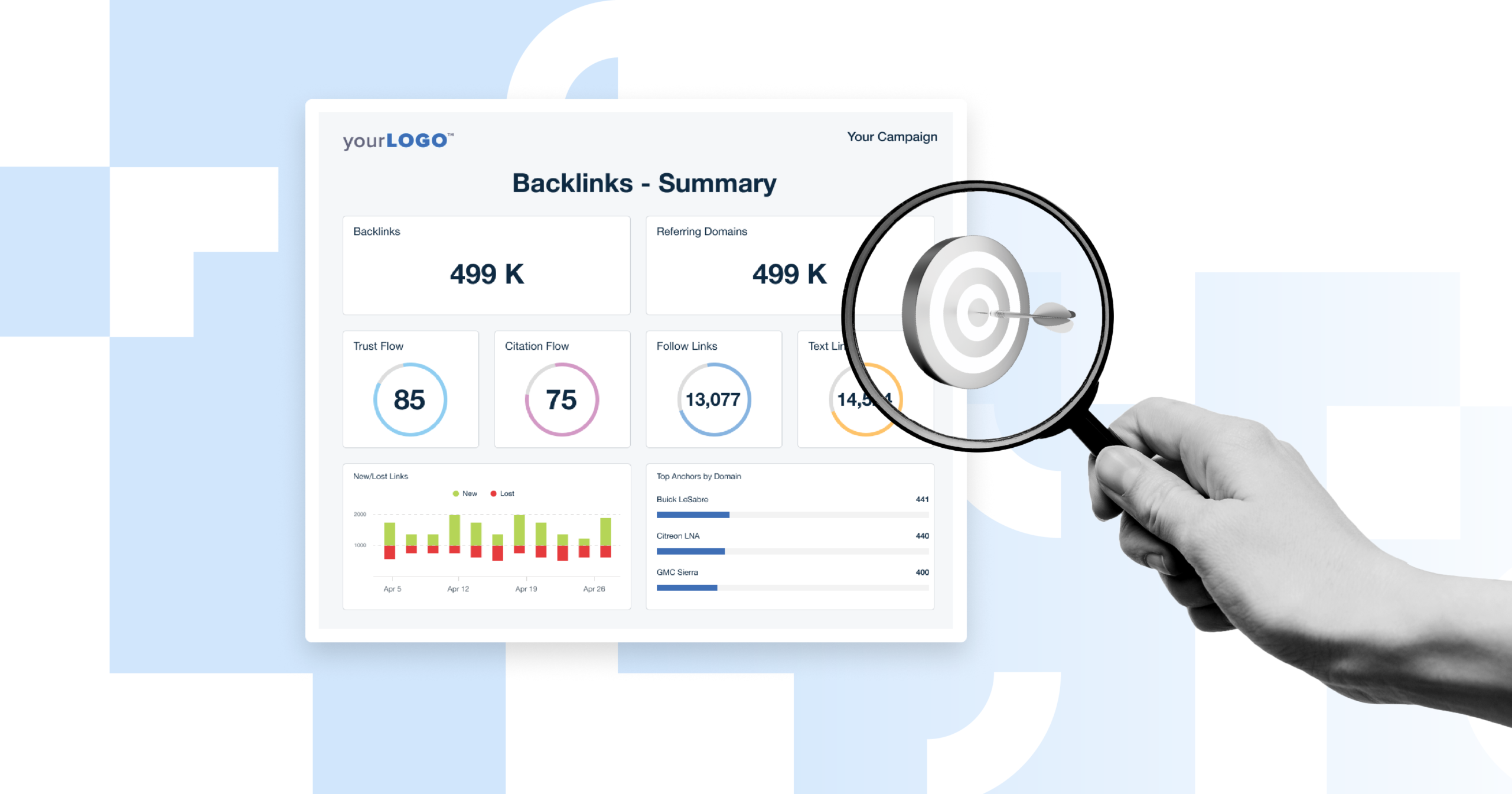
What Are High DR Backlinks and Why Are They Important?

What Are High DR Backlinks and Why Are They Important?

To understand high DR backlinks, we first need to talk about domain rating (DR). Think of DR as a score for a website. This score tells you how strong the website’s backlink profile is.

Understanding Domain Rating (DR) Vs. Domain Authority (DA)

You might hear people talk about domain rating and domain authority like they are the same thing. They are very similar, but they come from different companies.

  • Domain Rating (DR) comes from a tool called Ahrefs. It measures the strength of a website’s backlink profile on a scale from 0 to 100. A higher number means the website is stronger.
  • Domain Authority (DA) comes from a company called Moz. It also predicts how well a website will rank on search engine result pages. It also uses a 0 to 100 scale.

At VH-info, we look at both, but we focus a lot on DR because Ahrefs is very good at finding live links.

When we talk about high DR, we usually mean a website with a score of 50, 60, 70, or higher. Getting a link from these high authority sites is much better than getting a link from a new, small blog.

The Impact of Authority Links on Search Rankings

Why do we care so much about these numbers?

Because Google cares. Search engine optimization (SEO) is about proving to Google that your site is trustworthy. When authoritative sites link to your web pages, they pass on some of their power. This power is often called link equity.

Think of it like a recommendation. If a famous scientist says your science project is great, everyone believes it. That is what happens when a high DR site links to you. It tells search engines that your content is quality content.

When you get these authority backlinks, your organic traffic starts to grow. Organic traffic is the free visitors who come from search engines. The more high-authority backlinks you have, the higher your search engine rankings will climb.
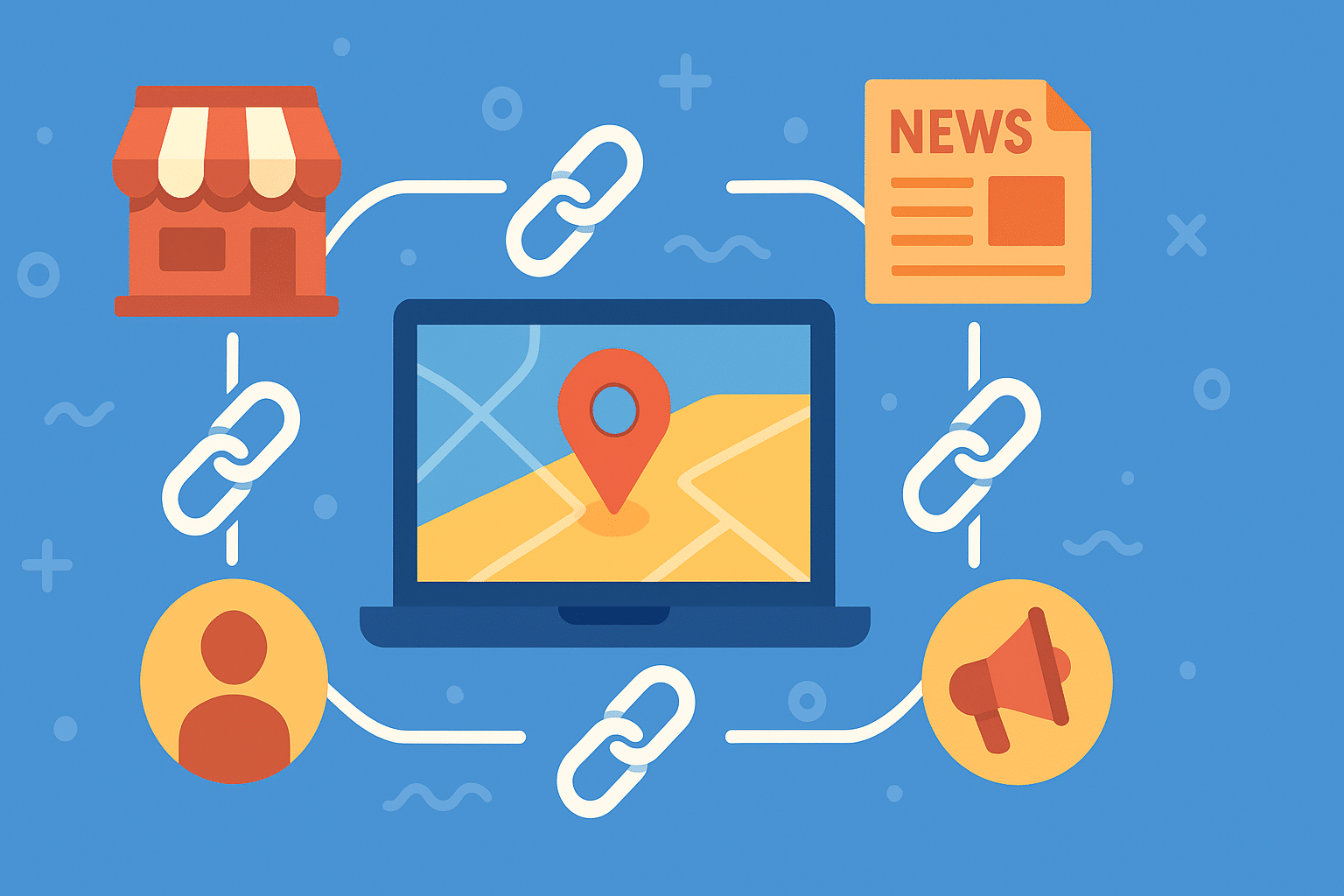
Quality Vs. Quantity: Why One High DR Link Beats 100 Low-Quality Ones

A long time ago, people thought getting thousands of links was the key to SEO success. They would get links from anywhere. This does not work anymore. In fact, it can hurt your SEO efforts.

One link from a site like The New York Times or a big software company (High DR) is worth more than 100 links from tiny, unknown blogs. This is because quality backlinks carry more trust.

Low-quality links can look like spam to Google. If you have too many bad links, Google might ignore your site.

At VH-info, we always tell our clients to focus on quality content and high DR backlinks instead of just trying to get a high number of links. A clean link profile with a few strong connections gives you a better competitive edge than a messy profile with thousands of weak ones.

Top Strategies to Acquire High DR Backlinks in 2026

Top Strategies to Acquire High DR Backlinks

Now that you know why you need them, how do you get them? Acquiring high DR backlinks takes work. You cannot just ask for them; you have to earn them. Here are the best link building strategies we use at VH-info.

Using Digital PR and HARO (Connectively)

Digital PR is a fancy way of saying “getting into the news.” You want journalists and bloggers to talk about your brand.

When they mention you, they usually give you a backlink.

One of the best ways to do this is using a platform called HARO (now called Connectively). Reporters use this to find experts for their stories. You can sign up as an expert. If a reporter asks a question about SaaS or business, you can answer it.

If they like your answer, they will put it in their article and link to your site. These are often high-authority backlinks from big news sites. This builds your brand awareness and brand authority at the same time. It puts your name on authoritative sources that millions of people read.

The Skyscraper Technique: Creating Link-Worthy Content

Skyscraper technique is about looking at what is already popular and making something better.

  • Find a blog post or article in your niche that has a lot of links.
  • Read it and see what is missing. Is it old? clear? Does it lack pictures?
  • Write a new piece of content that is 10 times better. This is your “skyscraper.”
  • Reach out to the people who linked to the old article. Tell them, “Hey, I saw you linked to this guide. I made one that is newer and has more valuable content. You might want to link to mine instead.”

This works because people want to link to the best resource. By focusing on content creation that is top-tier, you attract contextual backlinks naturally.

Strategic Guest Posting on Niche-Relevant Authority Sites

Guest posting is a classic strategy. It means writing an article for someone else’s website. In exchange, they let you put a link back to your site.

However, you must be careful. Do not just guest post anywhere. You need strategic guest posting. This means finding sites that are relevant to your industry. If you sell software, do not write for a cooking blog. It won’t bring you relevant traffic.

At VH-info, we help our clients find the perfect partners for guest blogging. We look for sites with good organic search numbers and real readers. We write helpful articles for them. This gets you a high DR link and introduces your brand to a new audience.

Broken Link Building on High-Authority Domains

The internet is full of broken links. These are links that lead to a “404 Error” page because the content was deleted. Broken link building is a smart way to help website owners and help yourself.

Here is how it works:

  • Use SEO tools or Google search operators to find broken links on high DR sites in your niche.
  • Create content on your site that can replace the missing content.
  • Email the owner of the site. Say, “Hi, I was reading your article and noticed this link is broken. It is frustrating for users. I have an article that covers the same topic if you want to swap it out.

Website owners like this because broken links are bad for user experience. You are helping them fix their site, and you get a quality backlink in return. It is a win-win for your SEO strategy.

How to Vet Sites For Genuine High DR Backlinks?

How to Vet Sites For Genuine High DR Backlinks?

Just because a tool says a site has high DR does not always mean it is good. Some people try to trick the system. You need to know how to check the strength of a website for real.

Spotting “Farmed” Sites and Link Schemes

Some websites exist only to sell links. We call these “link farms.” They publish hundreds of articles a day on random topics just to make money. Google hates these sites. Getting a link from here can actually hurt your SEO performance.

How do you spot them?

  • The content covers every topic imaginable (casinos, pets, software, loans).
  • The articles are poorly written.
  • They have no “About Us” page or real authors.
  • The outbound links (links going out) are huge in number compared to links coming in.

At VH-info, we check every site manually. we make sure it is a real business or blog, not a link farm.

Analyzing Organic Traffic Trends Alongside DR

A high DR score means nothing if nobody visits the website. A real high authority site should have organic traffic.

If a site has a DR of 70 but zero traffic, that is a red flag. It means Google does not trust the site enough to rank its content. A link from a site with no traffic will not send any relevant traffic to you and has very little SEO value. Always look at the traffic trend. Is it going up or steady?

If it just crashed to zero, the site might have been penalized by Google. You want links from sites that are healthy and growing.

Checking the Spam Score and Outbound Link Ratio

We also look at the “Spam Score.” This is a metric (usually from Moz) that guesses if a site is spammy. A high spam score is bad.

Also, look at the outbound links. If a single page links to 50 different product pages with weird words, stay away. A good site links out naturally to helpful resources. The link profile should look natural. If it looks fake to you, it probably looks fake to search engines.

Common Mistakes When Building High DR Backlinks

Common Mistakes When Building High DR Backlinks

Even smart SEO professionals make mistakes. Here are common traps to avoid to protect your website’s SEO.

Ignoring Niche Relevance For High Metrics

Do not chase the number. Getting a DR 90 link from a site about tractors when you sell beauty products is not very helpful.

Relevant links are key. Google looks at the context. If the topics are related, the link makes sense. If they are not, Google might ignore it. Always prioritize relevance. A DR 40 link from a highly relevant blog is often better than a DR 80 link from a random, unrelated site.

Over-Optimizing Anchor Text

Anchor text is the clickable text in a hyperlink. For example, if the link says “click here,” the anchor text is “click here.” Years ago, people would use keywords like “best cheap shoes” as the anchor text every single time. This is called over-optimization. It looks unnatural.

You want your anchor text to vary. Use your brand name, the URL, or natural phrases like “this article” or “read more.” At VH-info, we ensure the anchor text profile looks natural so Google does not suspect you are trying to cheat the search results.

Buying Links From Low-Quality PBNs

A PBN (Private Blog Network) is a group of sites owned by one person just to link to each other. This is against Google’s rules.

If you buy links from inexpensive PBNs, you may see a brief boost, but it will not last. Google will catch you.

When they do, your search engine rankings will drop hard. It is never worth the risk. Stick to white-hat strategies like guest posts and content marketing to build a strong backlink profile safely.

Tools to Monitor and Analyze Your High DR Backlinks

Tools to Monitor and Analyze Your High DR Backlinks

You cannot do this work without the right tools. SEO tools help you find opportunities and track your progress.

  1. Ahrefs (The Originator of DR): Ahrefs is the tool that created the domain rating metric. It is one of the best tools for analyzing backlinks. You can see who links to you, who links to your competitors, and find broken links. It is essential to check Ahrefs’ domain rating and monitor the website’s strength.
  2. Moz Link Explorer: Moz is famous for domain authority (DA) and page authority (PA). Their Link Explorer tool is great for checking the Spam Score of a site. It helps you see if a site is safe to get a link from.
  3. Semrush Backlink Analytics: Semrush is another giant in the industry. They use a metric called authority score. Their backlink analytics tool is very fast and detailed. It helps you compare your backlink profile with your competitors to see where you can improve your SEO strategy.

FAQ’s:

What Is Considered A “High” DR Score For A Backlink?

Generally, a DR of 50 or above is considered high. A DR of 70+ is excellent. However, even a DR 30 link can be good if it comes from a very relevant, local niche site.

Can I Buy High DR Backlinks Safely?

You should not buy links directly. However, you can pay an agency like VH-info to manage the process of guest posting and content creation that leads to links. This is paying for the service and effort, not just buying a link placement.

How Long Does It Take For High DR Backlinks to Impact Rankings?

It is not instant. It can take anywhere from a few weeks to a few months for search engines to recognize the new links and adjust your search rankings. SEO is a long-term game.

Is High DR the Only Metric That Matters For Link Building?

No. Relevance, organic traffic, and content quality are just as important. A high DR link from a spammy site is useless. You need a mix of all these factors for SEO benefits.

Can High DR Backlinks Alone Guarantee SEO Success?

No. You also need quality content, a fast website, and good technical SEO. Links are a huge part of the puzzle, but they are not the only piece.

Should I Focus on DR, DA, Or Both When Choosing Backlink Sources?

Both are useful. They are just different ways of measuring the same thing. If a site has high DR and high DA, it is likely a very strong site.

What is the Difference Between Ahrefs DR and Moz DA?

Ahrefs DR measures the strength of the backlink profile. Moz DA predicts ranking ability based on several factors. They use different calculations, so the scores might differ for the same site.

Conclusion

Building high DR backlinks is one of the most powerful things you can do for your business. It boosts your search engine rankings, drives organic traffic, and builds your reputation.

It is not about tricking Google; it is about proving your value. By creating quality content, using strategies like digital pr and guest posting, and avoiding spammy shortcuts, you can build a link profile that lasts. We know this can seem complicated. That is why VH-info exists.

We act as your partner in link building. We handle the hard work of finding authoritative sites, writing relevant content, and securing those valuable inbound links for you. We want you to focus on your business while we handle your website’s authority.

Start looking at your SEO strategy today. Are you focusing on quality? Are you building real relationships? With the right approach and high domain authority links, your website can reach the top of the search results in 2026 and beyond.

Best Tier 2 Backlinks: How to Boost Your SEO in 2026

Building a strong online presence is like building a house. You need a solid foundation. In the world of search engine optimization (SEO), backlinks are the foundation. Most people focus on getting links directly to their main website. These are called first-tier links.

But there is a secret strategy that many top link builders use to get even better results. It is called tiered link building.

At VH Info, we help SaaS companies grow by building high-quality, manual primary backlinks. We know that getting a link from a big site is hard work. Once you have that link, you want to make sure it gives you as much power as possible. This is where tier 2 backlinks come in.

Think of it this way: A Tier 1 link is like a vote for your website. A tier 2 link is a vote for that vote. It tells search engines like Google that the article linking to you is important and trusted.

This article will guide you through the best tier 2 backlinks and how to use them to improve your search engine rankings. We will explain everything in simple words so you can easily understand how to boost your SEO efforts without confusion.

What Are Tier 2 Backlinks and Why Do They Matter?

What Are Tier 2 Backlinks and Why Do They Matter?

Tier 2 backlinks are links that point to your tier 1 backlinks, not your main site. When you get a guest post on a popular blog that links to your website, that guest post is a Tier 1 link. If you then build links to that guest post, those are tier 2 links.

Why do they matter? Sometimes, a new page that links to you might not have much authority yet. By building tier links to it, you increase its power. This power then flows down to your website. It is a great way to get more value from the links you already have.

The Difference Between Tier 1, Tier 2, and Tier 3 Links

To understand tiered link building strategy, you need to know the layers.

  • Tier 1 Links: These are direct links to your money site (your main website). Examples include guest posts, editorial links, or niche edits. These are your most quality backlinks. At VH Info, we specialize in getting these high-authority links for you.
  • Tier 2 Links: These links point to your Tier 1 pages. They do not touch your website directly. Their job is to boost the authority of the Tier 1 page.
  • Tier 3 Links: These are links that point to your tier 2 pages. They are often lower quality or generated in bulk just to help the tier 2 links get indexed.

This system creates a chain of authority. The further away from your site, the lower the quality can be, but the quantity usually goes up.

How Tier 2 Links Pass “Link Juice” to Your Money Site?

Imagine a system of water pipes. The water is what SEO experts call link juice or link equity. Your main site is the bucket at the bottom.

The Tier 1 sites are big pipes pouring water into your bucket. But sometimes, those pipes are empty.

Tier 2 links are smaller pipes that pour water into the Tier 1 pipes. When you add tier 2 backlinks, you fill up the Tier 1 pipe with more link juice.

This “juice” then flows through the Tier 1 link and lands in your bucket (your website). By increasing the amount of link juice a Tier 1 page has, you increase the SEO value it passes to you. This helps your website rank higher in search results.

The Benefits Of A Tiered Link Building Strategy

Using a tiered backlink structure has many plus points:

  • Increases Page Authority: It makes your Tier 1 links stronger.
  • Faster Indexing: Sometimes, Google takes a lot of time to find new links. Tier 2 links help Google bots find your Tier 1 links faster.
  • Risk Management: You are not blasting spammy links to your website. You are sending them to other pages. This lowers the risk of penalties for your main website.
  • Cost-Effective: You can use various sources for second-tier links that might be too risky for your main site but are fine for buffering.

How to Build the Best Tier 2 Backlinks in 2026?

How to Build the Best Tier 2 Backlinks in 2026?

Now that we know what they are, let’s talk about how to build them. Not all links are good. You want the best tier 2 backlinks that actually move the needle. Here are five top strategies.

Strategy 1: High-Quality Web 2.0 Properties (Medium, Blogger, etc.)

Web 2.0 sites are platforms where you can create your own free mini-website. Examples are Medium, Blogger, WordPress.com, and Wix.

These are excellent sources for second-tier links.

To do this right, you create a new blog on one of these sites. Then, you write valuable content relevant to your niche. Inside that content, you place a link to your Tier 1 guest post. Important: Do not just paste a link. Write a real article. Google likes content.

If you make these look like real blog posts, they will pass more link equity and stick around longer.

Strategy 2: Niche-Relevant Guest Posts

Yes, you can use guest posting for Tier 2 as well! This is a very powerful method. If you have a very strong Tier 1 link (like a mention on a huge news site), you might want to write a guest post on a smaller niche blog. In this guest post, you link to that news article.

This shows Google that the news article is very popular. Since the niche blogs are relevant to your topic, the link juice is very strong. This is a manual process and takes time, but it builds a very solid backlink profile.

Strategy 3: Social Signals and Social Bookmarking

Social media is a huge part of the internet. While links from social media platforms (like Facebook, Twitter/X, LinkedIn) are usually “nofollow” (they don’t pass direct SEO power), they act as social signals.

Sharing your Tier 1 links on social media helps get them indexed. It also brings real traffic to those pages. You can also use social bookmarking sites like Reddit, Pinterest, or Scoop.it. These are considered social media links.

They create noise around your Tier 1 links, making them look popular and natural to search engine algorithms.

Strategy 4: Document Sharing and PDF Submissions

Another great way to build tier 2 links is by sharing documents. You can turn an article into a PDF or a PowerPoint presentation. Then, upload these files to sites like SlideShare, Scribd, or Issuu.

Inside the PDF, you include links to your Tier 1 pages. Google reads these files. These are often high domain authority sites, so a link from them counts. It diversifies your link profile and adds another layer of legitimacy.

Strategy 5: Press Releases As Tier 2 Sources

Press releases are official announcements sent to news sites. They can generate a large number of links quickly. Using a press release as a direct link to your site can sometimes be risky if done too much. However, using press releases as tier 2 sources is safer.

You can write a press release about a topic related to your industry and link it to your Tier 1 articles. This pushes a lot of authority to your Tier 1 links. It is a good way to improve the page authority of your guest posts quickly.

Evaluating the Quality of Your Tier 2 Sources

Evaluating the Quality of Your Tier 2 Sources

Just because these are second tier links does not mean you should use spammy links. Quality still matters. If you use trashy links, they won’t pass any power.

Checking Domain Authority (DA/DR) and Trust Flow

You should look at metrics like Domain Authority (DA) or Domain Rating (DR). These scores predict how well a website will rank.

For tier 2, you don’t need DA 90 sites, but you should aim for decent scores (like DA 30-50). Also, check Trust Flow. This tells you if the site has trustworthy links pointing to it. A site with good metrics will pass more link juice to your first tier links.

Ensuring Topical Relevance to Your Tier 1 Links

Relevance is key in digital marketing. If your Tier 1 link is about “SaaS Software,” your tier 2 backlinks should also be from tech or business sites. Linking from a cooking blog to a software article looks weird. Google’s search engine algorithms are smart. They look for context.

Niche blogs that match your topic are always better than random general directories.

Avoiding Spammy Footprints and Toxic Neighborhoods

Be careful of “bad neighborhoods.” These are groups of sites that link to gambling, adult content, or scams.

If you build tier 2 links on these sites, you risk hurting your Tier 1 link. Eventually, the SEO value stops flowing. Avoid private blog networks (PBNs) that look cheap or have duplicated content. A clean backlink profile at every tier ensures long-term safety.

Tools and Software For Automating Best Tier 2 Backlinks

Tools and Software For Automating Best Tier 2 Backlinks

At VH Info, we believe in manual work for the best results. However, we know that building tier 2 links can take a lot of time. Many people use automation tools for lower tiers.

Using GSA Search Engine Ranker (GSA SER) Effectively

GSA SER is a famous tool. It builds links automatically 24/7. It can create blog comments, directory links, and forum posts.

Warning: This tool creates lower-quality links. It is best used for Tier 2 or Tier 3, never Tier 1. You must set it up carefully to avoid spam. Use it to build a high number of backlinks to your Web 2.0s, not your main guest posts.

RankerX and SEO Autopilot For Web 2.0s

RankerX and SEO Autopilot are better tools for Web 2.0s. They can automatically create accounts on sites like Tumblr or WordPress and post content with your links. These tools allow more control than GSA. You can schedule posts and manage anchor text.

They are popular for creating the layers of links needed in a tiered link-building strategy.

Manual Outreach Tools For High-Quality Tiers

If you want high-quality Tier 2s (like niche-relevant guest posts), automation won’t work.

You need manual outreach tools like Pitchbox or BuzzStream. These help you contact real bloggers. Manual link insertions are always stronger than automated ones. At VH Info, we use manual strategies because they last longer and bring better SEO performance.

Common Mistakes to Avoid With Tier 2 Link Building

Common Mistakes to Avoid With Tier 2 Link Building

Even smart link builders make mistakes. Here are common traps.

Over-Optimizing Anchor Text Profiles

Anchor text is the clickable text in a link. If you use the same keyword for every single tier 2 link, it looks fake.

For example, if you keep using “best email software” 100 times, Google will get suspicious. For tier 2, use natural text like “read more,” “click here,” or the full title of the article. Varied anchor text keeps your backlink profile safe.

Building Links to Non-Indexed Tier 1 Pages

First things first: Check if your Tier 1 link is indexed. If Google doesn’t see the Tier 1 page, building tier 2 links to it is a waste of time. Search for the URL in Google. If it shows up, great. If not, wait or try to get it indexed before adding tier links.

Ignoring Indexing Rates For Tier 2 Links

You build 100 tier 2 backlinks, but only 10 show up in Google. This is a common problem.

Low quality links often don’t get indexed. If they are not indexed, they don’t count. You might need to use an indexing service or build social media links to your Tier 2s to help Google find them. Focusing on the effectiveness of your links is better than just the number of links.

FAQ’s:

Are Tier 2 Backlinks Safe For My Website?

Yes, they are generally safe because they do not link directly to your website. They act as a buffer. If a Tier 2 link is bad, it usually hurts the Tier 1 site, not your main website directly.

Can Buying Tier 2 Backlinks Outperform Manual Linking For SEO?

Buying bulk links can work for lower tiers, but manual linking is always superior. A few high-quality manual links often beat thousands of spammy ones. For the best SEO strategy, focus on quality.

How Many Tier 2 Backlinks Should I Build For Each Tier 1 Link?

There is no magic number. It depends on the competition. Usually, 5 to 10 good Tier 2 links are enough to boost a Tier 1 page. Don’t go crazy with the number of backlinks unless you are using lower-quality automated sources.

What Risks Should I Consider Before Building Tier 2 Backlinks?

The main risk is wasting money on links that don’t get indexed. Also, if you use very bad spam, it could theoretically devalue your Tier 1 link, making your primary backlinks less effective.

Do I Need to Index My Tier 2 Backlinks?

Yes. If a link is not in Google’s index, it passes zero link equity. You need them to be seen by search engines.

Can I Use Automated Software For Tier 2 Backlinks?

You can, but be careful. Tools like GSA or RankerX are common for this. However, for the very best tier 2 backlinks, manual placement or high-quality Web 2.0s are safer and more effective.

What is the Best Anchor Text Strategy For Tier 2 Links?

Keep it random and natural. Use naked URLs (like www.example.com), generic terms (like “visit this site”), and long phrases. Avoid using your main “money keywords” too much.

Conclusion

Mastering tier 2 links is a powerful skill. It helps you squeeze every drop of value from your backlink profile. By building a strong support structure, you ensure that your primary backlinks have the power they need to push your website to the top of the rankings.

Remember, a tiered link building strategy is about quality and relevance, not just spamming the web. Whether you use social media, guest posts, or web 2.0 sites, the goal is to pass authority safely to your money site.

At VH Info, we understand that this can sound like a lot of work. We focus on building the perfect first tier links so you have a solid starting point. If you want to see your organic traffic grow without the headache of managing layers of links yourself, we are here to guide you.

We build the relationships and the high-quality links that drive real results for SaaS businesses.

Focus on building a great foundation, and use tier 2 backlinks wisely to support it. This is the path to long-term SEO success in 2026.

Fastest Guide to Referring Links: How They Impact SEO In 2026?

Have you ever wondered how some websites get to the top of Google while others stay hidden?

The answer often lies in something called referring links. Think of the internet as a giant voting system. When one website links to another, it is like casting a vote. These votes tell search engines that your content is good and worth showing to people.

At VH-info, we know that getting these links can seem hard.

But it is a key part of link building for any SaaS business. We want to help you make sense of it all.

In this guide, we will break down exactly what referring links are, why they matter, and how you can get more of them. We will stick to simple explanations so you can take action right away. Whether you want to boost your organic traffic or find new customers, this guide is for you.

What Are Referring Links?

What Are Referring Links?

Definition and Core Concepts

A referring link is simply a link from one website that points to another website. You might also hear people call this a “backlink.” When a user clicks on a link on a web page and lands on your site, that link is a referring link.

Think of it like a referral. If a friend tells you to try a new pizza place, that is a referral. In the digital world, when a website tells its readers to visit your landing pages, that is a referral link. These links are the specific link connectors that hold the web together.

For VH-info, helping clients get these links is our main job. We know that a referring link is not just a path for users; it is a sign of trust. It tells Google that other people find your information useful.

The Anatomy Of A Referring Link

To understand how this works, we need to look at the parts of a link. A standard link has a referring URL (where the link comes from) and a target URL (where the link goes).

Inside the code, there is often an anchor text. This is the clickable text you see, usually in blue. For example, if a blogger writes about “best marketing tips” and links those words to your site, “best marketing tips” is the anchor text.

Sometimes, links have a unique identifier or a unique code attached to them. This happens a lot in affiliate marketing.

An affiliate program might give a partner a unique referral link. This helps with referral tracking to see which partner sent the traffic. While this is common in a referral program, for SEO, we mostly care about the link itself pointing to your domain.

Dofollow Vs. Nofollow Referring Links

Not all links are the same. There are two main types you need to know: Dofollow and Nofollow.

A Dofollow link is the standard type. It tells search engines like Google, “I trust this website, and you should too.” These are the best links for search engine optimization (SEO) because they pass authority to your site.

A Nofollow link has a small tag in the code that tells Google, “I am linking to this site, but do not count it as a vote.” You often see these in social media posts, blog post comments, or paid marketing campaigns.

Even though Nofollow links might not boost your rank as much, they are still great for bringing in referral traffic.

Why Referring Links Are Important For Your Website?

Why Referring Links Are Important For Your Website?

Boosting Domain Authority (DA)

Domain Authority (DA) is a score that predicts how well a website will rank. Think of it as your website’s reputation score. The more high-quality referring links you have, the higher your DA goes.

When big, trusted websites link to you, some of their reputation rubs off on you.

It is a powerful tool for growth. If you have a low DA, it is hard to compete. But as you get more referring domains pointing to your site, your score goes up. This helps you show up higher in search results for your main keywords.

Increasing Organic Referral Traffic

Links are not just for robots; they are for people, too. A good link on a popular site can send a lot of potential customers your way. This is called referral traffic. Imagine a popular industry blog mentions your software as a great way to solve a problem.

Readers who trust that blog will click the link to check you out. These visitors are often ready to buy because a trusted source recommended you. This can lead to higher conversion rates compared to random visitors.

Getting this traffic reduces your need to spend money on ads. It creates a steady stream of new leads who are interested in what you offer.

How Search Engines Use Referring Links As Trust Signals?

Search engines want to give users the best results. They use referring links as trust signals. If many websites link to your product page, Google assumes your product must be good. It is like a popularity contest, but for websites. However, quality matters more than quantity.

One link from a giant news site is worth more than 100 links from tiny, unknown blogs. At VH-info, we focus on getting these high-trust links for our SaaS clients. We know that when Google trusts your site, you get more organic traffic, and your business grows.

Referring Links Vs. Referring Domains: Understanding the Difference

Referring Links Vs. Referring Domains: Understanding the Difference

Why You Need Both Quality Links and Unique Domains?

It is easy to mix up “referring links” and “referring domains,” but they are different.

A referring domain is the website the link comes from. A referring link is the actual link. For example, if the New York Times links to your site in three different articles, you have three referring links, but only one referring domain.

You need links from many different domains. If you get 1,000 links from the same website, Google might stop counting them after a while. It looks more natural to have votes from many different places. This shows that your brand awareness is spreading across the web.

Interpreting the Link-to-Domain Ratio

You should look at your link-to-domain ratio. This is the number of links divided by the number of domains. If you have 10,000 links from just 5 domains, that looks suspicious. It might look like spam or a bad marketing strategy.

A healthy profile has a balanced ratio. You want a steady flow of new customers finding you from many different sources. This diversity makes your website look strong and safe to search engines.

How to Analyze and Check Your Referring Links?

How to Analyze and Check Your Referring Links?

Using Google Search Console to Track Links

You don’t need fancy tools to start. Google Analytics and Google Search Console are free. Search Console has a section specifically for links. It shows you which sites link to you and what text they use.

This is a seamless experience for beginners. You can see your top linking sites and check if your link-building efforts are working. It is an effective way to keep an eye on your progress without spending money.

Top Third-Party Tools For Link Analysis (Ahrefs, SEMrush, Moz)

While free tools are good, professionals often use tools like Ahrefs, SEMrush, or Moz. These tools give you deeper data. They can show you the authority of the linking site and if the link is Dofollow or Nofollow.

At VH-info, we use advanced data to plan our strategies. These tools help us spy on competitors and find new opportunities. They can even track affiliate links if you are running an affiliate program.

Identifying Toxic Or Spammy Referring Links

Not all links are good. Some can hurt you. These are called toxic links. They come from spammy, dangerous, or low-quality sites.

If you have too many toxic links, Google might punish you. You need to check your list regularly. If you see links from weird sites that have nothing to do with your industry, they might be bad. You want links from real brand advocates, not spam bots.

Proven Strategies to Acquire High-Quality Referring Links

Proven Strategies to Acquire High-Quality Referring Links

Creating Link-Worthy Content (The Skyscraper Technique)

The best way to get links is to write content that is so good, people want to link to it. This is often called the Skyscraper Technique. You find a popular topic, read the top articles, and then write something much better. You can add new data, better images, or simplify complex ideas.

When you create a useful resource, other webmasters will link to it as a reference. This supports your marketing efforts naturally.

Guest Blogging and Digital PR

Guest blogging is when you write an article for another website. In exchange, they usually let you put a link back to your site in the bio or the text. This is a classic marketing strategy.

Digital PR is about getting mentioned in the news or by influencers. Influencer marketing can be very powerful here. If an influencer shares your unique URL or story on their social media platforms, their followers might write about it too.

Broken Link Building Strategies

This is a clever trick. You look for links on other websites that are broken (they lead to a 404 error page). Then, you email the website owner. You tell them, “Hey, I saw this link is broken. I have a similar article that works. You can link to me instead.”

It is helpful for them because they fix a broken link, and it is good for you because you get a new link. It is a win-win referral process.

Competitor Backlink Analysis

If you don’t know where to get links, look at your competitors.

Use a tool to see who links to them. If a blog links to your competitor, they might link to you too. This takes the guesswork out of customer acquisition through SEO. You can see exactly what is working for others and try to do it better.

Common Mistakes to Avoid When Building Referring Links

Common Mistakes to Avoid When Building Referring Links

Buying Low-Quality Links

Never buy 500 links for $5. These are always low quality. Google is smart. It knows when links are bought in bulk. This can lead to a penalty where your site disappears from search results.

Focus on organic traffic growth. It is slower but safer. At VH-info, we only use safe, white-hat methods. We build relationships, not spam.

Ignoring Link Relevance and Context

A link from a cooking blog to a car repair site makes no sense. Context is key. You want links from websites that are in your industry.

Relevant links bring better referral traffic. People reading a cooking blog are not looking for car repair. But people reading a car blog might be. Keeping things relevant ensures a better user experience and keeps satisfied customers on your site.

Over-Optimizing Anchor Text

If every single link to your site says “best SEO agency,” it looks fake. Natural links use different words. Some might use your brand name, some might say “click here,” and some might use the full URL.

Mix it up. Search engines prefer a natural pattern. If you try to trick the system with perfect keywords every time, it can backfire.

FAQ’s:

What is the Difference Between A Backlink and A Referring Link?

They are the same thing! SEO experts use both terms. A backlink is a link coming back to your site. A referring link is the link referring a user to your site. Both help with search engine optimization.

Are All Referring Links Good For SEO?

No. Links from spammy sites can hurt you. You want links from trusted, relevant sites. Quality is more important than quantity. A successful referral from a bad site is not worth much.

How Do I Get More Referring Links For Free?

Create amazing content. Share it on social media. Ask friends and partners to link to you. You can also fix broken links on other sites. Building brand ambassadors who love your product is also a great way to get free links.

Can I Remove Bad Referring Links Pointing to My Site?

You cannot delete a link on someone else’s site. But you can ask them to remove it. If they don’t, you can use a tool called “Disavow” in Google Search Console. This tells Google to ignore those specific links.

How Many Referring Links Do I Need to Rank on Page 1?

There is no magic number. It depends on your competition. If your competitors have 100 links, you might need 110. But remember, one great link is better than ten weak ones. Focus on getting the right links to move the needle.

Conclusion

Building referring links is one of the most important things you can do for your website. It helps you rank higher, get more organic traffic, and build trust with your audience. It connects you with new customers who are looking for exactly what you offer.

Remember, this is a long-term game. It takes time to build a strong profile. You need a solid marketing strategy and patience. Don’t fall for shortcuts like buying bad links. Stick to creating value, building relationships, and sharing great content.

Whether you are running referral campaigns, using referral software, or just writing a blog, links are the bridges that bring people to you. They turn strangers into referred customers and help you build a loyal customer base. If you need help navigating this, VH-info is here.

As a dedicated SaaS Link Building Agency, we understand the hard work it takes. We don’t use automated tools; we use real expertise to get you real results. We help you build the kind of links that drive customer loyalty and real growth. Start checking your links today.

Look for opportunities. Fix broken ones. Write that guest post. Every link you earn is a step closer to the top of the search results.

#1 Guide to Link Building For Lawyers: Boost Authority and Traffic

Getting new clients is the hardest part of running a legal practice. Most people looking for a lawyer start their journey on Google search. If your website does not show up at the top, you lose business to competitors. This is where link building for lawyers becomes very important.

At VH-info, we are a SaaS Link Building Agency. We spend every day helping companies rank higher. We know that the rules for search engine optimization (SEO) change often. However, one thing stays the same: you need quality backlinks to win.

Think of the internet as a high school popularity contest. If the cool kids (reputable websites) point at you and say, “Trust this person,” everyone else listens. When other websites link to your law firm’s website, Google sees this as a vote of confidence.

In this guide, we will explain exactly how building links works. We will keep it simple. We will show you how to improve your online visibility, get more organic traffic, and sign new clients. Whether you are a personal injury lawyer or handle family law, this guide is for you.

What Is Link Building For Lawyers?

What Is Link Building For Lawyers?

Link building is the process of getting other websites to link back to your web pages. These are called backlinks.

For a law firm, this means getting a link from a news site, a legal directory, or a business blog that points to your site. When search engines like Google crawl the web, they look at these links. They are looking for connections.

If a reputable website links to you, it passes “juice” or authority to your site. This is often called link equity. The more high-quality votes you have, the more Google trusts you. When Google trusts you, your search rankings go up.

For legal professionals, this is not just about vanity metrics. It is about getting your phone to ring. A strong link profile tells Google that your firm is a leader in the legal industry.

Why Link Building For Lawyers Is Essential For Law Firm SEO?

Why Link Building For Lawyers Is Essential For Law Firm SEO?

You might have a beautiful website. You might have great blog posts. But if you have no links, it is like having a billboard in the middle of the ocean. No one will see it. Here is why linking is vital for law firm SEO.

The Role of Backlinks in Google’s Ranking Algorithm

Google wants to show the best results to its users. To do this, it uses a complex system. Backlinks are one of the top three factors in Google search. When a site links to you, it tells Google two things:

  • Your content is valuable.
  • Your site is real and active.

Without links, search engines struggle to find your content. A solid SEO strategy must include a plan to get links. If you ignore this, your search engine rankings will stay flat.

Building Trust and Authority (E-E-A-T) in the Legal Niche

In the legal world, trust is everything. Google uses a concept called E-E-A-T. This stands for Experience, Expertise, Authoritativeness, and Trustworthiness. Because legal advice affects people’s lives (money, freedom, safety), Google treats legal websites strictly.

They call these “Your Money or Your Life” (YMYL) pages. You need to prove you are an expert.

When authoritative websites link to your legal content, it boosts your E-E-A-T. It shows you have years of experience.

For example, if a major city newspaper quotes you as a car accident expert and links to your site, Google sees you as an authority. This helps you rank for difficult terms like “personal injury attorney.”

How Quality Links Drive Referral Traffic to Your Firm?

SEO is great, but links do something else too. They bring people directly to your site. This is called referral traffic.

If you write a guest post on a popular legal blog, people reading that blog might click your link. These are people already interested in legal topics. They are highly likely to become potential clients.

A good link does double duty. It boosts your domain authority (helps you rank) and sends real people to your site (helps you sell).

How to Identify High-Quality Backlinks For Your Law Firm Website?

How to Identify High-Quality Backlinks For Your Law Firm Website?

Not all links are good. Some links can actually hurt your law firm’s ranking. At VH-info, we focus on quality over quantity.

Here is how to spot a winner.

Topical Relevance

This is the most important rule. You want links from sites that talk about law, business, or your local area.

If you are a divorce lawyer, a link from a fishing blog does not make sense. It has no topical relevance. However, a link from a “Family Advice” blog or a “local business news” site is perfect. Search engines look at the context of the link.

Organic Traffic

A link is only valuable if the website giving it has visitors. If a website has zero organic traffic, Google likely does not trust it. We use tools to check if a site gets visitors from Google. If real people visit the site, it is a safe place to get a link.

Positive Traffic and Keyword Trends

You want to link to winners, not losers. Look at the history of the website. is their traffic going up? Or is it crashing? If a site lost 90% of its traffic recently, it might have been punished by Google. You do not want a link from a sinking ship.

We look for positive traffic and keyword trends to ensure stability.

Domain Rating (DR)

Domain Rating (DR) or Domain Authority (DA) are scores given by SEO tools. They measure the strength of a website’s backlink profile on a scale of 0 to 100. A DR of 90 is huge (like the New York Times). A DR of 0 is a brand new site.

Generally, you want links from sites with a decent DR. However, relevance is more important than just a high number.

Growing Backlink Profile

A healthy website gains new links naturally over time. If a site has not gained a new link in two years, it might be dead. We check to see if the site has a growing backlink profile. This shows it is active and respected in the legal community.

Outbound Link Quality and Linking Patterns

Who else does this website link to? This is a big clue.

If you see a site linking to gambling sites, shady pill sellers, or adult content, run away. This is a “bad neighborhood.” You do not want your law firm website associated with them. A good site links to other reputable sources.

Permanent Link

You want links that stay. Some shady sellers offer links that disappear after a month. This is a waste of money. You need a permanent link that will provide value for years.

Dofollow Backlinks

There are two main types of links: Dofollow and Nofollow.

  • Dofollow links: These tell Google “Count this vote.” They pass link equity.
  • Nofollow links: These tell Google “I am linking here, but don’t count it as a vote.”

For ranking power, you want dofollow backlinks. Nofollow links (like from social media) are good for traffic, but they don’t help your SEO as much.

Relevant Anchor Text

Anchor text is the clickable blue text of a link.

If the text says “click here,” it is weak. If the text says “personal injury lawyer in Chicago,” it tells Google exactly what the linked page is about. However, be careful. If you force too many keywords into the anchor text, it looks fake. It should look natural.

Relation Attributes

This is technical, but simple. Codes like “rel=sponsored” tell Google if a link was paid for. Google prefers natural links without these tags for organic ranking, but if you sponsor an event, a “sponsored” tag is the honest way to do it.

Proven Strategies For Effective Link Building For Lawyers

Proven Strategies For Effective Link Building For Lawyers

Now you know what a good link is. How do you get them? Here are the best methods we recommend at VH-info.

Using Legal Directories and Citations (Avvo, Justia, FindLaw)

This is step one. Legal directories are huge websites listing lawyers.

Sites like Avvo, Justia, and FindLaw are very powerful. You must claim your profile on these. They provide a high-quality backlink and help potential clients find you. Make sure your name, address, and phone number are correct on all of them. This helps your local SEO.

Guest Posting on Reputable Legal Blogs and News Sites

Guest posting is a classic strategy. You write an article for another website, and they let you put a link back to your site.

You can write for legal blogs, business magazines, or local news sites.

For example, you could write an article about “Safety Tips for Winter Driving” for a local news station. In the bio, you link to your car accident practice page. This positions you as an expert and gets you a link.

Using HARO (Connectively) to Gain High-Authority Media Mentions

HARO stands for Help A Reporter Out (now called Connectively). Journalists use it to find experts.

A reporter might ask, “I need a lawyer to explain the new tax law.” You answer their question. If they like your answer, they quote you in their article and link to your firm’s website. This is a great way to get links from massive news sites like Forbes or CNN.

Creating Linkable Assets: Legal Guides, Infographics, and Statistics

People love data. If you create valuable content that is better than everyone else’s, people will link to it naturally.

  • Infographics: Make a visual chart of “Car Accident Statistics in 2026.”
  • Legal Guides: Write a massive guide on “What to Do After a DUI.”
  • Statistics: Gather data on local crime rates.

When other bloggers write about these topics, they will link to your data as the source. These are called linkable assets.

Local Link Building For Lawyers: Dominating Your Market

Local Link Building For Lawyers: Dominating Your Market

Most lawyers only need to find clients in their city or state. This means local link building is your secret weapon.

  1. Getting Listed in the Local Chamber of Commerce and Business Associations: Join your local Chamber of Commerce. They almost always have a member directory on their website. This link is very authoritative for local SEO. It tells Google you are a real business in that specific city.
  2. Sponsoring Local Events and Charities For Community Links: Sponsor a 5K run, a Little League team, or a charity food drive. Usually, the event website will put your logo and a link on its sponsor page. These links show you are part of the local community. They are trusted by Google because they are hard to fake. Plus, it is good PR for your firm.
  3. Alumni Directories and Law School Features: Reach out to the law school you attended. Reach out to your college. Many universities have “Alumni in the News” sections or directories. Since universities (.edu sites) have very high domain authority, these links are gold. It is an easy win for legal professionals.

Common Mistakes in Link Building For Lawyers to Avoid

Common Mistakes in Link Building For Lawyers to Avoid

Link building can be dangerous if done wrong. You do not want to get a penalty from Google. Avoid these traps.

  1. The Dangers of Buying Low-Quality Links: Do not go to sites like Fiverr and buy “500 backlinks for $10.” These are spam. They come from fake sites. Google is smart. They will ignore these links, or worse, they will punish you. Buying low-quality links is a waste of money.
  2. Use of Black Hat Tactics: Black Hat” means breaking the rules. This includes hacking sites to insert links or using software to spam comments on blogs. At VH-info, we only use white-hat strategies. Search engine optimization is a long game. Cheating might work for a week, but it will kill your site for years.
  3. Avoiding Private Blog Networks (PBNs): A PBN is a network of fake websites created just to link to other sites. They look like real blogs, but they are hollow. Google hates PBNs. If they catch you using one, they can de-index your site (remove you from search results entirely). Stick to real website owners and real blogs.
  4. Over-Optimizing Anchor Text: We mentioned anchor text earlier. If every single link to your site says “Best Personal Injury Lawyer,” it looks suspicious. Real people use different words. They might use your brand name, “click here,” or the article title. Keep your anchor text diverse.

Law Firm SEO Best Practices For Building A Backlink Portfolio

Law Firm SEO Best Practices For Building A Backlink Portfolio

A good portfolio has a mix of different link types. Here is how to balance it.

  1. Guest Posting: Do this consistently. Aim for one or two high-quality guest posts a month on relevant websites. Focus on sharing knowledge, not just getting the link.
  2. Social Media: While social links are usually “nofollow,” they are still vital. Share your blog posts on LinkedIn, Twitter, and Facebook. It increases visibility. If the right person sees your post on social media, they might link to it from their own website later.
  3. Directories: Get the big ones (Avvo, FindLaw) and then stop. You do not need to be in thousands of low-quality directories. Focus on the ones that rank in search engines.
  4. Help A Reporter Out (HARO): Make this a weekly habit. Check the requests for legal services or legal commentary. It takes time, but one big media link is worth ten small ones.
  5. Broken Link Building Practices: This is a clever trick. You look for relevant websites that have broken links (links that go to 404 error pages). You email the website owner: “Hey, I saw you have a broken link on your resource page. I have a similar article on my site that works. You can replace the broken one with mine.” This helps them fix their site and gets you a good link.
  6. Link Reclamation: Sometimes people mention your law firm but forget to link to you. You can use tools to find these “unlinked brand mentions.” Then, you send a polite email: “Thanks for mentioning us! Could you please add a link to our site so readers can find us?” This has a high success rate.
  7. Finally – Create Quality Content: None of this works if your content is bad. You need quality content that answers questions. If your page is helpful, people will want to link to it. Content marketing and link building go hand-in-hand.

How to Measure the Success of Link Building For Lawyers?

How to Measure the Success of Link Building For Lawyers?

How do you know if your money is well spent?

  1. Tracking Domain Authority (DA) and Domain Rating (DR) Increases: Check your DR score every month. It should slowly go up. Remember, it moves slowly. Do not panic if it stays the same for a few weeks. Consistency leads to SEO results.
  2. Monitoring Referral Traffic and Keyword Rankings: Look at your Google Analytics. Are you getting traffic from the sites that link to you? Also, check your search rankings. Are you moving from page 2 to page 1 for keywords like “law firm SEO” or “lawyer near me“? If rankings and website traffic go up, the strategy is working.

FAQ’s:

Is Link Building Safe For Law Firms?

Yes, if done correctly. White-hat link building (earning links through merit and relationships) is safe and encouraged by Google. Buying spam links is not safe.

Is Link Building Still Important For Law Firm SEO In 2026?

Absolutely. Links remain a primary ranking factor. Without them, it is very hard to compete in the legal industry.

Which Types of Websites Are Best For Lawyers to Build Backlinks From?

The best sites are relevant and authoritative. Think of legal blogs, news outlets, universities (.edu), and government sites (.gov). Also, local business chambers are great.

Do Directory Listings Help Law Firms With Link Building?

Yes. Top-tier legal directories like Avvo and Justia provide strong links and send potential clients to you.

How Long Does It Take to See Results From Link Building?

SEO is slow. It usually takes 3 to 6 months to see significant movement in search engine rankings after starting a campaign.

Should Lawyers Buy Backlinks to Rank Faster?

No. Buying links is risky. It violates Google’s guidelines. It is better to invest in digital marketing strategies like content and PR.

How Much Does Professional Link Building For Lawyers Cost?

It varies. High-quality services are not cheap because they require manual work and outreach. Expect to pay for the expertise and the time it takes to secure reputable websites.

Are There Free Tools Lawyers Can Use to Find Backlink Opportunities?

Yes. You can use Google Search Console to see your current links. You can also use Google search operators to find guest posting opportunities. However, professional tools usually offer better data.

Conclusion

Link building for lawyers is not magic. It is hard work. It requires creating valuable content, building relationships, and proving to Google that you are a trusted authority.

When you build a strong backlink profile, you insulate your business. You stop relying on luck and start relying on data. You gain higher domain authority, better search results, and most importantly, more new clients.

The competition for legal services is fierce. The firms that invest in their online presence today will be the leaders tomorrow.
At VH-info, we understand the complexities of SaaS and high-stakes SEO. We know that being direct and knowledgeable is the only way to win. If you focus on quality, relevance, and persistence, your law firm’s website will become your best asset.
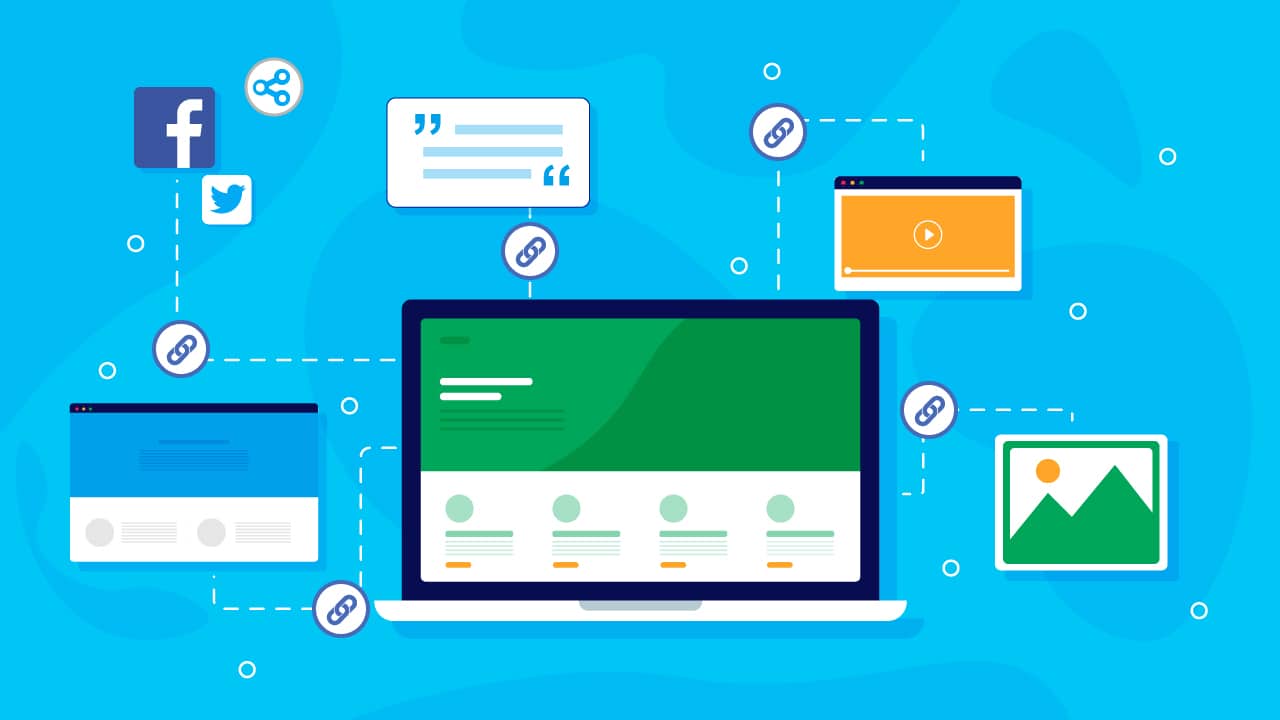
Start building links today, and watch your practice grow.