How To Outsource Backlink Building: Why Should You & Things To Know

In the ever-evolving landscape of digital marketing, maintaining a strong online presence is paramount for success.

For Software as a Service (SaaS) companies and various other businesses, achieving high search rankings is a critical objective. One of the most effective strategies to boost your search engine optimization (SEO) and improve your website’s authority is through link building.

However, the link building process can be time-consuming and complex, leading many businesses to consider an effective solution: outsource backlink building. VH Info, your trusted expert and guide, breaks down this complex topic into clear, relatable advice.

What is Outsource Link Building?

What is Outsource Link Building?

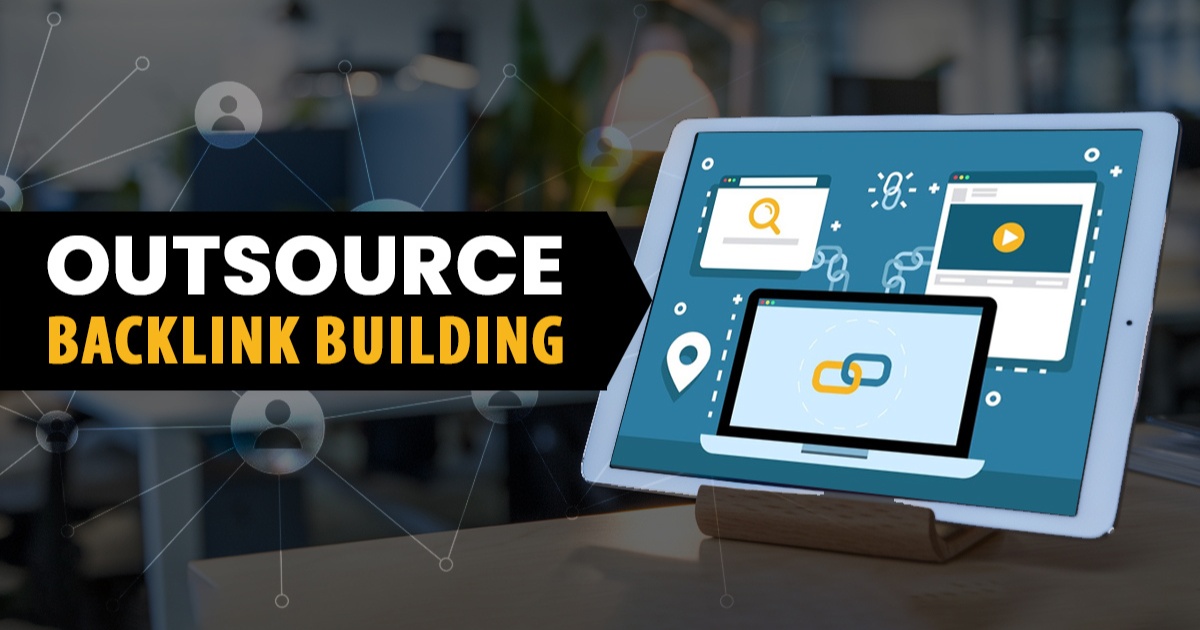
Outsource link building involves entrusting a third-party provider, such as a link building agency or freelancers, with the responsibility of acquiring quality backlinks to your website.

This practice allows you to use external expertise and resources to enhance your backlink profile, improve your domain authority, and drive organic traffic to your site.

VH Info specializes in providing actionable insights for SaaS link building, ensuring you make informed decisions.

The Power Of Outsourcing Link Building

The Power Of Outsourcing Link Building

Outsourcing link building is a great way to boost your website’s online presence and get more people to visit it.

It’s like having a team of experts working to make your website more popular. They know how to get quality backlinks from other authoritative websites, which helps Google trust your site more and rank it higher in search results.

This means more people will find your website when they search for things online, bringing more customers to your door. It gives your company more website authority.

The Speed Of Link Building Outsourcing

Building links takes time and effort. If you try to do it yourself, it can take months or even years to see results. But when you outsource, you can speed up the process.

Link building agencies have teams of people who can focus on building links full-time. They also have tools and connections that can help them get links faster.

Rank Smarter, Not Harder

Instead of spending all your time and energy on link building, you can focus on other important things, like creating great products or providing excellent customer service.

Outsourcing lets you work smarter, not harder. A dedicated link building team can devote their full attention to acquiring quality links, allowing you to see better results more quickly compared to managing the process in-house.

They take care of the complicated aspects of SEO, so you can concentrate on your core business.

How Outsource Link-Building Works?

How Outsource Link-Building Works?

The outsourcing link building process typically involves several key steps:

  1. Identification Of Goals And Needs: The first step is to clearly define your link building goals and needs. What types of links are you seeking? What domain authority are you targeting? Understanding your objectives is essential for selecting the right link building provider.
  2. Selection Of A Third-Party Provider: Carefully evaluate potential link building agencies or freelancers. Look for a proven track record, positive case studies, and experience working with businesses in your industry.
  3. Strategy Development: Collaborate with your chosen provider to develop a comprehensive link building strategy. This plan should outline the specific techniques and tactics that will be used to acquire quality backlinks.
  4. Collaboration And Integration: Establish clear communication channels and workflows to ensure seamless collaboration between your in-house team and the outsourced provider.
  5. Content Creation: Content creation is a cornerstone of successful link building. Work with your provider to develop high-quality content that attracts authoritative links and provides value to your target audience. VH Info helps SaaS brands build quality content, which is the first step to a successful link building campaign.
  6. Use The Right Tools: Utilize SEO tools to make sure your SEO efforts are heading in the right direction.
  7. Outreach And Link Acquisition: Your provider will then reach out to site owners and webmasters to secure link placement on relevant and authoritative websites.
  8. Monitoring And Reporting: Regularly monitor the performance of your link building campaign using tools like Google Search Console and Google Search. Track key metrics such as organic traffic, search rankings, and backlink profile growth. VH-info offers link building reports to showcase SEO performance.
  9. Ongoing Maintenance: Link building is not a one-time activity. It requires ongoing maintenance and refinement to ensure sustained SEO success.

Why Should You Outsource Link Building?

Why Should You Outsource Link Building?

Here’s why letting someone else handle your link building can be a smart move:

  1. You Want To Save Time: Imagine building links is like tending a garden. It takes a lot of time to plant seeds, water them, and pull weeds. If you’re busy running your SaaS company, you might not have time for all that. Outsourcing lets experts handle the “gardening,” so you can focus on growing your core business. This gives you more time to create quality content!
  2. You Want Quicker Link Building Results: Think of it like baking a cake. You could try to figure out the recipe yourself, or you could ask a professional baker. A link building team knows the best “recipes” to get quality backlinks fast, boosting your search engine results and bringing more organic traffic to your site more quickly.
  3. You Want High-Quality Links: Not all links are the same! Getting links from shady “link farms” is like getting directions from someone who’s lost. A good link building provider knows how to get quality links from authoritative websites, which helps Google trust your site more and improve your website authority.
  4. You Want To Focus On Your Strengths: Maybe you’re amazing at creating content creation or selling your product, but link building feels like a puzzle. Let the link builder do what they’re good at, so you can shine in your areas of expertise and use your time to improve your user experience.
  5. You Don’t Have Link Building Expertise: It is not a problem if your company doesn’t have the information on black hat and white hat SEO best practices. If you are not good at something, then you can outsource backlink building. That way, you can get help from the people who have a proven track record of creating quality link building.
  6. You Don’t Have Extra Manpower Or Resources: Even if you know how to building links, you might not have enough people or tools to do it well. Outsourcing gives you access to a whole link building team and the latest digital marketing tools without having to hire anyone new.
  7. Your Current Efforts Aren’t Yielding Results: If you’ve been trying to building links yourself, but your search rankings aren’t improving, it might be time to call in the experts. They can analyze your backlink profile, identify missed opportunities, and develop a more effective link building campaign.

Things To Watch Out For When Outsourcing Link Building

Things To Watch Out For When Outsourcing Link Building

When you outsource link building, here are some things to be careful about:

  1. Black Hat Techniques: Imagine a sneaky way to win a race by cutting corners. Black hat tricks in link building are like that. Some providers might use bad methods like “private blog networks” or “link farms” to get quick links. But Google can catch them, and your site might get penalized, hurting your search rankings instead of helping. It’s like getting caught cheating; you might get kicked out of the race!
  2. Irrelevant or Low-Quality Links: It’s important to get quality links from websites that are related to what you do. Getting links from random, low-website authority sites is like getting a good luck charm from someone who’s unlucky. It won’t help much and might even make things worse. Always ensure the links are high-quality and from authoritative websites.
  3. Lack of Transparency: You should know exactly how the link building process works. If a provider is secretive about where they’re getting links or what they’re doing, that’s a red flag. It’s like buying a mystery box; you don’t know what you’re getting, and it might not be good! Transparent reporting is a must.
  4. Over-Optimization: Using the same words (anchor text) too many times in your links looks unnatural. Google might think you’re trying to trick it and penalize you. It’s like using the same ingredient in every dish; it gets boring and might ruin the meal! A mix of anchor text is better.
  5. Unrealistic Promises: Be careful if a provider promises you’ll be at the top of search results in just a few weeks. Quality link building takes time and effort. It’s like promising to build a skyscraper in a day; it’s just not possible!
  6. Overpricing: Outsourcing link building can be expensive. Make sure you’re not paying too much for low-quality services. Do some research to find a provider that offers good value for your money.
  7. Trust Issues: Before hiring a link building provider, check what other people say about them. If they have negative reviews or no case studies, that could be a sign they are not trustworthy.
  8. Similar Linking: It is a red flag if a link building provider obtains multiple links from the same site owners.

When’s The Right Time To Outsource Your Link Building Projects?

When’s The Right Time To Outsource Your Link Building Projects?

Here’s when it makes sense to get outside help with link building:

  1. You Don’t Have The Resources To Handle Link Building Internally: Imagine your team is already super busy with other important tasks like content creation. If they don’t have time to dedicate to building links, it’s like asking them to do two jobs at once. Outsourcing can free them up to focus on what they do best, while the experts handle the link building process.
  2. You Lack Enough Experience and Knowledge With Link Building: Link building can be confusing! If you don’t know the difference between black hat and white hat techniques, it’s easy to make mistakes that can hurt your website. Link building agencies have the expertise to get quality links safely and effectively.
  3. You Want To Increase Your Current Link Building Reach: Maybe you’re already doing some link building, but you want to take it to the next level. Outsourcing can give you access to new contacts, authoritative websites, and marketing strategies that you wouldn’t have on your own. It’s like adding rocket fuel to your SEO efforts!
  4. You Don’t Have Access To The Right Tools: The right SEO tools can make a big difference in your link building efforts. If you don’t have access to tools like Google Search Console, Ahrefs, or SEMrush, outsourcing can give you the edge you need to analyze your backlink profile and track your progress.
  5. Your Current Link-Building Efforts Don’t Seem To Be Working: If you’ve been trying to building links for a while, but you’re not seeing any improvement in your search rankings or organic traffic, it’s time to try something different. A link building provider can analyze your current efforts and develop a more effective link building campaign. They might identify red flags that you’ve missed or find new opportunities to get quality backlinks from authoritative sites.

What Does Outsourcing The Link Building Process Involve?

What Does Outsourcing The Link Building Process Involve?

When you outsource link building, it’s like hiring someone to help your website get noticed by more people online.

First, you need to figure out what you want to achieve, like getting more people to visit your website (organic traffic) or improving your search rankings. Then, you find a link building provider that you trust.

Next, you work with them to create a plan (link building campaign) to get quality links from other websites (authoritative websites). This might involve creating interesting content creation that other sites will want to link to.

The provider then reaches out to those sites and asks them to link back to yours. They also keep track of how well the link building process is working and make changes as needed to get better results.

Basically, they handle all the hard work of building links so you can focus on running your business! VH-info is a service provider that helps you to improve your SEO efforts.

Pros Of Outsourcing Link Building

Pros Of Outsourcing Link Building

Outsourcing link building has many advantages.

Here’s why outsourcing link building can be a great idea:

  1. Access To Expertise: Link building is tricky. Instead of trying to learn it all yourself, you can hire people who already know how to get quality backlinks. They have experience with white hat techniques and know how to improve your website authority and get better results on search engines like Google.
  2. Cost-Effectiveness: Hiring a full-time link building team can be expensive. Outsourcing lets you pay only for the services you need, when you need them. It can be cheaper than hiring someone full-time to do content creation, plus you get access to their tools and resources.
  3. Scalability: As your website grows, you might need more links. Outsourcing makes it easy to increase or decrease your link building efforts as needed. It’s like turning up the volume when you need to reach a bigger audience.
  4. Time Efficiency: Link building takes a lot of time and effort. Outsourcing frees up your time to focus on your core business activities, like making your product better or helping your customers. It’s like having someone else do the chores so you can focus on the fun stuff.
  5. Diverse Link Profile: It’s better to get links from lots of different types of websites. A good link building provider knows how to get types of links from various sources, which makes your backlink profile look more natural to Google.
  6. Quality Control: Link building agencies know how to get high-quality links from authoritative sites.
  7. Fresh Perspectives: Link building agencies can find fresh ideas on how to improve your SEO efforts by using the different types of perspectives that are obtained through other marketing strategies.
  8. Ongoing Support and Communication: A good provider will keep you updated on their progress and answer any questions you have. They’ll be there to support you throughout the entire link building process.

Cons Of Outsourcing Link Building

Cons Of Outsourcing Link Building

Outsourcing link building has some major downsides.

Here are the downsides of outsourcing link building that you should know about:

  1. Less Control Over Strategies: When someone else is in charge of building links, you don’t get to decide every little thing. It’s like letting a friend decorate your room; they might not choose the same colors or furniture you would. To fix this, talk a lot with the agency and make sure they know what you want.
  2. Potential For Low-Quality Links: Not all links are good links. Some link building services might try to get lots of links quickly, but they could be from bad websites. These low-quality links can hurt your website’s reputation and SEO efforts.
  3. Risk of Penalties: If the link building service uses sneaky tricks (black hat techniques) to get links, Google might punish your website. This is like cheating on a test; if you get caught, you’ll get a bad grade.
  4. Lack of Control: You may feel like you don’t know what’s going on when you outsource link building. This makes it harder to make sure that the links are good and match what your company believes in. It’s important to choose a provider that is transparent.
  5. Communication Challenges: If the link building team is in another country or speaks a different language, it can be hard to talk to them and explain what you want. This can cause misunderstandings and slow down the link building process.
  6. Cost: While outsourcing can save money, it’s still an expense. Some link building agencies charge a lot, and it’s hard to know if you’re getting a good deal89. You need to ensure that you are getting a good value for your investment.
  7. Long-Term Strategy: Some providers may not be equipped for extended collaborations, which could impact their effect on your website authority. Investing in SEO is a long-term game, so any link-building partners should be in it for the long run.

10 Types Of Companies Outsource Link Building

Types Of Companies Outsource Link Building

Here are 10 types of companies that often hire outside help for link building:

  1. E-Commerce Businesses: These are online stores. They outsource link building to get more people to find their products when they Google Search. More quality backlinks help them show up higher in search results, bringing more shoppers to their site.
  2. Digital Marketing Agencies: These companies help other businesses with their online presence. Sometimes, they outsource link building because they need extra help or want experts to handle it. This lets them focus on other parts of digital marketing.
  3. Small and Medium-sized Enterprises (SMEs): These are smaller businesses that might not have a big marketing strategy. They outsource to improve their website authority so more customers can find them online.
  4. Startups: New companies need to get noticed quickly. Outsourcing link building helps them build website authority fast so they can compete with bigger businesses.
  5. Content Publishers: These are websites that create lots of articles or videos. They outsource link building to get more people to see their quality content. More links mean more readers.
  6. Software As A Service (SaaS) Companies: These businesses offer software online. They outsource to reach more customers through search engine results. Strong quality backlinks help them attract businesses and get organic traffic.
  7. Local Businesses: These are shops or services in your town. They outsource link building to help people find them when they search online for local things.
  8. Affiliate Marketing Websites: These sites earn money by recommending products. They outsource to get more people to visit their site and click on their recommendations.
  9. Professional Services Firms: These companies offer expert advice, like lawyers or accountants. They outsource to show they’re experts in their field and attract more clients through Google Search.
  10. Online Education Providers: These are websites that offer online courses. They outsource to get more students to sign up for their courses. More links mean more visibility.

How To Outsource Link Building?

How To Outsource Link Building?

Here’s how to outsource link building the right way:

  • Step 1: Define Your Link Building Goals: Before you hire anyone, decide what you want to achieve. Do you want more people to visit your website (organic traffic)? Do you want to show up higher in search results? Knowing your goals helps you choose the right link building provider.
  • Step 2: Ensure You Have High-Quality Content: Websites will only link to you if you have quality content. This means creating articles, videos, or infographics that are interesting and helpful.
  • Step 3: Determine A Budget For Outsourcing Link Building: Decide how much money you can spend on link building. This helps you find a provider that fits your budget. Don’t forget to consider if it is cost effective to outsource backlink building
  • Step 4: Find A Link Building Agency Or Freelancer: Look for people who specialize in building links. You can search online or ask for recommendations. Make sure they have experience and a good reputation.
  • Step 5: Make A List Of Candidates Based On Specific Criteria: Have standards that the provider needs to meet. Make sure that the link building agencies or freelancers have a proven track record.
  • Step 6: Discuss Your Link Building Strategy: Talk to the provider about how they plan to get links. Make sure they use good methods (white hat techniques) and that their ideas match your goals. It is important to have a well-developed marketing strategy.
  • Step 7: Monitor The Results: Once the link building campaign starts, keep track of how well it’s working. Check your website’s traffic, search rankings, and backlink profile. This helps you see if the provider is delivering better results. You can use Google Search Console to do this.
  • Step 8: Evaluate And Refine Your Link Building Strategy: Based on the results, make changes to your plan as needed. The goal is to make your SEO efforts as good as they can be.

Outsource Link Building Strategies

Outsource Link Building Strategies

To successfully outsource link building, use some key strategies.

Here are some strategies that link building experts use to get more links for your website:

  1. HARO Outreach: HARO (Help a Reporter Out) is a website where reporters ask for sources for their stories. Link builders can share their expertise with reporters and get a quality link back to your website in the news article.
  2. Content Creation And Promotion: Creating awesome articles, videos, or infographics (content creation) is a great way to attract links. Link builders can then promote your quality content to other websites and ask them to link to it.
  3. Guest Posting Services: Writing articles for other websites (guest posting) is a way to get your name and a quality link on another site. Link builders can find guest posting opportunities and write articles for you. This is a marketing strategy used to obtain more authoritative websites.
  4. Link Outreach And Relationship Building: Link builders can reach out to other website owners and bloggers to build relationships. They can then ask them to link to your website if they find your quality content helpful.
  5. Directory Submissions And Citations: Submitting your website to online directories and citation sites helps people find your business online. It’s like listing your business in the phone book but for the internet.
  6. Competitor Backlink Analysis: Link builders can look at the websites that link to your competitors (backlink profile). This helps them find new opportunities to get links for your website from the same places.

6 Tips To Outsource Your Link Building Successfully

Tips To Outsource Your Link Building Successfully

Here are 6 tips to help you have a good experience when you outsource link building:

  1. Make Sure To Understand The Process: Before you hire anyone, learn the basics of link building. This helps you talk to providers and know if they’re doing a good job. Ask them about the types of links they will get.
  2. Determine Your Link Building Needs: Figure out what you want to achieve with link building. Do you want more organic traffic? Do you want to improve your search rankings? Knowing your goals helps you find the right provider for your needs.
  3. Set Your Expectations: Be realistic about what link building can do. It takes time and effort to get good results. Don’t expect to reach the top of Google Search overnight.
  4. Be Aware Of The Cost Of Outsourcing: Link building services can cost a lot of money. Get quotes from different providers and compare their prices and services. This helps you find a good value for your investment.
  5. Be Aware Of “Over-Promising” Services: Be careful if a provider promises you unrealistic results, like guaranteeing the number one spot on Google. Quality link building takes time, and no one can promise specific results. If it sounds too good to be true, it probably is. You need to look at the provider’s proven track record.

FAQ’s:

Is Outsourcing Link Building Expensive?

It can be, but it depends.

It’s like asking how much a car costs; it depends on the type! Some link building agencies charge a lot, while others are more affordable. It’s best to shop around and compare prices and see if it is a cost-effective marketing strategy.

Can Outsourcing Link Building Guarantee Higher Search Engine Rankings?

No, no one can promise you’ll be number one on Google. Search engine rankings depend on many things, not just links. A good link building provider can improve your chances, but there are no guarantees because they are influenced by SEO efforts.

Are All Links Created Equal in Outsourced Link Building?

Definitely not! A link from a trusted, popular website (authoritative website) is much better than a link from a spammy or irrelevant site. Focus on getting quality links from relevant sites.

How Can I Track The Performance Of My Outsourced Link Building Efforts?

To see how well your link building campaign is working, you can use tools like Google Search Console. It is important to monitor how the SEO efforts are heading.

How Does Content Fit Into An Outsourced Link Building Strategy?

Quality content is super important for link building. It’s like the foundation of a house. You can’t build a strong backlink profile without great articles, videos, or infographics that people want to link to and improve your website authority.

Can I Outsource Link Building For My Local Business?

Yes, you can! It’s a great way to help people in your area find your business online. A local link building strategy can help you show up in local search results.

How Much Should I Budget For Outsourced Link Building Services?

It depends on your goals and the competition in your industry. Some businesses spend a few hundred dollars a month, while others spend thousands. It’s best to talk to a link building provider to get a customized quote and make sure that it is cost-effective.

Conclusion

In short, outsourcing backlink building can be a really smart move for your business. If you want more people to find your website on search engines like Google and increase your organic traffic, getting quality backlinks is super important.

However, building links takes time and effort.

Hiring experts to do it for you allows you to focus on running your business and creating great content. Just make sure to choose a trustworthy provider that uses good methods (white hat techniques) and helps you reach your goal.

Improving SEO efforts can lead to higher search rankings, enhanced website authority, and a growing online presence.

Are Wiki Backlinks Good? Is It Worth To Build Them? (Guide)

In the realm of search engine optimization (SEO), link building remains a critical strategy for enhancing a website’s visibility and authority. Among various link building techniques, obtaining wiki backlinks has been a topic of discussion.

This article provides a detailed analysis of whether wiki backlinks are beneficial, how to acquire them, and best practices for Wikipedia link building, all while maintaining Wikipedia’s guidelines.

VH Info, your trusted expert and guide, will break down this complex topic into clear, relatable advice.

Are Wiki Backlinks Good?

Are Wiki Backlinks Good?

The short answer is yes, wiki backlinks can be a great opportunity to improve your search engine rankings and bring more website traffic. Think of it like getting a recommendation from a really trustworthy person.

Because Wikipedia is seen as an authoritative site, a link from a relevant wikipedia page suggests your own content is also reliable. While they are usually nofollow links, they can still improve your search engine optimization.

Overall, getting a wikipedia backlink is a good idea if you do it right.

What Are Wikipedia Backlinks?

What Are Wikipedia Backlinks?

Wikipedia backlinks are essentially hyperlinks that connect a wikipedia page to an external link on another website. You’ll find these links typically in the references or external links sections of a wikipedia article.

Because Wikipedia is a highly respected and authoritative site, these wiki backlinks are often seen as valuable in the world of search engine optimization (SEO).

It’s like getting a vote of confidence from a very credible source material on the internet, which can help your website in search results.

Why Is Wikipedia Link Building A Good Idea?

Why Is Wikipedia Link Building A Good Idea?

Wikipedia link building can be a good idea for several compelling reasons. Primarily, Wikipedia is regarded as a top authoritative site with extremely strict editorial guidelines.

When you get a wikipedia backlink from a relevant wikipedia page, it suggests to search engine that your own content is also trustworthy and adds value. This helps to increase your domain authority.

Furthermore, since many people trust Wikipedia, it can drive relevant traffic to your website, boosting your visibility and potentially bringing in new customers.

Why Are Wikipedia Backlinks So Powerful?

Why Are Wikipedia Backlinks So Powerful?

Wikipedia backlinks are considered powerful because of Wikipedia’s strong reputation and the way search engines view it. A Wikipedia backlink acts as a signal that your content is trustworthy and adds value to the internet.

Because Wikipedia is regarded as a top authoritative site, this indirectly improves your domain authority.

Good For EEAT

Wikipedia has very strict guidelines around Expertise, Authoritativeness, and Trustworthiness (E-E-A-T), making it a credible source. When you get a Wikipedia link from a relevant Wikipedia page, it implies that your linked content also meets these high standards.

This association with Wikipedia’s E-E-A-T can boost your website’s reputation in the eyes of search engines.

High SERP Visibility

Pages on Wikipedia often rank very high in search engine results, especially on Google search, due to its domain authority.

If your website is linked from a Wikipedia article that ranks well, it increases the chances of people seeing your external link. This high search engine results visibility can lead to more people finding your linked content.

Wikipedia’s High Traffic Volume

Wikipedia gets a ton of website traffic from people all over the world seeking information.

When you have a Wikipedia backlink on a relevant Wikipedia page, you’re essentially putting your website in front of a massive wide audience that is already interested in the topic. This can result in a significant amount of referral traffic to your site.

Passive Tier Two Link Generation

A Wikipedia backlink can lead to other link building opportunities.

Because Wikipedia is seen as a credible source, other websites and bloggers may reference the same Wikipedia article and, in turn, link to your content that’s cited there. This creates a ripple effect, giving you additional inbound links and boosting your overall SEO.

Benefits Of Wiki Backlinks

Benefits Of Wiki Backlinks

Getting a wikipedia backlink can give your website a real boost in several important ways. While they are nofollow links, the benefits are multifold. It’s like getting a stamp of approval for your site’s credibility and trustworthiness.

  1. Authority and Credibility: A wikipedia backlink from a relevant wikipedia page can significantly enhance your website’s authority and credibility. Wikipedia is known to be a credible source. This association can make your site look more trustworthy to both users and search engine, which can make people see your site as more authoritative.
  2. Increased Website Traffic: Due to Wikipedia’s popularity and high visibility, a well-placed wikipedia link can drive relevant traffic to your site. People who use Wikipedia are often looking for detailed information. This means that the website traffic you get from Wikipedia is likely to be highly targeted and engaged, which can translate into better results for your business.
  3. Improved SEO Ranking: Although wiki backlinks are nofollow links, they can still positively influence your search engine optimization. Search engines consider them valuable citations.

Risks and Limitations Of Wiki Backlinks

Risks and Limitations Of Wiki Backlinks

While wiki backlinks offer benefits, it’s also essential to be aware of the potential downsides. These can range from technical limitations to issues of misuse that can harm your website’s reputation. Keep in mind Wikipedia’s guidelines as well.

  1. NoFollow Links: Most wiki backlinks are nofollow links, meaning they don’t directly pass link juice or contribute to your site’s domain authority in the traditional sense. Search engines don’t use them to directly boost your ranking, but they do still send referral traffic. Therefore, their primary value lies in driving traffic and increasing brand visibility rather than directly improving search engine optimization.
  2. Potential For Misuse: Attempting to manipulate Wikipedia by adding irrelevant or promotional content can lead to problems. This could mean your Wikipedia link getting removed or your IP address being blocked. Wikipedia has strict guidelines, and trying to game the system can backfire, damaging your website’s reputation.
  3. Quality Concerns: Not all wikis are created equal; some may have low authority or be associated with spammy practices. Getting wiki backlinks from these sources may not be beneficial. It’s important to focus on getting wiki backlinks from high-quality and relevant content pages.

How To Get Backlinks From Wikipedia?

How To Get Backlinks From Wikipedia?

Building wiki backlinks involves a strategic approach to contributing quality content to Wikipedia.

Focus on offering valuable content, adhering to strict guidelines, and genuinely improving existing Wikipedia articles. The process is about contributing to a credible source and earning a Wikipedia link in return.

Prepare High-Quality Articles In Your Arsenal

Before you start wikipedia link building, it’s essential to have valuable content on your own website.

This own original source material should be well-researched, informative, and directly relevant to the topics covered on Wikipedia. Having this content ready allows you to quickly provide credible source when you find opportunities to add citations or replace dead links.

Choose The Most Relevant and Popular Wikipedia Pages

Identify relevant wikipedia page that align with your own content and have a substantial readership.

Use keyword research to find pages that are important in your niche and that could benefit from your expertise. The more relevant the wikipedia page is, the more valuable your wikipedia link will be, and the more likely it is to be accepted by Wikipedia’s editors.

Update Selected Wikipedia Pages

Look for chances to enhance existing Wikipedia articles by adding new content, clarifying information, or fixing errors. A great opportunity is to find pages marked with “citation needed” or that have dead links.

Update Citations To Include Links To Your Content

When updating a Wikipedia article, include citations to your source material where it supports the existing content.

Make sure your linked content provides direct support and verification for the information presented on the Wikipedia page. Always follow Wikipedia’s guidelines for citing sources to ensure your Wikipedia link is properly formatted and likely to be approved.

How To Use Google To Get Wikipedia Backlinks?

How To Use Google To Get Wikipedia Backlinks?

Google search can be a powerful tool for finding link building opportunities on Wikipedia.

Start by using specific keyword research queries like “yourtopic+citationneeded” or “your topic + dead link” to find wikipedia article that are seeking source material. Then, look for pages that match the relevant content on your website.

When you find a wikipedia page where your own content could serve as a credible source, you can then offer it as a replacement for a broken link or as additional information. This great way helps you identify the most promising places to contribute and earn a Wikipedia backlink.

Remember to check the Wayback machine before claiming a broken link.

Are Wikipedia Backlinks More Valuable Than Other Links?

Are Wikipedia Backlinks More Valuable Than Other Links?

Wikipedia backlinks hold a unique position in the link building landscape, but it’s important to understand their true worth in comparison to other types of links. While valuable, they aren’t the only piece of the puzzle. The truth is more nuanced.

  1. Wikipedia Backlinks Are Good But Not Irreplaceable: While Wiki backlinks are valuable, they’re not a substitute for other high quality, dofollow links. They are generally nofollow links. A well-rounded SEO strategy should include various link building methods. Building a diverse portfolio of inbound links is key to long-term success.
  2. Consider The Cost and ROI Vs Value Of Getting A Link On Wikipedia: The time and effort required to earn a Wikipedia backlink should be weighed against the potential return on investment (ROI). It can take significant time to research, write, and edit Wikipedia articles to properly include your Wikipedia link, so evaluate whether the potential referral traffic and brand visibility justify the effort. Focus on providing genuine value to the Wikipedia page.

How To Add Your Own Unique Links To Wikipedia?

How To Add Your Own Unique Links To Wikipedia?

Adding your unique link to Wikipedia requires careful preparation and adherence to Wikipedia’s rules. Focus on contributing valuable edits rather than simply inserting links. Remember to avoid promotional content.

  1. Creating And Preparing Your Wikipedia Account: Start by creating a Wikipedia account and becoming familiar with Wikipedia’s guidelines. This not only helps you track your edits but also prevents your IP address from being publicly displayed. Take some time to explore Wikipedia’s editing policies to understand what kind of contributions are valued by the community. Your Wikipedia account will gain credibility over time as you make helpful edits.
  2. Things To Consider Before You Add Your Links: Before adding any external links, make sure your linked content is relevant, authoritative, and adds value to the Wikipedia article. The linked content should be properly cited. Don’t just think about promoting your website; think about how you can improve the encyclopedia for its readers. Avoid blatant self-promotion and focus on providing quality content.
  3. Editing An Article To Insert Your Wikipedia Backlink: Use the visual editor to insert your wikipedia link into the appropriate section of the existing article. Wikipedia will automatically create a citation for you. Provide a clear and concise explanation of your edit in the edit summary, highlighting how your linked content improves the Wikipedia article. Always follow Wikipedia’s formatting guidelines to ensure your Wikipedia link is properly displayed and more likely to be accepted by other editors.

How Do You Acquire Wikipedia Backlinks?

How Do You Acquire Wikipedia Backlinks?

Earning a Wikipedia backlink requires a strategic and diligent approach. It’s not about just dropping links; it’s about enhancing the encyclopedia while subtly promoting your content. The key is to offer genuine value and adhere to Wikipedia’s rigorous standards.

  1. Identify Articles Lacking Citations Or External Links: Start by looking for wikipedia article that need additional relevant resources or have dead links. These articles often have tags like “citation needed“. This is a great opportunity to provide quality content and earn a wikipedia link.
  2. Find Articles Related To Your content’s Topic: Ensure the wikipedia page aligns closely with the topic of your own content. A relevant wikipedia page ensures that the referral traffic you receive is targeted and interested in your niche. This relevancy also increases the likelihood that your contributions will be seen as valuable and appropriate.
  3. Match Your Content With Wikipedia’s Needs: Offer your valuable content as a credible source to support the Wikipedia article. Make sure your source material fills a gap in the existing information or provides additional insights. This requires a thorough understanding of what the Wikipedia page is missing and how your linked content can improve it.
  4. Ensure Your Content Is Authoritative and Detailed: Your own original source material should be well-researched, comprehensive, and trustworthy. Wikipedia values high quality, in-depth content that provides unique insights and data. This establishes you as a credible source. Add an author bio.
  5. Content Must Directly Support The Wikipedia Page: The linked content should provide direct support and verification for the information presented on the Wikipedia page. A source “directly supports” the material if the source says the same thing as the material. Irrelevant or tangentially related links are unlikely to be accepted and may be removed by Wikipedia’s editors.
  6. Editing Wikipedia Pages To Include Your Link: Use the visual editor to add your Wikipedia link to the appropriate section of the existing article. Choose the most relevant spot, such as a citation or external links section. Be sure to follow Wikipedia’s formatting guidelines for external links.
  7. Follow Wikipedia Article Guidelines For External Links: Adhere to strict guidelines regarding the placement and formatting of external links. With rare exceptions, external links should not be used in the body of an article. Wikipedia has specific rules about what types of sites can be linked and how the links should be presented.
  8. Write An Unbiased, Informative Edit Summary: Provide a clear and concise explanation of your edit, highlighting how your linked content improves the Wikipedia article. Be transparent about why you’re adding the Wikipedia link and how it benefits the reader. This helps other editors understand and appreciate your contribution.

Best Practices For Wiki Backbuilding

Best Practices For Wiki Backbuilding

Effective wiki backlinks strategies focus on respect for the platform and a genuine desire to improve its content.

  1. Choose Relevant and High-Quality Wikis: Focus on wikis with high domain authority and relevance to your niche. Look for active wikis with engaged communities and established editorial standards. A relevant Wikipedia page ensures that the referral traffic you receive is targeted and interested in your niche.
  2. Contribute Meaningful Content: Provide valuable insights, data, or analysis that enhances the quality of the Wikipedia page. Don’t just add information for the sake of adding a link; make sure your contribution is substantive and improves the overall article. You must ensure relevance.
  3. Properly Cite Sources: Always cite your source material accurately and comprehensively, following Wikipedia’s guidelines. This includes using inline citations to link your content and providing all necessary details about the source. Proper citation helps maintain Wikipedia’s credibility and demonstrates your commitment to accuracy.

Is It Worth It To Buy Wikipedia Backlinks?

Is It Worth It To Buy Wikipedia Backlinks?

Buying wiki backlinks is generally not recommended as it violates Wikipedia’s guidelines and can lead to serious consequences.

Instead of providing any benefit to search engine optimization, it can damage the credibility of your Wikipedia account. This could lead to penalties, including the removal of your Wikipedia link and a permanent ban from editing Wikipedia.

Building wiki backlinks through genuine contributions and quality content is the only ethical and sustainable link building approach that will benefit you in the long run and help increase your domain authority. VH Info never provides this service.

Alternatives To Wikipedia Backlinks

Alternatives To Wikipedia Backlinks

If wikipedia link building proves challenging, consider these alternatives:

  1. Guest blogging on authoritative websites.
  2. Broken link building on other sites.
  3. Creating new links through link building campaigns.
  4. Using social media for visibility.
  5. Building relationships with influencers.

FAQ’s:

Are All Wiki Backlinks Valuable?

Short answer, no. The value of a wiki backlink depends on the authority and relevance of the wiki, as well as the quality of the linked content. A link from a spammy or irrelevant wiki is unlikely to provide any benefit and may even harm your website’s reputation.

How Do I Find Relevant Wikis For Backlinking?

Perform keyword research to identify wikis related to your niche. Use seo tools to assess their domain authority and traffic. Look for wikis with engaged communities and active editors.

How Often Should I Check My Wikipedia Backlink For Effectiveness?

Regularly monitor your wikipedia backlink to ensure it remains active and continues to drive relevant traffic.

Check the wikipedia page for any changes that may affect your link’s visibility or relevance. It’s also a good idea to track the referral traffic you receive from Wikipedia in your website analytics.

Can Wikipedia Backlinks Improve My Website’s Domain Authority?

While nofollow links don’t directly pass link juice, wiki backlinks can indirectly improve your domain authority by increasing your site’s perceived credibility and driving referral traffic. The association with a trusted source like Wikipedia can enhance your brand’s reputation and attract the attention of other authoritative websites.

Can Wiki Backlinks Hurt My Website’s Ranking?

If obtained through manipulative or spammy practices, wiki backlinks can harm your website’s ranking. This would include promotional content. Always adhere to Wikipedia’s guidelines and focus on providing valuable content that benefits the encyclopedia’s readers.

Do Wikipedia Backlinks Guarantee An Increase In Website Traffic?

While wiki backlinks can drive website traffic, there is no guarantee.

The amount of traffic depends on the visibility of the Wikipedia page, the relevance of your linked content, and the interest of Wikipedia’s users in your topic. A well-placed link on a popular and relevant page is more likely to generate traffic.

How Do I Ensure My Wiki Backlinks Remain Valuable Over Time?

Keep your linked content up-to-date and relevant. Monitor the Wikipedia page for changes and ensure your Wikipedia link remains appropriate and functional. Take advantage of the Wayback machine to track the status of dead links.

Conclusion

In conclusion, wiki backlinks can be a valuable asset for boosting your search engine optimization, but it’s essential to approach them strategically.

While typically nofollow links, a wikipedia backlink from a relevant wikipedia page can still improve your website’s perceived authority and drive relevant traffic.

Focus on contributing quality content that enhances wikipedia article and adheres to strict guidelines. Avoid promotional content and prioritize providing genuine value to Wikipedia’s users.

Earning wiki backlinks through ethical and helpful contributions can help establish your brand as a credible source and reap the long-term benefits of increased visibility.

Remember to weigh the effort against the potential ROI, and consider other link building opportunities to create a well-rounded strategy that improves your domain authority and search engine results.

Manual Link Building Service: Still Worth It In 2025? Know This.

In the ever-evolving landscape of search engine optimization (SEO), securing a top spot in search engine results requires more than just great content. It demands a robust link-building strategy.

At VH Info, a trusted expert in SaaS link building, we understand the nuances of manual link building and its impact on your online presence.

This guide breaks down manual link building, offering actionable insights to elevate your brand’s search rankings and establish you as a go-to resource in your industry.

What Is Manual Link Building?

What Is Manual Link Building?

Manual link building is a search engine optimization technique that involves acquiring backlinks to a website through deliberate and personalized efforts.

Unlike automated link building, which relies on software to generate links, manual link building involves human effort and strategic manual outreach to relevant websites, bloggers, and influencers.

At VH Info, we believe in a hands-on approach, ensuring every backlink is intentionally secured to benefit both parties.

This method focuses on acquiring high-quality, relevant, and authoritative backlinks that improve search engine ranking, increase organic traffic, enhance website’s authority, and boost brand visibility.

How Manual Link Building Works?

How Manual Link Building Works?

Manual link building operates on creating mutually beneficial relationships between websites.

The process typically involves:

  1. Identifying Prospects: Research and compile a list of relevant websites in your niche or industry. Focus on sites with high domain authority, good traffic, and valuable content that aligns with your own.
  2. Personalized Outreach: Create personalized messages for site owners or content managers after finding potential link partners. These messages often highlight shared interests, compliment the target site’s content, and propose a collaboration that would benefit both parties.
  3. Content Creation: Create high-quality content for the target website. This could be through guest posting, infographics, or expert contributions.
  4. Relationship Building: Nurture relationships with site owners and industry influencers over time, leading to ongoing link opportunities.

Why Is Manual Link Building Important?

Why Is Manual Link Building Important?

In today’s competitive digital landscape, manual link building is essential for sustained SEO success.

It allows you to build a strong backlink profile by securing quality links from relevant sites. These quality backlinks signal to search engines that your website is a trusted and authoritative source, boosting your search rankings and driving organic search traffic.

Manual Vs. Automated Link Building

Feature Manual Link Building Automated Link Building
Approach Human-Driven, Personalized Outreach Software-Driven, Automated Processes
Link Quality High-Quality, Relevant Backlinks Often Low-Quality, Irrelevant Backlinks
Relationships Focuses On Building Relationships With Website Owners Lacks Personal Touch, No Relationship Building
Control Complete Control Over The Link Building Process Little To No Control Over Where Backlinks Go
Risk of Penalties Lower Risk Adheres To Google’s Webmaster Guidelines Higher Risk May Violate Search Engine Guidelines
Time & Effort More Time-Consuming and Requires More Effort Faster and More Efficient
Long-term Value Greater Long-Term SEO Success Short-Term Gains With Potential Long-Term Harm

Why Is Manual Link Building Better Than Automated Link Building?

Why Is Manual Link Building Better Than Automated Link Building?

Manual link building offers several advantages over automated methods:

  1. It’s About Quality, Not Quantity: Manual link building services focus on securing quality links from high-authority, relevant websites. VH Info understands that a few quality backlinks are more valuable than many low-quality ones, ensuring long-term SEO success.
  2. Builds Genuine Relationships: Manual link building involves direct manual outreach to website owners, bloggers, and influencers. This fosters meaningful connections that can lead to further collaboration and brand awareness.
  3. Adheres To Search Engine Guidelines: Manual link building follows white hat link building techniques and adheres to Google’s webmaster guidelines. This minimizes the risk of penalties and ensures your website maintains a positive reputation.
  4. Tailored To Your Brand: A professional manual link building service creates customized manual link building strategies that are tailored to your specific business goals. VH Info understands that every business is different, and your SEO strategy should reflect that.
  5. Long-Term Value: Manual link building creates sustainable SEO success by focusing on building a strong backlink profile. These efforts build long-term trust, while automated methods may harm your website’s SEO. Focusing on quality links is key to lasting success.
  6. Avoids The Spam Trap: Manual link building avoids black hat techniques that can damage your website’s reputation and search rankings. VH Info prioritizes ethical link building strategies that ensure long-term growth.

Advantages Of Manual Link Building

Advantages Of Manual Link Building

When you think about manual link building, there are many benefits.

Manual link building offers several advantages that contribute to SEO success and online growth:

  1. Targeted Traffic: Manual link building helps you attract relevant organic traffic to your website. By acquiring quality backlinks from relevant websites, you increase the likelihood of users clicking through to your site, driving targeted referral traffic and improving conversion rates.
  2. Relationship Building: Manual link building involves direct manual outreach and communication with website owners, bloggers, and influencers in your industry. This fosters genuine relationships that can lead to future collaborations, partnerships, and increased brand awareness.
  3. Control Over Link Quality: Manual link building provides complete control over the quality of the backlinks you acquire. You can carefully vet each website to ensure it is relevant, authoritative, and trustworthy, minimizing the risk of acquiring low-quality or spammy links that could harm your website’s reputation.
  4. Greater Long-Term Value: Manual link building focuses on sustainable, ethical strategies that deliver greater long-term value. By building a strong and diverse backlink profile, you improve your website’s authority, increase organic search traffic, and achieve higher keyword rankings over time.
  5. Higher Visibility and Ranking: Manual link building can result in higher search engine rankings and increased organic traffic for your website. Quality backlinks signal to search engines that your site is a trusted and valuable resource, leading to improved visibility in search results and more organic search traffic.

The Different Backlinks You Need (And How to Build Them)

The Different Backlinks You Need (And How to Build Them)

A diverse link profile is essential for SEO success.

Here are some of the backlinks you need and how to build them:

  1. Guest Blogs: Write high-quality articles for other websites in your industry and include a link back to your site. This not only drives referral traffic but also establishes you as an authority in your field. Target relevant sites with a strong target audience.
  2. Resource Links: Create valuable content, such as guides, tools, or infographics, that other websites would want to link to as a resource. Then, promote this valuable content to relevant sites to secure organic backlinks.
  3. Unlinked Mentions: Find instances where your brand is mentioned online without a link. Reach out to the website owner and request that they turn the mention into a backlink, turning existing brand awareness into valuable backlinks.
  4. Digital PR: Engage in public relations activities to get media coverage and backlinks from reputable media outlets. This not only boosts your brand’s visibility but also enhances your website’s authority.
  5. Fresh Mentions: Monitor social media and online forums for new mentions of your brand or relevant topics. Engage with these mentions and, where appropriate, request a link back to your site. This proactive approach can yield timely and relevant backlinks.
  6. 404 Link Reclamations: Find broken links on other websites that are relevant to your niche. Offer your content as a replacement, providing the webmaster with a fix and earning yourself a quality backlink.
  7. Link Exchanges: Partner with other relevant websites to exchange links, helping each other improve search rankings and drive targeted traffic. Ensure these exchanges are mutual and provide value to both parties.
  8. Local Link Building: Acquire links from local directories, business listings, and community websites to improve your local SEO and attract local customers. This targeted approach enhances your visibility in local search results.

How Can You Make Manual Link Building Easier?

How Can You Make Manual Link Building Easier?

While manual link building requires effort, several tools and strategies can streamline the process:

  1. Use SEO Tools: Utilize tools like Ahrefs, Semrush, or Moz to identify link opportunities and analyze your backlink profile.
  2. Automate Outreach: Use email marketing software to automate manual outreach and follow-up.
  3. Create Templates: Develop email templates for different manual outreach scenarios, such as guest post pitches or broken link requests.
  4. Prioritize Tasks: Focus on high-impact activities that will generate the most valuable backlinks.
  5. Outsource to Experts: Consider hiring a manual link building service provider like VH Info to handle the link building process.

Key Principles Of Manual Link Building

Key Principles Of Manual Link Building

  1. Attract Links From Relevant Content: Create great content that people want to share and link to. If your content provides real value and solves a problem for your target audience, other relevant websites will naturally want to reference it, earning you valuable backlinks. High-quality content is key to this.
  2. Target Topic-Relevant Sites: When building links, focus on websites that are related to your niche or industry. A link from a relevant website will carry more weight and drive targeted referral traffic, boosting your website’s authority and search rankings. At VH Info, we emphasize building links from relevant sites.
  3. Organic Traffic To The Source Page: Aim for links from pages that already get organic search traffic from search engine results. This indicates that the page is valuable and trusted by search engines, making any link from it more valuable.
  4. Tiered Links: This involves building links to your backlinks. Think of it as boosting the power of your initial backlinks by creating a network of links pointing to them, which in turn strengthens your link profile and website’s authority.
  5. Internal Linking To The Source Page: Make sure to internally link to the pages on your website that have earned backlinks. This helps search engines discover and understand the importance of these pages, improving their keyword rankings and driving more organic search traffic.
  6. Stable Traffic History: When reaching out to relevant websites, target sites with a steady and reliable traffic history. This is a sign that the website is established and trustworthy, ensuring your link will have long-term value.
  7. Robust Link Profile: Prioritize securing backlinks from websites with a healthy and diverse link profile. These websites are seen as authoritative and trustworthy by search engines, making any link from them more valuable.
  8. Reputable Brands Or Companies: Seek out link opportunities from well-known and reputable brands or companies in your industry. A backlink from a high authority website signals to search engines that your website is also trustworthy.
  9. Scalability and Delegation: As your SEO strategy grows, choose manual link building strategies that can be scaled and delegated to others. This ensures that you can consistently build quality links and improve your online presence, whether by expanding your team or using a link building service.
  10. Time-Intensive Techniques: Recognize that manual link building requires a significant investment of time and effort. It involves research, manual outreach, relationship building, and content creation, all of which take time. However, the long-term benefits of quality links and improved search rankings are well worth the effort. VH Info utilizes our human effort to get the best results.

Common Processes in Manual Link Building

Common Processes in Manual Link Building

  1. Check Out The Competition: Start by analyzing your competitors’ backlink profiles to identify potential link opportunities. See where they are getting valuable backlinks from, which can give you ideas for relevant websites to target and help you understand what link building strategies are working in your industry.
  2. Develop Your Link Building Plan: Create a detailed link building plan that outlines your goals, target websites, and outreach strategies. This plan should align with your business goals and SEO strategy, ensuring that your link building efforts are focused and effective.
  3. Choose Your Path: Select the manual link building techniques that align with your business goals, budget, and resources. Decide whether you’ll focus on guest blogging, broken link building, resource link building, digital PR, or a combination of tactics to secure quality backlinks. At VH Info we can help you pick your path.
  4. Experiment and Innovate: Continuously experiment with new manual link building techniques and innovate to stay ahead of the competition and adapt to changes in search engine algorithms. Try different approaches, such as creating unique content formats or exploring untapped link sources, to find what works best for your website. Make use of valuable content.

Why Do Quality Links Matter in Manual Link Building?

Why Do Quality Links Matter in Manual Link Building?

Quality links are the cornerstone of effective manual link building because they are the foundation of SEO success.

Quality backlinks from relevant, high-authority websites signal to search engines that your website is a trusted and valuable resource. This improves your search rankings, drives more organic search traffic, and enhances your website’s authority.

Is Manual Link Building Hard?

Is Manual Link Building Hard?

Manual link building can be challenging, especially for those new to SEO. It requires research, manual outreach, content creation, and relationship building, which can be time-consuming and demanding.

However, with the right strategies, tools, and expertise, manual link building can become a manageable and rewarding process.

Google Penalties: Reasons To Avoid In Manual Link Building

Google Penalties: Reasons To Avoid In Manual Link Building

To avoid Google penalties, it’s essential to avoid these practices in manual link building:

  1. Black Hat Techniques: Avoid black hat techniques such as link schemes, keyword stuffing, and cloaking.
  2. Low-Quality Links: Refrain from building links from spammy, irrelevant, or low-quality websites.
  3. Excessive Anchor Text: Avoid using excessive anchor text that is keyword-rich, as this can be seen as manipulative.
  4. Paid Links: Disclose any paid links and ensure they comply with Google’s guidelines.

Why You Should Take On Manual Link Building?

Why You Should Take On Manual Link Building?

Taking on manual link building is a smart move for long-term SEO success.

Unlike automated methods, manual link building focuses on acquiring quality backlinks from relevant websites, boosting your website’s authority and search engine rankings.

By building links manually, you make sure that each backlink is super valuable, fits right in, and boosts your site’s street cred. This way, you can have more say in the anchor text and steer clear of any Google penalties linked to shady tactics.

The time and effort invested in manual link building lead to sustainable online growth, increased organic traffic, and a stronger brand reputation. It’s about building relationships and creating quality links that stand the test of time.

Manual Link Building Strategies

Manual Link Building Strategies

  1. HARO Link Building: Use platforms like HARO (Help a Reporter Out) to respond to journalists’ queries, offering expert insights in exchange for a backlink from high-authority media outlets. By providing valuable information, you can gain quality links that drive organic traffic and boost your brand’s visibility.
  2. Relationship-Based Link Building: Focus on building genuine, long-term connections with influencers, bloggers, and website owners in your industry. By fostering these relationships, you can secure backlinks through collaboration, content sharing, and co-creation, leading to high-quality, sustainable links. It’s a targeted approach to build your website’s authority.
  3. Writing Positive Reviews: Provide positive testimonials and reviews for products or services you use, including a link to your website where appropriate. This not only helps the reviewed business but also earns you a valuable backlink from a relevant site, enhancing your website’s authority.
  4. Guest Blogging: Write and publish high-quality articles on other relevant websites within your niche, including a link back to your site in the content or author bio. Guest posting increases website traffic and introduces your brand to a new target audience, securing backlinks from authoritative sites.
  5. Collaborating With Influencers: Partner with influencers in your industry to create content, co-host webinars, or participate in joint projects, earning backlinks and expanding your reach. This collaboration not only adds value to your audience but also strengthens link relationships.
  6. Unlinked mentions: Find mentions of your brand, product, or service on other websites that don’t include a link. Reach out to the site owners to request a backlink, turning these fresh mentions into valuable backlinks that enhance your brand’s SEO.
  7. Broken Link Building: Identify broken links on relevant websites and offer your content as a replacement. This helps website owners fix broken links and provides you with a backlink. It’s a win-win situation that improves user experience and your site’s SEO.
  8. Resource Link Building: Create valuable content, such as guides, tools, or infographics, that other websites would want to link to as a resource. By offering helpful and informative content, you can attract organic backlinks from relevant sites, enhancing your website’s authority.
  9. Skyscraper Technique: Improve upon existing popular content in your niche and then promote your superior resource to sites already linking to the original. By creating comprehensive and valuable content, you can attract more organic traffic and high-quality backlinks.
  10. Digital PR: Engage in public relations activities to gain media coverage and backlinks from reputable media outlets. This increases brand awareness, enhances your website’s authority, and drives referral traffic to your site.
  11. Influencer Outreach: Connect with influencers in your niche to promote your content and earn backlinks. By building relationships with influencers and offering them valuable content, you can secure backlinks that drive referral traffic and enhance your brand’s visibility.

Benefits Of Hiring A Manual Link Building Service

Benefits Of Hiring A Manual Link Building Service

Hiring a professional manual link building service like VH Info offers numerous benefits:

  1. Expertise and Experience: Gain access to experienced SEO professionals who specialize in manual link building.
  2. Time Savings: Free up your time to focus on other aspects of your business.
  3. Improved Results: Achieve better results with a strategic and targeted link building approach.
  4. Risk Mitigation: Minimize the risk of Google penalties by following white hat link building techniques.
  5. Scalability: Scale your link building efforts as your business grows.

Manual Link Building Services: What To Expect?

Manual Link Building Services: What To Expect?

When hiring a manual link building service, here’s what you can expect:

Deliverables

  • A detailed link building strategy tailored to your business goals.
  • A list of target websites for manual outreach.
  • High-quality content, such as guest posts or infographics.
  • Personalized manual outreach emails.
  • Backlinks from relevant, high-authority websites.

Reporting

  • Regular progress reports that track your link building efforts.
  • Metrics such as number of backlinks acquired, website traffic, and keyword rankings.
  • Analysis of your backlink profile and recommendations for improvement.
  • Insights into your competitors’ link building strategies.

How To Choose The Right Manual Link Building Service Provider?

How To Choose The Right Manual Link Building Service Provider?

When selecting a manual link building service provider, consider these factors:

  1. Experience and Expertise: Choose a provider with a proven track record and extensive experience in manual link building.
  2. White Hat Techniques: Ensure the provider follows white hat link building techniques and adheres to Google’s guidelines.
  3. Customized Strategies: Look for a provider that creates customized manual link building strategies tailored to your specific business goals.
  4. Transparent Reporting: Select a provider that offers transparent reporting and provides regular updates on your link building progress.
  5. Pricing and Value: Compare pricing and value to find a provider that offers the best ROI for your investment.

10 Tips For Effective Manual Link Building

Tips For Effective Manual Link Building

Here are 10 tips for effective manual link building:

  1. Find The Right Websites: Focus on building links from relevant websites that have high domain authority and are trusted in your niche. These sites should also have an audience that matches your target audience, ensuring your efforts drive valuable traffic.
  2. Find The Right Anchor Text: Use descriptive and relevant anchor text for your backlinks. The anchor text should naturally fit the context and accurately represent the content of the page being linked to, helping search engines understand the link’s relevance.
  3. Find The Right Influencers: Connect with influencers who have a strong and engaged following within your industry. Their endorsement and links can significantly boost your brand awareness and attract valuable organic traffic.
  4. Don’t Spam: Avoid spammy tactics, such as excessive manual outreach or low-quality link schemes, which can lead to Google penalties. Focus on building genuine relationships and providing value to avoid being marked as spam.
  5. Experiment With Innovative Techniques: Stay ahead by experimenting with new and creative manual link building strategies. Try unique content formats, novel outreach methods, or partnerships to discover what works best for your brand.
  6. Focus On Quality Content: Creating valuable content is important for attracting backlinks naturally. High-quality articles, guides, and resources make other relevant websites more likely to link to your site, improving your link profile and driving organic search traffic.
  7. Plan Ahead: Develop a strategic link building plan outlining your goals, target websites, and manual outreach approaches. This plan ensures you’re focused on the most effective tactics and can efficiently manage your resources.
  8. Try Tiered Link Building For Better Results: Enhance the impact of your initial backlinks by building links to those links. This boosts the authority of your original backlinks and strengthens your overall link profile.
  9. Follow Proper Internal Linking: Use internal linking to connect related content within your website, guiding both users and search engines to your most important pages. This improves user experience and boosts the visibility of key pages in search results.
  10. Track Results: Monitor your manual link building progress using tools like Google Analytics. Track metrics such as new backlinks, referral traffic, and keyword rankings to assess the effectiveness of your efforts and make necessary adjustments. This helps refine your SEO strategy.

FAQ’s:

What Services Are Included in Manual Link Building Services?

Manual link building services typically involve identifying relevant websites, creating quality content, performing manual outreach to site owners, and building relationships to acquire valuable backlinks. These services aim to enhance your website’s authority and drive organic traffic through ethical link building techniques.

How Much Do Manual Link Building Services Cost?

The cost of manual link building services varies based on factors like the provider’s expertise, the scope of the campaign, and the competitiveness of your industry.

Prices can range from a few thousand dollars per month to significantly more, depending on your specific needs and goals. Some agencies charge by the hour, while others offer customized packages.

How Long Does It Take To See Results From Manual Link Building Services?

It generally takes several weeks to a few months to start seeing improvements in search engine rankings and referral traffic from manual link building. The timeline depends on various factors, including the competitiveness of your niche, the quality of your content, and the effectiveness of your outreach efforts.

How Can A Business Find High-Quality, Authoritative Websites For Manual Link Building?

Businesses can find high-quality, authoritative websites by conducting thorough research using search engines, exploring industry directories, using professional networks, and monitoring competitors’ backlinks. SEO tools like Ahrefs and SEMrush can also provide valuable insights.

What Are Some Potential Downsides Of Relying On Manual Link Building Services?

Potential downsides include high costs, the risk of low-quality links if the service doesn’t follow best practices, dependence on a third party, time-consuming processes, and the risk of non-compliant practices that could lead to penalties.

It’s important to choose a reputable provider with a strong track record of ethical link building.

Are There Any Specific Sectors Or Niches That Benefit More From Manual Link Building?

Certain sectors or niches, such as finance, healthcare, and SaaS, may benefit more from manual link building due to high competition and the importance of building trust and authority.

These industries often require a more strategic and personalized approach to link building to stand out.

Conclusion

In conclusion, manual link building remains a vital strategy for achieving lasting SEO success.

Focusing on quality links from relevant sites and building genuine relationships can boost your website’s authority and drive targeted referral traffic.

While it requires time and effort, the long-term benefits of improved search engine rankings and increased brand awareness are well worth it.

Unlike automated methods, manual link building ensures that each backlink is valuable and enhances your site’s credibility, helping you avoid Google penalties and build a sustainable online presence.
Consider VH Info for expert guidance in navigating the manual link building process.

DA/PA Checker Tools: Check Website’s SEO Authority Of Any Domain

When it comes to a successful SEO strategy, measuring and understanding your website’s authority is important. 

Domain Authority (DA) and Page Authority (PA) are key metrics that predict how well your site may rank on search engine result pages (SERPs). 

A free DA PA checker gives you the essential insights to make data-driven decisions and improve your website’s performance.

At VH Info, we understand that regularly monitoring these SEO metrics provides a significant competitive advantage. A higher domain authority score directly correlates with a better chance of ranking well in search results.

This guide will walk you through everything you need to know about DA PA checkers, from understanding the scores to using them to transform your SEO strategy.

What Is A DA/PA Checker?

What Is A DA/PA Checker?

A DA PA checker is a specialized online tool that measures the authority scores of both entire domains and individual web pages. 

These tools, often available as a free bulk DA PA checker, analyze numerous factors, including backlink profiles, content quality, and site structure, to generate scores on a scale of 1 to 100.

The higher the score, the stronger the authority. These tools have become indispensable for SEO professionals and digital marketers who need to evaluate website authority quickly and accurately. 

The best tools utilize machine learning algorithms and pull data from sources like the Moz API to ensure accuracy.

Why Use A DA/PA Checker?

Why Use A DA/PA Checker?

Using a DA PA checker offers many benefits for your SEO strategy and provides a clear path for improvement.

  1. Assess Performance: It helps you gauge your website’s current authority, creating a baseline to track improvements over time.
  2. Competitive Analysis: By checking the domain authority of your competitors, you can identify industry benchmarks and set achievable goals.
  3. Link Building: Evaluate potential link-building opportunities by checking the authority of target domains.
  4. Monitor Growth: Track your website’s authority growth as you implement SEO tactics.
  5. Strategic Insights: Identify strengths and weaknesses in your SEO strategy to allocate resources more effectively.

What Are Domain Authority (DA) and Page Authority (PA)?

What Are Domain Authority (DA) and Page Authority (PA)?

Before diving deeper into DA PA checker tools, let’s clarify what exactly these metrics measure and why they matter for your website’s performance on search engine result pages.

Domain Authority (DA) Explained

Domain Authority

Domain Authority is a search engine ranking score developed by Moz that predicts how likely a website is to rank on search engine result pages. The score ranges from 1 to 100, with higher scores indicating a greater ability to rank.

Domain authority is calculated by evaluating multiple factors, including:

  • Number of total links pointing to the domain
  • Quality of those links (from reputable sites)
  • The authority of linking root domains
  • Domain age
  • Website’s overall link profile
  • Social signals

A domain authority checker tool measures this score, giving you insights into your website’s overall strength. New websites typically start with a low DA score (around 10-20) and gradually increase as they build quality backlinks and improve other SEO factors.

Page Authority (PA) Explained

Page Authority

While domain authority evaluates an entire website, page authority focuses on individual web pages. PA is also scored on a scale of 1 to 100, with higher numbers indicating a stronger likelihood of ranking in search results.

A PA checker tool analyzes factors specific to a particular URL, including:

  • Quality of links pointing to that specific page
  • Relevance of the content
  • On-page SEO elements
  • Internal linking structure
  • User experience signals

Page authority score helps SEO professionals identify which specific pages on their site need improvement.

For example, key landing pages or product pages might require focused optimization to increase their PA score and improve their ranking potential.

DA Vs. PA: What’s The Difference?

DA Vs. PA: What's The Difference?

While both metrics measure authority, they serve different purposes in your SEO analysis:

Domain Authority (DA) Page Authority (PA)
Measures entire domain’s strength Measures individual page’s strength
Helps evaluate overall site performance Helps optimize specific pages
Useful for competitive analysis Useful for on-page optimization
Influenced by site-wide factors Influenced by page-specific factors
Changes more slowly over time Can change more rapidly with targeted optimization

Both metrics work together to give you a comprehensive view of your website’s authority. While a high domain authority creates a strong foundation, individual pages may still need optimization to achieve their full ranking potential.

Beyond DA/PA: Other Important Metrics

The best checker tools provide a more complete picture of a site’s health by including other metrics:

  • Spam Score (SS): Indicates the risk of a domain being penalized for spammy practices. A low score is better.
  • Domain Rating (DR): An alternative authority metric from Ahrefs that also measures backlink strength.
  • Trust Flow & Citation Flow: Metrics from Majestic that measure the quality and quantity of links, respectively.
  • Total Backlinks (TB) and Quality Backlinks (QB): The total number of links versus the number of high-quality, “dofollow” links.

How To Use A DA/PA Checker?

How To Use A DA/PA Checker?

Using a DA PA checker is straightforward, even for those new to SEO tools.

Here’s a simple process to check your website’s authority:

  1. Select a reliable DA PA checker tool (we’ll recommend some later)
  2. Enter the domain or specific URL you want to analyze
  3. Click the “Check Authority” button
  4. Review the results, which typically include:
  • Domain Authority score
  • Page Authority score
  • Spam Score
  • Number of backlinks
  • Number of linking root domains
  • Additional SEO metrics

For bulk analysis, many tools allow you to check multiple domains simultaneously.

This is particularly useful when:

  • Analyzing competitors
  • Evaluating potential link building partners
  • Auditing multiple websites you manage
  • Researching industry benchmarks

After receiving your results, compare your scores against competitors in your niche to establish realistic targets. Remember that DA and PA scores are relative metrics—what’s considered a “good” score varies by industry and competition level.

Key Features Of A DA/PA Checker Tool

Key Features Of A DA/PA Checker Tool

Not all DA PA checker tools offer the same capabilities.

Here are the essential features to look for when selecting a tool for your SEO needs:

Quick and Easy To Use

A good DA PA checker provides results with minimal effort. The best tools require just a single click to generate comprehensive reports. Look for interfaces that are intuitive and don’t require extensive training to operate.

The tool should process your request quickly, delivering results within seconds. This efficiency is particularly important when checking multiple domains or conducting regular monitoring of your SEO metrics.

Accurate Results

Accuracy is paramount when measuring domain authority and page authority. Premium tools use Moz’s proprietary algorithm or similar reliable methodologies to calculate these scores.

The most trustworthy DA PA checker tools update their databases regularly to reflect the latest changes in search engine algorithms and website metrics. This ensures you’re making decisions based on current data rather than outdated information.

Bulk Checking and Comprehensive Analysis

Advanced DA PA checker tools allow you to analyze multiple domains simultaneously. This bulk DA PA checker functionality saves considerable time when conducting competitive research or evaluating numerous potential link building partners.

Beyond just providing basic DA and PA scores, comprehensive tools offer additional insights such as:

  • Backlink profiles
  • Referring domains analysis
  • Spam score evaluation
  • Historical data for tracking changes over time
  • Competitor comparisons

Additional Metrics

While DA and PA are valuable metrics, the best checker tools provide additional SEO metrics to give you a more complete picture of website performance:

  • Spam Score: Indicates potential red flags that might affect ranking
  • Domain Rating: An alternative authority metric from Ahrefs
  • Trust Flow: Measures the quality of links pointing to your site
  • Citation Flow: Measures the quantity of links
  • Domain Age: This shows how long a domain has been active
  • IP Address information
  • Social media metrics

These supplementary data points help create a more nuanced view of a website’s authority and potential.

Downloadable Reports

The ability to download and share reports is important for SEO professionals and digital marketers.

Look for tools that allow you to:

  • Export data in CSV or Excel format
  • Generate detailed reports with visualizations
  • Schedule regular reports
  • Share results with team members or clients

A downloadable Excel report makes it easier to track changes over time and integrate DA/PA data with other SEO metrics you’re monitoring.

Free Access

While premium tools often provide more comprehensive features, many quality DA PA checker tools offer free access with reasonable limitations.

Free DA PA checker options are ideal for:

  • Small businesses with limited SEO budgets
  • Beginners learning about authority metrics
  • Quick checks without needing extensive analysis
  • Basic competitive research

Even free tools should provide accurate results and a user-friendly interface.

However, expect limits on the number of queries or reduced access to advanced features compared to paid versions.

Tools For Checking DA and PA Scores

Tools For Checking DA and PA Scores

Several reliable tools are available for checking domain authority and page authority.

Here are some of the most popular options:

Moz’s Tools

As the creator of the Domain Authority and Page Authority metrics, Moz offers the most authoritative tools for checking these scores:

  • Moz Link Explorer: The official tool for checking DA and PA, providing comprehensive analysis of domains and pages. It offers limited free searches with more extensive capabilities in the paid version.
  • MozBar: A browser extension that displays DA, PA, and other SEO metrics as you browse the web. This is particularly useful for quick checks while researching competitors or potential link partners.
  • Moz API: For developers and enterprises, Moz provides API access to integrate DA/PA checking into custom applications and workflows.

The Moz DA checker utilizes the company’s premium API to deliver the most accurate authority scores available. Their tools are regularly updated to reflect changes in search engine algorithms and web trends.

Other SEO Platforms

Several alternative platforms offer DA/PA checking capabilities:

  • SEMrush: While primarily known for keyword research, SEMrush includes authority metrics in its domain analytics tools.
  • Ahrefs: Offers its own Domain Rating (DR) metric alongside Moz’s DA measurements for comprehensive authority analysis.
  • Ubersuggest: Neil Patel’s tool provides free DA/PA checking with attractive visualizations and trend data.
  • Small SEO Tools: A simple free DA checker tool suitable for basic checks and analysis.

How Does The Domain Authority Checker Tool Help To Improve SEO?

How Does The Domain Authority Checker Tool Help To Improve SEO?

A domain authority checker tool serves as a compass for your SEO efforts, pointing you in the right direction for improvements.

Here’s how these tools can enhance your SEO strategy:

  1. Competitive Benchmarking: By analyzing competitors with higher domain authority scores, you can identify gaps in your SEO approach and set realistic targets for improvement.
  2. Link Building Prioritization: Identifying websites with higher domain authority helps you focus your outreach efforts on obtaining quality backlinks from reputable sites.
  3. Progress Tracking: Regular checks allow you to monitor how your SEO efforts are impacting your authority scores over time.
  4. Problem Identification: Sudden drops in domain authority might indicate issues like lost backlinks, technical problems, or potential penalties that need addressing.
  5. Resource Allocation: Understanding which aspects of your site need the most improvement helps you allocate your SEO budget and efforts more effectively.
  6. Client Reporting: For agencies, showing improvements in authority scores provides tangible evidence of SEO progress to clients.

The domain authority score serves as a valuable predictive metric, helping you estimate how changes to your website might impact search engine rankings before those changes affect your actual position on Google search engine results.

Strategies To Improve Your Website’s DA and PA

Strategies To Improve Your Website’s DA and PA

Improving your domain authority and page authority requires a strategic approach focused on quality rather than quick fixes.

Here are effective strategies to boost these important SEO metrics:

Building High-Quality Backlinks

The foundation of strong domain authority is a robust backlink profile from reputable sites.

Focus on these link building tactics:

  • Target High Authority Domains: Prioritize earning links from websites with higher domain authority than yours. These quality backlinks carry more weight in boosting your own authority.
  • Diversify Link Sources: Acquire backlinks from various domains rather than multiple links from the same website. The number of unique root domains linking to your site significantly impacts domain authority.
  • Create Link-Worthy Content: Develop comprehensive resources, original research, and valuable tools that naturally attract links from other websites in your industry.
  • Guest Posting: Contribute content to established websites in your niche to earn quality backlinks. Look for sites with a high domain authority score and a relevant audience.
  • Fix Broken Links: Use tools to identify broken links on reputable sites and suggest your content as a replacement, a technique known as broken link building.
  • Monitor Competitors’ Backlinks: Analyze competitors with higher domain authority to identify their backlink sources and target similar opportunities.
  • Remove Toxic Links: Use a spam score checker to identify potentially harmful backlinks and disavow them to protect your domain authority.

Enhancing On-Page SEO

While backlinks are important, on-page factors also contribute to both domain and page authority:

  • Create Quality Content: Develop comprehensive, accurate, and valuable content that thoroughly addresses user needs. Content quality directly affects user engagement metrics that influence authority.
  • Optimize Site Structure: Implement a logical site hierarchy with effective internal linking to help distribute page authority throughout your website.
  • Improve Technical SEO: Ensure your site loads quickly, works properly on mobile devices, and has no crawling or indexing issues that could hinder search engine evaluation.
  • Enhance User Experience: Reduce bounce rates and increase time on site by improving navigation, readability, and overall user experience. These user signals indirectly affect authority measurements.
  • Implement Schema Markup: Add structured data to help search engines better understand your content, potentially improving how your pages are evaluated.
  • Optimize For Search Intent: Align your content with what users are searching for to improve relevance signals that contribute to authority.
  • Build Social Signals: While not a direct ranking factor, social media engagement can increase visibility and indirectly lead to more backlinks, boosting domain authority.

How To Improve Position On Google Search Engine?

How To Improve Position On Google Search Engine?

While DA and PA are valuable predictive metrics, they’re part of a larger strategy to improve your website’s position on Google search engine results. Here’s a comprehensive approach:

  1. Keyword Research and Optimization: Identify relevant keywords with good search volume and moderate competition. Integrate these naturally into your content, titles, headings, and meta descriptions.
  2. Content Strategy: Develop a content plan that addresses user needs at every stage of the buyer’s journey. Create in-depth content that provides more value than competing pages.
  3. Technical Optimization: Ensure your website is technically sound with fast loading speeds, mobile responsiveness, secure connections (HTTPS), and proper indexing.
  4. User Experience Enhancement: Improve site navigation, readability, and accessibility to reduce bounce rates and increase engagement metrics that influence rankings.
  5. Local SEO: For businesses serving specific geographic areas, optimize Google Business Profile and build local citations to improve visibility in local search results.
  6. Authority Building: Use your DA PA checker to monitor improvements as you implement link building strategies to increase your website authority.
  7. Regular Auditing: Conduct periodic SEO audits to identify and fix issues that might be holding back your ranking potential.
  8. Competitor Analysis: Study websites that rank above yours for target keywords to identify opportunities for improvement.
  9. Featured Snippet Optimization: Structure content to potentially appear in featured snippets at the top of search results.
  10. Click-Through Rate Optimization: Improve your titles and meta descriptions to increase click-through rates from search results pages.

FAQ’s:

What Is The Difference Between DA and PA?

Domain Authority (DA) measures the predictive ranking strength of entire domains or subdomains, while Page Authority (PA) measures the strength of individual pages. DA evaluates the overall link profile and authority of your entire website, whereas PA focuses on the ranking potential of a specific web page.

What Is A Good DA Score?

A good DA score varies by industry and competition level. Generally:

  • 1-20: New or small websites
  • 21-40: Established sites with growing authority
  • 41-60: Strong websites with solid authority
  • 61-80: Very authoritative industry leaders
  • 81-100: Top websites with exceptional authority (like major media outlets)

Rather than targeting an arbitrary number, aim to have a higher domain authority score than your direct competitors. Use a DA checker tool to benchmark against similar sites in your niche.

How Often Are DA/PA Scores Updated?

Moz typically updates its DA/PA scores approximately once per month.

However, this can vary based on algorithm changes and data refreshes. Most DA PA checker tools that use Moz’s API will reflect these updates shortly after they occur. Some third-party tools may update less frequently.

How Often Should I Check My Website’s DA/PA?

For most websites, checking DA/PA scores once a month is sufficient to track progress. This aligns with Moz’s update schedule and gives enough time for SEO changes to have a measurable impact.

For websites actively engaged in intensive link building or recovering from penalties, more frequent checks (every two weeks) might be warranted.

Do DA and PA Scores Directly Impact Google Rankings?

No, DA and PA are third-party metrics created by Moz, not official Google ranking factors. Google doesn’t use these specific scores in its algorithm.

However, DA and PA are designed to correlate with ranking potential because they measure many of the same factors Google considers important, such as link quality and quantity.

Can Improving DA/PA Directly Affect My Site’s Ranking?

While improving DA/PA doesn’t directly change your Google rankings, the actions you take to increase these scores (building quality backlinks, improving content, enhancing site structure) are the same actions that typically lead to better search engine rankings.

Think of DA/PA as indicators rather than drivers of SEO success.

Conclusion

Domain Authority and Page Authority have become essential metrics for SEO professionals and website owners looking to improve their search engine visibility. A reliable DA/PA checker tool provides valuable insights into your website’s strength compared to competitors and helps track progress over time.

Remember that these scores aren’t ends in themselves but rather indicators of your website’s ability to rank in search results. Focus on the fundamentals: creating quality content, building relevant backlinks from reputable sites, and enhancing user experience.

Regular monitoring with a DA PA checker allows you to measure the impact of your SEO efforts and make data-driven decisions.

Whether you’re just starting out or looking to boost an established site, understanding and improving your domain authority and page authority should be key components of your SEO strategy.

At VH Info, we believe in empowering website owners with the tools and knowledge needed to succeed in search engine optimization.

Best Ecommerce Platform For SEO (That Will Help You Rank Faster)

Selecting the best ecommerce platform for SEO is the first step toward building a successful online store. Your choice of an ecommerce platform directly impacts your site’s visibility, search rankings, and ability to attract potential customers.

An SEO-friendly ecommerce platform can significantly boost your online presence, driving more organic traffic and ultimately increasing sales. But with so many options available, how do you choose the right ecommerce platform to supercharge your SEO efforts?

At VH-info, we specialize in helping SaaS businesses enhance their online visibility through strategic link building and SEO.

Drawing from our expertise, we’ll guide you through the best ecommerce platforms for SEO, essential factors to consider, and proven strategies to improve your ecommerce site’s search engine optimization.

What Are eCommerce Platforms?

What Are eCommerce Platforms?

An e-commerce platform is software that enables businesses to create and manage an online store.

It provides essential tools for inventory management, product listings, payment processing, and web design. The right e-commerce platform simplifies managing your online store and significantly impacts your site’s visibility on search engines.

Why is SEO Important For E-Commerce?

Why is SEO Important For E-Commerce?

SEO (Search Engine Optimization) is the backbone of driving organic traffic to your e-commerce website. Effective e-commerce SEO ensures your products appear prominently in search results when potential customers search for relevant keywords. This increased online visibility leads to higher organic traffic, improved user experience, and ultimately higher sales conversions.

Benefits of SEO for e-commerce include:

  • Better search engine rankings
  • Increased organic traffic
  • Enhanced user experience
  • Higher conversion rates
  • Improved brand credibility and trust

What Makes An E-Commerce Platform SEO-Friendly?

What Makes An E-Commerce Platform SEO-Friendly?

When evaluating an ecommerce platform’s SEO capabilities, look for these key features:

  • Customizable URLs and URL structure optimization
  • Mobile optimization and mobile responsiveness
  • Site speed and performance optimization
  • Integrated blogging capabilities
  • SSL certificates and robust security features
  • Schema markup and rich snippets support
  • User-friendly navigation structure
  • Advanced meta tags management (title tags, meta descriptions)
  • Canonical tags to avoid duplicate content issues

Top E-Commerce Platforms For SEO

Top E-Commerce Platforms For SEO

Picking the right ecommerce platform for SEO can greatly impact your online store. There are many options out there, so it’s important to know what each platform can offer.

Let’s dive into the leading ecommerce platforms known for their powerful SEO tools:

Shopify

Shopify

Shopify is one of the most popular ecommerce platforms, especially for beginners and small businesses.

It offers built-in SEO features like customizable meta tags, automated sitemap generation, and mobile optimization. Shopify provides a user-friendly interface, making it easy to manage your ecommerce store without technical knowledge.

It also integrates smoothly with powerful SEO plugins to enhance your site’s visibility. However, Shopify has limited options for URL customization, which can slightly restrict advanced SEO strategies.

Overall, Shopify is ideal if you want ease of use combined with effective built-in tools to boost your site’s search engine rankings.

WooCommerce (WordPress)

WooCommerce

WooCommerce is a flexible, open-source plugin built on WordPress, giving you complete control over your site’s SEO. It offers extensive customization options, including full control over URL structure, meta tags, and descriptions.

WooCommerce integrates seamlessly with powerful SEO plugins like Yoast SEO or Rank Math, helping you optimize product pages effectively.

With WooCommerce, you can easily implement advanced SEO strategies such as structured data markup and canonical tags. It’s perfect for businesses that want maximum customizability and advanced control over their ecommerce SEO.

BigCommerce

BigCommerce

BigCommerce is known for its strong built-in SEO capabilities, including customizable URLs, automatic redirects, and rich snippets (structured data). It automatically generates SEO-friendly URLs and ensures each page has unique content to avoid duplication issues.

BigCommerce also provides excellent site speed and mobile optimization through its content delivery network (CDN). This platform is suitable for businesses looking for robust built-in features without needing many external plugins or technical adjustments.

Wix eCommerce

Wix eCommerce combines ease of use with comprehensive built-in SEO tools like Wix SEO Wiz checklist tool, structured data markup, image optimization with alt text support, and automatic sitemap submission to Google Search Console.

Wix also integrates smoothly with Google Analytics to help track your site’s performance effectively. Its intuitive interface makes it ideal for beginners or small businesses looking to quickly optimize their ecommerce site without technical expertise.

Squarespace Commerce

Squarespace

Squarespace Commerce offers visually appealing designs along with solid built-in SEO functionalities like clean URL structures, automatic image optimization (alt text), integrated blogging capabilities, and SSL certificates for security.

Squarespace emphasizes user experience alongside basic yet effective ecommerce SEO features. It’s ideal for creative entrepreneurs or small businesses prioritizing aesthetics while still benefiting from good search visibility.

Shift4Shop (Formerly 3dcart)

Shift4Shop

Shift4Shop provides robust built-in SEO tools such as customizable URLs, editable meta tags, structured data support, automatic sitemap generation, and mobile responsiveness.

These features help improve your site’s visibility in search engines without extra plugins or complicated setups. Shift4Shop suits growing businesses needing strong technical SEO foundations combined with straightforward marketing tools.

Opencart

Opencart

Opencart is an open-source ecommerce solution offering flexibility in URL customization and basic metadata management (meta titles/descriptions). It supports essential technical SEO elements like canonical tags to avoid duplicate content issues and XML sitemap creation for improved indexing by search engines.

Opencart works well if you’re comfortable managing hosting yourself and prefer basic yet customizable ecommerce solutions.

Sellfy

Sellfy

Sellfy targets creators selling digital or physical products online. It offers simple but effective built-in SEO features like customizable product URLs, optimized meta titles/descriptions, and image alt text editing capabilities.

Sellfy’s user-friendly interface makes it easy even for beginners to optimize their product pages quickly without extensive technical knowledge or additional plugins.

Magento (Adobe Commerce)

Magento

Magento (Adobe Commerce) is a powerful enterprise-level platform offering extensive customization options for advanced ecommerce SEO strategies.

It supports customizable URLs, structured data markup integration, canonical tags management, XML sitemap generation, mobile responsiveness optimization, and robust site speed performance enhancements through caching mechanisms.

Magento is ideal if you’re running a large ecommerce business requiring comprehensive inventory management software alongside advanced technical SEO capabilities.

Prestashop

Prestashop

Prestashop is another open-source ecommerce solution providing essential built-in features including customizable URLs structures and basic meta tag optimizations.

It emphasizes multimedia content integration (video/audio) to enhance user experience significantly—a key ranking factor in modern search algorithms.

Prestashop suits small-to-medium-sized businesses targeting global markets due to multilingual support combined with standard yet effective ecommerce SEO practices.

Volusion

Volusion

Volusion emphasizes strong technical foundations such as automatic canonical tag creation (avoiding duplicate content), optimized URL structures customization options available directly within the platform itself—helping improve overall site visibility effectively across search engines results pages (SERPs).

Volusion also ensures fast-loading pages across devices through optimized image compression techniques—ideal if you’re looking specifically at technical aspects impacting overall ecommerce website rankings positively.

Factors To Consider When Choosing An E-Commerce Platform For SEO

Factors To Consider When Choosing An E-Commerce Platform For SEO

To select the right ecommerce platform tailored specifically towards enhancing your site’s visibility on search engine results pages (SERPs), consider these critical factors:

  1. Mobile Optimization: Your online store must offer excellent mobile responsiveness. Many potential customers shop on smartphones, so a platform optimized for mobile ensures a smooth shopping experience and better search rankings.
  2. SEO Features: Look for built-in SEO features like easy editing of meta tags, customizable headings, and automatic sitemap generation. These tools simplify your SEO efforts, helping you achieve better search engine optimization results.
  3. Customizability: A customizable platform lets you adjust your site structure, design, and functionality to meet your unique business needs. This flexibility helps improve both user experience and overall SEO performance.
  4. Site Speed and Performance: Fast-loading pages are a key ranking factor for search engines. Choose an e-commerce platform known for excellent site speed, ensuring visitors stay longer and boosting your site’s visibility in search results.
  5. URL Structure Customization: Platforms offering fully customizable URLs help you create clear, keyword-rich links. Good URL customization improves your site’s readability for both users and search engines, enhancing overall SEO.
  6. Meta Tags and Descriptions: Effective management of meta tags and descriptions helps search engines understand your content clearly. A platform with easy editing of these tags can significantly boost your site’s visibility in organic search results.
  7. Schema Markup and Rich Snippets: Platforms supporting schema markup allow you to display extra information (like ratings or prices) directly in Google’s search results. These enhanced listings attract more clicks from potential customers, improving your site’s online visibility.
  8. Integrated Blogging Capabilities: Regular blogging supports effective content marketing, keyword optimization, and improved SEO rankings. Choose a platform with built-in blogging features to seamlessly integrate content into your e-commerce strategy.
  9. SSL and Security Features: Security is important for e-commerce—platforms providing built-in SSL certificates ensure secure transactions. Strong security features also positively influence your site’s trustworthiness, improving SEO rankings.
  10. User-Friendly Navigation: Clear, intuitive navigation enhances user experience, keeping visitors engaged longer on your e-commerce website. Platforms with simple navigation structures help both users and search engines easily find important pages, boosting SEO performance.

Key SEO Strategies For E-Commerce Websites

Key SEO Strategies For E-Commerce Websites

To improve your ecommerce website for search engines, you need a well-rounded plan. It’s not only about choosing the right ecommerce platform; it’s also about using effective SEO strategies that boost your online visibility.

Let’s look at some important SEO strategies that can help your ecommerce site achieve better search engine rankings and attract more potential customers.

Keyword Optimization

Using the right keywords is essential for successful e-commerce SEO. Start with thorough keyword research to find terms your audience searches for when looking for products like yours.

Then, naturally include these keywords in your product descriptions, titles, headings, and image alt text. Good keyword optimization helps your product pages appear higher in search results, driving more targeted, organic traffic to your online store.

Content Marketing

Regularly creating valuable content is one of the best ways to boost your site’s visibility. Use integrated blogging features on your chosen e-commerce platform to share helpful articles, guides, or product tips relevant to your audience.

Effective content marketing attracts visitors, improves user experience, and helps you rank higher in search engines. It also positions your e-commerce business as an expert in your industry, building trust with potential customers.

Technical SEO

Technical SEO focuses on improving the behind-the-scenes elements of your website. This includes optimizing your site’s speed and performance, ensuring mobile optimization and responsiveness, fixing broken links, and setting up proper URL structures with canonical tags.

Good technical SEO ensures search engines like Google can easily crawl and index your ecommerce site. This leads to better search engine rankings and a smoother shopping experience for visitors.

Choosing The Right Platform For Your Business

Choosing The Right E-Commerce Platform For Your Business

There are many ecommerce platforms available, each offering unique features and benefits. To select the right ecommerce platform, carefully consider your specific business needs, goals, and resources.

Let’s look at some important points to help match your ecommerce business goals with the platform’s abilities:

  1. Evaluating Your Business Needs: Think about what your online store requires most, such as easy inventory management, powerful SEO features, or built-in content marketing tools. For product-heavy websites, choosing a platform with a robust ecommerce product search algorithm can significantly improve product discoverability and user experience. Clearly understanding your needs helps you choose a platform that supports your goals effectively.
  2. Customizability Vs. Out-Of-The-Box Solutions: Decide if you prefer a highly customizable solution or one that offers ease of use right away. Customizable platforms provide flexibility for advanced SEO strategies, while out-of-the-box solutions simplify setup and management for beginners and small businesses.
  3. Scalability and Growth Potential: Choose an ecommerce platform that can grow along with your business. Platforms with strong scalability make it easy to add products, handle increased traffic, and expand your online presence, supporting long-term growth.
  4. Customer Support and Community: Good customer support and an active user community are important when running an ecommerce site. Platforms offering reliable support and helpful communities ensure you have quick solutions to problems, keeping your e-commerce website running smoothly.

Enhancing E-Commerce SEO With Tools

Enhancing E-Commerce SEO With Tools

Improving your ecommerce SEO strategy involves more than just optimizing your ecommerce website and creating content. You often need the help of powerful SEO tools that provide essential insights and make your work easier.

Let’s look at some effective tools that can boost your e-commerce site’s visibility and help attract more organic traffic:

  1. Ahrefs: Ahrefs is a popular tool known for detailed keyword research, backlink analysis, and competitor insights. You can use Ahrefs to identify valuable keywords for your product pages, analyze competitors’ strategies, and discover link-building opportunities. This helps improve your site’s search engine rankings and overall online visibility.
  2. SEMrush: SEMrush offers comprehensive features like keyword tracking, site audits, and competitor analysis. It helps you find the best keywords to target, identifies technical issues affecting your site’s SEO performance, and provides actionable recommendations to fix them. SEMrush makes it easier to optimize your e-commerce store effectively.
  3. Google Analytics: Google Analytics is a free tool that tracks visitor behavior on your ecommerce site. It shows you important data like where visitors come from, which pages they visit most, and how long they stay. Using this information, you can improve user experience, optimize your content marketing efforts, and boost conversions.
  4. Google Search Console: Google Search Console helps you monitor how your website performs in Google’s search results. It shows you which keywords bring visitors to your site, identifies indexing issues, and alerts you to technical problems. Regularly using Google Search Console ensures your e-commerce website remains optimized for better search engine rankings.

Is SEO Worth It For Ecommerce?

Is SEO Worth It For Ecommerce?

Yes, investing in search engine optimization is worth it for any ecommerce business. Effective SEO strategies improve your site’s visibility in search engines like Google, attracting more targeted organic traffic from potential customers.

Good SEO practices like keyword optimization, technical SEO improvements, and content marketing enhance user experience and build trust with visitors. Over time, this leads to higher conversion rates, increased sales, and sustainable growth for your online store.

In short, strong e-commerce SEO helps you stand out among competitors and ensures long-term success by consistently bringing valuable visitors to your website.

FAQ’s:

Can SEO Increase My Ecommerce Sales?

Yes, effective ecommerce SEO can significantly boost your sales.

By improving your site’s visibility in search engine results, you attract more organic traffic and potential customers. Better search rankings mean more visitors find your product pages, leading to increased conversions and higher revenue for your ecommerce business.

Which SEO Strategies Work Best For E-Commerce?

The most effective SEO strategies for ecommerce include keyword optimization, creating valuable content through content marketing, and focusing on technical SEO. Optimizing your product pages with targeted keywords, improving your site’s technical aspects like site speed, and regularly publishing helpful content are proven best practices.

Which Ecommerce Platform is Best For Beginners?

Shopify and Wix eCommerce are excellent choices for beginners due to their ease of use, intuitive interfaces, and built-in SEO features.

Both platforms offer user-friendly setups, mobile responsiveness, and helpful customer support, making it easy to launch your first successful online store without technical expertise.

How Can I Improve My Ecommerce Site’s SEO?

To enhance your e-commerce site’s SEO, focus on keyword optimization in your product descriptions, image optimization using descriptive alt text, and improving your site’s technical elements like clear URL structure and proper use of meta tags. Regularly track performance using powerful tools like Google Analytics and Google Search Console to refine your strategy further.

Conclusion

Choosing the best ecommerce platform for your online store is an essential first step to improving your site’s online visibility and attracting more potential customers.

Consider important factors like mobile optimization, strong built-in SEO features, easy customizable URLs, and reliable site speed. Also, use effective SEO strategies such as thorough keyword optimization, consistent content marketing, and solid technical SEO practices.

Combining the right platform with powerful SEO tools like Ahrefs, SEMrush, Google Analytics, and Google Search Console can significantly boost your site’s visibility in search engine results.

Taking the time to match your specific business needs with the platform’s features will help you achieve better search rankings, attract more targeted visitors, and ultimately grow your ecommerce business successfully.

Niche Edits: What Are They, Benefits, Types, Tips & How To Build

In the ever-evolving landscape of digital marketing, link building remains a cornerstone of effective SEO strategies.

For SaaS companies, enhancing online presence and improving search rankings requires staying ahead of the curve. VH-info offers expertise in SaaS link building, providing services designed to improve website authority. One technique gaining traction is the niche edit.

This guide will walk you through what niche edits are, how they work, and how they can boost your SEO performance. At VH-info, our outreach team is dedicated to helping you understand and implement effective niche edits as part of your broader SEO strategies.

What Are Niche Edits?

What Are Niche Edits?

Niche edits, also known as “link insertions” or “contextual backlinks,” involve adding a link to your website within existing content on relevant websites.

Unlike guest posting, where you create a new article for another site, niche edits use an existing piece of content to build quality backlinks.

This approach can save time and resources while still delivering significant SEO benefits. VH-info specializes in identifying quality niche edit opportunities to enhance your SEO performance.

What Are Niche Edits Used For?

What Are Niche Edits Used For?

Niche edits serve a critical purpose in boosting organic traffic and improving search engine rankings. They are used to strategically place quality links in relevant content, enhancing a website’s backlink profile and domain authority.

Securing link placement on relevant sites can help businesses drive targeted traffic, increase brand visibility, and improve their standing in search results. Niche edits also improve domain ratings, increase brand awareness, generate referral traffic, and earn relevant backlinks.

The VH-info team helps SaaS brands build quality content, guest posts on authoritative relevant websites, and fix broken links to improve search engine optimization.

How Do Niche Edits Work?

How Do Niche Edits Work?

The process begins by identifying relevant websites within your niche that have high-quality, existing blog posts. You then reach out to the website owner to request a link insertion, offering a piece of content or a financial incentive in exchange for the link placement.

Once the link is placed, it can drive referral traffic and improve your website’s search rankings. VH-info’s approach focuses on building relationships to improve domain rating and increase brand awareness, generating referral traffic and earning relevant backlinks.

Benefits Of Niche Edits

Benefits Of Niche Edits

Niche edits offer several advantages over traditional link-building methods:

  1. Quicker Results: Because a niche edit involves adding a link placement to an existing article, you often see faster improvements in your search rankings. Unlike waiting for a new article to rank, you’re using existing content that’s already indexed by search engines. This helps boost organic traffic quicker.
  2. Relevance: Quality niche edits ensure your contextual links are placed within relevant content. This means the link juice flows from a source that’s directly related to your industry, signaling to search engines that your site is a valuable resource. When you achieve this, your chances of earning quality backlinks increase significantly.
  3. Authority: Securing a niche edit link from high authority relevant websites can significantly boost your domain authority. These quality links act as a vote of confidence, telling search engines that your website is trustworthy and credible. This is a great way to improve your backlink profile.
  4. Anchor Text Diversity: Effective niche edits allow for a natural mix of anchor text. Instead of using the same anchor text repeatedly (which can look unnatural), you can vary it to align with the existing piece of content, making your link profile look more organic, and in line with Google’s guidelines.
  5. Link Velocity: Compared to guest posting or waiting for new content to rank, niche edit link building enables you to build quality backlinks at a faster pace. This increased link velocity can help you achieve search ranking improvements more rapidly, improving your domain rating.
  6. Quality Check: A focus on quality niche edits ensures that any link insertion is of the highest standard. Before the link placement, careful vetting of any relevant sites and website owner takes place to ensure a sound backlink profile and strong SEO performance.

Types Of Niche Edits

Types Of Niche Edits

Niche edits can be categorized based on the techniques used to acquire them:

White Hat Niche Edits

These are the niche edits done the right way. They involve blogger outreach to site owners, building real relationships, and offering genuine value in exchange for a link placement in their existing content.

This white hat approach focuses on providing relevant content and quality links that benefit both the website owner and the reader, adhering to Google’s guidelines. When niche edit link building is done the right way, then your SEO performance can improve.

Black Hat Niche Edits

These are the black hat side of link building, and something VH-info brand name would never recommend.

These tactics might include hacking into relevant websites to insert link placement, buying quality backlinks from link farms, or using automated tools to spam outbound links across the internet. These methods can lead to penalties from search engines.

Gray Hat Niche Edits

These methods fall somewhere in between white hat and black hat. Gray hat niche edits might involve paying for a link insertion on a relevant website, without disclosing that it’s a paid placement.

While not as risky as black hat techniques, they still carry some risk of violating search engine guidelines, and it is important to proceed with caution and to ensure that the link is still relevant content.

Targeting Niche Edits

Targeting Niche Edits

To effectively target niche edits, you can use several strategies.

Broken Link Building

This tactic involves finding broken links on relevant websites and offering your piece of content as a replacement. It’s a win-win: you help the site owner fix a dead link, and you earn a quality backlink.

Use tools to identify these broken links, then reach out to the website owner suggesting your quality content as a valuable substitute. This will improve your backlink profile.

Contextual Niche Edits

These involve inserting your link placement naturally within the existing content of a relevant article.

The goal is for the niche edit to blend seamlessly with the surrounding text, providing additional information or value to the reader. This increases the likelihood that the link will be clicked and viewed as a quality link by search engines.

Economical Niche Edits

This involves finding relevant sites with good metrics, like domain authority or domain rating, that offer niche edit opportunities at a reasonable price. The aim is to secure quality links without breaking the bank, focusing on placements that provide the most seo value for your investment. You want to find the most relevant websites that are cost-effective for your link building efforts.

Authority Niche Edits

This strategy targets high authority relevant websites to acquire quality links that can significantly boost your website’s domain authority and search rankings.

While these niche edit opportunities may be more competitive or expensive, the potential seo performance is often worth the investment. Links from these relevant sites act as strong signals to search engines, improving your online presence.

Press Mention Niche Edits

This involves finding unlinked brand name mentions on relevant websites and contacting the website owner to request that the mention be turned into a quality backlink.

This is a great way to capitalize on brand name awareness and secure niche edits that are highly relevant to your business. Set up google alerts for your brand name.

Resource Page Link Building

Resource page link building is about securing a spot on a blogger or influencer’s relevant websites that have a curated list of quality links, valuable tools, services, or products within their niche.

The goal here is to find resource pages that align with your piece of content and demonstrate why your resource would be a valuable addition to their audience. This helps build quality backlinks to your website. This will enhance your site’s domain authority.

Niche Edits Vs. Guest Posts

Niche Edits Vs. Guest Posts

Feature Niche Edits Guest Posts
Content Link added to existing content New content created for another site
Time Faster to implement Takes longer (writing, editing, approval)
Control Less control over context More control over content and anchor text
Cost Generally cheaper Can be more expensive (if you hire a writer)
SEO Benefit Quicker Boost uses an existing piece Long-term builds authority but takes more time

How To Build Niche Edit Links?

How To Build Niche Edit Links?

Here’s a step-by-step guide to building effective niche edit links:

  1. Identify The Best Target Sites: Start by finding relevant websites in your niche that have high domain authority. Look for sites with strong backlink profiles and a history of publishing quality content. Use tools like Ahrefs or SEMrush to assess their authority and relevance. The ideal relevant websites should also cater to a similar audience to yours.
  2. Select Potential Page Candidates: Once you’ve identified target sites, find specific pages that are relevant to your piece of content and could naturally include your link placement. Focus on existing blog posts or resource pages that align with your niche and target audience. Look for pages where adding your link would genuinely enhance the existing content.
  3. Find The Contact Information: Next, locate the website owner’s contact information. Use tools like Kaspr, Hunter.io, or Cognism to find email addresses. You can also check the website’s contact page or social media profiles for contact details.
  4. Create The Content (If Necessary): If the existing piece of content doesn’t quite fit your link, consider creating a new article or additional content that adds value to the page while naturally including your link. Make it easy for the website owner by suggesting copy they can simply copy and paste.
  5. Send Your Pitch: Create a personalized outreach message to the site owner, highlighting the value your link can bring to their readers. Be clear about which page you’d like your link added to and the anchor text you prefer. Keep your email concise and to the point, and always be polite and respectful.
  6. Follow Up: Many website owners may miss your initial email, so it’s important to follow up. Send a polite follow-up email a few days later to reiterate your offer and increase your chances of getting a response. If you don’t hear back after a few attempts, it’s best to move on to other niche edit opportunities. Set an auto-follow-up sequence of two emails spread 5 days apart.

Are Niche Edits An Ethical Link-Building Strategy?

Are Niche Edits An Ethical Link-Building Strategy?

When done correctly, niche edits can be an ethical and effective link-building strategy. The key is to focus on providing genuine value to both the website owner and their audience.

This means ensuring that your link placement is relevant to the existing content and enhances the user experience.

Avoid black hat niche edit tactics, such as paying for links or using automated software, as these can harm your website’s reputation and search rankings. Niche edit link building should be a strategy to improve SEO performance and increase organic traffic.

VH-info prioritizes ethical link-building best practices to ensure long-term SEO success for SaaS companies.

How To Get Niche Edits The RIGHT Way?

How To Get Niche Edits The RIGHT Way?

To get quality niche edits the right way, focus on building real relationships with site owners and offering something of value in exchange for the link placement. This could involve providing quality content, fixing broken links, or offering to share their content with your audience.

Ensure that your link is relevant to the existing content and adds value to the reader’s experience. Avoid tactics that violate search engine guidelines, such as paying for links or using automated software.

White hat niche edits ensure your backlink profile appears natural. Remember that hard work and patience are key to successful niche edit link building. Earning relevant backlinks should be the goal for improving your website’s domain authority.

Best Practices For Safe Niche Edits

  1. Focus On Relevance: Always ensure your link placement is highly relevant to the existing content. A niche edit link should naturally fit within the context of the page, providing value to the reader. Avoid forcing a link into an unrelated existing article, as this can be seen as spammy and harm your SEO performance. The goal is to achieve contextual links that enhance user experience.
  2. Build Relationships and Offer Value: Don’t just ask for a link; offer something in return. Engage with site owners, provide feedback on their existing blog posts, and suggest ways your piece of content can add value to their readers. Building genuine relationships increases the likelihood of a successful link insertion and fosters a long-term connection. This also avoids the risk of black hat practices.
  3. Vet The Website: Before pursuing niche edit opportunities, thoroughly research the relevant websites. Check its domain authority, domain rating, backlink profile, and overall quality of content. Avoid sites with a history of spammy practices or low-quality existing content. A strong, reputable site will provide a more valuable and safer niche edit link.
  4. Monitor For New Content: Stay informed about new pieces of content published on relevant websites in your niche. This allows you to identify fresh niche edit opportunities and reach out to site owners quickly with relevant and timely suggestions. Set up google alerts or use RSS feeds to track new blog post publications in your industry. This proactive approach can lead to more effective niche edits.

5 Safe Ways To Get Niche Edits Links

Safe Ways To Get Niche Edits Links

  1. Resource Page Link Building: Identify relevant websites that curate resource pages for your industry and offer your piece of content as a valuable addition. Highlight how your resource can benefit their audience and enhance the existing content on their page. This provides value to the site owner while earning you a quality backlink.
  2. Broken Link Building: Find broken links on relevant websites within your niche and offer your quality content as a replacement. This helps the website owner fix a problem and provides you with a niche edit link in existing content. It’s a win-win situation that enhances your backlink profile.
  3. Unlinked Brand Mentions: Monitor the web for mentions of your brand name that don’t include a link to your site. Reach out to the website owner and politely request that they turn the mention into a quality backlink. This is a simple way to capitalize on existing brand name recognition and secure relevant backlinks.
  4. Expert Roundups: Participate in expert roundup articles by sharing your insights and opinions on industry-related topics. These articles often feature contributions from multiple experts, each with a link back to their website. This is a great way to build quality backlinks and establish yourself as an authority in your niche.
  5. Use A Reputable Niche Edits Service: Partner with a trusted niche edit service to handle the blogger outreach and link placement process for you. These services have established relationships with website owners and can help you secure quality links on relevant websites. Ensure they follow white hat best practices and prioritize relevance and quality.

FAQ’s:

Where Can I Buy Niche Edits?

While you might find services offering niche edits for sale, it’s important to proceed with caution.

Buying links outright can be a black hat tactic that violates search engine guidelines. Instead, focus on earning niche edits through genuine blogger outreach and relationship building, or consider using a niche edit service that prioritizes ethical practices.

Are Niche Edits Safe?

When executed correctly, following google’s guidelines and best practices, niche edits are a safe and effective link-building strategy.

However, avoid black hat tactics like buying links or hacking websites, as these can lead to penalties. Focus on white hat niche edits that provide value to both the website owner and the reader.

How Can Niche Edits Improve My Website’s Rankings?

Niche edits can boost your website’s search rankings by building quality backlinks from relevant websites.

These contextual links signal to search engines that your site is a credible and valuable resource, which can improve your domain authority and visibility in search results. Effective niche edits enhance your link profile.

Are Niche Edits Considered White-Hat Or Grey-Hat SEO?

Niche edits can fall into either category, depending on the methods used.

White hat niche edits involve manual blogger outreach and relationship building. Gray hat niche edits might involve paid link placement that isn’t explicitly disclosed. Always aim for white hat approaches to ensure long-term SEO success.

How Do You Find Relevant Sites For Niche Edits?

Finding relevant websites requires keyword research, competitor analysis, and industry monitoring.

Look for sites with high domain authority, a strong backlink profile, and quality content that aligns with your niche. Tools like Ahrefs and SEMrush can help identify potential niche edit opportunities.

Can Niche Edits Help Improve Domain Authority?

Yes, niche edits are a great way to improve domain authority. When you get a niche edit link from high authority relevant websites, this signals to search engines that your website is trustworthy and credible.

This, in turn, leads to improved search rankings and more organic traffic.

Conclusion

In conclusion, niche edits are a valuable link building method when implemented ethically.

Strategically placing links in existing content on relevant websites can boost organic traffic and improve search rankings. Focus on building relationships with site owners and providing quality content to avoid black hat tactics.

Remember that effective niche edits enhance your link profile and domain authority, signaling to search engines that your website is a trustworthy resource.

With hard work and a focus on best practices, niche edit link building can significantly improve your website’s SEO performance and online presence. VH-info is here to guide you in this process.
How To Rank In A Competitive Niche: Top Hacks & Tips To Dominate

In the ever-evolving world of search engine optimization (SEO), achieving high search engine rankings and driving website traffic in a highly competitive niche can feel like an uphill battle. For SaaS companies, establishing a strong online presence is vital for success.

VH-info understands the unique challenges you face. This blog post provides actionable insights and right strategies to help your SaaS brand not only compete but thrive in competitive niches.

We’ll break down complex SEO tactics into clear, relatable advice, ensuring you can drive organic traffic and boost brand awareness.

What Defines A Competitive Niche?

What Defines A Competitive Niche?

A competitive niche is characterized by several factors that make ranking in search engine results pages (SERPs) particularly challenging.

Let’s examine the key elements:

  1. Established Players: A niche market often becomes competitive when it’s dominated by industry leaders with strong domain authority and well-established SEO strategies. These companies have likely invested heavily in content marketing, building relationships, and quality backlinks over time, making it harder for newcomers to gain traction. Using strategies like niche edits can help build a strong backlink profile effectively.
  2. High Keyword Difficulty: Keyword difficulty is a metric used to assess how hard it is to rank for a particular keyword. In competitive niches, relevant keywords typically have high keyword difficulty scores, indicating that many authoritative sites are already vying for those top spots in search results.
  3. High Search Volume: While high search volume might seem positive, it also signals intense competition. A large search volume means many businesses are targeting the same relevant keywords, leading to increased competition for search engine rankings.

What Makes A Niche Competitive?

What Makes A Niche Competitive?

Several SEO factors contribute to the competitiveness of a niche.

To effectively compete, it’s essential to conduct thorough market research and understand these factors:

Understanding Market Signals

Market signals provide insights into the competitive landscape. The difficulty of ranking for specific keywords on Google Search can be gauged using metrics like Keyword Difficulty (KD) score.

This score considers factors such as the domain authority of top-ranking websites, the quality of their website content, monthly search volume, and user intent. Monitoring SEO trends and understanding search queries also helps in assessing the competition. You can also check your page position in Google to evaluate your performance and make necessary adjustments.

Gauging The Level Of Competition

To gauge the level of competition, perform a competitive analysis.

Use tools like Google Keyword Planner, Ahrefs, or SEMrush to identify who your main competitors are. Analyze their SEO strategies, including the keywords they target, the types of backlinks they have, and their social media presence.

Importance Of SEO In A Competitive Niche

Importance Of SEO In A Competitive Niche

SEO is super important if you want your website to show up when people Google something in a competitive niche!

If your website has good search engine optimization, it’s like telling Google, “Hey, my website has what people are searching for!” This helps more people find your site when they use a search engine.

  1. More Eyes On Your Site: Good SEO helps your website get seen by more people in search results.
  2. Beat the Crowd: If lots of websites are trying to be the best in competitive niches, SEO helps you stand out.
  3. Make People Happy: SEO makes sure your website is easy for people to use, so they have a good user experience and want to come back.
  4. Use the Right Words: Doing keyword research helps you use the same words people type into Google, so they find your website.
  5. Get Noticed On Social Media: Sharing your website on social media can also help more people find it.
  6. Build Strong Links: Getting quality backlinks from other good websites tells Google your website is awesome.

How To Rank In A Competitive Niche?

How To Rank In A Competitive Niche?

Here’s how to get your website to show up higher on Google, even if lots of other websites are trying to do the same thing in competitive niches. Imagine it like this:

  • Step 1: Be a Detective (Thorough Niche Research) – Use a keyword research tool and act like a detective and find out what words people use when they search on Google. Understanding what other websites are doing is competitive analysis, and doing this is the first step to using those keywords to help people find your website when they search for those words. Find the ones that aren’t too hard to rank for, so you have a better chance of showing up near the top!
  • Step 2: Make Awesome Stuff (Create High-Quality, Valuable Content) – Think about what people want to know and then make it! Your website content should be fun, helpful, and easy to understand. If people like your website, Google will notice and show it to more people. Make sure the needs of your audience are met!
  • Step 3: Make Your Website Look Great (Optimize On-Page SEO) – Make sure your website looks good to Google. Use those keywords you found in your title tags, meta descriptions, and headings. It’s like putting signs on your website so Google knows what each page is about.
  • Step 4: Get Popular (Build a Robust Backlink Profile) – Imagine your website needs friends and gets quality backlinks! When other good websites engage in link building by linking to yours, it’s like they’re saying, “This website is cool!” That will make Google like your website more too. A strong backlink profile is key.
  • Step 5: Tell Everyone! (Use Social Media and Content Promotion) – Use social media platforms to tell everyone about your website. If people like your website on Facebook, Instagram, or X, formerly known as Twitter, even more people will find it! Share your blog posts and articles.
  • Step 6: Keep Watching and Fixing (Monitor and Adjust Your Strategies) – Check to see if your website is getting more visitors and if people are liking it. If not, change things up! SEO is something you always have to keep working on. Check Google Analytics to find the relevant keywords that are helping people find your website.

What Not To Do To Rank In A Competitive Niche?

What Not To Do To Rank In A Competitive Niche?

Here are some things you should NEVER do if you want your website to show up higher on Google in competitive niches:

  1. Keyword Stuffing: Imagine you really like pizza, but you only talk about pizza all the time. It would be annoying, right? Keyword stuffing is like that for websites. It’s when you use the same keywords over and over again, even if it doesn’t make sense. Google doesn’t like it because it makes the website hard to read and it lowers user experience. Instead, use the keywords naturally and focus on making your website easy to understand.
  2. Buying Links: Think of links as votes for your website. If you buy links from other websites, it’s like cheating in an election. Google knows when you buy links, and they’ll punish your website by making it show up lower in search results. It’s better to earn quality backlinks by making great content that other websites want to link to. These authoritative sites are more trustworthy.
  3. Forgetting About User Experience: Imagine going to a store that’s messy and hard to find what you’re looking for. You’d probably leave, right? It’s the same with websites! User experience (UX) is super important. If your website is hard to use, people will leave quickly. Google notices this and will make your website show up lower in search results. Make sure your website is easy to navigate, loads quickly, and looks good on phones and computers. If people enjoy using your website, Google will think it’s great too.

Strategies For Ranking In A Competitive Niche

Strategies For Ranking In A Competitive Niche

Here are some strategies to help your website rank higher in a competitive niche:

  1. Quality Content Creation: Imagine you’re making a super cool book or blog post. It needs to be interesting, helpful, and easy to understand. That’s quality content! When you create awesome stuff that people love to read and share, Google notices and thinks your website is great. This helps you get more visitors, boosts organic traffic, and improves your search engine rankings. Make sure your website content meets the needs of your audience.
  2. Building High-Quality Backlinks: Think of backlinks like votes for your website. But not all votes are the same! Getting links from good, trustworthy websites is like getting a vote from the smartest person in school. These are quality backlinks and they tell Google that your website is also trustworthy and has good information. This can make a strong backlink profile and help you rank higher in search results.
  3. Utilizing Social Media and Influencers: Social media platforms are like big playgrounds where lots of people hang out. If you share your website and blog post on social media, more people will see it! You can also ask popular people (influencers) to share your website with their friends. This can drive traffic to your website and help more people discover your awesome content. It increases brand awareness.
  4. Targeting Long-Tail Keywords: Instead of trying to rank for just one or two really popular keywords, think of long-tail keywords. These are longer phrases that people search for when they’re looking for something very specific. For example, instead of “shoes,” someone might search for “comfortable running shoes for women with flat feet.” It’s like finding a hidden treasure because fewer websites are trying to rank for those specific phrases, so you have a better chance of showing up at the top! You’ll attract users with specific search queries.

Tips To Rank In A Competitive Niche

Tips To Rank In A Competitive Niche

Here are some tips to help your website rank higher when you’re competing with lots of other websites in a competitive niche:

  1. Understand The Competitive Landscape: Before you start, look around! Check out what other websites in your niche are doing. What keywords are they using? What kind of content do they have? This competitive analysis will help you figure out how to make your website even better and identify content gaps to find ways to stand out from the crowd.
  2. Produce Better Content Than Competitors: Don’t just copy what everyone else is doing! Make your website content the BEST it can be. Make it more interesting, more helpful, and easier to understand than your competitors’ website content. If people love your website, Google will notice and show it to more people.
  3. Focus On High Quality Backlinks: Think of backlinks like votes from other websites. But it’s better to get votes from really smart and popular websites than from websites no one has ever heard of. Focus on getting quality backlinks from authoritative sites that are related to your niche. This tells Google your website is trustworthy and has good information.
  4. Targeting A Broad Spectrum Of Keyword Types: Use all sorts of keywords! Short ones (like “shoes“), long ones (like “comfortable shoes for running“), and question keywords. If you target a broad spectrum of keyword types, you’ll attract more people who are looking for different things and it can boost organic traffic. Make sure the relevant keywords match what you’re offering.
  5. Perfect Your Site’s Technical SEO: Make sure your website is easy for Google to understand. That means making sure it loads quickly, works well on phones, and is organized in a way that makes sense. This is technical SEO. If Google can easily crawl and index your website, it will be more likely to show it to people in search results. Page load speed is important.
  6. Use Social Media As A Trust Factor: Use social media to show people that your website is cool and trustworthy. When people like and share your posts, it sends a signal to Google that your website is popular.

FAQ’s:

Can I Compete With Established Brands In My Niche?

Yes, you can! It’s like a little kid playing basketball with grown-ups – it might be harder, but you can still score! Focus on finding things they don’t do well and doing them better. It’s thorough market research. Use different relevant keywords, build better links, and make your website super easy to use. This can help you stand out, even against big companies, and improve your search engine rankings.

Can A Small Niche Rank Well In SEO?

Absolutely! A small niche is like a hidden treasure. If you make really good content that helps people and use the right search queries, your website can show up high in Google, even if not many people are searching for it. Additionally, targeting long-tail keywords with less competition is key.

What Are The Most Critical SEO Techniques For A Competitive Niche?

The most important things are using the right keywords (keyword research), making awesome content that people love (valuable content) aligned with user search intent, getting other good websites to link to yours (quality backlinks), and making sure your website is easy for Google to understand (technical SEO). These SEO strategies are a powerful tool!

How Often Should I Audit My SEO Strategy In A Competitive Market?

In a competitive market, things change fast! You should check your SEO strategy at least every three months to ensure it meets the needs of your target audience. This will help you stay up-to-date with what’s working and what’s not, so you can make changes and keep your website ranking high. Monitor SEO trends.

Conclusion

So, getting your website to rank high in a competitive niche is like running a race – it takes time, effort, and a good plan.

You need to do your homework with keyword research, create awesome content that people love, build strong links from other trustworthy websites, and ensure your website is easy for everyone to use.

Use social media to spread the word and don’t forget to keep checking and tweaking your SEO strategies to stay ahead.

If you follow these tips, you can boost your search engine rankings, get more people to visit your website, and achieve lasting SEO success, even when you’re up against tough competition and improve brand awareness.

Always focus on creating valuable content that meets the needs of your audience.

SEO Reseller Program: Step-By-Step Start Guide For Beginners

As a digital marketing agency, you’re constantly seeking ways to expand your service offerings, boost revenue, and deliver results for your clients. One avenue that can assist with this is an seo reseller program.

We understand the challenges agencies face. That’s why we’ve created a comprehensive white label seo solution that allows you to provide top-notch SEO services to your clients under your own brand.

With our program, you can expand your range of services, attract new clients, and focus on what you do best: building relationships and growing your business.

At VH Info, our mission is to provide actionable insights for Software as a Service (SaaS) link building, we speak as a trusted expert, breaking down complex topics into clear, relatable advice.

What Is An SEO Reseller Program?

What Is An SEO Reseller Program?

An seo reseller program is a partnership where one company (the reseller) offers SEO services to its clients using the resources and expertise of another company (the seo provider). This allows marketing agencies, web design firms, and other businesses to expand their services without the need to hire and train seo specialists.

In essence, you act as the point of contact for your clients, while we handle the technical aspects of SEO, such as keyword research, on-page optimization, link building, and more.

The seo work we do is completely white label, meaning it appears to your clients as if it’s coming directly from your agency. This allows you to build your brand reputation and maintain control over your client relationships.

How Our SEO Reseller Program Works?

How Our SEO Reseller Program Works?

Here’s how SEO Reseller Program works:

  • Step 1: Onboarding: After signing up for our program, we’ll work with you to understand your client’s needs, goals, and target audience.
  • Step 2: Customize Your Packages: Choose from our range of seo services and create custom seo packages that align with your client’s specific requirements and budget.
  • Step 3: We Do The SEO Work: Our team of SEO experts will execute the seo campaign behind the scenes, utilizing the latest strategies and techniques to improve your client’s search engine rankings and online visibility.
  • Step 4: You Reap The Benefits: As your client’s seo performance improves, you’ll see increased client satisfaction, higher retention rates, and more opportunities for upselling and cross-selling.
  • Step 5: Monthly Reports and Analytics: We’ll provide you with detailed monthly reports that showcase the progress of your client’s seo campaign, including keyword rankings, organic traffic, and other key metrics.

How To Become An SEO Reseller?

How To Become An SEO Reseller?

Becoming an SEO reseller is a straightforward process.

Here’s a step-by-step guide:

  1. Find A Reputable SEO Provider: Look for a provider with a proven track record, a comprehensive range of services, and a commitment to white-label solutions.
  2. Sign Up For Their Program: Review the provider’s terms and conditions, pricing structure, and service level agreements before signing up.
  3. Define Your Target Market: Identify the types of clients you want to serve and the specific SEO needs you want to address.
  4. Create Your SEO Packages: Develop customized SEO packages that align with your target market’s needs and budget.
  5. Market Your Services: Promote your SEO services to your existing clients and prospects through your website, social media channels, and other marketing channels.
  6. Manage Client Relationships: Serve as the point of contact for your clients, providing regular updates, answering questions, and addressing any concerns.

VH Info will help you grow your business, and we can help you do it effectively. With our team of SEO experts, we will help your business thrive.

Essential SEO Services Offered in Reseller Programs

Essential SEO Services Offered in Reseller Programs

A solid seo reseller program should include many SEO services to help websites rank higher.

Here are some of the most important ones:

  1. On-Page Optimization: This is like cleaning up and organizing a website to make it easier for search engines and people to understand. It means making sure the website’s content, titles, and descriptions all use the right keywords. This helps the search engine know what the page is about and if it will assist the user, and make your website more visible.
  2. Off-Page Optimization: This is about building a website’s reputation by getting other trustworthy websites to link to it. It’s like getting votes of confidence from other sites, which tells search engines that your website is reliable and has good information. Guest posting is one of the many strategies for building off-page SEO.
  3. Keyword Research: Keyword research is finding the words and phrases that people type into search engines when they’re looking for something. It helps you figure out what keywords to use on your website so that it shows up when people search for those terms. Using keyword research will help you create an SEO strategy for the long term.
  4. Link Building: This means getting other websites to put links to your website on their services pages. When other sites link to yours, it’s like they’re saying your website is a good source of information. This helps improve your website’s authority and search engine rankings.
  5. Local SEO: Local SEO helps businesses get found by customers in their town or city. If someone searches for “pizza near me,” local SEO makes sure that local pizza places show up in the search results. It’s super useful for businesses that want to attract local customers.
  6. International SEO: If a business wants to reach customers in other countries, international SEO can help. It involves making changes to a website, so search engines show it to people in different countries and in different languages. Using international SEO can expand your online presence globally.
  7. WordPress SEO: WordPress SEO helps websites built on the WordPress platform rank higher in search results. Since many websites use WordPress, optimizing them for search engines is very important. WordPress offers plugins that make SEO easier for users.
  8. E-commerce SEO: This focuses on helping online stores get found by shoppers on search engines. It includes things like keyword research, optimizing product pages, and building links to the store’s website. If you want to increase your sales, E-commerce SEO is a great strategy to use.
  9. B2B SEO: B2B SEO means optimizing a website to attract other businesses instead of individual customers.
  10. Technical SEO: This involves making sure a website is technically sound, so search engines can easily crawl and understand it. It includes things like improving site speed, fixing broken links, and making sure the site works well on mobile devices.
  11. Content Marketing: Content marketing involves creating helpful and interesting content, like blog posts and articles, that attract visitors to a website. Providing useful information helps businesses build trust with their audience and improve their search engine rankings. Great SEO content helps establish a strong online presence and will help businesses grow.
  12. Social Media Marketing: Using social media platforms to promote a website’s content, build brand awareness, and drive traffic.
  13. Analytics and Reporting: This involves tracking how well a website is performing in search results and providing reports to clients. Monitoring key metrics like keyword rankings and organic traffic can help businesses see what’s working and what needs improvement. The information will help with the SEO health of your website, and give you insight into changes you may need to make.

Who Can Benefit From SEO Reseller Services?

Who Can Benefit From SEO Reseller Services?

Many different types of businesses can gain a lot from using SEO reseller services.

Here’s how each group can benefit:

  1. Digital Marketing Agencies: These agencies help businesses grow online. When using SEO reseller services, they can offer more services to their clients, like link building and keyword research. This helps their clients get better results in search engines, making the agency more valuable to them.
  2. Web Designers: When web designers create websites, they want those sites to be found by people.
  3. Marketing Firms: These firms can focus on promoting other products and services without having to worry about SEO.
  4. Entrepreneurs and Startups: New business owners often have limited resources. By using SEO reseller services, they can access expert help without needing to hire a full team. This allows them to focus on growing their business while still improving their website’s performance in search engines.
  5. Freelancers: Freelancers who provide services like writing or graphic design can benefit from offering SEO services too. This helps them attract more clients and increase their income. They can use the expertise of an SEO team while still managing their projects.
  6. Businesses of all Sizes: Whether a business is big or small, everyone wants to be found online. Using SEO reseller services allows any business to improve its website’s ranking in search results. This means more customers can find them, leading to more sales and growth for the business.

Benefits Of Using An SEO Reseller Program

Benefits Of Using An SEO Reseller Program

There are numerous benefits to using an SEO reseller program, including:

  1. You Can Focus On Your Core Competency: By outsourcing SEO, you can focus on your core competencies, such as strategy, creative development, and client management.
  2. You Get Scalable Results: An SEO reseller program allows you to scale your SEO services up or down based on client demand, without the need to hire or train additional staff.
  3. You Can Work With Niche Experts: Many SEO companies specialize in specific industries or SEO techniques, allowing you to tap into their expertise and deliver the best results to your clients.
  4. You Don’t Have To Invest in New Relationships: With an SEO reseller program, you can use existing relationships with your clients to introduce SEO services and generate additional revenue.
  5. You Get “On-demand” Services: You can access SEO services on an as-needed basis, without the commitment of a full-time employee.

With our white label SEO services, we can provide the best results for your SEO campaign. VH Info is direct, knowledgeable, and helpful; we speak as a trusted expert and guide.

What Are The Risks Associated With SEO Reseller Services?

What Are The Risks Associated With SEO Reseller Services?

While seo reseller services offer many benefits, it’s essential to be aware of the potential risks:

  1. They Might Resort to Spam or Black Hat Links: Some SEO providers may use unethical link building techniques that can harm your client’s website.
  2. Your Clients Might See You as a Middleman: If not managed properly, your clients may perceive you as simply passing along work to a third party.
  3. You Might Get Links From Poor Sites or Poor Content: The quality content of the links acquired can impact your client’s website reputation and rankings.

Companies With The Best SEO Reseller Programs

Companies With The Best SEO Reseller Programs

Here are some SEO companies that are known for having excellent SEO reseller programs.

These programs help other businesses offer SEO services to their clients under their service’s brand name:

  1. Marketer’s Center: Marketer’s Center has white label SEO services for agencies, with local business citations for clients. They also offer services to fix and improve existing citations, ensuring businesses are accurately listed online. Marketer’s Center helps clients secure important keyword spots and provides affordable contextual links for tiered link building strategies.
  2. AgencyPlatform: The Agency Platform offers white label SEO solutions with flexible pricing, making them accessible to many agencies. They provide a customizable dashboard for tracking how well SEO campaigns are doing, check keyword rankings weekly, and follow Google’s rules. With a full range of services, from technical checks to content creation and link building, Agency Platform is a top choice for agencies.
  3. Contentellect: Contentellect focuses on content writing services and link building, providing white label SEO to agencies. They work mostly with B2B clients, and more than 65 agencies use their services for content and links. Also, all of their deliveries have to meet individual standards and guidelines.
  4. FATJOE: FATJOE’s SEO Reseller Program lets agencies resell their services, either as they are or as part of bigger SEO campaigns. They offer link building, SEO, content writing, and design services that are designed to be resold. They also ensure that your clients will never know that FATJOE was involved. FATJOE also offers a custom dashboard for easy order management and provides free tools and great support.
  5. Outreach Monks: Outreach Monks specializes in link building through outreach to bloggers, helping businesses improve their search engine rankings and get more traffic. They build high-quality links and develop relationships with websites. Outreach Monks uses manual blogger outreach. Their team creates content that resonates with audiences for long-term gains in search engine visibility.
  6. Semify: Semify offers white label SEO services with a team based in the USA, ensuring good communication and quality. They provide access to resources and services that clients need, offering different SEO packages for local, national, and e-commerce businesses. Semify also provides custom white label SEO packages and transparent reports.
  7. SEO Brothers: SEO Brothers offers white label SEO services to web and digital marketing agencies, handling the SEO tasks so agencies can focus on serving clients. They provide a white label portal where agencies can brand reports with their own logo and company information. SEO Brothers also offers a wide range of services, including on-page optimization, link building, and local SEO.
  8. SEOReseller: SEOReseller offers white label SEO programs designed to get results for client campaigns. They provide white label reports with your branding and have a team of SEO experts. The SEO packages are designed to deliver results for client campaigns.
  9. The HOTH: The HOTH provides white label SEO services, including link building and content writing, to help agencies increase profits and grow their business. They offer white label reports and a dashboard to track orders and results. The HOTH helps agencies scale without increasing costs.
  10. Vazoola: Vazoola provides white label SEO reseller services, offering agencies access to premium SEO services to help their clients stay ahead of the competition. They offer a range of services, including SEO audits, keyword research, optimized content, and on-page and off-page SEO. They help agencies save time, improve ROI, and grow their business.

How To Select The Right Partner?

How To Select The Right Partner?

Choosing the right SEO reseller is important for the success of your SEO efforts.

Here are some factors to consider:

  1. Look For Reviews Or References From Real People: Check online reviews and ask for references from other agencies that have worked with the provider.
  2. Years in Business: A provider with several years of experience is more likely to have a proven track record and a stable business model.
  3. Number of Clients and Expertise in Your Target Niche: Look for a provider that has experience working with clients in your target industry and has a deep understanding of your target audience.
  4. Payment Structure and Cost: Understand the provider’s pricing structure and ensure it aligns with your budget and profitability goals.
  5. Communication Quality: Choose a provider that is responsive, transparent, and easy to communicate with.
  6. Test Drive The Service: Ask for a trial period or a sample project to evaluate the provider’s SEO capabilities and communication style.

How To Track Results From SEO Resellers?

How To Track Results From SEO Resellers?

To ensure your SEO reseller is delivering the promised results, it’s essential to track key SEO performance metrics:

  1. Constant Communication: Maintain open communication with your SEO provider to stay informed about the progress of your SEO campaign.
  2. Monitor Backlinks Yourself: Use SEO tools to monitor the quality of content and quantity of backlinks acquired by your SEO provider.
  3. Track Rankings and Organic Traffic Yourself: Monitor your client’s keyword rankings and organic traffic to measure the impact of your SEO efforts.

VH Info offers transparent reports that can assist with tracking results and changes that can affect growth.

Best Practices For Implementing Resell SEO Services

Best Practices For Implementing Resell SEO Services

To make the most of your seo reseller program, follow these best practices:

  1. Outsource The Right SEO Partner: Choose a partner with a proven track record, a comprehensive range of seo services, and a commitment to white label solutions.
  2. Set Clear Expectations: Establish clear goals, timelines, and deliverables with your SEO provider.
  3. Maintain Communication: Establish a defined communication channel between you, your clients, and the SEO provider.
  4. Have A Pricing Strategy: Determine how much margin you’ll add on top of what your white label seo agency charges for their services.
  5. Keep Track Of Your Clients: Monitor your clients’ SEO performance and be proactive in addressing any issues or concerns.

FAQ’s:

What Does An SEO Reseller Do?

An SEO reseller is like a middleman that helps businesses improve their online presence.

They partner with an SEO provider and offer SEO services to their clients. The reseller talks to the clients understands what they need, and then works with the SEO provider to make it happen.

What Are The Advantages Of Engaging An SEO Reseller For Your Business?

Using an SEO reseller lets you offer more services to your clients without having to hire a whole team of SEO experts. This means you can make more money and keep your clients happy. Plus, you can focus on what you’re good at, while the SEO reseller takes care of the technical stuff.

What Financial Resources Should You Allocate For SEO Reseller Services?

How much money you spend depends on what your clients need and how much the SEO reseller charges. It’s important to have a budget for SEO and to compare prices from different resellers. Make sure to choose a plan that fits your budget and will give your clients good results.

What Does An SEO Reseller Package Typically Include?

An SEO reseller package usually includes a range of services like keyword research, which helps find the best words for your website; link building, which gets other websites to link to yours; and content marketing, which creates interesting articles and posts for your site.

These all work together to improve your search engine rankings.

How Does The Reseller Model Integrate With Other Digital Marketing Services?

The seo reseller model can work with other digital marketing services, like social media marketing and content writing.

Combining these services can help you create a complete marketing plan for your clients. This will assist them in reaching more people and achieving better results overall.

Are SEO Reseller Services A Valuable Investment?

Yes, SEO reseller services are a good investment if you want to grow your business and help your clients succeed online.

Improving search engine rankings and driving more traffic to their websites, you can help your clients attract more customers and make more money. This makes you a valuable partner for their success.

How Do I Ensure Client Satisfaction In An SEO Reseller Program?

To keep clients happy, communicate with them often, tell them what’s happening with their SEO, and show them the results. Make sure to listen to their concerns and answer their questions.

Being transparent and providing quality service can help you build trust and keep your clients satisfied.

Conclusion

In conclusion, if you want to help your clients get noticed online and grow their businesses, using an SEO reseller program is a smart move. You don’t have to be an SEO expert yourself; instead, you partner with a company that knows all about search engine optimization.

This way, you can offer services like keyword research and link building to improve your client’s search engine rankings and online visibility.

Choosing the right SEO reseller and keeping open communication are key to ensuring your clients are happy and see great results. Ultimately, this helps your business succeed and builds strong, lasting relationships with your clients.

12 Best Link Building Courses In 2025: Build Backlinks Like A PRO

In today’s competitive digital landscape, mastering link building is essential for enhancing your search engine rankings and driving targeted traffic to your site.

A link building course can provide you with the knowledge and skills needed to develop effective link building strategies. This article will guide you through the essentials of link building courses, helping you choose the best courses to elevate your SEO performance.

VH Info’s tailored link building services are designed to boost your website’s visibility and credibility.

What Are Link Building Courses?

What Are Link Building Courses?

Link building courses are online training programs designed to teach you how to build backlinks to your website. These courses cover various types of links, link building tactics, and techniques to run successful link building campaigns. Given that incorrect strategies can negatively impact your website, a link building course offers a solid foundation to get it right from the start.

What Do Link Building Courses Usually Include?

What Do Link Building Courses Usually Include?

Typically, a link building course includes a range of topics to provide a comprehensive understanding of the subject:

  • An introduction to link building and its role in an SEO strategy
  • Explanation of different types of backlinks, like dofollow links and nofollow links, and their impact on search engine optimization
  • Methods for building high-quality backlinks
  • Techniques to identify prospects and target websites for link building opportunities
  • Effective outreach strategies
  • Integration of content marketing with link building, emphasizing quality content
  • Tracking and analysis of links being built
  • Overview of available SEO tools and their functions
  • Distinction between white hat link building and black hat tactics

Types Of Link Building Courses

Types Of Link Building Courses

Link-building courses can be divided into two main types: free and paid. Each one meets different needs and budgets for learners.

Free Link Building Courses

Free course options are often introductory, giving a general overview of link building.

These courses are a good place to start for those new to SEO link building and digital marketing. They provide a basic understanding of how backlinks work and their importance in improving search engine rankings.

Platforms like HubSpot Academy and Semrush Academy offer free course options covering the basics of link building, which are helpful for beginners. Ahrefs Academy also provides a free link building course teaching how to generate backlinks, using SEO tools effectively.

These courses often cover essential concepts such as keyword research and different types of backlinks.

Paid Link Building Courses

Paid courses provide more in-depth knowledge and resources, often including personalized support and a link-building certification upon completion.

These courses delve into advanced link building techniques, offering downloadable resources and detailed strategies for building a strong backlink profile. They often cover how to avoid google penalties by using white hat link building techniques.

Platforms like Udemy and CXL offer comprehensive paid courses focusing on enhancing your skill level and providing lifetime access to course materials. CXL’s link building course, taught by Irina Nica, emphasizes building high-quality links and mastering google search console.

These courses are designed for those serious about mastering seo strategies and improving their link building efforts, providing valuable insights from seo expert instructors.

Who Should Sign Up For A Link Building Course?

Who Should Sign Up For A Link Building Course?

A link building course is beneficial for:

  • SEO Professionals: To enhance SEO strategies and stay updated.
  • Content Marketers: To improve content marketing with quality backlinks.
  • Digital Marketing Specialists: To boost digital marketing campaigns and enhance SEO efforts.
  • Website Owners: To improve their search engine rankings.
  • Business Owners: To understand and implement effective link building efforts.
  • Products Marketing Manager: To increase organic traffic to product pages.

Anyone wanting to implement ethical (white hat) practices and achieve better search results and enhance SEO performance.

How Can You Choose The Right Link Building Course?

How Can You Choose The Right Link Building Course?

Choosing the right link building course involves looking at a few key things to make sure it fits your needs and helps you achieve your SEO goals.

  1. Price: Consider your budget when choosing a link building course. Some platforms offer a free trial, while others require a one-time payment or a subscription. Make sure the course content justifies the cost and provides valuable information for your investment.
  2. Duration: Assess how much time you can dedicate to a training course. Some courses are short and can be completed quickly, while others are more extensive. Choose a course with a duration that aligns with your schedule and learning pace, with options for lifetime access.
  3. Accessibility and Format: Make sure the course is accessible on various devices and that the format (video, text, live sessions) matches your learning style. The best link building course should offer a user-friendly online learning platform that makes it easy to follow along and apply what you learn.
  4. Certificates: If you want to demonstrate your expertise to employers or clients, check if the link building course offers a recognized seo certification course. A link-building certification can validate your skills and enhance your credibility as an SEO professional.
  5. Current Knowledge Base: Select a course that matches your current understanding of link building. Some courses are designed for beginners, providing the basics of SEO and backlink building, while others are for those with years of experience looking to learn advanced link building techniques.
  6. Instructors Experience and Expertise: Research the course instructor to ensure they have a proven track record and extensive knowledge in SEO and link building. Look for instructors with years of experience in the field and a solid understanding of white hat link building strategies.

Best Link-Building Courses Of 2025

Best Link-Building Courses

Here are some of the best courses to help you master link building in 2025:

LinkedIn Learning

LinkedIn Learning offers various digital marketing courses that include link building strategies.

Led by SEO and link building expert Paddy Moogan, the “SEO Strategy: Link Building” course teaches how to create an effective link building campaign for your brand.

This course is designed for beginners and covers topics such as finding websites that may link to you and what makes your site link-worthy.

It emphasizes the importance of quality backlinks as a major factor in search engine rankings, providing practical examples of running successful link building campaigns.

UDACITY

UDACITY provides nanodegree programs covering technical seo and content marketing, integrating link building strategies. These programs focus on essential SEO skills to improve your site’s search engine rankings.

While specific link building tactics may vary, the emphasis on technical SEO provides a solid foundation for understanding how backlinks fit into a broader SEO strategy. These courses aim to enhance your skill level by ensuring a comprehensive approach to digital marketing.

Coursera

Coursera features the SEO Specialization by UC Davis, which includes strategies for acquiring high-quality links. This specialization aims to teach learners how to create successful link building strategies as part of their overall SEO efforts.

You’ll learn to identify ethical (white hat) SEO techniques and understand the importance of backlinks for improving search engine results. The course content is designed to help you optimize your link building efforts and achieve better seo performance.

BrightonSEO (Sponsored By Majestic)

BrightonSEO offers “An Introduction to Backlinks,” a free course that introduces the basics of link building.

This course teaches what links are, why they are important, and the difference between good and bad links. It is designed for those new to SEO and link building, keen to understand the role of backlinks in improving search engine results pages (SERPs).

It helps you understand the important role backlinks play in search engine optimization and guides you in acquiring good backlinks for your website.

Ahrefs Academy

Ahrefs Academy delivers a free link building course focused on generating backlinks with practical examples and tutorials on good link building methods.

The Advanced Link Building Course teaches how to find link prospects, write personalized outreach emails, and validate your link building campaigns efficiently.

This course is suitable for both beginners and experienced individuals looking to sharpen their link building skills. It effectively uses SEO tools to analyze and implement successful link building strategies, focusing on improving your website’s backlink profile.

Semrush Academy

Semrush Academy offers a Backlink Management Course with Greg Gifford, covering the essentials of building a strong backlink profile.

This free course focuses on managing and growing a backlink profile, helping learners improve their SEO strategy through proper backlink management.

It’s designed for beginners and intermediate marketers wanting a better understanding of link building principles and how to use Semrush’s tools to improve their SEO. You’ll gain foundational knowledge on acquiring backlinks from reputable websites.

MOZ Academy

MOZ Academy presents “30 Days of SEO,” a comprehensive program that includes backlink building strategies. This course walks you through an SEO game plan, helping you implement effective strategies, including backlink building.

It covers the components of backlinks and why they’re important, offering ideas that are independent of SEO tools, but applicable within MOZ’s Link Explorer. The program is designed to help you develop a competitive SEO strategy.

HubSpot Academy

HubSpot Academy provides an SEO Certification Course with a valuable lesson on link building, emphasizing relationship-building with journalists and website owners.

The SEO Training Course: Building Sustainable Traffic for Business Growth focuses on link building, topic clusters, and building search authority.

This free course is designed for marketers, content creators, and anyone wanting to improve their SEO abilities. Irina Nica from HubSpot Academy also teaches a link building course on CXL.

Udemy

Udemy offers “The Complete Link Building Course,” suitable for beginners and covering essential strategies for high-quality links. This course helps you understand the broader picture of search engine optimization before connecting the dots between SEO and link building.

It includes methods for building backlinks through blog commenting, guest posting, and resource pages, and it provides tips to avoid Google penalties and ensure safe backlinks. The course aims to help learners build a strong backlink profile and improve their search engine rankings.

CXL

CXL provides a link building course designed for both beginners and experienced professionals, focusing on improving SEO performance and driving quality traffic.

This course, prepared by Irina Nica from HubSpot, teaches advanced link building strategies to improve SEO performance, raise brand awareness, and drive traffic.

It’s ideal for SEO specialists, content marketers, and digital marketing professionals looking to improve their link building training. By the end of this training, you’ll have a structured link building strategy that supports long-term SEO growth.

MarketMotive

MarketMotive features an Advanced Link Building Certification Training, ideal for marketers aiming to enhance site authority and search engine rankings.

The course focuses on ways to get high-quality backlinks. It teaches you how to use SEO Tools like Ahrefs, Moz, and Semrush to analyze link profiles and recover from Google penalties.

This course provides you with an advanced understanding of off-page optimization techniques.

Exam Labs

Exam Labs offers an Advanced Digital Marketing Certification with insights into modern digital marketing tools and link building strategies.

The course is good for people who want to learn about SEO and marketing in detail.

Key objectives include gaining insights into current strategies and tools, learning to identify high-quality link opportunities, and developing skills in using analytics to track the success of link building efforts.

FAQ’s:

How Long Do Link Building Courses Take To Complete?

The time it takes to complete a link building course can vary greatly. Some courses can be completed in just a few hours, offering a quick overview of the basics of link building.

More in-depth courses, which cover advanced link building techniques and involve hands-on projects, may take several weeks or even months to finish. It depends on the depth of the course content and your pace.

Do Link Building Courses Offer Certification?

Yes, many paid courses offer a link-building certification upon completion.

This certification can demonstrate your expertise in SEO link building and enhance your professional credentials. Look for courses that provide recognized certifications to validate your skills in link building strategies.

Can Beginners Enroll in These Link Building Courses?

Absolutely, many link building courses are designed specifically for beginners with little to no prior knowledge of SEO.

These courses provide a solid foundation in the basics of SEO, including keyword research, types of backlinks, and white hat link building practices. They serve as a good place to start learning how to improve your search engine rankings.

What Level Of Experience is Required For Link Building Courses?

The required skill level varies depending on the course. Some courses are tailored for novices and provide a comprehensive introduction to link building and SEO. Others are designed for experienced seo professionals seeking to master advanced link building techniques.

Always check the course description to ensure it aligns with your current expertise.

Can I Learn Link Building Without Prior SEO Experience?

Yes, you can learn link building without prior SEO experience.
Many courses provide an introduction to SEO, covering essential concepts that will help you understand how link building fits into the bigger picture. These courses often start with the basics of SEO to help you develop a better understanding of its core principles.

Conclusion

In conclusion, a link building course is a valuable asset for anyone aiming to boost their website’s visibility and SEO performance.

Whether you’re an SEO professional, a content marketer, or a business owner, understanding and implementing effective link building strategies is important in today’s competitive digital marketing landscape.

Carefully selecting a course that fits your skill level, budget, and learning style can help you gain the knowledge and expertise needed to improve your search engine rankings and build a strong backlink profile.

VH Info remains committed to providing insights and services that help you succeed in your link building efforts and stay ahead in the dynamic world of search engine optimization.

HubSpot SEO Certification: Study Guide & Everything To Know

In today’s landscape of digital marketing, search engine optimization (SEO) stands as a cornerstone for achieving online success.

For business owners and marketers alike, mastering SEO is vital for driving organic traffic, enhancing online visibility, and achieving sustainable growth.

VH-info recognizes the demand for skilled SEO professionals, making the HubSpot SEO Certification a valuable asset for individuals seeking to enhance their expertise and career prospects.

This guide provides a detailed look into the HubSpot SEO Certification, its benefits, key learnings, and strategies for excelling in the exam.

VH-info is dedicated to providing actionable insights and resources to empower SaaS businesses in their link building and SEO endeavors.

What Is The HubSpot SEO Certification?

What Is The HubSpot SEO Certification?

The HubSpot SEO Certification is a certification course offered by HubSpot Academy designed to validate an individual’s knowledge and skills in search engine optimization. This seo certification covers a broad spectrum of SEO concepts, from history of search engines and keyword research to technical seo and content strategy.

This certification equips participants with the expertise to rank web pages effectively, drive organic traffic, and optimize website optimization for search engines. Completing the HubSpot SEO Certification signifies a commitment to mastering SEO and staying current with industry trends. It enhances one’s credibility in the field of digital marketing.

Why Get A HubSpot SEO Certification?

Why Get A HubSpot SEO Certification?

Obtaining a seo certification offers numerous advantages for marketing professionals. A certification validates your expertise and demonstrates your commitment to staying current in the dynamic field of SEO.

Here are some reasons to pursue HubSpot certifications:

Get The Attention Of Employers

In today’s competitive job market, possessing a seo certification can set you apart from other candidates. Employers value individuals who have invested in their professional development and demonstrated a commitment to mastering SEO principles.

A HubSpot certification on your linkedin profile signals to potential employers that you possess the skills and knowledge needed to drive organic traffic and achieve results. VH-info is a valuable asset in today’s digital landscape.

Learn In-Demand Skills From Inbound Marketing Experts

HubSpot Academy’s certification courses are developed by inbound marketing experts who possess extensive knowledge and practical experience in SEO.

Stay Current On The Latest Marketing and Sales Trends

The field of SEO is constantly evolving, with new algorithm updates, ranking factors, and search engine guidelines emerging regularly.

The HubSpot SEO Certification ensures that you stay up-to-date on the latest seo knowledge and trends, equipping you with the expertise to adapt to change and maintain a competitive edge.

Staying current is vital in the dynamic realm of SEO.

Add Credentials To Your LinkedIn Profile, Website, and More

Upon completing the HubSpot SEO Certification, you’ll receive a digital certificate that can be displayed on your LinkedIn profile, website, and other professional platforms.

This certificate serves as evidence of your SEO expertise and enhances your credibility among peers, clients, and employers. Sharing your completion publicly is a great way to showcase your achievements.

Launch A Variety Of Career Paths

Earning a seo certification can open doors to a wide variety of career paths in digital marketing.

From SEO specialist and content strategist to marketing manager and business owners, the skills and knowledge gained through the HubSpot SEO Certification are applicable across various roles and industries.

Whether you’re seeking to advance in your current role or pursue a new career opportunity, a HubSpot certificate can help you achieve your professional goals. It prepares you for diverse opportunities.

7 Popular HubSpot Certifications For Beginners

Popular HubSpot Certifications For Beginners

HubSpot offers various certifications tailored for beginners looking to establish a strong foundation in digital marketing and sales.

Here are seven popular HubSpot certifications ideal for beginners:

HubSpot Inbound Marketing Certification

This certificate is perfect for newbies wanting to understand inbound marketing. It teaches you how to bring in, connect with, and make customers happy using content and experiences that are relevant to them.

You’ll learn the basics of the inbound flywheel methodology, setting goals, understanding your ideal customers (buyer personas), and mapping out their journey. It will take less than 2 hours to complete the 6 lessons, 15 videos, and 4 interactive quizzes.

It’s a great first step into the world of digital marketing.

HubSpot Inbound Certification

This certification focuses on the core ideas behind inbound marketing. You’ll learn how to create marketing campaigns that draw visitors, turn them into leads, and build strong customer relationships. It’s all about providing value at every stage of the customer journey.

HubSpot Email Marketing Certification

If you want to master email marketing, this certificate is for you.

It covers important topics like making sure your emails reach inboxes (deliverability), dividing your audience into groups (segmentation), and using automation. You’ll learn how to create email campaigns that grab attention and get results.

HubSpot Content Marketing Certification

This certificate teaches you how to create high-quality, valuable content that attracts and engages your target audience. You’ll learn about content strategy, writing blog posts, and promoting your content. This certification will help you become a skilled content marketer.
HubSpot Social Media Marketing Certification

This certification introduces you to the world of social media marketing. You’ll learn how to create a social media strategy, develop content, and manage your online community. You’ll also discover how to build brand awareness and attract new customers.

The course includes 8 lessons, 40 videos, and 34 quizzes and should take around 4 hours.

HubSpot Inbound Sales Certification

This certificate focuses on the inbound approach to sales. You’ll learn how to find potential customers, connect with them in a helpful way, and nurture them through the sales process. It covers topics like sales prospecting, lead qualification, and sales automation.

HubSpot SEO Certification

This certificate is designed to help you master search engine optimization (SEO). You’ll learn about keyword research, on-page optimization, link building, and other techniques to improve your website’s ranking in search results. This certification equips you with the expertise to drive organic traffic and improve website visibility. The course takes about 4 hours and is free.

HubSpot SEO Certification: What You’ll Learn?

HubSpot SEO Certification: What You'll Learn?

The HubSpot SEO Certification covers a wide array of topics related to search engine optimization. Participants will delve into keyword research techniques to identify high-value keywords. They will also learn on-page seo strategies to optimize website content.
The seo certification also provides strategies for technical seo to improve website architecture. Participants will also explore link building tactics to enhance website authority.
HubSpot SEO Certification: Benefits For Your Career

HubSpot SEO Certification: Benefits For Your Career

The HubSpot SEO Certification offers lots of benefits for advancing your career in digital marketing:

  1. Enhanced SEO Skills: The HubSpot SEO certificate enhances your seo knowledge and expertise, enabling you to implement effective marketing strategy and optimization techniques.
  2. Industry Recognition: The HubSpot certificate enhances your credibility and demonstrates your competence in SEO best practices.
  3. Career Advancement: A seo certification can open doors to new career opportunities and advancement within the field of digital marketing and search engine optimization.
  4. Competitive Edge: In a competitive job market, holding a HubSpot certificate can set you apart from other candidates. VH-info is a valuable asset in today’s digital landscape.

How To Prepare For The HubSpot SEO Certification Exam?

How To Prepare For The HubSpot SEO Certification Exam?

Preparing for the HubSpot SEO Certification exam requires a strategic approach. Begin by reviewing the certification course materials thoroughly, paying close attention to key concepts and techniques.

Take advantage of practice quizzes and sample questions to assess your knowledge and identify areas for improvement. Stay updated on the latest SEO trends and best practices through industry blogs, forums, and resources. VH-info keeps you updated.

HubSpot SEO Certification: Exam Details

HubSpot SEO Certification: Exam Details

The HubSpot SEO Certification exam assesses your comprehension of seo principles. It also tests your ability to apply those principles in real-world scenarios.

Here’s an overview of the exam details:

  1. Exam Format: The HubSpot SEO Certification exam includes 60 multiple-choice questions. These questions are randomly selected from a pool, and the answers can be found in the course videos and transcripts. The exam generally takes about an hour to complete, but students are given three hours to finish.
  2. Passing Score: To successfully pass the HubSpot SEO Certification exam, you need to achieve a minimum score of 75%, which means answering at least 45 questions correctly. HubSpot’s grading software automatically determines your score by dividing the number of correct answers by the total number of questions.
  3. Retake Policy: If you don’t pass the exam on your first attempt, there’s a waiting period of 12 hours before you can retake it. This retake policy allows time to review the material and improve your seo knowledge before trying again. You can retake the exam as many times as needed.
  4. Certification Validity: The HubSpot SEO certificate remains valid for one year from the date of completion. To keep your certification current and relevant, you’ll need to renew it by retaking the exam after one year. This ensures that your seo knowledge aligns with the latest industry trends and algorithm updates.

Strategies For Creating SEO-Friendly Content On HubSpot

Strategies For Creating SEO-Friendly Content On HubSpot

Creating SEO-friendly content on HubSpot involves implementing a variety of strategies. These strategies help improve the visibility of your website in search engine results:

  1. Keyword Research: Utilize HubSpot’s Keyword Tool to identify relevant keywords with high search volume and low competition. Include these keywords strategically throughout your content, including in the title, headings, meta description, and body text.
  2. On-Page Optimization: Optimize your website pages using HubSpot’s Optimize tab, adding meta descriptions, title tags, and headings. Adjust your URL structure, add image alt tags, and provide a social preview for each page.
  3. Content Optimization: Use HubSpot’s SEO Analyzer Tool to scan your content and receive actionable tips on how to improve it. The SEO Analyzer checks for factors such as keyword usage, readability, and link quality.
  4. Link Building: Use HubSpot’s Link Tool to find relevant websites willing to link back to yours, increasing your website’s authority and rankings in search engine results. Track metrics such as the number of backlinks built, trust score, and domain rank to assess the effectiveness of your link building efforts.
  5. URL Redirects: Manage URL redirects within HubSpot to ensure that users and search engines are directed to the correct pages. This is particularly important when you’re restructuring your website or updating URLs. VH-info excels at ensuring strategies.

Tips For Passing The HubSpot SEO Certification Exam

Tips For Passing The HubSpot SEO Certification Exam

Passing the HubSpot SEO Certification exam requires careful preparation and a strategic approach.

Here are some tips to help you succeed:

  1. Review the Course Material: Thoroughly review the HubSpot SEO Certification course material, including videos, transcripts, and supplementary resources. Pay close attention to key concepts and techniques.
  2. Take Practice Quizzes: Take advantage of practice quizzes and sample questions to assess your knowledge and identify areas for improvement. Focus on understanding the rationale behind each answer.
  3. Stay Updated on SEO Trends: Stay updated on the latest SEO trends, algorithm updates, and best practices through industry blogs, forums, and resources. VH-info keeps you updated.
  4. Apply SEO Principles: Apply the SEO principles and techniques learned in the certification course to real-world scenarios. Experiment with optimizing your website and content for search engines.
  5. Manage Your Time: During the exam, manage your time effectively and allocate sufficient time to answer each question. Read each question carefully.

HubSpot SEO Tools and Features

HubSpot SEO Tools and Features

HubSpot offers a suite of SEO tools and features designed to streamline the optimization process.

These tools enhance your website’s visibility in search engine results:

  1. Keyword Research: HubSpot’s Keyword Tool enables you to discover relevant keywords. You can gain insights into search volume, competition level, and related metrics. By identifying high-value keywords, you can optimize your content and marketing strategy to target the terms that your audience is actively searching for.
  2. On-Page SEO: HubSpot’s Optimize tab streamlines the on-page seo process, allowing you to easily add meta descriptions, title tags, and headings to your website pages. By optimizing these elements, you can improve your website’s visibility in search engine results and attract more organic traffic.
  3. Content Optimization: HubSpot’s SEO Analyzer Tool scans your content and provides actionable tips on how to improve it for search engines. By following the tool’s recommendations, you can ensure that your content is optimized for readability, keyword usage, and link quality, increasing its chances of ranking higher in search engine results.
  4. Technical SEO: HubSpot provides features for managing technical SEO aspects such as site speed, mobile optimization, and URL redirects. These tools help improve your website’s architecture and usability. This makes it more accessible to search engine crawlers and users.
  5. Link Building: HubSpot’s Link Tool helps you discover relevant websites willing to link back to yours, increasing your website’s authority and rankings in search engine results. By building high-quality backlinks, you can improve your website’s credibility.
  6. Analytics and Reporting: HubSpot offers analytics and reporting features. They provide valuable insights into your website’s performance in search engine results.

FAQ’s:

Who Should Pursue The HubSpot SEO Certification?

The HubSpot SEO Certification is ideal for marketers looking to expand their SEO knowledge.

Content creators can use it to improve their skills. It’s also great for anyone who wants to boost their career by learning about search engine optimization. The course is a great way to understand how to improve organic traffic and create an effective SEO strategy.

How Much Does The HubSpot SEO Certification Cost?

One of the best things about the HubSpot SEO Certification is that it’s completely free.

HubSpot provides this certification course at no cost. This makes it accessible to anyone wanting to learn about SEO and improve their marketing skills. You can gain valuable SEO knowledge without spending any money.

How Long Does The Certification Last?

Once you’ve earned your HubSpot SEO certificate, it’s valid for one year. This means you’ll need to renew your certificate annually by retaking the exam. This ensures your skills and knowledge remain current with the latest SEO trends and best practices.

How Long Does It Take To Complete The HubSpot SEO Certification?

The HubSpot SEO Certification is a self-paced course that takes approximately 4 hours to complete. The course consists of video lessons, quizzes, and a final exam. This allows you to learn at your speed and fit the course into your schedule.

Where Can I Display My HubSpot SEO Certification?

After earning your HubSpot SEO certificate, you can showcase it on various online platforms to demonstrate your expertise. You can add it to your LinkedIn profile to enhance your professional credibility.

You can embed the certification badge on your website to show visitors your skills. You can also share it on social media profiles to promote your accomplishment.

Conclusion

In conclusion, the HubSpot SEO Certification is a great choice for anyone wanting to improve their SEO skills in today’s world of digital marketing. It’s perfect for marketing professionals, small business owners, and content creators looking to enhance their SEO knowledge and drive organic traffic.

Learning about keyword research, technical SEO, and content strategy will equip you to rank web pages effectively and optimize your website for search engines. The best part is that the SEO certification is free, making it accessible to everyone.

Once you complete the certification course, be sure to showcase your certificate on your LinkedIn profile and other platforms to demonstrate your expertise and enhance your career prospects. VH-info is dedicated to helping you succeed in your SEO endeavors.