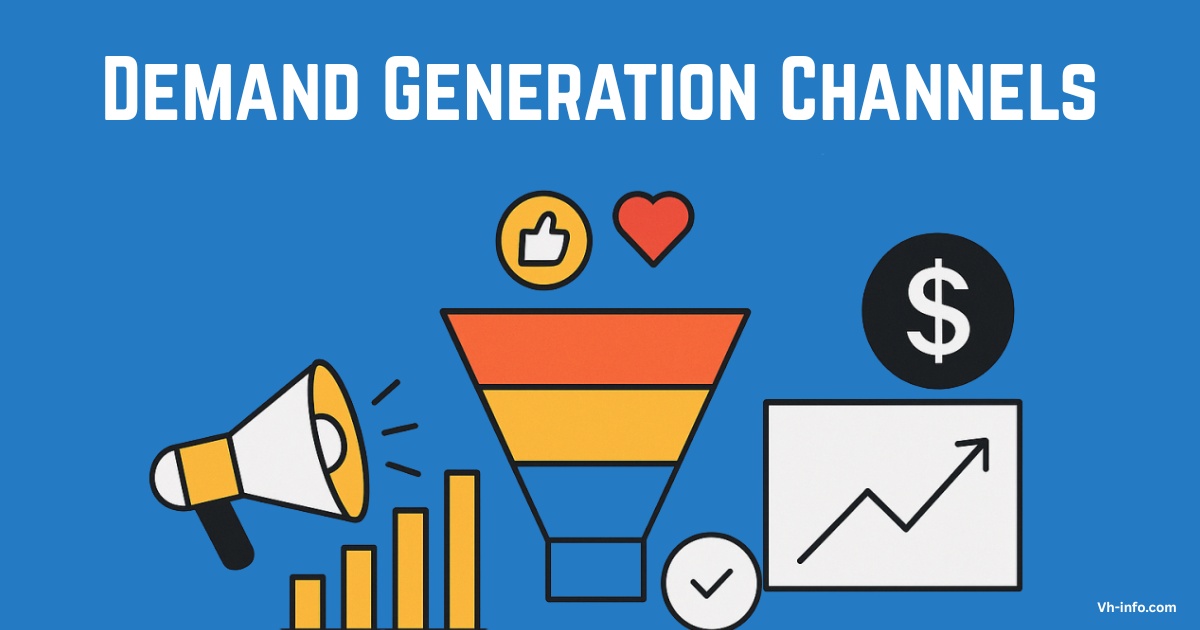
Top 16 Demand Generation Channels & Strategies to Explore in 2025

Demand generation helps SaaS companies attract potential customers by sparking interest in their solutions early.

Unlike traditional methods that just collect contact information, it focuses on educating buyers throughout their buyer’s journey. Think of it as building brand awareness and trust so people naturally seek your product when they’re ready.

At VH Info, we’ve seen how the right mix of demand generation channels—like email marketing, social media platforms, and AI-powered personalization—can turn strangers into loyal users.

The key is choosing channels that match your ideal customer’s habits, whether they’re scrolling LinkedIn or researching on Google.

Marketing teams facilitate the journey from curiosity to action for prospects by merging tactics such as content marketing aimed at education and paid advertising for enhanced visibility. This strategy not only populates your pipeline with high-quality leads but also prepares your sales team with knowledgeable buyers who have already developed trust in your brand.

The focus is on generating value initially, making customer acquisition a seamless subsequent step.

Simple, right? Let’s break down how these channels work together to drive growth.

What Are Demand Generation Channels?

What Are Demand Generation Channels?

Demand generation channels are different platforms and ways that marketing teams use. They aim to reach their target audience.

These channels create interest in their products or services. They deliver useful content and help build ties with potential buyers. This happens before the buyers decide to make a purchase.

Unlike basic ads, demand gen channels focus on teaching and building relationships. They do not aim for quick sales. These channels help businesses connect with the right people at various stages of their customer’s journey.

Importance of Demand Generation Channels

Demand generation channels play a critical role in modern marketing efforts because they help businesses connect with prospects who aren’t actively searching for solutions. Research shows that only 5% of your market is ready to buy right now, while the other 95% are forming impressions of your brand long before they click “Book a Demo“.

These channels help marketing teams build brand awareness and establish thought leadership in their industry.

This is particularly important for SaaS companies because the buying journey often involves multiple stakeholders and extended evaluation periods. Demand gen channels provide multiple touchpoints needed to nurture prospects through this complex process.

At VH Info, we’ve observed that SaaS companies using multiple demand generation channels achieve better lead scoring results and improved conversion rates compared to those relying on single-channel approaches.

How They Differ From Lead Generation Channels?

While lead generation focuses on converting prospects who are already aware of their need and actively seeking solutions, demand generation concentrates on creating awareness and interest among potential customers who may not yet recognize their problem.

Lead generation typically involves gated content, forms, and direct calls-to-action to capture contact information. Demand gen, however, emphasizes providing value upfront through educational content, thought leadership, and relationship-building activities.

The sales team receives different types of prospects from each approach.

Lead generation delivers prospects ready for immediate sales conversations, while demand generation provides a pipeline of educated prospects who understand your value proposition and are more likely to become quality leads over time.

Now, let’s look at the top demand generation and lead generation channels to use in 2025.

Top Demand Generation Channels to Explore in 2025

Top Demand Generation Channels to Explore in 2025

As businesses try to stay ahead in the fast-changing world, it is important to use the best demand generation channels.

Each channel has a special job. These channels help you meet potential buyers and guide them step by step through the buyer’s journey. Let’s look closer at how each demand generation channel can help you connect with your target audience and support their journey as buyers.

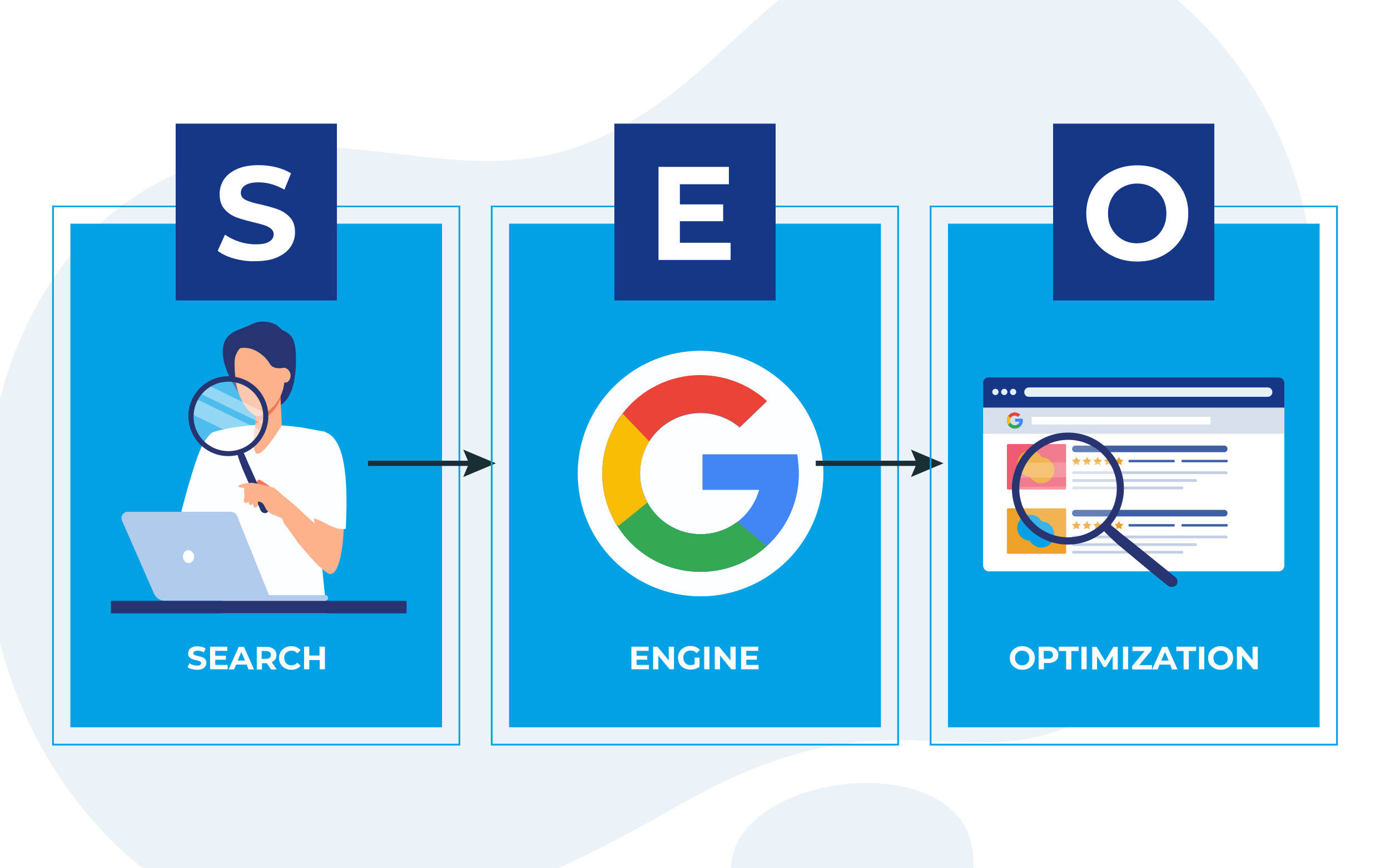
Search Engine Optimization (SEO)
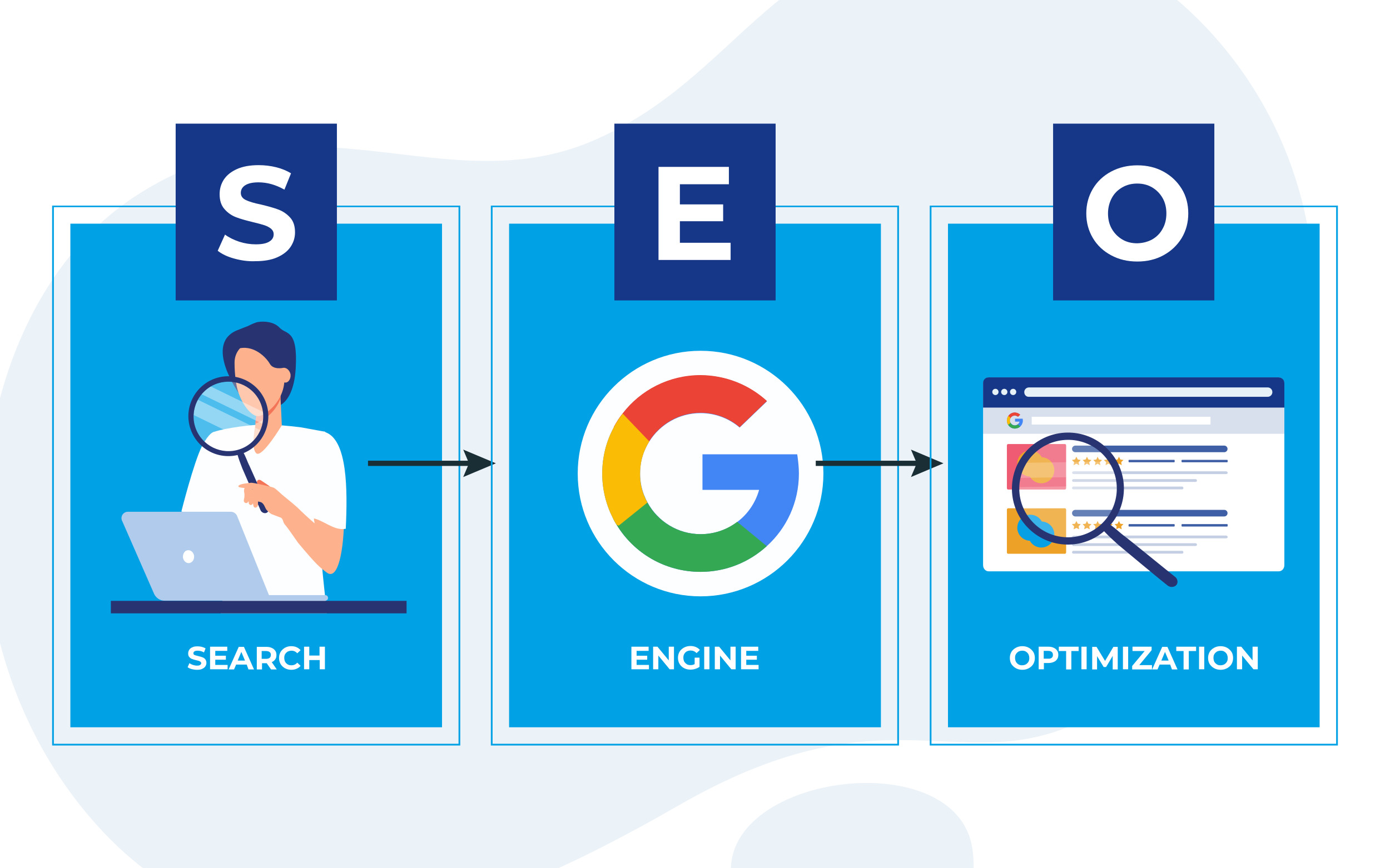
Search Engine Optimization (SEO)

SEO is still one of the best ways to get new customers for SaaS companies. It helps capture leads when they want information. Good content that shows your knowledge and is easy to find online can cost about $647 to gain a customer. It also brings a high return of 748%.

To succeed in SEO, you need to create helpful content. This content should solve problems for your target audience during their buying process. Examples include blog posts, white papers, and guides.

These help show your company as a trusted expert. VH Info helps SaaS companies grow their authority with smart content creation and link building. This work supports both demand generation and SEO goals.

Referral Programs

Referral Programs

Referral programs use your current customers to find new leads. They do this through trusted advice. These programs are good for demand generation. This is because they have built-in trust and proof from others.

Successful referral programs give clear rewards to both the person referring and the new customer. They also make the referral process easy and smooth. The rates of people converting from referral programs are often higher than other channels.

This is because prospects come with a personal recommendation from someone they trust.

Influencer Marketing
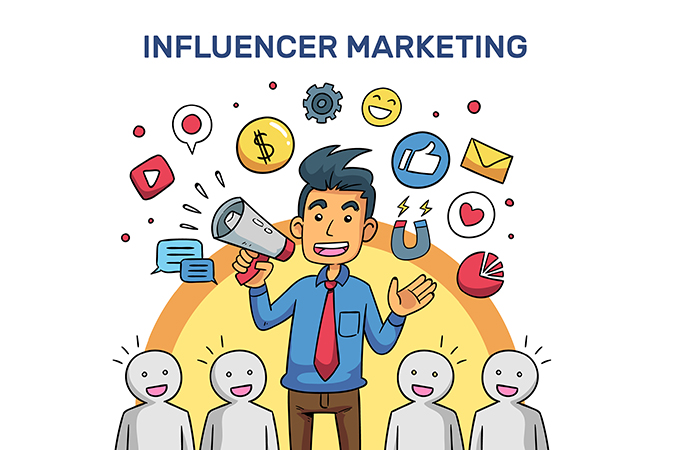
Influencer Marketing

Influencer marketing helps SaaS companies connect with potential customers. They do this through trusted voices in their field. This method is good for demand generation. Influencers already have strong ties with your target audience.

The key to success is choosing the right influencers. You should look for those whose audiences match your ideal customer. Instead of just counting followers, focus on engagement rates. Also, consider how relevant the audience is to your brand.

Podcast Marketing

Podcast Marketing

Podcast marketing has become a strong way to gain new customers. The average cost to get a customer is $1,472. It also has a return on investment of 307%. This channel helps SaaS companies reach interested listeners. This happens during long listening times.

A good podcast marketing plan can include ads on related shows. It can also include making your own podcast content.

The longer format lets you discuss product features more deeply. You can also share ideas about the industry. This helps build trust and shows you are a leader in your field.

Content Marketing
Content Marketing

Content marketing is the base of a good demand generation plan. About 83% of marketers say it is the best channel for demand gen. This type of marketing includes blog posts, white papers, case studies, and helpful resources. These resources give value to possible buyers.

Good content marketing practices include a mix of gated content and free resources. These serve different stages of the buying path. Each piece of content should tackle specific issues and guide prospects towards your solution.

Email Marketing
Email Marketing

Email marketing is still one of the best ways to generate demand at a low cost. It works even better when used with marketing tools.

Good email campaigns can help engage leads over long times. They also offer content that fits their likes and actions.

The secret to good email marketing for demand generation is to segment your list and personalize your messages. Instead of sending the same message to everyone, good campaigns send focused content that connects with each part of your target audience.

Social Media Marketing
Social Media Marketing

Social media sites give great chances for demand generation. This can be done with free content and paid ads.

Sites like LinkedIn work well for B2B SaaS firms. They help reach decision-makers and key influencers directly. Good demand gen plans on social media mix helpful content and expert posts. They also focus on engaging with the community.

The aim is to build trust and create strong ties. It is not just about getting quick sales.

Paid Advertising

Paid Advertising

Paid ads through Google Ads and social media can help your demand gen plan. These channels are great for finding new leads.

Many of these leads might not know your brand yet. The best way to use paid ads in demand generation is to focus on helpful content. You should not just push for sales. The content on your landing page should offer value.

It should start the education process instead of asking for quick sales right away.

Programmatic Advertising
Programmatic Advertising

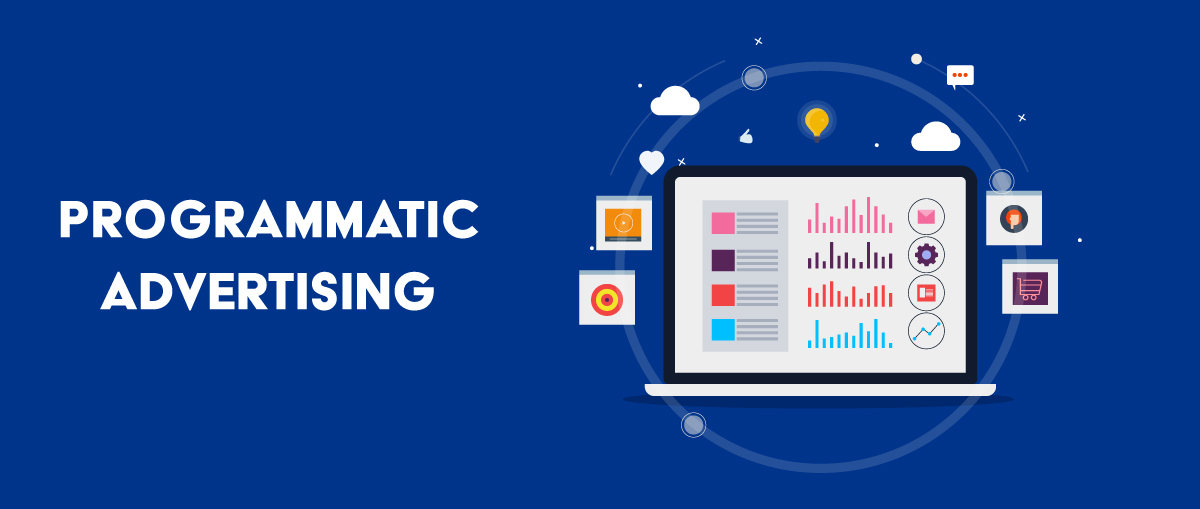
Programmatic ads help target people well and improve demand-gen campaigns quickly. This tech lets marketing groups reach the right people at the best time. They can send messages that fit each person’s needs.

The benefit of programmatic tools is their skill in using intent data and behavior cues. These features help find possible customers who might like your solution. This can happen even if they have not shown clear buying interest yet.

Webinar and Event Marketing

Webinar and Event Marketing

Webinars are still one of the best ways to gain more customers.

They have an average cost of $603 to get a new customer. They also offer a high return on investment of 430%. These interactive sessions let SaaS companies show their skills. They can talk directly with potential buyers.

Good webinar plans focus on teaching, not just selling. The aim is to share useful content. This helps build trust and shows knowledge in the field. It also allows companies to collect contact details from interested people.

AI-Powered Personalization

AI-Powered Personalization

AI-powered tools are changing how demand generation works. They help marketing teams send content that fits each person. This tech looks at data to guess what content will catch the eye of different groups.

The strength of AI is in its skill to make personalization on a large scale. This would be hard to do by hand. It allows marketing teams to share the right message with the right people. They can also do this at the best time in a buyer’s journey.

PPC/SEM Campaigns

PPC/SEM Campaigns

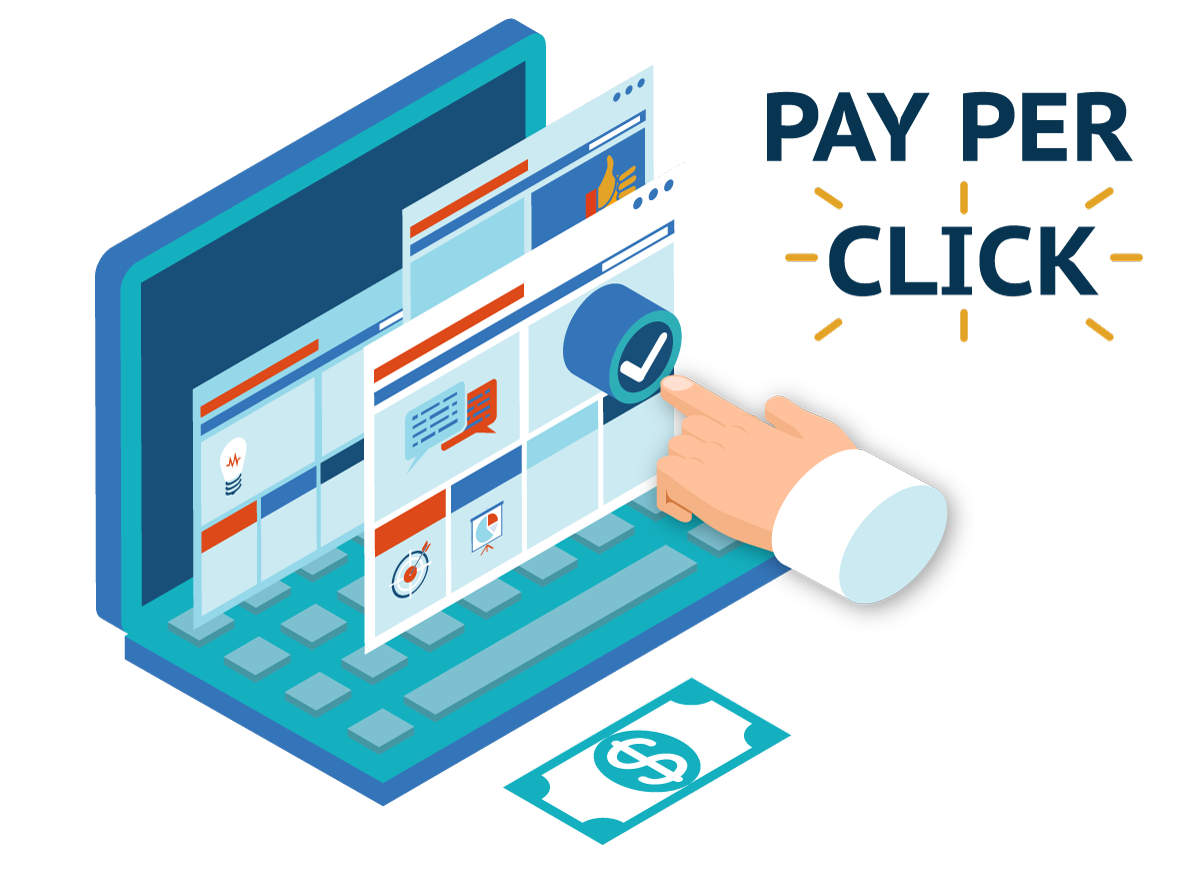
Pay-per-click and search engine marketing campaigns provide immediate visibility for demand gen efforts. While these channels may have higher customer acquisition cost metrics, they can quickly drive traffic and new leads when executed properly.

Successful PPC campaigns for demand generation focus on educational keywords and pain points rather than direct product searches. The goal is to capture prospects early in their research process.

Account-Based Marketing (ABM)
Account-Based Marketing (ABM)

Account-based marketing represents a highly targeted approach to demand generation that focuses on specific high-value accounts. While ABM requires higher investment, it can be extremely effective for SaaS companies pursuing enterprise clients.

ABM strategies combine multiple demand-gen channels to create coordinated campaigns targeting specific accounts. This approach requires close collaboration between marketing teams and the sales team to ensure alignment on target accounts and messaging.

Community Engagement

Community Engagement

Building and participating in industry communities provides a great way to establish thought leadership and connect with potential customers. This includes both online forums and professional networks where your target audience gathers.

Community engagement requires authentic participation and value creation rather than promotional messaging. The goal is to build relationships and establish credibility that can lead to quality leads over time.

Mobile Messaging

Mobile Messaging

Mobile messaging platforms give direct access to potential customers. This is done through SMS and messaging apps. It is important to use this channel with care. If not, it may seem like spam.

However, it can work well for urgent messages and event alerts. Good practices for mobile messaging in demand generation include getting clear permission. It also involves providing clear value in every message you send.

Video Marketing Platforms

Video Marketing Platforms

Mobile messaging platforms give direct access to potential customers. This is done through SMS and messaging apps.

It is important to use this channel carefully. If not, it may seem annoying or spammy. However, it can work well for urgent messages and event alerts. To use mobile messaging in a smart way, follow some best practices.

First, get clear permission from users before sending messages. Second, always provide clear value in each message you send.

Comparing Demand Generation Channels

Comparing Demand Generation Channels

Looking at different demand generation channels helps us see what each one does well and not so well.

Cost and ROI Metrics

Different demand generation channels have different costs for getting customers and returns on investment (ROI). Thought leadership SEO gives the best ROI at 748%. Webinars also give good returns, with a 430% ROI. Social media and content marketing usually cost less.

However, they need more time to show results. Knowing these numbers helps marketing teams use their budget wisely. They can choose the right channels based on their goals and timelines.

Time Until Results

The time to see results can be very different for each demand gen channel. PPC ads can bring in traffic right away.

On the other hand, SEO and good content may take about 4 to 6 months to show big results. Email marketing and social media usually fall in the middle of this range. SaaS companies should make a plan for their demand generation strategy.

This plan should have both quick-win channels and long-term ideas that help create steady growth.

Funnel Position Impact

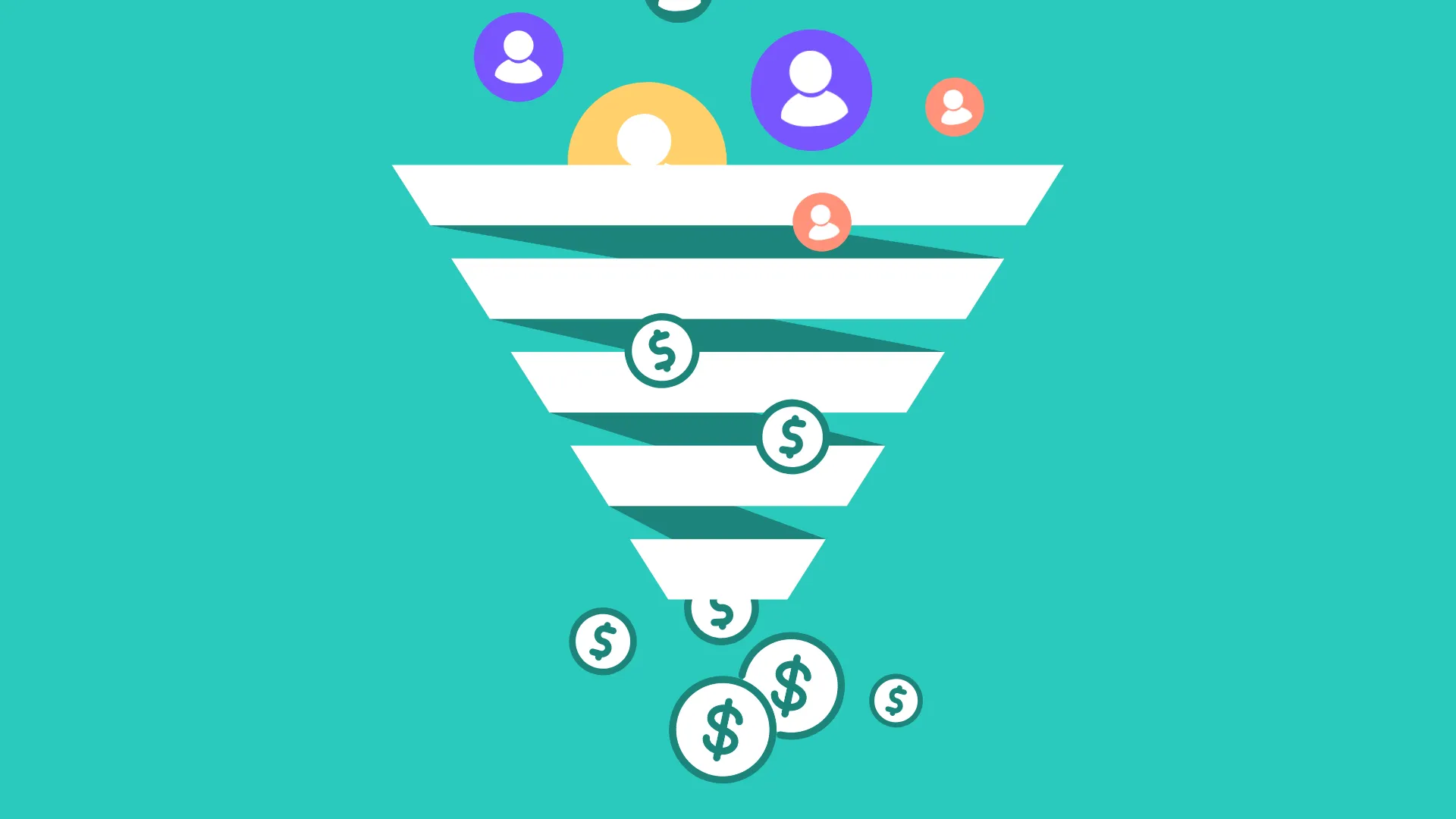
Different channels have different roles in the marketing funnel. Social media and content marketing help raise awareness at the top.

Webinars and email campaigns work well for engagement in the middle. Knowing where each channel fits helps marketing teams make smart plans. These plans guide potential buyers through their journey. This leads to better results for the team and the buyers.

Choosing The Right Channels For Your Business

Choosing The Right Demand Generation Channels For Your Business

Finding the best demand generation channels means you need to look at a few things.

Factors to Consider

Selecting the right demand generation channels requires careful consideration of your target audience, budget, timeline, and internal capabilities. Marketing teams should evaluate where their ideal customer spends time and how they prefer to consume information.

Budget allocation should balance quick-win opportunities with longer-term channel investments. The sales team should also provide input on lead quality and preferences from different channels.

Industry-Specific Channels

Different industries respond better to specific demand gen channels. SaaS companies typically see strong results from content marketing, webinars, and LinkedIn advertising.

Understanding industry-specific preferences helps marketing teams prioritize their channel investments.

At VH Info, we’ve seen that SaaS companies focusing on thought leadership content and strategic link building achieve better long-term results than those relying solely on paid advertising.

Comparing Demand Generation Channels

When comparing channels, consider both quantitative metrics like customer acquisition cost and qualitative factors like brand awareness impact. Some channels may have higher costs but deliver better quality leads that convert at higher rates.

The best ways to compare channels include tracking conversion rates, lead scoring results, and long-term customer value rather than focusing solely on initial customer acquisition cost.

Measuring The Effectiveness of Demand Generation Channels
Measuring The Effectiveness of Demand Generation Channels

To get the most out of demand gen channels, you need to focus on the right numbers for your business.

Key Metrics to Track

Effective demand generation measurement requires tracking both leading and lagging indicators. Key metrics include marketing qualified leads (MQLs), sales qualified leads (SQLs), customer acquisition cost, and conversion rates across different channels.

Marketing teams should also track engagement metrics like content consumption, email address capture rates, and social media engagement to understand how well their content resonates with the target audience.

Tools and Platforms For Measurement

Modern marketing automation platforms provide comprehensive tracking capabilities across multiple demand gen channels.

These tools can track prospect behavior from initial awareness through final conversion, providing insights into which channels drive the highest quality leads.

Intent data platforms can also provide valuable insights into prospect research behavior, helping marketing teams optimize their demand generation strategy based on actual buyer behavior.

Best Practices For Maximizing Demand Generation
Best Practices For Maximizing Demand Generation

Integration Across Channels

The most successful demand generation strategies integrate multiple channels to create cohesive prospect experiences. Rather than treating each channel separately, marketing teams should create coordinated campaigns that reinforce key messages across all touchpoints.

This integration requires careful planning and consistent messaging that guides prospects through their buying journey regardless of which channel they engage with first.

Continuous Testing and Optimization

Successful demand gen requires ongoing testing and optimization across all channels. Marketing teams should regularly test different content formats, messaging approaches, and channel combinations to identify what works best for their target audience.

The best practices include A/B testing email campaigns, experimenting with different content marketing formats, and optimizing landing page experiences based on channel-specific traffic.

FAQ’s:

What Are The Core Principles For Successful Demand Generation?

The core principles include focusing on education over promotion, providing valuable content throughout the buyer’s journey, and building long-term relationships rather than pushing for immediate conversions. Successful demand gen also requires alignment between marketing teams and the sales team to ensure consistent messaging and smooth prospect handoffs.

Why Is Audience Segmentation Important For Demand Generation?

Audience segmentation allows marketing teams to deliver more relevant content and messaging to different groups within their target audience. This personalization improves engagement rates and helps prospects feel understood, leading to better quality leads and higher conversion rates.

What Specific Tactics Can Boost Demand and Engagement Across Various Channels?

Key tactics include creating thought leadership content that addresses specific pain points, using marketing automation to deliver personalized experiences, and using intent data to identify engaged prospects. SaaS companies should also focus on building trust through case studies, customer testimonials, and transparent communication about product features.

What’s The Most Important Thing For Companies Starting With Multi-Channel Demand Generation?

The most important factor is starting with a clear understanding of your ideal customer and their buying journey.

Companies should begin with 2-3 channels they can execute well, rather than trying to be present everywhere. Building trust and providing consistent value should take priority over channel quantity.

Conclusion

Demand generation channels represent the foundation of sustainable growth for modern SaaS companies.

Success requires a strategic approach that combines multiple channels to reach potential customers throughout their buyer’s journey while maintaining cost-effective customer acquisition metrics.

The best demand gen channels for your business depend on your target audience, industry, and internal capabilities.

Whether you focus on content marketing, social media platforms, or emerging AI-powered personalization technologies, the key lies in providing valuable content that educates and builds trust with potential buyers.

At VH Info, we help SaaS companies build comprehensive demand generation strategy frameworks that combine thought leadership content creation with strategic link building. The most successful marketing efforts integrate multiple demand gen channels while maintaining consistent messaging and measurement across all touchpoints.

Effective demand generation is a long-term investment in brand awareness and relationship building. The quality leads generated through these efforts typically have higher conversion rates and become more valuable customers over time.

Focus on providing genuine value to your target audience, and the results will follow.

B2B SaaS Funnel Conversion Benchmarks: Metrics to Know (2025)

Did you know that most B2B SaaS companies convert only 2-5% of website visitors into leads?

Email marketing can help drive up to 38% of leads to become sales-ready prospects. These conversion rate numbers are not just stats; they are a guide. They can help you find where your marketing funnel loses money.

At VH-info, we have helped many SaaS companies improve their sales by aligning their steps with industry goals.

Whether you are fixing lead generation issues or improving freemium conversion rates, knowing these numbers helps show which marketing channels need more attention. It also indicates where your sales team should focus more effort. From website conversion rates to retention benchmarks, we will explore the 2025 data important for SaaS businesses that want to grow well.

Let’s look at the benchmarks shaping B2B SaaS funnel conversion plans this year and how to use these insights effectively.

What Are B2B SaaS Funnel Conversion Benchmarks?

What Are B2B SaaS Funnel Conversion Benchmarks?

B2B SaaS funnel conversion benchmarks represent industry standard rates at which potential customers move through each stage of your marketing funnel and sales process. These benchmarks measure how effectively your business converts prospects into paying customers compared to similar SaaS companies.

The typical B2B SaaS funnel includes these stages:

  • Website visitor: Any person visiting your website
  • Lead: Visitors who submit contact information or express interest
  • Marketing Qualified Lead (MQL): Leads who fit your target market criteria
  • Sales Qualified Lead (SQL): MQLs ready for engagement with your sales team
  • Opportunity: SQLs actively considering purchase with contract in hand
  • Closed customer: Prospects who become paying customers

Conversion rate benchmarks show if your 5% website conversion rate is good or needs work. They compare your rate with other SaaS businesses that are similar. These benchmarks help answer key questions.

For example, is your 14% trial-to-paid conversion better than others? Does your 36% opportunity-to-close rate fit with the industry average? These numbers are not just for show. They help you decide where to put money in marketing. They also spotlight which steps in the funnel need improvement. This can help you get more leads and conversions as customers move through their journey.

Important B2B SaaS Funnel Conversion Benchmarks To Know

Important B2B SaaS Funnel Conversion Benchmarks To Know

For SaaS companies, it is important to understand key benchmarks if you want to check and improve how your funnel is doing.

Website Conversion Rate

Website Conversion Rate

The website conversion rate shows how many visitors do what you want on your site. This usually means giving contact info, signing up for a free trial, or asking for a demo. Recent data says the normal conversion rate for B2B SaaS sites is between 2% and 5%.

If your rate is over 5%, it shows great performance, especially for new companies. One key thing that affects this rate is how you design your forms. Data reveals that asking for a credit card when signing up changes the number of people who convert.

Visitor-to-trial rates are about 2% when you need a credit card but rise to 10% when it’s not required. This shows that small changes to landing page elements can greatly impact performance at the top of the funnel.

For teams in SaaS marketing, improving website conversion needs ongoing A/B testing of page parts and form fields. This helps find the best mix between qualifying leads and increasing conversion volume.

Activation Rate

Activation Rate

Activation rate shows how many new users find their first “aha moment” with your product. This number shows how well your onboarding helps users see the main value of your product.

According to industry standards, a website conversion rate of about 5% and an activation rate of 37.5% is strong. The activation stage is key in deciding if users will be active, engaged customers or leave your solution.

Successful SaaS companies work hard to cut down the time it takes for new users to see the main benefit of the product.

For B2B SaaS products that are complex, clear onboarding steps help guide users to important features. This can greatly improve activation rates and build a strong base for keeping customers and growing revenue.

Freemium Conversion Rate

Freemium Conversion Rate

Freemium models continue gaining popularity in the B2B SaaS space, making these conversion benchmarks increasingly relevant. The average freemium-to-paid conversion rate across B2B SaaS sectors is approximately 3.7%, though this varies significantly by industry.

When examining free trial models, the distinction between opt-in and opt-out trials shows dramatic differences in performance:

  • Opt-In Trials (no credit card required): 18.2% conversion to paid
  • Opt-Out Trials (credit card required): 48.8% conversion to paid

This substantial gap highlights how payment friction impacts conversion rates.

While opt-out trials convert at higher rates, they attract fewer total users, creating a volume versus conversion rate tradeoff that SaaS companies must carefully evaluate based on their customer acquisition cost targets.

Feature Adoption Rate

Feature Adoption Rate

Feature adoption rate measures the percentage of users actively engaging with specific product features. This metric serves as a leading indicator of product stickiness and customer retention.

According to benchmark data, the average feature adoption rate in B2B SaaS is approximately 28%.

Recent research shows significant variation across industries:

  • HR products lead with 31% feature adoption
  • Healthcare and FinTech trail with 22.8% and 22.6% respectively

Company size also influences feature adoption—businesses with $5-10M in revenue achieve the highest rates at 30.4%.

Interestingly, sales-led companies outperform product-led ones in feature adoption (26.7% vs. 24.3%), suggesting that a structured sales process often supported by B2B sales training better prepares users for product engagement.

For SaaS companies, improving feature adoption requires strategic in-app guidance, contextual help resources, and robust user engagement campaigns targeting specific segments with personalized activation paths.

Retention Rate

Retention Rate

Customer retention directly affects how much money a company makes over time. It is a key metric for SaaS businesses.

In 2023, the average net revenue retention rate for B2B SaaS companies is 102%. The gross retention rate stands at 91%.

Companies with higher annual contract values tend to have better retention rates. Those with contract values below $25K usually see about 90% gross retention.

On the other hand, those with higher contract values often reach 93%. This shows that how much customers invest affects their loyalty and risk of leaving. A net revenue retention rate above 100% means that new revenue grows faster than lost revenue.

This is an important sign of strong product fit and good account management.

For SaaS firms aiming for high growth, reaching a net revenue retention of at least 100% is an important goal for lasting growth.

B2B SaaS Funnel Conversion Benchmarks By Channel

B2B SaaS Funnel Conversion Benchmarks By Channel

Social Media

Social Media

Search engine optimization delivers some of the highest-quality leads for B2B SaaS companies, resulting in superior conversion rates compared to other marketing channels. This highlights why Why is SEO important for SaaS companies.

Current benchmarks show:

  • Visitor to Lead: 2.1%
  • Lead to MQL: 41%
  • MQL to SQL: 51%
  • SQL to Opportunity: 49%
  • Opportunity to Close: 36%

These metrics demonstrate why SEO continues attracting significant investment from SaaS companies—the high intent of search traffic creates more qualified leads that convert at higher rates throughout the funnel. For effective SEO, Link Building For SEO is a key strategy.

At VH-info, we consistently see how strategic link building enhances SEO performance for SaaS clients, improving both visibility and conversion rates for targeted keywords. Considering a SaaS SEO Consultant can further optimize these efforts.

Email Marketing

Email Marketing

Email marketing remains extremely effective for lead nurturing and moving prospects through the SaaS sales funnel.

Current benchmark data shows:

  • Visitor to Lead: 2.2%
  • Lead to MQL: 38%
  • MQL to SQL: 30%
  • SQL to Opportunity: 41%
  • Opportunity to Close: 39%

The high opportunity-to-close rate highlights email’s effectiveness in late-stage conversion. This makes email particularly valuable for nurturing qualified leads who need additional touchpoints before making purchase decisions.

SaaS Newsletter Examples can provide inspiration for effective campaigns.

Successful SaaS email marketing strategies include targeted drip campaigns that address specific pain points, showcase relevant case studies, and provide clear next steps for prospects at different funnel stages.

Paid Search and Advertising

Paid Search and Advertising

Paid search and advertising show lower top-of-funnel conversion but can efficiently scale lead generation.

Current benchmarks reveal:

  • Visitor to Lead: 0.7%
  • Lead to MQL: 36%
  • MQL to SQL: 26%
  • SQL to Opportunity: 38%
  • Opportunity to Close: 35%

The relatively lower MQL-to-SQL conversion suggests paid traffic often requires more qualification than organic leads. However, the consistent performance through the bottom of the funnel indicates that once qualified, these leads convert at similar rates to other channels.

For optimizing paid advertising, consider PPC For SaaS strategies, or specialized campaigns like SaaS Facebook AdsSaaS Instagram Ads, and LinkedIn Ads For SaaS.

For SaaS marketing teams, this highlights the importance of tight qualification processes and targeted landing pages that pre-qualify visitors to improve efficiency throughout the sales process.

SaaS Form Pages

SaaS Form Pages

Form pages represent critical conversion points in the SaaS marketing funnel.

Form conversion rates vary based on length, complexity, and placement:

  • Short Forms (3-4 Fields): 8-10% conversion
  • Long Forms (7+ Fields): 3-5% conversion
  • Demo Request Forms: 5-8% conversion
  • Contact Forms: 1-3% conversion

Each additional form field typically reduces conversion rates by 7-10%, creating a tradeoff between lead quality and quantity. SaaS companies must balance qualification needs with conversion optimization based on their sales model and target audience.

Progressive profiling—collecting information incrementally across multiple interactions—can significantly improve form performance by reducing friction while still gathering necessary lead data.

B2B SaaS Funnel Conversion Benchmarks By Industry

B2B SaaS Funnel Conversion Benchmarks By Industry

Different industries show different B2B SaaS funnel conversion benchmarks.

Adtech

The advertising technology sector shows strong top-of-funnel performance with moderate bottom-funnel conversion:

  • Visitor to Freemium: 13.9%
  • Freemium to Paid: 3.6%
  • Full Funnel Conversion: 1.9%

The high freemium adoption but lower paid conversion suggests adtech solutions attract significant interest but face challenges converting free users to paying customers.

Automotive SaaS

Automotive SaaS platforms show:

  • Full Funnel Conversion: 1.9%
  • Website to Lead: 1.6%
  • Lead to Opportunity: 34%
  • Opportunity to Close: 35%

This sector typically experiences longer sales cycles (90-120 days) and deals with multiple stakeholders, requiring sustained marketing efforts across extended purchasing timeframes.

CRMs

Customer relationship management software shows:

  • Full Funnel Conversion: 2.0%
  • Visitor to Freemium: 12.8%
  • Freemium to Paid: 3.4%

The relatively high freemium-to-paid conversion reflects how businesses quickly recognize value from CRM implementation, while the moderate top-of-funnel rates highlight significant competition in the space.

Chemical / Pharmaceutical SaaS

This specialized sector shows surprising strength in conversion rates:

  • Full Funnel Conversion: 2.3%
  • Lead to SQL: 47%

The high lead-to-SQL conversion indicates strong qualification processes in an industry where solutions target specific, well-defined problems for an identified audience.

Cybersecurity SaaS

Cybersecurity solutions show:

  • Visitor to Freemium: 11.9%
  • Freemium to Paid: 3.3%
  • MQL to SQL: 32%
  • SQL to Opportunity: 47%

The current threat landscape creates high demand for security solutions, but the moderate freemium-to-paid conversion suggests challenges in demonstrating sufficient value beyond free offerings.

Design SaaS

Design software platforms show:

  • Website Conversion: 3.1%
  • Trial Conversion: 12%
  • MQL to SQL: 39%

The creative nature of these tools creates strong user engagement, but conversion often requires clear demonstration of workflow improvements and ROI for business users. Consider working with a SaaS design agency for optimal results.

Edtech

Educational technology shows strong top-of-funnel engagement but moderate conversion:

  • Visitor to Freemium: 13.9%
  • Freemium to Paid: 2.6%
  • Lead to MQL: 38%

The lower freemium-to-paid conversion reflects challenges in monetizing educational tools, especially with budget constraints in academic settings.

Entertainment SaaS

Entertainment platforms show moderate performance with:

  • Lead-to-Close Rate: 43%
  • Trial-to-Paid: 14%

The high lead-to-close rate suggests effective targeting and qualification processes in a sector with clear use cases and measurable ROI.

Fintech

Financial technology shows strong engagement metrics:

  • Visitor to Freemium: 13.5%
  • Freemium to Paid: 3.7%
  • SQL-to-Opportunity: 45%

Regulatory requirements and security concerns create longer sales cycles but higher intent once prospects reach advanced funnel stages.

Hospitality SaaS

Hospitality software shows:

  • Website Conversion: 2.7%
  • SQL-to-Opportunity: 36%
  • Opportunity-to-Close: 31%

Seasonal buying patterns significantly impact conversion rates, with decision timelines often aligning with broader industry planning cycles.

Industrial SaaS

Industrial software platforms demonstrate:

  • Website Conversion: 1.8%
  • MQL-to-SQL: 33%
  • Sales Cycle Length: 78-120 days

The complex implementation requirements and integration needs lead to longer sales cycles but higher customer lifetime value.

Insurance SaaS

Insurance technology shows:

  • Visitor to Freemium: 12.2%
  • Feature Adoption: 22.6%
  • SQL-to-Opportunity: 38%

The lower feature adoption rate highlights opportunities for improved onboarding and user education in this traditionally conservative sector.

Legaltech

Legal technology demonstrates strong bottom-funnel performance:

  • Visitor to Freemium: 13.8%
  • Freemium to paid: 5.7%
  • SQL-to-opportunity: 51%

The high freemium-to-paid conversion reflects the direct value legal professionals see in tools that improve efficiency and compliance.

Medtech

Medical technology shows the highest freemium engagement:

  • Visitor to Freemium: 15.3%
  • Freemium to Paid: 4.0%
  • Feature Adoption: 22.8%

The healthcare sector’s technical nature and regulatory requirements create unique conversion patterns with strong interest but moderate feature adoption.

Project Management SaaS

Project management platforms show:

  • MQL Rate: 41%
  • Trial-to-Paid: 15%
  • Feature Adoption: 26%

The team-based nature of these tools creates opportunities for expansion revenue, with initial conversion leading to broader organizational adoption.

Retail / eCommerce SaaS

Retail technology demonstrates:

  • Website Conversion: 3.2%
  • Lead-to-MQL: 39%
  • Trial-to-Paid: 16%

Seasonal business cycles significantly impact conversion timing, with peak acquisition periods aligning with retail planning seasons.

Telecom SaaS

Telecommunications software shows:

  • MQL Rate: 41%
  • SQL-to-Opportunity: 43%
  • Opportunity-to-Close: 29%

The high MQL rate suggests effective targeting, while the moderate close rate reflects complex buying committees and technical requirements.

B2B SaaS Funnel Conversion Benchmarks by Target Audience, Company Size

B2B SaaS Funnel Conversion Benchmarks by Target Audience, Company Size

Company size significantly impacts conversion metrics throughout the funnel. Recent benchmark data shows distinct patterns:

Small to Mid-Sized B2B SaaS ($10M-$100M ARR)

  • Visitor to Lead: 1.4%
  • Lead to MQL: 41%
  • MQL to SQL: 39%
  • SQL to Opportunity: 42%
  • Opportunity to Close: 39%

Enterprise B2B SaaS (+$1B ARR)

  • Visitor to Lead: 0.7%
  • Lead to MQL: 34%
  • MQL to SQL: 40%
  • SQL to Opportunity: 36%
  • Opportunity to Close: 31%

These differences reflect several key dynamics:

  1. Enterprise sales involve more stakeholders, creating longer sales cycles
  2. Smaller businesses often make decisions faster with fewer approval layers
  3. Enterprise deals face more scrutiny and competitive evaluation

The company size of your target audience directly impacts optimal funnel design.

Enterprise-focused SaaS companies need longer nurture sequences and more technical content to support extended sales cycles, while SMB-focused businesses benefit from streamlined processes that emphasize quick time-to-value.

Understanding SaaS Buyer Personas is key to tailoring these strategies.

How Can SaaS Companies Optimize Funnel Conversion Rates?

How Can SaaS Companies Optimize Funnel Conversion Rates?

Improving SaaS funnel conversion rates requires systematic optimization of each funnel stage.

These strategies focus on addressing the most common bottlenecks:

Top of Funnel Optimization:

  • Implement targeted SEO strategies to attract qualified traffic. A robust SaaS Content Strategy can also enhance these efforts.
  • Develop high-converting landing pages with clear value propositions
  • A/B test form fields to balance conversion volume with lead quality
  • Reduce friction in trial sign-up processes to increase initial conversion

Middle Funnel Optimization:

  • Create structured onboarding flows that guide users to value quickly
  • Implement targeted email sequences that address specific user segments. SaaS Marketing Certification can provide insights for this.
  • Use progressive profiling to gather information incrementally
  • Track feature adoption and target users with contextual guidance

Bottom Funnel Optimization:

  • Provide sales teams with detailed user behavior data to personalize outreach. Utilize SaaS Analytics Tools for comprehensive data.
  • Create case studies and ROI calculators specific to customer segments
  • Implement automated renewal and expansion workflows
  • Build systematic feedback loops to improve customer experience

At VH-info, we’ve seen how effective link building directly impacts top-of-funnel metrics by improving visibility for high-intent keywords. This targeted approach not only increases traffic volume but enhances traffic quality, resulting in higher conversion rates throughout the funnel. For overall planning, understanding your SaaS Marketing Budget is also important.

FAQ’s:

What is Considered A Good Conversion Rate in B2B SaaS?

A good conversion rate in B2B SaaS changes based on the funnel stage and marketing channel.

For website conversion, which is visitor-to-lead, 2-5% shows good results.

For free trials, conversion rates of 14% to 25% show strong results for B2B products. These benchmarks should be looked at in context. Industries with higher average selling prices often have lower initial conversion rates.

However, they tend to show better bottom-funnel metrics. The key is to compare your results with relevant industry, channel, and company size benchmarks. This approach is better than using general averages.

How Often Should Conversion Benchmarks Be Reviewed?

SaaS companies should review conversion benchmarks quarterly at a minimum, with monthly monitoring of key metrics. This cadence allows sufficient data collection while enabling timely intervention when metrics trend downward.

More frequent analysis is warranted during:

  • New feature launches
  • Pricing changes
  • Website redesigns
  • Market shifts

Additionally, benchmark comparisons should be updated annually as industry standards evolve.

At VH-info, we provide our SaaS clients with quarterly performance analyses that compare their metrics against current industry benchmarks, highlighting specific optimization opportunities.

Can Automation Tools Significantly Improve Conversion Rates?

Yes, automation tools can substantially improve conversion rates when implemented strategically.

Marketing automation platforms increase lead-to-MQL conversion by 32% on average by delivering timely, relevant content based on user behavior. Sales automation tools improve SQL-to-opportunity rates by 27% through consistent follow-up and streamlined processes.

The most effective automation strategies focus on reducing friction at key conversion points:

  • Automated onboarding sequences improve activation rates by 41%
  • Behavioral triggers increase feature adoption by 28%
  • Renewal automation enhances retention rates by 15%

However, automation requires careful implementation and monitoring to avoid feeling impersonal. The most successful approaches balance automation efficiency with personal touchpoints at critical decision stages.

Conclusion

B2B SaaS conversion benchmarks show where your marketing funnel works well or has holes.

For example, the website conversion rate is around 2-5%. Email has a strong lead-to-MQL rate of 38%.

If you face problems with customer retention in healthcare SaaS or want to boost freemium rates in legaltech, these numbers can help. They point out gaps and chances for growth.

SEO brings in high-quality leads. Paid ads need better qualification. You should find a balance between lead quality and volume. Test form fields or try A/B testing on landing pages. Keep in mind that enterprise sales cycles need time and care.

On the other hand, SMBs want quick successes. Using automation tools can raise activation rates by 41%. They can also increase feature use by 28%. Just remember to add personal touches at important stages.

Staying updated on SaaS Trends and enhancing SaaS Skills can further improve conversion strategies.

At VH-info, we have noticed that smart link building boosts top-funnel traffic. This shows that small changes, based on industry benchmarks, can lead to big growth. Compare your numbers, fix any issues, and watch your sales performance improve.

Other areas to explore for growth include SaaS affiliate programs, SaaS partnership models, and understanding the Rule of 40 SaaS. Furthermore, exploring solutions like SaaS ERP can optimize your business operations.

SaaS Multiples: Key Valuation Metrics & SEO Structure For 2025

SaaS companies operate in a fast-paced market where valuation metrics like saas multiples play a key role in determining their worth. These multiples, applied to metrics like annual recurring revenue (ARR) or EBITDA, help establish a clear saas company valuation.

For business owners, understanding these factors is essential for planning an exit strategy, negotiating with investors, and driving growth.

Equally important is presenting your saas business model effectively online. Using proper SEO structure with H1, H2, and H3 tags ensures your content is both easy to read and optimized for search engines. This combination of strong saas metrics and effective digital communication can boost visibility in the saas market while attracting potential investors.

At VH-info, we’ve seen how aligning valuation insights with strategic content structure gives saas businesses a competitive edge in funding rounds and acquisitions.

This article dives into the importance of saas multiples and SEO strategies to help you grow your business in the evolving technology industry.

What Are SaaS Multiples?

What Are SaaS Multiples?

SaaS multiples represent the ratio between a company’s enterprise value and its financial metrics. These valuation multiples function as multiplication factors applied to metrics like annual recurring revenue (ARR) or EBITDA to determine a saas business valuation.

For example, if the current market establishes that saas companies typically sell for 5x their ARR, a company with $2 million in ARR might be valued at approximately $10 million.

Various types of multiples apply to saas valuation:

  • Revenue Multiples remain the most common for saas businesses, especially for growing companies that haven’t reached profitability. The saas capital index, which tracks these multipliers across public saas companies, shows that revenue multiples typically range from 3x to 15x depending on growth rate, market conditions, and business model specifics.
  • EBITDA Multiples apply more commonly to mature saas businesses with established profitability. These typically range from 8x to 20x for private saas companies, with higher multiples reserved for larger companies with exceptional metrics.
  • SDE (Seller’s Discretionary Earnings) Multiples often apply to smaller companies and typically range from 2x to 4x for saas businesses, reflecting the higher risk of smaller operations.

The saas market demonstrates significant variability in these multipliers based on company stage, with early-stage startups sometimes commanding higher revenue multiples despite lower absolute revenue, thanks to their growth trajectory.

Meanwhile, established saas companies might see valuation tied more closely to profitability metrics and cash flow stability.

Why Are SaaS Multiples Important?

Why Are SaaS Multiples Important?

SaaS Multiples form the foundation of how technology companies value each other.

For saas business owners, these metrics directly impact:

  • Exit Planning: Whether targeting acquisition by larger companies or planning an IPO, multiples set expectations for potential returns.
  • Funding Negotiations: Investors use comparative multiples to benchmark your valuation against similar saas companies.
  • Strategic Decisions: Understanding how specific metrics impact valuation helps prioritize growth initiatives versus profitability goals.
  • Competitive Analysis: Tracking multiples across the saas industry provides insights into market trends and investor preferences.

For small businesses in the SaaS area, multiples are very important. They can decide if founders have big exits or just small gains after many years of work. For public SaaS companies, changes in multiples can affect stock prices.

This happens even if the main business does not change. The SaaS business model has steady revenue streams. Usually, it gets higher multiples than old business models. However, this higher value comes with hopes for ongoing growth and smart customer costs.

This requires a deep understanding of SaaS Buyer Personas to ensure marketing efforts are effective and fall within a planned SaaS Marketing Budget.

Factors Influencing SaaS Multiples

Factors Influencing SaaS Multiples

Multiple key variables impact saas multiples, with growth rate standing as perhaps the most influential factor. Companies demonstrating 80%+ year-over-year growth often command revenue multiples 2-3x higher than those growing at 20-30%, even with similar revenue bases.

Revenue quality significantly affects valuation multiples:

  • Annual recurring revenue provides stability and predictability
  • Net revenue retention above 120% signals a product that expands within its customer base
  • Gross margins above 80% indicate software-driven rather than service-dependent models

Customer metrics like customer acquisition cost (CAC) and customer lifetime value (CLV) directly influence saas multiples. A well-defined SaaS Content Strategy and targeted campaigns like PPC For SaaS are important for optimizing these metrics.

Companies with CLV:CAC ratios above 3:1 demonstrate efficient growth mechanics, warranting higher multiples.

Macroeconomic factors also impact saas valuation multiples:

  • High interest rates compress multiples across the board as investor return thresholds increase
  • Market volatility typically reduces buyer appetite for higher-risk companies
  • Sector trends and emerging SaaS Trends can boost or depress multiples independent of company performance. Using the right SaaS Analytics Tools allows companies to monitor their performance against these trends and make data-driven decisions.

Cash flow traits become more important as companies grow. The cash burn rate compared to growth rate shows how sustainable a business is. Positive cash flow can really help raise values for firms with over $10M in annual recurring revenue.

Profitability measures matter more as companies get older. Early-stage startups may get high values just from their growth. But later-stage firms are checked on their spending and how they plan to make a profit.

A company’s edge from tech barriers, network effects, or strong market position can lift values above average levels. This is especially true for firms that use artificial intelligence well in their main services.

How To Calculate SaaS Multiples?

How To Calculate SaaS Multiples?

Calculating SaaS multiples requires identifying the appropriate financial metrics and applying the correct multiplication factor.

The process varies based on company stage and available data.

For Revenue-Based Multiples:

Enterprise Value (EV) ÷ Annual Recurring Revenue (ARR) = ARR Multiple

For EBITDA-Based Calculations:

Enterprise Value (EV) ÷ EBITDA = EBITDA Multiple

For Smaller Companies Using SDE:

Sale Price ÷ Seller’s Discretionary Earnings = SDE Multiple

When benchmarking against public saas companies, trailing twelve months (TTM) revenue often serves as the denominator. For high-growth private saas companies, investors sometimes use a forward-looking metric based on current ARR * (1 + growth rate).

The median valuation multiple varies by company size:

  • Companies under $1M ARR: 3-5x ARR
  • $1-10M ARR companies: 5-8x ARR
  • $10-50M ARR businesses: 6-10x ARR
  • $50M+ ARR enterprises: 8-15x ARR

These ranges change every three months. There are big changes in Q1 2024 compared to Q4 2023. These changes are due to different interest rates and market factors. The average EBITDA profit margin also differs by company size.

Larger companies usually show better efficiency than smaller ones. A key metric that investors track is the Rule of 40 SaaS, which combines growth and profitability to gauge a company’s health.

Some firms, like FE International and Aventis Advisors, share regular data on SaaS value multiples. They cover various company sizes. This data gives useful reference points for business owners who are thinking about an exit plan.

How To Use H1, H2, and H3 Tags For SEO?

How To Use H1, H2, and H3 Tags For SEO?

Proper heading structure is key for good SEO in SaaS companies. This setup helps with search visibility. It also makes the user experience better. User engagement is very important to search engines today.

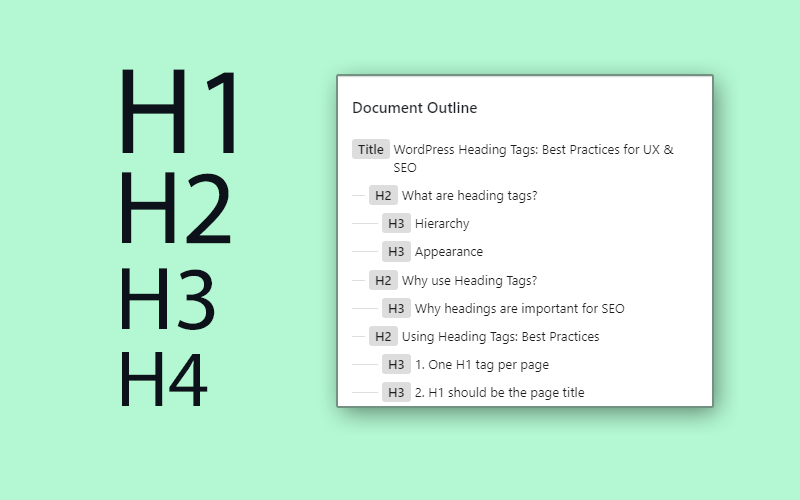
The H1 tag shows your page’s main topic. It should have your target keyword near the start. For SaaS companies, this usually means using terms like “SaaS multiples” or “SaaS business value” in the main title.

Each page needs one H1 tag that matches or is close to the page title. This tells search engines what your content is about and helps users understand it right away.

H2 tags break your content into big sections. H3 tags divide these big sections into smaller parts. This builds a clear content structure that search engines can read easily. It also helps users find relevant information fast.

SaaS businesses gain a lot from having a good heading structure when explaining tough topics.

Whether you are creating a detailed SaaS Infographic or sharing insights through SaaS Newsletter Examples, clear headers let clients and investors find info about your SaaS numbers or business model quickly.

H2s Support H1 While H3s Follow Suit

The relationship between H1, H2, and H3 tags creates a content hierarchy that both users and search engines appreciate. H2 headings should directly support and expand upon the main topic stated in the H1, while H3s should further develop the specific H2 section they fall under.

For SaaS companies creating content about valuation or metrics, this structural relationship might look like:

  • H1: SaaS Valuation Multiples in 2025
  • H2: Revenue-Based Valuation Methods
  • H3: TTM Revenue Multiple Approach
  • H3: Forward Revenue Multiple Calculations
  • H2: Profitability-Based Valuation Methods
  • H3: EBITDA Multiple Considerations
  • H3: Cash Flow Multiple Alternatives

This clear structure helps search engines and people see how ideas are linked. This makes it easier to understand content. For SaaS business owners, using this setup for their metrics or industry numbers adds clarity. It also boosts their trustworthiness.

When headings are used correctly, they show expertise on a topic. This can help improve search rankings for SaaS-related terms. It also keeps a professional look that builds trust with clients and investors.

Creating Excellent H1, H2, and H3 SEO Heading Tags

Creating Excellent H1, H2, and H3 SEO Heading Tags

Effective header tags combine SEO best practices with user-centric information architecture. For SaaS companies explaining complex concepts like SaaS multiples or valuation frameworks, headers serve as signposts guiding readers through technical content.

When creating headers for content about SaaS metrics or business models, focus on:

  • Keyword integration without sacrificing clarity
  • Consistent length (typically under 60 characters)
  • Clear hierarchy that reveals content structure at a glance
  • Benefit-oriented language that addresses user questions

A good heading structure can help small companies, and partnering with a SaaS SEO Consultant can accelerate these efforts. This is true when they face larger rivals, as it can make their content rank better even if their domain authority is low.

The strategy works for different topics. It helps explain SaaS sales processes, metrics, or ways to value a business. Having the right team with relevant SaaS Skills and perhaps a SaaS Marketing Certification can make all the difference in executing this effectively.

SaaS SEO and Header Tags

The saas industry presents unique SEO challenges due to technical terminology and specialized metrics. Effective header tags help bridge this gap by organizing complex information in accessible ways.

When developing content about saas multiples or valuation metrics, headers should:

  • Include industry-specific terminology like ARR or revenue multiples naturally
  • Signal expertise through precision rather than generalities
  • Build from fundamental concepts to advanced applications
  • Address specific pain points of potential acquirers or investors

The link between SaaS SEO and content layout goes beyond just putting in keywords. Headers build connections that help search engines grasp specific SaaS terms and measures. They also show how these relate to larger business ideas.

For SaaS firms explaining how to value their services, a good header layout shows skill and clear thoughts. These are two traits that both search engines and potential clients or investors appreciate.

Descriptive and Keyword-Rich Headings

Effective headers balance SEO requirements with information clarity. For content discussing saas business valuation or revenue multiples, headers should include key terms while maintaining natural language flow.

Examples of effective, keyword-rich headers for SaaS valuation content:

Instead of: “Calculating Values”

Better: “Calculating SaaS Revenue Multiples: Methods and Examples”

Instead of: “Market Factors”

Better: “Market Factors Affecting SaaS Valuation Multiples in Q2 2025”

Instead of: “Growth Considerations”

Better: “How Growth Rate Influences SaaS Company Valuation”

These improved headers include valuable keywords (saas revenue multiples, valuation multiples, growth rate) while providing specific information about the section content.

This method helps search engines find your content. It also lets readers quickly see useful information.

For SaaS business owners, making content about industry benchmarks is key. It shows how well the company is doing. Using clear headers builds trust. It shows you know the industry and its issues well.

H2s and H3s For Scannability

Modern readers typically scan content before committing to full reading.

Effective H2s and H3s facilitate this behavior by providing clear information hierarchy.

For content explaining complex saas metrics or valuation methodologies, consider:

  • Keeping headers under 60 characters for easy scanning
  • Using parallel structure across similar-level headers
  • Front-loading key terms and concepts
  • Ensuring each header accurately previews its section content

This method is very helpful for SaaS firms. It explains tough ideas like EBITDA multiples and retention numbers. This commitment to user experience extends beyond content; collaborating with a specialized saas design agency can ensure your entire platform is intuitive.

Similarly, a seamless B2B SaaS Onboarding process is important for retention, a key factor in valuation.

FAQ’s:

How Do I Ensure My SaaS Article Is Structured For Both Readability and SEO?

Use clear H1, H2, and H3 tags to break down topics like saas multiples or valuation metrics.

Include keywords like revenue multiples or saas business model naturally. Short paragraphs and bullet points improve scannability, while header tags help search engines understand your content about saas metrics or competitive edge.

What Are The Most Critical Metrics For Evaluating SaaS Multiples?

Focus on growth rate, annual recurring revenue (ARR), and net revenue retention. Customer acquisition cost (CAC) and customer lifetime value (CLV) ratios matter, along with cash flow and EBITDA margins.

Investors also track the Rule of 40 (growth + profitability) to gauge saas valuation health.

How Can Small To Mid-Sized SaaS Companies Increase Their Valuation Multiples?

Boost retention rates, lower CAC through efficient marketing, and showcase revenue quality.

Improve financial transparency with standardized saas metrics reporting and highlight competitive edge like niche markets or AI integrations. Partnering with advisors like Aventis Advisors can refine your exit strategy.

What External Factors Have The Biggest Impact On SaaS Multiples In The Current Market?

High interest rates and public saas company performance set valuation ceilings.

Trends like artificial intelligence adoption or sector consolidation create premium multiples. Market sentiment shifts quarterly—track reports from firms like FE International for timing exits or fundraising in the current market.

Conclusion

SaaS multiples are key for valuing companies. They help with smart choices and decisions. Many things affect these values.

Factors like growth rate, revenue quality, customer costs, and market trends matter for SaaS worth. Owners of all types of businesses use these metrics. This includes new startups and those looking to go public. These numbers assist with exit plans and raising funds.

The world of valuation is changing fast. Middle multiples shift every few months now.

With high interest rates, firms focus on smart growth. SaaS companies must show they can grow and earn profits.

This will help them get better multiples. The old belief that only revenue growth matters is changing. Now, reviews also look at retention, cash flow, and profit potential. To share these metrics well in investor talks, clear online content is key.

Using H1, H2, and H3 tags helps SaaS firms boost SEO and user experience. This way, their value messages reach the right people effectively. This heading system supports your content for both search engines and users.

At VH-info, we help SaaS firms improve their performance numbers and online strategies, whether it’s by developing a comprehensive saas marketing Playbook or advising on the integration of a SaaS ERP for better operational efficiency.

Our knowledge in SaaS SEO and content layout helps businesses share their worth in a tough market.

As the field changes through 2025, companies that do well in key metrics and online presence will have lasting advantages.

For new entrants, following a comprehensive saas launch checklist is critical. For established players, expanding reach through saas affiliate programs or exploring strategic saas partnership models can be a game-changer.

10 Website Research Tools For Your SaaS Growth Strategy In 2025

Struggling to stand out in the crowded SaaS market? Website research tools are your cheat code. These digital Swiss Army knives help you crack the code of organic search, spy on competitors’ SEO keywords, and fix hidden issues killing your website traffic.

At VH-Info, we’ve tested tools like Semrush and Ahrefs to cut through the noise, so you can focus on what matters: turning data into growth.

Think of these tools as X-ray goggles for your website. They reveal which landing pages convert, which PPC campaigns flop, and even how rivals snag those top Google Search rankings.

For SaaS teams, this means ditching guesswork and building content strategies that drive sign-ups.

Whether you’re hunting low-competition keywords or analyzing backlink gaps, the right tool (like Google Analytics, for starters) gives you the edge. Ready to stop chasing trends and start setting them? Let’s dive in.

What Is A Website Research Tool?

What Is A Website Research Tool?

A website research tool is specialized software that collects, analyzes, and presents data about websites – both yours and your competitors’.

These tools track essential metrics like website traffic, keyword rankings, backlinks, user behavior patterns, and technical SEO elements to provide a comprehensive view of online performance.

Today’s website research tools range from basic analytics platforms to sophisticated all-in-one solutions. Some focus primarily on organic search performance, tracking your rankings for targeted keywords and analyzing your SEO progress.

Others emphasize competitor analysis, helping you benchmark your site against others in your niche. Many tools combine multiple functionalities to provide a 360-degree view of your website’s performance.

Website research tools gather data through various methods, including website crawling, API connections, search engine result monitoring, and user tracking.

This raw data is then processed and presented in intuitive dashboards and reports, making it accessible for marketing teams to extract actionable insights that drive business decisions and marketing campaigns.

Why Use A Website Research Tool?

Why Use A Website Research Tool?

Implementing a robust website research tool offers numerous advantages for SaaS companies focused on growth.

First, these tools provide objective data on your SEO efforts, allowing you to track rankings for key terms and measure organic search performance over time. This data helps you identify which strategies are working and which need adjustment.

Website research tools also enable effective competitor analysis, revealing what’s driving your competitors’ success online. You can identify their top-performing keywords, analyze their backlink profiles, and benchmark your performance against industry standards.

This competitive intelligence helps you spot gaps in your strategy and opportunities for growth that might otherwise remain hidden.

Additionally, these tools facilitate data-driven content creation through comprehensive keyword research capabilities.

By identifying high search volume keywords with manageable competition, you can develop content that attracts qualified traffic. The keyword suggestions provided help you target terms your audience is actively searching for, rather than guessing what might work.

For PPC campaigns, website research tools offer invaluable insights on keyword CPC, competition levels, and potential ROI. This information helps optimize ad spending and maximize campaign performance across Google Ads and other platforms.

With the right tool, you can transform your digital marketing efforts from costly experiments to profitable channels, driving consistent results.

Key Features To Look For In A Website Research Tool

Key Features To Look For In A Website Research Tool

When picking a website research tool, think about some important features.

Data Accuracy

The foundation of any effective website research tool is accurate data.

Without reliable information, even the most sophisticated analysis becomes meaningless. When evaluating tools, verify data accuracy by comparing results across multiple platforms and checking for consistency with data from Google Analytics or Google Search Console.

The best tools maintain extensive databases that are regularly updated to ensure you’re working with current information. They employ sophisticated crawling technology to ensure comprehensive coverage of the web.

Look for tools that clearly explain their data collection methodologies and update frequencies to ensure you’re getting quality insights.

Tools that provide access to historical data offer additional value by enabling trend analysis and pattern recognition.

The ability to track changes over time helps identify seasonal fluctuations and long-term growth trajectories in organic search performance. This historical perspective proves important for strategic planning and performance evaluation.

Reporting and Analytics

Effective reporting transforms raw data into actionable insights.

Top website research tools offer customizable dashboards that present key metrics at a glance. These visual representations make complex data accessible to stakeholders across your organization, from technical SEO specialists to executives.

Advanced analytics capabilities allow for in-depth examination of specific metrics.

The ability to segment data by various dimensions (device type, geographic location, referral source, etc.) reveals patterns that might otherwise remain hidden. These detailed insights enable targeted optimizations that produce measurable results for your SaaS business. Export functionality is another critical reporting feature to consider. The ability to download data in various formats facilitates integration with other business intelligence tools and enables comprehensive analysis.

Regular automated reports keep team members informed without requiring manual data collection, allowing more time for strategy and implementation.

User-Friendliness

Even the most powerful tool becomes ineffective if your team can’t use it properly.

An intuitive interface reduces the learning curve and ensures widespread adoption within your organization. The best tools balance comprehensive functionality with user-friendly design that makes complex data accessible.

Look for tools that offer structured onboarding processes and accessible support resources. Video tutorials, knowledge bases, and responsive customer service significantly enhance the user experience.

These resources help new users quickly become proficient and allow experienced users to maximize the tool’s capabilities.

Integration capabilities also contribute significantly to user-friendliness. Tools that connect seamlessly with your existing technology stack streamline workflows and enhance productivity.

API access enables custom implementations that address your specific business needs, ensuring the tool adapts to your processes rather than forcing you to adapt to it.

Top Website Research Tools On The Market

Top Website Research Tools On The Market

The world of digital marketing has many different website research tools. Each tool has its own strengths and features. Choosing the right one relies on what your business needs, how much you can spend, and how skilled you are with technology.

Here are some of the top website research tools. These can boost your online strategies and help you get ahead of the competition.

Google Analytics

Google Analytics

Google Analytics remains the foundation of website research for organizations of all sizes.

This free tool provides essential metrics on website traffic, user behavior, and conversion performance. Its integration with other Google products like Google Ads and Google Search Console creates a powerful ecosystem for digital marketers.

The latest version, Google Analytics 4, introduces enhanced machine learning capabilities and cross-platform tracking.

These advancements enable a more sophisticated analysis of the customer journey across multiple touchpoints. While the learning curve can be steep, Google Analytics offers tremendous value for SaaS companies seeking to understand their website performance.

For maximum benefit, implement enhanced tracking and set up goal conversions aligned with your business objectives. These configurations transform Google Analytics from a basic traffic counter into a comprehensive business intelligence tool that drives marketing decisions.

Matomo (Formerly Piwik)

Matomo

Matomo offers an open-source alternative to Google Analytics with a focus on data privacy and ownership.

This self-hosted solution gives you complete control over your analytics data, addressing privacy concerns associated with third-party tracking tools. For SaaS companies with strict data governance requirements, Matomo provides a compelling option.

The tool offers real-time visitor tracking, heatmaps, form analytics, and A/B testing capabilities.

These features provide comprehensive insights into user behavior and website performance. The open-source nature of Matomo also enables extensive customization through plugins and API access.

While Matomo requires more technical resources to implement and maintain than cloud-based alternatives, the benefits of data ownership often justify the investment for privacy-conscious organizations.

Semrush

Semrush

Semrush stands as a comprehensive digital marketing suite with powerful website research capabilities.

The platform excels in competitive analysis, revealing your competitors’ top-performing keywords, backlink sources, and content strategies. This competitive intelligence helps identify opportunities for improvement and differentiation.

The keyword research functionality within Semrush enables strategic content planning based on search volume, keyword difficulty, and CPC data. The related keywords feature uncovers semantic variations that expand your targeting options.

For content marketers, these insights drive the creation of high-performing assets that attract qualified traffic.

Semrush also offers technical SEO audits, backlink analysis, and position tracking. These tools help identify and resolve issues affecting your website’s performance in search results.

The comprehensive nature of Semrush makes it suitable for teams managing multiple aspects of digital marketing.

Ahrefs

Ahrefs

Ahrefs has evolved from a backlink analysis tool into a complete SEO platform with extensive website research capabilities.

The tool’s Site Explorer provides detailed insights into organic traffic, top-performing content, and keyword rankings. These metrics help evaluate your website’s current performance and identify growth opportunities.

The backlink analysis remains Ahrefs’ standout feature, offering unparalleled insights into your link profile and competitor backlink strategies. For SaaS companies investing in link building, this functionality proves invaluable for identifying high-quality link opportunities and monitoring campaign results.

Ahrefs’ Content Explorer identifies popular content within your niche, revealing topics that resonate with your target audience.

This data informs content creation strategies that align with demonstrated user interests. When combined with the Keywords Explorer tool, Ahrefs provides a complete workflow for SEO-driven content marketing.

Similarweb

Similarweb

Similarweb specializes in competitive intelligence, offering insights into website traffic, engagement metrics, and audience demographics.

The platform excels at benchmarking your performance against competitors and industry averages. These comparisons provide context for your metrics and highlight areas requiring attention.

The tool’s traffic source analysis reveals which channels drive visitors to your website and your competitors’ sites.

This information helps optimize your channel strategy and identify untapped traffic opportunities. The ability to analyze referral traffic uncovers potential partnership and guest posting opportunities.

Similarweb also tracks keyword performance and PPC campaigns, enabling comprehensive analysis of your search marketing efforts. The audience insights feature provides valuable demographic and interest data for persona development and targeting refinement.

Hotjar

Hotjar

Hotjar focuses on user experience analysis through heatmaps, session recordings, and user feedback tools. While not a traditional SEO research tool, Hotjar provides important insights into how visitors interact with your website.

Understanding user behavior helps optimize conversion paths and improve overall website effectiveness.

The heatmap functionality visualizes click patterns, scroll depth, and movement tracking across your pages.

These visual representations reveal which elements attract attention and which go unnoticed. Session recordings capture actual user interactions, providing qualitative insights that complement quantitative analytics data.

Hotjar’s feedback polls and surveys collect direct input from your visitors, revealing pain points and opportunities for improvement.

This voice-of-customer data proves invaluable for user-centered website optimization. When combined with traditional analytics, Hotjar creates a complete picture of website performance.

Mixpanel

Mixpanel

Mixpanel specializes in product analytics, making it particularly relevant for SaaS companies.

The platform tracks user interactions within your application, revealing how customers engage with specific features. These insights help optimize the user experience and inform product development priorities.

The cohort analysis functionality identifies patterns in user behavior over time, highlighting factors that contribute to retention or churn. Funnel analysis tracks conversion through multi-step processes, pinpointing drop-off points that require attention.

These specialized analyses complement traditional website metrics with product-specific insights.

Mixpanel’s A/B testing capabilities enable data-driven optimization of your user interface and feature implementations. The ability to segment users based on behavior and attributes facilitates personalized marketing and product experiences.

For SaaS companies, these capabilities provide a competitive advantage through enhanced user understanding.

Woopra

Woopra

Woopra delivers customer journey analytics with a focus on individual user tracking.

This approach provides granular insights into how specific customer segments interact with your website and product. The ability to follow individual journeys reveals patterns that aggregate data might miss.

The platform excels at connecting website behavior with other customer touchpoints, creating a comprehensive view of the customer experience. This unified approach helps break down silos between marketing, sales, and customer success teams.

For SaaS companies seeking to optimize the entire customer lifecycle, Woopra offers valuable perspective.

Woopra’s automation capabilities enable triggered actions based on specific user behaviors. These automated responses create personalized experiences without manual intervention. The real-time nature of Woopra’s analytics allows immediate response to changing user patterns.

AnswerThePublic

AnswerThePublic

AnswerThePublic focuses specifically on question-based keyword research.

The tool aggregates questions people ask about specific topics, organizing them into visual representations. This question-centric approach reveals informational needs that traditional keyword research might miss.

For content marketers, AnswerThePublic provides direct insight into the questions your target audience is asking.

This information shapes content strategies that address actual user needs rather than presumed interests. The visual format makes the data accessible to team members without technical SEO expertise.

While narrower in scope than comprehensive SEO platforms, AnswerThePublic delivers unique value through its specialized focus.

When combined with broader keyword research tools, it creates a more complete picture of search intent and information needs within your target market.

Wappalyzer

Wappalyzer

Wappalyzer identifies the technologies used on websites, providing valuable technical insights for competitive analysis.

This browser extension and online tool detects content management systems, analytics tools, advertising networks, and other technical components. For technical SEO and competitive intelligence, these insights prove invaluable.

Understanding your competitors’ technology stack reveals potential advantages or limitations in their implementation.

This knowledge informs your own technology decisions and highlights potential differentiators. For SaaS companies targeting specific technology users, Wappalyzer helps identify websites using complementary solutions.

While focused on technical aspects rather than marketing metrics, Wappalyzer provides context that enhances other research efforts. The tool’s simplicity and immediate results make it accessible to team members without deep technical expertise.

How To Choose The Right Website Research Tool For Your Needs?

How To Choose The Right Website Research Tool For Your Needs?

Selecting the optimal website research tool starts with clearly defining your specific objectives.

Are you primarily focused on improving organic search rankings, analyzing user behavior, or monitoring competitors? Different tools excel in different areas, and understanding your priorities helps narrow the field of options.

Consider your team’s technical expertise and available resources. Some tools require significant configuration and ongoing management, while others offer more turnkey solutions. The most powerful tool becomes ineffective if your team cannot properly implement and utilize it.

Look for options that match your team’s capabilities or include adequate support resources.

Budget constraints naturally influence tool selection. Most premium tools offer tiered pricing based on usage volumes or feature access. Evaluate potential ROI rather than focusing solely on cost.

Free tools like Google Analytics and Google Search Console provide substantial value, but premium tools often deliver capabilities that justify their cost through improved performance and efficiency.

Integration capabilities represent another important consideration. Tools that connect seamlessly with your existing marketing technology stack create efficiency and data consistency.

Evaluate available APIs and native integrations with your CRM, email marketing platform, and other critical systems. These connections enhance workflow and enable more sophisticated analysis across multiple data sources.

Consider conducting limited trials of promising tools before making long-term commitments. Most platforms offer free trials or money-back guarantees that allow hands-on evaluation.

During these trials, test the specific use cases most relevant to your business rather than exploring all available features. This focused approach provides meaningful insights into how the tool will perform for your particular needs.

Best Practices For Using Website Research Tools

Best Practices For Using Website Research Tools

Implement regular analysis schedules to maintain continuous improvement. Weekly reviews of key performance indicators, monthly deep dives into specific metrics, and quarterly strategic assessments create a structured approach to data utilization.

These regular checkpoints ensure insights translate into action rather than accumulating unused.

Combine multiple tools for comprehensive perspective. No single platform provides complete coverage of all website performance aspects.

For example, use Google Analytics for user behavior analysis, Semrush or Ahrefs for SEO research, and Hotjar for user experience insights. This multi-tool approach creates a more complete picture of your website’s performance.

Focus on actionable metrics rather than vanity statistics. Increased traffic holds little value if it doesn’t convert.

Prioritize metrics directly tied to business outcomes, such as conversion rates, qualified lead generation, and customer acquisition costs. This business-centric approach ensures your optimization efforts deliver meaningful results.

Maintain consistent tracking parameters to ensure reliable trend analysis. Changes to measurement methodology create data discontinuities that complicate performance evaluation.

Document your implementation approach and avoid unnecessary modifications to tracking configurations. When changes become necessary, note them clearly in your reporting to provide context for metric shifts.

Share insights across departments to maximize their impact. Website performance affects marketing, sales, product development, and customer success teams.

Regular reports tailored to different stakeholders ensure relevant insights reach the people best positioned to act on them. This collaborative approach transforms website research from a marketing function into a company-wide resource.

FAQ’s:

What Are The Best Free Website Research Tools Available?

Google Analytics and Google Search Console top the list for tracking website traffic and SEO health. Use Google Keyword Planner for keyword research and search volume insights.

Free tiers of tools like Semrush or Ahrefs offer limited competitor analysis and backlink tracking. AnswerThePublic helps find related queries, while Wappalyzer detects technical SEO tools on competitor sites—all without spending a dollar.

Are Website Research Tools Suitable For Small Businesses?

Absolutely! Many tools offer free plans or affordable tiers tailored for small teams. Focus on keyword research tools like Google Keyword Planner or Ubersuggest to find SEO keywords without breaking the bank.

Even a basic competitor analysis helps you spot gaps in your digital marketing strategy compared to bigger players.

How Do Website Research Tools Improve SEO?

They uncover popular keywords with high search volume, help fix technical SEO issues like slow loading speeds, and track organic search rankings.

Tools like Ahrefs reveal backlink opportunities, while SEMrush’s keyword explorer identifies gaps in your SEO strategy compared to competitors.

Can Website Research Tools Help Identify Competitor Strategies?

Yes! See which SEO keywords rivals rank for, their top landing pages, and PPC campaigns on Google Ads.

Tools like Similarweb show their website traffic sources, while Semrush exposes their backlink networks. This helps you replicate wins and exploit gaps in their marketing campaigns.

What Types Of Data Can I Gather Using A Website Research Tool?

Track website traffic trends, user behavior (like clicks via Hotjar), and keyword rankings.

Analyze social media referrals, spot technical SEO issues, and compare your organic search performance against competitors. Tools like Mixpanel even reveal how users navigate your site.

How Accurate Is The Data Provided By These Tools?

Keyword research data (like search volume) and competitor analysis are estimates but reliable for trends. Cross-check with Google Analytics for your own website traffic. Free tools may have limits, but paid options like Ahrefs offer sharper data accuracy for PPC or SEO planning.

Can These Tools Help With Competitor Analysis?

Definitely! Uncover rivals’ top SEO keywords, landing pages, and backlink sources.

Tools like Semrush show their Google Ads spend, while Wappalyzer reveals their technical SEO setup. Use these insights to refine your content strategy and outrank them in organic search.

Conclusion

Website research tools provide SaaS companies with the data needed to make informed marketing decisions. The right tools transform guesswork into strategic action, improving efficiency and effectiveness across multiple marketing dimensions.

From identifying high-potential keywords to analyzing user behavior and monitoring competitor strategies, these tools deliver actionable insights that drive measurable results.

The selection process requires careful consideration of your specific needs, available resources, and business objectives.

While many options exist, from free basics to comprehensive premium platforms, the value lies not in the tools themselves but in how effectively you apply the insights they provide.

Regular analysis, cross-functional collaboration, and consistent implementation create the foundation for data-driven growth.

At VH-Info, we help SaaS companies maximize the value of their website research efforts through strategic link building and content optimization. Our specialized expertise complements your internal capabilities, creating synergies that accelerate performance improvements.

For SaaS businesses seeking to enhance their organic visibility and authority, professional support amplifies the impact of your website research investments.

15 Common SEO Mistakes That Can Tank Your Rankings in 2025

SEO isn’t just about chasing trends—it’s about dodging pitfalls that tank your search engine rankings. Even small SEO mistakes, like messy title tags or ignoring mobile optimization, can bury your site on page 2 of search results.

At VH Info, we’ve audited hundreds of sites stuck in this rut: businesses pouring time into content creation but missing basic fixes that unlock growth.

The truth? Most SEO issues are avoidable. Duplicate content, slow site speed, and weak internal links quietly drain traffic while competitors climb. But here’s the good news: fixing these common SEO mistakes isn’t rocket science. A sharp SEO strategy balances technical SEO with user experience, turning visitors into loyal customers.

Think of this guide as your shortcut—no fluff, just actionable fixes to stop bleeding rankings and start connecting with your target audience. Let’s dive in.

Understanding SEO And Its Importance

Understanding SEO And Its Importance

Search engine optimization (SEO) encompasses all the techniques used to improve a website’s visibility in organic search results. Effective SEO isn’t just about pleasing algorithms—it’s about creating a great user experience that naturally aligns with what search engines value.

When implemented correctly, SEO drives targeted traffic to your website, connects you with your target audience at the moment they’re searching for solutions, and builds credibility for your brand. A robust seo strategy considers both on-page elements (like quality content and technical aspects of your site) and off-page factors (like external links and brand mentions).

The challenge lies in balancing optimization for search engines while prioritizing human readers and their search intent.

This is where many businesses stumble, focusing too heavily on technical aspects while neglecting the user experience that ultimately drives engagement and conversions.

Common SEO Mistakes To Avoid In 2025

Common SEO Mistakes To Avoid In 2025

Duplicate Content

Duplicate Content

Duplicate content remains one of the most prevalent yet easily avoidable seo issues. When multiple pages contain substantially similar content, search engines struggle to determine which version to index and rank, potentially diluting your ranking power across several URLs.

This issue often occurs unintentionally through:

  • Product descriptions appearing on multiple category pages
  • Printer-friendly versions of articles
  • Session IDs and tracking parameters creating multiple URLs

The solution is implementing canonical tags that tell search engines which version of a page should be considered the primary one. Additionally, focusing on creating original content for each page gives search engines unique value to index rather than forcing them to choose between similar pages.

Keyword Stuffing

Keyword Stuffing

The outdated practice of keyword stuffing—artificially cramming relevant keywords into content—remains a persistent issue that can trigger a Google penalty. Modern search engines prioritize context and user value over keyword density.

Effective keyword research should inform your content creation, not dictate it. Rather than focusing on keyword frequency, concentrate on addressing user intent comprehensively.

Each piece of content should target a primary target keyword along with semantically related terms that naturally fit within well-written, valuable content.

Lack Of Mobile Optimization

Lack Of Mobile Optimization

With most web traffic now coming from mobile devices, having a site that performs poorly on smartphones creates a poor user experience and directly impacts rankings.

Google’s mobile-first indexing means the mobile phone version of your site is now considered the primary version for ranking purposes.

Common mobile optimization mistakes include:

  • Text too small to read without zooming
  • Clickable elements too close together
  • Content wider than the screen
  • Slow loading times on mobile networks

Slow Site Speed

Slow Site Speed

A slow site frustrates visitors and significantly increases bounce rates. Page speed is a confirmed ranking factor that affects both desktop and mobile rankings. Studies show that even a one-second delay in page load time can reduce conversions by 7%.

Improving site speed involves:

  • Optimizing image files with proper compression
  • Implementing browser caching
  • Minimizing HTTP requests
  • Using content delivery networks
  • Reducing server response time

Lengthy Title Tags

Lengthy Title Tags

Title tags that exceed Google’s display limits (typically around 50-60 characters) get cut off in search engine results, potentially hiding critical information.

Effective page titles are concise yet descriptive, containing the target keyword near the beginning while still attracting clicks.

Remember that title tags serve dual purposes: helping search engines understand page content and convincing users to click through from search results. Balancing these needs without creating overly long titles is essential for maximizing CTR.

Missed Linking Opportunities

Missed Linking Opportunities

Failing to include relevant internal links within your content misses valuable opportunities to strengthen your site’s architecture and spread ranking power throughout your domain.

A thoughtful internal linking strategy helps search engines discover and understand relationships between your content.

Similarly, avoiding external links to authoritative sources can signal lower content quality. Contrary to some misconceptions, linking to reputable sources when relevant actually enhances content credibility rather than “leaking” authority.

Generic Anchor Text

Generic Anchor Text

The clickable words in a link (the anchor text) provide valuable context to both users and search engines about the linked page. Using generic phrases like “click here” or “read more” as anchor text wastes opportunities to signal relevance.

Descriptive anchor text that includes relevant terms helps search engines better understand the relationship between pages.

However, avoid over-optimization with exact-match anchor text for every link, as this can appear manipulative.

Lack Of Local SEO

Lack Of Local SEO

Businesses serving specific geographic areas must implement local SEO strategies or risk invisibility to nearby customers.

This includes claiming and optimizing your Google Business Profile, ensuring consistent NAP (Name, Address, and Phone) information across the web, and creating content relevant to your local area.

Local search rankings heavily influence in-person traffic, with 76% of people who search for a business in their local area visiting one within a day. Missing out on Google Maps placement and local pack results means losing potential visitors already expressing clear intent.

Forgetting To Add Alt Text

Forgetting To Add Alt Text

Neglecting alt-text for images creates accessibility issues and misses SEO opportunities. Screen readers rely on alt attributes to describe images to visually impaired users, while search engines use this text to understand image content.

Effective alt text is concise but descriptive, accurately representing the image while naturally including relevant terms when appropriate. This simple addition helps improve both accessibility and potential image search visibility.

Unoptimized URL Slug

Unoptimized URL Slug

URLs containing random strings of numbers or irrelevant words create Technical SEO issues and poor user experiences. Clean, descriptive URLs help both users and search engines understand page content before even accessing it.

The ideal URL structure:

  • Is relatively short
  • Contains relevant keywords
  • Uses hyphens to separate words
  • Avoids unnecessary parameters
  • Maintains a logical hierarchy reflecting your site structure

Common SEO Mistakes That Can Hurt Your Website

Common SEO Mistakes That Can Hurt Your Website

Not Using H Tags Properly

Heading tags (H1-H6) create structure within content, improving both user experience and helping search engines understand content hierarchy. A common SEO mistake is treating headings as purely stylistic elements rather than structural ones with semantic importance.

Each page should typically have a single H1 tag containing the main topic, with H2s for major sections and H3s for subsections. This hierarchy creates a logical content outline that improves readability and helps search engines identify key topics.

Keyword Stuffing in Headings

While headings should contain relevant keywords, forcing exact matches into every heading creates awkward phrasing that reduces readability. This common seo mistake stems from overemphasizing keywords at the expense of clarity.

The primary purpose of headings is to organize content for readers, with SEO benefit being secondary. Natural-sounding headings that accurately describe the following content perform better than awkwardly keyword-stuffed alternatives.

Ignoring The Sequential Order Of Heading Tags

Headings should follow a logical hierarchy (H1 → H2 → H3), with each level representing a subordinate topic to the level above it.

Jumping from H1 directly to H4 or using headings out of order creates technical seo issues that confuse both readers and search engines about content structure.

The sequential order of heading tags creates a proper document outline that improves accessibility and helps search engines better understand the relationship between different sections of content.

Skipping Heading Levels

A related common technical seo issue is skipping heading levels (e.g., going from H2 directly to H4). This breaks the logical hierarchy of the document and creates potential accessibility issues for users of assistive technologies.

Proper heading structure helps both search engines and users navigate content more effectively, creating clear relationships between main topics and subtopics throughout a page.

Overusing H1 Tags

While HTML5 technically allows multiple H1 tags, using more than one per page remains problematic for search engine optimization. The H1 serves as the main title for the page, and having multiple H1s can dilute the primary topic focus.

Each page should generally have a single H1 that clearly communicates the page’s overall topic, with H2s and H3s used for section headings. This maintains a clear content hierarchy that benefits both SEO and usability.

Using Generic Text in Headings

Vague headings like “Introduction” or “More Information” waste opportunities to convey valuable context to both readers and search engines. Specific, descriptive headings improve content creation efficiency by allowing readers to quickly find relevant sections.

Effective headings should be specific enough that readers can understand the section’s content simply by scanning the heading. This improves overall user engagement while also providing search engines with additional contextual signals.

Best Practices For Using Heading Tags For SEO

Best Practices For Using Heading Tags For SEO

Mastering how to use heading tags can help your search engine optimization (SEO) efforts. Heading tags organize your content, making it easier to read. They also give important clues to search engines about the order and value of your information.

If you follow these best practices, you can build a website that is good for users and search engines.

Keep Your Headings Relevant

Headings should accurately reflect the content that follows and align with user intent for the page. Misleading headings that don’t deliver on their promise create poor experiences that increase bounce rates.

When creating headings, focus first on clarity for human readers, then consider how to naturally include terms relevant to search intent. This user-first approach typically results in headings that satisfy both readers and search engines.

Be Strategic With Keywords

While headings should contain relevant keywords where natural, prioritize clarity and accuracy over keyword placement. The right keywords in headings can help reinforce topical relevance, but only when they flow naturally.

Effective heading optimization starts with thorough keyword research to identify terms and phrases your target audience actually uses. This research should inform—not dictate—how you structure and phrase your headings.

Maintain A Logical Structure

A well-structured page helps readers navigate efficiently through content and helps search engines understand the relationship between topics. Consider creating an outline before writing to ensure the rest of your page follows a coherent structure.

Logical content hierarchy isn’t just good for SEO—it improves reading comprehension and retention, especially for complex topics. When readers can easily follow your content structure, they’re more likely to stay engaged with your material.

Use Descriptive Language

Specific, descriptive headings provide more value than generic ones. Instead of “Our Services,” a heading like “Professional SaaS Link Building Services for Tech Companies” provides much more context and keyword relevance.

Descriptive headings also make content more scannable, allowing readers to quickly find the sections most relevant to their needs. This improved usability directly contributes to better user engagement metrics that search engines track.

Avoid Overloading Keywords

While keywords in headings are important, overloading headings with multiple terms creates awkward phrasing that reduces readability. This form of keyword stuffing signals low-quality content to both readers and search engines.

Your seo strategy should focus on creating naturally readable headings that contain relevant terms rather than forcing multiple keywords into every heading. When a heading reads awkwardly, it’s likely overoptimized.

FAQ’s:

Why Are Heading Tags Important For SEO?

Heading tags (like H1, H2) act like signposts for search engines and readers. They organize your content into sections, making it easier to scan and understand. Proper headings also signal your page’s main topics (target keywords) to search engines, boosting your search engine rankings. Plus, they improve user experience by breaking up walls of text—keeping visitors engaged longer.

How Often Should I Use Keywords In My Headings?

Use relevant keywords naturally where they make sense—don’t force them.

Stuffing headings with awkward phrases risks keyword stuffing penalties. Focus on your primary target terms in the H1 and major H2s, then use variations in subtler spots. This keeps content readable while still optimizing for search intent.

What Is The Ideal Length For H2 and H3 Tags?

Aim for short, clear headings (4-10 words) that summarize the section. Long headings confuse readers and dilute user engagement.

For example, “Fix Site Speed in 3 Steps” works better than a rambling title. Keep it scannable—busy visitors skim headings before deciding to read further.

How Do I Check My Page’s Heading Structure?

Use free tools like SEO browser extensions (e.g., Yoast) or inspect your HTML with developer tools.

These show if you’ve skipped heading levels (like jumping from H2 to H4) or missed technical SEO issues. Regular site audits help catch these problems early, ensuring your content hierarchy stays search-friendly.

Can Multiple H1 Tags Hurt My SEO?

While HTML5 allows multiple H1s, it’s still a common SEO mistake.

Too many H1s muddy your page’s focus, making it harder for search engines to identify your main topic. Stick to one H1 (your page title) and use H2s/H3s for subsections. This sharpens your content strategy and avoids technical SEO issues.

Conclusion

Avoiding these common SEO mistakes puts you ahead of many competitors still making basic errors that limit their potential search engine rankings.

Remember that search engine optimization isn’t just about technical perfection—it’s about creating a great user experience that naturally aligns with what search engines want to recommend.

The most effective seo strategy balances technical optimization with valuable quality content that genuinely serves your target audience.

At VH Info, we specialize in helping SaaS companies build strong link profiles that boost authority while avoiding common pitfalls. Our approach combines technical expertise with content strategy to create results that drive both rankings and conversions.

For a site audit that identifies specific opportunities to improve your SEO performance, contact our team today.

SaaS ERP: Compare The Best ERP Systems For Software Companies

Modern businesses deal with many tasks. They track inventory, manage payroll, and handle customer orders.

They try to grow at the same time. SaaS ERP systems provide a solution. These cloud-based systems act like a brain for your company. They bring together everything from finance to supply chain into one easy tool. You can access it through any web browser.

At VH-Info, we have seen how changing from messy spreadsheets to an ERP system can help businesses.

This is especially true for SaaS companies that need to grow. Unlike old software that needs servers and IT teams, cloud ERP works fully online. It gives you real-time data updates and automatic upgrades.

These systems help with managing customer relationships and making billing easier. They turn tough operations into smart benefits. Now, let’s look at how SaaS ERP solutions became must-have tools for businesses facing challenges in 2025.

What is SaaS ERP?

What is SaaS ERP?

SaaS ERP refers to enterprise resource planning software delivered through a Software-as-a-Service model, where the application is hosted by a service provider and accessed by users via a web browser.

Unlike traditional ERP systems that require extensive on-site hardware and IT infrastructure, SaaS ERP solutions operate entirely in the cloud, with all data storage and processing handled on remote servers managed by the ERP vendor.

For a visual overview, you can check out this SaaS Infographic.

The SaaS ERP meaning extends beyond just software delivery – it represents a fundamental shift in how businesses approach their core operations to enhance customer experience. With SaaS ERP, companies subscribe to the service rather than purchasing software licenses outright, transforming ERP from a capital expense to an operational expense.

This model eliminates the need for businesses to maintain their own data centers or worry about software updates, as the cloud computing ERP software service provider handles these responsibilities.

As a subset of cloud ERP, SaaS ERP typically employs a multi-tenant architecture where multiple organizations share the same instance of the software while maintaining separate, secure data environments.

This approach enables ERP vendors to provide more efficient services at lower costs, making enterprise-grade business management tools accessible to organizations of various sizes.

Key Features of SaaS ERP

Key Features of SaaS ERP

Cloud-Based Accessibility

SaaS ERP systems are known for their cloud-based access and reliable customer support.

This allows users to reach business data from anywhere with internet. This feature is very helpful for companies with many sites or remote staff. It allows easy teamwork no matter where people are.

Cloud access also means that businesses do not need a lot of on-site IT tools. This helps lower both startup costs and ongoing upkeep costs.

Scalability and Flexibility

SaaS ERP solutions from top SaaS providers are very scalable. This means businesses can change their usage as needs change. They can easily add new users or expand features. Companies can also include more business units without the usual limits of on-premises systems.

The flexibility of SaaS ERP is great for growing businesses. They need their tech setup to grow with their work.

Integration With Other Tools

Modern SaaS ERP systems are great at working with other key business tools and software.

This ability to connect makes a single system where data moves easily between the ERP and other apps. These can include customer management software, online stores, and specific industry tools.

For instance, a SaaS ERP system may link to warehouse management systems. This helps give real-time views of inventory. It might also connect to project management tools to help with managing projects better.

Real-Time Data and Analytics

Access to real-time data is a key feature of SaaS ERP systems. These systems process information as it comes in. This gives quick views into business tasks. As a result, it helps with faster and smarter choices.

Advanced business intelligence tools turn basic data into useful knowledge for businesses. This allows companies to spot trends and predict needs. They can also improve operations more accurately than ever before.

Benefits Of SaaS ERP For Businesses

Benefits Of SaaS ERP For Businesses

Cost Efficiency

The cost savings of SaaS ERP are mainly due to its subscription-based pricing.

This model removes the need for big upfront costs for software and hardware, making it especially attractive for payroll software, where predictable monthly pricing helps businesses manage salaries, compliance, and updates without heavy initial investment.

Also, SaaS ERP lowers IT costs. It does this by getting rid of on-site servers. There is also no need for expert IT staff to keep them running.

Improved Collaboration

SaaS ERP systems help teamwork by giving one platform for all. This platform lets each department see the same info at once. It breaks down old barriers between areas like finance, sales, and operations. This leads to better choices for everyone involved.

For instance, when sales teams see real-time inventory levels, they can make better promises to customers. At the same time, production teams can look at future sales forecasts. This helps them plan manufacturing schedules more effectively.

Enhanced Customer Relationship Management (CRM)

Many SaaS ERP solutions come with strong customer management features. They also work well with special CRM systems.

This connection helps businesses see all customer contacts in one place. It covers everything from the first marketing reach to sales and ongoing help. Building a strong SaaS Content Strategy and understanding your SaaS Buyer Personas are important.

A comprehensive saas marketing playbook can integrate efforts like PPC For SaaS and studying SaaS Newsletter Examples to improve outreach. With better customer management tools and an understanding of b2b saas funnel conversion benchmarks, businesses can personalize each customer’s experience. They can also track how happy customers are and find ways to make the service better.

Streamlined Subscription and Billing Processes

For SaaS businesses, ERP systems help make subscription and billing tasks easier. These systems handle recurring billing automatically. They also manage changes to subscriptions. They keep track of usage-based pricing too.

Additionally, they provide data on key numbers like monthly income and customer value over time. This automation cuts down on mistakes. It also makes sure bills are sent out on time. Overall, it helps increase revenue by managing subscriptions more effectively.

How To Choose The Right SaaS ERP Solution?

How To Choose The Right SaaS ERP Solution?

To pick the right SaaS ERP solution, you need to look at what your business needs.

Assessing Business Requirements

Choosing the right SaaS ERP starts with a careful look at your business needs. This means finding current problems in your work.

You also need to decide which tasks need help and set clear goals for what your ERP should do. Involving team members from different departments helps make sure the chosen system meets everyone’s needs.

This way, it supports the whole company, not just one part.

Evaluating Vendor Support and Scalability

When you check ERP vendors, think about their support and growth options. You should find providers who have a strong history in your field. Good customer service is also important. They should offer solid training tools for users.

The ERP system must fit your plans for growth, which could include exploring different saas partnership models or launching saas affiliate programs. It should let you add features, users, and space as your business gets bigger.

Understanding Pricing Models

SaaS ERP pricing often uses subscription plans. However, the details can change a lot between sellers. Some charge for each user.

Others set prices based on company size or features offered. When looking at costs, think about more than just the monthly fee. You should also include setup costs, training fees, and any extra charges for added features or connections.

Knowing the total cost helps avoid surprise expenses later on.

Implementation of SaaS ERP

Implementation of SaaS ERP

Planning and Preparation

Successful SaaS ERP setup starts with careful planning. This planning phase includes defining what the project will cover. It also means setting realistic timelines and arranging needed resources.

A thorough saas launch checklist can ensure no critical step is missed. Building a team is important, too. This team should have members from all departments involved.

Setting clear goals during this stage helps everyone stay accountable. It also creates benchmarks to check progress against.

Data Migration and Integration

Data migration is one of the hardest parts of ERP setup. This process means taking data from old systems. Then, it must change to fit the new ERP layout. After that, you need to check that it is correct. Finally, the data is loaded into the new system.

Good integration with tools still in use helps data move easily. This way, all your business tech works well together.

Training and Support For Users

User adoption is key for ERP success. It can make or break the whole process. Training programs should be made for different user groups.

These programs need to fit their needs and access levels. Ongoing support is also important. This includes guides, help desks, and refresher training. These resources help users keep using the system well as their roles change.

Common Challenges In SaaS ERP Adoption

Common Challenges In SaaS ERP Adoption

Implementing a SaaS ERP solution can bring a lot of challenges.

Data Security Concerns

Data safety is a big worry for firms looking at cloud-based ERP systems. Sensitive work data is stored on remote servers.

These servers are managed by the vendor. Therefore, companies must check security rules, compliance papers, and data safety steps very well. Trustworthy SaaS ERP providers use strong safety actions.

They include encryption and regular safety checks. They also follow industry rules to keep data safe.

Resistance to Change in Organizations

Organizational resistance is often a big hurdle to ERP success. Employees who are used to old ways may not want to accept new systems. They might see these systems as harder or not understand their benefits.

To beat this resistance, good change management is key. This includes clear talks about the benefits. It also needs thorough training for all staff. Visible support from leaders is important too. These steps can help make the switch smoother.

Customization Limitations

SaaS ERP systems are very flexible. However, they usually have fewer ways to customize than on-premises options.

This is because of their shared setup. In this setup, all users run the same software version. Companies with special needs may have to change how they work. They might need to fit their tasks to the software instead of changing the software to suit their tasks.

Industry-Specific Applications of SaaS ERP

Industry-Specific Applications of SaaS ERP

SaaS ERP For E-Commerce Businesses

E-commerce businesses gain a lot from SaaS ERP systems. These systems connect online stores with back-office tasks.

They give real-time updates for inventory across many sales channels. They also automate order processing. This helps to make fulfillment workflows easier and faster.

Also, e-commerce ERP solutions have tools for managing returns. They help track shipping and analyze how customers buy products.

SaaS ERP For Manufacturing Companies

Manufacturing firms use special SaaS ERP tools for many tasks. These tasks include planning production, managing materials, and controlling quality. They also help with supply chain tasks. These systems show clear views of production costs.

They help keep track of stock and improve the schedule for resources in making products. Advanced ERP systems for manufacturing might have extra features too. These can include control of the shop floor, tracking of equipment repair, and tools for following rules.

SaaS ERP For Service-Based Organizations

Service-based companies need ERP systems that have good project management.

They also need help with resource use and time tracking. These systems help manage how services are given. They track billable hours and help manage client ties. They can also look at how profitable the services are.

For firms that offer professional services, ERP systems usually have tools for managing projects. They can track how much work is done and make operations easier. They also help to simplify billing tasks.

Top SaaS ERP Systems For Small Businesses

Top SaaS ERP Systems For Small Businesses

Microsoft Dynamics 365 Business Central

Microsoft Dynamics 365 Business Central

Microsoft Dynamics 365 Business Central offers a comprehensive cloud ERP solution that integrates seamlessly with other Microsoft products. Its strengths include financial management, inventory control, and customer service modules designed specifically for small to midsize businesses.

SAP (S/4HANA Cloud and SAP Business ByDesign)

SAP (S/4HANA Cloud and SAP Business ByDesign)

SAP’s cloud ERP offerings include S/4HANA Cloud for larger organizations and SAP Business ByDesign for small to midsize businesses. These solutions use SAP’s decades of ERP experience while delivering modern cloud accessibility and AI-powered analytics.

Oracle Fusion Cloud For Supply Chain and Manufacturing

Oracle Fusion Cloud

Oracle Fusion Cloud provides robust ERP functionality with particularly strong supply chain and manufacturing capabilities. The system offers extensive automation features and advanced analytics that help businesses optimize operations and improve decision-making.

Oracle NetSuite

Oracle NetSuite

NetSuite stands as one of the pioneering cloud ERP systems, offering a comprehensive suite of business management tools.

Its unified platform includes financial management, inventory management, order management, and supply chain management in a single integrated system. A detailed breakdown of NetSuite cost components helps businesses understand pricing based on modules, users, and add-ons.

Epicor

Epicor

Epicor provides industry-specific ERP solutions with particular strength in manufacturing, distribution, and retail sectors. Its cloud ERP offering delivers robust functionality with flexible deployment options.

Acumatica Cloud ERP

Acumatica Cloud ERP

Acumatica offers a flexible cloud ERP system with unique pricing based on resource usage rather than per-user fees. This model makes it particularly attractive for growing businesses with fluctuating user needs.

IFS Cloud

IFS Cloud

IFS Cloud ERP acts like a business command center, blending finance, manufacturing, and service management into one platform.

Its “Lego-like” setup lets companies pick only the tools they need (like asset tracking or AI analytics) while keeping operations connected. Popular with aerospace and manufacturing firms for its real-time equipment monitoring.

Odoo ERP

Odoo

Think of Odoo as an app store for business tools – start with accounting or inventory modules, then add sales or HR apps as needed. Its open-source base makes it budget-friendly for startups, with a clean interface that even non-tech teams can navigate.

Retailers love how it syncs online sales with warehouse stock automatically.

SYSPRO

SYSPRO

Built for makers and distributors, SYSPRO helps manage factory floors and supply chains with precision.

It tracks every screw in your inventory using AI predictions, while handling complex financial stuff like multi-currency transactions. The bonus? Customizations won’t break during updates – a lifesaver for food/beverage manufacturers.

Future Trends in SaaS ERP

Future Trends in SaaS ERP

Rapid changes in technology are shaping the future of SaaS ERP solutions.

AI and Machine Learning Integration

Artificial intelligence and machine learning are changing SaaS ERP systems quickly. These tools help with smart data analysis and easy automation. They also allow businesses to plan better for future needs.

Instead of just reacting, companies can now be more proactive. AI-powered ERP systems can find trends in business data. They can suggest ways to make processes better. These systems can even help automate tough decisions.

Advanced Automation Features

Process automation is getting better in SaaS ERP systems. It now goes beyond simple tasks to manage complex workflows.

Modern systems use automation to handle steps that involve many parts. They can also use rules and logic. This helps to follow business rules without needing any human help.

Automation cuts down on mistakes, makes processes faster, and allows workers to focus on more important tasks.

Increased Focus On User Experience

ERP providers are focusing more on user experience. They know that using the system well is very important. Modern designs have easy-to-use features, dashboards for specific roles, and mobile access.

Collaborating with a specialized saas design agency can further enhance usability.

These improvements help make tough business systems easier to use. When user experience gets better, businesses can set up their systems faster. They also see more people using the system and get better returns from their ERP spending.

Tips To Select An ERP System In 2025

Tips To Select An ERP System In 2025

It is important to know the main reasons why a business needs ERP in 2025.

  1. Understand the Why Behind the Need for an ERP: Before selecting an ERP system, clearly define the business problems you need to solve and the objectives you hope to achieve. This clarity helps guide the selection process toward solutions that address your specific needs rather than those with the most features.
  2. Create an ERP Project Team: Form a cross-functional team representing all departments that will use the system. This diverse perspective ensures the selected solution meets needs across the organization and builds broader buy-in for the implementation process.
  3. Identify The Influencing Factors: Consider factors beyond features and price, including industry fit, growth potential, vendor stability, and implementation resources. These influencing factors often determine long-term success more than specific functionality comparisons.

When Does Your SaaS Business Need ERP Software?

When Does Your SaaS Business Need ERP Software?

Your SaaS business likely needs ERP software when manual processes can no longer efficiently handle growth, financial management becomes increasingly complex, or you lack visibility into critical business metrics.

Other indicators include difficulties managing subscription billing, challenges with revenue recognition, or increasing compliance requirements.

As your customer base grows, the complexities of managing recurring revenue, tracking usage metrics, and handling subscription changes often outpace the capabilities of basic accounting systems.

At this inflection point, investing in a SaaS ERP solution provides the infrastructure needed to scale operations efficiently.

FAQ’s:

Do SaaS and Software Companies Use ERP?

Yes, SaaS and software companies commonly use ERP systems to manage their operations. These businesses benefit particularly from ERP features that handle subscription billing, revenue recognition, customer success tracking, and software development project management.

As SaaS companies scale, ERP systems help maintain operational efficiency while managing increasing transaction volumes and customer relationships.

What Makes SaaS ERP Different From Traditional ERP Systems?

SaaS ERP differs from traditional systems primarily in its delivery model, with software hosted in the cloud rather than on local servers.

This approach eliminates hardware investments, reduces IT maintenance requirements, and provides anytime, anywhere access via internet connection. SaaS ERP also typically offers faster implementation, automatic updates, and subscription-based pricing versus the high upfront costs of traditional systems.

How Secure is a Cloud-Based SaaS ERP System?

Reputable SaaS ERP providers implement extensive security measures that often exceed what individual businesses can achieve independently. These include data encryption, regular security audits, redundant data centers, and compliance with industry standards.

While security concerns remain valid, the significant investments cloud providers make in protecting their infrastructure typically result in strong security postures.

Can Small Businesses Benefit From SaaS ERP?

Small businesses often benefit significantly from SaaS ERP systems due to their lower upfront costs and reduced IT requirements.

The subscription model makes enterprise-grade tools accessible without major capital investment, while cloud delivery eliminates the need for specialized IT staff. Additionally, many vendors offer versions specifically designed for small business needs and company size.

What Are The Costs Associated With Implementing A SaaS ERP Solution?

SaaS ERP costs include the recurring subscription fee (often based on number of users or company size), implementation services, data migration, customization, training, and potential integration with other systems.

While the subscription model eliminates large upfront software purchases, implementation costs can still be significant depending on business complexity. However, the total cost of ownership typically remains lower than traditional on-premises alternatives.

How Long Does It Take To Implement A SaaS ERP System?

Implementation timelines vary widely based on business complexity, customization requirements, and scope. Simple implementations for small businesses might be completed in 2-3 months, while complex enterprise deployments can take 6-12 months or longer.

Cloud-based SaaS ERP typically implements faster than traditional on-premises systems due to the eliminated hardware setup and standardized deployment processes.

Conclusion

SaaS ERP systems are a new way to manage business tasks in many fields. They offer enterprise resource planning tools through the cloud solution. This makes them easy to access and grow with, plus they save money compared to older systems.

SaaS ERP helps with finance, inventory, customer care, and more. It builds a solid base for running a business well.

For firms looking at ERP choices in 2025, the SaaS model has many great benefits. It is quicker to start using and helps keep costs low. It also prepares businesses for the future.
Some issues like data safety, limits on changes, and shifts in how teams work are still important to think about. However, SaaS ERP technology is always getting better. It solves many old problems and brings new ways to work more efficiently.

At VH-info, we support SaaS firms in improving their work and growth plans through smart tech use.

If you are thinking of your first ERP system or want to update your current one, knowing what SaaS ERP can do is key. This understanding helps you make good choices that fit your company’s goals.

Customer Portfolio Management: #1 Guide To SaaS Success

In today’s competitive SaaS world, simply gaining new customers isn’t enough—businesses need customer portfolio management to keep their customer base thriving.

Think of it like organizing your customers into groups based on their needs, spending habits, or how they use your product.

By analyzing customer data and splitting them into customer segments, companies can focus on what each group truly values. This approach isn’t just about boosting profitability; it’s about building stronger relationships to improve retention and reduce churn.

For SaaS teams, this means spotting new opportunities, tailoring services, and ensuring every dollar spent aligns with sustainable growth.

At VH-info, we combine this strategy with our expertise in SaaS link-building, helping businesses turn their customer portfolio into a powerhouse for long-term success. Easy to grasp, hard to ignore—this is how modern companies win.

What Is A Customer Portfolio?

What Is A Customer Portfolio?

A customer portfolio is a group of different customer types. These types make up the whole base of a business. This setup divides customers by shared traits. It helps in making targeted plans for each group.

Managing a customer portfolio is more than just lists. It gives insights into how each group helps business goals and profit. It follows rules from financial management, focusing on variety, risk control, and getting the best returns.

In SaaS businesses, managing these portfolios helps balance costs of gaining customers with keeping them.

It also finds which groups bring in high revenue. This way, companies can adjust service, pricing, and success efforts for their clients better. Modern management uses data to sort customers by things like industry, size, usage habits, and profit potential.

Companies like VH-info use this idea for their link-building services. They customize their approach based on the market position and growth aims of clients. This smart sorting helps to use resources well while boosting retention and chances for growth.

Why Is A Customer Portfolio Important?

Why Is A Customer Portfolio Important?

Customer portfolio management helps businesses grow and make more money. It reduces risk by not relying too much on one group of customers. This is important during tough times when balanced portfolios can keep income steady.

Studies show that keeping current customers costs much less than finding new ones. Using analytics can help find the most profitable groups.

This allows companies to lower acquisition costs and increase value over time. Good portfolio management also improves decision-making. It shows customer habits and market trends. This lets businesses see chances for growth, cross-selling, and upselling.

At VH-info, we use similar tools to help SaaS companies match link-building plans with their customer groups for better SEO results. Additionally, managing customer portfolios increases satisfaction by offering personalized experiences for different groups.

Through the effective segmentation of their customers, companies can provide targeted messaging, develop customized products, and offer support services that closely match the needs of each specific group.

Components Of A Customer Portfolio

Components Of A Customer Portfolio

Customer Analysis

Customer analysis is key for good portfolio management. It gives useful insights into who customers are. This includes their age, buying habits, and interests. It looks at how customers use products and what they choose to buy.

It also studies the influences in their social circles. By gathering and studying customer data, companies can build clear profiles. These profiles help with segmenting customers and planning resources.

Behavioral analytics find patterns in how customers use products.

They show how engaged customers are and how happy they feel. This information affects customer loyalty and profit. Advanced tools track customer actions at many points of contact. They give a full view of customer paths and likes.

This data helps businesses guess future actions. It also helps find ways to improve satisfaction and keep customers coming back.

Profitability Analysis

Profitability checks in customer portfolio management help businesses find the best customer groups. This looks at more than just sales numbers. It also considers costs for gaining new customers, service costs, and long-term benefits.

This helps firms focus on key accounts and use their resources wisely. The checks also look at cost-to-serve rates. This helps improve how services are given out. Some customer groups may need a lot of help but have lower profits. Others can do well on their own and are more profitable. This allows companies to set up different levels of service that match customer happiness with profit goals.

Segmentation of Customers

Customer segmentation is key for companies. It helps them organize their customer groups. This makes it easier to manage these groups. Good segmentation looks at factors like the type of business, size, place, use habits, and growth chances.

This way, segments can be used effectively in business plans. Smart segmentation uses data to find trends that go beyond basic details.

Companies can look at behavior data, how much customers engage, and profit levels. This helps create specific value offers for different groups. At VH-info, we help SaaS companies use these ideas in their link-building plans.

We make sure outreach matches customer goals and target groups.

Risk/Reward Evaluation

Risk and reward checks in customer portfolio management look at the gains and risks of investing in different customer groups. This study helps companies keep their portfolios balanced. They aim to reduce risk and boost growth.

They look at things like customer loss, payment habits, and market steadiness. External factors such as industry changes and economic health are also considered. This full approach helps in making smart choices about how to use resources and set goals.

Customer portfolio management systems often have risk scores. These scores help businesses adjust to changes among their customers.

How To Create A Customer Portfolio?

How To Create A Customer Portfolio?

Creating a good customer portfolio starts with gathering and studying customer data. This should cover all customers.

Companies need to collect information from many sources. These include CRM systems, sales records, service chats, and behavior analysis tools. This data is key for splitting customers into groups and making smart choices in managing the portfolio.

Next, companies need to set clear rules for how they will group their customers. These rules should match business goals and customer traits. Factors to think about include industry type, company size, income potential, and usage habits.

Analyzing customer data carefully helps find important patterns and groupings. This can lead to focused plans and better use of resources.

To manage the customer portfolio well, companies must have clear steps for gathering data, analyzing it, and assigning segments. They need strong tools to watch customer actions, measure profits, and spot new chances among their customers.

Regular checks on these segments help keep the portfolio useful as business needs change.

Building a customer portfolio also means creating custom value offers and service models for each group.

Companies should create unique methods that meet the special needs and wants of different customers while staying efficient. This smart way of managing the customer portfolio helps boost satisfaction and keeps customers coming back across all groups.

Tools For Building A Customer Portfolio

Tools For Building A Customer Portfolio

Modern customer portfolio management uses strong analytics tools and CRM systems. These systems can handle large amounts of customer data well. They help companies track how customers interact with them. They also analyze behavior and provide insights for segmentation plans. Common tools include Salesforce, HubSpot, and special analytics platforms that have advanced segmentation features.

Data visualization tools are key in managing customer portfolios. They show complex data in simple ways to aid decision-making. These platforms help businesses find trends and chances in their customer groups.

They also keep an eye on key performance signs related to retention, profit, and growth. Companies can use visual analytics to share insights about their customer portfolios with different teams and stakeholders.

Integration is vital for good customer portfolio management. Companies must combine data from many sources like CRM systems, billing tools, and support software. Modern platforms offer API integrations for smooth data flow and real-time updates across various systems. This integration keeps customer analytics accurate and current regarding behavior and performance.

At VH-info, we see that SaaS companies need similar analytical methods for link building strategies. Just like portfolio management tools help target customers, our link building services guide SaaS businesses to find chances that match their target groups and growth goals.

Best Practices For Managing A Customer Portfolio

Best Practices For Managing A Customer Portfolio

Effective customer portfolio management needs regular checks and study of customer data. This helps spot trends, chances, and risks in different groups.

Companies must set up clear steps to review how well their customer portfolio is doing. They should look at key numbers like retention, profit, and customer happiness. This ongoing study keeps the customer portfolio plans in line with business goals and market changes.

Personalization is a key best practice in managing the customer portfolio. Different customer groups need special plans to boost satisfaction and keep them coming back. Companies should create unique ways to talk, offer products, and provide services for each group in their portfolio. This tailored method helps businesses form stronger ties with customers while using resources wisely.

Teamwork across departments is important for good customer portfolio management. Insights from customer analysis should guide choices in sales, marketing, and support teams.

Companies must create clear ways to communicate and share goals that connect different teams around the same aims for the customer portfolio. This teamwork makes sure that plans are carried out evenly at all contact points with customers.

Ongoing improvement of management processes helps businesses adjust to changing market needs and what customers want. Regular checks on customer data and group results let companies sharpen their plans and find new chances for growth.

Companies should also spend time training their teams so they have the skills to use customer portfolio analytics well.

FAQ’s:

What is the Difference Between A Customer Portfolio and A Client Portfolio?

A customer portfolio and a client portfolio are similar ideas. They help organize a company’s customers into different groups. Both terms show groups of customers with shared traits or importance to the business.

The choice between “customer” and “client” usually depends on the industry, not big differences. In real life, managing these portfolios includes the same main tasks. These tasks are segmentation, analysis, and smart use of resources.

Both methods use customer data to find trends, chances, and risks. This helps businesses improve profit across different groups.

How Can Small Businesses Benefit From Customer Portfolio Management?

Small businesses can compete well with larger firms. They can do this by managing their customer portfolio. This means using their resources wisely and focusing on profitable groups.

Customer portfolio analytics help find clients who bring in a lot of money but need few resources.

This boosts return on investment (ROI) and helps growth that lasts. This method also lowers risk by spreading out the customer base. It stops them from relying too much on a few accounts.

By dividing customers into groups, small businesses can create better plans for each group. This improves customer satisfaction and keeps them coming back. Overall, this way is more cost-effective than general marketing methods.

What Is The Importance Of Diversification In A Customer Portfolio?

Diversifying customer portfolios helps lower risk and steadies income. This is done by spreading business over different segments and industries. Companies with varied portfolios can better deal with tough times. They are more ready for problems in the economy or industry.

This strategy leads to steady growth, even when some parts face issues. It also creates chances for selling more products and growing by showing connections and needs in different markets. In the end, managing a diverse portfolio boosts new ideas. It also creates new ways to earn money that may not come from focusing on just one segment.

How Can Businesses Effectively Manage and Analyze Their Customer Portfolio?

Customer portfolio management needs good analysis and steady steps for gathering, studying, and using customer data.

Companies should put money into CRM systems and analysis tools. These help them watch customer actions, check profit, and spot trends. Looking at portfolio results often helps improve plans and find chances to grow.

Companies must update their segmentation plans as customer behavior and market changes. Clear steps for tracking numbers and changing methods are very important.

Teamwork between sales, marketing, and customer support teams helps put ideas into action at all points of contact.

Can Focusing Too Much On A Particular Segment In The Customer Portfolio Be Risky?

Focusing too much on certain customer groups can cause risks. These risks include less money coming in and being unable to change. Companies that spend too much time on some groups may miss chances in others. This creates an uneven mix in their customer base.

To reduce this risk, businesses should spread their resources across different groups. This way, they ensure a good mix. It is also important to check the customer base often. This helps avoid relying too much on specific customers or fields.

A balanced method helps growth while allowing changes when the market shifts.

How Does Customer Portfolio Management Contribute To Strategic Decision-Making?

Customer portfolio management gives important information for smart choices in sales, marketing, product growth, and resource use. The data from this study helps find chances to grow. It also looks at market trends and checks how well strategies work.


Using data helps businesses use resources wisely and meet customer needs. It also helps with profit goals. These insights aid in checking new market chances. They help weigh risks against the rewards of different plans.

By studying customer groups and how they behave, businesses can make good choices about growth, product development, and where they stand against rivals. This smart management makes sure choices rely on strong customer data and market study.

Conclusion

Customer portfolio management is a key strategy for SaaS companies. It helps them grow and make more money.

This is done by using smart customer groups and data to make good choices. By organizing customer data into clear segments, businesses can use their resources better. They can also make customers happier and find new chances to grow.

Companies that use customer portfolio analytics well get big benefits.

They have better rates of keeping customers and get new ones faster. Linking customer portfolio management with modern tools and CRM systems gives strong skills for watching customer actions. This helps them see trends and improve how they work.

As the SaaS field grows, managing the customer portfolio will be even more important. Companies need to balance their growth goals with making profits. At VH-info, we see that smart grouping is also vital in link building.

This helps SaaS companies connect their SEO plans with their customer goals for the best results and lasting growth.

CTR Ranking: Key Strategies To Improve Your SERP Position In 2025

Ever wondered why some websites dominate Google’s first page while others linger unseen? The secret often lies in CTR (click-through rate)—the percentage of searchers who click your link in search results.

As Google’s algorithms evolve, CTR ranking has become a key player in boosting organic traffic and search rankings. Think of it as a vote of confidence: when users consistently choose your link over others, Google rewards you with higher SERP positions.

At VH Info, we’ve helped SaaS brands crack this code.

Whether it’s tweaking title tags, refining meta descriptions, or decoding Google Search Console data, small changes to your organic search listings can dramatically improve visibility.

Forget complex overhauls—this guide breaks down simple, proven strategies to align your content with search intent, outshine competitors, and turn scrollers into visitors.

Let’s dive into how CTR optimization works and why it’s your shortcut to winning Google’s first page in 2025.

Understanding CTR and Its Importance

Understanding CTR and Its Importance

What is Click-Through Rate (CTR)?

Click-through rate is a metric that measures the percentage of users who click on your listing after seeing it in the search results. The formula is simple: divide the number of clicks by the number of impressions, then multiply by 100 to get your percentage.

For example, if your listing receives 50 clicks from 1,000 impressions, your CTR is 5%.

CTR varies significantly based on your position in the search results. Data from advanced web ranking studies shows that the first position on Google search typically achieves an average CTR of 27-32%, while the tenth position (bottom of the first page) might only see 2-3%.

This dramatic difference illustrates why moving up even a few positions can substantially increase your organic traffic.

Different industries also experience varying CTR benchmarks.

For instance, the real estate and finance sectors often see higher CTR for certain queries compared to more general informational searches. Understanding these CTR benchmarks for your specific industry provides valuable context for evaluating your performance.

Why CTR Matters For Ranking On Google Search Results Page?

Google’s search engine algorithms use CTR as a ranking signal to assess the relevance and quality of search results.

When users consistently click on a particular result over others for a specific query, Google interprets this as a sign that the content is valuable and relevant to the search intent.

This creates a powerful feedback loop: higher rankings lead to more visibility, which can result in more clicks. More clicks improve your CTR, which may further boost your rankings. This virtuous cycle is why CTR optimization has become a cornerstone of effective SEO strategies.

Google search console data confirms the relationship between CTR and rankings. Pages that achieve a higher CTR than expected for their position often see improvements in their organic rankings over time.

This indicates that user engagement metrics like CTR play a significant role in how Google evaluates content quality and relevance.

Factors Influencing CTR Ranking & SERP Position

Factors Influencing CTR Ranking & SERP Position

Title Tag Optimization

Your title tag is the most prominent element of your organic search result and has the greatest impact on your CTR.

A compelling title tag should accurately describe your content while including your target keyword naturally. The optimal length is 50-60 characters, as longer titles get truncated on the search results page.

Testing shows that titles with numbers, questions, or emotional triggers tend to achieve a higher CTR.

For example, “7 Proven Ways to Increase Organic CTR and Boost Rankings” typically performs better than “Methods for Improving Click-Through Rate on Search Engines.”

Remember that your title tag must balance search engine optimization with user appeal. Including your primary keyword is important for ranking, but the title must also compel users to click through to your content.

Meta Description Optimization

While meta descriptions aren’t direct ranking factors, they significantly influence your CTR. A well-created meta description acts as ad copy for your web page, convincing users that your content addresses their search intent better than competing results.

Effective meta descriptions:

  • Remain under 155-160 characters to avoid truncation
  • Include a clear call-to-action
  • Include relevant keywords (which Google often bolds when they match the search query)
  • Provide a concise preview of what users will find on your page

By treating your meta description as marketing copy rather than just an SEO element, you can substantially improve your organic click rate, even without changing your ranking position.

Headline Optimization

Your headline (H1 tag) should reinforce the promise made in your title tag and meta description. When users click through to your page, the headline confirms they’ve found what they were looking for, reducing bounce rates and improving user engagement.

Headlines should communicate the value of your content, include target keywords naturally, and maintain consistency with your search listing. This alignment between SERP appearance and on-page content builds trust with both users and search engines.

URL Structure

Clean, descriptive URLs contribute to higher CTR by reinforcing relevance and building trust. URLs that include keywords and indicate content structure typically perform better in search results than generic or parameter-heavy URLs.

Compare these two URLs:

  • https://example.com/blog?id=12345
  • https://example.com/improve-ctr-ranking-strategies

The second URL provides users with a clear indication of what to expect, increasing confidence and click probability.

Use Of Schema Markup

Schema markup helps search engines understand your content, enabling rich snippets that stand out in search results. These enhanced listings can include star ratings, product prices, event dates, recipe information, or other data points that increase visibility and CTR.

Implementing schema markup requires technical knowledge but often results in significantly higher CTR. For example, a recipe page with ratings and preparation time displayed directly in search results typically achieves a much higher CTR than a standard listing.

The knowledge panel, featured snippets, and local pack results that often appear at the top of Google’s search page are frequently populated using information from schema markup, making this a powerful tool for improving visibility and click rates.

How To Improve Your CTR Ranking?

How To Improve Your CTR Ranking?

Improving your CTR ranking needs a mix of different methods. You should optimize both on-page and off-page SEO elements.

Keyword Research and Implementation

Effective keyword research forms the foundation of CTR optimization.

By understanding the specific search queries your target audience uses, you can align your content and search listings with their needs and expectations.

Tools like Google Search Console provide valuable query data showing exactly which terms trigger impressions for your site, along with the corresponding CTR for each term. This data set helps identify opportunities where your content appears in search but fails to attract clicks.

When implementing keywords, focus on search intent rather than just search volume. Content that perfectly matches what users are actually looking for will naturally achieve a higher CTR, even if the search volume is relatively lower.

Writing Compelling Titles and Meta Descriptions

Creating titles and descriptions that drive clicks requires understanding psychological triggers that motivate your target audience.

Effective elements include:

  • Specificity: “Increase Your Organic CTR by 37% with These 5 Techniques”
  • Urgency: “2025 Google CTR Benchmarks: Why You Need to Act Now”
  • Problem-solving: “Fix Your Lower Organic CTR: Proven Methods That Work”
  • Benefits: “Boost Search Rankings with These CTR Optimization Tactics”

Each organic search result is essentially competing for attention against other results on the page. Your title and description must quickly communicate why your content deserves the click over competing options.

A/B Testing Titles and Descriptions

While you can’t directly A/B test organic search listings like you can with search ads, you can use data from Google Search Console to identify patterns and make iterative improvements to your metadata.

The process involves:

  • Identifying pages with adequate impressions but lower-than-expected CTR
  • Creating alternative titles or descriptions
  • Implementing changes and monitoring CTR data
  • Comparing performance before and after changes

This methodical approach to optimization can lead to significant CTR improvements over time, especially when applied across multiple pages of your site.

Analyzing and Monitoring CTR Performance Using Google Search Console Data

Google Search Console provides the most accurate CTR data for organic search results. The Performance report breaks down impressions, clicks, and CTR by page, query, country, and device, allowing for detailed analysis of your search performance.

When analyzing this data, look for:

  • Pages with high impressions but low CTR (optimization opportunities)
  • Queries where you rank well but have below-average CTR
  • Device-specific CTR variations (e.g., lower mobile CTR compared to desktop)
  • Position changes that correlate with CTR fluctuations

Regular monitoring of these metrics helps identify both problems and opportunities to improve your organic click rate and, consequently, your search rankings.

Common Mistakes That Hurt CTR

Common Mistakes That Hurt CTR

Many common mistakes can hurt your website’s CTR. This can affect its visibility and reduce organic traffic.

Mismatch Between Title and Content

One of the fastest ways to damage both your CTR and long-term rankings is to create a disconnect between your search listing and actual content. When users click through expecting one thing but find another, they quickly return to the search results (increasing bounce rate) and are less likely to click on your listings in the future.

This mismatch can occur when:

  • Titles overpromise or sensationalize
  • Content fails to deliver on the specific promise made in the search listing
  • The primary keyword doesn’t align with the actual content focus

Google’s algorithms are increasingly sophisticated at identifying this disconnect through user signals, potentially leading to ranking penalties for sites that consistently mislead searchers.

Overstuffing Keywords

While including target keywords in titles and descriptions is important, forcing them in unnaturally damages readability and reduces CTR. Modern SEO requires balancing keyword usage with creating compelling, human-friendly copy.

Awkward phrasing like “Best CTR Ranking Tips CTR Optimization CTR Improvement” signals low-quality content to both users and search engines. Instead, focus on natural integration of keywords within genuinely helpful, clearly written metadata.

Ignoring Mobile Optimization

With most Google searches now occurring on mobile devices, optimizing for mobile CTR is essential. Mobile search results display fewer characters in titles and descriptions, making concise, impactful copy even more important.

Mobile users also have different behavioral patterns and expectations compared to desktop searchers. They often seek quick answers and may be more likely to engage with local pack results, knowledge panels, or featured snippets rather than traditional organic listings.

Testing how your listings appear on various mobile devices helps ensure you’re maximizing CTR across all platforms, rather than optimizing solely for desktop views.

CTR Ranking and User Experience

CTR ranking and user experience go hand in hand. A good user experience can boost CTRs. Higher CTRs show search engines that your website has valuable and relevant content. Users tend to click on search results that offer a smooth, engaging, and informative experience.

To create a user-friendly website, you need to think about design, navigation, content quality, and page load speed. By enhancing these factors, you can motivate users to explore more of your website. This helps to increase engagement and improve your CTR.

Page Load Speed

Page load speed affects CTR in multiple ways.

  • First, Google includes Core Web Vitals as ranking factors, potentially affecting your position in search results.
  • Second, fast-loading pages create positive user experiences that encourage return visits and engagement.

Users who click through to slow-loading pages often abandon them before they fully load, creating negative user signals that can harm your rankings over time. Tools like Google PageSpeed Insights can identify specific opportunities to improve loading times.

Mobile Friendliness

Mobile-friendly design goes beyond responsive layouts to include touch-friendly navigation, appropriate font sizes, and content that’s easily consumable on smaller screens.

Sites that provide exceptional mobile experiences tend to see higher engagement metrics, including time on site and pages per session.

These positive user signals correlate with improved rankings over time, creating another feedback loop that reinforces the importance of user-centered design in SEO success.

Content Relevance

The most fundamental factor affecting both CTR and rankings is the relevance of your content to the search query. Content that precisely addresses search intent at the right depth and with the right approach naturally attracts clicks and engagement.

Creating content that serves as the definitive resource for specific search queries remains the most sustainable approach to improving organic traffic. When combined with technical CTR optimization tactics, highly relevant content creates a powerful foundation for search success.

FAQ’s:

How Often Should I Update My Titles and Meta Descriptions?

Review and update your titles and meta descriptions quarterly for high-traffic pages and annually for others.

Additionally, whenever significant CTR drops occur for specific pages, investigate and potentially revise their metadata. Regular analysis of Google Search Console data helps identify which pages would benefit most from metadata optimization.

How Often Should I Review My CTR Metrics?

For sites with substantial traffic, weekly CTR reviews help identify trends and opportunities. Smaller sites may benefit from monthly reviews that look at longer-term patterns.

Focus particularly on pages targeting competitive keywords or those experiencing significant traffic fluctuations.

How Important Is CTR Compared To Other Ranking Factors?

While CTR is an important ranking signal, it works alongside hundreds of other factors in Google’s algorithm. Content quality, backlink profile, and technical SEO fundamentals remain essential.

CTR optimization is most effective when built upon a solid foundation of these core SEO elements.

Can A High CTR Guarantee A Top Ranking?

No, high CTR alone cannot guarantee top rankings.

If users click through to your site but quickly return to search results (indicating disappointment with the content), the high CTR may hurt rather than help your rankings.

CTR must be paired with positive on-page engagement metrics to positively influence rankings.

How Does Google Use Organic CTR To Determine Ranking?

Google uses organic CTR as a quality signal within its ranking algorithm.

When a listing in position #3 receives more clicks than positions #1 and #2, Google may interpret this as an indication that the content is more relevant to users, potentially leading to ranking improvements.

However, Google’s exact methodology remains proprietary.

Does CTR Differ Significantly Between Industries?

Yes, CTR benchmarks vary substantially across industries.

Research shows that financial, health, and local service queries often have higher average CTRs than more general informational queries. Understanding industry-specific benchmarks provides more meaningful context for evaluating your performance.

How Can I Improve My CTR Without Overhauling My Site?

Focus on quick wins like optimizing titles and meta descriptions for your highest-traffic pages, implementing schema markup for rich snippets, and improving page load speed.

These changes can be implemented without major site restructuring while still delivering meaningful CTR improvements.

Conclusion

Optimizing your CTR ranking requires a strategic approach that combines technical knowledge with creative marketing tactics.

By focusing on creating compelling titles and descriptions that accurately reflect your content, you can significantly improve your organic click rate and, consequently, your search engine rankings.

Remember that CTR optimization isn’t a one-time task but an ongoing process of testing, analyzing, and refining. Regular review of your Google Search Console data will reveal new opportunities to improve how your content appears in search results.

At VH Info, we’ve seen firsthand how dedicated CTR optimization efforts can transform search performance for SaaS companies.

The most successful SEO strategies in 2025 will balance technical optimization with a deep understanding of user psychology and search intent.

How To Make Your SaaS Marketing Playbook: Complete Guide For 2025

In today’s fast-paced SaaS world, standing out feels tougher than ever.

With competition rising and costs to attract new customers climbing, every SaaS company needs a clear, actionable plan—a SaaS marketing playbook. Think of it as your team’s go-to guide for turning messy marketing efforts into a streamlined growth machine.

At VH-info, we’ve helped dozens of SaaS brands cut through the noise by focusing on what matters: keeping customers loyal, lowering customer acquisition costs, and driving sustainable growth through strategies like link building for Seo.

This guide isn’t just theory—it’s packed with real-world tactics we’ve used to help companies generate qualified leads, improve search engine visibility, and scale smarter.

Whether you’re launching a new product or refining your strategy, this playbook will help you align your team, make data-driven decisions, and build a foundation for long-term success. Let’s simplify SaaS marketing, together.

What Is A SaaS Marketing Playbook?

What Is A SaaS Marketing Playbook?

A saas marketing playbook is a comprehensive strategic document that outlines your marketing strategy, tactics, processes, and best practices tailored specifically for your saas business in the competitive saas industry.

Think of it as your marketing team’s operational manual that guides decision-making, ensures consistency across campaigns, and helps new team members quickly get up to speed on your marketing approach.

The playbook serves as more than just documentation—it’s a living framework that evolves with your business growth and market conditions.

A well-designed saas playbook typically includes target audience definitions, marketing channels selection, content creation guidelines, budget allocation strategies, and key performance indicators for measuring success.

This systematic approach helps ensure that all marketing efforts align with your business objectives and contribute to sustainable growth.

What sets a saas marketing playbook apart from traditional marketing plans is its focus on the unique characteristics of software-as-a-service businesses.

Unlike one-time product sales, SaaS companies must prioritize customer retention, recurring revenue growth, and long-term customer relationships. Your marketing playbook should reflect these priorities by emphasizing strategies that drive not just initial conversions, but also customer success and expansion revenue.

Why Your SaaS Needs A Marketing Playbook?

Why Your SaaS Needs A Marketing Playbook?

Building a marketing playbook provides important benefits that directly impact your SaaS growth trajectory. Team alignment stands as the primary advantage, ensuring that your marketing team, sales team, and other departments work toward shared goals with consistent messaging and strategies. Research shows that businesses aligning sales and marketing teams can accelerate profit growth by 27%.

The structured approach of a SaaS marketing playbook helps streamline operations and reduce inefficiencies in your marketing efforts.

When team members have clear guidelines for content creation, lead generation processes, and customer acquisition strategies, they can execute campaigns more effectively and avoid duplicating efforts.

This operational clarity becomes particularly valuable as your saas company scales and adds new team members.

Additionally, a comprehensive marketing playbook enables better decision-making by providing frameworks for evaluating new opportunities and allocating resources.

Rather than making reactive decisions based on the latest SaaS trends, your team can reference established criteria and strategic priorities outlined in the playbook. This disciplined approach helps maintain focus on activities that drive the highest return on investment and support your long-term growth objectives.

Core Components Of A SaaS Marketing Playbook

Core Components Of A SaaS Marketing Playbook

Defining Your Target Audience and Buyer Personas

Creating clear SaaS buyer personas is key for good SaaS marketing. You should define your target audience in detail. Go beyond basic facts like age or location. Include their pain points, how they make decisions, and how they like to communicate.

Also, note the specific problems your product can solve. Using real customer data to create these personas is very helpful. It guides your marketing plans effectively.

At VH-info, we see that good SaaS companies often start by focusing on a small audience first.

This helps test your value and build strong case studies to draw in similar customers later. Your buyer personas should include job roles, company size, industry types, and stages of the customer journey.

Get input from your sales team and customer success teams. Talk to existing customers through interviews and surveys too. This teamwork ensures you have an accurate view of ideal customers. It also helps you craft messages that connect with their needs and wants.

Setting Marketing Objectives and KPIs

Your SaaS marketing playbook should have clear goals. These goals must match your business aims and growth stage.

Use SMART criteria for setting these goals. SMART stands for Specific, Measurable, Achievable, Relevant, and Time-bound. This helps you create useful targets that guide your plans and how you use your resources.

Key performance indicators, or KPIs, are important for SaaS. They often include customer acquisition cost and customer lifetime value.

Other KPIs are monthly recurring revenue growth and conversion rates at each step of the funnel.

The most important KPIs are churn rate and monthly recurring revenue. You can even use the Rule of 40 SaaS to measure the balance between growth and profitability. Customer lifetime value is also key, along with customer acquisition cost.

These give you insights into how customers act, the health of your finances, and how you stack up against b2b saas funnel conversion benchmarks. Make sure your marketing goals connect from top business goals to specific campaign aims and tasks for individuals.

This way, daily tasks support big-picture outcomes while keeping your marketing team accountable.

Choosing the Right Marketing Channels

Choosing the right marketing channels is very important, and it’s essential to understand Why is seo important for long-term growth. You need to think carefully about where your target audience connects with brands.

Popular B2B SaaS channels are SEO, content marketing, email marketing, social media, and paid ads.

The best mix of these depends on your audience and business model.

Content marketing and SaaS SEO are key for strong SaaS plans, and you might consider hiring a SaaS SEO Consultant to guide your strategy. This is due to their low cost and long-term gains. They work together to bring in good leads and build brand trust.

At VH-info, we help SaaS firms make strong link-building plans. This helps improve search visibility and drive organic growth. When you pick channels, think about your team’s resources.

Also, consider how each approach can grow over time. Content marketing may need a big upfront cost, but it gives great returns later.

Paid ads can give quick results, but they need ongoing money spent. This can include PPC For SaaS in general, or platform-specific campaigns like SaaS Facebook AdsSaaS Instagram Ads, and LinkedIn Ads For SaaS.

Content Creation Guidelines

Clear content rules help keep marketing materials consistent. They also allow your team to make good content quickly.

These rules should include the brand voice and ways to send messages. They should cover content types and quality levels that show your value and connect with your audience.

For SaaS companies, your SaaS Content Strategy needs to focus on all parts of the customer journey and different buyer types. This could include creating a compelling SaaS Infographic to explain complex features visually. This means making content for people learning about the product, helping them consider it, and supporting current customers along their way.

Also, the rules should explain how to use social proof, like case studies and reviews in your marketing. Social proof builds trust and makes it easier to turn prospects into customers in a tough SaaS market.

Budgeting and Resource Allocation

A strategic SaaS Marketing Budget helps your SaaS marketing focus on the best activities and channels. Your playbook should have ways to check ROI for different marketing methods. You should change spending based on how well these methods work and new priorities.

Budgeting is not just about money. It also includes team time, agency help, and tech costs. Many successful SaaS companies put a lot of money into content marketing, SEO, and keeping customers happy for long-term gains.

Regular budget checks allow you to adjust marketing spending to changes in the market and company growth. Set rules to grow winning campaigns, pause those that do not work well, and try new ideas.

SaaS Market Strategies To Include In Your Playbook

SaaS Market Strategies To Include In Your Playbook

Referral Marketing

Referral Marketing

Referral marketing uses your current customers to gain new ones. This is done through word-of-mouth talks. This way works well for SaaS companies. Happy customers love to share their good times with others.

Studies show that trusted advice can lead to sales up to 50 times more than regular ads. Good SaaS referral programs usually give rewards to both the person who refers and the new customer. This encourages sharing and helps with buying or trying the product. The main point is to make sharing easy. It is also important that new customers have a great start-up experience that backs up the advice given by others.

VH-info found that strong referral programs often lower costs for getting customers and increase their value over time. Referred customers tend to fit better with the product and engage more actively.

Email Marketing

Email Marketing

Email marketing works well for SaaS companies, especially when combined with inbound marketing techniques. It allows them to talk directly to prospects and customers. This communication happens throughout the customer journey.

Smart campaigns can help nurture leads and onboard users. They can also announce new features and boost sales. Good SaaS email marketing uses segmentation. This means sorting users based on their actions and interests.

This helps you send content that fits each person’s needs. Using this method improves open rates, clicks, and sales conversions. Your plan should have automated sequences too. These can nurture leads, onboard users, and keep customers happy.

Looking at effective SaaS Newsletter Examples can inspire your own campaigns and help keep your audience interested and engaged.

Content Marketing

Content Marketing

Content marketing serves as the foundation for most successful saas marketing strategies, providing value to your target audience while building brand authority and search engine visibility.

Quality content addresses your prospects’ pain points, demonstrates your expertise, and guides them through their decision-making process.

At VH-info, we’ve seen how strategic content marketing combined with effective link building for seo can dramatically improve a SaaS company’s organic search performance and lead generation results.

The key is creating content that genuinely helps your audience while naturally showcasing how your saas product solves their challenges.

Your content strategy should include various formats such as blog posts, whitepapers, case studies, videos, and webinars to appeal to different learning preferences and consumption habits within your target audience.

Micro Marketing

Micro Marketing

Micro marketing aims at specific groups of customers or single accounts. This helps SaaS companies make custom experiences. These experiences connect better with potential buyers. They lead to higher conversion rates than general marketing does.

Account-based marketing is an important micro marketing plan for B2B SaaS firms, especially those using a SaaS ERP system to manage customer data. It focuses on big business customers.

By targeting high-value prospects, firms can tailor campaigns for each account. This method helps increase win rates and deal sizes.

However, micro marketing needs careful customer research and custom content that can grow easily. Though it requires effort, the investment often leads to better marketing results and lower costs for gaining new customers.

Freemium Marketing

Freemium Marketing

Freemium marketing uses free product offerings to attract users and demonstrate value before asking for payment. This strategy works well for SaaS companies because it reduces barriers to trial and allows prospects to experience the product’s benefits firsthand.

Successful freemium models require a careful balance between providing enough value in the free version to attract users while maintaining clear incentives for upgrading to paid plans.

The free offering should solve real problems for users, but also highlight additional capabilities available in premium versions.

Your freemium marketing strategy should include clear upgrade paths, in-product messaging about premium features, and targeted campaigns to convert free users into paying customers based on their usage patterns and engagement levels.

Social Proof Marketing

Social Proof Marketing

Social proof marketing uses customer reviews, case studies, and usage facts to build trust. This is very important for SaaS companies.

Buying software is a big choice that comes with risks and long-term ties.

Good strategies use different types of proof at every step of the buyer’s journey. This includes logos on web pages and detailed case studies that show results. The main point is to match the right social proof with each stage of the buyer journey.

At VH-info, we help SaaS companies gain trust. We do this by using smart link building and placing content on strong websites, sometimes with the help of a specialized SaaS design agency. This helps increase both trust and search visibility.

Viral Marketing

Viral Marketing

Viral marketing creates campaigns designed to spread rapidly through social sharing and word-of-mouth amplification.

While viral marketing can be challenging to execute consistently, SaaS companies can increase their chances of success by creating content that naturally encourages sharing and provides value to both sharers and their networks.

Successful viral marketing for SaaS often involves interactive demos, valuable tools or resources, or entertaining content that resonates with your target audience.

The key is creating something that people want to share with their professional networks while subtly showcasing your product’s capabilities.

Your viral marketing efforts should align with your brand voice and value proposition while appealing to the sharing motivations of your target audience, whether that’s helping colleagues, demonstrating expertise, or entertaining their networks.

Affiliate Marketing

Affiliate Marketing

Affiliate marketing can help you reach more customers. It works with third-party promoters who earn money for successful referrals. This model aligns the goals of your business and the affiliates. It gives both access to new audiences and ways to sell products.

Successful SaaS affiliate programs often offer commissions between 20% and 70%. These programs are just one of several effective SaaS partnership models you can explore. The commission depends on the product and market situation.

Success in affiliate marketing relies on finding good partners. These partners should know how to promote your solution well. Your program needs to give clear guidelines and support materials. This helps partners succeed while keeping your brand strong.

Tool Marketing

Tool Marketing

Tool marketing means making free or cheap tools. These tools give value to your target audience.

They also show your skills and help get leads for your main SaaS product. These tools work as lead magnets. They attract potential customers and help them move toward your paid service.

To do tool marketing well, you need solutions that solve real problems. These solutions should connect with your main product. Good tools build trust and show you are credible. They guide users to your main solution.

At VH-info, we have seen SaaS companies use tool marketing well. They grow their email lists this way. They also show their skills and engage potential customers who may not be ready for their main product yet.

Discount Marketing

Discount Marketing

Discount marketing uses special prices to help get new customers and solve price concerns during sales. It can work well for SaaS companies, but needs good planning. This is to stop customers from always expecting lower prices or thinking less of the product.

Smart discounting picks certain groups, gives short-time deals, or combines offers that show clear value and keep the pricing plan strong. Use discounts to deal with specific issues instead of using them all the time to gain customers.

Your plan should have clear goals, target groups, and ways to measure success beyond just conversion rates. Consider factors like customer lifetime value and keeping discounted customers as well.

Niche Marketing

Niche Marketing

Niche marketing focuses on certain groups of customers. It helps companies show their deep knowledge and stand out from others. This method allows SaaS firms to create messages and product features that connect with users.

Good niche marketing needs careful research and unique content creation. It may also require changing products to fit special group needs. Spending time on specialization can lead to better sales rates and strong customer ties.

It can also help with higher prices for services. Your plan should mix focus with chances for growth. This way, chosen groups provide enough market space while helping build lasting advantages over competitors.

Flywheel Marketing

Flywheel Marketing

Flywheel marketing helps create growth that keeps going. Happy customers bring in new ones by sharing referrals and positive reviews. This method focuses on great customer service to build momentum for marketing.

The flywheel idea puts customer success first, which is why a seamless B2B SaaS Onboarding experience is critical. The flywheel idea puts customer success first, which is why a seamless B2B SaaS Onboarding experience is critical.

This can be more valuable than getting new customers. This is especially true for SaaS models that depend on regular income. Your flywheel marketing plan should find important moments that turn customers into advocates.

You should also set up ways to boost their positive effect on growth.

Step-By-Step SaaS Marketing Playbook

Step-By-Step SaaS Marketing Playbook

Creating a good SaaS marketing playbook takes a few important steps to make sure you get good results.

Pre-Launch Marketing Checklist

Pre-launch preparation sets the foundation for successful product launches and marketing campaigns.

Following a detailed SaaS launch checklist ensures nothing is missed. Your checklist should include market research validation, competitive analysis, messaging testing, and content preparation to ensure you’re ready to execute effectively when launch time arrives.

Essential pre-launch activities include developing buyer personas, creating core marketing materials, setting up tracking and analytics systems, and building email lists of interested prospects.

This preparation allows you to hit the ground running and capitalize on launch momentum.

Your pre-launch checklist should also include internal alignment activities to ensure your sales team, customer success team, and other departments are prepared to support the marketing campaign and handle increased interest from prospects.

Launch Campaigns: Tactics and Tools

Successful launch campaigns combine multiple marketing channels and tactics to maximize reach and impact during the critical launch window. Your campaign should include email announcements, social media promotion, content marketing, and potentially paid advertising to create awareness and drive initial adoption.

The key to effective launch campaigns is coordinating messaging across all channels while adapting content to each platform’s unique characteristics and audience expectations.

This omnichannel approach ensures maximum visibility while maintaining consistency in your value proposition.

VH-info recommends including strategic link building and PR outreach into your launch campaigns to build long-term search engine visibility and brand authority that continues driving results long after the initial launch period.

Post-Launch Optimization and Growth Loops

Post-launch optimization focuses on analyzing campaign performance, identifying improvement opportunities, and building sustainable growth systems.

This phase is important for maximizing the return on your launch investment and establishing foundations for long-term growth.

Key post-launch activities include conversion rate optimization, customer feedback collection, retention analysis, and the development of growth loops that turn customers into advocates.

These activities help you refine your marketing approach and build systems that drive compound growth over time.

Your post-launch optimization should include regular performance reviews and strategy adjustments based on real data and customer feedback, ensuring that your marketing efforts continue improving and adapting to market conditions.

Measuring Success: Key SaaS Marketing Metrics

Measuring Success: Key SaaS Marketing Metrics

Success in your SaaS marketing work comes from knowing your key performance indicators.

Customer Acquisition Cost (CAC)

Customer acquisition cost represents the total expense required to acquire one new customer, including all marketing and sales expenses.

This metric provides important insights into the efficiency of your marketing efforts and helps guide budget allocation decisions across different channels and campaigns.

Effective CAC measurement requires tracking all associated costs, including paid advertising, content creation, sales team salaries, and marketing technology expenses. The most meaningful CAC analysis compares costs across different acquisition channels and customer segments to identify the most efficient growth strategies.

Your CAC analysis should also consider the lifetime value of acquired customers, aiming for an LTV:CAC ratio of at least 3:1 to ensure sustainable unit economics.

This ratio helps determine which marketing investments provide the best long-term returns for your saas business.

Customer Lifetime Value (CLTV)

Customer lifetime value measures the total revenue generated by a customer throughout their relationship with your SaaS company. This metric helps justify marketing investments and guides decisions about customer acquisition, retention, and expansion strategies.

CLTV calculation should account for monthly recurring revenue, expansion revenue from upgrades or additional seats, and the average customer lifespan based on churn rates.

Understanding CLTV by customer segment allows for more targeted marketing efforts and pricing strategies.

The relationship between CLTV and customer acquisition cost provides one of the most important metrics for evaluating the health and sustainability of your SaaS business model, guiding both marketing strategy and overall business planning.

Churn Rate and Retention Metrics

Churn rate measures the percentage of customers who cancel their subscriptions during a given period, providing critical insights into customer satisfaction and product-market fit.

High churn rates often indicate problems with onboarding, product value delivery, or customer success processes.

Retention metrics should include both gross and net retention rates, with net retention accounting for expansion revenue from existing customers. These metrics help you track not just customer loyalty but also your ability to grow revenue from your existing customer base.

Your churn analysis should segment customers by acquisition channel, customer segment, and lifecycle stage to identify patterns and opportunities for improvement in your marketing strategy and customer success efforts.

Common Mistakes to Avoid in SaaS Marketing

Common Mistakes to Avoid in SaaS Marketing

Many SaaS companies make critical errors that undermine their marketing effectiveness and waste valuable resources.

One common mistake is focusing too heavily on vanity metrics like website traffic or social media followers instead of tracking metrics that directly correlate with revenue growth and customer acquisition.

Your marketing team should prioritize metrics that demonstrate clear business impact and guide strategic decision-making.

Another frequent error involves neglecting customer retention in favor of aggressive customer acquisition efforts.

While new customer growth is important, SaaS companies that ignore churn rates and customer success often find themselves on a “leaky bucket” trajectory where acquisition costs continue rising while lifetime value remains stagnant.

Successful saas marketing strategies balance acquisition and retention investments.

SaaS Playbook Tips

SaaS Playbook Tips

Creating an effective saas marketing playbook requires ongoing refinement and adaptation based on performance data and market feedback. Start with a simple framework that covers the essential elements, then expand and refine your playbook as your team gains experience and your business grows.

Document your most successful campaigns and tactics to create replicable processes that new team members can execute consistently. This documentation should include not just what you did, but why certain decisions were made and what results were achieved, providing context for future strategic decisions.

Regular playbook reviews with your marketing team help identify gaps, outdated information, and opportunities for improvement. Schedule quarterly reviews to update buyer personas, refresh messaging, evaluate channel performance, and incorporate new tactics or technologies that could enhance your marketing efforts.

SaaS Marketing Playbook Examples and Templates

SaaS Marketing Playbook Examples and Templates

Leading SaaS companies like HubSpot and Canva provide excellent examples of comprehensive marketing playbooks that drive consistent growth. HubSpot’s affiliate program demonstrates how flexible payment options and tiered rewards can boost affiliate revenue by 50%, while Canva’s creator-driven approach shows how content marketing and affiliate partnerships can scale rapidly.

Your marketing playbook template should include sections for target audience definition, competitive positioning, channel strategies, content guidelines, and success metrics. Many successful SaaS marketers and companies also include decision trees and frameworks that help team members make consistent choices when facing common marketing decisions.

At VH-info, we’ve helped numerous SaaS companies develop link-building strategies that support their broader marketing playbooks. These strategies focus on building domain authority, improving search rankings, and driving qualified traffic that converts into customers over time.

Conclusion

A well-created SaaS marketing playbook serves as the foundation for sustainable growth in today’s competitive market.

By including the strategies, metrics, and best practices outlined in this guide, your SaaS company can build a comprehensive marketing strategy that drives qualified leads, reduces customer acquisition costs, and supports long-term success,

The key to playbook success lies in treating it as a living document that evolves with your business and market conditions. Regular testing, measurement, and optimization ensure that your marketing efforts remain effective and continue driving growth as your company scales.

VH-info stands ready to support your SaaS growth journey with specialized link-building services that enhance your search engine visibility and complement your broader marketing strategy. Our years of experience helping SaaS companies build authority and drive organic traffic make us the ideal partner for companies serious about sustainable growth through strategic marketing efforts.

Best Internet Marketing Company: Top 15 Agencies For Growth 2025

Picking the right digital marketing agency is like finding a trusted guide for your business’s online journey in the real estate sector.

With so many marketing agencies out there, it’s easy to feel overwhelmed, but the right partner can turn your digital presence and marketing efforts into real growth.

Think of it this way: a top internet marketing team doesn’t just boost your social media presence or tweak your website design—they create a marketing strategy that ties SEO services, Google Ads, and content marketing together to hit your business goals.

Whether you’re a startup in San Diego or a growing brand in New York, a great performance marketing agency focuses on what matters: driving organic traffic, improving online visibility, and delivering tangible results like lead generation or higher sales.

The best internet marketing companies use data-driven campaigns to optimize your social media advertising, refine landing pages, and even manage influencer marketing partnerships. The best part? You get a team of experts who handle the heavy lifting, from web development to conversion optimization, so you can focus on running your business.

In short, the right digital marketing company becomes an extension of your marketing team, blending creativity with analytics to make your online presence work harder for you. Let’s break down how to find them.

Why Choose The Best Internet Marketing Company?

Why Choose The Best Internet Marketing Company?

Benefits Of Working With A Top Agency

Partnering with a top digital marketing company gives you quick help from experts. They know current trends, changes in algorithms, and how consumers act. These agencies use special tools and advanced data analysis.

It would take a lot of time and money to create these resources on your own. Leading marketing agencies offer full digital services. These include search engine optimization, Amazon marketing, social media management, content marketing, and performance marketing.

This joined-up approach makes sure all marketing efforts work well together. It helps you get the best return on investment. At the same time, it keeps your brand message steady across all channels. Also, professional agencies can scale up easily.

As your business gets bigger, your digital marketing plans can grow too. You won’t need to hire more staff or spend on new tech platforms.

How The Right Partner Drives Results?

The best internet marketing companies focus on real results instead of just numbers. They set clear goals to measure success.

They track organic visits and check how well their ads work. They also give regular updates on how campaigns are doing. This includes detailed reports and case studies. Good digital marketing agencies know that a strong plan needs ongoing tests and changes. They do A/B tests for landing pages. They look at how social media campaigns perform. They also change Google Ads targeting to keep improving results.

Most importantly, top agencies match their work with your business goals. This could be about getting more online views, finding good leads, or keeping customers happy.

14 Top Internet Marketing Companies You Need to Know

14 Top Internet Marketing Companies You Need to Know

Check out the best internet marketing companies for your needs. These companies help businesses grow and succeed.

They are skilled in digital marketing. They use many strategies to reach more people. They also offer SEO services to boost your online presence. This support is key when facing tough competition.

VH-Info

VH-Info

VH-Info specializes in link building services for SaaS companies, providing comprehensive digital marketing solutions that focus on improving search engine rankings and domain authority. Since launching in 2022, VH-Info has earned recognition for its holistic approach to SaaS link building services, combining content marketing, guest posting, and broken link repair strategies.

The company offers keyword research, link building campaigns, outreach services for guest blogging opportunities, and detailed link building reports to showcase SEO performance. VH-Info’s team includes experienced professionals like Vishal Ambani (Founder & CEO), Hitesh Sanandiya (Co-founder & CEO), and specialists in outreach and SEO project management.

What sets VH-Info apart is their focus on building relationships while improving domain ratings, increasing brand awareness, and generating referral traffic from target audiences through relevant backlinks. Their systematic approach to link building helps SaaS businesses achieve better search engine optimization results and enhanced online presence.

SmartSites

SmartSites

SmartSites stands out as America’s #1-rated digital marketing agency with over 1,000 5-star reviews online.

Founded by brothers Alex and Michael Melen, this New Jersey-based agency serves clients worldwide, offering comprehensive web design, SEO, PPC, email marketing, and social media services.

The agency achieved a remarkable 97% satisfaction score when Dun & Bradstreet surveyed clients about service quality.

SmartSites has grown rapidly since 2011, earning recognition as one of America’s fastest-growing companies while maintaining exceptional client relationships. Their service portfolio includes results-driven marketing solutions that help businesses create strong brands, find new clients organically, and drive immediate traffic through targeted PPC campaigns.

SmartSites combines technical expertise with creative execution to deliver digital marketing campaigns that exceed client expectations.

Sagefrog

Sagefrog

Sagefrog Marketing Group focuses on B2B marketing solutions with particular expertise in healthcare, technology, industrial, and business services sectors. The agency integrates traditional marketing approaches with digital strategies to create comprehensive marketing programs tailored to specific industry requirements.

Operating from multiple locations across the Eastern United States, Sagefrog’s team develops industry-specific marketing solutions using the Entrepreneurial Operating System (EOS) and HubSpot partnerships. Their structured approach to marketing strategy development and execution has generated increased web traffic, click-throughs, and lead generation for clients.

Client testimonials highlight Sagefrog’s collaborative approach, proactive and responsive method, professional team, and ability to work quickly without sacrificing quality. The agency’s in-depth knowledge of digital marketing and specific industry expertise enables them to consistently hit target metrics and deliver measurable results.

Lounge Lizard

Lounge Lizard

Lounge Lizard Worldwide has been delivering award-winning web development and digital marketing services since 1998, building over 600 websites across various industries. Their team of “Brandtenders and Marketing Mixologists” specializes in custom UI/UX design, social media marketing, and technology-forward website development.

The agency serves clients throughout the United States and worldwide, with offices in major cities including New York City, Miami, Nashville, and Las Vegas.

Lounge Lizard’s sector expertise spans automotive, education, energy, entertainment, fashion, healthcare, legal services, and eCommerce.

Notable case studies include their work with Dylan’s Candy Bar, where they created a sweet new Shopify eCommerce website that delivered a creative, fun, and visually appealing user experience across desktop, tablet, and mobile browsers.

Performics

Performics

Performics operates as the performance marketing arm of Publicis Media, using technology and innovation to create and convert consumer demand through search, social media, display advertising, and commerce platforms. With over two decades of experience, Performics has cultivated deep partner relationships with leading search engines, social networks, and media platforms.

Unlike other agency groups, Performics serves as the agency-of-record in performance marketing for over 95% of Publicis Media’s clients. The agency holds the distinction of being the most awarded and accredited performance marketing team of any UK agency holding group.

Their integrated approach maximizes effectiveness across all digital marketing channels, helping clients achieve superior results in the Platform World through data-driven strategies and advanced optimization techniques.

Hanapin Marketing

Brain Labs

Hanapin Marketing has joined leading digital agency Brainlabs on a mission to build the biggest and best marketing agency in the world. This partnership expands their service offerings and global reach, with offices spanning the US, UK, and APAC regions.

Based in Bloomington, Indiana, the former Hanapin team brought specialized expertise in PPC, search engine marketing, and performance marketing to the Brainlabs network. The integration allows clients to access a wider range of integrated services while maintaining the personalized approach that made Hanapin successful.

The combined entity now offers enhanced capabilities in Google AdWords, Bing Ads, Facebook advertising, YouTube advertising, and both B2B and e-commerce marketing strategies.

Ignite Digital

Ignite Digital

Ignite Digital is an Australian-based digital marketing agency celebrating 15 years of serving businesses with comprehensive digital marketing solutions.

The agency specializes in websites, email marketing, social media management, CRM management, and marketing automation services. Their philosophy centers on supporting clients to reach sales and marketing goals efficiently with a strong return on investment.

Ignite Digital creates better brand presence, generates more leads, and increases communication with prospects and customers, resulting in new customer acquisition and longer relationships with repeat customers.

The agency has completed over 1,200 projects for 150+ happy clients, earning 15+ marketing awards along the way. Their team includes experienced professionals like founder Justine Coombe and skilled developers who deliver results-driven marketing strategies.

KlientBoost

KlientBoost

KlientBoost positions itself as a digital performance marketing agency with the most published wins of any agency globally, backed by extensive case studies, reviews, and video testimonials. The agency earned recognition as the #1 Best Place To Work according to Glassdoor.

Through paid advertising, SEO, email marketing, and conversion rate optimization, KlientBoost accelerates growth for over 250 clients in SaaS, eCommerce, and lead generation sectors.

Their experimental approach focuses on squeezing more ROI from marketing channels by continuously testing better methods.

The agency’s specialties include Google AdWords, Facebook advertising, YouTube advertising, landing page optimization, and B2B marketing strategies. KlientBoost’s data-driven approach and transparent reporting have made them a trusted partner for businesses seeking measurable performance improvements.

Digital Shift

Digital Shift

Digital Shift is a search engine optimization and search engine marketing company that has been creating online marketing solutions since 2007. The Toronto-based agency specializes in helping home service franchisees get a stream of new customers from the internet within 90 days without expensive advertising.

Their comprehensive service portfolio includes content marketing, social media marketing, SEO, professional responsive website design, and local SEO services specifically tailored for contractor businesses.

Digital Shift focuses on creating keyword-optimized, geo-targeted solutions that work across all devices.

The agency has built a strong reputation for providing beautiful professional websites at competitive prices, backed by their motto, “Digital Shift can help your business be seen and get connected.”

Bright Vessel

Bright Vessel

Bright Vessel operates as a hybrid digital marketing firm located in Jupiter, Florida, bringing together decades of expertise in art, business planning, development, and marketing.

Founded in 2013, the agency believes that process and results are equally important and meaningless without each other.

The agency uses math, science, and art to elevate each brand partnership, measuring and analyzing results to grow and improve positions and practices. Bright Vessel’s specialties include digital marketing, app development, UI/UX design, lead generation, conversion optimization, 2D/3D animation, content marketing, and SEO.

Their mission centers on inspiring everyone to “dare to dream brighter” through comprehensive marketing solutions that combine development and marketing in synchronized strategies.

Bay Creative

Bay Creative

Bay Creative specializes in graphic design needs without compromising quality or time, offering comprehensive design and media services throughout the Tampa Bay region.

Founded in 2014, the agency excels in digital design, print media, web design, corporate identity, logo creation, branding, and marketing.

Their service portfolio extends to photography, photo manipulation, traditional graphics, package design, label design, typography, and print production.

Bay Creative serves clients throughout the Continental United States through contractual, freelance, and remote work arrangements.

The agency’s client-based approach ensures efficient project completion with exceptional results, making them a reliable partner for businesses seeking quality design services.

Brick Marketing

Brick Marketing

Brick Marketing operates as a Boston-based B2B digital marketing agency specializing in solving marketing-related challenges for growing companies. The agency offers comprehensive services including SEO management, content marketing, social media management, PPC advertising management, email marketing, AI marketing solutions, website development, and fractional CMO solutions.

Their unique approach involves taking time to understand clients and their goals, ensuring digital marketing strategies align with business objectives and target audiences. Brick Marketing uses data-driven methodologies focused on growth, utilizing the latest tools and analytics to measure progress and optimize performance.

The agency’s experienced team creates digital marketing campaigns that get noticed and deliver measurable results in Boston’s competitive B2B market.

Directive Consulting

Directive Consulting

DirectiveGroup operates as a business growth strategy consulting firm applying integrated digital marketing tactics to achieve client growth goals and superior ROI.

The agency combines the reliability of a large digital marketing agency with the dedication and expertise of an in-house team.

Their MBA-educated analysts bring broader perspectives and unique methodologies to deliver leads and marketing growth. DirectiveGroup helps B2B companies experience increased valuation and achieve competitive leadership positions within their specific sectors.

Services include AI-powered SEO strategies, digital marketing programs, strategic audits, marketing and sales consulting, and web design with software development.

SocialSEO

SocialSEO

SocialSEO Inc operates as a comprehensive digital marketing agency with over 18 years of hands-on SEO experience, serving clients locally, nationally, and globally. Founded in 1996, the agency offers search engine optimization, social media management, PPC advertising, video marketing, and conversion optimization services.

With offices in Denver, Colorado Springs, Boulder, Austin, Raleigh, Naples, and Charleston, SocialSEO provides both retail services and white-label SEO solutions for other agencies. Their team-based approach leverages organic search engine optimization, social media, PPC advertising, web design, and conversion optimization to build traffic, leads, and conversions.

The agency specializes in local SEO, national SEO, eCommerce SEO, enterprise SEO, and video production, making them suitable for businesses of all sizes and industries.

Services Offered By Top Internet Marketing Companies

Services Offered By Top Internet Marketing Companies

Search Engine Optimization (SEO)

Search Engine Optimization (SEO)

Professional SEO services are key to good digital marketing plans. The best internet marketing companies offer full SEO help. This includes tech checks, keyword search, on-page fixes, and link building plans. These actions boost organic search ranks.

Today’s SEO services also include local SEO for nearby shops. They offer national SEO for a wider market too.

eCommerce SEO helps online stores stand out as well. Top firms mix these methods with content marketing plans. This attracts organic traffic and shows expertise in target fields.

Pay-Per-Click (PPC) Advertising

Pay-Per-Click (PPC) Advertising

PPC ads on Google and social media give quick visibility. They also help generate traffic right away.

Top marketing firms handle tough PPC campaigns on many platforms. They work to improve ad spending and quality scores. They aim to boost conversion rates, too. This is done by managing bids well and targeting the right audience.

Advanced PPC services offer remarketing campaigns and shopping ads for online stores. They also provide display ads that raise brand awareness. These ads drive direct actions from users as well.

Social Media Management

Social Media Management

Comprehensive social media marketing includes making plans, creating content, managing communities, and running ads.

This happens on sites like Facebook, Instagram, LinkedIn, and Twitter. Skilled agencies make fun social media campaigns. These campaigns help grow brand awareness. They also encourage customers to engage with the brand. This leads to real business results.

Social media services can involve working with influencers. They also use content made by users. Additionally, they apply strategies that turn social media into money-making channels.

Content Marketing and Copywriting

Content Marketing and Copywriting

Strategic content marketing is about making useful and relevant content. This content attracts and engages the right audience. It also helps with SEO goals. The best agencies create full content plans.

These plans include blog posts, whitepapers, case studies, infographics, and videos. This helps businesses look like leaders in their field. Good copywriting services make sure all marketing materials are clear.

This includes website text, landing pages, email campaigns, and social media posts.

Influencer Marketing

Influencer Marketing

Top agencies work with social media stars. They showcase your products through real content. This content feels like a friend’s advice. By teaming up with influencers that share your brand’s values, you reach their loyal fans.

For instance, beauty bloggers often promote skincare routines to their engaged followers.

Campaigns use fun formats like unboxing videos and tutorials. These formats help build trust and increase sales. A haircare brand turned around its sales by working with micro-influencers who have special audiences.

Tools such as Sprout Social help find influencers with high “brand fit scores.” This ensures the content is genuine for your brand.

E-commerce Marketing

ECommerce Marketing

Specialists help online stores improve using SEO, Google Ads, and designs that work on phones. They want to turn visitors into buyers. Their plans include emails for cart recovery and product suggestions. They also optimize listings for Amazon.

For example, FilterKing made $460K by mixing SEO with videos showing real customer stories. Agencies use SMS marketing for quick sales. This method gets 12% more sign-ups by giving special discounts.

Affiliate Marketing

Affiliate Marketing

This performance-based model pays partners commissions for driving sales via unique links.

Common structures include pay-per-sale (30% commission on subscriptions) or pay-per-lead ($10 per sign-up). SaaS companies like HubSpot use tiered systems, boosting commissions as affiliates hit targets.

Affiliates promote products through blog reviews or social media, making it cost-effective since you only pay for results.

Email Marketing

Email Marketing

Email marketing lets businesses connect directly with customers through personalized messages. Top services like Brevo and HubSpot offer tools to build email lists, create eye-catching templates, and track open rates.

Effective campaigns use segmentation to send targeted offers—like pet stores emailing cat owners about new litter deals. With an average ROI of $36 for every $1 spent, it’s one of the most cost-effective strategies.

Key features include automated welcome emails, abandoned cart reminders, and A/B testing to refine subject lines. For example, a skincare brand might use GIFs in emails to highlight product benefits, boosting click-through rates by 105%.

Website Design and Development

Website Design and Development

A well-designed website is mobile-friendly, fast-loading, and easy to navigate. Agencies like Netguru focus on responsive layouts that adapt to phones or desktops, using CMS platforms like WordPress for easy updates.

Key elements include clear menus, SEO-friendly content, and CTAs like “Shop Now” buttons. For instance, Lounge Lizard revamped Dylan’s Candy Bar’s site with a Shopify store, improving user experience and sales.

Services range from frontend design (React.js) to backend development (Python) and e-commerce solutions. Regular testing ensures sites stay secure and perform well across devices.

Conversion Rate Optimization (CRO)

Conversion Rate Optimization (CRO)

CRO turns casual visitors into buyers by improving website elements. Agencies like Infidigit use heatmaps and A/B testing to tweak landing pages, forms, or checkout processes.

For example, changing a button color from blue to red might boost sign-ups by 20%. Strategies include simplifying navigation, adding trust badges (e.g., “Secure Checkout”), and reducing form fields.

One SaaS company increased ROAS by 120% by optimizing ad bids and landing pages. Continuous analysis of metrics like bounce rates ensures campaigns align with business goals.

Online Reputation Management

Online Reputation Management

Online Reputation Management protects your brand’s image by monitoring reviews and social media. Tools like Birdeye track mentions across platforms, allowing quick responses to negative feedback.

For example, a restaurant might address a bad Yelp review publicly to show accountability. Agencies also use SEO to push positive content (blogs, testimonials) higher in search results.

Regular reports track sentiment changes, helping brands like OrangeMantra highlight success stories. Proactive tactics include encouraging happy customers to leave reviews and using social listening to spot trends early.

How to Select the Right Internet Marketing Company For Your Business?

How to Select the Right Internet Marketing Company For Your Business?

Think about what you need, how much you want to spend, and your industry experience before you choose. Try to find companies that have done well before and have good client testimonials. Check if they offer a wide range of services as well.

Also, see if they talk clearly and if their plans match your business goals. This will help you work well with them.

Key Criteria to Consider

When choosing a marketing partner, check their past work. Look at case studies and client reviews. These can show real results in your field. Seek agencies that share clear reports and updates. Good communication about how campaigns are doing is also important.

Think about the services they offer. Make sure the agency can meet your needs now and as your business grows. The best internet marketing companies give joined-up solutions. They do not just use separate tactics that do not fit well together.

Questions to Ask Before Hiring

You should ask agencies how they measure success. Find out what numbers are most important for your goals. Ask for examples of past work they have done. Look for results from similar businesses.

Also, learn about their team setup and how they manage accounts. Check how they communicate and report progress. Knowing their methods for improving campaigns is key. See how they change strategies based on data. This will help you judge their skills and knowledge.

Red Flags to Watch Out For

Avoid agencies that promise exact rankings. Be careful of those that claim big results too quickly. Watch out for companies that use old tricks. They may not be open about their work or give clear reports.

Also, they should provide proof, like case studies and client names. Stay away from agencies that only care about surface numbers. This means they focus on looks instead of actual success.

It is also important to avoid firms that treat all clients the same. They should take time to learn about your needs and market position.

Case Studies: Success Stories From The Best Internet Marketing Companies

Case Studies: Success Stories From The Best Internet Marketing Companies

Real-World Examples

Dylan’s Candy Bar worked with Lounge Lizard. They made a new website for online shopping. The site is fun and looks good. It works on desktop, tablet, and mobile devices. This helped boost online sales and keep customers engaged.

Sagefrog Marketing Group helped a healthcare tech client. They raised web traffic and clicks through smart marketing plans. The campaign used content marketing and digital ads. They also used marketing tools to grow real leads.

Measurable Results Achieved

KlientBoost’s digital marketing efforts helped a B2B software company get 120% more profit using the same budget. They did this by improving bidding plans and tracking settings. They did not need to spend more on ads.

SmartSites also gets great results for its clients. They have over 1,000 five-star reviews and a 97% satisfaction score from clients. Their way of combining web design, SEO, and digital marketing has helped many businesses grow.

Some have even doubled their organic traffic in just six months.

FAQ’s:

How Much Should I Budget For Internet Marketing?

Digital marketing budgets often make up 7-12% of total income. This amount can change based on the industry, size of the business, and growth targets. Startups and fast-growing firms may spend 15-20%. They do this to gain more customers quickly.

When deciding how much to invest, think about customer costs and lifetime value. Also, consider the level of competition in your market. The best internet marketing companies provide clear returns on investment. They help with budget planning for the best results.

How Long Does it Take to See Results From Internet Marketing?

PPC campaigns and social media ads can bring quick traffic and leads. They often show results in just a few days.

On the other hand, SEO takes 3 to 6 months for big gains in organic rankings and traffic. Good digital marketing plans mix different channels. These plans usually give good results within 90 days. They also help with steady growth over 6 to 12 months.

The time it takes can change based on competition, budget, and your online presence.

Can Small Businesses Benefit From Internet Marketing?

Small businesses often get the best return on investment from online marketing. This helps them compete with bigger companies. They use targeted plans and local focus to succeed.

Internet marketing is a way to gain customers at a lower cost. It does not require big budgets. Local SEO, social media ads, and focused PPC campaigns help small businesses find the right customers.

These methods work better than old-style advertising. Many small businesses have grown strong through smart digital marketing partners.

What Are The Key Metrics To Measure The Success Of Internet Marketing Campaigns?

Key metrics are important for your online success. These include growth in organic traffic and the number of leads. You should also look at the quality of these leads. It is important to check conversion rates and customer costs. Keep track of how much you earn from your ads, too.

Monitor organic sessions and social media activity. Look at email open rates and how well your website performs. This helps you see if your campaigns work well. Focus on metrics that match your business goals, not just impressive numbers. The best internet marketing companies provide detailed reports and dashboards. They connect marketing actions to your business results regularly.

Conclusion

Selecting the best internet marketing company takes careful thought. You need to look at their skills, service quality, and how well they fit with your group. The firms in this guide are the best in digital marketing.

Each one has unique strengths that can improve your online presence and help your business grow.

Success in digital marketing is more than just using tactics. It needs smart planning, constant updates, and a clear understanding of your audience and rivals. The right marketing partner will become part of your team.

They provide the skills, tools, and commitment needed to meet your goals with good strategies.

Whether you need full SEO services, ad campaigns, or combined digital plans, these top companies have shown they can deliver real results for many businesses. Take time to think about what you need, your budget, and your goals before you choose one.