SEO Ranking: How to Actually Rank A Website On SERPs (2025)

Having a strong online presence is essential, and your SEO ranking is a huge part of that.

Think of it as your website’s position in the line when someone makes a Google search. A high SEO ranking puts you right at the front, where potential customers can easily find you. The higher you are, the more clicks and organic traffic you’ll get.

This guide will simply explain what SEO rankings are and how to improve them.

A major part of boosting your rank is through link building, which builds your site’s authority. At VH-info, we provide expert SaaS link-building services to help you earn those high-quality links, improve your search engine rankings, and grow your business.

What is SEO Ranking?

What is SEO Ranking?

SEO ranking refers to your website’s position in the search engine results. When someone types a search query into a search engine like Google, the search engine shows a list of web pages it thinks are the most helpful. Your SEO ranking is where your page appears on that list.

A higher ranking, like being on the first page, means the search engine sees your site as a top answer for that search query. This position is decided by Google’s algorithm, which looks at many important ranking factors to judge your content quality and relevance.

A good SEO strategy helps improve these rankings.

How SEO Ranking Matters in Search Optimization?

How SEO Ranking Matters in Search Optimization?

SEO ranking is at the heart of search engine optimization. The goal of search engine optimization (SEO) is to make your website better for both users and search engines. A high ranking shows that your SEO efforts are working.

When your site ranks high in Google search results, it gets more visibility.

This means more people see and click on your link, which leads to more organic search traffic. A better SEO performance directly connects to a better position in the search result pages, making your digital marketing more effective.

Why Is A High SEO Ranking Important For Website Traffic?

Why Is A High SEO Ranking Important For Website Traffic?

A high SEO ranking is key to getting more visitors. Most people click on one of the top few results on the first page of Google. If your site is not there, you are missing out on a lot of potential organic traffic. More traffic means more chances to connect with your target audience.

Whether you want them to read your blog posts, buy a product, or learn about your services, it all starts with them finding your site.

A high ranking in Google rankings builds trust and brings in users who are actively looking for what you offer, which is a core part of any content marketing plan.

Top Google Ranking Factors For Boosting Page Rankings
Top Google Ranking Factors For Boosting Page Rankings

Google’s algorithm uses many factors to decide search engine rankings. Focusing on these important ranking factors can help boost your position.

On-Page SEO
On-Page SEO

On-page SEO is everything you do directly on your web pages to help them rank higher.

Think of it as making sure each piece of content is clear for both visitors and search engines. This includes carefully choosing relevant keywords and placing them naturally in your titles, headings, and text.

You also need to write good meta descriptions, which are the short summaries that appear in the search results.

Adding alt text to your images helps search engines understand what they are. The goal is to create high-quality content without overusing keywords, a bad practice known as keyword stuffing, which can hurt your SEO performance.

Off-Page SEO
Off-Page SEO

Off-page SEO refers to all the actions you take outside of your website to improve your position in search engine results. The most important part of this is link building. This means getting other websites to link back to your a site. These external links act as votes of trust.

When a popular and respected website links to you, it tells Google that your content is valuable and trustworthy. The more high-quality links you have, the stronger your link profile becomes.

A strong link profile is important for building domain authority and achieving high rankings, making it a cornerstone of an effective SEO strategy.

Technical SEO
Technical SEO

Technical SEO is about making sure the “behind-the-scenes” part of your website is in top shape for search engines. It involves fixing any technical issues that could prevent a search engine from properly crawling and understanding your site.

A good site structure acts like a map, guiding search engines to all your important web pages.

You also need to look for and fix other SEO issues, like duplicate content, which is having the same content on multiple pages. Using tools like schema markup can give search engines extra details about your content.

A regular SEO audit is a great way to find and fix these problems.

Search Intent and Content Relevance

Search Intent and Content Relevance

Search intent is the “why” behind a person’s search query. To rank well, you must create relevant content that perfectly matches this intent.

For example, if someone searches for “best running shoes,” they are looking for reviews and comparisons, not a history of footwear. Your job is to provide quality content that gives them exactly what they want.

Every piece of content, from a service page to your blog posts, should be created with your target audience in mind. When you publish new content, always focus on answering the user’s question completely and helpfully.

Website Loading Speed

Website Loading Speed

Page speed is simply how fast your website loads for a visitor. In today’s fast-paced world, no one likes to wait.

If a site is slow, visitors will quickly leave, leading to a high bounce rate. This tells the search engine that users are having a bad user experience. Google wants to send users to websites that are fast and efficient.

A faster website is much more likely to secure high Google rankings and land on the coveted first page. Improving your page speed is a simple yet powerful way to make both your visitors and search engines happy.

Mobile Friendliness

Mobile Friendliness

Most people now use their mobile devices, like smartphones, for their daily Google search needs. Because of this, your website absolutely must work perfectly on a small screen. This is known as mobile-friendliness.

Google even uses what’s called “mobile-first indexing,” which means it primarily looks at the mobile version of your site to determine its rankings. If your site is difficult to use on a phone, your online presence will suffer, and your Google rankings will drop.

Ensuring a smooth mobile user experience is no longer optional; it is a necessity for modern SEO.

Domain Authority
Domain Authority

Think of domain authority as your website’s reputation score. This score, typically from 1 to 100, predicts how well your site will rank in search results. A higher score means your site is seen as more credible and authoritative.

This score is heavily influenced by your link profile, which is the quantity and quality of external links pointing to your site.

Building domain authority is a long-term goal that requires consistent SEO efforts, especially in link building. A higher authority makes it easier for all your pages to achieve better search engine rankings and outrank competitors.

Website Structure
Website Structure

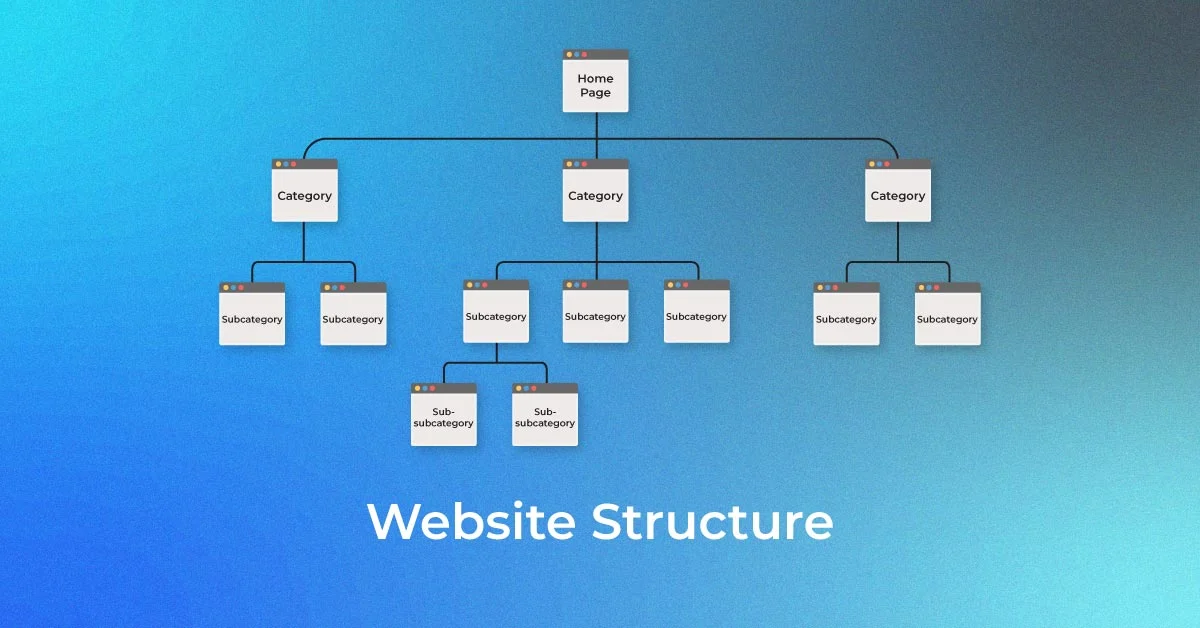
A good website structure acts as a clear roadmap for both your visitors and search engines. It’s about logically organizing your web pages so that information is easy to find. This includes having clear navigation menus and using internal links to connect related pages.

Good internal linking helps users discover more of your content, which can lower your bounce rate and improve your user experience. For long articles or pages, a table of contents can be very helpful.

A well-organized site structure makes it easy for a search engine to crawl and index your site efficiently.

Website Security

Website Security

Website security is about protecting your site and its visitors from hackers and other online dangers.

A key part of this is having an SSL certificate, which enables the secure HTTPS protocol. You can tell a site is secure if you see a small lock icon next to its domain name in the browser.

Google wants to provide a safe experience for its users, so it favors secure websites in its Google search results. An insecure website will struggle to gain trust and will have a much harder time achieving high search engine rankings.

Security is fundamental to a good user experience.

User Experience
User Experience

User experience (UX) is the overall feeling a person has when they use your website. Is it easy to navigate? Does it load quickly? Is the text easy to read? A good UX means the visitor can find what they need without any frustration.

Google’s algorithm is smart enough to tell if users are having a good or bad time on your site by looking at signals like bounce rate and time on page. A site with a poor UX will not rank well.

A great UX, supported by fast page speed, a clean site structure, and mobile-friendliness, is essential for top SEO performance.

Social Signals

Social Signals

Social signals are the likes, shares, and overall engagement your content receives on social media platforms. When you publish new content, like interesting blog posts, and people share it, it expands your reach and builds your online presence.

While not a direct ranking factor, these shares can drive significant traffic to your site.

This increased visibility can also lead to more natural link building opportunities if other site owners discover your popular content. This activity on social media indirectly supports your organic search goals by generating buzz and bringing more people to your website.

Proven Strategies to Boost Your SEO Ranking
Proven Strategies to Boost Your SEO Ranking

Improving your SEO ranking requires a consistent SEO strategy. Here are some proven methods.

Conduct In-Depth Keyword Research

Keyword research is the foundation of an effective SEO plan. Use keyword research tools to find the search terms your target audience is using. Look for relevant keywords with good search volume that are not too competitive.

Targeting specific keywords helps you create focused and relevant content.

Create and Publish High-Quality, Valuable Content

Quality content is king in SEO. Your goal should be to create the best piece of content available for your target keywords. Your blog posts and articles should be well-written, informative, and answer the user’s search intent completely.

Regularly publishing new content also tells search engines that your site is active and up-to-date. This is a key part of content marketing.

Build A Strong Internal and External Linking Profile

A strong link profile is essential for high SEO rankings.

  • Internal links are links that go from one page to another on your own website. They help search engines find your pages and spread link authority throughout your site. Good use of anchor text for these links is also helpful.
  • External links, or Backlinks, are links from other websites to yours. Earning high-quality backlinks is a powerful link building strategy. VH-info is an agency that specializes in providing SaaS link building services to help businesses build a strong backlink profile.

Optimize For Local SEO Ranking to Attract Nearby Customers

If you have a local business, you need to focus on local SEO.

This involves optimizing your online presence to show up in local search results. You can do this by creating a Google Business Profile, getting local reviews, and making sure your business name, address, and phone number are consistent online.

This helps you appear in results like “plumbers near me.”

How to Check Your Website’s SEO Rankings For Target Keywords?

How to Check Your Website’s SEO Rankings For Target Keywords?

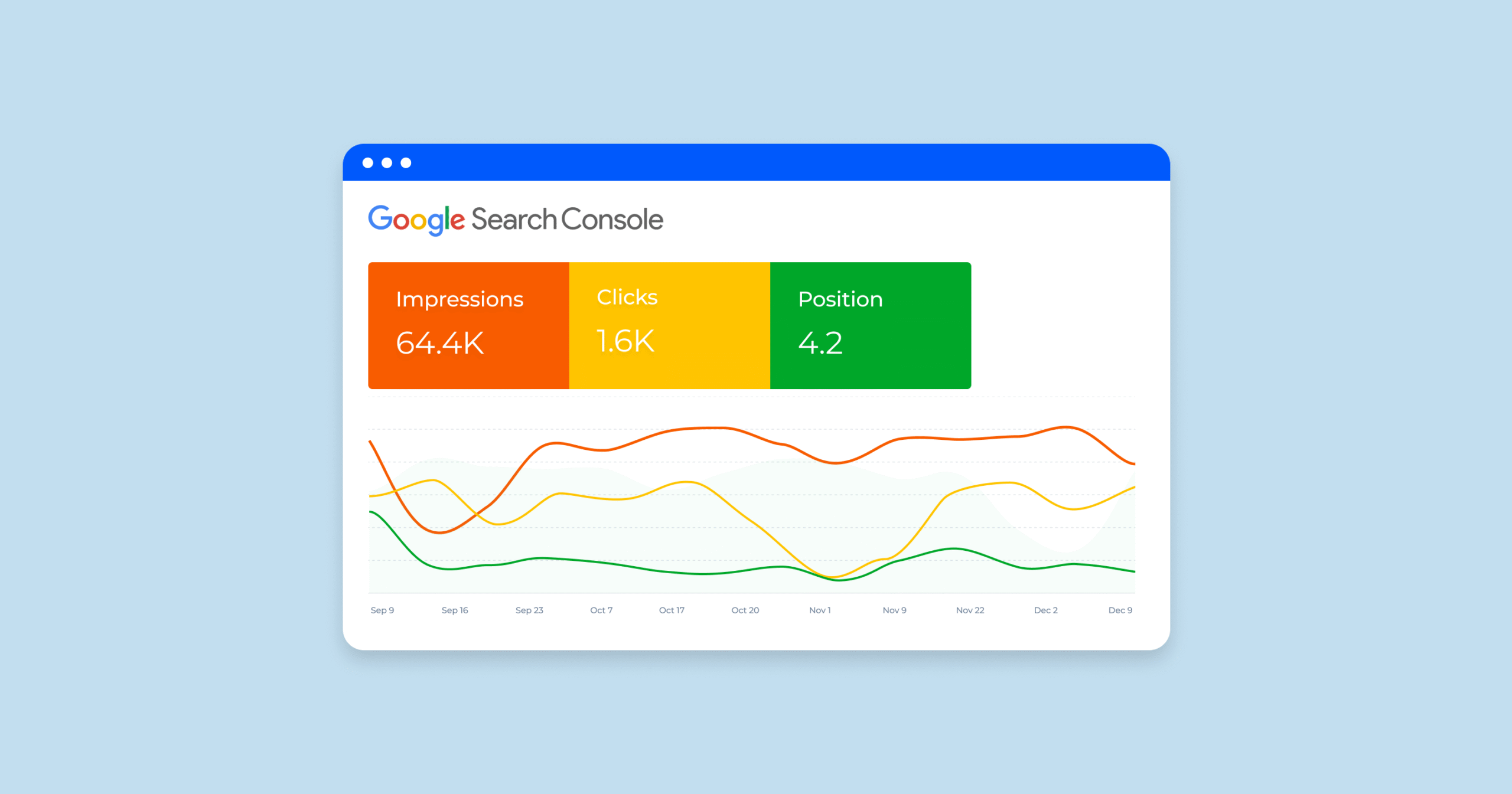
To see how well your site is doing, you need to track your SEO rankings for your specific keywords. You can do this by using free tools like Google Search Console. It shows you what queries your site ranks for and your average position.

You can also use various paid SEO tools that provide more detailed tracking. Another simple way is to perform a manual Google search in an incognito window, which prevents your search history from influencing the results.

How to Effectively Track Your SEO Ranking?

How to Effectively Track Your SEO Ranking?

Tracking your SEO performance helps you see what is working and what is not.

  1. Using Google Search Console For Performance Insights: Google Search Console is a powerful free tools from Google. It helps you monitor your site’s performance in Google search results. You can see which keywords drive traffic, check your rankings, and find technical issues that may be hurting your site.
  2. Using SEO Tools For Rank Tracking: There are many SEO tools available that offer advanced rank tracking. These tools can monitor your rankings for a list of keywords across different locations and devices. They provide reports and show how your rankings change over time, which helps you measure your SEO efforts.
  3. Performing Manual Searches in Incognito Mode: For a quick check, you can search for your keywords manually in your browser’s incognito or private mode. This gives you a cleaner view of the search engine results page without your personal search data affecting it. It is a simple way to see where you stand on the first page or beyond.

FAQ’s:

How Can I Check How Well My Site Is Ranking?

You can check your rankings using Google Search Console, which shows your average position for different keywords. You can also use third-party SEO tools for more detailed tracking or perform a manual search in an incognito window to see your position in the Google search results.

How Long Does It Take to Start Seeing Rankings On Google?

It can take anywhere from a few weeks to several months to see changes in your SEO rankings.

SEO is a long-term strategy. Factors like your website’s age, the competition, and your SEO efforts all play a role. Creating quality content and building good links consistently over time will yield the best results.

How Often Do SEO Ranking Factors Change?

Google’s algorithm and its important ranking factors change often. Google makes hundreds of small updates each year and a few major ones. It is important to stay informed about the latest best practices in search engine optimization to maintain and improve your rankings.

What Tools Can Help Me Track Local and Global SEO Rankings?

Many SEO tools can help you track both local and global rankings.

For global rankings, tools like Ahrefs and SEMrush are popular. For local SEO, tools that track rankings in specific geographic areas are useful. Google Analytics can also provide insights into where your traffic is coming from.

Conclusion

Improving your SEO ranking is a continuous process that involves many different strategies.

Developing high-quality content, establishing a robust link profile, and making sure your website delivers an excellent user experience are key to improving your position in search engine rankings.

Boosting your organic traffic and enhancing your digital visibility are achievable benefits of a well-executed SEO approach.

Remember that link building is a critical part of improving your domain authority and overall SEO performance. For expert help with SaaS link building, consider the services offered by VH-info to support your digital marketing goals.


CSS SEO: #1 Guide to Optimizing Stylesheets For Search Engines

Cascading Style Sheets, or CSS, is a style sheet language used in web development. Think of it as the clothing and makeup for a website.

While HTML code builds the basic structure of web pages, like a skeleton, CSS adds all the style—colors, fonts, and layouts. It is a core part of web design. But CSS does more than just make a website look good. It also plays a big role in search engine optimization (SEO).

This is where CSS SEO comes in. It involves using CSS in a way that helps your website perform better in search engine results. When you use CSS smartly, you can improve your site’s technical SEO and help search engines understand your important content more easily.

What is CSS SEO & Why It Matters?

What is CSS SEO & Why It Matters?

CSS SEO is the practice of optimizing your CSS code to improve your website’s search engine performance. It may sound technical, but the idea is simple: make your CSS files clean, fast, and easy for search engine bots to read.

This has a significant impact on how your site ranks in Google Search.

So, why does it matter? Search engines like Google want to show their users the best possible results. This means they prefer websites that load quickly, work well on a mobile device, and provide a great user experience. Your CSS code directly affects all of these areas.

By optimizing your CSS, you make your web pages more attractive to both users and search engines. A good SEO strategy always includes CSS optimization because it can lead to higher rankings, more organic traffic, and a better overall digital marketing performance.

How Does CSS Affect SEO Performance?

How Does CSS Affect SEO Performance?

The way you use CSS can either help or hurt your SEO efforts. It affects everything from how fast your page loads to how easily search engine bots can understand your content. Here’s a closer look at how CSS influences your SEO performance.

Site Speed and Core Web Vitals

Website speed is a critical ranking factor. If your site is slow, users will leave, and search engines will notice. Large and messy CSS files are a common cause of slow load times.

When a browser loads a web page, it has to download and read all the CSS files before it can show the page correctly. This is known as a render-blocking effect. If your CSS code is bloated, it takes longer to load, leaving your user staring at a white background.

This directly affects your Core Web Vitals, which are metrics Google uses to measure user experience. These include:

  • Largest Contentful Paint (LCP): How long it takes for the main content of a page to load. Large CSS files can delay this.
  • First Input Delay (FID): How long it takes for a page to become interactive.
  • Cumulative Layout Shift (CLS): Whether elements on the page move around as it loads.

Optimizing your CSS files helps improve your Core Web Vitals scores, which sends a positive signal to search engines.

Crawlability and Indexing

Search engine bots do not see web pages the same way humans do.

They read the HTML code from top to bottom to understand the content and structure. Without CSS, the most important content on your page might be buried deep in the code, even if it appears at the top of the screen.

With smart CSS, you can arrange your HTML code so that the most important content is at the very top. This helps search engine bots quickly identify what your page is about, which can improve its chances of ranking in search results.

On the other hand, if your robots.txt file blocks search engines from accessing your CSS files, they can’t render the page correctly. Google’s John Mueller has stated that this can harm your SEO because Google needs to see the page as a user does.

Mobile-Friendliness

More people use their phones to browse the internet than ever before. Because of this, Google uses mobile-first indexing, meaning it primarily looks at the mobile version of your site for ranking. CSS is what makes responsive design possible.

Using tools like media queries, CSS allows your website to adapt its layout to fit any screen size, from a large desktop to a small mobile device.

If your CSS is not optimized for mobile, users will have a bad experience. They might have to pinch and zoom to read your text, and buttons might be too small to tap. This creates a poor user experience, which can cause your site to drop in the search engine results pages.

User Experience (UX)

All of these points—page speed, crawlability, and mobile-friendliness—come together to create the user experience.

A fast, easy-to-use website gives users a better experience. When users are happy, they are more likely to stay on your site longer and engage with your content. This behavior tells search engines that your site is valuable, which can give your SEO performance a boost.

Clean and efficient CSS code is a key part of creating that positive experience.

8 Best Practices For Effective CSS SEO

Best Practices For Effective CSS SEO

Optimizing your CSS doesn’t have to be complicated. Following a few best practices can have a positive effect on your website speed and search engine rankings.

  1. Minify Your CSS Files to Reduce Size: Minification is the process of removing all unnecessary characters from your CSS code without changing how it works. This includes removing spaces, comments, and line breaks. The result is a much smaller file size, which means your CSS files will load faster. Think of it like packing a suitcase—by folding your clothes tightly and removing extra items, you can fit more in and keep the bag light.
  2. Combine Multiple CSS Files Into One: Many websites use multiple CSS files for different parts of the design. However, every time a browser has to fetch a separate style sheet, it creates another request to the server, which slows down load times. By combining all your CSS code into a single file, you reduce the number of requests and help your page load faster.
  3. Use External Stylesheets Instead of Inline CSS: There are three ways to add CSS to web pages: in an external style sheet, in the header of the HTML code, or directly on HTML elements (inline CSS). The best method for SEO is to use an external style sheet. When the CSS is in its own file, the browser can save it after the first visit. This is called browser caching. For all future visits, the browser can load the saved file from its cache instead of downloading it again, which greatly improves page speed.
  4. Optimize CSS Delivery For Faster Rendering: Not all CSS is needed right away. Some styles are for parts of the page that are further down and not immediately visible. You can optimize CSS delivery by splitting your CSS into two parts: critical and non-critical. The browser will load the most important CSS first, allowing the page to render faster.
  5. Implement Critical CSS For Above-the-Fold Content: Critical CSS refers to the styles needed to display the content that appears “above the fold“—the part of the page a user sees without scrolling. By loading this critical CSS first, you can make the page appear to load almost instantly. This provides a much better experience for the user and improves your LCP score from the Core Web Vitals report.
  6. Remove Unused CSS Code: Over time, as a website changes, it can accumulate a lot of unused CSS code. This is especially true if you are using a pre-made theme or a CSS framework. This extra code adds to the file sizes, slowing down your site for no reason. Regularly auditing your site to find and remove this “dead weight” is a simple way to improve your SEO performance.
  7. Use CSS Sprites to Minimize HTTP Requests: If your website has many small images, like social media icons, each one requires a separate HTTP request to load. A CSS sprite is a technique where you combine all these small images into one single image file. Then, you use CSS to show only the part of the image you need. This drastically reduces the number of requests and can speed up your load times.
  8. Ensure Your CSS is W3C Validated: The World Wide Web Consortium (W3C) sets the standards for web development. A W3C validator is a tool that checks your CSS code for errors, much like a spell checker for a document. Valid CSS ensures that all browsers can read and apply your styles correctly. Clean, error-free code is easier for search engine bots to process.

Common CSS SEO Mistakes and How to Avoid Them?

Common CSS SEO Mistakes and How to Avoid Them?

While good CSS can boost your SEO, common mistakes can seriously harm your rankings.

Here are some frequent issues and how you can steer clear of them.

Improperly Hiding Content With Display: None

Sometimes, web designers use the CSS command display: none; to hide content from view.

While this can be used for legitimate design purposes, like in dropdown menus, some have used it to hide text packed with keywords to try and trick search engines. This is considered a black-hat SEO tactic.

Google can tell when content is hidden in this way and may penalize your site for it. If you need to hide content, make sure there’s a good reason for it from a user experience perspective.

Blocking CSS Files in Robots.txt

The robots.txt file tells search engines which files or pages on your site to ignore. Some website owners mistakenly block their CSS files, thinking it will speed up crawling. This is a huge mistake.

As Martin Splitt and John Mueller from Google have explained, Google needs access to your CSS files to render your page and understand its layout. If you block CSS, Google sees a broken, unstyled page, which can lead to a drop in your rankings.

Always make sure your CSS files are accessible to search engine bots.

Loading Bloated CSS Frameworks

CSS frameworks like Bootstrap or Foundation are popular in web development because they make creating responsive designs easier.

However, they often come with a lot of code that you might not need for your specific web design. Loading a large, bloated framework can increase your CSS file sizes and slow down your site.

If you use a framework, be sure to customize it to include only the components you are actually using.

Ignoring Mobile-First CSS Optimization

With Google’s move to mobile-first indexing, designing for mobile devices should be your top priority.

A common mistake is to design for the desktop first and then try to make it fit on a mobile screen later. This often results in a clunky mobile experience. A better approach is to design for the mobile device first and then add styles for larger screens using media queries.

This ensures a fast and smooth experience for the majority of your users. While tools can help with the technical side of your SEO strategy, building authority and getting seen requires more.

VH-info is an agency that provides SaaS link-building services to help boost your organic traffic.

Tools and Resources For Your CSS SEO Audit

Tools and Resources For Your CSS SEO Audit

Auditing your CSS is a key part of technical SEO. Luckily, there are many tools available to help you identify and fix issues.

  1. Google PageSpeed Insights: This free tool from Google analyzes your website’s performance on both mobile and desktop. It provides a score from 0 to 100 and gives you detailed recommendations for improvement. It will flag issues like render-blocking CSS and unused CSS code, and it also measures your Core Web Vitals.
  2. GTmetrix: GTmetrix is another popular performance tool that gives you a deep dive into your website speed. It shows you a timeline of how your page loads and points out bottlenecks, including slow-loading CSS files. It also provides a grade for your site and offers actionable advice to fix problems.
  3. Online CSS Minifiers and Validators: Many free online tools can help you with CSS optimization. CSS minifiers will take your code and automatically shrink it down for you. CSS validators will check your style sheet for errors and ensure it meets W3C standards. These simple tools can help you apply best practices quickly.
  4. Chrome DevTools For Auditing CSS: The Chrome browser comes with powerful built-in developer tools. The “Coverage” tab in Chrome DevTools can show you exactly how much of your CSS (and JavaScript) code is being used on a page. This is a fantastic way to find and remove unused CSS. You can also use the “Audits” panel, powered by Lighthouse, to run a full performance audit right from your browser. These tools are excellent for hands-on CSS optimization, but a strong SEO strategy also requires off-page efforts. At VH-info, our saas link-building services are designed to build your brand’s authority in the search engine results.

FAQ’s:

How Does CSS Help in SEO?

CSS helps SEO in several key ways. It improves page speed by allowing for smaller file sizes and browser caching. It also enhances the user experience by creating a visually appealing and easy-to-navigate site.

Finally, it helps search engines understand the structure of your content, which can have a positive effect on your SEO performance.

Can CSS Alone Improve SEO?

No, CSS alone cannot completely improve your SEO.

While CSS optimization has a significant impact on technical SEO and user experience, it is only one piece of a much larger puzzle. A successful SEO strategy also requires high-quality content, targeted keywords, and authoritative backlinks.

While clean CSS builds a strong foundation, it won’t rank a page by itself. A robust link-building strategy, such as the services offered by VH-info, is essential to drive authority and improve your search engine ranking.

Can Incorrect CSS Implementation Negatively Affect My SEO?

Yes, absolutely. Incorrect CSS can severely damage your SEO efforts. It can lead to slow load times, a poor mobile experience, and may even hide important content from search engines. All of these issues can cause your rankings to drop and reduce your organic traffic.

Do CSS Class Names Affect Search Engine Rankings?

According to Google’s John Mueller, CSS class names do not directly affect search engine rankings.

Search engines do not look at the names you give your CSS classes (footer-blue, main-title, etc.) as a ranking factor. However, using clear and descriptive class names is a good practice for web development, as it makes your code easier to read and maintain for developers.

Conclusion

CSS is much more than just a tool for making web pages look pretty. It is a fundamental part of a modern SEO strategy that directly influences your website’s performance, user experience, and ability to rank in search engine results.

Optimizing CSS by minifying files, eliminating unnecessary code, and prioritizing mobile-first design leads to reduced load times and enhances your visitors’ overall experience.

Taking the time to address your CSS SEO builds a strong, healthy foundation for your digital marketing efforts.

When you are ready to build on that foundation and amplify your reach, contact VH-info for expert SaaS link-building services designed to elevate your brand in the search results.

What is PBN in SEO? Only #1 Guide For Private Blog Networks (2025)

When you work on search engine optimization (SEO), one of the most important jobs is link building.

Getting other websites to link to yours helps your site show up higher in Google search. You may hear about different ways to get links. One method you might see is using a private blog network, or a PBN.

But what is PBN in SEO? It sounds complicated, but it is simple to understand.

This article will give you clear answers. We will talk about what a PBN is, how people build one, and why it is a very risky SEO strategy. We at VH-info believe in being direct and helpful.

We want to give you the knowledge to make good choices for your website. We will explain everything so that it is easy to follow. We will also show you safer and better ways to get good links that help your website grow for a long time.

Answering the Core Question: What is PBN in SEO?

Answering the Core Question What is PBN in SEO?

To understand PBNs, you need to know why links are important for SEO. A link from another site to yours is like a vote of trust. When many good websites link to you, search engines like Google see your site as important and helpful. This helps your search rankings.

Defining A Private Blog Network (PBN)

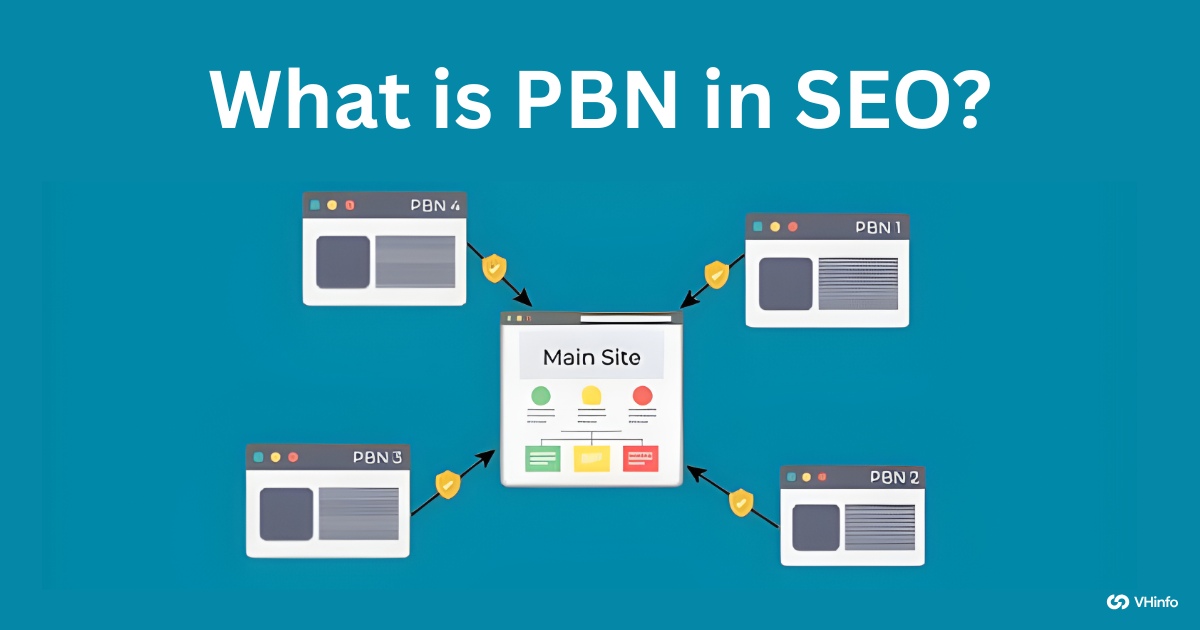
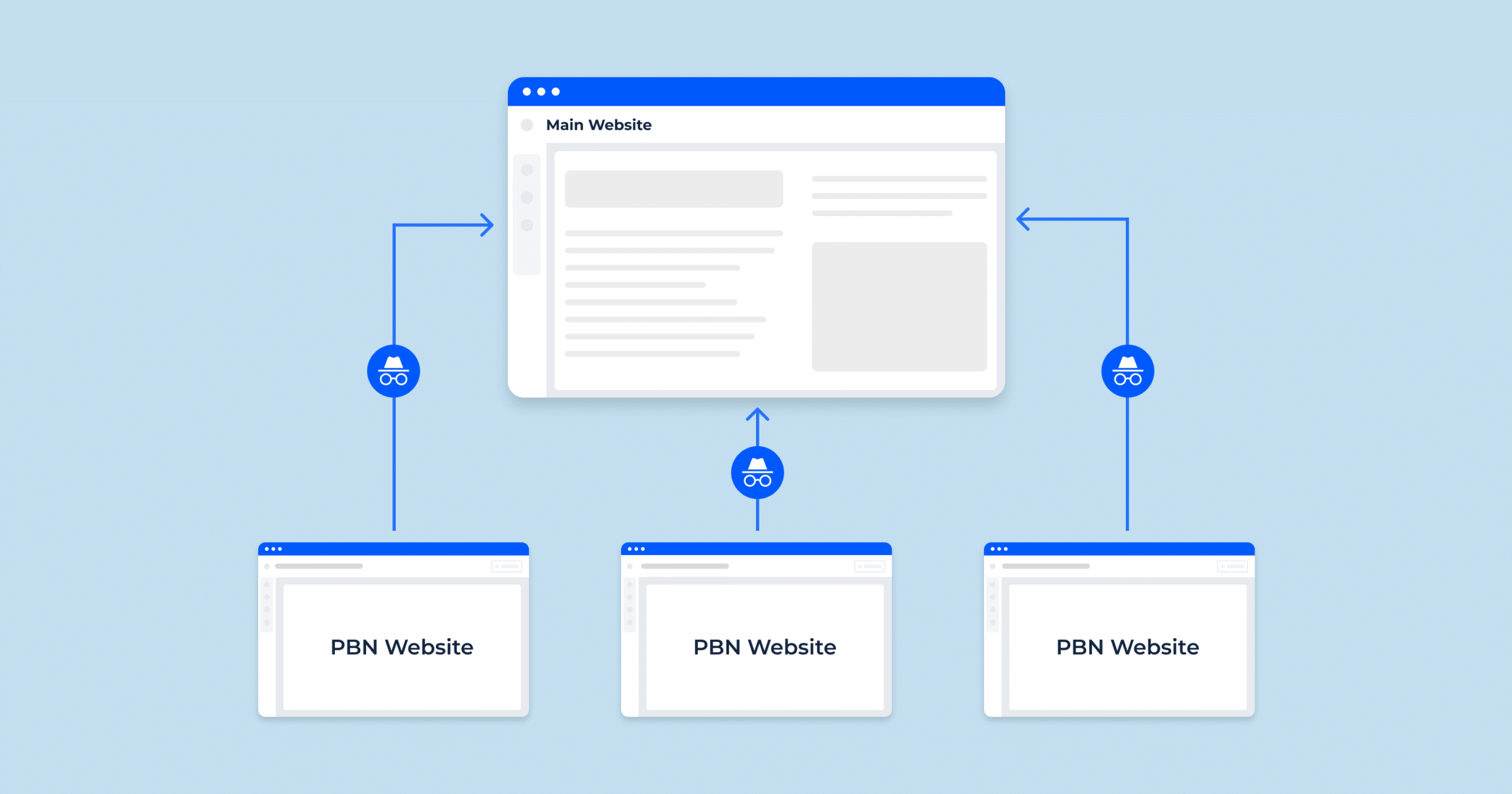
A PBN, which stands for private blog network, is a group of websites that one person or company owns.

This network of websites is not made for people to read. Its only purpose is to create links pointing to a single main website. This main site is often called the “money site” because it is the one the owner wants to make money with.

The links from the PBN sites are called PBN links. The idea is that these links will pass power, or “link juice,” to the main site.

The owner hopes this will trick Google into thinking the main website is more popular than it is. This is done to improve the site’s search engine rankings without earning links the natural way.

This is a form of black hat SEO, which means it is a practice that goes against the rules.

The History and Original Goal of Using PBNs

PBNs became popular because some website owners wanted a faster way to get higher search rankings.

Earning good links takes a lot of time and hard work. You have to create valuable content and build relationships. Some people did not want to wait. They wanted full control over their backlink profile.

So, they started building their own blog networks. They would buy old domain names that other people let expire. Many of these old domains already had some “domain authority” because they had been around for a while and had links pointing to them.

By using these old domains, PBN owners could create a powerful network of websites quickly. The goal was to use this network to send many authoritative links to their money site and get a quick boost in search results.

How PBNs Intend to Manipulate Search Rankings?

Search engines want to show the best and most trustworthy pages to users. The search engine algorithms look at hundreds of things, and one of the biggest is a site’s link profile. A website with many quality links from different trusted sites is seen as an authority.

A PBN network is designed to fake this. It is a link scheme that tries to trick the system. Here’s how it works:

  • The site owner controls all the websites in the network.
  • They can create as many links as they want, whenever they want.
  • They can choose the exact anchor texts (the clickable words in a link) to target specific keywords.

These are unnatural links because they were not earned based on merit. They were just placed there by the owner. The goal is to make the main site look like it has a lot of votes from other sites, which is meant to manipulate its position in the search engine results.

This goes directly against Google’s guidelines.

How Is A Private Blog Network Built?

How Is A Private Blog Network Built?

Building a private blog network is a detailed process. PBN owners have to be careful to hide what they are doing. If a search engine finds out all the sites are connected, the whole network becomes useless, and the main site could get in trouble.

Finding and Acquiring Expired Domains

The first step is to find good expired domain names.

An expired domain is a website address that was not renewed by its previous owner. People who build a PBN look for domains that already have a strong backlink profile and good domain authority. They use special tools to find domains that used to be real businesses or blogs.

These domains already have trust and power built up, which the PBN owner wants to pass to their money site.

Setting Up Hosting to Avoid A Digital Footprint

If all the websites in the PBN are on the same server, Google can easily see they are all owned by the same person.

To avoid this, PBN owners use different hosting providers for their sites. They make sure each website has a different IP address.

An IP address is like a physical address for a website on the Internet. By spreading the sites out, they try to make them look like a normal group of websites that are not connected. This is a key part of hiding the PBN network from search engine algorithms.

Right Way to Add Content to PBN Sites

A PBN site cannot be empty. To look like a real website, it needs to have content.

PBN owners will add articles and blog posts to each site in their network. This is often simple, relevant content related to the topic of the main site. The goal is to make the PBN site look legitimate to anyone who might visit, including Google’s review teams.

They will also be careful about how they add links. They won’t just stuff a bunch of PBN links on one page. They will try to place them within the content so they look like natural links. Creating this quality content takes a lot of time and effort, which adds to the cost of running a PBN.

Linking From the PBN to Your Main Website

Once the PBN sites have content, the owner starts the process of building links to the main website. They will add one or two links from each PBN site to the money site. These links pass link equity, which is the value or power a link gives.

The owner carefully chooses the anchor texts for these links to help the main site rank for specific keywords. They do this slowly over time to make the link building look natural. However, because the owner controls all the sites, these are still considered unnatural links.

The Significant Risks of Using PBNs For SEO

The Significant Risks of Using PBNs For SEO

Using a PBN for link building might seem like a clever shortcut, but it comes with huge risks. This black hat tactic is a direct violation of the rules set by search engines, and the consequences can be severe.

Violating Google’s Webmaster Guidelines

Google is very clear about what it considers a link scheme.

Google’s webmaster guidelines (now called Google Search Essentials) state that “any links intended to manipulate PageRank or a site’s ranking in Google search results may be considered part of a link scheme and a violation of Google’s guidelines“.

A private blog network is a perfect example of this. You are creating a network of websites just to boost your search rankings, not to provide value to users. This is not a white hat SEO practice.

The Danger of Algorithmic and Manual Penalties

Google has become very smart at finding these networks. It uses its powerful search engine algorithms to detect unnatural link patterns. If the algorithm catches your site, your organic traffic could drop overnight.

Even worse is getting a manual action. This is when a person at Google reviews your site and determines that you are using a link scheme. A manual penalty can lead to your pages being pushed way down in the search results or even removed from Google completely.

Recovering from manual penalties is a long and difficult process.

Financial Investment and Resource Drain

Building and managing a PBN network is not cheap or easy. It is a big investment of time and money. You have to:

  • Buy expired domains.
  • Pay for many different hosting accounts.
  • Create or buy quality content for dozens of sites.
  • Spend a lot of time managing everything so it does not get caught.

All of this money and effort could be spent on legitimate, long-term SEO services and best practices that do not put your business at risk.

Long-Term Damage to Your Brand’s Credibility

If your website is penalized for using a PBN, the damage goes beyond your search engine rankings. Your brand’s reputation can be ruined.

Customers, partners, and other people in your industry will lose trust in you. Rebuilding that trust can be much harder than recovering from a Google penalty. A good SEO strategy should build your brand up, not tear it down with risky seo practices.

How to Identify PBN Links?

How to Identify PBN Links?

Whether you are checking your own site for bad links or looking at a competitor’s backlink profile, it is helpful to know how to spot a PBN. Several red flags can point to a site being part of a PBN.

Common Red Flags on the Linking Website

When you look at a website that might be part of a PBN, you might notice:

  • Poor Design: The site may look generic or use a basic template.
  • Thin or Low-Quality Content: The articles may be short, poorly written, or cover many unrelated topics.
  • No “About Us” or Contact Info: A real business or blog usually wants people to know who they are. PBN sites are often anonymous.
  • Few Outbound Links: The site may only link out to the money site and a few other authority sites, like Wikipedia, to look natural.
  • Stock Photos: The site may use generic stock photos instead of real images.

Analyzing A Suspicious Backlink Profile

You can use technical SEO tools to look at your site’s link profile.

If you see a lot of links from websites that show the red flags above, you might have a problem with PBN links. Look for sudden increases in the number of links pointing to your site. Also, check the domain authority of the linking sites.

If many new links are from sites with low authority but strong-looking metrics, it could be a sign of link spam from a PBN network.

Tools For Detecting PBNs

There are many tools that can help you find suspicious links.

  • Google Search Console: This free tool from Google lets you see which websites are linking to you. If you find links that you think are from a PBN, you can use the disavow tool. The disavow tool tells Google to ignore those links when it ranks your site.
  • Third-Party SEO Tools: Companies like Ahrefs, Semrush, and Moz offer powerful tools for backlink analysis. They can help you check the quality of your links and find patterns that might point to a PBN. Many SEO services use these tools to perform backlink audits.

White-Hat Alternatives to PBNs

White-Hat Alternatives to PBNs

The good news is that you do not need to use risky black hat SEO tactics like PBNs to succeed. There are many safe and effective white hat methods for building links. These methods focus on creating a great website that earns links naturally.

Earning Links Through High-Quality Content Creation

The best link-building tactic is to create amazing content. When you publish valuable content that is helpful, interesting, or entertaining, other website owners will want to link to it. This could be in the form of blog posts, guides, videos, or free tools.

This approach to content marketing attracts natural links that are great for your SEO strategy and build real authority.

Strategic Guest Posting and Collaborations

Guest posting (also known as Guest Blogging) is when you write an article for another website in your industry.

In return, you usually get a link back to your site in the author bio or within the content. This is a great way to get high-quality links from relevant sites, build relationships, and get your brand in front of a new audience.

Unlike PBNs, guest posts on real, legitimate sites are a perfectly acceptable SEO practice.

Digital PR and Media Outreach

Digital PR is similar to public relations, but it works online. It means talking to news writers, blog owners, and web stars. The goal is to have them share news about your work or website. You can use cool facts, strong examples, or a special story to grab attention.

This helps you get noticed by big news pages and top blogs. When they talk about you and link to your site, these links are very strong. They help your site look more trusted. These are some of the best links you can earn for your site.

Broken Link Building Techniques

Broken link building is a clever and helpful link-building tactic. It involves finding broken links on other websites.

A broken link is a link that leads to a page that no longer exists. You then contact the site owner, let them know about the broken link, and suggest your own relevant content as a replacement. Because you are helping them fix their site, they are often happy to add your link.

FAQ’s:

Are PBNs Still Effective Today?

Some people in the black hat SEO world claim that PBNs still work for getting quick boosts in search results. However, the risk is higher than ever. Google’s algorithms are always getting better at finding them, and a penalty can destroy a business.

The short-term gains are not worth the long-term risk.

Can Building My Own PBN Get My Site Penalized?

Yes, absolutely. Building or using a PBN is a clear violation of Google’s webmaster guidelines. If Google finds your PBN, your main site is very likely to receive a manual action or an algorithmic penalty, which will hurt your organic traffic badly.

Can You Recover From A Google Penalty Caused By PBNs?

Recovering from a penalty is possible, but it is difficult and takes a lot of time. You will need to identify all the PBN links pointing to your site, try to get them removed, and use the disavow tool in Google Search Console for the ones you cannot remove.

Then you have to focus on building quality links to show Google your site can be trusted again.

Is It Ever Considered Safe to Use PBNs?

No. There is no “safe” way to use a PBN. By definition, it is a tactic designed to manipulate search engine rankings, which goes against search engine guidelines. Any time you use a PBN, you are risking your website’s future.

What Should You Do If Your Competitors Are Using PBNs?

It can be frustrating to see competitors ranking above you using risky tactics.

The best response is not to follow them. Instead, focus on building a better website and a stronger business. Follow best practices for SEO, create high-quality content, and earn your links the right way. In the long run, the slow and steady approach always wins.

Conclusion

A private blog network is a shortcut that tries to game the system of search engine optimization. By creating a group of websites to link to a main website, PBN owners hope to manipulate search engine results for quick gains.

While it might seem tempting, it is a black hat SEO practice that goes against Google’s guidelines and puts your entire online presence at risk.

The danger of manual penalties, loss of brand credibility, and wasted investment makes this link-building tactic a bad choice for any serious business. Instead of taking risky shortcuts, focus on proven, white hat SEO practices.

Building links through great content marketing, strategic guest posting, and other ethical methods will build lasting authority for your brand. This approach keeps your site safe and leads to sustainable growth in organic traffic.

At VH-info, our mission is to provide actionable advice for SaaS link building. We are your trusted guide for breaking down complex topics into clear advice. We believe in building genuine connections and helping you master SEO strategy the right way.

Our tools and insights are here to help you earn the quality links that build real trust and authority with search engines.

What Is Impressions In SEO & Why It Matters? Get More This Way

If you want your website to get more visitors, you first need people to see it.

In the world of search engine optimization (SEO), this is where impressions come in. Think of an SEO impression as the first step in getting more organic traffic to your site. It means your web page has appeared in front of someone in Google search results.

A high number of impressions is a good sign that your SEO efforts are working. This guide will explain what SEO means. We will look at how to find this data in Google Search Console and use it to improve your online presence.

We’ll also share SEO strategies to help you get more views, which can lead to more clicks and better SEO performance. Learning about impressions is key to making your website more visible to your target audience.

Impressions in SEO: What They Are & Why They Matter?

Impressions in SEO

To improve your visibility on search engines, you need to know what impressions are. They are a basic but important part of your digital marketing work.

Defining an “Impression” in the Context of SEO

An “impression” happens any time a link to your website, or URL, is shown to a person in the search engine results.

It doesn’t matter if the person clicks on the link or even scrolls down to see it. If your link is on the search results page that a user loads, it counts as one impression. For example, if your web page shows up for a search query, that’s an impression.

This metric is tracked for organic search results in tools like Google Search Console as well as for paid Google Ads and posts on social media platforms. It simply measures the number of times your content was displayed.

The Key Difference Between Impressions, Clicks, and Rankings

It’s helpful to know how impressions, clicks, and rankings are different:

  • Impressions: This is the number of times your link is shown in search results. It’s about visibility. Imagine a billboard on a highway; everyone who drives by sees it. Each view is an impression.
  • Clicks: This is the number of clicks a link gets when people see it. A click happens when a user sees your link in the search results and decides to visit your page. This is a measure of engagement.
  • Rankings (or Position): This refers to your average position in the search results for a specific keyword. A position of “1” is the top result. The position value tells you where you stand against competitors.

A piece of content can have many impressions but few clicks. This might happen if it ranks on the first page but near the bottom.

Why High Impressions Are A Critical First Step to SEO Success?

Getting a high number of impressions is the first goal of any SEO plan. You cannot get website traffic if no one sees your site in the first place. High impressions mean that search engines like Google see your content as relevant for many different search query terms.

This visibility helps build brand awareness. When the number of times users see your brand name appears, they start to recognize it. This builds trust. So, while impressions alone don’t bring visitors, they create the opportunity for clicks.

More impressions give you a bigger chance to attract your target audience.

How Google Measures and Reports Search Impressions?

Google tracks impressions for your website and reports them in Google Search Console, a free tool that gives you valuable insights into your site’s performance. An impression is counted whenever a URL from your site appears in the search results that a user views.

This includes results in regular Google Search, Google Images, and Google News.

The system counts an impression even if the link appears below the part of the screen the user is looking at. As long as your link is on the results page they loaded, it counts. This performance data helps you see how often your site is being shown for different keywords.

How to Analyze Your Impressions SEO Data in Google Search Console?

How to Analyze Your Impressions SEO Data in Google Search Console?

Google Search Console is the best place to check your SEO impressions. It offers tools to analyze your performance data and find ways to improve.

Finding and Interpreting the Impressions Metric

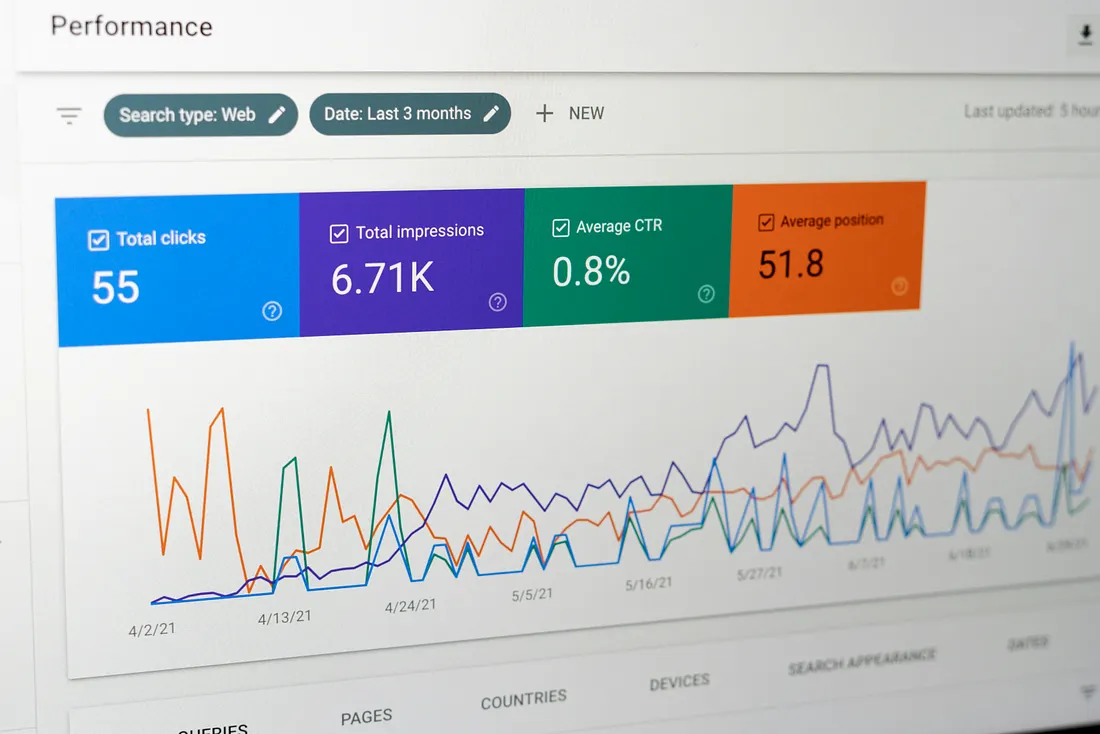
To find your impression data, log in to your Google Search Console account and go to the “Performance” report.

At the top of the report, you will see four boxes: Total Clicks, Total Impressions, Average CTR, and Average Position.

Make sure the “Total Impressions” tab is selected. You will see a graph showing your impressions over time. This data shows how visible your site is in organic search. A rising line is a good sign that your SEO strategies are helping your site appear more often.

Identifying Keywords With High Impressions But Low Clicks

One of the most useful things to do is look for keywords that get high impressions but have a low click-through rate (CTR).

In the Performance report, scroll down to the “Queries” table. This table lists the keywords your site appears for. You can sort this table by impressions. Look for keywords with thousands of impressions but only a few clicks.

This often means that while your content is relevant enough to appear in search results, your title tag and meta descriptions are not convincing people to click. Your page shows up, but the snippet isn’t interesting enough.

This is a big opportunity to improve your user engagement.

Using Filters to Track Impression Growth Over Time

The date filter in Google Search Console is a powerful tool.

By default, it shows data for the last three months. You can change this to see data for a week, a month, or up to 16 months.

You can also use the “Compare” feature to see how impressions have changed from one period to another. For example, you can compare this month to last month to see if your SEO efforts are leading to more visibility. Tracking this growth helps you know what is working.

Analyzing Impression Data by Page, Country, and Device

The Performance report has several tabs below the graph: Queries, Pages, Countries, and Devices. Each tab gives you different valuable insights:

  • Pages: This shows you which specific pages get the most impressions. You can find pages with high visibility and see if they also get a high CTR.
  • Countries: This tells you where your impressions are coming from. This is useful for knowing your global online presence and if you are reaching your target audience in the right places.
  • Devices: This breaks down impressions by desktop, mobile, and tablet. It is common for mobile users to make up a large portion of impressions, so your site must work well on phones.

Analyzing this data helps you make smarter decisions about your search engine optimization plan.

Proven Strategies to Increase Your Website’s SEO Impressions

Proven Strategies to Increase Your Website's SEO Impressions

Once you know how to analyze your impression data, you can start working to increase it.

Here are some proven SEO strategies to get better visibility.

Expanding Your Keyword Targeting With Long-Tail Variations

Instead of only focusing on very popular, short keywords, add long-tail keywords to your strategy. These are longer, more specific phrases.

For example, instead of “SEO help,” you could target “how to get more SEO impressions for a new website.”

There may be less search volume for each long-tail keyword, but they are often less competitive. A single piece of content can rank for hundreds of these variations, leading to a high number of impressions overall. Good keyword research is key here.

Creating Comprehensive Content to Cover Broader Topics

Search engines prefer content that covers a topic in great detail.

Instead of writing short blog posts, create long-form guides that answer many questions about a subject. When you create a complete resource, Google is more likely to show it for a wide range of related search queries. This boosts your total number of impressions.

Good content quality signals to Google that you are an authority on the topic, which improves your chances of getting more visibility.

Optimizing For Rich Snippets and SERP Features

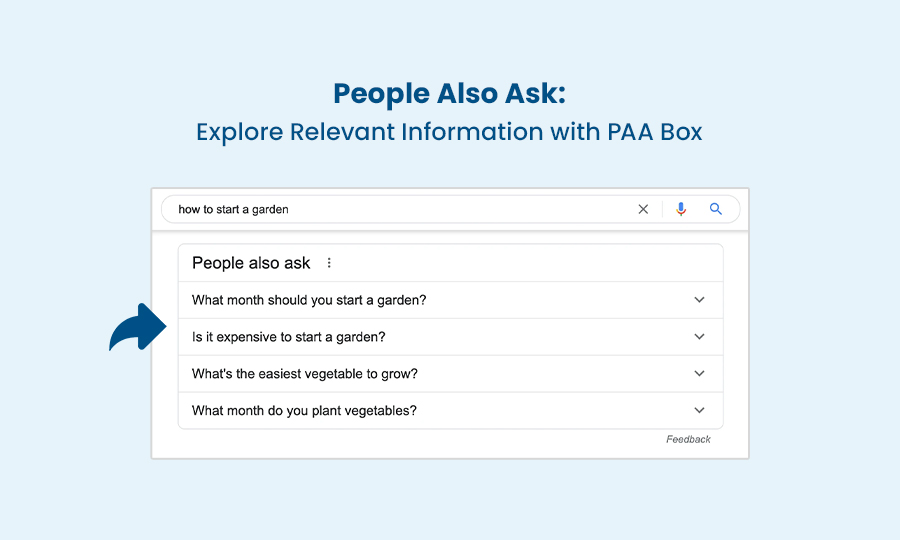
The search results page is more than just a list of blue links. It now includes featured snippets, “People Also Ask” boxes, images, and videos.

These are called SERP features. Optimizing your content to appear in these features can greatly increase your impressions. Use structured data (schema markup) to help Google understand your content. Answer questions directly in your text.

This can help you win a featured snippet, which appears at the top of the page and gives you massive visibility.

Building A Strong Internal Linking Structure

Internal links are links that go from one page on your website to another.

A strong internal linking structure helps search engines find all of your pages and understand how they are related.

When you publish a new blog post, link to it from other relevant pages on your site. This passes authority to the new page and can help it rank faster and get more impressions. It also improves the user experience by helping visitors find more useful content.

Improving Your Image and Video SEO For More Impressions

Don’t forget about images and videos. Many people use Google Images and Google’s video tab to search for information.

You can get impressions from these sources too. Make sure your images have descriptive file names and alt text that include relevant keywords. For videos, create interesting titles and descriptions.

When your images and videos show up in search results, it adds to your total number of impressions and improves your online presence.

The Relationship Between Impressions, SEO, CTR, and Ranking

The Relationship Between Impressions, SEO, CTR, and Ranking

Impressions, click-through rate (CTR), and ranking are all connected. A change in one can affect the others. Your goal is to create a positive cycle where they all improve together.

How Click-Through Rate (CTR) Impacts SEO Performance?

Click-through rate (CTR) is the percentage of impressions that result in a click.

While Google has said CTR is not a direct ranking factor, it is a strong signal of user engagement. A high CTR tells Google that your page is a good match for a user’s search intent. When many users click your result over others, it suggests your page is a better answer.

Over time, this positive user behavior can lead to better rankings, which in turn lead to even more impressions.

Turning High Impressions Into High Click-Through Rates

If your page has high impressions but a low CTR, you have a great opportunity. The first step is done: Google is showing your page to people. Now you need to convince them to click. You can do this by optimizing your title tag and meta description.

  • Title Tag: Make it compelling and include your main target keywords. Ask a question or highlight a benefit.
  • Meta Description: This is your short ad in the search results. Explain what the page is about and encourage the user to click for the answer. Good meta tags can make a huge difference.

Testing different titles and descriptions can help you find what works best for your target audience.

Analyzing the Impression Curve: From Page Two to Page One

There is a huge jump in the number of impressions a keyword gets when it moves from the second page of Google to the first. Most users never go to the second page. A page with an average position of 11 might only get a handful of impressions.

If you can improve that page’s ranking to position 8, its impressions could multiply. Use Google Search Console to find keywords where you rank on page two and focus your SEO efforts on improving them.

When to Prioritize Impressions Vs. Clicks in Your Strategy

Your goals for different marketing campaigns will determine whether you focus more on impressions or clicks.

  • Prioritize Impressions: If your goal is brand awareness, impressions are very important. You want the number of times users see your brand name to be as high as possible. This is common for new companies or products.
  • Prioritize Clicks: If your goal is to generate leads or sales, clicks are more important. You need to get people to your web page to take action. In this case, you would focus on keywords with clear buying intent and on achieving a high CTR.

A good SEO strategy balances both. It aims for better visibility with the right audience and turns that visibility into meaningful website traffic.

Common Mistakes to Avoid in Your Impressions SEO Strategy

Common Mistakes to Avoid in Your Impressions SEO Strategy

As you work to increase your SEO impressions, be careful to avoid common mistakes that can hurt your SEO performance.

Focusing Only on High-Volume, Irrelevant Keywords

It can be tempting to target keywords with a very high search volume. However, if these keywords are not relevant to what you offer, you will get the wrong kind of traffic.

This leads to high impressions but a very low CTR and high bounce rates. This signals to Google that your page is not a good match for the search intent, which can hurt your rankings over time.

Always focus on relevant keywords that match what your target audience is looking for.

Ignoring Technical SEO Issues That Limit Visibility

You can have the best piece of content, but if your website has technical problems, search engines may not be able to find or rank it.

Technical issues like a slow page speed, a site that isn’t friendly for mobile users, or duplicate content can severely limit your impressions. Regularly check your site’s technical health. Tools within Google Search Console can help you find and fix these problems.

Neglecting Title Tag and Meta Description Optimization

This is one of the most common mistakes. Your title tag and meta descriptions are your first chance to make an impression on a user.

A boring or irrelevant title will get ignored, even if your page ranks well. This leads to wasted impressions. Always write clear, compelling titles and descriptions that include your target keywords and give users a reason to click the URL of the link.

Misinterpreting Fluctuations in Impression Data

Your impression numbers may not always rise in a clear path. It is usual for these numbers to change often.

Many things, like time of year, Google updates, or how people search, can make your impressions go up or down. You should not worry if you see one day of low numbers. Do not rush and change your plan because of one bad day.

Instead, watch your results over a long time. Use website tools to check the full story before you choose to change how you do SEO.

FAQ’s:

What Is A Good Number of Impressions For SEO?

There is no single “good” number. It depends on your industry, the search volume of your target keywords, and your overall goals. A small local business might be happy with a few thousand impressions per month, while a large e-commerce site will aim for millions.
Instead of focusing on a specific number, focus on steady growth over time. For SaaS companies, a specialized agency like VH-info can help create a link-building strategy focused on achieving meaningful impression growth for the keywords that lead to signups.

Can A Page Have High Impressions But A Low Average Ranking?

Yes, this is possible. A page can have a low average position (e.g., 30 or 40) but still get a high number of impressions if it ranks for thousands of different long-tail keywords. This is often seen with very comprehensive content that covers a broad topic.

This scenario signals that your content is relevant, but it lacks the authority to rank higher. The SaaS link-building services we provide at VH-info are designed to build that authority, turning those impressions into more valuable, page-one visibility.

How Long Does It Take to See an Increase in SEO Impressions?

Search engine optimization is a long-term process. After you make improvements, it can take several weeks or even months to see a significant increase in impressions. Google needs time to find and understand your changes. Patience and consistency are key.

Partnering with a dedicated link-building agency like VH-info can help by building a steady stream of quality backlinks, ensuring your investment in content pays off with sustained impression growth.

Do Paid Search Ads Influence Organic SEO Impressions?

Paid search ads, like Google Ads, do not directly affect your organic SEO impressions or rankings. They are two separate systems.

However, running paid ads can indirectly help by increasing brand awareness. When more people recognize your brand, they may be more likely to click on your organic search results. While ads offer a temporary boost, a sustained link-building strategy from a partner like VH-info builds lasting brand authority that drives organic impressions long after ad campaigns have ended.

Conclusion

Getting more SEO impressions is the starting point for growing your website traffic through search engine optimization.

It means you are winning the first battle: getting seen. By creating high-quality content around relevant keywords, optimizing your technical SEO, and paying close attention to your performance data in Google Search Console, you can steadily increase your visibility. Remember, the goal isn’t just to get high impressions, but to attract the right target audience and turn that visibility into many clicks and engagement.

It requires a smart strategy that balances keyword research, content creation, and ongoing analysis of engagement metrics and user behavior.

At VH-info, we specialize in helping SaaS businesses build the kind of authority that earns more impressions and drives meaningful growth. Our link-building expertise is designed to simplify your SEO process, giving you a clear path to better performance in search results.

As a results-driven growth partner, we build the high-quality, white-hat backlinks that turn visibility into authority and traffic into qualified signups. Our done-for-you SaaS link-building service is designed to deliver sustainable results, helping you earn the trust of your target audience and outrank the competition.

What Is Trust Flow In SEO? Build Authority with TF & CF In 2025

In the online world, trust is very important. For your business to do well, people need to trust your website.

Search engines like Google also need to know they can trust your site. But how do search engines decide which websites to trust?

They look at the links pointing to your website. This is where a metric called Trust Flow comes in. It is a score that helps measure the trustworthiness of a website.

Paying attention to this score is a key part of your SEO efforts because it directly relates to the quality of your backlinks. A high trust flow tells search engines your site is a credible source of information, which can lead to better visibility in search results.

This guide will explain everything you need to know about this important metric.

What is Trust Flow?

What is Trust Flow?

Trust Flow is an SEO metric created by the SEO tool Majestic SEO. It gives a website a score from 0 to 100. This score shows how trustworthy a site is based on the quality of links pointing to it. A website with many links from other highly trusted sites will have a high trust flow score.

On the other hand, if a site gets links from spammy or low-quality places, it will have a low trust flow.

The trust flow metric does not focus on the quantity of backlinks. Instead, it looks only at the quality. This makes it a very useful number for checking the health of your backlink profile. A higher trust flow is a strong sign of a healthy website.

The Role of Authoritative Seed Sites

The idea of Trust Flow starts with something called a seed site. A seed site is a website that is known to be very trustworthy.

Think of major news websites, government pages, or top university websites. Majestic hand-picked a large list of these trusted sites to be the foundation of this metric. Trust flow measures how closely your website is connected to these seed sites.

If a seed site links directly to you, your site’s trust flow gets a big boost. Even if a site that is linked by a seed site links to you, some of that trust is passed along. The closer your connection to these starting points of trust, the higher your score will be.

How Link Quality Is Measured?

Trust Flow is all about link quality. It does not care about the total number of backlinks.

One single link from a very trusted website is much more valuable than hundreds of links from unknown or spammy sites. This is a big reason why this metric is so important for SEO performance. It helps you focus on what really matters: getting quality backlinks.

When you are working on link building, your goal should always be to get links from sites that have a good trust flow themselves.

These powerful links pass more trust, or link equity, to your own web pages.

The Origin of Link-Based Trust Metrics

Before metrics like Trust Flow existed, it was harder to judge a link profile. People often focus only on the quantity of links.

The team at Majestic SEO saw this problem and created the flow metrics: Trust Flow and Citation Flow. These SEO metrics were designed to give website owners and digital marketing professionals a better way to look at a backlink profile.

Trust Flow was made specifically to measure the quality, while its partner metric, Citation Flow, measures quantity. Together, they offer valuable insights into how search engines might see a website.

Why Is A High Trust Flow Score Important?

Why Is A High Trust Flow Score Important?

A high Trust Flow score is very important for your website’s success. It acts as a stamp of approval, showing both users and search engines that your site is credible and valuable. When your score is high, it means that other respected websites are pointing to yours.

This tells search engines that your content is worth showing to more people.

Focusing on improving your score is one of the most effective SEO strategies you can use. A strong score can open doors to more organic traffic and better online visibility, giving you an edge in a competitive market.

The Impact of Trust Flow on Search Rankings

While Trust Flow is a metric from Majestic and not directly from Google, it is a very strong indicator of how well your site might perform in search results. There is a strong connection between a high trust flow and high search rankings.

Sites with higher scores tend to appear more often on the first page.

This is because the metric is based on the same idea that search engines use: links from trusted sites are a vote of confidence. A good score is a powerful ranking factor that can significantly boost your SEO performance and help you get more visitors from search.

How Trust Flow Enhances Domain Authority?

Domain Authority (DA) is another popular SEO metric from a different company, Moz.

While Trust Flow and DA are separate scores, they are related. Building a healthy backlink profile full of quality backlinks will help improve both your Trust Flow and your Domain Authority. A high trust flow score shows that your links are coming from trustworthy places.

This foundation of trust helps lift your site’s overall authority. When you work on improving your site’s trust flow, you are also helping to improve other important metrics that contribute to better search engine rankings.

Using Trust Flow to Gain A Competitive Edge

One of the smartest ways to use Trust Flow is to analyze your competitors.

By checking the Trust Flow score of other websites in your industry, you can see where you stand. If a top competitor has a very high trust flow, you can look at their backlink profile to see where they are getting their valuable links.

This keyword research can give you ideas for your own link-building efforts. If you find that your competitors have a low trust flow, you have a great opportunity. By focusing on building quality backlinks, you can raise your score and overtake them in the search results.

What A High Score Reveals About Your Link Profile?

A high Trust Flow score tells a positive story about your link profile. It shows that you have earned links from relevant websites that are considered authorities in their field. It proves that your backlink profile is not full of spammy links or toxic links.

Instead, it is a healthy backlink profile built on trust and credibility. It means your quality content is being recognized and shared. This is exactly what search engines want to see. A high score is proof that your SEO efforts are focused on long-term value, not short-term tricks.

How Can You Check Your Website’s Trust Flow?

How Can You Check Your Website's Trust Flow?

To check your website’s Trust Flow, you need to use a special SEO tool.

Since the metric was created by Majestic, their tool is the source for this data. However, other platforms also show this metric.

Checking your score regularly is important. It helps you see if your link-building work is paying off and alerts you to any potential problems with your backlink profile. These tools can give you valuable insights to guide your SEO strategies.

Top SEO Tools For Measuring Trust Flow

The main tool for checking this score is Majestic SEO. You can enter any website URL, and it will show you the Trust Flow and Citation Flow scores. Majestic offers both free and paid plans, with the paid plans providing much more data.

While Majestic provides the score, understanding what to do with that information is the next step.

Here at VH-info, our SaaS link-building services help you analyze these SEO metrics and create a clear plan. We provide the expert guidance you need to improve your link-building efforts and earn a higher trust flow. Many tools offer a free trial to get started.

A Step-by-Step Guide to Analyzing Your Score

Checking your score is easy. First, you choose an SEO tool like Majestic. Then, you type your website’s address into the search bar. The tool will then show you a dashboard with your Trust Flow score, which will be a number between 0 and 100.

It will also show you your Citation Flow score. Pay close attention to both numbers. A good analysis involves more than just looking at the score; it is about knowing what to do with that information to improve your SEO performance.

How to Interpret Your Trust Flow Results?

When you see your Trust Flow score, you need to know what it means. A score below 10 is very low and suggests your site has few trusted links or may have toxic backlinks. A score between 10 and 20 is average, but there is room for improvement.

A score above 30 is considered good. The goal is to always be working toward a high trust flow. Compare your score to other sites in your niche. If your competitors have higher scores, you know you have work to do on your link building.

Comparing Your Score Against Competitors

Do not just look at your own score in isolation. A powerful part of using this metric is comparing your site’s trust flow to your main competitors. Make a list of your top 5-10 competitors and check their scores. This gives you a clear picture of where you fit in your market.

If your score is much lower, analyze their backlink profile to find opportunities. If your score is higher, you know your SEO strategies are working well. This comparison helps you set realistic goals for your link building efforts.

What Is the Difference Between Trust Flow and Citation Flow?

What Is the Difference Between Trust Flow and Citation Flow?

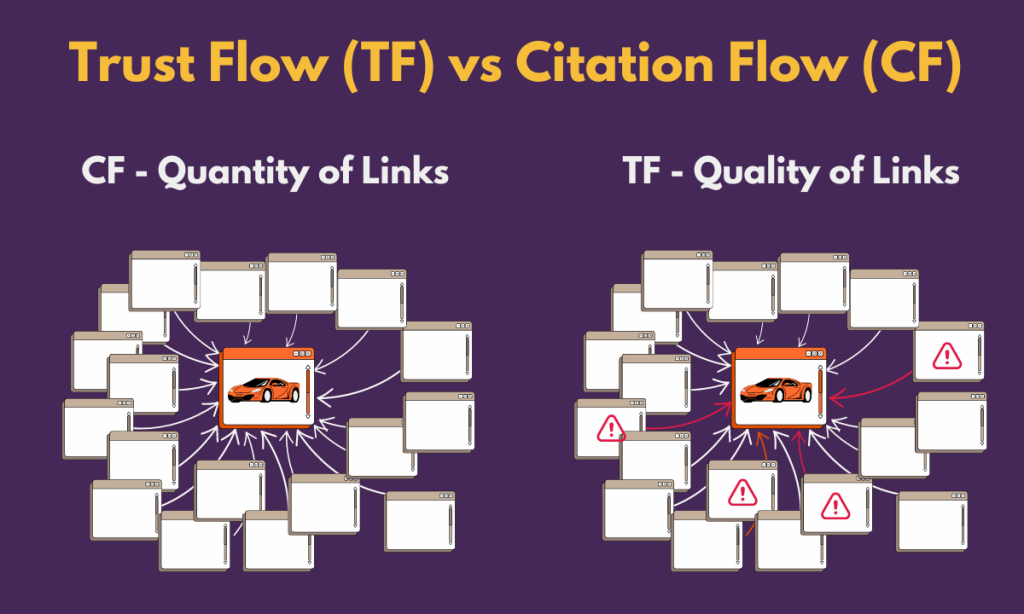
It is important to know that Trust Flow has a partner metric called Citation Flow. They are both called flow metrics and were created by Majestic to be used together. While Trust Flow measures the quality of backlinks, Citation Flow measures the quantity of backlinks.

Looking at just one of these scores does not give you the full picture. You need to look at both to truly analyze a website’s backlink profile and make smart decisions for your SEO efforts.

Defining the Citation Flow Metric

Citation Flow is a score from 0 to 100 that predicts how influential a website might be based on the number of backlinks it has.

A site with thousands of links pointing to it will likely have a high citation flow, even if those links are from low-quality or irrelevant sites. This metric does not care about the trustworthiness of the linking domains; it only cares about the volume of inbound links.

Because of this, a high citation flow on its own can be misleading. It does not tell you if the links are good or bad.

Analyzing the Trust Flow to Citation Flow Ratio

The real magic happens when you compare Trust Flow and Citation Flow. The ratio between these two SEO metrics tells a story. In a perfect world, you want these two numbers to be close to each other, with a ratio of around 1.0.

For example, a Trust Flow of 30 and a Citation Flow of 35 is a very healthy sign. This balanced ratio suggests a natural and healthy backlink profile, where the quantity of links is matched by their quality.

Why A Balanced Metric Ratio Matters?

A balanced ratio is a strong indicator of a healthy website.

If your Citation Flow is much higher than your Trust Flow (for example, a TF of 10 and a CF of 40), this is a red flag. It often means the website has a large number of backlinks, but many of them are low-quality or even spammy links.

This imbalance can hurt your search engine rankings. Search engines may see a site with a very imbalanced ratio as one that is trying to cheat the system. A balanced ratio shows that your link building is natural and focused on quality.

Strategies For Correcting an Imbalanced Ratio

If you find that your website has a high citation flow but a low trust flow, you need to take action. The main strategy is to focus all your energy on building high-quality backlinks from trusted and relevant websites.

At the same time, you should perform a backlink audit to find and remove any toxic backlinks that are hurting your score. By getting rid of bad links and adding good ones, you will increase your Trust Flow score.

This will help bring the ratio back into balance and improve your overall SEO performance.

How Can You Improve Your Website’s Trust Flow?

How Can You Improve Your Website's Trust Flow?

Improving your website’s Trust Flow takes time and effort, but it is one of the most rewarding things you can do for your SEO.

Building High-Quality Backlinks From Trusted Domains

The best way to improve your score is to get quality backlinks from trusted referring domains. This means earning links from websites that are respected and have a high trust flow themselves. One great way to do this is through guest posting.

When you write a helpful article for another website in your industry, you can often include a link back to your own site. Focus on creating guest posts for websites that are known for their quality content. These links pass the most trust and link equity.

The Value of Contextual Relevance in Links

When building links, it is not just about the trust of the linking site; it is also about its topic. This is called topical relevance.

A link from a site that is highly relevant to your industry is more valuable than a link from a random, unrelated site. Majestic even has a metric for this called Topical Trust Flow, which shows the topics your site is most trusted for.

When you get links from relevant websites, you are telling search engines that you are an authority in your specific niche.

Performing A Backlink Audit to Disavow Toxic Links

Sometimes, the best way to improve your score is to get rid of bad links. Over time, your website might get linked to by spammy or low-quality sites. These are known as toxic links or toxic backlinks, and they can hurt your site’s trust flow.

You should regularly perform a backlink audit to find these harmful links. Once you find them, you can use Google’s Disavow Tool to tell the search engine to ignore them. Cleaning up your backlink profile is a critical step toward building a higher trust flow.

Developing Content That Naturally Attracts Links

One of the most sustainable link-building strategies is to create quality content that people want to link to. When you publish helpful guides, original research, or useful tools on your web pages, other site owners and bloggers will naturally link to them as a resource.

This is the best way to earn quality backlinks. It helps you build a healthy backlink profile automatically. This approach not only improves your flow metrics but also drives organic traffic and establishes you as a thought leader. It is a win-win for your digital marketing plan.

FAQ’s:

What Is Considered A Good Trust Flow Score?

There is no single number that is “good” for every website. A good Trust Flow score is relative to your industry.

A good starting point is to aim for a score above 20. However, the best approach is to compare your score to your direct competitors. Your goal should be to have a score that is similar to or higher than theirs.

Ultimately, you should always be working to achieve a high trust flow score.

How Can Improving Trust Flow Help My SEO Results?

Improving your Trust Flow is a huge boost for your SEO results.

A higher score signals to search engines that your website is trustworthy and credible.

This can lead to better search engine rankings for your target keywords. It is a strong ranking factor because it is based on the quality of your inbound links, which is something search engines care about a lot. Better SEO performance often starts with a better Trust Flow.

How Frequently Should I Monitor My Trust Flow?

You should monitor your Trust Flow score on a regular basis. Checking it once a month or once per quarter is a good practice.

This allows you to track the progress of your link building campaigns. It also helps you quickly spot any sudden drops, which could mean you have acquired some toxic links. Consistent monitoring is a key part of maintaining a healthy backlink profile.

What Should I Do If My Trust Flow Score Drops Suddenly?

A sudden drop in your Trust Flow metric should be taken seriously. The first thing you should do is conduct a full backlink audit. Use an SEO tool to look at all the new referring domains that have linked to you recently. You are looking for low-quality or spammy links.

If you find any toxic backlinks, you should disavow them immediately to prevent further damage to your SEO efforts.

Do Internal Links Affect Trust Flow?

No, internal links do not directly affect your Trust Flow score.

The Trust Flow metric is calculated based only on external links, which are links coming from other websites to yours.

However, internal linking is still very important for SEO. A good internal linking structure helps search engines find all your web pages and helps spread link equity that you get from your quality backlinks throughout your entire site.

What is the Typical Timeframe to See Improvements in Trust Flow?

Improving your Trust Flow does not happen overnight. It is a long-term strategy. After you build new quality backlinks or disavow toxic links, it can take several weeks or even a few months for crawlers to process these changes and for the flow metrics to be updated.

Be patient and consistent with your link building, and you will eventually see higher scores.

Conclusion

Trust Flow is one of the most important SEO metrics you can track. It gives you a clear look at the quality of your backlinks and the overall trustworthiness of a website. Unlike metrics that only measure the quantity of links, Trust Flow focuses on quality, which is what search engines care about most. By working to improve your score, you are building a strong foundation for long-term SEO success.

Focus on creating quality content, earning links from trusted and relevant websites, and keeping your backlink profile clean from toxic links. These are the core principles of building a higher trust flow.

By making this metric a central part of your SEO strategies, you can improve your search rankings, drive more organic traffic, and build a website that both users and search engines can trust.

With platforms like VH-info providing valuable insights, you can confidently guide your link building efforts toward a better SEO performance.

Spamming Links & Risks: How to Identify and Remove Them?

Getting links from other websites to your own is a key part of helping people find you through a Google search. This process, known as link building, tells a search engine that your site is trustworthy and important. However, not all links are good for you.

Some website owners try to cheat the system by spamming links, which is a harmful practice. This is a type of black hat SEO that can seriously damage your search rankings.

This article from VH-info will act as your guide, explaining what link spam is, how it hurts your website, and how to focus on getting quality links the right way. At VH Info, we want to give you the clear advice you need for a strong and safe SEO strategy.

What Is Spamming Links and How Does It Harm Your SEO?

What Is Spamming Links and How Does It Harm Your SEO?

Spamming links is the act of getting many low-quality links to your website very quickly.

The sole purpose behind this tactic is to trick search engine algorithms into thinking your site is more popular than it really is. These spam links are often placed on websites that have nothing to do with your topic, or on pages filled with other junk links.

This is also called link spam.

This practice hurts your SEO because search engines like Google are smart. They want to show the best and most useful pages in the search results. A good user experience is their top priority. When they see a site using link spamming techniques, they see it as an attempt to manipulate search rankings. Instead of helping, these spammy links send a signal that your site is untrustworthy.

As a result, a search engine might lower your site’s position in search results or remove it completely. The foundation of a good SEO strategy is trust and value, and link spam destroys both.

Understanding the Impact of Spamming Links On Your Website

Understanding the Impact of Spamming Links On Your Website

Using spamming links as a shortcut for building links can lead to serious problems for your site.

The negative effects extend beyond a minor dip in traffic; they can significantly impact your brand’s future. It’s important to know the specific ways these tactics can backfire and harm your online presence.

The Risk of Google Penalties

One of the biggest risks of using spam links is getting a penalty from Google.

Google has specific rules, called Google’s guidelines, that all websites should follow. When you participate in link schemes, you break these rules. This can lead to a manual action, where a person at Google reviews your site and decides it has been using manipulative tactics.

They can also be triggered by algorithms like the famous Penguin update. The Google Penguin algorithm was designed specifically to find and penalize sites that use link spam. More recently, Google’s link spam update has made its detection systems even smarter.

A penalty can cause your website to lose its search visibility entirely, making it very hard for anyone to find you in a Google search.

Damage to Your Brand’s Reputation

Your backlink profile is a list of all the sites that link to your site. It shows people what your brand stands for.

If your site has links from bad or spammy websites, it can hurt your image. These sites may be full of harmful content. This can make others think less of your business. It can also cause people to lose trust in you.

When people see your brand next to spam, they are less likely to buy from you or work with you.

Keeping your link profile clean is important. Good and safe links show that you are honest and have skills in your field. Spammy links, though, make you look bad and not serious about your work.

Sometimes, fixing a broken reputation is even harder than fixing an SEO problem.

Negative Effects On Website Traffic

The most immediate and measurable impact of spamming links is a sharp drop in organic traffic.

Organic traffic refers to the visitors who find your site through unpaid search results. When Google penalizes your site for having too many toxic backlinks, your search rankings will fall.

If you were on the first page of search engine results, you might get pushed to the tenth page, or even removed from the index. This loss of search visibility means fewer people will find your site, leading to fewer customers and less revenue.

The bottom line is that a bad SEO strategy built on spammy links will ultimately cost your business.

How Link Spam Devalues Your Backlink Profile?

A healthy backlink profile is about quality, not just the number of backlinks.

Each link from another site passes a certain amount of authority, which some SEO experts call “link juice.” High-quality links from trusted, relevant websites pass a lot of good link juice, helping your site rank higher.

Spam links, however, come from toxic backlinks that pass no authority. In fact, they do the opposite. They dilute your entire link profile. Imagine your backlink profile is a glass of clean water. Each quality link is another drop of clean water.

But each spam link is a drop of mud. Soon, the entire glass is dirty. These low-quality links make your good links less effective and signal to search engines that your entire profile is untrustworthy, offering no real value.

Common Techniques Used For Spamming Links

Common Techniques Used For Spamming Links

Link spammers use various dishonest methods to create a large volume of external links. These techniques are often automated and always violate Google’s guidelines. Here are some common types of link spam and examples of link spam to watch out for.

Automated Blog and Forum Commenting

This is one of the most classic forms of link spam. It involves using software to post hundreds or thousands of comments on blogs and public forums. This is known as comment spam or spam posting.

These comments are usually generic and unrelated to the conversation, with the sole purpose of dropping a link back to a website. You will often see them in the comment sections with strange anchor text.

This tactic provides no additional value to the reader and creates a terrible user experience. Many websites now use systems to block this kind of spam or apply nofollow links to stop them from passing any value.

Low-Quality Directory Submissions

There are some good online directories that can help with local SEO, but there are far more that are essentially just link farms.

Spamming links through directory submissions involves submitting a website’s domain name to hundreds or even thousands of low-quality blog feed directories and general directories. These sites have no quality standards and exist only for building links. A link from a directory that lists everything from plumbing services to dog walkers offers no real endorsement and is a clear sign of link farming to search engines.

Hidden Links in Website Code

Hidden links are a tricky way that some people use for SEO. These links are put on a page so users cannot see them. But search engines can still find these hidden links. People do this by making the link text very small, like using just a dot.

Another way is to make the link the same color as the page background. The goal is to give value from links without anyone seeing them.

This breaks Google’s rules and can cause a fast penalty for your site. If someone tries to hide something from users, they also want to fool search engines. It is not a safe or fair practice and should be avoided at all times.

Creating Private Blog Networks (PBNs)

Private blog networks, or PBNs, are a more advanced type of link scheme.

This is where link spammers buy expired domain names that already have some authority and build simple websites on them. They then use these sites, which form their own blog networks, to link back to their main money-making website.

Because all the sites are owned by the same person, these are not natural, earned links. Google is very good at identifying these networks and devaluing all the links from them. These are also known as link farms.

User-Generated Content Spam

This form of link spam happens anywhere a user can create content.

This includes creating fake profiles on social media sites, forums, and other platforms just to add a link in the bio. It also includes posting spam in guest books or other sections of a website that allow public contributions.

Like comment spam, this method adds no real value and is easily flagged by search engine algorithms as manipulative. These external links are low-quality and harm your link profile.

How to Identify Spammy Links Pointing to Your Site?

How to Identify Spammy Links Pointing to Your Site?

You cannot fix a problem you do not know you have. It is important to check your backlink profile for spammy links, especially since competitors can use negative SEO tactics against you. Here is how you can find toxic backlinks that might be hurting your site.

Conducting A Backlink Audit With SEO Tools

The most effective way to find spammy links is to perform a complete backlink audit. This is a key part of any good SEO audit. You can use various SEO services or tools, like the ones we provide at VH Info, to get a full list of every website that links to you.

These tools often provide a “spam score” or toxicity rating for each link. A high spam score indicates that a link is likely coming from a low-quality source, such as a known link farm or a site with malicious content.

Analyzing Anchor Text Distribution

Anchor text is the part of a link that you can click. When links are normal, the anchor text should change often. Some links may use your brand name. Others might use your website address or short words to say what the page is about.

If you check your links and see that most use the same words over and over, this is not good. It means many of your links have the same keyword-rich anchor text. This shows a big warning for spammy links. It tells you that someone tried to trick search results for that word.

Google will think this does not look real or natural.

Checking For Irrelevant Linking Domains

Quality backlinks come from websites that are related to your industry or topic.

If you run a bakery website, a link from a food blogger is great. A link from a Russian casino site is not.

During your SEO audit, look at the domain name of each site linking to you.

If you see a large number of backlinks from irrelevant, foreign, or nonsensical domains, these are likely spam links. These links provide no value and can hurt your site’s credibility in the eyes of a search engine.

Using Google Search Console Alerts

Google Search Console is a free tool from Google that every site owner should use. It provides valuable information about how your site performs in Google search. Importantly, Google will use this platform to notify you if it detects a problem.

If your site has been given a manual action for unnatural links, you will receive a notification here. Regularly checking Google Search Console is a simple way to stay on top of any potential issues with your backlink profile before they cause major damage.

Best Practices For Dealing With Spammy Links

Best Practices For Dealing With Spammy Links

Once you have identified toxic backlinks pointing to your site, you need to take action to clean up your link profile. This process shows Google that you are committed to following Google’s guidelines and can help you recover from penalties or avoid them in the first place.

Manually Requesting Link Removal

The first step you should always try is to contact the site owner of the website with the spammy link.

Find their contact information and send a polite email asking them to remove the link to your site. Keep a record of your requests. While many website owners of low-quality sites will not respond, it is important to show Google you made an effort.

This is often difficult when dealing with automated link farms or professional link spammers.

Creating and Submitting A Disavow File

If you cannot get a spam link removed manually, your next step is to use Google’s disavow tool. This tool is available in Google Search Console. You can create a simple text file listing all the domains or specific URLs of the toxic backlinks you want Google to ignore.

When you submit this disavow file, you are essentially telling Google, “I don’t endorse these links, so please don’t count them against my site.” This is a powerful tool but should be used with care, as disavowing the wrong links could harm your SEO.

Reporting Spammy Websites to Google

If you find websites made just to create spam links, you can tell Google about them. These sites may be private blog networks or pages full of comment spam. Reporting these sites helps Google make search results better for all users.

It is useful if you think someone is trying to hurt your site with bad SEO tricks.

While this does not solve problems on your own site right away, it helps the internet stay clean and safe for everyone. It also helps remove the spam links from search pages and stops those causing trouble.

Monitoring Your Backlink Profile Regularly

Dealing with spammy links is not a one-time task. New links are created every day, and you could be targeted by negative SEO attacks at any time. It is vital to monitor your backlink profile on a regular basis.

Set up alerts or schedule a monthly SEO audit to check for new, toxic backlinks. By catching them early, you can request removal or add them to your disavow file before they cause any harm to your search rankings and organic traffic.

Ethical Alternatives to Link Spamming

Ethical Alternatives to Link Spamming

The best SEO strategy is always a long-term one focused on providing real value. Instead of trying to cheat the system with link spamming, focus your efforts on earning quality backlinks that will stand the test of time. Here are some effective and ethical ways to build links.

Creating High-Quality, Linkable Content

The most powerful way to get quality links is to create content that people naturally want to share and link to. This could be in-depth guides, original research, helpful tools, or entertaining videos.

When you produce high-quality content that offers real value, other website owners and bloggers will link to it as a resource for their own audiences. These earned links are the most valuable type of backlink you can get and are the foundation of a strong link profile.

Guest Posting On Authoritative Websites

Guest posting involves writing an article for another website in your industry.

When you write guest posts for reputable, high-quality sites, you can often include a link back to your own website in the author bio.

This is a great way to get your name in front of a new audience and earn a valuable quality backlink at the same time. This is very different from spammy guest posting on low-quality sites that accept any content. Focus on building relationships with authoritative sites.

Natural Outreach and Digital PR

If you have created great content, do not just wait for people to find it. Reach out to bloggers, journalists, and other website owners who might be interested in it. This is not spam posting; it is professional communication.

You can also use digital PR tactics, such as sending out press releases with newsworthy information or sharing your content on social media to increase its visibility. When you promote great work, you increase the chances of it getting noticed and linked to.

Broken Link Building Strategies

This is a clever and helpful link-building technique. It involves finding broken external links on other websites.

A broken link is a link that leads to a page that no longer exists. You can then contact the site owner, let them know about the broken link, and suggest your own relevant, high-quality content as a replacement.

This is a win-win: you help the site owner fix their website, and you get a relevant quality link in return.

FAQ’s:

What Is Considered A Spammy Link?

A spammy link is any link that is created with the sole purpose of manipulating search rankings. It offers no real value to the reader and typically exists as part of a link scheme. These spam links often come from low-quality, irrelevant websites, link farms, or are placed in places like comment sections or forums where they do not belong. They are a classic sign of black hat SEO.

Can You Recover From A Penalty Caused By Spamming Links?

Yes, you can bounce back from a penalty because of spam links. This includes a manual action from Google. It takes hard work and time.

First, do an SEO check to find all bad links. Next, try to get these bad links taken down. If you cannot remove some links, use the disavow tool in Google Search Console. This tool tells Google not to count those links. The most important thing is to stop all tricks meant to fool search engines. You need to prove that you will follow Google’s rules for building links from now on.

Are All Paid Links Considered Spam?

No, not all paid links are considered link spam. If a paid link is for advertising and is properly marked with a rel=”nofollow” or rel=”sponsored” tag, it does not violate Google’s guidelines.

This tag tells Google not to pass any link juice or ranking credit. However, if you pay for a link specifically to get link juice and improve your search rankings, and it is not marked with one of these tags, it is considered a link scheme and a form of link spam.

How Does Negative SEO Involve Link Spam?

Negative SEO is when a competitor tries to harm your website’s rankings.

One of the most common forms of negative SEO attacks is to point thousands of low-quality, spammy links at your domain. They do this hoping that search engine algorithms, like the Google Penguin update, will flag your site for manipulative tactics and issue a penalty.

This is why it is so important to regularly monitor your backlink profile for suspicious activity and toxic backlinks.

Conclusion

The bottom line is that spamming links is a dangerous and outdated black hat SEO tactic that will hurt your website in the long run.

The risks of penalties, reputation damage, and lost organic traffic are far too high. Instead of looking for shortcuts, a successful SEO strategy must focus on earning high-quality, relevant backlinks.

Producing high-quality content alongside earning backlinks through ethical practices lays a robust, sustainable groundwork for your website, while maintaining a clean link profile full of authoritative backlinks is essential for both acquiring and preserving strong search visibility.

At VH Info, we believe in this long-term approach to help you grow your presence in the search engine results safely and effectively.

YMYL Pages & Quality Guidelines: Why Is It Important In SEO?

If you create content for the web, you need to know about YMYL pages. YMYL stands for “Your Money or Your Life.”

These are web pages with information that could affect a person’s health, happiness, or financial stability. For any content creator or business with a website, paying attention to YMYL is not just a good idea; it is a fundamental part of a smart search engine optimization plan.

Google holds these pages to a very high standard because bad information on a YMYL page can have a direct impact on people’s lives. A weak content strategy for a YMYL topic can hurt your search rankings and, more importantly, can harm your audience. This guide explains what YMYL pages are, why they matter so much, and how you can create quality content that meets Google’s expectations and builds user trust.

What Are YMYL Pages?

What Are YMYL Pages?

YMYL pages are web pages that offer advice or information on topics that can seriously affect a person’s well-being.

Think about a piece of content that gives medical advice, financial information, or legal guidance. If the information is wrong or misleading, it could cause real problems. Because the stakes are so high, this type of content is scrutinized by Google more than any other.

Any page that asks for personal information or processes financial transactions is also considered a YMYL page.

Google’s goal is to protect users from low-quality, harmful content in its search results. Therefore, if you operate in YMYL niches, you must provide the most accurate and trustworthy information possible to earn a good spot in the search engine results.

Why Is YMYL All the More Important Now?

Why Is YMYL All the More Important Now?

The focus on YMYL has grown significantly over the years.

Google’s algorithm continues to get smarter about identifying content that could cause harm, making it harder for low-quality YMYL sites to rank. For anyone involved in digital marketing, a solid approach to YMYL is necessary for long-term success in organic search.

Defining “Your Money Or Your Life” (YMYL)

The term “Your Money or Your Life” shows what is at risk. These topics can shape big choices in life.

For instance, if someone gets bad money advice, they might lose their savings. This can hurt their money safety. Wrong health facts could keep a person from getting good help. This may cause bad health problems.

Google wants people to find good and true answers when they search for these hard topics. They want the sources to be trusted. The value of YMYL content can make lives better or worse. Google works hard to show safe and helpful pages because this is very important to them.

The History and Evolution of YMYL in Google’s Guidelines

The concept of YMYL was first detailed in Google’s Search Quality Evaluator Guidelines.

These guidelines are used by human quality raters who review websites and provide feedback to help improve Google’s algorithm. The introduction of YMYL was a clear signal that Google was raising the bar for certain types of content.

Over time, through various algorithm updates, Google has refined its ability to automatically assess the quality of a YMYL page. These updates make it very difficult for websites that lack expertise or trustworthiness to appear high in search rankings for a YMYL topic.

Google’s guidelines now put an even greater emphasis on the real-world harm that low-quality content can cause.

Why Google Places A High Emphasis on YMYL Content?

Google’s main goal is to provide value to its users. If users find harmful or incorrect information through a Google search, they will lose trust in the search engine. This is especially true for YMYL topics where the stakes are highest.

By holding YMYL content to the strictest standards, Google protects its users and its own reputation.

When quality raters evaluate a YMYL page, they are asked to think about the potential for harm. A page with inaccurate medical advice is considered very low quality, no matter how well-written it seems. Google prioritizes content from subject matter experts and authoritative sites to ensure users receive safe and accurate information. This protects both the user and their financial stability or health.

Identifying Key Categories of YMYL Pages

Identifying Key Categories of YMYL Pages

To succeed with your content marketing, you first need to know if you are creating YMYL content. The Search Quality Rater Guidelines outline several key YMYL categories. If your website touches on any of these subjects, you need to follow YMYL best practices.

Health, Fitness, and Medical Information

This is one of the most obvious YMYL categories. It includes any content that provides medical advice, discusses diseases, or offers information on drugs or mental health. For example, a blog post about managing a chronic illness or a page describing the side effects of a medication is a YMYL page. Users rely on this medical information to make important health decisions. Sites like the Mayo Clinic are often cited as examples of high-quality YMYL sites because they use subject matter experts to create and review their content.

Financial Advice and News

Content that offers financial information or advice is firmly in the YMYL camp. This includes topics like retirement planning, investing, taxes, loans, and insurance. Bad financial advice can ruin a person’s financial security. Therefore, Google wants to see that content about financial planning comes from reputable sources and qualified professionals. News articles about the economy also fall into this category.

Legal and Governmental Information

Pages that provide legal advice or information about laws, government programs, or social services are also YMYL.

Getting legal issues wrong can have severe consequences, so this information must be accurate. This includes topics like voting, creating a will, or applying for government benefits. Users need to trust that they are getting correct legal information to make informed choices.

News, Current Events, and Public Interest Topics

News articles and information about current events are considered YMYL because they inform the public about important happenings in the world. Misinformation on topics like politics, science, or technology can cause confusion and harm. A news organization must have a positive reputation for factual reporting to be considered a high-quality source. Authoritative sources are key for these topics.

Shopping and E-commerce Transactions

Any page where you can spend money is a YMYL page.

This includes product pages, checkout pages, and any e-commerce function that asks for credit card details or personal information. Users need to trust that their information is secure and that the transaction will be handled properly.

Poor website security on a shopping site can lead to fraud and financial loss.

Information on Specific Groups of People

Content that focuses on groups of people based on race, religion, gender, nationality, sexual orientation, or other characteristics is also a YMYL topic. This type of content is sensitive, and spreading stereotypes or hate can cause significant harm.

This is a very important part of YMYL that shows how broad the category is.

The Important Role of E-E-A-T For YMYL Pages

The Important Role of E-E-A-T For YMYL Pages

To evaluate YMYL pages, Google uses a framework called E-E-A-T.

E-E-A-T stands for Experience, Expertise, Authoritativeness, and Trustworthiness. For any YMYL page to perform well in Google Search, it must demonstrate a high level of E-E-A-T. This is a very important ranking factor.

Demonstrating Experience: First-Hand Knowledge

The first “E” stands for Experience. This refers to having first-hand, real-life experience with the subject matter.

For example, a review of a product written by someone who has actually used it shows Experience. A person sharing their personal journey with a medical condition also demonstrates Experience.

This makes the piece of content more relatable and authentic, which builds user trust.

Proving Expertise: Credentials and Qualifications

The second “E” stands for Expertise. This is about having formal knowledge and qualifications on a topic. For YMYL content like medical or financial advice, Expertise is extremely important. You need to show that your content is written or reviewed by subject matter experts.

A doctor writing medical advice or a certified financial planner discussing retirement planning are examples of Expertise.

Building Authoritativeness: Becoming A Go-To Source

A” stands for Authoritativeness. This is about your website’s reputation as a go-to source of information on a particular subject.

One of the best ways to build authority is through link building. When other authoritative sites link to your content, they are giving you a vote of confidence. These external links tell the search engine that you are a reliable source.

At VH Info, we specialize in helping businesses build these high-quality backlinks to establish their authority in competitive YMYL niches.

Establishing Trustworthiness: Accuracy, Safety, and Transparency

T” stands for Trustworthiness. Trust is the most important part of E-E-A-T, especially for YMYL pages.

Trustworthy site provides accurate information, cites credible sources, and is transparent about who is behind the content. It also means having a secure website (HTTPS) and clear contact information.

All of these elements act as trust signals that tell both users and Google that your site is legitimate.

Best Practices For Optimizing Your YMYL Pages

Best Practices For Optimizing Your YMYL Pages

If your site has YMYL pages, you need a content strategy that prioritizes E-E-A-T. Following these best practices will help improve your page quality and search rankings. This is a key part of any serious marketing strategy for YMYL sites.

  1. Creating Comprehensive and Factually Accurate Content: The foundation of a good YMYL page is quality content. Your information must be correct, detailed, and up-to-date. Double-check your facts and make sure your content answers the user’s questions completely. This is the most important step in content creation for any YMYL topic.
  2. Featuring Clear Author Bios and Credentials: Do not publish YMYL content anonymously. Every piece of content should have a clear author with a bio that explains their experience and expertise. If a subject matter expert wrote or reviewed the content, showcase their credentials. This directly supports the Expertise part of E-E-A-T.

  3. Citing Reputable and Authoritative Sources: Show your work. When you make a claim, especially about health or finance, back it up by citing reputable sources. Use external links to point to studies, official reports, and other authoritative websites. This shows that you have done your keyword research and are committed to providing accurate information.


  4. Securing Your Website With HTTPS: Every website, especially a YMYL site, should use HTTPS. This encrypts the data shared between the user’s browser and your website, protecting their information. A secure site is a basic trust signal that no modern website should ignore.
  5. Maintaining A Positive Online Reputation and Reviews: Google looks at more than just your website. It also considers what other people are saying about your brand online. A positive reputation, good reviews, and mentions on social media can all contribute to your perceived authoritativeness and trustworthiness. Manage your online presence to build a positive reputation.
  6. Making Contact and Support Information Easily Accessible: Users need to know who is behind the website. Your site should have an “About Us” page and easily accessible contact information, including a physical address and phone number if possible. This transparency is a powerful trust signal and shows you stand behind your content.

Common Pitfalls to Avoid With YMYL Content

Common Pitfalls to Avoid With YMYL Content

Many YMYL sites fail because they make simple mistakes. Avoiding these common pitfalls is essential for building a trustworthy website that ranks well in organic search.

  1. Lack of Clear Expertise Or Authorship: One of the biggest red flags for a YMYL page is the absence of a clear author. If Google’s quality raters cannot tell who wrote the content or if that person is qualified, the page will be rated as low quality. Always be transparent about authorship.
  2. Providing Misleading Or Outdated Information: YMYL information must be current and correct. Publishing outdated medical advice or incorrect financial information is dangerous and will quickly destroy your site’s credibility. Regularly review and update your YMYL content to ensure it remains accurate.
  3. Poor Website Security and User Experience: A website that is not secure, loads slowly, or is difficult to use on mobile devices creates a poor user experience. This signals to Google that the site may not be trustworthy. Website security and a good user experience are table stakes for any YMYL page.
  4. Insufficient Contact and About Us Details: If a user cannot easily find out who you are or how to contact you, they will not trust you. A lack of contact information makes a website seem shady and untrustworthy. Be open and transparent to build user trust.

FAQ’s:

What is the Difference Between YMYL and E-E-A-T?

YMYL and E-E-A-T are related but different concepts. YMYL refers to the type of content—topics that can affect a person’s money or life. E-E-A-T is the framework Google uses to measure the quality of that content. A YMYL page needs high E-E-A-T to rank well.

How Can I Determine If My Website Has YMYL Pages?

Review the main YMYL categories: health, finance, legal, news, shopping, and information on groups of people. Ask yourself if any of your content could hurt a person’s health, happiness, safety, or financial stability. If the answer is yes, you have examples of YMYL pages.

Can A New Website Rank For YMYL-Related Keywords?

It is challenging for a new website to rank for YMYL keywords because it takes time to build authority and trust. However, it is not impossible. A new site must focus on demonstrating high E-E-A-T from the very beginning.

An effective marketing strategy that combines excellent quality content with a strategic link-building campaign is critical. Gaining backlinks from reputable websites shows Google that others in your field trust you, helping you build a positive reputation faster.

How Often Does Google Update Its Criteria For YMYL Content?

Google is constantly working to improve its search results.

This means Google’s algorithm is always changing, and there are frequent algorithm updates. The Search Quality Evaluator Guidelines, which detail the criteria for YMYL and E-E-A-T, are also updated periodically to reflect Google’s latest thinking on page quality.

Conclusion

YMYL pages carry a heavy responsibility.

The information on these pages can have a meaningful effect on people’s lives, and that is why Google holds them to the highest standards. By focusing on creating trustworthy, accurate, and expert-driven content, you can meet Google’s expectations and build a loyal audience.

A successful approach to YMYL involves more than just good writing; it requires a deep commitment to E-E-A-T. By featuring expert authors, citing authoritative sources, and being transparent, you send strong trust signals to both your users and search engines. For any brand operating in a YMYL niche, making E-E-A-T a core part of your digital marketing and SEO services is the only path to sustainable success.

Seed Keywords: Easy Guide to SEO Starting Point (Find Them Fast)

A strong SEO strategy begins with the right keywords. The very foundation of your keyword research and content strategy is built on what we call seed keywords. These are the starting points for finding all the other phrases your customers use.

Think of them as the seeds from which your entire SEO plan will grow.

This article will show you what a seed keyword is and why it is so important for your business.

We will look at examples of seed keywords and explain how to find them. You will also learn how to turn a simple list of keywords into a powerful content strategy that brings more people to your website.

At VH-info, we specialize in turning that content strategy into tangible results by building the high-authority backlinks SaaS companies need to grow. Getting your seed keyword list right is the first step to better search engine optimization and more organic traffic.

What Are Seed Keywords?

What Are Seed Keywords?

A seed keyword is the main topic or idea at the heart of your business. These terms are usually short, broad, and form the base of your entire keyword strategy. If you were building a house, seed keywords would be the concrete foundation. Everything else, like your product pages, blog posts, and social media content, is built on top of them. This is the absolute starting point of the keyword research process.

Definition Of A Seed Keyword

A seed keyword is a one or two-word phrase that describes a broad topic. It is the most basic way your target audience might look for what you offer. For example, if you sell running shoes, your main seed keyword might be “running shoes.”

It doesn’t have any extra words like “best,” “for men,” or “near me.” It’s just the core term.

These are the main ideas you will use to generate hundreds of more specific keyword ideas. The entire goal of finding these seed terms is to create a solid foundation for your marketing efforts.

Key Characteristics That Define Seed Keywords

Seed keywords have a few key things in common. They are the beginning of your keyword research strategy.

Here is what makes them special:

  • They are broad: A seed keyword covers a wide topic, not a specific niche. “Coffee” is a seed keyword, while “low-acid dark roast coffee beans” is a more specific, long-tail keyword.
  • They have high search volume: Many people type these broad search terms into search engines every month. A good keyword tool can show you the monthly search volume for any term.
  • They are highly competitive: Because they have a high search volume, many websites try to rank for them. This means they often have a high keyword difficulty score, making it hard for a new site to appear high in the search engine results.
  • They are the starting point: You don’t always try to rank for the seed keyword itself. Instead, you use it to find other, more specific potential keywords that have less competition.

Understanding the Difference: Seed Vs. Long-Tail Keywords

It is important to know the difference between a seed keyword and a long-tail keyword. Your content marketing will use both, but they serve different purposes. A seed keyword is a short, broad term, like “invoicing software.”

It has a high search volume, but the user intent is not very clear. Is the person looking to buy, learn, or compare? It’s hard to tell.

A long-tail keyword is a longer, more specific phrase, like “best invoicing software for small business owners.”

These keyword phrases have lower search volume but much clearer search intent. The person searching for this is likely ready to make a decision. Your SEO strategy should include a mix of content that targets both types of search queries to attract a wider target audience.

Why Are Seed Keywords the Foundation Of Your SEO Strategy?

Why Are Seed Keywords the Foundation Of Your SEO Strategy?

Seed keywords are the backbone of your search engine optimization work.

Without a clear list of seed keywords, your marketing efforts will lack direction. They guide everything from the content you create to how you structure your website, helping you build authority and attract the right customers.

Their Role in Building Topic Authority

Search engines like Google want to show results from experts. When you create a lot of helpful content around a central topic, Google sees you as an authority on that subject. This is called topical authority. Your seed keywords define these central topics. For example, if your seed keyword is “project management,” you would create content about project management methods, tools, and tips.

When you thoroughly address the subject from every perspective, Google recognizes your site as a reliable authority, boosting the rankings of all your pages in search results.

How Do They Inform Your Entire Content Plan?

Your seed keyword list is the blueprint for your content strategy. Once you have your main topics, you can start brainstorming all the related things your audience might want to know. Each seed keyword can be the center of a “topic cluster.”

From a single seed keyword like “email marketing,” you can generate hundreds of keyword ideas for blog posts, guides, and videos. This makes your content creation process organized and makes sure every piece of content has a purpose.

It helps you build a library of helpful information that consistently brings in organic traffic.

Impact On Website Structure and Navigation

A good website is easy to get around. Your seed keywords can help you design your site’s structure. Often, each main seed keyword will have its own “pillar page.” This is a long, detailed page that covers the topic broadly.

For an e-commerce site, these might be your main category or product pages.

For example, a website selling car parts might have a pillar page for “brake pads,” which is a seed keyword. Then, smaller blog posts about “how to change brake pads” or “best brake pads for trucks” would link back to that main page.

This creates organized keyword clusters that help both users and search engines find what they need.

How to Find Your Most Important Seed Keywords?

How to Find Your Most Important Seed Keywords?

Finding the right keywords is the most important part of the keyword research process. Your goal is to create a seed keyword list that perfectly matches what you offer and what your customers are looking for.

There are several ways to find these foundational potential seed keywords.

Brainstorming Based On Your Business Offerings

The first step is to simply think about your business. What do you sell? What services do you provide? Write down the most basic terms that describe your products or services. Don’t overthink it.

If you run a company that makes accounting software for freelancers, your first seed keyword ideas might be:

  • accounting software
  • invoicing
  • freelance taxes
  • bookkeeping

Analyzing Competitor Strategies

Your competitors are a great source of keyword ideas.

A smart competitor analysis can show you which seed keywords are already working for them. Look at the websites of your top competitors. What topics do they write about most? What words do they use in their page titles, headings, and meta descriptions?

You can use SEO tools to do this more effectively. At VH Info, we help SaaS companies identify the relevant keywords their competitors are ranking for. A good keyword research tool can give you a list of terms that are sending organic traffic to other sites in your industry.

This process helps you find gaps in their keyword strategy that you can fill.

Using Analytics to Uncover User Language

If you already have a website, you have access to valuable keyword data.

Google Search Console is a free tool from Google that shows you the exact search queries people used to find your site in a Google search. Go to the “Performance” report and look at the queries. You might find that people are using search terms you hadn’t thought of.

These real-world search queries are some of the best potential seed keywords because you know people are already using them to find solutions like yours. Add any relevant terms you find to your main seed keyword list.

Transforming Seed Keywords Into A Full Content Strategy

Transforming Seed Keywords Into A Full Content Strategy

A list of seed keywords is just the beginning. The real magic happens when you turn that list into a complete content strategy. This involves expanding your initial ideas to cover every possible angle of a topic, helping you attract a wider audience and build topical authority.

Expanding Your List With Keyword Modifiers

Once you have your core seed keyword, you can create a huge list of keywords by adding “modifiers.”

Modifiers are words that make the search more specific. Common modifiers include:

  • Questions: “how,” “what,” “why” (e.g., “what is content marketing”)
  • Qualifiers: “best,” “top,” “cheap,” “review” (e.g., “best keyword tool”)
  • Audience: “for beginners,” “for small business” (e.g., “SEO for beginners”)

By adding these words to your seed terms, you start to create long-tail keyword phrases. This process helps you generate endless keyword ideas for your content creation efforts.

Generating Long-Tail and Question-Based Ideas

From a single seed keyword like “SEO,” you can generate a massive list of long-tail variations. These longer phrases are important because they often have less competition and target users with a very specific search intent.

For example, someone searching for “SEO” has a broad interest. But someone searching “how to improve SEO for a local business” has a clear problem they want to solve.

Answering these specific questions with your content is a great way to attract qualified organic traffic. Tools like Google Autocomplete (the suggestions that appear in the search bar as you type) can give you great ideas for these longer search terms.

Creating Content Pillars and Topic Clusters

An effective content strategy is often built around “content pillars” and “topic clusters.” This is a way to organize your content to show search engines that you are an expert.

  • Pillar Page: This is a long, comprehensive piece of content on a broad topic, targeting your main seed keyword. For example, you might create an “Ultimate Guide to Digital Marketing.”
  • Topic Clusters: These are shorter articles that cover specific subtopics related to the pillar page. Each cluster article targets a long-tail keyword. For our “Digital Marketing” pillar, cluster topics might include “getting started with email marketing,” “social media advertising tips,” or “how to do keyword research.”

All the cluster articles link back to the main pillar page. This structure creates a network of related content, which helps build topical authority and improve your rankings for all the relevant keywords in that group. It is a core part of modern search engine optimization.

Top Tools For Discovering and Analyzing Seed Keywords

Top Tools For Discovering and Analyzing Seed Keywords

There are many great keyword research tools available to help you find and analyze potential keywords. Some of the best ones are free and easy to use. These SEO tools will provide you with the keyword data you need to build a strong keyword strategy.

Google Related Searches

Google Related Searches

When you perform a Google search, scroll to the bottom of the search engine results page. You will see a section called “Related searches.”

This is a list of other search terms that people who searched for your original query also looked for. This is a simple but powerful way to find related keywords and seed keyword ideas that you might have missed. It shows you how real users think and search.

People Also Ask

People Also Ask

The “People also ask” (PAA) box often appears near the top of the search results. It shows a list of questions related to your search query. Clicking on a question reveals a short answer and often more related questions.

The PAA box is a goldmine for finding question-based keyword ideas. Creating content that directly answers these questions is a great way to capture a featured snippet and show your target audience that you have the answers they need.

Google Keyword Planner

Google Keyword Planner

The Google Keyword Planner is a free tool within Google Ads.

It is one of the most popular keyword research tools for a reason. You can enter a seed keyword, and the keyword planner will give you a long list of keyword suggestions, along with data on their monthly search volume and competition level (keyword difficulty).

While it is designed for advertisers, it is extremely useful for any SEO strategy. It gives you real data directly from Google.

Answer the Public

Answer the Public

Answer the Public is a visual keyword tool. You enter a seed keyword, and it generates a visual map of hundreds of keyword ideas organized by questions (who, what, when, where, why), prepositions, and comparisons.

It’s a fantastic way to brainstorm for your content marketing plan and see all the different ways people are searching for your topic.

Google Trends

Google Trends

Google Trends is another free tool that helps you see the popularity of a seed keyword over time.

You can compare the search volume of multiple search terms to see which one is more popular or if a topic is seasonal. This helps you choose the right keywords that have lasting power and plan your content creation around seasonal peaks in interest.

At VH Info, we know that sifting through all this keyword data can be a lot of work.

Our platform is built to simplify the keyword research and link-building process specifically for SaaS companies, helping you identify the opportunities that will drive real growth without the guesswork.

FAQ’s:

How Many Seed Keywords Are Ideal to Start With?

It is good to begin with a small list of seed keywords. Try to pick about 5 to 10 words.

These should show the most important parts of your business. If you use too many at first, your plan may feel messy. It helps to start with a few and build strength around them. Later, you can add more seed keywords.

For SaaS firms, the VH-info site can help you find these key words. This makes sure your link-building plan works well from day one.

Can You Rank For A Broad Seed Keyword?

Ranking on the first page of search engine results for a broad seed keyword is very difficult. These terms have a high search volume and very high keyword difficulty. Instead of aiming directly for the seed keyword, focus on building topic clusters around it.

Establishing authority through ranking for various related long-tail keyword phrases enables you to later compete for the more general term.

At VH-info, we specialize in building the high-quality backlinks that signal this authority to search engines, making it more achievable for SaaS companies to eventually rank for those broader terms.

How Often Should You Update Your Seed Keyword List?

You should review your seed keyword list at least once or twice a year.

Digital marketing changes quickly, and new search terms can become popular. Use tools like Google Search Console and Google Trends to monitor how people are searching and if new topics are emerging. This ensures your content strategy stays fresh and relevant.

Can Seed Keywords Be Used to Identify New Content Opportunities?

Yes. Seed keywords are a great way to start finding new ideas for your content. When you use a keyword tool, you will see new words that link to your seed keywords. You may also find common questions and longer keyword versions.

This process gives you many ideas for your blog and social pages. It also helps with other ways you share content online.

VH-info goes further by showing which ideas can get good links for your SaaS site. This means you can choose the best topics that help bring value and more visitors to your website.

What is the Relationship Between A Seed Keyword and A Pillar Page?

A seed keyword and a pillar page are directly connected.

The pillar page is a major piece of content that is designed to be the most comprehensive resource on the topic of your seed keyword. The pillar page targets the broad seed term, while the supporting cluster content targets more specific, long-tail keyword phrases.

This structure is central to building keyword clusters and proving your expertise to search engines. A key part of making this strategy work is building quality links to your pillar page, a process VH-info is designed to manage for SaaS companies.

Conclusion

Seed keywords are the essential building blocks for any successful SEO strategy. They are the broad topics at the heart of your business and serve as the starting point for all your keyword research and content creation activities.

By brainstorming your main offerings, analyzing competitors, and using robust SEO tools, you can create a strong list of seed keywords and expand it into a full content strategy with pillar pages and topic clusters that establish your topical authority.

While creating great content is the foundation, earning high-quality backlinks is what truly boosts your authority and rankings.

At VH-info, we specialize in creating link-building strategies for SaaS companies, connecting your valuable content to the right audience to drive real growth. This organized approach to search engine optimization helps you create content that meets user intent, drives valuable organic traffic, and helps your business grow.

Getting your seed keywords right is the most important first step on your journey to better search rankings.

The Stages of Search Funnel: Strategic Guide to Marketing & Sales

When people look for something online, they go on a path. This path is called the customer journey. It starts with them having a question and ends with them finding an answer or buying a product. The stages of the search funnel are like a map of this journey.

For any business, seeing this map is very important for its digital marketing and overall marketing strategy.

The search funnel shows you how potential customers find you through search engines like Google. It helps you create the right content for people at each step of their journey.

When you match your content to the right stage of the customer journey, you help people move to the next stage more easily. This guide will explain the different stages of this important tool, showing you how to help your target audience at every step.

What Are the Stages of the Search Funnel?

What Are the Stages of the Search Funnel?

Think of a real funnel, wide at the top and narrow at the bottom.

The search funnel works the same way. Many people start at the top, but only some reach the bottom. Each part of the funnel represents a different point in a person’s decision-making process. It is a key part of any digital marketing funnel.

Defining the Modern Search Funnel

The modern search funnel, sometimes called a conversion funnel, is a model that shows the path a person takes from first learning about your brand to becoming a customer. It is similar to a traditional marketing funnel or sales funnel, but it focuses specifically on how people use organic search. The goal is to guide a person through each stage of the funnel by giving them the valuable information they need.

A well-planned funnel improves the user experience and helps you connect with the right audience.

The Role of User Intent in the Funnel

User intent is the “why” behind a search. What does the person really want? Their intent changes at each funnel stage. At the top, they might want to learn something. In the middle, they are comparing options.

At the bottom, they are ready to act. Your SEO strategy must focus on this intent. Your content needs to answer their question at their specific stage of the funnel. When you match your content to their intent, you get better search results and build trust with your target customers.

How the Search Funnel Impacts SEO Strategy?

The search funnel is the backbone of a strong search engine optimization (SEO) strategy.

Instead of just creating random content, you create content with a purpose for each stage. This means doing specific keyword research for the top, middle, and bottom of the funnel. It also affects your link building efforts.

At VH-info, we focus on earning high-quality links to content that serves every stage of the customer journey. This builds authority and helps guide prospective customers through the buying process, turning visitors into loyal customers.

A good SEO strategy doesn’t just bring traffic; it brings the right traffic that is likely to convert.

The Top of the Funnel (TOFU): Awareness Stage

The Top of the Funnel (TOFU): Awareness Stage

The top of the funnel (TOFU) is the widest part. This is where people first become aware of a problem or a need. They are not looking for a specific product yet. Instead, they are looking for answers, information, and education.

The main goal at this awareness stage is to build brand awareness and bring new website traffic.

Characteristics of the Awareness Stage User

A user in the awareness stage is just starting their buyer’s journey.

They might have a question like “how to fix a leaky faucet” or “what are good team activities.” They are potential customers, but they are not ready to buy. They want helpful, no-pressure information. Your job is to be the helpful resource that provides that information.

You are not selling yet; you are helping them and introducing them to your brand.

Informational Keywords For TOFU Content

The keywords used at this stage are informational. They often start with “what,” “why,” “how,” “guide,” “tips,” or “ideas.”

For example, someone might search for “how to improve team communication.” This is an informational keyword. Answering this question with a helpful blog post gets your brand in front of a wide target audience. This is the first step in the lead generation process.

Content Formats That Capture Attention (Blogs, Infographics)

Content at the TOFU stage should be easy to find and share. The best formats for this are:

  • Blog Posts: A blog post is perfect for answering questions in detail.
  • Infographics: These are visual and easy to share on social media.
  • Videos: Short, helpful videos can explain concepts quickly.
  • Social Media Posts: Sharing tips and linking to your blog through social media posts can attract new visitors.

This content marketing approach establishes your brand as a helpful expert.

The Middle of the Funnel (MOFU): Consideration Stage

The Middle of the Funnel (MOFU): Consideration Stage

Once people know they have a problem and are aware of potential solutions, they move to the middle of the funnel (MOFU).

This is the consideration stage. Here, they are actively researching and comparing different products or services to find the best solution for their needs. Your goal is to show them why your solution is a great choice.

Addressing User Pain Points and Questions

At this stage, users have more specific questions. They are looking for content that addresses their pain points directly.

If their problem is poor team communication, they are now looking for the “best project management tools” or “top communication software.” Your content should show how you solve these specific problems.

This is where you start building a stronger case for your product and generating qualified leads.

Navigational and Comparison Keywords for MOFU

Keywords in the middle of the funnel are more specific. Users might search for “your brand vs. competitor brand,” “best software for small business,” or “product X reviews.”

They are looking for comparisons, alternatives, and detailed explanations. This is a critical part of the sales process, as it helps users narrow down their choices. Your marketing efforts should focus on creating content that answers these questions.

Creating In-Depth Guides and Comparison Articles

The content for the MOFU stage needs to be more detailed. It should provide deep, valuable information.

Great formats for this stage include:

  • Case Studies: Show how you helped a customer like them succeed. Case studies provide powerful social proof.
  • In-Depth Guides: Create long-form articles that cover a topic completely.
  • Comparison Articles: Directly compare your product with others, highlighting your strengths.
  • Webinars: Live or recorded sessions that show your product in action can be very effective.

This content helps move a person to the next step in their journey.

The Bottom of the Funnel (BOFU): Conversion Stage

The Bottom of the Funnel (BOFU): Conversion Stage

The bottom of the funnel (BOFU) is where the final decision is made.

Users at this conversion stage have done their research and are ready to choose a solution. They are high-intent users who are close to making a purchase. Your goal here is to make it easy for them to take the desired action.

Identifying High-Intent Users Ready to Act

Users at this stage show clear buying signals. They are visiting your pricing page, looking at demos, or adding items to a cart. They are no longer just browsing; they are evaluating you as their final choice.

These are your most qualified leads, and your focus should be on converting them. A smooth user experience is very important here.

Transactional Keywords For The Conversion Stage

Keywords at the BOFU stage are transactional. They include terms like “buy,” “price,” “quote,” “demo,” “discount,” or “trial.”

For example, someone might search for “Your Brand pricing” or “Your Brand free trials.” These searches show a strong intent to buy. Optimizing for these keywords on your product pages and through Google Ads can greatly improve your conversion rate.

Optimizing Product and Service Pages For Sales

Your product pages and landing pages are the most important assets at the bottom of the funnel.

They need to be clear, persuasive, and optimized for sales.

  • Clear Call-to-Action (CTA): Tell users exactly what to do next, like “Get Started” or “Buy Now.”
  • Social Proof: Include customer reviews and customer testimonials to build trust.
  • Offer Special Offers: Use discounts or special offers to encourage a quick decision.
  • Simple Checkout: Make the buying process as easy as possible.

This is the final step in the sales funnel before a person becomes a customer.

Post-Funnel: The Loyalty and Advocacy Stage

Post-Funnel: The Loyalty and Advocacy Stage

The journey does not end after a sale. The post-funnel stage is about turning new customers into loyal customers and even brand advocates. This is where customer retention becomes the focus. A happy customer can become your best marketing asset.

Why Customer Retention is the New Acquisition?

It costs much less to keep an existing customer than to find a new one.

Loyal customers often spend more over time and are more likely to try your new products. A strong customer retention strategy ensures long-term growth. It completes the sales cycle and starts it all over again by bringing in referrals.

Content For Existing Customers (Tutorials, Support)

Content for existing customers should help them get the most value from your product. This includes:

  • Onboarding materials and tutorials.
  • Advanced user guides.
  • A knowledge base with support articles.
  • Email marketing campaigns with tips and new feature announcements.

This type of content reduces churn and builds a stronger relationship with your target customers.

Turning Customers Into Brand Advocates

A happy customer is likely to share their positive experience. Encourage them to become brand advocates by:

  • Asking for Customer Reviews: Prompt them to leave a review on popular sites.
  • Featuring Customer Testimonials: Share their success stories on your website.
  • Starting a Referral Program: Reward them for bringing in new customers.

This powerful social proof helps attract new people to the top of the funnel. Good customer feedback also provides valuable information for improving your offerings.

Mapping Your Content to the Stages of the Search Funnel

Mapping Your Content to the Stages of the Search Funnel

To make the search funnel work, you need a plan. You must map your content marketing efforts to each stage. This ensures you are creating the right content for the right people at the right time. This is the best way to build an effective marketing strategy.

How to Perform Keyword Research For Each Stage?

Keyword research is different for each stage of the funnel.

  • TOFU: Look for long-tail keywords that ask questions (who, what, why, how).
  • MOFU: Find keywords that include terms like “best,” “vs,” “comparison,” “alternative,” or “review.”
  • BOFU: Target keywords with transactional intent, like “buy,” “price,” “discount,” and “sale.”

Using SEO tools can help you find these keywords and see what your competitors are ranking for.

Building A Content Calendar Around the Funnel

A content calendar helps you organize your marketing efforts.

Plan your content to make sure you have articles, guides, and pages for every funnel stage. For example, plan to publish one TOFU blog post per week, one MOFU case study per month, and constantly optimize your BOFU landing pages.

This ensures a steady flow of content across all marketing channels. You can even plan social media posts to promote each piece of content.

Measuring Performance and KPIs For Each Stage

You need to measure your success to know what is working. Use tools like Google Analytics to track key performance indicators (KPIs) for each stage.

  • TOFU KPIs: Track website traffic, new users, and keyword rankings for informational terms.
  • MOFU KPIs: Measure time on page, downloads of guides, and lead generation.
  • BOFU KPIs: Focus on conversion rate, sales, and cost per acquisition.
  • Loyalty KPIs: Monitor customer retention rate and the number of customer reviews.

You can also use A/B testing to see which headlines or calls to action work best on your pages.

FAQ’s:

What is the Difference Between A Search Funnel and A Marketing Funnel?

A marketing funnel is a broad term that covers the entire customer journey across all marketing channels, including social media, email marketing, paid ads like Google Ads, and events. A search funnel is a specific part of the digital marketing funnel that focuses only on how users find and interact with you through organic search on search engines.

How Can I Determine Which Stage of the Funnel My Audience Is In?

You can look at their behavior. What keywords did they use to find you? What page are they on?

If they are reading a “Beginner’s Guide” blog post, they are likely at the top of the funnel. If they are on your pricing page or have downloaded a case study, they are in the middle of the funnel or bottom of the funnel.

Can A User Be In Multiple Stages of the Search Funnel At Once?

Yes, the buyer’s journey is not always a straight line. A user might discover your brand (TOFU), go directly to a product page to buy (BOFU), and then go back to read reviews (MOFU). People can jump between stages.

This is why having content for all stages is important. Using retargeting ads can help you stay in front of users who move between stages.

What Tools Are Best For Analyzing Search Funnel Performance?

Google Analytics is essential for tracking website traffic, user behavior, and conversions.

SEO tools like Ahrefs or Semrush are great for keyword research, tracking rankings in search results, and analyzing competitor strategies. For the bottom of the funnel, conversion tracking in Google Ads and CRM software can show you how leads move through the sales process.

Conclusion

The stages of the search funnel provide a clear framework for your digital marketing plan.

By creating targeted content for the awareness stage, consideration stage, and conversion stage, you guide users through their buyer’s journey in a helpful way. This builds trust, improves your search engine optimization, and increases your conversion rate.

Remember that the journey continues even after the sale with customer retention and advocacy.

A complete funnel strategy, from the top of the funnel to creating loyal customers, is the foundation of sustainable business growth. It turns your website into a powerful engine for lead generation that works for you around the clock.

Penguin Algorithm: How Has It Changed Over the Years? (List)

The world of digital marketing and SEO can seem complex, but at its heart, it is about creating a good user experience.

A big part of Google’s effort to show the best pages in search results is its search algorithm. One famous part of this is the Google Penguin algorithm. This guide will explain what the Penguin algorithm is, how it works, and how you can make sure your website follows the rules.

For website owners, knowing about this Google algorithm is key to maintaining a strong online presence and achieving higher rankings. The goal is always to improve your position in the search engine results.

What Is the Google Penguin Algorithm and How Does It Affect SEO?

What Is the Google Penguin Algorithm and How Does It Affect SEO?

The Google Penguin algorithm is a set of rules used by the search engine to find and act on websites that use tricky link building methods. Its main job is to target link spam and punish sites that try to cheat their way to the top of Google search.

Before Penguin, many websites used unnatural links to trick Google’s algorithms into thinking they were more important than they were. The Penguin update was created to stop this. It looks at a website’s backlink profile to judge its quality.

If the Penguin algorithm update finds too many bad links or evidence of link schemes, it can lower a site’s search engine rankings. This makes it harder for people to find the site through search queries, which means less organic traffic.

How Has Penguin Changed Over the Years?

How Has Penguin Changed Over the Years?

The Google Penguin update has gone through many changes since it first appeared. Each version made the search algorithm smarter at catching low-quality links.

Penguin 1.0 – 24 April 2012

This was the first Google Penguin update. It was a big deal in the SEO world. It affected around 3.1% of English queries. Its purpose was to go after websites that violated Google’s webmaster guidelines, especially those involved in keyword stuffing and using spammy links.

Many website owners saw their search rankings drop overnight if their link profile was not clean.

Penguin 1.1 – 25 May, 2012

Just a month later, Google released another algorithm update.

This was a data refresh, not a major change to the google algorithm itself. It affected less than 0.1% of English searches. It showed that Google was serious about keeping its search engine results clean and would continue to refine its process for identifying link spam.

Penguin Update #3 – 5 October, 2012

This was another refresh. It impacted about 0.3% of English language searches.

By this point, website owners who had been hit were working hard to clean up their backlink profile. They started to understand that link quality was more important than link quantity in their SEO strategies.

Penguin 2.0 (Penguin #4) – 22 May, 2013

This was a major Penguin update, not just a refresh. Matt Cutts, who was the head of webspam at Google, announced that this version would go deeper into websites to find bad links. It affected 2.3% of English queries.

This Google algorithm update looked beyond a site’s homepage and checked the quality of links pointing to every page.

Penguin 2.1 – 4 October 2013

This was the next refresh of the Penguin 2.0 algorithm.

It was a minor change that allowed the search engine to catch more sites using unnatural links. Those who had not cleaned up their act saw further drops in their search engine rankings, while some who had made changes started to see improvements.

Penguin 3.0 – 17 October 2014

This Penguin update was a long-awaited refresh. It took over a year to roll out. It gave websites that had cleaned up their bad links a chance to recover. It also penalized other sites that were still using manipulative link building tactics.

This update affected less than 1% of search queries.

Penguin Part of Google Core Algorithm – 23 September 2016

This was the biggest change. Google announced that Penguin was no longer a separate filter that ran from time to time. It became a part of Google’s core algorithm. This meant it was always running and assessing websites in real time.

A site could recover much faster from a penguin penalty.

Penguin 4.0 – 23 September 2016

This final major version, also announced on the same day, made the Penguin algorithm more granular.

Instead of penalizing an entire website for spammy links, it could devalue the specific bad links. This was a big shift. It meant the google algorithm would ignore the link spam instead of punishing the whole site, which was a fairer approach to handling negative SEO attacks.

The Core Function of the Penguin Algorithm

The Core Function of the Penguin Algorithm

The main job of the Penguin algorithm has always been to improve the quality of search results. It does this by making sure that sites with good links and valuable content get the higher rankings they deserve.

The Initial Launch and Purpose of the Update

When the Google Penguin algorithm first launched, its goal was clear: fight link spam.

For years, SEOs had used easy tactics like buying links from link farms to manipulate search rankings. The Penguin algorithm update was designed to put an end to these practices. It sent a strong message that link quality was now a top priority for the search engine.

It forced the digital marketing industry to change its SEO strategies for the better.

Identifying and Devaluing Low-Quality Backlinks

A key function of the Google Penguin system is its ability to spot and devalue unnatural links.

It looks for patterns that suggest links were not earned naturally. This includes getting lots of links from low-quality websites, using too many identical anchor texts, or participating in link exchanges. When the algorithm finds these spammy links, it now ignores them.

This means the bad links no longer help a site’s search engine rankings, and they don’t hurt it as much as they used to.

Transitioning to A Real-Time Penguin Algorithm Model

The move to make Penguin a part of the core algorithm was a huge step. Before 2016, if a website was hit by a Penguin penalty, it had to wait for the next refresh to see any recovery, which could take months or even a year.

Now that the Penguin algorithm runs in real time, changes are visible much faster. When a website removes its bad links, the google algorithm can see these changes quickly, and search rankings can improve in a matter of weeks, not months.

Key Link Schemes Targeted By The Penguin Algorithm

Key Link Schemes Targeted By The Penguin Algorithm

The Penguin update was built to fight specific types of manipulative link schemes. These are tactics that violate Google’s guidelines and try to artificially boost a website’s authority.

The Impact on Paid and Spammy Links

One of the biggest targets for the Google Penguin algorithm was paid links that were meant to pass ranking value. Many websites use to buy links from other sites to improve their online presence.

Penguin learned to identify these paid links and devalue them. This also applies to other types of spammy links, like those found in blog comments with no relation to the topic. These kinds of links are now seen as a sign of low-quality link building.

Over-Optimized Anchor Text Distribution

Anchor text is the clickable text in a hyperlink. Before Penguin, a common tactic was to use the exact target keyword in the anchor text for most of a site’s backlinks. This is called over-optimization.

The Penguin algorithm sees this as a red flag. A natural link profile has a variety of anchor texts, including the brand name, a URL, and generic phrases. Too much exact-match anchor text is a clear sign of a manipulative link scheme.

Low-Quality Directory and Article Submissions

In the past, submitting a website to hundreds of low-quality online directories or article submission sites was a popular link-building technique.

The Penguin algorithm update put a stop to this. These sites often provide no real value and exist only to create links. Google now sees a large number of links from these sources as link spam.

Building a healthy link profile means getting good links from relevant and reputable websites.

The Problem With Private Blog Networks (PBNs)

Private Blog Networks, or PBNs, are networks of websites created solely to build links to a single main website to manipulate search engine rankings. This is a direct violation of Google’s webmaster guidelines.

The Penguin algorithm, along with manual actions from Google’s team, is very effective at identifying and penalizing websites that use PBNs. This is one of the riskiest link schemes, and it often leads to a severe Google penalty.

How to Know If the Penguin Algorithm Has Affected Your Site?

How to Know If the Penguin Algorithm Has Affected Your Site?

It can be scary to see your traffic drop, and you might wonder if a Google algorithm update is the cause.

Here are a few ways to check if the Penguin algorithm has affected your site.

Analyzing Sudden Drops in Organic Traffic

The most obvious sign of a Penguin penalty is a sharp, sudden drop in your organic traffic from Google search. This drop would typically happen right after a known Penguin update was announced (before 2016) or could happen at any time now that it runs in real time.

If your traffic fell off a cliff and has not recovered, it’s a good idea to investigate your backlink profile for any issues.

Using Google Search Console For Link Analysis

Google Search Console (once known as Google Webmaster Tools) is an essential tool for every website owner. It provides a lot of data about your site’s performance, including a list of websites that link to you.

You can use the “Links” report in Search Console to review your link profile. Look for suspicious-looking domains or a high number of links from irrelevant, low-quality sites. This is the first step in identifying bad links.

Differentiating Between Algorithmic Devaluation and Manual Penalties

It is important to know the difference between a Penguin issue and a manual action. A Penguin issue is algorithmic, meaning a search algorithm automatically devalues your site or its bad links. You will not get a notification for this.

A manual action, however, is given by a human reviewer at Google. If you receive a manual penalty for unnatural links, you will get a message in your Google Search Console account. For a manual penalty, you must submit a reconsideration request after you have fixed the problem.

Strategies For Penguin Algorithm Recovery

Strategies For Penguin Algorithm Recovery

If you think your site has been hit by the Penguin algorithm, don’t panic. There are clear steps you can take to clean up your link profile and recover your search rankings.

Performing A Comprehensive Backlink Audit

The first step is to do a full backlink audit. This means gathering a list of all the links pointing to your website from tools like Search Console and other third-party tools. You need to examine each link and decide if it is a high-quality link or a spammy link.

At VH Info, we specialize in helping businesses analyze their backlink profile to identify harmful links that could be hurting their SEO.

Creating and Submitting A Disavow File

Once you have identified all the bad links, you should try to get them removed by contacting the other website owners. If you cannot get them removed, your next step is to use Google’s disavow tool.

This tool allows you to tell Google which links you don’t want it to consider when assessing your site. You create a file listing the domains or URLs of the bad links and submit it through Google Search Console. This tells the Google algorithm to ignore them.

Focusing On Building High-Quality, Relevant Links

Recovery is not just about removing bad links. It’s also about building good links. Your link-building efforts should focus on earning natural links from reputable websites in your industry. This is done by creating quality and valuable content that people want to share.

High-quality links send strong signals to Google’s algorithms that your site is trustworthy.

Reclaiming Lost Links and Unlinked Mentions

A great way to build natural links is to find mentions of your brand online that do not include a link back to your site.

You can reach out to the website owner and ask them to add a link. This is an easy way to build powerful links. You can also look for old links that are now broken and ask the site owner to fix them. These SEO strategies help you strengthen your link profile with relevant links.

Future-Proofing Your SEO Against the Penguin Algorithm

Future-Proofing Your SEO Against the Penguin Algorithm

The best strategy is to avoid a Penguin penalty in the first place. By focusing on sustainable, white-hat SEO strategies, you can build a strong online presence that will last.

Building A Natural and Diverse Link Profile

A healthy backlink profile looks natural. This means having links from a variety of different types of websites, such as blogs, news sites, and industry resources. It also means having a mix of anchor texts.

Don’t focus only on keyword research to find exact-match anchor texts. A natural approach to link building is the safest and most effective long-term strategy. This is a core part of the service we offer at VH Info, helping you build a profile that Google’s algorithms trust.

Prioritizing Content Quality to Earn Links Organically

The foundation of any good link building strategy is quality content. When you create helpful, interesting, and relevant content, other people will naturally want to link to it. Instead of actively trying to build links, focus on creating valuable content that earns them.

This is the most powerful way to show the search engine that your site is an authority, which leads to higher rankings.

Monitoring Your Backlinks Regularly For Spam

You should regularly monitor your backlink profile using Google Search Console and other SEO tools. Keep an eye out for any new spammy links. Sometimes, competitors might engage in negative SEO by pointing hundreds of bad links at your site to try to trigger a Google penalty.

By monitoring your links, you can spot these issues early and disavow the harmful links before they cause a problem.

FAQ’s:

Is the Penguin Algorithm Still A Separate Update?

No, the Penguin algorithm is no longer a separate update. Since 2016, it has been a part of Google’s core algorithm. This means it works in real time to assess websites continuously, rather than during periodic updates.

How Does Penguin Differ From Panda and Hummingbird Updates?

The Google Penguin update focuses specifically on link quality and link schemes.

The Google Panda update, or Panda algorithm, targets low-quality content, like thin pages and keyword stuffing. The Google Hummingbird update was a major change to the main search algorithm itself, helping Google better understand the meaning and intent behind search queries.

How Quickly Can A Site Recover From A Penguin-Related Issue?

Because Penguin is now a real time part of google’s core algorithm, recovery is much faster than it used to be.

Once you have cleaned up your bad links and submitted a disavow file, Google’s crawlers will re-evaluate your site. You could see improvements in your search rankings in a few weeks, depending on how quickly Google recrawls the links.

Does the Penguin Algorithm Penalize Sites Or Just Devalue Links?

The current version, Penguin 4.0, primarily works by devaluing bad links rather than issuing a site-wide Penguin penalty. This means the google algorithm just ignores the spammy links, so they don’t help or hurt your search engine rankings.

However, severe and widespread link schemes can still trigger a manual action from Google’s webspam team.

Are There Tools to Help Monitor Penguin-Related Penalties?

Google Search Console is the most important tool. It helps you monitor your backlink profile and will notify you of any manual actions.

While no tool can definitively say “you have a Penguin penalty,” many SEO software platforms can help you audit your link quality, track your organic traffic, and identify risky links that could be devalued by the Penguin algorithm.

Conclusion

The Google Penguin algorithm fundamentally changed the world of SEO by shifting the focus to link quality. It is no longer possible to use manipulative link schemes or unnatural links to achieve lasting success in search engine results.

For today’s website owners, the message is clear: focus on creating high-quality, relevant content and earning natural links.

By following Google’s guidelines and building a healthy link profile, you can build a strong foundation for your online presence that is protected from any future algorithm updates.

These are the core principles we live by at VH Info, where we help our clients build sustainable growth.