Cyber Security SEO: How to Rank Your Tech Firm & Drive Leads?

The world of cybersecurity is growing very fast. Every day, new cybersecurity companies appear.

They all want to sell their security solutions to businesses that need protection. But there is a big problem. The competition is extremely high. How do you make sure people find your company first? The answer is cyber security SEO.

At VH Info, we talk to many SaaS founders and marketing teams.

We know that having the best endpoint protection or cloud security software is not enough. You also need to be seen. You need search engines like Google to love your website. If potential customers cannot find you in search results, they will buy from someone else.

Search engine optimization (SEO) is the process of fixing your website so it shows up higher in Google search. When you do this right, you get more organic traffic. This means people visit your site without you paying for ads.

In this guide, we will break down exactly how to do this. We will look at the best SEO strategies and how to find cybersecurity SEO keywords.

Let’s get started on building your online presence.

What is SEO For Cybersecurity?

What is SEO For Cybersecurity?

SEO stands for Search Engine Optimization. For a cybersecurity business, this means making your website easy for search engines to read and understand. When Google understands what you do, it can show your website to people looking for help.

Think about a specific problem, like data breaches.

A company might worry about losing sensitive data. They go to Google and type in “how to stop data breaches.” If your cybersecurity website has a good article about this, you might show up at the top of the search engine results.

Cybersecurity SEO is a bit different from regular marketing. You are not selling shoes or toys. You are selling trust and safety. Your target audience includes smart tech people, like IT managers. They want facts. They want to know you can handle cyber threats.

So, your SEO needs to show that you are an expert. It involves:

  • Finding the right search terms.
  • Creating high-quality blog posts.
  • Fixing technical errors on your site (Technical SEO).
  • Getting other sites to link to you.

When you do these things, your search engine rankings go up. This brings more visitors to your site. More visitors can turn into qualified leads.

Why Cyber Security SEO Is Critical For B2B Growth?

Why Cyber Security SEO Is Critical For B2B Growth?

Marketing for B2B (Business to Business) has changed. In the past, sales teams would cold-call people.

Now, buyers do their own research first.

The Shift From Outbound Sales to Inbound Search

Years ago, a salesperson might call a company to sell network security. Today, that doesn’t work as well. Most cybersecurity professionals do not answer cold calls. They are busy stopping hackers.

Instead, they use search engines. When they have a problem, like needing better threat detection, they search for it. If your company appears in the search results, you have a chance to sell to them. This is called “inbound marketing.”

You want potential customers to come to you. Effective SEO makes this happen. It puts your security solutions in front of people at the exact moment they are looking for them. This creates a steady stream of organic traffic that creates business growth.

Building Trust In A Zero-Trust Industry

Trust is the most important thing in the cybersecurity industry. Your clients are trusting you to keep their business safe.

If they don’t trust you, they won’t buy. Content marketing helps build this trust. When you write helpful articles about security measures or ransomware, you show you know your stuff. You become a helpful guide.

At VH Info, we believe that quality content proves your expertise. If a user sees you answering their hard questions in search rankings, they respect you. They see you as an authority. This is much better than just saying “we are the best” in an ad.

Understanding the Buyer’s Journey For CISOs and IT Managers

The people buying your software are usually Chief Information Security Officers (CISOs) or IT managers.

They follow a specific path before buying:

  • Awareness: They realize they have a problem (e.g., “new cyber threats”).
  • Consideration: They look for options (e.g., “best endpoint security tools”).
  • Decision: They pick a vendor.

Your SEO efforts must cover all three steps. You need blog posts for the first step. You need case studies for the second step. You need product pages for the last step.

If you only target “buy cybersecurity software,” you miss everyone in the first two steps. You need a full marketing strategy that talks to the buyer at every stage.

Keyword Research Strategies For Cyber Security SEO

Keyword Research Strategies For Cyber Security SEO

Keyword research is the foundation of SEO. You need to know what words your customers type into Google. These are your cyber security SEO keywords.

Using E-E-A-T (Experience, Expertise, Authoritativeness, Trustworthiness)

Google cares a lot about E-E-A-T. This stands for Experience, Expertise, Authoritativeness, and Trustworthiness. For cybersecurity sites, this is very important. Google calls this “YMYL” (Your Money or Your Life) content. Bad advice here can hurt a company badly.

To show E-E-A-T in your keywords:

  • Don’t just use basic terms. Use specific, technical terms.
  • Target keywords that show you are an expert.
  • Instead of just “cyber security,” try “penetration testing for healthcare.”
  • Show that real experts write your content.

When we help clients at VH Info, we look for keywords that prove the writer has real experience.

Transforming Technical Documentation Into Searchable Content

Many cybersecurity companies have great technical manuals. But these are often hidden in PDF files. Search engines have a hard time reading PDFs. You can turn this info into searchable content.

  • Take a manual about threat detection.
  • Turn it into a series of blog posts.
  • Use headers and specific keywords related to the topic.

This helps you rank for very specific technical questions. It brings in high-quality traffic from people looking for detailed answers.

Using Whitepapers and Case Studies to Capture Leads

Whitepapers and case studies are powerful. They show how you solved a real problem for a client.

For SEO, you can optimize the landing pages for these documents. Use keywords like:

  • Fintech security case study”
  • Cloud security whitepaper”

These keywords might not have huge search volume. But the people searching for them are very close to buying. They want proof. These pages are great for lead generation.

Optimizing For “Zero-Click” Searches and Featured Snippets

Sometimes, a user searches for something and gets the answer right on the results page. They don’t even click a link. This is a “zero-click” search. This happens with Featured Snippets. It is the box at the top of Google.

To get there:

  • Find questions your audience asks (e.g., “What is endpoint protection?”).
  • Write a clear, short definition (40-60 words).
  • Put it at the top of your article.

If you win the snippet, you get to be the top authority. It boosts your brand awareness a lot.

Content Strategy: The Heart of Cyber Security SEO

The Heart of Cyber Security SEO

You cannot have good SEO without a content strategy. Content is the vehicle that carries your keywords. It is what your users read.

Navigating Complex Technical Content

Writing for cybersecurity professionals is tricky. You cannot be too simple, or they will think you are a beginner. But you cannot be too boring, or they will stop reading.

  • Be Clear: Explain security solutions simply but accurately.
  • Use Visuals: Diagrams of network security help explain things better.
  • Structure: Use many headers (H2, H3).

You want to solve their pain points. If they are struggling with compliance, write a guide that makes it easy. Valuable insights keep people on your page longer. This tells Google your page is good.

Tackling SEO Poisoning in Cybersecurity

There is a bad trend called “SEO poisoning.” Hackers try to rank malicious sites for popular keywords.

As a legitimate company, you must fight this with quality content. You need to publish good, safe information. You also need to protect your own brand name. Make sure you rank #1 for your own company name. If you don’t, a hacker might try to steal your traffic.

Overcoming Industry Competition in Search Rankings

The cybersecurity industry is crowded. Big companies dominate the main keywords. It is hard to rank for just “antivirus.”

At VH Info, we suggest going niche. Look for long-tail keywords.

  • Instead of “cyber security,” try “cyber security services for small law firms.”
  • Instead of “firewall,” try “cloud firewall for remote teams.”

These specific keywords have less competition. You can rank faster. Also, the traffic is more relevant. People searching these terms know exactly what they want.

Technical SEO Considerations For Cybersecurity Websites

Technical SEO Considerations For Cybersecurity Websites

Technical SEO is about the backend of your website. If your site is broken, search engines won’t rank it, no matter how good your content is.

Site Speed and Core Web Vitals For Heavy Tech Stacks

Cybersecurity websites often look very high-tech. They have fancy animations and graphics. But these can slow down your site.

Google looks at Core Web Vitals. This measures how fast your site loads and how stable it is.

  • Load Speed: Does the page open in under 2 seconds?
  • Responsiveness: Does it react quickly when clicked?

If your site is slow, users will leave. This increases your bounce rates. High bounce rates are bad for SEO performance. You must compress images and clean up code to keep the site fast.

Implementing Structured Data (Schema) For Software and FAQs

Structured data (or Schema) is code you put on your site to talk to Google. It tells Google, “This is a software product” or “This is a FAQ.”

For a cybersecurity business, use:

  • SoftwareApp Schema: For your product pages. It can show star ratings and price in the search results.
  • FAQ Schema: For your Q&A pages.

This helps you take up more space in search engine results. It makes your listing look more professional.

Ensuring SSL and Security Compliance Signals

It would be ironic if a security site was not secure!

  • SSL: You must have HTTPS. The padlock icon in the browser is mandatory.
  • Compliance: Show badges like SOC2 or ISO 27001 in your footer.

These are security signals. They tell Google and users that your site is safe. Website security is a direct ranking factor. If Google thinks your site is unsafe, it will hide it.

Off-Page Cyber Security SEO: Building Authority

Off-Page Cyber Security SEO

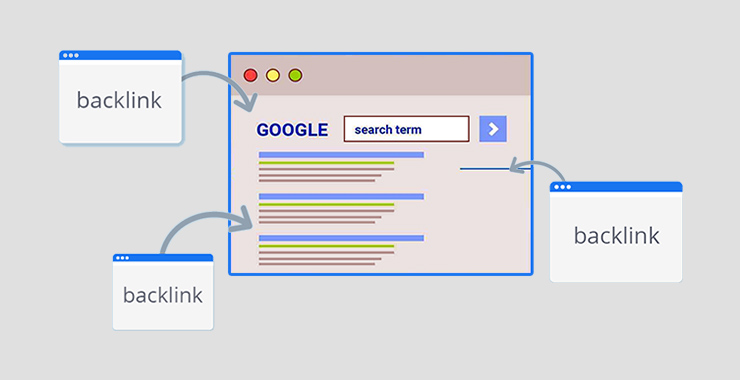
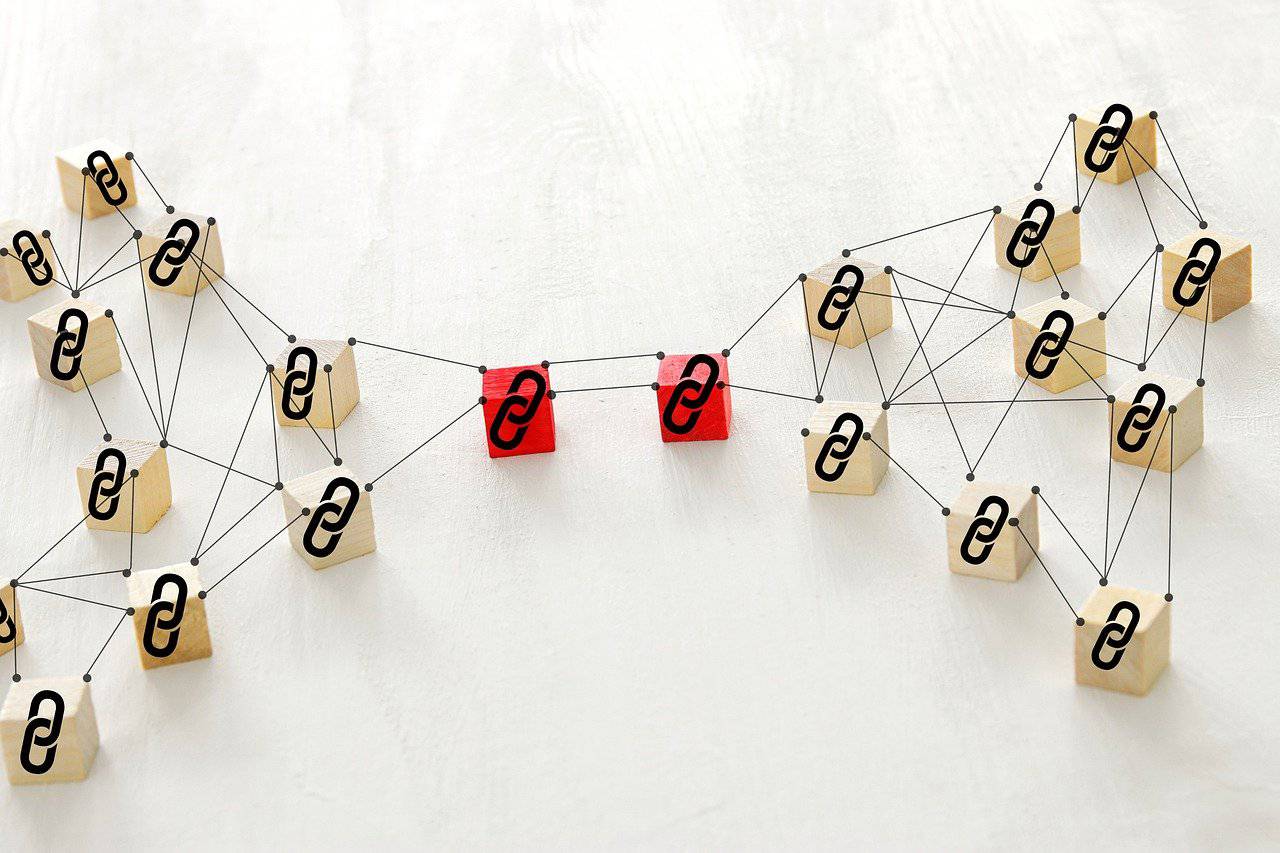
Off-page SEO is everything that happens outside your website. Mostly, this means backlinks. A backlink is when another site links to yours.

Google sees this as a vote of confidence. At VH Info, this is our specialty. We help SaaS companies build these important connections.

Digital PR: Using Data Reports to Earn High-Quality Backlinks

Journalists love data. As a security company, you have access to data about cyber threats and attacks.

  • Create a report on “The top ransomware trends of 2024.”
  • Share this with news sites and tech blogs.

When they write about your report, they will link back to your site. These are very strong links. They show you are a leader in threat detection.

Guest Posting on Reputable Tech and InfoSec Publications

Writing articles for other websites is a great strategy. This is called guest posting.

  • Find industry publications that CISOs read.
  • Offer to write an article about a hot topic, like cloud security.
  • Include a link back to your site.

This puts your brand in front of a new target audience. It also gives you a valuable backlink. VH Info helps companies find the right places to post to ensure the links are powerful.

Using Industry Partnerships and Awards

Do you have partners? maybe you work with Microsoft or AWS.

Ask them to list you on their partner page. Did you win an award? Make sure the award website links to you. These links prove you are a real, respected business. They boost your domain authority. Higher authority makes it easier to rank for competitive SEO keywords.

Measuring the Success of Your Cyber Security SEO Campaign

Measuring the Success of Your Cyber Security SEO Campaign

How do you know if your plan is working? You need to track data.

Key Performance Indicators (KPIs) Beyond Organic Traffic

Traffic is good, but money is better. Don’t just look at organic traffic numbers. Look at:

  • Keyword Rankings: Are you moving up for your main terms?
  • Click-Through Rate (CTR): Are people clicking your link in Google?

Use Google Search Console to see this data. It shows you exactly which queries bring people to your site.

Tracking Demo Requests and MQLs (Marketing Qualified Leads)

The best metric is leads.

  • MQLs: These are Marketing Qualified Leads. People who downloaded a whitepaper or signed up for a newsletter.
  • Demo Requests: People who want to see your product.

Connect your SEO data to your CRM. See if the people coming from Google are actually buying. If you get traffic but no leads, you might be targeting the wrong keywords. You need relevant keywords that bring in buyers, not just readers.

FAQ’s:

How is Cybersecurity SEO Different From Regular SEO?

Cybersecurity SEO is harder because the topics are complex. You need to show very high levels of trust (E-E-A-T). The audience is also very technical. You cannot use fluff; you must provide real value and accurate technical details about things like network security.

How Long Does It Take to See Results From A Cybersecurity SEO Strategy?

SEO is a long-term game. Usually, it takes 3 to 6 months to see significant movement in search rankings. For very new websites, it might take up to a year. But once you rank, the organic traffic is free and steady.

What Are the Best Keywords to Target For Cybersecurity Companies?

The best keywords depend on what you sell.

  • Start with “Problem” keywords: “how to stop data breaches.”
  • Use “Solution” keywords: “endpoint protection software.”
  • Use “Comparison” keywords: “YourTool vs CompetitorTool.” Focus on specific keywords that show intent to buy.

Can I Do Cybersecurity SEO In-House, Or Should I Hire an Agency?

You can do it in-house if you have a team of writers and technical experts. However, hiring an agency like VH Info can speed things up. We have relationships for link building and know the best practices.

It often saves time to work with experts who know the cybersecurity industry.

How Important is Content Marketing in Cybersecurity SEO?

It is vital. Content marketing is how you target keywords. Without content creation, you have no pages to rank. Blogs, whitepapers, and guides are the tools you use to attract potential customers.

Does Website Security Affect My SEO Rankings?

Yes. Website security is a ranking factor. Google prefers HTTPS sites. Also, if your site gets hacked, Google will put a “This site may be hacked” warning on it. This kills your traffic instantly. Keep your site safe to protect your SEO rankings.

Conclusion

Cyber security SEO is not just about keywords. It is about building a reputation as a trusted expert. It is about helping IT managers and CISOs solve difficult problems.

To succeed, you need a mix of things:

  • Technical SEO: A fast, secure website.
  • Content Strategy: Helpful articles that answer real questions.
  • Off-Page SEO: Building authority through backlinks and PR.

Make sure your top priority is the user: always write for people before considering search engines.

Provide valuable, pertinent information to help guide them throughout their purchasing process—from understanding cyber threats all the way to selecting their cybersecurity solutions—so you’re present at every stage.

At VH Info, we understand the challenges of the SaaS world. We know that getting high-quality backlinks and building authority takes time and effort. But the results are worth it. A strong SEO strategy turns your website into a 24/7 salesperson.

It brings in qualified leads while you sleep. Start small. Fix your meta descriptions. Write one great guide on penetration testing. Check your core web vitals. Step by step, you will climb the rankings. The digital world is dangerous, but your marketing strategy doesn’t have to be.

Use these tips to secure your spot at the top of the search results.

Spam Backlinks: Identification, Risks & How to Remove Them Fast?

Imagine you are building a beautiful house. You want the neighborhood to be nice and clean. Now, imagine someone comes along and dumps a pile of trash right in your front yard. This makes your house look bad to everyone who passes by.

In the world of the internet, your website is your house. The “trash” is what we call spam backlinks.

Every website owner wants to rank high in Google search. You want people to find your business easily.

To do this, you need link building. This is when other websites link to your site. Google views these links as votes. If a good site links to you, it is a vote of confidence. It tells search engines that your content is great. These are quality backlinks.

However, not all links are good. Some are bad links. These are spam backlinks or toxic backlinks. Instead of helping you, they can hurt you. They can make your search rankings drop like a stone.

At VH-info, we are a SaaS Link Building Agency. We spend every day helping companies get great links from authoritative websites. We know exactly what a good link looks like. More importantly, we know how to spot the bad ones that ruin your hard work.

In this article, we will teach you how to spot these spam links.

We will show you how to find spam links and how to remove spammy backlinks. We will talk about the Google Disavow tool and how to clean up your backlink profile. We want to help you protect your organic traffic and keep your site healthy.

What Are Spam Backlinks and Why Are They Bad For SEO?

What Are Spam Backlinks and Why Are They Bad For SEO?

Spam backlinks are links from low-quality or untrustworthy websites that point to your website. Google uses links to decide which websites are important. But Google is very smart. It knows when a link is real and when it is fake.

When you have too many bad backlinks, Google might think you are trying to cheat. If they think you are cheating, they will push your website down in the search results. This is why spammy links are so dangerous.

The Difference Between Quality Links and Toxic Links

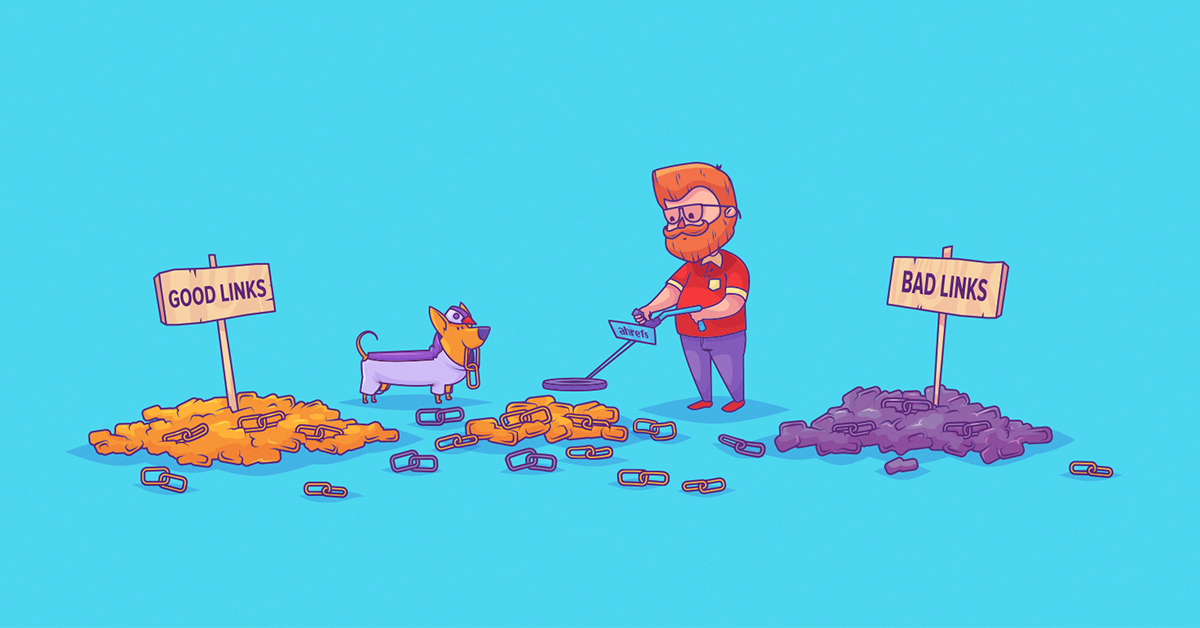
It is important to know the difference between a friend and an enemy in SEO.

  • Quality Backlinks: Think of a quality backlink like a recommendation from a trusted expert. If a famous doctor tells you to take a specific medicine, you trust them. In the same way, if a popular news site or a respected industry blog links to your site, Google sees this as a good thing. These are inbound links that boost your domain authority and help your page rank.
  • Toxic Links: Toxic links are different. These are like recommendations from a stranger in a dark alley. They usually come from spammy websites that have nothing to do with your topic. These sites often exist only to sell links. They have low trust and a high spam score. Having these incoming links points to a red flag at your site.

Google’s Stance on Link Schemes and Spam

Google wants to show users the best answers to their questions. To do this, they have strict search engine guidelines.

Google creates policies against what they call link schemes. A link scheme is any plan to manipulate your Google rankings by creating unnatural links. This includes buying links or using software to create links automatically.

If Google catches you involved in link schemes, they might give you a manual action. This is a severe penalty. It means a human at Google reviewed your site and decided to ban it or lower its rank.

Recovering from a Google penalty takes a lot of time and work. It is much better to avoid link spam in the first place.

At VH-info, we always follow the rules. We focus on real relationships and real content. We stay far away from black hat tactics because we know they only lead to trouble.

Common Types of Spam Backlinks You Should Avoid

Common Types of Spam Backlinks You Should Avoid

To clean your website, you need to know what the trash looks like. There are many types of spam backlinks. Some happen by accident, but others happen because of malicious intent or bad advice.

Here are the most common types you need to watch out for in your backlink profile.

Link Farms and Private Blog Networks (PBNs)

A link farm is a group of websites created for the sole purpose of linking to other websites. These sites usually have terrible content that makes no sense. They exist only to trick search engines. Similarly, Private Blog Networks (PBNs) are networks of sites owned by one person.

They use these sites to link to their main money site. In the past, this worked well. Today, Google is very good at finding PBNs. If you have links from link farms or PBNs, you are at high risk. These are classic unnatural links.

Automated Comment Spam and Forum Profiles

Have you ever read a blog post and seen a weird comment?

It might say something like, “Great post! Visit my site for free shoes,” followed by a link. This is comment spam. Bots usually create these comments. They go around the internet, leaving thousands of comments with links.

The same happens on discussion forums. These links are almost always toxic backlinks. They look messy and unprofessional.

Hacked Links

This is a scary one. Sometimes, hackers break into a normal, healthy website. Once inside, they add hidden links to their own spammy sites. If your site gets hacked, you might unknowingly be sending spam links to others.

Or, you might receive links from a hacked site. Search engines hate this. It shows a security vulnerability.

Hidden & Cloaked Links

Some people try to be sneaky. They put links on a page but make them invisible to humans.

For example, they might make the text white on a white background. Or they might make the font size zero. Users cannot see these links, but the Google bot can. This is called cloaking. It is a clear violation of Google’s rules.

If your backlink profile has hidden links, it looks very suspicious.

Poor Site/Business Directories

Years ago, adding your site to every directory on the web was a good idea. Today, it is not.

There are good directories (like Yelp or Yellow Pages). But there are thousands of low-quality directories that list any website for free. These sites provide no value to users. Getting links from these spammy websites does not help your SEO. In fact, it often looks like link spam.

Paid Links

Buying links purely to pass page rank is against Google’s rules.

This is different from hiring an agency like VH-info to manage a legitimate outreach campaign. Paid links that violate terms are usually obvious. They appear on sites that say “Write for us” or “Buy Guest Post” openly on their homepage.

Or the articles are marked as “Sponsored,” but the links are not marked as “Nofollow.” Google wants all paid advertisements to be clear.

Reciprocal Linking

I will link to you if you link to me.” This is called reciprocal linking.

Doing this a few times with partners is fine. But if you do this with hundreds of random sites, it becomes a link scheme. It looks unnatural. The number of links should grow because people like your content, not because you made a deal.

Links From Irrelevant Or Foreign Language Sites

If you run a SaaS company in the United States, you should not have hundreds of links from a gambling site in Russia or a pharmaceutical site in China. These are irrelevant links. When search engines see a software site getting links from a foreign dog food blog, they get confused.

It signals that the links are likely fake or automated.

How Spam Backlinks Affect Your Website Rankings?

How Spam Backlinks Affect Your Website Rankings?

Spam backlinks are like heavy weights tied to your ankles.

You are trying to climb the mountain of search engine results, but these weights pull you down. When you have a high percentage of bad links, your domain authority (a score that predicts how well you rank) often drops.

Even worse, your organic traffic will start to disappear. You might see a sudden drop in visitors. This is a nightmare for website owners.

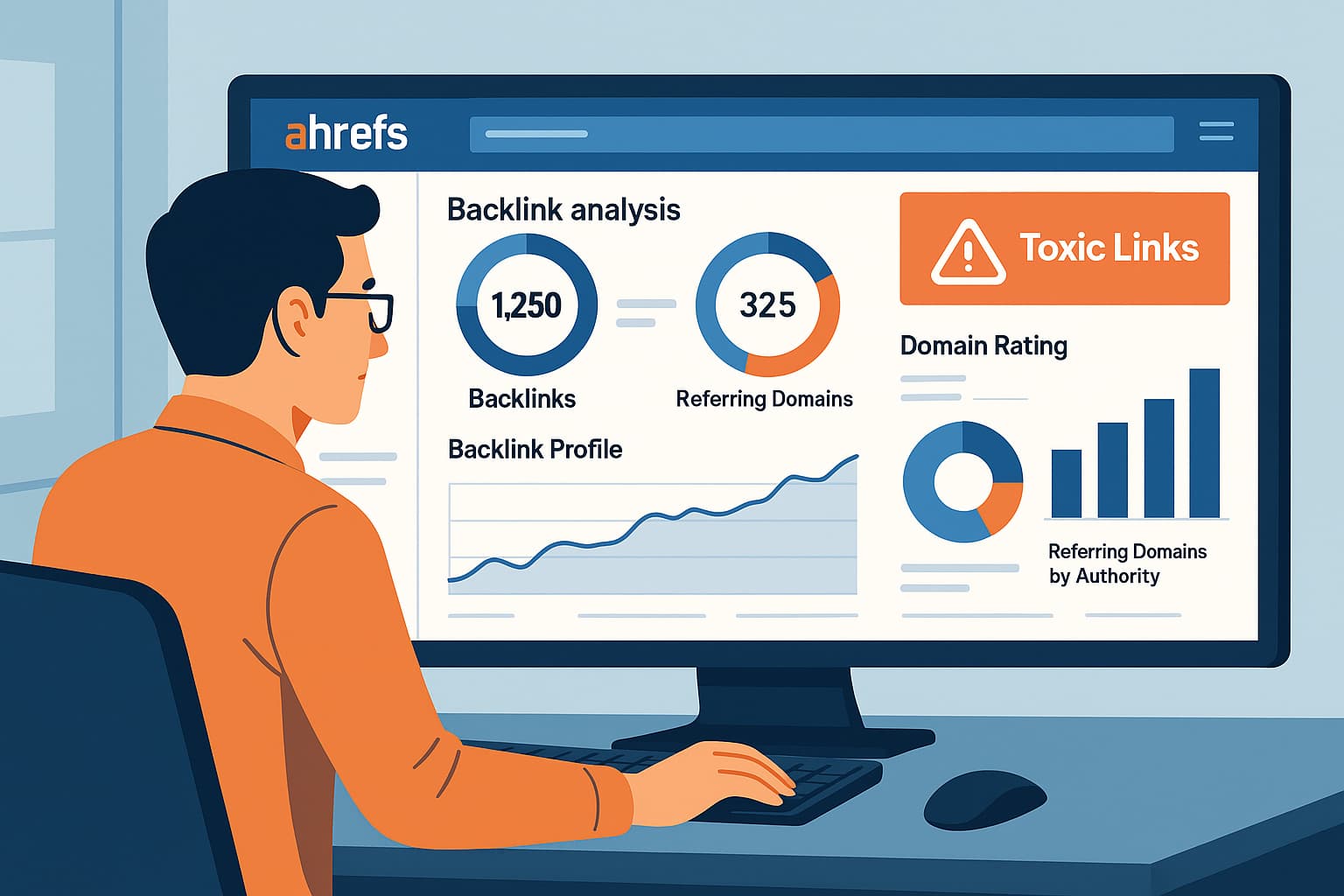
Using Tools Like Ahrefs, Semrush, Or Moz

You cannot fix what you cannot see. You need to use a backlink checker or backlink audit tools. Popular tools include Ahrefs, Semrush, and Moz. Some of these offer a free trial or a free backlink checker.

At VH-info, we use professional tools to analyze data deeply. These tools scan the entire internet. They list every website that links to you. They act as a map for your backlink audit. Without these tools, finding spammy links is almost impossible.

Identifying High Spam Scores and Manipulative Anchor Text

When you use these tools, look for two main things:

  • Spam Score: Tools like Moz assign a “Spam Score” to websites. A high score means the site is likely trash. If you see incoming links from sites with a very high spam score, take note.
  • Anchor Text: This is the visible, clickable text in a link. If you sell “email software,” your anchor text should be “email software” or your brand name. However, if you see anchor text that uses keyword stuffing (like “best cheap free email software buy now”) or words related to gambling or pills, you have a problem. This is manipulative anchor text. It is a major sign of negative SEO or a spam attack.

A Step-by-Step Guide to Remove Spam Backlinks

A Step-by-Step Guide to Remove Spam Backlinks

Now that you know how to find them, let’s talk about how to remove spammy backlinks. It requires patience, but it is necessary.

Contacting Webmasters For Manual Removal

The first step is always to ask nicely. You need to find the contact information of the site owner. Look for a “Contact Us” page or an “About” page. Try to find an email address. Send them a polite email.

Here is a simple example: “Hello, I am the owner of [Your Site]. I noticed a link on your page [URL] pointing to my site. Please remove this link. Thank you.” This is a removal request. Honest webmasters might help you.

However, owners of link farms or spammy websites often ignore these emails. They might not even have a real email address listed. If you cannot find an email or they do not reply, do not worry. We have a next step.

Creating A Disavow File (.txt)

If you cannot remove the link manually, you must tell Google to ignore it. You do this with a disavow file. A disavow file is a simple text file (.txt). It contains a list of the bad domains or URLs you want Google to ignore.

You must format it correctly. It should look like this:

domain:badspammywebsite.com domain:terriblelinkfarm.net

Do not put any other text in this file. Just the domains you want to block. This file is your disavow list. It tells Google, “I do not want these votes to count.

How to Properly Use the Google Disavow Tool?

The google disavow tool is powerful. You should use it carefully. It is located inside google search console.

  • Go to the disavow links tool page.
  • Select your property (your website).
  • Click on the button to upload your disavow file.
  • Upload the text file you created.
  • Submit.

Google says this tool should be a last resort. You should only use it if you have a considerable number of spammy links and you have tried to remove them manually first.

Once you upload the file, Google will eventually recrawl the web. When they see those links again, they will check your list. If the link is on your list, they will treat it as if it does not exist. This helps your search engine rankings recover over time.

Best Practices to Protect Your Site From Spam Backlinks

Best Practices to Protect Your Site From Spam Backlinks

Prevention is the best way to handle spam. You want to stop the problem before it destroys your rankings.

Monitoring Your Link Profile Regularly

You should regularly check your link profile. Do not wait for a penalty. Set a schedule. Maybe once a month, look at your new links. Use your backlink checker. If you see a sudden spike in the number of links, investigate immediately. A sudden drop in traffic is a lagging indicator (it happens after the damage is done). Regular monitoring is a leading indicator (it helps you catch issues early).

Focusing on High-Quality Content Marketing

Spammers look for easy targets. But legitimate SEO professionals knows that the best defense is a great offense. Focus on creating amazing content. Write helpful articles. Make useful videos.

When you have high-quality content, real people will link to you. Authoritative websites want to link to good resources. When you have a strong foundation of quality backlinks, a few spam links won’t hurt you as much. Google trusts you more.

At VH-info, we believe that link-building strategies should always focus on quality. We help our clients build links that stand the test of time. We connect you with real sites that bring real value.

FAQ’s:

What Is A Good Spam Score For Backlinks?

A “Spam Score” is a metric from tools like Moz. A score of 1% to 30% is usually considered low to medium risk. A score above 30-40% is getting dangerous. If a site has a spam score of 60% or higher, it is likely a bad link. However, always check the site yourself to be sure.

Can Spam Backlinks Hurt My Ranking?

Yes, absolutely. Spam backlinks can lower your trust with Google. This can lead to a drop in search rankings and a loss of organic traffic. In severe cases, it causes a Google penalty.

Should I Disavow All Spam Backlinks?

Not necessarily. Google is good at ignoring random spam on its own. You should use the disavow tool if you have a large number of bad backlinks or if you have received a manual action in Google Search Console.

How Do I Know If I Have Spam Backlinks?

You need to perform a backlink audit. Use tools like Semrush, Ahrefs, or a free backlink checker. Look for links from irrelevant sites, foreign language sites, or sites with adult content.

Can Competitors Send Spam Backlinks to My Site?

Yes, sadly. This is called negative seo. A competitor might buy thousands of toxic links and point them at your site to hurt your rankings. This is why monitoring your backlink profile is so important.

What Are Google’s Policies On Spammy Backlinks?

Google’s search engine guidelines clearly state that any attempt to manipulate rankings with link schemes is prohibited. They want links to be natural.

How Long Does It Take to Recover After Removing Spam Backlinks?

It is not instant. After you submit a disavow file or remove links, Google needs to recrawl the web. This can take a few weeks or even a few months. Be patient and keep building quality backlinks.

How Often Should I Audit My Website For Toxic Backlinks?

It is a good idea to do a quick check once a month. A full, deep backlink audit should happen at least once every quarter (every 3 months).

Conclusion

Dealing with spam backlinks can feel scary. No one wants to see their hard work ruined by bad links.

But now you know to fight back. You understand how to find spam links using tools. You know the best way to remove them through manual outreach and the Google Disavow tool.

Most importantly, you know that keeping your backlink profile clean is a vital part of SEO. Your website is a valuable asset. Protect it. Do not let link spam drag you down. Focus on building real connections and creating content that people love.

At VH-info, we are passionate about doing SEO the right way. We help SaaS businesses grow through ethical, high-impact link building. We know the difference between a link that helps and a link that hurts.

If you are struggling with your links or need expert guidance, we are here to help.

Ahrefs Backlink Audit: How to Conduct A Bullet Proof SEO Audit?

Welcome to VH-info. We are here to help you understand the world of link building and search engine optimization. Today, we are going to talk about something very important for your website: an Ahrefs backlink audit.

Think of your website like a house. Links from other websites are like roads leading to your house. Some roads are big and smooth.

These help people visit you easily. Other roads might be broken or dangerous. These keep people away. In the online world, these roads are called backlinks. A backlink audit is like a health check for these roads. We check if the links pointing to your site are good or bad.

At VH-info, we are a SaaS Link Building Agency. We do not have our own tool. Instead, we use the best tools in the industry, like Ahrefs, to help our clients grow. We want to share our knowledge with you.

Why use Ahrefs? Because the Ahrefs account gives us access to a powerful site explorer. It helps us see every link that points to your site. This guide will show you how to check your backlink profile.

Whether you are a beginner or a pro, this guide will help you boost your organic traffic and fix your SEO efforts.

Why Is A Regular Ahrefs Backlink Audit Critical For SEO?

Why Is A Regular Ahrefs Backlink Audit Critical For SEO?

You might ask, “Why do I need to check my links?” The answer is simple. Search engines like Google look at your links to decide if your website is trustworthy. If you have good links, you rank higher in Google search. If you have bad links, you might drop in rankings. Performing a regular Ahrefs backlink audit keeps your site healthy. It helps you stay safe and grow your organic search traffic.

Let’s look at the main reasons why this is a must-do task.

Protecting Your Site From Negative SEO and Spam

Sometimes, competitors play dirty. This is called negative SEO. They might send thousands of spammy backlinks to your website. These are links from bad websites, like gambling or adult sites.

If Google sees these harmful links, it might think you are trying to cheat. This can lead to a penalty. Your website could disappear from search results. By doing an audit, you can spot these toxic backlinks early. You can then tell Google to ignore them using the disavow tool.

This protects your healthy backlink profile.

Identifying Lost Link Equity and Broken Backlinks

Link equity is like power or juice. When a high-quality site links to you, it passes power to your page. This helps your page authority.

But sometimes, links break. Maybe you changed a page URL. Maybe the other website made a mistake. When this happens, you get broken backlinks (404 errors). This is bad because the power (equity) is lost. It stops at a dead end.

An audit helps you find these broken roads. Once you find them, you can fix them. You can redirect the broken link to a working page. This reclaims the power and boosts your SEO strategy. It is a quick win for your SEO performance.

Uncovering Competitor Link Building Strategies

You can also use an audit to spy on your rivals. This is called competitive analysis. You can see where your competitors get their inbound links. Are they getting links from news sites? Are they writing guest posts?

By looking at their backlink profile, you can find new link opportunities for yourself. If a site links to them, they might link to you, too. This helps you build a better link profile and beat them in search engine rankings.

Key Metrics to Analyze in Ahrefs Backlink Reports

Key Metrics to Analyze in Ahrefs Backlink Reports

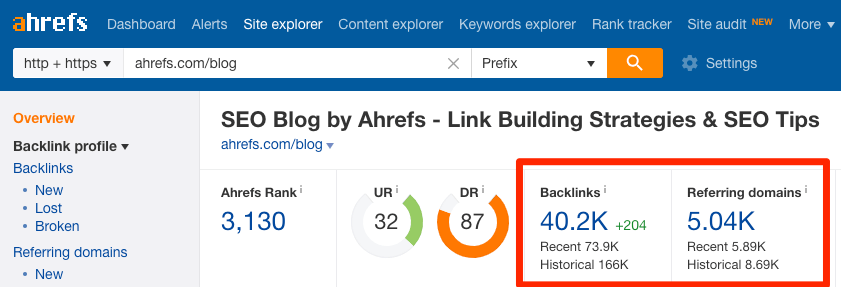
When you open Site Explorer in Ahrefs, you will see a lot of numbers. It can look confusing. But do not worry. We will break down the key metrics you need to watch. These numbers tell you the story of your backlink analysis.

Referring Domains and URLs

This is the most basic count.

  • Total number of backlinks: This is the total count of links pointing to you.
  • Referring domains: This is the number of unique websites linking to you.

Imagine one website links to you 100 times. That is 100 backlinks, but only 1 referring domain.

Referring domains are usually more important. You want links from many different websites, not just one. A high number of unique domains usually means better domain authority.

Anchor Text Usage and Patterns

Anchor text is the clickable text in a link. For example, if a link says “click here,” the anchor text is “click here.” Google looks at this text to understand what your page is about. If you sell shoes, and all your links say “best cheap shoes,” that looks fake.

This is called over-optimization. You want a natural anchor text distribution. This means having a mix of:

  • Brand names (e.g., “VH-info”)
  • Generic words (e.g., “click here,” “website”)
  • Naked URLs (e.g., “vh-info.com”)
  • Topic words (e.g., “SaaS link building)

During your audit, check your anchor text. Make sure it looks natural.

Link Strength and Equity Passed

Not all links are equal. A link from a famous news site is strong. A link from a tiny blog is weak. Ahrefs uses metrics called Domain Rating (DR) and URL Rating (UR) to measure this.

High DR and UR mean high link strength. These links pass more link equity to your site. You want to see more links from high DR sites in your backlink checker report.

Backlink Locations on Site

Where is the link placed? Is it in the main article? Or is it hidden in the footer?

Google likes links that are inside the main content. These are contextual links. They are valuable. Links in the footer or sidebar are less valuable. During your backlink analysis, look at where the links are coming from. Contextual links are best for user experience and SEO.

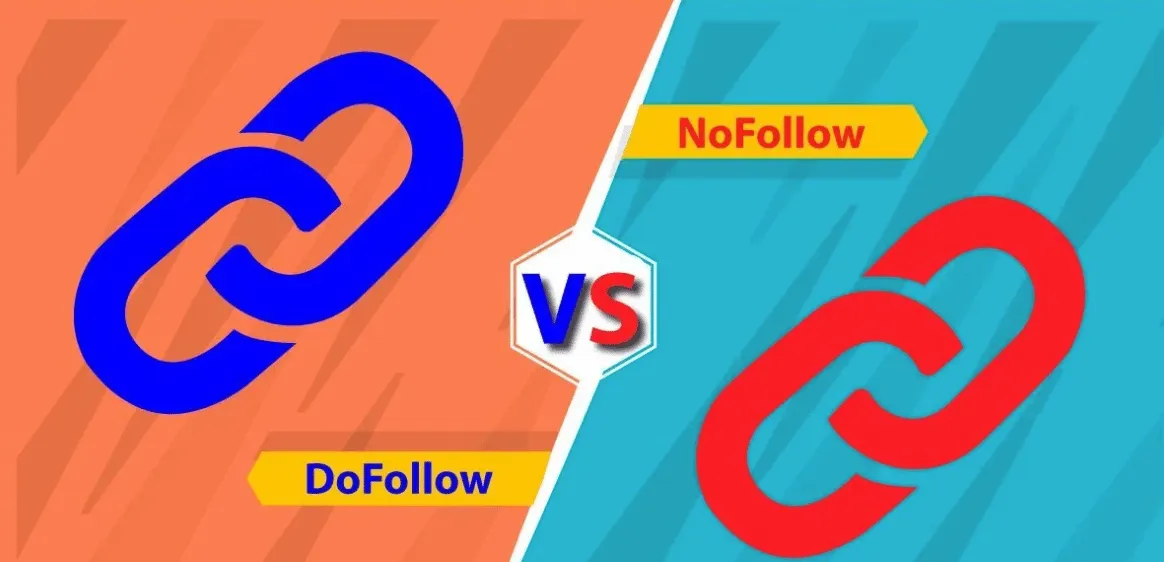
Follow Vs Nofollow Links

There are two main types of links:

  • Follow links: These tell Google to pass link equity to your site. These help your rankings.
  • Nofollow links: These tell Google “do not count this link for ranking.”

You need a mix of both. A profile with 100% follow links looks fake. Nofollow links (like from social media or comments) are natural. However, for ranking power, you want more Follow links. Check this ratio in your site audit.

Indexation Status

A link only counts if Google knows it exists. This is called indexation.

If a website links to you, but Google has not indexed that page, the link gives you zero value. In your audit, check if the referring domains are indexed in Google search. If they are not, the backlink data might not help your search rankings.

Link Velocity

Link velocity is the speed at which you get new links.

  • If you get 1,000 links in one day, Google gets suspicious. It looks like spam.
  • If you get 5 links every week, it looks natural.

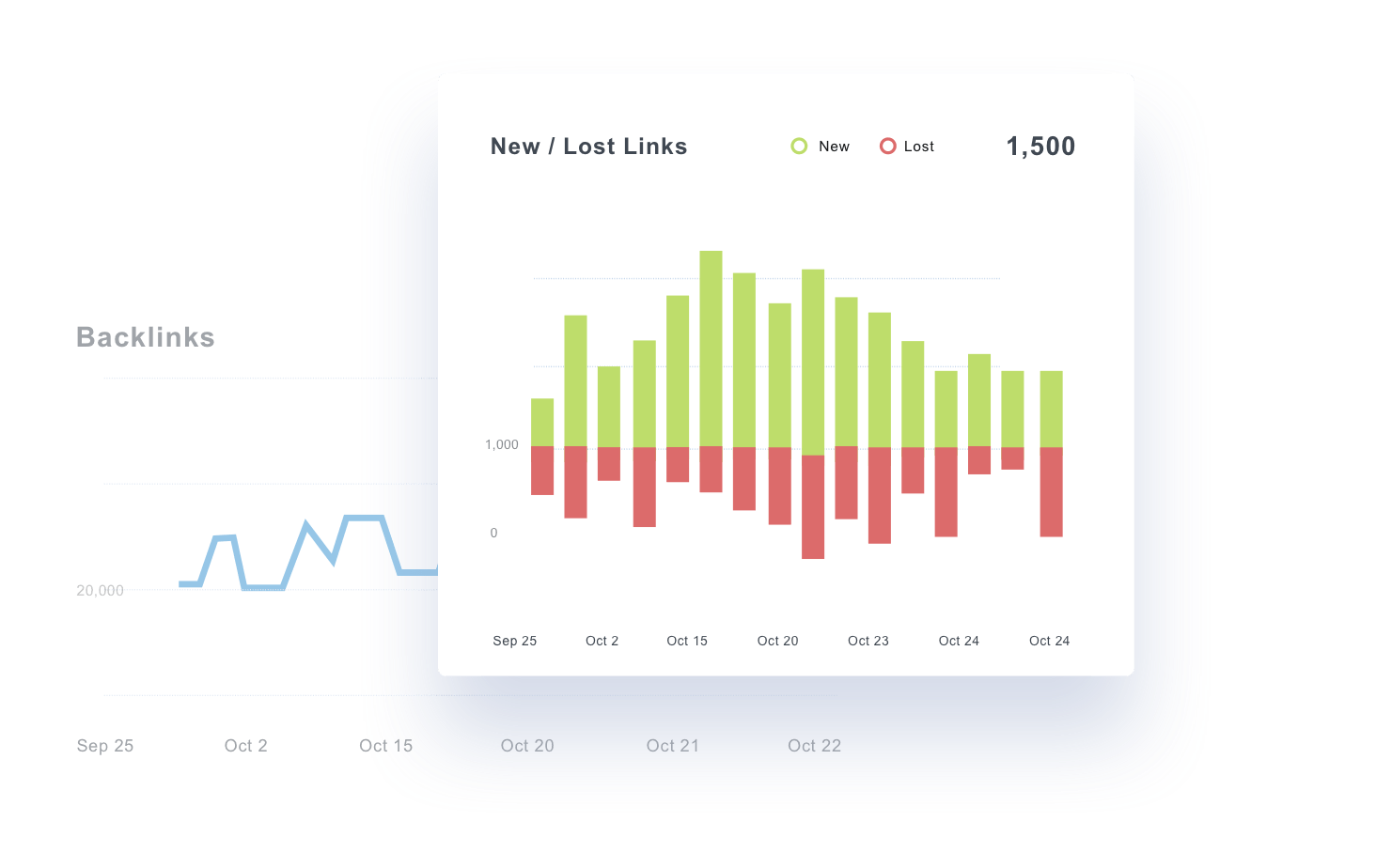
You want a steady, growing link velocity. A sudden drop or a sudden spike can be a warning sign. Monitor this to ensure your link building looks organic.

Step-by-Step Process For Your Ahrefs Backlink Audit

Step-by-Step Process For Your Ahrefs Backlink Audit

Now, let’s get to work. Here is how you can do the audit yourself. Remember, VH-info can handle SEO strategy for you, but knowing these steps helps you understand the process.

Step 1: Exporting Your Current Backlink Profile

First, log in to your Ahrefs account.

  • Go to Site Explorer.
  • Type in your domain name (e.g., vh-info.com).
  • Click on the “Backlinks” report on the left side.
  • You will see a list of all inbound links.
  • Click the “Export” button. This will give you a file (CSV) with all your backlink data.

This file is your master list. You will use it to find toxic links and good links.

Step 2: Analyzing Domain Rating (DR) and URL Rating (UR)

Open your file. Sort the list by DR (Domain Rating). Look at the sites with very low DR (0 to 5). These might be low-quality sites. However, they could also be new sites. Look at sites with high DR. These are your best friends.

You want to see a trend where your number of links from high DR sites is growing. If you see many links from DR 0 sites, you need to check if they are spammy backlinks.

Step 3: Evaluating Anchor Text Ratios For Over-Optimization

Go to the “Anchors” report in Site Explorer. Look at the words used to link to you. Is your main keyword used too much? For example, if you are a plumber, and 50% of your links say “best plumber,” that is dangerous.

Google might penalize you. You want the majority of anchor text to be your brand name or URL. If you see too many exact keywords, you need to change your link-building plan. You need more natural links.

Step 4: Finding and Fixing Broken Inbound Links (404s)

This is a very useful step.

  • In Site Explorer, look for the “Best by links” report.
  • Filter by “HTTP code” and select “404 not found.”
  • This shows pages on your site that have links but are broken.

These are broken backlinks. You are losing traffic and power here. How to fix:

  • Restore the page.
  • Or, redirect (301) the broken URL to a relevant working page.

This recovers link equity instantly. It improves user experience because people won’t land on error pages.

How to Spot Toxic Links During an Ahrefs Backlink Audit?

How to Spot Toxic Links During an Ahrefs Backlink Audit?

Not all links are good. Some are poisonous. We call these toxic backlinks. They can hurt your search engine rankings.

Here is how to find them using Ahrefs.

Recognizing Spammy TLDs and Irrelevant Niches

TLD stands for Top-Level Domain. These are the endings of websites, like .com, .org, or .net. Some TLDs are known for spam. For example:

  • .xyz
  • .top
  • .gdn

If you see hundreds of links from these weird TLDs, be careful.

Also, look at the niche. If you run a SaaS company, but you have links from “Cheap Wedding Dresses” or “Online Casino,” that is irrelevant. These are likely spammy links. They confuse search engines about what your site is about.

Using the “Referring IPs” Report to Spot Link Networks

Go to the “Referring IPs” report in the site audit section. This shows the server addresses of the sites linking to you. If you see 100 websites linking to you, but they all come from the same IP address, that is a red flag.

It means one person owns all those sites. This is likely a Private Blog Network (PBN). Google hates PBNs. If they catch you using them, they will penalize you. This is definitely negative SEO or a bad strategy. You should spot these networks and mark them as toxic links.

When and How to Use the Google Disavow Tool?

Once you identify harmful links, what do you do? You use the disavow tool. This is a feature in google search console.

Warning: Only use this if you are sure the links are bad.

  • Create a list of the bad domains in a text file.
  • Format it correctly (e.g., “domain:baddomain.com”).
  • Upload this file to the Google Disavow Tool.

This tells Google: “Please ignore these links when ranking me.” It cleans up your link profile. But remember, do not disavow legitimate links. That could hurt your organic traffic.

Advanced Tips to Improve Your Backlink Strategy

Advanced Tips to Improve Your Backlink Strategy

You have cleaned your profile. Now, let’s make it better. Here are advanced tips to boost your SEO efforts and get more quality backlinks.

Using the “Link Intersect” Tool For New Opportunities

This is our favorite feature in Ahrefs. It is great for keyword research and link finding.

  • Go to “Link Intersect” in the toolbar.
  • Enter your competitors’ domains.
  • Enter your domain in the “But doesn’t link to” section.

The tool will show you websites that link to your competitors but not to you. Why is this good? Because if a site links to two or three of your rivals, they are likely to link to you too. Reach out to them. Show them your new content. Ask for a link.

These are high-probability link opportunities.

Monitoring Link Velocity and Historical Data

Do not just look at today. Look at the history. In Site Explorer, look at the “Referring domains” graph.

  • Is the line going up? Good.
  • Is the line flat? You need more link building.
  • Is the line going down? You are losing links. Find out why.

Monitoring link velocity helps you predict future performance. If you see a spike in lost links, check if a site update broke your pages. Keeping an eye on historical backlink data ensures you stay ahead in search rankings.

Ahrefs Vs Majestic Vs SEMrush For Backlink Analysis

There are many tools out there. SEO professionals argue about which is best.

Let’s compare Ahrefs with others like Majestic and Semrush regarding backlink analysis.

Depth of Backlink Data

Ahrefs is famous for having a huge index. Their crawler, AhrefsBot, is very active. It finds new links very fast. Majestic is also very good and focuses purely on backlinks. Semrush has grown a lot and now has a very large database too.

However, for pure backlink data depth, many experts prefer Ahrefs for its speed in updating.

Backlink Tracking Capabilities

Ahrefs makes it easy to track new links and lost links day by day. You get alerts. Semrush also offers tracking. Majestic has great historical data going back many years. If you want to see link velocity clearly, Ahrefs has very simple graphs.

Ease of Use and Interface

Ahrefs has a very clean interface. It is easy for a beginner to use the site explorer. The charts are colorful and clear. Semrush has many tools in one place, which can feel crowded. Majestic is very technical. It is great for pros but hard for beginners.

For a simple backlink audit, Ahrefs is usually the most user-friendly.

Comprehensiveness of Metrics

Ahrefs uses DR and UR. Moz uses Domain Authority (DA). Majestic uses Trust Flow and Citation Flow. Semrush uses Authority Score. Ahrefs’ DR is widely used in the industry to measure quality backlinks. It correlates well with google search rankings.

Accuracy and Index Coverage

No tool sees the whole internet like Google does.

But Ahrefs comes close. It is known for high accuracy. It filters out a lot of noise. When checking your total number of backlinks, Ahrefs usually gives a realistic number. Some other tools might show inflated numbers by counting junk links.

FAQ’s:

How Often Should I Perform an Ahrefs Backlink Audit?

You should do a quick check every month. Do a deep backlink audit every quarter (3 months). If you have a very large site, or if you are doing aggressive link building, check more often. Regular checks keep your backlink profile safe.

Does Ahrefs Have A Specific “Toxic Score” Like Semrush?

No, Ahrefs does not have a single “Toxic Score.” Semrush gives you a score automatically. In Ahrefs, you have to look at the data yourself. You look at DR, anchor text, and traffic to decide if a link is toxic. This gives you more control but requires a bit more work to spot toxic backlinks.

Should I Disavow Every Low-Quality Link I Find?

No! Google is smart. It ignores most bad links on its own. You should only use the disavow tool if you have a large number of spammy links or if you received a manual action penalty in Google Search Console. Disavowing too much can hurt your link equity. Be careful.

Can I Use the Free Version of Ahrefs Webmaster Tools For A Backlink Audit?

Yes! Ahrefs Webmaster Tools is free for your own websites. It gives you access to Site Explorer and site audit for verified projects. It is a fantastic way to monitor your backlink health without paying for a full subscription.

What is the Most Important Metric to Look At During an Audit?

There is no single magic number. However, referring domains is very important. It shows how many unique sites trust you. Also, look at the organic traffic of the linking site. A link from a site that gets real organic traffic is much more valuable than a link from a dead site.

How Do I Find Broken Backlinks Using Ahrefs?

Go to Site Explorer. Enter your domain. Look at the “Pages” section on the left. Click “Best by links.” Then, add a filter for “404 not found.” This list shows you all your pages that have inbound links but are broken. Fix these to save your SEO strategy.

Conclusion

Performing an Ahrefs backlink audit is a vital part of your SEO routine. It helps you find toxic links, fix broken backlinks, and understand your competitors. By keeping your backlink profile clean and healthy, you ensure that your organic traffic keeps growing.

Keep in mind that while platforms such as Ahrefs provide valuable data, interpreting that information requires both expertise and effort. It’s important to evaluate the anchor text, monitor how quickly links are built, and thoughtfully plan your SEO approach.

At VH-info, we specialize in this. We are experts in SaaS link building. We use these insights to build high-quality, relevant links that drive real results. We help you move through the complex world of search engine optimization so you can focus on your business.

Use this guide to start your audit today, and watch your search engine rankings improve. Keep your “roads” smooth and strong!

Backlinks Exchange: Meaning, Pros, Cons, and Best Practices

Building a strong website is like building a house. You need a solid foundation. In the world of digital marketing, that foundation is often made of links. If you want your site to show up high in search results, you need other websites to point to yours. This is called link building.

One popular method people talk about is the backlinks exchange. But what exactly is a backlink exchange? Is it safe?

Will it help you get more organic traffic? As the experts at VH-Info, a dedicated SaaS Link Building Agency, we guide website owners through these questions every day. We know that getting quality backlinks can be hard work. We are here to make it simple for you.

In this article, we will explain how link exchange works.

We will look at the good parts and the bad parts. We will also share the best practices to keep your site safe from Google penalties. Whether you are new to SEO or looking for a great way to grow, this guide covers everything you need to know.

What Is A Backlinks Exchange and How Does It Work?

What Is A Backlinks Exchange and How Does It Work?

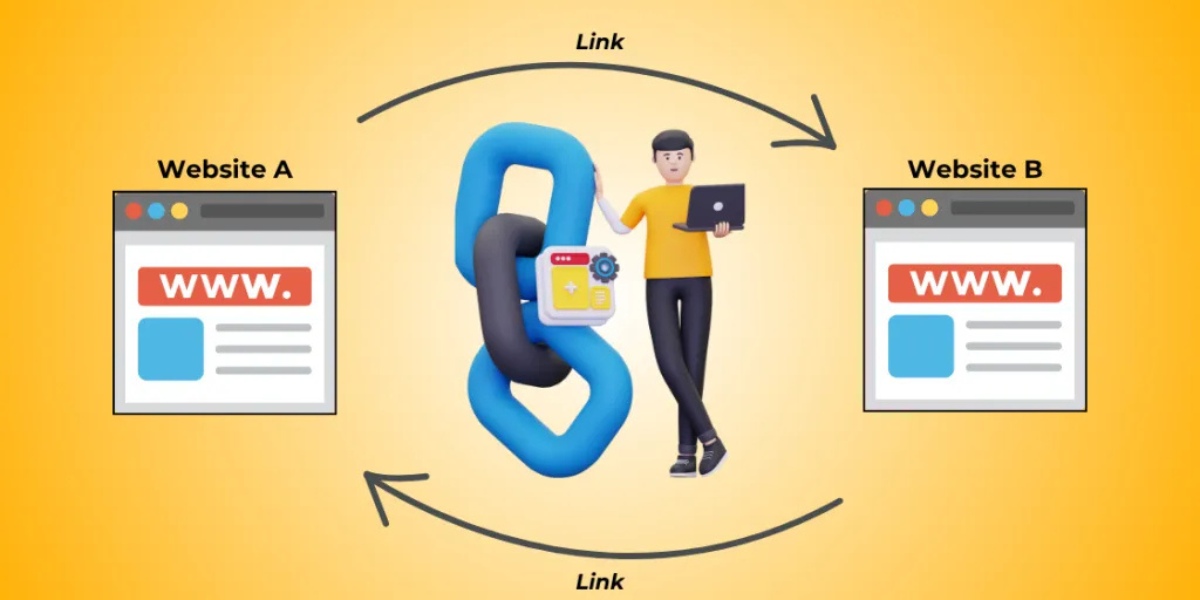
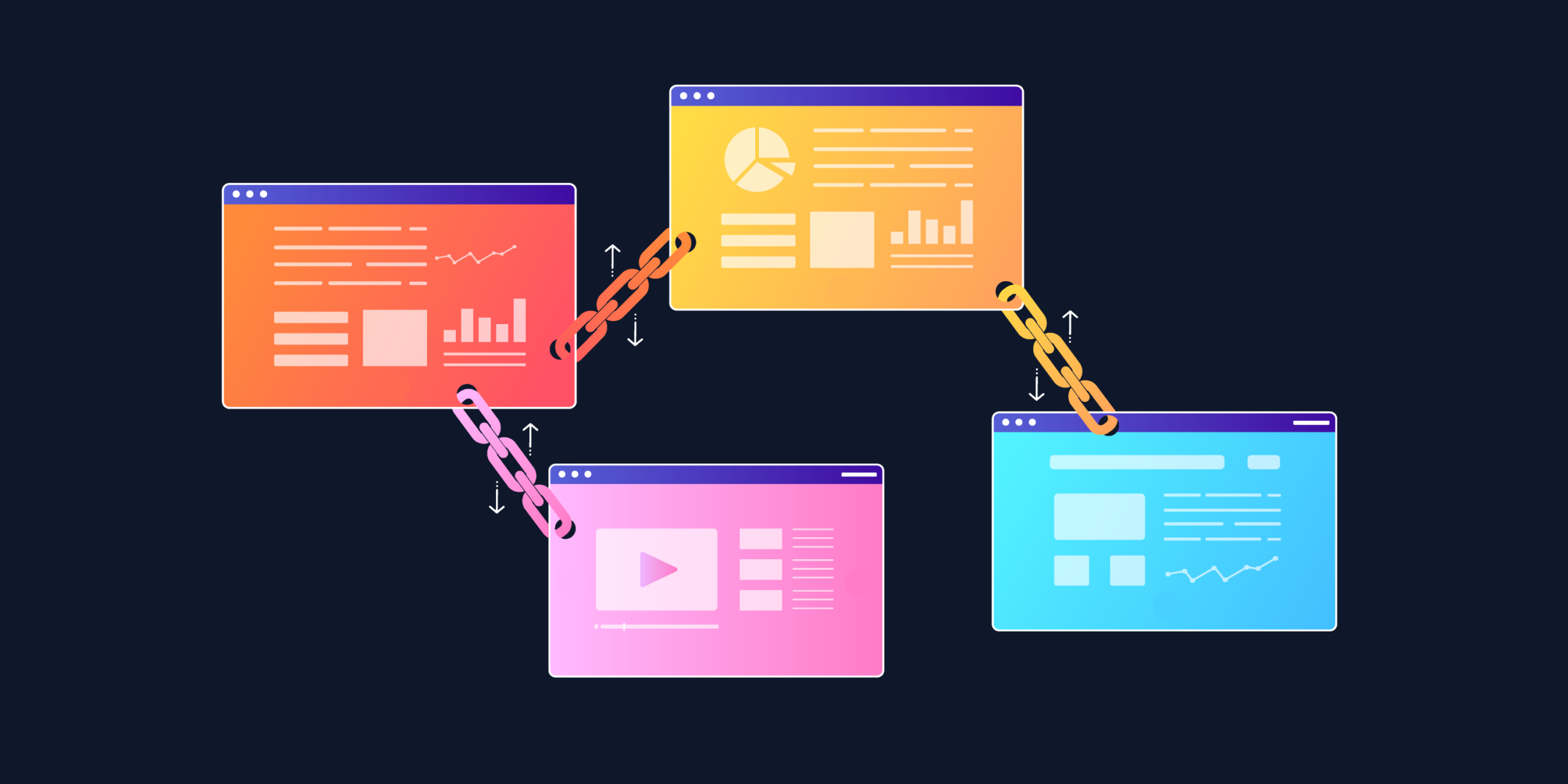
A backlinks exchange is a simple deal between two website owners. It is a mutual agreement. You agree to link to my site, and I agree to link to your site. It is a trade link strategy. The goal is simple: both sites want to boost their domain authority and climb up the search rankings.

Understanding Reciprocal Linking (A-to-B and B-to-A)

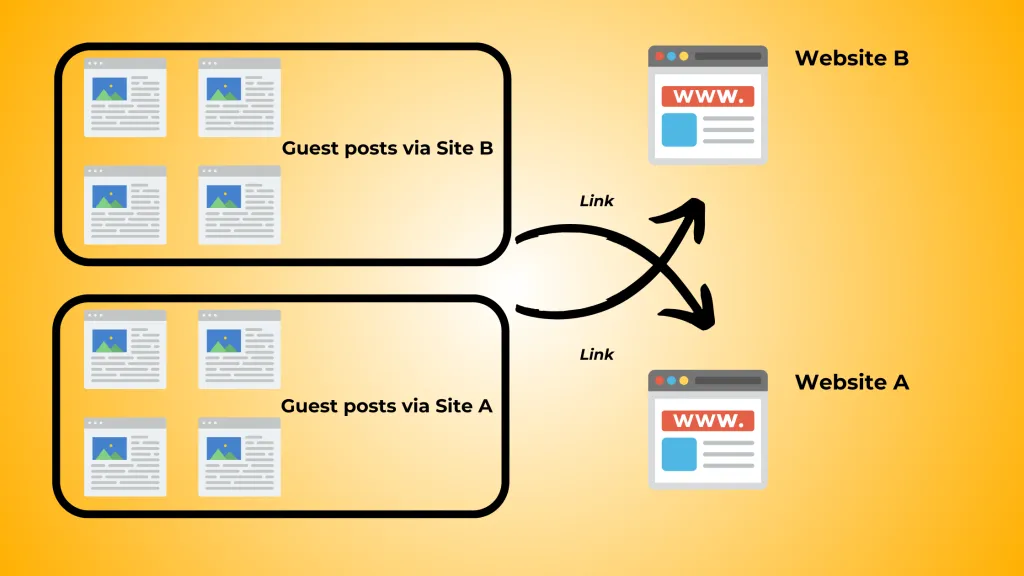
The most common type of exchange is called reciprocal linking. Think of it as a handshake. Website A gives a link to Website B. Then, to return the favor, Website B gives a link back to Website A.

It is a direct swap. People have done this for a long time because it seems like an easy way to get links.

However, search engines like Google are very smart. If you do this too much, they might see it as a link scheme. But if it happens naturally between relevant sites, it can still offer SEO value. The key is that the link must make sense for the person reading the page.

The Mechanics of 3-Way Link Exchanges (A-to-B, C-to-A)

To avoid leaving obvious footprints, some SEO professionals use a 3-way exchange, also known as an ABC link. This is a bit more complex.

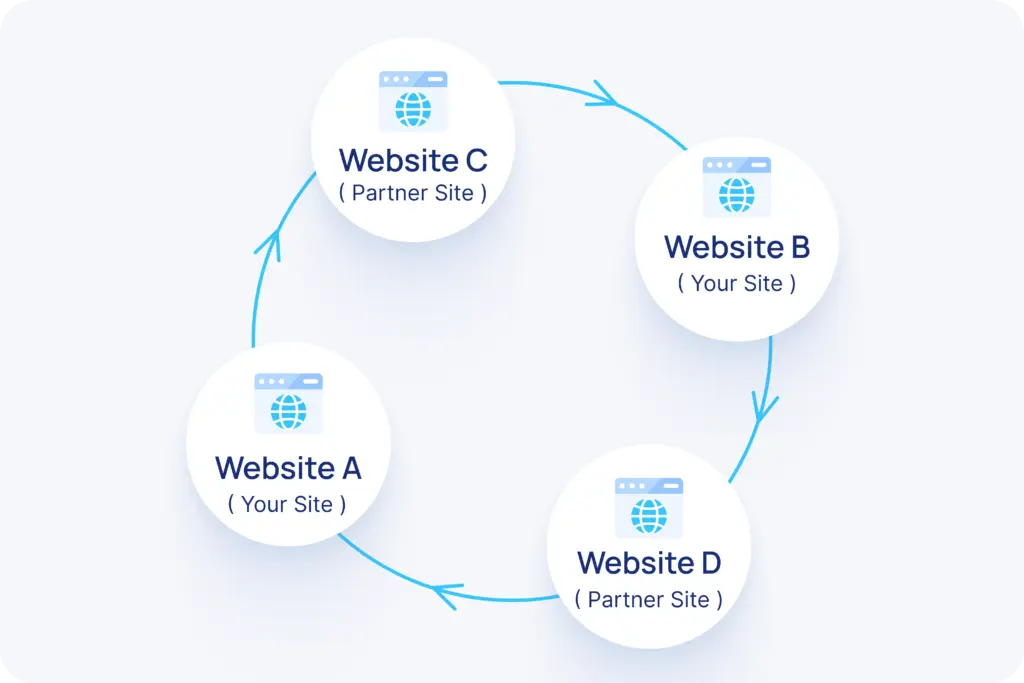
Here is how it works: You own two sites, Site A and Site C. You want a link for Site A. You talk to a partner who owns Site B. You tell them, “I will link to you from Site C if you link to Site A.

So, the chain looks like this: Site C links to Site B, and Site B links to Site A. There is no direct swap between A and B. This method is used to make the link profile look more natural. It helps hide the fact that you are doing a planned exchange.

Why Webmasters Use Link Swapping For Growth?

Why do people spend time on link swapping? The main reason is speed. Content creation and waiting for natural links take a long time. An exchange is a fast way to get a link from a site with good domain authority.

It also helps build relationships. When you work with link partners, you might find other ways to help each other, like sharing social media posts. It can bring referral traffic directly from their site to yours.

For many, it feels like a great way to jumpstart their SEO strategy without spending money on ads.

Is A Backlinks Exchange Strategy Safe For SEO?

Is A Backlinks Exchange Strategy Safe For SEO?

Safety is the biggest worry with link exchange. You do not want to break the rules and hurt your site.

What Google’s Webmaster Guidelines Say About Link Schemes?

Google’s stance is very clear. They want links to be natural votes of confidence. In their Google Search Console help pages, they warn against excessive link exchanges. They call it a link scheme if you do it just to trick the search engine rankings.

If you trade links just to manipulate rank, that is against the rules. Google wants to see genuine value. They want you to link to a site because it has valuable content that helps your readers, not just because you made a deal.

The Fine Line Between Networking and Manipulation

There is a thin line between good networking and bad manipulation. Networking is when you talk to people in your niche. Perhaps you write a blog post mentioning their quality content because it is good. They see it and link back to you later. That is natural.

Manipulation is when you email 50 strangers and say, “Link to me and I link to you.” This creates a pattern.

Search engines can see these patterns. If your backlink profile is full of swaps with random sites, it looks fake. You want your links to appear as if they were earned due to content quality, not a secret deal.

Risks of Excessive Reciprocal Linking and Manual Actions

If you do too much reciprocal linking, you face big risks. The worst is a manual action. This is when a human at Google looks at your site, sees you are cheating with link spam, and pushes a button to drop your rankings. Your organic traffic can disappear overnight.

Even without a manual penalty, an algorithm might just ignore your links. This means you wasted time on link swaps that give zero SEO benefits. Avoiding red flags is vital. You must focus on quality links over quantity.

How to Execute A Smart Backlinks Exchange Campaign?

How to Execute A Smart Backlinks Exchange Campaign?

If you decide to try this, you must be smart. At VH-Info, we believe in doing things the right way to protect your site.

Identifying High-Quality Partners in Your Niche

First, find relevant partners. Do not swap links with a cooking site if you sell software. It must make sense.

Look for relevant websites that write about things similar to you. The best way is to look for sites that have a real audience.

If they have good articles and people commenting, they are likely good potential partners. We call these relevant sites. A link from a relevant site tells Google your site is part of a specific community.

Analyzing Metrics: Domain Authority (DA), Traffic, and Spam Score

Before you agree to a swap, check the numbers. You can use SEO tools to look at Domain Authority (DA).

A higher DA usually means a stronger site. But DA is not everything. Check their organic traffic. A site with high DA but zero traffic might be a fake site or a “ghost town.” Also, check their Spam Score. If a site links to gambling or bad medicine sites, stay away!

Linking to “bad neighborhoods” can hurt your own domain authority.

Diversifying Anchor Text to Avoid Patterns

Anchor text is the clickable word in a link (like “click here” or “best shoes”).

If every site links to you using the exact same words, like “best SEO software,” it looks suspicious. You must mix it up. Use your brand name, use the full article title, or use natural phrases. This keeps your link profile looking clean and organic.

Placing Links Naturally Within Content Vs. Footer Links

Where the link goes matters.

A link hidden in the footer (the bottom of the page) has very little SEO value. Google might think it is a paid link or a widget. The best way is to put the link inside the main body of a blog post. This is called a contextual link. It should flow with the reading.

For example, “For more on this topic, check out this guide by [Brand Name].” This offers user value and counts as a quality backlink.

Common Mistakes to Avoid in Backlinks Exchange

Common Mistakes to Avoid in Backlinks Exchange

Even smart people make mistakes. Here are the traps to avoid.

  1. Exchanging Links With Irrelevant Or Low-Quality Sites: Never trade with a site just because they asked. If you run a pet shop, a link from a car repair site is useless. These are irrelevant sites. They confuse search engines about what your site is about. Also, avoid link farms—these are sites created only to sell links. They have no real value and are dangerous for your site health.
  2. Doing Too Many Exchanges in a Short Period: Do not rush. If you get 100 new reciprocal links in one week, Google will notice. That is not natural growth. SEO is a marathon, not a sprint. Space out your link building efforts. A sudden spike in link swaps is a huge red flag.
  3. Ignoring the “NoFollow” Vs. “DoFollow” Attribute: Links can be “DoFollow” or “NoFollow.” A DoFollow link passes authority. A NoFollow link tells Google, “Do not count this for ranking.” For SEO benefits, you usually want DoFollow links. However, a natural backlink profile has a mix of both. If you only ask for DoFollow, it looks planned. Sometimes, a NoFollow link from a huge news site is still great for referral traffic.

Top 10 Platforms and Communities For Backlinks Exchange

Platforms and Communities For Backlinks Exchange

Finding people to trade with can be hard. There are backlink exchange platform options and communities where link builders hang out.

Here are ten popular places.

Slack

Slack

Slack is not just for office chat. There are many private Slack communities specifically for SEO professionals and marketers.

In these groups, people share their latest articles and look for link partners. It is a great place because you can talk to real humans. You can check if their site is good before you agree to anything. You can discuss guest posts or simply ask for a shout-out.

Since it is a live chat, you get answers fast. Many members here are serious about quality content and want to build genuine value for their sites. It is one of the most active places to find relevant websites to work with.

Buffer

Buffer

While Buffer is famously known as a tool for social media, its community presence is huge. People who use Buffer are often deeply involved in content marketing. They have blogs and need links too.

Connecting with other Buffer users or joining discussions around their content can lead to organic link exchange opportunities. It is not a button you press to swap links, but a network.

By sharing your valuable content with this crowd, you often get noticed. It is about building a relationship first. When you help them by sharing their posts, they often return the favor with a backlink or a mention in their next blog post.

Growmance

Growmance is a community that focuses on growth hacking and digital marketing. It attracts people who are aggressive about growing their organic traffic. Inside this community, you will find people looking for guest posting swaps and link exchanges.

The members here understand metrics like domain authority very well. They are often looking for mutual benefit.

Because everyone is there to grow, it is an easy way to find partners who are ready to take action. Just be sure to check the quality of their sites, as everyone is trying to move fast. It is a good spot for finding niche edits, too.

Bigseo

Bigseo

Bigseo is a famous community, often found on Reddit but also has its own Slack and other channels.

It is full of people who live and breathe SEO. If you go to Bigseo, you will find very smart link builders. They know all about google penalties and how to avoid them. They prefer quality backlinks over spammy ones.

This is a good place to learn best practices while you look for partners. If you offer quality content, you will find respect here. It is less about quick swaps and more about finding long-term relevant partners who run legitimate websites.

Creative Tribes

Creative Tribes

Creative Tribes is a community for startups, marketers, and writers.

Because it has many writers, it is a goldmine for content creation and linking opportunities. Writers always need sources for their articles. If you join Creative Tribes, you can offer your expertise. You can say, “I have data on this topic, you can cite me.

This leads to very natural outbound links and backlinks. It feels less like a link scheme and more like helping a writer finish their story. The links you get here are often high quality because they come from real stories and valuable content.

Facebook Groups

Facebook Groups

Facebook groups are one of the most common places to find link exchange websites. There are thousands of groups named “SEO Link Building” or “Guest Post Exchange.”

You have to be careful here. Many groups are full of spam or low-quality sites. However, if you dig deep, you can find hidden gems.

Look for groups that have strict rules and active admins.

In these groups, you can post your requirements, like “Looking for site b in the tech niche.” You can chat directly with the site owner. It is a fast way to find potential partners, but you must filter out the bad options yourself.

Backlink Masterminds

This is usually a more private or exclusive type of group. A Mastermind is a small group of experts who help each other.

In a Backlink Mastermind, members share their best contacts. They might say, “I just wrote a post on website a, and they are looking for more writers.” It is high-level networking. The trust level is high. You are not just getting a backlink exchange; you are getting advice on your whole SEO strategy. Participating here ensures you are getting quality links that actually move the needle in search results.

Reddit

Reddit

Reddit is the “front page of the internet.” Subreddits like r/SEO or r/LinkBuilding are places where people discuss tactics.

While direct soliciting can sometimes get you banned if you are too spammy, being helpful works. You can find threads where people ask for guest posts or contributors. You can connect with people via direct messages. Reddit users value honesty.

If you represent VH-Info or your own brand, be transparent. If you provide real value in your comments, people will check out your site and might link to it. It is also a great place to spot red flags about bad agencies.

Link Builders

Link Builders

There are specific communities simply called “Link Builders.” These can be on Slack, Skype, or specialized forums. These are for people whose full-time job is building links. They are very professional. They know the difference between a link farm and a real site.

They often organize 3-way or ABC link exchanges to keep things safe. Since they do this for a living, they are efficient. They want mutual agreement quickly. If you have a good site with good traffic, you will fit right in.

It is strictly business here, focusing on SEO value and metrics.

Onlinegeniuses

Onlinegeniuses

OnlineGeniuses is one of the largest marketing communities on Slack. It has thousands of members from all over the world.

Because it is so big, you can find people in almost any niche. Whether you are in health, tech, or finance, someone there has a relevant site. They have specific channels for SEO and content. You can drop a message asking for collaboration.

Many members are looking for digital pr opportunities. It is a fantastic place to build a network of link partners that lasts for years. The focus here is on professional digital marketing growth.

Safer Alternatives To A Direct Backlinks Exchange

Safer Alternatives To A Direct Backlinks Exchange

Direct swapping carries risk. At VH-Info, we often recommend safer methods to get quality backlinks that search engines love.

Guest Posting For Authority

Guest posting is a classic method. You write a high-quality article for someone else’s blog.

In return, they let you put a link back to your site in the article or your bio. This is safer because you are giving them free content creation.

You are adding value to their site. It is not just a swap; it is a contribution. It helps you build authority as an expert. Google likes this because the link is surrounded by relevant content. It is one of the best ways to get organic traffic and build a solid link profile.

Creating Linkable Assets (Infographics and Studies)

The best way to get links without asking is to create something amazing. This is called a linkable asset.

It could be a study with new data, a funny image, or a helpful infographic.

If your content is great, people will link to it naturally. They want to show their readers your cool chart. This brings quality links that are 100% safe. It attracts SEO professionals and bloggers who need sources. This creates genuine value for the internet.

Broken Link Building

This is a clever strategy. You look for links on other websites that are broken (they lead to a 404 error page).

You email the site owner and say, “Hey, you have a broken link on your page. I have a similar article on my site that works. You can replace the broken one with mine.” This is helpful for them because they fix a user error.

It is helpful for you because you get a link. It is a mutual benefit without the risk of a shady link scheme.

Should You Participate In A Backlinks Exchange?

Should You Participate In A Backlinks Exchange?

So, is backlink exchange right for you? It can be a useful tool if used carefully.

If you are a new site, a few swaps with friends can help get the ball rolling. It connects you with relevant partners. However, relying only on link swaps is dangerous. It should never be your only strategy.

Think of it as a spice, not the main meal. Use it sparingly. Focus more on guest posts and creating valuable content. Always prioritize the user value. If the link helps the user, it is usually okay. If you are just chasing domain authority numbers, you might get in trouble.

At VH-Info, we advise our clients to focus on quality and relevance. A natural profile wins in the long run.

FAQ’s:

Is Backlinks Exchange Bad For SEO?

Not always. If done moderately with relevant websites, it can help. But excessive link exchanges are bad and can cause google penalties.

What Is A 3-Way Backlinks Exchange?

It is when Site A links to Site B, and Site B links to Site C (your site). It breaks the direct “I link to you, you link to me” pattern.

Does Reciprocal Linking Hurt My Domain Authority?

No, the linking itself does not hurt DA. But if you link to “spammy” sites, your own reputation can suffer.

How Many Link Exchanges Are Safe Per Month?

There is no magic number. Keep it low. Maybe 2 or 3. If you do 50, it looks like a link scheme.

Does A Backlinks Exchange Actually Help Improve Rankings?

Yes, if the partner site has good authority and is relevant to your topic. It signals to search engines that you are trusted.

Is Buying Links Better Than A Backlinks Exchange?

Buying links is very risky and against Google’s rules. An exchange is often safer if it is based on a real relationship, but buying links can lead to a fast manual action.

Conclusion

Navigating the world of link building can be tricky. A backlinks exchange is one of the different types of strategies you can use.

When done with care, matching with relevant partners and prioritizing quality content, it can boost your search rankings. However, the risks of excessive link exchanges are real. You must avoid looking like a link scheme. Always aim for genuine value for the reader.

As a SaaS Link Building Agency, VH-Info recommends a balanced approach. Mix your exchanges with guest posts, digital pr, and natural earning of links. Remember, the goal is not just to trick a search engine, but to build a resource that people want to visit.

By following these best practices, you can grow your organic traffic safely and effectively. If you need a guide on this journey, VH-Info is always here to help you understand the real value of a good link.

Social Backlinking: Why It Matters For SEO & Ways to Boost Rankings

Welcome to VH Info. We are here to help you understand how social backlinking works. If you want more people to visit your website, you are in the right place. Link building can seem hard, but we make it simple.

As a SaaS Link Building Agency, we know that getting links from other sites is very important.

Social media is not just for talking to friends. It is a powerful tool for digital marketing. When you put your website links on social media platforms, you are doing social backlinking. This guide will show you how to do it right. We will speak clearly and give you advice you can use today. We want to be your trusted guide in this journey. Let’s learn how to grow your online presence together.

What Is Social Backlinking and How Does It Impact Search Rankings?

What Is Social Backlinking?

Social backlinking means placing a link to your website on a social network.

This could be in a post, a comment, or your profile bio. When you share content from your site on social media, you create a bridge. This bridge leads people from an app like Facebook or Twitter straight to your website content.

You might wonder if this helps your search engine rankings. The answer is yes, but in a special way. Google search does not count these links the same way it counts links from other websites. However, these links create social signals.

Search engines see that people are talking about your brand. This shows that your website has valuable content. When many people visit your site from social media, it tells Google that your page is good. This can help improve your SEO performance over time.

The Top Benefits of Social Backlinking For Your Website

Benefits of Social Backlinking

Building social media links has many good points. It is not just about one thing. It helps your whole SEO strategy.

Here are the main benefits you should know.

Increased Organic Traffic and Brand Visibility

The biggest win is getting more visitors. We call this referral traffic. When you post a link, your target audience clicks on it.

They go straight to your site. This increases your website traffic quickly. Also, when people see your brand name often on their feeds, it builds brand visibility. Even if they do not click right away, they remember you. This is a great way to get your name out there.

Faster Content Indexing by Search Engines

When you publish a new blog post, you want Google to find it fast.

Social media platforms can help. Google bots crawl social sites often. If they find a link to your new post on Twitter or Pinterest, they will visit your site sooner. This leads to faster indexing of content. Your new pages will show up in search results much quicker than if you did nothing.

Building Authority and Trust Flow

Trust is key online. When you have a strong online presence on social sites, people trust you more.

If you share helpful tips and good answers, you build brand authority. Search engines also look at this trust. While social links might be different from quality backlinks from a news site, they still add to your reputation.

A good mix of links makes your backlink profile look natural and strong.

Faster Indexing of Content

As we said before, speed matters. SEO efforts work better when Google knows your content exists.

Social shares act like a flag. They wave at search engines and say, “Look over here!” This is very helpful for new websites or small businesses. You do not have to wait weeks for Google to find your new page. Social backlinking speeds up the whole process.

Better Content Engagement

Social media is built for talking. When you share links, people can like, comment, and share them again.

This is user engagement. High engagement tells search engines that your content is interesting. It also keeps your target audience happy. They can ask questions and talk to you directly. This improves the user experience and makes people want to come back for more.

Opportunities For Natural Backlinking

This is a hidden benefit. When you share your blog posts on social media, many people see them.

Some of these people might own their own blogs or websites. If they like your work, they might link to it from their own site. This gives you quality backlinks that boost your domain authority. This happens naturally because you shared your work where people could see it.

Top 14 Social Backlinking Platforms For Building Authority in the United States

Social Backlinking Platforms For Building Authority in the United States

To get the best results, you need to use the right places. Here is a social media backlinks list of the top 14 platforms. We will explain how to use each one to help your SEO rankings.

Reddit

Reddit

Reddit is known as the “front page of the internet.” It is a massive forum with thousands of small groups called subreddits. Each group talks about a specific topic. For social backlinking, Reddit is very strong. You can join discussions related to your niche.

If you have a helpful article, you can share it. However, you must be careful. Reddit users do not like spam. You must add value first. Answer questions and be helpful. Then, you can add a link to your website content if it solves a problem.

If you do it right, a link on Reddit can bring a huge amount of referral traffic very quickly. It is a place where valuable content wins.

Pinterest

Pinterest

Pinterest is more than just social media; it is a visual search engine. It is perfect for social backlinking. Every image you post, called a Pin, can have a link to your website. This is great for blog posts, products, or infographics. People come to Pinterest to find ideas.

To succeed, make your images look great. Use keywords in your description. When people click your Pin, they go straight to your website URL. Pins can last for a long time. A pin you make today can bring organic traffic months from now.

It is one of the best social platforms for driving steady visitors to your site. It helps your brand awareness grow with every repin.

Twitter

Twitter

Twitter, now called X, is all about what is happening right now. It is a fast-paced social network. It is great for sharing news, updates, and new content. You can put links in your tweets and in your bio. Because things move fast, you can post often.

Twitter is very good for content distribution. When you engage with others and use hashtags, your tweets can be seen by many people.

Search engines like Google index tweets. This means your tweet can show up in search engine results. It is a simple way to get your links seen by the world. It helps with faster indexing of content because Google watches Twitter closely.

TikTok

TikTok

TikTok is a video app that is very popular. You might think it is just for dancing, but it is great for business too. You can put a link in your bio. This is a prime spot for social backlinking. In your videos, you can tell people to click the link in your bio.

TikTok has a huge audience. If a video goes viral, thousands of people might visit your profile.

This drives a lot of traffic. You can also put the website URL in the video text, though it is not clickable there. The main goal is to build a fun online presence and direct your target audience to your bio link. It is a modern way to boost brand visibility.

Facebook

Facebook

Facebook is the biggest social site in the world. Almost everyone is on it. You can create a business page and share your links there. You can also join Facebook groups related to your field. Groups are great for finding people who care about what you do.

When you post a link on Facebook, it generates a preview with a picture and text. This looks good and invites clicks.

Sharing your blog posts here gets them in front of friends and fans. While Facebook links are mostly for referral traffic, the sheer number of users makes it a must-use platform. It helps keep your audience updated and engaged with your digital marketing strategy.

LinkedIn

LinkedIn

LinkedIn is the best place for professionals. If you are a B2B company or a SaaS Link Building Agency like VH Info, you must be here. You can share posts with links, but you can also write full articles on LinkedIn Pulse. These articles rank well in google search.

Your profile also has spots for your website URL. Connections on LinkedIn are usually business-focused.

This means the traffic you get is high quality. These people are often looking for SEO services or business solutions. Engaging here builds brand authority. It shows you are an expert in your field. It is one of the most trusted social media platforms for business growth.

Quora

Quora

Quora is a question-and-answer website. People ask questions about everything. You can find questions that fit your niche and write good answers. In your answer, you can include a link to a relevant blog post on your site for more info.

This is very effective social backlinking. Your link is useful because it helps answer a specific question.

Quora answers can rank high in search results for years. This provides long-term referral traffic. Make sure your answer is helpful and not just an ad. Quality content on Quora builds trust. It positions you as a helpful expert, which is exactly what VH Info stands for.

Medium

Medium

Medium is a popular place for reading and writing articles. You can republish your existing blog posts here. This is called syndication. Medium has a very high domain authority. When you post here, you can link back to your original article.

This helps you reach a new audience who might not know your website. Medium allows you to use canonical links, which tells search engines the original source is your site. This protects your SEO. Writing on Medium is a smart digital marketing move.

It spreads your ideas further and creates strong social signals. It is a clean, easy-to-read platform that readers love.

Snapchat

Snapchat

Snapchat is for sharing photos and short videos that disappear. It is very popular with younger people. You can add links to your “Snaps” and Stories. When users swipe up on your Snap, they go to your website.

This is a direct way to get traffic. It works well for promoting new products or fun content. You can also use the public profile feature to show your website URL. While it is different from a blog, it is a creative way to do social backlinking. It makes your brand feel young and active.

For brand awareness, Snapchat is a unique tool to reach a specific group of people.

YouTube

YouTube

YouTube is the second largest search engine after Google. It is owned by Google, so it is very powerful for SEO. You can put links in your video descriptions. You can also put links in your channel banner and the “About” section.

Videos are very engaging. If you make a video about a topic, you can tell viewers to click the link below for more details. This drives referral traffic to your site. YouTube links are “nofollow,” but they are very valuable. They bring highly interested visitors.

Creating valuable content on YouTube helps your overall SEO performance. It is a key part of any modern strategy.

Tumblr

Tumblr

Tumblr is a mix of a blog and a social site. It is great for social bookmarking. You can post text, photos, quotes, and links. It is very easy to use. In the past, Tumblr gave “dofollow” links, which were rare. Now, mostly they are nofollow, but they still have value.

You can create a Tumblr blog that links to your main site. You can also reblog content from others. It is a good place to test different types of content. The community is very active. Sharing your social links here adds another layer to your online presence.

It is a fun, creative platform that helps diversify your backlink profile.

Mix

Mix

Mix is a new kind of discovery platform. It took the place of StumbleUpon. It allows users to save and share web pages they like. You can add your own website content to Mix. When you do this, it puts your page into a system where others can find it.

Mix learns what users like. If they like the topics you write about, Mix will show them your page. This can lead to a sudden burst of traffic. It is a pure social bookmarking tool. It is designed to help people find new things.

For social backlinking, it is very easy. You just add your URL, and you are done. It is a simple way to get more eyes on your work.

DZone

DZone

DZone is for software developers and tech people. If your website is about technology, coding, or SaaS, this is perfect. You can share links to your technical articles. The community here is very smart and specific.

Getting a link on DZone can bring you very targeted website traffic. These are people who really understand your topic. It is great for building brand authority in the tech world. DZone has high domain authority, so a presence here looks good to Google.

It shows you are part of the technical conversation. For a SaaS Link Building Agency, DZone is a very relevant place to be.

Scoop.it

Scoop.it

Scoop.it is a content creation tool. It lets you create your own magazine pages. You “scoop” articles from around the web and put them on your page. You can also add your own links. This is a classic form of social bookmarking. You can create a topic page related to your business.

Then, you add your own blog posts mixed with other good news. This creates a helpful resource for others. It builds social backlinks easily. Scoop.it pages can rank in search results too. It is a good way to organize your content distribution and keep your links in one nice place.

Dofollow Vs. Nofollow: Understanding Link Attributes in Social Backlinking

Dofollow Vs. Nofollow

When we talk about links, we need to know two terms: dofollow and nofollow. These are tags in the code of a link.

A dofollow link tells search engines to follow the link and pass “link juice” or authority to your site. This directly boosts your rank. A nofollow link tells search engines not to count the link for ranking power.

Which Social Platforms Provide Dofollow Links?

Most social media platforms use nofollow links by default. They do this to stop spam.

For example, Facebook, Twitter, and Instagram links are usually nofollow. However, some platforms like Tumblr or Pinterest have allowed dofollow links in the past or in certain spots, but this changes often. Generally, you should assume social media links are nofollow.

Why Nofollow Social Links Still Matter For SEO?

Do not worry if a link is nofollow. They are still very important.

Google analytics shows that traffic from these links is real. Search engines see the traffic and the user engagement.

If people click a nofollow link and stay on your site, it sends a strong signal. It shows your site is relevant. Also, a nofollow link puts your content in front of people who might give you a dofollow link from their own blog later. So, every link helps your SEO performance.

Step-by-Step Strategies For Effective Social Backlinking

Strategies For Effective Social Backlinking

To do this well, you need a plan. Here is a simple digital marketing strategy for you.

Optimizing Social Media Profiles For Bio Links

Your profile is the first thing people see. Make sure your social media profiles are complete. Use a clear photo and a good description.

Most importantly, put your website URL in the bio section. This is often the only clickable link on platforms like Instagram. Use a tool like Linktree if you want to share more than one link. This makes it easy for your target audience to find your best pages.

Using LinkedIn Articles and Pulse

Do not just post status updates. Write long articles on LinkedIn Pulse. This is a powerful tool. Write about problems your customers have. Include links to your case studies or services. These articles can rank on Google. They stay visible for a long time.

It is a great way to show you are a leader in your industry.

Utilizing Pinterest Pins For Visual Backlinks

Create vertical images for your blog posts. Post them on Pinterest. Write a good description with relevant keywords.

Link the pin back to the specific article, not just your home page. Create different boards for different topics. This organizes your content and helps Pinterest understand what you are about. Consistent pinning grows your online visibility steadily.

Engaging in Reddit and Quora Discussions (Responsibly)

Search for questions about your topic. Write a helpful, honest answer.

Only add your link if it truly helps. Do not just drop a link and leave. That is spam. Be a part of the community. If you are helpful, people will click your link. This brings high-quality referral traffic from people who are already interested in your topic.

Using Twitter (X) For Real-Time Content Distribution

Tweet every time you publish a new post. Use 2 or 3 hashtags. Tag people you mentioned in your article. Ask a question to get people replying. Pin your best tweet to the top of your profile. This ensures anyone visiting your profile sees your most important link first.

It keeps your feed active and your social signals strong.

Common Mistakes to Avoid in Your Social Backlinking Campaign

Even smart people make mistakes. Avoid these traps to keep your brand safe.

  1. Spamming Links Without Context: Do not paste your link everywhere. People hate spam. It looks bad for your brand. Always write something useful with your link. Explain why the link is helpful. Context is everything. If you spam, you might get banned from social platforms.
  2. Ignoring Engagement and Community Building: Social media is a two-way street. Do not just talk; listen. Reply to comments. Say thank you when people share your stuff. If you ignore your audience, they will ignore you. Building a community takes time, but it is worth it. User engagement is a huge part of success.
  3. Using Irrelevant Platforms For Your Niche: You do not need to be on every platform. If you sell software to banks, you might not need Snapchat. Focus on where your customers are. For a B2B SaaS, LinkedIn and Twitter are usually best. Using the wrong platform wastes time. Focus your SEO efforts on the right places for your small businesses.

Are Social Backlinks Worth Building?

Are Social Backlinks Worth Building?

Yes, absolutely. Social backlinking is a low-cost, high-reward activity.

It brings website traffic, helps with search visibility, and builds your brand. It might not give you direct “dofollow” power like a guest post, but the indirect benefits are huge. It is a key piece of the puzzle. Without it, you are missing out on a massive audience.

FAQs:

Does Social Backlinking Directly Improve Google Rankings?

Not directly. Google does not count a Facebook like as a ranking vote. However, the traffic and visibility you get DO help. It creates signals that your site is popular, which indirectly helps the ranking factor.

Are Social Media Backlinks Dofollow Or Nofollow?

They are mostly nofollow. This means they do not pass “link juice.” But remember, they still pass traffic, which is very valuable for online presence.

Which Social Media Platform Is Best For Backlinks?

It depends on your business. For visual brands, Pinterest is best. For professional services, LinkedIn is top. For news and tech, Twitter and Reddit are great. Look at the social bookmarking sites list and pick what fits you.

Is Investing Time In Building Social Backlinks Still Effective In 2026?

Yes. As long as people use social media, these links will be powerful. They are the bridges that bring humans to your website. Search engines will always care about where humans go. It remains a vital digital marketing strategy.

Conclusion

Social backlinking is a simple but powerful way to grow. It helps you find your audience and brings them to your door.

By using these social media platforms wisely, you boost your traffic, brand trust, and SEO potential. Remember, VH Info is here to guide you. We believe in being helpful and direct. Start with one or two platforms. Be consistent. Share valuable content. The results will come.

AI Link Building: Meaning, Automation Strategies, Risks & Its Tools

Building links is hard work. If you have ever tried to get quality backlinks to your website, you know it takes a lot of time. You have to find websites, find emails, and write many messages. But things are changing. AI link building is here to help.

At VH-info, we know that getting a good spot in search results is the goal for every business.

We help SaaS companies get better rankings every day. We have seen how artificial intelligence changes the game. It does not replace humans, but it makes the work faster. It helps SEO teams and website owners do more in less time.

In this guide, we will look at how AI helps with link-building efforts. We will talk about tools, strategies, and how to stay safe. We want to be your guide in this new world of digital marketing. Let’s look at how you can get more organic traffic without working day and night.

What is AI Link Building and Why Does It Matter?

What is AI Link Building and Why Does It Matter?

AI link building means using smart computer programs to help you get links.

In the past, you had to do everything by yourself. Now, AI can look at data, find email addresses, and even help write outreach emails. It matters because the competition is high. Everyone wants to be on the first page of Google. Using AI gives you a speed advantage.

The Evolution of Link Building: From Manual to Automated

Years ago, manual link building was the only way. You had to use a search engine, click on websites one by one, and guess the contact info. It was very slow. Then, basic tools came out to help scrape lists.

Now, we have moved to effective link building with AI. This is not just about scraping. It is about understanding. AI can read a website and tell you if it is a good match for your content. It moves us from guessing to knowing.

At VH-info, we remember the old days, and we love how new tech helps us serve our clients better.

How AI Link Building Differs From Traditional Outreach?

Traditional link building relies heavily on human guessing and manual checking. You might send 100 emails and get zero replies. AI link building is smarter. It analyzes link opportunities faster than a human can.

For example, AI can scan a backlink profile in seconds to see if a site is spammy. In a traditional link-building setup, a human would have to check many metrics manually. AI handles the boring data work so SEO professionals can focus on strategy and relationship building.

The Benefits of Using Artificial Intelligence For Backlinks

The biggest benefit is saving time. AI link building tools can do the work of three people in half the time. This leads to faster results for your link-building campaigns. Another benefit is data accuracy. AI can analyze domain authority and anchor text patterns instantly.

It helps you avoid bad sites that could hurt your search rankings. Also, AI can help you write better subject lines for your emails, which improves your response rates. It makes the entire outreach process smoother and more efficient.

Proven AI Link Building Strategies For Better Rankings

Proven AI Link Building Strategies For Better Rankings

Using AI is not just about pressing a button. You need a plan. Here are strategies we recommend at VH-info to boost your online presence.

Using AI to Identify High-Authority Guest Posting Opportunities

Finding places for guest posts is often boring. AI changes this. You can tell an AI tool your niche, and it will find relevant blogs. It looks for sites that accept guest content and have high domain authority.

Instead of searching Google for hours, AI gives you a list of link opportunities in minutes. It can even analyze the content on those sites to tell you what topics they like. This helps you pitch ideas that website owners actually want to publish.

Automating Broken Link Building With AI Tools

Broken link building is a great strategy. You find a broken link on a popular site and ask them to replace it with your link. Doing this manually is very hard. AI tools can scan thousands of pages to find broken links in real time.

Once the AI finds a broken link, it can even suggest which of your pages is the best replacement. This makes link acquisition much easier because you are helping the website owner fix an error.

Personalizing Outreach Emails At Scale Using Generative AI

Nobody likes generic spam emails. Personalization is key to getting a reply.

But writing a unique email for 100 people takes forever. Generative AI can help here. You can feed the AI information about the person you are contacting, like their recent articles or job title. The AI can then write a draft that mentions these specific details. This makes your outreach campaigns feel personal and human, even if you are sending many emails. It increases the chance of getting quality backlinks.

Creating Link-Worthy Assets (Link Bait) With AI Assistance

To get links, you need valuable content that people want to share. We call this “link bait.” AI is a great partner for content creation.

You can use AI to brainstorm ideas for case studies, tools, or long guides.

AI can analyze what is trending in your industry. It helps you create content that covers relevant keywords and answers user questions. When your content is great, other sites will naturally link to it, improving your link building efforts.

Top 12 Tools to Supercharge Your AI Link Building Campaigns

Tools to Supercharge Your AI Link Building Campaigns

At VH-info, we are a service agency, so we don’t sell tools. However, our team knows that using the best link building tools is necessary for success. Here are 12 tools that can help your link building process.

Ahrefs

Ahrefs

Ahrefs is one of the most famous SEO tools in the world. It is essential for checking any website’s backlink profile. When you want to see who is linking to your competitors, Ahrefs is the tool to use. It has a feature called Link Explorer that is very powerful.

For AI link building, Ahrefs helps by giving you massive amounts of data. You can see domain authority, traffic estimates, and anchor text usage. SEO professionals use Ahrefs to find link opportunities that they might miss otherwise.

It also helps with content marketing by showing you which pages get the most links. If you are serious about organic traffic, Ahrefs is a tool you will likely use often in your entire process.

Semrush

Semrush

Semrush is an all-in-one suite for digital marketing. It is great for keyword research and analyzing your online presence.

For link building, Semrush offers strong features to spy on competitors and find gaps in your strategy. It helps you manage your outreach efforts by tracking who you have contacted. You can use it to find guest posts opportunities and manage link building campaigns.

Semrush also uses AI to help you write better content for your site, which aids in content optimization. It provides data on search rankings so you can see if your links are actually helping. It is a favorite among SEO agencies because it covers so many different needs in one place.

Majestic

Majestic

Majestic is purely focused on links. It is famous for its “Trust Flow” and “Citation Flow” metrics. These numbers tell you about link quality. Not all links are good, and Majestic helps you spot the bad ones.

When doing AI link building, you need clean data. Majestic maps the web to show you exactly how sites are connected. It is great for looking at the history of a backlink profile. If a site has a lot of spammy links, Majestic will show you. This helps website owners avoid toxic links that could hurt their search engines standing. It is a specific tool for those who need deep data on link acquisition and domain authority.

BuzzStream

BuzzStream

BuzzStream is built for outreach campaigns. It is a relationship building platform.

It helps you manage the messy part of emailing people. It is not just a database; it is a workflow tool. You can upload a list of websites, and BuzzStream will try to find contact information and email addresses automatically. This saves a lot of time. It also tracks your response rates.

You can see who opened your email and who clicked your link.

For link building services, this organization is key. It helps SEO teams work together without emailing the same person twice. It turns the chaos of outreach emails into a smooth system.

Respona

Respona

Respona is a modern tool designed for digital PR and link building.

It combines finding content with sending emails. It uses AI to personalize your outreach emails, which is very helpful for getting replies.

Respona has a search engine inside it. You can look for blog posts or news articles that mention your relevant keywords. Then, it helps you find the right person to contact, often by their job title. It automates the follow-up process, too.

If someone does not reply, Respona can send a reminder. This ensures your link building efforts don’t go to waste. It is one of the best link building tools for scaling up your outreach.

Hunter

Hunter

Hunter is the best tool for finding email addresses. When you want to do manual link building or AI link building, you need to know who to email.

Hunter solves this problem. You just type in a website domain, and Hunter lists the people who work there. It often shows the pattern of their emails (like name@company.com). This is vital for outreach tools.

If you send emails to the wrong address, you waste time. Hunter verifies emails to make sure they are real. This improves your delivery rate.

For any outreach process, having accurate contact information is the first step to success. It helps you reach real people.

Moz

Moz

Moz is a classic name in SEO. They invented the term Domain Authority (DA). Many SEO professionals use DA to judge if a website is worth getting a link from. Moz Pro offers a tool called Link Explorer that is very easy to use.

Moz is great for beginners and experts.

It helps you check your backlink profile and spot spam. For link building campaigns, Moz provides lists of link opportunities based on what your competitors are doing. It also has a “Spam Score” which uses AI to predict if a site is dangerous.

This helps ensure your link quality remains high. It is a trusty tool for local SEO and general link acquisition.

Linkody

Linkody

Linkody is a simple tool for tracking your backlinks. Once you get a link, you need to know if it stays there.

Sometimes, website owners remove links without telling you. Linkody checks your links every day. If a link is lost or broken, Linkody sends you an email. This is great for monitoring your link building efforts. It also lets you spy on competitors.

You can see when they get new links in real time. This helps you adjust your strategy. It is cheaper than some big tools, making it good for small businesses. It ensures that the hard work of your outreach campaigns is protected by watching your links 24/7.

ChatGPT

ChatGPT

ChatGPT is the most famous AI tool right now. For link building, it is a creative assistant. You can use it to write outreach emails, brainstorm subject lines, or even come up with ideas for guest posts.

It helps with content creation for your own site, too. You can ask it to summarize articles or find relevant keywords.

While it cannot send emails for you, it speeds up the writing process. You can paste a messy draft, and it will fix the grammar. It helps SEO teams work faster by handling the writing tasks. It is a versatile part of AI link-building tools that adds human expertise to your text.

Link Whisper

Link Whisper

Link Whisper is a plugin for WordPress. It helps with internal linking. While most people think of external links, internal links are also very important for search rankings.

Link Whisper uses AI to scan your content. It suggests links between your articles. This helps Google understand your site structure. It speeds up the link-building process on your own website. You don’t have to read every old post to find a place to link.

Link Whisper does it for you. It helps spread “link juice” from your quality backlinks to other pages on your site. This improves the overall SEO strategy and keeps visitors on your site longer.

SE Ranking

SE Ranking

SE Ranking is another all-in-one SEO platform. It is known for being affordable and accurate. It has a strong backlink checker and monitor. It helps you analyze your backlink profile against competitors.

It provides data on domain authority and anchor text. SE Ranking also has tools for keyword research and content optimization. For link building, it helps you find gaps where you can get new links.

It allows you to generate reports to show the ROI of your link building campaigns. It is a solid choice for SEO agencies that need to manage many clients. It supports your entire outreach process with good data and clear charts.

BuzzSumo

BuzzSumo

BuzzSumo is all about content and trends. To get links, you need to know what people are sharing.

BuzzSumo shows you the most popular articles for any topic. This is critical for finding link bait ideas. You can see who shared popular content and reach out to them. This is a smart outreach strategy. If they liked similar content, they might like yours.

It helps you find influencers and website owners who are active in your niche. BuzzSumo helps you create valuable content that naturally attracts brand mentions and links. It connects content marketing directly with link building efforts.

Risks and Challenges of AI Link Building

Risks and Challenges of AI Link Building

While AI is great, it is not perfect. There are risks you must know. At VH-info, we believe in using AI safely.

Understanding Google’s Stance on AI-Generated Content and Spam

Google wants helpful content. They do not like spam. If you use AI to generate low-quality comments or spammy emails, Google might penalize you. You must ensure your link building adds value. Quality backlinks come from real relationships, not spam bots.

The Danger of Hallucinations and Incorrect Contact Info

Sometimes, AI makes things up. This is called a “hallucination.” An AI tool might give you an email address that does not exist. If you send emails to fake addresses, your domain reputation goes down. You must always check the contact information before sending.

Maintaining the Human Touch in Automated Outreach

If your emails sound like a robot wrote them, people will delete them. Building links is about people. You need human oversight. AI can write the draft, but a human should review it to make sure it sounds kind and real.

Best Practices For Ethical AI Link Building

Best Practices For Ethical AI Link Building

To win at SEO, you must play by the rules. Here is how to use AI ethically.

Quality Control: Why Human Review is Non-Negotiable?

You cannot let AI run alone. A human must check everything. At VH-info, human expertise is our core value. We use tools, but we make the decisions. This ensures high link quality and keeps your brand safe.

Avoiding Footprints: Keeping Your Outreach Natural

If you send 1000 identical emails at the same time, spam filters will catch you. You need to vary your subject lines and message body. Use AI to create variations so your outreach efforts look natural to email providers.

Measuring the ROI of Your AI-Driven Campaigns

You must track your success. Are your rankings going up? Are you getting organic traffic? Use tools to measure the ROI. Don’t just count links; count the value they bring to your business.

The Future of AI Link Building

The Future of AI Link Building

The future is exciting.

AI will get better at understanding context. It might handle the negotiation phase of link building soon. However, the need for real, high-quality content will grow. SEO agencies like VH-info will continue to guide clients through these changes, blending tech with human strategy.

FAQ’s:

Is AI Link Building Safe For SEO?

Yes, AI link building is safe if you use it the right way.

It helps you organize your SEO strategy and find good websites without cheating. As long as you focus on getting quality backlinks and do not spam people, it is a great helper. Just make sure a human checks the work to keep everything safe for your search rankings.

Can AI Write Effective Link-Building Outreach Emails?

AI is very good at writing the first draft of your outreach emails.

It can suggest catchy subject lines to help improve your response rates quickly. However, for the best results in your outreach campaigns, you should add a personal note. People like talking to real humans, so mixing AI speed with your own words works best for link acquisition.

Are AI Link-Building Tools Suitable For Small Businesses?

Yes, many AI link-building tools are perfect for small businesses that have tight budgets.

Tools often offer a free trial so you can test them before you pay. They help you get big results from your link-building efforts without needing a huge team. This allows small companies to build a strong online presence alongside bigger companies.

Will Google Penalize Me For Using AI to Build Links?

Google does not hate AI, but it hates spam and bad content.

If you use AI to make valuable content and maintain high link quality, your site will be fine. But if you use it to flood search engines with junk, you might get in trouble. Always prioritize quality over quantity to protect your domain authority.

How Can AI Help With Broken Link Building?

AI makes broken link building much faster than the old ways.

It scans websites quickly to find broken links and suggests link opportunities for you to fix them. This replaces hours of manual link building work with just a few clicks. It is a smart way to do effective link building without wasting time on boring tasks.

Conclusion

AI link building is changing how we grow websites and get more organic traffic.

It helps you find quality backlinks faster and makes the entire process much easier for everyone. When you use the right strategies and outreach tools, you can turn a hard job into a smooth part of your digital marketing plan.

It’s important to recognize that while AI is incredibly useful, human judgment is still necessary to achieve genuine success. To maximize your SEO performance, you should blend intelligent technology with a solid strategy.

At VH-info, we understand that striking this balance is important for excelling in search rankings. Start using these tips today to build a stronger future for your website.

Relevant Link Building That Still Works In 2026 & Beyond

Everyone who runs a website wants to show up at the top of a search engine. When people look for answers online, they usually click the first few results. To get there, you need a strong plan. One of the most important parts of that plan is relevant link building.

At VH Info, we know that getting links can feel hard. But it is not just about getting any link. It is about getting the right link. Think of it like a vote. If a doctor votes for a health product, people trust it. If a mechanic votes for a health product, it does not mean much.

The same is true for Google search. Google and other search engines look at your backlink profile. This is a list of all the external links pointing to your site. If these links come from relevant websites, Google sees your site as useful. This leads to higher search engine rankings.

In this guide, we will break down exactly how to get these quality links. We will talk about link-building strategies, guest posting, and how to fix broken links. As a SaaS Link Building Agency, VH Info helps companies do this every day.

We handle the hard work so you can focus on your business. Let’s look at how relevant link building can change your SEO strategy.

What is Relevant Link Building?

What is Relevant Link Building?

Relevant link building is the process of getting links from websites that are in the same industry or niche as you. It is not about the number of links. It is about how well those links fit with your content.

Imagine you have a website about cooking software. A link from a popular food blog is a relevant link. It makes sense because the target audience is the same. People reading the food blog might actually want your software.

However, a link from a shoe store website would be an irrelevant link. It does not help the user.

Search engines like Google are very smart. They use Google’s algorithm to check if a link is natural.

When you get relevant backlinks, you tell Google that your content is a good resource for that topic. This helps improve your site’s authority. It also brings in referral traffic, which means real people are clicking the link to visit your site.

Why Are Relevant Links Important?

Why Are Relevant Links Important?

You might wonder why we focus so much on relevance. Why not just get as many links as possible? The truth is, quality links beat quantity every time. Here is why relevant links are a key part of any digital marketing plan.

Boosts Conversions and Referral Traffic

When a link is relevant, the people clicking on it are actually interested in what you offer. If you sell dog toys and get a link from a pet care blog, the readers are already dog owners. When they click through to your web pages, they are more likely to buy something. This is called referral traffic. It is traffic that comes from other sites, not just a search result. This traffic is valuable because it turns visitors into customers.

Improved Search Engine Rankings

Your search rankings depend heavily on links. But Google looks at link relevance.

If you have ten links from relevant sites, it is better than one hundred links from random sites. Search engine results favor websites that have inbound links from authoritative sources in their own field. This signals to the search engine that you are a leader in your space.

Enhanced Brand Reputation

Being mentioned on quality websites makes your brand look good. When users see your name on a trusted site, they trust you too. It builds brand awareness. If a famous industry news site links to your blog post, their readers will see you as an expert.

This is a great way to grow your name online.

Establishing Niche Authority and Trust

To be a leader, you need niche authority.

This means you are the go-to expert in your specific area. Relevant link building helps build this trust. When many authoritative websites in your industry link to your piece of content, it proves you know your stuff. This trust is vital for user experience and long-term growth.

Long-Term Visibility

Some SEO tricks stop working after a while.

But relevant backlinks give you long-term power. Once you earn a link from a good site, it usually stays there for years. This keeps your organic traffic steady. Unlike paid ads that stop when you stop paying, link-building efforts pay off for a long time.

Relationship Building

To get links, you often have to talk to other people.

This helps with relationship building. You might connect with bloggers, journalists, or other business owners. These connections can lead to more than just a guest post. They can lead to partnerships and new business opportunities.

At VH Info, we pride ourselves on building these real connections for our clients.

How to Get Relevant Links?

How to Get Relevant Links?

Now that we know why they matter, how do we get them? There are many link-building strategies to try. Here are some simple steps to start.

  1. Brainstorm and Map Out Relevant Site Types: First, sit down and think. Who talks to your customers? If you sell software for teachers, look for education blogs, school news sites, or teacher forums. These are your relevant sites. Make a list of the types of websites that fit your niche. This maps out your link opportunities.
  2. Use Search Operators to Find Sites in Your Niche: You can use Google to find places to get links. These are called search operators. For example, if you want to write a guest post about marketing, you can type marketing “write for us” into the search bar. This shows you sites that accept articles. You can also search for resource pages by typing the keyword “resources“. This is a great way to find relevant websites fast.
  3. Create Content That Relevant Sites Will Share Through Outreach: You need to make something worth linking to. This is where quality content comes in. Write a detailed guide or a study. Then, reach out to people. Send a friendly email to website owners. Show them your valuable content and explain why their readers would like it. This is active link building.
  4. Create Content That Relevant Sites Will Share Organically: Sometimes, if your content is amazing, people will link to it without you asking. This happens when you do original research or create a unique tool. Other writers need sources for their articles. If your blog post has good data, they will link to it as a reference. This brings in editorial backlinks naturally.
  5. Build Relationships With Bloggers Or Journalists: Don’t just ask for links. Make friends first. Comment on their posts. Share their work on social media. When you help them, they are more likely to help you. Journalists are always looking for experts. If you help them with a story, they might give you a link. This is a key part of content marketing.
  6. Competitor Analysis: Look at your competitors. Where are they getting their links? You can use tools to see their backlink profile. If a website linked to them, they might link to you, too. This is a smart way to find link opportunities you might have missed.

Proven Strategies to Execute Relevant Link Building

Proven Strategies to Execute Relevant Link Building

There are specific methods that link builders use to get results. Here are some proven ones that VH Info recommends.

  1. Guest Posting on Industry-Related Blogs: Guest posting is a classic strategy. You write an article for another website. In exchange, you get a link back to your own website. But you must be careful. Only write for relevant sites. A guest post on a random site does not help much. The content must be high-quality and helpful to their readers.
  2. The Skyscraper Technique For Contextual Links: This method is simple. Find a popular piece of content in your niche that has many links. Then, create something even better. Make it longer, more up-to-date, or better designed. Then, ask the people who linked to the old version to link to yours instead. This upgrades the user experience for their readers.
  3. Broken Link Building in Your Niche: The web is full of broken links. These are links that lead to a 404 error page because the content was deleted. Broken link building is when you find these dead links on relevant websites. You tell the site owner about the error. Then, you suggest your own content as a replacement. It helps them fix their site, and you get a link. It is a win-win.
  4. Using Digital PR For News-Worthy Mentions: Digital PR is about getting into the news. You can share a press release about a new product or a study you did. If news sites pick it up, you get high-quality links from authoritative sources. These links are very powerful for domain authority and search engine optimization.

Common Mistakes to Avoid in Relevant Link Building

Common Mistakes to Avoid in Relevant Link Building

Even smart people make mistakes. Here are things you should avoid to keep your SEO efforts safe.

  1. Ignoring Local Relevance For Local SEO: If you are a local business, you need local links. A link from a local newspaper is worth more than a link from a big site far away. Don’t ignore local directories or community sites. This is vital for showing up in local search results.
  2. Prioritizing Quantity Over Quality: We said this before, but it is very important. Don’t buy thousands of cheap links. This can hurt your search rankings. Google might penalize you. Always choose one good link over 100 bad ones. Focus on link relevance and the site’s authority.
  3. Tools to Assess the Relevance of Linking Sites: A big mistake is ignoring tools that help you check a site. You cannot just guess if a site is good. You need to look at its metrics. Using SEO tools helps you see if a site has real traffic and authority. If you don’t check, you might spend time getting a link that has no value.

Types of Relevant Backlinks That Matter

Types of Relevant Backlinks That Matter

Not all links are equal. Here are the types you should aim for in your link-building strategy.

  1. Editorial Backlinks Within Contextual Content: These are the best links. An editorial backlink is when a writer links to you because your content supports their point. It is inside the main text of an article. These contextual links pass the most value to your linked page.
  2. Guest Post Links From Niche Sites: As we discussed, guest blogging works if the site is right. A link from a respected blog in your industry carries a lot of weight. It shows you are part of the community.
  3. Using Irrelevant Anchor Text: This section is about why anchor text matters. Anchor text is the clickable text in a link. If the text says “click here,” it is not very helpful. But if it says “best accounting software,” it tells Google what the page is about. However, be careful. Using the same keywords every time looks fake. You want natural anchor text. Having irrelevant anchor text (like linking the word “shoes” to a software site) confuses the search engine.

Best Practices For Trying to Get Relevant Links

Best Practices For Trying to Get Relevant Links

To succeed, you need to follow the rules. Here are the best practices VH Info follows.

  1. Make sure you have a clear link-building strategy: Don’t just start emailing people. Have a plan. Know which pages you want to rank. Know who your target audience is. A good strategy saves time and gets better results.
  2. Research potential link sources thoroughly before reaching out: Check the website first. Does it post quality content? Is it active? Does it have a good domain authority? Using a site explorer tool helps here. Don’t waste time on dead or spammy sites.
  3. Reach out with a personalized email and a valuable offer: Nobody likes spam. When you send an email, use the person’s name. Mention something specific about their work. Explain the real value your content adds. Make it easy for them to say yes.
  4. Focus on creating content that adds value and is unique: Content marketing is the heart of link building. If your content is boring, no one will link to it. Create guides, infographics, or research that people cannot find anywhere else. Valuable content earns links naturally.
  5. Build relationships with websites in your niche: Networking is key. Help others without asking for anything first. Share their posts on social media. When you build trust, asking for a link becomes much easier.
  6. Don’t bother with competitors: This is an important rule. Direct competitors will not link to you. They want to rank higher than you! Don’t waste your time asking them for links. Focus on relevant websites that are in your industry but do not sell the same thing. For example, if you sell software, ask a hardware review site, not another software seller.

Tools to Streamline Your Relevant Link Building Process

Tools to Streamline Your Relevant Link Building Process

Using the right tools makes the job faster. At VH Info, we use many of these to help our clients. Here is a list of top tools.

Ahrefs

Ahrefs

Ahrefs is one of the most popular SEO tools used by link builders everywhere.

It acts like a giant map of the internet, helping you see where your competitors get their external links. Its main feature, the site explorer, allows you to check the backlink profile of any website in seconds.

This is helpful because you can see which authoritative websites are linking to them and try to get those same links for yourself.

Ahrefs is also amazing for broken link building. You can search for broken links on relevant sites and offer your own content to replace them.

This helps you get quality links that boost your search engine rankings. It also shows metrics like domain authority, so you know if a site is worth your time. If you want to improve your SEO strategy and get more organic traffic, Ahrefs is a must-have tool.

Semrush

Semrush

Semrush is a complete digital marketing tool that does almost everything. It is not just for links; it helps with keyword research, technical seo, and checking your search rankings. For link building, Semrush has a special tool that finds link opportunities for you.

It looks at your competitors and suggests relevant websites that might want to link to your blog post. It also helps you write quality content that people want to read. By using its data, you can see what topics are popular in Google searches.

This makes it easier to create valuable content that earns relevant backlinks naturally.

Semrush also tracks your search engine results, so you can see if your link-building efforts are actually working. It is a powerful choice for any marketing strategy that aims for higher rankings and better brand awareness.

Linkody

Linkody

Linkody is a very simple tool that focuses only on tracking your inbound links.

When you are busy with link building, it is hard to know when you gain or lose a link. Linkody sends you an email whenever this happens. This is great for keeping your link profile healthy. If you lose a link from a quality website, you can quickly email the owner to ask why.

It also lets you spy on your competitors. You can see their link-building strategy and find out where they are getting their referral traffic.

Linkody shows you important metrics like the anchor text used and the site’s authority. This helps you spot bad links that might hurt your Google algorithm standing. If you want a great way to protect your links without a lot of complex data, Linkody is the right choice for you.

Respona

Respona

Respona is a modern tool designed to help you reach out to people.

Link building often involves sending many emails to ask for a guest post or a link. Respona makes this easy by finding the right contact information for you. It combines a search engine with an email tool, so you don’t have to switch tabs.

You can use it to find relevant content that fits your niche. Once you find a good article, Respona helps you write a personalized email to the author. This personal touch is vital for getting a “yes.”

It is perfect for digital PR and building real value relationships. By automating the boring parts of outreach, Respona lets you focus on creating quality links and improving your seo efforts. It is a smart way to scale up your link building strategy quickly.

BuzzStream

BuzzStream

BuzzStream is all about managing relationships. When you are contacting hundreds of people for guest blogging, it is easy to forget who you emailed. BuzzStream keeps a record of every email and conversation. It helps teams of link builders work together without getting confused.

You can see who replied, who needs a follow-up, and who agreed to post your piece of content. It also helps you find contact info for relevant sites. You can browse the web, and BuzzStream will automatically find email addresses and social profiles. This saves a lot of time.

By keeping your contacts organized, you can build long-term friendships with bloggers. These relationships lead to more link opportunities and better search engine results pages placement.

If you want to be organized and efficient, BuzzStream is an essential tool for your marketing strategy.

BuzzSumo

BuzzSumo

BuzzSumo is a fantastic tool for content marketing.

Instead of guessing what people like, BuzzSumo shows you exactly what is popular on social media. You can type in a topic, and it will show you the most shared articles. This helps you create relevant content that has a high chance of going viral.

It is also useful for finding influencers. You can see who shared popular posts and ask them to share your own content too. If you want to earn editorial backlinks, you need to write things that people love.

BuzzSumo helps you find those hot topics. It helps you understand your target audience better, which leads to more referral traffic and brand awareness. By using this tool, you ensure that your link-building efforts are based on data, not just guesses.

Majestic

Majestic

Majestic is a tool that specializes purely in mapping the web’s links.

It is famous for its “Trust Flow” and “Citation Flow” metrics. These scores tell you if a site is a authoritative source or just spam. When you are looking for relevant backlinks, you want links from sites with high Trust Flow. This ensures that the link passes real value to your site.

Majestic has a huge database of external links, making it a strong alternative to other site explorer tools. It allows you to see the history of a site’s links, so you know if they are growing or shrinking.

This is important for analyzing your competitor’s backlink profile. If you are serious about technical SEO and want to understand the deep details of link relevance, Majestic gives you the data you need to boost your search engine rankings.

Pitchbox

Pitchbox

Pitchbox is an advanced platform built for agencies and big brands. It automates the entire outreach process, from finding link opportunities to sending emails. It integrates with other SEO tools like Ahrefs and Moz to give you the best data.

If you want to send hundreds of emails for guest posting or broken link building without looking like a robot, Pitchbox helps you do it.

It helps you find authoritative websites in your niche and organizes them into a list. Then, it sends personalized follow-up emails automatically if people don’t reply. This increases your chances of getting a response.

Pitchbox is designed to save time and help you get more quality links faster. It streamlines your workflow, allowing you to focus on strategy while the tool handles the heavy lifting of communication. It is a powerful asset for any serious SEO strategy.

Hunter

Hunter

Hunter is a simple but essential tool for finding email addresses.

One of the hardest parts of link building is finding the right person to contact. You might find a great blog post, but if you can’t find the author’s email, you can’t ask for a link. Hunter solves this by scanning the website and listing all the email addresses associated with it.

It also verifies the emails to make sure they are real. This prevents your emails from bouncing back. Using Hunter helps you connect with web pages owners and editors directly.

It is a small tool that makes a big difference in your outreach success. By reaching the right inbox, you improve your chances of getting a guest post or a backlink. It connects you with the people who control the relevant sites you want to work with.

SE Ranking

SE Ranking

SE Ranking is an all-in-one SEO software that is great for beginners and pros.

It tracks your search rankings accurately across different regions.

For link building, it has a “Backlink Checker” that lets you analyze any link profile. You can see which anchor text is being used and if the links are healthy. It also offers a “Marketing Plan” feature that guides you through the steps of search engine optimization. This is helpful if you are new to SEO. SE Ranking also checks your own website for technical errors that might hurt your user experience.

By fixing these issues and building relevant links, you can climb the search engine results. It provides comprehensive data on organic traffic and competitors, giving you a clear picture of what you need to do to succeed.

FAQ’s:

What Are Irrelevant Links?

Irrelevant links are links from websites that have nothing to do with your topic. If a gardening site links to a car repair shop, it is irrelevant. These links do not help your SEO strategy and can sometimes look spammy to Google.

How Do I Find Relevant Backlinks?

You find them by looking for websites that your customers visit. Use keyword research to find blogs in your niche. You can also look at your competitors’ links to find authoritative sources.

How Do I Identify High-Quality, Relevant Link Opportunities In My Industry?

Look for sites with high domain authority and good traffic. Read their articles. If they publish quality content and have an active audience, they are a good opportunity. Avoid sites that look like they sell links to everyone.

How to Get Free and Relevant Links?

The best way is to create amazing content. If you write a great guide or do a study, people will link to it for free. You can also do broken link building or answer questions on platforms where journalists look for experts.

How Does Google Determine If A Link Is Relevant Or Not?

Google looks at the content surrounding the link. It checks the anchor text and the topic of the page. It also looks at the relationship between the two websites. If the topics match, Google counts it as relevant.

Does Relevant Link Building Still Impact Rankings In 2026?

Yes, absolutely.

Even as technology changes, incoming links from trusted sites remain a huge ranking factor. By 2026, link relevance will likely be even more important. Search engines will get better at ignoring bad links, so focusing on quality links now is the best way to prepare for the future.

Conclusion

Relevant link building is not just a task; it is the foundation of a good online presence. It helps you climb the search engine results pages, brings in the right traffic, and builds trust for your brand.

By focusing on quality websites and creating valuable content, you can earn the links that truly matter.

It takes time and effort to build a clean backlink profile. You have to research, write, and reach out to people. But the results are worth it. Higher search rankings and more organic traffic can change your business.

If this sounds like a lot of work, that is because it is. But you don’t have to do it alone. VH Info is here to help. We are experts in getting the right links for SaaS companies. We use proven strategies and the best tools to grow your authority.

How to Manage Backlinks: A Step-by-Step Guide For SEO Beasts

Do you want your website to show up at the top of Google? If yes, you need to care about links. Specifically, how to manage backlinks.

Think of your website like a house. Backlinks are the roads that lead people to your house. If the roads are smooth and come from nice neighborhoods, more people will visit. If the roads are broken or come from bad places, people—and search engines—will stay away.

Many website owners think their job is done once they get a link. But that is not true. Getting the link is just the start. You must watch your backlink profile to make sure it stays healthy. This is where backlink management comes in.

At VH-info, we help SaaS companies build great links every day.

We know that a strong backlink profile is the key to SEO success. We act as your guide to make sure your SEO strategy works. In this article, we will explain how to manage backlinks. We want to help you get more organic traffic and better search rankings.

Understanding Backlinks and Their Role in SEO

Understanding Backlinks and Their Role in SEO

Before we fix or manage anything, we need to know what we are looking at. Let’s talk about what links are and why they are big deal for your site.

What Are Backlinks and Why Do They Matter?

Backlinks, also called inbound links or external links, are links from one website to a page on another website. Imagine a popular kid in school points at you and says, “They are cool.” Suddenly, everyone thinks you are cool, too.

When a website links to you, it tells search engines like Google that your content is good. It is a vote of confidence. The more quality backlinks you have, the more Google trusts you.

When Google trusts you, your search engine rankings go up. This brings more people to your site through organic traffic. However, not all votes are equal. A vote from a smart professor counts more than a vote from a random stranger. That is why link quality matters so much.

Key Types of Backlinks Every Website Should Know

To understand your backlink profile, you need to know the different types of backlinks.

  • Dofollow Links: These are the best. They tell Google to pass “power” or authority to your site. This helps your SEO efforts directly.
  • Nofollow Links: These links have a tag that tells Google not to pass authority. They don’t help your search rankings as much, but they are still good for referral traffic (people clicking the link).
  • Sponsored Links: These are paid ads. Google wants you to mark them so they know you paid for them.
  • UGC Links: This stands for User Generated Content. These come from forum comments or blog post comments.

A natural profile has a mix of these.

How Backlink Quality Affects Search Rankings?

Link quality is more important than the number of backlinks. It is better to have 10 links from great sites than 1000 links from bad ones.

High-quality links come from websites with high domain authority. These sites are trusted by Google. When they link to you, they share that trust. This improves your authority score.

On the other hand, spammy links or bad links come from irrelevant websites or sites that cheat the system. These can actually lower your search results. This is why knowing how to manage backlinks is so important. You want to keep the good ones and get rid of the bad ones.

What is Backlink Management?

What is Backlink Management?

Backlink management is the process of monitoring, analyzing, and fixing the links that point to your website.

Think of it like gardening. You plant seeds (building links), but you also have to water them and pull out the weeds (toxic links). It involves checking your new backlinks, finding broken links, and looking at the anchor text (the clickable words).

It also means watching what your competitors are doing. Good management keeps your link profile clean and powerful. It ensures your digital marketing efforts don’t go to waste.

Why Is It Critical to Learn How to Manage Backlinks?

Why Is It Critical to Learn How to Manage Backlinks?

You might ask, “Can’t I just build links and forget about them?” The answer is no. The internet changes every day. Websites shut down, pages disappear, and spammers attack. Here is why you must manage your links.

The Impact of Backlink Health on Domain Authority

Your Domain Authority (DA) is a score that predicts how well you will rank. Harmful backlinks can drag this score down. If you have too many links from low-quality sites, Google thinks your site is low quality too.

By actively managing your links, you protect your authority score. You make sure that the links pointing to you are actually helping you.

At VH-info, we constantly check these metrics to ensure our clients maintain a high reputation.

Preventing Google Penalties From Toxic Links

Google has strict rules. If they think you are trying to cheat with link exchanges or buying spammy links, they will punish you. This is called a penalty. Toxic links are dangerous. They can happen even if you didn’t build them.

Sometimes, competitors do this to hurt you (this is called negative SEO). If you know how to manage backlinks, you can spot these harmful links early. You can tell Google to ignore them before they cause a drop in your search engine results.

Improving Organic Rankings Through Link Hygiene

Just like you brush your teeth for dental hygiene, you need link hygiene for your website. A clean profile helps you rank higher.

When you remove bad links and fix broken links, you make it easier for search engines to crawl your site. This boosts your SEO performance. Regular maintenance means your good backlinks can do their job without being dragged down by the bad ones.

How to Manage Backlinks?

How to Manage Backlinks?

Now, let’s get to the practical part. Here are the steps and strategies you need to follow.

Optimize Your Link Building Campaigns

Management starts with how you build links.

When you run link building campaigns, always aim for quality. Focus on content marketing that people want to link to.

At VH-info, we focus on getting links from real, relevant sites. We don’t use shortcuts. Make sure your new links are relevant to your topic. If you sell software, a link from a cooking blog might look strange. Plan your link building efforts carefully.

Check the Spam Score of Your Backlinks

You need to know if a link is dangerous.

Many SEO tools give a “Spam Score” to websites. If a website linking to you has a very high spam score, it might be a toxic link. Regularly check your list of links. If you see a sudden jump in links from weird sites, investigate immediately.

This is a key part of effective backlink management.

Monitor and Claim Lost Backlinks

Sometimes, you lose a link. Maybe the website owner deleted the page or changed the content. These are called lost backlinks. This is a missed opportunity. You worked hard for that link! If you see a lost link, you can reach out to the site owner.

Ask them nicely if they can put the link back. This is often easier than building links from scratch.

Set Alerts For Lost, Gained, and Competitor Backlinks

You cannot watch your screen 24/7. That is why you need alerts. Many tools let you set up notifications.

  • New Backlinks: Know when someone links to you so you can thank them or check the quality.
  • Lost Backlinks: Fix them fast.
  • Competitor Backlinks: See where your rivals are getting links. If they got a link from a specific blog, maybe you can too.

Track Trust Flow and Citation Flow of Backlinks

These are fancy terms, but they are simple. Trust Flow measures how trustworthy a site is. Citation Flow measures how powerful a site is based on how many links it has. You want links from sites that have high Trust Flow.

If a site has high Citation Flow but low Trust Flow, it is likely spam. Watching these numbers helps you judge link quality.

Check Dofollow Vs. Nofollow Ratio

As we mentioned, you need a mix. If 100% of your links are dofollow links, it looks fake to Google. A natural profile has some nofollow links too. Check your ratio. If it looks unnatural, you might need to adjust your link building strategy.

Don’t be afraid of nofollow links; they still bring referral traffic and brand mentions.

Measure the Impact of Backlinks on Search Engines

Are your links working? You need to track if your search rankings are going up after getting new backlinks. Look at your specific pages. If a page gets a lot of quality backlinks, does it move up in Google search?

If not, maybe the links are not as good as you thought, or your content needs work.

Disavow Unnecessary Backlinks and Retain High-Quality Backlinks

Sometimes you cannot get a bad link removed.

The website owner might ignore you. In this case, you use the disavow tool. This is a file you send to Google. It says, “Please ignore these specific links when ranking me.” Only do this for harmful backlinks. Be careful not to disavow high-quality backlinks by mistake.

Check the Referral Traffic You’re Getting From Your Backlinks

The best links bring real visitors. This is called referral traffic. Check your analytics to see which links are sending people to your site.

If a link sends a lot of visitors, it is very valuable, even if it is a Nofollow link. These visitors might buy your product. This proves that backlink analysis is about more than just SEO scores; it is about real business results.

Strategies on How to Manage Toxic Backlinks

Strategies on How to Manage Toxic Backlinks

Dealing with toxic links is a big part of the job. Here is how to handle them.

Spotting Spammy and Low-Quality Referring Domains

A referring domain is the website that the link comes from. You need to spot the bad ones. Look for:

  • Sites with adult content or gambling.
  • Sites that have nothing to do with your topic.
  • Sites that list thousands of links on one page.
  • Sites with weird domain names.

If you see these in your backlink profile, you have work to do.

Performing Manual Outreach For Link Removal

Before you go to Google, try to fix it yourself. Find the contact info for the site owner. Send a polite email asking them to remove the link. Keep it short. Say, “Hi, I noticed a link to my site on this page. Could you please remove it?” Many website owners will help you.

Keep a record of your emails.

When and How to Use the Google Disavow Tool?

Use the disavow tool only as a last resort.

If the site owner does not reply, or if you have thousands of spammy links from a bot attack, then use the tool. You create a list of the bad domains in a text file. Then, you upload it to Google Search Console. This tells Google to block the negative SEO impact of those links.

Necessary Tools For Backlink Management

Necessary Tools For Backlink Management

You cannot do this with just your eyes. You need software. At VH-info, we use the best tools to help our clients maintain a strong backlink profile. Here are the ones you should know.

Ahrefs

Ahrefs

Ahrefs is one of the most popular tools used by SEO professionals all over the world. It is like a giant library that keeps a record of almost all the links on the internet. For backlink management, it is incredibly powerful because it helps you see your entire backlink profile in one place. You can easily find out the total number of backlinks you have and see if they are dofollow links or nofollow links.

It also helps you spy on your competitors. You can see where they are getting their inbound links from and try to get the same ones for your site. One of its best features is the ability to check your anchor text distribution.

This tells you if you are using the same words too much in your links, which can look spammy to search engines. Ahrefs also sends you alerts about new backlinks and lost backlinks, so you can fix issues quickly. It is a complete tool for any serious SEO strategy.

Semrush

Semrush

Semrush is an all-in-one tool that is very famous in digital marketing. When it comes to managing links, it has a special “Backlink Audit” tool that is very helpful for website owners. This tool automatically scans all your external links and checks if any of them are toxic links.

It gives each link a safety score so you know which ones might hurt your search engine rankings. If Semrush finds harmful backlinks, it helps you contact the site owner to ask them to remove the link. If they don’t answer, it helps you create a file for the disavow tool to send to Google. Besides checking for bad links, Semrush is also great for keyword research and checking your authority score.

It helps you understand how your links are affecting your organic traffic. It is a must-have for ensuring SEO success and keeping your site safe from penalties.

Google Search Console

Google Search Console

Google Search Console is a free tool provided directly by Google.

It is the most accurate way to see how Google views your website. While it does not have as many fancy features as paid tools, it is essential for effective backlink management. It shows you exactly which sites are linking to you and what anchor text they are using.

This tool is the only place where you can submit a disavow file to ignore spammy links. If Google gives your site a penalty because of negative SEO or bad practices, this tool will send you a message.

It helps you monitor your search performance and see which pages are getting clicks from search results. Every site owner must use this to understand their link profile. It is the first step to improving your search rankings because the data comes straight from the source.

SE Ranking

SE Ranking

SE Ranking is a great tool that is easy to use and often costs less than others.

It is perfect for tracking your search engine results and managing your links at the same time. It allows you to check your backlinks and analyze important data like the referring domain and the trust score of the link. This helps you separate good backlinks from the bad ones.

You can use it to spy on competitors and see their link building efforts. It also has a “Backlink Monitor” feature that watches your links 24/7. If a link disappears or changes, the tool lets you know.

This is very useful for fixing broken links or reclaiming lost backlinks. For beginners or smaller businesses, SE Ranking offers a clear view of your SEO efforts without being too complicated. It helps you build a solid backlink strategy to grow your site.

Moz

Moz

Moz is a very famous name in the SEO world because they invented “Domain Authority” (DA).

This score is used by almost everyone to judge link quality. When you use their tool, Link Explorer, you can check the DA of any website. This helps you decide if a site is worth getting a link from or if it is one of those irrelevant websites you should avoid.

Moz also has a “Spam Score” feature. This tells you the percentage chance that a website is spammy. If you see a link pointing to you from a site with a high Spam Score, it might be a toxic link. Moz helps you clean up your backlink profile by identifying these risks. It is very helpful for backlink analysis and ensures you are focusing on quality backlinks that actually boost your search engine optimization results.

Hunter

Hunter

Hunter is a little different from the other tools on this list.

It is not for checking links, but it is essential for link building and management. Once you find a toxic link or a broken link, you need to contact a person to fix it. Hunter helps you find the email address of the site owner or the editor in seconds.

If you are doing guest posting or content marketing, you need to reach out to real people. Hunter saves you hours by finding the right contact info. You simply type in the website domain, and it shows you a list of emails.

This makes your outreach for guest blogging or link removal much faster. It connects the technical side of backlink management with the human side of talking to people. It is a key tool for successful digital marketing campaigns.

Sitechecker

Sitechecker

Sitechecker is a helpful tool that focuses on monitoring the health of your website.

For links, it has a “Backlink Tracker” that keeps an eye on your inbound links. It tells you if a link becomes broken or if the anchor text changes. This is important because broken links can hurt your user experience and your SEO.

It provides simple reports that show you how your link profile is growing over time. It helps you see if your link-building efforts are working. Sitechecker also gives you alerts, so you don’t have to check everything manually every day.

It is great for spotting new links and making sure your good backlinks stay active. It simplifies the complex job of backlink monitoring so that even a beginner can understand how to improve their search rankings.

BuzzStream

BuzzStream

BuzzStream is a tool built for managing relationships. When you are building links or trying to remove harmful backlinks, you have to send a lot of emails. BuzzStream helps you organize all these emails in one place. It keeps a record of who you contacted and whether they replied.

If you are running a big campaign for guest posts or broken link building, this tool is a lifesaver. It stops you from emailing the same person twice, which can look unprofessional. It helps you turn a stranger into a partner for link exchanges or content promotion.

By keeping your outreach organized, you increase your chances of getting quality backlinks. It makes the hard work of connecting with other website owners much smoother and more effective for your SEO strategy.

BuzzSumo

BuzzSumo

BuzzSumo is mainly used for finding popular content, but it is great for link building too. It shows you which articles are getting the most shares on social media. You can see who linked to these popular articles.

If a website linked to a topic similar to yours, they might want to link to you too. This helps you find new backlinks opportunities.

It is also useful for tracking brand mentions. Sometimes people talk about your brand but forget to add a link.

BuzzSumo finds these mentions so you can ask the writer to turn them into a link. This is an easy way to get quality backlinks. It helps you create content that people actually want to read and link to, which improves your organic traffic and overall SEO performance.

Majestic

Majestic

Majestic is a tool that focuses 100% on backlink data.

It is famous for its “Trust Flow” and “Citation Flow” metrics. Trust Flow measures how trustworthy a site is based on the quality of its links. Citation Flow measures how powerful a link is based on quantity. You want links with high Trust Flow.

This tool creates a map of the internet to show you how sites are connected. It is very detailed and great for deep backlink analysis. It helps you spot spammy links that have high power but low trust.

SEO experts use Majestic to make sure their backlink profile looks natural and healthy. It gives you the technical data you need to make smart decisions about which referring domain is good for your search engine rankings.

Linkody

Linkody

Linkody is designed specifically to be a backlink monitor.

It is very simple and easy to use. It gives you a dashboard where you can see all your links and their status. It checks your links every day and sends you an email report. You will know instantly if you gained new backlinks or lost existing ones.

It also helps you spy on competitors by tracking their link profiles. You can see when they get a new link and try to get one too. Linkody also makes it easy to create a disavow file for harmful links. It pulls data from other trusted sources to give you a clear picture of your link quality.

It is a great “set it and forget it” tool for busy site owners who want to keep their SEO efforts on track.

SEOptimer

SEOptimer

SEOptimer is a tool that is great for quick check-ups. It runs a fast audit of your whole website, including your backlink profile. It gives you a grade, like a report card, and tells you what you need to fix. It shows you the number of backlinks and checks your external links for issues.

It is very colorful and easy to read, making it perfect for people who are new to SEO. It explains things in simple words. You can use it to generate reports to show your team or clients. It helps you identify big problems with your link hygiene quickly. While it might not be as deep as Ahrefs, it is excellent for a fast overview of your search engine optimization health and finding quick wins to improve your search results.

FAQ’s:

Why Should You Monitor Your Backlinks?

You monitor them to protect your search rankings. If you don’t watch your backlink profile, spammy links or negative SEO attacks could lower your site’s trust with Google without you knowing.

How Often Should I Monitor My Backlink Profile?

For most websites, checking once a week or once a month is enough to stay safe. However, if you are actively doing link building or have a very large site, you might want to check your new backlinks every few days.

Is It Necessary to Use Paid Tools to Manage Backlinks?

Paid SEO tools make the job much faster and give you better data on competitors and toxic links. You can use the free Google Search Console, but it has limits and doesn’t offer features like brand mentions alerts or easy competitor spying.

Can Managing Backlinks Actually Hurt My SEO?

Yes, but only if you are careless and disavow good backlinks that are helping you. You should only remove links that are clearly harmful backlinks or come from irrelevant websites; otherwise, you might accidentally drop your authority score.

How Do You Measure the Impact of Backlinks on Search Engines?

You can measure impact by watching if your organic traffic and ranking position go up for the page that got the link. If a page gets quality backlinks and then climbs higher in Google search, the links are working.

How Do I Fix Broken Backlinks Pointing to My Site?

To fix broken links, you can set up a “301 redirect” on your website. This automatically sends visitors and search engines from the broken page to a working page, saving the value of the referral traffic and link power.

Conclusion

Learning how to manage backlinks is not just a technical task; it is a vital part of growing your business online. Your backlink profile is like your reputation. You need to build it up, protect it, and keep it clean.

From understanding the different types of backlinks to using the disavow tool correctly, every step matters. Regular backlink monitoring ensures that your SEO efforts lead to real results—more organic traffic, better search engine rankings, and more trust from your customers.

We know this can seem like a lot of work. Dealing with anchor text, spammy links, and referral traffic takes time. That is where VH-info comes in. We are experts in SaaS link building. We don’t just build links; we understand the strategy behind them.

We help you build a strong backlink profile that stands the test of time.

Don’t let your backlinks manage you. Take control today, or let us help you guide your site to the top of the search results.

Is Link Building Dead? The Truth About SEO in 2026

You might have heard a rumor going around. People are asking: Is link building dead?

If you look at social media or read marketing blogs, you will see many opinions. Some people say links do not matter anymore. Others say they are the only thing that matters. It can be very confusing.

At VH-info, we help SaaS companies grow, so we hear this question all the time. As a SaaS Link Building Agency, we look at data every single day. We know what works and what does not work.

The truth is simple but important. Link building is not dead. However, the old way of doing it is gone. If you use spammy tactics from ten years ago, you will fail. But if you focus on quality links and building relationships, you will win. Links are still a huge part of how search engines like Google decide who gets the top spot. But Google is smarter now. It cares about real value and user experience.

In this article, we will break down exactly what has changed. We will look at why link-building strategies are shifting and how you can get higher rankings today. We will explain everything, so you know exactly what to do next.
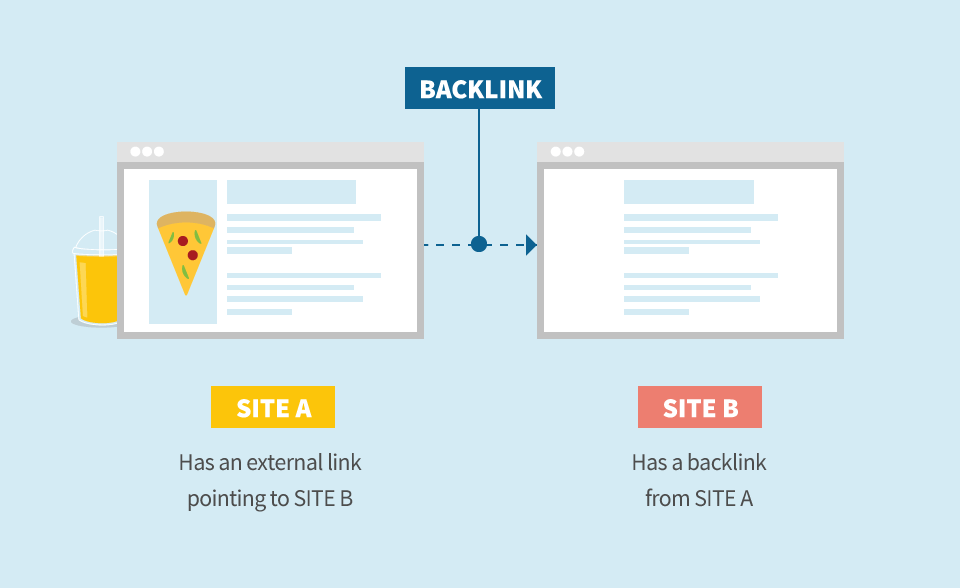
The Short Answer: Is Link Building Dead Or Just Evolving?

Is Link Building Dead Or Just Evolving?

To give you a quick answer: No, link building is not dead. It is just growing up.

Think of it like school. In kindergarten, you got a gold star just for showing up. Now, in high school, you have to work hard and study to get good grades. Search engines have also graduated. They do not hand out search rankings just because you have a lot of links.

Understanding the Shift From Quantity to Quality

In the past, the number of backlinks was the most important thing. If Website A had 100 links and Website B had 10 links, Website A usually won. It did not matter if those links came from bad websites. Today, this is completely different. Google search cares about quality backlinks.

One link from a trusted, famous news site is worth more than 1,000 links from random, low-quality blogs.

At VH-info, we tell our clients to stop counting the number of links. Instead, look at where the link comes from. Is it a quality site? Does it make sense for that site to link to you? Relevance is key. If you sell dog food, a link from a car repair shop does not help you.

What Google’s Recent Updates Say About Backlinks?

Google changes its rules often. These are called updates. Recently, there was a link spam update.

This update was designed to catch people who were cheating. Google wants to stop link spam. This includes buying links in bulk or using link farms. Gary Illyes from Google has said many times that links are still a ranking signal, but they need to be natural backlinks.

The message from Google is clear: stop trying to trick the system. Focus on content creation that people actually want to read.

If you create quality content, people will link to you naturally. That is the effective way to win.

Why the “Old School” Way of Link Building Is Dead?

Why the "Old School" Way of Link Building Is Dead?

When people say “Is link building dead?” they are usually talking about the “old school” tricks. Those tricks are definitely dead. If you use them, you might even get punished by Google and lose all your organic traffic.

The End of Spammy Directories and Link Farms

Years ago, you could submit your website to hundreds of online directories. These were just lists of websites.

They provided no real value to humans. There were also link farms. Imagine a group of websites that only exist to link to each other.

They have no real articles and no real readers. Today, search engines can spot these instantly. If your backlink profile is full of these spammy tactics, Google will ignore them. In bad cases, Google might remove your site from search results entirely.

Why Private Blog Networks (PBNs) Are Risky?

A Private Blog Network (PBN) is when one person buys a bunch of old websites just to link to their main money site. It looks like different people are linking to you, but it is really just you linking to yourself.

This is a black hat strategy. It is very risky. Google has gotten very good at finding PBNs using machine learning. If they catch you, your site will drop in rankings. At VH-info, we never touch PBNs. We believe in building a real online presence that lasts for years, not weeks.

The Decline of Reciprocal Linking

I will link to you if you link to me.” This is called a link exchange or reciprocal linking.

Doing this a little bit is okay. It happens naturally between friends or partners.

But if you do it too much, it looks suspicious. Google knows when you are trading links just to boost your numbers. Excessive link exchanges do not work like they used to. You need relevant links that happen because your content is good, not because you made a deal.

If Link Building Is Dead, How Do Websites Rank Today?

If Link Building Is Dead, How Do Websites Rank Today?

If links didn’t matter, how would Google know which website is the best?

Google uses links like votes. If many people vote for you, you must be popular. But remember, not all votes are equal.

The Continuing Importance of PageRank

Google started with a system called PageRank. It is a math formula that counts links and their quality. Even though Google has added AI and other tools, PageRank is still part of the foundation. When a high-quality site links to you, it passes “authority” to your site.

This helps you rank higher. This is why link building efforts are still worth it. You are trying to get more “votes” from the right people.

How Links Impact E-E-A-T (Experience, Expertise, Authoritativeness, Trust)

Google uses a concept called E-E-A-T. It stands for Experience, Expertise, Authoritativeness, and Trust.

  • Experience: Do you know what you are talking about?
  • Expertise: Are you an expert?
  • Authoritativeness: Is your site a leader in its field?
  • Trust: Is your info accurate?

Authoritative backlinks tell Google that other experts trust you. If a university or a big industry magazine links to your SaaS product, it proves you have Authority. This builds Trust. Without quality links, it is very hard to prove E-E-A-T to a search engine.

Correlation Studies: Rankings Vs. Backlink Profiles

Many experts conduct studies where they look at thousands of search results.

They compare the rankings to the backlink profile of each site. The results are always the same. The websites at the top almost always have more authoritative backlinks than the websites at the bottom. There is a strong connection between quality backlinks and SEO success.

While content is king, links are the queen. You need both to win in digital marketing.

Is Link Building Dead For Small Businesses?

Is Link Building Dead For Small Businesses?

Small businesses often feel like they cannot compete with big companies. They ask, “is link building dead for us?

The answer is no. In fact, it is very important for small sites. You just have to do it differently.

Focusing on Local SEO and Citations

If you are a local business, you need Local SEO. This involves getting your name, address, and phone number listed on other sites. These are called citations. You don’t need a link from the New York Times. You need links from your local chamber of commerce or a local news blog.

These relevant backlinks tell Google you are a real business in a specific city.

Building Niche Authority With Fewer Links

You do not need millions of links. You only need links from your specific niche.

If you run a small software company for dentists, a link from a popular dental blog is incredibly valuable. It is worth way more than a link from a generic tech site. VH-info specializes in this. We help SaaS companies find those specific, niche authority spots.

By focusing on relevant links, small businesses can outrank big giants in their specific area.

Reasons Why Link Building Isn’t Dead—It’s Just Entering A New Era

We are entering a new time for SEO. Let’s call it modern link building. Here is why it is still alive and well.

Reason #1: AI Prioritizes Credibility

Artificial intelligence is changing how we search. Tools like ChatGPT and Google’s AI overviews want to give users the best answer.

Where does the AI get its answers? It reads trusted sources. How does it know which sources are trusted? It looks at authority sites that have strong link profiles. If you want AI to recommend your product, you need the credibility that comes from link building.

Reason #2: Mentions and Citations Are More Important

Sometimes, a website might mention your brand name but not link to it. This is called an unlinked brand mention. In the past, this was useless for SEO. Now, Google is smart enough to see your name and connect it to your brand.

While a clickable link is still better, simple brand mentions help build your reputation.

Reason #3: Digital PR Is Important Again

Digital PR is the process of getting press coverage. This is one of the best ways to get high-quality links.

When you do something newsworthy, journalists write about you. They link to your site as the source. These are editorial links, and they are the gold standard. They are natural, they bring in referral traffic (real people clicking the link), and they boost your authority.

How Can You Get Mentions?

To get mentions and digital PR, you need to do something interesting. You can:

  • Release original research or data.
  • Share a unique story about your company.
  • Offer expert quotes on industry news.

Link Building Tactics That Will Actually Work in the Future

Link Building Tactics That Will Actually Work in the Future

So, what should you do now? Here are the link building strategies that work in 2026 and beyond.

Invest in Brand-Building Content and Assets

You cannot build links to a boring website. You need linkable assets. This is content that is so good, people want to link to it.

Examples include:

  • Free tools or calculators.
  • In-depth guides (like this one!).
  • Infographics.
  • Original survey data.

When you create valuable insights, other link builders and writers will find your content and link to it.

Build Authority Through Thought Leadership

Guest posting is still a valid strategy, but only if you do it right. Do not write low-quality posts for random sites.

Write amazing articles for the top blogs in your industry. Share your real expertise. This is called thought leadership. When you write a great guest post, you earn a link back to your site. It positions you as an expert and drives organic traffic.

Create Content That Becomes Part of the Internet’s Canon

Try to create content that answers a question better than anyone else.

If you write the absolute best guide on “SaaS Marketing,” it becomes the standard reference. When people write their own articles, they will cite your guide as a source. This creates a steady stream of natural backlinks. This is the heart of a good content strategy.

Does Link Building Still Matter in the Age of AI?

Does Link Building Still Matter in the Age of AI?

With AI overviews appearing in Google, users might click fewer links. They get the answer right on the search page.

However, the AI still needs to learn from somewhere. It pulls data from authority sites. To be one of those sites the AI trusts, you need authority. And authority comes from quality content and quality backlinks.

Also, AI cannot buy your software. Humans do. You still need referral traffic from other sites where real humans hang out. Link building puts your brand in front of those humans.

FAQ’s:

Can I Rank on Google Without Any Backlinks?

It is very, very hard. For competitive keywords, it is almost impossible. You might rank for very obscure terms with no competition, but for anything that drives real traffic, you need backlinks. They are a major ranking factor.

Is Guest Posting Still A Valid Link Building Strategy?

Yes, but quality matters. Posting on a site that accepts any article is bad. Posting on a respected industry blog with strict editorial standards is excellent. It helps with building relationships and getting referral traffic.

Do Nofollow Links Help With SEO?

A “Nofollow” link has a tag that tells Google not to count it as a vote. However, these links still bring humans to your site. They also look natural in a link profile. A mix of “Dofollow” and “Nofollow” links is healthy.

Is Buying Backlinks Dangerous For My Site?

Yes. Buying links directly is against Google’s rules. If you get caught, you can get a penalty. It is better to hire an agency like VH-info to help you earn links through outreach and strategy, rather than just paying for placement on link farms.

How Long Does It Take For Link Building to Work?

It is not instant. SEO strategy is a long game. It usually takes 3 to 6 months to start seeing big changes in your search engine rankings after a campaign starts.

What is the Difference Between White Hat and Black Hat Link Building?

White hat means following Google’s rules. It involves creating good content and asking for links. Black hat means breaking the rules, like hacking sites or using spam tools. VH-info only uses white hat, safe methods.

Conclusion

So, is link building dead?

Absolutely not. But the game has changed. The days of spamming thousands of low-quality links are over.

Today, you need a smart approach. You need focus on quality backlinks from authoritative sites. You need to create valuable content that earns editorial links. You need to build a brand that people trust.

At VH-info, we see the power of high-quality links every day. We see our SaaS clients climb the search rankings and grow their businesses because they focus on modern link building.
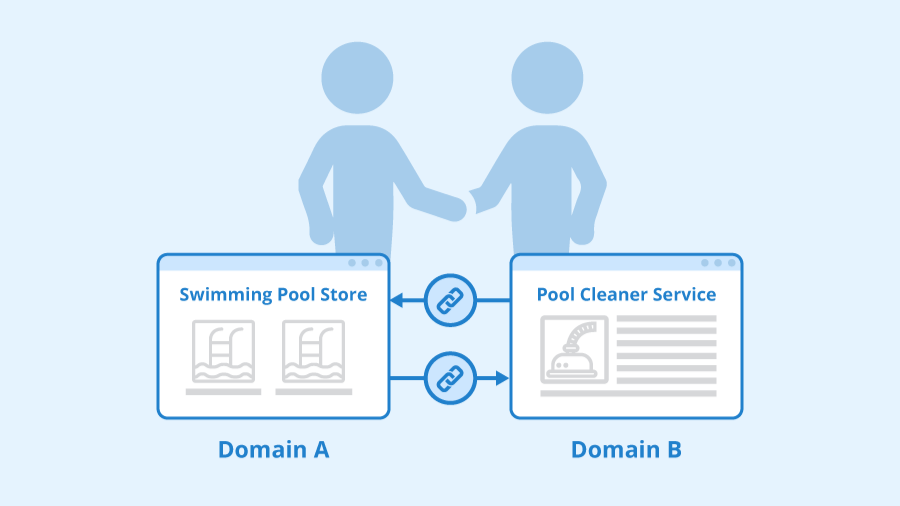
Do not be afraid of link building. Just be smart about it. Focus on real value, relevance, and relationships.

If you do that, your website will not only survive; it will thrive in the future of search.

Why Backlinks Are Important: Boost Your Website’s Ranking

Imagine you are looking for a new restaurant in your city. If five of your friends tell you that a specific burger place is amazing, you are going to trust their opinion. You will probably go there to eat.

In the world of digital marketing, search engines like Google work the same way. Google wants to know which websites are the best. They look for recommendations. In the language of the internet, these recommendations are called backlinks.
At VH-info, we spend every day helping SaaS companies get these recommendations. We know that understanding why backlinks are important is the first step to growing your business online. If you want your website to show up at the top of search results, you cannot ignore links. This article is your guide. We will explain why backlinks are important in SEO and how they act as a vote of confidence for your site.

We will keep it simple and clear, just like we do for our clients.

What Are Backlinks?

What Are Backlinks?

Before we dive deep, let’s answer the question: What is a backlink in SEO?

A backlink is simply a link from one website to another. If Website A puts a link on its page that points to Website B, that is a backlink for Website B. You might also hear people call them inbound links, incoming links, or external links. They all mean the same thing.

Here is an example of what backlinks are in SEO: Imagine a popular tech blog writes a review about the best project management software. In that article, they mention your software and put a blue clickable link that takes readers to your homepage. That link is a backlink.

Search engines view these links as votes. If many reputable sites link to you, Google thinks, “This website must have quality content because everyone is pointing to it.” This is the core of link building.

Why Backlinks Are Important?

Why Backlinks Are Important?

You might ask, “Why do I need to worry about links?” The short answer is that they are one of the biggest factors for SEO success. Without them, it is very hard to get organic traffic. Here is exactly why backlinks are important:

Help Search Engines Determine Relevance and Authority

Search engines use bots to read websites. When they see a link, they follow it. If authoritative websites (sites that Google trusts) link to your site, some of that trust passes to you. This is often called link equity or link juice.

Think of it like high school. If the most popular kid in school hangs out with you, you become popular too. When high-quality sites link to your web pages, Google sees your site as relevant and trustworthy. This boosts your domain authority.
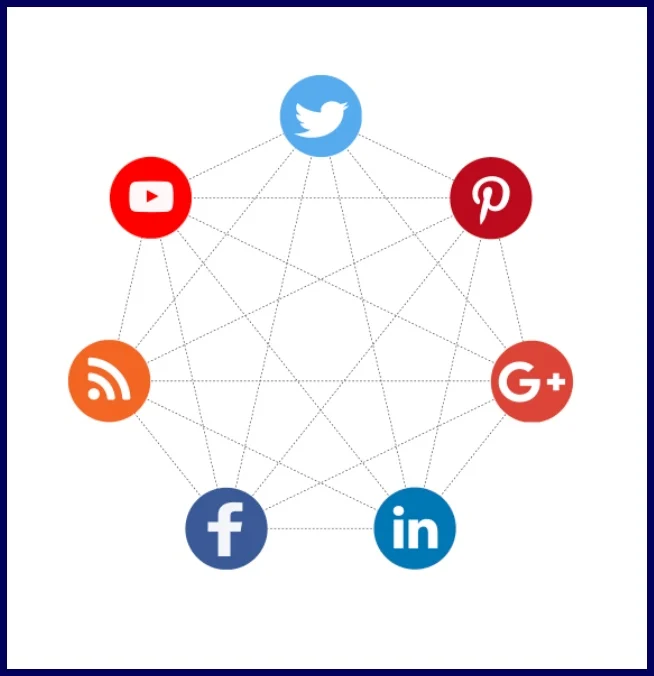

Improve Your Rankings

Everyone wants to be number one on Google.

Backlinks are a major ranking factor. Google has confirmed many times that links are part of their algorithm.

When you have a strong backlink profile with many quality backlinks, your search engine rankings improve. If you have better links than your competitors, you will likely rank higher than them in the search engine results. This is the main goal of search engine optimization.

Earn Referral Traffic

Not all traffic comes from Google search. Sometimes, people click links on other websites. This is called referral traffic.

If a popular news site mentions your business and links to you, its readers might click that link. This brings new visitors to your site without them searching for you. These visitors are valuable because they were already reading about a particular topic related to your business.

Build Domain Authority

Domain Authority (DA) is a score that predicts how well a website will rank. While it is not a direct Google metric, it is very useful.

Building links from authoritative sites increases your DA. A higher DA makes it easier for all your pages, including new blog post content, to rank high in search rankings. It lifts your whole website up.

Improve Search Engine Crawling and Indexing

Search engine bots (crawlers) use links to find new pages. They travel through website links to discover content.

If you have a new website or a new page, it might take time for Google to find it. However, if a popular site links to your new page, the Google bot will follow that link and find your content much faster. This helps your page get into the search results quicker.

Improve Competitive Intelligence

By analyzing your competitors’ backlinks, you can learn a lot. You can see who links to them and why. This helps you build a better SEO strategy. If a website links to your competitor, they might also link to you if you ask them. This is a smart way to find new opportunities.
What Affects the Value Of A Backlink in SEO?

What Affects the Value Of A Backlink in SEO?

Not all links are the same. Some are powerful, and some can actually hurt your website. At VH-info, we focus on getting the best backlinks for our clients. Here is what changes the value of a link:

Follow Status

There are two main types of links regarding value: dofollow links and nofollow links.

  • Dofollow links: These tell search engines to follow the link and pass link authority. These are the best for SEO.
  • Nofollow links: These tell search engines, “I am linking to this, but I don’t want to pass a vote.” These are common in blog comments or social media. They do not help your rankings as much, but they can still bring traffic.

Domain and Page Authority

A link from a huge site like The New York Times is worth much more than a link from a brand-new blog nobody reads. The domain authority of the referring domains matters a lot. You want links from sites that Google already trusts.

Topical Relevance

This is very important. If you sell dog food, a link from a pet care blog is great. It has high topical relevance.

However, if you sell dog food and get a link from a car repair shop website, it looks weird. Google might ignore it because the subject matter does not match. You want links from relevant sites.

The Likelihood of the Link Being Clicked

A link hidden in the footer of a page is not very valuable. A link placed right in the middle of a great article is much better. Google knows if a link is in a place where people will actually click it. Links that send real visitors are worth more.

Anchor Text

Anchor text is the clickable text in a link. For example, if the text says “best pizza recipes,” that is the anchor text. It tells Google what the linked page is about. However, you have to be careful. If all your links use the same keywords, it looks fake. It needs to be natural.

Link Schemes

Be careful of link schemes. These are bad tricks, like buying thousands of links or using software to create spam. Spammy backlinks can get your site penalized. Google will remove you from the results. Always focus on honest, white hat methods.

How to Build Valuable Backlinks For SEO?

How to Build Valuable Backlinks For SEO?

Now you know the importance, but how do you get them? This process is called backlink building.

Here are some effective strategies we recommend:

Create Useful Resources

The best way to get links is to earn them.

Create valuable content that people want to share. This could be a detailed guide, a study with new data, or a free tool. When you have quality content, other website owners will link to it because it helps their readers. This is the most natural way to build a link profile.

Try Broken Link Building

This is a clever strategy. You look for a broken link on someone else’s website.

This is a link that leads to a 404 error page (the page is gone).

You contact the website owner and say, “Hey, I saw this link is broken. I have a similar article on my site. You can link to me instead.” It helps them fix their site, and you get a backlink. It is a win-win for broken link building.

Answer Relevant Media Requests

Journalists are always looking for experts to quote. Platforms like HARO (Help A Reporter Out) connect reporters with sources. If you answer their questions well, they will mention you in their article and give you a backlink.

This is a great way to get editorial backlinks from big news sites.

Replicate Your Competitors’ Backlinks

Look at the backlinks pointing to your competitors. Use tools to see their list. If a blog wrote a “Top 10” list and included your competitor, you can ask them to include you too. You already know they write about your topic, so they are a good target.

Capitalize on Business Relationships

Do you have suppliers, partners, or loyal customers? Ask them for a link. If you work with a software company, ask if they have a “Partners” page. These are easy wins because you already have a relationship.

Note: Building links takes a lot of time and effort. This is why many SaaS companies hire VH-info. We handle the hard work so you can focus on your product.

Common Mistakes To Avoid When Building Backlinks

Common Mistakes To Avoid When Building Backlinks

Even smart people make mistakes with SEO efforts. Here is what to watch out for:

  1. Buying Links: Never pay for links on low-quality sites. It is against Google’s rules.
  2. Ignoring Content Quality: No one wants to link to a bad article. Make your content amazing first.
  3. Using the Same Anchor Text: Do not use the same keyword for every link. Mix it up.
  4. Forgetting Internal Links: Internal linking (linking your own pages to each other) is also important. It helps spread link equity around your site.
  5. Focusing Only on Quantity: One link from a great site is better than 100 links from bad sites. Quality of backlinks matters more than the number of backlinks.

What Makes A Good Backlink?

What Makes A Good Backlink?

To summarize, a good backlink has these traits:

  1. Relevance: It comes from a site that writes about your industry.
  2. Authority: The site has high trust and traffic.
  3. Placement: The link is in the main body of the text, not hidden.
  4. Follow Status: It is a dofollow link (though nofollow has some value too).
  5. Anchor Text: The text is natural and descriptive.

How to Audit and Maintain A Healthy Backlink Profile?

How to Audit and Maintain A Healthy Backlink Profile?

You need to keep an eye on your links. A bad backlink profile can hurt your traffic.

  1. Get the Backlink Data: You cannot fix what you cannot see. You need to use tools to see all the external websites linking to you.
  2. Identify and Disavow Toxic Backlinks: Sometimes, spam sites will link to you. If you see many links from gambling or adult sites, these are toxic backlinks. You can tell Google to ignore them using a “disavow” tool.
  3. Fixing Broken Backlinks: Sometimes, you might move or delete a page on your site. If other sites were linking to that old page, those links are now broken. You lose that link juice. You should set up a redirect so the old link goes to a new, relevant page.
  4. Track New Backlinks: Monitor your number of links. If you lose a good link, you might want to email the site owner and ask why. Keeping track helps you understand if your content marketing is working.

How to See the Backlinks Pointing to Your Website?

How to See the Backlinks Pointing to Your Website?

You cannot fix or improve what you do not measure.

To build a strong backlink profile, you need to see who is linking to you. Since you cannot see this with just your eyes, you need software to help you. These tools crawl the web just like search engines do to find every link. Here are the best ones to use for your SEO efforts:

Google Search Console (GSC)

Google Search Console

Google Search Console is the most important tool because the data comes straight from Google. It is completely free and tells you exactly how Google sees your website links. Inside the tool, there is a section called “Links” that shows you your external links (links from other sites) and your internal links (links between your own pages). It shows you the top linking sites and the anchor text they use.

While it does not give you a score for domain authority, it is the most accurate way to see if your web pages are being indexed.

It is also the only place where you can upload a “disavow file” to tell Google to ignore spammy backlinks. Every website owner should use this to monitor their search engine optimization health. It is the first step to knowing if your link building is working.

Ahrefs

Ahrefs

Ahrefs is a favorite tool for many SEO experts because it has a massive database of live links.

It is very fast at finding new links. When you put a domain into its “Site Explorer,” you can see the total number of backlinks and the number of referring domains. It also gives a Domain Rating” (DR), which helps you guess the authority of a site.

This tool is excellent for competitive intelligence. You can look at your competitor’s site to see where they got their editorial backlinks.

This helps you find opportunities for guest blogging or broken link building. It also shows you if you have any broken links that need fixing. If you want to build a serious SEO strategy and find high-quality partners, Ahrefs provides the deep data you need to succeed in search rankings.

SEMrush

SEMrush

SEMrush is an all-in-one tool that is great for checking both your search engine rankings and your links.

Its “Backlink Analytics” tool allows you to compare your website directly against your competitors. You can see the types of backlinks they have, such as text links or image links, and check if they are dofollow links or nofollow links.

It also has a great feature called “Backlink Audit.” This feature scans your profile to find toxic backlinks that might hurt your reputation with Google. It assigns a toxicity score so you know which links to remove.

By using SEMrush, you can track how your marketing campaigns are performing and see if your quality content is earning the attention it deserves. It helps you keep your link profile clean and healthy so you can keep getting organic traffic.

SE Ranking

SE Ranking

SE Ranking is a strong and affordable choice for tracking your digital marketing progress.

It includes a “Backlink Monitor” that lets you import links you have built or found.

You can then track them to make sure they stay live. Sometimes, a linking site might remove your link without telling you. SE Ranking will alert you if a link disappears or if the anchor text changes.

This is very helpful for agencies or businesses that do active guest posting. You can also check the domain trust and page trust scores to see the value of each link. It simplifies the data so you can focus on getting the best backlinks.

It gives you the clear facts you need to understand your off-page SEO without being too complicated or expensive for a smaller team.

Bing Webmaster Tools

Bing Webmaster Tools

Many people forget about Bing, but it is still a major search engine.

Bing Webmaster Tools is free, just like Google Search Console, but it gives you data for Bing and Yahoo search results. It has a “Backlinks” report that is very easy to read. It shows you the domains pointing to you and the specific anchor text used.

Sometimes, Bing finds links that Google misses. By using this tool, you get a second opinion on your backlink profile. It also helps you spot link schemes or spam that might be affecting your performance on Microsoft’s search engine. Using this ensures you are not missing any referral traffic from users who prefer Bing. It is a smart addition to your toolkit to ensure your web pages are visible everywhere.

FAQ’s:

Are Backlinks Still Important For SEO In 2026 and Beyond?

Yes, they remain one of the top-ranking factors for Google. As long as search engines need to measure trust and authority, quality backlinks will be the best way for them to decide which websites deserve to be at the top of the search results.

Is It Illegal to Buy Backlinks?

It is not a crime, but it violates Google’s spam policies. If you buy links to manipulate search rankings, Google may penalize your site, causing you to lose organic traffic. It is always safer to earn links through valuable content and real relationships.

How Many Backlinks Does A Website Need to Rank on Google?

There is no specific number because every topic is different. If your competitors have hundreds of links from authoritative websites, you will likely need a similar amount to compete. Focus on the quality of backlinks rather than just getting a high number.

Are All Backlinks Good For SEO?

No, some links can actually hurt your site. Spammy backlinks from low-quality or irrelevant sites can signal to Google that your site is not trustworthy. You should always aim for links from reputable sites that are relevant to your subject matter.

Do Backlinks Help All Types Of Websites Equally?

Yes, whether you are a local shop or a big SaaS company, links act as a vote of confidence. However, competitive industries might need more link equity to rank. Every website benefits from the referral traffic and authority that links provide.

What’s the Difference Between Nofollow and Dofollow Links?

Dofollow links tell Google to pass authority to your site, which helps your ranking. NoFollow links tell Google not to count the link as a vote, but they are still useful for bringing visitors and making your link profile look natural.

How Do I Remove Bad Backlinks?

First, you should find the website owner and politely ask them to remove the link. If they do not reply, you can use the “Disavow Tool” in Google Search Console. This tells Google to ignore those specific links when calculating your rankings.

Conclusion

Understanding why backlinks are important is the first step to growing your SaaS business.

These links are the foundation of SEO success, helping you build domain authority and drive consistent organic traffic. They prove to search engines that your content quality is high and that you are a trusted expert in your field.

However, getting editorial backlinks from authoritative sites is hard work. It takes time, outreach, and a smart strategy.

That is where VH-info comes in. We are experts at securing the best backlinks for SaaS companies. We handle the heavy lifting so you can focus on your product. If you are ready to climb the search rankings, let us help you build the connections that matter.