
SaaS Content Writing Services: How to Boost Traffic & Conversions?

In today’s competitive digital landscape, high-quality content is important for SaaS companies looking to attract and engage their target audience.

SaaS content writing services can help businesses create compelling, SEO-optimized content that drives organic traffic, generates leads, and supports overall marketing goals.

What is SaaS Content Writing?

What is SaaS Content Writing?

SaaS content writing involves creating various types of content specifically tailored to the needs and challenges of SaaS businesses. This includes blog articles, landing pages, case studies, and more designed to educate, inform, and persuade potential customers at different stages of the buyer’s journey.

SaaS Content Writing Services That Converts Traffic

SaaS Content Writing Services That Converts Traffic

  1. ROI-Driven Content Strategy: A successful SaaS content writing service starts with a well-defined content strategy aligned with your business objectives. This involves keyword research, audience analysis, and content planning to ensure maximum ROI.
  2. Content Creation: SaaS content writers produce a wide range of high-quality, engaging content pieces optimized for search engines and designed to resonate with your target audience.
  3. Content Distribution: Once created, your SaaS content needs to be effectively distributed across various channels, including your website, social media, email, and third-party platforms, to maximize reach and engagement.
  4. Content Audit and Maintenance: Regular content audits help identify opportunities for improvement, ensuring your SaaS content remains fresh, relevant, and optimized for search engines.
  5. Proofreading and Editing: Professional editing and proofreading ensure your SaaS content is error-free, polished, and aligned with your brand voice and style guidelines.

What Can SaaS Content Writers Bring to Your Business?

What Can SaaS Content Writers Bring to Your Business?

Hiring SaaS content writers can benefit your business a lot.

  1. SEO Expertise: SaaS content writers have a deep understanding of subject matter and SEO content best practices. This helps them create content optimized for search engines, helping drive organic traffic to your website and gets you qualified leads.
  2. Brand Voice: Skilled SaaS writers can capture and consistently communicate your unique brand voice, creating a cohesive and memorable content experience for your audience.
  3. Customer Understanding: SaaS content writers have insights into the needs, challenges, and preferences of SaaS customers, enabling them to create highly relevant and targeted content.
  4. Sales Skills: The best SaaS content writers have a keen understanding of the sales process and can create persuasive copy that guides readers through the buyer’s journey and encourages conversions.

What Do SaaS Content Writers Produce?

What Do SaaS Content Writers Produce?

SaaS SEO content writing services can create a diverse range of content types, including:

Landing Pages

Landing pages are standalone web pages designed to convert visitors into leads or customers.

SaaS content writers create compelling, persuasive copy for these pages, highlighting your product’s unique value proposition and benefits.

Product Descriptions

Product descriptions are important for conveying the features and benefits of your SaaS offering. Skilled SaaS content writers create clear, engaging descriptions that showcase how your product solves customer pain points.

Blog Articles

Blog articles are a cornerstone of SaaS content marketing, providing valuable information and insights to your target audience.

SaaS content writers produce blog posts on a wide range of industry-related topics, from practical tips and tutorials to thought leadership pieces and opinion articles.

Thought Leadership Pieces

Thought leadership content positions your SaaS company as an expert and innovator in your industry.

SaaS writers create in-depth articles, opinion pieces, and whitepapers that demonstrate your unique perspectives and insights.

Case Studies

Case studies are powerful social proof, showcasing how your SaaS product has helped real customers achieve success.

SaaS content writers work with your team to gather information and create compelling narratives that highlight the challenges, solutions, and results of each case.

Guides and Walk-Throughs

Guides and walkthroughs provide step-by-step instructions and detailed information to help users get the most out of your SaaS product. SaaS content writers create clear, concise, and easy-to-follow content that empowers your customers to succeed.

Reports

SaaS content writers can create informative reports and whitepapers that provide in-depth analysis and data-driven insights on industry trends, best practices, and customer preferences.

These valuable resources can help establish your SaaS company as a thought leader, attract links and social shares, and generate leads from professionals seeking expert guidance.

Infographics

Infographics are visually engaging pieces of content that present complex information in a clear, easy-to-digest format. SaaS content writers work with designers to create compelling infographics that showcase your product’s features, benefits, and industry insights.

eBooks

eBooks are long-form pieces of content that provide comprehensive information on a specific topic related to your SaaS product or industry.

SaaS content writers create in-depth, valuable content that educates and engages your target audience.

Newsletters

Newsletters are regular email communications that keep your subscribers informed and engaged with your SaaS brand. SaaS content writers create compelling newsletter content, including product updates, industry news, tips and tricks, and promotional offers.

How SaaS Content Writing Services Make Your Content More Powerful?
How SaaS Content Writing Services Make Your Content More Powerful?

Partnering with a SaaS content writing service means you get access to a team of skilled writers with deep industry knowledge and SEO expertise. These professionals can help you:

  • Develop a data-driven content strategy aligned with your business goals
  • Create high-quality, engaging content optimized for search engines
  • Establish a consistent brand voice across all content pieces
  • Distribute content effectively to maximize reach and engagement
  • Regularly audit and update content to ensure ongoing relevance and performance

What to Look For in a SaaS Blog Writing Company?

What to Look For in a SaaS Blog Writing Company?

When choosing a SaaS content writing & content production service, consider the following factors:

  1. Industry Experience and Expertise: Look for a company with a proven track record of success in the SaaS industry, with writers who understand the unique challenges and opportunities of SaaS businesses.
  2. SEO and Content Marketing Strategy: Choose a service that offers a comprehensive approach to content creation, including keyword research, SEO optimization, and content distribution.
  3. Content Management and Workflow: Ensure the company has a streamlined process for managing content projects, from ideation to publication, to ensure timely delivery and consistent quality.
  4. Reporting and Analytics: Look for a service that provides regular performance reports and analytics, allowing you to track the impact of your content and make data-driven decisions.
  5. Communication and Collaboration: Choose a company that values open communication and collaboration, working closely with you to understand your unique needs and goals.

FAQ’s:

How Do Content Writing Services Help My SaaS Business?

SaaS content writing services can help you create high-quality, SEO-optimized content that attracts and engages your target audience, drives organic traffic, and supports lead generation and conversion goals.

How Does SaaS Content Writing Differ From Regular Content Writing?

SaaS content writing focuses specifically on the unique needs and challenges of SaaS businesses, creating content tailored to the SaaS buyer’s journey and industry-specific topics.

How Often Should SaaS Companies Update Their Content?

SaaS companies should regularly update and refresh their content to ensure it remains relevant, accurate, and optimized for search engines. The frequency of updates will depend on factors like industry trends, product updates, and performance data.

How Quickly Does a SaaS Content Writing Service Produce Results?

The timeline for seeing results from SaaS content writing efforts can vary depending on factors like the competitiveness of your industry, the quality and quantity of content produced, and the effectiveness of your distribution and promotion strategies. However, with a consistent, high-quality content strategy, you can typically expect to see meaningful results within several months.

Can SaaS Content Writing Services Help With Social Media Marketing?

Yes, many SaaS content writing services can create content optimized for social media platforms, helping you engage your audience and drive traffic to your website.

Conclusion

Investing in SaaS content writing services can be a game-changer for your business, helping you create compelling, SEO-optimized content that drives organic traffic, generates leads, and supports your overall marketing goals.

Partnering with a reputable SaaS content writing company like VH-info can help you tap into a team of skilled writers with deep industry expertise, ensuring your content is always on-point and driving results.
SaaS Copywriting: Techniques and Best Practices That Convert Crazy

In the competitive world of SaaS, good copywriting is key to grabbing and converting potential customers. SaaS copywriting is a specialized skill that needs a solid grasp of the target audience, the unique value proposition of the product, and the knack for crafting compelling messages that spur action.

What is SaaS Copywriting?

What is SaaS Copywriting?

SaaS copywriting is the art of creating persuasive and engaging content for software-as-a-service (SaaS) products. It involves writing various types of copy, such as website content, landing pages, white papers, email marketing campaigns, and product descriptions, to attract, engage, and convert potential customers.

Why is SaaS Copywriting Important?

In the busy world of SaaS, it’s super important to make sure you stand out from the competition.

Effective SaaS copywriting helps companies:

  • Clearly communicate the value of your product
  • Attract and engage the target audience for your software solutions
  • Build trust and credibility with potential customers on your SaaS landing pages
  • Drive conversions and increase revenue using a persuasive copy

What Does a SaaS Copywriter Do?

A SaaS copywriter is responsible for creating various types of content, including:

  1. Product Descriptions: Creating compelling product descriptions that highlight the key features and benefits of the SaaS solution.
  2. Landing Pages: Designing persuasive landing pages that capture the reader’s attention and encourage them to take action, such as signing up for a free trial.
  3. Email Campaigns: Writing engaging email copy that nurtures leads and drives conversions.
  4. Website Copy Optimization: Optimizing website content for search engines and ensuring that it effectively communicates the value proposition of the SaaS product.

SaaS Copywriting Formulas

SaaS Copywriting Formulas

To create effective SaaS copy, copywriters often use proven formulas, such as:

  1. Problem Agitation Solution (PAS): Identify the target audience’s pain points, agitate the problem, and present the SaaS product as the solution.
  2. Attention-Interest-Desire-Action (AIDA): Grab the reader’s attention, pique their interest, create a desire for the product, and encourage them to take action.
  3. Before-After-Bridge: Describe the customer’s current situation, paint a picture of their ideal future, and position the SaaS product as the bridge between the two.
  4. Promise-Picture-Proof-Push (PPPP): Make a promise, paint a picture of the benefits, provide proof through customer testimonials or case studies, and push the reader to take action.

How to Become a SaaS Copywriter?

How to Become a SaaS Copywriter?

To become a successful SaaS copywriter, follow these steps:

  1. First, Educate Yourself: Learn the fundamentals of copywriting, marketing, and the SaaS industry. Read books, attend workshops, and take online courses to expand your knowledge.
  2. Build a Niche Portfolio: Create a portfolio showcasing your best SaaS copywriting work. Focus on a specific niche to demonstrate your expertise.
  3. Network: Attend industry events, join online communities, and connect with other SaaS professionals to build relationships and find potential SaaS clients.
  4. Collaborate & Learn: Work with experienced SaaS copywriters and marketers to refine your skills and stay up-to-date with the latest trends and best practices.

B2B Vs. B2C SaaS Copywriting

B2B Vs. B2C SaaS Copywriting

While the fundamentals of SaaS copywriting apply to both B2B and B2C companies, there are some key differences:

  • B2B SaaS copywriting often involves longer sales cycles and requires a more technical and professional tone.
  • B2C SaaS copywriting tends to be more emotional and focused on the immediate benefits to the end-user.

SaaS Copywriting Strategies

To create an effective SaaS copy, consider the following strategies:

  1. Survey and Interview Your Customers: Gain insights into your target audience’s pain points, goals, and preferences by conducting surveys and interviews.
  2. Understand JTBD (Jobs To Be Done): Identify the specific “jobs” your customers are trying to accomplish with your SaaS product and focus your copy on how your solution helps them achieve those goals.
  3. Stick to Your Messaging Strategy: Develop a consistent brand voice and messaging strategy to ensure that all your copy aligns with your overall brand identity.
  4. Use the StoryBrand Framework: Apply the StoryBrand framework to create compelling narratives that position your customer as the hero and your SaaS product as the guide that helps them overcome challenges.

Best Tools For SaaS Copywriting

Best Tools For SaaS Copywriting

To streamline your SaaS copywriting process, consider using these tools:

  1. Grammarly: Helps you write clear, mistake-free copy
  2. Hemingway App: Ensures your writing is concise and easy to read
  3. CoSchedule Headline Analyzer: Analyzes the effectiveness of your headlines
  4. Ahrefs: Provides insights into your competitors’ content and helps with keyword research

SaaS Copywriting Templates

SaaS Copywriting Templates

To get started with SaaS copywriting, use these templates as a foundation:

Homepage Template

  • Headline: Clearly state the main benefit of your SaaS product
  • Subheadline: Elaborate on the value proposition and target audience
  • Features & Benefits: Highlight the key features and how they solve customer pain points
  • Social Proof: Include customer testimonials, case studies, or logos of well-known clients
  • Call-to-Action (CTA): Encourage visitors to take the next step, such as signing up for a free trial

Cold Email Templates

  • Subject Line: Create an engaging subject line that entices recipients to open your email
  • Introduction: Briefly introduce yourself and your SaaS company
  • Pain Point: Identify the recipient’s pain point or challenge
  • Solution: Explain how your SaaS product solves their problem
  • CTA: Include a clear call-to-action, such as scheduling a demo or signing up for a free trial

Messaging Strategy Template

  • Target Audience: Define your ideal customer persona
  • Value Proposition: Clearly state the unique value your SaaS product provides
  • Key Benefits: List the main benefits of your product
  • Tone & Voice: Describe your brand’s tone and voice guidelines
  • Messaging Pillars: Identify the core themes or topics that your messaging will focus on

What Are The Common Mistakes That a SaaS Copywriter Makes?

What Are The Common Mistakes That a SaaS Copywriter Makes?

To avoid common pitfalls, be aware of these mistakes:

  1. Not Resonating With the Target Audience: Failing to understand and address the specific needs, challenges, and preferences of your target audience.
  2. Using Jargon and Being Overly Technical: Using industry jargon or overly technical language that confuses or alienates potential customers.
  3. Not Leveraging the Brand Story: Neglecting to include your brand’s unique story and values in your copy, missing an opportunity to build an emotional connection with readers.
  4. Focusing Too Much on the Features: Overemphasizing product features instead of highlighting the benefits and value they provide to the customer.
  5. Neglecting SEO: Failing to optimize your copy for search engines, makes it harder for potential customers to find your content online.
  6. Failing to Test: Not conducting A/B tests or experimenting with different versions of your copy to identify what resonates best with your audience.

SaaS Copywriting Tips

SaaS Copywriting Tips

To improve your SaaS copywriting skills, consider these tips:

  1. Use Trusted Headline Formulas: Leverage proven headline formulas to capture your target audience’s attention. Formulas like “How to [Achieve Desired Outcome” or “[Number Great Ways to [Solve Problem” have been shown to boost engagement and conversions in the SaaS industry.
  2. Be Creative in Headlines and Crystal Clear in Subheadlines and Body Copy: While headlines should be creative and engaging, ensure that your subheadlines and body copy are clear and concise. Use simple language that your target audience can easily understand, and focus on communicating the key benefits of your SaaS product.
  3. Define a Brand Voice Early On: Establish a consistent brand voice early in your SaaS copywriting process. This will help you create a cohesive and recognizable brand identity across all your content, from your website copy to your email campaigns and social media posts.
  4. Use Emotional Words That Fit Your Targeting Strategy: Include emotional words and phrases that resonate with your target audience.
  5. Lead With Outcomes: Instead of focusing solely on features, lead with the outcomes and benefits that your SaaS product provides. Highlight how your solution can help customers achieve their goals, overcome challenges, and improve their lives or businesses.
  6. Make Sure That Prospects Understand Your Features: While leading with outcomes is important, it’s also essential to ensure that potential customers clearly understand your product’s features. Use simple, jargon-free language to explain how your features work and the value they provide.
  7. Prioritize the Feature(s) That Customers Cannot Live Without: Identify the key features that set your SaaS product apart from competitors and prioritize them in your copy. Focus on the features that your target audience cannot live without and that provide the most significant value.
  8. Tie CTAs to an Outcome After the Action: When creating calls-to-action (CTAs), tie them to a specific outcome that customers can expect after taking the desired action. For example, instead of using a generic “Sign Up” button, try “Start Boosting Your Productivity Now“.
  9. Make Sure Your Mission Is Clear on Your Home Page: Your SaaS website’s home page should clearly communicate your brand’s mission and value proposition. Use concise and compelling copy to convey what your product does, who it’s for, and why it matters.
  10. Dimensionalize the Benefits: Go beyond simply listing benefits by providing specific examples, case studies, or data that demonstrate the real-world impact of your SaaS product. This helps potential customers better understand the value you offer and makes your copy more persuasive.
  11. Challenge Yourself to Work Within Character Limits: Embrace the challenge of working within character limits, such as those imposed by Google Ads or social media platforms. This will force you to be concise and creative in your copywriting, ensuring that every word counts and your message is clear and impactful.

SaaS Copywriting Examples

SaaS Copywriting Examples

To inspire your own SaaS copywriting, study these examples:

  1. Slack: “Slack is your digital HQ – Transform the way you work with one place for everyone and everything you need to get stuff done.”
  2. Dropbox: “Dropbox is the world’s first smart workspace – We bring your files and cloud content together, so you can access and share everything easily.”
  3. Zoom: “Zoom is the leader in modern enterprise video communications, with an easy, reliable cloud platform for video and audio conferencing, collaboration, chat, and webinars.”
  4. Asana: “Asana is the work management platform teams use to stay focused on the goals, projects, and daily tasks that grow business.

FAQ’s:

What Does Good SaaS Copywriting Look Like?

Effective SaaS copywriting is clear, concise, and compelling. It focuses on the benefits and value the product provides to the customer, rather than just listing features. Good SaaS copy also includes storytelling, social proof, and a strong call-to-action.

How Can SaaS Companies Measure the Effectiveness of Their Copy?

SaaS companies can measure the effectiveness of their copy by tracking key metrics such as website traffic, conversion rates, click-through rates, and engagement. A/B testing different versions of copy can also provide valuable insights into what resonates best with the target audience.

How Often Should SaaS Copy Be Updated?

SaaS copy should be updated regularly to reflect changes in the product, market, or customer needs. It’s a good practice to review and refresh your copy at least once a quarter, or whenever there are significant updates to your product or messaging strategy.

Conclusion

SaaS copywriting is super important for any company wanting to make it in the competitive software-as-a-service market. By really getting to know your audience, crafting killer messages, and sticking to best practices, you can create copy that grabs attention, keeps people interested, and turns them into customers.

Here at VH-info, we’re all about providing top-notch link-building services for SaaS companies. Our team of pros can help you boost your search engine rankings, bring in the right kind of traffic to your site, and establish your brand online. Hit us up today to find out more about how we can help with your SaaS copywriting and content marketing efforts.

SaaS SEO Checklist: Best SEO Tactics For SaaS Products

As a SaaS company, driving organic traffic to your website is important for sustainable growth and attracting potential customers.

However, with the constantly evolving landscape of search engine optimization (SEO), it can be challenging to know where to focus your efforts. That’s where a comprehensive SaaS SEO checklist comes in handy.

At VH-info, we understand the unique challenges and opportunities that come with optimizing a SaaS website for search engines.

Our team of experienced SEO experts has compiled the ultimate SaaS SEO checklist to help you boost your online visibility and drive more qualified leads to your site.

What is a SaaS SEO Checklist?

What is a SaaS SEO Checklist?

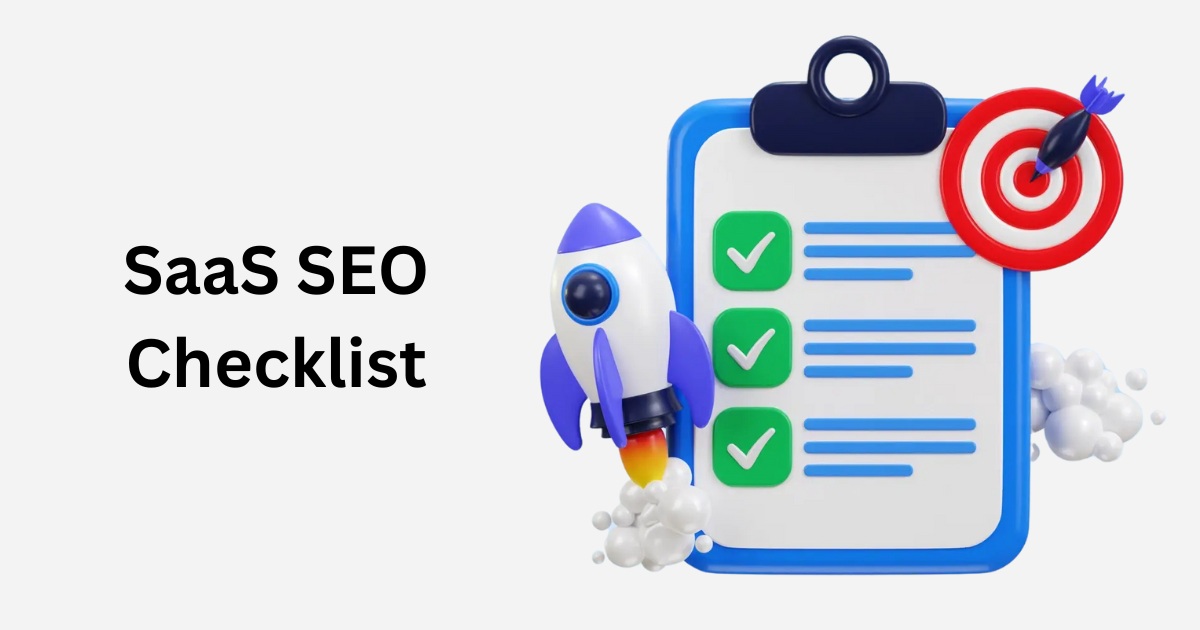
A SaaS SEO checklist is a structured list of essential elements and best practices that SaaS companies should follow to optimize their websites for search engines. This checklist covers various aspects of SEO, including keyword research, on-page optimization, technical SEO, content creation, and link building.

How is SaaS SEO Different From Traditional SEO?

While the fundamental principles of SEO apply to both SaaS and traditional websites, there are some key differences to consider:

  • Focus on product-related keywords: SaaS companies should prioritize keywords that relate directly to their product page features, benefits, and use cases.
  • Emphasis on user experience: SaaS websites must provide a seamless user experience to encourage free trial sign-ups and conversions.
  • Importance of content marketing: Creating valuable, informative content is essential for attracting and engaging potential customers in the SaaS industry.

Importance of a Checklist For SaaS SEO

Importance of a Checklist For SaaS SEO

Having a well-defined SaaS SEO checklist is essential for several reasons:

  1. Ensures consistency: A checklist helps maintain consistency in your SEO efforts across all pages and content on your website.
  2. Saves time and resources: By following a structured checklist, you can streamline your SEO process and avoid wasting time on ineffective tactics.
  3. Measurable results: A comprehensive checklist allows you to track your progress and measure the impact of your SEO efforts on organic traffic and conversions.

What Should Your SaaS SEO Checklist Include?

What Should Your SaaS SEO Checklist Include?

A complete SaaS SEO checklist should cover the following key areas:

  1. High Quality Content: Creating original, informative, and engaging content is important for attracting and retaining your target audience. Your content should address the pain points and needs of your ideal customer while including relevant keywords naturally.
  2. Backlinks: Building high-quality backlinks from authoritative websites is essential for improving your domain authority and search engine rankings. Focus on creating valuable content that other sites will want to link to organically.
  3. A Fast Website: Website speed is a critical factor in both user experience and search engine rankings. Optimize your SaaS website for fast loading times by minimizing code, compressing images, and leveraging caching techniques.
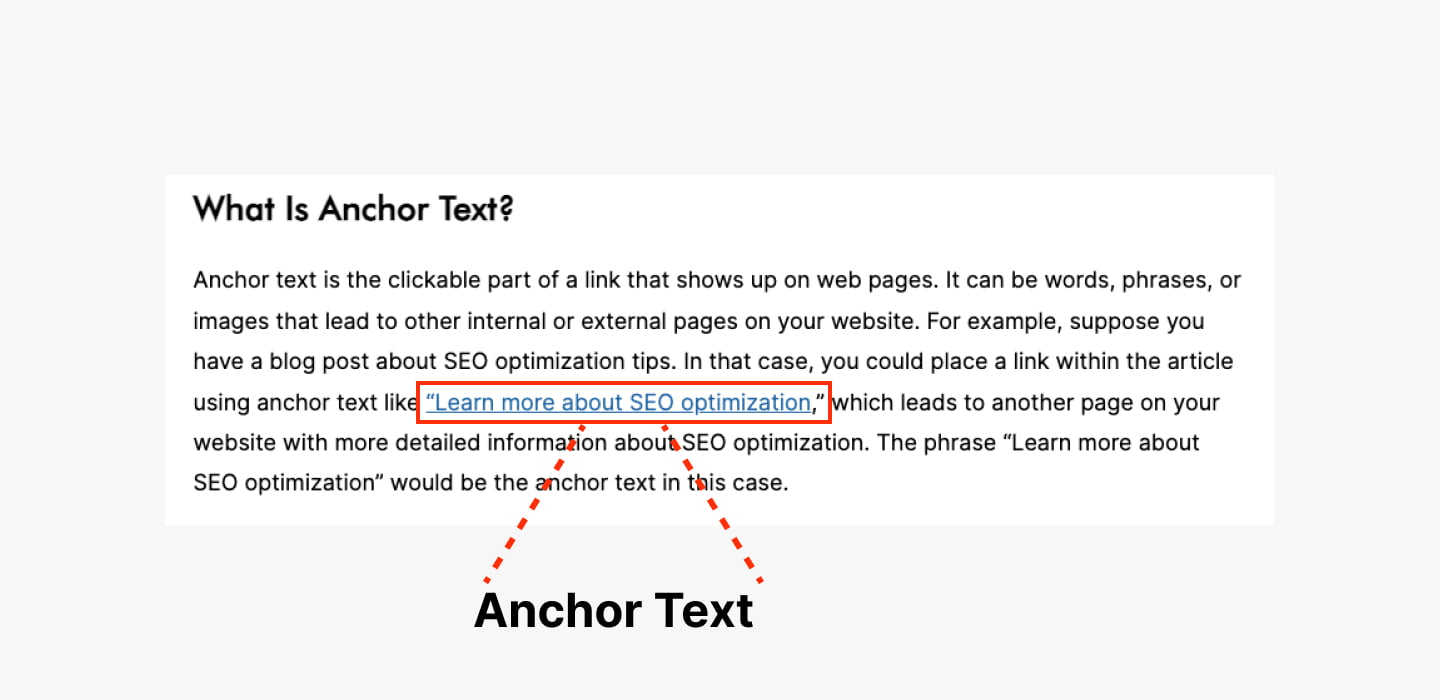
  4. Internal Linking: Implementing a strategic internal linking structure helps search engines understand your website’s hierarchy and distributes link equity throughout your pages. Use descriptive anchor text and link to relevant, high-value pages.
  5. Competitor Analysis: Regularly analyze your competitors’ SEO strategies, including their keyword targeting, content creation, and link building efforts. Identify gaps and opportunities to differentiate your SaaS website and outperform your rivals.
  6. Landing Pages That Convert: Create dedicated landing pages for each of your main product features or use cases. Optimize these pages for relevant keywords, include clear calls-to-action (CTAs), and design them to encourage conversions.

The Ultimate SaaS SEO Checklist

The Ultimate SaaS SEO Checklist

Now that we’ve covered the essential components of a SaaS SEO checklist, let’s dive into the specific steps you should follow to optimize your website for search engines.

Conduct Thorough Keyword Research

Keyword research is the foundation of any successful & a solid SEO strategy. Identify the search terms your target audience uses when looking for solutions like yours, and prioritize those keywords based on relevance, search volume, and competition level.

Types of Keywords For SaaS SEO

  • Informational keywords: These keywords relate to general information about your product, industry, or target audience’s pain points (e.g., “what is customer relationship management”).
  • Transactional keywords: These keywords indicate a user’s intent to take action, such as signing up for a free trial or purchasing a subscription (e.g., “best CRM software for small businesses”).

Optimize Your URLs For SEO

Use short, descriptive, and keyword-rich URLs for your web pages. Avoid using special characters, underscores, or excessive parameters in your URLs, as these can negatively impact your search engine rankings.

Create Compelling Meta Titles and Descriptions

Creating interesting meta titles and descriptions is very important for getting clicks from search engine results. Think of them as the signs outside your store, inviting people to check out what you have.
Optimizing Meta Titles

Create unique, keyword-rich meta titles for each page on your SaaS website. Keep your titles under 60 characters to ensure they display fully in search results.

Writing Effective Meta Descriptions

Write compelling meta descriptions that accurately summarize your page content and entice users to click through to your site. Aim for descriptions between 50-160 characters, and include your primary keyword.

Use Proper Heading Structure

Using the right heading structure is important for making your content clear and easy to navigate. This is good for both users and search engines. Headings like H1, H2, H3, and so on help break content into smaller parts. This makes it easier to read and understand.

H1 Headings

Use a single, unique H1 heading on each page that includes your main keyword and accurately reflects the content of the page.

H2 and H3 Subheadings

Break up your content into easily digestible sections using H2 and H3 subheadings. Include relevant keywords naturally into these headings to improve readability and SEO.

Create Original, High-Quality Content

Focus on creating original, in-depth content that addresses your target audience’s needs and pain points. Use a mix of content formats, such as blog posts, case studies, whitepapers, and videos, to engage your audience and showcase your expertise.

Ensure Content Readability

Make your content easy to read and scan by using short paragraphs, bullet points, and images. Aim for a readability score of 8th grade or lower to ensure your content is accessible to a wide audience.

Include Internal and External Links

Including links, both internal and external, in your SaaS content can help with SEO and user experience.

Internal Linking Best Practices

Link to relevant, high-value pages within your SaaS website to improve navigation, distribute link equity, and keep visitors engaged. Use descriptive anchor text that accurately reflects the content of the linked page.

External Linking Guidelines

Link to authoritative, relevant websites to provide additional value to your readers and demonstrate your industry knowledge. Avoid linking to low-quality or spammy sites, as this can harm your search engine rankings.

Optimize Images For SEO

Include relevant, high-quality images in your content to break up text and enhance user experience. Optimize your images for SEO by using descriptive file names, alt text, and compressed file sizes.

Include Clear Calls-to-Action (CTAs)

Include clear, compelling CTAs throughout your SaaS website to guide users toward desired actions, such as signing up for a free trial or requesting a demo. Use action-oriented language and prominent placement to maximize conversions.

Implement Schema Markup

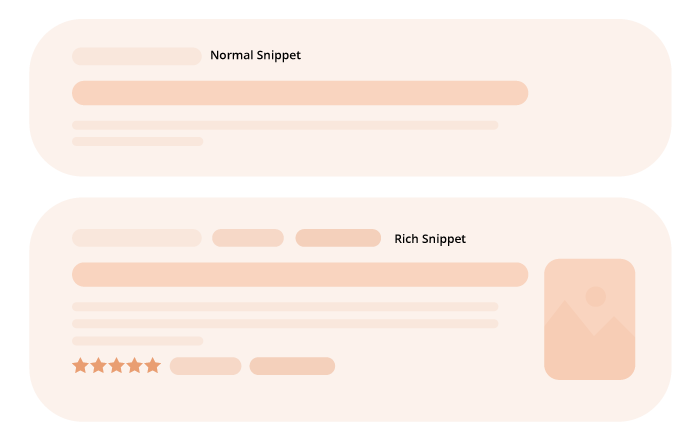
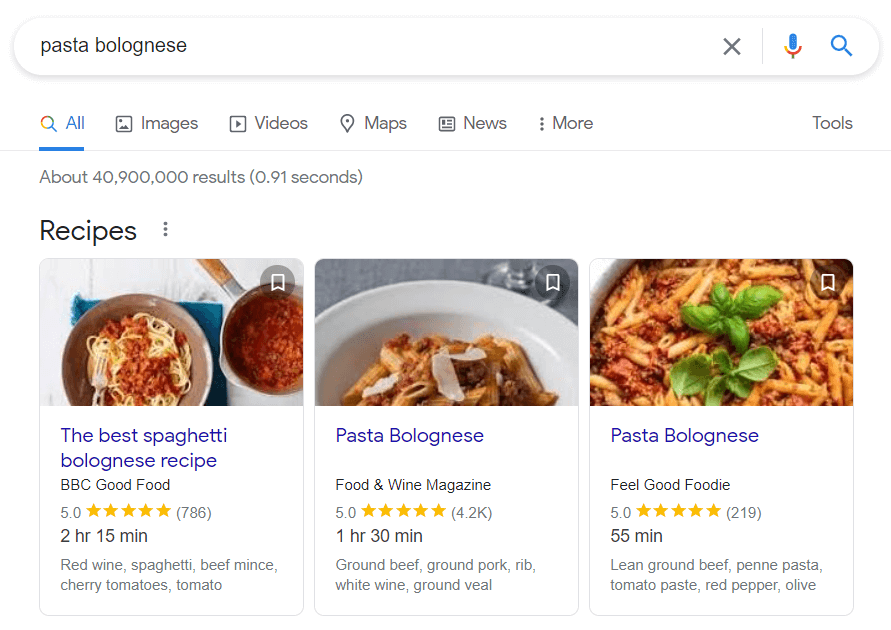
Add schema markup to your SaaS website to provide search engines with more context about your content. This structured data can help your site appear in rich snippets, increasing visibility and click-through rates.

Prioritize Mobile-Friendliness

With more users accessing websites on mobile devices, it’s important to ensure your SaaS website is mobile-friendly. Use responsive design, optimized for touch navigation, and ensure fast loading times on mobile networks.

6-Point SaaS SEO Checklist

6-Point SaaS SEO Checklist

To help you stay organized and focused, we’ve broken down our ultimate SaaS SEO checklist into six key categories:

Basic SaaS SEO Checklist

  • Install Google Analytics and Search Console
  • Set up a sitemap and robots.txt file
  • Ensure your website is mobile-friendly
  • Optimize your website’s loading speed

SaaS Keyword Research Checklist

  • Identify your target audience and their pain points
  • Research industry-specific and product-related keywords
  • Analyze competitor keywords and content strategies
  • Prioritize keywords based on relevance, search volume, and difficulty

On-Page SEO Checklist

  • Optimize URLs, meta titles, and descriptions for each page
  • Use proper heading structure (H1, H2, H3)
  • Optimize images with descriptive file names and alt text
  • Implement schema markup for rich snippets

Content Optimization Checklist

  • Create original, high-quality content that addresses user needs
  • Include keywords naturally throughout your content
  • Ensure content readability with short paragraphs and bullet points
  • Include internal and external links to relevant, authoritative sources

Technical SaaS SEO Checklist

  • Ensure your website has a clean, crawlable structure
  • Implement SSL encryption for secure browsing
  • Optimize your website’s loading speed and performance
  • Fix any broken links or 404 errors

Off-Page SaaS SEO Checklist

  • Build high-quality backlinks from relevant, authoritative websites
  • Engage in guest blogging and content partnerships
  • Use social media to promote your content and engage your audience
  • Monitor and manage your online reputation and brand mentions

What is the Best Way to Know if My SEO Checklist is Working?

What is the Best Way to Know if My SEO Checklist is Working?

To measure the effectiveness of your SaaS SEO checklist, track the following key performance indicators (KPIs):

  1. Organic Traffic: Monitor the number of visitors coming to your website from organic search results using tools like Google Analytics.
  2. Keyword Rankings: Track your website’s rankings for target keywords using tools like Google Search Console or third-party rank tracking software.
  3. Conversion Rates: Measure the percentage of organic traffic that converts into leads or customers, and track improvements over time.

How Long Does it Take to See Results From SaaS SEO Efforts?

How Long Does it Take to See Results From SaaS SEO Efforts?

SEO is a long-term strategy, and the time it takes to see results can vary depending on factors such as your industry, competition level, and the current state of your website.

On average, it can take 3-6 months to start seeing significant improvements in organic traffic and keyword rankings.

FAQ’s:

Is the SEO Checklist Different For Every Industry?

While the fundamental principles of SEO remain the same across industries, there may be some variations in the specific tactics and priorities based on your target audience and competition level. However, the core elements of our SaaS SEO checklist are applicable to most industries.

What Are the Most Important On-Page SEO Factors For SaaS Websites?

The most critical on-page SEO factors for SaaS websites include:

  • Keyword optimization in URLs, meta titles, descriptions, and headings
  • High-quality, relevant content that addresses user needs
  • Proper heading structure and content formatting
  • Fast loading speed and mobile-friendliness

Can I Use the Same Content For Multiple SaaS Website Pages?

No, it’s essential to create unique, original content for each page on your SaaS website. Duplicate content can negatively impact your search engine rankings and lead to a poor user experience.

Can SaaS Companies Improve SEO Without a Big Budget?

Yes, many aspects of SEO can be implemented without a significant investment, such as keyword research, on-page optimization, and content creation. However, investing in tools, resources, and expertise can help accelerate your results and stay ahead of the competition.

How Does Local SEO Differ For SaaS?

Local SEO is less relevant for most SaaS companies, as their products and services are typically not tied to a specific location. However, if your SaaS business has a local presence or targets customers in specific regions, including local keywords and optimizing for local search can be beneficial.

Conclusion

Implementing a comprehensive SaaS SEO checklist is essential for driving organic traffic, attracting qualified leads, and growing your business in the competitive SaaS landscape.

Focusing on the key areas of keyword research, on-page optimization, content creation, technical SEO, and link building can help improve your search engine rankings and establish your SaaS company as an industry leader.

At VH-info, our team of SaaS SEO experts is dedicated to helping businesses like yours achieve sustainable growth through proven, data-driven strategies. Contact us today to learn more about how we can help you optimize your SaaS website and drive measurable results.

SaaS CRO: Boosting Conversions & Revenue For Your Brand’s Product

SaaS conversion rate optimization (CRO) is a critical strategy for driving growth and maximizing revenue in the competitive software-as-a-service industry.

Focusing on improving conversion rates across various touchpoints can help SaaS companies enhance their user experience, reduce customer acquisition costs, and ultimately increase their bottom line.

What is SaaS CRO?

What is SaaS CRO?

SaaS CRO is the process of optimizing a SaaS website, product, and marketing funnel to increase the percentage of visitors who take desired actions, such as signing up for a free trial, subscribing to a paid plan, or upgrading their existing subscription. This data-driven approach involves analyzing user behavior, identifying pain points, and implementing targeted improvements to boost conversions and revenue growth.

Benefits of CRO For SaaS Brands

Benefits of CRO For SaaS Brands

CRO has many benefits for SaaS companies which are as follows:

  1. CRO Increases Revenue: Effective CRO strategies can significantly impact a SaaS company’s revenue by improving conversion rates at key stages of the customer journey. This leads to more paying customers and higher customer lifetime value.
  2. CRO Lowers Acquisition Costs: By optimizing conversion rates, SaaS businesses can reduce their customer acquisition costs, as they need to attract fewer website visitors to achieve the same number of conversions.
  3. CRO Increases Organic Search Traffic: Improved user experience and engagement metrics resulting from CRO efforts can positively impact search engine rankings, leading to increased organic traffic and potential customers.
  4. CRO Improves The User Experience: CRO initiatives often focus on enhancing the user experience, making it easier for visitors to navigate the website, understand the value proposition, and take desired actions.
  5. CRO Optimizes Growth Through Testing: A/B testing and experimentation are core components of CRO, allowing SaaS companies to continuously refine their strategies and drive sustainable growth.
  6. CRO Provides Data To Improve Marketing Spend: The insights gained from CRO efforts can inform marketing decisions, helping SaaS businesses allocate their budget more effectively to channels and campaigns that deliver the best results.
SaaS Conversion Rate Benchmarks

SaaS Conversion Rate Benchmarks

Marketing Conversion Rate Benchmarks

For SaaS companies, typical marketing conversion rates range from 2-5% for website visitors to free trial signups, and 5-15% for free trial to paid conversion rates.

Sales Conversion Rate Benchmarks

Sales conversion rates for SaaS businesses often fall between 10-30% for qualified leads to closed deals, depending on factors such as pricing, target audience, and sales process complexity.

Key Areas For SaaS CRO

  1. Website and Landing Pages: Optimizing website design, content, and calls to action can significantly impact conversion rates for SaaS companies. Focus on creating a clear value proposition, addressing pain points, and streamlining the signup process.
  2. Free Trials and Freemium Conversions: Improving the free trial experience and optimizing the conversion funnel from free to paid users is important for SaaS growth. This includes providing a positive user experience, demonstrating value quickly, and implementing effective onboarding processes.
  3. Pricing Page Optimization: The pricing page is a critical conversion point for SaaS businesses. Optimize pricing structures, feature comparisons, and calls to action to maximize conversions and revenue.
  4. User Onboarding and Customer Support: Enhancing the onboarding process and providing excellent customer support can improve user activation, retention, and ultimately, conversion rates for SaaS products.

How to Measure SaaS Conversion Rates?

How to Measure SaaS Conversion Rates?

Conversion Rate Formula

The basic formula for calculating conversion rate is:

Conversion Rate = Number of conversions/ Total Number of Visitors × 100

This formula can be applied to various stages of the SaaS customer journey, such as website visitors to free trial signups or free trial users to paid subscribers.

Tracking Conversion Rates Across the Customer Journey

To gain a comprehensive understanding of SaaS CRO performance, track conversion rates at multiple touchpoints, including:

  • Website visitor to lead
  • Lead to free trial signup
  • Free trial to paid conversion
  • Paid user to renew or upgrade

Strategies For SaaS Conversion Rate Optimization

Strategies For SaaS Conversion Rate Optimization

Conversion Rate Optimization Tactics

Implement these proven CRO tactics for SaaS websites:

  • Simplify signup forms
  • Offer live chat support
  • Use social proof and customer testimonials
  • Create compelling calls-to-action
  • Optimize page load speed
  • Implement exit-intent popups
  • Personalize the user experience

Leveraging Machine Learning For CRO

Utilize machine learning algorithms to analyze user behavior, predict conversion likelihood, and personalize the user experience at scale.

Mapping Conversion Funnels and Key Moments

Identify critical touchpoints in the customer journey and optimize each stage to maximize overall conversion rates.

What Are the Best Practices For SaaS CRO?

What Are the Best Practices For SaaS CRO?

  1. Conduct regular user research and gather feedback
  2. Implement A/B testing for continuous improvement
  3. Focus on mobile optimization
  4. Streamline the onboarding process
  5. Offer a clear and compelling value proposition
  6. Use data-driven decision-making
  7. Optimize for different user segments
  8. Continuously monitor and analyze key metrics

What Are the Best Data-Driven CRO Tools For SaaS Websites?

What Are the Best Data-Driven CRO Tools For SaaS Websites?

Data-driven CRO tools are essential for SaaS companies for example Unibee that want to stand out in today’s world filled with data. Using the right CRO tools can help you understand user behavior better. They can show you where you can improve and help optimize your website and marketing efforts to get more conversions.

Google Analytics

Google Analytics

Google Analytics is an important tool for website analysis. It gives you a lot of data to understand user behavior, see how much traffic your website gets, and track conversions. It shows how people find your site, what they do there, and which channels bring the best traffic.

When you look at the data from Google Analytics, you can see which pages are popular, track how goals are met, and find out where people leave in your conversion process. For example, you can check form submissions, button clicks, and file downloads to find out which parts of your website work well and which need some tweaks.

Connecting Google Analytics with other tools helps you see your data in a better way. This gives you a complete picture of your website’s performance. It also helps make smart choices based on data for improving conversion rates.

Mixpanel

Mixpanel

Mixpanel is a product analytics tool that offers more than just basic website data. It gives you important insights into how customers engage and behave in your SaaS product. With Mixpanel, you can see how users interact with your product, track key events, and find areas that need improvement. This helps to make the user experience better and can lower the number of users who leave.

Mixpanel lets you build funnels to show the customer journey. You can see where users might be dropping off. After analyzing this data, you can test different onboarding processes, feature hints, or messages to boost user engagement and adoption.

When SaaS businesses understand and act on these insights, they can create better-targeted campaigns. They can also enhance product features based on user behavior. This leads to smarter decisions that improve customer engagement and retention.

Hotjar

Hotjar

Hotjar has special tools that help you understand how users interact with your website. It gives you visual views of their behavior. One tool, called the heatmap, is very helpful. It shows where users are clicking, scrolling, and moving their mouse on your website. This way, you can quickly see the areas people are interested in and where they might have issues.

Another great feature is session recordings. Hotjar lets you record and watch real user sessions on your website. This helps you see how users navigate your site, fill out forms, and where they might be having trouble.

With these insights, you can make your website better based on how actual users interact with it. This will help improve user experience and make the site more effective in driving conversions.

Crazy Egg

Crazy Egg

Crazy Egg is a popular tool for improving websites. It shows heatmaps, scroll maps, and click reports.

These features help you see what users are doing on your site, like what catches their attention, where they click, and how far they scroll. This information helps you find which parts need work.

Crazy Egg also has a strong A/B testing tool. This makes it easy to run tests to improve your website for better conversions. You can try out different headlines, calls to action, layouts, or even whole pages. This way, you can see what works best for your target audience and gets the most conversions.

Using Crazy Egg’s insights and testing methods, you can improve your website’s design, content, and messages. This makes for a friendlier and more convincing online experience for your visitors.

Optimizely

Optimizely

Optimizely is a powerful platform that helps businesses grow by using A/B testing, multivariate testing, and personalization.

As a top choice in conversion optimization, Optimizely helps marketing and product teams improve everything from website text and design to pricing options and product features.

With strong targeting and segmentation tools, Optimizely lets you run specific experiments for different groups of customers. It works well with popular analytics and marketing tools, which helps make getting and analyzing data easy.

Optimizely’s strong experimentation platform is a great resource for SaaS businesses. It helps them make decisions based on data, improve their customer journey, and keep getting better.

UserTesting

UserTesting

UserTesting offers a different way to do user research. This helps you get real-time feedback from customers on your website, app, or prototypes.

With UserTesting, you can find testers that fit your ideal customer profile. You can then ask them to do specific tasks while their screen and audio are recorded.

This type of data is very helpful. It helps you see how users experience your site and find any usability problems. You can see where people may have trouble during their customer journey.

For example, you can ask users to check out your SaaS pricing page or signup process while saying what they think. This shows any confusing or frustrating parts they find.

By using direct feedback from customers, you can fix usability problems and improve your site for a better user experience. This can also help you increase your conversion rates.

Microsoft Clarity

Microsoft Clarity

Microsoft Clarity is a free tool that helps you see how people use your website. It records sessions, shows heatmaps, and tracks user data.

This way, you can learn how visitors interact with your site and spot areas that need work. This tool is great for startups and small businesses that may not be able to afford paid tools.

Clarity’s session recordings give you clear visual information. You can see how users move around your site, where they click, and where they face problems. You can use this information to find usability issues, make navigation easier, and improve your site for better user experience and more conversions.

FAQ’s:

What is a Good Conversion Rate For SaaS?

A good conversion rate for SaaS companies varies depending on the specific metric and industry. Generally, a website visitor to free trial conversion rate of 2-5% and a free trial to paid conversion rate of 5-15% are considered solid benchmarks.

How Often Should Conversion Rates Be Analyzed in SaaS?

SaaS companies should analyze conversion rates regularly, ideally on a weekly or monthly basis, to identify trends and opportunities for improvement.

How Can I Improve My SaaS Free Trial Conversion Rate?

To improve free trial conversion rates:

  • Optimize the onboarding process
  • Provide clear value early in the trial
  • Offer personalized support and guidance
  • Implement targeted email campaigns
  • Use social proof and case studies
  • Simplify the upgrade process

Can You Guarantee X Number of Conversions a Week?

While CRO strategies can significantly improve conversion rates, it’s impossible to guarantee a specific number of conversions. Results depend on various factors, including traffic volume, target audience, and market conditions.

Conclusion

SaaS CRO is a powerful approach for driving growth and maximizing revenue in the competitive software-as-a-service industry.

Focusing on key areas such as website optimization, free trial conversions, and user experience can help SaaS companies improve their conversion rates, lower acquisition costs, and accelerate revenue growth.

Implementing data-driven CRO strategies and leveraging the right tools will help SaaS businesses stay ahead of the competition and achieve sustainable success.

SaaS Website Best Practices: 8 Tips to Improve UX & Great Web Design

SaaS website best practices are essential for companies looking to stand out in a competitive digital landscape. A well-designed SaaS website can significantly impact user experience, conversion rates, and overall business success.

In this comprehensive guide, we’ll explore key strategies and elements that make up an effective SaaS website, helping you optimize your online presence and drive growth.

Why You Need to Know SaaS Website Best Practices?

Why You Need to Know SaaS Website Best Practices?

  1. Competitive Advantage: Implementing SaaS website best practices gives you an edge over competitors. A well-optimized website can attract more potential customers and increase conversions, ultimately boosting your market share.
  2. Better User Experience (UX): A user-friendly website design enhances the customer journey, reducing bounce rates and increasing engagement. This leads to higher customer satisfaction and loyalty.
  3. Productive Website Architecture: An efficient site architecture improves navigation, search engine rankings, and organic traffic. It also helps ideal customers find the information they need quickly, increasing the likelihood of conversions.

Which Elements Should You Include in Your SaaS Website?

Which Elements Should You Include in Your SaaS Website?

  1. Homepage: Your home page is the first impression visitors get of your SaaS product. It should communicate your value proposition and guide users to take action.
  2. Feature & Benefit Page: Highlight the key features and benefits of your SaaS product, addressing pain points and showcasing how it solves problems for your target audience.
  3. Pricing Page: A well-designed pricing page is important for conversion. It should be transparent, easy to understand, and highlight the value of each plan.
  4. Why Us & Origin Story: Share your company’s background and unique selling points to build trust and connect with potential customers increasing demand generation.
  5. Contact Us Page: Make it easy for visitors to get in touch with your sales team or customer support. Include multiple contact options and clear contact information.
  6. Resources Section: Provide valuable content through blog posts, case studies, and whitepapers to establish your expertise and support your content strategy.

SaaS Website Best Practices to Boost Conversion Rate

SaaS Website Best Practices to Boost Conversion Rate

To make your SaaS website more effective, you should do more than just the basics. Using conversion rate optimization (CRO) tactics can greatly help you turn regular website visitors into paying customers.

Here are some important strategies you can use on your site. These can raise your conversion rate and help you get the most out of your SaaS website.

  1. Discover Your Value Proposition: Clearly communicate the unique benefits of your SaaS product and how it solves your target audience’s pain points.
  2. Frame Your User as the Hero: Focus on how your product empowers users to achieve their goals, rather than solely promoting your company.
  3. Experiment With Trial Alternatives: Consider offering alternatives to traditional free trials, such as freemium models or money-back guarantees.
  4. Embrace Testing and Experimentation: Continuously test and optimize your website elements using A/B testing and data analytics to improve conversion rates.
  5. Design a User-Friendly Experience: Create an intuitive interface that makes it easy for users to navigate and find the information they need.
  6. Focus on User Flow and Navigation: Optimize your site architecture to guide visitors through the customer journey smoothly.
  7. Show the Product: Use screenshots, videos, or interactive demos to give potential customers a deeper understanding of your SaaS product.

Homepage Best Practices

Homepage Best Practices

Your SaaS homepage is usually the first thing people notice when they come to your website. It’s very important to create an exciting top section. This can help make a good first impression on visitors and encourage them to stay longer.

Let’s look at some important homepage tips that can Change how visitors view your brand and product.

  • Above the Fold Content: Place your most important information and call-to-action (CTA) above the fold to capture visitors’ attention immediately.
  • Clear Value Proposition: Communicate your unique selling points concisely and effectively.
  • Compelling Call-to-Action: Use action-oriented language and strategically place CTAs to encourage conversions.
  • Social Proof Elements: Include customer testimonials, case studies, and success stories to build trust and credibility.

Navigation Best Practices

Navigation Best Practices

A good website navigation is key for a positive user experience. Your site’s navigation should be easy to use. It needs to help visitors find the information they want quickly.

Here are some best practices for SaaS navigation to help visitors use your website easily.

  • Intuitive Menu Structure: Create a logical and easy-to-use navigation menu that helps users find what they’re looking for quickly.
  • Prominent Contact and Demo CTAs: Make it easy for potential customers to request a demo or contact your sales team.

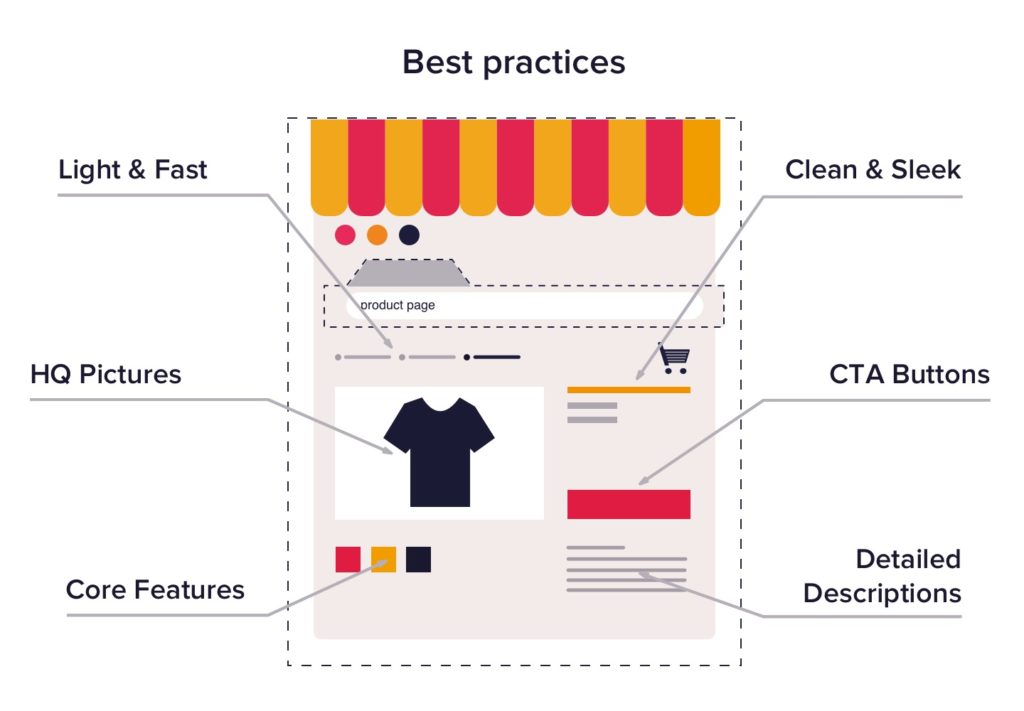
Product Page Best Practices

Product Page Best Practices

Your SaaS product page is the place where potential customers can find out more about what you offer. It shows them how it can help them. Creating a clear and engaging product page is very important for turning interest into sales.

Here are some key best practices for your SaaS product page to remember.

  • Highlight Key Features and Benefits: Communicate how your SaaS product solves problems and delivers value.
  • Include Engaging Visuals: Use high-quality images, videos, and infographics to showcase your product’s features.
  • Provide Clear Pricing Information: Display transparent pricing information and highlight the value of each plan.

Resources Section Best Practices

Resources Section Best Practices

Your resources section gives important information to both new and current customers. It is a great way to show your knowledge, build trust, and bring in more website visitors through organic search.

To make your resources section work better, focus on making high-quality content that meets the needs of your target audience.

  • Informative Blog Content: Publish valuable, SEO-optimized content that addresses your target audience’s pain points and interests.
  • Comprehensive Knowledge Base: Create a searchable repository of helpful articles and guides for users.
  • Useful Case Studies and Whitepapers: Showcase real-world examples of how your SaaS product has helped customers succeed.

FAQ Page Best Practices

FAQ Page Best Practices

An FAQ page is very important for any good SaaS website. It acts as a central place to answer common questions from customers. This gives people quick and easy access to useful information.

A good FAQ page can make the user experience better. It can help reduce customer support requests and improve the overall function of your website.

  • Address Common Customer Questions: Anticipate and answer frequently asked questions to reduce support inquiries.
  • Organize Content into Categories: Group-related questions for easy navigation.
  • Include a Search Function: Allow users to quickly find answers to their specific questions.
  • Keep Answers Concise and Clear: Provide straightforward, easy-to-understand responses.

Conversion Optimization Best Practices

Conversion Optimization Best Practices

Conversion rate optimization, or CRO, is very important for getting the best results from your SaaS website. It means improving different parts of your site to help visitors take the actions you want. This could be signing up for a free trial or buying something.

Let’s look at some effective best practices for CRO on SaaS websites.

  • Strategically Placed CTAs: Include clear and compelling calls to action throughout your website.
  • Optimized Landing Pages: Create targeted landing pages for specific campaigns or user segments.
  • A/B Testing Key Elements: Continuously test and refine your website elements to improve conversion rates.

Mobile Responsiveness Best Practices

Mobile Responsiveness Best Practices

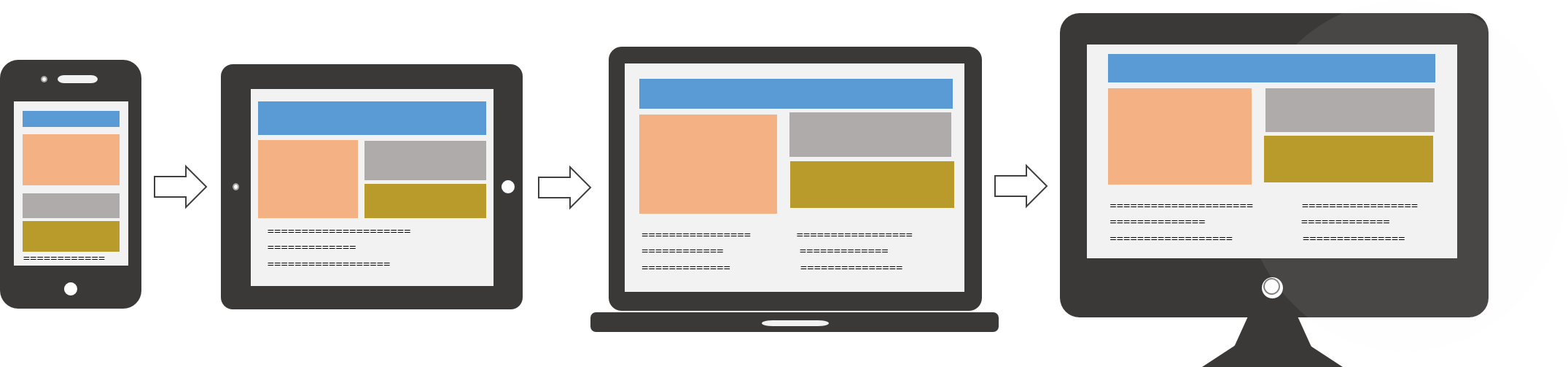
In today’s world, your SaaS website must do more than just look good on a desktop. It needs to work well on all devices. Mobile responsiveness is important. This feature helps your website adjust easily to various screen sizes.

As a result, people can read your content easily. Images look good too, and navigating your site is just as simple on a mobile phone as it is on a bigger screen.

  • Responsive Design Across Devices: Ensure your website looks and functions well on all screen sizes.
  • Fast Loading Speeds: Optimize your website’s performance for quick loading on mobile devices.
  • Easy Touch-Based Navigation: Design navigation elements that are easy to use on touchscreens.

Analytics and Tracking Best Practices

Analytics and Tracking Best Practices

Set up conversion tracking to see how well your SaaS marketing campaigns are working. Check important metrics and KPIs often to evaluate your SaaS website’s performance.

  • Set Up Conversion Tracking: Use tools like Google Analytics to monitor key conversion metrics.
  • Monitor Key Metrics and KPIs: Track important performance indicators to gauge your website’s effectiveness.
  • Use Data to Inform Optimizations: Make data-driven decisions to continuously improve your website.

Are You Using These Best Practices On Your SaaS Website?

Take a critical look at your current SaaS website and identify areas for improvement based on these best practices. Implementing these strategies can lead to significant improvements in user experience, conversion rates, and overall business success.

What Are Some Examples of Effective SaaS Websites?

What Are Some Examples of Effective SaaS Websites?

  1. Dropbox: Dropbox’s website effectively communicates its value proposition and features a clean, user-friendly design.
  2. Slack: Slack’s website showcases its product features through engaging visuals and clear messaging.
  3. HubSpot: HubSpot’s website offers a wealth of resources and clear navigation, making it easy for users to find information.
  4. Mailchimp: Mailchimp’s website features a strong value proposition and intuitive user flow.
  5. Asana: Asana’s website effectively demonstrates its product’s capabilities through interactive elements and clear messaging.

FAQ’s:

What Are Some Common Design Mistakes to Avoid in SaaS Websites?

Common mistakes include cluttered layouts, unclear value propositions, and poor navigation. Focus on simplicity, clarity, and user-centered design.

How Can I Ensure My SaaS Website is Mobile-Friendly?

Use responsive design techniques, optimize images and content for mobile devices, and test your website across various screen sizes.

How Can I Include Social Proof Effectively Into My SaaS Website Design?

Include customer testimonials, case studies, and success stories throughout your website. Use real names, photos, and specific results to build credibility.

Conclusion

Implementing these SaaS website best practices can significantly improve your online presence, user experience, and conversion rates.

By focusing on clear communication, user-friendly design, and continuous optimization, you can create a website that effectively showcases your SaaS product and drives business growth.

Remember to regularly review and update your website to stay ahead in the competitive SaaS companies landscape.

SaaS Content Strategy: Step-By-Step Guide to Making a SaaS Funnel

In today’s competitive SaaS landscape, a well-created content strategy is essential for attracting and engaging your target audience, driving organic traffic, and ultimately boosting conversions.

A comprehensive SaaS content strategy goes beyond simply creating blog posts; it involves understanding your audience’s pain points, mapping content to the customer journey, and leveraging various types of content to achieve your SaaS marketing goals.

At VH Info, we specialize in helping SaaS companies develop and execute effective content strategies that drive results.

In this ultimate guide, we’ll walk you through the key components of a winning SaaS content strategy and provide actionable tips to help you optimize your SEO content topics and marketing efforts.

What is a SaaS Content Strategy?

What is a SaaS Content Strategy?

A SaaS content strategy is a comprehensive plan that outlines how you will use content to attract, engage, and convert your target audience.

It involves identifying the types of content that resonate with your audience at different stages of the buyer’s journey and creating a content calendar to ensure consistent and targeted content creation.

An effective SaaS content strategy should align with your overall business goals, such as increasing brand awareness, generating leads, or driving product adoption.

Why is a SaaS Content Strategy Important For Businesses?

Why is a SaaS Content Strategy Important For Businesses?

Implementing a robust SaaS content strategy offers numerous benefits for businesses, including:

  1. Attracting Qualified Leads: Creating content that targets specific keywords and addresses your audience’s pain points can attract high-quality leads who are more likely to convert into paying customers.
  2. Boosting Organic Traffic: A well-executed content strategy that includes SEO best practices can help improve your google search engine rankings, driving more organic traffic to your website.
  3. Establishing Thought Leadership: Consistently producing valuable content that showcases your expertise can position your brand as a thought leader in your industry, building trust and credibility with your target audience.
  4. Supporting the Customer Journey: A comprehensive content strategy ensures that you have content tailored to each stage of the buyer’s journey, from awareness to consideration to decision, helping to nurture leads and guide them toward conversion.
  5. Improving Customer Retention: Creating content that helps customers get the most out of your SaaS product, such as tutorials and best practices, can improve customer satisfaction and reduce churn.

The 7 Pillars of SaaS Content Strategy

The 7 Pillars of SaaS Content Strategy

To create a winning SaaS content strategy, focus on these seven key pillars:

  1. Identify Your Audience: The foundation of any successful content strategy is a deep understanding of your target audience. Conduct thorough research to develop detailed buyer personas that include demographics, pain points, goals, and content preferences.
  2. Identify Your Distribution Channels: Determine the most effective channels for reaching your target audience, such as your website, social media platforms, email marketing, or industry publications. Tailor your content to each channel’s unique requirements and audience preferences.
  3. Build a Growth Model: Create a content growth model that predicts the potential impact of your SaaS content marketing efforts on key metrics like organic traffic, lead generation, and revenue. Use this model to set realistic goals and allocate resources effectively.
  4. Map Out a Plan to Dominate Your Distribution Channel: Develop a content plan that uses your strengths and targets your chosen distribution channels. This may include a mix of blog posts, whitepapers, case studies, webinars, and other types of content designed to engage your audience and drive results.

  5. Promote Like Crazy: Creating great content is only half the battle; you also need to promote it aggressively to ensure it reaches your target audience. Use social media, email marketing, influencer partnerships, and paid advertising to amplify your content’s reach.
  6. Aim, Fire, Optimize: Continuously monitor and analyze your content’s performance using tools like Google Analytics. Use these insights to optimize your content strategy, doubling down on what works and pivoting away from what doesn’t.
  7. Scale, Scale, Scale: As you refine your content strategy and start seeing results, look for opportunities to scale your efforts. This may involve expanding your content team, exploring new content formats, or targeting additional distribution channels.

How to Build Your Own SaaS Content Strategy?

How to Build Your Own SaaS Content Strategy?

Now that you understand the key components of a SaaS content strategy, let’s walk through the steps to create your own:

  1. Define Key Metrics & Objectives: Start by defining the key metrics and objectives that will guide your content strategy. These may include organic traffic, lead generation, conversion rates, or customer retention. Ensure that your objectives are specific, measurable, achievable, relevant, and time-bound (SMART).

  2. Spell Out Your Brand Story and Product USPs: Clearly articulate your brand story and your SaaS product’s unique selling points (USPs). This will help ensure that your content consistently communicates your brand’s value proposition and resonates with your target audience.
  3. Complete Jobs to Be Done Exercise: Conduct a “Jobs to Be Done” exercise to identify the specific tasks, goals, and challenges that your target audience faces. This will help you create content that addresses their pain points and positions your SaaS product as the solution.
  4. Identify Your Audience and Develop Buyer Personas: Use the insights from your Jobs to Be Done exercise to develop detailed buyer personas that represent your ideal customers. Include information like demographics, job titles, goals, challenges, and content preferences.
  5. Scan Competitive Landscape: Analyze your competitors’ content strategies to identify gaps and opportunities. Look for ways to differentiate your content and provide unique value to your target audience.
  6. Conduct Keyword Research With Search Intent in Mind: Use tools like Google Keyword Planner and Ahrefs to identify the keywords and phrases that your target audience is searching for. Prioritize keywords with high search volume and low competition, and group them by search intent (informational, navigational, commercial, or transactional).
  7. Perform a SaaS Content Audit To See Where Your Gaps & Opportunities Are: Conduct a thorough audit of your existing content to identify gaps and opportunities. Look for content that can be updated, repurposed, or expanded to better align with your content strategy.
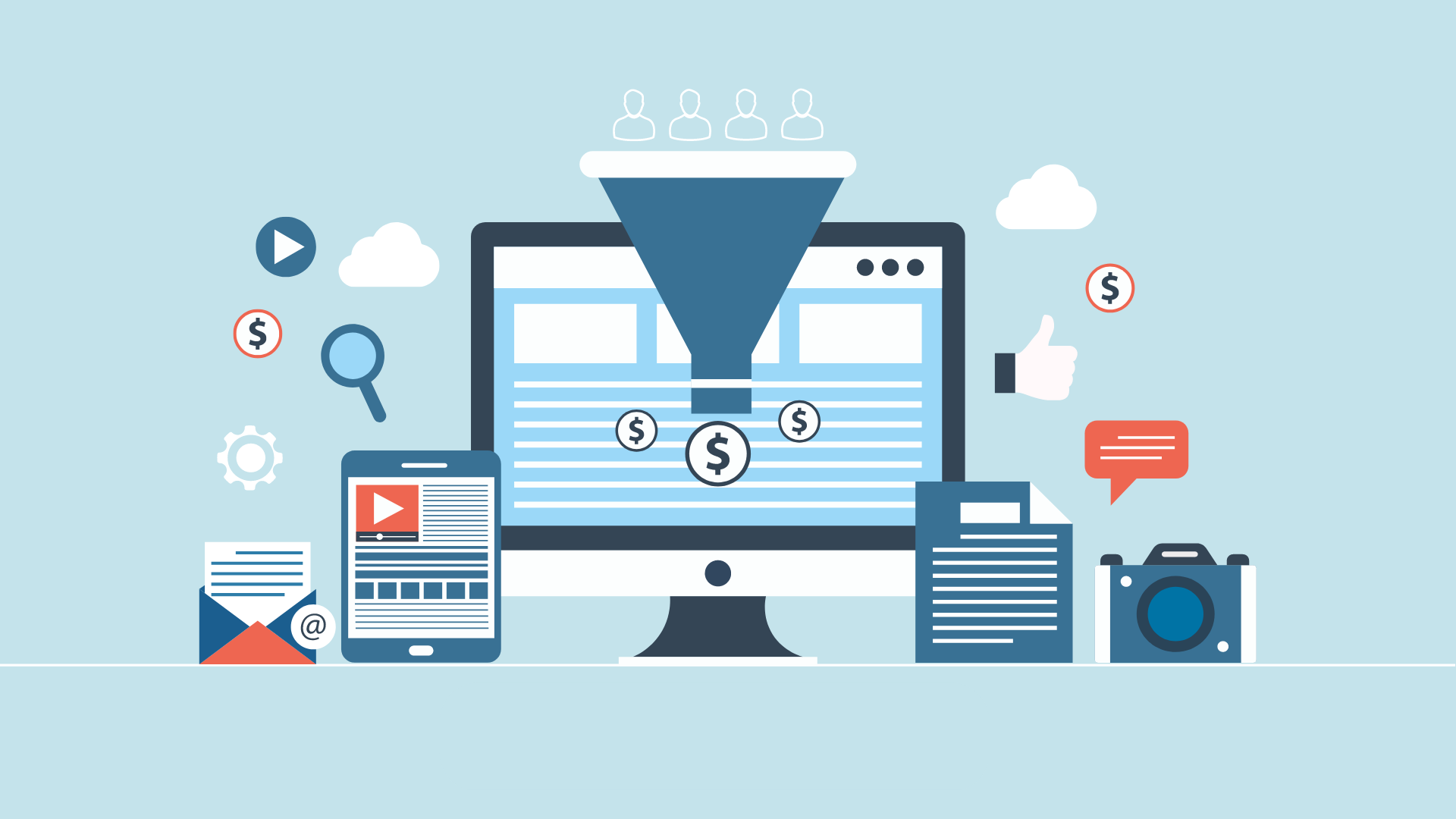
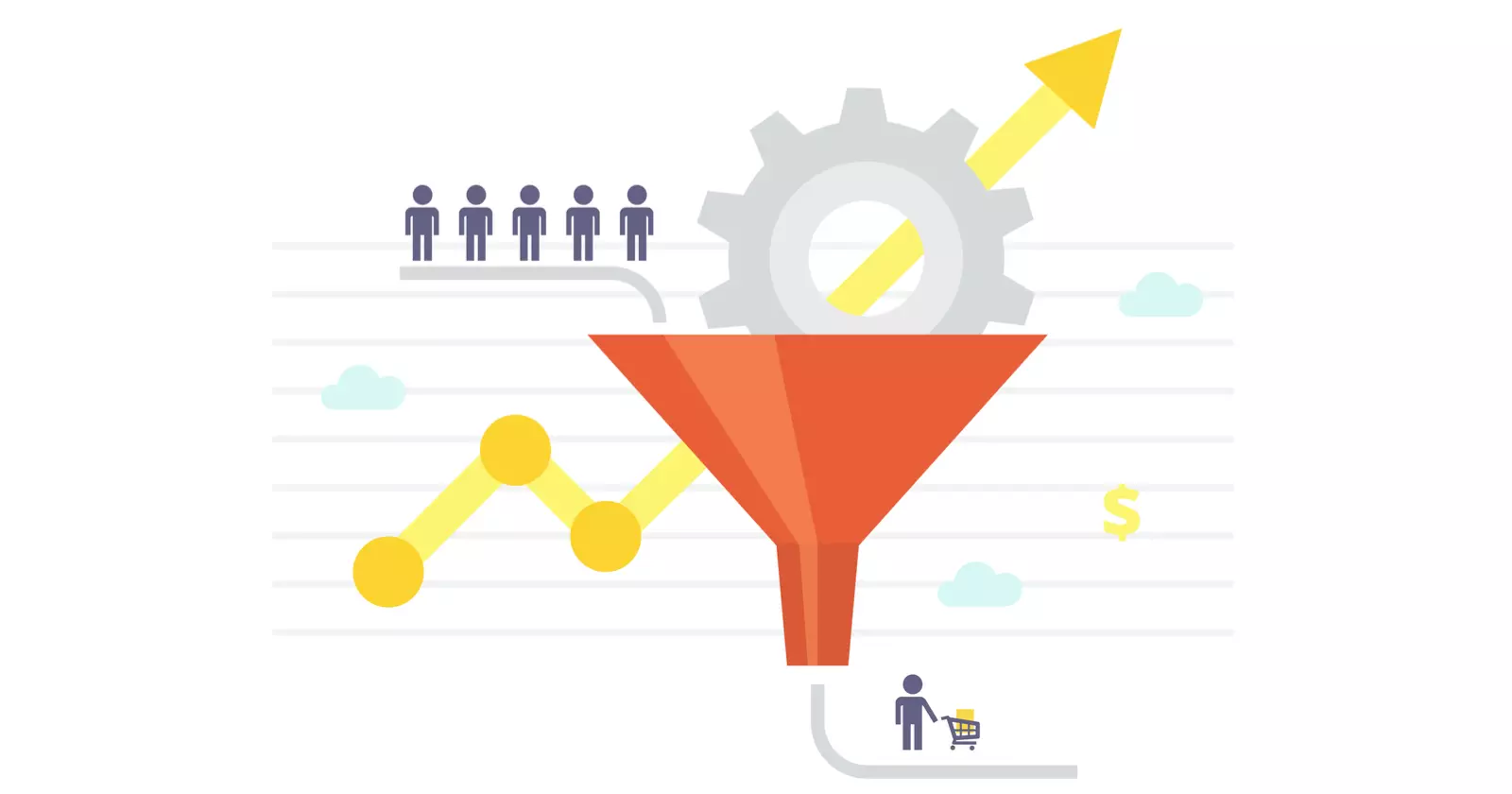
  8. Map Content to All Stages of the Funnel: Create a content map that aligns specific types of content with each stage of the buyer’s journey (awareness, consideration, decision, and retention). Ensure that you have a funnel content tailored to each stage to guide prospects towards conversion – Top of the Funnel, Middle of the funnel and bottom of the funnel content.
  9. Organize Everything in an Editorial Calendar: Use a tool like Trello, Asana, or CoSchedule to create an editorial calendar that outlines your content production schedule. Include details like topic, format, target keywords, and publication date to keep your team organized and on track.
  10. Launch Lead Nurturing Workflows: Develop lead nurturing workflows that use targeted content to guide prospects through the buyer’s journey. Use marketing automation tools to trigger personalized content based on user behavior and engagement.
  11. Build Backlinks and Boost Authority: Include link-building strategies into your content strategy to boost your website’s authority and improve your search engine rankings. Focus on creating high-quality, shareable content that naturally attracts backlinks from reputable sources.
  12. Deploy Content Promotion and Distribution: Promote your content aggressively using a mix of owned, earned, and paid channels. Share your content on social media, use email marketing, and consider paid advertising to amplify your reach.

Common Pitfalls That Can Occur Without a SaaS Content Strategy

Without a well-defined SaaS content strategy, businesses may encounter several pitfalls, including:

  1. Lack of Focus: Without a clear understanding of your target audience and their needs, your content may lack focus and fail to resonate with readers.
  2. Inconsistent Messaging: Inconsistent messaging across different piece of content can confuse your audience and dilute your brand’s value proposition.
  3. Missed Opportunities: Without a comprehensive content strategy, you may miss opportunities to create content that addresses key pain points or targets high-value keywords.
  4. Poor Content Performance: Content created without a strategic framework may fail to achieve your desired organic search results, such as driving organic traffic or generating leads.
  5. Wasted Resources: Without a clear plan and objectives, you may invest time and resources into creating marketing content and distribution strategy that doesn’t align with your business goals or target audience’s needs.

Tools to Make Working On SaaS Content Easier

Tools to Make Working On SaaS Content Easier

To streamline your content creation and promotion processes, consider using these helpful tools in your marketing funnel:

Systemizing the Production Process

  1. Trello: Trello is a visual collaboration tool that helps teams organize and prioritize their content production tasks. Use Trello boards to create content calendars, assign tasks, and track progress.
  2. CoSchedule: CoSchedule is an all-in-one content marketing platform that helps teams plan, execute, and optimize their content strategies. Features include a content calendar, task management, and social media scheduling.
  3. Asana: Asana is a project management tool that helps teams coordinate tasks, deadlines, and communication. Use Asana to create content workflows, assign tasks, and collaborate with your team.
  4. Slack: Slack is a team communication platform that allows for real-time messaging, file sharing, and integration with other tools. Use Slack to streamline communication and collaboration among your content team.

Writing and SEO

  1. Airstory: Airstory is a writing tool that helps content creators organize their research, collaborate with team members, and streamline the writing process. Features include a drag-and-drop outline builder and integration with WordPress.
  2. Google Docs: Google Docs is a free, cloud-based word processing tool that allows for real-time collaboration and commenting. Use Google Docs to draft, edit, and share your content with team members.

Tracking Results

  1. Google Campaign URL Builder: Google Campaign URL Builder is a free tool that helps you create custom URLs for tracking the performance of your content promotion campaigns. Use these URLs to measure the effectiveness of your social media, email, and paid advertising efforts.
  2. Google Analytics: Google Analytics is a powerful web analytics platform that helps you track and analyze your website traffic, user behavior, and content performance. Use Google Analytics to measure the impact of your content strategy and identify opportunities for optimization.
  3. Pipedrive: Pipedrive is a sales CRM that helps teams track and manage their leads and deals. Use Pipedrive to measure the impact of your content on lead generation and sales.
  4. Profitwell by Paddle: Profitwell is a subscription analytics platform that helps SaaS businesses track and optimize their revenue growth. Use Profitwell to measure the impact of your content on customer acquisition and retention.
  5. Mention: Mention is a media monitoring tool that helps you track mentions of your brand, competitors, and industry keywords across the web. Use Mention to measure the impact of your content on brand awareness and reputation.

Content Promotion

  1. Buffer: Buffer is a social media management platform that helps you schedule, publish, and analyze your social media content. Use Buffer to streamline your social media promotion efforts and measure the impact of your content on social engagement.
  2. Mailchimp: Mailchimp is an email marketing platform that helps you create, send, and track email campaigns. Use Mailchimp to promote your content to your email subscribers and measure the impact on engagement and conversions.
  3. Hootsuite: Hootsuite is a social media management platform that helps you schedule, publish, and monitor your social media content. Use Hootsuite to streamline your social media promotion efforts and engage with your audience across multiple platforms.

Examples of SaaS Companies With Great Content Marketing

Examples of SaaS Companies With Great Content Marketing

To inspire your own SaaS content strategy, look to these companies that excel at content marketing:

  1. HubSpot: HubSpot is a master of inbound marketing, using a mix of blog posts, ebooks, webinars, and courses to attract and engage its target audience.
  2. Moz: Moz is a leader in the SEO space, known for its informative blog posts, whitepapers, and industry reports that showcase its expertise and thought leadership.
  3. Intercom: Intercom uses a mix of blog posts, podcasts, and customer success stories to educate and inspire its audience while showcasing the value of its customer communication platform.
  4. Ahrefs: Ahrefs is a go-to resource for SEO and content marketing insights, thanks to their data-driven blog posts, tutorials, and case studies that showcase the power of their tools.
  5. Drift: Drift uses a mix of blog posts, video content, and interactive content to engage its audience and showcase the value of its conversational marketing platform.

FAQ’s:

What Are the 3Cs of Content Strategy?

The three C’s of content strategy are:

  • Creation: Develop high-quality, valuable content that resonates with your target audience and aligns with your business goals.
  • Curation: Identifying and sharing relevant, third-party content that adds value to your audience and supports your brand’s messaging and helps your reach a wider audience.
  • Collaboration: Working with internal teams, external partners, and industry influencers to create and promote content that amplifies your reach and impact.

What Does a Strong SaaS Content Strategy Plan Look Like?

A strong SaaS content strategy plan should include:

  • Clear objectives and KPIs that align with your business goals.
  • Detailed buyer personas that represent your ideal customers and their needs.
  • A content map that aligns specific types of content with each stage of the buyer’s journey.
  • An editorial calendar that outlines your content production schedule and responsibilities.
  • A promotion and distribution plan that leverages a mix of owned, earned, and paid channels.
  • A measurement and optimization framework that tracks your content’s performance and informs ongoing improvements.

What Role Does SEO Play in a Successful SaaS Content Strategy?

SEO plays an important role in a successful SaaS content strategy by:

  • Driving organic traffic to your website through targeted keyword optimization.
  • Improving your search engine rankings and visibility for key industry terms.
  • Attracting qualified leads who are actively searching for solutions to their pain points.
  • Establishing your brand’s authority and credibility through informative, high-quality content.

How Can Data Analytics Be Used to Optimize a SaaS Content Strategy?

Data analytics can be used to optimize a SaaS content strategy in several ways:

  • Identifying top-performing content in terms of traffic, engagement, and conversions.
  • Analyzing user behavior to identify opportunities for content optimization and personalization.
  • Measuring the impact of your content on key metrics like lead generation and customer retention.
  • Informing content ideation and planning based on audience interests and pain points.
  • Tracking the ROI of your content marketing efforts to justify investment and allocate resources effectively.

Conclusion

So, you know, if you want to really amp up your SaaS content strategy, you gotta follow these steps.

It’s key for getting more eyes on your stuff, connecting with your peeps, and hitting those business goals. And hey, with the right tools and tricks, you can totally nail it and show everyone that you’re the top dog in your industry.

Over at VH Info, we’ve got a killer team of SaaS link building pros who can take your strategy to the next level. We’ll hook you up with all the good stuff – finding those sweet link opps, creating killer content that gets those backlinks, content distribution and boosting your marketing sales funnel’s overall credibility. Hit us up today and let’s chat about how we can help you crush it with your content marketing game.

PPC For SaaS: What is it, Importance, Challenges & How To Build It?

Pay-per-click (PPC) advertising is a powerful digital marketing tool for software-as-a-service (SaaS) companies looking to drive targeted traffic, generate leads, and accelerate growth.

In the competitive SaaS landscape, a well-executed PPC strategy can help you stand out, reach your ideal customers, and achieve your business goals.

At VH Info, we specialize in helping SaaS companies develop and implement effective PPC campaigns that deliver results.

In this comprehensive guide, we’ll dive into the world of PPC for SaaS, exploring its benefits, best practices, and proven strategies to help you succeed.

What is SaaS PPC?

What is SaaS PPC?

SaaS PPC is a great way to engage in a form of online advertising where SaaS companies pay each time a user clicks on one of their ads. These ads typically appear on search engine results pages (SERPs), targeting specific keywords on social media platforms, and other websites, targeting users who are searching for or interested in products or services related to the advertiser’s offering.

Why PPC is Important For SaaS?

Why PPC is Important For SaaS?

PPC is a critical component of any successful SaaS marketing strategy. Here’s why:

  1. Immediate Visibility and Traffic: PPC ads can quickly put your SaaS product in front of potential customers who are actively searching for solutions, driving targeted traffic to your website or landing pages.
  2. Perfect Harmony With SEO: While SEO is a long-term strategy focused on building sustainable organic growth, PPC allows you to reach your audience with relevant content immediately, complementing your SEO efforts.
  3. Precision Targeting and Adaptability: PPC platforms offer granular targeting options based on keywords, user behaviors, demographics, and more, ensuring your ads reach the most relevant audience. Campaigns can also be adjusted in real time based on performance data.
  4. Long Sales Cycles and Retargeting: SaaS companies often face longer sales cycles, making customer retention and engagement important. PPC excels in this area by enabling effective retargeting strategies to keep your brand top-of-mind.
  5. Cost-Effective Experimentation: PPC allows you to test different ad copy, landing pages, and offers without breaking the bank, providing valuable insights into what resonates with your target audience.

SaaS PPC: How To Build High-Converting Campaigns?

SaaS PPC: How To Build High-Converting Campaigns?

Building a successful SaaS PPC campaign requires careful planning, execution, and optimization.

Here’s a step-by-step guide:

  1. Understand Your Target Customers: Develop a deep understanding of your ideal customer profile, including their pain points, goals, and online behavior. This knowledge will inform your keyword selection, ad copy, and landing page design.
  2. Set Clear Campaign Objectives: Define specific, measurable goals for your PPC campaigns, such as generating leads, driving free trial sign-ups, or increasing brand awareness. These objectives will guide your strategy and help you measure success.
  3. Keyword Research & Selection: Identify the keywords and search terms your target audience uses when looking for solutions like yours. Focus on long-tail, intent-driven keywords that indicate a high likelihood of conversion.
  4. Create Compelling Ad Copy: Create ad copy that speaks directly to your target audience’s pain points and highlights your unique selling proposition. Use strong calls-to-action (CTAs) to encourage clicks and conversions.
  5. Design High-Converting Landing Pages: Develop dedicated landing pages for each ad group, ensuring a seamless user experience from click to conversion. Optimize your landing pages for speed, mobile responsiveness, and clear messaging.
  6. Utilize Ad Extensions and Features: Take advantage of ad extensions, such as sitelinks, callouts, and structured snippets, to provide additional information and improve your ad’s visibility and click-through rate (CTR).
  7. Budgeting and Bidding Strategies: Set a realistic budget based on your goals and the competitive landscape. Experiment with different bidding strategies, such as manual CPC, target CPA, or target ROAS, to find the optimal balance between cost and performance.
  8. Measure and Analyze Campaign Performance: Regularly monitor your PPC campaigns using tools like Google Analytics and Google Ads. Track key metrics, such as CTR, conversion rate, and cost per acquisition (CPA), and use these insights to inform optimizations.
  9. Optimize For Mobile and Cross-Device Conversions: With the majority of online traffic coming from mobile devices, it’s important to ensure your PPC campaigns are optimized for mobile. Use mobile-specific ad copy, extensions, and landing pages to provide a seamless user experience.
  10. Advanced Tactics: Remarketing and Lookalike Audiences: Implement remarketing campaigns to target users who have previously interacted with your website or ads. Additionally, use lookalike audiences to reach new prospects who share similar characteristics with your best customers.
  11. Scaling Successful Campaigns: Once you’ve identified high-performing campaigns, allocate more budget to these areas to scale your success. Continuously monitor and optimize your campaigns to ensure sustainable growth.

SaaS PPC Strategy Breakdown

SaaS PPC Strategy Breakdown

To maximize the impact of your SaaS PPC campaigns, focus on these key strategies:

  1. Tailor Ads to Your Target Audience: Develop ad copy and landing pages that resonate with your ideal customer, addressing their specific pain points and highlighting the benefits of your SaaS product.
  2. Bidding On The Competition: Consider bidding on your competitor’s brand names and product keywords to capture users who are actively considering alternative solutions.
  3. Negative Keywords & Audience Exclusion: Utilize negative keywords and audience exclusion to prevent your ads from showing to irrelevant or unqualified users, improving your campaign’s efficiency and ROI.
  4. Utilize Retargeting and Remarketing: Implement retargeting campaigns to re-engage users who have shown interest in your SaaS product but haven’t yet converted. This helps keep your brand top-of-mind and increases the likelihood of conversion.
  5. Quality Score & Landing Page Optimization: Focus on improving your Quality Score by ensuring your ad copy, keywords, and landing pages are highly relevant and user-friendly. A higher Quality Score can lead to better ad positions and lower costs per click.

Why Landing Pages Are Perfect For PPC?

PPC Landing pages are an essential component of any successful SaaS PPC campaign. Here’s why:

  1. Streamlined Messaging and Customer Engagement: Dedicated landing pages allow you to tailor your messaging to specific ad groups or campaigns, providing a more relevant and engaging experience for visitors.
  2. Experimentation and Optimization: Landing pages provide an ideal testing ground for different offers, designs, and copy variations. By continuously experimenting and optimizing, you can improve your conversion rates and overall campaign performance.
  3. High-Quality Lead Generation: Well-designed landing pages help qualify leads by providing targeted information and clear CTAs, ensuring that the users who convert are more likely qualified leads who may become valuable customers.
  4. Multiple Campaigns, Multiple Opportunities: By creating multiple landing pages for different campaigns, you can target various segments of your audience and offer personalized experiences that drive conversions.
  5. Data-Driven Insights: Landing pages provide valuable data on user behavior, preferences, and conversion patterns. These insights can inform not only your PPC strategy but also your broader SaaS marketing efforts.

Challenges in SaaS PPC and How to Overcome Them?

Challenges in SaaS PPC and How to Overcome Them?

While PPC is a powerful tool for SaaS companies, it’s not without its challenges.

Here are some common obstacles and how to overcome them:

  1. Long Sales Cycles: SaaS products often have longer sales cycles, which can make it difficult to attribute conversions to specific PPC campaigns. To address this, focus on tracking micro-conversions, such as free trial sign-ups or demo requests, and use multi-touch attribution models to better understand the customer journey.
  2. Crowded Market Landscape: The SaaS industry is highly competitive, which can make it challenging to stand out in the PPC landscape. To differentiate your brand, focus on developing compelling ad copy, unique offers, and highly targeted campaigns that speak directly to your ideal customer’s needs.
  3. Evolving Search Engine Algorithms: Search engines like Google continuously update their algorithms, which can impact your PPC campaign performance. Stay up-to-date with the latest best practices and adjust your strategy accordingly to ensure your campaigns remain effective.
  4. Complex Customer Education: SaaS products often require more education and nurturing than traditional products, which can make it challenging to convert users through PPC alone. Develop a comprehensive content marketing strategy that complements your PPC efforts, providing valuable resources and guidance to help users make informed decisions.
  5. Not Aligning Your Message With Your Audience: One of the biggest mistakes SaaS companies make in their PPC campaigns is failing to align their ad copy and landing pages with their target audience’s needs and preferences. To avoid this, conduct thorough audience research and create messaging that resonates with their specific pain points and goals.
  6. Not Optimizing For Conversions: Many SaaS PPC campaigns focus too heavily on driving clicks and traffic, neglecting the importance of conversion optimization. Ensure your landing pages are designed to convert by providing a clear value proposition, compelling CTAs, and a seamless user experience.
  7. Make it Easy to Get Value From Your Product: To drive conversions and reduce churn, it’s important to make it easy for users to get value from your SaaS product. Use your PPC campaigns to highlight your product’s key benefits and provide a frictionless path to sign up for a free trial or demo.

Keeping an eye on your SaaS PPC campaigns is super important. You have to constantly measure, analyze, and tweak them to make sure they’re working their best.

It’s all about checking out what your competitors are up to, using retargeting tactics, trying out different ad platforms, reaching the right audience for your saas business and making sure you’re not spending more than you’re making from new customers.

Just keep at it, maintain your customer acquisition costs in your ad campaign’s marketing budget and you’ll see those campaigns start to pay off even with high competition.

The SaaS PPC Optimization Strategy We Implement For Client’s

The SaaS PPC Optimization Strategy We Implement For Client's

At VH Info, we follow a proven optimization strategy to help our SaaS clients achieve their PPC goals:

  1. Improve Click Through Rates (CTR): We continuously refine ad copy, extensions, and targeting to improve CTRs and drive more qualified traffic to your landing pages.
  2. Quality Score Optimization: Our team focuses on improving Quality Scores by ensuring tight keyword relevance, compelling ad copy, and user-friendly landing pages. Higher Quality Scores lead to better ad positions and lower costs per click.
  3. Continuous Ad Copy Testing & Updating: We regularly test and update ad copy to identify the messaging that resonates best with your target audience. This iterative process helps improve performance and keeps your campaigns fresh.
  4. Negative Keywords & Audience Exclusions: We proactively manage negative keywords and audience exclusions to minimize wasted ad spend and ensure your budget is allocated to the most relevant and profitable segments.

Why SaaS PPC Campaigns Underperform and How to Avoid It?

Why SaaS PPC Campaigns Underperform and How to Avoid It?

Many SaaS PPC campaigns fail to deliver the desired results due to common pitfalls.

Here’s how to avoid them:

  1. The Moving Bullseye: SaaS products often evolve rapidly, which can make it challenging to maintain a consistent PPC strategy. Regularly review your product positioning and adjust your campaigns accordingly to ensure your messaging remains relevant.
  2. Optimizing For Bottom of the Funnel Too Soon: Many SaaS companies make the mistake of focusing their PPC efforts solely on bottom-of-the-funnel conversions, neglecting the importance of building brand awareness and nurturing leads. Develop a full-funnel approach that guides users through the entire customer journey.
  3. Narrow Audience Targeting: While precise targeting is important, overly narrow audience parameters can limit your reach and growth potential. Experiment with broader targeting options and use data to refine your approach over time.
  4. Setting and Forgetting: PPC is not a set-it-and-forget-it channel. Regularly monitor your campaigns, analyze performance data, and make optimizations to ensure your ads remain effective and competitive.
  5. Not Tracking Conversions: Without proper conversion tracking, it’s impossible to measure the success of your PPC campaigns. Implement robust tracking mechanisms and use the data to inform your optimization efforts.
  6. Generic Ad Copy: Generic, uninspired ad copy fails to capture users’ attention and differentiate your brand. Create compelling, targeted ad copy that speaks directly to your audience’s needs and highlights your unique value proposition.
  7. Poor Landing Page Experience: A subpar landing page experience can negate the effectiveness of even the best PPC campaigns. Ensure your landing pages are fast, mobile-friendly, and optimized for conversions.
  8. Overlooking Mobile Users: With the majority of online traffic coming from mobile devices, neglecting mobile optimization can significantly limit your PPC success. Develop mobile-specific ads, extensions, and landing pages to provide a seamless user experience.
  9. Not Treating PPC as a Long-Term Investment: PPC is not a quick fix but rather a long-term investment in your SaaS company’s growth. Commit to continuous learning, experimentation, and optimization to achieve sustainable results.

FAQ’s:

What Makes PPC Important For SaaS Companies?

PPC is important for SaaS companies because it provides immediate visibility, complements SEO efforts, offers precise targeting, and enables effective retargeting throughout the lengthy SaaS sales cycle.

Can Small SaaS Companies Compete With Big Players Through PPC?

Yes, small SaaS companies can use PPC to level the playing field by targeting niche keywords, focusing on specific audience segments, and providing a superior user experience.

How Often Should I Optimize My PPC Campaigns?

PPC campaigns should be monitored and optimized on a regular basis, at least weekly, to ensure peak performance and adapt to changing market conditions.

How Do You Measure the Success of a SaaS PPC Campaign?

The success of a SaaS PPC campaign is measured through key metrics such as click-through rate (CTR), conversion rate, cost per acquisition (CPA), and customer lifetime value (LTV).

Does PPC Work For B2B?

Yes, PPC is highly effective for B2B SaaS companies, as it allows them to target decision-makers with intent-driven keywords and provide valuable content throughout the lengthy B2B sales cycle.

Are There Specific PPC Platforms That Work Best For SaaS?

Google Ads and Microsoft Advertising (formerly Bing Ads) are the most popular PPC platforms for SaaS companies, offering extensive reach and robust targeting options. LinkedIn Ads can also be effective for B2B SaaS.

Why Do I Need a SaaS PPC Agency?

A specialized SaaS PPC agency like VH Info brings industry expertise, proven strategies, and a track record of success to help your company navigate the complexities of PPC advertising and achieve its growth goals.

Conclusion

PPC is a powerful tool for SaaS companies looking to drive growth, generate leads, and acquire new customers.

At VH Info, we’re committed to helping SaaS companies like yours unlock the full potential of omni channel advertising. It’s way better to go with a multichannel approach. Adopting a multichannel approach lets your SaaS company reach customers where they hang out the most. Consider using Bing Ads, Facebook Ads, LinkedIn Ads – wherever your audience is likely to be.

Our team of experienced professionals combines industry expertise with a data-driven approach to deliver customized strategies that drive results.

Ready to take your SaaS PPC efforts to the next level? Contact VH Info today to learn more about our services and how we can help your business thrive in the digital age.

Rich Snippets in SEO: Meaning, Types, Examples & How to Create It?

Rich snippets are a powerful tool for enhancing your website’s visibility and click-through rate (CTR) in search engine results pages (SERPs).

By leveraging structured data markup, you can provide additional information about your content, making it more attractive and informative to potential visitors.

In this comprehensive guide, we’ll dive deep into the world of rich snippets, exploring their benefits, types, implementation, and best practices to help you optimize your SaaS website for better SEO performance.

What Are Rich Snippets and Why Are They Important?

What Are Rich Snippets and Why Are They Important?

Rich snippets are enhanced search results that display extra information beyond the standard title, URL, and meta description. This additional information, such as star ratings, product prices, or event dates, is extracted from the page’s HTML structured data markup on a webpage. Rich snippets make your search listings more eye-catching and informative, increasing the likelihood of users clicking through to your site.

What Are Rich Snippets in SEO?

What Are Rich Snippets in SEO?

In the context of SEO, rich snippets are a way to provide search engines with more detailed information about your content, helping them better understand and categorize your pages. By implementing structured markup data, you can help search engines display relevant information from your site directly in the search results, improving your visibility and organic CTR.

Rich Snippets & SEO: Are They Related?

Rich Snippets & SEO: Are They Related?

Yes, rich snippets and SEO are closely related. While rich snippets are not a direct ranking factor, they can indirectly impact your SEO performance by increasing your click-through rate and driving more targeted traffic to your site through effective keyword research. Higher CTRs can send positive signals to search engines, potentially leading to improved rankings over time.

How Rich Snippets Help With SEO?

How Rich Snippets Help With SEO?

Rich snippets offer several SEO benefits:

  1. Increased Visibility: Rich snippets make your search listings stand out, attracting more attention and clicks.
  2. Higher Click-Through Rates: By providing relevant information upfront, rich snippets encourage users to click through to your site.
  3. Improved User Experience: Rich snippets help users quickly determine if your content meets their needs, leading to better engagement and lower bounce rates.
  4. Indirect Ranking Boost: Higher CTRs and user engagement can indirectly influence your search rankings over time.

Rich Snippets Vs Rich Results Vs Featured Snippets

While often used interchangeably, there are slight differences between these terms:

  • Rich Snippets: Additional information displayed in search results, extracted from structured data markup.
  • Rich Results: A broader term encompassing various types of enhanced search results, including rich snippets, knowledge panels, and carousels.
  • Featured Snippets: Concise answers to user queries, displayed at the top of search results, often extracted from webpage content.

How Do Rich Snippets Work?

How Do Rich Snippets Work?

Search engines like Google use structured data markup, such as Schema.org, to extract relevant information from webpages and display it as rich snippets in search results. By adding this markup to your site’s HTML, you can help search engines better understand and present your content.

The Most Common Types of Rich Snippets

Rich snippets come in various types, each designed to highlight specific information about a webpage’s content.

By implementing the appropriate structured data markup, you can help search engines better understand your content and display relevant rich snippets in the search results.

Let’s explore some of the most common types of rich snippets.

Product Markup Snippet

Product Markup Snippet

Product markup snippets are essential for e-commerce websites looking to showcase their products in search results.

By adding structured data to your product pages, you can display key information such as price, availability, reviews, and product images directly in the search listings. This extra information can entice potential customers to click through to your site, increasing your click-through rates and driving more organic traffic to your product pages.

Review Snippet

Review Snippet

Review snippets are a powerful way to build trust and credibility with potential customers. By displaying star ratings and review counts in your search listings, you can showcase the positive feedback your products or services have received.

Review snippets can be applied to various types of content, including products, recipes, events, and local businesses. Implementing review structured data can help your search listings stand out and encourage users to choose your site over competitors.

Recipe Snippet

Recipe Snippet

Recipe snippets are a must-have for food bloggers and recipe websites. By marking up your recipe content with structured data, you can display rich results that include ingredients, cooking time, calorie information, and user ratings.

These engaging snippets can attract more clicks from hungry searchers looking for their next meal inspiration. Recipe snippets can also appear in dedicated recipe carousels, giving your content additional visibility and driving more targeted traffic to your site.

Organization Snippet

Organization Snippet

Organization snippets are designed to help businesses and organizations provide key information to potential customers or clients.

By implementing organization-structured data, you can display your business name, logo, contact details, and social media profiles directly in the search results. This information can help users quickly identify and connect with your brand, increasing your online visibility and making it easier for customers to find and engage with your business.

FAQ Snippet

FAQ Snippet

FAQ snippets are a great way to provide quick answers to common questions directly in the search results.

By marking up your frequently asked questions and answers with FAQ-structured data, you can create an accordion-style list of questions that users can expand to view the answers.

This feature can help users find the information they need without having to click through to your site, while also demonstrating your expertise and authority on a given topic.

Movie Snippet

Movie Snippet

Movie snippets are designed to showcase information about films, including ratings, cast members, release dates, and trailers.

By implementing movie-structured data on your movie-related pages, you can help search engines better understand your content and display rich results that attract movie enthusiasts.

Movie snippets can appear in both regular search results and dedicated movie carousels, giving your content additional visibility and driving more targeted traffic to your site.

Event Snippet

Event Snippet

Event snippets are perfect for websites that promote or host events, such as concerts, workshops, or conferences.

By adding event-structured data to your event pages, you can display key details like event name, date, time, location, and ticket information directly in the search results. These engaging snippets can help your events stand out from the crowd and encourage users to click through to learn more about your event information or purchase tickets.

How to Create Rich Snippets?

How to Create Rich Snippets?

Creating rich snippets involves the following steps:

  1. Identify relevant details: Determine which information you want to highlight in search results.
  2. Define your webpage: Use Google’s Structured Data Markup Helper to select your data type and tag relevant content.
  3. Create microdata: Generate the HTML markup for your selected data type.
  4. Integrate markup: Add the generated microdata to your webpage’s HTML.
  5. Test your snippet: Use Google’s Rich Results Test tool to validate your markup.
  6. Be patient: Allow time for search engines to crawl and process your updated content.

How to Implement Structured Data to Get Rich Snippets?

Implementing structured data involves three main steps:

  1. Choose your markup type: Select the appropriate Schema.org markup for your content type.
  2. Add structured data: Integrate the markup into your webpage’s HTML or use tools like Google’s Data Highlighter.
  3. Test your implementation: Validate your structured data using Google’s Rich Results Test tool.

Common Issues You Might Face When Adding Structured Data to Your Webpages

  1. Messy microdata: Poorly implemented markup can lead to errors and inconsistencies.
  2. Time investment: Adding structured data requires effort and resources.
  3. Plugin conflicts: Schema markup plugins may conflict with other website elements.
  4. Duplication: Using multiple schema markup tools can result in duplicate data.
  5. Wrong schema type: Implementing the incorrect schema type can lead to inaccurate rich snippets.

Best Practices For Optimizing Rich Snippets

Best Practices For Optimizing Rich Snippets

Optimizing rich snippets is like putting the final touches on a great work of art. It’s all about making them more effective and helping them stand out in search results.

Schema Markup Importance

Schema markup is a special way to help search engines understand your content. It tells them exactly what your content is about. Although it may not help directly with rankings, using schema markup is one of the best practices to make your website better for search engines.

You can think of schema markup as a translator. It helps turn your user-friendly content into a format that search engines understand. By adding this extra layer to your website’s code, you give search engines a better chance to browse and index your content accurately and quickly.

Structured Data Guidelines

Google wants to provide the best search results.

To help with this, they have set up guidelines for website owners. These guidelines are about using schema markup correctly. Following these rules is very important. It ensures that Google can understand your structured data and show it well in Google Search results.

You can see these guidelines as best practices. They help keep things organized and consistent in the growing area of structured data. It is important to check for updates often and follow Google’s advice. This way, you can stay up to date.

Choosing Relevant Rich Snippets

Choosing the right rich snippet for your content is like picking the right outfit for a special event. It should match the event and show off your best parts. Don’t try to force your content into a rich snippet type that doesn’t fit. It’s very important to focus on relevance and user experience.

Think carefully about what your content is and what information users want when they search for related topics. A search engine aims to give users the most accurate and helpful information. So, it’s very important to make sure your rich snippet strategy matches what users want.

Rich Snippets Examples

Rich Snippets Examples

Here are some examples of how rich snippets can enhance your search listings:

  1. Product pages with price, availability, and review information
  2. Recipe pages with ingredients, cooking time, and nutritional details
  3. Event listings with dates, locations, and ticket links
  4. Local business listings with contact information, hours, and directions

FAQ’s:

How Do Rich Snippets Enhance the Visibility of a Website in Search Results?

Rich snippets make your search listings more prominent and informative, attracting user attention and encouraging clicks.

What Types of Content Are Suitable For Rich Snippets?

Rich snippets can be used for various content types, including products, reviews, recipes, events, organizations, and more.

How Can Structured Data Help in Generating Rich Snippets?

Structured data markup, like Schema.org, helps search engines extract relevant information from your webpages to display as rich snippets.

How Long Does It Take For Rich Snippets to Show Up in Search Results?

It can take a few days to a few weeks for rich snippets to appear after implementing structured data, depending on search engine crawling and processing.

Can Rich Snippets Improve My Site’s SEO?

While not a direct ranking factor, rich snippets can indirectly improve your SEO by increasing click-through rates and driving more targeted traffic.

Are There Any Tools to Help Implement Rich Snippets More Efficiently?

Yes, tools like Google’s Structured Data Markup Helper and Rich Results Test can simplify the process of implementing and testing rich snippets.

How Do I Update My Rich Snippets If My Content Changes?

When your content changes, update the corresponding structured data markup and re-test using Google’s Rich Results Test tool to ensure accuracy.

Conclusion

Rich snippets are a valuable tool for enhancing your SaaS website’s visibility and performance in search results.

Using structured data markup can give search engines more detailed information about your content, resulting in more appealing and informative search listings.

Implementing rich snippets can help increase click-through rates, drive targeted traffic, and indirectly boost your SEO efforts.

To make the most of rich snippets, focus on selecting relevant types for your content, following best practices for implementation, and regularly testing and updating your structured data. Feel Free to get in touch with us.

What is Anchor Text? How Does it Matter For SEO in 2024?

Anchor text is a key player in SEO and link-building for SaaS companies.

Picking the right anchor text can help bump up your search engine rankings, bring in referral traffic, and enhance the overall user experience on your site.

In this detailed guide, we’ll dig into what anchor text is all about, why it’s important for SEO, the various types of anchor text, and some tips for rocking your anchor text game.

What is Anchor Text?

What is Anchor Text?

Anchor text refers to the clickable text in a hyperlink. It’s the visible, clickable words or phrases that link one web page to another. Anchor text helps both users and search engines understand the content of the linked page.

What Does Anchor Text in HTML Look Like?

Here’s an example of anchor text in HTML code:

anchor link text goes here

In this example, “anchor text goes here” is the anchor text that users see and can click on to visit the linked page.

Why is Anchor Text Important in SEO?

Anchor text plays a significant role in SEO for two main reasons:

  1. More Link Juice: Search engines use anchor text to understand the content and context of the linked page. Relevant, descriptive anchor text helps pass link equity (or “link juice”) to the target page, boosting its search engine rankings for related keywords.
  2. Better Clickability: Clear, enticing anchor text improves the user experience by helping visitors navigate your site and find the information they’re looking for. Descriptive anchor text encourages higher click-through rates, driving more referral traffic to your linked pages.

Internal & External Links

Internal & External Links

In addition to external links, internal linking is also important for enhancing the user experience and SEO of your website.

Internal links help spread the SEO juice from your top pages to the ones that need a little boost, making your site easier to navigate and more user-friendly. They also help search engines better crawl, index, and grasp the content on your site.

Strategically placing anchor text within your content to link to other relevant pages on your site, can help users navigate easily and improve the overall structure of your website. Internal linking can also distribute link equity across various pages, boosting their search engine visibility.

On the other side, external links send people to another website from where they started.

Different Types of Anchor Text and How to Use Them?

Different Types of Anchor Text and How to Use Them

Anchor text is a powerful tool for improving your website’s search engine rankings, but it’s important to use different types strategically.

Here are the most common types of anchor text and how to use them effectively:

  1. Exact Match Anchor Text: This is when you use the exact keyword you want to rank for as your anchor text. For example, if you want to rank for “best hiking boots“, your anchor text would be “best hiking boots“. While this can be very effective, use it sparingly to avoid exact match keyword stuffing and over-optimization penalties.
  2. Partial Match Anchor Text: A partial match includes your target keyword but with some extra words. So instead of “best hiking boots“, you might use “top-rated hiking boots for men“. This is less risky than an exact match and still helps with Search engine optimization (SEO) and ranking better in search results.
  3. Branded Anchor Text: Branded anchor text uses your company or brand name, like linking the word “Amazon” to Amazon.com. This is a natural way to build links and helps with brand recognition and brand awareness. This is just how a backlink profile naturally looks like, no surprises there.
  4. Generic Anchor Text: Generic anchor text uses phrases like “click here” or “read more“. While it doesn’t directly help with keyword rankings, it’s important for creating a natural, balanced link profile.
  5. LSI (Latent Semantic Indexing) Anchor Text: LSI stands for Latent Semantic Indexing. This type of anchor text uses synonyms or related words, like using “online advertising” to link to a page about “digital marketing“. It helps search engines understand the relevance of your content.
  6. Naked URL Anchor Text: A naked URL is just the link itself, like “www.yourwebsite.com“, without any other text. It’s another way to safely build natural-looking links.
  7. Image Anchor Text: When you link an image, search engines use the image’s alt text as the anchor text. This is a great way to diversify your link profile and make your content more visually appealing.

The key to a strong and a good anchor text strategy is using a diverse mix of all these types. This helps you get the SEO benefits while maintaining a natural balance and avoiding penalties. Focus on creating helpful, relevant links that provide value to your readers, and the right mix of keyword research, anchor text distribution will follow naturally.

How to Add Anchor Text to Your Links?

How to Add Anchor Text to Your Links?

Adding anchor text to your links is a straightforward process. Here’s how to do it:

Choose Where You Want to Link

First, decide which webpage you want to link to. This could be another page on your website or a page on a different site.

Pick the Right Anchor Text

Next, choose the words you want to turn into a link. Make sure these words are relevant to the page you’re linking to. They should give readers a good idea of what they’ll find if they click the link.

Create the Link

How you add the link will depend on what platform you’re using, like WordPress, Wix, or plain HTML. In most cases, you can just highlight the anchor text and look for a button or menu option to insert a hyperlink.

If you’re using HTML, you’ll need to use the tag. Put the anchor text between the opening and closing tags, and put the link itself in the opening tag using the href attribute, like this:

Your Anchor Text Here

In this example, “Your Anchor Text Here” is what people will see and click on, and “https://www.yourwebsite.com” is where they’ll go when they click it.

Test Your Link

After you’ve created your link, always click on it to make sure it works and goes to the right page. There’s nothing more frustrating for readers than a broken link!

Remember, optimizing your anchor text for SEO is an ongoing task. Keep an eye on how your links are performing over time and make adjustments as needed. The key is to use anchor text that’s relevant, informative, and enticing to readers. With a little practice, you’ll be a link-building pro in no time.

What is the Difference Between Internal and External Anchor Text?

Internal anchor text is used when you’re linking from one page to another within the same website.

As the owner of the site, you have complete control over the anchor text you use for these links. You can choose any words or phrases you think will be most helpful for your visitors and best for your site’s SEO.

On the other hand, external anchor text is used when you’re linking from your website to a page on a different site. In most cases, you don’t have any control over the anchor text used by other websites that link to your pages.

However, if you do have the ability to influence the external anchor text, like when you’re writing a guest post for another site, it’s important to make sure you’re not participating in any link schemes.

How to Find & Fix Anchor Text Issues?

To optimize your anchor text strategy, regularly audit your website’s link profile and look for issues like:

  • Over-optimized exact match anchor text that could trigger spam penalties
  • Broken links with missing or incorrect anchor text
  • Irrelevant or non-descriptive anchor text that doesn’t provide value

Use tools like Google Search Console, Ahrefs, or SEMrush to identify and fix these anchor text issues. Update your anchor text to be more relevant, natural, and diverse.

How to Write Really Good Friendly Anchor Text?

How to Write Really Good Friendly Anchor Text?

Here are some tips for writing effective, user-friendly anchor text that also helps with SEO:

Keep It Short and Sweet

While there’s no hard rule for anchor text length, try to keep it concise. Aim for a few words that accurately describe the page you’re linking to. Ask yourself:

  • What’s the quickest way to sum up the linked page?
  • What words would make me want to click this link?

For example, instead of “Click here to read more about the best hiking trails in Colorado“, just use “best hiking trails in Colorado“.

Make It Relevant

Your anchor text should give readers a clear idea of what they’ll find on the linked page. Irrelevant or misleading anchor text frustrates users and can hurt your SEO.

For instance, if you’re linking to a recipe for chocolate chip cookies, “click here” doesn’t tell readers much. “Easy chocolate chip cookie recipe” is more descriptive and useful.

Go Easy on the Keywords

It’s good to include relevant keywords in your anchor text, but don’t overdo it. Stuffing in too many keywords looks spammy to both readers and search engines.

Instead of “best cheap running shoes for men on sale“, something like “top budget running shoes” reads more naturally while still including useful keywords.

Avoid Generic Phrases

Generic anchor text like “click here“, “read more“, or “this website” doesn’t help readers or search engines understand what the linked page is about. Be specific instead.

Rather than “To learn more, visit this page“, try something informative like “Get more healthy meal prep tips at Cooking Light.”

The key is to write anchor text that’s concise, informative, and enticing to readers, while naturally including relevant keywords. Put yourself in your readers’ shoes – what wording would be most helpful and appealing to you? When in doubt, prioritize clarity and usability over trying to optimize for search engines.

How Search Engines See Anchor Text?

Search engines analyze several factors when crawling and indexing anchor text:

  1. Relevancy Checks: Search engines assess the relevancy of anchor text to the linked page’s content. Irrelevant or misleading anchor text can hurt your SEO.
  2. Spam Anchor Text: Excessive exact match anchor text or suspicious linking patterns may be flagged as spam. Use anchor text naturally and avoid manipulative tactics.
  3. Natural Flow and Language: Search engines favor anchor text that flows naturally within the surrounding text. Awkward or disruptive anchor text can negatively impact SEO.
  4. Link Destinations: The quality and relevance of the pages you link to also influence how search engines perceive your anchor text. Link to reputable, relevant sources.

How Does Anchor Text Affect Search Rankings?

Anchor text is one of many ranking factors search engines use to determine a page’s relevance and authority for specific keywords. Optimized anchor text helps search engines understand the context of your links and can positively impact your search rankings.

However, over-optimized or spammy anchor text can have the opposite effect and hurt your SEO performance. Strive for a natural, diverse anchor text profile that provides value to users and search engines alike.

Anchor Text Best Practices

Anchor Text Best Practices

To get the most SEO value from your anchor text, follow these best practices:

  1. Concise Anchor Text: Use short, descriptive anchor text that accurately reflects the linked page’s content. Avoid lengthy phrases that disrupt the reading experience.
  2. High Relevance to Target Page: Choose anchor text that’s highly relevant to the topic and keywords of the linked page. Irrelevant anchor text can confuse users and search engines.
  3. Anchor Text Frequency: Vary your anchor text rather than using the same phrase repeatedly. A diverse anchor text profile appears more natural to search engines.
  4. Diversify Anchor Text Types: Use a mix of anchor text types (exact match, partial match, branded, generic, etc.) to create a balanced, natural link profile.
  5. Stick to Natural Anchor Text: Write anchor text that flows naturally within the context of your content. Avoid awkward or forced keyword placements.
  6. Strategically Place Anchor Text: Position your anchor text strategically within your content to maximize its impact and visibility. Avoid clustering too many links in one area.

Anchor Text Examples

Here are some examples of effective anchor text:

FAQ’s:

What is Anchor Text Spam?

Anchor text spam refers to the manipulative practice of excessively using exact match or keyword-rich anchor text in an attempt to manipulate search rankings. This tactic can trigger Google penalties and hurt your SEO performance.

What is Rich Anchor Text?

Rich anchor text is the clickable text that provides additional context or information about the linked page, often using relevant keywords or descriptive phrases.

Can Anchor Text Be Used For Internal Links as Well as External Links?

Yes, anchor text is important for both internal and external links. Descriptive, relevant anchor text helps users and search engines navigate your site and understand the context of your linked pages.

Can Too Many Similar Anchor Texts Lead to a Google Penalty?

Yes, using the exact match anchor text excessively can be seen as a manipulative tactic and may result in Google penalties. Aim for a diverse, natural anchor text profile.

Can Using Too Many Keywords in Anchor Text Negatively Impact SEO?

Yes, stuffing your anchor text with too many keywords can appear spammy to search engines and hurt your SEO efforts. Use keywords naturally and sparingly in your anchor text.

What is the Difference Between Anchor Text and Keywords?

Keywords are the words and phrases users type into search engines to find relevant content. Anchor text is the clickable text in a hyperlink that helps describe the content of the linked page. Ideally, your anchor text should include relevant keywords naturally.

Conclusion

Optimizing your anchor text is a key component of an effective SaaS SEO and link building strategy. By using relevant, descriptive anchor text naturally within your content, you can boost your search rankings, drive targeted traffic, and improve the user experience on your website.

Remember to diversify your anchor text types, avoid spammy tactics, and prioritize anchor text that provides value to your audience. Regularly audit and refine your anchor text approach to ensure you’re getting the most SEO value from your link building efforts.

For more expert advice on SaaS link building and SEO, check out VH Info’s comprehensive guides and services. Our team can help you create a powerful anchor text strategy to take your search performance to the next level.

Hidden Links: What is it, Purpose, Types & Strategies

Hidden links remain one of the most deceptive black hat SEO tactics used by spammers and malicious actors to manipulate search engine rankings and artificially inflate website authority. These concealed hyperlinks, often buried deep within a web page’s HTML source code or disguised via CSS styling, pose a serious threat to your website’s SEO health, user trust, and search visibility.

As a leading provider of SaaS link-building services, VH-info is committed to helping website owners identify, remove, and prevent hidden links to protect their online presence and maintain compliance with Google’s Webmaster Guidelines.

What Are Hidden Links?

What Are Hidden Links?

Hidden links are hyperlinks that are intentionally concealed within a web page’s content or source code, making them invisible to the average user browsing the site. These links are designed to be undetectable to the human eye but still crawlable by search engine bots.

Hidden links can be created using various techniques, such as:

  • Setting the link color to match the background color of the web page
  • Using CSS to position the link off-screen or with a font size of zero
  • Embedding links within punctuation marks or single characters

The purpose of this section remains to deceive users who accidentally hover their mouse over the concealed link using hidden text. Unlike a normal hyperlink that reveals its destination URL on the status bar of your web browser when hovered over, an hidden link conceals all information.

What’s the Purpose of Hidden Links?

What’s the Purpose of Hidden Links?

Hidden links are often used for three primary purposes:

  1. Manipulating Search Engines: One of the main reasons website owners and spammers use hidden links is to artificially boost their search engine rankings. By including hidden links to their web pages or those of their clients, they attempt to increase the number of inbound links and improve their site’s perceived authority and relevance.
  2. Spamming Websites: Some spammers inject hidden links into other websites or webpages without the site owner’s consent. Concealing these links within the content or source code allows them to spread their links across multiple sites on the internet, potentially misleading both search engines and users.
  3. Tricking Web Visitors into Installing Malware: In more malicious cases, hidden links may be used to trick users into downloading harmful software or malware. These links can be embedded within images or other elements of a web page, and when accidentally clicked, can initiate the installation of malicious software.

What Google Thinks – The Impact of Hidden Links On SEO

What Google Thinks – The Impact of Hidden Links On SEO

Google takes a strong stance against hidden links and considers them a violation of its SEO principles. The search engine giant actively works to detect and penalize websites that employ hidden links to manipulate search rankings.

Google’s sophisticated algorithms are designed to identify hidden links and differentiate them from legitimate, user-friendly links. Websites found to be using hidden links face penalties, including lower search rankings or even complete removal from Google’s index.

Types of Hidden Link Techniques

Types of Hidden Link Techniques

There are several techniques used to create hidden links, including:

  1. Matching link color to the background color
  2. Using CSS to position links off-screen or with a font size of zero
  3. Embedding links within punctuation marks or single characters
  4. Hiding links within images or other non-text elements
  5. Using JavaScript to dynamically insert hidden links

How To Handle Hidden Links For Maximum SEO Benefits?

How To Handle Hidden Links For Maximum SEO Benefits?

To maintain a healthy website and protect your SEO efforts, it’s important to identify and remove any hidden links.

Here are three steps to handle hidden links effectively:

  1. Find Hidden Links Through an On-Site Link Audit: Conduct a thorough audit of your website’s links using tools like Google Search Console, Ahrefs, or Screaming Frog. These tools can help you identify any suspicious or hidden links within your site’s content and source code.
  2. Block Link Spammers With Antispam Plugins and Extensions: Implement antispam measures, such as plugins or browser extensions, to prevent link spammers from injecting hidden links into your website. These tools can help filter out malicious traffic and protect your site from hidden link attacks.
  3. Set Up a Strong Web Application Firewall: Deploy a web application firewall (WAF) to monitor and filter incoming traffic to your website. A WAF can help detect and block attempts to inject hidden links or other malicious code into your site.

Strategies For Uncovering Hidden Links On Your Web Pages

Strategies For Uncovering Hidden Links On Your Web Pages

To identify hidden links on your website, consider the following strategies:

Manually Inspect The Source Code

One direct approach to finding hidden links is to manually review your web page’s HTML source code. Follow these steps:

  1. Right-click on a web page and select View Page Source” (Chrome) or “View Source” (Firefox)
  2. Press Ctrl+F to open the Find function
  3. Search for “<a” to locate all hyperlinks within the source code
  4. Carefully examine each link to identify any that may be hidden or suspicious

Deep Dive into Ahrefs Site Audit Tool

Ahrefs’ Site Audit tool is a powerful resource for uncovering hidden links. Follow these steps to use the tool effectively:

  1. Enter your website’s URL into the Site Audit tool
  2. Once the audit is complete, navigate to the “Internal pages” report
  3. Filter the results by “Nofollow links” to identify any hidden or suspicious links
  4. Investigate each flagged link to determine if it is a legitimate hidden link or a false positive

Utilize Other SEO Tools

In addition to Ahrefs, several other SEO tools can help uncover hidden links, including:

  • Google Search Console: Use the “Links” report to identify any suspicious or low-quality inbound links
  • Screaming Frog: This desktop application can crawl your website and identify hidden links within the source code
  • Moz Link Explorer: Use this tool to analyze your website’s backlink profile and identify any hidden or spammy links

What Are Some Anti-Spam Measures I Can Implement to Protect Against Hidden Links?

To protect your website from hidden link attacks, consider implementing the following anti-spam measures:

  1. Install and regularly update antispam plugins or extensions for your content management system (e.g., WordPress)
  2. Use CAPTCHA or reCAPTCHA to prevent automated spam submissions
  3. Implement email verification for user registration and comments
  4. Regularly monitor and moderate user-generated content to identify and remove any hidden links
  5. Use a web application firewall (WAF) to filter incoming traffic and block malicious requests

Strengthening Website Security to Prevent Hidden Link Intrusions

Strengthening Website Security to Prevent Hidden Link Intrusions

In addition to anti-spam measures, strengthening your website’s overall security can help prevent hidden link intrusions.

Consider the following strategies:

  1. Regularly Update Plugins and Themes: Keep all plugins, themes, and content management systems up to date to ensure you have the latest security patches and features. Outdated software can be vulnerable to hidden link attacks.
  2. Implement Anti-Spam Measures: As mentioned earlier, implementing anti-spam measures such as CAPTCHA, email verification, and content moderation can help prevent hidden link intrusions.
  3. Set Up a Strong Web Application Firewall: A web application firewall (WAF) can monitor and filter incoming traffic to your website, blocking malicious requests and preventing hidden link injections.

FAQ’s:

Can Hidden Links Negatively Impact My Website’s SEO?

Yes, hidden links can negatively impact your website’s SEO. Google and other search engines consider hidden links a violation of their SEO principles and may penalize websites that use them.

How Can I Find Hidden Links On My Website?

You can find hidden links on your website by conducting a thorough link audit using tools like Google Search Console, Ahrefs, or Screaming Frog. These tools can help you identify suspicious or hidden links within your site’s content and source code.

What Should I Do if I Find Hidden Links On My Site?

If you find hidden links on your site, remove them immediately. You may also need to disavow any low-quality or spammy inbound links to your site using Google’s Disavow Tool.

Can Hidden Links Affect My Site’s Ranking On Google?

Yes, hidden links can negatively affect your site’s ranking on Google. The search engine may penalize your site with lower rankings or even remove it from the index entirely if it detects the use of hidden links.

How Does Google Penalize Sites With Hidden Links?

Google penalizes sites with hidden links by lowering their search rankings or removing them from the index altogether. The severity of the penalty depends on the extent and duration of the hidden link usage.

Are All Hidden Links Considered Bad For SEO?

While not all hidden links are inherently bad for SEO, it’s best to avoid them altogether. Focus on creating high-quality, user-friendly content and building legitimate, natural backlinks to improve your site’s search rankings.

What Is Google’s Disavow Tool and When Should I Use It?”

If you discover spammy or low-quality inbound hidden links pointing to your site that you cannot remove manually, use Google’s Disavow Tool in Search Console. Create a .txt file listing the offending domains or URLs and submit it to prevent them from harming your site’s link profile .

How Long Does It Take to Recover From a Hidden Link Penalty?

Recovery timelines vary. 

For manual actions, after cleaning your site and submitting a reconsideration request, Google typically responds within 2–4 weeks. Algorithmic penalties may take 3–6 months to fully recover from, depending on the severity and your site’s overall trust signals.

How Do I Make a Hidden Hyperlink?

As an SEO best practice, VH-info strongly advises against creating hidden hyperlinks. Instead, focus on developing transparent, user-friendly content that provides value to your audience and helps build your site’s authority naturally.

Conclusion

Hidden links pose a significant threat to websites’ SEO health and search results. As a website owner, it’s important to be proactive in identifying and removing any hidden links on your site.

Conducting regular link audits, implementing anti-spam measures, and strengthening your website’s security can help protect your online presence and maintain a strong SEO foundation.

At VH-info, we specialize in providing high-quality, transparent SaaS link-building services that help our clients improve their search rankings and drive organic traffic.

Our experienced team is dedicated to helping website owners navigate the complexities of SEO and build a robust, sustainable online presence.

Contact us today to learn more about how we can help you achieve your link building goals while maintaining the highest standards of SEO best practices.