Top Reputation Management Tips For Success

In today’s digital age, a company’s online reputation can make or break its success.

With the rise of social media and online reviews, potential customers can easily access information about your brand and form opinions based on what they find. That’s why effective reputation management is important for businesses of all sizes and industries.

At VH-info, we understand the importance of maintaining a positive online presence for SaaS companies.

As experts in link building and SEO, we’ve helped numerous brands improve their online reputation and attract more customers. In this article, we’ll share 13 proven tips to help you manage your brand’s reputation effectively.

What is Reputation Management?

What is Reputation Management?

Reputation management is the practice of monitoring, influencing, and controlling the public perception of a brand or individual. It involves various strategies and techniques to maintain a positive image, mitigate negative feedback, and build trust with customers and stakeholders.

Why is Reputation Management Important?

Why is Reputation Management Important?

A strong brand reputation can lead to increased customer loyalty, higher sales, and better search engine rankings. On the other hand, a negative reputation can drive potential customers away and damage your bottom line.

Proactively managing your online reputation can help you:

  • Build trust and credibility with your target audience
  • Attract new customers and retain existing ones
  • Improve your search engine visibility
  • Gain valuable insights into customer needs and preferences
  • Mitigate the impact of negative reviews or comments

Tips On Effective Reputation Management

Tips On Effective Reputation Management

Understand Your Current Reputation

The first step in effective reputation management is to assess your current online presence. Conduct a thorough audit of your website, social media profiles, and online reviews to understand how your brand is perceived by others. Use tools like Google Alerts and social listening platforms to monitor mentions of your brand name and relevant keywords.

Align Your Online Presence With Your Intended Image

Ensure that your website, social media profiles, and other online assets accurately reflect your brand’s values, mission, and unique selling proposition. Use consistent branding elements like logos, colors, and messaging across all platforms to create a cohesive brand image.

Manage Your Social Media

Social media platforms are powerful tools for engaging with customers and building brand awareness. However, they can also be a source of negative feedback and reputation damage if not managed properly.

Develop a social media strategy that aligns with your overall reputation management goals, and assign dedicated team members to monitor and respond to comments and messages.

Regularly Monitor Your Brand’s Online Presence

Monitoring your online reputation is an ongoing process that requires regular attention. Set up alerts for your brand name and relevant keywords, and check your social media mentions and online reviews daily. Use reputation management software to streamline the monitoring process and gain valuable insights into customer sentiment.

Respond to Customer Reviews

Online reviews can significantly impact your brand’s reputation, as potential customers often rely on them to make purchasing decisions. Respond to both positive and negative reviews promptly and professionally, addressing any concerns and thanking customers for their feedback.

Use negative reviews as an opportunity to demonstrate your commitment to customer satisfaction and make necessary improvements.

Create and Share Quality Content

Creating and sharing valuable, informative content is an effective way to build thought leadership and establish your brand as an authority in your industry.

Develop a content marketing strategy that focuses on topics relevant to your target customers, and distribute your content across various media channels like your website, social media, and industry publications.

Be Consistent

Consistency is key when it comes to building a strong brand reputation.

Ensure that your messaging, tone, and visual elements are consistent across all touchpoints, from your website and social media profiles to your customer service interactions and marketing materials. Inconsistency can confuse customers and undermine trust in your brand.

Engage With Followers, Colleagues, and Customers

Engaging with your audience is important for building relationships and fostering customer loyalty.

Respond to comments and messages on social media, participate in industry discussions, and seek out opportunities to collaborate with influencers and thought leaders in your field.

Actively engaging with your community can demonstrate your commitment to customer satisfaction and gain valuable insights into their needs and preferences.

Address Negative Comments or Reviews

Negative feedback is an inevitable part of doing business, but how you handle it can make all the difference in your reputation management efforts.

When responding to negative comments or reviews, remain professional and empathetic, acknowledging the customer’s concerns and offering solutions where possible. Avoid getting defensive or engaging in public arguments, as this can further damage your reputation.

Continue to Monitor Your Online Reputation

Reputation management is an ongoing process that requires continuous monitoring and adjustment. Regularly assess your online presence, track your progress, and adapt your strategies as needed to maintain a positive brand image.

Use analytics tools to measure the impact of your reputation management efforts on key metrics like website traffic, social media engagement, and customer satisfaction.

Improve the Customer Experience

Ultimately, the best way to build a positive reputation is to deliver exceptional customer experiences consistently. Focus on understanding your target customers’ needs and preferences, and strive to exceed their expectations at every touchpoint.

Solicit feedback regularly and use it to keep making improvements to your products, services, and customer support.

Hire Professional Online Reputation Management Services

If managing your online reputation feels overwhelming, consider hiring a professional reputation management service. These experts can develop and implement a tailored strategy to boost your brand’s visibility and credibility online.

They leverage skills in SEO, content marketing, and social media management to monitor your online presence, address negative feedback, and promote positive content.

With their help, you can focus on running your business while they handle the complexities of maintaining a strong online reputation.

FAQ’s:

How Often Should I Audit My Online Reputation?

It’s recommended to conduct a thorough audit of your online reputation at least once a quarter. However, monitoring your brand mentions and reviews should be an ongoing process, with daily checks to ensure you can respond promptly to any issues or opportunities that arise.

Can Social Media Influence My Business’s Reputation?

Absolutely. Social media platforms are powerful tools for shaping public perception of your brand. Positive interactions and content shared on social media can boost your reputation, while negative comments or mishandled customer service issues can quickly spread and damage your image. That’s why a strong social media presence and proactive reputation management are essential.

What is the Best Way to Respond to a Negative Review?

When responding to a negative review, it’s important to remain professional, empathetic, and solution-oriented. Acknowledge the customer’s concerns, apologize for any inconvenience, and offer to resolve the issue offline if possible.

Avoid getting defensive or engaging in public arguments, which can further damage your reputation. Instead, focus on demonstrating your commitment to customer satisfaction and continuous improvement.

How Can I Encourage My Customers to Leave Positive Feedback?

One of the most effective ways to encourage positive reviews is to provide exceptional customer experiences consistently. Exceed your customers’ expectations with high-quality products, responsive customer service, and personalized interactions.

You can also actively seek feedback by sending follow-up emails after purchases, including review links on your website and receipts, and incentivizing customers to share their experiences with discounts or loyalty rewards.

Conclusion

In today’s digital landscape, effective reputation management is no longer optional – it’s a critical component of any successful business strategy.

Understanding your current reputation, aligning your online presence with your intended image, actively monitoring and responding to feedback, and continuously improving the customer experience can help you build a strong, positive brand reputation that drives long-term growth and success.

At VH-info, we’re committed to helping SaaS companies navigate the complex world of online reputation management.

Our expert team and comprehensive link-building services can help you boost your brand’s visibility, credibility, and customer trust. Contact us today to learn more about how we can support your reputation management efforts and take your online presence to the next level.

What is Reputation Management: Types, Importance & Examples (2025)

In today’s digital age, a company’s online reputation can make or break its success.

For SaaS businesses, reputation management is especially important, as potential customers often rely on online reviews and social media mentions to make purchasing decisions.

At VH-info, we understand the importance of reputation management and have helped numerous SaaS companies improve their online presence through effective strategies and tools.

What is Reputation Management?

What is Reputation Management?

Reputation management is the process of monitoring, influencing, and controlling the public perception of a brand or individual. It involves actively managing online reviews, social media mentions, and search engine results to maintain a positive image and mitigate any negative feedback.

Why is Business Reputation Management Important?

Why is Business Reputation Management Important?

  1. Maintaining a Professional Image: A strong online reputation score helps SaaS companies maintain a professional image, which is essential for attracting and retaining customers.
  2. Boosting Brand Visibility: Effective reputation management can also boost a SaaS company’s visibility online.
  3. Building Trust and Credibility: Positive online reviews and social media mentions help build trust and credibility with potential customers. When a SaaS company consistently receives glowing feedback, it demonstrates that they delivers on their promises and provide excellent customer service.
  4. Understanding Customer Preferences: Reputation management also allows SaaS businesses to better understand their customers’ needs and preferences.
  5. Dispelling Rumors and Misleading Information: In some cases, negative comments or misleading information can spread quickly online, damaging a SaaS company’s reputation.
  6. Increasing Revenue: A strong online reputation can directly impact a SaaS company’s bottom line. Positive reviews and social media mentions can lead to increased customer acquisition and retention, ultimately boosting revenue.
  7. Establishing Thought Leadership: Effective reputation management can also help SaaS businesses establish themselves as thought leaders in their industry.
  8. Attracting Top Talent: A positive online reputation can also help SaaS companies attract top talent. Job seekers often research potential employers online, and a strong reputation can make a company more appealing to high-quality candidates.

Types of Reputation Management

Types of Reputation Management

Reputation management is not the same for everyone. Different types focus on specific parts of a person or business’s online presence.

  1. Online Reputation Management: Online reputation management focuses on monitoring and influencing a company’s presence across various digital platforms, including review sites, social media, and search engines.
  2. Crisis Reputation Management: Crisis reputation management involves quickly and effectively responding to negative events or publicity that could damage a company’s reputation. This may include addressing customer complaints, dispelling rumors, or issuing public statements.
  3. Brand Reputation Management: Brand reputation management focuses on maintaining and enhancing the overall perception of a company’s brand. This involves consistently delivering on brand promises, engaging with customers, and promoting positive brand associations.
  4. Personal Reputation Management: Personal reputation management involves managing an individual’s online presence, such as a CEO or public figure associated with a SaaS company. This may include monitoring personal social media accounts and addressing any negative publicity.
  5. Corporate Social Responsibility (CSR) Reputation Management: CSR reputation management involves showcasing a company’s commitment to social and environmental issues.
  6. Employer Reputation Management: Employer reputation management focuses on maintaining a positive image as an employer. This involves monitoring employee reviews on sites like Glassdoor and addressing any negative feedback or concerns.

6 Essential Aspects of Reputation Management

Essential Aspects of Reputation Management

  1. Online Review Management: Monitoring and responding to online reviews is a critical component of reputation management. SaaS companies should regularly check review sites and promptly address any negative feedback, while also encouraging satisfied customers to leave positive reviews.
  2. Social Listening and Qualitative Research: Social listening involves monitoring social media platforms for mentions of a company or its products.
  3. Customer Experience: Providing an exceptional customer experience is essential for maintaining a positive online reputation. SaaS companies should prioritize customer service, regularly seek feedback, and continuously improve their products or services based on customer needs. Leveraging customer engagement tool can help SaaS companies gather real-time feedback and deliver personalized support, ensuring that customer experience evolves in step with user expectations.
  4. Crisis Communication: Having a crisis communication plan in place is important for effectively managing potential reputation threats. This includes designating a spokesperson, crafting key messages, and quickly responding to negative events or publicity.
  5. Competitive Analysis: Monitoring competitors’ online reputations can provide valuable insights and help SaaS companies identify opportunities to differentiate themselves.
  6. Brand Advocacy: Encouraging satisfied customers and employees to become brand advocates can significantly boost a SaaS company’s online reputation. Using the power of word-of-mouth marketing, businesses can expand their reach and build trust with potential customers.

Pros and Cons of Online Reputation Management

Pros and Cons of Online Reputation Management

Online reputation management offers several benefits, such as increased brand visibility, improved customer trust, and higher search engine rankings. However, it can also be time-consuming and may require ongoing investment in monitoring tools and resources.

How to Create a Reputation Management Strategy?

How to Create a Reputation Management Strategy?

Building a strong reputation management plan is important for businesses big and small.

It helps them to create and keep a positive online presence. This means setting clear goals, like getting better online reviews, handling social media interactions, and dealing with negative content.

When companies use a step-by-step method for managing their reputation, they can safeguard their brand image. This helps them to attract new customers and achieve lasting success.

  1. Picking the right reputation management software, like Sprout Social and Yext, is super important for SaaS companies.
  2. Check out review sites, social media, and search engines to see what people are saying about you online.
  3. Take a look at customer feedback to figure out where you can improve.
  4. Make sure your brand experience is consistent and fix any issues that pop up.
  5. Respond quickly to reviews and social comments in a professional way.
  6. Keep in touch with customers for feedback and be proactive in addressing any problems.
  7. Show off your strengths through different channels and don’t be afraid to ask for positive reviews.
  8. Keep an eye on industry trends to stay ahead of any potential issues and keep your online presence strong.

3 Ways to Track Your Online Reputation

Ways to Track Your Online Reputation

  1. Do It Yourself: SaaS companies can manually monitor their online reputation by regularly searching for brand mentions on search engines and social media platforms. However, this approach can be time-consuming and may not provide a comprehensive view of online conversations.
  2. Work With a Public Relations Firm: Partnering with a public relations firm that specializes in reputation management can provide SaaS businesses with expert guidance and resources. PR firms can help develop and execute reputation management strategies, as well as handle crisis communication.
  3. Use a Brand Reputation Management Tool: Investing in a dedicated reputation management tool can streamline the process of monitoring and analyzing online conversations. These tools often offer features such as sentiment analysis, competitor benchmarking, and automated reporting.

How to Protect Your Company’s Reputation?

To protect your SaaS company’s reputation, it’s essential to prioritize customer satisfaction, regularly monitor online conversations, and have a plan in place for addressing negative feedback or crises. Maintaining open communication with your audience and consistently delivering on your brand promises can also help safeguard your reputation.

Top Business Reputation Management Software in the Market

Top Business Reputation Management Software in the Market

  1. Sprout Social: Sprout Social is a comprehensive social media management platform that offers reputation management features, such as social listening, sentiment analysis, and competitor benchmarking.
  2. Qualitrics: Qualtrics is a customer experience management platform that helps SaaS companies gather and analyze customer feedback across various touchpoints. This data can inform reputation management strategies and help identify areas for improvement.
  3. Yext: Yext is a digital knowledge management platform that helps businesses manage their online presence across various directories and review sites. It offers features such as review monitoring and response management.
  4. Podium: Podium is a customer interaction management platform that helps SaaS companies manage online reviews, messaging, and customer feedback. It offers tools for soliciting and responding to reviews across multiple platforms.
  5. Birdeye: Birdeye is a reputation management platform that offers features such as review monitoring, sentiment analysis, and competitor benchmarking. It also provides tools for automating review requests and managing customer interactions.

Reputation Management Checklist

Reputation Management Checklist

To ensure a comprehensive approach to reputation management, SaaS companies should:

  1. Monitor online conversations across various platforms
  2. Respond promptly to customer feedback and reviews
  3. Encourage satisfied customers to leave positive reviews
  4. Develop a crisis communication plan
  5. Regularly analyze customer sentiment and identify areas for improvement
  6. Engage with their audience on social media and other channels
  7. Showcase customer success stories and positive brand attributes
  8. Invest in reputation management tools or partner with a PR firm
  9. Prioritize customer satisfaction and continuously improve their products or services
  10. Stay proactive in addressing potential reputation threats

10 Good Reputation Management Examples

Good Reputation Management Examples

Looking at successful examples of reputation management can give businesses useful ideas. This helps them improve their online presence and form good relationships with customers. These examples show how important it is to communicate well, provide great customer service, and stay open and honest. This can shape a positive view of a brand.

Using similar methods, businesses can learn from the top companies in reputation management.

  1. Effective Crisis Management — Chipotle: Chipotle successfully navigated a food safety crisis by implementing strict protocols, increasing transparency, and actively communicating with customers. Their proactive approach helped restore trust and maintain their reputation.
  2. Proactive Customer Service — Zappos: Zappos is known for its exceptional customer service, which includes proactively reaching out to customers to ensure satisfaction and quickly resolving any issues. This approach has helped them build a strong reputation for putting customers first.
  3. Surprise Acts of Kindness — Chewy: Chewy has gained a reputation for going above and beyond for their customers, such as sending personalized pet portraits or surprising customers with free products. These acts of kindness have generated positive buzz and customer loyalty.
  4. Responsive Customer Service — Nike: Nike actively monitors social media mentions and promptly responds to customer inquiries or concerns. Their responsive approach has helped them maintain a positive reputation and build trust with their audience.
  5. Community Building — Glossier: Glossier has built a strong community of loyal customers by actively engaging with them on social media, soliciting feedback, and featuring user-generated content. This approach has helped them foster a positive reputation and increase brand advocacy.
  6. Aligning With Customer’s Values — Patagonia: Patagonia has built a reputation for sustainability and environmental activism, which aligns with its customers’ values.
  7. Growth Through Expertise — Beardbrand: Beardbrand has established itself as a thought leader in the men’s grooming industry by providing valuable content and expertise to its audience. This approach has helped them build trust and a positive reputation among their target market.
  8. Social Media Customer Service — Adobe: Adobe actively monitors social media mentions and provides prompt, helpful responses to customer inquiries or issues. Their proactive approach to social media customer service has helped them maintain a positive online reputation.
  9. Customer Convenience — Amazon: Amazon has built a reputation for prioritizing customer convenience through features like fast shipping, easy returns, and personalized recommendations. This focus on the customer experience has helped them maintain a positive reputation and loyal customer base.
  10. Active Social Listening — Coca-Cola: Coca-Cola actively monitors social media conversations and engages with customers, whether it’s through responding to inquiries or joining in on trending topics. This proactive approach to social listening has helped them stay connected with their audience and maintain a positive reputation.

Bad Reputation Management Examples

  1. Threatening Legal Action — KlearGear: KlearGear faced backlash after threatening legal action against a customer who left a negative review. This approach damaged their reputation and highlighted the importance of handling negative feedback professionally.
  2. Shaming Customers — Boners BBQ: Boners BBQ publicly shamed a customer who left a negative review, leading to widespread criticism and damage to their reputation. This example emphasizes the need for a measured, professional response to negative feedback.
  3. Fighting With Customers — Amy’s Baking Company: Amy’s Baking Company engaged in public arguments with customers who left negative reviews, leading to a damaged reputation and loss of business. This highlights the importance of maintaining composure and professionalism when addressing criticism.
  4. AMA That Went Wrong — REI: REI faced backlash during a Reddit AMA (Ask Me Anything) when they provided vague or dismissive responses to customer questions. This example shows the importance of being prepared and transparent when engaging with customers online.
  5. Diminishing Customer Pains — Chase: Chase faced criticism for a tweet that appeared to diminish the financial struggles of some customers. This example highlights the need for empathy and sensitivity when engaging with customers online.

FAQ’s:

What is Reputation Management in SEO?

Reputation management in SEO involves optimizing a company’s online presence to ensure positive content ranks higher in search engine results. This may include strategies such as creating positive content, optimizing profiles on review sites, and addressing negative search results.

Is Online Reputation Management the Same as SEO?

While online reputation management and SEO share some similarities, such as a focus on search engine results, they are distinct strategies. SEO primarily focuses on improving a website’s visibility and ranking, while reputation management encompasses a broader range of tactics to influence public perception across various online channels.

Is Online Reputation Management a Top Priority For Your Business?

For SaaS companies, online reputation management should be a top priority, as it directly impacts customer acquisition, retention, and revenue. In today’s digital age, a company’s online presence and reputation can make or break its success.

Who is Responsible For Reputation Management?

Reputation management is often a collaborative effort involving various departments, such as marketing, public relations, customer service, and executive leadership. However, some companies may have a dedicated reputation management team or work with external agencies specializing in this area.

How Often Should a Business Monitor Its Online Reputation?

SaaS companies should monitor their online reputation regularly, ideally daily or weekly. This allows them to quickly identify and address any potential issues or negative sentiments before they escalate.

Investing in reputation management tools can help automate and streamline this process.

Conclusion

In today’s digital landscape, reputation management is a critical component of success for SaaS companies.

Actively monitoring online conversations, promptly addressing customer feedback, and maintaining a proactive approach to managing their online presence, businesses can build trust, attract customers, and drive growth.

At VH-info, we understand the importance of reputation management and have helped numerous SaaS companies improve their online presence through effective strategies and tools. By partnering with us, you can gain valuable insights, streamline your reputation management efforts, and ultimately achieve your business goals.

Remember, your online reputation is a valuable asset that requires ongoing attention and care. Prioritizing reputation management and following best practices can set your SaaS company up for long-term success in the ever-evolving digital landscape.

What Are Business Citations: Types, Benefits, Tools & Examples

In today’s digital landscape, business citations play an important role in enhancing local SEO and improving online visibility.

.At VH Info, we understand the importance of using these powerful tools to boost your SaaS company’s presence in search results. This comprehensive guide will walk you through the essentials of business citations, their types, benefits, and best practices for implementation.

What Are Business Citations?

What Are Business Citations?

Business citations are online mentions of your company’s name, address, and phone number (NAP) on various websites, directories, and platforms. These citations serve as digital references that validate your business’s existence and provide essential information to potential customers and search engines alike.

Purpose of Business Citations

The primary purpose of business citations is to establish your company’s online presence and credibility. They help search engines verify your business information and improve your local search rankings. Additionally, citations make it easier for potential customers to find and contact your business, ultimately driving more traffic and leads.

Types of Business Citations

Types of Business Citations

Business citations can be grouped into different types based on their reach and focus. Knowing these types is important for growing your online presence.

Local Business Citations

Local business citations are mentions of your company on websites specific to your geographic area. These may include local directories, chamber of commerce websites, and community portals. Local citations are particularly important for businesses targeting customers in specific regions.

Industry-Specific Citations

Industry-specific citations are listings on websites and directories related to your niche or sector.

For SaaS companies, this might include tech-focused directories or software review platforms. These citations help establish your authority within your industry and attract targeted traffic.

General Business Listings

General business listings are citations on broad, widely used platforms that cater to businesses across various industries.

Examples include Google My Business, Yelp, and Yellow Pages. These listings provide a solid foundation for your online presence and are often the first place potential customers look for information.

Benefits of Business Citations

Business citations are very important. They provide many benefits.

  1. Improved Local SEO: Business citations are a key factor in local SEO algorithms. Consistent and accurate citations across multiple platforms signal to search engines that your business is legitimate and relevant to local searches. This can significantly improve your rankings in local search results.
  2. Increased Online Visibility: By creating citations on various platforms, you expand your digital footprint and increase the chances of potential customers finding your business online. Each citation serves as an additional touchpoint for your target audience.
  3. Enhanced Trust and Credibility: Consistent business information across multiple reputable platforms builds trust with both search engines and potential customers. It demonstrates that your business is established and reliable, which can lead to increased conversions and customer loyalty.

How to Create Business Citations?

How to Create Business Citations?

Creating business citations can seem hard, but it is an easy process.

Here are a few important steps to follow.

  1. Claiming Existing Citations: Start by searching for your business name online and claiming any existing citations. This process typically involves verifying your ownership of the business and updating the information if necessary.
  2. Creating New Citations: Identify relevant business directories, industry-specific platforms, and local listing sites to create new citations. Ensure that you provide accurate and consistent information across all platforms.
  3. Optimizing Business Citations: Optimize your citations by including additional details such as business hours, services offered, and photos. This extra information can help your listings stand out and provide more value to potential customers.

10 Essential Business Citations For Boosting Your Local SEO

Essential Business Citations For Boosting Your Local SEO

  1. Google My Business: Google My Business is a free tool that allows you to manage your business’s online presence across Google, including Search and Maps. It’s a must-have for any local SEO strategy.
  2. Yelp For Business Owners: Yelp is a popular review platform that can significantly impact your local search rankings and customer decisions. Claim and optimize your Yelp listing to maximize its benefits.
  3. Bing Places For Business: Don’t overlook Bing Places, as it can help you reach customers who prefer Microsoft’s search engine. The process is similar to Google My Business.
  4. Facebook Business Pages: Create a Facebook Business Page to engage with your audience and improve your local search visibility. It’s also an excellent platform for showcasing your products and services.
  5. LinkedIn Company Directory: LinkedIn is particularly valuable for B2B SaaS companies. A well-optimized company page can attract potential clients and partners.
  6. Apple Maps Connect: With the increasing use of Apple devices, having your business listed on Apple Maps can help you reach a wider audience.
  7. YellowPages.com: YellowPages.com remains a trusted source for business information and can provide a valuable citation for your company.
  8. Better Business Bureau: A listing with the Better Business Bureau can enhance your credibility and trust factor. It’s particularly important for businesses in the United States.
  9. Chamber of Commerce: Join your local Chamber of Commerce to gain valuable citation and networking opportunities within your community.
  10. Angie’s List: Angie’s List is a popular platform for service-based businesses and can be a valuable citation source for SaaS companies offering services.

How to Find Business Citation Directories?

To find relevant business citation directories, consider the following approaches:

  1. Use search engines to look for industry-specific directories and local business listing sites.
  2. Check where your competitors are listed and target those platforms.
  3. Utilize citation research tools like Moz Local or BrightLocal to identify citation opportunities.
  4. Consult local business organizations for recommended listing sites.

Best Practices For Managing Business Citations

  1. Consistency in NAP (Name, Address, Phone): Maintain consistent NAP information across all citations to avoid confusing search engines and potential customers. Even minor discrepancies can impact your local SEO efforts.
  2. Monitoring and Updating Citations: Regularly audit your citations to ensure accuracy and make updates as needed. Set up a schedule to review your listings at least quarterly.
  3. Handling Duplicate Listings: Identify and remove duplicate listings to prevent confusion and potential SEO penalties. Contact the directory or platform directly if you’re unable to remove duplicates yourself.

Best Tools to Help Manage Citations

Best Tools to Help Manage Citations

Several tools can streamline the process of managing your business citations:

  1. Moz Local: Helps distribute and manage your business information across the web.
  2. BrightLocal: Offers citation building and monitoring services.
  3. Yext: Provides a platform for managing your business information across multiple directories.
  4. Citation Builder Pro: Specializes in local citation building and Google Business Profile optimization to improve local search visibility.

Business Citations Examples

Here are some examples of effective business citations:

  1. Google My Business listing with complete information, including photos and customer reviews.
  2. Yelp business page with detailed service descriptions and customer testimonials.
  3. Industry-specific directory listing with comprehensive product information and case studies.
  4. Local chamber of commerce listing with business history and community involvement details.

FAQ’s:

Why Are Business Citations Important For Local SEO?

Business citations are important for local SEO because they help search engines verify your business information and improve your local search rankings.

How Often Should I Update My Business Citations?

It’s recommended to review and update your business citations at least quarterly or whenever there are changes to your business information.

What Information is Needed For a Business Citation?

At a minimum, you need your business name, address, and phone number (NAP). Additional information like website URL, business hours, and services offered can enhance your citations.

How Long Does it Take For Business Citations to Impact SEO?

The impact of business citations on SEO can vary, but you may start seeing improvements in your local search rankings within 2-3 months of consistent citation building and management.

Can I Remove Unwanted Business Citations?

Yes, you can usually remove unwanted citations by contacting the directory or platform directly. However, it’s often better to claim and update the listing rather than remove it entirely.

Do I Need to Create Citations On Every Platform?

While it’s not necessary to create citations on every platform, focus on the most relevant and authoritative sites for your industry and location. Quality is more important than quantity when it comes to citations.

Conclusion

Business citations are a powerful tool for improving your local SEO and online visibility.

Following the best practices outlined in this guide can help you create a strong foundation for your digital presence.

Remember to maintain consistency, regularly update your citations, and focus on quality over quantity. With a strategic approach to business citations, you’ll be well on your way to dominating local search results and attracting more potential customers to your SaaS business.

Local Business Listing Management: 4 Expert Tips for Success (Guide)

In today’s digital age, having a strong online presence is important for local businesses to attract and retain customers. One key aspect of establishing a robust online presence is effective local business listing management.

Ensuring your business information is accurate, consistent, and easily accessible across various online directories and platforms can significantly improve your visibility, credibility, and ultimately, your bottom line.

At VH-info, we specialize in helping SaaS companies build high-quality links and boost their online visibility.

In this comprehensive guide, we’ll dive deep into the world of local business listing management, discussing its importance, key components, best practices, and common mistakes to avoid.

Whether you’re a small business owner or a marketing professional, this guide will provide you with actionable insights to optimize your local listings and stand out in the competitive digital landscape.

What is Local Business Listing Management?

What is Local Business Listing Management?

Local business listing management is the process of creating, optimizing, and maintaining your business’s online listings across various directories, search engines, and social media platforms.

These listings typically include your business name, address, phone number (NAP), website URL, business hours, and other relevant information that helps potential customers find and engage with your business online.

The goal of local listing management is to ensure that your business information is accurate, consistent, and up-to-date across all platforms, making it easier for customers to find you and trust your brand.

Importance of Local Business Listing Management

Importance of Local Business Listing Management

Increased Visibility On SERPs

One of the primary benefits of effective local business listing management is increased visibility on search engine results pages (SERPs).

When your business information is consistently listed across multiple high-quality directories and platforms, search engines like Google are more likely to view your business as credible and relevant, thus improving your rankings for local search queries.

Accurate Information to Customers

By maintaining accurate and up-to-date business information across various platforms, you ensure that potential customers can easily find and contact you.

Inconsistent or outdated information can lead to confusion, frustration, and lost opportunities, as customers may struggle to locate your business or reach out to you.

Favorable Customer Reviews

Encouraging and managing customer reviews is another important aspect of local business listing management. Positive reviews can significantly influence potential customers’ decisions to choose your business over competitors.

Actively keeping an eye on and replying to reviews on different platforms shows that you’re all about making customers happy and it also helps to build trust in your brand.

Better Accessibility

Effective local listing management makes your business more accessible to potential customers.

By making sure you have all the correct and detailed info about your business hours, location, and contact details, it’ll be a breeze for customers to find and swing by your physical store or reach out to you for any questions or to set up appointments. Additionally, integrating social media widgets such as a Responsive Facebook widget, Free Google widget, TikTok widget, etc. makes it even easier for customers to engage with your business across multiple platforms, enhancing accessibility and interaction.

Better Online Reputation Management

Consistently monitoring and managing your local business listings allows you to maintain a positive online reputation.

By quickly dealing with negative reviews, fixing any wrong information, and showing off your business’s strengths with photos and descriptions, you can take charge of the story about your brand and create a solid, reliable online presence.

Get Ranked Higher On Google

Google places significant importance on the consistency and accuracy of your business information across various platforms.

By ensuring that your NAP and other details are consistent and up-to-date on high-quality directories and websites, you signal to Google that your business is legitimate and reliable, potentially leading to higher rankings in local search results.

Map and Navigation Integration

Accurate local business listings also ensure that your business is properly integrated with map and navigation services like Google Maps and Apple Maps.

When customers search for businesses like yours on these platforms, having a well-optimized listing with correct location data and contact information makes it easier for them to find and navigate to your physical location.

Key Components of Local Business Listings

Key Components of Local Business Listings

Effective local business listings are more than just your business name and address. They need careful detail and a smart plan for optimization. Key parts include:

  1. NAP (Name, Address, Phone Number) Consistency: The foundation of a strong local business listing is consistent NAP information. Ensure that your business name, address, and phone number are accurately listed and identical across all platforms. Inconsistencies can confuse both customers and search engines, negatively impacting your online visibility and credibility.
  2. Business Categories and Keywords: Selecting the most relevant and specific business categories for your listings helps search engines and customers understand the nature of your business. Additionally, including relevant keywords in your business description can improve your chances of appearing in local search results for those terms.
  3. Business Hours and Operation Information: Providing accurate and up-to-date business hours is essential for a positive customer experience. List your regular hours of operation, as well as any special hours for holidays or events. If your business operates in multiple locations, ensure that the correct hours are listed for each specific location.
  4. High-Quality Business Photos: Including high-quality photos of your business, products, or services can make your listings more engaging and informative. Visuals help potential customers get a better sense of your business and what you offer, increasing the likelihood of them choosing to visit or contact you.

Can I Do My Own Local Business Listing Management?

While it is possible to manage your local business listings management on your own, it can be a time-consuming and complex process, especially if you have multiple locations or a large number of listing sites to manage. Many businesses choose to use specialized listing management software or services to streamline the process and ensure accuracy and consistency across all platforms.

Top Brand Listing Management Platforms

Google My Business
Google My Business

Google My Business (now known as Google Business Profile) is one of the most critical platforms for local business listing management. Claiming and optimizing your Google My Business listing can significantly improve your visibility in Google Search and Maps, as well as provide valuable insights into customer interactions and reviews.

Yelp

Yelp

Yelp is a popular online directory and review site that many consumers use to find and evaluate local businesses. Creating and managing a Yelp listing can help you attract new customers, showcase positive reviews, and respond to customer feedback.

Bing Places For Business
Bing Places For Business

Bing Places for Business is Microsoft’s equivalent to Google My Business, allowing you to claim and manage your business listing on the Bing search engine. While not as widely used as Google, Bing still accounts for a significant portion of online searches, making it an important platform to include in your local listing management strategy.

Facebook Business
Facebook Business

With billions of active users, Facebook is a powerful platform for connecting with potential customers and building brand awareness.

Creating a Facebook Business Page and ensuring that your business information is accurate and up-to-date can help you engage with your audience, share updates and promotions, and drive traffic to your website.

Apple Maps

Apple Maps

Apple Maps is the default mapping and navigation app for iOS devices, making it an important platform for local businesses.

By claiming and optimizing your Apple Maps listing, you can ensure that your business is easily discoverable by iPhone and iPad users searching for businesses like yours in their area.

How Do Business Listing Management Tools Help?

How Do Business Listing Management Tools Help?

Business listing management tools can significantly simplify and streamline the process of managing your local listings across multiple platforms. These tools often provide a centralized dashboard where you can update your business information, monitor reviews, and track your listings’ performance.

Some key benefits of using business listing management tools include:

  1. Saving time by allowing you to update your information across multiple platforms from a single interface.
  2. Ensuring consistency and accuracy of your business information across all listings.
  3. Identifying and correcting any inconsistencies or errors in your existing listings.
  4. Monitoring and responding to customer reviews from a centralized location.
  5. Providing analytics and insights to help you understand how your listings are performing and where you can improve.

Best Practices For Local Business Listing Management

Best Practices For Local Business Listing Management

Claiming and Verifying Listings

The first step in effective local business listing management is to claim and verify your listings on all relevant platforms. This process typically involves creating an account, providing proof of ownership or affiliation with the business, and confirming your contact information.

Claiming your listings ensures that you have control over the information displayed and can make necessary updates or changes.

Keeping Information Up-to-Date

Regularly review and update your business information across all listings to maintain accuracy and consistency. Any changes to your business name, address, phone number, hours of operation, or other details should be promptly reflected in your listings.

Consistent, up-to-date information helps build trust with potential customers and improves your search engine rankings.

Responding to Reviews

Actively monitor and respond to customer reviews on your local listings.

Positive reviews provide social proof and can encourage others to choose your business, while negative reviews offer an opportunity to address concerns and demonstrate your commitment to customer satisfaction.

Respond to all reviews, both positive and negative, in a professional, empathetic, and solution-oriented manner.

Utilizing Analytics and Insights

Most local listing management platforms offer analytics and insights that can help you understand how your listings are performing and identify areas for improvement.

Monitor metrics such as search visibility, customer actions (e.g., website clicks, phone calls), and review sentiment to gain valuable insights into your online presence and make data-driven decisions to optimize your listings.

Common Mistakes to Avoid in Local Listing Management

  1. Inconsistent Business Information: One of the most common mistakes in local listing management is having inconsistent business information across different platforms. Inconsistencies can confuse potential customers and search engines, leading to lower visibility and credibility. Ensure that your NAP, business hours and other details are identical across all listings.
  2. Ignoring Customer Reviews: Failing to monitor and respond to customer reviews can negatively impact your online reputation and deter potential customers. Regularly check for new reviews on your listings and respond promptly, addressing any concerns or complaints professionally and constructively.
  3. Neglecting Updates and Monitoring: Local listing management is an ongoing process, not a one-time task. Neglecting to update your listings when business information changes or failing to monitor your listings for inaccuracies or unauthorized changes can lead to outdated or incorrect information being displayed to potential customers. Set up a regular schedule to review and update your listings, ensuring they remain accurate and up-to-date.

Advanced Strategies For Local Business Listing Optimization
Advanced Strategies For Local Business Listing Optimization

To improve your local business listing, you need to use advanced strategies. These methods will help you be seen more, connect with people better, and bring in more customers. It’s not just about claiming and checking your listing anymore. It’s also about getting good customer reviews and using different online platforms wisely.

When you use these advanced techniques, your business can stand out in the digital world. This way, you can be seen as a trusted option in your local market. A strong online presence is a good investment. It can bring long-lasting benefits for the growth of your business.

Utilizing Local SEO Techniques

In addition to maintaining accurate and consistent listings, including local SEO techniques can further improve your visibility in local search results. This includes optimizing your website for local keywords, building local citations and backlinks, and creating localized content that targets your specific service areas. Leveraging agile localization across your website and content streamlines adaptation for different markets, ensuring it resonates with local audiences.

Leveraging Paid Advertising on Local Platforms

Many local listing platforms, such as Google My Business and Yelp, offer paid advertising options that can help you enhance your local listings management, presence, and search engine optimization (SEO) efforts, reach a wider audience, and drive more foot traffic to your listings. Consider investing in targeted ads that showcase your unique value proposition and encourage potential customers to visit your website or physical location.

Managing and Monitoring Local Listings

Managing and Monitoring Local Listings

Importance of Regular Updates

As your online business grows and evolves, it’s essential to keep your local listings up-to-date with any changes in your business information, such as new hours of operation, additional locations, or expanded product offerings. Regularly updating your listings ensures that potential customers always have access to accurate listings and current information, avoiding any inaccurate information about your business.

Dealing With Customer Reviews

Customer reviews are a powerful influence on potential customers’ decisions, making review management a critical component of local listing management.

Develop a strategy for monitoring and responding to reviews across all platforms, ensuring that you address both positive and negative feedback in a timely and professional manner.

Encourage satisfied customers to leave reviews, as a higher volume of positive reviews can improve your visibility and credibility.

Using Analytics and Insights

Local listing management platforms often provide valuable analytics and insights that can help you understand how your listings are performing and identify areas for improvement.

Regularly review metrics such as search visibility, customer actions (e.g., website clicks, phone calls), and review sentiment to gain a better understanding of your online presence and make data-driven decisions to optimize your listings.

FAQ’s:

How Do I List My Business in Local Directories?

To list your business in local directories, start by identifying the most relevant and high-quality directories for your industry and location. Create an account on each platform, provide accurate and consistent business details, including a business citation, and verify your ownership of the listing. Many directories offer free basic listings, while some may require a paid subscription for advanced features or enhanced visibility.

How Often Should I Update My Business Listings?

It’s recommended to review and update your business listings whenever there is a change in your business information, such as new hours of operation, a change of address, or a new product or service offering. Even if there are no significant changes, it’s a good practice to check your listings at least once a month to ensure accuracy and consistency.

Can I Manage My Listings On My Own Or Should I Outsource?

The decision to manage your listings in-house or outsource to a professional service depends on factors such as the size of your business, the number of listings you need to manage, and your available time and resources.

While it is possible to manage your listings on your own, it can be time-consuming and requires ongoing attention to detail.

Outsourcing to a reputable local listing management service, can save you time and ensure that your listings are consistently accurate and optimized.

What Are The Signs Of A Well-Managed Local Business Listing?

A well-managed local business listing typically has the following characteristics:

  1. Accurate and consistent NAP (name, address, phone number) information across all platforms.
  2. Detailed and up-to-date business information, including hours of operation, website URL, and business description.
  3. High-quality photos and videos that showcase the business’s products, services, or location.
  4. Positive customer reviews and prompt, professional responses to both positive and negative feedback.
  5. Regular updates and monitoring to ensure the listing remains accurate and optimized over time.

How Do Customer Reviews Affect My Local Search Rankings?

Customer reviews are a key factor in local search rankings, as they provide social proof and demonstrate the quality and trustworthiness of a business. Search engines like Google consider the quantity, quality, and recency of reviews when determining local search rankings.

Businesses with a higher volume of positive reviews are more likely to appear at the top of local search results, as they are seen as more credible and reliable by both search engines and potential customers.

What is the Difference Between Local and General Business Listings?

Local business listings are specifically designed for businesses that serve a particular geographic area or have a physical location that customers can visit. These listings typically include the business’s NAP information, hours of operation, and location-specific details.

General business listings, on the other hand, are more broad and may not include location-specific information. They are better suited for businesses that operate primarily online or serve a wider, non-location-specific audience.

Conclusion

In today’s digital landscape, effective local business listing management is crucial for attracting and retaining customers. Maintaining accurate, consistent, and easily accessible information across online directories enhances visibility, credibility, and profitability.

Our guide covers key components of local listings, stressing the importance of accuracy and offering optimization best practices. Implementing these strategies can boost your online presence and differentiate you from competitors.

Partner with VH-info for expert link-building and listing management services to enhance visibility and drive results.

Don’t let poor listings hinder your success—take charge of your online presence today with our support.


SEO Potential: Meaning, Examples, Strategies to Try, & Measurement

Search Engine Optimization (SEO) is an important aspect of digital marketing that can significantly impact your website’s visibility and organic traffic.

Using your website’s SEO capabilities can help you draw in more potential customers, enhance brand recognition, and ultimately boost business expansion.

In this comprehensive guide, we’ll dive into the concept of SEO potential, explore strategies to maximize it and provide actionable insights to help you achieve SEO success.

What is SEO Potential?

What is SEO Potential?

SEO potential refers to the likelihood of a website or web page ranking well in search engine results pages (SERPs) for relevant keywords and attracting organic traffic, indicating its traffic potential. It is determined by various factors, including the quality and relevance of the content, technical aspects of the website, and the overall authority of the domain.

How Do You Measure SEO Potential?

How Do You Measure SEO Potential?

Measuring SEO potential involves analyzing several key elements that influence a web page’s ability to rank well in search results.

Let’s explore these factors in detail.

The Page’s Content

High-quality, relevant, and engaging content is essential for SEO success. Search engines prioritize pages that provide value to users and align with their search intent.

When assessing your page’s content, consider factors such as the depth and accuracy of information, the use of relevant keywords, and the overall readability and user experience.

The Page’s Title Tag and Meta Description

Title tags and meta descriptions are important elements that appear in search results and influence click-through rates. Optimizing these elements with relevant keywords and compelling descriptions can improve your page’s visibility and attract more organic clicks.

The Page’s Backlinks and Anchor Text

Backlinks from high-quality and relevant websites act as votes of confidence and can significantly boost your page’s SEO potential. The anchor text used in these links also plays a role, as it helps search engines understand the context and relevance of your content.

The Page’s Load Time and Mobile-Friendliness

With the increasing use of mobile devices, having a fast-loading and mobile-friendly website is important for SEO success. Search engines prioritize pages that provide a seamless user experience across different devices.

The Page’s Relevance to the User’s Query

To maximize SEO potential, your content must align with the user’s search intent. Understanding what users are looking for and providing relevant information can improve your chances of ranking higher in search results.

The Overall Topic Area and Authority of a Domain

The overall authority and reputation of your domain can influence your SEO potential.

Building a strong backlink profile, creating high-quality content consistently, and establishing your website as a trusted resource in your niche can enhance your domain authority and improve your SEO performance.

The Page’s Use of Keywords and Other Search Engine Optimization (SEO) Techniques

Including relevant keywords naturally throughout your content, optimizing header tags, and utilizing other on-page SEO techniques can help search engines understand the context and relevance of your page, ultimately improving its SEO potential.

How to Optimize Your Website For Maximum SEO Potential?

How to Optimize Your Website For Maximum SEO Potential?

To unlock your website’s full SEO potential, follow these essential steps:

Audit Your Site

Conduct a thorough SEO audit of your website to identify areas for improvement. Analyze your site’s technical aspects, content quality, backlink profile, and user experience. Tools like Google Search Console can provide valuable insights and recommendations.

Build Quality Backlinks

Focus on building high-quality backlinks from authoritative and relevant websites. Engage in link-building strategies such as guest posting, broken link building, and creating valuable resources that naturally attract links.

VH Info’s Link Building and SEO for Startups Services can help you acquire quality backlinks and improve your website’s authority

Optimize Your Written Content

Ensure that your website’s content is well-written, informative, and optimized for relevant keywords.

Use the Keyword Research tool to identify high-potential keywords and include them naturally in your content. Optimize your title tags, meta descriptions, header tags, and other on-page elements to enhance your content’s SEO potential.

Strategies to Maximize SEO Potential

Strategies to Maximize SEO Potential

To further boost your website’s SEO potential, consider implementing these proven strategies:

Keyword Research and Optimization

Conduct thorough keyword research to identify high-potential keywords that align with your target audience’s search intent. Use tools of Keyword Research to uncover valuable keyword opportunities and optimize your content accordingly.

Content Creation and Quality

Consistently create high-quality, original content that provides value to your target audience. Focus on topics that address their pain points, answer their questions, and offer actionable insights. Regularly update and refresh your content to maintain its relevance and freshness.

Technical SEO Improvements

Optimize your website’s technical aspects to ensure a seamless user experience and improve its visibility to search engines. Focus on factors such as site speed, mobile-friendliness, structured data, and crawlability. Technical SEO Services can help you identify and resolve technical issues hindering your SEO potential.

Measuring and Analyzing SEO Success

Measuring and Analyzing SEO Success

To gauge the effectiveness of your SEO efforts and make data-driven decisions, it’s essential to measure and analyze key SEO metrics.

Essential SEO Metrics

Monitor metrics such as organic traffic, keyword rankings, click-through rates, bounce rates, and conversion rates. These metrics provide valuable insights into your SEO performance and help you identify areas for improvement.

Tools For SEO Analysis

Many strong SEO tools can help you check how your website is doing. They can track keywords, find technical problems, and more.

Google Analytics is a great free tool. It gives a lot of information about your website’s visitors, their actions, and how well you convert that traffic.

On the other hand, Google Search Console shows how visible your website is in Google Search, its indexing status, and your keyword rankings.

Some other well-known SEO tools are Semrush, Ahrefs, and Moz. They provide features for keyword research, backlink analysis, competitor analysis, and more. Using these tools will help you improve your SEO strategy and get better outcomes.

Common SEO Mistakes to Avoid

To maximize your SEO potential, steer clear of these common pitfalls:

  1. Neglecting mobile optimization
  2. Focusing on quantity over quality when it comes to content and backlinks
  3. Ignoring user experience and site speed
  4. Over-optimizing content with keyword stuffing
  5. Failing to adapt to algorithm updates and SEO best practices

Future Trends in SEO

Stay ahead of the curve by keeping an eye on emerging SEO trends, such as:

  1. The growing importance of voice search optimization
  2. The rise of artificial intelligence and machine learning in search algorithms
  3. The emphasis on user experience and engagement metrics
  4. The increasing role of video content and visual search
  5. The impact of social media signals on SEO

SEO Potential Examples

SEO Potential Examples

To illustrate the concept of SEO potential, let’s look at a few examples:

  1. A well-optimized blog post that targets a high-search volume, low-competition keyword and provides comprehensive, valuable information has a high SEO potential to rank well and attract organic traffic.
  2. An e-commerce product page with a unique, detailed description, high-quality images, and customer reviews has a higher SEO potential compared to a generic, thin content page.
  3. A local business website with a complete Google My Business profile, consistent NAP (Name, Address, Phone) information, and positive customer reviews has a strong SEO potential for local search queries.

FAQ’s:

How Long Does It Take to See SEO Results?

SEO is a long-term strategy, and the timeline for seeing results varies depending on factors such as the competitiveness of your industry, the current state of your website, and the effectiveness of your SEO efforts.

On average, it can take several months to start seeing significant improvements in organic traffic and keyword rankings.

Can SEO Guarantee My Website a Top Spot on Google?

While SEO can significantly improve your website’s visibility and organic rankings, no reputable SEO professional can guarantee a top spot on Google. Search engine algorithms are complex and constantly evolving, and rankings depend on various factors beyond the control of SEO practitioners.

Can I Do SEO Myself Or Should I Hire an Expert?

SEO involves a wide range of skills and knowledge, including content creation, technical optimization, and link building.

While it’s possible to learn and implement SEO strategies yourself, working with an experienced SEO professional or agency like VH Info can help you achieve better results more efficiently.

How Often Should I Update My SEO Strategy?

SEO is an ongoing process, and it’s essential to regularly review and update your SEO strategy to stay ahead of algorithm changes, competitor activities, and evolving user behaviors. Aim to reassess your SEO approach at least every 6 months and make necessary adjustments based on performance data and industry trends.

Is SEO Still Relevant With the Rise of Social Media Marketing?

Yes, SEO remains a critical component of a comprehensive digital marketing strategy, even with the growing importance of social media.

While social media can drive traffic and engagement, organic search traffic from SEO tends to be more targeted, consistent, and valuable in terms of conversions and long-term business growth.

How Can Small Businesses Compete with Larger Companies in SEO?

Small businesses can compete with larger companies in SEO by focusing on local search optimization, targeting long-tail keywords, creating high-quality, niche-specific content, and building genuine relationships with their audience.

Using their unique strengths and providing exceptional value to their target market, small businesses can carve out a competitive advantage in search results.

Conclusion

Understanding and optimizing your website’s SEO potential is important for driving organic traffic, attracting potential customers, and achieving long-term business success.

Implementing the strategies and best practices outlined in this guide can help you unlock your website’s full SEO potential and stay ahead of the competition.

Remember, SEO is an ongoing process that requires continuous learning, adaptation, and refinement. Stay updated with the latest SEO trends, use the power of SEO tools and services, and consistently provide value to your target audience.

With dedication and a strategic approach, you can harness the full potential of SEO and take your online presence to new heights.

Changing Domain Name & SEO: How to Not Lose your Rankings?

Changing your domain name is a big decision that can significantly impact your website’s SEO performance.

Whether you’re rebranding, dealing with legal issues, or looking for a more memorable domain, it’s important to approach a domain change strategically to minimize the risk of losing your hard-earned search rankings and organic traffic.

This comprehensive guide will walk you through changing your domain name while preserving your SEO value.

From understanding the potential risks to implementing best practices, VH Info is here to help you navigate this complex process and maintain your online presence.

Can You Change a Domain Name?

Can You Change a Domain Name?

Yes, it is possible to change your domain name. However, it’s essential to understand that changing your domain is not a simple task and requires careful planning and execution to minimize the impact on your SEO and overall online presence.

Why Would You Change Your Domain Name?

Why Would You Change Your Domain Name?

There are several reasons why you might consider changing your domain name:

  1. Rebranding: If your company is undergoing a rebrand, updating your domain name to reflect your new brand identity is often necessary to maintain consistency and avoid confusion. If the content on those pages remains unchanged, there is less cause for concern. Yet, rebranding typically involves updated and new messaging, which in turn necessitates new content.
  2. Merger or Buyout: In the case of a merger or acquisition, you may need to change your domain name to align with the new company’s branding and online presence.
  3. Domain Availability: If your desired domain name becomes available, you might want to switch to a more relevant or brandable domain.
  4. Negative Publicity: If your current domain is associated with negative publicity or online reputation issues, changing to a new domain can provide a fresh start.
  5. Legal Issues: Legal disputes or trademark infringements may require you to change your domain name to avoid potential legal consequences.
  6. Better Suitability: As your business evolves, you may find that your current domain name no longer accurately represents your products, services, or target audience.
  7. Memorability: A shorter, more memorable domain name can be easier for customers to remember and share, potentially leading to increased traffic and brand recognition.

Does Changing Your Domain Name Affect SEO?

Does Changing Your Domain Name Affect SEO?

Yes, changing your domain name can have a significant impact on your website’s SEO. When you change your domain, you’re essentially starting from scratch in terms of search engine rankings and link equity. Search engines like Google will need to recrawl, reindex, and reevaluate your new domain, which can result in temporary fluctuations in rankings and organic traffic.

What is the Realistic Impact On SEO When Changing Domain Names?

Realistically, when changing your domain name for a recently rebranded company, you should expect a temporary decline in organic rankings and traffic for at least three to six months.

In some cases, it may take up to a year to fully recover the SEO performance from the old pages associated with the previous domain’s set of URLs you had before the change.

The extent of the impact depends on various factors, such as the quality of your new domain, the effectiveness of your redirect strategy, the amount of link equity you’re able to retain, and having an updated Google Business Profile.

What Are The SEO Risks of Changing Domain Names?

What Are The SEO Risks of Changing Domain Names?

Changing your domain name can sometimes be necessary. However, it can also come with SEO risks.

  1. Decline in Organic Rankings: Changing your domain name can cause a temporary drop in your search engine rankings as Google and other search engines adjust to your new domain.
  2. Loss of Backlinks and Link Equity: If not properly redirected, changing your domain can result in broken links and a loss of valuable link equity from external websites.
  3. Organic Traffic Decline: As a result of decreased rankings and lost backlinks, you may experience a significant decline in organic traffic to your website.
  4. Duplicate Content Issues: If your old domain remains active without proper redirects, search engines may perceive your content as duplicate, leading to potential penalties.
  5. URL Challenges: Changing your domain name often requires adjusting your URL structure, which can lead to broken internal links and a poor user experience if not addressed.
  6. Brand Recognition Impact: Switching to a new domain may require you to rebuild brand recognition and trust among your target audience.

Should I Change My Domain Name To Improve SEO?

Should I Change My Domain Name To Improve SEO?

Changing your domain name solely to improve search engine optimization is generally not recommended. While a new domain may offer some benefits, such as a more relevant keyword or a cleaner backlink profile, the potential risks often outweigh the rewards.

Instead, digital marketing professionals and digital marketers should focus on optimizing your current domain through quality content, user experience, and link-building efforts.

When You Might Not Want to Change Your Domain Name?

There are situations where a domain name change may not be the best course of action:

  • Your current domain has a strong backlink profile and significant link equity.
  • Your brand is well-established, and a domain change could confuse your audience.
  • You’ve recently invested in content marketing and advertising efforts tied to your current domain.
  • Your website is already ranking well for your target keywords on search results

How Do I Change My Domain Name Without Affecting SEO?

How Do I Change My Domain Name Without Affecting SEO?

To minimize the impact of a domain change on your SEO, follow these best practices:

  1. Vet Your New Domain: Ensure your new domain has a clean history and no association with spam or negative SEO practices.
  2. Back-Up Your Website: Create a complete backup of your current website, including all content, images, and databases.
  3. Build a List of All of the Pages With SEO Value (Not Just Your High-Performing Pages): Identify all pages that have SEO value, including those with backlinks, high traffic, or ranking keywords.
  4. Maintain Keyword Relevance: Ensure your new domain and content remain relevant to your target keywords and audience.
  5. Make a Page About the Rebrand: Create a dedicated page explaining the reason for your rebrand and domain change to inform your audience and maintain transparency.
  6. Redirect the Old Site to the New Site: Implement 301 redirects from your old domain and URLs to the corresponding pages on your new domain to preserve link equity and user experience.
  7. Update All Internal Links: Update all internal links within your website to point to the new domain and URL structure.
  8. Reclaim Your Links: Reach out to websites linking to your old domain and request that they update their links to your new domain.
  9. Update Google Search Console: Verify your new domain in Google Search Console and submit a change of address request to inform Google about your domain change.
  10. Update Your Directories and Social Media Accounts: Update your business listings, directories, and social media profiles to reflect your new domain name.
  11. Update Events and Key Events in GA4: If you’re using Google Analytics 4, update your events and key events to ensure accurate tracking on your new domain.
  12. Update Third-Party Tools: Update any third-party tools or services integrated with your website to ensure they continue to function properly with your new domain. his can also be a good time to reassess your current hosting provider—if you’re looking for reliable web hosting for small business, resources like Cybernews offer comparison insights that can guide your decision
  13. Update Google Tag Manager: If you’re using Google Tag Manager, update your container and tags to reflect your new domain name.
  14. Monitor Search Traffic: Closely monitor your search traffic and rankings after the domain change to identify any issues and track your recovery progress.

How to Preserve Your SEO When Changing Your Domain Name? (5 Tips)

How to Preserve Your SEO When Changing Your Domain Name?

  1. Audit Your New Domain: Before finalizing your new domain name, conduct a thorough audit to ensure it has a clean history and no association with spam or negative SEO practices.
  2. Export Backlinks: Use tools like Google Search Console or Ahrefs to export a list of all backlinks pointing to your current domain, as these will need to be updated or reclaimed after the switch.
  3. Set Up 301 Redirects: Implement 301 redirects from your old domain and URLs to the corresponding pages on your new domain to preserve link equity and maintain a positive user experience.
  4. Verify Your Domain On Google Search Console: Verify your new domain in Google Search Console and submit a change of address request to notify Google about your domain change and help expedite the reindexing process.
  5. Update Internal Links: Update all internal links within your website to point to the new domain and URL structure, ensuring a seamless navigation experience for your users.

FAQ’s:

Is it a Good Idea to Change Domain Names?

Changing your domain name can be a good idea if it aligns with your business goals and is executed properly to minimize SEO impact. However, it’s important to weigh the potential risks and benefits before making a decision.

Do I Need to Update My Branding Materials After Changing My Domain Name?

Yes, updating your branding materials, such as business cards, email signatures, and marketing collateral, is essential to maintain consistency and avoid confusion after a domain change.

How Long Does it Take Google to Recognize a Domain Change?

Google can take several weeks to several months to fully recognize and reindex your new domain. The exact time frame depends on various factors, such as the size of your website, the quality of your redirects, and the overall health of your new domain.

How Much Will it Cost to Change a Domain Name?

The cost of changing a domain name varies depending on factors such as the price of your new domain, any associated rebranding costs, and the time and resources required to implement the necessary technical steps.

Can I Keep the Same URL Structure and Change My Domain Name?

Yes, it’s possible to maintain your existing URL structure while changing your domain name by implementing proper 301 redirects from your old URLs to the corresponding new URLs.

Will Changing My Domain Name Affect My Social Media Presence?

Changing your domain name will not directly affect your social media presence. However, you will need to update your website links on your social media profiles and ensure any social media campaigns or posts referencing your old domain are updated.

Can I Go Back to My Old Domain Name After Changing It?

While it’s technically possible to revert to your old domain name, doing so can cause significant confusion for your audience and search engines, potentially harming your SEO and online presence. It’s best to carefully consider your domain change before implementing it.

Is it Possible to Get a Domain Name For Free?

While some web hosting providers offer free subdomains, acquiring a custom domain name typically requires a purchase from a domain registrar. Free domain names are generally not recommended for professional websites due to limited control and potential credibility issues.

Can a Domain Change Result in Temporary SEO Ranking Loss?

Yes, changing your domain name can result in a temporary loss of search engine rankings as Google and other search engines adjust to your new domain and reindex your new content. The extent and duration of the ranking loss depend on various factors, such as the quality of your redirects and the overall SEO health of your new domain.

How to Maintain Link Equity After Changing Domains?

To maintain link equity after changing domain to the new website, it’s important to implement proper 301 redirects from your old website URLs to the corresponding new URLs.

Additionally, reach out to websites linking to your old domain and request that they update their links to point to your new domain, ensuring that website visitors can still find your content. This process helps ensure that your hard-earned link equity is transferred to your new domain.

Conclusion

Changing your domain name is a significant decision that requires careful planning and execution to minimize the impact on your SEO and online presence.

Understanding the potential risks, implementing best practices, and following the step-by-step guide provided by VH Info will help you successfully navigate the domain change process and preserve your hard-earned search rankings and organic traffic. Make sure to thoroughly vet your new domain, set up proper 301 redirects, update your internal links, and communicate the change to your audience and search engines.

With patience, diligence, and the right strategies in place, you can change your domain name without sacrificing your SEO performance.

If you need further assistance or expert guidance on changing your domain name and preserving your SEO, VH Info is here to help. Our team of experienced SEO professionals can provide tailored solutions and support to ensure a smooth and successful transition to your new domain.

Contact us today to learn more about our domain change SEO services and take the first step toward a successful rebranding or domain migration.

Content Gap 101: What is it, Types, Causes, Benefits & Tools

As a SaaS company, creating valuable content is essential for attracting organic traffic and engaging potential customers.

However, even with a robust content strategy, you may still be missing out on opportunities to rank for important keywords and topics. That’s where content gap analysis comes in.

At VH-info, we specialize in helping SaaS businesses identify and close content gaps to improve their SEO performance.

In this comprehensive guide, we’ll dive into what content gap analysis is, why it’s important for your SEO strategy, and how to conduct an effective analysis to boost your rankings and drive more qualified traffic to your site.

What is a Content Gap?

What is a Content Gap?

A content gap refers to the difference between the content you currently have and the content you need to effectively target your audience and rank for relevant keywords. These gaps can take many forms, from missing topics and formats to outdated or low-quality content.

Types of Content Gaps

Types of Content Gaps

To effectively identify and address content gaps, it’s important to understand the different types:

  1. Keyword Gaps: Keyword gaps occur when you’re not targeting relevant keywords that your competitors are ranking for. By identifying these gaps, you can create new content to capture search traffic you may be missing out on.
  2. Topic Gaps: Topic gaps happen when you’re not covering key topics related to your niche or audience’s interests. Filling these gaps with comprehensive, valuable content can help establish your authority and attract more qualified traffic.
  3. Format Gaps: Format gaps arise when you’re not leveraging the content formats your audience prefers, such as blog posts, videos, infographics, or case studies. Diversifying your content formats can help engage a wider audience and improve your SEO performance.
  4. Quality Gaps: Quality gaps occur when your existing content is outdated, thin, or fails to provide value to your target audience. Updating and improving this content can boost its relevance and search rankings.
  5. Funnel Gaps: Funnel gaps happen when you’re not creating content to support each stage of the buyer’s journey, from awareness to consideration to decision. Mapping your content to the sales funnel ensures you’re nurturing leads effectively.

What is a Content Gap Analysis?

What is a Content Gap Analysis?

A content gap analysis is the strategic process of identifying and evaluating the differences between your existing content and the needed content pieces in your content marketing strategy to achieve your SEO and business goals. Conducting a thorough analysis can help uncover opportunities to create new content, optimize existing assets, and outperform your competitors in search results.

How Content Gaps Impact SEO Performance?

Content gaps can significantly impact your SEO performance in several ways:

  1. Missed keyword opportunities: If you’re not targeting relevant keywords, you’re missing out on valuable search traffic and potential customers.
  2. Weak topical authority: Failing to cover key topics in-depth can limit your ability to establish authority and rank for competitive keywords.
  3. Poor user engagement: Low-quality or irrelevant content can lead to high bounce rates and low engagement, hurting your search rankings.

Content Gap Analysis Vs Content Audit—What’s The Difference?

While a content gap analysis and a content audit both involve evaluating your existing content, they serve different purposes:

  • A content gap analysis focuses on identifying opportunities to create new content to fill gaps and improve your SEO performance.
  • A content audit assesses the quality and performance of your existing content to identify areas for optimization and improvement.

Common Content Gap Causes

Common Content Gap Causes

Several factors can contribute to content gaps on your website:

Missing Content

The most obvious cause of content gaps is simply not having content that targets relevant keywords, topics, or formats. This can happen when you’re not conducting thorough keyword research or analyzing your competitors’ content strategies.

Query Pipeline Issues

If your content isn’t properly optimized for search queries, it may not be surfacing in search results as intended.

This can be due to issues like:

  • Overly Restrictive Query Filters: If your query filters are too narrow, you may be excluding relevant content from your search results.
  • Invalid Query Syntax: Using incorrect query syntax can prevent your content from matching relevant searches.
  • Lengthy Queries: Overly complex or lengthy queries can limit the pool of matching content.
  • Misspelled Query Words: Misspellings in your queries can cause relevant content to be overlooked.

Benefits of Content Gap Analysis

Conducting a content gap analysis offers several key benefits for your SaaS SEO strategy:

  • Identify untapped keyword opportunities: Uncover valuable keywords you may be missing out on to drive more organic traffic.
  • Gain a competitive edge: Analyze your competitors’ content strategies to identify gaps you can fill to outrank them in search results.
  • Inform content planning: Use insights from your analysis to prioritize content creation and optimization efforts for maximum impact.
  • Boost topical authority: Identify opportunities to create comprehensive, in-depth content on key topics to establish your authority.

Why Does Every SEO Strategy Need Content Gap Analysis?

Why Does Every SEO Strategy Need Content Gap Analysis?

Content gap analysis is an essential component of any effective SEO strategy for several reasons:

  1. Find Untapped Keyword Opportunities: Analyzing your competitors’ content and conducting thorough keyword research can help you identify valuable keyword opportunities you may be missing out on. Targeting these keywords with new, high-quality content can help drive more organic traffic to your site.
  2. Identify Weaknesses in Competitors’ Content: Analyzing your competitors’ content can reveal gaps and weaknesses in their strategies that you can capitalize on. By creating content that fills these gaps and provides more value to your shared audience, you can improve your search rankings and steal market share.
  3. Inform Content Planning and Prioritization: Insights from your content gap analysis can help guide your content planning and prioritization efforts. By focusing on the most impactful opportunities first, you can maximize your resources and see faster results from your SEO strategy.
  4. Improve Topical Authority in Your Niche: Creating comprehensive, in-depth content on key topics related to your niche can help establish your brand as an authority. Content gap analysis can uncover opportunities to create this type of content and improve your overall search visibility.

How to Conduct a Content Gap Analysis?

How to Conduct a Content Gap Analysis?

Conducting a content gap analysis involves four key steps:

  • Step 1: Identify Your Top SEO Competitors- Start by identifying the websites and brands that consistently outrank you for your target keywords. These are your top SEO competitors, and analyzing their content strategies can reveal valuable insights.
  • Step 2: Analyze Competitors’ Top-Performing Content- Use tools like Semrush or Ahrefs to analyze your competitors’ top-performing content. Look for patterns in the keywords they’re targeting, the topics they’re covering, and the formats they’re using.
  • Step 3: Evaluate Your Existing Content For Gaps- Compare your existing content to your competitors to identify gaps in your strategy. Look for missing keywords, topics, formats, and quality issues that may be holding you back.
  • Step 4: Prioritize Gaps and Plan Content to Fill Them- Based on your analysis, prioritize the most impactful content gaps to fill first. Create a content plan that outlines the new pieces you need to create, as well as any existing content that needs to be updated or optimized.

Identifying Common Content Gaps in Existing Content

In addition to identifying gaps in your overall content strategy, it’s important to evaluate your existing content for common issues that may be impacting its performance:

  1. Content Freshness: Outdated content can hurt your search rankings and provide a poor user experience. Look for opportunities to update and refresh your existing content with new information and insights.
  2. Comprehensiveness: Thin or shallow content may not provide enough value to rank well in search results. Identify content that can be expanded or combined to create more comprehensive, in-depth resources.
  3. Readability: Poor readability can impact user engagement and search rankings. Evaluate your content for issues like long paragraphs, complex language, and lack of formatting, and optimize for readability.
  4. Engagement and Shareability: Content that doesn’t resonate with your audience may suffer from low engagement and limited social shares. Look for opportunities to create more engaging, shareable content that aligns with your audience’s interests and needs.

Content Gap Workflow: How to Close Content Gaps?

Content Gap Workflow: How to Close Content Gaps?

Once you’ve identified content gaps, follow these strategies to efficiently close them and improve your SEO performance:

  • Strategy #1: Start With Keywords Relevant to Your Existing Assets- Begin by targeting keywords that are closely related to your existing content. This allows you to quickly optimize and expand upon content you already have, rather than starting from scratch.
  • Strategy #2: Target Commercial Keywords First- Prioritize filling gaps for commercial keywords that are more likely to drive conversions and revenue. These keywords typically have higher search volume and intent, making them more valuable to your business.
  • Strategy #3: Target Quick Gains- Look for content gaps that can be filled quickly and easily, such as creating a missing blog post or optimizing an existing page. These quick wins can give your SEO a boost while you work on more complex content projects.
  • Strategy #4: Conduct a Content Audit- In addition to your content gap analysis, conduct a thorough audit of your existing content to identify opportunities for optimization and improvement. This can help you get more value from the content you already have while you work on filling gaps.

Tools For Content Gap Analysis

Several tools can help streamline your content gap analysis process:

Semrush

Semrush

Semrush helps with SEO. It has features like keyword research and competitor analysis. These tools aid decision-making using data. They improve search visibility for businesses.

Use Semrush to find keywords matching your niche. Look for high-volume, less competitive keywords. These are great for content strategy. Discover competitors’ keywords and top content for insights.

The Content Gap tool finds new content opportunities. Compare your keyword rankings with competitors. Find keywords they rank for but you don’t. This sparks content ideas and growth areas.

Ahrefs

Ahrefs

Ahrefs is a popular SEO tool that focuses on backlinks. It shows your website’s backlink profile, including referring domains and anchor text distribution. Use Ahrefs’ Site Explorer for competitor analysis to learn about their search performance and backlinks.

This can help you improve your content strategy and stay ahead. Ahrefs’ Content Explorer checks web pages to find top-performing content in your niche. You can discover content ideas, and popular formats, and identify gaps to use.

Google Search Console

Google Search Console

Google Search Console (GSC) is a helpful tool that provides data on your website’s performance in search results.

It reveals information like clicks, impressions, and average ranking positions for different searches. This insight allows you to understand your site’s visibility and identify areas for enhancement.

To discover the keywords driving traffic to your site, explore the “Performance” report in GSC. Focus on queries with high impressions but low click-through rates as they indicate opportunities to optimize titles and meta descriptions for better visibility.

Utilize the “Search Queries” report in GSC to uncover long-tail keywords and variations used by your target audience. This can inspire valuable content ideas and highlight where you can expand your content to address specific user needs.

How Do I Measure the Success Of My Content Gap Analysis?

How Do I Measure the Success Of My Content Gap Analysis?

To measure the success of your content gap analysis, track key metrics like:

  1. Keyword Rankings: Monitor your rankings for target keywords to see if your new content is driving improvements.
  2. Organic Traffic: Track the organic traffic to your site to see if your content gap efforts are driving more qualified visitors.
  3. Engagement Metrics: Monitor metrics like bounce rate, time on page, and pages per session to gauge how well your new content resonates with your audience.
  4. Conversions: Track conversions and revenue generated from your new content to measure its impact on your bottom line.

FAQ’s:

How Often Should I Conduct a Content Gap Analysis?

It’s a good idea to conduct a content gap analysis at least quarterly to ensure you’re staying on top of new opportunities and changes in your competitive landscape.

What Are Some Common Content Gaps to Look For?

Common content gaps include missing keywords, topics, formats, and quality issues like outdated or thin content.

How Do I Prioritize Which Content Gaps to Fill First?

Prioritize content gaps based on factors like search volume, keyword difficulty, relevance to your business, and potential impact on your SEO and revenue goals.

How Can Content Gap Analysis Improve SEO?

Content gap analysis can improve your SEO by helping you identify untapped keyword opportunities, outperform competitors, establish topical authority, and create more comprehensive, valuable content for your audience.

Conclusion

Content gap analysis is a powerful tool for any SaaS company looking to improve their SEO performance and drive more organic traffic.

Identifying and filling gaps in your content strategy can help you capture more search traffic, outrank competitors, and establish your brand as an authority in your niche.

At VH-info, we specialize in helping SaaS businesses conduct effective content gap analysis and create high-quality content that drives results. Contact us today to learn more about how we can help you take your content strategy to the next level.

Subdomain Ranking: What is it, Factors, Strategies, Monitoring & Analyzing

As a SaaS company, optimizing your website’s structure and content is important for improving search engine rankings and driving organic traffic. One important aspect of SaaS SEO is subdomain ranking.

At VH Info, we understand the complexities of subdomain SEO and are here to guide you through the process of enhancing your subdomain’s performance in search results.

What is Subdomain Ranking?

What is Subdomain Ranking?

Subdomain ranking refers to how well a specific subdomain of a website ranks in search engine results pages (SERPs) for relevant keywords.

A subdomain is a separate section of a website that uses a different domain name, such as “blog.example.com” or “shop.example.com,” while still being part of the main site domain.

Factors Affecting Subdomain Ranking

Several factors influence a subdomain’s website ranking in google web search results, including:

  1. Domain Authority: The overall authority of the main website can impact the ranking potential of its subdomains. A strong root domain with high-quality backlinks and content can provide a solid foundation for subdomain Search engine optimization efforts.
  2. Backlink Profile: The quality and quantity of backlinks pointing to a subdomain play a significant role in its SEO rankings. Building high-quality, relevant backlinks from authoritative websites can boost a subdomain’s link equity and improve its search performance.
  3. Website Content Quality and Relevance: Search engines prioritize subdomains with valuable, relevant, and engaging content. Consistently publishing high-quality content tailored to your target audience can enhance your subdomain’s visibility in search results.
  4. Internal Linking Structure: Implementing a strategic internal linking structure between the primary domain and its subdomains can help distribute link equity and improve the overall SEO performance of the website.

Strategies to Improve Subdomain Ranking

Strategies to Improve Subdomain Ranking

To optimize your subdomain’s ranking, consider the following strategies:

  1. Optimize Subdomain Content: Ensure that your subdomain’s content is well-structured, keyword-rich, and provides value to your target audience. Conduct thorough keyword research to identify relevant terms and include them naturally in your content.
  2. Build High-Quality Backlinks: Focus on acquiring high-quality backlinks from reputable websites in your industry. Guest posting, broken link building, and creating valuable resources are effective ways to earn backlinks and improve your subdomain’s authority.
  3. Use Internal Linking: Implement a strategic internal linking structure between your main domain and subdomains. Use descriptive anchor text and links to relevant pages to distribute link equity and provide for better user experience.
  4. Ensure Proper Subdomain Setup: Properly configure your subdomain to avoid technical issues that can hinder its SEO performance. Ensure that your subdomain has a unique IP address, SSL certificate, and optimized site speed to provide a seamless user experience.

Monitoring and Analyzing Subdomain Performance

Monitoring and Analyzing Subdomain Performance

To track the success of your subdomain SEO efforts, use the following tools and techniques:

Tools For Tracking Subdomain Rankings

Utilize tools like Google Search Console, SEMrush, and Ahrefs to monitor your subdomain’s search performance, identify ranking opportunities, and track keyword positions.

Interpreting Subdomain Ranking Data

Analyze your subdomain’s ranking data to gain insights into its performance. Look for trends, identify areas for improvement, and adjust your SEO strategy accordingly.

It is advisable to establish distinct objectives for your subdomain and also implement Google Analytics and other valuable metrics. This approach is the most effective method to assess if your subdomain is positively or negatively impacting your SEO endeavors.

Subdomain Ranking Vs. Subfolder Ranking

Consider the pros and cons of using subdomains versus subfolders for your website’s structure. While subdomains can be treated as separate entities by search engines, subfolders may be easier to manage and can benefit from the main domain’s authority.

FAQ’s:

Can Subdomains Have Separate Backlink Profiles From the Main Domain?

Yes, subdomains can have their unique backlink profiles, allowing them to build authority independently from the main domain.

How Long Does It Take For a Subdomain to Rank Well?

The time it takes for a subdomain to rank well depends on various factors, such as the competitiveness of the industry, the quality of content, and the effectiveness of the SEO strategy. It can take several months to see significant improvements in search rankings.

Do Subdomains Inherit the Authority of the Main Domain?

While subdomains can benefit from the overall authority of the main domain, they are often treated as separate entities by search engines. Building a strong backlink profile and creating high-quality content specifically for the subdomain is important for its SEO success.

Are There Any Security Concerns With Using Subdomains?

Subdomains can potentially be vulnerable to security risks if not properly configured. Ensuring that your subdomain has a valid SSL certificate and follows best practices for website security can help mitigate these concerns.

Is it Better to Use Subdomains Or Subfolders For SEO?

The choice between using subdomains or subfolders depends on your specific website structure and SEO goals. While subfolders can benefit from the main domain’s authority, subdomains can be useful for creating distinct sections of a website or targeting different countries or languages.

How Quickly Can I Expect to See SEO Results From a New Subdomain?

The timeline for seeing SEO results from a new subdomain varies depending on factors such as the competitiveness of your industry, the quality of your content, and the effectiveness of your SEO strategy. It can take several months to a year to see significant improvements in search rankings.

Conclusion

Optimizing your subdomain’s ranking is a critical component of a successful SaaS SEO strategy.

Understanding the factors that influence subdomain ranking, implementing effective optimization techniques, and monitoring your subdomain’s performance can help improve its visibility in search results and drive more organic traffic to your website.

At VH Info, we specialize in providing comprehensive link-building services for SaaS companies. Our experienced team can help you develop a tailored subdomain SEO strategy that aligns with your business goals and drives measurable results.

Contact us today to learn more about how we can support your SaaS SEO efforts and take your subdomain ranking to the next level.

SaaS Positioning: Niche Focus Vs. Broad Appeal

In the competitive world of SaaS, effective product positioning is important for attracting the right customers and driving sustainable growth. SaaS positioning involves clearly defining your product’s unique value proposition and target audience to differentiate it from competitors.

Creating a compelling positioning strategy can help SaaS companies improve their market share, reduce churn rate, and enhance overall customer satisfaction.

What is SaaS Positioning?

What is SaaS Positioning?

SaaS positioning refers to the strategic process of defining how a SaaS product is perceived by its target market in relation to its competitors. It involves identifying the product’s unique features, benefits, and value offerings that resonate with the needs and preferences of its ideal customer.

Effective SaaS positioning helps potential customers understand why they should choose your product over alternatives.

What’s NOT Considered SaaS Positioning?

It’s important to note that SaaS positioning is not the same as product messaging or marketing activities. While positioning lays the foundation, messaging, and marketing communicate that positioning to the target audience. Additionally, simply listing product features or making direct comparisons with competitors does not constitute effective positioning.

Why is the Right Positioning Important?

The right positioning is critical for the success of any SaaS business. It helps attract the ideal customer, differentiate the product from competitors, and drive customer acquisition and retention.

Advantages of Effective Positioning

  • Attracts the right target audience and improves lead quality
  • Differentiates the product from competitors and establishes a unique market position
  • Increases customer acquisition and reduces churn rate
  • Enhances customer satisfaction and loyalty
  • Supports effective marketing strategies and messaging

Drawbacks of Inadequate Positioning

  • Attracts the wrong customers who are not a good fit for the product
  • Fails to differentiate the product from competitors
  • Leads to higher customer acquisition costs and churn rates
  • Results in lower customer lifetime value and revenue
  • Hinders the effectiveness of marketing efforts and messaging

The April Dunford Model: Five Critical Elements of Positioning

April Dunford, a positioning expert, has developed a framework that outlines the five key elements of effective positioning.

Let’s explore each element in detail.

  1. Competitive Alternatives: Understanding your product’s competitive alternatives helps identify its unique value proposition. By analyzing competitors’ strengths and weaknesses, you can position your product to highlight its differentiation.
  2. Unique Offerings: Clearly defining your product’s unique features and benefits is essential for effective positioning. Focus on the aspects that set your product apart from competitors and resonate with your target audience.
  3. Target Audience Persona: Developing a deep understanding of your ideal customer persona is important for creating a positioning strategy that addresses their specific needs and pain points. Conduct thorough customer research to gain insights into their preferences, challenges, and goals.
  4. Value Offerings: Articulate the value your product delivers to its target audience. Highlight how your product solves their problems, improves their workflows, or enhances their overall experience. Emphasize the benefits rather than just listing features.
  5. Market Category: Identify the market category in which your product operates. Understanding your product’s market position helps you communicate its value proposition effectively and target the right audience.

How to Determine if Your Current Positioning is Effective?

How to Determine if Your Current Positioning is Effective?

To assess the effectiveness of your current positioning, ask yourself these questions:

  • Who do you help?
  • What problems do you solve?
  • How does your product work?

If you struggle to provide clear and concise answers, it may indicate a positioning problem. Vague responses or jumping straight to describing your solution without clearly defining the problem suggest that your positioning needs improvement.

6 Major Types of Positioning Strategies

Major Types of Positioning Strategies

There are several positioning strategies SaaS companies can adopt based on their unique value proposition and target audience.

Let’s explore six common approaches.

  1. Pricing-Based Positioning: This strategy focuses on positioning your product based on its pricing, targeting cost-conscious customers. It can be effective for attracting price-sensitive buyers but may limit your market reach.
  2. Quality-Based Positioning: Quality-based positioning emphasizes the superior quality and reliability of your product. This approach justifies a premium price point and attracts customers willing to invest in a high-quality solution. Dropbox is an example of a SaaS company using quality-based positioning.
  3. Customer Service-Based Positioning: This strategy highlights the exceptional customer support and service your company provides. It differentiates your product by focusing on the quality of customer experience and attracts customers who value reliable support.
  4. Target Audience-Based Positioning: Target audience-based positioning focuses on tailoring your product to the specific needs and preferences of a well-defined customer segment. By deeply understanding your ideal customer, you can create a positioning strategy that resonates strongly with them.
  5. Differentiation-Based Positioning: Differentiation-based positioning involves highlighting your product’s unique features and benefits that set it apart from competitors. Slack, for example, differentiates itself by emphasizing its seamless integration with other tools and customization options.
  6. Convenience-Based Positioning: Convenience-based positioning focuses on the ease of use and simplicity of your product. It attracts customers who value a streamlined and user-friendly experience. This approach is particularly effective for products that simplify complex processes or workflows.

Step to Figure Out the Right Positioning

Figuring out the right positioning for your SaaS product involves a systematic process of customer research, identifying unique value propositions, and creating a compelling positioning statement.

  1. Customer Research: Conduct thorough customer research to gain deep insights into your target audience’s needs, preferences, and pain points. Use surveys, interviews, and analytics data to understand their challenges and goals.
  2. Jot down Features, Benefits, and Value: List your product’s features, benefits, and the value it delivers to customers. Identify the aspects that differentiate your product from competitors and resonate with your target audience’s needs.
  3. Discover Unique Selling Propositions: Analyze your product’s features, benefits, and value to identify its unique selling propositions. Focus on the aspects that set your product apart and address your target audience’s specific pain points.
  4. Create a Positioning Statement: Create a clear and concise positioning statement that communicates your product’s unique value proposition and target audience. Use the insights gained from customer research and competitive analysis to develop a compelling statement.
  5. Iterate and Improve: Continuously gather customer feedback and monitor market trends to refine your positioning over time. Adapt your positioning strategy as your product evolves and customer needs change to ensure ongoing relevance and effectiveness.

Common SaaS Positioning Problems

Many SaaS companies face common positioning challenges that hinder their growth and success.

Let’s explore three prevalent issues.

  1. Focusing on Features Instead of Customer Needs: One common mistake SaaS companies make is focusing their positioning on product features rather than addressing customer needs and pain points. While showcasing features is important, the primary focus should be on how your product solves customer problems and improves their lives.
  2. Attempting to Please Everyone: Trying to position your product as a solution for everyone often leads to a lack of clear differentiation and appeal. Instead of being everything to everyone, focus on providing a specific solution for your target customer segment.
  3. Solving a Problem People Aren’t Willing to Pay or Migrate For: Choosing a problem that customers are not willing to pay for or invest effort in migrating to a new solution can hinder your product’s success. Ensure that your product addresses a significant pain point that customers are actively seeking to resolve.

How to Improve Your SaaS Positioning?

Improving your SaaS positioning requires a strategic approach that focuses on identifying your unique value proposition, understanding customer needs, and creating a compelling positioning statement.

  1. Identify Your Unique Value Proposition: Analyze your product’s features, benefits, and the value it delivers to customers to identify its unique value proposition. Focus on the aspects that differentiate your product from competitors and resonate with your target audience’s needs.
  2. Apply the Jobs-to-Be-Done Framework: Use the Jobs-to-Be-Done framework to understand the specific tasks and outcomes your target customers are trying to achieve. By aligning your positioning with the jobs your product helps customers accomplish, you can create a more compelling value proposition.
  3. Utilize Customer Interviews For Improved Positioning: Conduct in-depth customer interviews to gain insights into their needs, challenges, and preferences. Use this qualitative data to refine your positioning and ensure it resonates with your target audience.
  4. Write Your SaaS Product Positioning Statement: Create a clear and concise positioning statement that communicates your product’s unique value proposition and target audience. Use the insights gained from customer research and competitive analysis to develop a compelling statement that differentiates your product in the market.

SaaS Positioning Statement Examples

SaaS Positioning Statement Examples

Let’s explore some examples of effective SaaS positioning statements from well-known companies.

HubSpot

HubSpot

HubSpot is a popular tool for marketing. It helps businesses grow. They focus on inbound marketing, content, and leads. HubSpot attracts businesses looking to engage customers with these strategies.

They prioritize customer success by offering resources and support. This aids businesses in using HubSpot effectively to achieve marketing goals.

Slack

Slack

Slack is popular for work chats, gathering all team talks in one spot. It eases communication and boosts teamwork.

It’s user-friendly, integrates with various apps, ideal for teams big or small. Simplifies chats, file-sharing, and task management. Slack’s message resonates with users dealing with communication gaps and workspace disorganization.

Wistia

Wistia

Wistia is a platform for video hosting and analytics, aiding businesses in effective video marketing. It provides quality hosting, detailed analytics, tools for better engagement, and conversions.

Wistia focuses on user experience, serving businesses and viewers with customizable players and engagement tools. Understanding video marketers’ needs makes Wistia a specialized solution that enhances content impact.

RingCentral

RingCentral

RingCentral is a leading cloud communication provider. It offers various tools like messaging and video calls.

These tools are conveniently available on one platform. RingCentral highlights its strong features, top security, and excellent customer service. They understand the importance of reliable communication for businesses.

By adapting to evolving communication needs, RingCentral has established itself as a trustworthy leader in the cloud communications market.

Amazon

Amazon

Amazon is a famous online store. They have a big selection and care about customers.

Their prices are good, and shipping is reliable, which builds loyalty. Amazon prioritizes customers by personalizing experiences and simplifying shopping. They use data to understand needs and provide tailored experiences.

Amazon leads in online shopping, showing strong positioning and reliability. They gained market share through convenience, variety, and great service.

Mailchimp

Mailchimp

Mailchimp is a popular tool for email marketing, targeting small businesses. It offers user-friendly tools and templates.

Automation features simplify email campaigns. Mailchimp promotes content creation, marketing automation, and result tracking. Emphasizing ease of use and affordability attracts small businesses seeking customer engagement improvement.

Airbnb

Airbnb

Airbnb is a website to find places to stay and services for guests. It revolutionizes travel globally by emphasizing trust and unique experiences. They connect travelers with hosts worldwide, promoting a sense of belonging.

Airbnb offers diverse accommodation options, from cozy apartments to luxurious villas. Their focus is on authentic travel experiences that foster connections with local cultures. Airbnb aims to enhance travel and deliver personalized customer experiences effectively.

Alexa

Alexa

Alexa is part of Amazon, focusing on web analytics. It provides tools for website owners and digital marketers.

They offer traffic analysis, keyword research, and market analysis tools. The aim is to help optimize websites for search engines, improve user experience, and outperform competitors. Alexa targets digital marketers, SEO experts, and website owners seeking data-driven insights.

Shopify

Shopify

Shopify is a popular e-commerce platform for all businesses, big or small, to create online stores. They aim to improve commerce, especially for small businesses. Shopify is user-friendly and scalable with customizable themes, secure payments, and various integrations.

This simplifies setting up and running online shops for businesses. Shopify provides reliable tools for entrepreneurs and businesses to establish and grow their online presence.

Dropbox

Dropbox

Dropbox is a popular cloud storage service known for its simplicity and security. Users can store, access, and collaborate on files easily. The platform emphasizes user-friendly features, teamwork options, and robust security measures.

This makes it ideal for both individuals and businesses. Users can sync files across devices, share folders with others, and access files online. Dropbox’s focus on ease of use, security, and collaboration makes it a reliable choice for file management in the digital age.

Can a SaaS Company Transition From a Niche Focus to a Broad Appeal Strategy?

Yes, a SaaS company can transition from a niche focus to a broader appeal strategy, but it requires careful consideration and planning. As your product evolves and your customer base grows, you may identify opportunities to expand your target market and address a wider range of needs.

What Factors Should I Consider When Choosing Between Niche Focus and Broad Appeal?

When deciding between a niche focus and broad appeal, consider the following factors:

  1. Market size and growth potential: Assess the size and growth potential of your current niche market and the broader market you’re considering expanding into.
  2. Competition: Analyze the competitive landscape in both the niche and broader markets. Determine if your product can effectively differentiate itself and compete in the broader market.
  3. Customer needs and preferences: Evaluate whether your product can address the needs and preferences of a broader customer base without compromising its core value proposition.
  4. Resources and capabilities: Assess your company’s resources, expertise, and capabilities to support a broader market strategy. Expanding into new markets may require additional investments in product development, marketing, and customer support.
How Do I Measure the Success of My Positioning Strategy in the Market?

How Do I Measure the Success of My Positioning Strategy in the Market?

Measuring the success of your positioning strategy involves tracking key performance indicators (KPIs) that align with your business goals.

Some important metrics to monitor include:

  1. Customer acquisition rate: Track the number of new customers acquired over a specific period to assess the effectiveness of your positioning in attracting your target audience.
  2. Customer retention and churn rate: Monitor customer retention and churn rates to evaluate how well your positioning resonates with your existing customer base.
  3. Customer lifetime value (CLV): Measure the average revenue generated by a customer over their lifetime to assess the long-term impact of your positioning on customer loyalty and value.
  4. Market share: Track your product’s market share within your target market category to gauge your positioning’s effectiveness in capturing a significant portion of the market.
  5. Brand awareness and perception: Conduct surveys and monitor social media sentiment to assess brand awareness and perception among your target audience.

FAQ’s:

How Often Should I Reevaluate My SaaS Positioning Strategy?

It’s recommended to reevaluate your SaaS positioning strategy at least once a year or whenever significant changes occur in your market, customer needs, or product offerings. Regularly assessing and refining your positioning ensures that it remains relevant and effective in the evolving market landscape.

How Can Market Research Help in Defining the Positioning of a SaaS Product?

Market research plays an important role in defining the positioning of a SaaS product.

By conducting thorough market research, you can:

  • Identify your target audience’s needs, preferences, and pain points
  • Analyze competitors’ positioning and identify opportunities for differentiation
  • Gather insights into market trends and customer behavior
  • Validate your positioning hypotheses and refine your strategy based on data-driven insights

Market research helps ensure that your positioning is grounded in a deep understanding of your target market and aligns with customer needs and market dynamics.

Conclusion

Effective SaaS positioning is super important for making your product stand out, attracting the right customers, and growing sustainably.

Really get to know your target audience, figure out what makes you unique, and come up with a killer positioning statement to carve out a solid spot in the competitive SaaS world.

Don’t forget to keep collecting feedback from customers, keeping an eye on market trends, and tweaking your positioning strategy as needed.

Stay in tune with what your customers want and adjust your positioning accordingly to stay ahead of the game and set yourself up for long-term success in the SaaS business.

SaaS Keyword Research: Boost Your SEO Strategy

As a SaaS company, driving organic traffic to your website is important for sustainable growth. One of the most effective ways to achieve this is through a well-executed keyword research strategy.

At VH-info, we understand the importance of SaaS keyword research and have helped numerous businesses improve their search engine rankings and attract potential customers through our proven link building services and SaaS content.

In this comprehensive guide, we’ll dive deep into the world of SaaS keyword research, sharing our expertise and actionable insights to help you create a winning content strategy.

What is SaaS Keyword Research?

What is SaaS Keyword Research?

SaaS keyword research is the process of identifying and analyzing the search terms and phrases that your target audience uses when looking for solutions related to your SaaS product. By understanding what your potential customers are searching for, you can optimize your website’s content to rank higher on the first page of search results and attract more qualified leads.

Importance of SaaS Keyword Research

Importance of SaaS Keyword Research

  1. Uncovering Customer Needs and Wants: Effective keyword research helps you gain a deeper understanding of your target audience’s needs, preferences, and pain points. By identifying the terms they use in search queries, you can create content that directly addresses their concerns and positions your SaaS product as the ideal solution.
  2. Identifying Content Topics: SaaS keyword research is essential for generating relevant content ideas that resonate with your audience. By analyzing search volume and keyword difficulty, you can prioritize topics that have the potential to drive organic traffic and attract potential customers to your website.
  3. Enhancing On-Page Optimization: Including targeted keywords in your website’s content, meta tags, and URLs improves your on-page SEO. This helps search engines better understand the relevance of your content, increasing your chances of ranking higher in search results for those specific keywords.

What is the Purpose of SaaS Keyword Research?

What is the Purpose of SaaS Keyword Research?

How to Identify the Right Keywords For a SaaS Product?

To identify the right keywords for a SaaS product, start by looking at things from the customer’s perspective.

Consider what words your ideal customer would use to find your product and whether they mention any pain points. Utilize Google tools like Keyword Planner, Autocomplete, and Trends to gather insights into search volume and related terms.

Engage with various teams, including marketing, sales, and customer support, to brainstorm potential keywords based on customer reviews, queries, and unique selling points of the software.

The 4 Principles of Keyword Research

The 4 Principles of Keyword Research

To get good at keyword research for SaaS, you need to know four main ideas:

  1. Search Intent & the Sales Funnel: Understanding search intent is important for creating content that aligns with the user’s needs at different stages of the sales funnel. By categorizing keywords according to informational, navigational, commercial, and transactional intent, you can provide the right content experience and guide users toward conversion.
  2. Keyword Difficulty & Search Volume: Keyword difficulty and search volume are essential metrics to consider when prioritizing your target keywords. Focus on keywords with low difficulty that are easier to rank for initially, and as you establish topical authority, expand your focus to cover new terms. Use keyword research tools to assess monthly search volume and competition levels.
  3. Topical Authority & Search Rankings: Building topical authority is key to improving your search rankings for related keywords. By creating comprehensive, high-quality content around a specific topic, you signal to search engines that your website is a valuable resource in that niche. This helps you rank for a wider range of relevant keywords and establishes your SaaS brand as an industry leader.
  4. Keyword Clustering: Keyword clustering involves grouping related keywords together to create targeted content pieces that cover a topic in-depth. By organizing your keywords into clusters, you can develop a more focused and effective content strategy that addresses your audience’s needs and helps you rank for multiple related terms.

13 SaaS Keyword Research Methods That Work

SaaS Keyword Research Methods That Work

Effective keyword research for SaaS is not just about entering words into a tool. It needs a well-rounded approach. This means combining customer insights, looking at what competitors do, and thinking strategically.

You should start by knowing your ideal customer profile (ICP). You can also use tools like Google Suggest. With these 13 methods, you will gain the skills and tools you need to find valuable keyword opportunities. This will help you grow your content strategy.

  1. ICP & the Anti-ICP: Create content around the keywords your target audience, or Ideal Customer Profile (ICP), is searching for. Simultaneously, identify the keywords that your Anti-ICP (customers you don’t want to attract) might use, and avoid targeting those terms.
  2. Analyze Competitor Keywords: Conducting a thorough competitor analysis can reveal valuable keyword opportunities. Use tools like Ahrefs or SEMrush to identify the keywords your competitors are ranking for and find gaps in their content strategy that you can capitalize on.
  3. Focus on Jobs to be Done: Identify the specific tasks or “jobs” your target audience is trying to accomplish, and create content that addresses those needs.
  4. Dig Into Google Ad Converters: Analyze the keywords that drive conversions in your Google Ads campaigns. These high-performing terms can provide insights into the language your target audience uses and help you prioritize keywords for your organic content strategy.
  5. Use Reviews to Get Customer’s Search Intent: Explore customer reviews on third-party sites like G2 and Capterra to uncover the terms and phrases your target audience uses when discussing your SaaS product or competitors. These insights can help you identify valuable keyword opportunities and better understand customer search intent.
  6. Create a Customer Journey Map: Map out the different stages of your customer journey, from awareness to consideration to decision, and identify the types of keywords that customers use at each stage. This approach ensures that your keyword strategy aligns with the user’s intent throughout their journey.
  7. Analyze Sales Calls: Review sales call transcripts to identify common questions, concerns, and pain points that potential customers mention. Use these insights to generate keyword ideas and create content that addresses their needs at various stages of the sales funnel.
  8. Leverage the Power of Google Suggest: Use Google’s autocomplete feature to discover related search terms and long-tail keywords. Start typing your seed keyword into the search bar and take note of the suggestions that appear. These queries reflect real user searches and can provide valuable keyword ideas.
  9. Understand Your Key Switch Moments: Identify the key moments or events that trigger potential customers to search for a solution like your SaaS product. Understanding these “switch moments,” you can target keywords that address the specific pain points and challenges that lead users to seek out your offering.
  10. Consider Adjacent Use Cases: Expand your keyword research beyond your core product features and explore adjacent use cases. By identifying complementary solutions or industries that your SaaS product can serve, you can tap into new keyword opportunities and attract a wider audience.
  11. Extend the Top of the Funnel Keywords: Don’t limit your keyword research to bottom-of-the-funnel terms. Identify broader, informational keywords that target users in the early stages of their journey.
  12. Use Topic Clusters and Pillar Content Strategy: Organize your content around topic clusters, with a central pillar page that covers a broad topic and multiple cluster pages that dive into more specific subtopics. This strategy helps establish your topical authority and improves your search rankings for a wide range of related keywords. For instance, when you’re looking into project management software, you could focus on keywords like “team collaboration,” “project tracking,” or “workflow automation.”
  13. Make AI Your Friend: Leverage AI-powered tools like ChatGPT to generate keyword ideas and analyze search intent. These tools can provide valuable insights and help you uncover new keyword opportunities that you may have overlooked.

Types of Keywords to Target

Types of Keywords to Target

Informational Keywords

Informational keywords are the general terms people look for when they want information. These searches often start with phrases like “how to,” “what is,” or “guide to.”

You can use informational keywords to educate people and earn their trust. Make helpful content that answers your target audience’s common questions and pain points. Show your knowledge without pushing too hard for sales.

Using informational keywords in your content marketing can help make your brand a leader in its field and support your leads. This way, you can help them move further along the sales funnel.

Commercial Keywords

Commercial keywords show that people are ready to buy. These are the words users type when they are looking at different solutions, checking out features, or learning about certain SaaS products. They often have terms like “best,” “top,” “review,” or “compare.”

Your SEO efforts for these commercial keywords should focus on showing what makes your product special. You should also share customer reviews and do detailed comparisons that make your SaaS product stand out as the best choice.

Transactional Keywords

Transactional keywords show that people want to buy. These are the words users type when they are ready to make a purchase, sign up for a trial, or ask for a demo. They usually include phrases like “buy now,” “free trial,” “pricing,” or “discount.”

Your content with these keywords should aim to turn leads into paying customers. Point out the main benefits of your product. Give strong calls to action, and make it easy for them to move forward.

Simplify the buying process. Provide clear pricing details. Share success stories from customers to help new buyers feel confident about their decision.

Navigational Keywords

Navigational keywords are specific words that users look for when they already know about your brand. They want to find your website or certain pages. These keywords usually include your brand name, product name, or similar words.

Even though navigational keywords do not directly affect your organic traffic growth, they are still significant. They help with brand awareness and create a smooth user experience. Make sure your website is set up well for these keywords. This will help users find what they need easily.

Keep an eye on your Google Search Console data. This will help you spot any strange navigational keywords that could show user confusion or missing content on your site.

Using SaaS Keyword Data For Content Strategy

Using SaaS Keyword Data For Content Strategy

  1. Creating Content Clusters: Use your keyword research data to create content clusters around specific topics. Develop a pillar page that provides a comprehensive overview of the topic, and then create cluster pages that dive deeper into subtopics and target more specific long-tail keywords. This approach helps establish your topical authority and improves your search rankings for a wide range of related terms.
  2. Optimizing Existing Content: Analyze your existing content and identify opportunities to optimize it for targeted keywords. Update meta tags, headers, and body content to include relevant terms and improve on-page SEO. By refreshing and optimizing your old content, you can drive more organic traffic and keep your website relevant in the eyes of search engines
  3. Monitoring and Adjusting: Regularly monitor your keyword rankings and organic traffic to assess the effectiveness of your content strategy. Use tools like Google Search Console and Ahrefs to track your progress and identify areas for improvement. As you gather more data and insights, adjust your keyword targeting and content creation efforts to maximize your SEO results.

Advanced Techniques For SaaS Keyword Research

Advanced Techniques For SaaS Keyword Research

As you get used to the basics of SaaS keyword research, it’s time to look at advanced methods. These methods can open up more chances and make your content stand out.

They are more than just finding keywords. They focus on knowing what users want, using search data, and adjusting your content to fit the needs of your target audience.

  1. Utilizing Long-Tail Keywords: Long-tail keywords are longer, more specific phrases that target a narrower audience. While they may have lower search volume, they often have higher conversion rates because they match the user’s intent more closely. Including long-tail keywords in your content strategy can help you attract more qualified leads and drive better business results.
  2. Finding Long-Tail Keywords: To find long-tail keywords, use tools like Google Keyword Planner, Ahrefs, or SEMrush. Look for phrases that are more specific and have a lower search volume than your primary keywords. You can also use Google’s autocomplete feature and “People Also Ask” section to uncover long-tail keyword ideas that reflect real user queries.
  3. Leveraging Search Intent: Understanding and leveraging search intent is important for creating content that resonates with your target audience. Analyze the search results for your target keywords to determine the type of content that Google deems most relevant. By aligning your content with the user’s intent, you can improve your search rankings and provide a better user experience.

Common Mistakes in SaaS Keyword Research

Common Mistakes in SaaS Keyword Research

SaaS keyword research might seem simple, but it has many challenges.

  • Mistake #1: Focusing On Volume Over Buying-Intent: One common mistake is prioritizing keywords with high search volume without considering the user’s buying intent. While high-volume keywords may drive more traffic, they may not necessarily attract qualified leads who are ready to purchase your SaaS product.
  • Mistake #2: Ignoring High Buying Intent Because of Low Search Volume: Another mistake is overlooking keywords with low search volume but high buying intent. These keywords may not drive as much traffic, but they can attract users who are further along in the sales funnel and more likely to convert.

  • Mistake #3: Going After Keywords Just Because Your Competitors Are: Blindly targeting keywords just because your competitors are ranking for them can lead to a misaligned content strategy. Instead, focus on keywords that are relevant to your specific SaaS product and target audience, even if they differ from your competitors.
  • Mistake #4: Assuming You Can’t Compete With Big Name Competitors: Don’t assume that you can’t compete with larger, more established competitors for certain keywords. By creating high-quality, targeted content and building topical authority, you can outrank even the biggest players in your industry.

SaaS Keyword Research Best Practices

SaaS Keyword Research Best Practices

The keyword research process is a journey that never stops. To improve your SaaS SEO strategy, follow these best practices:

  • Focus on relevance, not just search volume.
  • Prioritize keywords with high buying intent.
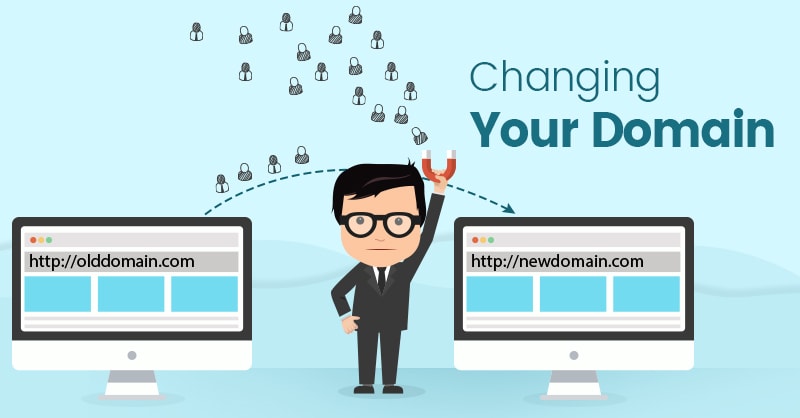
  • Create content that aligns with search intent.

  • Use long-tail keywords and secondary keywords to attract qualified leads.
  • Regularly update and optimize your content.
  • Monitor your keyword rankings and adjust your strategy as needed.
  • Leverage competitor analysis to identify gaps and opportunities.
  • Collaborate with sales and customer support teams to gather insights.
  • Use a variety of keyword research tools and methods.
  • Continuously expand your keyword universe to stay ahead of the competition.

Best SaaS Keyword Research Tools

Best SaaS Keyword Research Tools

  1. Google Search Console: Google Search Console is a free tool that provides valuable insights into your website’s search performance. Use it to identify the keywords that are driving organic traffic to your site and uncover new keyword opportunities.
  2. Ahrefs: Ahrefs is a comprehensive SEO tool that offers robust keyword research features. Use its Keywords Explorer to find new keyword ideas, analyze search volume and difficulty, and spy on your competitors’ keyword rankings.
  3. Google Keyword Planner: Google Keyword Planner is a free tool designed for Google Ads campaigns, but it also provides useful data for organic keyword research. Use it to get search volume estimates and identify related keywords.
  4. Keyword Surfer (Surfer SEO): Keyword Surfer is a free Chrome extension that provides search volume and CPC data directly on the Google search results page. Use it to quickly assess the popularity and competitiveness of your list of keywords.
  5. Google Trends: Google Trends is a free tool that allows you to analyze the popularity of organic search terms over time. Use it to identify seasonal trends, compare keyword popularity, and uncover rising keyword opportunities.

FAQ’s:

How Do You Do Keyword Research For SaaS Products?

To do keyword research for SaaS products, start by understanding your target audience and their needs. Use a combination of methods, including brainstorming, competitor analysis, and keyword research tools, to identify relevant keywords for your SaaS tool. Focus on terms that align with your product’s features and benefits, as well as the pain points it solves.

Can I Just Pick Any Keywords For My SaaS Brand?

No, you shouldn’t just pick any keywords for your brand’s SaaS marketing. Your keyword strategy should be based on thorough research and analysis, taking into account factors like relevance, search volume, keyword difficulty, and user intent. Choosing the wrong keywords can lead to ineffective content and wasted resources.

Why Should I Consider “Keyword Intent” When Doing My Research?

Considering keyword intent is important because it helps you create content that matches the user’s needs and expectations. By understanding the purpose behind a search query, you can tailor your content to provide the most relevant and valuable information, improving your search rankings and user engagement.

How Can Understanding User Intent Improve My Keyword Strategy?

Understanding user intent allows you to create a more targeted and effective keyword strategy.Aligning your content with the user’s goals at each stage of the sales funnel can help attract more qualified leads, guide them through the buyer’s journey, and ultimately drive more conversions for your SaaS product.

How Often Should I Update My SaaS Keyword Strategy?

Your SaaS keyword strategy should be updated regularly to stay ahead of industry trends, changes in search algorithms, and evolving customer needs. Aim to review and adjust your keyword targeting at least quarterly, and be prepared to adapt your content strategy as needed based on performance data and insights.

Conclusion

SaaS keyword research is a critical component of any successful content marketing strategy.

Understanding your target audience, analyzing competitor keywords, and using advanced techniques like long-tail targeting and search intent optimization can help you create content that drives organic traffic, attracts qualified leads, and positions your SaaS product for sustainable growth.

At VH-info, we specialize in helping SaaS companies achieve their SEO goals through proven link building services and expert guidance. By partnering with us, you can enhance your online presence, improve your search rankings, and ultimately drive more revenue for your business.

Staying up-to-date with industry best practices and leveraging the right tools and resources can help you create a winning SaaS Website SEO strategy that delivers long-term results.