SAAS Facebook Ads: Boost Your Marketing Campaigns

In the competitive world of SaaS marketing, using the right tools and platforms can make all the difference. Facebook Ads have emerged as a powerful marketing channel for SaaS companies, offering unparalleled targeting options and the ability to reach a global audience.

This article delves into why Facebook Ads are a good idea for SaaS businesses, how they can be effectively utilized, and the best practices to achieve better results.

What Are Facebook Ads For SaaS Companies?

What Are Facebook Ads For SaaS Companies?

Facebook Ads are paid advertisements on the Facebook platform that allow SaaS companies to promote their products, services, or content to a highly specific target audience. These ads can take various forms, including carousel ads, video ads, and lead-generation campaigns.

For SaaS businesses, Facebook advertising serves as a versatile tool to build brand awareness, generate leads, and drive conversions.

Do Facebook Ads Work For SaaS?

Do Facebook Ads Work For SaaS?

Yes, Facebook Ads work effectively for SaaS companies when executed with a clear strategy. They help SaaS marketers tap into a vast user base and engage potential customers at different stages of the customer journey.

By using data-driven targeting and compelling ad copy, SaaS businesses can attract new customers and boost their conversion rate.

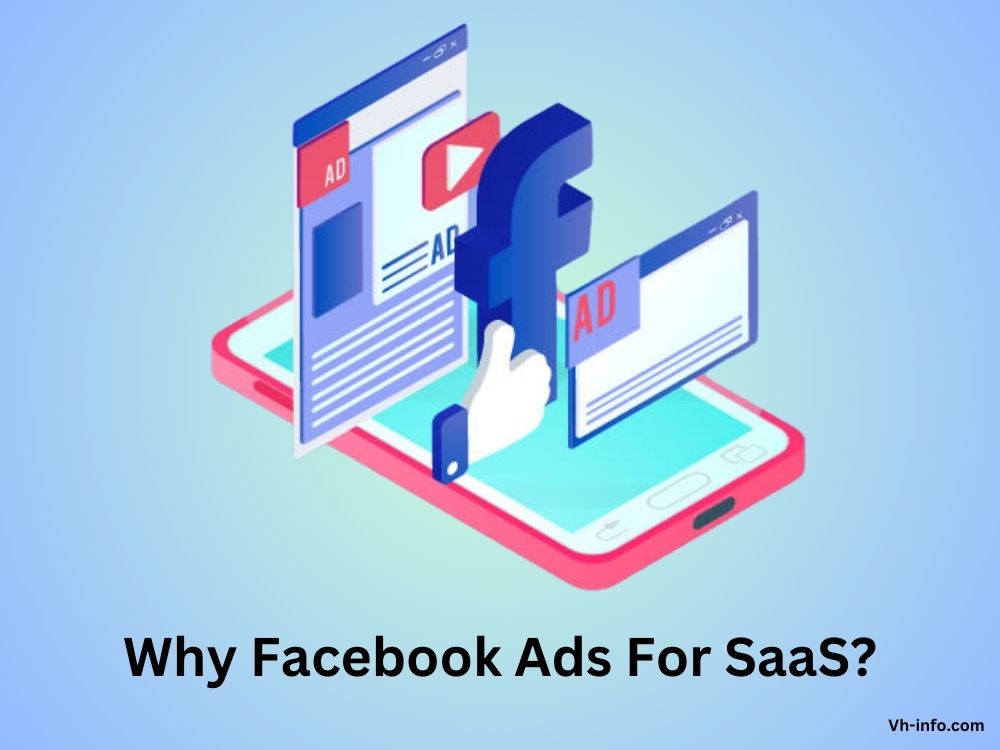
Why Facebook Ads For SaaS?
Why Facebook Ads For SaaS??

  1. Massive Reach and Targeting: Facebook’s vast user base provides SaaS companies access to billions of potential customers worldwide. The platform’s advanced targeting options enable marketers to focus on specific demographics, interests, behaviors, and even job titles—ideal for reaching decision-makers in B2B SaaS.
  2. Full-Funnel Marketing: Facebook Ads support full-funnel marketing strategies. From building brand awareness at the top of the funnel to nurturing leads and closing sales at the bottom of the funnel, these ads help guide prospects through every stage of the customer journey.
  3. Measurable ROI: With detailed analytics and tracking tools, Facebook allows SaaS marketers to measure ad performance accurately. Metrics like conversion rate, lead generation costs, and ROI provide actionable insights to refine campaigns and achieve marketing goals.

How to Use Facebook Ads For B2B SaaS?

How to Use Facebook Ads For B2B SaaS?

To make Facebook Ads work effectively for B2B SaaS, you need a strategic approach that focuses on targeting the right audience, creating compelling ad content, and guiding potential customers through the sales funnel.

Below is a breakdown of how to use Facebook advertising to achieve your SaaS marketing goals.

Building an Audience Using Lists

Start by uploading your email lists of potential customers or existing clients into Facebook Ads Manager. This allows you to create a custom audience that matches your SaaS product’s target audience.

By focusing on people who have already shown interest in your business, you can drive better ad results and improve your conversion rate.

Custom Audiences Using Prospects

Use custom audiences to target prospects who have interacted with your SaaS business through other marketing channels like email marketing or webinars. This is a good way to re-engage potential customers who are already familiar with your product’s benefits but haven’t yet converted.

An Audience of Website Visitors

Install the Facebook Pixel on your website to track visitors and create a retargeting audience.

For example, if someone visited your landing page but didn’t sign up for a free trial, you can use Facebook remarketing ads to bring them back and encourage them to take action.

An Audience of App Users

If your SaaS product includes an app, create an audience of app users who have downloaded it but haven’t upgraded or renewed their subscription. This type of targeting helps you engage users at the right stage of their customer journey and push them toward conversion.

Prospects Who Engaged With Your Content

Target people who have interacted with your social media content, such as liking posts, watching videos, or commenting. These prospects are already interested in what you offer, making them more likely to respond positively to your Facebook campaigns.

Create Lookalike Audiences

Lookalike audiences allow you to reach new customers who share similar traits with your best-performing customer base.

For example, if your top users are project managers in tech companies, Facebook can find similar individuals globally, helping you expand your user base efficiently.

Experiment With Ad Content

Try different types of ad formats like carousel ads, video ads, or single-image ads to see what grabs your audience’s attention. Test various ad copy styles, which you can create with AI copywriting prompts, that highlight pain points or showcase the product’s benefits.

A/B testing is key here to identify which approach delivers better results.

Don’t Forget Facebook Remarketing

Remarketing is one of the most effective Facebook marketing strategies for SaaS companies. Use it to re-engage users who abandoned their free trial signup or demo request. Remarketing ads can remind them of the value they’re missing out on and guide them back into the funnel.

Write Compelling Ad Copy

Your ad copy should speak directly to your target audience’s pain points while emphasizing the benefits of your SaaS product.

For instance, if you’re promoting project management software, highlight how it saves time and improves team collaboration. Keep it clear and actionable to drive conversions.

Use A Funnel Approach

Structure your Facebook campaigns around the sales funnel—starting with brand awareness at the top of the funnel and moving toward lead generation and conversions at the bottom.

This ensures that each ad aligns with where potential customers are in their decision-making process, leading to better results.

Facebook Ads For SaaS Customer Lifecycle Stages

Facebook Ads For SaaS Customer Lifecycle Stages

Facebook Ads can be tailored to address each stage of the SaaS customer lifecycle, helping you guide potential customers from discovering your product to becoming loyal users.

Below is how you can align your Facebook advertising strategies with the key stages of the customer journey.

Awareness

The awareness stage is at the top of the funnel, where your goal is to introduce your SaaS product to a broad target audience and build brand awareness. Use Facebook campaigns with engaging ad formats like video ads or carousel ads to grab your audience’s attention.

Highlight the product’s benefits and how it solves common pain points. Educational content, such as blog posts or case studies, works well here to establish trust and position your SaaS business as an industry expert.

Prospecting Stage

In the prospecting stage, focus on capturing leads by targeting potential customers who have shown some level of interest in your SaaS product. Use lead generation ads offering free resources like eBooks, webinars, or whitepapers in exchange for their email address.

This is a good way to collect contact details while showcasing the value of your product. Social proof, such as customer testimonials or case studies, can also help convince prospects that your solution is worth exploring further.

Decision Stage

The decision stage is where prospects evaluate whether your SaaS product is the right fit for their needs.

Use Facebook ads that encourage actions like signing up for a free trial, booking a demo, or downloading your app. Highlight specific use cases and key features that address their pain points directly.

Ad copy should emphasize the power of social proof by including customer testimonials or success stories. Retargeting ads are particularly effective here for prospects who visited your landing page but didn’t convert.

Post-Purchase Stage

The post-purchase stage focuses on retaining customers and encouraging them to upgrade or renew their subscriptions. Use Facebook remarketing campaigns to engage existing users with updates about new features, free resources, or exclusive offers.

Ads promoting educational content like tutorials or webinars can help users get more value from your SaaS product. This stage is also a great opportunity to upsell additional features or cross-sell complementary tools to grow your customer base and drive SaaS growth.

Why Some Brands Don’t Use Facebook Ads For SaaS Advertising?

Some brands avoid Facebook ads for SaaS advertising due to misconceptions about their effectiveness for B2B audiences. They may believe that Facebook is better suited for consumer-focused products rather than SaaS companies targeting business owners or sales reps.

Additionally, challenges like measuring ad performance, setting the right budget, or creating compelling ad copy can discourage brands. Others might rely solely on channels like Google Ads or email marketing, overlooking Facebook’s targeting capabilities.

However, these concerns often stem from a lack of understanding of how to use Facebook ads strategically for SaaS growth.

Why SaaS Brands Should Advertise On Facebook Ads?
Why SaaS Brands Should Advertise On Facebook Ads?

Facebook ads are a good idea for SaaS brands because they offer massive reach and advanced targeting options.

You can target specific audiences, such as app users, website visitors, or decision-makers in your industry, making it an effective marketing channel. Facebook campaigns also support full-funnel marketing, helping you build brand awareness at the top of the funnel and drive conversions at the bottom.

With tools like lookalike audiences and remarketing, SaaS marketers can expand their customer base and re-engage potential customers who didn’t convert initially.

Through the use of social proof and promoting free trials or demos, SaaS businesses can achieve better results and improve their conversion rate.

4 Ways to Drive Leads & Sales Using SaaS Facebook Ads
Ways to Drive Leads & Sales Using SaaS Facebook Ads

Focus On Building Brand Awareness

To drive leads and sales, start by building brand awareness. Use Facebook campaigns to showcase your SaaS product’s benefits and how it solves key pain points for your target audience. Video ads, carousel ads, and educational content are great tools to grab your audience’s attention. Highlighting customer testimonials or case studies can also establish trust and make your SaaS business stand out.

Use High-Value Lead Magnets

Offer high-value lead magnets like free resources, eBooks, webinars, or case studies in exchange for email addresses.

These resources should provide actionable insights or solutions that align with your audience’s needs. This is a good way to generate leads while subtly introducing the product’s benefits and building interest in your SaaS product.

Push Trials & Demos

Encourage potential customers to try your SaaS product by promoting free trials or demos through Facebook ads. Use ad copy that emphasizes how the trial or demo can solve their pain points and improve their business operations.

Highlighting social proof, such as customer testimonials or success stories, can further convince prospects to take action.

Use Ads For Ongoing Re-Engagement

Re-engage with prospects who didn’t convert initially by using remarketing campaigns.

Target website visitors, app users, or those who engaged with your content but didn’t sign up for a free trial or demo. Use ad formats like carousel ads to remind them of the product’s benefits and push them back into the funnel.

Best Practices to Create Lead-Generating SaaS Facebook Ads
Best Practices to Create Lead-Generation SaaS Facebook Ads

  1. Research Your Target Audience: Understand who your target audience is by analyzing their demographics, interests, and pain points. This helps you create Facebook ads that resonate with potential customers and address their specific needs.
  2. Create Multiple Target Audiences: Segment your audience into smaller groups based on factors like job roles, industries, or behaviors. For example, create separate campaigns for business owners and sales reps to deliver more personalized ad content.
  3. Zoom in on Key Pain Points: Focus your ad copy on addressing the key challenges faced by your target audience. Show how your SaaS product solves these problems effectively and improves their workflow or results.
  4. Use Social Proof: Include customer testimonials, case studies, or success stories in your ads to build trust. The power of social proof helps convince potential customers that your SaaS product delivers real value.
  5. Promote Educational Content: Offer educational content like blog posts, webinars, or tutorials that provide value while subtly showcasing the product’s benefits. This is a good way to engage top-of-the-funnel prospects and nurture them toward conversion.
  6. A/B Test Everything: Run A/B tests on different elements of your Facebook ads—such as ad copy, visuals, and call-to-action buttons—to identify what drives better results. Testing helps optimize ad performance over time.
  7. Offer Free Demos: Promote free demos as a way for potential customers to experience the product firsthand. Highlight how the demo can address their specific use case and improve their decision-making process.
  8. Build a Complete Funnel: Structure your campaigns around the customer journey—starting with brand awareness at the top of the funnel and moving toward lead generation and conversions at the bottom. This ensures every stage of the funnel is optimized.
  9. Create Lookalike Audiences: Use lookalike audiences to reach new customers who share similar traits with your existing customer base. This is an effective way to expand your reach while targeting people likely to be interested in your SaaS product.
  10. Remarket to Your Leads: Use remarketing campaigns to re-engage leads who didn’t convert initially. For example, target users who visited your landing page but didn’t sign up for a free trial or demo.
  11. Use Tech to Monitor Metrics and Results: Use tools like Facebook Analytics or third-party software to track metrics such as conversion rates and ad performance. Monitoring results helps refine marketing strategies for better outcomes over time.

Examples of SaaS Facebook Ads That Work

Examples of SaaS Facebook Ads That Work

Slack

Slack

Slack uses visually engaging video ads and carousel ads to highlight its benefits, such as improving team productivity.

Instead of listing features, the ad focuses on solving a common pain point—team communication. The bright color scheme and straightforward messaging grab the audience’s attention.

By showcasing how Slack simplifies workplace collaboration, the ad appeals to business owners and sales reps looking for project management software that enhances efficiency.

Hubspot

Hubspot

HubSpot’s Facebook ads often feature relatable visuals, such as real employees, to create a personal connection with the audience. Their ad copy emphasizes free resources like eBooks or tools, making it hard for potential customers to resist engaging.

This strategy helps HubSpot generate leads while building trust with its target audience. The ads also highlight HubSpot’s benefits for SaaS marketers, such as simplifying email marketing and improving conversion rates.

Squarespace

Squarespace

Squarespace focuses on simplicity and user benefits in its Facebook ads.

For example, their text-only image ads use bold fonts and clear calls-to-action (CTAs) to promote their website-building platform. These ads emphasize how easy it is to create an online store or website without technical expertise.

By addressing key pain points of small business owners, Squarespace effectively grabs attention and drives conversions.

Grammarly

Grammarly

Grammarly’s Facebook video ads demonstrate the product in action, showing how it improves grammar and writing in real time.

This approach highlights the product’s benefits while addressing the audience’s pain points, such as making fewer writing mistakes. The ad copy is simple yet effective, emphasizing how Grammarly can help users write confidently.

This strategy is particularly appealing to professionals and students looking for tools to enhance their communication skills.

Spotify

Spotify

Spotify’s Facebook campaigns focus on creating emotional connections through music. Their ads often feature high-quality visuals and compelling CTAs like “Try Premium Free.”

By promoting free trials, Spotify attracts potential customers while showcasing the value of its service. These ads are a good way to engage music lovers who are exploring digital marketing platforms for entertainment.

Asana
Asana

Asana’s Facebook ads use relatable language like “What’s the status of your work?” to connect with its audience—teams looking for project management software.

The ad showcases Asana’s dashboard with clean visuals that highlight how simple it is to track progress and collaborate effectively.

By focusing on solving organizational pain points, Asana appeals to business owners and teams aiming for better results in managing projects.

Brightwheel

Brightwheel

Brightwheel targets educators and childcare providers with Facebook ads that feature case studies or testimonials from satisfied users. These ads emphasize how Brightwheel simplifies administrative tasks like attendance tracking and parent communication.

By focusing on specific use cases, Brightwheel effectively addresses the needs of its niche audience while highlighting the product’s benefits.

SurveyMonkey

SurveyMonkey

SurveyMonkey uses incentive-driven Facebook ads to encourage people to take surveys by offering prizes like drones or gift cards. The ad copy emphasizes ease of use and includes social proof by showcasing how many people already trust SurveyMonkey for their survey needs.

This approach appeals to business owners looking for tools to gather feedback from their customer base or employees.

Twilio

Twilio

Twilio’s Facebook ads focus on developers by showcasing API integrations that simplify communication processes like SMS or voice calls. The ad highlights specific use cases, such as automating customer notifications, making it highly relevant for tech-savvy audiences.

Twilio’s messaging emphasizes productivity and innovation, appealing directly to SaaS marketers and industry experts.

DocuSign

DocuSign

DocuSign uses bright visuals and strategic messaging in its Facebook photo ads to promote digital signature solutions. The ad emphasizes benefits like reducing errors and boosting productivity by enabling users to “go from proposal to close in a tap.”

This approach appeals to professionals looking for efficient tools that streamline workflows while saving time.

FAQ’s:

How Do I Determine the Right Budget For My SaaS Facebook Ads?

To set the right budget, start small—around $5–$10 per day per campaign—and scale up as you analyze ad performance. Your budget should align with your marketing goals, whether it’s lead generation, brand awareness, or driving free trial sign-ups.

Use Facebook’s bidding strategies and audience targeting to optimize your spending and ensure better results. Always monitor metrics like cost-per-click (CPC) and conversion rates to adjust your budget effectively.

Can Facebook Ads Truly Drive SaaS Sales?

Yes, Facebook ads can drive SaaS sales when paired with the right strategy. By targeting specific audiences such as decision-makers or app users and using compelling ad copy, SaaS businesses can generate leads and conversions.

Retargeting campaigns and offers like free trials or demos are particularly effective for moving prospects through the sales funnel. Many SaaS brands have successfully used Facebook ads to grow their customer base and achieve higher conversion rates.

How Do I Measure the ROI of My Facebook Ad Campaigns?

To measure ROI, calculate the total revenue generated from your campaigns and subtract the total ad costs (including additional expenses like creative development).

Use the formula:

ROI= Revenue Cost/Cost ×100

This will give you a percentage that reflects your campaign’s profitability. Tools like Facebook Analytics or third-party platforms can help track ad performance and provide deeper insights into metrics like cost-per-lead (CPL) and return on ad spend (ROAS).

Conclusion

Facebook Ads are a highly effective marketing channel for SaaS companies, offering advanced targeting options and the ability to reach a global audience. They help SaaS marketers build brand awareness, generate leads, and drive conversions by addressing specific pain points of their target audience.

Using strategies like creating custom audiences, promoting free trials, using social proof, and remarketing to prospects can help SaaS businesses guide potential customers through every stage of the funnel.

Facebook campaigns also allow for measurable ROI with tools to track metrics like conversion rates and ad performance.

While some brands hesitate due to misconceptions or challenges, the platform’s full-funnel marketing capabilities and cost-effective lead generation make it a valuable tool for SaaS growth.

With the right approach, SaaS marketers can use Facebook Ads to expand their customer base, improve their conversion rate, and achieve their marketing goals effectively.

SaaS Instagram Ads: What, Why, How & The Best Tools To Use (2025)

Instagram has evolved into a powerful social media platform for businesses, especially for SaaS companies looking to connect with their target audience.

With its visually engaging format and extensive reach, Instagram offers unique opportunities for digital marketing, helping SaaS brands achieve their marketing goals.

This guide explores how SaaS companies can use Instagram ads to boost brand awareness, generate leads, and drive conversions.

What Are Instagram Ads For SaaS Companies?

What Are Instagram Ads For SaaS Companies?

Instagram ads are paid promotions that appear on users’ feeds, stories, or explore pages. For SaaS businesses, these ads serve as a tool to showcase the product, highlight customer testimonials, and communicate a clear value proposition. They come in various formats such as image ads, video ads, and Instagram story ads, allowing businesses to tailor their campaigns to resonate with the right people.

Do Instagram Ads Work For SaaS?

Do Instagram Ads Work For SaaS?

Yes, Instagram ads can deliver excellent results for SaaS companies when executed strategically. By targeting the ideal customer with precise ad placements and compelling ad copy, businesses can achieve a higher conversion rate and attract new customers. The platform’s robust targeting options ensure that your ads reach a wider audience that aligns with your specific buyer personas.

Why Instagram Ads For SaaS?

Why Instagram Ads For SaaS?

Instagram ads are particularly effective for SaaS companies because they:

  1. Help build brand awareness through visually appealing content.
  2. Offer advanced targeting options to reach the target audience.
  3. Drive traffic to your landing page or mobile app.
  4. Enable tracking of key metrics like CPC, CPA, and ROI for better campaign performance.
  5. Allow A/B testing of different ad formats and creatives for optimized results.

How to Grow a SaaS Company With Instagram Marketing?

How to Grow a SaaS Company With Instagram Marketing?

Growing your SaaS company using Instagram marketing is not just about sharing nice pictures. It’s about creating a plan that fits with your business goals.

  1. Increase Brand Visibility: Use Instagram’s visual-first approach to showcase your brand’s personality and highlight key product features. Consistent branding across your posts will help you stand out among competitors.
  2. Create a Cohesive Instagram Feed: A well-organized and visually appealing Instagram feed builds trust with your audience. Use tools like Canva or Unfold to maintain a consistent aesthetic that aligns with your brand identity.
  3. Use Instagram Stories: Use the ephemeral nature of Instagram stories to share updates, promote events, or offer sneak peeks into your business operations. Stories are also great for running polls or Q&A sessions to engage directly with your audience.
  4. Promote Offline Events: If your SaaS company hosts conferences or workshops, use Instagram to promote these events. Share event details through posts, stories, or even a dedicated ad campaign to maximize attendance.
  5. Run Instagram Ad Campaigns: Create targeted campaigns using different ad formats like carousel ads or video content. Highlight your product’s key benefits and include a strong call-to-action (CTA), such as “Start Your Free Trial Today.”
  6. Build Brand Loyalty and Trust: Share authentic content like behind-the-scenes footage or success stories from customers. This adds a layer of transparency and builds credibility among potential clients.
  7. Increase E-commerce Sales: For SaaS products with e-commerce integrations, use shoppable posts or ads to drive direct sales from your Instagram account.

What Are The Key Metrics For Measuring Instagram Success in a Saas Marketing Strategy?

What Are The Key Metrics For Measuring Instagram Success in a Saas Marketing Strategy?

Tracking the right metrics is essential to understand how your Instagram marketing efforts are performing.

Here’s a breakdown of the key metrics every SaaS business should monitor:

  1. Follower Growth: This metric shows how many new followers your Instagram account is gaining over time. A steady increase in followers indicates that your content is reaching the right people and your brand awareness is growing. However, focus on quality over quantity—gaining ideal customers matters more than just numbers.
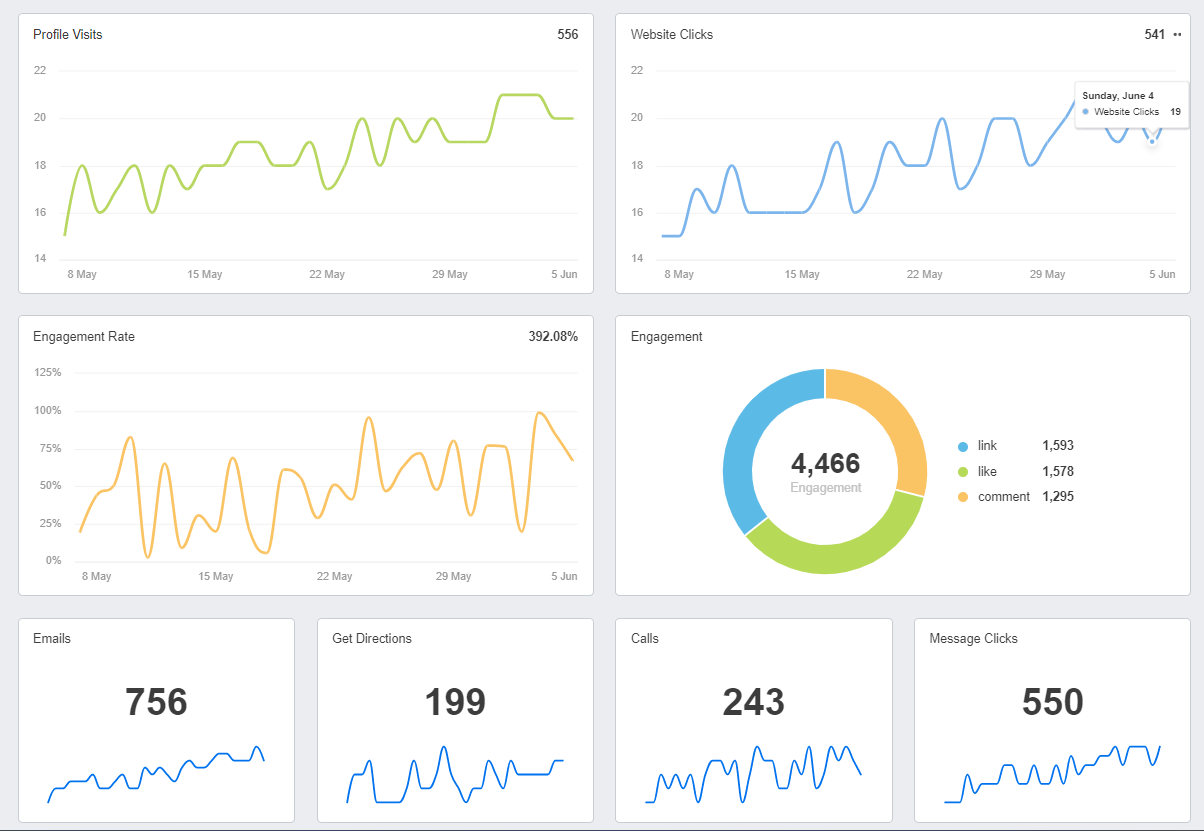
  2. Engagement Rate (Likes, Comments, Shares): Engagement rate measures how much your audience interacts with your content through likes, comments, shares, and saves. High engagement means your posts are resonating with your target audience and encouraging them to take action. It’s a great way to gauge the effectiveness of your ad copy and content strategy.
  3. Click-Through Rate (CTR) On Bio Links: CTR measures how often users click on the link in your bio compared to how many people see it. A high CTR indicates that your value proposition is clear and compelling enough to drive traffic to your landing page, mobile app, or website for the next step in their journey.
  4. Conversion Rate From Instagram Leads: This metric tracks how many leads generated from Instagram turn into paying customers. It reflects how well your ad campaigns, CTAs, and overall strategy are converting interest into action. For example, offering a free trial today can help boost this rate.
  5. Impressions and Reach: Impressions measure how many times your content is displayed, while reach shows how many unique users saw it. These metrics help you understand if your content is being viewed by a wider audience or if you need to adjust targeting for better results.
  6. Story Views and Engagement: For Instagram Stories, track views, replies, and interactions like poll responses or sticker taps. High engagement on stories means they’re effectively capturing attention and encouraging users to interact with your brand and view Instagram stories more frequently.
  7. Ad Performance (CPC, CPA, ROI): When running ads, monitor metrics like Cost Per Click (CPC), Cost Per Acquisition (CPA), and Return on Investment (ROI). These numbers show how cost-effective your Instagram ad campaigns are at driving traffic, generating leads, or increasing sales for your SaaS product.
  8. Content Save Rate: This metric tracks how often users save your posts for later reference. A high save rate indicates that your content provides long-term value, such as educational content, tips, or success stories that resonate with your audience’s needs.
  9. Customer Acquisition Cost (CAC): CAC calculates the total cost of acquiring a new customer through Instagram marketing. It includes ad spend, influencer fees, and other related costs. Lowering CAC while maintaining quality leads is a sign of an efficient strategy.
  10. Influencer Collaboration Metrics: When partnering with influencers, track metrics like engagement rates on their posts about your product, follower growth during the campaign, and conversions from their unique promo codes or links. These numbers show whether the partnership is helping you reach the right people and achieve better results.

What Are The Benefits of Using Instagram For SaaS Marketing?

What Are The Benefits of Using Instagram For SaaS Marketing?

Instagram offers a wide range of benefits for SaaS companies to enhance their social media marketing efforts.

Here’s how it can help your business grow:

  1. Showcase Visual Appeal: Instagram is a social media platform built for visual content, making it perfect for demonstrating your SaaS product’s features engagingly. Use video content, infographics, and screenshots to simplify complex concepts and show how your product solves customer pain points.
  2. Increase SaaS Marketing and Brand Awareness: Posting consistently helps keep your brand visible to your target audience. By using tools like Instagram ads and Instagram Stories, you can introduce your SaaS product to a wider audience, increasing recognition and trust in your brand.
  3. Utilize Targeted Advertising: Instagram’s advanced targeting options let you reach the right people based on demographics, interests, and behaviors. This ensures your ads are shown to users who are most likely to benefit from your SaaS solution, improving your conversion rate.
  4. Encourage Engagement: Interactive features like polls, quizzes, and Q&A sessions on Instagram Stories encourage followers to interact with your content. Strong engagement builds trust and makes it easier to convert followers into new customers.
  5. Use Content Diversity: Instagram supports various ad formats like carousel posts, reels, and stories. This allows you to experiment with different types of content—such as educational content, success stories, or behind-the-scenes posts—to keep your audience interested.
  6. Partner With Influencers: Collaborating with influencers is a great way to reach a larger audience. Influencers can highlight your product’s benefits through authentic reviews or tutorials, providing valuable social proof that resonates with their followers.
  7. Drive Lead Generation: Use CTAs like “Sign Up for a Free Trial Today” or “Learn More” in ads and posts to drive traffic to your landing page. Instagram is an effective tool for collecting leads by encouraging users to share their email addresses or try a free trial of your product.
  8. Provide Customer Support: Instagram is not just for marketing—it’s also a platform where you can offer quick responses to customer queries via direct messages or comments. This enhances the overall customer experience and shows that your brand values its users.
  9. Analyze Competitor Insights: Studying how competitors use Instagram can provide valuable insights into what works in the industry. Analyze their content strategy, engagement rates, and ad examples to refine your approach and achieve better results.
  10. Build Community: Instagram helps you create a loyal community by sharing relatable content, responding to comments, and fostering discussions around your brand. A strong community increases trust in your SaaS product and encourages long-term customer relationships.

Common Challenges in Using Instagram For SaaS Marketing

Common Challenges in Using Instagram For SaaS Marketing

While Instagram is a powerful social media platform, SaaS companies may face some challenges when using it for digital marketing.

Here are five common issues explained:

  1. Creating High-Quality Content Consistently: Producing visually appealing content like video ads, infographics, or engaging posts can be time-consuming and require a solid creative process. Maintaining a consistent and professional Instagram feed is essential to attract the right people but can be challenging without proper resources.
  2. Reaching the Target Audience Effectively: Even with advanced targeting options, reaching your ideal customer can be tricky. It requires constant testing of ad campaigns, analyzing metrics like CTR and ROI, and refining strategies to ensure your content reaches the right users for maximum impact.
  3. Balancing Paid Ads and Organic Growth: While Instagram ads are effective, relying too much on paid promotions can become expensive. Balancing organic growth through engaging posts, Instagram Stories, and user interactions alongside paid ads is important for long-term success without spending a ton of money.
  4. Standing Out Among Competitors: The platform is saturated with businesses vying for attention, making it tough to differentiate your SaaS product. Creating unique content that highlights your value proposition, such as showcasing product features or sharing customer success stories, is key to staying competitive.
  5. Tracking and Measuring Success Accurately: Measuring the effectiveness of your marketing efforts can be complex. Monitoring metrics like engagement rate, CPC, CAC, and conversions from Instagram leads requires time and expertise to ensure your marketing goals are being met effectively.

What Are the Best Tools to Enhance Instagram Performance?

What Are the Best Tools to Enhance Instagram Performance?

Here are some of the best tools to help SaaS companies improve their Instagram marketing efforts:

Hootsuite

Hootsuite

Hootsuite is an all-in-one social media management tool that simplifies scheduling and tracking your Instagram posts. It allows you to plan content for photos, videos, carousels, and Instagram Stories, ensuring consistency in your Instagram feed.

With its analytics feature, you can monitor metrics like engagement, impressions, and reach to understand what’s working. Hootsuite also helps manage both paid and organic posts side by side, making it a great tool for optimizing your ad campaigns.

Sprout Social

Sprout Social

Sprout Social is perfect for managing multiple social media accounts from one platform. It enables you to schedule posts, monitor hashtags, and respond to comments or messages through a unified inbox.

The tool also offers in-depth analytics to track engagement rates and follower growth, helping you refine your strategy for better results. Sprout Social’s reporting features are ideal for creating presentation-ready insights to evaluate your marketing efforts effectively.

Iconosquare

Iconosquare

Iconosquare focuses on analytics and scheduling for Instagram. It provides detailed insights into metrics like follower growth, engagement rates, and the performance of Instagram Stories.

The customizable dashboard allows you to track key metrics important for your brand’s success. You can also schedule posts with previews to ensure they align with your branding and use hashtag analytics to boost visibility among your target audience.

HashtagsForLikes

HashtagsForLikes

The HashtagsForLikes tool specializes in hashtag research to increase the reach of your posts.

By analyzing trending hashtags and providing suggestions based on your niche, HashtagsForLikes helps you attract the right people to your content.

It tracks the performance of saved hashtags and provides insights into which ones generate the most likes, comments, and views—making it a valuable resource for increasing engagement on your social media platform.

Kicksta

Kicksta

Kicksta is designed for organic Instagram growth by targeting real followers who match your ideal customer profile. It works by engaging with users through follows and likes based on specific hashtags or competitor accounts.

This approach ensures slow but steady growth with genuine followers who are likely to interact with your content and eventually convert into customers.

Unfold

Unfold

Unfold is a creative tool for designing beautiful Instagram Stories using customizable templates. It allows you to create visually appealing stories that highlight your SaaS product’s features or share customer testimonials.

With its easy-to-use interface, Unfold helps businesses maintain a professional look while showcasing their brand’s personality through unique designs.

Canva

Canva

Canva is a versatile design tool that lets you create high-quality visuals for Instagram without needing graphic design skills. It offers thousands of templates for posts, stories, and ads that can be customized with your brand colors and fonts.

Canva also includes advanced features like background removal and video editing, making it ideal for creating engaging content that aligns with your value proposition.

Later

Later

Later is a scheduling tool that focuses on visual planning for Instagram content. Its drag-and-drop feature allows you to preview how posts will look on your Instagram feed, ensuring consistency in aesthetics.

Later also suggests the best times to post based on audience activity and supports hashtag recommendations to maximize engagement on your posts or ads.

These tools can streamline your workflow, improve content quality, and provide actionable insights to help you achieve your marketing goals on Instagram effectively.

FAQ’s:

How Can I Ensure My SaaS Instagram Ads Stand Out?

To make your Instagram ads stand out, focus on creating eye-catching visuals and clear ad copy that highlights your value proposition.

Use engaging formats like video ads or carousel posts to showcase your product features. Include a strong call-to-action (CTA), such as “Sign Up for a Free Trial Today,” and target the right people using Instagram’s advanced audience settings.

How Do I Measure the ROI of My Instagram Ad Campaigns?

Measure ROI by tracking key metrics like CPC, CPA, and conversions from your ads.

Use tools like Hootsuite or Sprout Social to monitor how many leads or sales your ads generate compared to the amount spent. Also, analyze metrics like CTR, impressions, and engagement rates to understand the overall impact of your ad campaigns.

How Often Should I Refresh My Instagram Ad Creatives?

Refresh your ad creatives every 2–4 weeks to avoid ad fatigue and keep your audience engaged. Test different ad formats, visuals, and CTAs through A/B testing to find what works best. Regularly updating your ads ensures they remain relevant and continue delivering better results.

Can Instagram Ads Help in Lead Generation For SaaS Products?

Yes, Instagram ads are highly effective for lead generation when paired with a strong CTA and a compelling offer like a free trial or demo.

Use targeted campaigns to drive traffic to your landing page, where users can share their email addresses or sign up. Highlighting customer testimonials or success stories in your ads can also build trust and attract qualified leads.

Conclusion

Instagram is a powerful social media platform that offers SaaS companies endless opportunities to connect with their target audience and achieve their marketing goals.

Using visually engaging content, running targeted ad campaigns, and utilizing tools like Hootsuite and Canva can help businesses boost brand awareness, generate leads, and drive conversions. Consistently sharing educational content, customer success stories, and behind-the-scenes updates is key to building trust and establishing your brand as an industry expert.

Tracking key metrics like CTR, engagement rate, and ROI ensures your marketing efforts deliver better results while refining your strategy for maximum impact.

Despite challenges like creating high-quality content or standing out among competitors, Instagram’s features—such as Instagram Stories, UGC, and influencer collaborations—make it a valuable tool for growing your SaaS business.

With the right approach, Instagram can help you attract the right people, build a loyal community, and turn followers into long-term customers.

Top 30 SaaS Influencers to Watch in 2025

Welcome to VH Info, your go-to source for all things SaaS growth, link building, and marketing strategies. The SaaS industry has rapidly expanded, leading companies to adopt innovative methods for success.

Influencer marketing has emerged as a successful strategy, with key figures sharing insights on products and services.

SaaS influencers simplify complex concepts, enhance brand credibility, and drive business growth. They play an important role in product development and user experience improvements.

At VH Info, we aim to provide valuable guidance on finding the right influencers in the SaaS world.

Our resource offers definitions, examples, strategies, and profiles of SaaS founders and industry leaders who excel in explaining metrics and new marketing strategies. Discover proven methods to identify experts and a list of influential individuals to watch in 2025.

Who Are SaaS Influencers?

Who Are SaaS Influencers?

SaaS influencers are individuals with extensive experience in software companies, often recognized as thought leader figures who have a wealth of knowledge on everything from inbound marketing to product marketing.

These personalities provide insightful viewpoints on market positioning, user experience, and social media campaigns.

They might be a general partner in a venture capital firm, a managing partner at a startup accelerator, a content creator with a popular LinkedIn profile, or even a serial entrepreneur with years of experience launching SaaS startup ventures.

Their main strength lies in explaining the latest trends in the SaaS landscape, offering real-life case studies, and helping both early-stage and mature SaaS companies with sustainable growth tips.

Whether someone is a director of marketing for a fast-evolving SaaS business or a CTO of Hubspot leading product development, these influencers educate audiences on how to thrive in the highly competitive world of SaaS.

Importance of SaaS Influencers in Marketing

Importance of SaaS Influencers in Marketing

The SaaS market can be crowded. New entrants arrive daily, and existing players innovate rapidly. SaaS influencers can be difference-makers, particularly when bridging the gap between potential customers and complex product offerings.

Their presence on key social platforms has immediate impact, especially when they share stories and examples that make even advanced technology more accessible to a general audience.

SaaS influencers excel at:

  • Offering advanced knowledge of SaaS metrics for strategic decisions
  • Creating digital marketing content that sparks conversation among prospective clients
  • Speaking from a track record of success as either an angel investor or a managing director of a startup
  • Triggering more inbound marketing leads within the SaaS ecosystem

When a recognized influencer endorses a new platform, user confidence rises, fueling more conversions and online business deals.

Benefits Of SaaS Influencer Marketing

Benefits Of SaaS Influencer Marketing

SaaS influencer marketing provides many benefits which are as follows:

Expanded Reach and Targeted Audience

A key advantage is the ability to target a relevant crowd. Instead of broadcasting to an unfocused audience, influencer marketing pinpoints people already immersed in the SaaS industry. Through strategic partnerships, a brand can quickly obtain greater visibility across social media, communities focusing on SaaS sales, and other specialized forums.

Authentic Endorsements and Social Proof

A personal recommendation from a recognized name in the SaaS world carries a lot of influence. Everyone from a venture capital backer to a director of marketing in a respected firm can provide social proof.

With authenticity built directly into this process, these influencers show real usage scenarios, highlight the user experience factor, and boost confidence in the product’s abilities.

Improved Conversion Rates

When potential customers see how a product effectively addresses certain challenges, they respond more positively.

Influencers with a strong LinkedIn profile or popular YouTube channel often guide the audience through product benefits, bridging sales objections and engaging them in a genuine manner.

The result can be higher-quality leads, a more efficient pipeline for SaaS sales, and a stronger foundation for customer success.

Cost-Efficient Marketing

Compared to large-scale paid advertisement campaigns, influencer marketing can be more budget-friendly. Whether it’s a small start to test the waters or a large integrated effort, the return on investment often surpasses that of conventional approaches. While larger influencer partnerships vary, micro-sponsorships and niche collaborations can also reduce costs significantly and still yield robust results.

How SaaS Influencers Differ From Other Influencers?

How SaaS Influencers Differ From Other Influencers?

Traditional influencers typically cater to broad consumer segments—beauty, fitness, or lifestyle. SaaS influencers focus on the specialized world of software as a service.

Hence, they address different industry trends and metrics, particularly those relevant to complex B2B processes.

Factors such as product implementation, advanced analytics, and In-App user flows are typical topics for a SaaS influencer, distinct from mainstream fashion or travel endorsements.

These experts need to explain advanced features and highlight concepts like MRR (Monthly Recurring Revenue) or churn rates. Their audience demands technical depth, proven solutions, and methods for reining in engineering or marketing expenses.

This specialized role sets them apart from general consumer influencers who rely more on entertainment value.

How to Identify The Right SaaS Influencers?

How to Identify The Right SaaS Influencers?

Understanding Your Target Audience

It’s vital to examine the specific segments you want to reach. Are you aiming for early-stage saas founders needing direction, or more established software companies looking to refine advanced strategies?

That definition helps in selecting an influencer whose content aligns with each group’s pain points, whether it’s a brand new online business or a more mature enterprise seeking scaling tactics.

Evaluating Influencer Expertise and Authenticity

Check an influencer’s background for signals such as whether they’re a bestselling author on SaaS topics, a general partner in a venture capital firm focusing on technology, or an accomplished author of high-profile marketing resources.

Those with a proven entrepreneurial journey, like Jason Lemkin or Dharmesh Shah, often boast a direct link to ground truths in the SaaS universe. Authenticity is visible in their real-time content and how they respond to audience inquiries.

If they are consistent, well-informed, and transparent, they may be a great fit.

Reviewing Audience Engagement and Demographics

Look at the influencer’s social platforms. Are they generating lively discussion about the latest trends, or do they have low follower interaction?

A high volume of views is insufficient on its own; you want real conversation. Demographic considerations also matter—there is little point in picking an influencer whose base is uninterested in your product’s area.

Aligning the influencer’s audience demographics with your brand persona boosts your potential for a successful collaboration.

30 Must-Watch SaaS Influencers in 2025

30 Must-Watch SaaS Influencers in 2025

Below is a list of SaaS influencers making significant moves this year. Their backgrounds vary, from product marketing experts to founders of top-tier startups. Each one provides a wealth of knowledge for any SaaS business aiming for bigger success.

  1. April Dunford: An industry leader in market positioning and product marketing. Known for clarifying how to match product features with the right audience. April Dunford is recognized for her direct method of explaining the complexities of marketing strategies.
  2. Aaron Levie: The CEO of Box and a well-known figure in social media discussions relevant to the future of collaboration software. Aaron Levie has evolved into a top SaaS influencer with fresh angles on product development within the enterprise space.
  3. Nathan Latka: A serial entrepreneur who built multiple software companies, then shifted into producing digital marketing content for saas founders. His straightforward style covers user experience challenges, inbound marketing approaches, and more.
  4. Neil Patel: Highly active on social platforms, delivering updates on SEO, email marketing, and digital marketing. Neil’s track record includes helping numerous SaaS business teams refine traffic efforts and scale globally.
  5. Hiten Shah: A recognized name for building KISSmetrics and multiple other SaaS tools. Hiten Shah often dives into actionable changes that produce immediate improvements in user retention, marketing strategies, and product development.
  6. Dharmesh Shah: Co-Founder and CTO of Hubspot, Dharmesh Shah mentors new startups, invests in promising projects, and offers wise counsel on inbound marketing. Provides leadership tips on building a sustainable SaaS business from day one.
  7. Sujan Patel: With a background as a director of marketing for various software companies, Sujan Patel has gained recognition for advanced tactics in content marketing, lead generation, and user experience optimization. His years of experience help him share practical frameworks for business growth.
  8. Vinay Katiyar: Vinay holds a reliable voice in B2B SaaS circles, regularly addressing software product design, advanced marketing strategies, and steps for reworking existing workflows. His consistent guidance stands out on LinkedIn for proven approaches to funnel optimization.
  9. Harsh Makadia: Known for bridging the gap between sales processes and technical insights, Harsh helps shape how SaaS ventures refine their marketing game. He frequently provides case studies that highlight how smaller players can break into the broader SaaS market.
  10. Stewart Butterfield: Slack’s co-founder has a track record in building interactive community-driven products. Stewart touches on user experience innovation, supporting small teams in creating big platform changes, and focusing on user-first solutions.
  11. Patrick Campbell: Founder of ProfitWell, recognized for dissecting saas metrics and subscription pricing. Patrick provides valuable insights on how to drive sustainable growth using data-driven approaches linked to the broader SaaS industry.
  12. Brian Balfour: Founder of Reforge, specializing in advanced growth strategies for modern saas companies. Brian’s content extends into framework-based solutions that unify marketing, product, and user retention.
  13. Simon Høiberg: A software development pro turned influencer, known for delivering content on product development, scaling, and bridging gaps between engineering and marketing teams. Simon frequently shares new approaches that resonate well with the tech-savvy crowd.
  14. Ashley Greene: A managing director at a B2B SaaS accelerator with an extensive background in digital marketing. Ashley often highlights success stories from lesser-known software companies aiming to disrupt the competition with proven marketing strategies.
  15. Aazar Ali Shad: Known for combining user experience and product marketing perspectives. Aazar’s LinkedIn profile offers tips on agile workflows, feedback loops, and advanced experimentation for software or SaaS growth.
  16. Ryan Robinson: A consultant and blogger with a focus on inbound marketing, content strategy, and sustainable revenue streams. Ryan’s approach merges common-sense tactics with scale-friendly frameworks vital for any SaaS startup or more established venture.
  17. Benjamin Joffe: A general partner at a venture capital firm. Benjamin invests in software companies with an emphasis on advanced technologies. He speaks on how market shifts, technology innovation, and new purchasing patterns affect SaaS marketing.
  18. Shiv Narayanan: A seasoned marketing advisor who has delivered insights on structuring marketing teams and processes for maximum effect. Shiv’s material cuts through fluff, focusing on strategic decisions that produce quick results.
  19. Mac Martine: A known name in user experience circles. Mac focuses on bridging advanced data analytics and product design, making sure that entire platforms deliver top-tier results. Mac’s emphasis on stable and repeatable funnels resonates with SaaS founders.
  20. Marc Benioff: Salesforce CEO. Marc transformed a small venture into one of the largest SaaS companies on the stock market. He uses his enthusiastic style to show how philanthropic efforts can blend with a strong sales approach for widespread success.
  21. Omer Khan: Host of The SaaS Podcast, dedicated to product marketing, sales strategies, and real stories from the SaaS landscape. Omer brings forward interviews dissecting what helps SaaS founders thrive.
  22. Dan Martell: Creator of the SaaS Academy, Dan Martell stands out as a top mentor for software startups, providing practical pathways for scaling. He’s known to combine personal experiences, including his entrepreneurial journey, with direct suggestions that yield growth.
  23. Harry Lawson: A self-starter with a proven track record in building tools that solve major B2B issues. Harry’s thought leader positioning is centered on the data-driven approach to marketing, bridging clients’ needs with straightforward design solutions.
  24. Tim Davidson: Tim frequently addresses the user experience side of building products at scale, ensuring SaaS concepts remain intuitive. Tim Davidson is recognized for presenting practical solutions to solve integration setbacks and speed up conversions.
  25. George Terry: Known for product-led growth insights, George shares real-life examples for how a software provider can shift from conventional sales to a frictionless trial or freemium flow. This includes a close look at metrics used to adjust pipeline strategies.
  26. Lincoln Murphy: A widely recognized name in the SaaS community for championing customer success. Lincoln’s focus is on retention, expansions, and how to measure that success in the long run. He regularly showcases how those metrics tie into improved revenue.
  27. Pierre Lechelle: A marketing consultant centered on shaping business growth for SaaS customers. Pierre revolves his advice around the entire funnel, from brand awareness to advanced optimization. Known to highlight quick wins that any SaaS business can do.
  28. Sanjana Nuwan Bandara: A rising star tackling new ways to handle global expansions, international marketing, and bridging cultural gaps in the SaaS environment. Sanjana frequently provides dashboards and small hacks for cross-team alignment.
  29. Leo Cousineau: A managing partner at a technology incubator, Leo merges an angel investor perspective with day-to-day marketing knowledge. He’s involved in guiding newly formed SaaS ventures on how to raise capital and refine product details.
  30. Rodrigo Telleria: Known for thorough breakdowns of user analytics. Rodrigo explores data that drive changes in marketing, conversion funnels, and expansions. He’s frequently recognized for bridging user experience design with advanced analytics.

How to Find the Right SaaS Influencers to Follow?

How to Find the Right SaaS Influencers to Follow?

After scanning the list of SaaS influencers above, focus on each influencer’s background, the social platforms they prefer, and whether they speak to your specific niche. Some may specialize in enterprise-level B2B solutions, while others champion smaller-scale software companies. Compare audience alignments, follower loyalty, and how these experts approach advanced discussions.

  1. Check Their LinkedIn Profile: Next to Twitter, LinkedIn is a prime place for B2B connections, including SaaS. Validate user reactions, type of content posted, and the influencer’s frequency.
  2. Review Past Collaborations: If they have done brand deals before, how did the audience respond? Is there a positive track record?
  3. Gather Clues From Testimonials: See if any endorsements from recognized market figures or venture capital specialists exist. This adds credibility to the influencer’s point of view.

Strategies For Effective SaaS Influencer Marketing

Strategies For Effective SaaS Influencer Marketing

  1. Identify Relevant Influencers: Prioritize top SaaS influencers already covering your main areas. This is where a thorough understanding of their style helps refine your selection.
  2. Long-Term Collaborations Vs. One-Off Campaigns: A single campaign can spark initial interest, but forging a lasting partnership often works better for brand awareness and repeated SaaS sales. Continuous projects with the same influencer produce stronger trust, especially for complex B2B processes.
  3. Using Educational and Technical Content: SaaS marketing often needs deeper content—tutorials, step-by-step case studies, and research-based analyses. A known influencer with an ability to explain advanced approaches can make complex ideas more approachable for the audience.
  4. Interactive Product Demos With Influencers: Live demos or streaming events allow potential clients to see how an expert uses the product. The influencer can highlight real-time benefits, while the audience gains an authentic view of performance.
  5. Influencer-Driven Content Series: When you create recurring blog posts or video episodes around industry trends, you keep your audience aware of new developments. This also fosters an ongoing sense of connectivity within the SaaS community.
  6. Include User-Generated Content: Encourage influencer followers to share their success with your SaaS product. This forms a collective knowledge base, reflecting actual user experiences and social proof.
  7. Measure ROI: Define key metrics early. Examples might be the increase in free trial signups, direct traffic, or leads for your inbound marketing funnel. Some companies track the entire buyer’s journey from influencer interaction to conversion.
  8. Provide Free Trials: When influencers promote free trial access, prospective users jump in with minimal friction. This tactic merges trust from the influencer with a no-risk test of your SaaS solution.
  9. Build Long-Term Partnerships: Extend beyond a single mention. Support the influencer’s brand, provide occasional updates, and consider ways to collaborate such as product co-development or webinars. A stable partnership leads to higher credibility over time.

Challenges in SaaS Influencer Marketing

Challenges in SaaS Influencer Marketing

  1. Communicating Complex Features Effectively: SaaS platforms often involve many details. Translating these features into plain language can be difficult. Influencers adept at clarifying advanced concepts help ensure the brand message does not confuse the audience.
  2. Aligning Content With Business Objectives: An influencer might produce exceptional material that, while interesting, may not move the marketing needle. Always confirm that content focuses on your brand’s overarching goals. Maintain open dialogue about your intended outcomes, such as upselling, cross-selling, or brand recognition.

Platforms For SaaS Influencer Marketing

Platforms For SaaS Influencer Marketing

  1. LinkedIn For B2B Networking: LinkedIn dominates B2B marketing. It is populated by a wide range of professionals, from a single-person SaaS startup to massive software companies. LinkedIn’s advanced targeting means an influencer’s post can reach a niche audience effectively.
  2. YouTube For Tutorials and Demos: Video content fosters immediate understanding of how a SaaS product solves everyday problems. Demonstrations led by an influencer provide authenticity and clarity. YouTube also becomes an immediate library for future prospects to reference.
  3. Podcasts For In-Depth Discussions: A deeper dive can be done through podcast episodes. Many influential voices in the SaaS world host or appear on podcasts to talk about trends, highlight new solutions, and explain personal experiences shaping the user journey.

Industry-Leading SaaS Influencer Marketing Tools

Industry-Leading SaaS Influencer Marketing Tools

  1. Upfluence: Companies needing a data-based approach to influencer outreach often turn here. It reviews social platforms, letting brands filter based on demographics, location, or even the influencer’s brand mentions. Upfluence also helps with campaign management.
  2. AspireIQ: Another platform trusted by software companies to run influencer collaborations from start to finish. It facilitates talent discovery, content creation procedures, and analytics. AspireIQ centralizes tasks, helping teams see results in one place.
  3. Traackr: Built to address influencer discovery, relationship management, and campaign tracking. Traackr is used by marketing teams that want clarity on influencer performance metrics, competitor insights, and best practices for marketing strategies.
  4. Klear: Klear offers a robust database for discovering and verifying potential influencers. The platform focuses on advanced filters, letting you locate the perfect match. Klear also produces analytics that help measure performance after each collaboration.
  5. HYPR: HYPR classifies influencers by categories, location, audience demographics, and more. Detailed analytics allow SaaS marketers to zero in on relevant personalities. Its queue-like system also helps keep track of ongoing deals and deliverables.

Real-Life Examples of SaaS Influencer Campaigns

Real-Life Examples of SaaS Influencer Campaigns

Monday.com’s Collaboration With Ann Handley

Monday.com set out to remove friction from typical project management software. They worked with Ann Handley, a bestselling author and well-known marketing professional, to show how Monday.com’s features cut down on complexity.

Through practical breakouts, Ann demonstrated intuitive dashboards, which boosted immediate user signups.

Slack’s Partnership With Mandy Ansari

Slack connected with Mandy Ansari, a marketing consultant with a strong influence in the B2B community, to showcase new integrations that simplified remote workflows. Mandy shared real-time videos of her team’s day-to-day Slack usage.

The result was elevated signups and a series of straightforward content pieces explaining Slack’s advanced functionality.

FAQ’s:

How Do You Identify Suitable Influencers For SaaS Marketing?

Begin by noting your product’s target audience, then cross-check candidate expertise. Look for any relevant track record, from formal roles (like managing director or director of marketing) to proven success amplifying other ventures. Examine their average engagement levels, any mention of industry trends, and real audience feedback.

How Can SaaS Companies Measure the Success of Influencer Marketing Campaigns?

Common metrics include lead generation, conversions, reductions in cost-per-acquisition, and intangible measures such as brand sentiment or social media buzz. Some software companies use unique coupon codes or specialized tracking links to match each influencer’s direct impact on signups.

What Types of Content Do SaaS Influencers Typically Create?

Often content is diverse: short LinkedIn updates, in-depth YouTube demos, Twitter threads that dissect complicated features, long-form blog entries, or email marketing sequences. The idea is to shape brand visibility and trust through multiple formats.

Are Micro-Influencers Effective For Niche SaaS Products?

They can be. Micro-influencers typically have tight-knit, loyal communities. If the influencer’s subject matter aligns perfectly with your minor niche, their endorsements often push a higher percentage of engaged users through your funnel. This can be important for a smaller SaaS startup looking to compete in a big marketplace.

Conclusion

SaaS influencers play a pivotal role in shaping brand recognition, clarifying advanced software features, and propelling product improvements across the SaaS landscape.

Their voices reach specialized audiences with specialized needs, making them invaluable partners for any SaaS business determined to achieve sustainable growth. When executed thoughtfully, influencer marketing builds trust, drives saas sales, and expands the brand’s presence within the dynamic world of SaaS.

At VH Info, our passion is providing practical perspectives, relevant case studies, and direct strategies that let you capitalize on fresh techniques aligned with your unique goals.

Take steps now to integrate the right influencer relationships.

Tapping into the knowledge of recognized personalities like Jason Lemkin, Dan Martell, or Rand Fishkin—or any other figure in our list of SaaS influencers—puts your brand in front of an audience that values advanced insights.

Whether you run a small online business or a bigger operation, building strong influencer connections can pave the way for better customer success and bigger bottom-line results.

B2B SaaS Marketing Channels : A to Z (Complete Beginner’s Guide)

In the competitive landscape of B2B SaaS businesses, using the right marketing channels is essential for success. Choosing effective marketing channels for B2B can significantly impact lead generation, brand awareness, and overall growth.

This guide delves into the most effective b2b saas marketing channels, providing actionable insights to help your saas business thrive.

What Are B2B SaaS Marketing Channels?

What Are B2B SaaS Marketing Channels?

B2B SaaS marketing channels are the various platforms and strategies SaaS companies use to reach and engage their target audience. These channels facilitate customer acquisition, nurture relationships, and drive customer lifetime value. Integrating multiple channels helps SaaS companies create a comprehensive marketing plan that addresses different stages of the marketing funnel.

Popular B2B SaaS Marketing Channels

Popular B2B SaaS Marketing Channels

Navigating B2B SaaS marketing is about knowing which channels connect best with your target audience. These channels are not just for sharing your message. They help deliver value at every interaction.

Effective B2B SaaS marketing depends on using multiple channels together in a smart way. This can start by grabbing attention with great content. Then, you can build relationships through email campaigns. Let’s look at some of the most popular avenues.

Content Marketing

Content Marketing

Content marketing is a powerful approach to connect with your target audience by providing thought leadership content and educational content.

For a saas business, writing a blog post, creating videos, or sharing case studies helps demonstrate your saas product in real-world scenarios.

This marketing channel is also a great way to drive organic traffic by optimizing each content strategy for search engine results. Focus on your customer journey, and address pain points that prospective buyers may have.

Doing so builds trust, improves brand awareness, and enhances lead generation. An impactful content marketing plan aligns with ongoing marketing efforts to generate new leads efficiently.

SEO (Search Engine Optimization)

SEO (Search Engine Optimization)

Search engine optimization is essential in raising your organic search visibility.

Tweaking your website’s web design, using structured data, and understanding search intent can help you rank higher in search results. This improves marketing funnel effectiveness by attracting prospects who are actively researching solutions.

Tools like google analytics help analyze visitor behavior, track conversion rate, and identify keywords that match what your potential clients are looking for.

Integrating best practices in technical SEO also ensures that marketing strategies for B2B SaaS products are set up for long-term success. It’s an investment that pays off in lower customer acquisition cost over time.

PPC (Pay-Per-Click) Advertising

PPC (Pay-Per-Click) Advertising

PPC advertising involves placing paid ads on platforms like google ads, facebook ads, or linkedin ads. You manage bids on specific keywords, and you pay only when someone clicks. This approach allows precise targeting and quick demand generation.

For B2B SaaS, a well-structured ppc advertising campaign can provide immediate lead generation while your seo strategy matures. You can segment ads by target audience and track data closely with google analytics, helping you adjust messaging, budget, or targeting.

Closely monitoring conversion rate can help you improve marketing ROI and achieve sustainable growth for your saas business.

Email Marketing

Email Marketing

Email marketing is a straightforward way to share educational content, product upgrades, and announcements. It fosters direct contact with prospective clients and existing customers.

Segmenting your list allows you to send personalized email campaigns, like an email newsletter or a new product update. Automation tools help set up triggers for upselling or drip sequences to guide readers through the sales funnel.

This is a marketing channel that supports sustained brand awareness, especially when you frequently refine your approach based on metrics from email marketing campaign performance. A clear focus on customer experience and relevant offers drives conversion rate.

Social Media Marketing

Social Media Marketing

Social media marketing uses platforms such as LinkedIn, Twitter, and Facebook.

For B2B SaaS, LinkedIn often yields strong results due to its professional user base. You can share thought leadership content, address pain points, and keep your target audience up to date on product changes.

You can also use paid ads to boost your posts and reach specific demographics. This approach enriches the marketing plan by widening your social media presence, drawing new leads, and guiding them toward the marketing funnel.

Additionally, focusing on various social media platforms strengthens brand credibility and engages existing or potential clients directly.

Influencer Marketing

Influencer Marketing

Influencer marketing in B2B SaaS involves collaborating with experts, bloggers, or industry thought leaders who have a loyal following and credibility in your niche.

Partnering with influencers can help amplify your saas product to a target audience that respects the influencer’s recommendations, aiding in lead generation. This marketing channel is effective because the influencer’s endorsement carries authenticity.

Whether hosting a podcast interview or co-creating an email newsletter, harnessing influencer reach can significantly boost brand awareness. A relevant influencer often conveys valuable insights, addresses pain points, and helps shape purchase decisions in a crowded digital marketing environment.

Video Marketing

Video Marketing

Video marketing showcases your saas marketing messages visually, offering interactive demos, customer testimonials, and product walkthroughs. Platforms such as YouTube or embedded videos on a blog post can build brand awareness by illustrating product benefits better than static text can.

For B2B SaaS, videos serve as a great way to enhance the user experience, explaining complex features in a simpler manner. This approach augments your marketing strategies, whether you’re highlighting a new product or upselling features to existing clients.

Affiliate Marketing

Affiliate Marketing

Affiliate marketing relies on third parties (affiliates) to promote your SaaS solution in exchange for a commission.

This is a marketing channel that extends your reach by tapping into an affiliate’s audience, driving potential clients to learn about your saas product faster. Affiliates might use their websites, newsletters, or social media platforms for promotion.

Implementing robust tracking allows you to measure affiliate performance in terms of visits, sign-ups, and conversions.

This extends your pipeline for lead generation while managing customer acquisition cost effectively. A carefully designed commission model benefits both your saas business and the affiliate promoter in the long run.

Event Marketing

Event Marketing

Event marketing can encompass webinars, conferences, and trade shows.

For B2B SaaS, events allow direct interaction with prospective clients and existing customers. Hosting a webinar on best practices or conducting an interactive session at a conference helps you showcase your saas product and gather genuine feedback.

This marketing channel also strengthens trust, as face-to-face encounters or live online presentations demonstrate your brand’s credibility. You can record event sessions and repurpose educational content in blog posts or product demonstrations.

Integrating event leads into your marketing automation system ensures a consistent flow of new leads into your marketing funnel.

Direct Mail Marketing

Direct Mail Marketing

While digital promotions dominate, direct mail remains a niche but rewarding approach for some B2B SaaS brands. Sending targeted parcels or letters to decision-makers can help you cut through inbox clutter, introducing high-value prospects to your marketing campaign.

You can highlight key features, share a personal note, or invite recipients to an exclusive online demo. This marketing channel can add a tactile dimension often missing in digital marketing. Combining direct mail with an email marketing follow-up optimizes customer touchpoints.

Although it can be costlier, when done with proper targeting, it can deliver substantial conversion rate and strong ROI.

Partnership Marketing

Partnership Marketing

Partnership marketing involves two or more companies collaborating for mutual growth. For B2B SaaS, you might partner with complementary saas companies or solutions that address related pain points.

For instance, a web analytics tool can pair with a CRM platform to provide an integrated experience. Such a partnership serves as a great way to pool marketing budget and harness combined audiences, reducing customer acquisition cost.

This marketing channel can also yield case studies, co-hosted events, or co-branded educational content. An aligned partner can help you expand your demand generation funnel and lock in valuable relationships within your industry.

Account-Based Marketing (ABM)

Account-Based Marketing (ABM)

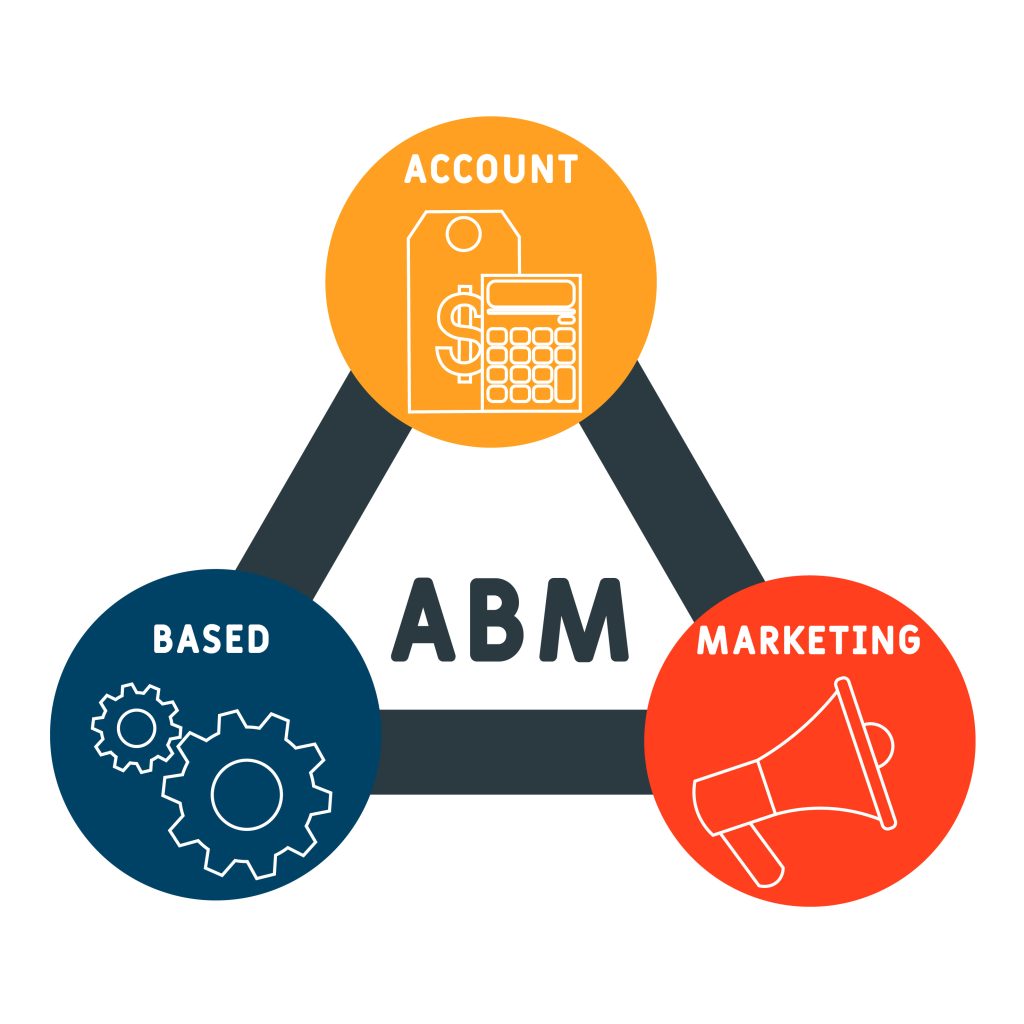
Account-Based Marketing (ABM) focuses on key accounts that fit your ideal customer profile, personalizing outreach to maximize the customer lifetime value. This marketing channel involves curating specialized content strategy, events, or email campaigns for high-potential targets.

Personalized touches, such as dedicated demos or whitepapers, often lead to faster back-and-forth, improving the conversion rate.

Aligning ABM with marketing automation tools ensures prospects receive precise information at the right stage of their sales funnel. B2B SaaS companies often find ABM beneficial for growing revenue from larger establishments with longer decision cycles and higher stakes.

Community Building

Community Building

Community building is about convening users, partners, and potential clients in a shared space—online forums, Slack channels, or specialized groups—allowing them to connect around your saas business.

Encouraging questions, success stories, and thought leadership content fosters genuine relationships. This marketing channel also gives you an insider view of user satisfaction and pain points.

Plus, community members may spontaneously create word of mouth marketing (womm) by referring your service. Over time, a thriving community can reduce customer acquisition cost, boost brand awareness, and supply user-driven ideas for a new product roadmap.

Public Relations (PR)

Public Relations (PR)

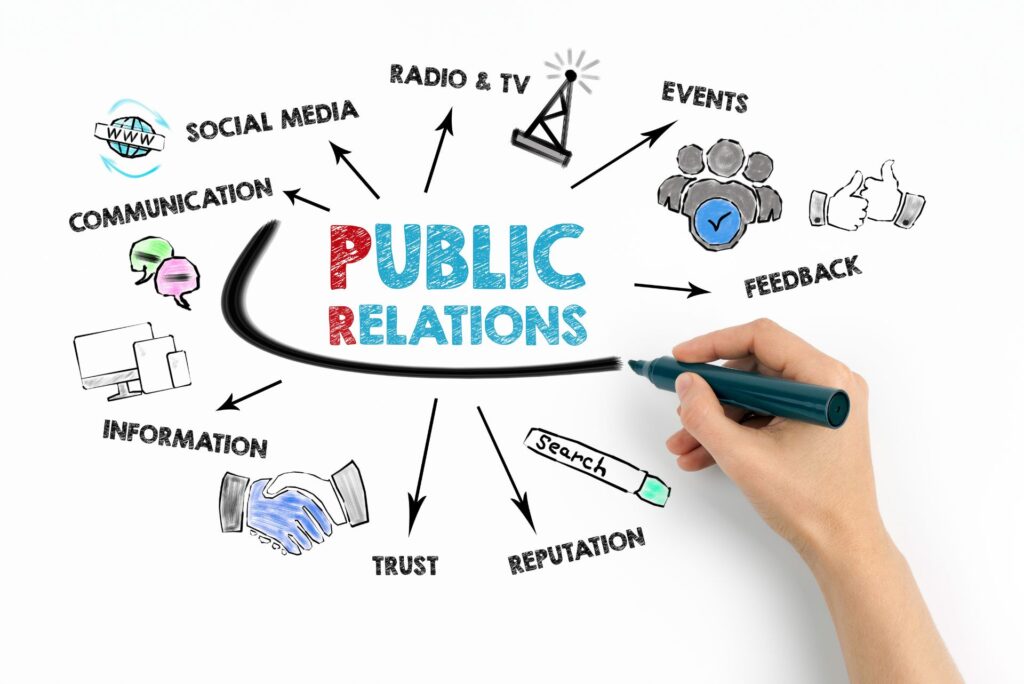
Public relations (PR) aims to shape favorable perceptions of your saas product, brand, and successes in the market.

This involves building connections with media outlets, marketing agency influencers, and industry analysts who can offer coverage of important milestones, such as new leads or a big partnership.

You can also publish press releases and guest articles, or appear as a keynote speaker at industry events.

Aligning PR with marketing strategies ensures consistent messaging across various channels. Effective PR can slice through noise, highlight your solution’s worth, and amplify the synergy of your digital marketing campaigns, sustaining interest in your brand.

Conversion Rate Optimization (CRO)

Conversion Rate Optimization (CRO)

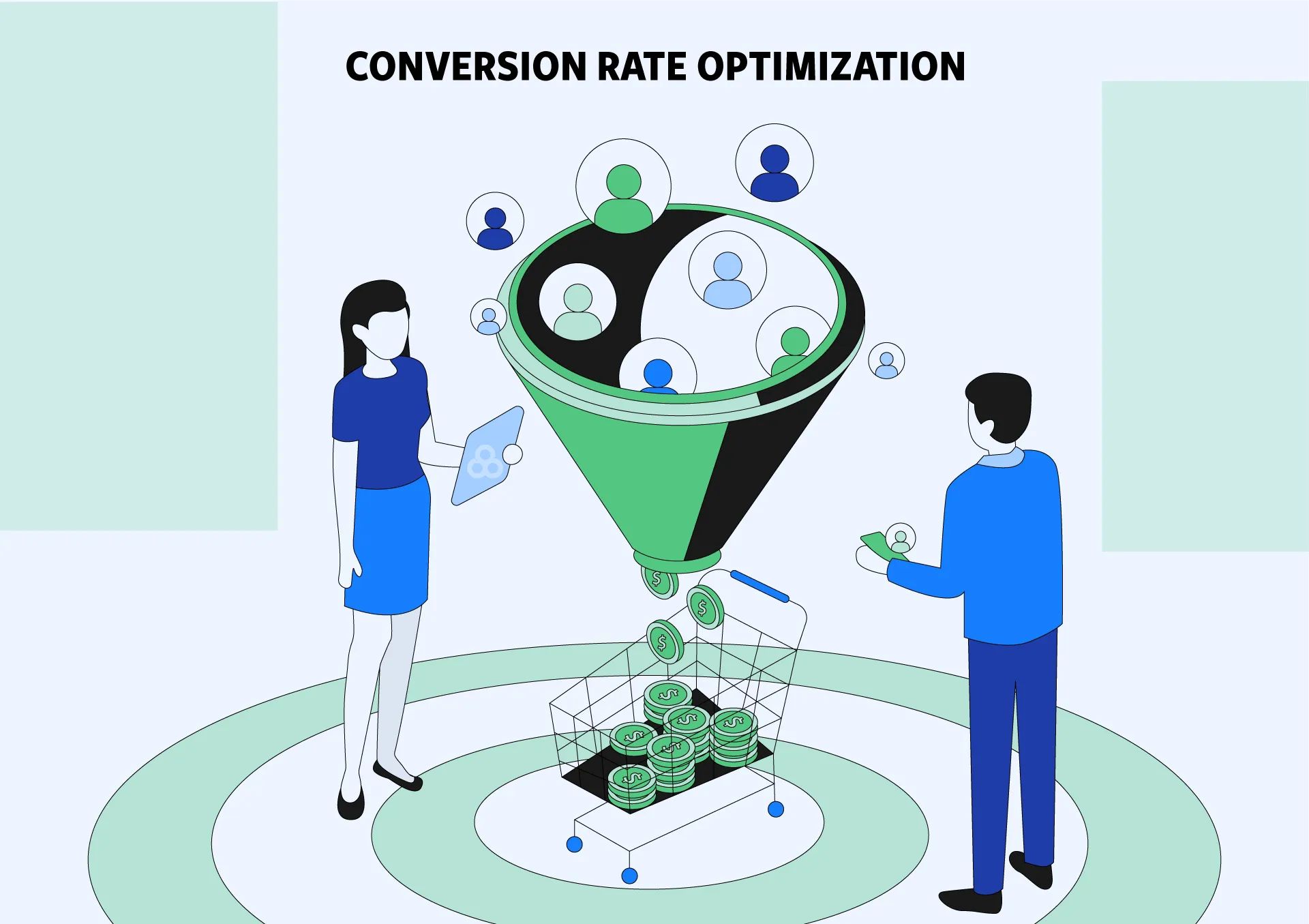
Conversion rate optimization is a systematic approach to enhancing your site or landing page performance, so more visitors become leads or paying customers. For B2B SaaS, CRO often involves refining web design, user flows, and calls-to-action.

Reviewing analytics from a tool like google analytics reveals pages with high bounce rates or friction in the sales funnel. A/B testing headlines, adjusting forms, or improving the user experience can vastly increase marketing campaign effectiveness.

Referral Marketing

Referral Marketing

Referral marketing uses existing clientele to introduce potential clients. This channel encourages current users to share a unique link or code with their network. Many B2B SaaS brands give incentives like a month free or a discount, keeping the entire process simple.

This type of inbound marketing thrives on the trust users place in recommendations from a known source.

Viral Marketing

Viral Marketing

Viral marketing centers on creating material that rapidly spreads through social media platforms and peer-to-peer sharing. For B2B SaaS, making content that resonates with professionals can be tricky, but it’s rewarding if executed correctly.

Short videos, memes, or infographics tailored to common B2B challenges can catch attention—especially if they address a timely issue. If the content is widely shared, you’ll see an expansion in brand awareness and gain numerous new leads.

This aids the marketing team in forging relevant conversations. A successful viral piece can also feed longer campaigns, turning bursts of interest into sustained marketing efforts.

Outbound Marketing

Outbound Marketing

Outbound marketing involves direct outreach, such as cold emails, phone calls, or direct paid placements. Instead of waiting for inbound customers, you reach out to potential clients who match your ideal profile.

Personalization is important for B2B SaaS so that recipients understand the unique ways your solution addresses their business pain points.

Pairing outbound marketing with inbound marketing can produce a well-rounded approach, ensuring you capture all relevant leads in your marketing funnel.

Data from your outreach can also inform future content marketing, highlight new segments, or align better with your marketing plan.

Partnership Marketing

Partnership Marketing

Although partnership marketing was mentioned earlier, it’s worth emphasizing that forging strategic alliances is a great way to open fresh streams of revenue. Different saas companies can form synergy if their solutions solve adjacent issues for the same target audience.

For example, co-marketing content and events can reduce marketing budget since costs are shared. You can also combine lead intelligence, awarding each partner extended reach while controlling customer acquisition cost. Such partnerships often include product bundles or joint promotions.

Podcast Marketing

Podcast Marketing

Podcast marketing has gained prominence as a direct channel to inform and engage listeners. B2B SaaS organizations might launch their own podcasts or sponsor relevant ones, discussing educational content, industry insights, marketing best practices, or success stories.

Because podcasts are often consumed during commuting or other tasks, they provide an extended window to share important details about your saas product. Inviting industry specialists can enhance your brand’s credibility and sharpen your marketing strategies.

Plus, you can repurpose transcripts into a blog post or email newsletter, boosting the life of each recording and attracting varied audience segments.

Word of Mouth Marketing (WOMM)

Word of Mouth Marketing (WOMM)

Word of Mouth Marketing (WOMM) harnesses the informal dialogue that arises when satisfied customers share their experiences. This is a potent approach for B2B SaaS, where procurement teams often seek referrals or unbiased opinions before purchasing.

Positive experiences, combined with top-notch customer experience, drive organic social media mentions, referral marketing, and brand loyalty. WOMM can flourish if you address real pain points thoroughly and show consistent reliability.

Encouraging customers to post reviews on industry forums or sharing user success in an email marketing sequence can amplify this channel’s outcome. WOMM keeps your brand top-of-mind as a proven, trustworthy option.

Choosing the Right B2B SaaS Marketing Channels

Choosing the Right B2B SaaS Marketing Channels

Factors to Consider (Target Audience, Budget, ROI)

Selecting the right marketing channels for B2B depends on several factors:

  • Target Audience: Understand where your potential clients spend their time and what channels they prefer.
  • Budget: Allocate resources efficiently by prioritizing channels that offer the best ROI.
  • ROI: Assess the effectiveness of each channel in generating leads and driving conversions.

Testing and Measuring Channel Effectiveness

Regularly testing and measuring the performance of your marketing channels ensures that you invest in the most effective strategies. Utilize tools like Google Analytics to track organic traffic, conversion rates, and other key metrics.

Challenges in B2B SaaS Marketing

Challenges in B2B SaaS Marketing

The world of B2B SaaS marketing has its challenges which are as follows:

  1. High Competition in the Market: The SaaS industry is highly competitive, making it challenging to stand out. Establishing a unique value proposition and using multiple marketing channels can help differentiate your product and attract prospective clients.
  2. Long Sales Cycles: B2B SaaS sales cycles are typically longer, requiring sustained lead nurturing and consistent engagement. Implementing strategies like account-based marketing and email marketing can keep your brand top-of-mind throughout the decision-making process.
  3. Generating Qualified Leads: Attracting high-quality leads is important for success. Focus on targeted content marketing and SEO to attract leads that are more likely to convert. Utilizing marketing automation tools can also streamline lead scoring and qualification.
  4. Maintaining Consistent Engagement: Keeping leads engaged over time is essential for conversion. Use a mix of content marketing, social media, and email campaigns to maintain regular touchpoints and provide ongoing value to your audience.

Best Practices For Using B2B SaaS Marketing Channels

Best Practices For Using B2B SaaS Marketing Channels

  1. Personalization and Targeting: Personalize your marketing messages to address the specific needs and pain points of your target audience. Tailored content and targeted ads can significantly improve engagement and conversion rates.
  2. Automation Tools For Efficiency: Use marketing automation tools to streamline your campaigns and improve efficiency. Automation can handle repetitive tasks, allowing your marketing team to focus on strategic initiatives and creative content creation.
  3. Integrating Multiple Channels: Integrate various marketing channels to create a cohesive and unified marketing strategy. Combining inbound marketing with outbound marketing enhances overall effectiveness and ensures that your message reaches your audience through multiple touchpoints.

Conclusion

Navigating the array of marketing channels for B2B SaaS companies can be challenging, but understanding and implementing the right strategies can drive significant growth.

Focusing on content marketing, SEO, PPC advertising, and other effective channels can help SaaS businesses enhance their lead generation, brand awareness, and customer acquisition.

Embrace personalization, use automation tools, and maintain a cohesive marketing plan to stay ahead in the competitive SaaS landscape.

Remember, the key to successful saas marketing lies in selecting the right marketing channels that align with your business goals and resonate with your target audience.

B2B SaaS Metrics: Meaning, Importance & Key B2B SaaS Metrics to Track

B2B SaaS companies must maintain stable recurring revenue, keep customers satisfied, and maintain strong growth. Because competition is tight, measuring the right metrics is key to making better decisions.

At VH Info, we share straightforward steps for B2B SaaS marketing and link-building, focusing on metrics like monthly recurring revenue, churn rate, and net promoter score. These indicators direct your marketing plans, refine your sales process, and enhance product adoption.

Tracking them properly uncovers how to improve budgets, address user needs, and boost long-term performance. In this guide, we show you how to manage these metrics so your company makes smarter moves in a changing market.

What Are B2B SaaS Metrics?

What Are B2B SaaS Metrics?

B2B SaaS metrics are key performance indicators that help SaaS companies measure their business health, growth, and customer satisfaction. These metrics focus on recurring revenue, customer churn, total number of users, and operational efficiency.

Metrics like monthly recurring revenue (MRR) and annual recurring revenue (ARR) track predictable income, while churn rate and net promoter score (NPS) highlight customer retention and satisfaction.

Analyzing these numbers can help businesses improve their cash flow, optimize marketing efforts, and align strategies for sustainable growth over a given time period.

Key B2B SaaS Metrics to Track

Key B2B SaaS Metrics to Track

Financial Metrics

Financial metrics confirm whether your recurring revenue model can sustain growth. They focus on revenue churn, total revenue, acquisition cost, and lifetime value, among other indicators.

Monthly Recurring Revenue (MRR)

Monthly recurring revenue is the average revenue generated by your total number of customers on a monthly basis.

This metric filters out one-time charges and focuses only on predictable subscription income. MRR serves as a pillar for B2B SaaS companies because it immediately shows the monthly revenue potential. A consistent uptick in this metric indicates a healthy, expanding customer base.

When the marketing team runs campaigns, MRR is used to interpret if those efforts help bring in more recurring revenue. The sales funnel also depends on MRR to determine how many new customers you need in a given month to sustain growth.

Annual Recurring Revenue (ARR)

Annual recurring revenue is the total revenue a SaaS company can predict it will earn each year from subscriptions.

ARR shows how much money you can expect over a larger period of time, factoring in any expansions or contractions that may happen among your customer base. This measure is often favored by investors looking for stable returns.

The ARR is simply your MRR multiplied by 12, adjusted for upgrades, downgrades, and churn. It helps you plan your budget, forecast cash flow, and set marketing expenses more accurately.

ARR also indicates whether you have enough momentum to lower your overall customer acquisition cost because an expanding ARR typically correlates with improved brand recognition.

Customer Lifetime Value (LTV)

Customer lifetime value (often abbreviated as CLV or LTV) measures the total amount of money an average customer will contribute to your SaaS business over their entire subscription. It blends monthly recurring revenue, average revenue per user, and churn rate to gauge how profitable each relationship can be across a given period.

When LTV is high, it’s often easier to justify higher spending on customer acquisition cost.

In other words, if your average customer contributes significant recurring revenue, you can afford more aggressive marketing efforts. A strong LTV also indicates that your customer success and customer support initiatives are effectively boosting retention and driving expansions or upsells.

Customer Acquisition Cost (CAC)

Customer acquisition cost weighs how much money you spend to draw in a new customer through marketing channels, social media, paid ads, lead generation campaigns, or sales outreach.

It’s the total cost over a time period divided by the number of new customers acquired in that window.

CAC ratio becomes essential for measuring whether your marketing team and sales team spend is justified.

If your CAC is too high relative to your customer lifetime value, you’re bleeding cash flow too quickly. On the other hand, a lower acquisition cost signals effective targeting, a refined sales process, and well-executed marketing efforts.

Gross Margin

Customer acquisition cost weighs how much money you spend to draw in a new customer through marketing channels, social media, paid ads, lead generation campaigns, or sales outreach.

It’s the total cost over a time period divided by the number of new customers acquired in that window.

CAC ratio becomes essential for measuring whether your marketing team and sales team spend is justified. If your CAC is too high relative to your customer lifetime value, you’re bleeding cash flow too quickly.

On the other hand, a lower acquisition cost signals effective targeting, a refined sales process, and well-executed marketing efforts.

Customer Retention Metrics

Customer retention metrics indicate how well you’re holding onto your customer base. These metrics shape your long-term strategies and can predict future churn or expansions.

Churn Rate

Churn rate is the percentage of customers who leave your SaaS product in a given month (or any defined time period).

A high churn rate usually underscores issues with your product’s user experience, the effectiveness of customer support, or possibly misaligned marketing messaging.

Lowering customer churn helps you retain a stable foundation of monthly recurring revenue.

This is vital because acquisition cost for a new customer can be steep. When you reduce churn rate, you free up resources to direct toward new feature development or marketing expansions instead of constantly replacing lost customers.

Net Revenue Retention (NRR)

Net revenue retention (NRR) tracks how the total revenue from your existing customers changes as they upgrade, downgrade, or churn over a period. If your NRR is above 100%, it means the expansions and upsells outweigh any lost revenue, indicating healthy business growth.

Companies with a high NRR thrive because their existing client base is generating revenue growth without needing consistent influx of new customers. This is especially beneficial when you factor in the total number of users who not only stay but also purchase more products or move to higher-tier subscriptions.

Customer Retention Rate (CRR)

Customer retention rate (CRR) measures the percentage of customers you keep over a given period, excluding new customer acquisitions. CRR focuses on the existing customer base, making it an essential counterpart to churn rate.

A solid CRR often mirrors robust product adoption, strong customer success programs, and an active user community. SaaS marketing strategies that address pain points and provide continued value often see an uptick in retention.

Engagement Metrics

Engagement metrics reveal how frequently and effectively customers are using your SaaS product after purchase, which informs your user experience improvements.

Net Promoter Score (NPS)

Net promoter score measures how likely your customers are to recommend your SaaS product to others. It’s calculated by subtracting the percentage of detractors from the percentage of promoters. An NPS score is a quick reference point for overall customer satisfaction.

If your NPS score is high, it generally signals strong word-of-mouth marketing, which helps reduce the personal acquisition cost for new leads. If your score declines, you might have a product issue or insufficient customer support that needs immediate remediation.

Daily Active Users (DAU) / Monthly Active Users (MAU)

Daily active users (DAU) and monthly active users (MAU) track the total number of users accessing your product daily or monthly. These metrics are especially useful for products that rely on continuous usage, such as SaaS platforms with day-to-day workflow features.

When you see dips in active users, it could point to poor adoption or a lack of user experience enhancements. On the flip side, steady active users indicate a thriving product that can attract more qualified leads.

Adoption Rate

Adoption rate measures the speed at which new or existing customers adopt specific features of your SaaS product. For instance, if you introduced automation functionality, the adoption rate would indicate how many users include it into their workflow.

A strong adoption rate suggests you’ve successfully communicated the value of new features, while a sluggish adoption rate might require additional marketing efforts or in-app guides.

Feature Usage

Feature usage tracks how often customers use particular functions within your SaaS product. It highlights which aspects of the product deliver the most value and which features need refinement.

If a certain feature sees consistently low usage, doubling down on user education or adjusting the feature for clarity could boost the average customer’s satisfaction. The right moves at the feature level can also enhance retention and reduce the churn rate.

Growth Metrics

Growth metrics prove whether your SaaS business model has enough traction. By monitoring expansions, you can optimize how the sales team and marketing team deploy resources.

Customer Monthly Growth Rate (CMGR)

Customer monthly growth rate measures the percentage increase (or decrease) in your total number of customers from one month to the next. This metric can help you project upcoming revenue growth and highlight potential dips in acquisition patterns.

If your CMGR is trending upward, your product is attracting a healthy inflow of new customers. A downward trend might point to inefficiencies in your sales process or the need for new “hooks” in the marketing funnel.

Expansion Revenue

Expansion revenue represents the additional recurring revenue you earn from existing customers.

This can happen through upselling to a higher plan or cross-selling complementary products. A steady stream of expansion revenue hints at customer satisfaction and an enthusiastic user base open to deeper product engagement.

As expansion revenue grows, your CAC ratio becomes more favorable because the customers you acquired some time ago continue adding net value without incurring more acquisition cost.

Operational Metrics

Operational metrics cover the internal mechanics that keep your SaaS business running smoothly. They include burn rates, time to value, and other measures that reflect overall business health.

Burn Rate

Burn rate measures how much money your SaaS company spends beyond what it generates in a given month. Tracking this helps plan how many months of runway remain before you need to raise funds or cut costs.

If your burn rate is too high, you may need to re-evaluate your marketing expenses or focus on retaining existing customers to maintain a positive cash flow. Sometimes, it might require shifting budget away from less impactful marketing efforts to more profitable channels.

Time to Value (TTV)

Time to value (TTV) is how long it takes for a new customer to see meaningful benefits from your SaaS product. A shorter TTV often correlates with higher satisfaction, quicker adoption, and a reduced churn rate.

When TTV is minimal, your funnel metrics improve because new leads convert more quickly into loyal customers. Coupling a shorter TTV with in-app guidance and robust customer success programs typically results in better retention and more referrals.

Why is Tracking B2B SaaS Metrics Important?

Why is Tracking B2B SaaS Metrics Important?

Tracking B2B SaaS metrics is a direct method for gauging business health and guiding strategic decisions. Without insight into which funnel metrics or growth metrics need improvement, you risk flying blind.

Here are some of the biggest reasons metric tracking is indispensable:

  1. Better Budgeting: You can see if your total revenue justifies marketing expenses or if you’re spending too much money for too little return.
  2. Alignment Across Teams: Metrics tie your sales process, product development, and marketing efforts together around common goals.
  3. Investor Relations: Key SaaS metrics for investors (such as annual recurring revenue) can secure better funding terms if your numbers show promise.
  4. Customer Retention: Monitoring churn rate and net promoter score helps you refine the user experience and ensure long-term satisfaction.
  5. Growth Forecasting: Metrics like CMGR, NRR, and expansion revenue offer important data for strategic planning.

Consistent metric analysis also keeps the marketing team and sales team on the same page. Whether focusing on number of leads or looking at net promoter score trends, everyone works toward improving a complementary set of data points.

How to Track Your B2B SaaS Metrics?

How to Track Your B2B SaaS Metrics?

  1. Define Clear Goals: Before you record any funnel metrics or measure monthly recurring revenue, define what your SaaS business aims to accomplish within a set time period. Are you looking to improve the number of new customers each month, drive business growth with expansions, or reduce your churn rate? Having these goals sharpens your focus.
  2. Choose Relevant Metrics: Not every business needs to track every single metric. A smaller SaaS company might prioritize monthly recurring revenue and churn rate, while a more mature brand might look beyond that to net revenue retention and the number of active users. Pick the metrics that align best with your current goals.
  3. Use Analytics Tools: Software solutions like Mixpanel and Chartmogul can aggregate data on average customer behavior, MRR, and churn. With these platforms, you track multiple data points in real-time. They highlight changes in monthly revenue or customer churn rate, helping you respond quickly to dips in performance.
  4. Set Up Accurate Tracking: If your data isn’t accurate, your efforts to reduce your acquisition cost or optimize your marketing budget won’t be reliable. Ensure you integrate data from each channel—social media, email campaigns, paid ads, referral traffic—so you have a complete overview of your lead generation pipeline.
  5. Monitor and Analyze Regularly: Mark a schedule to analyze your metrics consistently. Reviewing them once a quarter might be too infrequent if you’re in a fast-scaling phase. Weekly or monthly reviews are more typical for B2B SaaS marketing metrics.
  6. Share Insights With Stakeholders: The best approach to data involves transparency. Everyone should have access to the same performance snapshots, whether it’s your marketing team, sales team, or top management. Sharing these insights fosters quick alignment on issues like rising churn rates or lower NPS scores.
  7. Optimize Based On Data: Use the insights from these metrics to adjust your product, refine your sales funnel, or create different marketing tactics. If you see that the average revenue per user is flat, for instance, you may test a new subscription tier. Likewise, if your CAC ratio gets out of control, reevaluate your campaigns to identify channels that secure the highest conversion rate.

Challenges and Common Mistakes in B2B SaaS Metrics

Challenges and Common Mistakes in B2B SaaS Metrics

Misinterpreting Metrics: Sometimes, the same data can be viewed from multiple angles. For instance, a slow or declining number of users might not be alarming if you’ve recently pivoted to a higher-value segment. Always frame your metrics within the context of your business model and strategic shifts.

  1. Focusing On Vanity Metrics: A large total number of users might look impressive, but if few of those users become paying subscribers or generate high monthly revenue, that figure means little for real business growth. Focus on metrics that connect directly to profitability, retention, or expansions.
  2. Ignoring Customer Feedback: Metrics such as net promoter score (NPS) only tell part of the story. The direct feedback behind those scores often highlights where to make immediate changes. Not listening to detractors may drive them to churn, hurting your total revenue in the long run.
  3. Not Aligning Metrics With Business Goals: If your main objective is to improve annual recurring revenue, but your marketing team measures success by the number of leads generated, you could see a mismatch that doesn’t translate to more sales or customer retention. Make sure your funnel metrics and financial metrics map to the same strategic vision.
  4. Over-Reliance On a Single Metric: B2B SaaS companies sometimes emphasize one metric, such as MRR, at the expense of other measures like churn rate or NPS score. This shortsighted view could hide serious weaknesses in customer success or user experience. It’s better to track a handful of carefully chosen indicators covering multiple facets of business health.
  5. Not Regularly Reviewing and Updating Metrics: Metrics that were vital during an early product stage might lose relevance later. As you grow and add different subscription tiers, new metrics like annual contract value become more relevant. Update your data-tracking priorities to reflect your product’s lifecycle.

How to Improve B2B SaaS Metrics?

How to Improve B2B SaaS Metrics?

To Improve B2B SaaS Metrics follow these:

Improve Customer Acquisition Cost (CAC) With Product Analytics

One tactic is to refine marketing expenses based on deeper insights from product analytics. Look at which features spark consistent active users or lead to certain upsells. Target your qualified lead segments more precisely to reduce acquisition cost.

By effectively reading your funnel metrics, you can bring in the right number of leads without paying too much money for each.

Use Secondary Onboarding to Retain Existing Customers

A second or ongoing onboarding process helps ensure current customers are fully equipped to use your SaaS product. This practice taps into user experience improvements and fosters higher lifetime value.

Existing users often get overlooked, which can cause them to churn. Secondary onboarding keeps them engaged and lifts the average revenue by introducing them to advanced features.

Use Modals to Prompt Users to Upgrade Their Accounts

Well-placed pop-up modals can highlight relevant subscriptions or higher-tier options. This approach encourages the new customer or existing subscriber to see additional benefits, potentially boosting your expansion revenue.

Ensure these prompts are contextually triggered to maintain a helpful tone.

Use Tooltips to Drive Users to the Activation Points

Modals aren’t the only in-app feature that can guide behavior.

Tooltips placed on essential features reveal how to extract deeper value from your platform. These prompts help new users adopt key functionality and enhance the net promoter score if they realize your SaaS product’s full benefit quickly.

Offer in-App Self-Service Support to Reduce Churn Rate

Self-service resources like knowledge bases, chatbots, or tutorial videos often prove invaluable for lowering your customer churn rate. When users can solve minor problems without lengthy support tickets, they’re more inclined to remain loyal over a longer time period.

Launch NPS Survey to Find Detractors and Act On

An NPS survey can identify users who feel dissatisfied or borderline about your product.

Reaching out to these detractors to learn more helps you fix pressing concerns and reduce your revenue churn rate. Small improvements may convert them into promoters, amplifying the positive word-of-mouth among your total number of customers.

Best Tools to Track B2B SaaS Metrics

Best Tools to Track B2B SaaS Metrics

Userpilot

Userpilot

Userpilot helps SaaS businesses create seamless in-app experiences. With triggers, tooltips, and analytics, you see how many active users explore each feature, which fosters strong retention and lowers churn. Its step-by-step guidance allows you to shape user flows around relevant adoption triggers, ultimately aiding your marketing team and product team in offering data-backed improvements.

Mixpanel

Mixpanel

Mixpanel is a robust platform for analyzing product usage, tracking funnel metrics, and understanding how different user segments behave over a given period. Through event-based tracking, Mixpanel reveals which steps in the sales funnel or onboarding process lose the highest number of leads. This data helps your sales process and marketing efforts become more efficient.

Chartmogul

Chartmogul

Chartmogul focuses on recurring revenue analytics. It helps you track monthly recurring revenue, annual recurring revenue, net revenue retention, and more. This tool makes it easier to measure changes in churn rate and average revenue per user. It also consolidates financial data from multiple payment gateways, giving you a full picture of your business growth.

FAQ’s:

What Is Needed To Be Successful in the B2B SaaS Marketing Space?

A refined sales funnel, strong lead generation strategies, alignment between marketing team and product team, and a thorough approach to collecting data on net promoter score, MRR, and other metrics.

By staying aware of your total number of customers and the monthly recurring revenue generated, you can distribute resources more accurately. Maintaining a healthy cash flow and consistent user experience is also vital.

What Are The Most Critical B2B SaaS Metrics For Startups?

Startups typically keep a close eye on churn rate, customer acquisition cost, monthly recurring revenue, and the total number of users.

Tracking growth metrics like CMGR and net revenue retention also supports strategic decisions early on. If you’re a new SaaS company, you need these metrics to confirm product-market fit and see if your marketing expenses produce a desired return.

Can Customer Feedback Play a Role in Metric Analysis?

Yes. Feedback often clarifies why metrics shift.

For example, an NPS survey might reveal friction in your user experience, causing the number of leads converting to drop. Feedback also guides improvements for average customer lifetime value if you address pain points that drive cancellations.

Listening to user comments can yield actionable fixes for your monthly revenue or net promoter score.

Conclusion

Monitoring B2B SaaS metrics is vital for sustaining recurring revenue, keeping a strong client base, and maintaining adequate cash flow.

Concentrating on monthly recurring revenue, annual recurring revenue, churn rate, and expansions gives you a concrete view of performance and where to refine strategies. This data-driven approach helps marketing, sales, and product teams collaborate around shared goals, ensuring proactive responses to shifts in customer behavior or market conditions.

Tracking metrics like CAC ratio, net promoter score, and retention indicators equips you to spot bottlenecks and make fast improvements to user experience and conversion funnels. Observing these numbers regularly highlights where budget can be redirected or where a new feature might boost average revenue per customer.

Each metric clarifies a different part of the journey, helping you stay one step ahead of churn and strengthen total revenue.

Through a methodical review process, you also gain better alignment across departments, reducing unnecessary costs and miscommunication. VH Info offers focused guidance on applying these insights, pushing your B2B SaaS platform toward long-term success.

SaaS Marketing Audit: Meaning, Importance, Challenges & Tools

In the competitive landscape of Software as a Service (SaaS), staying ahead requires more than just offering a superior product.

A comprehensive SaaS marketing audit is essential for understanding your current marketing efforts, identifying areas for improvement, and aligning your strategies with business goals.

This audit process evaluates various aspects of your marketing strategy, from SEO performance to user experience, ensuring that your SaaS business effectively reaches and engages its target audience.

What is a SaaS Marketing Audit?

What is a SaaS Marketing Audit?

A SaaS marketing audit is a thorough evaluation of your marketing strategies and tactics tailored specifically for SaaS companies. It involves analyzing multiple facets of your marketing efforts, including content performance, SEO, user experience, and more.

The goal is to assess the effectiveness of your current strategies, identify strengths and weaknesses, and provide actionable insights to enhance your overall marketing performance.

Importance of a SaaS Marketing Audit

Importance of a SaaS Marketing Audit

Conducting a SaaS marketing audit is important for several reasons:

  1. Improved SEO Performance: Optimizing your search engine presence is vital for attracting organic traffic. A marketing audit assesses your SEO strategies, including keyword research and technical SEO, ensuring your content ranks well in search results and reaches potential customers.
  2. Enhanced User Experience: A seamless user experience is key to retaining customers and reducing churn rates. The audit examines your website’s design, navigation, and overall usability, identifying areas where user engagement can be improved.
  3. Increased Conversion Rates: Understanding how users interact with your website and content helps in optimizing your marketing funnel. By analyzing conversion paths and user behavior, the audit provides insights to increase conversion rates and generate more qualified leads.
  4. Strategic Insights: A marketing audit offers valuable insights into your market trends, competitor strategies, and customer preferences. These insights enable you to refine your content marketing strategy and align your efforts with business objectives for sustained growth.

Key Components of a SaaS Marketing Audit

Key Components of a SaaS Marketing Audit

A comprehensive SaaS marketing audit encompasses several key components:

  1. Brand Positioning and Messaging: Evaluate how your brand is positioned in the market and the clarity of your messaging. Ensure that your value proposition resonates with your target audience and effectively communicates the value of your product.
  2. Website and User Experience: Assess the design, functionality, and usability of your website. A well-optimized user experience enhances user engagement and supports higher conversion rates.
  3. Search Engine Optimization (SEO): Analyze your SEO strategies, including keyword research, on-page and off-page optimization, and technical SEO. Effective SEO improves your visibility in search engines, driving more organic traffic to your site.
  4. Content Strategy and Quality: Review your content marketing efforts, including the quality and relevance of your saas content. Conduct a content audit to evaluate content performance, identify gaps, and ensure your content creation aligns with your business objectives.
  5. Marketing Funnel Analysis: Examine each stage of your marketing funnel, from lead generation to customer acquisition and retention rates. Identify bottlenecks and opportunities to enhance customer journey and customer retention.
  6. Analytics and Data Insights: Utilize analytics tools to gather data on your marketing performance. Analyze performance metrics and user feedback to gain insights into what’s working and what needs improvement.

How to Conduct a SaaS Marketing Audit?

How to Conduct a SaaS Marketing Audit?

Follow these steps to perform an effective SaaS marketing audit:

  1. Define Goals and Objectives: Start by outlining the business goals and objectives you aim to achieve through the audit. Clear goals help in focusing your efforts on areas that align with your overall business growth strategy.
  2. Gather Data and Insights: Collect data from various marketing channels, including your website, social media, email campaigns, and SEO tools. Include customer feedback and analytics to gain a comprehensive view of your marketing performance.
  3. Analyze Current Performance: Evaluate the collected data to assess the effectiveness of your current marketing strategies. Identify patterns, strengths, and weaknesses in areas such as content performance, SEO, and user engagement.
  4. Identify Gaps and Opportunities: Pinpoint gaps in your marketing efforts and explore opportunities for improvement. This could involve enhancing your content library, optimizing your website, or refining your marketing strategies to better target your audience.
  5. Prioritize and Plan Improvements: Rank the identified opportunities based on their potential impact and feasibility. Develop a strategic plan to address the most critical areas first, ensuring a structured approach to improving your marketing efforts.
  6. Implement Changes and Monitor Results: Execute the planned improvements and continuously monitor their impact. Use A/B testing and other evaluation methods to measure the effectiveness of changes and make necessary adjustments to optimize performance.

Common Challenges in SaaS Marketing Audits

Common Challenges in SaaS Marketing Audits

Conducting a SaaS marketing audit can present several challenges:

  1. Data Overload: Managing and making sense of large volumes of data can be overwhelming. It’s essential to focus on the most relevant metrics that align with your goals.
  2. Resource Constraints: Limited time and budget can hinder the audit process. Prioritizing key areas and using efficient tools can help mitigate this issue.
  3. Keeping Up With Trends: The dynamic nature of the SaaS market requires staying updated with the latest trends and best practices to ensure your marketing strategies remain effective.

Tools For SaaS Marketing Audits

Tools For SaaS Marketing Audits

Using the right tools can streamline your audit process:

  1. Website Analytics Tools (E.g., Google Analytics): Tools like Google Analytics provide valuable insights into website traffic, user behavior, and conversion rates, helping you evaluate the effectiveness of your marketing efforts.
  2. SEO Tools (E.g., Ahrefs, SEMrush): SEO tools offer comprehensive analysis of your search engine optimization strategies, including keyword performance, backlink profiles, and competitive analysis, essential for improving SEO performance.
  3. Content Management Systems’ (CMS) Insights: Utilize the analytics features of your Content Management System (CMS) to assess content quality, content inventory, and content performance, ensuring your content marketing strategy is effective.

FAQ’s:

How Often Should a SaaS Business Conduct a Marketing Audit?

A SaaS business should conduct a marketing audit at least annually or whenever there are significant changes in the market, business goals, or marketing strategies. Regular audits help in maintaining alignment with business objectives and adapting to evolving market trends.

Can I Conduct a SaaS Marketing Audit Internally, Or Should I Hire An Expert?

While it is possible to conduct a SaaS marketing audit internally, hiring an expert can provide an unbiased perspective and specialized knowledge. Experts bring valuable insights and can identify areas that may be overlooked by an internal team.

What Are The Key Metrics to Track During a Marketing Audit?

Key metrics include organic traffic, conversion rates, customer acquisition cost, retention rates, user engagement, and SEO performance. Tracking these metrics provides a comprehensive view of your marketing effectiveness and helps in making informed decisions.

Conclusion

A SaaS marketing audit is a vital tool for any SaaS company aiming to optimize its marketing strategies, enhance user experience, and drive business growth.

Systematically evaluating your content strategy, SEO performance, and overall marketing funnel can help you gain valuable insights that support informed decision-making and strategic planning.

Embrace the audit process to ensure your marketing efforts are aligned with your business goals, effectively reaching your target audience, and contributing to sustained success.

Website Audit Checklist: A Comprehensive Beginner’s Guide

A website is the cornerstone of any SaaS business’s digital presence. To ensure it performs optimally, regular audits are essential. A website audit checklist helps identify potential issues, improve user experience, and boost search engine rankings.

This guide will walk you through actionable steps to conduct a successful site audit and maintain a high-performing website.

What is a Website Audit?

What is a Website Audit?

A website audit comprehensively evaluates your site’s performance, covering technical aspects, SEO elements, content quality, and user experience. It identifies areas for improvement to enhance organic traffic, conversion rates, and overall functionality.

What is a Technical Audit of a Website?

A technical audit focuses on the technical SEO and backend structure of your site. It examines elements like page speed, core web vitals, XML sitemap, canonical tags, and schema markup to ensure your site is optimized for search engines like Google.

Why Conduct a Website Audit?

Why Conduct a Website Audit?

Conducting a site audit is critical for maintaining your website’s health. Here’s why:

  1. Improve search engine rankings by addressing SEO issues.
  2. Enhance user experience with better navigation and faster load times.
  3. Identify and fix broken links that harm credibility.
  4. Ensure compliance with Google’s guidelines using tools like Google Search Console.
  5. Optimize your content strategy to target keywords and increase visibility.

Types of Website Audits

Types of Website Audits

Technical SEO Audit

Technical SEO Audit

A technical SEO audit focuses on the backend and structural aspects of your website to ensure it works smoothly for both users and search engines.

It includes checking for site speed, core web vitals, proper implementation of an XML sitemap, and resolving indexing issues using tools like Google Search Console. The audit also looks at technical elements such as canonical tags, structured data, and schema markup to improve visibility in search engine results.

Fixing these technical issues ensures that your website is easy to crawl, loads quickly, and provides a seamless user experience.

On-Page SEO Audit

On-Page SEO Audit

An on-page SEO audit evaluates the content and SEO elements on individual web pages. It checks for optimized meta tags (title tags and meta descriptions), proper usage of alt text for images, and strategic placement of keywords.

This audit also ensures that your content is high-quality, free from duplicate content, and aligned with your overall content strategy. Additionally, it reviews internal linking, ensuring that important pages are easily accessible.

By optimizing these elements, you can improve your site’s relevance and rank higher in search engine results.

Backlink Audit

backlink audit

A backlink audit assesses the quality and quantity of links pointing to your site, which are important for building a strong backlink profile. It identifies toxic or spammy links that could harm your rankings and ensures that external links come from credible sources.

This audit also evaluates the relevance of anchor text used in backlinks, as well as the total number of backlinks you have. A healthy backlink profile strengthens your site’s authority, boosts organic traffic, and enhances your overall SEO efforts.

Conversion Rate Optimization (CRO) Audit

Conversion Rate Optimization (CRO) Audit

A CRO audit focuses on improving the actions users take on your site, like signing up for a free trial or making a purchase.

It examines elements such as CTAs (calls-to-action), forms, landing pages, and user behavior metrics like bounce rate. The audit also looks at technical aspects like page load time and mobile compatibility to ensure a smooth user experience.

By addressing these factors, you can increase conversions and make the most out of the traffic coming to your site.

Social Media Audit

Social Media Audit

A social media audit evaluates how effectively your social media channels drive traffic to your website and contribute to your digital marketing goals. It reviews metrics like engagement rates, referral traffic, and the presence of tracking pixels (e.g., Facebook Pixel).

This type of audit helps align social media efforts with website goals by ensuring consistent branding, optimized posts, and integration with tools like Google Analytics to track performance.

Competitor Audit

Competitor Audit

A competitor audit compares your website’s performance with that of competitors in your industry. It looks at their keyword rankings, backlink profiles, social media strategies, and overall web design to identify gaps in your approach.

This audit also evaluates competitor content quality, site structure, and user experience to uncover actionable steps for improvement. Understanding what works for competitors can help you refine your strategy to gain an edge in search engine rankings and attract more organic traffic.

Website Audit Checklist Steps

Website Audit Checklist Steps

Step 1: Check Google Analytics Setup

  • Check Google Analytics Tracking Code: Ensure the Google Analytics tracking code is correctly installed on all pages of your website. Without it, you won’t be able to track important metrics like organic traffic, bounce rate, or user behavior. Verify that the code is firing properly and is not duplicated, as errors can lead to inaccurate data in your reports.
  • Check Events and Goals Setup: Set up events and goals in Google Analytics to track specific actions like form submissions, purchases, or button clicks. These are critical for measuring your conversion rate and understanding how users interact with your site. Ensure all key actions are being tracked accurately.

Step 2: Check Google Analytics Traffic Trends

Analyzing traffic trends in Google Analytics helps you understand how users interact with your site and where they come from. Start by reviewing key metrics like traffic sources, session duration, and bounce rate.

For example, a drop in organic traffic could indicate issues with your SEO strategy, while high bounce rates might suggest poor user experience or irrelevant content. Use the “Acquisition” > “Overview” report to break down traffic by channel (e.g., organic search, paid ads, social media). Dive deeper into the “Traffic Acquisition” report to identify which pages are performing well and which need optimization.

Additionally, compare year-over-year or month-over-month trends to detect seasonal patterns or anomalies like sudden drops or surges in traffic. This analysis helps refine your content strategy and marketing efforts.

Step 3: Check Mobile Compatibility

Mobile compatibility is a critical ranking factor for search engines like Google. Use tools such as Google’s Mobile-Friendly Test to evaluate whether your website is optimized for mobile devices.

Ensure your site design is responsive, meaning it adapts seamlessly to different screen sizes without compromising functionality or readability. Pay special attention to elements like navigation menus, buttons, and forms—these should be easy to use on smaller screens.

Check for slow load times on mobile devices using tools like PageSpeed Insights, as mobile users are less likely to wait for pages to load. A mobile-friendly site not only improves user experience but also boosts your chances of ranking higher in search engine results.

Step 4: Assess On-page SEO

On-page SEO focuses on optimizing individual web pages for better visibility in search engines.

Start by reviewing title tags, meta descriptions, and headers to ensure they are concise, keyword-rich, and aligned with user intent. Evaluate the placement of keywords in the content while avoiding overstuffing, as this can harm your rankings.

Check that all images have descriptive alt text, which improves accessibility and helps search engines understand image content. Review internal linking to ensure it directs users to the most important pages, enhancing both navigation and SEO value.

Finally, ensure that all pages provide quality content that addresses user needs and aligns with your overall content strategy.

Step 5: Check For Indexing Issues

Indexing issues can prevent your website from appearing in search engine results, limiting your visibility.

Use Google Search Console to identify pages that are not indexed or flagged with errors. Common problems include blocked pages in robots.txt files, missing canonical tags, or duplicate content that confuses search engines.

Ensure all critical pages are crawlable and indexed correctly by submitting an updated XML sitemap through the Search Console.

Fix any errors flagged under the “Coverage” report, such as “Excluded” or “Error” statuses. Addressing indexing issues ensures that search engines can efficiently crawl and rank your site’s content.

Step 6: Run Page Speed Tests

Page speed directly impacts both user experience and SEO rankings. Use tools like PageSpeed Insights or GTmetrix to measure your website’s load time on both desktop and mobile devices. Slow load times can lead to higher bounce rates and lower engagement levels.

Optimize large images by compressing them without sacrificing quality, reduce server response times, and enable browser caching for returning visitors. Additionally, check for render-blocking resources like JavaScript or CSS files that delay page loading.

Improving page speed not only enhances the overall user experience but also aligns with Google’s focus on core web vitals, which are key ranking factors in search engine algorithms.

Step 7: Perform a Content Review

  • Keyword Usage and Keyword Density: Ensure that primary keywords are used effectively in titles, headers, and throughout the content without keyword stuffing. This helps improve visibility in search engine results.
  • Behavior On Site: Analyze user behavior metrics such as time spent on pages and click-through rates to understand how visitors engage with your content. High engagement often indicates quality content.
  • Qualitative Feedback: Gather feedback from users about whether the content is helpful and relevant. This can highlight areas where updates or improvements are needed.

Step 8: Assess User Experience

  • Information Architecture (Website Navigation): Check if your website navigation is intuitive and leads users to the most important pages easily. A well-organized structure improves usability and keeps visitors engaged longer.
  • Layout and Design: Evaluate the overall layout and design of your site for readability and accessibility. Ensure it aligns with modern web design standards while maintaining fast load times.

Step 9: Do a Competitor Analysis

Competitor analysis is essential for understanding how your website performs compared to others in your niche. Start by identifying your key competitors using tools like SEMrush or Ahrefs. Analyze their keyword rankings to see which terms drive the most organic traffic to their sites.

Examine their backlink profiles to identify high-authority domains linking to them, which can help you refine your link-building strategy. Review their web design, content quality, and social media integration to spot gaps in your approach.

This process helps you uncover actionable insights, such as missing keywords or untapped content opportunities, to enhance your SEO efforts and user experience.

Step 10: Identify Any Broken Links

Broken links, whether internal or external, harm both user experience and SEO. They lead visitors to dead-end pages (404 errors), increasing bounce rates and reducing session duration.

Use tools like Screaming Frog, Ahrefs, or Google Search Console to locate broken links on your website. Once identified, replace or redirect these links to relevant pages.

For external links pointing to removed resources, either update the link or remove it altogether. Fixing broken links ensures smooth navigation for users and improves crawlability for search engines, helping distribute link juice effectively across your site.

Step 11: Check Keyword Rankings

Monitoring keyword rankings is important for tracking the success of your SEO strategy. Use tools like SEMrush, Ahrefs, or Google Search Console to see how well your target keywords perform in search engine results.

Pay attention to the total number of keywords you rank for and any fluctuations in rankings over time.

If rankings drop for important terms, analyze potential issues like content quality, competition, or changes in search engine algorithms. Regularly updating and optimizing content based on keyword performance helps maintain visibility and drive consistent organic traffic.

Step 12: Check For Social Pixels and Tags

Social media tracking pixels, such as Facebook Pixel or LinkedIn Insight Tag, are essential for measuring the effectiveness of social campaigns. Verify that these tags are installed correctly on your site using tools like Facebook Pixel Helper or Google Tag Manager.

Ensure they track key events such as purchases, sign-ups, or page views accurately. Properly configured pixels enable retargeting campaigns and help optimize ad performance by providing valuable data about user behavior on your site.

This step is critical for aligning social media efforts with broader digital marketing goals.

Step 13: Audit All 3rd Party Technologies

Third-party integrations like chatbots, CRMs, analytics tools, or plugins can enhance functionality but may also slow down your website if not managed properly.

Use tools like GTmetrix or PageSpeed Insights to evaluate the impact of these technologies on your site’s load time and performance.

Outdated or poorly optimized third-party scripts can cause technical issues or security vulnerabilities. Regularly audit these integrations to ensure they serve their purpose without degrading user experience or site speed.

Step 14: Audit URLs and Site Structure

A well-structured URL system is vital for both search engines and users. Ensure URLs are clean, descriptive, and include relevant keywords (e.g., “example.com/seo-tips”).

Avoid long strings of random characters that confuse users and crawlers alike. Evaluate your site’s overall structure by grouping related pages logically under categories and subcategories.

Tools like Screaming Frog or Google Analytics can help assess whether important pages are easily accessible through intuitive navigation menus and internal links. A clear site structure improves crawlability, enhances user experience, and boosts search engine rankings by making it easier for both users and bots to find valuable content.

What Are The Best Website Audit Tools?

What Are The Best Website Audit Tools?

Here are five excellent website audit tools that can help you identify and fix issues affecting your site’s performance, SEO, and user experience:

  1. Semrush Site Audit Tool: Semrush is an all-in-one digital marketing platform offering a powerful site audit feature. It scans your website for over 140 potential issues, including missing meta tags, duplicate content, and crawlability errors. The tool provides a detailed audit report with actionable recommendations and tracks your site’s core web vitals over time. With its intuitive dashboard, you can compare past audits to measure improvements in your SEO efforts.
  2. Screaming Frog SEO Spider: Screaming Frog is a desktop-based tool designed for technical SEO audits. It crawls your entire website to identify issues like broken links, duplicate content, and missing metadata. It also checks your XML sitemap, response codes, and URL structure. Screaming Frog is ideal for advanced users who want granular insights into their website’s technical health, making it a great way to address complex site audit needs.
  3. Ahrefs Site Audit: Ahrefs is known for its comprehensive capabilities in analyzing a website’s SEO performance. Its site audit feature uncovers technical issues like crawl errors, slow load times, and content quality problems. Ahrefs also excels in backlink analysis, helping you maintain a healthy backlink profile. The tool integrates with Google’s PageSpeed Insights, making it easier to optimize your site for better rankings in search engine results.
  4. Google Search Console: Google Search Console is a free tool provided by Google to monitor and maintain your site’s presence in search results. It identifies indexing issues, tracks keyword rankings, and provides insights into your site’s performance on mobile devices. You can also use it to submit an updated XML sitemap, check for crawl errors, and analyze impressions and clicks from Google Search.
  5. SE Ranking: SE Ranking offers a versatile SEO site audit tool that evaluates on-page SEO elements, technical aspects, and backlinks in one platform. It provides clear data visualizations and allows you to group audits by project or URL. The tool also monitors changes in page performance over time, helping you track improvements in metrics like bounce rate and load time. Its user-friendly interface makes it accessible even for beginners. These tools are highly effective for conducting thorough audits of your website’s technical health, content quality, and overall user experience—key factors in improving rankings and driving more organic traffic.

How Often Should I Perform a Website Audit?

The frequency of website audits depends on your site’s size, complexity, and industry. For most websites, quarterly audits are a good rule of thumb to ensure your site remains optimized and issue-free.

However, monthly audits are recommended for dynamic sites like e-commerce platforms or those in competitive industries to monitor SEO efforts, core web vitals, and user experience regularly.

Smaller or less active websites may only need comprehensive audits once or twice a year, but immediate audits are necessary after major updates, traffic drops, or algorithm changes.

Regular audits help identify broken links, fix technical issues, and maintain strong search engine rankings.

How Can I Ensure My Website Remains Optimized After an Audit?

How Can I Ensure My Website Remains Optimized After an Audit?

To keep your website optimized after an audit, regularly monitor performance metrics using tools like Google Analytics and Google Search Console. Update your website content frequently to maintain relevance and improve content quality.

Address technical issues like slow site speed, broken links, or indexing errors as soon as they arise. Continuously optimize SEO elements such as meta tags, alt text, and keyword usage to align with search engine updates.

Additionally, track your core web vitals, ensure mobile compatibility, and review your backlink profile to maintain strong rankings and a smooth user experience.

Website Audit Example

Website Audit Example

Here’s an example of what a website audit might uncover:

  1. Technical Issues: Pages with slow load times due to unoptimized images affecting page speed.
  2. SEO Problems: Missing or poorly written meta descriptions and duplicate content hurting rankings.
  3. Content Quality: Outdated blog posts with low engagement metrics needing updates.
  4. Broken Links: Internal links lead to 404 errors disrupting the user journey.
  5. Mobile Compatibility Issues: A non-responsive design causes poor navigation on mobile devices.
  6. Backlink Profile Review: Toxic backlinks from spammy sites negatively impact your domain authority.

By addressing these issues, the site can improve its search engine rankings, enhance the overall user experience, and drive more organic traffic.

FAQ’s:

Can I Run a Website Audit For Free?

Yes, you can run a website audit for free using tools like Google Search Console and Google Analytics, which help identify indexing issues, traffic trends, and site performance. Additionally, free versions of tools like Screaming Frog or Ahrefs offer limited but useful insights into SEO elements, broken links, and site structure. While free tools provide a good starting point, premium tools often offer more detailed reports and advanced features for a comprehensive site audit.

What is a Content Audit of a Website?

A content audit is the process of reviewing all the pages on your website to assess their content quality, relevance, and performance. It helps identify outdated or duplicate content, gaps in your content strategy, and opportunities to target new keywords.

By analyzing metrics like engagement, bounce rate, and user behavior, you can improve your website content to better meet user needs and boost organic traffic.

Can a Website Audit Improve SEO Rankings?

Yes, a thorough website audit can significantly improve your SEO rankings by identifying and fixing issues that affect your site’s performance. Addressing problems like slow site speed, missing meta tags, or poor mobile compatibility enhances your site’s visibility in search engine results. Additionally, optimizing your backlink profile, fixing broken links, and improving your user experience make your website more appealing to both users and search engines, driving more traffic and better rankings.

Conclusion

A website audit is a vital process for maintaining your site’s health and ensuring it performs well in search engine rankings while providing a great user experience.

Following a comprehensive website audit checklist can help you identify and fix technical issues, optimize SEO elements, and improve content quality. Regular audits help you address potential problems like broken links, slow site speed, or poor mobile compatibility, which can negatively impact your site’s visibility and engagement.

Using tools like Google Search Console, Google Analytics, and third-party platforms ensures that your site remains optimized for both users and search engines.

Whether it’s refining your backlink profile, enhancing your site structure, or updating outdated content, audits are key to driving more organic traffic and achieving long-term success.

Consistently monitoring and improving your website can help you stay ahead in the competitive digital landscape.

SaaS Buyer Personas: What Are They & Why Should You Care?

In the competitive SaaS industry, understanding your audience is pivotal to creating impactful marketing strategies. A well-defined SaaS buyer persona acts as a compass, guiding your marketing, sales, and product development efforts.

This article delves into the concept of buyer personas, their importance, and actionable steps to create and utilize them effectively for your SaaS business.

What Are SaaS Buyer Personas?

What Are SaaS Buyer Personas?

A SaaS buyer persona is a semi-fictional representation of your ideal customer, built using data such as demographics, behavior, goals, and challenges. Unlike general buyer personas, SaaS personas often account for multiple stakeholders in the buying process—decision-makers like CTOs, end-users, and influencers within organizations. These personas help SaaS companies tailor their marketing strategies, improve the sales process, and align their product development with customer needs.

Importance of Buyer Personas in SaaS

Importance of Buyer Personas in SaaS

Buyer personas are indispensable for SaaS companies because they:

  1. Provide insights into customer pain points, enabling tailored solutions.
  2. Improve conversion rates by aligning marketing messages with audience needs.
  3. Help segment the target audience for personalized campaigns.
  4. Enhance collaboration between the sales team and marketing team.
  5. Guide product teams in developing features that resonate with real users.

How Are Buyer Personas Different For SaaS Companies?

How Are Buyer Personas Different For SaaS Companies?

Buyer personas in SaaS differ due to the industry’s unique characteristics:

  1. Multiple Decision-Makers: The buying process often involves roles like the Chief Technology Officer (CTO) or Chief Marketing Officer (CMO).
  2. Recurring Revenue Model: Understanding long-term customer needs is important for retention.
  3. Complex Buying Journey: SaaS buyers evaluate features, pricing models, and support extensively before committing. Given the complex buying journey in SaaS, businesses often require targeted strategies to reach decision-makers effectively. Using a SaaS Link Building Service can help improve search visibility and attract relevant stakeholders during their extensive evaluation process.

How Can a SaaS Business Create a Buyer’s Persona?

How Can a SaaS Business Create a Buyer’s Persona?

Creating a SaaS buyer persona involves understanding your ideal customer deeply. Two critical steps in this process are conducting customer interviews and assessing the price sensitivity of personas.

Conducting Customer Interviews

Customer interviews are one of the most effective ways to gather insights about your potential customers. These interviews allow you to hear directly from real people about their goals, challenges, and expectations when using a SaaS product.

Here’s how to approach it:

  1. Ask Open-Ended Questions: Focus on their pain points, desired features, and how they evaluate solutions during their buying process.
  2. Involve Multiple Teams: Your sales team, customer service reps, and even product managers can help identify recurring themes from customer feedback.
  3. Capture Behavioral Insights: Understand how customers interact with your product or similar tools in the market.
  4. Use Data for Persona Profiles: Combine interview insights with user data from surveys or analytics to create detailed profiles that reflect real customer needs. For startups aiming to refine their buyer personas and improve their online visibility, using resources like SEO for Startup can help attract the right audience and gather actionable insights during customer interviews.

For example, if you’re targeting a social media management software audience, interviews can reveal specific challenges like managing multiple social media networks or optimizing social media posts. This information helps build personas that align with your marketing strategies.

Price Sensitivity of Personas

Price sensitivity refers to how much a customer’s purchasing decision is influenced by the cost of your SaaS product. This is important because different personas have varying budgets and perceptions of value.

Here’s what to keep in mind:

  1. Understand Market Segments: Some personas, like a price-sensitive startup founder, may prioritize affordability, while others, like a Chief Technology Officer (CTO), may focus on advanced features over cost.
  2. Use Pricing Models: Tools like the Price Sensitivity Meter (PSM) or Price Laddering can help you test different price points and understand how changes in pricing affect demand.
  3. Tailor Pricing Strategies: For highly price-sensitive personas, offering options like a free trial or tiered pricing can make your solution more appealing. On the other hand, less price-sensitive personas might respond better to premium plans with added value propositions.
  4. Avoid One-Size-Fits-All Pricing: Each persona sees your product differently—what’s affordable for one might be too expensive for another. Segmenting your audience ensures pricing aligns with their expectations.

For instance, if you’re targeting small businesses, understanding their budget constraints can help you design pricing that feels like the best solution without compromising on perceived value.

By combining insights from customer interviews and price sensitivity analysis, SaaS companies can create actionable buyer personas that guide everything from digital marketing campaigns to product development.

These steps ensure you’re addressing the unique needs of each audience segment while maximizing revenue potential.

How to Create Effective SaaS Buyer Personas?

How to Create Effective SaaS Buyer Personas?

Creating effective SaaS buyer personas is essential for tailoring your marketing strategies, improving the sales process, and aligning your product development with customer needs.

Identifying Target Audience

The first step is to define who your ideal customer is. Start by analyzing your target market and understanding the specific needs of potential customers.

Use tools like Google Analytics, CRM platforms, or social media insights to gather data on demographics, behaviors, and preferences.

For example, a SaaS company offering social media management software might target small businesses or marketing teams looking to streamline their social media posts.

By identifying the right audience segments, you can focus on those who are a good fit for your SaaS product.

Conducting Market Research

Market research helps you uncover valuable insights about your audience and competitors. Use surveys, focus groups, and interviews to gather qualitative data about customer pain points and expectations.

Additionally, analyze industry reports and trends to understand where your product fits within the SaaS industry.

For instance, if you’re targeting chief marketing officers or product managers, research their challenges with current tools and highlight how your solution addresses these gaps.

Combining primary (direct feedback) and secondary (existing reports) research ensures a well-rounded understanding of your audience.

Analyzing Customer Data

Customer data provides actionable insights into user behavior and preferences. Look at patterns such as feature usage, login frequency, or feedback from support tickets.

For example, if your SaaS platform offers a free trial, analyze how users interact with it—what features they use most or where they drop off.

This data helps refine your understanding of audience segments and informs decisions about marketing messages, pricing models, or feature prioritization. Tools like HubSpot or Salesforce can help in tracking and analyzing such data effectively.

Developing Persona Profiles

Once you’ve gathered all the information, it’s time to create detailed profiles for each persona.

Assign relatable names like “Tech-Savvy CTO” or “Budget-Conscious Startup Founder” to humanize them. Include details such as job roles, company size, goals, challenges, and preferred communication channels (e.g., email marketing or social media networks).

For example, a persona for a growth-focused marketing director might emphasize their need for analytics tools that enhance campaign performance. These profiles act as guides for tailoring your marketing content, sales pitches, and even product features.

By following these steps—identifying your audience, conducting thorough research, analyzing user data, and building detailed profiles—you can create effective buyer personas that drive better engagement and conversion rates for your SaaS business.

Things to Remember When Creating a Buyer Persona

Things to Remember When Creating a Buyer Persona

Creating a buyer persona requires careful consideration of various factors to ensure it accurately represents your target audience. Here are four essential points to keep in mind, which are as follows:

  1. Keep Demographics in Mind: Demographics are the foundation of any buyer persona. They include details like age, location, income, gender, and company size. For example, knowing whether your potential customers are small business owners or enterprise-level executives helps tailor your marketing strategies. Demographics also reveal purchasing power and preferences, enabling you to create targeted marketing messages that resonate with specific audience segments.
  2. Consider Their Goals and Objectives: Understanding what your ideal customer wants to achieve is key to creating a persona. For instance, a chief marketing officer might aim to increase brand awareness or improve campaign performance, while a social media manager might focus on managing multiple social media networks. Align your SaaS product with these goals to position it as the best solution. This ensures your product development and messaging address their objectives effectively.

  3. Understand Their Pain Points: Pain points are the challenges or problems your audience faces. Identifying these helps you highlight how your product solves their issues. For example, if your audience struggles with managing customer data or automating workflows, emphasize how your SaaS tool simplifies these tasks. Collaborate with teams like customer service or sales to gather insights into common complaints and frustrations during the buyer’s journey.
  4. Think About Their Buying Process: Mapping out the buying process helps you understand how customers make decisions. Consider questions like: Do they consult reviews? Are they influenced by free trials or case studies? For example, a busy VP of Sales might look for quick demos or testimonials to make faster decisions. Understanding these steps allows you to create tailored strategies for each stage of the funnel—from awareness (ToFu) to decision-making (BoFu). By focusing on demographics, goals, pain points, and the buying process, you can create specific buyer personas that guide your marketing efforts, improve conversion rates, and enhance the overall customer experience.

How to Use Buyer Personas For SaaS Products?

How to Use Buyer Personas For SaaS Products?

Using buyer personas effectively allows SaaS companies to refine their marketing strategies, improve the sales process, and create products that resonate with their target audience.

Here’s how you can use them across different areas:

  1. Targeting: Buyer personas help SaaS companies pinpoint the right audience segments for their campaigns. By understanding the demographics, behaviors, and preferences of your ideal customer profile, you can focus your efforts on those most likely to benefit from your SaaS product. For example, a persona like “Tech-Savvy CTO” might guide you to target enterprise-level decision-makers through LinkedIn ads or industry-specific forums.
  2. Personalization: Personas enable tailored marketing messages that speak directly to the needs and goals of your audience. For instance, if a persona values cost-effectiveness, you can highlight pricing benefits like a free trial. Personalization extends to email marketing, social media posts, and landing pages, ensuring that each touchpoint feels relevant and engaging for your potential customers.
  3. Engagement and Conversion: By aligning content and campaigns with specific personas, you can boost engagement and improve conversion rates. For example, if your persona is a busy VP of Sales, create concise case studies or testimonials that address their pain points quickly. This approach ensures your content resonates with their needs during their buying process.
  4. Customer Lifetime Value (CLV): Buyer personas help identify strategies to maximize the customer lifetime value. For instance, offering upsells or cross-sells based on persona-specific needs can enhance retention. If a persona values ongoing support, focus on providing exceptional onboarding and regular updates. CLV-focused personas also guide pricing models to ensure long-term profitability.
  5. Pricing: Personas play a critical role in shaping pricing strategies. For price-sensitive personas like small businesses or startups, consider tiered pricing or discounts. On the other hand, enterprise-level personas may prioritize advanced features over cost, allowing you to offer premium plans with added value propositions.
  6. Design: Your SaaS platform’s design should reflect the preferences of your personas. A persona like “The Hands-On CEO” might appreciate a clean, intuitive interface with detailed analytics dashboards. Including persona insights into design ensures a better customer experience and reduces churn rates.

Adopting a Full-Funnel Approach (ToFu, MoFu, BoFu)

Personas guide content creation for every stage of the funnel:

  1. ToFu (Top of Funnel): Create blog posts or social media content addressing general pain points to attract new leads.
  2. MoFu (Middle of Funnel): Share detailed case studies or webinars tailored to personas evaluating solutions.
  3. BoFu (Bottom of Funnel): Offer free trials or personalized demos to help personas make final decisions.

Common Mistakes to Avoid With Your Buyer Persona

Common Mistakes to Avoid With Your Buyer Persona

When creating buyer personas, it’s easy to fall into traps that lead to inaccurate or ineffective profiles. Below are common mistakes explained, along with how to avoid them:

Relying Solely On Assumptions

Building personas based on guesses or stereotypes instead of real customer data is a major mistake.

For example, assuming all small businesses prioritize cost without conducting customer interviews can lead to flawed personas. Instead, use data from surveys, focus groups, and analytics to ensure your personas reflect actual behaviors and needs, not just gut feelings.

Over Generalizing

Creating overly broad personas dilutes their usefulness. For instance, grouping all social media managers into one persona ignores the unique challenges faced by those managing different social media networks.

To avoid this, segment your target audience based on specific pain points, goals, and industries for more precise targeting.

Creating Too Many Personas

Having too many personas can overwhelm your marketing team and confuse your messaging.

For example, trying to cater to 10 different personas might dilute your efforts. Focus on 2-3 key personas that represent your ideal customer profile. You can always expand later if needed.

Not Involving Cross-Functional Teams

Personas created in isolation by the marketing team often miss valuable insights from other departments like sales or customer service.

For example, sales reps may know more about objections during the sales process, while support teams understand customer pain points better. Collaborate across teams to create well-rounded personas.

Lacking Empathy

If your personas lack empathy, they may feel like lifeless profiles instead of representations of real people.

For example, focusing only on demographics like age or income misses deeper insights into their motivations and struggles. Include psychographics such as values and pain points to make your personas relatable and actionable.

Being Too Static

A persona that isn’t updated regularly becomes outdated as markets evolve.

For instance, if you created a persona before new technologies like AI tools became popular in the SaaS industry, it might no longer reflect current customer needs. Revisit and refine your personas periodically using fresh user data,

Ignoring Negative Personas

Focusing only on ideal customers while ignoring negative personas—those who aren’t a good fit for your product—can waste resources.

For example, targeting users who want free solutions when your product is premium-priced leads to poor ROI. Identifying these “bad fits” helps you avoid spending time and money on unqualified leads.

By avoiding these mistakes—such as relying on assumptions, overgeneralizing, or failing to update—you can create accurate and effective buyer persona profiles.

These profiles will better guide your marketing strategies, improve the sales process, and help you connect with the right target customers.

Tips to Create and Effectively Target Buyer Personas For Your SaaS Business

Tips to Create and Effectively Target Buyer Personas For Your SaaS Business

Creating and targeting SaaS buyer personas effectively requires a structured approach that combines research, data analysis, and continuous refinement.

Here’s a breakdown of key steps:

Conduct In-Depth Research to Identify Your Target Audience

Start by gathering as much information as possible about your target audience. Use tools like Google Analytics, Facebook Audience Insights, or customer feedback to understand their demographics, behaviors, and challenges.

For example, if you’re targeting small businesses, research their pain points, such as limited budgets or the need for automation tools. This research helps you identify who your ideal customer profile is and what they need from your SaaS product.

Analyze The Data (Audience Segmentation)

Once you’ve collected data, segment your audience into smaller groups based on shared characteristics like company size, industry, or behavior.

For instance, you might find that chief marketing officers prefer detailed analytics tools, while social media managers look for easy-to-use scheduling features.

By segmenting your audience, you can tailor marketing messages and product features to address specific needs more effectively.

Create SaaS Buyer Personas

After segmenting your audience, create detailed buyer persona profiles for each group.

Give them relatable names like “The Growth-Focused Marketing Director” or “The Price-Sensitive Startup Founder.” Include details such as their goals, pain points, preferred communication channels (e.g., email marketing), and decision-making process.

These personas help you create personalized strategies that resonate with real people rather than generic groups.

Focus Your Ad Campaigns With Targeted Messaging and Retargeting Tools

Use the insights from your buyer personas to create highly targeted ad campaigns.

For example, if one persona values affordability, emphasize discounts or a free trial in your ads. Retargeting tools can help re-engage users who visited your website but didn’t convert. Tailoring campaigns to specific personas ensures higher engagement and better conversion rates.

Nurture Personas With Relevant Offers and Updates

Keep your personas engaged by offering them value over time. Share relevant updates, case studies, or special offers based on their needs.

For example, if a persona values new technologies, provide early access to beta features of your software. This approach builds trust and improves the overall customer experience, increasing loyalty and retention.

Refine Your SaaS Buyer Personas Over Time

Buyer personas aren’t static—they need to evolve as market trends and customer needs change. Regularly review customer data from surveys, feedback forms, or analytics to update your personas.

For instance, if a new competitor enters the market or customer pain points shift due to technological advancements, adjust your personas accordingly to stay relevant in the competitive SaaS industry.

By conducting thorough research, segmenting audiences effectively, creating detailed profiles, and continuously refining them over time, SaaS companies can better align their marketing efforts, improve their sales process, and deliver solutions that truly resonate with their target customers.

Buyer Persona Examples For SaaS Startups

Buyer Persona Examples For SaaS Startups

Creating clear buyer personas is essential for SaaS startups to understand their target audience, align their marketing strategies, and create products that solve real problems.

Below are five examples of SaaS buyer personas:

The Price-Sensitive Startup Founder

This persona represents small business founders or entrepreneurs who are highly budget-conscious. They are often looking for a SaaS product that offers maximum value at a minimal cost.

For example, they might prioritize features like a free trial or affordable pricing tiers over advanced functionalities. Their main goal is to manage costs while scaling their business, making them a good fit for tools that offer flexibility and scalability without breaking the bank.

The Tech-Savvy CTO

The Chief Technology Officer (CTO) is a decision-maker with deep technical expertise.

This persona values innovation, security, and scalability in a SaaS product. They are likely to evaluate your tool based on its ability to integrate with existing systems and support long-term growth.

For instance, a tech-savvy CTO might look for cutting-edge features or robust APIs in tools like social media management software. Their focus is on aligning technology with the company’s strategic goals while ensuring it meets technical standards.

The Busy VP of Sales

The VP of Sales is focused on driving revenue, meeting quotas, and improving the performance of their sales team. This persona values tools that can streamline the sales process, such as CRM software or lead generation platforms.

They are often short on time and prefer solutions that provide quick, tangible results—like dashboards showing real-time pipeline health or automated follow-ups.

Highlighting how your product improves efficiency and boosts conversion rates will resonate strongly with this persona.

The Hands-On CEO

This persona represents CEOs who are deeply involved in every aspect of their business, from strategy to execution. They want tools that give them direct control and valuable insights into operations, making them ideal users of analytics platforms or project management tools.

A hands-on CEO is likely to value clear reporting features, easy-to-use dashboards, and seamless collaboration across teams like marketing, sales, and customer service. They rely on data-driven decisions to grow their business efficiently.

The Growth-Focused Marketing Director

This persona is responsible for generating leads, driving sales, and enhancing brand awareness. They are always on the lookout for new technologies that can optimize marketing campaigns or improve audience targeting.

For example, a growth-focused marketing director might prioritize tools that offer advanced audience segmentation or support multi-channel campaigns across email marketing and social media networks.

Their goal is to maximize ROI by aligning marketing efforts with customer needs. These examples illustrate how different personas have unique goals, challenges, and preferences when it comes to adopting SaaS solutions.

By tailoring your marketing messages, pricing models, and product features to these personas, you can better address their needs and position your SaaS startup as the best solution.

FAQ’s:

What is a B2B Buyer Persona?

A B2B buyer persona is a detailed profile of your ideal customer in a business-to-business context. It includes information like job roles, company size, industry, goals, and challenges of key decision-makers or influencers within an organization.

For SaaS companies, these personas help tailor marketing strategies to address the specific needs of stakeholders like Chief Technology Officers or VPs of Sales, enabling more personalized and effective communication.

Should I Consider Demographics and Psychographics When Creating a Buyer Persona?

Yes, both are essential. Demographics provide basic details like age, location, income, and job role, while psychographics delve into values, interests, and motivations.

For example, knowing that your ideal customer is a 35-year-old product manager who values efficiency and innovation helps you align your marketing messages with their priorities.

Combining these insights ensures your personas reflect both who your customers are and why they make purchasing decisions.

What Are Key Questions to Ask Prospects When Creating a SaaS Buyer Persona?

When creating a SaaS buyer persona, ask questions like:

  • What are your main goals or challenges at work?
  • How do you evaluate new tools or software?
  • What features or benefits matter most to you? These questions help uncover customer pain points, decision-making processes, and preferences for tools like social media management software or CRMs. Use this information to refine your personas and align your product with their needs

Should I Conduct Surveys Or Call My Customers?

Both methods are valuable. Surveys provide quantitative insights from a large group, while customer calls offer qualitative depth by uncovering personal experiences and pain points.

For instance, a survey might reveal that many customers value automation, while calls can explain why it’s critical for their workflow. Combining both approaches ensures you gather comprehensive data for creating accurate buyer persona profiles.

How Often Should I Update the Created Personas?

You should update your buyer personas every 6 to 12 months or whenever there are significant changes in customer behavior, market trends, or product offerings.

For example, if new technologies emerge in the SaaS industry, revisit your personas to ensure they remain relevant. Regular updates keep your marketing strategies aligned with evolving customer needs and preferences.

These FAQs highlight the importance of creating detailed and dynamic personas to improve targeting, personalization, and overall customer engagement in the SaaS space.

Conclusion

Creating effective SaaS buyer personas is a critical step in ensuring your marketing strategies, sales process, and product development align with the needs of your target audience.

Focusing on real data through customer interviews, market research, and user data analysis helps you build detailed profiles that reflect the goals, pain points, and preferences of your ideal customers.

These personas help SaaS companies personalize their marketing messages, improve conversion rates, and enhance the overall customer experience. Avoiding common mistakes like overgeneralizing or relying on assumptions ensures your personas remain accurate and actionable.

Additionally, regularly updating your personas keeps them relevant amidst evolving market trends and customer behaviors.

With well-created personas, SaaS startups can effectively target their audience, nurture relationships, and position their solutions as the best fit in a competitive market.

SaaS Infographic: Best Things to Know in 2025

In the competitive world of SaaS (Software as a Service), effective communication is key to standing out. SaaS infographics have emerged as a powerful tool to simplify complex data, boost brand visibility, and drive user engagement.

This article explores the value of SaaS infographics, their benefits, challenges, and best practices while providing actionable insights for creating and promoting them effectively.
What is SaaS Infographic?

What is SaaS Infographic?

A SaaS infographic is a visual representation of information tailored specifically for SaaS companies. It combines design, data visualization, and concise text to communicate intricate concepts like cloud computing, scalability, or SaaS applications in an easily digestible format. These infographics are particularly useful for simplifying technical data related to SaaS products and public cloud services.

Why Do We Use Infographics in SaaS?

Infographics are indispensable in SaaS marketing because they transform complex ideas into visually engaging content that resonates with diverse audiences. Whether explaining the scalability of cloud services or showcasing the benefits of SaaS apps, infographics make data accessible and memorable.

Benefits of SaaS Infographics

Benefits of SaaS Infographics

Simplifying Complex Data

SaaS applications often deal with intricate concepts like cloud computing, scalability, and AI-driven tools. Infographics transform these complex ideas into easy-to-understand visuals using charts, icons, and diagrams.

For example, a SaaS company offering public cloud services can use an infographic to explain how their architecture optimizes scalability and ensures greater efficiency. This approach makes technical data more accessible to both experts and non-technical audiences alike.

Enhancing User Engagement

Infographics are inherently more captivating than plain text. They combine visually appealing elements with concise information, encouraging users to spend more time interacting with the content.

For SaaS companies, this means higher engagement rates on platforms like social media or blogs. Infographics also help communicate the value of SaaS products by presenting key benefits, such as improved SEO or streamlined workflows for SaaS apps, in an engaging way.

Boosting Brand Visibility

A well-designed infographic not only educates but also promotes brand recognition.

Including consistent color schemes, typography, and branding elements, SaaS companies can position themselves as industry leaders. Infographics are highly shareable across digital platforms, increasing the reach of your content and driving traffic back to your website.

For instance, showcasing how your SaaS product enhances cloud services or improves customer workflows can elevate your brand’s authority in the market.

Additionally, using a SaaS Link Building Service can amplify your reach by building high-quality backlinks that drive traffic and improve search engine rankings.

How to Create an Effective SaaS Infographic?

How to Create an Effective SaaS Infographic?

Creating a successful SaaS infographic requires thoughtful planning, a clear structure, and attention to design details.

Let’s break it down into three key steps:

Planning Your Content

Before you start designing, focus on the core message you want your SaaS infographic to convey.

Identify the most critical data points about your SaaS applications, cloud computing features, or scalability benefits. Organize this information logically, ensuring it aligns with your audience’s needs.

For example, if your target is SaaS companies, highlight how your SaaS products improve greater efficiency or SEO performance. Use reliable sources for data and avoid overloading the infographic with unnecessary details.

This step ensures that your infographic remains focused and delivers value.

Choosing the Right Layout

The layout of your infographic determines how easily users can follow the information.

Select a layout that suits the type of data you’re presenting—timelines for product evolution, comparison charts for SaaS apps, or statistical visuals for public cloud services. Use wireframes to plan the structure and ensure a logical flow.

For instance, if explaining AI integration in SaaS products, use a step-by-step layout to guide readers through the process. A clean and organized layout prevents confusion and keeps the focus on your key message.

Including Visual Hierarchy

Visual hierarchy is essential for guiding viewers’ attention through your infographic. Use size, color, and contrast to emphasize important elements like headings or key statistics about cloud services or SaaS applications.

For example, larger fonts can highlight benefits like scalability or consistency in SaaS products. Group related content using boxes or sections to maintain clarity.

Arranging elements strategically, you can ensure that viewers quickly grasp the most important points without feeling overwhelmed.

Why Creating SaaS Infographics Can Be Challenging?

Creating SaaS infographics comes with unique challenges due to the complexity of the SaaS industry and its data-driven nature.

One major hurdle is simplifying intricate concepts like cloud computing, scalability, or AI-driven SaaS applications into digestible visuals without losing essential details. Designers must ensure that the infographic communicates effectively while remaining visually appealing.

Another challenge is maintaining consistency in branding, such as using uniform color schemes and typography that align with the SaaS company’s identity. Additionally, presenting data accurately is important, as even minor errors can harm credibility. Balancing aesthetics with functionality is also tricky—infographics should look good but not overwhelm users with excessive information.

Lastly, creating infographics that are optimized for different platforms, such as social media or blogs, requires careful planning to ensure readability and accessibility across devices.

How to Promote Your SaaS Infographics?

How to Promote Your SaaS Infographics?

Promoting SaaS infographics effectively involves strategic sharing and optimization to maximize their reach.

Start by choosing the right platforms where your target audience is active, such as LinkedIn for B2B SaaS companies or Twitter for tech-savvy users.

Optimize your infographic for SEO by including relevant keywords like “cloud services,” “scalability,” and “SaaS applications” in its title, description, and alt text to improve visibility on search engines.

For startups, using tailored strategies like SEO for Startup can help improve visibility, attract quality traffic, and maximize the impact of your infographic promotions. Add social sharing buttons to your website or blog post to encourage easy sharing across platforms.

Collaborate with influencers in the SaaS industry who can amplify your reach by sharing your infographic with their audience. Use email marketing campaigns to showcase your infographic in a visually appealing format and drive traffic back to your site. Additionally, embed codes can make it easier for others to share your infographic on their websites or blogs.

Finally, track performance metrics such as views, shares, and engagement using analytics tools to refine your promotion strategy over time.

Key Strategies For Effective SaaS Infographic Design

Key Strategies For Effective SaaS Infographic Design

Focus On The Essential Message

The core of any SaaS infographic is its main message. Begin by identifying the most important point you want to communicate, such as the benefits of scalability in cloud computing or the efficiency of SaaS applications.

Avoid cramming too much information into one infographic—stick to one key idea or theme. For example, if showcasing how SaaS products improve SEO, focus only on relevant metrics and processes.

This clarity ensures that your audience can quickly grasp the information without feeling overwhelmed. Simplifying complex data into concise visuals helps make your infographic impactful and easy to understand.

Make It Visually Engaging Without Overwhelming

A visually appealing infographic grabs attention but should not confuse viewers with excessive elements. Use clean designs, consistent color schemes, and readable typography to maintain balance.

For instance, when explaining public cloud services, use icons and charts to highlight key points instead of long paragraphs. Include white space strategically to give the design breathing room and avoid clutter.

Tools like Canva or Adobe Illustrator can help create polished visuals that present data attractively while keeping it simple. Remember, an effective infographic is one that looks great but also communicates clearly.

Ensure It Aligns With Your Brand

Consistency with your brand identity is important for building trust and recognition. Use your brand’s color palette, fonts, and logo in the infographic design to reinforce familiarity.

For SaaS companies, this could mean using colors that reflect your cloud services or SaaS apps’ themes while ensuring typography matches your website or other marketing materials.

Aligning with your brand ensures that the infographic not only educates but also strengthens your company’s image.

For example, a SaaS company emphasizing AI-driven solutions can use futuristic design elements that resonate with their innovative positioning. This approach ties the visual content back to your overall branding strategy effectively.
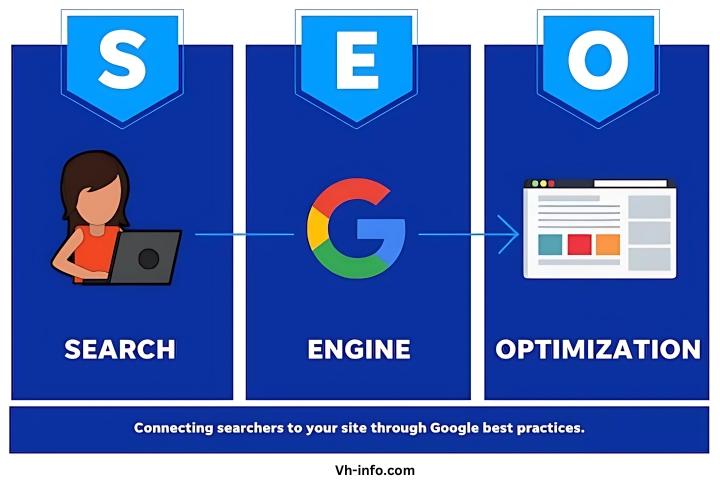
How Effective SaaS Infographics Works?

SaaS infographics are powerful tools that simplify complex data and make it visually appealing, helping SaaS companies communicate effectively with their audience.

They work by condensing intricate concepts like cloud computing, scalability, or AI-driven SaaS applications into easy-to-understand visuals such as charts, graphs, and diagrams. This makes technical information more accessible to both technical and non-technical users.

Infographics capture attention quickly with their visual appeal, keeping viewers engaged longer compared to plain text.

For SaaS companies, this means better communication of features like public cloud services or SaaS apps’ benefits. They also enhance understanding and retention by presenting data in a structured, logical format.

Moreover, SaaS infographics boost brand visibility by being highly shareable on social media and other platforms.

Their SEO-friendly nature allows the inclusion of keywords like “cloud services” or “infographic template,” which improves search engine rankings and drives traffic.

Types of SaaS Infographics


Comparison Infographics

Comparison infographics are designed to highlight the differences and similarities between SaaS products, services, or features.

These visuals are especially useful for SaaS companies to help prospects make informed decisions by comparing key aspects like pricing, scalability, or performance of cloud services.

For example, a SaaS company could use a comparison infographic to showcase how their SaaS applications outperform competitors in terms of greater efficiency or AI integration.

Timeline Infographics

Timeline infographics are perfect for showcasing the evolution of a SaaS product, company milestones, or the development stages of cloud computing solutions. They visually map out events in chronological order, making it easier for audiences to understand progress over time.

For instance, a SaaS company could use a timeline infographic to demonstrate how their public cloud services have scaled over the years or how their SaaS apps have integrated advanced AI features.

These infographics not only tell a story but also build credibility by showing consistent growth and innovation.

Statistical Data Visualizations

Statistical data visualizations focus on presenting numbers and metrics in an engaging and digestible way.

They are ideal for showcasing key performance indicators (KPIs) like user adoption rates, customer retention, or the impact of SaaS products on SEO. By using charts, graphs, and icons, these infographics make complex data easier to interpret.

For example, a SaaS company could create a statistical infographic to highlight how their cloud services improve scalability and reduce costs for clients. These visuals help communicate data-driven insights effectively while supporting informed decision-making for stakeholders.

Best Practices For SaaS Infographic Design

Best Practices For SaaS Infographic Design

To make your SaaS infographic more powerful and effective, it’s important to follow design best practices.

Balancing Visual Elements

Balancing visual elements ensures your SaaS infographic looks organized and appealing. Use a mix of colors, shapes, and text to create harmony without overwhelming the viewer.

For example, when presenting data about cloud services or SaaS applications, distribute visuals like icons and graphs evenly across the design. Include white space to give the content breathing room and avoid clutter.

Whether using symmetrical balance (equal weight on both sides) or asymmetrical balance (dynamic placement), the goal is to guide the viewer’s eye naturally through the infographic. A balanced design helps communicate your message clearly while maintaining visual interest.

Ensuring Readability

Readability is important for making your SaaS infographic effective. Use clean, standard fonts instead of decorative ones to ensure text is easy to read.

Adjust line spacing and font sizes appropriately, especially when explaining technical concepts like scalability or AI-driven SaaS products. Avoid overcrowding text; instead, break information into small sections with headings and bullet points.

For example, when detailing SEO benefits of SaaS apps, use concise phrases supported by visuals like charts or icons. Ensuring readability makes it easier for audiences to quickly understand complex data without feeling overwhelmed.

Using Consistent Color Schemes and Typography

Consistency in color schemes and typography strengthens your brand identity and makes your infographic more professional. Stick to your brand’s colors and fonts across all infographics to maintain familiarity with your audience.

For instance, if your SaaS company focuses on public cloud services, use colors that reflect trust and innovation, such as blues or greens. Limit the number of colors used—typically two or three main colors with accents for emphasis.

Consistent typography ensures uniformity in headings, subheadings, and body text, helping viewers focus on the content rather than the design inconsistencies. This approach builds trust and reinforces your brand’s credibility.

Tools For Designing SaaS Infographics

Tools For Designing SaaS Infographics

  1. Canva: Canva is a popular and user-friendly tool for creating visually appealing SaaS infographics. It offers a vast library of infographic templates, icons, and images that can be easily customized to fit your brand. With drag-and-drop functionality, even beginners can design professional-looking infographics that showcase SaaS applications, cloud services, or scalability benefits. Canva also supports collaboration, allowing teams to work on designs in real time. Its free plan is great for basic needs, while paid plans unlock advanced features like custom fonts and branding options.
  2. Venngage: Venngage specializes in infographic creation with over 100 customizable templates tailored for different data types, such as comparison charts or statistical visuals. This tool is ideal for SaaS companies looking to present complex data like AI-driven SaaS products or SEO metrics in an engaging way. Venngage allows users to add text, images, and charts seamlessly while maintaining consistency with their brand colors and typography. It’s suitable for both beginners and professionals, with pricing plans ranging from free to premium.
  3. Piktochart: Piktochart is another excellent tool for designing SaaS infographics, offering a clean interface and a variety of templates for timelines, reports, and more. It’s particularly useful for visualizing data about SaaS apps or public cloud services with its drag-and-drop editor and access to a library of icons and images. Piktochart’s features include interactive maps and resizable canvases, making it versatile for different infographic types. Paid plans provide additional customization options like uploading custom fonts and removing watermarks.
  4. Visme: Visme is a powerful design tool that combines infographic creation with advanced data visualization features. It allows SaaS companies to create interactive infographics by integrating live data from sources like Google Sheets. This makes it perfect for presenting real-time metrics about SaaS products or cloud computing performance. Visme also supports animations and effects to make infographics more dynamic. With its free plan and affordable paid options, it’s suitable for businesses of all sizes.
  5. Infogram: Infogram is ideal for creating data-driven SaaS infographics focused on statistics or KPIs like user adoption rates or scalability improvements. It offers templates specifically designed for charts, graphs, and maps, making it easy to turn complex data into engaging visuals. Infogram’s standout feature is its ability to connect with live data sources, ensuring your infographic stays up-to-date. The tool also provides sharing options like embedding on websites or exporting as high-quality images.

Examples of Successful SaaS Infographics

  1. HubSpot’s Marketing Metrics Infographic: HubSpot created an infographic showcasing key marketing statistics relevant to SaaS companies. It used clean visuals and concise text to explain how their tools improve SEO and customer engagement. This example highlights the importance of presenting data in a structured format that resonates with the audience.
  2. Dropbox’s Cloud Security Overview: Dropbox designed an infographic to explain the security features of their cloud services. By using icons and simple diagrams, they effectively communicated complex technical details about encryption and scalability without overwhelming viewers.
  3. Slack’s Productivity Benefits Infographic: Slack used an infographic to demonstrate how their SaaS app enhances team productivity through integrations with other tools and streamlined communication workflows. The design emphasized key benefits like greater efficiency using bold headings and visual hierarchy.
  4. Zapier’s Automation Workflow Infographic: Zapier created an infographic illustrating how their automation workflows simplify repetitive tasks across various SaaS applications. They used flowcharts and step-by-step visuals to make the process easy to understand while reinforcing their brand identity.
  5. MailChimp’s Year in Review Infographic: MailChimp shared an annual infographic summarizing user statistics like email campaigns sent and open rates achieved through their platform. The design combined engaging visuals with statistical data to showcase their impact on businesses using their SaaS products effectively.
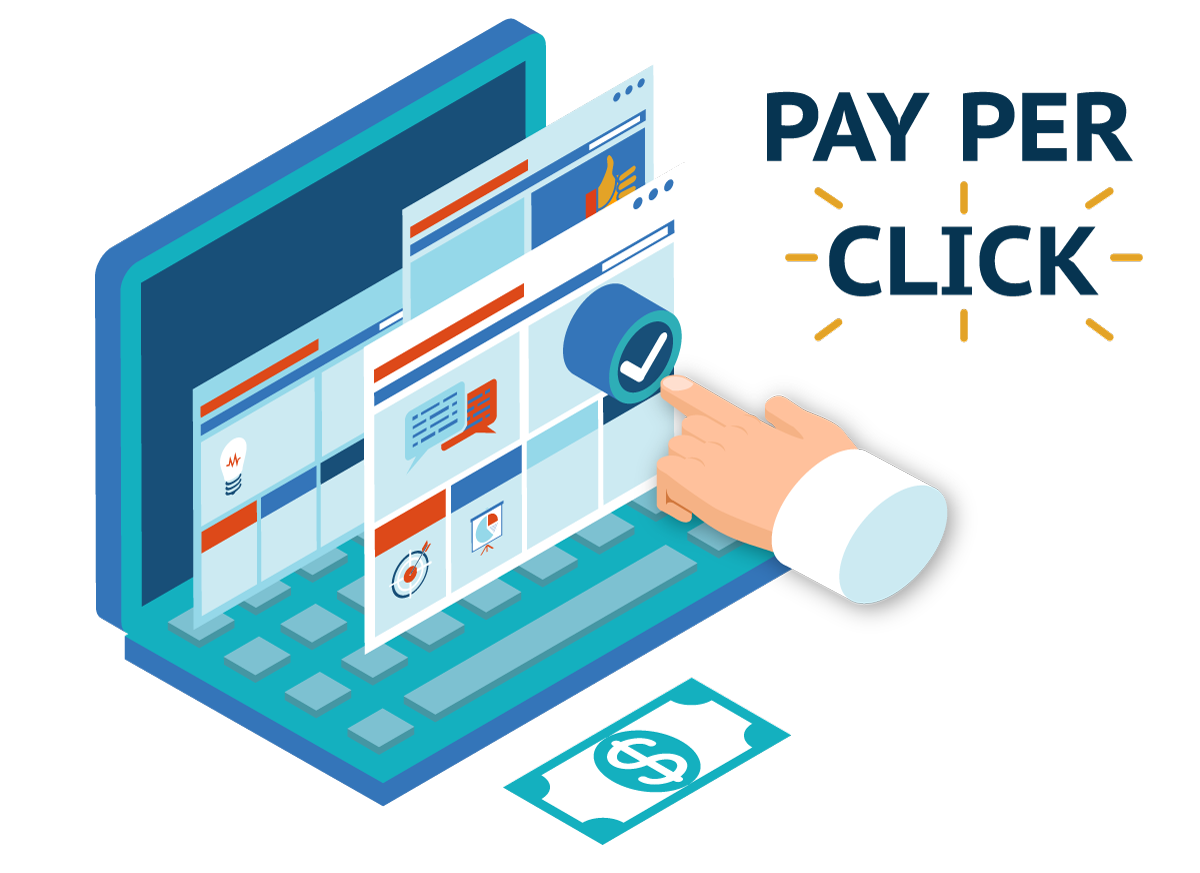
FAQ’s:

What’s The Best Format For a SaaS Infographic?

The best format for a SaaS infographic is typically vertical, as it allows for logical flow and is easy to scroll through on digital platforms.

This format works well for presenting data like SaaS applications’ benefits, cloud services, or scalability metrics. Ensure the infographic is optimized for web use, with dimensions around 800 pixels wide and adjustable lengths to fit the content.

A clean design with sections for headings, visuals, and concise text makes it more effective and shareable.

How Long Should a SaaS Infographic Be?

A SaaS infographic should be long enough to convey its message but not so lengthy that it overwhelms viewers. Ideally, keep it under 2,000 pixels in height to maintain readability and engagement.

For example, if you’re showcasing SaaS products or public cloud services, focus on key points like greater efficiency or SEO benefits without adding unnecessary details. Shorter infographics are more likely to retain attention and be shared across platforms.

How Can I Measure the Success Of My SaaS Infographic?

The success of a SaaS infographic can be measured using metrics like website traffic, social media shares, and engagement rates. Tools like Google Analytics can track how many users view or interact with the infographic on your site.

Additionally, monitor SEO performance by checking if keywords like “cloud computing” or “infographic template” drive organic traffic. High shares and backlinks indicate that your infographic resonates with your audience and boosts brand visibility.

Should I Use Animations in SaaS Infographics?

Animations can enhance a SaaS infographic by making it more dynamic and engaging, especially when explaining complex concepts like AI or scalability in cloud services.

However, use animations sparingly to avoid distracting viewers from the main message.

For example, subtle hover effects or animated charts can highlight key benefits of SaaS apps while keeping the design professional. Ensure animations are compatible across devices for better accessibility.

What Makes an Infographic Successful in the SaaS Industry?

A successful SaaS infographic combines clarity, relevance, and visual appeal. It simplifies complex data about topics like public cloud services or SaaS applications into digestible visuals while aligning with your brand identity.

Consistent color schemes, readable typography, and strategic use of icons or charts make it visually attractive. Additionally, focusing on one main idea—such as scalability or SEO improvements—ensures the infographic is easy to understand and shareable across platforms.

Conclusion

SaaS infographics are a powerful way for SaaS companies to communicate complex ideas like cloud computing, scalability, and AI-driven solutions in a simple and engaging format.

They help break down intricate data into visually appealing content, boosting user engagement and improving brand visibility.

Following best practices such as balancing visual elements, ensuring readability, and maintaining consistency in design can help SaaS companies create infographics that resonate with their audience.

Tools like Canva, Venngage, and Visme make it easier to design professional infographics tailored to SaaS applications and public cloud services. When promoted effectively through SEO optimization and social sharing, these infographics can drive greater efficiency in marketing efforts and establish your brand as an industry leader.

With the right strategies, SaaS infographics can be a valuable asset for educating audiences and showcasing the unique value of your SaaS products.

Competitor Comparison Landing Pages: SaaS Best Practices & Tips

In the competitive SaaS landscape, competitor comparison landing pages are a powerful tool to attract potential customers and drive conversions. These pages allow SaaS companies to highlight their unique features, address pain points, and position their product as the superior choice.

Using comparison tables, customer testimonials, and strategic content can significantly boost organic traffic and improve your search engine optimization (SEO) efforts.

This guide will break down everything you need to know about creating impactful competitor comparison landing pages.

What is a Competitor Comparison Landing Page?

What is a Competitor Comparison Landing Page?

A competitor comparison landing page is a dedicated web page that provides a direct comparison between your product and your competitors’ offerings. These pages aim to help potential buyers make informed decisions by showcasing the key differences in features, pricing, and benefits. They often include elements like a feature comparison table, pricing breakdowns, and user testimonials, making it easier for visitors to evaluate your product against others.

Essential Elements of a Competitor Comparison Landing Page

Essential Elements of a Competitor Comparison Landing Page

Feature Comparisons

A feature comparison is the backbone of any competitor comparison landing page. It highlights the key features of your product alongside your competitor’s product, helping potential buyers see the advantages of your SaaS solution.

Using a feature comparison table ensures clarity and makes it easy for visitors to identify how your product addresses their pain points better.

Pricing Breakdown

A transparent pricing breakdown is essential to address budget-related concerns.

Showing a clear comparison of costs, along with what’s included at each price point, helps customers understand the value of your product. This approach also positions your SaaS solution as the best choice for cost-conscious buyers.

Customer Testimonials

Including customer testimonials on your comparison page builds trust and provides strong social proof. Real feedback from satisfied users reassures potential customers, showing how others have benefited from your product.

This is especially impactful when paired with case studies or a high team member satisfaction score.

Visuals and Charts

Engaging visuals like graphs, icons, and charts make complex data easier to digest.

A well-designed comparison chart enhances the overall user experience, helping visitors quickly grasp the differences between products. These design features also improve the page’s readability and keep visitors engaged.

Why Competitor Comparison Landing Pages Matter For B2B?

Why Competitor Comparison Landing Pages Matter For B2B?

Control the Narrative

A competitor comparison landing page allows you to shape how your product is perceived in the market.

Highlighting your strengths and addressing common objections helps you take control of the conversation. This ensures that visitors see why your SaaS product is the superior choice.

Improve SEO

These pages are a great way to target high-intent keywords like “best [product category” or “[competitor name alternatives.”

Optimizing them for relevant keywords helps improve your rankings on search engines, driving more targeted traffic to your site and boosting organic search performance.

Additionally, using professional services like SaaS Link Building Service can further enhance your SEO strategy by building high-quality backlinks that improve domain authority and organic visibility.

Address Objections

Many customers hesitate because they have unanswered questions or doubts about pricing, features, or usability. A well-structured comparison landing page directly addresses these concerns, helping visitors feel confident in choosing your SaaS solution over a competitor’s product.

Provide Objective Information

Offering balanced, factual comparisons builds credibility with your audience. A fair assessment that includes both strengths and limitations makes it easier for potential buyers to trust your brand and see the value in choosing your product.

Differentiate Your Product

A competitor comparison page is an opportunity to show what sets you apart from major brands or other SaaS companies in your niche. Whether it’s unique features, better customer support, or competitive pricing, these pages highlight why you’re the best product for their needs.

Who Are Competitor Comparison Landing Pages For?

Who Are Competitor Comparison Landing Pages For?

These pages are ideal for:

  1. SaaS companies targeting specific niches.
  2. Businesses looking to attract high-intent traffic.
  3. Teams aiming to convert undecided leads into paying customers.
  4. Companies seeking to position themselves as an alternative to major brands in their industry.

How to Create an Effective Competitor Comparison Landing Page?

How to Create an Effective Competitor Comparison Landing Page?

Creating a landing page that compares competitors and gets good results requires careful planning. Follow these steps:

Identifying Key Competitors

Start by identifying which competitors are most relevant to your target audience. Focus on those offering similar SaaS products or targeting the same use cases. Understanding your competitors’ strengths and weaknesses helps you create a comparison landing page that highlights your competitive advantage.

Conducting Keyword Research

Use tools like Google Keyword Planner to find relevant keywords with high search volume, such as “[Competitor Name vs [Your Brand Name.” Targeting these keywords ensures your page aligns with user search intent, helping it rank higher in organic search and attract the right potential customers. For startups looking to refine their SEO strategy, resources like SEO for Startup provide actionable insights and tailored approaches to optimize keyword targeting and drive sustainable growth.

Structuring Your Content

Organize your content so it’s easy to read and navigate. Start with a concise headline, introduce the purpose of the page, and use a clear comparison table to highlight the key differences between products. End with a strong call-to-action, like encouraging visitors to sign up for a free trial or contact customer support for more details.

What to Avoid When Building Competitor Comparison Pages?

Competitor comparison pages can be great for attracting potential customers.

However, there are some things you should avoid to make them really work.

Remember – It’s Not About You

Focus on solving the customer’s problems rather than just promoting your product. Address their pain points and provide useful information that helps them make an informed decision. Avoid making the page feel like a sales pitch.

Trashing the Competition is a No-Go

Avoid criticizing or badmouthing your competitors. Instead, focus on showcasing your product as the best choice by emphasizing its unique features, strong customer support, and better value. A professional tone builds trust with your audience.

Low-Quality Pages – Avoid ’em

A poorly designed or incomplete page can harm your credibility. Ensure your page includes high-quality content, clear visuals like a comparison chart, and accurate information. A well-created page improves the overall user experience and boosts your conversion rate.

No Internal Linking

Failing to include internal links is a missed opportunity to guide visitors to other important pages, like case studies, an FAQ section, or related blog posts. Internal linking improves navigation, keeps visitors on your site longer, and supports your overall digital marketing strategies.

Not Creating Them At All

Not having a competitor comparison landing page means you’re missing out on valuable traffic from users searching for comparisons online. These pages are a great way to attract high-intent visitors, address their objections, and position your SaaS solution as the superior choice in the market.

Tips For Designing a Conversion-Driven Competitor Comparison Landing Page

Tips For Designing a Conversion-Driven Competitor Comparison Landing Page

Pick the Comparison Content Properly

Focus on the most important aspects that matter to your potential customers, such as key features, pricing, and customer support. Avoid overwhelming visitors with unnecessary details. Highlighting the right content ensures your comparison landing page addresses their pain points effectively.
Including a Competitor Comparison Table

A well-organized competitor comparison table is essential for clarity. It allows visitors to quickly see the key differences between your product and your competitor’s product. Use this table to emphasize your unique features and why your product is the best choice for their needs.
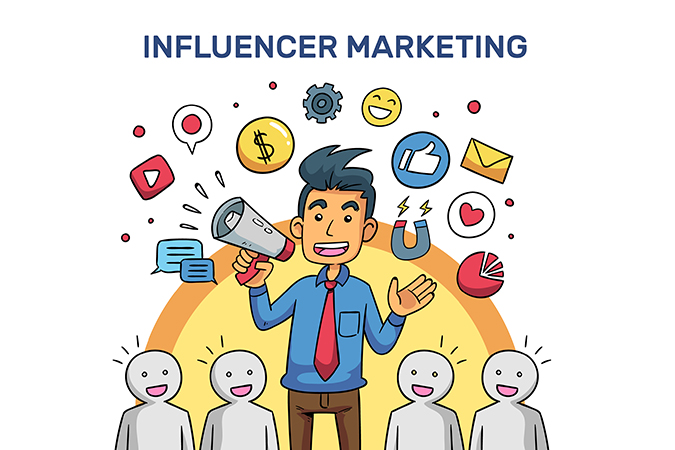
Utilize the Right Social Proof

Include customer testimonials, case studies, or awards to build trust and credibility. This social proof reassures visitors that others have benefited from your product, making it easier for them to see it as the superior choice.
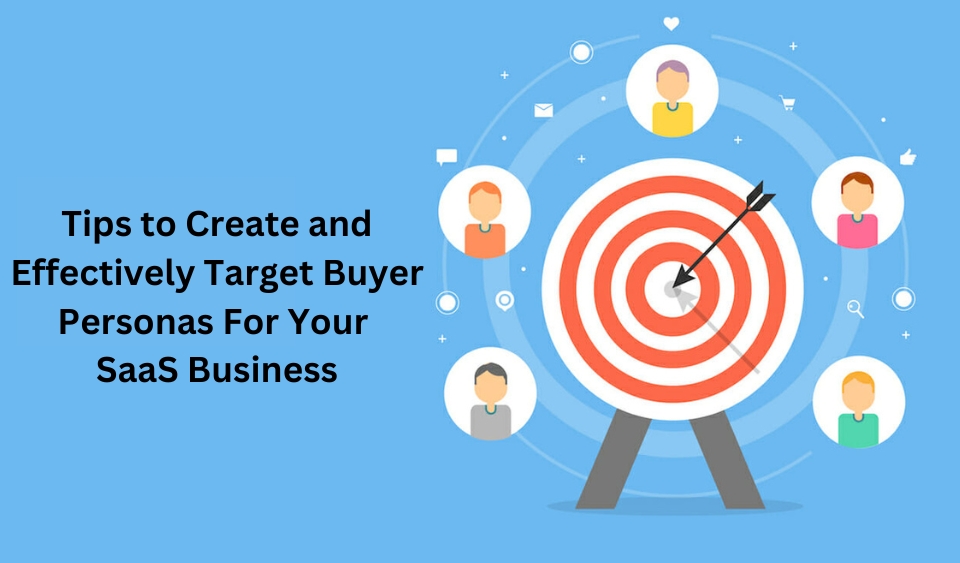
Address the Right Questions

Answer the most common questions your audience might have, such as pricing, ease of use, or support options. Addressing these concerns directly on your page helps reduce doubts and improves your conversion rate by guiding visitors toward their next step.

Create Multiple Comparison Pages

If you have multiple competitors, create separate pages tailored to each one. This approach allows you to target specific search intent and relevant keywords, improving your search engine optimization (SEO) and attracting more targeted traffic.

Do It Advertorial Style

Present your content in an informative yet persuasive tone that feels helpful rather than pushy.

Use clear visuals like a comparison chart, concise headlines, and actionable language to guide visitors toward making a decision—whether it’s signing up for a free trial or exploring more about your SaaS product.

Competitor Comparison Page Examples

Competitor Comparison Page Examples

Example #1: Gusto

Gusto’s competitor comparison landing pages are simple yet highly effective. They include comparison tables that highlight key features and pricing differences between Gusto and competitors like ADP.

The tables are designed with clean visuals, alternating row colors, and collapsible headings to make the content easy to digest.

Gusto also uses tooltips to provide additional details without cluttering the page, ensuring a smooth user experience. These pages are optimized for search intent, helping Gusto attract potential customers looking for HR software comparisons.

Their clear structure and transparency make them a great way to drive conversions.

Example #2: Podia

Podia excels in creating a hub of comparison landing pages, each targeting specific competitors like Teachable or Gumroad.

These pages use tailored comparison tables to emphasize Podia’s strengths, such as no transaction fees and an all-in-one platform for online courses. Each page includes targeted customer testimonials from users who switched from competitors, reinforcing strong social proof.

Podia also engages visitors with interactive elements like pop-up questions to start conversations about their needs. This strategy not only addresses customer pain points but also converts visitors into trial users at an impressive rate of over 10%.

Their approach is a prime example of how SaaS companies can use digital marketing strategies to stand out.

FAQ’s:

Why Should I Create a Competitor Comparison Landing Page?

A competitor comparison landing page helps you attract potential buyers who are actively searching for alternatives to your competitors. It allows you to highlight your unique features, address customer pain points, and position your product as the best choice. These pages also improve your conversion rate by providing clear, actionable information.

How Do I Choose Which Competitors to Compare?

Focus on competitors that target the same audience or offer similar SaaS products. Look at major brands in your niche or those with high search volume for comparison-related keywords. Choosing the right competitors ensures your page aligns with user search intent and attracts the most relevant traffic.

How Often Should Competitor Comparison Pages Be Updated?

Update your comparison landing pages regularly—at least every 3-6 months or whenever there are changes in features, pricing, or market trends. Keeping the content fresh ensures accuracy, improves user experience, and helps maintain strong rankings in organic search.

Can Competitor Comparison Pages Improve SEO Rankings?

Yes, these pages are optimized for high-intent keywords like “[Competitor Name vs [Your Brand Name,” which helps them rank well on search engines. Targeting relevant keywords and providing valuable information helps drive more organic traffic and improve your overall search engine optimization (SEO) strategy.

Conclusion

Competitor comparison landing pages are a great way to attract potential customers, address their pain points, and position your SaaS product as the superior choice.

These pages combine elements like comparison tables, customer testimonials, and clear visuals to create a compelling and informative experience.

When done right, these pages help you control the narrative, differentiate your product, and guide visitors toward their next step, such as signing up for a free trial.

Avoid common mistakes like low-quality content or trashing competitors, and focus on providing balanced, objective information.

At VH Info, we believe that well-created competitor comparison landing pages are an essential part of any successful SaaS marketing strategy, helping you build trust and drive conversions effectively.