B2B SaaS Marketing: Meaning, Strategies, Challenges & Examples

In the dynamic world of software as a service (SaaS), effective marketing is important for standing out in a crowded market and driving sustainable growth.

B2B SaaS companies face unique challenges, such as selling intangible products, navigating long sales cycles, and combating high customer churn rates.

To overcome these hurdles and achieve success, SaaS businesses must implement targeted, data-driven marketing strategies that resonate with their ideal customers in their customer journey.

What is B2B SaaS Marketing?
What is B2B SaaS Marketing?

B2B SaaS marketing refers to the strategies and tactics used by SaaS companies to promote their products or services to other businesses. The goal is to attract, engage, and convert potential customers into loyal subscribers by demonstrating the value and benefits of the software solution.

How Does B2B SaaS Marketing Differs From Other Types of Marketing?

Unlike traditional product marketing, B2B SaaS marketing focuses on selling a subscription-based service rather than a tangible item. This means that marketers must continuously prove the value of their product to retain customers and prevent churn.

Moreover, the B2B purchasing process frequently includes numerous decision-makers and extended sales cycles, necessitating a tailored and individualized marketing strategy.

How is B2B SaaS Marketing Unique?

Several factors contribute to the unique nature of B2B SaaS content marketing strategy:

  1. Intangible Product: SaaS products are intangible, making it challenging to showcase their value through traditional marketing channels. Marketers must rely on demonstrations, case studies, and testimonials to illustrate the benefits of their software. So, many prefer to work with a B2B web design agency to help them create websites that highlight real results, build trust fast, and actually convert.
  2. Long Sales Cycle Involving Multiple Team Members: B2B SaaS sales often involve multiple stakeholders and decision-makers, resulting in longer sales cycles. Marketers must create content and campaigns that address the needs and concerns of each marketing team member involved in the buying process.
  3. Scalability: SaaS products are designed to scale with a business’s growth, which means marketing efforts must focus on attracting customers with long-term potential and demonstrating the software’s ability to accommodate their evolving needs.
  4. Customer Churn: High customer churn rates are a common challenge in the SaaS industry. Marketers must prioritize customer retention by continuously delivering value, providing excellent customer support, and encouraging product adoption.
  5. Heavy Competition: The SaaS market is highly competitive, with numerous players offering similar solutions. To stand out, SaaS companies must differentiate themselves through unique value propositions, targeted messaging, and exceptional customer experiences. Reviewing a proposal pricing example can also help companies structure their offers competitively while clearly communicating the value they provide.
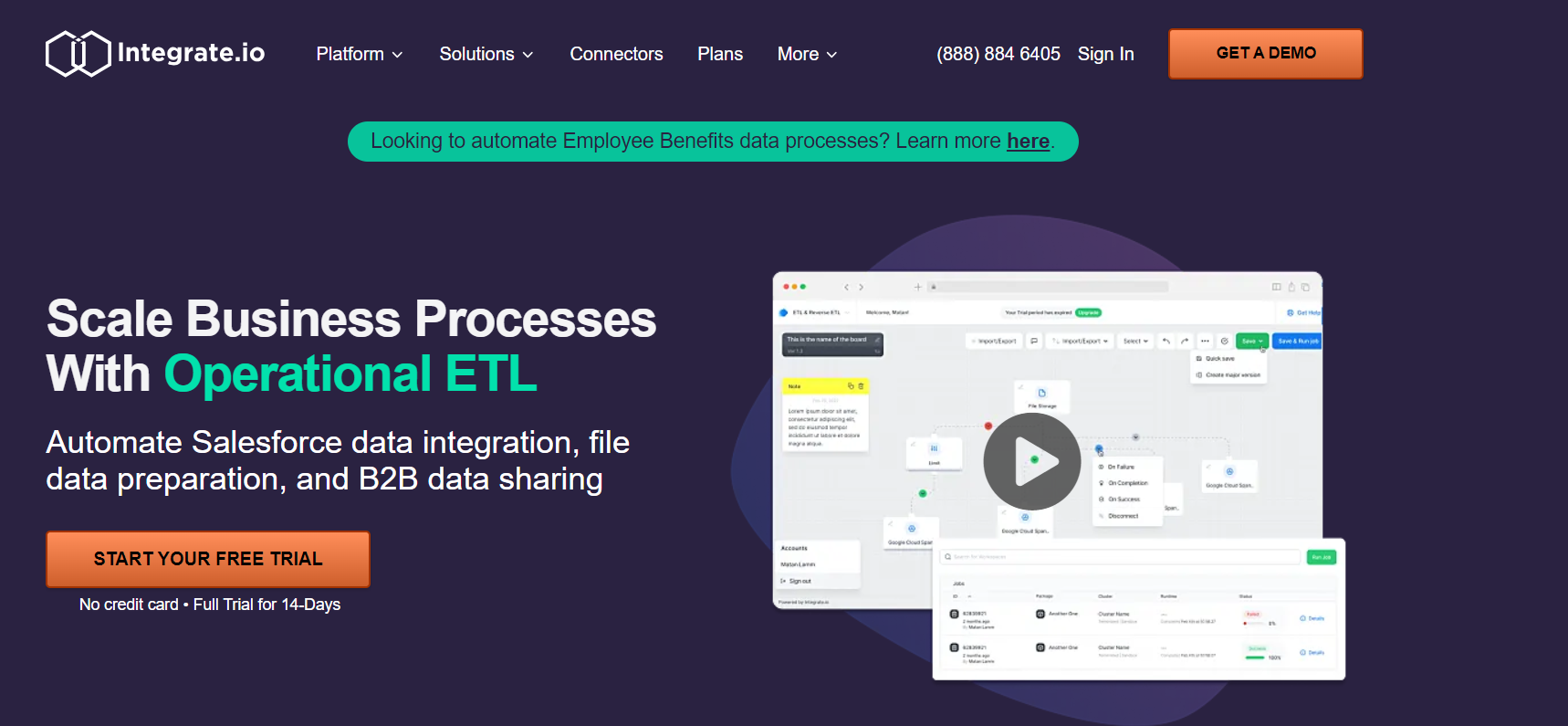
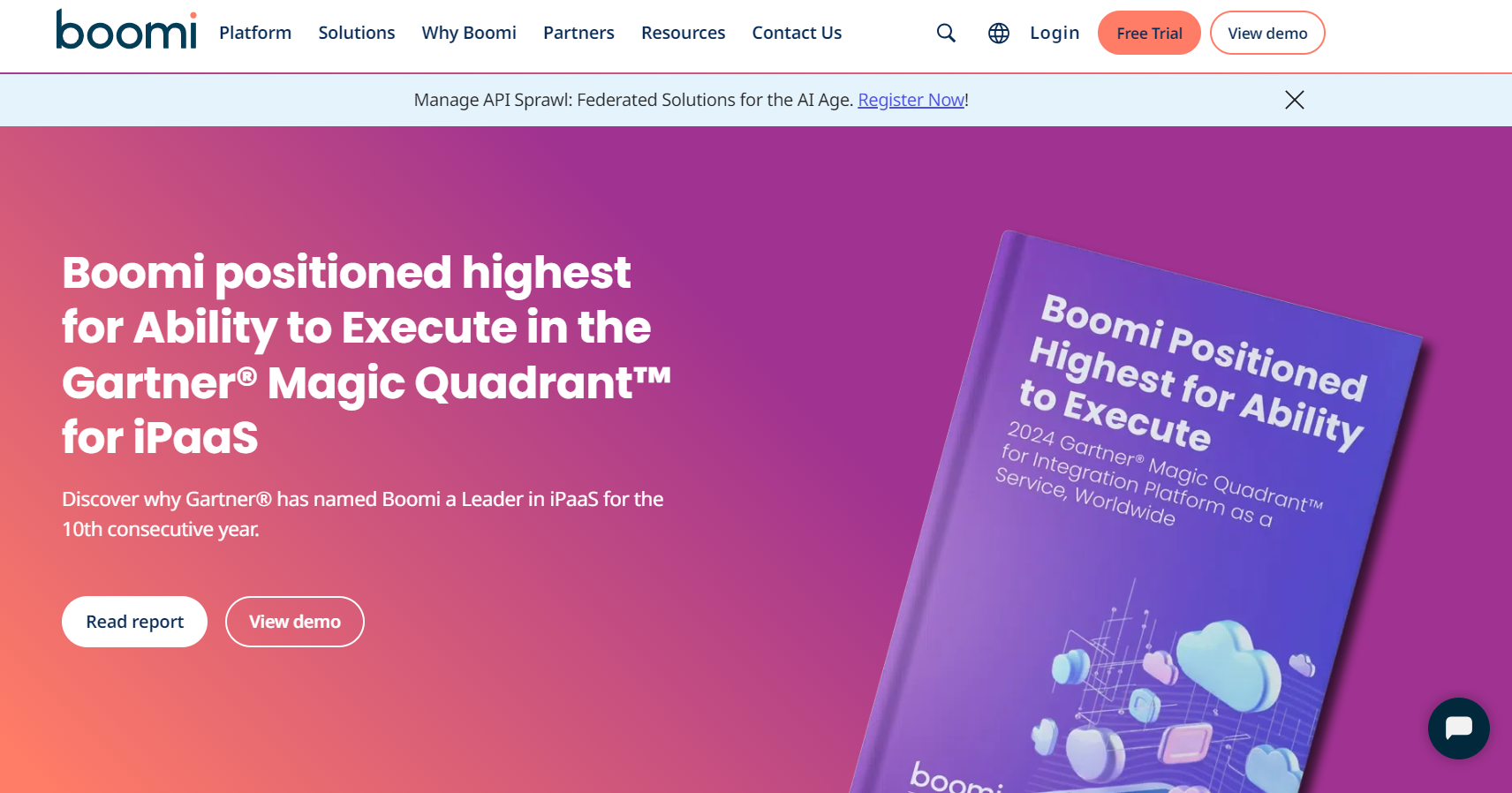
  6. Integration with Existing Technologies: B2B SaaS products often need to integrate with a company’s existing technology stack. Marketers must highlight their product’s compatibility and seamless integration capabilities to address potential concerns and objections. For additional insights on ensuring smooth integration, consider reviewing how various Ipaas vendors approach these challenges.

How Do SaaS Companies Stand Out From the Competition?

To differentiate themselves in a crowded market, SaaS companies can employ several strategies:

  1. Devise a UI/UX Strategy: Investing in a user-friendly, intuitive interface and seamless user experience can set a SaaS product apart from competitors. By prioritizing UI/UX, companies can improve customer satisfaction, reduce churn, and increase brand loyalty.
  2. Find What Makes You Unique: SaaS companies must identify and communicate their unique selling proposition (USP). This could be a specific feature, pricing model, or exceptional customer service that distinguishes them from rivals.
  3. Plan a Long-Term Business Model: Developing a sustainable, long-term business model is important for SaaS success. Companies should focus on strategies that promote customer retention, such as offering annual subscriptions, implementing a customer success program, and continuously innovating their product.
  4. Focus on Value Instead of Cost in Competition: Instead of engaging in price wars, SaaS companies should emphasize the value their product delivers. By highlighting the ROI, time savings, and efficiency gains customers can achieve, marketers can justify their pricing and avoid commoditization.

Key Strategies For B2B SaaS Marketing
Key Strategies For B2B SaaS Marketing

To effectively reach and engage their target audience, B2B SaaS companies can leverage a variety of digital marketing strategies:

Content Marketing and SEO

Creating high-quality, informative content that addresses potential customers’ needs and pain points is essential for attracting organic traffic and establishing thought leadership. SaaS companies can enhance their search engine rankings and attract more qualified leads to their website’s landing page by optimizing content for relevant keywords and creating backlinks.

VH Info, a leading SaaS link-building agency, specializes in helping SaaS companies boost their online visibility and authority through strategic content marketing, keyword research, link building and SEO. Partnering with VH Info enables SaaS companies to gain expert advice and tested strategies to improve their search results and appeal to their website visitors in the best way.

Product Led Growth (PLG)

Product-led growth is a strategy that relies on the product itself as the primary driver of customer acquisition, retention, and expansion. For businesses built around Express dropshipping, this approach means optimizing product listings and user experience to naturally convert visitors into buyers.

By offering a freemium model or a limited-time free trial, SaaS companies can allow potential customers to experience the value of their product firsthand, increasing the likelihood of conversion.

Account-Based Marketing (ABM)

Account-based marketing involves targeting specific high-value accounts with personalized marketing campaigns.

By tailoring content, messaging, and offers to the unique needs of each target account, SaaS companies can improve engagement, shorten sales cycles, and increase conversion rates.

Referral and Affiliate Marketing

Leveraging the power of word-of-mouth marketing can be highly effective for SaaS companies. Businesses can tap into a cost-effective and trusted acquisition channel by implementing a referral program that incentivizes current customers to recommend the product to others, turning them into loyal customers.

Similarly, partnering with affiliates who promote the product to their audience can help expand the reach and drive more sign-ups through review sites and social proof, ultimately leading to a strong brand presence in the market.

Influencer Marketing

Collaborating with industry influencers and thought leaders can help SaaS companies gain credibility, expand their reach, and attract new customers. By partnering with influencers to create sponsored content, host webinars, or participate in events, SaaS brands can tap into new audiences and build trust with potential buyers.

Paid Advertising (PPC, Social Ads, Etc.)

While organic marketing tactics are important for long-term success, paid advertising can provide a quick boost in visibility and lead generation. SaaS companies can leverage pay-per-click (PPC) advertising on search engines, social media platforms, and industry websites to target specific audiences and drive more traffic to their website.

How to Execute An Effective B2B SaaS Marketing Strategy?

How to Execute An Effective B2B SaaS Marketing Strategy?

To successfully implement a B2B SaaS marketing strategy, follow these steps:

  1. Get to Know the Businesses You Want to Target: Conduct thorough market research to identify your ideal customer profile (ICP). Understand their needs, challenges, and buying behaviors to create targeted messaging and campaigns that resonate with them.
  2. Discover What Features Your Customer Needs: Engage with your target audience through surveys, interviews, and feedback sessions to uncover the features and benefits they value most in a SaaS solution. Use these insights to inform your product development and marketing efforts.
  3. Formulate an Action Plan: Develop a comprehensive SaaS marketing plan that outlines your goals, target audience, key messaging, tactics, and metrics for success. Ensure that your plan aligns with your overall business objectives and resources.
  4. Execute and Monitor Your KPIs: Implement your marketing plan and continuously track your key performance indicators (KPIs) to measure the effectiveness of your efforts. Use data-driven insights to optimize your strategies and allocate resources to the most impactful channels and tactics.

Measuring and Optimizing B2B SaaS Marketing Performance

To ensure the success of your B2B SaaS marketing efforts, it’s essential to establish clear metrics and regularly assess your performance. while implementing practices such as Data Quality Assessment to ensure the accuracy, consistency, and reliability of your marketing data.

Key metrics to track include:

  • Website traffic and engagement
  • Lead generation and conversion rates
  • Customer acquisition cost (CAC)
  • Customer lifetime value (CLV)
  • Churn rate
  • Net Promoter Score (NPS)

B2B SaaS Marketing Challenges

B2B SaaS Marketing Challenges

Despite the numerous growth opportunities, B2B SaaS marketers face several challenges:

Challenge #1: Oversaturated Markets

With countless SaaS solutions available, standing out in a crowded market can be difficult. To overcome this challenge, companies must focus on differentiating their product, targeting niche audiences, and delivering exceptional customer experiences.

Challenge #2: Complicated Offerings

SaaS products often have complex features and technical aspects that can be challenging to communicate effectively to potential customers. Marketers must simplify their messaging and use clear, concise language to convey the value and benefits of their product.

Challenge #3: Convincing Customers They Need Your Product

Many potential customers may not realize they need a SaaS solution or may be hesitant to change their existing processes. SaaS marketers must educate their target audience on the problems their product solves and the value it delivers to overcome objections and drive adoption.

Challenge #4: Long Sales Cycles

B2B SaaS sales cycles can span several months, requiring marketers to maintain engagement and nurture leads throughout the lengthy buying process. Implementing lead scoring, personalized content, and multi-channel nurturing campaigns can help keep prospects engaged and move them closer to conversion. By incorporating lead routing strategies into the process, marketers can ensure that the right leads are passed on to sales at the optimal time for conversion.

Challenge #5: Complex Decision-Making Process

With multiple stakeholders involved in B2B SaaS purchases, marketers must create content and campaigns that address the needs and concerns of each decision-maker. Developing buyer personas and tailoring messaging to each role can help ensure that marketing efforts resonate with all members of the buying committee.

Examples of B2B SaaS Marketing Strategies

Examples of B2B SaaS Marketing Strategies

To inspire your own B2B SaaS marketing efforts, let’s explore some successful campaigns from well-known companies:

  1. Canva: What Will You Design Today?- Canva, a graphic design platform, uses a simple yet powerful tagline to encourage users to explore their creativity. By focusing on the endless possibilities their product offers, Canva appeals to a wide range of customers and inspires them to take action.
  2. Mailchimp: Turn Clustomers into Customers- Mailchimp, an email marketing platform, cleverly plays on the word “customers” to highlight its product’s ability to convert subscribers into paying customers. This memorable tagline effectively communicates the value Mailchimp delivers to businesses.
  3. AirTable: This is How- AirTable, a cloud collaboration platform, uses a minimalist tagline to showcase its product’s versatility and adaptability. By implying that AirTable is the solution to various business challenges, the company positions itself as an essential tool for modern teams.
  4. HubSpot: Grow Better- HubSpot, a leading CRM and marketing automation platform, emphasizes the growth potential their product offers. The “Grow Better” tagline appeals to businesses looking to scale and improve their operations, positioning HubSpot as a valuable partner in their success.
  5. Salesforce: Ask More of AI- Salesforce, a cloud-based CRM platform, highlights the power of artificial intelligence in their marketing. By encouraging customers to “Ask More of AI,” Salesforce positions itself as a leader in innovative, AI-driven solutions that can revolutionize business processes.
  6. Shopify: Let’s Make You a Business- Shopify, an e-commerce platform, directly addresses its target audience with a bold, action-oriented tagline. “Let’s Make You a Business” speaks to aspiring entrepreneurs and small business owners, positioning Shopify as the go-to solution for launching and growing an online store.
  7. Dropbox: For All Things Worth Saving- Dropbox, a cloud storage and file-sharing platform, uses an emotional appeal to connect with users. By emphasizing the importance of saving and preserving valuable content, Dropbox positions itself as a reliable and trustworthy solution for both personal and business use.
  8. Adobe: Create Forward- Adobe, a creative software suite, uses a simple yet powerful tagline to inspire users to push boundaries and innovate. “Create Forward” speaks to the company’s commitment to empowering creatives and driving progress through cutting-edge tools and technologies.
  9. Slack: House of Slack- Slack, a team collaboration platform, uses a playful and memorable tagline to showcase its product’s ability to bring teams together. “House of Slack” implies that the platform is a central hub for communication and collaboration, fostering a sense of community and belonging.
  10. Zoom: Brand Partnerships with Formula 1 and Good American- Zoom, a video conferencing platform, has leveraged strategic brand partnerships to expand its reach and appeal to new audiences. By collaborating with Formula 1 and Good American, Zoom showcases the versatility and reliability of its product in diverse industries and use cases.

B2B SaaS Marketing Best Practices

B2B SaaS Marketing Best Practices

To maximize the impact of your B2B SaaS marketing efforts, follow these best practices:

  1. Develop a deep understanding of your target audience and their needs
  2. Create a compelling value proposition that sets you apart from competitors
  3. Invest in high-quality, informative content that addresses customer pain points
  4. Optimize your website and content for search engines to improve visibility
  5. Leverage data and analytics to inform your marketing decisions and measure success
  6. Continuously test and refine your strategies based on performance metrics
  7. Foster a customer-centric culture that prioritizes exceptional experiences and supports

FAQ’s:

How Should I Market B2B SaaS Products?

To effectively market B2B SaaS products, focus on strategies that educate potential customers, demonstrate the value of your product, and build trust. This can include content marketing, product demos, case studies, and targeted advertising campaigns.

Can Content Marketing Drive Sales in B2B SaaS?

Yes, content marketing can be a powerful driver of sales in B2B SaaS.

Generating valuable and informative content that speaks to the needs and challenges of your target audience can help you draw in potential customers, foster trust, and position your brand as an industry authority.

When combined with strategic calls-to-action and lead nurturing campaigns, content marketing can effectively guide prospects through the sales funnel and ultimately drive conversions.

Additionally, utilizing social media marketing can enhance the impact of your content and reach a wider audience, further driving sales for your B2B SaaS company.

Conclusion

In the competitive world of B2B SaaS, effective marketing is essential for driving growth, building brand awareness, and fostering long-term customer relationships.

Companies can create specific strategies that appeal to their target customers and distinguish themselves from competitors by grasping the distinct challenges and possibilities of the SaaS sector.

From content marketing and SaaS SEO to product-led growth and account-based marketing, there are numerous tactics B2B SaaS companies can employ to attract, engage, and convert their target audience.

As the B2B SaaS landscape continues to evolve, companies that adapt their marketing strategies to meet the changing needs and preferences of their customers will be well-positioned to thrive.


Keep up with industry trends by attending SaaS conferences, listening to SaaS podcasts, and investing in appropriate tools and talent. Prioritize customers and focus on technical SEOPR, and email marketing.

Saas Marketing: Meaning, Strategies, Examples, Best Practices

Software as a Service (SaaS) has revolutionized the way businesses operate, providing cloud-based solutions that are accessible, scalable, and cost-effective. However, with the increasing competition in the SaaS market, companies must develop a comprehensive SaaS marketing strategy to attract and retain customers.

In this ultimate guide, we’ll dive into the world of SaaS marketing, exploring its unique challenges, proven strategies, and best practices to help your SaaS business thrive.

What is SaaS Marketing?

What is SaaS Marketing?

SaaS marketing refers to the strategies and tactics used to promote and sell software products that are delivered over the Internet. Unlike traditional software, which is installed on a user’s computer, SaaS products are hosted on the provider’s servers and accessed through a web browser. This unique delivery model requires a different approach to marketing compared to traditional software products.

How Does SaaS Marketing Differs From Traditional Marketing?

SaaS marketing differs from traditional marketing in several key ways:

  1. Focus on Customer Retention: With SaaS products, the revenue comes from ongoing subscriptions rather than one-time purchases. This means that customer retention is just as important as customer acquisition.
  2. Emphasis on User Experience: SaaS products are accessed entirely online, so the user experience is important. SaaS marketing must focus on highlighting the product’s ease of use, reliability, and value.
  3. Shorter Sales Cycle: SaaS products often have a shorter sales cycle compared to traditional software, as customers can easily sign up for a free trial or freemium version before committing to a paid subscription.
  4. Data-Driven Approach: SaaS companies have access to a wealth of data on customer behavior and usage patterns. This data can be used to optimize marketing efforts and improve the product over time.

Different Types of SaaS Marketing Strategies

Different Types of SaaS Marketing Strategies

There are several effective SaaS marketing strategies that companies can use to attract and retain customers:

  1. Content Marketing: Content marketing involves creating and sharing valuable, relevant, and consistent content to attract and retain a clearly defined target audience. For SaaS companies, this can include blog posts, whitepapers, case studies, webinars, whiteboard animation videos, and more. By providing helpful information related to their product or industry, SaaS companies can establish themselves as thought leaders and build trust with potential customers.
  2. Search Engine Optimization (SEO): SEO is the practice of optimizing a website to rank higher in search engine results pages (SERPs). For SaaS companies, this means identifying relevant keywords related to their product and creating content that targets those keywords. By improving their search engine rankings, SaaS companies can attract more organic traffic to their website and generate more qualified leads. Enterprise SaaS SEO and SaaS technical SEO are important aspects to consider in your overall SEO strategy.
  3. Pay-Per-Click (PPC) Advertising: PPC advertising involves placing ads on search engines or other websites and paying each time a user clicks on the ad. For SaaS companies, PPC can be an effective way to drive targeted traffic to their website and generate leads quickly. However, it’s important to carefully monitor and optimize PPC campaigns to ensure a positive return on investment (ROI).
  4. Social Media Marketing: Social media platforms like LinkedIn, Twitter, and Facebook can be powerful tools for SaaS marketing. By sharing engaging content, participating in industry discussions, and building relationships with potential customers, SaaS companies can increase brand awareness and drive traffic to their websites. Social media can also be used for customer support and gathering feedback to improve the product.
  5. Email Marketing: Email marketing involves sending targeted emails to potential and current customers to promote the product, share valuable content, and nurture leads. For SaaS companies, email marketing can be used to onboard new users, announce product updates, and offer special promotions. By segmenting their email list based on user behavior and preferences, SaaS companies can deliver more personalized and effective email campaigns.
  6. Referral Marketing: Referral marketing leverages the power of word-of-mouth by encouraging current customers to refer their friends and colleagues to the product. SaaS companies can incentivize referrals by offering discounts, free upgrades, or other rewards. To set up these incentives, you can use dedicated referral tools, like ReferralCandy. Referral marketing can be a cost-effective way to acquire new customers, as referred customers tend to have a higher lifetime value and lower churn rate.
  7. Product-Led Growth: Product-led growth is a strategy that relies on the product itself to drive customer acquisition and retention. By offering a freemium version or a free trial, SaaS companies can allow potential customers to experience the value of the product firsthand. Once users are hooked, they are more likely to convert to paid subscribers and become loyal customers.

How to Create a SaaS Marketing Plan?

How to Create a SaaS Marketing Plan?

Creating a comprehensive SaaS marketing plan is essential for the success of your SaaS business.

Here are the key steps to follow:

  1. Pinpoint Your Buyer Personas: The first step in creating a SaaS marketing plan is to identify your ideal customer. Create detailed buyer personas that include demographics, job titles, pain points, and goals. This will help you tailor your marketing messages and strategies to resonate with your target market.
  2. Research the Competition: Analyze your competitors’ marketing strategies, pricing models, and unique selling propositions (USPs). Identify gaps in the market that your product can fill and differentiate your brand from the competition.
  3. Identify Key Goals and KPIs: Set specific, measurable, achievable, relevant, and time-bound (SMART) goals for your SaaS marketing efforts. Identify key performance indicators (KPIs) such as website traffic, lead generation, conversion rate, and customer acquisition cost (CAC) to track your progress. SaaS marketing metrics and SaaS marketing KPIs are important for measuring the success of your marketing efforts.
  4. Choose Your Channels: Based on your buyer personas and marketing goals, select the most effective channels for reaching your target audience. This may include content marketing, SEO, PPC, social media, email marketing, and more.
  5. Set Your Budget: Determine how much you can allocate to each marketing channel based on your overall budget and expected ROI. Be sure to track your spending and adjust your budget as needed based on performance.
  6. Tracking Website Traffic and Lead Generation: Use tools like Google Analytics to track website traffic, user behavior, and lead generation. Analyze this data regularly to identify areas for improvement and optimize your marketing efforts.
  7. Test, Test, Test: Continuously test and refine your marketing strategies to improve performance. Conduct A/B tests on landing pages, email subject lines, and ad copy to identify what resonates best with your target audience.

Key Components of SaaS Marketing

A successful SaaS marketing strategy should focus on the following key components:

  1. Attracting Leads: Use a combination of inbound and outbound marketing tactics to attract qualified leads to your website. This may include SEO, PPC, content marketing, social media, and more.
  2. Nurturing Leads: Once leads are in your SaaS Marketing Funnel, nurture them with targeted content and personalized communications. Use email marketing, retargeting ads, and other tactics to guide leads through the customer journey and encourage them to convert.
  3. Retaining Customers: Focus on delivering an exceptional user experience and providing ongoing value to retain customers over the long term. Use email marketing, in-app messaging, and other tactics to engage customers and reduce churn.
  4. Enhancing Revenue: Look for opportunities to upsell and cross-sell to existing customers to increase monthly recurring revenue (MRR). Offer premium features, add-ons, or complementary products to maximize the lifetime value of each customer.
  5. Tracking Performance: Use analytics tools to track key metrics like website traffic, lead generation, conversion rate, and churn rate. Regularly review this data to identify areas for improvement and optimize your marketing efforts over time.

SaaS Marketing Challenges

SaaS Marketing Challenges

While SaaS marketing offers many opportunities, it also comes with its own set of challenges:

  1. Brand Awareness: With so many SaaS products on the market, it can be difficult to stand out and build brand awareness. SaaS companies need to invest in targeted marketing campaigns and thought leadership to differentiate themselves from competitors.
  2. Customer Loyalty: With the ease of switching between SaaS products, customer loyalty can be a challenge. SaaS companies need to focus on delivering exceptional value and customer service to retain customers over the long term.
  3. Customer Service: SaaS products are often mission-critical for businesses, so any downtime or technical issues can have a major impact on customer satisfaction. SaaS companies need to invest in robust customer support and proactive communication to address any issues quickly.
  4. Technical Issues: SaaS products rely on complex technology infrastructure, which can be prone to technical issues or outages. SaaS companies need to have contingency plans in place to minimize disruptions and communicate transparently with customers during any downtime.

Future Trends in SaaS Marketing

Future Trends in SaaS Marketing

As the SaaS market continues to evolve, here are some future trends to watch:

  1. Increased Focus on Customer Success: SaaS companies will invest more in customer success programs to help customers achieve their goals and maximize the value of the product.
  2. Personalization At Scale: SaaS companies will use data and marketing automation to deliver highly personalized experiences to each customer based on their behavior and preferences.
  3. Rise of Video Content: Video will become an increasingly important format for SaaS marketing, from product demos to customer testimonials to thought leadership content.
  4. Expansion into New Markets: SaaS companies will look to expand into new geographic markets and industry verticals to drive growth and diversify their customer base.

SaaS Marketing Best Practices

SaaS Marketing Best Practices

To succeed in SaaS marketing, follow these best practices:

  1. Focus on the Customer: Put the customer at the center of everything you do, from product development to marketing to customer service.
  2. Align Marketing and Sales: Ensure that your marketing and sales teams are aligned around common goals and metrics to drive growth and revenue.
  3. Leverage Data and Analytics: Use data to inform your marketing decisions, track performance, and optimize your efforts over time.
  4. Invest in Content: Create high-quality, valuable content that educates and engages your target audience at every stage of the customer journey.
  5. Experiment and Iterate: Continuously test and refine your marketing strategies to improve performance and stay ahead of the competition.

FAQ’s:

What is the Best Marketing Strategy For a SaaS Startup?

The best marketing strategy for a SaaS startup will depend on the specific product, target market, and growth stage. However, some effective strategies include content marketing, SEO, PPC, and referral marketing.

What Role Does Content Marketing Play in SaaS?

Content marketing plays a critical role in SaaS by educating potential customers, building trust and credibility, and driving organic traffic to the website. SaaS companies should invest in creating high-quality blog posts, whitepapers, case studies, and other content assets.

How Important is SEO For SaaS Companies?

SEO is extremely important for SaaS companies, as it can help drive organic traffic, generate leads, and build brand awareness. SaaS companies should focus on optimizing their website for relevant keywords, creating high-quality content, and building backlinks from reputable sources.

How Can I Improve My SaaS Marketing Efforts?

To improve your SaaS marketing efforts, focus on understanding your target audience, setting clear goals and KPIs, and continuously testing and optimizing your strategies. Leverage data and analytics to inform your decisions and invest in high-quality content and customer success programs.

How Can SaaS Companies Reduce Customer Churn Through Marketing?

SaaS companies can reduce customer churn through marketing by focusing on delivering exceptional value and customer service. This may include creating onboarding and training programs, offering personalized support, and engaging customers with targeted content and communications.

Can Social Media Marketing Truly Benefit SaaS Businesses?

Yes, social media marketing can be highly beneficial for SaaS businesses. Social media platforms like LinkedIn, Twitter, and Facebook can be used to build brand awareness, engage with potential customers, and drive traffic to the website.

What Should I Look For in a SaaS Marketing Agency?

When looking for a SaaS marketing agency, look for a team with deep expertise in the SaaS industry, a proven track record of success, and a data-driven marketing approach. Look for an agency that can provide a full range of services, from strategy development to execution to analytics and reporting.

How Do I Market My SaaS Product to Enterprise Customers?

To market your SaaS product to enterprise customers, focus on building relationships with key decision-makers, creating targeted content that addresses their specific pain points and use cases, and leveraging customer success stories and case studies to demonstrate the value of your product. Consider partnering with other enterprise-focused companies or attending industry events to build your network and credibility.

Conclusion

SaaS marketing is a complex and ever-evolving field that requires a strategic, data-driven approach.

Understanding your target audience, using the correct marketing platforms, and prioritizing customer success are key factors in establishing a robust brand, attracting qualified leads, and fostering sustained growth for your SaaS company.

At VH-info, we specialize in helping SaaS companies/agencies achieve their marketing goals through effective SaaS Link building services, white label link building services and SEO for startup strategies.

Our team of experts can help you improve your search engine rankings, drive more organic traffic to your website, and build your brand authority in the industry. Contact us today to learn more about how we can help take your SaaS marketing to the next level.

How to Check Your Website’s SEO Rankings for Target Keywords?

As a SaaS company, monitoring your website’s SEO rankings is important for driving organic traffic and generating leads.

By tracking your keyword’s current positions in search engine results pages (SERPs), you can measure the effectiveness of your SEO strategy and identify areas for improvement.

In this comprehensive guide, we’ll walk you through the process of checking your SEO rankings using industry-leading tools and provide actionable insights to help you optimize your website’s performance.

Why SEO Ranking is Important For Your Website?

Why SEO Ranking is Important For Your Website?

Your website’s SEO ranking directly impacts its visibility in search results.

The higher your web pages rank for relevant keywords, the more likely users are to find and engage with your content. Improved rankings lead to increased organic traffic, which can translate into more leads, conversions, and revenue for your SaaS business.

Check your SEO rankings often. Use the data to improve your site and outperform rivals.

Tools to Check Your SEO Ranking

Tools to Check Your SEO Ranking

Several powerful tools are available to help you check and track your website’s SEO rankings:

Google Search Console

Google Search Console

Google Search Console is a free tool provided by Google that offers valuable insights into your website’s performance in search results. It allows you to see which queries drive traffic to your site, monitor your average position for specific keywords, and identify any technical issues impacting your SEO performance.

Ahrefs

Ahrefs

Ahrefs is a comprehensive SEO tool that provides extensive data on keyword rankings, backlinks, and competitor analysis. Its Rank Tracker feature allows you to monitor your website’s ranking positions for target keywords across multiple search engines and locations. Ahrefs also offers a Site Audit tool to help you identify and fix on-page SEO issues and improve your website rankings. With Ahrefs, you can easily track important SEO metrics such as number of backlinks and estimated search traffic, giving you a comprehensive understanding of your website’s performance.

SEMRush

SEMRush

SEMRush is another popular SEO tool that offers rank-tracking capabilities. Its Position Tracking tool allows you to monitor your website’s rankings for specific keywords, track position changes over time, and compare your performance against competitors. SEMRush also provides insights into your website’s visibility, estimated traffic, and SERP features.

Moz Pro

Moz

Moz Pro is an all-in-one SEO toolset that includes rank-tracking functionality. Its Rank Tracker tool allows you to monitor your website’s rankings for target keywords, track progress over time, and analyze competitor performance. Moz Pro also offers a comprehensive Site Crawl feature to help you identify and resolve technical SEO issues, making it a valuable tool to keep an eye on your website’s search engine optimization (SEO) performance. With the ability to save ranking reports as a PDF file, Moz Pro is a must-have for any website owner looking to improve their SEO rankings.

How to Check SEO Rankings?

How to Check SEO Rankings?

Follow these steps to effectively check and monitor your website’s SEO rankings:

Step 1: Identify Your Target Keywords

Start by conducting thorough keyword research to identify the most relevant and valuable keywords for your SaaS business. Use tools like Ahrefs’ Keywords Explorer or Google Keyword Planner to find high-volume, low-competition keywords that align with your target audience’s search intent.

Step 2: Use a Rank Tracking Tool

Choose a reliable rank-tracking tool, such as Ahrefs, SEMRush, or Moz Pro, and set up a project for your website. Enter your target keywords and configure settings like search engines, locations, and device types. The tool will then track your website’s rankings for these keywords over time.

Step 3: Analyze Your Ranking Data

Regularly review your ranking data to gain insights into your website’s SEO performance. Look for improvements or declines in your average position, identify any keyword gaps, and compare your rankings against competitors. Use this information to prioritize your optimization efforts and refine your SEO strategy.

Step 4: Track Rankings Over Time

Consistently monitor your website’s rankings to identify trends and measure the impact of your SEO initiatives. Most rank-tracking tools allow you to set up automated reports and alerts to keep you informed of any significant changes in your keyword positions.

Why Checking Your SEO Rankings is Important?

Why Checking Your SEO Rankings is Important?

Regularly checking your SEO rankings is essential for several reasons:

  1. Measuring the success of your SEO efforts
  2. Identifying opportunities for improvement
  3. Staying ahead of competitors
  4. Making data-driven decisions to optimize your website’s performance
  5. Ensuring your content remains visible and relevant to your target audience

By monitoring your rankings, you can proactively address any issues and capitalize on opportunities to drive more organic traffic and conversions.

Factors That Impact SEO Rankings

Factors That Impact SEO Rankings

Several key factors influence your website’s SEO rankings:

Relevance of Content

Search engines prioritize content that closely matches the user’s search intent. Ensure your web pages provide valuable, relevant information that addresses your target audience’s needs and questions.

Quality of Backlinks

High-quality backlinks from authoritative websites signal to search engines that your content is trustworthy and valuable. Focus on building a diverse, natural backlink profile through ethical link-building strategies.

Page Speed and User Experience

Search engines favor websites that provide a positive user experience, including fast-loading pages, mobile-friendliness, and intuitive navigation. Optimize your website’s performance and design to improve its rankings and engagement.

Domain Authority

Websites with a high domain authority tend to rank better in search results. Build your website’s authority over time by consistently publishing high-quality content, earning quality backlinks, and maintaining a strong online presence.

How Do You Keep Track of SEO Rankings?

How Do You Keep Track of SEO Rankings?

To effectively keep track of your SEO rankings, follow these best practices:

  1. Use a reliable rank-tracking tool to monitor your keyword positions automatically.
  2. Set up regular reporting and alerts to stay informed of any significant changes in your rankings.
  3. Analyze your ranking data in the context of your overall SEO strategy and goals.
  4. Compare your rankings against competitors to identify gaps and opportunities.
  5. Use insights from your ranking data to continually refine and optimize your SEO efforts.

Top SEO KPIs to Track

Top SEO KPIs to Track

In addition to keyword rankings, track these essential SEO KPIs to gain a comprehensive view of your website’s performance:

  1. Organic Traffic: Monitor the number of visitors coming to your website from organic search results using tools like Google Analytics.
  2. Click-Through Rate: Measure the percentage of users who click on your website’s listing in the search results. A high CTR indicates that your title tags and meta descriptions effectively entice users to click.
  3. Bounce Rate: Track the percentage of users who leave your website after viewing only one page. A high bounce rate may suggest that your content doesn’t match the user’s intent or that your website’s user experience needs improvement.
  4. Conversion Rate: Monitor the percentage of organic search visitors who complete a desired action on your website, such as filling out a form or making a purchase. This KPI helps you measure the effectiveness of your SEO efforts in driving business results.
  5. Site Exit Points: Identify the pages on your website where users most frequently leave. This data can help you pinpoint areas for improvement in your content or user experience.

FAQ’s:

How Often Should You Check Your SEO Rankings?

It’s recommended to check your SEO rankings at least once a week to stay on top of any changes and identify trends over time.

Can You Improve SEO Rankings Overnight?

No, improving SEO rankings is a gradual process that requires consistent effort and patience. It may take several weeks or months to see significant improvements in your keyword positions.

What is a “Good” SEO Ranking?

A “good” SEO ranking is generally considered to be a position on the first page of search results, particularly in the top 3 positions. However, the definition of a good ranking may vary depending on your industry, competition, and target keywords.

How Long Does it Take to Improve SEO Rankings?

The time it takes to improve SEO rankings varies depending on factors such as the competitiveness of your industry, the quality of your content, and the effectiveness of your optimization efforts. In general, expect to see gradual improvements over several months of consistent SEO work.

What to Do If Your SEO Ranking Drops Suddenly?

If your SEO ranking drops suddenly, first identify any recent changes to your website or SEO strategy that may have caused the decline. Check for technical issues, manual penalties, or algorithm updates. Then, focus on creating high-quality content, building quality backlinks, and optimizing your website’s performance to recover your rankings.

Can I Check My Competitors’ SEO Rankings?

Yes, most rank-tracking tools, including Ahrefs, SEMRush, and Moz Pro, allow you to track your competitors’ rankings for specific keywords. This data can provide valuable insights into their SEO strategies and help you identify opportunities to outrank them.

Do I Need to Pay For an SEO Ranking Tool?

While some SEO ranking tools offer limited free plans, most comprehensive rank-tracking solutions require a paid subscription.

However, investing in a reliable tool can save you time and provide valuable data to inform your SEO strategy. Many tools offer free trials, allowing you to test their features before committing to a paid plan.

Conclusion

Checking your website’s SEO rankings is a critical aspect of any successful SaaS SEO for startups.

If you check your keyword rankings often, you can see how well your optimization works. Find areas to improve and use data to make decisions for more traffic and conversions. Use industry-leading tools like Google Search Console, Ahrefs, SEMRush, and Moz Pro to track your rankings, analyze competitor performance, and identify opportunities for growth.

Monitor and improve SEO regularly to make your SaaS business a leader in the industry. This boosts organic search success. At VH-info, we specialize in helping SaaS companies like yours build high-quality backlinks to improve your search engine rankings and drive sustainable growth.

Our expert team can provide you with a customized link-building strategy tailored to your unique needs and goals. Contact us today to learn more about how we can help you take your SaaS SEO to the next level.

Search Intent: What is it, Importance & It’s Four Types

As a SaaS company, you know the importance of driving organic traffic to your website through effective SEO strategies.

One important aspect of SEO that often gets overlooked is search intent. Understanding and optimizing your content for search intent can significantly improve your rankings, drive more qualified traffic, and ultimately boost conversions.

At VH Info, we specialize in helping SaaS businesses like yours build high-quality links and improve their online visibility.

In this comprehensive guide, we’ll dive deep into the concept of search intent, its importance in SEO, and how you can optimize your content to align with your target audience’s intent.

What is Search Intent?

What is Search Intent?

Search intent, also known as user intent or keyword intent, refers to the primary goal a user has when typing a query into a search engine. It’s the reason behind their search and what they expect to find in the search results.

What is Keyword Intent?

Keyword intent is essentially the same as search intent. It refers to the intent behind a specific keyword or phrase that a user types into a search engine. Understanding the intent behind keywords is important for creating content that meets the needs of your target audience.

Why is Search Intent Important in SEO?

Why is Search Intent Important in SEO?

Search intent has become increasingly important in SEO due to the evolution of search engines and their algorithms. Let’s take a closer look at how search engines have changed over the years.

The Evolution of Search Engines

In the early days of search engines, they relied heavily on keyword matching to determine the relevance of a webpage to a user’s query. However, this approach often led to irrelevant and low-quality results.

The Introduction of Panda, Penguin, and Hummingbird

To combat this issue, Google introduced several algorithm updates, including Panda, Penguin, and Hummingbird. These updates focused on improving the quality of search results by considering factors such as content quality, user experience, and the context of the query.

Keyword-Wise Vs. Semantic Search

With the introduction of semantic search, search engines now aim to understand the intent behind a user’s query rather than simply matching keywords. By analyzing the meaning and context of the query, search engines can provide more relevant and useful results to users.

How To Learn Your Audience’s Search Intent?

How To Learn Your Audience’s Search Intent?

To optimize your content for search intent, you first need to understand your audience’s intent when they search for specific keywords or phrases. Here are some ways to learn your audience’s search intent:

  • Analyze the search engine results pages (SERPs) for your target keywords and identify the types of content that rank well.
  • Use tools like Google Analytics to see which pages on your site have the highest engagement and conversion rates.
  • Use keyword research tools like Ahrefs or SEMrush to understand user search intent and understand different stages of the marketing funnel. This can help you a lot for ranking on the first page of google search results.
  • Conduct surveys or interviews with your target audience to gain insights into their needs and expectations when searching for information related to your industry.

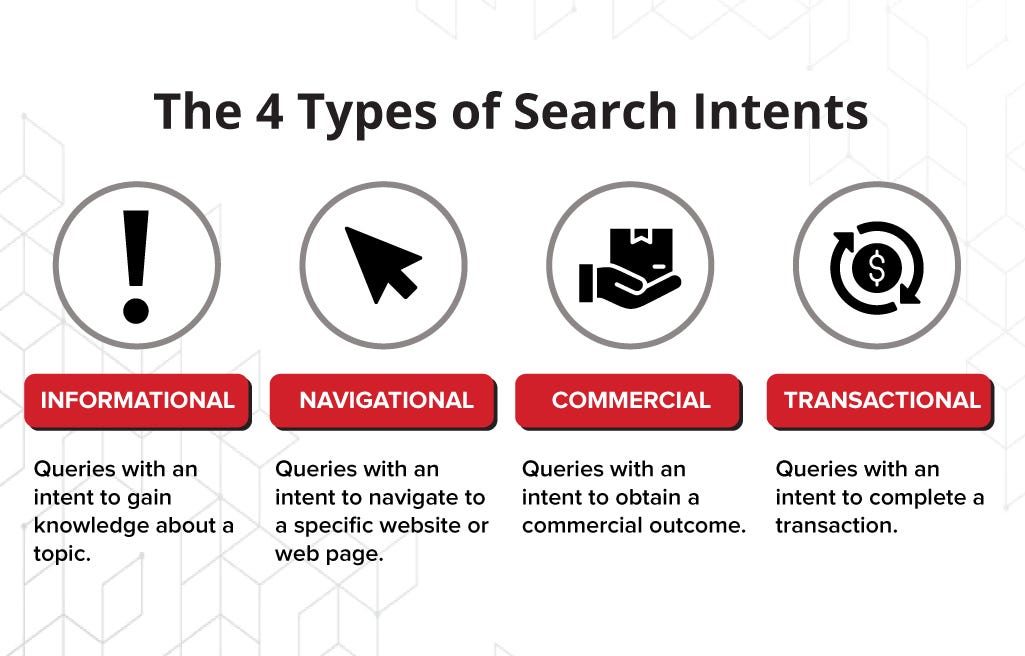
The Four Types of Search Intent

The Four Types of Search Intent

There are four main types of search intent that you should be aware of when optimizing your content:

  1. Navigational Search Intent: Navigational intent occurs when a user is looking for a specific website or webpage. For example, searching for “VH Info” with the intent to visit our website would be considered as a navigational query.
  2. Informational Search Intent: Informational intent is when a user is seeking information, answers, or knowledge on a particular topic. For example, searching for informational keywords like “what is link building” to learn about the concept.
  3. Commercial Search Intent: Commercial search intent happens when a user is researching products or services with the intention to purchase in the future. For example, searching for “best link building services” to compare options.
  4. Transactional Search Intent: Transactional search intent is when a user is ready to take a specific action, such as making a purchase or signing up for a service. For example, searching for “buy link building package” with the intent to make an immediate purchase.

How To Determine Keyword Search Intent?

How To Determine Keyword Search Intent?

To determine the search intent behind a specific keyword, follow these steps:

Step 1: Examine the SERPs

Look at the top search results for your target keyword and analyze the types of content that are ranking well. Are they mostly informational blog posts, product pages, or landing pages? This is a great way and will give you an idea of the dominant search intent for that keyword.

Step 2: Use Google Ads To Determine the Extent of Commercial Intent

If you see a lot of ads in the search results for your target keyword, it’s a good indication that there is commercial intent behind the query. Users searching with commercial intent are more likely to click on ads and make a purchase.

Step 3: Analyze Your Analytics

Use tools like Google Analytics to see how users interact with your content. Look at metrics such as bounce rate, time on page, and conversion rate to gauge whether your content is meeting the user’s intent.

Which Type of Search Intent Should You Optimize For?

Which Type of Search Intent Should You Optimize For?

The type of search intent you should optimize for depends on your business goals and the stage of the buyer’s journey your target audience is in. Here are some general guidelines:

  • If you want to drive brand awareness and establish thought leadership, focus on informational content that educates and informs your audience.
  • If you want to attract potential customers who are considering your product or service, create commercial content that showcases your offerings and their benefits.
  • If you want to drive conversions and sales, optimize for transactional intent by creating landing pages and product pages that make it easy for users to take action.

How to Find and Optimize For Search Intent?

How to Find and Optimize For Search Intent?

Step 1. Align Your Content With The “Three Cs of Search Intent”

To optimize your content for search intent, make sure it aligns with the “three Cs of search intent“:

  1. Content-Type: The content type should match the user’s expectations based on their search query. For example, if a user searches for “how to build links,” they expect to find a blog post or guide that provides step-by-step instructions.
  2. Content Format: The format of your content should also align with the search intent. For example, if a user searches for a “link-building checklist,” they expect to find a checklist-style article rather than a lengthy blog post.
  3. Content Angle: The angle or perspective of your content should match the user’s intent. For example, if a user searches for “link building for beginners,” they expect to find content that is tailored to novice-level readers.

Step 2. Find Subtopics to Cover in Your Content

To create comprehensive content that fully satisfies the user’s search intent, find relevant subtopics to cover in your article.

Here are two ways to do this:

  1. Visit the Top-Ranking Pages: Analyze the top-ranking pages for your target keyword and look for common subtopics or sections that they cover. This will give you an idea of what users expect to find in content that ranks well for that query.
  2. Run a Content Gap Analysis at the Page Level: Use tools like Ahrefs or SEMrush to run a content gap analysis at the page level. This will show you the keywords that your competitors’ pages are ranking for that your page is not. Use these insights to identify subtopics you may have missed.

How To Make Sure Your Client’s Content Aligns With the Search Intent?

How To Make Sure Your Client’s Content Aligns With the Search Intent?

As an SEO professional or content marketer, it’s important to ensure that your client’s content aligns with the search intent of their target audience. Here are some steps you can take:

  1. Determine Search Intent Match: Analyze the SERPs for your client’s target keywords and determine the dominant search intent. Make sure their content matches the intent of the top-ranking pages.
  2. Analyze Existing Content: Review your client’s existing content and assess whether it aligns with the search intent of their target keywords. Identify any gaps or opportunities for improvement.
  3. Optimize Content: Based on your analysis, optimize your client’s content to better match the search intent. This may involve updating the content type, format, or angle, as well as including relevant subtopics.
  4. Use Schema Markup: Implement schema markup on your client’s website to help search engines better understand the content and its relevance to specific search queries.
  5. Monitor Performance: Continuously monitor the performance of your client’s content using tools like Google Analytics and Search Console. Look for improvements in rankings, traffic, engagement, and conversions as indicators that your content is successfully meeting the search intent.

FAQ’s:

What is the Difference Between Keyword Intent and Search Intent?

Keyword intent and search intent are essentially the same concepts. They both refer to the primary goal or purpose behind a user’s search query. The terms are often used interchangeably in the SEO industry.

How Do I Find the Search Intent Behind a Keyword?

To find the search intent behind a keyword, analyze the SERPs for that keyword and look at the types of content that are ranking well. Also, consider using Google Ads to gauge the level of commercial intent and analyze your own website’s analytics to see how users interact with your content.

Can Search Intent Change Over Time?

Yes, search intent can change over time as user behavior and expectations evolve. It’s important to regularly review and update your content to ensure it continues to align with the current search intent for your target keywords.

How Does the Search Intent of Mobile Users Differ From Desktop Users?

Mobile users often have more immediate and location-based search intents compared to desktop users. They may be looking for quick answers, local businesses, or mobile-friendly content. When optimizing for search intent, consider the unique needs and behaviors of mobile users.

Conclusion

Understanding and optimizing for search intent is a critical component of a successful SEO strategy. By aligning your content with the primary goal behind a user’s search query, you can improve your rankings, drive more qualified traffic, and ultimately achieve better business results.

At VH Info, we’re committed to helping SaaS businesses like yours navigate the complex world of SEO and link building. By focusing on search intent and creating high-quality, relevant content, you can establish your brand as a trusted authority in your industry and attract more potential customers to your website.

Remember, the key to optimizing for search intent is to put yourself in the user’s shoes and create content that meets their needs and expectations. By following the tips and best practices outlined in this guide, you’ll be well on your way to creating a winning SEO strategy that drives long-term success for your business.

Analyze Web Page For Keywords: Mastering SEO Optimization

Analyzing web pages for keywords is a critical part of any successful SEO strategy.

By knowing the keywords a page targets and its optimization level, you can enhance your keyword focus and surpass competitors in search rankings.

In this guide, we’ll walk through exactly how to analyze any web page for keywords, step by step. You’ll learn several methods for finding the keywords a page is optimized for, including searching for the exact keyword a website has targeted for a specific topic.

Additionally, you’ll learn how to assess the page’s keyword optimization and use those insights to bolster your SEO efforts.

Let’s dive in!

What is a Website Search?

What is a Website Search?

A website search involves searching a specific website for pages that contain certain keywords or phrases. Rather than searching the entire web like you would with Google, you’re limiting the search to a single domain.

Why Search a Website For Keywords?

There are a few key reasons to search a website for keywords:

  • Keyword research: Identify keywords your competitors are targeting for your own SEO and content and SEO keyword research strategy
  • Competitive analysis: Assess competing pages’ keyword optimization to find weaknesses in their strategy
  • Content audits: Find thin, outdated, or irrelevant content on your site that needs improvement
  • Content ideas: Discover topics and keywords to target based on top-performing content

How to Analyze a Web Page For Keywords?

How to Analyze a Web Page For Keywords?

Now that we understand what a website search is and why it’s valuable, let’s look at a few methods you can use to analyze any web page for keywords.

View the Page Source Code

Viewing a page’s HTML source code is one of the most reliable and a great way to see every keyword the page is targeting.

In the source code, look for the target keyword in key on-page elements:

  • Title tag: The title tag is one of the most important locations for the target keyword
  • Meta description: Keywords in the meta description help show the page’s relevance in search results
  • Headings: Using the keyword in heading tags (H1, H2, etc.) boosts its prominence
  • Body content: The keyword and close variations should appear naturally throughout the main content
  • Image alt text: Using the keyword to describe images can provide an additional ranking boost
  • URL: An SEO-friendly URL includes the primary keyword

To view the source code, simply right-click on the page and select “View Page Source.” Then use Ctrl+F to search for the keyword.

Use Browser Search Function to Find Keywords

For a quick way to find a specific keyword on any page, use your browser’s search function.

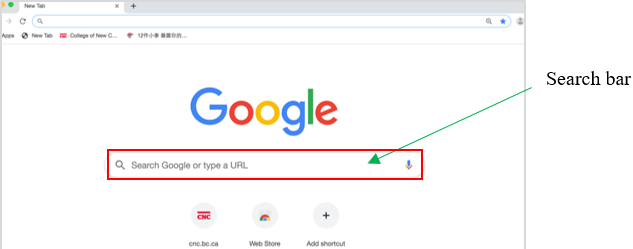
In most browsers, you can use the keyboard shortcut Ctrl+F (Command+F on Mac) to open the search bar. Type in the keyword you want to find and it will highlight every instance of that term on the page.

This method is useful if you already know the exact keyword you’re looking for. It’s less helpful for finding every keyword a page is targeting.

Analyze Keyword Density

Keyword density refers to the number of times the keyword appears on the page divided by the total word count. So if a 1000-word page includes the keyword 10 times, the density would be 1%.

While there’s no “perfect” keyword density, analyzing this metric can give you a sense of how heavily the page is targeting a term. Very high density could indicate keyword stuffing, while very low density could be a sign the page isn’t well-optimized.

You can calculate density manually or use a keyword density checker tool.

Tools For Analyzing Keywords on Web Pages

Several SEO tools offer more robust features for analyzing keywords on a page. Some top options include:

  1. Moz Keyword Explorer: Provides a detailed SERP analysis and keyword suggestions
  2. Ahrefs Site Explorer: Shows top organic keyword rankings and estimates organic traffic share and SEO keyword difficulty for a given keyword.
  3. SEMrush: Offers an “SEO Content Template” with target keywords, semantically related words, and backlink prospects
  4. Surfer SEO: Does a comprehensive on-page analysis and provides an optimization score
  5. Google Keyword planner: To find the right keywords and their monthly search volume, you can rely on this keyword tool from google.

While all are not free, these are some of the best keyword research tools can provide valuable insights, keyword ideas to guide your content optimization and keyword targeting.

Check For Keyword Placement in Key Elements:

Check For Keyword Placement in Key Elements

In addition to checking if the keyword appears on the page at all, it’s important to analyze where it appears. As we covered earlier, strategic placement in key elements like the title tag, headings, and URL can significantly boost the relevance signal.

When analyzing a page, ask yourself:

  • Is the exact keyword phrase in the title tag?
  • Does the meta description compel clicks while including the keyword?
  • Do the headings include the keyword and clarify the page’s hierarchy?
  • Is the keyword used early in the body content?
  • Do images include the keyword in the alt text?
  • Is the primary keyword in the URL slug?

The more of these on-page elements the keyword appears in, the better optimized the page is for that term. If you find the page is lacking optimization in any of these areas, it could represent a weakness you could capitalize on.

Identify Opportunities to Better Optimize For Target Keywords

Identify Opportunities to Better Optimize For Target Keywords

Ultimately, the goal of analyzing web pages for keywords is to find opportunities to outrank them by optimizing your pages better. Once you’ve gone through the steps to identify the page’s target keywords and assess its on-page optimization, look for areas where you could improve, such as:

  • Optimizing for a keyword they’re only using sparingly
  • Increasing keyword density (without stuffing)
  • Using the keyword in more on-page elements
  • Targeting an even more relevant long-tail variation
  • Building more high-quality backlinks than the competing page

How Do I Find the Keywords My Competitors Are Targeting?

How Do I Find the Keywords My Competitors Are Targeting?

Analyzing competing web pages is one of the most effective ways to find valuable keywords to target. By seeing what terms your competitors are optimizing for, you can discover proven keywords that you may be overlooking.

Some ways to find competitors’ target keywords include:

  • Manually searching for keywords and seeing what pages rank in the top results
  • Analyzing their most popular pages in terms of traffic and backlinks to reverse-engineer the target keyword
  • Using a competitive analysis tool like Ahrefs, SEMrush, or SpyFu to see their top keywords

Look for competitors’ keywords that are relevant to your business and that you’re not currently targeting. Analyze how well their pages are optimized for the terms and identify areas for improvement to outrank them.

Why Keyword Analysis is Important For SEO?

Analyzing keywords on a page is important for SEO for a few key reasons:

  1. Helps you identify the most important terms to target: By seeing the keywords your competitors are targeting, you can build a more informed keyword list.
  2. Shows where a page’s optimization is lacking: Identifying missing on-page optimization opportunities shows how you can outrank competing pages.
  3. Ensures your pages are well-optimized: Regularly analyzing your pages helps you ensure they’re properly optimized for your target keywords.
  4. Guides your content strategy: Seeing what keywords competing pages are targeting can spark ideas for new content topics to cover.

Without analyzing keywords, your SEO strategy is based on guesswork. Conducting keyword analysis on your own and competing pages takes the guesswork out of the equation.

Common Mistakes in Keyword Analysis and How to Avoid Them?

Common Mistakes in Keyword Analysis and How to Avoid Them

When analyzing web pages for keywords, watch out for these common pitfalls:

Overlooking Keyword Relevance

It’s not enough for a page to simply include a keyword – it must be used in a relevant, natural way. When analyzing a page, consider how well the content aligns with the target keyword. Just because a term appears doesn’t necessarily mean the page deserves to rank for it.

Ignoring Search Intent

Similarly, the way a keyword is used on the page must align with the search intent. Consider what a searcher would be looking for when using the keyword. Does the page satisfy that intent? Make sure your pages match intent better than competing ones.

Best Practices For Optimizing Keywords on a Page

Best Practices For Optimizing Keywords on a Page

Here are a few best practices to keep in mind when optimizing your pages around target keywords:

  • Use the exact keyword phrase at least once, especially in the title tag, meta description, and H1
  • Include close variations and secondary keywords naturally throughout the content
  • Optimize images with keyword-rich alt text
  • Place the keyword early in the content, such as the first paragraph
  • Use the keyword in the URL slug
  • Link internally to the page using the keyword as anchor text
  • Build relevant external links to the page to show its authority on the topic

FAQ’s:

What is the Ideal Keyword Density For a Web Page?

There’s no universally perfect keyword density. Aim to use the keyword naturally throughout the page without overdoing it. A density between 0.5-2% is generally considered acceptable.

Can I use the Same Keywords as my Competitors?

Yes! Targeting the same keywords as your competitors is an effective way to chip away at their rankings. Just make sure your content is higher quality and better optimized.

Can I Just Optimize For One Keyword Per Page?

While you can optimize a page for a single primary keyword, it’s better to include a mix of related secondary keywords as well. This helps reinforce the topic and can help the page rank for a variety of long-tail terms.

Do I Need to Use the Exact Keyword or Are Variations Okay?

Using the exact keyword phrase is ideal, especially in key on-page elements. However, including close variations can help you rank for a wider range of terms. Use a mix of both for better results.

What is the Best Way to Analyze Keywords For a New Website?

If you’re starting a site from scratch, analyzing keywords on competing sites in your industry is the best way to build an initial keyword list. Identify the terms they’re targeting and look for opportunities to optimize your site better.

Conclusion

Analyzing web pages for keywords is an important skill for SEO success. By understanding how to identify the keywords a page is targeting and assessing how well it’s optimized for those terms, you can create a more data-driven SEO strategy.

Use the techniques we covered – viewing the source code, using the browser search function, analyzing keyword density, and using SEO tools – to surface optimization opportunities. Focus on finding keywords your competitors are targeting but not fully capitalizing on.

Put these tips into use. Improve your pages with them. You can create a good base for keywords by doing this. It will help increase your site’s visitors and search ranking. Looking for more expert insights and tools to level up your SEO?

Check out VH-info’s complete suite of SaaS link-building services and resources. Our team can help you implement a powerful SEO strategy to achieve your traffic and revenue goals.

Monthly Search Volume: What is it, How is it Calculated & Tools

As a SaaS company, driving organic traffic to your website is important for growth. One of the most important factors in an effective SEO strategy is understanding and leveraging monthly search volume data.

At VH-info, we specialize in helping SaaS businesses improve their online visibility through data-driven link-building and keyword research.

In this article, we’ll dive deep into what monthly search volume is, why it matters, and how you can use this valuable metric to supercharge your SEO efforts.

What is the Monthly Search Volume?

What is the Monthly Search Volume?

Monthly search volume refers to the average number of times people search for a particular keyword on search engines like Google in a given month. This metric provides valuable insights into the popularity and demand for specific topics, products, or services online.

Why Monthly Search Volume Matters For Your Website?

Understanding the monthly volume for keywords relevant to your SaaS business is essential for several reasons:

  1. It helps you gauge the potential traffic you could receive by ranking well for those keywords.
  2. It allows you to prioritize which keywords to target based on their popularity and relevance.
  3. It provides a benchmark for measuring the success of your SEO efforts over time.

How is Monthly Search Volume Calculated?

How is Monthly Search Volume Calculated?

There are two main ways that monthly search volume data is gathered:

  1. Google Keyword Planner: Google’s Keyword Planner is a free tool within Google Ads that provides search volume data and keyword suggestions. It pulls this information directly from Google’s vast database of search queries. However, the tool provides search volume ranges rather than exact numbers for most users.
  2. Clickstream Data: Many paid SEO tools like Ahrefs and SEMrush supplement Google’s data with clickstream data from various sources. This involves anonymously tracking user behavior across the web to see which search queries are entered and how often. By combining data from multiple sources, these tools can provide more precise search volume estimates.

Why is Monthly Keyword Search Volume Important For SEO?

Why is Monthly Keyword Search Volume Important For SEO?

Monthly keyword search volume is a foundational metric for many aspects of SEO, including:

  1. Keyword Targeting: Identify relevant keywords with high search volume for your business. Next optimize your website’s content to rank for those terms and drive more organic traffic to the list of keywords.
  2. Traffic Potential: Search volume gives you a sense of how much traffic you could potentially earn by ranking highly for a given keyword. This helps in forecasting and setting realistic traffic goals.
  3. Competitive Analysis: Analyzing the search volume and difficulty of keywords your competitors are targeting provides valuable insights for your keyword strategy.
  4. Content Creation: Monthly search volume can inform your content strategy by revealing which topics your audience is actively searching for, allowing you to create content that directly addresses their needs.
  5. Tracking Progress: By monitoring your rankings and organic traffic for keywords with known search volumes, you can quantify the impact of your SEO efforts over time.

Best Keyword Research Tools to Generate Keyword Ideas:

  1. Semrush Keyword Magic Tool: One of the best ways to drive organic traffic to your website is by optimizing your content for keywords with high monthly search volume. Tools like Ahrefs and SEMrush utilize data from multiple sources to provide more accurate keyword’s search volume estimates.
  2. Google Trends: Google Trends is another powerful and a free keyword research tool that can help you identify trending topics and keywords by showing how search interest changes over time. It allows you to compare the search volume of different keywords, understand seasonality, and discover related queries that can inspire your content strategy and search campaigns.
  3. Google Ads Keyword Planner: Google Keyword Planner is another useful tool for conducting keyword research based on search volume and competition levels. More popularly used with PPC campaigns over Search engine optimization.
  4. Google Search Console: Google Search Console is a valuable tool for tracking the performance of your website in Google’s search engine results. It provides data on keywords that drive traffic to your site from SEO content, along with their respective search volumes.
  5. Keyword Sheeter: Keyword Sheeter is a tool that can quickly provide you with keyword lists based on your seed keyword. It scrapes Google’s autocomplete suggestions and generates a list of potential keywords along with their keyword search volumes.

Factors That Affect Monthly Search Volume

Factors That Affect Monthly Search Volume

It’s important to understand that monthly search volume is not a static metric.

Many variables can influence how often a keyword is searched, such as:

  1. Seasonality: Many Seasonal keywords are subject to seasonal fluctuations. For example, searches for “Christmas gifts” will naturally peak in December. Understanding seasonal trends is key for planning your relevant content calendar and promotions.
  2. Industry Trends: As industries evolve and new technologies emerge, the popularity of certain keywords can shift dramatically for ranking better in organic search results.
  3. Advertising: Big advertising campaigns, especially around major events or product launches, can spark a surge in searches for related keywords.
  4. User Behavior: Cultural shifts, economic changes, and even major news events can all impact what users search for online. Monitoring general search trends can provide context for changes in keyword search volume.

What is Considered a “Good” Monthly Search Volume?

What is Considered a Good Monthly Search Volume?

One common question we hear at VH-info is, “What’s a good monthly search volume to target?” The answer is, it depends.

  1. Depends on the Industry and Niche: The definition of a “good” search volume varies widely by industry and niche. For example, a keyword with 1,000 monthly searches may be considered high volume for a niche B2B software category but low for a broad consumer topic.
  2. Balancing Volume and Competition: Generally, you want to target keywords with the highest search volume that you can realistically rank for. High-volume keywords are often very competitive, while low-volume keywords may be easier to rank for but drive less traffic. The sweet spot is usually in the middle – keywords with decent search volume and moderate competition.

Tools For Finding Monthly Search Volume

Tools For Finding Monthly Search Volume

Several keyword research tools provide monthly search volume data. Some of the most popular include:

  1. Google Keyword Planner: As mentioned, Google’s Keyword Planner is a free tool that provides search volume ranges and keyword suggestions based on a seed keyword or website. It’s a great starting point for keyword research.
  2. SEO Tools Like Ahrefs, and SEMrush: Paid tools like Ahrefs and SEMrush offer more robust keyword data, including exact search volumes, keyword difficulty scores, SERP analysis, and more. These tools are invaluable for serious SEO campaigns.
  3. Google Trends: Google Trends is a free tool that allows you to compare the relative popularity of keywords over time. While it doesn’t provide exact search volumes, it’s useful for identifying seasonal trends and rising keyword opportunities.

At VH-info, we leverage all of these tools and more to uncover the most valuable keyword opportunities for our clients’ SaaS link-building campaigns.

FAQ’s:

What is a Good Keyword Search Volume to Target?

It depends on your industry, niche, and the competitiveness of the keyword. Generally, aim for keywords with the highest search volume you can realistically rank for.

How Often Should I Analyze Search Volume Data?

We recommend analyzing your keyword search volumes at least quarterly, if not monthly. This allows you to stay on top of seasonal trends and identify new keyword opportunities.

Does Monthly Search Volume Fluctuate Over Time?

Yes, search volume can change over time due to seasonality, industry trends, advertising, and shifts in user behavior.

How Accurate is Monthly Search Volume Data?

While tools strive to provide the most accurate data possible, all search volume numbers are estimates and can vary between tools. Use them as a relative guide rather than an exact truth.

Should I Only Target Keywords With High Search Volume?

Not necessarily. Targeting less competitive keywords with lower search volume can be an effective strategy, especially for newer websites. The key is to find a balance between search volume and competitiveness.

Can Monthly Search Volume Trends Predict Future SEO Success?

While search volume trends can inform your keyword strategy, they are not a guarantee of future SEO results. Many other factors, such as content quality, backlinks, and technical SEO, also impact rankings.

How Does Monthly Search Volume Differ Across Industries?

Search volume can vary widely between industries. Broad consumer topics tend to have much higher search volumes than niche B2B categories. It’s important to understand what constitutes a “high” or “low” search volume in your specific industry.

Conclusion

Monthly search volume is an important metric for informing your SEO and content strategies.

At VH-info, our team of SaaS link-building experts leverage in-depth search volume data to help our clients achieve their SEO goals.

From identifying high-value keyword opportunities to creating optimized content and building authoritative backlinks, we provide end-to-end SEO solutions tailored to the unique needs of SaaS businesses.

If you’re looking to take your SaaS company’s organic growth to the next level, contact VH-info today for a free consultation. Our experienced team is ready to help you harness the power of search volume data to drive measurable results.

Top 9 Cloud Hosting Providers 2024

What is Cloud Hosting?

Cloud hosting is a type of web hosting that uses multiple servers to balance the load and maximize uptime. Rather than relying on a single server, your website can tap into a “cluster” that uses resources from a centralized pool. This method enhances reliability, as the failure of one server doesn’t lead to downtime for your site.

What are the benefits of Cloud Hosting?

1. Cost Efficiency

Cloud hosting is generally more cost-effective than traditional hosting methods. You pay only for the resources you use, which can significantly reduce costs, especially for smaller businesses or websites with variable traffic.

2. Scalability

Cloud hosting allows you to easily scale your resources up or down based on your needs. This flexibility ensures that your website can handle traffic spikes without compromising performance. Windows hosting is also compatible with many cloud platforms, making it a reliable option for businesses that rely on Microsoft-based applications.

3. Availability

With cloud hosting, your website’s resources are distributed across multiple servers. This redundancy ensures high availability and reliability, as the failure of one server doesn’t impact your site’s uptime.

4. Security

Cloud hosting providers invest heavily in security measures to protect data. These measures include data encryption, firewalls, and regular security audits to ensure your data is safe from breaches and attacks.

How Does Cloud Hosting Work?

Cloud hosting operates on a virtualized server infrastructure. Here’s how it works:

  • Resource Pooling: Resources like CPU, RAM, and storage are pooled from multiple physical servers.
  • Virtualization: These resources are distributed to virtual machines (VMs) that run your applications.
  • Load Balancing: The system automatically balances the load across servers to ensure optimal performance and uptime.
  • Redundancy: Data is mirrored across multiple servers to ensure high availability and disaster recovery.

Types of Cloud Hosting

  • Private Cloud

A private cloud is a cloud infrastructure dedicated exclusively to a single organization. It offers enhanced security and control but can be more expensive than public cloud solutions.

  • Public Cloud

In a public cloud, resources are shared among multiple users. It’s cost-effective and scalable, but there may be concerns about data privacy and security.

  • Hybrid Cloud

A hybrid cloud combines private and public cloud elements. It offers the flexibility to keep sensitive data in a private cloud while leveraging the cost benefits and scalability of the public cloud for less sensitive operations.

  • Managed Cloud

Managed cloud services provide expert management and maintenance of your cloud infrastructure, allowing you to focus on your core business activities while the provider handles the technical aspects. For organizations that require maximum performance and full hardware control, a bare metal cloud solution combines the raw power of dedicated servers with the scalability and flexibility of cloud hosting, making it ideal for high-performance applications and workloads.

9 Best Cloud Hosting Provider

1. Dreamhost – Best For Small BusinessDreamhost - Best For Small Business Dreamhost – Best For Small Business
Overview Dreamhost offers robust cloud hosting services tailored for small businesses. It’s known for its ease of use, scalability, and excellent customer support.

Specification

  • Unlimited bandwidth and storage
  • SSD storage for fast performance
  • Scalable resources
  • Free SSL certificates
  • 24/7 support

Reason to Buy

  • Easy to set up and manage
  • Affordable pricing
  • Great customer support

Reason to Avoid

Limited advanced features compared to some competitors

2. IONOS – Cheapest HostingIONOS - Cheapest Hosting IONOS – Cheapest Hosting
Overview IONOS provides affordable cloud hosting solutions suitable for small to medium-sized websites. It offers a range of plans to fit various needs and budgets.

Specification

  • Competitive pricing
  • Scalable resources
  • Free domain and SSL certificate
  • 24/7 customer support

Reason to Buy

  • Very affordable
  • User-friendly interface
  • Good customer support

Reason to Avoid

Limited features in lower-tier plans

3. OVHCloud – Best for Customization

Screenshot 2025 05 06 180205

Overview OVHCloud stands out for its highly customizable cloud hosting solutions. It’s ideal for businesses that require tailored hosting environments.

Specification

  • Extensive customization options
  • High-performance SSD storage
  • Robust security features
  • Global data centers

Reason to Buy

  • High level of customization
  • Strong security features
  • Excellent performance

Reason to Avoid

Can be complex for beginners

4. Cloudways – Best Cloud HostingCloudways - Best Cloud Hosting Cloudways – Best Cloud Hosting
Overview Cloudways offers a managed cloud hosting platform known for its performance, scalability, and user-friendly interface. It supports multiple cloud providers, including AWS, Google Cloud, and DigitalOcean.

Specification

  • Managed services
  • Multiple cloud infrastructure options
  • SSD-based hosting
  • Free SSL certificates
  • 24/7 expert support

Reason to Buy

  • High performance and scalability
  • User-friendly platform
  • Excellent customer support

Reason to Avoid

Pricing can be higher than some competitors

5. SiteGround – Best Green Cloud HostSiteGround - Best Green Cloud Host SiteGround – Best Green Cloud Host
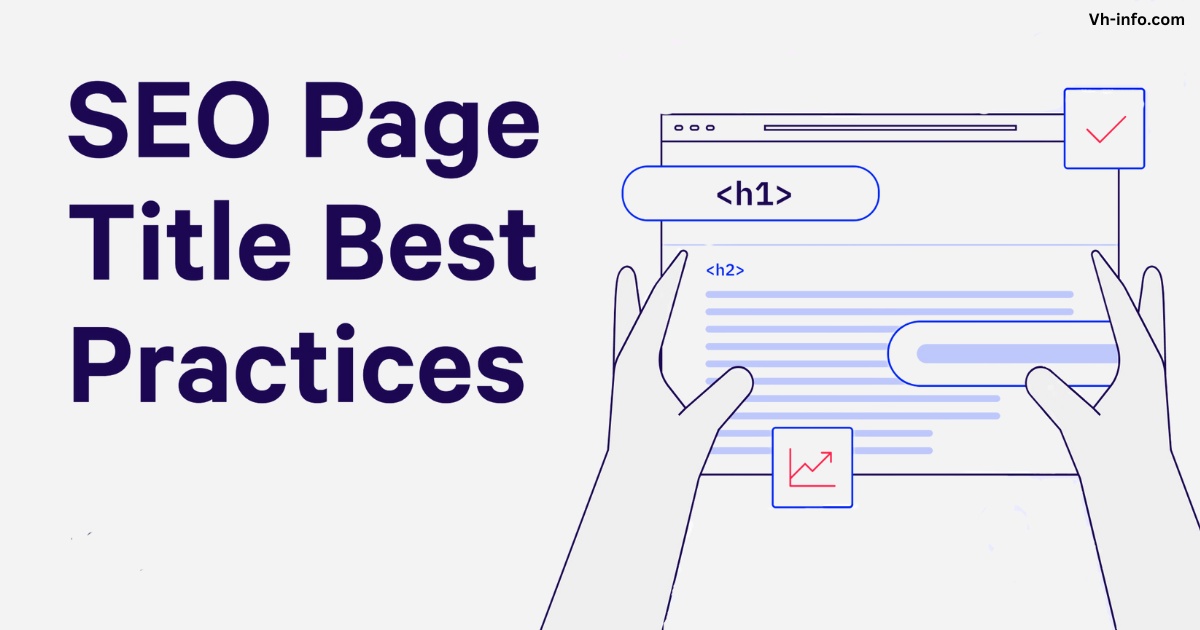
Overview SiteGround is known for its commitment to sustainability and environmentally friendly hosting solutions. It offers reliable cloud hosting with a focus on eco-friendly practices.

Specification

  • Green data centers
  • SSD storage
  • Free daily backups
  • Enhanced security features
  • 24/7 support

Reason to Buy

  • Environmentally friendly
  • Reliable and secure
  • Excellent customer support

Reason to Avoid

  • Higher price point for green hosting

Conclusion

Choosing the right cloud hosting provider depends on your specific needs and budget. The top nine providers for 2024—Dreamhost, IONOS, OVHCloud, Cloudways, and SiteGround—each offer unique benefits, from cost efficiency to customization and sustainability. Evaluate your requirements to select the best provider that aligns with your business goals and ensures optimal performance, security, and scalability.

SEO Title Tag Best Practices: How To Write It Effectively?

As a SaaS company, optimizing your website for search engines is important to drive organic traffic and attract potential customers.

One of the most important on-page SEO elements is the title tag. In this comprehensive guide, we’ll dive into SEO title tag best practices, helping you create compelling titles that boost your rankings and click-through rates.

At VH-Info, we understand the importance of effective title tags in your overall SEO strategy.

Our expert team has years of experience helping SaaS companies optimize their websites for search engines. We’ll share our insights and actionable tips to help you write title tags that make a lasting impact.

SEO Title Tag Best Practices For Higher Rankings

SEO Title Tag Best Practices For Higher Rankings

What Are SEO Title Tags?

An SEO title tag is an HTML element that specifies the title of a web page. It appears in the browser tab, search engine results pages (SERPs), and social media platforms when your page is shared.

Here’s an example of how a title tag looks in HTML code:


The Role of Title Tags in SEO

Title tags play a significant role in SEO for several reasons:

  • They help search engines understand the main topic of your page’s content.
  • They appear as clickable headlines in search results, influencing user click-through rates.
  • They are a confirmed Google ranking factor, impacting your page’s visibility in search results.

Title Tag vs. Page Title: Clarifying the Confusion

It’s important to note that the SEO title tag, also known as the meta title or SEO page title, is different from the page title, which is typically an H1 heading on your page.

While the page title, also known as the main heading, is visible to users when they land on your page, the SEO title tag is primarily for search engines and appears in the SERPs. This means that it should accurately reflect the content of the page and match the search intent of the user.

Why Are Title Tags Important For SEO?

Why Are Title Tags Important For SEO?

Title tags are essential for SEO because they directly impact your page’s visibility and click-through rates in search results.

Here are some key reasons why title tags are important:

  1. They help search engines understand your page’s topic and relevance to specific search queries.
  2. Compelling title tags can entice users to click on your page, driving more organic traffic to your site.
  3. Well-optimized title tags can improve your page’s rankings for target keywords.

How to Write Effective SEO Title Tags?

How to Write Effective SEO Title Tags?

Now that you understand the importance of title tags, let’s dive into best practices for writing them effectively:

  1. Include your primary keyword: Include your main keyword naturally in the title tag to signal relevance to search engines.
  2. Keep it concise: Aim for title tags between 50-60 characters to avoid truncation in search results.
  3. Make it compelling: Write title tags that grab attention and entice users to click through to your page.
  4. Be descriptive: Accurately describe your page’s content to set the right expectations for users.
  5. Include your brand name: Adding your brand name at the end of the title tag can help build brand recognition and trust.

Here’s an example of a well-created SEO title tag:

Best Practices for SaaS Link Building in 2024 | VH-Info

Why Your Title Tag Isn’t Always Displayed in the SERPs?

It’s important to note that Google doesn’t always display your specified title tag in the search results. Sometimes, Google may rewrite your title tag if it believes a different title would be more relevant to the user’s search query.

However, this doesn’t mean you should neglect your title tags. By following best practices and writing compelling, descriptive titles, you increase the likelihood that Google will use your specified title tag.

Common Title Tag Mistakes to Avoid

Common Title Tag Mistakes to Avoid

To ensure your title tags are optimized for SEO, avoid these common mistakes:

  1. Keyword Stuffing: Don’t overload your title tags with keywords in an attempt to manipulate rankings. This practice, known as keyword stuffing, can harm your SEO efforts. Instead, use keywords naturally and strategically.
  2. Missing

Top 6 API Management Tools 2024

What are API Management Tools?

The digital age has witnessed an unprecedented surge in the adoption of APIs (Application Programming Interfaces) as the backbone of modern software development and integration. APIs serve as the connective tissue between different applications, enabling seamless data exchange and functionality sharing. To effectively manage the lifecycle of these APIs, organizations are turning to API management tools.

According to [insert relevant statistic about API usage or market size, the API economy is booming, with businesses increasingly relying on APIs to drive innovation, improve customer experiences, and generate new revenue streams. However, managing a growing number of APIs can be complex and challenging without the right tools in place.

Benefits of Using API Management Tools

  • Security: Protect APIs from threats and ensure data privacy.
  • Scalability: Handle large volumes of API calls efficiently.
  • Monitoring and Analytics: Gain insights into API usage and performance.
  • Developer Productivity: Simplify API development and integration.
  • Access Control: Manage who can access your APIs.
  • Monetization: Create revenue streams from your APIs.

Types of API Management Tools

  1. API Design and Documentation Tools: Assist in designing APIs and generating documentation.
  2. API Gateways: Manage API traffic, including routing, throttling, and security.
  3. API Management Platforms: Comprehensive tools that cover the entire API lifecycle.
  4. API Testing Tools: Ensure APIs work as expected and meet quality standards.

1. API Design and Documentation Tools

These tools help developers design APIs with best practices and generate clear, comprehensive documentation. Popular tools include Swagger, Postman, and Stoplight. A well-structured API design ensures seamless integration, improved performance, and better user experience for developers and end-users alike.

API gateways manage API traffic, enforce security policies, and provide a single entry point for all API requests. Examples include Kong, NGINX, and AWS API Gateway.

3. API Management Tools

These are comprehensive platforms that handle API creation, deployment, security, monitoring, and monetization. They provide end-to-end solutions for managing the entire API lifecycle.

4. API Testing Tools

API testing tools ensure that APIs function correctly and meet performance standards. Popular tools in this category include Postman, SoapUI, and JMeter.

Best 6 API Management Tools

1. Integrate.io

[caption id=”attachment_12760″ align=”aligncenter” width=”1718″Integrate - API Management Tool Integrate – API Management Tool[/caption
Overview

Integrate.io is a cloud-based data integration platform that simplifies the process of building data pipelines and managing APIs. It is designed to handle complex data transformations and integrations with ease.

Key Features

  • Drag-and-drop interface
  • Pre-built connectors for various data sources
  • Real-time data processing
  • Advanced security features
  • Comprehensive monitoring and analytics

Pricing

Integrate.io offers a subscription-based pricing model, with plans based on the number of connectors and data volumes. Custom pricing is available for enterprise customers.

2. IBM API Connect

Overview

IBM API Connect is a complete API lifecycle management solution that allows organizations to create, secure, manage, and socialize APIs. It provides robust features for API development, testing, and analytics.

Key Features

  • API creation and management
  • Built-in security and governance
  • Advanced analytics and monitoring
  • Developer portal for collaboration
  • Integration with IBM Cloud and other services

Pricing

IBM API Connect offers flexible pricing options, including pay-as-you-go and subscription plans. Enterprise pricing is available based on specific needs and usage.

3. Jitterbit

[caption id=”attachment_12759″ align=”aligncenter” width=”1727″Jitterbit - API Management Tools Jitterbit – API Management Tools[/caption
Overview

Jitterbit is an API integration platform that enables organizations to quickly connect applications, data, and devices. It offers a user-friendly interface and powerful tools for API creation and management.

Key Features

  • Easy-to-use design studio
  • Pre-built templates and connectors
  • Real-time data integration
  • API security and monitoring
  • Hybrid deployment options

Pricing

Jitterbit provides tiered pricing plans based on the number of integrations and data volumes. Custom pricing is available for larger enterprises.

4. Apigee

[caption id=”attachment_12758″ align=”aligncenter” width=”1891″Apigee - API Management Tool Apigee – API Management Tool[/caption

Overview

Apigee, a Google Cloud product, is a leading API management platform that helps businesses design, secure, and scale APIs. It provides comprehensive tools for managing the entire API lifecycle.

Key Features

  • Full API lifecycle management
  • Security and compliance features
  • Advanced analytics and reporting
  • Developer portal and collaboration tools
  • Integration with Google Cloud services

Pricing

Apigee offers flexible pricing plans, including pay-as-you-go and enterprise subscriptions. Detailed pricing information is available on request.

5. Dell Boomi

[caption id=”attachment_12757″ align=”aligncenter” width=”1712″Dell Boomi - API Management Tool Dell Boomi – API Management Tool[/caption
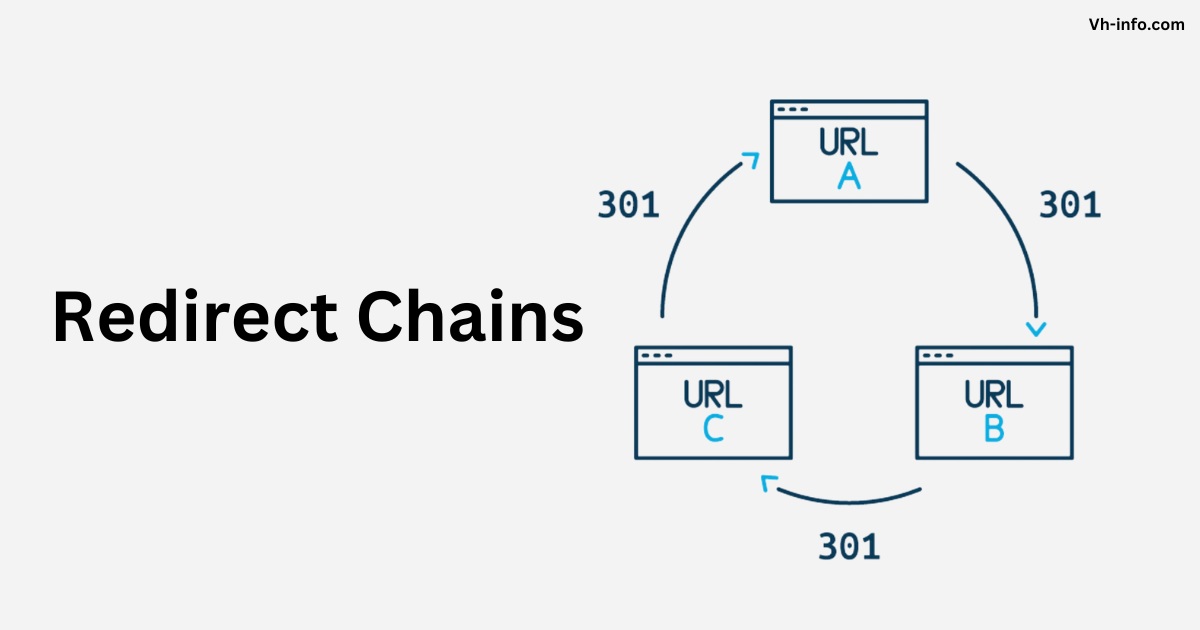
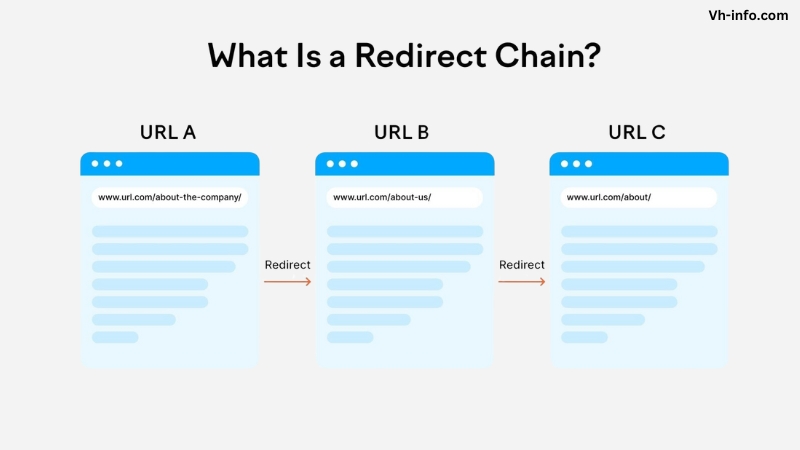
Overview

Dell Boomi is an integration platform-as-a-service (iPaaS) that connects applications and data across various environments. It provides powerful API management capabilities along with integration and data governance.

Key Features

  • Visual interface for designing integrations
  • Pre-built connectors and templates
  • API management and security
  • Real-time monitoring and analytics
  • Hybrid deployment options

Pricing

Dell Boomi offers subscription-based pricing, with plans tailored to different integration and API management needs. Custom pricing is available for enterprise customers.

6. MuleSoft Anypoint Platform

Overview

MuleSoft Anypoint Platform is a comprehensive integration and API management solution that enables organizations to connect applications, data, and devices. It provides tools for API design, deployment, and governance.

Key Features

  • Unified platform for integration and API management
  • API design and implementation tools
  • Robust security and compliance features
  • Advanced analytics and monitoring
  • Developer portal and collaboration tools

Pricing

MuleSoft Anypoint Platform offers subscription-based pricing, with plans based on the number of APIs and integrations. Custom pricing is available for large-scale deployments.

Conclusion

Selecting the right API management tool is crucial for organizations to efficiently manage their APIs, ensure security, and optimize performance. The top six tools for 2024—Integrate.io, IBM API Connect, Jitterbit, Apigee, Dell Boomi, and MuleSoft Anypoint Platform—offer a range of features and pricing options to meet various business needs. Evaluate your requirements and choose a tool that aligns with your goals to drive successful API initiatives.

Redirect Chains: What is it, Types, How To Find, Fix & Remove It?

As a SaaS company, your website is the foundation of your online presence and an important factor in driving organic traffic and conversions. However, one often overlooked technical SEO issue that can hinder your site’s performance is redirect chains.

At VH-info, we specialize in helping SaaS businesses optimize their link-building strategies, and addressing redirect chains is an important part of that process.

In this comprehensive guide, we’ll dive deep into what redirect chains are, why they occur, and how they can negatively impact your SEO efforts. We’ll also provide actionable tips on identifying and fixing redirect chains to improve your site’s search engine rankings and user experience.

What is a Redirect Chain?

What is a Redirect Chain?

A redirect chain occurs when there are multiple redirects between the initial URL and the final destination URL. For example, if URL A redirects to URL B, which then redirects to URL C, and finally to URL D, this creates a redirect chain of three hops: A → B → C → D.

Why Do Redirect Chains Occur?

Redirect chains can occur for various reasons, such as:

  • Site migrations or redesigns
  • Changes in URL structure
  • Implementing HTTPS
  • Consolidating duplicate content

How Do Redirect Chains Impact Search Engines and Users?

Redirect chains can negatively affect both search engine crawlers and user experience:

  • Search engines may have difficulty crawling and indexing the final destination URL
  • Link equity (or “link juice”) is diluted with each additional redirect hop
  • Page load times increase, leading to a poor user experience and potential ranking drops

How Do Redirects Impact the Crawl Budget?

Search engines allocate a limited amount of time and resources, known as the “crawl budget,” to crawl and index your site. Redirect chains waste this valuable crawl budget, as search engine crawlers must process multiple redirects before reaching the final destination URL. This can lead to important pages being left uncrawled or unindexed.

How Redirect Chains Are Created?

How Redirect Chains Are Created?

Redirect chains are often created unintentionally over time as a website evolves.

Let’s explore two common scenarios that lead to redirect chains.

Reason 1: Built Over Time

As your SaaS website grows and changes, you may update URLs for various reasons, such as:

  • Implementing a new URL structure
  • Consolidating duplicate content
  • Updating old blog posts with new URLs

Each time you create a redirect from an old URL to a new one without updating existing internal links and backlinks, you contribute to the formation of a redirect chain.

Reason 2: Improper Redirects During Site Migrations

When migrating your website to a new domain, platform, or structure, it’s important to implement proper redirects. Failing to do so can result in redirect chains.

For example, if you migrate from HTTP to HTTPS and create a redirect from the old HTTP URLs to the new HTTPS URLs without updating internal links, you’ll create unnecessary redirect chains.

How Do I Identify a Redirect Chain?

[caption id=”attachment_12624″ align=”aligncenter” width=”787″How Do I Identify a Redirect Chain? Screenshot[/caption

To identify redirect chains on your SaaS website, you can use various tools and techniques, such as:

  • Browser extensions like Redirect Path
  • Online redirect checker tools
  • Crawling tools like Screaming Frog or Sitebulb
  • Google Search Console’s Coverage report

These tools will help you uncover the redirect paths and the number of hops between the initial URL and the final destination URL.

Are Any Redirect Hops Acceptable?

Are Any Redirect Hops Acceptable?

While it’s best to minimize the number of redirects, having one or two redirect hops is generally acceptable. However, aim to keep the number of hops as low as possible to minimize the impact on search engine crawlers and user experience.

Redirect Chains Vs. Redirect Loops

It’s important to distinguish between redirect chains and redirect loops:

  • Redirect chains: A series of redirects from the initial URL to the final destination URL
  • Redirect loops: When a URL redirects back to itself or another URL within the chain, creating an infinite loop

Redirect loops are more severe and should be fixed immediately, as they prevent users and search engines from accessing the content altogether.

Types of Redirect Chains

Types of Redirect Chains

There are several common types of redirect chains that SaaS websites may encounter:

  • HTTP to HTTPS Chains: When migrating from HTTP to HTTPS, ensure that internal links and references are updated to the HTTPS version to avoid unnecessary redirect chains.
  • Missing Backslash: A missing trailing slash can create a redirect chain if the server is configured to append a slash to URLs.
  • Canonical URL Redirect: If the canonical URL specified in the HTML header differs from the current URL, it can create a redirect chain.

Why Are Redirect Chains Bad For SEO?

Why Are Redirect Chains Bad For SEO?

Redirect chains can have a detrimental effect on your SaaS website’s SEO performance for several reasons:

  1. Loss of Link Equity: Each additional redirect hop dilutes the link equity passed from the original URL to the final destination URL. This means that the destination page may not receive the full SEO value of the original backlink.
  2. Crawling and Indexing Issues: Search engine crawlers have a limited crawl budget, and redirect chains can waste this valuable resource. As a result, important pages may not be crawled or indexed as frequently, impacting your site’s visibility in search results.
  3. Slower Page Load Times: Each redirect adds latency to the page load process, resulting in slower load times for users. Slow pages can lead to a poor user experience, increased bounce rates, and potential ranking drops.

How to Find Redirect Chains?

How to Find Redirect Chains?

To identify redirect chains on your SaaS website, you can use various tools, such as:

  1. Redirect-checker.org: This free online tool allows you to enter a URL and check for redirect chains. It provides a detailed report of the redirect path and the HTTP status codes for each hop.
  2. Sitebulb: Sitebulb is a comprehensive website auditing tool that includes a redirect chains report. It helps you identify and visualize redirect chains across your entire site.
  3. Screaming Frog: Screaming Frog is a popular SEO spider tool that can crawl your website and identify redirect chains. You can export the list of URLs with redirect chains for further analysis and fixing.
  4. DeepCrawl: DeepCrawl is an enterprise-level website crawling and auditing tool that offers detailed insights into redirect chains and other technical SEO issues.

How to Fix & Remove a Redirect Chain?

How to Fix & Remove a Redirect Chain?

To fix redirect chains on your SaaS website, follow these steps:

  1. Identify the redirect chains using the tools mentioned above
  2. Update internal links and references to point directly to the final destination URL
  3. Remove unnecessary redirects in the chain
  4. Implement 301 (permanent) redirects from the original URL to the final destination URL
  5. Update backlinks from external websites to point directly to the final URL, if possible

How to Prevent Redirect Chains?

To prevent redirect chains from occurring in the future:

  • Keep an up-to-date record of all redirects on your site
  • Regularly audit your site for redirect chains and fix them promptly
  • When creating new redirects, always point to the final destination URL
  • Update internal links and references to avoid unnecessary redirects

Best Practices to Avoid Future Redirect Chains

Best Practices to Avoid Future Redirect Chains

To maintain a healthy and efficient SaaS website, follow these best practices:

  • Implement a consistent URL structure and stick to it
  • Avoid changing URLs unless necessary
  • When updating content, use the same URL whenever possible
  • Use 301 (permanent) redirects instead of 302 (temporary) redirects
  • Monitor your site regularly for redirect chains and fix them promptly

FAQ’s:

Can Redirect Chains Affect My Site’s Google Ranking?

Yes, redirect chains can negatively impact your site’s Google ranking by diluting link equity, slowing down page load times, and wasting crawl budget. This can result in lower rankings and reduced organic traffic.

Do Redirect Chains Impact User Experience?

Yes, redirect chains can lead to slower page load times, which can frustrate users and increase bounce rates. A poor user experience can also indirectly affect your search engine rankings.

How Often Should I Check My Site For Redirect Chains?

It’s recommended to audit your site for redirect chains at least once a quarter, or more frequently if you make significant changes to your site’s structure or content.

How Much Link Equity is Lost With Each Additional Redirect?

The exact amount of link equity lost with each redirect hop is not known, as search engines’ algorithms are complex and constantly evolving. However, it’s generally accepted that some link equity is lost with each additional redirect.

Can I Use 302 Redirects Instead of 301s to Avoid Losing Link Equity?

No, using 302 (temporary) redirects instead of 301 (permanent) redirects is not recommended. Search engines treat 302 redirects differently and may not pass link equity as effectively as 301 redirects. Always use 301 redirects for permanent URL changes.

Conclusion

Redirect chains can significantly impact your SaaS website’s SEO performance and user experience.

Understanding what redirect chains are, how they occur, and their negative effects, you can take proactive steps to identify and fix them. Regularly auditing your site for redirect chains and implementing best practices to prevent their occurrence is important for maintaining a healthy and efficient website.

At VH-info, we specialize in helping SaaS businesses optimize their link-building strategies and resolve technical SEO issues like redirect chains.

Our team of experts can help you identify and fix redirect chains, ensuring that your site is performing at its best and driving the organic traffic and conversions you need to grow your business.