The Top 15+ Best Free Search Engines For AI & Private Browsing

In today’s digital age, search engines have become a crucial part of our online experience. They help us navigate the vast expanse of the internet, connecting us with the information, products, and services we’re looking for.

But with all the buzz about data privacy and targeted ads, a lot of folks are on the lookout for alternatives to big names like Google. And that’s where free search engines swoop in, giving us a more private and secure way to surf the web. Here at VH Info, we totally get the importance of keeping your online privacy intact while still being able to find what you need.

As pros in SaaS link building and content marketing, we know firsthand the power of using the right search tools. So, in this blog post, we’ll dig into the world of free search engines, checking out what they’re all about, how they do their thing, and the best 15+ options up for grabs today.

What Are Free Search Engines?

What Are Free Search Engines?

Free search engines are online tools that allow users to search for and access information on the internet without charging a fee.

These search engines typically generate revenue through advertising, either by displaying ads alongside search results or by collecting and selling user data to third parties.

However, not all free search engines operate in the same way. Some prioritize user privacy by not tracking or storing personal information, while others offer unique features like eco-friendly search or integration with social media platforms.

How Do Free Search Engines Work?

How Do Free Search Engines Work?

At their core, search engines work by using web crawlers (also known as bots or spiders) to scan and index web pages across the internet.

When a user enters a search query, the search engine algorithm analyzes its index to find the most relevant results based on factors like keyword relevance, content quality, and backlinks.

Free search engines typically rely on one of two models:

  1. Building and maintaining their index of web pages
  2. Sourcing search results from other search engines (like Google or Bing) and repackaging them for users

The latter model, known as a metasearch engine, allows smaller players to offer a search experience without the extensive resources required to crawl and index the entire web themselves.

15+ Best Free Search Engines

Best Free Search Engines

Now that we’ve covered the basics, let’s take a look at some of the best free search engines available today.

DuckDuckGo

DuckDuckGo

DuckDuckGo is a privacy-focused search engine that has gained popularity in recent years due to its commitment to protecting user data.

Unlike many other search engines, DuckDuckGo does not track user searches or collect personal information, ensuring that users can browse the web without being targeted by ads or having their data sold to third parties. This search engine generates its results from over 400 sources, including its web crawler and other search engines like Bing and Yahoo.

DuckDuckGo offers a clean and user-friendly interface, making it easy for users to find the information they need quickly. In addition to its privacy features, DuckDuckGo also provides instant answers, themes, and bangs (shortcuts to search directly on other sites), enhancing the overall search experience.

With a growing user base and a strong emphasis on privacy, DuckDuckGo has established itself as a reliable alternative to mainstream search engines like Google, particularly for those who value their online anonymity and want to avoid targeted advertising.

Yahoo! Search

Yahoo! Search

Yahoo! Search, one of the oldest and most well-known search engines, has undergone significant changes in recent years.

Now powered by Bing, Yahoo! Search continues to offer a comprehensive search experience, providing users with access to news, images, and video content in addition to web results.

While Yahoo! does collect some user data, it offers options for users to opt out of certain types of advertising and tracking, giving them more control over their privacy. Yahoo! Search’s integration with other Yahoo! services, such as email, Yahoo Finance, and sports news, makes it a convenient choice for users who rely on multiple Yahoo! products.

Despite facing competition from Google and other search engines, Yahoo! Search remains a familiar and trusted option for many internet users, particularly those who have been using Yahoo!’s services for a long time.

As a web portal, Yahoo! Search provides users with a one-stop shop for various online needs, making it an attractive choice for those seeking a versatile and feature-rich Yahoo Search engine.

Yep.com

yep

Yep.com is a relatively new player in the search engine market, aiming to provide users with unbiased search results while supporting content creators through ad revenue sharing.

Using AI and machine learning tech, Yep.com gives you search results that don’t need your data or search history. They really care about privacy and neutrality. This cool way of doing things makes Yep.com stand out from other search engines that always use your data to show you personalized results and ads.

In addition to its privacy-focused features, Yep.com is pretty cool because they make sure content creators get paid fairly for their work, which is awesome for publishers and writers.

As the search engine grows its user base and refines its algorithms, it has the potential to become a significant player in the market, offering a unique value proposition that combines privacy, unbiased results, and support for content creators.

While still in its early stages, Yep.com’s innovative approach and commitment to user privacy make it an intriguing option for those seeking an alternative to the dominant search engines.

AOL

AOL

AOL, or America Online, was once a dominant force in the early days of the Internet, providing millions of users with access to email, chat rooms, and web browsing.

Although its influence has waned over the years, AOL still offers a search engine powered by Bing, catering to users who prefer a simple and straightforward search experience.

While AOL’s search market share has declined significantly, it remains a viable option for users who have stayed loyal to the brand over the years. AOL search provides results similar to those found on Bing but with a different user interface and additional features like local search and news integration.

For long-time AOL users, the familiarity and simplicity of AOL search may be appealing, even as newer and more advanced search engines have emerged.

Despite facing stiff competition from Google and other search providers, AOL search continues to serve as a solid Google alternative for a niche audience, offering a reliable and uncomplicated search experience for those who value familiarity and ease of use.

Bing

Microsoft Bing

Bing, Microsoft’s search engine, has steadily grown in popularity since its launch in 2009, now holding the position of the second-largest search engine worldwide with a market share of around 3%. Bing offers a comprehensive search experience, providing users with access to web results, images, videos, and news.

One of Microsoft Bing’s standout features is its integration with Microsoft Office applications, allowing users in the United States to seamlessly search for and include information from the web into their documents and presentations. Additionally, Bing offers a rewards program that incentivizes users to search and engage with the platform, earning points that can be redeemed for gift cards and other prizes.

In recent years, Bing has made significant strides in improving its search algorithms and user experience, narrowing the gap between itself and Google. The search engine powers results for several other platforms, including Yahoo! and DuckDuckGo, expanding its reach and influence.

Qwant

Qwant

Qwant is a privacy-focused search engine from France. It prioritizes user data protection and unbiased results. Unlike others, Qwant doesn’t track searches or sell data to advertisers. It uses its index, not relying on other search engines’ data. This ensures independence and unbiased search results for users.

Besides privacy, Qwant has an easy-to-use interface. Users can find information in various categories like web pages, news, images, and videos. There’s also Qwant Junior for kids, ensuring a safe search experience.

With rising concerns about online privacy, Qwant has gained popularity in Europe. Its focus on protecting user data and providing fair results attracts users who value privacy and transparency. It stands as a reliable alternative to mainstream search engines for those seeking online anonymity and avoiding targeted ads based on their search history.

Ecosia

Ecosia

Ecosia is an eco-friendly search engine that uses its advertising revenue to plant trees around the world. For every 45 searches made on Ecosia, the company plants one tree in areas affected by deforestation.

Ecosia is powered by Bing’s search technology, ensuring that users receive high-quality search results while supporting environmental conservation efforts. The search engine is transparent about its revenue and tree-planting projects, providing monthly financial reports and a real-time tree counter on its website.

Ecosia also prioritizes user privacy by not storing permanent IP addresses or selling user data to third parties. With its commitment to sustainability and privacy, Ecosia offers users a way to make a positive impact on the environment while conducting their daily searches.

StartPage

StartPage

StartPage is a privacy-focused search engine that delivers Google search results without tracking users or storing personal data. Acting as an intermediary between the user and Google, StartPage ensures that searches remain anonymous and private.

The search engine does not use cookies, store IP addresses, or collect any personal information, making it an attractive option for users concerned about online privacy. StartPage also offers a proxy feature, allowing users to visit websites through the search engine’s servers, further enhancing anonymity.

In addition to its strong privacy features, StartPage provides a clean and user-friendly interface, making it easy for users to find the information they need without compromising their privacy. With its commitment to protecting user data and delivering high-quality search results, StartPage is an excellent alternative for privacy-conscious individuals.

Swisscows

Swisscows

Swisscows is a family-friendly, privacy-focused search engine based in Switzerland.

The search engine prioritizes data protection and avoids displaying explicit content in its search results. Swisscows uses semantic information recognition to understand the context and meaning behind search queries, delivering more accurate and relevant results.

The search engine does not collect or store any personal data, ensuring that users’ searches remain private and anonymous.

Swisscows also offers a unique feature called “semantic map,” which provides a visual representation of related topics and concepts, helping users discover new information and expand their knowledge.

With its commitment to privacy, family-friendly content, and innovative search features, Swisscows is an attractive option for users seeking a secure and conscientious search experience.

SearX

SearX

SearX is an open-source, privacy-focused metasearch engine that aggregates results from multiple search engines while protecting user privacy. Users can customize their search preferences, choosing which search engines they want to include and how they want the results to be displayed.

SearX does not collect or share any personal data, ensuring that searches remain private and anonymous. The search engine is decentralized, meaning that anyone can host their instance of SearX, further enhancing privacy and security.

SearX also offers advanced search features, such as filtering results by date, language, and file type, making it a versatile tool for users with specific search needs.

With its commitment to privacy, customization options, and advanced search features, SearX is an excellent choice for tech-savvy users who value control over their search experience.

Yandex

Yandex

Yandex is a Russian multinational technology company that operates the largest search engine in Russia.

Yandex offers a wide range of services, including email, maps, translation, and cloud storage, in addition to its search capabilities. The search engine provides a user-friendly interface and delivers relevant results for both Russian and English-language queries.

Yandex also offers a personalized news feed called Yandex Zen, which uses machine learning algorithms to create content based on user’s interests and browsing history. While Yandex does collect some user data to improve its services, it provides options for users to manage their privacy settings and opt out of personalized advertising.

With its comprehensive suite of services and strong presence in the Russian market, Yandex is a popular choice for users in Russia and the surrounding regions.

Dogpile

Dogpile

Dogpile is a metasearch engine that aggregates search results from multiple sources, including Google, Yahoo, and Bing.

Combining results from various search engines, Dogpile aims to provide users with a more comprehensive and diverse set of search results. The search engine offers a simple and intuitive interface, making it easy for users to find the information they need.

Dogpile also provides a variety of search tools, such as image and video search, news search, and a Yellow Pages directory for local business information.

While Dogpile does not have the same focus on privacy as some other alternative search engines, it does offer a “Search Anonymously” option that allows users to search without their queries being tracked.

Additionally, unlike some competitors, Dogpile does not provide a free proxy service, but it still delivers results from multiple sources and maintains a user-friendly interface. Dogpile is a solid choice for users seeking a straightforward and efficient search experience. Dogpile, a metasearch engine, can be used with residential proxies to bypass geographic restrictions and avoid rate-limiting by masking the user’s IP address. This allows users to access a wider range of search results while maintaining anonymity and security.

Baidu
Baidu

Baidu is the dominant search engine in China, holding a market share of over 70% in the country. The search engine provides a wide range of services, including maps, news, video, and social media platforms, making it a comprehensive digital ecosystem for Chinese users.

Baidu’s search results are optimized for the Chinese language and market, delivering relevant and localized content to its users.

The company also heavily invests in artificial intelligence research and development, integrating AI technologies into its search and other services to improve user experience.

However, Baidu has faced criticism for its content censorship practices, which align with the Chinese government’s strict internet regulations. Despite these concerns, Baidu remains the go-to search engine for the vast majority of internet users in China.

WolframAlpha

Wolfram Alpha

WolframAlpha is a computational knowledge engine that provides direct answers to factual queries using data from expert-created sources.

Unlike traditional search engines that deliver web pages as results, WolframAlpha uses algorithms and a vast knowledge base to generate specific, numerical, or visual answers to users’ questions.

The platform is particularly useful for students, researchers, and professionals seeking quick and accurate information in fields such as mathematics, science, technology, and finance.

WolframAlpha’s natural language processing capabilities allow users to input queries in a conversational manner, making it easy to access complex data and computations.

While WolframAlpha is not a replacement for general-purpose search engines, it is an invaluable tool for users who require precise, data-driven answers to specific questions.

MetaGer

MetaGer

MetaGer is a German metasearch engine that prioritizes user privacy and security. The search engine aggregates results from multiple sources, including Bing, Yahoo, and Yandex, while ensuring that users’ searches remain anonymous.

MetaGer does not store IP addresses or use tracking cookies, protecting users from data collection and targeted advertising. The search engine also offers a proxy feature that allows users to access websites anonymously, further enhancing online privacy.

MetaGer is operated by a non-profit organization and is committed to transparency, regularly publishing its source code and financial reports.

With its strong focus on privacy and security, MetaGer is an attractive option for users who want to keep their online activities confidential while still accessing a wide range of search results.

Mojeek

Mojeek

Mojeek is a UK-based search engine that uses its crawler and index to deliver unbiased and relevant search results.

Unlike many other search engines that rely on data from third parties, Mojeek maintains complete control over its search index, ensuring that results are not influenced by external factors or commercial interests.

The search engine also prioritizes user privacy, promising not to track users or sell their data to advertisers.

Mojeek offers a clean and simple interface, making it easy for users to find the information they need without distractions.

While Mojeek’s search index is smaller than those of major search engines like Google, it is continuously growing and improving, making it an increasingly viable alternative for users who value independence and privacy in their search experience.

Gigablast

Gigablast

Gigablast is an open-source search engine that focuses on providing fast and efficient search results. The search engine maintains its index of over a billion web pages, ensuring that users have access to a wide range of information.

Gigablast offers a variety of advanced search features, including Boolean operators, phrase searching, and the ability to search within specific file types, such as PDFs and Microsoft Office documents.

The search engine also provides a unique “Gigabits” feature, which offers related concepts and search suggestions based on users’ queries, helping them refine their searches and discover new information.

As an open-source project, Gigablast is transparent about its technology and operations, allowing developers to contribute to its development and improvement. With its focus on speed, efficiency, and advanced search capabilities, Gigablast is a compelling choice for users who require a powerful and customizable search tool.

OneSearch

OneSearch

OneSearch is a privacy-focused search engine developed by Verizon Media, the parent company of Yahoo. The search engine aims to provide users with relevant search results while protecting their data from being tracked or sold to third parties.

OneSearch does not store user IP addresses, use tracking cookies, or collect any personally identifiable information, ensuring that users’ searches remain private and anonymous. The search engine also offers an “Advanced Privacy Mode” that encrypts users’ search terms and provides additional security measures.

OneSearch delivers search results powered by Bing, giving users access to a wide range of information without compromising their privacy.

With its commitment to user privacy and its backing from a major technology company, OneSearch is an attractive option for users who want a secure search experience without sacrificing the quality of search results.

Types of Free Search Engines

Types of Free Search Engines

While all free search engines share the basic goal of helping users find information online, there are several distinct types with different focuses and features:

  1. General search engines like Google, Bing, and Yahoo cast a wide net, indexing billions of web pages across all topics and media types.
  2. Privacy-focused search engines like DuckDuckGo and StartPage prioritize user privacy by not tracking searches or collecting personal data.
  3. Metasearch engines like Dogpile and SearX aggregate results from multiple search engines, giving users a more comprehensive set of results.
  4. Specialty search engines like WolframAlpha and Creative Commons Search focus on specific types of content or queries, such as computational knowledge or copyright-free media.
  5. Eco-friendly search engines like Ecosia use their ad revenue to support environmental conservation efforts.

Social Network-Specific Advanced Search

Social Network-Specific Advanced Search

In addition to traditional web search engines, many social media platforms offer built-in search tools tailored to their specific content and use cases.

Facebook Search

Facebook’s search function allows users to find people, pages, groups, events, and posts within the platform. Advanced search options enable filtering by location, date, and other criteria.

LinkedIn People Search

LinkedIn’s people search is a powerful tool for finding and connecting with professionals in specific industries, companies, or locations. Users can filter results by job title, skills, education, and more.

LinkedIn Job Search

LinkedIn also offers a robust job search feature, allowing users to find open positions by keyword, company, location, and other factors. Job seekers can also set up alerts for new listings matching their criteria.

Twitter Search

Twitter’s search function enables users to find tweets, users, and trending topics in real time. Advanced search options allow for filtering by date, location, sentiment, and more.

AI Search Engines

AI Search Engines

In recent years, the rise of artificial intelligence has led to the development of new search engines that leverage AI and machine learning to provide more intelligent, conversational search experiences.

  1. Perplexity.ai: Perplexity.ai is an AI-powered search engine that uses natural language processing to understand complex queries and provide detailed, contextual answers. It can engage in multi-turn conversations and even generate original content.
  2. Bing.com: In 2023, Microsoft introduced an AI-powered chatbot called Bing Chat, which integrates with the Bing search engine to provide conversational search results and assist with tasks like writing and coding.
  3. You.com: You.com is a privacy-focused AI search engine that uses machine learning to personalize results based on user preferences and behavior. It offers a chat interface for natural language queries and a customizable dashboard for tracking topics of interest.

What is the Best Search Engine Besides Google?

What is the Best Search Engine Besides Google?

The best search engine for you will depend on your specific needs and priorities. If privacy is your top concern, DuckDuckGo or StartPage, the world’s most private search engine, may be the best choice.

If you want to support environmental causes, Ecosia is a great option. And if you need specialized knowledge or data, WolframAlpha or a niche search engine in your field may be the way to go.

At VH Info, we recommend trying out a few different search engines to see which one provides the most relevant and useful results for your typical queries. Don’t be afraid to venture beyond Google – you may be surprised at the quality and variety of search experiences available.

What Makes a Good Search Engine?

What Makes a Good Search Engine?

When evaluating search engines, there are a few key factors to consider:

  1. Privacy Controls: Look for search engines that don’t track your searches, store your personal data, or share your information with third parties. Privacy-focused options like DuckDuckGo and StartPage are great choices if you value anonymity.
  2. Niche Search Queries: If you frequently search for specific types of information or content, look for search engines that cater to those niches. For example, WolframAlpha is ideal for data-driven queries, while Creative Commons Search is perfect for finding copyright-free media.
  3. Paid Content and Results: Be aware of how search engines generate revenue and whether they clearly distinguish between organic and paid results. Look for options that prioritize relevant, high-quality content over ads and sponsored listings.

Advantages of Using Free Search Engines

There are several compelling reasons to use free search engines over paid alternatives:

  1. Cost-Effective: As the name suggests, free search engines don’t charge users anything to access their services. This makes them an affordable option for individuals, small businesses, and organizations with limited budgets.
  2. Easy to Use: Most free search engines have simple, intuitive interfaces that make it easy for users to enter queries and find relevant results quickly. Many also offer advanced search options and filters for more targeted searches.
  3. Wide Range of Information: Free search engines typically index billions of web pages across all topics and media types, providing users with access to a vast array of information and resources. Whether you’re looking for news articles, academic papers, images, videos, or products, there’s a free search engine that can help you find them.

Disadvantages of Free Search Engines

While free search engines offer many benefits, there are also some potential drawbacks to consider:

  1. Advertising: Most free search engines rely on advertising to generate revenue, which means users may encounter sponsored results and ads alongside organic search results. This can be distracting and may make it harder to find the most relevant information.
  2. Privacy Concerns: Some free search engines track user searches and collect personal data in order to target ads and improve their services. If privacy is a top priority for you, be sure to choose a search engine with strong privacy controls and a transparent data policy.
  3. Limited Customization Options: While some free search engines offer advanced search options and filters, they may not provide the same level of customization and control as paid enterprise search platforms. If you have specific search needs or requirements, a free search engine may not be the best fit.

FAQ’s:

Why Should I Use a Search Engine Other than Google?

There are a few reasons you might want to try a search engine other than Google:

  1. To protect your privacy and avoid having your data tracked and sold to advertisers
  2. To access a wider range of search results and perspectives beyond what Google provides
  3. To support alternative business models and causes, such as environmentalism or content creator compensation

Do Alternative Search Engines Have All the Same Features as Google?

Not all alternative search engines have the same features and capabilities as Google. Some may have more limited search options, fewer integrations with other tools and services, or less comprehensive coverage of certain topics or regions.

However, many alternative search engines offer unique features and benefits that Google doesn’t, such as stronger privacy protections, eco-friendly initiatives, or niche content expertise.

Are Free Search Engines Safe to Use?

Most reputable free search engines are safe to use, but it’s important to be aware of their privacy policies and data practices. Look for search engines that don’t track your searches, store user data, or share your personal information with third parties. If a search engine’s privacy policy is unclear or concerning, it’s best to avoid using it.

How Do Eco-Friendly Search Engines Work?

Eco-friendly search engines like Ecosia generate revenue through advertising, just like other search engines. However, they donate a portion of their ad revenue to environmental conservation projects, such as planting trees or protecting rainforests with renewable energy efforts. By using an eco-friendly search engine, you can support these causes without any extra cost or effort on your part.

Are Alternative Search Engines as Accurate or Reliable as Google?

The accuracy and reliability of alternative search engines can vary depending on the specific engine and the type of query.

Some alternative search engines, like Bing and DuckDuckGo, source their results from the same indexes as Google and may provide similar levels of relevance and quality.

Others, like WolframAlpha and specialty search engines, may provide more accurate or comprehensive results for certain types of queries.

Ultimately, the best way to gauge the accuracy and reliability of a search engine is to try it out for yourself and compare the results to other sources.

Conclusion

In a world where keeping your online info safe is a big deal, these free search engines are a great option instead of always relying on Google. They focus on your privacy, have cool features, and even support good causes, giving you more say in how you search online.

At VH Info, we believe in empowering our readers with the knowledge and tools they need to make informed decisions about their online presence. Whether you’re looking to protect your data, access a wider range of information, or support eco-friendly initiatives, there’s a free search engine out there that can meet your needs.

So why not give one of these alternative search engines a try? You may be surprised at the quality and variety of results you find. And if you’re looking to improve your own website’s visibility in search results, be sure to check out our expert guides and services for SaaS link building and content marketing. Together, we can create a safer, more diverse, and more sustainable online ecosystem for everyone.
Is SEO Dead? It is, But it is Not. (Answered With Reasons!)

In the ever-evolving landscape of digital marketing, a question that often arises is, “Is SEO dead?

As search engines like Google continuously update their algorithms and introduce new features, some marketers argue that search engine optimization (SEO) has become obsolete.

However, the reality is far from this misconception. SEO is not dead; it’s simply adapting to the changing times.

Is SEO Dead?

Is SEO Dead?

The short answer is no. SEO is alive and well, and it remains an important component of any successful digital marketing strategy.

While the tactics and best practices may have evolved over the years, the core principles of SEO remain the same: providing valuable, relevant content to users and making it easily discoverable by search engines

The Evolution of SEO

The Evolution of SEO

Early Days of SEO

In the early days of the internet, SEO primarily focused on keyword stuffing and manipulating search algorithms to rank higher in search results. However, as search engines became more sophisticated, these tactics quickly became ineffective and even penalized.

Modern SEO Practices

Today, SEO is all about creating high-quality, user-centric content that satisfies search intent. It involves a holistic approach that encompasses keyword research, content creation, link building, technical optimization, and user experience.

Why SEO Isn’t Going To Disappear Any Time Soon?

SEO is going to stay because it can help businesses reach their target audience naturally. As long as search engines are around, SEO will be an important part of digital marketing. It helps users find relevant and valuable content.

The methods and strategies may change over time. However, the main ideas of improving content, knowing user intent, and giving a good user experience will always be key to a successful SEO plan.

SEO Provides A High Return On Investment

Compared to other forms of digital marketing, such as paid advertising, SEO offers a higher return on investment (ROI) in the long run. Once your website ranks well for relevant search terms, you can enjoy a steady stream of organic traffic without continuously paying for each click.

SEO Is The Only Way To Get Consistent Targeted Traffic To Your Website

While social media and other channels can drive traffic to your website, SEO remains the most reliable way to attract targeted visitors who are actively searching for your products or services.

SEO Provides A Real Long-Term Competitive Advantage

A strong SEO foundation can give you a significant advantage over competitors who neglect this aspect of their digital marketing strategy. By consistently creating valuable content and building high-quality backlinks, you can establish your website as an authority in your niche.

SEO Isn’t Dying (It’s Just Changing)

SEO Isn’t Dying (It’s Just Changing)

  1. Google Wants to Rank Sites You Want to See: Google’s ultimate goal is to provide users with the most relevant and useful search results. As such, the search giant continuously refines its algorithms to better understand user intent and deliver the best possible user experience.
  2. People Don’t Only Use Google (Because the Data Comes From Everywhere): While Google remains the dominant search engine, users also rely on other platforms like YouTube, Amazon, and social media to find information and make purchasing decisions. As a result, SEO has expanded beyond just optimizing for Google and now encompasses a broader range of channels.
  3. Google Loves Brands: Google favors well-established brands that have built trust and authority in their respective industries. By focusing on brand-building activities, such as creating high-quality content, earning backlinks from reputable sources, and engaging with your audience on social media, you can improve your website’s visibility in search results.
  4. Focus on a Niche: In today’s competitive online landscape, it’s essential to focus on a specific niche and establish yourself as an expert in that area. By creating targeted, in-depth content that addresses the unique needs and pain points of your audience, you can attract qualified traffic and build a loyal following.
  5. Future is Personalization: As search engines become more advanced, they are increasingly delivering personalized results based on a user’s location, search history, and other factors. To stay ahead of the curve, it’s important to create content that resonates with your target audience and provides a tailored experience.
  6. Intent is More Important Than Ever: Understanding and catering to user intent is the key to success in modern SEO. By creating content that aligns with the different stages of the buyer’s journey and addresses specific search queries, you can improve your rankings and drive more qualified traffic to your website.
  7. Prepare For the Impact of Machine Learning: Machine learning and artificial intelligence are playing an increasingly significant role in how search engines process and rank content. To future-proof your SEO strategy, focus on creating high-quality, engaging content that satisfies user needs and provides a positive user experience.

How AI is Changing SEO?

How AI is Changing SEO?

Artificial intelligence is changing the way SEO works. This change affects both users and SEO professionals. AI in search engines helps users get more accurate and relevant search results. This makes it easier for them to find the information they need.

For marketers, AI tools are becoming more helpful in many areas of SEO. They assist with keyword research, content optimization, and even content creation. AI is making workflows smoother and providing deeper insights. This also helps in improving SEO strategies overall.

How Google’s “Search Generative Experience” Impacts SEO?

Google’s recent introduction of the “Search Generative Experience” (SGE) has raised questions about the future of SEO. SGE uses artificial intelligence to generate direct answers to user queries, potentially reducing the need for users to click through to websites.

However, this development also presents opportunities for SEO professionals to optimize their content for featured snippets and position themselves as authoritative sources of information.

Why Do Some Digital Marketers Say SEO is Dead?

Why Do Some Digital Marketers Say SEO is Dead?

The idea that SEO is dead comes from a misunderstanding of how it changes. Some marketers find it hard to keep up with the constant updates to algorithms and new best practices. They may see SEO as old-fashioned or not useful anymore.

Also, as more people focus on other digital marketing methods like social media marketing and paid ads, they may forget how important organic search is. This can lead to the false belief that SEO doesn’t matter anymore.

Investing in Public Relations Campaigns or Social Media Has Gained Steam

Some marketers argue that investing in PR campaigns or social media marketing is more effective than SEO. While these channels can certainly complement an SEO strategy, they should not be viewed as a replacement for search engine optimization.

Some Google Changes Make it Hard to Adapt

Google’s frequent algorithm updates can make it challenging for businesses to keep up with the latest SEO best practices.

However, by focusing on creating high-quality, user-centric content and following white hat SEO techniques, you can weather these changes and maintain your search rankings.

Paid Search Results

The prominence of paid search results, such as Google Ads, has led some to believe that organic SEO is no longer relevant. However, studies have shown that users are more likely to click on organic search results, as they are perceived as more trustworthy and relevant.

Google’s SGE

As mentioned earlier, Google’s Search Generative Experience has caused some concern among SEO professionals. However, by adapting your content strategy to focus on providing comprehensive, authoritative answers to user queries, you can still benefit from organic search traffic.

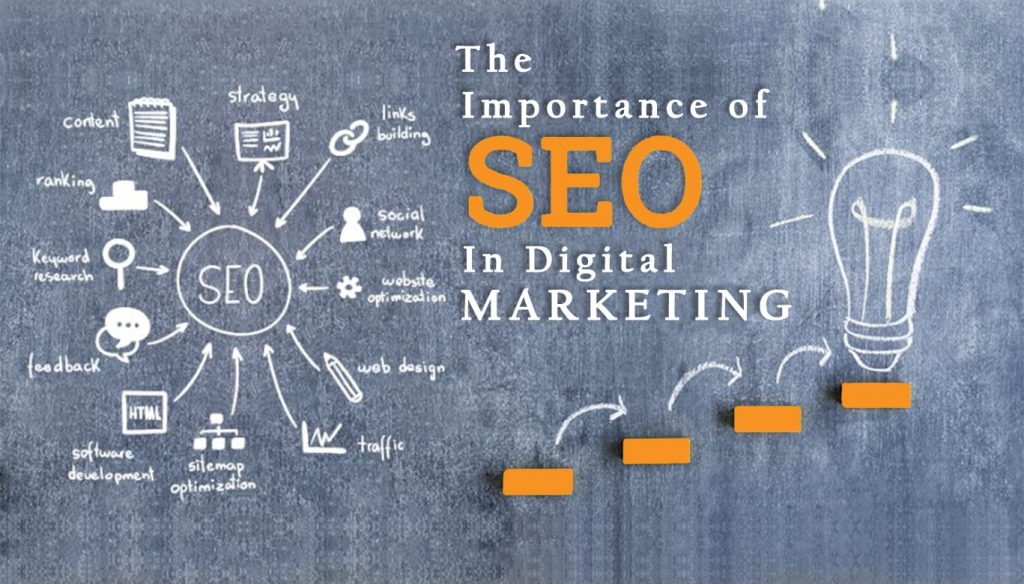
The Importance of SEO in Digital Marketing

The Importance of SEO in Digital Marketing

  1. Organic Traffic Generation: SEO remains the most effective way to generate consistent, targeted organic traffic to your website. By ranking well for relevant search terms, you can attract qualified leads and potential customers without relying on paid advertising.
  2. Brand Visibility and Credibility: A strong SEO presence can help establish your brand as a credible and authoritative source of information in your industry. By appearing at the top of search results for relevant queries, you can build trust with your target audience and differentiate yourself from competitors.
  3. Long-Term ROI: While SEO requires a significant investment of time and resources, it offers a higher long-term ROI compared to other digital marketing channels. Once you achieve top rankings for your target keywords, you can enjoy a steady stream of organic traffic without the ongoing costs associated with paid advertising.

What SEO Practices Are Dead?

What SEO Practices Are Dead?

  1. Keyword Stuffing: In the past, some websites would engage in keyword stuffing, the practice of excessively repeating target keywords throughout their content in an attempt to manipulate search rankings. Today, this tactic is not only ineffective but can also result in penalties from search engines.
  2. Link Buying: Buying backlinks from low-quality or irrelevant websites was once a popular SEO tactic. However, search engines have become much better at detecting and penalizing these unnatural linking practices.
  3. Content Spinning: Content spinning, the practice of creating multiple versions of the same content by replacing words or phrases with synonyms, is another outdated SEO tactic. Search engines value original, high-quality content that provides value to users.

What’s More Likely to Work in the World of SEO?

What’s More Likely to Work in the World of SEO?

  1. The Big Change is People-First SEO: The future of SEO lies in creating content that prioritizes the needs and preferences of users. By focusing on providing valuable, relevant information that satisfies search intent, you can improve your search rankings and build a loyal audience.
  2. The Importance of User Experience: Search engines are placing increasing emphasis on user experience as a ranking factor. By optimizing your website for fast loading times, mobile responsiveness, and easy navigation, you can improve your SEO performance and keep visitors engaged.
  3. Rise of Mobile Search: With the majority of searches now occurring on mobile devices, it’s important to ensure your website is optimized for mobile users. This includes implementing a responsive design, optimizing page speed, and creating mobile-friendly content.
  4. The Need For Speed: Website speed has become a critical factor in SEO, as search engines prioritize fast-loading websites that provide a seamless user experience. By optimizing your website’s performance, you can improve your search rankings and reduce bounce rates.
  5. The Role of Social Media: While social media signals may not directly impact search rankings, they can help amplify your content’s reach and drive more traffic to your website. By actively engaging with your audience on social platforms and promoting your content, you can boost your brand’s visibility and authority.
  6. The Popularity of Voice Search: As voice assistants like Siri and Alexa become more prevalent, optimizing your content for voice search is becoming increasingly important. This involves creating concise, conversational content that directly answers common user queries.

If SEO is Alive, is it Right For Your Business?

If SEO is Alive, is it Right For Your Business?

Whether SEO is right for your business depends on your specific goals, target audience, and industry. However, for most businesses with an online presence, investing in SEO can help drive targeted traffic, generate leads, and establish brand authority.

By creating valuable content that resonates with your audience and following best practices for technical optimization and link building, you can reap the long-term benefits of a strong SEO strategy.

The Future of SEO

The Future of SEO

Artificial Intelligence and Machine Learning

Artificial intelligence and machine learning will continue to shape the future of SEO. As search engines become more adept at understanding user intent and the context behind search queries, it will be essential to create content that satisfies these evolving needs.

Visual Search and Image Optimization

Visual search is gaining traction, with users increasingly using images to search for products and information. To capitalize on this trend, businesses should focus on optimizing their images with relevant alt tags, captions, and structured data.

Integration With Other Digital Marketing Channels

SEO should not be viewed in isolation but rather as part of a holistic digital marketing strategy. By integrating SEO with other channels, such as content marketing, social media, and email marketing, businesses can create a seamless, multi-channel experience that drives results.

FAQ’s:

Is SEO Still Relevant?

Yes, SEO remains an important component of any successful digital marketing strategy. While the tactics and best practices may have evolved, the core principles of providing valuable, relevant content to users and making it easily discoverable by search engines remain as important as ever.

Can I Rank My Website Without SEO?

While it’s possible for a website to rank without a deliberate SEO strategy, it’s unlikely to achieve significant visibility or traffic in the long run. SEO helps ensure that your website is optimized for both users and search engines, increasing your chances of ranking well for relevant search terms.

Will SEO Exist in 5 Years?

Yes, SEO will likely continue to exist and evolve in the coming years. As long as people use search engines to find information and make purchasing decisions, businesses will need to optimize their online presence to attract and engage their target audience.

Will AI Replace SEO?

While artificial intelligence is playing an increasingly significant role in SEO, it’s unlikely to replace the need for human expertise and strategic decision-making entirely. AI can help automate certain tasks and provide valuable insights, but the creativity, critical thinking, and adaptability of SEO professionals will remain essential.

Will SEO Keep Changing?

Yes, SEO will continue to evolve as search engines update their algorithms and new technologies emerge. To stay ahead of the curve, businesses must stay informed about the latest trends and best practices and adapt their strategies accordingly.

Does SEO Have a Future?

Yes, SEO has a bright future as long as people continue to use search engines to find information and make purchasing decisions.

While the specific tactics and best practices may change over time, the core principles of creating valuable, user-centric content and optimizing for search engines will remain relevant.

How Can You Continue to Make SEO Work And Be Effective?

To ensure your SEO efforts remain effective, focus on creating high-quality, original content that satisfies user intent and provides value to your target audience. Stay up-to-date with the latest industry trends and best practices, and continuously monitor and adapt your strategy based on performance data and user feedback. By taking a holistic, user-centric approach to SEO, you can drive long-term success for your business.

Conclusion

In conclusion, SEO is far from dead. While the tactics and best practices may have evolved over the years, the core principles of providing valuable, relevant content to users and making it easily discoverable by search engines remain as important as ever.

By staying informed about the latest trends, focusing on user intent, and adapting your strategy accordingly, you can harness the power of SEO to drive long-term success for your business in the ever-changing digital landscape.

Parasite SEO: What is it, Types, Costs, Strategies & Examples

When it comes to the competitive keywords of digital marketing, achieving good ranks in search engine results is important for driving organic traffic and growing the visibility of your own content and online presence.

While traditional SEO strategies focus on optimizing your website, an alternative approach called parasite SEO has gained traction. Parasite SEO involves leveraging high domain authority websites to boost your search engine visibility and search rankings.

What is Parasite SEO?

What is Parasite SEO?

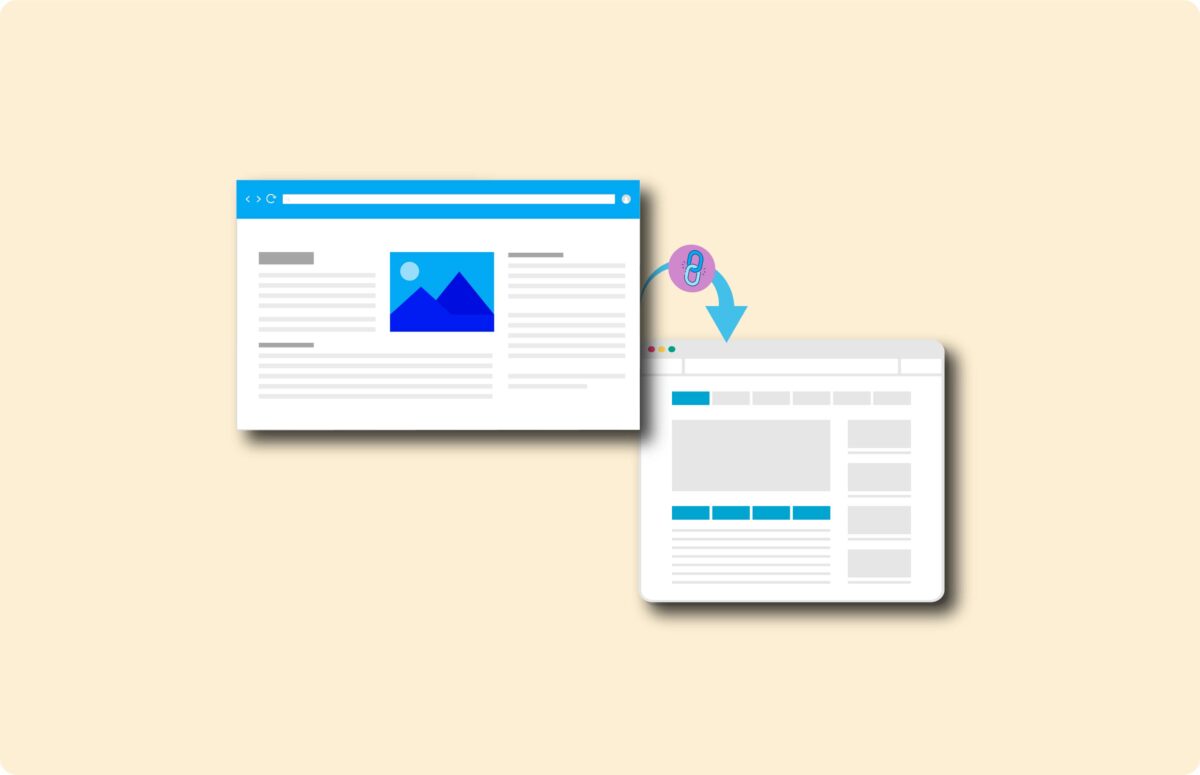
Parasite SEO, also known as barnacle SEO or piggyback SEO, is a search engine optimization tactic that involves creating parasite content on high-authority sites and linking back to your website. Publishing valuable content on platforms with strong domain authority can help you benefit from their search engine rankings and drive targeted traffic to your site.

How Does Parasite SEO Differ From Traditional SEO?

Traditional SEO focuses on optimizing your website through on-page SEO, link building, and technical improvements. In contrast, parasite SEO relies on leveraging the authority and visibility of external websites. Instead of solely focusing on your site, you create content on popular platforms and include links back to your web pages.

Is Parasite SEO an Unethical, Black-Hat SEO Tactic?

Parasite SEO is not inherently unethical or a black hat SEO practice. When done correctly, it involves creating high-quality, relevant content that provides value to users on authoritative platforms. However, it’s important to follow the guidelines and best practices of the host site and avoid spammy or manipulative tactics.

Does Parasite SEO Work?

Does Parasite SEO Work?

Yes, parasite SEO can be an effective strategy for improving search engine visibility and driving targeted traffic.

Using the authority of established websites can help your content rank well in search results. This can result in more brand exposure, referral traffic, and potential conversions.

Is Parasite SEO A Fit For You?

Parasite SEO can be particularly beneficial for new websites, businesses with limited budgets, or those looking for quick results. It allows you to tap into the existing authority of established platforms and gain visibility faster than building your own website’s authority from scratch.

Why Does Parasite SEO Work?

Why Does Parasite SEO Work?

Parasite SEO works because it takes advantage of several key factors that influence search engine rankings:

You Benefit From the Site’s ‘Authority’

High authority websites have already established trust and credibility with search engines. Publishing content on these platforms allows you to piggyback on their domain authority and improve your search engine visibility.

You Benefit From the Site’s ‘Topical Authority’

Authoritative websites often have strong topical relevance in their niche. Creating content that aligns with their focus can help you benefit from their topical authority and rank well for related keywords.

You (Might) Benefit From the Site’s ‘Brand Equity’

Some high authority websites have strong brand recognition and user engagement. Associating your content with these platforms can potentially benefit from their brand equity and attract a relevant audience.

Types of Parasite SEO

Types of Parasite SEO

There are various types of parasite SEO strategies, each leveraging different platforms and content formats:

  1. Blogs On Free Platforms: Publishing articles on popular blogging platforms like Medium or WordPress.com can help you reach a wider audience and gain backlinks.
  2. Online Forums and Communities: Participating in relevant forums and communities, such as Reddit or niche-specific forums, allows you to share your expertise and include links to your website.
  3. Social Networking: Using social media platforms like LinkedIn, Twitter, or Facebook to publish content and engage with your target audience can drive traffic and improve brand visibility.
  4. Question and Answer Platforms: Websites like Quora or Yahoo Answers provide opportunities to answer relevant questions and include links to your content.
  5. Review Sites and Testimonials: Encouraging satisfied customers to leave reviews on platforms like Yelp or Google My Business can boost your online presence and credibility.
  6. Wikis and Online Encyclopedias: Contributing to wikis or online encyclopedias, such as Wikipedia, can provide backlinks and establish your authority in your niche.
  7. Publication of Multimedia Content: Sharing videos on YouTube, presentations on SlideShare, or infographics on visual content platforms can attract a diverse audience and drive traffic to your website.

When Should I Use SEO Parasite?

When Should I Use SEO Parasite?

Parasite SEO can be particularly effective in certain situations:

  1. New Web Page or Website: If you’re launching a new website or web page, parasite SEO can help you gain initial visibility and authority faster than relying solely on traditional SEO tactics.
  2. Need For Quick Results: When you require immediate search engine visibility, parasite SEO can deliver results more quickly compared to the gradual process of building your own website’s authority.
  3. Limited Budget: For businesses with limited marketing budgets, parasite SEO offers a cost-effective way to improve search engine rankings without investing heavily in extensive SEO campaigns.
  4. Keyword Testing: Parasite SEO allows you to test the viability of specific keywords before fully committing to optimizing your website for those terms.
  5. Rapid Increase in Authority: Using high authority platforms can help boost your website’s perceived authority and credibility in the eyes of search engines.

How Do You Implement Parasite SEO?

How Do You Implement Parasite SEO?

Implementing a successful parasite SEO strategy involves several key steps:

  1. Find High Authority Publications Open To Parasite SEO: Identify high authority websites in your niche that allow user-generated content or accept guest contributions. Look for platforms with strong domain authority and relevant topical focus.
  2. Pay For Sponsored Content (Or Guest Post): Many authoritative websites offer sponsored content opportunities or accept guest posts. While you may need to pay for sponsored content, it can provide valuable exposure and backlinks.
  3. Apply Fundamentals of On-Page SEO: Optimize your content on the host platform by including target keywords, meta descriptions, and other on-page SEO elements. Ensure your content is well-structured and provides value to readers.
  4. Link Build Your Content: To maximize the impact of your parasite SEO efforts, build high-quality backlinks to your content on the host platform. This can further boost its search engine visibility and drive referral traffic.

White Hat Parasite SEO

White hat parasite SEO focuses on creating valuable, relevant content that adheres to the guidelines and best practices of the host platform. It involves contributing genuinely useful information, engaging with the community, and building authentic relationships.

Black Hat Parasite SEO

Black hat parasite SEO, on the other hand, employs manipulative tactics such as spamming, keyword stuffing, or using automated tools to generate low-quality content. These practices violate search engine guidelines and can lead to penalties or even the removal of your content from the host platform.

How Much Does Parasite SEO Cost?

How Much Does Parasite SEO Cost?

The cost of parasite SEO can vary depending on several factors:

  1. Content Resources: Creating high-quality content may require hiring writers, designers, or other professionals, which can impact the overall cost.
  2. Tools and Software: Utilizing SEO tools and software for keyword research, data analysis, and performance tracking can add to the expenses.
  3. Content Promotion: Promoting your content on the host platform or through additional channels may involve advertising or outreach costs.
  4. Advertising Expenses (Optional): If you choose to amplify your content’s visibility through paid advertising, it will increase the overall cost of your parasite SEO campaign.
  5. Time and Effort: The time and resources invested in researching, planning, and executing your parasite SEO strategy should also be considered when evaluating the cost.

The Risks in Parasite SEO

The Risks in Parasite SEO

While parasite SEO can offer benefits, it also comes with certain risks:

  1. Google Penalties: Engaging in black hat SEO tactics or violating the guidelines of the host platform can result in penalties from search engines. This can negatively impact your search engine rankings and online visibility.
  2. Maintaining Brand Reputation: Publishing low-quality or spammy content on authoritative platforms can damage your brand reputation. It’s important to focus on creating valuable, relevant content that aligns with your brand’s values and messaging.

Parasite SEO Strategy

Parasite SEO Strategy

An effective parasite SEO strategy involves several key components:

  1. Platform Identification: Research and identify high authority platforms that align with your niche and target audience. Consider factors such as domain authority, topical relevance, and user engagement.
  2. Keyword Research: Conduct thorough keyword research to identify relevant terms and phrases that your target audience is searching for. Use these keywords strategically in your content to optimize for search engines.
  3. Creation of Relevant Content: Develop high-quality, informative content that provides value to readers on the host platform. Ensure your content is well-written, engaging, and aligned with the platform’s guidelines.
  4. On-Page Optimization: Optimize your content for search engines by including target keywords, meta descriptions, header tags, and other on-page SEO elements. Follow SEO best practices to enhance the visibility of your content.
  5. Strategic Links: Include relevant, natural links back to your website within your content on the host platform. Avoid excessive or spammy linking, and focus on providing value to users.
  6. Active Participation: Engage with the community on the host platform by responding to comments, participating in discussions, and building relationships. This can help establish your authority and credibility within the platform.
  7. Follow-Up and Analysis: Monitor the performance of your parasite SEO efforts by tracking metrics such as search engine rankings, referral traffic, and user engagement. Analyze the data to identify areas for improvement and optimize your strategy accordingly.
  8. Policy Compliance: Ensure that your parasite SEO practices comply with the policies and guidelines of the host platform. Avoid engaging in manipulative or deceptive tactics that could result in penalties or the removal of your content.

Examples of Parasite SEO

Here are some examples of how parasite SEO can be implemented on different platforms:

  1. Medium: Publishing informative blog posts on Medium and including links back to your website can help drive referral traffic and improve your search engine visibility.
  2. Quora: Answering relevant questions on Quora and providing valuable insights can establish your expertise and attract targeted traffic to your website.
  3. Reddit: Participating in relevant subreddits, sharing useful content, and engaging with the community can drive qualified traffic and boost your online presence.
  4. Wikipedia: Contributing accurate and well-researched information to Wikipedia articles related to your niche can provide backlinks and enhance your credibility.
  5. LinkedIn: Publishing thought leadership articles on LinkedIn Pulse and engaging with your professional network can increase your brand visibility and drive targeted traffic.
  6. YouTube: Creating informative videos related to your niche and including links in the video description can attract a wider audience and improve your search engine rankings.
  7. Slideshare: Sharing valuable presentations or infographics on Slideshare can showcase your expertise and drive traffic to your website.
  8. Specialized Forums: Participating in niche-specific forums, providing helpful advice, and including relevant links can attract targeted traffic and establish your authority in your industry.

Is Parasite SEO Effective?

The effectiveness of parasite SEO depends on several factors, such as the quality of your content, the relevance of the host platform, and the competitiveness of your target keywords. When executed properly, parasite SEO can improve your search engine visibility, drive targeted traffic, and enhance your online presence.

What Are Some Common Platforms Used For Parasite SEO?

Some popular platforms for implementing parasite SEO include Medium, Quora, Reddit, Wikipedia, LinkedIn, YouTube, Slideshare, and specialized forums. These platforms offer opportunities to publish content, engage with communities, and include links back to your website.

Best Practices For Parasite SEO

Best Practices For Parasite SEO

To maximize the effectiveness of your parasite SEO efforts, follow these best practices:

  • Focus on creating high-quality, valuable content that provides genuine value to users on the host platform.
  • Comply with the guidelines and policies of the host platform to avoid penalties or removal of your content.
  • Use relevant, targeted keywords strategically in your content to optimize for search engines.
  • Include natural, relevant links back to your website within your content, avoiding excessive or spammy linking.
  • Engage with the community on the host platform by responding to comments, participating in discussions, and building relationships.
  • Monitor and analyze the performance of your parasite SEO efforts to identify areas for improvement and optimize your strategy.
  • Avoid black hat SEO tactics or manipulative practices that violate search engine guidelines and can lead to penalties

FAQ’s:

How Much Maintenance is Needed For Parasite SEO?

The maintenance required for parasite SEO depends on the specific platform and your overall strategy. It’s important to regularly monitor your content, engage with the community, and update your content as needed to maintain its relevance and effectiveness.

Can Parasite SEO Improve My Website’s Overall SEO?

Yes, parasite SEO can indirectly improve your website’s overall SEO by driving referral traffic, increasing brand exposure, and potentially attracting natural backlinks. However, it should be used in conjunction with other SEO strategies for optimal results.

How Long Does it Take to See Results From Parasite SEO?

The timeline for seeing results from parasite SEO varies depending on factors such as the authority of the host platform, the competitiveness of your target keywords, and the quality of your content analyzed in Google Search Console. In some cases, you may see improvements in search engine rankings and traffic within a few weeks, while in others, it may take several months.

Conclusion

So, you’ve by now understood mostly of this thing called Parasite SEO, right?

It’s like this super handy tool that businesses use to up their search engine game and bring in the right kind of traffic. Basically, you piggyback off the authority of top-notch websites and create killer content to boost your online presence and attract the right crowd.

But hey, when diving into the world of Parasite SEO, keep your focus on quality, relevance, and playing by the rules set by search engines. Stick to the good stuff and steer clear of any shady tactics to get the most out of your efforts and see long-lasting results.

Here at VH Info, we’re all about helping you out with SaaS link building strategies. Our team of pros can guide you through the ins and outs of Parasite SEO and come up with a custom plan that fits your business goals to a T.

Shoot us a message today to chat about how we can help you rock your SEO game.

‘People Also Search For’ – Use it to Understand Users & Rank Faster

As a SaaS company, driving organic traffic to your website is important for sustainable growth. One of the most effective ways to improve your SEO is by leveraging Google’s “People Also Search For” (PASF) feature.

At VH Info, we specialize in providing actionable insights for SaaS link building, and we’re here to guide you through the process of using PASF to boost your search engine rankings.

What is Google’s ‘People Also Search For’ Feature?

What is Google’s ‘People Also Search For’ Feature?

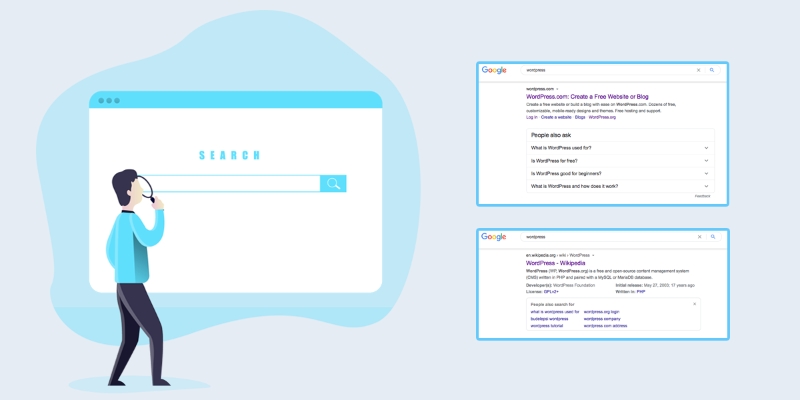
“People Also Search For” is a Google search feature that provides users with additional search suggestions related to their original query, thereby enhancing their overall search experience in Google’s search results.

It appears on the search engine results page (SERP) after users click on a website and then quickly navigate back to the original results. PASF aims to make it quicker and easier for users to refine their searches by offering relevant keywords and topics.

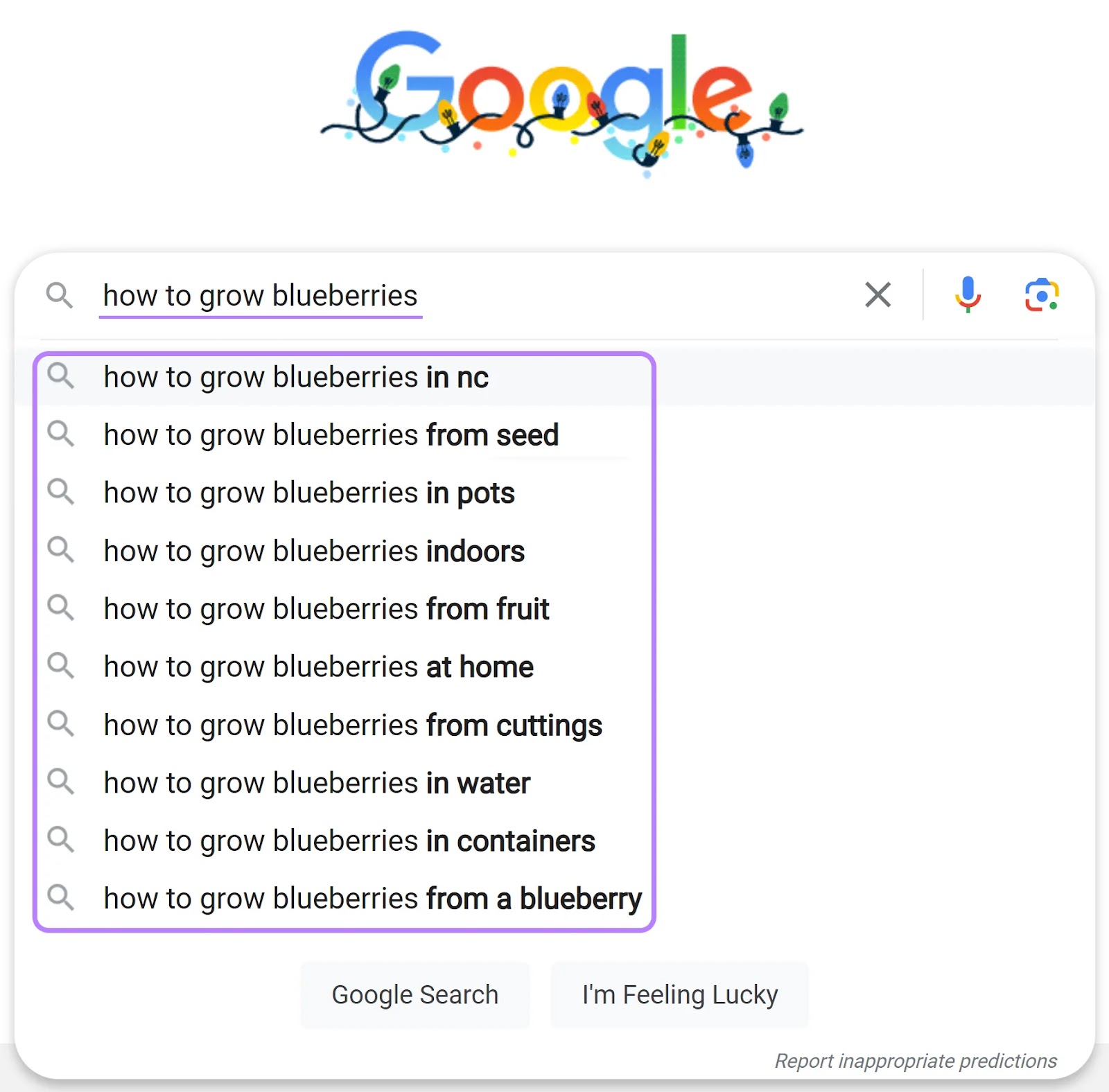
An awesome free tool for finding PASF queries is Google itself. Just search keywords or questions related to your chosen topic and check out the other search suggestions on the search page Google gives you.

To see PASF suggestions, just click on a result, then hit the back button to go back to the SERPs.

How Does “People Also Search For” Work in Google Search?

How Does People Also Search For Work in Google Search?

PASF generates queries based on several factors, including:

  1. The Location of the Searcher: The algorithm determines which searches are linked to the primary query by taking the searcher’s location into account.
  2. The Main Inquiry: The algorithm evaluates the primary query to find which queries are relevant to it.
  3. Previous Queries Entered a User: To decide which searches are connected to the primary query, the algorithm evaluates the search history of the user.
  4. The Device Used By the Searcher: The algorithm determines which searches are linked to the primary query based on the searcher’s device.
  5. Content on the SERP: To decide which queries are relevant to the primary query, the algorithm scans the SERP’s content.
  6. Data on A User’s Previous Search Activity: To decide which queries are relevant to the primary query, the system evaluates the searcher’s prior web browsing activity.

Why “People Also Search For (PASF)” is Important For SEO?

PASF provides valuable insights into user behavior and search intent. By understanding the related terms and queries users search for, including the original search, you can create targeted content marketing that addresses their needs and ranks higher in search engine results. Including PASF keywords in your SEO strategy helps you align your content more closely with user intent, ultimately improving your keyword rankings.

How to Use PASF Keywords For SEO?

  1. Keyword Research: Conducting thorough keyword research using PASF is essential for creating an effective SEO strategy. Identify relevant search terms while researching PASF keywords, and use them to develop detailed answers to common user queries.
  2. Content Ideas: PASF keywords provide a wealth of content ideas for your website. Use them to create blog posts, product descriptions, and other valuable content that addresses user needs and improves your search engine rankings.
  3. Frequently Ask Questions: Include PASF keywords in your website’s FAQ section to directly address customer queries and enhance your content for SEO purposes.
  4. On-Page SEO: Optimize your existing content using PASF keywords to drive more traffic and improve the overall user experience. Include these keywords in your headings, subheadings, and throughout your content to boost your on-page SEO.
  5. Long-Form Content: PASF keywords significantly form the structure for long-form content, such as blog posts. Use these keywords in your subheadings to create detailed, optimized content that covers users’ queries from all angles.

Using PASF Keywords For Better Content Planning

  1. Find Blog Topic Ideas: Analyze PASF data to uncover new blog topic ideas that address user needs and interests. Create content around these topics to attract more organic traffic to your website.
  2. Check Out What the Competition is Writing About: Use PASF to explore your competitors’ content strategies. Identify the keywords they’re targeting and create better-optimized content to outrank them in search engine results.
  3. Use PASF As A Starting Point For FAQs: PASF keywords make an ideal choice for forming FAQs on your website. Identify popular search questions and develop detailed answers to address customer needs directly.
  4. Use PASF to Improve On-Page SEO: Optimize your existing content using PASF keywords to drive more traffic and enhance the user experience. Include these keywords naturally throughout your content to improve your on-page SEO.

How to Rank For PASF Keywords?

  1. Identify Targeted PASF Topics: Analyze PASF data to identify targeted topics that align with your business objectives and user needs. Focus on creating content around these topics to improve your search engine rankings.
  2. Search Intent: Understand the search intent behind PASF keywords to create content that directly addresses user needs. Tailor your content to match the different types of search intent, such as informational, navigational, or transactional.
  3. Create an Outstanding Outline: Use PASF keywords to create a comprehensive content outline that covers all aspects of a topic. Ensure your outline is well-structured and includes relevant subheadings to improve readability and SEO.
  4. Interlinks and Backlinks: Strengthen your content’s SEO performance by creating a strategic plan for interlinking pages containing solutions for PASF queries. Additionally, develop high-value content to earn quality backlinks from authoritative websites.

People Also Search For Mobile SERPs

Over 80% of mobile SERPs and nearly 60% of desktop SERPs return a “People also search for” display. This highlights the importance of optimizing your content for mobile devices to capture this significant portion of organic traffic.

How to Research PASF Keywords?

To research PASF Keywords, follow these steps:

  • Step 1: Identify a Core Topic- Choose a core topic related to your business or industry that you want to rank for in search engine results.
  • Step 2: Run a Google Search With Your Seed Keyword- Enter your seed keyword into the Google search bar and analyze the PASF results that appear.
  • Step 3: Check Related Searches- Scroll to the bottom of the search results page to find the “Related Searches” section. These queries offer additional keyword ideas related to your core topic.
  • Step 4: Review the People Also Ask widget- Look for the “People Also Ask” (PAA) widget on the search results page. This section provides question-based keywords related to your core topic.
  • Step 5: Search Using PASF and PAA Keywords- Conduct new searches using the PASF and PAA keywords you discovered to uncover even more related keywords and topics.
  • Step 6: Use a Keyword Research Tool to Find Question-Based Keywords- Enter your PASF keywords into a popular keyword research tool like Ahrefs, SEMrush, or Answer the Public to discover a list of related questions people are asking about your topic. These tools provide valuable insights into the questions your target audience is searching for online.
  • Step 7: Analyse PASF Keywords You Already Found- Analyze the PASF keywords you’ve collected to identify the most relevant and valuable ones for your content strategy. Consider factors such as search volume, competition, and relevance to your business.

How Can You See the People Also Search For (PASF) Box On Google?

  1. Organic Search Results: PASF typically appears in organic search results after a user clicks on a search result and then quickly returns to the search engine results page.
  2. Paid Search – Google Ads: PASF can also appear in paid search results, such as Google Ads. Advertisers can use PASF data to create more targeted and relevant ad copy that aligns with user search intent.

People Also Search For (PASF) Vs People Also Ask (PAA): How Are They Different?

People Also Search For (PASF) Vs People Also Ask (PAA)

PASF and PAA are both Google search features, but they serve different purposes:

  • PASF provides related keywords and topics to help users refine their searches.
  • PAA offers a set of questions and answers related to the user’s search query.

What About “Related Searches”?

Related Searches” appear at the bottom of the search engine results page and can include images and featured snippets. They offer alternative phrases and keywords to help users refine their queries.

Tools to Find People Also Search For keywords

Keyword Magic Tool

SEMrush's Keyword Magic Tool

A popular tool for SEO experts, SEMrush’s Keyword Magic Tool does what its name suggests. It provides a lot of valuable keyword insights, including hard-to-find PASF keywords and a variety of keyword suggestions.

This is the best way to enter your main keyword into this research tool, and it will show you many related keywords. These are organized by how important they are, their search volume, and other useful SERP features.

To find question-based keywords that connect to your PASF research, go to the “Questions” tab in the tool. This helps you see what questions people are asking. This way, you can shape your content to meet their needs better.

The Keyword Magic Tool makes your keyword research easier. It lets you understand keyword difficulty, keep track of your rankings, and find new content chances—all on an easy-to-use platform.

Ahrefs

Ahrefs

Ahrefs is a popular SEO tool that offers keyword research capabilities, including the ability to find PASF keywords. Use the “Also rank for” report to discover related keywords your competitors are ranking for.

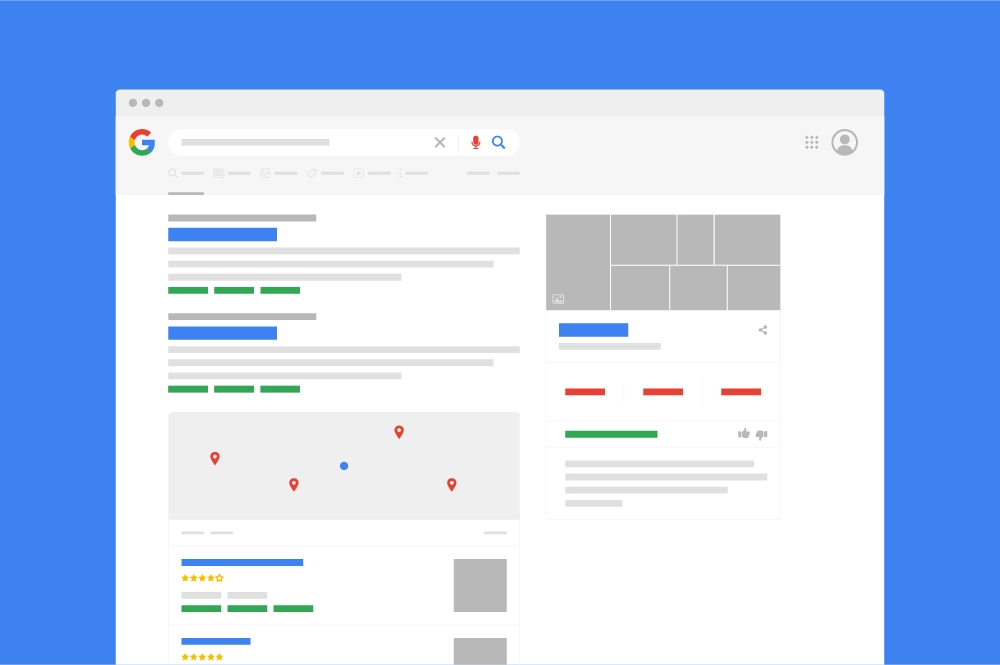
Google SERPs

Google SERPs

Manually searching for your target keyword on Google and analyzing the PASF results is a simple way to find related keywords. However, this method can be time-consuming if you’re researching multiple keywords.

Keywords Everywhere

Keywords Everywhere

Keywords Everywhere is a free Chrome extension that shows PASF keywords for every query on Google’s search results page. This tool makes it easy to quickly identify relevant keywords and include them into your content strategy.

What Can You Do To Manage Duplicate PASF Topics?

  1. One Landing Page For Related Queries: Create a main landing page containing all the relevant links to topics you want to cover under the PASF box. This helps Google understand that you’re not creating duplicate content and allows users to find all related information in one place.
  2. Make Use of Canonical Tags: Implement canonical tags to indicate to search engines which version of a page should be considered the primary one. This helps prevent duplicate content issues when you have multiple pages with similar content.

  3. Redirect Users: If you have multiple pages with similar content, consider redirecting users to the most relevant or comprehensive page. This helps consolidate your content and improve your search engine rankings.

FAQ’s:

What is Google PAA or PASF?

Google PAA (People Also Ask) and PASF (People Also Search For) are search features that provide users with related questions and keywords to help them refine their searches and find the information they need.

How Do You Get On People Also Search For?

To appear in PASF results, create high-quality, relevant content that addresses user needs and includes related keywords. Optimize your content for search engines and build quality backlinks to improve your search engine rankings.

Can PASF Keywords Improve My Site’s Traffic?

Yes, including PASF keywords into your content strategy can help improve your site’s organic traffic. By targeting these related keywords, you can attract more relevant visitors to your website and improve your search engine rankings.

Can I See the Monthly Search Volume For PASF Keywords?

Yes, you can check the monthly search volume for “People Also Search For” keywords using various keyword research tools available online. These tools provide data on how often people search for specific PASF keywords, helping you identify the most popular and relevant ones to target in your content strategy.

How Does PASF Influence SEO?

PASF provides valuable insights into user search behavior and intent. By understanding and including PASF keywords into your content, you can create more targeted and relevant content that aligns with user needs, ultimately improving your search engine rankings and organic traffic.

Conclusion

Google’s “People Also Search For” feature is a powerful tool for SaaS companies looking to improve their SEO and drive more organic traffic to their websites.

By understanding how PASF works and including related keywords into your content strategy, you can create more targeted, relevant content that addresses user needs and ranks higher in search engine results.

At VH Info, we specialize in providing actionable insights and strategies for SaaS link building. Our team of experts can help you navigate the complexities of SEO and develop a comprehensive content strategy that leverages PASF keywords to drive sustainable growth for your business. Contact us today to learn more about how we can help you achieve your SEO goals.

Guest Blogging: What is it, It’s Benefits & Risks & Best Tools

Guest blogging is a powerful content marketing strategy that can help SaaS companies boost their online presence, build brand awareness, and drive targeted traffic to their websites.

Contributing high-quality content to reputable websites in your industry can help you establish your expertise, gain valuable backlinks, and expand your reach to new audiences.

In this ultimate guide, we’ll dive deep into the world of guest blogging, exploring its benefits, best practices, and proven strategies to help you become a successful guest blogger.

Whether you’re new to guest posting or looking to refine your approach, this article will provide you with the insights and tools you need to take your SaaS link building efforts to the next step.

What is Guest Blogging?

What is Guest Blogging?

Guest blogging, also known as guest posting, is the practice of writing and publishing content on someone else’s website or blog.

As a guest author, you contribute an article to another site, typically within your industry or niche, in exchange for a byline and a backlink to your own website.

The primary goal of guest blogging is to establish your authority, gain exposure to a new audience, and drive qualified traffic back to your site.

How to Become a Successful Guest Blogger?

How to Become a Successful Guest Blogger?

Becoming a successful guest blogger requires a strategic approach and a commitment to creating high-quality content.

Here are the key steps to follow:

  1. Set Specific, Achievable Goals: Before starting your own blog or finding guest posting sites, define your objectives. Do you want to increase brand awareness, drive traffic, build backlinks, or establish thought leadership? Having clear goals will help you choose the right opportunities and measure your success.
  2. Choose Topics That Will Benefit Your Own Business Goals: When pitching guest post ideas, focus on topics that align with your business objectives and provide value to the host site’s audience. Conduct keyword research to identify popular and relevant topics in your industry.
  3. Find Reputable Guest Blogging Sites: Identify high-quality websites and blogs in your niche that accept guest posts. Look for sites with a strong domain authority, engaged audience, and a history of publishing valuable information.
  4. Conduct Guest Blogging Outreach: Once you’ve identified potential guest posting opportunities, reach out to the site owners or editors with a personalized pitch. Demonstrate your expertise, propose a compelling topic, and explain how your article will benefit their readers.
  5. Write the Post: When creating your guest blog post, follow the host site’s guidelines and create high-quality, original content. Use a clear structure, engaging storytelling, and relevant examples to make your article informative and easy to read.
  6. Track Your Posts’ Results Over Time: After your guest post is published, monitor its performance. Track metrics like traffic, engagement, backlinks, and conversions to measure the impact of your guest blogging efforts and refine your strategy accordingly.
  7. Last thing: So, when it comes to talking about your business and related stuff, as a guest writer, it’s best to save that for the author bio. It’s totally fine to throw in a few mentions, stories, or examples here and there to make a point, but let’s keep the main focus of the post on something other than your business.

How to Find Guest Blogging Opportunities?

How to Find Guest Blogging Opportunities?

Finding the right guest blogging opportunities is important to the success of your strategy.

Here are some effective methods to discover sites that accept guest posts:

  1. Google Searches: Use targeted Google searches to find guest posting opportunities. Try search engine queries like “your keyword+ write for us“, “your niche+guest post guidelines“, or “your industry” + “become a contributor“.
  2. Prolific Guest Bloggers: Identify influential guest bloggers in your industry and analyze where they have contributed content. These sites are likely to be open to guest posts and can provide valuable exposure.
  3. Competitor Backlinks: Research your competitors’ backlink profiles to find websites where they have successfully published guest posts. These sites may also be relevant to your niche and audience.
  4. Social Searches: Use social media platforms like Twitter and LinkedIn to search for guest blogging opportunities. Many websites and editors promote their guest post guidelines on social media.
  5. Seek Guest Blogging Opportunities: Proactively reach out to websites and blogs in your industry, even if they don’t explicitly state that they accept guest posts. Many site owners are open to high-quality content contributions.
  6. MyBlogGuest: Explore platforms like MyBlogGuest, which connect guest bloggers with website owners looking for content. These communities can help you find relevant opportunities and build relationships with other bloggers.

Preparing to Pitch a Guest Blogging Post

Preparing to Pitch a Guest Blogging Post

Before pitching a guest post idea, it’s essential to do your homework and understand the target site’s audience, content, and style. Here’s how to prepare:

  1. Get to Know the Blog’s Content: Read through the blog’s existing content to grasp their tone, topics, and formatting. This will help you create a pitch that aligns with their editorial guidelines and resonates with their readers.
  2. See How Other Guest Posts Do: Analyze the performance of previous guest posts on the site. Take note of the topics, structures, and styles that generate the most engagement and shares.
  3. See Who the Guest Bloggers Are: Research the guest bloggers who have contributed to the site in the past. Understanding their backgrounds and expertise can give you insights into the type of content the site values.
  4. Find Out What Posts Do the Best: Identify the site’s most popular and successful posts. Look for common themes, formats, and topics that resonate with their audience and consider how you can contribute similar value.
  5. Become a Familiar Face in the Blog Community: Engage with the blog’s content by leaving thoughtful comments, sharing their posts on social media, and participating in their community. Building a relationship with the site owner and audience can increase your chances of a successful pitch.

What Are the Benefits of Guest Blogging?

What Are the Benefits of Guest Blogging?

Guest blogging offers numerous benefits for both the guest author and the host website. Let’s explore the advantages for each party:

The Benefits of Guest Blogging For the Writer

  • Expand your reach to a new audience that is a good fit for your products.
  • Build your personal brand and establish thought leadership
  • Gain valuable backlinks to your website, improving SEO
  • You can use this traffic to drive email marketing campaigns.
  • Drive targeted referral traffic to your site
  • Grow your email list and social media following
  • Build relationships with other bloggers and influencers in your industry

The Benefits of Guest Blogging For the Host

  • Receive high-quality, original content for their site
  • Offer fresh perspectives and diverse voices to their audience
  • Save time and resources on content strategy creation
  • Attract new readers through the guest blogger’s promotion efforts
  • Enhance their site’s SEO with additional keywords and content

The Risks of Guest Blogging

The Risks of Guest Blogging

While guest blogging can be a powerful strategy, it’s important to be aware of potential risks and pitfalls:

  • Publishing low-quality or spammy content can damage your reputation and SEO
  • Overusing exact-match anchor text in your guest post backlinks can trigger Google penalties
  • Contributing to sites with poor domain authority or irrelevant content can dilute your link equity
  • Failing to disclose sponsored or paid guest posts can violate FTC guidelines and erode trust with your audience

The Best Times to Pitch a Guest Blogging Post

The Best Times to Pitch a Guest Blogging Post

Timing your guest post pitch can impact its success.

Here are some optimal times to reach out:

  • After you’ve built a relationship with the site owner or editor through engagement and interaction
  • When you have a unique and timely topic that aligns with the site’s editorial calendar or current events
  • During slower periods for the site, such as mid-week or during holiday breaks, when they may be more receptive to new but good content ideas

Tips and Tricks to Make Guest Blogging Work For You

Tips and Tricks to Make Guest Blogging Work For You

To maximize the impact of your guest blogging efforts, keep these tips in mind:

  1. It Can Be a Numbers Game: Don’t get discouraged if your first few pitches are rejected. Guest blogging often requires persistence and volume to see results.
  2. Write For Blogs You Haven’t Received Backlinks From: Prioritize contributing to sites where you haven’t previously earned backlinks. This helps diversify your link profile and expand your reach.
  3. UGC Sites Are Less Valuable: While user-generated content (UGC) sites like Medium and LinkedIn can be tempting for their ease of publishing, they often carry less SEO value than selective, editorial-based sites.
  4. Go For Sites That Provide Dofollow Links: Aim for guest posting opportunities that offer dofollow backlinks, which pass link equity and have a greater impact on your search rankings.
  5. Mix Up Your Anchor Text: Vary the anchor text you use in your guest post backlinks to avoid over-optimization. Use a mix of branded, keyword-rich, and generic phrases to create a natural link profile.

Is Guest Blogging Still Relevant Today?

Is Guest Blogging Still Relevant Today?

Yes, guest blogging remains a relevant and effective strategy for SaaS companies looking to build their online presence and acquire high-quality backlinks. However, it’s important to approach guest posting with a focus on quality over quantity.

Do Not Fall Victim to These “Malicious Sites”

Be cautious of sites that demand payment for guest posts without any editorial oversight or quality control. These “malicious sites” can harm your reputation and SEO efforts.

When to Pay For Guest Blogging (And When to Run)

Paying for guest posting opportunities can be acceptable if the host site maintains high editorial standards and offers genuine value to your target audience. However, if a site’s sole purpose is selling links, it’s best to avoid them.

Is a Guest Post Site Worth Your Time? Here’s What to Consider.

Is a Guest Post Site Worth Your Time?

When evaluating a potential guest posting opportunity, ask yourself the following questions:

Will Their Audience Care About Your Content?

Ensure that the host site’s audience aligns with your target market and will find your own content relevant and valuable.

Does The Site Produce Quality Content?

Assess the overall quality and depth of the host site’s existing piece of content to determine whether your guest post will be in good company.

Are the Site’s Backlinks Worthwhile?

Use tools like Ahrefs or Moz to analyze the host site’s backlink profile and domain authority. Focus on sites with a strong and relevant link profile.

Do People Engage With the Site Content?

Look for signs of active engagement, such as comments, social shares, and a loyal reader community, to gauge the potential impact of your guest post.

How Consistent Has The Site’s Posting Schedule Been?

Choose sites that maintain a consistent posting frequency to ensure your guest post receives adequate exposure and engagement.

Top Tools For Guest Blogging

Top Tools For Guest Blogging

To streamline your guest blogging efforts and maximize your results, consider leveraging these essential tools:

  1. BuzzSumo: Identify popular topics and influencers in your niche
  2. Ahrefs: Analyze backlink profiles and domain authority of potential host sites
  3. SEMrush: Conduct keyword research and track your guest posts’ SEO performance
  4. Hunter.io: Find email addresses of site owners and editors for outreach
  5. Grammarly: Ensure your guest posts are error-free and polished

FAQ’s:

Is Guest Blogging Risky?

Guest blogging is not inherently risky, but engaging in spammy or low-quality guest posting practices can harm your site’s reputation and SEO.

Why Use Guest Posting For Backlinks?

Guest posting allows you to acquire high-quality, relevant backlinks that boost your site’s domain authority and ranks in search results.

Are Guest Posts Bad For SEO?

Guest posts are not bad for SEO when done properly, focusing on providing value to readers and following Google’s guidelines.

Why You Should Be a Guest Blogger?

Being a guest blogger helps establish your expertise, expand your reach, and drive targeted traffic to your site.

Can Guest Blogging Improve My Website’s SEO?

Yes, guest blogging can improve your website’s SEO by building high-quality backlinks, increasing referral traffic, and boosting your domain authority.

Are All The Guest Posting Websites Free or Paid?

Some websites offer free guest posting opportunities, while others may charge a fee. Focus on the quality and relevance of the site rather than the cost.

Is Guest Posting Part of the SEO Strategy?

Yes, guest posting is a great way and an important component of a comprehensive SEO strategy, helping you build backlinks, increase brand awareness, and drive organic traffic.

Conclusion

Guest blogging is still a super useful tool for business owners and individuals who want to boost their online presence, score some top-notch backlinks, and show off their industry expertise. Just stick to the tips in this guide and keep creating great content, and you’ll see your guest posting game soar in 2024 and beyond.

Here at VH-info, we’re all about helping SaaS companies figure out the link building and content marketing game. Our team of pros is all about crafting data-driven guest posting strategies that get real results and help our clients climb above the competition.

Want to learn more about how VH-info can help you crush your guest blogging strategy and goals? Swing by our website or shoot a message to our awesome support team today.

On-Page SEO Tools: Your Website’s Best Friend

On-page SEO is super important for a killer SEO strategy.

You have to optimize different parts of your website, like content, HTML tags, and internal links, to boost its visibility and ranking in search engine results pages (SERPs).

To make things easier and get the best results, you gotta use the right on-page SEO content tools.

What Are On-Page SEO Tools?

What Are On-Page SEO Tools?

On-page SEO tools are software applications designed to help website owners and marketers optimize their site’s performance in search engines. These tools provide valuable insights into your website’s strengths and weaknesses, allowing you to make data-driven decisions to improve your search engine rankings.

Top On-Page SEO Tools

Top On-Page SEO Tools

There are many paid and free on-page SEO tools. Each tool has different features and strengths. To choose the right tools, think about your budget, skills, and SEO goals.

Some well-known options are:

Google Search Console

Google Search Console

Google Search Console is a free tool provided by Google that helps you monitor, maintain, and troubleshoot your site’s presence in Google search results. It offers valuable insights into your website’s performance, including search traffic, indexing issues, and crawl errors.

Using Search Console, you can identify and fix technical SEO issues, submit sitemaps, and see which queries drive traffic to your site. It’s an essential tool for any website owner looking to improve their search engine rankings and visibility.

Google Lighthouse Audit

Google Lighthouse

Google Lighthouse is an open-source, automated tool for improving the quality of web pages. It conducts audits for performance, accessibility, progressive web apps, SEO, and more all of which are very important ranking factors. The Lighthouse is free provides a detailed report on how well your page performs in each category, along with actionable tips to optimize your site’s performance and user experience. Running regular Lighthouse audits ensures that your website meets best practices and provides a seamless experience for your visitors.

Ahrefs

Ahrefs

Ahrefs is an all-in-one SEO toolset that offers a wide range of features, including keyword research, site audit, rank tracking, and content analysis. Its site audit tool helps you identify and fix technical SEO issues, such as broken links and duplicate content.

Ahrefs also provides a comprehensive backlink analysis, allowing you to monitor your site’s backlink profile and discover new link-building opportunities. With its user-friendly interface and extensive data, Ahrefs is a popular choice among SEO professionals.

SEMrush

SEMrush

SEMrush is another comprehensive SEO tool that provides keyword research, site audit, and position tracking capabilities. Its on-page SEO checker analyzes your page content, meta tags, and internal linking structure to provide actionable tips for improvement.

SEMrush also offers competitive analysis features, allowing you to benchmark your site against your competitors and identify gaps in your SEO strategy. With its robust feature set and intuitive interface, SEMrush is a valuable tool for businesses of all sizes.

Clearscope

Clearscope

Clearscope is an AI-powered content optimization tool that helps you create SEO-friendly content. It analyzes the top-ranking pages for your target keyword and provides recommendations on word count, readability, and keyword usage.

Using Clearscope ensures that your content is optimized for both search engines and users, increasing your chances of ranking higher in search results.

Clearscope’s user-friendly interface and data-driven insights make it a popular choice among content marketers and SEO professionals.

GrowthBar

GrowthBar

GrowthBar is a Chrome extension that offers a suite of SEO tools, including keyword research, competitor analysis, and content optimization. Its content editor helps you optimize your page content for target keywords and readability.

GrowthBar also provides actionable insights on how to improve your on-page SEO, such as optimizing title tags and meta descriptions. With its convenient browser extension format and comprehensive feature set, GrowthBar is a great choice for bloggers and small business owners.

Screaming Frog

Screaming Frog

Screaming Frog is a desktop application that crawls your website and analyzes various on-page SEO elements, such as page titles, meta descriptions, and header tags.

It helps you identify potential issues and opportunities for optimization. Screaming Frog also offers features like broken link detection and duplicate content analysis, making it a comprehensive tool for technical SEO audits.

With its powerful crawling capabilities and detailed reports, Screaming Frog is a must-have tool for any serious SEO professional.

Yoast SEO

Yoast SEO

Yoast SEO is a popular WordPress plugin that helps you optimize your website’s content for search engines. It offers features like keyword optimization, meta tag generation, and XML sitemap creation.

Yoast SEO also provides a readability analysis, ensuring that your content is easy to read and understand for your target audience.

With its user-friendly interface and comprehensive feature set, Yoast SEO is an essential tool for any WordPress website owner looking to improve their search engine rankings.

Surfer SEO

Surfer SEO

Surfer SEO is a content optimization tool that analyzes the top-ranking pages for your target keyword and provides recommendations on content structure, word count, and keyword density.

Using Surfer SEO tool can help you create content that is optimized for both search engines and users, increasing your chances of ranking higher in search results. Surfer SEO also offers a SERP analyzer feature, allowing you to compare your page against your competitors and identify areas for improvement.

SEO Powersuite

SEO Powersuite

SEO Powersuite is a comprehensive SEO software that includes four main tools: Rank Tracker, WebSite Auditor, SEO SpyGlass, and LinkAssistant. Its WebSite Auditor tool helps you conduct in-depth technical SEO audits and optimize your on-page elements.

SEO Powersuite also offers features like keyword research, backlink analysis, and rank tracking, making it a complete SEO solution for businesses of all sizes.

With its user-friendly interface and powerful features, SEO Powersuite is a great choice for SEO professionals and agencies.

MarketMuse

MarketMuse

MarketMuse is an AI-driven content optimization platform that helps you create comprehensive, high-quality content. It analyzes your existing content and provides recommendations on topics to cover questions to answer, and keywords to target.

MarketMuse also offers a content scoring feature, allowing you to assess the quality and relevance of your content against your competitors.

With its advanced AI technology and data-driven insights, MarketMuse is a valuable tool for content marketers and SEO professionals looking to create top-notch content.

Moz

Moz

Moz offers a suite of SEO tools, including keyword research, site audit, and rank tracking. Its On-Page Grader tool analyzes your page content and provides actionable tips for optimization.

Moz also offers a comprehensive link analysis tool, allowing you to monitor your site’s backlink profile and discover new link-building opportunities. With its user-friendly interface and extensive data, Moz is a popular choice among SEO professionals and digital marketers.

SE Ranking

SE Ranking

SE Ranking is an all-in-one SEO platform that offers features like keyword research, competitor analysis, and website audit. Its on-page SEO checker analyzes your page content, meta tags, and internal linking structure to identify areas for improvement.

SE Ranking also offers a comprehensive rank-tracking feature, allowing you to monitor your site’s search engine rankings across multiple locations and devices.

With its affordable pricing and comprehensive feature set, SE Ranking is a great choice for small businesses and startups.

Majestic

Majestic

Majestic is a link intelligence tool that helps you analyze your website’s backlink profile. While primarily used for off-page SEO, it also offers insights into your site’s topical trust flow, which can help inform your on-page content strategy.

Majestic’s comprehensive link data and visual representations make it a valuable tool for link-building and competitive analysis.

AnswerThePublic

AnswerThePublic

AnswerThePublic is a keyword research tool that generates content ideas based on the questions people are asking about your topic.

Creating content that addresses these questions can improve your on-page SEO and provide value to your target audience.

AnswerThePublic’s unique visualization of search queries makes it a great tool for brainstorming content ideas and identifying long-tail keywords to target.

Types of On-Page SEO Tools

Types of On-Page SEO Tools

On-page SEO tools include different types of applications. Each one is made to help optimize your website for search engines. You can group these tools by their main functions. These functions include keyword research, content optimization, and technical SEO analysis.

In every category, there are many choices available. You can find free SEO tools that have basic options. There are also paid platforms that provide advanced features and detailed data analysis.

On-Page Keyword Research Tools

On-page keyword research tools help you identify the most relevant and profitable keywords to target in your content.

Examples include Google Keyword Planner, Ahrefs, and SEMrush.

On-page Content Optimization Tools

On-page content optimization tools analyze your existing content and provide recommendations for improvement based on factors like keyword density, readability, and content structure.

Examples include Clearscope, Surfer SEO, and MarketMuse.

Technical SEO Tools

Technical SEO tools help you identify and fix technical issues that may be hindering your website’s performance in search engines.

Examples include Google Search Console, Screaming Frog, and SEO Powersuite.

Benefits of Using On-Page SEO Tools

Benefits of Using On-Page SEO Tools

Using on-page SEO tools can provide numerous benefits for your website, including:

  1. Improved Search Engine Rankings: Optimizing your on-page elements can improve your website’s visibility and ranking in search results.
  2. Increased Organic Traffic: Higher search engine rankings lead to more organic traffic to your website.
  3. Better User Experience: On-page SEO tools help you create content that is more relevant, engaging, and user-friendly, leading to a better overall user experience.
  4. Time and Cost Savings: Automating many of the tasks involved in on-page SEO, these tools can save you significant time and money.
  5. Competitive Advantage: Using on-page SEO tools to optimize your website can help you gain a competitive edge over other websites in your industry.

How to Use On-Page SEO Tools?

How to Use On-Page SEO Tools?

Using on-page SEO tools correctly means you need a smart plan. Start by knowing what your website does well and where it can get better. Look for spots to improve and use the data from these tools to clear up how to do it.

Keyword Research

Use on-page keyword research tools to identify the most relevant and profitable keywords to target in your content. Analyze search volume, keyword difficulty, and competitor rankings to inform your content strategy.

Content Optimization

Use on-page content optimization tools to analyze your existing content and identify areas for improvement. Optimize your content for target keywords, readability, and content structure to improve its performance in search engines.

Technical SEO Audits

Use technical SEO tools to conduct regular audits of your website and identify technical issues that may be hindering its performance. Fix issues like broken links, duplicate content, and crawl errors to improve your site’s visibility and ranking.

Competitor Analysis

Use on-page SEO tools to analyze your competitors’ websites and identify their strengths and weaknesses. Use this information to inform your on-page optimization strategy and gain a competitive advantage.

FAQ’s:

How Often Should I Conduct An On-Page SEO Audit?

It’s recommended to conduct an on-page SEO audit at least once per quarter, or whenever you make significant changes to your website.

Can On-Page SEO Tools Improve Website Speed?

Yes, some on-page SEO tools, like Google Lighthouse, can help you identify and fix issues that may be slowing down your website, such as large image files or unoptimized code.

What’s the Difference Between On-Page and Off-Page SEO Tools?

On-page SEO tools focus on optimizing elements within your website, such as content and HTML tags, while off-page SEO tools focus on factors outside your website, such as backlinks and social media engagement.

How Can I Measure the ROI of My SEO Tool Investments?

To measure the ROI of your SEO tool investments, track metrics like organic traffic, search engine rankings, and conversion rates over time. Compare these metrics before and after implementing the tools to determine their impact.

Are There Free On-Page SEO Tools That Are Effective?

Yes, there are several free on-page SEO tools that can be highly effective, such as Google Search Console, Google Analytics, and Yoast SEO for WordPress. However, paid tools often offer more advanced features and insights.

Conclusion

On-page SEO is super important for a killer SEO strategy, and having the right tools can really up your website game. Using cool tools like Google Search Console, Ahrefs, SEMrush, and Clearscope can help you make your website more search engine-friendly and boost your visibility, traffic, and conversions.

Here at VH Info, we’re all about hooking up SaaS companies with top-notch link-building services. Our awesome team can help you whip up a killer SEO plan that includes both on-page optimization and killer link-building techniques.

Combining the power of on-page SEO tools with our rock-solid link-building methods can help you crush it in the competitive world of search engine optimization.

Broken Link Building: What is it, Causes, Tools & Alternatives

Broken link building is a powerful SEO tactic that can significantly boost your SaaS website’s search engine rankings and drive valuable referral traffic. Identifying broken links on relevant websites and offering your content as a replacement can help you earn high-quality backlinks and improve your overall link profile.

In this comprehensive guide, we’ll dive deep into the world of broken link building, exploring its benefits, best practices, and actionable strategies to help you take your SaaS link building efforts to the next level.

What is Broken Link Building?

What is Broken Link Building?

Broken link building, also known as dead link building, is the process of finding and fixing broken links on external websites through outreach to the site owner. This broken link building work requires finding and fixing other websites’ broken links, ultimately leading to high-quality backlinks for your site. Providing value proposition to the website owner and their audience can help you secure valuable backlinks and boost your search engine rankings.

Does Broken Link Building Still Work?

Yes, broken link building remains an effective white hat SEO strategy in 2024.

Search engines like Google continue to value high-quality, relevant backlinks as a key ranking factor. Using broken link-building opportunities can help you improve your backlink profile and drive targeted organic traffic to your SaaS website.

What Are The Top Causes of Broken Links?

What Are The Top Causes of Broken Links?

Broken links can occur due to various reasons, including:

  1. Typos: Mistyped URLs can lead to broken links and 404 errors.
  2. Deleted Pages: When a web page is deleted without proper redirection, it results in a broken page or a dead page, thereby a broken link.
  3. Renamed Pages: Changing a original page’s URL without updating internal links and external links can cause broken links.
  4. Site Restructuring: Modifying a website’s structure without proper redirects can lead to broken links.
  5. Change in Domain Name: Switching domain names without implementing 301 redirects results in broken links.
  6. Moved Downloadable Content Links: Relocating downloadable files without updating their links causes broken links.
  7. Broken Code: Issues in a website’s HTML, CSS, or JavaScript code can result in broken links.

What Are The Benefits of Broken Link Building?

Broken link building offers several key benefits for SaaS companies, such as:

  1. Improved search engine rankings: Acquiring high-quality backlinks through broken link building can boost your website’s authority and search engine rankings.
  2. Increased referral traffic: When other websites link to your content, you can attract targeted referral traffic to your site.
  3. Enhanced user experience: Replacing broken links with your valuable content helps improve the user experience for the linking website’s audience.
  4. Strengthened relationships: Broken link building outreach can help you build relationships with other website owners and influencers in your niche.

What Are The Disadvantages of Broken Link Building?

While broken link building is a valuable SEO tactic, it does have some drawbacks:

  1. Time-consuming: Finding broken links, creating replacement content, and conducting outreach can be a lengthy process.
  2. Low success rate: Not all website owners will respond to your outreach or agree to replace the broken link with your content.
  3. Limited scalability: Broken link building requires manual effort, making it challenging to scale compared to other link building strategies.

How to Do Broken Link Building?

How to Do Broken Link Building

To execute a successful broken link building campaign, follow these steps:

  1. Identify Your Broken Backlinks: Use tools like Ahrefs, SEMrush, or Google Search Console to find broken backlinks pointing to your website. Reach out to the linking websites and request that they update the broken link with a working one.

  2. Identify Competitors’ Broken Backlinks: Analyze your competitors’ backlink profiles to identify their broken backlinks. Contact the linking websites and offer your content as a replacement for the broken link.
  3. Evaluate Link Opportunities: Assess the quality and relevance of the linking website before pursuing a broken link building opportunity. Focus on high-authority websites in your niche that can drive valuable traffic and improve your search engine rankings.
  4. Identify Outreach Contacts: Find the appropriate contact person for each website, such as the content manager, webmaster, or site owner. Personalize your outreach emails to increase the likelihood of a response.
  5. Send Your Pitch: Create a compelling outreach email that highlights the broken link, explains the value of your replacement content, and includes a clear call to action. Follow up if you don’t receive a response within a week.

Is Broken Link Building A Good SEO Tactic?

Yes, broken link building is a highly effective white hat SEO tactic for SaaS companies.

Acquiring high-quality, relevant backlinks from authoritative websites can help improve your search engine rankings, drive targeted referral traffic, and establish your brand as a thought leader in your industry.

Are Broken Link Building Tactics Effective?

When executed properly, broken link building tactics can be highly effective for SaaS companies.

Providing value to website owners and their audiences through relevant, high-quality content can help you secure valuable backlinks that positively impact your search engine rankings and referral traffic.

Best Practices to Follow For Broken Link-Building

Best Practices to Follow For Broken Link-Building

To maximize the success of your broken link building efforts, adhere to these best practices:

  1. Personalize Your Outreach Emails: Tailor your outreach emails to each website owner, demonstrating that you’ve thoroughly reviewed their content and understand their audience.
  2. Focus on Building Relationships, Not Just Links: Approach broken link building as an opportunity to build long-term relationships with other website owners and influencers in your niche.
  3. Ensure Your Replacement Content is Relevant and Valuable: Your piece of content should closely match the topic and intent of the original broken link to provide maximum value to the linking website’s audience.
  4. Provide Value Beyond Just a Replacement Link: Offer additional resources, insights, or collaboration opportunities to further incentivize website owners to replace the broken link with your content.
  5. Prioritize Quality Over Quantity: Focus on acquiring high-quality, relevant backlinks from authoritative websites rather than pursuing a large volume of low-quality links.
  6. Continuously Refine and Scale Your Process: Regularly analyze your broken link building results and adjust your tactics accordingly to optimize your efforts and achieve sustainable growth.

Other Link Building Techniques

In addition to broken link building, consider these other effective link building strategies for your SaaS company:

  1. Guest Posting: Create valuable content for other websites in your niche to acquire backlinks and expose your brand to new audiences.
  2. Skyscraper Technique: Identify popular content in your industry, create a superior version, and reach out to websites linking to the original content to earn backlinks.
  3. Infographic Link-Building: Design informative, visually appealing infographics and promote them to relevant websites to acquire backlinks.
  4. PR and Media Outreach: Use press releases, expert interviews, and media coverage to earn high-quality backlinks from reputable news outlets and industry publications.
  5. Resource Page Link-Building: Find relevant resource pages in your niche and suggest your content as a valuable addition to their curated lists.
  6. Testimonial Link-Building: Provide testimonials for products or services you use and request a backlink to your website in return.

Tools and Software For Broken Link Building

Tools and Software For Broken Link Building

Streamline your broken link building efforts with these powerful tools and software:

  1. Ahrefs: Analyze backlink profiles, identify broken links, and monitor your SEO efforts.
  2. SEMrush: Conduct competitor analysis, find broken link opportunities, and track your rankings.
  3. Check My Links: A Chrome extension that quickly identifies broken links on any web page.
  4. Screaming Frog: Crawl websites to find broken links, 404 errors, and other technical SEO issues.
  5. BuzzStream: Manage your outreach campaigns, track conversations, and build relationships with website owners.
  6. Hunter.io: Find email addresses for website owners and key decision-makers to streamline your outreach efforts.

Implementing Broken URL Link Building Services

If you lack the time or resources to execute a broken link building campaign in-house, the first step is to consider partnering with a high quality reputable broken link building service provider like VH-info.

What to Look For in a Service Provider?

When evaluating potential broken link building service providers, look for:

  • Proven track record of success
  • Transparent reporting and communication
  • Customized strategies tailored to your SaaS niche
  • Adherence to white hat SEO best practices
  • Competitive pricing and flexible packages

Comparing Different Broken Link Building Services

Research and compare multiple broken link building service providers to find the best fit for your SaaS company. Read customer reviews, case studies, and testimonials to gauge each provider’s reputation and effectiveness.

Cost Considerations and ROI

Broken link building services vary in cost based on factors such as the scope of the campaign, target niche, and desired outcomes.

Evaluate the potential return on investment (ROI) by considering the projected impact on your search engine rankings, referral traffic, and lead generation.

Future of Broken Link Building

Future of Broken Link Building

As search engine algorithms evolve and SEO best practices advance, broken link building strategies will likely adapt in the following ways:

  1. Increasing Automation: The development of more sophisticated tools and AI-powered solutions will streamline the process of identifying broken links and conducting outreach.
  2. Tightening Integration: Broken link building will become more closely integrated with other SEO tactics, such as content marketing and digital PR, to create cohesive, multi-channel campaigns.
  3. Prioritizing Compliance: As search engines continue to prioritize user experience and crack down on manipulative tactics, broken link building will emphasize compliance with webmaster guidelines and ethical best practices.

Alternatives to Broken Link Building

Alternatives to Broken Link Building

While broken link building is a valuable SEO tactic, explore these alternatives to diversify your link building strategy:

  1. Curated Links (also known as Niche Edits): Identify existing articles relevant to your niche and request the inclusion of your link as a valuable resource.
  2. Guest Posts: Create high-quality content for other websites in your industry to acquire backlinks and establish thought leadership.
  3. HARO: Respond to journalist queries on Help a Reporter Out (HARO) to earn media coverage and high-authority backlinks.
  4. Link Reclamation: Monitor your brand mentions across the web and reach out to websites that mention your company without linking to request the addition of a backlink.
  5. Content Repurposing and Syndication: Transform your existing content into new formats (e.g., infographics, videos, podcasts) and syndicate them on other platforms to acquire backlinks.
  6. Community Site Link Building: Engage in relevant online communities, forums, and Q&A sites to share your expertise and include links to your content when appropriate.

Examples Of Broken Links

Examples Of Broken Links

Broken links can manifest in various ways, including:

  1. 404 Page Not Found: The most common type of broken link, indicating that the requested page no longer exists.
  2. 400 Bad Request: This occurs when the server cannot process the request due to a client-side error, such as a malformed URL.
  3. Reset: Indicates that the connection was reset by the server or client before the request could be completed.
  4. Timeout: This happens when the server fails to respond within the allocated time, often due to high traffic or server issues.
  5. Bad Host: This occurs when the requested hostname cannot be resolved by the server.
  6. Bad URL: Indicates that the requested URL is malformed or contains invalid characters.
  7. Bad Code: This occurs when the server encounters an internal error while processing the request.
  8. Empty: Indicates that the server returned an empty response, often due to a misconfigured server or application.

FAQ’s:

Is Broken Link Building a White Hat SEO Technique?

Yes, broken link building is considered a white hat SEO technique as it focuses on providing value to users and website owners while adhering to search engine guidelines.

What Types of Websites Should I Target For Broken Link Building Outreach?

Target high-authority websites in your niche that have relevant content and a substantial backlink profile. Prioritize websites with engaged audiences and a history of linking to external resources.

Does the Broken Link I Replace Need To Be Directly Relevant to My Site’s Niche?

While the broken link doesn’t need to be an exact match, your replacement content should be closely related to the original topic and provide value to the linking website’s audience.

How Much New Content is Needed For an Effective Broken Link Building Campaign?

The amount of new content required depends on the scope of your campaign and the number of broken link opportunities you identify. Focus on creating high-quality, relevant content that provides value to the linking website’s audience.

How Long Does Broken Link Building Take to Show Results?

The timeline for seeing results from broken link building varies depending on factors such as the competitiveness of your niche, the quality of your content, and the effectiveness of your outreach. Typically, you can expect to see improvements in your search engine rankings and referral traffic within several weeks to a few months, especially if you have a relevant and high-quality replacement page.

What is the Success Rate of Broken Link Building Outreach?

The success rate of broken link building outreach can vary widely, depending on the quality of your content, the relevance of your outreach, and the receptiveness of the website owners. On average, a well-executed broken link building campaign can achieve a success rate of 5-15%.

Can I Use Automated Tools For Broken Link Building?

While automated tools can help streamline the process of identifying broken links and finding contact information, it’s essential to maintain a personalized, manual approach to outreach. Automated outreach can come across as spammy and may violate search engine guidelines.

Will I Get Penalised For Doing Broken Link Building?

When done correctly, broken link building is a safe and effective SEO tactic that adheres to search engine guidelines. However, engaging in manipulative or spammy practices, such as using automated outreach or acquiring irrelevant backlinks, can result in penalties.

Is Broken Link Building Worth It?

Yes, broken link building is a worthwhile investment for SaaS companies looking to improve their search engine rankings, drive referral traffic, and establish thought leadership in their industry. Providing value to website owners and their audiences can help you acquire high-quality backlinks that positively impact your SEO performance.

Conclusion

Broken link building is a powerful SEO tactic that can help SaaS companies acquire high-quality backlinks, improve search engine rankings, and drive valuable referral traffic. Identifying broken links on relevant websites and offering your content as a replacement can establish your brand as a trusted resource in your industry.

To maximize the success of your broken link building efforts, focus on creating high-quality, relevant content, personalizing your outreach, and building long-term relationships with website owners and influencers in your niche. Continuously refine your process and explore alternative link building strategies to diversify your approach and achieve sustainable growth.

Partnering with VH-info, a leading SaaS link building company, allows you to use our expertise and proven strategies to take your broken link building campaigns to the next step. Our team of experienced SEO professionals will work closely with you to identify valuable link opportunities, create compelling content, and conduct personalized outreach to secure high-quality backlinks for your website.

Invest in broken link building today and unlock the full potential of your SaaS company’s online presence.

Keyword Cannibalization: Meaning, Tools, How to Find & Fix it?

As a SaaS company, driving organic traffic to your website is important for sustainable growth. However, one often overlooked issue that can hinder your SEO efforts is keyword cannibalization.

At VH Info, we understand the importance of identifying and resolving keyword cannibalization to optimize your search engine rankings and attract potential customers.

In this comprehensive guide, we’ll dive deep into what keyword cannibalization is, how it impacts your SEO, and the best strategies to find and fix it using the right tools and techniques.

What is Keyword Cannibalization?

What is Keyword Cannibalization?

Keyword cannibalization occurs when multiple pages on your website compete for the same keyword or phrase in search engine results.

When you have several pages targeting similar keywords and fulfilling the same search intent, search engines like Google may struggle to determine which page is most relevant to rank higher.

As a result, your pages end up “cannibalizing” each other’s search rankings, leading to lower visibility and organic traffic for all the pages involved.

Is Keyword Cannibalization Bad?

Is Keyword Cannibalization Bad?

Keyword cannibalization can hurt your SEO efforts. It can lower your rankings and reduce your page authority. This can also lead to poor conversion rates and waste your crawl budget. It is important to fix this problem quickly. You can do this by using redirects, canonical tags, and optimizing links. This helps to prevent negative effects on your site’s performance.

When It’s a Problem

In most cases, keyword cannibalization is an SEO issue that needs to be addressed.

When multiple pages vie for the same keyword, it can lead to several problems:

  1. Diluted page authority and ranking power
  2. Decreased click-through rates and organic traffic
  3. Confused or frustrated users due to similar content
  4. Wasted crawl budget as search engines attempt to index and rank the competing pages

When It’s Less Concerning

However, there are some instances where having multiple pages rank for the same keyword may not be as problematic:

  1. If the pages cater to different stages of the buyer’s journey or search intents
  2. When the pages offer distinct, valuable information that warrants their individual existence
  3. If one page consistently outranks the others and drives significant traffic

How Keyword Cannibalization Impacts SEO?

How Keyword Cannibalization Impacts SEO?

Keyword cannibalization can hurt SEO in several ways.

Low Rankings and Traffic

When multiple pages compete for the same keyword, search engines may struggle to determine which page is most relevant. This can result in all the pages ranking lower than they would if there was a single, authoritative page targeting that keyword. Lower rankings translate to reduced visibility and organic traffic.

Reduced Page Authority

Search engines evaluate various factors to determine a page’s authority, including backlinks, content quality, and user engagement. When you have multiple pages targeting the same keyword, the authority and ranking power are distributed among them, making it harder for any single page to establish itself as the most authoritative.

Distributed Internal Links

Internal links plays an important role in guiding search engines and users to the most relevant pages on your site. With keyword cannibalization, your internal links may be spread across multiple pages, diluting their effectiveness in boosting the authority and relevance of a single, targeted page.

Poor Conversion Rates

When users encounter similar content on different pages of your site, it can lead to confusion and frustration. They may struggle to find the information they need, resulting in higher bounce rates and lower conversion rates.

Wasted Crawl Budget

Search engines allocate a specific crawl budget to index and rank the pages on your website. When you have multiple pages competing for the same keyword, search engines waste valuable crawl budget trying to determine which page is most relevant, instead of focusing on other essential pages.

How to Find Cannibalized Keywords?

How to Find Cannibalized Keywords?

Identifying keyword cannibalization is the first step in resolving the issue. Here are some effective methods:

Use SEO Tools to Identify Cannibalization

SEO tools like Ahrefs, SEMrush, and Moz offer features that help detect keyword cannibalization. These tools analyze your website’s pages and flag instances where multiple pages are targeting the same keyword. VH Info’s SaaS Link Building services include a comprehensive SEO audit that can help identify potential keyword cannibalization issues.

Manually Search Your Site on Google

Perform a site search on Google using the “site:” operator followed by your domain and the target keyword. For example, “site:yourdomain.com target keyword“. If multiple pages appear in the search results for the same keyword, it may indicate cannibalization.

Check Google Search Console

Use Google Search Console to identify pages that rank for the same keyword. Go to the “Performance” report and filter the results by a specific query. If multiple pages show up for the same keyword, it suggests potential cannibalization.

How to Fix Keyword Cannibalization?

How to Fix Keyword Cannibalization?

Once you’ve identified instances of keyword cannibalization, it’s time to take action.

Here are some effective strategies:

Redirects

If you have multiple pages targeting the same keyword and serving the same purpose, consider consolidating them into a single, authoritative page. Redirect the less important pages to the main page using 301 redirects. This helps transfer the authority and ranking power to the preferred page.

Canonical Tags

When you have similar pages that need to exist separately, use canonical tags to indicate to search engines which page is the primary version. Add a canonical tag to the duplicate pages, pointing to the main page you want to rank for the target keyword.

Optimize Links and Content

Review the content on the competing pages and optimize them to target distinct, relevant keywords. Update the internal links pointing to these pages, ensuring they use descriptive anchor text that aligns with the page’s updated focus keyword.

Consolidate Similar Content

If you have multiple pages with overlapping content, consider combining them into a single, comprehensive page. Ensure the consolidated page covers the topic in-depth and satisfies the user’s search intent.

Content Creation

In some cases, you may find that none of the existing pages adequately address the search intent behind a specific keyword. Create a new, targeted page that comprehensively covers the topic and optimizes it for the keyword.

Improve Your Internal Linking Structure

Revamp your site’s internal linking structure to funnel authority and relevance to the preferred pages for each target keyword. Use descriptive, keyword-rich anchor text when linking to these pages from other relevant content on your site.

Noindex Tags

If you have pages that are necessary for your website’s functionality but don’t need to appear in search results, consider adding a noindex tag. This instructs search engines not to index the page, preventing it from competing with other pages for rankings.

Refine Keyword Targeting and Search Intent

Analyze the search intent behind your target keywords and ensure that each page aligns with the user’s expectations. Refine your keyword targeting to focus on more specific, long-tail keywords that cater to distinct search intents.

Tips to Prevent Keyword Cannibalization

Tips to Prevent Keyword Cannibalization

Prevention is key when it comes to maintaining a healthy, SEO-friendly website.

Here are some tips to avoid keyword cannibalization:

  1. Create a Targeted Keyword Strategy: Develop a comprehensive keyword strategy that maps out the primary and secondary keywords for each page on your site. Ensure that each page targets a distinct set of keywords and satisfies a specific search intent.
  2. Track Keyword Rankings and Performance: Regularly monitor your keyword rankings and organic traffic using tools like Google Search Console and SEO software. Keep an eye out for any sudden drops or fluctuations that may indicate cannibalization.
  3. Focus on Topics First, Keywords Come Second: When creating content, prioritize covering a topic comprehensively rather than solely focusing on keywords. Providing in-depth, valuable information on a subject naturally optimizes for relevant keywords while avoiding cannibalization.
  4. Do Regular Content Audits: Conduct periodic content audits to identify any overlapping or redundant pages. Analyze the performance of your content and make data-driven decisions to consolidate, optimize, or remove pages as needed.
  5. Create Comprehensive Pages: Instead of creating multiple pages targeting similar keywords, focus on developing comprehensive, authoritative pages that cover a topic extensively. These pillar pages can rank for a wide range of related keywords and provide a better user experience.

Best Tools to Identify and Fix Keyword Cannibalization

Best Tools to Identify and Fix Keyword Cannibalization

To streamline the process of identifying and resolving keyword cannibalization, consider using these powerful tools:

  1. Google Search Console (GSC): GSC provides valuable insights into your website’s search performance, including the queries and pages that drive organic traffic. Use the “Performance” report to identify pages ranking for the same keywords.
  2. SEOTesting: SEOTesting offers a suite of SEO tools, including a keyword cannibalization checker. Simply enter your domain, and the tool will analyze your site for potential cannibalization issues.
  3. Google Search Operators: Utilize Google search operators like “site:” and “intitle:” to manually check for pages targeting the same keywords. For example, “site:yourdomain.com intitle:keyword” will show pages with the specified keyword in their title tag.
  4. ScreamingFrog: ScreamingFrog is a comprehensive SEO spider that crawls your website and identifies various technical SEO issues, including keyword cannibalization. The tool helps you pinpoint pages with duplicate or similar content.
  5. Sitebulb: Sitebulb is an in-depth website auditing tool that offers a dedicated keyword cannibalization report. It highlights pages competing for the same keywords and provides actionable recommendations to resolve the issue.
  6. Ahrefs: Ahrefs is a popular SEO tool that offers a range of features, including a keyword cannibalization checker. The tool analyzes your website’s pages and flags instances where multiple pages target the same keyword.
  7. SEMRush: SEMRush provides a comprehensive suite of SEO tools, including a position tracking feature that helps identify keyword cannibalization. The tool monitors your keyword rankings and alerts you to pages competing for the same terms.

Keyword Cannibalization Checker Tools

In addition to the all-in-one SEO tools mentioned above, there are specific keyword cannibalization checker tools that can help you quickly identify and resolve issues:

  1. Keylogs Keyword Cannibalization Checker: Keylogs offers a free keyword cannibalization checker that analyzes your website for competing pages. Simply enter your domain, and the tool will generate a report highlighting instances of cannibalization.
  2. SEMrush Position Tracking Tool: SEMrush’s Position Tracking tool monitors your keyword rankings and provides a cannibalization report. The report identifies pages competing for the same keywords and offers actionable insights to resolve the issue.
  3. Google Search Console: While not a dedicated cannibalization checker, Google Search Console’s “Performance” report can help you identify pages ranking for the same queries. Filter the report by specific keywords to spot potential cannibalization.
  4. SEOScout Cannibalization Checker: While not a dedicated cannibalization checker, Google Search Console’s “Performance” report can help you identify pages ranking for the same queries. Filter the report by specific keywords to spot potential cannibalization.
  5. Moz Keyword Explorer: Moz’s Keyword Explorer tool helps you identify keyword cannibalization by showing you which pages on your site rank for specific keywords. The tool also offers suggestions for optimizing your content and resolving cannibalization.

What Are Examples of Keyword Cannibalization?

What Are Examples of Keyword Cannibalization?

To better understand keyword cannibalization, let’s look at a few examples:

  1. A hotel website has multiple pages targeting the keyword “hotels in Shimla,” including a category page, a blog post, and several individual hotel listings. These pages compete with each other for rankings, resulting in lower visibility for all of them.
  2. An e-commerce site has several product pages with similar titles and descriptions, all targeting the same main keyword. As a result, search engines struggle to determine which page is most relevant, leading to lower rankings and traffic.
  3. A SaaS company’s blog has multiple posts covering similar topics and targeting the same keywords. This internal competition makes it harder for any single post to rank well and drive organic traffic.

FAQ’s:

How to Target Long-Tail Keywords Without Cannibalization?

To target long-tail keywords without causing cannibalization, ensure that each page focuses on a specific, distinct aspect of the broader topic. Use variations of the long-tail keyword and create content that comprehensively addresses the unique search intent behind each variation.

How Does Keyword Cannibalization Differ From Keyword Stuffing?

Keyword stuffing involves unnaturally overusing a keyword on a single page in an attempt to manipulate search rankings. Keyword cannibalization, on the other hand, occurs when multiple pages on a website target the same keyword, competing with each other for rankings.

How to Avoid Keyword Cannibalization if You Sell Similar Products?

When selling similar products, focus on creating unique, detailed product descriptions that highlight the distinct features and benefits of each item. Use long-tail keywords that cater to specific search intents, such as “best [product for [specific use case“.

Which Sites Suffer From Keyword Cannibalization Most Often?

Websites with large content inventories, such as e-commerce sites, news publishers, and blogs, are more prone to keyword cannibalization. As the number of pages grows, the likelihood of targeting overlapping keywords increases.

How Do I Do A Keyword Cannibalization Audit?

To conduct a keyword cannibalization audit, use SEO tools like Ahrefs, SEMrush, or Sitebulb to analyze your website’s pages and identify instances of competing keywords. Alternatively, manually search your site using Google search operators and review the results for duplicate content and overlapping keywords.

Is it Always Necessary to Fix Keyword Cannibalization?

While it’s generally recommended to address keyword cannibalization, there may be instances where it’s less critical. For example, if the competing pages serve distinct search intents or if one page consistently outranks the others without negatively impacting overall traffic.

How Does Keyword Cannibalization Affect Paid Search Campaigns?

Keyword cannibalization can impact paid search campaigns by driving up the cost-per-click (CPC) for competitive terms. If multiple pages are targeting the same keyword, they may end up bidding against each other, resulting in higher ad spend and lower return on investment (ROI).

What Role Does Site Architecture Play in Preventing Keyword Cannibalization?

A well-structured site architecture helps prevent keyword cannibalization by ensuring that each page has a clear purpose and target audience. Organizing content hierarchically and using descriptive, keyword-rich URLs can help minimize the risk of pages competing for the same keywords.

How Often Should I Audit My Site For Keyword Cannibalization?

The frequency of keyword cannibalization audits depends on the size and complexity of your website. For larger sites with frequently updated content, quarterly audits are recommended. Smaller websites can conduct audits every six months or annually.

Conclusion

Keyword cannibalization is a common SEO issue that can hinder your website’s search performance and organic traffic.

Understanding what keyword cannibalization is, how it impacts your SEO, and the best practices for identifying and resolving it can help you optimize your site for better rankings and user experience.

Remember to conduct regular audits, use the right tools, and implement a targeted keyword strategy to prevent cannibalization from occurring in the first place. Following the tips and techniques outlined in this guide can help ensure that your website remains SEO-friendly and continues to drive valuable organic traffic.

At VH Info, our SaaS Link Building services include comprehensive SEO audits and strategies to help you identify and resolve keyword cannibalization issues. Our team of experts is dedicated to helping you optimize your website for better search engine rankings and increased organic traffic. Contact us today to learn more about how we can help you achieve your SEO goals.

Page Authority: Meaning, Importance, Factors & How to Check it?

Page Authority (PA) is a critical metric in the world of search engine optimization (SEO).

Developed by Moz, Page Authority predicts how well a specific web page will rank on search engine results pages (SERPs). As a SaaS company looking to improve your online visibility and attract more organic traffic, understanding and optimizing your Page Authority is essential.

In this comprehensive guide, VH Info will walk you through everything you need to know about Page Authority, including how it’s calculated, why it matters, and actionable strategies to boost your PA score.

What is Page Authority (PA)?

What is Page Authority?

Page Authority is a score that ranges from 1 to 100, with higher scores indicating a greater likelihood of ranking well in search results.

Just a heads up, Page Authority is all about measuring how well a single page can rank, not the whole website. It’s not the same as Domain Authority (DA), which looks at the ranking power of an entire domain or subdomain.

Why is Page Authority Important?

Why is Page Authority Important?

  1. Benchmarking: Page Authority serves as a valuable benchmarking tool, allowing you to compare your pages’ performance against competitors in your niche. By tracking your PA scores over time, you can gauge the effectiveness of your SEO efforts and identify areas for improvement.
  2. Backlink Prospecting: When evaluating potential backlink opportunities, Page Authority can help you prioritize high-quality, authoritative websites. By focusing on acquiring links from pages with high PA scores, you can more effectively boost your own page’s authority and search engine rankings.

Importance of Page Authority in SEO

Importance of Page Authority in SEO

While Page Authority itself is not a ranking factor used by search engines like Google, it’s a strong indicator of a page’s overall SEO performance. Pages with high PA scores typically have a robust backlink profile, quality content, and other positive ranking signals. As such, improving your Page Authority can indirectly lead to better search engine rankings and increased organic traffic.

Factors That Influence Page Authority

Factors That Influence Page Authority

Several key factors contribute to a page’s Authority Score, including:

  1. Quality and quantity of inbound links
  2. Relevance and authority of linking domains
  3. Content quality and relevance
  4. Internal linking structure
  5. Social media engagement and shares

How is Page Authority Calculated?

Moz calculates Page Authority using a machine learning model that evaluates multiple ranking factors. The algorithm takes into account link metrics from Moz’s web index, such as the number of linking domains, quality of linking pages, and more. The raw scores are then scaled on a 100-point logarithmic scale. It’s worth noting that due to the logarithmic nature of the scale, it’s much easier to grow your score from 20 to 30 than from 70 to 80.

How To Check Page Authority?

How To Check Page Authority?

You can check your Page Authority using various SEO tools, such as Moz’s Link Explorer or the MozBar browser extension. Simply enter your page’s URL, and the tool will display your current PA score.

How Often Should I Check My Page Authority?

Since Page Authority is a slow-moving metric, it’s recommended to check your scores once a month. This allows enough time for any changes in your backlink profile or content to be reflected in your PA score.

Can Page Authority Fluctuate Over Time?

Yes, Page Authority can fluctuate due to various factors, such as changes in your link profile, content updates, or algorithm adjustments by Moz. It’s essential to monitor your PA scores regularly and analyze any significant changes to identify potential issues or opportunities.

What is a Good Page Authority Score?

What is a Good Page Authority Score?

There is no definitive “good” Page Authority score, as it’s a comparative metric. A good PA score is one that’s higher than or comparable to your competitors’ pages. However, as a general guideline, a score of 50 or above is considered decent.

Where Can You Find Page Authority?

You can find Page Authority scores using Moz’s suite of SEO tools, such as Link Explorer, MozBar, and Keyword Explorer. Additionally, PA is integrated into all Moz Pro campaigns and the Moz API.

How to Improve Page Authority?

How to Improve Page Authority?

To improve your Page Authority, focus on the following strategies:

Age and Trust

Older, well-established pages tend to have higher PA scores due to their accumulated link equity and trust. Consistently publishing high-quality content over time can help build your page’s authority naturally.

Popularity

Popular pages that attract a lot of organic traffic and social media shares often have higher PA scores. Create compelling, shareable content that resonates with your target audience to boost your page’s popularity.

Freshness of the Last Update

Regularly updating your content with fresh, relevant information can help maintain or improve your Page Authority. Search engines favor pages that provide current, valuable content to users.

Why Does Page Authority Change?

Page Authority can change for several reasons, including:

  1. Fluctuations in your link profile (gaining or losing links)
  2. Content updates or changes
  3. Algorithm adjustments by Moz
  4. Changes in your competitors’ PA scores

Is Page Authority a Ranking Factor?

No, Page Authority is not a direct ranking factor used by search engines. However, it’s a strong indicator of a page’s overall SEO performance and potential to rank well in search results.

Difference Between Page Authority and Domain Authority?

Page Authority (PA) and Domain Authority (DA) are two metrics made by Moz, but they measure different things. PA looks at how well one individual page can rank, while DA is about the authority of your entire website.

DA takes into account the overall quality and trust of your whole site. It looks at things like your backlink profile, content quality, and user experience. Your DA score shows how well your website is likely to do in search engine results, no matter which specific page is being viewed.

You can think of DA as the overall reputation of your brand online. On the other hand, PA shows the trustworthiness of one piece of content or a part of your site. Both PA and DA are important for seeing how your website compares to others.

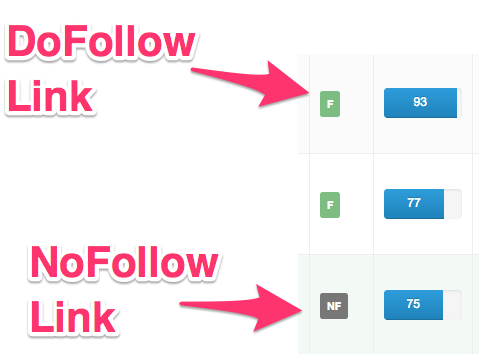

Difference Between PageRank and Page Authority?

PageRank and Page Authority often get mixed up, but they are not the same. PageRank was created by Google. It is a special formula that looks at how important web pages are. It does this by checking how many links point to those pages and the quality of those links. Though we can’t see it anymore, it used to be very important for ranking web pages.

Page Authority is from Moz. This metric also looks at link equity as a key factor, but it uses more data points. Moz uses its own web index called Mozscape. It checks and analyzes data from billions of web pages.

To sum it up, PageRank is all about link equity. It shows how authority moves from one page to another through internal links based on Google’s system. Page Authority takes a wider look. It uses Moz’s link data and other factors to evaluate how strong a page could be in rankings.

FAQ’s:

Can I Improve Page Authority Without Link Building?

While link building is an important factor in improving Page Authority, other strategies like creating quality content, optimizing on-page elements, and improving user engagement can also contribute to higher PA scores.

Is It Possible to Have a High Page Authority But Low Domain Authority?

Yes, it’s possible for a single page to have a high PA score while the overall domain has a lower DA score. This can happen when a specific page attracts many high-quality links, but the rest of the website has a weaker link profile.

Does Page Authority Affect Paid Search Rankings?

No, Page Authority does not directly impact paid search rankings. PA is a metric designed to predict organic search performance, not paid search results.

How Does Page Authority Correlate With Google Rankings?

While Page Authority is not a direct ranking factor, studies have shown a strong correlation between high PA scores and better rankings on Google’s search results pages. Pages with high PA scores often have the necessary qualities and ranking signals that Google values.

Are There Tools to Check Page Authority?

Yes, there are several tools available to check Page Authority, including:

  • Moz’s Link Explorer
  • MozBar browser extension
  • Moz’s Keyword Explorer

Conclusion

Page Authority is a vital metric for SaaS companies looking to improve their search engine rankings and drive more organic traffic to their websites. By knowing what factors affect PA and taking steps to improve your pages, you can increase your Page Authority and beat out your competition in search rankings.

At VH Info, we specialize in helping SaaS businesses develop effective link building and content strategies to improve their Page Authority and overall SEO performance. Our team of experts stays up-to-date with the latest best practices and algorithm changes to ensure your website consistently ranks well and attracts valuable organic traffic.

If you team up with VH Info, you can tap into our knowledge and successful tactics to boost your Page Authority and set yourself up for lasting success in the cutthroat realm of SaaS SEO. Get in touch with us today to find out how we can assist you in mastering Page Authority and owning the search results in your field.

Nofollow Backlinks: Are They Beneficial For Your Website?

In the world of search engine optimization (SEO), backlinks play an important role in determining a website’s visibility and authority. While most SEO experts focus on acquiring dofollow links, the importance of nofollow backlinks is often overlooked.

As a SaaS company, understanding the value of nofollow links and how to leverage them effectively can significantly boost your SEO strategy and drive valuable referral traffic to your website.

At VH-info, we specialize in helping SaaS businesses navigate the complex landscape of link building.

In this comprehensive guide, we’ll dive deep into the concept of nofollow backlinks, explore their benefits, and provide actionable insights on how to include them in your SEO strategy for maximum impact.

What Are Nofollow Backlinks?

What Are Nofollow Backlinks?

A nofollow backlink is a type of link that contains the “rel=’nofollow‘” attribute in its HTML code. This attribute instructs search engines like Google not to pass any link juice or authority from the linking page to the linked page.

In other words, nofollow links do not directly impact search engine rankings. However, understanding the use of the nofollow tag is important for website owners and SEO professionals in order to effectively manage their backlink profile and improve their overall search engine rankings.

When Should a Nofollow Backlink Be Used?

Nofollow links are typically used when a website owner wants to link to another page but doesn’t want to endorse its content or pass any SEO value. Common scenarios include:

  • User-generated content (UGC) like blog comments and forum posts
  • Paid links and sponsored content
  • Links to untrusted or spammy websites

Are Nofollow Links Bad?

Contrary to popular belief, nofollow links are not inherently bad for SEO. While they may not directly boost your search rankings, they offer several benefits that can indirectly improve your website’s visibility and authority.

Benefits of Nofollow Backlinks

Benefits of Nofollow Backlinks

While nofollow links may not help your site rank higher, they still have many benefits which are as follows:

  1. Diversifying Your Backlink Profile: Having a diverse backlink profile that includes both dofollow and nofollow links is essential for maintaining a natural and healthy link profile. An overabundance of dofollow links can trigger suspicion from search engines and potentially lead to a Google penalty.
  2. Generating Referral Traffic: Nofollow links from high-traffic websites can drive valuable referral traffic to your SaaS website. Even if these links don’t directly impact your search rankings, the increased visibility and potential for new customers make them worthwhile.
  3. Improving Online Visibility: Nofollow links from reputable websites and industry authorities can boost your brand awareness and establish your SaaS company as a trusted player in your niche. This increased visibility can lead to more organic backlinks and social media mentions over time.

How Do Nofollow Links Differ From Dofollow Links?

How Do Nofollow Links Differ From Dofollow Links?

Dofollow links, also known as “followed” links, are the default type of links on the web. They pass link juice and directly contribute to a page’s search engine rankings.

On the other hand, nofollow links have the rel=”nofollow” attribute added to the HTML code, signaling search engines not to count them as “votes” for the linked page.

The Rel Family – Meet Nofollow’s Siblings

The Rel Family – Meet Nofollow’s Siblings

In addition to the nofollow attribute, there are two other link attributes that SaaS companies should be aware of:

  1. rel=”nofollow”: The original nofollow attribute, used to indicate that a link should not pass any SEO value or endorsement.
  2. rel=”sponsored”: Introduced by Google in 2019, this attribute is used to identify links that are part of sponsored content, advertisements, or paid placements.
  3. rel=”ugc”: Also introduced in 2019, the UGC (user-generated content) attribute is used for links within comments, forum posts, and other types of user-generated content.

Do Nofollow Links Help SEO?

Do Nofollow Links Help SEO?

While nofollow links don’t directly boost search rankings, they can still have a positive impact on your SaaS company’s SEO efforts. Here’s how:

  1. Nofollow Links Still Generate Traffic: Even without passing link juice, a nofollow link from a high-traffic website can drive valuable referral traffic to your site.
  2. High-Authority Nofollow Links > Low Authority Dofollow Links: A nofollow link from a reputable website carries more weight than a dofollow link from a low-quality site.
  3. Nofollow Links Drive Dofollow Links: Increased visibility from nofollow links can lead to more organic dofollow links over time.
  4. Nofollow Links Diversify Your Link Profile: A natural mix of dofollow and nofollow links helps maintain a healthy backlink profile.
  5. Nofollow Links Power Your Digital PR Strategy: Nofollow links from media mentions and press releases can boost your brand’s online presence.

5 Reasons Why Nofollow Links Still Matter To Your SEO Strategy

Reasons Why Nofollow Links Still Matter To Your SEO Strategy

  1. Nofollow Links Still Generate Traffic: Even though nofollow links don’t pass link juice, they can still drive valuable referral traffic to your SaaS website. A well-placed nofollow link on a high-traffic blog or industry forum can expose your brand to a new audience and potentially lead to conversions.
  2. High-Authority Nofollow Links > Low Authority Dofollow Links: Not all links are created equal. A nofollow link from a reputable website like Forbes or the New York Times carries more weight than a dofollow link from a low-quality, spammy site. Search engines consider the overall authority and relevance of the linking domain when evaluating the value of a link.
  3. Nofollow Links Drive Dofollow Links: Increased visibility from nofollow links can lead to more organic dofollow links over time. As more people discover your SaaS company through nofollow links, the likelihood of them linking back to your site with a dofollow link increases.
  4. Nofollow Links Diversify Your Link Profile: A natural backlink profile should consist of a mix of dofollow and nofollow links. An overabundance of dofollow links can appear suspicious to search engines and potentially trigger a manual review or penalty. Including nofollow links helps maintain a balanced and organic link profile.
  5. Nofollow Links Power Your Digital PR Strategy: Nofollow links from media mentions, press releases, and other digital PR efforts can significantly boost your SaaS brand’s online presence and authority. While these links may not directly impact search rankings, they can drive brand awareness, and referral traffic, and ultimately lead to more organic backlinks.

Are Nofollow Links Useless For SEO?

No, nofollow links are not useless for SEO. Although they don’t directly contribute to search rankings, they still offer several indirect benefits that can positively impact your SaaS company’s online visibility and authority. From driving referral traffic and organic traffic to diversifying your link profile with both external and internal links, nofollow links play an important role in a well-rounded SEO strategy.

How to Get Nofollow Backlinks?

How to Get Nofollow Backlinks?

There are several effective strategies for acquiring high-quality nofollow backlinks:

  1. Guest Blogging: Contributing valuable content to industry blogs and publications can earn you nofollow links in the author bio or within the article itself.
  2. Social Media Marketing: Engaging with your target audience on social media platforms like Twitter, LinkedIn, and Facebook can lead to nofollow links from user profiles and shared content.
  3. Blog Commenting: Leaving thoughtful, relevant comments on industry blogs can result in nofollow links back to your SaaS website.
  4. Forum Participation: Actively participating in industry forums and providing helpful answers to user questions can earn you nofollow links in your forum signature or user profile.

How Can I See How Many Nofollowed Links I Have?

Several SEO tools can help you analyze your backlink profile and identify nofollow links:

  1. Ahrefs: Ahrefs’ Site Explorer tool provides a detailed breakdown of your backlink profile, including the number of nofollow and dofollow links.
  2. Majestic: Majestic’s Site Explorer tool offers insights into your link profile, including the distribution of nofollow and dofollow links.
  3. SEMrush: SEMrush’s Backlink Analytics tool allows you to analyze your backlink profile and view the ratio of nofollow to dofollow links.
  4. Moz: Moz’s Link Explorer tool provides a comprehensive overview of your link profile, including the number of nofollow and dofollow links.

How to Tell if Links Are Dofollow or Nofollow?

How to Tell if Links Are Dofollow or Nofollow?

There are three main ways to determine if a link is dofollow or nofollow:

  1. Check the Source Code: Right-click on a webpage and select View Page Source.” Search for the link in question and check if it contains the rel=”nofollow” attribute.
  2. Use a Chrome Extension: Install a Chrome extension like “NoFollow” that automatically highlights nofollow links on a page.
  3. Use an SEO Tool: SEO tools like Ahrefs, Majestic, and SEMrush can analyze a webpage’s links and identify nofollow attributes.

Best Practices For Using Nofollow Links

Best Practices For Using Nofollow Links

To maximize the impact of nofollow links on your SaaS SEO strategy, follow these best practices:

  1. Maintaining a Natural Backlink Profile: Strive for a natural mix of dofollow and nofollow links to maintain a healthy backlink profile. A sudden influx of nofollow links can appear suspicious to search engines.
  2. Avoiding Overuse of Nofollow Links: While nofollow links offer benefits, don’t rely on them too heavily. Focus on acquiring a balance of high-quality dofollow and nofollow links.
  3. Focusing on High-Quality Nofollow Links: Prioritize nofollow links from reputable, industry-relevant websites over low-quality, spammy sites. The authority of the linking domain plays a significant role in the value of a nofollow link.

FAQ’s:

Does Google crawl Nofollow Links?

Yes, Google does crawl nofollow links, but they don’t pass any link juice or directly impact search rankings.

Can You Rank #1 on Google Only With Nofollow Links?

While it’s theoretically possible, it’s highly unlikely to rank #1 on Google solely with nofollow links. A mix of high-quality dofollow and nofollow links is essential for top rankings.

How Does Google Handle Nofollow Links Today?

As of March 1, 2020, Google treats the nofollow attribute as a “hint” rather than a directive. This means they may choose to ignore the attribute and consider the link for ranking purposes on a case-by-case basis.

Should I Nofollow Affiliate Links?

Yes, it’s best practice to add the rel=”sponsored” attribute to affiliate links to comply with Google’s guidelines and avoid potential penalties.

How Do Nofollow Links Affect Site Authority?

Nofollow links do not directly impact site authority or domain authority, as these metrics are primarily influenced by the quantity and quality of dofollow links.

Can Nofollow Links Hurt You?

Generally, nofollow links from reputable websites won’t hurt your SEO. However, a large number of nofollow links from low-quality, spammy sites can potentially harm your link profile and trigger a manual review.

Are There Situations Where Nofollow Links Should Be Preferred?

In some cases, such as linking to a website you don’t fully trust or want to endorse, using a nofollow link is preferable to maintain your site’s reputation and avoid potential penalties.

Should Affiliate Links Be Nofollowed to Stay Within Google’s Guidelines?

Yes, Google recommends using the rel=”sponsored” attribute for affiliate links and other paid placements to stay within their guidelines and maintain transparency.

Conclusion

Nofollow backlinks are a valuable asset in any SaaS company’s SEO strategy. While they may not directly boost search rankings, they offer numerous benefits, from driving referral traffic to diversifying your link profile.

Understanding the power of nofollow links and including them into your link building efforts can significantly improve your website’s visibility, authority, and overall SEO performance.

At VH-info, we’re committed to providing SaaS businesses with the knowledge and tools they need to succeed in the competitive world of search engine optimization.

Our team of experienced SEO experts can help you develop a comprehensive link building strategy that leverages the power of nofollow backlinks to drive meaningful results for your business.

Don’t underestimate the importance of nofollow links in your SaaS SEO strategy. Embrace the opportunities they present and watch your online presence soar.

Contact VH-info today to learn more about how we can help you harness the full potential of nofollow backlinks and take your SaaS SEO to the next level.