How to Do Free White Pages Reverse Phone Lookup? (Easy Guide)

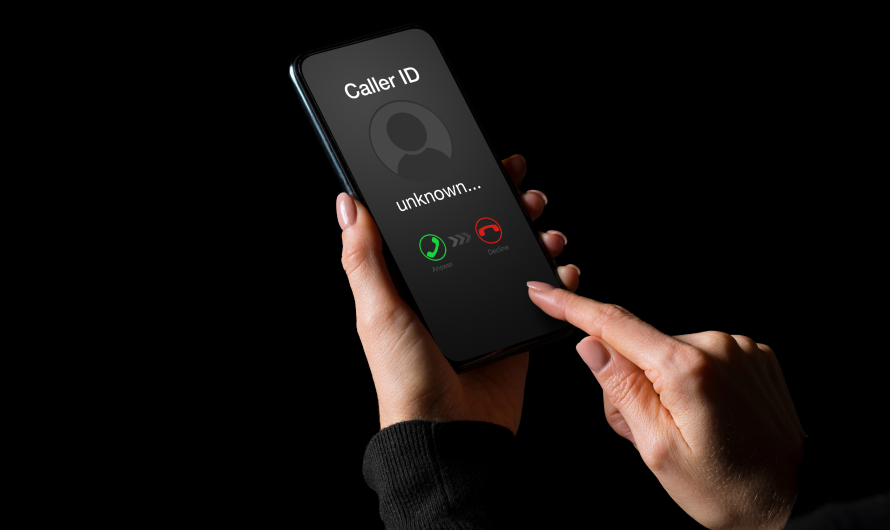
Have you ever received a call from a number you do not recognize? These calls from unknown callers can be worrying. You might wonder if it is an important call you missed or just one of many annoying scam calls.

Figuring out who is on the other end of that call can be hard. This is where a free white pages reverse phone lookup can help. It is a tool that lets you find information linked to a specific phone number.

For a small business owner, this can be a good way to check if a new contact is real. While it helps to check who is calling you, building new business connections is just as important for growth.

At VH-info, we provide helpful guides on how SaaS companies can build these strong online relationships. This guide will show you how to use these services to identify who is calling you and put your mind at ease.

We will talk about what a reverse phone lookup is, how to use it, and what to expect from free services.

What Is A Reverse Phone Lookup?

What Is A Reverse Phone Lookup?

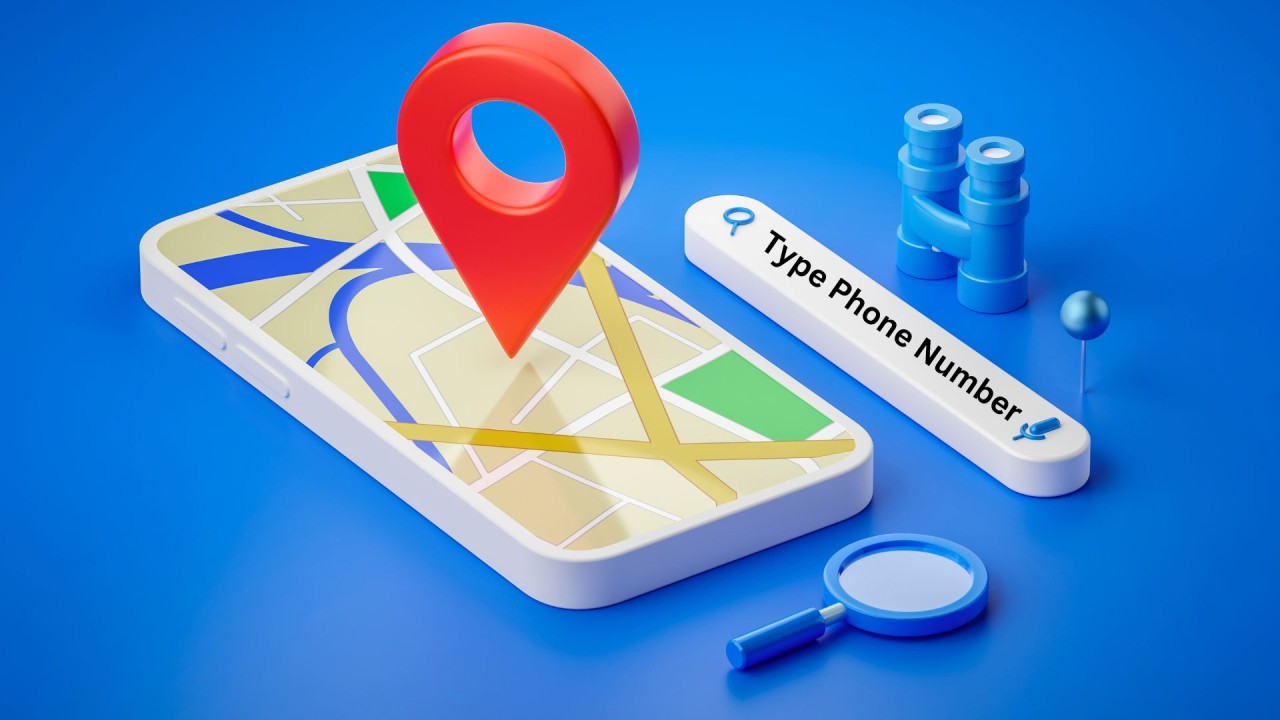
A reverse phone lookup is a way to find out who a phone number belongs to.

Instead of searching for a person’s number using their name, you start with the telephone number itself. You enter the number into a search bar on a website or mobile app, and the service looks through its data to find matching contact information.

This process is the opposite of a traditional phone directory, which is why it is called a reverse lookup. It is a popular type of phone number search for identifying mysterious calls.

These tools can help you find the owner of a phone number, whether it is from a cell phone or a landline.

Understanding the Difference Between White Pages and Reverse Lookups

It is helpful to know the difference between traditional white pages and a reverse phone number lookup.

A classic white pages directory is like a phone book. You use a person’s full name to find their phone number and sometimes their address. It is organized by name, making it easy to find someone if you already know who you are looking for.

A reverse phone lookup does the opposite. You start with just a telephone number and use a service to find the owner’s name and other contact details. This is very useful when you have a missed call from an unknown number.

A white pages reverse service combines these two ideas. It is a tool, often found on white pages websites, that lets you perform this special kind of number lookups search. So, you use the number to find the name, not the other way around.

How Do These Phone Directory Services Work?

These phone lookup tools find details by using large amounts of data from many places. The biggest source is public records. These are files kept by the government, and anyone can see them. Public records have things like home records, wedding papers, and some court files.

The services take this information and sort it for use. If you type a number into the search box, the tool looks in its database for any public record tied to that number. The tools also use data from companies called data brokers. These companies gather personal facts from social sites, online forms, and lists used for ads. They sell this information to the phone lookup tools.

Because of this, when you search for a number, you might see not only a name but also an email or social profile link. All these pieces get put together by the service, so you get a full report about the phone number you looked up.

Is It Legal to Look Up Someone’s Phone Number?

Yes, it is legal to use a reverse phone search tool. These tools get details from public files and other legal places. This means the information is open to everyone. You are not breaking any rules when you look at it.

It is fine to use a free reverse phone search to find the name or area code of a caller. You can check who called you or find out about a number you do not know. It helps you know if the call was safe or risky.

There are rules about how you use what you learn from these searches. You must not bother or follow someone with this information.

If you want more private details, like a crime record or full background checks, there are special laws for that. Services giving deep reports for jobs or homes must obey the Fair Credit Reporting Act (FCRA).

For simple and free phone searches just to know who called, you are following all the rules.

How to Perform A Free White Pages Reverse Phone Lookup?

How to Perform A Free White Pages Reverse Phone Lookup?

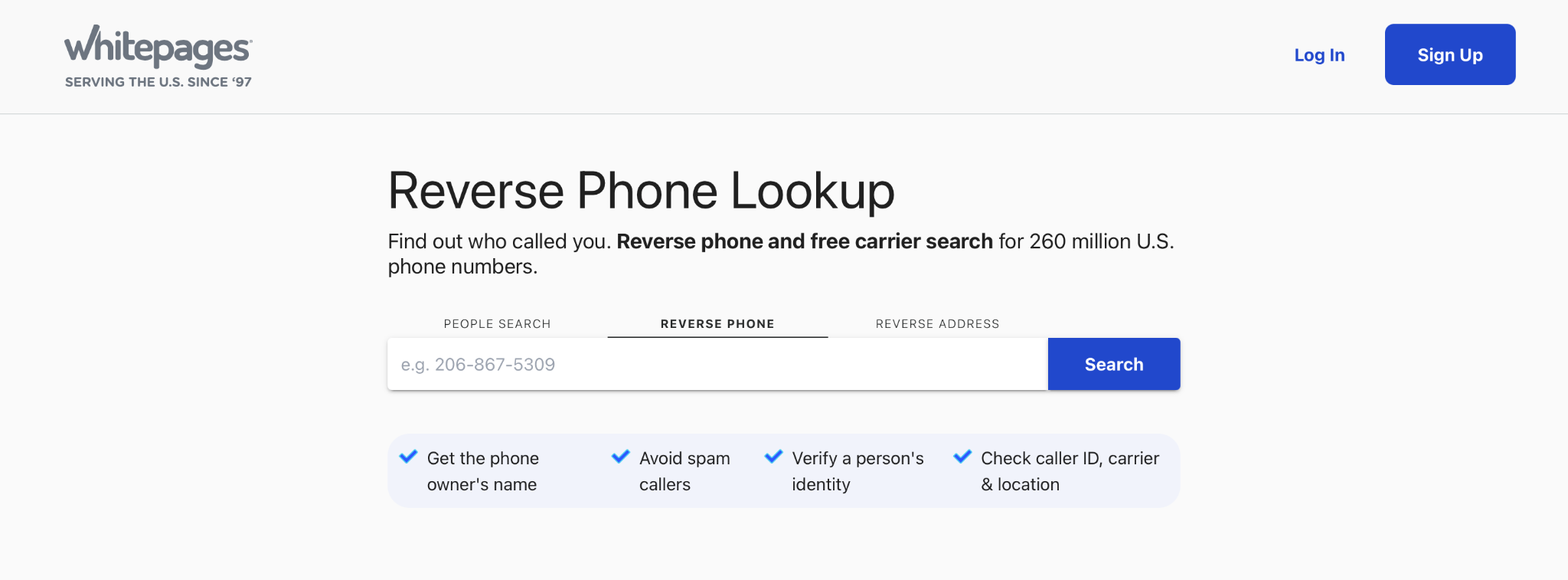
Performing a free white pages reverse phone lookup is a simple process. Most services are designed to be easy to use.

You do not need any special skills, just the phone number you want to investigate. These tools can help you quickly find basic contact details associated with both landline numbers and cell phone numbers. A good phone lookup can turn a mysterious number into a known contact.

Step-by-Step Instructions For Finding A Number

Finding information with a free reverse phone number tool follows a few easy steps. Here is a guide to help you perform a successful phone number search.

  • First, choose a reverse phone lookup service. We will list some popular ones later in this article. Go to the website of your chosen service.
  • Next, find the search bar on the website’s main page. It is usually front and center.
  • Then, carefully type the 10-digit phone number into the search bar. Be sure to include the area code. Double-check that you have entered the number correctly.
  • After entering the number, click the search button. The reverse phone lookup tool will begin scanning its database for a match.
  • Finally, the service will show you a results page. This page will contain any free information it can find, such as the owner’s name, the general location, and the phone carrier.

Tips For Getting the Most Accurate Information

Getting correct information from a free reverse phone service can sometimes be tricky. The data is not always perfect.

Here are some tips to help you get the most accurate results from your reverse phone number lookups.

  • If the first service does not give you good results, try another one. Different phone lookup services use different databases, so one might have the information that another one is missing.
  • Make sure you type the telephone number correctly. A single wrong digit will lead to no results or the wrong results.
  • Some numbers, especially newer cell phone numbers, are harder to trace. If you get no results, it might be because the number is new or unlisted.
  • Look for clues in the free information provided. Even if you only get a city and a phone carrier, it can help you decide if the call was from someone you might know.
  • Be patient. A phone number lookup can take a few moments to scan through all the records.

Common Information You Can Find For Free

Free phone lookup services give you a limited amount of information. They offer just enough to help you identify a caller without you having to pay. While they often advertise detailed reports, the free part usually includes just the basics.

Common information you can find includes:

  • Full Name: The service may provide the first and last owner’s name associated with the phone number.
  • Location: You can often find the city and state linked to the number. This is based on the area code and where the number was registered.
  • Phone Carrier: Some services will tell you which company provides the phone service, like AT&T or Verizon. This can help you know if it is a cell phone or a landline.
  • Line Type: The tool will often identify if the telephone number is a landline or a mobile number.
  • Potential Spam Rating: Many services, like Truecaller, use community feedback to label a number as potential spam, helping you avoid unwanted calls.

Top 5 Free Reverse Phone Lookup Services

Free Reverse Phone Lookup Services

Many websites offer free reverse phone number lookup tools. Some are better than others. Here is a list of five popular and reliable services you can use to start your search for the owner of a phone number. Each phone lookup tool has its own strengths.

Whitepages

Whitepages

Whitepages is one of the oldest and most well-known phone directory services online.

It offers a powerful white pages reverse lookup feature. When you enter a phone number, it can often provide the owner’s name, address, and whether it is a landline or cell phone. It also flags numbers that have been reported for fraud or scam calls.

While it pushes you to buy a premium report for more detailed information, the free results are often enough to identify an unknown caller.

ZabaSearch

ZabaSearch

ZabaSearch is a top pick for free reverse phone lookups. It checks public records and other online places for details. You type a phone number into its search box to get results. The free report can show the name and address linked to that number.

ZabaSearch looks hard for data and goes deep into public files. This makes it helpful when other tools cannot find who owns a number. Many people use ZabaSearch when they need more help with reverse phone searches.

Truecaller

Truecaller

Truecaller is well known as a phone app. It also lets people look up numbers on its website. Many people use Truecaller and help add numbers to its list. They report bad calls and help show names for numbers.

When you look for a number, Truecaller will tell you the name of the owner if it has it in its list. It also warns you if the number often makes scam or spam calls. This helps you stop calls from people you do not want to talk to.

SpyDialer

SpyDialer

SpyDialer gives an easy way to look up a phone number. You can search for a name.

SpyDialer also connects you to the person’s voicemail. You get to hear the greeting they left. Many times, this greeting says their name or their shop’s name. The phone does not ring while you listen. SpyDialer works for cell phones and some home phones, too.

This tool is free to use and is allowed by law. You can find out who owns a number without them knowing you tried to call.

NumLooker

NumLooker

NumLooker is a newer but powerful reverse phone lookup tool. It claims to search billions of public records to give you accurate information. You can use it to look up a phone number for free and get a basic report.

This report might include the owner’s name, location, and links to their social media profiles. NumLooker is a good all-around phone lookup tool that provides a solid amount of free data, making it easier to find the contact information you need.

Limitations of Free Phone Lookup Services

Limitations of Free Phone Lookup Services

While a free reverse phone number lookup is a useful tool, it has its limits.

These services are businesses, and they need to make money. This means the best and most detailed information is often not free. It is important to have realistic expectations when using a free phone number lookup service. You will get clues, but you may not get the full story.

Why Some Information Is Behind A Paywall?

Free services often show you just a small piece of the information they have. To see more, you have to pay. Things like a person’s full address history, email address, criminal records, or complete background reports are usually part of a paid package.

Companies put this information behind a paywall because it costs them money to get and organize it. They buy data from many sources, and building and maintaining these huge databases is expensive. By charging for detailed reports, they cover their costs and make a profit.

So, the free search is a preview to encourage you to buy the full report.

Dealing With Inaccurate Or Outdated Data

Another limit of number lookups is that the information can be wrong or old.

The data comes from public records, and these records are not always updated quickly. Someone may have moved or changed their phone number, but the database might still show the old date information.

This is especially true for cell phone numbers, which change more often than landline numbers. If you get inaccurate data, try searching the number on multiple phone lookup services. One of them might have more current information.

Privacy Concerns When Using Free Tools

When you use a free reverse phone lookup tool, you are also giving that company information. You are giving them the phone number you are searching for, and they might track your activity on their site. Some services may use this data for marketing.

It is also a reminder that your own personal information might be in these databases. If you can look someone else up, they can probably look you up, too. Many people worry about how much of their data is available through a simple phone number search.

Alternatives to White Pages For Identifying Callers

If a free white pages reverse phone lookup does not give you the answers you need, there are other ways to identify unknown callers. You can use everyday tools like social media and search engines to do some detective work on your own.

These methods can sometimes give you more current information than a standard phone lookup service.

Using Social Media to Identify A Number

Many people connect their phone numbers to their social media profiles for security or account recovery. This means you might be able to find someone just by searching for their number.

On Facebook, for example, you can type a phone number directly into the main search bar.

If the user has their number public or semi-public, their profile might appear in the search results. You can also try this on other platforms like LinkedIn, especially if you think the call was business-related.

Searching For the Number On Google

Never forget the power of search engines like Google. Just type the entire telephone number, including the area code, into the Google search bar and see what comes up. If the number belongs to a business, it will almost certainly show up.

If the number has been posted online in a public forum, a directory, or on a personal website, Google will likely find it. This is a very simple but often effective way to perform a reverse phone search.

Using Caller ID and Spam Blocking Apps

Another great alternative is to use a caller ID and spam-blocking mobile app on your cell phone.

Apps like Truecaller, Hiya, and Nomorobo have huge databases of numbers. When you get a call, the app checks the number against its database in real-time. It will show you the owner’s name if it is known and will warn you if it is a potential spam number.

These apps are great for stopping unwanted calls before you even answer them, and help you identify a reverse phone number instantly.

FAQ’s:

Can I Use Reverse Phone Lookup Mobile Apps For Free?

Yes, many services like Truecaller, Whitepages, and Hiya offer a free mobile app.

These apps provide a basic reverse phone lookup feature for free. You can enter a phone number to identify a caller. The free versions usually have ads and offer limited information, but they are great for on-the-go number lookups and identifying potential spam.

Can I Find Out Who Owns A Cell Phone Number For Free?

Yes, you can often find out who owns cell phone numbers for free, but it can be harder than with landline numbers.

Services like Whitepages, ZabaSearch, and SpyDialer can all help. However, because people change cell phone numbers more often and they are less likely to be in traditional public directories, the information might be less accurate or unavailable.

Do Any Free Services Reveal Full Caller Details, Including Address?

Most free services do not reveal a full address. They might give you the city and state, but the exact street address is usually considered sensitive personal information and is included in paid, detailed reports.

The main goal of a free reverse phone number service is to give you the owner’s name and a general idea of who is calling.

How Can I Block Unwanted Calls After Identifying Them?

Once you have identified unwanted calls or scam calls, most smartphones let you block the number directly from your call history. Just find the number, tap on the info icon, and you should see an option to “Block this Caller.”

You can also use a caller ID app, as many of them have features to automatically block known spammers and robocalls.

How Can I Remove My Own Number From These Lookup Services?

Most reputable phone lookup services have a process for you to remove your information. This is often called an “opt-out” procedure.

You usually have to go to the website’s privacy page or help section and find their removal form. You will need to provide your phone number and verify that you are the owner. The process can be slow, and you may need to do it for each phone lookup service individually.

While managing your personal data is important, building your professional brand online is key to business growth. For SaaS companies looking to improve their online authority, VH-info offers actionable strategies for link building.

Conclusion

Using a free white pages reverse phone lookup is a powerful and effective way to deal with calls from unknown callers. These tools can help you identify who is trying to reach you, screen for scam calls, and decide if you need to call back.

Services like Whitepages and Truecaller provide a great starting point for any phone number search.

While free services have limits and may not always provide detailed information like criminal history from background reports, they give you enough basic contact details to bring clarity to a mysterious phone number.

Utilizing these tools along with the alternative approaches we’ve covered allows you to regain control over your phone and enhances your sense of security. Similarly, asserting control over your digital presence is essential for achieving success in business.

At VH-info, we specialize in providing clear, actionable insights for SaaS link building to help you build authority and grow your brand.

Whitepages Address Lookup: Your Guide to Finding People For FREE

A whitepages address lookup is a tool that helps you find information about a specific street address.

If you have an address but do not know who lives there, you can use a service like Whitepages to learn more. These services search through millions of public records to give you details linked to that location.

For business owners, finding the right contact information is key for outreach. While personal tools like Whitepages help find people, professional strategies, like those we share at VH-info, are vital for connecting with the right contacts for business growth.

We specialize in teaching SaaS businesses how to build relationships through effective link-building outreach. Our expert guides show you how to find and connect with the right partners, helping your brand grow its online presence.

What Is A Whitepages Address Lookup?

What Is A Whitepages Address Lookup?

An address lookup helps you find facts by using a house or street address. You enter the address into a search box.

Then, you can see details about that place. You also learn about people who live there. This process is known as a reverse address lookup. In this method, you begin with the address first. You then find more facts from it. This is not like a usual search.

Normally, you use a person’s name to get an address. Here, you do the opposite and use the address instead.

Understanding the Basics of Public Record Searches

A whitepages address lookup works by searching public records. Public records are pieces of information that are not private and are available to the public. Government agencies create and store these records.

Examples include property records, which show who owns a house, and court records, which show information from legal cases. When you perform a search, you are looking through a huge collection of these records that have been gathered in one place.

This makes it easier to find property data or other details without having to go to different government offices.

How Whitepages Gathers Information For Its Database?

Whitepages gets its information from many different places. It collects data from thousands of sources to build its large database.

One main source is the traditional phone book, which provides names, addresses, and landline phone numbers. It also gets a lot of information from public records providers. This includes property records from county offices and other government sources.

By combining all this data, Whitepages creates a detailed white pages directory that you can search online. This allows them to offer comprehensive contact information for their whitepages people search services.

How to Conduct A Reverse Address Search On Whitepages?

Doing a reverse address search on Whitepages is a direct process. The website is designed to make it easy for you to find the information you need by starting with just a street address.

Step-by-Step Guide to Finding Information by Address

  • Go to the Whitepages website. On the homepage, you will see several search tabs.
  • Click on the tab that says “Reverse Address.” This will open the correct search box.
  • Carefully type the full street address into the search box. Include the house number, street name, city, and state.
  • Click the “Search” button to start the address lookup.
  • The website will then look through its database to find matching records for that address.

Tips For Refining Your Search For Better Accuracy

To get the best results from your reverse address lookup, you should be as accurate as possible. Double-check the spelling of the street name and make sure you have the right house number. If you are not sure about the ZIP code, providing the city and state is often enough.

If the search gives you too many results, try to add more details. Sometimes, knowing the last name of a person who might live there can help narrow down the results on the whitepages people page.

Being precise helps the system find the exact property information you are looking for.

Interpreting the Search Results Page

After you search, Whitepages will show you a results page. This page might have a map showing the location of the address. It will likely list current and past residents associated with that address. You may see a landline phone number linked to the property.

The results page for a free white pages search will give you some basic details. For more in-depth information, such as cell phone numbers or detailed background reports, you will usually be prompted to sign up for a premium service.

Information You Can Uncover With An Address Lookup

Information You Can Uncover With An Address Lookup

An address lookup can reveal a lot of information connected to a single physical location. It pulls from public records and other sources to create a picture of the property and its residents.

Identifying Current and Previous Residents

One of the main things you can find is who lives at the address. The search results often show the full name of current residents.

You might also see a list of people who lived there in the past. This can be helpful if you are trying to find people you have lost touch with or verify who lives at a certain address. A whitepages people search links names to the property over time.

Finding Associated Phone Numbers and Contact Details

A reverse address lookup can also help you find contact details. The search may provide a landline phone number connected to the address. Finding cell phone numbers is usually more difficult and often requires a paid subscription.

Premium services can give you comprehensive contact information, including mobile phone numbers and email addresses, making it easier to connect with someone. This is different from a reverse phone lookup, where you start with a phone number to find a name and address.

Accessing Property Ownership and Value Data

You can find out more than just who lives there.

The search tells you facts about the home. You can see who owns the place, based on public records that anyone can look at. You may also find when the house was built and how large it is. The search could show what people think the house is worth now.

This kind of home info helps people who want to buy or sell a house. It is also good for folks who just want to know more about homes nearby.

Exploring Neighborhood Demographics and Safety

Some address lookup sites give you facts about the area nearby. These facts may show things like the average age of people living there.

You can also see what most people earn in that place. Some sites share safety tips, which often come from local police reports and other public files. This helps you learn what the neighborhood is like. The details are useful if you want to move to a new home in that area.

Free Vs. Premium Whitepages Services

Whitepages offers both free and paid services. What you can find depends on whether you use the free version or pay for a premium subscription.

What to Expect From A Free Address Search?

A free white pages search gives you basic information. When you perform a reverse address lookup for free, you can typically see a list of possible residents associated with that address. You might also find a landline phone number and some general property data.

This level of search is a good starting point to find people or verify an address without spending money. However, the details are limited.

Unlocking Advanced Data With A Premium Subscription

A premium subscription unlocks much more detailed information. With a paid plan, you can often access cell phone numbers, which are not available in a free search. You can also view detailed background reports that may include criminal records, court records, and other sensitive data. A premium search provides comprehensive contact information, including email addresses and past addresses.

If you need more than just a name or landline phone number, a premium plan is necessary to get a full picture.

Comparing Costs and Features of Different Plans

Whitepages and similar services offer different subscription plans.

Some plans might focus on providing detailed contact information, like a premium phone lookup service that finds a cell phone number. Other plans are more expensive and offer full background checks, which include financial histories and property records. The cost varies based on the amount of information you want to access. It is a good idea to compare the features of each plan to decide which one fits your needs.

Legality and Privacy Concerns

Legality and Privacy Concerns

Using an address lookup tool is generally legal, but it is important to think about privacy. The information comes from records that are already public.

Is It Legal to Look Up an Address on Whitepages?

Yes, it is legal to use Whitepages to look up an address. The service gathers its data from public records, which are legally accessible to everyone. This includes information from the phone book, government agencies, and property records.

However, how you use the information matters. Using contact details to harass someone or for illegal activities is against the law. These services are meant for legitimate purposes, like reconnecting with someone or verifying information.

Protecting Your Privacy: How to Opt-Out?

If you find your own information on Whitepages and want it removed, you can. You have the right to opt-out and protect your privacy.

The process involves finding your listing in the white pages directory, verifying that it is you (often by phone), and submitting a removal request through their website. Once you do, your information will be taken down. This helps you control what personal data is visible online.

Common Uses For Address Lookup Information

People use address lookup information for many valid reasons. A common use is to find people, like old friends or family members. It can also be used to verify someone’s address before sending them a package or to check who your new neighbors are.

Some people use a reverse address lookup to learn more about a property they might want to buy. Others use it to identify the owner of a phone number that has been making scam calls, especially if they can link the number back to an address and a name.

Top Alternatives to Whitepages

Top Alternatives to Whitepages

While Whitepages is a popular tool, there are many other services that offer similar searches. Here are some of the top alternatives that provide different features to help you find the information you need.

ZabaSearch

ZabaSearch

ZabaSearch works like a free online phone book that helps you find people using their full name or phone number.

You can type a name into the search box, and it will scan its database of public records to give you basic contact information, such as a possible street address and landline phone number. It is a good starting point if you are looking for simple details without paying.

For more in-depth information, like cell phone numbers or detailed background reports, ZabaSearch often partners with paid services like Intelius to provide that data. It is a useful free white pages tool for beginning a search.

BeenVerified

BeenVerified

BeenVerified is a powerful service for finding comprehensive contact information about someone. You can use its website or handy mobile app to perform a reverse address lookup, phone lookup, or search by name.

This tool goes deep into public records to gather details for its background reports. A report from BeenVerified can include current and past addresses, cell phone numbers, email addresses, and even social media profiles.

It can also find property records, which show who the property owners are and provide other property data. It’s a strong choice for anyone needing detailed background checks that include potential criminal records.

Spokeo

Spokeo

Spokeo is especially good at connecting people to their online presence.

While it provides standard address lookup and phone lookup services, its real strength is searching through over 120 social media networks. When you search for a person’s full name, Spokeo tries to find their social media profiles on various platforms.

This can give you a better sense of who someone is beyond just their contact details. The reports it creates are easy to read and combine public records with online data, including property information and historical records, making it a great tool to find people in the digital age.

Intelius

Intelius

Intelius is one of the most established services for conducting background checks and finding people.

It has a massive database of public records that it uses to generate detailed reports. You can perform a reverse phone lookup to identify an unknown caller or use the reverse address feature to learn about a property’s history.

An Intelius report can include a person’s address history, a potential phone number (including a cell phone number), and information from court records or criminal records. It’s a reliable choice for anyone who needs to verify someone’s background or find comprehensive contact information beyond what a simple white pages directory offers.

InfoTracer

InfoTracer

InfoTracer is a very powerful search tool for those who need to perform a deep dive into someone’s background.

It provides access to a huge collection of public records, allowing you to find information that might be difficult to locate elsewhere. You can use it to search for criminal records, arrest warrants, court records, and other legal documents.

InfoTracer can also be used for a standard address lookup to find property information about property owners. It is an excellent resource for conducting thorough background checks and getting a complete picture of a person’s history, far beyond simple contact details.

PeopleLooker

PeopleLooker

PeopleLooker is designed to be simple and user-friendly, making it easy to find people and information about them. You can search using a name, phone number, email, or street address.

The service gathers data from public records and online sources to create reports that are straightforward and easy to understand.

A report from PeopleLooker might include contact information, relatives, age, past addresses, and links to social media profiles. It also has a mobile app for searching on the go. It’s a great option for users who want quick and clear background reports without complicated features.

Truthfinder

Truthfinder

Truthfinder is known for its detailed and in-depth background checks. It searches through millions of public records to uncover a wide range of information. A Truthfinder report can include contact details, address history, information about relatives, and links to social media accounts.

It goes a step further by searching for potential criminal records, traffic violations, and other sensitive data that might not appear on other search engines. People often use it to check on new acquaintances or to get more information about someone.

It’s a powerful tool if you are looking for a deep investigation into someone’s past.

Social Catfish

Social Catfish

Social Catfish specializes in verifying online identities to protect you from scams. Its main strength is its reverse image search, which can help you see if a profile picture is fake. You can use it to investigate suspicious social media profiles and find out who is really behind them.

While it offers traditional search options like a reverse address lookup and phone lookup, its primary purpose is to help you confirm if someone you met online is who they say they are.

It is the perfect tool for checking the legitimacy of online contacts before you share personal contact information.

PeopleWhiz

PeopleWhiz gives quick and correct reports about people. You type a full name in the search box.

The tool looks through many public records right away. Then, it makes a report for you. This report may show where someone has lived before. It can also give their phone number and age. You might see names of family or even details about homes owned.

PeopleWhiz works fast, so you get answers in minutes. It is helpful if you want to find someone’s info fast using whitepages. You can also check simple facts about a person without waiting long for results.

CocoFinder

CocoFinder

CocoFinder is easy to use. Many times, you do not have to pay for it. You can find simple details about people. It works like a phone book online. You can search for a phone number. This helps you see who owns the number. You can also search with a name.

This may help you find where someone lives.

CocoFinder is best for fast and easy searches. If you want just one contact detail, it is helpful. You do not get full reports or deep data like court records or all contact info. Still, it is good if you want to find people without paying money. It helps you start your search for free.

FAQ’s:

Do I Need an Account to Use Address Lookup Features on Whitepages?

You do not need an account for a basic, free white pages search.

You can perform a reverse address lookup or a name search without signing up. However, if you want to see detailed information like cell phone numbers or full background reports, you will need to create an account and purchase a premium subscription.

How Accurate Is the Address Information Provided by Whitepages?

The accuracy of the information can vary.

Whitepages gets its data from public records, which are generally reliable but can sometimes be outdated. A person may have moved, or a phone number might have changed. It is always a good idea to double-check important information from another source if possible.

Will the Resident Be Notified If I Look Up Their Address?

No, the resident will not be notified. All searches on Whitepages, whether it is a Whitepages people search or a reverse address search, are confidential. The person you are looking up will not know that you have searched for their information.

Can I Find Cell Phone Numbers With an Address Lookup?

It is usually difficult to find cell phone numbers with a free address lookup. Free searches typically only provide landline numbers because that information is part of the public phone book.

While you may need a premium service for personal cell numbers, professionals often need business contact information for outreach. For SaaS businesses looking to connect with the right people for link building, finding a professional email is more valuable.

At VH-info, we provide expert strategies to help you find that important business contact information to build meaningful partnerships.

Can I Perform International Reverse Address Searches With Whitepages?

Whitepages mostly gives details for people in the United States. It uses US public records and other sources for its data.

Because of this, you cannot use Whitepages to search for people in other countries by their address. If you want to look up someone outside the United States, you will need another service. The new service must be made for the country you are looking for information about.

Whitepages is best when you want to find people in the United States only.

How Do I Remove My Personal Information From Whitepages?

To remove your information, you need to go through the Whitepages opt-out process.

First, find your profile on the site. Then, follow the instructions to verify your identity and request that your listing be removed from the white pages directory. The process is designed to protect your privacy and can usually be completed online.

Conclusion

A whitepages address lookup is a useful tool for finding information linked to a specific street address. By searching through public records, these services can provide details about residents, property owners, and associated phone numbers.

A free white pages search offers basic details, while premium subscriptions unlock comprehensive contact information, including cell phone numbers and full background reports. There are also many alternatives available, each with its own strengths.

Using a reverse address lookup is a great way to find personal contact information.

For business professionals who need reliable data for outreach campaigns, using specialized tools and strategies is essential.

At VH-info, we provide actionable insights to help you connect with the right people for your SaaS link-building goals. We teach you how to build genuine partnerships that boost your brand’s authority and drive growth.

Explore our expert guides to learn the strategies that will make your outreach efforts a true success.

Find Address by Phone Number: Free Tools and Tips

Getting a call from an unknown number can be frustrating or even suspicious.

Whether you’re trying to verify an online seller, reconnect with a long-lost friend, or simply put a face to a missed call, finding an address by phone number is more accessible than ever. While some methods are completely free, others offer deeper insights for a small fee. In this VH-info guide, we’ll walk you through the most reliable, legal, and effective ways to perform a reverse phone lookup to get the details you need.

Top Methods to Find an Address by Phone Number

Top Methods to Find an Address by Phone Number

Using Reverse Phone Lookup Websites

One of the most popular ways to find an address is by using a reverse phone lookup website. These websites are like a special search engine for phone numbers. You go to the site, find the search box, and type in the phone number you want to look up.

The website then searches its large database for a match. Many sites offer a free reverse phone lookup that gives you basic details.

This might include the full name of the person who owns the phone number and the general area where they live. For more specific information, like a full street address or an email address, you might need to pay a small fee.

A good phone lookup tool can provide a lot of helpful contact details. Be careful, as some sites might try to get you to sign up for a service with your credit card. Always check if the basic phone lookup is free before you start.

This kind of phone number lookup is a powerful way to identify a reverse phone number.

Searching on Social Media Platforms

Social media can be a great tool to find someone by phone number free. Many people connect their phone number to their social media profiles on sites like Facebook, Instagram, or LinkedIn.

Sometimes, you can type the phone number directly into the search bar of a social media site. If the person has their privacy settings set to allow it, their profile might show up in the search results. If a direct search is not successful, you can try an alternative method.

First, use a free phone number lookup tool to find the person’s full name.

Once you have their name, you can search for them on different social media platforms. Looking at their profile might give you clues about their current location or other contact information. It is a simple way to connect a phone number to a real person and their online presence.

Utilizing Major Search Engines

You can use a major search engine like Google or Bing to find information about a phone number.

This is a simple and free method. Just open your web browser and type the complete phone number into the search box. Make sure to include the area code. Then, press Enter and look at the search results.

If the phone number is listed anywhere online, the search engine will likely find it. It might be on a business website, a personal blog, or in a public listing. This method acts as a basic free reverse phone lookup.

You might find the person’s full name, the name of a business, or even an address associated with the person’s phone number. It doesn’t always work, especially for private cell phones, but it is a good first step because it is so easy to do.

This simple phone number search can sometimes give you all the information you need.

Checking Online White Pages

Online White Pages are the modern version of the big, heavy phone directory books that people used to have.

These websites collect public information about people and businesses. You can use them to perform a phone number search. Simply go to an online White Pages website and enter the phone number you are curious about.

The website will search its records and might show you the full name and address linked to that phone number.

This is a form of reverse phone number lookup. One thing to remember is that the information on these sites can sometimes be old. People move, and these directories may not have the most up-to-date contact details. This means you might find outdated information.

Still, it is a useful option to try when you need to find an address from a person’s phone number.

Accessing Public Records

Public records are another place to look for information. These are official records kept by government offices that are available to the public.

They can sometimes contain addresses, names, and other contact information.

This method is more complicated than using a search engine. You might need to know which government office holds the records, like a county clerk’s office. Some of this information is available online, but for other records, you might need to visit an office in person.

Accessing public records is not a quick phone lookup, but it can provide accurate information.

It is generally used for more serious matters, like legal or official business. This is not the first method you should try, but it is an option if other ways to find address by phone number do not work. It can sometimes help you find a person’s current location.

When Is It Necessary to Find an Address?

when is it necessary to find an address?

Verifying an Online Seller or Buyer

When you buy or sell something online, you are dealing with a stranger. It is smart to make sure they are who they say they are. If you have the person’s phone number, you can use a phone number lookup tool to verify their identity.

A quick reverse phone lookup can confirm if the name they gave you matches the name connected to the phone number. This can help you avoid scams and feel safer about the transaction. It ensures the contact information you have is real before you send money or goods.

Reconnecting With Old Friends Or Relatives

People often lose touch over the years. You might have an old friend’s or a relative’s phone number but not know where they live now.

A reverse phone number lookup can help you find their new contact details. By entering their old phone number into a phone lookup tool, you might find their current address or even a new phone number. This can be a wonderful way to reconnect with loved ones you have not seen in a long time. It can be hard to find people, but having a person’s phone number is a great starting point.

For Business and Delivery Purposes

Businesses often need to find or confirm addresses.

For example, a delivery company needs to be sure an address is correct before they send a driver. If a customer provides a phone number with their order, the business can use a phone lookup to double-check the address.

This helps prevent delivery mistakes and saves time and money. It also helps businesses keep their customer records clean and up to date, ensuring their contact information is accurate for future communication.

Identifying an Unknown Caller

Getting calls from unknown callers can be stressful. You might wonder who is calling and why.

A reverse phone lookup is the perfect tool for this situation. When you get a call from a number you do not recognize, you can use a phone lookup tool to identify the caller.

It can tell you if the call is from a person you know, a business, or a potential spammer. This helps you decide whether to call back or block the number. It is a simple way to protect your privacy and avoid unwanted calls from a reverse phone number.

Which Phone Providers Support Free Carrier Lookup?

Which Phone Providers Support Free Carrier Lookup?

A carrier lookup tells you which mobile company, like Verizon or AT&T, a phone number belongs to. While the phone providers themselves do not offer a public tool for this, many free third-party websites do.

These tools can identify the carrier for almost any phone number in the United States. They work by checking databases that track which blocks of numbers belong to which carriers. This works for most major and smaller providers.

Verizon Wireless

Verizon Wireless

If you have a person’s phone number and want to know if it belongs to Verizon Wireless, a free carrier lookup tool can help. These websites take the phone number you enter and compare it against their records of number blocks assigned to Verizon.

This type of phone number search is fast and straightforward. You do not need to provide any of your own contact information to find out the carrier, making it a safe way to get this information.

T-Mobile

T-Mobile

T-Mobile is a big phone company in the country. People can spot its phone numbers with ease.

Free phone lookup tools online help a lot. These tools can tell you if a number belongs to T-Mobile. They do this by checking public records and matching the number to the company. This makes things simple for users.

You do not need to ask the person who owns the phone about their provider. The tool gives you answers fast and saves you time.

AT&T

AT&T

Finding out if a phone number is from AT&T is easy. You can use a free tool online. These sites look up the phone number for you.

They check it with lists of numbers given to AT&T. The tool works by itself and gives answers fast, usually in seconds. Learning which company owns the number can help you find more details about the person who uses that line.

This extra step may help when you want more contact information.

US Cellular

US Cellular

Carrier lookup tools can find more than just numbers from big phone companies.

They can also find numbers from smaller groups, like US Cellular. Even though US Cellular is not as large as the top three, its phone numbers are still in public lists. These lists help lookup tools do their job well.

So, a carrier phone lookup works for a wide range of phone numbers. It is a good tool for anyone who wants to search for a number completely.

MetroPCS

MetroPCS

MetroPCS is now with T-Mobile. This is good to know when you check a phone carrier.

If you look up a MetroPCS number, it will likely show T-Mobile as the new service. Good lookup tools update their data to match changes in phone companies. Phone number lookups give the right carrier details even after two companies join together.

These tools make sure you still get correct contact facts when things change.

Virgin Mobile

Virgin Mobile

Virgin Mobile now works in a new way in the United States. But you can still find its phone numbers.

Many old Virgin Mobile numbers now belong to other phone groups. These numbers were moved to new companies. You can use a phone search to see which company owns that number now. This helps if you have old numbers saved in your contacts list.

A good phone lookup tool can show the new owner of the person’s number. This makes it easier for you to know who has the number now.

Cricket Wireless

Cricket Wireless

Cricket Wireless is owned by AT&T. This means that when you use a carrier lookup tool on a Cricket number, it will usually say the main carrier is AT&T. The lookup tool does not just show the brand name. It also gives you more details, like the main network used by the number.

This helps you learn more than just who owns the phone service. It shows which network runs under the brand name you see.

Boost Mobile

Boost Mobile

You can find out if a phone number is on Boost Mobile by using a free carrier check tool. Just type the number into the tool online.

You will see right away if it is a Boost Mobile number. These tools cover many phone companies. They help you get carrier details for almost any number you want to look up. This makes checking easy and fast for anyone who needs this information.

When to Use Reverse Phone Lookup?

When to Use Reverse Phone Lookup?

Find Out Who Called

The most common reason to use a reverse phone lookup is to find out who called you.

When you see a missed call from an unknown phone number, it’s natural to be curious. Instead of calling back, which could be a risk if it’s a spam call, you can use a phone lookup tool. Just type the phone number into the search box.

The search results can often give you the full name of the person or business that called. It’s a safe and easy way to handle unknown callers.

Identify Spam Callers

Spam calls are a big problem. A reverse phone number lookup can help you identify them. Many lookup services keep track of numbers that are reported for spam. When you do a phone number search on a spam number, the tool will often flag it.

This lets you know that the call was likely from a telemarketer or a scammer. You can then block the phone number to stop them from calling you again. This is a great way to protect yourself from annoying and potentially dangerous calls.

Accurately Verify Identities

A reverse phone lookup is also useful for verifying identities. If you meet someone online or are arranging a local sale, you can use their phone number to check if they are being truthful. A successful phone lookup that confirms their name can give you peace of mind.

If the search results come back with different information or no information at all, it could be a warning sign. Verifying contact information this way adds a layer of safety to your online interactions.

Avoid Phone Scams

Phone scams can be very tricky. Scammers might pretend to be from your bank or a government agency to try and get your credit card information or other personal details. A reverse phone lookup can help you avoid these scams.

If you get a suspicious call, look up the phone number. If it’s a known scam number, the phone lookup tool might warn you. Even if it’s not a known scam, if the number seems strange or can’t be identified, it’s best to be cautious.

Never give personal information over the phone unless you are sure who you are talking to.

Legal and Ethical Aspects of Finding Address By Phone Number

Privacy Laws and Regulations

When you use a phone number lookup service, it is important to know about privacy laws. In the United States, there are laws like the Fair Credit Reporting Act (FCRA) that control how personal information can be used.

For example, you cannot use information from a phone lookup to decide if someone gets a job or a loan. The information is for personal use only, like identifying unknown callers or reconnecting with friends. Using it for illegal purposes is against the law.

The Difference Between Public and Private Information

It is helpful to know the difference between public and private information. Public information is data that is available to anyone. This includes names and addresses listed in a public phone directory. Reverse phone lookup services collect this public data.

Private information is data that is not publicly available, like an unlisted phone number or your credit card number. Reputable lookup services do not provide private information that was obtained illegally. They only share what is already part of the public record.

Ethical Considerations to Keep in Mind

Just because you can find information does not always mean you should use it. It is important to be ethical.

Think about why you want to find an address. Are you trying to reconnect with an old friend? That is usually okay. Are you trying to bother or spy on someone? That is not okay. Always respect people’s privacy.

Do not use a person’s phone number or the information you find to harass or upset them. The goal is to use these tools responsibly.

What Constitutes Misuse of Personal Information?

Misusing personal information means using it in a way that is illegal or unethical.

Examples of misuse include stalking someone at their current location, harassing them with calls or messages, or selling their contact details to others without permission. It also includes using the information to try and steal their identity or access their private accounts.

A reverse phone number lookup is a tool. Like any tool, it can be used for good or bad. Always use it for good.

FAQ’s:

How Can I Find Out Who Called Me From This Phone Number For Free?

You can use a free reverse phone lookup website or a major search engine like Google. Just type the full phone number into the search box. A free phone number lookup can often tell you the caller’s name and the city they are calling from.

For more detailed contact information, you might need to use a paid service.

Are Reverse Phone Lookups Free?

Some are, and some are not. Many services offer a free reverse phone search that provides basic information. This is often enough to identify a caller. However, if you want a detailed report with a full address, past addresses, and other contact details, you will likely have to pay.

These paid reports often require a subscription or a one-time payment with a credit card.

Does Reverse Phone Number Lookup Work For Cell Phones?

Yes, a modern reverse phone number lookup service works for both cell phones and landlines. It can be harder to find information for a cell phone number because they are not usually listed in a public phone directory.

However, good phone lookup services have large databases that include cell phone information, so they can often find a match.

How Can I Check Which Carrier A Phone Number Is With?

You can use a free online tool called a phone carrier lookup. You just enter the phone number, and the tool will tell you which mobile carrier, like AT&T or Verizon, the number belongs to. These tools are separate from a reverse phone lookup but are also very useful.

What Is Caller ID and How Do I See It?

Caller ID is a feature on your phone that shows you the phone number and sometimes the name of the person calling you. It appears on your phone’s screen when a call comes in. Most phones have this feature automatically. It helps you see who is calling before you answer.

Does Whitepages Notify Someone When I Look Up Their Phone Number?

No. When you perform a phone number search on a site like Whitepages, the person you are looking up is not notified. These searches are confidential. You can use the service privately without worrying that the other person will know you looked up their contact information.

Does Whitepages Have A Reverse Phone Lookup Mobile App?

Yes, Whitepages and many other reverse phone lookup services offer a mobile app. An app to find an address from a phone number makes it very convenient to do a phone lookup from anywhere. You can quickly look up unknown callers right after they call.

Is There A Reverse Phone API?

Yes, a Reverse Phone API does exist.

An API is a way for different software programs to work together. Businesses can use a Reverse Phone API to add phone number lookup features directly into their own websites or applications. This is useful for companies that need to verify customer information regularly.

Are There Alternatives If the Free Tools Don’t Provide an Address?

If a free phone number lookup does not give you an address, there are other options. Paid reverse phone lookup services provide much more detailed reports that often include current and past addresses. You can also try searching for the person’s full name on social media or looking through public records online. In very serious cases, some people might hire a private investigator, but that is usually not necessary.

Conclusion

To find an address by phone number, you have several good options. You can use a reverse phone lookup website, search on social media, or use a search engine. Each method has its own benefits. A free reverse phone lookup is a great starting point for identifying a caller.

For more detailed contact information, a paid phone lookup tool might be necessary. Remember to always use this information legally and ethically. Respecting people’s privacy is very important.

With these tools and a responsible approach, you can find the information you need safely and effectively.

For more helpful guides and actionable insights, VH-info remains your trusted resource for navigating digital tools. We are dedicated to providing clear advice to help you achieve your goals.

Best Travel Affiliate Programs (Highest Commission Rates For $$$$)

Do you have a travel blog or a popular social media account about traveling? You can make money from it. This is done through something called affiliate marketing. It is a great way to earn passive income by sharing things you love.

This article will show you the best travel affiliate programs available. These programs help travel bloggers and influencers earn money. We will look at many options, from travel affiliate programs for beginners to the highest-paying travel affiliate programs.

This guide will give you the information you need to start earning from your travel content.

Building a profitable blog takes work, including getting visitors to your site. Here at VH-info, we specialize in actionable strategies that grow your traffic, making your affiliate efforts more successful. It is a key part of digital marketing for anyone in the travel space.

What Is A Travel Affiliate Program?

What Is A Travel Affiliate Program?

A travel affiliate program is a partnership.

You, the travel affiliate, agree to promote a company’s travel services. This could be anything from hotel bookings to flights and car rentals. When you join, you get a special affiliate link. You share this link on your travel blog, in blog posts, or on social media.

Understanding How Travel Affiliate Marketing Works?

Travel affiliate marketing is easy to understand. You start by joining an affiliate group from a travel company. After that, you get your own special link. You put this link in your blogs or posts. If someone clicks your link and books a trip, you get paid some money.

The travel company keeps track of all bookings made through your link. Many travel sites like to work with people who make content this way. How much money you make depends on how many people use your links to book trips.

Key Benefits of Joining A Travel Affiliate Program

Joining a travel affiliate program has many good points. The biggest one is making money while you sleep.

Your blog can earn cash even when you take a break. This is great for people who travel and work online. You do not have to make your own products for this. You only need to share other travel services with others.

Some top programs also give you tools to help you do well as an affiliate. These tools make it easy to check how much you have made.

Common Types of Travel Affiliate Commissions

There are a few ways affiliate marketers get paid. The most common in the travel industry is pay-per-sale. This means you earn a percentage of the booking value when someone buys something.

Some programs might offer pay-per-click or pay-per-lead, but this is less common for travel. The commission rates can change a lot between different programs. The final amount you earn is based on these rates and your conversion rates, which is how many clicks turn into sales.

20 Best Travel Affiliate Programs

Best Travel Affiliate Programs

Here are 20 of the best travel affiliate programs you can join.

We chose them based on their reputation, commission rates, and how easy they are to use.

Expedia

Expedia

Expedia is a huge name in the travel industry, and its affiliate program lets you tap into its massive inventory.

As a travel affiliate, you can earn money on a wide variety of travel services, including hotel bookings, flights, and car rentals. This is perfect for a travel blog that covers many different types of trips. Because Expedia serves a global audience, you can promote it to readers from almost anywhere. You get a special affiliate link to put in your blog posts, and when someone books through it, you earn a commission.

This is a great way to start earning passive income because so many people already trust the Expedia brand for their travel booking needs.

Booking.com

Booking

The Booking.com partner program is one of the best affiliate programs for beginners. The brand is incredibly well-known and trusted for hotel bookings, which means you can expect high conversion rates.

When people click your affiliate link and see the familiar Booking.com site, they are more likely to make a travel booking. Their platform is easy to use and provides helpful affiliate tools to track your affiliate earnings.

For any travel blogger, adding Booking.com links to your content is a simple and effective digital marketing strategy to build a steady stream of affiliate income. Their strong reputation makes your job as an affiliate marketer much easier.

Omio

Omio

If your travel blog has a travel niche focused on Europe, the Omio affiliate program is a perfect choice. Omio is a platform that helps travelers find and book trains, buses, and flights all across Europe. This makes it incredibly useful for your readers who are planning a trip there.

By placing an Omio affiliate link in your blog posts about European destinations, you can earn a commission on every travel booking.

This is a simple form of affiliate marketing that adds real value to your content. Your readers get help planning their transportation, and you earn affiliate income for the referral, making it a win-win situation.

Viator

Viator

The Viator affiliate program is ideal for travel bloggers who love to share exciting things to do.

As a Viator affiliate, you get to promote thousands of tours, activities, and unique travel experiences from all over the world. Since Viator is owned by the trusted Tripadvisor brand, people feel confident making a travel booking through them.

This leads to better conversion rates for you. The program offers a fair commission and a decent cookie window, giving you a good chance to earn from your affiliate link. Sharing these fun activities on your travel blog or social media is an easy way to boost your affiliate earnings.

Travelpayouts

Travelpayouts

Travelpayouts is not just one affiliate program; it’s a massive affiliate network built just for the travel industry. It brings together over 100 of the best travel affiliate programs, including brands like Kayak, Hostelworld, and Viator, into one convenient place.

This is amazing for affiliate marketers because you can manage all your different partnerships from a single dashboard. You can track all your affiliate earnings, get links, and find new programs to join without signing up for dozens of different travel sites. This makes it one of the best affiliate marketing programs for anyone starting a travel website, as it simplifies the whole process of earning passive income.

Agoda

Agoda

The Agoda partner program is a top choice if your travel website attracts a global audience, especially those traveling to Asia. Agoda is a major player in hotel bookings and is very popular in Asian countries.

By becoming a travel affiliate with Agoda, you can earn good commission rates on the many bookings your readers make. Their platform is straightforward, and they provide the support you need to succeed in affiliate marketing.

Promoting Agoda in your blog posts is a smart way to generate passive income, as you are recommending a trusted service that offers great value to travelers looking for accommodation.

Tripadvisor

Tripadvisor

The Tripadvisor affiliate program allows you to partner with one of the most trusted travel sites in the world. Millions of travelers use Tripadvisor to read reviews before making a travel booking.

As an affiliate, you earn money when a user clicks from your travel blog to Tripadvisor and then books a hotel with one of their partners. The trust people have in Tripadvisor can lead to high conversion rates for your affiliate link.

This partner program is a great addition to any content that reviews destinations or hotels, as you can easily link to the relevant Tripadvisor page, boosting your credibility and your affiliate income.

Impact Radius

Impact Radius

Impact Radius is a big and well-known site for affiliates. It is also called an affiliate network.

Many companies use Impact Radius for their affiliate programs. Some of these companies are big brands in travel. When you join Impact, you can work with airlines, hotels, and gear brands from one place. It works much like other networks, such as Commission Junction.

This kind of platform is very useful for people who take affiliate work seriously. You get good tools to check how well you are doing. These tools also help make sure you get paid on time. It is a good place to grow your earnings with more than one program.

GetYourGuide

GetYourGuide

If your content is all about sharing amazing travel experiences, the GetYourGuide affiliate program is for you. They offer thousands of tours, skip-the-line tickets, and fun activities in destinations worldwide.

For travel bloggers or social media influencers, promoting these affiliate products is a natural fit. When you write about a city, you can include an affiliate link to a cool walking tour or a museum ticket.

The platform is easy to use, and they offer fair commission rates on every travel booking made through your link. It’s a fantastic way to make your content more helpful while earning affiliate income at the same time.

World Nomads

World Nomads

The World Nomads affiliate program is a must-join for any travel affiliate whose audience includes adventure travel fans or digital nomads.

World Nomads is a leading provider of travel insurance designed for independent travelers. Promoting travel insurance is a very smart way to increase your affiliate income because it is an essential purchase for many trips.

Their program is popular among travel bloggers because it is easy to promote, and the brand is highly respected. You can easily add their affiliate link or a search box to your travel website, making it simple for your readers to get a quote and for you to earn a commission.

Nordace

Nordace

The Nordace affiliate program offers a different way to earn affiliate income.

Instead of promoting travel services, you promote physical affiliate products: high-quality travel gear like smart backpacks, luggage, and accessories. If you write blog posts about packing tips or review travel gear on your travel website, this program is a perfect match.

You earn a commission every time someone clicks your affiliate link and buys a product. This is a great strategy to diversify your affiliate earnings so you are not just relying on hotel bookings or flights. It also gives you something new and interesting to share with your audience.

Kayak

Kayak

The Kayak affiliate program is a unique way to make your travel website more useful for your visitors.

Kayak is a powerful travel search engine, and its program lets you add a search box directly to your site. When your readers use this tool to search for flights, hotels, or car rentals and then click through to book, you earn a commission.

This turns your site into a helpful resource for trip planning, which can keep readers coming back. While it is not a direct booking program, it is a great way to earn passive income by helping your audience find the best deals for their next travel booking.

Klook

Klook

The Klook affiliate program is another excellent choice for promoting travel experiences, and it’s especially popular for destinations in Asia. They offer a huge selection of tours, activities, and attraction tickets that you can promote to your global audience.

For a travel affiliate, this means more opportunities to earn commissions. Their platform is user-friendly, making it easy to grab your affiliate link and track your affiliate earnings. If your travel blog or social media content inspires people to explore new places, recommending Klook’s fun activities is a great way to earn passive income while helping your followers plan an unforgettable trip.

Skyscanner

Skyscanner

Skyscanner is a well-known site for finding cheap flights. Many people use it to get good deals on trips. Their direct partner plan can be hard for small bloggers. It is often set up for bigger sites and companies. Small travel bloggers can still make money from Skyscanner though.

The best way is to use an affiliate network like Travelpayouts. You earn money when someone books a trip after clicking your link. This lets you share top flight deals with your readers from a trusted name. Your blog offers more value by helping people save money on travel.

Using Skyscanner links helps build reader trust in your blog. It should be part of every smart travel blog’s online plan.

G Adventures

G Adventures

The G Adventures partner plan works great if your travel blog is about adventure and real trips.

G Adventures gives small group trips in many places around the world. These trips can cost a lot, so you can make good money from just one sale. This means the average money you earn from each booking is high.

It is a top choice for travel writers whose readers look for more than regular holidays.

Sharing G Adventures with your followers can help you grow a strong name in adventure travel. You can also make good extra money from sharing their tours and working hard on your blog.

Hostelworld

Hostelworld

If your travel blog is aimed at backpackers, students, or anyone traveling on a budget, the Hostelworld affiliate program is essential.

Hostelworld is the number one site for booking hostels, so it is a brand your audience already knows and trusts.

This trust leads to higher conversion rates when they click your affiliate link. The commission rates are fair, and because hostel stays are often shorter and more frequent than hotel bookings, the affiliate earnings can add up quickly. This partner program is a cornerstone for any content creator in the budget travel niche looking to earn a steady passive income from their travel website.

SafetyWing

SafetyWing

The SafetyWing affiliate program is designed for the modern traveler. They offer travel insurance created specifically for digital nomads and people who work remotely while traveling. What makes this program special is its recurring commission model.

When someone signs up through your affiliate link, you earn money not just once, but every month they keep their policy active. This is an incredible way to build true passive income.

As more people adopt a location-independent lifestyle, promoting a valuable affiliate product like SafetyWing on your travel website can become a very reliable source of affiliate income, making it one of the best affiliate marketing programs today.

Sandals Resorts

Sandals Resorts

For those in the luxury travel niche, the Sandals Resorts affiliate program is one of the highest-paying travel affiliate programs you can join.

Sandals operates beautiful all-inclusive resorts in the Caribbean, and the booking value for these vacations is very high. This means that even a single successful referral through your affiliate link can result in a large commission.

If your travel blog or social media account focuses on honeymoons, romantic trips, or high-end travel, this program is a perfect fit. It takes hard work to attract the right audience, but the potential affiliate earnings are well worth the effort.

Discover Cars

Discover Cars

The Discover Cars affiliate program is a powerful tool for any travel affiliate because renting a car is a common need for many travelers.

This program stands out because it offers an incredibly long cookie duration of 365 days. This means if someone clicks your affiliate link and makes a booking anytime within a year, you still get the commission.

They also have high conversion rates and offer a good share of the booking value. It’s very easy to add their search box or links into your blog posts about road trips or destination guides, making it a simple yet effective way to boost your affiliate income.

Lonely Planet

Lonely Planet

The Lonely Planet affiliate program gives you a chance to partner with one of the most iconic names in travel. Instead of promoting a travel booking, you earn commissions by selling their famous travel guidebooks, which come in both physical and digital formats.

If you write detailed blog posts about a certain city or country, it feels very natural to include an affiliate link to the corresponding Lonely Planet guide. This adds value for your readers who want to do more research. This affiliate product is a great supplement to your other affiliate marketing efforts, helping you diversify your affiliate income beyond hotel bookings and flights.

How to Set Up Your Travel Affiliate Program?

How to Set Up Your Travel Affiliate Program?

If you have a travel business, you might want to create your own affiliate program. This lets other people promote your travel services for you. Here is how to do it.

  1. Choose the Right Affiliate Platform Or Software: First, you need a system to run your program. You can join an existing affiliate network like Commission Junction or Impact Radius. Or, you can use software to build your own platform. A good affiliate platform will help you track clicks, sales, and payments to your affiliate marketers.
  2. Create an Attractive Commission Structure: You need to decide how much you will pay your affiliates. Look at other travel affiliate programs to see what they offer. A good commission structure with fair commission rates will attract the best travel affiliate partners. You need to make it worth their hard work.
  3. Create A Comprehensive Affiliate Agreement: This is a legal document that explains the rules of your partner program. It should cover things like payment terms, what affiliates can and cannot do, and how they can use your brand name. This protects both you and your affiliates.
  4. Develop Marketing Materials: Help your affiliates succeed by giving them materials to use. This can include banners, pre-written text, and images. Providing good affiliate tools shows that you are serious about the partnership and want them to get high conversion rates.
  5. Recruit Travel-Focused Affiliates: Find people who can promote your business. Look for travel bloggers and social media influencers in your specific travel niche. Finding the right partners is important for success. At VH-info, we specialize in finding link-building opportunities, and you can use similar search skills to find top affiliates for your program.
  6. Provide Support and Communication: Stay in touch with your affiliates. Answer their questions and offer them help. Good support can make a big difference. It helps build a strong relationship and encourages them to keep promoting your affiliate marketing programs.

How to Select the Right Travel Affiliate Program For Your Niche?

How to Select the Right Travel Affiliate Program For Your Niche?

Choosing the right program is key to making money. Not all travel affiliate programs are a good fit for every travel website.

Here is how to pick the best ones for you.

  1. Analyzing Commission Rates and Cookie Duration: Look at two main things: commission rates and cookie duration. A higher commission means more money per sale. The cookie duration, or cookie window, is the time the program gives you to get a sale after someone clicks your link. A longer cookie window, like a 30-day cookie window, is better.
  2. Evaluating Platform Usability and Support: The affiliate platform should be easy to use. You should be able to find your links, track your affiliate earnings, and see reports without any trouble. Good customer support is also important if you have a problem.
  3. Aligning Programs With Your Audience’s Interests: Think about your readers. What are they interested in? If you write about adventure travel, the G Adventures affiliate program is a good choice. If you write about luxury travel, look at programs from high-end hotels. Promoting affiliate products that your audience actually wants will lead to more sales.
  4. Checking Payout Thresholds and Payment Methods: Some programs have a minimum amount you must earn before they pay you. This is the payout threshold. Make sure it is a reasonable amount. Also, check how they pay. Most use PayPal or direct bank transfer. Make sure their payment methods work for you.

Strategies For Promoting A Travel Affiliate Program to Potential Affiliates

Strategies For Promoting A Travel Affiliate Program to Potential Affiliates

If you run an affiliate program, you need to get people to join. Here are some ways to promote your program to potential affiliates.

  1. Optimize Your Program’s Landing Page: Create a clear webpage that explains the benefits of joining your affiliate program. Show your commission rates and why affiliates should partner with you. Make it easy for them to sign up.
  2. Utilize Social Media: Share information about your program on social media. Join groups and communities where travel bloggers and digital marketing professionals hang out. This can be a great way to find new partners.
  3. Engage With Online Communities: Be active in forums and online groups related to affiliate marketing and the travel industry. Answer questions and be helpful. This builds trust and can attract people to your partner program.
  4. Content Marketing: Write blog posts about your affiliate program. You can compare it to other programs or share success stories from current affiliates. This can show why yours is one of the best affiliate programs available.
  5. Email Marketing: If you find travel bloggers or websites that would be a good fit, send them a personal email. Tell them why you think they would be a great partner for your affiliate marketing program.
  6. Host Webinars and Live Sessions: You can host online events to teach people about your program. A webinar can explain the benefits and answer questions in real-time. This can be a powerful way to recruit new affiliates.
  7. Network At Industry Events: Go to travel industry trade shows and conferences. These events are great places to meet potential affiliate marketers in person and tell them about your program.

FAQ’s:

Which Travel Affiliate Program Pays the Most?

The highest paying travel affiliate programs are often in the luxury travel niche, where the booking value is very high. For example, a single booking with a luxury resort can earn you a large commission. However, programs with lower commission rates but many more sales, like hotel booking sites, can also generate a high affiliate income over time. It really depends on what your audience is interested in buying.

Can I Join Multiple Travel Affiliate Programs At Once?

Yes, absolutely! It is a very smart strategy to join multiple travel affiliate programs.

This allows you to offer your readers a wider variety of travel services, such as flights, hotels, tours, and travel insurance. Being a part of several partner programs helps you find the best fit for your content and gives you more opportunities to earn money as a travel affiliate.

Do I Need A Website to Become A Travel Affiliate?

Having a travel website or travel blog is the most common and effective way to succeed as a travel affiliate.

A website gives you a platform to build an audience and create a long-term source of passive income. Building that audience requires getting visitors to your site, which is where expert guidance from resources like VH-info becomes essential for growth. While some programs may allow you to join without one, most of the best affiliate programs prefer to partner with people who have an established site.

Can I Earn Commissions From Travel Affiliate Programs Without A Website?

Yes, you can earn commissions from travel affiliate programs without a website. You can share your unique affiliate link on social media channels like Instagram, Facebook, or in your YouTube video descriptions. This is a popular method for influencers and is often used by those searching for travel affiliate programs for Instagram. If someone clicks your link and makes a purchase, you will earn a commission.

Which Travel Affiliate Programs Offer the Best Commission Rates For Luxury Travel?

For luxury travel, you should look for affiliate programs from high-end hotel groups, private yacht companies, and exclusive resort brands. Programs like Sandals Resorts are known for offering good commission rates because the cost of these vacations is high.

Promoting these types of expensive affiliate products can lead to a significant affiliate income from just a handful of sales.

Conclusion

Affiliate marketing is a wonderful way for travel bloggers to earn passive income from their content.

Choosing the best travel affiliate programs that match your specific travel niche is the key to success. Whether you promote hotel bookings, adventure travel, or travel insurance, there is a partner program for you.

This guide showed you many great options, like the G Adventures affiliate program, to get you started. It does take hard work to build a following for your travel blog. To make that hard work pay off, you need website traffic, and VH-info offers expert strategies to help you get it.

Being a successful travel affiliate allows you to grow your affiliate income, which can help you fund your own travel experiences by sharing what you love with your audience.

Website Optimization Services: Find More Traffic, Faster Load Times

Having a website is like having a shop online. But if your shop is messy, slow, or hard to find, people will not visit.

This is where website optimization comes in. It means making your website better so that more people find it and like using it.

A well-built, optimized website can bring you more visitors and grow your business. Professional website optimization services help you fix and improve your site. They make sure your website works perfectly for both visitors and search engines like Google.

At VH-info, we believe that a truly optimized site is the cornerstone of any successful digital strategy, especially for earning high-quality backlinks. We’re here to break down these complex topics into clear, actionable advice.

This guide will explain how these services help your business succeed online.

What Do Our Comprehensive Website Optimization Services Include?

What Do Our Comprehensive Website Optimization Services Include?

Our website optimization services cover every part of your site to make sure it performs at its best. We look at everything from the technical side to the content your visitors read. The goal is to improve the user experience and help you show up higher in search results.

Our team of SEO experts handles all the details so you can focus on your business. Here is what we do to create an optimized website for you.

Full Website SEO Audit

Before we fix anything, we need to see what is wrong. A full website SEO audit is like a health check for your website. We look at every page to find problems that could be hurting your website performance and search engine rankings.

We check for technical issues, content gaps, and problems with the user experience.

This detailed review shows us exactly what optimization efforts are needed. It gives us a clear plan to improve your site’s ability to attract organic traffic. This first step is very important for a successful website optimization strategy.

On-Page and Technical SEO

On-page and technical search engine optimization is about making your website easy for search engines to read and understand. Technical SEO fixes the backend of your site, like its speed and structure.

On-page SEO involves improving the elements on your pages, such as titles and text. We make sure every page is set up correctly to rank well in search engine results. This includes using the right keywords and making sure your site map is clear.

Good technical and on-page SEO is the foundation of a strong online presence and better SEO performance.

Conversion Rate Optimization (CRO)

Getting people to your site is only the first half of the job. You also want them to take action, like buying a product or filling out a form.

This is called a conversion. Conversion rate optimization (CRO) is the process of getting more visitors to take that action. We study user behavior to see how people use your site. We analyze the customer journey and identify places where visitors might get stuck or leave.

Then, we make improvements to your landing pages and calls to action. We often use A/B testing, where we compare two versions of a page to see which one works better. The goal of CRO is to turn more of your website traffic into potential customers.

Page Speed and Performance Enhancement

No one likes a slow website. If your pages take too long to load, visitors will leave. This is called a high bounce rate.

High bounce rates can hurt your search engine rankings. We work on improving your page speed and overall website performance. This involves making images smaller, cleaning up code, and using faster web hosting. A faster website provides a much better user experience.

It keeps visitors happy and encourages them to stay longer, which signals to search engines that your site has quality content and is helpful. This is a key part of any good web optimization plan.

Mobile-First Design and User Experience (UX)

Today, more people use their phones to go online than computers. That is why your website must work perfectly on mobile devices.

This is called mobile responsiveness. We use a mobile-first approach, meaning we design the website for phone users first and then adapt it for bigger screens. A good mobile design ensures the text is easy to read, buttons are easy to press, and the site is simple to navigate.

Improving the mobile user experience is very important for keeping visitors engaged. It helps lower bounce rates and improves your position in search results, as Google favors mobile-friendly sites.

Content Strategy and Optimization

Content is what brings people to your website. Quality content that answers questions and solves problems for your target audience is essential. Our services include developing a strong content strategy.

We start with keyword research to find what your potential customers are searching for. Then, we help you create helpful blog posts, articles, and other content around those topics. We also optimize your existing content to improve its SEO performance.

A good content strategy helps you attract more qualified traffic from organic search. It also involves managing other parts of your online presence, like your Google Business Profile, to make sure your information is consistent and easy to find. Great content is also what earns you valuable links, and at VH-info, we know that a solid content base is the first step to a successful link-building campaign.

The Key Benefits of Optimizing Your Website

The Key Benefits of Optimizing Your Website

Investing in professional website optimization brings many great benefits to your business. It is a core part of any smart digital marketing plan.

An optimized website works harder for you, helping you reach your goals faster. From getting more visitors to making more sales, the advantages are clear. Here are the key benefits you can expect from our optimization efforts.

Drive More Organic Traffic

One of the biggest goals of website optimization is to increase organic traffic. This is the free traffic that comes from people finding your site in search engine results. When your site is optimized, search engines can understand it better and will show it to more people.

By targeting the right keywords and providing a great user experience, your search engine rankings will improve. This means more people will see your site when they search for things related to your business. More qualified traffic means more growth opportunities.

Improve User Engagement and Retention

A good website keeps people interested. When visitors land on your site and find it fast, easy to use, and full of helpful information, they are more likely to stick around. This is called user engagement. Good web optimization improves engagement by making the customer journey smooth and enjoyable. When people stay on your site longer and visit more pages, it tells search engines that your site is valuable.

This can boost your search engine rankings even more. Better retention means visitors are more likely to come back in the future.

Increase Leads and Sales

Ultimately, the goal of any business website is to generate leads and sales. Website optimization directly helps with this.

By improving your site’s visibility in organic search, you bring in more potential customers. With conversion rate optimization, you make it easier for those visitors to buy from you or contact you.

By improving every step of the customer journey, from the first click on search results to the final checkout, we help you turn more visitors into paying customers. This makes your website a powerful tool for growing your revenue.

Build Brand Authority and Trust

Your website is often the first impression people have of your brand. A professional, fast, and secure website builds trust.

When your site appears high in search engine results, it also builds authority. People tend to trust the top results more. Providing quality content that helps your target audience establishes you as an expert in your field.

A strong online presence, supported by a well-optimized site and active social media, makes your brand more recognizable and credible. This trust is very important for building long-term relationships with customers.

Gain A Competitive Edge

In today’s market, chances are your competitors have websites. If their websites are better than yours, you are losing business to them. Professional website optimization services give you a competitive edge.

By having a faster, more user-friendly, and better-ranking website, you can attract customers away from your competition.

Continuous optimization efforts ensure you stay ahead of changes in the industry and search engine algorithms. A superior online experience can be the deciding factor for potential customers when they are choosing between you and another company.

Our Proven 4-Step Website Optimization Process

Website Optimization Process

We follow a clear and effective process to improve your website.

Our four-step approach ensures that all our optimization efforts are planned, executed, and measured for success. This method allows us to deliver consistent results and make sure your website performance is always improving. Here is how our SEO experts work.

Step 1: Analysis and Strategy Development

Everything starts with a plan. In this first step, we analyze your current website, your industry, and your competitors.

We perform a complete audit to understand your site’s strengths and weaknesses. We also do deep keyword research to identify the best opportunities to attract your target audience. Based on this information, we develop a custom website optimization strategy.

This plan outlines the specific actions we will take to improve your SEO performance, user experience, and conversion rates.

Step 2: Implementation and Execution

Once we have a strategy, it is time to put it into action. In this step, our team of SEO experts gets to work on your website.

This includes making technical fixes, improving mobile responsiveness, and optimizing your content. We might create new landing pages, write new blog posts, or improve the speed of your site. All the changes we make are based on the strategy we developed in step one.

We handle all the technical details of the search engine optimization work so you do not have to.

Step 3: Performance Monitoring

Website optimization is not a one-time fix.

After we make changes, we carefully watch how they affect your site. We use special tools to monitor your website traffic, search engine rankings, and user behavior. We track key metrics like bounce rates, time on page, and conversion rates.

This constant monitoring helps us see what is working and what is not. It allows us to make quick adjustments to the strategy to ensure we are always moving in the right direction and improving your SEO performance.

Step 4: Reporting and Continuous Improvement

We believe in being clear about our work. We give you reports often. These reports show how your website is growing. They are simple and let you see changes in your traffic and leads. You can see how our work helps your key business needs.

The online world is always moving, so we keep working on your website. We look at the numbers and make updates to help your site do better. Our cycle is simple: we check, we act, and we share new reports with you.

This way, your website stays strong and ahead of others in your field.

FAQ’s:

What Does Ongoing Website Optimization Support Include?

Ongoing website optimization support means we are always working to keep your site at its best.

It includes regularly monitoring your website performance, making technical updates, and creating new quality content. We also watch your competitors and adjust your strategy to stay ahead.

It is a continuous process of improvement to maintain and boost your search engine rankings and user engagement. This fresh, quality content is also essential for attracting the high-quality backlinks that we specialize in at VH-info.

How Long Does It Take to See Results From Website Optimization?

It takes some time to see significant results from search engine optimization and web optimization. You may see small improvements in a few weeks, but it usually takes three to six months to see a real impact on your organic traffic and leads.

This is because it takes time for search engines to recognize the changes and for your new, improved SEO performance to take effect.

What is the Difference Between SEO and Website Optimization?

Search engine optimization (SEO) is a big part of website optimization, but they are not the same thing. SEO focuses specifically on improving your site to rank higher in search results.

Website optimization is broader. It includes SEO, but also focuses on improving the overall user experience, page speed, conversion rate optimization, and content quality to help achieve business goals.
At VH-info, we emphasize that strong website optimization creates the foundation needed for our specialized link-building strategies to succeed. Our search engine optimization services are a key component of our total optimization package.

Is Website Optimization an Ongoing Effort?

Yes, website optimization is an ongoing effort.

The internet is always changing. Search engines update their rules, new competitors appear, and customer expectations change. To maintain your online presence and keep getting good results, you need to continually work on your site.

Regular optimization efforts ensure your website stays fast, secure, and relevant to your target audience. This continuous improvement is also key to earning and maintaining valuable backlinks, a core focus here at VH-info.

Are Website Optimization Results Measurable and How?

Yes, the results are very measurable. We use analytics tools to track many different things. We can measure changes in organic search traffic, search engine rankings for important keywords, and the number of visitors who become potential customers. We also track user engagement metrics like bounce rates and how long people stay on your site. At VH-info, we also use specialized tools to track the growth of your backlink profile and the referral traffic it generates. These numbers show us exactly how our optimization efforts are working.

How Much Does It Cost to Hire Professional Website Optimization Services?

The cost of professional website optimization services can vary a lot. It depends on the size of your website, your industry, and your specific goals. A small local business will have different needs than a large online store. It is best to think of it as an investment in your digital marketing.

A well-optimized site can bring in much more business, making it a very valuable investment for your growth.

How Do You Measure the Success of an Optimization Campaign?

We measure the success of an optimization campaign by looking at the goals we set at the beginning.

Success might mean a certain percentage increase in organic traffic, a higher ranking for key search terms, or more leads and sales. We also look at improvements in SEO performance and user experience metrics.

Here at VH-info, we also define success by the quality and quantity of new backlinks earned, as this directly builds your site’s authority. By tracking these key performance indicators, we can clearly show the positive impact of our work on your business.

Conclusion

A fast, user-friendly, and optimized website is no longer a luxury; it is a necessity for any business that wants to succeed online.

Through a careful process of audits, technical fixes, conversion rate optimization, and content strategy, website optimization services can transform your site into your most powerful marketing tool.

These efforts lead to more organic traffic, better user engagement, and most importantly, more sales. By improving your overall online presence, you build trust with your target audience and gain an edge over the competition.

At VH-info, we know that a solid, optimized website is the perfect launchpad for a successful link-building strategy that establishes true authority. Investing in professional web optimization is an investment in the long-term growth and success of your business.

Affiliate Marketing Blog | Ultimate Affiliate Guide For Bloggers

Welcome to your guide to the world of affiliate marketing! If you’ve ever dreamed of making money online, starting an affiliate marketing blog is a fantastic way to do it.

This is where you create an online business by sharing helpful content about products you like. When someone reads your blog posts and buys an item using your special affiliate link, you earn money. It’s a great way to build a source of passive income.

At VH-info, we specialize in SaaS link building, so we know that getting your affiliate website seen by the right people is key to success. This guide will show you how successful affiliate marketers build their websites.

We’ll look at the best affiliate programs to join, how to promote affiliate products, and share tips for creating valuable content that people will love to read. Let’s get started on your journey to successful affiliate marketing.

What Is an Affiliate Marketing Blog?

What Is an Affiliate Marketing Blog?

An affiliate marketing blog is a site that makes money with affiliate marketing. The person who runs the blog writes useful posts.

These posts help readers learn more about different products or services. The writer puts special links in these posts. These links are called affiliate links. When someone clicks one of these links and buys something, the blog owner gets paid a small fee.

This fee is called a commission. It helps the blog owner earn money each time a sale happens through their link.

Understanding the Basics of Affiliate Marketing

Affiliate marketing is a simple idea. A business wants to sell more of its products, so it creates an affiliate program. People, called affiliate marketers, sign up for the program. They get a unique affiliate link to share. They promote the product in their blog posts or on social media.

When someone buys through their link, they get a piece of the sale. This helps the business grow and lets the affiliate earn passive income.

How A Blog Serves As Your Primary Platform?

A blog is the perfect home for your affiliate marketing business.

Unlike a social media account, you own your website. You can design it how you want and create any type of content you need. You can write detailed product reviews, how-to guides, and comparison articles. This valuable content helps you build trust with your target audience.

Over time, your blog becomes a go-to resource, making it easier to generate affiliate sales.

Key Differences Between Affiliate Blogs and Personal Blogs

A personal blog is usually about sharing stories, thoughts, and experiences. The main goal is self-expression or connecting with a community.

An affiliate blog, on the other hand, is an online business. While it can be personal, its primary goal is to generate affiliate income. Every piece of affiliate content is part of an affiliate marketing strategy designed to lead readers to click on an affiliate link and make a purchase.

How Can You Get Started with Affiliate Marketing?

How Can You Get Started with Affiliate Marketing?

Getting started can be done in two main ways, depending on whether you are a brand or an individual wanting to become an affiliate. Both sides work together to achieve successful affiliate marketing.

For Brands:

If you have a product you want more people to buy, starting one of the many affiliate marketing programs is a great next step for your online business. This becomes a key part of your digital marketing strategy.

You get to decide the commission rate your affiliate partners will earn for each of the affiliate sales they generate.

To help them succeed, it is best practice to provide them with marketing tools and a dashboard to track their performance. This allows motivated affiliate marketers to help you promote your affiliate products, which is an effective way to grow your business.

For Affiliates:

For those wanting to become affiliate marketers, the journey starts by finding the right affiliate products to promote. The best way to do this is by joining good affiliate programs or large affiliate networks like ShareASale, which connect you with many brands.

A great example for beginners is the Amazon Associates program, which offers a wide range of products.

Once you’re approved, you will get a special affiliate link for your content creation. Your main job is to create valuable content like blog posts or YouTube videos to share with your target audience and start earning affiliate income.

Why You Should Be Reading Affiliate Blogs?

Why You Should Be Reading Affiliate Blogs?

Reading the top affiliate marketing blogs is one of the best things you can do when starting out. Think of it as getting free lessons from experts who have already achieved successful affiliate marketing.

These blogs are filled with valuable information, sharing the exact affiliate marketing strategy that helped them grow. You can find inspiration for new affiliate marketing blog ideas and learn from detailed case studies showing their successes and failures.

Following these experts helps you understand the best practices for content creation and find the best affiliate programs. They provide SEO tips to help you get more traffic from search engines and show you how to build an affiliate website that can earn you a steady passive income.

By learning from their experience, you can build your own online business more effectively and start earning affiliate income sooner.

15 Must-Read Affiliate Marketing Blogs For 2025

Affiliate Marketing Blogs

Following successful bloggers is a great way to learn. Here are some of the best affiliate marketing blog examples to read in 2025.

SPI Media

SPI Media

SPI Media, which stands for Smart Passive Income, is run by the famous Pat Flynn. This affiliate marketing blog is a must-read because Pat is incredibly open about his online business journey. He shares his real income reports, showing you exactly how he earns passive income from his affiliate marketing business. His site is full of valuable information and helpful content for anyone wanting to start affiliate blogging.

Pat Flynn teaches the best practices for building an email list and creating an affiliate website that people trust. If you want to learn how to build an honest affiliate marketing business from the ground up, this is the place to start. His case studies provide a clear path to follow.

Neil Patel

Neil Patel

Neil Patel is a huge name in digital marketing, and Neil Patel’s blog is one of the most popular resources online.

He is an expert at explaining complex topics in a simple way, which is perfect for beginners. His blog posts are packed with SEO tips that help you get your affiliate content to show up on search engines. You will learn about keyword research and how to attract your target audience.

He also gives great advice on a wide range of digital marketing strategies, not just affiliate marketing.

Following his blog is a fantastic way to learn how to increase your monthly visits and improve the conversion rate on your affiliate blog.

Authority Hacker

Authority Hacker

The Authority Hacker blog is for people who want to get serious about building a large affiliate marketing website.

The team behind it uses tons of data and research to create their content. They produce huge, detailed blog posts and case studies that show you exactly how to build an authority site in a specific niche. This is not just simple advice; it is a deep dive into what makes an affiliate website successful. They provide a complete affiliate marketing strategy, from content creation to link building.

If your goal is to achieve successful affiliate marketing and earn a significant affiliate income, their valuable content will show you the way.

HubSpot

HubSpot

While HubSpot is not strictly an affiliate marketing blog, it is an amazing resource for every affiliate marketer.

Their blog covers everything about digital marketing, from email marketing to social media. As an affiliate, you need these skills to build your online business. Their articles on content creation are some of the best you will find, teaching you how to make valuable content that your target audience loves. Learning from HubSpot will make you a better marketer overall, which will directly help you make more affiliate sales.

Think of it as your free school for learning all the marketing skills you need for your affiliate marketing journey.

Semrush

Semrush

Semrush is a powerful tool for keyword research, and its blog is just as valuable. For any affiliate marketer, knowing what people are searching for on search engines is super important. The Semrush blog is packed with SEO tips and guides that teach you how to find the right keywords for your blog posts. It shows you how to check on your competitors and see what is working for them.

By reading their helpful content, you can learn how to create affiliate content that ranks high and brings in a lot of traffic. This is a key step to increasing your affiliate revenue and building a successful affiliate blog.

ShareASale

ShareASale

ShareASale is a large site that links many brands with people who sell for them.

Their blog gives news straight from the site. You can learn about new programs to join as an affiliate. You also see tips for working well with other partners on the platform. The blog often shows top products you can share and gives ideas for your posts.

If you use ShareASale, the blog helps you learn ways to grow your sales. It teaches how to get more out of your work in affiliate marketing. You can visit often to keep up with the latest news in this field. This helps you know what is new and important in affiliate marketing each day.

CJ Affiliate

CJ Affiliate

CJ Affiliate, which used to be called Commission Junction, is another major player among affiliate networks.

Their blog provides a high-level view of the affiliate marketing industry. They offer insights and data across a wide range of product categories and global markets. This is very useful for affiliate marketers who want to understand bigger trends and find new opportunities.

Reading their blog helps you think about your affiliate marketing strategy in a smarter way. They provide valuable information that can help you choose the right affiliate programs and improve your affiliate revenue by reaching a broader audience.

NerdWallet

NerdWallet

NerdWallet is a perfect example of a highly successful affiliate marketing website. They operate in the very competitive specific niche of personal finance. By studying their site, you can learn a lot about how to build trust with your audience.

They create incredibly detailed and helpful content, like product reviews of credit cards and loans. They are masters at creating affiliate content that truly helps the reader, which is why they have so many monthly visits.

NerdWallet shows that the best way to make affiliate sales is to become a trusted expert. It is a great example of affiliate blogging done right.

Niche Pursuits by Spencer Haws

Niche Pursuits

Spencer Haws from Niche Pursuits is known for his transparent approach to building an online business.

He often starts new projects and shares the entire journey, including his successes and failures. This makes his blog very relatable for beginners. He focuses on finding a specific niche and building an affiliate website from scratch. He provides detailed case studies on his keyword research, content creation, and affiliate income. Reading his blog feels like you have a mentor guiding you on your next step.

His valuable content gives you a realistic look at what it takes to build a profitable affiliate marketing business.

Matthew Woodward

Matthew Woodward

Matthew Woodward’s blog is famous for its very detailed tutorials and product reviews. He is an award-winning affiliate marketer who is not afraid to show you everything. Matthew Woodward posts income reports that break down exactly where his affiliate revenue comes from.

His blog posts often include step-by-step guides with lots of pictures, making it easy to follow along.

He tests different digital marketing strategies and shares the results, so you learn what works. If you like to see real proof and follow in-depth guides, his affiliate marketing blog is a goldmine of valuable information for boosting your affiliate income.

Amazon Associates

Amazon Associates

If you plan on promoting any of the millions of affiliate products on Amazon, their official Amazon Associates blog is essential reading.

This is where you get information straight from the source. The blog provides important updates on their rules, commission rates, and new tools. They also share helpful content and ideas on how to promote products effectively, especially during big sales events.

Following this blog ensures you are following the best practices for one of the world’s best affiliate programs. It is the best way to protect your account and learn how to maximize your affiliate sales as one of their affiliate partners.

BloggersPassion

BloggersPassion

BloggersPassion, run by Anil Agarwal, is an affiliate blog that focuses on helping other bloggers increase their affiliate income.

The site is full of practical SEO tips and strategies to grow your blog’s traffic from search engines.

Anil shares detailed case studies and lists of the best affiliate programs you can join. He creates valuable content that shows you how to turn your blog posts into a source of passive income. If you already have a blog and want to take your affiliate marketing strategy to the next level, BloggersPassion provides actionable advice to help you boost your conversion rate and overall affiliate revenue.

Rakuten Advertising

Rakuten Advertising

Rakuten Advertising is a large global affiliate network, and its blog reflects that. It offers insights into affiliate marketing trends from all over the world. This is especially useful if your target audience is international or if you are looking to promote a wide range of products.

The blog provides data and analysis that can help you make smarter decisions for your online business.

They talk about best practices for working with brands and creating effective affiliate content. Reading their blog can give you a bigger picture of the affiliate marketing landscape and help you find new opportunities to grow your affiliate income.

Zac Johnson

Zac Johnson

Zac Johnson is a veteran in the affiliate marketing space with over 20 years of experience. His blog is where he shares the knowledge he has gained over the years. He has a talent for breaking down the affiliate marketing business into simple, actionable steps.

His advice is practical and easy to follow, making it great for both beginners and experienced affiliate marketers. He provides a lot of helpful content on how to build a successful online business through affiliate blogging.

If you want to learn from someone who has seen it all in the affiliate marketing world, Zac’s blog is a source of trustworthy advice.

ClickBank

ClickBank

ClickBank is an affiliate network that is famous for its focus on digital products, like ebooks, online courses, and software.

If you are interested in promoting this type of content, the ClickBank blog is a must-read. It provides valuable information on how to be successful in selling digital products, which can have very high commission rates.

The blog offers tips on content creation, finding the right products to promote, and understanding your target audience. It is a great resource for learning a specific type of affiliate marketing and can help you add a new stream of affiliate income to your business.

How to Start an Affiliate Marketing Blog: Step-by-Step

How to Start an Affiliate Marketing Blog?

Starting your own affiliate blog involves a few key steps. Taking it one step at a time makes the process manageable.

  • Step 1: Get Your Blog Off The Ground – First, you need a platform. This means choosing a domain name (your blog’s address) and a hosting service (where your blog lives online). Most bloggers use WordPress because it is flexible and easy to use. Once set up, you can choose a theme to give your blog a professional look.
  • Step 2: Choose the Right Affiliate Network and Affiliate Programs – Next, find products to promote. Think about your blog’s topic or specific niche. If you write about cooking, you could promote kitchen gadgets. Join affiliate networks or individual affiliate marketing programs that fit your content. Look for the best affiliate programs with good commission rates and reliable payments.
  • Step 3: Attract the Right Audience With the Right Keywords – To make money, you need people to visit your blog. This is where keyword research comes in. Find out what your target audience is searching for on search engines like Google. Create valuable content around these keywords. This helps the right people find your blog posts.
  • Step 4: Promote Your Affiliate Products Within the Content – The best way to promote affiliate products is to weave them naturally into your helpful content. Write honest product reviews or create tutorials showing how to use a product. Place your affiliate link where it makes sense. The goal is to help your reader, not just sell to them.

How to Make Even More Income As An Affiliate Marketer?

How to Make Even More Income As An Affiliate Marketer?

Once your blog is running, there are several ways to boost your affiliate revenue. It is all about optimizing your affiliate marketing strategy.

  1. Track the Clicks on Your Affiliate Links: Use tools like Google Analytics to see which links are getting clicked and which pages are making the most affiliate sales. This data tells you what your audience likes. You can then create more of that type of content to improve your conversion rate.
  2. Boost Your Affiliate Revenue With Exit-Intent Popups: An exit-intent pop-up appears when a visitor is about to leave your site. You can use it to show a special offer or an affiliate product one last time. This can be a simple way to get a few extra sales.
  3. Drive Traffic to Your Article With Facebook Ads: Don’t just wait for people to find you on Google. Use social media platforms like Facebook to run ads that send people directly to your best affiliate content. This can speed up your traffic growth and affiliate income.
  4. Include the Affiliate Product in Your Email Marketing List: Building an email list is a smart move. You can send newsletters with helpful tips and include links to affiliate products. Email marketing allows you to connect directly with your most loyal readers.
  5. Highlight Your In-post Messages With Graphics: Use images, banners, and buttons to make your affiliate links stand out. A colorful button is more likely to be clicked than a simple text link. This can help guide your readers’ attention to your most important offers.
  6. Build Backlinks to Your Articles: Building backlinks is key to growing your affiliate marketing business. When other sites link to your articles, it tells search engines your content is trustworthy. At VH-info, we specialize in helping businesses build these powerful links, which can seriously boost your traffic and affiliate revenue. A strong backlink profile is a sign of a high-quality affiliate website.
  7. Become an Expert at Using the Product You Want to Promote: The best affiliate marketers truly know the products they promote. Use them yourself. Create your own video content, such as YouTube videos, showing how the product works. When you speak from real experience, your audience will trust your recommendations more. The best part is that this genuine expertise leads to more affiliate sales.

Avoiding Common SEO Mistakes in Affiliate Blogging

Avoiding Common SEO Mistakes in Affiliate Blogging

Many new affiliate marketers make mistakes that hurt their rankings in search engines. Avoiding these common issues is important for long-term success.

  1. Keyword Stuffing: Keyword stuffing is when you use a keyword too many times in a blog post, hoping to rank higher. Search engines are smart and can tell when you are doing this. It makes your content hard to read and can get your site penalized.
  2. Ignoring Search Intent: Search intent is the “why” behind a search. Is the person looking for information, a review, or to buy something? Make sure your content matches what the user wants. If someone is searching for “best running shoes,” they likely want a review or comparison, not a history of shoes.
  3. Overloading With Affiliate Links: Putting too many affiliate links in your content can make your site look spammy and untrustworthy. Only include links where they add value and are genuinely helpful to the reader. Focus on creating valuable information first.
  4. Slow Page Speed: If your website takes too long to load, visitors will leave. Page speed is a ranking factor for Google, so a slow site can hurt your traffic. Make sure your images are optimized and your hosting is fast.
  5. Not Adding Internal Links: Internal links are links that point from one page on your website to another. They help search engines understand your site’s structure and keep visitors on your site longer by guiding them to other relevant blog posts.

What Makes These Affiliate Marketing Blogs Stand Out?

What Makes These Affiliate Marketing Blogs Stand Out?

The best affiliate marketing blogs stand out because they focus on being genuinely helpful.

Instead of just trying to make affiliate sales, they create valuable content that answers a reader’s questions. These blogs build trust by being honest and transparent, often sharing their own successes and failures through case studies.

They choose a specific niche and become experts in it, which makes their target audience see them as a reliable source of information.

They also master SEO tips to make sure their helpful content shows up on search engines. The best part is that they create a relationship with their readers, turning them into a loyal community that comes back again and again for advice.

Is Starting an Affiliate Blog Worth It?

Is Starting an Affiliate Blog Worth It?

Yes, starting an affiliate blog is definitely worth it if you are ready to put in the effort. It is not a way to get rich overnight; it is a real online business that takes time to build. The great thing about affiliate blogging is that you can earn passive income, which means you can make money even when you are not actively working. You get to write about topics you love and share your knowledge with others.

A successful affiliate marketing blog can give you the freedom to work from anywhere. It requires a good affiliate marketing strategy, patience, and a focus on creating quality content, but the rewards of building a profitable affiliate website are huge.

FAQ’s:

How to Write an Affiliate Blog?

To write an affiliate blog, start by choosing a topic or specific niche that you’re interested in. Do some keyword research to find what your target audience is looking for. Then, focus on creating valuable content like product reviews and helpful guides that solve their problems.

Finally, add your special affiliate link where it naturally fits in your blog posts.

Is A Blog Good For Affiliate Marketing?

Yes, a blog is an excellent platform for affiliate marketing. It allows you to build a long-term relationship with your readers by creating helpful content. A blog gives you full control over your affiliate marketing strategy, and you can use it to build an email list.

This trust makes your audience more likely to buy the affiliate products you recommend.

What is an Example of an Affiliate?

An example of an affiliate is a YouTuber who makes video content about a new video game.

In the description of their YouTube videos, they include an affiliate link to buy the game. When a viewer clicks that link and purchases the game, the YouTuber earns a commission. They are an affiliate partner for the game company.

Do Affiliate Blogs Make Money?

Yes, affiliate blogs can definitely make money, and some earn a lot.

Top affiliate marketers can generate significant affiliate income by promoting affiliate products to their audience. However, it’s not a quick way to get rich; it requires a solid affiliate marketing business plan and consistent effort to see results.

How Do I Post as an Affiliate?

To post as an affiliate, you create content for your affiliate blog just like any other blogger.

When you mention an affiliate product, you insert your unique affiliate link that the company gave you. It’s a best practice to be honest and tell your readers that you might earn a commission if they buy through your link. This transparency helps build trust.

How Do Beginners Promote Affiliate Links?

For beginners, the best way to promote affiliate links is by creating high-quality, valuable content on their affiliate marketing website. You can also share your blog posts on social media to reach a wider audience.

Building an email list is another great way to promote your affiliate content directly to people who are interested in what you have to say.

What Should Beginners Know Before Starting an Affiliate Marketing Blog?

Beginners should understand that building a successful affiliate marketing blog takes time and patience.

Choose a specific niche you are passionate about, as you will be creating a lot of content around it. It is also important to learn the basics of SEO to help search engines find your blog. An essential part of SEO is building backlinks, which helps Google see your site as an authority.

At VH-info, we help SaaS companies with exactly that, proving how important strong links are for visibility.

Above all, focus on helping your readers, and the affiliate income will follow.

Conclusion

Starting an affiliate marketing blog is a powerful way to build a real online business and earn passive income.

The most important part of successful affiliate marketing is creating valuable content that genuinely helps your target audience. By choosing a specific niche you care about, learning from top affiliate marketers, and applying smart SEO tips, you can build a trusted affiliate website.

Remember that building authority takes time, and a key part of that is getting quality backlinks—a service we specialize in at VH-info to help businesses grow their online presence.

This is not a quick path to money; it is an affiliate marketing business that requires dedication. With the right affiliate marketing strategy and a focus on providing helpful content, your affiliate blog can grow into a rewarding source of affiliate income.

How Many Page Views Is Good For A Blog? (Complete Expert Guide)

As a blogger, you want people to read what you write. The main way to measure this is by looking at your blog traffic.

One of the first numbers every blogger looks at is page views. You might ask yourself, “How many page views is good for a blog?” The simple answer is that there is no single number that is “good” for everyone.

A good number of page views depends on your blog’s age, your topic, and your goals. This article will help you know what page views are, what numbers you can aim for, and how to get more people to visit your site.

Here at VH-info, we know that building high-quality links is one of the most effective ways to drive that growth. Our expertise lies in helping bloggers like you develop link-building strategies that build trust with search engines and attract your target audience.

We will look at what you can expect as a new blogger and what goals you can set for the future to achieve steady traffic growth.

Understanding the Basics of Blog Traffic

Understanding the Basics of Blog Traffic

What Exactly Is A Page View?

A page view is a simple count that happens every time a person loads a web page on your blog.

If a visitor lands on your homepage, that is one page view. If they then click on an article, that is a second page view. If they read that article and then click to another one, that is a third page view. So, one person can create multiple page views in a single visit.

The total number of pageviews your blog gets is just the sum of all these individual page loads by all your visitors. It is one of the most basic ways to see how much activity your blog is getting and if your new content is being seen by readers.

Page Views Vs. Unique Visitors: What’s the Difference?

While page views count every single time a page is loaded, unique visitors count the number of individual people who visit your site over a certain period. Think of it like a coffee shop.

One person (a unique visitor) can come in and buy three cups of coffee (three page views) in one day. The shop had one unique customer, but three sales. On your blog, one person might read five articles. This would count as one unique visitor but five page views.

A unique pageview is a term used to describe a view from a single person during their visit. Both metrics are important. A high number of page views per unique visitor means people are interested and are clicking around to read more of your work.

Why Page Views Are A Common Starting Metric?

For anyone just starting out, tracking the number of pageviews is a very useful first step. It is an easy-to-see sign that your blog is alive and that people are starting to find it. When you are a new blogger, seeing those first few page views come in can be very motivating.

It shows that your work is reaching someone. This metric is a simple indicator of your initial traffic growth.

While it does not tell the whole story, a growing number of page views suggests you are on the right track. As this number increases, it opens up more opportunities for you to earn money from your blog later on, which is a key part of any blogger’s journey.

So, How Many Page Views Is Good For A Blog?

How Many Page Views Is Good For A Blog?

Benchmarks For A New Blog (0-6 Months)

If you have a new blog, any amount of blog traffic is a good start.

In your first few months, it is normal to have very low numbers. Do not be discouraged if you only get 10 or 20 page views a day.

A great goal for a new blog is to reach 1,000 monthly page views within the first six months. During your first year, it is not realistic to expect too much traffic. The focus should be on creating quality content consistently and learning what works.

Reaching that 1,000 monthly view mark shows you have a positive growth rate and are building a solid foundation for future success.

Goals For An Established Blog (1+ Year)

Once your blog is over a year old and you have been posting regularly, you can set higher goals.

Many bloggers see 10,000 monthly traffic as a major milestone. At this level, you can often apply to better ad networks and start earning a real income. Very successful blogs can get 50,000, 100,000, or even more page views every month.

The key is to see steady traffic growth over a long time. It is not about a sudden spike but about building a loyal audience that keeps coming back. Your traffic levels should slowly climb as your library of content grows and your authority in your niche gets stronger.

How Your Niche Affects “Good” Page View Numbers?

The topic of your blog, or your niche, plays a big role in what “good” traffic levels look like.

A blog about a very specific hobby, like collecting vintage stamps, will naturally have a smaller target audience than a blog about general cooking recipes. The stamp blog might get 2,000 page views a month and be very successful, while a food blog might need 50,000 page views to be considered successful. So, do not compare your blog to one in a totally different category.

A smaller, highly interested audience can be more valuable than a large, casual one, especially if you are selling specific products or services.

Page View Milestones For Monetization

Your monetization strategy is directly connected to your number of page views. Different ways of making money from your blog become available as your traffic grows.

  • Ad Networks: You can start with Google AdSense with very little traffic. However, premium ad networks like Mediavine or AdThrive, which pay much more, have minimum traffic requirements. Mediavine typically requires 50,000 monthly sessions.
  • Affiliate Marketing: You can begin affiliate marketing from day one. This is where you recommend products and earn a commission if someone buys through your special link. While you can start with low traffic, having more page views means more people will see and click on your affiliate links, leading to more potential income.

Factors That Directly Impact Your Page Views

Factors That Directly Impact Your Page Views

Content Quality and Publishing Frequency

The single most important factor for getting more page views is having high-quality content.

If your articles are helpful, well-written, and answer the reader’s questions, they will stick around longer and are more likely to come back. People share good content, which brings you more visitors.

Along with quality, publishing new content on a regular schedule is also important. This tells a search engine like Google that your site is active and up-to-date. An active site is often rewarded with more organic traffic, which is traffic that comes from search results.

SEO Strategy and Keyword Targeting

SEO, or Search Engine Optimization, is the practice of helping search engines find and rank your content.

A good SEO strategy is essential for getting consistent traffic. It starts with keyword research. This is the process of finding the words and phrases your target audience is typing into Google.

When you create content around these keywords, you are more likely to show up when people make an organic search.

Another key part of SEO is building links from other websites to yours. This shows search engines that your site is trustworthy. A service like VH-info is designed to help businesses find high-quality link-building opportunities to improve their SEO and drive more traffic.

Content Promotion and Distribution Channels

You cannot just hit “publish” and hope for the best. You need a plan to promote your articles.

This is a core part of any good content marketing strategy. Sharing your new posts on social media platforms like Facebook, Pinterest, or Twitter is a great way to get your content in front of people. You can also share your articles in online groups or forums related to your niche.

Promotion is what gives your content its first push and helps new readers find your blog. Without it, even the best article might not be seen.

Website Speed and User Experience

How your website works is just as important as the words on it. If your web page takes too long to load, visitors will get impatient and leave.

A fast-loading website makes for a happy reader. The user experience also includes how easy your site is to read and use, especially on a mobile phone. Is the text large enough? Are the links easy to click? The best way to get more page views from a single visitor is to make it easy for them to stay. A good experience encourages people to read another article, which directly increases your total number of pageviews.

Metrics to Track Besides Page Views

Metrics to Track Besides Page Views

Average Session Duration and Time on Page

Page views tell you how many pages were seen, but they do not tell you if people actually read them.

That is where average session duration comes in. This metric tells you, on average, how long visitors spend on your site during a single visit. A longer duration is a good sign. It means your quality content is holding their attention.

A related metric, time on page, tells you how long people spend on one specific page.

These numbers give you a much clearer picture of how interested your readers are and tell a search engine that your content is valuable.

Bounce Rate

Bounce rate is the percentage of visitors who leave your site after looking at only one web page.

For example, if someone clicks to your article from Google, reads it, and then hits the “back” button without clicking anything else on your site, that is a bounce. A high bounce rate could mean a few things.

Maybe the content was not what the person expected, or maybe your site was confusing to use. Your goal should be to lower your bounce rate by making your content more helpful and guiding readers to other relevant articles.

New Vs. Returning Visitors

A healthy blog has a good mix of new and returning visitors. You can see this data in a report called New vs. Returning Visitors inside your Google Analytics account. New visitors are important for growth because it means more people are discovering your blog.

Returning visitors are also incredibly valuable. They are your loyal fans who like your content enough to come back for more. Building a group of returning visitors is key to creating a stable and successful blog over the long term.

Conversion Rate (Email Sign-ups, Sales)

A conversion is when a visitor takes a specific action that you want them to. This is a very important metric because it is often tied directly to your blog’s goals. The most common conversion for bloggers is getting email sign-ups.
Other conversions could be someone buying a product you recommend or clicking an affiliate link. You can have a successful blog even with lower blog traffic if you have a high conversion rate.

This shows that you are attracting the right audience and giving them exactly what they need.

Proven Strategies to Increase Your Blog’s Page Views

Proven Strategies to Increase Your Blog's Page Views

Master On-Page SEO Fundamentals

On-page SEO refers to the things you do directly on your page to help it rank higher in an organic search.

The best way to do this is to include your main keyword in your article’s title, in some of your headings, and a few times in the text itself. You should also write a clear meta description, which is the little summary that appears under your title in search results.

These simple steps are a clear signal to a search engine about your page’s topic, which helps you get more organic traffic from people searching for what you write about.

Create and Promote Pillar Content

Pillar content, also known as cornerstone content, is a very long and detailed article that covers a major topic in your niche from top to bottom.

For example, a fitness blogger might write “The Ultimate Guide to Starting a Running Habit.” Because these articles are so comprehensive, they tend to attract a lot of links from other websites and get a lot of organic traffic over a long time.

Creating a few pieces of pillar quality content is a foundation of a strong content marketing plan and can bring you consistent traffic for years.

Build An Email List For Repeat Traffic

Your email list is one of the most powerful tools you have as a blogger. Unlike social media or search engines, you own your email list.

It gives you a direct way to communicate with your most loyal readers. Every time you publish new content, you can send an email to your list and get an instant wave of blog traffic. An email list is a great way to build a community around your blog and is a reliable source of traffic you can count on. It is also an effective way to get more email sign-ups by offering something valuable in return.

Use Internal Linking to Keep Readers Engaged

Internal links are simply links that go from one page on your blog to another page on your blog.

When you are writing an article and mention a topic you have covered before, add a link to that other article.

This helps your readers find more of your content easily. It is a simple but very effective way to get people to stay on your site longer. This lowers your bounce rate and increases your total number of pageviews, as one visitor is more likely to view multiple pages in a single session.

FAQ’s:

How Long Does It Take to Get 1,000 Page Views Per Month?

For a new blogger who is consistently producing good content, it typically takes between three to six months to reach 1,000 monthly page views. The exact time can change based on your niche, how often you publish new content, and how well you promote it.

A strong link-building strategy, which VH-info specializes in creating for SaaS and tech blogs, can speed up this process by telling search engines your site is a credible source.

If you have a solid content marketing plan and stick with it, you will see your traffic growth start to speed up. The first 1,000 is often the hardest, but things tend to grow faster after that.

Can You Make Money From A Blog With Low Page Views?

Yes, you absolutely can make money from a blog even if you do not have much traffic.

The best way to do this is to focus on a very specific target audience and solve a problem for them. For instance, you could sell your own digital product, offer coaching services, or use affiliate marketing for high-ticket items. In these cases, the quality of your traffic is more important than the quantity. Your monetization strategy should align with your specific audience and the traffic levels you have.

What Is A Good Average Number of Page Views Per Session?

A good goal to aim for is an average of 1.5 to 2 page views per session. This means that, on average, visitors are looking at more than just the first page they land on. Anything over 2 is excellent.

You can increase this number by making sure your website is easy to navigate and by using plenty of internal links to guide readers to another relevant web page. This shows that readers find your content helpful and want to see what else you have to offer.

How Can I Accurately Track My Blog’s Page Views?

The best and most popular tool for this is Google Analytics.

It is completely free to use and is the industry standard for tracking website performance. Once you install it on your site, it will show you your blog traffic, total number of pageviews, unique visitors, and hundreds of other useful data points. Setting up Google Analytics is one of the very first things you should do after starting your blog, as it gives you the information you need to grow in your first year and beyond.

Conclusion

There is no magic number that makes a blog’s page views “good.” What matters is that you are making progress and meeting your own goals.
Instead of worrying too much about a specific number, focus on serving your target audience with the best quality content you can create. Page views are a useful starting metric, but they are just one piece of the puzzle.

Pay attention to other signs of a healthy blog, like how long people are staying and whether they are signing up for your email list. If you put in consistent effort over a long time, your traffic growth will follow.

At VH-info, we’re dedicated to helping you accelerate that growth through strategic link building that signals your authority to search engines. Let us help you get the recognition and traffic your quality content deserves.

Blogging Anonymously: Start an Anonymous Blog & Make Money Fast

Starting a blog lets you share your ideas and stories with others. Some people want to write, but not use their real name. The good thing is that this can be done. This easy guide will help you learn how to make an anonymous blog. We will show you each step in the process.

You will see what it means to hide your name as a blogger. We will also cover simple steps to set up your blog. You will read about the good points and hard parts of blogging without your name. There are tips on making money while keeping your name hidden, too.

If you want to talk about touchy topics, keep your work safe, or just write for fun in private, you can start an anonymous blog with no problem.

At VH-info, our goal is to make technology simple for everyone. We provide clear, easy-to-understand guides on many topics to help you navigate the digital world with confidence. Explore more helpful articles and resources on our website to continue learning.

Can You Blog Anonymously?

Can You Blog Anonymously?

Yes, you can make and run a blog without using your real name. Many people do this and find good results.

When you write an anonymous blog, you share posts online but hide who you really are. You might use a fake name or not use a name at all. It is very important to keep safe steps in mind. You should hide your real name and where you live.

This makes sure nobody can know who you are outside the blog. You should think ahead before you begin.

Planning helps a lot and is good for you. It lets you write about things that matter to you. You do not need to worry about people learning your name. Your job will not get tangled up with your blog writing either. This way, both sides of your life stay apart.

Understanding Anonymity Before You Start

Before you write your first blog post, it’s important to think about what being anonymous means for you. Making a few key decisions in the first place will help you stay safe and achieve your goals.
Defining Your Reasons For Blogging Anonymously

People choose anonymous blogging for many reasons. Maybe you want to write about a personal struggle with mental health and don’t want your family or employer to know. Perhaps you work in a field where your opinions on personal finance could get you in trouble.

Or maybe you want to expose wrongdoing and need to protect yourself.

Understanding your “why” is the first thing to consider because it will determine the level of anonymity you need. If you are just testing the waters with a new blog, your needs will be different from someone discussing very sensitive topics.

Legal and Ethical Considerations to Keep in Mind

Being anonymous does not mean you can do anything you want. It is still important to be ethical.

Anonymous blogging is legal, but you cannot use it to harm others, spread lies, or break laws. The freedom of an anonymous blog comes with responsibility. You should still aim to be truthful and respectful in your writing. Protecting your real identity is important, but it’s also important to use your anonymous platform for good. Never share someone else’s personal information without their consent.

Anonymity Vs. Pseudonymity: Which Is Right For You?

You have two main options: being anonymous or being pseudonymous.

  • Anonymity means there is no name attached to your work at all. Your blog posts are published without any author. This offers a high level of privacy but makes it hard to build a brand or connect with real people.
  • Pseudonymity means you use a pen name or a fake name. Think of authors like George Orwell, whose real name was Eric Blair. This is a great thing if you want to build a brand around your blog name and connect with readers, all while keeping your real name and personal life private. For most anonymous bloggers, using a pen name is the best choice because it lets you build a reputation without revealing your real identity.

How to Start an Anonymous Blog: A Technical Walkthrough

How to Start an Anonymous Blog?

Setting up an anonymous blog requires a few technical steps to protect your identity. If you follow these carefully, you can significantly reduce your digital footprint and keep your personal details safe.

Choosing A Secure and Private Blogging Platform

The blogging platform you choose is your foundation. Some platforms are better for privacy than others.

  • Self-Hosted WordPress Blog: This is often the best choice for anonymity. When you use a self-hosted WordPress blog, you have full control. You buy your own web hosting and install the WordPress content management system. This gives you more freedom to add security measures.
  • Blogger or Tumblr: These are free and easy to use, but they are owned by large companies that track user data. It can be harder to stay truly anonymous on these platforms.
  • Privacy-Focused Platforms: Some platforms, like Write.as, are built specifically for anonymous blogging. They often have fewer features but offer a higher level of anonymity right from the start.

The Importance of Using A VPN and the Tor Browser

Your internet link can show where you are by showing your IP address.

To keep your IP address hidden, always use a VPN when you work on your blog. A VPN hides your online connection and sends it through another server. This makes it look like you are in a different place. If you want even more safety, try the Tor Browser.

Tor sends your link through many layers of safety. This makes it very hard for anyone to track what you do online or find out who you are.

Anonymous Domain Registration and Hosting Options

When you start your own blog, you need a name for your site and a place to host it.

Most times, you have to give your personal details when you buy a domain name. To stop this, pick companies that offer privacy for domain names. This privacy service swaps your details with the company’s information in online records. Some call it WhoisGuard.

A good hosting company will care about keeping your data safe and private, too. Some of these companies let you join without using your real name. Always try to find privacy features when picking who will host and sell your domain.

Paying For Services With Cryptocurrency

When you use a credit card to buy your domain name or web hosting, it shows who you are.

This is because your payment can be traced back to you. If you want to keep your name private, use something else to pay. You can pay with digital coins like Bitcoin or Monero instead of a credit card. Now, many sites and web hosts let you pay with these coins.

This way helps keep your blog fully apart from your real money details. Paying with these coins makes it much harder for others to find out who owns the blog. This extra step gives more safety and privacy for you as a blogger.

Benefits of Blogging Anonymously

Benefits of Blogging Anonymously

Choosing to blog without using your real name comes with several powerful advantages. It can give you a sense of freedom and security that you wouldn’t have otherwise.

  1. Freely Express Your Opinions: When your name isn’t attached to your words, you can speak more openly. This is especially true if you have opinions that might be unpopular or could affect your job or relationships. An anonymous blog gives you a safe space to share your true thoughts.
  2. Protect Other People’s Identities: Sometimes, you might need to write about situations that involve other real people. Blogging anonymously helps you tell these stories without revealing the identities of friends, family, or coworkers, protecting their privacy as well as your own.
  3. Keep Your Blogging and Personal Life Separate: You can build a successful blogging business without it interfering with your personal life or professional life. Anonymity creates a clear wall between your online persona and your day-to-day activities, which can improve your mental health.
  4. You Enjoy Writing Privately: Some people are simply private. You might love to write and share ideas, but feel uncomfortable with being in the spotlight. Anonymous blogging is the perfect solution. You get to do what you love without any unwanted attention.
  5. It’s In Your Contract: If you have a job, your employment contract might prevent you from publishing content online, especially if it relates to your industry. An anonymous blog allows you to write and share your expertise without violating your work agreement.
  6. You’re Just Testing The Waters: Starting a new blog can feel like a big commitment. Blogging anonymously is a great way to try it out without any pressure. You can see if you enjoy it and if you can build an audience before deciding to attach your real name to it.
  7. Your Real Name Isn’t Brandable: Your first name and last name might be common, hard to spell, or just not very catchy. Creating a unique blog name and pen name can be a better branding strategy, helping you stand out and be more memorable to your readers.
  8. You’re Trying to Expose Something: Anonymous blogs have a long history of being used for activism and whistleblowing. If you need to expose corruption or share important information about a sensitive topic, anonymity is essential for your safety and protection.

Disadvantages of Blogging Anonymously

Disadvantages of Blogging Anonymously

While there are many benefits, there are also some challenges to consider before you start an anonymous blog. Being aware of these can help you prepare for them.

  1. You Can’t Rely On Your Own Social Media Reach: When you blog anonymously, you can’t just share your new blog post on your personal social media accounts. You will have to build a following from scratch on new, anonymous social media profiles, which can be a slow process.
  2. You Miss Out On Being Seen As An Authority: It can be harder to build trust and authority without a real name and face. Readers may be more skeptical of a blog run by a pen name. You’ll need to work extra hard to prove your expertise through high-quality content.
  3. Engagement Will Be Lower At First: Building a community around an anonymous blog can take more time. Real people are often more likely to comment and engage when they feel like they know the person behind the content. You will need to be patient and consistent.
  4. Password Management Becomes A Hassle: To maintain your anonymity, you will need a separate, new email account for your blog, different passwords for every service, and you’ll need to keep track of it all securely. Good password management is critical.
  5. It’s Hard To Be Truly “Anonymous”: Staying 100% anonymous online is very difficult. A single mistake, like accidentally using your real first name in a comment or forgetting to turn on your virtual private network, could reveal your real identity. You must be careful all the time.

How to Run A Blog Anonymously and Still Make Money?

How to Run A Blog Anonymously and Still Make Money?

Yes, you can absolutely blog anonymously and make money.

Many of the most successful anonymous blogs generate significant passive income. The key is to build trust with your audience through great content and choose monetization methods that don’t require you to reveal your personal information.

Where Can I Blog Anonymously?

A self-hosted WordPress blog is one of the best sites for an anonymous blog. It gives you the most control over your privacy. Other platforms like Write.as or Ghost are also good. These sites focus on keeping your information safe.

When you start, pick a blog site that protects your need to stay hidden. Look for features like domain privacy that help keep your details private. This choice will help you stay safe while blogging without sharing your real name.

How to Promote Your Blog If It Is Anonymous?

Promoting an anonymous blog requires a different strategy. You can’t rely on your existing network.

Instead, you will focus on content-driven methods. This includes search engine optimization (SEO) to help people find you on search engines, building an anonymous social media presence, and guest posting on other blogs in your niche under your pen name.

How to Choose A Pen Name For Your Blog?

Your pen name is your brand. Choose a fake name that is memorable, easy to spell, and relevant to your blog’s topic.

For example, if you have a personal finance blog, a name like “The Frugal Phantom” could work well. Avoid using any part of your real name or any personal details. A good pen name helps you build a connection with readers without compromising your anonymity.

How to Promote an Anonymous Blog?

How to Promote an Anonymous Blog?

Getting readers for your anonymous blog requires smart promotion.

Here are some effective methods that don’t require you to reveal your identity.

  1. Promoting Your Blog On Social Media: Create new social media accounts using your pen name. Set up profiles on platforms where your target audience hangs out, like Twitter, Pinterest, or Reddit. Use these accounts only for your blog and never access them without your VPN. Share your blog post content and engage with others in your niche to build a following.
  2. Guest Blogging: Guest blogging is when you write a blog post for another website in your industry. This is a powerful way to get your pen name and blog name in front of a new audience. When you guest post, you get a link back to your blog, which drives traffic and builds your site’s authority. Reaching out to other blogs with a professional anonymous email is the first step.
  3. Email Marketing: Building an email list is one of the best ways to connect with your readers directly. Use an email marketing service to create a signup form for your blog. You can send your subscribers updates about new posts and build a loyal community. Be sure to use a new email account that is not tied to your real name to manage your list.
  4. Paid Ads: You can use paid advertising, like Google AdSense or social media ads, to promote your blog. When setting up these campaigns, you can do so without using your personal details, especially if you use privacy-focused payment methods. Paid ads can be a great way to quickly get traffic to your best content.

How to Make Money With an Anonymous Blog?

How to Make Money With an Anonymous Blog?

You can turn your anonymous blog into a source of passive income.

Here are some of the most popular ways anonymous bloggers make money.

  1. Affiliate Marketing: This is one of the easiest ways to start. With affiliate marketing, you recommend products or services you trust. When a reader clicks on one of your special affiliate links and makes a purchase, you earn a commission. It doesn’t require you to handle any products yourself.
  2. Ad Placements: You can place display ads on your blog. Services like Google AdSense will pay you to show ads to your visitors. The amount you earn depends on how many people see or click on the ads. While it’s an easy way to earn, some ad networks may have identity verification requirements, so research them carefully.
  3. Sell Your Own Products: If you have expertise in a certain area, you can create and sell your own digital products. This could be an e-book, a template, or a guide. Selling digital products is a great way to make money because you create it once and can sell it over and over.
  4. Build an Online Course: For a more in-depth topic, you can build and sell online courses. People are willing to pay for well-structured information that helps them solve a problem. You can host your online courses on your own site or on a platform that respects your privacy. This can lead to financial freedom.
  5. Ask For Donations: If you are providing valuable content, especially on sensitive topics, some readers will be happy to support your work directly. You can add a “Buy me a coffee” button or a cryptocurrency wallet address to your site to accept donations.

FAQ’s:

Is Anonymous Blogging Legal in the United States?

Yes, anonymous blogging is legal in the United States. It is protected under the First Amendment, which guarantees freedom of speech. However, this freedom has limits. You cannot use your blog to defame someone, harass others, or engage in illegal activities.

As long as you are using your blog responsibly, you are well within your legal rights.

How Do I Keep My Identity Completely Hidden?

Keeping your identity completely hidden requires constant care. The first thing to do is use a VPN and the Tor Browser every time you work on your blog. Use a private email address created just for your blog. Register your domain name with domain privacy protection.

Pay for services with cryptocurrency. Never use your real name, photos of yourself, or any other personal details in your content.

What Are The Best Platforms For Anonymous Blogging?

The best platform depends on your technical comfort and your need for anonymity. For maximum control and privacy, a self-hosted WordPress blog is the top choice. You control the hosting, the domain, and all the security settings.

For a simpler, ready-to-go option, platforms like Write.as or Ghost are specifically designed for privacy-focused and anonymous writers.

Conclusion

Starting an anonymous blog is a powerful way to share your voice while protecting your identity.

Selecting the right blogging platform, utilizing resources such as a virtual private network, and developing a distinctive pseudonym allow you to establish a successful blog according to your preferences. Anonymous blogging presents a unique opportunity, whether your aim is to address delicate subjects, keep your professional and personal identities apart, or pursue financial independence via your writing.

It requires diligence to protect your level of anonymity, but the freedom and security it provides are well worth the effort. You can create valuable content, build a loyal audience, and even run a profitable blogging business, all from behind the comfort of a pen name.

For simpler guides on digital tools and staying safe online, VH-info is here to help. We break down complex topics into easy steps so you can continue to learn and create with confidence.

How Much is LinkedIn Learning? Price & Cost Breakdown (2025)

Many people want to learn new things to get better at their jobs or find new ones. The LinkedIn Learning platform is a popular choice for this. Just as learning new skills is key to personal careers, applying the right strategies is vital for business growth.

At VH-info, we provide the expert guidance and actionable insights your SaaS business needs to master link building.

But a big question everyone has is, “How much does LinkedIn Learning cost?” This article will tell you everything you need to know about LinkedIn Learning pricing, what you get for your money, and if it’s the right choice for you.

We will look at the different pricing plans and help you decide if a LinkedIn Learning subscription is a good investment for your career goals.

What is LinkedIn Learning?

What is LinkedIn Learning?

LinkedIn Learning is an online learning platform that offers thousands of video courses.

These courses are taught by real-world industry experts. Think of it as a giant online school where you can learn about business, technology, and creative skills. It was originally a separate company called Lynda.com, but LinkedIn bought it and made it part of its network.

This means what you learn can be easily connected to your LinkedIn profile, showing others the new skills you are gaining.

How Does LinkedIn Learning Work?

How Does LinkedIn Learning Work?

Getting started with the LinkedIn Learning platform is simple.

First, you need a LinkedIn account. If you don’t have one, you can make one for free. Once you have an account, you can sign up for a subscription plan. Most people choose a monthly subscription or an annual subscription.

After you subscribe, you get unlimited access to the entire course library. This means you can watch any of the various courses as many times as you want. The platform also gives you course recommendations based on your job and interests, making it easy to find what to learn next.

Who is LinkedIn Learning For?

Who is LinkedIn Learning For?

LinkedIn Learning is for anyone who wants to learn. It helps a wide range of people achieve their goals for professional development and personal development.

  1. People Who Want to Make Online Learning Part of Their Daily Lives: If you like to learn a little bit every day, this platform is a great way to do it. The lessons are short, so you can watch one during your coffee break or on your way to work. It makes continuous learning easy to fit into a busy schedule.
  2. People Who Want to Advance Their Careers: To get a promotion or a raise, you often need to improve your professional skills. You can use LinkedIn Learning to gain a specific skill that your boss is looking for. For example, learning advanced project management techniques can make you a better team leader. Showing that you are actively learning can also impress your current and potential employers.
  3. People Who Want to Make A Career Change: Thinking about a completely new job? Maybe you want to get into software development, web design, or graphic design. LinkedIn Learning has structured learning paths that group LinkedIn courses together to guide you. These paths can take you from a beginner to having the foundational skills needed for a new career.
  4. People Looking to Maintain Their Professional Accreditation: Some jobs require you to earn special credits every year to keep your license or certification. Many LinkedIn Learning courses are approved for these credits. This saves you time and money compared to attending in-person workshops.
  5. People Preparing For Certification Exams: If you are studying for a big test, like a certification in IT or project management, LinkedIn Learning can help. It offers specific courses designed to prepare you for these exams, helping you feel more confident on test day.

Who Are the LinkedIn Learning Instructors?

Who Are the LinkedIn Learning Instructors?

The people who teach the LinkedIn Learning courses are a big part of what makes the platform valuable.

The instructors are not just teachers; they are true industry experts. They are professionals who have worked for years in the fields they teach. This means you are learning from people who have real-world experience in topics like marketing, finance, and technology.

This focus on expert teachers helps ensure high course quality and that the course content is up-to-date and useful.

Is LinkedIn Learning Free?

Is LinkedIn Learning Free?

A common question is, “Is LinkedIn Learning free?” The short answer is no, but there are ways to use it without paying, at least for a short time. LinkedIn Learning offers a free trial, which usually lasts for one month.

During this free trial period, you get unlimited access to every course. This is a perfect way to see if you like the learning platform before you commit to a paid plan. You will need to enter your payment details to start the trial period, but you can cancel before it ends to avoid being charged. Sometimes, LinkedIn also offers some free courses to everyone, but the selection is very small compared to the full course library.

How Much Is LinkedIn Learning?

How Much Is LinkedIn Learning?

The exact cost of LinkedIn Learning can change, but here is a general idea of the LinkedIn Learning costs.

How much does it cost? It depends on the plan you pick.

LinkedIn Learning Subscription

The most common way to access the platform is with a LinkedIn Learning subscription.

  • A monthly subscription usually costs around $39.99 per month.
  • An annual subscription is cheaper in the long run. It often costs around $19.99 per month when you pay for the full year at once, which adds up to about $239.88 per year.

These subscription costs can be part of a LinkedIn Premium subscription, which gives you other benefits on the main LinkedIn site, like seeing who viewed your profile. A premium account combines learning with professional networking tools.

Purchase of Individual Courses

You can also buy individual courses without a subscription. This can be a good option if you only need to learn one specific skill. However, the price for a single course can be high, sometimes more than the cost of a full month’s subscription.

If you plan to take more than one or two courses, the subscription plan is almost always a better deal.

Team Plans

For groups that want to teach their staff, LinkedIn Learning has team plans. The cost for teams is not the same for everyone.

It changes based on how many people are in the group. These plans let workers use the course library. Managers can also check how their group is doing in learning. The price for these business plans is set for each company. So, a business should talk to LinkedIn to get a price.

Free Trials and Refund Policy

As mentioned, new users can take advantage of the free trial for the first month. This is a risk-free way to try it out.

To sign up, you usually just need an email address and a payment method. If you buy a course or a subscription and are not happy, LinkedIn has a refund policy. You can typically request a refund within 30 days of your purchase.

What Is A LinkedIn Learning Lesson Like?

What Is A LinkedIn Learning Lesson Like?

The learning experience on LinkedIn Learning is designed to be easy and effective. Most courses are made up of short videos, usually just a few minutes long. This makes it easy to learn at your own pace. You can pause, rewind, and rewatch videos as needed.

Many courses also come with quizzes to check your understanding and exercise files so you can practice what you’ve learned. The course content is well-organized into chapters, so you always know where you are.

LinkedIn Learning For Business

LinkedIn Learning For Business

LinkedIn Learning is not just for individuals. It is a powerful tool for companies. Businesses can buy team plans to help their employees grow. This is a key part of professional development programs at many companies.
Managers can assign specific courses to their team members or create custom learning paths to help them develop skills for their roles. This helps the whole company get better at things like sales, customer service, or even social media marketing.

Examples of Popular LinkedIn Learning Courses

Examples of Popular LinkedIn Learning Courses

The range of courses on LinkedIn Learning is huge. You can find classes on almost any professional topic you can think of.

  1. Finance For Non-Finance Managers: This is a popular course for managers who need to understand budgets and financial reports but do not have a background in finance. It teaches important financial concepts in a simple, easy-to-understand way.
  2. Brand and Marketing Integration: This course helps marketers learn how to create a strong brand message across all their marketing efforts. It covers how to make sure your branding is consistent, from your website to your social media posts.
  3. Creating and Managing A YouTube Channel: With video being so popular, this course teaches individuals and businesses how to start and grow a YouTube channel. It covers everything from making videos to getting more subscribers.

How to Find the Best LinkedIn Learning Course For You?

How to Find the Best LinkedIn Learning Course For You?

Choosing the right course is not easy because there are many options. Think about what you want to learn first.

Pick a skill that will help you reach your goals. Type that skill in the search bar to find courses about it. You can pick courses by how much you know and how long they are. Look at beginner, intermediate, or advanced levels.


Also, check the length of each course before picking one. Take note of the suggestions LinkedIn Learning shows for you. Read what other users say about the courses and teachers. Their reviews will help you decide which course is good for you.

LinkedIn Learning – Pros and Cons At A Glance

LinkedIn Learning – Pros and Cons At A Glance

Like any service, there are good and bad things about LinkedIn Learning.

Pros:

  • Huge course library with over 16,000 courses.
  • Courses are taught by real industry experts.
  • You get certificates of completion to add to your LinkedIn profile.
  • The mobile app lets you learn on the go.
  • The learning experience is smooth and lets you learn at your own pace.

Cons:

  • The subscription costs can be high for some people.
  • There is no direct interaction with instructors.
  • The quality of courses can vary. These are some of the main cons of LinkedIn Learning.

Alternatives to LinkedIn Learning

Alternatives to LinkedIn Learning

LinkedIn Learning is not the only online learning platform. Here are a few others.

Skillshare

Skillshare

Skillshare is an online learning platform that is perfect for people who love to learn by doing. It focuses mostly on creative skills, so you will find a huge range of courses on topics like graphic design, animation, photography, and writing.

Unlike buying individual courses, Skillshare uses a subscription plan, much like a LinkedIn Learning subscription. This means you pay a monthly or annual fee for unlimited access to its entire course library. The classes are project-based, so you will create something real as you learn. It’s a great way to build your portfolio and practice new skills hands-on, making it a fantastic choice for creative learners.

Udemy

Udemy

Udemy is another massive online learning platform, but it works differently from LinkedIn Learning. Instead of a subscription plan, you buy individual courses. This can be a good option if you only need to learn one specific skill and don’t want to pay a monthly fee.

Udemy has a giant course library with classes on almost everything, from software development and project management to hobbies like guitar or cooking. Because anyone can create a course, the course quality can vary, so it’s important to read reviews.

Once you buy a course, you have it forever, allowing you to learn at your own pace.

Coursera

Coursera

Coursera works with big schools and firms like Google and IBM. They offer many courses and even online degrees.

This makes Coursera a good choice for people who want to learn formally. You can get work certificates that many bosses respect. These can help you find a job. The lessons are often deeper and more school-like than those on other sites.

You can watch many classes for free on Coursera. But if you want a certificate for your LinkedIn page, you need to pay. You can pay per course or buy a plan called Coursera Plus. With Coursera Plus, you get full access to many courses on their list.

MasterClass

MasterClass

MasterClass offers a unique learning experience by letting you learn from world-famous celebrities and industry experts. You can take a writing class from a bestselling author or a cooking class from a celebrity chef.

Like LinkedIn Learning, it uses a subscription plan that gives you unlimited access to every class in its course library.

The focus is more on inspiration, mindset, and high-level thinking rather than specific technical skills for an office job. It is a fantastic choice for personal development and learning the secrets of the world’s best.

The video production quality is very high, making it feel like you are watching a beautiful documentary.

Is LinkedIn Learning Worth It?

Is LinkedIn Learning Worth It?

So, is LinkedIn Learning worth it? The answer depends on your specific needs.

If you are a lifelong learner who wants to constantly add new skills, the annual plan offers great value.

For job seekers, having LinkedIn Learning certificates on your profile can show potential employers that you are proactive and dedicated. If you plan to use LinkedIn Learning regularly and take various courses, then a subscription is likely a good investment in your career.

The platform is a great way to access high-quality training across a huge range of courses.

FAQ’s:

Can You Buy LinkedIn Learning As A Gift?

Yes, you can absolutely gift a LinkedIn Learning subscription to someone. It is a wonderful present for students, recent graduates, or anyone interested in professional development. When you gift a subscription, you are giving them unlimited access to the entire course library for a full year. This allows them to learn valuable new skills at their own pace, making it a thoughtful gift for career growth.

Can LinkedIn Learning Help Me Get A Job?

While no course can guarantee a job, the LinkedIn Learning platform can definitely help you in your search. For job seekers, completing LinkedIn courses shows potential employers that you are motivated to learn and improve.

By gaining a specific skill that is in demand, you become a stronger candidate. In the same way, businesses that master specific skills like link building stand out from the competition, which is where the expert guidance from VH-info becomes essential.

Adding your certificates of completion to your LinkedIn profile makes you stand out to recruiters who are looking for people with your abilities.

Are LinkedIn Certificates Worth It?

LinkedIn Learning certificates are certainly worth it for showing your commitment to learning. When you add these certificates of completion to your LinkedIn profile, they act as proof that you have finished a course and learned a new skill. While they are not the same as a college degree, they add real value and show potential employers that you are proactive about your personal development and career.

Is There A LinkedIn Learning App?

Yes, there is a LinkedIn Learning mobile app available for both iPhones and Android devices.

This app is a great way to learn on the go because it allows you to download various courses directly to your phone. This means you can continue your learning experience anywhere, like on your way to work or school, even without an internet connection.

Can I Add A LinkedIn Learning Certification to My Resume?

Absolutely. You should add every LinkedIn Learning certification you earn to your resume and LinkedIn profile. On your profile, they fit perfectly in the “Licenses & Certifications” section, making your accomplishments easy for recruiters to see. Listing these completed online courses shows you have specific training and are dedicated to improving your professional skills, which can give you an advantage.

What Languages Are Available With LinkedIn Learning?

The LinkedIn Learning platform is not just for English speakers. It offers its large course library in several different languages to serve a global audience. You can find LinkedIn Learning courses taught in Spanish, German, French, Japanese, Mandarin, and Portuguese, among others.

This allows more people around the world to use LinkedIn Learning for their professional development goals.

Conclusion

In the end, asking “how much does LinkedIn Learning cost?” is only the first step.

This online tool is strong and flexible, helping people who want to learn more. You can pick a monthly plan or a cheaper yearly plan, and both let you see all the courses with no limit. These classes are taught by skilled people who know their jobs well.

It is a good way to help your job growth, allowing you to build new skills when you have time.

Just as learning new skills helps your career, using the right strategies is key to business growth. At VH-info, we provide the actionable link-building strategies that SaaS businesses need to build authority and get ahead. When you add your course papers to your LinkedIn page, you can shine for new bosses. Similarly, a LinkedIn Learning plan is a smart way to help your work life and reach your goals.

Paid SEO Service: Is It Worth the Investment in 2025?

If you have a website, you want people to visit it. But how do people find your website out of the millions online?

Most people use a search engine like Google. They type in what they are looking for, and the search engine shows them a list of websites. Search engine optimization, or SEO, is the job of making your website show up higher on that list.

A paid SEO service is when you hire professionals, often referred to as an SEO agency, to do this work for you.

These experts handle everything from keyword research to the complex task of link building, a topic we break down into clear, actionable strategies right here on VH-info. Having good online visibility is important for businesses of all sizes, and a strong SEO strategy is the key to achieving it. This guide explains what a paid SEO service is and how it can help your business expand its online presence.

What Exactly Is A Paid SEO Service?

What Exactly Is A Paid SEO Service?

A paid SEO service is a partnership with an seo company that manages your website’s optimization. These companies employ seo experts who know how to improve your search engine rankings.

Instead of you trying to figure everything out on your own, a professional seo team handles all the technical details. They develop and execute an seo plan designed to bring more visitors to your website. This is a core part of any modern digital marketing plan.

The main goal is to increase your website traffic over time by improving your position in the search results.

Understanding the Difference Between Paid SEO and Organic SEO

It is important to know that a paid SEO service is different from paying for ads. The results you see at the very top of a Google search, which often have the word “Ad” next to them, are pay-per-click (PPC) ads. Businesses pay every time someone clicks on those. Organic search results are the “free” listings that appear below the ads. Getting your site to show up here is the goal of search engine optimization.

So, a paid SEO service does not pay the search engine for placement. Instead, you pay an seo agency for their time and skills to improve your ranking in the organic search results. The traffic you get from these free listings is called organic traffic.

This is very valuable because people often trust these results more than ads. Good engine optimization leads to more organic traffic.

Key Components Included In SEO Service Packages

When you hire an agency for seo services, they usually offer different seo packages. These packages are bundles of different activities that help your website. Each plan should be designed for a business’s unique needs.

Common parts of these packages include a full seo audit to find problems, keyword research to find the words people are searching for, and technical seo to make sure your site is fast and easy for Google to read.

Other key parts are on-page SEO, which includes content creation and optimizing your web pages, and off-page SEO, which is mainly about link building. Some agencies also offer specialized services like local seo for local businesses or e-commerce seo for online stores.

All these seo efforts work together to improve your online visibility.

How Agencies Use Expertise and Advanced Tools?

An SEO company gives great help because they have many years of know-how. Their SEO team has helped many shops get better spots on Google and other search sites. They know what works well and what does not work at all.

They also use costly and strong tools that most small shops cannot buy or use easily. These tools help in every step of the SEO plan.

For example, the team uses smart programs to look closely at what your rivals are doing online.

They use other programs to find good keywords that may give you new chances to grow. They also use tools to check how your SEO is doing and watch the visits to your site with things like Google Analytics.

At VH-info, we offer strong tools that make hard jobs such as link building easier for you. Our service lets you see your outreach and wins in one easy spot, which is something many companies like to use too.

The Role of a Paid Service in Your Digital Marketing Strategy

SEO is not something you do alone. It is a big piece of your total digital marketing puzzle.

A good paid SEO service connects with your other marketing services, like content marketing and social media marketing. For example, the great blog posts your seo company helps you create can be shared on your social media pages. This creates a stronger online presence.

When your SEO is working well, it brings a steady stream of new people to your site.

These visitors are often looking for exactly what you offer, so they can become qualified leads or customers. This makes your whole digital marketing services plan more effective. An seo marketing strategy is the foundation for long-term growth.

Why Investing In A Paid SEO Service Is Important For Growth?

Why Investing In A Paid SEO Service Is Important For Growth?

Investing in professional seo services can feel like a big step, but it is one of the best ways to grow your business.

When you hire an seo agency, you are not just buying a service; you are investing in your future seo success. It helps you compete, saves you valuable time, and gives you access to a level of knowledge that is hard to develop on your own.

It is a key move for any business looking to improve its online presence.

Gain A Competitive Advantage in Search Rankings

Your competitors are likely already using search engine optimization. If they show up on the first page of search engine results and you do not, you are losing customers to them. Investing in a paid SEO service helps you fight back.

A skilled seo team can analyze what your competitors are doing and build a better seo strategy. By improving your search rankings, you can get your business in front of more potential customers. A higher ranking directly leads to more website traffic and gives you a major edge.

Save Time and Internal Resources

Good engine optimization takes a lot of time and consistent effort. It involves research, writing, technical fixes, and outreach.

If you run a business, you and your team are already busy. Trying to handle all the seo efforts on your own can take focus away from your main work. Hiring an seo company solves this problem. Their seo experts take care of everything, from the initial seo audit to ongoing seo campaigns. This frees you up to do what you do best: run your business.

Access Specialized Knowledge and Industry Experts

The world of SEO is always changing. Google updates its rules hundreds of time a year. It is a full-time job to keep up with the latest best practices. The seo experts at a professional seo agency live and breathe this stuff. They have years of experience and are always learning.

They know the technical details of web design, the art of content creation, and the science behind link building. This specialized knowledge is something you cannot get from reading a few articles online. This expertise ensures your seo plan is effective and up-to-date.

Achieve Faster, More Sustainable Results

SEO takes time to show good results. But, experts can help you see changes faster. People who do SEO work for a living know tricks that bring quick results. At the same time, they help make your site stronger for more growth in the future.

Experts find and fix top issues first, so your site starts to do better soon. Their work makes your website strong and ready for steady success.

This helps your traffic not just go up fast and drop later. Instead, it keeps growing slowly but surely as time passes. You get more people who want what you offer, which means more sales and new customers for you.

Types of Paid SEO Services Available

Types of Paid SEO Services Available

Not all seo services are the same. A good seo agency will offer several types of services to meet the unique needs of different businesses. From fixing the backend of your website to creating amazing content and building your reputation online, there is a service for every goal.

Here are the main types of paid SEO services you will find.

Technical SEO Audits and Website Optimization

Technical SEO Audits and Website Optimization

Technical SEO is all about making sure a search engine can easily find, crawl, and index your website.

If a search engine cannot read your site properly, it will not rank it well. A paid SEO service often starts with a complete technical SEO audit.

This audit checks for things like site speed, mobile-friendliness, and broken links. The seo team then fixes these issues to improve your site’s health and user experience. A good web design is also part of this, as a well-structured site is easier for both users and search engines to use.

On-Page SEO: Content Creation and Keyword Strategy

On-Page SEO

On-page SEO refers to all the things you do on your actual web pages to improve rankings. A huge part of this is content creation.

This includes writing helpful blog posts, creating detailed product descriptions, and making useful guides. The goal is to create high-quality seo content that people want to read and share. This process is driven by keyword research. An seo company finds the terms your audience is using in a Google search and helps you create content around those topics. This shows Google you are an authority on the subject.

Off-Page SEO: Link Building and Digital PR

Off-Page SEO

Off-page SEO is about doing work outside your own site. It makes your site better in many ways. The main job is link building. Link building means asking good sites to link to yours. When other sites link to you, it tells search engines that your site can be trusted.

These links act like votes for your site’s value. Getting more good links helps raise your site score. Some SEO groups also use digital PR. Digital PR helps people see and talk about your brand online. This brings you more links and mentions from others.

Local SEO For Geographic Targeting

Local SEO is very important for all businesses that help people in one area. This is true for small and large companies. Dentists, plumbers, and places to eat need local SEO. Local SEO helps your business show up in local search results. You can be seen on Google Maps.

To do this, you must improve your Google Business Profile. You also need to add your business details to local sites and get reviews from people near you. Local SEO helps you reach people who live close and want what you offer now.

This plan works well for businesses that need local customers. Local SEO is a strong way to grow for these companies.

E-commerce SEO For Online Stores

E-commerce SEO

Running an online shop is not always easy. Online shops have special problems that need careful work. E-commerce SEO helps with these problems in a way made for shops. The main aim is to help your product pages show up at the top when people search online.

To do this, you need to make your product names, details, and pictures better and clearer. A strong e-commerce SEO plan also works on how your website is set up. This makes it simple for people to look for items and buy things from your shop. All these SEO steps try to bring more people to your shop without paid ads. They also help turn more of these people into buyers who spend money at your store.

How to Choose the Right SEO Provider?

How to Choose the Right SEO Provider?

Choosing the right seo agency is one of the most important decisions you will make for your digital marketing.

The right partner can bring amazing growth, while the wrong one can waste your time and money. You need a transparent service provider, has a proven track record and understands your goals. Here is what to look for when selecting an seo company.

Evaluating Their Case Studies and Past Performance

The best way to judge an SEO company is by looking at what they have done before. Ask for stories of their work. These are called case studies. In these, you can see how they helped other firms do well with SEO.

A good company will be glad to show you its case studies. Try to find examples that match your business size or field. The case studies should have real numbers in them. Look for proof of more people finding the site, better search ranks, and more good leads.

If a company has had many good results in the past, it means they can also give you good SEO results.

Understanding Their Pricing Models and Contract Terms

SEO is not cheap, so you need to be clear about the cost. SEO pricing can vary a lot.

Some agencies charge a flat monthly fee, while others work on a per-project basis. Ask for a detailed proposal that breaks down all the costs. Make sure you know what is included in their seo packages.

Also, read the contract carefully. How long is the commitment? What happens if you want to cancel? The best seo companies are transparent about their pricing and have fair contract terms. Be clear on your seo budget from the start.

Questions to Ask Before Hiring an SEO Agency

Before you sign a contract, you should have a detailed conversation with the potential seo agency. Treat it like an interview.

Here are some good questions to ask:

  • How will you communicate progress and results with me?
  • What tools do you use for keyword research and competitor analysis?
  • Can you explain your approach to link building?
  • How do you measure seo performance and success?
  • Who will be my main point of contact on your seo team?
  • What kind of content writing support do you provide?

Their answers will tell you a lot about their process and whether they are a good fit for your company.

Red Flags to Avoid When Selecting A Service

Just as there are good signs to look for, there are also red flags that should make you cautious.

The biggest red flag is a guarantee of a #1 ranking on Google. No honest seo service provider can promise this because they do not control the search engine. Be wary of agencies that are not transparent about their methods or refuse to answer your questions clearly. Secretive strategies can sometimes involve “black-hat” techniques that can get your website penalized. Also, avoid extremely cheap seo services.

Quality search engine optimization requires time and expertise, and if the price seems too good to be true, it probably is.

Factors to Consider Before Investing in Paid SEO Services

Factors to Consider Before Investing in Paid SEO Services

Before you put money into a paid SEO service, it is important to do your homework. You need to have a clear idea of what you want to achieve and what resources you have. A successful seo campaign starts with a solid foundation within your own business.

Thinking about these factors will help you partner with an seo company more effectively and ensure your investment pays off.

Assessing Your Business Goals and Target Audience

The first step is to know what you want to accomplish. What does seo success look like for you? Do you want more phone calls?

More online sales? More people signing up for your newsletter? These goals will shape your entire seo strategy. You also need to know exactly who your target audience is. Who are the people you are trying to reach? What are their problems? What are they searching for online?

A good seo plan is built around answering your audience’s questions and meeting their needs.

Budget Allocation: How Much Should You Spend On SEO?

Your seo budget is a critical factor. The amount you should spend depends on your goals, your industry’s competitiveness, and how quickly you want to see results. There is no one-size-fits-all answer for seo pricing. It is better to think of SEO as an investment rather than a cost.

A larger seo budget allows an agency to be more aggressive with content creation and link building, which can lead to faster growth. Start by figuring out what you can realistically afford each month. Many businesses begin with an seo consulting session to get a custom quote.

In-House Vs. Outsourcing: What’s Right For Your Company?

You have two main options for getting your SEO work done: hire an in-house seo team or outsource to an seo agency.

For most small businesses, outsourcing is the better choice. Building an in-house team is expensive. You need to hire seo experts, buy tools, and pay for training. An seo agency already has all of this. They offer immediate access to a team with diverse skills and years of experience.

For larger companies with a big marketing services budget, an in-house team might make sense, but outsourcing provides flexibility and expertise that is hard to match.

Understanding Contract Terms and Service Level Agreements

When you hire a service provider, you will sign a contract. This document should clearly state what seo services will be provided.

This is often called a Service Level Agreement (SLA). It should detail the specific tasks the agency will perform, such as how many blog posts they will write per month or their goals for link building. It should also explain how they will report on seo performance.

This includes how they will track key metrics in Google Analytics, like organic traffic, conversion rate, and search engine rankings. Be sure you agree with all the terms before you sign.

FAQ’s:

How Much Does A Paid SEO Service Usually Cost?

SEO pricing varies widely. For small businesses, monthly retainers can range from a few hundred to several thousand dollars per month. The cost depends on the scope of work, the competitiveness of your industry, and the goals of your seo campaigns.

A simple local SEO plan will cost less than a national e-commerce SEO strategy.

The best seo companies will provide custom pricing based on your unique needs after an initial consultation or seo audit. To better understand what these costs cover, exploring guides on topics like link building on VH-info can help you see the value behind the investment.

How Long Does It Take to See Results From Paid SEO?

Search engine optimization is a long-term strategy. You should not expect to see major changes overnight.

It typically takes three to six months to start seeing meaningful seo results, such as a noticeable increase in organic traffic and better search rankings. The first few months are often spent on technical SEO fixes and building a content foundation.

Lasting seo success is built over time through consistent seo efforts, a principle we often emphasize in our strategy guides at VH-info

Is A Paid SEO Service Better Than PPC Advertising?

A paid SEO service and PPC advertising are two different parts of search engine marketing, and they work best together.

SEO focuses on building your online presence for long-term, sustainable growth in organic search. PPC can deliver immediate website traffic and is great for testing or promotions. SEO provides better long-term value because once you rank, you do not have to pay for every click.

Many businesses use both to cover all their bases in the search engine results.

Can an SEO Service Guarantee A #1 Ranking?

No. Any seo agency or seo consulting professional that guarantees a #1 ranking on Google search should not be trusted. No one can guarantee a specific ranking because they do not control the search engine’s algorithm.

Reputable seo experts focus on following best practices to give your site the best possible chance to rank well for relevant keywords. We break down many of these effective, white-hat strategies in our articles on VH-info.

They will set realistic goals for improving your online visibility and seo performance.

What Is A Realistic Budget For Professional SEO Services?

A realistic seo budget depends on your goals.

For local businesses in a less competitive market, a budget of $500 to $1,500 per month might be enough to see progress.

For businesses in highly competitive national or e-commerce markets, a budget of $2,500 to $10,000 or more per month is common. It is best to discuss your goals with a potential service provider to get a quote tailored to your business.

Are Paid SEO Services Worth the Investment For Small Businesses?

Yes, absolutely. For small businesses, a smart paid SEO service can be one of the most effective digital marketing services available. It allows you to compete with larger companies by targeting specific niches and customer needs.

By driving targeted organic traffic to your website, a good seo plan can generate high-quality, qualified leads and customers at a lower cost than many other forms of marketing, providing a great return on investment.

Conclusion

A paid SEO service is a powerful investment in your business’s future.

The process involves a comprehensive seo strategy that includes technical SEO, content creation, and link building. Choosing the right seo agency is key; look for one with a proven track record, transparent seo pricing, and a deep knowledge of search engine optimization.

While results take time, a consistent and professional approach to seo marketing will build a strong online presence that delivers valuable seo results for years to come. To stay informed and make the best decisions for your strategy, keep VH-info as your go-to resource for actionable advice on SaaS link building and more.