SaaS Free Trial Conversion Rate: How To Calculate & Benchmarks

In the competitive landscape of the SaaS industry, a well-optimized free trial is a cornerstone of successful customer acquisition. Converting free trial users into paying customers is vital for sustainable growth.

This guide provides actionable insights to improve your SaaS free trial conversion rate, covering everything from calculation methods to industry benchmarks and best practices.

VH-info is here to help you break down complex topics into clear, relatable advice, establishing trust and guiding you toward becoming the go-to resource for SaaS link-building strategies.

What Is The SaaS Free Trial Conversion Rate?

What Is The SaaS Free Trial Conversion Rate?

The SaaS free trial conversion rate is the percentage of trial users who convert to a paid subscription after the trial period. It measures the effectiveness of your free trial in demonstrating product value and convincing users to become paying customers. A good conversion rate indicates that your SaaS product meets user needs and expectations during the trial experience.

Why Is A Free Trial Conversion Rate Important For Your SaaS Business?

Why Is A Free Trial Conversion Rate Important For Your SaaS Business?

The free trial conversion rate is a key performance indicator (KPI) that significantly impacts several aspects of your SaaS business.

  1. Growth and Revenue: A higher free trial conversion rate directly translates to increased revenue. More trial users becoming paying customers means a boost in your customer base and a higher customer lifetime value. Improving your free trial to paid conversion rate can lead to exponential growth for your SaaS product.
  2. Customer Demographics: Analyzing the free trial conversion rate helps the first-page sage understand customer demographics better. Identifying which users are most likely to convert allows you to tailor your marketing strategies and product development efforts to attract more qualified leads.
  3. Trial Structure Effectiveness: The conversion rate serves as a direct indicator of how effective your trial type is. Monitoring trial conversion rates allows for the fine-tuning of your approach to improve conversion metrics.
  4. Holistic Metric Evaluation: Conversion metrics provide insights into various facets of your SaaS business, from product experience to customer service effectiveness. A comprehensive evaluation ensures the health and sustainability of your business model.

How To Calculate SaaS Free Trial Conversion Rate?

How To Calculate SaaS Free Trial Conversion Rate?

To calculate your SaaS free trial conversion rate, divide the number of trial users who converted to a paid version by the total number of trial users and multiply by 100:

Conversion Rate=Number of Trial Users Converted/Total Number of Trial Users×100

For example, if you had 200 trial users and 40 converted to a paid subscription, your free trial conversion rate would be:

40/200×100=20%

Average SaaS Free Trial Conversion Rates

Average SaaS Free Trial Conversion Rates

The average conversion rate for SaaS free trials can vary widely. There’s no one-size-fits-all number because so many things can influence it.

To get a realistic idea of how your free trial is performing, it’s important to look at a few key factors. These factors can range from industry benchmarks to the type of free trial offered.

Industry Benchmarks

Industry benchmarks provide a clear picture of where your company stands against your peers. These benchmarks give you a general idea, but remember, every SaaS product is different.

For instance, enterprise software might see lower conversion rates (around 18.6%) compared to CRM platforms (around 29%). B2B visitor-to-customer conversion rates typically range from 2% to 7%.

These numbers can act as a guiding point to understand where you need to focus your efforts.

B2B Vs. B2C Conversion Rates

B2C companies often enjoy higher conversion rates.

For example, Netflix and Amazon Prime have very high conversion rates (93% and 73%, respectively). In the B2B space, the average tends to be lower, around 14-25%. This is because B2B sales cycles are generally longer and more complex, with multiple decision-makers involved.

B2B products also often require more onboarding and education due to their complexity. While B2B conversion rates may be lower, the customer lifetime value tends to be higher.

Opt-In Vs. Opt-Out Free Trials

The type of free trial offered significantly affects conversion rates. Opt-in free trials, where users don’t have to enter credit card details upfront, typically have lower conversion rates.

For opt-in trials, First Page Sage reports an industry benchmark of 18.2% organic free trial to conversion rate.

Opt-out free trials, which require users to proactively enter payment information, often see higher conversion rates. First Page Sage indicates an average organic conversion rate of 48.8% for opt-out trials.

Although opt-out free trials may lead to more conversions, remember that it is only from the 2.5% of visitors who sign up for the trial.

Factors Influencing SaaS Free Trial Conversion Rates
Factors Influencing SaaS Free Trial Conversion Rates

Several factors can influence how well your free trial converts users to paying customers.

  1. Trial Length and Structure: The length and structure of your free trial period significantly impact conversion rates. Shorter trial periods may not provide enough time for users to experience the full product value, while longer trial periods may decrease the sense of urgency to upgrade to a paid version.
  2. Pricing Models: Your pricing model should align with the product value and target audience. If your pricing is too high relative to the perceived value, potential paying customers may be hesitant to convert after the trial period.
  3. Brand Awareness: Brand awareness plays an important role in attracting trial users. A well-known and respected brand is more likely to attract trial users and convert them into paying customers.
  4. Ease Of Use: The ease of use of your SaaS product is vital for retaining trial users. Complex products with steep learning curves can deter users from converting, whereas user-friendly products enhance the product experience.
  5. Onboarding and User Experience: A smooth onboarding process and positive user experience are essential for demonstrating product value. Effective onboarding helps new users quickly understand and use the key features of your saas product.

Common Challenges In Increasing Free Trial Conversions

Increasing free trial conversions can be challenging due to various reasons.

  1. Misalignment Between User and Company Goals: Sometimes, what your SaaS product offers doesn’t quite match what users are looking for. If your trial user expects one thing and your product delivers something else, they’re less likely to convert to a paid subscription. It’s all about ensuring your product solves their pain points effectively.
  2. Complex Product Features: If your SaaS product is too complicated, trial users might get overwhelmed. A confusing user experience can lead to frustration, causing them to give up before they see the product’s value. Simpler is often better, especially when you’re trying to make a good first impression during the free trial period.

How To Boost Your Free Trial Conversion Rate?

How To Boost Your Free Trial Conversion Rate?

Here are some easy steps to help turn more of your free trial users into paying customers.

  1. Improve User Friendliness: Make your SaaS product easy and enjoyable to use. A smooth, intuitive product experience means users can quickly find value in your key features and are more likely to stick around and upgrade to the paid version.
  2. Improve OnBoarding: Guide your new user through your product with a helpful onboarding process. Show them how to use the free features effectively, so they understand how the paid version can benefit them even more. An effective onboarding experience is key.
  3. Get The Word Out: Boost brand awareness through content marketing and other marketing strategies. More qualified leads will find your free trial, increasing your chances of getting a good conversion rate.
  4. Embed Surveys: Ask for user feedback during the trial period. Find out what they like, what they don’t, and what would make them want to upgrade to a paid subscription. This helps you improve the trial experience.
  5. Personalize The Trial Experience: Tailor the free trial to each user’s needs and behaviors. Show them the parts of your SaaS product that are most relevant to them. When the experience is personalized, users are more likely to become a paying customer.
  6. Optimize Trial Parameters: Experiment with different trial lengths, free features, and customer support options. See what mix results in the highest free trial conversion rate. This includes both types of free trials: limited free trials and unlimited free trials.
  7. Encourage Upgrades: Remind trial users about the benefits of your premium features and offer incentives to upgrade. Make it easy for them to switch to the paid version before the end of the trial.

Metrics For Assessing Free Trial Conversion Rates
Metrics For Assessing Free Trial Conversion Rates

Here are some important numbers to watch to understand your conversion rates.

  • Metric 1: Visitor To Free Trial- This tells you how many visitors on your website are signing up for a free trial. It shows if your marketing strategies are working and bringing in the right number of trial users.
  • Metric 2: Free Trial To Paid- This measures what percentage of your trial users convert to a paid subscription. It’s a direct measure of how effective your free trial is at turning people into paying customers. This one is really important for a saas business.
  • Metric 3: Visitor To Freemium- If you offer a freemium model, this tracks how many website visitors are signing up for the free version. It indicates the appeal of your freemium product.
  • Metric 4: Freemium To Paid- This tracks what percentage of your freemium users eventually upgrade to a paid subscription. Understanding this conversion rate is important if you want to grow. This is important for freemium users.

SaaS Free Trial Conversion Rate Benchmarks

SaaS Free Trial Conversion Rate Benchmarks

When you’re looking at your SaaS free trial conversion rate, keep in mind that what’s “good” can change based on a few things. It’s not just about hitting an average conversion rate; it’s about understanding the specifics of your situation.

Your benchmarks are likely different based on a couple of factors, namely the type of free trial you offer, and the industry you’re in.

These factors can significantly influence what you should consider a successful conversion rate.

SaaS Free Trial Conversion Rate By Free Trial Type

The type of free trial you offer greatly impacts your conversion rate. If you require new user to enter credit card details to begin a free trial (an opt-in trial), that signals a higher level of intent because they’re willing to provide payment information upfront.

However, this also adds friction, meaning fewer people might sign up for the trial to begin with.

On the other hand, if you don’t require credit card information (an opt-out trial), you’ll likely see more sign-ups, but a lower conversion rate because the commitment level is lower. So, a “good conversion rate” will be different depending on which type of trial you have.

SaaS Free Trial Conversion Rate Benchmarks By Industry

The industry your saas product operates in also matters. Different industries have different average conversion rates due to varying customer acquisition costs, product value perceptions, and business model norms.

For instance, if you’re selling complex products in the SaaS industry you may have a different trial conversion rate than someone offering a simpler product. It’s important to consider industry-specific conversion rates to accurately gauge how your SaaS product is performing. Industry benchmarks can help guide you.

Best Practices For Converting Free Trial Users
Best Practices For Converting Free Trial Users

Here are some best practices for converting free trial users into loyal, paying customers.

Find The Right Balance Of Product Features Included In Your Free Trial

It’s important to provide enough value within your free trial to hook users, but you shouldn’t give away everything. Ensure your free users experience enough benefits to see the potential of your saas product and its capabilities, but hold back your best, premium features.

This encourages an upgrade to the paid version to unlock the full product value. The key is finding that sweet spot where users are satisfied but still eager for more.

Help Free Trial Users Achieve Success With In-App Guidance

Guide your free trial users toward success by offering in-app guidance. Use tutorials, tooltips, or short walkthroughs to assist your free users in understanding how to use your product effectively.

When users quickly grasp the key features and see tangible results, they’re more likely to see the value in continuing with a paid subscription. Increased user engagement will also benefit the free trial to a paid conversion rate.

Offer Self-Service Support To Free Users Through A Resource Center

Make it easy for trial users to find answers and resolve issues independently by providing a comprehensive resource center. Include FAQs, help articles, video tutorials, and troubleshooting guides to empower users to help themselves.

Providing excellent customer support and self-service options encourages the customer to complete their first successful experience with your saas product and reduces frustration, making them more likely to convert.

Trigger Upgrade Prompts Contextually To Improve Free Trial Conversions

Instead of generic upgrade requests, trigger upgrade prompts contextually based on user behavior.

For example, when a user clicks on a premium feature that isn’t included in their current plan, use that as an opportunity to display an upgrade prompt, showcasing the benefits they’re missing out on.

Aligning upgrade prompts with specific actions and pain points can increase the relevance and effectiveness of your messaging, leading to improved free trial conversions.

FAQ’s:

What Is An Ideal Free Trial Length For SaaS?

The ideal free trial length depends on how complex your product is and how long it takes for users to see its value.

If your SaaS product is straightforward, a shorter trial period might be enough. A common range is around 14 to 30 days, but it’s a good idea to experiment and see what works best for your target audience. A shorter trial period may create a sense of urgency.

How Do I Know If My Conversion Rate Is Competitive?

To know if your free trial conversion rate is competitive, you should compare it against industry benchmarks.

Also, keep track of your own conversion rate over time. If your rate is consistently lower than the average or your own past performance, you might need to rethink your free trial strategy and see where you can improve the user experience and onboarding process.

Can Be Offering More Features Increase Conversion Rates?

Yes, offering more key features during the free trial period can definitely boost conversion rates. It gives potential paying customers a better taste of what your product can do.

However, it’s important not to overwhelm them. Find a balance where you provide enough free features to entice them, without giving away all the premium features that make the paid subscription worth it.

How Frequently Should I Contact Trial Users?

It’s a good idea to contact trial users regularly to keep them engaged, but avoid bombarding them with emails.

Providing helpful tips, resources, and personalized customer support can make a big difference. The goal is to provide enough value to encourage them to convert to a paid subscription without being too intrusive.

Conclusion

Optimizing your SaaS free trial conversion rate is an ongoing process that requires continuous monitoring, testing, and refinement.

Implementing the strategies outlined in this guide can help you improve user engagement, increase the number of trial users converting to paying customers, and drive sustainable growth for your SaaS business.

VH-info remains committed to providing the insights and tools necessary to navigate this journey successfully.

How Positive Language Benefits Customer Service

Talking to customers isn’t just about solving problems—it’s about how you make them feel along the way. Good communication can turn a regular interaction into something memorable, while a sour exchange might send folks running to a competitor. Did you know that 74% of customers ditch a brand after too many bad experiences? That’s a big deal. When you keep things clear and upbeat, it builds trust and leaves people smiling.

Using positive customer service phrases is like rolling out the welcome mat, even when things get tricky. It’s all about focusing on what you can do for someone rather than what’s off the table. That shift alone can make customers feel like they matter, not just another ticket number.

pexels mart production 7709091 scaled

What Is Positive Language in Customer Service?

Positive language is all about picking words that lift people up and point toward solutions. It’s less “here’s the problem” and more “here’s how we’ll fix it.” Even when something goes wrong, it keeps customers feeling supported instead of brushed off.

On the flip side, negative language can tank a conversation fast. Saying stuff like “I can’t help you” or “That’s not an option” is a quick way to annoy someone. But flip it to “Here’s what I can do for you” or “Let me figure this out,” and suddenly the vibe changes. It’s a small tweak with a big payoff.

Enhancing Customer Experience

A cheerful tone can work wonders, even when a customer’s ready to pull their hair out. When reps sound encouraging, it shows respect—and that goes a long way. Handling a complaint with a supportive “We’ll sort this out together” beats a flat “Sorry, that’s the policy” any day. It eases tension and keeps people happy.

Customers stick around when they feel cared for. Swap “You’ll have to wait” for “Thanks for hanging in there while I get this sorted,” and you’ve got a whole different experience. Little changes like that make people feel good about sticking with you. Modern customer experience technology can empower your team to communicate positively and efficiently. Tools like the Listen360 platform help track feedback and streamline interactions, fostering an environment where positive language becomes second nature.

Reducing Misunderstandings and Conflict

When you’re clear and kind, it’s harder for things to get lost in translation. Customers calling in are often already on edge—fuzzy or harsh words just make it worse. Positive phrasing keeps things simple and smooths over rough patches. 

Misunderstandings can spark conflicts fast. Imagine a customer upset about a late delivery hearing “That’s not my problem.” Ouch. Now try “Let me get you to someone who can help.” Way better, right? It turns a dead end into a step forward.

Boosting Customer Loyalty and Retention

People love brands that treat them right. When they feel listened to and valued, they’re more likely to come back. A positive chat can spark a real connection—not just a transaction.

Even tiny word swaps can shift how a company looks in someone’s eyes. Ditch “Sorry, we can’t do that” for “Let’s see what else might work.” It’s friendlier and keeps the door open. Those moments add up, turning casual buyers into loyal fans.

Improving Employee Morale and Performance

Here’s a bonus: positive language isn’t just for customers—it’s a mood-lifter for employees, too. When reps focus on being helpful and upbeat, they feel good about what they’re doing. It’s a lot more rewarding than rattling off “no” all day.

A team that’s all about positivity stays fired up and connected. Seeing their words make a difference boosts pride and keeps folks from burning out. It’s a win-win—happier staff, happier customers.

pexels mikhail nilov 7681841 scaled

Practical Tips for Implementing Positive Language

Want to bring positive language to life? Start small. Swap “I don’t know” for “I’ll dig into that for you.” It’s easy and feels natural with a bit of practice.

Training can seal the deal. Get the team together for some role-playing—try turning grumpy complaints into cheerful fixes. It’s less about memorizing scripts and more about getting into a helpful groove. Before long, it’s second nature.

The Takeaway

Positive language is a game-changer in customer service. It smooths out rough spots, clears up confusion, and builds bonds that last. Companies that lean into this vibe set themselves up for loyal customers and a happier crew.

It takes a little effort—some training, a few tweaks here and there—but the impact is huge. When you nail that constructive, friendly tone, everyone wins. Who wouldn’t want that?

SaaS Free Trial: Strategies, Metrics & 15 Best Practices For 2025

Are you looking to grow your SaaS product?

VH-info knows a SaaS free trial can be a game-changer for customer acquisition. We’ll walk you through the best practices to boost your free trial conversion rate and turn those potential customers into loyal, paying users.

Learn how to design an effective free trial, understand the ideal trial length, and avoid common pitfalls. Get ready to unlock the power of free trial marketing and watch your SaaS company thrive.

What Is A SaaS Free Trial?

What Is A SaaS Free Trial?

A free trial in the SaaS (Software as a Service) context is a marketing strategy that allows potential customers to evaluate a SaaS product for a limited period before committing to a paid plan.

It provides free users with access to key features, allowing them to experience the product’s value firsthand.

What Constitutes A Free Trial in SaaS?

A SaaS free trial is more than just a preview; it’s a carefully designed trial experience. It gives users a limited period to use the software, determine if it fits their needs, and see its benefits in real-world scenarios.

SaaS companies use free trials to showcase their product’s value proposition and encourage free trial conversion to a paid plan. VH-info emphasizes that a successful free trial clearly demonstrates the product’s capabilities and aligns with the target audience’s needs.

How Long Should A Free Trial Be?

How Long Should A Free Trial Be?

The trial length is a vital element of a successful SaaS free trial. The optimal trial length gives users enough time to experience the product’s value without dragging on so long that they lose interest.

The ideal trial duration depends on the SaaS product’s complexity. Some SaaS companies succeed with 7-14 day trials, while others offer a full month. VH-info recommends experimenting to find the sweet spot for your target audience.

Benefits and Profitability Of Offering SaaS Free Trials

Benefits and Profitability Of Offering SaaS Free Trials

Offering SaaS free trials has several benefits.

It is an effective customer acquisition method, allowing potential customers to test the software risk-free. A free trial can significantly impact a user’s decision to become a paying customer.

Free trials build trust, giving potential customers confidence in their investment.

  1. Improving Conversion Rate: A well-structured free trial can significantly improve your trial conversion rate. By providing a valuable and seamless user experience, you increase the likelihood that a free trial user will convert to a paid plan. VH-info stresses the importance of showcasing the product’s value during the trial period.
  2. Increasing Customer Satisfaction: SaaS free trials can boost customer satisfaction. By allowing users to test the software beforehand, they can ensure it meets their needs. This leads to happier, more loyal customers.
  3. Risks and Mitigations in Offering SaaS Free Trials: Offering free trials involves risks. Users may exploit the trial without intending to pay, or competitors might misuse the trial to assess your product. VH-info advises implementing measures to mitigate these risks.
  4. Dealing With Free Trial Abuse: Professional Trial Users: One challenge is dealing with “professional trial users” who repeatedly sign up without ever paying. VH-info recommends monitoring sign-ups and usage patterns to identify and address this abuse.
  5. Preventing Business Rivals From Misusing the Free Trials: Competitors might exploit your free trial to gauge your competitive advantage. VH-info suggests limiting access to certain premium features or monitoring usage to detect any suspicious activity.

Types Of SaaS Trial Models

Types Of SaaS Trial Models

Different free trial models exist, each with unique characteristics.

Common models include opt-in free trial, opt-out free trial, and freemium model.

  1. Free Trial Vs Paid Trial: In a free trial, users access the software for a limited period without payment. In a paid trial, users pay a reduced fee for a trial period, which can filter out less serious leads.
  2. Free Trial Vs Freemium Model: A free trial offers full access for a limited period, while a freemium model provides a free version with limited key features indefinitely. The freemium model typically has a lower trial conversion rate.
  3. SaaS Reverse Trial: A reverse trial provides users with all premium features upfront. As the trial period progresses, key features are gradually restricted, encouraging users to subscribe to maintain full access.

How To Create An Effective SaaS Free Trial?

How To Create An Effective SaaS Free Trial?

Creating an effective free trial involves careful planning and execution. You have to set the right trial length, decide whether to require credit card information and design a smooth onboarding process.

  1. Setting The Right Trial Length: The trial length should be long enough time for users to experience the product’s value but short sense of urgency. VH-info suggests experimenting to determine the optimal trial length for your target audience.
  2. Deciding Whether to Require Payment Information: Requiring credit card information upfront can deter casual users but also increase the likelihood of conversion for serious potential customers. SaaS companies must weigh the pros and cons to decide what works best for their target audience.
  3. Designing A Seamless Onboarding Experience: A smooth onboarding process is critical for engaging trial users. VH-info recommends providing clear guidance, support resources, and personalized assistance to help users quickly realize the product’s value.

Conversion Benchmarks For SaaS Free Trials

Conversion Benchmarks For SaaS Free Trials

When it comes to SaaS free trials, knowing what a good conversion rate looks like can help you gauge how well your trial is performing.

Here’s a simple overview of what to aim for:

  1. Opt-In Trials: If you’re not requiring credit card information upfront, a solid goal is a free trial conversion rate above 25%. If you’re below that, it’s time to tweak things to improve customer acquisition.
  2. Opt-Out Trials: When you do ask for credit card information upfront, the conversion rate should be higher, ideally over 60%. This is because you’re getting more serious potential customers.
  3. Freemium model: Freemium model conversion rates typically range between 2-5% for B2B SaaS companies.
  4. B2B Vs. B2C: B2C companies often see higher conversion rates, averaging around 57%, compared to B2B, which is more in the 14-25% range. This is often because B2B SaaS products are more complex.
  5. Industry: The conversion rates can vary depending on the SaaS product, but a good benchmark to strive for is at least 25-30%.

Challenges Of Free Trials

Challenges Of Free Trials

SaaS free trials come with their own set of challenges. These include overcoming user inertia, managing customer support demands, preventing misuse, setting clear expectations, balancing resource allocation, and accurately measuring success.

  1. Overcoming User Inertia Post-Trial: One challenge is encouraging users to transition from a free trial to a paid plan. VH-info recommends implementing an email sequence with strong call-to-action.
  2. Managing Increased Customer Support Demands: Free trials can increase demands on your customer service team. VH-info advises providing adequate support resources and training to handle the influx of inquiries.
  3. Preventing Misuse and Exploitation of Free Trials: Preventing abuse requires monitoring sign-ups and usage patterns. VH-info suggests implementing measures to detect and deter fraudulent activity.
  4. Setting Clear Expectations to Minimize Churn: Clearly communicate the trial offer’s terms, including trial expiration, feature usage, and credit card charges (if applicable). VH-info emphasizes transparency to minimize confusion and churn.
  5. Balancing Resource Allocation Between Free and Paying Users: Allocate customer support, product development, and infrastructure resources between free users and paying customers. VH-info advises prioritizing paying customers while still providing adequate support for trial users.
  6. Measuring Success and ROI of Free Trials: Measuring the success of your free trials requires tracking key features, such as conversion rate, feature usage, and customer lifetime value. VH-info recommends using analytics tools to gain valuable insights into trial performance.

15 SaaS Free Trial Best Practices To Get More Paying Customers

SaaS Free Trial Best Practices To Get More Paying Customers

VH-info has compiled SaaS free trial best practices to maximize your trial conversion rate:

  1. Use Paid Trials When Your Product Requires High-Touch Customer Success: If your SaaS product needs a lot of hand-holding and personalized attention to get users up and running, consider a paid trial. This ensures that only serious potential customers who are willing to invest a little are getting that high level of customer support during the trial period.
  2. Experiment With Your Free Trial Period: Don’t just guess how long your free trial should be. Test different use cases to see what trial length gives users enough time to experience the product’s value without losing interest. Keep experimenting to find that sweet spot that maximizes your free trial conversion rate.
  3. Try A Gamified Free Trial Model: Make the trial experience fun and engaging by adding game-like elements. Think progress bars, badges, and rewards for completing certain actions. This helps trial user stay motivated and see the product’s value faster.
  4. Find The Right Balance of Features Included in Your Free Trial: Giving users access to all premium features might seem generous, but it can overwhelm them. Instead, carefully select the key features that showcase your product’s value without being too complex.
  5. Don’t Obsess Over Data – Keep The Signup Form Simple: A long and complicated signup form can scare away potential customers. Ask for only the essential credit card information upfront to reduce friction and get more people into your free trial.
  6. Delay The Email Confirmation: When potential customers sign up for your free trial, don’t send that email immediately. Let them play around in your SaaS product before you make them confirm to get rid of the sense of urgency.
  7. Use Demo Data For Complex Products: If your SaaS product is complex, pre-populate it with demo data to show users how it works. This gives them something to play with and helps them understand the different use cases.
  8. Don’t Skip The Minimum Viable Onboarding Process: Guide new trial user through the key features and essential steps to get started. A little bit of onboarding process can go a long way in helping them see the product’s value.
  9. Always Personalize The Experience For Different Trial Users: Tailor the trial experience to different use cases based on user’s industry, company size, or other factors. Show them how your SaaS product can solve their specific problems.
  10. Implement An Email Marketing Strategy For Inactive Users: Don’t give up on trial user who don’t seem to be engaging with your SaaS product. Send them an email sequence with helpful tips, resources, and reminders of the product’s value.
  11. Collect Feedback and Optimize For Customer Success: Ask trial user for feedback on their experience and use it to improve your SaaS product and onboarding process. Focus on what makes them successful.
  12. Track Drop-Off Points And Be Proactive: Monitor where users are leaving your SaaS product during the trial period. Then, reach out to offer customer support and address their concerns before they churn.
  13. Don’t Think Free Trial Users Don’t Need Support Too: Even though they’re not paying customers yet, free trial users still need customer support. Make sure they have access to support resources and can easily get help when they need it.
  14. Offer Product Demos During The Free Trials: Giving potential customers access to live product demos during the trial period will showcase different use cases. This will allow them to have more clarity at the end of the trial.
  15. Remind Users Of Trial Expiration: Send trial users timely reminders as the trial period is ending. This creates a sense of urgency and encourages them to convert to a paid plan before they lose access.

Best Free Trial Landing Page Examples

Best Free Trial Landing Page Examples

An effective landing page is key to driving free trial sign-ups.

Here are examples of landing page builder from SaaS companies known for their effective free trial offers:

  1. Semrush: Semrush provides a 14-day free trial for keyword research, competitor analysis, and tracking keyword rankings, helping digital marketing professionals improve SaaS marketing and SEO skills. Semrush’s landing page builder and SEO tools allow users to create custom landing pages without coding.
  2. Adobe: Adobe provides a free landing page builder that lets you quickly begin with customizable templates to promote your brand, showcase your portfolio, or kick off your next marketing campaigns. With Adobe Express, a potential customer can add call-to-action buttons, photo grids, and slideshows.
  3. Hotjar: Hotjar’s landing page is designed to guide a visitor’s eyes to the most important elements, in this case, the free trial call-to-action. It uses subtle design tricks, like a line in the hero image that resembles an arrow pointing to the CTA and includes strong social proof by highlighting the large number of websites that trust its service.
  4. Zendesk: Zendesk offers a 14-day free trial with access to key sales and customer service management features. It allows businesses, from small teams to large enterprise customers, to explore how these tools can improve customer service operations and overall efficiency.
  5. Teamwork: Teamwork provides a 30-day free trial to tools that boost project management efficiency and team collaboration. Potential customers can test its key features risk-free because they do not require a credit card upfront.
  6. Hootsuite: Hootsuite used on-site surveys to understand visitor expectations, redesigned their landing page, and clearly distinguished the different paid plans. This led to the team seeing a 16% lift in conversion.
  7. Trello: Trello provides a 14-day free trial on its Premium Plan. Trial users gain access to all advanced key features, next-level automation, and powerful integrations.

VH-info notes that each landing page emphasizes the product’s value, provides a clear call to action, and uses social proof to build trust.

FAQ’s:

What’s The Best Length For A SaaS Free Trial?

There’s no magic number. The optimal trial length depends on how long it takes users to experience the product’s value.

Some experts suggest that 14 days is a good starting point for many B2B SaaS products. Experiment with different trial durations and see what works best for your target audience.

How Do I Convert More Free Trial Users Into Paying Customers?

Personalize the onboarding process to show users how your SaaS product solves their specific problems. Offer live demos, interactive guidance, and timely reminders about the trial expiration to create a sense of urgency.

Can I Offer Multiple Types of Free Trials?

Yes, you can offer different free trial models, such as opt-in, opt-out, usage-based free trial, and freemium model, to cater to different use cases. Consider a sandbox environment for users to test key features.

What Are The Top Metrics To Monitor During A Free Trial?

Track your free trial conversion rate, feature usage, customer engagement rate, and customer satisfaction to assess trial performance. Monitor how users interact with your SaaS product and what actions lead to conversion.

Should I Require Credit Card Information For My Free Trial?

Requiring credit card information can improve free trial conversion but may also reduce sign-ups. Studies suggest that SaaS companies that don’t require credit card information upfront may generate twice as many paying customers.

Consider your business goals and weigh the pros and cons.

How Do I Address Security Concerns With Free Trials?

Free and trial SaaS applications can pose security risks. Ensure you have visibility into which apps employees are using, even for a free version, and that they comply with security policies.

Also, be transparent about your SaaS product’s security measures.

Conclusion

In conclusion, the success of your SaaS product often hinges on a well-created free trial strategy.

Implementing best practices like determining the right trial length, understanding different use cases, and optimizing your onboarding process can significantly improve your free trial conversion rate.

Don’t forget to track your key features and customer engagement, and always be transparent about trial expiration.

A strategic approach to free trial marketing can lead to higher customer acquisition, increased customer satisfaction, and sustained growth for your SaaS company. Always aim to showcase your product’s value during the trial period and be proactive in your email marketing.

VH-info is here to help you navigate this journey and maximize the potential of your SaaS free trial!

SaaS CAC: How To Calculate And 2025 Benchmarks By Industry

For SaaS companies, understanding customer acquisition cost (CAC) is vital. Customer acquisition is the process of gaining new customers for a business. The acquisition cost represents a SaaS business’s total expense to acquire new customers.

This article explores SaaS CAC benchmarks, offering valuable insights into industry standards and strategies for lowering CAC and improving your CAC ratio. Mastering SaaS customer acquisition is essential for sustainable growth and cash flow management.

By understanding what constitutes a good CAC, SaaS companies can optimize their marketing efforts and improve profit margins.

What is SaaS Customer Acquisition Cost?

What is SaaS Customer Acquisition Cost?

Customer acquisition cost (CAC) is the average cost a company spends to acquire a new customer. It’s a critical metric, especially for SaaS companies, as it directly impacts profitability and the CAC ratio.

Understanding CAC helps SaaS marketing teams refine their marketing strategies and allocate resources effectively.

A lower CAC indicates more efficient customer acquisition efforts, leading to better profit margins. It’s an essential measure for evaluating the success of marketing campaigns.

Why Calculating Customer Acquisition Cost is Important?

Why Calculating Customer Acquisition Cost is Important?

Calculating customer acquisition cost is important for several reasons:

  1. Budget Allocation: CAC helps allocate budgets effectively across marketing channels, ensuring resources are invested where they yield the best results.
  2. Profitability Assessment: Knowing the CAC helps assess whether the cost of acquiring new customers is justified by their lifetime value.
  3. Investment Decisions: Investors often look at CAC to evaluate the efficiency and sustainability of a SaaS business model.
  4. Strategic Planning: CAC informs marketing strategies, helping to refine approaches for new customer acquisition.
  5. Identifying inefficiencies: Calculating CAC allows SaaS companies to pinpoint and address inefficiencies in their sales efforts and marketing costs.

How to Calculate SaaS CAC?

How to Calculate SaaS CAC?

The CAC calculation involves summing all the sales costs and marketing costs associated with acquiring new customers over a specific period and dividing that by the number of new customers acquired during that period.

Formula For Calculating CAC

Formula For Calculating CAC

Calculating the Customer Acquisition Cost (CAC) for your SaaS business is simple.

First, you find the total acquisition cost, which includes all costs for marketing and sales to get new customers. Then, you divide this by the number of new customers gained during that time.

The standard formula to calculate CAC is:

CAC = Total Sales and Marketing Costs / Number of New Customers Acquired

By putting in the right numbers for your business, you can find out how much it costs to get each new customer. This important metric gives you a good look at how well your marketing and sales strategies are working.

Costs Included in CAC Calculation

  • Marketing Expenses: Include all marketing costs such as advertising, content creation, social media management, and email marketing efforts.
  • Sales Salaries: Encompass sales team salaries, commissions, and bonuses.
  • Sales Tools: Include costs for CRM software, sales automation tools, and other resources used by the sales team.
  • Advertising Costs: Cover expenses from paid advertising campaigns across various marketing channels.
  • Other Acquisition Costs: Any additional costs directly related to acquiring new users.

Common Exclusions in CAC Calculation

  • Customer Retention Costs: Costs associated with retaining existing customers (as opposed to acquiring new users).
  • Research and Development (R&D) Costs: Expenses related to product development rather than customer acquisition.
  • General Administrative Costs: Costs not directly tied to sales and SaaS marketing.

Is Your CAC High Or Low?

Is Your CAC High Or Low?

Determining whether your CAC is high or low depends on several factors, including your industry standards, company size, and customer type.

A good CAC is significantly lower than the customer lifetime value (CLV). Comparing your CAC to SaaS benchmarks can provide valuable context.

If your CAC is high, it may indicate inefficiencies in your marketing strategies or sales efforts. High acquisition costs can impact profit margins and cash flow, making it essential to identify and address the underlying issues.

Key Metrics To Understand SaaS CAC

Key Metrics To Understand SaaS CAC

Several key metrics provide context for understanding SaaS CAC and its implications.

  1. Conversion Rate: This is simply the percentage of people who go from just checking out your SaaS business to actually becoming paying customers. A higher conversion rate means your marketing efforts are working well because you’re turning more interested folks into new users effectively, which can lower CAC.
  2. Return on Investment (ROI): ROI tells you how much money you’re making back from your marketing campaigns and sales efforts compared to what you spent. If your ROI is high, it means your customer acquisition strategies are efficient and profitable, giving you a good CAC overall.
  3. Churn Rate: The churn rate is the rate at which customers are canceling their subscriptions. You want this number to be low because a high churn rate means you’re losing customers quickly, which forces you to spend more on new customer acquisition to replace them, driving up your average customer acquisition cost. High churn is harmful to your customer base.
  4. Customer Lifetime Value (CLV): Customer lifetime value is the total revenue you expect to make from a customer during their entire relationship with your company. You want a high CLV because it means each customer is bringing in a significant amount of revenue over time. A healthy CAC ratio is one where your customer lifetime value is much higher than your acquisition cost.
  5. CAC Payback Period: This is the amount of time it takes to earn back the money you spent to acquire a new customer. The CAC payback period tells you how quickly you’re recouping your investment. A shorter payback period means you’re making your money back faster, improving cash flow.
  6. Cost Per Lead: Measures how much it costs to generate a qualified lead. It’s important to optimize lead generation to ensure resources are well-spent on marketing efforts.

SaaS CAC Benchmarks

SaaS CAC Benchmarks

SaaS CAC benchmarks give you a point of reference to see how well your customer acquisition is doing compared to others in your SaaS industry.

  1. Average CAC By Industry: The average cost to acquire a customer can vary a lot depending on the SaaS industry you’re in. Different industries have different competitive landscapes and customer types, so knowing the industry standards helps you set realistic goals. Look to a benchmark report to aid you.
  2. Average CAC by Business Size (Small, Midmarket, Enterprise): Company size matters because smaller companies might have lower CAC due to simpler marketing strategies, while larger enterprises often have higher costs because they’re targeting bigger deals and using more complex marketing campaigns. Even middle market companies have their standards.
  3. CAC Benchmarks Across Marketing Channels: Some marketing channels, like social media or content marketing, might be cheaper for new customer acquisition than others, like paid advertising. Knowing the benchmarks for each channel helps you invest in the most cost-effective ways to acquire customers.
  4. Ideal LTV:CAC Ratio and Payback Period: The ideal LTV:CAC ratio is usually around 3:1, meaning a customer should generate three times more revenue than it costs to acquire them. Also, you typically want to recoup your acquisition cost in less than a year; this is your CAC payback. Both metrics are signs of a healthy SaaS business.

Factors Affecting SaaS CAC

Factors Affecting SaaS CAC

Several factors influence SaaS CAC, impacting its efficiency and effectiveness.

  1. Marketing and Sales Strategies: Your marketing strategies and how your sales team salaries operate have a big impact on your customer acquisition cost. If your marketing campaigns are well-targeted and your sales process is efficient, you’ll likely see a lower CAC. It’s all about finding the best way to attract potential customers and convert them into paying new users without overspending on sales efforts and marketing costs.
  2. Customer Retention Vs. Acquisition Costs: It’s generally cheaper to keep an existing customer satisfied than to go out and find a new customer. If you focus on customer retention and keeping your customer base happy, you won’t need to spend as much on new customer acquisition, which can significantly lower CAC. Higher retention rates really pay off in the long run. Investing in building strong customer relationships is key.
  3. Competitive Landscape and Industry Trends: The level of competition in your SaaS industry can drive up your acquisition cost. If many similar SaaS companies are vying for the same potential customers, you might have to spend more on advertising and marketing efforts to stand out. Staying on top of industry trends and adapting your marketing strategies accordingly is important for keeping your average customer acquisition cost in check.

How to Improve Average Customer Acquisition Costs?

How to Improve Average Customer Acquisition Costs?

Improving average customer acquisition cost involves a multifaceted approach.

  1. Analyze and Optimize the Performance of Marketing Channels: Take a close look at where your new customers are coming from. Which marketing channel is bringing in the most qualified leads for the least amount of money? Focus on those that give you the best results and cut back on the ones that aren’t performing well to refine your marketing channel. This helps ensure your marketing efforts are cost-effective, leading to a lower CAC.
  2. Offer A Personalized Onboarding Experience: Make new user feel at home from the start. When new customers have a great first experience, they’re more likely to stick around, reducing your churn rate and increasing their lifetime value. This means you don’t have to spend as much on new customer acquisition because you’re keeping the ones you have satisfied.
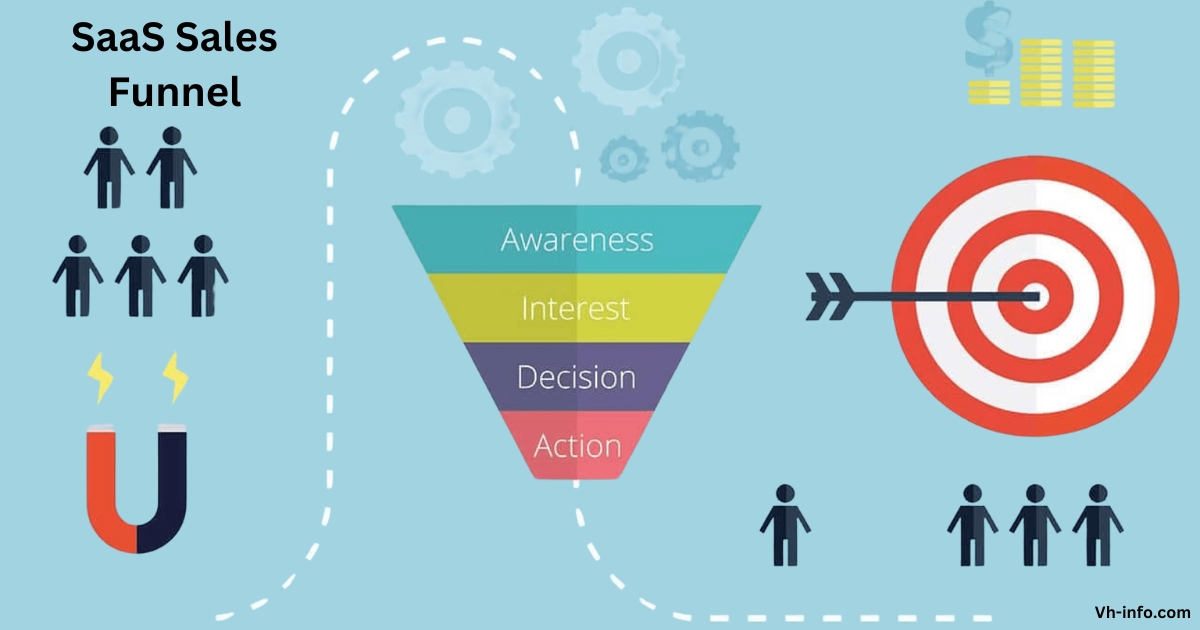
  3. Optimize Conversion Funnels to Increase Conversion Rate: A conversion funnel is the path a potential customer takes from first hearing about your product to actually buying it. Find where people are dropping off along the way and fix those issues. If you can boost your conversion rate, you’ll turn more leads into paying customers, effectively lower CAC because you’re getting more bang for your buck from your marketing efforts.
  4. Go Product-Led Growth To Maximize Customer Lifetime Value: Let your product be the main driver of customer acquisition and retention. When your product is so good that people naturally want to use it and tell others about it, you can reduce your reliance on traditional SaaS marketing and sales efforts. This can lead to a lower cac and an increase in new annual recurring revenue, as satisfied customers will have a higher customer lifetime value.
  5. Segment Customers For Targeted Marketing Efforts: Instead of treating everyone the same, group your potential customers based on their needs and interests. This allows you to create marketing campaigns that speak directly to each group, making your messaging more relevant and effective. Targeted marketing efforts improve conversion rate and customer acquisition because you’re delivering the right message to the right people.
  6. Implement Referral Programs To Acquire New Customers: Encourage your existing satisfied customers to spread the word about your product. Offer them incentives to refer their friends and colleagues. Referral programs can be a very cost-effective way to acquire new customers because you’re using the trust and credibility of your current customer base to lower CAC.

FAQ’s:

What is an Ideal LTV:CAC Ratio For SaaS Companies?

Think of the LTV:CAC ratio as a measure of how much value you’re getting from each customer compared to how much you spent to acquire them. For SaaS companies, the sweet spot is generally a ratio of 3:1 or higher.

This means that for every dollar you spend on customer acquisition, you should be getting at least three dollars in customer lifetime value.

A good ratio indicates that your SaaS business model is sustainable and profitable because your satisfied customers are worth more than it costs to bring them in.

How Often Should You Reevaluate Your CAC?

Keeping tabs on your customer acquisition cost isn’t a one-time thing; it’s something you should do regularly. Ideally, you should reevaluate your CAC every month or at least every quarter.

This allows you to spot any trends or changes in your marketing efforts and sales efforts.

By monitoring your CAC consistently, you can quickly identify what’s working and what’s not, and make adjustments to your marketing strategies to ensure you’re getting the most bang for your buck in new customer acquisition.

Can Reducing Churn Rate Impact CAC Positively?

Absolutely! Reducing churn rate can have a significant positive impact on your customer acquisition cost. When you keep more of your existing customers, you don’t need to spend as much on acquiring new customers to replace the ones you’ve lost.

By focusing on customer retention and providing excellent service, you can create a loyal customer base that sticks with you longer. This reduces the need for constant new customer acquisition, which leads to a lower cac and a healthier bottom line.

How Do Pricing Strategies Affect Customer Acquisition Cost?

Your pricing can have a big influence on your customer acquisition cost. Competitive pricing can attract more potential customers and increase your conversion rate, but it might also lower your profit margins.

On the other hand, value-based pricing can increase your customer lifetime value, but it might also make it harder to acquire new users initially. It’s all about finding the right balance that aligns with your business model and target customer type.

The CAC ratio can be greatly affected by how you price your product.

Conclusion

In conclusion, understanding SaaS CAC benchmarks is super important for SaaS companies wanting to grow sustainably. Keeping a close eye on your customer acquisition cost, knowing what a good CAC looks like for your SaaS industry, and working to lower CAC are key.

By focusing on efficient marketing strategies, maximizing customer retention, and delivering great value to boost customer lifetime value, you can improve your CAC ratio.

Regularly reevaluating your acquisition cost and adapting your approach will ensure you’re getting the most out of your marketing efforts, leading to a healthier SaaS business model and improved profit margins.

In short, smart SaaS customer acquisition is about getting the most new users for the least amount of money, setting you up for long-term success.

Top SaaS Trends To Watch in 2025: Insights For SaaS Industry

The SaaS industry continues to evolve at a breakneck pace, reshaping how businesses operate and deliver value. As we step into 2025, staying informed about emerging SaaS trends is essential for companies aiming to maintain a competitive edge.

With the global SaaS market projected to surpass expectations in market value, understanding these trends can help SaaS providers refine their offerings, improve customer acquisition, and bolster customer retention.

At VH Info, we specialize in helping SaaS businesses thrive by providing actionable insights and strategies tailored to their specific needs. This guide delves into the top SaaS trends shaping the future of the SaaS ecosystem and what factors will influence these developments.

Importance Of Staying Updated On SaaS Trends

Importance Of Staying Updated On SaaS Trends

In recent years, the SaaS market has seen unparalleled growth, fueled by advancements in artificial intelligence (AI), machine learning, and cloud computing.

For software companies, staying ahead of these trends is not just about innovation—it’s about survival.

  1. Customer Retention and Acquisition: Understanding trends like AI-powered automation or low-code platforms can enhance customer experience and streamline customer acquisition costs.
  2. Competitive Advantage: By using emerging technologies such as generative AI or embedded finance, SaaS providers can differentiate themselves in a crowded marketplace.
  3. Operational Efficiency: Trends like edge computing and micro-SaaS enable greater flexibility and scalability, ensuring operational efficiency.
  4. Market Growth Opportunities: Keeping a pulse on the latest trends allows businesses to tap into new markets and expand their customer base.

The Top 23 SaaS Trends In 2025

Top SaaS Trends

The SaaS industry is continuously evolving, driven by advancements in technology, changing customer needs, and the growing demand for innovative solutions.

Below are the key trends shaping the SaaS market in 2025:

Artificial Intelligence

Artificial Intelligence

Artificial intelligence is transforming SaaS offerings by automating workflows, improving customer experience, and delivering predictive analytics. AI-powered tools help SaaS companies personalize services for their customer base while enhancing operational efficiency.

Features like natural language processing (NLP) and machine learning (ML) are now standard in SaaS platforms to improve decision-making and streamline processes.

Cybersecurity

Cybersecurity

Cybersecurity is a critical focus for SaaS providers as cyber threats continue to evolve.

To protect sensitive data, SaaS companies are implementing advanced security measures such as encryption, multi-factor authentication (MFA), and AI-powered threat detection. Furthermore, given the dynamic nature of cloud environments, scanning container security plays a crucial role in preserving the integrity and confidentiality of data within SaaS platforms.

These tools proactively identify vulnerabilities and prevent breaches, ensuring data safety and compliance with regulations like GDPR. AI-driven systems also enable real-time monitoring and predictive analytics to anticipate potential risks.

By prioritizing security, SaaS providers not only protect their customers but also enhance trust and retention in the competitive SaaS market.

Generative AI

Generative AI

Generative AI is transforming SaaS development by automating tasks like content creation, coding, and design.

This technology uses deep learning to analyze patterns and produce high-quality outputs, streamlining workflows and reducing time-to-market for new features. SaaS companies are using generative AI to enhance user experience through personalization and predictive analytics.

For example, platforms like ChatGPT assist in customer support, while tools like GitHub Copilot improve code quality. Generative AI also enables rapid prototyping, making it a cornerstone of innovation in the SaaS ecosystem.

The Construction Industry Moves To SaaS

The Construction Industry Moves To SaaS

The construction industry is increasingly adopting vertical SaaS platforms tailored to its unique needs, such as project management, collaboration tools, and compliance tracking.

These solutions streamline operations by automating tasks like scheduling and budget tracking while providing real-time data access for stakeholders.

By using SaaS platforms, construction firms can improve operational efficiency, reduce costs, and enhance collaboration among teams working across different locations.

This shift highlights the growing trend of industry-specific SaaS solutions designed to address specific challenges.

Focus On Customer Segments

Focus On Customer Segments

Customer segmentation is becoming essential for SaaS providers to deliver personalized experiences and improve customer satisfaction.

By dividing their customer base into groups based on behavior, demographics, or needs, companies can tailor their marketing strategies and product offerings.

This approach reduces customer acquisition costs (CAC) while increasing retention rates by aligning services with specific customer requirements. Effective segmentation also helps businesses identify high-value segments contribute significantly to revenue growth.

PaaS (Platform As A Service)

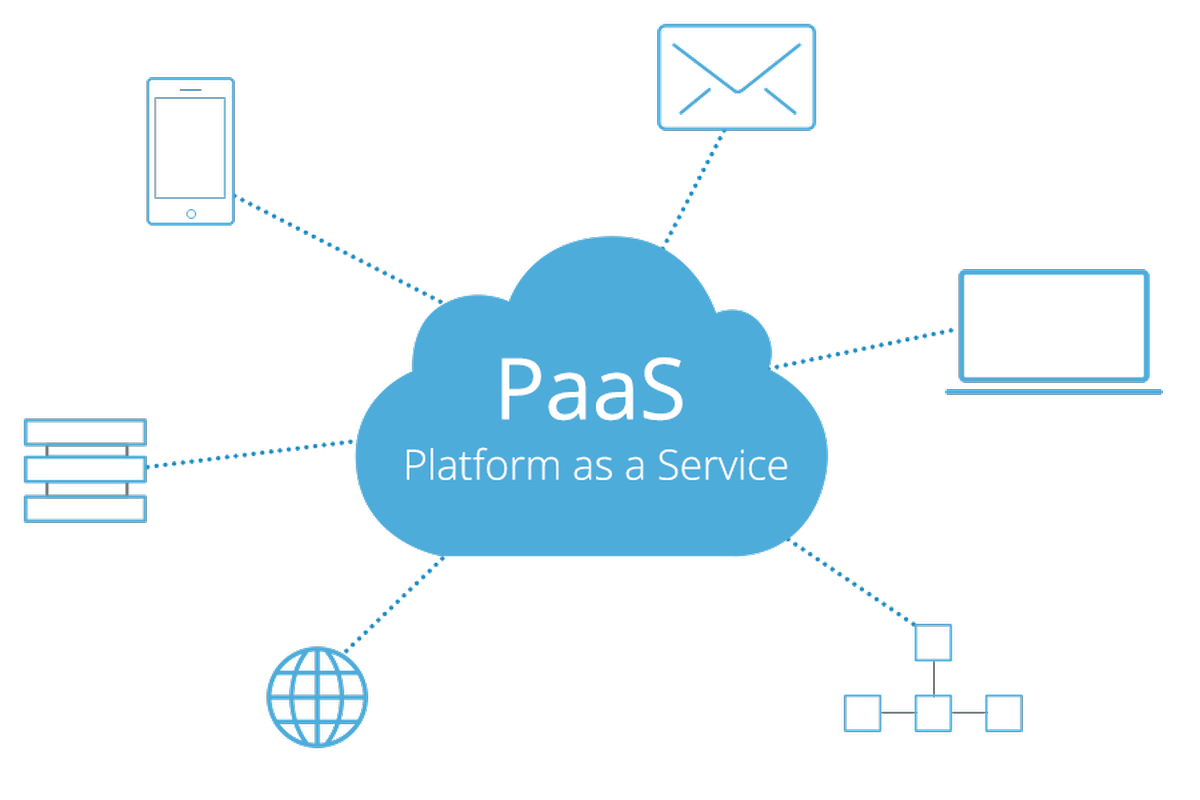
PaaS (Platform As A Service)

PaaS offers developers a cloud-based environment to build, test, and deploy applications without managing the underlying infrastructure.

This service model accelerates product development cycles by providing pre-built tools and middleware for software development. PaaS platforms also enable collaboration among distributed teams and support multi-platform development for web, mobile, or desktop applications.

PaaS helps SaaS providers focus on innovation by reducing operational complexity and costs while scaling their offerings efficiently.

SaaS Security As A Priority

SaaS Security As A Priority

SaaS security is critical as more businesses rely on cloud-based platforms. Providers are enhancing security measures like encryption, multi-factor authentication (MFA), and continuous monitoring to protect sensitive data from breaches.

The rise in remote work has expanded the attack surface, making robust SaaS security essential for safeguarding customer data and maintaining trust. Additionally, compliance with regulations like GDPR and HIPAA ensures legal adherence while boosting customer confidence. Platforms like Scrut simplify this process by helping SaaS providers automate compliance monitoring and maintain consistent security posture across frameworks.

Advanced tools like AI-powered threat detection and Zero Trust frameworks are becoming standard to mitigate risks effectively.

Micro-SaaS

Micro-SaaS

Micro-SaaS focuses on solving niche problems for specific markets with lightweight, cost-effective solutions. These products are typically created by small teams or solo entrepreneurs, offering targeted features that integrate seamlessly into existing systems.

By addressing specific needs, micro-SaaS ensures operational efficiency and delivers high value to its users.

This model is ideal for entrepreneurs aiming for profitability without requiring large-scale investments or external funding, making it a growing trend in the SaaS ecosystem.

Data-As-A-Service (DAAS)

Data-As-A-Service (DAAS)

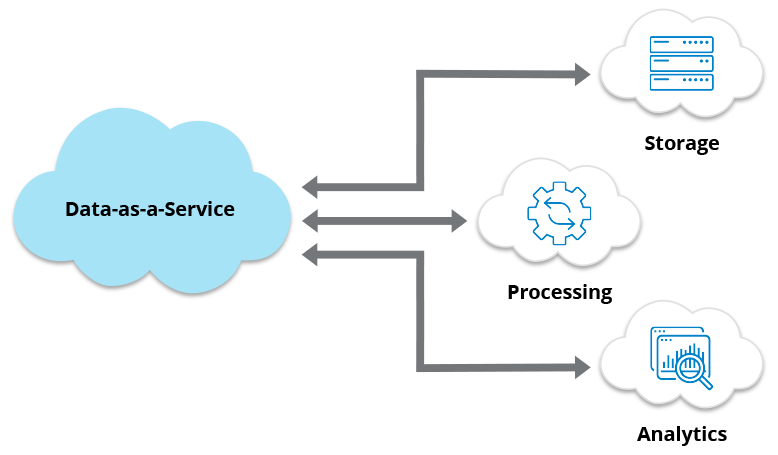
DaaS provides real-time access to data through cloud-based platforms, eliminating the need for costly infrastructure.

By centralizing data and offering predictive analytics, DaaS supports better decision-making and operational efficiency. Businesses benefit from scalability, enhanced data quality, and seamless integration across systems.

This service model empowers organizations to innovate faster while reducing costs and improving customer insights through actionable data.

White Label SaaS

White Label SaaS

White-label SaaS allows companies to rebrand existing software as their own, enabling faster time-to-market and cost savings. This model helps businesses expand their service offerings without investing in software development.

White-label solutions are customizable, scalable, and ideal for building brand identity while meeting specific customer needs. Many SaaS providers use this approach to enhance their offerings and tap into new revenue streams efficiently.

SaaS Market Consolidation

SaaS Market Consolidation

The SaaS market is experiencing significant consolidation as larger companies acquire smaller startups to expand their capabilities and customer base.

This trend benefits both parties—big players gain innovative features quickly, while smaller firms achieve profitability through partnerships. Consolidation also fosters innovation by combining complementary technologies, as seen in major acquisitions like Salesforce buying Slack.

Vertical SaaS

Vertical SaaS

Vertical SaaS targets specific industries such as healthcare, retail, or construction with tailored solutions that address unique challenges.

By focusing on industry-specific needs, these platforms enhance operational efficiency and provide a competitive advantage for businesses in specialized sectors. Vertical SaaS is gaining traction due to its ability to deliver customized functionalities that drive revenue growth.

Micro SaaS Products

Micro SaaS Products

Micro-SaaS products are compact tools designed for niche use cases within broader platforms.

These products solve highly specific problems with minimal complexity, offering cost-effective solutions that complement larger SaaS ecosystems. Their focused approach makes them ideal for startups or small teams looking to serve dedicated user bases efficiently.

RevOps (Revenue Operations)

RevOps (Revenue Operations)

RevOps aligns sales, marketing, and customer service teams to optimize revenue growth and improve customer success rates.

This approach streamlines operations by fostering collaboration across departments and using business intelligence tools for better decision-making. RevOps ensures that all teams work toward common goals, enhancing both customer acquisition and retention strategies.

The Emergence of SaaS Superapps

The Emergence of SaaS Superapps

Superapps integrates multiple functionalities into a single platform, simplifying workflows for users by combining tools like project management software and collaboration features. These apps enhance user convenience by providing a one-stop solution for various tasks, making them a growing trend in the competitive SaaS market.

Edge Computing For SaaS

Edge Computing For SaaS

Edge computing is transforming the SaaS industry by processing data closer to its source, such as IoT devices or local servers, rather than relying solely on centralized cloud infrastructure.

This reduces latency, improves speed, and ensures real-time data availability, which is important for applications like video conferencing, autonomous vehicles, and smart devices.

For remote work environments, edge computing enhances reliability and operational efficiency by minimizing downtime caused by network delays. SaaS providers are increasingly adopting this technology to deliver high-performance solutions that meet the growing demand for faster and more responsive services.

Sustainable SaaS

Sustainable SaaS

Sustainability is becoming a key focus in the SaaS industry as businesses and consumers demand eco-friendly practices. SaaS providers are adopting energy-efficient technologies, such as green data centers and optimized cloud infrastructure, to reduce their carbon footprint.

By integrating sustainable practices into their service models, companies can align with customer values while cutting operational costs. Additionally, sustainable SaaS solutions promote long-term environmental benefits by minimizing waste and energy consumption.

This trend not only addresses environmental concerns but also enhances brand reputation and attracts environmentally conscious customers.

The Ongoing Need For API Connections

The Ongoing Need For API Connections

APIs (Application Programming Interfaces) are vital for enabling seamless integration between different systems within the SaaS ecosystem. They allow diverse platforms to communicate and share data efficiently, supporting collaboration tools and enhancing user experience.

Flexible APIs empower businesses to adapt quickly to changing market demands by adding new functionalities or connecting with third-party services without disrupting existing workflows.

As SaaS offerings become more complex, the need for robust API connections grows, ensuring scalability and innovation in product development. APIs also play a critical role in improving operational efficiency across industries by streamlining processes and enabling real-time data exchange.

Flexible API-Based Infrastructure

Flexible API-Based Infrastructure

The API-based infrastructure allows SaaS companies to integrate modular components seamlessly into their platforms. This flexibility supports rapid updates and scalability without disrupting existing systems.

APIs enable businesses to customize workflows by connecting with third-party services or building new functionalities quickly. This approach fosters innovation while improving user experience by ensuring smooth data exchange across integrated applications.

BI Powered SaaS Tools

BI Powered SaaS Tools

Business intelligence (BI) tools embedded within SaaS platforms provide actionable insights through advanced analytics and real-time reporting.

These tools help organizations make data-driven decisions by visualizing key metrics via dashboards and reports. BI-powered solutions optimize resource allocation, identify trends, and improve operational efficiency across departments like sales, marketing, and finance.

Embedded Finance

Embedded Finance

Embedded finance integrates financial services directly into SaaS platforms, enabling features like automated payments, invoicing, and lending solutions.

This integration creates new revenue streams for providers while enhancing customer experience through seamless financial transactions.

Embedded finance also improves customer retention by offering value-added services tailored to specific industries, such as equipment financing in construction software or payroll automation in HR platforms.

No Code/Low Code Platforms

No Code/Low Code Platforms

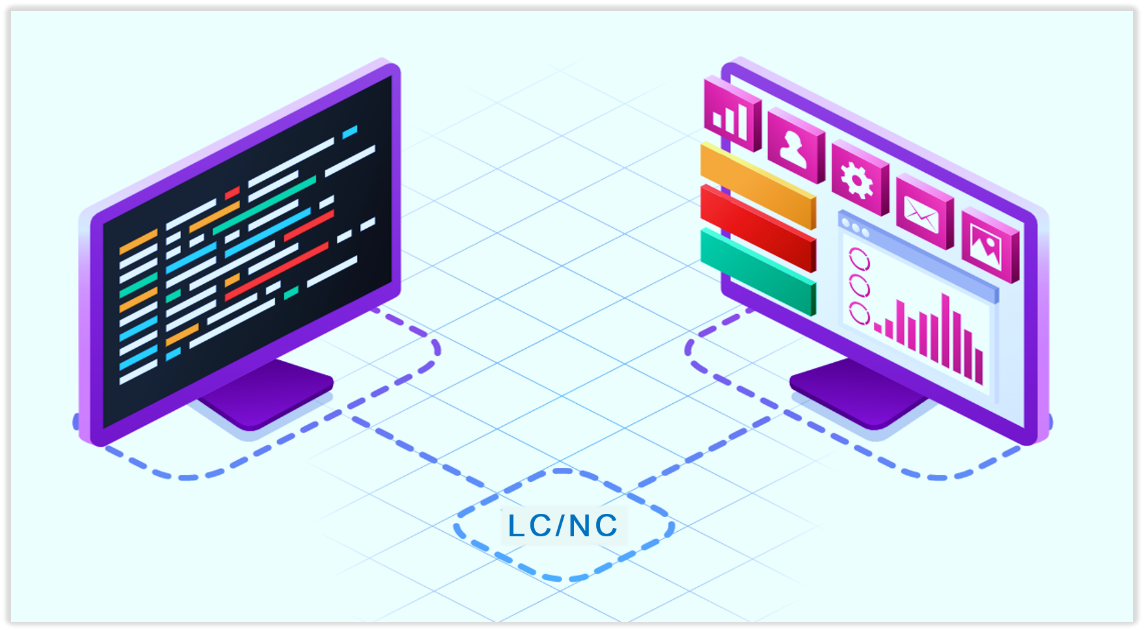
No-code/low-code platforms empower non-technical users to develop applications using drag-and-drop interfaces or pre-built templates. These tools reduce reliance on traditional coding expertise, accelerating development cycles while lowering costs.

Businesses use these platforms to prototype quickly or automate workflows without extensive IT involvement. No-code/low-code solutions democratize software development by enabling “citizen developers” to create functional apps that address specific business needs.

Greater Focus On Customer Success

Greater Focus On Customer Success

No-code/low-code platforms empower non-technical users to develop applications using drag-and-drop interfaces or pre-built templates.

These tools reduce reliance on traditional coding expertise, accelerating development cycles while lowering costs. Businesses use these platforms to prototype quickly or automate workflows without extensive IT involvement.

No-code/low-code solutions democratize software development by enabling “citizen developers” to create functional apps that address specific business needs.

What Will Shape SaaS Trends in 2025 and Beyond?

What Will Shape SaaS Trends in 2025 and Beyond?

Several factors will influence the trajectory of the future of SaaS:

  1. Customer Demand: Evolving customer needs will dictate which features gain prominence.
  2. Competitive Environment: The race for market share will spur innovation among software companies.
  3. Evolving Regulatory Conditions: Compliance with new regulations will shape product development.
  4. Technology Advancements: Emerging technologies like generative AI will redefine possibilities within the tech world.
  5. Economic Factors: Economic stability impacts investment in new projects.
  6. Investor Expectations: Meeting investor expectations will drive strategic decisions within the industry.

Latest Trends Of Artificial Intelligence In The SaaS Industry

Latest Trends Of Artificial Intelligence In The SaaS Industry

Artificial intelligence (AI) continues to revolutionize the SaaS industry, enabling businesses to deliver smarter, more efficient, and personalized solutions.

Below are the key AI trends transforming SaaS in 2025:

AI-Powered Automation

AI-powered automation is reshaping SaaS platforms by streamlining workflows and eliminating repetitive tasks.

For example, AI tools can automate data entry, report generation, or customer support processes.

This not only reduces manual effort but also improves operational efficiency and accuracy. SaaS companies are using machine learning algorithms to optimize project management tools and enhance operational workflows.

By automating routine tasks, businesses can focus on strategic initiatives, boosting productivity and reducing costs.

Personalized User Experiences

Personalization is a game-changer for SaaS platforms, thanks to AI’s ability to analyze user data and preferences. AI algorithms tailor services, content, and even interfaces based on individual user behavior.

For instance, Netflix uses AI to recommend shows based on viewing history, while SaaS platforms like HubSpot customize dashboards for each user. This hyper-personalization improves customer satisfaction, engagement, and retention by delivering experiences that feel uniquely tailored to each user’s needs.

Predictive Analytics and Insights

Predictive analytics uses historical and real-time data to forecast future trends and behaviors. SaaS platforms use AI-powered predictive models to anticipate customer churn, optimize marketing strategies, or forecast sales.

For example, Salesforce’s Einstein AI predicts customer behavior to help businesses make informed decisions.

Enhanced Security and Fraud Detection

AI is critical for enhancing SaaS security by detecting and preventing fraud in real-time. Machine learning algorithms analyze user behavior patterns to identify anomalies or potential threats.

For example, fraud detection systems can flag unusual login attempts or suspicious transactions instantly.

These systems continuously learn from new data to adapt to evolving threats. By integrating advanced security measures such as multi-factor authentication (MFA) and anomaly detection tools, SaaS providers protect sensitive customer data while maintaining trust.

Natural Language Processing (NLP) and Conversational AI

NLP allows SaaS platforms to understand and respond to human language naturally through chatbots or virtual assistants. Conversational AI tools like chatbots powered by NLP handle customer queries efficiently by analyzing context and intent.

For example, platforms like Intercom or Drift use NLP-driven bots to provide instant support or route users to the right resources. This technology improves first-contact resolution rates while offering a seamless customer experience.

Over time, these systems learn from interactions, becoming more accurate and responsive. These trends highlight how AI is driving innovation in the SaaS ecosystem by enhancing automation, personalization, security, and predictive capabilities.

As AI technologies continue to evolve, their integration into SaaS platforms will further transform how businesses operate and deliver value to their customers in 2025 and beyond.

Conclusion

As we move through 2025, the SaaS industry continues to grow and adapt, driven by advanced technologies like artificial intelligence, machine learning, and edge computing.

Staying updated on these SaaS trends is vital for businesses to maintain a competitive edge in the global SaaS market.

From AI-powered automation and cybersecurity to sustainable SaaS practices and embedded finance, these trends are reshaping how SaaS providers deliver value to their customer base.

Additionally, the rise of vertical SaaS and micro-SaaS solutions highlights the importance of addressing specific industries and niche markets. With the ongoing need for API connections and flexible infrastructure, innovation within the SaaS ecosystem will remain at the forefront.

Ultimately, businesses that embrace these trends and align their strategies with evolving customer expectations will thrive in this dynamic and competitive environment.

At VH Info, we are committed to helping SaaS providers navigate these changes with actionable insights and tailored strategies for success.

AI Tools for Students: How to Boost Learning and Productivity in 2025

Artificial Intelligence (AI) has significantly transformed education, offering students new ways to learn, engage, and improve their academic performance. From personalized tutoring to automated grading systems, education AI tools have made learning more efficient and accessible than ever before.

AI Tools for Academic Success – When AI Isn’t Enough

AI is not only about understanding concepts; it also assists students in completing assignments quickly and effectively. However, certain academic tasks require more in-depth analysis and expertise that AI tools may not be equipped to handle. If you’re facing a difficult task that AI struggles with, our expert service is here to help with all types of college assignments, including philosophy essay writing service for students. Our philosophy writing service offers professional support for those who need help crafting well-researched, thought-provoking essays that meet the rigorous demands of philosophy coursework. Whether you’re grappling with ethical dilemmas or complex philosophical theories, our experienced writers can ensure accuracy, clarity, and depth in your philosophy essays.

Best AI Tools for College Students

AI tools cater to various educational needs, from writing assistance to personalized tutoring. Here are some of the most effective AI tools helping students boost their academic performance:

1. Learning Management Systems (LMS) – Coursera, Moodle

AI-integrated LMS platforms analyze student progress and suggest personalized learning materials. Modern AI powered LMS platforms go a step further by using machine learning algorithms to track behavior, predict learning gaps, and deliver highly customized content.These systems help students stay on track by providing adaptive learning modules tailored to their strengths and weaknesses. These systems help students stay on track by providing adaptive learning modules tailored to their strengths and weaknesses. With the rise in Learning Management System (LMS) development, educational institutions and training providers are now building smarter platforms that combine AI with real-time data to offer more effective and engaging learning experiences.

2. Virtual Tutors – ScribeSense, Carnegie Learning

How can AI help students understand difficult subjects? Virtual tutors analyze student responses, identify weak areas, and provide targeted lessons. These tools offer instant feedback, making the learning process more interactive and engaging.

3. Language Learning AI – Duolingo, Rosetta Stone

Language learning has become more accessible thanks to AI. These tools simulate conversations, analyze pronunciation, and tailor lessons based on individual progress. Using AI in the classroom ensures students can practice languages in a dynamic, immersive environment.

4. Writing Assistants – Grammarly, Hemingway Editor

Writing can be challenging, but AI-powered tools like Humanize AI-generated writing help students improve grammar, structure, and coherence. These assistants analyze text, suggest improvements, and enhance writing quality, making them invaluable for academic essays and research papers.

5. Note-Taking & Transcription – Otter.ai, Sonix

For students attending lectures, AI-powered transcription tools convert spoken content into written text, ensuring they never miss essential details. These tools help with organization, allowing students to review and search lecture notes efficiently.

6. Academic Assistance Chatbots – ChatGPT, Socratic

Chatbots in higher education, powered by AI provide instant answers to student queries, reducing the need for extensive online searches. These bots assist with research, coursework, and general academic inquiries, enhancing learning efficiency.

7. Productivity & Organization – Notion, Todoist AI

AI-driven productivity tools help students manage their schedules, set reminders, and track deadlines. Features like AI-powered calendars and automated to-do lists ensure students stay on top of their academic responsibilities without feeling overwhelmed.

8. Free AI Tools – QuillBot, Citation Machine

WWhile many AI-powered platforms come with subscription fees, several free AI tools for students provide essential academic assistance—and it’s important to use secure passwords when signing up to protect personal information. Free AI-based grammar checkers, citation generators, and virtual tutors help students refine their work without extra costs.

9. AI Math Solvers – Calculator-Online AI Math Solver

For students facing complex equations or needing step-by-step guidance in math, AI-powered math solvers are game-changers. AI Math Solver by Calculator-Online.net helps users instantly solve algebra, calculus, and other mathematical problems with detailed solutions. It’s an excellent support tool for homework, exam prep, or when stuck on a tricky question. Unlike generic calculators, this AI-driven solver explains the logic behind each step, making it a valuable learning companion rather than just a shortcut.

Choosing the Right AI Tool for Your Needs

With so many AI tools available, selecting the right one can be challenging. Consider the specific needs of your coursework and personal learning style. Some AI tools specialize in tutoring, while others focus on productivity or research assistance. Look for tools that integrate well with your existing study habits, offer reliable accuracy, and have positive user feedback. Testing a few different options can help determine which AI-powered solutions enhance your academic performance most effectively.

The Role of AI in Education

AI is reshaping the educational landscape by improving access to learning resources, enhancing engagement, and personalizing instruction. Teachers and students benefit from AI-driven insights that identify knowledge gaps and suggest targeted study strategies. However, while AI supports the learning process, it cannot replace the critical thinking, mentorship, and emotional support provided by human educators. The best approach is a blended learning model where AI complements traditional teaching methods, ensuring students receive well-rounded education experiences.

Future of AI in Education

The future of AI in education is promising, with continuous advancements expected to make learning even more efficient. From AI-powered assessment tools to real-time collaboration platforms, AI is set to reshape the academic landscape. However, while AI enhances learning, the role of educators remains irreplaceable. AI should be seen as a supplement to traditional teaching, supporting rather than replacing human interaction.

Conclusion

How AI can help students extends beyond just personalized learning. By offering tailored instruction, improving accessibility, and automating tedious tasks, AI tools are reshaping education. Whether through adaptive tutoring, writing assistance, or organizational tools, AI is empowering students to achieve their academic goals more efficiently. As technology evolves, leveraging AI tools will be essential for maximizing learning potential in 2025 and beyond.

How to Start a Shopify Store as a College Student: A Step-by-Step Guide to Earning Online

Many students dream of launching an online business while balancing their studies. With the right approach, starting a Shopify store can be an excellent way to earn extra income and gain real-world business experience. This guide walks you through the process, from selecting a product to growing your store successfully.

What Is an Ecommerce Business?

An ecommerce business is a store that operates online, allowing customers to browse, purchase, and receive products or services through digital transactions. Whether you’re selling handmade crafts, digital downloads, or dropshipping products, ecommerce opens up opportunities for entrepreneurs to reach global audiences.

Balancing Business and Education

Starting an online business requires time and dedication. As a college student, balancing coursework and business operations can be challenging. Tasks such as market research, website setup, and customer service can take hours each day. If you’re applying for scholarships or handling academic assignments, you may find it difficult to manage everything. In such cases, you can use personalized writing for your application to ensure your academic goals are met while focusing on your business.

Step 1: Find a Profitable Product Idea

The first step in launching your Shopify store is deciding what online business to start. Your product choice should align with market demand and your interests. Conduct research on trending items, potential competition, and sourcing methods.

Evaluating Your Idea

Before investing in inventory, assess whether your product has market potential. Check online forums, social media trends, and competitor websites. Testing product interest through surveys or pre-orders can help determine viability.

Step 2: Research Your Competition and Plan Your Business

Understanding the market is crucial for success. Conducting competitive analysis allows you to refine your business model and positioning strategy. Writing a business plan helps you stay organized and create a roadmap for growth. To effectively translate strategic goals into measurable outcomes, best OKR software can help teams align objectives, track progress in real time, and ensure that competitive insights and business planning efforts are consistently executed toward clear growth targets.

Step 3: Set Up Your Shopify Store

Once you’ve identified a profitable niche, it’s time to set up your online store. If you’re wondering how does Shopify work, the platform provides a user-friendly interface with customizable themes, secure payment options, and integration tools for marketing and shipping.

Choosing Your Store Name and Branding

Your brand’s name and visual identity should be memorable and reflect your business’s mission. Use Shopify’s free logo maker to create a professional look.

Optimizing Your Store for Search Engines

To attract organic traffic, learn the basics of search engine optimization (SEO). High-quality product descriptions, optimized images, and relevant keywords improve your visibility on search engines.

Step 4: Develop a Marketing Strategy

Marketing is essential for attracting customers and driving sales. You can also use tools like The QR Code Generator (TQRCG) to create scannable links for promotions, making it easier to bridge offline and online marketing efforts. To understand Shopify how it works with digital marketing, consider utilizing social media, influencer collaborations, and email campaigns.

Selecting the Right Sales Channels

Apart from selling on Shopify, you can expand to platforms like Etsy, Amazon, and eBay to reach a broader audience. Each marketplace has different advantages, so choose the ones that align with your business goals.

Step 5: Shipping and Fulfillment Strategies

Reliable shipping is key to customer satisfaction. Whether you fulfill orders yourself or use a dropshipping model, offering affordable and timely delivery helps build trust with your audience.

Step 6: Growing Your Ecommerce Business

A common question among new entrepreneurs is how to grow my business online. Implementing effective strategies such as email marketing, customer loyalty programs, and social media engagement can increase visibility and sales.

Is Ecommerce Profitable?

Many students wonder, is ecommerce profitable? While success varies, those who invest in strong branding, customer service, and effective marketing see long-term rewards. Profits may not be immediate, but with patience and persistence, your business can flourish.

Understanding Business Costs

If you’re wondering how to make an online business on a budget, Shopify offers cost-effective solutions. Start-up costs may include domain registration, platform subscription, and marketing expenses. Those operating a dropshipping model may have fewer upfront costs, while businesses that manufacture their own products need to budget for production and inventory.

Tips for a Successful Shopify Store

Running a Shopify store as a college student requires careful planning and time management. Here are some essential tips to help you stay on track:

  • Start small and scale gradually: Focus on a niche product rather than trying to sell everything at once.
  • Leverage social media marketing: Platforms like Instagram and TikTok are powerful tools to showcase products and engage with potential customers.
  • Automate where possible: Use Shopify apps to manage inventory, email campaigns, and customer inquiries efficiently.
  • Monitor performance metrics: Track conversion rates, sales data, and customer feedback to refine your strategy over time.

How Much Does It Cost to Start a Shopify Store?

The cost of starting a Shopify store varies depending on the business model. At a minimum, expect to pay for:

  • Shopify subscription: Plans start at $29/month for basic features.
  • Domain registration: Typically around $10-$20 per year.
  • Product inventory or dropshipping fees: Varies based on sourcing method.
  • Marketing expenses: Paid ads, influencer collaborations, and SEO tools may add to costs.

While it’s possible to start with a low budget, investing in high-quality branding and marketing strategies will yield better long-term results. Some students also explore regions with free tax benefits to optimize their business expenses.

Final Thoughts

Starting a Shopify store as a college student is an exciting and rewarding endeavor. With the right strategies, you can successfully launch and grow an ecommerce business while gaining valuable entrepreneurial skills. Follow this ecommerce tutorial to set yourself up for success and turn your passion into a profitable venture.

SaaS Skills: What Companies & Employers Look For In Applicants?

At VH Info, we take pride in helping SaaS companies refine the skill set needed to thrive.

A competitive edge in the SaaS industry comes from blending technical proficiency, effective communication, and strategic vision to address actual customer needs.

Factors like user experience, data analysis, and awareness of industry trends all play a role. Each person—from a SaaS product manager to a sales leader—requires a diverse skill set for business growth.

Let’s examine the essentials that guide a successful product manager, drive marketing campaigns, elevate customer experience, and nurture robust project management practices.

The material here presents actionable best practices that can spur continuous improvement across any SaaS product’s lifecycle.

What Are SaaS Skills?

What Are SaaS Skills?

SaaS skills refer to the essential skills professionals demonstrate when developing, marketing, selling, and managing a SaaS product. These talents appear in roles from software development to product management and from marketing teams to sales teams.

Each SaaS role depends on proper time management, technical proficiency with new technologies, and the ability to interpret customer feedback. Professionals also need soft skills like communication skills and organizational skills to coordinate across functions.

Whether the goal is to improve a development process, transform a product strategy, or build better customer support channels, SaaS skills keep teams aligned.

Unlike traditional software development, SaaS focuses on constantly updating product features and refining the user experience.

That means roles like a SaaS product manager must stay current with market trends, build innovative solutions, and apply leadership skills that unite diverse teams. Every department—engineering, marketing, and sales—plays a part in driving better decisions and securing the biggest impact in a competitive landscape.

Key Areas of Application in SaaS

Key Areas of Application in SaaS

Skills in the SaaS industry extend beyond product development. They apply simultaneously in marketing campaigns, sales process optimization, and customer support. These areas combine to shape a clear vision for growth.

  1. Product Development and Management: A skilled product manager interprets customer needs, sets product feature priorities, and leads the development process. Product manager skills range from data analysis on customer behavior to articulating a clear communication plan for internal teams.
  2. Marketing and Growth: SaaS companies rely on multiple channels, such as social media and email marketing, to reach their target market. Teams monitor industry trends and market dynamics so they can tailor messages that align with the competitive landscape.
  3. Sales and Revenue Operations: SaaS sales teams refine their sales process by blending technical proficiency with relationship-building tactics. By focusing on user experience, these teams cater to customer needs directly, turning prospects into loyal buyers.
  4. Customer Support and Success: A commitment to ongoing customer support builds trust and paves the way for a positive customer experience. From troubleshooting complex concepts to collecting customer feedback, support teams reinforce the product’s value.

What Are The Must-Have B2B SaaS Marketing Skills?

What Are The Must-Have B2B SaaS Marketing Skills?

  1. Industry Knowledge: Marketers in the SaaS industry stay ahead of market trends to engage the right target market and maintain a keen sense of competition. Awareness of new technologies and historical data helps in mapping the competitive landscape and shaping effective campaigns.
  2. Marketing-Specific Skills: Successful marketing campaigns hinge on understanding multiple channels such as social media, email marketing, paid advertising, and direct outreach. A strong grasp of product strategy, market dynamics, and the biggest impact channels guides high-value engagement.
  3. People Skills: Marketing involves a blend of communication skills and collaboration. Whether negotiating partnerships or aligning with a sales team, people skills are important. This focus on effective communication promotes alignment with product management teams and fosters better decisions at every milestone.
  4. Problem-Solving: SaaS marketers solve issues ranging from limited audience reach to positioning the product in a crowded market. A systematic approach draws on data analysis, user experience reviews, and product manager input to produce innovative solutions.
  5. Content Creation and Creativity: SaaS marketers who highlight product features and user benefits through creative content earn trust. By simplifying complex concepts, they improve brand authority and show a deep knowledge of the product. Persuasive and informative content can yield continuous improvement across marketing channels.
  6. Project Management: Project management skills help B2B marketers organize tasks, hit deadlines, and coordinate among teams. A planned approach ensures efficient use of the budget and helps maintain a consistent brand identity. This also influences a positive user experience by eliminating inconsistencies.
  7. Data Analysis: Modern marketing decisions rely heavily on data analysis. Marketers use quantitative insights to measure campaign success, assess customer behavior, and refine strategies. Cross-functional collaboration with development teams opens the door to deeper data-driven insights.
  8. Tech Skills: Technology-driven marketing tools track conversions, automate messages, and support rapid iterations. Basic technical proficiency helps marketers configure analytics platforms, interpret performance metrics, and communicate more effectively with product and development teams.

Essential Technical Skills For SaaS Professionals

Essential Technical Skills For SaaS Professionals

In today’s technology-focused world, SaaS workers need strong technical skills to do well in their jobs.

These skills include many areas, like software development, cloud computing, and data analysis. This knowledge helps them with creating, launching, and managing SaaS products and services.

  1. Programming and Development Skills: SaaS professionals who code or oversee a development process rely on expertise in languages such as JavaScript, Python, or Ruby. For robust software development, that knowledge of the product’s architecture ensures stable product feature deployment. A focus on security, speed, and maintainability drives better user experiences.
  2. Cloud Computing and Infrastructure Knowledge: As the SaaS industry thrives on cloud-based models, cloud services like AWS or Azure handle hosting, scalability, and reliability. Familiarity with virtual environments, load balancing, and deployment pipelines benefits all roles in SaaS companies. By monitoring usage metrics, teams decode historical data and make improvements.
  3. Data Analytics and Database Management: Data analysis underpins all major decisions that affect the product experience. Teams integrate tools for capturing and analyzing data in real-time, shaping product manager skills in optimization. With database systems, a well-managed approach to user records boosts security and fosters efficient operations.
  4. API Integration and Management: Many SaaS products rely on strategic integration with external apps. Mastery in developing and managing APIs expands functionality, streamlines user experience, and strengthens brand relationships. Those with a diverse skill set in integration connect multiple services to capture a broader audience.
  5. Cybersecurity Best Practices: Security lapses damage loyalty and brand reputation. SaaS professionals must know best practices including encryption, data backups, and vulnerability testing. Proactive attention to risk management benefits the entire sales team, product team, and executive leadership.

Critical Soft Skills For SaaS Success

Critical Soft Skills For SaaS Success

Technical skills are important in the SaaS industry. However, soft skills make professionals stand out and help them succeed over time.

  1. Problem-Solving and Critical Thinking: Teams frequently face unexpected challenges during product development, marketing campaigns, or user support. Resourceful problem-solving is vital for adapting to ever-shifting market dynamics. By approaching each obstacle with structured thinking, individuals become invaluable.
  2. Communication and Collaboration: Clear communication promotes alignment on product strategy, feature priorities, and deadlines. Collaboration across the sales team, development group, and customer support fosters synergy. Colleagues share best practices, refine approaches, and maintain a consistent brand voice.
  3. Strategic Thinking and Decision-Making: A SaaS professional who sets a clear vision for a product or an entire company invests in strategic vision. This approach balances short-term needs with long-term growth. It’s linked to tested leadership skills like analyzing market trends, using historical data, and staying aware of potential shifts in customer behavior.
  4. Time Management and Organization: Poor time management or disorganized priorities can derail high-potential projects. Effective milestone management streamlines large undertakings like cross-functional product development, ensuring schedules are maintained, costs are controlled, and consistent user experience improvements are delivered.
  5. Adaptability and Resilience: The SaaS industry pivots quickly, especially when novel solutions, new technologies, or significant market trends appear. Resilient professionals respond to user feedback, refine product features, and maintain momentum through uncertain conditions. Adaptability leads to continuous improvement.

SaaS Sales Leader Skills

SaaS Sales Leader Skills

SaaS sales leaders are very important for helping companies grow their revenue. They lead and motivate teams to reach sales goals. In a tough market, they need special skills to handle complex sales, build strong customer bonds, and adjust to changes in the SaaS world.

  1. Strategic Vision: A sales leader in SaaS sales creates an overarching plan for revenue growth by analyzing both historical data and future-focused metrics. That clear vision maps out sales process steps and positions the team to address shifting customer needs.
  2. Team Leadership: High-performing sales teams flourish when leadership skills prioritize guidance, motivation, and trust. An active leader fosters communication skills and personal accountability. By encouraging professional development, the sales leader sets the stage for business growth.
  3. Sales Process Optimization: Employers look for essential skills in SaaS sales leaders. They should improve sales processes with new tech and best practices. Every step, from market targeting to personalized outreach, aims to maximize revenue impact.
  4. Customer-Centric Approach: Gaining a competitive edge starts with focusing on customer experience. This approach involves recognizing customer behavior and tailoring solutions to ease pain points. Clear communication about product features, pricing, and benefits builds long-term loyalty.
  5. Revenue Forecasting and Management: To predict well, study trends and past data. Good sales leaders set achievable goals, track progress, and adapt strategies based on outcomes. When finance, product, and marketing work together, everyone gains.
  6. Negotiation Skills: Sales leaders gain ground by aligning product value with buyer expectations. They highlight knowledge of the product’s unique advantages and present it in a way that resonates with the customer’s target market. Strong negotiation fosters trust and helps finalize deals.
  7. Tech-Savviness: SaaS sales revolve around technology. A sales leader demonstrates technical proficiency, easily navigating CRM platforms, analytics tools, and automation suites. Whether training a sales team or evaluating new software, this person’s expertise paves the way for a well-integrated environment.
  8. Communication Skills: A sales process relies on effective communication through presentations, emails, and calls. Buyer and seller must both see the product’s fit. Sales leaders unify talking points, address complex concepts plainly, and reinforce brand confidence.
  9. Analytical Thinking: Solid analysis of conversion rates, win/loss ratios, and pipeline data guides better decisions. The sales team can zero in on friction points and adapt quickly. Analytical thinking leads to the biggest impact when it balances real-time metrics with strategic vision.
  10. Adaptability and Resilience: Rapid changes in market dynamics demand resilience. A sales leader who responds to product feedback clarifies the next steps for the sales team, and champions continuous improvement leads in both good times and challenging moments.

SaaS Skills By Role

SaaS Skills By Role

The skills needed for a job in the SaaS industry can change based on the role’s duties. Still, there are key skills that can help in many different SaaS jobs.

  1. Skills For SaaS Developers: Developers create, maintain, and improve a SaaS product. Essential strengths include software development expertise, a solid development process, and knowledge of the product’s codebase. Developers also apply soft skills for cross-team collaboration, ensuring that new releases address customer needs.
  2. Skills For SaaS Sales Representatives: A strong SaaS sales approach thrives on product knowledge, time management, and communication skills. Representatives must zero in on custom benefits for the buyer’s situation. By recognizing the target market and highlighting relevant product features, they expand the pipeline and accelerate business growth.
  3. Skills For SaaS Marketers: Marketers excel at combining data analysis, creative content production, and an eye for market trends. Whether they are building marketing campaigns, refining email marketing flows, or engaging on social media, they tie back each activity to customer behavior, product positioning, and revenue impact.
  4. Skills For SaaS Operations Teams: Operations roles demand organizational skills, a clear vision of company workflows, and an approach that unites cross-departmental processes. Individuals oversee resource allocation, coordinate product updates, and maintain internal tools. Coordinating with a chief product officer or a product manager streamlines the entire SaaS ecosystem.
  5. Skills For Customer Service Teams: These teams handle customer feedback, troubleshooting, and user concerns. Essential skills include empathy, effective communication, and deep knowledge of the product. Prompt and knowledgeable customer support leads to positive customer experience metrics and fosters retention.

How to Develop SaaS Skills?

How to Develop SaaS Skills?

  1. Online Courses and Certifications: Many platforms offer targeted training. Whether it’s advanced programming or product manager skills, courses help professionals strengthen a diverse skill set. Gaining recognized certifications demonstrates credibility.
  2. On-the-Job Training and Mentorship: Hands-on learning goes a long way. Working closely with experts encourages real-world lessons in project management, software development, or marketing. Mentors share direct experiences with new technologies, from how to orchestrate a product release to ways of capturing user feedback.
  3. Networking and Industry Events: Events connect SaaS professionals who discuss best practices and new ideas. Meeting others in the SaaS field helps participants detect emerging product strategy techniques, uncover relevant market trends, and refine approaches to leadership or product development.
  4. Staying Updated With Industry Trends: Blogs, podcasts, webinars, and data-driven reports add insight into the current competitive landscape. Tracking shifts in user preferences, tech releases, or advanced marketing campaigns provides the perspective needed for better decisions.

FAQ’s:

What Makes a Successful SaaS Professional?

A successful individual in SaaS keeps a clear communication style, monitors user experience rigorously, and demonstrates a keen sense of market trends. They apply a mix of soft skills, time management, technical proficiency, and leadership skills to ensure continuous improvement.

What Are The Most In-Demand SaaS Skills?

Roles typically emphasize a combination of product manager skills, data analysis, sales optimization, and project management. Knowledge of programming languages, best practices in cybersecurity, and the capacity to translate complex concepts also stand out.

Do I Need Technical Knowledge to Work in SaaS?

Not every position demands in-depth software development ability, but technical proficiency broadens career potential. Even roles in marketing campaigns or customer support benefit from basic familiarity with the product and an awareness of new technologies.

How Can I Improve My Technical Skills For a SaaS Career?

Candidates often use online courses, practical projects, and mentorship programs to refine their skill sets. Participation in hackathons or open-source collaborations can also accelerate growth, especially when aiming for a successful product manager or developer role.

Are Soft Skills As Important As Technical Skills in SaaS?

Yes. Clear vision, organizational skills, empathy, and problem-solving drive better user experiences. Soft skills—including effective communication and adaptability—are essential for bridging technical goals with customer needs, enabling teams to remain flexible in a competitive landscape.

How Do Agile and Scrum Methodologies Apply to SaaS Development?

They speed up product development by splitting tasks into manageable sprints, relying on continuous feedback loops for product features. Agile or scrum fosters better decisions by driving team collaboration, quick iteration, and an openness to refining product strategy.

Conclusion

SaaS skills integrate both technical expertise and soft skills for lasting success. They allow SaaS companies to create a refined product strategy, build meaningful user experience journeys, and adapt to ever-changing market dynamics.

Professionals who combine communication skills, data analysis, organizational skills, and time management show a bigger capacity for meeting customer needs. Additionally, continuous improvement in areas like product management, SaaS sales, and software development remains vital for securing a competitive edge.

VH Info encourages every SaaS professional to evaluate their skill set regularly and commit to building new capabilities.

Whether it’s refining leadership skills as a sales leader or polishing your approach as a SaaS product manager, consistent effort in these essential skills can yield significant returns.

By applying smart practices, harnessing user feedback, and adopting new technologies thoughtfully, your team empowers a powerful SaaS product that sets the stage for lasting business growth.

AI-Powered Chatbots vs. Traditional Chatbots: What’s the Future

AI-powered chatbots featuring conversational AI have become a new norm in businesses. On the other hand, conversational AI is changing keyword-based and rule-based chatbots, as 90 percent of consumers prefer them. Owing to their distinct usability and efficiency, some companies prefer conversational AI, contrary to a few preferring traditional chatbots. 

Traditional chatbots evolved under the digital revolution and constantly remained in demand in the market. However, AI revolutionized the business market, leading to the rapid replacement of traditional chatbots. AI chatbots are not only efficient, personalized, and effective, but they also yield better customer satisfaction. 

What’s the Future of Chatbots?

The future of chatbots is clear: AI chatbots will prevail in the market. Conversation AI software such as Siri and Amazon Alexa exemplifies the claim. They can concert with humans, understand their simple to complex commands, and respond appropriately to given data. Moreover, they have much broader data to analyze. 

In contrast, keyword-based traditional chatbots are designed on prerequisite scripts and can generate limited responses. They are susceptible to keeping the audience in the loop, moving about simple inquiries, such as the issue, steps to solve it, code generation, and simple message forwarding. 

Similarly, rule-based traditional chatbots work in a similar way to keyword-based chatbots. They also follow a predetermined set of instructions and cannot adapt to the situation. AI chatbots, including vitaminise chatbots, are solution-driven, focusing on the context, voiced instructions, and writing data to provide a personalized response to the consumer. Henceforth, AI chatbots are the future.  

Benefits of AI Chatbots over Traditional Chatbots

Sophisticated AI Technology

Sophisticated AI Technology consists of natural language processing (NLP) and machine learning (ML). Therefore, they understand the user’s messages promptly and generate quick responses according to the context they provide. However, traditional chatbots cannot undertake complex queries and require human assistance.  

Personalisation and Precision

The content generated by conversational AI is more precise and personalized, as it functions on vast amounts of data. Meanwhile, traditional chatbots operate on scripted data while generating linear responses that might not be precise. Likewise, AI chatbots are personalized, owing to systemic advancements. 

Better Customer Experience

Customers often prefer human feedback assistance over chatbots due to their efficacy in working on immediate prompts. However, this loophole of traditional chatbots has been fixed by AI chatbots adept at natural language processing. They are time-saving as well as profitable.  Just as AI-powered chatbots are transforming customer interactions, tools like SPRY’s AI Scribe are revolutionizing healthcare by automating clinical documentation in real-time. The AI chatbots are redefining customer engagement. In the same way AI is also streamlining education through tools like math ai by aimathsolver, which offers conversational solutions to complex math queries—replacing static calculators and manual solving.

Adaptive and Modern 

AI is modern technology, highly flexible to recent inventions, trends, and techniques. Consequently, AI chatbots can easily be trained to increase customer experience. Meanwhile, traditional chatbots lag behind AI chatbots due to their rule-based interface. 

Automatic Semantic Understanding 

AI chatbots are trained through exposure to multiple observations, enabling them to understand patterns and respond more intelligently over time. They can generate relevant answers and maintain conversations with minimal human intervention. Unlike traditional chatbots that rely on fixed scripts, AI chatbots have the ability to understand context and meaning, which helps them deliver more natural interactions. Through advanced ai chatbot development services, businesses can implement intelligent conversational systems that learn from data, automate customer communication, and provide faster, more accurate support across digital platforms.

Text and Voice Options

AI chatbots are omnichannel and can receive commands in both voice and text forms. Likewise, they can generate responses in both verbal and text. Its omnichannel feature is practical for customers who require auditory or visual support. On the contrary, keyword-based chatbots are only available for text message input and output. Also, there are special AI voicebots that handle customer service on the phone.

Easy integration with data 

As AI chatbots are dialogue-based, they are constantly integrated with data. It leads to their unlimited scalability and learning from each interaction. The data remains stored in the software for being used. However, such integration with data is not possible in traditional chatbots. 

Advantages of Traditional Chatbots over AI Chatbots

Security and Privacy Concerns 

The only brownie point of rule-based or keyword-based chatbots over AI chatbots is that they do not use conversations for statistical analysis and training the software. Henceforth, users find them amicable for their security and privacy. The trust deficit remains the fundamental issue between AI and humans, leading to misunderstandings and gaps. 

Conclusion 

To put the whole conservation in a nutshell, AI chatbots are the future of businesses. Owing to their effectiveness, personalization, better user experience and satisfaction, immediate systemic responses, omnichannel, and human language understanding. Traditional chatbots lag due to their linear and conservative strategy. 

SaaS Sales Funnel Mastery: Convert Leads Into Paying Customers

In the competitive SaaS industry, a well-structured sales funnel is essential for driving conversions and fostering long-term customer relationships. A SaaS sales funnel maps the journey of prospective customers, guiding them from initial awareness to becoming loyal users of your product.

This guide will break down the key stages of a SaaS sales funnel, metrics to track, and actionable strategies to optimize each step.

What is a SaaS Sales Funnel?

What is a SaaS Sales Funnel?

A SaaS sales funnel is a strategic framework that visualizes how potential customers interact with your product and progress through the buying journey. Unlike traditional funnels, SaaS funnels emphasize ongoing customer retention and revenue growth through subscription models.

The funnel includes stages like awareness, engagement, exploration, conversion, and retention, each requiring tailored strategies to move prospects closer to becoming satisfied customers.

Why is a Sales Funnel Important For SaaS Companies?

Why is a Sales Funnel Important For SaaS Companies?

For SaaS companies, sales funnels are indispensable tools for:

  1. Understanding customer behavior: They reveal how users interact with your product at each stage.
  2. Optimizing marketing efforts: Funnels help align your marketing team’s strategies with user needs.
  3. Driving revenue growth: By nurturing leads effectively, you can boost conversion rates and reduce churn.
  4. Improving customer retention: A well-optimized funnel ensures users stay engaged with your SaaS product over time.

What Are The SaaS Funnel Stages?

What Are The SaaS Funnel Stages?

A SaaS sales funnel is divided into four key stages that guide potential customers through the customer journey, from discovering your SaaS product to becoming loyal users.

Each stage requires specific strategies to address the needs of prospective customers and improve conversion rates.

Awareness (Top of Funnel)

The awareness stage is where potential customers first learn about your SaaS product. This is achieved through content marketing, social media, SEO, and Google Ads. The goal here is to highlight your value proposition and attract prospective customers by addressing their pain points and generating interest in your solution.

Engagement (Middle of Funnel)

At this stage, leads begin interacting with your brand by signing up for email campaigns, downloading resources, or attending webinars. Engagement is about building trust and showing how your SaaS solution can solve their problems. Use targeted content marketing and email marketing to nurture leads and keep them interested in moving to the next stage of the funnel.

Exploration (Middle of Funnel)

Exploration involves prospects actively evaluating your SaaS product. They might request a product demo, sign up for a free trial, or review case studies and customer testimonials. This stage is critical for showcasing how your product aligns with their needs and demonstrating its value through success stories or hands-on experiences.

Conversion (Bottom of Funnel)

The conversion stage focuses on turning leads into paying customers. At this point, prospects are ready to make a decision, so you need to address any final objections.

Offer pricing options that suit different business models, provide a smooth onboarding process, and use customer reviews or testimonials to build trust. A seamless user experience at this stage ensures higher conversion rates and sets the foundation for long-term customer retention.

How Do You Build Your SaaS Sales Funnel?

How Do You Build Your SaaS Sales Funnel?

A good SaaS sales funnel helps your target audience navigate the customer journey. It turns them into loyal users.

Top of the Funnel (TOFU)

The TOFU stage focuses on creating awareness about your SaaS product among a wide audience. This is where you attract potential customers using strategies like SEO-driven content marketing, social media campaigns, and Google Ads.

The goal is to showcase your value proposition and capture leads by offering resources like free trials, webinars, or eBooks. TOFU helps build the foundation for the customer journey by driving traffic to your landing page and starting the lead generation process.

Middle of the Funnel (MOFU)

At MOFU, the focus shifts to nurturing leads who have shown interest in your SaaS solution. This stage involves providing more in-depth content like case studies, product demos, and email campaigns tailored to specific pain points.

The aim is to build trust and keep prospective customers engaged while addressing their concerns. Effective MOFU strategies include hosting webinars, sharing success stories, and using marketing automation to guide leads closer to making a decision.

Bottom of the Funnel (BOFU)

The BOFU stage is where potential customers are ready to make a purchase decision. Here, your focus should be on converting leads into paying customers by addressing any final objections or questions.

Offer personalized product demos, free trials, or time-sensitive discounts to create urgency. Ensure a smooth user experience with clear pricing options, easy checkout processes, and compelling testimonials.

BOFU is critical for turning leads into satisfied customers while setting the stage for customer retention.

Target Audience and Key Metrics

Defining your target audience is essential for building an effective SaaS sales funnel. Use customer data to create detailed profiles based on demographics, industries, roles, and behavior patterns.

Key metrics to track include:

  1. Traffic: Monitor website visits driven by marketing efforts.
  2. Leads: Measure how many potential customers engage with your content.
  3. Conversion Rate: Track how effectively leads turn into paying customers.
  4. Customer Acquisition Cost (CAC): Assess the cost of acquiring new customers.
  5. Customer Lifetime Value (CLV): Evaluate the long-term revenue generated from each customer.

These metrics provide insights into the funnel’s performance and help identify areas for improvement.

Setting Goals

Setting clear goals for each funnel stage ensures your sales strategy aligns with business growth objectives.

  1. For TOFU, you might aim to increase website traffic by 25% through content marketing and social media efforts.
  2. In MOFU, focus on improving lead nurturing by increasing email open rates or webinar attendance.
  3. At BOFU, target higher conversion rates by refining free trial offers or simplifying the onboarding process.

By aligning these goals with key metrics like MRR and churn rate, you can measure success at every funnel stage and optimize accordingly.

10 Must-Know Sales Funnel Metrics

Sales Funnel Metrics

Tracking sales funnel metrics is essential for understanding the effectiveness of your sales process and identifying areas for improvement.

Here are the key metrics you should watch:

  1. Total and Type of Leads: This metric tracks the total number of leads entering your funnel and categorizes them (e.g., MQLs, SQLs). It helps your marketing team evaluate which channels are generating high-quality leads and informs your sales team about potential customers who match your target audience.
  2. Opportunities Created: Opportunities refer to qualified leads that have progressed into active deals in your pipeline. This metric shows how many potential deals are being worked on by your sales team, giving insights into mid-funnel performance and revenue potential.
  3. Stale Pipeline List: This identifies leads or opportunities that have stalled in the funnel. By tracking this, you can pinpoint bottlenecks in the sales process and take corrective actions to re-engage these leads or remove them from the pipeline.
  4. Average Sales Cycle: This measures the average time it takes for a lead to move from initial contact to closing a deal. A shorter sales cycle often indicates an efficient sales process, while longer cycles may highlight areas needing improvement, such as lead nurturing or follow-ups.
  5. Deal Conversion Rate: This is the percentage of opportunities that convert into closed deals. It reflects how well your sales team is turning prospects into paying customers and highlights the effectiveness of your sales strategy.
  6. Win Rate: Win rate measures the proportion of deals won compared to total opportunities pursued. It’s a key indicator of your sales team’s success and helps assess whether you’re targeting the right prospects or need to refine your selling process.
  7. Average Deal Size: This metric calculates the average value of closed deals by dividing total revenue by the number of deals closed. It helps gauge customer spending patterns and informs strategies for upselling or targeting higher-value clients.
  8. Sales Velocity: Sales velocity measures how quickly revenue is generated by combining four factors: number of opportunities, average deal size, win rate, and length of the sales cycle. A higher velocity indicates faster revenue generation and an efficient funnel.
  9. Customer Acquisition Costs: CAC tracks the cost of acquiring a new customer by dividing total marketing and sales expenses by the number of new customers acquired. Keeping CAC low while maintaining high customer lifetime value ensures profitability.
  10. Monthly Recurring Revenue (MRR): MRR measures predictable monthly income from subscriptions or recurring charges. SaaS businesses must assess financial stability, forecast growth, and evaluate customer retention efforts.

By monitoring these metrics, SaaS companies can optimize their sales funnels, reduce churn rates, improve conversion rates, and drive sustainable business growth.

How to Create a Winning SaaS Sales Funnel?

How to Create a Winning SaaS Sales Funnel?

A winning SaaS sales funnel needs a clear understanding of your ideal customer and their customer journey. You must create a journey that smoothly takes the prospective customer from the first contact to becoming a loyal user.

Here are key steps to help you build a successful SaaS sales funnel:

Define Your Ideal Customer

Start by identifying your target audience and creating detailed buyer personas. Focus on understanding their pain points, business needs, and goals. Knowing your ideal customer helps you tailor your SaaS solution, marketing funnel, and sales strategies to meet their expectations effectively.

Create Awareness

At the top of the funnel, use content marketing, social media campaigns, and Google Ads to attract potential customers. Share valuable resources like blogs, videos, or webinars that highlight your product’s value proposition. The goal is to drive traffic to your landing page and introduce your SaaS product to prospective customers.

Capture Your Leads

Use lead generation techniques like offering free trials, gated content (e.g., eBooks or whitepapers), or sign-up forms to collect email addresses. A well-designed landing page with a clear call-to-action (CTA) can help you capture leads and move them to the next stage of the funnel.

Nurture Your Leads

  1. Start An Email Sequence to Engage With Potential Customers: Send automated email campaigns to educate leads about your SaaS product and its benefits. Personalize these emails based on the stage of the funnel they are in to keep them engaged.
  2. Provide Useful Content That Addresses Your Prospect’s Pain Points: Share case studies, success stories, or blog posts that solve specific problems for your audience. This builds trust and positions your SaaS solution as the right choice.
  3. Use Retargeting Ads to Impress Your Prospects: Run retargeting ads on platforms like Google or social media to re-engage visitors who didn’t convert initially. Highlight features, testimonials, or free trial offers to bring them back into the funnel.
Convert Leads Into Sales

  1. Create a Free Trial Offer That Showcases Your Product’s Value: Offer a free trial or demo so potential customers can experience your SaaS product firsthand. This helps them understand how it solves their challenges.
  2. Use Testimonials and Case Studies to Build Trust: Share customer reviews and success stories from satisfied customers to demonstrate your product’s effectiveness. Social proof can significantly influence purchase decisions.
  3. Offer Pricing Options and Plans That Meet Different Customer Needs: Provide flexible pricing plans that cater to various customer segments. This ensures that prospective customers can find an option that aligns with their budget and business model.

Have a Smooth Customer Onboarding

Ensure new customers have a seamless onboarding process by providing tutorials, guides, or one-on-one support. A great user experience during this stage boosts customer satisfaction and reduces churn rates. Since KYC verification often involves sensitive document checks, automating parts of the process can help maintain a smooth onboarding without compromising accuracy or compliance.

Try Upselling and Cross-Selling

Encourage existing customers to upgrade their plans or purchase additional features by highlighting the added value these options provide. Upselling and cross-selling can increase customer lifetime value and drive revenue growth.

Remember to Follow-Up

Stay in touch with leads and customers through email campaigns or surveys. Regular follow-ups show that you care about their experience and keep your SaaS product top of mind for future needs.

Measure and Improve

Track key metrics like conversion rates, churn rate, customer acquisition costs (CAC), and monthly recurring revenue (MRR) at every stage of the funnel. Use this data to identify weak points in your sales process and refine your marketing strategies for better results.

SaaS Sales Funnels Best Practices

SaaS Sales Funnels Best Practices

To improve your SaaS sales funnel and achieve better results, following proven best practices is essential. These practices help optimize your funnel at every stage, ensuring smoother customer journeys and higher conversion rates.

Here are three key best practices:

Creating Targeted Content

Targeted content is the backbone of a successful SaaS marketing funnel. Create content that resonates with your target audience and addresses their specific pain points at each funnel stage.

For example:

  1. Use blog posts and videos to build awareness at the top of the funnel (TOFU).
  2. Provide case studies, product demos, and comparison guides in the middle of the funnel (MOFU) to help prospects explore your SaaS solution.
  3. Share testimonials and success stories at the bottom of the funnel (BOFU) to build trust and encourage conversions.

Using Automation

Automation streamlines your sales process, saving time and improving efficiency. Use tools like email marketing automation to nurture leads through personalized email sequences based on their behavior or funnel stage.

Automate follow-ups for free trial users or demo requests to keep potential customers engaged. Additionally, use retargeting ads to reconnect with prospects who exited the funnel without converting.

Automation ensures timely communication with prospective customers and enhances the user experience throughout the sales process.

Tracking Key Metrics and KPIs

Regularly monitor key metrics to evaluate your sales funnel’s performance and identify areas for improvement.

Important metrics include:

  1. Customer Acquisition Costs (CAC): Helps measure how cost-effective your marketing efforts are.
  2. Conversion Rate: Tracks how many leads move from one stage of the funnel to the next.
  3. Churn Rate: Indicates how many customers stop using your SaaS product over time.
  4. Monthly Recurring Revenue (MRR): Measures consistent revenue growth from subscriptions.

By analyzing these metrics, you can pinpoint bottlenecks, optimize weak areas in your funnel, and make data-driven decisions to boost revenue growth. Following these best practices ensures that your SaaS sales funnel is efficient, customer-focused, and capable of driving long-term business growth.

Examples of SaaS Sales Funnel

Examples of SaaS Sales Funnel

Examining successful SaaS sales funnels can provide valuable insights and inspiration for your own strategy.

Let’s explore three great examples and how they effectively guide potential customers through the funnel stages.

GetResponse

GetResponse

GetResponse uses a comprehensive conversion funnel to attract, nurture, and convert leads. They offer free plans and a 30-day free trial that allows users to explore premium features without commitment. Their funnel includes:

  1. Top of the Funnel (TOFU): Attracts leads through free guides, affiliate programs, and targeted ads on platforms like Facebook and Instagram.
  2. Middle of the Funnel (MOFU): Nurtures leads with email campaigns, webinars, and autoresponders that educate users about the product’s value.
  3. Bottom of the Funnel (BOFU): Converts prospects by offering seamless onboarding, upsell opportunities, and a clear upgrade path from the freemium model to paid plans.

This funnel ensures a smooth customer journey while focusing on customer retention and revenue growth.

ConvertKit

ConvertKit

ConvertKit uses a webinar funnel to grow its user base and drive conversions. As an email marketing tool for bloggers, they focus on creating meaningful connections with their audience.

Key elements of their funnel include:

  1. TOFU: Attracts leads through content marketing, partnerships with affiliates, and free resources like downloadable guides.
  2. MOFU: Hosts informative webinars in collaboration with affiliates to educate prospective customers about effective email marketing strategies.
  3. BOFU: Converts leads by showcasing testimonials, case studies, and offering free trials to demonstrate the product’s value.

Apploye

Apploye

Apploye employs a straightforward sales funnel that focuses on solving specific pain points for businesses needing time-tracking solutions. Their funnel includes:

  1. TOFU: Drives awareness through SEO-optimized blog posts, social media campaigns, and targeted Google Ads.
  2. MOFU: Offers detailed product demos and case studies that highlight how Apploye improves productivity for teams.
  3. BOFU: Converts prospects by providing free trials and flexible pricing plans tailored to different business needs.

This approach ensures prospective customers experience the product’s value firsthand before committing to a paid plan.

These examples demonstrate how SaaS companies can use tailored funnels to address customer needs at every stage of the journey.

FAQ’s:

What Is the Difference Between the SaaS Sales Funnel and the Sales Funnel?

The primary difference lies in the business model.

Traditional sales funnels focus on one-time purchases, often with a linear path from awareness to purchase. In contrast, SaaS sales funnels emphasize recurring revenue through subscriptions, focusing not just on acquisition but also on retention, upselling, and customer satisfaction.

SaaS funnels aim to build long-term relationships by addressing customer needs throughout the entire lifecycle, including onboarding and renewal.

How Are SaaS Funnels Different From Other Sales Funnels?

Unlike other sales funnels that end at the purchase stage, SaaS funnels extend beyond conversion to prioritize customer retention and lifetime value.

They involve ongoing touchpoints like onboarding, product engagement, and upselling to ensure customers continue using the SaaS product.

Additionally, SaaS funnels rely heavily on metrics like churn rate and monthly recurring revenue (MRR) to measure success, making them more dynamic and relationship-focused than traditional funnels.

How Often Should I Review and Adjust My Sales Funnel Strategy?

You should review and adjust your SaaS sales funnel strategy regularly—ideally on a monthly or quarterly basis. This allows you to respond quickly to changes in customer behavior or market trends.

Continuous monitoring of key metrics like conversion rates, customer acquisition costs (CAC), and churn rate helps identify bottlenecks in the funnel and refine strategies for better results.

When Should I Optimize Or Refine My SaaS Sales Funnel?

You should optimize your SaaS sales funnel whenever you notice inefficiencies or drop-offs at specific stages.

For example, if conversion rates are low or leads are stalling in the middle of the funnel, it’s time to refine your approach. Regularly track metrics like lead quality, sales velocity, and customer lifetime value (CLV) to identify areas for improvement.

Additionally, consider optimization during major product updates or shifts in market dynamics to ensure your funnel remains effective.

Conclusion

A well-structured SaaS sales funnel is essential for guiding potential customers through the customer journey, from awareness to becoming loyal users of your SaaS product.

By focusing on key stages—awareness, engagement, exploration, and conversion—you can address your target audience’s pain points effectively and improve conversion rates. Tracking key metrics like churn rate, customer acquisition costs (CAC), and monthly recurring revenue (MRR) ensures that your funnel remains optimized for business growth.

Using strategies like creating targeted content, using automation, and offering free trials or product demos helps build trust and showcase your product’s value.

Additionally, focusing on customer retention through smooth onboarding and upselling opportunities ensures long-term revenue growth. Regularly reviewing and refining your funnel based on data-driven insights allows you to stay competitive in the SaaS industry.

With these practices in place, your SaaS sales funnel can drive sustainable business growth while fostering satisfied customers.