


Blog traffic is the number of people who visit your blog. For SaaS companies, more blog traffic means more website visitors and potential customers. Driving organic traffic through search engine optimization and quality content helps your blog appear in Google search results.
Sharing blog posts on social media channels and building an email list are great ways to drive traffic without extra cost. Using email marketing and guest post strategies can boost website visitors and improve domain authority.
Monitoring your traffic in Google Analytics and Google Search Console shows which blog content works best. VH Info’s expert tips make it easy to get blog traffic and grow your audience.
Why Blog Traffic Matters For Your Online Success?

Blog traffic shows how many website visitors find your blog post through Google search or social media channels. More organic traffic from search engine optimization and keyword research means new readers see your useful content.
When you drive traffic with email marketing and social sharing buttons, you grow an email list without extra cost. Higher blog traffic boosts domain authority and quality backlinks through link building and guest post strategies.
Tracking with Google Analytics and Google Search Console helps you learn which content strategies work best. Strong blog traffic leads to more potential customers, better user experience, and steady growth for your business goals.
How to Get Blog Traffic?

Optimize Your Content For SEO
Optimizing your content for search engine optimization means picking the right search terms and using them in your blog post, meta description, and headings.
Start with keyword research using tools like Google Trends and Google Search Console to find what people type into Google search when they look for your topic. Write quality content that answers those search intent questions clearly.
Use internal links to other blog content on your site and add a few external links to high domain authority sources.
This helps you build quality backlinks and boosts your search engine results. Good SEO makes it easier for new readers to find your blog without extra cost, growing your organic traffic and bringing more website visitors over time.
Use Social Media Platforms
Sharing your blog posts on social media is a great way to boost traffic. Use sites like Facebook, Twitter, and LinkedIn.
Post fun snippets or pictures that link back to your blog. Ask readers to click the share buttons and leave comments on your Facebook page or Instagram. You can also make short video clips for YouTube or TikTok. These videos should guide viewers back to your blog.
Posting often in your Facebook group and on Twitter keeps your latest content in view. This plan helps your social media grow. It also brings more visitors to your site. Plus, it helps build an email list. You can collect emails from people who are interested.
Engage With Blogging Communities
Joining online groups and forums can help your blog get more traffic. You can find these groups on Reddit, Slack, or Facebook.
Look for places where your audience spends time. Read the chats and find common questions about your topic. When you spot a question you can answer, respond with helpful content. Make sure to add a link to your blog post that relates to the topic.
This builds trust and brings visitors to your site. Being active shows you know what you’re talking about. This can lead to good backlinks when others mention your tips.
Over time, joining these online groups helps increase your site’s authority and brings new readers back to your blog.
Build Topical Authority
To build your blog’s topical authority, write several posts on related themes over some months.
Use Google Trends or Google Search Console. These tools help you find popular search terms in your area. Write each post to cover different parts of the topic. This way, you can become a trusted source.
For example, if your main topic is link building, write about the basics first. Then cover tools, advanced strategies, and case studies next.
Link these posts together with internal links. This makes it easy for readers to navigate your site. It shows search engines that your site has deep knowledge. This will improve your search results and increase organic traffic over time.
Use Email Marketing to Drive Traffic
Building an email list from your blog helps bring back visitors. You can add forms or pop-ups to gather email addresses. Offer a free checklist or guide for their emails. Use email tools to send a weekly newsletter. This newsletter should show your latest content and new blog posts.
Automatic emails can be sent when you publish good content. These reminders encourage subscribers to come back to your site.
This method may cost more if you upgrade your tool, but basic plans are free. Sending regular emails keeps your audience interested and brings more traffic to your website. It also makes the user experience better by giving helpful tips right in their inbox.
Use User-Generated Content
User-generated content is when your readers share their own tips, reviews, or stories on your blog.
You can invite them to share their thoughts in the comments or through a form. Show the best entries in a special post and credit each person who contributed. This gives you useful content and encourages writers to share your post online.
When they do this, it increases clicks on your social media buttons. It also builds community and trust because people like real experiences. More shares and links from contributors bring in organic traffic. This helps raise your domain authority without extra costs.
Collaborate With Other Bloggers
Working with other bloggers through guest blogging or content swaps is an effective way to drive traffic. Identify blogs in your niche with a similar target audience and reach out to propose a guest blog post.
Include a link to your site in your author bio or within the content where it fits naturally. In return, invite them to write on your blog. This exchange brings new website visitors from their audience to yours and earns quality backlinks that boost your SEO.
Over time, these partnerships help both parties grow their email list and organic traffic through mutual promotion.
Collaborate With Micro-Influencers
Micro-influencers have small, loyal followings on social media. You should find them in your field. Then, suggest a deal where they share your blog posts or videos. In return, offer to feature them in an article or an interview on your site. Their followers trust what they say.
This can lead them to visit your site. This boosts traffic from Facebook and other social media sites. This plan usually costs less than working with big influencers. It can also bring more engagement since micro-influencers connect well with their audience.
Recommend Other Blog Posts
At the end of each article, suggest three related posts on your site with catchy titles.
Use phrases like “Read more about…” to prompt clicks. This practice keeps new readers on your site longer, lowering bounce rate and improving user experience. It also helps internal links, which spread link equity across your site and strengthen topical authority.
When people browse through more blog content, they’re more likely to subscribe to your email newsletter or share your posts on social media, driving even more organic traffic and helping your content strategies succeed.
Become A Guest Blogger
Guest blogging on well-known websites is a great way to get good backlinks. It also helps you reach new readers. You can pitch blog ideas that fit the site’s theme. Make sure to add a short bio with a link to your blog. Good sites will share your post on their social media.
This exposes your work to many new readers. More readers mean more visits and better authority for your site.
Over time, writing guest posts builds your name in the field. It also brings regular traffic back to your site. This can help grow your email list and improve search results, too.
Run Facebook Ads
Using Facebook ads can show your best blog posts to the right people. Make an ad that links to your newest content.
Set a small daily budget for this ad. Choose an audience based on their interests, age, or where they live. You should track the results in Facebook and Google Analytics. This will help you see which posts work best. Paid ads can help your free methods by giving you quick website visitors. At the same time, you can build organic traffic through SEO and social sharing.
Even with a small budget, Facebook ads can highlight your good content and bring steady blog traffic.
Automatic Triggered Blog Emails
Setting up automatic emails helps your subscribers get a message when you post something new. You can use an email tool like Mailchimp or ConvertKit.
First, create a workflow that sends a welcome email when someone signs up. Then, send regular updates about your blog. These emails serve as reminders for your readers. They encourage your email list to check out your site for new content.
Since this process is automatic, you won’t have to send each message by hand. This keeps your audience interested and increases return visits. It also helps grow your traffic over time without much work needed.
Collect Email Addresses On Your Blog
To grow your email list, use signup forms that pop up or slide in. Place them on pages with lots of visitors. Offer something useful, like a free guide or checklist. You can also give a template in return for an email address. Have a clear message, such as “Join our newsletter.”
The more people you get to sign up, the bigger your audience becomes. This helps your email marketing bring steady traffic when you share news. Collecting emails helps you stay in touch with new readers. It can help turn them into loyal fans without spending money on ads.
Reference Companies and People In Your Post — Then Reach Out To Them
When you mention other companies or people in your blog post, it can help you get shares. You can send them an email to let them know.
If you share someone’s success story or quote, they might share your link. This brings more visitors to your site and helps build good backlinks. Always write a nice thank-you email with the link included. It is a cost-effective way to use their audience.
This method boosts your organic traffic too. It also helps you make important connections in your field.
Answer Questions On Quora
Quora has many people looking for answers. You can search for questions about your blog topic. Then, write clear and helpful answers. Make sure to show your skills in these answers. Add a link to your blog post for more information. This helps bring focused traffic to your site.
Monitor and Analyze Your Traffic
Use Google Analytics and Google Search Console to watch your website traffic. In Google Analytics, check metrics like pageviews and bounce rate. Also, look at the average session length to see which posts keep readers interested.
In Search Console, find out which search terms bring in visitors. This data shows you what content is working and what needs help. Change your content plans, SEO, and social media based on this information.
Keeping an eye on these things helps you focus on the methods that bring the most blog traffic. This will help you meet your business goals.
How to Get Traffic to Your Website With Listings?
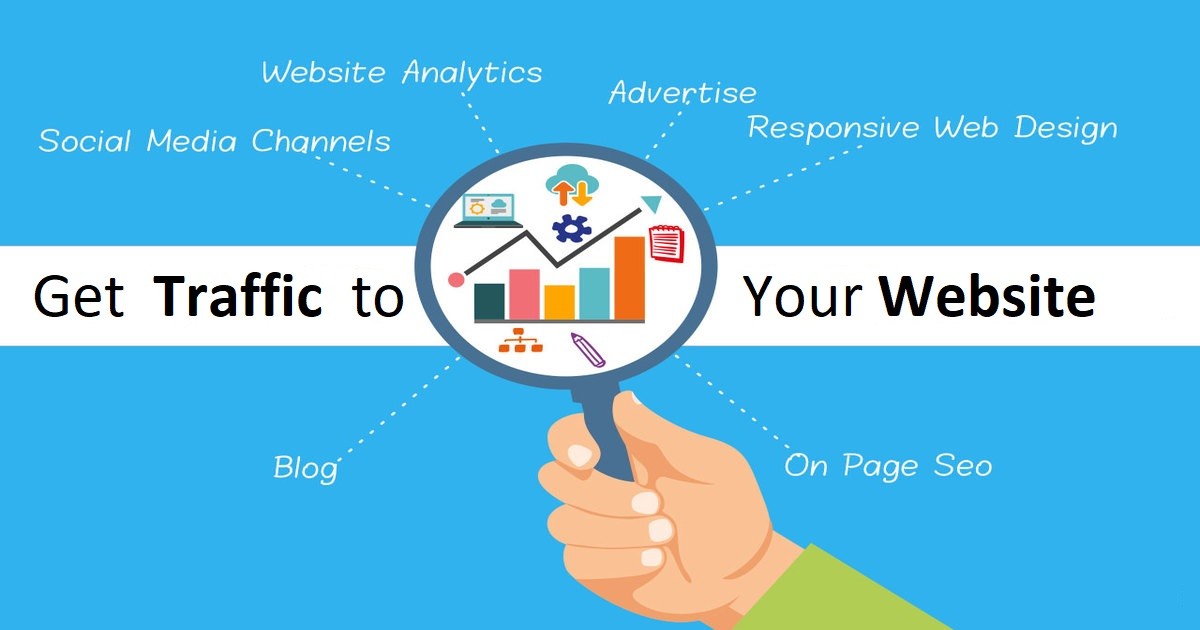
Submitting your site to online directories and aggregator sites is a great way to drive organic traffic and grow website visitors.
Start by creating profiles on popular platforms like Product Hunt, Capterra, G2, and niche business directories relevant to your industry. Make sure each listing includes a clear meta description, quality images, and a link back to your website.
Next, claim and optimize your Google My Business (GMB) listing.
A complete GMB profile helps you appear in local search engine results, Google Maps, and the Local Pack. Add accurate business information, your website URL, and encourage customers to leave reviews to boost domain authority and click-throughs.
Also, submit to free directory submission sites to improve visibility. Focus on high-quality directories that match your target audience. Use UTM parameters on your listing URLs to track which directories drive the most referral traffic in Google Analytics.
Free Methods to Get Traffic to Your Blog

Sharing Content on Social Media
Posting your blog on social media sites like Facebook, Twitter, and LinkedIn helps get traffic. You should add sharing buttons to your blog.
This way, visitors can share your posts with friends easily. Use a fun title and a small image or video clip to catch attention in the feed. Share new blog content often. You can also turn parts of your blog into short videos or text posts.
This keeps your audience interested without spending more money. Doing this can help you grow traffic and build an email list over time.
Participating in Online Communities
Join online communities such as Facebook groups, Reddit forums, and niche Slack channels where your target audience hangs out.
Read common questions people ask, then share useful answers with a link to your blog post when it fits. Be genuine and helpful—this builds trust and brings referral traffic back to your site.
Over time, your active presence and quality content earn backlinks and boost your domain authority without spending money.
Writing Guest Posts For Other Blogs
Look for blogs in your field that allow guest posts. Share simple ideas that fit what their readers want.
Make sure to add a link to your blog in your author bio. Writing a guest post helps you connect with new readers. It also brings traffic from the other blog’s social media and email lists. Good backlinks from guest posts help your site rank better on search engines.
This can increase organic traffic to your own blog.
More Ways to Increase Website Traffic
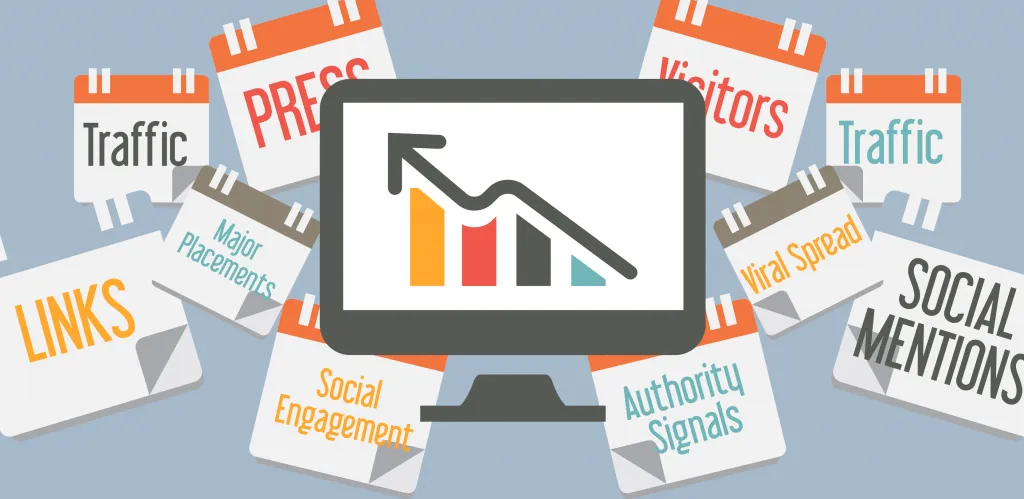
- Host Webinars: A webinar is a live online event. It is where you teach or show something useful. You should promote your webinar on social media. Use your email newsletter to spread the word, too. This will help drive more traffic. After the webinar, share the recording on your blog. New readers can then find your great content this way. They may also sign up for your email list.
- Start an Online Community: You can start a Facebook group or a Slack channel about your topic. This could be link building or tips for SaaS. Invite readers and business owners to join. Let them chat and share ideas. Post your latest blog posts there. Ask members to post their questions and thoughts. This will help bring in new readers. It will also create more organic traffic for your blog.
- Participate In Forums: Look for forums or Q&A sites. Reddit and Quora are good examples. These are places where people ask about your topic. You should answer with simple and helpful content. Make sure to add a link to your blog post for more information. This helps to build trust with readers. It also boosts your site’s authority. Plus, it drives quality backlinks and referral traffic to your blog.
- Attend Conferences: Go to industry events or online conferences. Meet other people in digital marketing and SaaS jobs. Share your blog link in follow-up emails. You can also share it on social media. Speaking at a conference helps you gain trust. It also brings new readers to your site.
- Submit Your Content to Aggregator Sites: You should share your best articles on sites like GrowthHackers, Flipboard, or Hacker News. These sites gather good blog content all in one spot. When your post is featured, it brings in focused visitors for free. This can also help you get valuable backlinks.
- Start an Email Newsletter: Send a regular email with your new blog posts and tips. Use clear subject lines to grab attention. Always link back to your blog posts. This helps readers find your work easily. Growing your email list is important. It allows you to get more visits from readers. A strong email list builds a loyal audience. This audience trusts the helpful content you provide.
- Reach Out to Email Newsletters: Look for other email newsletters in your area. Offer your best blog posts to their readers. Many writers want good articles to share. Being featured will bring in new readers. It will also boost your organic traffic. This helps you build strong backlinks, too.
- Create A Free Tool: Create a simple online tool. This could be a checklist, calculator, or template. Make sure it relates to your blog topic. Offer it for free in return for an email address. This will help you get more traffic. People will use and share your tool. This also helps grow your email list at no extra cost.
- Advertise: You can use paid ads on sites like Facebook or Google Ads. These ads help promote your best blog posts. Start with a small budget. Aim at people who care about your topic. Ads can quickly increase the number of visitors to your site. This happens while you work on getting natural traffic through SEO and social media.
Advanced Tips to Boost Blog Traffic

Create High-Quality, Evergreen Content
Evergreen content is blog content that stays useful for a long time. You should write clear guides or tutorials.
These should answer common questions and match what people are looking for. Use tools like Google Search Console and Google Trends. They help you find topics that your audience wants to read about. When your posts stay relevant, they keep bringing in organic traffic.
This comes from search results without needing more work. Good content builds authority for your site and gets quality links over time.
Build Internal and External Links
Internal links help link your new blog post to older posts on your site. This guides readers and improves your search ranking.
External links to trusted sites add trust. They can also earn you quality backlinks. These two types of links work together. They improve your rank on Google search results. They also help search engine tools view your blog as good content.
As a result, more visitors find your posts. This helps grow your email list and organic traffic.
Use Analytics to Refine Your Strategy
Check Google Analytics and Google Search Console often. This helps you see which blog posts get the most views. You can also find out which search terms bring traffic. Look at metrics like bounce rate and session time. These will show you what content works best for your readers. Use this information to plan your next blog posts and SEO work. Focus on topics that will attract new readers. This approach keeps your content strategies in line with what users want. It helps raise your blog traffic over time and supports your business goals.
Tools to Help Drive Traffic to Your Website

Track SEO Metrics in Google Analytics
Google Analytics tells you how many people visit your blog. It shows which pages they enjoy and how long they stay.
You can check if most readers find you through search engines or social media. Use reports like “Acquisition” to look at organic traffic, social media traffic, and email clicks.
By tracking things like sessions, pageviews, and bounce rates, you can see which blog post gets the most visitors. This information helps shape your content plans. It also makes your user experience better without any added cost.
View Your Queries in Google Search Console
Google Search Console shows what words people use to find your blog on Google.
It shows clicks, views, and your average rank for each word. By looking at “Performance,” you can see which keywords bring in traffic and which posts do well. You can send sitemaps and fix errors to improve your site’s trust and search ranking.
Watching queries helps you match your good content to what people are looking for. This can help increase your organic traffic.
Analyze the SERP With SEO Tools
SERP tools like SE Ranking, Ahrefs, or Semrush help you find the top pages for your keyword. They show numbers such as domain strength, link count, and content style.
Examining these aspects reveals the elements of exceptional content. Additionally, you discover opportunities to include links on your site. You can identify SERP features such as snippets and answer boxes, which aids in enhancing your meta description and title.
Doing this lets you plan blog posts that beat competitors. It also brings in more free traffic.
Audit Your Site With Website Graders
Website graders from HubSpot, WooRank, or Neil Patel check your blog’s SEO quickly. They look at page speed and mobile use. They also check meta tags and links within your site. The grader gives you a score based on their check.
It offers simple tips like adding social share buttons. You can also improve your keyword searches. Regular checks of your site help find problems. These problems can slow down your blog or lower search results.
Fixing these issues helps users enjoy your site more. It also brings in more visitors without extra costs.
FAQ’s:
How Often Should I Update My Blog to Increase Traffic?
Aim to post a new blog at least once a week. This helps your site stay fresh in Google searches. It also brings more visitors to your site. New posts keep your email list interested. They give visitors a reason to come back.
Over a few months, this regular posting can increase your domain power. It can also help grow your blog traffic.
Can Social Media Help Increase My Blog Traffic?
Yes. Sharing your blog posts on social media is a great way to get more readers. Use platforms like Facebook, Twitter, and LinkedIn. These sites can help bring more people to your site. You should also add sharing buttons to your posts. Short video clips on YouTube or TikTok can attract attention too. This social sharing increases your visitors for free. It also helps you grow your email list without spending money.
How Do I Monetize My Blog Traffic?
You can add links to other sites, show ads, or have paid posts in your blog.
Selling goods or services is also a good way to earn money. You can share these in your email newsletter too. Good content keeps readers interested. This leads to more clicks on your links and more views of your ads.
As traffic to your site goes up, you can make more money.
What Is Good Traffic For A New Blog?
For a new blog, getting 100 to 200 unique visitors each day is a good start. With good search engine help and quality content, you can grow to 500 to 1,000 daily visitors in a few months.
Checking your Google Analytics and Search Console data shows when you reach these goals. It also helps you improve your content plans.
Is It Hard To Get Blog Traffic?
Getting traffic to your blog takes time and work. You need to do keyword research first. Then, write blog posts that match what people are looking for. Quality backlinks are also important for your blog. Using free ways to get traffic helps a lot.
Social media can spread the word about your blog. Guest blogging lets you reach new readers, too. Email marketing is another great tool for this purpose. Over time, these smart ways add up. They help build steady traffic that comes naturally to your site.
What Metrics Should I Track to Measure Blog Success?
Key numbers to watch are pageviews and unique visitors. You should also track bounce rate and average time on a page.
You can find these numbers in Google Analytics. Use Google Search Console to check which search terms bring clicks. It is also smart to track email sign-ups from your list. Look at how many people buy products or join through affiliate links.
These numbers show what content works well. They will help you decide on your next steps.
Conclusion
Getting more blog traffic helps your SaaS business grow. You can use search engine tricks to improve your site. This means doing keyword research. It boosts your chances of showing up on Google search results. Sharing posts on social media is a good way to get views.
Building an email list helps, too. You can use email marketing without spending extra money. Guest posting and link-building earn quality backlinks. They also help your domain rank higher. Keep track of your website traffic in Google Analytics.
This tool shows you which content works best for you. Use free methods like online groups and Quora with paid ads for steady traffic.
Follow these simple steps to get more visitors, grow your email list, and reach your goals with VH Info’s expert tips.


 Vishal ambani
  Share
Share

 VH Info