
TL;DR
To monitor brand mentions in ChatGPT, run the prompts your buyers ask and record whether your brand appears. You can do it manually for free or automate it with AI visibility tools.
Mentions and citations are different signals. A mention means ChatGPT names your brand. A citation means it links to a page as a source. Track both, because they influence buyers differently.
Start by defining your metrics: mention rate, share of voice, answer position, sentiment, citation rate, and accuracy. Then choose a manual, automated, or hybrid method to collect the data each month.
Free options like HubSpot’s AI Search Grader give a quick baseline. Paid tools for monitoring ChatGPT brand mentions add scheduled tracking, trend history, and competitor benchmarks across several AI engines.
Ask ChatGPT for the best payroll software for a small business in Texas, and you’ll get a short list. Your buyers ask questions like that every day. If your brand isn’t on the list, no analytics report will tell you.
That blind spot is growing. A Pew Research Center survey from February 2026 found that 44% of U.S. adults use ChatGPT. That’s up from 34% a year earlier, and well ahead of Gemini at 24%.
This guide shows you how to monitor brand mentions in ChatGPT, step by step. We start with the basics, move through metrics and methods, and finish with an illustrative example of a first audit.
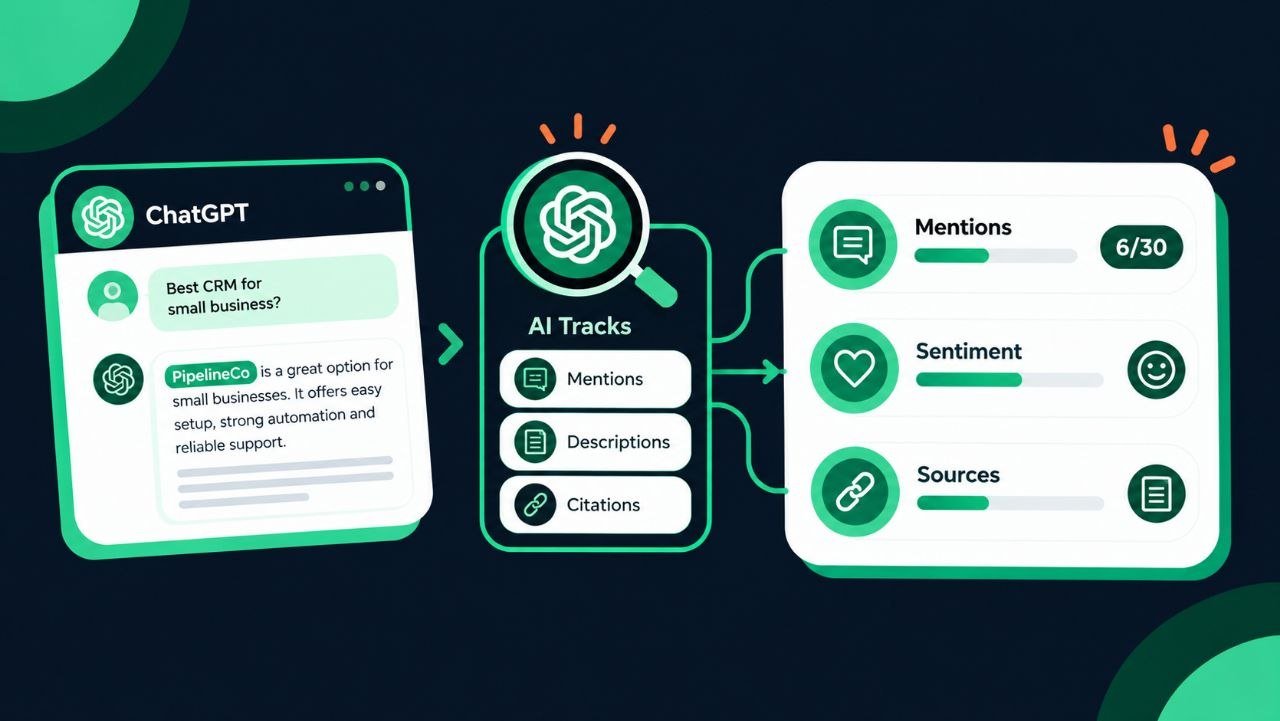
Monitoring brand mentions in ChatGPT means regularly checking what ChatGPT says when people ask about your category. You record whether your brand appears, how it’s described, and which sources ChatGPT links to. For example, a project management company might run 25 buyer questions every month and log each answer.
Those answers contain two different signals: mentions and citations. Understanding the difference is the foundation for everything that follows.
ChatGPT can surface your brand in two ways, and each one tells you something different. Below is what each signal means and why you should track both.
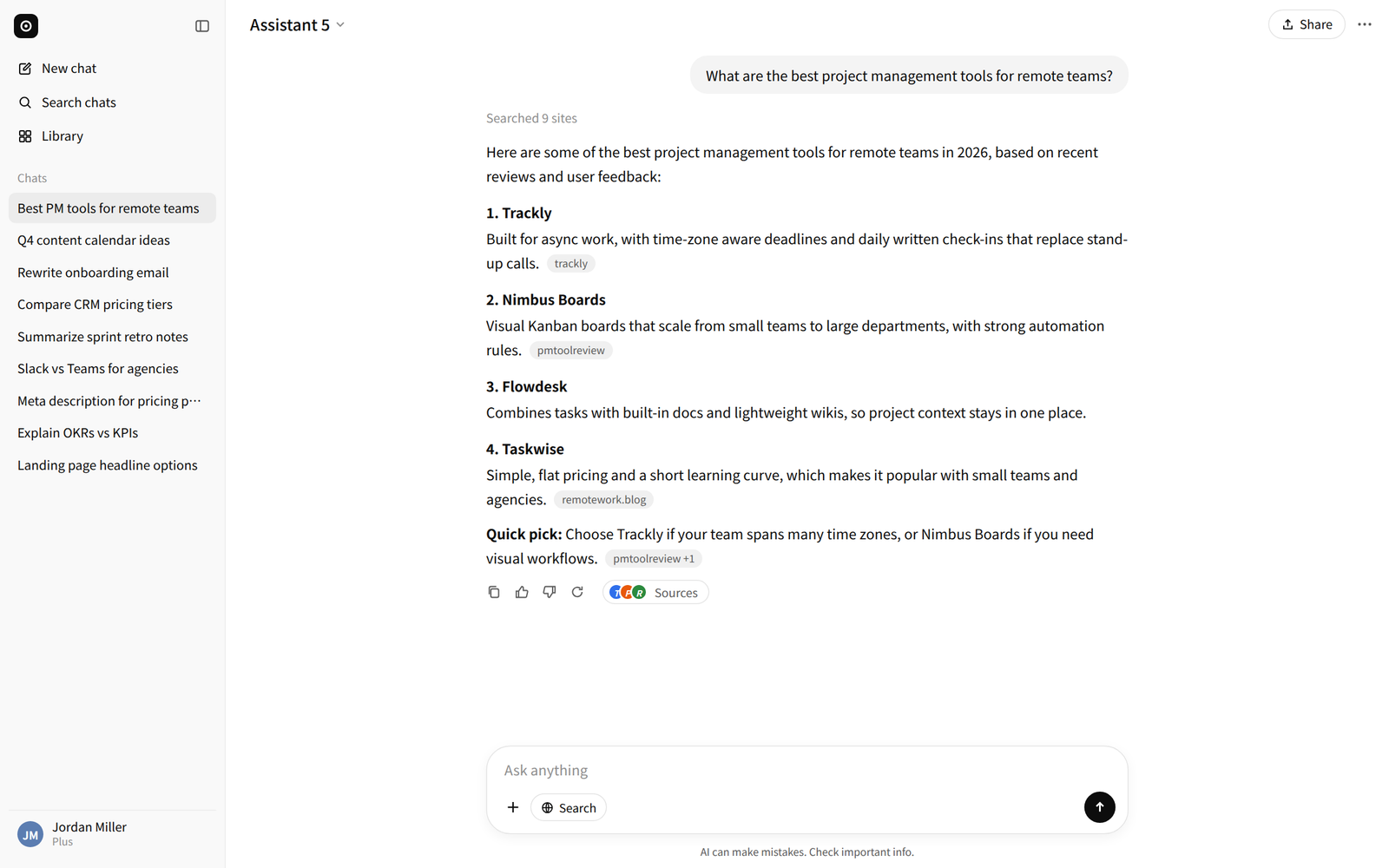
A brand mention happens when ChatGPT names your company or product in its answer. For example, it might list your project management tool among five options. Mentions build awareness, even when no link appears.
A citation happens when ChatGPT links to a web page as a source for its answer. These links appear when ChatGPT searches the web. A citation can point to your site or to a third-party page that mentions you.
You can be mentioned without being cited, and cited without being named. Mentions shape buyer perception, while citations send traffic and show which sources ChatGPT trusts. Tracking both gives a complete picture of your ChatGPT brand mentions.
| Aspect | AaMention | ↗Citation |
|---|---|---|
| What it is | Your brand is named in the answer | A source link appears with the answer |
| Needs web search | ✕ No | ✓ Yes |
| Main value | Awareness and perception | Referral traffic and trust signals |
| How to check | Read the answer text | Review the source links |
| What it reveals | How ChatGPT sees your brand | Which sites ChatGPT relies on |
Knowing what to look for is only useful if the results matter to your business. For US brands, they increasingly do.
US brands should monitor brand mentions in ChatGPT because it now shapes how buyers research products before visiting any website. Below are three reasons the effort pays off.
Younger buyers lead the shift. Pew found 61% of US adults under 30 and 55% of those aged 30 to 49 use ChatGPT. Those age groups include many of today’s software buyers and decision-makers.
Google Analytics shows visits, not the conversations that happen before them. If ChatGPT recommends a competitor, there’s no record in your reports. Direct monitoring is the only way to see what buyers are told.
ChatGPT sometimes shares outdated pricing, retired features, or the wrong headquarters location. Those errors can quietly cost deals. Regular checks help you catch mistakes early and fix the sources ChatGPT draws from.
Once you know why monitoring matters, the next step is deciding exactly what to measure.
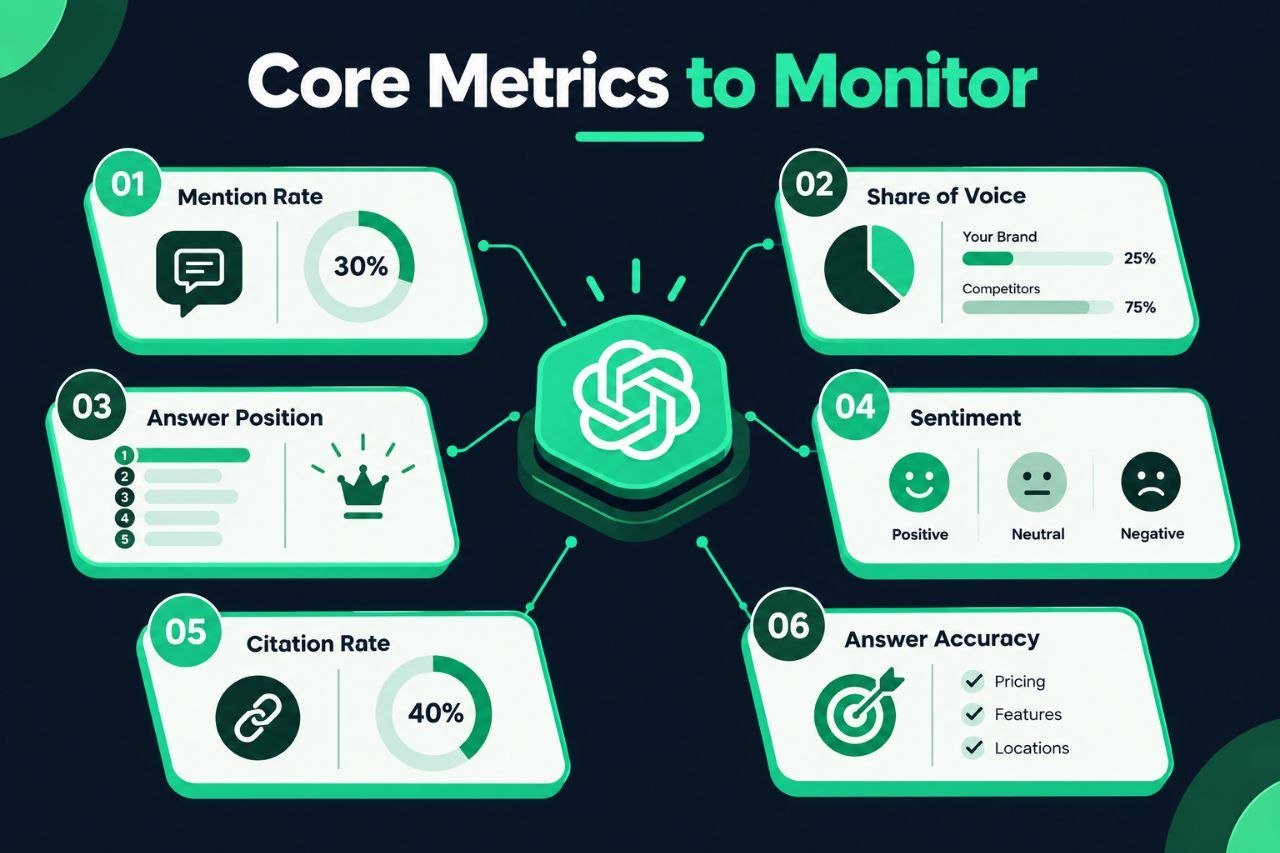
Defining your metrics first keeps your tracking focused and your reports consistent. These six metrics turn raw ChatGPT answers into numbers you can act on. Below is what each one shows.
Mention rate is the share of tracked prompts where ChatGPT names your brand. If you appear in 9 of 30 prompts, your mention rate is 30%. It’s the simplest starting number for any brand.
Share of voice compares your mentions with competitors’ mentions across the same prompts. If answers include 40 brand mentions in total and 10 are yours, your share is 25%. It shows who ChatGPT favors in your category.
Position tracks where your brand appears in a list. Being named first usually carries more weight than appearing fifth. Buyers often start with the first options they see. Record your average position for each prompt group.
Sentiment shows whether ChatGPT describes your brand positively, neutrally, or negatively. Watch for phrases like “expensive” or “hard to set up.” Repeated negative framing often traces back to reviews or articles that need attention.
Citation rate is the share of answers that link to your website as a source. It matters most for prompts where ChatGPT searches the web. A low citation rate often means third-party sites are winning the links instead.
Accuracy tracks whether ChatGPT gets your facts right, including pricing, features, and locations. Flag every error in your log. Then update your website and key third-party profiles so future answers have better information to draw from.
With your metrics defined, the next decision is how to collect the data. There are two core ways to monitor brand mentions in ChatGPT: manual checks and automated tools. Many teams use a hybrid of both. The table below compares them, and the next two sections cover each method in detail.
| Method | Cost | Time needed | Best for | Main limitation |
|---|---|---|---|---|
| ✎Manual tracking | Free | A few hours per month | First audits and small teams | ! Hard to scale; small sample |
| ↻Automated tools | Free graders to paid plans | Minutes after setup | Ongoing tracking and reporting | ! Monthly cost; prompt limits by plan |
| ⇄Hybrid ★ Best for most |
Low | About an hour per month | Most growing US brands | ! Needs a clear, repeatable process |
The manual method needs only ChatGPT and a spreadsheet, which makes it the natural place to start. It does take time, so plan for a few hours each month. Below are six steps to run it consistently.
Write 20 to 30 prompts that match how real buyers ask about your category. Cover these five prompt types:
ChatGPT can personalize answers with memory and custom instructions. Start a Temporary Chat and choose the unpersonalized option, which skips memory and custom instructions. Keep the same setup every time and note it in your log.
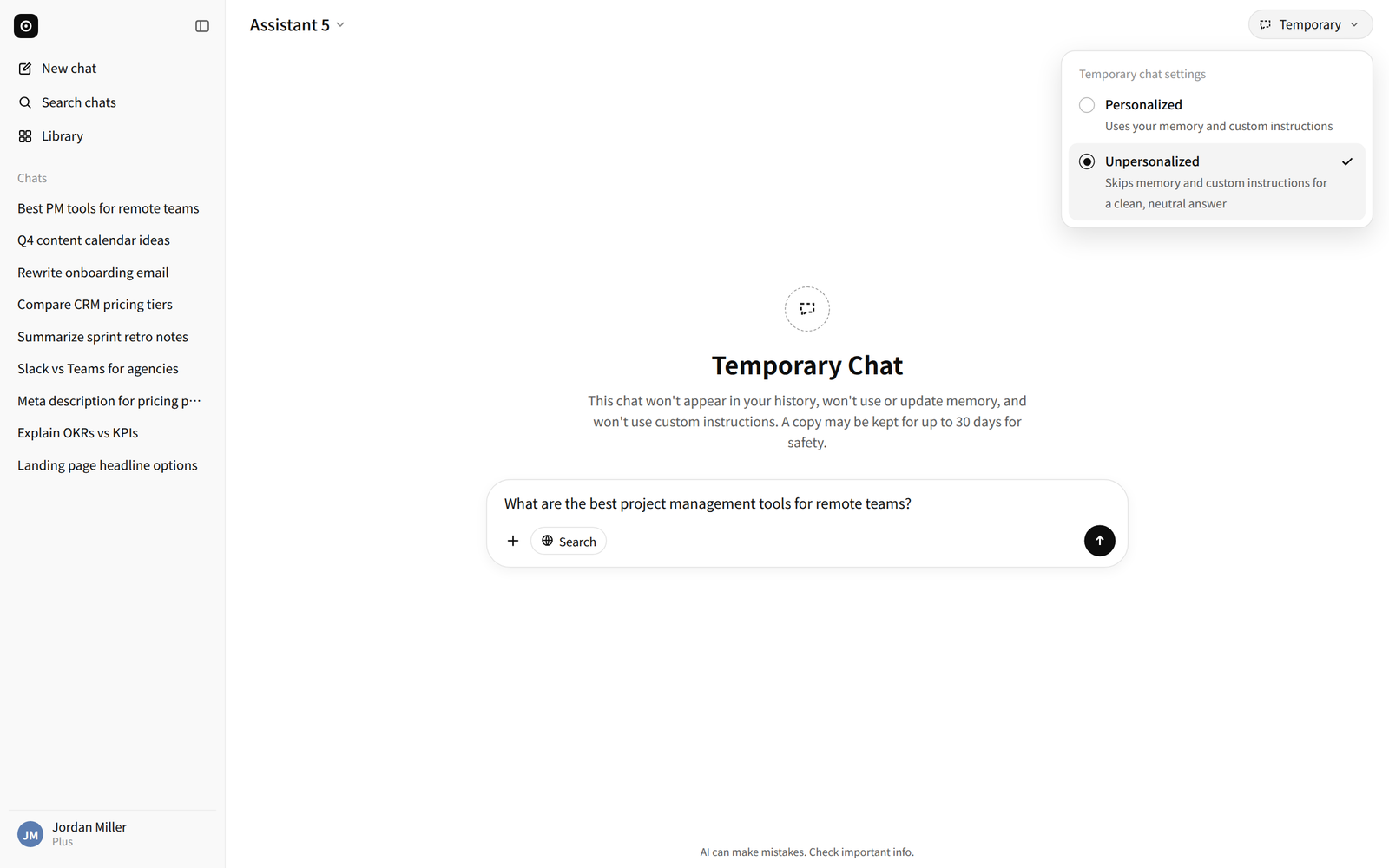
Paste each prompt exactly as written and copy the full response into a spreadsheet. Note the date, the model, and whether ChatGPT searched the web. Answers with web search show source links, which matter for citations.
For each answer, record whether your brand appears, its position in the list, and the tone used. List every cited source too. A DA PA checker helps you judge which of those sites carry real authority.
Here’s what a simple tracking sheet can look like. The rows below are an example only, so replace them with your own data.
| Date | Prompt | Mentioned? | Position | Sentiment | Cited sources |
|---|---|---|---|---|---|
| Oct 6 | best CRM for small businesses | ✓ Yes | 3 of 5 | Neutral | g2.comOne review blog |
| Oct 6 | best CRM for real estate agents in Florida | ✕ No | — | — | Two listicles |
| Oct 6 | YourBrand vs. CompetitorX | ✓ Yes | 1 of 2 | Positive | Your pricing page |
ChatGPT may estimate your state or city from your IP address for searches. A VPN or different network can change that inferred location. Use it to test how answers differ in your key US markets.
AI answers change, so a single check isn’t enough. Rerun the same prompts monthly and compare results side by side. If a competitor suddenly appears more often, look at which new sources ChatGPT cites for them.
Manual tracking works well for a first audit. As your prompt list grows, though, automation saves real time.
Here’s how these monitoring ChatGPT brand mentions tools compare at a glance. Prices were checked in October 2026 and can change, so confirm before buying. Many teams pick one tool and keep manual spot checks for a few priority prompts.
| Tool | Type | AI engines | Starting price | Tracking | Best for |
|---|---|---|---|---|---|
| HubSpot AI Search Grader ↗ | Free | ChatGPT, Perplexity, Gemini | Free | One-time snapshot | Quick baseline |
| HubSpot AEO ↗ | Paid | ChatGPT, Gemini, Perplexity | $45/mobilled annually | 25 prompts daily | HubSpot users |
| SE Visible ↗ | Paid10-day trial | 5 engines, incl. AI Mode | $99/mo | 200 prompts on Basic | Multi-brand tracking |
| LLM Pulse ↗ | Paid | 5 models, incl. AI Mode | €49/mo | 50 prompts, weekly | Budget-conscious teams |
Methods and tools are easier to judge in action, so here’s how a first audit might unfold.
Automated AI visibility tools run your prompts on a schedule and record changes for you. Most also track brand mentions in AI engines beyond ChatGPT, such as Gemini and Perplexity. Agencies that outsource link building for clients often use these reports to show results. Below are four practical monitoring ChatGPT brand mentions tools, from free to paid.
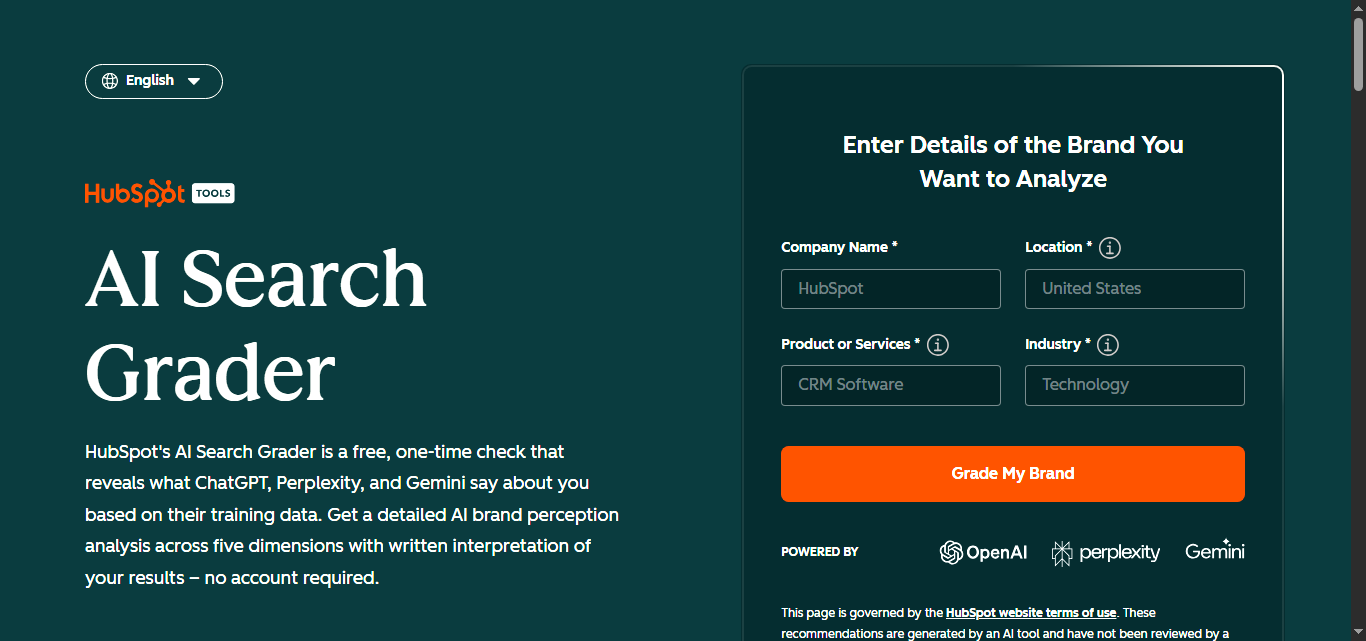
HubSpot’s AI Search Grader is a free way to see how ChatGPT describes your brand. Enter your brand and industry for a score out of 100, covering sentiment, recognition, and share of voice. It’s a one-time snapshot, not ongoing tracking.
ChatGPT, Perplexity, and Gemini.
Free, with no account required.
A quick baseline before you invest in ongoing tracking.
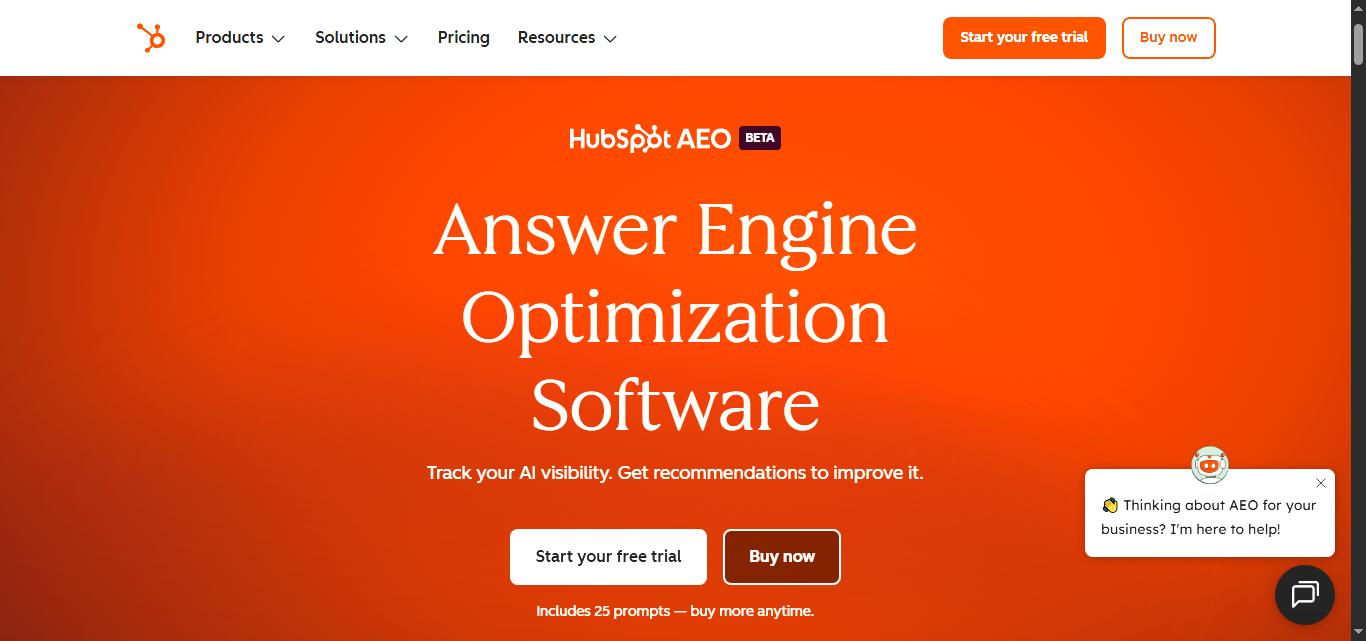
HubSpot AEO is the paid, ongoing version of the grader. It runs 25 prompts daily across ChatGPT, Gemini, and Perplexity. It then reports visibility, sentiment, competitor share of voice, and citations, with prioritized recommendations on what your team should fix.
ChatGPT, Gemini, and Perplexity.
$50 per month, or $45 per month billed annually, according to HubSpot. It’s also included with Marketing Hub Professional and Enterprise.
US marketing teams already using HubSpot that want AI visibility connected to CRM data.
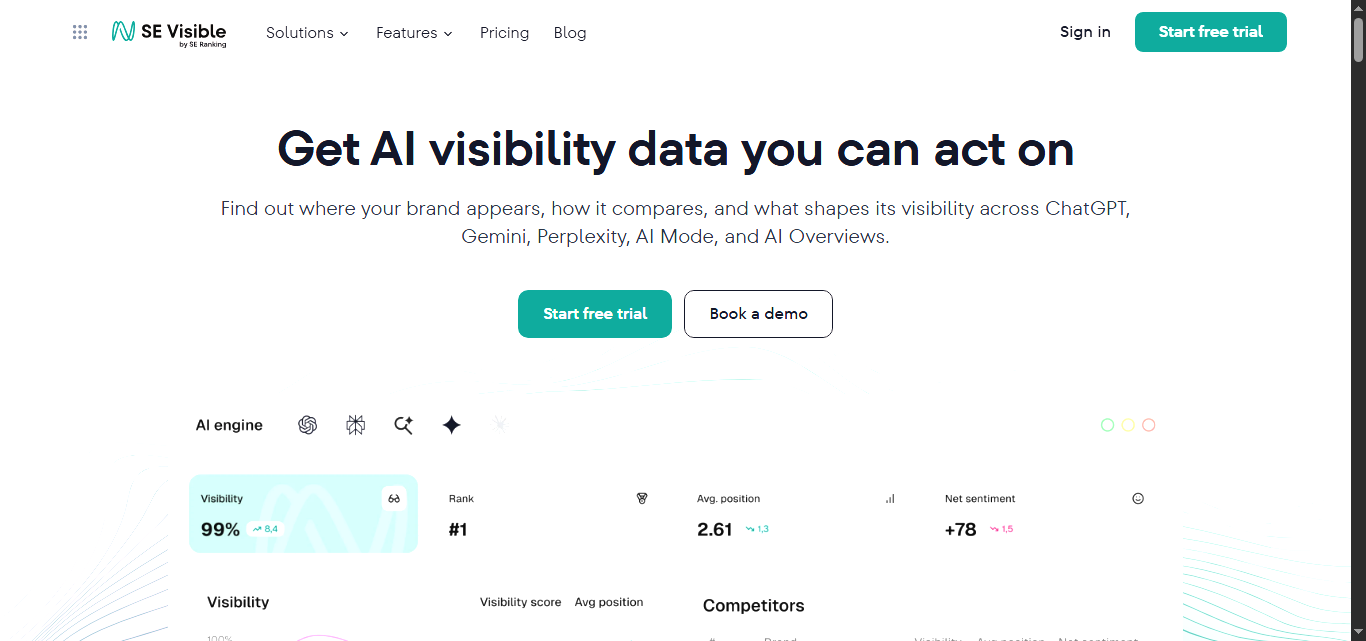
SE Visible is SE Ranking’s dedicated AI visibility tracker. It shows which prompts trigger mentions of your brand, how competitors compare, and the sentiment behind each mention. Every plan includes unlimited user seats. SE Ranking customers can also get it through an add-on.
ChatGPT, Google AI Overviews, Google AI Mode, Gemini, and Perplexity.
According to SE Ranking, Basic costs $99 per month for 200 prompts and 3 projects. Core costs $189 per month for 450 prompts and 5 projects. Plus costs $355 per month for 1,000 prompts and 10 projects. A 10-day free trial is available.
Agencies and teams tracking several brands or product lines.
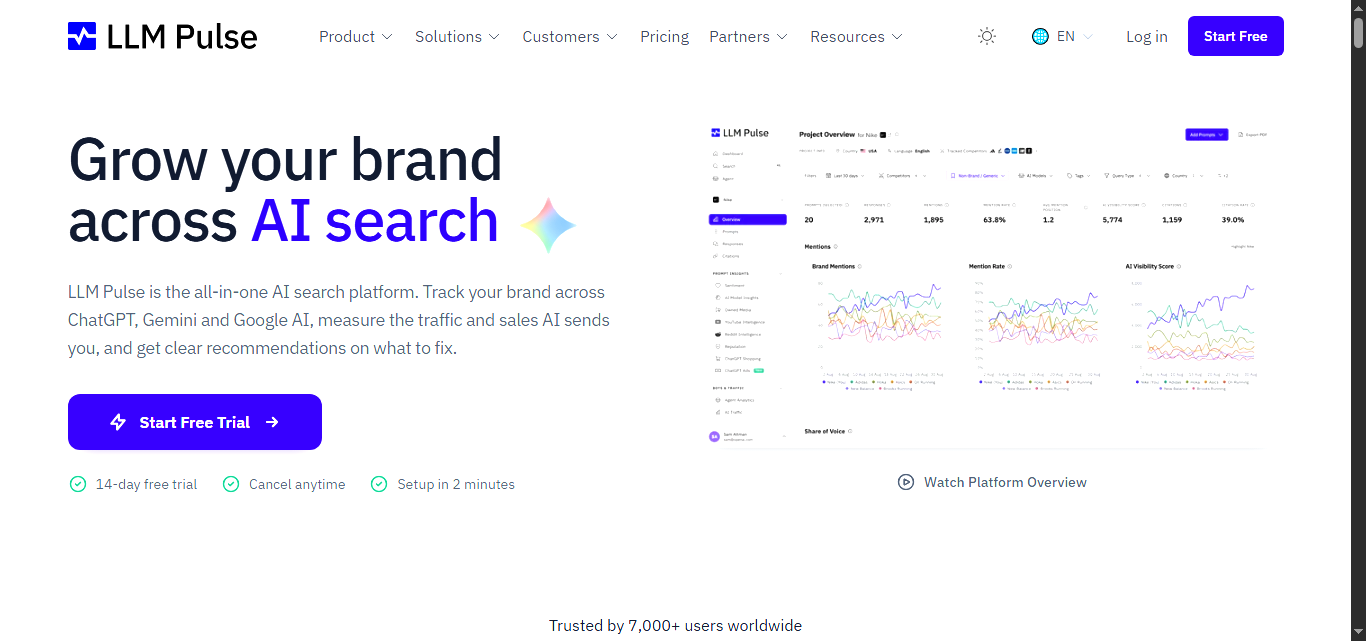
LLM Pulse is a budget-friendly option for brands that want ongoing tracking beyond a one-time grader. Its self-serve plans include five AI models and weekly tracking. Growth adds sentiment analysis, so you can see how ChatGPT’s tone compares with other engines.
ChatGPT, Perplexity, Gemini, Google AI Mode, and Google AI Overviews. Claude, Copilot, and other models are paid add-ons.
Starter costs €49 per month for 50 prompts, and Growth costs €99 per month for 150 prompts. Prices are in euros, so US costs vary with exchange rates.
Small teams that want multi-engine tracking on a tight budget and don’t need daily updates.
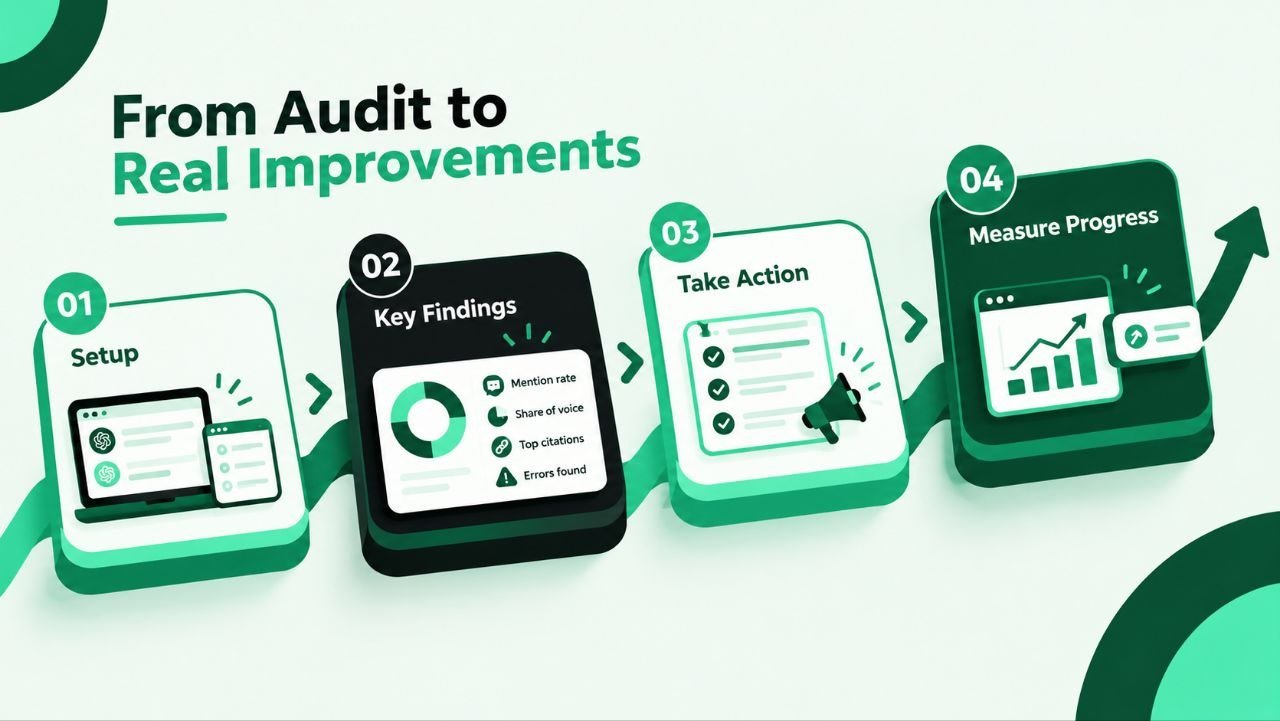
To make the process concrete, here’s an illustrative example of a first monthly check. The company is fictional, but every step follows the manual method above. Below is how the audit unfolds, from setup to next steps.
Imagine a US-based CRM startup we’ll call PipelineCo. Its marketing team writes 30 buyer prompts across all five prompt types. They run each one in an unpersonalized Temporary Chat and log every answer.
PipelineCo appears in 6 of 30 answers, a 20% mention rate. Answers include 50 brand mentions in total, so its share of voice is 12%. It never appears first, and one answer lists an outdated price.
When ChatGPT searches the web, two competitors are repeatedly cited from the same review roundup on an industry blog. PipelineCo isn’t included in that roundup. A single page is shaping a large share of answers in its category.
Based on the log, the team takes three focused actions:
Next month, the team reruns the same 30 prompts under the same setup and compares results. Changes can take several months to appear. So the team tracks the trend across a full quarter, not single answers.
Every audit like this ends with a list of gaps. The next section covers how to close them.
Monitoring shows where you stand, but improving brand mentions in ChatGPT takes work outside ChatGPT. Better results usually follow more trusted coverage across the web. Below are three practical ways to act on your findings.
Your citation log shows which sites ChatGPT relies on in your category. Pitch those publications first with data, expert quotes, or product insights. Coverage like this builds the kind of brand mentions for SEO that also shapes AI answers.
ChatGPT tends to mention brands that appear consistently across reviews, news, and industry blogs. A long-term plan for building brand authority grows that footprint. It also strengthens your visibility in Google, Gemini, and other AI engines.
Use the same company name, description, pricing, and location everywhere, from your website to G2 and LinkedIn. Consistent details reduce the chance of ChatGPT mixing you up with similar brands or repeating old information.
You don’t need a big budget to monitor brand mentions in ChatGPT. Define your metrics, start with a free manual check, and add a tool once you know which prompts matter. Then review the results every month and watch how competitors move.
The harder part is changing what ChatGPT says. That usually means earning coverage on the publications and review sites it already trusts, one placement at a time.
That’s the work we focus on at VH Info. As a SaaS link building agency, we run brand mention link building campaigns for software companies. Each one targets relevant industry content, and you sign off on every placement. Want ChatGPT to start naming your brand? Get in touch, and we’ll help you plan the first placements.
You can monitor brand mentions in ChatGPT for free with a spreadsheet. Run buyer prompts in an unpersonalized Temporary Chat and log each answer. Record mentions, citations, position, and sentiment. For a quick baseline score, try HubSpot’s free AI Search Grader.
A mention is when ChatGPT names your brand in its answer. A citation is when ChatGPT links to a web page as a source. Mentions shape awareness, while citations drive referral traffic and reveal which sites ChatGPT trusts in your category.
Options to track brand mentions in AI include HubSpot’s free AI Search Grader, HubSpot AEO, SE Visible, and LLM Pulse. HubSpot AEO starts at $45 per month billed annually. SE Visible starts at $99 per month for 200 prompts. Pick based on budget and engines.
Check ChatGPT brand mentions at least once a month. Answers can change as ChatGPT updates its models and sources, so a single check isn’t reliable. Automated tools can track daily, but monthly reviews are usually enough to spot meaningful trends.
ChatGPT tends to mention brands that appear often on trusted sites, such as reviews, industry blogs, and news coverage. If competitors have more of that coverage, they’re more likely to be named. Check which sources ChatGPT cites, then earn mentions on those sites.
It can. ChatGPT may estimate your state or city from your IP address for searches. A prompt about the best accountant in Austin will differ from one about Chicago. Test key states separately, using a VPN if needed, and compare the results.
Yes, you can. You can’t edit ChatGPT directly, but you can influence the sources it relies on. Earn coverage on sites it cites, keep brand details consistent, and correct outdated information online. Results usually build over months, so keep monitoring to measure progress.
Every article dives deep into what works, why it works, and how to use it.
TL;DR AI brand monitoring tracks how ChatGPT, Perplexity, Gemini, and Google AI Overviews mention your brand. For SaaS companies, it…
 Vishal ambani
October 01, 2026
Vishal ambani
October 01, 2026
TL;DR Building authority SEO is about earning trust from two audiences at once: Google and AI answer engines. Both favor…
Vishal ambani
September 30, 2026
TL;DR Blog outreach services place SaaS content on relevant third-party blogs run by real editors. This earns backlinks, referral traffic,…
Vishal ambani
September 29, 2026

 Share
Share