
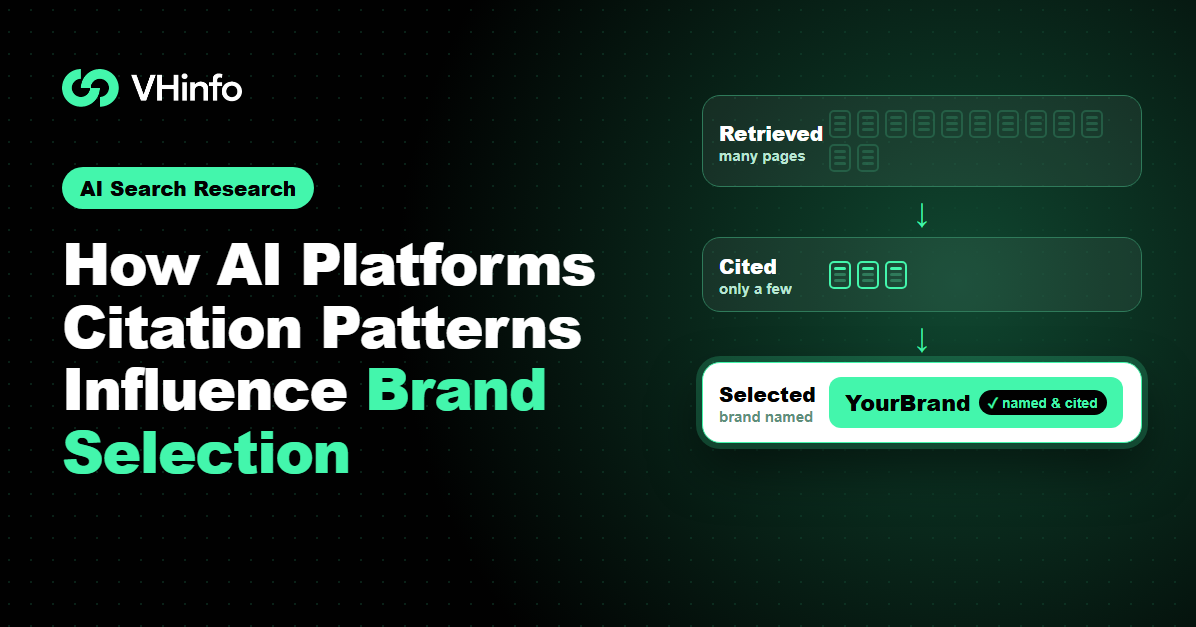
A buyer in Austin asks ChatGPT for the best payroll software for a 50-person team. ChatGPT runs several searches, reads dozens of pages, and cites only a handful. If your page was read but not cited, you never see that buyer.
That filter is stricter than most marketers expect. In an AirOps study covered by Search Engine Land, only about 15% of pages ChatGPT retrieved appeared as citations.
This guide explains AI platforms citation patterns for US brands in 2026, using recent research. You’ll learn how engines select sources, which signals matter, and how each platform behaves. You’ll also see why brand mentions and citations often don’t overlap.
TL;DR
AI platforms’ citation patterns follow a two-stage process. Engines first retrieve many pages, then cite only a few. AirOps found ChatGPT cited about 15% of the pages it retrieved across 15,000 prompts.
Search rankings still matter, but less than before. In March 2026, Ahrefs found 38% of Google AI Overview citations ranked in the top 10. That share was 76% in July 2025.
Each platform behaves differently. In BuzzStream’s 2026 test, Google AI Mode averaged 33.1 citations per response, while GPT-5.4-mini averaged just 3.8. So one playbook won’t fit every AI engine.
Being named isn’t the same as being cited. BuzzStream found only 23.1% of brand mentions came with a citation. This gap answers why use AI search monitoring tools. They show where you sit.
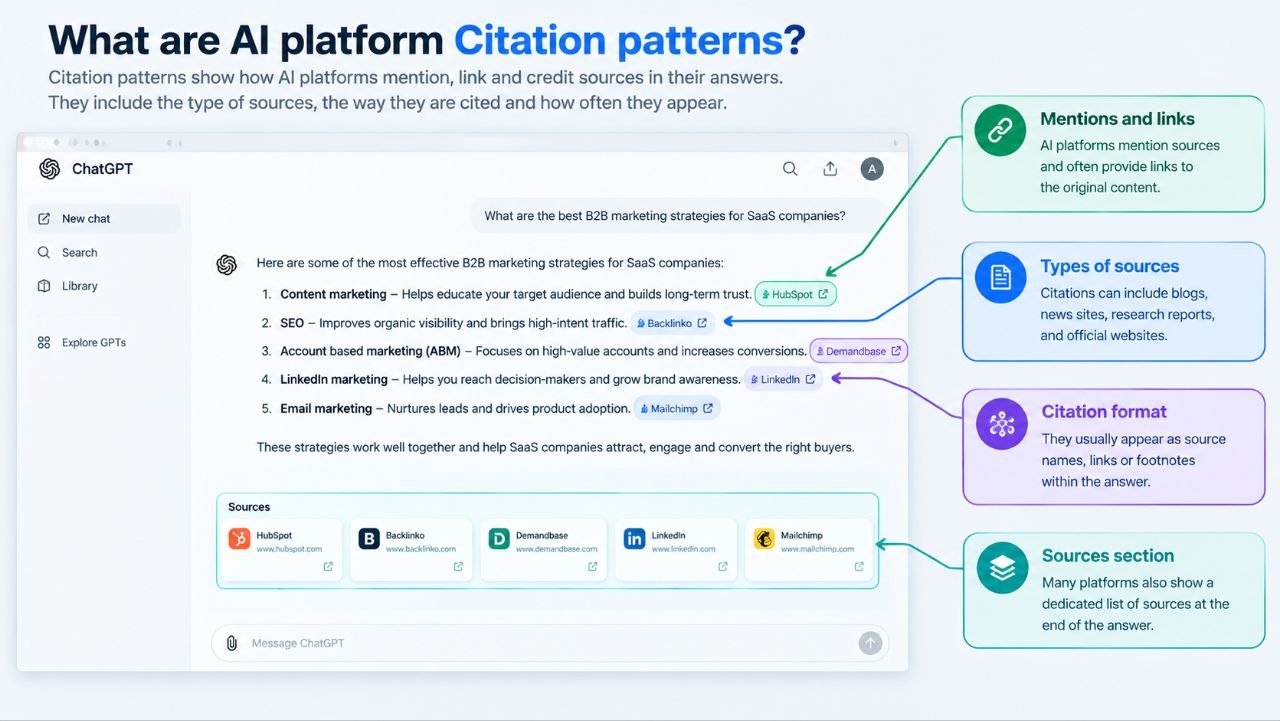
AI platforms’ citation patterns are the repeatable ways AI engines choose which sources to link and which brands to name. They differ by platform, query type, and industry. Below are two ideas that explain why these patterns matter.
LLM visibility describes how often a language model mentions your brand, even without a link. AI search visibility is broader. It includes mentions, citations, and recommendations inside AI answers from Google, ChatGPT, Perplexity, and similar tools. Strong LLM visibility usually supports both.
AI answers increasingly shape shortlists before buyers visit any website. If you understand AI platforms’ citation patterns, you can see which sources each engine trusts. Then you can focus on content and outreach where they actually influence US buyers.
AI platforms citation patterns are hard to see by hand, which is why tracking tools come first.
Not sure which listicles your brand should be in?
Tell us about your product, and we’ll show you the “best of” articles where your competitors already appear and you don’t. You approve every placement before it goes live.
If you’re asking why use AI search monitoring tools, the answer is scale. AI answers change between runs, so manual checks miss patterns. These tools run your prompts repeatedly and record mentions, citations, and sources. Below are four widely used platforms, compared first and then explained.
| Tool | AI engines covered | Pricing | Citation analysis strength | Best for |
|---|---|---|---|---|
| Profound ↗ | Up to 9 on Enterprise, including ChatGPT, Perplexity, AI Mode, and Claude | Free trialEnterprise custom | Citation tracking plus AI traffic attribution | Enterprise brands |
| Peec AI ↗ | Choose 3 on self-serve plans; up to 13 on Enterprise | $95 per month | Source classification and competitor gap analysis | Agencies and growing brands |
| Ahrefs Brand Radar ↗ | AI Overviews, AI Mode, ChatGPT, Perplexity, Gemini, Copilot, and Claude | AI Visibility Index from $199/mocustom prompts from $50/mo | Cited pages and fan-out query views | Teams already using Ahrefs |
| Otterly.AI ↗ | ChatGPT, AI Overviews, Perplexity, and Copilot, plus paid add-ons | Lite plan under $30/mofor 15 prompts | Link citation analysis in every plan | Small teams starting out |
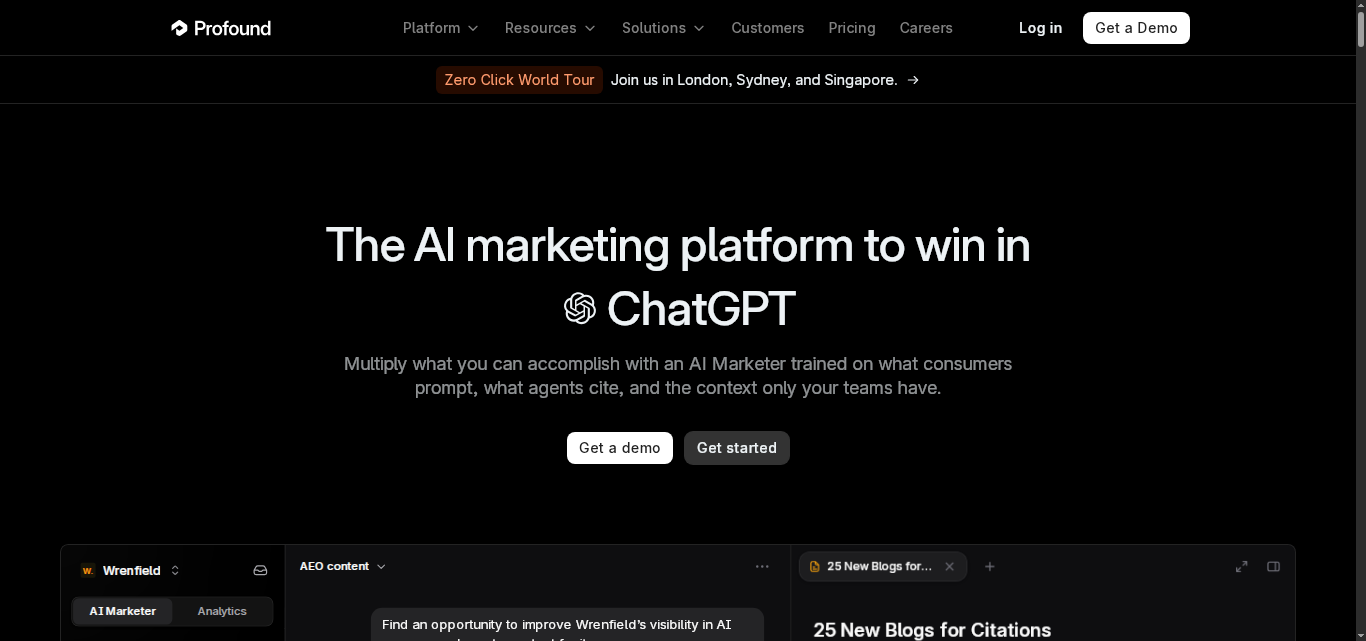
Profound suits large brands that need deep tracking and attribution. Its free trial covers ChatGPT, Gemini, and Google AI Overviews. Enterprise covers up to nine engines and adds SSO, SOC 2 compliance, and AI traffic attribution.
Enterprise SaaS and B2B brands with dedicated AI search budgets.
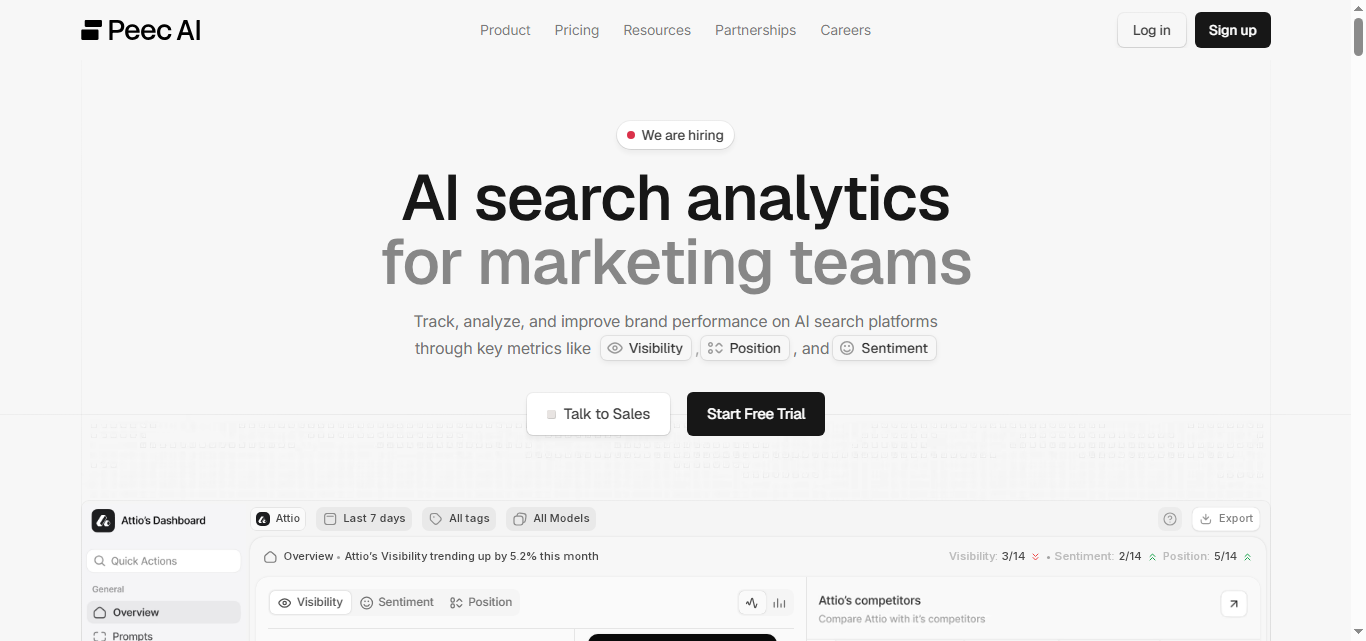
Peec AI focuses on source analysis. It classifies cited sources as competitor, editorial, reference, or user-generated content. Its gap analysis shows sources that cite competitors but not you, which helps you plan outreach.
Agencies and growing brands that want clear source-level insights.
Ahrefs Brand Radar adds AI visibility data to the Ahrefs platform. It shows which of your pages AI cites and the fan-out queries behind prompts. Its AI Visibility Index starts at $199 per month.
SEO teams that already use Ahrefs for backlinks and keyword research.
Otterly.AI is a low-cost way to start tracking. Its Lite plan covers 15 prompts across four engines, with link citation analysis included. Google AI Mode, Gemini, and Claude are available as paid add-ons.
Small teams that want simple monitoring before scaling up.
These tools show what gets cited. The next step is understanding the factors behind AI platforms citation patterns.
AI engines don’t pick citations at random. Two factors explain most of what you’ll see. One is the process engines use to find and filter pages. The other is the signals that make a page worth citing. Below is a quick overview before each factor is explained in detail:
Most AI search engines select citations in two stages. First, they retrieve a broad set of pages. Then they choose a small subset to show as sources. Below is how each stage works and what it means for your content.
Engines rarely search your exact question once. OpenAI says ChatGPT search rewrites queries into one or more targeted searches. In AirOps’ study, 89.6% of prompts triggered two or more follow-up searches behind the scenes.
After retrieval, engines filter hard. AirOps found ChatGPT cited about 15% of 548,534 retrieved pages. A 2025 SSRC working paper found a similar filter. Perplexity’s Sonar visited about 10 relevant pages per query but cited only three or four.
Being retrieved is only half the battle. AirOps found 32.9% of citations came only from follow-up searches, not the original query. So pages that answer related sub-questions clearly have more chances to make the final cut.
Knowing the process helps, but you also need to know what engines reward.
Core signals are the qualities that make a page more likely to survive both stages. Ranking, freshness, coverage, and trust all play a role. Below are the four signals with the clearest evidence behind them.
Strong rankings raise your odds, especially for ChatGPT. AirOps found 55.8% of ChatGPT’s cited pages ranked in Google’s top 20. Pages ranking first were 3.5 times more likely to be cited than pages outside the top 20.
Ahrefs’ March 2026 study of 863,000 keywords found 37.9% of AI Overview citations ranked in the top 10. Another 31.0% ranked beyond the top 100. Ahrefs links this to Google drawing more from fan-out searches.
AI assistants tend to cite newer content. Ahrefs analyzed about 17 million citations and found cited pages were 25.7% fresher than organic results. ChatGPT showed the strongest preference for recent pages.
Engines often rely on independent sources that discuss your brand. Reviews, editorial coverage, and expert roundups give them reasons to name you. Steady brand mentions for SEO strengthen that outside trust over time.
These signals apply broadly, but each platform weighs them in its own way.
Platform-specific citation behaviors are the differences in how each engine finds, filters, and displays sources. They’re the most visible part of AI platforms’ citation patterns. Citation volume alone varies widely. The table below compares major platforms using BuzzStream’s 2026 study of 12,000 AI responses.
| Platform | Avg. citations per response | Mentions also cited | Notable pattern |
|---|---|---|---|
| Google AI Mode ↗ |
33 |
21.90% | Heavy use of Reddit, YouTube, and Google properties |
| Google AI Overviews ↗ |
25 |
21.60% | Draws widely from fan-out searches |
| Google Gemini ↗ |
12 |
21.60% | Fewer sources per answer than AI Mode |
| GPT-5.4-mini ↗ |
3.8 |
28.30% | Few citations, but 92.7% of cited brands are also named |
Numbers tell part of the story. The next section explains how each platform actually behaves.
Each major AI platform has its own retrieval method and source preferences. Studying these AI platforms citation patterns shows where to focus your effort. Below is how five platforms behave, based on recent studies and official documentation.
ChatGPT search rewrites your query and may send it to partner search providers. Pages must allow OAI-SearchBot to appear. It cites few sources per answer, and Ahrefs found it prefers the freshest content of the assistants studied.
AI Overviews cite many sources per answer, averaging 24.9 in BuzzStream’s test. Ahrefs found fewer citations now coming from the top 10. Strong coverage of related sub-topics matters as much as ranking for the main query.
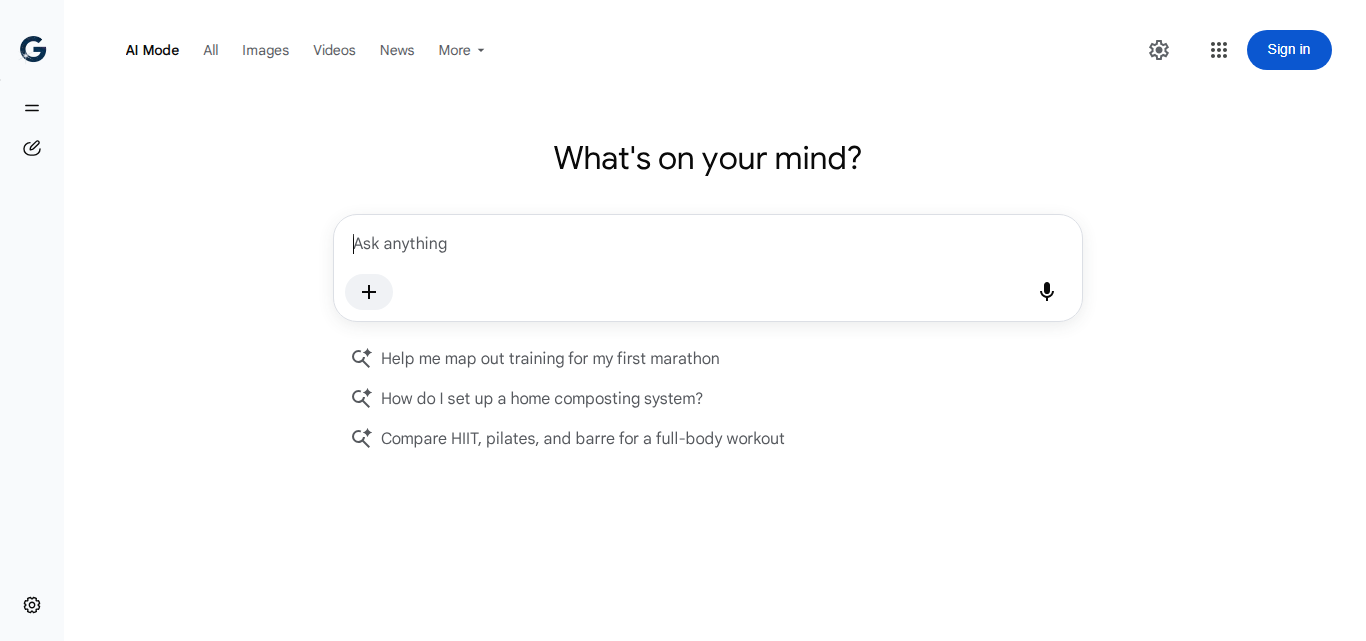
AI Mode cites the most sources of any platform BuzzStream tested. In Ahrefs’ September 2026 US snapshot, Reddit and YouTube led AI Mode citations, at 17.9% and 17.8% of top-source share.
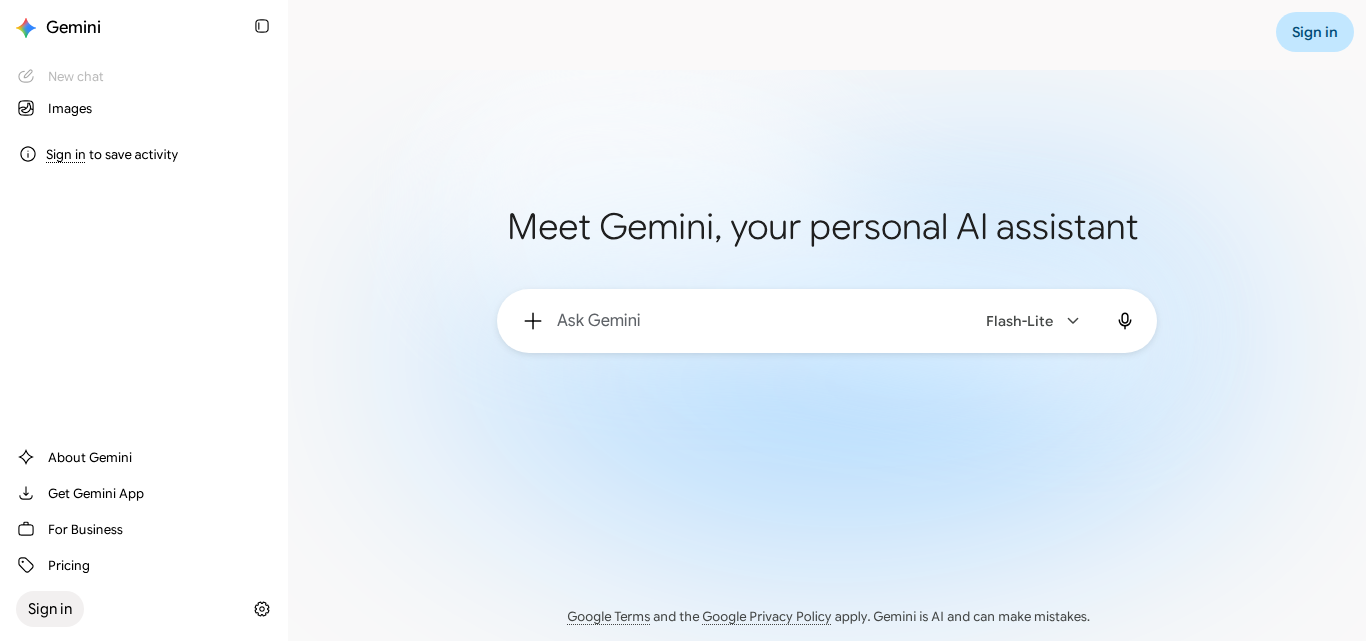
Gemini cited 12.2 sources per answer in BuzzStream’s 2026 test. Older 2025 SSRC data found Gemini often answered without fetching web content. That suggests LLM visibility from strong brand signals matters, not just individual pages.
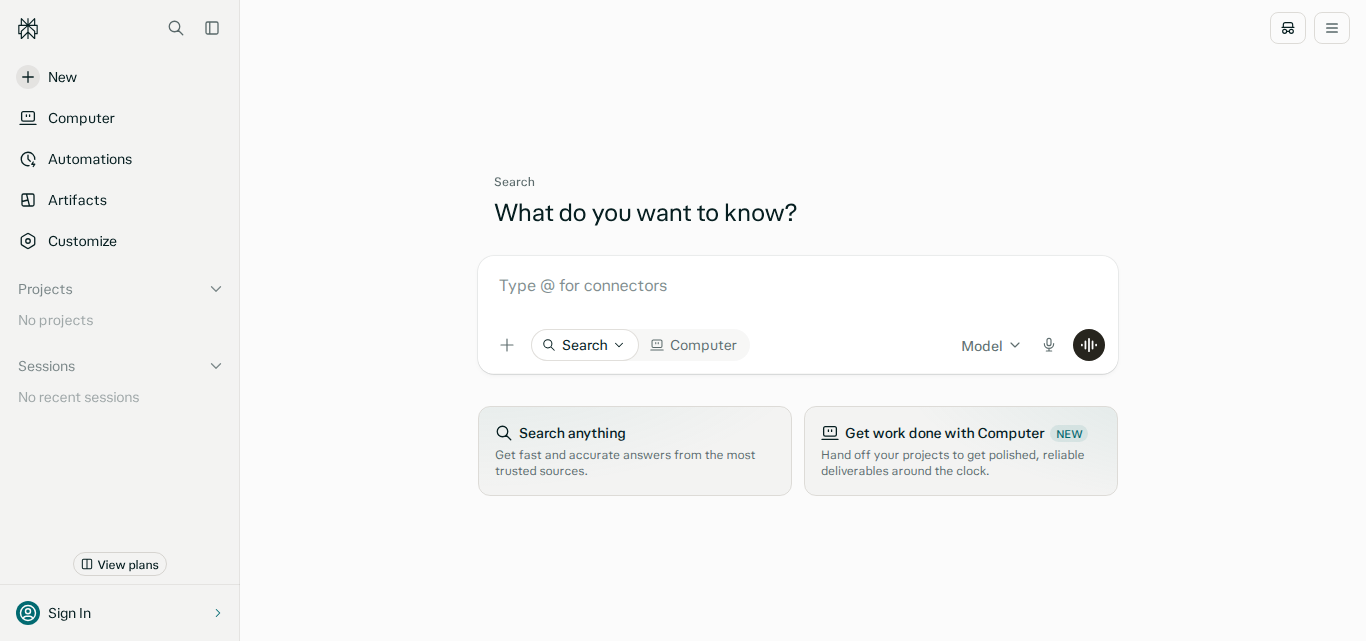
Perplexity reads many pages but credits only a few. The 2025 SSRC paper found it visited about 10 relevant pages per query and cited three or four. It also had the lowest error rate in Columbia’s Tow Center test.
Across all AI platforms, citation patterns share one gap: mentions without citations.
The mention vs. citation divide is the gap between brands and AI names and sources it links. A brand can be recommended with no link, or cited without being named. Below is what the data shows and how to respond.
BuzzStream found only 23.1% of brand mentions were backed by a citation in the same response. In the other direction, 69.9% of cited brand domains were also named in the text. AI names brands far more than it links them.
The gap depends on how buyers ask. For single-brand prompts, 39.0% of mentions came with a citation. For list or category prompts, like “best CRM tools,” only 7.2% did. Category prompts favor third-party sources.
For category prompts, AI often cites reviews and roundups rather than your site. So your AI search visibility depends on being included in those third-party pages. Tracking both mentions and citations shows which gap you need to close first.
Understanding the gap is useful only if you act on it.
AI citation optimization uses AI platforms’ citation patterns to raise your chances of being named and linked. It applies the same principles Google recommends for helpful, indexable content. Below are four practical steps that follow directly from the research.
Turn citation patterns into AI citation optimization
Stage 1Get retrieved
Make pages retrievable
Cover sub-questions
Stage 2Get cited
Keep key pages fresh
Earn third-party inclusion
Allow OAI-SearchBot and Googlebot in robots.txt and at your CDN. Keep key pages indexed and eligible for snippets. Pages engines can’t reach in stage one and can never be cited in stage two. This is the first rule of AI citation optimization.
Fan-out searches explore related questions. Build pages that answer pricing, comparison, setup, and use-case questions clearly. Strong topic coverage is a core part of generative engine optimization. It gives engines more ways to find you.
Since AI assistants lean toward newer content, review important pages every quarter. Update facts, examples, screenshots, and pricing when they change. But don’t change dates without real updates, which Google’s guidance discourages.
List and category prompts cite outside sources most. Earn placements in reviews, roundups, and industry publications. Over time, this builds the brand authority that AI engines rely on when choosing what to cite.
AI platforms’ citation patterns point to one clear lesson. Engines trust what others say about a brand more than what it says about itself.
Muck Rack’s May 2026 What Is AI Reading? report analyzed more than 25 million links from ChatGPT, Claude, and Gemini. Earned media made up 84% of those citations.
VH Info builds that earned layer for SaaS brands in the US and Europe. Our white-hat campaigns support LLM visibility, AI search visibility, and long-term credibility. Six agencies also trust us with white-label link building for their clients. Four are in the US and two in Europe. Below is how we turn AI citation optimization into steady outreach.
Every campaign starts with a competitor-gap analysis. We map the publications, roundups, and review pages that mention your competitors but not you. These are often the same third-party sources AI engines already cite in your category.
“Best tools” roundups carry real weight in AI answers. Ahrefs studied 26,283 source URLs and found “best X” lists made up 43.8% of page types ChatGPT cited. Our tool listicle link building service earns your product a place on relevant roundups.
Category answers often name brands without linking them. Our brand mentions link building and places your product in relevant niche articles. We cover AI SaaS, cybersecurity, VPN, proxy, CRM, and hosting. That gives engines consistent outside references to your brand.
Google’s spam policies treat buying or selling links for ranking purposes as link spam. That’s why VH Info never uses PBNs or spammy links. Every placement sits on a real site, inside content written for that site’s readers.
You approve every placement before it goes live, so you control where your brand appears. A dedicated project manager tracks monthly targets, with a backup plan if delivery slips. You can then compare new placements with citation changes.
Want your tool in the lists buyers read?
VH-Info gets SaaS and tech brands featured in relevant “best of” articles on sites with real traffic, starting at $175 per listicle with no upfront fees.
AI platforms’ citation patterns aren’t random. Engines retrieve widely, cite selectively, and lean on fresh, well-covered, and widely trusted sources. Each platform weighs those signals differently, and patterns shift over time. That’s the clearest case for why I use AI search monitoring tools every month.
The hardest part of AI citation optimization is the third-party pattern. Category answers mostly cite reviews, roundups, and publications you don’t control, so earning a place in them takes steady outreach.
If you’d rather not run that outreach in-house, VH Info can take it on for you.
AI decides what to cite in two stages. First, it retrieves many pages through rewritten and follow-up searches. Then it picks the few that best answer the question. AirOps found ChatGPT cited only about 15% of the pages it retrieved.
To get AI to recommend and cite your brand, make key pages crawlable and indexed. Answer buyer questions clearly and keep content fresh. Then earn mentions in reviews, roundups, and publications, since category prompts mostly cite third-party sources, not brand sites.
The best platform for AI citation analysis depends on your needs. Profound suits enterprises, Peec AI offers detailed source gap analysis, and Ahrefs Brand Radar fits existing Ahrefs users. Otterly.AI is the easiest low-cost starting point, at under $30 a month.
You properly cite AI use by naming the tool’s maker, the tool, and its version. In APA style, the format is: OpenAI. (Year). ChatGPT (version) [Large language model]. URL. Also describe exactly how you used the tool in your methods.
AI citations are often inaccurate. Columbia’s Tow Center tested eight AI search engines in 2025. Together, they cited news sources incorrectly in over 60% of queries. Perplexity performed best at 37% wrong, while Grok 3 was wrong 94% of the time.
No, ChatGPT isn’t a reliable citation generator on its own. A 2025 Deakin University study found GPT-4o fabricated about one in five references. Almost half of its real references also contained errors. Always verify every citation against the original source.
The best AI for references is one that searches real databases rather than generating citations from memory. Research tools like Elicit, which uses Semantic Scholar, and Consensus link to actual published papers. Still, check every reference against the original source yourself.
Every article dives deep into what works, why it works, and how to use it.
A security leader asks ChatGPT for the best SOC 2 compliance platforms for a 200-person startup. Within seconds, she has…
 Vishal ambani
October 08, 2026
Vishal ambani
October 08, 2026
TL;DR To monitor brand mentions in ChatGPT, run the prompts your buyers ask and record whether your brand appears.…
Vishal ambani
October 06, 2026
TL;DR AI brand monitoring tracks how ChatGPT, Perplexity, Gemini, and Google AI Overviews mention your brand. For SaaS companies, it…
Vishal ambani
October 01, 2026


 Share
Share