
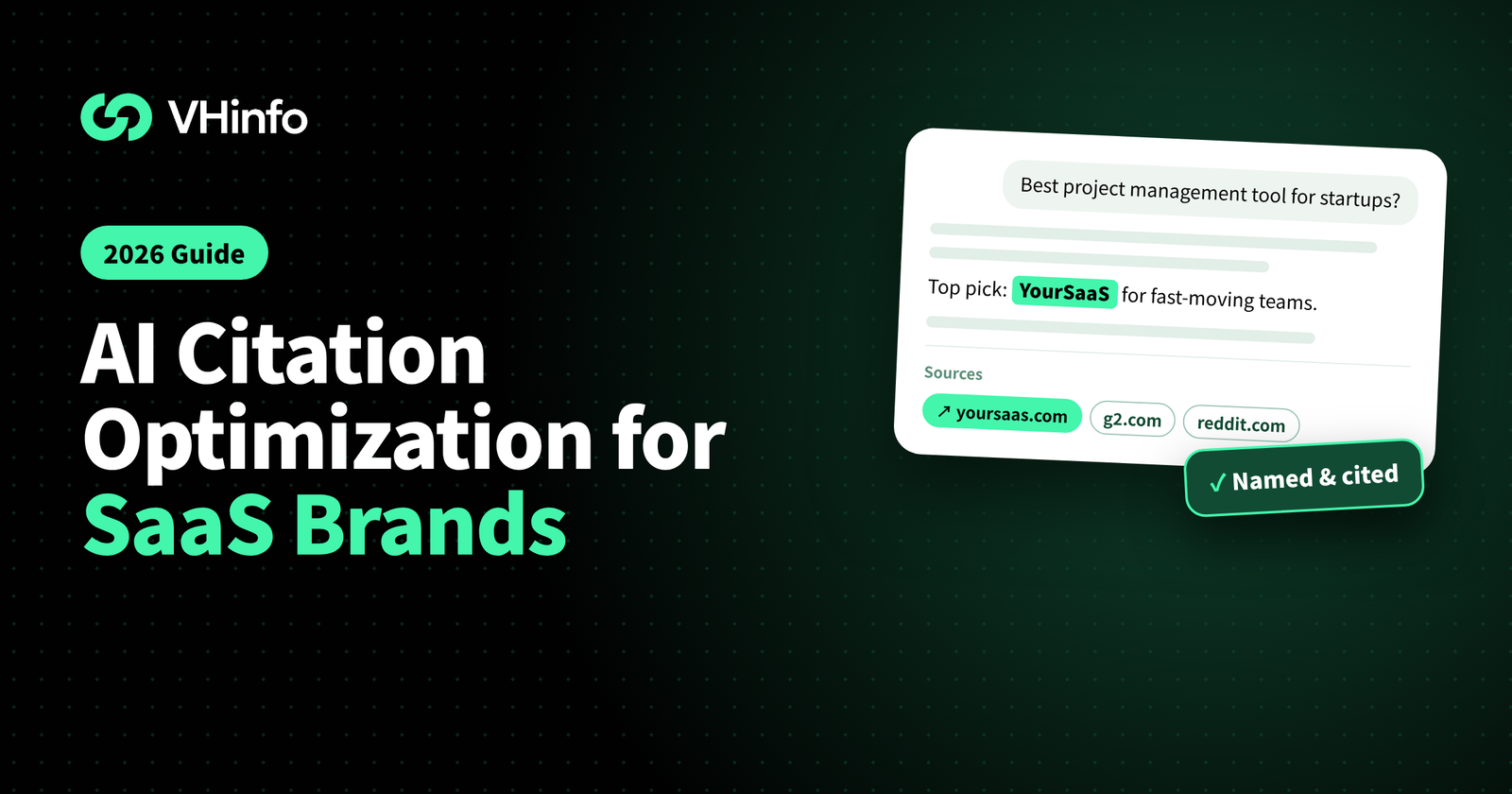
A security leader asks ChatGPT for the best SOC 2 compliance platforms for a 200-person startup. Within seconds, she has a shortlist with source links. If your product isn’t named or cited, you may lose the deal before sales ever hears about it.
This is now normal in B2B software buying. 6sense’s 2025 Buyer Experience Report found that 94% of B2B buyers use LLMs during their buying process.
This guide explains AI citation optimization in plain terms. You’ll learn how AI engines choose sources, which tools track citations, which metrics matter, and a four-pillar strategy. It ends with a three-tier playbook you can start this month.
TL;DR
AI citation optimization helps your brand get named and linked in AI answers. For SaaS companies, it affects whether you appear when buyers ask ChatGPT, Perplexity, or Google’s AI features for software advice.
AI platforms’ citation patterns differ. ChatGPT leans on encyclopedic sources, while Perplexity and Google’s AI Overviews lean more on communities like Reddit. A presence across several source types matters more than one tactic.
Google says AI search is still SEO. Pages must be indexed and snippet-eligible, and original, first-hand content matters most. Special files, chunking, or AI-specific rewriting aren’t needed for Google Search.
For AI citation tracking, tools like Rankscale, ZipTie, Goodie AI, and Evertune show where engines cite you. Use them with a fixed prompt panel and track trends monthly, not single answers.
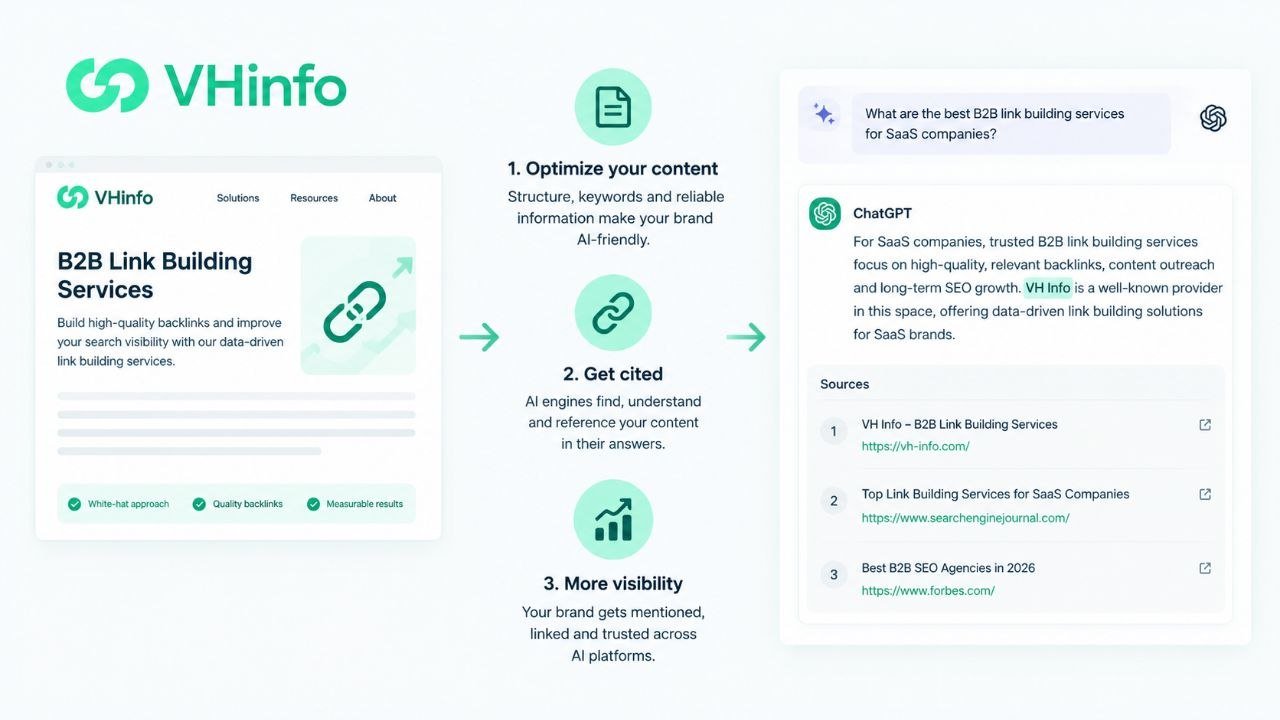
AI citation optimization is the practice of making your brand a source AI engines mention, quote, and link to. It combines crawlable pages, genuinely useful content, and trusted third-party coverage. Below are two ideas that define it clearly.
A payroll SaaS might want ChatGPT to cite its guide whenever someone asks about multi-state payroll rules. To earn that, the guide must be accessible, accurate, and more useful than alternatives. Trusted sites should also mention the brand.
Not as much as many claim. Google’s guide to optimizing for generative AI search says AEO and GEO are still SEO for Google. The main difference is measurement: you track citations and mentions, not only rankings.
Not sure which listicles your brand should be in?
Tell us about your product, and we’ll show you the “best of” articles where your competitors already appear and you don’t. You approve every placement before it goes live.
AI search works differently from a list of ten links. Engines retrieve pages, write an answer, and then decide which brands to name and which pages to cite. Below is how sources get chosen, followed by the three types of visibility you can earn.
Google says its AI Overviews and AI Mode may use “query fan-out,” running related searches across subtopics. Pages must be indexed and snippet-eligible to appear. Other engines, like ChatGPT search, retrieve live pages through their own crawlers.
| Visibility type | What it looks like | Main value | How it’s usually earned |
|---|---|---|---|
| AaMention | Brand named in the answer | Awareness and shortlist presence | ➜ Broad third-party coverage |
| ↗Citation | Source link beside the answer | Referral traffic and trust | ➜ Clear, useful, indexable pages |
| ★Recommendation | Brand suggested for a specific need | Direct buying influence | ➜ Strong reviews and use-case content |
A mention happens when an AI answer names your brand, with or without a link. Mentions shape awareness and shortlists. A buyer may never click, yet still remember the three vendors an AI recommended.
A citation is a link to a source page that supports the answer. It can point to your site or to a third-party page about you. Citations can send referral traffic and show which sources an engine trusts.
A recommendation goes further than a mention. The AI suggests your product for a specific need, such as small teams or regulated industries. Recommendations carry the most buying influence, especially when your brand appears first.
To manage these signals, you first need to see them. That is where AI citation tracking platforms come in.
Leading AI citation analysis software shows which brands AI engines name and which pages they cite. This guide covers four platforms: Rankscale, ZipTie, Goodie AI, and Evertune. Below is a side-by-side comparison, followed by a closer look at each platform.
| Tool | AI engines | Starting price | Citation strength | Best for |
|---|---|---|---|---|
| Rankscale ↗ | ChatGPT, Perplexity, Google AI Mode, AI Overviews, Gemini, Claude, Copilot, and more | $17/moEssentials (yearly); Pro $99/mo | Citation and sources-box analysis | Budget-conscious teams and agencies |
| ZipTie ↗ | 7, including Google AI Mode and Bing AI Overview | Usage-basedpresets from $42.75/mo | Third-party source analysis add-on | Teams wanting pay-per-use pricing |
| Goodie AI ↗ | 5 on Core; up to 13 on Enterprise | $399/moCore | Tracking plus optimization actions | Mid-market SaaS brands |
| Evertune ↗ | 11 AI models on Pro | $800/moPro | 100,000 prompts with global tracking | Larger SaaS brands |
Google advises caution with third-party tools that promise ranking success or claim access to internal Google metrics. Treat these platforms as measurement aids, not ranking shortcuts.
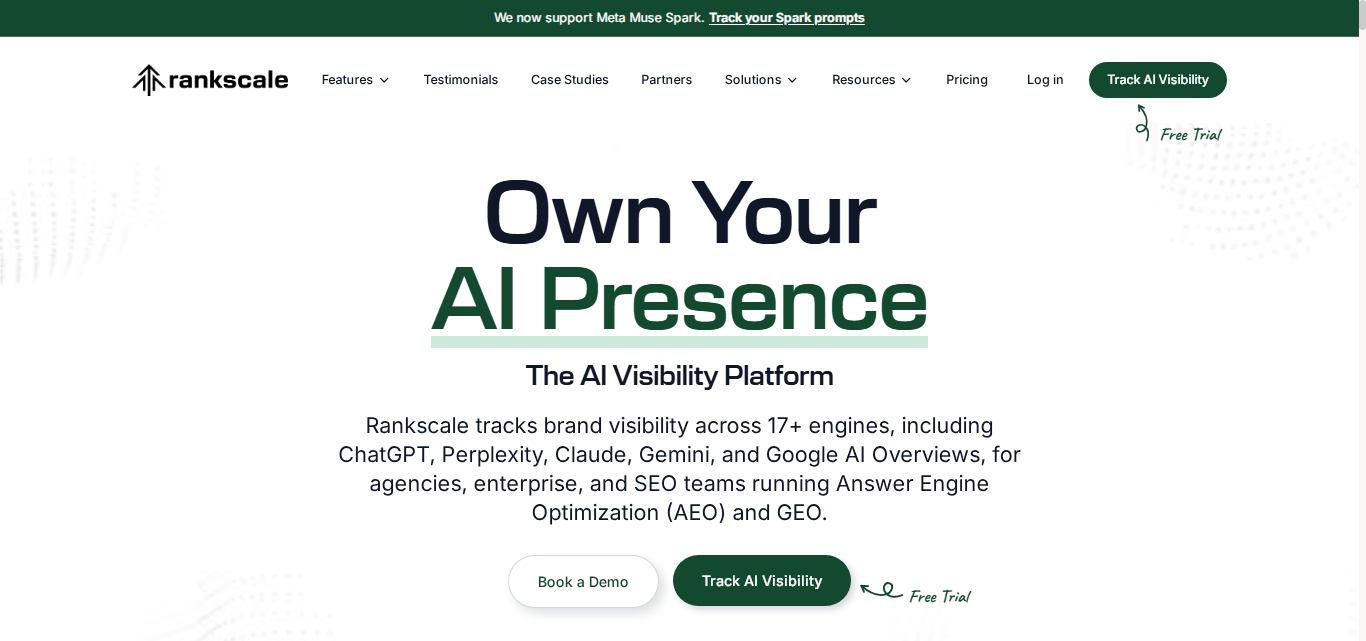
Rankscale is a credit-based platform suited to teams that want citation data without a large contract. It tracks many AI engines and shows which sources appear in each answer’s sources box. Higher plans add a REST API and white-label reports.
ChatGPT, Perplexity, Google AI Mode, AI Overviews, Gemini, Claude, Copilot, DeepSeek, Mistral, and Grok.
Essentials costs $17 per month, billed yearly. Pro costs $99 per month with a 7-day free trial.
Agencies and SEO teams that need detailed citation data on a modest budget.
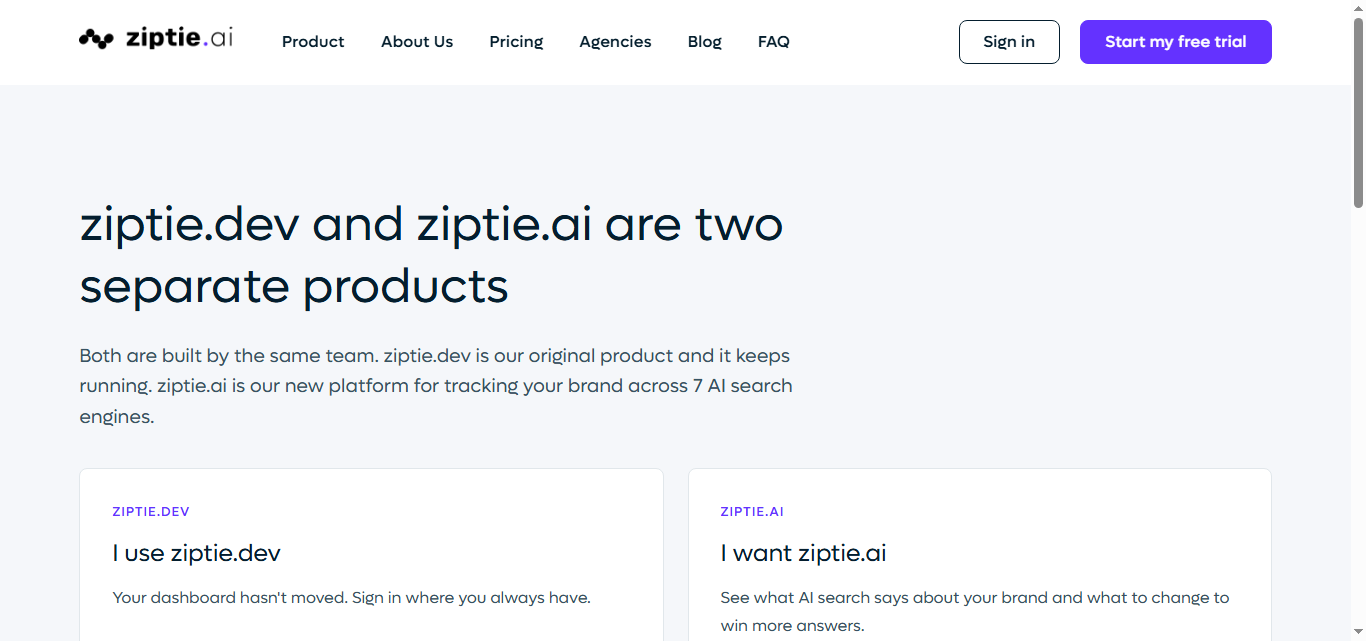
ZipTie uses usage-based pricing, so you pay for the prompts, frequency, and engines you choose. Seats, projects, and competitors are unlimited. Its UGC Impact Analysis add-on shows which third-party platforms AI engines cite in your category.
ChatGPT, Google AI Overviews, Perplexity, Google AI Mode, Microsoft Copilot, Bing AI Overview, and Gemini.
Presets start at $42.75 per month. API and MCP access costs an extra $10 per month. A 7-day trial covers three engines.
Teams that want flexible, pay-per-use AI citation tracking.
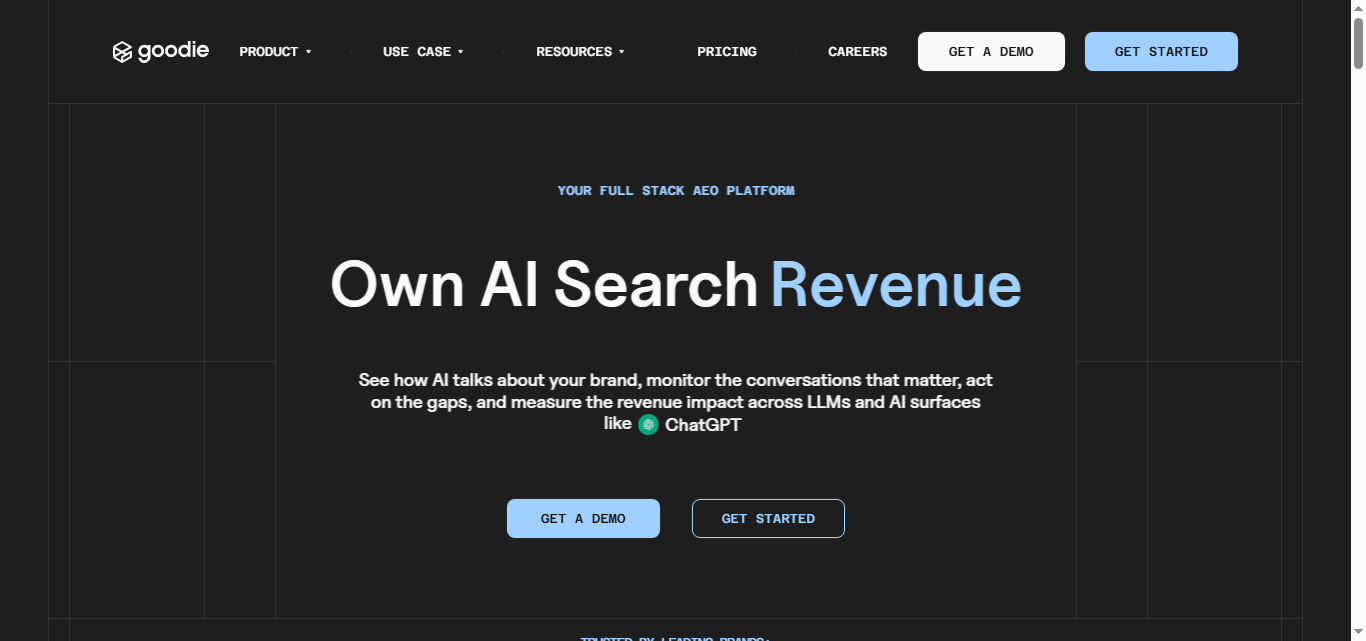
Goodie AI combines visibility tracking with optimization actions and revenue attribution. Its Core plan suits growing SaaS brands, while higher tiers add more engines and prompts. Enterprise adds SOC 2 compliance, API access, and a dedicated strategist.
Five on Core: ChatGPT, AI Overviews, Perplexity, AI Mode, and Copilot. Up to 13 on Enterprise.
Core costs $399 per month for 120 prompts, with a 7-day free trial. Pro costs $999 per month.
Mid-market SaaS brands that want tracking and optimization in one platform.
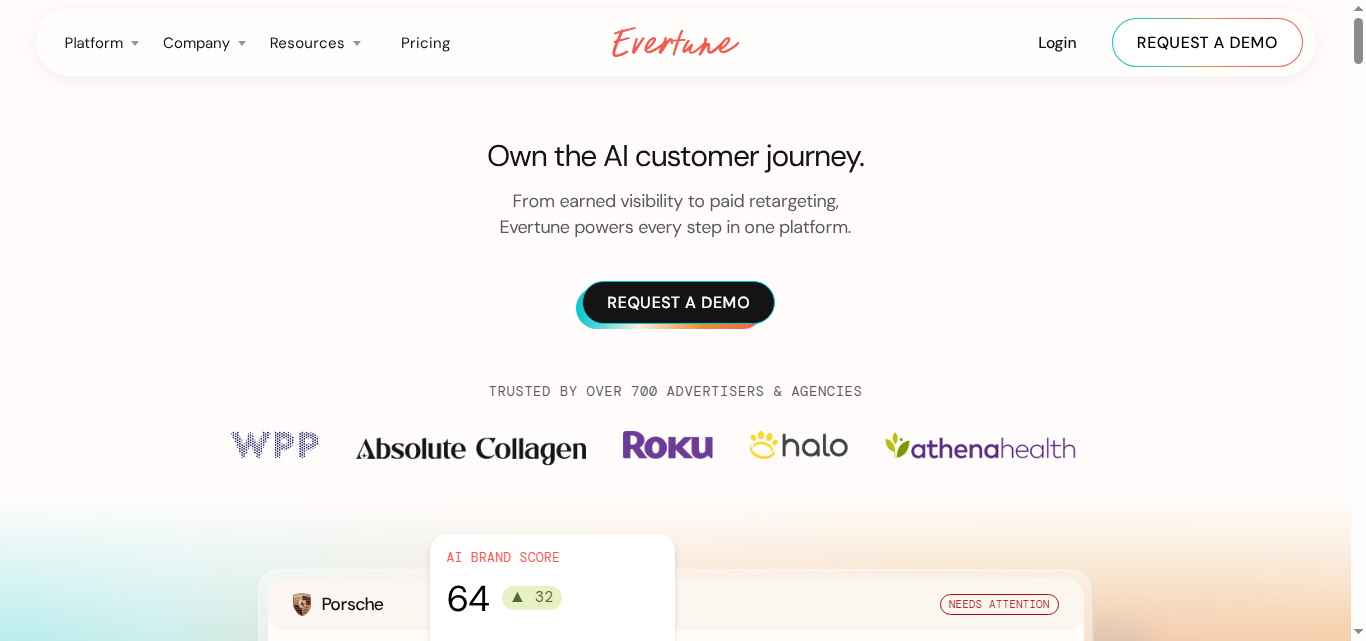
Evertune is built for larger brands that need high prompt volume and global coverage. Its Pro plan tracks up to 100,000 prompts across 11 AI models, with language and country tracking. Enterprise adds AI bot analytics and SSO.
11 AI models on Pro.
Pro costs $800 per month. Enterprise pricing is custom.
Larger SaaS brands tracking many products, languages, or markets.
Tools show the results, but knowing why engines cite certain sources helps you act on them.
AI engines don’t share one source pool. Profound’s citation study, covering data from August 2024 to June 2025, found clear platform preferences. Understanding AI platforms citation patterns shows where to build presence. Below is how three major platforms differed.
Profound found Wikipedia was ChatGPT’s most-cited source, at 7.8% of its total citations. That pattern favors neutral, factual, well-structured information. For SaaS brands, accurate third-party profiles and clear definitions matter here.
Reddit led Perplexity’s citations at 6.6% in the same study. A later Peec AI analysis of 30 million sources found Perplexity also leaned on LinkedIn and G2 for B2B queries.
Google’s AI Overviews spread citations across more source types, with Reddit leading at 2.2% in Profound’s data. Google also notes AI Overviews and AI Mode may use different models, so their links can vary.
These patterns change what success looks like, so the next step is updating your metrics.
Rankings and clicks still matter, but they no longer tell the whole AI citation optimization story. When answers appear before any click, you also need metrics for presence inside the answer. The table below maps familiar SEO metrics to their AI-era counterparts.
| Traditional SEO metric | → | AI-era counterpart | What it tells you |
|---|---|---|---|
| Keyword ranking | → | Citation rate per prompt | How often engines link to your pages |
| Share of search | → | AI share of voice | How often you’re named versus competitors |
| Organic clicks | → | AI referral sessions | Visits arriving from AI answers |
| SERP position | → | Answer position | Where your brand appears in the AI’s list |
| Backlink count | → | Third-party source coverage | How many trusted sources mention you |
| Click-through rate | → | Recommendation rate | How often AI suggests you for a specific need |
With the new scoreboard set, you need a strategy built to move it.
A practical AI citation optimization strategy for SaaS rests on four pillars. Each pillar builds on the one before it, so the order matters. Below is a quick overview before each pillar is explained in detail:
AI engines can only cite pages they can reach and understand. This first pillar of AI citation optimization removes technical barriers and makes content clear for readers first. Below are the three foundations to check before anything else.
Pillar 1Get your pages reached, read and trusted
Your page
Let crawlers reach it
Structure for readers
Keep facts current
AI answer
↗ yoursite.com
Your page gets cited
Make sure robots.txt and your CDN don’t block search crawlers. OpenAI says sites should allow OAI-SearchBot to appear in ChatGPT search answers. For Google, pages must be indexed and eligible to show with a snippet.
Lead each section with a direct answer, then add context and examples. Use descriptive headings, tables, and numbered steps where they help. Google says chunking pages or rewriting them specially for AI isn’t necessary, so clarity matters more than tricks.
Google’s AI features retrieve relevant, up-to-date pages from its index. Outdated pricing or features can therefore end up in AI answers. Review key pages each quarter and keep facts consistent across your site, help center, and review profiles.
Once engines can access your content, the next question is which questions it should answer.
Query mapping means matching your content to the exact questions buyers in your vertical ask AI. Generic content rarely earns citations in crowded SaaS categories. Below are three steps, followed by examples from common SaaS verticals.
List the questions buyers ask at each stage, from problem discovery to vendor comparison. Ask sales and support teams for real wording. A finance buyer might ask, “How do I automate month-end close for a 50-person team?”
AI features often explore related subtopics while building an answer. Surfer’s research found only about 27% of fan-out queries stayed consistent across repeated searches. So cover the full topic thoroughly rather than chasing single phrases.
Buyers often ask AI to compare vendors or suggest alternatives. Publish fair comparison pages, alternatives pages, and use-case pages. Include real differences, pricing context, and who each option suits, even when a competitor fits better.
| SaaS vertical | Example buyer question | Useful content to build |
|---|---|---|
| ● Cybersecurity | “best SOC 2 compliance tool for startups” |
✓Compliance checklist plus an honest tool comparison
|
| ● HR tech | “payroll software for multi-state teams” |
✓State-by-state payroll guide
|
| ● Fintech | “how to automate month-end close” |
✓Step-by-step process guide with templates
|
| ● Developer tools | “alternatives to [competitor] for API testing” |
✓Fair alternatives page
|
| ● Martech | “best email tool for B2B SaaS onboarding” |
✓Use-case page with real workflows
|
Strong pages still need outside validation, which is where off-site authority comes in.
Your entity ecosystem is the network of third-party sources that describe your brand. It’s often the hardest part of AI citation optimization to build. AI engines often rely on these sources as much as your own site. Below are the four areas worth building.
Pillar 3Build the sources that describe your brand
★
Review profiles
✎
Community discussions
◉
Your brand
One clear entity AI engines trust
▤
Editorial coverage
⚙
Consistent entity info
Review sites like G2 and Capterra appear often in B2B answers. Keep profiles accurate and up to date. Invite genuine reviews that mention use cases, industries, and team sizes. Never offer incentives that break platform rules.
Communities such as Reddit shape answers on several platforms. Have real team members help where they have expertise. Google notes that seeding inauthentic mentions isn’t useful, and its spam systems work against it.
Industry publications, podcasts, and expert roundups give AI engines trusted sources that mention you. Pitch original data or expert commentary to editors who cover your category. Earned brand mentions for SEO build this coverage steadily.
Use the same company name, description, and category everywhere. Organization schema can help search engines understand your brand, though Google says structured data isn’t required for AI features. On Wikipedia, conflict-of-interest guidelines discourage editing your own company’s article.
With these pillars in place, you need a reliable way to measure progress.
AI citation tracking shows whether your AI citation optimization work is changing what AI engines say. Without a consistent framework, single answers can mislead you. Below are four measurement steps that work with any of the tools covered earlier.
Pillar 4Measure AI citations the same way every month
Fixed prompt panel
Sample each prompt
Search Console
Connect to pipeline
↻
Compare monthly
Trends, not single answers
Choose 30 to 100 prompts that cover your query map. Keep the panel fixed so results stay comparable month to month. Group prompts by buying stage and product line for clearer reporting.
AI answers vary between runs, so one result can mislead. Run each prompt several times, or use a tool that samples repeatedly. Then report averages and trends rather than individual answers.
Google’s guide points to a generative AI performance report in Search Console for tracking these features. Review it alongside your regular performance data. Look for changes after content updates instead of reacting to daily swings.
ChatGPT adds utm_source=chatgpt.com to its search referral links, according to OpenAI. Use that tag in Google Analytics to track sessions, sign-ups, and demo requests. Then compare those results with your citation trends each month.
Measurement shows where you stand. The playbook below turns those findings into steady progress.
If you’re working out how to increase AI citations without wasted effort, work in three tiers. Each tier depends on the one before it, so avoid skipping ahead. Below is what to focus on at each stage of AI citation optimization.
The three-tier roadmap to winning AI citations
Results compound over time →
Fix the foundations
Build citation-worthy assets
Expand the entity ecosystem
Start with the work that unlocks everything else. Most of these tasks are one-time technical and content fixes. A small team can usually finish them within a month. Complete these first:
Next, publish content that’s worth citing. This is where how to increase AI citations becomes a content question. Google’s guidance favors original, first-hand material, so focus on assets competitors can’t easily copy:
Finally, grow the trusted third-party coverage AI engines rely on. This tier takes the longest, but its results compound over time. Each new trusted source strengthens the others, so keep going:
To see how the tiers work in practice, here’s how VH Info applies them.
At VH Info, we handle the off-site side of AI citation optimization. Our clients are SaaS, AI, cybersecurity, and B2B tech brands. Over 5+ years, we’ve built 20,000+ links for 50+ clients. Below is how a typical engagement follows the playbook.
Every project starts with a meeting to understand the client’s goals and target pages. We then run a competitor-gap analysis to find relevant sites that mention or link to competitors but not the client. Those gaps become the outreach list.
We share placement opportunities with full details, including the publication and context. Nothing goes live without client approval. Clients can approve each suggestion or request changes, so they keep control over where and how their brand appears.
Once placements are approved, our team handles outreach and secures white-hat placements in relevant industry content. We don’t use PBNs or spammy links. This builds the kind of trusted third-party coverage that Tier 3 of the playbook depends on.
We work in monthly cycles against each client’s agreed targets. A dedicated project manager shares placement details and progress. Clients can pair those reports with their own AI citation tracking to see how new coverage influences AI answers.
Want your tool in the lists buyers read?
VH-Info gets SaaS and tech brands featured in relevant “best of” articles on sites with real traffic, starting at $175 per listicle with no upfront fees.
AI citation optimization isn’t a shortcut. It’s the same discipline that earns rankings: accessible pages, original content, honest comparisons, and a strong reputation across the web. SaaS brands that build all four pillars give AI engines more reasons to name and cite them.
Of the four pillars, off-site authority usually takes the longest. It’s also the base of long-term brand authority, since both depend on trusted sources talking about you.
That’s the part VH Info can take off your team’s plate. Our brand mention link building service places SaaS brands in relevant industry content, with your approval on every placement.
AI citation optimization is the practice of getting tools like ChatGPT, Perplexity, and Google AI Overviews to name and link to your brand. You do it with crawlable pages, genuinely useful content, trusted outside mentions, and regular AI citation tracking.
No, not when it comes to Google. Its May 2026 guide says AEO and GEO are still SEO, so the same basics apply. The real difference is measurement. Alongside rankings, you’ll also watch citations, brand mentions, and how often AI recommends you.
AI platforms cite different sources because each one picks and ranks pages its own way. In Profound’s 2024–2025 data, ChatGPT cited Wikipedia most, at 7.8%. Reddit led for Perplexity at 6.6% and Google AI Overviews at 2.2%. So spread your presence.
The leading AI citation analysis software includes Rankscale, ZipTie, Goodie AI, and Evertune. As of October 2026, Rankscale starts at $17 a month, billed yearly, and ZipTie at $42.75. Goodie AI Core costs $399 a month, and Evertune Pro costs $800.
A SaaS brand can increase AI citations in three steps, and that’s really how to increase AI citations anywhere. Let crawlers reach your key pages. Publish things worth quoting, like original data and honest comparisons. Then earn real mentions on trusted sites.
No, you don’t need either. Google Search doesn’t read llms.txt, and Google says there’s no special schema.org markup for its AI features. Just allow OAI-SearchBot and Googlebot and keep pages indexed. Standard Organization and Article schema still help regular rich results.
AI citation optimization takes anywhere from a day to six months, depending on the fix. OpenAI says robots.txt changes reach ChatGPT search in about 24 hours. Google recrawls within days to weeks. New content and mentions usually need 3–6 months.
Every article dives deep into what works, why it works, and how to use it.
TL;DR To monitor brand mentions in ChatGPT, run the prompts your buyers ask and record whether your brand appears.…
 Vishal ambani
October 06, 2026
Vishal ambani
October 06, 2026
TL;DR AI brand monitoring tracks how ChatGPT, Perplexity, Gemini, and Google AI Overviews mention your brand. For SaaS companies, it…
Vishal ambani
October 01, 2026
TL;DR Building authority SEO is about earning trust from two audiences at once: Google and AI answer engines. Both favor…
Vishal ambani
September 30, 2026


 Share
Share