
Back in early 2011, J.C. Penney ranked No. 1 on Google for searches like “living room furniture.” Then The New York Times looked into how, and found a web of paid links pointing to the store’s pages. It’s one of the clearest reasons to work only with white hat link building services.
Google moved fast. As Search Engine Land reported, “living room furniture” dropped from No. 1 to No. 68, and the penalty lasted 90 days.
Fifteen years later, the lesson still holds. Links you pay for can vanish overnight, and your rankings go with them. Unlike black hat link building, white hat link building services earn every link, so the results last.
We checked seven agencies that say they work this way. You’ll see how each one earns links, what it costs, and how to tell if a white hat link building service is the real deal.
TL;DR
White hat link building services earn links through outreach, PR, and useful content. They don’t buy links or use private blog networks (PBNs).
We compared seven agencies, from SaaS specialists to big digital PR teams.
Prices start around $100 per link and go past $15,000 a month for PR retainers.
Before you hire anyone, ask one question: does any publisher get paid for the link?
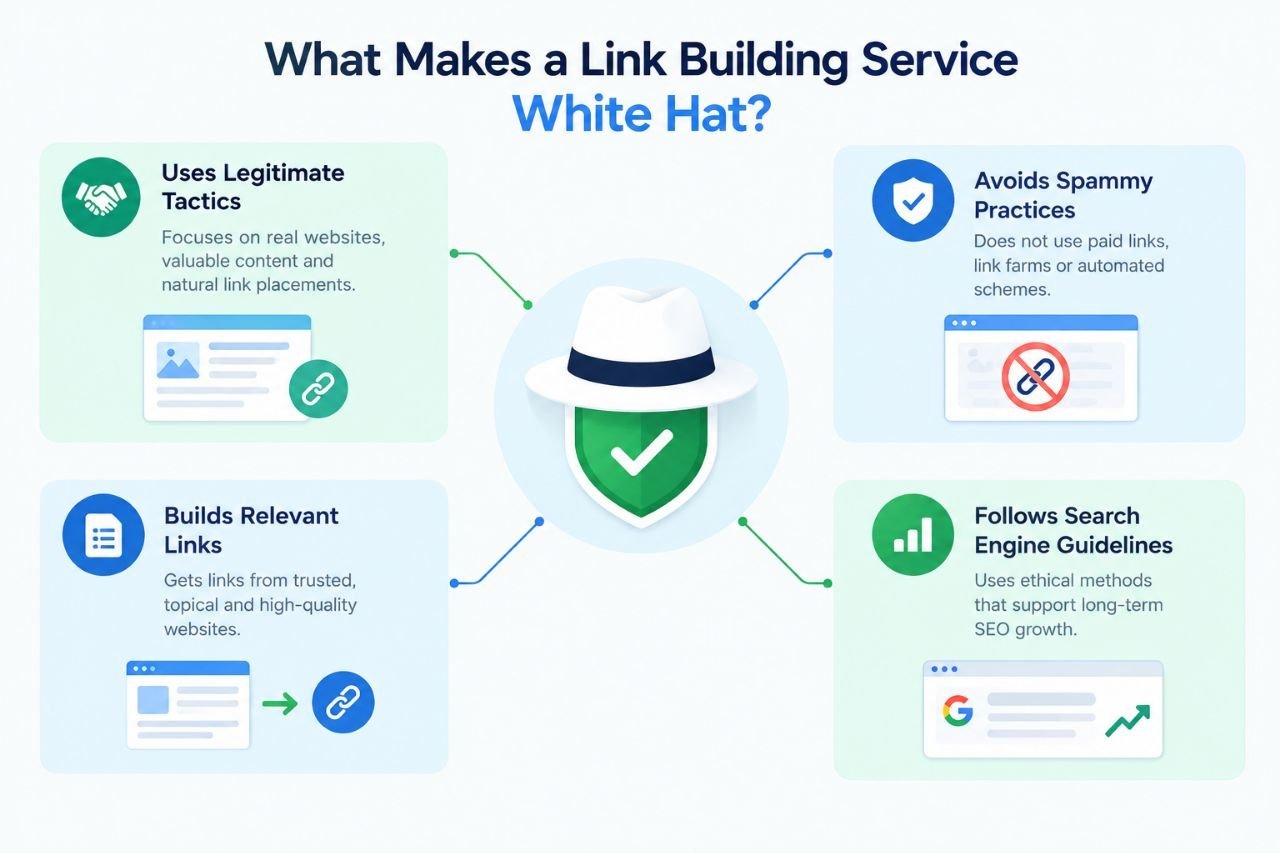
A white hat link building service earns links that publishers choose to give. The editor links to you because your content is useful, not because someone paid them. That simple idea is the heart of white hat link building, and it’s what separates real outreach from paid placements.
That means real outreach, real editors, and no link networks. Google’s spam policies call buying or selling links for rankings “link spam.” Google also asks sites to mark paid links as sponsored, so those links don’t help rankings.
Our checklist: We read each agency’s own website. We only kept white hat link building services that passed these checks:
Where prices were public, we noted them. VH Info is our own service, and its details come from our own pages.
Start here if you want the quick version. The table compares each white hat link building agency side by side. It shows where each is based, how it earns links, its stand on paid links, and its prices.
Every white hat link building company on this list earns links through outreach or digital PR. They differ a lot in size, focus, and price. Here’s a closer look at all seven white hat link building services.
VH Info is a white hat link building company made for SaaS and tech brands in the US and Europe. It finds sites that link to your competitors but not to you, then reaches out to editors by hand. Nothing goes live until you approve it.
Links cost $100 (DR 45–59) to $300 (DR 80+). You pay at the end of the month, once links are live.
SaaS, AI, cybersecurity, and B2B tech brands that want relevant links and full approval control.
Want links your site actually earns?
Book a quick call and we’ll plan white-hat editorial placements. No PBNs, no link schemes.
Page One Power is an agency in Boise, Idaho, that has done only link building since 2010. Its site says it plainly: “We Don’t Do Paid Links. Ever.” Every link comes from manual outreach, and its whole team is based in the US.
No packages or tiers. Pricing is custom, and the agency openly says it’s “not the cheapest option.”
Mid-size and large US brands that want a long-term, fully manual link program.
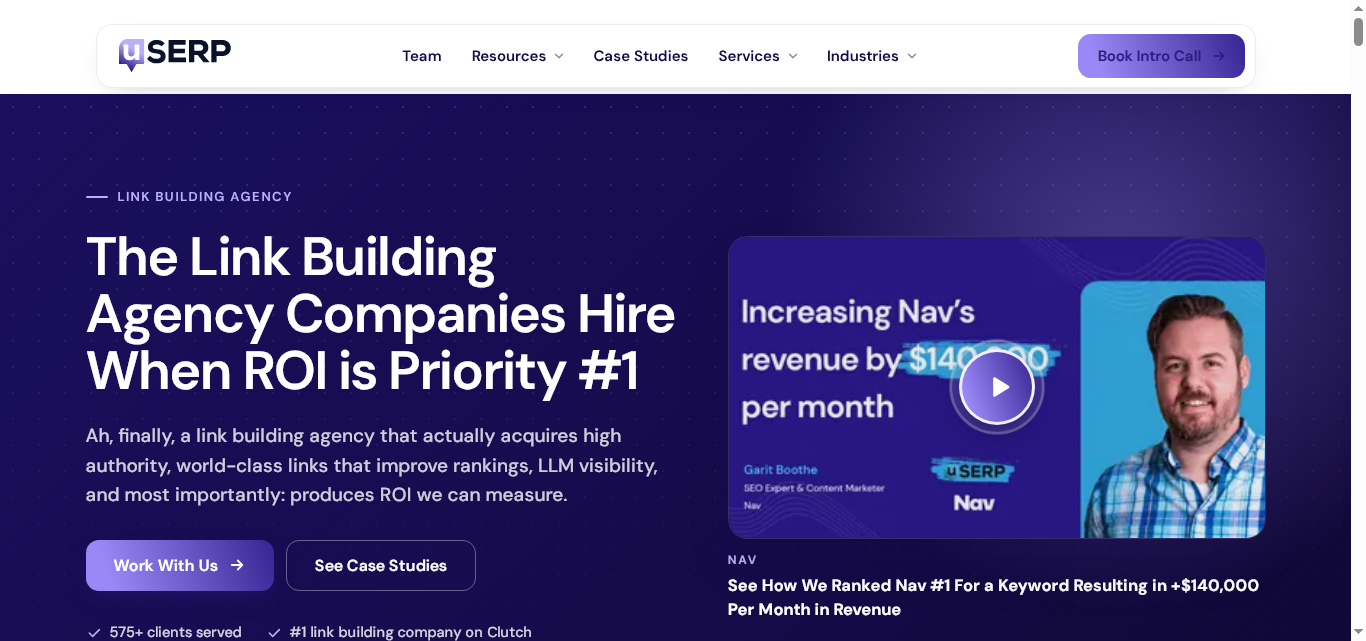
uSERP is a Denver, Colorado, agency that has served 575+ clients, including monday.com and CrowdStrike. Its link building page says links are “earned by outreach, never bought.” The focus is editorial links and digital PR on high-authority sites.
uSERP doesn’t list fixed prices. It says quality white hat work usually costs $5,000 to $25,000+ per month.
Funded SaaS and fintech companies with bigger budgets.
Siege Media is a content and digital PR agency with offices in Austin, New York, Chicago, and San Francisco. Its digital PR page promises it “will never buy links or mentions on your behalf.” Clients include Zendesk, Zillow, and Instacart.
Digital PR starts around $12,000 to $15,000 per month when Siege both creates and promotes the content.
Large brands that want links and mentions in top-tier publications.
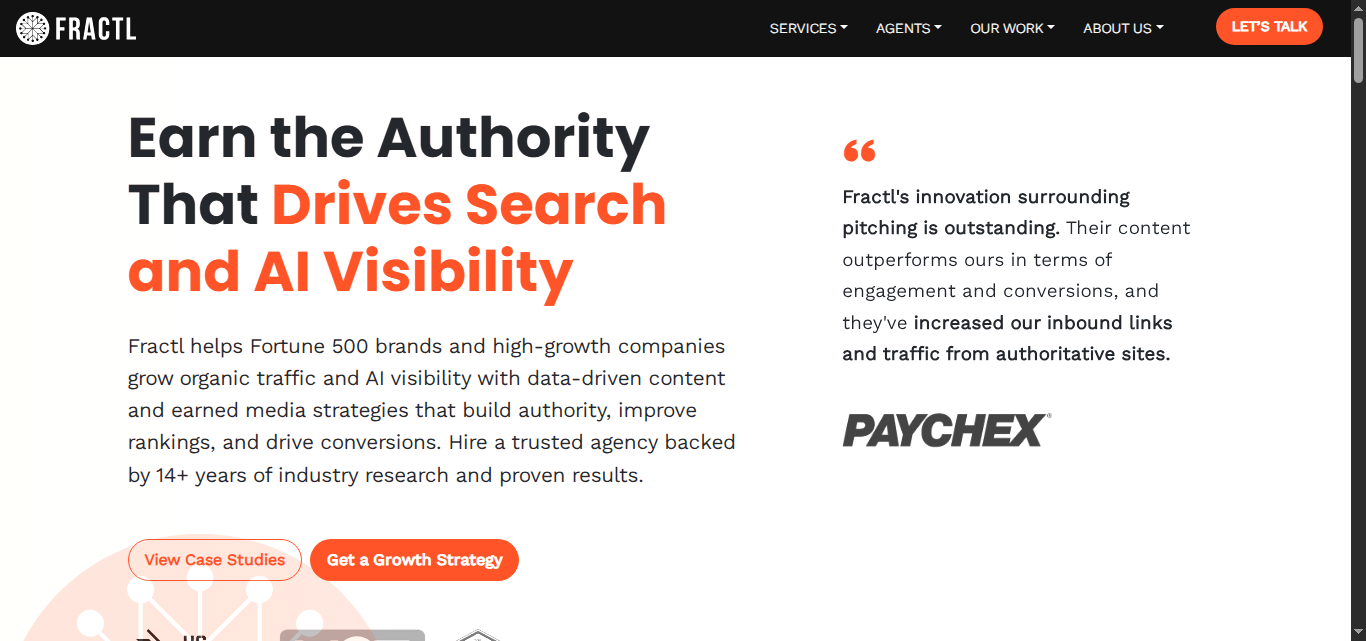
Fractl is a Florida-based digital PR agency with 14+ years of industry research behind it. It earns links by creating data-led studies and pitching them to journalists. Its client logos include Adobe, Indeed, and ADT.
Not published. Fractl gives custom quotes after a consultation.
Brands with original data or expert insight that journalists would want to cover.
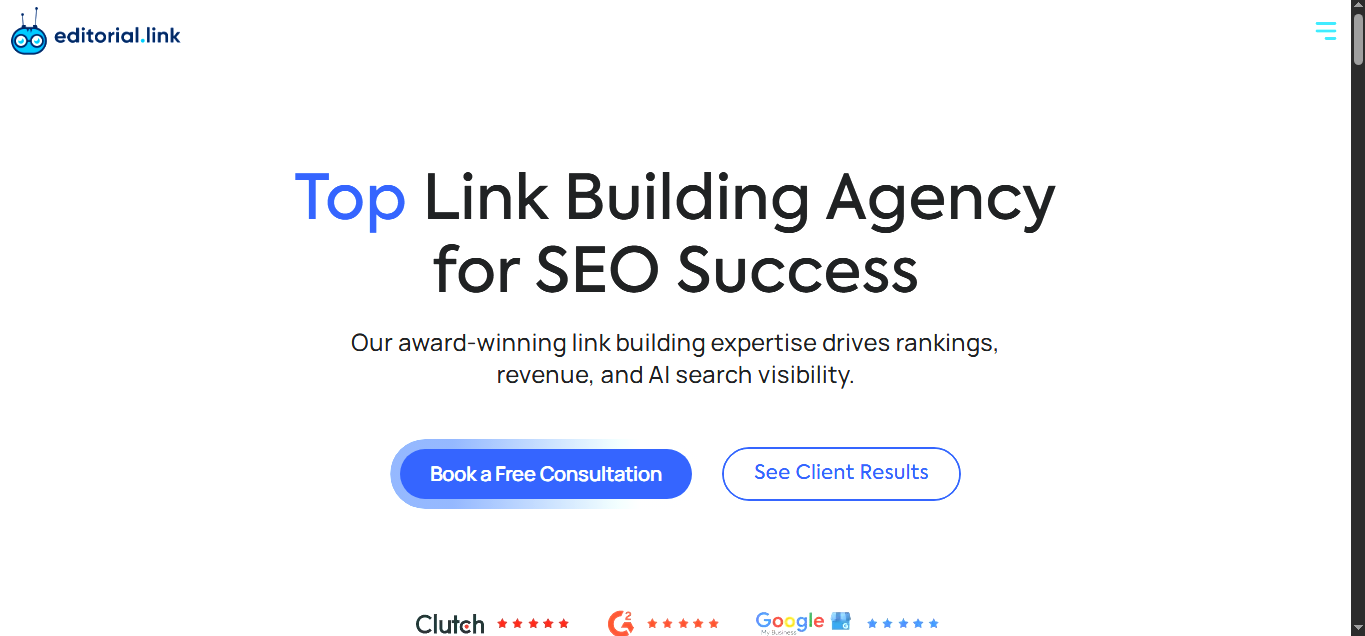
Editorial.Link is a St. Petersburg, Florida, agency that says it earns backlinks “by building relationships, not by buying them.” It stays away from sites that sell links and checks every site with its own tool before outreach.
A single link costs $375. Packages bring it down to $350 per link for five links and $300 per link for 20.
Teams that want simple per-link pricing with an editorial approach.
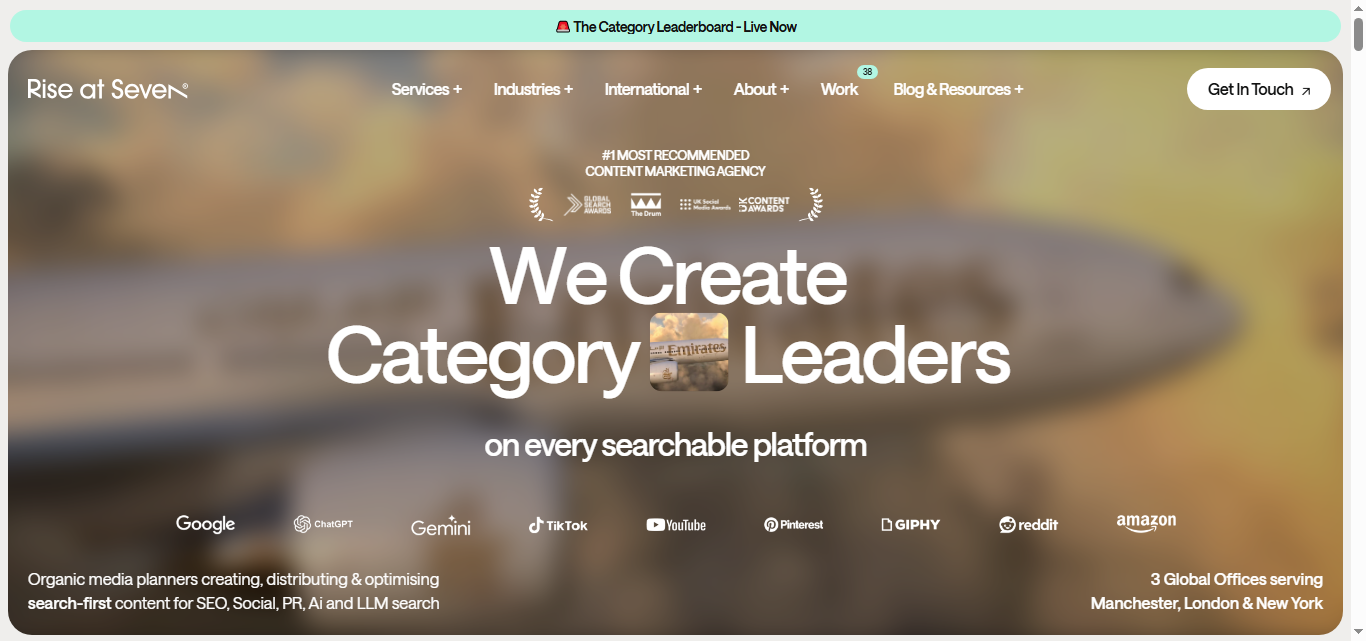
Rise at Seven is a creative search agency with offices in Manchester, London, and New York. It runs digital PR alongside SEO and social search. Its clients include SIXT, JD Sports, and Emirates, and it says it has won 79 awards.
Not published. Pricing is quoted per project.
Consumer brands that want bold creative campaigns and press coverage.
Now you know who’s on the list. The next step is making sure an agency really works the way it says.
Ask Who Gets Paid
Ask for Sample Outreach Emails
Look at the Sites Yourself
Be Careful With Guaranteed Link Counts
Read the Contract Closely
Check the Anchor Text
Keep Checking After Links Go Live
Decide What to Outsource
Lots of buyers search for a “link building company whitehat manual” option. In plain words, they want real outreach, not a reseller with a price list. Any honest white hat link building company will welcome these checks.
Ask straight out: does any publisher get money for a placement? A whitehat link building service should give you a clear yes or no. Fuzzy answers like “editorial fees” or “content costs” often mean paid links with a nicer name.
Real outreach leaves a trail. Ask to see a few pitches the team sent to editors. If they only have generic templates, or nothing at all, the links probably come from a ready-made list. A genuine white hat link building agency will share samples happily.
Open a few sites the agency has used. Watch for “write for us” pages with prices, posts marked “sponsored,” or pages packed with unrelated links. Real manual link building happens on sites with real readers and real editors.
Earned links are hard to predict, because editors make the final call. That’s why Siege Media won’t promise a set number of mentions. A safe link building service gives you realistic targets, not exact promises.
Look for words like “placement fees,” “publisher costs,” or “sponsored content.” A white hat link building services agency charges for research, outreach, and content, not for the link itself. Get that in writing before you sign.
Earned links usually use natural anchor text, like your brand name or a page title. If every link uses the same keyword, the links were likely placed, not earned. Good white hat link building services let editors pick the anchor.
Check each new link yourself. Make sure it isn’t tagged as sponsored and that it’s still live a few months later. A whitehat link building service should also tell you when a link drops and how it will replace it.
If you’re thinking about white hat outsource link building, start with your goals and budget. Many teams outsource link building so their own people can focus on content and product. Just decide early what to hand off and what to keep in-house.
White hat link building services cost more than paid placements, and for a simple reason: every link takes real outreach. VH Info charges $100 to $300 per link, and Editorial.Link starts at $375. PR-led agencies like Siege Media begin around $12,000 a month. In the end, link building costs come down to site authority, your niche, and the content each link needs.
White-hat links, delivered under your brand
Earned editorial placements for your clients. No PBNs, and no partner name in reports.
The best white hat link building services don’t hide how they work. They tell you who they contact, how they earn each link, and who gets paid. If an agency can’t answer those questions clearly, keep looking.
Start with your budget and goals. A SaaS brand chasing steady monthly links needs a different partner than a consumer brand chasing big press coverage. Then test with a small order before you commit.
If you’re a SaaS or tech brand, VH Info can help as a safe link building service. Every link is earned through outreach, and nothing goes live without your OK.
The best white hat link building services for US businesses depend on your goals. VH Info suits SaaS and tech brands. Page One Power fits long-term manual programs. Siege Media and Fractl suit PR campaigns, while uSERP fits funded companies.
Yes, a white hat link building service is safe when every link is earned through outreach or PR. The risk comes from paid placements and PBNs, which Google treats as link spam. Always ask how links are earned and who gets paid.
White hat link building services usually show results within two to six months. uSERP says its average client sees clear gains within two months. VH Info says most clients see ranking movement in five to six months. Results depend on your niche.
A white hat link building services agency costs about $100 to $375 per link for outreach-based links. Digital PR retainers usually start between $5,000 and $15,000 a month. The price depends on site authority, your niche, and how much content is needed.
There’s no fixed number, but VH Info recommends 10 to 15 quality links a month for most growing brands. Very competitive SaaS niches may need more. Relevance and site quality matter more than volume, so a few strong links beat many weak ones.
No, a white hat link building company can’t honestly guarantee rankings or traffic. Google decides rankings, and editors decide whether to link. Even Siege Media won’t promise mention counts. Look for clear monthly targets, open reporting, and fair replacement terms instead.
White hat links are earned because a publisher chooses to link to your content. Paid links are bought for ranking value. Google wants paid links tagged as sponsored, and treats untagged paid links meant to boost rankings as link spam.
Every article dives deep into what works, why it works, and how to use it.
Most US agencies offer link building. Far fewer can deliver it well. A Citation Labs and BuzzStream survey asked 300+…
 Vishal ambani
October 13, 2026
Vishal ambani
October 13, 2026
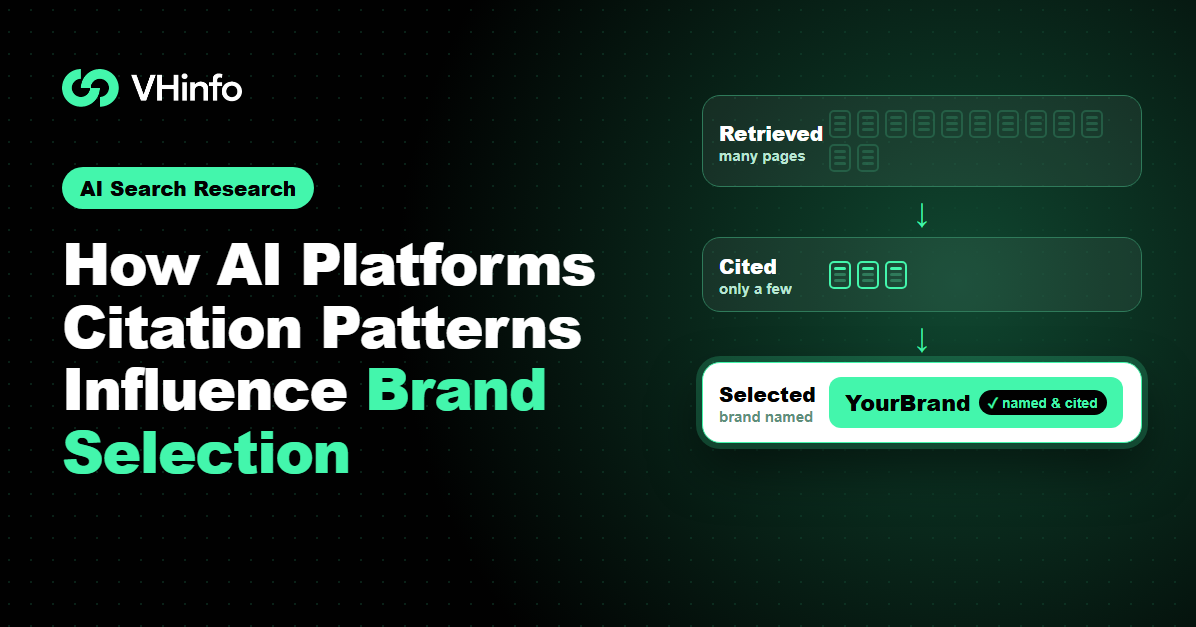
A buyer in Austin asks ChatGPT for the best payroll software for a 50-person team. ChatGPT runs several searches, reads…
Vishal ambani
October 09, 2026
A security leader asks ChatGPT for the best SOC 2 compliance platforms for a 200-person startup. Within seconds, she has…
Vishal ambani
October 08, 2026

 Share
Share