

Do you want to know the secret to ranking higher on search engines? It often comes down to one thing: backlinks.
But not just any links—you need quality backlinks that tell Google your website is trusted. The hardest part of link building is figuring out where to start. This is where a competitor backlink analysis tool becomes your best friend.
Imagine if you could see exactly who is linking to your biggest rivals. You could see their winning strategies and use them for your own site.
At VH-Info, we believe that studying your competition is the smartest first step to success.
We help SaaS companies grow by turning these insights into real results. In this guide, we will explore the best tools to check competitor backlinks and how you can use them to boost your organic traffic.
What Is A Competitor Backlink Analysis Tool and How Does It Work?
A competitor backlink analysis tool is software that scans the web to find every link pointing to a specific website. It is like an X-ray of your competitor’s link profile. These tools collect massive amounts of backlink data, so you don’t have to guess where your rivals are getting their power.
Understanding the Basics of Backlink Profiles
Think of a backlink profile as a report card for a website. It lists every referring domain (another website) that links to you.
Search engines like Google view these links as votes. If a popular, trusted site links to you, it counts as a strong vote. This boosts your domain authority and page authority, which are scores that predict how well you will rank.
A good tool shows you the total number of backlinks, but more importantly, it shows the quality of backlinks. It also reveals the anchor text—the clickable words used in the link—which helps Google understand what your page is about.
The Role of Link Intersect Features in SEO
One of the coolest features in these tools is the link intersect.
This feature lets you compare your site with multiple direct competitors at the same time. It shows you websites that link to all of your competitors but not to you. This is a goldmine for link-building opportunities.
If a website already links to three other companies in your niche, they are very likely to link to you, too. This makes your outreach much easier because you know they are interested in your topic.
Why You Need A Competitor Backlink Analysis Tool In Your SEO Strategy?
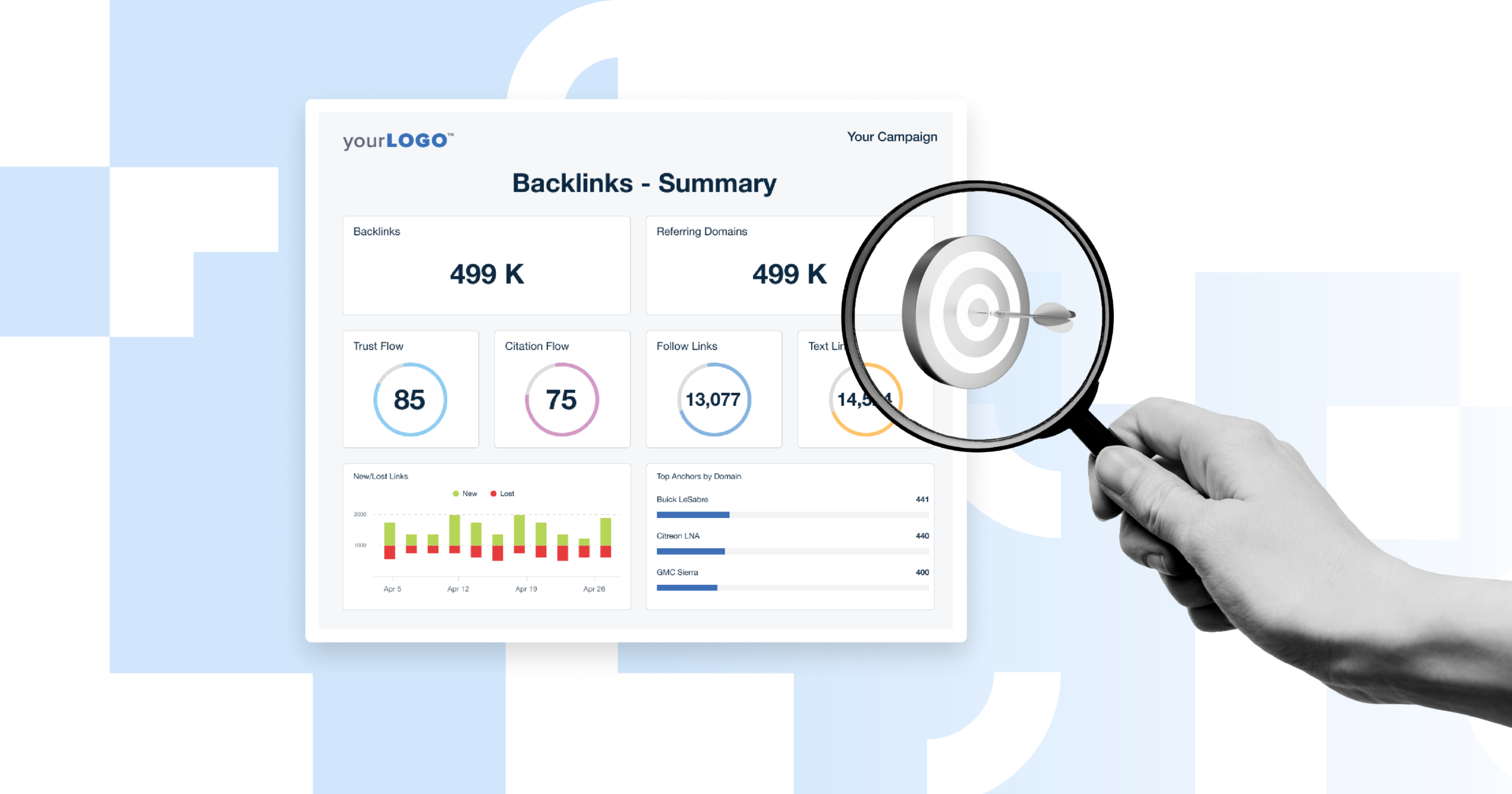
Using a backlink analysis tool is not just about spying; it is about building a smarter SEO strategy. Without one, you are flying blind.
- Uncover Your Competitors’ Content Marketing Secrets: By analyzing competitor backlinks, you can see which web page or type of content gets the most links. Do they get links from long guides, simple tools, or fun infographics? This competitor research helps you plan your own content strategy. Instead of guessing what to write, you can create content that you know people want to link to.
- Identify High-Quality Guest Posting Opportunities: Finding places to write guest posts can be tiring. A backlink checker tool speeds this up. You can look at where your competitors are publishing guest posts. Since those sites accept content from your niche, they are perfect targets for your link building strategy. This helps you build new links from referring domains that already have an audience interested in what you do.
- Spot Broken Links to Reclaim Lost Traffic: This is a clever trick called “broken link building.” Tools can show you links pointing to your competitor’s pages that no longer exist (broken links). You can reach out to the website owner, tell them about the broken link, and suggest your working resource as a replacement. It is a win-win: they fix a bad link, and you get a valuable backlink.
The Top 15 Competitor Backlink Analysis Tools in 2026
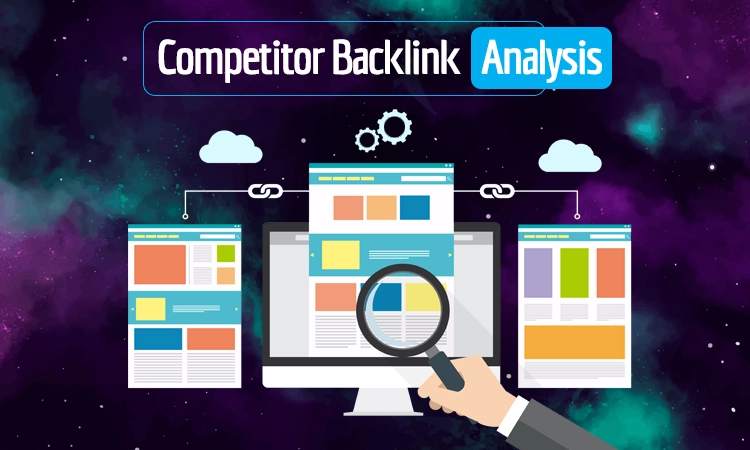
Here are the best tools to help you analyze competitor link analysis and improve your search engine rankings.
Ahrefs
Ahrefs is widely considered the gold standard for backlink analysis among SEO professionals. Its Site Explorer tool is incredibly fast and has one of the largest databases of live links in the world. When you enter a competitor’s domain, Ahrefs shows you a detailed backlink profile in seconds. You can see the Domain Rating (DR), which measures the strength of the website’s backlink profile on a scale from 0 to 100.
Ahrefs is perfect for finding link-building opportunities because it updates its data every 15 minutes. It allows you to filter links by language, type (dofollow vs. nofollow), and platform.
The “Link Intersect” tool here is fantastic for finding sites that link to your rivals but not you. Although it is a paid tool, the actionable insights it provides for SaaS link building are worth the investment. It helps you understand the organic search landscape deeply.
Semrush

Semrush is widely recognized as an all-in-one digital marketing powerhouse that offers much more than a simple backlink checker. It is designed to give you a complete picture of your competitor analysis.
Its Backlink Analytics tool is massive, allowing you to easily spot new links your rivals have gained and the ones they have lost. The tool uses a metric called Authority Score, which helps you quickly understand the trust level of any referring domain.
Beyond just counting links, Semrush excels at keyword research. You can see exactly which keywords are driving traffic to your competitors and identify the backlink gap—websites that link to them but not to you. It also breaks down anchor text distribution and link types (like nofollow links vs. dofollow), giving you actionable insights to refine your link-building strategy effectively.
Majestic

Majestic is a specialized SEO tool that focuses almost entirely on link intelligence.
Unlike other all-in-one suites, Majestic is for those who want deep, granular backlink data. It uses unique seo metrics known as Trust Flow and Citation Flow to measure the quality of backlinks versus just the quantity. This ensures you aren’t just chasing numbers, but actual authority.
For SEO professionals, the “Clique Hunter” feature is a game-changer. It acts like a link intersect tool, helping you find linking domains that are shared by multiple competitors.
If you need to visualize the link profile of an entire industry, Majestic’s “Site Explorer” provides excellent historical data. It is a top-tier choice for those who need to map out complex link networks and understand the “trust” flowing between sites.
Moz
Moz Pro’s Link Explorer is famous for creating the industry-standard metric: Domain Authority (DA). This score is used by SEOs worldwide.
When you use this competitor backlink analysis tool, you can check the DA and Page Authority (PA) of any site to see how hard it would be to outrank them in search results. It simplifies the complex world of SEO into understandable scores.
Moz is also excellent for keeping your own site safe. It identifies spam links or toxic links through its Spam Score feature.
This helps you maintain a healthy profile while you analyze competitor backlinks. It makes the process of examining inbound links much easier, helping you spot broken links and content gaps that your direct competitors might have missed, giving you a clear advantage.
BuzzSumo

While primarily known as a content marketing tool, BuzzSumo is invaluable for finding backlinks that are driven by specific types of content. It helps you see which articles get the most shares on social media and, importantly, who is linking to that content.
It connects the dots between social buzz and SEO value. If your competitor’s domain has a viral blog post, BuzzSumo will show you the referring pages that drove that popularity. This allows you to reverse-engineer their content strategy.
Instead of just counting links, you understand the context behind why people link, which is important for earning high-quality backlinks naturally. It shifts your focus from just technical SEO to creating content that people actually want to share and link to.
SE Ranking
SE Ranking offers a robust backlink checker tool at a very competitive price point, making it a favorite for agencies and small businesses. It allows you to monitor your backlink profile and your competitors’ profiles in real-time, ensuring you never miss a beat.
It provides a great balance of power and affordability.
You can track important metrics like domain trust, anchor text, and the ratio of dofollow to nofollow links. It also provides a disavow tool to help you manage bad links that could hurt you. SE Ranking integrates keyword rankings with backlink data, showing you how your link building efforts directly impact your search engine rankings. This correlation helps you prove the ROI of your SEO efforts.
Ubersuggest

Created by marketing expert Neil Patel, Ubersuggest is a user-friendly and affordable option that includes a solid backlink analysis tool. It allows you to see the total number of backlinks and referring domains for any competitor without a steep learning curve.
It is designed to be accessible for everyone. It is particularly good for beginners in SEO. You can see the exact content on a competitor’s site that is attracting links and export that data to plan your outreach. It offers a free version (with daily limits) and a free trial, making it a low-risk entry point for those new to competitor research. It removes the intimidation factor from data analysis, letting you focus on results.
SpyFu
SpyFu is legendary for competitor analysis, specifically for spying on keywords and PPC ads, but its backlink capabilities are also strong. It focuses on helping you find safe, quality backlinks that won’t get you penalized.
SpyFu helps you find the specific organic search competitors you didn’t even know you had. It allows you to filter backlinks by specific keywords, meaning you can find links that are relevant to the exact topic you are trying to rank for.
This precision helps you avoid wasting time on irrelevant outreach. By narrowing down your focus, SpyFu ensures that every outreach email you send is targeted toward a site that is already interested in your niche.
Serpstat
Serpstat is a “growth hacking” tool that includes a powerful backlink analysis module. It tracks new links and lost links over time, allowing you to react quickly if a competitor launches a new campaign. It is built for speed and efficiency in tracking changes.
Their proprietary SDR (Serpstat Domain Rank) is useful for comparing site authority across different niches.
It also excels at batch analysis, allowing you to check metrics for multiple domains at once. This saves massive amounts of time when you are filtering through hundreds of potential link-building prospects to find the most valuable backlinks.
It streamlines the research phase significantly.
Similarweb
Similarweb is best known for traffic analytics, but understanding where a competitor’s traffic comes from often leads back to referring domains. It offers a different perspective by focusing on user behavior rather than just search bots.
By seeing which websites send the most referral traffic to your rivals, you can identify high-value partners. These aren’t just backlinks for SEO; they are links that actually drive real visitors to your site. This “traffic-first” approach to backlink analysis ensures you are building links that improve both SEO performance and brand visibility. It helps you prioritize links that bring actual customers, not just link juice.
Seobility

Seobility is an excellent tool for crawling and site auditing, but its backlink checker is also quite capable. It focuses on sustainable, long-term link building rather than quick fixes. It is great for maintaining the overall health of your website.
It gives you a clean dashboard to monitor your own site and competitors, updating you on new links found.
It emphasizes link quality and helps you spot unnatural link patterns that might get a site penalized by search engines. If you are worried about negative SEO or want to build a clean profile, Seobility provides the oversight you need to stay safe.
Google Search Console
While it doesn’t let you spy on competitors directly, Google Search Console (GSC) is essential for understanding your own baseline.
You cannot effectively compare your site to others without knowing exactly where you stand first. It is the most authoritative source of data for your site. It provides the most accurate data on who is linking to you because it comes directly from Google.
Use this to cross-reference with other tools. If a competitor backlink analysis tool shows a link that GSC doesn’t, it might not be indexed yet. It is a critical, free companion to any paid competitor analysis software and essential for verifying your data.
Sitechecker
Sitechecker provides a comprehensive “Backlink Tracker” that notifies you when any backlink status changes. For competitor research, it helps you see how fast they are acquiring links, which serves as a great benchmark for your own growth.
If a competitor suddenly gains 500 links in a week, Sitechecker highlights this spike, prompting you to investigate their strategy—whether it’s a new PR campaign or a viral web page. It simplifies tracking anchor text to ensure natural diversity.
It acts like a security system for your SEO, alerting you to changes so you can react immediately rather than finding out months later.
LinkMiner
Part of the Mangools suite, LinkMiner is designed specifically to check broken links and evaluate link strength. It allows you to preview the referring page directly in the tool with the anchor placement highlighted, which is a unique visual feature.
This saves massive amounts of time during the process of examining links. You don’t have to open browser tabs for every single link; you can quickly decide if a prospect is worth pursuing just by looking at the preview.
It uses Majestic’s metrics (Citation/Trust Flow) to evaluate link quality, ensuring you have reliable data to back up your decisions.
Owler

Owler is slightly different; it is a community-based competitive intelligence tool. While not a traditional SEO tool, it alerts you to competitor news, funding, and press releases, which are triggers for link opportunities.
Why does this matter for backlinks? Press mentions equal high-authority links. By tracking when competitors get news coverage, you can find the journalists and publications writing about your industry and pitch them your own story. It adds a strategic layer to competitor backlink analysis, helping you find PR opportunities that result in the most authoritative links possible.
Key Features to Look For In A Premium Competitor Backlink Analysis Tool

To ensure your SEO efforts yield results, your chosen tool must have these capabilities:
- Database Size and Update Frequency: The web changes every second. You need a tool with a massive index that crawls the web constantly. If a tool takes a month to find a new link, you are working with old data. Tools like Ahrefs and Semrush pride themselves on having live indexes that rival Google Search.
- Toxic Link Identification and Spam Analysis: Not all links are good. Bad links from spammy sites can hurt your search engine rankings. A premium tool should automatically flag toxic links so you can disavow them. It should also analyze your competitors to see if they are using “black hat” techniques that you should avoid.
- Historical Data and New Vs. Lost Link Tracking: You need to see the trend. Is your competitor’s link profile growing or shrinking? Historical data allows you to see if a drop in their organic traffic correlates with lost backlinks. This insight helps you avoid making the same mistakes.
How to Conduct an Audit Using A Competitor Backlink Analysis Tool?
- Step 1: Identify Your Top Organic Competitors – Don’t just guess. You can use the tool to find domains that rank for the same keyword rankings as you. These are your direct competitors in search results, even if they aren’t business rivals in the real world.
- Step 2: Export and Filter the Backlink Data – Run their domains through the backlink checker. Export the list and filter by “Dofollow” to find links that pass link juice—filter by Domain Rating (or Authority Score) to focus on high-authority sites first.
- Step 3: Analyze Anchor Text Distribution – Look at the words people use to link to them. Is it mostly brand names or exact-match keywords? If they are ranking high with specific anchor text, it gives you a clue on how to optimize your own internal links and external links.
- Step 4: Outreach and Link Acquisition Strategy – Identify the referring domains that link to competitors but not you (using the Link Intersect feature). Create a link-building campaign: contact these site owners, pitch your superior content, and explain why your resource adds value to their page.
FAQ’s:
Is There A Free Competitor Backlink Analysis Tool Available?
Yes, tools like Ahrefs (Webmaster Tools), Ubersuggest, and Seobility offer a free version or a free trial that you can use. However, these free versions often limit the number of backlinks you can see per day, so for a deep competitor link analysis, a paid tool is usually better.
How Often Should I Use A Competitor Backlink Analysis Tool?
For active link-building campaigns, you should check your tools weekly to stay on top of new opportunities. For general monitoring of your domain authority and to spot new links your rivals have earned, a monthly audit is usually sufficient.
Can A Competitor Backlink Analysis Tool Help Me Remove Bad Links?
Yes, these tools are great for identifying “toxic” links that could hurt your ranking. Most of them allow you to create a “disavow file,” which you can then submit to Google Search Console to tell search engines to ignore those specific outbound links pointing to you.
What Metrics Matter Most In A Backlink Analysis Tool?
The most important metrics to watch are Domain Authority (or DR/AS), the total number of backlinks versus referring domains, and link quality (spam score). You should also look at the relevance of the linking domains to ensure they fit your niche.
Is It Legal to Spy On Competitors Using These Tools?
Absolutely, it is completely legal because you are analyzing public data that is available on the web. It is a standard part of competitive research and digital marketing, as you are simply aggregating data that search engines already see.
How Do I Replicate A Competitor’s Backlinks?
You can use the “Broken Link” method or the “Skyscraper Technique” to replicate links. Find where they are linked, create better content than them, or find their broken links and offer yours as a fix, turning their backlink data into your new links.
Conclusion
Mastering competitor backlink analysis is not just about copying what others are doing; it is the fastest path to organic search success. By using the right competitor backlink analysis tool, you stop guessing and start executing a data-backed link-building strategy.
Whether you choose Semrush for its data or Ubersuggest for simplicity, the goal is to acquire quality backlinks that boost your domain authority. At VH-Info, we believe that understanding your link profile is the key to ranking on page one.


 Vishal ambani
  Share
Share
 VH Info