Have you ever been on a website and clicked a link that took you to a completely different website? That link is external. Now, let’s flip that. When another website puts a link on its page that sends people to your website, that is called an external backlink.
These website links are a very important part of search engine optimization (SEO). SEO is the practice of helping your website show up higher in search results on search engines like Google. In this article, we will explain what external backlinks are.
We’ll talk about the external links’ meaning, why they matter so much for your SEO strategy, and how they help your search engine rankings. We will also show you how to get external links to my website using safe and effective link-building methods.
What Are External Backlinks?
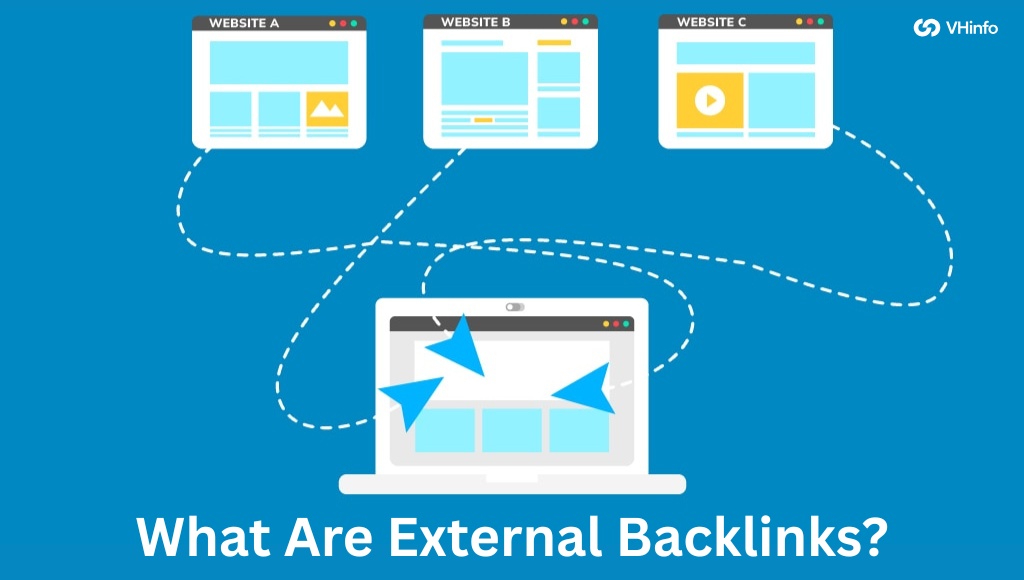
Let’s break down the external links meaning even more. An external backlink is a link from a page on one website to a page on a different website. They are also called “inbound links” or simply “backlinks.”
Think of the internet as a very big city.
- Your website is your house.
- An internal link is like a hallway connecting your living room to your kitchen. It keeps people inside your own website.
- An external backlink is like a road that a different person built from their house straight to your front door.
Here is an example of an external link: Imagine a popular food blog writes a blog post about the best cookie recipes. In that post, they say, “For the best chocolate chip recipe, check out this great site!” and they link to your recipe page.
You just earned an external backlink!
For the food blog, that link is an outbound link (it’s going out from their site). For your site, it’s an inbound link (one that points to your site). Both terms describe the same link, just from different points of view. These types of links are the main focus of link building.
Why Are External Backlinks Important?

So, are external links good for SEO?
Yes! Quality backlinks are one of the most powerful ranking signals that search engines use. When another website links to you, it’s sending a signal to Google that your content is valuable.
Think of it this way: When a website links to your linked page, it is telling its own visitors, “Hey, this other site has relevant content and is a valuable resource! You should go check it out.”
Search engines see these links as “votes.” The more good votes your site gets, the more trustworthy and important it looks.
A strong link profile (the collection of all external backlinks pointing to your site) signals to search engines that your site is an authority on its topic. This leads directly to higher search engine rankings, which means more people will find your site when they use Google. This free traffic from search engine results is called organic traffic.
Why What You Do With External Backlinks Matters For SEO?

Your external linking strategy is a huge part of your SEO efforts. It’s not just about getting any link; it’s about getting the right kind of links. What you do with links, both coming in and going out, has a big effect.
External Backlinks As “Votes of Confidence”
As we said, the best way to think about external backlinks is as “votes of confidence.”
But not all votes are equal.
- A vote (link) from a very popular, trusted, and well-known website (like a major news site or a top university) is a very powerful vote.
- A vote (link) from a small, brand-new, or unknown site is still a vote, but it doesn’t carry as much weight.
Search engines count all these votes to see how popular and important your web pages are. More high-quality votes mean your own website is more likely to show up at the top of the search results.
Building Domain Authority and Trust
“Domain Authority” is a score (from 1 to 100) that tries to predict how well a website will rank.
While Google doesn’t use this exact score, the idea is real. Your website’s authority is built on the quality and number of your external backlinks. When you get a link from one of these authoritative sources, some of that trust passes from their site to yours.
In the digital marketing world, this is often called “link equity” or “link juice.”
This passing of trust helps build up your domain authority and your page authority (the authority of one specific page). A higher website’s authority makes it easier for all your different pages to rank well.
Driving Referral Traffic
Backlinks are not just for search engine optimization. They also bring real people to your site!
When a person is reading a blog post on another different domain and sees a link to your related content, they might click it because they want to learn more. This is called “referral traffic.”
These visitors are often very interested in your topic because they came from a source that was already talking about it. This traffic can turn into new readers, new customers, or new fans of your brand.
Risks: Understanding “Bad” Or “Toxic” External Backlinks
This brings up a very important question: is external website safe to get a link from?
Not always. Not all external backlinks are good. Some are “bad,” “spammy,” or “toxic.”
These bad links often come from low-quality external sites. These can include:
- Websites created only to post links.
- Websites that have been hacked or contain viruses.
- Spammy comment sections or forums.
- Link schemes.
Link schemes are plans to trick search engines. This includes buying or selling Dofollow links, or trading links with hundreds of sites that are not related to you. Getting too many of these bad website links can seriously hurt your search engine rankings.
Google might think you are trying to cheat the system and give your site a penalty.
This is why it’s so important to build a natural and healthy link profile. You can use SEO tools to check who links to you. The Google Search Console is a free tool that shows you many of the external links pointing to your site.
How Search Engines (Like Google) View External Backlinks?
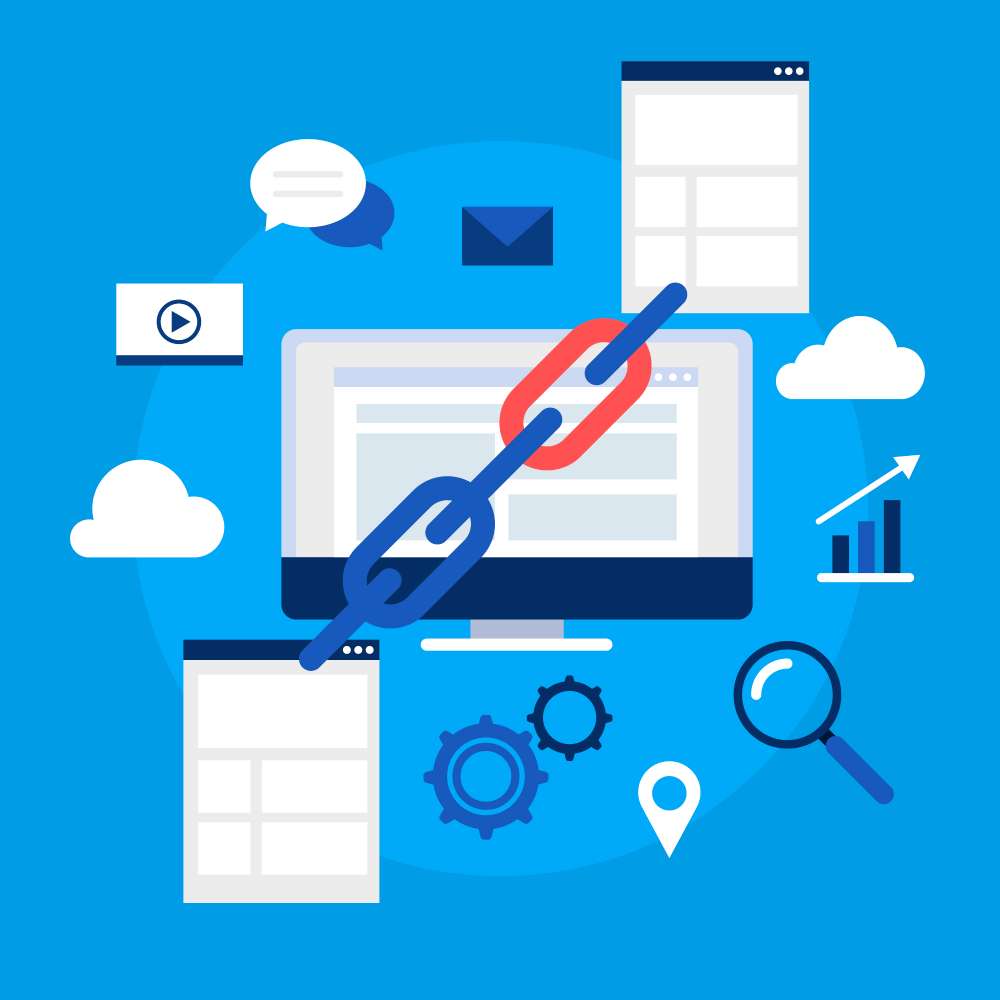
Search engines are like robot librarians for the entire internet. Their job is to find, read, and organize all the web pages in the world so they can give you the best answer when you search for something.
They use website links to do two main jobs:
- To find new pages: When Google “crawls” a website, it knows it follows all the external links and internal links on that page to find new pages it has never seen before.
- To decide how to rank pages: This is where external backlinks are so important. Google sees a link from Site A to Site B as a signal that Site A trusts and recommends Site B.
Google also looks very closely at the anchor text of the link.
The anchor text (or link text) is the clickable text you see in a link.
- Bad Anchor Text: “click here”
- Good Anchor Text: “a helpful guide to SaaS link building”
When the anchor text is “a helpful guide to SaaS link building” and it links to your blog post, Google learns that your page is probably a good resource about “SaaS link building.” This helps your page rank for that keyword.
This is why descriptive anchor text is one of the best practices for SEO.
External Backlinks Vs. Internal Links: What’s the Difference?
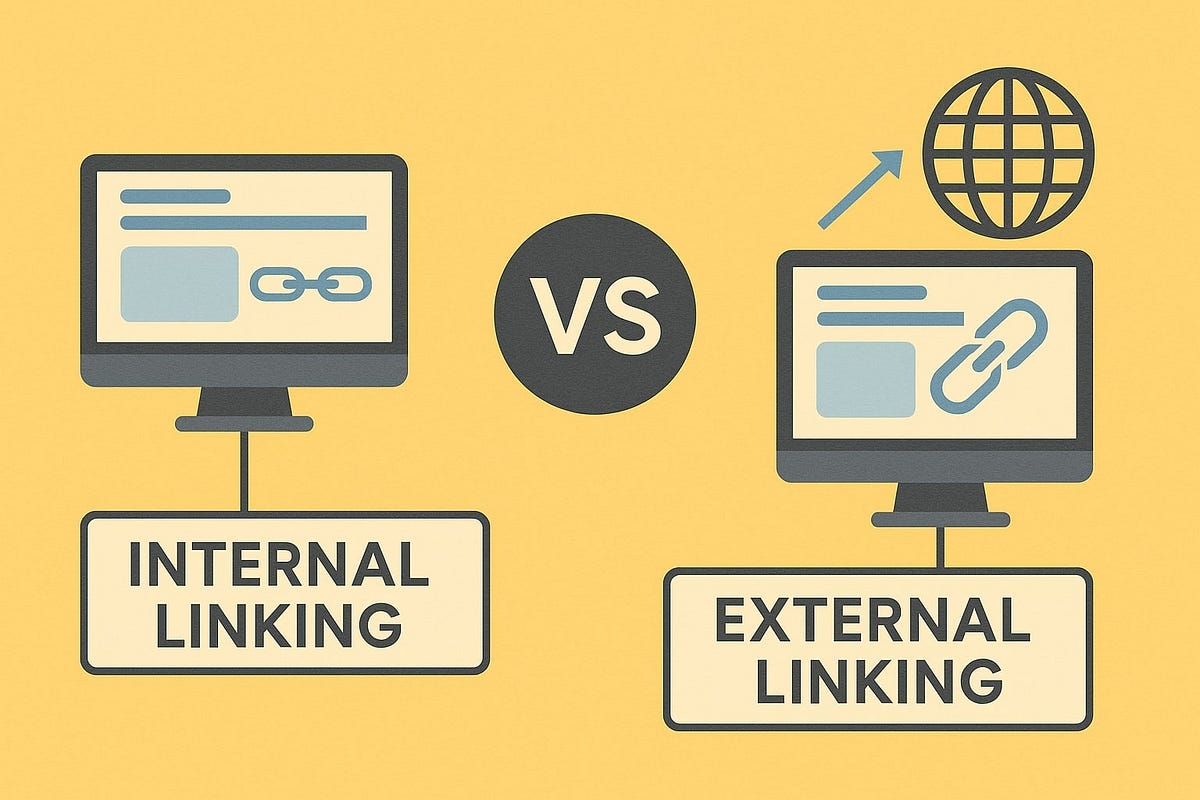
This is a simple but important difference for your SEO strategy.
- External Links: These links connect different websites (on different domains). As we’ve discussed, a link from another site to you is an external backlink (or inbound link). A link from your site to another site is an outbound link (or outgoing link).
- Internal Links: These links connect two different pages on your own website. For example, a link from your homepage to your “About Us” page, or from one blog post to another related content post on your same site.
Both types of links are very important.
- Internal linking helps search engines find all the pages on your site. It also helps spread link equity (that “link juice”) around your own website, making all your pages stronger.
- External linking (getting backlinks) builds your site’s overall trust and authority with search engines.
A good user experience and SEO plan uses both internal links and external links smartly.
The Main Types of External Backlinks
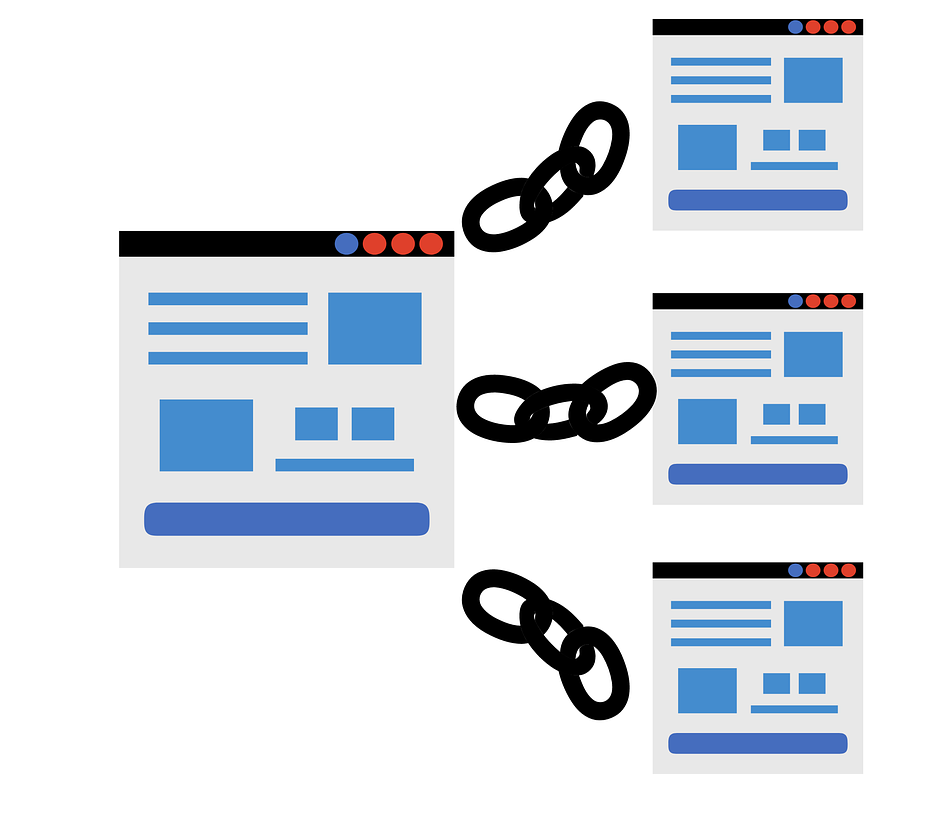
Not all external backlinks are created equal. When you start your link building journey, you’ll hear about these main types of links.
Do-Follow Vs. No-Follow Links
By default, almost every link you make is a “dofollow link.” This is the standard type of link. Dofollow links are the ones that pass the “vote” or “link equity” to the target page. These are the links that directly help boost your website’s authority and search engine rankings.
A “nofollow link” is a special type of link. It has a small piece of code in it (called a nofollow attribute) that tells search engines: “See this link? Don’t count it as a vote. Don’t pass any link juice.”
Nofollow links were created to help stop spam. Site owners use them for links they don’t fully control or endorse, such as:
- Links in blog comments
- Links in forum posts
- Links on social media profiles
- Any paid or sponsored link
Nofollow links don’t directly help your SEO efforts, but they are not bad! They can still send you valuable referral traffic. A natural link profile has a mix of both dofollow links and nofollow links.
Editorial Or “Natural” Links
These are the best quality backlinks you can possibly get.
An editorial or “natural” link is one that a site owner, journalist, or blogger gives to you just because they think your content is great.
They found your valuable resource and wanted to share it with their readers. You didn’t ask for it. You didn’t pay for it. It happened naturally because your linked content was “link-worthy.” These links carry the most weight with search engines.
Guest Post Backlinks
This is a very common link building technique. This is when you write a blog post for another website (a “guest post“) in your industry.
In return for giving them a free, high-quality article, the site owner will usually let you include a link back to your own website.
This link is often in your author bio (e.g., “Jane Doe is a writer at https://www.google.com/search?q=MySaaSSite.com”) or sometimes within the blog post itself, pointing to a relevant content page.
When done on reputable sources, this is a great way to get a quality backlink and get your brand in front of a new audience.
User-Generated Links (E.g., Comments, Forums)
These are links that people add to websites themselves. Think of a link you post in a blog comment, a forum signature, or a social media update. In the past, people spammed these places with website links to try to build links quickly.
Because of this, almost all of these types of links are now nofollow links. They are not very useful for your SEO strategy but can be fine for digital marketing if you are genuinely part of a conversation.
How to Get More External Backlinks to Your Site?

This is the big question: how to get external links to my website?
This is the work of link building. It takes time, patience, and a smart external linking strategy. Here are the best practices to follow.
Avoid Link Schemes
First, what not to do. Stay far away from link schemes. This means:
- Do not buy external backlinks.
- Do not do large-scale link “trades” or “exchanges” with random sites.
- Do not use automated software to post your link on hundreds of websites.
These “black-hat” tactics are a quick way to get a penalty from Google. This can cause your search engine rankings to disappear. It is not worth the risk.
Use Nofollow Links Appropriately
This tip is about the outgoing links on your site. When you link out to external websites, use the Nofollow attribute if the link is sponsored, paid, an advertisement, or points to a site you don’t fully trust. This is part of being a good, trustworthy website yourself.
Optimize Your Anchor Text
When you do get the chance to control the anchor text (like in a guest post you write), make it descriptive.
- Instead of: “Click here”
- Use: “our guide on link building”
This descriptive anchor text tells Google exactly what the linked page is about. But keep it natural. If all of your links have the exact same keyword in the anchor text, it can look spammy and unnatural to search engines.
Guest Blogging on Reputable Sites
We mentioned this earlier, but it’s a core part of link building.
- Find reputable sources and authoritative sources in your field.
- See if they accept guest posts.
- Send the site owner a friendly email with a great blog post idea.
- Write a high-quality article that gives additional value to their readers.
- Include a helpful link back to a relevant content page on your own website.
Broken Link Building
This is a very smart link-building tactic. Here’s how it works:
- You find broken links on other external websites. A broken link is a link that goes to a 404 “Page Not Found” error.
- You email the site owner and politely say, “Hi, I was reading your great article on [Topic] and noticed that this outbound link (link to [Broken Page]) is no longer working.“
- Then, you helpfully add, “By the way, I have a great piece of related content on that same topic here: [Your Link]. It might be a good replacement.“
You are helping them fix their website (which creates a better user experience) and getting a quality backlink at the same time.
Creating High-Quality, “Link-Worthy” Content
This is the most important link building and SEO strategy of all.
If you want people to link to you, you must create content that is worth linking to. This is the only way to earn those “natural” editorial links.
“Link-worthy” content can be:
- Original research, case studies, or data reports.
- The best, most complete “how-to” guide on a topic.
- A free tool, calculator, or template.
- A blog post with a unique opinion that starts a conversation.
- Helpful infographics or videos.
You can use keyword research to find topics people are searching for that don’t have a good answer yet. Then, you can create that answer. When your linked content is a truly valuable resource, people will link to it on their own.
Open External Links In A New Tab
This is a small but important tip for the outgoing links on your own site. When you add an outbound link to additional resources or a different website, set it to open in a new tab in the browser. This way, when a user clicks it, they can see the additional information, but your website stays open in their browser. This creates a better user experience and keeps people on your site longer.
Reaching Out to Be Included in Resource Pages
Many external websites (like universities, libraries, and industry blogs) have “Resource” or “Links” pages. These pages list valuable resources and website links for their readers.
If you have a great guide, tool, or blog post that fits their list, send a friendly email to the site owner.
- Introduce yourself.
- Tell them you appreciate their resource page.
- Politely ask if they would consider adding your website as an additional resource for their audience.
FAQ’s:
How Many External Links Should I Include In My Content?
This question is about outgoing links (linking from your site). There is no magic number. You should link out to reputable and authoritative sources whenever it adds additional value for your reader. If you state a fact or statistic, link to the source.
If you mention a tool, link to it. Linking to additional resources shows you did your research and adds to the credibility of your content.
Are All External Backlinks Good For SEO?
No. We answered this before, but it’s important: are external links good for seo? Only the good ones. Quality backlinks from trusted, relevant content sites are fantastic for SEO. Toxic or spammy links from low-quality external sites can hurt your search engine rankings.
How to Find External Links For A Website?
You can use SEO tools to see your link profile or your competitor’s.
- Google Search Console: This free tool from Google will show you many of the website links that point to your own website.
- Professional SEO Tools: To see the external backlinks of other websites (like your competitors), you need a professional SEO tool. While VH-info does not offer these tools directly, we do use the most advanced industry tools, combined with our deep expertise, to help you analyze competitor link profiles. As a specialized SaaS link-building agency, VH-info turns that raw data into actionable strategies, finding new link-building opportunities for your own SaaS that you wouldn’t find alone.
Is It Okay to Buy External Backlinks?
No. Buying or selling dofollow links just to try and improve your page rank is a direct violation of Google’s rules. It is a link scheme. If (and when) Google catches you, your site’s ranking can drop fast, or your site could even be removed from the search engine results entirely.
Do not do it.
Can External Links Hurt My SEO?
Yes. A large number of low-quality, “toxic” external backlinks can definitely hurt your SEO efforts. This is why it’s a good idea to check your link profile every few months. If you see a lot of spammy external sites linking to you, you can use Google’s “Disavow Tool.”
This tool tells Google to ignore those specific bad links when it looks at your site.
Conclusion
External backlinks are a foundational part of search engine optimization. They are the “votes” that tell search engines your website is trustworthy, authoritative, and provides value.
A healthy link profile full of quality backlinks is one of the strongest ranking factors. It helps you build domain authority, climb the search engine rankings, and get more organic traffic to your site.
Building a strong backlink profile takes time, but it’s one of the best long-term investments you can make for your website’s success.
Here at VH-info, we specialize in developing advanced SEO strategies and executing professional link building to make this entire process clearer and more effective for SaaS businesses.
 Share
Share