
A SaaS team publishes fifty blog posts in one year. The writing is good, the topics are useful, and the pages look great. But organic traffic hardly moves. Meanwhile, a competitor with half as many posts keeps beating them on Google.
This is more common than most teams think. Ahrefs found that 96.55% of content gets no Google traffic at all. Good content on its own often isn’t enough. And links rarely help much if they point to pages nobody wants to read.
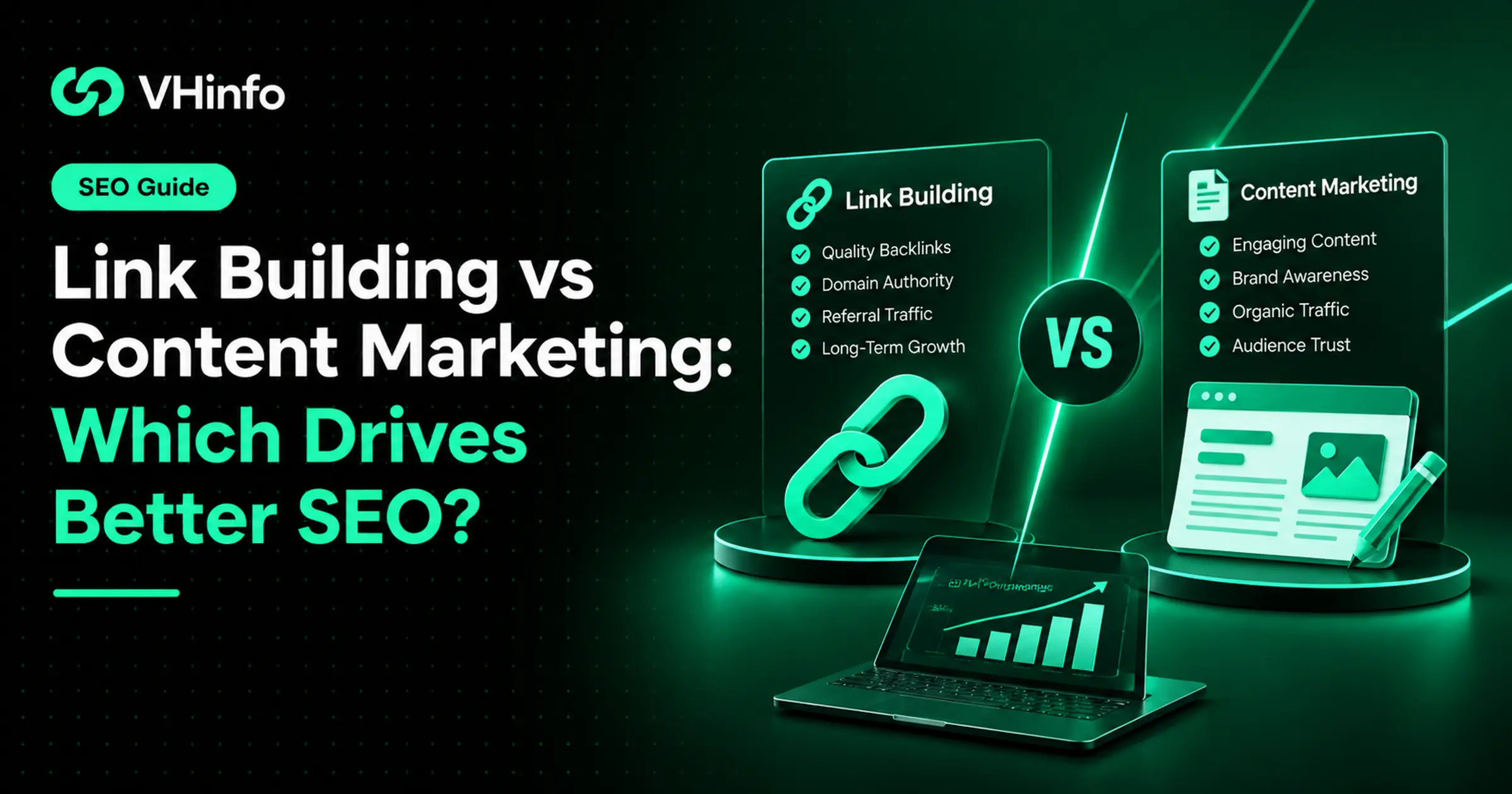
That’s why the link building vs content marketing question comes up so often. In this guide, we’ll explain what each one does and how they’re different. We’ll also show how to use them together and what makes high-quality backlinks worth earning.
TL;DR
Content marketing gives people helpful pages that answer their questions and bring the right visitors to your site.
Link building gets other websites to link to you, which helps Google trust your pages and rank them higher.
In the link building vs content marketing debate, neither one wins alone, because each needs the other to work.
New sites usually need content first, but good content that isn’t ranking usually needs more links.
You get the best results by using both, with content that attracts links and outreach that helps it get found faster.
Today, the best approach is earning links steadily over time with content that people want to share and cite.
Before you compare link building vs content marketing, it helps to know what each one is actually for. Content marketing and link building both help your SEO, but in very different ways. Below is a simple breakdown of the role each one plays in getting your site to rank.
Content marketing is about creating helpful content that your audience is already searching for. This can be blog posts, guides, case studies, free tools, or original research. Its job is to answer real questions, build trust, and give Google useful pages to rank for your target keywords.
Link building is about getting other websites to link to your pages. Every relevant link works like a vote of trust for your site. Popular methods include guest posts on relevant blogs, digital PR, and resource page outreach. Google has said it checks whether well-known sites link to or mention a page.
Links or content: where should you invest?
Book a quick call. We’ll show you which one moves your rankings faster, and how to use both.
The link building vs content marketing question becomes much clearer once you see how differently they work. Content marketing builds what’s on your own site. Link building grows your reputation on other sites across the web. Below is a quick side-by-side comparison, followed by the main differences explained simply.
| Factor | Content Marketing | Link Building |
|---|---|---|
| Main goal | Answer questions and attract visitors | Build trust and authority |
| Where does it happen? | On your own website | On other websites |
| What do you create? | Posts, guides, tools, research | Relationships, mentions, placements |
| Effect on SEO | Gives Google pages to rank | Helps those pages rank higher |
| Time to see results | Months, longer without links | Months, faster with strong content |
| How do you measure it? | Traffic, engagement, conversions | Referring domains, rankings, referral visits |
Content marketing is meant to help your audience and draw them to your site. Link building is meant to show Google that your site deserves to rank. One wins the attention of readers, while the other wins the trust of search engines.
Content marketing happens on your own website, so you control every word. Link building happens on other people’s websites, so you need their okay first. That’s why link building usually takes more outreach, more patience, and stronger relationships.
You can publish new content whenever you like. Links, on the other hand, depend on other site owners agreeing to add them. So content is easier to control. But links often decide whether that content ever makes it to page one.
Content is measured by traffic, time on page, and sign-ups. Link building is measured by new referring domains, better rankings, and referral visits. Tracking the right link building metrics shows you whether your links are actually improving your rankings.
Link building vs content marketing isn’t really a competition. The two depend on each other, much like a product and the marketing behind it. When one is missing, the other has a hard time working. Below is how each one supports the other, and what happens when you lean on just one.
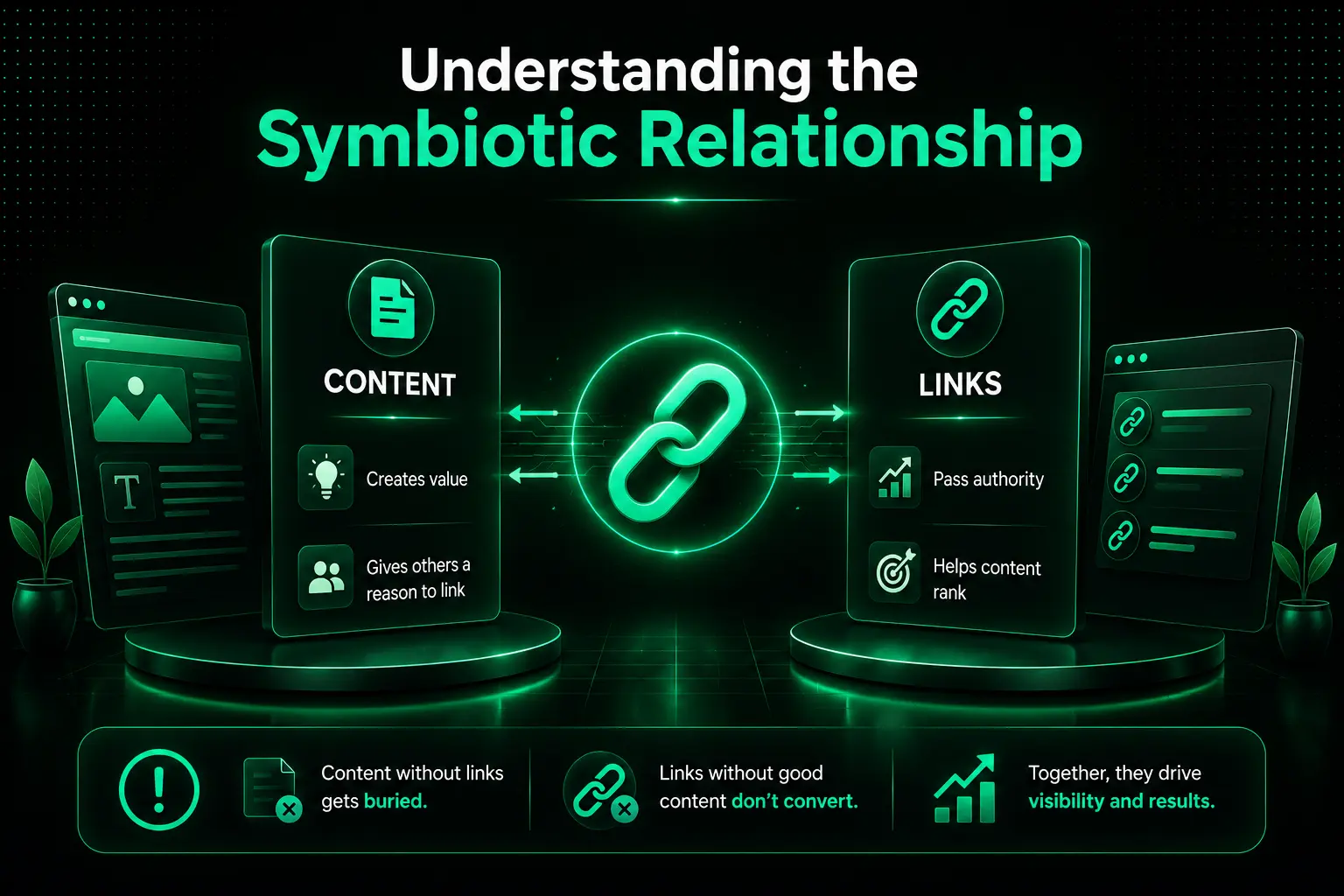
People link to things that are useful, interesting, or new. Without strong content, outreach turns into a tough sell, because there’s nothing worth pointing to. Good content changes a link request from asking a favor into sharing something helpful.
Even great content can go unnoticed if nobody links to it. Backlinko and BuzzSumo did an analysis of 912 million posts and found that 94% got zero links from other sites. Without links, most pages never build the authority they need to rank.
Content without links often gets stuck on page two or three. Links without good content usually point to pages that don’t convert, or come from weak sites. Either way, you spend money and get very little lasting SEO value in return.
When content marketing and link building work side by side, they create a cycle that keeps getting stronger. Good content earns links, links push rankings up, and better rankings bring in even more links. Below are the main ways the two help each other.
A helpful guide or data study gives other writers something worth quoting. Every link from a relevant site helps that page climb higher. And as it ranks better, more writers come across it and link to it without being asked.
Most links point to blog posts, guides, or research pages. From there, you can pass that value to your product and pricing pages with internal links. This helps your money pages rank, even when they don’t earn many links themselves.
Brand mentions on trusted sites put your name in front of new readers. Over time, more people start searching for your brand directly. Being cited on respected sites may also help your brand show up in AI-generated answers.
There’s no clear winner in the link building vs content marketing debate. What you should focus on depends on where your site stands right now. Below are some common situations and the strategy that usually makes the biggest difference in each.
A new site has very little content and almost no authority. Start with content marketing, because you need pages worth ranking first. Build a strong base of helpful posts around your main topics. If you’re just starting out, a plan for SEO for early-stage startups can help you set the right order.
If your content is strong but stuck on page two, links are usually what’s missing. Your pages already answer the question well. They just need more trust from relevant sites to move past the pages above them.
For tough keywords, you need both, but links often decide who comes out on top. Most of the top results already have great content. The page in first place usually has more links from more trusted sites, which is why link building gives you the edge.
When only a few sites go after your keywords, content marketing alone can often get you ranking. Helpful, well-organized pages may reach page one with just a few links. Cover the topic fully before you spend much on outreach.
On a tight budget, focus on a few high-value pages instead of spreading yourself thin. Create one strong guide or tool for each main topic. Then build links only to those pages, or bring in SaaS link building services, and use internal links to pass that value to your product pages.
For most businesses, link building vs content marketing isn’t a choice between one or the other. It’s about finding the right mix for where you are right now. Below are a few quick signs that show where to put more of your effort.
An easy way to decide is to compare your best pages with the ones ranking above them. If their content is clearly better, work on yours first. If the content is about the same, run a backlink quality analysis to see whose links are stronger. If theirs are, focus on link building.
Bringing link building vs content marketing together doesn’t have to be complicated. It mostly comes down to planning your content with links in mind from day one. Below are five simple steps to make content marketing and link building work as one system.
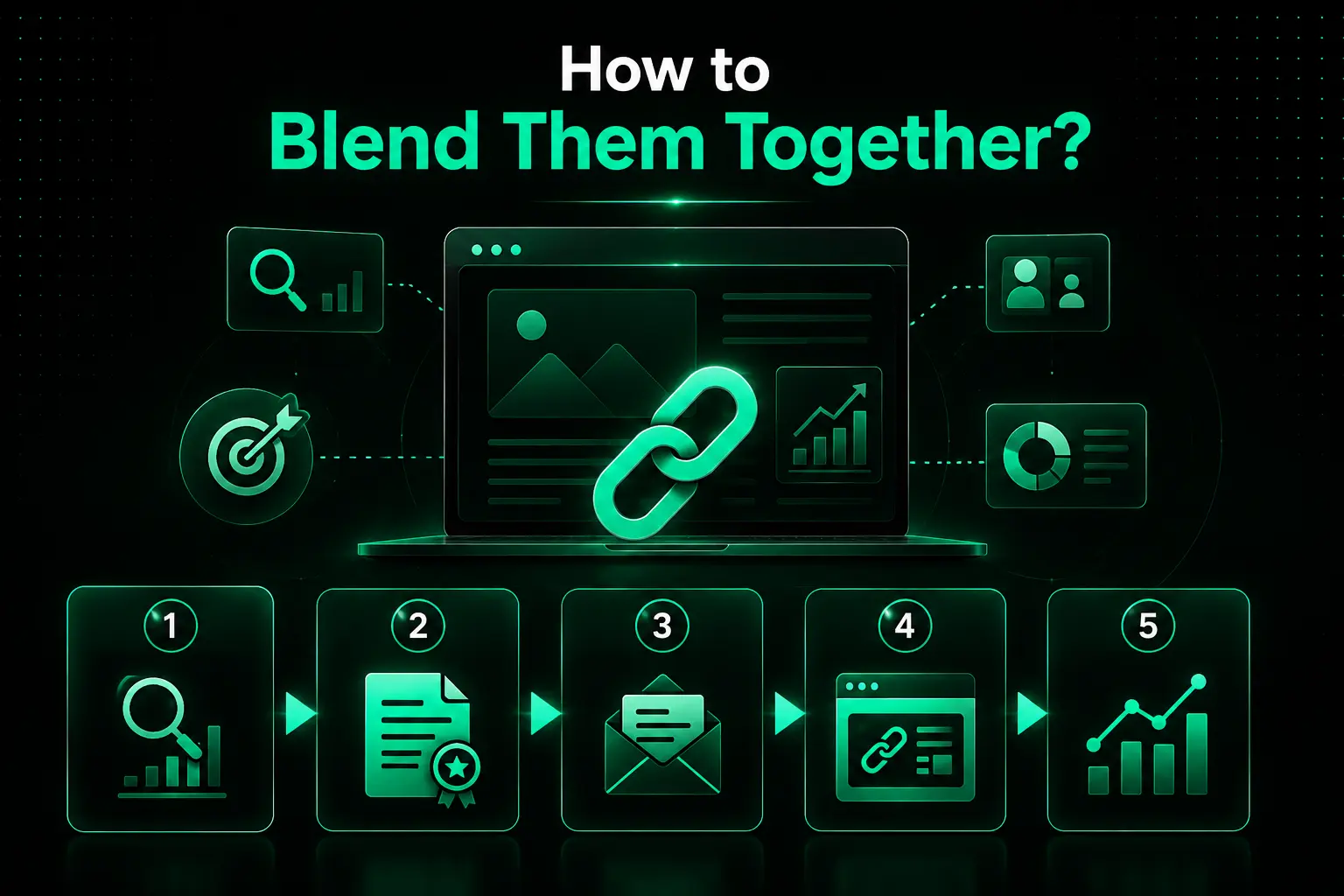
Look at the keywords you want to rank for and the pages already ranking for them. Check how good their content is and how many sites link to them. Free and paid link building research tools make this quick. You’ll see how much content and how many links each page needs.
Make at least a few pieces that give other writers a real reason to cite you. Original data, free tools, expert tips, and clear guides all work well. Longer, more detailed content usually earns more links than short posts.
Don’t just wait for links to show up. Reach out to writers and site owners who cover your topic. Manual link building outreach helps your best content get noticed and cited much faster.
Once a guide or study starts earning links, add internal links from it to your product, pricing, or service pages. This passes authority to the pages that bring in revenue. Keep the anchor text clear and natural, so it fits the sentence.
Track your content and link results side by side. Watch traffic, rankings, and conversions on each target page, along with new referring domains. If a page has great content but few links, put more outreach effort behind that page.
Buying links in bulk doesn’t work well anymore, whatever side of link building vs content marketing you lean toward. These days, the strongest SEO comes from links you earn because your content is worth linking to. Below is what passive, sustainable link building looks like and why it lasts.
Passive link acquisition means earning links without asking for every single one. Once your content becomes a go-to resource, writers start linking to it on their own. A single strong data study can keep bringing in links for years.
Some kinds of content attract links naturally over time. They’re worth the effort if you want links to keep coming long after you hit publish, without nonstop outreach.
Google’s spam policies on link schemes warn against buying links or swapping too many links to boost rankings. Shortcuts might work for a while, then fall apart after an update. Links you earn from relevant sites usually keep their value much longer.
Passive link building doesn’t mean sitting back and waiting. Even great content needs an early push to get seen. Outreach, digital PR, and pitching expert quotes to journalists help you land those first links. Once your content starts ranking, more links usually follow on their own.
Content gets read. Links get it ranked.
VH-Info earns links from trusted sites in your niche, so your best pages climb.
The link building vs content marketing question has a simple answer. You need both, in the right balance for where your site is today. Content gives people something worth reading, and links give Google a reason to trust it.
Start by finding your biggest gap. If you’re missing helpful pages, write them. If your pages are strong but stuck, focus on earning links. Then keep both running together, so each one keeps making the other stronger.
At VH Info, we see the link building vs content marketing balance play out across SaaS sites every month. The brands that grow fastest pair useful, link-worthy content with steady, white-hat outreach. That mix builds rankings that last, without relying on risky shortcuts.
Link building isn’t strictly part of content marketing. They’re separate strategies that overlap a lot. Content marketing creates useful pages for your audience. Link building gets other sites to link to those pages. Most successful SEO plans use link building and content marketing together.
Neither is better on its own, because each one depends on the other. Content gives Google pages to rank, while links help those pages rank higher. New sites usually need content first, while established sites with good content often need more links.
Yes, you can rank without backlinks for low-competition or very niche keywords. But for competitive terms, it’s very hard. Most pages ranking near the top have links from other trusted sites. So links usually decide who wins on tough keywords.
Yes, content marketing can build backlinks, but usually not on its own. Content like original research, free tools, and detailed guides attracts links naturally. Most of it still needs outreach or promotion to get noticed by people who might link to it.
Both usually take three to six months to show clear SEO results. New content needs time to get indexed and earn trust. Links need time to be found and counted. Used together, they usually work faster than either one does alone.
There’s no fixed rule, because it depends on your site’s stage. New sites usually spend more on content first. Sites with strong content but weak rankings should shift more budget toward links. Review the balance every few months as your rankings change.
Every article dives deep into what works, why it works, and how to use it.
A small agency signs a new SaaS client for $1,500 a month in link building. It feels like a big…
 Vishal ambani
October 22, 2026
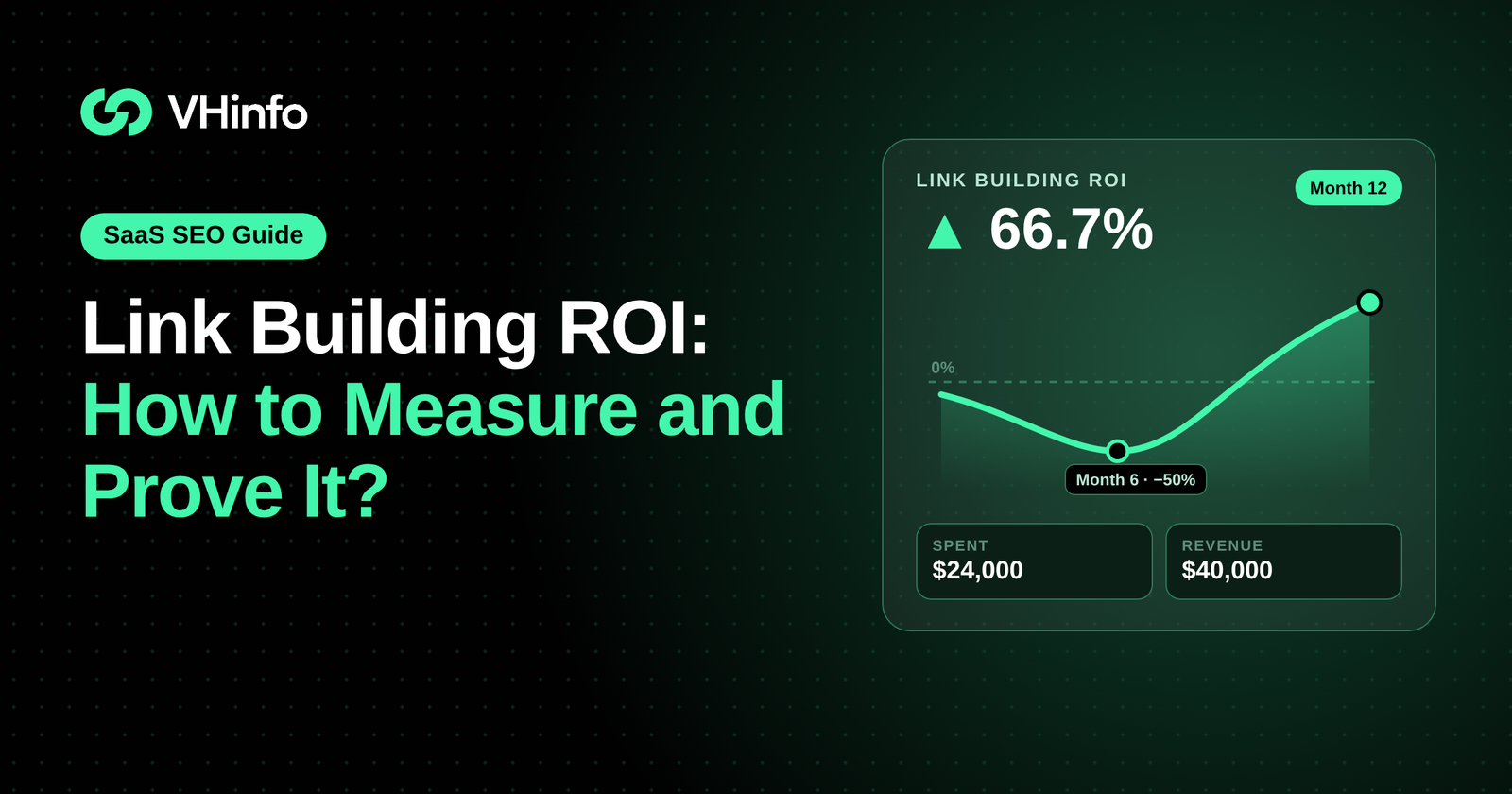
You’re three months into a link building campaign. The report looks good, with twenty new links and rankings slowly going…
Vishal ambani
October 19, 2026
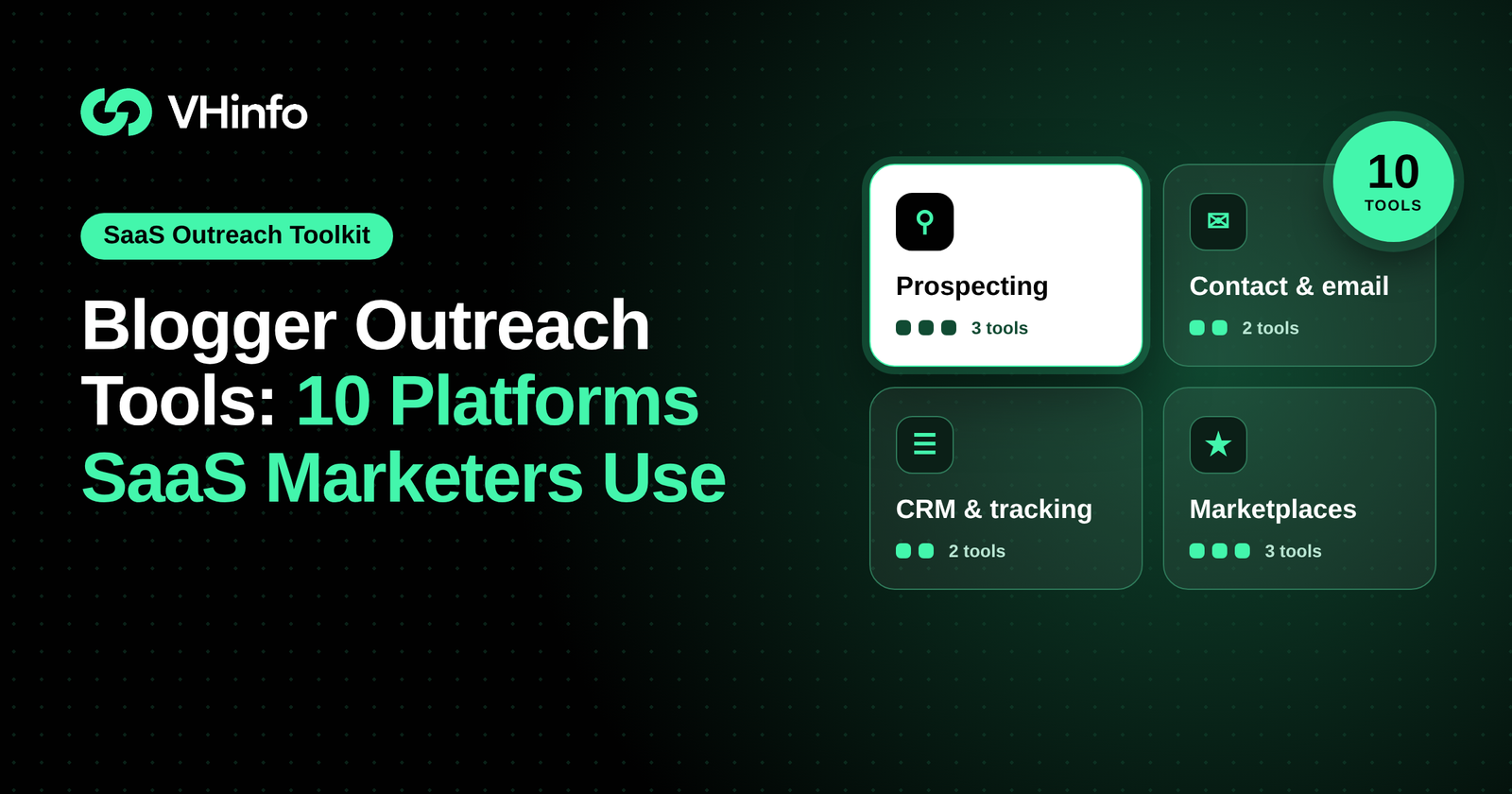
Do you remember HARO? For years, Help a Reporter Out was the easiest way to win links from journalists. Then…
Vishal ambani
October 16, 2026

 Share