

Imagine you are building a house. Would you start by putting a heavy roof on top of thin, weak sticks? No way! The whole thing would crash down. You first need to build a strong, wide floor and thick walls to hold everything up.
In the world of search engine optimization (SEO), your website is like that house. If you want it to rank high on search engines like Google, you need strong links. But if you only build big, powerful links right away, it looks strange. It looks fake. And Google does not like fake things.
This is where pillow links come in.
At VH-info, we explain to our clients that pillow links are a safe, soft foundation for your website. They are not the heavy roof. They are the support that makes your link profile look natural and real.
Many site owners want to rush and get the biggest links possible. But without a base of pillow links, those big links can look like red flags to Google. In this guide, we will teach you what these links are, why you need them, and how to build them the right way.
We want to be your trusted guide in SaaS link building, helping you understand every step of the SEO strategy.
What Are Pillow Links in SEO?
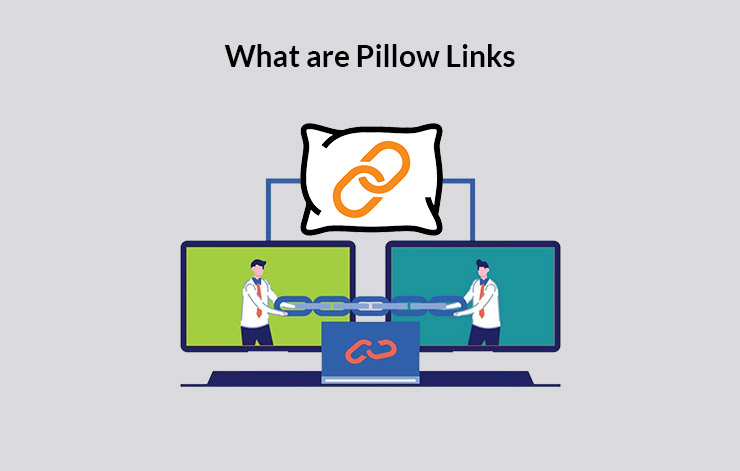
To understand pillow links, think about a pillow on your bed. It is soft. It is comfortable. It supports your head.
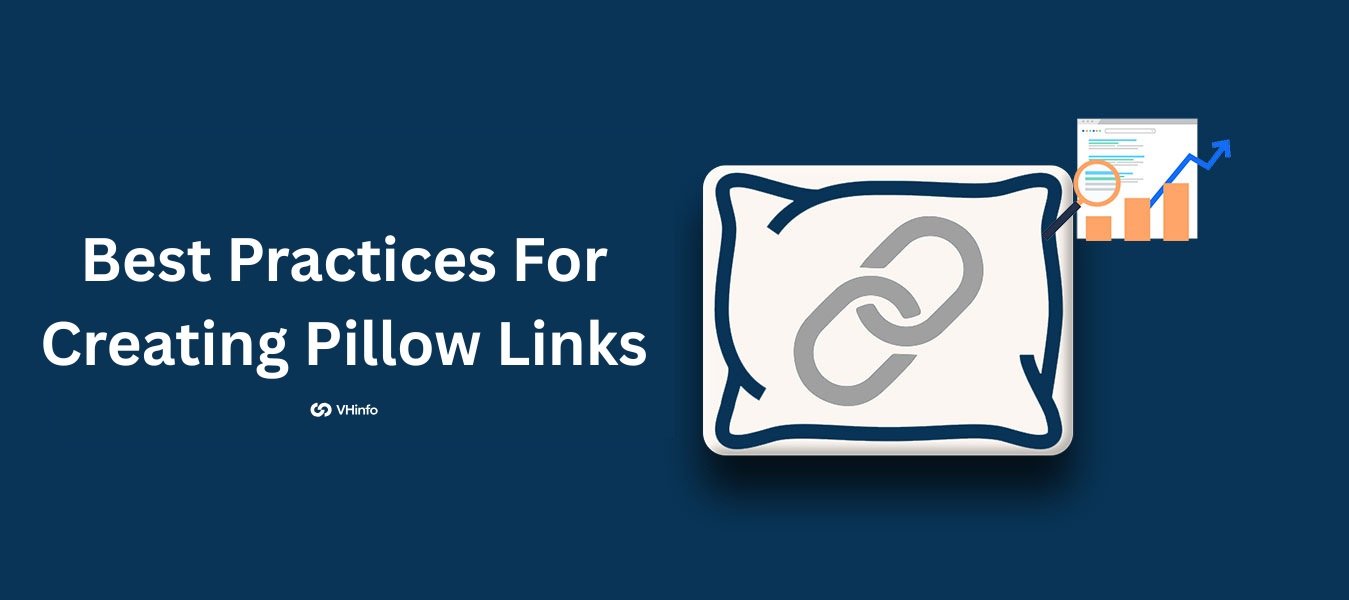
In SEO, a pillow link is a simple, easy-to-get link that supports your main link building strategy.
These are usually nofollow links or links from places like social media platforms, blog comments, or directories. They might not pass a lot of “power” to your site, but they are very important. They make your website’s link profile look normal.
Defining the Concept of “Pillowing”
“Pillowing” means creating a cushion for your website. When you start a new site, or when you are doing a lot of guest posting, you are adding weight to your site’s reputation. If you add too much weight too fast, Google gets suspicious. Pillowing is the act of adding many different kinds of links that are natural. A real business naturally gets links from social profiles, directories, and forums.
By building these pillow backlinks, you are telling the eyes of Google: “Hey, I am a real business. People are talking about me in normal places.” At VH-info, we see pillowing as a safety net. It catches you if things get too heavy.
It keeps your SEO efforts safe from penalties.
How Do Pillow Links Differ From “Money” Or “Power” Links?
This is the big difference.
Power links (often called money links) are like the heavy engines of a car. These are usually guest posts or niche edits from big, famous websites. They pass a lot of link juice and help you rank for hard keywords. They tell Google, “This site is important!”
Pillow links are different. They are often nofollow pillow links, which means they tell Google, “This site exists and is active,” but they don’t pass as much ranking power.
- Power Links: Hard to get, expensive, pass lots of power, usually dofollow link.
- Pillow Links: Easier to get, often free, pass trust and safety, often nofollow links.
You need both. But you cannot just have power links. That looks fake. A natural backlink profile has a mix of both.
Why Your Site Needs A Solid Foundation of Pillow Links?
You might ask, “If they don’t give me much power, why do I need them?” That is a great question. At VH-info, we believe that a healthy backlink profile is more important than just one or two big links.
Establishing Trust and Authority with Google
Google wants to show its users real, trusted websites.
A real business has a phone number listed online. It has a Facebook page. It is mentioned in local business directories. If you have a website with 100 links from big blogs but zero links from social media or directories, it looks weird. It looks like you are just trying to trick the system.
By building good pillow links, you establish trust. You show Google that you are a part of the internet community. This helps your brand visibility and makes your site look like an authority.
Diluting Over-Optimized Anchor Text
Anchor text is the clickable word in a link.
For example, if you click on the words “best shoes,” that is the anchor text. If every single link pointing to your site says “best SEO software,” Google will think you are cheating. This is called “over-optimization.” It is a big reason for a google penalty.
Pillow links help you fix this. Usually, these links use your brand name or generic words like “click here” or just your website URL (naked URL) as the anchor. This mixes up your anchor text ratios. It makes your profile look natural.
It “dilutes” or waters down the aggressive keywords so you stay safe.
Protecting Your Site From Algorithm Updates
Google changes its rules often. These are called algorithm updates. When these happen, sites that look fake often drop in search engine results. Sites with a diverse link profile usually stay safe. Because they have many types of links—from forum links to image links—they look real. A strong base of pillow link building protects you when the rules change. It is like having insurance for your website.
The Most Effective Types of Pillow Links to Build
Not all links are the same. At VH-info, we recommend specific types of pillow link sources that work best.
Here are the main ones you should look at.
Citations and Business Directories
A local citation is when your business name, address, and phone number are listed on a website. These are very common for local seo. Even if you are a SaaS company, being listed in business directories like Yelp, Yellow Pages, or Crunchbase helps.
These are great because they confirm you are a real entity. They are often NoFollow links, but they build huge trust.
Social Media Profiles and Web 2.0s
Setting up social profiles on sites like Facebook, Twitter, LinkedIn, and Instagram is a must. These are the easiest pillow links to get. You just make a profile and put your website link in the bio.
Web 2.0s are sites where you can make your own little blog for free, like WordPress.com, Medium, or Tumblr. You can write simple articles there and link back to your site. These act as nice contextual links (links inside text) that give you a little boost and a lot of safety.
Forum Profiles and Niche Blog Comments
Blog comments used to be spammed a lot. But if done right, they are good pillow links. You find a blog about your topic, read it, and leave a helpful comment.
Forum links are similar. You join a discussion board like Reddit or Quora. You help people answer questions. Sometimes, you can put a link in your profile or in a signature.
These bring referral traffic (real people clicking your link), which Google loves. It shows people are actually using your link.
Press Releases and Image Submission Sites
A press release is a news story about your company. You send it out to news sites. This gets you many links quickly. They are usually nofollow links, but they are great for getting your brand name out there. Image links come from sites like Pinterest, Flickr, or Imgur.
You upload a picture or infographic and link it back to your site. This adds variety to your link types.
Best Practices For Creating Pillow Links
At VH-info, we don’t just build links; we build them the right way. Here are some rules to follow so you don’t make mistakes.
Optimizing Anchor Text Ratios (Naked Vs. Branded)
We talked about anchor text before. For pillow links, you should rarely use your main keyword.
- Branded: Use your company name (e.g., “VH-info”).
- Naked: Use your full URL (e.g., “https://vh-info.com/”).
- Generic: Use words like “website,” “here,” or “source.”
Most of your pillow links should be Branded or Naked. This looks the most natural.
Maintaining A Natural Link Velocity
Link velocity means how fast you build links.
If you get 500 links in one day, Google knows it is fake. You should build pillow links steadily. Maybe do a few social media profiles one week, then some local citations the next. Slow and steady wins the race. It mimics how a real business grows.
Indexing Your Links Properly
“Indexing” means Google has found your link and put it in its database. If Google doesn’t see your link, it doesn’t count.
Some pillow links (like social profiles) are found easily. Others, like forum links, might be harder for Google to find. You can share your new links on social media to help Google find them. At the end of the day, if a link is not indexed, it does not help your link profile.
When is the Right Time to Build Pillow Links?
Is there a perfect time? Yes and no. You should always be building them, but there are specific times when they are most important.
Launching A New Website (The “Sandbox” Phase)
When you start a new site, Google puts you in a “sandbox.” This means they are watching you to see if you are real.
This is the BEST time for pillow link building. Do not build powerful guest posts yet. Build your social pages, citations, and directories first. Establish your base. Show Google you are a real business before you try to rank for hard keywords.
Recovering From A Penalty
If you got a google penalty because you built too many spammy links, you need to fix your link profile. You can do this by building many high-quality, nofollow pillow links. This dilutes the bad links. It tells Google you are trying to be a legitimate business again.
It helps balance your anchor text ratio back to normal.
Preparing For High-Power Guest Post Campaigns
Before you spend money on a big link building strategy with powerful links, lay the groundwork.
If you plan to get 10 big guest posts, build 20 or 30 pillow links first. This prepares your site to receive the power. It makes the jump in authority look more natural. At VH-info, we always look at the current backlink profile before adding heavy links.
Pillow Links Vs. PBNs Vs. Guest Posts: A Comparison
It can be confusing with so many names. Let’s break it down simply.
- Pillow Links: These are the safety net. They are social signals, comments, and directories. They are low power but high trust. They keep you safe.
- Guest Posts: These are articles you write for other blogs. They contain contextual links to your site. They are high-power and help you rank. These are “white hat” and good.
- PBNs (Private Blog Networks): These are networks of fake sites made just to link to you. These are “artificial link schemes.” They are dangerous. Google hates them.
VH-info focuses on white hat link building. We use guest posts for power and pillow links for safety. We avoid PBNs because they are too risky.
FAQ’s:
Do Pillow Links Actually Pass Link Equity (Link Juice)?
Most pillow links are nofollow links, so they do not pass much link juice directly. However, they pass trust. Some dofollow link pillow types (like some forums or profile pages) do pass a little bit of juice. Their main job is trust, not power.
What is the Best Anchor Text Ratio For Pillow Links?
For pillow links, you should aim for about 80-90% naked URLs (like “vh-info.com”) or branded anchors (like “VH Info”). Avoid using exact match keywords (like “best SaaS SEO tool“) for these links.
How Many Pillow Links Should I Build Before Sending Power Links?
There is no magic number. But a good rule is to have at least 20-30 diverse pillow links (socials, citations, comments) before you start heavy guest posting. This creates a nice cushion.
Can Building Too Many Pillow Links Hurt My Site?
Generally, no, as long as they are diverse. If you build 10,000 blog comments in one day using software, yes, that will hurt you. That looks like spam. But if you build them manually and naturally over time, you can’t really have too many good pillow links.
Are Pillow Links Considered White Hat Or Gray Hat SEO?
Most are considered white hat links. Things like social media profiles, citations, and genuine comments are very natural. Some people call certain types (like Web 2.0s) “Grey Hat,” but if the content is high quality, they are generally safe.
Do I Need to Index My Pillow Links For Them to Work?
Yes. If the search engines don’t know the link exists, it can’t help you. Most good links get indexed naturally. If they don’t, they might be on low-quality pages.
Conclusion
Building a website is hard work. You want to see your target page rank #1 quickly. But remember the house analogy. You cannot build the roof before the floor.
Pillow links are that floor. They are the essential foundation of any successful SEO strategy. They protect your site, build trust, and make your link profile look natural to the eyes of Google.
Whether you are doing broken link building, niche edits, or standard outreach, you need a base of pillow links. They allow you to be aggressive with your powerful links without getting into trouble.
At VH-info, we believe in building links that last. We want your site to grow safely and steadily. By mixing quality content, strong external links, and a diverse set of pillow links, you create a recipe for long-term success.
Don’t ignore the small links. They might not seem like much on their own, but together, they are the army that protects your kingdom. Start building your pillow links today, and give your website the safety it deserves.


 Vishal ambani
  Share
Share
 VH Info