
A Ukrainian SaaS company launches a useful product and starts publishing helpful content. The website looks good, the pages answer real customer needs, and new articles keep going live. Still, competitors seem to attract more attention in search results.
The team takes a closer look and notices something important. Those competitors are being mentioned by other websites, while very few relevant sites are talking about them. That missing connection can become a major part of the SEO challenge.
This is where link building services can enter the picture. But collecting hundreds of backlinks is not enough. The source, relevance, placement, and reason behind each link matter. A clear approach to authority link building can help businesses focus on meaningful opportunities instead of chasing numbers.
This guide explores eight services, practical methods, selection tips, and ways to measure whether a campaign is actually moving in the right direction.
Link building services cover the research, outreach, content, and relationship work used to earn relevant backlinks. The goal is to connect a useful page with a website whose readers can benefit from it.
Different campaigns use different methods. Below are the main areas that link building services can include.
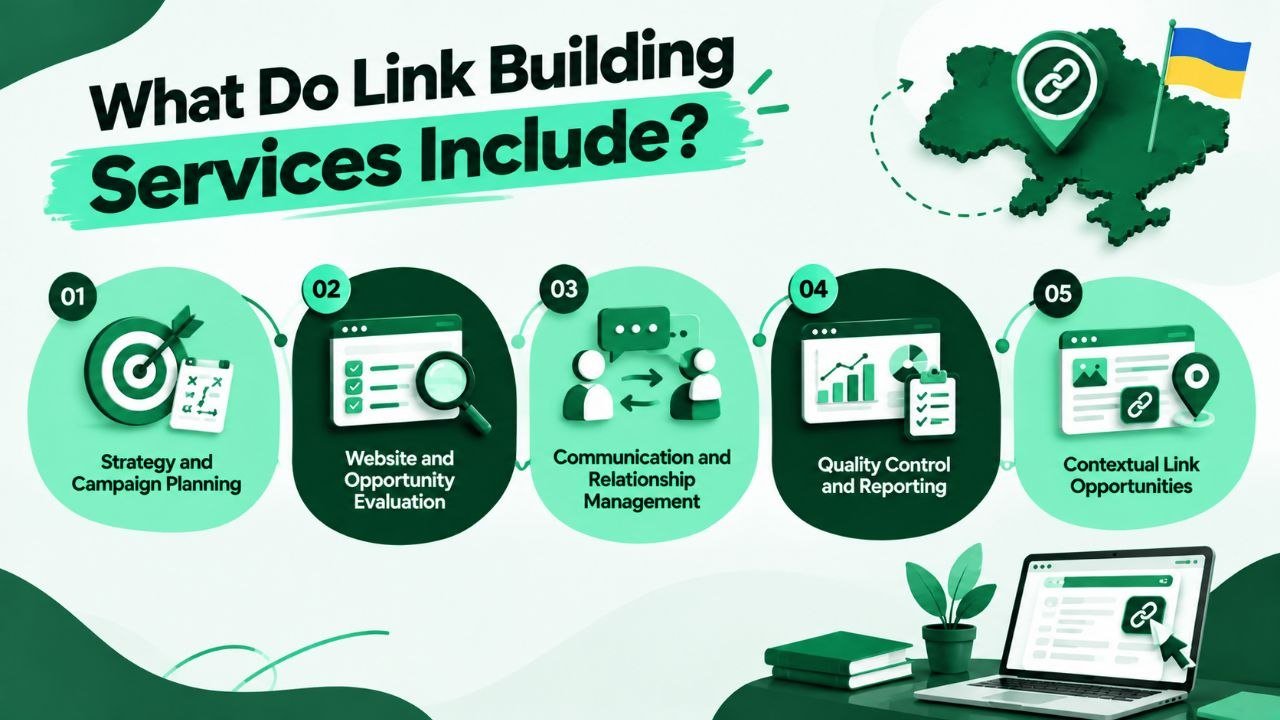
Link building services begin with a clear plan based on the website, target audience, priority pages, and SEO goals. This helps keep the campaign focused and aligned with the wider marketing strategy.
Potential websites need to be reviewed for relevance, audience fit, content quality, and overall suitability. This helps ensure that link opportunities support the campaign rather than simply increasing backlink numbers.
Outreach involves communicating with publishers and other relevant contacts throughout the campaign. Consistent communication helps manage requirements, expectations, content coordination, and potential link opportunities.
Quality checks help review placements and campaign progress against agreed requirements. Reporting can also show the work completed, links acquired, and other campaign information needed to evaluate performance.
Contextual links are placed within relevant content to give readers useful information or a natural next step. When evaluating contextual link building services, businesses should look at how closely the linked page fits the surrounding topic. The connection should feel helpful to the reader, not added simply to create a backlink.
Ukrainian businesses may want to reach customers locally, internationally, or across both markets. For companies exploring different approaches, looking at SaaS link building agencies in Ukraine can help explain how providers differ in their industry focus, publisher selection, and outreach process.
Relevance and audience fit should remain central when choosing a provider. Below are the key reasons businesses consider link building services.
Relevant backlinks can support a website’s broader search visibility and help important pages get discovered. They should work alongside useful content, technical SEO, internal linking, and a strong website structure.
Local publications, business resources, industry websites, and regional directories can help a company become more visible within Ukraine. The aim is not to collect Ukrainian domains at random, but to earn references from sources that make sense for the business.
A link can put a business in front of potential customers before they search for its brand. A SaaS company, for example, may benefit from technology publications, while a professional service may need business or industry media.
|
Google says links help its systems discover new pages and understand the relationship and relevance between pages. |
The eight services below cover different ways to find and earn relevant links. Some rely on outreach, while others use existing content, competitor research, or useful resources.
Choosing the right mix depends on your market, audience, target pages, and goals. These link building services can support both Ukrainian campaigns and international SEO campaigns.
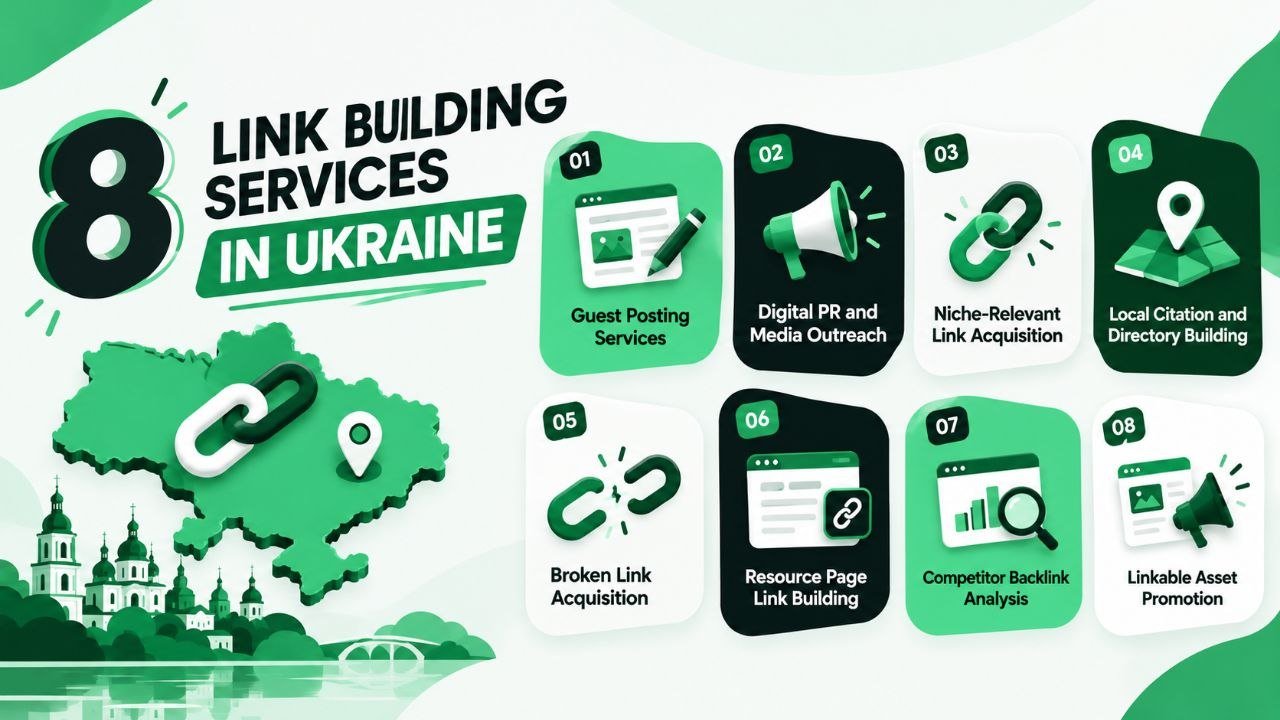
Guest posting gives businesses a way to share useful expertise on relevant external websites. Strong campaigns focus on topic fit, publisher quality, and helpful content instead of publishing the same article across unrelated domains.
Digital PR connects useful stories, data, expert commentary, and research with journalists and publishers. It can work well when the information answers a current question or gives a publication something original to discuss.
Niche-relevant acquisition targets websites that cover the same industry or a closely connected subject. A smaller specialist publication can be more useful than a large unrelated website when its readers closely match your audience.
Local citations place consistent business information on relevant directories, industry listings, and regional resources. This can support local discovery, but businesses should avoid mass submissions to weak directories that offer little value to users.
Broken link acquisition finds outdated or dead references on relevant pages and suggests a useful replacement. The replacement must genuinely match the missing resource. This makes the approach more helpful than simply asking a publisher to add a new commercial link.
Resource pages collect useful references around a specific topic. A business can suggest a guide, research report, checklist, tool, or other asset when it genuinely improves the page. The resource should fit the topic and provide something useful to readers.
Competitor research shows which websites already reference similar businesses. Instead of copying every backlink, teams can study recurring publishers, content types, target pages, and gaps that may reveal realistic opportunities.
Linkable assets give publishers a reason to reference a website. Examples include original research, statistics, calculators, templates, studies, detailed guides, and useful visual resources. Promotion then puts those assets in front of people who may find them valuable.
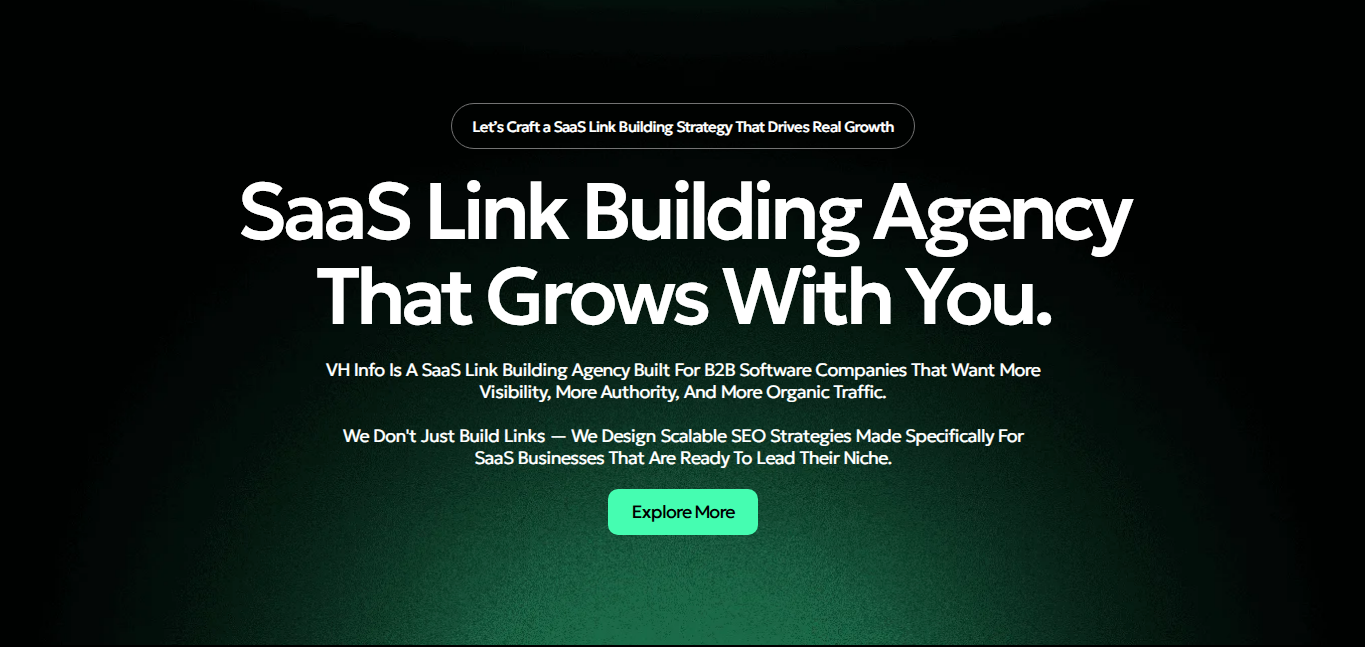
VH Info focuses on SaaS and technology link building. Its published figures include 5+ years of experience, 50+ clients served, and 20,000+ links built. Its services include link building, brand mention link building, tool listicle link building, and white-label link building.
Its published link insertion pricing starts at $100 for DR 45–59, $150 for DR 60–69, $200 for DR 70–79, and $300 for DR 80+. It also states that campaigns use white-hat outreach, competitor-gap research, client approval, and dedicated project management.
SaaS campaigns need publishers that understand software, technology, business, or a specific professional niche. A focused campaign can target websites connected to the product’s users instead of treating every domain as equally useful.
Quality acquisition starts with checking each publisher carefully. Teams can look at topical relevance, organic visibility, content quality, audience fit, outbound links, and the context in which the backlink will appear. This is especially important when comparing high DA backlink services for SaaS, where a strong authority score alone does not always mean the website is a relevant fit.
Outreach connects suitable publishers with useful content or resources. The process may include prospect research, personalized messages, follow-ups, content preparation, placement review, and reporting. Clear link building services should make these steps easy for clients to understand.
International campaigns need more than translated outreach. Effective SEO link building also considers the local search market, publisher expectations, and audience. A Ukrainian company serving Europe or North America may therefore need a publisher mix beyond Ukraine.
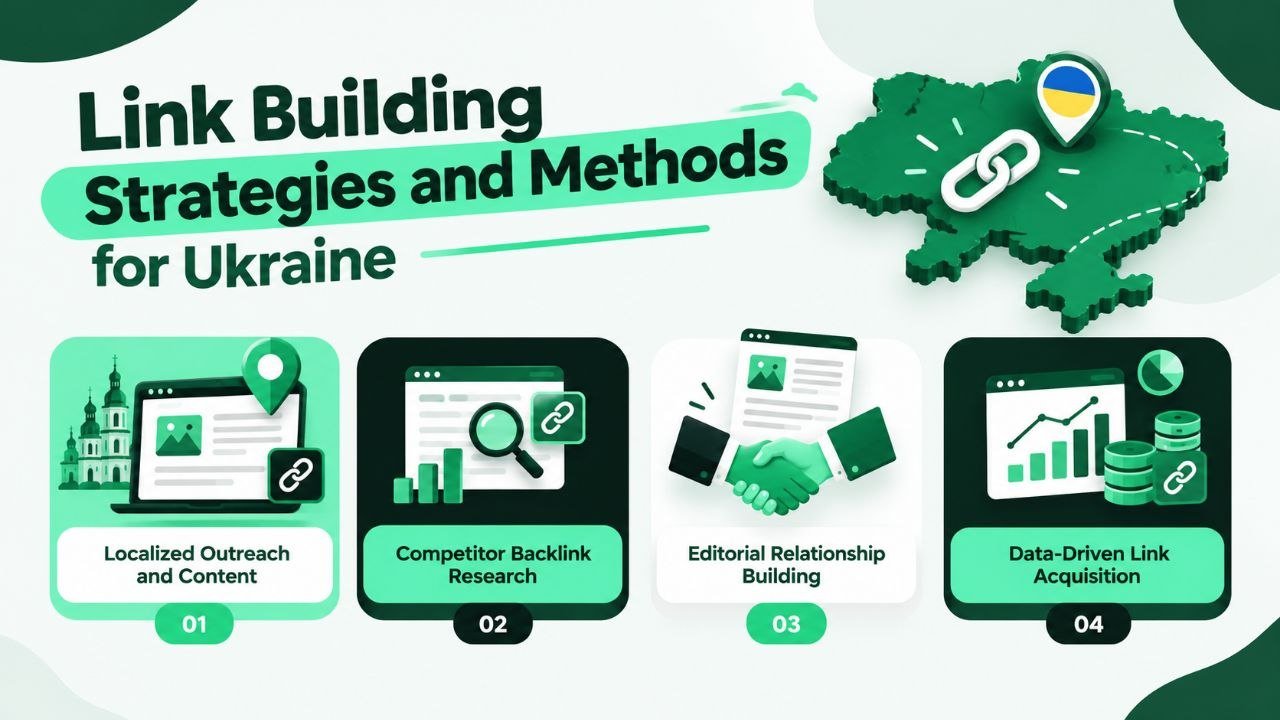
Building link authority should be based on relevant relationships, not random volume. A second useful step is building link relationships with publishers that already cover your subject.
Below are practical link building strategies and methods that can be adapted for Ukrainian and international campaigns. Some users may also search for the phrase “ink building methods” when looking for this topic.
Localized outreach considers language, local business topics, Ukrainian publications, and audience expectations. Content should feel useful to the publication rather than translated only for placement. This makes outreach more relevant and easier for editors to understand.
Competitor research compares referring domains, target pages, content formats, and publisher relationships. The goal is to find patterns worth investigating, not to copy every link a competitor has acquired.
Editorial relationships develop through useful contributions, expert responses, reliable communication, and consistent value. Over time, publishers may recognize a brand as a useful source for relevant information, making future outreach more natural.
Data helps teams decide which pages need support, which publishers are relevant, and which campaigns create referral activity. The phrase “ink building methods” may appear in search data, but the intended topic is usually link acquisition. Link building statistics are useful when combined with relevance, placement quality, traffic, and business outcomes.
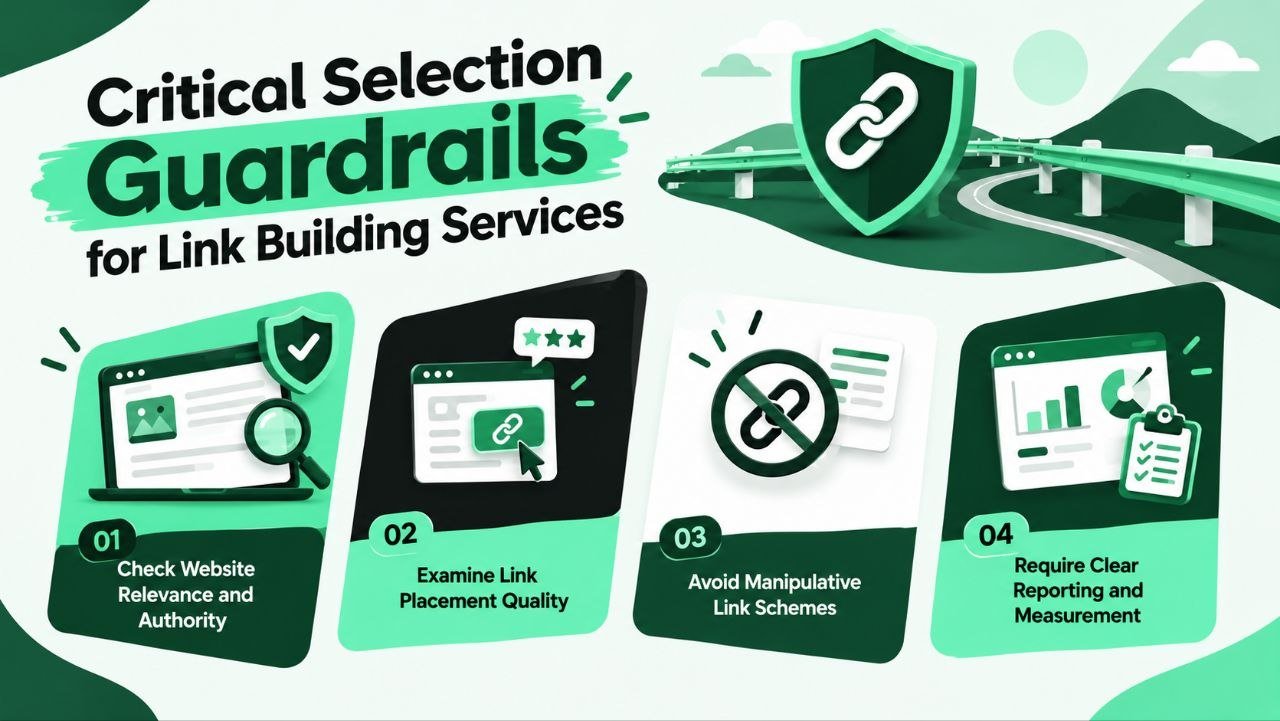
A provider should be judged on how it finds, checks, and reports links, not only on the number of placements it promises. Reliable link building services make those steps easy to review.
Below are practical checks to use before choosing link building services.
Review the site’s topic, audience, organic visibility, content quality, and reputation before considering a placement. Authority metrics can help with screening, but a strong score should never outweigh poor relevance. When assessing a high domain authority websites list, businesses should still look at context, audience fit, and overall content quality.
Check where the link appears, what content surrounds it, and whether the reference makes sense to readers. A useful placement should feel like a natural part of the page rather than a commercial link inserted without context.
Google Search Central lists buying or selling links for ranking purposes, excessive link exchanges, automated link creation, and certain low-quality link practices as link spam. Sustainable campaigns should focus on useful content and legitimate editorial opportunities.
Reports should show the live source page, target URL, anchor text, publication date, and placement status. These details are a basic expectation from professional link building services and allow a business to verify what it received.
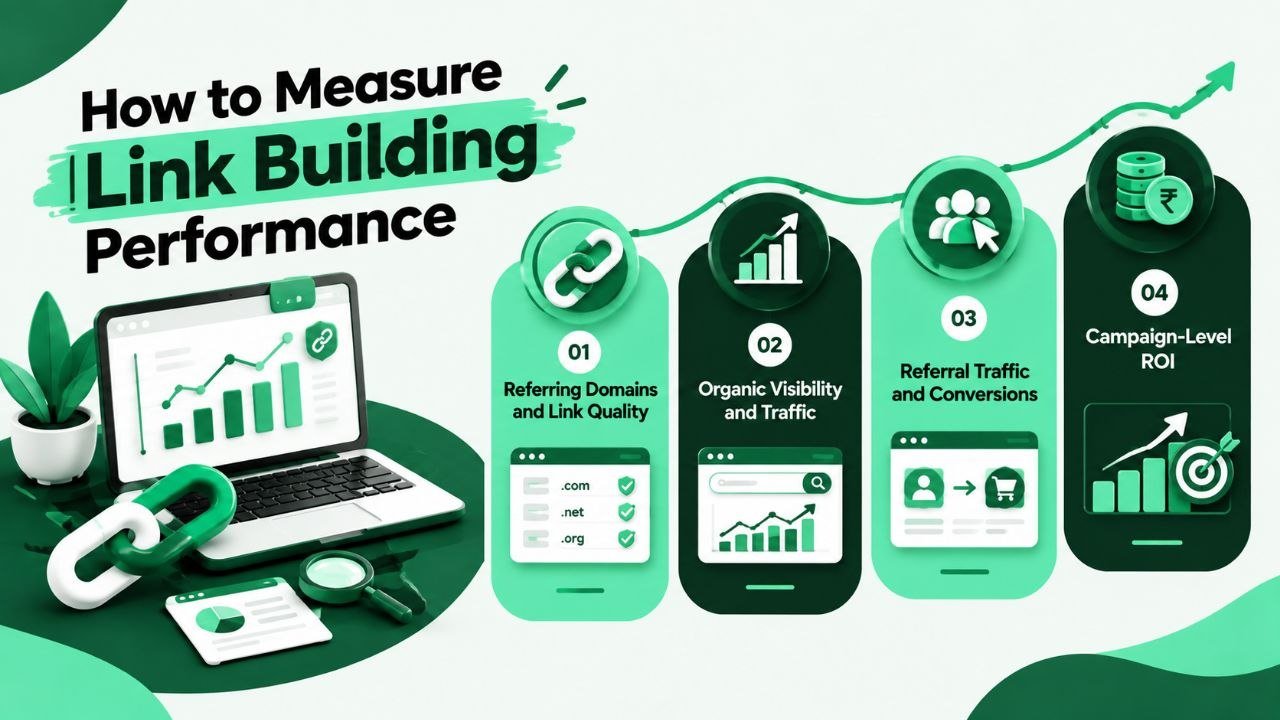
Backlink numbers alone do not explain whether a campaign is useful. Link building services should be measured by quality and business impact, not only delivery volume.
Teams should look at the quality of referring domains, search visibility, referral traffic, conversions, and campaign costs together. The following measures provide a clearer view of performance.
Track new referring domains and review their relevance, organic visibility, placement context, and content quality. Link building statistics become more useful when teams record what kind of websites are being acquired rather than only counting links.
Monitor target keyword visibility, impressions, clicks, and the performance of pages receiving links. SEO results have several possible causes, so link acquisition should be evaluated alongside content, technical health, competition, and search demand.
Referral traffic shows whether people click through from external websites. Track visits, leads, sign-ups, purchases, or other relevant actions. A placement that sends qualified visitors can provide business value even when its direct ranking impact is difficult to isolate.
Compare campaign costs with measurable outcomes such as conversions, referral value, and changes in organic performance. Include content, outreach, provider fees, and internal time when reviewing the total cost.
The right link building services for a Ukrainian business depend on its audience, market, content, competition, and goals. Guest posting, digital PR, niche acquisition, citations, broken links, resource pages, competitor research, and asset promotion can each support different parts of a campaign.
The strongest link building strategies focus on relevant publishers, useful content, natural placements, and clear reporting rather than backlink volume alone.
For businesses comparing providers, VH Info is one option to review based on its published SaaS focus, 5+ years of experience, 50+ clients, and 20,000+ links built. Those figures provide useful background, but businesses should still compare campaign fit and publisher quality before making a decision.
Generate leads by earning links from websites whose readers match your target customers. Use useful guides, expert contributions, digital PR, and relevant resources to attract qualified visitors. Then connect that traffic with focused landing pages, clear calls to action, forms, demos, or other conversion paths.
Internal link building helps users and search engines discover related pages within a website. It can distribute internal authority, clarify relationships between pages, and guide visitors toward useful information. A clear internal structure also helps important pages become easier to reach.
A link building outreach specialist researches relevant publishers, finds contacts, personalizes outreach, follows up, discusses placements, and tracks campaign progress. A good specialist also understands publisher relevance, content quality, editorial context, and the difference between useful opportunities and low-value placements.
Build links by creating useful resources, researching relevant publishers, contacting editors, contributing valuable content, promoting original data, reclaiming suitable mentions, and finding broken or resource-page opportunities. Each placement should have a clear connection to the topic and provide a reason for readers to follow it.
Costs vary by publisher quality, campaign size, content needs, market, and service model. Some providers charge per placement, while others use monthly campaigns. Compare publisher standards, outreach, content, reporting, and the number of placements included rather than comparing price alone.
Start with relevant Ukrainian publications, industry websites, business resources, associations, technology communities, and useful directories. Check topic relevance, organic visibility, content quality, audience fit, outbound links, and placement context before accepting a link.
Link building can support Ukrainian businesses when placements are relevant, useful, and connected to wider SEO work. Results depend on the website, market, content, competition, and acquisition quality. It should be treated as one part of SEO rather than a guarantee of rankings or leads.
Every article dives deep into what works, why it works, and how to use it.
TL;DR The best SaaS link building agencies in Ukraine combine relevant publishers, quality backlinks, SaaS expertise, transparent reporting, and practical…
 Vishal ambani
September 15, 2026
Vishal ambani
September 15, 2026
TL;DR A high da backlinks service can help SaaS brands earn links from established websites, but publisher relevance matters as…
Vishal ambani
September 14, 2026
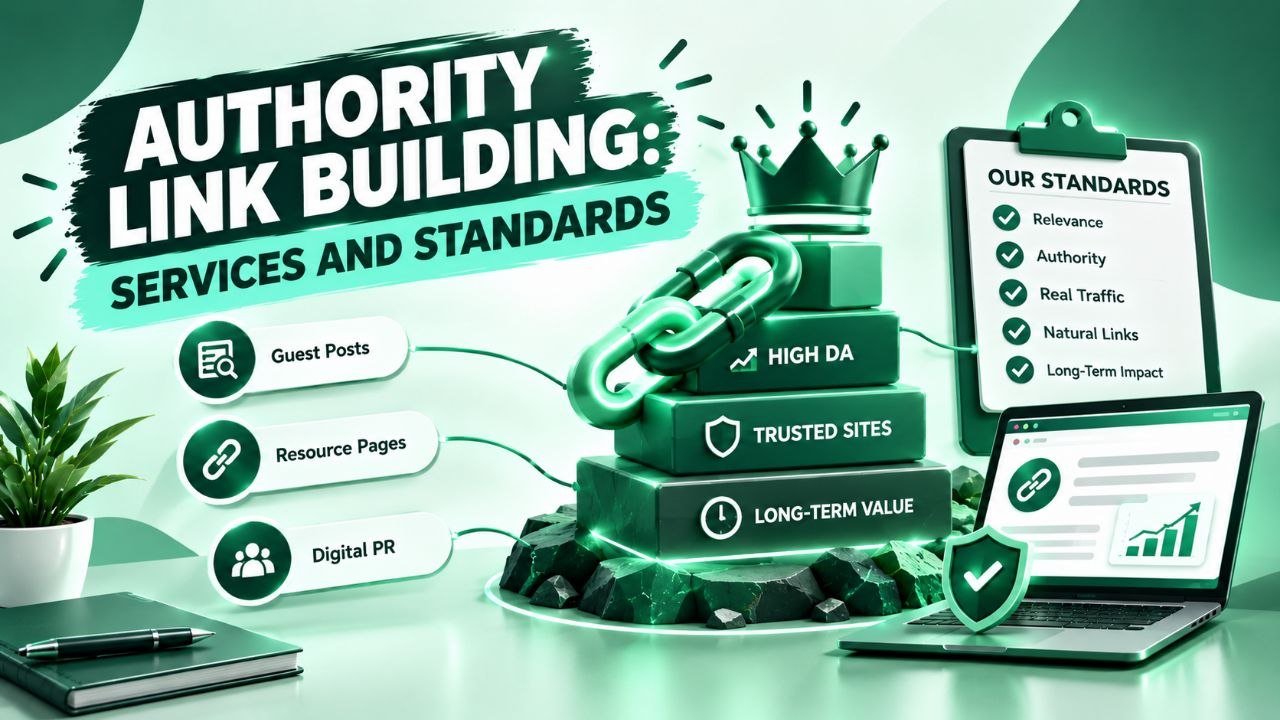
TL;DR Authority link building focuses on earning relevant backlinks from credible websites where the placement makes editorial sense. Relevance, audience…
Vishal ambani
September 12, 2026

 Share
Share