
A new client signs a major project, and the agency sees a chance to grow. Then reality hits: the team is already stretched, deadlines are close, and hiring new specialists could take months.
This is where a white label partnership can change how an agency handles growing demand. Instead of building every skill in-house, agencies can work with specialist providers that deliver services behind the scenes while the agency manages the client relationship.
Ukraine has a strong technology and digital-services ecosystem. In 2025, its IT sector included more than 305,000 IT specialists and 2,243 active companies, according to Ukraine’s Ministry of Digital Transformation.
But which providers are worth considering? This guide compares seven white label agencies in Ukraine, covering their services, capabilities, pricing models, and the factors agencies should check before choosing a partner.
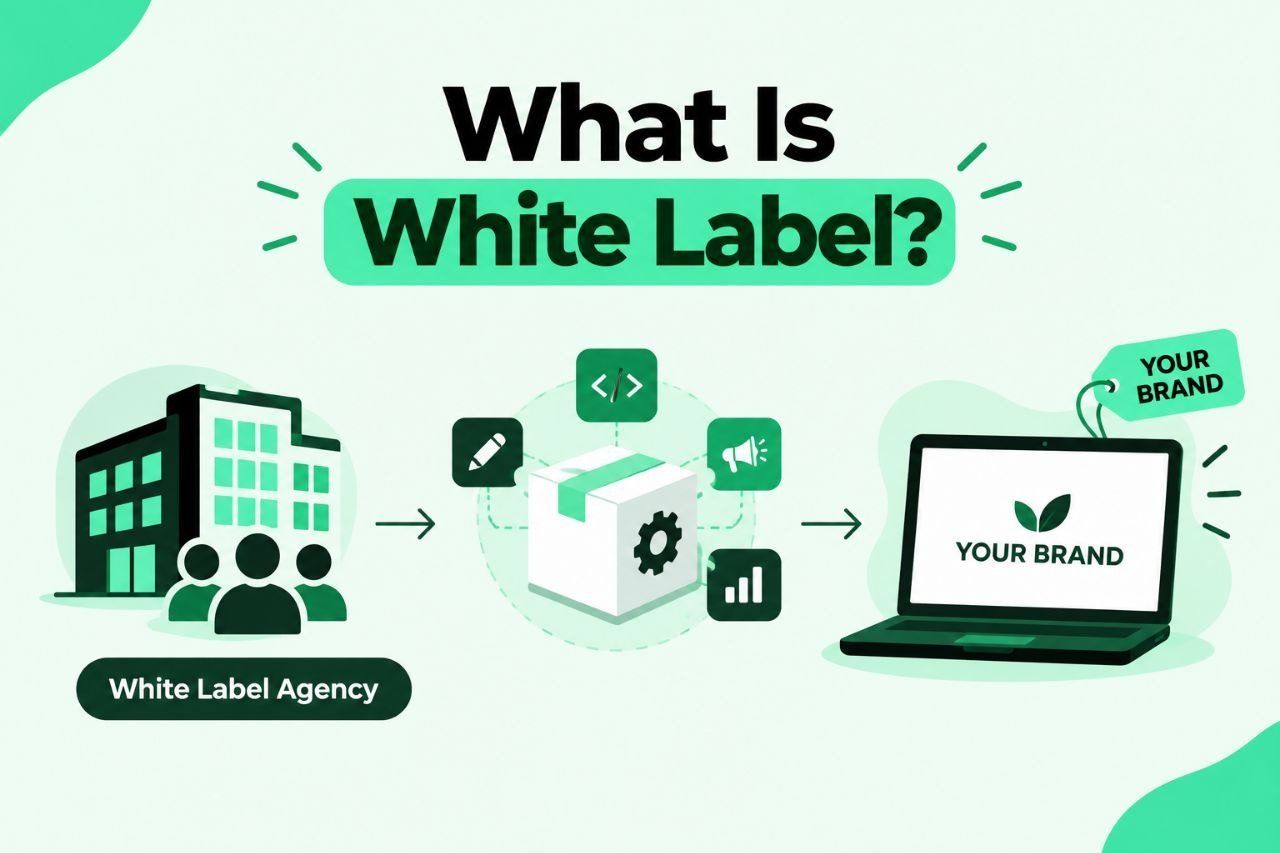
This model means one company produces a service that another company sells to its customers under its own brand. The delivery partner usually remains behind the scenes, while the client-facing agency manages the relationship and presentation.
These services work through a defined delivery arrangement between two businesses. The client-facing agency provides the brief, requirements, deadlines, and brand rules. The delivery partner completes the agreed work, supplies revisions or reports, and follows the agency’s workflow.
For example, a marketing agency may sell SEO to a client but outsource technical work, content, or link acquisition. The agency keeps ownership of client communication while the specialist handles the production tasks.
Agencies use external partners when they need additional capacity, specialist skills, or a faster way to expand their service portfolio. Outsourcing can also reduce the need to recruit separate specialists for every new service.
The model works best when responsibilities are clear. The agency should know who handles strategy, production, revisions, approvals, reporting, and client communication before work begins.
Choosing a white label agency means looking beyond its services. We considered quality, experience, pricing, communication, capabilities, industries, and client feedback to compare providers fairly.
Below are the main points used to select and compare these agencies.
A provider should have the right skills for the work an agency wants to outsource. We looked at the main services each company offers and whether its capabilities match common agency needs.
The agencies covered in this guide work across areas such as web design, WordPress development, SaaS link building, SEO, content, and digital marketing.
Industry experience can make it easier for a provider to understand project requirements and deliver relevant work. We considered whether agencies have experience across areas such as SaaS, e-commerce, SEO, WordPress, technology, and B2B marketing.
Agencies should still check whether that experience matches their specific client requirements. Relevant examples, project scope, timelines, and delivery processes can provide a clearer picture.
Pricing can vary depending on the service, project size, and delivery model. We considered publicly available pricing information where it was provided, including hourly rates, fixed project fees, monthly plans, per-link pricing, and custom quotes.
For example, Web Help Agency publicly lists rates of $25–$49 per hour and a $5,000+ minimum project size. Other providers use custom pricing based on the scope and requirements.
Client feedback can provide useful insight into communication, delivery, revisions, and reliability. We considered publicly available reviews, case studies, client examples, and information about each provider’s delivery process.
Agencies should look beyond ratings alone. Reviews related to similar projects can help show whether a provider can maintain quality, meet deadlines, and work effectively within an agency’s existing process.
| Agency | Specialty | Core Services | Pricing Structure | Best For |
| Revend Group | Web design and UI/UX | Product design, websites, design systems, Webflow | Custom quote | Agencies needing design capacity |
| VH Info | SaaS link building | Link building, outreach, white-label fulfillment | Starts with $100 per link | SaaS and SEO agencies |
| Web Help Agency | WordPress and web development | WordPress, WooCommerce, web development | $25–$49/hour; $5,000+ projects | Agencies outsourcing development |
| The White Label Agency | WordPress development | Design, development, maintenance | Fixed projects and monthly plans | Marketing agencies needing WordPress production |
| Penguin Team | SEO and digital marketing | SEO, PPC, content, digital marketing | Custom quote | Agencies outsourcing SEO work |
| Adwer Media | SEO and content marketing | SEO, content, digital marketing | Custom quote | Agencies needing marketing fulfillment |
| Livepage | SEO and performance marketing | SEO, PPC, content, e-commerce marketing | Custom quote; e-commerce SEO from about $1,000/month | Agencies needing broader marketing support |
The agencies below are grouped by their main delivery strengths. They should not be treated as interchangeable because their service scopes and engagement models are different.
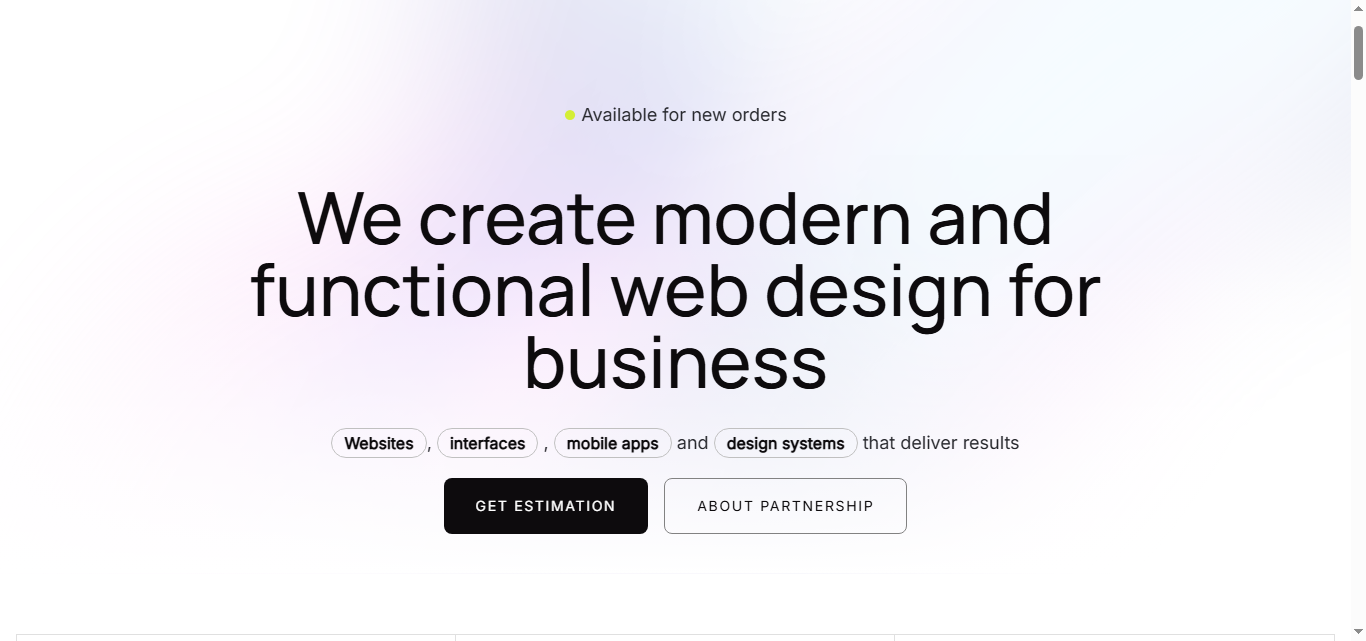
Revend Group is a Ukraine-based design team working with companies worldwide. Its public service information covers website design, product design, design systems, mobile apps, e-commerce, and Webflow development.
The agency provides UI/UX design, corporate website design, product design, design systems, and related digital design work. Its site also highlights UX audits and design support for SaaS and B2B products.
Revend can support agencies that need additional design production without building a larger internal design team. Its work spans websites, applications, and digital products, so the scope can extend beyond simple page design.
Revend does not publish a standard rate card on the pages reviewed. Its public site invites prospects to request an estimate, so agencies should provide project scope, page count, functionality, and deadlines when requesting a quote.
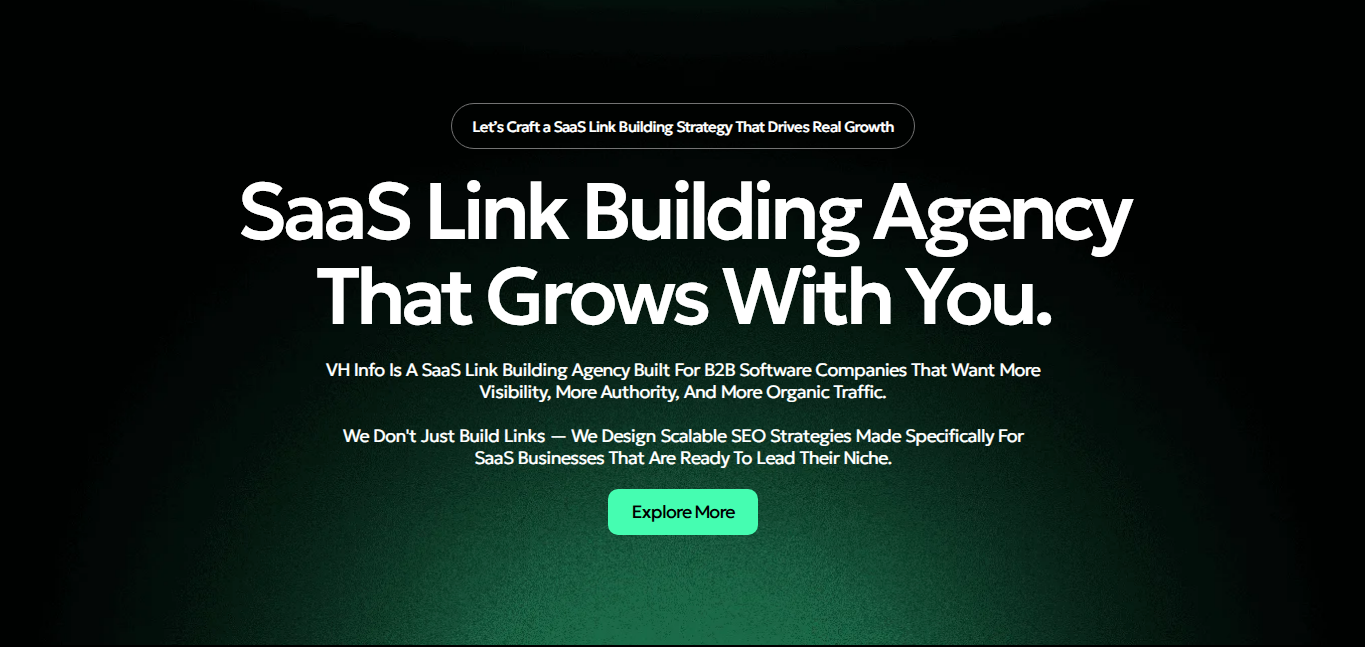
VH Info is a SaaS-focused link-building provider serving B2B and B2C SaaS brands, technology companies, and agencies. Its brand information also identifies agencies seeking white-label link-building fulfillment as a target customer group.
VH Info reports 50+ clients served, 5+ years of experience, and 20,000+ links built. Its stated SaaS coverage includes AI, cybersecurity, CRM, development, hosting, sales, marketing, and other technology niches.
Agencies researching white label blogger outreach can compare the delivery model with a broader blogger outreach white label service. The key checks should be publisher relevance, approval steps, reporting, anchor-text control, and replacement policies.
VH Info’s published pricing uses authority-based per-link tiers. Listed rates are $100 per link for DR 45–59, $150 for DR 60–69, $200 for DR 70–79, and $300 for DR 80+. Campaign requirements can affect the final scope.
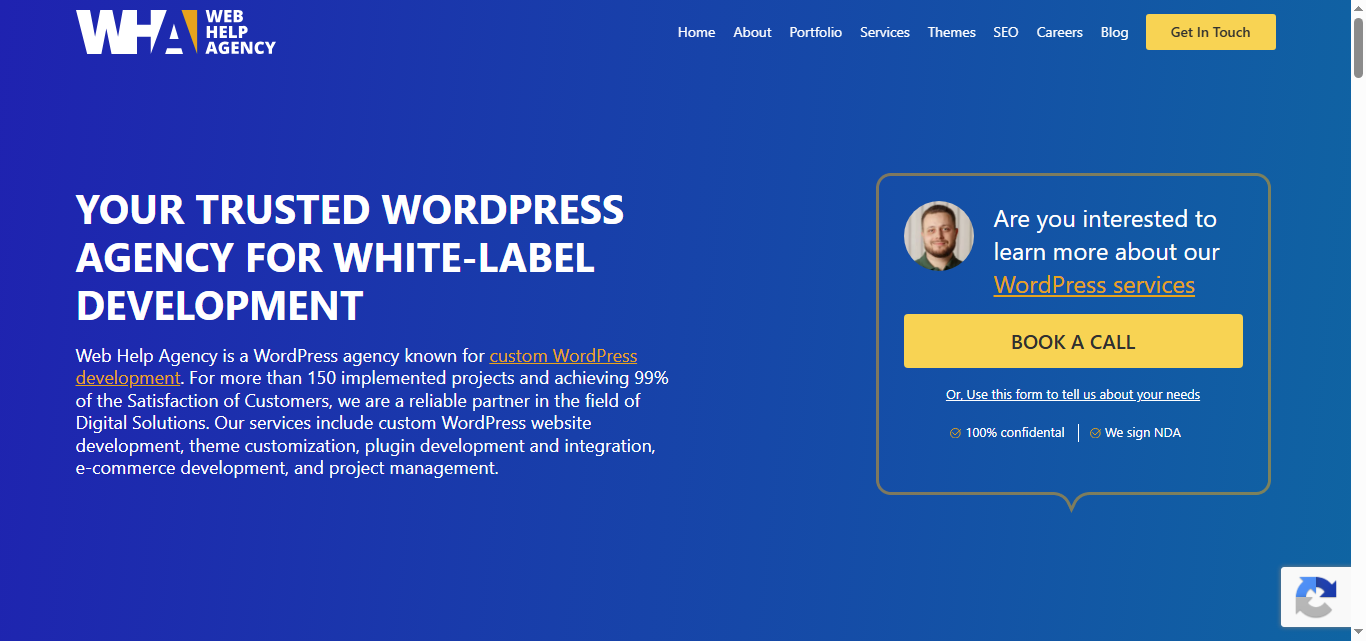
Web Help Agency is a Ukraine-based WordPress and web development provider. Its public service information lists WordPress development, e-commerce development, web design, IT staff augmentation, and managed services.
Its WordPress work includes custom development, design-to-WordPress conversion, WooCommerce, maintenance, outsourcing, and dedicated development support. A published project example describes work delivered as a white-label service provider.
The agency can fit marketing and digital agencies that need technical delivery capacity. Its current public listing shows 10–49 employees, a $25–$49 hourly range, and a $5,000+ project minimum.
Public pricing is available through its service and marketplace listings, but the final project cost depends on scope. Agencies should confirm hours, project minimums, QA, revisions, and maintenance before presenting a fixed client quote.
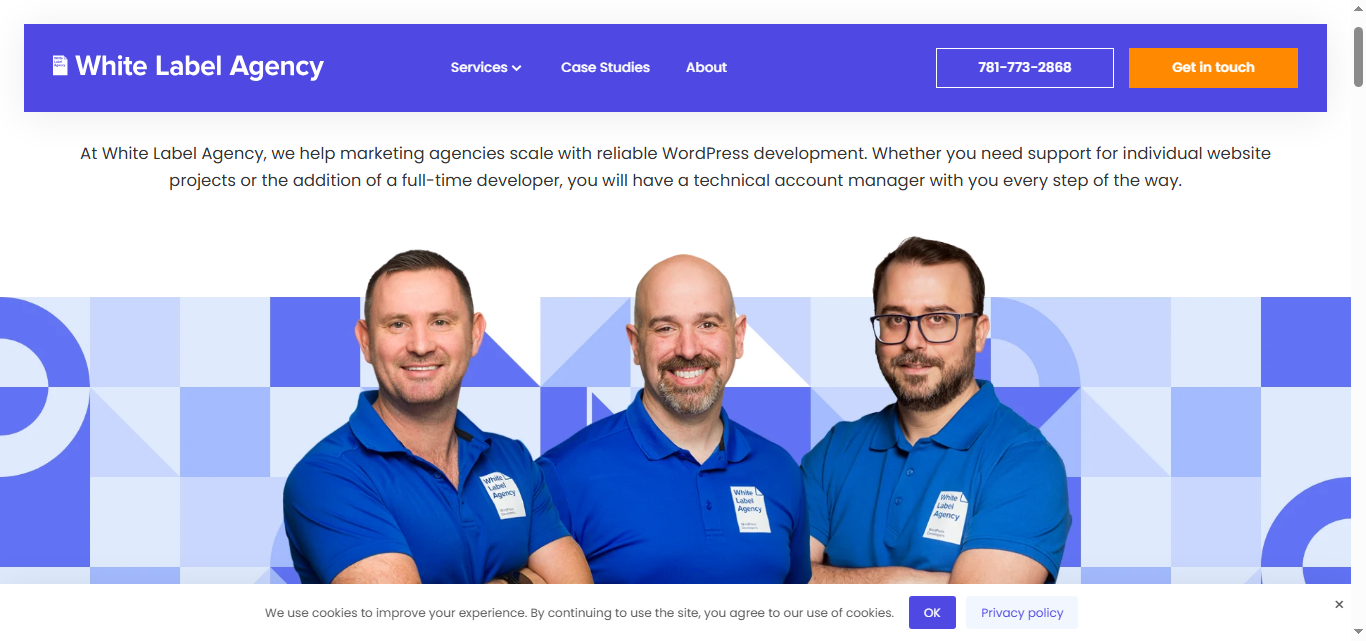
The White Label Agency focuses on WordPress production for marketing agencies. The company says it has delivered more than 20,000 custom WordPress site builds since 2013 and maintains an in-house team of 150+ WordPress developers and designers.
Its services include white-label WordPress design, development, ongoing maintenance, and dedicated developers. Projects can be handled at a fixed price, with an account manager supporting the agency relationship.
The model is built around agency production rather than direct consumer website work. This can suit teams that need recurring WordPress capacity, individual project support, or a dedicated developer.
Published examples include development packages from $1,280 to $5,120, with optional design costs from $600 to $1,200. Dedicated developer plans are listed at $2,990 per month for junior, $4,020 for middle, and $5,150 for senior developers.
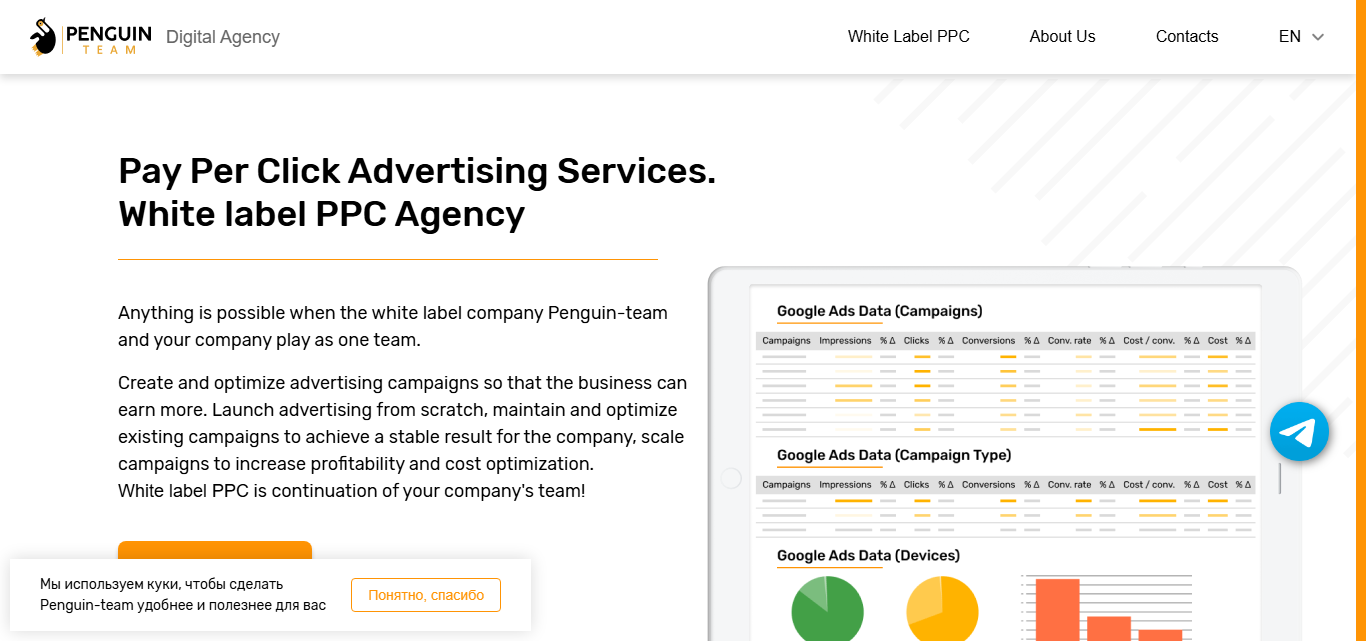
Penguin Team operates in the SEO and digital marketing space, with services covering search optimization, paid advertising, content, and related growth work. Agencies should confirm current partner or reseller terms directly because pricing and fulfillment models can vary.
Its service mix includes SEO, PPC, content marketing, and digital marketing support. This broad scope can be useful when an agency wants to outsource several campaign functions instead of managing separate specialist vendors.
An agency relationship in this category requires clear ownership of strategy, implementation, reporting, and client communication. Before onboarding, agencies should request examples of work similar to their niche and clarify which activities remain in-house.
Public pricing should be treated as project-specific unless the provider supplies a current rate card. Ask for a written scope that separates recurring work, one-time setup, content, technical tasks, and reporting.
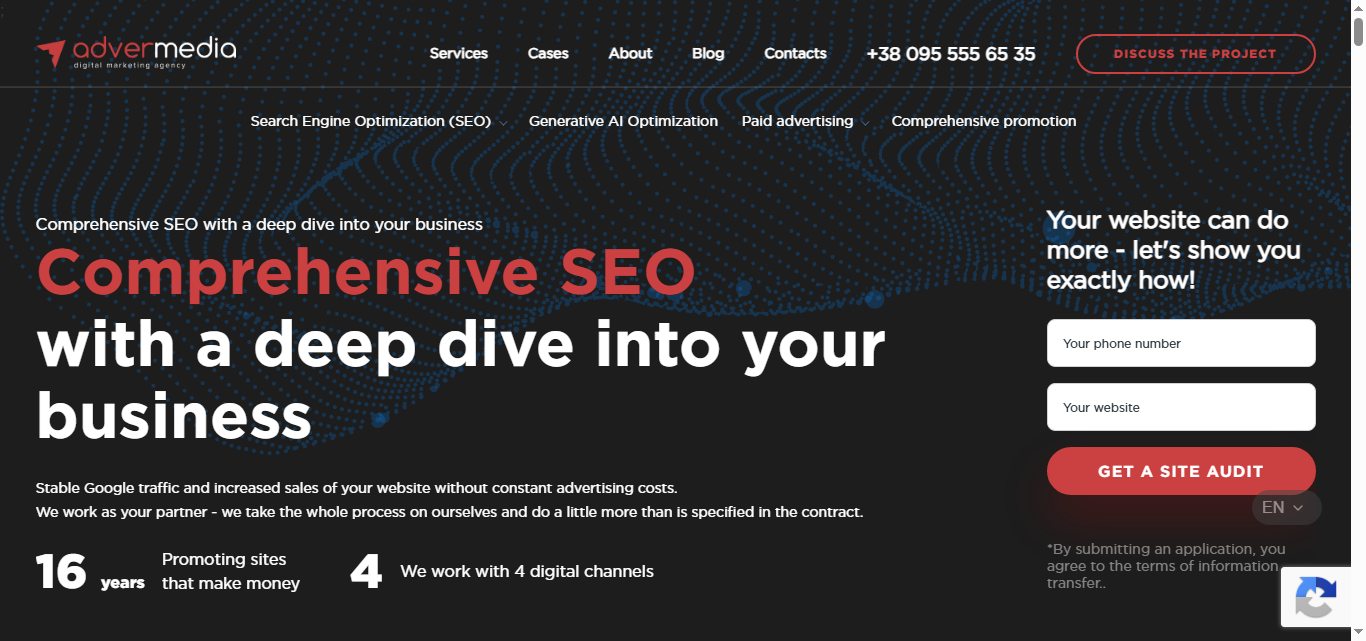
Adwer Media is included as a Ukraine-based marketing and SEO option for agencies seeking outsourced delivery. Because publicly available information can change, buyers should confirm its current service scope and partner arrangements before committing client work.
The relevant service categories include SEO, content, and digital marketing support. Agencies should map these services against their own packages to determine which tasks can be fully outsourced and which still require internal strategy.
The main consideration is whether the provider can work within an agency’s existing reporting, approval, and communication process. A practical test project can reveal how well the teams handle briefs, revisions, deadlines, and quality checks.
Pricing is best confirmed through a current proposal. Request separate costs for strategy, production, content, technical work, and reporting so the client-facing agency can calculate its own margin accurately.
Livepage is a Ukraine-based digital marketing company with services covering SEO, PPC, content, and e-commerce marketing. Its public site says pricing depends on project scale, competition, technical condition, and business goals.
Services include SEO promotion and paid marketing. Its e-commerce offering also combines SEO and PPC with content, while content creation and link building may be priced separately.
Livepage can fit agencies that need broader search and performance marketing support rather than one specialist production task. Its public SEO information also includes SaaS sites among the types of businesses it works with.
Livepage states that e-commerce SEO management averages from about $1,000 per month, while content and link building are paid separately. General SEO pricing is provided after an initial analysis rather than through one fixed package.
White label services give agencies more flexibility when they need extra support. Instead of hiring a new person for every service, they can work with outside specialists and focus on managing their clients.
Below are the main ways this model can help agencies handle more work and grow their services.
A white label partner can help an agency offer services it does not provide in-house. For example, a web design agency can add SEO, while an SEO agency can offer content or link building.
This makes white label services for agencies useful when they want to build broader service packages without hiring specialists for every new requirement.
Working with an external team gives agencies access to specialists when demand increases. This can be useful when several projects arrive at once or a client needs a service the internal team does not handle.
The agency still needs to review the work and manage the client relationship. Outsourcing the work does not remove the need for basic quality checks.
A reliable partner can handle regular production tasks, giving the agency’s team more time for strategy, client communication, account management, and business development.
The amount of work saved depends on how well the partner fits the agency’s process. Clear briefs, deadlines, and revision rules can help prevent unnecessary back-and-forth.
With a white label arrangement, the agency remains the client-facing business while the partner works behind the scenes. Deliverables, reports, and documents can follow the agency’s branding and requirements.
Before starting, both sides should agree on confidentiality, ownership, access, communication, and how the work will be presented to the client.
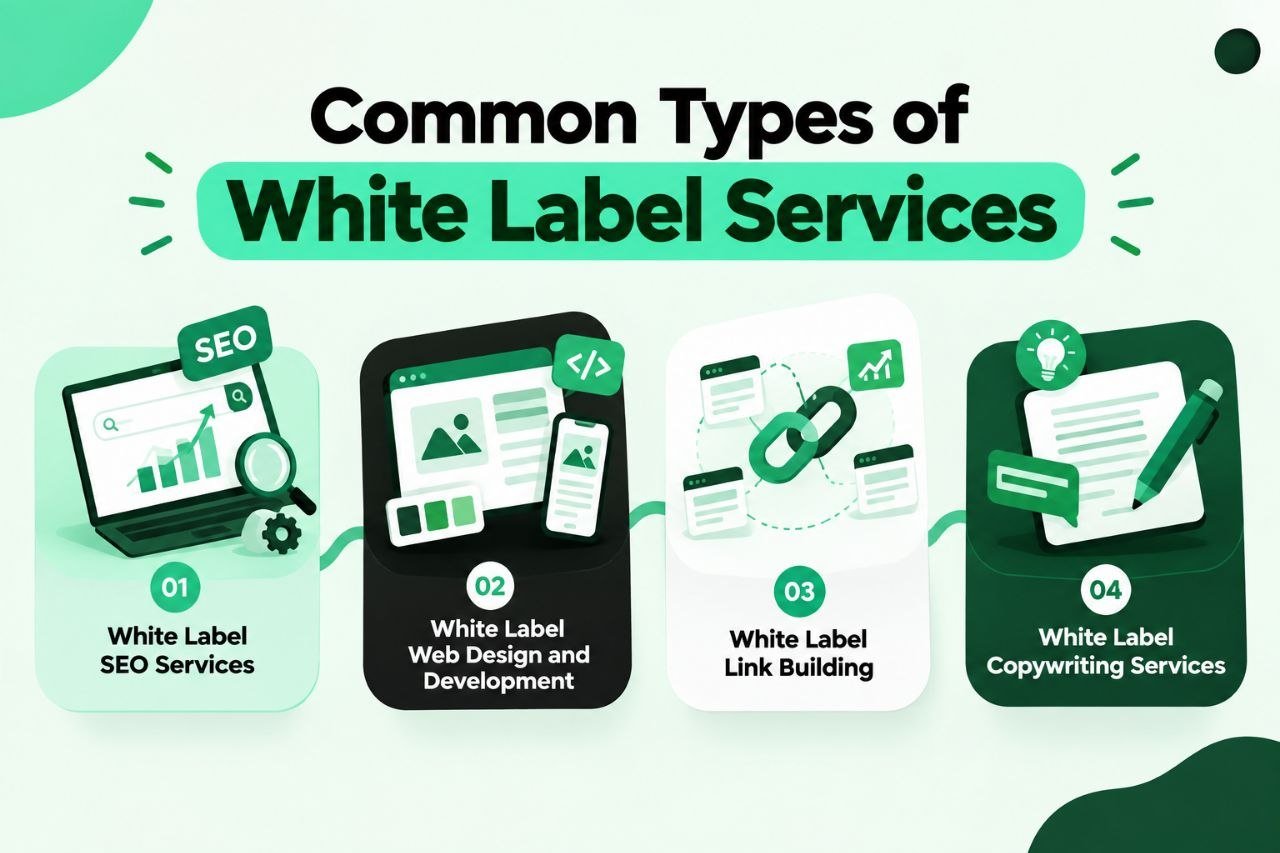
Agencies can outsource different types of work based on their clients, team size, and service needs. Common areas include SEO, web design and development, link building, and copywriting.
Below are the main types of services agencies can use when they need additional delivery support.
White label seo services allow agencies to provide SEO to their clients while another team handles the agreed work. This can include keyword research, technical SEO, content, on-page optimization, link acquisition, and reporting.
This approach can help agencies manage more SEO projects without building a larger internal team. The scope should be clearly defined so both sides understand who handles strategy, production, communication, and reporting.
Web design and development services can help agencies manage projects when they do not have enough internal design or development resources. Depending on the project, support can include UI/UX design, WordPress, WooCommerce, landing pages, maintenance, and custom development.
The agency can continue managing the client while the delivery partner handles the technical work. Clear project requirements, deadlines, revisions, testing, and support responsibilities should be agreed on before work begins.
Link building is another common service agencies outsource to specialist providers. The partner can handle prospect research, outreach, content coordination, link placements, and reporting while the agency manages the client relationship.
For agencies comparing the best white label link building services, factors such as website relevance, authority, traffic, placement quality, approval processes, and reporting should be reviewed. Agencies looking specifically at link building agencies in Ukraine can also compare specialist providers based on their industry experience and delivery model.
White label copywriting services allow agencies to offer content to clients while an external writer or content team handles production. This can include blog posts, landing pages, product descriptions, email content, and SEO articles.
Before using white label copywriting services, agencies should agree on the writing style, research requirements, brief deadlines, revision limits, fact-checking process, and ownership. Clear guidelines help the final content match the agency’s brand and client expectations.
Choosing a partner starts with the exact service you need, not the agency’s overall service count. Compare capabilities, delivery processes, pricing, communication, and evidence of relevant work before making a decision.
Below are the main areas to review when comparing agencies and deciding whether a provider fits your delivery requirements.
Start by listing the tasks you expect the partner to complete. Then check whether those tasks are handled internally, through contractors, or through another subcontractor.
Also review the team structure, tools, quality assurance process, reporting, revision limits, turnaround times, and experience with projects similar to yours.
Compare the total delivery cost rather than focusing on a single hourly or monthly rate. A lower price may exclude content, quality checks, revisions, account management, or reporting.
Ask for a written scope, payment schedule, minimum commitment, cancellation terms, revision policy, and rules for additional costs. Clear terms also make it easier to calculate your own client pricing.
Look at recent examples that closely match the type of work you need. Review the provider’s quality assurance process and confirm who approves deliverables before they reach your client.
A small paid project can also help you evaluate communication, accuracy, turnaround speed, and how effectively the provider handles revisions before starting a larger engagement.
Set communication expectations before the work begins. Confirm the primary contact, response window, reporting schedule, escalation process, and channels used for project updates.
A reliable workflow should make it clear what is pending, who owns the next action, and when each deliverable will be ready for review.
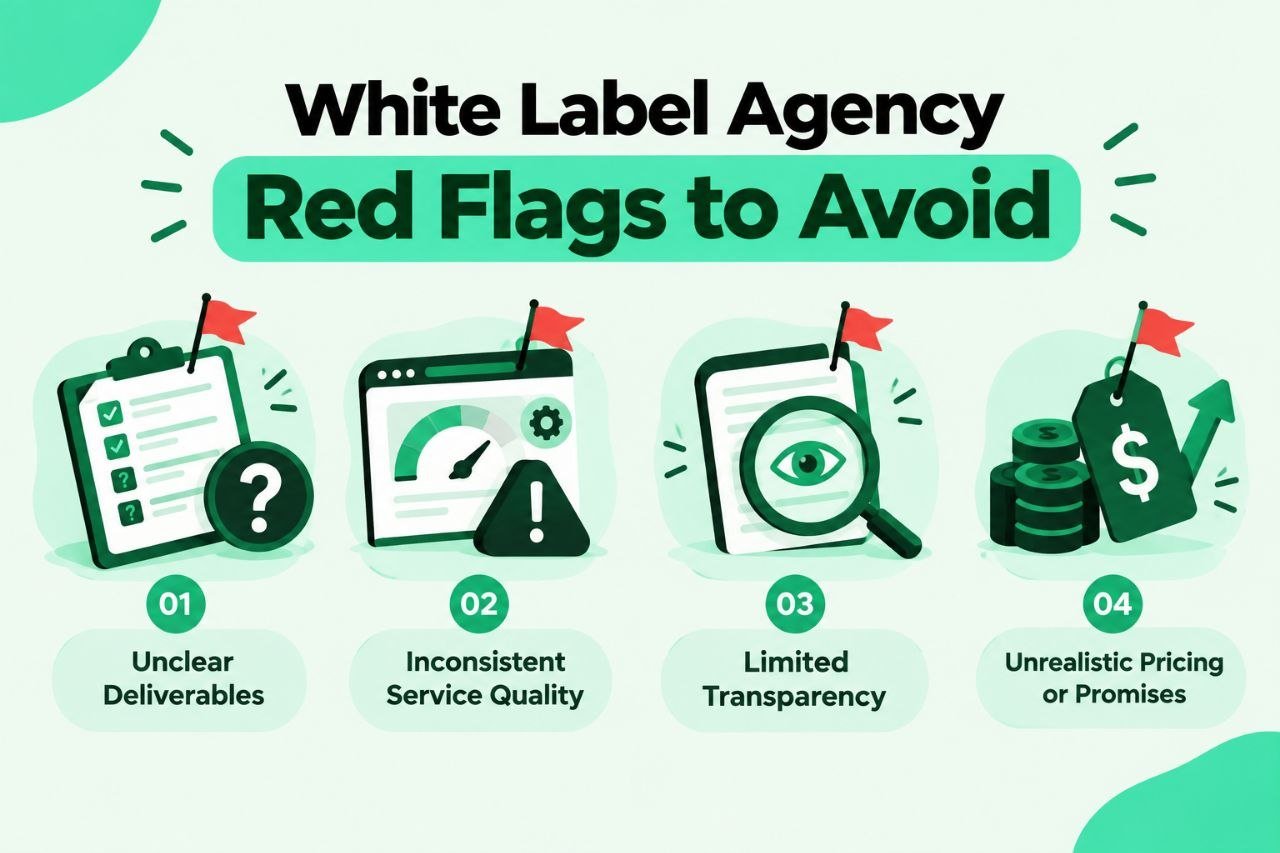
Red flags usually appear when a provider cannot clearly explain what it will deliver, how quality is checked, or how costs are calculated. These issues can become client-facing problems after the contract starts.
Below are the main warning signs to review before entering a partnership with an agency.
Unclear deliverables make it difficult to measure whether work is complete. A proposal that simply says “SEO support” or “website development” without specific outputs leaves too much room for disagreement.
Ask for deliverable counts, milestones, responsible roles, revision limits, timelines, and reporting requirements before approving the partnership.
Inconsistent quality can create extra review work and delay client delivery. It may also force the agency’s internal team to rewrite or rebuild outsourced work.
Use samples, a pilot project, quality checks, and clear acceptance criteria. Quality should be measured against the actual client requirement rather than a generic promise.
Limited transparency makes it harder to understand what is happening behind the scenes. This matters especially for SEO, content, outreach, and development projects where clients may ask for evidence of completed work.
A clear partner should explain deliverables, progress, approvals, and reporting. Agencies should also know whether any part of the work is subcontracted.
Extremely low pricing can indicate that important work is excluded, while guaranteed outcomes can overlook variables outside the provider’s control. Compare the full scope before comparing rates.
A realistic proposal should explain what the provider controls, what depends on the client, and what could change the timeline or final cost.
Choosing a white label partner is ultimately about finding a reliable extension of your own team. Whether you need white label SEO services, link building, web development, or white label copywriting services, the right partner should fit your quality standards, client expectations, budget, and workflow.
For agencies looking specifically for SaaS-focused link-building support, VH Info provides white label services for agencies that need help with white-hat link acquisition, competitor-gap research, placement review, and ongoing campaign fulfillment. Its focus on SaaS link building makes it a relevant option for agencies that want specialist support without building a dedicated team in-house.
The best approach is to compare each white label agency against the same requirements, clarify the scope, and test the working relationship with a small project when possible. A good partnership should make delivery easier, protect your client relationships, and give your team more room to focus on growth.
A white label service is produced by one company and sold by another company under its own brand. The delivery partner handles the agreed production work, while the client-facing agency manages the customer relationship. Common examples include SEO, web development, content writing, design, paid advertising, and link building.
White label services are usually provided by specialist agencies, development teams, marketing companies, content teams, and other service providers. Some focus on one area, such as WordPress development or link building. Others provide broader marketing or technology fulfillment. Agencies should check whether the provider has a formal partner model or accepts outsourced projects.
A common example is an SEO agency outsourcing link building to a specialist provider. The SEO agency sells the service to its client, sets the campaign requirements, and manages the relationship. The specialist researches prospects, performs outreach, secures placements, and supplies reports that the agency can use in its client reporting.
Another term is private-label service, although the wording varies by industry. In agency work, related terms include outsourced fulfillment, behind-the-scenes delivery, reseller services, and agency fulfillment. The exact term matters less than the agreement, which should define branding, ownership, confidentiality, deliverables, communication, and client responsibilities.
There is no single white label price. Costs depend on the service, project size, provider location, complexity, delivery model, and volume. Providers may charge hourly rates, monthly retainers, per-link fees, fixed project prices, or custom rates. Always compare what is included before comparing headline prices.
White labeling is generally a normal business arrangement when both companies agree to the terms and the service is represented accurately. However, legal requirements can vary by industry, contract, intellectual property, privacy obligations, and advertising rules. Agencies should use clear agreements covering ownership, confidentiality, client disclosure, and liability.
White label work can cost less than hiring a full internal team for some agencies, but it is not automatically cheaper. The total cost includes provider fees, project management, revisions, quality control, and client servicing. The useful comparison is the cost of reliable delivery against the cost of building and maintaining the same capability internally.
Every article dives deep into what works, why it works, and how to use it.
TL;DR Ukraine has agencies covering web design, WordPress development, SEO, link building, marketing, and content support, giving client-facing teams several…
 Vishal ambani
September 17, 2026
Vishal ambani
September 17, 2026
TL;DR Link building services help Ukrainian businesses earn relevant mentions through outreach, guest content, digital PR, resource pages, and other…
Vishal ambani
September 16, 2026
TL;DR The best SaaS link building agencies in Ukraine combine relevant publishers, quality backlinks, SaaS expertise, transparent reporting, and practical…
Vishal ambani
September 15, 2026

 Share
Share