
Want to know if your link-building efforts are working? You need to track the right numbers. Link-building metrics show how well your website performs in search engine results. They help you see which building links activities bring the best results.
At VH-info, we help SaaS companies grow through smart link-building campaigns. We know that tracking the right data makes all the difference. This guide breaks down everything you need to know to measure link-building success.
What Are Link Building Metrics and Why Do They Matter?

Link building metrics are numbers that show how strong your backlink profile is. Think of them as a report card for your website’s connections to other sites. When other websites link to your content, search engines see this as a vote of confidence.
The more quality inbound links you have, the better your chances of ranking higher in Google search results. But not all links are equal. That’s why you need SEO metrics to separate good links from bad ones.
Tracking these numbers helps you:
- See if your link building campaign is working
- Find problems in your link profile early
- Make better decisions about where to focus your SEO efforts
- Prove the SEO value of your work to clients or bosses
Without tracking link building metrics, you’re basically guessing. And guessing doesn’t lead to search engine rankings that stick.
Essential Link Building Metrics You Should Track

Domain Authority & Page Authority
Domain Authority (DA) predicts how well a whole website will rank in search results. Page Authority (PA) does the same for single pages. Both scores run from 1 to 100. Higher scores mean the strength of a website is better.
When you get links from sites with high domain authority, your own organic rankings improve faster. It’s like getting advice from a famous expert versus a stranger – the expert’s word carries more weight.
At VH-info, we always check domain rating and page authority before reaching out for guest posts. One link from a site with DA 70+ beats ten links from sites with DA 20.
Topical Relevance to Your Niche
A link from a cooking blog won’t help your SaaS company much. Topical relevance means the site linking to you covers specific topics related to your business. Search engines look at relevant links to understand what your site is about.
If you sell project management software or tools like an auto dialer system, links from business blogs, auto dialer system, tech sites, and productivity platforms carry more SEO value than random sites. When doing guest posting, always pick sites that share your target audience.
This builds brand awareness with the right people and signals to Google search that you’re an authority in your field.
Referring Domains Vs. Total Backlinks
Here’s a key difference many beginners miss:
- Referring domains = unique websites linking to you
- Total backlinks = all links pointing to you (including multiple links from the same site)
Getting 100 links from one website isn’t as good as getting 10 links from 10 different sites. The number of unique referring domains matters more than the total number of backlinks. A healthy backlink profile grows its number of unique domains steadily.
If you have 500 backlinks but only 20 referring domains, that looks suspicious to search engines.
Anchor Text Distribution
Anchor text is the clickable words in a link. Optimized anchor text helps search engines understand what your page is about. But don’t overdo it! If every link uses exact-match keywords, Google search might think you’re using link schemes. A natural backlink profile has variety:
- Branded anchors (VH-info)
- Naked URLs (https://vh-info.com/)
- Generic text (“click here”)
- Partial match keywords
- Exact match (use sparingly)
Keep your anchor text distribution balanced. About 50% branded, 25% generic, and 25% keyword-related works well for most sites.
Link Velocity & Growth Rate
Link velocity measures how fast you gain new backlinks. Steady growth looks natural. Sudden spikes look suspicious. Imagine a new blog getting 1,000 links overnight. That raises red flags.
But getting 20-30 new backlinks per month shows consistent content marketing success. Track your traffic trends alongside link velocity.
If links grow but organic traffic doesn’t, something’s wrong with your link quality or user experience.
Dofollow Vs. Nofollow Ratio
Links come in two types:
- Dofollow links pass SEO value and help rankings
- Nofollow links don’t pass ranking power (but can still bring referral traffic)
A natural backlink profile has mostly dofollow links (about 60-80%) with some nofollow links mixed in. Too many dofollow links looks unnatural. Too few means you’re missing SEO value. When building links, prioritize dofollow links for ranking power.
But don’t ignore nofollow links from high-traffic sites – they bring visitors and brand awareness.
Advanced Link Building Metrics For SEO Professionals
Traffic Value of Referring Domains
Not all high-authority sites are equal.
A site with DA 50 and 100,000 monthly visitors beats a DA 70 site with 500 visitors. Check the organic traffic of sites before pursuing guest posts. Tools like Ahrefs show the estimated traffic value – what that traffic would cost if you bought it through ads.
Links from high-traffic sites bring:
- More referral traffic
- Better user experience for visitors
- Stronger signals to search engines
At VH-info, we always analyze traffic trends before recommending link building efforts to our clients.
Link Placement & Contextual Relevance
Where a link appears on a page matters hugely. Link placement in the main content beats links in footers or sidebars. Contextual relevance means the link makes sense in the surrounding text. A link surrounded by relevant content carries more weight than a random link.
Best link placement spots:
- Inside blog post content
- Within resource lists
- In expert roundup quotes
- Editorial mentions
Avoid link schemes that place links automatically or in irrelevant contexts. Search engine results reward natural, well-placed links.
Spam Score & Link Quality Indicators
Every link building agency worries about bad links. Spam score measures how likely a site is to be penalized by search engines.
High spam scores often mean:
- Thin or stolen content
- Excessive ads
- Unnatural anchor text distribution
- Participation in link schemes
- Poor user experience
Regularly audit your backlink profile for toxic links. Use Google Search Console to disavow harmful links before they hurt your organic rankings.
How to Track Link Building Metrics Effectively?
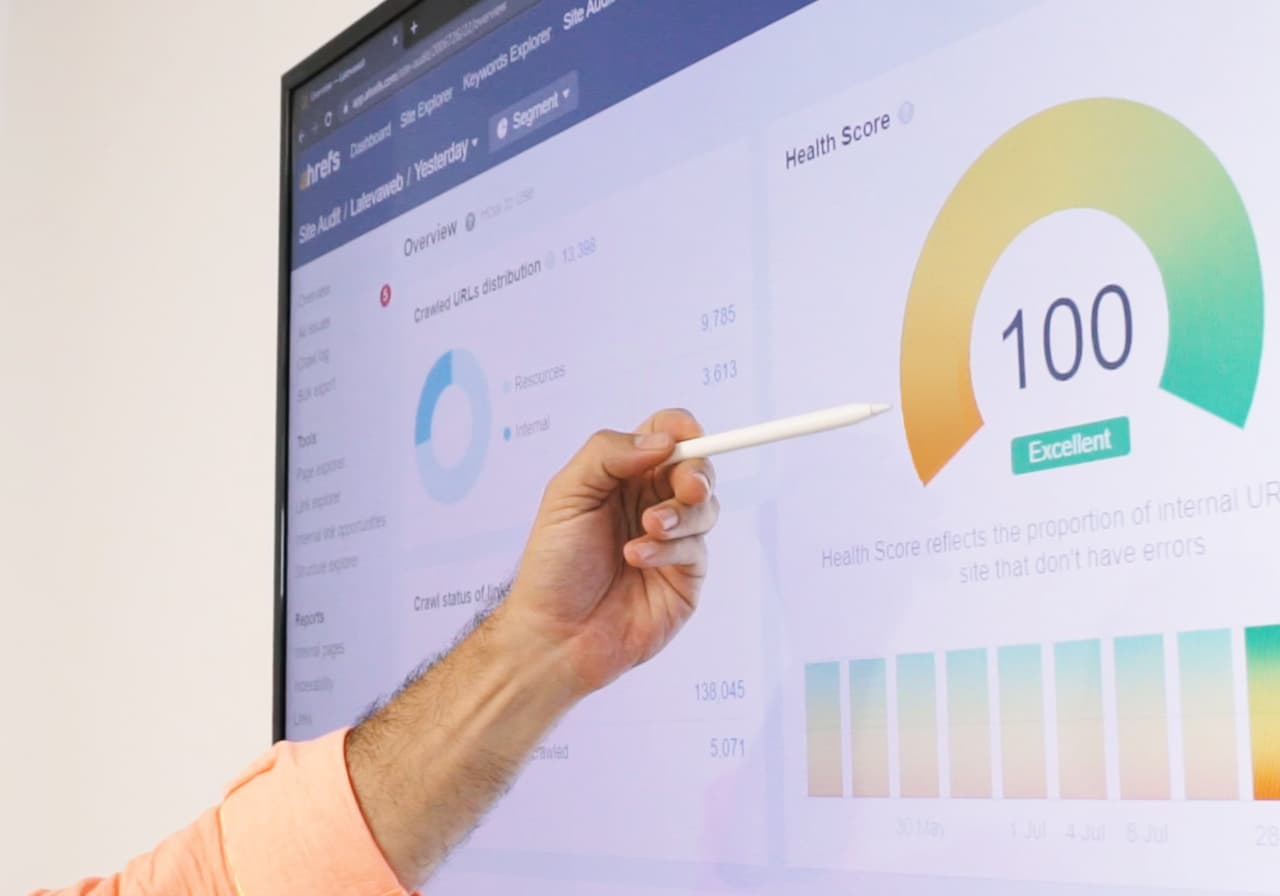
Best Tools For Monitoring Link Building Metrics
You need the right SEO tools to track link building metrics properly. Here are the top options:
- Best for tracking the number of referring domains
- Shows domain rating and organic traffic
- Tracks anchor text distribution
- Monitors new backlinks daily
- Great for backlink profile analysis
- Tracks link building campaign progress
- Shows authority score trends
- Compares your links to competitors
- Pioneer of Domain Authority
- Good spam score checker
- Tracks page authority over time
- Free tool from Google search
- Shows which sites link to your content
- Tracks search engine rankings
- Essential for disavowing bad links
At VH-info, we use premium SEO tools to give clients valuable insights into their link building success.
Setting Up Custom Reports & Dashboards
Don’t just collect data – organize it. Create dashboards showing:
- Number of unique referring domains (monthly growth)
- Total number of backlinks vs. the previous month
- Domain authority trends
- Top anchor text usage
- Dofollow vs. nofollow ratio
- Referral traffic from links
Set up monthly reports to track the effectiveness of your link building efforts. Share these with your team or clients to show progress.
Common Mistakes When Analyzing Link Building Metrics
Even experienced link builders make these errors:
- Chasing quantity over quality: A total number of backlinks of 10,000 means nothing if they’re from spam sites. Focus on the quality of links from authoritative sources.
- Ignoring relevance: Links from unrelated niches don’t help your SEO performance. A pet blog linking to your accounting software doesn’t make sense.
- Obsessing over one metric: Domain authority matters, but so do traffic trends, topical relevance, and link placement. Look at the full picture.
- Not tracking competitors’: Your link profile should be better than your competitors’, not just “good” in isolation. Compare your number of unique domains to industry leaders.
- Forgetting about internal links: While this guide focuses on external links, don’t ignore internal links. They help search engines crawl your site and distribute SEO value.
Link Building Metrics: Key Takeaways & Action Steps
Here’s what to remember about tracking link building metrics:
- Quality beats quantity – Focus on the number of unique referring domains from authoritative sources
- Relevance is important – Prioritize topical relevance and contextual relevance
- Keep it natural – Maintain balanced anchor text distribution and steady link velocity
- Monitor constantly – Use SEO tools to track new backlinks and spam score
- Measure results – Connect link building efforts to organic traffic and search engine rankings
Action steps for this month:
- Audit your current backlink profile using Google Search Console
- Identify 10 high domain authority sites in your niche for guest posting
- Check your anchor text distribution and adjust if over-optimized
- Set up monthly tracking for domain rating and referring domains
- Remove or disavow any links with a high spam score
FAQ’s:
What Are the Most Important Link Building Metrics to Track?
Focus on domain authority, number of unique referring domains, and organic traffic growth. These three show whether your link building campaign actually works. Also, watch anchor text distribution to avoid penalties, and check spam score to protect your site.
Don’t get lost in too many numbers – these core SEO metrics tell you what you need to know about link building success.
How Often Should I Check My Link Building Metrics?
Check new backlinks and spam score weekly to catch problems early. Review domain rating and referring domains monthly to track trends.
Do a full backlink profile audit quarterly, comparing your progress to competitors. Google Search Console updates regularly, so make it a habit to check. At VH-info, we provide clients with monthly reports showing all key link building metrics so they always know their SEO performance.
What’s the Difference Between Domain Authority and Page Authority?
Domain Authority measures the ranking power of an entire website. Page Authority measures just one specific page. Think of DA as the reputation of a whole company, while PA is the reputation of one employee.
Both use 1-100 scales. When building links, getting links on high-PA pages of high-DA sites gives you the best SEO value. But don’t ignore smaller sites with relevant, high-quality content – they can still drive referral traffic and brand awareness.
Can Too Many Backlinks Hurt My SEO?
Yes, if they’re low-quality or unnatural. Search engines penalize sites using link schemes or buying links. Too many links too fast (unnatural link velocity) looks suspicious. Links from sites with high spam score can damage your organic rankings.
Focus on earning relevant links naturally through great content marketing and digital PR. At VH-info, we build links slowly and naturally, ensuring long-term search engine rankings without risking penalties.
Which Tools Are Best For Tracking Link Building Metrics?
Ahrefs excels at tracking number of referring domains and domain rating.
SEMrush offers comprehensive backlink profile analysis. Google Search Console is essential (and free) for seeing who links to your content straight from Google search. Moz pioneered Domain Authority scoring. For most link builders, Ahrefs plus Google Search Console covers everything needed. Invest in good SEO tools – they pay for themselves by improving your effectiveness of your link building efforts.
Conclusion
Tracking link building metrics doesn’t have to be complicated. Focus on the numbers that matter: domain authority, referring domains, anchor text distribution, and organic traffic. Use the right SEO tools, avoid common mistakes, and keep your link profile natural.
Remember, link building success comes from consistent effort, not shortcuts. Build relevant links from authoritative sources, track your progress, and adjust your SEO strategy based on data. Partnering with a reputable SaaS Link building agency Like VH-info can also help streamline your efforts and ensure your campaigns are aligned with long-term SEO goals.
At VH-info, we specialize in helping SaaS companies grow through strategic link building campaigns. Whether you need guest posts, digital PR, or full SaaS link building services, we focus on metrics that move the needle.
Start tracking your link building metrics today. Your future search engine rankings will thank you.

 Vishal ambani
  Share
Share
 VH Info