
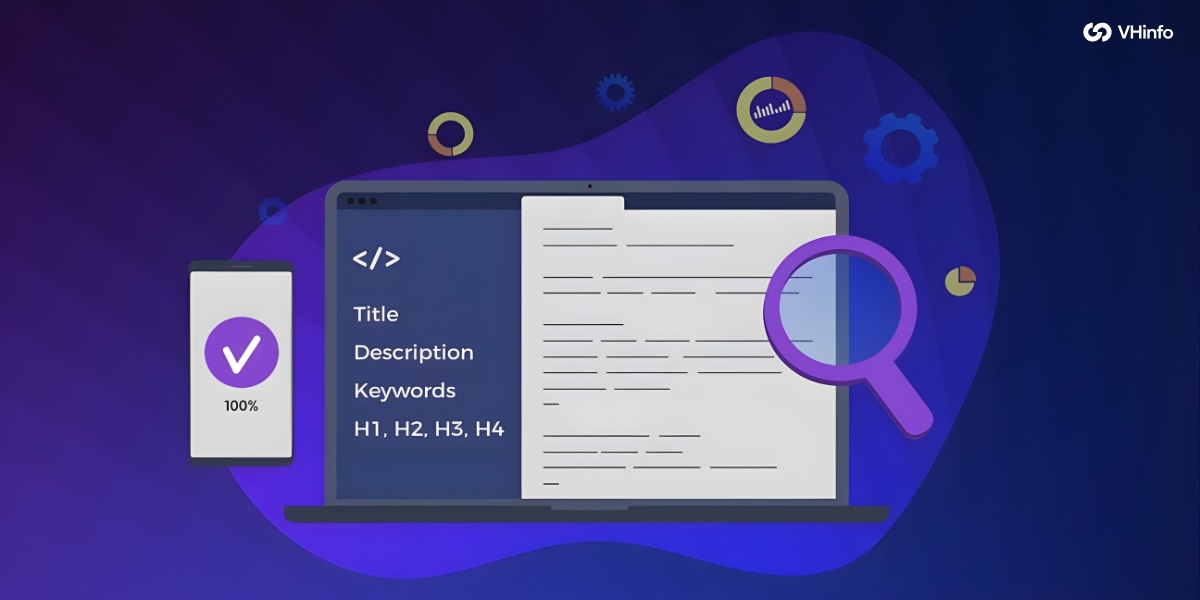
Writing a new blog post takes a lot of time. You put in the hard work to make sure you have great content. But what happens if no one clicks on it to read it? This is why you need to write good blog titles for SEO. The title is the very first thing a person sees in a Google search.
It is also the first thing they see when you share your link on social media. If the title is boring, people will scroll right past it.
Here at VH Info, we are a SaaS link building agency. We help SaaS companies get better search rankings through smart link building.
But we also know that a strong SEO strategy starts with the words on your page. Getting backlinks is great, but getting people to click your blog headline is just as important. Your title needs to catch the eye of your target audience.
It also needs to tell a search engine exactly what your page is about. In this guide, we will look at how to write the best blog titles for SEO so you can get more organic traffic. We will keep it simple, so you can easily use these tips in your own digital marketing plan.
Blog Post Titles – What’s in a Blog Title?

A blog title is the name of your piece of content. It shows up at the top of your page. It is also what shows up as a blue link in the search engine results. When you write a blog post title, you are making a promise to the reader. You are telling them what they will learn if they click.
At VH Info, we remind our clients that a good title does two jobs. First, it talks to a search engine. Second, it talks to a human being. A good SEO title includes your primary keyword. But it also uses interesting words to make people want to read more. Every single page titles on your website must be clear. It must show the value of the post. If you write a complete guide about web design, the title must say exactly that.
Why Are Blog Titles For SEO So Important?

Writing good blog titles for SEO brings you many SEO benefits. Let’s look at why they matter so much for your website.
The Role of CTR (Click-Through Rate) in Rankings
Click-Through Rate, or CTR, is how many people click your link after seeing it in a search result. A high CTR is a very big sign to Google that your piece of content is helpful. When more people click your SEO headlines, your search rankings go up.
Google sees that users like your blog post title, so it moves you up in search results. If your SEO performance is low, you should look at your Google Search Console to see if your CTR is bad. Changing your title is a great way to get more clicks and boost your organic traffic.
How Titles Communicate Relevance to Search Engines?
A search engine uses robots to read your site. These robots look at your title tag and your SEO title to learn what your page is about.
When a user types a search query into Google, the search engine wants to show the best match. If your blog title contains the exact relevant keywords the user typed, you have a better chance of showing up. This is a big part of basic search engine optimization. This is why doing proper keyword research is a must. If you pick the right target keyword, the search engine will connect you to the right readers.
Balancing Search Intent with User Engagement
Search intent is what a person really wants when they search online. Do they want to buy something? Do they want to learn something?
Your blog title must match their user intent.
If someone wants a beginner’s guide, your title should say it is for beginners. If your title promises a complete guide but only gives a few tips, the reader will leave. This causes high bounce rates. High bounce rates hurt your SEO strategy.
At VH Info, we always tell our link-building clients to balance search intent with a good user experience. Give the reader what they expect.
Best Practices For Creating Blog Titles For SEO

If you want your content marketing to work well, you need to follow best practices. Here are the best tips for making your blog titles for SEO stand out.
Front-Loading Your Primary Keyword
Front-loading means putting your main keyword at the very beginning of your post title.
For example, instead of writing “10 Great Tips for Blog SEO,” you should write “Blog SEO: 10 Great Tips.” Putting the primary keyword first is a great way to catch a reader’s attention fast.
It also helps a search engine see your main topic right away. When you use tools like Google Keyword Planner to find your focus keyword, plan to put it at the start of your blog title. This simple trick can improve your SEO performance.
Optimal Title Length: Avoiding Truncation in SERPs
The ideal length for an SEO title is between 50 and 60 characters.
If your title is too long, Google will cut it off in the search engine results. This is called truncation. When your title gets cut off, the reader might miss important words. They might skip your link. You want your full message to be seen. You can use a tool like Yoast SEO to check if your title tag fits well. Keeping your blog titles for SEO at the ideal length makes your site look clean and professional.
Using Power Words to Trigger Emotion
Words have power. Power words and action words make people feel something.
Words like “Secret,” “Free,” “Easy,” or “Proven” make people want to click. A good content strategy mixes a target keyword with strong power words. This makes your blog headline much more exciting.
Many business owners write boring titles that no one wants to read. Do not be like them. Use action words to grab the reader and invite them to learn more. It is a smart way to get more social shares and more readers.
Including Brackets and Numbers For Visibility
Numbers stand out in a sea of letters.
When you use numbers in your blog post title, it tells the reader exactly what to expect. A list of “7 Easy Steps” is very clear. It is also smart to use brackets like [Updated] or [Template]. Brackets draw the eye.
They break up the normal look of a google search page. We highly recommend you use numbers and brackets as part of your search engine optimization plan. It is one of the easiest SEO tips you can use today.
Proven Formulas to Create Better Blog Titles For SEO

Sometimes you just need a simple formula to get good title ideas. Here are a few formats that always work well for blog titles for SEO.
The “How-To” Guide Strategy
People use the internet to learn how to do things. The “How-To” format is a perfect match for this type of user intent. When you write a “How-To” blog post, you promise to teach the reader something useful.
For example, “How to Build Backlinks for SaaS” is a title that works well for us at VH Info. This format is a great way to bring steady organic traffic to your site over time. It is perfect for a beginner’s guide or any helpful piece of content.
The Listicle Format (Top X Lists)
List articles, or listicles, are very popular. They are easy to read and easy to skim. When you use numbers in your SEO title, like “10 Best Ways to Grow a Small Business,” you promise a fast read.
Small business owners love quick lists. This format often gets a lot of social shares on social media. The listicle format breaks down a big topic into easy steps. Just make sure the main keyword is still in the title so the search engine knows what the list is about.
The “Vs.” Comparison Title
People often compare two things before they buy. They search for “Tool A vs Tool B” or “Option 1 vs Option 2“. Writing a “Vs.” blog title helps answer these specific questions. It perfectly matches the search query of someone trying to make a choice.
This format works great for bottom-of-the-funnel content marketing. You can do A B test or an a/b testing setup to see which comparison brings more traffic. It is a smart way to capture highly targeted organic traffic.
The Ultimate Guide Framework
An ultimate guide is a very long, detailed blog post.
When you write an ultimate guide, your title should tell the reader that they do not need to read any other post. A title like “The Ultimate Guide to Blog SEO” is very strong. It shows authority.
Readers love a complete guide because it saves them time. It provides a good user experience. At VH Info, we believe that being an expert helps build trust. Writing an ultimate guide is a fantastic way to show that your brand is a true expert.
Top Tools to Generate Catchy Blog Titles For SEO

You do not have to write blog titles for SEO all by yourself. There are many SEO tools out there to help you. While VH Info does not have its own tools—we focus on expert SaaS link building—we love recommending these helpful options.
CoSchedule Headline Analyzer
The CoSchedule Headline Analyzer is a very popular tool. It gives your blog headline a score based on the words you use.
It checks for power words, emotional words, and common words. This headline analyzer tells you if your title is too long or too short. It is a great help when you want to make sure your SEO title is ready for publishing.
Many business owners use it to get quick feedback on their ideas.
Sharethrough Headline Improver
Another excellent tool is the Sharethrough Headline Improver. This tool acts a lot like a blog title generator. It tests your blog post title to see how well it will grab attention. It focuses on the user experience and how humans react to your words.
It will give you tips on how to add better action words to your title. Adding this tool to your SEO strategy is a smart move.
AI-Powered Title Generators
Sometimes you get stuck and cannot think of any good title ideas. This is when an AI title generator comes in handy. You just type in your focus keyword and a short description. The title generator will spit out dozens of fun and catchy blog titles for SEO.
You can use these ideas as a starting point. Then, you can tweak them to perfectly fit your brand name and voice. Just be sure to pick the one that best matches the search intent of your audience.
Common Mistakes to Avoid When Writing Blog Titles For SEO

Even smart marketers make mistakes. Here are some bad habits you should avoid when writing your SEO headlines.
Keyword Stuffing Your Headlines
Keyword stuffing means putting too many keywords into one title. An example is “Blog Titles For SEO, SEO Titles, Best SEO Tips.” This looks terrible to a human reader. It also looks bad to a search engine.
Google is smart. It knows what keyword stuffing is and might lower your search rankings because of it. Always pick one primary keyword and write a title that sounds natural. Do not cram extra relevant keywords into the title tag if they do not fit smoothly.
Writing Clickbait That Doesn’t Deliver
Clickbait is a title that promises something amazing, but the piece of content is actually terrible.
A title like “The One Secret That Will Make You a Millionaire Today!” is clickbait. If your great content does not match the loud title, people will leave your site immediately. This creates huge bounce rates. High bounce rates hurt your search engine optimization.
Always be honest in your blog post title. Make sure your meta description and your title accurately describe what the reader will find.
Ignoring Search Intent
We talked about search intent earlier, but ignoring it is a huge mistake.
If your search query targets people looking to buy, do not give them a history lesson. If they want a beginner’s guide, do not use super complicated terms. Knowing your target audience is the most important part of blog SEO. If your blog titles for SEO do not answer the real problem the user has, they will find another search result. Always think about what the user really wants to see next time you write a title.
FAQ’s:
How Long Should Blog Titles For SEO Be?
The ideal length for your blog titles for SEO is between 50 and 60 characters. If your title is longer than 60 characters, Google might cut it off in the search results. Keeping it under this limit ensures your full SEO title is seen.
Should My Blog Post’s H1 Title Match the SEO Title Tag?
Yes, it is a best practice to keep your H1 tag and title tag very similar. They do not have to be the same, but they should use the same primary keyword. This helps both the user and the search engine know they are in the right place.
Are There SEO Benefits to Using Title Case in Blog Titles?
There are no direct SEO benefits from a search engine for using title case. However, title case makes your blog headline look much more professional and easier to read. A neat title gets a better click-through rate, which does help your SEO performance.
Can I Change My Blog Title After Publishing For Better SEO?
Yes, you can change your blog post title later if it is not getting clicks. Doing an a/b testing on your titles is a good SEO strategy. Just try not to change the actual URL link, because that can break your current search rankings.
What Keywords Should I Include In My Blog Titles For Best SEO Results?
You should always include your main keyword or target keyword in the title. It is best to place it as close to the beginning as possible. You should also add power words or action words to make it interesting.
What is the Difference Between the H1 tag and the Title Tag?
The title tag is what shows up in the Google search results and the browser tab. The H1 tag is the main heading that shows up on the actual webpage. Both should tell the user what the piece of content is about.
Do Numbers In Blog Titles Help With SEO?
Yes, when you use numbers in your SEO headlines, it catches the reader’s eye quickly. Lists and numbers stand out among normal text results. This can lead to more clicks and improved organic traffic for your website.
Conclusion
Writing great blog titles for SEO is a skill that takes practice.
But it is worth the hard work. Your post title is the gateway to your great content. If you use the right SEO strategy, pick a strong primary keyword, and think about user intent, your search rankings will grow. Remember to use action words, stick to the ideal length, and avoid bad habits like keyword stuffing. You can always use a headline analyzer to help you find the best title ideas.
At VH Info, we know that a strong foundation in digital marketing helps any small business or big brand succeed.
While we do not offer SEO tools of our own, we are experts in SaaS link building. We help your amazing content get the authority it deserves. When you write a catchy title and pair it with strong backlinks, your brand name will shine across social media and search engine results.
Next time you write a post, take a few extra minutes on the title. It will make a massive difference.

 Vishal ambani
  Share
Share

 VH Info