


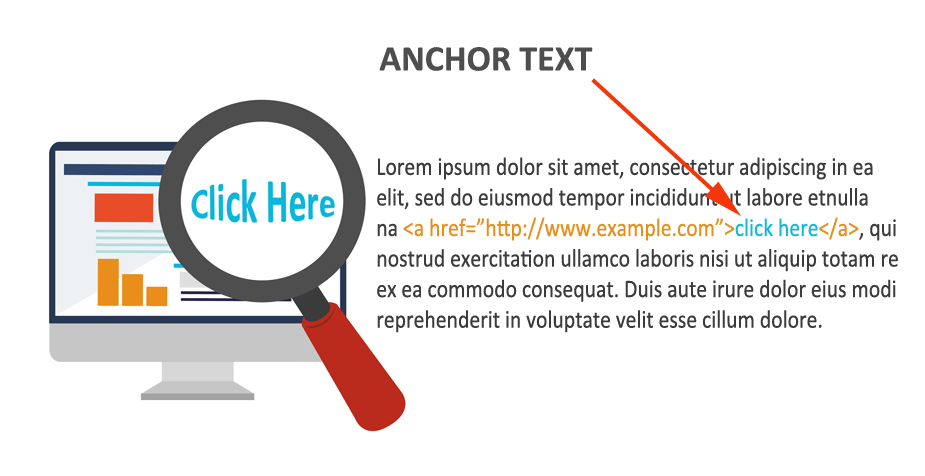
Have you ever been reading a webpage and seen a word colored blue? When you click that blue word, it takes you to a new page. That clickable text is called anchor text.
In the world of digital marketing, this little piece of text is very important. It helps search engines like Google understand what the new page is about. But there is a trick. You cannot just use the same words every time. You need a mix. This mix is called the anchor text ratio.
If you use the wrong mix, Google might think you are trying to cheat. This can hurt your search engine rankings.
At VH-Info, we are experts in SaaS link building. We help companies build a natural link profile so they can rank higher without getting in trouble. We know that understanding anchor texts can be confusing.
In this guide, we will explain everything you need to know about anchor text ratio. We will show you how to manage your backlink profile and why getting help from a trusted agency like VH-Info is a smart move for your SEO efforts.
What Is Anchor Text Ratio and Why Does It Matter?

Think of a pizza. A pizza has different toppings like cheese, pepperoni, and veggies.
If you only put pepperoni on it, it might not taste right to everyone. Your anchor text profile is like that pizza. It needs different types of anchor texts to be healthy. The anchor text ratio is just the percentage of different types of links pointing to your website.
For example, if 50% of your links use your brand name and 10% use your main keyword, that is your ratio.
The Role of Anchor Text in Search Engine Algorithms
Search engines use anchor links as clues. When a website links to you using the words “best email software,” Google thinks, “Okay, this page must be about email software.” The clickable text acts like a label. It tells the search engine what the linked page is about.
This helps the search engine decide where to put your page in the search results. This is a big ranking factor.
How the Penguin Update Changed the Game?
Years ago, people tried to trick Google. They would build thousands of links using the same keyword, like “cheap shoes.” This is called keyword stuffing. Then, Google released the Penguin update. This was a change to their rules, or the Penguin algorithm.
It punished websites that used too many exact match anchors. Google wants to see a natural anchor text distribution. If you try to fake it, you might get a Google penalty. This means your website disappears from the results.
At VH-Info, we keep your site safe by making sure your link-building strategies follow these rules.
The Different Types of Anchor Text Explained

To get the perfect anchor text ratio, you first need to know the different types. Here is a simple list of the different types of anchor text.
Branded Anchors
This type uses your company’s unique brand name as the clickable text for the link. It is the safest and most natural way to link because it shows search engines that people are talking about you specifically. For example, linking with the word “VH-Info” is a branded anchor that builds heavy trust. We recommend using this type most often to keep your link profile healthy and safe.
Generic Anchor Text (AKA CTA Anchor)
These anchors use common words that tell the reader to take an action, like “Click here” or “Read more.”
They do not describe the topic, but they appear very frequently in a natural link profile. Because real people often write like this, having generic anchors helps you avoid looking like you are trying to trick the system. They act as a good filler to balance out your text ratios.
Page Title Anchor Text
This happens when someone links to you using the exact headline of your article or web page. For instance, if a blog links to us using “Master Anchor Text Ratio: A Guide for SaaS SEO,” that is a page title anchor. It is excellent for SEO efforts because it naturally includes keywords without looking spammy. It tells Google exactly what the linked page is about in a very human way.
Naked Anchors Or Full URL
Naked anchors or naked URLs are simply the web address itself, like “https://vh-info.com/“.
These are very common because many people just copy and paste the address bar when sharing a link. They are great for trust because the user can see exactly where they are going before they click. Including naked links is a smart way to diversify your backlink profile.
Brand + Keyword Anchors
This type mixes your brand name with a specific topic you want to rank for.
An example would be “VH-Info link building services” or “SEO tools by VH-Info.”
It is a safe way to tell search engines what you do while still looking like a legitimate business mention. This helps you rank for a target keyword without triggering a penalty for over-optimization.
Exact Match Anchors
Exact match anchors use the specific keyword you want to rank for, with no other words.
If you want to rank for “SaaS link building,” the link text would be just “SaaS link building.” While this is very powerful for search engine rankings, you must use it very carefully. If you use it too much, the Penguin algorithm might penalize your site for looking fake.
Partial Match Anchor Text
A partial match anchor includes your main keyword along with other words to make a sentence.
For example, “check out this guide on SaaS link building” uses the keyword naturally. This is much safer than an exact match because it reads like normal human speech. It helps with topical relevance while keeping your anchor text profile looking organic.
Invisible Anchors
This happens when a link is placed on an image, but the image has no description, called alt text.
To a search engine, it looks like a link is there, but there are no words attached to it. This is a missed opportunity for anchor text optimization and should be fixed. You want every link to have clear text so Google understands the connection.
Empty Anchor
An empty anchor is a link in the website code that has no text or image inside it at all. It is basically a broken spot that users cannot see or click, which is bad for user experience. It confuses bots crawling your site and adds no value to your SEO strategies.
You should always check your site to remove these useless links.
Home URL
This refers to links that point directly to your homepage, usually using the brand name or naked anchor text. These are the foundation of any website’s authority because they point to your main “front door.”
A strong home URL profile helps pass power to all the other pages on your site. It is normal for most of your links to point here.
URL With No HTTP
This is a variation of the naked link where the “http://” or “https://” part is removed.
For example, it would just look like “vh-info.com” instead of the full address. It functions the same way as a standard naked url and helps add variety to your list of links. It looks very natural, as many people type web addresses this way.
Generic and Miscellaneous Anchors
These are random or long phrases that get turned into links, which don’t fit into other categories.
Sometimes a whole sentence becomes the anchor link, which adds great diversity to your profile. Having these miscellaneous links proves that your backlinks are coming from real people, not robots. It helps make your anchor text ratio look completely unstructured and real.
What is the Ideal Anchor Text Ratio For SEO?

Many people ask us at VH-Info, “What is the magic number?” The truth is, there is no single magic number. However, there are best practices to keep you safe.
Recommended Percentages For Homepage Links
For your homepage, you want trust.
- Branded anchors: 50% to 80%
- Naked anchors: 10% to 20%
- Generic anchors: 5% to 10%
- Exact match: Less than 5%
Your homepage represents your brand. So, most links should use your brand name.
Best Ratio Structure For Inner Pages and Blog Posts
For specific pages like blog posts or service pages, you can be a little more specific.
- Partial match anchor: 25%
- Title tags: 30%
- Generic/Naked: 20%
- Exact match: 5% to 10%
- Brand + Keyword: 10%
Even on inner pages, exact match keywords should be low.
Analyzing Competitor Ratios For Your Niche
Every industry is different. What works for a toy store might not work for a software company.
To find the right balance, you must look at the top websites in your niche. If the top result on Google has 10% exact match anchors, you might be able to do the same. If they only have 1%, you should stay low too.
VH-Info specializes in this research. We check what is working for your competitors so we can build a strategy that wins.
How to Audit Your Current Anchor Text Ratio?

You cannot fix what you do not measure. You need to look at your current backlink profile.
- Tools to Analyze Your Backlink Profile: Since VH-Info is an agency, we use professional SEO tools like Ahrefs or Semrush to look at your data. These tools list every website linking to you and what anchor text they used. You can see a list of your anchor types and how many of each you have.
- Identifying Signs of Over-Optimization: Look at your report. Do you see your main target keyword showing up 40% or 50% of the time? If yes, this is a sign of over-optimization. This looks fake to the search engine. It puts you at risk of the Penguin algorithm penalty.
- Steps to Dilute an Aggressive Anchor Profile: If you have too many exact match anchors, don’t panic. You need to “dilute” them. Imagine a glass of strong juice. To make it less strong, you add water. In SEO efforts, “water” means adding more branded anchors, naked URLs, and generic anchor text. By building new, safe links, the percentage of dangerous links goes down. This is part of the service VH-Info provides to help clients recover.
Common Mistakes in Anchor Text Ratio Strategy

We see many companies make the same mistakes with their anchor text strategy. Here are the big ones.
- Overusing Exact Match Keywords: We mentioned this before, but it is very important. Do not force the exact keyword every time. It feels robotic. Google prefers a natural anchor text flow.
- Ignoring Internal Link Anchors: Internal linking is when you link from one page on your site to another page on your site. Some people think anchor text ratio only matters for links from other websites. That is wrong. Your internal links also tell Google what a page is about. However, you can use more exact match words with internal links than you can with external ones.
- Lack of Link Diversity: If all your links come from the same type of website using the same words, it looks bad. You need links from blogs, news sites, and industry sites. You need different anchor types. Diversity makes your link profile strong.
SEO Strategies For Optimizing Anchor Text
Now that we know the rules, how do we win? Here are the SEO strategies we use at VH-Info to help our clients grow their organic traffic.
- Choose the Right Keywords: Before building links, you must research which words your customers actually type into the search bar. Using tools to find the best target keyword ensures you aren’t wasting time on topics nobody cares about. We focus on finding terms that will bring valuable visitors to your site.
- Develop Rich, High-Value Content: When you write amazing blog posts or guides, other websites will naturally want to link to you. This “earned” media often comes with safe page title anchors or generic text that boosts your trust. High-quality content is the easiest way to get a natural link profile without forcing it.
- Find Relevant Websites In Your Industry: A link from a site in your own niche is worth much more than a random link. We look for partners that share topical relevance with your business to send strong signals to Google. This context helps search engines understand exactly what your business does.
- Track Your Anchor Text: You need to regularly check your backlink profile to see what words people are using to link to you. If you see too many exact match anchors, you know it is time to stop and change your plan. Monitoring this helps you avoid a sudden drop in search engine rankings.
- Keep the Anchor Text Natural: Always make sure the link text fits smoothly into the sentence so it is easy for people to read. If a link feels forced or robotic, it hurts the user experience and looks suspicious to Google. We prioritize writing that sounds human first and technical second.
- Avoid Empty Anchor Text Variations: Make sure every single link on your site has words or alt text attached to it. Links with no text are invisible to search engines and waste a chance to improve your ranking. Fixing these small errors is a quick win for your anchor text optimization.
- Avoid Over-Optimization: Don’t try to cram your main keyword into every single link, or you will get caught. It is better to use a variety of brand anchors and natural phrases than to look perfect. Search engine optimization works best when you don’t look like you are trying too hard.
- Start Guest Posting: Writing articles for other sites allows you to control exactly which type of anchor is used. This is a powerful way to fill in the gaps in your ratio, like adding more partial match anchors. VH-Info uses this strategy to carefully balance our clients’ profiles.
- Avoid Linking to Spammy Websites: Never build links on low-quality sites that have tons of ads or bad content. Associating with these “bad neighborhoods” can hurt your reputation and search results. We only work with reputable sites to protect your link profile.
- Keep Your Ratios Consistent: Once you find a balance that works, stick to it so Google sees a steady pattern. Erratic changes in your anchor text strategy can confuse the algorithm and cause instability. Consistency builds long-term trust and higher rankings.
- Only Commit Anchors to Top-Level Pages: Focus your best, most descriptive anchor texts on your main sales pages or popular articles. Don’t waste powerful links on boring pages like “Terms of Service” or “Privacy Policy.” You want the link power to flow where it helps your business the most.
- Place Anchor Texts Where Readers Pay the Most Attention: Put your most important links high up in the article where people are most likely to see and click them. Search engines value links in the main body of the text more than links in the footer. This ensures your target page gets the maximum benefit.
- Audit Your SEO to Find Broken Anchor Text Links: Regularly scan your site to find links that stop working or lead to error pages. A broken link is a waste of link-building effort and frustrates your visitors. Fixing these keeps your site running smoothly and preserves your authority.
FAQ’s:
What is the Safest Anchor Text Ratio For Exact Match Keywords?
There is no single magic number, but we usually recommend keeping exact match anchors below 5% of your total links. Going higher can look spammy to the search engine and might trigger a Google penalty. It is safer to rely more on branded anchors to keep your profile secure.
Does the Ideal Anchor Text Ratio Change Depending on the Niche?
Yes, the right ratio depends heavily on what your competitors are doing in the search engine results. Some industries naturally use more keyword anchors, while others stick to brand names. You must analyze the anchor text profile of top-ranking sites in your specific field to know for sure.
Should My Internal Links Follow the Same Anchor Text Ratio As External Backlinks?
No, you can be much more aggressive with keywords in your internal links compared to links from other sites. Google expects you to use descriptive anchor texts to help organize your own website structure. Using an exact match here helps bots understand the topic of the linked page.
What Are “Naked URL” Anchors and Why Are They Important?
Naked URL anchors display the full web address, like “https://vh-info.com/,” which looks very trustworthy. They are important because they signal a natural link profile created by real users sharing content.
Including naked links helps balance out your ratio so you don’t look over-optimized.
Can I Change the Anchor Text of Existing Backlinks to Fix My Ratio?
It is very difficult to ask other website owners to edit their old anchor links, so we don’t rely on it. Instead, we focus on building links that use the new text you need to balance things out. This method dilutes the bad links and improves your text ratios over time.
Are There Any Tools For Managing Anchor Text Ratios Effectively?
Yes, professional SEO tools like Ahrefs and Semrush are great for tracking your backlink profile. They show you exactly which anchor types point to your site so you can spot problems early.
However, you often need an expert agency like VH-Info to interpret the data and plan your anchor text strategy.
Conclusion
Understanding the anchor text ratio might seem like a small detail, but it makes a huge difference in digital marketing. It is the language that tells search engines what your website is about.
If you rely too much on exact match anchors, you risk a penalty. If you use too many generic words, you might not rank for your keywords. The secret is finding the balance. You need a mix of branded anchors, naked links, partial match anchors, and a sprinkle of exact keywords.
Building this natural link profile takes time and effort. It requires looking at data, writing great content, and finding the right partners. This is where VH-Info comes in. We are a dedicated SaaS Link Building Agency. We don’t just build links; we build a strategy.
We ensure your backlink profile is safe, strong, and effective.
If you want to improve your search engine rankings and drive more organic traffic without the headache of tracking every single percentage yourself, let us help. We are the guide you can trust to handle your SEO services the right way.


 Vishal ambani
  Share
Share
 VH Info