

Have you ever wondered how some websites get to the top of Google while others stay hidden?
The answer often lies in something called referring links. Think of the internet as a giant voting system. When one website links to another, it is like casting a vote. These votes tell search engines that your content is good and worth showing to people.
At VH-info, we know that getting these links can seem hard.
But it is a key part of link building for any SaaS business. We want to help you make sense of it all.
In this guide, we will break down exactly what referring links are, why they matter, and how you can get more of them. We will stick to simple explanations so you can take action right away. Whether you want to boost your organic traffic or find new customers, this guide is for you.
What Are Referring Links?
Definition and Core Concepts
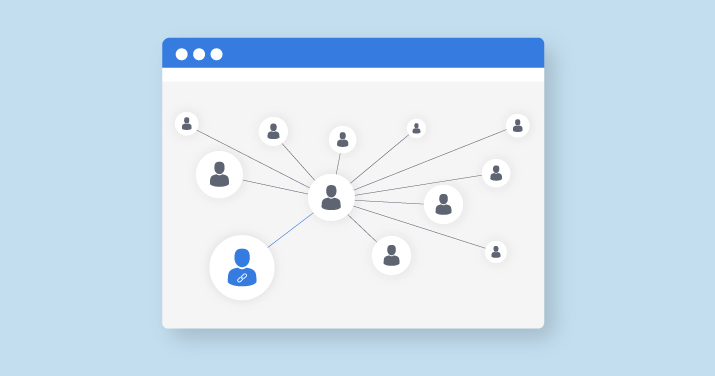
A referring link is simply a link from one website that points to another website. You might also hear people call this a “backlink.” When a user clicks on a link on a web page and lands on your site, that link is a referring link.
Think of it like a referral. If a friend tells you to try a new pizza place, that is a referral. In the digital world, when a website tells its readers to visit your landing pages, that is a referral link. These links are the specific link connectors that hold the web together.
For VH-info, helping clients get these links is our main job. We know that a referring link is not just a path for users; it is a sign of trust. It tells Google that other people find your information useful.
The Anatomy Of A Referring Link
To understand how this works, we need to look at the parts of a link. A standard link has a referring URL (where the link comes from) and a target URL (where the link goes).
Inside the code, there is often an anchor text. This is the clickable text you see, usually in blue. For example, if a blogger writes about “best marketing tips” and links those words to your site, “best marketing tips” is the anchor text.
Sometimes, links have a unique identifier or a unique code attached to them. This happens a lot in affiliate marketing.
An affiliate program might give a partner a unique referral link. This helps with referral tracking to see which partner sent the traffic. While this is common in a referral program, for SEO, we mostly care about the link itself pointing to your domain.
Dofollow Vs. Nofollow Referring Links
Not all links are the same. There are two main types you need to know: Dofollow and Nofollow.
A Dofollow link is the standard type. It tells search engines like Google, “I trust this website, and you should too.” These are the best links for search engine optimization (SEO) because they pass authority to your site.
A Nofollow link has a small tag in the code that tells Google, “I am linking to this site, but do not count it as a vote.” You often see these in social media posts, blog post comments, or paid marketing campaigns.
Even though Nofollow links might not boost your rank as much, they are still great for bringing in referral traffic.
Why Referring Links Are Important For Your Website?
Boosting Domain Authority (DA)
Domain Authority (DA) is a score that predicts how well a website will rank. Think of it as your website’s reputation score. The more high-quality referring links you have, the higher your DA goes.
When big, trusted websites link to you, some of their reputation rubs off on you.
It is a powerful tool for growth. If you have a low DA, it is hard to compete. But as you get more referring domains pointing to your site, your score goes up. This helps you show up higher in search results for your main keywords.
Increasing Organic Referral Traffic
Links are not just for robots; they are for people, too. A good link on a popular site can send a lot of potential customers your way. This is called referral traffic. Imagine a popular industry blog mentions your software as a great way to solve a problem.
Readers who trust that blog will click the link to check you out. These visitors are often ready to buy because a trusted source recommended you. This can lead to higher conversion rates compared to random visitors.
Getting this traffic reduces your need to spend money on ads. It creates a steady stream of new leads who are interested in what you offer.
How Search Engines Use Referring Links As Trust Signals?
Search engines want to give users the best results. They use referring links as trust signals. If many websites link to your product page, Google assumes your product must be good. It is like a popularity contest, but for websites. However, quality matters more than quantity.
One link from a giant news site is worth more than 100 links from tiny, unknown blogs. At VH-info, we focus on getting these high-trust links for our SaaS clients. We know that when Google trusts your site, you get more organic traffic, and your business grows.
Referring Links Vs. Referring Domains: Understanding the Difference
Why You Need Both Quality Links and Unique Domains?
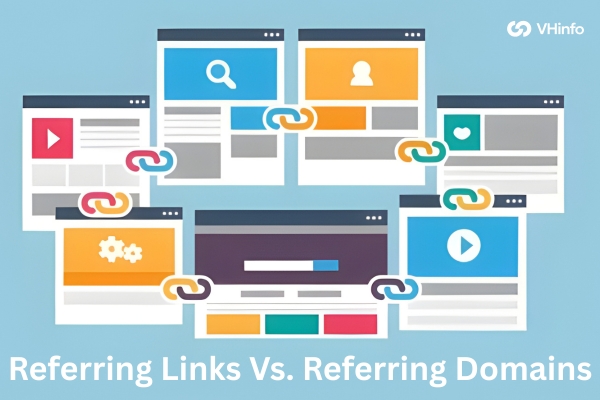
It is easy to mix up “referring links” and “referring domains,” but they are different.
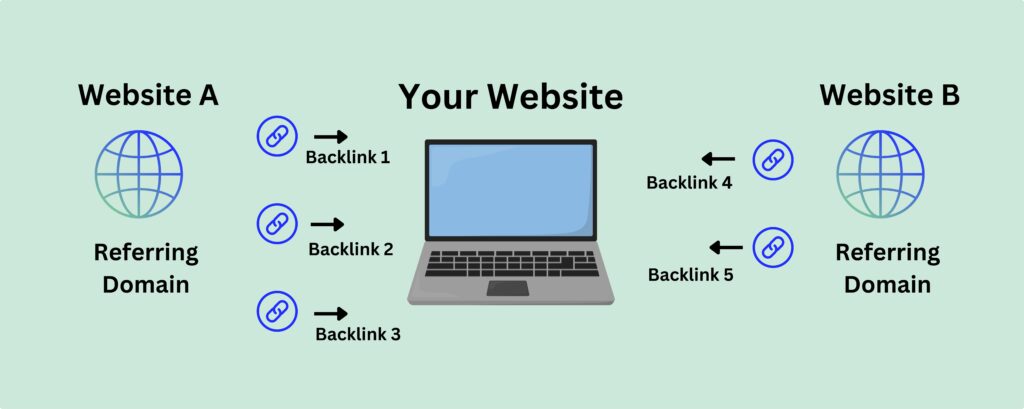
A referring domain is the website the link comes from. A referring link is the actual link. For example, if the New York Times links to your site in three different articles, you have three referring links, but only one referring domain.
You need links from many different domains. If you get 1,000 links from the same website, Google might stop counting them after a while. It looks more natural to have votes from many different places. This shows that your brand awareness is spreading across the web.
Interpreting the Link-to-Domain Ratio
You should look at your link-to-domain ratio. This is the number of links divided by the number of domains. If you have 10,000 links from just 5 domains, that looks suspicious. It might look like spam or a bad marketing strategy.
A healthy profile has a balanced ratio. You want a steady flow of new customers finding you from many different sources. This diversity makes your website look strong and safe to search engines.
How to Analyze and Check Your Referring Links?
Using Google Search Console to Track Links
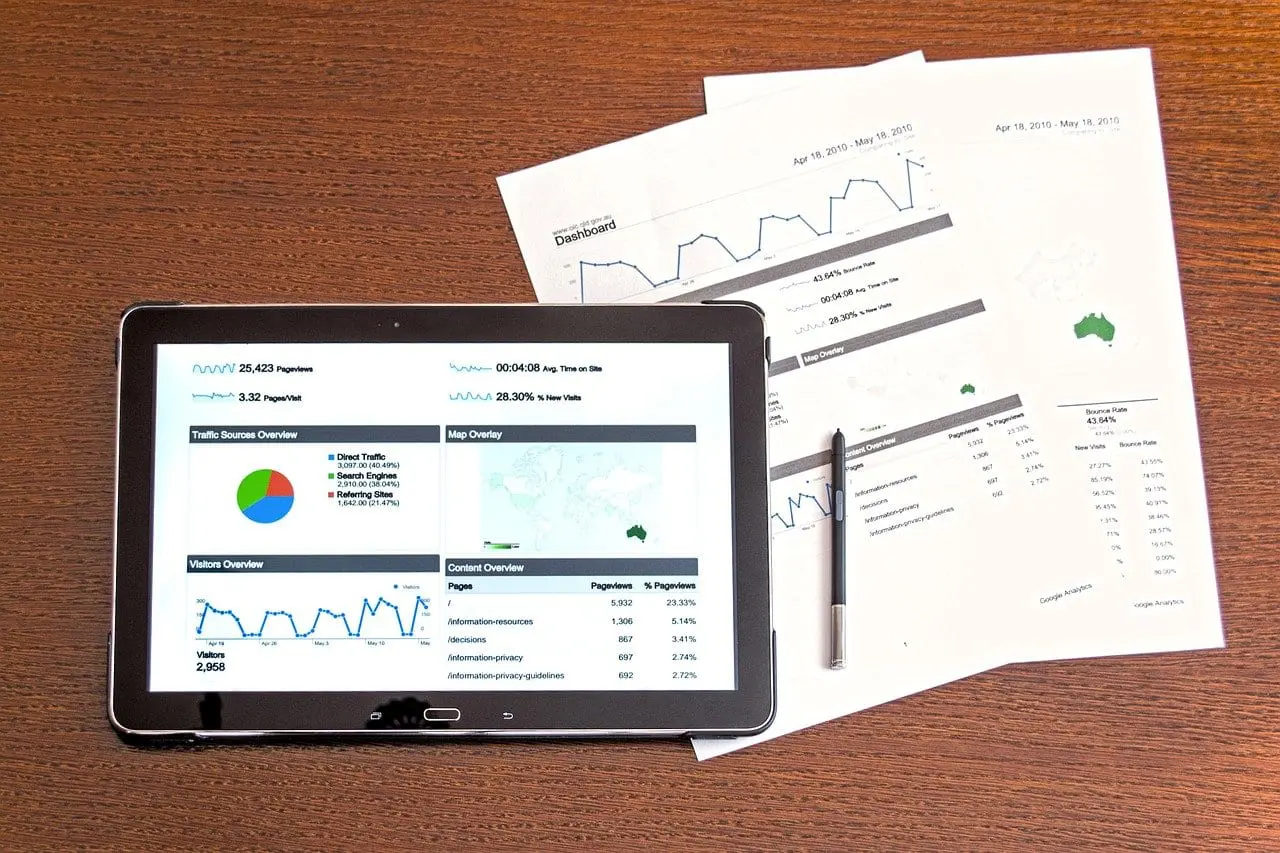
You don’t need fancy tools to start. Google Analytics and Google Search Console are free. Search Console has a section specifically for links. It shows you which sites link to you and what text they use.
This is a seamless experience for beginners. You can see your top linking sites and check if your link-building efforts are working. It is an effective way to keep an eye on your progress without spending money.
Top Third-Party Tools For Link Analysis (Ahrefs, SEMrush, Moz)
While free tools are good, professionals often use tools like Ahrefs, SEMrush, or Moz. These tools give you deeper data. They can show you the authority of the linking site and if the link is Dofollow or Nofollow.
At VH-info, we use advanced data to plan our strategies. These tools help us spy on competitors and find new opportunities. They can even track affiliate links if you are running an affiliate program.
Identifying Toxic Or Spammy Referring Links
Not all links are good. Some can hurt you. These are called toxic links. They come from spammy, dangerous, or low-quality sites.
If you have too many toxic links, Google might punish you. You need to check your list regularly. If you see links from weird sites that have nothing to do with your industry, they might be bad. You want links from real brand advocates, not spam bots.
Proven Strategies to Acquire High-Quality Referring Links
Creating Link-Worthy Content (The Skyscraper Technique)
The best way to get links is to write content that is so good, people want to link to it. This is often called the Skyscraper Technique. You find a popular topic, read the top articles, and then write something much better. You can add new data, better images, or simplify complex ideas.
When you create a useful resource, other webmasters will link to it as a reference. This supports your marketing efforts naturally.
Guest Blogging and Digital PR
Guest blogging is when you write an article for another website. In exchange, they usually let you put a link back to your site in the bio or the text. This is a classic marketing strategy.
Digital PR is about getting mentioned in the news or by influencers. Influencer marketing can be very powerful here. If an influencer shares your unique URL or story on their social media platforms, their followers might write about it too.
Broken Link Building Strategies
This is a clever trick. You look for links on other websites that are broken (they lead to a 404 error page). Then, you email the website owner. You tell them, “Hey, I saw this link is broken. I have a similar article that works. You can link to me instead.”
It is helpful for them because they fix a broken link, and it is good for you because you get a new link. It is a win-win referral process.
Competitor Backlink Analysis
If you don’t know where to get links, look at your competitors.
Use a tool to see who links to them. If a blog links to your competitor, they might link to you too. This takes the guesswork out of customer acquisition through SEO. You can see exactly what is working for others and try to do it better.
Common Mistakes to Avoid When Building Referring Links

Buying Low-Quality Links
Never buy 500 links for $5. These are always low quality. Google is smart. It knows when links are bought in bulk. This can lead to a penalty where your site disappears from search results.
Focus on organic traffic growth. It is slower but safer. At VH-info, we only use safe, white-hat methods. We build relationships, not spam.
Ignoring Link Relevance and Context
A link from a cooking blog to a car repair site makes no sense. Context is key. You want links from websites that are in your industry.
Relevant links bring better referral traffic. People reading a cooking blog are not looking for car repair. But people reading a car blog might be. Keeping things relevant ensures a better user experience and keeps satisfied customers on your site.
Over-Optimizing Anchor Text
If every single link to your site says “best SEO agency,” it looks fake. Natural links use different words. Some might use your brand name, some might say “click here,” and some might use the full URL.
Mix it up. Search engines prefer a natural pattern. If you try to trick the system with perfect keywords every time, it can backfire.
FAQ’s:
What is the Difference Between A Backlink and A Referring Link?
They are the same thing! SEO experts use both terms. A backlink is a link coming back to your site. A referring link is the link referring a user to your site. Both help with search engine optimization.
Are All Referring Links Good For SEO?
No. Links from spammy sites can hurt you. You want links from trusted, relevant sites. Quality is more important than quantity. A successful referral from a bad site is not worth much.
How Do I Get More Referring Links For Free?
Create amazing content. Share it on social media. Ask friends and partners to link to you. You can also fix broken links on other sites. Building brand ambassadors who love your product is also a great way to get free links.
Can I Remove Bad Referring Links Pointing to My Site?
You cannot delete a link on someone else’s site. But you can ask them to remove it. If they don’t, you can use a tool called “Disavow” in Google Search Console. This tells Google to ignore those specific links.
How Many Referring Links Do I Need to Rank on Page 1?
There is no magic number. It depends on your competition. If your competitors have 100 links, you might need 110. But remember, one great link is better than ten weak ones. Focus on getting the right links to move the needle.
Conclusion
Building referring links is one of the most important things you can do for your website. It helps you rank higher, get more organic traffic, and build trust with your audience. It connects you with new customers who are looking for exactly what you offer.
Remember, this is a long-term game. It takes time to build a strong profile. You need a solid marketing strategy and patience. Don’t fall for shortcuts like buying bad links. Stick to creating value, building relationships, and sharing great content.
Whether you are running referral campaigns, using referral software, or just writing a blog, links are the bridges that bring people to you. They turn strangers into referred customers and help you build a loyal customer base. If you need help navigating this, VH-info is here.
As a dedicated SaaS Link Building Agency, we understand the hard work it takes. We don’t use automated tools; we use real expertise to get you real results. We help you build the kind of links that drive customer loyalty and real growth. Start checking your links today.
Look for opportunities. Fix broken ones. Write that guest post. Every link you earn is a step closer to the top of the search results.

 Vishal ambani
  Share
Share
 VH Info