

Running a business today means using the right tools to reach customers. SaaS marketing tools help companies promote their products online without buying expensive software. These tools live on the internet so that you can use them from anywhere.
At VH Info, we help SaaS businesses build links and grow their online presence. We know that picking good marketing tools makes a huge difference. This guide will show you the best options for 2026.
What Are SaaS Marketing Tools?
Defining Cloud-Based Marketing Software
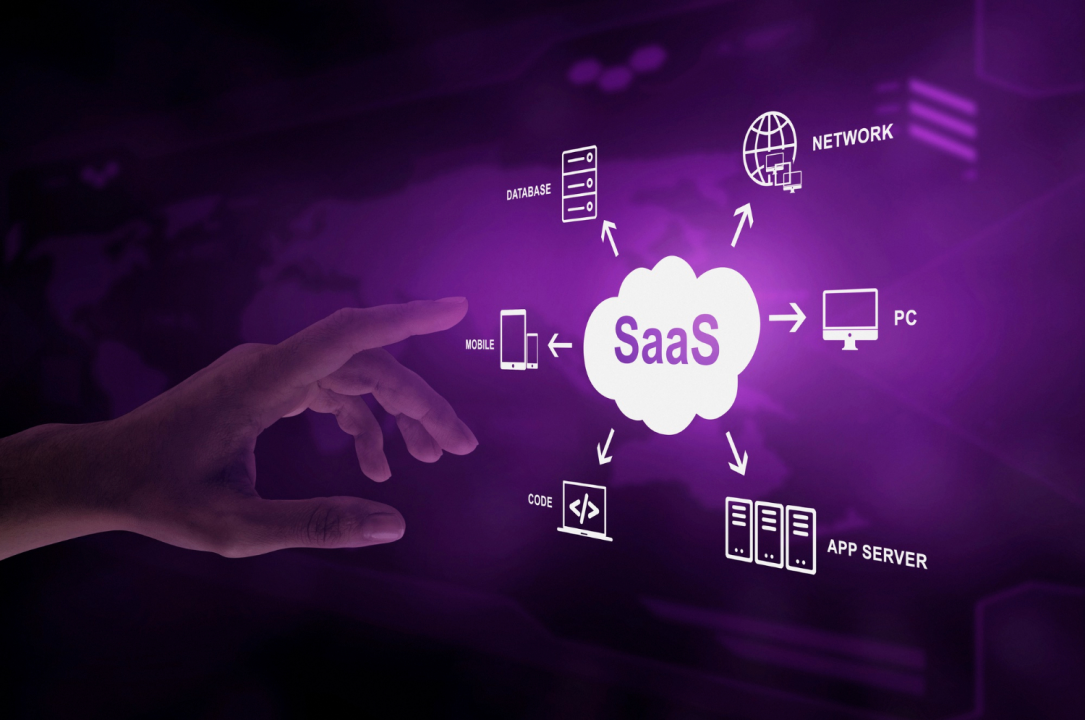
SaaS marketing tools are programs that run on the internet instead of your computer. SaaS stands for “Software as a Service.” You pay a monthly fee to use them, just like Netflix. These tools help with email marketing, social media, content marketing, and more.
Examples include Google Analytics for tracking visitors and Mailchimp for sending email campaigns. You don’t need to install anything. Just log in and start working on your marketing efforts.
Key Differences Between Traditional and SaaS Marketing Solutions
Old software required buying CDs and installing programs on every computer. Updates were slow and costly. SaaS tools fix these problems:
| Traditional Software | SaaS Marketing Tools |
|---|---|
| Buy once, pay a lot | Pay monthly, affordable |
| Install on each computer | Works on any device |
| Manual updates | Updates happen automatically |
| Hard to scale | Grows with your business |
| Limited access | Work from anywhere |
Why Modern Businesses Are Switching to SaaS Models
Small businesses and big companies alike love SaaS marketing tools for good reasons:
- Lower costs: No need to buy expensive hardware
- Quick setup: Start using tools in minutes, not weeks
- Easy collaboration: Marketing teams can work together from different locations
- Automatic backups: Your customer data stays safe
- Free trials: Test before you buy with a free trial
Business owners want tools that make lead generation simple. SaaS businesses especially need these tools to find potential customers and track user behavior.
10 Best SaaS Marketing Tools to Scale Your Business in 2026
HubSpot – All-in-One Marketing, Sales & CRM Platform
HubSpot combines marketing automation, customer relationship management, and sales tools in one place. It helps marketing teams manage lead scoring, email campaigns, and landing pages without switching between apps.
Key features include contact management, marketing funnel tracking, and detailed reports. The free trial lets you test basic functions. HubSpot works great for SaaS businesses wanting a single platform for all marketing strategies.
SEMrush – SEO, Content Marketing & Competitive Research
SEMrush helps you rank higher on Google through search engine optimization. It shows what keywords your competitors use and how to beat them. Content marketing becomes easier when you know what people search for.
You can track organic traffic, research backlinks, and plan ad campaigns. SEMrush turns complex data into simple steps for better digital marketing results.
Mailchimp – Email Marketing & Automation For SMBs
Mailchimp is perfect for small businesses starting with email marketing. It offers ready-made templates for email campaigns and automation workflows that send emails automatically based on user actions.
The drag-and-drop builder makes content creation simple. You can segment audiences for advanced segmentation and track open rates. Mailchimp helps turn subscribers into qualified leads through smart marketing automation.
Hootsuite – Social Media Scheduling & Monitoring
Managing multiple social media accounts takes time. Hootsuite lets you schedule posts across platforms from one dashboard.
Social media management becomes less stressful with their calendar view and analytics. Track mentions, reply to comments, and measure user engagement all in one spot. Hootsuite helps maintain consistent marketing campaigns across all your marketing channels.
Salesforce Marketing Cloud – Enterprise-Grade Personalization
Big companies need powerful tools. Salesforce offers predictive analytics and customer intelligence to personalize every interaction. It connects customer data across touchpoints for a better customer experience.
Advanced features include AI-powered recommendations and journey mapping. While pricey, it delivers a strong ROI for large marketing teams handling complex marketing strategies.
Canva – Visual Content Creation & Brand Design

Good design attracts customers. Canva makes content creation easy for everyone, not just designers. Create landing pages, social posts, and presentations with drag-and-drop simplicity.
Templates keep your brand consistent. Small businesses save money by making professional graphics without hiring designers. Canva supports your product marketing with visuals that convert.
Google Analytics 4 – Web Analytics & User Behavior Tracking
Understanding user behavior is key to growth.
Google Analytics 4 tracks how visitors interact with your website. See which marketing channels bring the most conversion rates. The new version focuses on events rather than sessions, giving clearer pictures of customer behavior.
Best of all, it’s free for most SaaS businesses starting out.
Zapier – Workflow Automation Between Apps
Repetitive tasks waste time. Zapier connects your apps and automates workflows without coding. When someone fills out a form, Zapier can add them to your email marketing list automatically. It works with over 5,000 apps, making task management smoother.
SaaS teams use Zapier to reduce manual work and focus on creative marketing efforts.
Ahrefs – Backlink Analysis & Keyword Research
Links from other websites boost your Google rankings. Ahrefs shows who links to you and your competitors.
At VH Info, we specialize in building these links for SaaS businesses. Ahrefs also offers content marketing research and rank tracking. It’s a must-have SaaS tool for serious search engine optimization work.
Intercom – Customer Messaging & Engagement Platform
Customer support and live chat keep users happy. Intercom combines chat, email, and knowledge base tools. Behavioral triggers send messages based on what users do in your app. It improves customer engagement and reduces churn.
Customer service teams respond faster, and user engagement scores rise. Intercom turns visitors into loyal fans.
How to Choose the Right SaaS Marketing Tools For Your Company?

- Assessing Your Marketing Stack Gaps: Look at what you already use. What’s missing? Maybe you need better email marketing or stronger social media marketing. List your marketing efforts and find the weak spots. Ask your team what repetitive tasks slow them down. The right SaaS marketing tool fills these gaps without adding complexity.
- Budget Considerations and ROI Calculations: Small businesses must watch spending. Calculate how much time a tool saves versus its cost. A $50/month tool that saves 10 hours of work pays for itself quickly. Start with free plans or free trials. Upgrade only when you see real returns. Best practices suggest spending 10-20% of revenue on marketing tools.
- Integration Capabilities with Existing Systems: Your tools should talk to each other. Check if the new software connects with your project management tool or customer relationship management system. Integration capabilities prevent data silos where information gets trapped. Zapier helps when direct connections don’t exist. Smooth data migration matters when switching systems.
- Scalability: Planning For Future Growth: Choose tools that grow with you. A SaaS marketing tool perfect for 10 customers might fail at 10,000. Check pricing tiers and advanced features available at higher levels. Scalability means you won’t need to switch platforms as you expand. This saves data migration headaches later.
Implementing SaaS Marketing Tools: Best Practices
- Onboarding Your Team Effectively: New tools fail when teams don’t use them properly. Plan training sessions for marketing teams. Start with basic key features before moving to advanced features. Create simple guides for common tasks. Good onboarding ensures everyone adopts the tool, not just tech-savvy members.
- Data Migration and System Integration: Moving customer data requires care. Back up everything before switching. Test imports with small batches first. Check that integration capabilities work as promised. Data migration errors can lose valuable information. Take time to do this step right.
- Setting Up Automation Workflows: Automation workflows save hours every week. Start with simple rules: when X happens, do Y. For example, new subscribers get a welcome email campaign. Build complex marketing automation gradually. Test each workflow to ensure it works correctly before launching.
- Security and Compliance Considerations: Protect customer data with strong passwords and two-factor authentication. Check that tools meet industry standards like GDPR. Security and compliance aren’t exciting, but they prevent costly problems. Review permissions regularly. Not everyone needs access to everything.
Measuring ROI From Your SaaS Marketing Tools
Key Performance Indicators to Track
Watch these numbers to judge success:
- Conversion rates: How many visitors become customers?
- User engagement: Are people using your product?
- Lead generation: How many qualified leads come in monthly?
- Customer acquisition cost: How much does it cost to gain one customer?
- Churn rate: How many customers leave?
Key performance indicators show if your marketing tools work. Check them weekly, not just monthly.
Attribution Modeling Across Multiple Platforms
Customers touch many marketing channels before buying. Attribution modeling shows which touchpoints matter most. Did they find you through Google Ads or organic traffic? Good attribution modeling helps spend money wisely. Put resources where they actually drive sales.
Reducing Churn and Optimizing Tool Usage
Paying for unused licenses wastes money. Review subscriptions quarterly. Cancel tools that don’t deliver value. Train teams to use the advanced features they’re missing. Reducing churn applies to both your customers and your tool subscriptions.
Future Trends in SaaS Marketing Tools

- AI and Machine Learning Integration: Artificial intelligence now writes email campaigns and suggests content creation ideas. AI and machine learning analyze user behavior to predict what customers want next. These tools get smarter over time, improving customer experience automatically.
- Predictive Analytics and Customer Intelligence: Predictive analytics forecasts future trends based on past customer data. Know which potential customers will buy before they decide. Customer intelligence turns raw data into actionable plans. SaaS businesses using these tools stay ahead of competitors.
- No-Code Automation and Customization: You no longer need programmers to build automation workflows. No-code tools let anyone create custom solutions. Small businesses build complex systems without hiring developers. This democratization helps business owners control their marketing strategies directly.
FAQ’s:
What Exactly Are SaaS Marketing Tools, and How Do They Differ From Traditional Software?
SaaS marketing tools are online programs you access through your web browser. You pay monthly instead of buying them once.
Unlike old software that sits on your computer, these updates automatically and work from anywhere. You don’t need IT experts to install them. Just sign up and start using them immediately.
How Much Should A Small Business Budget For SaaS Marketing Tools?
Most small businesses spend $200 to $1,000 monthly on marketing tools.
Start with free versions of Google Analytics and basic email marketing platforms. Add paid tools as you grow. Focus on one or two quality tools rather than ten cheap ones. Track your spending against results every quarter to ensure you’re getting value.
Can SaaS Marketing Tools Integrate, Or Will I Have Data Silos?
Most modern SaaS tools connect through APIs or Zapier. HubSpot talks to Mailchimp. Google Analytics links with Google Ads.
However, some older systems create data silos where information doesn’t flow freely. Before buying, check integration capabilities and read reviews about connectivity. Good connections mean better customer intelligence and smoother workflows.
What Are the Biggest Risks When Adopting New SaaS Marketing Tools?
The main risks include losing customer data during data migration, paying for features you never use, and team resistance to change.
Security breaches pose serious threats if tools lack proper protection. Some companies get locked into long contracts with poor customer support. Always start with a free trial, back up data, and read security policies carefully before committing.
How Can SaaS Marketing Tools Improve Customer Acquisition For Software Businesses?
These tools find potential customers through search engine optimization and social media marketing. They track user behavior to show what attracts buyers. Lead scoring identifies hot prospects ready to purchase. Marketing automation nurtures leads with email campaigns until they buy. Landing pages convert visitors into qualified leads. Together, these features create a steady stream of new customers.
How Long Does It Typically Take to See ROI From Implementing SaaS Marketing Tools?
Most SaaS businesses see initial results in 3 to 6 months. Email marketing might show returns faster, while SEO tools take longer. Conversion rates often improve within weeks if you fix obvious problems. Full ROI usually appears after 6 to 12 months of consistent use.
Track key performance indicators from day one to measure progress accurately.
Are Expensive SaaS Marketing Tools Worth It For Small Teams?
Not always. Expensive tools like Salesforce make sense for large marketing teams with complex needs.
Small businesses often do better with affordable options like Mailchimp or HubSpot’s free tier. Price doesn’t always equal value. A $50 tool you use daily beats a $500 tool that confuses everyone. Upgrade when your team size and revenue justify the cost.
Conclusion
Choosing the best SaaS marketing tools sets your business up for growth. From HubSpot’s all-in-one power to Canva’s design simplicity, each tool serves specific needs. Start with your biggest pain points, test with free trials, and scale gradually.
Remember, tools alone don’t create success. Your marketing strategies, team execution, and customer relationships matter most. Use these SaaS marketing tools to amplify your efforts, not replace good planning.
At VH Info, we help SaaS businesses build authority through strategic link building. While tools handle your marketing automation and analytics, we ensure your content earns the backlinks it deserves. The combination of smart tools and quality backlinks drives sustainable growth. Pick your SaaS marketing tool stack carefully, implement with best practices, and watch your conversion rates climb in 2026.

 Vishal ambani
  Share
Share
 VH Info