Imagine you are building a beautiful house. You want the neighborhood to be nice and clean. Now, imagine someone comes along and dumps a pile of trash right in your front yard. This makes your house look bad to everyone who passes by.
In the world of the internet, your website is your house. The “trash” is what we call spam backlinks.
Every website owner wants to rank high in Google search. You want people to find your business easily.
To do this, you need link building. This is when other websites link to your site. Google views these links as votes. If a good site links to you, it is a vote of confidence. It tells search engines that your content is great. These are quality backlinks.
However, not all links are good. Some are bad links. These are spam backlinks or toxic backlinks. Instead of helping you, they can hurt you. They can make your search rankings drop like a stone.
At VH-info, we are a SaaS Link Building Agency. We spend every day helping companies get great links from authoritative websites. We know exactly what a good link looks like. More importantly, we know how to spot the bad ones that ruin your hard work.
In this article, we will teach you how to spot these spam links.
We will show you how to find spam links and how to remove spammy backlinks. We will talk about the Google Disavow tool and how to clean up your backlink profile. We want to help you protect your organic traffic and keep your site healthy.
What Are Spam Backlinks and Why Are They Bad For SEO?
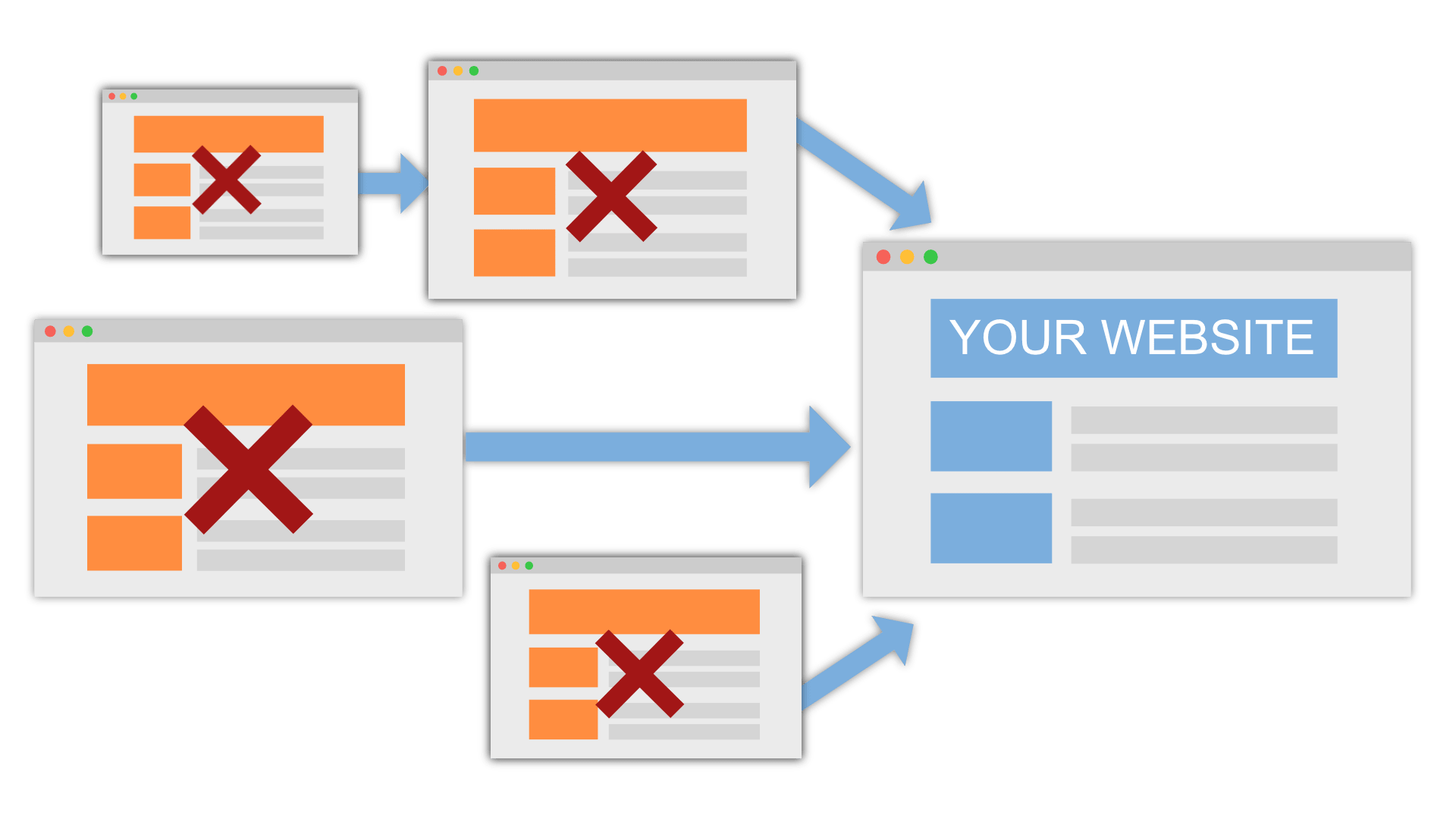
Spam backlinks are links from low-quality or untrustworthy websites that point to your website. Google uses links to decide which websites are important. But Google is very smart. It knows when a link is real and when it is fake.
When you have too many bad backlinks, Google might think you are trying to cheat. If they think you are cheating, they will push your website down in the search results. This is why spammy links are so dangerous.
The Difference Between Quality Links and Toxic Links
It is important to know the difference between a friend and an enemy in SEO.
- Quality Backlinks: Think of a quality backlink like a recommendation from a trusted expert. If a famous doctor tells you to take a specific medicine, you trust them. In the same way, if a popular news site or a respected industry blog links to your site, Google sees this as a good thing. These are inbound links that boost your domain authority and help your page rank.
- Toxic Links: Toxic links are different. These are like recommendations from a stranger in a dark alley. They usually come from spammy websites that have nothing to do with your topic. These sites often exist only to sell links. They have low trust and a high spam score. Having these incoming links points to a red flag at your site.
Google’s Stance on Link Schemes and Spam
Google wants to show users the best answers to their questions. To do this, they have strict search engine guidelines.
Google creates policies against what they call link schemes. A link scheme is any plan to manipulate your Google rankings by creating unnatural links. This includes buying links or using software to create links automatically.
If Google catches you involved in link schemes, they might give you a manual action. This is a severe penalty. It means a human at Google reviewed your site and decided to ban it or lower its rank.
Recovering from a Google penalty takes a lot of time and work. It is much better to avoid link spam in the first place.
At VH-info, we always follow the rules. We focus on real relationships and real content. We stay far away from black hat tactics because we know they only lead to trouble.
Common Types of Spam Backlinks You Should Avoid
To clean your website, you need to know what the trash looks like. There are many types of spam backlinks. Some happen by accident, but others happen because of malicious intent or bad advice.
Here are the most common types you need to watch out for in your backlink profile.
Link Farms and Private Blog Networks (PBNs)
A link farm is a group of websites created for the sole purpose of linking to other websites. These sites usually have terrible content that makes no sense. They exist only to trick search engines. Similarly, Private Blog Networks (PBNs) are networks of sites owned by one person.
They use these sites to link to their main money site. In the past, this worked well. Today, Google is very good at finding PBNs. If you have links from link farms or PBNs, you are at high risk. These are classic unnatural links.
Automated Comment Spam and Forum Profiles
Have you ever read a blog post and seen a weird comment?
It might say something like, “Great post! Visit my site for free shoes,” followed by a link. This is comment spam. Bots usually create these comments. They go around the internet, leaving thousands of comments with links.
The same happens on discussion forums. These links are almost always toxic backlinks. They look messy and unprofessional.
Hacked Links
This is a scary one. Sometimes, hackers break into a normal, healthy website. Once inside, they add hidden links to their own spammy sites. If your site gets hacked, you might unknowingly be sending spam links to others.
Or, you might receive links from a hacked site. Search engines hate this. It shows a security vulnerability.
Hidden & Cloaked Links
Some people try to be sneaky. They put links on a page but make them invisible to humans.
For example, they might make the text white on a white background. Or they might make the font size zero. Users cannot see these links, but the Google bot can. This is called cloaking. It is a clear violation of Google’s rules.
If your backlink profile has hidden links, it looks very suspicious.
Poor Site/Business Directories
Years ago, adding your site to every directory on the web was a good idea. Today, it is not.
There are good directories (like Yelp or Yellow Pages). But there are thousands of low-quality directories that list any website for free. These sites provide no value to users. Getting links from these spammy websites does not help your SEO. In fact, it often looks like link spam.
Paid Links
Buying links purely to pass page rank is against Google’s rules.
This is different from hiring an agency like VH-info to manage a legitimate outreach campaign. Paid links that violate terms are usually obvious. They appear on sites that say “Write for us” or “Buy Guest Post” openly on their homepage.
Or the articles are marked as “Sponsored,” but the links are not marked as “Nofollow.” Google wants all paid advertisements to be clear.
Reciprocal Linking
“I will link to you if you link to me.” This is called reciprocal linking.
Doing this a few times with partners is fine. But if you do this with hundreds of random sites, it becomes a link scheme. It looks unnatural. The number of links should grow because people like your content, not because you made a deal.
Links From Irrelevant Or Foreign Language Sites
If you run a SaaS company in the United States, you should not have hundreds of links from a gambling site in Russia or a pharmaceutical site in China. These are irrelevant links. When search engines see a software site getting links from a foreign dog food blog, they get confused.
It signals that the links are likely fake or automated.
How Spam Backlinks Affect Your Website Rankings?
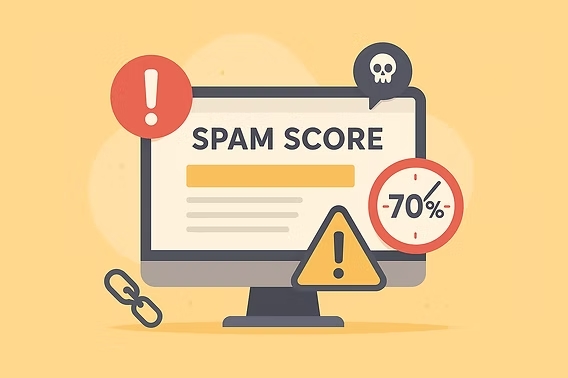
Spam backlinks are like heavy weights tied to your ankles.
You are trying to climb the mountain of search engine results, but these weights pull you down. When you have a high percentage of bad links, your domain authority (a score that predicts how well you rank) often drops.
Even worse, your organic traffic will start to disappear. You might see a sudden drop in visitors. This is a nightmare for website owners.
Using Tools Like Ahrefs, Semrush, Or Moz
You cannot fix what you cannot see. You need to use a backlink checker or backlink audit tools. Popular tools include Ahrefs, Semrush, and Moz. Some of these offer a free trial or a free backlink checker.
At VH-info, we use professional tools to analyze data deeply. These tools scan the entire internet. They list every website that links to you. They act as a map for your backlink audit. Without these tools, finding spammy links is almost impossible.
Identifying High Spam Scores and Manipulative Anchor Text
When you use these tools, look for two main things:
- Spam Score: Tools like Moz assign a “Spam Score” to websites. A high score means the site is likely trash. If you see incoming links from sites with a very high spam score, take note.
- Anchor Text: This is the visible, clickable text in a link. If you sell “email software,” your anchor text should be “email software” or your brand name. However, if you see anchor text that uses keyword stuffing (like “best cheap free email software buy now”) or words related to gambling or pills, you have a problem. This is manipulative anchor text. It is a major sign of negative SEO or a spam attack.
A Step-by-Step Guide to Remove Spam Backlinks
Now that you know how to find them, let’s talk about how to remove spammy backlinks. It requires patience, but it is necessary.
Contacting Webmasters For Manual Removal
The first step is always to ask nicely. You need to find the contact information of the site owner. Look for a “Contact Us” page or an “About” page. Try to find an email address. Send them a polite email.
Here is a simple example: “Hello, I am the owner of [Your Site]. I noticed a link on your page [URL] pointing to my site. Please remove this link. Thank you.” This is a removal request. Honest webmasters might help you.
However, owners of link farms or spammy websites often ignore these emails. They might not even have a real email address listed. If you cannot find an email or they do not reply, do not worry. We have a next step.
Creating A Disavow File (.txt)
If you cannot remove the link manually, you must tell Google to ignore it. You do this with a disavow file. A disavow file is a simple text file (.txt). It contains a list of the bad domains or URLs you want Google to ignore.
You must format it correctly. It should look like this:
domain:badspammywebsite.com domain:terriblelinkfarm.net
Do not put any other text in this file. Just the domains you want to block. This file is your disavow list. It tells Google, “I do not want these votes to count.”
How to Properly Use the Google Disavow Tool?
The google disavow tool is powerful. You should use it carefully. It is located inside google search console.
- Go to the disavow links tool page.
- Select your property (your website).
- Click on the button to upload your disavow file.
- Upload the text file you created.
- Submit.
Google says this tool should be a last resort. You should only use it if you have a considerable number of spammy links and you have tried to remove them manually first.
Once you upload the file, Google will eventually recrawl the web. When they see those links again, they will check your list. If the link is on your list, they will treat it as if it does not exist. This helps your search engine rankings recover over time.
Best Practices to Protect Your Site From Spam Backlinks
Prevention is the best way to handle spam. You want to stop the problem before it destroys your rankings.
Monitoring Your Link Profile Regularly
You should regularly check your link profile. Do not wait for a penalty. Set a schedule. Maybe once a month, look at your new links. Use your backlink checker. If you see a sudden spike in the number of links, investigate immediately. A sudden drop in traffic is a lagging indicator (it happens after the damage is done). Regular monitoring is a leading indicator (it helps you catch issues early).
Focusing on High-Quality Content Marketing
Spammers look for easy targets. But legitimate SEO professionals knows that the best defense is a great offense. Focus on creating amazing content. Write helpful articles. Make useful videos.
When you have high-quality content, real people will link to you. Authoritative websites want to link to good resources. When you have a strong foundation of quality backlinks, a few spam links won’t hurt you as much. Google trusts you more.
At VH-info, we believe that link-building strategies should always focus on quality. We help our clients build links that stand the test of time. We connect you with real sites that bring real value.
FAQ’s:
What Is A Good Spam Score For Backlinks?
A “Spam Score” is a metric from tools like Moz. A score of 1% to 30% is usually considered low to medium risk. A score above 30-40% is getting dangerous. If a site has a spam score of 60% or higher, it is likely a bad link. However, always check the site yourself to be sure.
Can Spam Backlinks Hurt My Ranking?
Yes, absolutely. Spam backlinks can lower your trust with Google. This can lead to a drop in search rankings and a loss of organic traffic. In severe cases, it causes a Google penalty.
Should I Disavow All Spam Backlinks?
Not necessarily. Google is good at ignoring random spam on its own. You should use the disavow tool if you have a large number of bad backlinks or if you have received a manual action in Google Search Console.
How Do I Know If I Have Spam Backlinks?
You need to perform a backlink audit. Use tools like Semrush, Ahrefs, or a free backlink checker. Look for links from irrelevant sites, foreign language sites, or sites with adult content.
Can Competitors Send Spam Backlinks to My Site?
Yes, sadly. This is called negative seo. A competitor might buy thousands of toxic links and point them at your site to hurt your rankings. This is why monitoring your backlink profile is so important.
What Are Google’s Policies On Spammy Backlinks?
Google’s search engine guidelines clearly state that any attempt to manipulate rankings with link schemes is prohibited. They want links to be natural.
How Long Does It Take to Recover After Removing Spam Backlinks?
It is not instant. After you submit a disavow file or remove links, Google needs to recrawl the web. This can take a few weeks or even a few months. Be patient and keep building quality backlinks.
How Often Should I Audit My Website For Toxic Backlinks?
It is a good idea to do a quick check once a month. A full, deep backlink audit should happen at least once every quarter (every 3 months).
Conclusion
Dealing with spam backlinks can feel scary. No one wants to see their hard work ruined by bad links.
But now you know to fight back. You understand how to find spam links using tools. You know the best way to remove them through manual outreach and the Google Disavow tool.
Most importantly, you know that keeping your backlink profile clean is a vital part of SEO. Your website is a valuable asset. Protect it. Do not let link spam drag you down. Focus on building real connections and creating content that people love.
At VH-info, we are passionate about doing SEO the right way. We help SaaS businesses grow through ethical, high-impact link building. We know the difference between a link that helps and a link that hurts.
If you are struggling with your links or need expert guidance, we are here to help.

 Share
Share