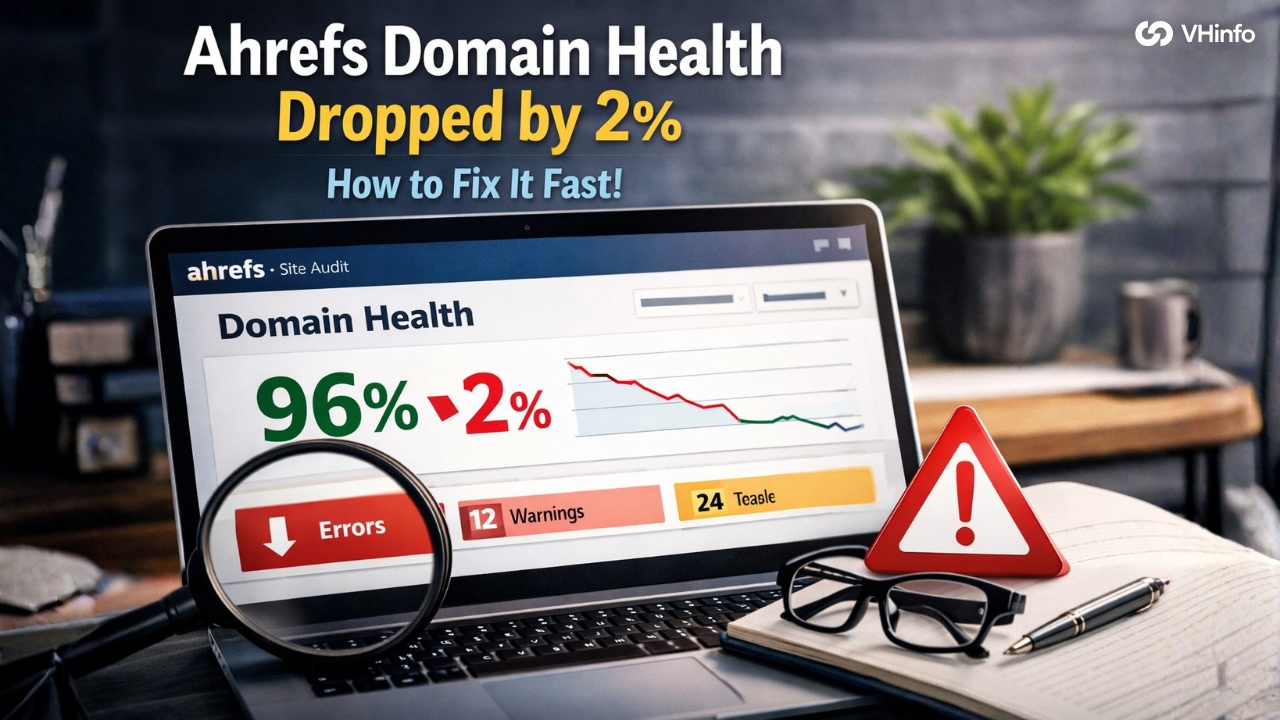
Do you want your website to show up at the top of Google? If yes, you need to care about links. Specifically, how to manage backlinks.
Think of your website like a house. Backlinks are the roads that lead people to your house. If the roads are smooth and come from nice neighborhoods, more people will visit. If the roads are broken or come from bad places, people—and search engines—will stay away.
Many website owners think their job is done once they get a link. But that is not true. Getting the link is just the start. You must watch your backlink profile to make sure it stays healthy. This is where backlink management comes in.
At VH-info, we help SaaS companies build great links every day.
We know that a strong backlink profile is the key to SEO success. We act as your guide to make sure your SEO strategy works. In this article, we will explain how to manage backlinks. We want to help you get more organic traffic and better search rankings.
Understanding Backlinks and Their Role in SEO
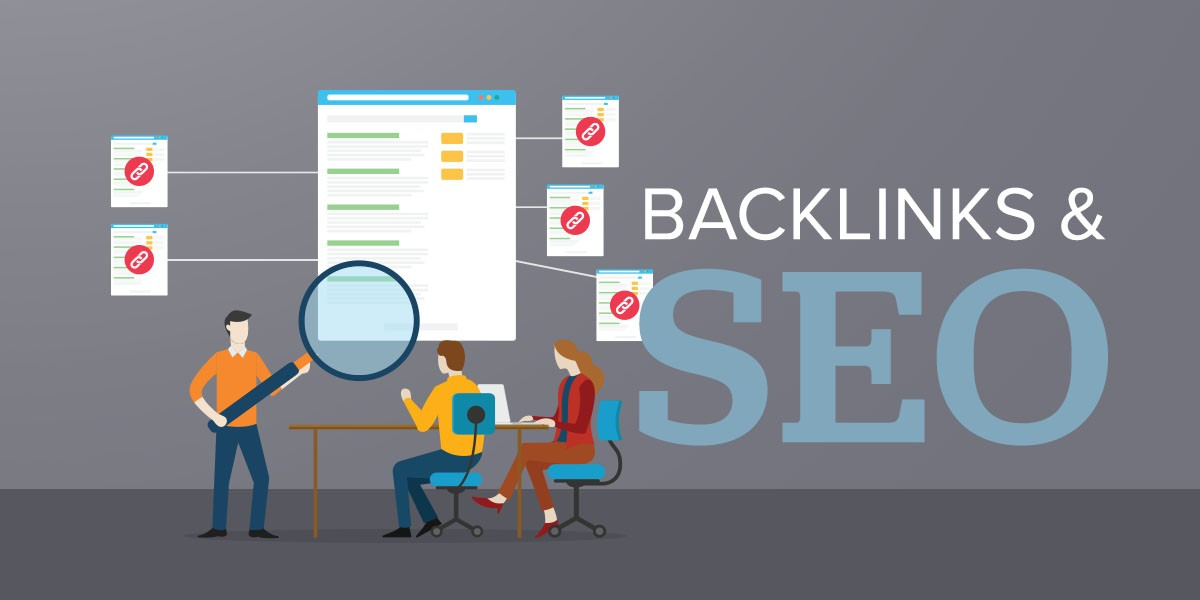
Before we fix or manage anything, we need to know what we are looking at. Let’s talk about what links are and why they are big deal for your site.
What Are Backlinks and Why Do They Matter?
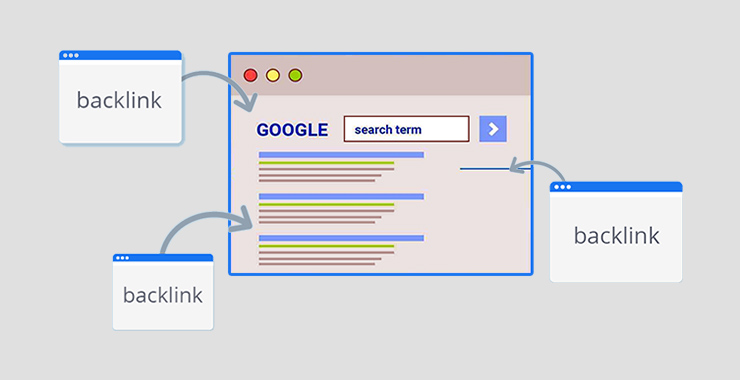
Backlinks, also called inbound links or external links, are links from one website to a page on another website. Imagine a popular kid in school points at you and says, “They are cool.” Suddenly, everyone thinks you are cool, too.
When a website links to you, it tells search engines like Google that your content is good. It is a vote of confidence. The more quality backlinks you have, the more Google trusts you.
When Google trusts you, your search engine rankings go up. This brings more people to your site through organic traffic. However, not all votes are equal. A vote from a smart professor counts more than a vote from a random stranger. That is why link quality matters so much.
Key Types of Backlinks Every Website Should Know
To understand your backlink profile, you need to know the different types of backlinks.
- Dofollow Links: These are the best. They tell Google to pass “power” or authority to your site. This helps your SEO efforts directly.
- Nofollow Links: These links have a tag that tells Google not to pass authority. They don’t help your search rankings as much, but they are still good for referral traffic (people clicking the link).
- Sponsored Links: These are paid ads. Google wants you to mark them so they know you paid for them.
- UGC Links: This stands for User Generated Content. These come from forum comments or blog post comments.
A natural profile has a mix of these.
How Backlink Quality Affects Search Rankings?
Link quality is more important than the number of backlinks. It is better to have 10 links from great sites than 1000 links from bad ones.
High-quality links come from websites with high domain authority. These sites are trusted by Google. When they link to you, they share that trust. This improves your authority score.
On the other hand, spammy links or bad links come from irrelevant websites or sites that cheat the system. These can actually lower your search results. This is why knowing how to manage backlinks is so important. You want to keep the good ones and get rid of the bad ones.
What is Backlink Management?
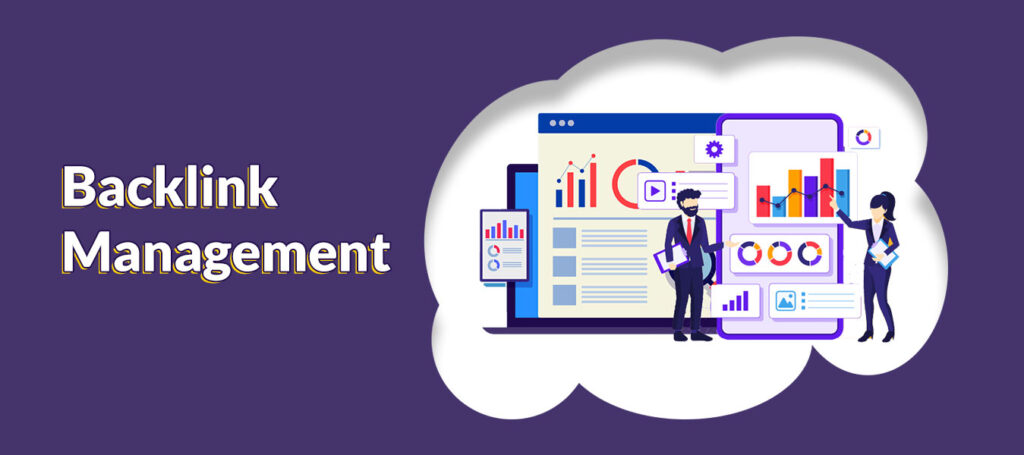
Backlink management is the process of monitoring, analyzing, and fixing the links that point to your website.
Think of it like gardening. You plant seeds (building links), but you also have to water them and pull out the weeds (toxic links). It involves checking your new backlinks, finding broken links, and looking at the anchor text (the clickable words).
It also means watching what your competitors are doing. Good management keeps your link profile clean and powerful. It ensures your digital marketing efforts don’t go to waste.
Why Is It Critical to Learn How to Manage Backlinks?

You might ask, “Can’t I just build links and forget about them?” The answer is no. The internet changes every day. Websites shut down, pages disappear, and spammers attack. Here is why you must manage your links.
The Impact of Backlink Health on Domain Authority
Your Domain Authority (DA) is a score that predicts how well you will rank. Harmful backlinks can drag this score down. If you have too many links from low-quality sites, Google thinks your site is low quality too.
By actively managing your links, you protect your authority score. You make sure that the links pointing to you are actually helping you.
At VH-info, we constantly check these metrics to ensure our clients maintain a high reputation.
Preventing Google Penalties From Toxic Links
Google has strict rules. If they think you are trying to cheat with link exchanges or buying spammy links, they will punish you. This is called a penalty. Toxic links are dangerous. They can happen even if you didn’t build them.
Sometimes, competitors do this to hurt you (this is called negative SEO). If you know how to manage backlinks, you can spot these harmful links early. You can tell Google to ignore them before they cause a drop in your search engine results.
Improving Organic Rankings Through Link Hygiene
Just like you brush your teeth for dental hygiene, you need link hygiene for your website. A clean profile helps you rank higher.
When you remove bad links and fix broken links, you make it easier for search engines to crawl your site. This boosts your SEO performance. Regular maintenance means your good backlinks can do their job without being dragged down by the bad ones.
How to Manage Backlinks?
Now, let’s get to the practical part. Here are the steps and strategies you need to follow.
Optimize Your Link Building Campaigns
Management starts with how you build links.
When you run link building campaigns, always aim for quality. Focus on content marketing that people want to link to.
At VH-info, we focus on getting links from real, relevant sites. We don’t use shortcuts. Make sure your new links are relevant to your topic. If you sell software, a link from a cooking blog might look strange. Plan your link building efforts carefully.
Check the Spam Score of Your Backlinks
You need to know if a link is dangerous.
Many SEO tools give a “Spam Score” to websites. If a website linking to you has a very high spam score, it might be a toxic link. Regularly check your list of links. If you see a sudden jump in links from weird sites, investigate immediately.
This is a key part of effective backlink management.
Monitor and Claim Lost Backlinks
Sometimes, you lose a link. Maybe the website owner deleted the page or changed the content. These are called lost backlinks. This is a missed opportunity. You worked hard for that link! If you see a lost link, you can reach out to the site owner.
Ask them nicely if they can put the link back. This is often easier than building links from scratch.
Set Alerts For Lost, Gained, and Competitor Backlinks
You cannot watch your screen 24/7. That is why you need alerts. Many tools let you set up notifications.
- New Backlinks: Know when someone links to you so you can thank them or check the quality.
- Lost Backlinks: Fix them fast.
- Competitor Backlinks: See where your rivals are getting links. If they got a link from a specific blog, maybe you can too.
Track Trust Flow and Citation Flow of Backlinks
These are fancy terms, but they are simple. Trust Flow measures how trustworthy a site is. Citation Flow measures how powerful a site is based on how many links it has. You want links from sites that have high Trust Flow.
If a site has high Citation Flow but low Trust Flow, it is likely spam. Watching these numbers helps you judge link quality.
Check Dofollow Vs. Nofollow Ratio
As we mentioned, you need a mix. If 100% of your links are dofollow links, it looks fake to Google. A natural profile has some nofollow links too. Check your ratio. If it looks unnatural, you might need to adjust your link building strategy.
Don’t be afraid of nofollow links; they still bring referral traffic and brand mentions.
Measure the Impact of Backlinks on Search Engines
Are your links working? You need to track if your search rankings are going up after getting new backlinks. Look at your specific pages. If a page gets a lot of quality backlinks, does it move up in Google search?
If not, maybe the links are not as good as you thought, or your content needs work.
Disavow Unnecessary Backlinks and Retain High-Quality Backlinks
Sometimes you cannot get a bad link removed.
The website owner might ignore you. In this case, you use the disavow tool. This is a file you send to Google. It says, “Please ignore these specific links when ranking me.” Only do this for harmful backlinks. Be careful not to disavow high-quality backlinks by mistake.
Check the Referral Traffic You’re Getting From Your Backlinks
The best links bring real visitors. This is called referral traffic. Check your analytics to see which links are sending people to your site.
If a link sends a lot of visitors, it is very valuable, even if it is a Nofollow link. These visitors might buy your product. This proves that backlink analysis is about more than just SEO scores; it is about real business results.
Strategies on How to Manage Toxic Backlinks
Dealing with toxic links is a big part of the job. Here is how to handle them.
Spotting Spammy and Low-Quality Referring Domains
A referring domain is the website that the link comes from. You need to spot the bad ones. Look for:
- Sites with adult content or gambling.
- Sites that have nothing to do with your topic.
- Sites that list thousands of links on one page.
- Sites with weird domain names.
If you see these in your backlink profile, you have work to do.
Performing Manual Outreach For Link Removal
Before you go to Google, try to fix it yourself. Find the contact info for the site owner. Send a polite email asking them to remove the link. Keep it short. Say, “Hi, I noticed a link to my site on this page. Could you please remove it?” Many website owners will help you.
Keep a record of your emails.
When and How to Use the Google Disavow Tool?
Use the disavow tool only as a last resort.
If the site owner does not reply, or if you have thousands of spammy links from a bot attack, then use the tool. You create a list of the bad domains in a text file. Then, you upload it to Google Search Console. This tells Google to block the negative SEO impact of those links.
Necessary Tools For Backlink Management
You cannot do this with just your eyes. You need software. At VH-info, we use the best tools to help our clients maintain a strong backlink profile. Here are the ones you should know.
Ahrefs
Ahrefs is one of the most popular tools used by SEO professionals all over the world. It is like a giant library that keeps a record of almost all the links on the internet. For backlink management, it is incredibly powerful because it helps you see your entire backlink profile in one place. You can easily find out the total number of backlinks you have and see if they are dofollow links or nofollow links.
It also helps you spy on your competitors. You can see where they are getting their inbound links from and try to get the same ones for your site. One of its best features is the ability to check your anchor text distribution.
This tells you if you are using the same words too much in your links, which can look spammy to search engines. Ahrefs also sends you alerts about new backlinks and lost backlinks, so you can fix issues quickly. It is a complete tool for any serious SEO strategy.
Semrush

Semrush is an all-in-one tool that is very famous in digital marketing. When it comes to managing links, it has a special “Backlink Audit” tool that is very helpful for website owners. This tool automatically scans all your external links and checks if any of them are toxic links.
It gives each link a safety score so you know which ones might hurt your search engine rankings. If Semrush finds harmful backlinks, it helps you contact the site owner to ask them to remove the link. If they don’t answer, it helps you create a file for the disavow tool to send to Google. Besides checking for bad links, Semrush is also great for keyword research and checking your authority score.
It helps you understand how your links are affecting your organic traffic. It is a must-have for ensuring SEO success and keeping your site safe from penalties.
Google Search Console
Google Search Console is a free tool provided directly by Google.
It is the most accurate way to see how Google views your website. While it does not have as many fancy features as paid tools, it is essential for effective backlink management. It shows you exactly which sites are linking to you and what anchor text they are using.
This tool is the only place where you can submit a disavow file to ignore spammy links. If Google gives your site a penalty because of negative SEO or bad practices, this tool will send you a message.
It helps you monitor your search performance and see which pages are getting clicks from search results. Every site owner must use this to understand their link profile. It is the first step to improving your search rankings because the data comes straight from the source.
SE Ranking
SE Ranking is a great tool that is easy to use and often costs less than others.
It is perfect for tracking your search engine results and managing your links at the same time. It allows you to check your backlinks and analyze important data like the referring domain and the trust score of the link. This helps you separate good backlinks from the bad ones.
You can use it to spy on competitors and see their link building efforts. It also has a “Backlink Monitor” feature that watches your links 24/7. If a link disappears or changes, the tool lets you know.
This is very useful for fixing broken links or reclaiming lost backlinks. For beginners or smaller businesses, SE Ranking offers a clear view of your SEO efforts without being too complicated. It helps you build a solid backlink strategy to grow your site.
Moz
Moz is a very famous name in the SEO world because they invented “Domain Authority” (DA).
This score is used by almost everyone to judge link quality. When you use their tool, Link Explorer, you can check the DA of any website. This helps you decide if a site is worth getting a link from or if it is one of those irrelevant websites you should avoid.
Moz also has a “Spam Score” feature. This tells you the percentage chance that a website is spammy. If you see a link pointing to you from a site with a high Spam Score, it might be a toxic link. Moz helps you clean up your backlink profile by identifying these risks. It is very helpful for backlink analysis and ensures you are focusing on quality backlinks that actually boost your search engine optimization results.
Hunter
Hunter is a little different from the other tools on this list.
It is not for checking links, but it is essential for link building and management. Once you find a toxic link or a broken link, you need to contact a person to fix it. Hunter helps you find the email address of the site owner or the editor in seconds.
If you are doing guest posting or content marketing, you need to reach out to real people. Hunter saves you hours by finding the right contact info. You simply type in the website domain, and it shows you a list of emails.
This makes your outreach for guest blogging or link removal much faster. It connects the technical side of backlink management with the human side of talking to people. It is a key tool for successful digital marketing campaigns.
Sitechecker
Sitechecker is a helpful tool that focuses on monitoring the health of your website.
For links, it has a “Backlink Tracker” that keeps an eye on your inbound links. It tells you if a link becomes broken or if the anchor text changes. This is important because broken links can hurt your user experience and your SEO.
It provides simple reports that show you how your link profile is growing over time. It helps you see if your link-building efforts are working. Sitechecker also gives you alerts, so you don’t have to check everything manually every day.
It is great for spotting new links and making sure your good backlinks stay active. It simplifies the complex job of backlink monitoring so that even a beginner can understand how to improve their search rankings.
BuzzStream

BuzzStream is a tool built for managing relationships. When you are building links or trying to remove harmful backlinks, you have to send a lot of emails. BuzzStream helps you organize all these emails in one place. It keeps a record of who you contacted and whether they replied.
If you are running a big campaign for guest posts or broken link building, this tool is a lifesaver. It stops you from emailing the same person twice, which can look unprofessional. It helps you turn a stranger into a partner for link exchanges or content promotion.
By keeping your outreach organized, you increase your chances of getting quality backlinks. It makes the hard work of connecting with other website owners much smoother and more effective for your SEO strategy.
BuzzSumo

BuzzSumo is mainly used for finding popular content, but it is great for link building too. It shows you which articles are getting the most shares on social media. You can see who linked to these popular articles.
If a website linked to a topic similar to yours, they might want to link to you too. This helps you find new backlinks opportunities.
It is also useful for tracking brand mentions. Sometimes people talk about your brand but forget to add a link.
BuzzSumo finds these mentions so you can ask the writer to turn them into a link. This is an easy way to get quality backlinks. It helps you create content that people actually want to read and link to, which improves your organic traffic and overall SEO performance.
Majestic
Majestic is a tool that focuses 100% on backlink data.
It is famous for its “Trust Flow” and “Citation Flow” metrics. Trust Flow measures how trustworthy a site is based on the quality of its links. Citation Flow measures how powerful a link is based on quantity. You want links with high Trust Flow.
This tool creates a map of the internet to show you how sites are connected. It is very detailed and great for deep backlink analysis. It helps you spot spammy links that have high power but low trust.
SEO experts use Majestic to make sure their backlink profile looks natural and healthy. It gives you the technical data you need to make smart decisions about which referring domain is good for your search engine rankings.
Linkody

Linkody is designed specifically to be a backlink monitor.
It is very simple and easy to use. It gives you a dashboard where you can see all your links and their status. It checks your links every day and sends you an email report. You will know instantly if you gained new backlinks or lost existing ones.
It also helps you spy on competitors by tracking their link profiles. You can see when they get a new link and try to get one too. Linkody also makes it easy to create a disavow file for harmful links. It pulls data from other trusted sources to give you a clear picture of your link quality.
It is a great “set it and forget it” tool for busy site owners who want to keep their SEO efforts on track.
SEOptimer

SEOptimer is a tool that is great for quick check-ups. It runs a fast audit of your whole website, including your backlink profile. It gives you a grade, like a report card, and tells you what you need to fix. It shows you the number of backlinks and checks your external links for issues.
It is very colorful and easy to read, making it perfect for people who are new to SEO. It explains things in simple words. You can use it to generate reports to show your team or clients. It helps you identify big problems with your link hygiene quickly. While it might not be as deep as Ahrefs, it is excellent for a fast overview of your search engine optimization health and finding quick wins to improve your search results.
FAQ’s:
Why Should You Monitor Your Backlinks?
You monitor them to protect your search rankings. If you don’t watch your backlink profile, spammy links or negative SEO attacks could lower your site’s trust with Google without you knowing.
How Often Should I Monitor My Backlink Profile?
For most websites, checking once a week or once a month is enough to stay safe. However, if you are actively doing link building or have a very large site, you might want to check your new backlinks every few days.
Is It Necessary to Use Paid Tools to Manage Backlinks?
Paid SEO tools make the job much faster and give you better data on competitors and toxic links. You can use the free Google Search Console, but it has limits and doesn’t offer features like brand mentions alerts or easy competitor spying.
Can Managing Backlinks Actually Hurt My SEO?
Yes, but only if you are careless and disavow good backlinks that are helping you. You should only remove links that are clearly harmful backlinks or come from irrelevant websites; otherwise, you might accidentally drop your authority score.
How Do You Measure the Impact of Backlinks on Search Engines?
You can measure impact by watching if your organic traffic and ranking position go up for the page that got the link. If a page gets quality backlinks and then climbs higher in Google search, the links are working.
How Do I Fix Broken Backlinks Pointing to My Site?
To fix broken links, you can set up a “301 redirect” on your website. This automatically sends visitors and search engines from the broken page to a working page, saving the value of the referral traffic and link power.
Conclusion
Learning how to manage backlinks is not just a technical task; it is a vital part of growing your business online. Your backlink profile is like your reputation. You need to build it up, protect it, and keep it clean.
From understanding the different types of backlinks to using the disavow tool correctly, every step matters. Regular backlink monitoring ensures that your SEO efforts lead to real results—more organic traffic, better search engine rankings, and more trust from your customers.
We know this can seem like a lot of work. Dealing with anchor text, spammy links, and referral traffic takes time. That is where VH-info comes in. We are experts in SaaS link building. We don’t just build links; we understand the strategy behind them.
We help you build a strong backlink profile that stands the test of time.
Don’t let your backlinks manage you. Take control today, or let us help you guide your site to the top of the search results.

 Share
Share