

Want to talk straight to your customers? Direct marketing lets you do exactly that. Unlike ads on TV or billboards that everyone sees, direct marketing sends your message to specific people who might actually buy from you.
At VH Info, we help SaaS companies build links that drive growth. We know that direct marketing still works wonders when done right. This guide shows you real examples of direct marketing that bring in customers and sales. No fluff, just practical tips you can use today.
What is Direct Marketing? A Brief Overview
Direct marketing means talking to potential customers without any middlemen. You send your marketing message straight to the person you want to reach. This could be through email, mail, text messages, phone calls, or social media DMs. The main goal? Get an immediate response. You want the person to buy something, sign up for a free trial, visit your landing page, or call you back.
Key Differences Between Direct and Indirect Marketing
Indirect marketing includes things like TV commercials, magazine ads, or billboards. These go out to everyone and hope the right people notice them. You can’t really track who saw your ad or if it made them buy.
Direct marketing is different. You know exactly who received your message. You can track open rates, response rates, and conversion rates. You know if your marketing campaign worked or flopped.
Direct marketing also costs less because you only target people who fit your target audience. You don’t waste money showing ads to people who don’t care about your product.
Why Measurability Matters?
When you can measure results, you can improve them. Direct marketing gives you clear numbers. You see which email subject lines get opened. You know which direct mail pieces bring in sales. This data helps you make better marketing efforts next time.
In 2026, with tight marketing budgets, knowing your ROI matters more than ever. Direct marketing shows you exactly what you get back for every dollar you spend.
Direct Marketing Examples by Channel
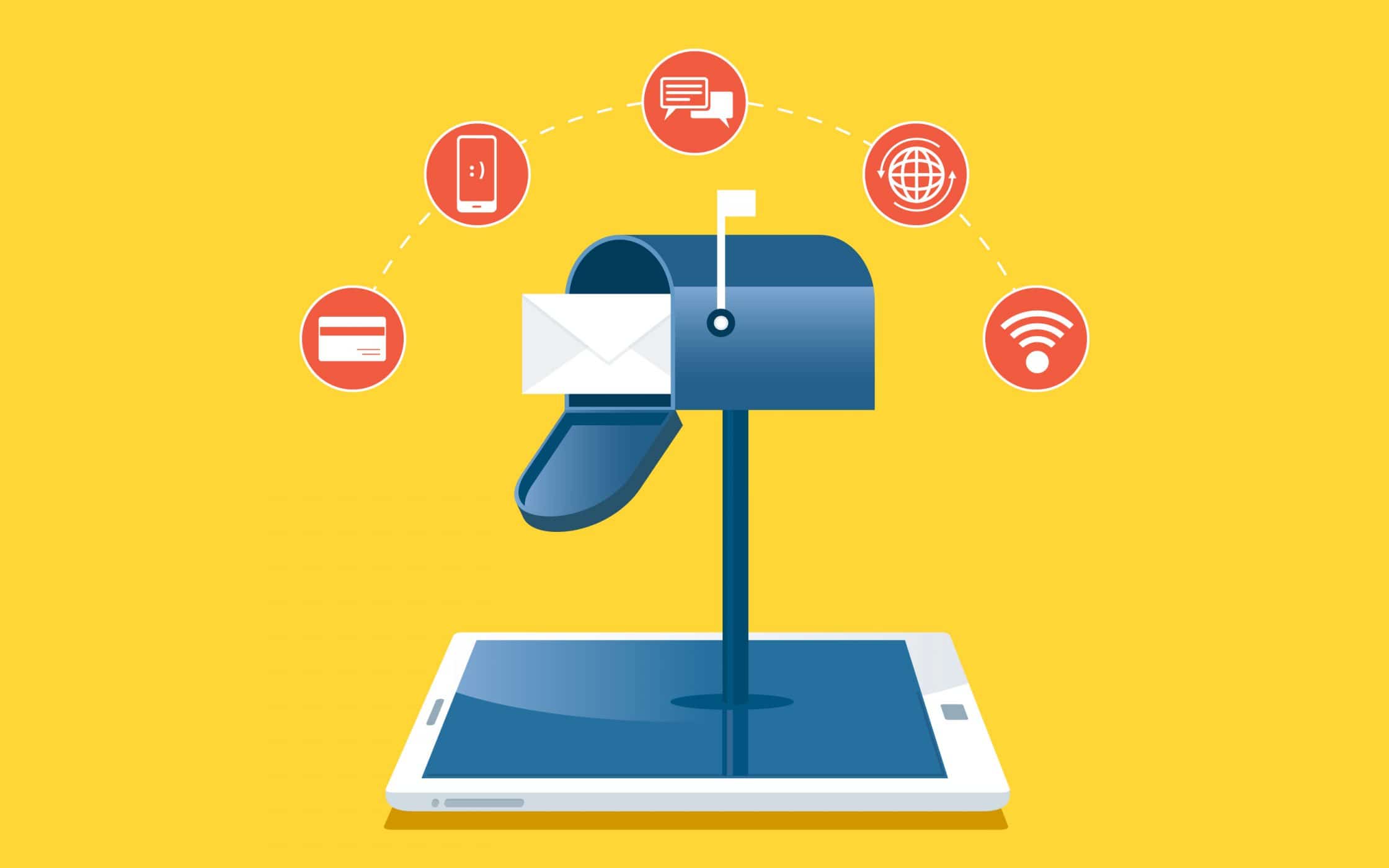
Email Marketing Campaigns
Email marketing remains one of the best types of direct marketing. You send messages straight to someone’s inbox. In 2026, email still delivers strong results when personalized.
Example: A SaaS company sends a welcome email series to new sign-ups. The first email says thanks and shows how to get started. The second email shares tips from power users. The third email offers a special discount to upgrade. This email campaign builds brand loyalty step by step.
Why it works: People check email daily. You can automate the whole process. You can segment your email list based on behavior and interests.
Direct Mail and Postcards
Direct mail might seem old-school, but it’s making a big comeback in 2026. With inboxes overflowing, a piece of paper in someone’s hands cuts through the noise. According to recent data, direct mail has the highest ROI for individual media at 161%.
Example: A local business sends oversized postcards with QR codes to new homeowners in the area. The postcard offers a free trial of their service. Scanning the QR code takes them to a landing page with a special offer.
Why it works: 79% of consumers actively engage with mail. Direct mail marketing creates a memorable experience that digital channels can’t match. It feels personal and credible.
SMS and Text Message Marketing
SMS marketing is huge in 2026. Text messages have a 98% open rate and 45% response rate. That’s way higher than email or social media.
Example: An online store sends a text message about a flash sale: “Hey [Name]! Our 24-hour sale starts NOW. Get 50% off with code FLASH. Shop: [link]”
Why it works: People read texts within minutes. It’s perfect for time-sensitive offers. SMS marketing creates a sense of urgency that drives immediate action.
Telemarketing and Cold Calling
Cold calling means phoning people who haven’t contacted you before. It works best for B2B companies with high-value products.
Example: A SaaS link building agency like VH Info calls marketing managers at target companies. They offer a free audit of the company’s current backlink profile. This turns cold calls into warm leads.
Why it works: You get immediate feedback. You can answer questions right away. It’s a powerful tool for complex products that need explanation.
Social Media Direct Outreach (DMs)
Sliding into DMs isn’t just for friends anymore. Brands use social media direct messages to start conversations with potential customers.
Example: A B2B company finds prospects on LinkedIn who posted about needing better SEO. They send a personalized DM offering helpful resources, not a sales pitch. This builds relationships over time.
Why it works: It feels personal. You reach people where they already spend time. Social media DMs work best when you offer value first, not just sell.
Direct Marketing Examples: Real-World Case Studies

E-commerce Abandoned Cart Recovery Sequences
Online stores lose sales when people add items to their cart but don’t check out. Abandoned cart recovery brings them back.
Real example: An online clothing store sends a series of three emails after cart abandonment. Email 1 (1 hour later): Friendly reminder with cart contents. Email 2 (24 hours later): Small discount code. Email 3 (72 hours later): Free shipping offer. This sequence recovers 15% of abandoned carts.
The strategy: Each email has a clear call-to-action. The timing matches how people shop. The offers get better with each email.
B2B LinkedIn Appointment Setting Campaigns
B2B companies use LinkedIn to book sales calls. This direct marketing strategy targets decision-makers directly.
Real example: A marketing agency identifies SaaS founders on LinkedIn. They send connection requests with personalized notes mentioning the prospect’s recent company news. After connecting, they share valuable content. Then they ask for a brief call to discuss link building strategies. This generates 5-10 qualified appointments per week.
The strategy: Personalization matters. Generic messages get ignored. Mentioning specific details shows you did your homework.
Geo-Targeted Direct Mail with QR Codes
Combining physical mail with digital tracking creates powerful results. QR codes bridge the gap between offline and online marketing.
Real example: A restaurant chain sends postcards to homes within 3 miles of new locations. The postcard shows mouth-watering food photos and a QR code for a free appetizer. Scanning the code opens their online ordering system with the coupon auto-applied. They track which postcards drive the most orders.
The strategy: Geo-targeting ensures relevance. QR codes make response tracking easy. The offer is valuable enough to act on immediately.
Flash Sale SMS Broadcasts
Text messages create urgency like no other channel. Flash sales via SMS drive quick sales spikes.
Real example: An electronics retailer sends SMS alerts for 4-hour flash sales: “⚡ FLASH SALE: 40% off headphones until 6 PM! Limited stock. Shop now: [link]” They send these to their most engaged subscribers only. Each broadcast generates $2.01 per message sent.
The strategy: Keep it short. Create real urgency with time limits. Send only to people who’ve bought before or browsed similar items.
Personalized Product Recommendation Emails
Using customer data to suggest products they actually want increases sales.
Real example: A software company analyzes which features customers use most. They send emails recommending advanced features based on usage patterns. “Hi [Name], we noticed you use our reporting tool daily. Here’s how to automate those reports and save 5 hours weekly.” This drives upgrades and better customer experience.
The strategy: Use data to make relevant suggestions. Show you understand their needs. Focus on benefits, not just features.
Best Practices For Implementing Direct Marketing Examples
Segmenting Your Audience For Personalization
Not everyone should get the same message. Segmentation means grouping people by shared traits.
How to do it:
- Group by purchase history (new customers vs. repeat buyers)
- Segment by engagement level (active vs. inactive email list members)
- Sort by demographics (age, location, job title)
- Separate by interests (which products they browsed)
When you segment, you can personalize. Personalized emails get 75% higher open rates. People respond better to messages that feel made for them.
Creating Compelling Calls-to-Action (CTAs)
Your CTA tells people exactly what to do next. Weak CTAs kill response rates.
Strong CTA examples:
- “Get Your Free Trial” (instead of “Submit”)
- “Claim Your 20% Discount” (instead of “Click Here”)
- “Book Your Free Strategy Call” (instead of “Contact Us”)
Make CTAs specific, action-oriented, and benefit-focused. Use buttons in emails. Make phone numbers clickable in SMS. Remove all confusion about the next step.
Compliance and Privacy Considerations (GDPR, CAN-SPAM)
Laws protect people from unwanted marketing. Breaking them costs big money.
Key rules for 2026:
- Email: CAN-SPAM requires clear sender info, honest subject lines, and easy unsubscribe links. Every email must have an opt-out option.
- SMS: TCPA requires written consent before sending marketing texts. Keep records of who opted in.
- Direct Mail: Less regulated, but honor do-not-mail requests.
- GDPR (EU): Requires explicit consent, data protection, and the right to be forgotten.
Always get permission first. Make opting out easy. Respect privacy to build long-term brand loyalty.
Measuring Success: Key Metrics For Direct Marketing Examples
Response Rate and Conversion Rate
Response rate = People who took action ÷ People who received your message
Conversion rate = People who bought ÷ People who responded
Direct mail averages a 4.4% response rate compared to email’s 0.12%. SMS sees 45% response rates.
Track these for every campaign. Compare different types of direct marketing. Double down on what works. Cut what doesn’t.
ROI and Customer Acquisition Cost (CAC)
ROI = (Revenue from campaign – Cost of campaign) ÷ Cost of campaign
CAC = Total marketing spend ÷ Number of new customers acquired
Direct mail has a 161% ROI on average. That’s higher than many digital channels. Calculate these numbers to prove your marketing efforts work for your boss or clients.
FAQ’s:
What Are the Most Effective Direct Marketing Examples For Small Businesses With Limited Budgets?
Email marketing and SMS marketing work best for small budgets. Both cost little to start and reach people directly. Email marketing tools start at $20/month. SMS costs 1-2 cents per message. Start with your existing customer base.
Send personalized offers based on past purchases. Use free trial offers to attract new people. Focus on one channel and do it well before adding others. Small businesses should avoid expensive direct mail campaigns until they have proven offers.
Are Direct Mail Examples Still Relevant In 2026?
Yes, absolutely. Direct mail is more effective than ever in 2026.
With digital fatigue setting in, physical mail stands out. About 90% of businesses have increased their direct mail investments. Direct mail marketing campaigns now integrate with digital channels using QR codes and personalized URLs. The key is using first-party data to target the right people, not blasting everyone. Direct mail works especially well for local businesses, high-value B2B services, and luxury products.
How Do I Ensure My Direct Marketing Examples Comply With Privacy Laws?
First, always get clear permission before contacting anyone. For email, use double opt-in, where people confirm their subscription. For SMS, keep written records of consent. Include easy unsubscribe options in every message.
Don’t buy email lists or phone numbers from shady sources. Use only the data people gave you directly. Stay updated on GDPR (Europe), CAN-SPAM (US email), and TCPA (US texts). When in doubt, consult a lawyer. Breaking these laws can cost thousands in fines.
What is the Average Response Rate For Different Direct Marketing Examples?
Response rates vary by channel in 2026:
- Direct mail: 4.4% average
- Email: 0.12% average
- SMS: 45% response rate
- Telemarketing: 8-10% for warm leads, 1-2% for cold calls
These numbers show why mixing channels works best. Direct mail gets attention. Email nurtures relationships. SMS drives immediate action. Test different approaches with your target audience to find your actual numbers.
How Can I Personalize Direct Marketing Examples Without Knowing Much About the Recipient?
Start with what you know. Use their name in subject lines and greetings.
Segment by location and send relevant local offers. Look at their behavior on your website. What pages did they visit? Use that to tailor content.
Ask them questions through surveys to learn their preferences. Use dynamic content that changes based on basic data points. Even simple personalization beats generic blasts. As you collect more data through your marketing campaigns, your personalization gets better.
Conclusion
Direct marketing in 2026 is alive and thriving. Whether you choose email marketing, direct mail, SMS, or social media DMs, the key is talking directly to the right people at the right time.
The best direct marketing strategy combines multiple channels. Use direct mail to grab attention. Follow up with an email to nurture interest. Send SMS for urgent offers. Track everything and optimize based on data.
At VH Info, we specialize in SaaS link building that drives real results. Just like direct marketing, our approach is personal, measurable, and focused on ROI. We believe in building genuine connections—whether that’s through quality backlinks or direct customer conversations.
Start small. Pick one direct marketing channel. Test, measure, and improve. Build your customer base one conversation at a time. That’s how you create marketing that actually works in 2026 and beyond.

 Vishal ambani
  Share
Share
 VH Info