Hello! Do you want more people to visit your website? Reaching a global audience is a very smart way to grow your business.
But, if your whole site is just an English website, you might miss out on millions of readers who speak different languages. This is where you might think about using a tool to change your words. A very popular automated tool is Google Translate.
But does using Google Translate work well for search engine optimization? Can it really help you get more visitors from other countries?
At VH Info, we are a SaaS link building agency. We do not sell software tools, but we know how to help websites grow. We help site owners get good links and rank higher on a search engine. We see many people try to use automatic translation to reach different markets.
In this big guide, we will talk all about Google Translate SEO. We will look at what happens when you use translation technology to build a multilingual website. We will share the best practices to help you get more organic traffic.
Let us look closely at how you can share your special kind of content with the whole world.
What Is Google Translate SEO and How Does It Work?
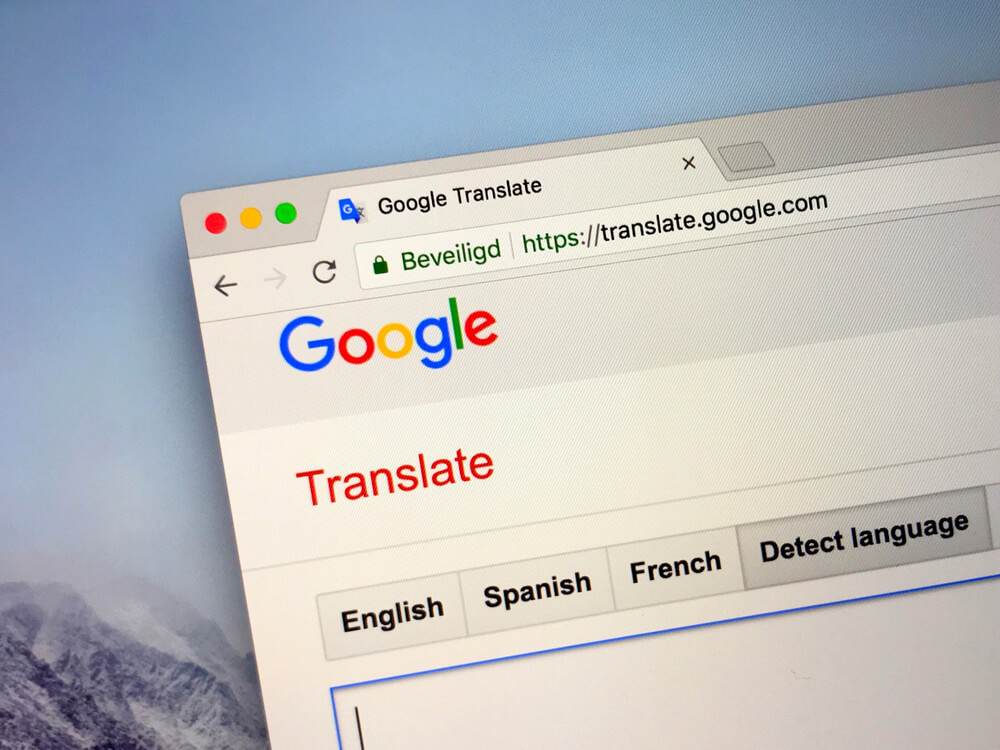
Google Translate SEO means using Google’s machine translation to change your website’s words into a new target language, hoping to rank high on Google. You might want to reach people who speak Spanish, French, or Japanese.
To do this, you need translated content. You use an automated tool to change your original language into the native language of your new readers. The goal is to show up in the search results when people look for things in their own language.
The Mechanics of Widget-Based Translation
Years ago, Google offered a free Google Translate widget. You could put this small widget right on your website.
When a reader visited your site, they could click a button on the widget. Then, the widget changed the words on the screen into their language. It was very fast and easy to use. You did not need professional translators. The tool changed the text right then and there.
People thought this was a great way to do website translation. But this translation technology mostly changed what the user saw on their screen. It did not create a new, saved page on your website server. It only changed the words for that one moment.
When the user left, the translated text went away.
How Google Indexes Translated Content?
If you want more organic traffic, a search engine needs to read and save your pages. This saving process is called indexing.
If you only use a simple Google Translate widget that changes text live, Google bots do not save those translated versions. The bot only reads the original language of the page. So, your search rankings in the new target language will not improve.
To get real search rankings in different languages, you need actual translated pages saved forever on your website. Each page needs its own web address. Only then can Google read them, index them, and show them in search results.
If the bot cannot save the page, no one will find your site when they search in their native language.
The Pros and Cons of Using Google Translate For SEO
Using Google Translate has good points and bad points. It is very important to know both sides before you start your international SEO journey. You want to make sure you protect your main site while trying to reach new people.
Advantages: Speed and Cost-Effectiveness
The good news is that automatic translation is very fast. You can paste a lot of words and get a quick translation back in just a few seconds.
It is also very cheap or even completely free. If you run a small business, paying professional translators for a big project can cost a lot of money. Using Google Translate helps you save your budget. It helps you launch a multilingual website very quickly.
You can test different markets without spending thousands of dollars. If you want to see if people in France like your products, you can use translation tools to make a quick test page. This speed is a huge benefit for busy site owners.
Disadvantages: Accuracy and Contextual Nuances
The bad news is often the quality of the translated text. Machine translation often gives a simple literal translation. It reads word-for-word like a robot. It misses local expressions and deep cultural nuances.
For example, if you sell software and your words must sound smart, a literal translation might sound silly. If the tool makes a bad joke because it does not know the cultural nuances, your readers will leave your site quickly.
This creates a very poor user experience. A poor user experience hurts your search engine rankings. People will not trust your brand or your SEO content if the words sound like a computer wrote them.
The Risk of “Spammy” Generated Content
Search engines like Google want to show the best high-quality content to people. If you only use an automated tool and do not fix the words, Google might think your site is spam. Google says that bad automatic translation is spam.
If your translated content makes no sense to the local audience, Google will not like it. It can badly hurt your SEO performance. This is why just clicking a translate button is very risky for your long-term SEO strategy. If your pages look like spam, other websites will not link to you.
At VH Info, we know that getting good links needs great words. Spammy words do not earn links.
Does Google Penalty Apply to Auto-Translated Content?
Many site owners worry and ask: “Will Google punish my site if I use auto-translation?” The answer is yes, sometimes they will. You have to be very careful.
Google’s Guidelines on Automatically Generated Content
Google has strict rules for websites. John Mueller, a famous Google expert, has said that auto-translated text that makes no sense is bad.
Google’s rules say that using automated text just to trick search results is spam.
If you publish raw ai translations without checking them, Google might drop your translated pages from the search results. They want to show good, helpful pages to the user. If your pages are just a mess of robot words, you might get a penalty.
A penalty means your site will stop showing up when people search for your business.
The Role of Human Review in Automated Translation
To avoid a penalty, you must use human review. Human oversight means a real person reads the translated text before you show it to the world. They fix the bad grammar. They make sure the cultural nuances are completely correct. They check if the local expressions sound natural and friendly. When you add careful human review, you turn bad machine translation into great quality content.
Strict quality control is how you stay safe from Google penalties. Quality control keeps your search engine rankings high. It ensures your potential customers trust you when they read your words.
Best Practices For Implementing Google Translate SEO Strategies

If you decide to use translation tools, you need a very strong SEO strategy. At VH Info, when we do SaaS link building for global sites, we see that taking careful steps brings the best results. Here are the very best practices you should follow.
Using Hreflang Tags Correctly
Hreflang tags are tiny pieces of hidden code. You put them on your new translated pages. These tags tell a search engine exactly what language the page uses. They also tell the search engine which country the page is made for.
For example, you can tell Google: “Show this page to people in Mexico who speak Spanish.”
Using hreflang tags is the best way to stop duplicate content issues. It helps Google sort out your pages. It ensures Google shows the correct language versions to the right global audience. If you skip these tags, Google might get confused.
Why You Should Edit Auto-Translated Metadata?
Your meta tags and title tags are super important. These are the blue links and descriptions people see first in the search results. If you only translate your main text but forget the meta tags, you will get much less organic traffic. You must translate your title tags very carefully.
Also, you must do proper keyword research in the new target language. Do not just translate English keywords word-for-word. Find the relevant keywords that potential customers actually type into Google in their native language.
Put these exact relevant keywords in your meta tags. This helps you win the click.
Combining Neural Machine Translation with Human Editing (Post-Editing)
Today, tools use neural machine translation. This is much smarter than older tools. It learns how whole sentences fit together. But it is still not perfect. The smartest way to work is a mix of man and machine.
First, use neural machine translation to do the heavy work fast. Then, use human translators to read and edit the work. This method is called post-editing. It gives you the speed of an automated tool and the accurate translation of professional translators.
This teamwork protects your SEO performance. It ensures a great user experience for everyone who visits your site.
Alternatives to Google Translate For International SEO
Google Translate is not the only option you have. There are other, sometimes better, ways to build a strong multilingual SEO plan.
Professional Localization Services
The best way to get perfect quality content is to hire professional translation teams.
These are expert human translators. They do not just change words; they adapt your whole message. They really know the target audience well. They deeply understand the cultural nuances of the area.
At VH Info, we always tell our SaaS link building clients that good content gets good links.
If you want high-quality backlinks from foreign websites, you need perfectly translated content. People only link to pages they trust. Professional translation costs more money, but it brings the best global reach. It gives the highest return on your SEO efforts.
Hybrid Translation Plugins (e.g., WPML, Weglot)
If you build your site on WordPress, you can use hybrid plugins like WPML or Weglot. These tools are amazing for website translation. They let you use automatic translation first to build the pages.
Then, they give you an easy dashboard where you or your human translators can log in and fix the words. They also handle the hard technical stuff for you. They put in the hreflang tags automatically. They create separate web links for all your language versions. This is much better than the old Google Translate widget. It gives you total control over the quality of the words while keeping the tech side easy.
Final Verdict: Should You Rely on Google Translate For SEO?
So, should you use Google Translate for your SEO efforts? The simple answer is: not by itself. Relying totally on raw, unchecked machine translation is a bad idea. It can cause a poor user experience and badly hurt your search engine rankings.
However, using Google Translate as a fast starting point is a great idea. If you mix it with human review, proper keyword research, and strong quality control, it becomes a powerful helper. You can reach a large global audience much faster.
Remember, to win in international SEO, your main goal must be providing real value to your local audience in their own language. Do not cut corners. Treat your new readers with respect, and your site will grow.
FAQ’s:
Does Google Index Pages Translated by the Google Translate Widget?
No, a search engine usually does not index pages that change live using the old Google Translate widget. This widget only changes the words on the screen for the user for a short time. To get your pages saved by Google, you need separate, permanent translated pages that have their own distinct web links.
Is Google Translate Accurate Enough For SEO-Friendly Website Translation?
By itself, it is definitely not accurate enough to create a winning seo strategy. It very often gives a literal translation that sounds strange and completely misses local expressions. You must add human oversight to fix the translated text and make it sound natural so it ranks well and pleases your readers.
Can Google Translate-Generated Content Help With Increasing International Search Traffic?
It can only help if you edit it carefully before publishing. If you post raw, unedited translated text, Google might see it as spam, dropping your search rankings. Edited, high-quality translated content will definitely help you get much more international search traffic.
Is Using Google Translate Considered Duplicate Content?
Translating your own language into different languages is not usually seen as duplicate content by Google. However, to be perfectly safe from duplicate content issues, you must use proper hreflang tags to tell Google exactly what each new page is built for.
Can I Rank High Globally Just by Using Auto-Translation?
It is very hard to rank high globally with just auto-translation alone. Search engines want to give the user the best quality content available. Without proper keyword research and careful human review in the target language, your pages will likely perform very poorly.
What is the Best URL Structure For Translated Content?
The best URL structure uses special folders for each language. For example, using “yoursite.com/es/” for Spanish and “yoursite.com/fr/” for French. This clear setup helps a search engine easily read and organize your different language versions in the Google Search Console.
Do I Need Hreflang Tags If I Use Google Translate?
Yes, you absolutely need hreflang tags if you are creating new pages for different languages. These tags firmly tell the search engine which language is written on the page. This ensures the right potential customers see the right page in their search results.
Are There Better Alternatives to Google Translate For Multilingual SEO Optimization?
Yes, there are many better alternatives available.
Using professional translators gives the very best quality for your SEO content. Also, using translation plugins like Weglot or WPML is better because they combine automatic translation with easy human editing and handle technical steps easily.
Conclusion
Building a huge global reach takes time, care, and hard work. Using a tool to help with your website translation is a smart first step.
But remember, the real secret to international SEO is caring deeply about your target audience. You must give them an accurate translation that feels completely natural in their native language. Do not just rely on an automated tool to do everything for you.
Always use careful human review, fix your title tags, and do your keyword research properly.
Here at VH Info, as a busy SaaS link-building agency, we know that getting amazing backlinks from all over the world requires great SEO content. You cannot earn trust and powerful links with a poor user experience.
Take the time to polish your multilingual content. When you provide real value to different markets, your search rankings will climb high. Your daily organic traffic will grow fast, and you will find new, happy potential customers globally.
 Share
Share