Imagine you are reading a book, and suddenly, a sentence stops making sense because someone forced a strange word into the middle of it.
That is how bad anchor text optimization feels to a reader and to a search engine.
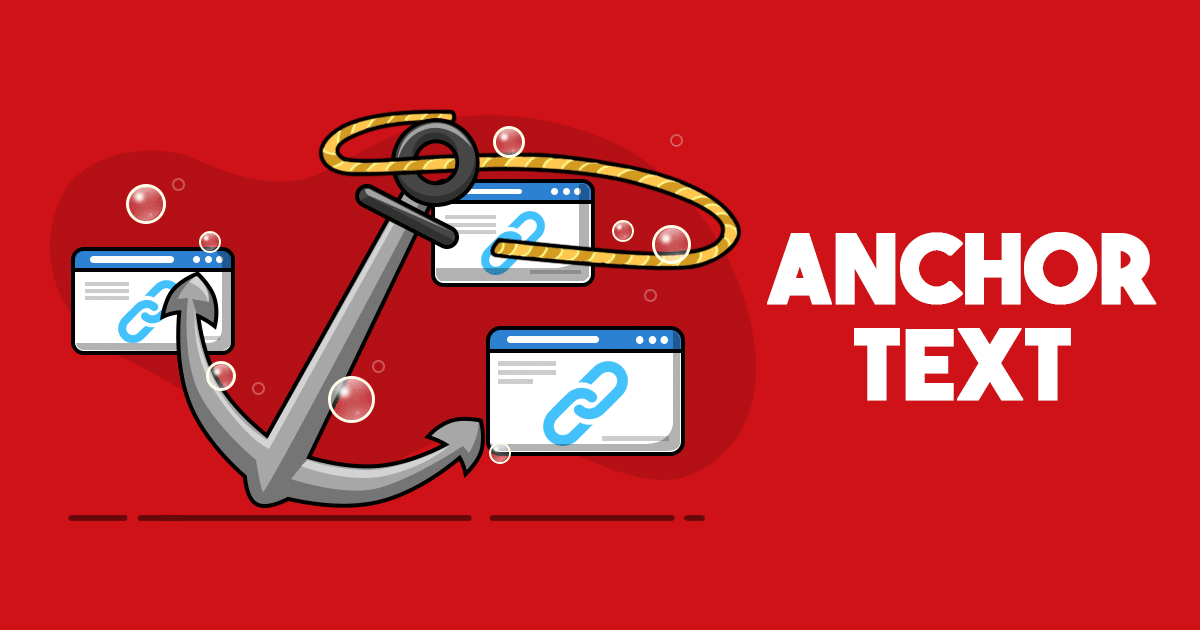
Anchor text is the clickable text that you see in a hyperlink. Usually, it is blue and underlined. When you click it, it takes you to a different web page. This text tells search engine crawlers (like Google bots) and users what the destination page is about.
In the past, people tried to trick the system. They used the same keywords over and over again in their link anchors. This is called bad anchor text optimization. Instead of helping, it now hurts your search rankings.
At VH-info, we have seen many SaaS companies struggle because their link profile looks unnatural. We believe link building should be honest and strategic. This guide will explain what went wrong with your anchor text strategy and how to fix it simply.
We want to be your trusted partner in getting your SEO strategy back on track.
What Is Bad Anchor Text Optimization?
The Definition of Anchor Text Over-Optimization
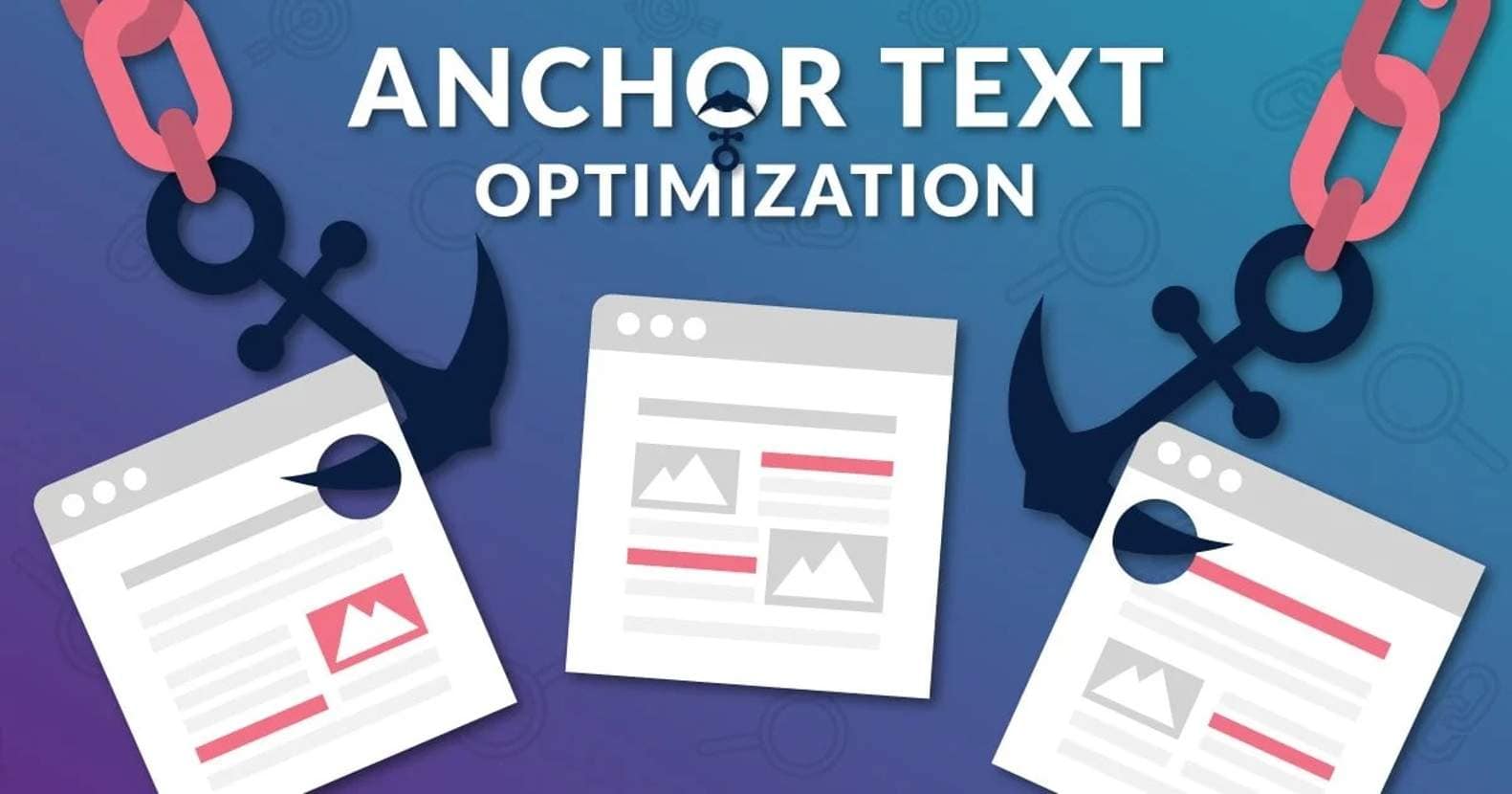
Anchor text optimization happens when you try to control the words used in a link to rank higher for specific target keywords. A little bit of this is okay. However, bad anchor text optimization is when you do it too much.
This is often called over-optimization. It happens when you force an exact keyword into the clickable text too many times. For example, if you sell “blue running shoes,” and every single link pointing to your site says “best blue running shoes,” that is unnatural.
Search engines look at patterns. If they see a pattern that looks fake, they label it as keyword stuffing. The goal of search engine optimization is to look natural. When you force keywords where they do not belong, you are flagging your site as spam.
The Difference Between Good Vs. Bad Anchor Profiles
A good anchor text profile looks like a natural conversation. It has variety. Think about how real people talk. They do not say the same phrase every time. A healthy backlink profile includes:
- Branded anchor text (like “VH-info”).
- Naked URLs (like “vh-info.com”).
- Generic anchors (like “read more”).
- A small amount of exact match anchor text.
A bad profile looks robotic. It relies heavily on exact match terms. If 50% of your external links use the same money keywords, that is a bad sign.
At VH-info, we focus on building a natural link profile. We know that diversity is the key to safety. You want a mix of different types of anchor text so that Google sees your site as a legitimate resource, not a spam farm.
Google’s Penguin Update and Its Impact on Anchors
Years ago, you could rank high just by spamming exact match anchors. Then, Google released the Penguin update. This was a massive change in the digital marketing world.
The Penguin algorithm was created to catch sites that were cheating. It specifically looked for unnatural link-building patterns.
If a site had too many links with the same link text, the Penguin update would punish them. This update made anchor text distribution a major ranking factor. It forced SEO professionals to change their ways. Now, Google Penguin is part of the core algorithm. It works in real-time.
This means if you start building links with bad anchor text, you can lose your search engine results spots very quickly.
Common Examples of Bad Anchor Text Optimization

Excessive Exact Match Anchors (Money Keywords)
Exact match anchor text is when the link text is the exact keyword you want to rank for.
If you want to rank for “email marketing software,” an exact match link is “email marketing software.” This is the most dangerous type of bad anchor text optimization. It is very tempting because it tells the search engine exactly what you do.
But, if you use it too much, it looks suspicious.
In a natural web environment, other websites will not always link to you using your main keyword. They might use your name or the title of your blog post. If 80% of your links say “cheap SEO services,” Google knows you built those links yourself.
This triggers a red flag in your anchor text profile.
Irrelevant Or “Spammy” Link Text
Sometimes, the problem isn’t the keyword, but the relevance. Irrelevant anchors occur when the link text has nothing to do with the linked page.
For example, imagine reading an article about cooking pasta. Suddenly, there is a link on the word “insurance policy” that leads to a cooking site. This confuses the user and the search engine.
Also, “spammy” text is a big issue. This includes links on words like “buy pills now” or “get rich quick.” Even if you did not build these links, having them in your backlink profile is dangerous. It ruins the user experience because the user feels unsafe clicking them.
Generic Anchors (e.g., “Click Here”) Used Excessively
Generic anchor text includes words like “click here,” “go here,” or “this website.” These are not bad on their own. In fact, they are very natural.
However, relying only on them is a form of bad anchor text optimization. While they are safe from a penalty perspective, they do not give any context to the search engine. If all your links are generic anchors, Google struggles to understand what your page content is about.
You need a balance. Generic anchors should be part of the mix, but they should not be the only thing you use. We advise our clients to use surrounding text effectively when using generic links so the context is clear.
Naked URLs Without Context
A naked URL is just the web address itself, like “https://vh-info.com/“.
Like generic links, these are safe and natural. The problem arises when they are used without context or surrounding description.
If a web page just lists hundreds of naked URLs without explaining why they are there, it looks like a link farm. Search engine crawlers read the text around the link. This is called the surrounding content. If you paste a raw URL with no introduction, you miss a chance to tell Google what the linked content is. While not as dangerous as keyword stuffing, it is lazy optimization that can hold you back.
Why Bad Anchor Text Optimization Hurts Your Rankings?

Triggering Manual Actions and Algorithmic Penalties
The biggest risk of bad anchor text optimization is a penalty. There are two types: manual and algorithmic.
A manual action is when a human at Google reviews your site and decides you are cheating. They will remove your site from the search results. This is a disaster for any business relying on organic traffic.
An algorithmic penalty happens automatically. The Penguin algorithm scans your site. If it sees too much exact match anchor text, it simply drops your rankings. You might not get a notification; your traffic will just vanish.
At VH-info, we help clients avoid this by keeping their anchor text strategy clean and safe.
Decreased User Experience and Click-Through Rates
SEO is not just about robots; it is about people. User experience is vital.
If a user sees a sentence that is stuffed with awkward keywords, they lose trust. Imagine reading: “We provide the best CRM tool for small business to help you.” It reads poorly. Users are less likely to click on links that look fake or forced.
If users do not click, your click-through rates drop. Google watches this. If people ignore your links, Google assumes your content is not valuable. Rich anchor text that flows naturally in a sentence gets more clicks and keeps users happy.
Loss of Domain Authority and Trust Flow
Your website has a score often called Domain Authority or Trust Flow (depending on the SEO tools you use). This score measures how trustworthy your site is.
Bad anchor text signals that your site is low-quality. High-quality sites do not need to spam keywords. When you engage in bad anchor text optimization, you link yourself to spammy practices.
Other websites will stop linking to you if you look spammy. You lose authority. Once you lose trust in Google, it takes a lot of time and hard work to get it back. It is much better to build authority correctly from the start with a balanced anchor text distribution.
How to Fix Bad Anchor Text Optimization Issues?

Conducting A Link Profile Audit
The first step to fixing the problem is knowing what you have. You need to perform a link profile audit. You can use SEO tools to download a list of all your external links. Look at the words people use to link to you. Sort them by the type of anchor text.
Are 60% of them exact match? Do you see weird words that don’t match your business? This audit shows you the danger zones.
At VH-info, we perform deep audits for our clients to spot these patterns before they cause permanent damage. We look at every target page to see if specific pages are over-optimized.
Diluting Over-Optimized Anchors with Branded Terms
If you have too many exact match anchors, you need to water them down. This is called dilution.
You do not always have to remove the bad links. Instead, you can build new links using branded anchor text. For example, if you have too many links saying “SaaS marketing,” try to get new links that say “VH-info.”
By increasing the number of branded anchors, the percentage of exact match anchors goes down. This makes your profile look natural again. Brand name links are the safest type of links you can get.
Disavowing Toxic Links in Search Console
Sometimes, you cannot change a link. Maybe the website owner won’t answer you, or the site is a spam site.
In this case, you must use the disavow tool in Google Search Console.
Disavowing a link tells Google: “I did not ask for this link, please ignore it.” This is a powerful tool. You should only use it if you are sure the links are harmful bad anchor text optimization examples. You create a file of the bad domains and upload it to Google.
This helps protect your site from the negative effects of those specific anchor links.
Building New Links with Natural Sentence Fragments
To fix a bad profile, you need to add good stuff. Start building links that use natural language.
Instead of a keyword, use a phrase. This is often called partial match anchor text. For example, instead of just linking “link building,” link the phrase “read this guide on link building.”
Natural sentence fragments make the text flow better. They provide context to the search engine without triggering a penalty. Using partial match and longer phrases helps you rank for target keywords safely.
Major Types of Bad Anchor Text

Keyword Stuffed Anchor Text
Keyword stuffing in anchors is very common. This is when the text is unnaturally long and filled with synonyms.
Example: “Best cheap affordable SEO services for small business.”
This is clearly written for a robot, not a human. It looks terrible in a paragraph. It ruins the flow of the page content. Google hates this. It signals that you are trying to manipulate the ranking factor metrics.
Generic and Uninformative Anchor Text
As mentioned before, too many “click here” is bad. But it is also bad because it is uninformative.
If a visually impaired person uses a screen reader, they hear “link click here.” They have no idea where the link goes. This is bad for accessibility and user experience. While not an automatic penalty like keyword stuffing, uninformative text hurts your overall SEO performance.
You want anchor text that describes the destination page.
Irrelevant Or Misleading Anchors
This is when the text tricks the user. This is a severe form of bad anchor text optimization.
If the anchor says “free PDF download” but leads to a sales page for shoes, that is misleading. Google calls this cloaking or deception.
Irrelevant anchors confuse the algorithms. If you link to a page about “cats” using the text “dogs,” Google will not know how to rank that page. Accuracy is vital for search engine crawlers.
Best Practices to Avoid Bad Anchor Text Optimization in the Future

Maintaining A Diverse Anchor Text Ratio
The golden rule is diversity. Never rely on one type of anchor.
A healthy mix might look like this:
- 50% Branded anchor text (Your name).
- 20% Naked URLs (Your website address).
- 15% Generic anchors (Contextual words).
- 10% Partial match anchor text (Sentences).
- 5% Exact match anchor text (Money keywords).
This ratio keeps you safe. It shows Google that you are gaining links naturally. As an agency, VH-info always plans this ratio before we start any campaign.
Focusing on Relevance and Context Surrounding the Link
Context is king. The words appearing before and after your link are just as important as the link itself. Google reads the surrounding text to understand the link. Ensure the sentence makes sense. The link text should fit grammatically into the sentence.
If you use generic anchor text, ensure the text right before it explains what is coming. For example: “To learn more about our services, click here.” This gives the search engine the clues it needs.
Using Branded and Naked URLs Safely
If you are ever unsure what anchor to use, go with your brand name or the URL. Branded anchors build brand recognition. Naked URLs are honest and transparent. You can almost never get penalized for using these too much.
They act as a foundation. They allow you to take small risks with exact match keywords later because your base is solid. Make sure your internal linking strategy also follows these rules, though you can be a bit more aggressive with keywords in internal links.
FAQ’s:
Can Using the Same Anchor Text Everywhere Affect My SEO?
Yes, using the same anchor text everywhere creates an unnatural pattern. Google sees this as spam or manipulation. It can lead to penalties that drop your site out of the search results.
Are Links Without Anchor Text Bad For Rankings?
Links usually need some text to be clickable, but images use alt text as anchors. If a link has truly no text or alt text, it is useless for SEO. It does not help search engine crawlers understand the linked page.
What is the Ideal Ratio For Anchor Text to Avoid Optimization Penalties?
There is no single perfect number, but safety is key. Aim for mostly branded anchor text and naked URLs. Keep exact match anchor text very low, usually under 5% or 10% of your total profile.
Can I Fix Bad Anchor Text Optimization Without Disavowing Links?
Yes, you can fix it by diluting the bad links. You do this by building links with safe anchors like your brand name. This lowers the percentage of bad anchors without needing to delete anything.
Does Internal Linking Count Towards Bad Anchor Text Optimization?
Yes, internal linking matters, but Google is less strict about it. You can use more keywords in internal links to help users navigate. However, you should still avoid stuffing keywords excessively.
How Do I Know If I Have Been Penalized For Bad Anchor Text?
Check your organic traffic and rankings. If they drop suddenly, you might have a problem. You can also check Google Search Console for “Manual Actions” to see if a human penalized you.
Is Using “Click Here” Considered Bad Anchor Text Optimization?
Using “click here” is not bad if used sparingly. It becomes bad optimization if it is the only text you use. It fails to describe the content to the search engine or the user.
How Can I Naturally Diversify My Anchor Text Distribution?
Write naturally and do not overthink it. Use your brand name, the article title, and natural sentences. Vary your wording so that no two links look the same in your backlink profile.
Conclusion
Bad anchor text optimization is a trap that is easy to fall into but hard to get out of. It happens when we focus too much on search engines and forget about the humans reading our content.
By stuffing exact match anchors and ignoring diversity, we invite penalties from the Penguin algorithm.
The solution is simple: be real. Use a mix of branded anchor text, naked URLs, and natural sentence fragments. Make sure every link provides value and context to the reader. Your link profile should look like a natural recommendation, not a robotic list.
At VH-info, we understand the delicate balance of SEO strategy.
We help SaaS businesses build strong, natural links that stand the test of time. If you are worried about your anchors or want to build a safer profile, we are here to guide you. Let’s make your link-building efforts count for the long run.

 Share
Share