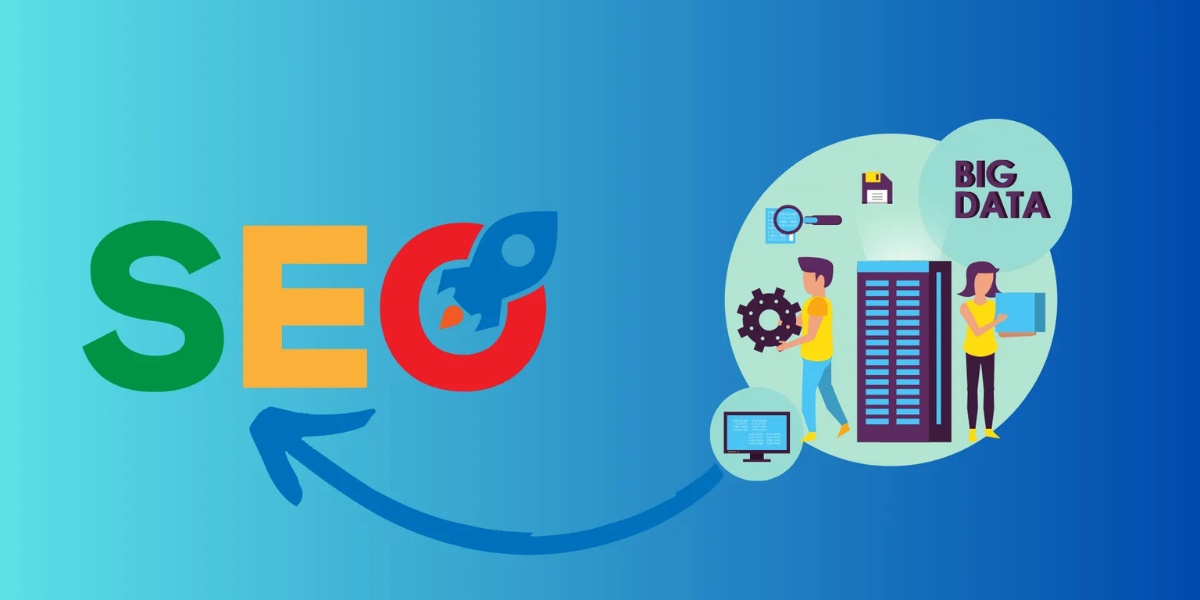
Imagine you have a giant library. It has millions of books. Now, imagine trying to find one specific answer in all those books. It would take forever, right? This is what search engines like Google do every second. They look through huge amounts of data to give you the best answers.
For website owners, this matters a lot. If you want people to find your website, you need to understand how search engines work. This is where big data SEO comes in. It sounds fancy, but it is actually simple. It means using facts and numbers to make smart choices for your website. Instead of guessing what people like, you look at the data.
At VH Info, we know that good data leads to good results.
We help SaaS companies grow by building strong links, and we use data to do it right. In this guide, we will explain big data SEO in easy words. You will learn how to use it to get more organic traffic and grow your business.
What Is Big Data SEO and Why Does It Matter?
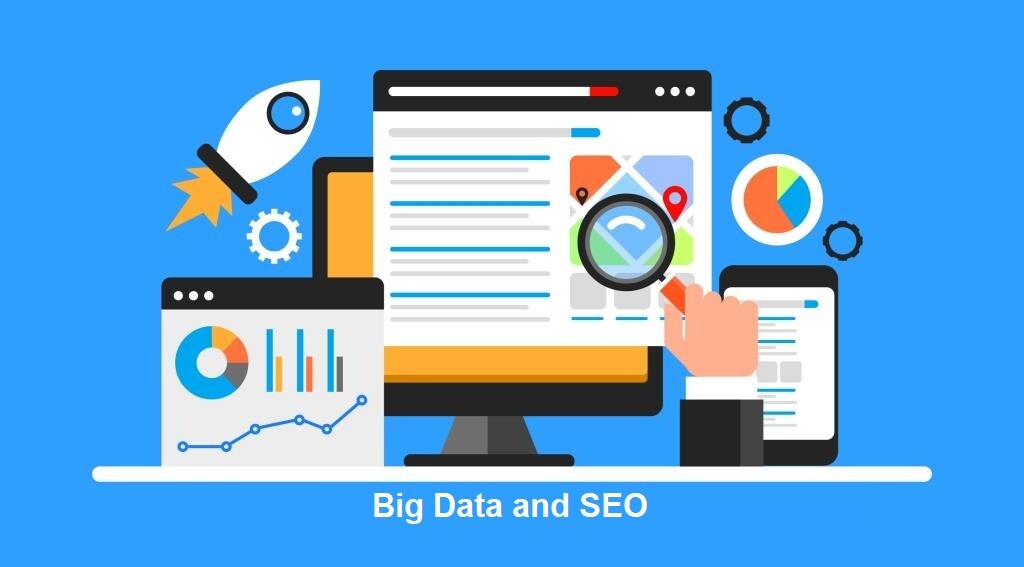
Big data SEO is about handling large sets of information to improve your search engine rankings. Every time someone searches for something, clicks a link, or spends time on a page, they create data. When we collect all this info, we call it “big data.”
Defining Big Data in the Context of Search Marketing
In the world of digital marketing, big data is not just one thing. It is a mix of many things. It includes keyword research, search volume, user behavior, and even what people say on social media.
When you look at this data, you can see patterns. You can see what people want. You can see what they don’t like. This helps SEO professionals make a website better. It is like having a map that shows you exactly where to go.
The Difference Between Traditional SEO and Data-Driven SEO
Old-school SEO was often a guessing game. You might pick a few relevant keywords and hope for the best.
You might write content and pray people read it. That was the old way. Data-driven SEO is different. It relies on accurate data. You don’t guess; you know. You use analytics tools to see exactly what works. You look at historical data to see what worked in the past.
Then, you plan your SEO campaigns based on facts. This gives you a competitive edge because you are not flying blind.
How Search Engines Use Big Data to Rank Content?
Google and other search engines are the biggest users of big data. They use artificial intelligence and machine learning to read billions of pages. They look at user engagement. Do people stay on your page? Do they click the back button?
Search engines use this data to decide who gets the top spot in search engine results. If your website content answers questions well, the search engine will show it to more people. They process huge amounts of data to make sure users get the best experience.
Key Benefits of Implementing A Big Data SEO Strategy

Using big data analytics for your website is a smart move. It helps you work smarter, not harder. Here are some main benefits.
Uncovering Granular User Intent and Behavioral Patterns
“User intent” just means what a person wants when they search.
Do they want to buy something? Do they want to learn something? Big data insights show you this. By looking at search data, you can see behavioral patterns. You might see that people search for “best shoes” but they actually buy “cheap boots.”
This tells you to change your content strategy. When you match your content to what people truly want, you get better user engagement.
Predicting Trends Before They Go Mainstream
Imagine knowing what will be popular next month. With predictive analytics, you can. You can look at search trends to see what is rising. If you see a new topic getting popular, you can create new content about it fast. This helps you beat your competitors.
You can be the first one to write about a hot topic. This brings more website traffic to you before others even catch on.
Personalization At Scale: Tailoring Content For Specific Audiences
Everyone is different. A small business owner looks for different things than a teenager. Big data helps you speak to each group. You can see who is visiting your site. Are they from a specific city? Do they use mobile phones? You can use this info to tailor your content.
You can make pages that feel personal to them. This improves user experience. When people feel you are talking to them, they trust you more.
How to Execute Big Data SEO For Maximum ROI?

You might think you need to be a math genius to do this. You don’t. You just need a plan.
Here is a simple way to start using data for effective SEO.
Step 1: Aggregating Data From Multiple Sources (Google Analytics, CRM, Social)
First, you need to gather your data. You have data in many places.
- Google Analytics: This shows you who visits your site.
- Google Search Console: This shows you your search visibility and click rates.
- Social Media: This shows what people share and like.
- CRM: This tracks your customers.
You need to bring these data sources together. This gives you a full picture of your website performance.
Step 2: Cleaning and Processing Data For Actionable Insights
Sometimes, data can be messy. You might have duplicate info or errors. You need to clean it up. This means fixing mistakes so your data is clear. Once your data is clean, you can look for “actionable insights.” These are simple facts you can use.
For example, you might find that your blog posts about “tips” get more views than posts about “news.” The action? Write more tips!
Step 3: Automating Optimization with Machine Learning Models
This step sounds hard, but tools do it for you. Many SEO tools use machine learning. They can automatically suggest changes.
For example, a tool might tell you to change a title to get more clicks. Or it might tell you to add a specific keyword. This automation saves you time. It helps with content optimization without you doing all the heavy lifting.
Step 4: Visualizing Data to Communicate Strategy to Stakeholders
Numbers on a spreadsheet can be boring. It is hard to see the story. That is why you should turn data into pictures. Charts and graphs make it easy to understand. When you show a graph of your organic traffic going up, everyone understands.
This helps you explain your SEO strategies to your boss or team. Visualizing data makes your success clear.
Top Tools to Power Your Big Data SEO Efforts

You need the right tools to handle all this information. Here are some of the best ones.
- Enterprise Platforms (BrightEdge, Conductor): For very big companies, tools like BrightEdge and Conductor are great. They handle massive amounts of data. They can track thousands of keywords at once. They give deep reports on market trends and search share.
- Data Visualization Tools (Google Data Studio, Tableau): These tools help you make those nice charts. Google Data Studio (now Looker Studio) connects easily with google analytics and google search console. It is free and very powerful. Tableau is another great option for making deep data analysis look simple.
- Python and R For Custom SEO Data Analysis: If you want to get really fancy, you can use coding languages like Python or R. These are for people who like to code. They let you build your own tools. You can analyze search terms in your own unique way. This is not for everyone, but it is very powerful for technical SEO.
Challenges and Future Trends in Big Data SEO

Using big data is great, but it has some challenges. Also, things are always changing.
Overcoming Data Silos and Privacy Concerns
A “data silo” is when data is stuck in one place and you can’t share it. This makes it hard to see the big picture.
You need to connect your tools so they talk to each other. Also, privacy is a big deal. You must be careful with user data. You have to follow laws and respect people’s privacy. If you don’t, you can get in trouble. Always use data responsibly.
The Role of AI and Natural Language Processing (NLP)
AI is changing everything. Natural Language Processing (NLP) is how computers understand human speech.
Google uses this to understand the meaning behind your search, not just the keywords. In the future, SEO practices will focus more on meaning. You won’t just count keywords. You will write content that answers questions naturally.
Preparing For the Future of Semantic Search
Semantic search is about context. It connects ideas. For example, if you search for “Apple,” do you mean the fruit or the phone?
The search engine uses context to decide. To prepare, you need to build content that covers topics fully. Don’t just write short posts. Write detailed guides. Cover all the relevant keywords related to a topic. This helps search engines understand what your site is about.
FAQ’s:
How Does Big Data SEO Differ From Standard Keyword Research?
Standard keyword research usually looks at a few terms and their popularity. Big data seo looks at the whole picture. It analyzes search intent, user behavior, and historical trends all at once. It uses much more information to make better decisions.
Do I Need to Be A Data Scientist to Use Big Data For SEO?
No, you do not. Many modern tools do the hard math for you. You just need to look at the reports and understand the basics. If you can read a chart, you can use big data for your SEO efforts.
How Can Big Data Analytics Improve My Website’s SEO Results?
It helps you stop guessing. It shows you exactly which pages are working and which are not. You can fix broken parts of your site and make good pages even better. This leads to better rankings and more visitors.
Can Big Data SEO Help With Local Search Rankings?
Yes, it is very helpful for local SEO. You can look at data from specific cities or regions. This helps small businesses understand their local customers better. You can optimize for terms that people in your town use.
Is Big Data SEO Expensive to Implement?
It can be, but it doesn’t have to be. There are free tools like google search console and Google Analytics. You can start with these. As you grow, you might pay for premium tools, but you can start small.
How Does Big Data Help In Link Building?
Data helps you find the best sites to get links from. At VH Info, we use data to find high-quality sites that are relevant to your niche. We look at their traffic and authority metrics. This ensures every link we build helps your site grow safely and effectively.
Conclusion
Big data SEO might sound complex, but it is just a better way to do marketing. It is about using facts to grow your website. By using data from search engines, social media, and your own site, you can make smart choices.
You can understand your users better. You can spot trends early. You can fix problems fast. Whether you are a small shop or a big SaaS company, data is your friend. It gives you a competitive advantage in the busy world of online search.
Remember, you don’t need to do it all alone. Tools can help. And for things like link building, experts like VH Info are here to guide you. We use these same data principles to help our clients succeed. Start looking at your data today, and watch your search rankings rise.
 Share
Share