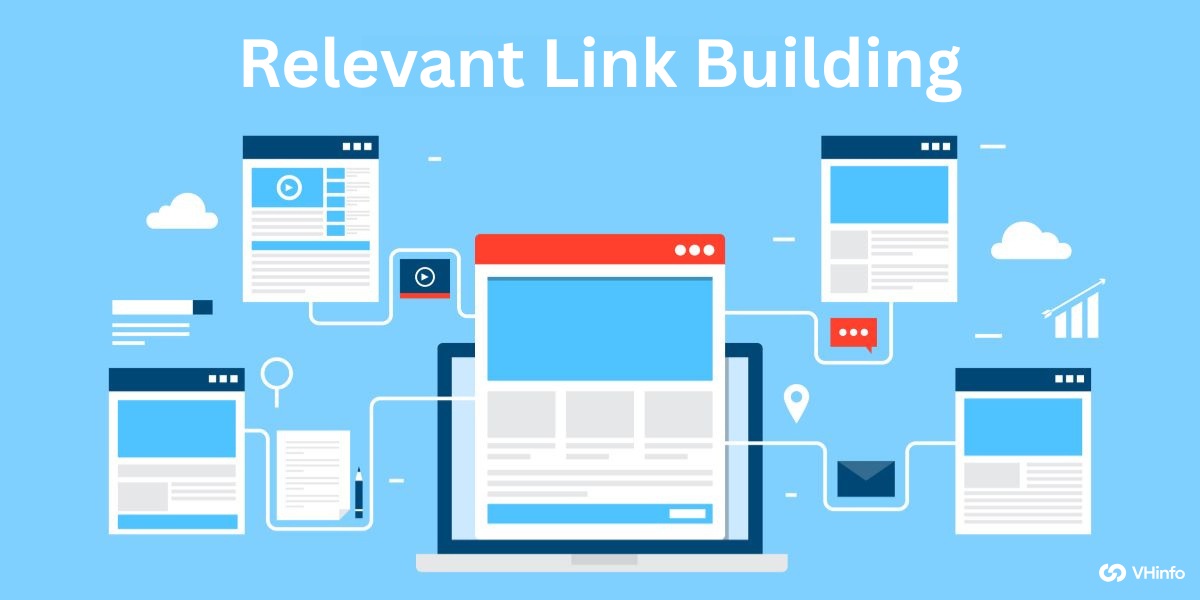
Everyone who runs a website wants to show up at the top of a search engine. When people look for answers online, they usually click the first few results. To get there, you need a strong plan. One of the most important parts of that plan is relevant link building.
At VH Info, we know that getting links can feel hard. But it is not just about getting any link. It is about getting the right link. Think of it like a vote. If a doctor votes for a health product, people trust it. If a mechanic votes for a health product, it does not mean much.
The same is true for Google search. Google and other search engines look at your backlink profile. This is a list of all the external links pointing to your site. If these links come from relevant websites, Google sees your site as useful. This leads to higher search engine rankings.
In this guide, we will break down exactly how to get these quality links. We will talk about link-building strategies, guest posting, and how to fix broken links. As a SaaS Link Building Agency, VH Info helps companies do this every day.
We handle the hard work so you can focus on your business. Let’s look at how relevant link building can change your SEO strategy.
What is Relevant Link Building?
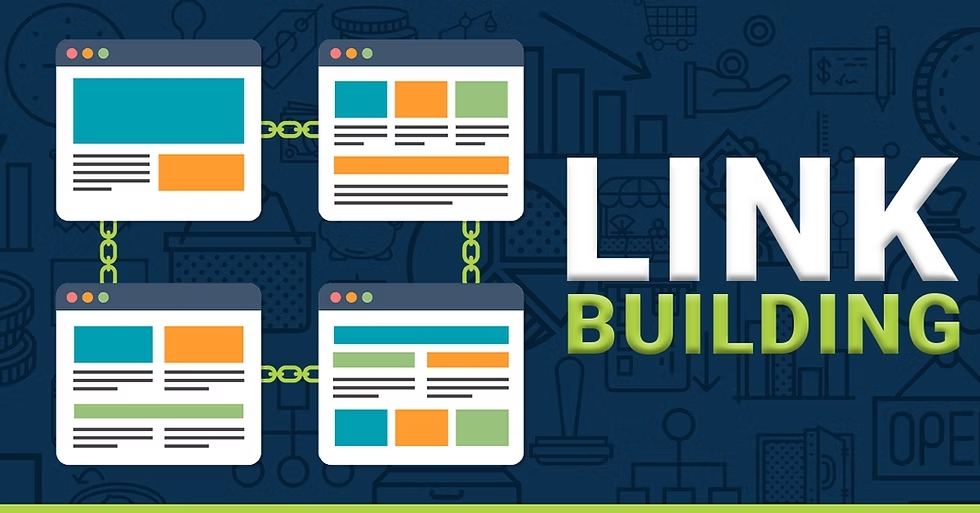
Relevant link building is the process of getting links from websites that are in the same industry or niche as you. It is not about the number of links. It is about how well those links fit with your content.
Imagine you have a website about cooking software. A link from a popular food blog is a relevant link. It makes sense because the target audience is the same. People reading the food blog might actually want your software.
However, a link from a shoe store website would be an irrelevant link. It does not help the user.
Search engines like Google are very smart. They use Google’s algorithm to check if a link is natural.
When you get relevant backlinks, you tell Google that your content is a good resource for that topic. This helps improve your site’s authority. It also brings in referral traffic, which means real people are clicking the link to visit your site.
Why Are Relevant Links Important?
You might wonder why we focus so much on relevance. Why not just get as many links as possible? The truth is, quality links beat quantity every time. Here is why relevant links are a key part of any digital marketing plan.
Boosts Conversions and Referral Traffic
When a link is relevant, the people clicking on it are actually interested in what you offer. If you sell dog toys and get a link from a pet care blog, the readers are already dog owners. When they click through to your web pages, they are more likely to buy something. This is called referral traffic. It is traffic that comes from other sites, not just a search result. This traffic is valuable because it turns visitors into customers.
Improved Search Engine Rankings
Your search rankings depend heavily on links. But Google looks at link relevance.
If you have ten links from relevant sites, it is better than one hundred links from random sites. Search engine results favor websites that have inbound links from authoritative sources in their own field. This signals to the search engine that you are a leader in your space.
Enhanced Brand Reputation
Being mentioned on quality websites makes your brand look good. When users see your name on a trusted site, they trust you too. It builds brand awareness. If a famous industry news site links to your blog post, their readers will see you as an expert.
This is a great way to grow your name online.
Establishing Niche Authority and Trust
To be a leader, you need niche authority.
This means you are the go-to expert in your specific area. Relevant link building helps build this trust. When many authoritative websites in your industry link to your piece of content, it proves you know your stuff. This trust is vital for user experience and long-term growth.
Long-Term Visibility
Some SEO tricks stop working after a while.
But relevant backlinks give you long-term power. Once you earn a link from a good site, it usually stays there for years. This keeps your organic traffic steady. Unlike paid ads that stop when you stop paying, link-building efforts pay off for a long time.
Relationship Building
To get links, you often have to talk to other people.
This helps with relationship building. You might connect with bloggers, journalists, or other business owners. These connections can lead to more than just a guest post. They can lead to partnerships and new business opportunities.
At VH Info, we pride ourselves on building these real connections for our clients.
How to Get Relevant Links?
Now that we know why they matter, how do we get them? There are many link-building strategies to try. Here are some simple steps to start.
- Brainstorm and Map Out Relevant Site Types: First, sit down and think. Who talks to your customers? If you sell software for teachers, look for education blogs, school news sites, or teacher forums. These are your relevant sites. Make a list of the types of websites that fit your niche. This maps out your link opportunities.
- Use Search Operators to Find Sites in Your Niche: You can use Google to find places to get links. These are called search operators. For example, if you want to write a guest post about marketing, you can type marketing “write for us” into the search bar. This shows you sites that accept articles. You can also search for resource pages by typing the keyword “resources“. This is a great way to find relevant websites fast.
- Create Content That Relevant Sites Will Share Through Outreach: You need to make something worth linking to. This is where quality content comes in. Write a detailed guide or a study. Then, reach out to people. Send a friendly email to website owners. Show them your valuable content and explain why their readers would like it. This is active link building.
- Create Content That Relevant Sites Will Share Organically: Sometimes, if your content is amazing, people will link to it without you asking. This happens when you do original research or create a unique tool. Other writers need sources for their articles. If your blog post has good data, they will link to it as a reference. This brings in editorial backlinks naturally.
- Build Relationships With Bloggers Or Journalists: Don’t just ask for links. Make friends first. Comment on their posts. Share their work on social media. When you help them, they are more likely to help you. Journalists are always looking for experts. If you help them with a story, they might give you a link. This is a key part of content marketing.
- Competitor Analysis: Look at your competitors. Where are they getting their links? You can use tools to see their backlink profile. If a website linked to them, they might link to you, too. This is a smart way to find link opportunities you might have missed.
Proven Strategies to Execute Relevant Link Building

There are specific methods that link builders use to get results. Here are some proven ones that VH Info recommends.
- Guest Posting on Industry-Related Blogs: Guest posting is a classic strategy. You write an article for another website. In exchange, you get a link back to your own website. But you must be careful. Only write for relevant sites. A guest post on a random site does not help much. The content must be high-quality and helpful to their readers.
- The Skyscraper Technique For Contextual Links: This method is simple. Find a popular piece of content in your niche that has many links. Then, create something even better. Make it longer, more up-to-date, or better designed. Then, ask the people who linked to the old version to link to yours instead. This upgrades the user experience for their readers.
- Broken Link Building in Your Niche: The web is full of broken links. These are links that lead to a 404 error page because the content was deleted. Broken link building is when you find these dead links on relevant websites. You tell the site owner about the error. Then, you suggest your own content as a replacement. It helps them fix their site, and you get a link. It is a win-win.
- Using Digital PR For News-Worthy Mentions: Digital PR is about getting into the news. You can share a press release about a new product or a study you did. If news sites pick it up, you get high-quality links from authoritative sources. These links are very powerful for domain authority and search engine optimization.
Common Mistakes to Avoid in Relevant Link Building
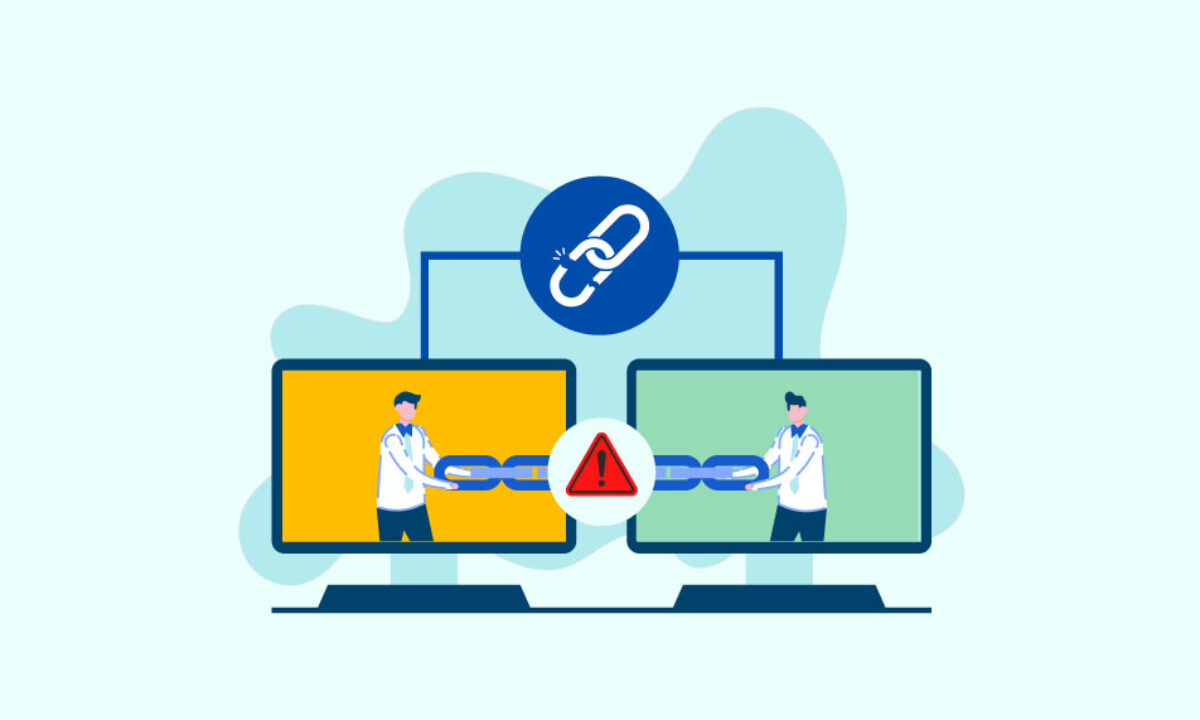
Even smart people make mistakes. Here are things you should avoid to keep your SEO efforts safe.
- Ignoring Local Relevance For Local SEO: If you are a local business, you need local links. A link from a local newspaper is worth more than a link from a big site far away. Don’t ignore local directories or community sites. This is vital for showing up in local search results.
- Prioritizing Quantity Over Quality: We said this before, but it is very important. Don’t buy thousands of cheap links. This can hurt your search rankings. Google might penalize you. Always choose one good link over 100 bad ones. Focus on link relevance and the site’s authority.
- Tools to Assess the Relevance of Linking Sites: A big mistake is ignoring tools that help you check a site. You cannot just guess if a site is good. You need to look at its metrics. Using SEO tools helps you see if a site has real traffic and authority. If you don’t check, you might spend time getting a link that has no value.
Types of Relevant Backlinks That Matter
Not all links are equal. Here are the types you should aim for in your link-building strategy.
- Editorial Backlinks Within Contextual Content: These are the best links. An editorial backlink is when a writer links to you because your content supports their point. It is inside the main text of an article. These contextual links pass the most value to your linked page.
- Guest Post Links From Niche Sites: As we discussed, guest blogging works if the site is right. A link from a respected blog in your industry carries a lot of weight. It shows you are part of the community.
- Using Irrelevant Anchor Text: This section is about why anchor text matters. Anchor text is the clickable text in a link. If the text says “click here,” it is not very helpful. But if it says “best accounting software,” it tells Google what the page is about. However, be careful. Using the same keywords every time looks fake. You want natural anchor text. Having irrelevant anchor text (like linking the word “shoes” to a software site) confuses the search engine.
Best Practices For Trying to Get Relevant Links
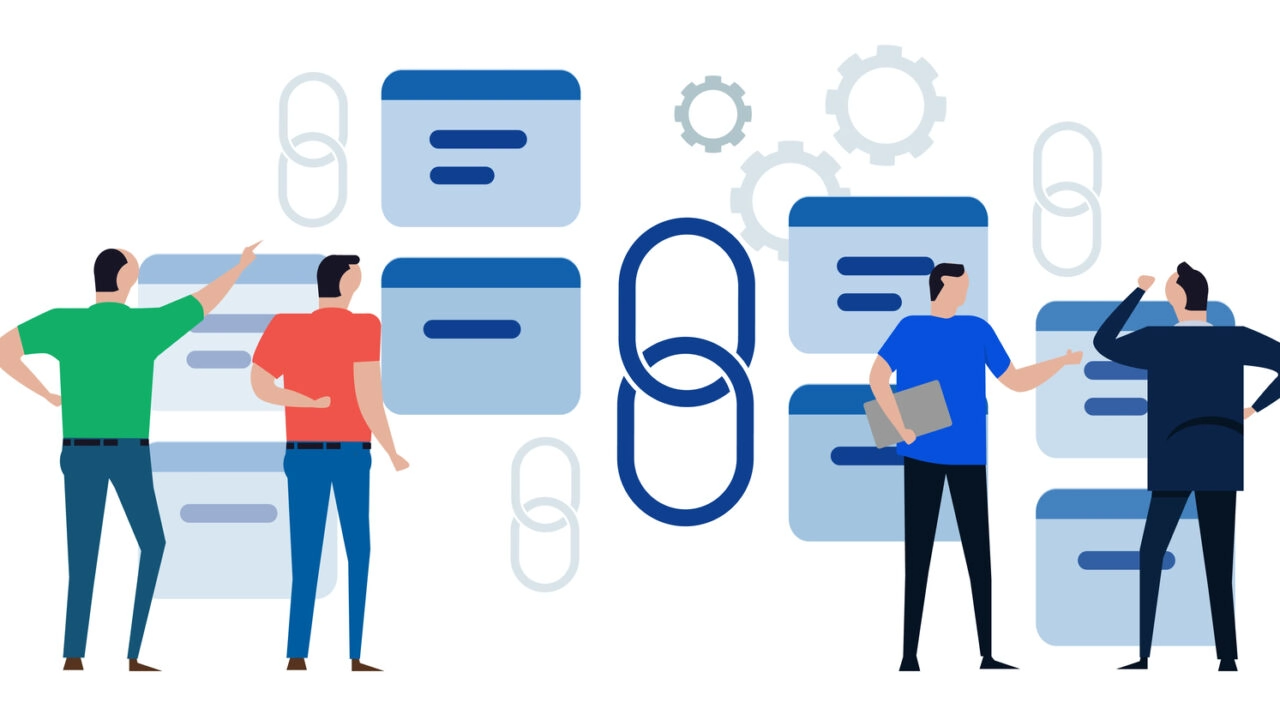
To succeed, you need to follow the rules. Here are the best practices VH Info follows.
- Make sure you have a clear link-building strategy: Don’t just start emailing people. Have a plan. Know which pages you want to rank. Know who your target audience is. A good strategy saves time and gets better results.
- Research potential link sources thoroughly before reaching out: Check the website first. Does it post quality content? Is it active? Does it have a good domain authority? Using a site explorer tool helps here. Don’t waste time on dead or spammy sites.
- Reach out with a personalized email and a valuable offer: Nobody likes spam. When you send an email, use the person’s name. Mention something specific about their work. Explain the real value your content adds. Make it easy for them to say yes.
- Focus on creating content that adds value and is unique: Content marketing is the heart of link building. If your content is boring, no one will link to it. Create guides, infographics, or research that people cannot find anywhere else. Valuable content earns links naturally.
- Build relationships with websites in your niche: Networking is key. Help others without asking for anything first. Share their posts on social media. When you build trust, asking for a link becomes much easier.
- Don’t bother with competitors: This is an important rule. Direct competitors will not link to you. They want to rank higher than you! Don’t waste your time asking them for links. Focus on relevant websites that are in your industry but do not sell the same thing. For example, if you sell software, ask a hardware review site, not another software seller.
Tools to Streamline Your Relevant Link Building Process
Using the right tools makes the job faster. At VH Info, we use many of these to help our clients. Here is a list of top tools.
Ahrefs
Ahrefs is one of the most popular SEO tools used by link builders everywhere.
It acts like a giant map of the internet, helping you see where your competitors get their external links. Its main feature, the site explorer, allows you to check the backlink profile of any website in seconds.
This is helpful because you can see which authoritative websites are linking to them and try to get those same links for yourself.
Ahrefs is also amazing for broken link building. You can search for broken links on relevant sites and offer your own content to replace them.
This helps you get quality links that boost your search engine rankings. It also shows metrics like domain authority, so you know if a site is worth your time. If you want to improve your SEO strategy and get more organic traffic, Ahrefs is a must-have tool.
Semrush
Semrush is a complete digital marketing tool that does almost everything. It is not just for links; it helps with keyword research, technical seo, and checking your search rankings. For link building, Semrush has a special tool that finds link opportunities for you.
It looks at your competitors and suggests relevant websites that might want to link to your blog post. It also helps you write quality content that people want to read. By using its data, you can see what topics are popular in Google searches.
This makes it easier to create valuable content that earns relevant backlinks naturally.
Semrush also tracks your search engine results, so you can see if your link-building efforts are actually working. It is a powerful choice for any marketing strategy that aims for higher rankings and better brand awareness.
Linkody
Linkody is a very simple tool that focuses only on tracking your inbound links.
When you are busy with link building, it is hard to know when you gain or lose a link. Linkody sends you an email whenever this happens. This is great for keeping your link profile healthy. If you lose a link from a quality website, you can quickly email the owner to ask why.
It also lets you spy on your competitors. You can see their link-building strategy and find out where they are getting their referral traffic.
Linkody shows you important metrics like the anchor text used and the site’s authority. This helps you spot bad links that might hurt your Google algorithm standing. If you want a great way to protect your links without a lot of complex data, Linkody is the right choice for you.
Respona
Respona is a modern tool designed to help you reach out to people.
Link building often involves sending many emails to ask for a guest post or a link. Respona makes this easy by finding the right contact information for you. It combines a search engine with an email tool, so you don’t have to switch tabs.
You can use it to find relevant content that fits your niche. Once you find a good article, Respona helps you write a personalized email to the author. This personal touch is vital for getting a “yes.”
It is perfect for digital PR and building real value relationships. By automating the boring parts of outreach, Respona lets you focus on creating quality links and improving your seo efforts. It is a smart way to scale up your link building strategy quickly.
BuzzStream

BuzzStream is all about managing relationships. When you are contacting hundreds of people for guest blogging, it is easy to forget who you emailed. BuzzStream keeps a record of every email and conversation. It helps teams of link builders work together without getting confused.
You can see who replied, who needs a follow-up, and who agreed to post your piece of content. It also helps you find contact info for relevant sites. You can browse the web, and BuzzStream will automatically find email addresses and social profiles. This saves a lot of time.
By keeping your contacts organized, you can build long-term friendships with bloggers. These relationships lead to more link opportunities and better search engine results pages placement.
If you want to be organized and efficient, BuzzStream is an essential tool for your marketing strategy.
BuzzSumo

BuzzSumo is a fantastic tool for content marketing.
Instead of guessing what people like, BuzzSumo shows you exactly what is popular on social media. You can type in a topic, and it will show you the most shared articles. This helps you create relevant content that has a high chance of going viral.
It is also useful for finding influencers. You can see who shared popular posts and ask them to share your own content too. If you want to earn editorial backlinks, you need to write things that people love.
BuzzSumo helps you find those hot topics. It helps you understand your target audience better, which leads to more referral traffic and brand awareness. By using this tool, you ensure that your link-building efforts are based on data, not just guesses.
Majestic

Majestic is a tool that specializes purely in mapping the web’s links.
It is famous for its “Trust Flow” and “Citation Flow” metrics. These scores tell you if a site is a authoritative source or just spam. When you are looking for relevant backlinks, you want links from sites with high Trust Flow. This ensures that the link passes real value to your site.
Majestic has a huge database of external links, making it a strong alternative to other site explorer tools. It allows you to see the history of a site’s links, so you know if they are growing or shrinking.
This is important for analyzing your competitor’s backlink profile. If you are serious about technical SEO and want to understand the deep details of link relevance, Majestic gives you the data you need to boost your search engine rankings.
Pitchbox

Pitchbox is an advanced platform built for agencies and big brands. It automates the entire outreach process, from finding link opportunities to sending emails. It integrates with other SEO tools like Ahrefs and Moz to give you the best data.
If you want to send hundreds of emails for guest posting or broken link building without looking like a robot, Pitchbox helps you do it.
It helps you find authoritative websites in your niche and organizes them into a list. Then, it sends personalized follow-up emails automatically if people don’t reply. This increases your chances of getting a response.
Pitchbox is designed to save time and help you get more quality links faster. It streamlines your workflow, allowing you to focus on strategy while the tool handles the heavy lifting of communication. It is a powerful asset for any serious SEO strategy.
Hunter

Hunter is a simple but essential tool for finding email addresses.
One of the hardest parts of link building is finding the right person to contact. You might find a great blog post, but if you can’t find the author’s email, you can’t ask for a link. Hunter solves this by scanning the website and listing all the email addresses associated with it.
It also verifies the emails to make sure they are real. This prevents your emails from bouncing back. Using Hunter helps you connect with web pages owners and editors directly.
It is a small tool that makes a big difference in your outreach success. By reaching the right inbox, you improve your chances of getting a guest post or a backlink. It connects you with the people who control the relevant sites you want to work with.
SE Ranking
SE Ranking is an all-in-one SEO software that is great for beginners and pros.
It tracks your search rankings accurately across different regions.
For link building, it has a “Backlink Checker” that lets you analyze any link profile. You can see which anchor text is being used and if the links are healthy. It also offers a “Marketing Plan” feature that guides you through the steps of search engine optimization. This is helpful if you are new to SEO. SE Ranking also checks your own website for technical errors that might hurt your user experience.
By fixing these issues and building relevant links, you can climb the search engine results. It provides comprehensive data on organic traffic and competitors, giving you a clear picture of what you need to do to succeed.
FAQ’s:
What Are Irrelevant Links?
Irrelevant links are links from websites that have nothing to do with your topic. If a gardening site links to a car repair shop, it is irrelevant. These links do not help your SEO strategy and can sometimes look spammy to Google.
How Do I Find Relevant Backlinks?
You find them by looking for websites that your customers visit. Use keyword research to find blogs in your niche. You can also look at your competitors’ links to find authoritative sources.
How Do I Identify High-Quality, Relevant Link Opportunities In My Industry?
Look for sites with high domain authority and good traffic. Read their articles. If they publish quality content and have an active audience, they are a good opportunity. Avoid sites that look like they sell links to everyone.
How to Get Free and Relevant Links?
The best way is to create amazing content. If you write a great guide or do a study, people will link to it for free. You can also do broken link building or answer questions on platforms where journalists look for experts.
How Does Google Determine If A Link Is Relevant Or Not?
Google looks at the content surrounding the link. It checks the anchor text and the topic of the page. It also looks at the relationship between the two websites. If the topics match, Google counts it as relevant.
Does Relevant Link Building Still Impact Rankings In 2026?
Yes, absolutely.
Even as technology changes, incoming links from trusted sites remain a huge ranking factor. By 2026, link relevance will likely be even more important. Search engines will get better at ignoring bad links, so focusing on quality links now is the best way to prepare for the future.
Conclusion
Relevant link building is not just a task; it is the foundation of a good online presence. It helps you climb the search engine results pages, brings in the right traffic, and builds trust for your brand.
By focusing on quality websites and creating valuable content, you can earn the links that truly matter.
It takes time and effort to build a clean backlink profile. You have to research, write, and reach out to people. But the results are worth it. Higher search rankings and more organic traffic can change your business.
If this sounds like a lot of work, that is because it is. But you don’t have to do it alone. VH Info is here to help. We are experts in getting the right links for SaaS companies. We use proven strategies and the best tools to grow your authority.

 Share
Share